Editorial Assistant Melinda Taylor mtaylor@coloradocountrylife.org
EDITORIAL
CORPORATE OFFICE
455 S. Pierce St., Lakewood, CO 80226 info@coloradocountrylife.org, 303-455-4111
Editorial opinions published in Colorado Country Life magazine shall pertain to issues affecting rural electric cooperatives, rural communities, and citizens. The opinion of CREA is not necessarily that of any particular cooperative or individual.
POSTMASTER Send address changes to Colorado Country Life at 455 S. Pierce St., Lakewood, CO 80226.
SUBSCRIBERS Report change of address to your local cooperative. Do not send change of address to Colorado Country Life. Cost of subscription for members of participating electric cooperatives is 30 cents per month, paid from equity accruing to the member. For nonmembers, a subscription is $16 per year in state/$21 out of state.
National advertising representative: American MainStreet Publications 611 S. Congress St., Suite 504 Austin, TX 78704 | 800-626-1181
ADVERTISING STANDARDS Publication of an advertisement in Colorado Country Life does not imply endorsement by any Colorado rural electric cooperative or the Colorado Rural Electric Association. Call for reprint rights. View advertising and editorial policy terms and conditions online at coloradocountrylife.coop.
Photo
Photo by
A Credible, SolutionOriented Voice
By Tom Walch CREA Executive Director
As Mark Twain famously quipped, “No man’s life, liberty, or property are safe while the legislature is in session.” It falls to the Colorado Rural Electric Association to safeguard the life, liberty, and property of our state’s electric cooperatives and their members at our state capitol. When the gavel fell to close the 2026 legislative session a couple of weeks ago it marked the conclusion of 120 long days that were often hectic, sometimes tedious, and ultimately successful for our legislative advocacy team.
CREA was able to defend electric co-op interests and ensure lawmakers understood the real-world impacts of the policies they were considering. In several cases, CREA helped secure important amendments that protected local control, preserved service territory rights, reduced regulatory burdens, and kept affordability and reliability at the center of the conversation.
Most importantly, Colorado’s electric co-ops came through the 2026 session unscathed. Despite a wide range of proposals that could have created new costs, mandates or operational challenges, CREA’s advocacy helped ensure electric co-ops remain well positioned to continue serving their members with safe, reliable and affordable power.
These efforts translated into real dollars saved for electric co-ops and their consumer-members. Every unnecessary study, duplicative process, unfunded mandate, or new compliance obligation that was avoided helped protect co-op budgets and the members who ultimately pay the bill.
Our legislative advocacy team was spearheaded by Taylor Ward, CREA’s Director of Government Relations, with support from others on our staff, and CREA’s skilled contract lobbyists. Together, they
harnessed efforts of other electric cooperative partners and like-minded interests to cultivate relationships with political leaders, and ensure that we are viewed as a credible, solutions-oriented voice in the building. Establishing this credibility not only helped us during the past session, but it paves the way for success in sessions to come.
Other CREA efforts have this long-term success strategy in mind. In February, we organized a reimagined Co-op Day at the Capitol, helping build relationships and elevating the voice of electric co-ops. In April, we partnered with other public power agencies to bring our front-line workers from across the state to the capitol, celebrating their critical contribution to our way of life with a robust Lineworker Appreciation Day. For legislators, this event put the spotlight on the operational challenges co-ops face and the importance of wildfire liability reform policies that support safety, reliability, and affordability.
The session may be over, but our work continues. Our focus now shifts to building a reinvigorated political action committee or PAC. CARE — Colorado Advocates for Rural Electrification — is the PAC supporting Colorado electric co-ops. It enables us to enhance relationships with legislators, establish credibility, and give us the political presence that we need to succeed. The stakes are big, and we must be at the table to meet the challenges that are coming. If we’re not, the reliability and affordability that our co-op members depend on will suffer.
Tom Walch is the executive director of the Colorado Rural Electric Association, the statewide organization supporting 21 electric distribution cooperatives and one generation and transmission cooperative.
On a Roll
By Kylee Coleman Editor
Recently, my family and I have fallen head-over-heels into bowling. Yes, bowling: 10 pins, a heavy ball, and an oiled lane. I used to joke that I always had a great golf score when I hit the lanes, and a great bowling score when I hit the links. I am someone who could barely crack 50 points — even with the bumpers up.
Well, not anymore.
I am learning all about scoring, spare balls, oil patterns, revs, 7/10 splits, and technique. It’s a whole thing. With some coaching and instruction from my husband, I am happy to report that I rolled a 163 just a few weeks ago. It wasn’t a perfect game, but it is still exciting for me, a self-proclaimed gutter magnet. That score awakened a competitive spirit in me that is up for a challenge. I am confident I will beat 163 this summer with my trusty 10-pound pink and black Brunswick Twist. (Stay tuned.)
Do you like to bowl? Is there a bowling alley in your town? Write me an email and let me know. I’m also open to taking tips and advice from players who are much better than I am.
Share your best bowling stories with me at kcoleman@coloradocountrylife.org.
Monthly Giveaway
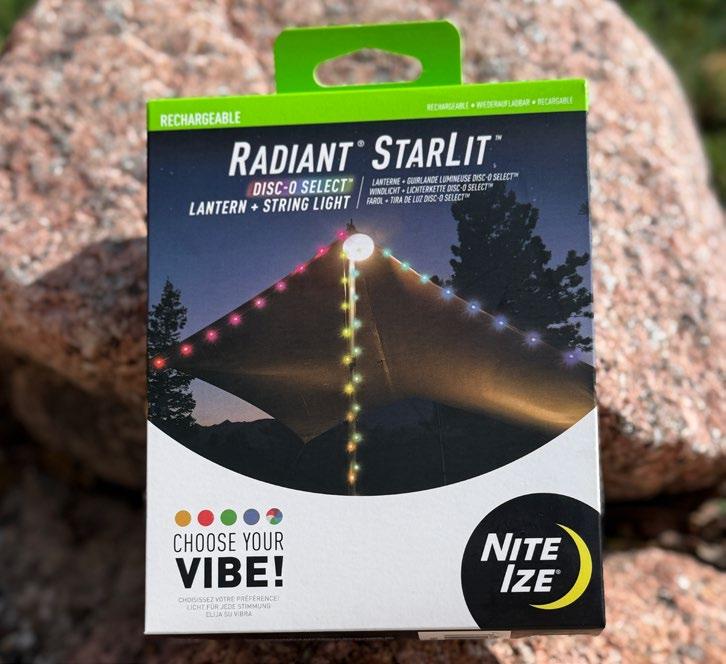
This month, CCL is giving one lucky winner a Nite Ize rechargeable lantern and string lights for your tent or RV adventures this summer. Read page 12 for tips to make your campsite fun and enviable. To enter, visit coloradocountrylife.coop and navigate to the Monthly Giveaway page.
Need a different way to enter our contests? Send a postcard to 455 S. Pierce St., Lakewood, CO 80226. Include your name, phone number, mailing address, and the name of your electric cooperative. Contest ends June 20.
Beat the Heat
MVEA Resources to Save Energy & Money
By Ruth Marks CEO
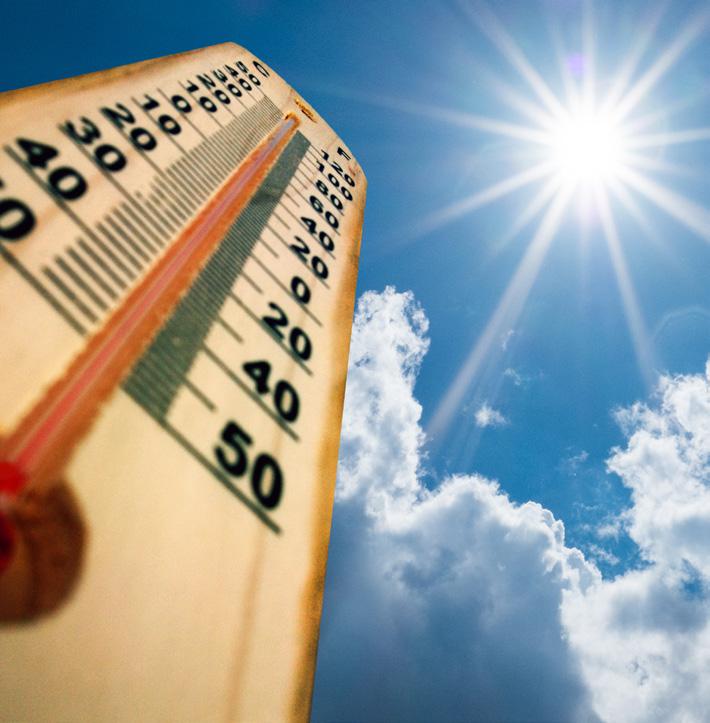
As the days grow longer and temperatures climb, it’s a great time to think about how our energy use shifts during the summer months. When the heat sets in, air conditioners work harder to keep our homes comfortable, and our electricity use increases. Factor in that we all tend to use electricity at the same time — in the morning and early evenings — and that equals a lot of strain on our electric grid. At Mountain View Electric Association, we are committed to helping our members manage energy use and avoid surprises on their monthly bill.
accessible. These programs help lower energy use while improving comfort in your home.
ENERGY RESOURCE CENTER
Our website is full of tools to help you better understand your home’s energy use. From calculators to efficiency tips, the Energy Resource Center can help you identify opportunities to save.
NEW RESIDENTIAL RATE OPTIONS
As a not-for-profit, member-owned cooperative, we don’t answer to shareholders — we answer to our members. That means providing reliable service along with practical tools and resources to help you make informed decisions. This month, let’s take a look at resources that make it easier to monitor electric use and become more energy efficient — not just in the summer, but all year long.
SMARTHUB® ACCOUNT MANAGEMENT
Online account management through SmartHub is a great tool to help you monitor your electric use. With daily and hourly energy use information available, you can pinpoint energy use spikes so you can avoid them in the future.
ENERGY EFFICIENCY
RESOURCES
With options like smart thermostats, insulation, and HVAC upgrades, MVEA offers rebates and financing options to make energy-saving improvements more
Beginning in July, MVEA will introduce three new residential rate options designed to give members more control over their electric bill and the choice to select an option that fits their lifestyle. These new rate options more accurately reflect the real cost of providing reliable electric service — including rising infrastructure and transmission costs — while helping reduce the need for larger rate increases in the future. We anticipate offering an education and enrollment period before the new rate options go live later this year. Look for more information in July.
While summer energy use can increase, the good news is that you have more tools than ever to manage it. While we have many resources to help co-op members save energy and money, if you have specific questions about your energy use, the best resource is MVEA’s team of Member Services Representatives. Please don’t hesitate to call (800) 388-9881. To explore more ways to save energy and money, visit www.mvea.coop/energy-resource-center.
Beat the Heat
Quick Tips to Manage Your Summertime Electric Use
1. Program your thermostat. Setting your thermostat to 78 degrees in the summer can save you up to 10% in energy costs each year. The smaller the difference between the indoor and outdoor temperatures, the lower your energy use will be.
2. Install window coverings. Blinds or light-blocking curtains help prevent indoor heat gain during the day.
3. Seal leaks with caulk and weatherstripping. Air leaks around windows and exterior doors force your air conditioner to work harder and run longer than necessary.
4. Do full loads of laundry and wash with cold water. Using warm water instead of hot can cut a load’s energy use in half. Using cold water saves even more.
5. Turn off fans when you leave a room. Fans cool people, not rooms, by creating a wind chill effect. They use energy without any benefit in an empty room.
MVEA Awards $28,000 in Scholarships to Local Students
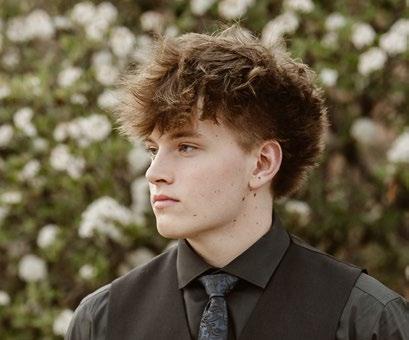
Mountain View Electric Association is proud to invest in the future leaders of our co-op communities. This year, we awarded $28,000 in scholarships to students pursuing higher education at universities, community colleges, vocational schools, and lineman training programs. These scholarships reflect our belief in empowering the next generation of co-op innovators and leaders.
Two additional $1,000 Last Chance Scholarships will be awarded at the 2026 Annual Meeting on June 4 in Limon, thanks to the support of Tri-State Generation and Transmission and Basin Electric Power Cooperative.
Visit www.mvea.coop/scholarships to learn more about MVEA’s scholarship program. The next application period opens September 1, 2026.
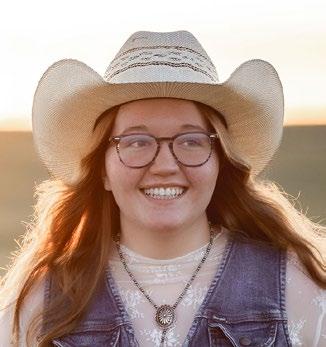
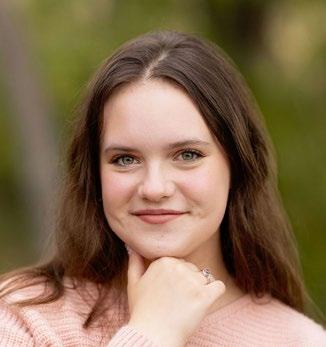
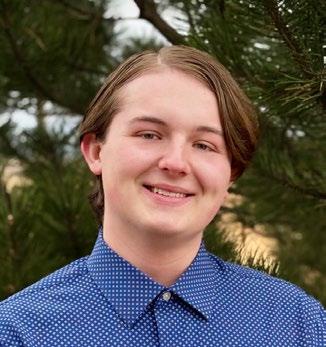
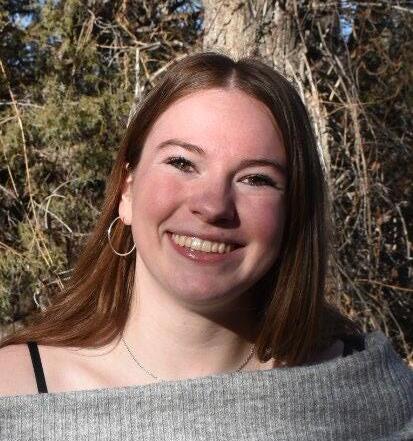
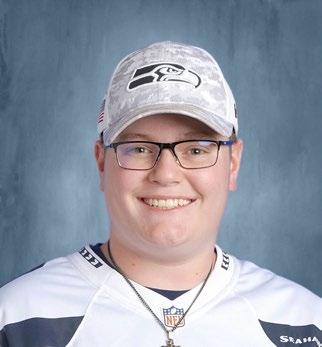
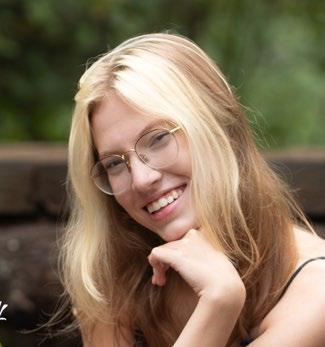
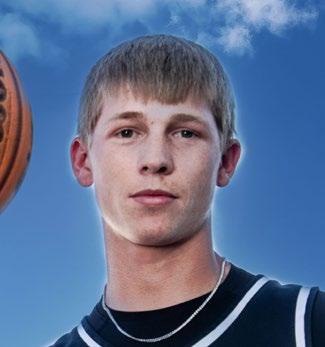
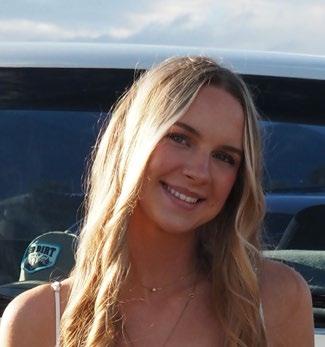
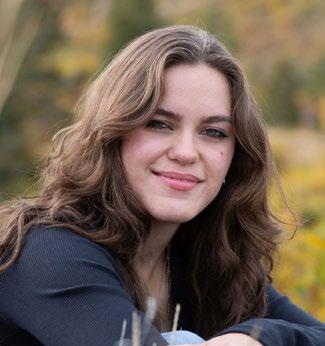
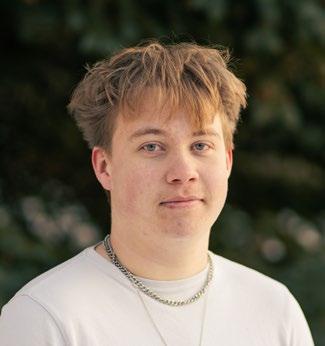
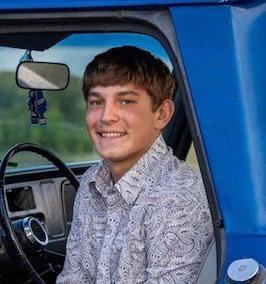
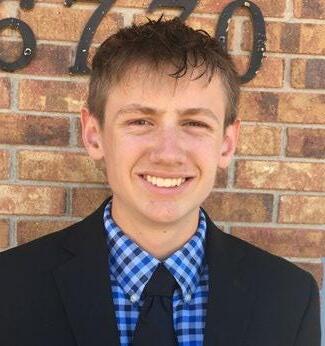
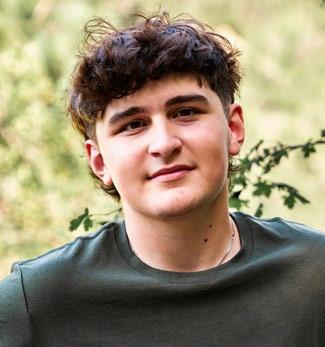
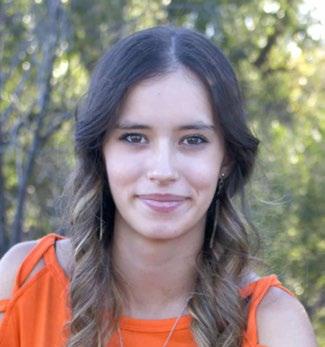
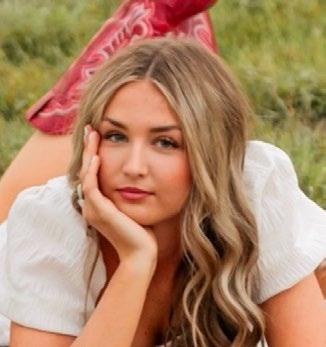
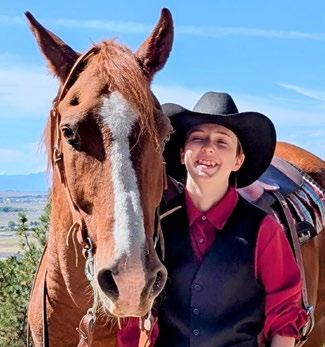
ALAURA BYRN Lewis-Palmer High School
MALLORY MULLINS Falcon High School
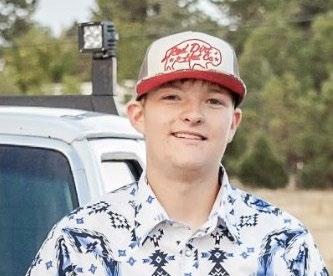
DREY TACHA Limon Public Schools
ELLEN DEBOER Lewis-Palmer High School
AVERY NELSON Pine Creek High School
JOSELYN WILSON Rampart High School
ALEXANDRA EPSTEIN Palmer Ridge High School
JASMINE PLUSH Rampart High School
BRAEDON EVANS The Classical Academy College Pathways
BRAYDEN RASMUSSEN Pikes Peak Early College
SAGE MASSEY Kiowa High School
LUCAS JONES Falcon High School
EMMA RAYMAN Pine Creek High School
LILLIAN ROBILLARD Springs Studio for Academic Excellence
CHEYENNE ESCALADA Pikes Peak Early College MILES HALE Homeschool WILLIAM FIELD Falcon High School
CONNOR HUBER Lewis-Palmer High School
DANIEL FORRISTALL Limon Public Schools
KODI LEE Peyton JuniorSenior High School
HUDSON WEITZ Falcon High School
DALTON GRAY Peyton Junior-Senior High School
WYATT GRAY Peyton Junior-Senior High School
2026 El Paso County Fair
The El Paso County Fair is a welcome opportunity to celebrate the simple joys of tradition: the smell of funnel cakes and corn dogs; the bright lights of carnival rides; and, the excitement of grandstand events! MVEA is proud to sponsor an annual event with roots that run deep in our co-op community.
July 16 • Give & Gather Day Sponsor July 17 • MVEA Flag Presentation at the Auto Races & MVEA “Light Up the Night” Fireworks Show
Switch Save &
Go paperless through SmartHub or bank account auto-pay, and save up to $1 per month!
SmartHub makes it easy to manage your account and monitor your electric use — anytime and anywhere.
Bonus: All participating “Switch & Save” accounts are automatically entered into a quarterly drawing for a $300 account credit!
Falcon Office 11140 E. Woodmen Road Falcon, CO 80831
Limon Office
1655 5th Street • P.O. Box 1600 Limon, CO 80828
Office Hours
Monday - Thursday 7 a.m. to 5:30 p.m.
Stay Connected: Like. Follow. Share.
Make sure to connect with MVEA on social media for timely service and program updates.
www.facebook.com/@MVEAInc
www.linkedin.com/company/ mveainc
www.x.com/@MVEAInc
www.youtube.com/@MVEAInc
www.instagram.com/MVEAInc
To provide our members safe,
This Association is an equal opportunity provider and employer.
PROTECTING OUR COMMUNITY & RELIABLE POWER SUPPLY
Wildfire Mitigation, Tree Trimming & System Upgrades
Mountain View Electric Association’s mission is vital: to deliver safe, reliable, affordable, and responsible electricity to you — our members. That mission has never been more important as Colorado faces increasing wildfire risk. A growing population, dry conditions, and suburban expansion into wildland-urban areas have increased the urgency for proactive utility wildfire mitigation planning. Our wildfire mitigation efforts play a critical role in delivering safe, reliable power while helping prevent potential fire risks before they start.
Visit MVEA’s webpage dedicated to wildfire mitigation and safety where you’ll find helpful information and resources about the following topics:
• Vegetation Management
• Operational Practices
• Advancing MVEA’s Initiatives
• Working with MVEA Members
• Wildfire Preparedness
www.mvea.coop/wildfire-mitigation
Tree Trimming | A key part of our Wildfire Mitigation Plan is active tree trimming and vegetation management. When you see MVEA crews, or our partners from Wright Tree Service, working in your neighborhood, they’re creating important tree and shrub “no-grow zones” to keep vegetation safely away from power lines and equipment. Cleared electric utility easements help prevent outages and blinks caused by branches brushing or breaking onto lines during storms or windy days. They also provide crews with safe access to equipment when maintenance or repairs are needed.
System Upgrades | Our wildfire strategy also includes enhanced operational practices, participation in the Department of Energy’s WARN project, and investments in advanced fault-detection technology. This work is designed to strengthen our system’s resilience and improve reliability during severe weather events. Our crews regularly patrol, inspect, and upgrade equipment to ensure it meets or exceeds industry safety standards. This includes system-hardening efforts such as replacing poles and hardware with fire-resistant materials and installing devices that minimize sparks and faults.
Red Flag Warnings | Recently, you may have noticed more “Red Flag Warnings” in our region due to unseasonably warm, dry conditions. When these warnings are issued by the National Weather Service, MVEA activates additional safety measures — including operating parts of our system in “one-shot mode.” This temporary adjustment disables the automatic reclose function on power lines. If a fault occurs, power stays off until crews can inspect the line and safely restore service. While this may mean longer outage restoration times, it significantly reduces the risk of sparks during high-fire-danger periods. We appreciate your patience during these events. Every step we take is designed with one goal in mind: protecting you, your property, and the communities we proudly serve.
Garden In A Box
Professional and water-conscious design
By Vicki Spencer
Ifirst learned about Garden In A Box in 2017 when Denver Water partnered with the nonprofit Resource Central to encourage water conservation. Denver Water’s discount for purchasing the water-wise plants was such a bargain, I couldn’t resist. The plants flourished in my garden, and I loved how flowers bloomed from spring to fall.
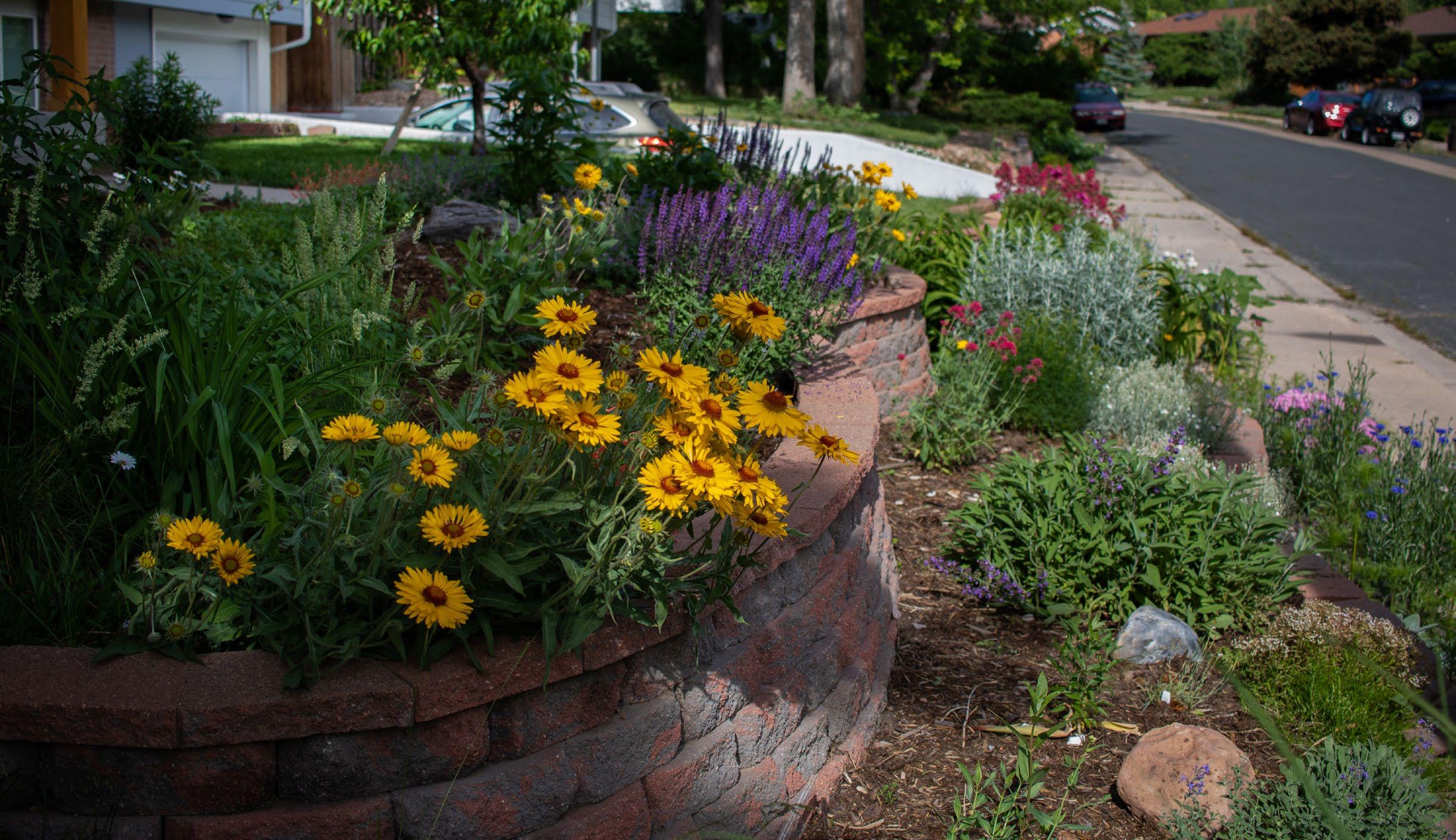
Resource Central’s water-wise gardens are designed by professionals to make it “easy to transform your yard into a colorful, pollinator supporting landscape” while saving water during this time of drought. Resource Central also has lawn removal instructions and programs; the gardens typically use half the amount of water per square foot as the lawn they replace.
There are a variety of kits available. Each one fulfills a specific purpose and is composed of plants that thrive together. They include quart-sized perennial plants in 4-inch pots and a guide that provides detailed plant information, preparation and planting tips, watering guidelines for drought conditions, seasonal maintenance information, and professional plant-by-number maps.
Assistance from the Water Conservation Board and other funders has allowed the program to expand beyond the Front Range. It now serves all of Colorado, spanning from Steamboat Springs in the north to Alamosa in the south.
Plants may be ordered and picked up twice a year to accommodate different planting seasons. Preorders started in March for pickup and planting in late spring/
early summer. Preorder will start in June for pickup and planting in August and September. Resource Central recommends joining the interest list on its website for up-to-date news. The program has become so popular that the predesigned gardens go fast. It’s best to order online to be more confident that your order will be filled. However, boxes will be available until all have been sold.
While preparing your new garden, look into converting lawn sprinklers into drip or microspray systems. They use water more efficiently, reduce waste through runoff and evaporation, and reduce disease by keeping foliage dry. Check with your water provider for information about current watering restrictions.
This year Resource Central has added two special garden pairings designed to simplify expanding your garden into a larger space. They take the “guesswork out of designing bigger areas, help your landscape feel cohesive, and boost water savings across more of your yard.” The Pollinator Peak and Mountain Blooms combination features high-elevation toughness and flexible sunlight tolerance along with “soft, woodland edge beauty” of more shaded areas. All plants in the Garden In A Box kits are perennials, which means this year’s investment will continue to delight year after year. For information, visit resourcecentral.org
Master gardener Vicki Spencer writes on a variety of topics including gardening, electrical safety, water conservation, and more.
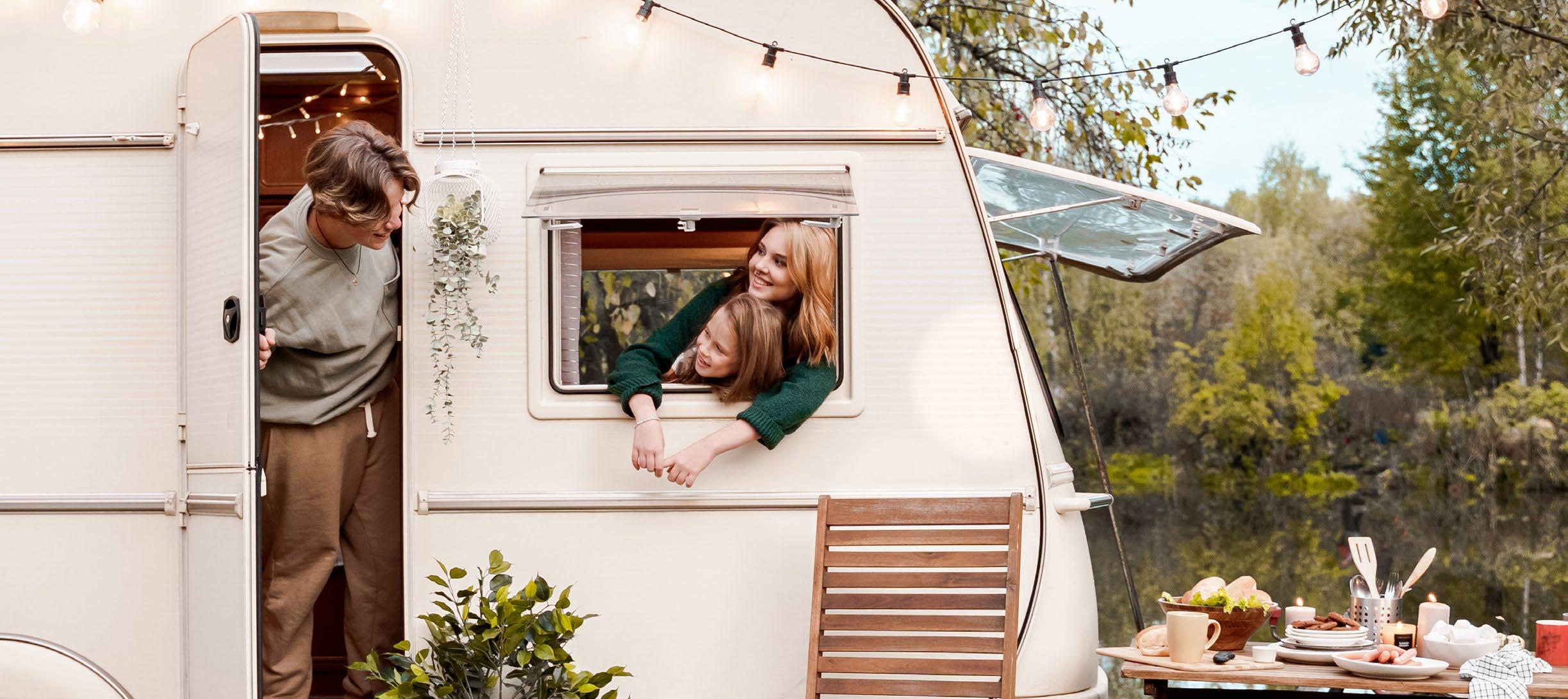
Car Camping Basics Where you can bring it all
By Eugene Buchanan
Inoticed it as I pulled up to Hahn’s Peak Lake in northwestern Colorado in my Toyota Tacoma. There at our state park camp was our friend Nick in his new pop-up camper in a scene made for an L.L. Bean catalog. It made me glad to be joining him. Everything was laid out perfectly: a kitchen area with table, an awning, a floor mat, happy hour drinks glistening on a roll table, and a campfire crackling in the fire pit.
Unlike backpacking, car camping allows you to bring more gear, so you might as well. It means you can create a setup in the great outdoors that feels like a second home. But it takes a little foresight. Below are a few tips for making your next campsite sing.
Pick the right site. If you’re reserving a spot, do some research and find the best available spot (i.e. close to the water, scenic view, no bathroom aroma, etc.). If you’re showing up without a spot (which can be risky), or camping in a dispersed area, don’t settle for the first site. Explore the area first. As they say in real estate, “location, location, location.”
Park strategically. Site secured, look for level ground to park your camper or pitch your tent, ideally with some natural protection from wind. Make your camper part of the furniture, positioning the door to be part of the action. Also consider sun exposure, for both heat and sleeping past sunrise.
Make it yours. Think about your layout; treat your campsite like a small apartment with zones for sleeping, cooking, eating, and relaxing. Add personal touches to make your campsite your own — string lights, a speaker, a hammock, and some flags. All this will make your campsite feel inviting.
The kitchen is king. Just like back home, people congregate in the kitchen — even if yours has squirrels. So, make it comfy. While available tables and/
or camper proximity may be restricting, spruce it up with things like a dirt mat, proper kitchenware, folding tables (one for cooking, one for drinks), coolers for food and beverages, and more.
Seating. Kicking back is key, so bring enough camp chairs for everyone. Set them up around a central spot — like a fire pit — to create a natural gathering area. This becomes your living room where you can eat, relax, and socialize. Add a tarp or canopy if needed for shade or rain protection.
Heed all fire regulations. Oftentimes, this means no open flames, which includes campfires and even charcoal. So, plan your meals and nighttime reveling accordingly. Hint: Portable propane fire pits are often allowed and can be a great alternative. Or use a battery-powered lantern or other faux-flame device as the focal point.
Lighting. Just like in your home, lighting helps set the mood once the sun goes down. Use a mix of lanterns and string lights to create both functional and ambient lighting. Keep brighter lights in the kitchen area for cooking and softer lighting in the seating area for chilling.
Get your ducks in a row. Organization keeps things running smoothly. Try using labeled bins or bags for such things as cooking gear, clothing, food, and more. It will help when you’re trying to find something in the dark or during bad weather.
Safety/cleanliness. Store your food securely and away from your campsite to avoid attracting wildlife, bring trash bags, separate your recyclables, and pack out everything you bring in.
Eugene Buchanan is an award-winning author whose work has been published in The New York Times, Men’s Journal, Outside, National Geographic Adventure, and more. His new book, Yampa Yearnings was released in December 2025. He lives in Steamboat Springs.
Photo by Irina Velichkina/ iStock / Getty Images via Getty
Western Power Market Expansion
RTO partnerships help electric co-op consumers
By Jim Hight
There’s a certain kind of news that makes energy insiders light up and leaves everyone else wondering what we’re so excited about.
The expansion of the Southwest Power Pool into the West falls squarely into this category.
For most people, “power pool” might conjure images of Olympic swimmers doing laps, not a network of utilities coordinating the flow of electricity across multiple states. But for those who follow how the grid works, this expansion is a win for consumermembers of Colorado’s rural electric co-ops. Few people are more excited about it — or more entitled to stand on the medal podium — than Duane Highley, CEO of Tri-State Generation and Transmission Association.
Highley has advocated for integrating Rocky Mountain utilities with neighboring regions since his arrival at Tri-State in early 2019. Before coming to Colorado, he led a large Arkansas cooperative power supplier, saw firsthand the benefits of being part of SPP, and realized the value of expanding it westward — and not just for his Arkansas co-op but for every utility then belonging to the network and those who would join with such an expansion.
“The bigger [the power pool] is and the more participants there are, the greater the benefits,” Highley said on Tri-State’s Western Watts podcast recently.
Since 2019, the not-for-profit power supplier serving 39 electric distribution co-ops and public
power districts across four states, Highley, and others have worked steadily to advance the transition.
The effort got a boost in 2021 when Colorado lawmakers required electric utilities to join organized wholesale markets by 2030. A follow-up study by the Colorado Public Utilities Commission estimated potential savings of $230 million annually statewide, including about $20 million for Tri-State.
Much of those savings will come from expanded access to lower-cost power. “We’re able to buy energy at lower costs from power plants across the region,” said Highley. And even larger savings can manifest in the future with SPP coordinating long-term planning with all its member utilities.
WHAT IS AN RTO?
Organized wholesale markets operate across most of North America and are run by regional transmission organizations, or RTOs. Highley likens them to air traffic controllers: They don’t own the planes but direct traffic safely and efficiently.
RTOs have grown in importance since the wave of restructuring that broke up many monopoly investorowned utilities in the 1990s. They play key roles in pricing wholesale electricity that travels on highvoltage transmission lines, coordinating power flows, and planning new transmission. They’re widely seen as neutral operators that help utilities work together more efficiently.
But Colorado and neighboring states had been behind the rest of the country in participating in an RTO — until now. Highley noted that utilities to the east and west had linked up in RTOs years before.
Electric utilities don’t need RTOs to buy and sell electricity to one another. In fact, Tri-State had, for years, been in what’s known as an electric imbalance market that allowed real-time exchanges of electric power with neighboring utilities. “It’s an instantaneous market designed only to optimize what [generation resources] you currently have online,” according to Highley.
By comparison, an RTO offers much greater opportunity to save money by using regional power plants and transmission lines in the most effective manner. “Think of it as replacing a patchwork of toll roads with an efficient, well-planned interstate highway system, but for electricity,” Highley explained in a Colorado Sun guest opinion piece last year.
CONCERNS STILL WEIGHING
But even after the upbeat PUC report, challenges remained before Tri-State could formally join SPP’s western network; a small portion of its territory in Nebraska and eastern Colorado has long been part of SPP. Along with the positives, the PUC flagged concerns, including reduced state control over some decisions and potential complications for Colorado’s greenhouse gas reduction goals if more power is imported from higher-emission sources.
Highley acknowledges the trade-offs and described Tri-State’s board as “excited and at the same time nervous.” Some costs — especially for new transmission — may rise initially. But he expects longterm benefits from more-efficient regional planning. “We’re working now for the best benefits for the entire region,” he said, adding that he believes the network effects of a larger system will outweigh the loss of some direct control.
Six other utilities joined SPP alongside Tri-State, and Highley hopes the network continues to grow.
WHAT ABOUT POWER RATES?
Will the SPP expansion mean lower electricity rates for consumer-members of electric co-ops in Colorado? It’s hard to say at this point, but it will likely translate into more stable rates — that is, rates staying the same for longer or not going up as much as they would if Tri-State didn’t become part of the SPP.
Will it mean fewer power outages during storms or wildfires? Probably not, since Tri-State manages the high-voltage bulk transmission system and most outages in Colorado are caused by damage to the distribution infrastructure. But it will better equip
Tri-State to keep the electrons flowing if a disaster knocks out parts of its infrastructure.
Highley points to the 2021 Winter Storm Uri in Texas, which led to rolling outages when the Texas grid was overwhelmed by electric heating demand and generators that failed during the unusually cold period. Texas has an RTO known as ERCOT, but it’s almost a power island with little capacity to import electricity from neighboring states during such times. These outages “would not have occurred had there been another 1,000 megawatts of transfer capability,” he said, citing a recent report.
MORE, NOT LESS, RENEWABLE POWER
And what about those greenhouse gases? According to Highley, being part of SPP will enable Tri-State — and the 39 distribution co-ops and public power districts it serves — to use more renewable power more effectively. “Intermittent [energy] sources like wind and solar require flexibility,” Highley wrote in his Colorado Sun op-ed. “That’s what a regional transmission organization provides. By pooling resources and balancing them over a wide geographic area, the organization can better handle the variability of renewable power,” he wrote. “The RTO does this while helping us track our emissions and helping us meet reporting requirements.”
CALIFORNIA OR SPP?
A final decision was choosing between SPP and the California Independent System Operator. The PUC concluded CAISO’s governance could favor California’s interests at the expense of other participants. Highley concurred, noting SPP’s democratic governance model.
“At SPP, every member utility and every state regulatory commission has a voice,” said Highley. “There are 200 people in the room for a board meeting.” Also, being closer to other SPP members than to California and having participated in SPP’s eastern territory gave Highley and Tri-State’s board confidence that it would be the better RTO to join.
“This sounds technical and wonky, and it is,” Highley summed up in his Colorado Sun article. “But the heart of the matter is … utilities are working smarter together as members of SPP to deliver electricity more reliably and affordably to people across parts of Colorado, Wyoming, Nebraska, New Mexico, and beyond.”
Jim Hight is a writer, research analyst, and consultant based in Buena Vista, Colorado, where he is a grateful member of Sangre de Cristo Electric Association.
Colorado’s A trusted voice for the state’s
By Mary Peck
Colorado is home to more than 67,000 farmers and ranchers who rely on specialized industry news and information to support their daily operational decisions. It’s no exaggeration to say local farm broadcasters are essential to the state’s agriculture industry and rural communities in general.
Farm broadcasting is a craft nearly as old as commercial radio itself, with the first farm reports hitting the airwaves in the early 1920s. Ag broadcasters are a trusted, consistent source of vital news, weather, and market information, and Colorado is home to one of the best.
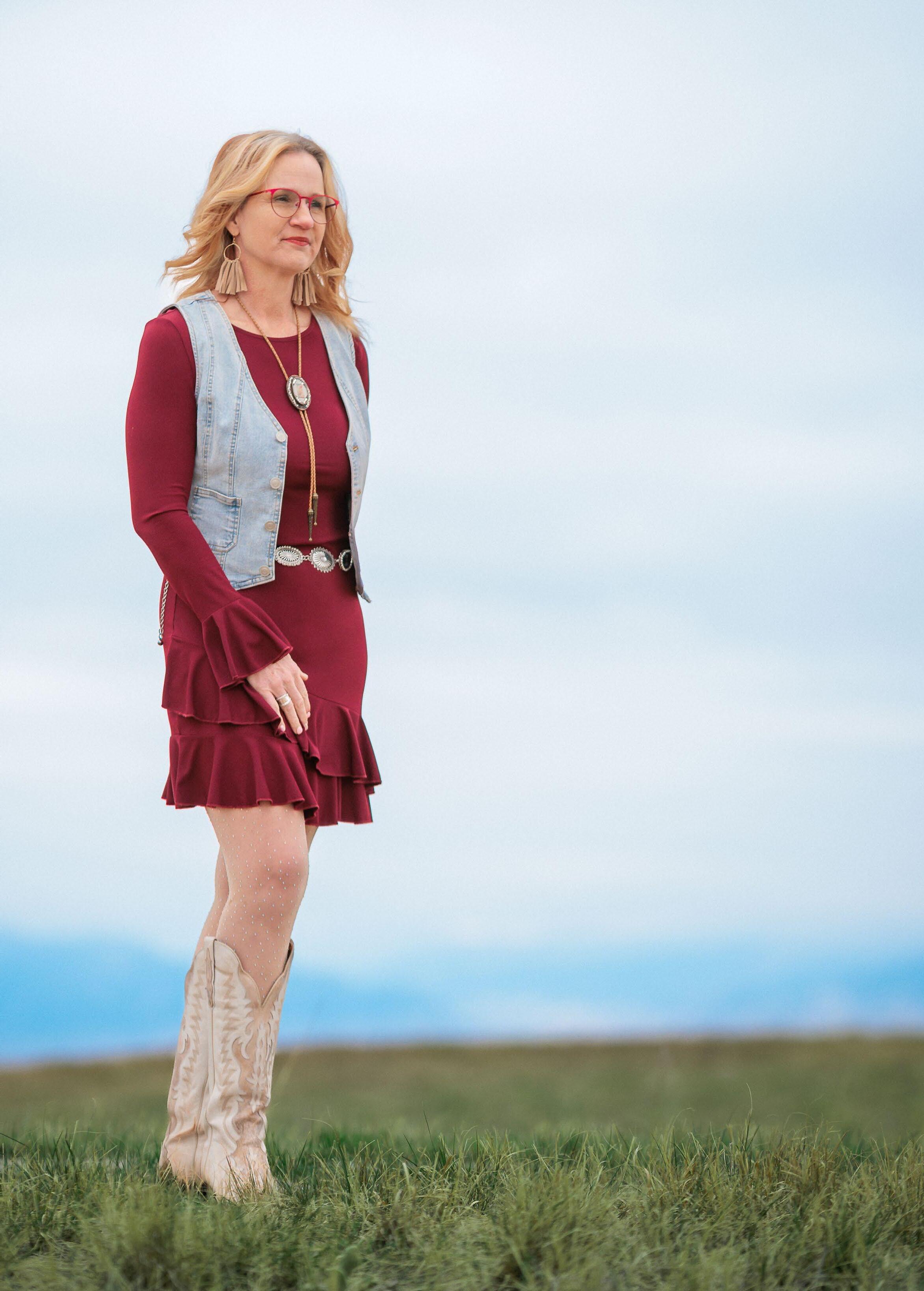
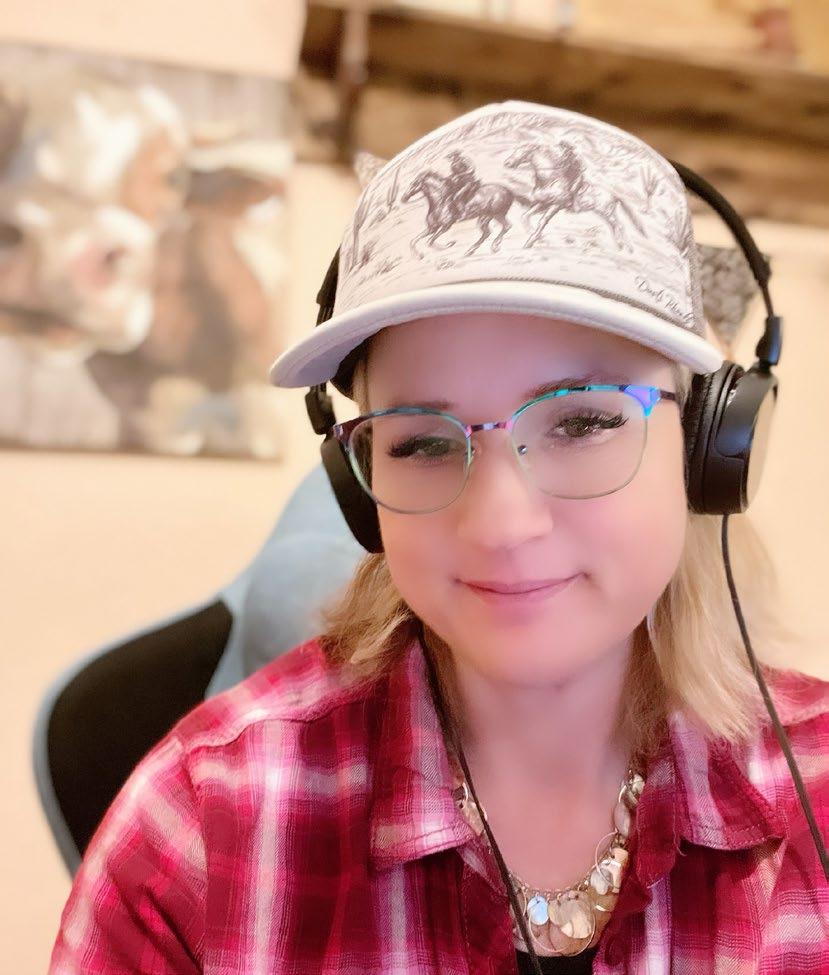
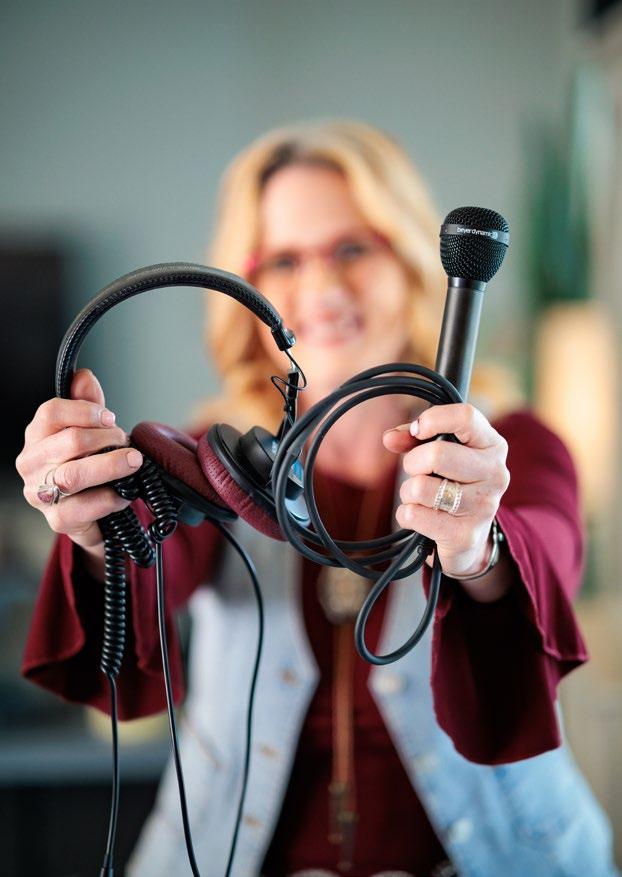
Lorrie Boyer, also known as the Ag Queen, has delivered the ag news farmers and ranchers rely on for nearly 30 years. Through her skill, ambition, and expertise, she has earned her respect throughout both the agricultural and farm broadcasting industries.
“It’s good hearing from the different people she talks to on topics from water to fertilizer to livestock,” said David Blach, a fourth-generation farmer in Yuma County. “It helps educate the farmers and lets us hear different perspectives. She can ask some great questions.”
For producers working long hours in often remote fields and feedlots, reliable information matters. Through decades of farm reporting, Lorrie has become one of the most familiar voices connecting Colorado agriculture to the wider world. “Lorrie rightfully earns her audience’s trust through her reliable reporting and genuine connection,” said Corryn LaRue, a Missouri-based farm broadcaster for the American Ag Network
Motivated by a sincere desire to elevate Colorado’s agriculture industry and its people, along with an entrepreneurial spirit and plenty of ambition, Lorrie was destined to become a renowned farm broadcaster. It’s a personally rewarding career and work that has earned her countless accolades, including being named the Farm Broadcaster of the Year in 2024 by the National Association of Farm Broadcasting.
Photo by Chris Coleman
Lorrie Boyer has deep roots in Colorado and farm broadcasting.
Ag Queen
farmers and ranchers
A couple of things keep me motivated in doing this every day,” Lorrie said, “I learn at least one new thing every single day, and I’m providing important information that farmers and ranchers can use to make operational decisions. They’re out in the field producing my food. This is what I can do for them.”
ROOTED IN AGRICULTURE
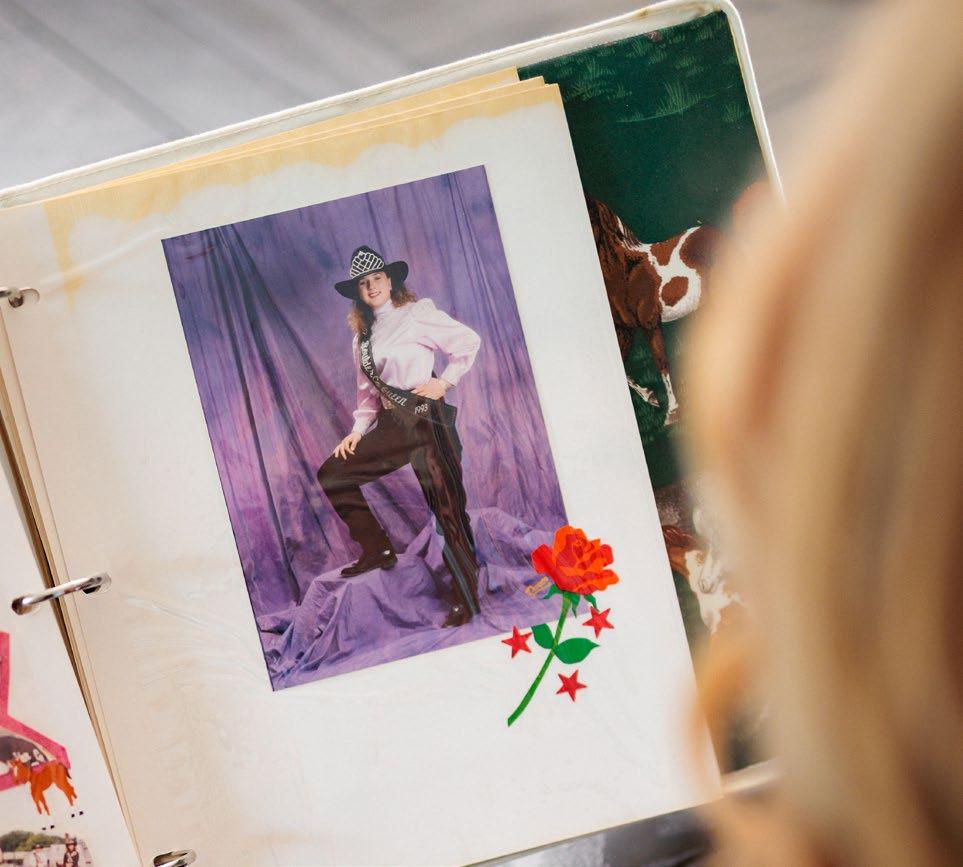
Raised in rural Boulder County, and the daughter of a Paint Horse breeder and trainer, Lorrie grew up loving and showing horses. In 1992 she was crowned Boulder County Rodeo Queen, an experience she credits for laying the groundwork of her interest in communication and leadership. “She’s very proud of her roots,” David said, “She grew up around 4-H and FFA and has a lot of savvy about agriculture.”
After attending Northeastern Junior College in Sterling, Lorrie transferred to Colorado State University where she earned a degree in technical journalism with an emphasis in agriculture. She and her husband Brian married the day after graduation.
Her career took off soon after, with a first job at the Ag Journal in La Junta. Her next opportunity at KLMR radio in Lamar officially set her on a career path in broadcasting. For the next five years, Lorrie focused on delivering ag news and farm reports to listeners across southeastern Colorado, developing her reporting skills, and deepening her industr y knowledge.
Joining the region’s competing station KVAY was the next level in her career trajectory. There she was charged with building the station’s ag department from scratch. “I love a good challenge, and it was an opportunity for me to not only to have that on my resume but also to mold it into what I wanted it to be.”
Lorrie and Brian’s first son was born during the four years she worked at KVAY. She was able to shift to part-time work, but it wasn’t long until she was ready for a new challenge. “My next natural
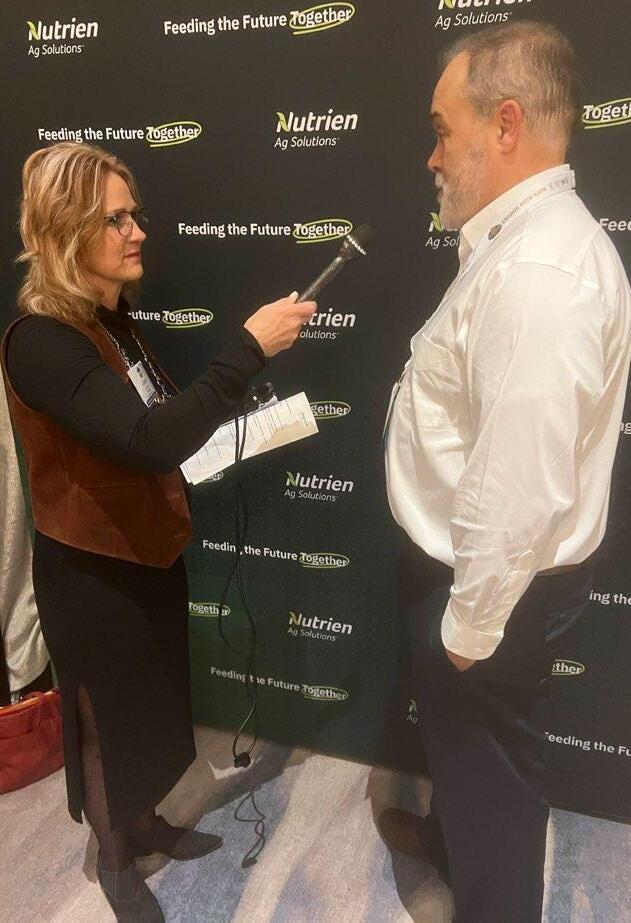
Lorrie Boyer reports ag news to Coloradans both at her home studio and from the fields.
Photo courtesy of Lorrie Boyer
Lorrie was crowned as Boulder County Rodeo Queen in 1992.
Photo by Chris Coleman
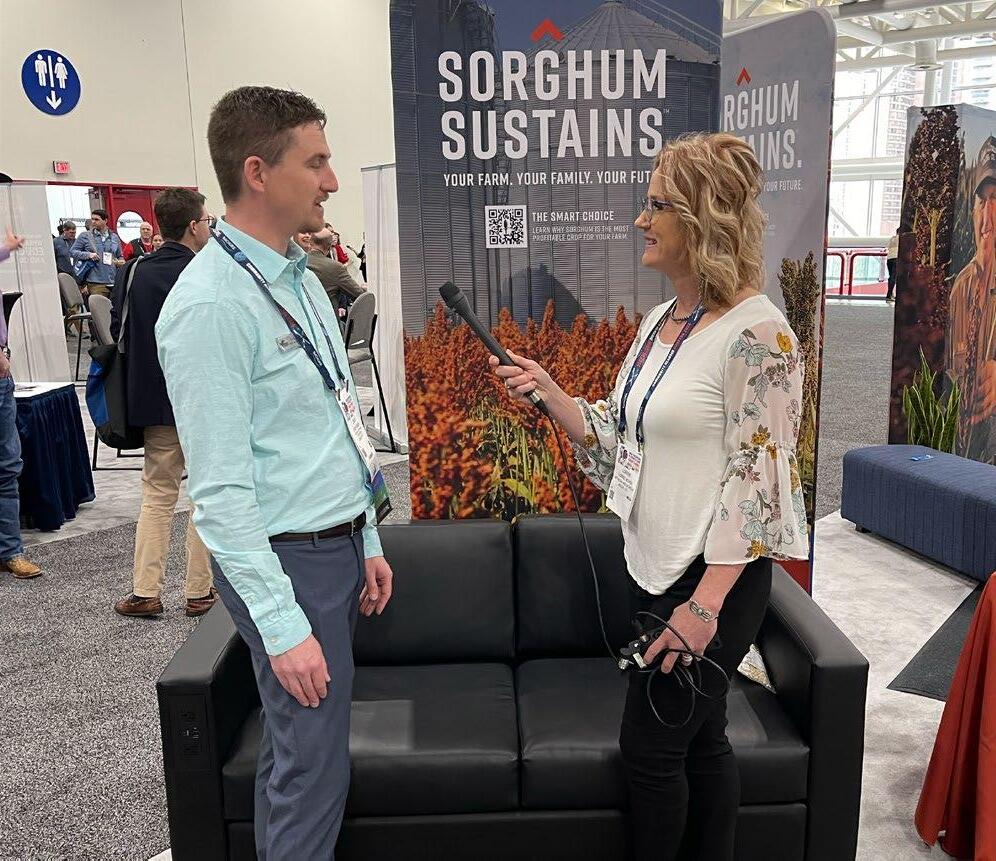
Lorrie interviews ag industry individuals at Commodity Class in Houston in 2024.
Photo courtesy of Lorrie Boyer
WHERE TO FIND LORRIE
• All podcast platforms — search “Ag Queen”
• AgInfo.net
• KSIR Radio — streaming and at 1010 AM and 93.1 FM
• Youragnetwork.com
• Successful Farming — YouTube
• lorrieboyer.com
progression was to ask, ‘Now what can I do?’ So, I started my own network. It was called the Colorado Agriculture News Network. It was crazy because I was literally feeding my son in his high chair while I was creating my website and getting it going.”
Through the Colorado Agriculture News Network she created, Lorrie distributed three daily agricultural news reports. The network eventually reached 20 stations across Colorado, and some in Kansas and New Mexico.
Then came a call from KSIR radio in Fort Morgan. While her young family wasn’t ready to move at that time, the station was so eager to bring her on, they hired her anyway. Broadcasting equipment was shipped to her, and she worked remotely long before it would become commonplace.
Eventually her family moved to Morgan County, and Lorrie remains a fixture at KSIR today, delivering daily market reports and ag news, interviewing people from all walks of ag life, and covering farm news with award-winning skill and her own unique style. “I’ve done my ag news and interviews from a swather, a combine, a sugar beet picker, feedlots — and so many shows from the sale barn.”
LEADERSHIP AND LEGACY
Among the U.S. farm broadcasting industry, Lorrie’s influence and leadership reaches far beyond Colorado. She has been a key leader for the National Association of Farm Broadcasting, an organization that represents, supports, and promotes the success of farm broadcasting nationally. She was a board director, served as regional and national vice president, and ultimately as the NAFB national president in 2019.
“Lorrie elevates the standard of farm broadcasting by setting an example of professionalism which is helping shape the next generation of farm broadcasters,” Corryn said. “She represents the kind of journalism that reinforces the importance and credibility of agricultural media.”
It was through the NAFB Leadership Academy that Lorrie met Jesse Harding Campbell a decade ago. Fresh out of college, Jesse appreciated having an experienced farm broadcaster to look up to. “I still to this day consider Lorrie a mentor. I started my own business a couple of years ago, and she’s someone who I’ve looked up to, and we’re really close friends as well,” Jesse said.
Lorrie is widely known for being supportive and generous with her knowledge, while also open to learning from the next generation of farm broadcasters, calling them her mentors. She founded the NAFB Mentorship Program in 2017, which pairs new members with experienced mentors to support their confidence and help them build professional relationships.
“She’s fantastic with other broadcasters, especially those up and coming,” said Sabrina Halvorson, former NAFB member and CEO of the North Dakota News Cooperative. “She has made it a point to be a role model for other women in the industry. She is really good at having other women’s backs.”
When Lorrie was starting out in the industry three decades ago, women farm broadcasters were rare. She knows the challenges that can come with forging a new trail and believes in supporting those who are just starting out.
“Her faith is very important to her,” Sabrina shared. “She actually walks the walk. To take care of people, help people — she just lives that life, and I’ve always respected that about her.”
Photo by Chris Coleman
Lorrie attends the National Association of Farm Broadcasting Trade Talk in Kansas City, Missouri
Photo courtesy of Lorrie Boyer
BECOMING THE AG QUEEN
Not one to rest on her laurels, Lorrie’s growth mindset led her to launch her own podcast seven years ago to adapt to evolving media platforms, expand her reach, and build credibility with a new generation of ag leaders. Her top-rated Ag Queen Podcast, with listeners across the U.S. and beyond, is a platform for longform interviews with “movers and shakers” in the ag industry. She enjoys the chance to have deeper conversations than traditional radio segments allow and says her many years of delivering morning, noon, and mid-afternoon shows as well as working in both entertainment and talk radio formats prepared her well for the podcast format.
“The podcast was the first way for me to go national on my own with my own brand,” Lorrie said. “I strive to keep authentic to who I am. You must be accurate, relevant, nonbiased, but also have a personality. And why not? That’s how people connect to me.”
The Ag Queen nickname was bestowed upon her by colleagues early in her radio career. Once a moniker, she’s turned it into a unique brand that has proven itself to be engaging, memorable, and perfectly Lorrie. “I just kind of glommed onto it, being a rodeo queen. My parents will tell you that I still think I’m a queen. And my husband calls me his queen.”
With industry acumen and care, Lorrie expertly balances credibility and journalistic professionalism with a style that resonates and challenges stereotypes in a traditional field. “I want to be different. I want to be memorable, and I want to have bright colors on my business card and wear fun cowboy boots and still provide the information that our farmers and listeners need to make their operational decisions every day.”
LIFE BEYOND THE MICROPHONE
Like farmers and ranchers, farm broadcasters don’t come close to keeping regular business hours. Life and activities outside of work require flexibility. It’s one reason Lorrie has been a longtime fitness enthusiast and former CrossFit coach and competitor. When she’s not in the field or studio, she can be found weight training, spinning, or getting in a barre workout. And now that her sons are young adults, she has also begun to reconnect with her equestrian roots and is filling a big need in Colorado as a certified horse judge for all types of shows and competitions.
With an inquisitive mind, a generous heart, and authentic spirit, it’s exciting to imagine where Lorrie’s next 30 years will lead and what it could mean for the ag industry in Colorado and beyond. “I like to just be who I am and have a little fun along the way. I don’t think you have to be boring to be a farm broadcaster. You need to be accurate, relevant, and nonbiased, but also have a personality. And I think that that’s probably what makes me different in this industry.”
RECOGNITION AND RESPECT ACROSS THE INDUSTRY
Being named the 2024 NAFB Farm Broadcaster of the Year was another in a long list of awards and honors presented to Lorrie by the many agriculture and industry groups she works alongside, including:
• American Sheep Industry
• Colorado 4-H
• Colorado Association of Conservation Districts
• Colorado Broadcasters Association
• Colorado Corn Growers Association
• Colorado Young Farmers
• Denver Business Journal
• Future Farmers of America
• Morgan Community College
• National Association of Farm Broadcasting
• Rocky Mountain Farmers Union
• United Stockgrowers of America
Mary Peck is a freelance writer based in Northern Colorado and enjoys sharing stories of rural communities.
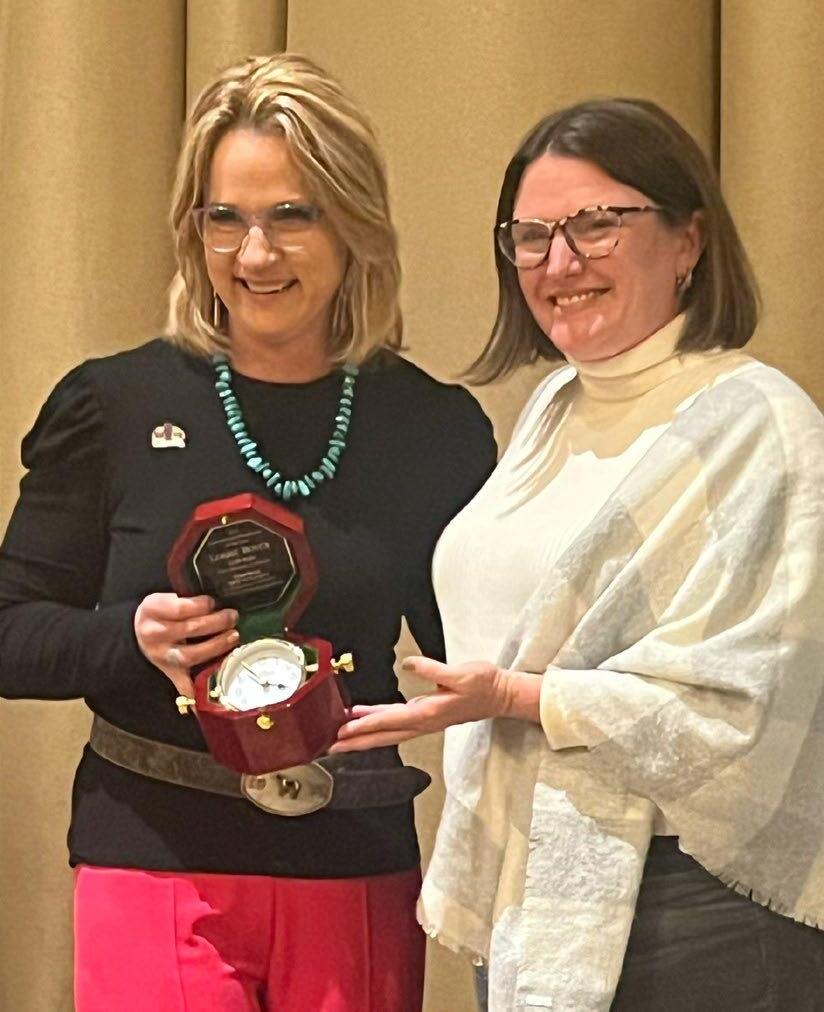
Lorrie receives the Farm Broadcaster of the Year in 2024.
Photo courtesy of Lorrie Boyer
Low-Cost Ways to Save Energy
By Miranda Boutelle
Saving energy doesn’t have to be expensive or time consuming. You don’t need to spend thousands of dollars or get the newest technology to use less energy. There are several steps to reduce energy use, even on a tight budget.
Here are some low- and no-cost ways to save energy around your home.
Adjusting the thermostat is an easy way to save. On the hottest days, your cooling equipment must work much harder and use more energy to maintain the same temperature. Nudge the thermostat a few degrees closer to the outside temperature, especially on extreme weather days.
Fix any hot water leaks or dripping faucets. Those tiny drips can add up to big energy waste, not to mention water waste. If you need to hire a pro to fix it, turn the shutoff valve under the sink to stop the leak until you can get it fixed.
Wash clothes in cold water to avoid using the energy required to heat it. Washing on hot or warm settings can really add up, especially if you have a top-load or older washing machine that uses more water.
Adjusting the temperature on your water heater can save energy and money too. Depending on the water heater, this is either an easy adjustment or something a little more complicated that requires removing access panels. If you don’t know how, consult a professional.
Air sealing is a do-it-yourself, beginner-friendly project that improves comfort and reduces energy waste. For around $20 and a few hours of time, you can fill gaps, cracks, and holes to prevent air from
leaking in and out of the home. From the inside of the home, seal trim on windows and exterior doors with caulk for about $4 a tube. Buy paintable caulk so you can touch it up when it dries, if needed.
A can of spray foam is about $5 and seals gaps around plumbing lines around pipes under sinks, in the crawlspace, or in the basement. Cold air can travel up through those spaces, causing drafts and wasting energy. Sealing these areas also stops insects and rodents from using these gaps to enter your home.
Spray foam is messy and nearly impossible to get off whatever it touches, so wear disposable gloves and clothes you don’t mind dirtying, and use drop cloths to protect finished floors. Be careful if you’re working with spray foam overhead. If you get it in your hair, it’s not coming out with anything less than a haircut. Move any items and clean surfaces in areas you intend to seal before cracking open a can. Put the can in a cardboard box to carry throughout the house so you don’t leave a trail of spray foam.
For $10 to $15, you can buy weather stripping to improve the seal on exterior doors. If you can see light around doors or feel a draft between the door and the door jamb when the door is closed, weather stripping will help.
Try these easy, low- and no-cost improvements to reduce energy waste and improve comfort in your home.
Miranda Boutelle is the chief operating officer at Efficiency Services Group in Oregon, a cooperatively owned energy efficiency company. She has more than 20 years of experience helping people save energy at home.
The Place to Celebrate Summer Mancos
By Melinda Taylor Editorial Assistant
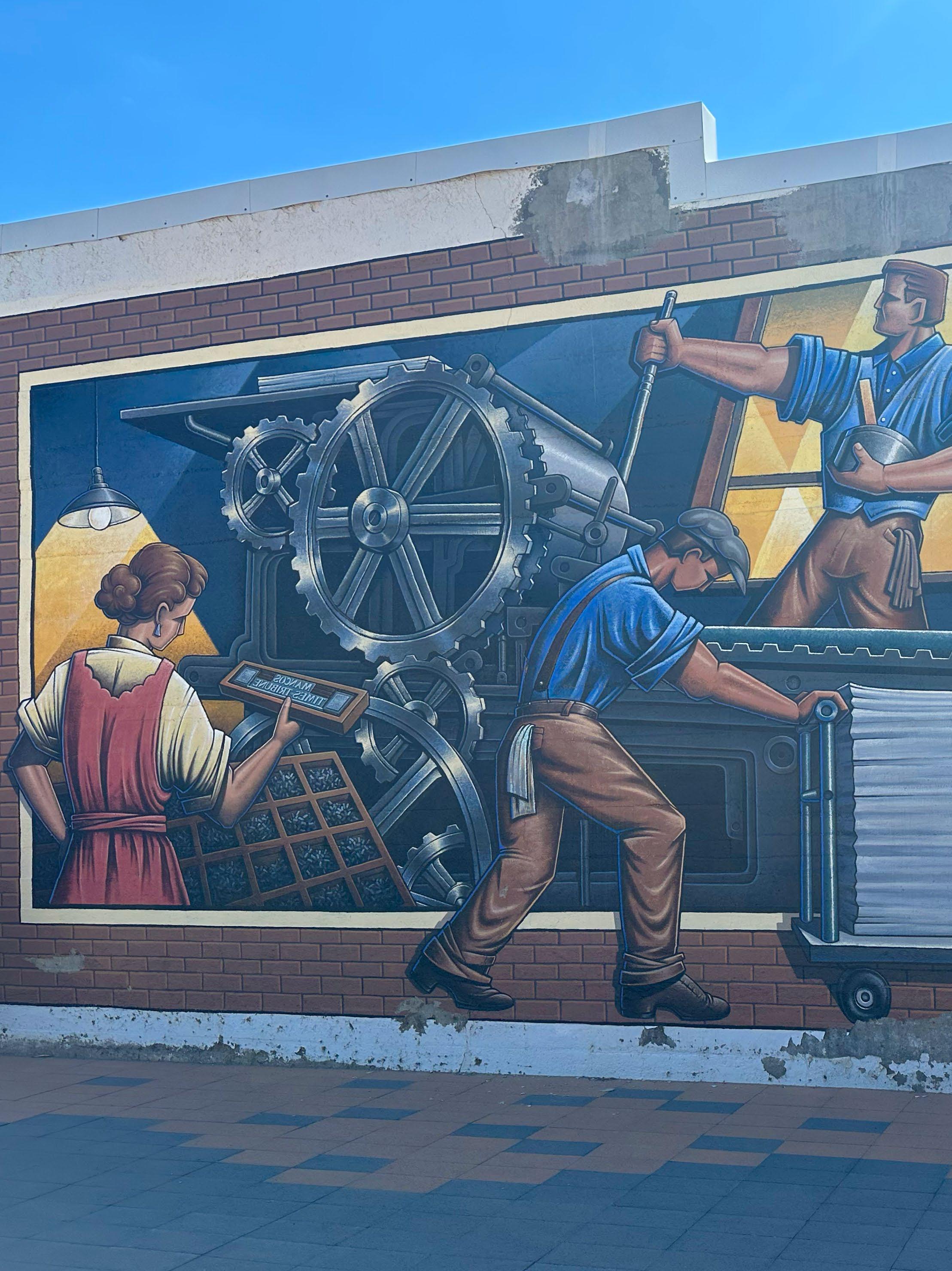
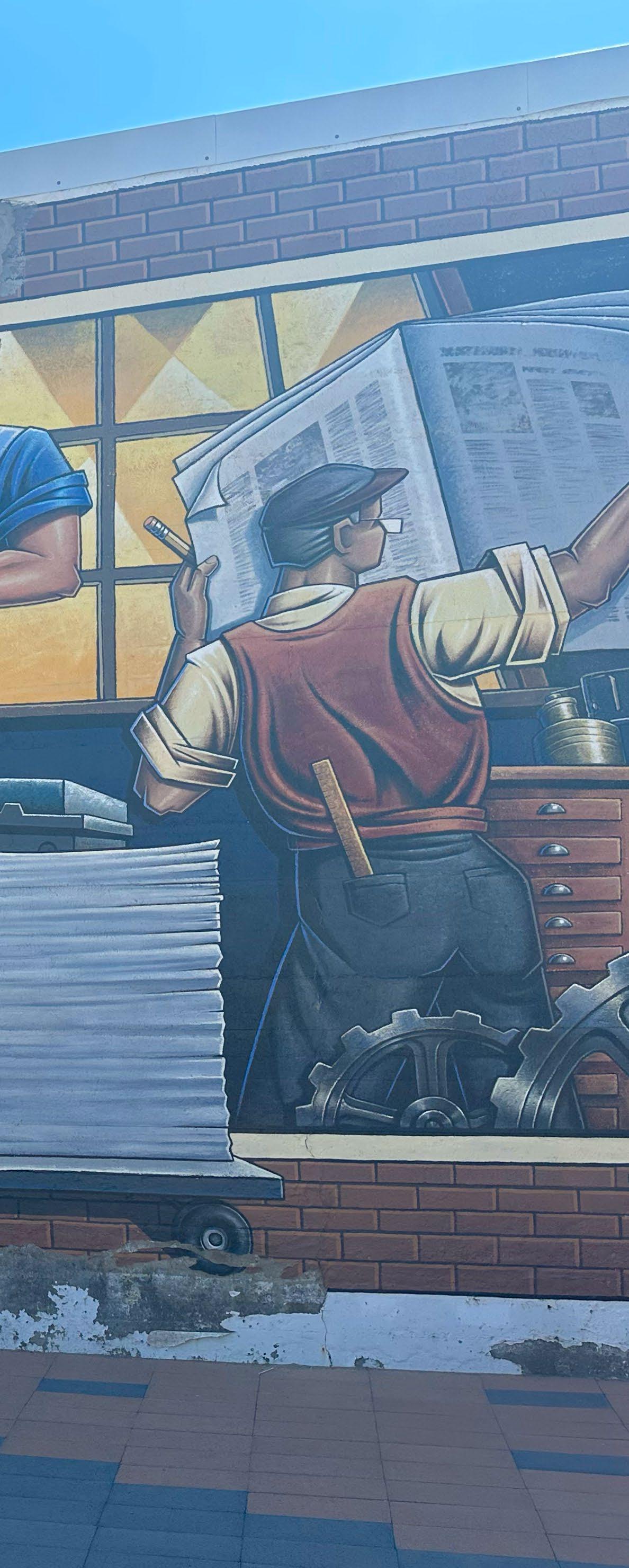
Mancos is a small, energetic town within 10 minutes of Mesa Verde National Park. There is a vibrant arts scene, complete with massive, building-sized murals, and the friendly locals really love a festival. If you are lucky enough to visit this summer, be sure to keep the following events in mind.
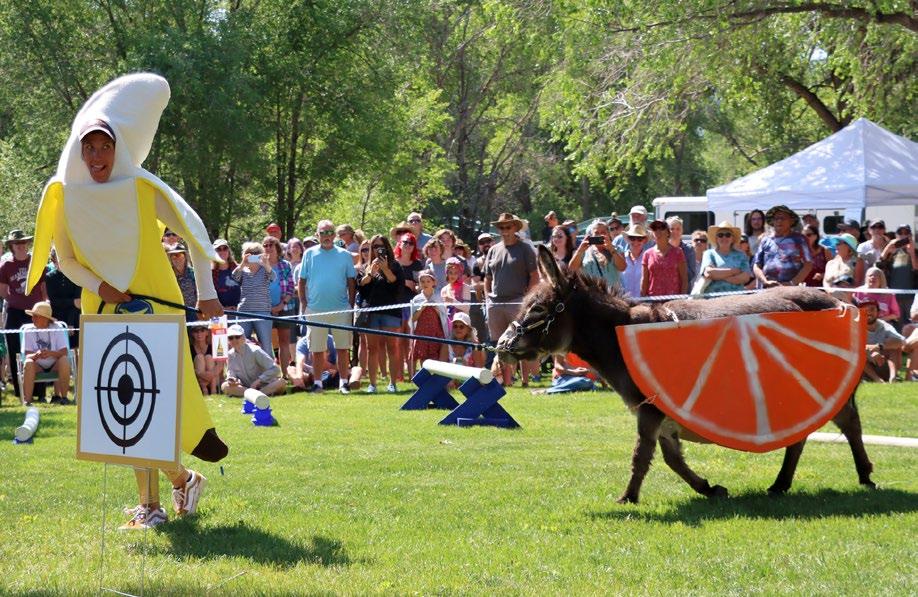
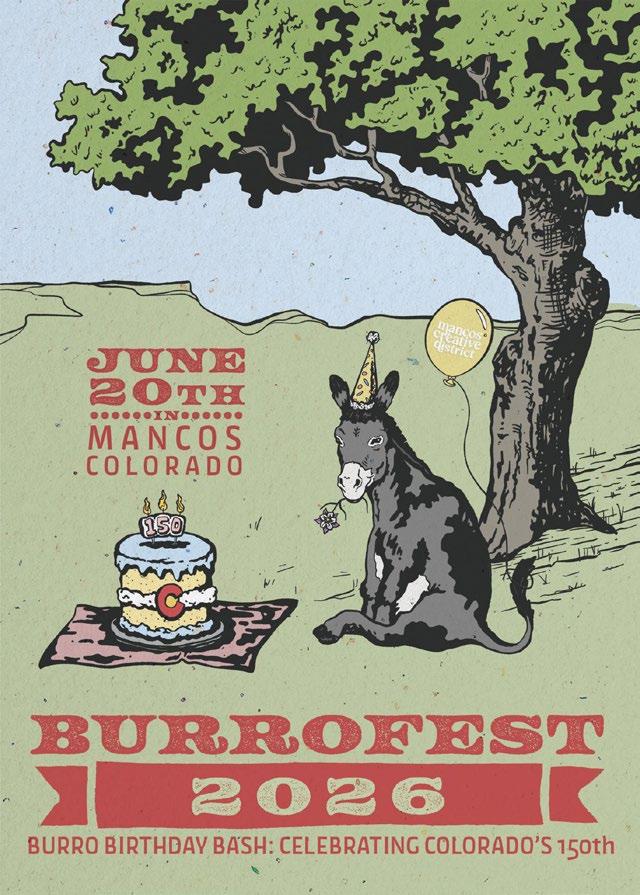
On June 20, the Mancos creative district will host its signature event, the seventh annual BurroFest. This summer, the focus is on Colorado’s 150th birthday. You will find costumed burros engaging in a history-themed obstacle course, artist demos, live animal painting, sculpting, and more. It is a family- friendly, community-focused tribute to burros and their contribution to mining. Find more details at burrofest.com. Be sure to read the hilarious FAQ page, and please leave your dogs at home for this event.
During the last full weekend in July each year since 1968, the town has another festival, Mancos Days. This year the theme is “Mancos Ever After: Myth, Magic, and Fairy Tales” and it falls July 24-26. You’ll find a parade led by the Mancos Days Pioneer Queen and Little Miss Mancos, a classic car show, a cornhole tournament, a fun run, a library book sale, live bands, and the list goes on. For more information, visit mancosdays.com.
In early September, the creative district will host the Mesa Verde Literary Festival, which occurs just after the Writers Conference The festival will include a day of readings, talks, and panel discussions. If writing is your passion, don’t forget to check out the Mancos Common Press, which is a historically restored 1900s newspaper shop and museum in downtown. For more information, visit mancoscreativedistrict.com
Most Mancos events are held at Boyle Park on the east side of town. On Thursday nights from June through October, the park is host to a weekly farmers market. Be sure to also visit the local art galleries, restaurants, history museums, and shops — the town is 0.6 square miles and is easily walkable.
Yesterday’s News, a mural by renowned local artist and illustrator Brad Goodell, is on the west side of the Mancos Common Press building. Mancos features a growing collection of public murals that highlight local culture, history, and Indigenous art. Photo by Melinda Taylor
HawaiianBratwurst
By Melinda Taylor Editorial Assistant
Recipe and photo courtesy of Charcutnuvo
Recently, CCL staff members were treated to a wonderful tour of the Charcutnuvo factory. Immediately upon entering the squeakyclean facility, one could smell delicious aromas of sausages being made. Charcutnuvo has been family-run since 1969. The company prides itself on adhering to strict Swiss sausage-making traditions and creating cleaner, kinder, and better sausage. Each batch of sausage is handmixed in small quantities. Try some for your next barbecue.
INGREDIENTS
1 cup mayonnaise
1 tsp teriyaki sauce
1 tsp sambal oelek
chili paste
Salt and pepper to taste
1 package of Charcutnuvo
Organic Beef Bratwurst
4 sausage buns
4 slices of pineapple
½ cup sliced red onion
½ cup minced chives
½ cup chopped cilantro
2 tbsp paprika
INSTRUCTIONS
Add the mayonnaise, teriyaki sauce, and chili paste to a small bowl and mix well. Adjust the amount of mayonnaise you’d like for ideal thickness and salt and pepper to taste. Set aside.
Heat grill to medium high and grill sausages, about 3-4 minutes on each side.
Lower the heat on the grill. With tongs, carefully place the sliced pineapple on the grill. Grill on each side for about 2-3 minutes then set aside.
Place sausage buns on the grill and toast for 1-2 minutes on low heat.
Cut each pineapple slice into quarters.
Place the sausage in the bun, and garnish with pineapple, red onions, chives, cilantro, paprika, and teriyaki mayo. Enjoy!
Hotdog
Pineapple
photo by Liliia
Bila / iStock / Getty Images Plus via Getty Images
Our Bone-ified Best Blade
My friend Sergio is a mixed martial arts fighter. His shoulders are broad. His muscles have muscles. He’s not the kind of person you want to be on the wrong side of.
This manly man has a saying about being tough: You should either know how to fight or look like you do.
The message is simple enough. People spoiling for a fight usually don’t pick the biggest guy in the bar. If you look like someone who shouldn’t be messed with, you likely won’t be. With our Blue Bone Bowie Knife on your hip, that’s exactly the message you’ll send.
As beautiful as it is functional, this knife is 10" overall and features a high-quality 420 surgical stainless steel blade with a serrated spine. The handle is constructed of genuine natural bone with redwood spacers. On the handle you’ll find design work that’s carved by hand, a testament to its craftsmanship.
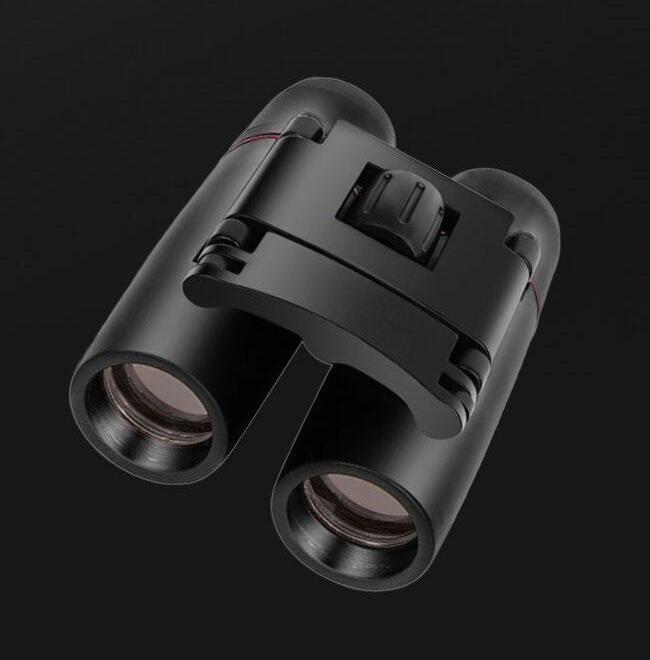
This knife is stick tang, meaning it won’t wimp out when you need it. This knife also features brass hand guards and brass spacers with file work, so you won’t lose your grip. For easy carrying, it comes with a genuine tooled leather sheath. CALL NOW! If you’re one of the rst 700 587 callers for this ad, we’ll throw in a pair of Stauer Pocket Binoculars — a $99 value
— ABSOLUTELY FREE!
“It’s a beautiful knife with a great blade and a sure grip”
— William B. Wilmington, NC
Walk around with the Blue Bone Bowie Knife and you’ll feel a lot safer. I know I do.
Knife Speci cations:
• 10" overall length
• 420 surgical stainless steel and stick tang construction
• Genuine natural bone and redwood hand-carved handle
• Genuine leather sheath included
Blue Bone Bowie Knife
$299 $79* + S & P
Stauer Pocket Binoculars a $99 value with your purchase of the Save $220 Blue Bone Bowie Knife
*Special price only for customers using the offer code.
Your Insider Offer Code: BBK198-02 California
Colorado’s Historic Summer Rodeos
By Jacey Blue Renner
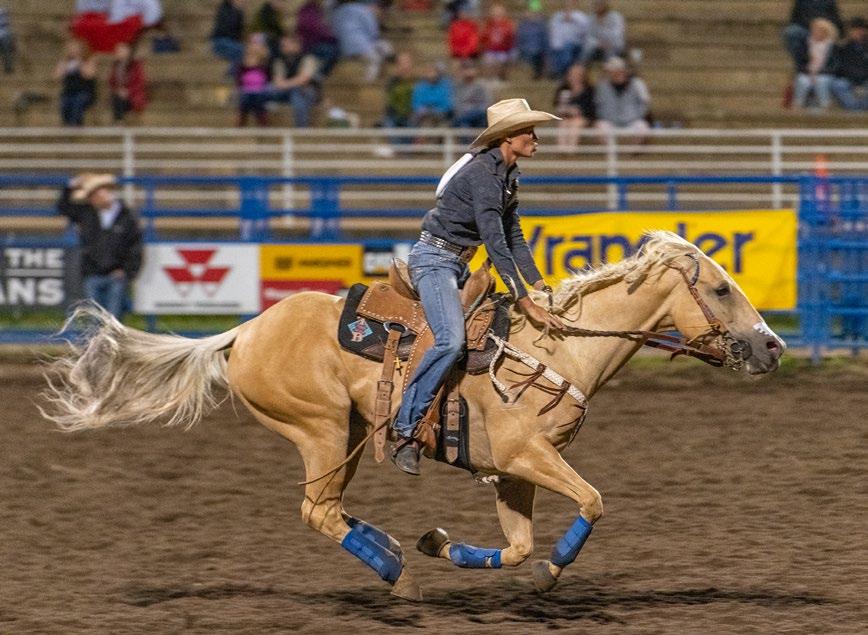
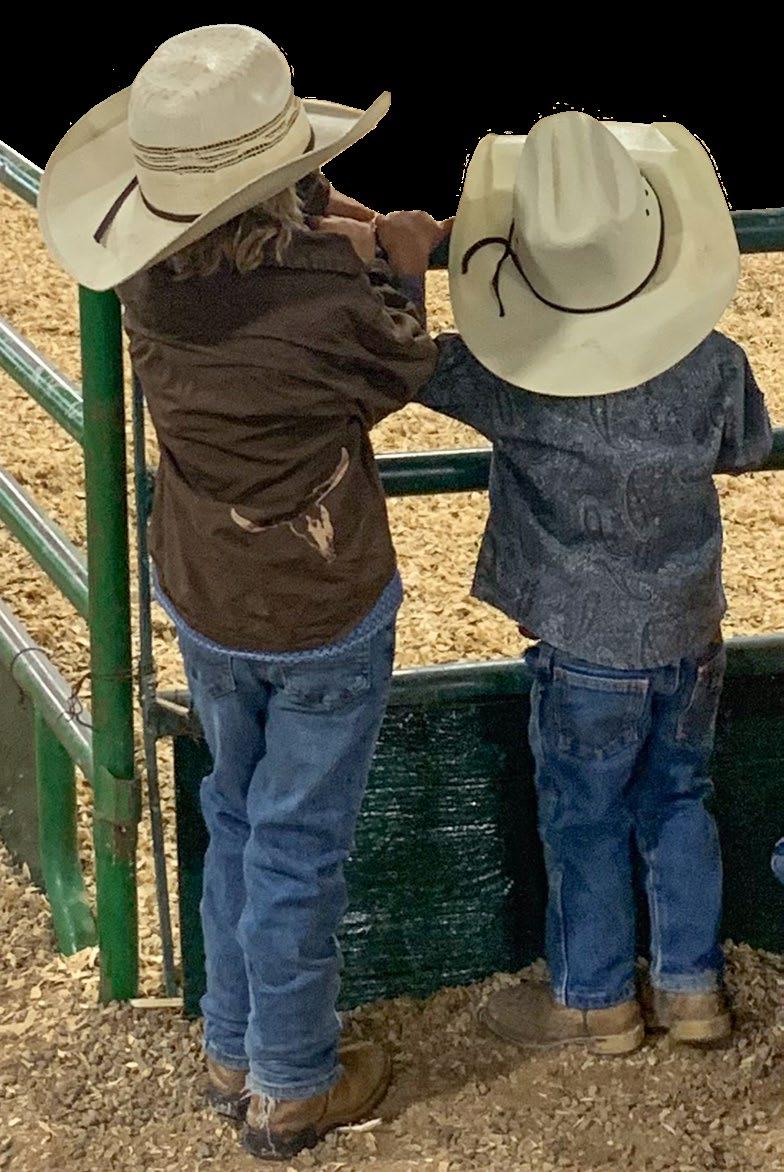
A Colorado summer isn’t complete without a visit to one of Colorado’s best high-energy, incredible local rodeos. Bull riding, team roping, bronc busting, and barrel racing carry spectators on an excitement high, and the cowboy traditions show visitors and locals the glory of Colorado summers. Is it your first time in the stands? Maybe this is your summertime family tradition, or you’re working behind the scenes to make the 2026 rodeo season the most memorable yet. No matter what, these rodeos will have you out of your seat and remembering the experience for years to come. Pencil these five rodeos onto your Colorado summer bucket list.
STEAMBOAT SPRINGS PRO RODEO
Weekends, June 19-August 29, 6 p.m. BBQ and music, 7:30 p.m. rodeo start
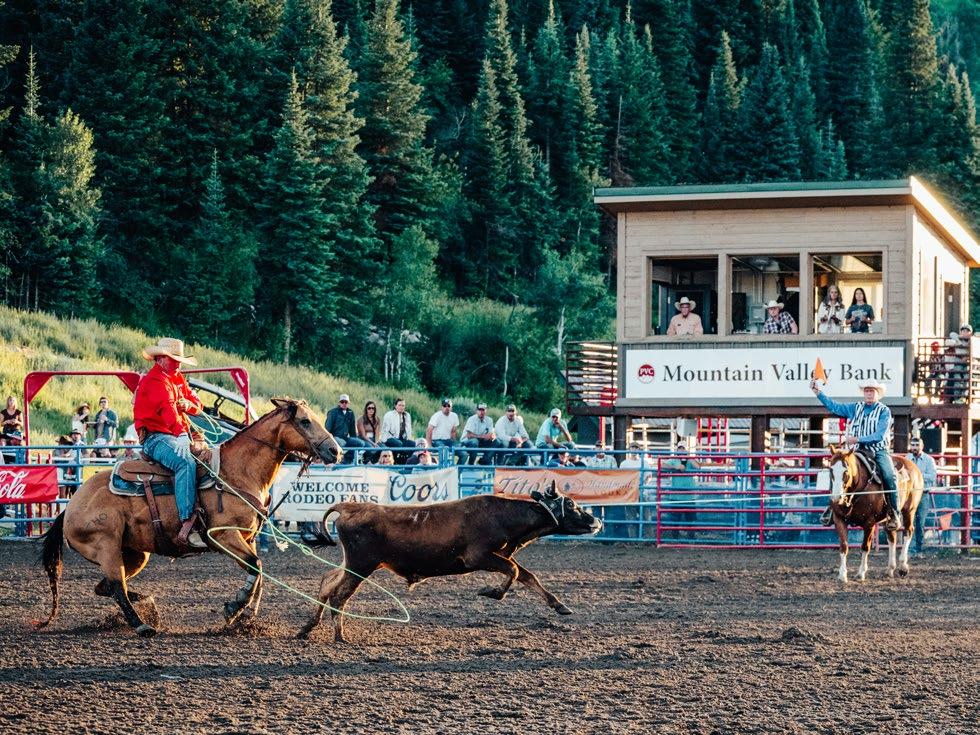
Beginning June 19, every Friday and Saturday night until the end of August, find yourself at the Steamboat Springs Pro Rodeo. BBQ and live music kick off each twilight weekend rodeo, which is rooted in traditions and celebrations dating back more than 100 years and was established as a weekend series since the 1970s. From steer wrestling to bull riding and every fast-paced event in between, Steamboat Springs Pro Rodeo offers both beauty and brawn every summer weekend. To plan your weekend itinerary, explore the schedule, and grab your rodeo tickets, visit steamboatprorodeo.com
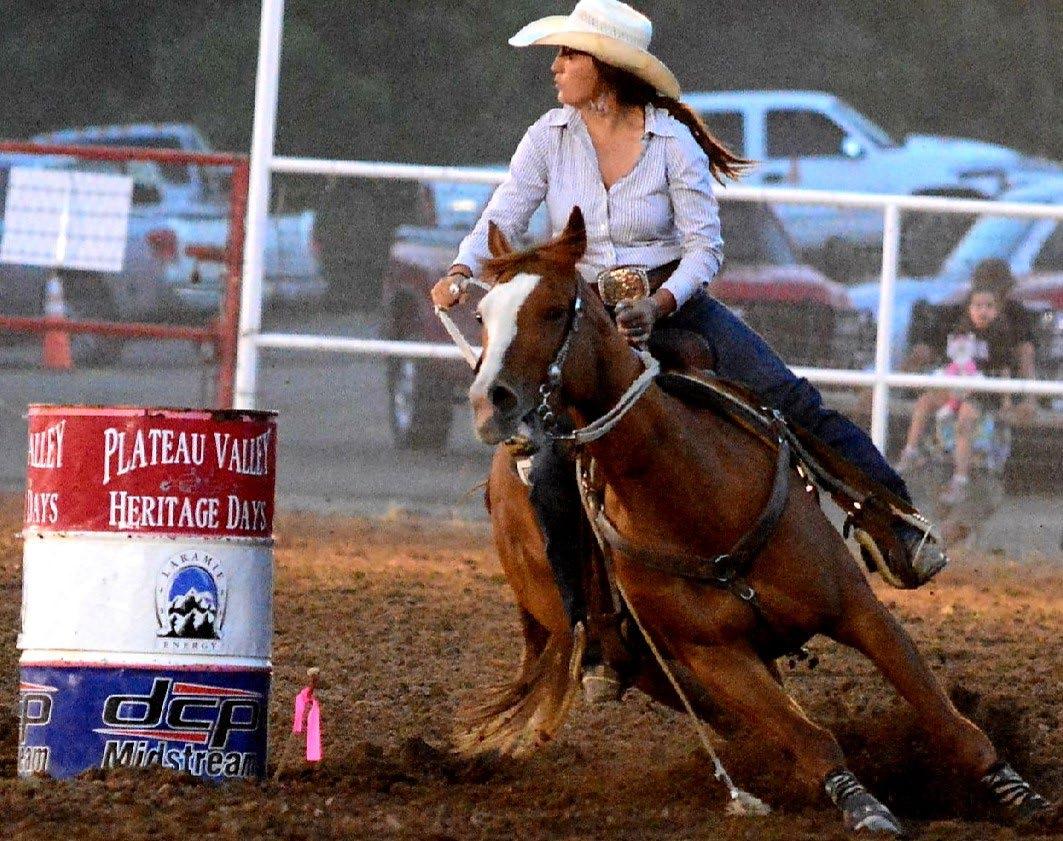
PLATEAU VALLEY HERITAGE DAYS
July 2-4; Junior Roughstock event July 4, 1 p.m.
Tucked in the center of Colorado’s Plateau Valley you will find Collbran, which annually hosts Plateau Valley Heritage Days. It is the perfect way to celebrate the Fourth of July with family, friends, and the Colorado Pro Rodeo Association. Kick off your holiday with the Mesa County Horse 4-H pancake breakfast and parade, carnival and car show, and the running of the horses. End the night with the CPRA rodeo and after-party event, Dance in the Dirt. To explore more of the Plateau Valley, get more event details, and learn how to grab your tickets, visit pvheritagedays.com
Photo by Regina Guthrie
Photo courtesy of Ralph Prideaux
Photo by Michael Magill
RED RYDER ROUNDUP RODEO
July 2-3, 6 p.m. and July 4, 2 p.m.
KIT CARSON COUNTY FAIR AND RODEO
July 25-August 1; rodeo July 30, 31, and August 1, 8 p.m.
Held in Burlington, the 109th Kit Carson County Fair and Rodeo is both a family-friendly and a quintessential Eastern Plains experience. Culminating with the Thursday, Friday, and Saturday Professional Rodeo Cowboys Association rodeos, locals and visitors can explore livestock shows and grab funnel cake during the day. Allan Dessell will perform at the rodeo events while The Kentucky Headhunters will perform immediately following the rodeo on August 1. For tickets and more information, visit kitcarsoncounty.colorado. gov/fair-grounds/county-fair
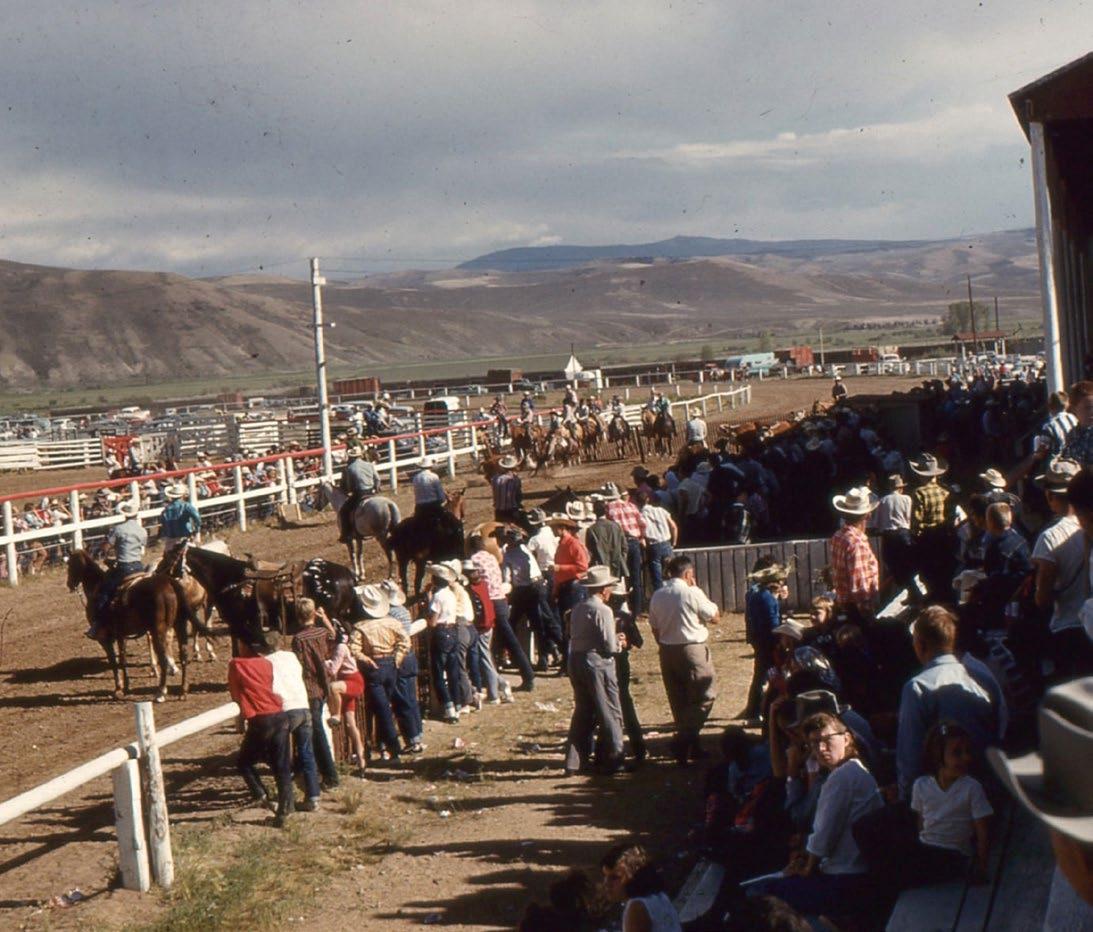
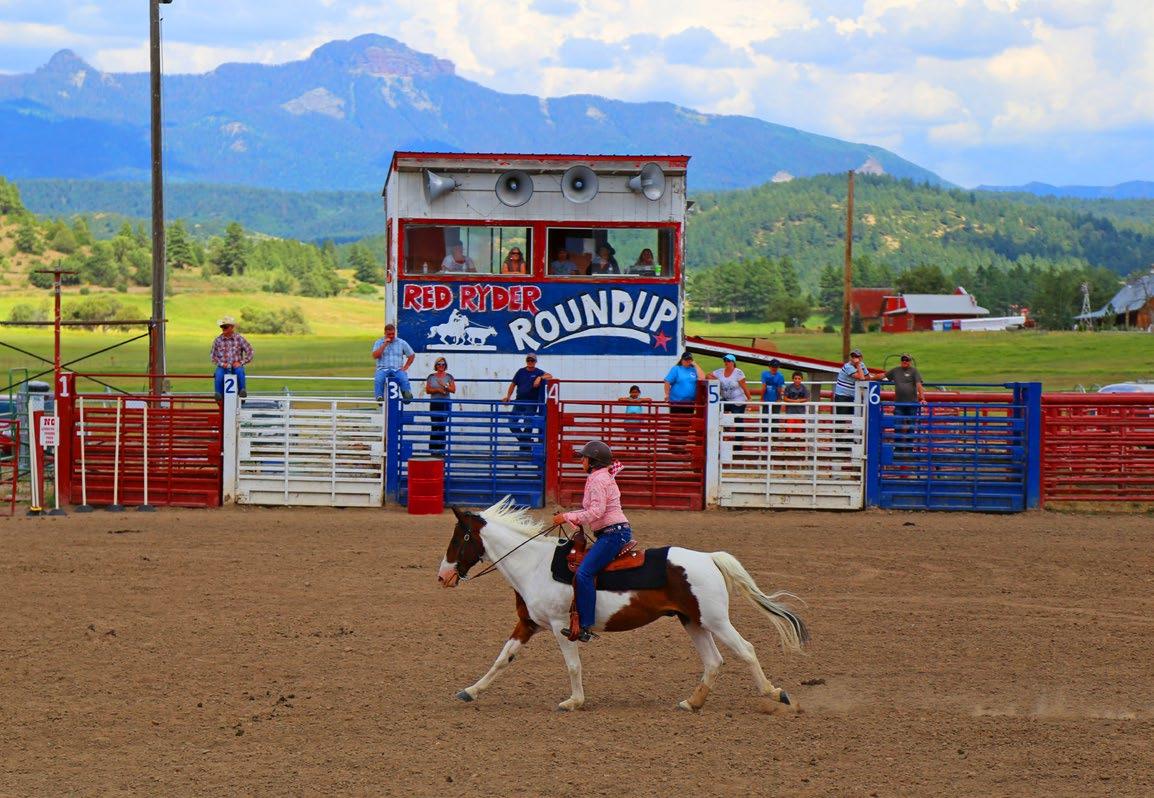
Celebrate Independence Day in Pagosa Springs! Established in 1949, the Red Ryder Roundup Rodeo has been showcasing the best of the best rodeo events, including calf roping, ladies breakaway, team roping, bull riding, and junior bull riding for over 70 years. Littles will love the parade and mutton bustin’, while all-ages will enjoy watching rodeo traditions and fireworks from the grandstand. Added bonus: Pagosa Night Rodeos are Thursday nights from June 4 to July 23. Visit pagosarodeo.com to purchase tickets and build your Red Ryder Roundup bucket list.
GUNNISON CATTLEMEN’S DAYS
July 3-12; Ranch Rodeo July 4; PRCA Rodeo July 9, 10 and 11, 6:45 p.m.
Gunnison Cattlemen’s Days has something for everyone: horse shows, barrel racing, cowboy poetry, cowboy church, and the rodeos. Its capstone event, the Professional Rodeo Cowboys Association rodeo, kicks off July 9 with the Golden Circle of Champions Rodeo, raising funds and awareness for pediatric cancer, followed by Patriot Night, July 10, and Gunnison Ranchland Conservation Legacy Night, July 11. Gunnison is steeped in rich ranching history, and every summer celebrates its rodeo roots by hosting Colorado’s longest running rodeo. To plan your Gunnison Cattlemen’s Days and Rodeo experience and celebrate ranch traditions, visit cattlemensdays.com
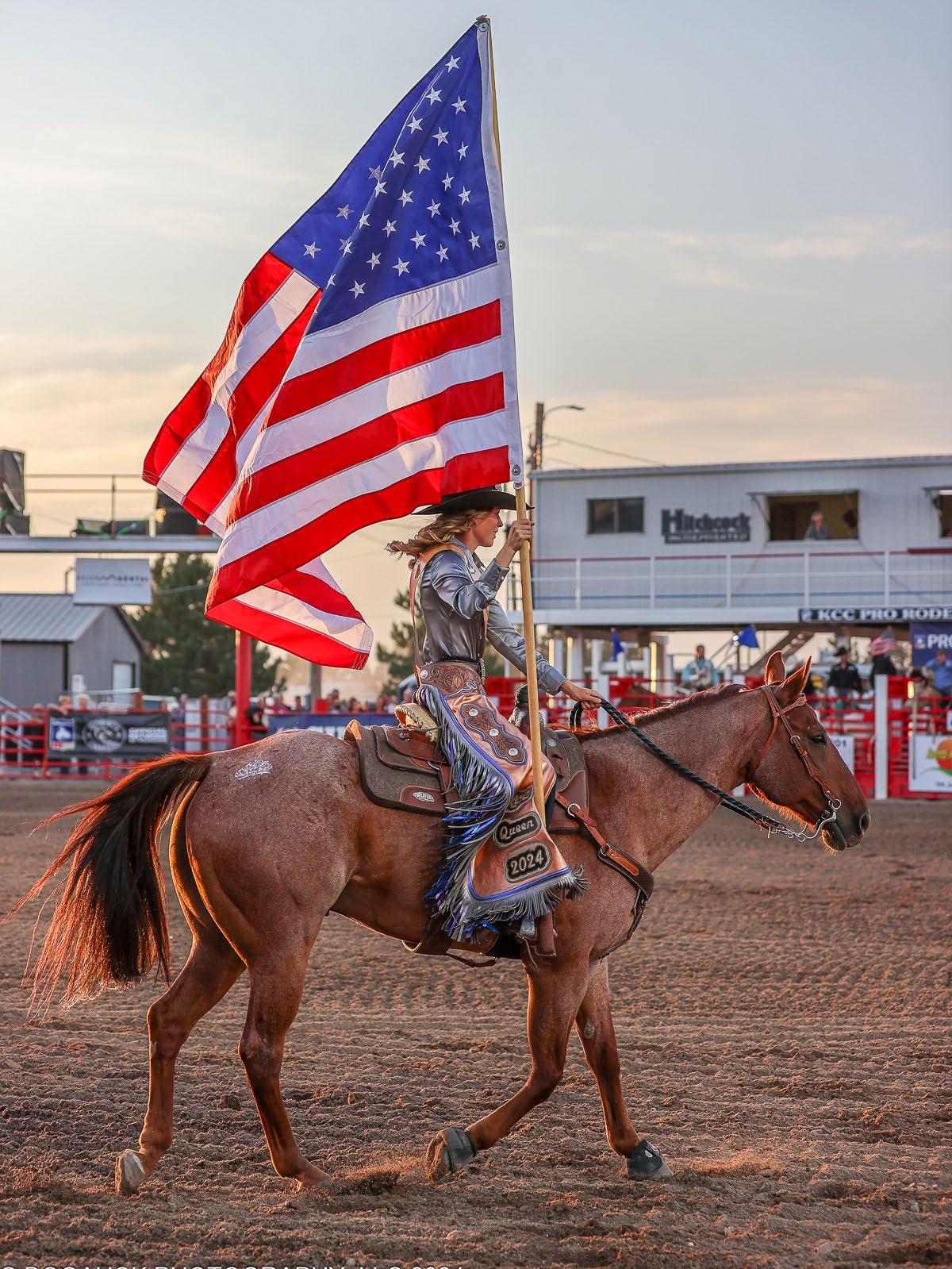
Photo by BQ Gauck Photography
Photo courtesy of Gunnison Pioneer Museum
Photo by Kimberlee Hutcherson
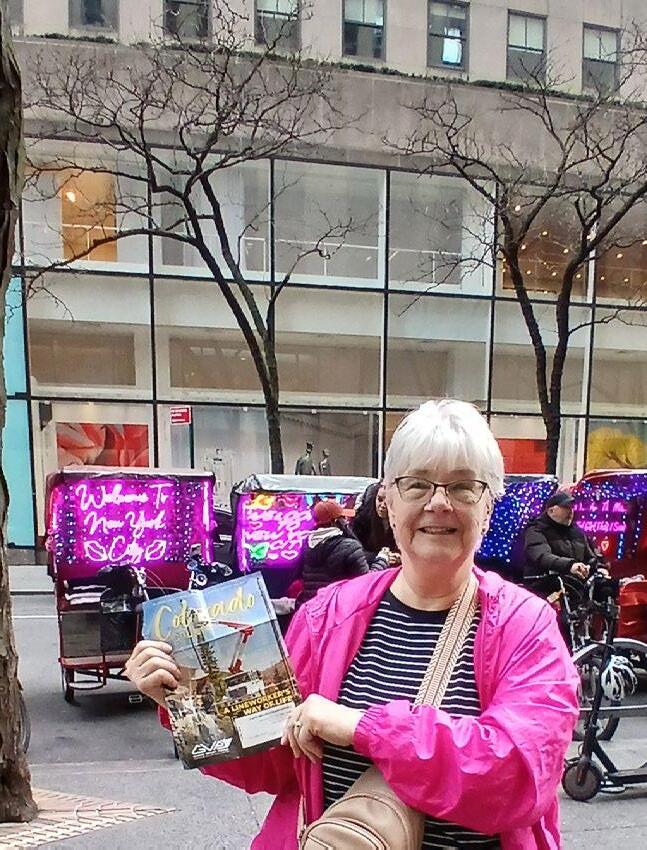
Mary Roos, a member of Grand Valley Power, visits New York City and brings her copy of CCL along for the trip.
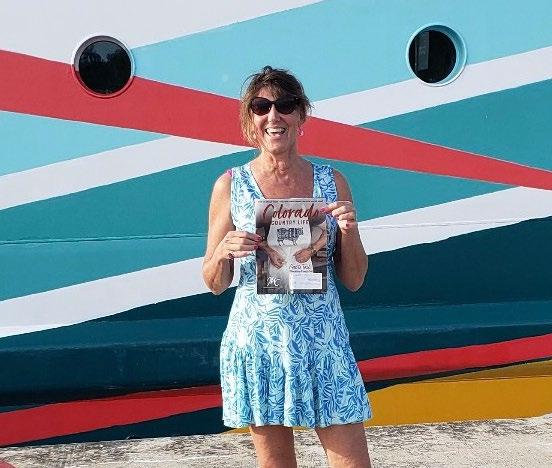
Morgan County REA member Michelle Christensen brings CCL on a Caribbean cruise while celebrating her daughter’s birthday.
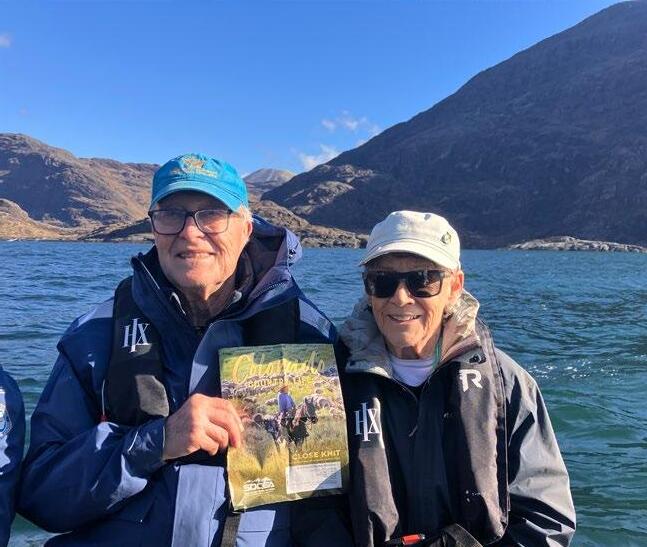
Linda and Art Wilson enjoy one day of sunshine while visiting Lewis Harris Island in the Outer Hebrides in Scotland. “We thought we would get out of the Colorado weather, but it snowed in Scotland too!” The Wilsons are Sangre de Cristo Electric Association members.
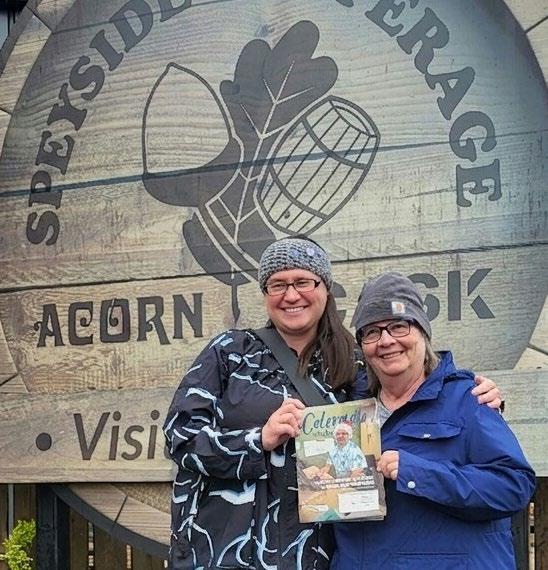
Valley REA member Jennifer Rivas (left) and her mom Irene visit the Speyside Cooperage in Craigellachie, during a tour of whiskey distilleries in the Scottish Highlands.
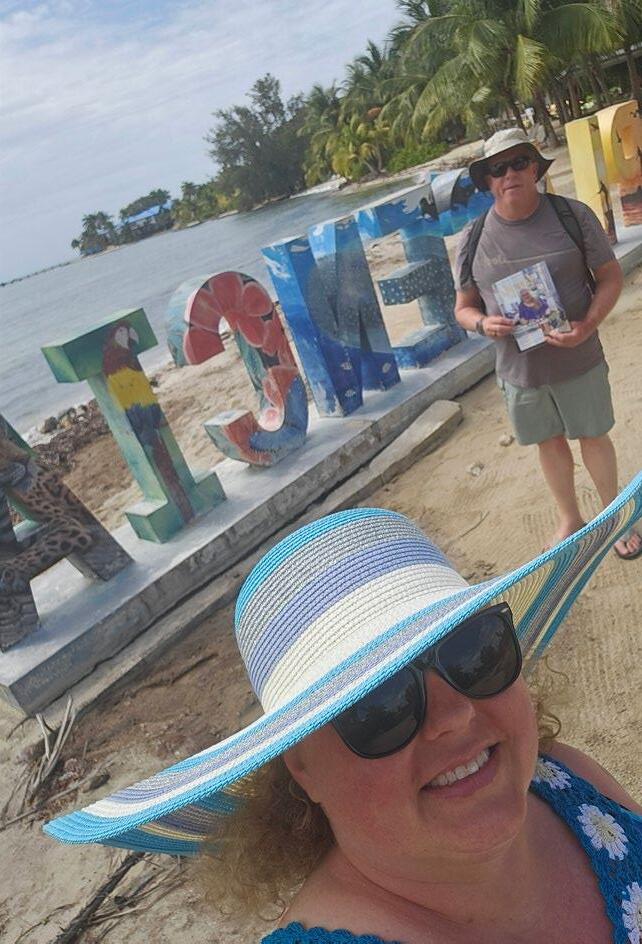
Poudre Valley REA members Kerese and Dave Arnold bring CCL to Placencia, Belize, while vacationing in a beautiful fishing community. They went deep sea fishing in the inner and outer reef, which was the first time for Kerese.
Show us your adventures with the magazine for a chance to win $25.
Upload your photo with CCL at coloradocountrylife.coop. Find more reader photos on Facebook @COCountryLife and Instagram @cocountrylife. PACK. SNAP. SHARE. WIN!
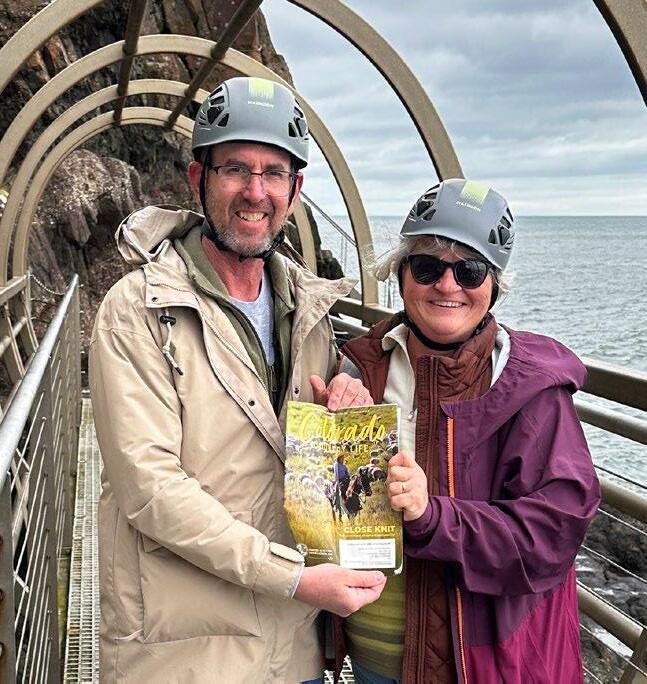
Empire Electric Association Member Engagement Manager Andy Carter and his wife Beth grab a photo with their copy of CCL on Gobbins Cliff Path, stopping on the Gobbins bridge on the east coast of Northern Ireland.
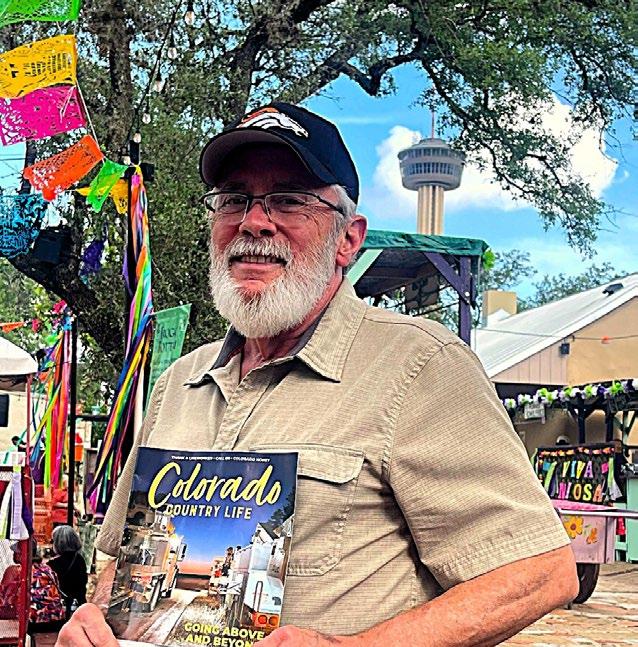
the magazine.
Poudre
Tom Tsakopulos, a Mountain View Electric Association member, enjoys an evening in old San Antonio with his copy of
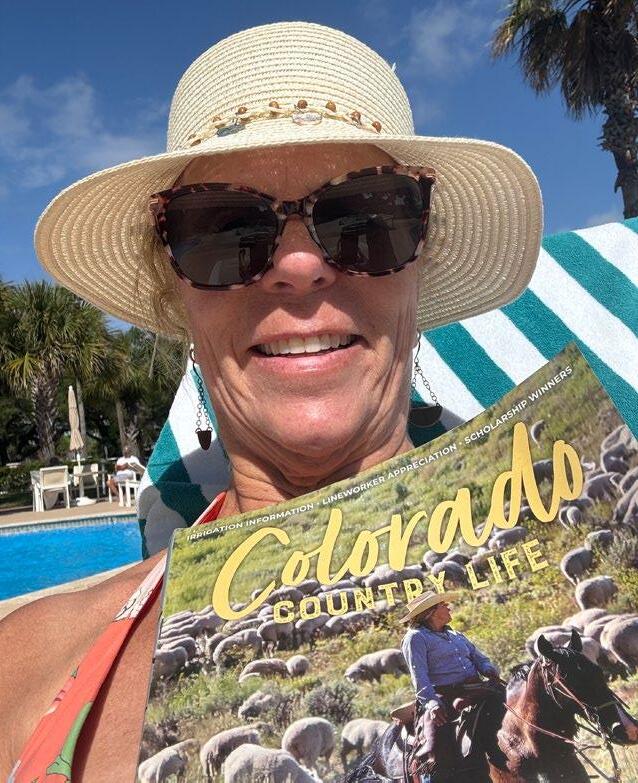
Highline Electric Association member Denise Sunderman snaps a photo with her copy of CCL at the beach in Gulfport, Mississippi.
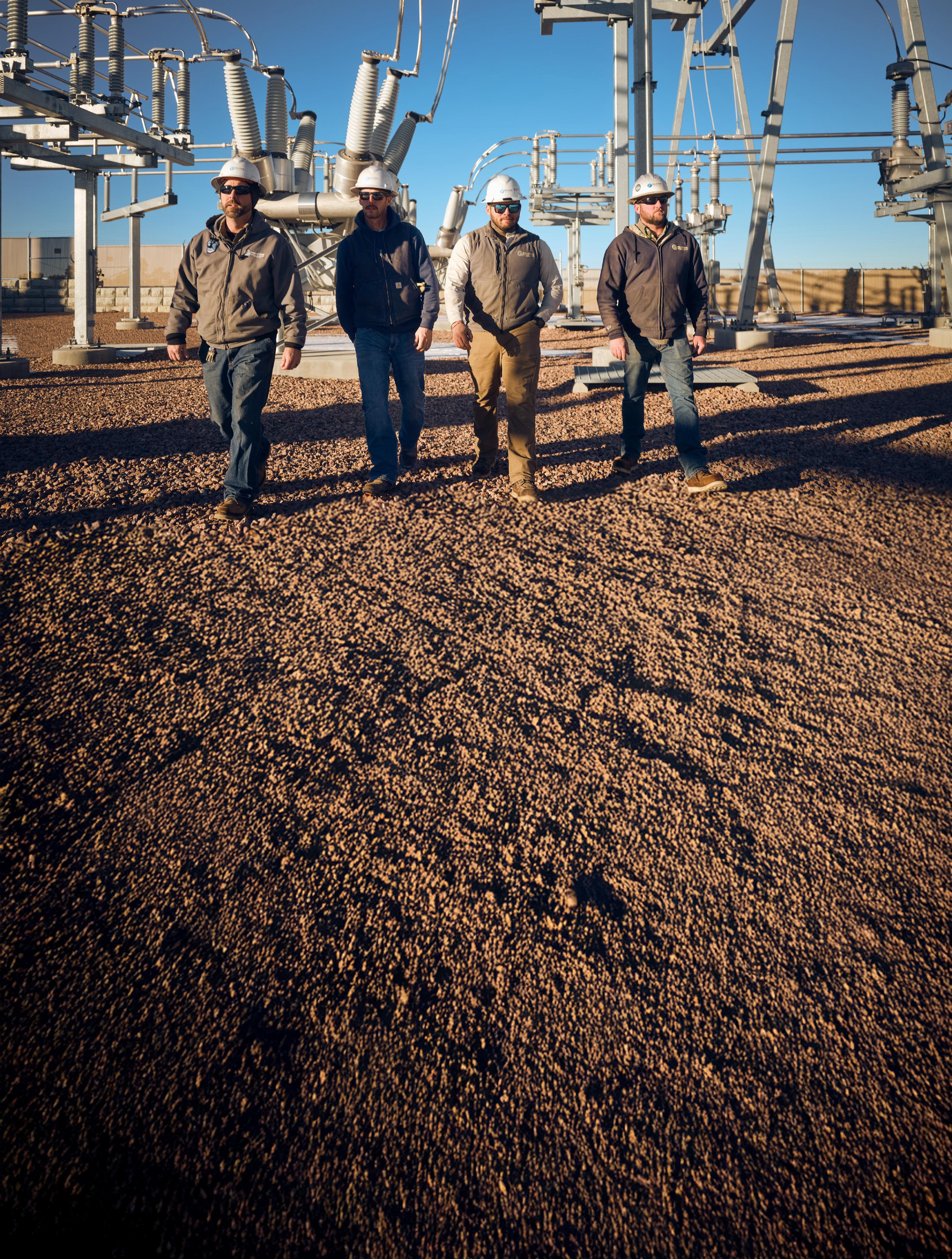
Reliability means showing up — for today and tomorrow. We’re here before the sun rises and we’re working all through the night, 24/7/365.
Why? Because every community our members serve deserves power they can count on. From energy planning to system reliability, we work as one connected cooperative family. We’re sharing resources, expertise, and the strength that only comes from standing together so your co-op can deliver what matters most: reliable, affordable electricity for every moment of life.
Scan to learn more or visit www.tristate.coop/powering-future