Editorial Assistant Melinda Taylor mtaylor@coloradocountrylife.org
EDITORIAL
CORPORATE OFFICE
455 S. Pierce St., Lakewood, CO 80226 info@coloradocountrylife.org, 303-455-4111
Editorial opinions published in Colorado Country Life magazine shall pertain to issues affecting rural electric cooperatives, rural communities, and citizens. The opinion of CREA is not necessarily that of any particular cooperative or individual.
POSTMASTER Send address changes to Colorado Country Life at 455 S. Pierce St., Lakewood, CO 80226.
SUBSCRIBERS Report change of address to your local cooperative. Do not send change of address to Colorado Country Life. Cost of subscription for members of participating electric cooperatives is 31 cents per month, paid from equity accruing to the member. For nonmembers, a subscription is $16 per year in state/$21 out of state.
American MainStreet Publications 611 S. Congress St., Suite 504 Austin, TX 78704 | 800-626-1181
ADVERTISING STANDARDS Publication of an advertisement in Colorado Country Life does not imply endorsement by any Colorado rural electric cooperative or the Colorado Rural Electric Association. Call for reprint rights. View advertising and editorial policy terms and conditions online at coloradocountrylife.coop.
Photo by Kevin Fettig
Photo by Lee Clayton Roper
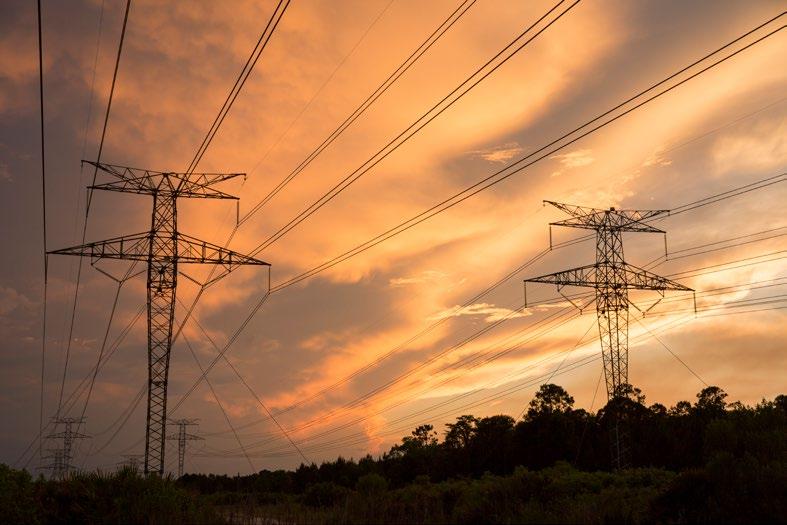
Photo courtesy of NRECA
Cautiously Optimistic
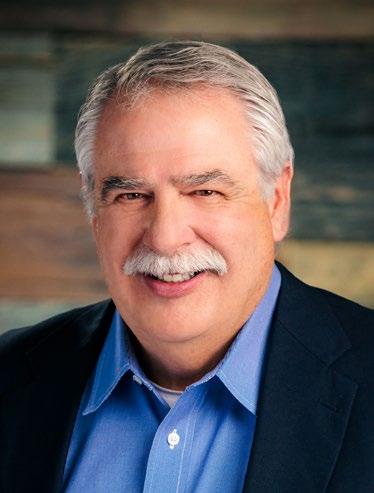
By Kylee Coleman Editor
There is something about an unusually warm winter that makes you wonder if spring might quietly slip in unannounced. Warmer days. Dry ground. Windows are open earlier than expected, and the sun lingers just a little longer over fields and fence lines.
And still, we Coloradans know better because March has a reputation — and a way of reminding us who’s in charge.
The biggest snowstorms I can remember happened in March. Maybe you remember some too. Storms this month usually dump feet — not inches — of heavy, wet snow. So, despite the warmth and sunshine, we keep the snow gear by the door, and we greet spring with cautious optimism.
This hopeful-but-prepared outlook is something Coloradans understand well. And it’s also how your local electric co-op operates. Crews inspect power lines before storms ever hit. Equipment is maintained long before it is needed. And when those March storms hit, co-op lineworkers show up in all conditions to keep power flowing.
Planning and preparedness matter, so keep your snow shovel handy. Whatever the forecast brings, Colorado has always been ready for it.
Monthly Giveaway
One lucky reader will be randomly selected to win an 11"×14" framed print of Nichole Damian’s photo, “Flynn and a Full Moon.” See pages 15-17 for all the winning images from our photo contest!
Visit us online at coloradocountrylife.coop to enter this giveaway. Need another way to enter our contests? Send a postcard to CCL CONTEST 455 S. Pierce St., Lakewood, CO 80226. Include your name, phone number, address, and the name of your electric co-op. Contest closes March 20.
Top photo: A March 2013 storm brought great snowball snow for Kylee's kids to work on batting practice. Photo by Chris Coleman
Political Exercise
By Tom Walch CREA Executive Director
Over the past 10 years, sometimes it feels like Colorado’s rural electric co-ops are in a political slump, maybe because of the accelerated expansion of the urbanrural divide in our state. Lawmakers representing rural interests in Colorado are outnumbered at the Capitol, and when we’re outnumbered it can be easy to get discouraged.
Much like a mental or physical slump this time of year when the holidays are behind us and we’re waiting for spring, we might need to tackle this with some good, old-fashioned exercise — political exercise.
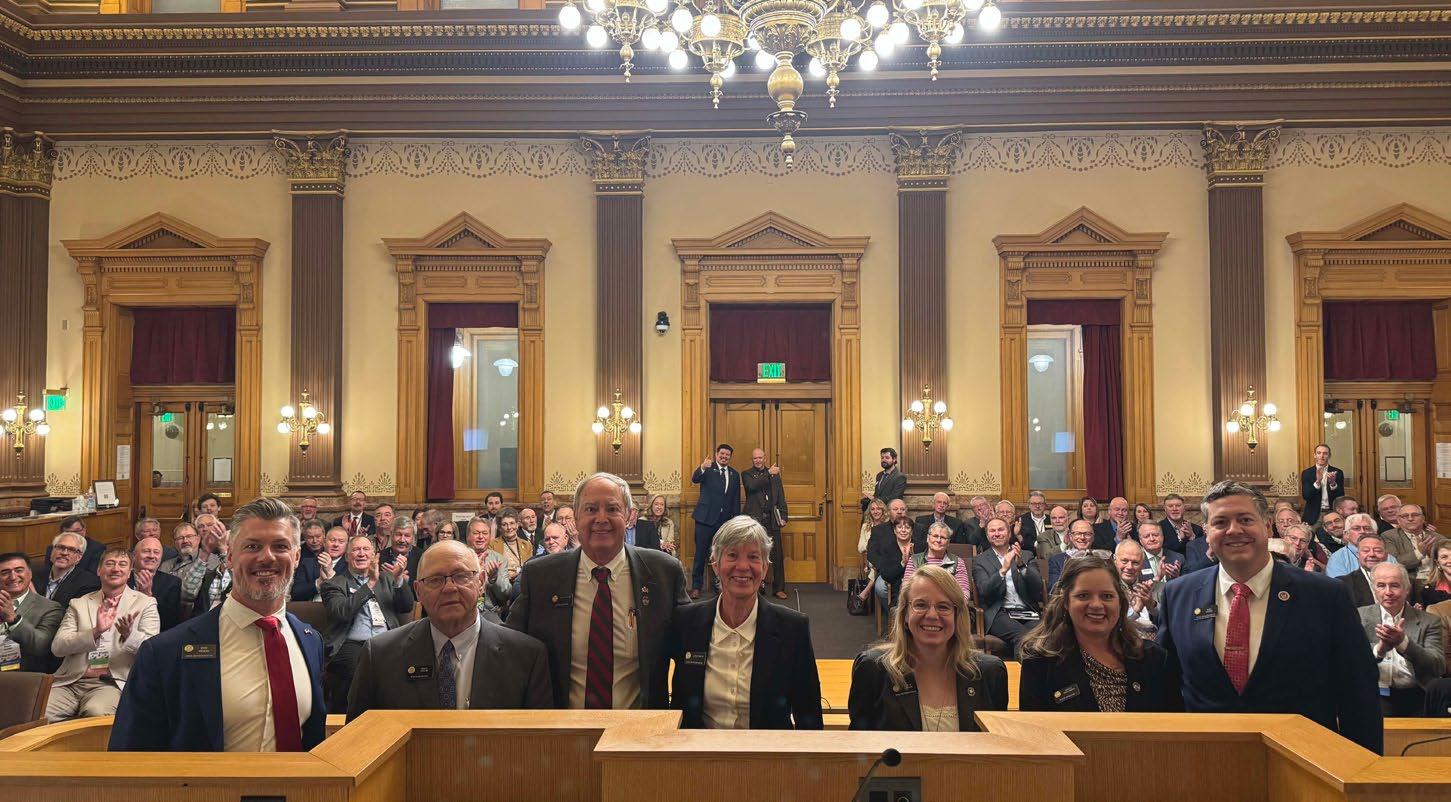
In February, CREA staff organized Co-op Day at the Capitol where more than 100 electric co-op CEOs and board members packed the Old Supreme Courtroom at the Capitol. We were joined by legislative leaders from near and far, representing all political views.
Speaker of the House Julie McCluskie and President of the Senate James Coleman recognized Colorado’s electric co-ops for their more than 80 years of service to the people of our state. “Formed by the people they serve,” McCluskie read from the official proclamation, “electric co-ops were built on a simple but powerful idea: every Coloradan deserves access to safe, reliable, and affordable electricity, no matter where they live.”
Speaker McCluskie and President Coleman were joined by the majority and minority leaders of both chambers of the legislature. Together, they acknowledged that electric co-ops are important because our voices reflect real people and real communities.
Following remarks from House and Senate leadership, our electric co-op cohort heard from a legislative panel discussing energyrelated bills making their way through the legislature.
Our successful day at the Capitol provided enough of a workout to help us get out of the slump. But — much like cardio training — we need to follow up with more exercises like these to build endurance and stamina in the political arena. Colorado’s electric co-ops will do this by continuing our engagement with lawmakers on a number of bills that could impact the price and reliability of electricity. We will bring our practical expertise to policy discussions. And we will collaborate to ensure that the wants and needs of our member cooperatives’ — and the people they serve — are part of legislative solutions.
While we’re at it, we will motivate others to exercise their political muscle and encourage everyone in the co-op family to engage in the political process. We might not have the numbers that urban interests have but we can organize and unite around important topics.
Colorado’s electric co-ops are working together to build strength and endurance — it is our best chance for sustained political health.
Tom Walch is the executive director of the Colorado Rural Electric Association, the statewide organization supporting 21 electric distribution cooperatives and one generation and transmission cooperative.
Members of the Colorado General Assembly meet with electric co-op leaders during CREA's Co-op Day at the Capitol. Left to right: Rep. Dan Woog, Sen. Marc Catlin, Sen. Larry Liston, Rep. Lesley Smith, Rep. Dusty Johnson, Sen. Janice Marchman, and Rep. Alex Valdez.
MCREA 2025 Annual Report
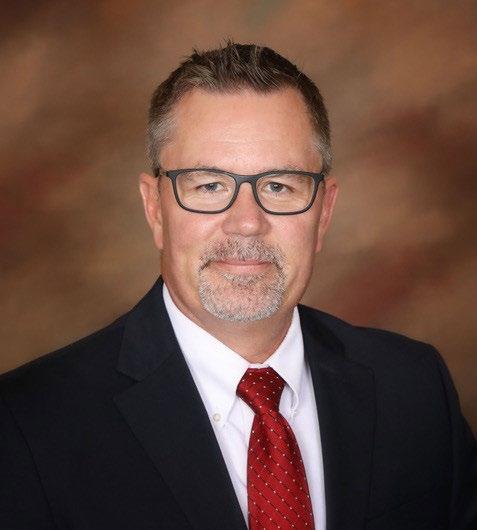
By Dave Frick General Manager
On behalf of the board of directors, management, and employees of Morgan County Rural Electric Association, Inc., we are pleased to present the 2025 Annual Report.
MCREA is a not-for-profit electric cooperative dedicated to serving our members by providing safe, reliable energy, while maintaining a strong tradition and a clear vision for the future. Operating under the cooperative business model, we are proud to be owned by the members we serve. A member-elected board of directors provides guidance to MCREA staff in the administration of cooperative assets and oversight of financial responsibilities.
report detailing the Association’s financial position and operational performance. We encourage you to review the following pages, which offer comprehensive information about the current state of your electric cooperative.
I would also like to personally invite our members to attend MCREA’s 89th Annual Meeting on Tuesday, March 17, at 6 p.m., which will be held by phone call. Registration for this year’s meeting is available by clicking the banner on our website at mcrea.org
The MCREA Board of Directors and management team look forward to reviewing the past year with you, discussing future plans for the cooperative, and answering any questions you may have.
As a member-owned electric cooperative, the MCREA Board of Directors and management have a responsibility to provide our members with an annual
MCREA STATISTICAL INFORMATION*
As of December 31, 2025 Counties Served
We thank you for your continued support and we look forward to connecting with you at our annual meeting later this month.
Arapahoe, Logan, Morgan, Washington, Weld
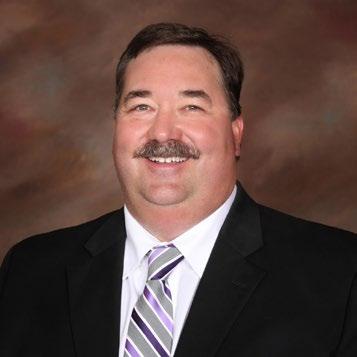
From Jim Bostron
Treasurer, District I
All members of Morgan County Rural Electric Association, Inc., are encouraged to carefully examine this annual report. Included are the balance sheet as of December 31, 2025, and the statements of revenue and expense for the same year. Also shown are the trends of the previous year.
In my opinion, the financial report fairly presents the financial position of MCREA for the year ending December 31, 2025, and is in conformity with accepted accounting principles applied on a basis consistent with that of the preceding year.
Jim Bostron
BALANCE SHEET*
Brian Pabst President - District III
Terry Linker Vice President - District III
Kyle Eiring Secretary - District II
Jim Bostron Treasurer - District I
Tim Peggram District I
David Arndt District II
Cary Wickstrom District I
Terry Tormohlen District II
Larry Hoozee District III
OPERATING STATEMENT*
MCREA EMPLOYEES
Haiden Araujo
Chris Banz
Rob Baranowski
Curtis Berg
Chuck Blackwelder
Josh Bristol
Andron Brown
Curtis Covelli
Ryan Dunker
Cirildo Estrada
Bryson Fogg
Cody Flanigan
Dave Frick
Amanda Green
Ben Haight
Angie Hayes
Ryan Heagney
Tim Hishinuma
Zach Hornecker
Suzi Iungerich
Ben Johnston
Nolan Kauffmann
Brent Kliesen
Cheryl Lewis
Alan Mason
Di McKenzie
Trey Montel
Nick Mosqueda
Jennifer Ogley
Angie Pangle
Travis Petrino
Maddie Pollart
Rodney Rhoades
Josh Scott
Robb Shaver
Stacy Syphers
Brian Thomas
Travis Varelman
Fabian Vigil
Tammy Walker
Roger Wunsch
MEET MCREA’S BOARD DIRECTOR CANDIDATES
These five candidates have submitted petitions to serve on the Morgan County Rural Electric Association, Inc., Board of Directors. This year’s election is being held by mail-in ballot. All members have been sent their ballots and can return them by mail or in person to MCREA. All ballots must be received at MCREA headquarters by 4:30 p.m. on Monday, March 16. Ballots will be counted the following day by the member elections committee and results will be announced during the MCREA Annual Meeting on March 17.
DISTRICT I: TIM PEGGRAM (incumbent)
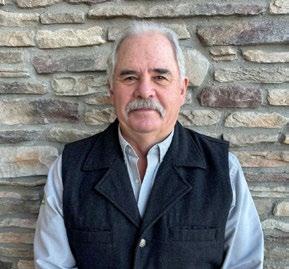
Tim Peggram has served on the Morgan County REA Board of Directors since 2003, earning the Credentialed Cooperative Director certificate, Board Leadership certificate, and Director Gold credential through the National Rural Electric Cooperative Association. He has held the roles of president, vice president, and treasurer of the MCREA Board. Tim has also served as president of Western United Supply Corporation and currently serves on the Mid-West Electric Consumers Association Board.
Raised in Wiggins, Tim earned an associate degree in agribusiness from Northeastern Junior College and returned to farming. He raises irrigated corn, alfalfa, wheat, and runs a cow/calf operation. Tim has been very involved in the Wiggins community and is an active member of Summit Baptist Church. Tim and his wife Eileen have five children and seven grandchildren.
DISTRICT II: DAVID ARNDT (incumbent)
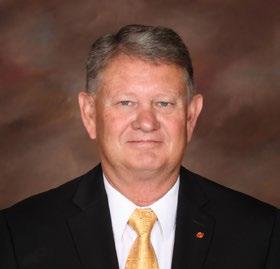
David Arndt was first elected to the MCREA Board of Directors in 1993. He fulfilled one term as treasurer in 1994, and served as board president from 2006 to 2010. During his tenure, David has earned the Credentialed Cooperative Director certificate through the National Rural Electric Cooperative Association by completing five one-day courses, including Director Duties and Liabilities, Understanding the Electric Business, Board Roles and Relationships, Strategic Planning, and Financial Decision Making. He has also been awarded the Board Leadership certificate through the national association. David and his wife Pam farm in the Weldona area. They have four grown children and fourteen grandchildren. David is a past president of the Morgan County Fair Board and has been active with several youth organizations in our area.
DISTRICT II: D OUGLAS WULF
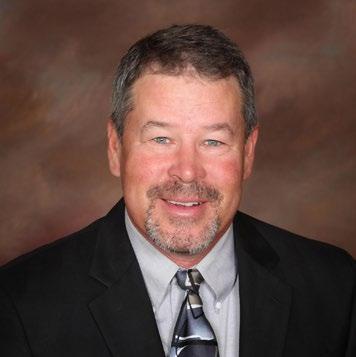
Douglas Wulf is seeking his first term on the MCREA Board of Directors. A lifetime resident of Morgan County, Douglas has been actively involved in the agriculture industry. He currently works for 21st Century Equipment LLC in Fort Morgan, where he has served as an account manager in ag sales and marketing for over 30 years. In this role, he has exhibited strong and diverse leadership qualities and wishes to serve the needs of Morgan County in a more broad and meaningful capacity. Douglas and his wife Leigh Ann live in the Fort Morgan area. In addition to golfing, riding motorcycles, and tinkering with small mechanical projects, Douglas enjoys taking trips with family and friends.
DISTRICT II: D EREK GERKEN
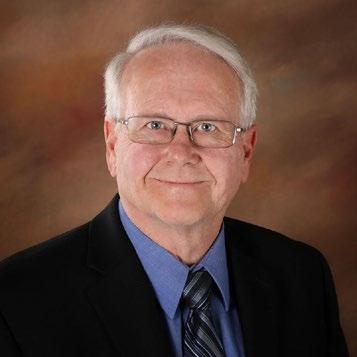
Derek Gerken is seeking his first term on the MCREA Board. Derek is a farm and crop agent with Leavitt Group of Colorado and runs a Red Angus cow/calf operation. Derek has served two terms on the Fort Morgan School Board, serving as President and Treasurer. He has also served multiple terms on the Morgan Conservation District Board and held leadership roles at First Christian Church. Derek feels that Morgan County’s quality of life depends on affordable, reliable electricity and believes in protecting this. With experience in agriculture, business, and community leadership he feels he can contribute to a strong future for MCREA. Derek and his wife Elise have four grown sons and one grandson. He enjoys spending time with his family, working on the ranch, and watching sports.
DISTRICT III: TERRY LINKER (incumbent)
Terry Linker is seeking his fourth term on the MCREA Board of Directors. He has earned his Credentialed Cooperative Director certificate, Board Leadership certificate, and Director Gold credential through the National Rural Electric Cooperative Association. Terry is employed by Nutrien Ag Solutions in Fort Morgan, and has served as president of the Lower Platte and Beaver Canal Company. Terry has also served on two other water boards for Jackson Lake and the Lower South Platte Conservancy District, and is interested in water law and regulations. In his spare time, Terry enjoys local sporting events, fishing, watching college football, and traveling to see different parts of the world. He has four children and seven grandchildren.
Airing Out the House
By James Dulley
Q: This past year, I have made my house more airtight, but the indoor air often feels and smells stale. What are my best options for bringing in some fresh outdoor air?
A: When tightening up a house to save energy, pollutants can build up and create unpleasant and sometimes unhealthy stale air issues. A warm spring day is a great time to open the windows to let fresh air indoors. But it is smart to plan for the upcoming summer when opening windows is not an efficient way to ventilate your house — especially when you are running your air conditioner.
There are four basic mechanical methods to introduce fresh air into your house. The simplest is an exhaust-only system. This often uses a central ducted vent fan to depressurize the house. This draws fresh air in through gaps and leaks in the house exterior. Passive inlet vents can be installed in an airtight house. This is the least expensive system to install. This works well in arid Colorado, especially during summer. Its drawback is the fresh air may not be distributed evenly throughout the house. It will increase utility bills slightly and may cause chilly drafts during winter.
A supply-only system uses ducted fresh air fans to create a positive pressure indoors. This forces the stale air out through cracks in the exterior. It is simple and inexpensive to install like an exhaust-only system. Its primary advantage is the incoming air can be filtered, and it provides better control over the fresh air flow.
A balanced system uses a combination of ducted supply- and exhaust-only systems. This provides
better control of the ventilation because it does not rely on just cracks or leaks in the house exterior. It costs more to install because it requires two ducted systems. It uses more electricity because it runs two sets of fans.
A heat recovery ventilation system is the most efficient and expensive balanced system, typically costing $1,000 to $2,000. During winter, heat from the stale outgoing warm air is transferred to the incoming cold, fresh air. During summer, the stale outgoing cold air precools the incoming hot outdoor fresh air. Up to 75% of the energy in the air can be saved.
An HRV system is simple and has a heat exchanger inside a cabinet and two separate blowers, one for incoming air and one for outgoing air. The HRV has its own duct system, usually drawing stale indoor air from bathrooms and the kitchen. The incoming fresh air ducts often lead to the main living spaces and hallways.
Consult a professional HVAC company for any of these options.
If adding one of these mechanical systems is not in your budget, open the windows on nice days and air out the house.
James Dulley is a freelance writer and a DIY enthusiast who helps homeowners and businesses save money on their utility bills.
Photo
In times of economic uncertainty—when inflation rises, markets fluctuate, and long-term financial stability feels less predictable—many investors turn to gold as a dependable store of value. By holding a portion of your wealth in gold, you can help safeguard your portfolio and preserve longterm financial security, even when broader economic conditions are unclear.
Since 2015, gold has surged over 400% — outpacing both the S&P 500 and the Dow during the same period.
American Gold Reserve is releasing government-issued $5 Gold American Eagles completely free of dealer markup for only $529 each. These beautiful $5 Gold American Eagles are a perfect way to enter the gold market. Set for immediate public release, availability is limited and supplies are expected to sell out quickly.
ANIMALS
By Melinda Taylor Editorial Assistant
PHOTO CONTESTWinners
Colorado Country Life readers have done it again. For the 2026 annual photo contest, they sent us over 900 photos of jaw-dropping, awe-inspiring photos from all regions of the state, and we had the very challenging task of choosing winners. This year’s categories were Animals, People, Plants and Flowers, and Scenic Landscapes. The most popular category was Scenic Landscapes thanks to our gorgeous state, but animal photos were a close second. We hope you enjoy these photos as much as we did!
Cover winner: “Stocking Up” by Kristen Hayes, a Poudre Valley REA member.
3rd place “Rare Sighting, Bohemian Waxwing” by Kevin Fettig, a Poudre Valley REA member.
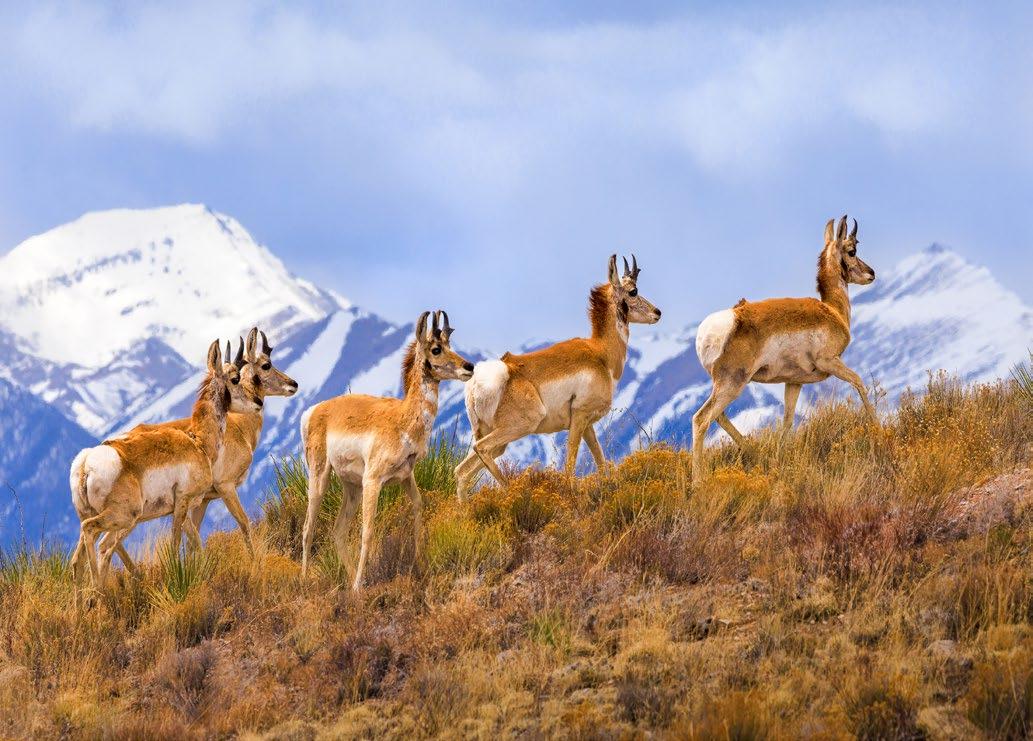
2nd place “Five Pronghorn Bucks” by John Boland, a Sangre de Cristo Electric Association member.
1st place “Flynn and a Full Moon” by Nichole Damian, a Morgan County REA member.
2nd place
place
PLANTS & FLOWERS
1st place
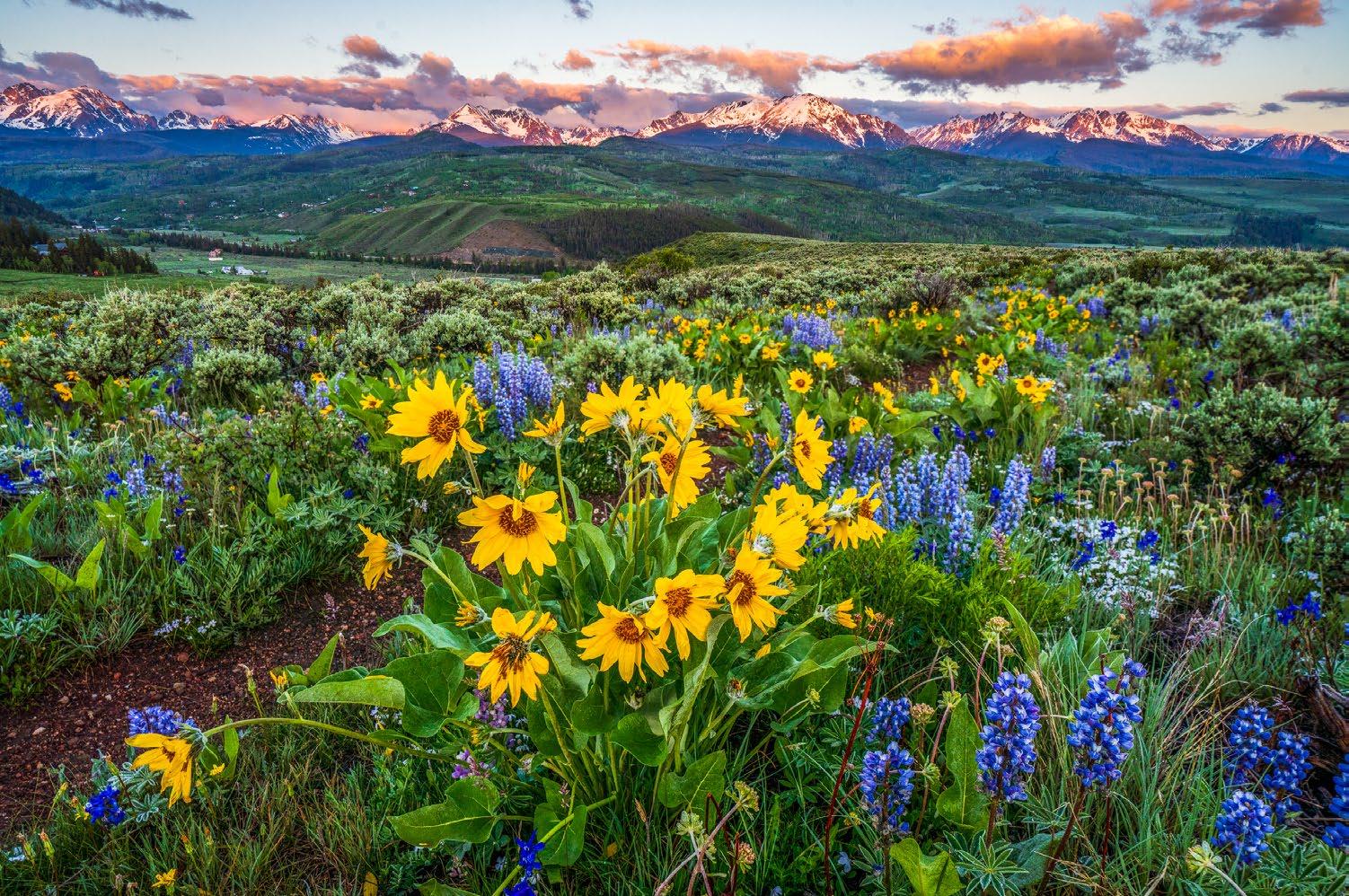
“Wildflowers” by Jennifer Coombes, a Poudre Valley REA member.
3rd place “Dancing” by Jim Lambert, a San Isabel Electric Association member.
“Winter Wagon” by Angela Martinez, a Mountain View Electric Association member.
1st
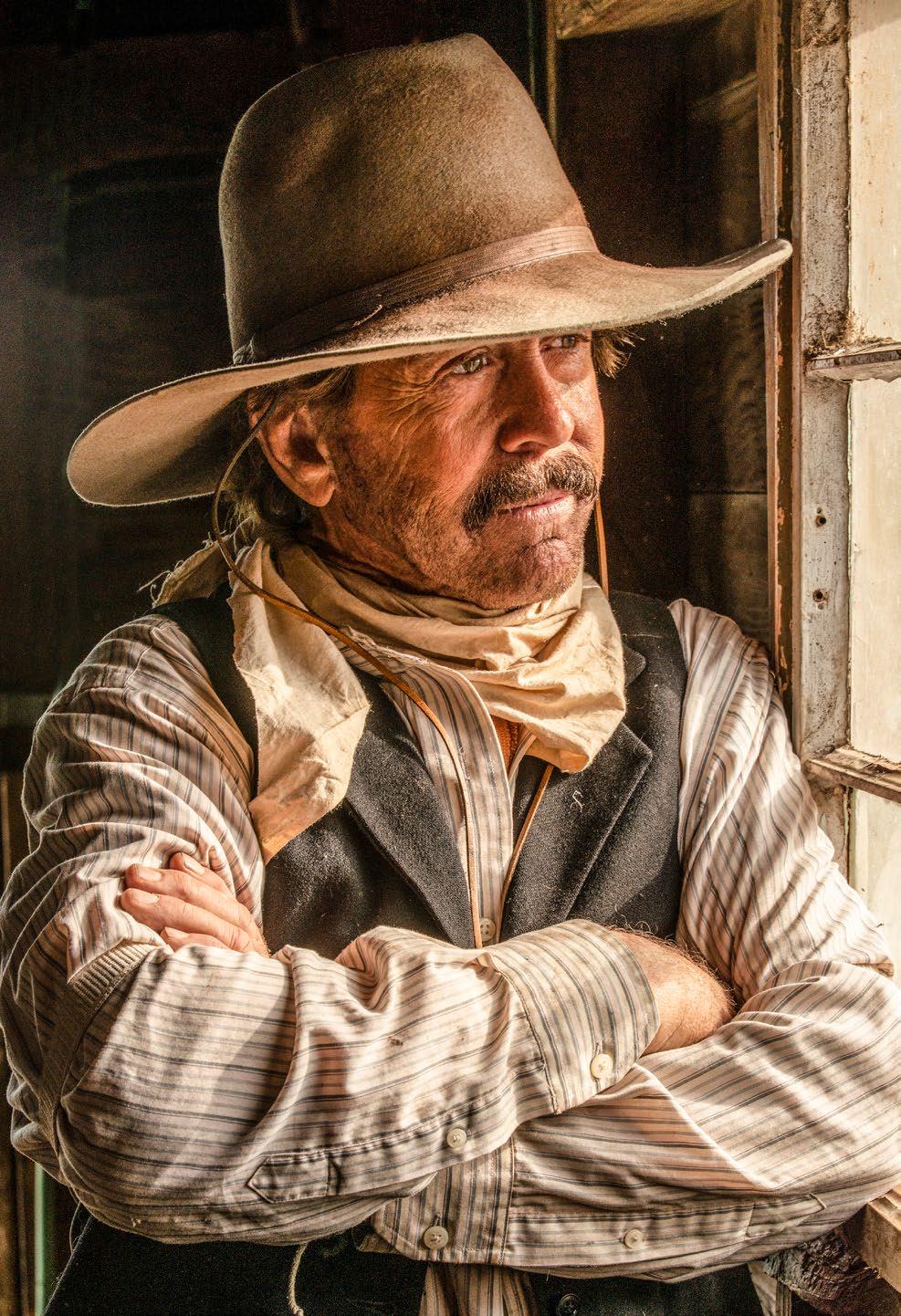
“Contemplating the Ranch” by J.R. Schnelzer, a Poudre Valley REA member.
2nd place
3rd place
FLOWERS
SCENIC LANDSCAPES PLANTS &
1st place
3rd place
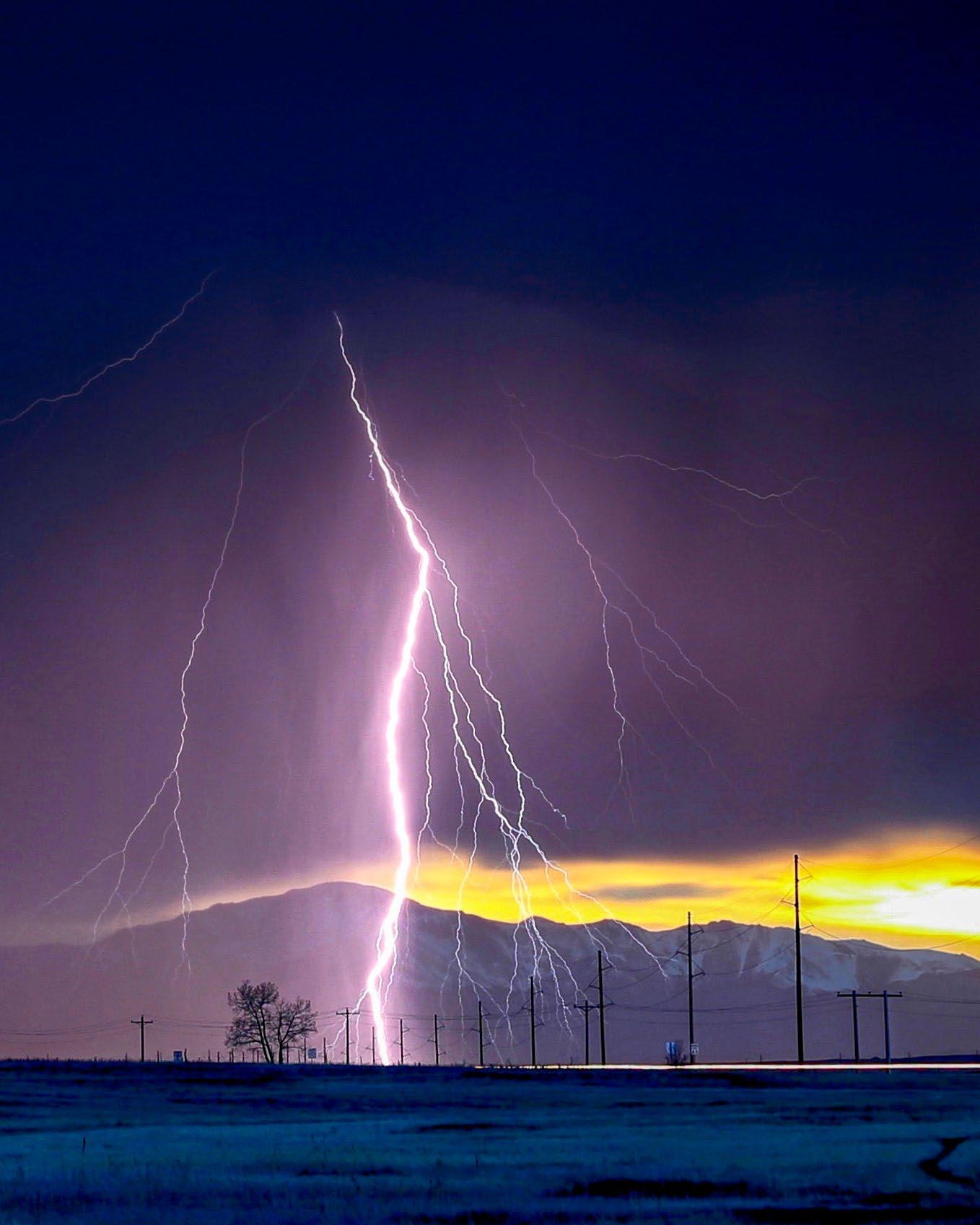
“Parting Skies” by Heather Williamson, a Mountain View Electric Association member.
2nd place “Chimney’s Fall” by Jason Fazio, a Mountain View Electric Association member.
“Fall Reflections” by Bob Toepfer, a San Isabel Electric Association member.
“Lily Pads” by Jim Lambert, a San Isabel Electric Association member.
“Perfect Landing Spot” by Donnell Allen, a Mountain View Electric Association member.
Fickle Spring Fishing
By Dennis E. Smith
If I live to be 100, I’ll never get used to springtime in the Rockies. Spring weather here does not adhere to scientifically established dates; it gets here when it pleases, after which it changes its mind and reverts to winter again. We seem to get most of our snow in March and April, but we can also get spikes of balmy weather as early as February. Tulips sprout, maples and cottonwoods bud out, and fly-fishers go wild. Two weeks later, we’re buried under a foot of cold, wet snow, wondering what the heck happened.
Anglers actually like this — probably because we’re a bit unstable ourselves and can claim the behavior is an extension of our connection to the cosmos. It’s an almost believable excuse. This erratic weather often triggers the first serious insect hatches of the season and the likelihood of a major trout feeding frenzy.
Blue-winged olive mayflies hatch as soon as the water warms on gray, dismal days. Conveniently, trout like to feed under those same conditions. It all fits together quite nicely and can make for some of the best dry-fly fishing of the year.
My friend Kevin likes to tell of the time he and a buddy were fishing the South Platte River near
Deckers in mid-March. It started out as a bluebird day with scores of anglers on the river but with no bug activity and few fish rising. Around noon, a nasty Rocky Mountain spring storm blew in over the Rampart Range, creating bitter, whiteout conditions. Within minutes, most of the fly-fishers had bailed from the river and headed for the home fires.
But not Kevin.
Instead, he and his buddy ducked into the nearby Deckers Bar and Grill where they treated themselves to burgers and beer, shot pool, and waited for the leading edge of the cold front to pass. Somewhere in the middle of their third game of eight ball, the wind died and the snow began drifting listlessly to earth. They bolted for the river.
Back on the stream, the air was still as death and so quiet they could hear the wet hissing of individual snowflakes striking the water — and the unmistakable slurping sound of feeding trout. Clouds of little olive-bodied mayflies lifted into the air around them, and fish rose at their very knees. “We hammered ’em,” Kev recounted with a big, dopey grin on his face.
Dennis Smith is a freelance outdoors writer and photographer whose work appears nationally. He lives in Loveland.
Curried Away with Spinach
Curry Dressing
2 tbsp white wine vinegar
1 tbsp dry vermouth or dry white wine
2 tsp Dijon mustard
1 tsp low-sodium soy sauce
1/2 tsp curry powder
1/2 tsp granulated sugar
1/2 tsp kosher salt
1/4 tsp freshly ground pepper
1/3 cup extra virgin olive oil
Spinach Salad
6 to 8 cups baby spinach
1/2 cup dry-roasted peanuts
1/2 cup raisins
1/2 cup chopped scallions — white, light green, and some dark green
An excellent source of vitamins, minerals, and antioxidants, spinach is an all-star ingredient for any salad. Paired with this easy curry dressing, it shines even more. We hope you enjoy this recipe, courtesy of Lee Clayton Roper, the author behind seasonedkitchen.com.
BABY SPINACH SALAD WITH CURRY DRESSING
INSTRUCTIONS
Curry Dressing
In a medium glass jar with a fitted lid, whisk together the vinegar, vermouth, mustard, soy sauce, curry powder, sugar, salt, and pepper. Slowly whisk in olive oil until well blended. Put the lid on and set aside.
Fresh Spinach Salad
Remove any tough stems from the spinach — you shouldn’t have any with baby spinach. In a large salad bowl, combine spinach, peanuts, raisins, and scallions. Shortly before serving, shake the jar of dressing, add the desired amount of dressing to the spinach, and toss to coat. You may have some dressing left over. Season to taste with salt and pepper. You can also serve the dressing on the side. Makes 8 servings. Notes
Make ahead: The dressing can be made up to four days ahead, covered and refrigerated. Bring to room temperature before using. Spinach can be prepped earlier in the day, placed in a salad bowl, covered, and refrigerated. Bring to room temperature before serving. No alcohol: If you prefer to not use alcohol, substitute 2 teaspoons white wine vinegar mixed with 1 teaspoon water for the dry vermouth or dry white wine.
Power Players of the Grid
By Anthony Buckley
Every time you flip a switch, you’re connecting to one of the most complex systems ever built, also known as the North American electric grid. Often called the largest interconnected machine in the world, this network spans the United States, Canada, and parts of Mexico. It includes thousands of generators, hundreds of thousands of miles of transmission lines, and millions of miles of distribution power lines — all connected to keep the lights on day and night.
But how does electricity actually get from a power plant to your home? And where does your electric cooperative fit in? Let’s break it down.
The U.S. electric grid has three major components: generators, transmission, and distribution. Each plays a critical role in delivering electricity where and when it is needed.
GENERATORS: MAKING THE POWER
In the U.S., most power plants produce electricity by burning fossil fuels or by harnessing renewable resources like solar, wind, and water. To ensure that enough electricity is generated to keep the lights on at an affordable price, two main structures exist.
The first is a vertically integrated model, where in some regions, a single utility owns everything from power plants to power lines and delivers electricity directly to consumers.
In other areas, a second model is used. Instead of one company making and delivering power, many companies sell electricity in a competitive market. Utilities buy electricity from these generators and deliver it to consumers like you. In this model, a group called a regional transmission operator (RTO) or independent system operator (ISO) helps keep everything running smoothly. They make sure enough power is available every second of the day. This system is called a wholesale market, and it lets utilities buy extra power when they need it.
Most electric cooperatives don’t own large power plants. Instead, they purchase power through longterm contracts, from wholesale markets, or from their generation and transmission cooperative — G&T — a member-owned utility that serves multiple co-ops in a designated region. G&T cooperatives are owned by distribution co-ops like yours. There are 64 G&T cooperatives across the U.S., and they often own power
plants and transmission lines. G&Ts also plan for the future by investing in new generation sources, building infrastructure, and integrating renewables. They do this while staying true to the cooperative model: memberfocused, not profit-driven.
TRANSMISSION: THE ENERGY SUPERHIGHWAY
Once electricity is generated, it doesn’t stay at the power plant. It begins a long journey to reach homes, farms, and businesses. Power must travel across regions to where it’s needed most, and that’s where the transmission system comes in. These high-voltage lines act like energy superhighways, moving electricity efficiently across hundreds of miles before it’s stepped down for local distribution and, ultimately, for the devices you use every day.
Transmission lines move enormous amounts of electricity efficiently across regions. Most distribution co-ops don’t own these transmission lines, but they rely on their G&T cooperative to handle this part of the journey. G&Ts make sure power gets from the plant to your local co-op.
However, the electricity carried by transmission lines cannot be used as is because the voltage levels are too high. That’s the job of the distribution network, which is the final step that brings power to your lights, appliances, and devices.
DISTRIBUTION: THE LAST MILE
The distribution network is the “last mile” segment of the electric grid and delivers generated energy from the transmission network to consumers. The highvoltage power from transmission lines is converted to lower voltages that home appliances, electric vehicles, and personal devices can use. This is where your electric cooperative comes in — it keeps local lines maintained and power flowing to members like you 24/7/365.
Understanding how power moves from generation to your home helps explain why reliability and affordability depend on teamwork and collaboration between your local co-op, its G&T partners, and the broader grid. Together, co-ops are preparing for tomorrow’s challenges, so you can count on safe, reliable power for years to come.
Anthony Buckley writes on consumer and cooperative affairs for the National Rural Electric Cooperative Association.
Photo courtesy of NRECA
Get Growing with a Houseplant Tune-up
By Mary Peck
Early spring is here, and many of us are itching to get our hands in the soil. Starting inside, by giving our houseplants some post-winter love and attention, is a great way to satisfy that springtime gardening urge and to set them up for success in the coming months.
Mollie Freilicher agrees. She is the residential horticulture specialist at Tri River Area Colorado State University Extension, home to the busiest plant and garden help desk in Colorado. “In the spring, especially, as the light is changing and plants start coming out of a slower time of growth, we can take a look at them, adjust watering, repot, and prune,” she says.
A spring houseplant tune-up will help them make the most of the active growing season ahead — and you’ll reap the beautiful rewards.
SPRING CLEANING
Winter dust can collect on plant foliage, blocking light and reducing airflow. Clean the leaves by gently wiping them with a soft cloth while supporting them from underneath.
PRUNE FOR GROWTH
Trim away any dead, damaged, or yellowing leaves with clean, sharp scissors or pruners. Snipping old foliage allows plants to redirect energy toward fresh, healthy growth.
SOIL CHECKUP
Freilicher says that over time, salt can build up, resulting in a white crust on top of the soil and/or brown or
yellowing leaves. Remove the crust as needed, loosen compacted soil, and flow plenty of fresh water through the pot. Top off with a layer of fresh potting soil.
ROOM TO GROW
Move plants that have outgrown their containers to a clean pot just slightly larger than the current one. Use a high-quality potting mix suited to the plant type, and water before repotting to reduce transplant shock. Carefully loosen bound roots and remove any black or mushy sections before transplanting.
FOOD AND WATER
Feed plants every two to four weeks with a balanced fertilizer, measuring carefully to avoid burning the roots. In Colorado’s dry climate, Freilicher says the lack of humidity can be challenging and that placing plants in areas with higher humidity, like the bathroom, can help.
For more houseplant tips and help with specific issues, Freilicher suggests visiting CSU Extension’s PlantTalk Colorado website at planttalk.colostate.edu or contact your local extension office. “Many offices have help desks, and you can even bring a plant in,” she says.
As springtime unfolds outside, enjoy the plant renewal that is also happening inside. Your thriving houseplants will thank you for it!
Mary Peck connects Coloradans with practical tips, ideas, and information to help them prosper.
Nominate your favorite local nonprofit and it may be featured in
Tell us why you feel the nonprofit is worthy of recognition, in 300 words or less, including a link to their website. Email CCL editor Kylee Coleman — kcoleman@ coloradocountrylife.org — by May 6.
* $1,000,000 monthly rates are rounded up to the nearest dollar. Therefore, actual monthly rates at $1,000,000 may be slightly less.
Dave
and his
Show us your adventures with the magazine for a chance to WIN $25.
Upload your photo with CCL at coloradocountrylife.coop Find more reader photos on Facebook @COCountryLife and Instagram @cocountrylife PACK. SNAP. SHARE. WIN!
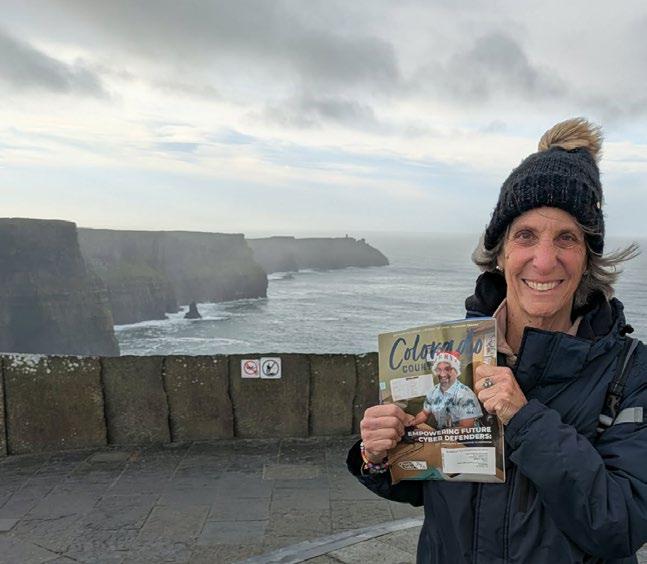
Poudre Valley REA member Harriet Langer brings her copy of the magazine for a picture at the beautiful and scenic Cliffs of Moher in Ireland.
Morgan County REA members Carlo and Adina Walker travel with her mother Rhonda to Cesi in Terni, Italy, and bring CCL for a snapshot.
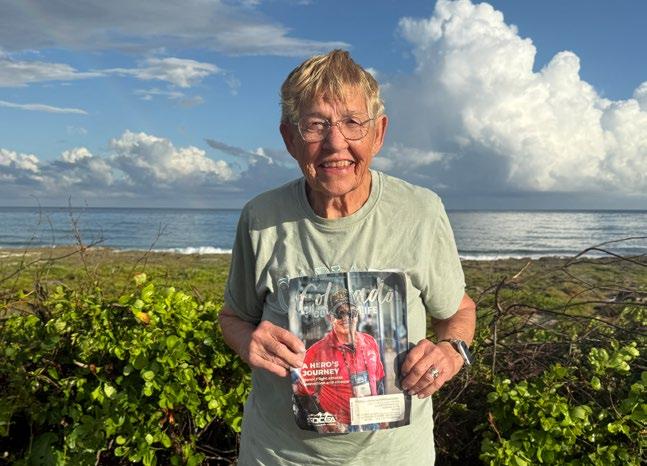
Crystal Wilkerson, a San Isabel Electric member, brings her copy of the magazine on a visit to the botanic gardens in Adelaide, Australia, where she saw the corpse flower.
Sangre de Cristo Electric Association member Billy Branch brings CCL to Cozumel, Mexico, on a recent vacation.
Ken and Gina Schwitzer, San Isabel Electric members, take CCL with them to New Orleans.
cruises through the Panama Canal with some southern Colorado electric co-op members. Left to right: Michael Hoefler, Don and Marge Tracy of Mountain View Electric, and Barbara and Jerry Hoefler of San Isabel Electric.
Ann Yanagi, a Poudre Valley REA member, enjoys CCL on an “unbelievable, once-ina-lifetime” cruise to Antarctica.
Breidenbach
grandson Ryan stop for a CCL break during their six-month motorcycle tour from Colorado to the southern tip of South America. Dave is a member of Highline Electric Association.
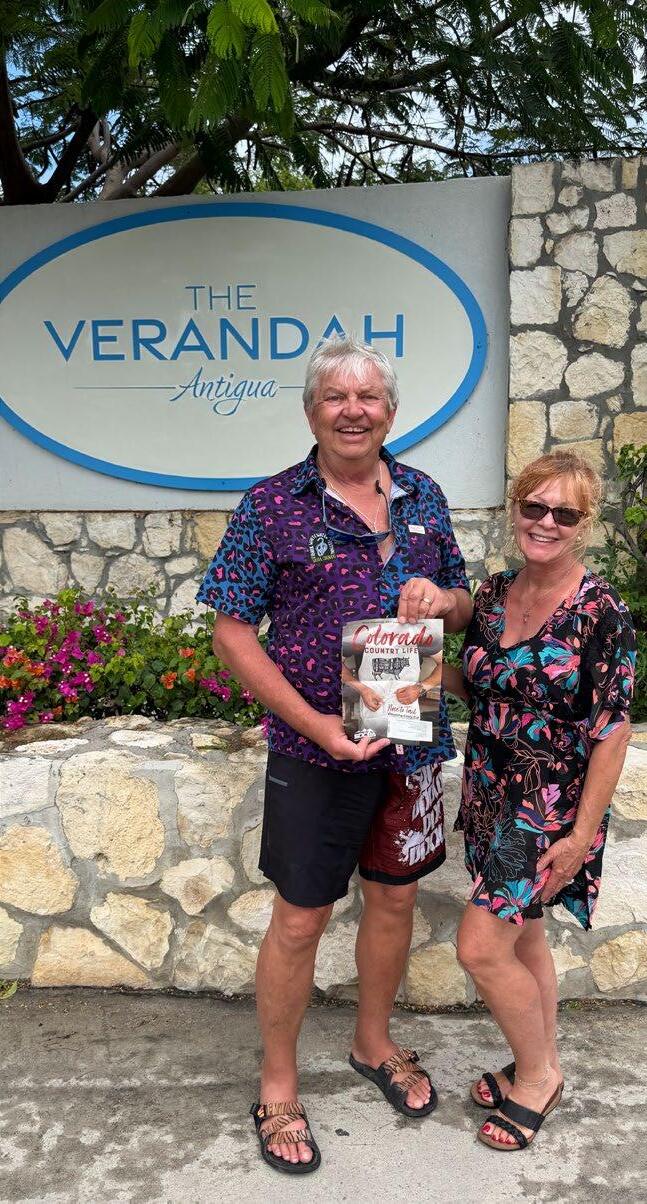
Steve and Gisele Riden take the magazine to The Verandah Resort on the island of Antigua. The Ridens are Sangre de Cristo Electric Association members.
WE WORK YEAR-ROUND TO REDUCE WILDFIRE RISK
Living in the rural West comes with undeniable wildfire risk, but it’s a fight we’re facing head-on.
At Tri-State G&T, we deploy data-driven monitoring and wildfire mitigation strategies to identify and mitigate risk to protect our communities and the critical infrastructure they rely on. We’ll do anything within our power to protect the people and places our members call home.
WHATEVER THE FUTURE HOLDS, WE’LL POWER IT.®
Scan to learn more or visit www.tristate.coop/wildfire