

WINGS OF WONDER
Experience



MAGAZINE STAFF
Director of Communications Cassi Gloe cgloe@coloradocountrylife.org
Editor Kylee Coleman kcoleman@coloradocountrylife.org
Editorial Assistant Melinda Taylor mtaylor@coloradocountrylife.org
EDITORIAL
CORPORATE OFFICE
455 S. Pierce St., Lakewood, CO 80226 info@coloradocountrylife.org, 303-455-4111
Editorial opinions published in Colorado Country Life magazine shall pertain to issues affecting rural electric cooperatives, rural communities, and citizens. The opinion of CREA is not necessarily that of any particular cooperative or individual.
COPYRIGHT All content © 2026 Colorado Rural Electric Association. All rights reserved. Reproduction of this issue or any portion of it is expressly prohibited.
COLORADO COUNTRY LIFE (USPS 469400/ISSN 1090-2503), Copyright © 2026 is published monthly by the Colorado Rural Electric Association, 455 S. Pierce St., Lakewood, CO 80226. Business and Editorial Offices: 455 S. Pierce St., Lakewood, CO 80226. Accounting and Circulation Offices: 455 S. Pierce St., Lakewood, CO 80226. Call 303-455-4111 to subscribe. Periodicals postage is paid at Denver, Colorado.
POSTMASTER Send address changes to Colorado Country Life at 455 S. Pierce St., Lakewood, CO 80226.
SUBSCRIBERS Report change of address to your local cooperative. Do not send change of address to Colorado Country Life. Cost of subscription for members of participating electric cooperatives is 30 cents per month, paid from equity accruing to the member. For nonmembers, a subscription is $16 per year in state/$21 out of state.
ADVERTISING 720-407-0712
advertising@coloradocountrylife.org
National advertising representative: American MainStreet Publications 611 S. Congress St., Suite 504 Austin, TX 78704 | 800-626-1181
ADVERTISING STANDARDS Publication of an advertisement in Colorado Country Life does not imply endorsement by any Colorado rural electric cooperative or the Colorado Rural Electric Association. Call for reprint rights. View advertising and editorial policy terms and conditions online at coloradocountrylife.coop.

Powerline
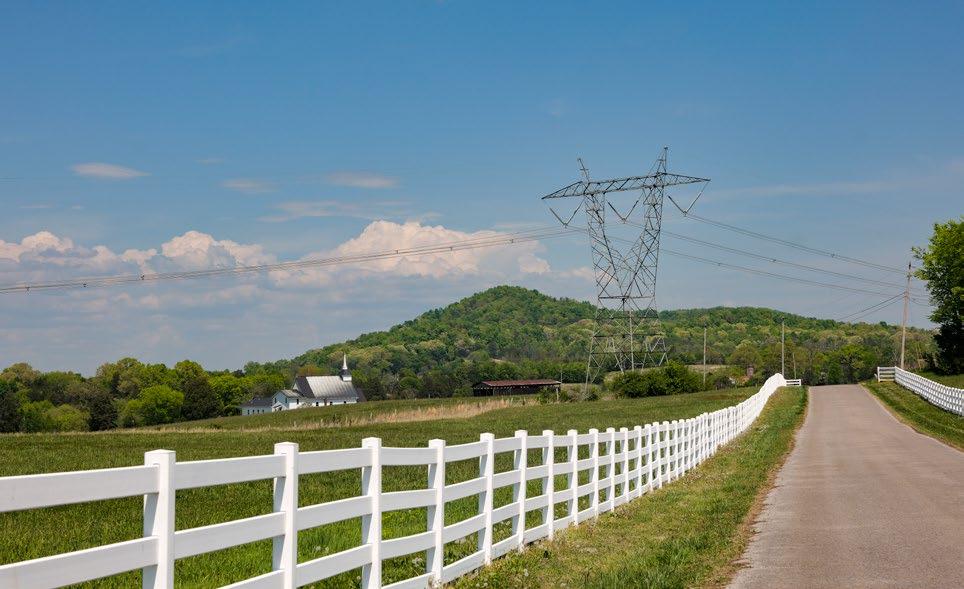
photo by Mark Gilliland, Pioneer Utility Resources
Energy Shortage
By Kylee Coleman Editor
This month’s feature story that you can find on page 12 is about sleep, a topic on which I have plenty to say.
When our boys were little, I was so tired that I truly thought we would never ever sleep again. Our day would begin at 5:30 a.m., regardless of when the kids went to bed the night before. So, to maximize sleep for everyone, bedtime was always 7:30 or 8 p.m., much to their chagrin, especially during the summer months when it was still light outside.
My husband and I were tired parents for many, many years. But once the boys hit middle school and finally started sleeping in, my body kicked into catch-up mode.
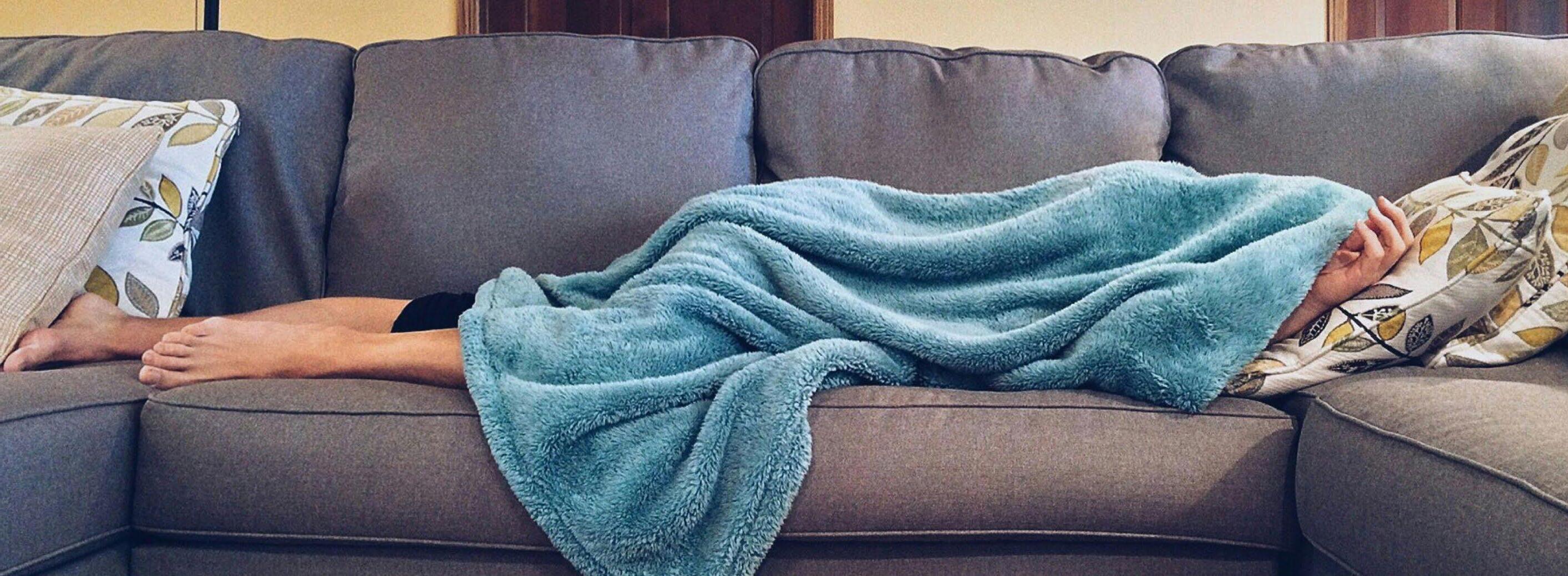
That’s about when “night naps” became a thing. I’d sit down in a chair or on the couch after dinner and fall asleep almost immediately. And that is when my guys got to work. But not work like cleaning the house or doing the dishes. No. Their work involved balancing things on my head. Case in point, this photo to the right. My husband took this photo. When punks prank, you make lemonade — or something like that — so I call this photo “Trophy Wife.”
For parents of babies and little kids, I know it feels like you will never sleep through the night again. You may be catching Zs wherever and whenever you can. But little kids grow up and with that comes sleep — for everyone.
No matter your stage of life, I wish you peaceful and plentiful sleep.




Monthly Giveaway
This month, CCL is giving one lucky winner a Good Night Sleep Kit that includes a portable white noise machine, light-blocking eye mask, lavender pillow spray, Sleepytime Tea by Colorado-based Celestial Seasonings, and lavender shower steamers.
To enter, visit coloradocountrylife.coop and navigate to the Monthly Giveaway page.
Need a different way to enter our contests? Send a postcard to 455 S. Pierce St., Lakewood, CO 80226. Include your name, phone number, mailing address, and the name of your electric cooperative. Contest ends July 20.
“Trophy Wife.”
Photo by Chris Coleman
Investing in Tomorrow’s Cooperative Leaders
By Tom Walch CREA Executive Director
Once in a while, I get a reminder of why electric cooperative work matters — not in the form of a balance sheet or a reliability report but in the faces of young people who are navigating the world they’re stepping into. For me, that reminder comes every summer with the Electric Cooperative Youth Tour.
If you’re not familiar with the program, here’s the short version: Each June, roughly 1,500 high school students representing electric cooperatives across the country travel to Washington, D.C., for an experience unlike anything most of them have ever had. They walk the halls of the Capitol, visit national monuments, meet with elected officials, and connect with hundreds of other students from rural communities just like theirs. It’s part civics lesson, part leadership development, and part life-changing experience — all rolled into one unforgettable week.

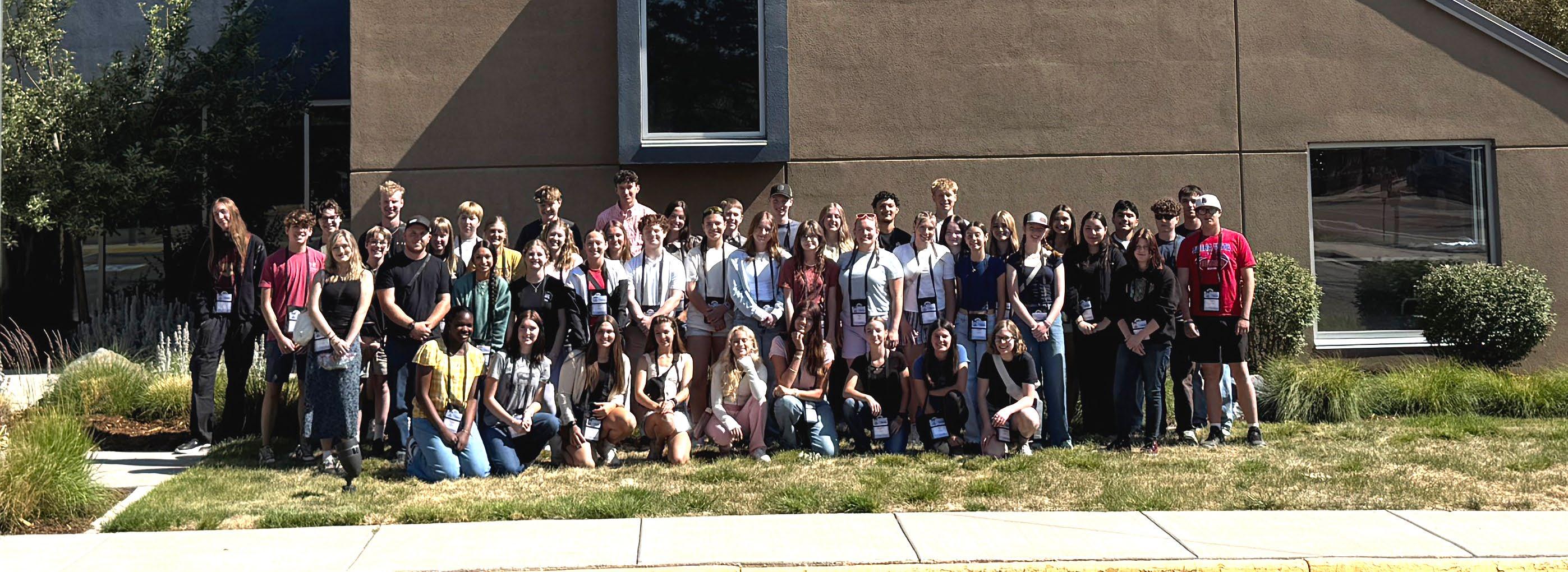
This year, Colorado’s Youth Tour delegates began their adventure at CREA headquarters in Lakewood. The students toured the Colorado State Capitol, heard about co-op careers, had a discussion with Youth Tour alumni, learned the basics about the cooperative business model, witnessed a high-voltage safety demonstration, tested their knowledge by building an electricity generation and transmission model, and so much more. They flew to D.C. the next morning and packed in just as much activity and learning every day during the week as they did on day one.
Students bring back more than just a collection of photos and souvenirs from D.C. They come home with confidence. They come home with a broader understanding of how our government works and how they can be part of shaping it. And they come home with a lifelong connection to peers from across the country who share their values and their rural roots.
CREA has been proud to organize and facilitate this program for decades, and I want to take a moment to explain why we consider it one of the most worthwhile investments and partnerships with your local electric co-op.
Rural communities are often overlooked in political conversations both statewide and nationally. Our students know this better than anyone — they’ve grown up in places where Denver feels like a world away and where the assumption is sometimes that the big decisions get made somewhere else, by someone else. Youth Tour flips that narrative. It puts our young people right in the center of the action and says loudly and clearly: Your voice belongs here too.
Your local electric cooperative exists to serve its members and to invest in the long-term health and vitality of your community. Supporting programs like the Youth Tour is a direct expression of that mission. Giving students a Youth Tour experience is one of the most impactful things we can do.
If you have a high school student in your household — or know one — I encourage you to look into your co-op’s Youth Tour application process. The opportunity to attend is absolutely worth it.
Tom Walch is the executive director of the Colorado Rural Electric Association, the statewide organization supporting 21 electric distribution cooperatives and one generation and transmission cooperative.
Restoring Power Safely and Efficiently
By David Churchwell General Manager
We do our best to avoid them, but there’s no way around it: power outages occasionally happen.
For most K.C. Electric Association members, outages are rare and only last a short period of time. But when major storms impact our area, extended outages can sometime be unavoidable.
When the power goes out, how do K.C. Electric crews know where to start working? How do you know if your outage has been reported? I’ve got answers to these questions and more, and it all starts with a safe, efficient plan for power restoration.
When the lights go out and it’s safe for our crews to begin the restoration process, they start by repairing power lines and equipment that will restore power to the largest number of people in the shortest time possible.
This process typically begins with repairs to the larger main distribution lines that service a great number of homes and businesses. After those repairs are made, crews work on tap lines, which deliver power to transformers, either mounted on utility poles for above-ground service, or placed on pads for underground service. Finally, individual service lines that run between transformers and homes are repaired.
We can’t control the weather, but we can prepare for it. K.C. Electric keeps a supply of extra transmission and distribution poles, transformers, and other equipment on hand so we can quickly get to work in the event of an outage. When widespread outages occur, multiple crews will be out in the field simul-
K.C. ELECTRIC MISSION
Our mission is to provide our members with safe, reliable service at the lowest cost, while maintaining an environmentally responsible, accountable, and sustainable operation now and in the future.
taneously working to repair damage at multiple locations. We also coordinate with neighboring electric co-ops and contractors to bring in additional crews when necessary.
A proactive approach to maintenance helps minimize the chance of prolonged outages; this is why you see contract tree crews periodically trimming trees and clearing vegetation near rights-ofway. We love trees, but it only takes one overgrown limb to knock out power on an entire substation circuit. Tree trimming improves power reliability for our entire system. In addition to managing vegetation, we regularly inspect utility poles, power lines, and other critical equipment to maintain a more reliable system.
If you experience a power outage, don’t assume a neighbor reported it. It’s best to report the outage yourself, and we make that easy to do. The quickest way to report an outage is by calling our office any time of the day or night.
If you have a medical condition that requires electrical equipment, please let us know as soon as possible and always have a backup plan in place. This plan could include a portable generator, extra medical supplies, or moving to an alternate location until power is restored. If you plan to use a generator for backup power, read all safety information and instructions before use.
Mother Nature can be unpredictable, but as a member of K.C. Electric, you can feel confident knowing we’re standing by ready to restore power as quickly and safely as possible.
K.C. Electric Staff
David Churchwell General Manager dchurchwell@kcelectric.coop
Bo Randolph Office Manager and CFO brandolph@kcelectric.coop
Phone 719-743-2431 Toll-free 800-700-3123 Web kcelectric.coop
Darren Fox Operations Manager dfox@kcelectric.coop
George Ehlers
Member Services Specialist and IT Manager gehlers@kcelectric.coop
Address 422 3rd Avenue Hugo, CO 80821
Stay Safe During Harvest Season
Harvest season often means putting in long hours, which can make it difficult to stay alert and on the lookout for potential hazards.
SAFETY STARTS WITH PREPARATION
• Be prepared for potential emergencies before the rush of harvest season begins.
• Have a safety plan and make sure that farm workers and family members are aware of the procedures in it.
• Be sure that you can see well in the areas where you are working. Consider adding extra lighting around grain bins and augers.

TAKE THE TIME TO LOOK UP AND LOOK OUT FOR ELECTRICAL LINES
Always be aware of where power lines are in relation to your equipment. Keep a minimum of 10 feet away from all electrical equipment, and lower extensions before moving equipment. If you see a power line that is sagging or low, contact K.C. Electric. Also keep an eye out for guy wires. Although these wires are not energized, they can bring down live lines.
In equipment with auto-guidance systems, less focus is needed on steering, which may lead some drivers to think that they do not need to be as aware of navigation issues. However, even while using GPS with auto-steering, farm workers need to keep safety in mind and stay focused on their surroundings.
Slow down, always stay alert, and take all recommended precautions. To help you do so, recognize when you need to take breaks so that you can be active and engaged in the farm work.
ADDITIONAL ELECTRICAL SAFETY TIPS
• Use a spotter when operating large machinery near lines.
• Inspect the height of farm equipment to determine clearance.
• Look up and use care when moving any equipment such as extending augers or raising the bed of grain trucks around power lines.
• Always set extensions to the lowest setting when moving loads to prevent contact with overhead lines. Grain augers should always be positioned horizontally before being moved.
• Never attempt to move a power line out of the way or raise it for clearance.
If the machinery you are operating contacts a power line, stay on the equipment. Immediately call 911, warn others to stay away, and wait for a K.C. Electric crew to cut the power.
Only on the rare occasion that the machinery catches fire should you leave the vehicle after contact with a power line is made. If this is the case, jump off the equipment with your feet together and without touching the ground and machinery at the same time. Then, still keeping your feet together, hop to safety as you leave the area. Never touch anything that is in contact with a power line.
Remember, while harvest is a busy season on the farm, it’s still important to take the time to keep safety first. Look out for and stay safely away from potential hazards like overhead power lines.

SHARE THE ROAD SHARE THE ROAD
with farmers
Farm season means sharing the road with large farm equipment, which can be wide and slow. Farmers must move slowly in large equipment, but public roads are o en the only way to get from point A to point B.
When you find yourself following or meeting large farm equipment on the road, take a deep breath and do the following to keep everyone safe:
Be careful when you do get the chance to pass. O entimes, farmers will move their equipment over when it is safe to do so. 1 2 3 4 5
Be alert and cautious, and give large farm equipment and other slow-moving vehicles space.
Do not pass in a “No Passing Zone,” or in any area where it is not safe to do so, such as intersections, bridges and railroad crossings, among others.
Make sure the tractor is not trying to make a le turn before you pass on the le .
Do not tailgate. Following too closely means you could be in the operator’s blind spot.
Source: Texas Table Top (Texas Farm Bureau)

CLAIM YOUR SAVINGS
Each month, K.C. Electric Association members have a chance to claim $20 credit on their next electric bill. All you must do is find your account number, call the Hugo office at 719-743-2431, and ask for your credit. The account numbers are listed below. How simple is that?
You must claim your credit during the month in which your name appears in the magazine (check the date on the front cover).
Mick Bogenhagen, Cheyenne Wells — 11874xxxxx
Sarah Carter, Flagler — 5155xxxxx
Robert Taylor, Cheyenne Wells — 4370xxxxx
Patrick Einspahr, Seibert — 11199xxxxx
In May, no consumers were chosen to claim their savings due to the Annual Report edition and there was no drawing.
Storm Brews
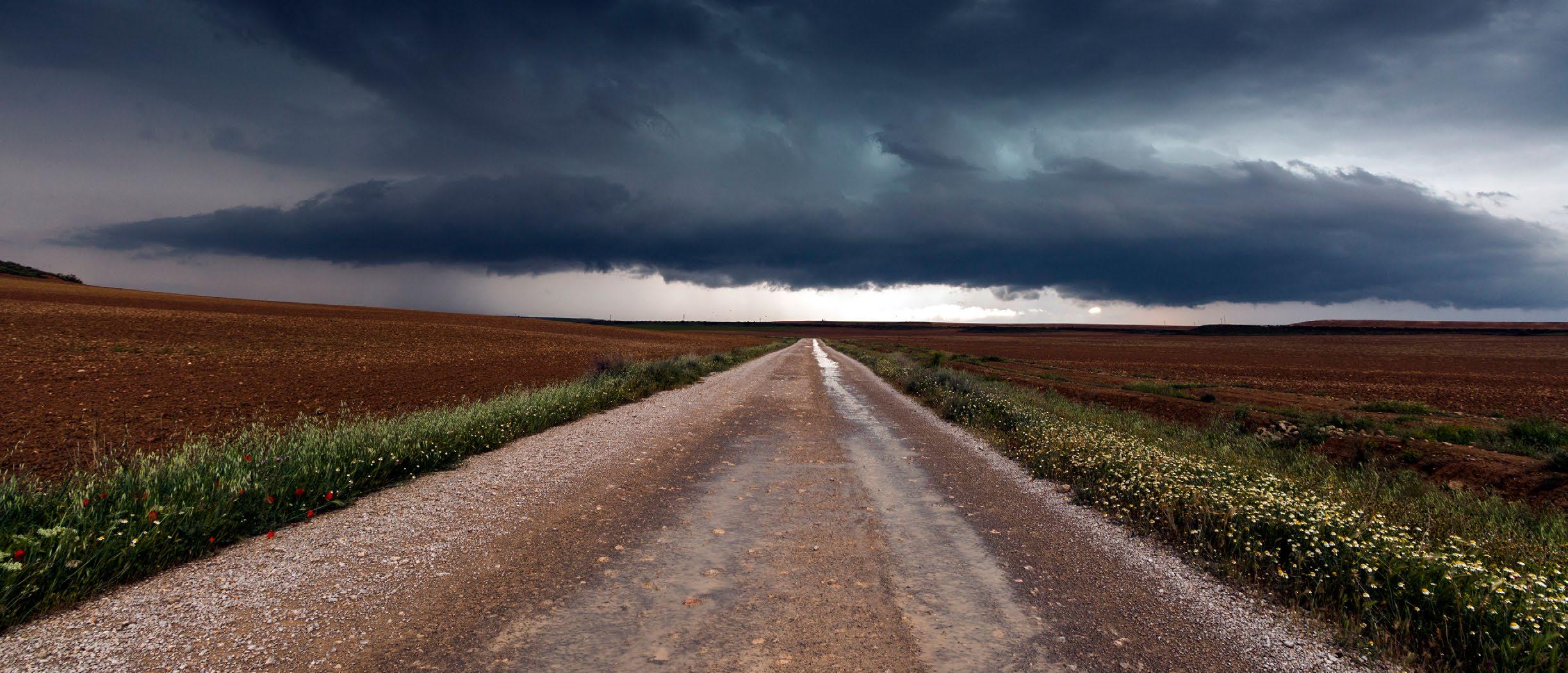
Sometimes a storm pops up or changes direction without any warning, while other times it is forecast days in advance and follows its predicted course. In either case, knowing what to do right before, during, and after a storm can help to keep you safe.
WHEN A STORM HITS
When stormy winds blow, follow these weatherrelated reminders from the Federal Emergency Management Agency and the Red Cross:
• Never seek shelter under an isolated tree, tower, or utility pole, since lightning tends to strike tall objects.
• Immediately vacate elevated areas, such as hills, mountain ridges, and peaks.
• Get away from ponds, lakes, and other bodies of water.
• Stay away from objects that conduct electricity, including wires, fences, and golf clubs.
Approximately 5% of annual lightning deaths and injuries in the United States happen on golf courses, according to the National Oceanic and Atmospheric Administration.
• Never lie flat on the ground.
• Pick a safe place in your home, away from windows and doors, for family members to gather during a thunderstorm.
• Know the difference between a watch and a warning for extreme weather, such as a tornado or severe thunderstorm. A watch means that the weather is possible in and near the area. A warning means that severe weather has been reported by spotters or indicated by radar. A warning is more serious than a watch and means that there is imminent danger to life and property.
AFTER THE STORM
Once the storm is over, follow these safety tips from K.C. Electric:
• Never step into a flooded basement or other standing water. The water could be covering electrical outlets, appliances, or cords. Never touch or use electrical appliances, cords, wires, or switches while you are wet or standing in water.
• After a storm, a downed power line could be covered by standing water or debris. Never go near a downed line and warn others to stay away. If you see a downed line, call 911 and a crew will be dispatched to de-energize the power and address the problem safely.
• The same safety know-how applies to a downed power line you might encounter while driving or after an auto accident. In either case, do not get out. Instead, if you’re driving, pull over and then call 911 to report the downed line. If you must exit your vehicle after an accident because of a fire or smoke, make a solid, clean jump out, landing with both feet together. Then make solid hops with your feet together, hopping as far away as you can.
• If your home has been damaged by a flood, turn off the power to your house if it is safe to do so. Do not turn power off at the breaker box while standing in water or in damp conditions.
• If the wiring, electrical system, or appliances are damaged by water, have your home inspected by an electrician; also, have appliances serviced by a qualified technician before using them.
For more information about storm and electrical safety, visit SafeElectricity.org







































✓ Heated seat providing warmth from beginning to end
✓ Carefully engineered hydro-massage jets strategically placed to target sore muscles and joints
✓ High-quality tub complete with a comprehensive lifetime warranty on the entire tub
✓ Top-of-the-line installation and service, all included at one low, affordable price
You’ll agree – there just isn’t a better, more affordable walk-in tub on the market.


The best walk-in tub just got better with breakthrough technology! Presenting the all new Safe Step Walk-In Tub featuring MicroSoothe. ® An air system so revolutionary, it oxygenates, softens and exfoliates skin, turning your bath into a spa-like experience. Constructed and built right here in America for safety and durability from the ground up, and with more standard features than any other tub.


Wings of Wonder
By Vicki Spencer

Summer is peak butterfly season and the perfect time to get kids involved with nature. Butterflies are beautiful, and it’s entertaining to watch them. They are known to spark children’s innate curiosity and foster an appreciation of the natural world.
There are many opportunities to observe butterflies in Colorado, including programs largely driven by the Butterfly Pavilion in Westminster. The pavilion has grown considerably since I took my children there on opening day more than 30 years ago. Now the pavilion offers more than exhibits. It offers summer camps and educational workshops designed to expand interest in all pollinators and their habitats.
Families can get kids involved in initiatives such as the Colorado Butterfly Monitoring Network, Butterfly Quest, and the Urban Prairies Project. The volunteer-based CBMN program monitors butterfly populations across Colorado. Butterfly Quest involves the community in tracking butterflies to assist scientists studying butterfly behavior. The Urban Prairies Project engages people in habitat restoration and protection while focusing on benefits to native species and planting milkweed for monarch butterflies.
While the Butterfly Pavilion is the oldest facility, others have emerged across the state.
The Fort Collins Butterfly House at The Gardens on Spring Creek houses a number of species in part-
nership with the Butterfly Pavilion. Its 200-squarefoot living wall features more than 2,000 plants and provides sufficient roosting space for North American butterflies and moths. You can see several hundred flying about at any time and will be thrilled by the sound of their fluttering wings. If you time it right, you can actually watch butterflies emerge from the chrysalises through a window.
Western Colorado Botanical Gardens in Grand Junction features a butterfly house on its 15-acre site along the Colorado River. Outdoor specialty gardens also attract native butterflies.
Coloradans who don’t have a butterfly house nearby can ask the Butterfly Pavilion about their traveling library program. Experts bring interactive stations to communities for hands-on learning. The Transformation Module explores the butterfly’s life cycles and brings metamorphosis to life for learners of all ages.
If you really get into watching butterflies, you might even want to build your own butterfly garden. Once kids learn about the butterfly’s fascinating life cycle, they become enthusiastic about searching for and identifying butterflies. They enjoy looking for different species and are fascinated by the mystery of metamorphosis.
Master gardener Vicki Spencer writes about nature, water conservation, plant care, and more.
You Can Help During Peak Demand
By Miranda Boutelle
Your electric co-op works hard to ensure safe, reliable power to homes and businesses 24/7. To make sure everyone has the power they need, generation must match consumption and have the capacity to adjust to changing demands for energy.
Peak demand is the period in a given range of time — day, month, or year — when electricity use is highest. It’s caused by many people using energy-consuming equipment at the same time. It differs based on geography, weather, and time of year. For example, demand is typically highest on hot summer afternoons and cold winter mornings. Most electric co-ops also experience daily peaks when people are getting ready in the mornings and returning home in the evenings.
When everyone uses more energy at the same time, it puts more stress on the electric grid and requires more expensive electricity to meet the need. Electricity pricing is based on supply and demand. The price of electricity is higher when the demand is higher, which costs the co-op more.
To lower energy use and strain on the grid during peak times, there are habits we can adopt in our homes.
Let’s look at two scenarios.
Joe and Andy arrive home from work at 5:30 p.m. They both turn on the oven to make dinner.
While Andy waits for the oven to preheat, he throws in a load of laundry. He finishes dinner, cleans up, and starts the dishwasher. Then, he moves the clothes to the dryer.
Joe finishes dinner, loads the dishwasher and sets it to start at 10 p.m. He puts a load of laundry in the washing machine, then switches it over to the dryer before he goes to bed at 9:30 p.m.
Although they use the same appliances and amount of energy, Andy uses it all at once, running multiple appliances during peak hours. This creates higher demand and more strain on the electric grid while using more expensive energy.
To lower your demand, spread electricity use throughout the day and avoid using many electricityheavy appliances during peak times as much as possible. This will reduce your co-op’s cost of supplying electricity to your home. Another benefit of shifting your use to midday is integrating renewable energy, such as solar, which produces energy when the sun is shining.
Large appliances — including washers, dryers, ovens, water heaters, and air conditioners — have the biggest impact. Using them during off-peak hours or one at a time can help.
Automate as much as possible. Most electric vehicle chargers can be set to charge during scheduled hours with built-in timers or apps. Most modern dishwashers have delay-start features.
You can also automate air conditioning. Some co-ops offer programs that precool homes during off-peak hours to reduce demand during peak times. Simple, free adjustments, such as closing your curtains on hot afternoons and evenings, can help too.
Spreading out your energy use helps your electric co-op keep costs down and benefits your local energy grid.
Miranda Boutelle is the chief operating officer at Efficiency Services Group in Oregon, a cooperatively owned energy efficiency company. She has more than 20 years of experience helping people save energy at home.
Photo by Mark Gilliland,

Rural Sleep Reset
Why sleep is getting harder — and ways to fix it
By Miguel Rios and Kylee Coleman
As a mom to an 11-month-old daughter, Monica Vick knows the importance of sleep. She works four 10-hour days as La Plata Electric Association’s creative services and brand specialist, and on those workdays, she wakes to a 6 a.m. alarm. “The amount of times the baby woke up in the night typically corresponds with the number of times I hit snooze,” she said.
Once she’s out of bed, her morning routine begins. “I sneak out of bed and quietly get dressed and ready for work, while my husband and baby sleep. I’m on the road by 7 a.m. after sneaking in a soft hug and kiss for the baby, and I get my first cup of coffee at the office,” she said. The number of cups of coffee she has can also be determined by the number of times her daughter woke up the night before, but it’s never more than three, and she stops drinking coffee by noon as to not disrupt that night’s sleep. “It’s a tricky balance,” she commented.
Monica is on call every other week to handle member communications, should a power outage
arise. “When it comes to outage communications, if I don’t feel confident in my ability to make good split-second communications decisions, I know I can rely on my team to pick up my slack, and vice versa,” she said. “A strong team, good work-life balance expectations from LPEA, and strong support of family needs make the tough days much easier.”
“In my day-to-day, less sleep might affect how much time my teammates spend editing [my work], but it doesn’t have as consequential an effect as it does on some of our other staff, like equipment operators or lineworkers,” Monica said.
In the electric cooperative world, alertness isn’t optional. Whether it’s driving rural roads, responding to outages, or making decisions around live power, being well rested matters. But across the United States, intentionality around sleep is increasingly hard to come by. Shift work, long commutes, caregiving responsibilities, and screen time are quietly eroding sleep.
Photo by Elenathewise / iStock / Getty Images Plus via Getty Images
SLEEP UNDER PRESSURE
The importance of sleep is not lost on CREA Job Training and Safety Instructor Mike Pendy. “Sleeping is my superpower,” he said. “It’s not too often that I have a bad night’s sleep.” Mike said that he is ready to face the day when he is well-rested. “Sleep has always been a priority for me. If I don’t get adequate rest, I’m not functioning at 100% the following day.”
As a former lineworker at Gunnison County Electric Association, Mike said being on call was sometimes tricky. “When I was still doing electrical linework, sleep was less predictable during my time on call. I could go to sleep at 10 p.m. and then be back at work at midnight and working until daylight,” he recalled. “Fortunately, we were allowed rest time the following day, but it might take a day to reset my internal clock.”
Now Mike is on the road a lot for work, traveling to electric co-ops in the southern part of the state.
“Initially it was difficult,” he said of getting used to the travel. “Going to bed and waking up in a different town every week was a little disorienting. Since then, I’ve found that I’ve developed a routine in each of the towns where I stay.” This routine, he said, has become familiar, and it helps him get a good night’s sleep. “It’s also helpful if I can get a good walk in after work,” he commented. “I believe that exercise is an important component of maintaining good sleep hygiene.”
“The most important aspect of getting adequate sleep revolves around the amount of driving that I do on a weekly basis. Driving while overly tired can be extremely dangerous. I need to stay alert and focused while I’m on the road,” Mike said.
THE COST OF POOR SLEEP
Experts warn that the cost of poor sleep is much greater than people may think. Over time, chronic sleep loss is linked to increased risk of heart disease, diabetes, depression, obesity, and cognitive decline, according to the National Institutes of Health. Harvard Medical School research found it also raises the likelihood of workplace errors leading to injuries and motor vehicle accidents.
Taryn Edwards is an executive assistant for Great Plains Sleep Specialists and said lack of sleep also affects people mentally and emotionally, even if they might not realize it’s sleep-related.
“People might be more irritable, forgetful — they can’t think straight or focus,” she said. “Sleep isn’t a luxury; it’s a basic health need. When sleep disorders go untreated, they also affect someone’s family, workplace or school, and even other people on the road.”
“Thankfully, sleep disorders are very treatable. They just rarely get better on their own, so the earlier people address them, the better the outcome.”
SLEEP BETTER AND USE LESS ENERGY
• Lower the thermostat at night. Temperatures at 68 degrees and lower support better sleep.
• Use fans. Ceiling or box fans improve air circulation and lower the need for air conditioning. In cooler months, remember to reverse ceiling fan direction to distribute warm air.
• Dim the lights. Dimming the lights after sunset supports natural sleep rhythms and uses less electricity. Warmer light bulbs are also better for supporting sleep.
• Keep it dark. A dark bedroom is ideal for better sleep, and it often means less lights, appliances, and systems running overnight.
• Block disruptions. Blackout curtains or thick shades keep outdoor light out and help regulate room temperature, keeping bedrooms darker,


A SLEEP RESET
Mercy Health’s Mikala Jordan emphasized that there are simple ways to improve your sleep without expensive or unrealistic means. A routine and small, practical changes can make a measurable difference.
• Protect your schedule. One of the biggest things to improve sleep quality is having a schedule that you’re sticking to as much as possible. Consistency matters more than perfection, so going to bed and waking up at roughly the same time helps reset the body’s internal clock. If you’re on call and get an unexpected wake-up call, Mikala recommends going back to the normal routine as soon as possible.
• Mind your lighting. Bright, cool-toned bulbs and screens in the evening signal the brain to stay alert, so avoid them if possible. Ideally, that means no TV or phone time 30-60 minutes before bed.
• Create a sleep sanctuary. To improve sleep, your room should be dark and cool with a comfortable mattress and pillow. Mikala also recommends some sort of white noise and using your bedroom only to sleep. That means, you’re not watching TV while you’re in your bed.
Monica puts this advice into practice and prioritizes a routine to set her family up for a successful night of sleep.
“We try to practice good sleep habits every night, even with the baby,” she said. “Blackout curtains, a lavender diffuser, and soft waves playing on a sound machine set the stage each night for a deep rest,” she said. The perfect deep rest might not happen each night, “but the effort feels important.”
One of the best ways to improve sleep quality for the entire family is by having a schedule that you stick to as much as possible.
Mike’s routine is helpful for him too. “Usually by 10:30 p.m., my mind is winding down and telling me it’s time to turn off the lights,” he said. When it’s more difficult to relax, Mike said he will listen to an audiobook when he turns the lights out. “It must be something a little on the boring side. I find that it puts me to sleep in short order.”
WHEN AND HOW TO ASK FOR HELP
Sometimes, sleep problems aren’t just about habits. Experts warn that underlying conditions could include things like narcolepsy, restless leg syndrome, and midlife hormonal changes. However, one of the most prevalent sleep disorders is sleep apnea. According to the American Academy of Sleep Medicine, sleep apnea affects nearly 30 million people in the U.S., and an estimated 80% of cases remain undiagnosed.
“Sleep apnea is incredibly common, especially among men,” Mikala said. “And many people put off testing because they don’t want to deal with a CPAP machine, which is the gold standard for treatment.”
But not addressing a potential sleep disorder could lead to worse health outcomes down the road, and today, testing options are more accessible than ever. Patients can complete a home sleep study, picking up a small device to wear overnight and returning it the next day. Follow-up care and monitoring are often available through telehealth.
“If something feels off, talk to your primary care provider,” Mikala recommended. “Write symptoms down. Bring a partner who’s noticed changes. Your doctor is there to help, not judge.”
REST IS A COMMUNITY RESOURCE
Electric cooperatives are built on the idea that shared resources strengthen communities. Sleep works the same way. Well-rested co-op employees respond more safely and efficiently to outages. Alert drivers make roads much safer. Focused parents and caregivers strengthen families. And focused individuals help communities thrive.
Monica recognizes that too.
“In my experience, sleep is the most crucial element in my tool kit for enhancing performance,” she said. But she also said getting less sleep is sometimes unavoidable. “Sacrificing some sleep for the sake of enjoying beautiful moments, like spending extra time with my child or having a well-deserved evening with friends and laughter, is always worth the extra cup of coffee.”
Photo by



































Rep. Jeff Hurd may be only a freshman member of the United States Congress, but he doesn’t need the Co-op 101 lesson that NRECA usually provides for new lawmakers.
Before his election to the House in 2024, Hurd practiced law in rural Colorado, and most of his clients were electric cooperatives.
“I simply don’t think there’s anybody in Congress who understands co-ops the way Jeff does,” says Tom Walch, executive director of the Colorado Rural Electric Association. “He could teach Co-op 101 to his peers.”
Walch is the former CEO of Grand Valley Power in Grand Junction, where Hurd served as the co-op’s attorney.
“It wasn’t ivory tower legal work,” Walch says. “Jeff was right there, with his sleeves rolled up, in co-op boardrooms and working with our staff and members.”
Hurd’s background representing co-ops has helped inform his policy decisions, Walch says. The Republican congressman has supported three major NRECA-backed bills and sits on two committees with jurisdiction over crucial co-op issues: the House Natural Resources Committee and the House Transportation and Infrastructure Committee.
Last December, he voted for the SPEED Act, a permitting reform bill that would help protect affordable power nationwide by reducing delays for electric co-ops making crucial improvements to their systems.
Lawmaker Profile: Rep. Jeff Hurd
By Erin Kelly NRECA
Reprinted with permission from RE Magazine
The legislation passed the House but has not yet been taken up by the Senate.
Hurd is co-sponsoring the Fixing Emergency Management for Americans (FEMA) Act. The legislation, passed by the House Transportation and Infrastructure Committee last fall, would streamline the Federal Emergency Management Agency and dramatically speed up delivery of crucial disaster relief funds to co-ops devastated by wildfires, hurricanes, ice storms, and other natural disasters.
He is also a co-sponsor of the bipartisan Fix Our Forests Act, which would make it easier for co-ops to get federal permits to clear vegetation and strengthen their systems to reduce the risk of catastrophic wildfires like those that have ravaged Colorado and other Western states in recent years.
The bill passed the House in 2025, and Hurd has vowed to work with the Senate to pass the legislation in that chamber.
“Together we are going to fight to ensure that our communities never face another preventable wildfire disaster again,” he said at a press conference before the House vote.
When a devastating wildfire caused $25 million worth of damage to the transmission system at White River Electric Association in Meeker last year, Hurd reached out to the co-op to help facilitate communication between WREA and federal agencies, says Alan Michalewicz, the co-op’s CEO and general manager.
“Having someone with Jeff’s background and his desire to help us can never hurt us in dealing with federal agencies,” says Michalewicz, whose co-op is also a former client of Hurd’s. “He’s a great asset to us.”
Hurd also is helping the co-op push for FEMA funds to rebuild its system, Michalewicz says.
“Jeff and his staff were intimately involved in making sure we presented our FEMA application to the White House in the right way,” he says. “Jeff is doing all he can for us. He’s an enormous supporter of everything we do.”
Hurd says electric co-ops are essential to Colorado’s 3rd Congressional District.
“They power our farms and ranches, support small businesses and keep the lights on in communities that are too often overlooked by large investor-owned utilities,” he says. “They are member-driven, locally governed, and focused on service over profit, which makes them uniquely responsive to the people they serve.
“That is why I’ve been a strong advocate for co-op priorities in Congress — whether it is improving permitting, strengthening wildfire
mitigation, or ensuring faster disaster response. When our co-ops succeed, our rural communities succeed, and I will continue fighting to make sure they have the tools they need to deliver for the people of western and southern Colorado.”
The 46-year-old congressman is a native Coloradan with humble roots, Walch says.
“A lot of folks in Grand Junction remember when he was bagging groceries and busing tables at the local pizza joint before he became a lawyer.”
After graduating from the University of Notre Dame, Hurd earned law degrees from the University of Denver and Columbia Law School. He worked for a law firm in New York City before returning to Colorado to raise a family and build his own law practice.
“Anyone who has ever worked with Jeff knows how smart he is, how hard he works, and how invested he is in doing the right thing,” Walch says. “He’s exactly the kind of person we need in Congress.”
Erin Kelly writes on consumer and industry topics for RE Magazine, a monthly publication produced by the National Rural Electric Cooperative Association.
Together we are going to fight to ensure that our communities never face another preventable wildfire disaster again.”
— U.S. Rep. Jeff Hurd
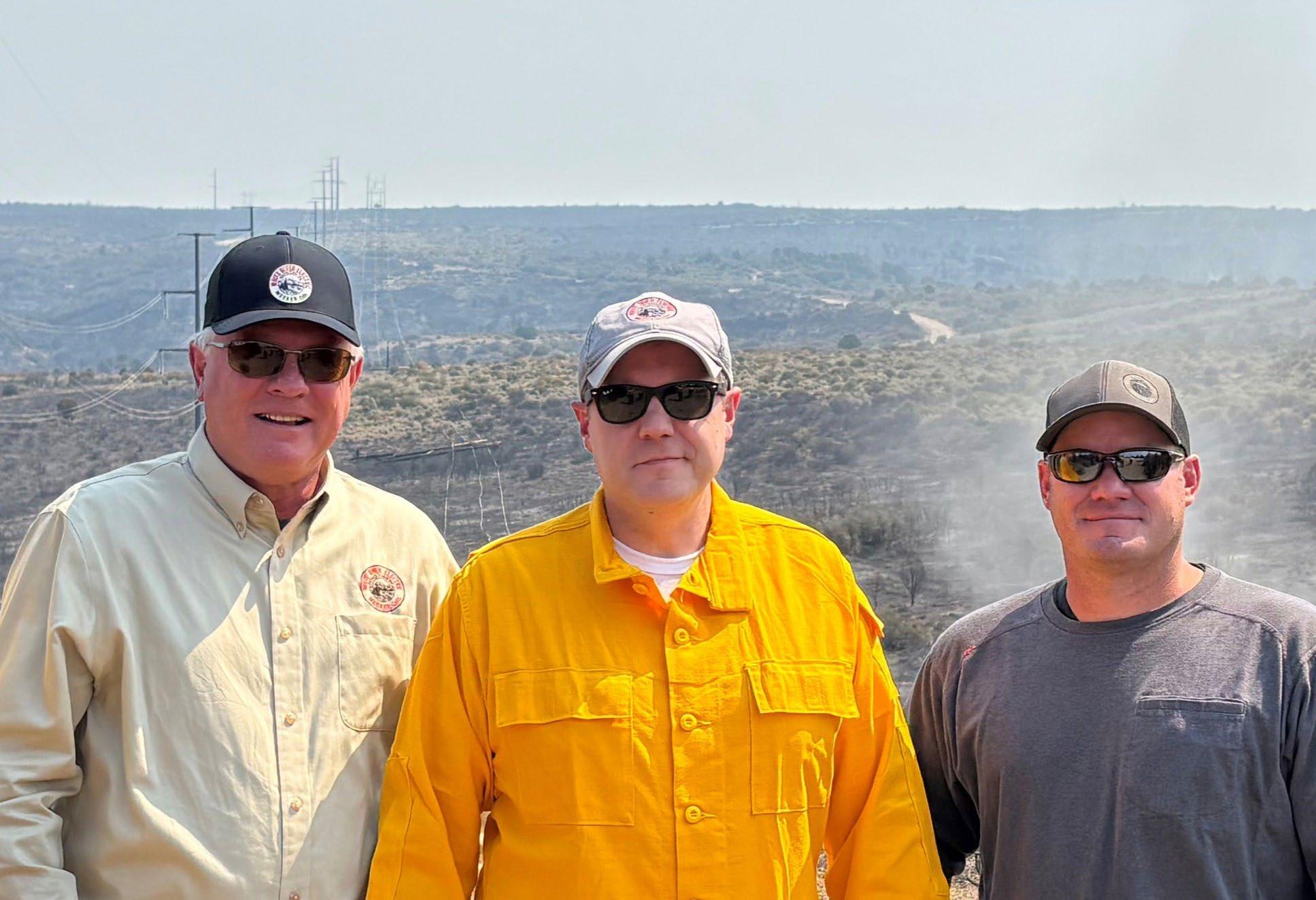
U.S. Rep. Jeff Hurd, center, surveys the damage done to White River Electric Association’s transmission system by the devastating Lee Fire of 2025. On the left is WREA CEO and General Manager Alan Michalewicz and on the right is Brett Berthleson, the co-op’s operations manager. Photo courtesy of WREA
Summertime Slushy

By Kylee Coleman
A chilly, vibrant, ice-cold drink bursting with fresh watermelon flavor is perfect for hot July days. Once the watermelon is frozen, this drink comes together quickly and easily.
WATERMELON SLUSHY
MAKES 4
INGREDIENTS
6 cups seedless watermelon, cubed
1 tbsp lime juice
2 ½ tbsp honey or agave syrup
¾ cup cold water or coconut water
INSTRUCTIONS
1. Cut a seedless watermelon into cubes to make six cups and spread on a baking sheet lined with wax paper. Freeze for at least 2 hours or overnight until solid.
2. Add the frozen watermelon, lime juice, honey or agave syrup, and cold water or coconut water to a high-powered blender. Blend on high for 30-45 seconds until completely smooth and slushy.
3. Taste the slushy and adjust sweetness with more honey/agave or add another splash of lime juice for extra zing. Blend briefly if you add anything.
4. Pour immediately into chilled glasses. Serve right away while icy cold.



All Aboard!
Colorado’s alpine slides and coasters
By Eugene Buchanan
Iinch ahead of my daughter Casey on the third-tolast turn. On parallel courses, she’s been ahead of me the whole run, but — despite what I like to think is better skill and technique — it’s my heavier, ahem, adult weight that finally gives me the advantage. We’re schussing the face of Howelsen Hill in Steamboat Springs, home of the Steamboat Springs Winter Sports Club and more winter Olympians than any other club in the country. But instead of skiing, it’s summer and I’m wearing shorts. And instead of skis — on which she’d definitely kick my butt — we’re on an alpine slide, one of several ways resorts are boosting offseason revenue (proceeds from this one benefit the club).
Accessed by chairlift, Colorado’s alpine slides and coasters (slides are on wheels; coasters are affixed to a track) are some of the best in the country, letting you control your own speed and unleash your inner summertime version of Mikaela Shiffrin as you careen down concrete or metal tracks. Perfect for families, consider them a way to get thrills without the chill or spills at a ski resort once sunshine replaces snow. Here are a few to get your adrenaline flowing this summer.
Winter Park — Winter Park’s alpine slide is the longest in the state, stretching 3,000 linear and 600 vertical feet through curves and straightaways with views of the towering Front Range mountains. Its length allows for high-speed thrills and slower, scenic rides, making it appealing to everyone. winterparkresort.com
Breckenridge — The Breckenridge alpine slide offers three separate tracks, each about 2,600 feet long, letting you choose different routes and race side by side. Located at Peak 8 and part of a larger summer
fun park, its smooth design, varied terrain, and familyfriendly atmosphere make it one of the state’s most popular. breckenridge.com
Howelsen Hill — The Howler alpine slide in Steamboat Springs (where I dusted my daughter) is a local favorite and one of the few slides located in a traditional mountain town setting rather than a large resort. Known for its fun twists and views of town and the Yampa River, it’s a great option for beginners and families, whisking you down a hill that has helped train more than 100 Olympians. steamboatsprings.net
Glenwood Caverns — A hybrid between an alpine slide and a mountain coaster, the Glenwood Caverns Adventure Park lets you control your speed while fixed to a track as you schuss through tight turns and drops down to the Colorado River below. The ride begins at a dramatic cliffside setting above Glenwood Springs, offering panoramic views and a slightly more intense, roller-coaster-like experience. glenwoodcaverns.com
Copper Mountain — Copper Mountain’s Rocky Mountain coaster is the second-longest coaster in the country, careening 5,800 feet through a high alpine setting. If the base altitude of 9,700 feet doesn’t take your breath away, the coaster will as it flies through forested terrain with a mix of fast straightaways and tight turns. coppercolorado.com
Snowmass — The Breathtaker alpine coaster at Snowmass lives up to its name with dramatic drops, twists, and expansive views of the Elk Mountains and towering Snowmass Mountain. A self-controlled braking system lets you throttle full speed or dial it back so your heart can catch up. aspensnowmass.com
Eugene Buchanan is an award-winning author whose work has been published in The New York Times, Men’s Journal, Outside, National Geographic Adventure, and more. His new book, Yampa Yearnings, was released in December 2025. He lives in Steamboat Springs.




EDITORIAL IDEAS FOR 2027








Why have a stairlift when you can have a Homelift?
Age-in-place in your Denver home with America’s #1 Home Elevator
THE MODERN SOLUTION
A Stiltz Homelift is a safe, attractive, & affordable alternative to stairlifts. It requires no special machine room, and no supporting walls.
ECONOMICAL
& FLEXIBLE
A Stiltz Homelift can t just about anywhere in your house. It has a compact footprint, similar in size to a small armchair.
A Stiltz Homelift plugs into a standard home electrical outlet, using less power than a coffee maker.
YOUR FOREVER HOME
Avoid the expense and distress of relocating, or the disruption of adapting
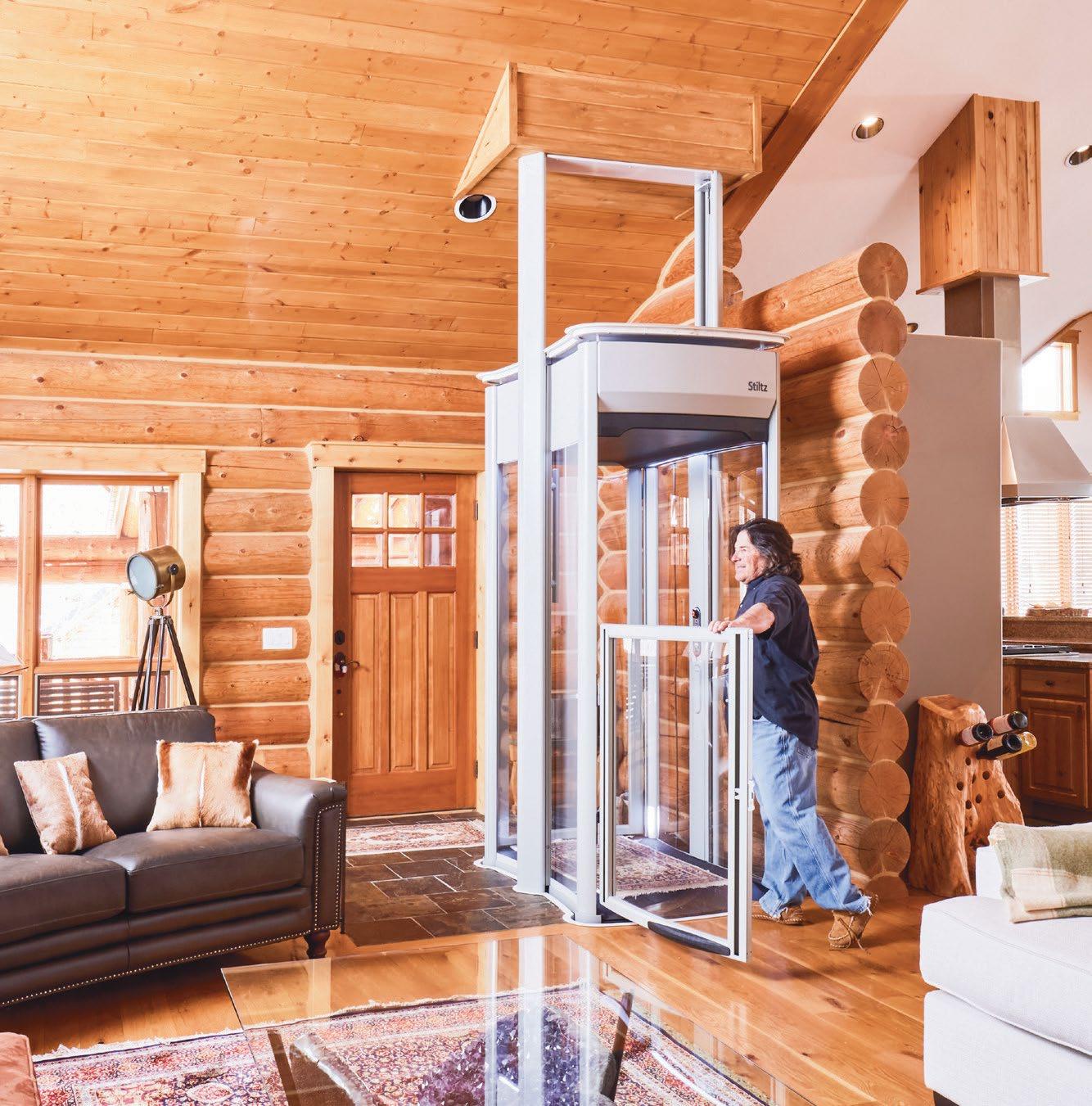
your home for downstairs living. A Stiltz Homelift helps you live safely and independently in the home you love.
IT’S NEVER TOO SOON
Some Stiltz customers need a Homelift immediately. But others want to “future-proof” their homes for when the stairs become a challenge.
HOMELIFT SPECIALISTS
Stiltz is a world leading Homelift manufacturer, so you’ll be in good hands. Your elevator will be installed and maintained by Stiltz trained professionals who truly care about your freedom.
Stiltz Homelifts are now backed by the Good Housekeeping Seal
“I can’t imagine what we’d do without it. I wish we had installed our Stiltz Homelift several years ago!”
– Mr. James, Lakewood, Colorado
Why choose Stiltz?
• Small Footprint
• Full Safety Features
• Clean, Quiet Operation
• Low Power Consumption
• Freestanding Design
• Also Available in White
• Wheelchair Accessible
• Carry Laundry or Pets
• Fast Installation
• Full Warranty




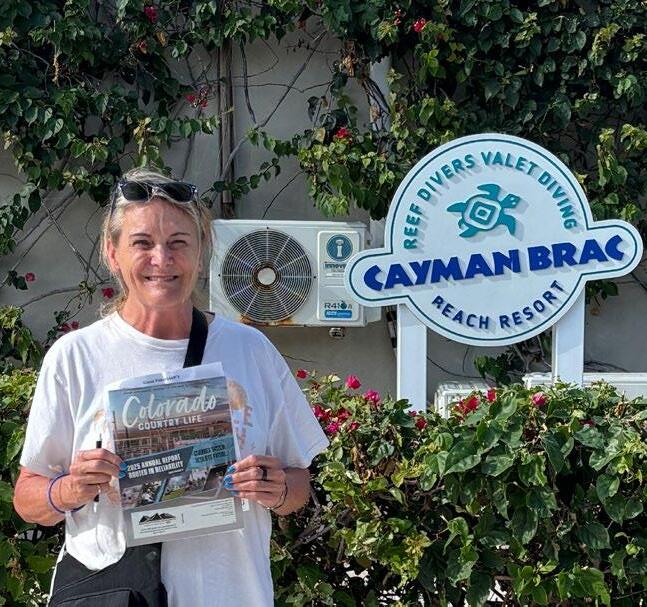
Melissa Neumaier, a Mountain View Electric Association member, writes: “I am a veteran with a head injury. Through Operation TBI Freedom and Denver Adaptive Diving, I was blessed with the opportunity to get certified with SCUBA diving in Cayman Brac. It was a huge selfesteem booster obtaining my certification, because I did it! I did it!” Congratulations, Melissa, we’re happy for you; thank you for bringing CCL along!
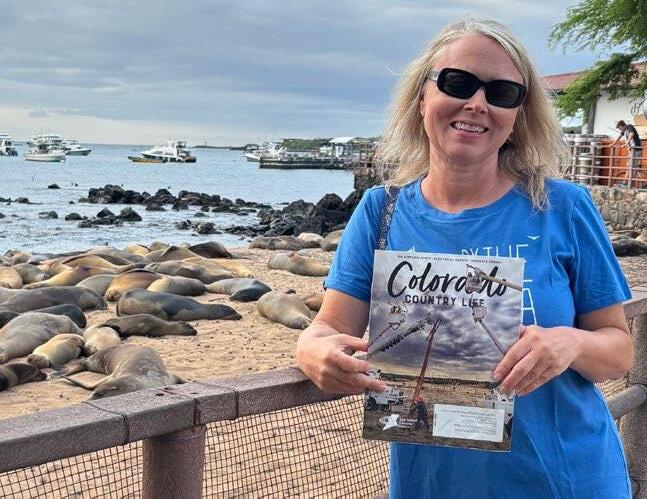
San Isabel Electric Association member Sarah Archer enjoys CCL with the sea lions in the Galápagos Islands.
PACK. SNAP. SHARE. WIN!
Show us your adventures with the magazine for a chance to win $25.
Upload your photo with CCL at coloradocountrylife.coop. Find more reader photos on Facebook @COCountryLife and Instagram @cocountrylife.


Sangre de Cristo Electric Association member Jim McIrvin snaps a photo with his copy of CCL in San Francisco after a “transcon” flight from New York.


and Lukas Glodkowski enjoy a beautiful day in Zakopane, Poland, at

Jim and Bonnie Kennel celebrate their anniversary in Waikoloa, Hawaii. These Mountain View Electric members experienced a volcanic eruption on their first day and an earthquake on their last night, “so needless to say it was quite the adventure,” Jim writes.

Genevieve Babayk writes, “Oh là là, j’adore Paris! A little bit of Colorado Country Life came with me to Paris!”
Genevieve is a Poudre Valley REA member.
Poudre Valley REA member Joy Johnson cruises through French Polynesia with her copy of the magazine.
Angie
Mount Gubalowka. They are Mountain View Electric Association members.
Grand Valley Power members Judy and Dave Kennedy hold Colorado Country Life in front of the Chicago skyline during a riverboat cruise.
Colorado Country Life




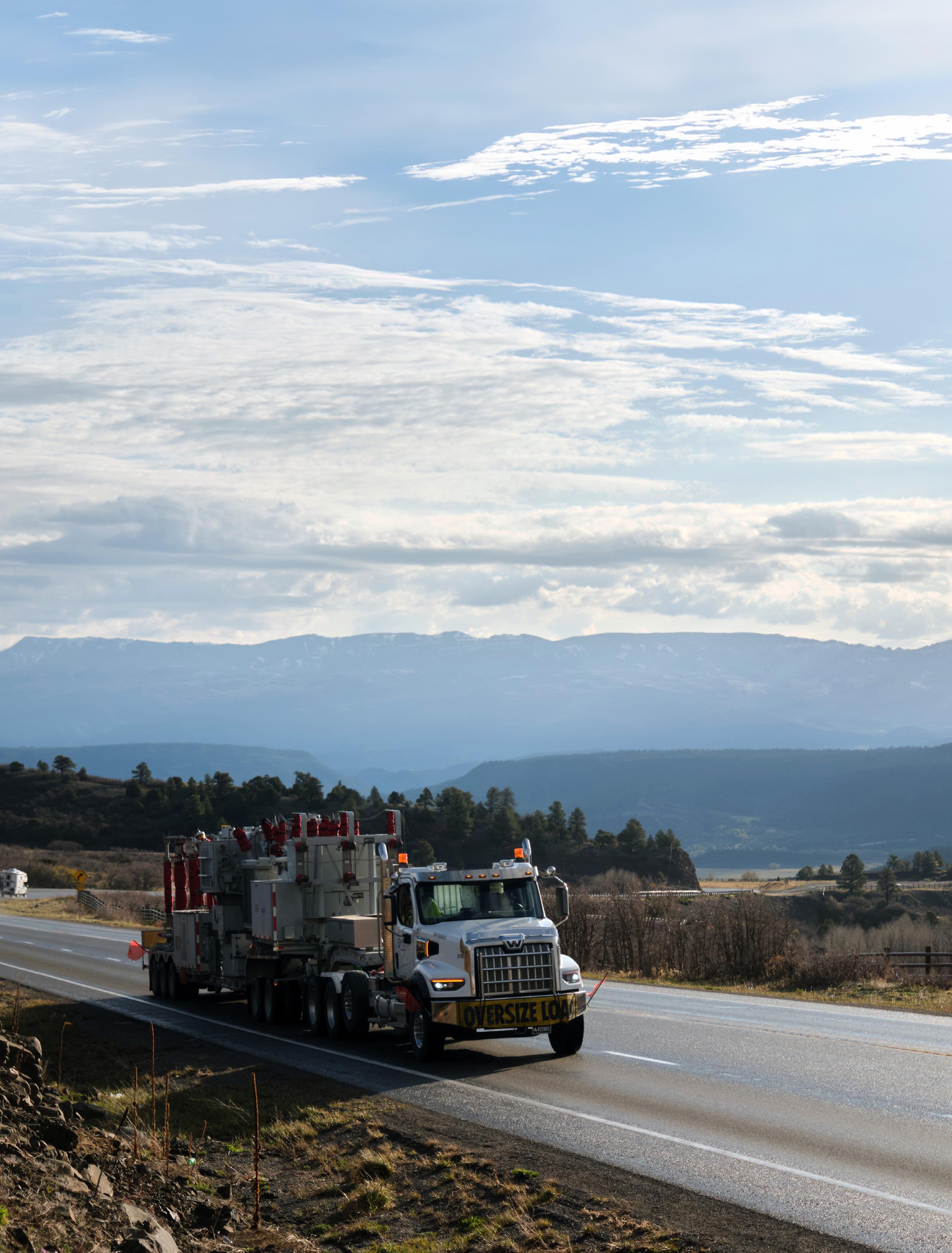
Reliability means showing up — for today and tomorrow. We’re here before the sun rises and we’re working all through the night, 24/7/365. Why? Because every community our members serve deserves power they can count on. We work as one connected cooperative family to share resources, expertise, and solutions like mobile substations. When disaster strikes or equipment fails, these portable, quickly deployable substations can restore power fast, helping minimize outages and keep communities running when they need it most.
It’s all part of the strength that comes from standing together so your co-op can deliver what matters most: reliable, affordable electricity for every moment of life.