
An Evolving Power Market
By Andy Carter Member Engagement Manager
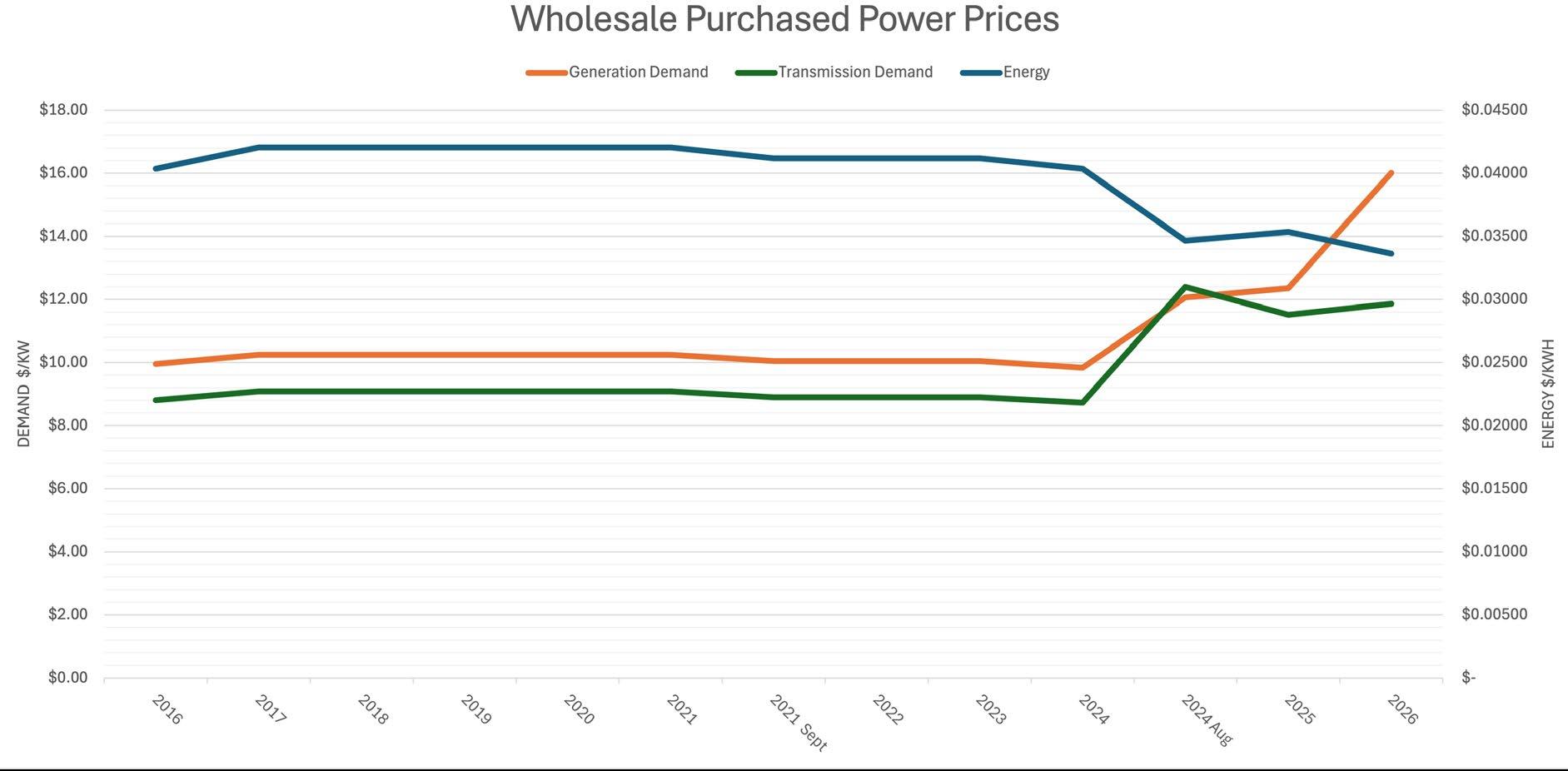
While Empire Electric Association continues to see modest load growth in our area, some parts of the nation are experiencing a far more rapid pace, and the overall impact on the wholesale electricity market is an increase in the cost for the facilities required to generate and deliver safe and reliable power. This, coupled with a change in the type of generation used to make electricity and their associated costs to produce a kilowatt-hour, are having an impact on EEA’s purchased power prices. If you guess prices are going up, you would be partly correct. EEA is seeing an increase in the wholesale demand charges we pay for capacity but a decrease in the energy charge.
CAPACITY VERSUS DEMAND
they place on Tri-State’s generation and transmission capacity as well as for the energy consumed. Tri-State demand charges are determined by dividing the dollars required to make capacity available by the forecast kilowatt demand. Tri-State then charges each member cooperative the calculated generation and transmission rate for the highest demand each cooperative places on its system. A cooperative that has a higher demand will have larger demand charges. As Tri-State’s cost to acquire and maintain generation and transmission capacity increases, a corresponding increase must take place in its demand rate if it is to recover enough revenue to operate.
DEMAND VERSUS ENERGY
Capacity and demand are both measured in kilowatts, but they are on opposite sides of the market. The rated capacity of a generator tells us how much power it can produce. The rated capacity of an electric line tells us how much power it can move from one point to another. Combining the capacities describe the power supply that is available. Demand is the power requirement customers need to perform work like cooling a home or powering an internet server. Demand by customers drives the power supply. Not-for-profit utilities like EEA and EEA’s wholesale power supplier Tri-State Generation and Transmission Association design their rates to recover costs in a fair manner. Tri-State uses a rate design that charges member cooperatives for the demand
Demand describes a customer’s power requirement to accomplish their work. Energy describes the power being used as the customer performs work over time and is measured in kilowatt-hours. The Tri-State energy charge is determined by dividing the dollars required to use the generator by the forecast kilowatthour sales. The average cost to produce or purchase a kilowatt-hour has been decreasing because of the changing generation mix. Renewable power generation is less expensive to operate, and as Tri-State’s power supply moves toward more renewable sources, its energy charge has decreased accordingly.
IMPACT ON EEA RATES
Board President David Sitton mentioned in his annual meeting report that EEA is likely to have a rate

Office Hours
Monday–Thursday — 7:30 a.m. to 5:30 p.m.
Friday — 7:30 a.m. to 11:30 a.m.
23999 Road L.4 Cortez, CO 81321 phone 970-565-4444 toll free 800-709-3726 pay by phone 833-923-1409
eea.coop
Facebook.com/EEACortez
@eeacortez
increase in 2027 and it may include an increase for EEA base rates as well as an increase due to increased purchased power costs. Part of the rate change will be a realignment of EEA Time Of Use On and Off Peak energy charges to reflect the trend we are seeing in our wholesale power costs. This change will show a wider price difference in the On and Off Peak energy charges. The difference is due to lower energy charges we are seeing plus the increased demand charges. The revenue for demand charges EEA pays Tri-State is collected in the On Peak energy rate. If the Tri-State demand rate increases, EEA will need to increase the
On Peak energy charge to ensure we collect enough revenue to operate.
As you think through the impact of a potential increase in your 2027 electric bill, remember that you have opportunities to soften the impact. Using less energy through free conservation measures or energy efficiency upgrades will help you reduce your bill on any rate. If you are on a Time of Use Demand rate, shifting energy use to Off Peak hours and avoiding using high demand appliances at the same time will also reduce your bill. For tips on how to save or to compare rates, please visit eea.coop
MONTHLY CALENDAR AND CO-OP PHOTO CONTEST WINNER
August 14 – EEA board meeting begins at 8:30 a.m. at 23999 Road L.4, Cortez, CO. The agenda is posted 10 days in advance of the meeting at eea.coop Members may attend in person or remotely. Instructions to attend remotely are included on the agenda.

Tri-State’s rates remained relatively flat 2016 through 2024. As cheaper but intermittent renewable power generation became more prevalent, energy prices have dropped but capacity prices have increased.
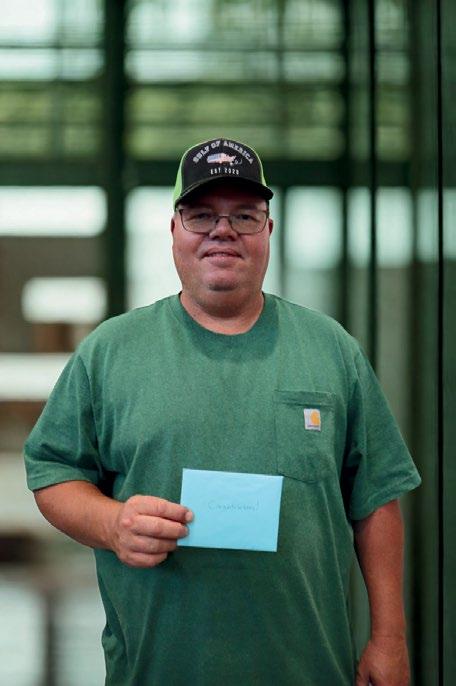
Peek-a-Boo
Photo by Cindie Miller
2026 Annual Meeting Recap
Empire Electric Association held our 87th annual meeting on Thursday, June 8, at our Engineering and Operations center. The district three board seat was up for election this year. Incumbent Corey Robinson ran unopposed and was declared the winner by rule of law and will serve another four-year term. This is Robinson’s second term and we look forward to his continued thoughtful approach in navigating our cooperative through the many changes our industr y is facing.
EEA’s board officers and senior staff provided updates on recent successes including the completion of the new members services building at the end of 2025. The cooperative continues to maintain a strong financial footing and is planning to build a new substation as well as continue with upgrades that will reduce the risk of starting a wildfire. The preliminary 2027 financial forecast indicates there will likely be a rate increase and the board favors moderate increases every few years instead of having an increase every year. More information will be provided as decisions are made.
Tri-State Generation and Transmission Association CEO Duane Highley was our guest speaker. Highley emphasized Tri-State works for its member-owners, and is focused on delivering reliable and affordable power. One example of meeting both needs is its recent move to the western expansion of the Southwest Power Pool Regional Transmission Organization, a non-profit, federally regulated entity that controls the flow of electricity across seven western states. Highley said, “Being part of the SPP expansion creates a more efficient, resilient,

and affordable energy future for our members — a future that delivers real value today and positions our communities well for decades to come. The cooperative business model also has positioned Tri-State to take advantage of what SPP has to offer.”
The final presentation was made by Matt Hasvold of Accelergen Energy, the company developing the Valley Range Energy Park solar generation and energy storage project east of Cortez. The project combines 125 megawatts of solar generation plus a 62.5-megawatt battery energy storage system and is sited on 1,279 acres south of the fairgrounds, none of which is classified as prime or unique agricultural land by the USDA. The system will interconnect directly to Tri-State’s transmission system.
EEA, in partnership with three other Colorado rural electric cooperatives, has submitted a bid to Tri-State’s Bring Your Own Resource program. BYOR is a Tri-State contract provision that allows a distribution cooperative like EEA to purchase up to 40% of its energy from a third party. The process is a competitive bid to ensure Tri-State is receiving the best value for its overall power supply portfolio. BYOR benefits EEA and other cooperatives by providing an opportunity to lower their purchased power costs as well as having more influence on the type of generation serving their members. The bid awards will be announced this month. If our partnership is successful, the project plans to be fully operational by the fourth quarter of 2029. For more information on the project please visit valleyrangeep.com.




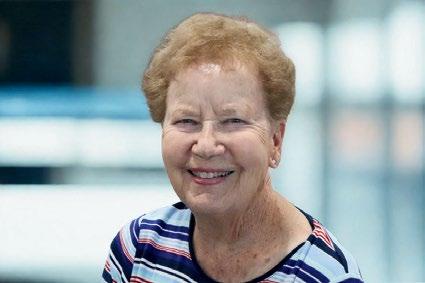





David Archuleta Hazel Perkins Jacquelyn Speake
EEA Employee Updates
Matt Ruggles has been promoted to Line Superintendent for Construction. Matt joined EEA in February 2004 as an apprentice lineman. He completed his apprenticeship and worked as a journeyman lineman until he was promoted to working foreman in August 2017. Matt’s new responsibilities include supervising line crews in accomplishing the construction work plan, coordinating with other departments to ensure timely completion of member requested work and distribution system upgrades, and overseeing the apprenticeship program.
Shad Bellmire has been promoted to Working Foreman. Shad has been a journeyman lineman since 1994 and was hired by EEA in March 2004. Shad’s new responsibilities include planning daily execution of assigned work orders and supervising his assigned crew in performing all aspects of the line trade as he works alongside them. A large part of his new role
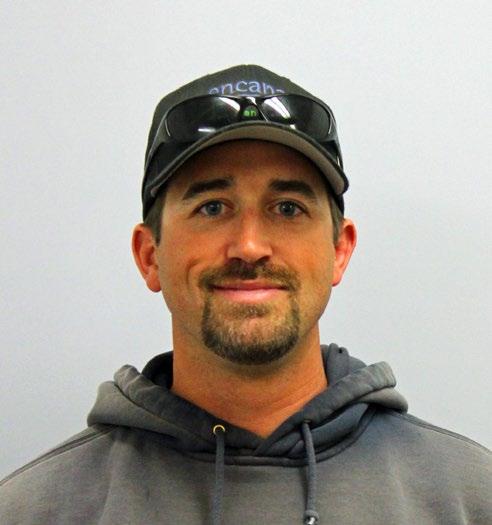
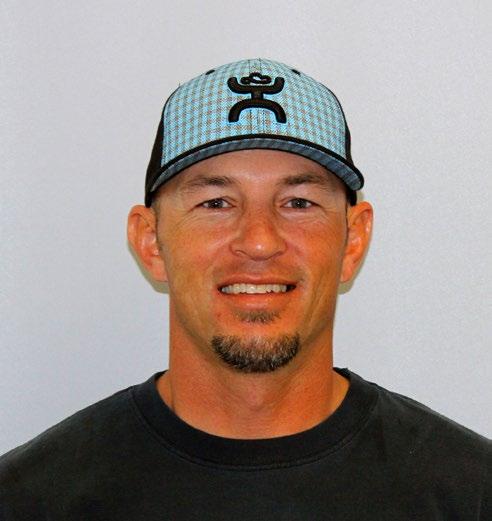
will be in ensuring the apprentice linemen under his supervision are given the knowledge and skills necessary to advance to the level of journeyman lineman. Please join us in congratulating Matt and Shad and wishing them success in their new roles.
EEA WELCOMES NEW CONSUMER SERVICES REPRESENTATIVES
Tiffany Daves and Ruth Sanders accepted part-time Consumer Services Representative positions with Empire Electric Association and joined our team in April. Both are lifelong residents of Montezuma County and look forward to continuing to serve our community.
Tiffany studied accounting at Southwestern Oklahoma State University and has experience in bookkeeping, payroll, and billing. She enjoys spending time outdoors and going on adventures with her two sons. Tiffany also has a passion for creating custom stained-glass art.
Ruth has 33 years of customer service experience in the banking industry. She is married to Sam and has two sons, Alex and Ayden. She enjoys crafting, fishing, and loves animals.
Tiffany and Ruth have completed their training and are excited to provide any assistance you may need with your electric service. When you are in the office, please say hello to Tiffany and Ruth and join us in welcoming them to our co-op family.
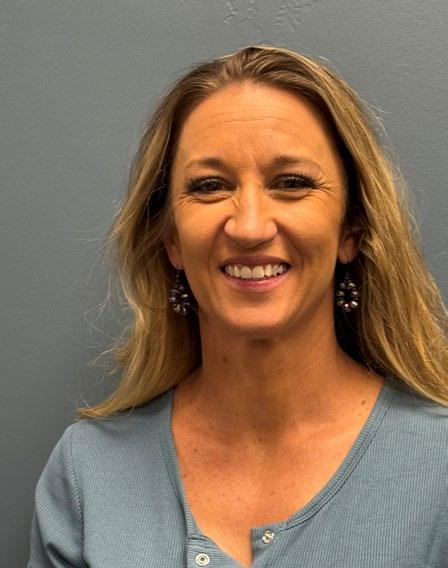
Shad Bellmire
Matt Ruggles
Tiffany Daves
Ruth Sanders

Keeping Rates Fair and Transparent
By Chrystal Dean Chief Executive Officer
Whenever we at Grand Valley Power discuss electric rates, you’ll likely hear the term “cost-of-service study.” At its basic premise, this study helps us understand what it costs to provide electricity to our members — and that’s true, but there’s a bit more behind it.
A cost-of-service study blends accounting, finance, economics, and engineering to give us the best picture of how the cooperative incurs costs and how those costs should be fairly recovered. While the analysis is rooted in data, there is also an element of art. It is because of the need to balance this art and science that the Grand Valley Power Board of Directors established three guiding principles to help inform rate decisions:
a fixed grid connectivity charge, Time of Use energy charges, and a distribution demand (or peak draw) charge. Cooperatives across the country, particularly those that purchase wholesale power from another provider like Grand Valley Power does from Xcel Energy, are increasingly adopting similar structures. The goal is not to follow industry trends; rather, it is to align our retail rates with the actual costs of delivering reliable electricity. Cost-of-service studies support financial stability and the cooperative’s ability to maintain and invest in reliable infrastructure.
The Grand Valley Power Board of Directors will review the next cost-of-service study later this year. One focus will be evaluating whether the distribution demand charge implemented last November is recovering distribution system costs as intended.
• Equity: Members should pay rates that reflect the costs they impose on the system.
• Transparency and understanding: Rates should be simple and clear, so our members can clearly understand their bill and make informed decisions about their energy use.
• Balance: The board balances simplicity, equity, transparency, and financial stability in every rate decision.
These principles serve as a guide, helping the board navigate complex data while staying focused on what matters most: fairness and clarity for our members.
Grand Valley Power completes a cost-of-service study every two to three years. Because these studies involve detailed financial analysis, engineering data, industry trends, and local economics, we partner with a consulting firm that specializes in performing these studies for electric cooperatives across the country. Their expertise provides valuable perspective on different rate structures and how they work in other communities while helping us determine the best approach for Grand Valley Power.
One of the most effective rate trends has been the three-part rate design like Grand Valley Power fully implemented last November. This structure includes
While we formally conduct a cost-of-service study every two to three years, rate oversight does not stop there. The board reviews the cooperative’s financial performance every month, including margins and projections. Rather than take a “set it and forget it” approach, the board continually monitors whether rates are performing as intended or if adjustments are needed. Rate adjustments could be necessary because of major system repairs, rising equipment costs, or increases in the cost of transmission that brings power to our system.
One of the greatest strengths of the cooperative model is that Grand Valley Power’s board and staff are part of the same communities we serve. We experience the same economic pressures from rising fuel prices and grocery costs, and the increased costs to run local businesses. We understand the impact these rising costs can have on members’ budgets. Because we are also members of this community, that perspective shapes every rate discussion.
By blending sound financial policy, clear guiding principles, and data-driven analysis, Grand Valley Power works to ensure the board has the information to make thoughtful, responsible decisions on behalf of you, our members.
Grand Valley Power: In the Beginning
Grand Valley Power is fortunate. Tucked away in its sparse archive are a few black and white photos, the very first GVP annual report likely duplicated for members on a mimeograph machine, and an 11-page typed essay written by I.W. Patterson. Together, these historical documents tell the tale of Colorado’s oldest electric cooperative.
Because of them, we can weave together a solid account of how Grand Valley Rural Power Lines, Inc. came to be. This month, Grand Valley Power turns 90. And thanks to Patterson, Grand Valley Power’s general manager from 1936 to 1942, we can look back
90

today on how Grand Valley Power came about “In the Beginning.”
“Early in 1936, I learned that the REA Federal Program had been promoted by Congress,” Patterson wrote in his essay. Patterson, himself a farmer, owned an electric shop in Fruita. He knew as well as anyone the conveniences enjoyed by those with electricity and wanted to spread that joy to the rural parts of Mesa County, but no for-profit utility cared to spend the money to stretch its infrastructure so far for so little revenue.
So, when Congress passed the Rural Electrification Act, enabling rural residents to form cooperatives
Years of Grand Valley Power History
The first cooperative lines were energized on September 17, delivering electricity to 250 wired homes and farms in the lower valley. 18 months later in 1939, electricity also flowed to Orchard Mesa and Plateau Valley. Members paid an average of 7 cents per kWh.
The Grand Valley Power Board of Directors authorized the first refund of member capital credits since the cooperative’s inception.

Congress passed the Rural Electrification Act, establishing a cooperative loan program. A group of farmers met in Fruita on August 12 to incorporate Grand Valley Rural Power Lines, Inc., one of the first rural electric co-ops west of the Mississippi.

Grand Valley Power celebrated its 25 anniversary with 3,561 meters served by 22 employees and 760 miles of line.

Grand Valley Power members voted overwhelmingly to operate independently of Public Utilities Commission oversight in Colorado, returning authority to the cooperative’s membership.
and take loans to pay for the installation of electrical distribution systems to their farms, Patterson and a few Fruita farmers organized. “At that time, we figured that $5 per member would be sufficient to finance the project.” On August 12, 1936, they incorporated Grand Valley Rural Power Lines, Inc. as a Colorado corporation.
The biggest challenge was convincing their fellow farmers that the project would happen. “This work was very discouraging. It was difficult to explain to the farmers that there was a possibility of getting highline electric service. They just didn’t believe it.”
Even after the group had collected applications and $5 fees from 600 members, constructing the first lines was no small feat. “We planned a 4,800-volt distribution system, three substations in the valley fed by the 11,000-volt transmission circuit that the Public Service Company had at Fruita.” In fact, the cooperative didn’t have enough money to operate, so Patterson postponed his own salary and arranged credit at local businesses, leveraging personal notes for a company vehicle, an adding machine, and a typewriter. He employed a bookkeeper and an attorney.
Grand Valley Power energized the first lines on September 17, 1937. Lights brightened 250 homes in the valley. After this, it became easier for rural residents to understand that they could have electricity, and people from Fruitvale and Orchard Mesa to Collbran and De Beque asked that lines be extended to their farms.
“Building these lines and giving electric service to rural people for the first time has many compensations,” Patterson wrote. “I will never forget the thrill I received on Christmas Eve when we were energizing a section of line east of Clifton. I don’t remember the name, but it was a white framed house, and those folks had just wired their home and were waiting. They had a little girl about 10 or 11 years old who had a string of Christmas tree lights on the tree and came out when we set the meter and wanted to know if her lights would burn that night. We told her if she would go in the house, she’d probably see and just as she went in the door we threw the switch. When she came back out, she was jumping about four feet high or so it seemed to me.”
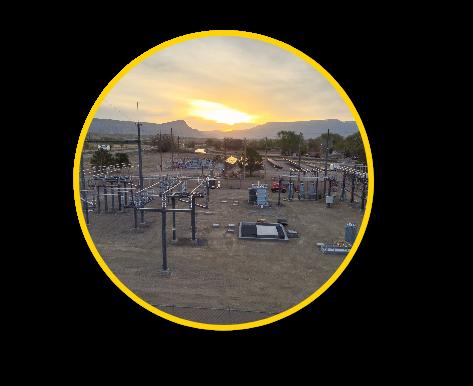
The Highline Substation came on line to serve an increasing load in the Fruitvale area and increase reliability. A 69-kV transmission tie line is completed in Loma.

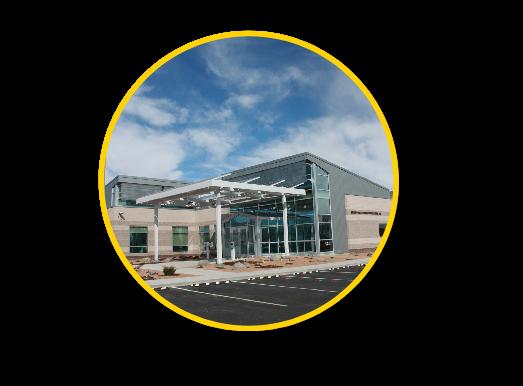
The cooperative moved to its current headquarters at 845 22 Road in Grand Junction. It uses geothermal power, solar, and natural light to heat, cool, power, and light the interior.

The Board of Directors selected Guzman Energy to provide the cooperative’s power requirements beginning in 2028.
Grand Valley Power expanded its scholarship program, which it created in 1995, with the addition of a second renewable scholarship specifically for use at Mesa State College.
Grand Valley Power launched the first incomebased community solar project in the United States with GRID Alternatives to give lowincome households the opportunity to benefit from a monthly bill credit for solar generation.

Behind the Power
Summer internship gives student a look inside cooperative careers
By Tanya Marchun Communication Specialist
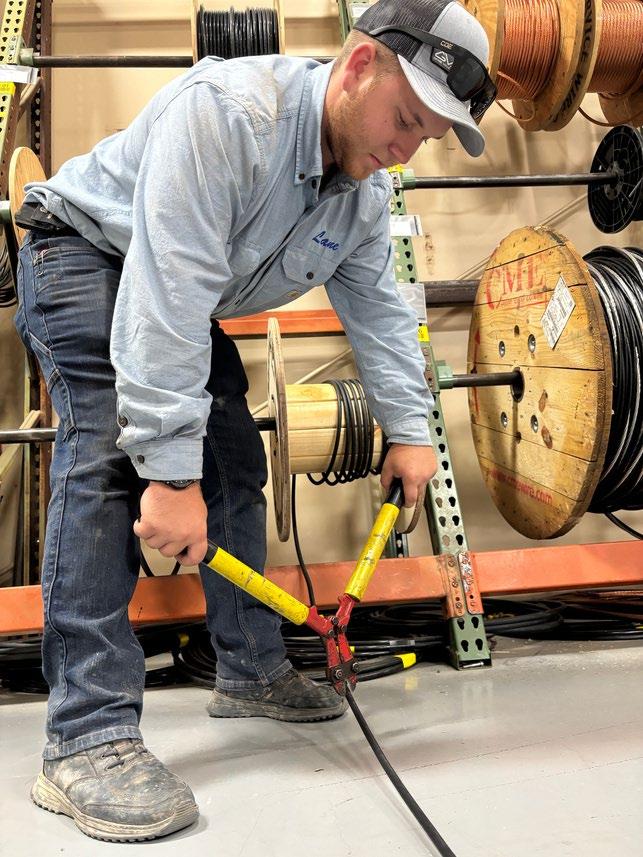
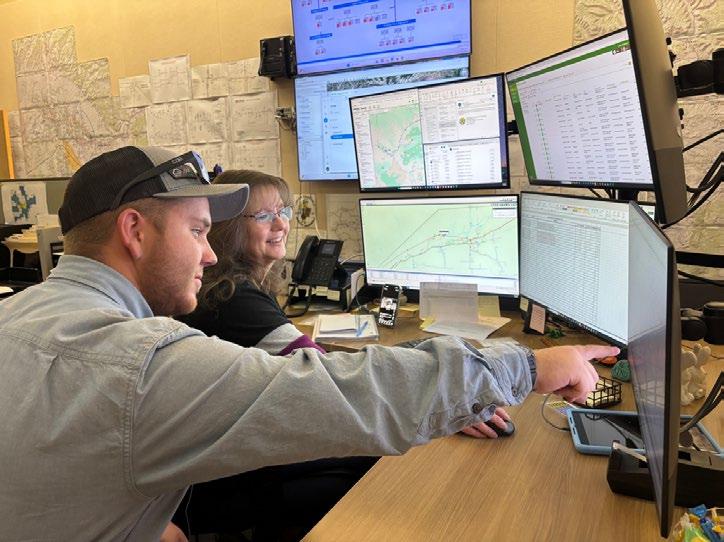
Most people think of lineworkers when they picture an electric cooperative. This summer, intern Lane Karo discovered there’s much more behind the scenes. Grand Valley Power launched a summer internship program to introduce young adults to the many careers that keep an electric cooperative running and to provide meaningful, hands-on work experience. The 12-week internship has broadened Karo’s perspective, expos ing him to engineering, communication, dispatch, warehouse operations, safety, and other departments. “We want to provide an opportunity for youth in our community to take the next step in their educational path and open the door for them to see what’s possible — lineworker or otherwise,” said GVP Operations Superintendent Ma
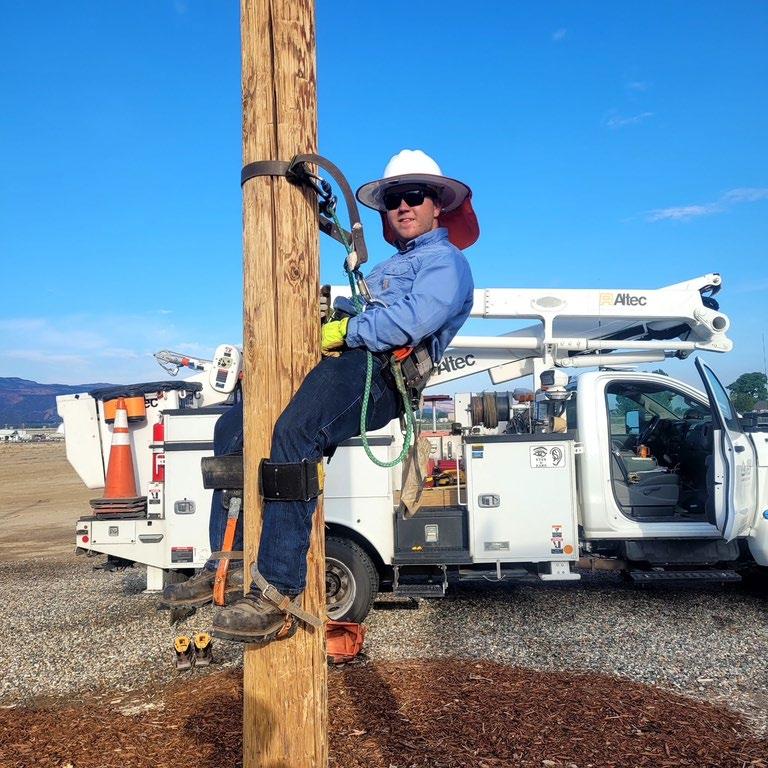
Engaged in roles across the cooperative, Karo gained an understanding of how each department works together to serve members. Working with a line crew, he helped install padmount transformers and junction boxes in a new subdi vision while learning proper safety practices. In the dispatch center, Karo created a service order and observed how Grand Valley Power tracks projects from start
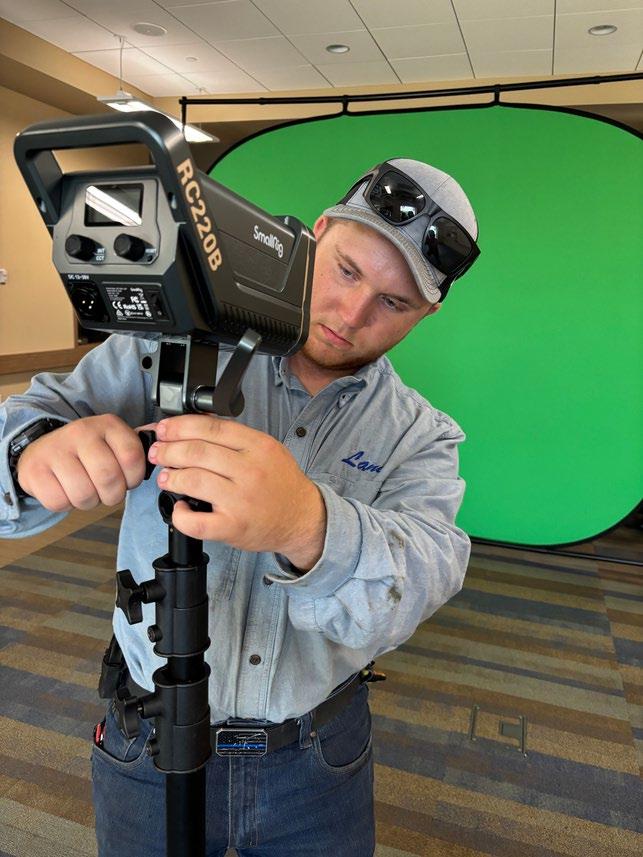
Across the hall in operations, Karo learned how Grand Valley Power uses drone technology for inspections and mapping. “I learned how to fly a drone and how we use them to inspect poles and substations,” he said. “The GIS Analyst showed me how the data helps create maps of the system.” Karo also worked with the communication team to produce Grand Valley Power’s annual meeting video. He gained expe rience with professional equipment including a green screen, lights, microphones, and a teleprompter.



According to GVP Chief Executive Officer Chrystal Dean, the internship is designed to help students discover if a cooperative career path truly fits before they invest years into pursuing it. “We want to set students up for success,” Dean said. “Students may come into the internship with a specific career path in mind, and this opportunity will either reinforce that direction through real-world experience or spark an interest in something new they hadn’t previously considered.” The goal is for students to come away with support, connection, and a stronger foot forward on their educational journey because of their experience at Grand Valley Power.
Investing in young people is one more way Grand Valley Power practices the cooperative principle of Concern for Community. By giving students tangible experience, the cooperative hopes to strengthen the communities it serves. “We are proud to invest our time and efforts into our youth, our communities, and each other,” Dean said. “That is the heart of Grand Valley Power.”
The 12-week internship program is one way GVP strengthens the communities it serves and invests in young members who are exploring their career interests and expanding their network.
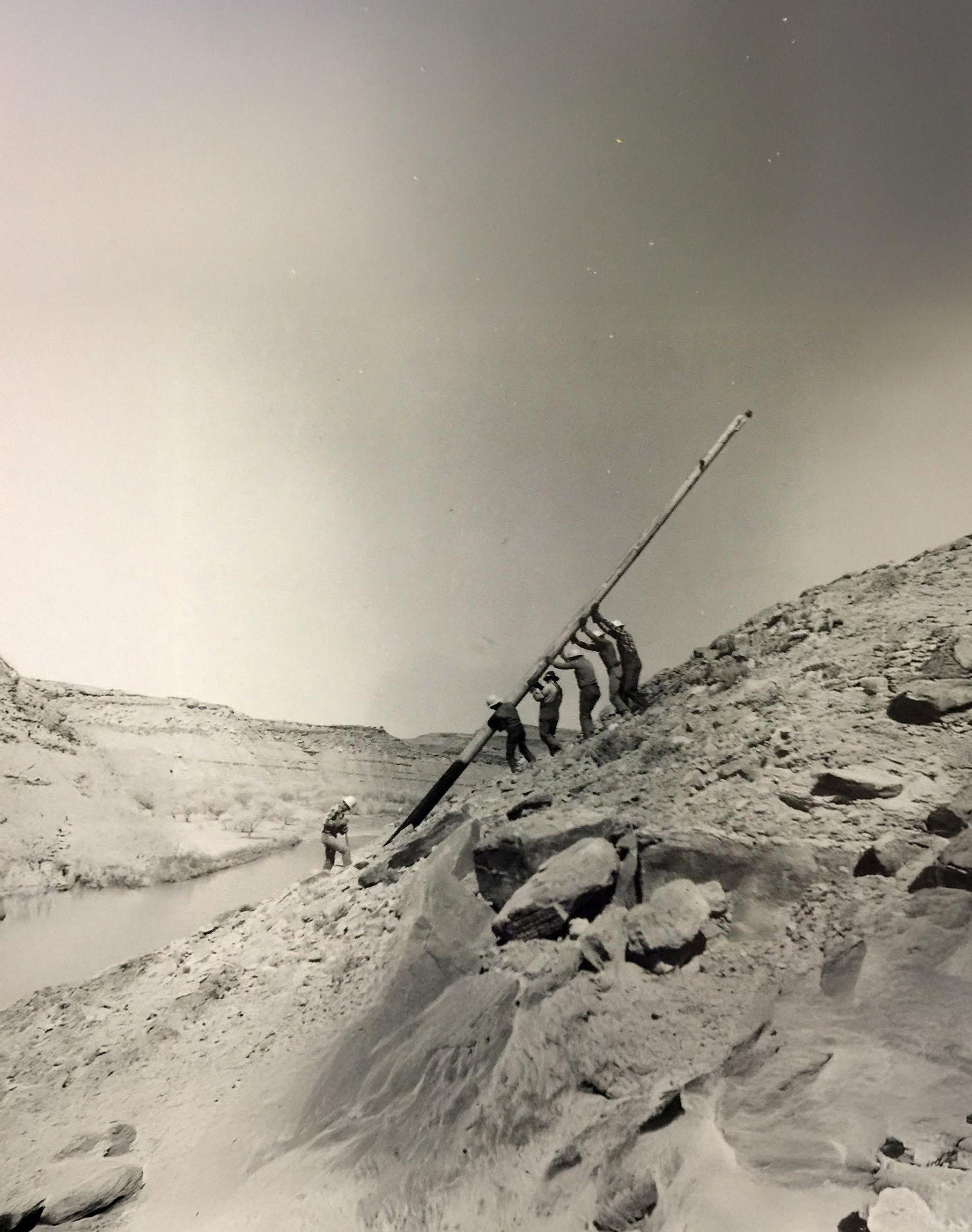
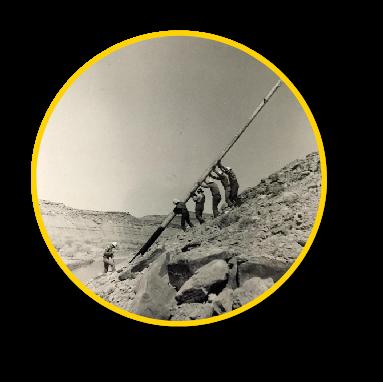
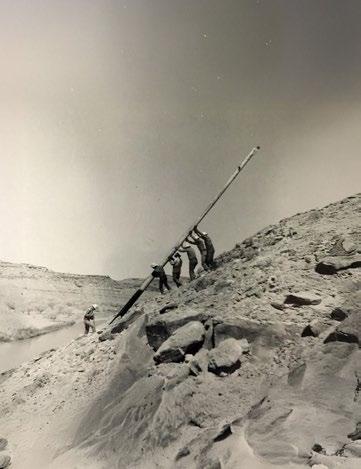
On the cover: A Grand Valley Power crew sets a pole in the Dominguez Canyon above the Gunnison River sometime in the 1950s. Photo from the Grand Valley Power archives
Grand Valley Power intern Lane Karo spent the summer learning alongside linemen, GIS specialists, the safety department, and communications team to gain knowledge about the many careers an electric cooperative offers.

FUEL SWITCHING:
Is it time to ditch propane?


Propane Heat vs. Electric Heat Pumps
Is it time to make the
By Alantha Oliver Energy Use Advisor
Replacing a propane heating system with an electric heat pump is one of the most practical ways to reduce energy costs, improve comfort, and decrease dependence on delivered fuels. Heat pumps can lower heating costs by up to 50% while providing both heating and cooling from a single system. Unlike propane furnaces, heat pumps do not create heat through combustion. Instead, they move heat from one place to another. In winter, they extract heat from outdoor air and transfer it indoors. In summer, they reverse the process, operating like an air conditioner to remove heat from the building.
WHY SWITCH FROM PROPANE?
switch?
While propane provides reliable heat, it requires fuel deliveries, on-site storage, and is subject to price fluctuations. An electric heat pump can significantly reduce or even eliminate propane use for space heating. Key benefits include:
• Reduced dependence on propane deliveries and fuel storage
• High efficiency, delivering multiple units of heat for each unit of electricity used
• Year-round comfort with both heating and cooling capabilities
• Improved indoor air quality by reducing combustion-related byproducts
• Lower greenhouse gas emissions as the electric grid incorporates more renewable energy sources
HEAT PUMPS IN COLD CLIMATES
Modern cold-climate heat pumps are designed to perform efficiently even in low temperatures. Success depends on proper system sizing, installation quality, insulation levels, ductwork condition, electrical capacity, and overall heating demand. Some
buildings can fully replace propane heat, while others benefit from a dual-fuel system that uses propane as backup during the coldest weather. In our area, dual-fuel systems are often recommended.
REBATES AND FINANCING
Gunnison County Electric Association offers heat pump rebates, including conversion bonuses for members switching from propane or natural gas. Rebate amounts vary by system size and can be found on the GCEA website at gcea.coop. Heat pump projects may also qualify for GCEA’s On-Bill Repayment program. Rebates are applied first, and the remaining project cost can be repaid gradually through monthly utility bills, making upgrades more affordable for homeowners and businesses.
BEFORE YOU MAKE THE SWITCH
To ensure a successful project, be sure to:
1. Review one to three years of propane usage.
2. Improve insulation, air sealing, and duct sealing where needed.
3. Request a professional heating load calculation.
4. Verify that electrical service can support the new equipment.
5. Evaluate total project costs, including installation and upgrades.
6. Confirm rebate eligibility before starting the project.
BOTTOM LINE
Switching from propane to an electric heat pump can increase efficiency, improve comfort, help lower greenhouse gas emissions, and reduce exposure to fuel price uncertainty. With proper planning, accurate system sizing, and available GCEA rebates and financing options, building owners can lower upfront costs while modernizing their heating and cooling systems.
From Training to Transformation
Smarter energy starts here
LOCAL CONTRACTORS EXPAND HEAT PUMP EXPERTISE
GCEA is helping make energy-efficient home upgrades more accessible by investing in the professionals who install them.
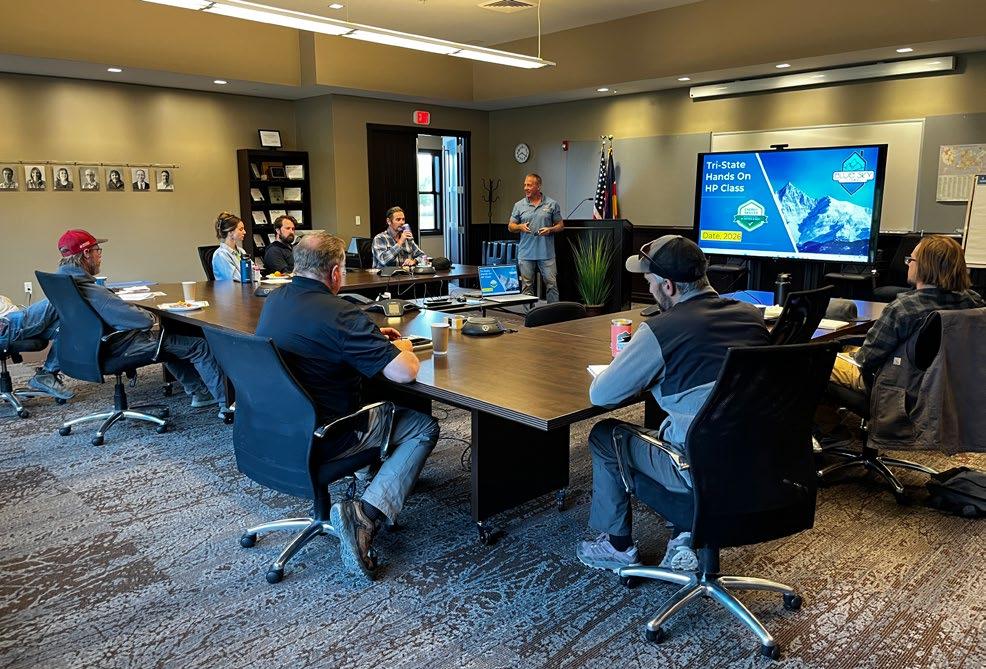
On June 2, GCEA partnered with Tri-State Generation and Transmission Association to host a heat pump training for local heating, ventilation, and airconditioning contractors. Led by industry experts Mike Missimer and Scott Suddereth of Blue Sky Training, the event brought together eight contractors from Gunnison, Crested Butte, Buena Vista, and Montrose.
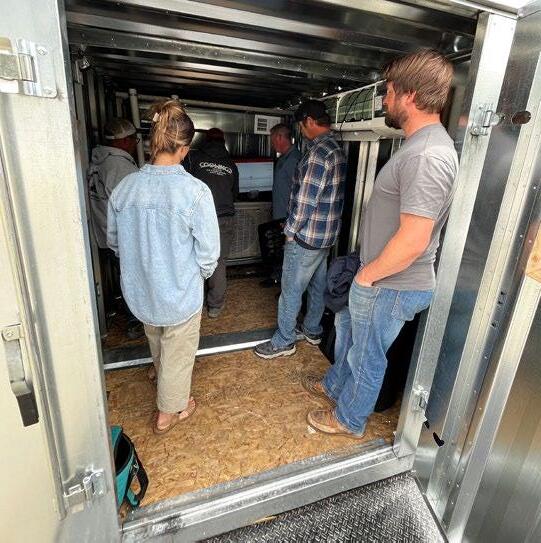
The day combined classroom instruction with hands-on experience inside a mobile training lab, giving participants practical skills to confidently install, service, and maintain today’s high-efficiency heat pump systems. All eight contractors successfully completed the training, and one contractor earned certification through Tri-State’s Trade Ally Incentive Program. This certification allows the contractor to participate in GCEA’s On-Bill Repayment program, giving members another qualified local option for financing heat pump installations with no upfront costs.
As more members explore energy-efficient heating and cooling solutions, GCEA is committed to strengthening the local contractor network that supports these upgrades. Thanks to the strong turnout and positive feedback, GCEA plans to offer another heat pump training this fall, helping ensure members have access to knowledgeable, qualified professionals close to home.
A LAKE CITY HOME TOUR INSPIRED MEMBERS TO “START SMALL” AND THINK BIG
What is it like to live in an all-electric, solarpowered home?
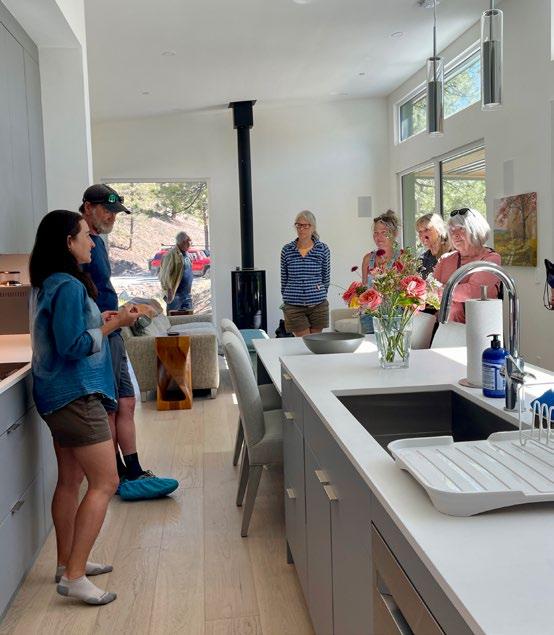
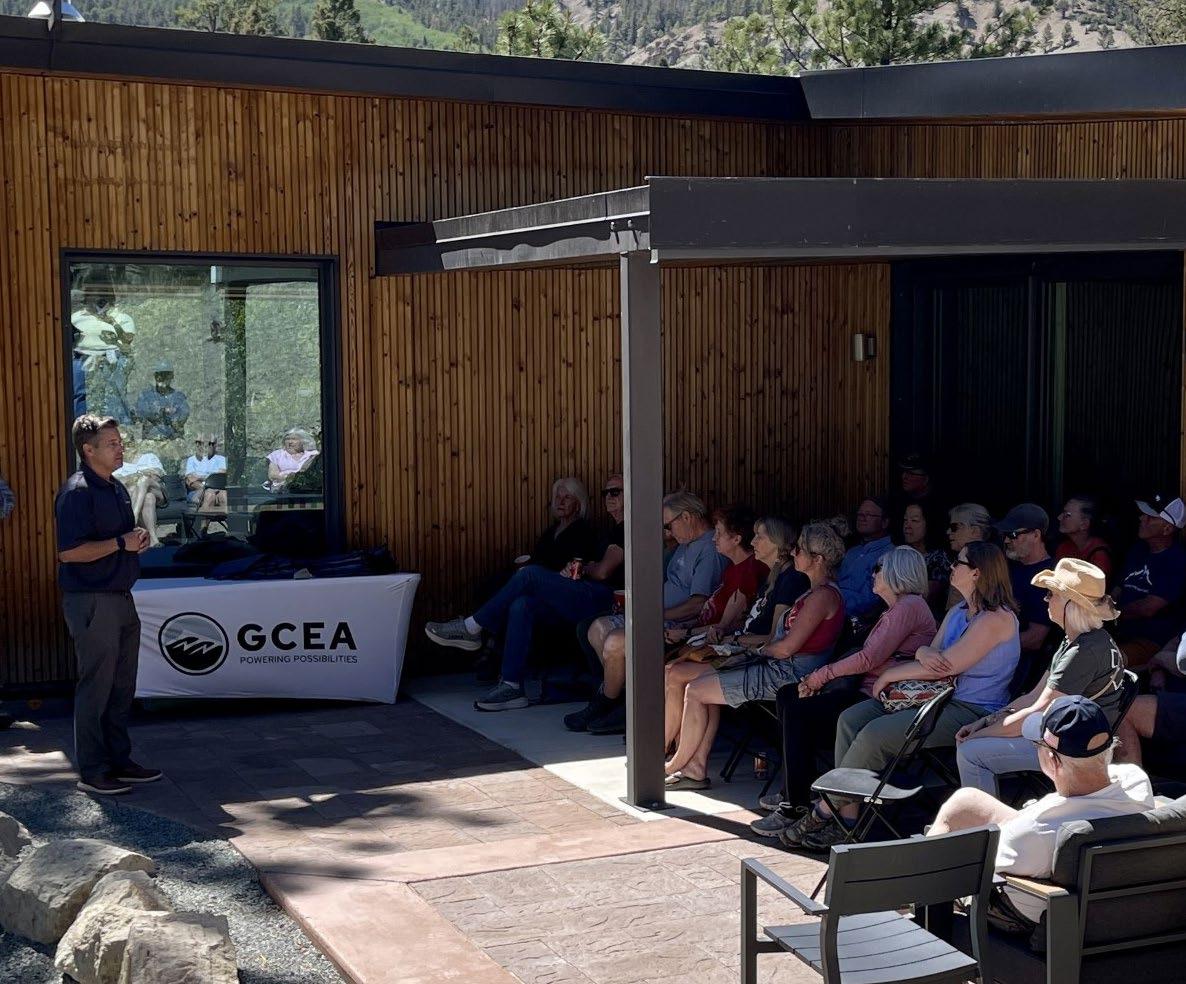
In July, GCEA members had the chance to find out during an exclusive open house at the VISION Transcend home in Lake City. More than just a showcase of new technology, the event focused on a question many homeowners are asking: How can I make my home more comfortable, affordable, and resilient without breaking the bank?
Hosted by GCEA, Green Builder Media, and TriState, the afternoon featured a guided tour of the high-performance home and practical information about rebates, financing, and state incentives
Local HVAC contractors explore the mobile training trailer as part of a heat pump training held at GCEA’s Gunnison office.
Photo by Alliy Sahagun
Tri-State Generation and Transmission Association’s heat pump training for local contractors at GCEA’s office in June.
Photo by Alliy Sahagun
Homeowner Sara Gutterman (left) talks with members about the advantages of all-electric kitchen appliances. Photo by Logann Long
available to help members make upgrades that help save energy. One of the strongest takeaways from the event was that electrification doesn’t have to happen all at once.
GCEA encourages members to take one step at a time. Interested in making upgrades to your home? Start with GCEA’s DIY Home Energy Assessment Tool, rebate opportunities, and GCEA’s On-Bill Repayment program.
Visit gcea.coop to learn more.
FROM WOOD STOVE TO WORRYFREE COMFORT
For the past 21 years, Schuyler Denham and his wife Carol Robinson have enjoyed the beautiful and quiet life in Lake City. But mountain living also comes with long, cold winters — keeping their older home warm wasn’t always easy. With limited insulation and a wood stove serving as the primary heat source, staying comfortable in their home required constant attention.
The couple had considered upgrading their heating system for years, but the cost always gave them pause. That changed last fall when GCEA launched a special group-buy incentive through its On-Bill Repayment program, offering a 10% discount on ductless mini split heat pump installations. When combined with GCEA rebates, state tax credits, and benefits through the Colorado Energy Office Home Electrification and Appliance Rebates program, the cost of the project finally became affordable.
Before installing a new heating system, Schuyler and Carol participated in an energy audit through the GV-HEAT program, administered by Gunnison County. The audit identified opportunities to improve their home’s insulation and air sealing, and assistance from Energy Outreach Colorado helped make those upgrades possible. By improving the home’s efficiency first, they were able to maximize the comfort and performance of their new heat pump.
Installed by local contractor Ray Alspach of Alspach Refrigeration, the ductless mini split heat pump has transformed daily life. The couple now enjoys more consistent indoor temperatures, improved air quality, and the convenience of controlling their system remotely from their smartphones. They no longer worry about who will keep the wood stove going or whether the propane backup will prevent frozen pipes while they’re away.
Helping members like Schuyler and Carol make smart, affordable energy improvements is what GCEA’s energy programs are all about. With energy audits, rebates, financing options, and trusted local contractors, GCEA is committed to helping its members lower energy costs, increase comfort, and build homes that are more efficient, resilient, and ready for whatever Colorado’s seasons bring.

Members listen as Tri-State’s Pete Rusin (left) discusses the advantages and benefits of an all-electric home.
Photo by Logann Long
Carol Robinson enjoys the year-round comfort and efficiency the heat pump provides at her Lake City home.
Photo by Willie Peterson
That’s a Wrap on Another Winning Season
The 2026 GCEA Annual Meeting was a grand slam, bringing members together for an evening of great food, fun, and cooperative spirit. Members embraced this year’s baseball theme by wearing their favorite team apparel which helped make the event a memorable success.
Members enjoyed ballpark favorites from CC’s Burgers and Burnell’s Food Truck, and Third Bowl Ice Cream from Spenny’s Ice Cream Stand. Throughout the evening, members connected with GCEA staff, visited vendor booths, and received GCEA updates from Board President Morgan Weinberg and CEO Mike McBride.
A special thank you goes to our vendors for generously donating an impressive selection of raffle prizes. Their support helped send many members home excited with their winnings and added to the fun of the evening.
Thank you to the GCEA team for knocking this event out of the park. Most importantly, thank you to our members for your continued support. We can’t wait to see you next year.
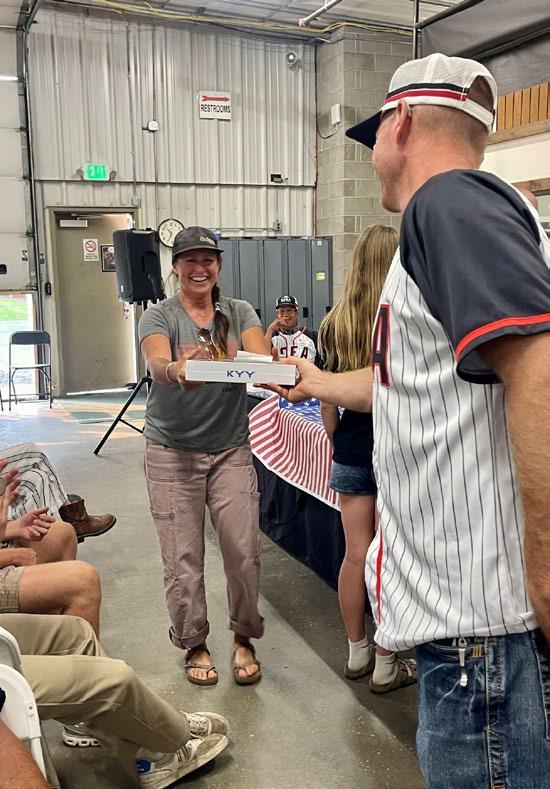
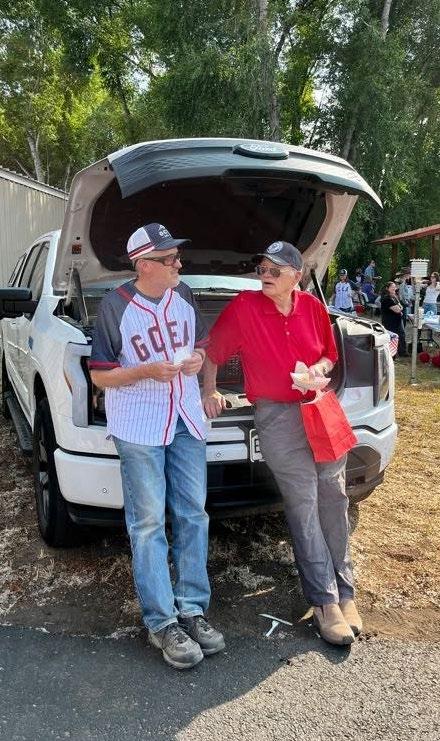

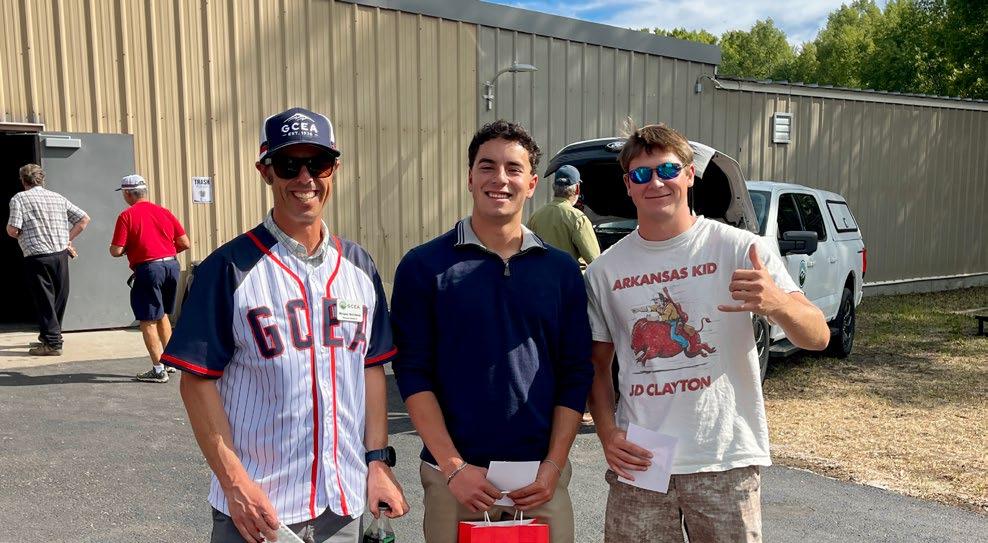
Last Chance Scholarship student visit with GCEA Board President Morgan Weinberg. Photo by Logann Long
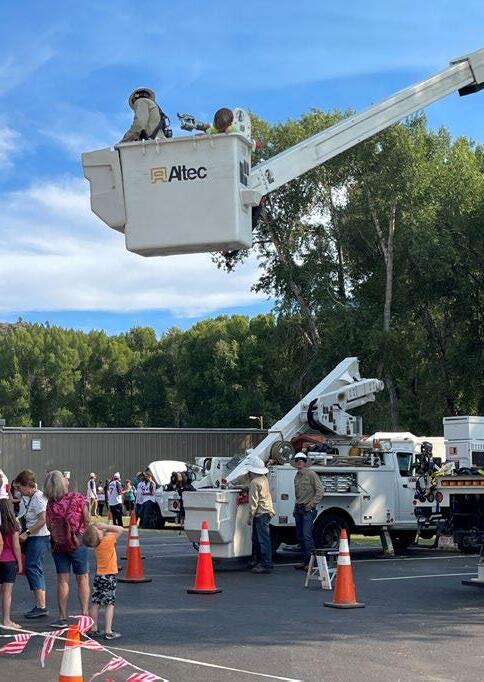
Bucket Truck Rides — A simple moment between two boys. One soaring above in the bucket, the other cheering him on from below.
Photo by Logann Long
After years of dedicated service on the GCEA Board of Directors, Greg Wiggins and his wife Kathy drive into the sunset following Greg’s final Annual Meeting.
Photo by Alliy Sahagun
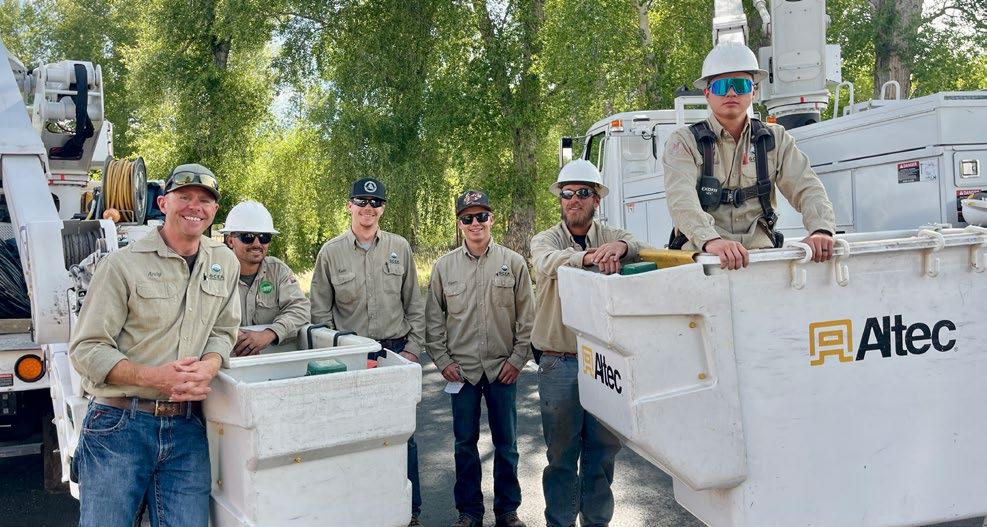
GCEA linemen prepare the bucket truck before giving members a chance to see the Annual Meeting from a bird’seye view. Photo by Logann Long
Winner, winner! One happy member claims her raffle prize during the 2026 GCEA Annual Meeting. Thanks to our amazing vendors for donating incredible prizes. Photo by Logann Long
One of the best parts of the Annual Meeting is connecting with members. Meter Technician Dan Oberosler (left) enjoys a conversation with a member.
Photo by Alliy Sahagun
Understanding Your Electric Bill
By Dennis Herman General Manager
August is typically one of the warmest months of the year, and that means air conditioners across our community are working overtime to keep homes comfortable. During periods of extreme heat, many members may see an increase in their electric bill and wonder what factors contribute to the cost of electricity.

At Highline Electric Association, we believe understanding your electric bill is an important part of being an informed member. While the total amount due may seem like a single number, it actually reflects several different costs associated with delivering reliable electricity to your home or business.
The largest factor is often the amount of energy you use. Electricity is measured in kilowatt-hours, and the more energy your household consumes, the higher your bill will be. During the summer, air conditioning is typically the largest driver of increased energy use. When temperatures climb into the 90s or higher, our cooling systems run longer and more frequently, consuming significantly more electricity than they do during milder weather.
Other major factors are the cost of generating and purchasing electricity. Like many cooperatives, Highline purchases power from Tri-State Generation and Transmission Association, Inc. The cost of producing electricity fluctuates based on fuel prices, including natural gas, coal, and other energy resources used to generate power. Changes in wholesale power costs influence the price of electricity Highline delivers to members.
Transmission costs also play a role. Before electricity reaches your home, it must travel across a network of high-voltage transmission lines that connect power plants to local distribution systems. Transmission equipment requires ongoing maintenance and upgrades to ensure reliability, especially as electricity demand continues to grow.

Closer to home, Highline maintains the local electric distribution system — utility poles, power lines, transformers, substations, and other essential equipment that safely delivers power to members. Maintaining this equipment is covered through the monthly service charge. This is a flat monthly fee all members pay, regardless of how much electricity they use. This fixed fee ensures all members pay a fair share of the basic, operational costs required to keep the power grid reliable and ready to serve your home or business. Whether a member uses a little electricity or a lot, we must maintain infrastructure and have crews, equipment, and resources available to provide electricity around the clock.
Summer temperatures can also influence costs in less obvious ways. When the demand for electricity is high across a region, wholesale power prices can increase. Utilities and grid operators must ensure enough generation is available to meet peak demand, and those costs can be reflected throughout the electric system.
The good news is that simple steps to lower energy use this summer can make a meaningful difference. Set your thermostat a few degrees higher when you’re away, replace dirty HVAC filters, use ceiling fans, seal air leaks, and avoid the use of major appliances during the hottest parts of the day. These steps can help reduce energy consumption, lower your bill, and reduce strain on the local grid during peak demand
Highline’s mission is to provide safe, reliable, and affordable electricity while being transparent about the factors that impact energy costs. We understand every dollar matters, and we are committed to making smart investments that keep the lights on and support the communities we serve.
If you ever have questions about your electric bill or Highline programs designed to help you save, please reach out. We’re here to help you make informed decisions that work for your household.
Thank you for allowing us at Highline to serve you.

Pesticide Safety
Highline Electric employees work hard to maintain reliable service across our rural communities — often accessing fields, pastures, and rights-of-way to restore power or perform routine maintenance. When a field has been treated with agricultural chemicals, however, entering unmarked areas that have been sprayed can pose serious and immediate health risks to our crews.
Just as you take precautions to protect your family, we ask that you help in protecting employees with a simple notification
SIGN UP FOR PREPAY TODAY
SAVE TIME. SAVE MONEY.
Take the hassle out of paying your electric bill and use Highline Electric Association’s automatic bank draft option.
Payments are automatically deducted on the bill due date each month, so you’ll never worry about late payments, lost mail, or writing another check. Plus, you’ll receive a 50-cent monthly credit per account just for enrolling.
Concerned about security? You stay in control — you’re simply authorizing your bank to pay your bill, just like a check. Highline Electric does not access your account.
Want even more savings? Sign up for paperless billing and receive an additional 50-cent monthly credit.
Sign up for both and that’s $1 in total monthly credits per account.
Enroll using the form at hea.coop/bankdraft or call our office to request one today.
Prepay is a flexible billing option that lets you pay for electricity before you use it, similar to a prepaid phone. No monthly bills — just pay as you go!
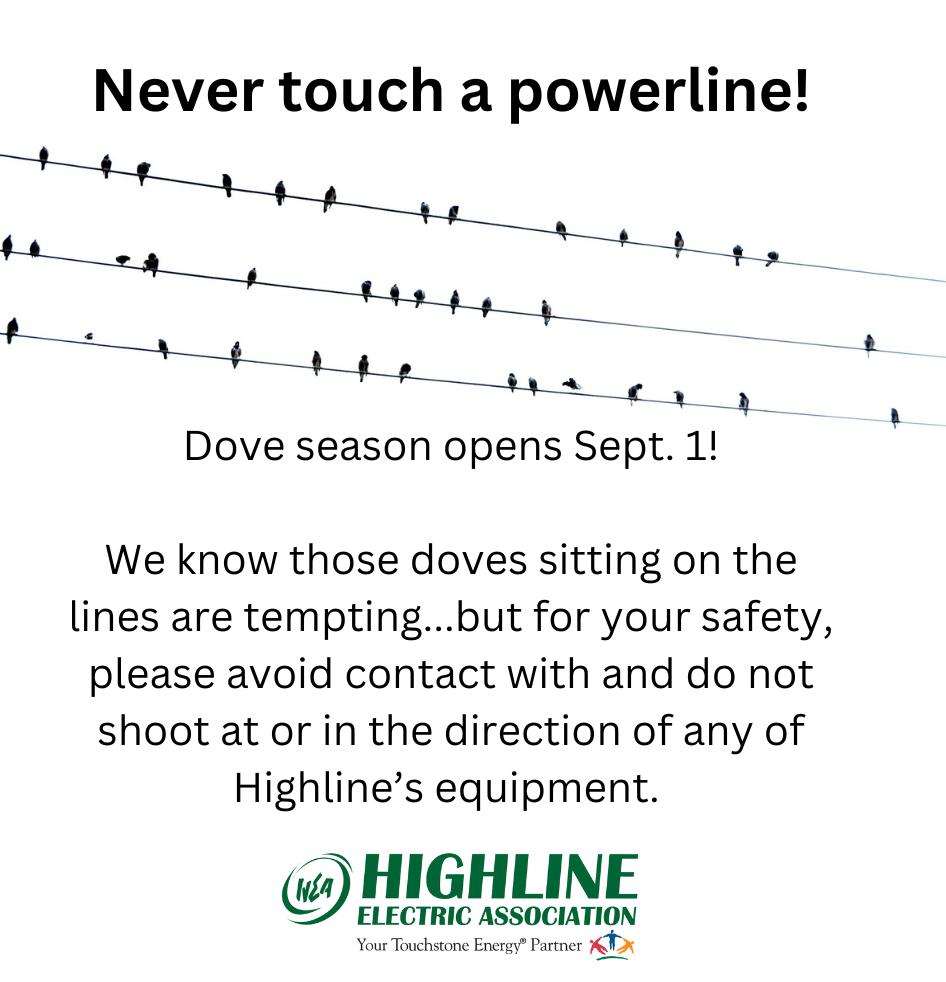
SCHOOL BUS SAFETY TIPS

School buses are among the safest vehicles on the road — but the greatest risk comes when children are getting on or off the bus. Whether you’re a driver, parent or student, knowing these safety tips will help keep everyone safe.
FOR PARENTS: FOR DRIVERS:
• Slow down: Reduce speed in school zones and near bus stops.
• Keep your distance: Stay back at least 10 feet from a school bus — this is the most dangerous area for children.
• Know the signals:
• Yellow flashing lights: bus is preparing to stop. Slow down.
• Red flashing lights + stop arm: bus is loading/unloading — stop and wait until the bus moves again.
• Never pass a stopped bus on an undivided road — it’s illegal in most states.
• Stay alert: Watch for kids who may unexpectedly enter the road, especially near bus stops.
• Respect the zone: When flashers are blinking in a school zone, stop for pedestrians at crosswalks and take extra care to look for children near playgrounds, parks and residential areas.
Teach your child to arrive at the bus stop at least 5 minutes early, and how to play it SAFE:
• Stay back at least 10 feet, or five giant steps, from the curb.
• Always wait for the bus to stop and the driver to signal before boarding.
• Face forward and buckle up if seat belts are available.
• Exit carefully, look both ways and cross in front of the bus — never behind. Make eye contact with the driver before crossing.
As students head back to school, remember: a moment of caution can prevent a lifetime of regret.
Learn more:

Is Your Name Below?
The names listed below are Highline Electric Association members who have unclaimed capital credits from the electric cooperative. HEA publishes an unclaimed capital credit list every year to notify HEA members that a check the co-op mailed to them was not cashed. Look for your name in the list below. If you find your name, email capitalcredits@hea.coop, complete the Unclaimed Capital Credit Identification Form online at hea.coop/capital-credits, or call 970-854-2236. This list will continue in next month’s Colorado Country Life magazine.
A T & T COMMUNICATIONS
ABBEY, LARRY
ABERNATHY, BRETT
ABERNATHY, TERRY
ABTS, DANI
ACHEN, NORA J
ACOTT, THOMAS R
ADAMS BANK & TRUST
ADAMS DRUG CO INC
ADAMS ENTERTAINMENT
ADAMS, VIRGINIA
ADDUCCI, THOMAS & CAROLE
ADLER, JAKE
ADYE, JULIE A
AEON ENERGY CORP
AGRILIANCE LLC
AGUAS, EDWARD S
AGUILAR, HILARIO
AGUIRRE, LETICIA
AHLGREN, HARRY & JOAN
AHNSTEDT, GERALDINE M
AKERS, JOHNNY L
ALBARRAN, WOLFGANG
ALBER, ELNORA L
ALBERS, JAMES M
ALBERTS, ANGELA
ALBERTSON, HARRY L JR
ALBRANDT, THOMMI
ALBRECHT, EDWARD
ALCORN, SAM L
ALEXANDER, JOSH
ALLEN & SCHRAMM
ALLEN FARM, NORMA JEAN POTTER
ALLEN, DANITA
ALLEN, FRANK
ALLEN, JEFF
ALLEN, TAD
ALLENDORF, DUANE
ALLEY, TERRY
ALLPHIN, MATTHEW
ALMEIDA, DAWN
ALVAREZ, JOE M
AMADOR, ARDIE
AMEN, DAVID & JACOB
AMEN, JANICE C
AMEN, KONRAD & VICKI
AMERICAN TELECASTING
AMOCO PIPELINE CO
AMOS, MARK J
ANCONA, TERRY
ANDAVAZO, MANUEL
ANDERLE, BENNIE
ANDERSEN FARMS
ANDERSEN, BYRON R
ANDERSEN, DEBBIE
ANDERSEN, KARYN L
ANDERSON AG SERVICE
ANDERSON, ARTHUR A
ANDERSON, BILL
ANDERSON, DAVID L ANDERSON, DON ANDERSON, EVERETT ANDERSON, ISAIAH ANDERSON, JACKIE ANDERSON, JENNIFER
ANDERSON, JOHN ANDERSON, MONTY ANDERSON, PAUL
ANDERSON, RANDALL G ANDERSON, RON ANDRES, MIKE
ANKENEY, CAROLINE
ANNIS, JEFF
ARAMBULA, LYNNETTE
ARCHONDOUS, PHILLIP
ARMSTRONG, GRACE
ARMSTRONG, LYNN
ARMSTRONG, SCOTT
ARNOLD, CHARLES & KRISTI
ARROYO, ANTHONY & MISTY
ARVISO, ARMANDO
ARVIZO, JERESEL
ASH & WHITE CONST CO
ASHBY, DENISE
ATKINS, DARL E & LARRY
ATKINS, KATHY
ATTCO
ATWOOD, LARRY
AUSTILL, CAROL
AUSTIN, WILLIAM H
AVERY, BYFORD AWS
AULSTON, DENNIS
BABCOCK & BROWN ENERGY
BADE, STEVE R
BAI, TEMUQIN
BAILEY, STEVE
BAINUM, GEORGE
BAK, DORIS J
BAKER, CHASE
BAKER, JOE P & BARBARA L
BAKER, STORMY

80th Annual Meeting Recap
By David Churchwell General Manager
Thank you to all of our members who attended K.C. Electric Association’s 80th Annual Meeting in Seibert. I know June is a busy time of year for our membership and I’m grateful for the members who could attend the meeting.
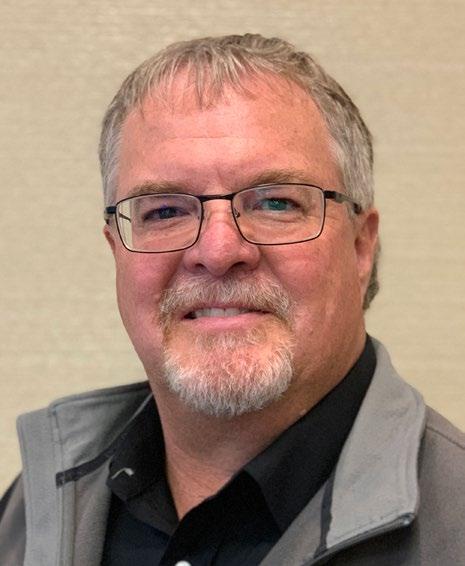
K.C. Electric is served by a nineperson board of directors that is elected by the membership. The board consists of five representatives from Kit Carson County, three representatives from Cheyenne County, and one representative from Lincoln County. Each year during the annual meeting, three directors are elected to serve a three-year term. During this year’s annual meeting the membership elected two directors from Kit Carson County and one director from Cheyenne County.
The business portion of the meeting consisted of my annual report, a presentation about cybersecurity, and a linemen panel discussion.
During my annual report, I discussed K.C.’s safety record, the extension of our wholesale electric service contract with Tri-State Generation and Transmission Association through 2066, and discussed the co-op’s 2025 financials and capital credit retirements.
I also discussed electric rates and what K.C. is doing to keep rates affordable and power reliable. I finished my speech talking about fire mitigation and K.C. Electric’s efforts to reduce the risk of wildfire in our service territory.
Arnel Manalo from Tri-State gave a presentation about cybersecurity and how we can protect ourselves from becoming victims of fraud. Coloradans lose hundreds of millions of dollars to cybercrime and online scams annually, impacting everybody both young and old.
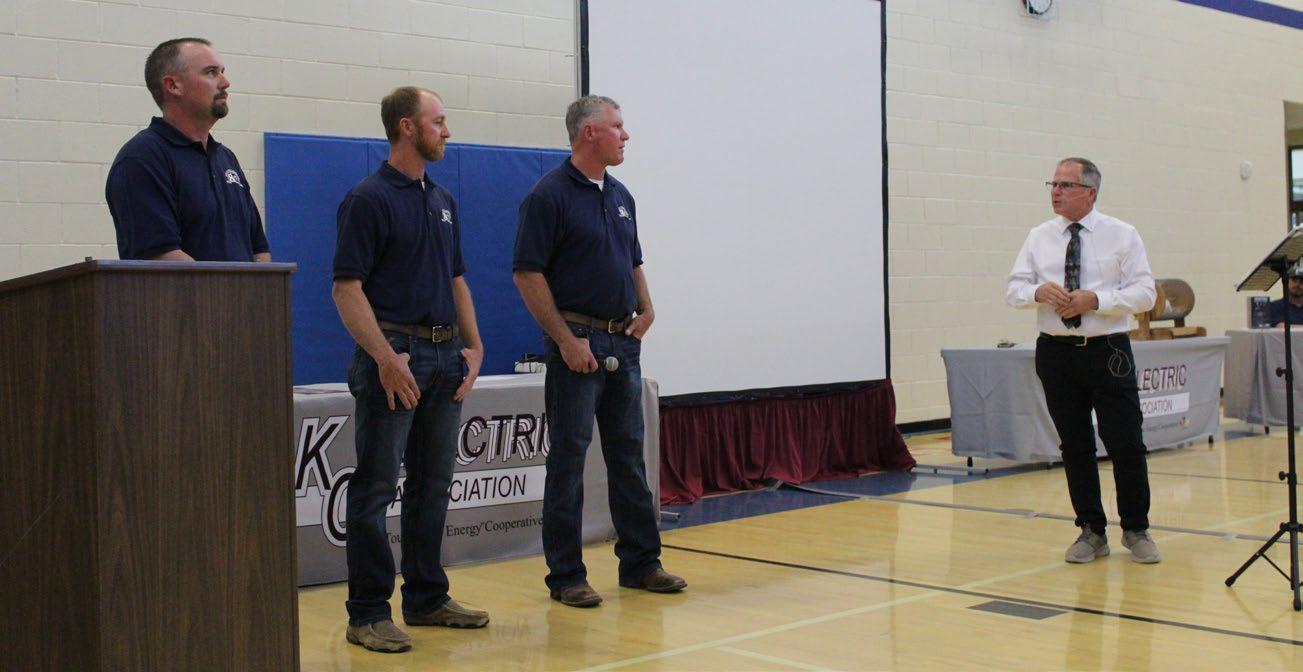
Next, Board President Kevin Penny moderated a panel discussion that included Operations Manager Darren Fox, Cheyenne Wells Area Foreman Casey Hyle, and Stratton Area Foreman Austin Talbert. Their discussion focused on how K.C. crews respond to outages, how the restoration process works, and how safety plays a critical role in everything we do.
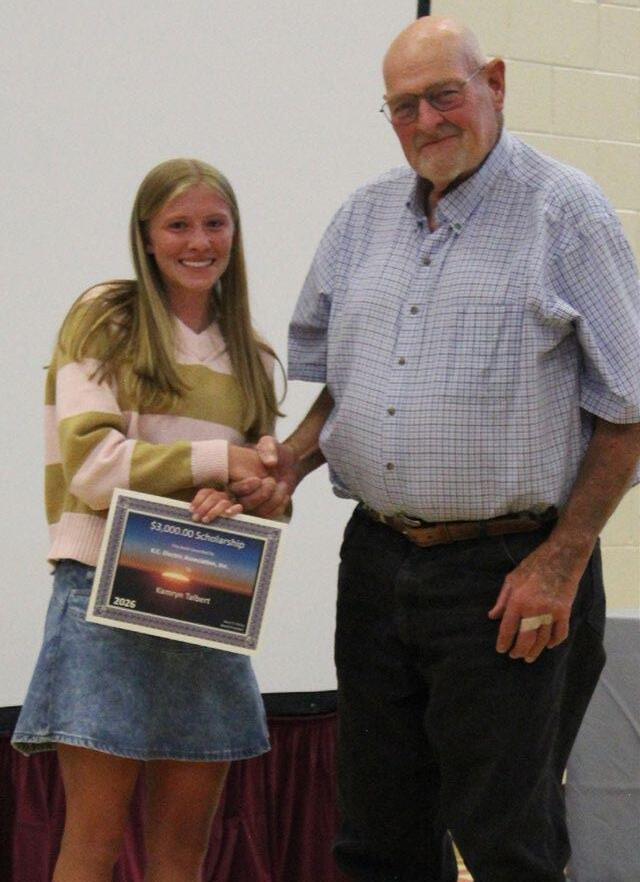
President Kevin Penny also announced the 2026 scholarship recipients:
• Kamryn Talbert of Stratton — $3,000 from K.C. Electric
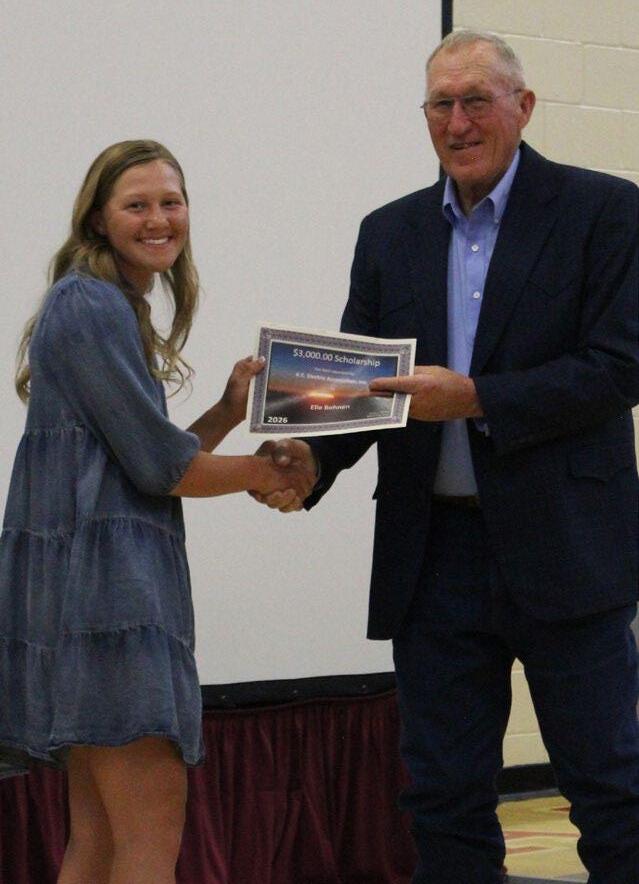
• Elle Bohnen of Stratton High School — $3,000 from K.C. Electric
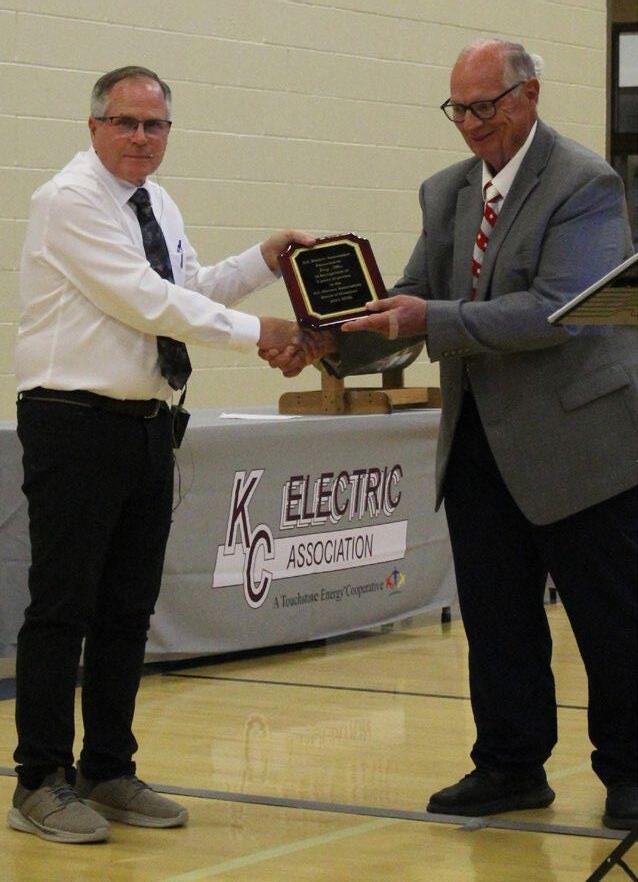
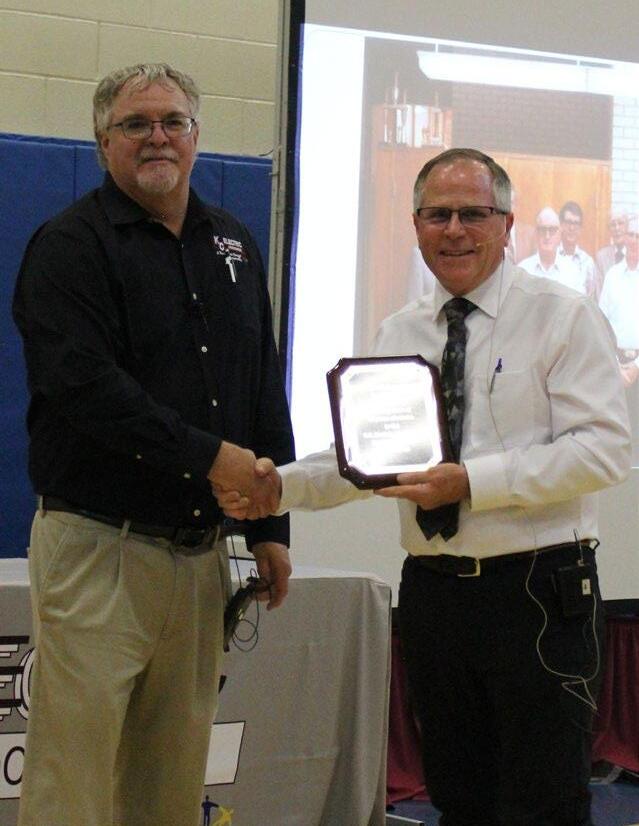
Board President Kevin Penny (left) presents Jerry Allen with a plaque recognizing five years as a Board Member.
Board Member Dan Mills presents a K.C. Electric Scholarship check to Kamryn Talbert.
Board Member Wayne Parrish presents a K.C. Electric Scholarship check to Elle Bohnen.
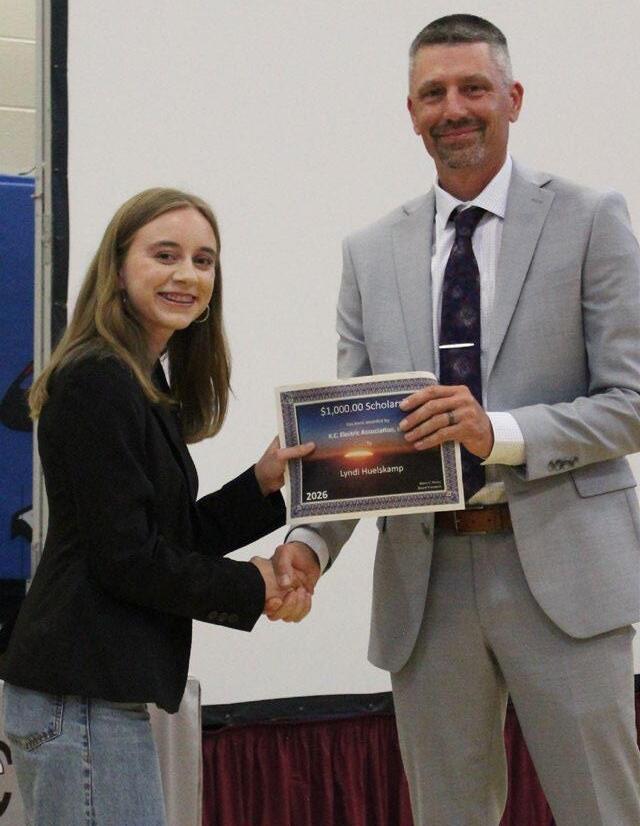
• Lyndi Huelskamp of Arriba-Flagler High School —
$1,000 from K.C. Electric
• Aliyah Muth of Cheyenne Wells High School —
$1,000 from K.C. Electric
• Evan Scheimer of Cheyenne Wells High School —
$1,000 from K.C. Electric
• Roxy Unruh of Cheyenne Wells High School -—
$1,000 from K.C. Electric
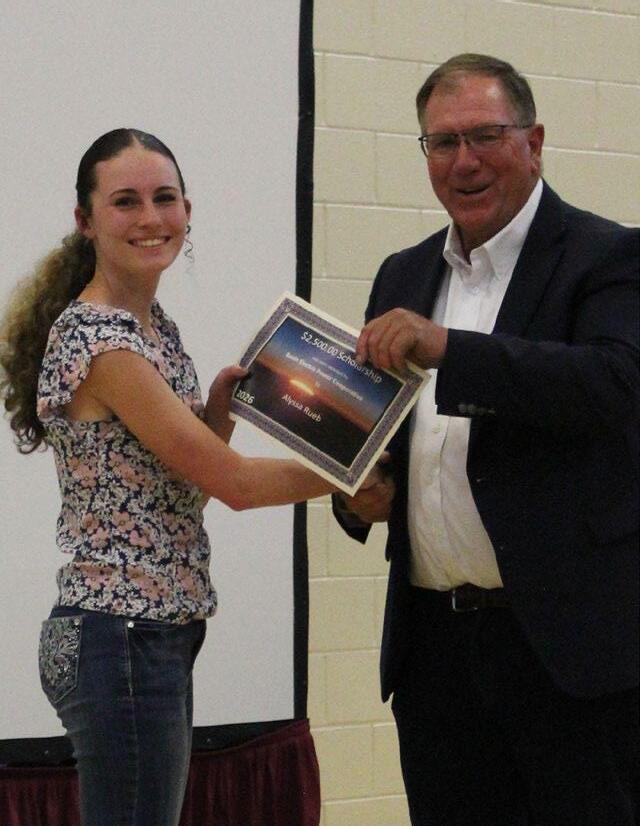
• Alyssa Rueb of Hi-Plains High School — $2,500 from Basin Electric Power Cooperative
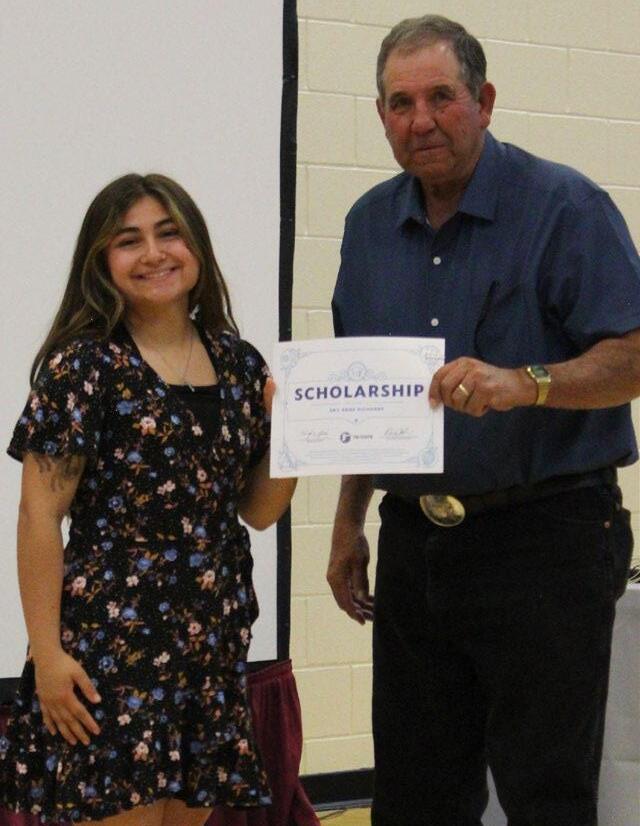
• Sky Richards of Stratton High School — $1,000 from Tri-State Generation and Transmission
Congratulations to each of these scholarship recipients. I wish them good luck in their future endeavors.
Board Director Kevin Penny was recognized for 45 years of service and Director Jerry Allen was recognized for five years of service to the K.C. Electric membership. What an accomplishment for these two men; we thank them for their service.
As we do every year, we gave away a number of door prizes throughout the meeting, and a grand prize of $1,500 was given to a lucky member in attendance.
Before the meeting ended, K.C. Electric Attorney Jeff Cure informed the assembly of the director election results. The vote tally for the uncontested election in Cheyenne County was 405 votes for Robert Bledsoe. The vote tally for the contested election in Kit Carson County was 338 votes for Kevin Penny, 266 votes for Michael Nichols, and 258 votes for Dan Mills. Robert Bledsoe will serve a three-year term representing Cheyenne County, and Kevin Penny and Michael Nichols will each serve a three-year term representing Kit Carson County.
The electric industry in Colorado and throughout the entire country is changing at a very rapid pace, and we must continue to adjust to these changes. I can assure you we will keep working hard to deliver the high-quality service you expect and deserve from your cooperative.
I hope to see you on Thursday, June 3, 2027, in Stratton for our 2027 Annual Meeting.
Board Member Justin Rueb presents a Basin Electric Scholarship check to Alyssa Rueb.
Board Member Terry Tagtmeyer presents a Tri-State Scholarship check to Sky Richards.
Board Member Eric Poss presents a K.C. Electric Scholarship check to Lyndi Huelskamp.
GM David Churchwell (left) presents a plaque to Board President Kevin Penny for 45 years as a Board Member.
K.C. Electric Board President Kevin Penny (right) leads a panel discussion with (from left) Cheyenne Wells Line Foreman Casey Hyle, Stratton Line Foreman Austin Talbert, and Operations Manager Darren Fox.

School Bus Safety
School buses are among the safest vehicles on the road — but the greatest risk comes when children are getting on or off the bus. Whether you’re a driver, parent, or student, knowing these safety tips will help keep everyone safe.
FOR DRIVERS
• Slow down. Reduce speed in school zones and near bus stops.
• Keep your distance. Stay back at least 10 feet from a school bus.
• Know the signals. Yellow flashing lights: bus is preparing to stop — slow down. Red flashing lights + stop arm: bus is loading/unloading — stop and wait until the bus moves again. Never pass a stopped bus on an undivided road — it ’s illegal.
• Stay alert. Watch for kids who may unexpectedly enter the road, especially near bus stops.
• Respect the zone. When flashers are blinking in a school zone, stop for pedestrians at crosswalks
CLAIM YOUR SAVINGS
Each month, K.C. Electric Association members have a chance to claim a $20 credit on their next electric bill. All you need to do is find your account number, call the Hugo office at 719-743-2431, and ask for your credit. The account numbers are listed below. How simple is that?
You must claim your credit during the month in which your name appears in the magazine (check the date on the front cover).
and take extra care to look for children near playgrounds, parks, and residential areas.
FOR PARENTS
• Teach your child to arrive at the bus stop at least 5 minutes early, and how to play it SAFE:
• Stay at least ten feet — five giant steps — from the curb.
• Always wait for the bus to stop and the driver to signal before boarding.
• Face forward and buckle up if seat belts are available.
• Exit carefully, look both directions, and cross in front of the bus — never behind. Make eye contact with the driver before crossing.
As students head back to school, remember: a moment of caution can prevent a lifetime of regret.
James Knudsen, Cheyenne Wells — 4405xxxxx
Jennifer K. McCassland, Bethune — 3873xxxxx
Robert Rueb, Flagler — 5004xxxxx
John LaBorde, Hugo — 6418xxxxx
In June, two members called to claim their savings: Dale Dwyer and Randy Hovrud.
Electrical Safety for Teens
Parents of teens: You want to share important, often life-saving information with your teen, but he or she braces for the next lecture. Your teen may give you the quintessential eye roll, but sharing this safety information could help prevent a tragedy. When the time is right, relay this information to your teenager to prevent electrical shock.
AT HOME
• Do not use a cellphone near the bathtub or sink or with wet hands while it is plugged in and charging.
• Do not use an extension cord in the bathroom to extend your phone’s reach closer to the tub. Teens have died after a charging phone dropped into bath water.
• Do not sleep with your charging cellphone under your pillow or in bed with you. The phone can overheat, causing bedding to catch on fire or burns to the skin. Also, a short in the charging cord can cause electrical shock when you are using your phone. This happens more often when using generic or incompatible charging equipment. Always replace charging equipment with brand name/matching items. They cost more, but they are less likely to malfunction.
• Do not charge your cellphone, tablet, or other devices on soft surfaces such as a blanket, pillow, or bedding.
ON THE ROAD
This advice can save your teen’s life: If you are in an accident involving a downed power line or damaged padmount transformer or other electrical equipment, DO NOT get out of your car. Call 911 right away. Only get out if there is smoke or your car is on fire. If that is the case, make a clean exit from the vehicle (make a solid jump out without touching the car) and HOP with your feet together — do not walk — as far away from your car as you can. If there is damaged power equipment, the ground and anything else the lines touch could have electrical current running through it.
If you approach an accident with a downed power line, DO NOT attempt to help the victims and do not go near the scene. Instead, call 911 and warn others not to approach the area.
OUTSIDE
Do not use plugged in devices — like a charging cellphone — near pools, hot tubs, or lakes, or in damp conditions.
If you are swimming in a lake and feel odd sensations in your body, such as tingling or zaps, swim away from the dock or other source of electricity, like lights. Sometimes electrical currents can leak into the water and can cause electric shock drowning. If you feel odd sensations in a wading pool, hot tub, or swimming pool, get out.
IN THE DORM ROOM
• Do not hang decorative light strands with metal tacks or nails.
• Do not overload outlets or extension cords.
• Do not run extension cords under a rug or use them if they are frayed or cracked.
• Use extension cords with care: They are for temporary use only.
• Use reputable laboratory-tested cords.
• Only use appliances allowed by your dorm/campus.
Although you can’t cover all these tips with your teen in one sitting (we don’t recommend you try), they are important to convey and could prevent injuries and save lives.
Safety Tip
Heading to college? Never charge your phone under a pillow, on bedding or in bed with you. It can overheat and cause burns or start a fire. Instead, set up a dedicated charging station on a hard surface in your room.



Powered by People
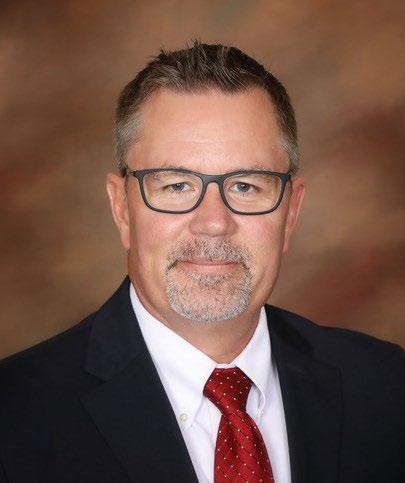
By Dave Frick General Manager
The utility industry has changed significantly over the years and so has Morgan County REA. Our grid is as complex as it’s ever been, with the addition of new technologies and improved equipment. Both the system itself and our day-to-day operations look different than they did 60, 30, or even just 15 years ago.
When I started working here at MCREA as an apprentice lineman in the late 1980s, we were guided by paper maps and hand-drawn staking sheets. At times, it could take hours to locate the cause of an outage, making restoration times much longer. And MCREA meter readers physically inspected and reported usage for each single meter across our entire service area every month.
Now, meters are read instantaneously, GPS has radically improved work in the field, and we have better equipment to build, maintain, and restore our lines. A computer-based monitoring system helps us identify and troubleshoot issues more quickly, improving overall service to our members.
These and other changes have certainly helped us in our mission to provide safe, reliable, and affordable electricity. Likewise, the knowledge and skills required to operate a modern electric cooperative have evolved as well.
Today, our employees use technology, extensive data, routine inspections, engineering analysis, and high-level training to make informed decisions and proactively maintain our electric system.
MCREA MISSION
Morgan County REA, a member-owned cooperative, is dedicated to serving our members by providing safe, reliable energy with a strong tradition and vision for the future. This institution is an equal opportunity provider and employer.
Specialized roles like that of a data analyst and field inspection technician have been added — examples of how the cooperative is adapting to meet the changing needs of our industry and membership. Combined with the experience and dedication of our operations, engineering, office services, member services, and administrative staff, they help ensure MCREA remains well-positioned for the future.
One of the greatest strengths of this cooperative is its people. As experienced employees share their knowledge and newer employees develop their skills, we continue to build an organization prepared to meet tomorrow’s challenges while staying focused on serving our members.
Our employees are the best investment we can make for the future. Technology, equipment, and infrastructure are important, but it is our people who keep the lights on, solve problems, serve our members, and carry the cooperative forward. Investing in their development, training, and growth helps ensure MCREA remains strong for generations to come.
I’m proud of our employees and the work they do for this cooperative. Changes will come and the industry will continue to evolve, but our employees’ steadfast dedication to MCREA members will remain the same.
Thank you for your continued support of your electric cooperative.
734 Barlow Road | P.O. Box 738 Fort Morgan, CO 80701 970-867-5688 | customerservice@mcrea.org mcrea.org facebook.com/MorganCountyREA @morgancountyrea

2026 Youth Tour
Every summer, hundreds of students from across the country gather at our nation’s capital for the Electric Cooperative Youth Tour. Initiated by then-senator Lyndon B. Johnson in 1957, the tour evolved into a yearly excursion for students to learn about our nation’s government, history, and how electric cooperatives operate. (Jeremy Wharton, acct. #xxx7800)
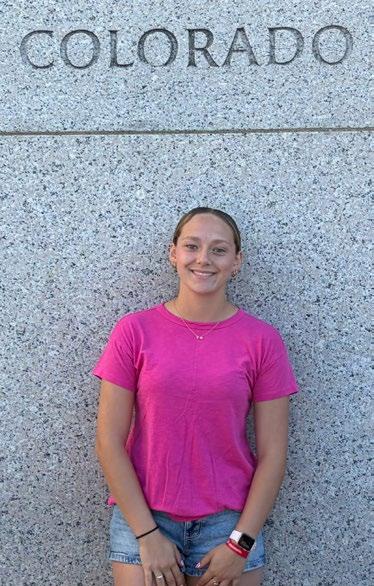
This year, Morgan County REA selected Isabella Petrino from Weldon Valley High School to attend the trip. When she returned, we connected with Isabella to hear about her experience and what she learned.
Q: What were your favorite stops on the trip?
A: My favorite stops were the Baltimore National Aquarium and the many memorials throughout Washington, D.C. The Holocaust Museum was an especially powerful and emotional experience that made me reflect on the importance of remembering history and treating others with kindness and respect. It’s something I will never forget.
Q: What unique experiences did you encounter?
A: One of the most unique parts of the trip was meeting students from different states who were all representing their local electric cooperatives. It was really cool to experience Washington, D.C., with people from so many different backgrounds.
Q: How did the trip impact you?
A: The trip helped me grow as a person by giving me new experiences, introducing me to people from
across the country, and helping me see history in a much more personal way. This experience allowed me to learn about our country’s history, gain a better understanding of the electric cooperative industry, and create memories that I will always cherish.
Q: What did the trip teach you about electric co-ops?
A: The trip taught me that electric cooperatives do much more than provide electricity. They invest in their communities, create leadership opportunities for students, and always put their members first. I also learned more about how government decisions can impact energy and the people electric cooperatives serve. It gave me a greater appreciation for everything my local co-op does.
Q: Is there anything else you would like to share about the Youth Tour?
A: I am incredibly grateful to my electric cooperative for giving me this opportunity. Being selected to represent MCREA on this trip was an honor, and it showed me how committed they are to supporting students and developing future leaders.
Opportunities like this don’t happen without organizations that are willing to invest in young people. I would encourage any student who has the opportunity to apply for Youth Tour to do so. It is truly a once in a lifetime experience.
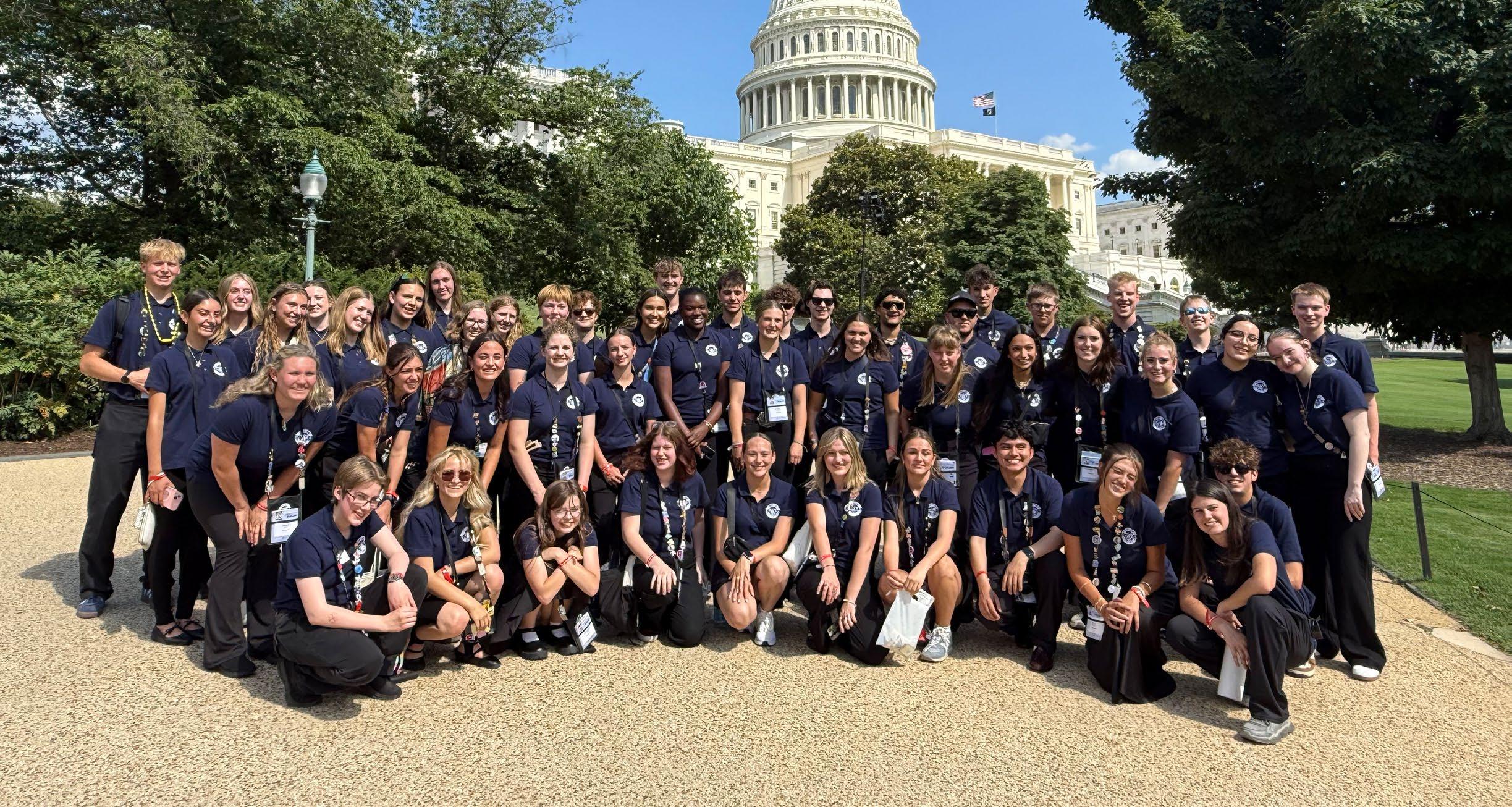
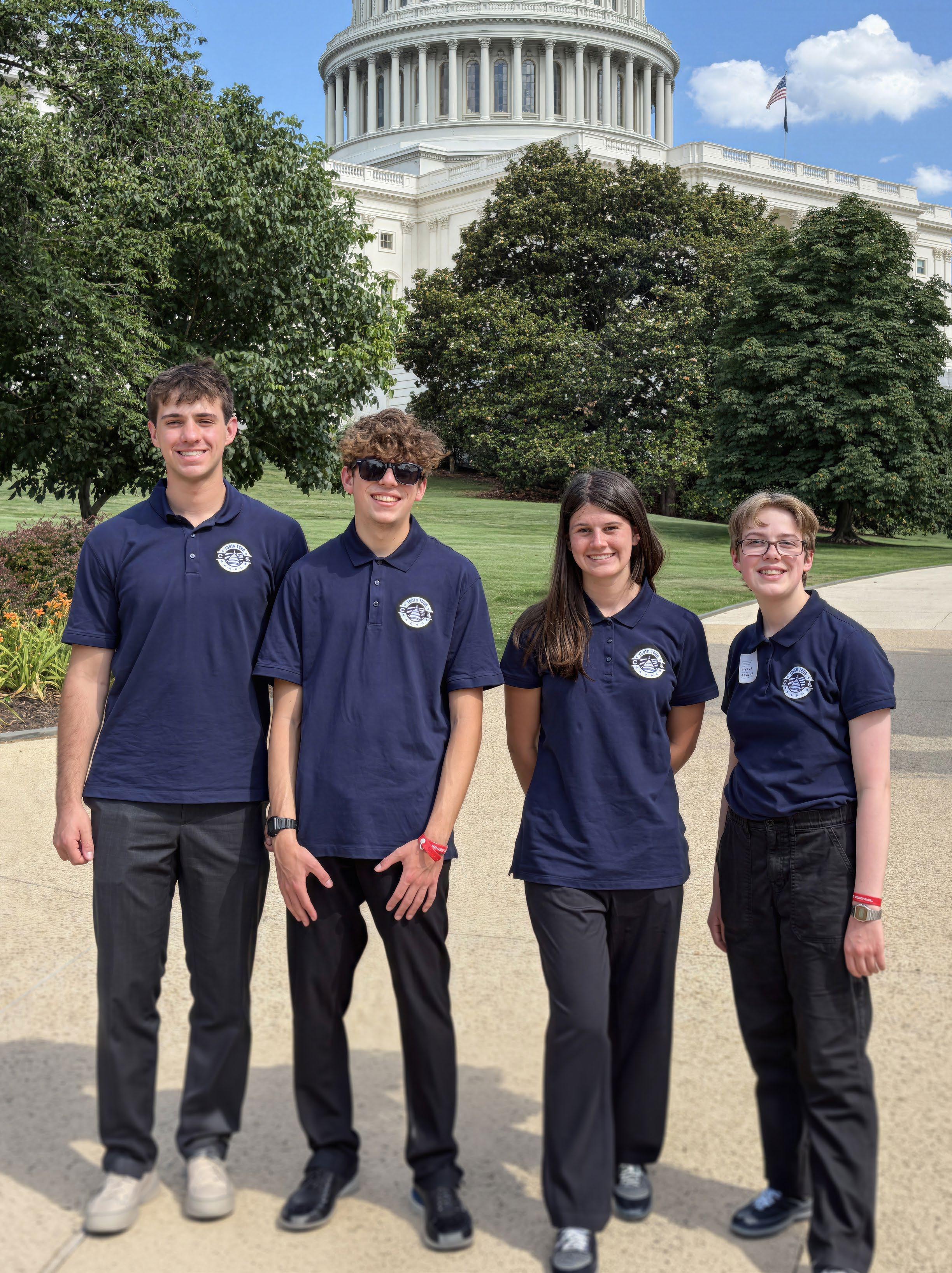
The Colorado Youth Tour students visit the Capitol in Washington, D.C.
Isabella Petrino
Morgan County Showdown: Fan Food Drive
In Morgan County, one of the biggest rivalries is that between the Brush Beetdiggers and the Fort Morgan Mustangs. Every year, these two go headto-head in a handful of matchups, starting with the Brush vs. Fort Morgan football game. This year’s game will take place Friday, September 4, at Beetdigger Stadium in Brush.
Want to show your support leading up to the game? Starting August 3, Morgan County REA is hosting a competitive food drive for fans. Each team will have a designated drop-off site in MCREA’s front lobby, where anyone can donate nonperishable food items in support of their favorite team.
The food drive competition will run until our office closes on Friday, September 4. All goods will be donated to Rising Up Morgan County, a local food bank and warming center. The fan base that contributes the largest number of donated items wins the showdown — and major bragging rights.
As the cross-county rivalry game draws near, join in on the fun with a friendly competition for a great cause. Follow MCREA’s social media channels for updates throughout the competition. Good luck Beetdiggers and Mustangs!
MCREA’s office is open Monday through Friday from 8 a.m.12:30 p.m. and 1:30 p.m.-4:30 p.m.

Welcome Ethan Koester
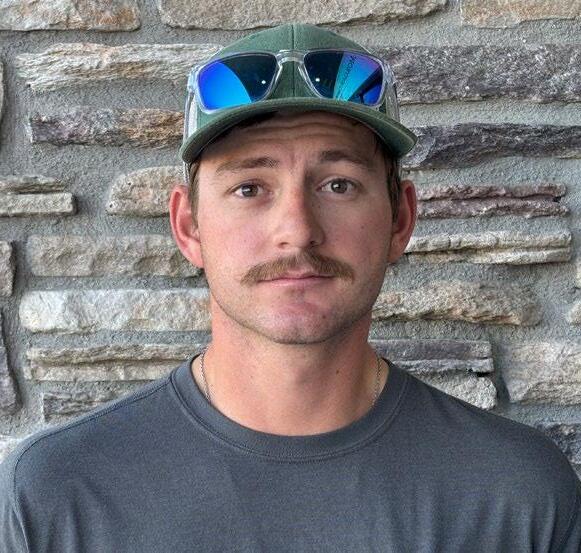
We at Morgan County REA are excited to welcome Ethan Koester to the team as our newest apprentice lineman. Ethan is a northeastern Colorado native, originally from Sterling. After earning his certification at Western Nebraska Community College, Ethan has worked as a lineman for over two years. His favorite part of being a lineman is getting to work outside and discover new areas.
“I’m really excited to learn our service area and the members in it,” Ethan said. “Being in a co-op gives a real sense of community.”
Outside of work, Ethan enjoys hunting, fishing, and golfing. Welcome to MCREA, Ethan!

Electrical Safety in the Dorm
For parents of recent high school graduates, the start of the new school year can be a tough time. Many kids are going off to college and living on their own for the first time. Young adult living spaces can be hectic and sometimes safety is put to the wayside. Share these electrical safety tips with your campus-bound student to help them stay safe this school year. (Kole Boyer, acct. #xxx1200)
DON’T OVERLOAD OUTLETS.
While your new living space may have limited outlets, be smart with the number of devices you plug in to them. Use power strips sparingly, and avoid plugging multiple high-wattage items into one outlet.
KEEP CORDS VISIBLE.
You should never run power cords under rugs, beds, or doorways. This can cause cords to overheat and become damaged.
NEVER USE DAMAGED CORDS.
Cords with frayed or exposed wires can cause fires when used. Electrical tape isn’t designed to fix exposed wire, and can actually cause further damage. Replace cords as soon as possible when you notice damage.
CHARGE DEVICES ON FLAT, HARD SURFACES.
Charging devices like your phone and laptop on a soft surface, such as a mattress or pillow, can cause them
to overheat and potentially catch fire. Create a dedicated charging station to allow safe charging.
USE REPUTABLE CHARGING EQUIPMENT.
Third-party chargers have been known to cause electrical fires due to poor quality parts and a lack of voltage regulation. Always research charging equipment to make an educated purchase.
SAFELY SECURE DECORATIONS.
When decorating your new living space, never use nails or thumbtacks to secure lights or cords. This can cause damage to the wires. Instead, use plastic hooks.
KEEP ELECTRONICS OUT OF WET AREAS.
If your campus has shower rooms or pool facilities, keep electronics out of these areas. Water and electricity are a fatal combination. This applies to personal bathrooms as well.
REPORT ELECTRICAL ISSUES IMMEDIATELY.
If you notice any electrical issues, such as loose outlets or flickering lights, report it to campus maintenance immediately. NEVER try to fix these issues yourself.
Visit SafeElectricity.org/safety-tips/dorm-safety for more information on staying safe in the dorm. MCREA wishes all our local college students a great school year.
Win $30 Off Your Electric Bill
Each month, Morgan County REA gives two lucky members a chance at a $30 bill credit just by reading Colorado Country Life. Unfortunately, no members spotted their name in the June issue to claim their bill credit.
There are two more member names and their account numbers hidden somewhere in this issue. If you find your name and account number, call MCREA’s member services department at 970-867-5688 by August 31 to receive $30 off your next bill. 8 August 2026

COMMITTED TO SAFETY
Wildfire Risk & Outage Response Changes
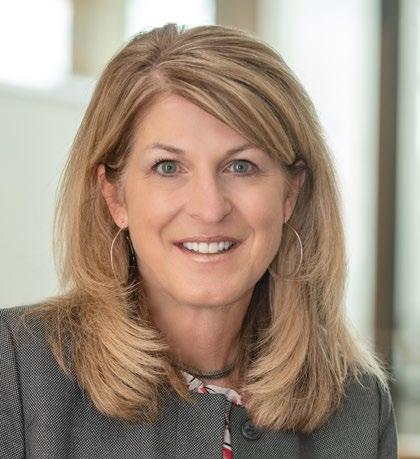
By Ruth Marks CEO
As both a member of Mountain View Electric Association and your CEO, I know many of you have noticed an increase in power outages and longer restoration times recently. I have as well. For those who have reached out with questions or frustrations, I want you to know that we hear you.
When the power goes out, our Board of Directors, our employees, and our leadership team experience it alongside you in our own homes. We deeply understand the inconvenience that comes with an unexpected outage. That’s why I want to be transparent about why you’re seeing these changes, and how they connect to a challenge every Coloradan is facing: escalating wildfire risk.
Our state has changed. We have all witnessed the devastating impact of longer fire seasons, drier conditions, and historic winds across Colorado. Continued growth along the wildland-urban interface has heightened the risk of catastrophic wildfires for all of us. As these risks evolve, so must the way we operate our electric system. While reliability remains at the core of what we do, safety is our ultimate priority. When it comes to wildfire mitigation, safety must guide every operational decision.
During Red Flag Warnings and periods of extreme fire danger, MVEA operates portions of our system in “one-shot” mode as an added safety precaution. Under normal conditions, power lines can automatically attempt to restore service after a temporary fault,
like a tree branch brushing a line. During one-shot mode, that automatic re-energization is intentionally disabled. Before power can be restored, our crews must physically inspect every single mile of the affected line to ensure it is completely clear.
While this manual process takes longer, it prevents a power line from re-energizing into a hazard that could spark a fire. It is a deliberate decision to put safety ahead of convenience. Preventing even one wildfire can make an immeasurable difference for the families, businesses, farms, ranches, and communities we proudly serve.
One-shot mode is just one part of MVEA’s broader wildfire mitigation strategy. Throughout the year, our crews patrol lines, clear vegetation, replace aging equipment, and invest in advanced fault-detection technology to catch issues early.
Wildfire mitigation in Colorado now requires proactive preparation and constant vigilance from all of us. As a member-owned cooperative, it also requires us to adapt together as conditions change. While longer outages during extreme fire danger are frustrating, they reflect our unwavering commitment to protecting our communities.
Thank you for your patience, your understanding, and your trust as we work together to protect the Colorado landscapes and communities we all call home. Learn more at mvea.coop/wildfire-mitigation.
PROTECTING OUR COMMUNITY & RELIABLE POWER SUPPLY

Mountain View Electric Association is committed to keeping people, their belongings, and properties safe from wildfires. Learn how our comprehensive plan can help us reduce the risk of wildfires in the communities we serve and about MVEA’s participation in the Wildfire Assessment and Resilience for Networks project (WARN). Visit our webpage dedicated to wildfire safety, where you’ll find helpful information and resources about the following topics:
• Vegetation Management
• Operational Practices
• Advancing MVEA’s Initiatives
• Working with MVEA Members
• Wildfire Preparedness
mvea.coop/wildfire-mitigation
Honoring a Legacy & Welcoming New Leadership
By Erica Meyer Community Relations Specialist

RICK GORDON RETIRES
After 34 years of service on the Mountain View Electric Association Board of Directors, Rick Gordon is retiring, leaving behind a legacy of growth, reliability, and a deep commitment to the cooperative’s members.
Gordon's journey began in 1992, following the passing of longtime director Wes Maranville. Having worked for Maranville managing a seed company, Gordon was inspired by his mentor’s passion for cooperative service and decided to run for the board seat.
Gordon quickly realized the complexity of the cooperative business model. He said, “I wanted to make sure MVEA had sound business practices and kept rates as low as possible for members. That’s what has motivated me for the last 34 years.”
During Gordon’s tenure on the board, MVEA grew from approximately 18,000 members to nearly 60,000. Through that growth, Gordon is especially proud of the cooperative’s investment in reliability and its partnership with Conexon to bring fiber broadband to rural communities.
“When I started on the board, outages and blinks were much more common,” Gordon said. “Over the years, we’ve invested in infrastructure and planned for future growth. Today, reliability is something our members can count on.”
When asked what he hopes members remember most about his service, Gordon’s answer was simple: “I was always concerned about the member at the end of the line,” he said. “I tried to be fair, honest, and always think about how every decision would affect our members.”
Reflecting on his years of service, Gordon credits his wife, Cindy, his family, and employees for their support throughout his time serving MVEA on the Board. “It’s been truly great to be a part of MVEA’s success story for the last 34 years,” Gordon said.

TYE AMENDT ELECTED
For more than 20 years, Tye Amendt has heard stories about MVEA around family dinners and conversations with his father-in-law Rick Gordon.
This summer, those conversations came full circle when Amendt was elected to represent District 2 on the Mountain View Board of Directors at the cooperative’s Annual Meeting on June 4, following Gordon’s decision to retire.
“I always thought the Board was interesting and appreciated the work it does,” Amendt said. “I’ve always liked the cooperative model and the idea that every member matters equally.”
Today, Amendt brings his own experience to the boardroom. He owns Compass Financial, a wealth management firm headquartered in Limon, and serves as vice chairman of the Big Sandy Fire Protection District Board. He hopes his background in finance and leadership will help MVEA continue serving members well while preparing for future growth.
While finances and planning are important, Amendt says the cooperative’s commitment to community also resonates with him.
“My wife, Kimberly, and I have a deep passion for our community,” he said. “Whether it’s supporting local organizations, volunteering our time, or coaching youth sports, we believe in leaving our community better than we found it. That’s something we try to live every day.”
Family is a top priority for Amendt. When he’s not working or serving his community, he enjoys spending time with Kimberly and their four children, Brynlee, Breckyn, Weston, and Wager.
As he begins his first term as an MVEA director, Amendt is focused on learning all he can about the co-op and earning the trust of the members he serves.
“I’m honored to have the opportunity to represent our members,” he said. “At the end of the day, we’re making decisions that affect our neighbors, our communities, and our families. That’s a responsibility I take seriously.”
Rick Gordon Tye Amendt
Operation Round Up®
2025 ANNUAL REPORT
When we all work together, great things happen! Since it started collecting funds in 2000, the MVEA Operation Round Up fund has collected more than $4.1 million. Through the generosity of MVEA members who choose to participate in the program, over $100,000 is invested back into the co-op community every year. Operation Round Up was formed to assist charitable organizations and individuals who have suffered from loss, personal disaster, or medical emergencies. It is completely funded by MVEA members who voluntarily round up their bill to the nearest dollar. Thank you to all the MVEA members who have opted in to participate in Operation Round Up! The average member contribution is only 50 cents a month or $6 a year. It is a small contribution that makes a big difference. Learn more at mvea.coop/round-up
Kevin L. Paddock, District 5 President
Barry R. Springer, District 6 Vice President
Jim Riggins, District 7 Secretary-Treasurer
Jim Beals, District 4 Assistant Secretary
Joseph D. Martin, District 1
Tye W. Amendt, District 2
Wayne Vanderschuere, District 3
(800) 388-9881 (719) 495-2283
Website mvea.coop
Falcon Office 11140 E. Woodmen Road Falcon, CO 80831
Limon Office
THE POWER OF CHANGE = $3.6+ MILLION Back to Your Electric Co-op Community.
The Power of Change Neighbors Helping Neighbors
MVEA’s Operation Round Up® program was formed to assist charitable organizations and individuals who have suffered from loss, personal disaster, or medical emergencies.
Pennies add up to great things at MVEA! For less than $12 per year, you can round up your monthly electric bill to the nearest dollar, turning your coins into CHANGE to help support your community and your neighbors in need.
To Opt-in, Learn More, or Apply→ mvea.coop/round-up


1655 5th Street • P.O. Box 1600 Limon, CO 80828
Office Hours
Monday - Thursday 7 a.m. to 5:30 p.m.
Stay Connected: Like. Follow. Share.
Make sure to connect with MVEA on social media for timely service and program updates.
facebook.com/@MVEAInc linkedin.com/company/ mveainc x.com/@MVEAInc youtube.com/@MVEAInc

instagram.com/MVEAInc
Mission Statement
To provide our members safe, reliable, affordable, and responsible electric service and access to broadband services.
This Association is an equal opportunity provider and employer.

The Power of Choice
Effective with October use on November bills, MVEA members will have three rate options to choose from, allowing them to select the option that best fits their lifestyle and energy use habits. Open enrollment runs August 1 through October 15. LEARN MORE | mvea.coop/rates
WHAT ARE THE RESIDENTIAL AND SMALL POWER RATE OPTIONS?
Demand Rate (New Default Rate)
• Reflects both the electricity you use and the demand you place on the system.
• Includes an Energy Charge (kWh) and a Demand Charge (kW).
• Demand is based on your highest one-hour period of electricity use during the month, Monday through Friday.
• Approximately 80% of members are expected to see little or no change under the Demand Rate. Members who regularly use several large appliances at the same time may see higher bills, while those who stagger use throughout the day may see savings.
Time-of-Day Rate
• Much like MVEA’s current Time-of-Day Rate, this option allows members to save by shifting energy use outside of peak evening hours.
• On-Peak hours are 5–9 p.m., Monday through Friday. Off-Peak hours include all other times, weekends, and designated holidays.
• Current Time-of-Day accounts will automatically move to the new Time-of-Day Rate unless members select a different option during open enrollment.
Flat Rate
• Much like MVEA’s current Residential Rate, this is an option with no Demand Charge and no On-Peak or Off-Peak


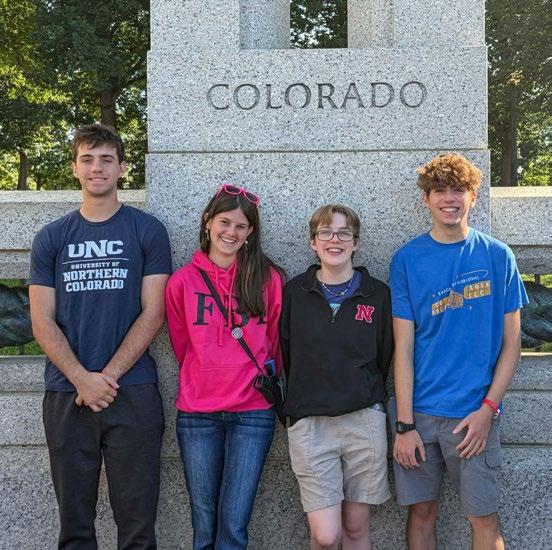
(left to right): Andrew Weinberger, Andrew Willits, Piper Taylor, Gen Topf


Investing in the Leaders Who Will Power Tomorrow
BY JEFF WADSWORTH , PRESIDENT & CEO
One of the greatest strengths of the cooperative model has always been our ability to think beyond today.
From the beginning of rural electrification, our first memberowners championed the opportunity to bring power and progress to generations that would follow.
That same spirit still guides us and is why we support Electric Cooperative Youth Tour. The program traces its roots back to 1957, when thenSen. Lyndon B. Johnson challenged electric cooperatives to send young people to Washington, D.C., so they could better understand their country and the role they would play in shaping it.

Since then, more than 100,000 students have participated, gaining firsthand exposure to American history, government, leadership, and the cooperative difference.
Today’s Youth Tour delegates will become tomorrow’s business owners, educators, elected officials, and community leaders.
Youth Tour is a living example of the principles that define cooperatives: education, concern for community, democratic participation, and cooperation among cooperatives.
Yet cooperatives do more than simply coordinate the experience or help fund it. We live these values through the actions of our employees.
This year, our very own digital media specialist, Brett, served as a Youth Tour chaperone. He helped guide students through an experience designed to broaden their understanding of how communities, cooperatives, and national decisions are connected.
Brett saw students gain a deeper appreciation for the people behind their cooperative. Students discovered that co-ops rely on individuals with different backgrounds, talents, and expertise, all working together towards a common purpose. Students also saw how coop employees go beyond their daily roles to give back and strengthen the communities they call home.
He also witnessed something even more profound: curiosity turning into engagement. Students engaged with other co-op chaperones, with elected officials and staff, and especially with their peers from across the nation.
You can read insights from this year’s delegates on page 5.
Youth Tour demonstrates how the cooperative principles come to life by preparing young people to lead, serve, and make a difference.
Because while electricity powers communities today, it is the next generation of leaders who will power our tomorrow.
ABOUT YOUR CO-OP
PVREA serves energy solutions to more than 58,000 homes and businesses in Boulder, Larimer, and Weld counties. We are a memberowned co-op, led by those we serve.
OUR MISSION
We are committed to providing safe, reliable, efficient energy solutions with exceptional service to our members.
CONTACT US
1.800.432.1012 pvrea@pvrea.coop www.pvrea.coop
MAILING ADDRESS
Poudre Valley REA
7649 REA Parkway Fort Collins, CO 80528
SOCIAL
facebook.com/PoudreValleyREA instagram.com/poudre_valley_rea youtube.com/PoudreValleyREA
BOARD OF DIRECTORS
Chair
Peter Hyland, Weld County
Vice Chair
Bryan Ehrlich, Larimer County
Secretary Thaine Michie, Larimer County
Treasurer
Sheryl Dryer
Henderson, Larimer County
Director
Steve Anderson, Larimer County
Director
Rick Johnson, Larimer County
Director
Jan Peterson, Larimer County
Director
Jack Schneider, Weld County Director
Terry Willis, Weld County
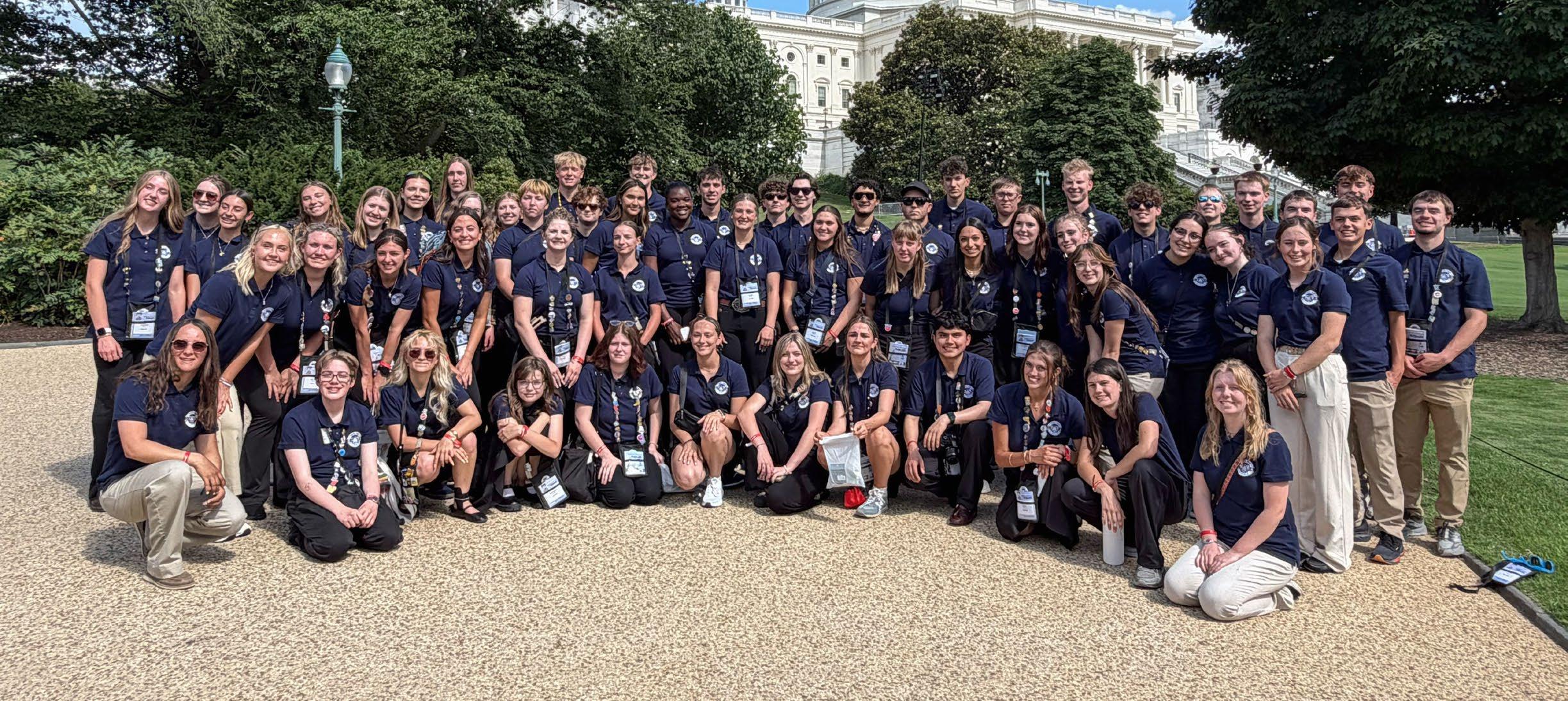
BACK TO SCHOOL ISSUE
ELECTRIC COOPERATIVE YOUTH TOUR
Reflections From This Year’s Delegates
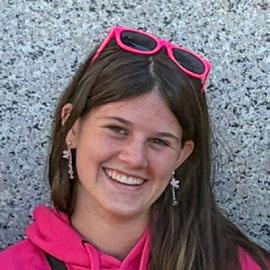
PIPER TAYLOR
What did you learn about electric cooperatives?
I learned that even though we are separate co-ops, we still have each other’s backs. We are like one big but separate family.
How do you feel about this trip overall?
I think this trip means a lot to not only me but the other people who came on it. I learned so much that I hadn’t known, and I made so many connections that I know will last. The people and chaperones are so sweet, and I really think anyone should sign up to go because it is worth it 100%. I also want to thank my co-op because without them sending me, I wouldn’t have learned how to be not only a better leader, but a better person in general. I have learned so much and I am forever grateful!

ANDREW WEINBERGER
What was meeting legislative staff like and what conversations did you have?
Meeting the legislative staff was a cool experience. I was chosen to introduce one of the group, and that was awesome. In general, they talked a lot about the people they represent and what they were focused on in Congress.
What experience stands out the most and why?
The experience that stands out most to me was meeting the delegates from all the other states. All of them were super nice, but most importantly, I was surprised by the number of people there. It really proved to me how big electric co-ops were in the U.S., and how many people benefit from them.

ANDREW WILLITS
What experience stands out the most and why?
The riverboat cruise stands out the most in my mind because you meet people from very interesting places and get to learn cool things about them and where they are from.
How do you feel about this trip overall?
My trip was amazing and I made many new memories and friends while learning more about electric co-ops. I am very grateful to Poudre Valley REA.

GEN TOPF
What experience stands out the most and why?
My most memorable experience was our trip to the Vietnam Memorial. We were given sheets of paper with the profiles of one of the names on the wall, someone from our hometown. I found it to be incredibly moving that this was someone around my age from my hometown who had gone off to war not too terribly long ago. The profile gave a face to the name to make this memorial feel more personal. While there, we were encouraged to trace over the name of our respective soldier on our paper, as a way to connect with and remember them.
How do you feel about this trip overall?
Overall, I would say this trip is the coolest thing I’ve ever gotten to do. Though we moved very quickly, I feel like I was able to see everything D.C. has to offer. I made many meaningful connections, and I learned so much. I’m extremely grateful to my co-op for allowing me such a wonderful opportunity as this.
Funding for Classrooms
Teachers and administrators can apply for up to $2,000 in grants to support their K-12 classroom’s STEAM learning objectives.
• Who can apply? Teachers and administrators in Larimer, Weld, and Boulder County.
• Projects supported: Science, Technology, Engineering, Arts, & Math.
• Individual grant amounts: Up to $2,000.
• Total program budget available:
• Application schedule: Applications are accepted between June to November each year, with winners notified in December.

Scan the code to learn more and apply!
Experience Washington, D.C.
Electric Cooperative Youth Tour \\ Applications Open Aug 18
Students travel to Washington, D.C., visiting state and national monuments while engaging with elected officials. They’ll learn about our great nation, see why civic engagement matters, and meet fellow students from across the country.
Who’s it for? High school juniors and seniors.
When is it? Mid-June, 2027.
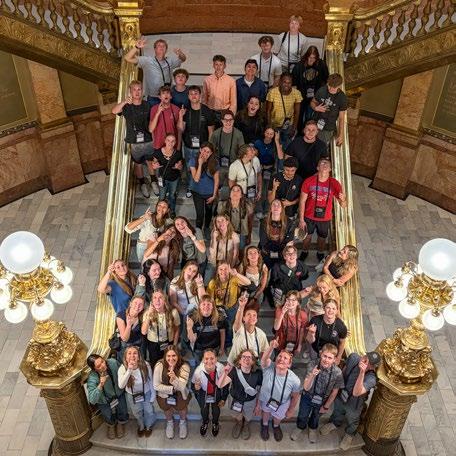
Where is it? Denver and Washington, D.C.
What’s the cost? This trip is free to attend!
Scan the code to apply
Investing in Higher Learning
Continuing Education Scholarships \\ Applications Open Aug 18
Your cooperative helps our students pay for their education, so they can go on and create a brighter tomorrow. Each year, we award over $50,000, funded entirely by unclaimed member credits.
• Scholarship amounts: $500 to $2,000.
• Who can apply? High school seniors.
• Paths supported: trade school, vocational school, community college, or university.
• Application scoring: Based on academics, well-roundedness, and financial need.
• Number of scholarships given: 29
Scan the code to learn more and apply!
Community Education Services
Electrical Safety Demonstrations \\ Request your demo today!
We provide FREE electrical safety demonstrations as a service to our communities. Two options are available depending on your needs and size of the event — the Power Town tabletop demonstration and the High Voltage demonstration built on a full-size trailer.
These demonstrations are perfect for your classroom, school, group, or business.
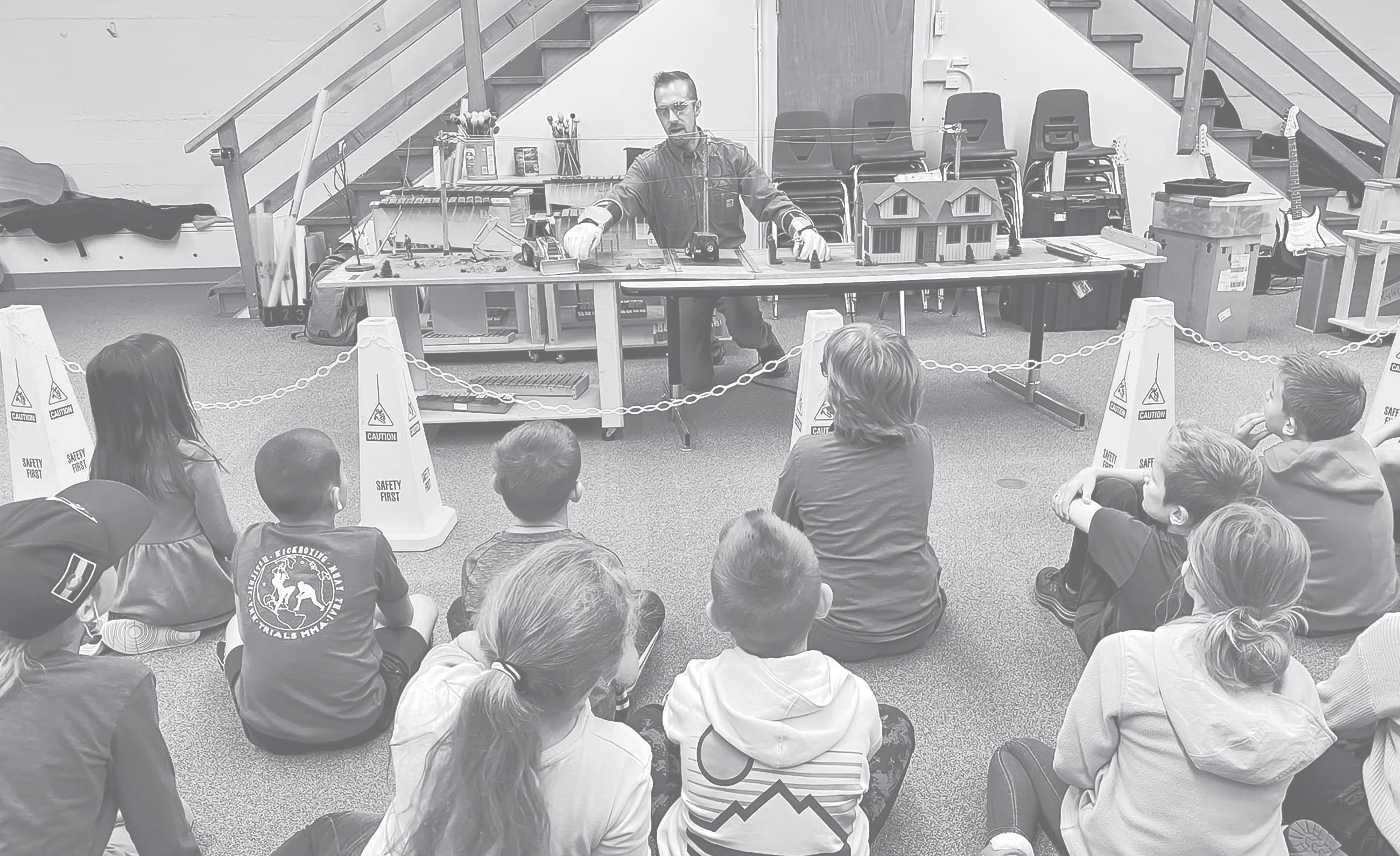
Scan to learn more or request your demo!
Electrical Safety Activities for Kids
Free Online Resources
We provide electrical safety information, resources, and activities to help keep kids safe around electricity.
Plus, you can also easily access all the resources for our youngest members — from camps and trips to scholarships, grants, and more!

Check out what’s available!
Scan the code for more.
Job Training & Professional Development
Meet This Year’s Interns

OLIVER MUEHLECK
Electrical Engineering Intern
Colorado State University
Since joining our team, Oliver has had a front-row seat to engineering in action, including the commissioning of the new Iron Mountain substation. Experiences like these have brought classroom concepts to life while highlighting how each department contributes to a connected system that serves members.
LACEY LINDBERG
Marketing & Communications Intern Colorado State University
Throughout the summer, Lacey has worked closely with the Member Relations team on projects ranging from community events to member-focused content. Through these experiences, she has enjoyed seeing the many ways the cooperative connects with those it serves.
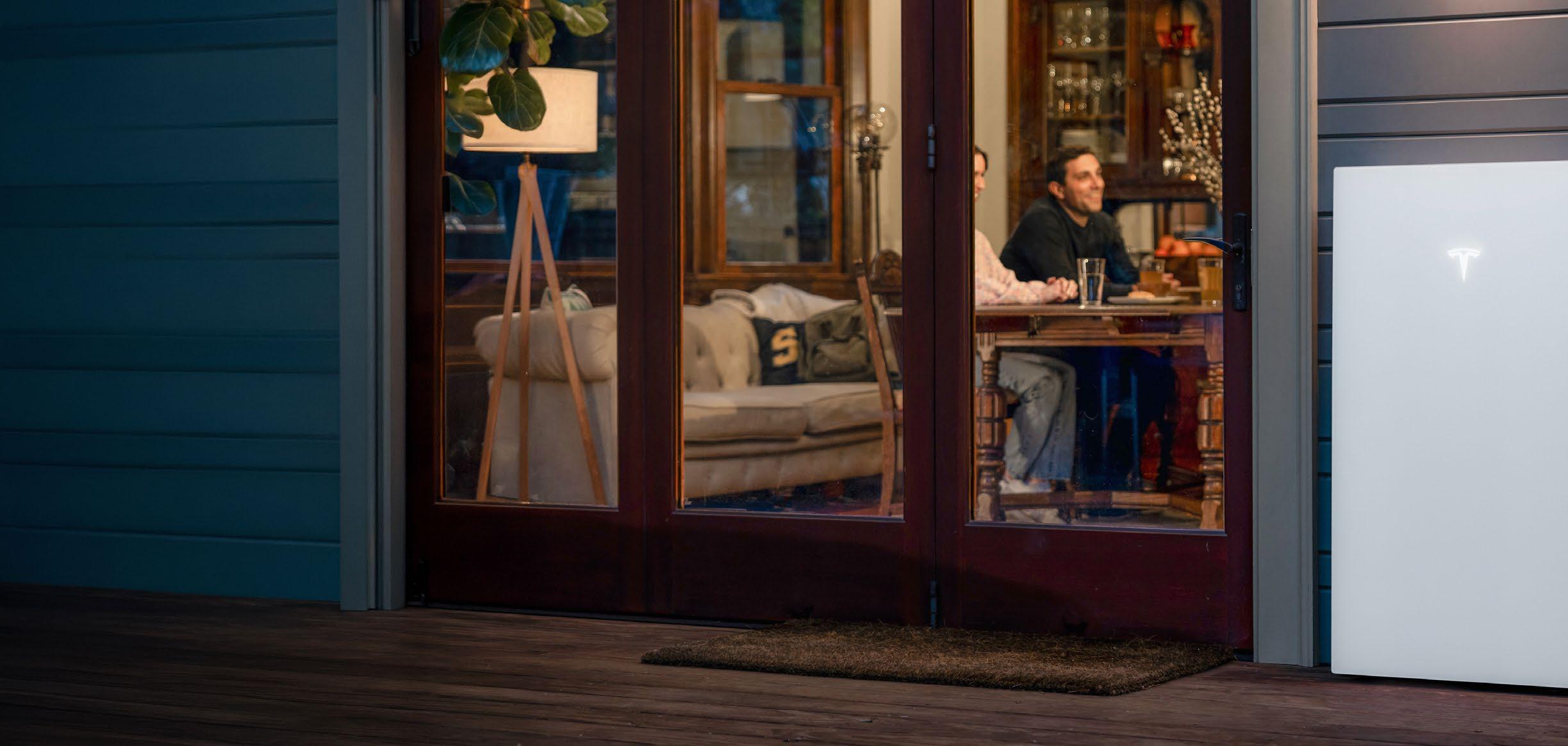
Backup Power With Member Benefits
Already have a home battery system? Or thinking about installing one?
PVREA BATTERY REWARDS PROGRAM OFFERS:
• Upfront enrollment incentives.
• Ongoing monthly rewards.
• Backup power when you need it.
• A more resilient electric grid for all.
SAFETY CORNER Electrical Safety Around Water
HAVE ROOFTOP SOLAR?
Pairing solar with battery storage allows you to store excess solar energy for later use while earning rewards through the battery program.
No Rooftop Solar?
That’s okay! Qualifying battery systems can participate even without solar, making battery backup an option for more members.
Earn Rewards. Keep Your Backup Power. Support Your Co-op.
Learn More at www.pvrea.coop/battery-rewards

You can help prevent shocks around water before they happen by following these safety tips.
• Use a qualified electrician for any new pool, hot tub or spa wiring.
• Use covered, outdoor-rated GFCI-protected outlets and test them monthly.
AUGUST 2026
Energy Efficiency Tip of the Month
• Replace cracked covers, frayed cords, loose plugs, or damaged equipment.
• Schedule periodic electrical inspections and upgrades for your equipment.
• Have an electrician show you how to shut off all power in an emergency and make sure the shut-off switch is labeled.
• Never touch any electrical appliances or outlets when you are wet or standing in water.
Find more safety resources at www.pvrea.coop
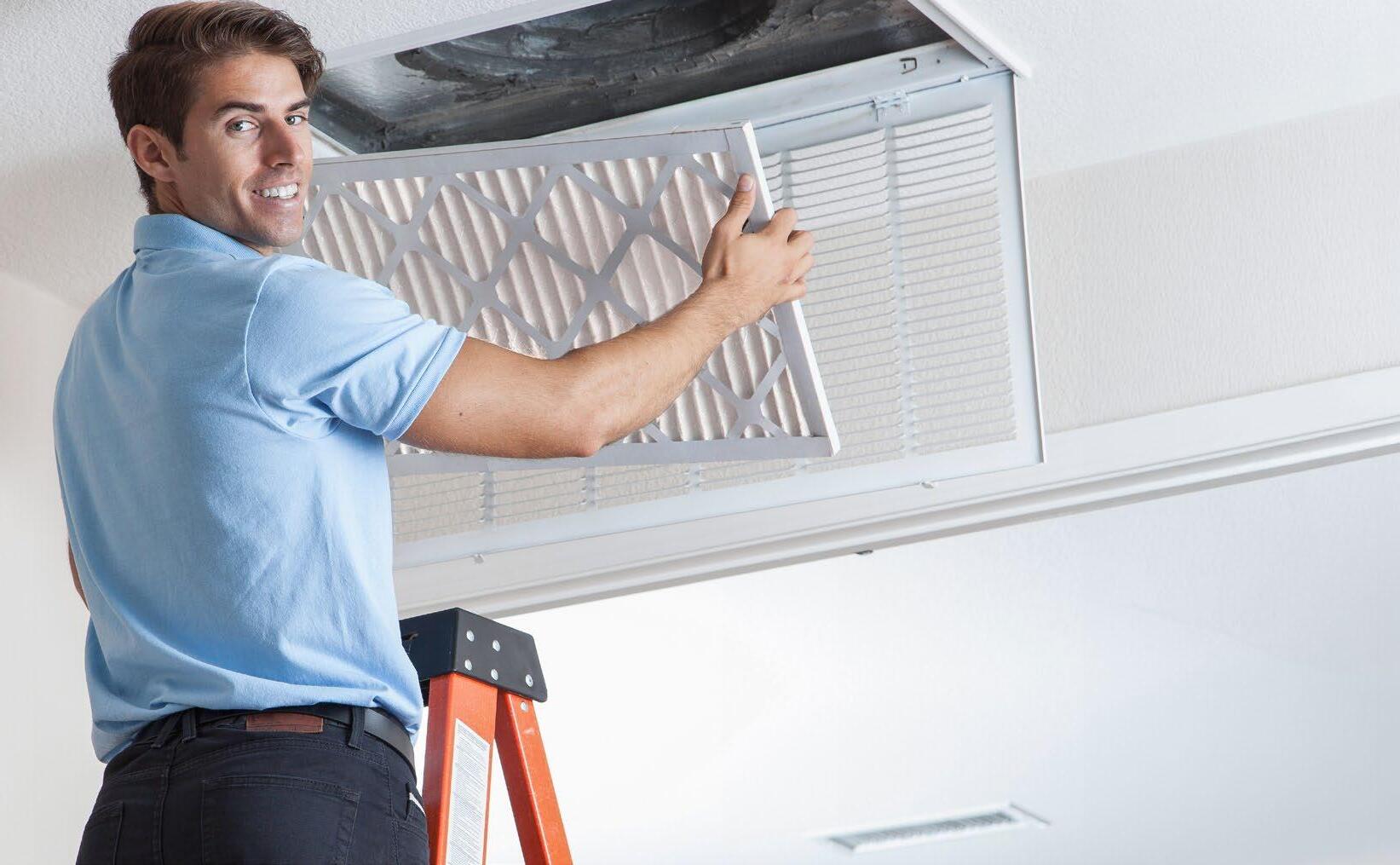
August heat can put your air conditioner to the test, making it a great time to check your system’s air filter.
A dirty, clogged filter restricts airflow, forcing your cooling system to work harder than necessary to keep your home comfortable. That extra strain can reduce efficiency, increase energy use and contribute to unnecessary wear and tear on equipment.
Inspect your filter monthly during periods of heavy air conditioner use and replace it if it appears dirty. A clean filter supports efficient operation and can even enhance indoor air quality –helping you stay cool and comfortable during the hottest days of summer.
Wildfire Mitigation
Preparing today for a resilient tomorrow
By Jon Beyer CEO
This past year has been unusually hot and dry in the central Colorado Rockies and all over Colorado, which has seen conditions that are prime for elevated wildfire risk and multiple wildfires. As temperatures remain high and moisture continues to trend low, wildfire mitigation is more important than ever. Sangre de Cristo Electric Association prioritizes wildfire mitigation year-round, even when conditions aren’t as concerning.

Wildfire mitigation is a responsibility SDCEA takes seriously. By doing our part to protect the community from wildfire risk, we are also protecting our land, water, air, and members’ quality of life. SDCEA board and staff live and work in the same communities we serve. These are our communities too, and we want to practice good stewardship.
The SDCEA program that most significantly impacts wildfire mitigation is vegetation management. The work of trimming and removing trees and shrubs that are imposing on power lines is hands-on, constant, and must be approached with caution. It is also absolutely essential for providing our members with safe, reliable power. Throughout the year, our crews methodically inspect high-risk vegetation throughout our service area and develop a strategic plan to navigate the season and minimize risk. Vegetation management must be implemented year after year to maintain a safe, reliable system.
To support these efforts, your SDCEA bill includes a monthly wildfire mitigation rate rider of $8. We thank you, our members, for your investment and collaboration in strengthening this program. This rider helps fund these essential vegetation management efforts. The charge has remained steady for three
29780 US Hwy. 24 N. Buena Vista, CO 81211
years because we have worked to keep the impact as manageable as possible for members while still advancing the work needed to protect our system and our communities. We also want to be clear that this rider is not intended to be permanent. SDCEA will lift the rider once the initial mitigation work is complete.
We know our members value transparency, and that’s why we want to give you a look into the essential programs the wildfire mitigation rider funds. Our vegetation management program equates to hundreds of miles of line assessed, vegetation cleared, areas improved for safer access, and ongoing planning that helps us keep you safe year after year. These programs are more than maintenance, they are an investment in future safety and system reliability. They help ensure that SDCEA is doing its part to lower risk wherever we can.
There are 759 miles of overhead, energized line on our system. Of that, approximately 260 miles do not need mitigation. SDCEA has made significant progress managing vegetation throughout the service area.
As of June 2026, crews cleared close to 180 miles of vegetation in Chaffee, Fremont, Custer, and Lake counties. Lines in Saguache County on our system are few, run underground, and do not require vegetation management. That leaves an estimated 320 miles of line remaining to be cut or trimmed. Oftentimes, mitigation work is a slow process — it takes place in dense tree and shrub growth or difficult to access terrain.
Throughout 2026, one of the highest risk years on record, we remain focused on protecting our members and community through diligent mitigation. We will continue to approach vegetation management with resolve, because the safety of our members and the resilience of our grid depend on it.
P.O. Box 2013 Buena Vista, CO 81211-20131 ph 719-395-2412 tf 844-395-2412
info@myelectric.coop www.myelectric.coop facebook.com/SDCEA.Inc @sdceaenergy
SHIFT, STAGGER, AND SAVE
Small changes to when you use electricity and taking advantage of available programs can help lower your peak demand and help you manage your electric bill. Shift electricity use from the peak hours of 5 p.m. to 9 p.m. and save.
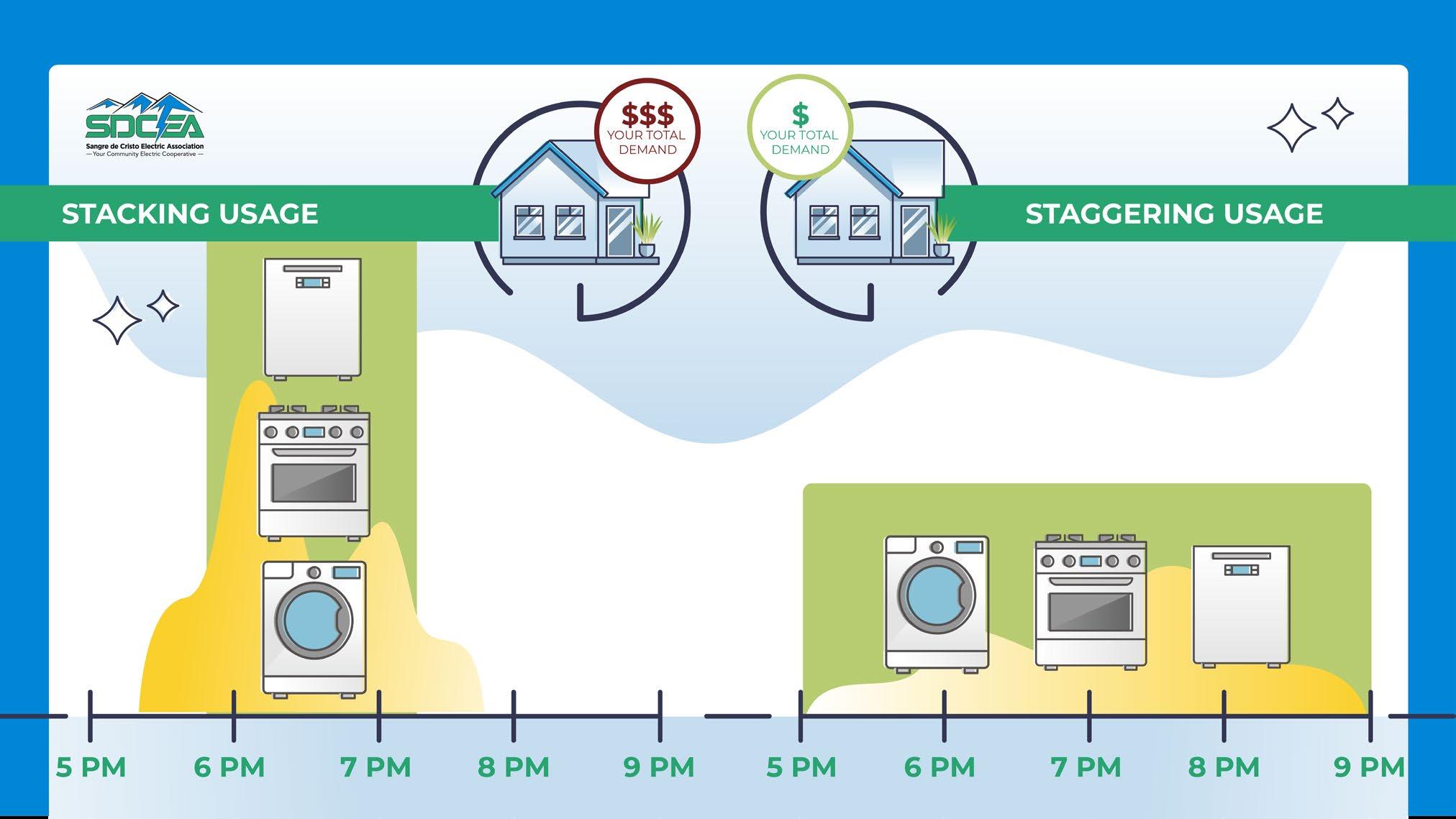
SHIFT
• Move flexible activities outside peak hours, when possible.
• Run dishwasher later in the evening. Charge electric vehicles after peak hours.
• Use delay-start features on appliances.
STAGGER
Avoid running major appliances at the same time during peak hours.
Don’t run dryer and oven together.
• Don’t do laundry and take a shower at the same time.
• Separate the use of shop tools and household loads.
SAVE
• Enroll in SDCEA pilot programs. Use efficiency rebates.
• Get usage coaching.
Shift and stagger your electricity use and save money on your bill by using programs and tools designed to reduce peak demand. Same life, smarter timing.

For more information on SDCEA’s rate structure change that went to effect July 1, please scan the QR code or visit our website at myelectric.coop
United in Purpose, Building Tomorrow Annual meeting recap
Thanks to all who attended SDCEA’s annual meeting at our warehouse in Westcliffe on June 24.
This year’s theme was United in Purpose, Building Tomorrow. The morning included children’s activities and safety and educational displays for members, followed by the board’s abbreviated regular monthly meeting and lunch. Featured speakers included Jon Beyer, SDCEA CEO; Sandra Attebery, SDCEA Board Chair; Sarah Crites, SDCEA CFO; and Blake Bennetts, SDCEA Board Treasurer.
Tri-State Generation & Transmission Chief Commercial Officer Lisa Tiffin gave the keynote address.
This year’s prize drawings included two $150 gift cards provided by Westcliffe Meats, a $250 gift card provided by Tri-State Generation & Transmission, and a Yeti Cooler provided by Lowry Excavating. There were plenty of other giveaways, bill credits, and other drawings throughout the event. Many thanks to our business partners that donated these items.
All SDCEA members (account holders) are welcome to attend the annual meeting. Next year’s meeting is planned to be held in Buena Vista.
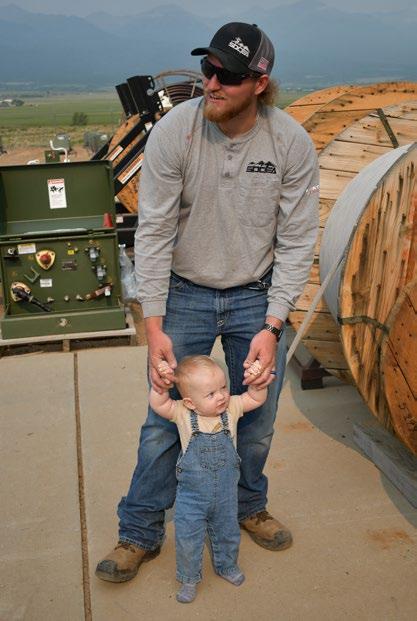
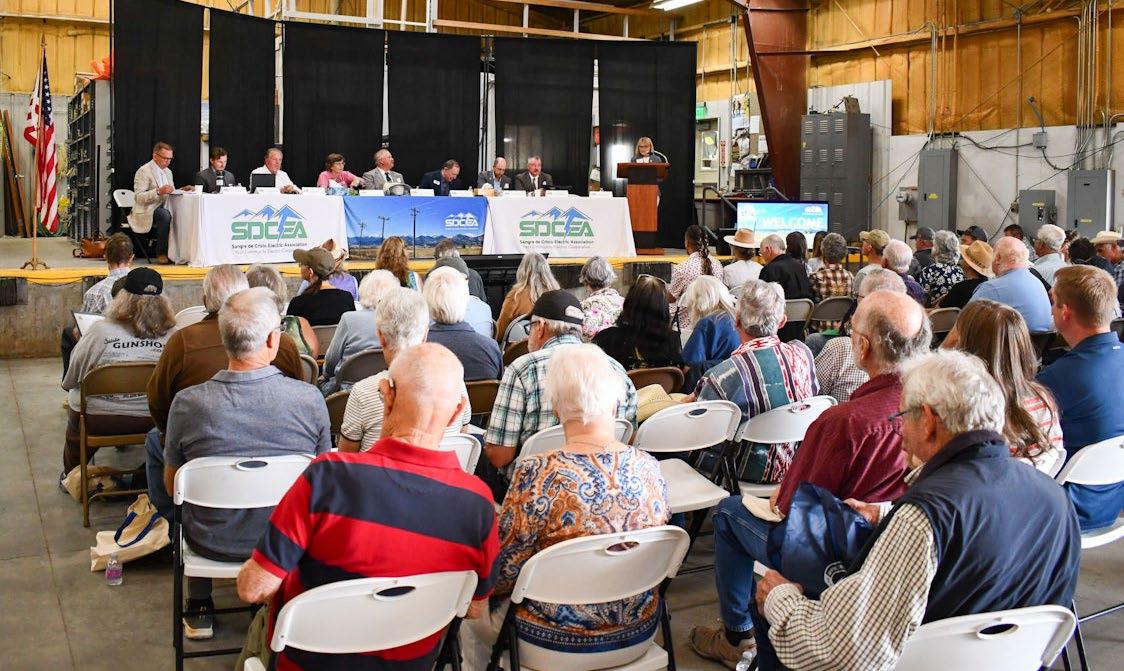
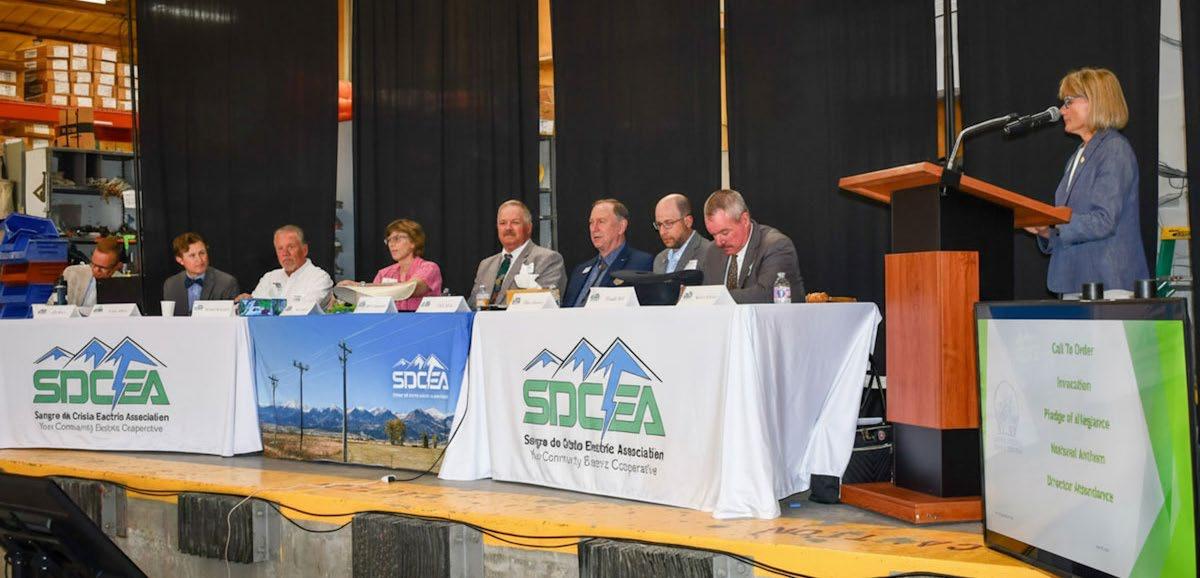
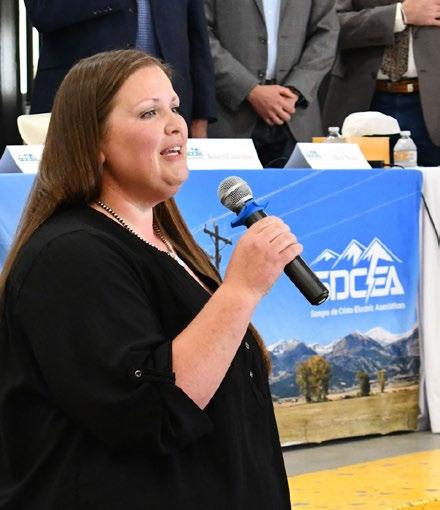

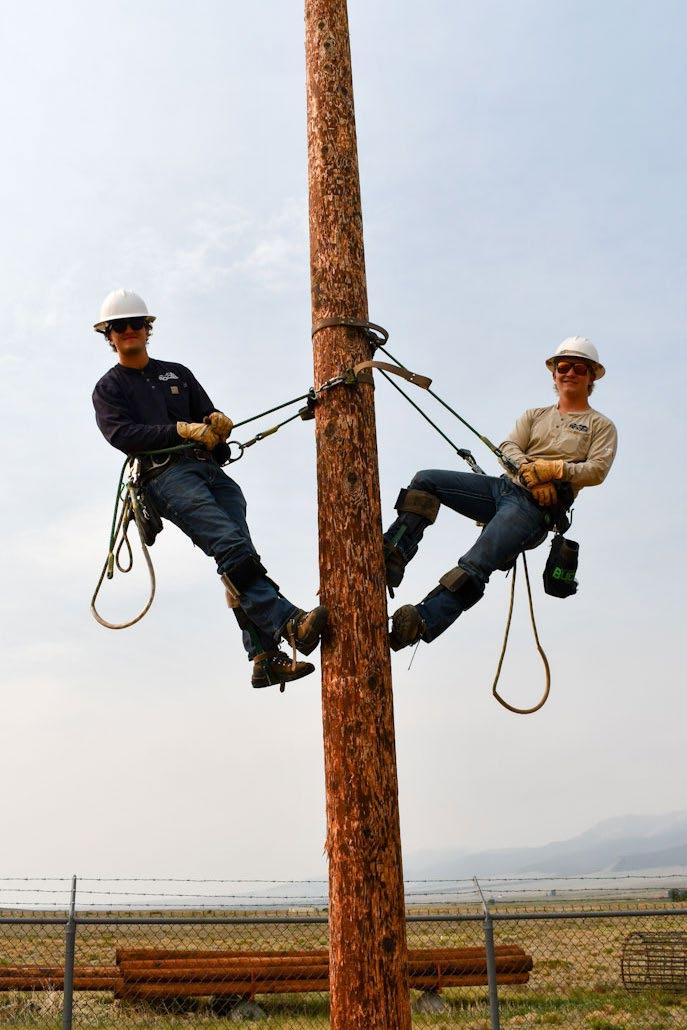
Left: SDCEA staff and some of our youngest members were on hand for the event. Right: The meeting drew a crowd of engaged members, many of whom participated in a question and answer session at the end of the meeting.
The 86th annual meeting was held at SDCEA’s Westcliffe warehouse.
Left: Sarah Canterbury sang the National Anthem. Center: An unconventional shuttle was used during the event to help members get from their vehicles to the meeting site. Right: SDCEA linemen demonstrated safety and pole climbing.
Going Solar? Call SDCEA First
We’ve received reports about some solar companies targeting residents in our area. These companies may show up at your door, call, or email offering systems that sound too good to be true, promise no rate increases ever, or claim to represent or be working with SDCEA. SDCEA supports members choosing to install solar. However, we do not support false claims or false claims of affiliation or partnerships.
If you’d like more information on a solar decision, please give us a call first. We have many reputable solar providers in the area and can help you connect with them. Call toll-free at 844-395-2412 or email info@myelectric.coop.
WATCH OUT FOR:
• False claims of partnership with SDCEA. Contact us to verify any claims that a solar company is affiliated with the cooperative.
• Pressure to sign contracts on the spot.
• Requests for personal information like your utility account or Social Security number.
MAKE SURE YOU:
• Ask for credentials and contact our office to verify any claims.
• Never share personal or financial information with unsolicited callers or salespeople.
SDCEA BOARD OF DIRECTORS
Sandra Attebery - Chair Custer County representative attebery@myelectric.coop
Charles A. Abel II - Vice Chair Rural Chaffee/Lake County representative abel@myelectric.coop
Blake Bennetts - Treasurer Town of Buena Vista representative bennetts@myelectric.coop
Michael Robinson - Secretary At Large representative robinson@myelectric.coop
Mark Boyle - Director Rural Chaffee/Lake County representative boyle@myelectric.coop
Rob Canterbury - Director Fremont County representative canterbury@myelectric.coop
Sandy Long - Director At Large representative long@myelectric.coop


Building a Culture of Safety
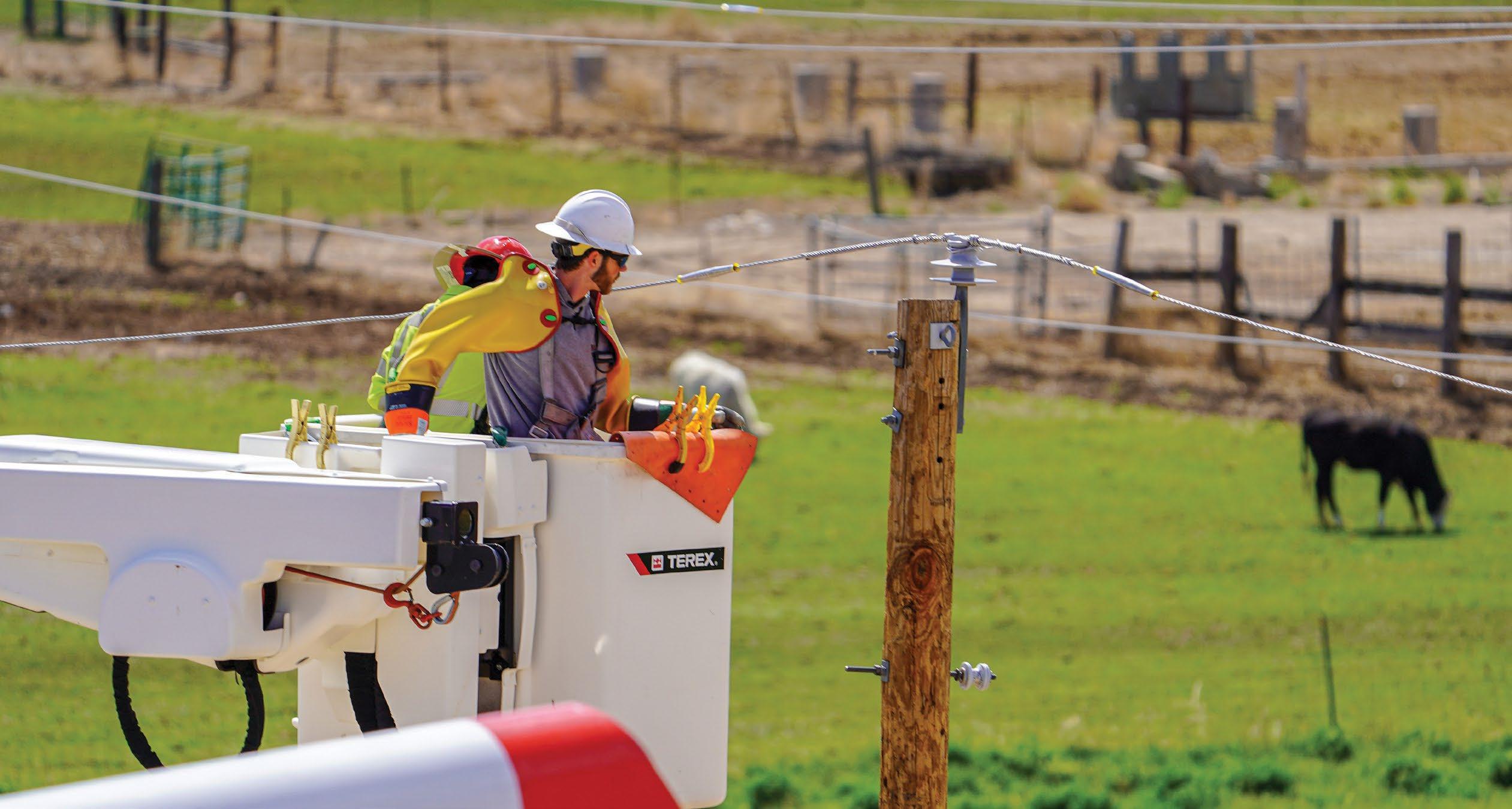
Your electric co-op’s linecrews work year-round in all types of conditions to build and maintain the electric grid we all depend on. It is no surprise that line work consistently ranks among one of the top 10 dangerous professions in the United States; one misstep around high-voltage power lines can be catastrophic. While they work to keep our lights on, electric co-op lineworkers’ safety requires a steadfast commitment from all of us to practice safe working habits.
At this year’s seminar, the nearly 140 attendees heard from powerful speakers including Zachary Spicer of Line Brothers Keeper who shared a deep and personal story about his electrical contact and the recovery process. We dove into advanced driving safety with the Colorado-based First Gear Skid School. And Chad Johnson of First Line Consulting taught the group three principles designed to help our line crews stay safe by changing how they view their work environment.
We at CREA support your co-op in its effort to create a strong culture of safety. Nearly a third of CREA’s staff travels the state to provide regular safety instruction at the co-op level. Our job training and safety instructors are certified to teach everything from basic first aid and CPR to pole top rescues, how to keep personal protective equipment safe, setting an electric meter, how to work safely at a substation — and so much more.
The bottom line is this: We work with your co-op because we all want to make sure every single employee makes it home safely after every single shift.
To help reinforce this effort, safety and operation professionals from co-ops across the state recently gathered for the annual CREA Safety and Loss Control Seminar. Held every July, the two-day event brings together industry experts who share best practices, explore emerging safety topics, and strengthen their commitment to workplace safety.
Presenter Dan Greer delivered a powerful presentation focused on equipping co-op professionals with practical tools to lead teams through high-stress situations. He emphasized that true leadership requires clarity, ownership, and strong systems, rather than simply reacting to a crisis.
CREA remains dedicated to providing the ongoing safety education and training co-op employees need to keep the lights on for Colorado’s co-op members. By serving our cooperatives with training and resources that encourage zero-incident environments, we protect our people and the communities we serve.
So, the next time you see a co-op linecrew working, remember the immense amount of training happening behind the scenes to keep your community safely powered. Keeping the lights on matters — but keeping crews safe enough to go home at night matters more.
Tom Walch is the executive director of the Colorado Rural Electric Association, the statewide organization supporting 21 electric distribution cooperatives and one generation and transmission cooperative.
By Tom Walch CREA Executive Director
Photo by Lisa Padgett
The Aspen Acres Fire
By Ryan Elarton General Manager
Our beloved communities in southern Colorado have been devastated by the Aspen Acres Fire. When I am writing this column, the fire has burned over 99,000 acres and is 36% contained. High winds and dry conditions have made it spread far and fast.
We have all seen the destruction and impact the fire is having on our friends and families. My thoughts and prayers are with everyone who has been impacted.
We go to the incident command post every morning at 6:00 for the operations briefing, updates, and to meet with the fire commanders and local law enforcement to discuss which areas we can safely energize and what needs to be prioritized for emergency personnel. We appreciate your understanding about the power outages that may have impacted your home or business.
SIEA employees live in these same communities and have been personally impacted too. Some of our employees have been among the people who are evacuated and one has lost their home in the fire.
Since the fire broke out at the end of June, it has been all-hands-on-deck for San Isabel Electric. Our line clearance tree crews and contractors are working to clear debris left by the fire. SIEA engineers are visiting burn areas to plan for rebuilding the damaged system. Lineworkers and contractors are setting new poles and repairing damaged equipment. And back at our offices,
our support team is coordinating job sites, pulling materials, testing meters, and handling your phone calls and questions.
I know I speak for everyone at San Isabel Electric when I say “thank you” to the firefighters and incident command. We are beyond grateful for the nearly 2,000 people who have responded to fighting this fire. We appreciate the incredible, much-needed, out-of-town help and our local first responders and emergency managers whose local knowledge is vital to the success of the operation. We are also thankful for those members who have been patient and supportive during this heartbreaking time.
SIEA started in Beulah in 1938. Since then, our communities have been through some really hard times, but we always come back. No matter the circumstance, we’ve gone through it helping each other and supporting one another.
In this time of tragedy and destruction, we’re humbled by so many acts of kindness and generosity the community is showing in support of one another.
It’s a difficult time for all of us right now, but our southern Colorado communities are strong and resilient. We will rebuild and be stronger than ever.
Take good care, and look out for your neighbors, the way our strong rural communities have done for generations.
ANNUAL MEETING AND DIRECTOR ELECTION
The SIEA Annual Meeting is scheduled for Saturday, September 26, at Walsenburg Jr. Sr. High School in Walsenburg. There are two ways any member of good standing can become a candidate for the Board of Directors: Selection during the Nominating Committee meeting or by petition.
This year, there are two seats up for election:
District 1 – Beulah, Wetmore, and Vicinity
District 6 – Town of La Veta, Cuchara, and Vicinity
The Nominating Committee met at the Pueblo West Office on June 30 and nominated incumbents Debbie Rose for the District 1 seat and Don Keairns for the District 6 seat.
Members interested in running for the board must submit a nominating petition signed by at least 15 qualified SIEA members by 5 p.m. July 28, 2026. For more information, please visit siea. com/boardelections.
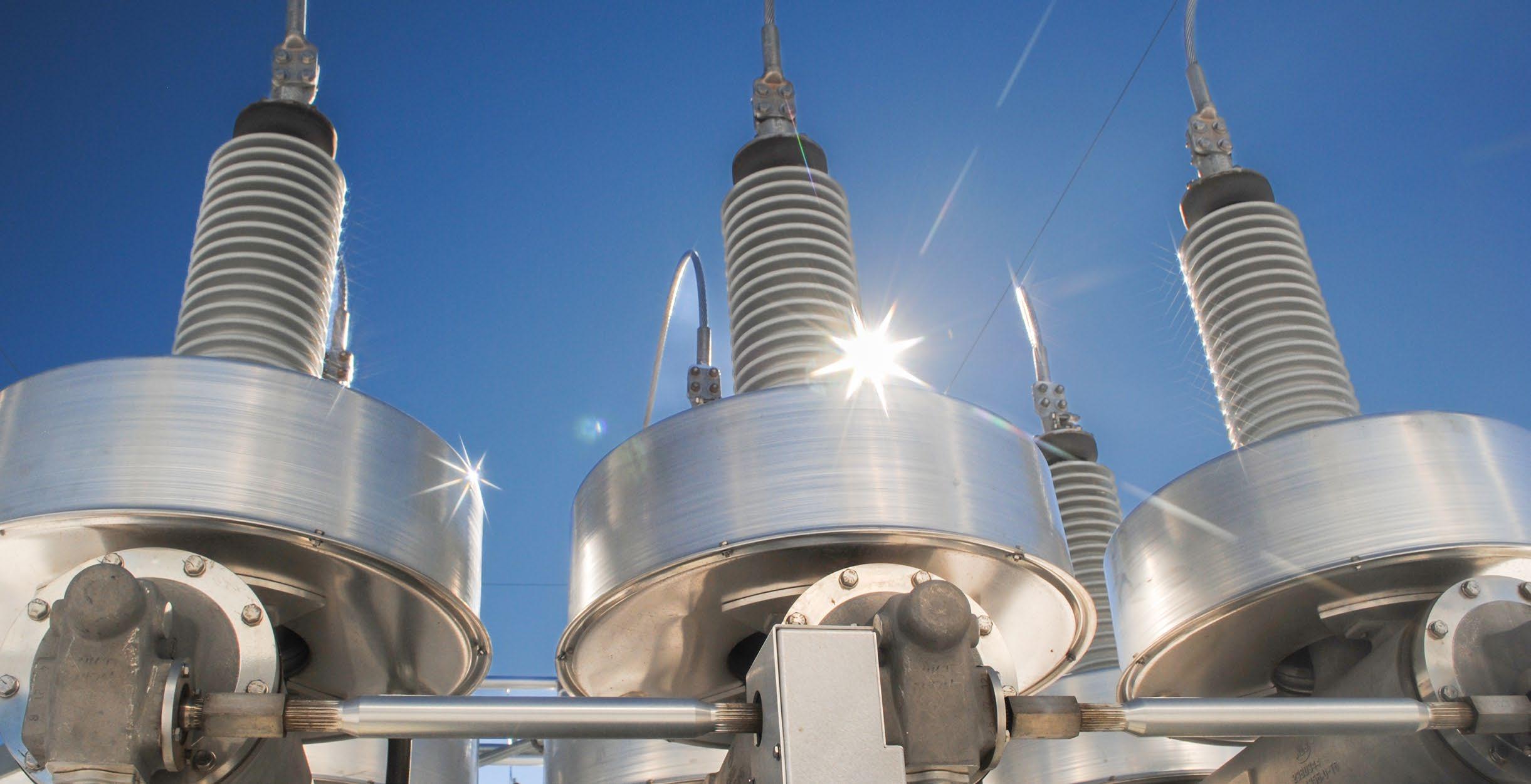
Ahomes, a quiet, invisible surge begins — families return home, air conditioning units crank to maximum capacity, refrigerators work overtime, and kitchen and household appliances are switched on.
This “peak” in demand for electricity is a test of grid resiliency, and the greatest driver of costs. It isn’t just about having enough electricity available when everyone needs it, it’s about ensuring the grid can deliver electricity without overloading equipment.
RELIABILITY BY DESIGN
Extreme heat puts added stress on electric equipment. San Isabel Electric Association’s transformers, power lines, and circuits are part of a mechanical system. Like any mechanical system, equipment becomes less efficient as temperatures rise, and their operating limits are slightly reduced.
However, our system is designed with southern Colorado’s extreme heat in mind. In most cases, it can handle the increased demand without the need for major adjustments. On rare occasions when equipment does approach its limits, crews can quickly respond by making targeted switching changes or changing equipment settings to relieve the load and allow power to continue flowing to your homes and businesses.
This flexibility and redundancy ensures that even during the hottest days of the year, power continues to flow reliably to our members.
THE FRONTLINES
Just as our field crews are ready to work in blizzard conditions, they’re prepared to work in grueling heat as well. Year round, lineworkers and line clearance tree trimmers suit up in heavy, personal protective equip-
heavy rubber sleeves, and gloves. Scaling a pole or tree, or working from a bucket truck in near 100-degree conditions turns an already hazardous job into an exhausting test of mental and physical endurance.
Every job requires immense grit, constant hydration, and a strong commitment to the community.
THE DEGREES VS. DOLLARS REALITY
Peak demand carries a heavy financial weight. Just like gasoline or any other commodity, costs increase with demand.
San Isabel Electric’s Off-Peak Plus Rate rewards members for avoiding or reducing electricity usage year-round between 5:00 p.m. and 9:00 p.m. Members on the Off-Peak Plus Rate get 20 hours of significantly less expensive power Monday through Saturday, and all day on Sunday. However, this is not a good rate for households that use even a moderate amount of electricity during peak hours.
You can still help SIEA manage the peak, even if the Off-Peak Plus Rate isn’t for you.
One of the simplest yet most effective tools is a minor adjustment to comfort expectations. Increase your thermostat’s setting by 2 to 4 degrees in the summer or lower it in the winter, and shift the use of large appliances like clothes dryers, dishwashers, and electric vehicle chargers until after 9:00 p.m. or early the next morning. These simple adjustments during peak hours can slightly reduce your electric bill and help reduce SIEA’s wholesale power supply costs when electricity is the most expensive.
For more information about SIEA’s Off-Peak Plus Rate visit siea. com/shifttosave

Before You Jump In, Learn More About ESD
Before taking the plunge this summer, learn how electricity can seep into the water so you can avoid electric shock drowning, or ESD.
An unfamiliar term to many, ESD means that someone is being exposed to stray electrical current in water, usually from faulty wiring — a danger you cannot see or detect just by looking. Many people have never heard of ESD or don’t know it’s a possibility when swimming, wading, boating, or hot-tubbing.
We are not suggesting that stray electricity lurks in every body of water, but it is important to be aware that water can become electrified and that electric shock drowning can occur.
Water that has dangerous electrical current running through it can paralyze muscles, leaving a swimmer unable to move or stay afloat. Stray electricity could be found in the water:
• Near a dock that uses electricity.
• Near a marina — never swim there.
• Surrounding a boat capable of generating electricity.
• In a pool or hot tub — electricity often runs the lights and motors.
• In a wading pool, kiddie pool, lazy river, or water amusement feature that uses electricity.
This is not an exhaustive list. In fact, electric current could leak into any water source with electricity running to it — for example, a lighted fountain.
Depending on the magnitude of the electric current, sometimes a person can detect stray electricity in the water by the sensations they feel, such as prickly or tingly sensations. If you feel that, pull your legs up close to your body and swim away from the source of electricity — for example, the dock, boat, or light post on shore. Yell to someone on land or the dock to cut the power. Again, DO NOT swim toward the electrical source.
If you suspect someone is experiencing electrical shock while in the water, do not jump in to help. Instead, call 911, throw a life ring or lifesaver and, if you can, shut off the power source.
For more information about electrical safety, visit safeelectricity.org
Electric Cooperative Youth Tour
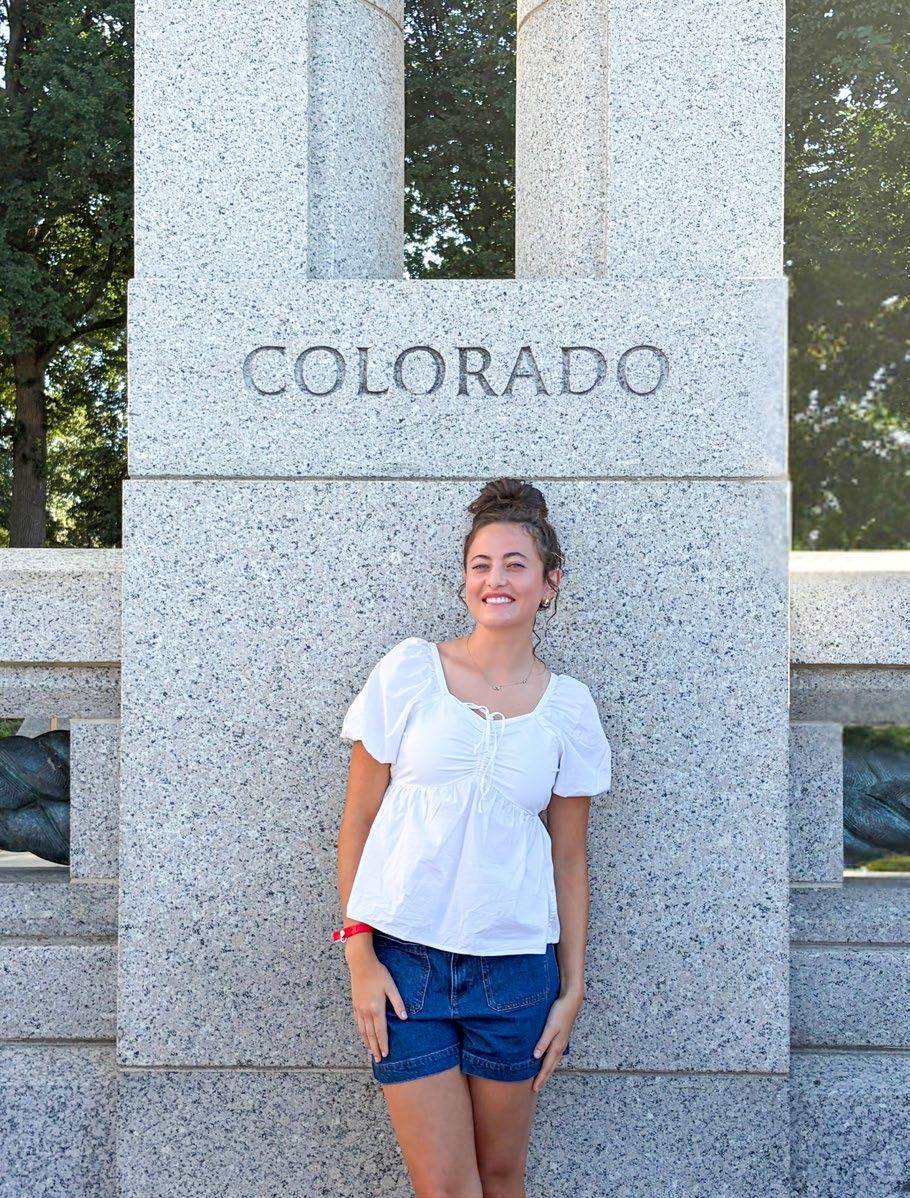
Every year, San Isabel Electric sends a lucky high school student on a weeklong, all-expenses-paid trip to Washington, D.C., for the Electric Cooperative Youth Tour. Hundreds of students from all 50 states attend this event.
Local student Hanna Maurer was selected to represent SIEA this year. In June, Hanna visited countless Washington, D.C., memorials, monuments, and museums. During the trip, students also learned about the legislative process and the influence it has on electric co-ops.
If you are interested in attending the 2027 Electric Cooperative Youth Tour in Washington, D.C., next June, watch for the application announcement this fall.
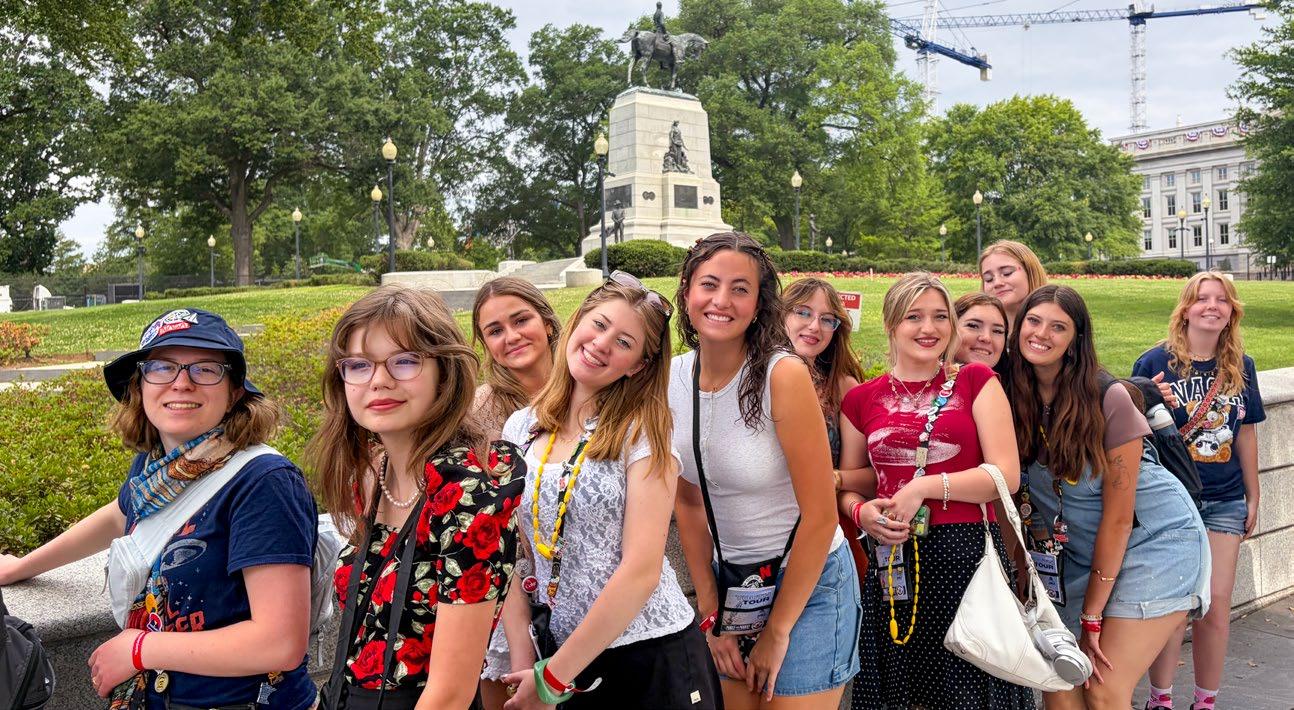
JUNE 2026 DONATION IMPACT REPORT
First National Bank in Trinidad
San Isabel Electric operates under seven cooperative principles which includes practicing a Concern for Community. Each board member lives in the community they serve, and we all work together to help our communities thrive.
Funding for these projects is provided by unclaimed capital credits, which legally cannot be used for system improvements, maintenance, payroll, or overhead costs
For more information about capital credits, visit siea.com/capitalcredits
Above: Hanna Maurer.
At right: Some Colorado Youth Tour students snap a photo together while sightseeing in Washington, D.C.
LAS ANIMAS OTERO
HUERFANO
CUSTER
FREMONT
PUEBLO
Aguilar
La Veta
Beulah
Walsenburg
COSTILLA
Rye
Understanding Your Electric Bill
By Mark Hall CEO
August is typically one of the warmest months of the year, and that means air conditioners across our community are working overtime to keep homes comfortable. During periods of extreme heat, many members may see an increase in their electric bill and wonder what factors contribute to the cost of electricity.
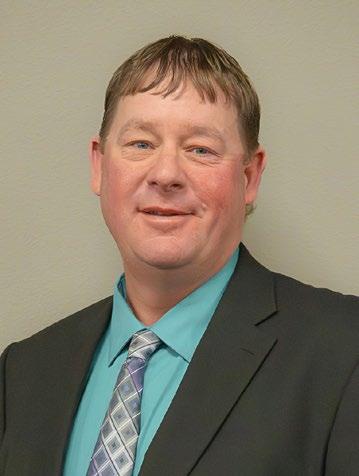
At Southeast Colorado Power Association (SECPA), we believe understanding your electric bill is an important part of being an informed member. While the total amount due may seem like a single number, it actually reflects several different costs associated with delivering reliable electricity to your home or business.
The largest factor is often the amount of energy you use. Electricity is measured in kilowatt-hours (kWh), and the more energy your household consumes, the higher your bill will be. During the summer, air conditioning is typically the largest driver of increased energy use. When temperatures climb into the 90s or higher, our cooling systems run longer and more frequently, consuming significantly more electricity than they do during milder weather.
Another major factor is the cost of generating or purchasing electricity. Like many cooperatives, SECPA purchases power from Tri-State Generation and Transmission. The cost of producing electricity fluctu-
ates based on fuel prices, including natural gas, coal, and other energy resources used to generate power. Changes in wholesale power costs influence the price of electricity delivered to members.
Transmission costs also play a role. Before electricity reaches your home, it must travel across a network of highvoltage transmission lines that connect power plants to local distribution systems. Transmission equipment requires ongoing maintenance and upgrades to ensure reliability, especially as electricity demand continues to grow.
Closer to home, SECPA maintains the local electric distribution system—utility poles, power lines, transformers, substations, and other essential equipment that safely delivers power to members. Maintaining this equipment is covered through the monthly access charge. This is a flat monthly fee all members pay, regardless of how much electricity they use. This fixed fee ensures all members pay a fair share of the basic, operational costs required to keep the power grid reliable and ready to serve your home or business. Whether a member uses a little electricity or a lot, we must maintain infrastructure and have crews, equipment and resources available to provide electricity around the clock.
Summer temperatures can also influence costs in less obvious ways. When the demand for electric-

CO 81050
Phone: 719-384-2551
Toll Free: 800-332-8634
Fax: 719-384-7320
www.secpa.com
facebook.com/secpaonline
ity is high across a region, wholesale power prices can increase. Utilities and grid operators must ensure enough generation is available to meet peak demand, and those costs can be reflected throughout the electric system. (*WIN Russell Adrian acct 26010xxxxx)
The good news is that simple steps to lower energy use can make a meaningful difference. Setting your thermostat a few degrees higher when you’re away, replacing dirty HVAC filters, using ceiling fans, sealing air leaks, and avoiding the use of major appliances during the hottest parts of the day can help reduce energy consumption, lower your bill, and reduce strain
on the local grid during peak demand times.
SECPA’s mission is to provide safe, reliable, and affordable electricity while being transparent about the factors that impact energy costs. We understand every dollar matters, and we are committed to making smart investments that keep the lights on and support the communities we serve.
If you ever have questions about your electric bill or co-op programs designed to help you save, please reach out. We’re here to help you make informed decisions that work for your household.
Thank you for allowing Southeast Colorado Power Association to serve you.
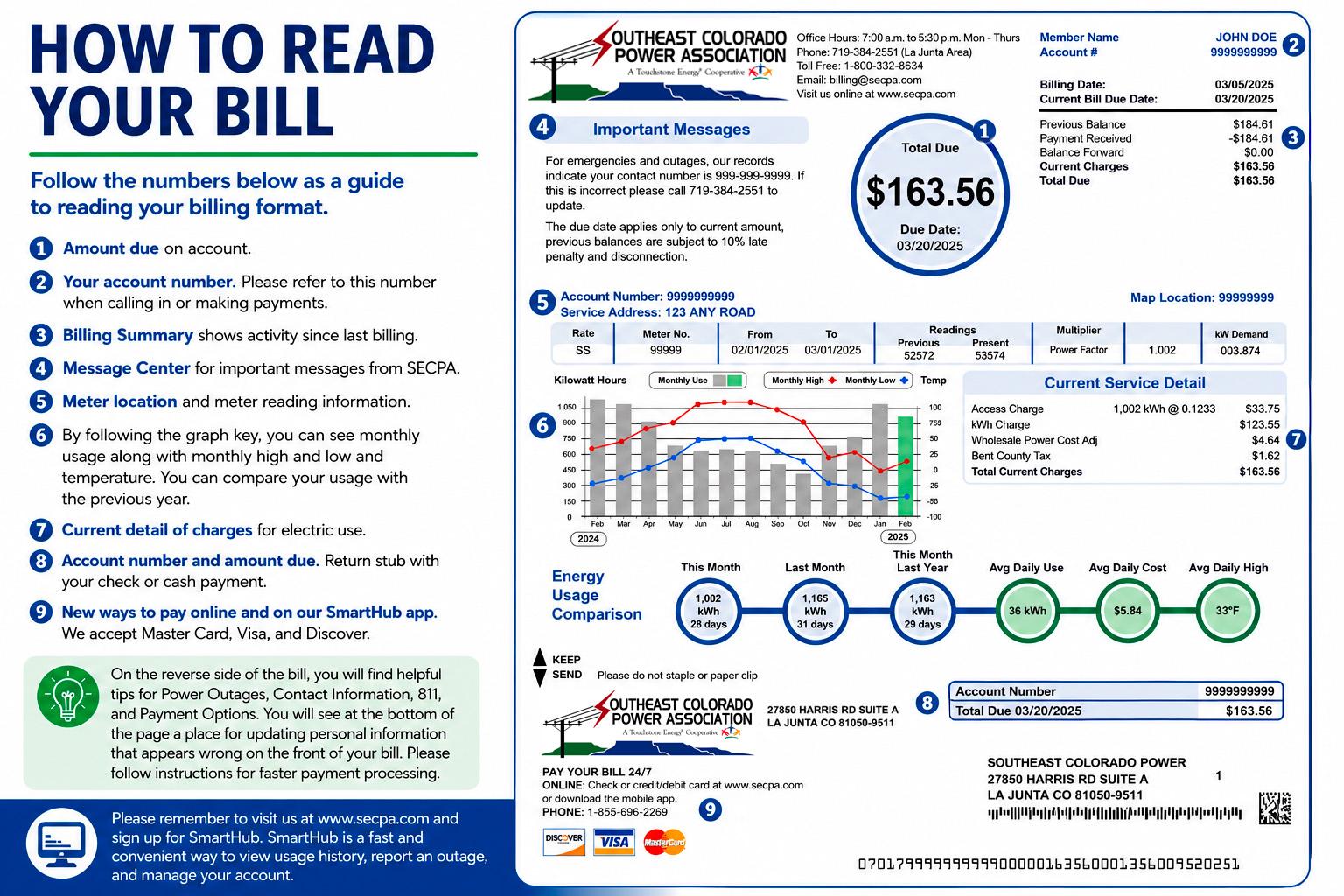
ENERGY EFFICIENCY TIP OF THE MONTH
August heat can put your air conditioner to the test, so it is a great time to check your system’s air filter. A dirty, clogged filter restricts airflow, forcing your cooling system to work harder than necessary to keep your home comfortable. That extra strain can reduce efficiency, increase energy use, and contribute to unnecessary wear and tear on equipment. Inspect your filter monthly during periods of heavy air conditioner use and replace it if it appears dirty. A clean filter supports efficient operation and can even enhance indoor air quality — helping you stay cool and comfortable during the hottest days of summer.
Creating Lasting Memories
SECPA Youth Tour delegates reflect on their week in Washington, D.C.
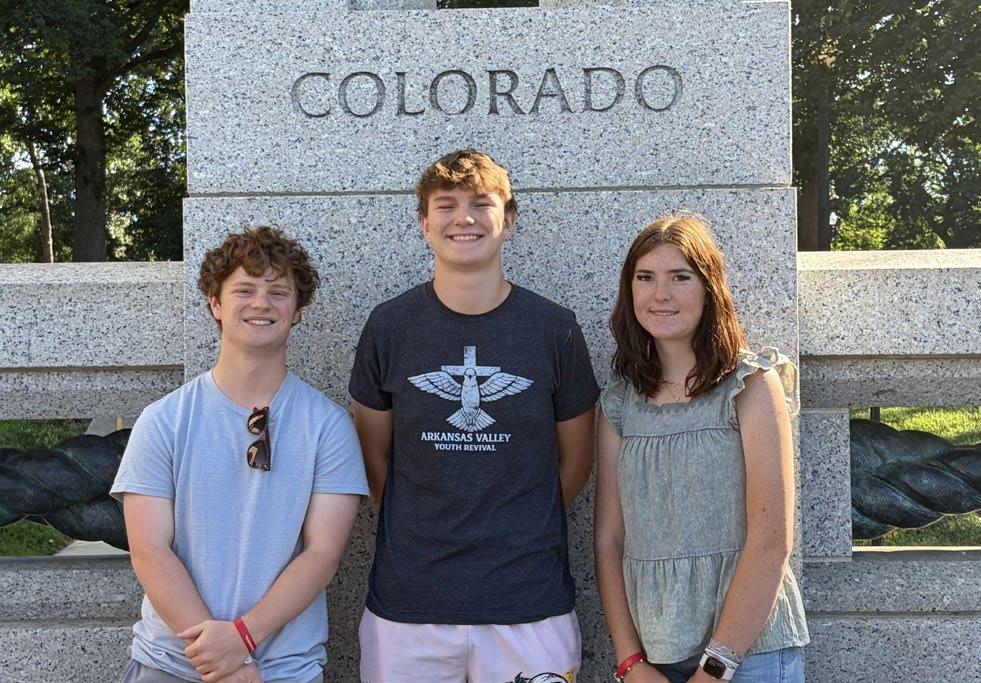
My SECPA Youth Tour to Washington, D.C., was an experience that I will remember for the rest of my life. Before the trip, I was excited to see our nation’s capital, but I never expected how much the people, places, and history would impact me.
One of the most personally meaningful stops for me was Arlington National Cemetery. Visiting it carried special significance because my mom has always told me it was the highlight of her own Washington, D.C., trip during her junior year of high school. She traveled for more than a day on a Greyhound bus to experience many of the same places I was fortunate enough to visit. Walking through Arlington and seeing what had meant so much to her made me feel connected to her experience. It also reminded me how fortunate I was to have this opportunity through SECPA. Being able to share her love of history with the friends I made on the trip made the experience even more meaningful.
Overall, the Youth Tour gave me a greater appreciation for our nation’s history, the sacrifices made by those who came before us, and the importance of being an engaged citizen. I am incredibly grateful to Southeastern Colorado Power for providing this opportunity. From exploring historic sites and museums to building friendships with students from across the area, I came home with memories and experiences that will stay with me for the rest of my life. This trip challenged me to see history from new perspectives, strengthened my appreciation for public service, and reminded me that the relationships we build can be just as meaningful as the places we visit.
- Cash Neugebauer
Attending the NRECA Youth Tour in Washington, D.C., was an unforgettable experience that allowed me to learn more about our nation’s government, leadership, and the electric cooperative industry. I had the opportunity to visit historic monuments, museums, and important government buildings while meeting students from across the country. The trip helped me build new friendships, strengthen my leadership skills, and gain a greater appreciation for the opportunities available through rural electric cooperatives. It was an experience that broadened my perspective and created memories that I will always cherish.
- Addison Elam
NRECA Youth Tour 2026 was nothing short of a life changing opportunity for me. I learned so much at CREA headquarters and while exploring our state and national capitols. To kick things off, we had a great day at CREA learning about energy/electrical infrastructure. We also learned about job opportunities in cooperatives and watched a comprehensive safety demonstration to close out there before heading to the Colorado State Capitol, where we got to hear about the inner workings of our state government and its history. The next day, we headed to Washington.
As impressive as it was to see so many historic buildings, monuments, and memorials, the best parts of the trip were the amazing people I was able to meet. The unique element of the “R”, meaning rural, in both CREA and NRECA, resulted in most of my peers throughout this experience coming from small communities, and having that in common bred a sense of camaraderie that isn’t present at other conferences I’ve attended. I usually think of myself as a fairly reserved person, but that week I was all the way out of my comfort zone while participating in various social activities, and I was having the time of my life. I made numerous lasting friendships with great kids who I would have never run into elsewhere, while also managing to find a group of us who had all met before due to participating in the same extracurriculars.
I will forever remember the week I spent in Washington, D.C., on behalf of Southeast Colorado Power as one of the most formulaic experiences of my young adult life, it truly was an amazing adventure.
- Grant Pickering
Left to right: SECPA Youth Tour delegates Grant Pickering, Cash Neugebauer, and Addison Elam

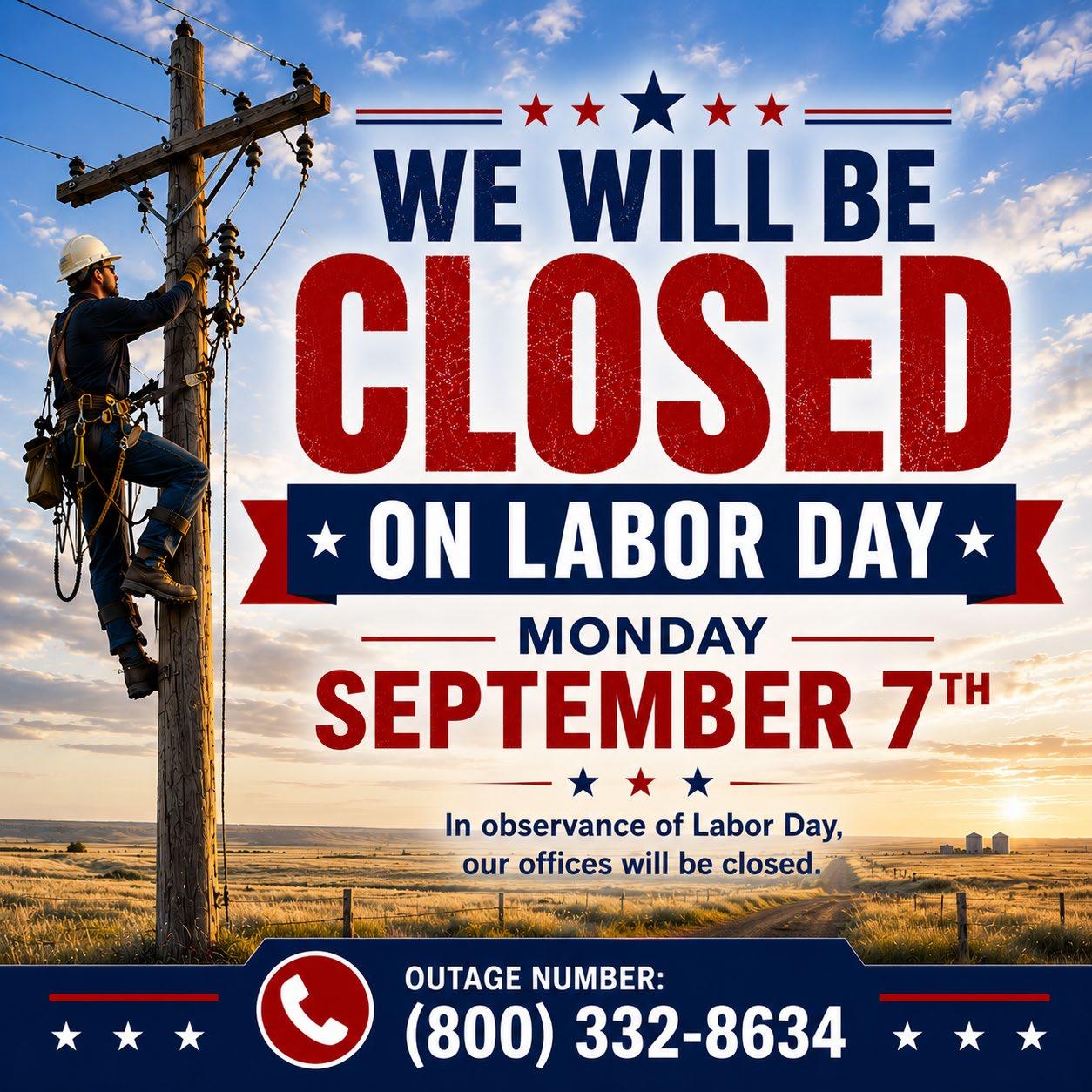



If you find your name in this issue as follows (WIN* Your Name, your account number), contact Southeast Colorado Power Association at 719-384-2551 or 800-332-8634 to receive a $50 credit on your next power bill. Last month’s winner was Robert Dowell Jr.
Understanding Your Electric Bill
By Trent Loutensock General Manager
August is typically one of the warmest months of the year, and that means air conditioners across our community are working overtime to keep homes comfortable. During periods of extreme heat, many members may see an increase on their electric bill and wonder what factors contribute to the cost of electricity.
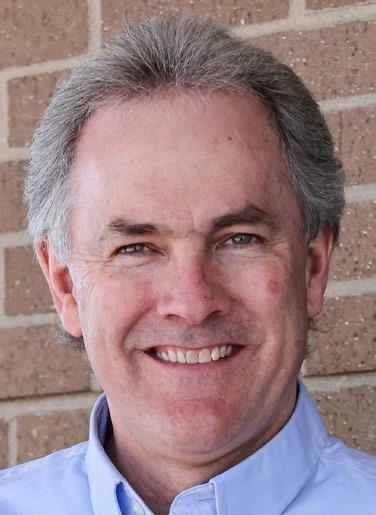
We at Y-W Electric Association, Inc., believe understanding your electric bill is an important part of being an informed member. While the total amount due may seem like a single number, it actually reflects several different costs associated with delivering reliable electricity to your home or business.
The largest factor to your electric bill is often the amount of energy you use. Electricity use is measured in kilowatt-hours, and the more energy your household consumes, the higher your bill will be. During the summer, air conditioning is typically the largest driver of increased energy use in your home or business. When temperatures climb into the 90s or higher, our cooling systems run longer and more frequently, and consume significantly more electricity than they do during milder weather.
Another charge you’ll see on your electric bill is a demand charge. Demand is measured in kilowatts and is a measure of how fast you are using electricity. Like many cooperatives, Y-W Electric purchases power from Tri-State Generation and Transmission Association. We get billed for electricity in a similar format, energy (kWh) and demand (kW).
Y-W Electric maintains the local electric distribution system — utility poles, power lines, transformers, substations, and other essential equipment that safely delivers power to members. The costs of maintaining this equipment are covered by the monthly service charge. This is a flat monthly fee
all members pay, regardless of how much electricity they use. This fixed fee ensures all members pay a fair share of the basic operational costs required to keep the power grid reliable and ready to serve your home or business. Whether a member uses a little electricity or a lot, we must maintain infrastructure and have crews, equipment, and resources available to provide electricity around the clock.
Summer temperatures can also influence costs in less obvious ways. For examples, on a hot afternoon when everyone’s air conditions kick on, the demand for electricity increases. When the demand for electricity is high across a region, wholesale power prices can also increase. Utilities and grid operators must ensure enough generation is available to meet peak demand, and those costs can be reflected throughout the electric system.
The good news is that simple steps to lower your energy use can make a meaningful difference. Setting your thermostat a few degrees higher when you’re away, replacing dirty filters, using ceiling fans, sealing air leaks, and avoiding the use of major appliances during the hottest parts of the day can help reduce energy consumption, lower your bill, and reduce strain on the local grid during peak demand.
Y-W Electric’s mission is to provide safe, reliable, and affordable electricity while being transparent about the factors that impact energy costs. We understand every dollar matters, and we are committed to making smart investments that keep the lights on and support the communities we serve.
If you ever have questions about your electric bill or co-op programs designed to help you save, please reach out. We’re here to help you make informed decisions that work for your home or business.
Thank you for allowing us at Y-W Electric Association serve you.
Mailing Address
P.O. Box Y Akron, CO 80720
Street Address
26862 U.S. Hwy 34 Akron, CO 80720
PH: 970-345-2291
TF: 800-660-2291
ywelectric.coop
The Power of On-Time Payments
Each year, Y-W Electric Association must write off unpaid balances from disconnected accounts. While the individual amounts may be small, this collective debt becomes a financial burden carried by all members. To protect its members, the cooperative uses a three-pronged approach to lower these costs: improving collection efforts, administering consistent deposit procedures, and educating members on bill prioritization. John K. and Michelle Herman 4829xxxxx
MANAGING HOUSEHOLD PRIORITIES
Finances may be matter of priority. While shelter is the top priority for most, essential utilities like heat and lights are just as critical. Y-W Electric urges members to treat their electric bill with the same urgency as a mortgage or rent payment. On-time payments stabilize the cooperative’s cash flow, keep operations efficient, and ensure rates stay as low as possible for everyone.
THE REAL COST OF LATENESS
When payments are late, the entire cooperative absorbs the administrative costs and burden. Every month, an average of 750 members receive delinquent notices, requiring Y-W Electric to send over 1,200 printed and mailed documents.
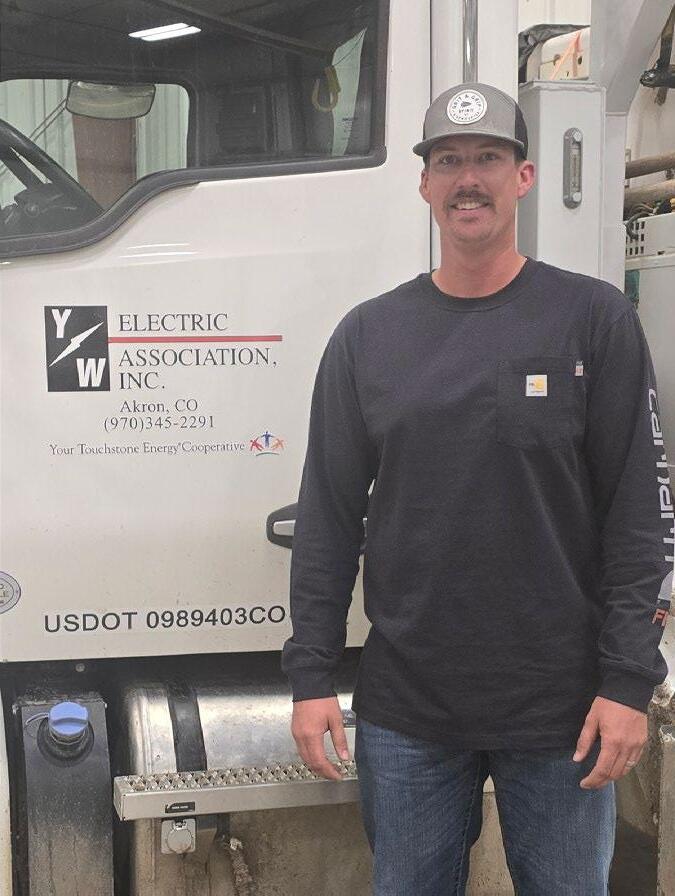
While mail delays can cause some payments to arrive at our office late, over 100 consumers require a secondary contact via phone calls, direct lineman outreach, or physical door tags every month. Throughout the collection process, Y-W Electric employees treat every member with respect, but these intensive outreach efforts drive up operational costs.
COOPERATIVE STRENGTH AND SUPPORT
Y-W Electric serves over 3,700 members across more than 8,500 meter locations. At least 80% of members pay their electric bill on time each month. The cooperative appreciates this majority, as their timeliness prevents extra costs from impacting local electric rates.
For the remaining members, paying on time eliminates the risk of personal contact charges or after-hours reconnection fees. Anyone facing financial difficulty can contact the billing department to explore flexible options, including balanced budget plans and automatic bank payments. By working together, members can help keep Y-W Electric efficient and rates affordable for the entire community.
WELCOME TRENT WALKER TO Y-W ELECTRIC ASSOCIATION
We are excited to welcome Trent Walker to the Y-W Electric Association team. Trent began his role as apprentice line technician on June 29 and we’re thrilled to have him on board.
Trent was raised in Cedaredge in western Colorado and attended Colorado Mesa University. Before joining Y-W Electric, Trent worked as a line technician at Mountainside Power.
Outside of work, Trent enjoys spending time with his wife and two kids. In his free time, he spends time outdoors hunting and fishing.
Please join us in giving Trent a warm welcome to the Y-W Electric family. Welcome aboard, Trent!
Electrical Safety: What Your Teen Should Know
Parents of teens: You want to share important, often life-saving information with your teen, but he or she braces for the next lecture. Your teen may give you the quintessential eye roll, but sharing this safety information could help prevent a tragedy. When the time is right, talk with your teenager to teach them how to prevent electrical shock. Gerald G. Cody 13934xxxxx
AT HOME
• Do not use a cellphone near the bathtub or sink or with wet hands while it is plugged in and charging.
• Do not use an extension cord in the bathroom to extend your phone’s reach closer to the tub. Teens have died after a charging phone dropped into bath water.
• Do not sleep with your charging cellphone under your pillow or in bed with you. The phone can overheat, causing bedding to catch on fire or burns to the skin. Also, a short in the charging cord can cause electrical shock when you are using your phone. This is more common when using generic or incompatible charging equipment. Always replace charging equipment with brand name items. They cost more, but they are less likely to malfunction.
• Do not charge your cellphone, tablet, or other devices on soft surfaces such as a blanket, pillow, or bedding.
ON THE ROAD
This advice can save your teen’s life: If you are in an accident involving a downed power line, a damaged padmount transformer, or other electrical equipment, DO NOT get out of your car. Call 911 right away. Only get out if there is smoke or your car is on fire. If that is the case, make a clean exit from the vehicle — make a solid jump out without touching the car and the ground at the same time. Then, HOP with your feet together as far away from your car as you can. If there is damaged power equipment, the ground and anything else the lines touch could have electrical current running through it.
If you approach an accident with a downed power line, DO NOT attempt to help the victims and do not go near the scene. Instead, call 911 and warn others to stay away from the area. Randal Franck 20550xxxxx
OUTSIDE
Do not use plugged in devices — like a charging cellphone — near pools, hot tubs, or lakes, or in damp conditions.
If you are swimming in a lake and feel odd sensations in your body such as tingling or zaps, swim away from the dock or other sources of electricity, like lights. Sometimes electrical currents can leak into the water and can cause electric shock drowning. If you feel odd sensations in a wading pool, hot tub, or swimming pool, get out.
IN THE DORM ROOM
• Do not hang decorative light strands with metal tacks or nails.
• Do not overload outlets or extension cords.
• Do not run extension cords under a rug or use them if they are frayed or cracked.
• Use extension cords with care: They are for temporary use. Only use reputable laboratory-tested cords. Espie Trujillo 58620xxxx
• Only use appliances allowed by your dorm/campus.
Although you can’t cover all these tips with your teen in one sitting (and we don’t recommend you try), they are important to convey and could prevent injuries and save lives.
For more information about electrical safety, visit safeelectricity.org.
Safety Tip
Heading to college? Never charge your phone under a pillow, on bedding or in bed with you. It can overheat and cause burns or start a fire. Instead, set up a dedicated charging station on a hard surface in your room.



SCAM TIP OF THE MONTH
One of the best ways to protect yourself from online scams is by using strong passwords. While many people focus on complexity — adding symbols, numbers, and capital letters — password length is equally important. A longer password or passphrase is generally harder for cybercriminals to crack than a short, complex one. Consider creating a memorable phrase made up of several unrelated words and avoid using personal information like birthdays or pet names. Use a unique password for each account and enable multifactor authentication when possible. Taking these simple steps can help keep your personal information and online accounts secure.

Each month, Y-W Electric Association offers its members a chance to earn a $20 credit on their next electric bill. If you find your name and account number in this magazine, call Y-W Electric at 800-660-2291 and ask for your credit. It couldn’t be easier.
Get acquainted with your account number, read your Colorado Country Life magazine, and pick up the phone. You must claim your credit during the month in which your name appears in the magazine — check the date on the front cover.
No names were hidden in the June issue because it was the annual report edition; no one was eligible to claim a bill credit.

ENERGY EFFICIENCY TIP OF THE MONTH
August heat can put your air conditioner to the test, so now is a great time to check your system’s air filter. A dirty, clogged filter restricts airflow and forces your cooling system to work harder than necessary to keep your home comfortable. That extra strain can reduce efficiency, increase energy use, and contribute to unnecessary wear and tear on equipment. AB Land Co LLC 7623xxxxx
Inspect your filter monthly during periods of heavy air conditioner use and replace it if it appears dirty. A clean filter supports efficient operation and can even enhance indoor air quality — helping you stay cool and comfortable during the hottest days of summer.