
2026 Report to EEA Members
By President David Sitton and General Manager Josh Dellinger
SAFETY
The year 2025 continued an eight-year run without any lost time accidents. However, we regret to inform you that we experienced a serious accident in early 2026. While a crew was doing line work, a piece of equipment broke and set off a chain reaction that led to an employee falling to the ground and sustaining a serious injury. The crew’s training kicked in and they immediately began giving treatment and initiated our mayday procedures. Local first responders quickly arrived at the scene to assist in treatment and transportation. We express our deep and sincere appreciation for the efforts of all those involved in treating and caring for the injured employee. The injury was serious, but, thankfully, the employee is expected to make a full recovery.
There are many hazards associated with our industry. High voltages, heavy equipment, heights, and weather are just a few of the many challenges our employees must overcome. It takes training, focus, and critical thinking to work safely in an unforgiving industry. This incident served as a sober reminder of the need to focus on safety at all times and why safety is included in Empire Electric Association’s mission statement.
RELIABILITY AND AFFORDABILITY
EEA periodically surveys its members. In those surveys, you consistently tell us that reliability and affordability are top priorities. You want us to provide you with reliable service and you want it to be affordable. However, reliability and affordability are naturally at odds with each other. Reliability requires an electric system to be robust and redundant, and the more robust and redundant we make our system, the more expensive it will be. EEA strives to strike the right balance between building a reliable system and keeping rates affordable.
The average consumer on EEA’s system experienced 2 hours and 56 minutes of cumulative outage time in 2025. That equates to 99.97% reliability. To state it differently, the average EEA consumer had power


available for 99.97% of the time in 2025. We understand how important reliability is to our members. We continually monitor and improve our electric system. One recent project that comes to mind is the Town of Dolores rebuild. Over the past two years EEA has been replacing aging infrastructure throughout Dolores so that we are positioned to reliably serve the town’s needs for many years to come. This is just one example of our commitment to build, maintain, and operate an electric system that provides the power you need when you need it.
We recognize our members are facing challenging financial times and our responsibility is to keep costs under control without sacrificing reliability. We did not increase base rates in 2025 or 2026. We were able to lower the power cost adjustment (PCA) component of our rates in 2025 because of strong 2024 revenue, but we did increase the PCA in 2026 as a result of a wholesale power price increase. As difficult as it is to increase member bills, we understand it is necessary to continue to maintain reliability. To be able to maintain high reliability, our long-term financial forecast shows that we will need rate increases going forward. Sound planning by our board and faithful execution of their strategy by employees has given your cooperative strong equity and a bank of deferred revenue to help mitigate future rate impacts. We remain strongly committed to keeping your power reliable and rates affordable.
Monday–Thursday — 7:30 a.m. to 5:30 p.m. Friday — 7:30 a.m. to 11:30 a.m. Empire Electric Association’s primary mission is to safely, responsibly, and reliably meet the electrical energy needs of our member-owners.
Office Hours
continued on page 8
23999 Road L.4 • Cortez, CO 81321 phone 970-565-4444
toll free 800-709-3726 pay by phone 833-923-1409
eea.coop Facebook.com/EEACortez @eeacortez
Josh Dellinger
David Sitton
continued from page 7
FINANCIALS
Our 2025 operating margin was $436,237 and our total margin was $3,067,242. We paid $1.8 million in capital credit retirements to our members in 2025 and another $1.2 million in early 2026. We have now paid over $45 million in capital credit retirements to our members since EEA was formed in 1939.
MEMBER SERVICES AND COMMUNITY INVOLVEMENT
The Town of Dolores voted to renew EEA’s Franchise Ordinance in 2025. We are honored that Dolores continues to trust us as its power provider and we look forward to continuing our strong relationship with the Town.
Each year, EEA supports our communities through scholarships, sponsorships, donations, and rebates. In 2025, we donated over $180,000 to scholarships and other community causes. We also partnered with Tri-State Generation and Transmission, Inc. to provide EEA members with over $450,000 in energy efficiency and beneficial electrification rebates.
We also continue to prioritize excellent member service. We have vastly expanded the ways you can do business with us over the past few years. There are many things you can do remotely, such as pay your bill or inquire about a new service. However, we also recognize that some tasks are best handled in person. We have a talented and professional member services staff ready to personally serve you when needed.
POWER SUPPLY
EEA has been a member of Tri-State Generation and Transmission Association for over 30 years. Tri-State is responsible for delivering the power EEA needs to our substations. We then take that power and distribute it via our distribution system to homes and businesses throughout the service territory. Just as you trust EEA to deliver power to your home or business, we trust Tri-State to deliver power to our substations.
Tri-State is a generation and transmission cooperative. EEA is a member-owner of Tri-State similar to how our members are owners of EEA. The EEA board selects an owner-representative to join the Tri-State board and participate in Tri-State’s governance. Tri-State and its members are often referred to as the “Tri-State family.” True to the analogy, we don’t always agree with Tri-State, but we still care about their well-being, and they care about EEA’s. Tri-State has been an extremely valuable partner to EEA over the years. Tri-State provides our cooperative with as much reliable power as we need when we need it, energy efficiency rebates, member-focused programs, and other
services that contribute to EEA’s success. So, when Tri-State recently asked its member cooperatives to extend their electric service contracts, it was a straightforward process for the EEA board. We did our due diligence and considered available options, but it quickly became apparent that Tri-State’s value proposition was most attractive. The EEA board voted to extend our Tri-State contract to 2066. We look forward to continuing a productive and mutually beneficial relationship with Tri-State.
MEMBER SERVICES CENTER
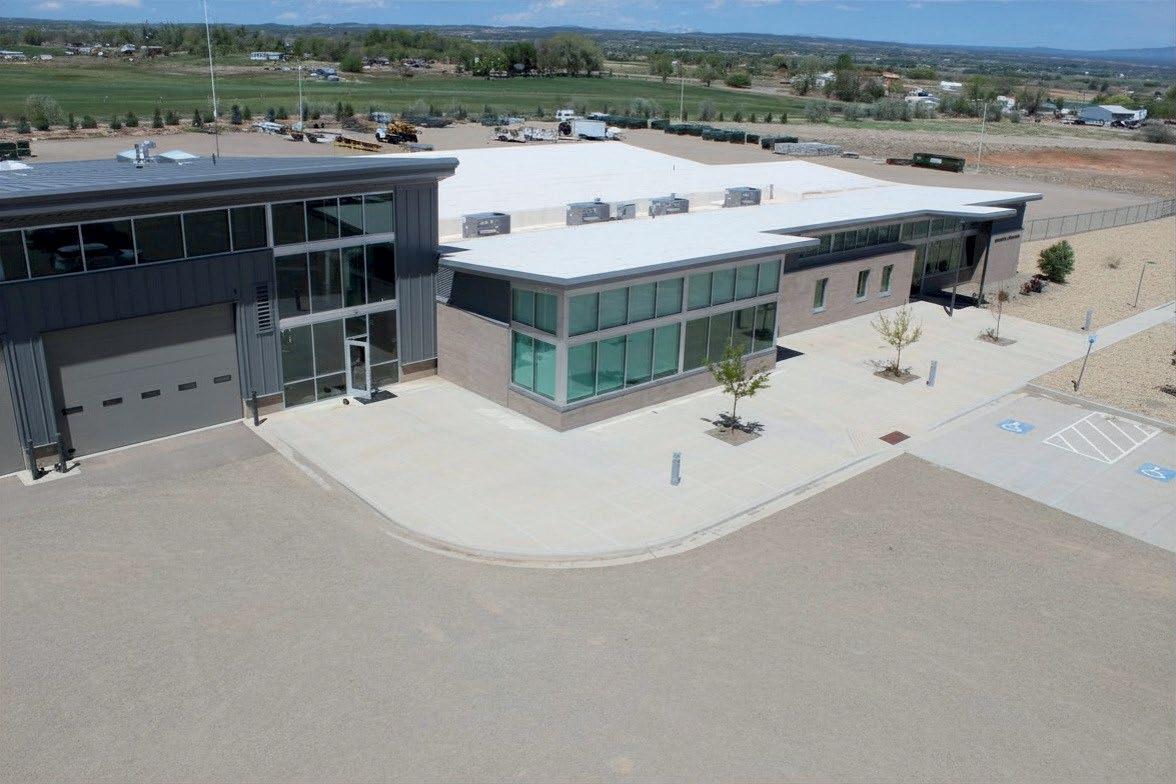
We are pleased to report that the new Member Services Center is fully operational. We transitioned operations from the 801 N. Broadway location to the new building in December 2025.
Construction of the Member Services Center began in late 2024 and was completed November 2025. The project went smoothly and quickly, partly because the planning began long before ground was broken. EEA purchased the property in 2009 with the vision of having a campus large enough to serve our needs well into the future. The most pressing need in 2009 was to find a new location for our engineering and operations functions. We had outgrown the existing facilities and ingress and egress with large trucks had become increasingly challenging. We built the Engineering and Operations Center in 2013 to meet that need, and the plan was to eventually have our member services and administrative functions on the same campus when it made financial sense. Over the past few years, EEA received extraordinary income from property sales, the employee retention tax credit, and the sale of FastTrack, our telecommunications subsidiary. This additional income, coupled with our strong financial position, allowed us to build the new Member Services Center without putting upward pressure on rates.
The combined campus gives our employees a safe and comfortable work environment. It also has allowed us to gain efficiencies by reducing the amount of property we have to maintain and allowing most of our employees to work close to one another. We look forward to using our combined campus to meet your needs for many years to come.
THANK YOU
We express our sincere appreciation to you, our members, for your continued support. You are the reason this cooperative exists and our purpose for continuing to plan for the future. EEA has had the pleasure of serving you for the past 87 years, and we look forward to continuing to safely, responsibly, and reliably meet your electrical energy needs.
Board of Directors & District Map


Representative
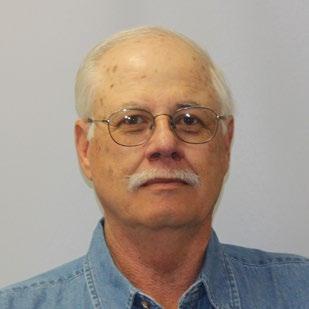
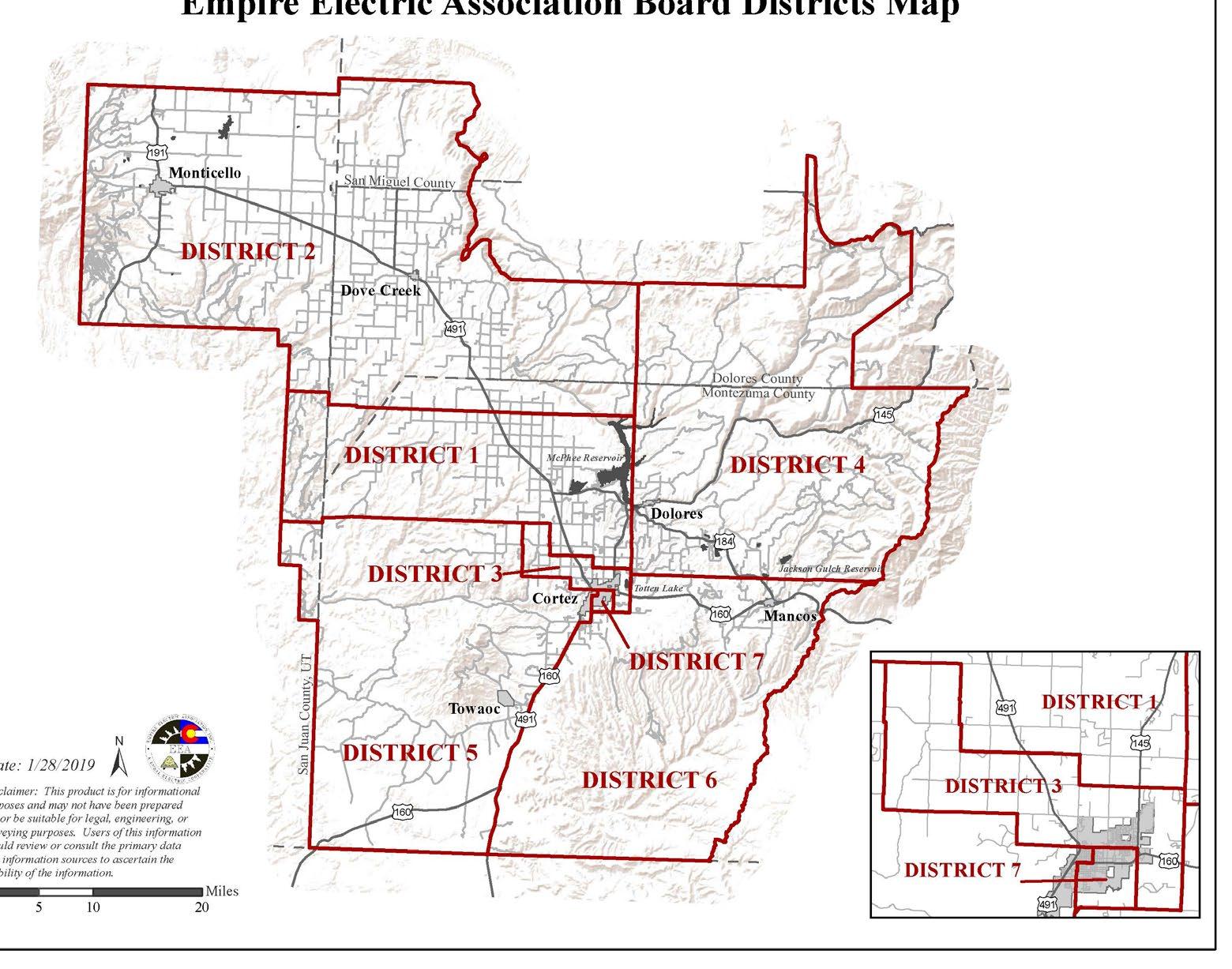
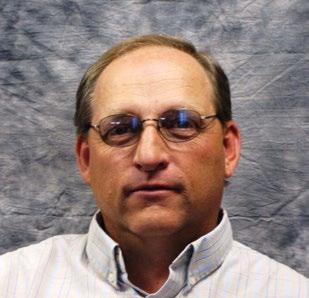
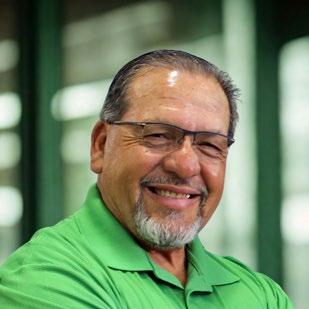

District
District 7 Larry Archibeque, CREA Representative, CREA President
District 4
Bill Mollenkopf
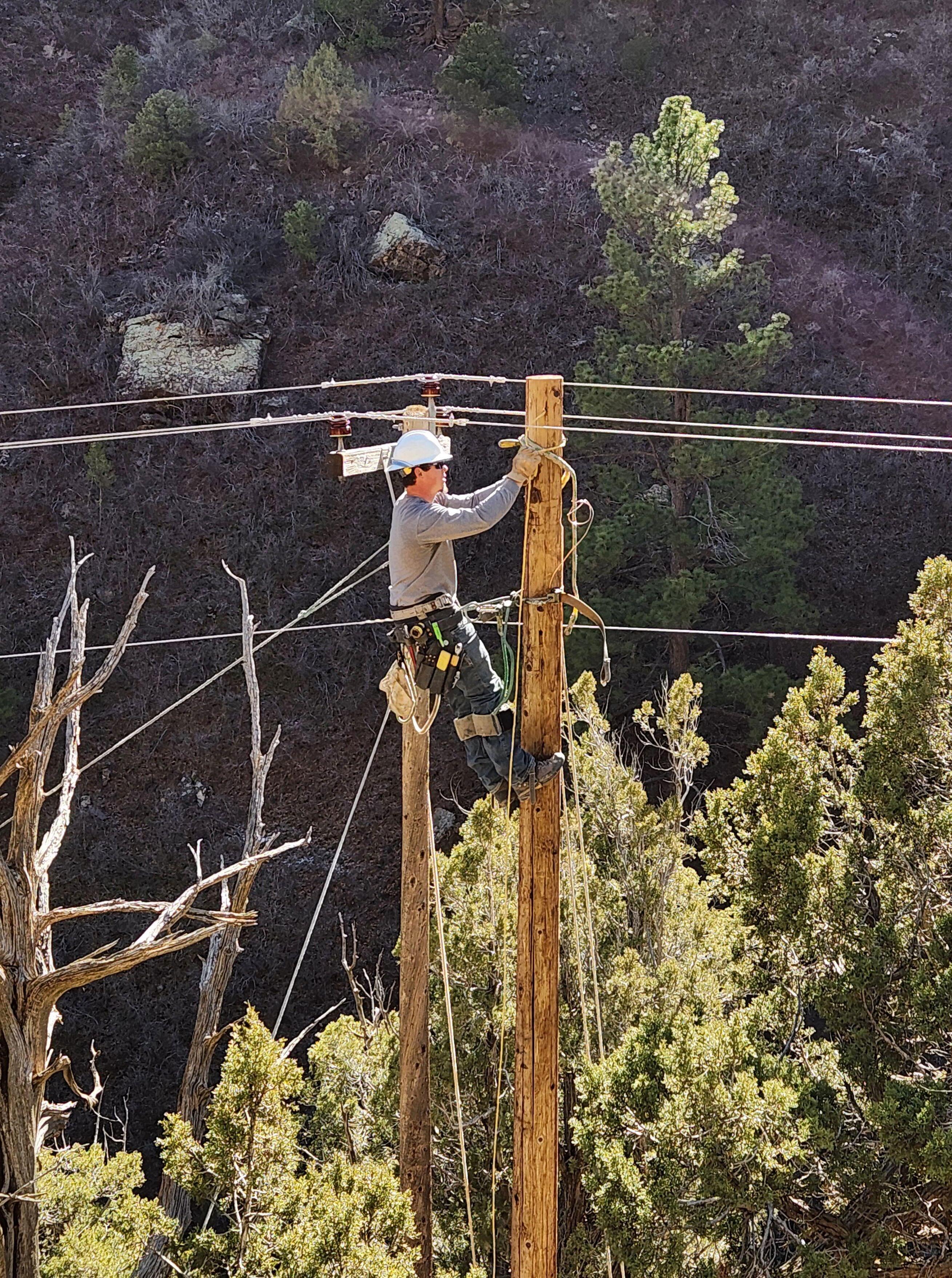
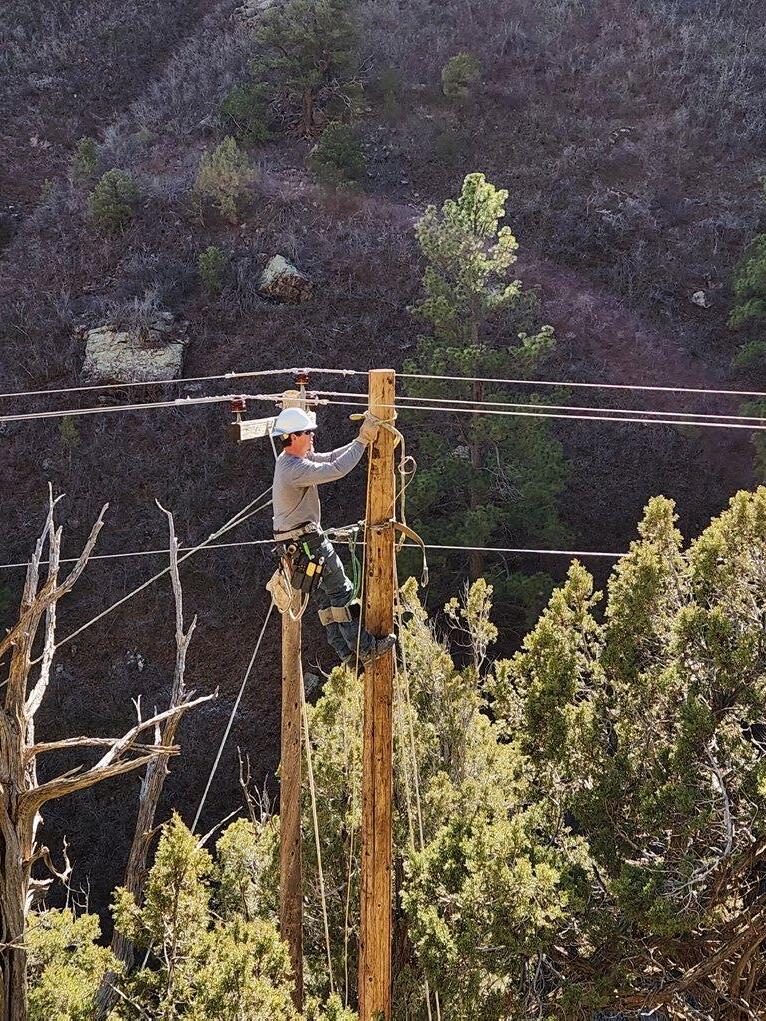
On the Cover: EEA Lineman Matt Larson replaces a pole in the Dolores River Canyon.
Photo by Lineman Jake Kline
BALANCE SHEET
SYSTEM STATISTICS
STATEMENT OF OPERATIONS
WHERE EMPIRE’S 2025 REVENUE CAME FROM
of Montezuma County and parts of Dolores and San Miguel counties in Colorado and part of San Juan County in Utah

Built to Serve Message From the President
By Morgan Weinberg Board President
Every few years, the GCEA board of directors and executive staff revisit the cooperative’s strategic plan to help define goals for the future. I arrived at our most recent strategic planning session with a competitive mindset, asking myself: What does winning look like? How do we beat the competition?
But as we worked through this process with the GCEA team, something became clear: That framing doesn’t fit who we are. GCEA has a service mindset, and the cooperative model is the reason.
A competitive mindset is fundamentally about advantage: capturing market share, outmaneuvering rivals, and maximizing return. It can be useful, but a service mindset starts from a different place. It asks not, “How do we win?” but, “What do our members need?” The motivation isn’t conquest; it’s genuine accountability to the people depending on us. These two orientations produce different cultures and different organizations.
A cooperative isn’t owned by shareholders hunting for return on investment. It’s owned by the members we serve. That single fact changes everything. When our interests are perfectly aligned with our members’ interests, the motiva-

tion to serve isn’t something we have to manufacture or incentivize — it grows naturally out of the model itself.
Investor-owned utilities price electricity to generate profit for shareholders. GCEA prices electricity to recover costs. Any margin left over comes back to members as capital credits. Our goal in introducing the new demand rate last year was not to make more money, but to more fairly allocate costs — aligning the interests of each member with the cooperative as a whole. A fair rate funds reliable infrastructure, attracts and retains good employees, and treats every member equitably, regardless of their electricity use. One of the primary goals of our rate design is to ensure that we are all cooperating within our cooperative, not saving money at the expense of others.
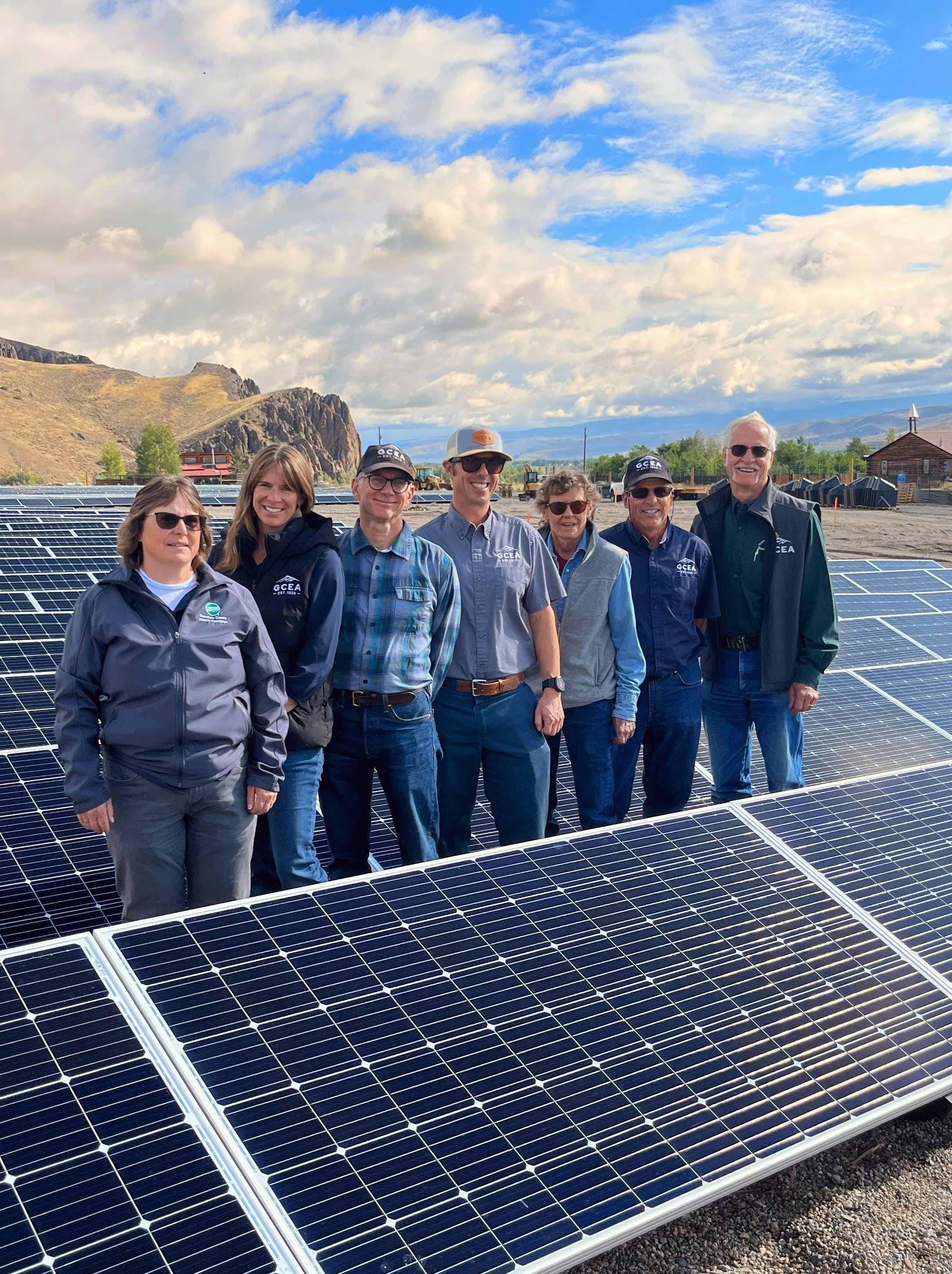
Sometimes we face situations where members have different priorities. In the past year, we built two local solar projects — Gunnison River Solar and Oh Be Joyful Solar. These projects serve members who want to reduce the environmental impact of the energy they consume, and we completed them with no rate impact for members who prioritize affordability.
That’s what the cooperative model makes possible. And it’s what every person at GCEA shows up to do every day.
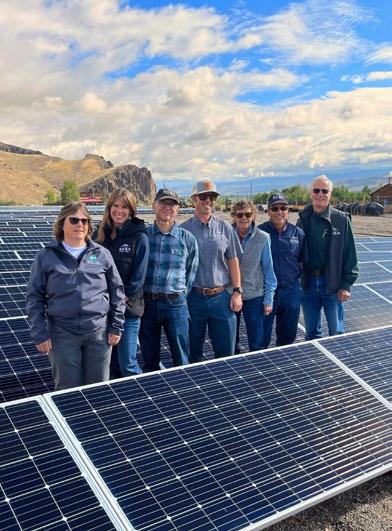
The board of directors gathers at the Gunnison River Solar Array.
Photo by Alliy Sahagun
Delivering Value
Every play matters
By Mike McBride Chief Executive Officer
Board president Weinberg noted in his article that a service mindset starts with asking “What do our members need?” In one form or another, we ask ourselves this question every day. The short answer is that our members deserve the highest value possible.
So, what goes into the calculation of high value? Ultimately, the determination is personal. Reliability, affordability, responsibility, and good member service

emissions and save money on 3% of our power supply. As for the two solar projects, which account for 3.3% of our power supply, we can produce renewable energy at the same cost as we would otherwise pay our power supplier. As we pay off the upfront investment in these projects, we will begin to see savings from the solar projects and greater savings from hydro.
GCEA’s rates are designed to recover costs. So, whenever GCEA saves money, you save money.
The demand charge that was introduced this year will help us reduce our wholesale power
















GCEA GCEA CEA

H Hi it ti it t o ou ut t o of ft th he e p pa ar rk k
IN 2025 IN 2025 N


GCEA awarded 139 scholarships and launched two new programs - Last Chance Scholarship and Bright Futures Grant .

GCEA built two solar projects that will boost local renewable energy. More projects are underway to power the Gunnison Valley’s future.

GCEA sent 7 students to the Electric Cooperative Youth Tour and 2 students to Youth Leadership Camp— helping them learn, lead, and make memories that last a lifetime.


GCEA launched education on a new rate design to encourage members to shift energy use away from peak hours from 5–9 p.m.















Statement of Operations
GCEA Financial & Statistical Information
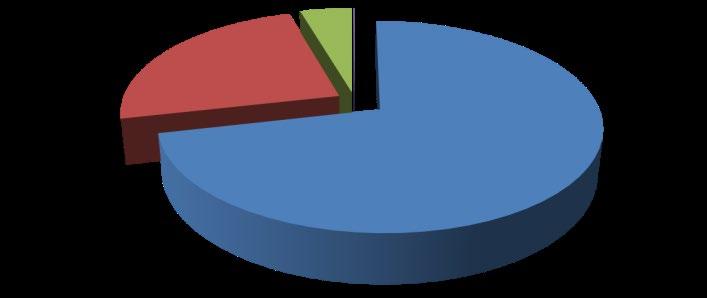
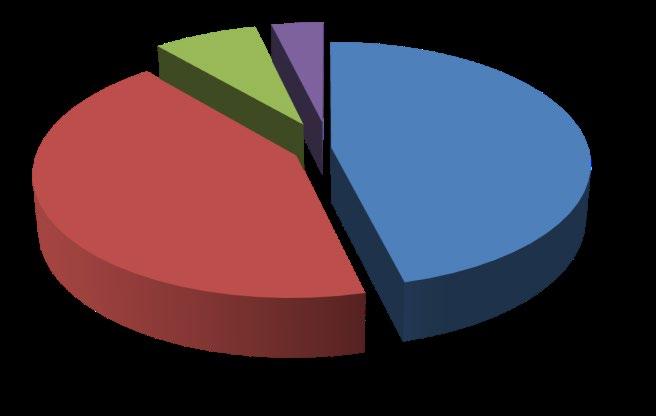
GCEA Operating Revenues*

Wildfire Risk Reduction: It’s a Community Effort
By Derek Elder Chief Operating Officer
Wildfire season is growing longer and more severe across the West, and Grand Valley Power’s service territory is no exception. Hotter temperatures, drier conditions, and stronger winds mean the risk of wildfire affects us all. Unfortunately, given the current conditions, it’s only a matter of time before a wildfire will break out. Reducing that risk requires cooperation — among utilities, emergency responders, landowners, and the people who live and work in our communities.
in rare cases, contribute to wildfire ignition. Because of this, wildfire mitigation is a core part of how we plan, maintain, and operate our electric system.
As your locally-owned electric cooperative, we make safety our highest priority. This means delivering reliable electricity safely and protecting our members, employees, and communities from the threat of wildfires. Grand Valley Power works yearround to reduce wildfire risk, but we need your help too. We must discuss how electric infrastructure and wildfires intersect. Electricity is a modern convenience that society expects. However, extreme weather, strong winds, or vegetation contacting power lines can,
PREPARE FOR EXTENDED OUTAGES
Members should be prepared for extended outages in case wildfire disrupts power to their service location. In some cases, the wildfire might be many miles away, but the need to disconnect power to keep firefighters safe would mean that members would still lose power. Many of you are familiar with the term Public Safety Power Shutoff, or PSPS. This term has become more common over the past year, with large utilities and wholesale power suppliers using it as a tool to mitigate fire risk. While Grand Valley Power does not currently plan to implement a PSPS, that could change; and our members could be impacted by one if our power supplier initiates a PSPS that would shut off the power to our distribution system. To prepare for extended outages, members should:
GVP’s Wildfire Mitigation Plan has guided our efforts for several years and is reviewed regularly. The plan focuses on proactive maintenance and vegetation management, along with more sensitive system settings during the dry season and times of drought. These measures help reduce the likelihood that GVP’s system will contribute to the ignition of a wildfire. The cooperative also uses technology and explores grants to mitigate fire risk. One such grant from the Colorado Energy Office helped cover the costs to bury nearly one mile of existing power line in the Vega Reservoir area. Across our territory, GVP line personnel also perform regular inspections to help ensure that GVP’s system performs as well as possible under stress. In 2025, crews inspected 41% of GVP’s system, exceeding our benchmark of inspecting 33% of the system annually.
continued on page 8
• Update your contact information with Grand Valley Power.
• Build an emergency kit with non-perishable food and water.
• Plan for medical necessities (backup oxygen supply/medical devices, medicine, etc.).
• Determine if backup power is necessary.
• Identify fire-safe storage or a plan to evacuate with sensitive documents.
• Know how to manually operate garage doors, electronic gates, and similar systems.
• Plan for pets and livestock.
• Identify community resources, family contacts, and neighbors, if necessary.
MITIGATION EFFORTS
One of the most effective tools we have to manage risk is aggressive vegetation management. Keeping trees and brush clear of power lines reduces the risk of contact during high winds and dry conditions. GVP uses a contractor to regularly trim trees and remove overgrown vegetation to maintain proper clearances. GVP personnel also inspect the right-of-way to identify and address hazardous trees that could fall during storms. This work is ongoing and prioritized in areas with higher wildfire risk.
As part of our wildfire mitigation plan, we regularly inspect power lines, poles, transformers, and other equipment to identify potential issues before they become problems. Aging equipment is tested and replaced, poles are inspected for structural integrity, and repairs are made to improve safety and reliability. These proactive measures and investments help reduce the risk of equipment failure during extreme conditions.
We also invest in fire-resistant technology wherever feasible. This includes upgrading poles and hardware, installing protective devices that can be remotely adjusted to sensitive settings and shut off power quickly when a fault is detected, and using equipment designed to reduce sparking. These improvements

SADDLE UP!



help minimize ignition risk while supporting reliable electric service. GVP is also testing special paint for power poles that protects the pole from burning in the event of a fire.
Monitoring and preparation are equally important. We track weather conditions — especially wind, heat, and humidity — during high-risk periods. Our cooperative works with local fire districts and emergency managers, maintains emergency response and restoration plans, and trains crews in wildfire awareness and response. When conditions become extreme, we may adjust operations to protect public safety. We closely monitor Mesa County’s Fire Restrictions to assess our operational risks. continued from page 7
On the Cover:
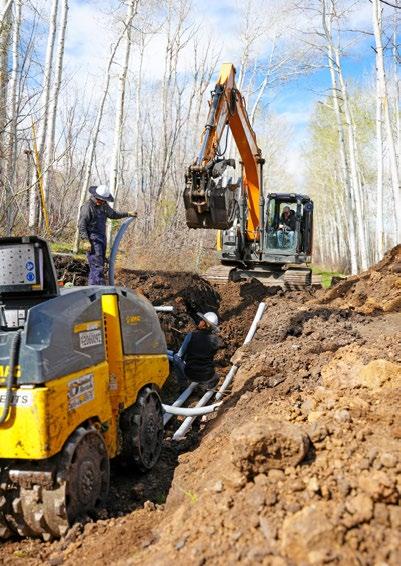
GVP crew members Cody Winsor (foreground left), Trevor Lettman (foreground right), and Cole Crider work to bury a section of power line in the Vega Reservoir area on the Grand Mesa.
Photo by Tanya Marchun

Grill opens at 6 p.m. Movie at Dusk
Donations Accepted
Glade Park Volunteer Fire Department 16400 DS Road


When the Turner Gulch wildfire ignited last summer, GVP personnel coordinated with local officials to establish open communication channels that were critical to identifying electrical infrastructure, helping keep power on for members in the Unaweep Canyon and Gateway. GVP also worked with firefighters to de-energize line sections as needed to protect fire personnel during their efforts to fight the fast-spreading fire.
HOW YOU CAN HELP
Wildfire prevention is a shared responsibility. Members can make a meaningful difference by maintaining defensible space around homes and buildings, clearing dead vegetation, and keeping grass and brush trimmed. Planting wisely also helps — avoid planting trees under or near power lines and consider fire-resistant landscaping.
If you see a hazard, please let us know. Report trees leaning into power lines, damaged poles, sagging wires, or sparking equipment immediately. Never attempt electrical work yourself, including trimming trees near power lines. Always stay at least 30 feet away from any downed line, and call Grand Valley Power immediately.
Because we are member-owned, every decision we make is guided by what’s best for our community. Wildfire mitigation requires planning, investment, and cooperation, and we are committed to doing our part — now and in the years ahead. With your partnership, we can reduce wildfire risk and help keep our communities safe.
Report outages or hazards to 970-242-0040. For questions, concerns, or additional safety tips, please contact us or visit our website at gvp.org.
Passport Stamps and Sideline Cheers
Deb DeRose retires
By Tanya Marchun Communication Specialist | communications@gvp.org
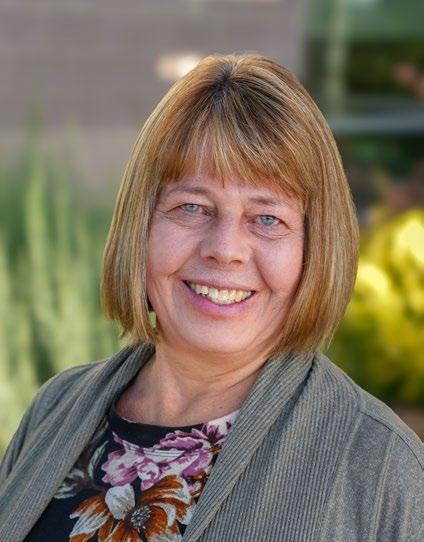

Ciao! Adieu! Adios! Deb DeRose is saying “goodbye” to her career at Grand Valley Power and “hello” to retirement and more trips around the globe. After nearly 37 years with the cooperative, the only projects Grand Valley Power’s engineering assistant will coordinate beginning in July are her travel itineraries and outings with friends and family. Even though Deb calls the Grand Valley home, she has never missed an opportunity to explore the world — from the Bahamas and Hawaii to Niagara Falls, Napa Valley, and many places in between. In April, her travels even took her to Italy and Iceland.
Deb started her career as GVP’s office administrative assistant in 1989 when there were 20-some employees and 8,000 meters on GVP lines. “I had to take my typing test on an old typewriter that didn’t have a backspace — I did terribly.” She may not have impressed people with her typing skills, but she remembers being impressed by the warm and welcoming atmosphere of Grand Valley Power and its employees.
Throughout her 37 years at GVP, Deb has worn many hats and done a bit of everything — customer service, monitoring connects and disconnects, and
even processing payroll. Her variety of skills set her up for a rewarding career helping GVP grow to more than twice the size it was when she started working at the cooperative. For the last four years, Deb has held the title of engineering assistant, helping with engineering and solar applications, service orders, collecting payments, completing contracts, and generally keeping the engineering department running smoothly.
Deb has been married to the love of her life, Jerry, for 45 years. Together, they have two daughters — Nicole and Kayla — two sons-in-law, and six granddaughters. “Family is the most important part of life,” Deb said. “Take the opportunities you have to be with the ones you love.”
When Deb is not at work or traveling, she cheers for her granddaughters at softball, basketball, or volleyball games, or at gymnastics or dance events.
In her retirement, Deb is excited for more time with family and her retired friends, and to experience new things around the world. We at Grand Valley Power will miss Deb’s gracious spirit and hearing about her adventures, but we wish her safe and happy travels in her retirement.
Congratulations, Deb!

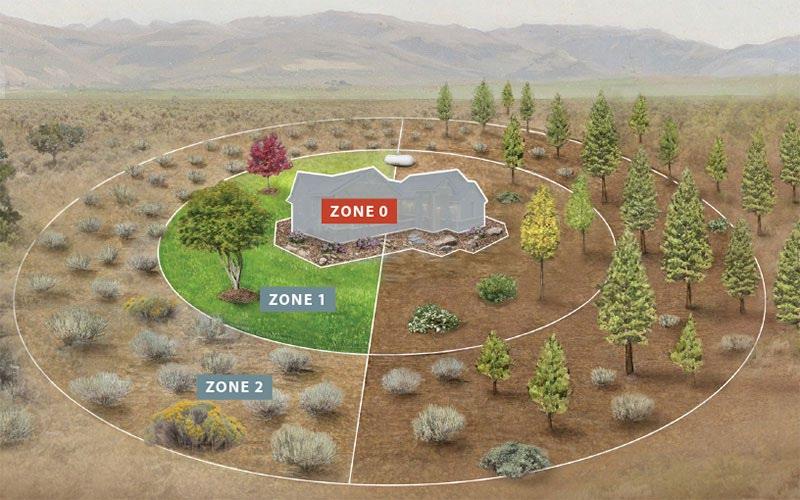

0-5 feet from home
Create a non-combustible area around your home using gravel, rock, or hardscape.

5-30 feet from home
Reduce and space out vegetation. Trim trees, eliminate ladder fuels, and keep grasses short.

30-100 feet from home
Thin native vegetation, remove dead brush, and break up fuels to slow fire spread
Learn more about creating a defensible space around your home at gvp.org/create-defensible-space

Co-op Margins
Margins left over after expenses are paid are allocated to members as Member Capital
Funding Ongoing System Improvements
Sound business practices require GVP to operate with margins to maintain its fiscal health GVP uses these margins, or member capital, to help pay for the construction and maintenance of its electric distribution system and to minimize the amount of money the cooperative has to borrow
gvp.org/CashBackCredits Watch for your allocation notice in the mail!
When the financial status allows, Grand Valley Power's board of directors can authorize the cooperative to refund or “retire” a portion of member capital in the form of CashBack Credits paid to members CashBack Credits checks are typically mailed in December.

Coordinating Power Across the Grid
Article provided by NRECA
When you flip a switch, electricity is there — instant, reliable, and ready to power your day. But behind that simple moment is a carefully coordinated system made up of many “grid power players,” all working together to keep the lights on.
At Highline Electric Association, we think it’s important for our members to understand how this system works and who’s involved in delivering the electricity you depend on every day.
It all starts with generation owners and operators. These are the facilities that actually produce electricity. Power plants convert energy from a variety of sources — such as natural gas, coal, nuclear energy, and renewables like wind or solar — into electricity. These facilities may be owned by electric utilities, government entities, or private companies. In our area, a diverse mix of generation sources helps ensure reliability while also supporting affordability and sustainability goals.
Once electricity is generated, it needs to travel — often across long distances — to reach local communities. That’s where transmission owners and operators come in. Using high-voltage transmission lines strung along massive towers, they move bulk electricity from power plants to local areas. You’ve likely seen these lines along highways or across open land. Because electricity can’t easily be stored in large quantities, this system must constantly move power from where it’s produced to where it’s needed, all in real time.
Highline is a member of Tri-State Generation and Transmission Association, our local generation and transmission partner. Tri-State is a private, not-forprofit wholesale power provider that generates and transmits electricity to Highline and other electric cooperatives and consumers in our region.
Coordinating the flow of large amounts of power is a complex job, especially across multiple states or regions. In many parts of the country, organized wholesale markets, managed by regional transmission organizations or independent system operators handle this responsibility. These entities don’t typically own power plants or transmission lines. Instead, they act as traffic controllers for the
grid — balancing supply and demand every second of the day and directing which power plants should generate electricity at any given moment. Tri-State works with the Southwest Power Pool to help ensure reliable service and cost-effective energy for Highline’s members.
Then there’s the part of the grid most people are familiar with — your local electric utility. That’s where Highline comes in. We take electricity from the highvoltage transmission system and deliver it directly to your home, farm, or business through lower-voltage distribution lines. We also maintain utility poles, power lines, electric substations, and other essential equipment in our community.
When storms roll through or outages occur, our crews are the ones working to restore power safely and as quickly as possible. At Highline, we’re proud to serve over 11,000 meters across northeastern Colorado and southwestern Nebraska, and we’re committed to providing reliable, affordable electricity you can count on.
Finally, there’s you — the end user. Homes, businesses, and industries all play a critical role in the grid. Your energy use directly influences how much electricity needs to be generated and delivered at any given time. During periods of high demand — like hot summer afternoons or cold winter mornings — the grid must work harder to meet increased usage. Simple steps like adjusting your thermostat or running appliances during off-peak hours can make a meaningful difference.
Beyond these key power players, there are additional organizations working behind the scenes to ensure our grid remains reliable and secure.
The North American Electric Reliability Corporation develops and enforces reliability standards through a collaborative stakeholder process that includes utilities, regulators, and industry experts. NERC also monitors the grid, trains personnel, and assesses risks to help maintain a strong and resilient electric system across North America.
Meanwhile, the Federal Energy Regulatory Commission provides federal oversight. FERC
regulates interstate transmission of electricity and oversees wholesale energy markets to ensure they operate fairly and efficiently. It also plays a role in hydroelectric licensing and energy infrastructure development, helping ensure safe and reliable energy delivery nationwide.
From generation to transmission to your local utility, it takes a coordinated effort to power your
everyday life. At Highline, we’re proud to be your trusted energy partner — and to play our part in keeping the grid strong for the communities we serve.
NRECA is the national trade association representing nearly 900 local electric cooperatives. From growing suburbs to remote farming communities, electric co-ops serve as engines of economic development for 42 million Americans across 56% of the nation’s landscape.
Irrigation Efficiency Rebates Available
Highline Electric Association is offering rebates to help ag producers improve irrigation efficiency and reduce energy costs. Members may qualify for a sprinkler package or nozzle replacement rebate covering 50% of costs, up to $4,000 per center pivot or 1,300 feet of pivot length, with additional prorated rebates available for longer systems. Eligible equipment includes pressure regulators, sprinkler heads or housings, and nozzles, and requires an irrigation assessment completed within the last 30 months.
HEA also offers rebates for pump and motor replacements. Pump rebates are available at $25 per water horsepower for new or rebuilt pumps that meet a minimum 75% operating efficiency, while motor replacements qualify for $10 per horsepower (10 hp minimum), with additional wiring assistance available for electric motors replacing fossil fuel engines. Receipts and supporting documentation are required. Contact Highline at 970-854-2236 for details.


Congratulations to the following Highline Electric employees who celebrate a work anniversary in June:
Alex Astley — 12 years
Carl Haughn — 4 years
Joel Muller — 3 years
Rich Rochlitz — 2 years
Two Local Students Get Ready for Youth Tour
Highline Electric Association is proud to announce that Carlie Brandt of Julesburg High School and Jennifer Toyne of Revere High School have been selected to represent the co-op at the Electric Cooperative Youth Tour in Washington, D.C., from June 15 to 21. This seven-day journey promises an immersive experience within the electric cooperative network while delving into the rich history of our nation’s capital.
Highline covers all expenses including transportation, accommodations, meals, and admission fees for these two outstanding students. It’s a week filled with visits to iconic landmarks, explorations of world-class museums, and opportunities to engage with elected officials. It’s also a chance for Carlie and Jennifer to build friendships with peers from across the nation, fostering connections that can last a lifetime.


DO WE HAVE YOUR MOST UP-TODATE CONTACT INFORMATION?
Maybe you switched cell phone providers and had to get a new phone number or decided to disconnect your landline. Maybe your mail isn’t delivered to your house anymore and you pick it up at the post office. Whatever it may be, make sure we have your most up-to-date phone numbers, mailing addresses, and anything else that can help us get ahold of you we need to contact you.
PROPERTY TAXES PAID IN 2025 IN NEBRASKA AND COLORADO:
NEBRASKA
Chase County = $47,599.98
Perkins County = $2,630.64
Dundy County = $116.38
Deuel County = $1,330.90
COLORADO
Logan County = $116,266.43
Phillips County = $117,986.16
Sedgwick County = $55,587.24
Morgan County = $821.12
Washington County = $8,895.84
Yuma County = $45,848.56
Carlie Brandt, Julesburg High School
Jennifer Toyne, Revere High School
Pesticide Safety
Highline Electric Association employees work hard to maintain reliable service across our rural communities — often accessing fields, pastures, and rights-ofway to restore power or perform routine maintenance. When a field has been treated with agricultural chemicals, however, entering that area without warning can pose serious and immediate health risks to our crews.
Just as you take precautions to protect your family and employees, we ask for your help in protecting ours. A simple notification can prevent harmful exposure and keep everyone safe.
YOU CAN HELP
• If you apply any chemicals to a field, please notify Highline.
You can call our office or place a notification flag at the entrance to the field.
• Free notification signs and flags are available. Stop by any Highline office — we provide these markers at no cost.
• During outages, please inform us if the affected field has been sprayed.
Crews often must enter fields quickly during restoration, and your communication helps ensure their safety.

Chemical exposure — even at low levels — can have serious short term and long term health effects. With your cooperation, we can reduce the risks our employees face while they work to keep your power on.
ENERGY EFFICIENCY
TIP OF THE MONTH

During these warm summer months, a smart thermostat can help keep your home comfortable while reducing cooling costs. Smart thermostats learn your routine and automatically raise the temperature when you’re away and cool things down before you return, avoiding unnecessary energy use. You can also adjust settings remotely from your phone, so you’re never cooling an empty house. Setting your thermostat a few degrees higher while you’re away or asleep can lead to significant savings. Many smart thermostats provide reports and tips, helping you fine-tune your energy use, and stay cool while keeping your electric bill in check.
Why Vegetation Management Matters
By David Churchwell General Manager
There’s something timeless about trees. They ground us. They remind us of where we’ve been, and they stretch toward what’s ahead. Here in our community, we take pride in the natural beauty that surrounds us — the shade on a summer afternoon, the colors that mark the changing seasons, the quiet strength of something that grows slowly but endures.
At the same time, we share another responsibility — one that’s just as essential to our daily lives. The responsibility to keep the lights on, to power our homes and businesses, to make sure that when you flip a switch, the energy you depend on is there.
That’s why K.C. Electric works every day to strike a careful balance between preserving the beauty we cherish and safely delivering the reliable electricity you expect.
One of the most important ways we do that is through regular tree trimming.
Now, it may not always be obvious, but keeping lines clear of overgrown vegetation plays a major role in preventing power outages. We’ve all seen what can happen when severe weather rolls in — strong winds, heavy ice, or sudden storms can bring down branches and, with them, power lines and poles. In fact, many of our power outages can be traced back to trees coming into contact with electrical infrastructure.
That’s why you may notice contract tree trimming crews working in our service territory throughout the year. Our contractor crews are highly trained and certified, following the latest industry standards to ensure the job is done safely and effectively. Their work might seem routine, but it’s anything but — it’s a proactive step that helps prevent problems before they start.
And it’s not just good practice — it’s required. As an electric utility we are obligated to manage vegetation near power lines. Scheduled trimming helps remove dead or weakened limbs and keeps fast-growing trees from becoming hazards. It’s about staying one step ahead, especially as we prepare for the intensity of severe weather events that occur in Eastern Colorado.
But beyond reliability and efficiency, there’s another reason this work matters: safety.
Electricity is a powerful force, and when trees grow too close to power lines, that power can become dangerous. Branches that touch lines — or even come close — can carry electrical current. Children climbing trees in their own yards may not realize the risk. And during storms, fallen trees can create hazardous conditions not only for families but also for our linemen working to restore service.
There’s also a financial reality we can’t ignore. Preventive maintenance — like tree trimming — is far more cost-effective than repairing widespread damage after an outage. Left unchecked, overgrown vegetation can lead to more frequent disruptions and higher costs for everyone. A thoughtful, vegetation management program helps keep those costs down for our members.
You can help, too. When planting new trees, consider their mature height and distance from nearby power lines. Trees that grow up to 40 feet should be planted at least 25 feet away from overhead lines. Trees that grow to more than 40 feet tall should be planted at least 50 feet away. If you’re landscaping near pad-mounted transformers or meter pedestals, keep shrubs at least 10 feet from the front and four feet from the sides to allow safe access.
If your home or business has underground lines, don’t forget to call 811 before digging. It’s a simple step that can prevent serious accidents.
K.C. Electric's goal is to trim the trees in our service territory on a three-year rotation. This year, our contractor will focus on trimming trees in Cheyenne County but will also be trimming danger trees throughout our service territory.
At the end of the day, we all want the same thing: a community that’s safe, resilient, and beautiful. At K.C. Electric, we’re proud to be part of that effort. Our roots run deep here, just like the trees we work to care for.
Safety First
Students learn about electrical safety from K.C. Electric
K.C. Electric Association’s Manager of Member Services George Ehlers represented the co-op at the Cheyenne County Farm Safety Day in Cheyenne Wells held in April. More than 100 students from seven area schools participated in this important event.
Ehlers brought K.C. Electric’s tabletop electric voltage demonstration to the safety day. Students
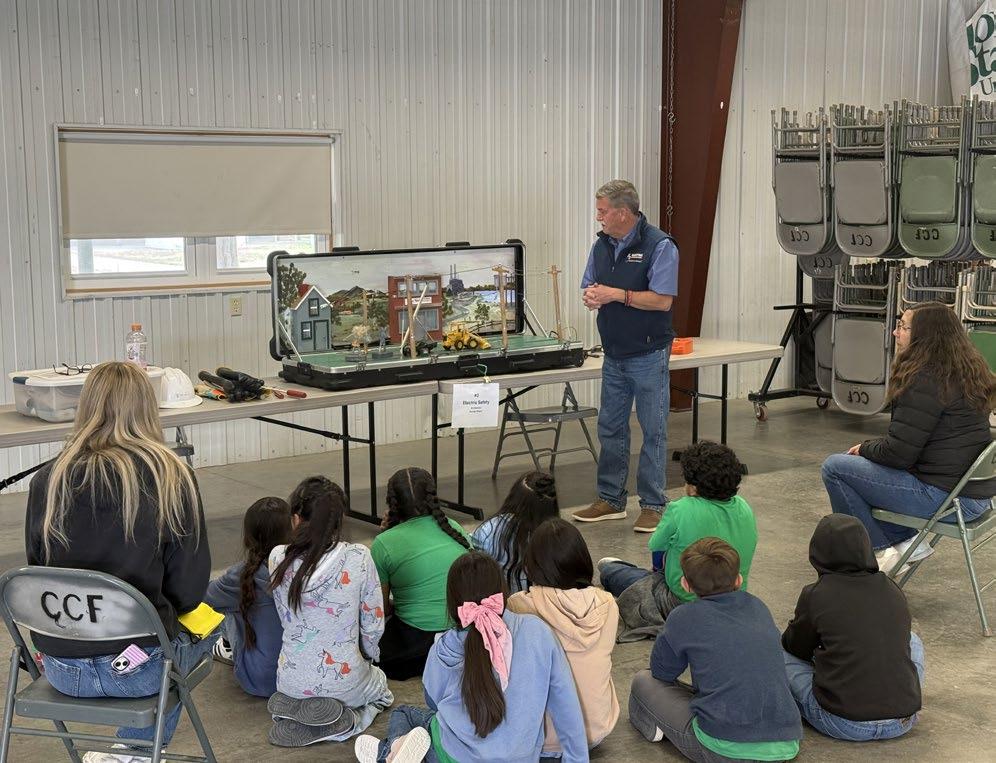
K.C. Electric Association’s George Ehlers teaches students about electrical safety using the co-op’s high-voltage tabletop demonstration.
learned how to be safe around electricity at their home, on the farm, around power lines, and near power poles. They also learned other general electrical safety concepts.
K.C. Electric is grateful for opportunities to connect with the communities it serves to teach people critical and life-saving tips about electrical safety.
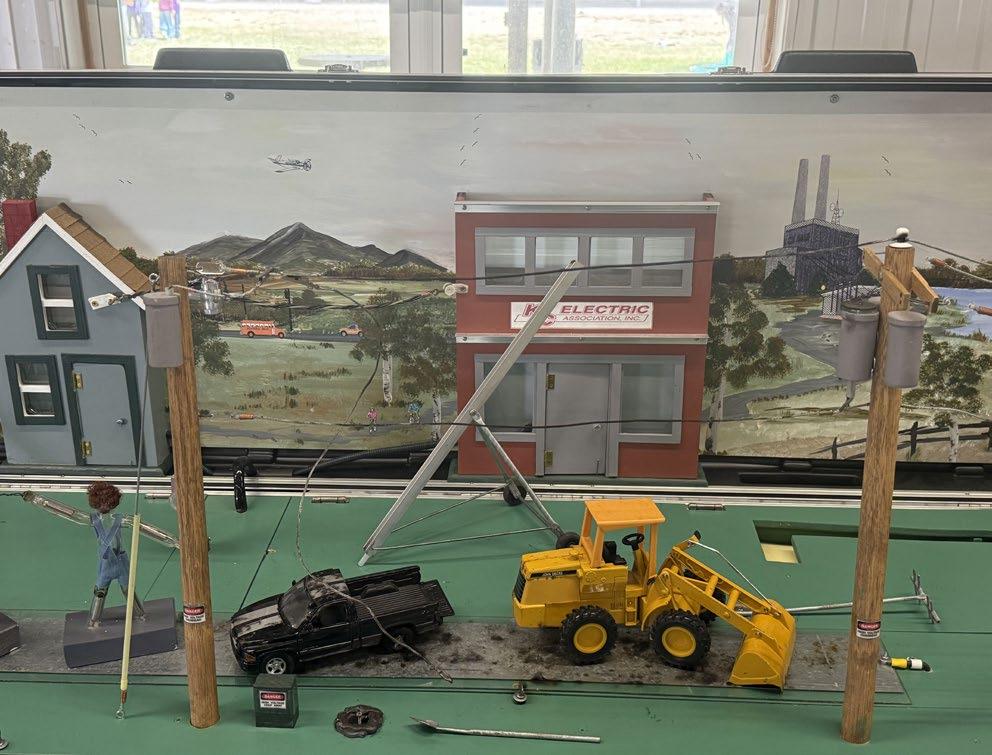
K.C. Electric’s high-voltage tabletop demonstration teaches students about how to stay safe around electricity on the farm and what to do if equipment comes into contact with a power line.
CLAIM YOUR SAVINGS
Each month, K.C. Electric members have a chance to claim $20 credit on their next electric bill. All you must do is find your account number and call the Hugo office at 719-743-2431 and ask for your credit. The account numbers are listed below. How simple is that?
You must claim your credit during the month in which your name appears in the magazine (check the date on the front cover).
Joe Garnhart, Flagler — 529xxxxxx
Morgan Einspahr, Seibert — 1111xxxxxx
Dale Dwyer, Cheyenne Wells — 420xxxxxx
Randy Hovrud, Vona — 1000xxxxxx
In April, four members called to claim their savings — Greg Andrews, Dale Ridder, Steve Daniel, and Melissa Ross.

Electrical Safety for New Homeowners
Moving into a new house is an exciting time. From unpacking boxes to decorating, there’s a lot to do. During this busy time, don’t overlook a vital aspect of your new home: its electrical system.
GET TO KNOW YOUR ELECTRICAL PANEL
Knowing your breaker box means understanding its parts, like the main breaker for the whole house, individual switches for circuit breakers, and their functions. Be sure to familiarize yourself with your electrical panel and label each breaker and panel by appliance or room. Test how to reset a tripped breaker. Be sure to also find the main shut-off switch in case of an emergency.
AVOID ELECTRICAL HAZARDS
Knowing what to look for around your home and identifying potential hazards can ensure your family’s safety, prevent fires, and reduce costly repairs.
• Have only one heat-producing appliance, such as a coffee maker, microwave, or space heater, plugged into an outlet at a time.
• Major appliances such as refrigerators, dryers, washers, and stoves should be plugged directly into a wall receptacle outlet. Extensions cords and outlet strips should not be used.
• Inspect cords for signs of fraying or damage and replace or repair them immediately.
• Only use extension cords temporarily. Don’t run cords under rugs, carpets, doorways, or windows. Have a qualified electrician add more outlets if needed.
• Use surge protectors to safeguard devices such as computers, televisions, and appliances from sudden power spikes.
• Always keep electrical devices away from water sources such as sinks, tubs, and pools. Unplug items like hair dryers after use.
• Reduce risk of shock by using ground fault circuit interrupters (GFCIs) around water sources such as kitchens, bathrooms, garages, basements, and outdoors.
• Use outlet covers to prevent children and pets from inserting objects into unused outlets.
• Use light bulbs with the correct wattage — lamps and fixtures have a sticker to indicate the maximum wattage.
• Have a working smoke and carbon monoxide detector on every floor of your home and ensure there are units installed near your sleeping area.
• Keep outdoor ladders away from overhead power lines, including the electrical service into your home.
• Schedule an electrical inspection with a qualified electrician for peace of mind and to catch issues early.
CALL A PROFESSIONAL IF YOU NOTICE THESE SIGNS OF AN ELECTRICAL PROBLEM:
• Frequently blown fuses, tripped circuit breakers, and unexplained power outages.
• A tingling feeling when touching an appliance.
• Discolored or warm outlets or switch plates.
• A burning or rubbery smell, or a buzzing or sizzling sound.
• Flickering or dimming lights.
• Sparks from an outlet.
As you settle in, keep electrical safety on your new home checklist. Pair these habits with energy-smart steps like turning off lights and unplugging unused devices, and you’ll reduce risk while lowering your utility bill. The little choices you make every day add up to a safer, more efficient household. Welcome home.

Protect your furry friend when temperatures rise:
• Provide access to fresh, cool water at all times.
• Ensure there are shaded spots outdoors.
• Keep paws away from hot pavement.
• Limit activity and exercising on hot, humid days.
• Never leave pets in cars, where temperatures can rise fast.
• Supervise pets around water or a pool.
• Watch for signs of overheating: panting, labored breathing, red or pale gums, disorientation or collapse. Get immediate veterinary help if needed.
For more pet safety tips, visit:



ENERGY EFFICIENCY TIP OF THE MONTH
During these warm summer months, a smart thermostat can help keep your home comfortable while reducing cooling costs. Smart thermostats learn your routine and automatically raise the temperature when you’re away and cool things down before you return, avoiding unnecessary energy use. You can also adjust settings remotely from your phone, so you’re never cooling an empty house. Setting your thermostat a few degrees higher while you’re away or asleep can lead to significant savings. Many smart thermostats provide reports and tips, helping you fine-tune your energy use, and stay cool while keeping your electric bill in check.
It’s Time
for the Summer Switch
Did you know? Ceiling fans don’t cool rooms — they cool you. Fans create a breeze that helps you feel cooler, but they don’t lower the room’s temperature. So turn off fans when you leave the room.
During the summer, ceiling fans should spin counterclockwise to help create a downdraft, which creates that direct cooling breeze.
Stay cool, save money, and reduce energy waste. For more tips about energy efficiency, visit SafeElectricity.org.
Join Us for MCREA’s Member Appreciation Picnic
By Dave Frick General Manager
It’s that time of year! I’m excited to invite Morgan County REA members to our fifth annual Member Appreciation Picnic. This event will take place on Wednesday, June 10, from 5-7 p.m. at our headquarters. The picnic is a great opportunity to gather with our community and share how MCREA is working to serve you — our members.
Our annual picnic is a fun event for the whole family, filled with great food and plenty of giveaways. This year, those in attendance will have the chance to win some spectacular door prizes, and the grand prize will be a Westinghouse electric pressure washer. We will also be handing out other prizes, including gift cards to local businesses.
This event has become a favorite among our members, and each year we look forward to hosting you all. It’s always wonderful to see neighbors visiting with one another and learning more about their
cooperative. Our MCREA team is excited to highlight electrical safety, options for simplifying your power bill, and showcase all the ways we are working to deliver safe, reliable power.
Planning to attend? Feel free to call MCREA’s office or visit us online at mcrea.org and click on the Member Picnic button to submit an RSVP. RSVPs are not required, but doing so will enter you into an additional drawing to win one of 10 available $30 bill credits. Winners will be drawn at the picnic and must be present to redeem their credit.
If you have any questions about this year’s picnic, please call the office at 970-867-5688. We hope to see everyone there.
MCREA’s office will close at 3:30 p.m. on June 10 before the event.

MCREA MISSION

Morgan County REA, a member-owned cooperative, is dedicated to serving our members by providing safe, reliable energy with a strong tradition and vision for the future. This institution is an equal opportunity provider and employer.
734 Barlow Road | P.O. Box 738 Fort Morgan, CO 80701 970-867-5688 | customerservice@mcrea.org mcrea.org facebook.com/MorganCountyREA @morgancountyrea

A Life Along the Lines:
Rodney Rhoades retires
from Morgan County REA
Some careers span a lifetime, and that can certainly be said for Morgan County REA lineman, Rodney Rhoades. Having started at MCREA on June 1, 1981, Rodney was climbing poles and fixing power lines before many of our other linemen were born. After nearly half a century of serving MCREA’s members, Rodney will retire this month — 45 years to the day since he started with the cooperative.
After graduating high school, Rodney completed the lineworker program at what was then Mesa College in Grand Junction, before coming to MCREA. It’s safe to say he’s seen quite a few changes in the industry since then.
“When I started, the average age of a lineman was 56 — and I remember thinking that was old,” Rodney chuckled. “There were no bucket trucks, no cell phones, and we used paper maps.”
Over the decades, Rodney became as much a part of the community as the poles and wires that run through it. While raising his own family in Wiggins, he helped keep the lights on not only for MCREA’s members — but for his neighbors and friends.
Rodney has inevitably developed into somewhat of a historian regarding his service area; for the power and the people. Whether a call came in for an outage at a house, an issue at an irrigation pump, or
a problem with a yard light, there was a good chance Rodney had been there before and personally knew whoever called in.
“I’ve been there for a lot of life events — weddings, graduations, birthdays,” Rodney shared. “I’ve watched members get married, have kids, and now those kids are married with children of their own.”
Having served the cooperative and its members for so long, the thought of retirement was certainly bittersweet for Rodney. However, he and his wife Monique are looking forward to the many adventures to come, especially those with their children and grandchildren.
“I’ve been told I should take up golf,” Rodney smirked. “We’re also hoping to take a trip to Kenya alongside our priest and some other members of our church later this year.”
As Rodney wraps up a long career of keeping the lights on, he will undoubtedly be missed by both the members and the employees who worked with him over the years. MCREA’s team wishes him all the best in his very well-deserved retirement.
“Friendship and being part of the community has been the best part of my job,” Rodney reminisced. “People have treated me like family, and that has meant the world.”
Congratulations Rodney, and thank you for serving MCREA members for so many years!
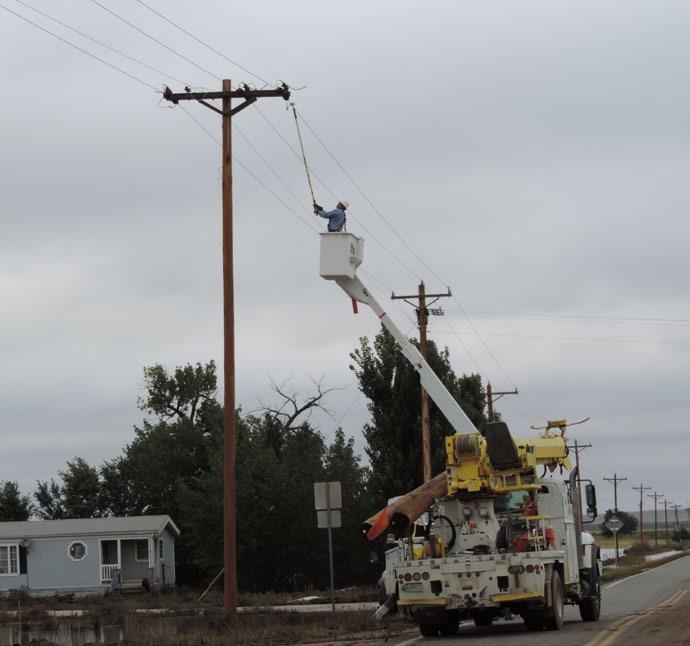
Rodney is excited to spend more time with his family.
Rodney works to restore power near the town of Orchard after flooding damaged the area in 2013.
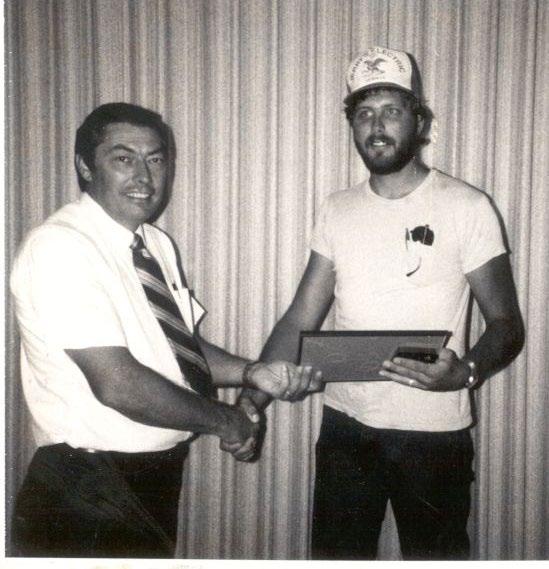
Rodney receives his journeyman lineman certificate from then MCREA general manager, Bob Pflager, in June 1985.
MCREA Presents Safety Demo to Local Firefighters
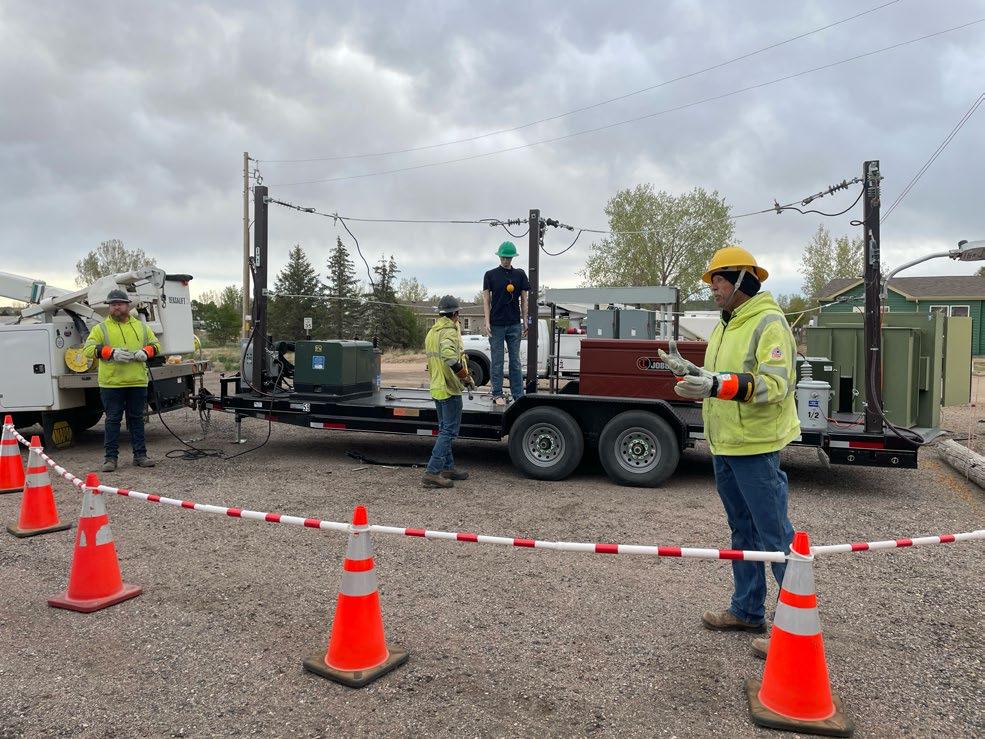
On April 28, Morgan County REA linemen gave an in-depth safety demonstration to Wiggins Rural Fire Protection District firefighters. Using the hotline demo trailer’s 7,200-volt display, MCREA linemen demonstrated the dangers of power lines and electrical contacts, which spark arc flashes hotter than the surface of the sun. Afterward, the linemen and firefighters held a discussion, sharing about the extensive safety precautions that each group adheres to in the field. (Marisol Hernandez, acct. #xxx0000)
This presentation highlights the importance of power line safety, a hazard first responders deal with frequently. In many cases, MCREA and emergency responders are dispatched to the same incidents. As such, MCREA prioritizes strong working relationships with the agencies that serve our territory, aiming to spark important conversations and increase safety awareness.

MORGAN COUNTY REA AWARDS LINEWORKER SCHOLARSHIP
Morgan County REA is excited to present our $5,000 lineworker scholarship to Dylan Krob, from Brush High School! He will be attending line school at Colorado Mesa University in Grand Junction. We are proud to invest in the future of our industry through local high school students. Congratulations and good luck, Dylan! MCREA wishes you all the best as you pursue a career as a lineman.
ENERGY EFFICIENCY TIP OF THE MONTH
During these warm summer months, a smart thermostat can help keep your home comfortable while reducing cooling costs. Smart thermostats learn your routine and automatically raise the temperature when you’re away and cool things down before you return, avoiding unnecessary energy use. You can also adjust settings remotely from your phone, so you’re never cooling an empty house. Setting your thermostat a few degrees higher while you’re away or asleep can lead to significant savings. Many smart thermostats provide reports and tips, helping you fine-tune your energy use, and stay cool while keeping your electric bill in check.
(Left to right) MCREA linemen Roger Wunsch, Cody Flanigan, and Rodney Rhoades explain the danger of power lines to WRFPD firefighters.
Want $25 Off Your Next Bill?
Sign up for MCREA’s Auto Pay program
Ready to simplify your power bill? We’ve got good news! When you sign up for Auto Pay through your SmartHub account, you will receive $25 off your next bill. Make the switch and have one less thing to worry about each month. Enrolling in Auto Pay helps you avoid late fees because your bill is paid on time, every time. Payments are processed securely, and you’ll still receive your monthly statement to track your electricity use and stay informed. (Jacob Sanchez, acct. #xxx8900)
HOW TO SIGN UP
1. Log in to your SmartHub account, Morgan County REA’s online customer service portal. Don’t have a SmartHub account yet? Signing up is easy. Visit mcrea.org/smarthub to create an account. SmartHub allows you to manage your account, pay your bill, and monitor your usage 24/7.
2. After you’ve logged into SmartHub, click the Bill & Pay section on the main menu. From there, navigate to the Auto Pay Program page.
3. After accepting the terms and conditions, you can enroll using a debit or credit card or link your bank account for secure withdrawal.
Win a Bill Credit
Each month, Morgan County REA gives two lucky members a chance at a $30 bill credit just by reading Colorado Country Life. Congratulations, Clarissa Brobst! You spotted your name in April’s magazine and called to claim your bill credit. There are two more member names and their account numbers hidden somewhere in this issue. If you find your name and account number, call MCREA’s member services department at 970-867-5688 by June 30 to claim a $30 credit on your next bill.

Choosing Auto Pay isn’t just about convenience — it’s about peace of mind and a little extra savings. Sign up today, enjoy a $25 credit, and take one more task off your monthly to-do list.
WELCOME LEXI COMBS
Morgan County REA is excited to welcome Lexi Combs to the team as our dispatcher.
A Morgan County native, Lexi is familiar with the co-op’s service area and members.
“I’m looking forward to building community with the team at MCREA,” she shared. “I think I’ll really be able to grow my skills here.”
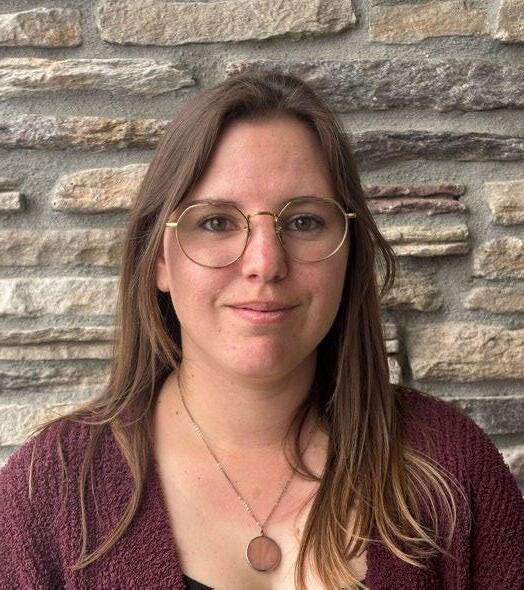
Lexi spends her free time horseback riding, hunting, fishing, and playing with her three dogs. She is also an avid baker who enjoys baking all types of desserts.
Welcome to MCREA, Lexi!



Beat the Heat
MVEA Resources to Save Energy & Money
By Ruth Marks CEO
As the days grow longer and temperatures climb, it’s a great time to think about how our energy use shifts during the summer months. When the heat sets in, air conditioners work harder to keep our homes comfortable, and our electricity use increases. Factor in that we all tend to use electricity at the same time — in the morning and early evenings — and that equals a lot of strain on our electric grid. At Mountain View Electric Association, we are committed to helping our members manage energy use and avoid surprises on their monthly bill.
accessible. These programs help lower energy use while improving comfort in your home.
ENERGY RESOURCE CENTER
Our website is full of tools to help you better understand your home’s energy use. From calculators to efficiency tips, the Energy Resource Center can help you identify opportunities to save.
NEW RESIDENTIAL RATE OPTIONS
As a not-for-profit, member-owned cooperative, we don’t answer to shareholders — we answer to our members. That means providing reliable service along with practical tools and resources to help you make informed decisions. This month, let’s take a look at resources that make it easier to monitor electric use and become more energy efficient — not just in the summer, but all year long.
SMARTHUB® ACCOUNT MANAGEMENT
Online account management through SmartHub is a great tool to help you monitor your electric use. With daily and hourly energy use information available, you can pinpoint energy use spikes so you can avoid them in the future.
ENERGY EFFICIENCY
RESOURCES
With options like smart thermostats, insulation, and HVAC upgrades, MVEA offers rebates and financing options to make energy-saving improvements more
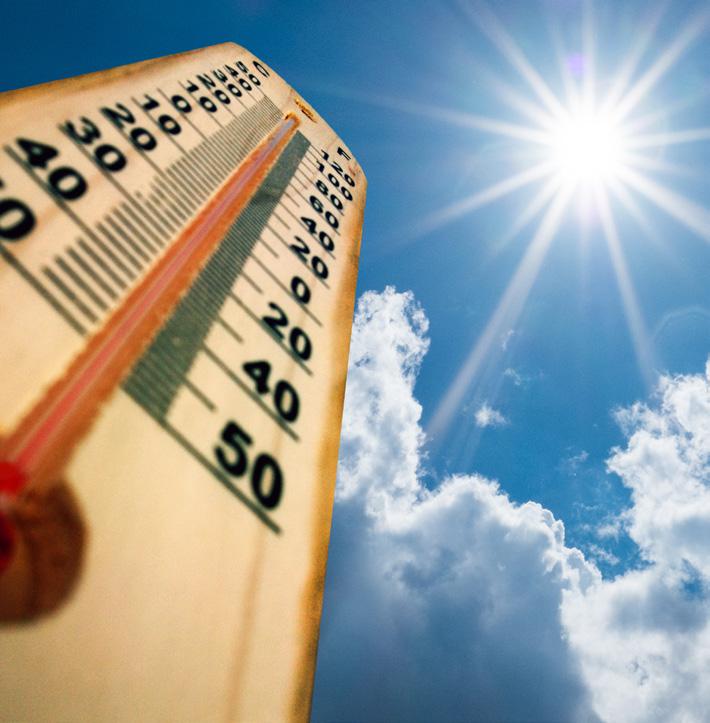
Beginning in July, MVEA will introduce three new residential rate options designed to give members more control over their electric bill and the choice to select an option that fits their lifestyle. These new rate options more accurately reflect the real cost of providing reliable electric service — including rising infrastructure and transmission costs — while helping reduce the need for larger rate increases in the future. We anticipate offering an education and enrollment period before the new rate options go live later this year. Look for more information in July.
While summer energy use can increase, the good news is that you have more tools than ever to manage it. While we have many resources to help co-op members save energy and money, if you have specific questions about your energy use, the best resource is MVEA’s team of Member Services Representatives. Please don’t hesitate to call (800) 388-9881. To explore more ways to save energy and money, visit www.mvea.coop/energy-resource-center.
Beat the Heat
Quick Tips to Manage Your Summertime Electric Use
1. Program your thermostat. Setting your thermostat to 78 degrees in the summer can save you up to 10% in energy costs each year. The smaller the difference between the indoor and outdoor temperatures, the lower your energy use will be.
2. Install window coverings. Blinds or light-blocking curtains help prevent indoor heat gain during the day.
3. Seal leaks with caulk and weatherstripping. Air leaks around windows and exterior doors force your air conditioner to work harder and run longer than necessary.
4. Do full loads of laundry and wash with cold water. Using warm water instead of hot can cut a load’s energy use in half. Using cold water saves even more.
5. Turn off fans when you leave a room. Fans cool people, not rooms, by creating a wind chill effect. They use energy without any benefit in an empty room.
MVEA Awards $28,000 in Scholarships to Local Students
Mountain View Electric Association is proud to invest in the future leaders of our co-op communities. This year, we awarded $28,000 in scholarships to students pursuing higher education at universities, community colleges, vocational schools, and lineman training programs. These scholarships reflect our belief in empowering the next generation of co-op innovators and leaders.





Two additional $1,000 Last Chance Scholarships will be awarded at the 2026 Annual Meeting on June 4 in Limon, thanks to the support of Tri-State Generation and Transmission and Basin Electric Power Cooperative.
Visit www.mvea.coop/scholarships to learn more about MVEA’s scholarship program. The next application period opens September 1, 2026.
















ALAURA BYRN Lewis-Palmer High School
MALLORY MULLINS Falcon High School
DREY TACHA Limon Public Schools
ELLEN DEBOER Lewis-Palmer High School
AVERY NELSON Pine Creek High School
JOSELYN WILSON Rampart High School
ALEXANDRA EPSTEIN Palmer Ridge High School
JASMINE PLUSH Rampart High School
BRAEDON EVANS The Classical Academy College Pathways
BRAYDEN RASMUSSEN Pikes Peak Early College
SAGE MASSEY Kiowa High School
LUCAS JONES Falcon High School
EMMA RAYMAN Pine Creek High School
LILLIAN ROBILLARD Springs Studio for Academic Excellence
CHEYENNE ESCALADA Pikes Peak Early College MILES HALE Homeschool WILLIAM FIELD Falcon High School
CONNOR HUBER Lewis-Palmer High School
DANIEL FORRISTALL Limon Public Schools
KODI LEE Peyton JuniorSenior High School
HUDSON WEITZ Falcon High School
DALTON GRAY Peyton Junior-Senior High School
WYATT GRAY Peyton Junior-Senior High School
2026 El Paso County Fair

The El Paso County Fair is a welcome opportunity to celebrate the simple joys of tradition: the smell of funnel cakes and corn dogs; the bright lights of carnival rides; and, the excitement of grandstand events! MVEA is proud to sponsor an annual event with roots that run deep in our co-op community.
July 16 • Give & Gather Day Sponsor July 17 • MVEA Flag Presentation at the Auto Races & MVEA “Light Up the Night” Fireworks Show


Switch Save &
Go paperless through SmartHub or bank account auto-pay, and save up to $1 per month!
SmartHub makes it easy to manage your account and monitor your electric use — anytime and anywhere.
Bonus: All participating “Switch & Save” accounts are automatically entered into a quarterly drawing for a $300 account credit!
Learn more at www.mvea.coop/payment-options.
BOARD OF DIRECTORS
Kevin L. Paddock, District 5 President
Barry R. Springer, District 6 Vice President
Jim Riggins, District 7 Secretary-Treasurer
Joseph D. Martin, District 1 Assistant Secretary
Rick L. Gordon, District 2
Wayne Vanderschuere, District 3
Jim Beals, District 4
Telephone Numbers Toll-Free: (800) 388-9881 (719) 495-2283
Website www.mvea.coop
Falcon Office 11140 E. Woodmen Road Falcon, CO 80831
Limon Office
1655 5th Street • P.O. Box 1600 Limon, CO 80828
Office Hours
Monday - Thursday 7 a.m. to 5:30 p.m.
Stay Connected: Like. Follow. Share.
Make sure to connect with MVEA on social media for timely service and program updates.
www.facebook.com/@MVEAInc
www.linkedin.com/company/ mveainc
www.x.com/@MVEAInc
www.youtube.com/@MVEAInc

www.instagram.com/MVEAInc
To provide our members safe,
This Association is an equal opportunity provider and employer.
PROTECTING OUR COMMUNITY & RELIABLE POWER SUPPLY
Wildfire Mitigation, Tree Trimming & System Upgrades
Mountain View Electric Association’s mission is vital: to deliver safe, reliable, affordable, and responsible electricity to you — our members. That mission has never been more important as Colorado faces increasing wildfire risk. A growing population, dry conditions, and suburban expansion into wildland-urban areas have increased the urgency for proactive utility wildfire mitigation planning. Our wildfire mitigation efforts play a critical role in delivering safe, reliable power while helping prevent potential fire risks before they start.
Visit MVEA’s webpage dedicated to wildfire mitigation and safety where you’ll find helpful information and resources about the following topics:
• Vegetation Management
• Operational Practices
• Advancing MVEA’s Initiatives
• Working with MVEA Members
• Wildfire Preparedness

www.mvea.coop/wildfire-mitigation
Tree Trimming | A key part of our Wildfire Mitigation Plan is active tree trimming and vegetation management. When you see MVEA crews, or our partners from Wright Tree Service, working in your neighborhood, they’re creating important tree and shrub “no-grow zones” to keep vegetation safely away from power lines and equipment. Cleared electric utility easements help prevent outages and blinks caused by branches brushing or breaking onto lines during storms or windy days. They also provide crews with safe access to equipment when maintenance or repairs are needed.
System Upgrades | Our wildfire strategy also includes enhanced operational practices, participation in the Department of Energy’s WARN project, and investments in advanced fault-detection technology. This work is designed to strengthen our system’s resilience and improve reliability during severe weather events. Our crews regularly patrol, inspect, and upgrade equipment to ensure it meets or exceeds industry safety standards. This includes system-hardening efforts such as replacing poles and hardware with fire-resistant materials and installing devices that minimize sparks and faults.
Red Flag Warnings | Recently, you may have noticed more “Red Flag Warnings” in our region due to unseasonably warm, dry conditions. When these warnings are issued by the National Weather Service, MVEA activates additional safety measures — including operating parts of our system in “one-shot mode.” This temporary adjustment disables the automatic reclose function on power lines. If a fault occurs, power stays off until crews can inspect the line and safely restore service. While this may mean longer outage restoration times, it significantly reduces the risk of sparks during high-fire-danger periods. We appreciate your patience during these events. Every step we take is designed with one goal in mind: protecting you, your property, and the communities we proudly serve.




From the Lineman’s Boots to the Capitol Steps: Why Sergio Went to Washington
BY JEFF WADSWORTH PRESIDENT & CEO
There’s a moment from our recent Washington, D.C., trip that still sticks with me.
In a Capitol meeting room filled with policy discussions and prepared remarks, Sergio, a Poudre Valley REA lineman described what it’s like to work on power lines amid dead timber and red-flag days. Conversations paused. Phones lowered. The room shifted.
And in that moment one thing was clear: policy sounds different when it’s grounded in real-world experience.
Sergio was invited to D.C. because telling our cooperative story is more crucial than ever. He speaks the language of boots on the ground — the stakes, the dangers, and what it takes to safely keep the lights on. And when that voice is in the room, people listen.
areas. Expand mitigation programs so co-ops can fund grid hardening before the next disaster.
3. PERMITTING REFORM: THE GRID CAN’T WAIT
Address federal land permitting delays by eliminating duplicative reviews and ensuring timely decisions. Raise standards for court review—because delays leave aging infrastructure exposed longer than it should be.
4. RUS FUNDING: THE BACKBONE OF RURAL INFRASTRUCTURE
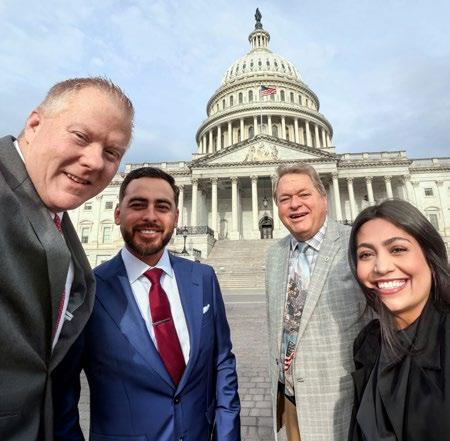
We met with Colorado’s Senators and members of the House with four clear priorities:
1.
WILDFIRE:
WE ARE ONE SPARK AWAY
Increase vegetation management from 10 to 150 feet and streamline federal permitting by removing duplicative delays. Eliminate slow processes that hold up critical mitigation work.
2.
FEMA: IT NEEDS TO BE FIXED
Expedite reimbursements, adjust disaster thresholds for rural communities, and improve access for economically disadvantaged
Maintain strong Rural Utilities Service funding for grid modernization, wildfire resilience, and affordable member rates. Fund at the highest level, not as a handout, but to build a resilient grid for the next generation.
Sergio changed the dynamic on this trip. Legislators and staff hear from lobbyists every day, but they rarely hear from the person doing the work. That perspective matters.
I’m grateful Sergio joined me and several of our board members, I’m proud of the advocacy we did for our members, and I’m hopeful our conversations will move the needle on issues that matter to our communities.
We’ll keep showing up.
That’s what we do.
Turn to page 9 to learn how Cooperative Voices gives you a direct way to support our efforts and reach policymakers when decisions matter.
ABOUT YOUR CO-OP
PVREA serves energy solutions to more than 58,000 homes and businesses in Boulder, Larimer, and Weld counties. We are a memberowned co-op, led by those we serve.
OUR MISSION
We are committed to providing safe, reliable, efficient energy solutions with exceptional service to our members.
CONTACT US
1.800.432.1012 pvrea@pvrea.coop www.pvrea.coop
MAILING ADDRESS
Poudre Valley REA 7649 REA Parkway Fort Collins, CO 80528
SOCIAL facebook.com/PoudreValleyREA instagram.com/poudre_valley_rea youtube.com/PoudreValleyREA
BOARD OF DIRECTORS
Chair
Peter Hyland, Weld County
Vice Chair
Bryan Ehrlich, Larimer County
Secretary Thaine Michie, Larimer County
Treasurer
Sheryl Dryer
Henderson, Larimer County
Director
Steve Anderson, Larimer County
Director
Rick Johnson, Larimer County
Director
Jan Peterson, Larimer County
Director
Jack Schneider, Weld County Director
Terry Willis, Weld County
SERGIO BAQUERA, A LINEMAN’S PERSPECTIVE
Sergio didn’t travel to Washington, D.C., to be a co-op spokesperson.
He went as a lineman — someone who works in the field, understands the risks, and keeps the lights on for his community. But during the NRECA Legislative Conference this spring, his perspective carried beyond the job site and into conversations with lawmakers on Capitol Hill.
Born and raised in Fort Morgan, Sergio grew up in a close-knit community where helping others was part of everyday life. That mindset carried into early jobs, where he developed a strong focus on helping people, an approach that continues to shape his work today. After training in Colorado Springs and gaining experience across the region, he returned to northeast Colorado to complete his apprenticeship before joining Poudre Valley REA, where he now serves members across Northern Colorado.
Even so, the most meaningful moments came inside meetings with elected officials.
Sergio’s firsthand experience changed the tone of conversations with policymakers. When he spoke about working in wildfire-prone conditions, like navigating dead timber during Red Flag warnings, lawmakers paused and listened. His “boots-on-the-ground” perspective brought urgency and authenticity to discussions about wildfire mitigation, permitting reform, FEMA improvements, and rural infrastructure funding.

Speaking up in that setting wasn’t easy. Sergio described it as the “scariest yes” he’s ever given. But it quickly became one of the most impactful. Lawmakers engaged, asked questions, and even reflected his insights in their own remarks.
That experience stayed with him. “One thing that will stick with me after this trip is that we have a long road ahead of us,” Sergio said.
That same desire to serve extends beyond work. “Politics has always grabbed my attention. That’s the way we can make a difference ourselves,” Sergio said. When the opportunity came to attend the Legislative Conference, he was quick to step forward.
The trip marked a shift in scale, from Fort Morgan to Fort Collins, and then to the fast pace of our nation’s capital. With his wife, Mayra, alongside him, Sergio experienced D.C. for the first time. Walking the monuments at night and visiting museums, including exhibits on early aviation, left a lasting impression. It was, as he described, a place where “everything comes together — history, action, people, and politics.”
“We need a lot more support than what we have. And we need to keep showing up, and keep chipping away at it. It doesn’t take one person, it is going to take everyone.”
Sergio’s trip to Washington wasn’t just about policy. It was about service — showing up, speaking honestly, and representing the people and communities behind our power lines.
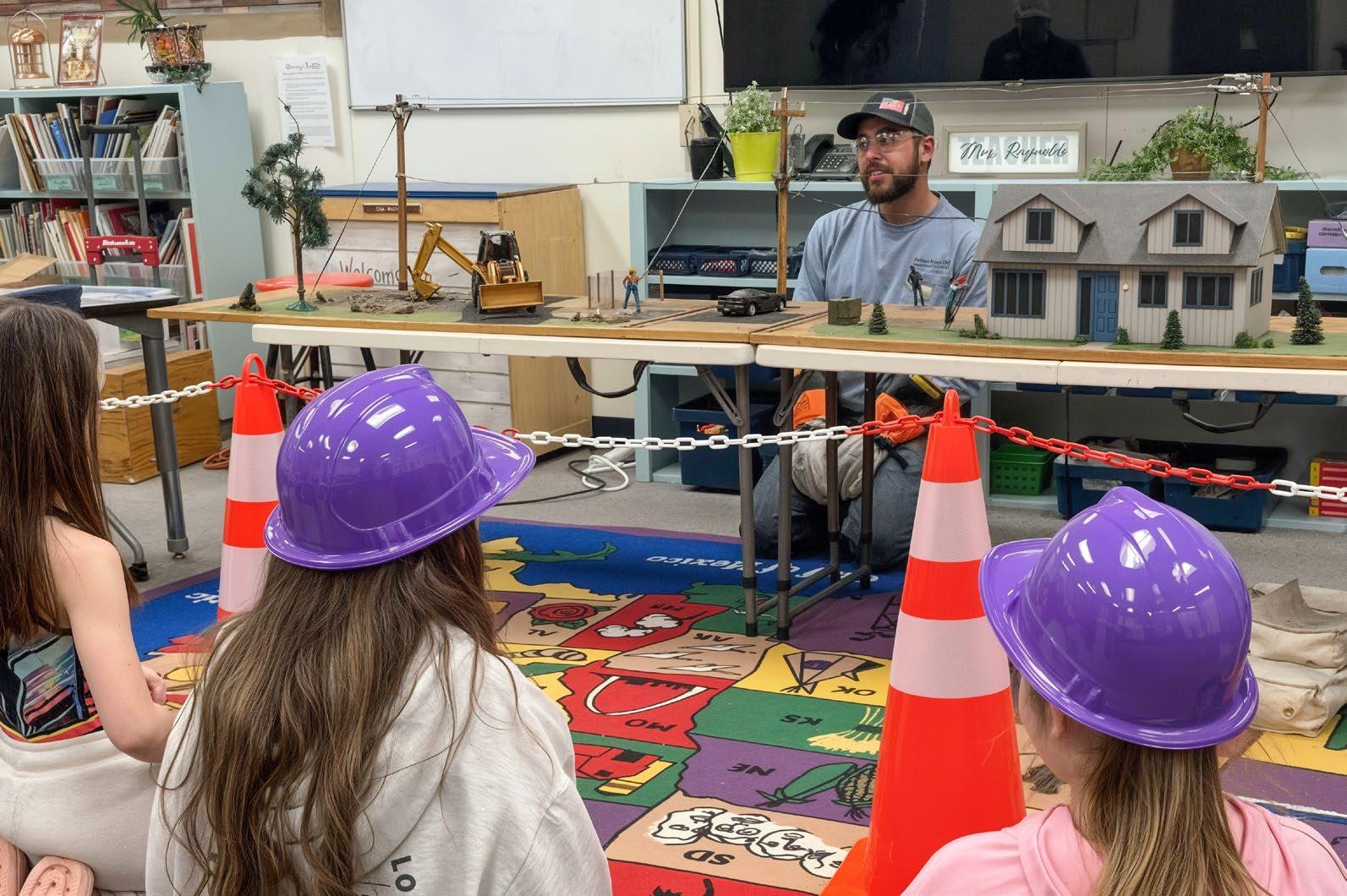
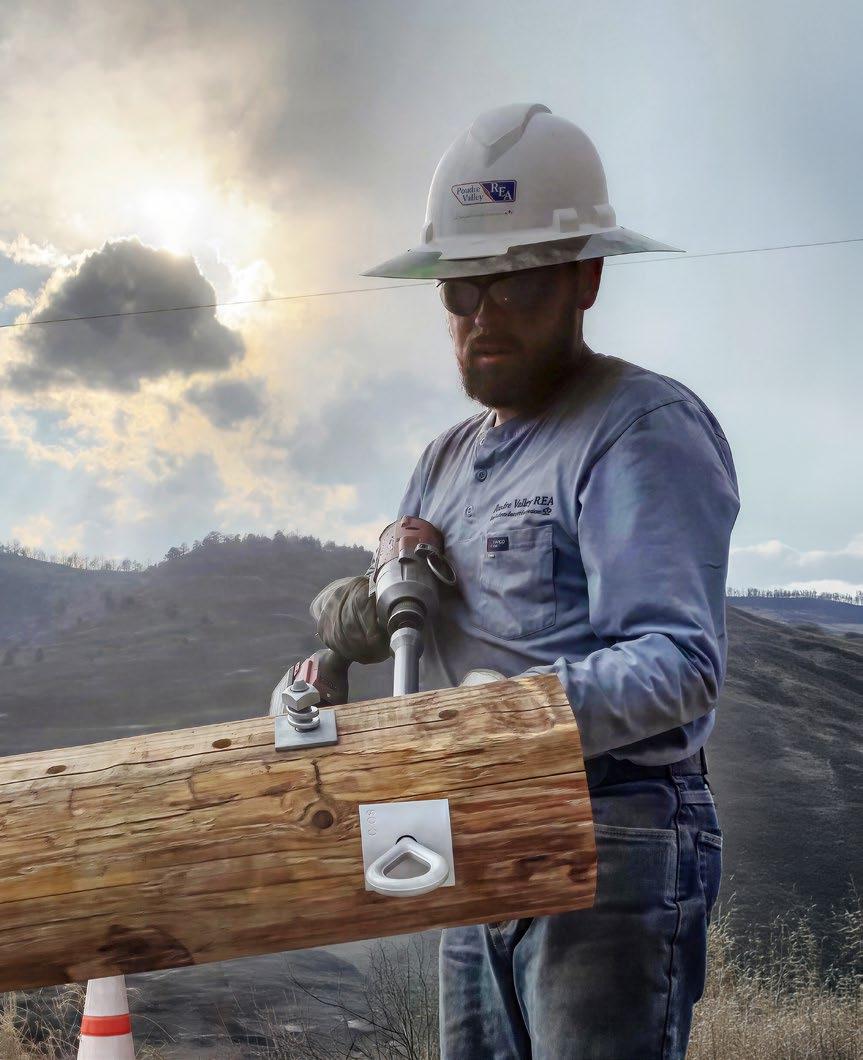
Left: Presenting electrical safety demonstration. Center: Sergio and wife, Mayra, at United States Capitol. Right: Powerline construction near Lyons, CO.
WHAT TO EXPECT

Learn how we prepare, protect, and keep you informed during times of elevated wildfire risk.
WHAT IS ELEVATED WILDFIRE RISK
At Poudre Valley REA, safety is the cornerstone of everything we do for our members, employees, and the communities we serve.
Operating an electric system in wildfire-prone terrain requires a thoughtful balance between reliability and safety. During periods of elevated wildfire risk, that balance becomes even more critical.
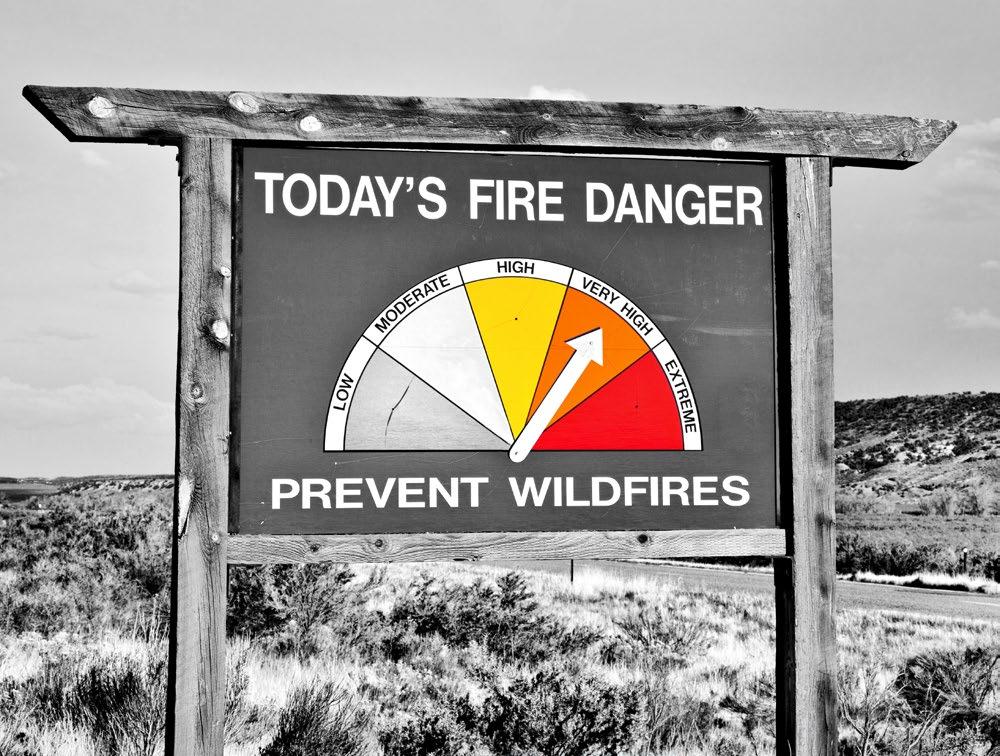
Elevated wildfire risk conditions are often identified as a Red Flag Warning issued by the National Weather Service. They represent conditions like strong winds, low humidity, and dry vegetation that create a higher chance for wildfires to start and spread quickly.
WHY YOUR POWER MAY BE IMPACTED
When a Red Flag Warning is issued or during other times of elevated wildfire risk, PVREA takes extra precautions to minimize risk by setting our electric system to a higher sensitivity setting.
Enhanced Power Safety Settings are designed to not automatically restore power after a fault on a powerline is detected. Under these heightened sensitivity settings, power is turned off and remains off until crews manually inspect the line.
This approach helps reduce risk but may lead to more frequent, longer-lasting outages. These steps are taken to protect people, property, and natural resources.
HOW WE KEEP YOU INFORMED
When fire risk rises, clear expectations and communication matters.
• Enhanced Power Safety Settings – system sensitivity settings are heightened during times of elevated wildfire risk. Power outages may be more frequent and last longer.
• Online Outage Center – your one-stop-shop for storm preparedness, outage restoration updates, and electrical safety information. Visit www.pvrea.coop/outages
• Text & Email Outage Alerts – members must opt-in to this service. Sign up in your online account or the PVREA app.
• Social Media – we share detailed power restoration updates as we hear from crews in the field.

OUR ONGOING WILDFIRE PREVENTION
We implement extensive, year-round preventative efforts that include vegetation management, drone inspections, infrared thermography, system hardening and improvements, maintenance, and engineering work.
We have a strong operational focus on wildfire risk reduction, infrastructure resilience, and coordinated emergency response to protect the electric system, our employees, and the communities we serve.
LOCAL EMERGENCY ALERTS
Members should subscribe to alerts from their local emergency management office.
• Larimer County: Larimer.gov/emergency
• Weld County: Weld.gov
• Boulder County: Boulderodm.gov
HOW YOU CAN MAKE A DIFFERENCE
Ensure crews can properly inspect and maintain our equipment and easements. This includes making sure power poles and electrical devices are unobstructed, that gate combinations or locks are communicated to us, and that crews are allowed to manage vegetation and maintain our infrastructure within our rights-of-way.
Before planting trees and bushes or installing fences and other structures on your property, please ensure they will not obstruct electrical infrastructure or inhibit crew access. Keep your structures and vegetation at least 10 feet from electrical infrastructure.
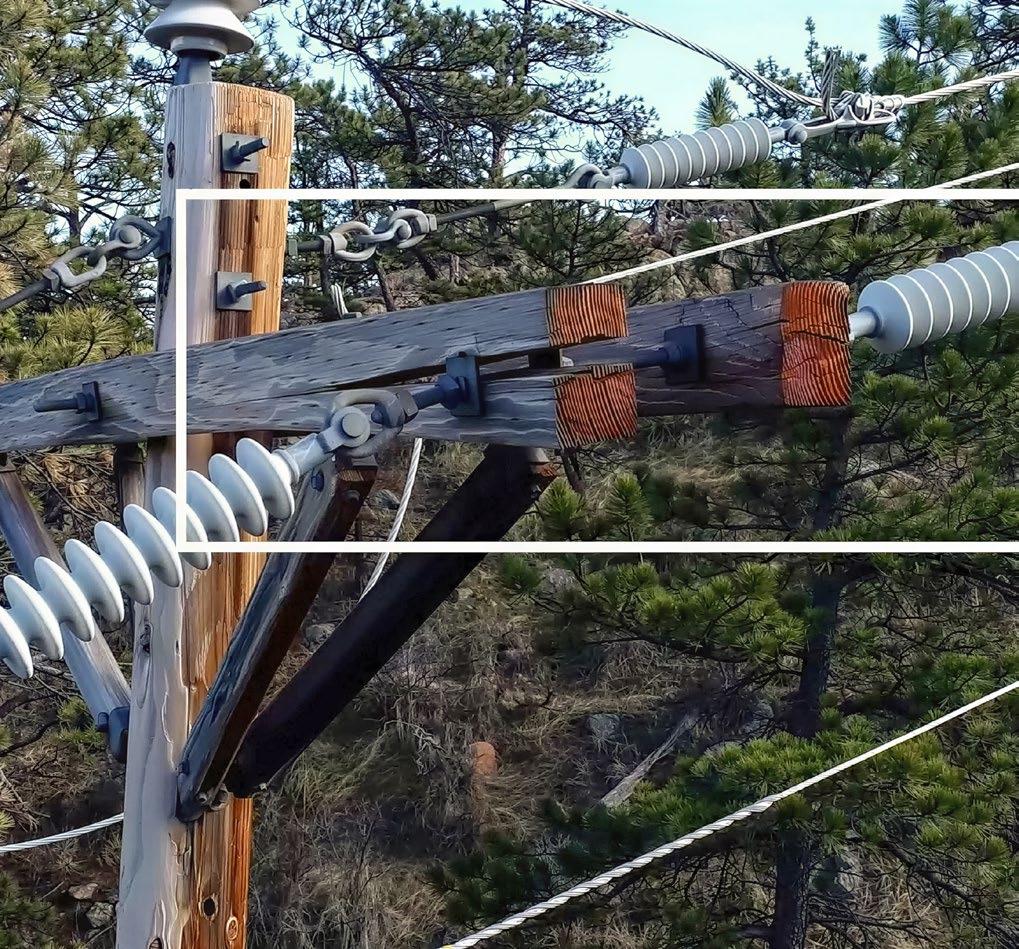

Example of drone inspection footage undetectable by boots-on-the-ground inspections.

Congrats to the 2025-2026 $cholarship Winners
As a cooperative, we have a focus on education and striving to enrich the lives of future leaders within the communities we serve.
We awarded $54,500 to 30 high school seniors who are furthering their education.


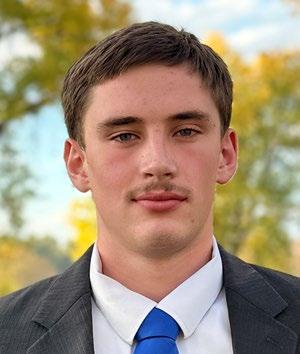

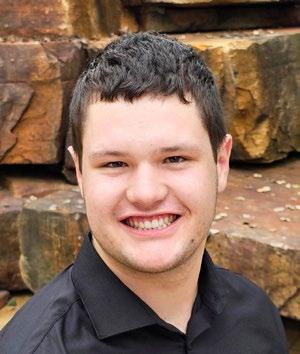
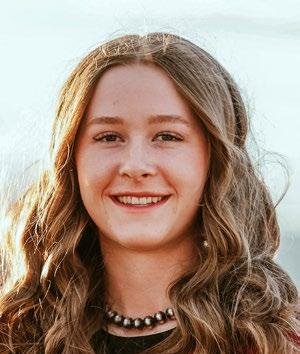

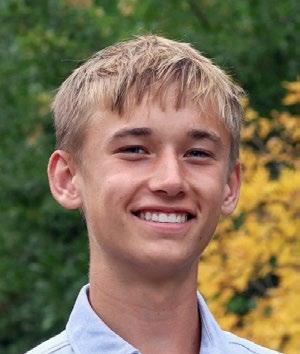
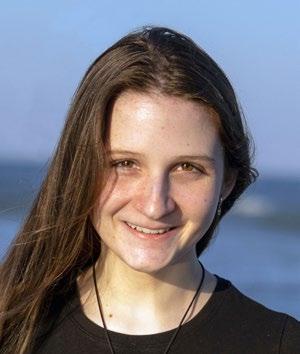
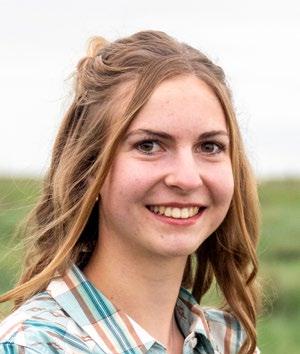
These awards are part of our College Scholarship Fund, which is sponsored entirely through unclaimed member credits.
Applications for seniors graduating in 2027 are available in August at www.pvrea.coop




















Presley Dyer Wellington Middle High School
Emily Irwin Windsor High School
Genesis Marrero Windsor High School
Makena Phillips Fossil Ridge High School
Carmela Foote Rocky Mountain High School
Hailey James Berthoud High School
Jordan Mathis Severance High School
Megan Richmond Timnath Middle-High School
Lania Barber Severance High School
Camila Gutierrez Timnath Middle-High School
Mataya Kraft Heritage Christian Academy
Palmer Nemec Greeley Central High School Brett Bryant Loveland Classical Schools
Jordan Halley University High School
Trevor Leidig Thompson Valley High School
Madison Palmer Windsor High School
Catherine Dellota Fort Collins High School
Claire Holcombe Heritage Christian Academy
Ava Lewis Colorado Early College
Bannock Paolucci Poudre High School
Celeste Balic-Wilson Heritage Christian Academy
Asher French Ascent Classical Academy of Northern Colorado
Ethan Kossler Berthoud High School
Eric Mellott Berthoud High School
Devan Spaulding Ascent Classical Academy of Northern Colorado
Sarai Templeman Frontier Academy
Dirk Thayer Loveland Classical Schools
Paige Rupple Greeley West & Homeschool
Kristy Yang Fort Collins High School
Margaret Luttrell Niwot High School
Colorado Country Life






Run for the Board
Two seats on the San Isabel Electric Association Board of Directors are up for election this year
Seats in the following districts are for a threeyear term:
District 1 — Beulah, Wetmore, and Vicinity
• District 6 — La Veta, Cuchara, and Vicinity
SIEA members who intend to run in the election may either be nominated or they may submit a petition.
Nominations: A candidate may be selected during the nominating committee meeting that will be held June 30, 2026, at 9:30 a.m. at SIEA Headquarters in Pueblo West. The date for the meeting was determined at the SIEA Board of Director’s April meeting and is posted on our website.
Petitions: An eligible member interested in running for a board seat may fill out an online petition and submit 15 member signatures. The petition packet will be available online beginning
SIEA ANNUAL MEETING
Saturday, September 26, 2026
Walsenburg Junior Senior High School Walsenburg, CO
June 8 at 8 a.m. at siea.com/BoardElections
Petitions and required signatures are due no later than 5 p.m. on July 28.
Any member wishing to complete a petition can find more information about the process at siea.com/BoardElections. For any questions, please call 719-647-6210.
Every consumer who buys electricity from SIEA is a member-owner of the cooperative. At the annual meeting, members just like you are elected to serve on the board of directors to make decisions about rates, renewables, and other ways the cooperative operates.
Pictured above, the SIEA Board of Directors, left to right: Edward “Ray” Garcia, Gregory Costa, Doris Morgan, Jacque Sikes, Debbie Rose, Don Keairns, and Dennis Maroney.
Branson School District’s William Doherty (third from right) was awarded the Brendon Beach Memorial Scholarship, a full-tuition scholarship that covers tuition and related fees to become a lineworker. From

Shining Bright!
T2026 Scholarship Recipients
he San Isabel Electric Board of Directors is proud to award more than $60,000 in scholarships to local students. This year, the Board of Directors selected 37 students to receive scholarships. All scholarships are one-time scholarships and require the student’s parent or guardian to buy electricity from San Isabel Electric.
BRENDON BEACH MEMORIAL
LINEWORKER SCHOLARSHIP
1st place: This full-tuition scholarship covers all tuition-related fees, tools, and expenses to attend line school.
• William Doherty, Branson Reorganized School District 2nd place: $3,000
• Christopher Scott, Rye High School 3rd place: $2,500
• Colton Ingo, Pueblo West High School
POWERED-UP SCHOLARSHIP 1st place: $5,000
• Giada Moltrer, Branson Reorganized School District 2nd place: $3,000
• Lauren Staples, Pueblo West High School


SAN ISABEL ELECTRIC SCHOLARSHIP
$1,000 San Isabel Electric Scholarships are awarded to students with at least a 3.0 cumulative GPA and who are planning to pursue a four-year degree program the consecutive fall.
La Veta Reorganized School District
• Kayden Romero • Orion Sanchez
• Callista Traynor
Primero Reorganized School District
• Riley Monarco
Pueblo West High School
• Grace Ehlers • Aliya Fulbright
• Addie Hunter • Ella McCreight
• Kinsley Stiner • Trista Velasquez
• Emma Vecchio • Clayre Wagner
• Bryson Warner
Rye High School
• Anthony Adams • Michael Amaya
• Branson Burbidge • Adiena Jarbo
• Sydney Smith • Zoriya Tillery
Trinidad High School
• Elia Bowman
left to right: Brad Doherty, Tracy and Kim Beach, Sadie Beach and children, William Doherty, Board President Jacque Sikes, and Jodi Doherty.
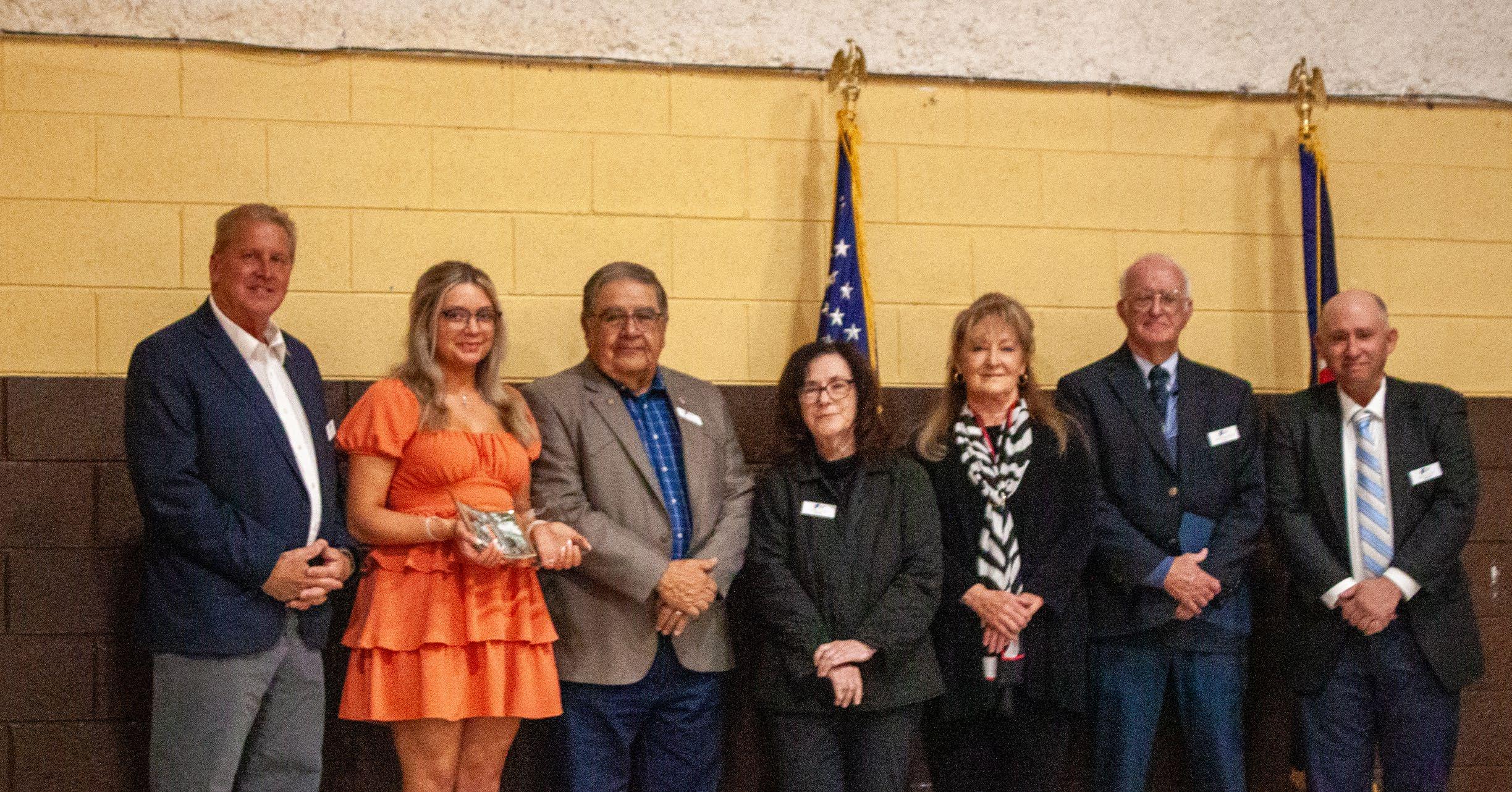
VOCATIONAL
SCHOLARSHIP
$1,000 Vocational Scholarships are awarded to students with at least a 2.0 cumulative GPA and who are planning to pursue a two-year degree, certificate, or trade-related program the consecutive fall.
Aguilar
• Jaxon Salapich
Hoehne
• Isabella Chacon • Brooklin Winter
FIRST-TO-ATTEND SCHOLARSHIP
$1,000 First-to-Attend Scholarships are awarded to students with at least a 2.0 cumulative GPA, who are the first to pursue higher education in their immediate family, and who plan to pursue higher education the consecutive fall.
La Veta Reorganized School District
• Makenzie Cox
Rye High School
• Isabella Bond
Pueblo West High School
• Chester Matthews
Walsenburg Jr. Sr. High School
• Allison Padilla
AT-LARGE SCHOLARSHIP
$1,000 At-Large Scholarships are awarded to students who have at least a 3.0 cumulative GPA and who live outside of SIEA’s service territory, but whose parent or guardian is a SIEA member, and who plan to pursue higher education the consecutive fall.
Pueblo West High School
• Bricelyn Baudino
Central High School
• Emma Shrontz
Des Moines High School
• Holly Ward
Hoehne Reorganized School District
• Cadence Doering • Aspen Garrison

The SIEA Board of Directors presents the Powered-Up Scholarship to Giada Moltrer who attends school in Branson.
SIEA’s 2026 scholarship winners. Photo by SIEA communications intern Trevor Vigil
26 Years of Caring
The reliability of an electric cooperative goes beyond the poles, wires, and substations that bring electricity to your community. It includes the service-minded people who show up every day to run the co-op’s operations.
It takes many people and many roles to serve cooperative members. Among the most challenging roles is the person who is responsible for account collections — the person who calls members who are past due on their electric bills.
Collections is a job that most people avoid, but the right person adds to the strength of our cooperative and the communities we serve.
As part of the billing department, the person in charge of collections must have empathy, patience, and the ability to guide people during high-stress moments. A cooperative’s collections specialist serves as an advocate who helps members understand options, evaluate rate plans, or get connected with public assistance programs.
It is demanding work.
But the person in this role at San Isabel Electric — Peggy — doesn’t view her job as difficult. In fact, she says it is the most rewarding job she’s ever had.
“When I wake up in the morning, I don’t think ‘I have to go to work.’ I think ‘I get to go to work.’”
Peggy’s job requires a calm energy and tone of voice, and a genuine desire to help people who may not be at their best. And these characteristics change everything for members facing collections. “More people respond to calls with kindness and appreciation than anger,” she said, explaining that while some are mad and angry with themselves or the situation they are in, most do not blame her or the cooperative for their circumstances.
For 26 years, Peggy has built trust with San Isabel Electric members and has helped them find real solutions. During the last 17 years of Peggy’s time in the role as a collections specialist, the cooperative has seen a significant drop in the number of members whose service was disconnected because of nonpayment.
Peggy is retiring this month and her calm and professional service to SIEA members will be missed. Looking ahead, Peggy is excited to spend more time with her husband, kids, grandkids, and a new great-grandkid.
Peggy’s work proves that sometimes the most impactful jobs are the ones done quietly, one conversation at a time, by someone who truly cares.
For privacy reasons related to the sensitive nature of her work, only Peggy’s first name is used in this article.
Each month, the Board of Directors donates to community projects
All philanthropic funding comes from unclaimed capital
for using unclaimed capital credits follows state law for
for system improvements, maintenance, payroll, or other
and unclaimed capital credits, visit siea.com/capitalcredits
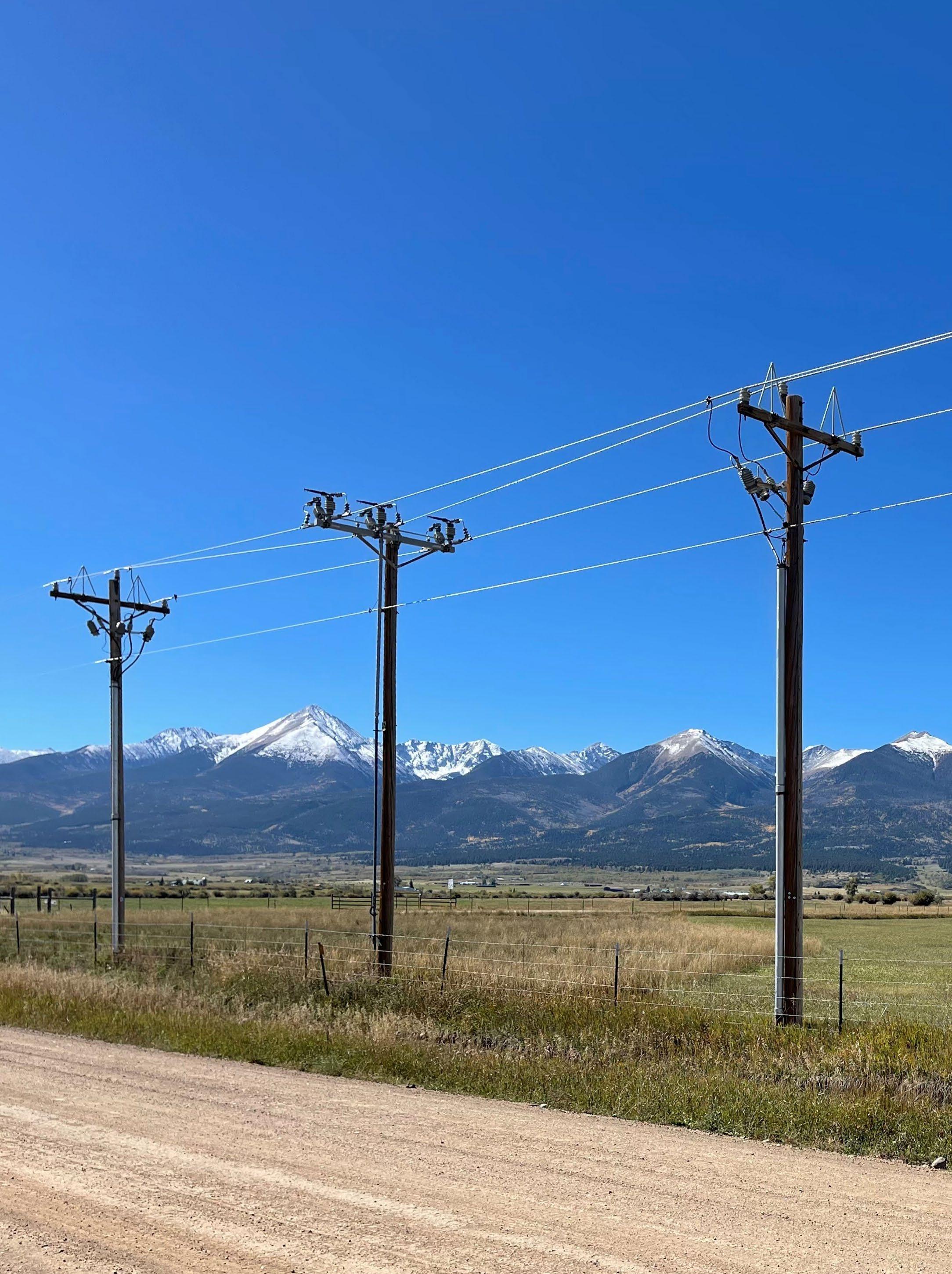
SANGRE DE CRISTO ELECTRIC ASSOCIATION
2025 ANNUAL REPORT United in Purpose, Building Tomorrow

UNITED IN PURPOSE, BUILDING TOMORROW
2025 was an exciting year at Sangre de Cristo Electric Association. I took the helm as CEO and, alongside my team, jumped right into working to make our system future-ready. Importantly, the changing landscape of wholesale power pricing required a restructuring of the cooperative’s rates. Doing so allowed us to begin to explore enhanced program offerings and support forward-thinking projects that will make your power safer and more reliable.
The best part of the year, by far, was getting to meet our members. I had the opportunity to learn a lot about what makes our co-op and community unique and to gain a deeper understanding of SDCEA member needs. I’m looking forward to carrying this community-driven momentum into 2026. Here are a few highlights from my first year as CEO.
MEMBER-FIRST MENTALITY
In 2025, SDCEA renewed our focus on transparency and communication with our members. We’ve held town halls, organized rate workshops, enhanced our rate education resources, hosted community events, participated in the Chaffee County Economic Development organization, held one-on-one member meetings, and published Colorado Country Life articles that detail our costs, challenges, and what goes into providing you with safe, reliable power. Our members were at the center of everything we did in 2025. I hope to get a chance to meet more in 2026.
COMMITMENT TO AFFORDABLE RATES
One of our top priorities as a member-owned cooperative is to provide affordable power. This challenge has never been greater. Widespread cost increases across the industry span everything from fuel, to wood poles, to steel in our transformers. We know rate increases impact you and your family, which is why we put years of research and consultation into creating a new rate restructure, set to go into effect July 1, 2026. While we can’t promise rates won’t ever change again, we can assure you that we put a tremendous amount of care into every rate adjustment. Every cent is analyzed by third-party consultants, staff, and directors before it appears on your bill.
NEW ENERGY PROGRAMS
Another way to keep energy affordable is to use power when the wholesale prices are the most favorable. Over the last year, we’ve developed three new programs to help you power your homes reliably, efficiently, and cost-effectively. These programs include a water heater controller pilot program, a managed electric vehicle charging pilot program, and a residential battery pilot program. These innovative programs are just beginning. We are continually developing new programs that bridge our rate structures with energy efficiency, smart energy use, and beneficial electrification opportunities for our members.
INNOVATIVE TECHNOLOGY AND SYSTEM INVESTMENT
Integrating advanced technology into our infrastructure is how we will be able to keep your power reliable into the future. One innovative investment that we are actively exploring is a utilityscale battery at the Buena Vista Substation. The battery could help discharge and shave overall system demand, reduce charges in wholesale power during peak demand times, and support system backup during outages or maintenance periods.
BUILDING A RESILIENT SYSTEM FOR A RELIABLE FUTURE
The winter starting in 2025 was one of the driest on record, which means wildfire mitigation has never been more critical. We continue to prioritize our vegetation management program, which is vital to keeping members safe and protecting our community, lands, and water. Additionally, the work to rebuild the 19-mile Tommy Young line, from Cotopaxi north to Verdemont Road in Custer County, continues. This work is part of a long-term project to provide improved reliability in the area.
While the highlight of 2025 was getting to know you, we also achieved significant milestones for supporting your livelihood through safe, reliable power. 2026 will be about further enhancing your member experience. Do you have questions? A memorable story from 2025? I want to hear from you. Join us at the annual meeting on June 24 in Westcliffe to share your voice with me and the rest of SDCEA’s team.
Jon Beyer, CEO
2025 FINANCIALS
EQUITY AND LIABILITIES
Equities
$7,029,527
BOARD OF DIRECTORS
Sandra Attebery – Chair Custer County representative attebery@myelectric.coop
Charles A. Abel II – Vice Chair
Rural Chaffee/Lake County representative abel@myelectric.coop
Blake Bennetts – Secretary & Treasurer
Town of Buena Vista representative bennetts@myelectric.coop
Mark Boyle – Director Rural Chaffee/Lake County representative boyle@myelectric.coop
Rob Canterbury – Director Fremont County representative canterbury@myelectric.coop
Sandy Long – Director At Large representative long@myelectric.coop
Michael Robinson – Director At Large representative robinson@myelectric.coop
SDCEA MANAGEMENT TEAM
Jon Beyer – Chief Executive Officer ceojon@myelectric.coop
Sarah Crites – Chief Financial Officer cfo@myelectric.coop
Ryan Doke – Chief Operations Officer coo@myelectric.coop
REVENUE
SDCEA WAS ORGANIZED IN 1940
Wholesale Power Supplier:
Tri-State Generation & Transmission Association, Inc.
SDCEA has 45 full-time employees
Employees drove 281,574 miles in SDCEA vehicles.
System Peak Demand in 2025: 33,320 kW January 20 at 7:30 p.m.
Lowest system operational load in 2025: 6,920 kW March 10 at 10:30 a.m.
WE’RE RELIABLE
electric service is available 99.98% of the time, an indication of high reliability and minimal outages.
311 NEW SERVICES
added in 2025, compared to 347 in 2024.
8 CONSUMERS PER MILE
Net Meter (solar, wind, or hydro generation) accounts increased to 853, up from 772 in 2024.
0 853 0
PEAK DEMAND MARCH 10 LOW DEMAND
INVOICE MATERIALS $2,161,814 SALES TAX $140,737 JANUARY 20
SDCEA purchased $2,161,814 in materials, and paid sales tax totaling $140,737 on those materials.
Our reliability of electricity delivery (ASAI index) shows RENEWABLE ENERGY in power supply 49% 5.6-MW
Approximately 8 consumers per mile are on the SDCEA system.
SDCEA billed 14,786 consumer accounts at the end of 2025.
1,874 MI OF LINE
SDCEA has 1,874 miles (about half the width of the United States) of energized line. SDCEA increased underground lines by 14 miles in 2025.
COMPARATIVE STATISTICS
We have 16,574 poles in our service territory.
TOTAL NET-METERED (RENEWABLE ENERGY) GENERATION CAPACITY
Total SDCEA system net-metered (renewable energy) generation capacity 2025 at year-end: 5.6 MW; with Trout Creek Solar total system capacity = 7.6 MW
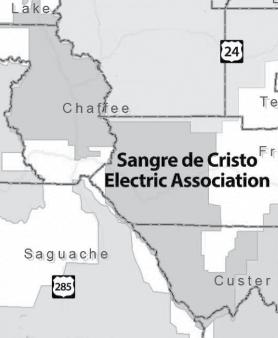
TAX 5 COUNTY TOTAL $393,303
$393,303 in 2025 total assessed property tax for 5 counties: Chaffee, Fremont, Custer, Lake, and Saguache.
NOTICE: 86TH ANNUAL MEETING FREE AND OPEN TO MEMBERS UNITED IN PURPOSE, BUILDING TOMORROW
Wednesday, June 24, 2026
SDCEA Warehouse, 56495 Hwy 69, Westcliffe, CO 81252
Registration and children’s activities begin at 9 a.m. Meeting begins at 10 a.m.
Speakers, presentations, demonstrations, touch-a-truck and other activities for children, light lunch
DIRECTOR ELECTIONS
• Blake Bennetts – Representing the Town of Buena Vista
• Mark Boyle – Representing rural Chaffee/Lake counties
• Michael Robinson – At-Large representative
Only a single candidate was nominated for each director seat. In accordance with bylaws, election of directors will be by written ballot, except that election by voice vote will be allowed where only one candidate has been nominated from a district. That voice vote will be called for at the annual meeting.
DEPARTMENT OVERVIEW
Who’s behind the switch? From managing the grid to advancing sustainable energy, these teams work behind the scenes at SDCEA to keep things running smoothly.
OPERATIONS AND ENGINEERING
The Operations and Engineering Department is SDCEA’s largest department with a team of 31 employees, including 12 linemen. This department ensures the delivery of reliable power to all members, even during outages and storms. Its mission is to “keep the lights on” 24 hours a day, seven days a week, through a combination of system design, maintenance, and repair.
Key Responsibilities:
• Outage and storm response: With a round-the-clock operation, the team is always ready to respond to emergencies, restoring power efficiently and safely.
• Engineering: Engineering and system design efforts focus on planning, building, and maintaining a reliable power network that meets load demands.
• Rights of way, easements, and permitting: Manages access and permissions to ensure the system can be built, maintained, and expanded as needed.
• Staking: Responsible for the layout of the system, including new services, system rebuilds, and underground and overhead cable replacements.
• Metering: Ensures accurate installation, monitoring, and maintenance of meters, measuring usage, and keeping track of readings and voltages on the system.
• Inventory management: Manages the inventory of supplies, system materials, and job site resources to ensure smooth operations. SDCEA handles more than $4.5 million in inventory items each year.
CUSTOMER SERVICE
When you connect with our Customer Service Department, you will never be greeted by machines, bots, or artificial intelligence attendants. Instead, you reach a team of four dedicated individuals who genuinely care about supporting you.
This talented group also works as technical problem-solvers for our 12,500 members. They expertly manage the intricate details of our billing software and complex reporting systems to keep everything running smoothly.
Key Responsibilities:
• Real people, real support: All incoming calls are answered by live representatives. Emails are also individually addressed, ensuring personalized responses for every inquiry.
• Account management: Whether you are moving to town and need to put service in your name, changing your location, or leaving town, our team manages your account transitions.
• Payment support: Following up on late payments is an important responsibility of this group. They work closely with members to find solutions that help maintain their electric service.
• Rate management: This team programs and verifies all rate structures and rate amounts in SDCEA’s software programs for all member accounts at the cooperative.
• Billing and payments: The department is responsible for correctly billing nearly 15,000 meters each month. They process all recurring, online, in-person, and mailed payments. They must meet strict monthly billing deadlines and ensure the accuracy of meter readings and billing details, all of which are very technical processes.
FINANCE AND ACCOUNTING
Every cent is meticulously accounted for in SDCEA’s finance department of four people. This small team is responsible for maintaining the cooperative’s financial integrity through accurate, timely reporting.
Key Responsibilities:
• Financial reporting and general ledger: Maintains accurate accounting records, prepares monthly and annual financial reports, completes month-end close, and develops board and management reporting. This team supports the annual third-party audit process.
• Accounts payable: SDCEA receives, processes, and pays 600 invoices monthly to over 300 unique vendors.
• Asset management: Responsible for the correct accounting, capitalization, and depreciation of budget items as well as new construction, system rebuild, and retirement projects.
• Payroll and benefits administration: SDCEA processes payroll and maintains payroll tax reporting in-house. This team also administers benefits for our 45 employees and maintains compliance with all state and federal payroll and benefit regulations.
• Capital credit administration: Administers member capital credit allocations and retirements, and addresses capital credit inquires.
INFORMATION TECHNOLOGY
| The IT staff member maintains all SDCEA hardware and manages software operations. They oversee software across all departments including programs for billing, accounts payable, and metering. In addition, they offer daily tech support for 45 employee workstations and mobile devices. They train employees on evolving cybersecurity trends to protect co-op and consumer data.
PROGRAMS AND PROJECT DEVELOPMENT
| Staff on this two-person team handle rebate management and oversee pilot programs. They process and inspect solar installations and work on long-term cooperative projects such as Trout Creek Solar and plans to install a utility-scale battery at the Buena Vista substation.
SAFETY AND COMPLIANCE | The employee in this department creates and enforces safety protocols to maintain a safe and secure work environment. They conduct trainings and compliance programs for all staff and they investigate incidents and implement preventive measures to reduce future risks.
COMMUNICATIONS AND CHARITABLE GIVING
|
The communications staff member manages donations and sponsorships to support local causes and organizations. They promote the cooperative’s mission, values, and programs through numerous communication channels. This includes outage information, Colorado Country Life magazine articles, SDCEA’s website content, social media, and media inquiries. They are responsible for organizing community outreach events and activities.
WORKING TOGETHER TO SERVE YOU
SDCEA staff members are proud to live and work in the communities they serve. Whether you see a lineman repairing a power pole, call our office and speak to a customer service representative, inquire about your electric bill, or participate in one of SDCEA’s new pilot programs, you can be sure that we are all working together to make your member experience excellent. We hope to connect with you at the annual meeting on June 24 in Westcliffe.

2025 Year in Review at SECPA
By Mark Hall CEO
Southeast Colorado Power Association (SECPA) held its annual meeting in Springfield on April 23, 2026, and I would like to personally thank everyone who helped put this meeting together. It takes several people and many hours to plan and execute an annual meeting. I would also like to thank the Baca County 4-H Council for preparing and serving such a good meal to the members and guests of SECPA.
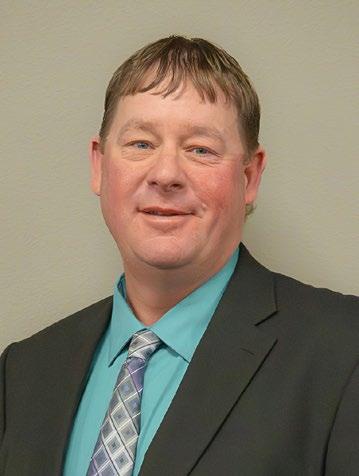
During the meeting I gave a presentation to the members explaining the changes that took place for SECPA in 2025 starting with Scott Monarco being named CEO for SECOM, a telecommunication subsidiary wholly owned by SECPA. In August, the Board of Directors appointed me as Interim CEO of SECPA. I have made several changes within the organization. I gave a briefing on all the changes that have taken place and how those changes will benefit the members of SECPA. I gave an overview of the outside operations projects completed and additions to the utility plant in 2025. Lastly an overview of the safety improvements and changes to apprenticeship was given to the members.
Aaron Johnson, CFO, provided an overview of 2025 financials for SECPA and SECOM.
Scott Monarco gave an overview of the projects completed for SECOM in 2025 and informed the members of the progress on the fiber expansion happening at SECOM. Scott reported that the expansion is taking place in Bent, Otero, Crowley, Pueblo, and Las Animas counties and will be completed by the end of year 2026.
Larkin Anderson and Layton Homm gave a presentation on their experience in Washington, D.C., last summer as part of the Electric Cooperative Youth Tour sponsored by SECPA. Several pictures along with explanations were given to the members detailing every place visited and toured by the group. It was an awesome presentation, and I am grateful that SECPA can share this opportunity with the youth in our service territory.
I believe that all of the changes that took place in 2025 will make member experience better at SECPA as we continue to strive to provide the safest, most reliable, and affordable electricity possible.
27850 Harris Road, Ste A La Junta, CO 81050
Phone: 719-384-2551
Toll Free: 800-332-8634
Fax: 719-384-7320
www.secpa.com
facebook.com/secpaonline
SECPA Annual Meeting
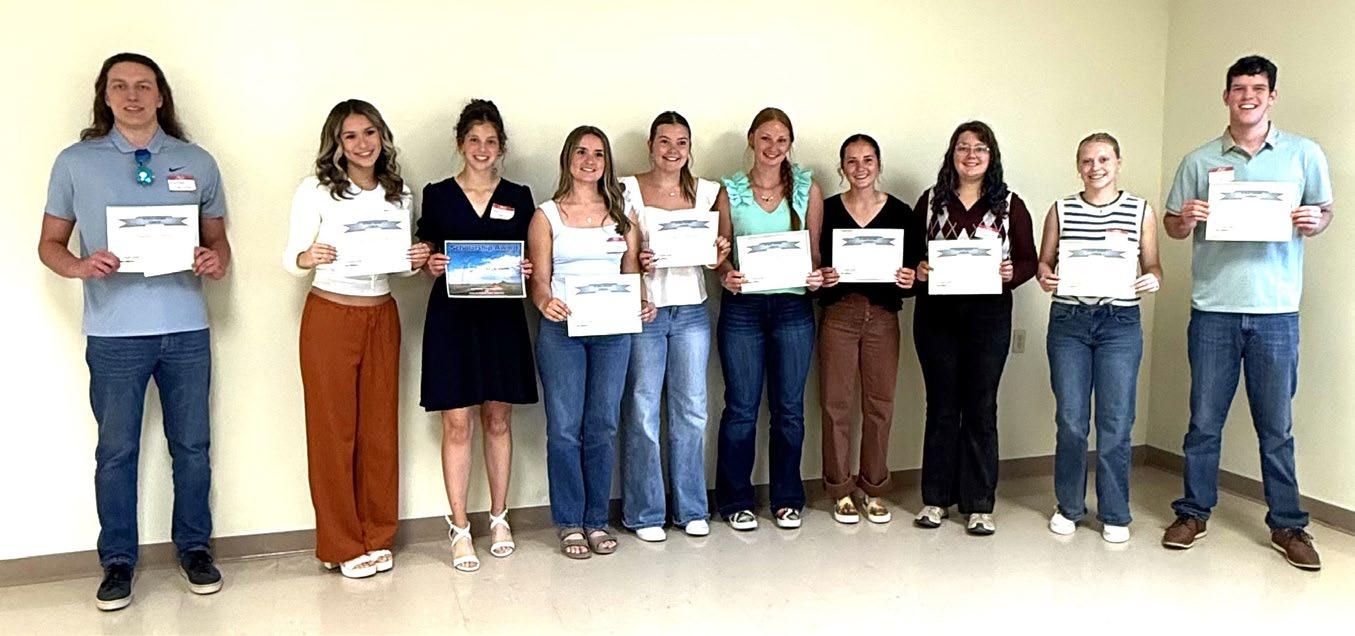
SECPA’s 2026 scholarship recipients at the annual meeting in April.
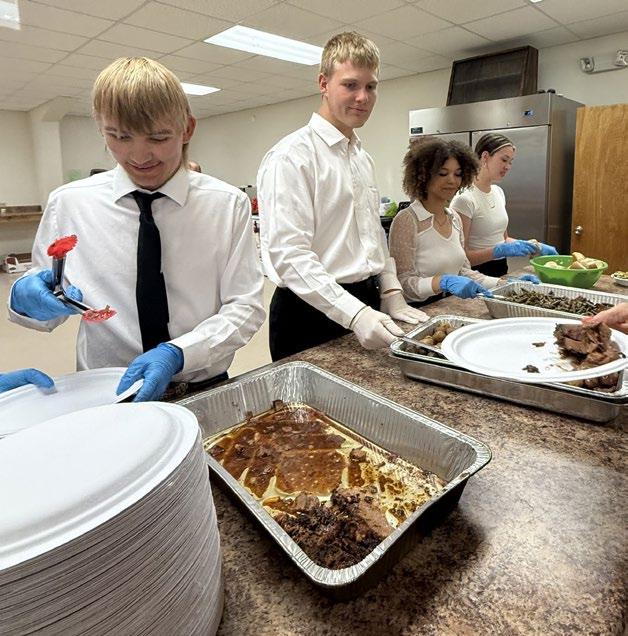
Thank you to Baca County 4-H members for serving the meal at the annual meeting.

Members enjoy a meal and fellowship at the SECPA annual meeting.
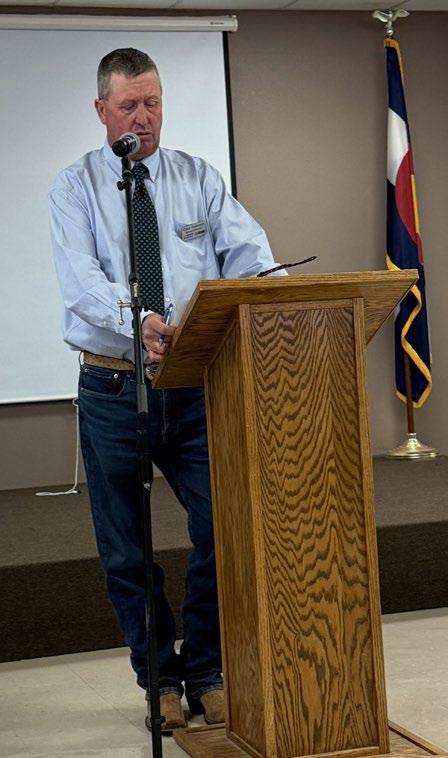
SECPA Board President Clint Anderson.
2025 Electric Cooperative Youth Tour delegates Layton Homm and Larkin Anderson.
SECPA CEO Mark Hall. Baca County Commissioner and SECPA member Troy Bishop.
SECPA Attends Youth Conservation Day
Branson-Trinchera held its 15th Annual Youth Conservation Day at the Kim Pavilion with 56 students from Kim, Pritchett, and Branson elementary schools (including homeschools) attending. SECPA’s Safety Director John Parker and Journeyman Lineman Trey Redner demonstrated how to locate a line buried underground, how to climb a pole, and explained the importance of electrical safety. Parker and Redner also emphasized that linemen do not work alone, especially on downed power lines.
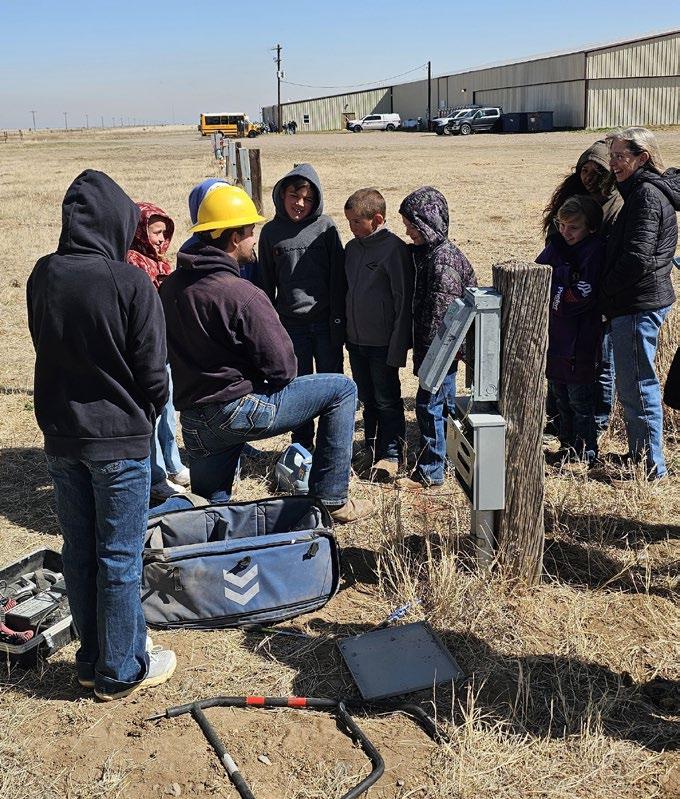
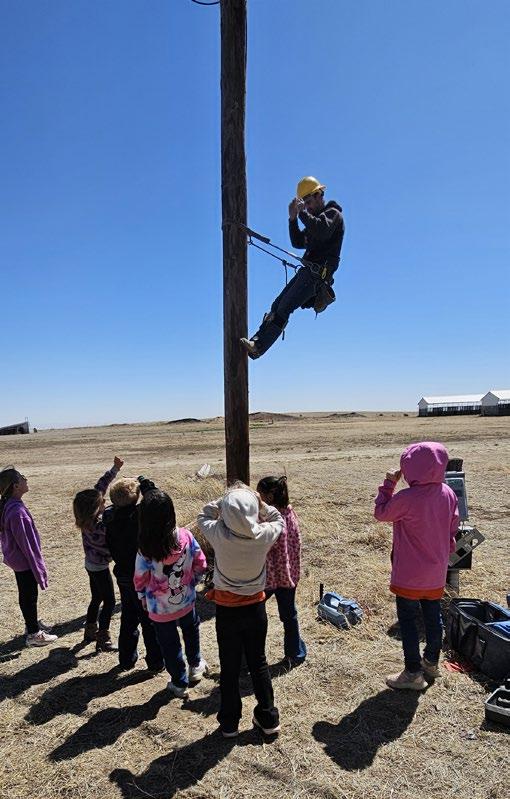
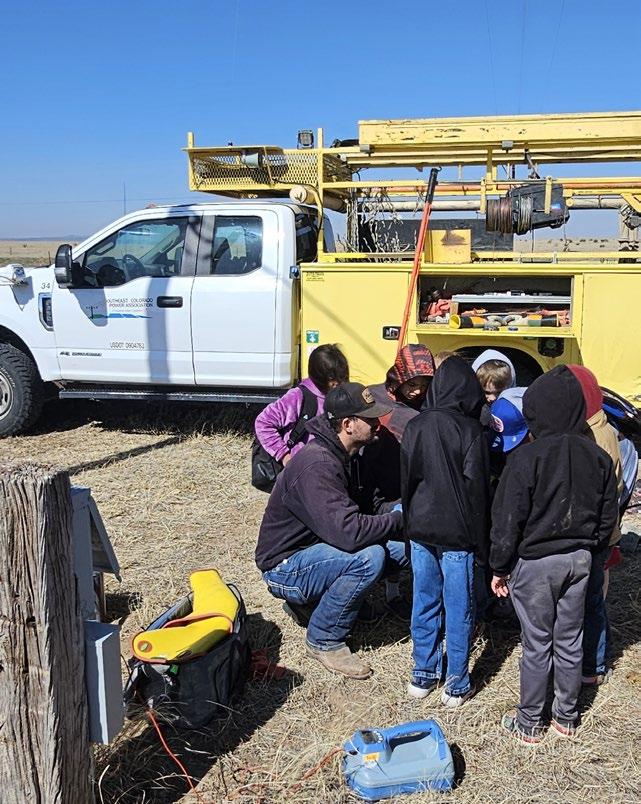

If you find your name in this issue as follows (WIN* Your Name, your account number), contact Southeast Colorado Power Association at 719-384-2551 or 800332-8634 to receive a $50 credit on your next power bill.

Students attending Youth Conservation Day watch SECPA Journeyman Lineman Trey Redner locate underground power lines.
Trey Redner show students how he climbs power poles for his job as a SECPA lineman.
Youth Conservation Day attendees learn about electrical safety from SECPA lineman, Trey Redner.
Summary
Power is SECPA’s largest expense; in 2025 it accounted for 55.40% of revenues.
Cost is higher per kWh primarily due to an increase in rates from our power supplier, TriState Power G&T Association, that became effective in August 2024.
ENERGY EFFICIENCY TIP OF THE MONTH
During these warm summer months, a smart thermostat can help keep your home comfortable while reducing cooling costs. Smart thermostats learn your routine and automatically raise the temperature when you’re away and cool things down before you return, avoiding unnecessary energy use. You can also adjust settings remotely from your phone, so you’re never cooling an empty house. Setting your thermostat a few degrees higher while you’re away or asleep can lead to significant savings. Many smart thermostats provide reports and tips, helping you fine-tune your energy use and stay cool while keeping your electric bill in check. *WIN VANCE ALFREY acct 10062xxxx
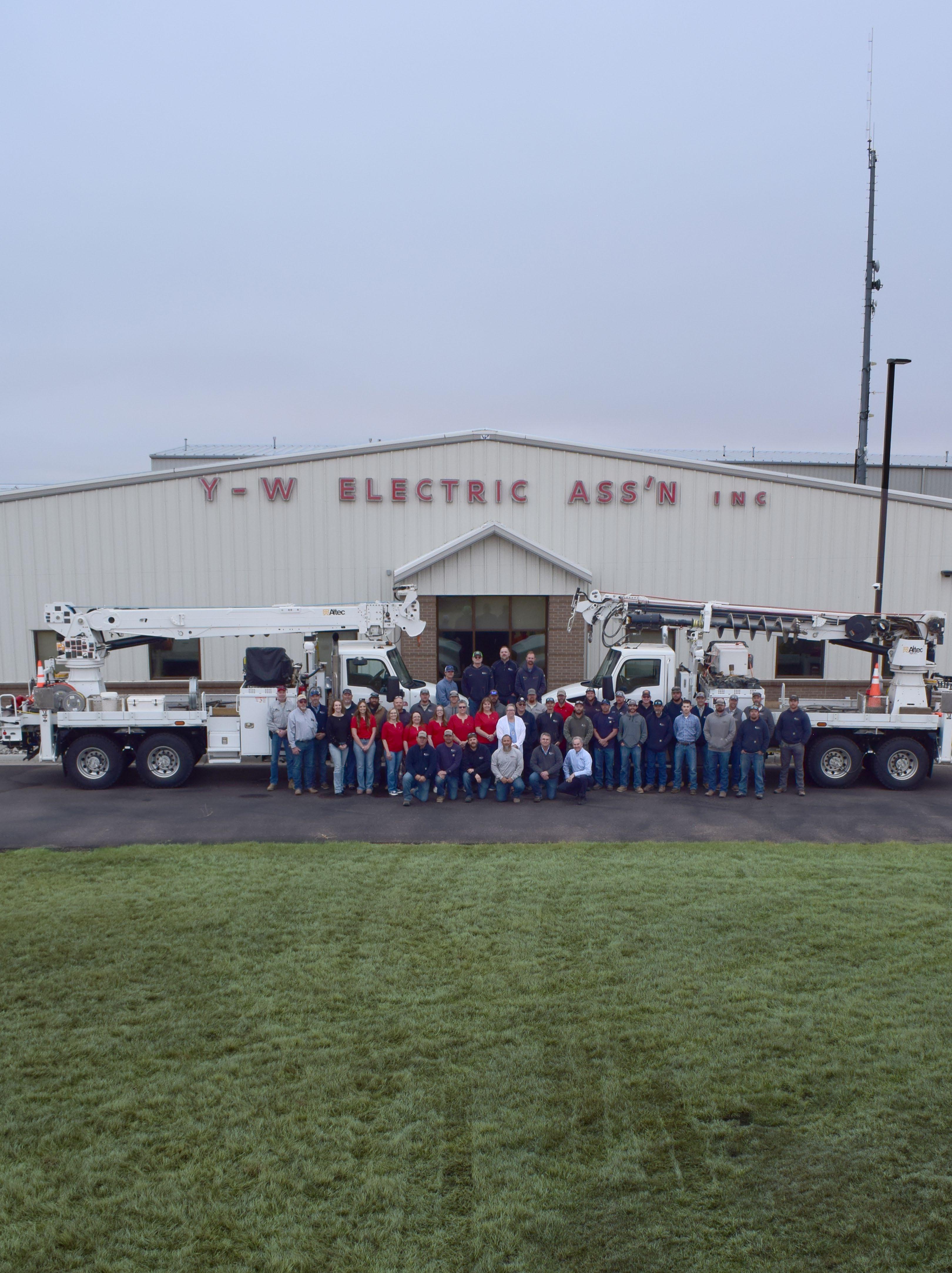
Meet Y-W Electric’s Board Candidates
LARRY HILL
(DISTRICT NO. 7 – TOWN OF AKRON, CO)
Larry Hill and his wife Glenna have been residents of Akron CO for thirty-one years. They have two adult sons who graduated from Akron High School. Glenna works part time for the Akron School District. Larry retired from the Department of Energy-Western Area Power Administration after 29 years of service on Jan. 1, 2020. Larry worked as a high voltage Electrician then the last eleven years that Larry was with WAPA he served as the Field Office Manager for WAPA’s Brush CO maintenance office and the Virginia Smith Converter Station in Sidney NE. Larry managed the day to day operation of these offices and supervised all craftsman. At WAPA Larry served on the WAPA Rocky Mountain Region Capital Investment Committee which was responsible for establishing ten year budgets for Capital projects. Larry also served on the WAPA wide Craft Training and Apprenticeship Committee. Prior to working for WAPA Larry worked with contractors as a construction superintendent
building high voltage substations. Larry has over forty years experience in the high voltage power industry.
Larry has been active with several boards and organizations in Akron and Washington County such as the town of Akron board of trustees, the National Radial Engine Air Exhibition Committee, and ten years with the Akron Volunteer Fire Department. Larry has been a member of the Akron Lions Club for 29 years.
Larry Hill is highly qualified for the position of director for Y-W Electric Cooperative and would be honored to serve as one.
FREEMAN MORRIS
(DISTRICT NO. 3 – THE THIRD COMMISSIONER DISTRICT OF YUMA COUNTY, CO)
I live 3 miles south of Idalia on a dryland and irrigated farm and run a cow-calf operation. I am 75 years old and spent my youth on the Brenner Farm. Graduated
continued on page 10
Y-W ELECTRIC’S 81ST ANNUAL MEETING
TUESDAY
JUNE 9, 2026
Y-W Headquarters
26862 US HWY 34 Akron, CO 80720
5 p.m. — Registration and meal
6 p.m. — Registration closes
6 p.m. — Business meeting begins
Members must be registered by 6 p.m. to qualify for prize drawings.
Three cash prizes will be given away from Y-W Electric during the meeting. Two members from our total membership list will be drawn for an attempt to win the $5,000 prize. Prizes of $250 and $500 will be drawn from the members registered at the meeting. For attending the meeting, you will receive a complimentary gift.
The unapproved 2025 annual meeting minutes can be viewed on our website ywelectric.coop. Your invitation to Y-W Electric’s annual meeting was mailed May 19 — please bring it with you to expedite your registration and so we can add you to the prize drawings.
See you there!
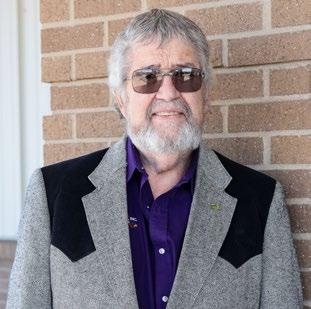
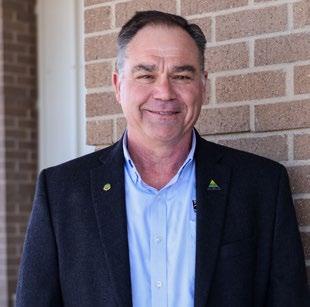
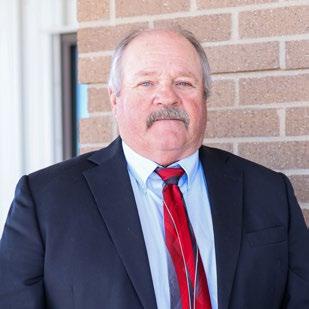
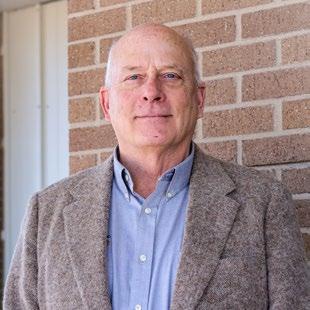
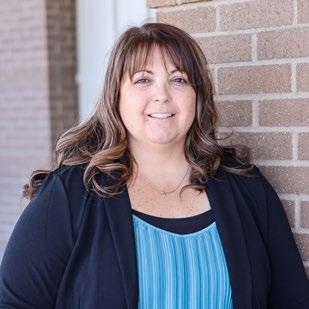
Joneal Young President - District 6
Bob Bledsoe Vice President - District 1
Aaron Gebauer Treasurer - District 5
Freeman Morris Secretary - District 3
Roger Schenk District 4
Larry Winger District 2
Larry Hill District 7
Stuart Travis District 8
Brooke Price District 9
ENERGY PURCHASES BY CONSUMER CLASS - 2025
BALANCE
SHEET AS OF 12/31/2025 EXPENDITURES IN 2025
continued from page 7
in 1968 from Idalia High School and married Diana Busby in 1970. In 1972 I graduated from CSU with a bachelor’s degree in Zoology and moved back to farm with my uncle. We raised 2 sons, Josh and Ross, that have families and farm in the Idalia-Armel area. We also have a daughter, Libby, and her family that live in Chadron, Nebraska where she is a principal at the elementary school. I am very blessed to have 7 grandchildren. I have served on the Wray-Idalia school board and the Idalia Visions Board. I am a volunteer on Idalia fire department and past EMT on Idalia Ambulance.
JONEAL YOUNG
(DISTRICT NO. 6 – THE THIRD COMMISSIONER DISTRICT OF WASHINGTON COUNTY, CO)
Joneal Young is running for his 15th term as a director for Y-W Electric. Having both graduated from Arickaree High School, Joneal and his wife, Rita, have lived in the Y-W area for 50-plus years.
RECORD OF GROWTH
CURRENT STAFF
Courtney Agan
Brandon Baker
Joshua Ballah
Larry Banaka
Garret Basler
Brandee Bullard
Stephanie Clarkson
Clayton Cordell
Jaden Dreher
Shannon Florian
Samantha Gebauer
Daniel Glanz
Tate Goddard
Shannon Greene
Dylan Haas
Bradley Hageman
Elisha Harris
Andy Hase
Matt Hillman
Wyatt Hotz
Joneal worked at Y-W in Akron for two years, installing underground wiring to irrigation and stock wells and as a lineman in the Heart Strong area working with Dwaine Eastin. Then Joneal opted to return to the family farm to work with his parents, Birdsall and Darlene Young.
Joneal and Rita have two grown children. Lanee is a Math Professor at Fort Hays State University in Hays, Kansas. She is also involved in Agriculture, helping on the family farm here in Colorado. Chad and his wife, Christine, and family live on the farm where Joneal and Chad, with advice from Birdsall, work together to grow irrigated corn, dryland wheat, graze yearlings on the pasture land, and haul the crops and livestock to various destinations.
Joneal would like to thank the past and present Board members, the employees, and consumers for their support and the opportunity to serve the community in this capacity. Although he has seen many changes to Y-W over the years, Joneal is looking forward to the future of Y-W in the years ahead.
Brock Houston
Spencer Johnson
Ry Kautz
Casey Krening
Gannon Leifheit
Trent Loutensock
James Lucero
Steven Marshall
Tony McCaffrey
Cami Mehring
Sierra Mireles
Andrew Molt
Dylan Paulsen
Scott Porteus
Colby Purkeypile
Nathan Quick
Ryan Rhea
Justin Sage
Theron Shaffer
Bryce Shaffer
Justin Stair
Rosi Strozier
Colton Unrein
Shane Weaver
Gavin Wheeler
Nate Williams