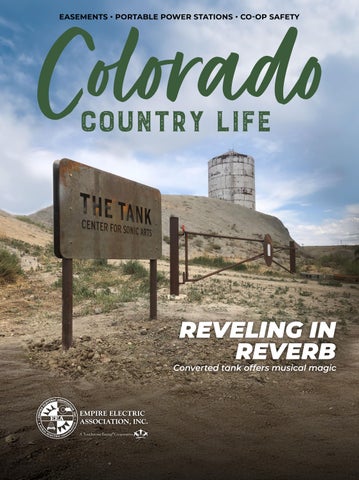
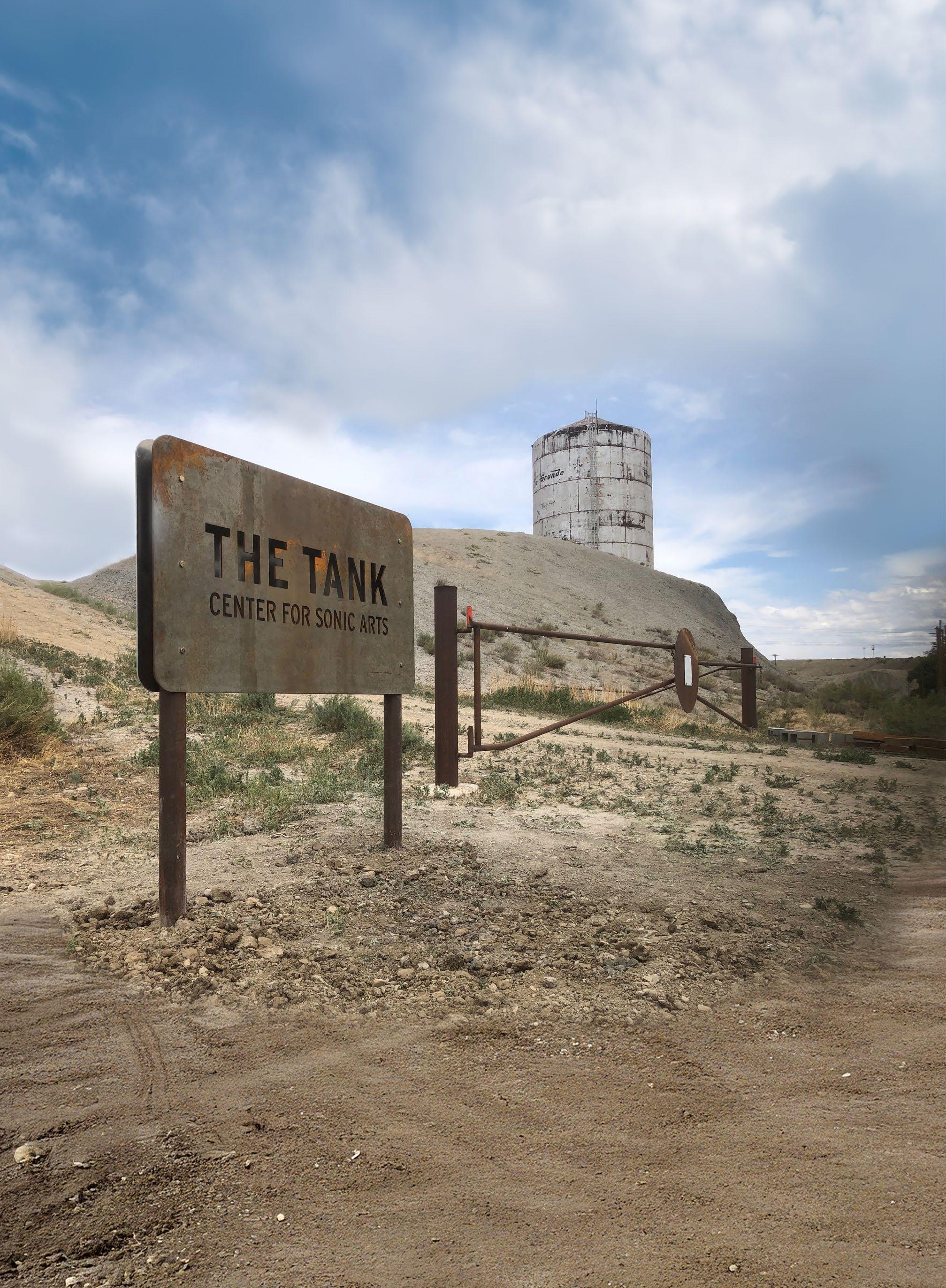
REVELING IN REVERB
Converted tank offers musical magic
Easements Are Essential
By Andy Carter Member Engagement Manager
The terms “easement” and “rightof-way” may sound like neighborhood covenant lingo and a traffic sign message respectively, but they exist to help Empire Electric Association and other utilities provide quality service.
If you’re a homeowner, you most likely own the property your home sits on; however, utility companies have the right to use parts of it — known as “right-ofway”— to perform equipment or line maintenance or to restore services. For properties located in municipalities or subdivisions, utility easements are areas that were designated for overhead and underground utility access when your home was first platted. For properties located in unincorporated areas, utility easements are created when the utility provider first constructs facilities on the property.
the area in a way that is advantageous to you, your neighbors, and your community. Utility lines that allow for electric, gas, telephone, cable, and fiber optic services cover a lot of area. Underground, there’s more than one football field’s length of buried utilities for every man, woman, and child in the United States. In total there are 100 billion feet of underground utilities in the U.S. according to data compiled by the Common Ground Alliance. Also massive in scope and range, overhead lines span millions of miles across the country.
Why are easements necessary? Because it is more efficient and less expensive to run utility services in common corridors than it is to run them around parcels of land. They also ensure utilities have the legal right to access their facilities so they can perform required maintenance or make repairs quickly and efficiently. Other benefits of easements are they keep our members safe by providing appropriate clearance from high voltage lines or pressurized gas lines, minimize the chance of service disruptions by limiting activity in the easement, and keep utility employees safe by providing clear work areas. Having right-ofway access does not mean utilities can do whatever they want on your property. It does mean they can use

Office Hours
If you have plans to dig on your property, EEA reminds you to call the national digging hotline 811 at least 72 hours before you start. Or use the online locate request website bluestakes.org in Utah or colorado811.org in Colorado. If you plan to dig in a spot marked more than 10 days ago, notify 811 again to get the site remarked.
Remember, some buried lines are only a few inches below the ground’s surface, so everyone needs to call 811 before they dig, not just contractors using large equipment. For your safety to avoid severe electric shock or injury, and the safety of others, call before you dig.
Workers who locate service utility lines should arrive in a marked vehicle and have proper identification. If you have any concerns about electric utility locates in our service area, please call us at 970-5654444. Thank you for keeping safety first. To find out more about electrical safety, visit eea.coop/electrical-safety-information and safeelectricity.org.
Monday–Thursday — 7:30 a.m. to 5:30 p.m. Friday — 7:30 a.m. to 11:30 a.m.
23999 Road L.4 Cortez, CO 81321 phone 970-565-4444
toll free 800-709-3726
pay by phone 833-923-1409
eea.coop Facebook.com/EEACortez @eeacortez
Wildfire Mitigation Efforts
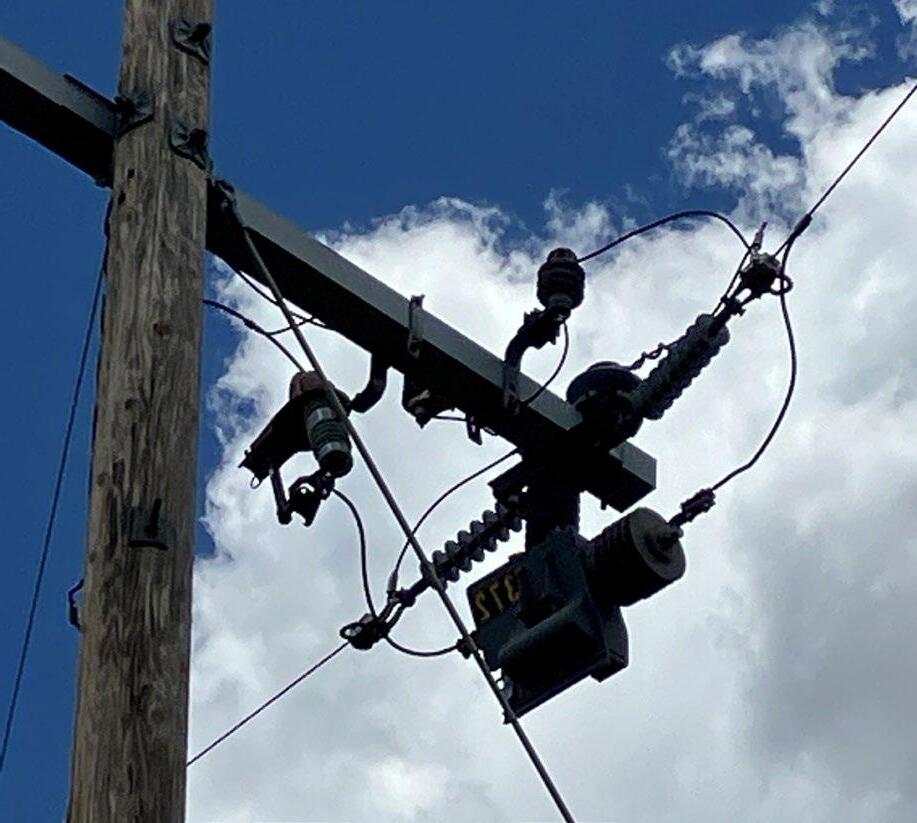
Photo of a safety device called a “recloser.”
When a recloser senses a fault, it opens the circuit for a very short time and then closes it. If the fault still exists, the recloser cycles again, and if the fault remains the circuit is locked open to stop power from flowing.
Empire Electric Association continues to implement our wildfire mitigation plan. When conditions exist that heighten the likelihood of a wildland fire being started by a fault on our distribution system, EEA will alter programmable protective devices in high fire danger areas to more conservative settings. These settings help reduce the risk of starting a wildland fire, but they also may increase the frequency and duration of power outages.
EEA began construction on transitioning an 8-mile section of overhead distribution line to underground in the Manti-La Sal National Forest south of Monticello in March. This line section is in a high fire danger area and is part of EEA’s long-term plan to reduce wildland fire risk by undergrounding power lines where appropriate. This project is being funded in part by a Utah Grid Resiliency grant awarded in 2025.
EEA has also begun installing advanced protective devices in the high fire danger areas of Dolores, Montezuma, and San Miguel counties in Colorado. These devices use improved technology to detect high-impedance faults and downed conductors that traditional overcurrent protection devices miss. These types of faults are more likely to ignite a wildfire. This project is funded in part by a Colorado Grid Hardening grant awarded in 2024.
Co-op membership has benefits! Eligible EEA members will have their 2025 capital credit allocation listed on the front page of their May billing statement . The allocation for each category is based on one of the following:
The amount of electricity a member paid for during the year.
The total number of cooperative members. The wholesale cost of purchased power for the kilowatt hours consumed. Allocating
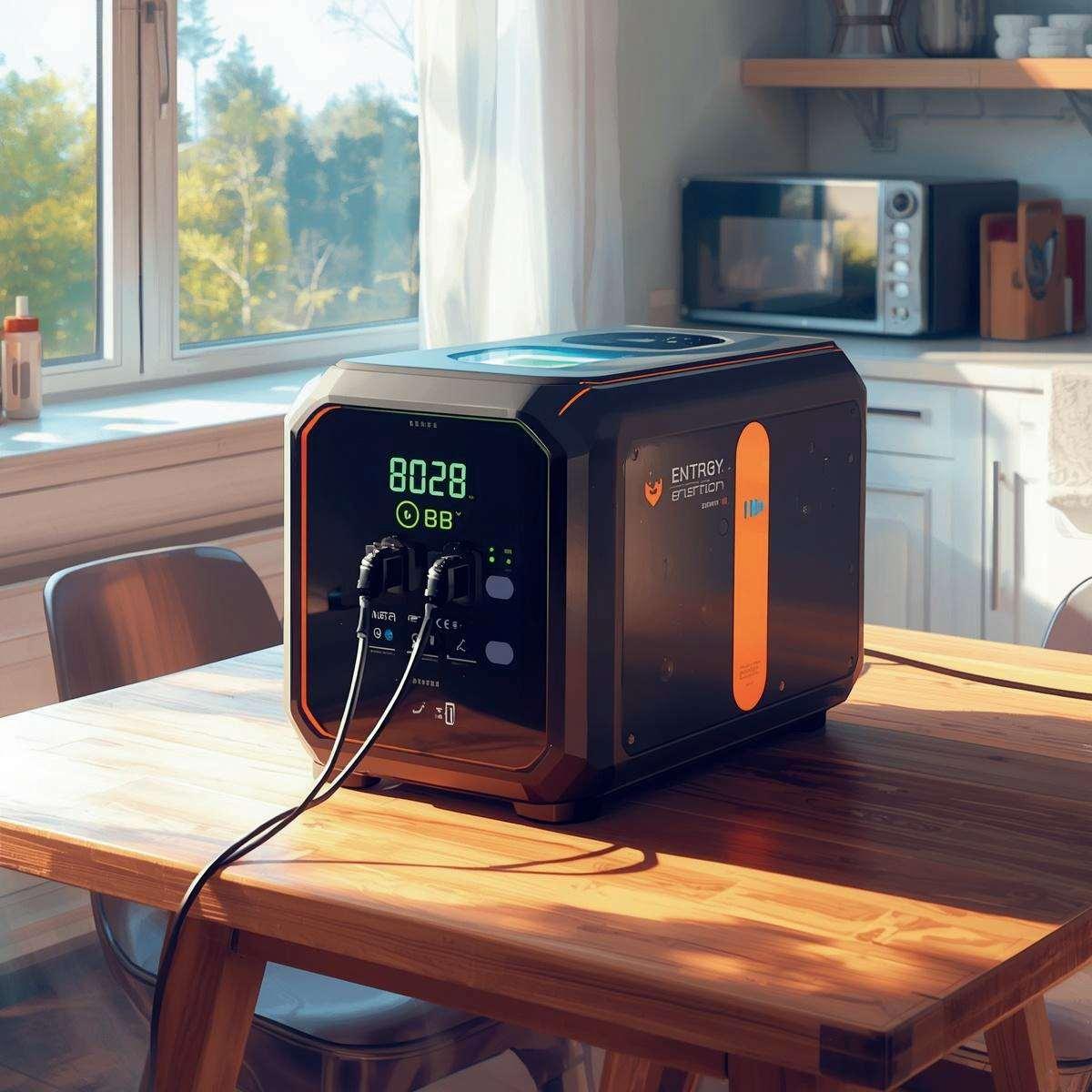
Portable Power Stations for Outages
Portable power stations are compact, rechargeable batteries that safely power essential devices during outages. Unlike gas generators, they produce no emissions, making them safe for indoor use, and they operate quietly with minimal maintenance.
Key safety features include a built-in battery management system that prevents overcharging, overheating, and short circuits. Many units also support pass-through charging, allowing devices to run while the station recharges. Some units allow solar panel charging. To maintain safe operation, store the unit in a cool, dry place and keep it clean.
When choosing a power station, ensure its output — watts — meets or exceeds the requirements of your devices, and its capacity — watt-hours — provides sufficient running time. Avoid overloading the unit by
keeping the combined wattage of connected devices below its maximum output. Appliances with motors, like refrigerators, often require higher startup power, so include at least a 20% safety buffer and check for surge capability.
Select the appropriate size based on your needs, from small units for phones and lights to larger systems for appliances. Always follow manufacturer guidelines for safe use and charging. Portable power stations offer a reliable, indoor-safe solution for maintaining power during emergencies. For more safety information, please visit eea.coop and SafeElectricty.org

Make yard cleanup a breeze! EEA offers rebates for electric outdoor equipment. Get up to $50 for a leaf blower at eea.coop.
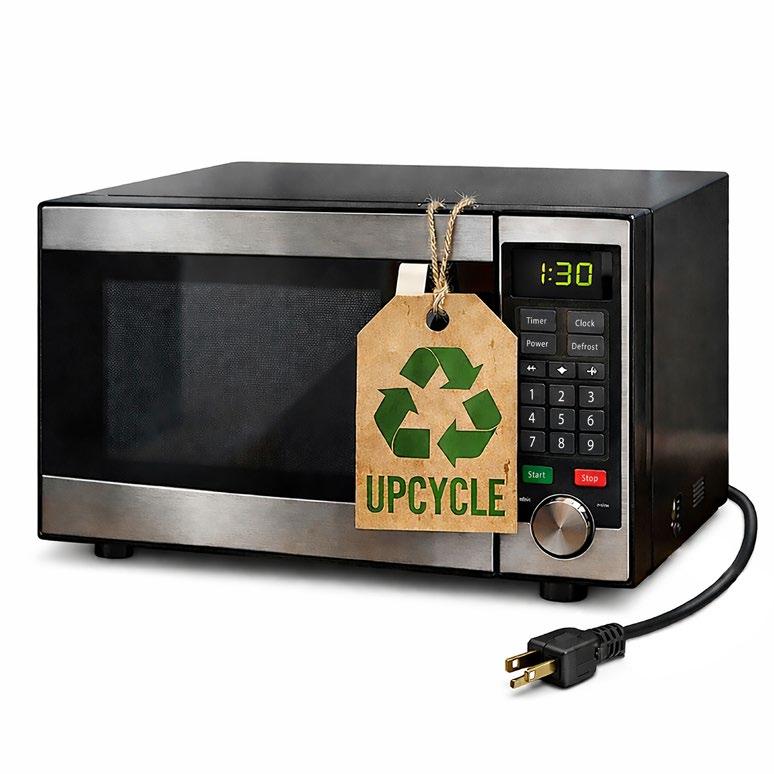
Upcycle safe. Upcycle smart.
Upcycling old items is a fantastic way to reduce waste — but when electricity is involved,
Always inspect electrical cords carefully and never use or repurpose damaged electrical parts.
Stay creative, stay safe and help the planet!

Portable battery power station. Image created in Canva
NOTICE OF 2026 ANNUAL MEMBERSHIP MEETING EMPIRE ELECTRIC ASSOCIATION, INC.
The Annual Meeting of the members of Empire Electric Association, Inc. is scheduled to begin at 5:30 p.m. on Thursday, June 18, 2026. The meeting will be held at EEA’s Engineering and Operations Center located at 23999 Road L.4, Cortez, Colorado. The following business is scheduled to be transacted:
I. Election of directors submitted by written petition pursuant to Article III Section 4 of the cooperative’s bylaws. One director is to be elected from the following districts:
DISTRICT NO. 3 [Four-year term]
(NOTE: Article III, Section 4 of Empire’s bylaws states, “Should there be only one nomination from each district open for election then no
ballots will be mailed or cast, and the candidate will be declared elected as a matter of law at the annual meeting or within five (5) days thereafter as provided by law.”)
II. Voting upon proposed amendments to the Bylaws and Articles of Incorporation, if necessary
III. Reports of Officers, Directors, and Committees and action thereon
IV. Any other business transacted which may properly come before the meeting or any adjournment thereof
Robert A. Barry, Secretary-Treasurer Empire Electric Association, Inc. PO Box K, Cortez, Colorado 81321

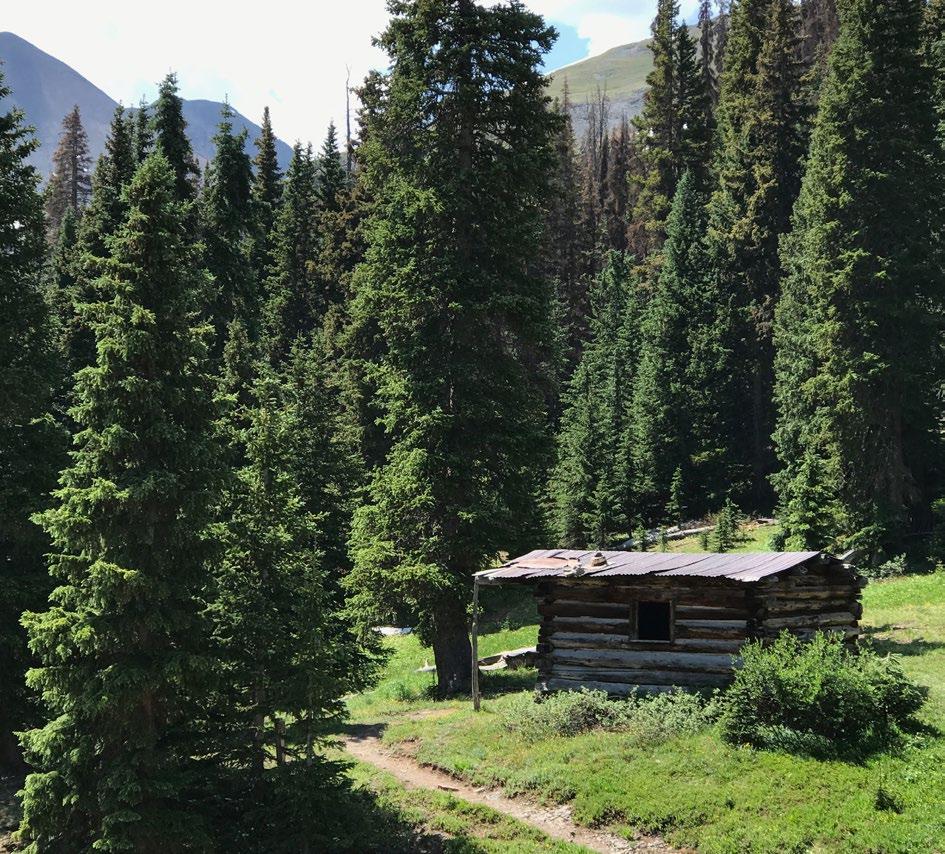
Old Cabin.
Photo by Cindie Miller

Oh Be Joyful Solar
Local generation provides member value
By Matt Feier Strategy Execution, Technology, and Member Experience Manager
As your local electric cooperative, GCEA is focused on delivering reliable, cost-effective energy solutions that benefit its members. One of its newest projects—the 1.125-megawatt Oh Be Joyful (OBJ) solar array in Crested Butte— was developed in partnership with local organizations and solar developer Outshine Energy. The following Q&A answers common questions about the project, including how the site was selected, how it performs in a high-elevation environment, and what it means for GCEA members.
1. How was the OBJ site selected? In 2020, after having tried unsuccessfully to develop a solar array in other locations within Gunnison County, GCEA hired a solar siting consultant to help identify the most viable solar development locations within GCEA’s service territory. In the analysis process, the OBJ site was identified as one of the most viable solar development locations due to the site’s ownership, usage potential, conservation easement status, wildlife habitat, and proximity to a substation.
2. Why did GCEA pursue the OBJ array? The GCEA board has had a longstanding strategic goal to take greater advantage of the local generation allotment allowed within GCEA’s contract with Tri-State Generation and Transmission Association when local generation can be developed in ways that benefit members and remain cost-effective
3. Does the hillside adjacent to the OBJ array affect OBJ’s energy production? Yes. Gibson Ridge shades the OBJ array in the afternoon in the winter. However, solar production is naturally lowest in winter when days are short, the angle of the sun is low, and clouds and snowfall are common. In summer, when days are long, the sun is stronger, and snowfall is not a factor, the sun sets farther north, and the array is not significantly affected by hillside shading.
4. Aren’t there snowslide hazards on the OBJ site? Yes. Prior to the development of the OBJ site, a snow study consultant assessed the existing snowslide hazards and patterns on the property. The analysis identified zones with 30-year,
100-year, and greater-than-100-year recurrence intervals. The array was built within the 100-year and greater zones, resulting in its L-shaped configuration.
5. Will GCEA maintain snow that falls on or around the panels? No. The bottom edge of each panel is approximately 5 feet above grade to allow for snowshed. Plowing between the panels could risk damage to the racking and the panels. It is expected that there will be some generation loss
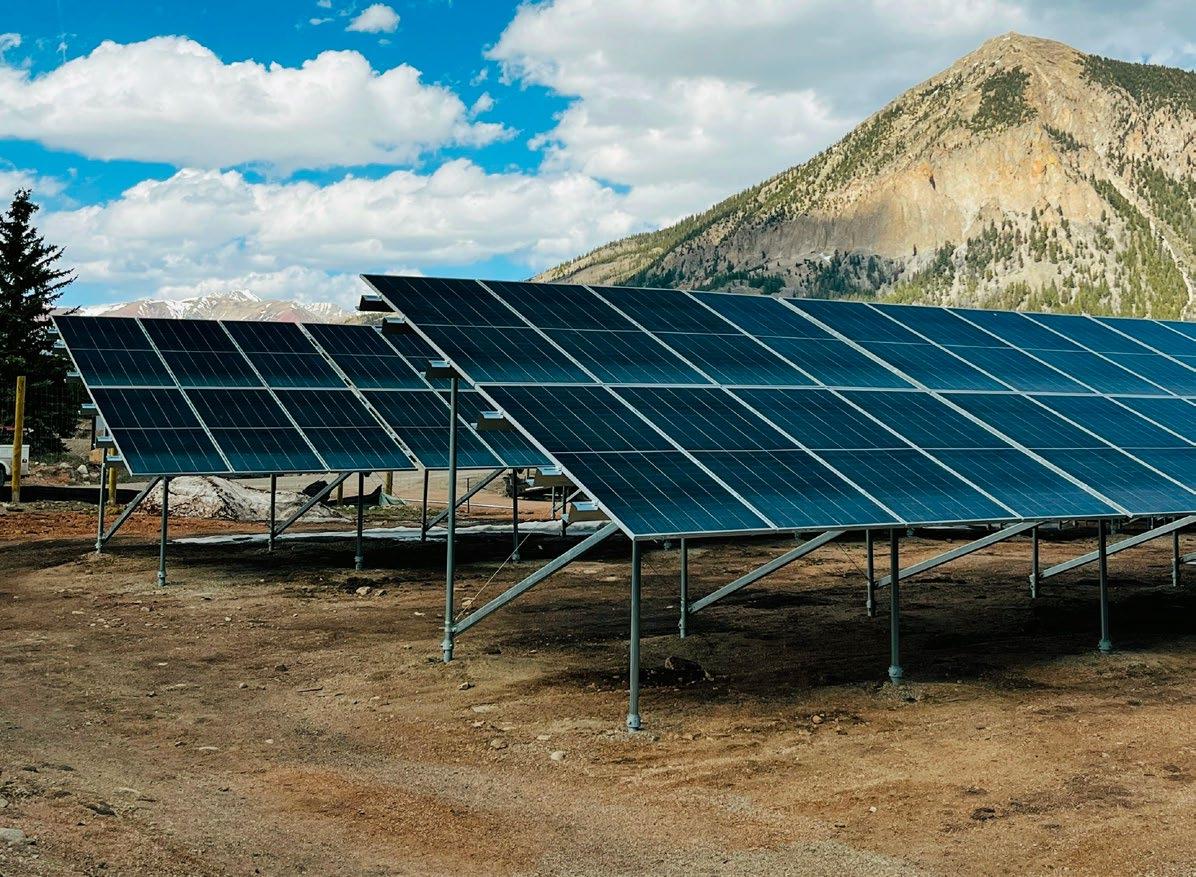
due to snow coverage, especially in high snowfall years. The black glass solar panels shed snow efficiently, and their bifacial design will still generate some energy even when the upper surfaces may be snow covered.
6. Does the development of the OBJ array impact GCEA’s rates? The OBJ array is expected to have little to no impact on member rates. A significant portion of the project’s cost is being offset by federal Inflation Reduction Act clean energy incentives, and the remaining costs are supported through the sale of Renewable Energy Credits (RECs) to local organizations. Together, these factors allow GCEA to invest in local renewable energy without placing additional cost impacts on members.
Oh Be Joyful solar array is a 1.125-MW fixed tilt solar array. Photo by Alliy Sahagun
Big Savings Start at Home with GV-HEAT
By Gesa Michel GV-HEAT Energy Program Manager
Did you know that the Gunnison Valley Home Energy Advancement Team officially became part of Gunnison County this year?
GV-HEAT helps homeowners and renters make their homes more energy efficient, comfortable, and safe. We are part of the Gunnison County Housing Authority and are located in the Zugelder Building — the former Gunnison library.
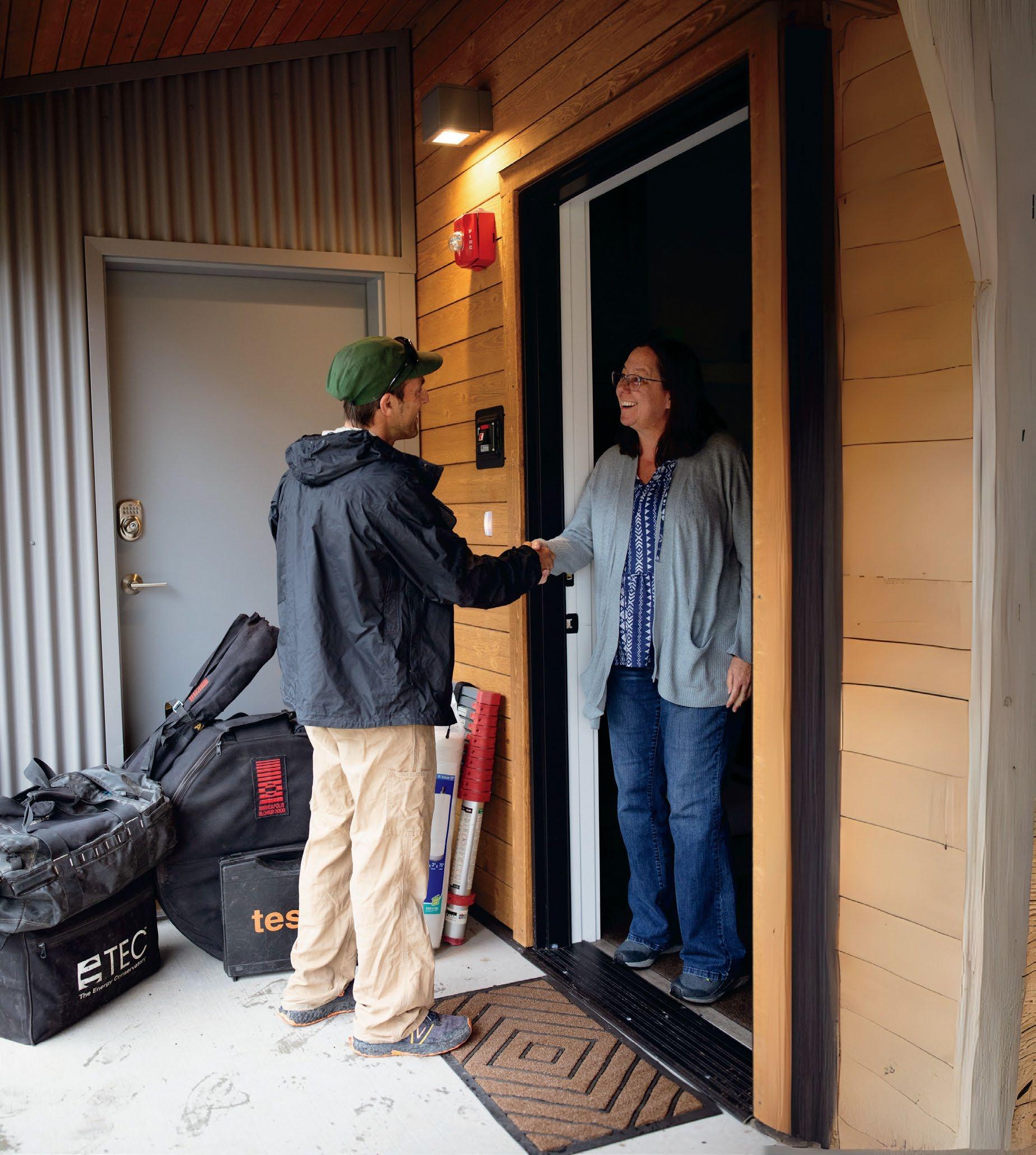
So what’s new for 2026? We now offer free home energy assessments valued at $500. When you enroll, an energy analyst will evaluate your home’s building envelope, mechanical systems, and key safety indicators during an on-site visit. Based on the findings, you’ll receive recommendations to improve your home’s energy efficiency and comfort.
If your household income is below 150% of the Area Median Income, or if you are a Community Priority Member (such as childcare staff, firefighters, police, first responders, ski patrol, lodging staff, local government or nonprofit employees, restaurant or retail workers, teachers, or school district staff) and your home is your primary residence, you may qualify for up to $2,000 in Energy Smart Colorado rebates. These funds can be used for insulation or air sealing improvements if air leakage is reduced by a Air sealing typically focuses on areas you don’t normally see, such as attics, crawlspaces, or mechan ical rooms, where contractors seal penetrations, add weatherstripping, or apply caulking. Insulation can then be added to further improve performance.

LEARN HOW YOUR HOME USES
Improvements are verified through a blower door test, which depressurizes the home so technicians can identify where outside air is entering. For many homes, the $2,000 rebate can cover most of the cost of air sealing.
Thinking about upgrading your heating system or water heater? Electrification can be especially beneficial if your current system is aging, you rely on propane, or you want healthier indoor air. Cold-climate air-source heat pumps, paired with a backup system for extreme cold days, can be up to 300% more efficient than older equipment. Your energy analyst or a qualified installer can help you compare options.
Households within the 150% AMI range may also qualify for additional rebates, including another $2,000 from Energy Smart Colorado for electrification upgrades. The new Home Electrification and Appliance Rebate program through the Colorado Energy Office can provide up to $14,000 in rebates for heat pump water heaters, cold-climate heat pumps, electric stoves and cooktops, panel upgrades, insulation,
Thinking of Going Solar?
By Alantha Garrison Energy Use Advisor
Planning a renewable energy project to reduce your electric bills? GCEA’s net metering program allows members to generate up to 120% of their annual energy use, within system size limits and based on account type.
Members who install grid-tied renewable energy systems are enrolled in net metering. System size is based on the previous 12 months of usage and varies by account type: residential systems have a maximum size of 10 kilowatts, while commercial systems have a maximum size of 25 kW. A supplemental distributed generation rate is available for members who wish to install larger systems than standard net metering allows, as well as for members on a large power rate.
On the standard net metered rate, a bidirectional meter tracks energy flowing both to and from the grid, recording the net energy used at the property. Each day, the meter records either positive or negative net energy. A positive value means more energy was consumed than produced, while a negative value indicates excess generation. At the end of the billing month, these totals determine whether the member owes for net usage or has excess energy. Any extra kilowatt-hours are stored in a virtual “bank” and carried forward to offset future use.
Typically, systems designed to offset 100%-120% of annual usage generate excess energy in late spring, summer, and early fall. These credits help offset higher usage in winter, when shorter days, colder temperatures, and snow-covered panels can reduce generation. In some years, banked energy may fully offset winter usage;. In other years, members may still see a bill, depending on weather conditions that affect their usage.
GCEA offers two options for managing stored kWh. The annual true-up allows members to receive payment for unused credits at the average wholesale rate, either in the fall or spring. The perpetual rollover option allows credits to carry forward indefinitely; however, any remaining kWh are forfeited if the account is closed.
All net-metered accounts continue to pay a service availability fee, regardless of energy use. This supports the infrastructure — poles, wires, transformers, and equipment — needed to deliver reliable electricity when renewable systems are not producing.
If you are thinking of installing solar, visit gcea.coop or call 970-641-3520 for more information about GCEA’s net metering program.
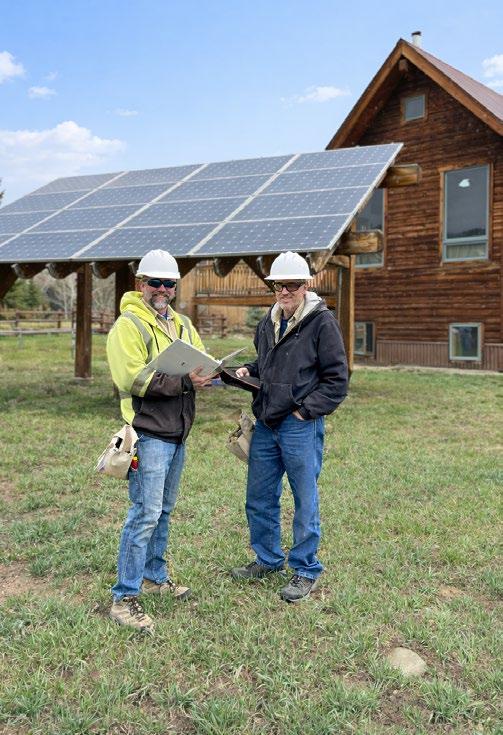
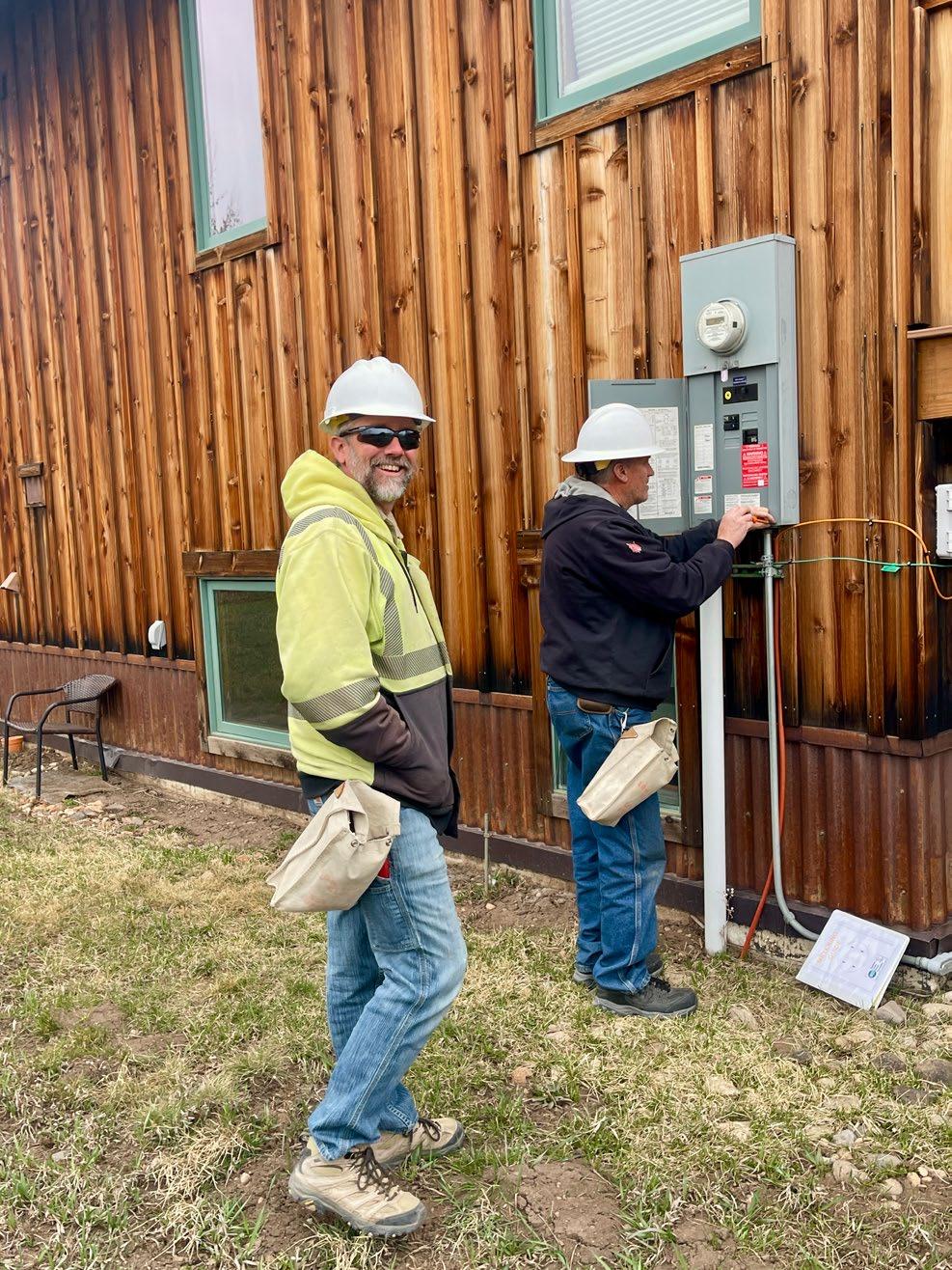
On the cover: Lead Meter Technician Jeff Stanley and AMI Tech/ Meter Reader Dan Oberosler work on a net metered home in Crested Butte South.
Photo by Alliy Sagahun
Photo by Logann Long


GCEA ANNUAL MEETING GCEA ANNUAL MEETING


CO-OP CO-OP



BURNELL’S FOOD TRUCK BURNELL’S FOOD TRUCK



KIDS ACTIVITIES KIDS ACTIVITIES DISPLAYS DISPLAYS DOOR PRIZES DOOR PRIZES CASH PRIZE CASH PRIZE LAST CHANCE SCHOLARSHIP LAST CHANCE SCHOLARSHIP CREAM DOOR



CC’S BURGERS CC’S BURGERS THIRD BOWL ICE CREAM THIRD BOWL ICE CREAM





New Technologies Drive Member Questions
By Chrystal Dean Chief Executive Officer
When new technology in the energy industry piques the interest of our members, they call Grand Valley Power to ask about it. We appreciate the opportunity to serve as your trusted energy advisor. Some new technologies can impact the cooperative in ways members might not realize, and we like to discuss those issues and raise awareness.
Two newer technologies — plug-in solar power systems and meter collar adapters — have prompted questions from members and warrant special attention. Their usage is also being taken up by the 2026 Colorado General Assembly. With the growing interest in meter collar adapters and plug-in solar among consumers, I thought this would be a good opportunity to shed some light on what the buzz is all about, and what Grand Valley Power’s perspective is on their usage.
Let’s start with what they are. Plug-in solar power systems are small, often portable solar kits that allow homeowners and renters to generate renewable energy by plugging panels directly into a standard wall outlet, typically avoiding complex installations. Compared to larger rooftop systems, plug-in systems are simple to install and have a quicker return on investment given their affordability. A meter collar adapter is a compact device that simplifies connecting residential solar systems, batteries, and EV chargers by enabling seamless integration and often eliminating the need for a main panel upgrade. These devices provide a low-cost, affordable option for accessing the benefits of solar at a fraction of the price and installation time.
You might be thinking to yourself, this sounds like a great solution to affordable solar, so what’s the hesitation? Attaching a meter collar adapter to your home’s meter is not currently supported by Grand Valley Power because it does not align with our interconnection policies. However, knowing these devices will generate interest from our members, our staff has been researching and testing these devices to evaluate if Grand Valley Power could adjust its policies and operations to accommodate them. We have also
considered some of the other challenges that come with these types of devices, particularly through the lens of Colorado House Bill 26-1007, relating to meter collar adapters and plug-in solar devices. This bill would require electric utilities to authorize the installation of meter collar adapters for residential solar. Similar bills have been gaining momentum and attention across the nation in 2026, but very few states have passed bills so far.
GVP’s top priorities are to ensure the safety of our crews and to keep the system reliable. A consumer can purchase several types of these meter collar adapters online; however, not all of them have met appropriate levels of safety standards. Any meter collar used on our system must have the necessary safety protections and be compatible with our power system configuration to ensure continued reliability. Among other things, compatible devices must prevent electricity from flowing backward through the meter and onto the grid. This protection is essential to keep our crews safe from electrical shock while they work on the system.
We are also concerned with the ease of installation of these devices, making it possible for anyone to connect them to their homes without notifying Grand Valley Power. It is very important for our crews to know where on the system these devices are installed so they can confirm their safety before proceeding. Installation should only be done by an approved, certified electrician to maintain safety requirements and prevent damage to cooperative equipment.
As we continue to watch HB26-1007 move through the legislature, I want to convey that we at Grand Valley Power are excited about the progression of these technologies and the opportunities they will give our members to access affordable distributed energy resources such as plug-in solar. Our excitement must be met with careful consideration for the safety of our crews and our members, as well as the continued reliability of our system. I look forward to providing updates on these technologies, as well as the many other exciting things happening across the utility industry, going forward.
Where Big Dreams Ride
Reviving the Colorado Stampede
By Rita-Lyn Sanders Director of Member Services and Communication
It takes a wide-open space as big as the Western Slope to contain the dreams of little girls who grow up on it. No one knows this better than Laura Mendel. And she’s filled it well: Barrel racing. Bronc riding. Big rodeos.
She adores them all and wants others to share in those dreams. In a nod to Grand Junction’s past she named her event the Colorado Stampede, held each Memorial Day weekend since 2024 at the Mesa County Fairgrounds.
“It fills my cup,” Mendel said. “When I watched rodeos as a kid, they brought me so much joy, and I want to bring that joy to everyone.”

Now in its third year since revival, the Colorado Stampede is poised to hit its stride. Events like this often take several years to establish themselves, and Mendel has worked relentlessly toward that goal. But growth brings complexity. As the rodeo expands, so do the demands: larger purses, more detailed planning, and a steady stream of last-minute logistics.
Sponsors are never far from her mind. Their support helps fund the event and its prize money. One of the trickier tasks is competitor registration. The rodeo circuit depends on athletes and their animal partners staying healthy; an injury at one event can sideline a competitor for weeks. That’s why rodeos typically open registration just a few weeks before the event. This minimizes cancellations and schedule changes.
Mendel understands this part of the job. She competed in barrel racing with Seven, her quarter horse, during boarding school in Colorado Springs, and later at Colorado State University. As a member of the CSU rodeo team, she also helped organize events.
“I learned in college that I love putting on events,” Mendel said. “I was better at producing them than competing in them.”
After earning a degree in equine science, Mendel took a job at the Larimer County Fairgrounds, known as The Ranch, where she helped coordinate more than 700 events each year, including the Larimer County Fair and Rodeo and the Big Thunder Draft Horse Show. She later became manager of the Mountain States Circuit Finals Rodeo, a role that deepened her experience in the industry.
Then life shifted direction.
Her grandmother died and Mendel inherited a home and land on the Grand Mesa. She and her
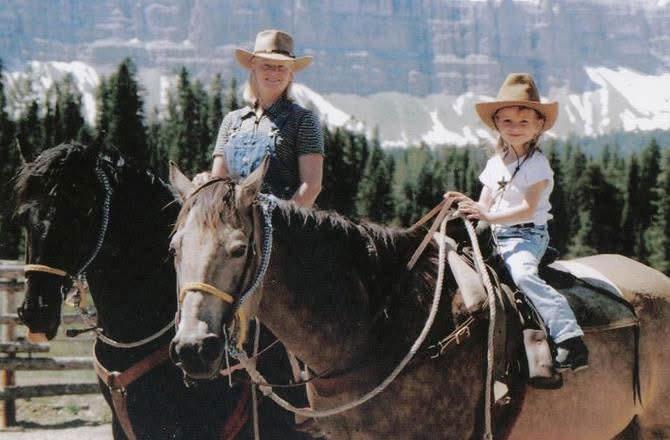
Grand Valley Power member Laura Mendel of Mesa revived the Colorado Stampede Rodeo, held Memorial Day weekend in Grand Junction. Photo courtesy of Laura Mendel
Grand Valley Power member Laura Mendel grew up on horses and rodeo with her mother, Nathalie Ames.
husband, Tanner, packed up their lives — along with two horses and a pair of dogs — and returned to Mesa County where she grew up.
While contemplating her next step and exploring the idea of a pet resort, Mendel realized something was missing: Grand Junction no longer had a professional rodeo. She discovered that the Mesa County Sheriff’s Posse had once hosted the Colorado Stampede, a successful event that ran from 1957 to 1994.
And she began to dream.
She asked members of the Sheriff’s Posse how they would feel about a revival of the rodeo, and if they would volunteer to cover security. She recruited rodeo enthusiasts to serve on a board of directors, knowing she would need both expertise and community connections. She set up a business, sought volunteers, and signed 350 competitors, along with an entertaining rodeo clown who moonlights as a schoolteacher from Wyoming.
It came together. So well, in fact, that the Colorado Stampede was soon named “Most Improved Rodeo” by the Mountain States Professional Rodeo Cowboys Association Circuit. This year it earned another distinction: designation as a qualifying rodeo for Cheyenne Frontier Days. Winners at the Colorado Stampede can take the chutes in Cheyenne, attracting bigger and more athletes to the Grand Junction event.
Today, the Colorado Stampede draws more than 9,000 spectators over three days. Beyond evening competitions, Mendel has added to the experience
with youth activities and a local competition day for aspiring rodeo athletes.
Her next goal is to establish a foundation that would fund scholarships for rodeo student-athletes at Colorado Mesa University.
“People who enjoy the rodeo keep me going,” Mendel said. “The sponsors, spectators, competitors. I want a good event. I want people to come back.”
And in a place as wide as the Western Slope, where dreams need room to run, Mendel is making sure the next generation has somewhere to chase them — one rodeo at a time.

DIRECTOR PETITIONS AVAILABLE THIS MONTH
Director petitions are available for eligible Grand Valley Power members who want to run in the August board election. Petitions can be picked up at GVP headquarters at 845 22 Road, Grand Junction. Three director positions are up for election every year. Directors whose terms expire in 2026 are Joseph Burtard, Joe Landini, and Janie VanWinkle.
GVP’s bylaws and election policies provide indepth information on director eligibility, positions, and election procedures. This information is available on the GVP website at gvp.org/directorelection. Upon request, these written documents can be picked up at GVP’s headquarters or mailed to you.
Petitions must be signed and returned no later than 5 p.m. on June 5.

On the cover: Grand Valley Power is the barrel racing sponsor for the Colorado Stampede, a PRCA rodeo, at the Mesa County Fairgrounds May 22-24.
Photo by Kristen Schurr Photography

SAFETY MONTH



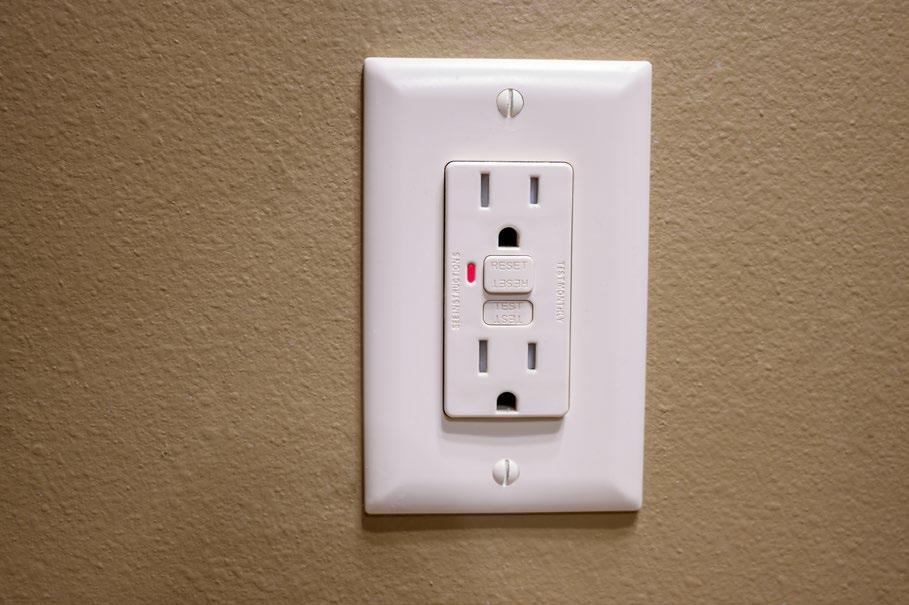
Inspect cords and outlets regularly
Check for damaged cords - avoid overloaded outlets
Use extension cords properly
Extension cords are a temporary solution, not a permanent fix
Water and electricity do not mix
Keep devices away from sinks and tubs - install and test GFCI (Ground Fault Circuit Interrupter) outlets
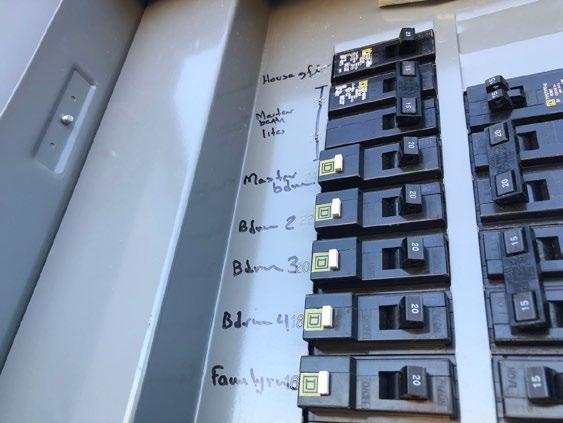
Know your electrical panel and circuit breakers
Label breakers and know how to safely reset a tripped breaker.
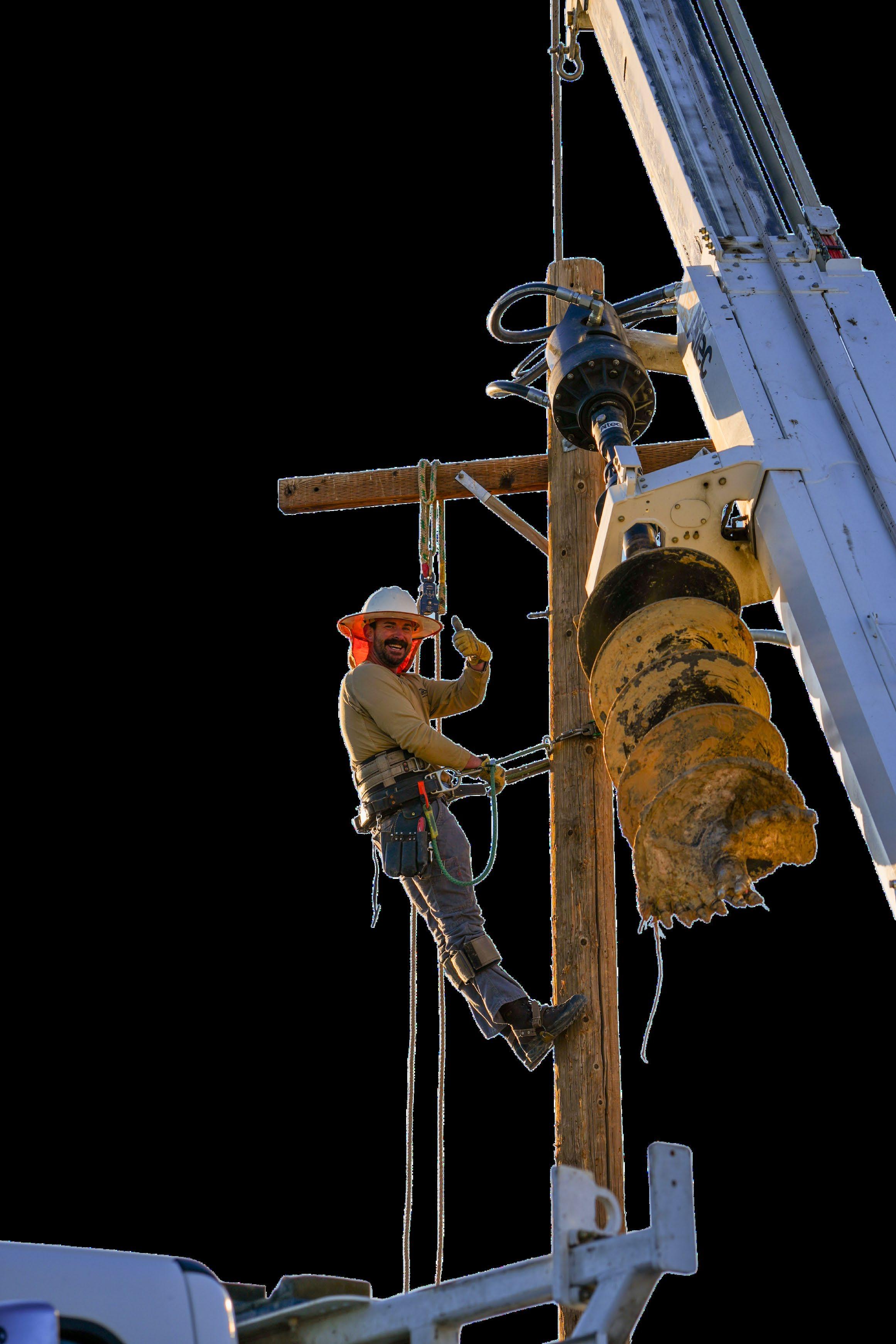
Hire a professional for electrical work









Converted tank offers musical magic
Reducing the Risk of Wildfires
By Dennis Herman General Manager
The fires that have burned across west central Nebraska early this spring are a stark reminder of the elevated wildfire risk we’re currently facing. The unusually dry winter coupled with the all-too-common windy days of spring have created a dangerous combination.
At Highline Electric Association, protecting our members and the communities we serve is our highest priority. As we recognize National Wildfire Awareness Month in May, I want you to know that wildfire mitigation is not seasonal work for us. It is a year-round commitment embedded in how we operate and invest in our local electric system.

In this mode, the device opens and remains open until Highline has determined it is safe to be closed. This ability to control our electronic reclosers remotely greatly reduces the ignition risk posed by our system on high-risk days. Finally, our plan requires that Highline personnel visually inspect all lines protected by an open recloser prior to re-energizing on Red Flag Warning days.
Wildfire mitigation at Highline starts with a comprehensive wildfire mitigation plan. The first step in the development of that plan was to identify highrisk areas within our service territory. These are areas that contain a lot of fuel — vegetation — in proximity to our power lines.
It is necessary to understand a little about power system protection to comprehend the second part of our wildfire mitigation plan. We utilize devices called reclosers throughout our electric system. These devices are essentially an electric circuit breaker that is designed to reclose after opening to keep power flowing — cleverly named, right? The idea is that most faults on an over-head electric system are temporary in nature and clear themselves. While reclosers work very well and have served us well for decades, repeatedly closing in on a fault isn’t the best practice on a high fire danger day, as it can cause sparks to fly.
The second part of our wildfire mitigation plan is to place these modern electronic reclosers that can be remotely controlled in the identified high-risk areas. This control allows Highline to set these reclosers in a non-reclose, or one-shot, mode on high-risk days when Red Flag Warnings have been issued.

Wildfire mitigation also requires thoughtful public policy. We are working with our statewide organization to get common sense legislation that would limit the liability faced by utilities that have implemented wildfire mitigation plans. While several states have passed similar legislation, it has proven to be an uphill battle in Colorado.
While we are committed to doing our part, wildfire prevention is a shared responsibility. There are important steps each of us can take to protect our homes and neighborhoods:
• Properly extinguish fires by dousing them with water, stirring the ashes, and ensuring they are cool to the touch before leaving the area.
• Avoid outdoor burning on windy or excessively dry days.
• Maintain a defensible space around your home by clearing dry leaves, dead branches, and other flammable debris.
• Use lawn equipment carefully, particularly during hot conditions, and always check local regulations for burn bans or restrictions.
Wildfires are becoming more complex and more widespread, but through proactive system management, smart investments, sound policy, and community partnerships, we can reduce risks and strengthen resilience.
At Highline, we take this responsibility seriously. Our members depend on us not only for reliable power, but for leadership in safeguarding the communities we call home.

Annual Meeting Recap
We at Highline Electric Association thank everyone who attended the 88th Annual Meeting at the Phillips County Event Center in Holyoke. We had approximately 325 members and guests in attendance the evening of March 31.
Attendees enjoyed winning prizes and eating a brisket meal catered by D&J Cafe out of Julesburg. We’re excited for another great year at Highline Electric. Watch your CCL for next year’s annual meeting date.


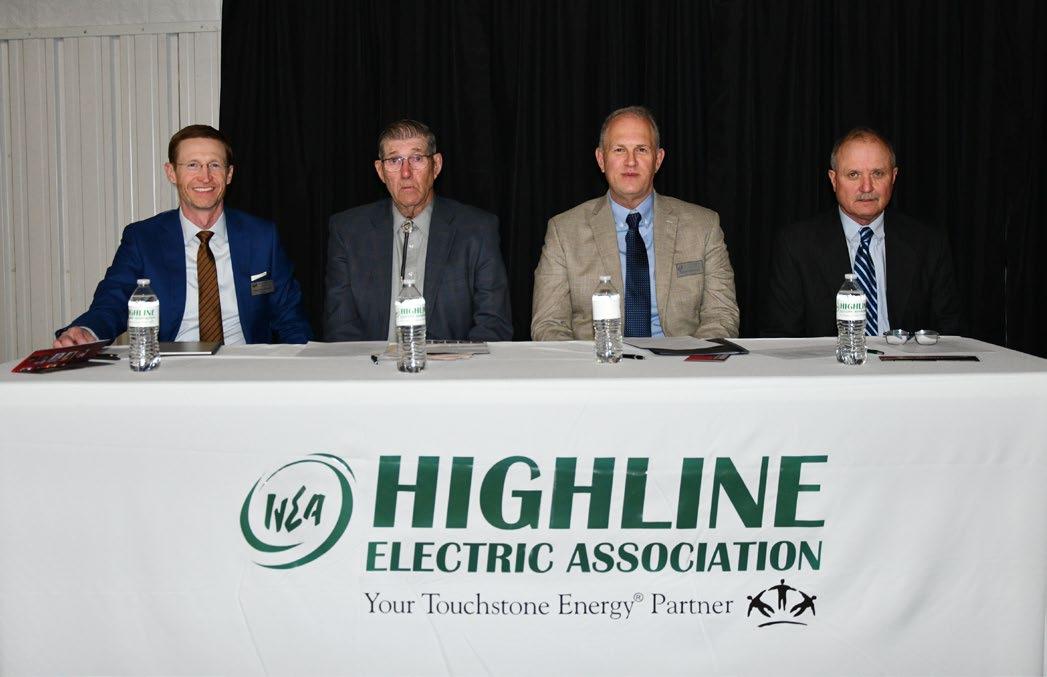
Left to right: Attorney Levi Williamson, Board Secretary Merlin R. Prior, General Manager Dennis Herman, and Board President Mike Bennett.
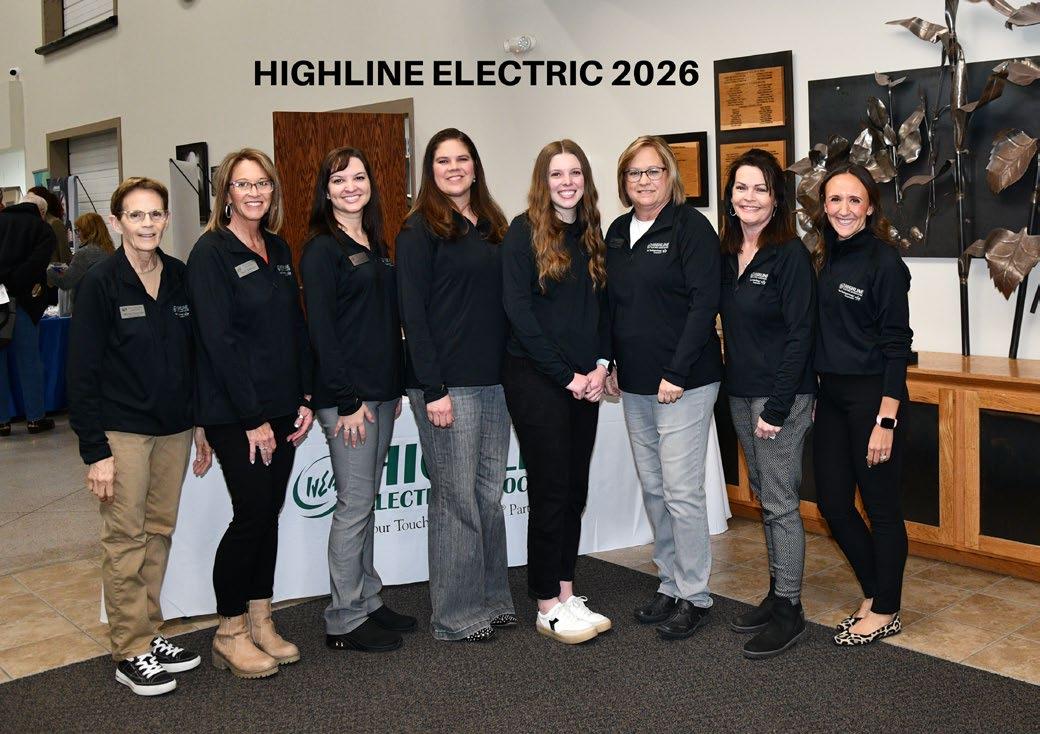
Front office employees help welcome members at Highline’s annual meeting in March.
Highline Electric members enjoy time together at the annual meeting.
Members enjoy a brisket meal catered by D&J Cafe out of Julesburg.
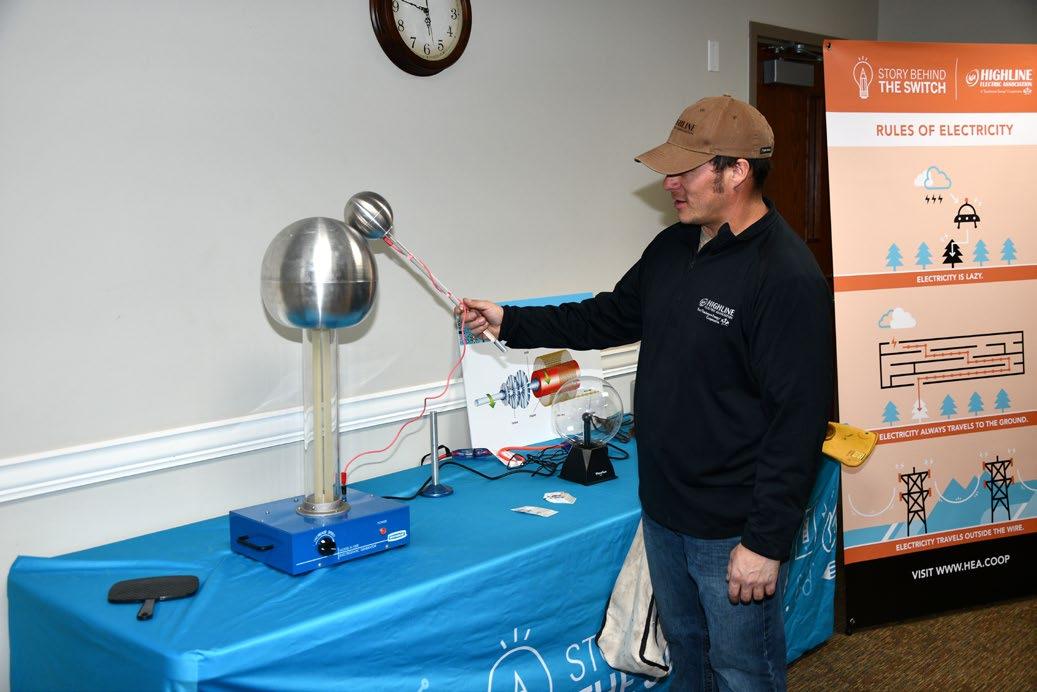
HEA’s Dustin Carrick presents electrical concepts and safety tips for younger members at the annual meeting.
Colorado Country Life
Join HEA for Hot Dog Wednesday
Highline Electric Association is proud to host the Holyoke Chamber’s Hot Dog Wednesday on June 3 at our Holyoke office from 12 p.m. to 1:30 p.m. Highline members and people from the community are invited to stop by and enjoy a FREE hot dog lunch and take part in a fun and informative lunch.
While you’re here, check out the high-voltage safety demonstration trailer presented by HEA’s linecrew. Learn firsthand about the importance of electrical safety and help us kick off summer.
We’ll also be sharing information about the various programs and services available to Highline members.
Bring your appetite, your questions, and the whole family — we look forward to seeing you there.

ATTENTION LOAD CONTROL PARTICIPANTS
Irrigators: 2026 Load Control begins this month. Please be aware of which option you signed up for. Control dates for options 1, 1A, 2, and 2A include May 12-May 31, June 21-June 30, and September 1-September 10. If you selected either the 1A or 2A options, you could also be controlled 1 day per week in July and August. If you selected option 3, you may only be controlled 1 day per week in July and August.
ON-BILL REPAYMENT PROGRAM
Highline Electric Association’s On-Bill Repayment program helps members make energy saving home improvements with no upfront costs. Eligible upgrades — including insulation, heat pumps, electrical panel upgrades, or EV chargers — are financed through a nonprofit partner and repaid conveniently on your monthly electric bill. Payments are tied to the service location, not your credit score, and many projects are designed so energy savings can offset the monthly cost. In many cases, members begin seeing lower energy use right away. OBR makes it easier and more affordable to improve comfort, efficiency, and long term value in your home.
CONVENIENT PAYMENT OPTIONS
Need to make a payment after hours or on weekends? Highline's interactive billing system is here to help. This new automated service allows you to make payments over the phone anytime, ensuring convenience and accessibility when you need it most. Simply call our office and follow the prompts to complete your payment securely and efficiently. All other payment options are still available.
Pesticide Safety
Highline Electric Association employees work hard to maintain reliable service across our rural communities — often accessing fields, pastures, and rights-ofway to restore power or perform routine maintenance. When a field has been treated with agricultural chemicals, however, entering that area without warning can pose serious and immediate health risks to our crews.
Just as you take precautions to protect your family and employees, we ask for your help in protecting ours. A simple notification can prevent harmful exposure and keep everyone safe.
YOU CAN HELP
• If you apply any chemicals to a field, please notify Highline.
You can call our office or place a notification flag at the entrance to the field.
• Free notification signs and flags are available. Stop by any Highline office — we provide these markers at no cost.
• During outages, please inform us if the affected field has been sprayed. Crews often must enter fields quickly during restoration, and your communication helps ensure their safety.


Chemical exposure — even at low levels — can have serious short term and long term health effects. With your cooperation, we can reduce the risks our employees face while they work to keep your power on.
BABY BOTTLE CAMPAIGN
HEA COLLECTION SITE
Highline Electric Association is proud to serve as a pick up and drop off location for the Bottles Full of Hope Baby Bottle Campaign, benefiting the Caring Pregnancy Resource Center of Northeast Colorado.
From May 10 through June 21, members and community members can stop by Highline offices to pick up a baby bottle, fill it with loose change, cash, or a check, and return it to help support local parents and families.
For more information about the campaign, visit neco-cpc.org
Celebrating HEA Anniversaries
Congratulations to the following employees who observe a Highline Electric Association employment anniversary May:
James Ziebarth — 24 years
Jason Doleshall — 16 years
Landon Shaffer — 13 years
Jace Rhodes — 10 years
Tyler Hase — 4 years
Layne Green — 1 year
Converted tank offers musical magic
ANNUAL REPORT INSIDE SEE PAGE 8

80th Annual Meeting
By David Churchwell General Manager
You are cordially invited to K.C. Electric Association’s 80th Annual Meeting to be held on Thursday June 4 at Hi-Plains High School in Seibert. Doors open at 6 p.m. and the meeting begins at 6:30 p.m.
K.C. Electric is served by a ninemember board of directors which is elected by the membership. The board consist of five representatives from Kit Carson County, three representatives from Cheyenne County, and one representative from Lincoln County. Each year during our annual meeting, three directors are elected to serve a three-year term. For our regular election this year, the membership will elect one director from Cheyenne County and two directors from Kit Carson County.
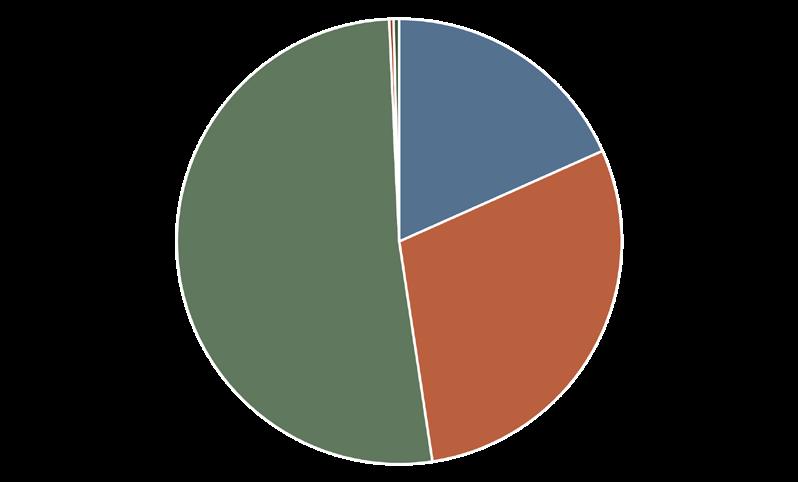
to K.C. member-owners through general and estate retirements.
At K.C. Electric, our mission is to provide safe, reliable service at the lowest cost, while maintaining an environmentally responsible, accountable, and sustainable operation now and in the future. Our annual meeting held each June plays an essential role in upholding that mission. During the meeting, we will discuss highlights for the past year as well as what the future may hold. We will also have an open forum for member questions and feedback.
If you plan to attend the annual meeting, you can cast your vote there, provided you have not already sent in a mail-in ballot. Once you have voted, whether by mail or in person, you will not get another chance to vote at the meeting.
Thanks to our dedicated and hardworking employees, K.C. Electric had another successful year both operationally and financially. Operating margins and total margins continue to remain solid, and in 2025, over $1.4 million in capital credits was paid out
Your voice matters, and your participation helps guide the future of our cooperative. In addition to the business meeting, we will recognize this year’s scholarship recipients and give away numerous prizes. Each K.C. Electric member in attendance will receive a $50 bill credit, and a $1,500 grand prize will be given to a member in attendance.
As usual we will be serving dessert at the conclusion of the meeting. Be sure to bring the whole family, this is a great opportunity for your children or grandchildren to learn the benefits of being a member-owner of an electric cooperative. We look forward to seeing you on June 4.
Board of Directors



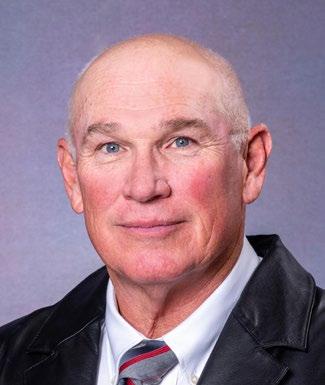
KEVIN PENNY President
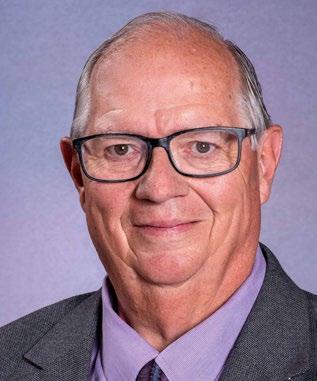

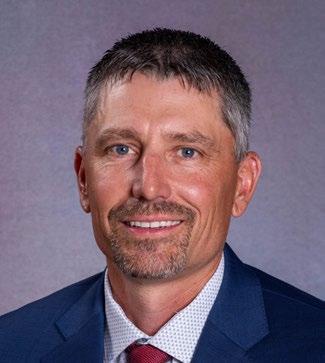
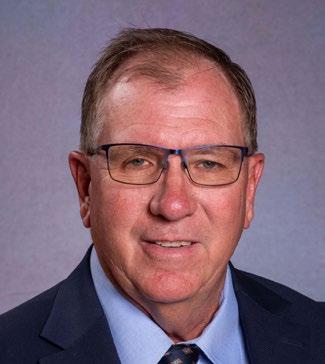
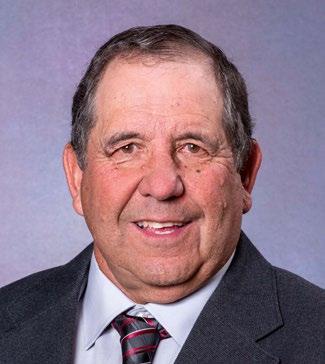
K.C. ELECTRIC EMPLOYEES
Lani Blevins
Jason Brandon
David Churchwell
Cortney Davis
George Ehlers
J.C. Ely
Darren Fox
Elliot Friesen
Louden Hornung
Casey Hyle
Alex Cruz Ibarra
Mick Ingram
Cameron Klann
Chris Notter
Trey Pearce
Skye Perry
Rogan Pike
Bo Randolph
Deanna Sanchez
Jason Scheler
Jacque Schmidt
Riley Shaffer
Jacob Smith
Austin Talbert
George Unruh
JUSTIN RUEB
ROBERT BLEDSOE
JERRY ALLEN
DAVE RITCHEY Assistant Secretary/Treasurer
WAYNE PARRISH Secretary/Treasurer
ERIC POSS
DAN MILLS Vice President TERRY TAGTMEYER

2026 Scholarship Recipients



$3,000 K.C. Electric Scholarship
$1,000 K.C. Electric Scholarship
$2,500 Basin Electric Power Cooperative Scholarship


$1,000 Tri-State Generation and Transmission Scholarship



ELLE BOHNEN
Stratton High School
ALYSSA RUEB Hi-Plains High School
KAMRYN TALBERT
Stratton High School
$3,000 K.C. Electric Scholarship
EVAN SCHEIMER
Cheyenne Wells High School
SKY RICHARDS
Stratton High School
LYNDI HUELSKAMP
Arriba-Flagler High School
$1,000 K.C. Electric Scholarship
ROXY UNRUH
Cheyenne Wells High School
$1,000 K.C. Electric Scholarship
REVELING IN REVERB
Converted tank offers musical magic
MCREA
Wildfire Prevention is Key for Your Cooperative
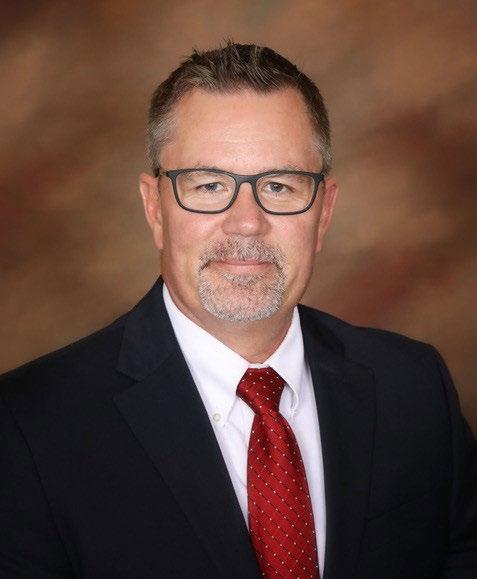
By Dave Frick General Manager
In the past, “wildfire prevention” brought memories of summer camping trips and seeing Smokey Bear warning signs posted throughout national parks. Today though, wildfire risk isn’t just a concern for mountain ranges and heavily forested areas. It is a real threat to our entire region, including our home here on the plains.
The warmer temperatures, prolonged drought, and high winds that we’ve experienced lately create dangerous conditions for fires to ignite. Today, more than 30 states face elevated wildfire risk. As we recognize National Wildfire Awareness Month in May, I wanted to share the year-round efforts that Morgan County REA is making to protect our members and the communities we serve.
Our service territory encompasses 3,500 square miles, reaching parts of six counties. Using resources from the Colorado State Forest Service to identify high risk areas, MCREA implements a wide array of proactive measures to reduce wildfire risk. We have carefully planned how we build and maintain our system to support this goal.
One way we do this is through routine tree trimming and vegetation management. Throughout the year, MCREA and our trusted local contractors proactively trim and remove vegetation that has grown too close to our power lines and equipment.
Frequent inspections are another important piece of the puzzle. Every year, MCREA’s contractors inspect thousands of poles throughout our service area. This helps us identify and replace any old, weak poles before they cause issues. Our crews also patrol miles and miles of power lines on a regular basis, identifying and fixing any problems they find.
MCREA deploys many resources to reduce wildfire risk across our territory and if Mother Nature raises the stakes — so do we. When areas of our system experience Red Flag Warnings, we activate our risk mitigation protocols.
This includes disabling some automated features that would normally help restore power quickly after an interference with our lines. Under RMPs, outages
can be longer and more frequent, as we won’t re-energize lines until our crews have physically inspected those areas for damages.
In addition to these enhanced sensitivity settings for our system, our team also monitors local emergency communications. In case of a fire or other emergency that requires power to be shut off for first responders’ safety, staying informed allows us to dispatch linemen as fast as possible to those locations.
These are just a few parts of MCREA’s wildfire mitigation plan. Wildfire prevention is an evolving mission, and our team is constantly evaluating how we can strengthen our system and further reduce risk. I encourage our members to learn more about our efforts by visiting mcrea.org/wildfire-mitigation-plan.
At Morgan County REA, we take this responsibility seriously. Our members depend on us not only for reliable power, but for leadership in safeguarding the communities we call home.

Suzi Iungerich Retires from Morgan County REA
For ten years, Suzi Iungerich has been an integral part of Morgan County REA. As our receptionist, she is the first to help members visiting our lobby or calling our office. Suzi is also a valuable member of our team, who has always fostered collaboration across the cooperative and genuinely cared for her fellow employees.
Later this month, Suzi will retire from MCREA after a decade of service to our members. Born and raised in Fort Morgan, Suzi left the area to attend college and soon after launched a 30-year career in leadership with Target stores. In 2013, she came back to the area where she and her husband Tyler were happy to build a house on the family’s homestead. She began working at MCREA in February of 2016.
“Since joining MCREA I’ve seen significant changes — perhaps the biggest being the move from our old location on Highway 34 to our current headquarters,” she recalled. “Technology has also revolutionized our processes, with electronic billing and payment options helping us better serve our members.”
From her post at the front desk, and having been part of the community for years, Suzi is a familiar face for many of our members. Whether it be an old classmate from high school, a neighbor who farms down the road, or someone who has just moved to our area — Suzi is happy to greet our members and connect them with whoever they need to work with at MCREA.
Her friendly nature has been a constant for our members and the rest of MCREA’s employees. Suzi has played a significant role in team building; always there to listen and encourage those she works with.

“Looking back, I’m incredibly grateful for my time at MCREA,” she reflected. “I’ve met so many amazing people, both coworkers and members, and thoroughly enjoyed being part of such a great team.” (Jason Bowers, acct. #xxx3600)
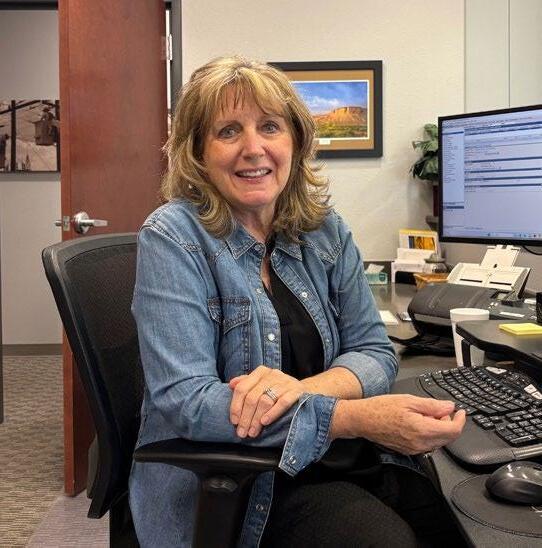
After completing two successful careers, Suzi is excited to enjoy a retirement full of spending more time with family, nurturing her faith, golfing, taking summer trips, and working on projects around the farm.
“Tyler and I are blessed with a large family, including 11 grandchildren ranging from our oldest grandson who is in college, to our new four-monthold grandbaby,” she shared. “We absolutely love seeing them grow and getting to watch their sports, band concerts, and other activities.”
Suzi will definitely be missed around MCREA by both our members and those who have been lucky to work with her every day. We sincerely thank her for all that she has done for MCREA and wish her all of the best in her very well-deserved retirement.
Congratulations, Suzi!

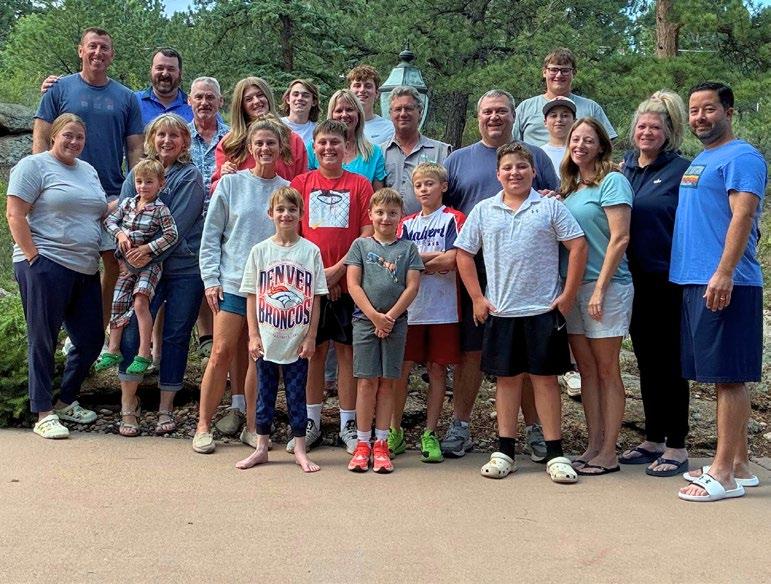
Suzi looks forward to more time on the golf course with friends and family.
Suzi and her husband, Tyler, are ready to enjoy retirement together.
Suzi’s family is excited for their annual family trip later this summer.

Morgan County REA Awards Scholarships to Local Students
Morgan County REA, along with Tri-State Generation and Transmission Association and Basin Electric Power Cooperative, is excited to announce this year’s scholarship winners. As a cooperative, concern for community is one of MCREA’s guiding principles and investing in the future of our local students is another way MCREA works to achieve that mission. This year, we are proud to award scholarships to 10 deserving students in our service area. Congratulations to this year’s winners! MCREA wishes you all the best in your college careers and beyond.






$1,000

$1,000
$1,000



$500
Addison Hoozee Prairie High School
$1,250 Basin Electric Scholarship
Kya Piel Merino High School
$1,250 Basin Electric Scholarship
Addyson Schwindt Destinations Career Academy of Colorado
$1,000 MCREA Scholarship
Taryn Wickham Brush High School
MCREA Scholarship
Taylor Kuntz Fort Morgan High School
MCREA Scholarship
Kaia Stephens Fort Morgan High School
$1,000 MCREA Scholarship
Jocelynn Middlemist Brush High School
MCREA Scholarship
Aubree Klausner
Weld Central High School
Tri-State Scholarship
Skylar Scott
Weldon Valley High School
$500 Tri-State Scholarship
Rachel Siegling University of ColoradoColorado Springs
$1,000 MCREA Post-Secondary Scholarship
WELCOME AL FRANKLIN

Morgan County REA welcomes Al Franklin to the team as our newest journeyman lineman. A Colorado native, Al brings more than 10 years of experience to the cooperative. After attending Northwest Lineman College, Al worked as a lineman in Texas and then in southern Colorado prior to joining MCREA.
His favorite part about being a lineman?
“All of it ... every day is different!” he shared. “I'm looking forward to a change of scenery and being part of the team here at MCREA.”
In this new role Al and his wife Megan are excited to be closer to family. Al’s hobbies include golfing and woodworking — and he enjoys working on projects any chance he gets. Welcome to the team, Al!
Win a Bill Credit
Each month, Morgan County REA gives two lucky members a chance at a $30 bill credit just by reading Colorado Country Life. There are two member names and their account numbers hidden somewhere in this issue. If you find your name and account number, call MCREA’s member services department at 970-867-5688 by May 29 to claim a $30 bill credit on your next bill.

WELCOME
SHILOH STRAND
Morgan County REA is excited to have Shiloh Strand join the team as our billing and customer service representative. Shiloh brings 20 years of banking experience to MCREA and is excited to begin this new chapter.
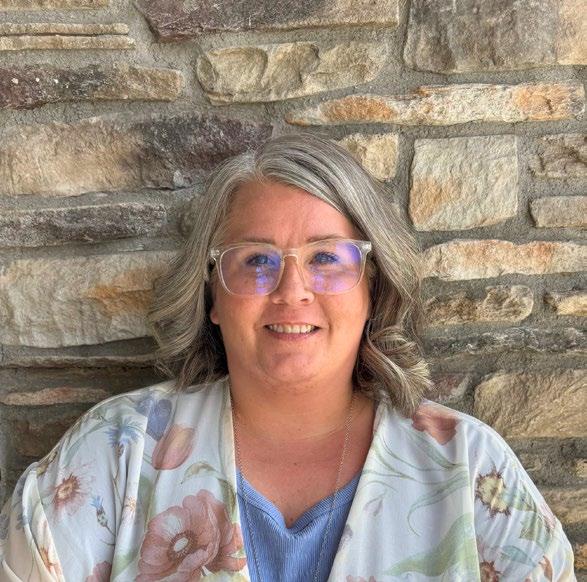
“I’m looking forward to collaborating with my new colleagues and all of our cooperative members,” Shiloh shared.
In her spare time, Shiloh spends quality time with her husband and children, especially through 4-H, church, and school activities. Welcome to the team, Shiloh!
Save the Date
Please join us for Morgan County REA’s fifth annual Member Appreciation Picnic on Wednesday, June 10, from 5 p.m. to 7 p.m. Come to MCREA’s headquarters in Fort Morgan for food, giveaways, and prizes. This is a great chance to gather with fellow members and learn about what’s going on at your electric cooperative. (Oscar Soto-Moreno, acct. #xxx2200)
Planning to attend? Call MCREA’s office or visit us online at mcrea.org and click the Member Appreciation Picnic button, where you can submit an RSVP. While RSVPs are not required, doing so will enter you to win one of 10 bill credits. Winners will be drawn at the event and must be present to win.
If you have any questions about this year’s picnic, please call our office. We look forward to seeing everyone in June!

2025 Annual Report Rooted in Reliability Stronger System. Resilient Future.
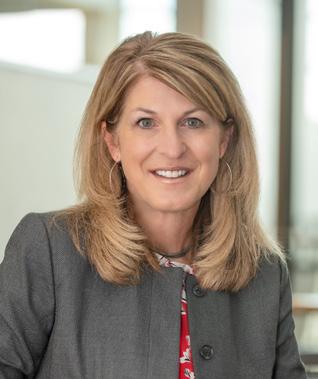
Ruth Marks CEO
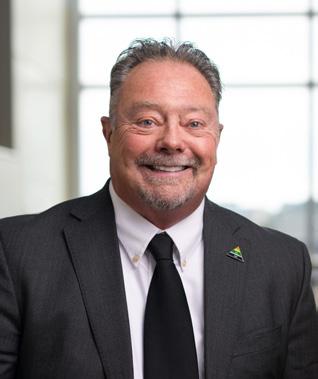
Kevin L. Paddock Board President
At Mountain View Electric Association, everything we do is rooted in reliability and grounded in our commitment to our members, neighbors, and the communities we serve. As a not-for-profit, member-owned cooperative, the decisions we make are guided by you, and every investment is made with your needs in mind.
That guiding principle is especially important as we navigate rising costs and work to maintain long-term rate stability. In December 2025, we announced a rate increase driven by rising wholesale power costs and continued pressure from inflation, tariffs, and interest rates.
We understand the impact rate changes have on our members and remain focused on keeping rates competitive while providing options and resources to help members manage their energy use. It is equally important to show how those dollars are being put to work by investing in system improvements that strengthen the electric distribution system serving you today while building a resilient system for the future.
In an industry that requires crews to work around high-voltage electricity in all types of weather, safety remains our top priority. For three consecutive years, MVEA has achieved zero lost-time accidents, reflecting our strong safety culture and the care we take to protect our employees and communities.
That focus on safety supports the reliable service our members depend on every day. Over the past year, our crews patrolled more than 1,900 miles of line and maintained a System Average Interruption Duration Index

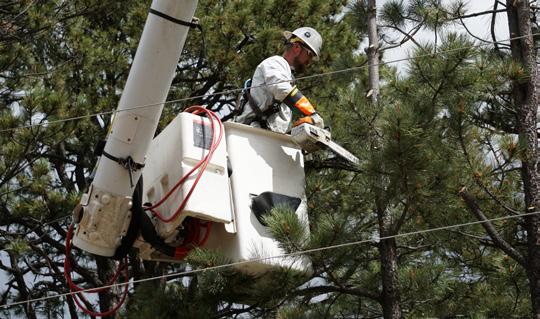
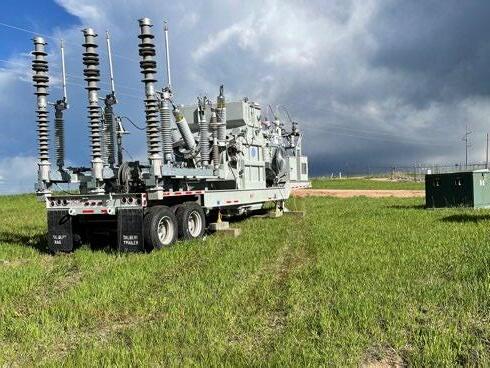
(SAIDI) of just 29.94 minutes, well below the national average. Behind the scenes, we continue to invest in system upgrades that help keep your lights on and restore power more quickly when outages occur.
Key initiatives like our Advanced Distribution Management System (ADMS) are transforming how we operate by improving system visibility, enabling faster outage detection and restoration, and allowing us to safely reroute power during emergencies. Our wildfire mitigation efforts continue to expand through vegetation management, system hardening, and advanced monitoring tools to reduce risk and protect our communities. At the same time, our fiber broadband network, now more than 50% complete with over 2,500 miles built, is delivering high-speed internet access while strengthening grid communication and reliability.
As MVEA continues to grow, with more than 58,500 members across a 5,000-square-mile service territory, these investments in the co-op matter more than ever. They reflect thoughtful planning, responsible stewardship, and a longterm focus on reliability. From pursuing federal grants to offset costs to offering programs that help members save energy and money, our work is centered on delivering value to the members we serve.
Every mile built, every upgrade made, and every improvement delivered reflects our shared commitment to something bigger. Thank you for the trust you place in us. We’re proud to be your local electric cooperative.
ROOTED IN RELIABILITY
Stronger System. Resilient Future.
$1.3 Million in Capital Credits Retired to Over 23,400 MVEA Members in 2025
$85.3 Million Total Capital Credits Retired Your Piece of the Co-op Pie
Going Solar? We Can Help!
280 New Solar Interconnections in 2025
4,130 Total Interconnected Solar Accounts (405 Systems with Battery Storage)
23.9 Megawatts of Solar Power Connected (Power for ~5,000 Homes) Rebates to Save Energy & Money
$397,361 Rebate Funds Issued to MVEA Members in 2025
4,500 Members With Conexon Connect High-Speed Internet Service
Whether it’s keeping the lights on, showing up when you need us, or investing in a more resilient and reliable electric distribution system with future-ready technologies — everything we do is driven by our commitment to serve MVEA’s growing co-op membership.
142,850 Member Calls & Web Requests Received
9,363 Member Applications Processed
2025 System Average Interruption Duration Index (How long, on average, a customer goes without power.)
SYSTEM RESILIENCY & RELIABILITY
• MVEA’s system of more than 6,560 miles of energized line, over 95,600 poles, and 25 substations regularly receive upgrades and maintenance to improve service reliability.
• MVEA crews patrolled over 1,900 miles of line for safety and improvements.
• Continued implementation of MVEA’s comprehensive Wildfire Mitigation Plan that includes infrastructure upgrades to reduce wildfire risk in our service territory. Visit www.mvea.coop/wildfire-mitigation to learn more.
$151,855 Grants Awarded through Operation Round Up $88,396 Community Sponsorships
• $50,000 | Funds through Co-op Partnerships
• $38,396 | MVEA Funds
$28,000 2025 Scholarships were Awarded to 25 Students

Notice of the 2026 Annual Meeting
The 2026 Mountain View Electric Association, Inc. Annual Meeting of Members will be held on Thursday, June 4, 2026, at Limon Public Schools, 912 Badger Way, Limon, CO 80828. Registration and dinner will begin at 5 p.m., with the business portion of the meeting commencing at 6:30 p.m. The 2026 Annual Meeting will be held for the following purposes:
• To elect two directors for the Association: One from District 2 and one from District 7 as provided by the Association’s By-Laws and Articles of Incorporation;
• To approve the minutes of the 2025 Annual Meeting of Members;
• To report on financial transactions during the 2025 calendar year; and
• To conduct such other business as may properly come before the meeting or any adjournment or adjournments thereof.
Local Governance
MVEA Board of Directors
MVEA is governed by a Board of Directors elected by co-op members. Directors are your neighbors and fellow co-op members elected atlarge to serve three-year terms. The Board establishes MVEA’s policies and monitors the financial position and management of the cooperative.
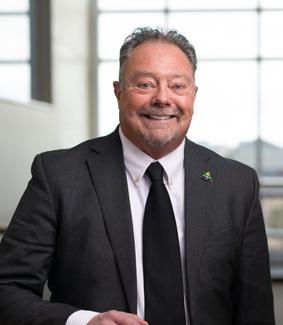

Jim Riggins Secretary/Treasurer District 7





The 7 Co-op Principles
1. Voluntary and Open Membership 2. Democratic Member Control
3. Members’ Economic Participation
4. Autonomy and Independence
5. Education, Training, and Information
6. Cooperation Among Cooperatives
7. Concern for Community
Barry R. Springer Vice President District 6
Kevin L. Paddock President District 5
Rick L. Gordon District 2
Joseph D. Martin Assistant Secretary District 1
Wayne Vanderschuere District 3
Jim Beals District 4
ROOTED IN RELIABILITY
2025 MVEA Financial Report
STATEMENT OF OPERATIONS
Total Revenue
Less Operating Deductions of:
Cost of Purchased Power
Operating Expenses
Depreciation Expense
Interest & Other Expenses
Electric Operating Margins
Nonelectric Operating Margins and G&T Capital Credits Allocation
TOTAL MARGINS
Balance Sheet as of December 31, 2025 ASSETS (WHAT WE OWN)
Net Utility Plant
Investments in Associated Organizations
Cash & Temporary Investments
Notes & Accounts Receivable
Inventory, Supplies, Accruals, Other Assets
Deferred Debits
TOTAL ASSETS
Balance Sheet as of December 31, 2025 LIABILITIES (WHAT WE OWE)
Total Margins & Equities Long-Term Debt
Accumulated Operating Provisions
Notes & Accounts Payable Consumer Deposits
Other Current & Accrued Liabilities
Deferred Credits
TOTAL LIABILITIES
2025 (unaudited)
$146,698,424
$86,632,672
$31,246,857
$14,636,065
$12,974,433
$1,208,397
$5,288,420
$6,496,817
2025 (unaudited)
$491,208,041
$84,845,242
$1,580,631
$8,586,658
$33,684,488
$746,250
$620,651,310
2025 (unaudited)
$167,830,319
$367,344,457
$4,567,124
$59,518,967
$2,323,075
$10,178,313
$8,889,055
$620,651,310
2024 (audited)
$137,600,407
$83,453,265
$29,140,952
$12,213,311
$8,952,106
$3,840,773
$7,131,529
$10,972,302
2024 (audited)
$391,103,216
$78,529,075
$3,482,613
$7,083,392
$32,800,528
$1,035,632
$514,034,456
2024 (audited)
$162,614,501
$290,970,126
$2,669,630
$36,649,722
$2,535,114
$9,484,580
$9,110,783
$514,034,456
Summary of Operating Costs

MISSION
To provide our members safe, reliable, affordable, and responsible electric service and access to broadband services.
VISION
To be conscientious stewards of our resources and adopters of beneficial ideas and technologies.
VALUES
Integrity Safety Reliability Affordability Service Community Accountability
• Counties Served: Arapahoe, Crowley, Douglas, Elbert, El Paso, Lincoln, Pueblo, and Washington
• Service Territory: 5,000 square miles
• # of Services: 68,573
• # of Members: 58,562
• # of Employees: 170
• Meters Per Mile: 10.45
• Miles of Energized Line: 6,561
• Power Source: Tri-State Generation & Transmission Association
• Year Incorporated: 1941
View our service territory map with Board Districts at www.mvea.coop/territory-map.
• Year-End Data as of 12/31/25 •

Converted tank offers musical magic


Planning for Growth: Power You Can Count On
BY JEFF WADSWORTH PRESIDENT & CEO
Change isn’t new to the electric industry, but how we handle change matters.
As conversations evolve regarding possible data centers in our area, I want you to understand how your cooperative approaches growth, and why your interests remain at the center of every decision we make.
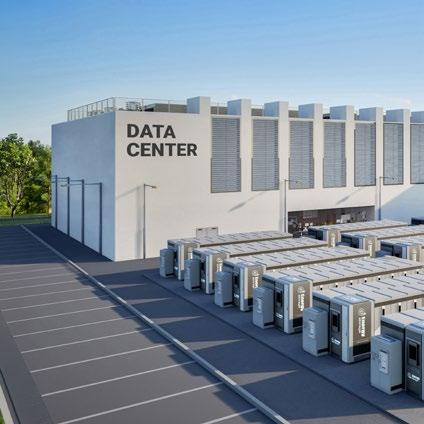
Data centers are facilities that store and process digital information like streaming services, cloud computing, and artificial intelligence. They operate 24/7 and require steady, dependable electricity.
country. Our responsibility is to ensure growth strengthens our reliability rather than strains it.
Serving new large electric loads requires extensive engineering studies, careful planning, and coordination with regional power suppliers and transmission partners. When done responsibly, infrastructure built to serve new large loads can strengthen the bulk electric grid by adding redundancy and improving capacity to help support long-term reliability.
TOGETHER, WE CAN PROTECT WHAT MATTERS
When people hear about data centers, two questions often come up: Will my power bill go up? And will the lights stay on? Those are the right questions and are ones we ask ourselves when planning for potential growth.
MAINTAINING AFFORDABILITY
At PVREA, we operate under a long-standing principle: growth pays for growth.
That means any new large load, including a data center, is responsible for paying the full cost of the infrastructure needed to serve them. Those costs are not shifted onto existing members. This model has helped us maintain the lowest electric rates in Colorado, and we remain committed to protecting that affordability as we grow.
SAFEGUARDING RELIABILITY
You depend on one of the most reliable electric systems in the
As a not-for-profit, member-owned cooperative, we exist to serve the best interests of all our members, not outside investors or special interests. While we are required by Colorado law to serve all electric load in our territory, how that growth is managed matters. Policies at the state and federal level play a major role in ensuring we can continually put our members first.
That’s where Cooperative Voices comes in. This voluntary legislative advocacy network gives you a way to stay informed and engage on state or federal policies that could impact electric costs, long-term reliability, and our growth-pays-for-growth model.
The energy landscape is changing, but our commitment to you is not. By staying informed and engaged, we can protect what matters most.
Learn more and add your voice at pvrea.coop/cooperative-voices
ABOUT YOUR CO-OP
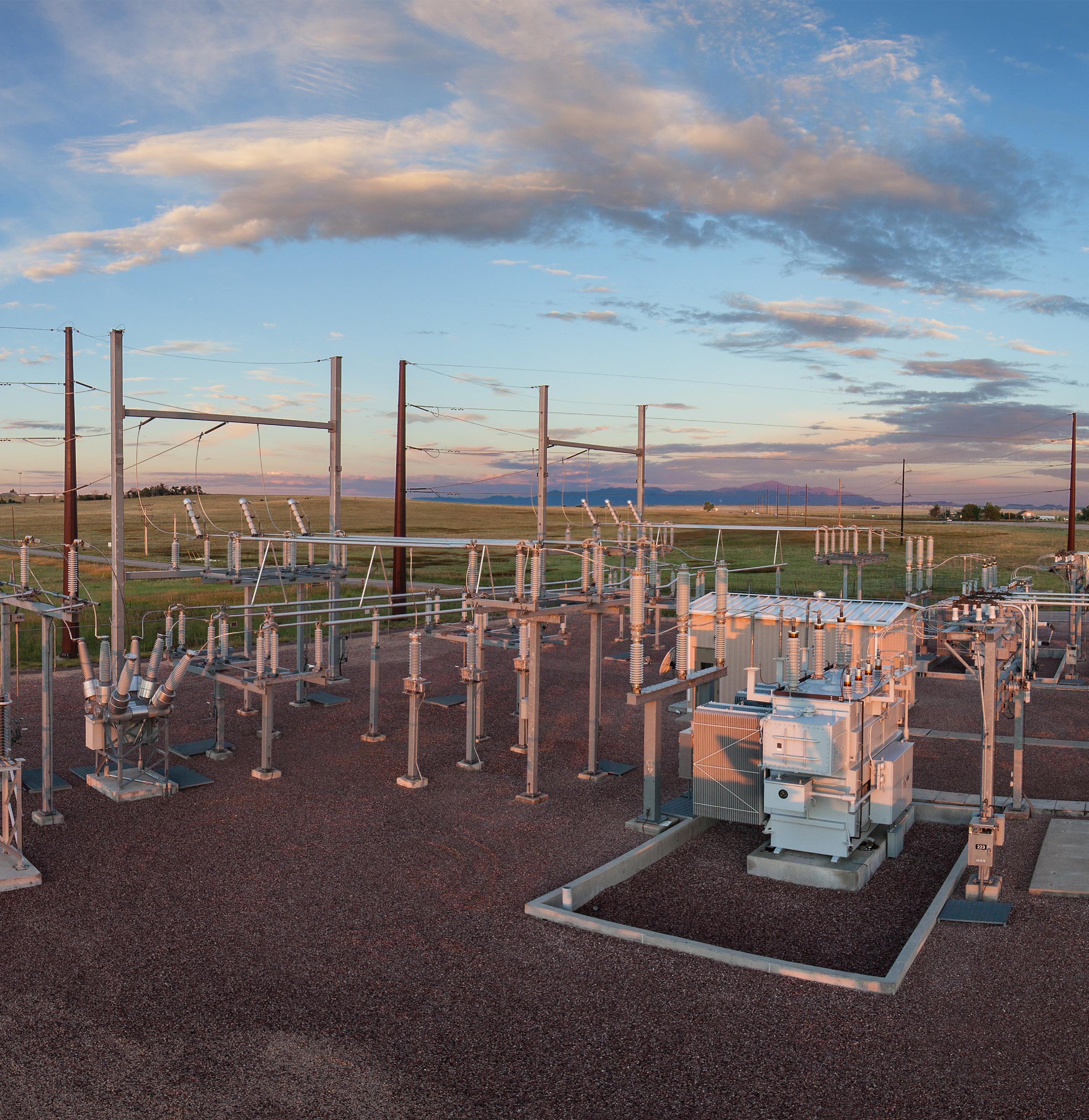
PVREA serves energy solutions to more than 58,000 homes and businesses in Boulder, Larimer, and Weld counties. We are a memberowned co-op, led by those we serve.
OUR MISSION
We are committed to providing safe, reliable, efficient energy solutions with exceptional service to our members.
CONTACT US
1.800.432.1012 pvrea@pvrea.coop www.pvrea.coop
MAILING ADDRESS
Poudre Valley REA
7649 REA Parkway Fort Collins, CO 80528
SOCIAL
facebook.com/PoudreValleyREA instagram.com/poudre_valley_rea youtube.com/PoudreValleyREA
BOARD OF DIRECTORS
Chair
Peter Hyland, Weld County
Vice Chair
Bryan Ehrlich, Larimer County
Secretary Thaine Michie, Larimer County
Treasurer
Sheryl Dryer
Henderson, Larimer County
Director
Steve Anderson, Larimer County
Director
Rick Johnson, Larimer County
Director
Jan Peterson, Larimer County
Director
Jack Schneider, Weld County Director
Terry Willis, Weld County
DRAWING ATTENTION TO ELECTRICAL SAFETY
Artwork by George
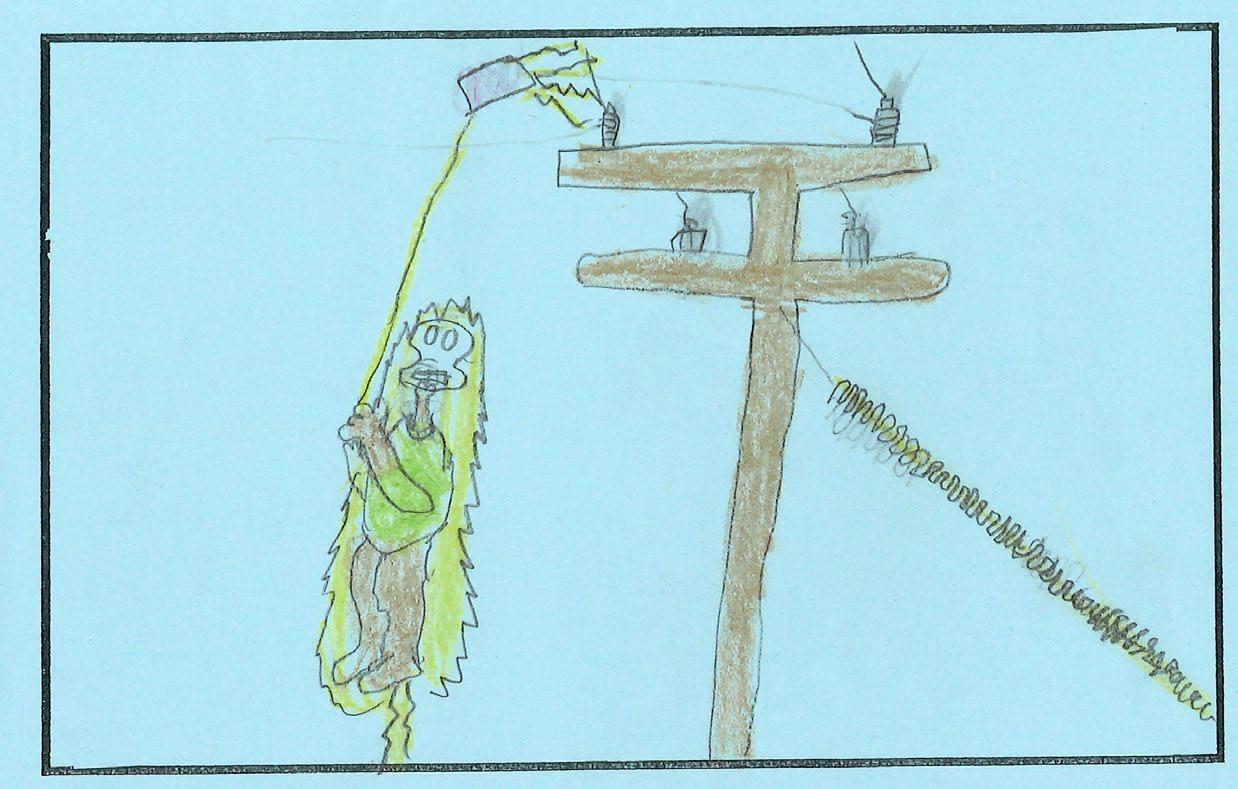
After learning about electrical safety, fourth-grader George put pencil to paper and created artwork that caught our attention and earned him a featured spot in this issue.
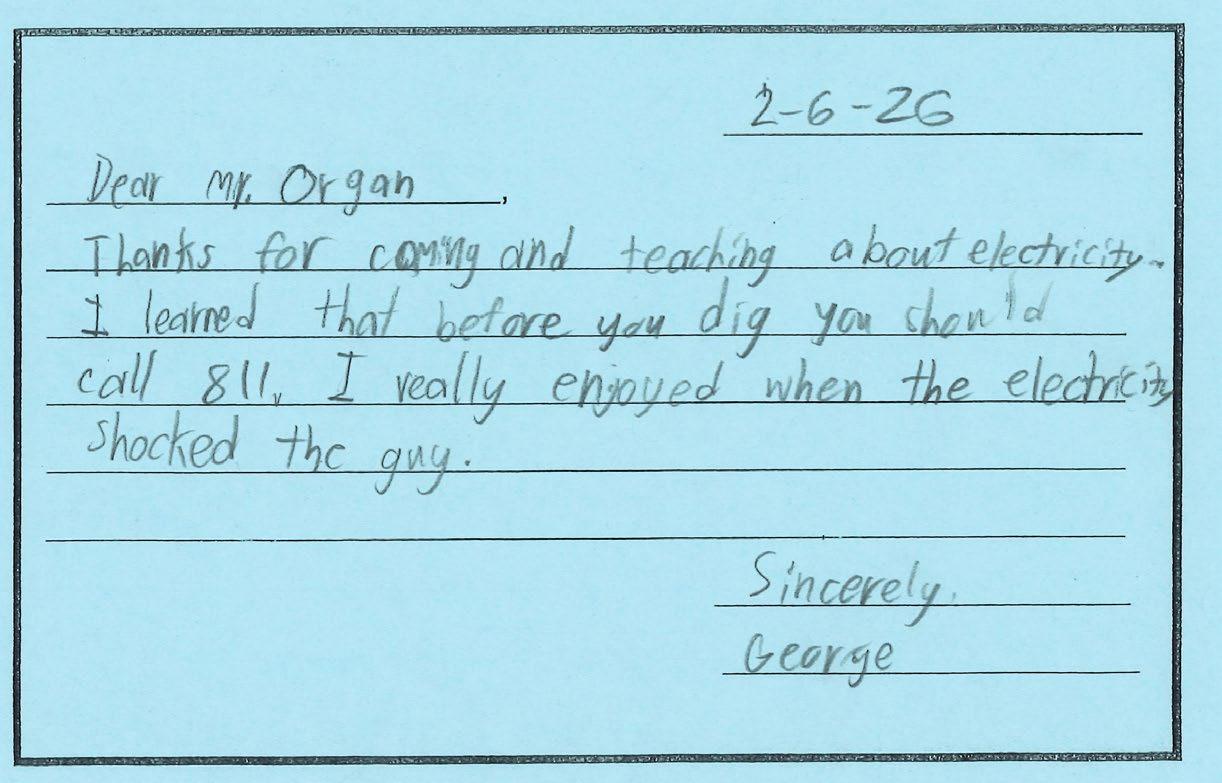

George’s class took part in an electrical safety demonstration led by Matt Organ, PVREA Engineering Supervisor. PVREA proudly offers these demonstrations to local schools and community groups to help keep safety top of mind.
Learn more or request your safety demonstrations at www.pvrea.coop.

As temperatures start to rise, many homeowners focus on staying cool. Don’t forget about the small gaps around windows and doors.
Energy Efficiency Tip of the Month
While air sealing is often associated with keeping cold air out during winter, it’s just as important during summer. Tiny cracks and worn weatherstripping allow cool, conditioned air to escape and hot, humid air to seep indoors. This forces your air conditioner to work harder than necessary and increases energy costs.
Take a few minutes to check for drafts, replace weatherstripping and seal leaks. A tighter home keeps you more comfortable and helps manage energy use.

Many companies are choosing areas served by electric cooperatives for their data centers because of cheaper land, available power, and potential incentives.
Data centers require huge amounts of electricity to operate, which presents new opportunities and challenges for our cooperative.
1. HVAC: Constant cooling is needed to ensure the servers function properly.
2. Servers: Servers run applications and process data 24/7. One server rack can consume enough electricity to power a small home. A large data center can house thousands of server racks.
3. Infrastructure: Data centers often require new electrical infrastructure to meet their power needs. At PVREA, we do all we can to ensure growth pays for growth.
4. On-site Energy Systems: Generators, solar panels, battery, and other on-site energy systems can supplement grid power, provide backup during outages, and reduce peak demand.
Growth Done the PVREA Way
While Colorado law requires PVREA to serve all electric needs within our service territory, our commitment to reliable, affordable service for all members remains paramount.
Our “growth pays for growth” model requires new large loads, like data centers, to pay the full cost of infrastructure needed to serve them. Those costs are not passed on to other members.
This proven model has helped keep our rates among the lowest in Colorado and our reliability among the best in the nation. We are committed to maintaining this standard as our system grows.
To help protect this member-first approach, we encourage members and community stakeholders to join Cooperative Voices, our legislative advocacy network.
We ask Cooperative Voices advocates to get involved when state or federal policy could impact our ability to ensure growth pays for growth. Sign up for Cooperative Voices

Congratulations to Jan Peterson, NRECA Gold Credential Recipient
Jan Peterson has successfully earned the Director Gold credential from the National Rural Electric Cooperative Association.
The Director Gold credential is the hallmark of a committed electric cooperative director. It recognizes a commitment to continuing education beyond the Credentialed Cooperative Director (CCD) and Board Leadership Certificate (BLC).
GOLD BLC CCD
DIRECTOR GOLD
CCD + BLC + 3 Additional Credits from BLC Courses (every 2 years)
BOARD LEADERSHIP CERTIFICATE
CCD + 10 Course Credits from Specialty Areas
CREDENTIALED
COOPERATIVE DIRECTOR
5 Core Courses
Please join us in congratulating Jan on this special achievement and thanking him for his commitment to our cooperative!
Introducing Your New PVREA Board Director
Terry Willis
District BW, Position BW-1 Boulder or Weld County
Please join us in congratulating Terry Willis on his election to the PVREA Board of Directors.
Ron Sutherland \\\\\ Retiring After 32 Years of Service
Ron Sutherland retired from the Poudre Valley REA Board of Directors after 32 years of dedicated service to the cooperative and its members.
During his tenure, Ron helped guide PVREA through decades of change and growth: from moving into the current office building in 1995, to the early deployment of smart meters, to navigating major challenges like the High Park Fire and 2013 flood. When Ron joined the board, the cooperative served fewer than 30,000 members. Today, that number has doubled to nearly 60,000.
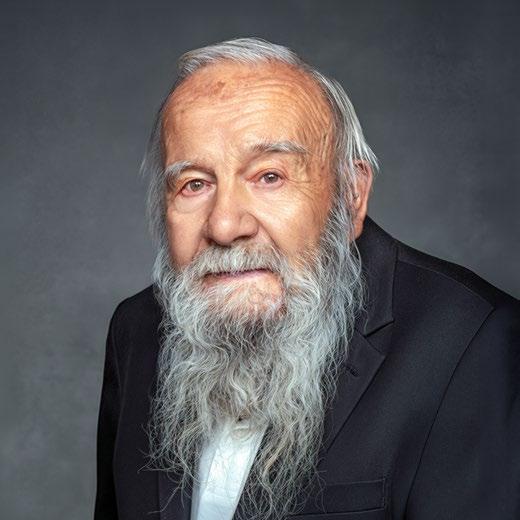
A lifelong champion of our cooperative and members, Ron has consistently represented the values and needs of rural Colorado. His deep respect for agriculture, family farming, and the land has shaped his perspective and guided his steady advocacy for our cooperative and the communities we serve.
Please join us in thanking Ron for his 32 years of service to PVREA!
Jan Peterson (right) received his Director Gold credential certificate from Board Chair Peter Hyland.
Updates to DrivEV $mart Charging Rewards
We are simplifying the way members receive their monthly DrivEV incentives.
Rather than receiving a variable bill credit of 2 cents off per kWh used to charge your EV during our rewards time, DrivEV members will now receive a fixed $7 bill credit for each month they participate. That’s up to $84 a year in total savings!

Learn about EV charging rewards at www.pvrea.coop

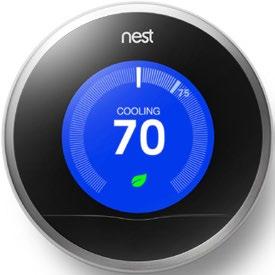
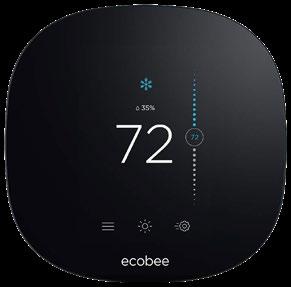
Earn a $50 sign-on bonus and the annual $30 bill credit after the cooling season.
During hot summer days, we call on participating smart thermostats to adjust the home cooling system by a few degrees — keeping you comfortable while reducing the total strain on the electric grid.
to dig? Contact 811 at least three business days before you dig Call 811 or visit Call811.com New participants can earn up to $80.

Eligible members must have central air conditioning or a heat pump, qualifying smart thermostat, and Wi-Fi.
Learn more and enroll at www.pvrea.coop/power-peak-rewards
Have
What You


Visit us online to watch the recap video, read the 2025 Annual Report, and more. www.pvrea.coop/annual-meeting


Is Off-Peak Plus Right for You?
Get nearly half-price electricity 20 hours per day, all day Sunday
It was 90 degrees in March. Did winter even happen? Hotter than average summer temperatures are expected across much of Colorado this year, which may lead to many households using more electricity than usual. With that in mind, and finances already stretched thin, now might be a good time for some San Isabel Electric members to take a closer look at our optional Off-Peak Plus time-of-day rate plan which rewards households with nearly halfprice electricity for shifting their electricity usage outside of highdemand hours. Off-Peak Plus is not right for everyone and requires at least a one-year commitment, but it can be a great fit for certain lifestyles and usage patterns.
Because of this pricing structure, the key to success with Off-Peak Plus is avoiding electricity use during the 5 p.m. to 9 p.m. on-peak period. For many co-op members — particularly those in areas with more moderate summer temperatures where central air conditioning is uncommon — this may be relatively easy. Homes without heavy evening cooling needs, or those with flexible schedules, often have no trouble keeping peak usage low.
Off-Peak Plus can be especially favorable for members who can shift energy-intensive activities to off-peak hours. This includes charging electric vehicles overnight, running dishwashers and laundry later in the evening, scheduling water heating for nighttime or early morning, or using programmable or smart appliances.
On the other hand, Off-Peak Plus may not be the best option for members who consistently use moderate to large amounts of electricity between 5 p.m. and 9 p.m. This includes households that rely heavily on air conditioning, electric cooking, small entertainment and gaming devices, and multiple appliances during on-peak hours. Because on-peak power is so expensive, even a modest amount of peak usage, especially central air conditioning, can quickly erode off-peak savings. If you’re not home or not using the majority of your electricity between 9 p.m. and 5 a.m., during off-peak hours, the Off-peak Plus option would not be a good fit for your lifestyle. Our mobile account management app SmartHub can help you determine if you might benefit from this rate plan. SmartHub’s Usage Explorer tool shows members how much electricity is used down to the hour.
In short, Off-Peak Plus offers meaningful savings potential, but members are encouraged to review their past energy use and consider their daily routines to determine whether this time-of-day rate is a good match for their household. If you’re interested, give us a call or send us an email and we can help with the analysis.
Visit siea.com/rateselectiontool to learn more about rate options and apply to switch rates.
OFF-PEAK PLUS AT A GLANCE
When Power Costs Less
• 20 hours per day, Monday-Saturday
• All day Sunday
Off‑Peak Prices
8.84¢/kWh for the first 1,000 kWh
6.29¢/kWh for usage over 1,000 kWh
Nearly half the cost of many traditional rates
On‑Peak Window
• 5 p.m.-9 p.m., Monday-Saturday
• 38.21¢/kWh during on-peak hours
Other Important Details
• $35 monthly grid access fee
• 12-month minimum commitment
Most members are on the Classic Rate. Members on this rate pay the same energy rate all day, all night, all year long. This is a good option for members who cannot shift electricity usage to off-peak times.


Empower Upgrades Help Huerfano Nursery and Garden
By Paris Daugherty
The owners of Huerfano Nursery and Garden want southern Colorado to know who helped them make energy upgrades to mitigate poor air circulation and to save time and money.
“I don’t know of any greenhouses using highvolume-low-speed fans,” Huerfano Nursery and Garden co-owner Mitchell Wardell said. “I don’t think we could’ve done this, at this cost, without SIEA.”
The Wardell family owns the Huerfano Nursery and Garden storefront in Walsenburg, and several area greenhouses where they grow their plants.
THE PROJECT
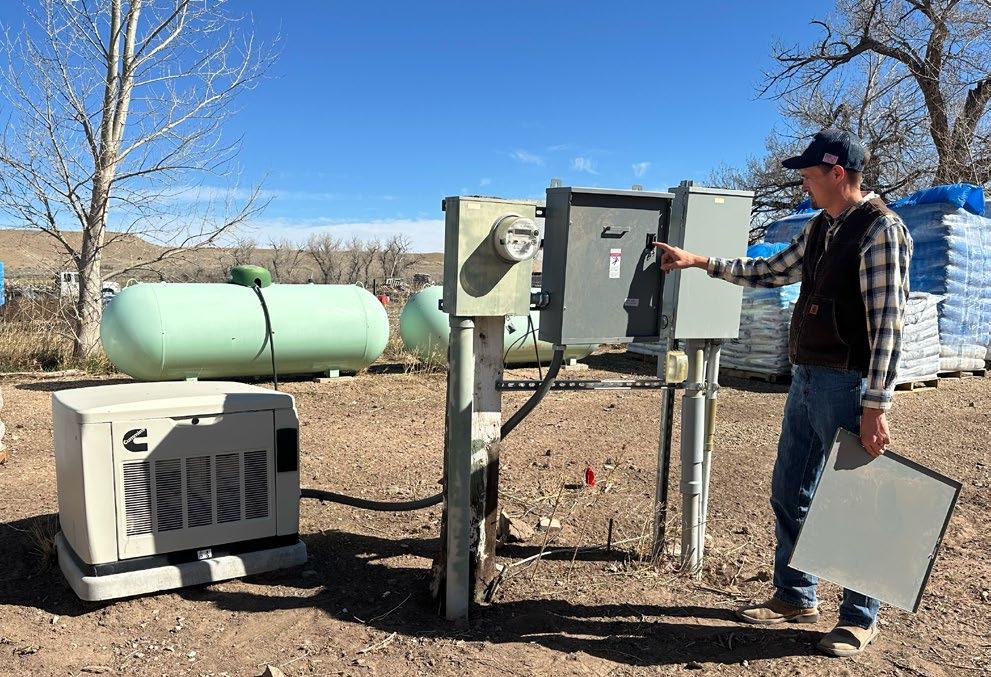
San Isabel Electric’s Energy Services team helped the family-owned local business install 20 high-volume, low-speed fans, a generator, and a transfer switch. SIEA also helped make electrical upgrades.
Traditional bullet fans use alternating current (AC) motors to push high-speed air in one direction, requiring multiple fans and higher electricity use to achieve adequate circulation. Direct current (DC) HVLS fans are far more efficient, using variable speeds to gently circulate air throughout the greenhouse with a fraction of the energy.
All greenhouse HVLS fans are easily controlled with simple touchscreen remotes.


Touchscreen remotes control all of the fans in each greenhouse, making regulating airflow a breeze.
On the cover: Makenzie (left) and Breanne (right) Wardell are the faces of the Huerfano Nursery and Garden, located at 704 Walsen Ave. in Walsenburg.
HVLS fans in a greenhouse create the air circulation needed to grow healthy plants.
Good airflow and air quality are key for plant health in any greenhouse or nursery. Stale and humid conditions combined with high temperatures can cause bacterial infections that stunt plant growth and cause unattractive spots on plants.
The Wardell family is optimistic the new fans will help greenhouse circulation, give them more time to tend to other things, and increase the volume and health of locally-grown plants for the community to purchase.
EXCEEDING EXPECTATIONS
“I didn’t expect the transfer switch to be that nice. It frees up time,” Wardell said.
The old generator required a person to manually connect the greenhouse to the generator during an outage and then disconnect it when the power was restored — a tedious and time-consuming task.
While outages are rare, it’s important that airflow and ventilation are maintained even for brief outages.
But the new transfer switch changes that. When it detects a loss of power, the generator automatically powers up. Now when power is restored, the generator briefly monitors power flow, runs a cooldown cycle, and powers down all by itself.
Another unexpected benefit: The generator runs on propane, which is less expensive than diesel, and also has a longer shelf life.
IMPRESSIVE CONVENIENCE
The Wardells were most impressed by how convenient and affordable the project was.
Initially, they inquired about SIEA’s low-interest rates and financing the project cost on their electric bill to avoid higher rates and fees. They were surprised to find out SIEA could take care of getting bids, coordinate with contractors, and provide project oversight from start to finish.
“I want the community to be aware that SIEA offers these services. You don’t have to go up to Colorado Springs to do it. You can do it through SIEA,” Wardell said.
Got an energy‑efficiency project? For more information about SIEA’s Empower program, available products, and financing, visit siea.com/Empower, email energyservices@siea.com, or call 719-647-6250.


The 20 new high volume low speed fans have improved air circulation, overall plant health, saved on power costs, and are significantly quieter.
If the new transfer switch detects a power outage, the generator automatically powers up and runs until it detects power has been restored.

Your Energy, Your Control
By Jon Beyer CEO
We know that many of our members are facing challenging times, and no one wants to see rising electricity bills. As a not-for-profit, member-run cooperative, we have a responsibility to focus on safety, reliability, and affordability. Amid widespread cost increases across the industry and in our everyday lives, the focus on affordability is becoming a greater challenge.

Later this summer, we will move from a two-part rate structure to a three-part rate structure to more accurately reflect Sangre de Cristo Electric Association’s costs and to give you the opportunity to reduce your bill. Under the two-part rate structure, your bills only track energy use and access fees. Thus, the only way to influence your bill is to use less energy. With the three-part rate structure, the cost of energy use will decrease, and the bill will also reflect a service availability charge and a peak demand charge. This structure gives our members more options to control their bill.
What is peak demand? One easy way to visualize peak demand is to imagine a freeway. Now compare how that freeway looks most of the day versus how it looks at rush hour. Although the freeway doesn’t always have traffic, it needs to be ready to handle rush hour at all times. Energy is the same. Many households use several of their appliances at the same time, which means SDCEA’s system needs to be ready at all times to handle that demand. With the three-part rate structure, your energy use rate — measured in kilowatt-hours — decreases, and we will charge a demand rate for the maximum peak of energy you use in a month. This helps us better align what you’re paying for with how energy is being used.
The new billing structure will balance the reduction in energy rates from $0.14370 per kWh to $0.13026 per kWh, with the addition of a $2.50 per-kilowatt demand charge. This structure doesn’t increase or decrease overall revenue for the cooperative but helps to ensure a more equitable bill for all SDCEA members.
This change is designed to help you better manage your electric bills by giving you more control over how and when you use energy. At the same time, it helps the cooperative manage the costs of meeting peak energy demand, helping to ensure a fair and efficient system for everyone.
The rate structure will give you options to influence your bills. This doesn’t mean changing your lifestyle; small changes can make a difference. You can shift your energy use by running your dishwasher when you go to bed instead of right after dinner, which is like waiting until rush hour is over to get on the road. You can stagger your use by running your major appliances at different times to decrease your peak demand. That means simply not running the dryer, oven, washing machine, and EV charger all at the same time. You can save on your bill by using appliance delay-start features or taking advantage of SDCEA’s programs, one-on-one energy consultations, and home and business energy audits.
With our new online Member Rate Education Hub at myelectric.coop/education-hub, we’re making it easy to navigate the rate change. There you will find tools, including a rate calculator, that help you understand how the three-part rate structure will impact your bill and allow you to test scenarios and options for managing it.
This change will go into effect in July, but starting with your April bill, you will see your specific peak demand reading, so you can begin to understand how your bill may change and how you can avoid the energy freeway at peak time rush hour.
You don’t have to navigate the rate change alone. Alongside simple online tools, SDCEA also offers customized support to help you walk through your individual bill. Call member services at 844-395-2412 any time, 8 a.m. to 4:30 p.m. Monday-Thursday, to find out how the rate change may impact your bill.
TO ACCESS SDCEA’S RATE EDUCATION HUB DIRECTLY, SCAN HERE.

Sangre de Cristo Electric Association to Host 86th Annual Meeting
Sangre de Cristo Electric Association, Inc. announces its 86th Annual Meeting, scheduled for Wednesday, June 24 in Westcliffe. This event will take place at SDCEA’s warehouse, located at 56495 Hwy 69, Westcliffe, Colorado 81252.
KEY DETAILS
Registration: Opens at 9 a.m. Meeting: 10 a.m.
The Annual Meeting is a cornerstone event for SDCEA members, offering a unique opportunity to:
• Celebrate the cooperative’s achievements over the past year.
• Hear updates and insights from SDCEA leadership.
• Engage in meaningful discussions about the cooperative’s goals, ongoing projects, and vision for the future.
• Touch a Truck will be new this year in a children’s activity area. Several of our vehicles and equipment will be accessible to view up close and other children’s activities will be available on site prior to the meeting’s start.
Attendees can look forward to informative presentations, engaging speakers, interactive demonstrations, and a chance to connect with fellow members. A light lunch will also be served.
We encourage all SDCEA members to attend. For more information or inquiries, please visit our website at myelectric.coop or contact the SDCEA office tollfree at 844-395-2412.
We look forward to seeing you there!

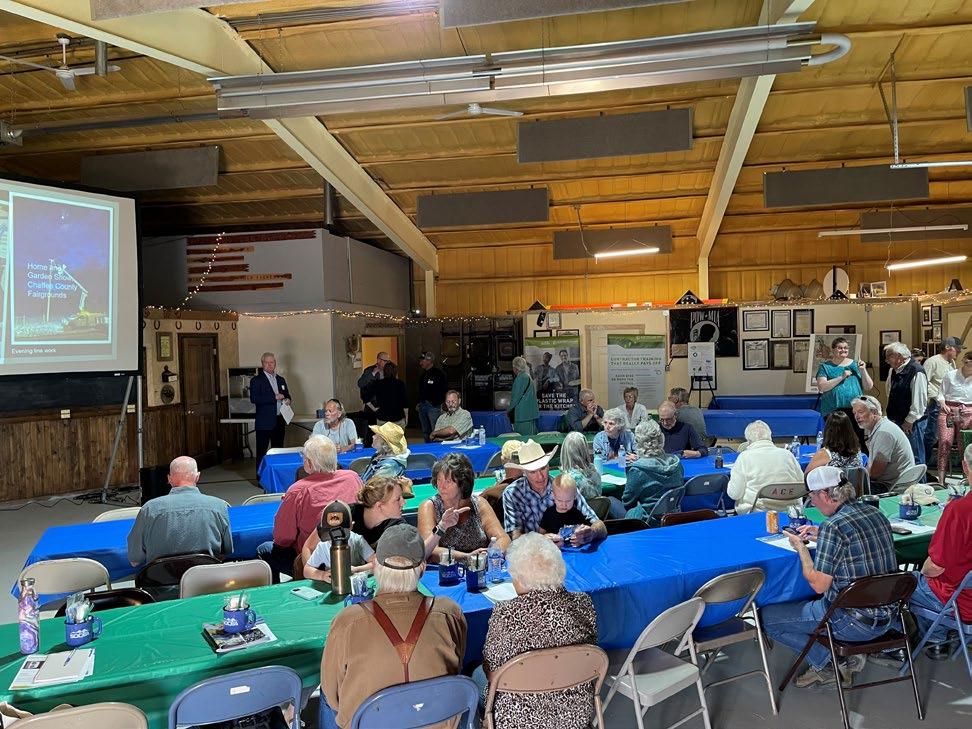
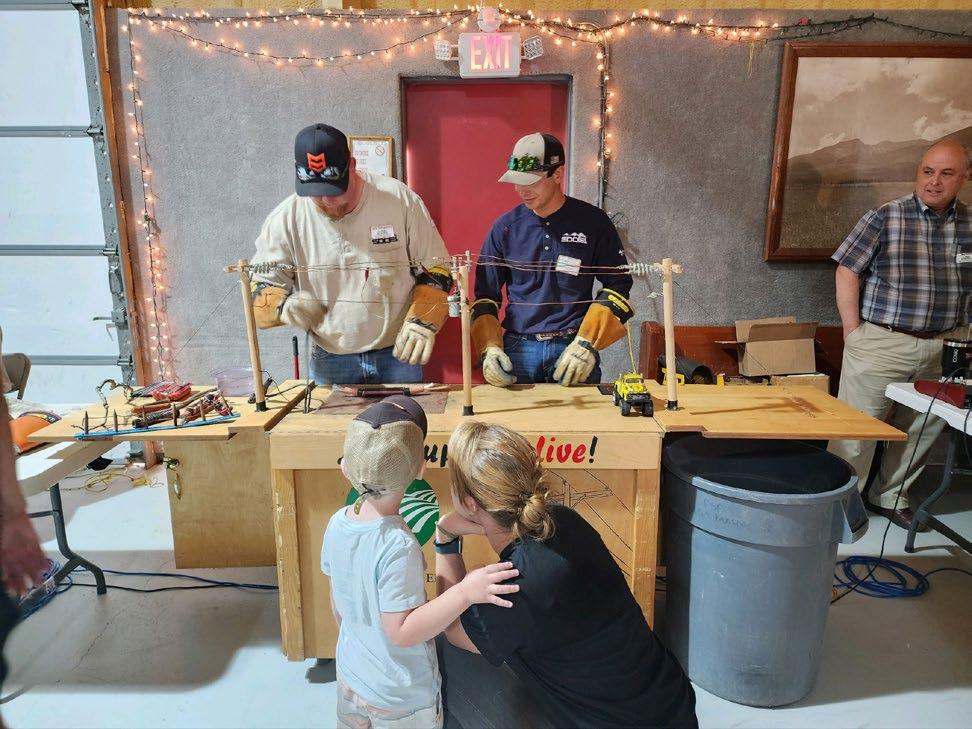
WHO — Open to all members of SDCEA
WHEN — June 24
9 a.m. Registration, displays, and children’s activities
10 a.m. Meeting begins
WHERE — SDCEA Warehouse, 56495 Hwy 69, Westcliffe, CO
Members hear presentations at a previous annual meeting held in Westcliffe.
A safety demonstration at the annual meeting is a popular stop for children and adults alike.
No June Election
Board positions uncontested
Sangre de Cristo Electric Association has announced that there will be no election for its board of directors this June. The three board positions up for election remained uncontested as of the March 13 filing deadline.
In accordance with SDCEA’s bylaws, uncontested elections do not require a public vote. As a result, the incumbent board members will automatically retain their seats.
The following board members will remain in their roles:
• Blake Bennetts – Representing the town of Buena Vista


The reappointment of these board members will be formally recognized at SDCEA’s 86th Annual Meeting on June 24 in Westcliffe.
• Michael Robinson – At-large representative
• Mark Boyle – Representing rural Chaffee/ Lake counties
For more information, please visit myelectric.coop or contact the SDCEA office toll-free at 844-395-2412.
AVOID UTILITY SCAMS: TIP OF THE MONTH
If you receive a call from someone stating you have overpaid your energy bill and you should provide your banking information or a credit card number to receive a refund, hang up because it’s likely a scam. If you overpay your bill, your utility will not call and request your banking information to issue the refund.
Starting with the SDCEA bill you receive this month for your April electricity use, you’ll notice a new addition: your specific peak demand reading. This information is being provided to help you better understand how your bill may change under our proposed rate restructure, which is planned to take effect in July.
The peak demand reading reflects your highest electricity use during the hours of 5 p.m.9 p.m., excluding Sundays.
We’re sharing this information now to give you time to look at our online calculator next month to review, understand, and be informed about how changes in your energy usage patterns can help you save money on future bills. For more details about the proposed rate restructure, please refer to CEO Jon Beyer’s column on page 7 of this magazine or visit our website at myelectric.coop.
Thank you for your attention to this update as we work to provide transparent and helpful information about your energy use.
Blake Bennetts Michael Robinson Mark Boyle
2026 Scholarships
Proudly supporting area youth in post-high school education, Sangre de Cristo Electric Association invests in the future of our region by awarding scholarships each year, subject to the board of director’s approval. Typically, the scholarship program includes one four-year scholarship valued at $2,000 per year, specifically for graduating high school seniors, as well as additional $2,000 one-time scholarships. Industry associates may also contribute to funding other scholarships, further expanding opportunities for students.
These scholarships can be used by any full-time student enrolled in an accredited two-year or fouryear college, university, or vocational/technical school, and at any stage of their educational journey.
Previous scholarship recipients and applicants are welcome to apply again.






Funding for SDCEA’s scholarship and community giving programs does not come from regular electricity payments and the general fund. Funding depends on the parameters of each program and may come from one or several sources: grants from business partners, unclaimed or donated capital credits, and voluntary member contributions through the Power of Change program, which rounds bills to the nearest dollar.
HOW TO APPLY
For those eager to take advantage of this opportunity for next year, visit SDCEA’s website at myelectric. coop/youth-programs. Applications will be available this fall.








Lyle Sesto
4-year $2,000/year SDCEA Award
Mae Blazer Total Award: $2,000 SDCEA Award
Payton Crites Total Award: $2,000 SDCEA Award
Cora DeWalt Total Award: $2,000 SDCEA Award
Daniel DeWalt Total Award: $2,000 SDCEA Award
Mindy Griggs Total Award: $2,000 SDCEA Award
Jonathan Pierce Total Award: $2,000 SDCEA Award
Autumn Wingo Total Award: $2,000
Award
Hannah Wingo Total Award: $2,000
Award
Hudson Wingo Total Award: $2,000
Award
Tucker Montoya Total Award: $1,000 Basin Electric Power Cooperative
Logan Scott Total Award: $1,000 Tri-State/SDCEA ($500 each)
Josey Kaiser
Total Award: $2,000 SDCEA Award
Violet Jacoby Total Award: $2,000 SDCEA Award
Orion Baxter Total Award: $2,000 SDCEA Award
Melissa Lang Total Award: $2,000 SDCEA Award
Olivia Guymon Total Award: $1,000 Tri-State/SDCEA ($500 each)
Buena Vista Cotopaxi Salida
Converted tank offers musical magic
SCHOLARSHIPSECPA
Reducing Wildfire Risk
By Mark Hall CEO
Gone are the days when wildfires were primarily confined to the western United States. Rising temperatures, prolonged drought, and shifting weather patterns are creating dangerous conditions in places that historically experienced few major fires. Today, more than 30 states face elevated wildfire risk. The reality is clear: wildfire risk is no longer regional — it is national. And it demands action from all of us.
At Southeast Colorado Power Association, protecting our members and the communities we serve is our highest priority. As we recognize National Wildfire Awareness Month in May, I want you to know that wildfire mitigation is not seasonal work for us. It is a year-round commitment embedded in how we operate and invest in our local system.
One of the most important ways we reduce wildfire threats is through our comprehensive vegetation management program. Overgrown trees and power lines are a dangerous combination, particularly during dry and windy conditions. Throughout the year, Southeast Colorado Power Association’s crews — along with local contractors — proactively trim and remove vegetation that could come into contact with power lines and other critical infrastructure. This work requires careful planning, coordination with property owners, and ongoing inspection. While it may not always be visible, it is one of the most effective tools we have to prevent fire ignition and maintain reliable electricity.
Wildfire mitigation also requires thoughtful public policy. Managing electric infrastructure in and around
public lands can present unique challenges. That is why we support practical, commonsense solutions such as the Fix Our Forests Act, which would streamline the ability of electric cooperatives and other utilities to maintain power lines on federal lands and reduce hazardous “fuel” buildup. Policies that promote responsible land management are an essential part of a comprehensive wildfire prevention strategy.
While we are committed to doing our part, wildfire prevention is a shared responsibility. There are important steps each of us can take to protect our homes and neighborhoods.
Properly extinguish fires by dousing them with water, stirring the ashes, and ensuring they are cool to the touch before leaving the area. Avoid outdoor burning on windy or excessively dry days. Maintain a defensible space around your home by clearing dry leaves, dead branches, and other flammable debris. Use lawn equipment carefully, particularly during hot conditions, and always check local regulations for burn bans or restrictions.
Wildfires are becoming more complex and more widespread, but through proactive system management, smart investments, sound policy, and community partnership, we can reduce risks and strengthen resilience.
At Southeast Colorado Power Association, we take this responsibility seriously. Our members depend on us not only for reliable power, but for leadership in safeguarding the communities we call home.
27850 Harris Road
P.O. BOX 521
La Junta, CO 81050
Phone: 719-384-2551
Toll Free: 800-332-8634
Fax: 719-384-7320
www.secpa.com facebook.com/secpaonline
@southeastcoloradopower
2026 Scholarships
Southeast Colorado Power Association is proud to award scholarships to students in our service area whose families are SECPA members. Congratulations to our 2026 scholarship recipients!
SECPA SCHOLARSHIP RECIPIENTS




MADELYN BAMBER
Swink High School
Parents —
Robert & Lisa Bamber

LAYTON HOMM
McClave High School
Parents —
Justin & Shelby Homm

JENNIFER GARDNER
Swink High School
Parents —
Matthew & Michelle Gardner

JOCELYNN JAMES
Swink High School
Parents —
Walter & Megan James
MADDOX
GOURLEY
Walsh High School
Parents —
Blake & Chelsea Gourley
AUTUMN JOHNSTON
Swink High School
Parents —
Mark & Amanda Johnston
MERISSA HERMAN
Rocky Ford Academy
Parents —
Scott & Sherry Herman
TAYLOR
MENDENHALL
Swink High School
Parents —
David & Laura Mendenhall


WESTON MORGAN
McClave High School
Parent — David Morgan

LEXI SHOTTON
Eads High School
Parents — Derek & Biana Shotton

ALEXIS RUSHER
Crowley County High School
Parent — Mark Rusher

ASHLYNN STEINBRUNN
McClave High School
Parents — Thomas & Melissa Steinbrunn
BASIN ELECTRIC SCHOLARSHIP

KELSI HARR
Simla High School
Parents —
Brad & Kari Harr
TRI-STATE G&T SCHOLARSHIP

BRAXEN SHELTON
Lamar High School
Parents —
Brett & Meena Shelton
Be Careful Around Overhead Power Lines
It can be easy to overlook things that we see every day, including overhead power lines. However, failure to notice overhead lines can be deadly. If you or an object you are touching contacts or gets too close to a power line, you could be seriously injured or killed.
Overhead power lines require 10 feet of clearance in all directions. This distance rule applies to the power lines draped from pole to pole that line roads (distribution lines), as well as the drop-down lines that service homes or other structures.
If your job requires you to operate equipment in the vicinity of large transmission lines and towers, they require even more clearance than distribution and drop-down lines. That clearance is determined by the Occupational Safety and Health Administration. OSHA mandates line clearance distances for all types of power lines.
Be mindful of overhead power lines when completing the following tasks:
Home maintenance
• Always be aware of the location of power lines, particularly when using long tools, such as ladders, pool skimmers and pruning poles.
• Lower long tools and equipment before moving or transporting them.
• Carry ladders and other long items horizontally whenever possible.
• Be careful when working on or around your roof.
• Never go on a roof in windy or bad weather.
Yard work
• When trimming trees, do not allow yourself or trimmers to come within 10 feet of overhead power lines, including service lines to your home or outbuilding.
• Do not trim trees near power lines; instead, leave this to certified line clearance tree trimmers.
• Do not use water or blower extensions to clean gutters near electric lines.
Farming
• Review power line locations and other potential electrical hazards with all workers at morning
safety meetings. Equipment that could get too close or contact a power pole or line includes sprayer tips, tall equipment, dump trucks, augers and other extensions.
At work
• Follow all OSHA distance requirements when operating dump trucks, cranes, concrete pump truck extensions and when working on a roof or in a bucket.
• Do not come within 50 feet of a downed or damaged power line. Warn others to stay away. Call 911 to report it. (WIN* Chan Schwindt acct 1921xxxxxx) Never climb trees near power lines. Even if the power lines are not touching the tree, they could come in contact when weight is added to the branch.
• Look up and look out for overhead power lines.
Contact can happen in an instant. For additional electrical safety tips, go to SafeElectricity.org

If you find your name in this issue as follows (WIN* Your Name, your account number), contact Southeast Colorado Power Association at 719-384-2551 or 800-332-8634 to receive a $50 credit on your next power bill.
REVELING IN REVERB
Converted tank offers musical magic
Join Fellow Co-op Members at the 2026 Annual Meeting
By Trent Loutensock General Manager
It’s that time of year again. Y-W Electric Association, Inc. is gearing up for its annual meeting, which will be held June 9 at the Akron Headquarters. Doors will open at 5 p.m. for a meal, the business meeting and door prize drawings will start at 6 p.m.
The annual meeting is a special time for co-op members to gather, share experiences, hear from co-op leadership and, perhaps most importantly, vote to elect board members. Marty Strand 3210XXXXX

Y-W Electric employees work hard to host this fun event, and we encourage you to attend and exercise some of the many rights you have as a member of an electric cooperative. We know the food and prizes are the best parts of the meeting, but there is so much more to the event.
JUNE 9 5 p.m.
Did you know the annual meeting is an occasion to discuss and learn more about the issues affecting our community? This is an opportunity to learn more about the topics that impact you and talk about what we as a community can do to address our most pressing challenges and take advantage of available opportunities. Richard E Zwirn 7224XXXXX
The annual meeting is also the occasion to exercise one of the most important benefits of being an electric co-op member: voting for the upcoming year’s board of directors. Your electric cooperative is not owned by faraway investors and it is not run by an appointed board of directors. Your electric cooperative is run by a democratically elected board that is given the privilege to serve because of your vote.

So, at this year’s annual meeting, not only will you have a blast, but you will feel good knowing that you had a voice in a very important decision that impacts one of our most vital resources: electricity.
From all of your friends at Y-W Electric Association, we hope to see you June 9 at the annual meeting.
Mailing Address P.O. Box Y Akron, CO 80720 Street Address 26862 U.S. Hwy 34 Akron, CO 80720 PH: 970-345-2291
Y-W Electric Association 2026 Scholarships
Y-W Electric Association is pleased to present scholarships to deserving students in its service territory whose families are members of the cooperative. Congratulations to this year’s recipients! Ace Lilienthal 42440XXXXX
Four-Year Y-W $2,000 Renewable Scholarship
Augustus Gdanitz – Wray
Addison Weis – Akron
One-time Y-W
$2,000 Scholarship
Shirley West – Akron
Alex Galindo – Akron
Austin Collins – Wray
Austin Hornung – Otis
Aedyn Tribelhorn – Otis
Natalie Helling – Idalia
Carson Helling – Idalia
Evelyn Ivarie – Wray
Tatum Soehner – Idalia
Brigette Kite – Idalia
Alia Winter – Akron
Caleb Hansen – Akron


Danika Dischner – Yuma
Jesus Davisson – Akron
Mitchell Stivers – Otis
Brody Richards – Wray
Emiliano Varela – Otis
Aiden Baar – Liberty
Haydan Drullinger – Liberty
Chloe Farmer – Akron
Lauren Cody – Idalia
Basin $1,250 Scholarship
Dylan Hardwick – Idalia
Parker Molt – Akron
Tri-State $1,000 Scholarship
Clay Axtell – Akron
Line Tech $2,000 Scholarship
Travis Wood – Otis




Continuing Education
$500 Scholarship
Silas Baucke – Aidrian College
Caelan Church – Kansas State University
Kinsey Graquer – Colorado State University
Trent Hall – University of Colorado — Boulder
Caleb Poss – University of Wyoming
Macy Richards – Kansas State University
Hallie Southards – WNCC
Haily Stivers – Laramie County
Hailey Strozier – University of Colorado — Boulder
Emily Williams – University of Mary



Austin Hornung Aedyn Tribelhorn
Natalie Helling Carson Helling
Evelyn Ivarie
Augustus Gdanitz Addison Weis Shirley West
Alex Galindo
Austin Collins
























Jesus Davisson Mitchell Stivers Brody Richards
Emiliano Varela
Aiden Baar
Haydan Drullinger Chloe Farmer
Lauren Cody
Dylan Hardwick Parker Molt
Clay Axtell Travis Wood
Silas Baucke
Caelan Church Kinsey Graquer
Trent Hall Caleb Poss
Macy Richards
Hallie Southards Hailey Stivers
Hailey Strozier Emily Williams
Tatum Soehner Brigette Kite Alia Winter
Caleb Hansen Danika Dischner

BILLING CORNER
SMARTHUB: A SMART CHOICE
For convenience, Y-W Electric Association offers the ability to pay your bill with the SmartHub app. This service allows you to pay your bill electronically with a credit card, debit card, or checking account. You can even use SmartHub to sign up for auto payments.
SmartHub is also a great place to find account information such as your billing history, usage, and payment history. Cande & Torey Medeles 2713XXXXX.
Reporting an outage is also available on SmartHub. This information goes directly to our operations department in an email. This leaves our phone lines open for those who do not have SmartHub available.
You can access SmartHub online or you can get the app that is compatible with iPhones and Android devices. Visit our website at ywelectric.coop for more information. Charles Brophy 9226XXXXX



Each month, Y-W Electric Association offers its members a chance to earn a $20 credit on their next electric bill. If you find your name and account number in this magazine, call 800-660-2291 and ask for your credit. It couldn’t be easier.
Get acquainted with your account number, read your Colorado Country Life magazine, and pick up the phone. You must claim your credit during the month in which your name appears in the magazine — check the date on the front cover.
Congratulations to the Y-W members who called to claim their $20 bill credit in March: Emmett Wise, Marcy Escobedo, Darrel and Pamela Ritchey, Donald and Debra Misner, and Dominick and Samantha Anderson.
OFF YOUR ELECTRIC BILL