THE
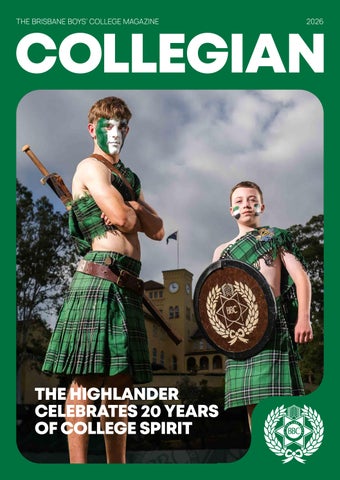
HIGHLANDER CELEBRATES 20 YEARS OF COLLEGE SPIRIT
Events Calendar
Published by Brisbane Boys’ College
CRICOS Code 00491J
Kensington Terrace Toowong, QLD 4066
T 07 3309 3500 W bbc.qld.edu.au
A School of the Presbyterian and Methodist Schools Association.
The story doesn’t end here… Go beyond the page at bbc.qld.edu.au/ news-and-publications.
Discover extended versions of Collegian articles and explore exclusive, unpublished photos from this issue’s articles.
We invite you to discover our unique BBC spirit for yourself. Connect with us online or call our Admissions Team on 07 3309 3658 to arrange a tour of the College.
Equipping our boys for a flourishing future
Brisbane Boys’ College has long been a school that values both tradition and progress — a community grounded in strong character, meaningful relationships and high expectations, whilst also continually evolving to meet the opportunities and challenges of a changing world.
As educators, we have both the privilege and responsibility of preparing young men not simply for examinations or tertiary pathways, but for a full life beyond the College gates.
The world our boys are entering is changing rapidly; advances in technology, shifts in the nature of work and increasing global complexity require schools to think deeply about the capabilities young people will need to flourish in the future.
While knowledge remains critically important, so too do adaptability, critical thinking, communication, creativity, empathy and resilience. At BBC, we remain firmly committed to ensuring our young men are equipped not only academically, but personally and ethically, to navigate this future with confidence and integrity.
This edition of the Collegian captures many examples of how this vision comes to life across our College community.
A significant milestone this year has been the launch of our Pedagogical Framework — an important initiative that reflects extensive collaboration and thoughtful consideration
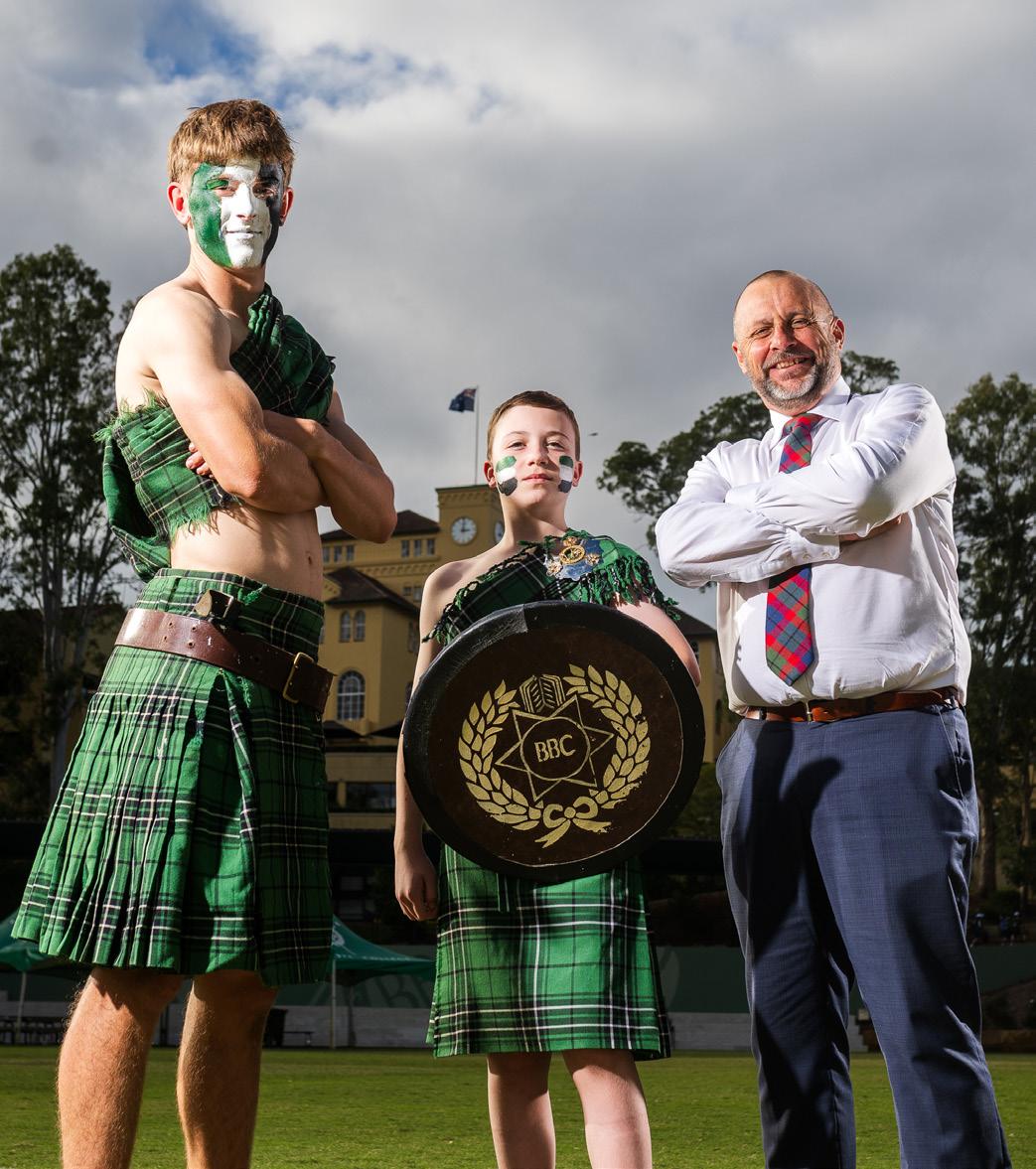
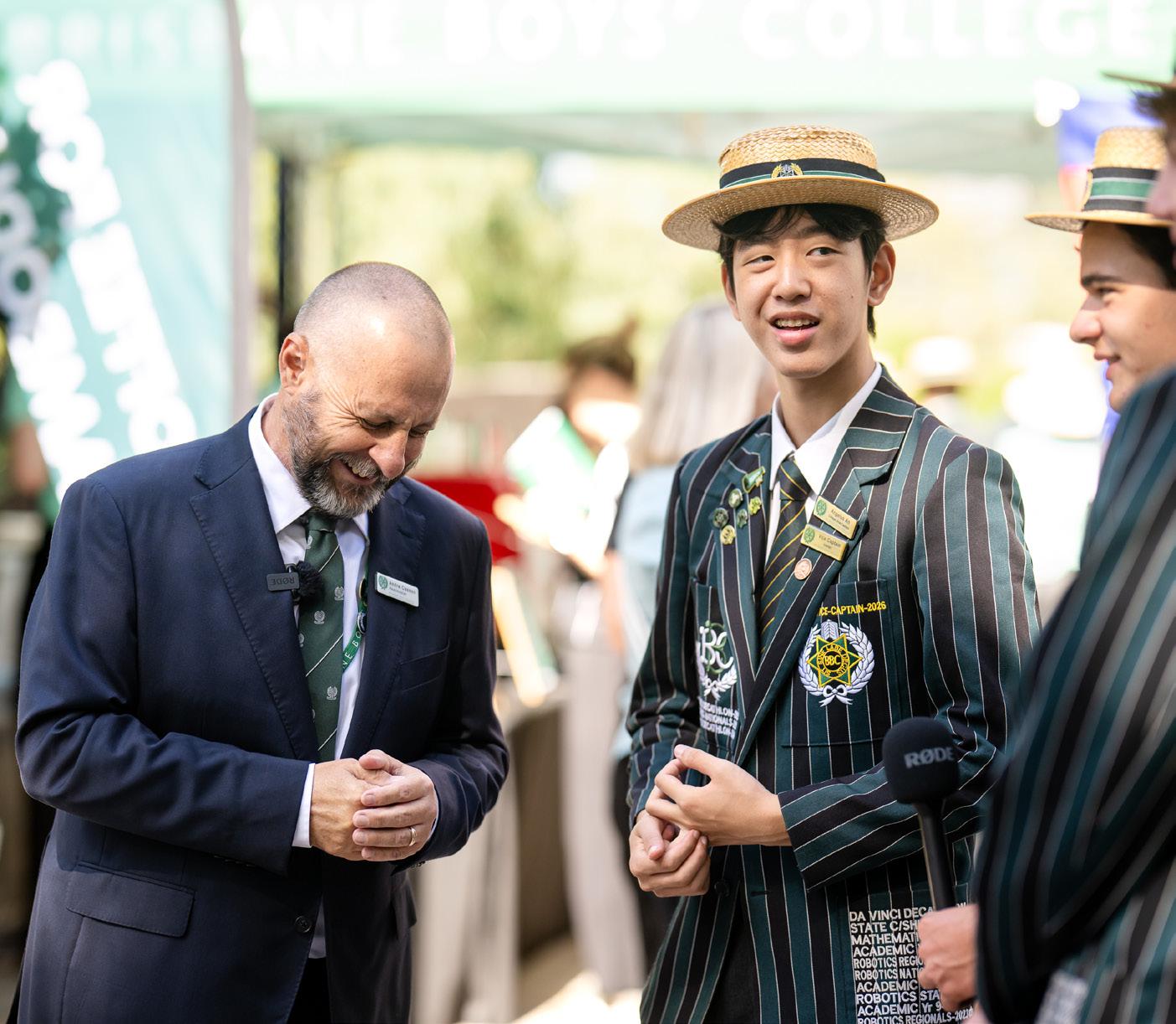
Image: Mr Andre Casson with College Captains at BBC Open Day 2026
around how boys learn best and how we can continue to strengthen learning outcomes and engagement across the College. Importantly, the framework is not simply about academic achievement; it reflects our commitment to developing curious, capable and reflective learners who are prepared for an increasingly dynamic world.
At the same time, we recognise that learning cannot be separated from wellbeing and belonging. Young men thrive when they feel known, connected and supported, and we continue to place significant emphasis on fostering a culture of care across every aspect of College life.
Whether through pastoral programs, servant leadership opportunities, our boarding community, wellbeing
From the performing arts and music, to service initiatives, leadership programs, sport and outdoor education, our boys are encouraged to discover passions, develop confidence and experience the value of teamwork, commitment and contribution
Mr Andre Casson Headmaster of Brisbane Boys’ College
initiatives such as Piper the Wellbeing Dog, or the relationships formed daily between staff and students, we remain focused on creating an environment in which boys feel valued, challenged and encouraged to grow into thoughtful and compassionate young men.
The breadth of opportunity available to students at BBC also continues to be one of the defining strengths of our community.
From the performing arts and music, to service initiatives, leadership programs, sport and outdoor education, our boys are encouraged to discover passions, develop confidence and experience the value of teamwork, commitment and contribution. The stories featured throughout this edition reflect not only achievement, but also
the character, spirit and sense of community that underpin life at the College.
As always, I extend my sincere thanks to our staff, families, Old Collegians and wider community for the support, partnership and encouragement you provide our young men each day. Together, we continue to build a College community that honours its traditions whilst embracing the future with confidence, optimism and purpose.
Enjoy the articles contained within this edition of the Collegian. They serve as a testimony that there truly are many ways to thrive at BBC.
Mr Andre Casson
Headmaster
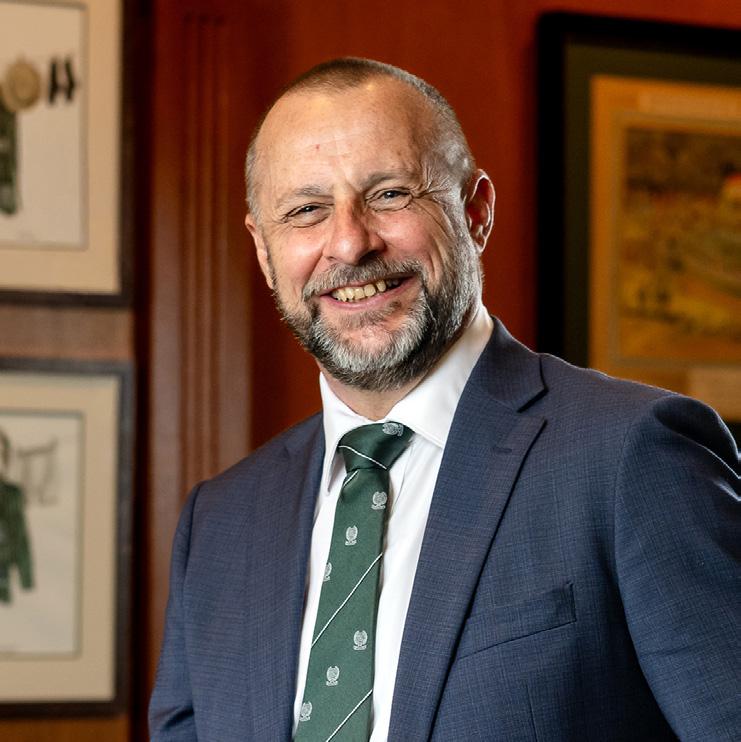
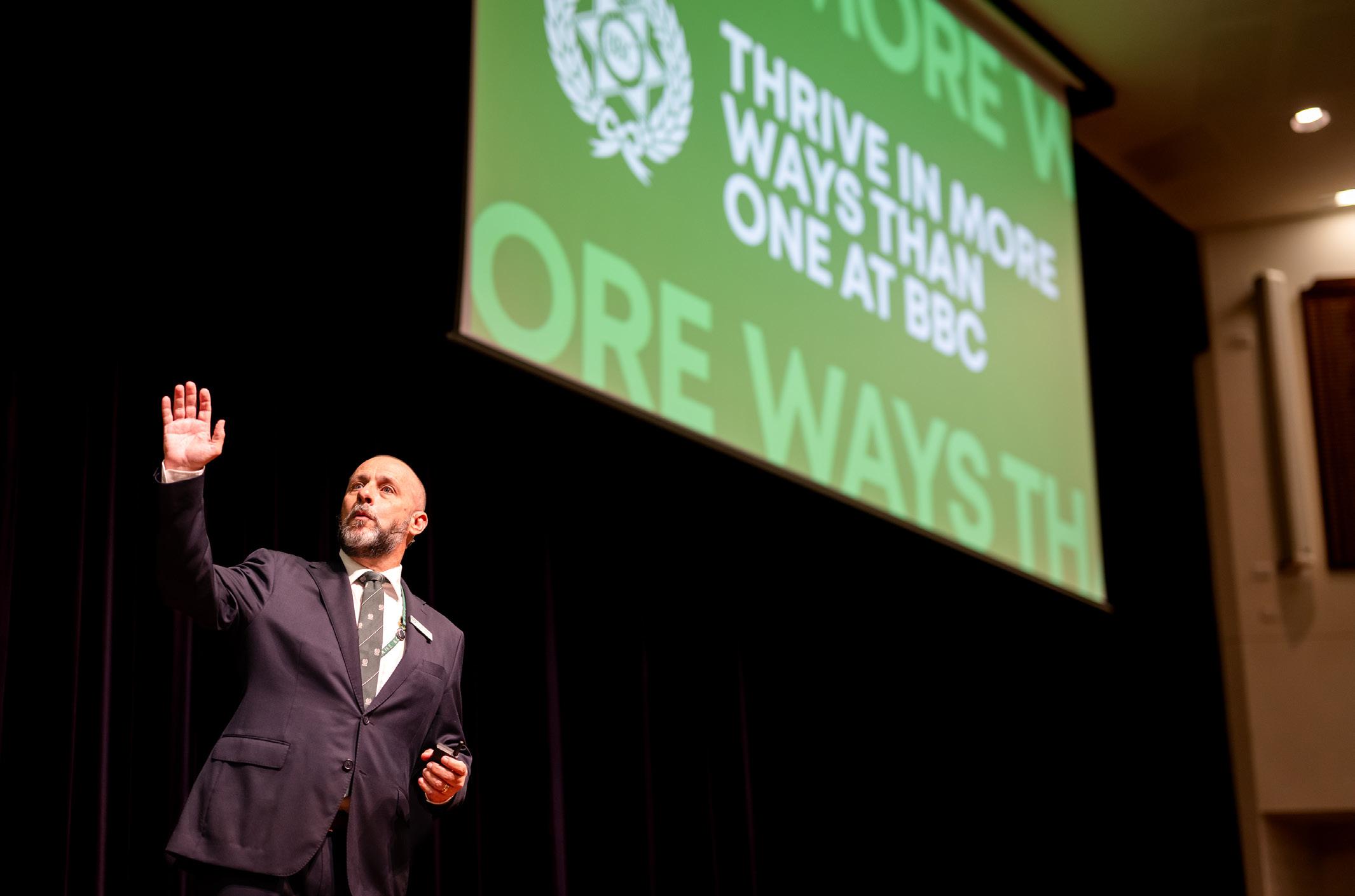
Image: Mr Andre Casson at BBC Open Day 2026
COLLEGE NEWS
A century old tradition marches back to College life
A century after it first shaped the character of Brisbane Boys’ College, the Cadet Unit is stepping back into the life of the school.
The program, open to BBC students aged 13 to 17, revives one of the College’s oldest traditions while offering a thoroughly contemporary pathway for leadership development, service and personal growth.
Founded during the lead up to the First World War, the original Cadet Corps helped define the early identity of the College. Its return — now as a School Based Unit under the Australian Army Cadets — reconnects students with that legacy while giving them a safe, structured and deeply engaging way to honour Australia’s military heritage through a world of practical skills and purposeful challenges: camping, map reading, first aid, abseiling, community activities and field exercises.
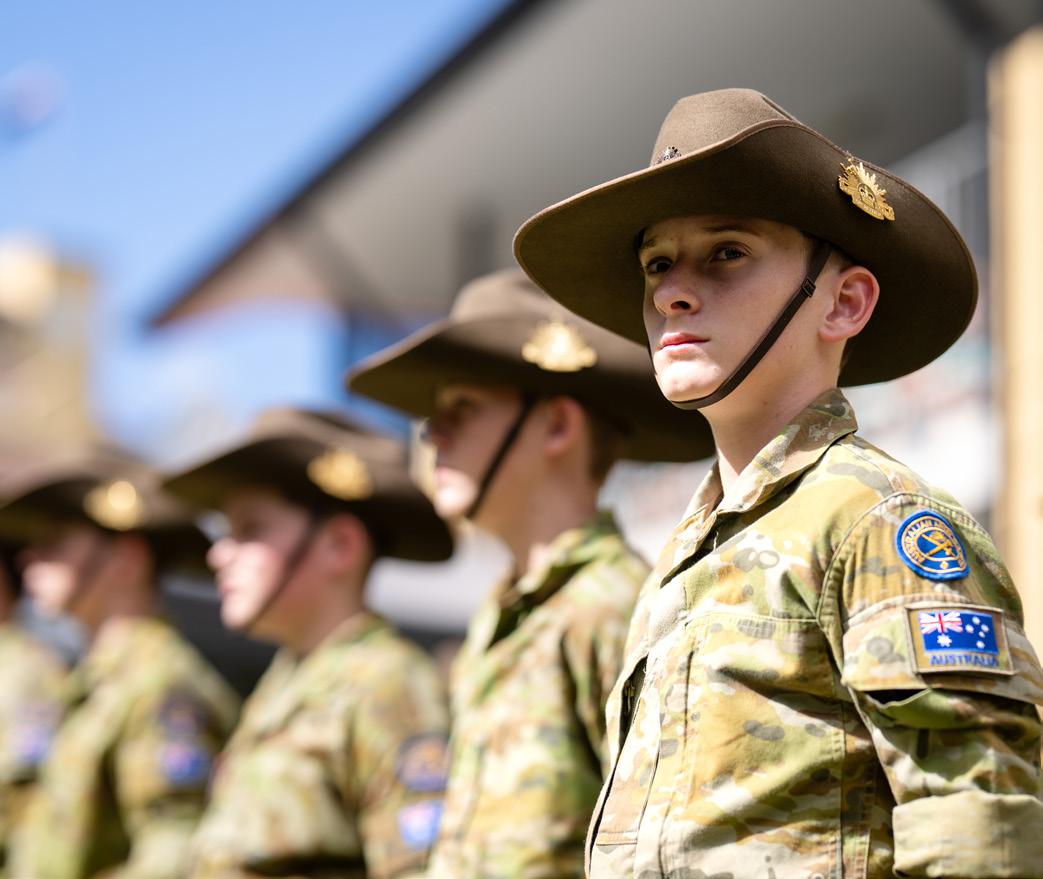
In April, the College’s Cadets were a strong presence at Anzac commemorations, honouring those who came before them at the Anzac Day Commemorative Parade, their first attendance in 50 years.
“To see BBC Cadets marching again on Anzac Day after nearly 50 years is deeply significant,” BBC’s Army Cadet Unit Officer Commanding Captain (AAC) S. Jay says.
“It honours the College’s military heritage while signalling that service, discipline, leadership and commitment remain central to the formation of our young men today.”
Learning takes root amongst the trees of new Early Years Deck
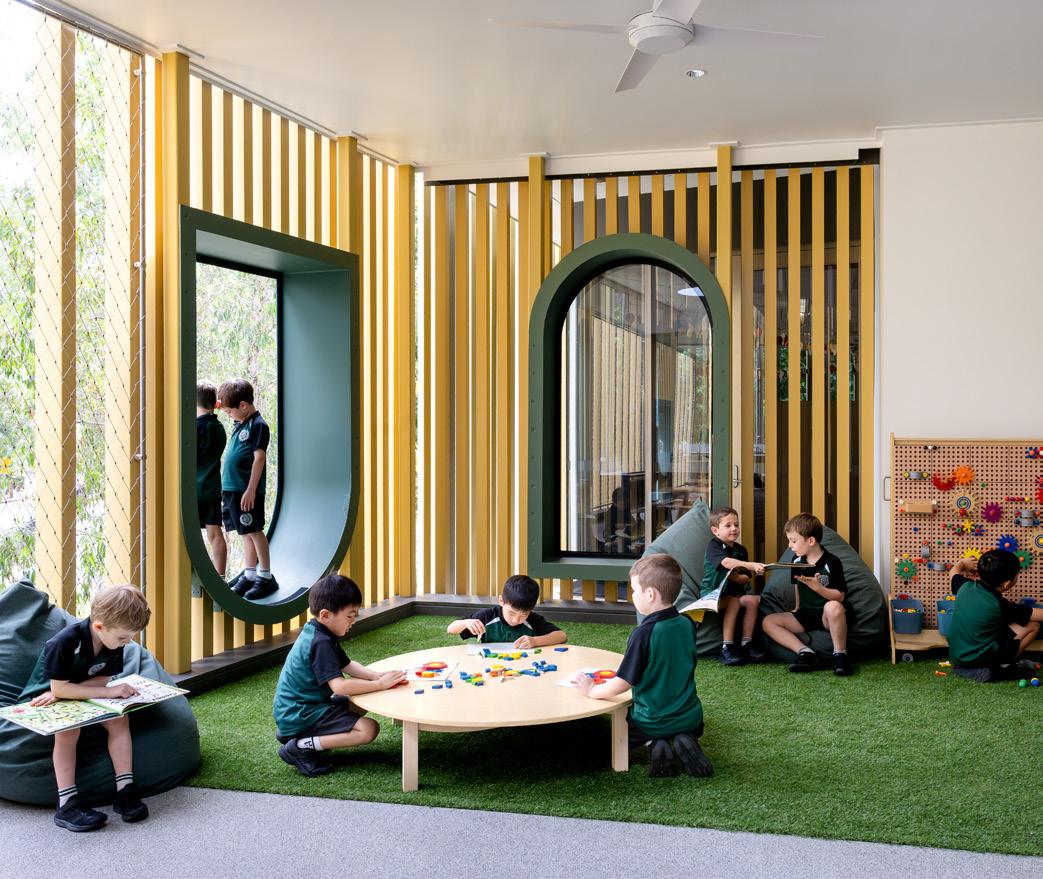
Designed to feel nestled amongst the leafy trees of Toowong, Brisbane Boys’ College’s new Early Years Deck is a quietly ambitious reimagining of how young children move between classroom and their wider environment.
The calming indoor-outdoor learning space links directly to Prep and Year 2 classrooms, creating a seamless extension of the school day where fresh air and gentle breezes are part of the curriculum. The deck invites children to slow down, connect with nature and engage more deeply with their learning.
For teachers like Junior School Teacher Ms Nikki Frederick, there are strong benefits with the new deck when shifting lessons outdoors without losing structure.
“The best thing about the Early Years Deck is that it creates an engaging and flexible learning space that extends the classroom into the outdoors,” Ms Frederick says.
“The Deck provides opportunities for hands-on, play-based learning and small group activities while also supporting students’ social development and independence.”
For families who prize thoughtful design and wellbeing in education, the deck reads as a significant investment in childhood: a place where curiosity is given room to breathe and learning is, quite literally, opened up.
Image: BBC Cadets at Anzac Day 2026 Commemorations
Image: BBC’s new Early Years Deck
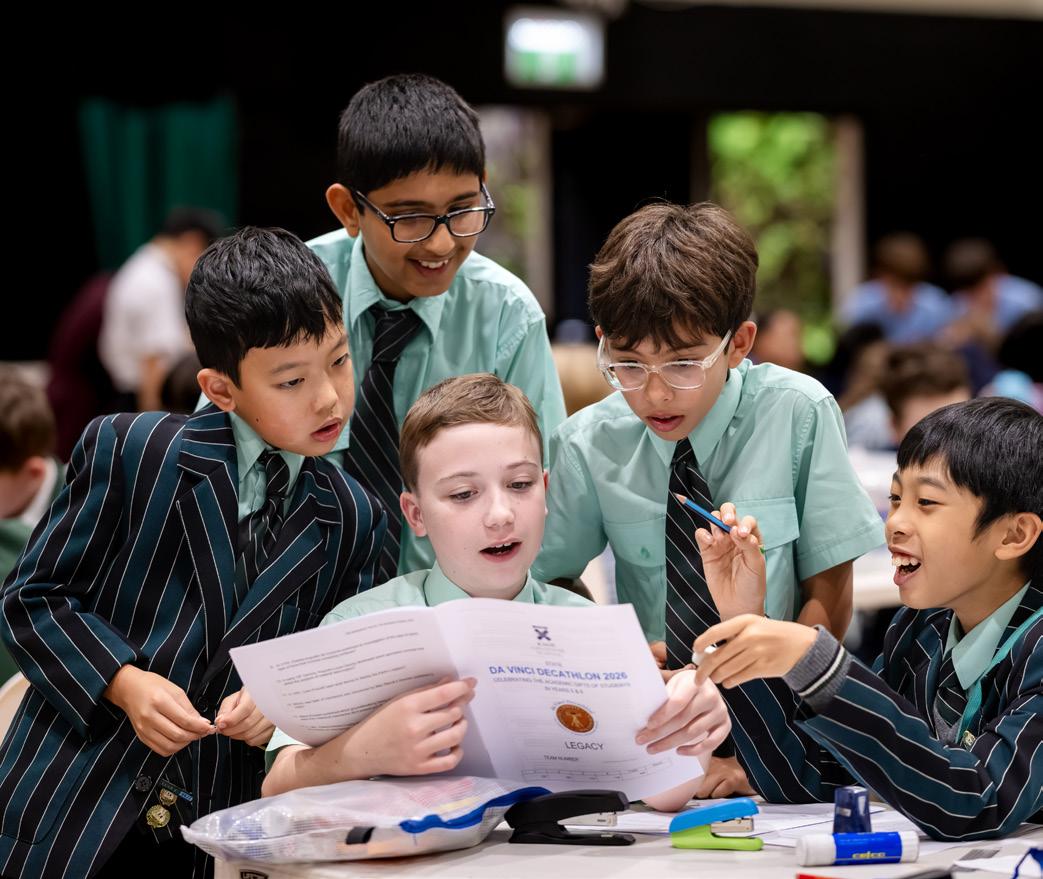
Brilliant minds converge at Brisbane Boys’ College for the Da Vinci Decathlon
Brisbane Boys’ College welcomed Queensland’s academic elite in late May for the state finals of the 2026 Da Vinci Decathlon, the second time the College has hosted the prestigious event, attracting hundreds of the state’s brightest young minds.
Established in 2002, the Da Vinci Decathlon is the ultimate academic decathlon designed to celebrate the intellectual gifts of youth through a series of gruelling, collaborative challenges across ten distinct disciplines.
Hosting the event is a significant coup for BBC, cementing its reputation as a leading incubator of academic excellence and holistic education.
For three days in late May, the campus transformed into a pressure cooker of cognitive agility, with the 2026 State theme, “Machines and Mechanics”, forcing students to push the boundaries of design, philosophy and scientific theory.
BBC put in an outstanding performance at the event with the Year 9 team crowned gold medal winners and the Year 10 students receiving bronze medals, a testament to the boys’ persistence, preparation and teamwork.
The event underscored that academic curiosity is a sport in its own right and in an era that prizes adaptability and creative problem solving, BBC proved a fitting host for a competition honouring an icon who thrived in many more ways than one.
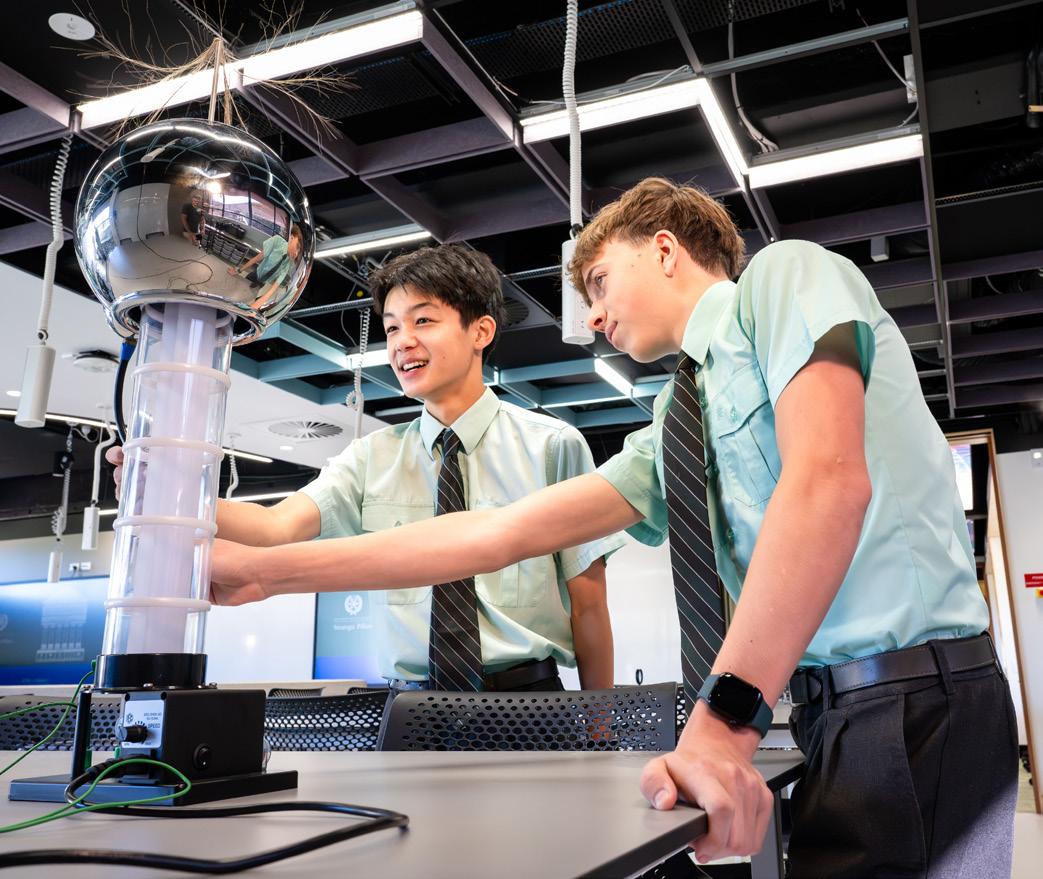
Future in motion with upgraded Physics labs
Brisbane Boys’ College’s newly refurbished Physics labs have finally emerged from a multi-year rethink of what senior Physics learning should look like — not just now, but decades into the future.
Assistant Head of Science Mr Jeff Hogan describes the project as “the result of several years of thinking and planning,” shaped by visits to other PMSA schools, conversations with colleagues and input from local universities, as well as the involvement of Physics students from Year 10 to 12 in the design process.
The redesigned labs now blend flexible teaching areas, collaborative work zones and dedicated practical spaces, allowing students to shift effortlessly between explicit instruction, modelling, group problem solving, demonstrations, experimentation and data analysis.
Improved benching, smarter storage, integrated services and expanded visual display areas give the rooms a sharper identity and a more professional feel.
“The rooms better reflect how Physics is learned: through questioning, discussion, testing ideas, collecting evidence and applying mathematical models to real phenomena,” Mr Hogan notes.
For a school that prides itself on academic rigour and forward looking design, the new labs are a statement of intent and a commitment to giving young scientists the tools, space and inspiration to think boldly, work collaboratively and engage deeply with the real phenomena that shape their world.
COLLEGE NEWS
Image: Year 6 students competing at the 2026 da Vinci Decathlon State Finals
Image: BBC’s upgraded Physics lab during class
A breath of fresh air in classroom design
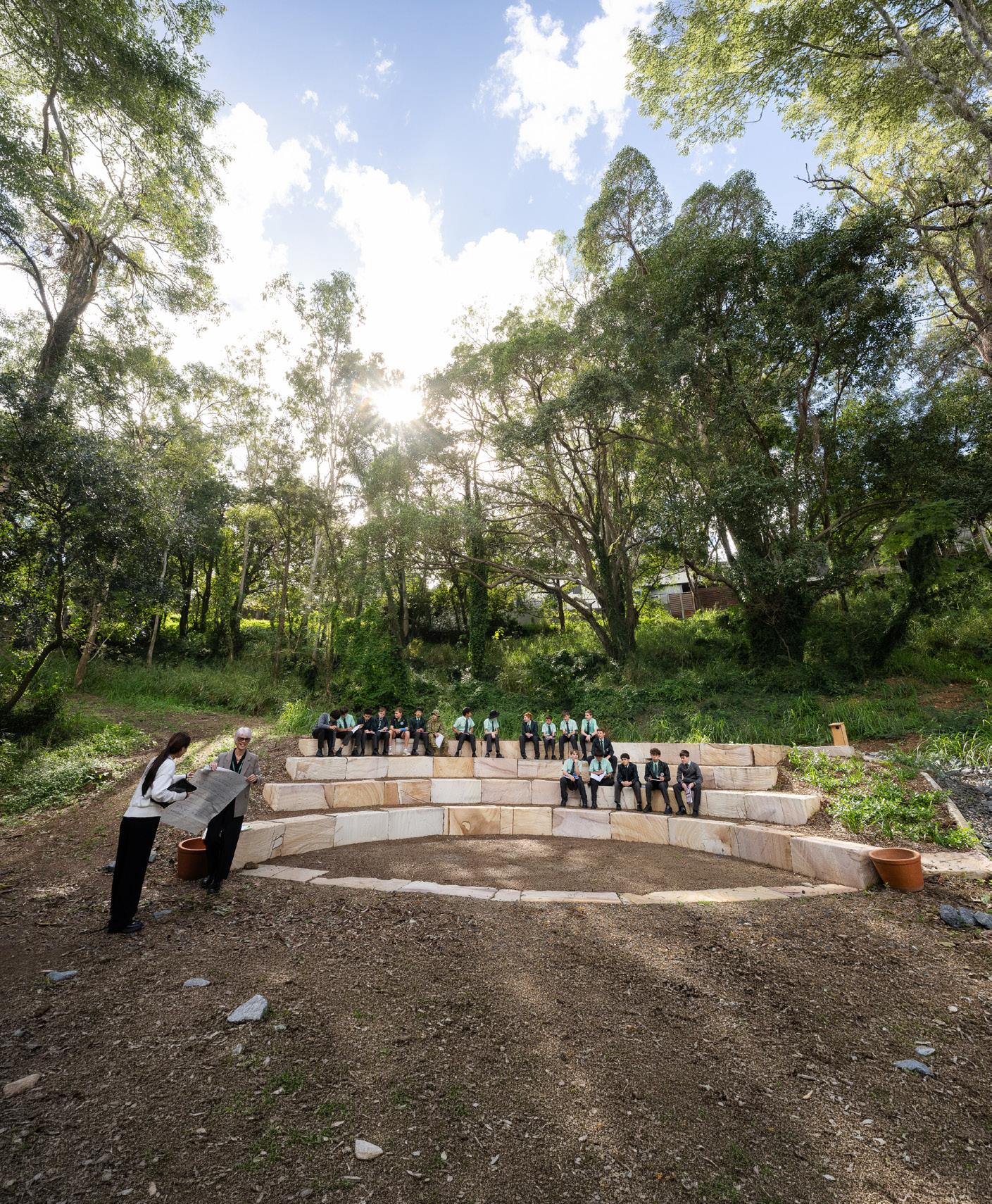
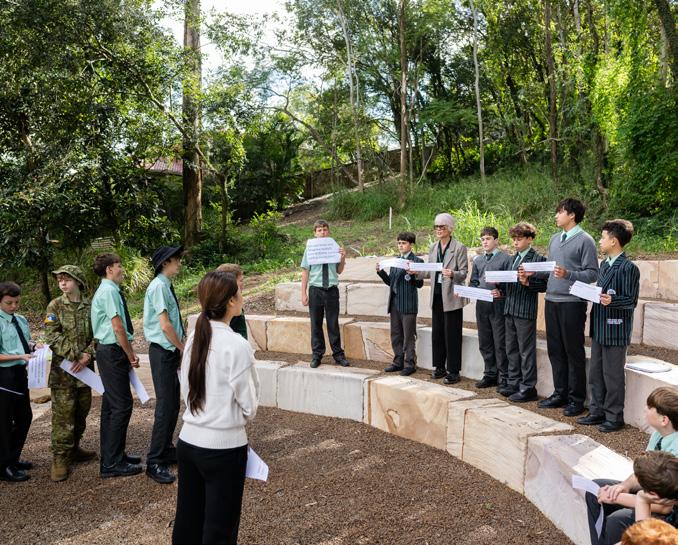
The traditional four-walled classroom is getting a bold rethink as the College’s ambitious Outdoor Classroom project gathers momentum. Scheduled for a phased completion by 2028, the initiative aims to seamlessly merge pedagogy with landscape architecture, creating a fluid space where students forge deeper connections to the environment and value Country.
The vision is already materialising thanks to a philanthropic injection from the College’s parent network, Parent Connections, which supported the installation of the stone amphitheatre seating.
For the College’s Director of Corporate Services, Ms Leanne Smith, the development represents a philosophical shift in how schools utilise their campus grounds to prioritise ecological resilience and valuing stewardship of Country.
“The Outdoor Classroom transforms learning beyond the walls of traditional classrooms and reflects our commitment to wellbeing, sustainability and forward-thinking education,” Ms Smith says.
“This space will bring curriculum to life, honour First Nations perspectives and give students meaningful opportunities to reflect, collaborate and grow in nature,” Ms Smith notes.
As the project journeys toward its final completion, it sets a compelling benchmark for modern campus design — proving that sometimes, the most sophisticated step forward in 21st-century education is a deliberate step outside.
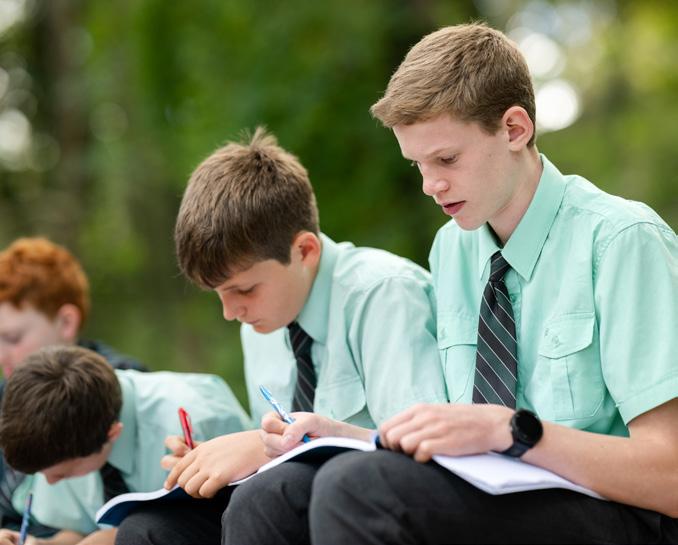
Image: Students and staff in BBC’s new Outdoor Classroom
PEDAGOGICAL FRAMEWORK
Deep roots and futureready minds
Brisbane Boys’ College has launched a Pedagogical Framework that is redefining what happens inside every classroom, from Prep to Year 12, and preparing young minds for whatever their futures hold.
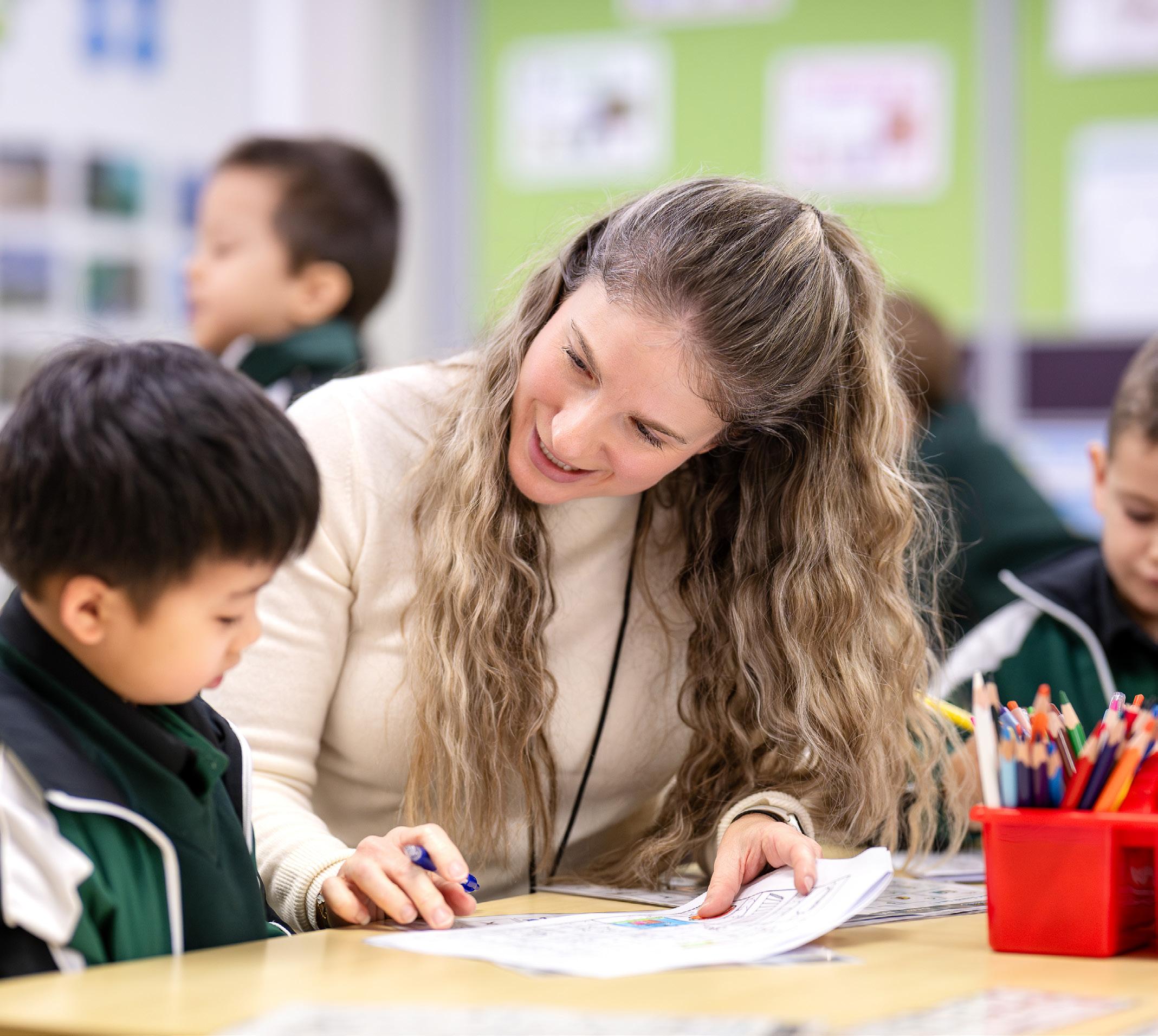
Image: The Pedagogical Framework ensures a strong relational framework is at the heart of
PEDAGOGICAL FRAMEWORK
Picture a classroom corridor at Brisbane Boys’ College on any given Tuesday morning. At the threshold of the classroom, a teacher stands and as each boy approaches, the teacher looks him in the eye, calls him by name and welcomes him individually. It is not a hasty roll-call or a superficial greeting but rather a handshake, a recognition, a subtle anchor.
When the boys cross that threshold, the room settles into a purposeful quiet without the need for raised voices. Learning begins immediately.
It is a deceptively simple scene, yet behind this routine sits a profound, multi-year philosophical shift.
This year, BBC formally launched
its custom-built Pedagogical Framework and far from being a dry set of educational directives handed down from a boardroom, it is an ambitious, evidencebased architecture designed to redefine what happens inside every classroom from Prep to Year 12.
At its core, the framework is built on the truth that academic excellence cannot be divorced from emotional security. To teach a boy, you must first know him.
Growing the modern Gentleman of Honour
To walk through the gates of a school like BBC is to step into a world steeped in history — where boaters,
bagpipes and decades of academic and sporting trophies suggest a classic, unchanged path. Yet, under the leadership of Headmaster Mr Andre Casson, the College is proving that maintaining heritage does not mean standing still.
“The BBC Pedagogical Framework is a bespoke scaffold for educating our young men,” Mr Casson explains. “It has been developed by our staff with reference to the latest research and with support from educational experts. Above all else, it is a framework that has the boy at the centre of all decisions.”
For parents navigating the highstakes decisions of where to send their children for education, the competitive landscape often looks like an escalating contest of ATAR results and high-tech facilities. But this Pedagogical Framework addresses something deeper: the unique psychological and developmental needs of boys as they grow from childhood into young adulthood.
“It employs the latest trends and techniques that support boys’ education,” Mr Casson says. “For staff, it provides a clear and usable toolkit that will facilitate their practice and allow them to get the most out of the students in their care.”
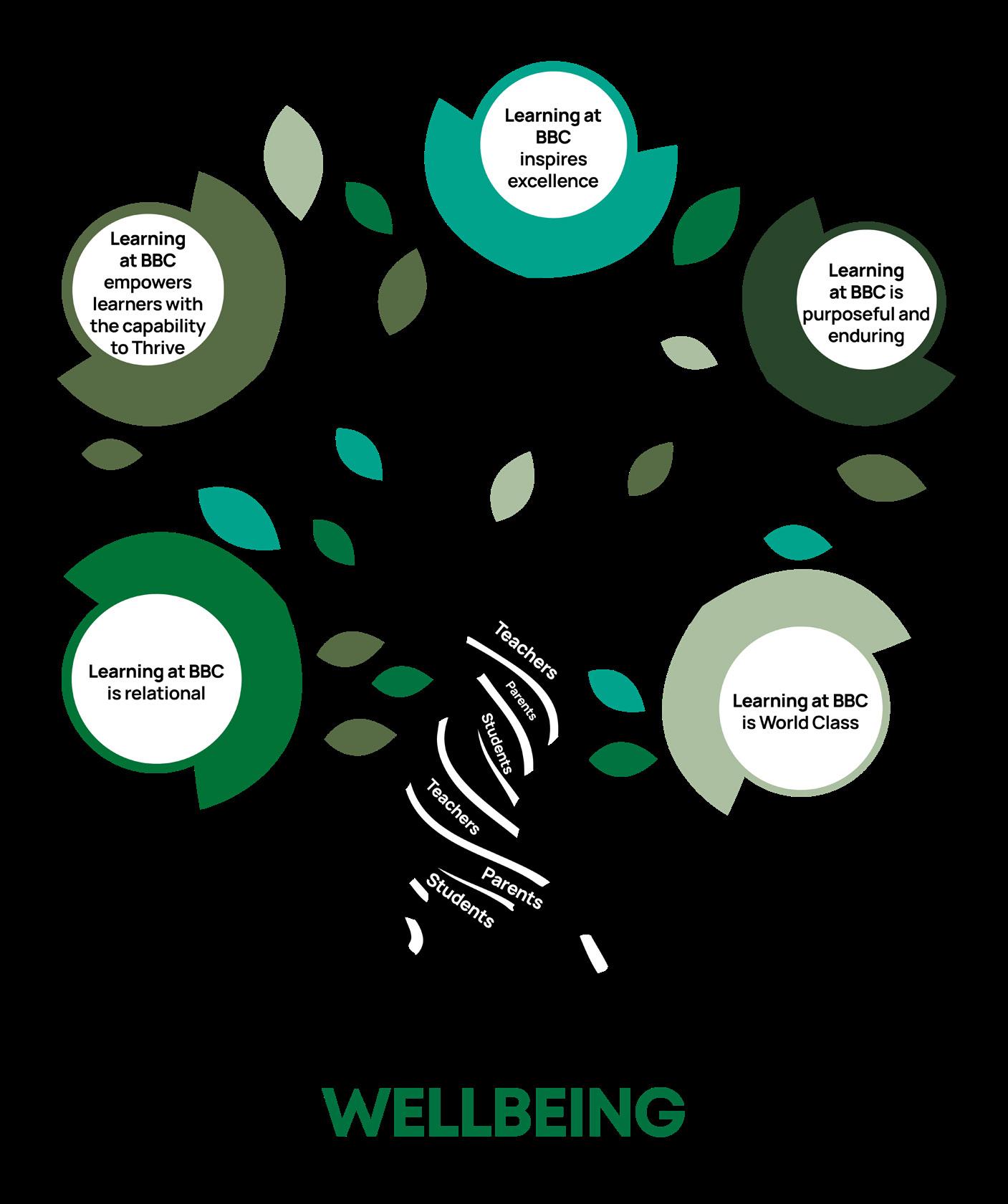
To visualise this educational architecture, the College uses the metaphor of a tree.
The roots — hidden but vital — represent student wellbeing. Without these deep, healthy roots, the visible branches of academic achievement cannot survive the storms of adolescence.
The soil represents the College’s values that nurture all that is undertaken at BBC.
The trunk represents the structure,
PEDAGOGICAL FRAMEWORK
and the branches represent the distinct “Pillars” of the framework. Each Pillar is supported by a series of “Signature Practices” — practical, repeatable and observable strategies that teachers embed into their everyday lessons.
Planted with intentionality
What makes the framework particularly striking to educational observers is its organic origin. In many prestigious schools, academic policies are imported from overseas consultants and imposed from above. At BBC, the framework was forged in the classroom trenches.
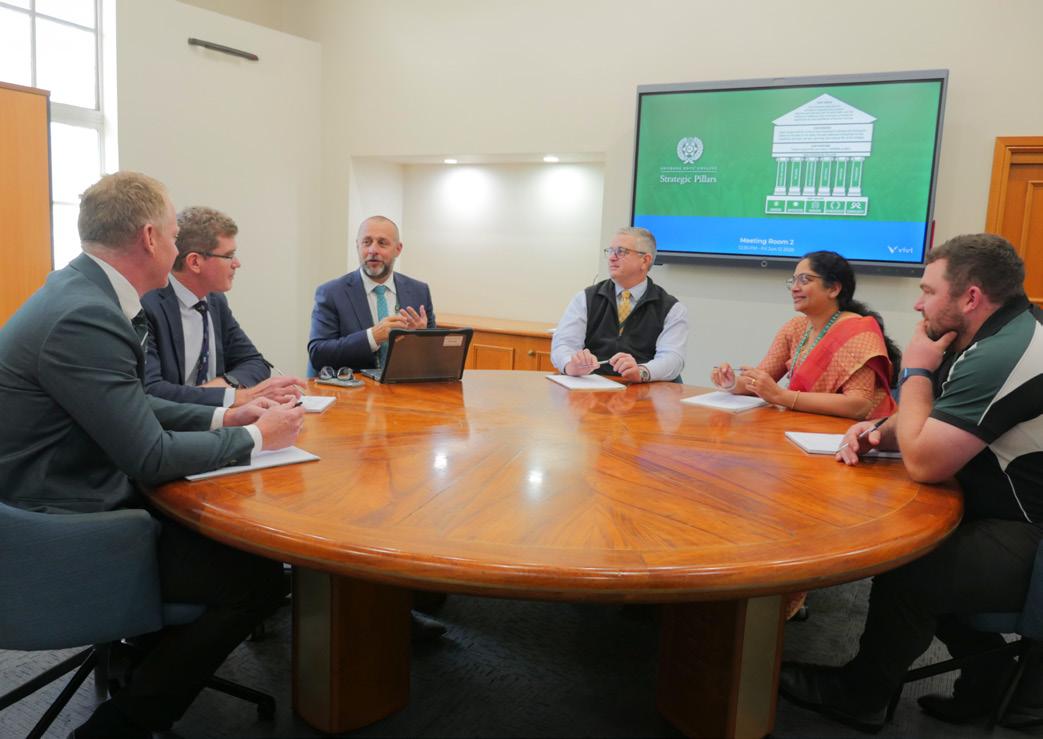
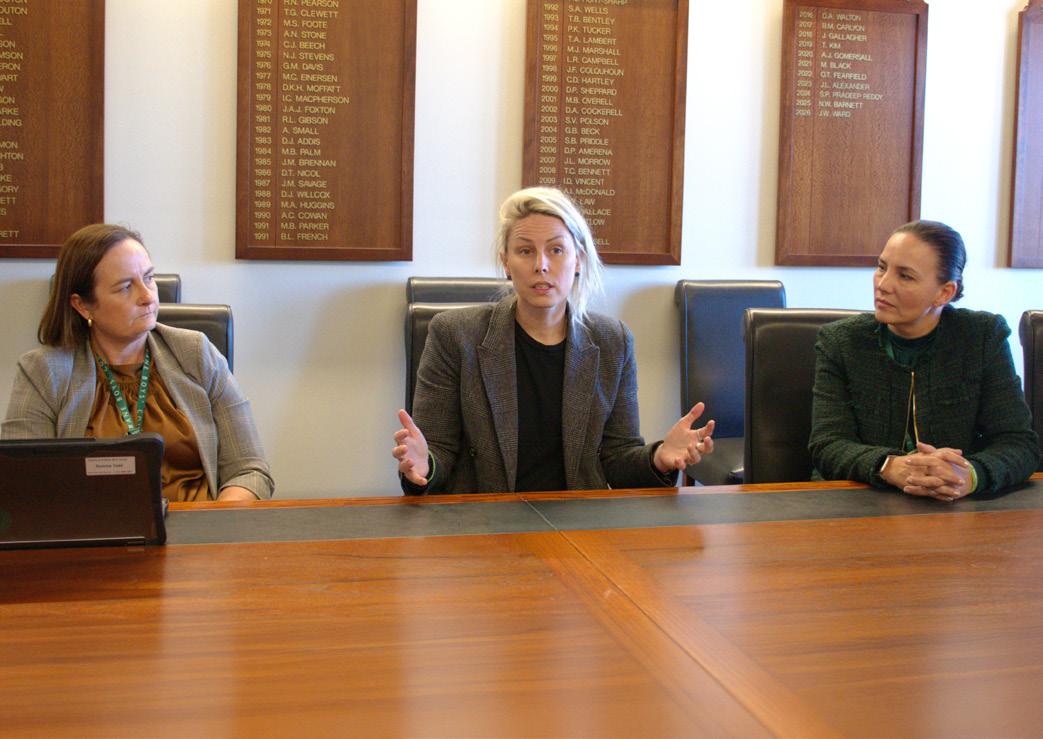
During the professional development days of early 2025, the College embarked on a highly collaborative journey. Two full-staff consultation sessions were held,
followed by an intensive, full-day design workshop that brought together 40 staff members from across all faculties.
Working groups representing differing teaching philosophies, from early learning to senior secondary, spent months refining, debating and presenting their recommendations back to their peers. It was a deeply collaborative process that fostered a strong sense of collective ownership.
Year 1 Teacher Ms Jen Twidale was one of the many educators intimately involved in shaping this vision. For her, the collaborative process was a masterclass in professional respect.
“The Pedagogical Framework is important to me as it ensures staff are aligned around shared goals,
language and direction for learning,” Ms Twidale says.
“Its collaborative development valued the expertise and passions of educators across the school, creating a strong sense of collective ownership and clarity of purpose.”
In her own Year 1 classroom, Ms Twidale sees the immediate, practical benefits of having a structured, relational framework in place: “I have embedded the Pedagogical Framework through consistent morning routines, including daily sharing and class news, to build strong, meaningful relationships,” she explains. “These structures create a safe, supportive learning environment where boys feel confident to ‘have a red-hot go’ and engage fully in their learning.”
Image: Mr Matt Atkinson teaching in BBC’s Prototype classrooms
PEDAGOGICAL FRAMEWORK
The relational imperative
This emphasis on relationships is not merely a warm sentiment; it is backed by decades of rigorous cognitive science.
When a student feels socially disconnected, anxious or misunderstood, the brain’s amygdala is activated, effectively closing down the prefrontal cortex — the area responsible for critical thinking, memory retention and complex problem-solving. By prioritising safety and connection, BBC teachers are being strategically effective.
For the youngest students, this relational security is the foundation upon which all future literacy and numeracy is built. Deputy Head of Junior School Ms Jennifer Warwick has watched the benefits of this consistency ripple through the lower grades.
“We started with ‘learning is relational’, which is vital with younger students,” Ms Warwick notes. “Teachers who develop respectful and secure relationships assist students to develop confidence in themselves and their ability to learn new things and take risks related to learning.”
Ms Warwick believes that having a unified, whole-school approach prevents the disjointed experiences that boys often face when moving between year levels. “It is important that we have a whole-school perspective and that everyone is using the same language and following the same ideas to provide consistency for our boys.”
This consistency extends into the physical and athletic spaces of the school, proving that the framework is a cultural shift, not just an academic one. Head of Health and Physical Education (HPE) Mr Patrick
King has observed his department embracing this relational philosophy on the sporting fields and in the gymnasiums.
“The HPE department has been doing a fantastic job at implementing Pillar One into our everyday practices,” Mr King says.
“This is particularly apparent with the exceptional effort staff put in towards getting to know every boy in their classes and how the staff interact with one another on a daily basis. It makes coming to BBC a better place and a better learning environment.”
Rethinking the classroom
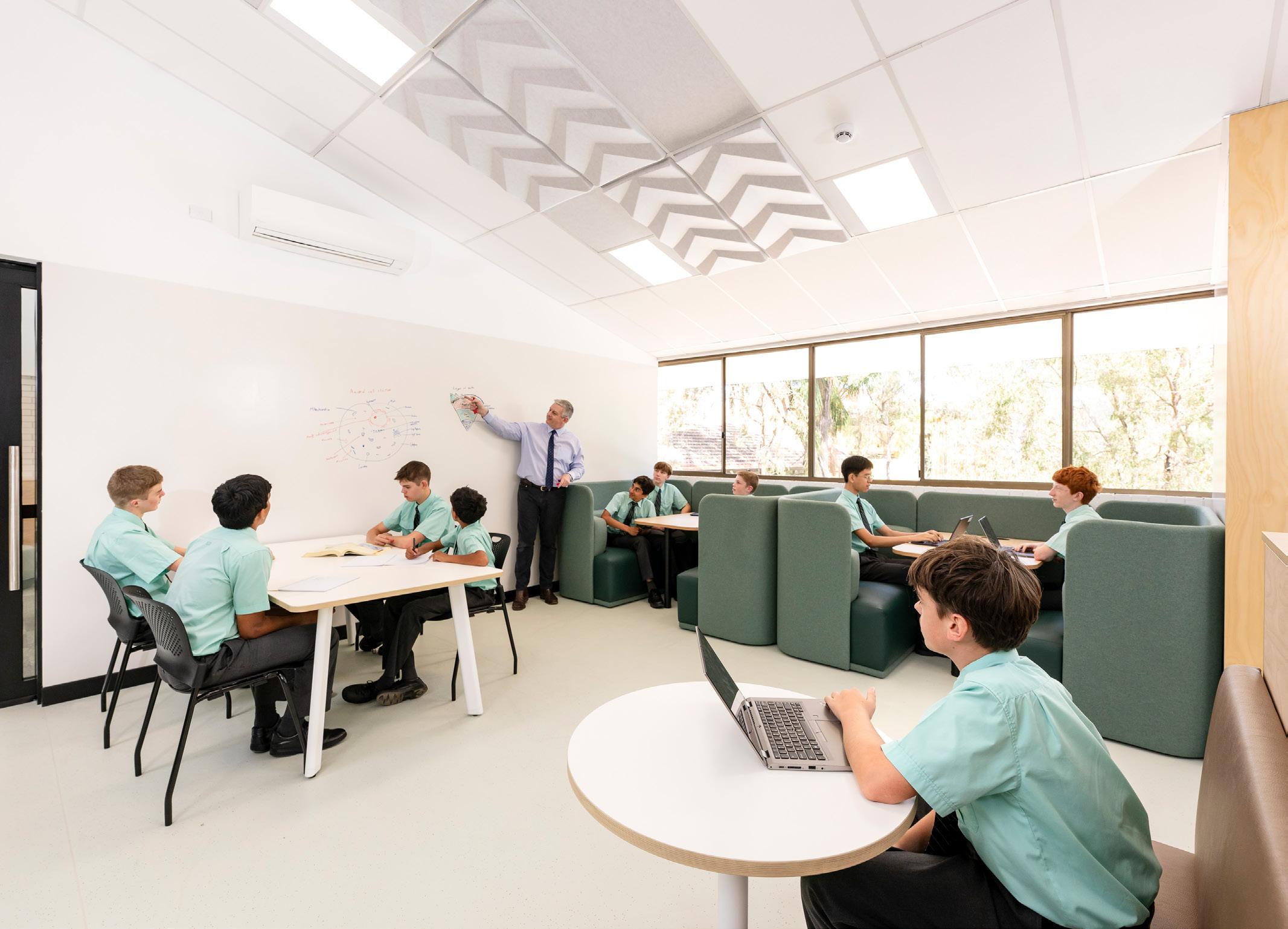
Nowhere is the tangible reality of the framework more apparent than in BBC’s newly designed prototype classrooms. Middle School English Teacher Mr Matt Atkinson works in one of these experimental spaces — a fluid environment where the traditional grid of wooden desks has been entirely dismantled.
“I am in the fortunate position to be teaching in one of the Prototype classrooms,” Mr Atkinson says. “There is opportunity for continuous adaptability and flexibility regarding furniture, seating positions, and focus points for teaching.
“Boys are able to sit where they feel comfortable, as opposed to columns and rows dictated by the shape of regular classrooms. Some even prefer the floor!”
Mr Atkinson explains that this physical flexibility mirrors the cognitive flexibility the framework is trying to cultivate. By removing the rigid structures of the past, teachers can engage students in ways that feel natural, intuitive and human.
“Formal greetings at the beginning and end of lessons — with more
and more boys wanting to shake hands at lesson’s end — ensure that my relationships with my classes are mutually respectful,” Mr Atkinson reflects. “By formalising the ‘relational’ focus within the new framework, we are ensuring that our core focus remains child development, not merely academic instruction.”
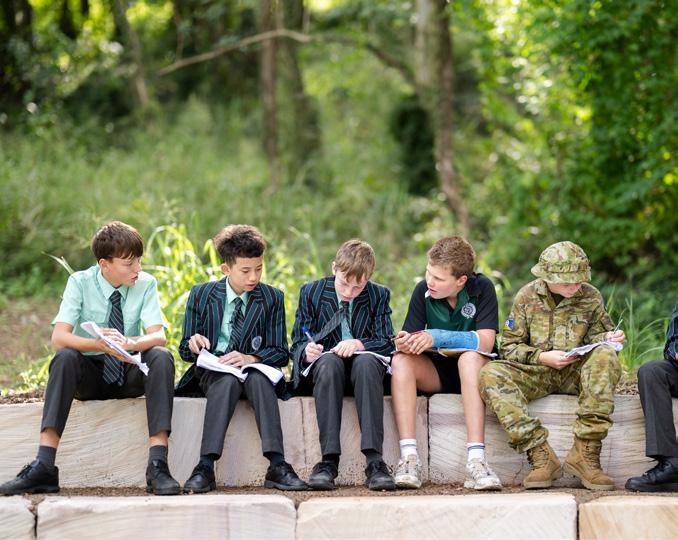
To illustrate this, Atkinson recalls a recent senior English class where the rigid parameters of the curriculum were paused to allow for authentic reflection. He took his class outside to sit on a wooded hillside on campus, encouraging them to simply sit, reflect on their surroundings and link the environment to their own personal histories.
“I was actually quite impressed and moved by the degree of thoughtfulness and honesty in some of their reflections,” Mr Atkinson recalls.
Cultivating minds for an unwritten future
If the first Pillar of the framework focuses on the internal world of the boy and his relationships, the second Pillar looks at the world he will enter upon graduation.
It is a sobering reality for modern parents that they are preparing their children for a global economy undergoing rapid transformation. The World Economic Forum has cited a popular estimate that around 65 percent of children entering primary school today may eventually work in job types that do not yet exist, influenced by artificial intelligence and shifting geopolitical realities. In this context, rote memorisation of content is no longer enough.
Pillar Two of the framework addresses this by empowering learners with capabilities to thrive.
PEDAGOGICAL FRAMEWORK
Cultivating critical thinking, creative problem-solving, ethical reasoning and collaboration are not soft skills; they are the highly soughtafter competencies of the modern workforce.
For Ms Jen Twidale, witnessing the cognitive growth in her students is the most rewarding aspect of her work, particularly when coaching extracurricular activities like debating and the da Vinci Decathlon.
“An area where BBC has shown strong commitment and continued growth is in ensuring learning is purposeful and enduring,”she says. “A key highlight for me has been witnessing students grow in confidence and capability, developing skills that extend beyond the classroom and support their future learning.”
A measured, phased evolution
Rather than rushing to implement the entire framework overnight, the College is taking a disciplined, phased approach.
During 2026, teachers are working through one Pillar at a time. Term 2 of 2026 sees Pillar One (“Learning is Relational”) fully embedded into daily campus life, while development for Pillar Two begins in the classroom by Term 3.
The remaining Pillars will be introduced sequentially, with the goal of full consolidation across the entire College by 2027. This measured pace is supported by a rigorous professional development schedule, ensuring that teachers are not overwhelmed but rather aligned, confident and energised by the process.
Deputy Headmaster Mr Scott Murphy believes this deliberate pacing is the secret to the framework’s exceptional reception among the teaching staff.
“The Pedagogical Framework is vital to the College as it provides a consistent, high-impact approach to teaching and learning,” Mr Murphy says. “Created by our staff, fit for BBC, and grounded in research, it aligns our teachers around a shared vision that drives student engagement, achievement, and continuous improvement.
“What has impressed me most has been the strong buy-in from staff, the shared sense of direction across the College and the quality of leadership driving the process.”
What families are choosing
Ultimately, when families choose a school like BBC, they are investing in something far more significant than a high ATAR score or a pristine rowing facility. They are choosing
the culture, the values and the community that will shape their son’s character during his formative years.
The Pedagogical Framework is the College’s articulate promise that every classroom, every lesson and every daily greeting is part of a grander, unified design. It is an education that does not chase passing classroom fads, but instead honours the timeless principles of human connection, something that Year 12 student and College Captain Joshua Ward sees thriving throughout the entire school community.
“I have found that all teachers at BBC are really open, welcoming and thoroughly enjoy building a relationship with students,” Joshua says. “Student-to-student connections are very similar in that all of the boys are always looking to welcome new people into their circle and you build a very strong relationship with people through your classes, mentor groups and cocurricular activities.”
Back at the classroom threshold, the teacher smiles, speaks a student’s name, and welcomes him inside. In a world of dizzying change, the path forward for the boys of BBC begins with a simple, respectful connection, and that is exactly where the future starts.
Image: BBC staff discussing the development of the Pedagogical Framework
Image: BBC staff discussing the development of the Pedagogical Framework
STUDENT EVENTS
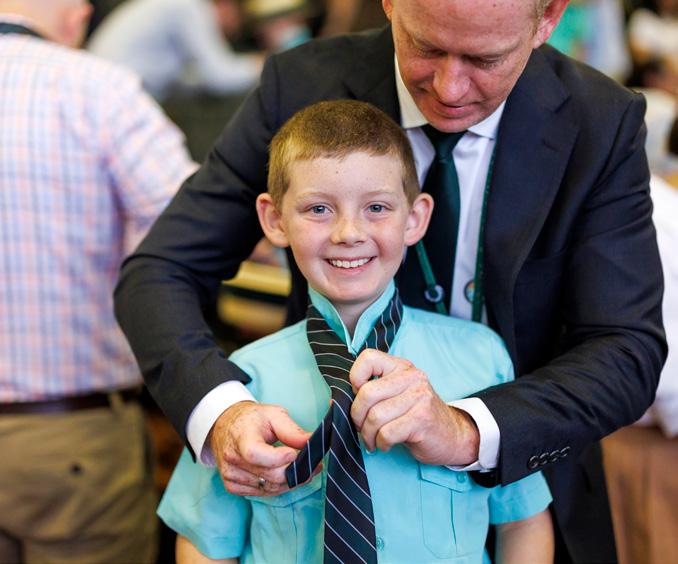
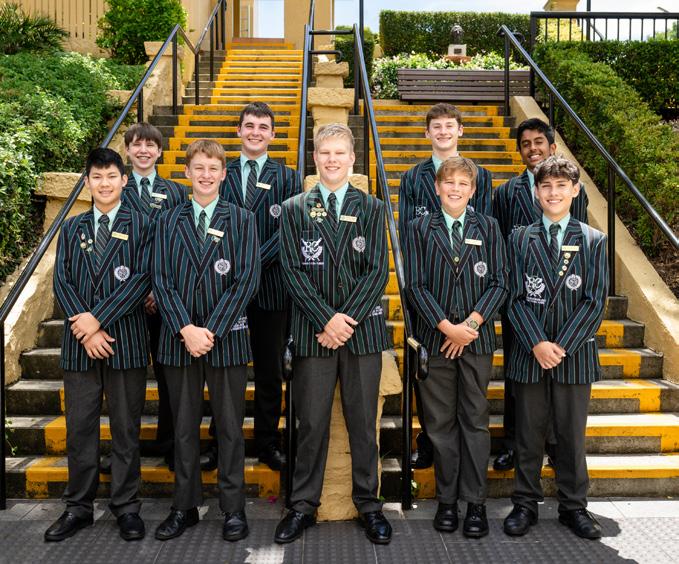
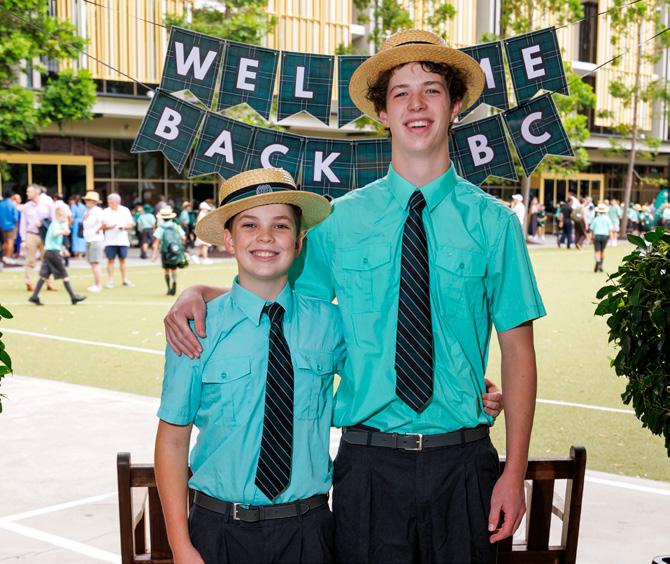
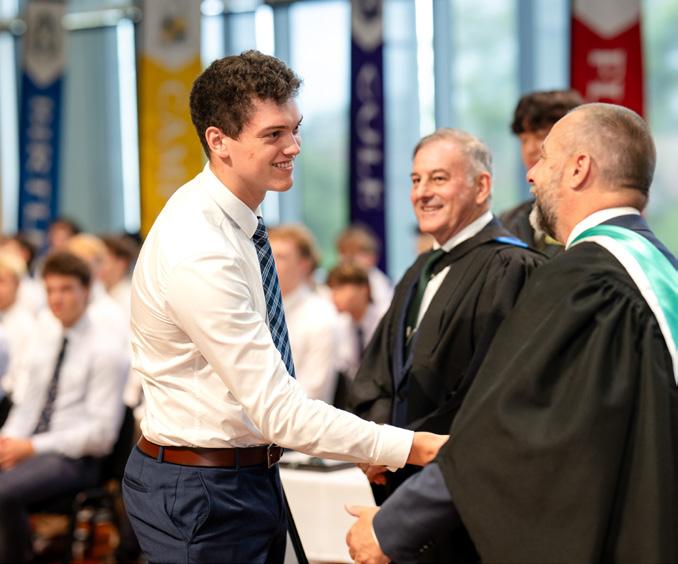
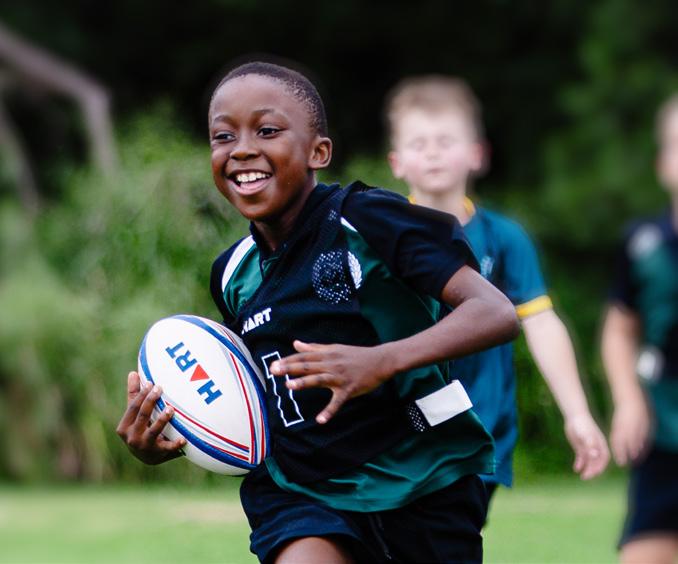
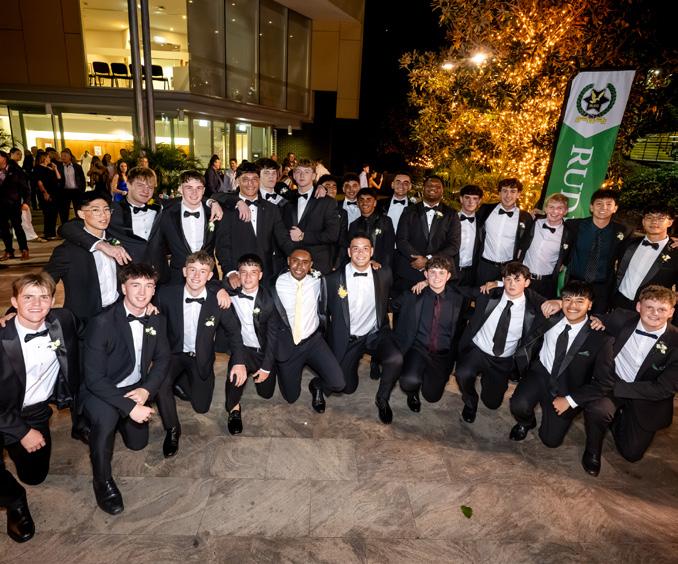
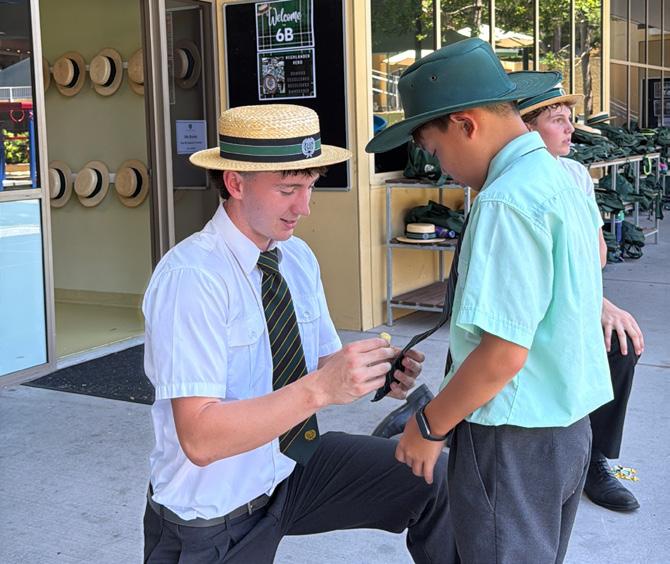
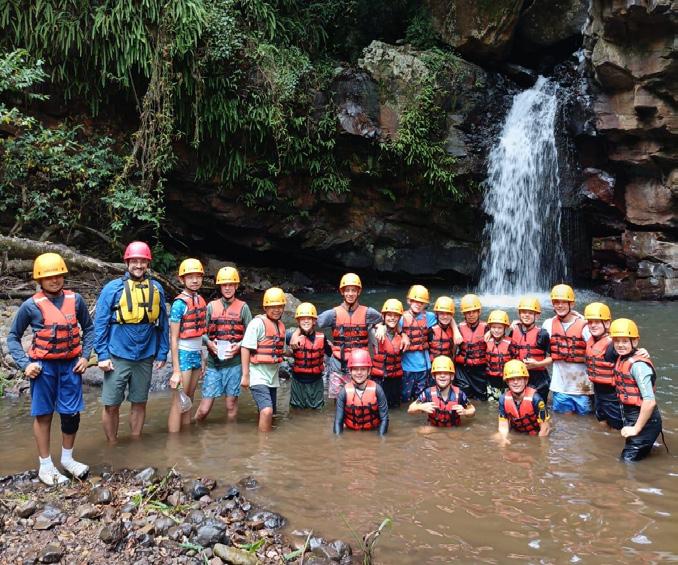
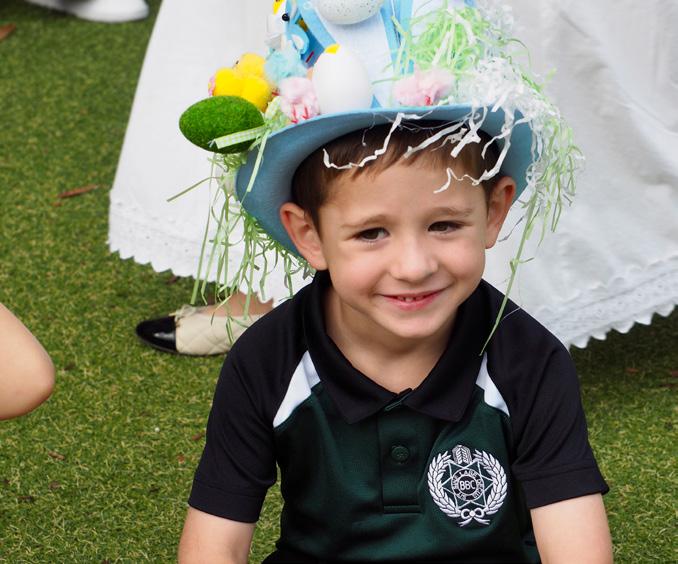
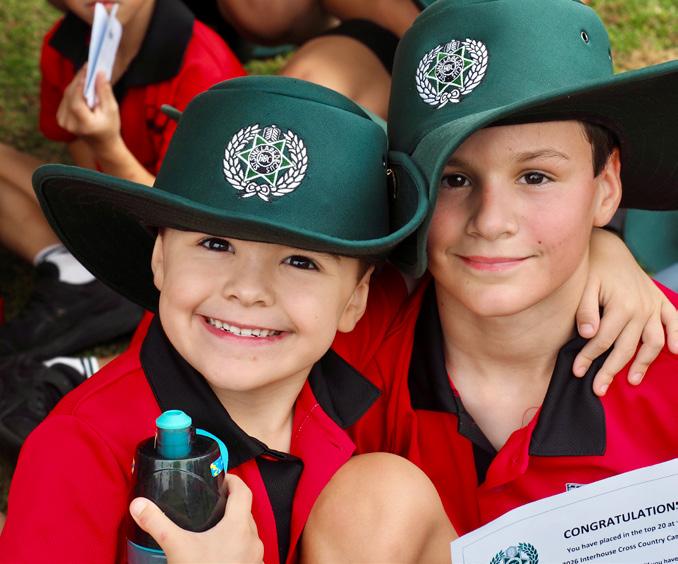
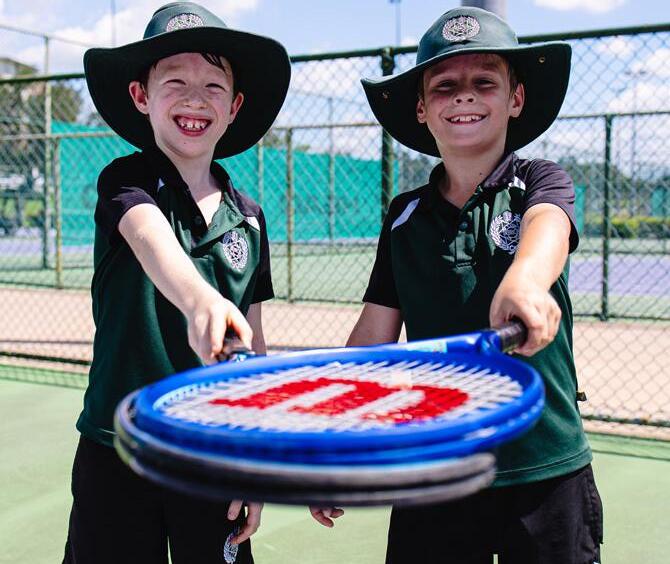
1. Tie & Boater Ceremony 2. Britton Shield - Touch football 3. Year 7 Outdoor Education Program
4. Year 9 Middle School Leaders, Semester 1 5. Boarding House Pre-Formal Event 6. Junior School Easter Hat Parade
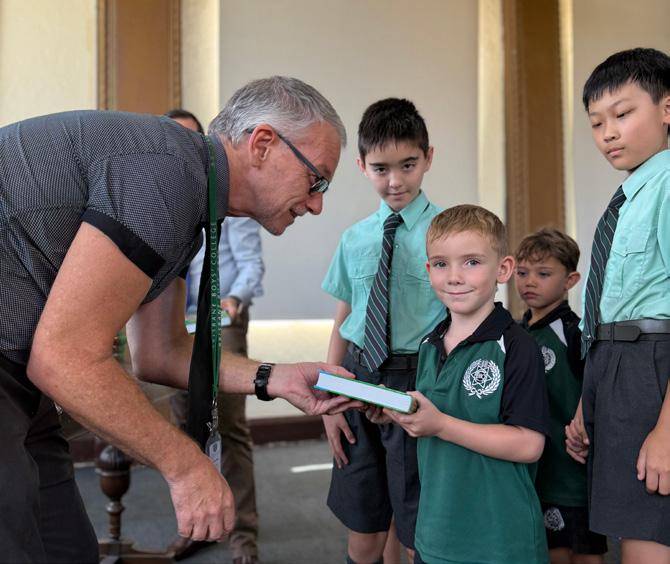
7. 2026 First Day 8. Junior School Badge Presentation by Prefects 9. Junior School Cross Country 10. BBC Scholars Assembly 11. Prep Students’ First Bible Presentation Assembly 12. Britton Shield - Tennis
PIPER THE WELLBEING DOG
Piper’s paws-itive change to College wellbeing
A recent furry friend’s arrival as part of the College’s wellbeing program has been a big hit with students and staff, providing a range of wellbeing and educational benefits for students navigating the everyday challenges of life in Prep through to Year 12.

Brisbane Boys’ College’s most recent team member to the wellbeing program gets around the campus three times a week bringing a sense of calm and joy to everyone she encounters, but you won’t see her with a staff lanyard around her neck or checking emails during break periods.
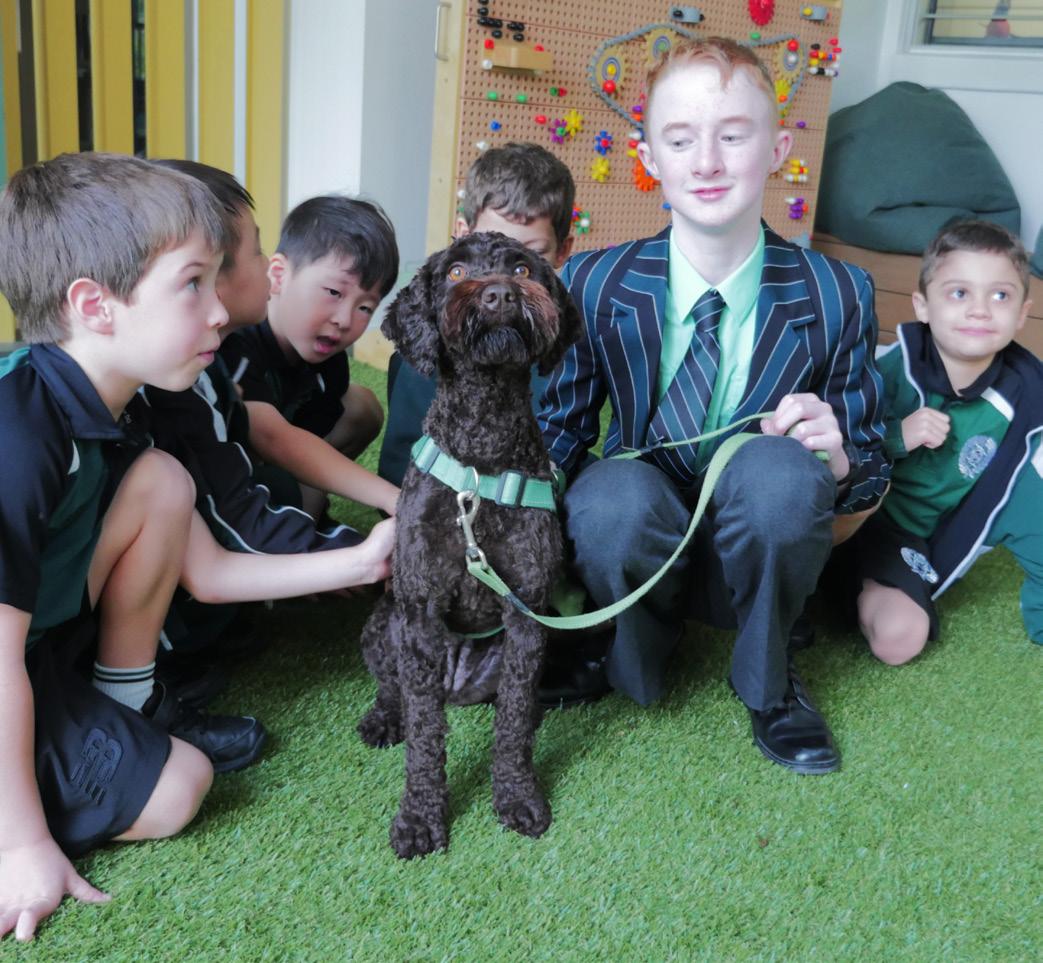
She’s Piper — an Australian Cobberdog which are typically bred as ideal dogs for therapy and service roles — and since joining BBC she’s made a major impact on the College community, whether it’s helping calm the nerves of Prep students on their first day or providing inspiration for students designing canine toys in class.
Piper’s arrival at the College was spearheaded by Deputy Head of Junior School Ms Jennifer Warwick after attending a wellbeing conference and seeing the positive influence dogs can have on school communities.
“I went to a PESA wellbeing conference as the delegate for the College’s wellbeing committee in 2023 and there was a workshop around wellbeing dogs and their role in schools to help with raising student attendance, addressing anxiety and even helping students with learning difficulties to focus and be engaged,” Ms Warwick recalls.
“I felt this would be a great initiative for our school as the benefits that Piper brings are related to emotional
Image: BBC’s Wellbeing Dog, Piper
PIPER THE WELLBEING DOG
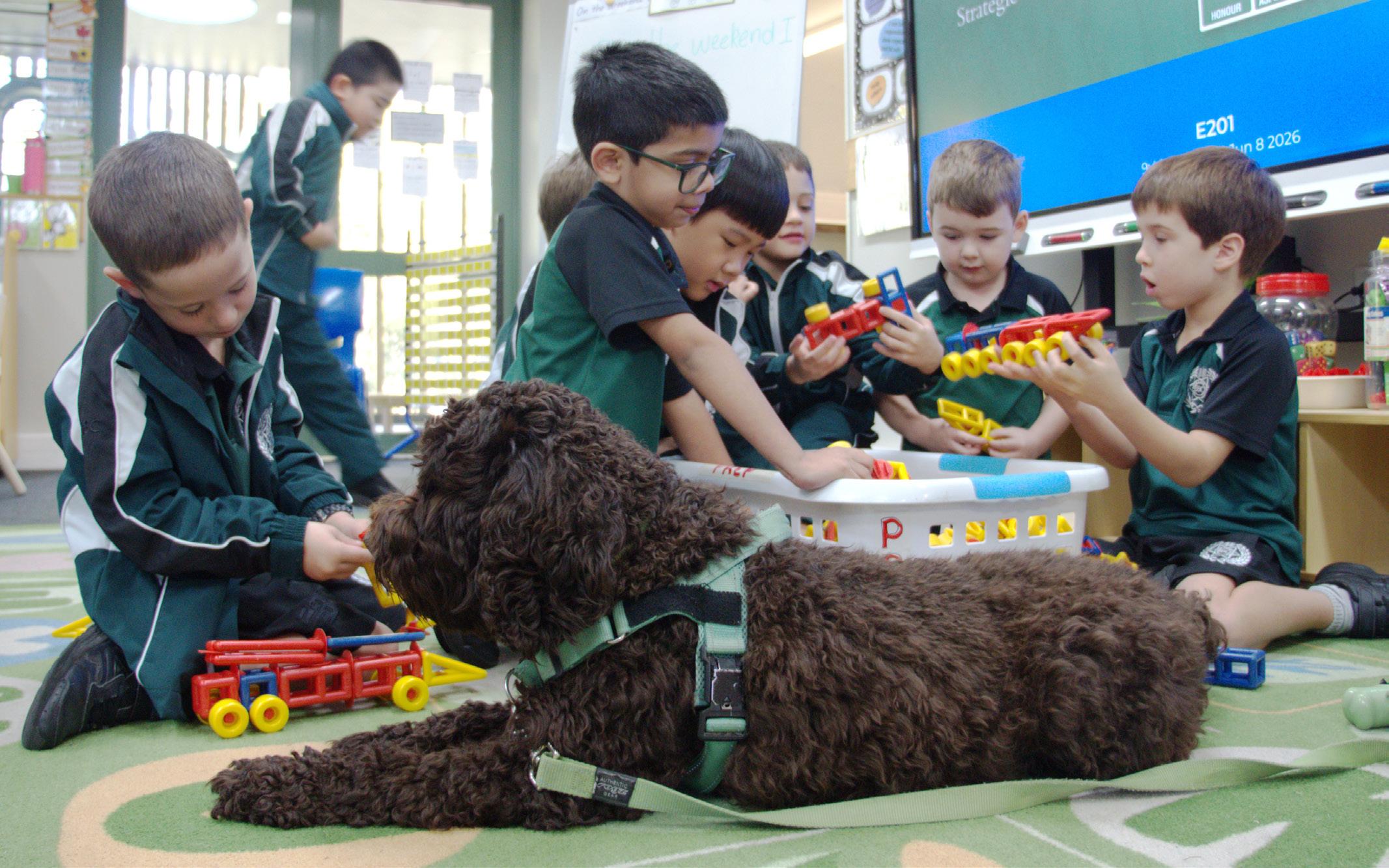
support and providing a positive community.”
Top dog in student support
Piper visits the College three times per week but is in high demand around the campus, with many students finding just a quick pat and a chat can make their day.
“No matter what is happening, when Piper walks in, everyone feels a sense of relaxation,” BBC’s School Counsellor Ms Elena Yusim, one of the trained staff members who works alongside Piper, says. “She is very much a part of the BBC community. She is like the glue of wellness — a levelling factor.”
Some of the major benefits the College has witnessed since Piper’s arrival have included students displaying increased empathy; those working directly with Piper as “Buddies” have shown enhanced communication skills, improved mood and improved emotional regulation;
and students genuinely excited about coming to school to interact with Piper.
No matter what is happening, when Piper walks in, everyone feels a sense of relaxation
Ms Elena Yusim School Counsellor
“She has been wonderful with settling the Prep boys into school this year,” Ms Warwick says. “Separation issues have decreased when the boys see Piper in the classroom at the start of the day and she’s also had marvellous results with engaging
boys in learning and helping boys to be calm and focused in class.”
For those students entrusted with being a “Buddy” to Piper like Year 8 student Wilbur Gordon, assisting with food and water breaks and leading her to classes has been an empowering lesson in duty and care.
“My favourite days are when Piper is at school because I love seeing her,” Wilbur says.
“I really like having the responsibility of caring for Piper and getting her things ready each week. I get to take her down to Prep and help the little kids get to know her.
“I also like to have her sitting next to me when I work because it feels cosy and it makes me feel calm.”
Piper’s transformative impact on student wellbeing cannot be understated but, according to Head of Learning Diversity Ms Sandra Lummis, her presence has brought
Image: Piper visits Prep students in the Junior School
significant benefits to staff as well.
“Having Piper at the College has fostered a community where comfort and belonging are valued, providing emotional safety to both students and staff alike,” Ms Lummis says. “She encourages us to stop the busyness of the school day and to take a moment to connect with someone and something beyond ourselves in a very genuine way.”
The science behind wellbeing dogs
Research is clear on what happens physiologically when a person pats a dog. Heart rate slows. Cortisol — the stress hormone — drops. The nervous system dials back from high alert.
For adolescent boys navigating exams, friendship dynamics, academic pressure and the ordinary turbulence of growing up, that response is not trivial, a fact Deputy Headmaster Mr Scott Murphy is keen to emphasise.
“A highlight for me has been watching our boys calm around Piper and seeing them notice how adults do
the same,” Mr Murphy says.
“We are a high-energy school environment and Piper in our community provides a powerful and socially accepted opportunity to develop gentleness, empathy and responsibility, while also showing vulnerability and authentic care for others.”
Piper’s presence at BBC is not simply a case of bringing a friendly animal to school and hoping for the best: staff members have completed formal accreditation, covering risk management, ethical interaction protocols and Piper’s own welfare needs.
She attends three days a week — Monday, Wednesday, Friday — a schedule designed to maintain her energy and ensure her presence remains a positive experience rather than an obligation.
Students are taught, from the outset, that interacting with Piper is a privilege governed by her comfort, not their enthusiasm. They learn that respectful engagement with an animal looks a lot like respectful engagement with another person.
PIPER THE WELLBEING DOG
Education unleashed
While Piper may be busy interacting with students and staff, given her popularity, some teachers are using her as the focal point for lessons, bringing to life curriculum via someone the boys genuinely care about.
Prep students celebrated Piper’s first birthday by organising the party themselves as part of their education around understanding important milestones while Year 2 students designed and built her a toy as part of their Science and Design Technology curriculum.
For all the research supporting wellbeing dogs, Piper’s greatest impact can often be found in the smallest moments: a nervous student relaxing after a quick pat, a classroom briefly slowing its pace or a boy feeling just a little more settled with a calm companion beside him.
She’ll be an un-fur-gettable part of the College experience for the many students and staff who cross her path.
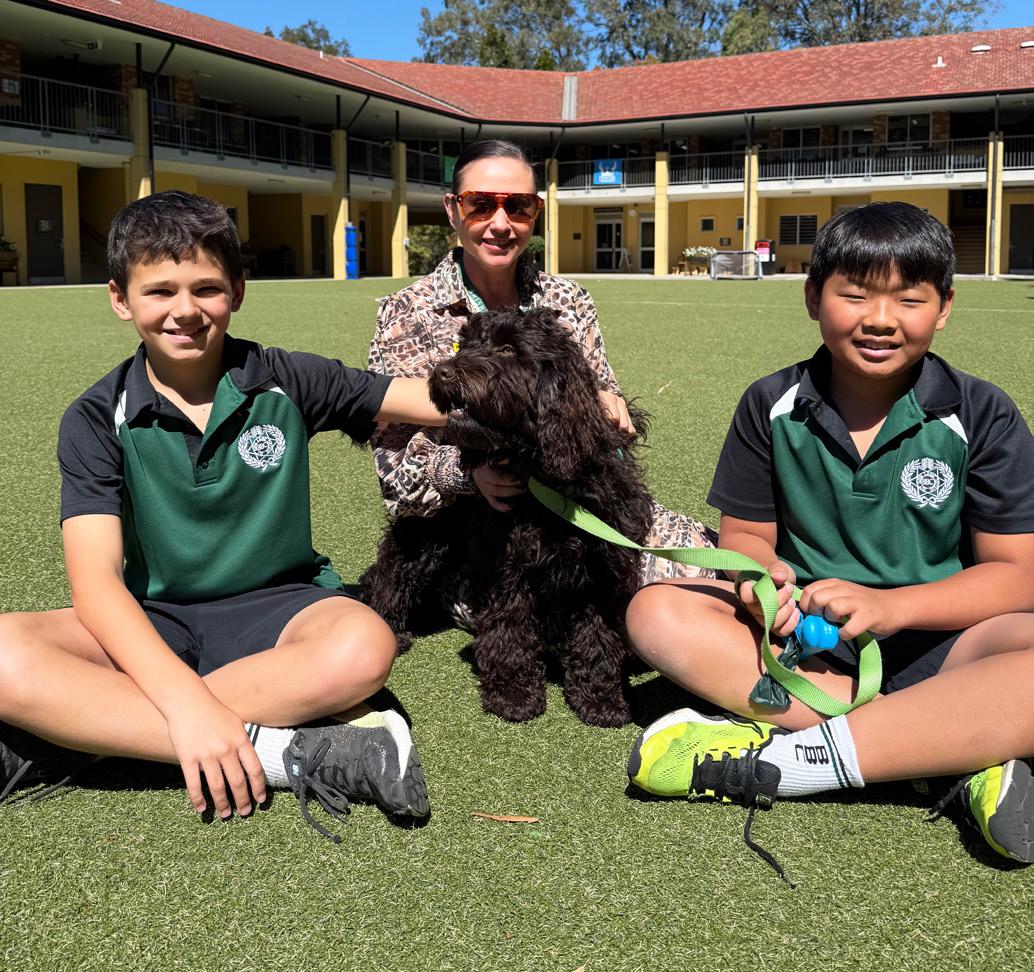
Image: Year 8 student Wilbur Gordon with Piper during a visit to the Junior School Image: Students and staff with Piper
The performance program taking students to new heights
With the introduction of the College’s High Performer Program, a select group of students are unlocking their true potential and learning that high performance isn’t just about talent — it’s about preparation, resilience and continuous growth.
Following staff discussions around the College’s Strategic Pillars and how top performing students could be better supported, the High Performer Program launched its pilot phase earlier this year for six students with exceptional talent across sporting, cultural and academic fields.
With six Year 11 and Year 12 students selected based on their high performance in sport, music or
cultural fields as well as leadership qualities and a demonstrated strong potential for continuous growth, the initiative offers a range of mentoring services, external specialist support sessions and performance planning opportunities so participants can reach even greater heights in their fields of excellence.
For High Performer Program Lead and Director of Athletic Development and Performance Mr Stuart Mitchell (OC
2000), the program is an invaluable opportunity for the students involved to push themselves and strive for even greater heights of achievement, all backed by a rigorous program that encompasses world-leading practices in psychology, nutrition, conditioning, load management and recovery.
“We want to offer more than one way to thrive and what better way than to offer extra bespoke support for our high performers as they continue to push themselves in their area of interest and passion,” Mr Mitchell says.
“We offer core supports in the main pillars — performance support (load management, wellness checkins), academic support/mentoring and external providers in nutrition, performance psychology and old boy mentors.
“I hope it offers a glimpse at what is needed to be a lifelong high performer in the students’ chosen sport or music and work/life.”
Providing specialist support for students in areas such as nutrition has given Year 12 student Tom Nealon plenty of food for thought on how to improve his diet to increase energy,
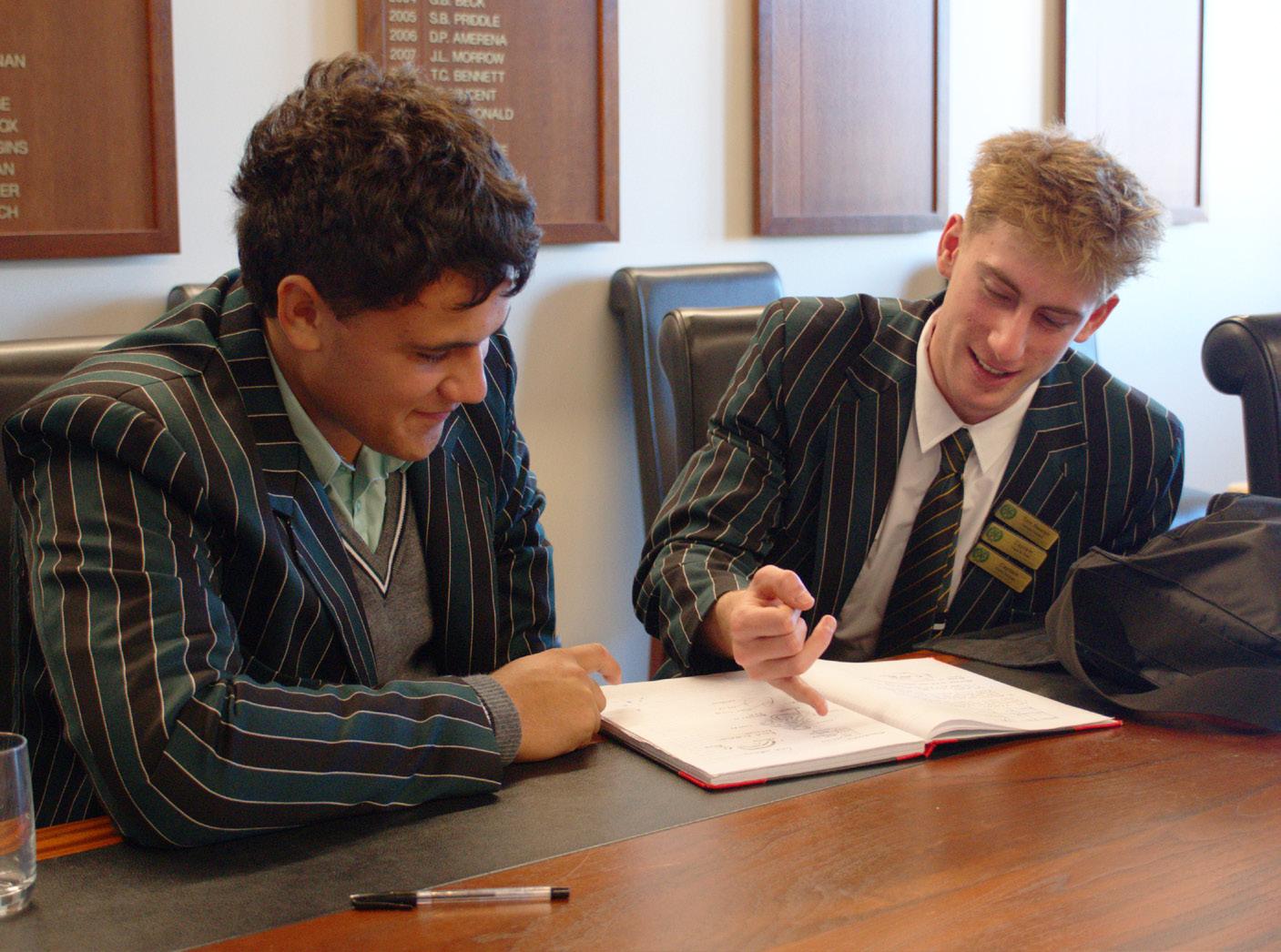
Image: Students Jeremiah Kite (L) and Tom Nealon (R) attend a performance psychology session as part of the High Performer Program
HIGH PERFORMER PROGRAM
a valuable resource during his jampacked final year.
“An important skillset that I’ve learnt during the High Performer Program is the importance of keeping on top of my nutrition and fuelling,” Tom says.
“I have noticed a real difference in my energy levels and training readiness by implementing the feedback the nutritionist gave me.”
Year 11 student Liam Beak similarly has found great benefit in learning about the links between nutrition and higher performance.
“One really important thing I’ve learnt in the program is having a wellbalanced diet and how that affects your performance,” Liam says.
“The program has definitely helped in my musical endeavours as it provides access to experts in specific areas that match the needs of high-performance musicians, and I’m looking forward to the one-onone session with the performance psychologist which is crucial for musical performances.”
Head of Co-Curricular - Sports and Competitive Activities Mr Paul Woodford, who has been an instrumental figure in the High Performer Program’s development
at the College, is excited that such an important program has been built intentionally with the DNA of the
College and really encompasses our philosophy that you can thrive in more ways than one at BBC.”
While the sporting world is often prioritised for programs that encourage performance boosting, Head of Co-Curricular - Culture and Enrichment Programs Ms Kate Albury is excited that the Performing Arts is getting equal recognition alongside sports.
“The ability to perform with confidence under pressure is as critical in the performing arts as it is in sport,” Ms Albury says.
“The High Performer Program recognises this by supporting students to manage performance anxiety, balance demanding commitments and develop the mindset required to consistently achieve at a high level.
“We want to offer more than one way to thrive and what better way than to offer extra bespoke support for our high performers
Mr Stuart Mitchell Director of Athletic Development
College in mind.
“It has been a real highlight to see something that I was part of the working group in 2022 come to fruition and in a way that aligns with the direction of the school so clearly,” Mr Woodford says.
“The Program is bespoke to Brisbane Boys’ College so it’s something that strategically fits so well with the
“A highlight of the program has been the way students from different disciplines are learning from one another and recognising shared challenges, and it has been particularly encouraging to see a growing sense that the College equally values excellence across both cultural and sporting pursuits.”
Year 12 student Jeremiah Kite is one such student in the program who has directly benefitted from this crosspollination of student perspectives, illustrating the strong value created by drawing the sporting and cultural worlds together to find common ground.
“A personal highlight of the High Performer Program has been learning about each other and seeing all the goals everyone has and how they plan to achieve them,” Jeremiah says.
“It has been eye-opening but inspiring to witness other students’ goals, which has really helped me rethink my own for the better.”
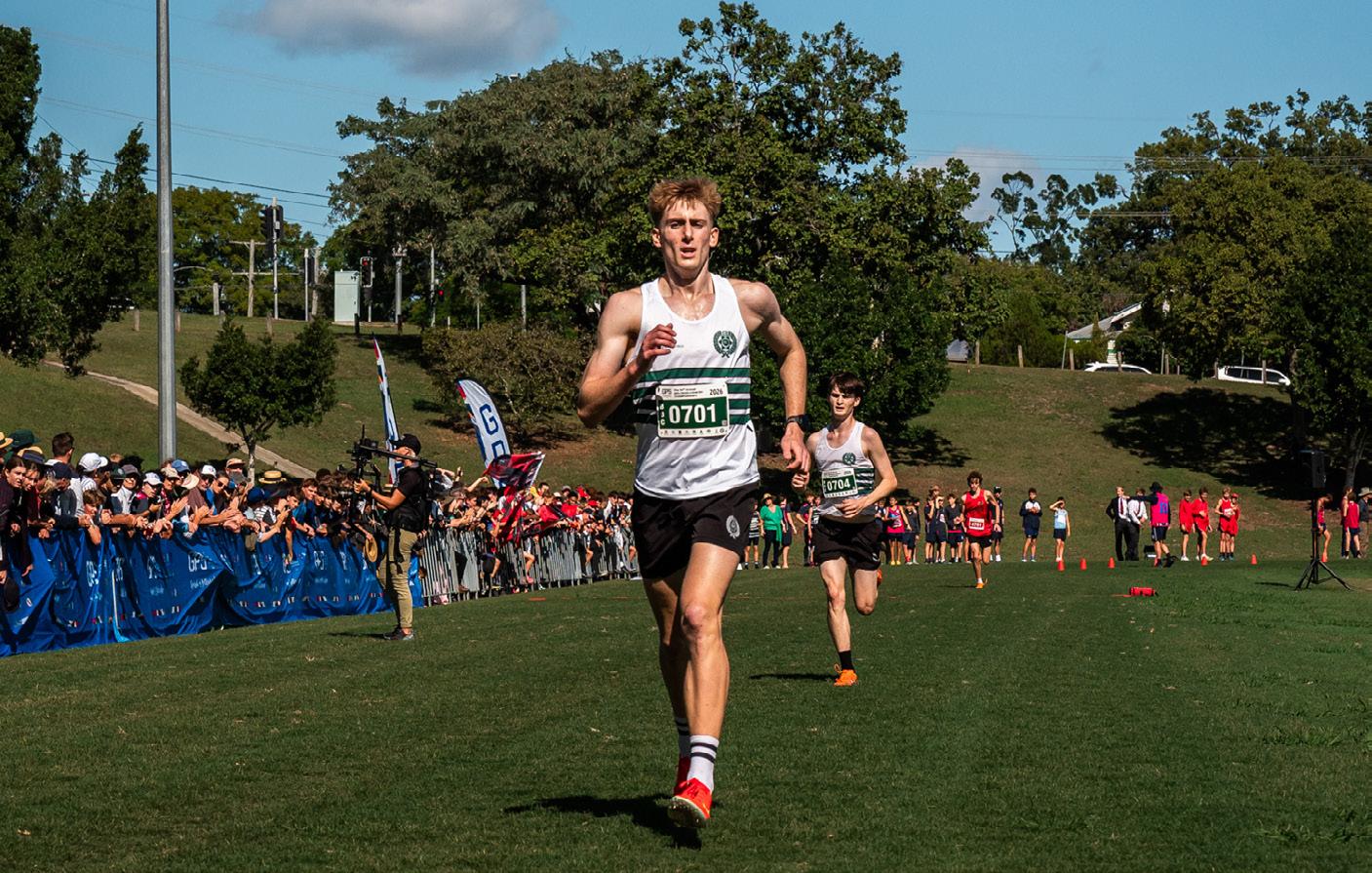
Image: Year 12 student and High Performer Program participant Tom Nealon
The Highlander’s spirit rages on after 20 years
He is the figure of myth and a boy from the suburbs; a symbol of ancient Scottish heritage and a modern catalyst for youthful fervour.
This year, Brisbane Boys’ College’s mascot, the Highlander, turns 20 and the story of how a boy in a kilt became the beating heart of the College’s spirit is a masterclass in how modern traditions are forged.
For many schools worldwide, a mascot is a masked caricature, an observer in a novelty suit and oversized foam head.
At BBC, the Highlander is different. He is an actual person, a student leader, and increasingly, he is the “spark,” as Old Collegian and Highlander co-creator Mr James Waterman (OC 2006) describes him, “that turned individual pride into something unstoppable”.
Headmaster Mr Andre Casson regularly witnesses that “spark” igniting the passion of the College’s boys at school events and competitive sports matches, and he’s especially proud it’s a tradition that has now been carried on to the Junior School.
“The boys love having a rallying point where they can direct their passion and pride at a school fixture,” Mr Casson says. “The Highlander is that rally point for us at BBC and what’s particularly special about him is that the boy who wears the uniform is one of the community, it is a source of great pride for a student to don the tartan and lead the College.
“Hearing that roar lift off the crowd is something I’ll never forget — you could feel the energy physically shift when the boys locked in together,” he says. “In that moment I understood that the Highlander wasn’t about me; it was about HIGHLANDER TURNS
“I love the fact that we now have a
junior and a senior Highlander and it’s wonderful to see one of our Junior School boys dressed as a carbon copy of the senior student.”
The Birth of a Legend
The origins of the mascot stretch back to a knock on a door in 2006. Ms Helen Jackson, whose Scottish Forsyth and McDowall ancestry gave her a natural affinity for the project, remembers the moment clearly.
“In 2006, College Captain Dominic Amerena and James Waterman, Captain of the First XV, knocked on my door,” Ms Jackson recalls. “They excitedly but apprehensively asked me if I knew what a Highlander was. I replied, of course.”
The two Year 12 visitors were testing an idea. They wanted to see the reactions of the school community to something they were thinking about — a way to bridge the gap between the school’s storied history and the raw energy of the grandstand.
Mr Waterman, the man who first stepped into the kilt and paint, says the motivation was a desire for total school unity.
“We wanted every boy to feel unified behind a single spirit — one face, one cry, one electrifying force that could bring the whole school together in an instant,” Mr Waterman says.
“Twenty years ago it was just an idea scribbled out by a group of boys who cared deeply about this school. To see it still standing and still roaring is genuinely humbling.”
The Highlander did not arrive from nowhere; he arrived from exactly the right place. BBC has never been shy about its roots but the Highlander has provided a human focal point for that history.
“Steeped in Scottish tradition, the Highlander is legendary for his fighting prowess; therefore, he is a very fitting mascot,” Ms Jackson explains. “The arrival of the BBC icon galvanises the stands into a spontaneous response.”
A spirit risen
Ask any Old Collegian about the first time they saw the Highlander, and the description is often more physical than visual. They talk about a “shift” in the air.
Mr Waterman remembers the sensation of standing at the edge of the pool at the GPS Swimming championships.
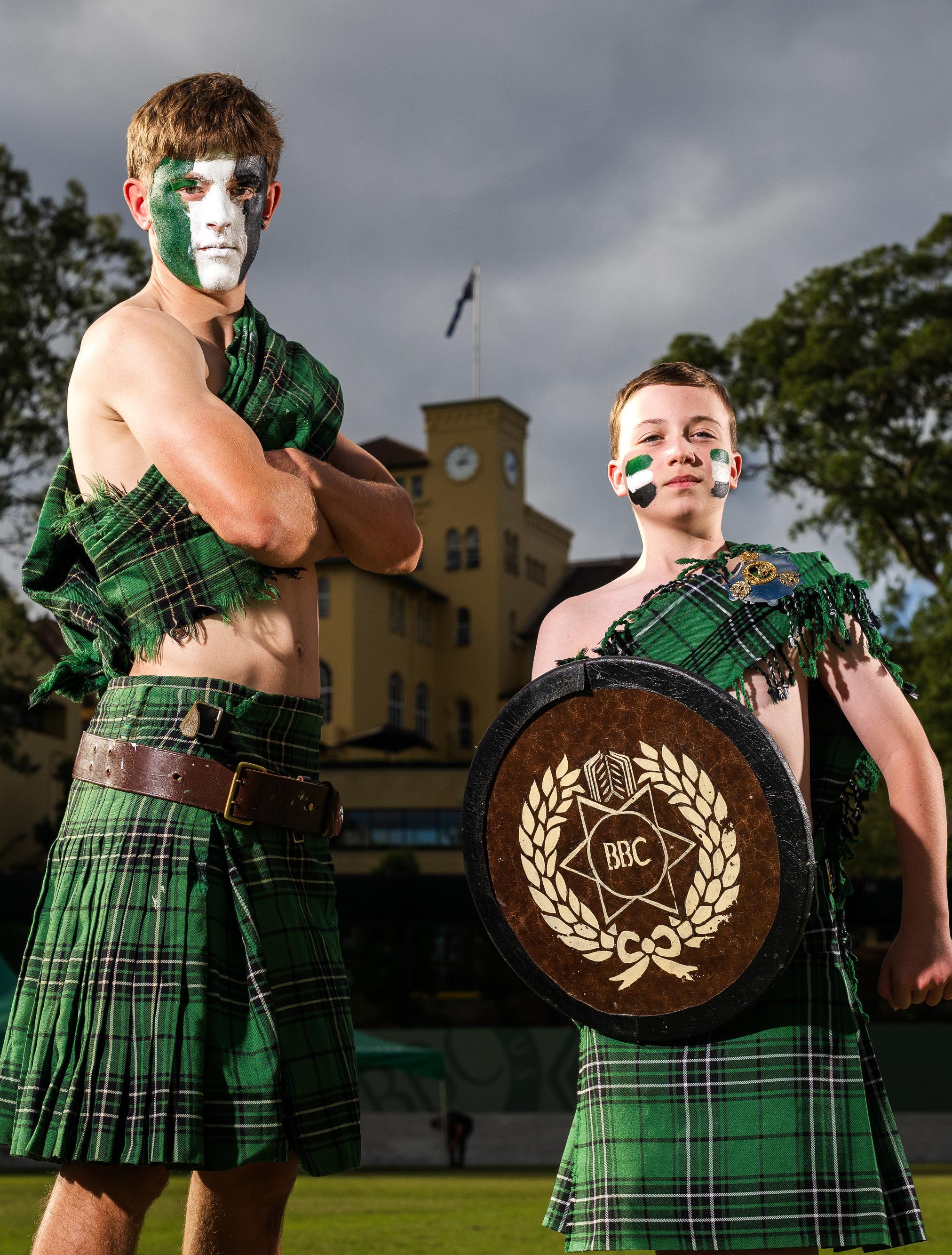
A message for the boys wanting to be future Highlanders is simple: show up, be proud and be loud!
Lando Year 12 student
Cooper
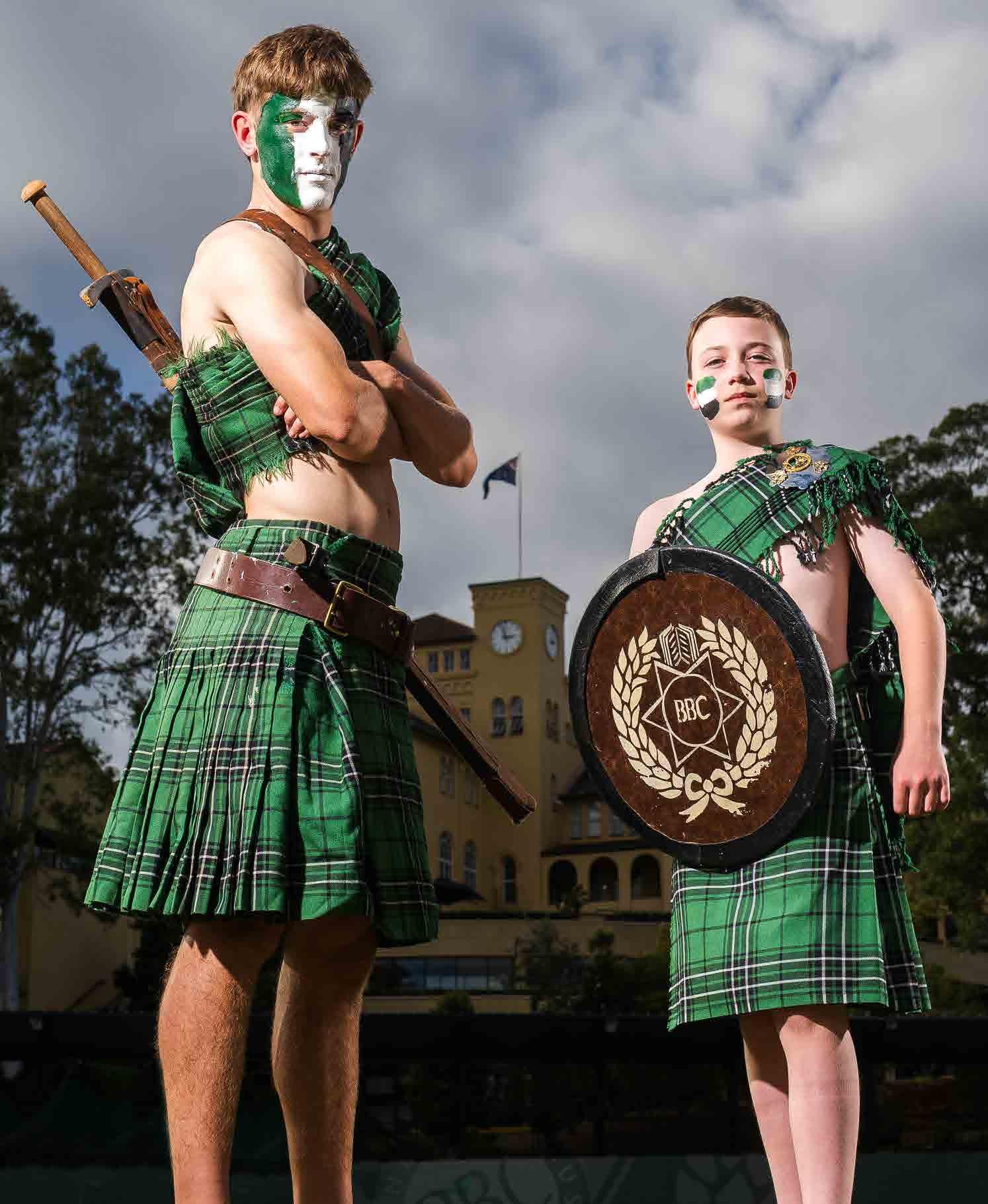
Image: 2026 Highlanders Cooper Lando and Emerson B.
unlocking something that was already inside every boy there.”
This “unlocking” is what Deputy Headmaster Mr Scott Murphy believes has allowed the tradition to endure for two decades.
“Celebrating 20 years of the Highlander is about celebrating the spirit of the College,” Mr Murphy says. “The Highlander has endured because, for 20 years, it has symbolised students showing up for one another, bringing energy, connection and shared tradition that continues to unite our community.”
That sense of “showing up” is the currency of the BBC brotherhood.
Whether it is the First XV rugby or a debating tournament in College Hall, the presence of the kilt signals that the event matters.
Year 12 student and Highlander Cooper Lando recalls the intensity and passion of the College’s spirit on display when he donned the Green, White and Black for a debating night.
“One of my highlights from being the Highlander so far was the tunnel in College Hall for debating,” Cooper says. “The war cries were some of the loudest I’ve ever heard.”
“The Highlander mascot holds a special place in the life of the College, symbolising tradition, unity and pride, and watching it grow and develop over time to include so many of our Year 12s has been HIGHLANDER
“A message for the boys wanting to be future Highlanders is simple: show up, be proud and be loud!”
“The Highlander has endured because, for 20 years, it has symbolised students showing up for one another, bringing energy, connection and shared tradition
Mr Scott Murphy Deputy Headmaster
From one to many
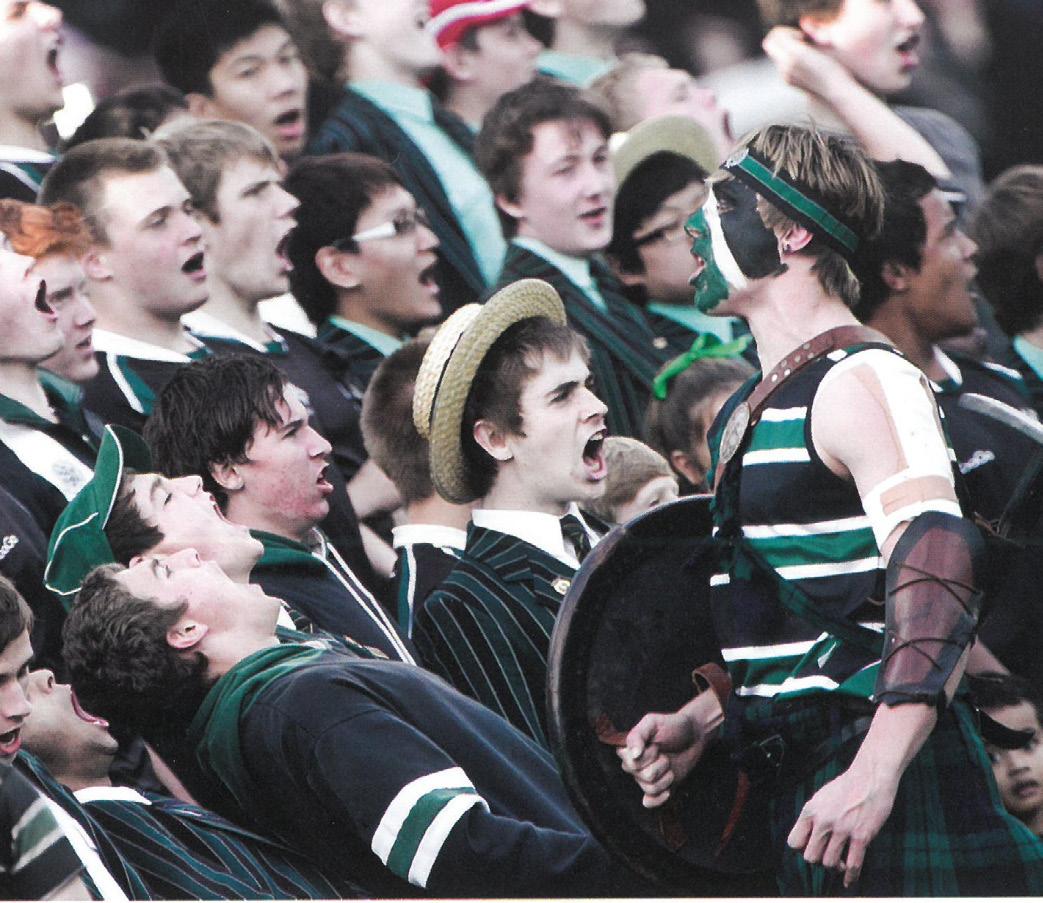
For the better part of a decade, the role of the Highlander was an exclusive mantle, passed from one “physically imposing” senior to another. Year 9 Head of Year and Old Collegian Mr Tim Harris (OC 1993), who watched the mascot’s evolution over the decades, notes that the early years were defined by a singular, legendary figure.
“The Highlander was originally
created to represent the heart of BBC spirit,” Mr Harris says. “One student was chosen ... usually the most physically imposing person in Grade 12.”
However, as the school grew and its understanding of “leadership” broadened, the role began to shift.
Today, the kilt is shared with multiple seniors taking on the persona throughout the year, and the tradition has extended to a “Junior” Highlander from the Junior School.
This change was a philosophical pivot for the College. It reinforced the idea that the “spirit” of BBC wasn’t the property of one athlete or one leader, but a collective resource.
“This shift represents that the Highlander is really a part of all of us and anyone can step up,” says Mr Harris.
Head of Secondary Ms Amelia Apogremiotis, who has seen the mascot grow since her time at the College, is proud of its evolution.
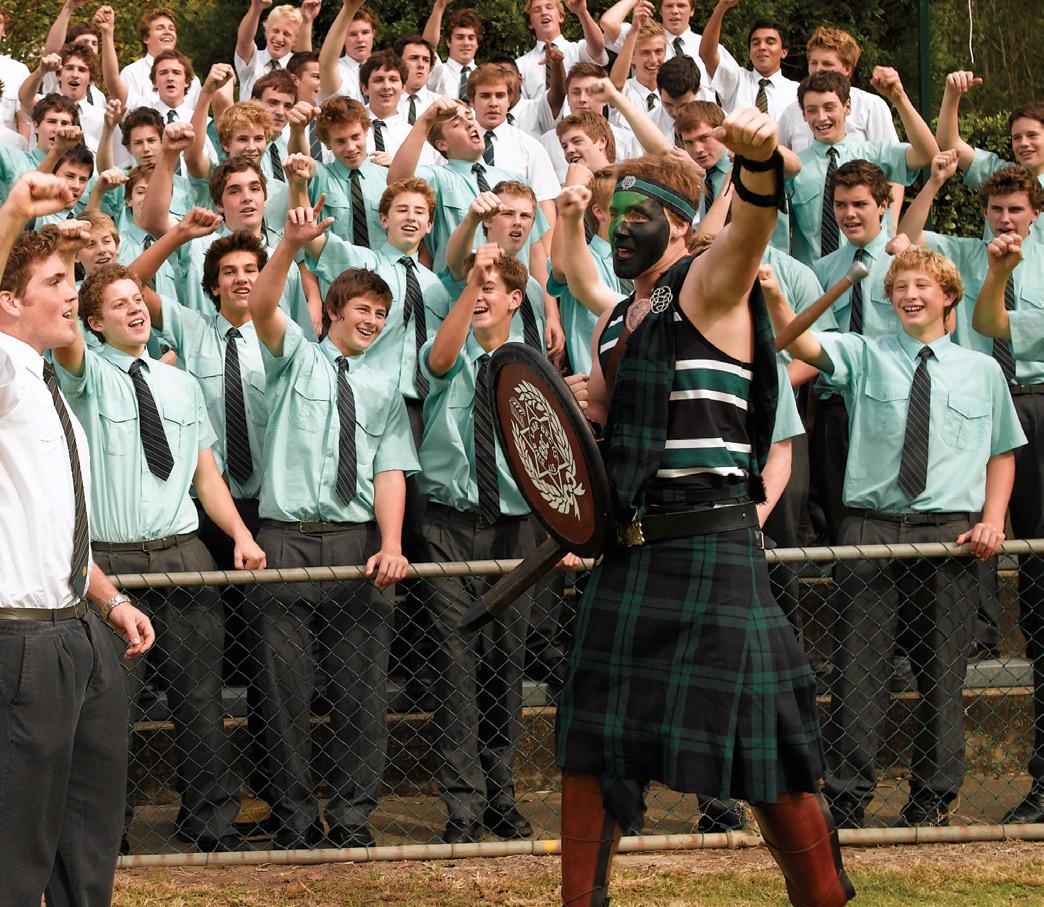
Image: The Highlander as he hypes up the crowd in 2010
Image: The original Highlander Mr James Waterman in 2006
HIGHLANDER TURNS 20
magnificent,” Ms Apogremiotis says.
For the boys who wear the costume, the experience is transformative.
Year 12 student Alexander Middlemis, another student who has carried the shield, describes looking up to the Highlander throughout his schooling years as a catalyst for his own leadership.
“I feel that always looking up to the Highlander across my years at BBC has made me want to take part in one of the school’s most important and prominent traditions,” Alexander says. “I think having such a person that the younger boys can look up to and aspire to is a crucial part of why BBC’s brotherhood is unmatched.”
More than a costume
What makes the Highlander different from a professional sports mascot is the lack of a mask. By using face paint and authentic highland regalia rather than a mask or foam head, the mascot retains a raw, human quality.
“The BBC Highlander is an actual person rather than someone behind a mask,” Ms Helen Jackson observes. “This has greater authenticity in enlisting a very loud organised response.”
Mr Waterman, looking back from a distance of 20 years, reflects on the weight of the paint.
“Understand that the moment you put on that paint, you stop being an individual and become a symbol for every boy in that crowd,” he advises future Highlanders. “Carry it with absolute commitment because the energy you give is exactly the energy you’ll get back.”
It’s a lesson in selflessness that Mr Waterman says has stayed with him long after the paint was washed off.
“The role taught me that leadership isn’t about standing in front of people — it’s about lifting them, and that lesson has shaped every team I’ve been part of since. The pride, the selflessness, and the belief
that collective spirit can genuinely change an outcome: those aren’t just school values, they’re life ones.”
Like William Wallace on the sidelines
As the College marks its 124th year and the Highlander marks its 20th, the mascot’s place in the firmament of BBC tradition is secure.
He has become the “rudder,” as some staff describe him, that evokes and directs the college spirit.
Director of Operations Mr Brett Jennings recalls the impact on newcomers: “Every year we run an orientation for new boys and for some boys, witnessing the spectacle that is the Highlander and the bond that he brings to the brothers of the College is a memory that remains with them for the rest of their life.”
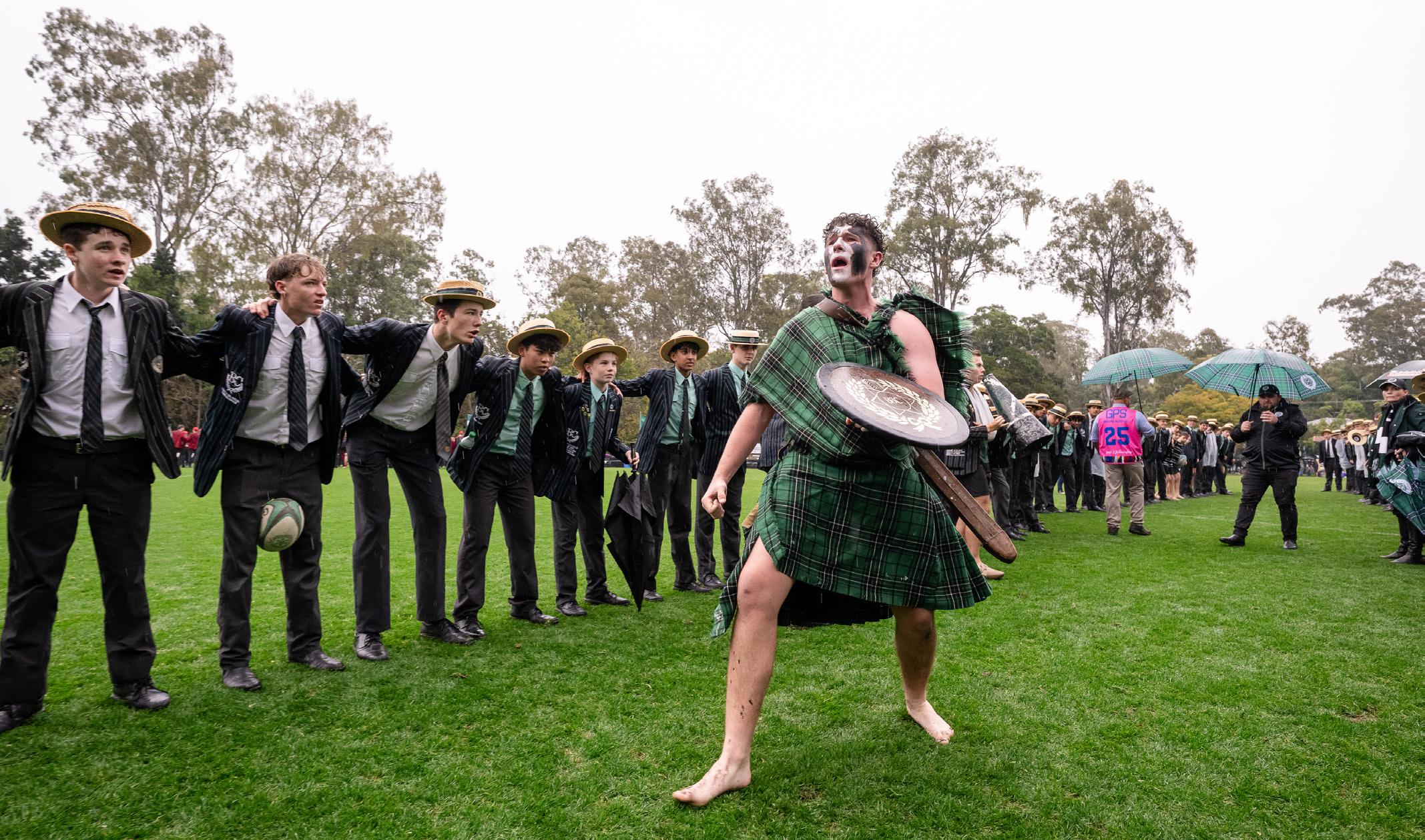
It is on the sidelines where this legacy is most visible. It is the sight
Image: The Highlander encourages the boys before a Rugby game in 2025
HIGHLANDER TURNS 20
of the Green, White and Black in full voice, led by a figure that looks as though he stepped out of a 17th-century glen and onto a 21stcentury sporting field.
“My highlight is every time I see the Green, White and Black in full voice when led by the Highlander,” Mr Tim Harris says. “It feels like William Wallace is leading us.”
But perhaps the most telling aspect of the Highlander’s success is that he is now as comfortable in the Junior School as he is at a First XV match.
Year 12 student and Highlander Alexander Middlemis notes that his personal highlight was attending the Junior School GPS Swimming.
“All of the young boys showed
incredible amounts of BBC spirit,” Alexander says. “I had a lot of fun being able to give back to the junior school community and cheering on the younger boys.”
A spirit that outlasts
School cultures do not always move at the pace of centuries — sometimes the things that take hold most durably are the ones that feel, from their very first appearance, as though they have always been there.
The Highlander arrived and felt like he always belonged. He became part of a school that has always understood the difference between tradition maintained for its own sake and tradition kept alive in service of something living, breathing and genuinely felt by the community.
“The fact that it has outlasted all of us says everything,” Mr James Waterman says. “It belongs to BBC now, not to any one person.”
Mr Scott Murphy concurs, noting that the icon has become a “strong symbol of who we are both within the College and the wider community ... encapsulating camaraderie, pride and passion for the Green, White and Black”.
This year, as the 20th anniversary is marked, a new generation of boys will pull on the kilt. They will apply the paint, take up the shield and step out onto the boundary.
They will do so knowing that they are not just performing — they are carrying two decades of “roars” with them.

COMMUNITY EVENTS
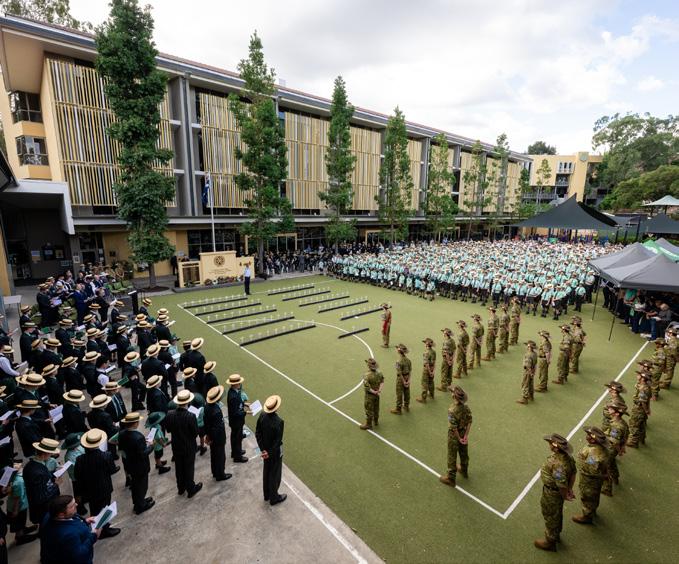
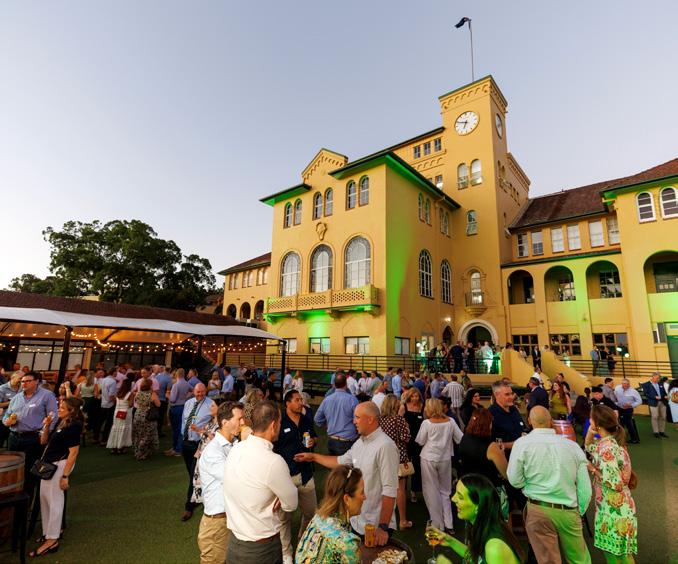

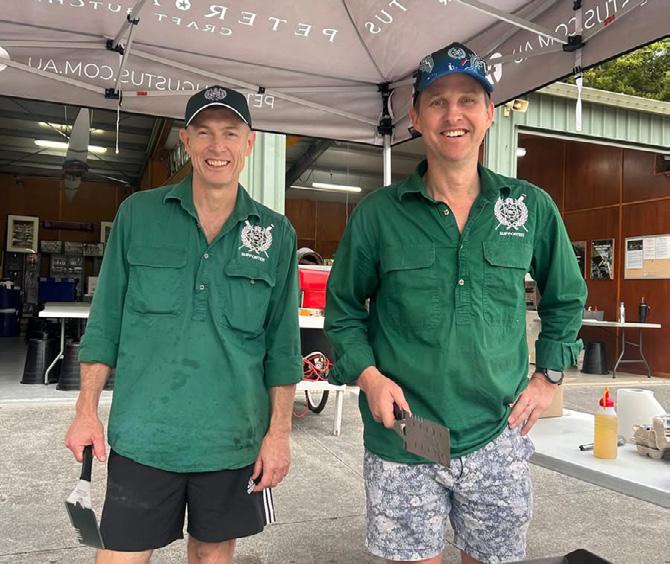
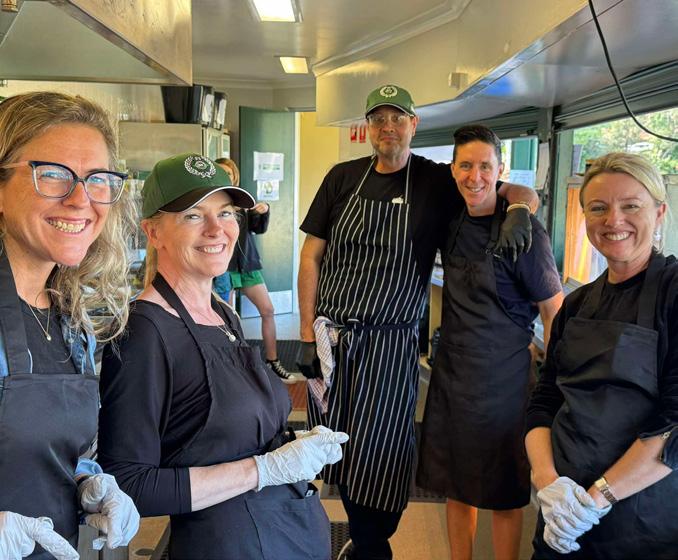
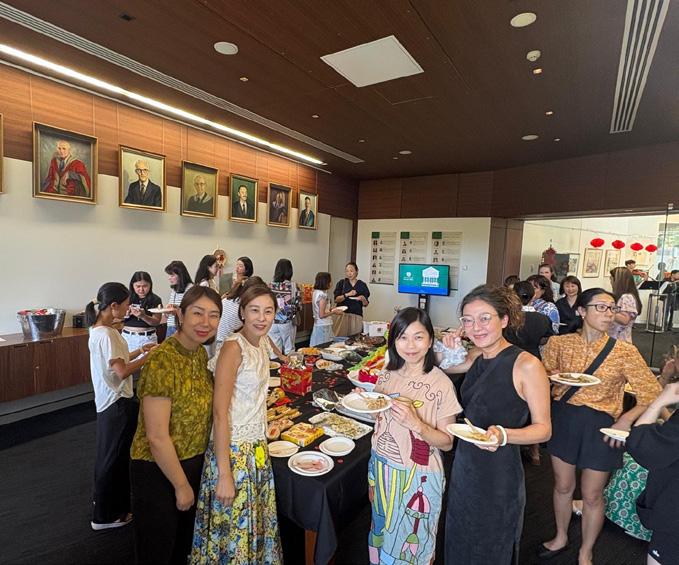
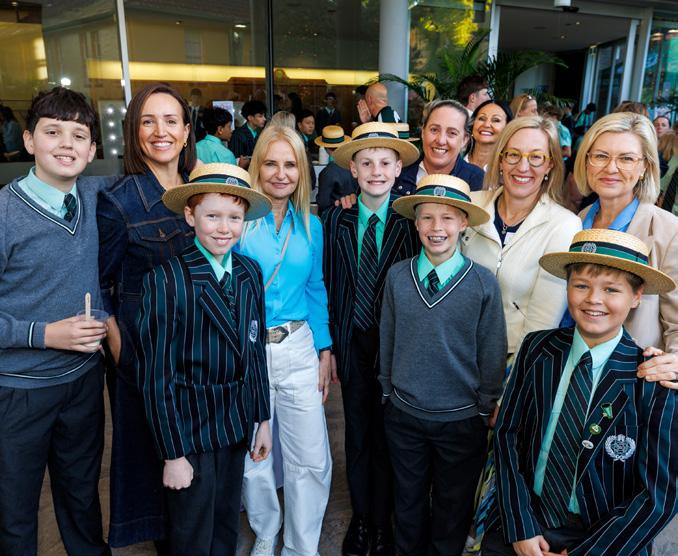
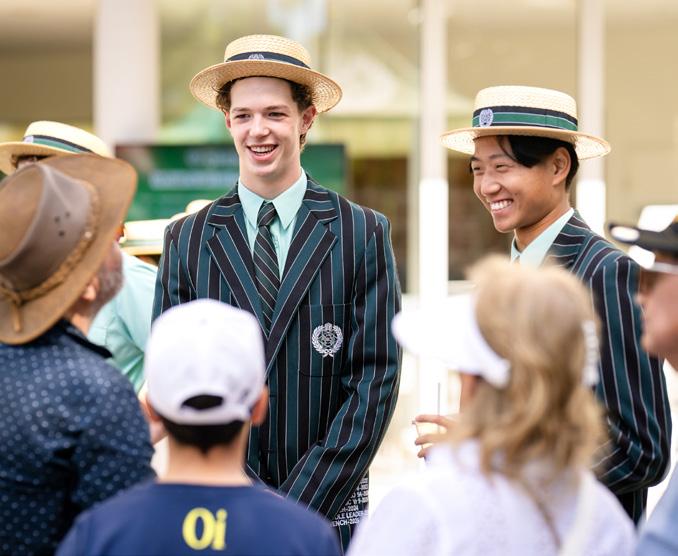

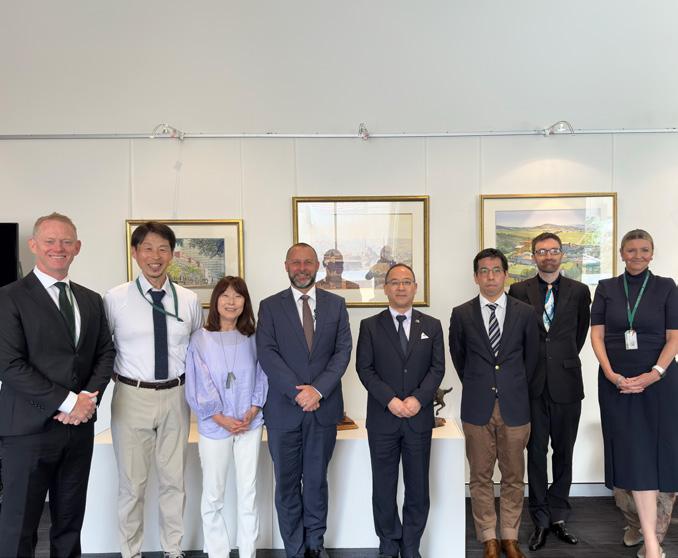
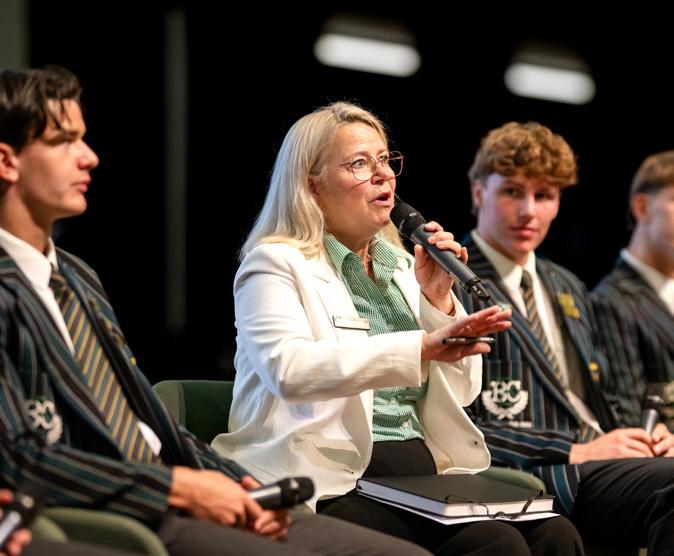
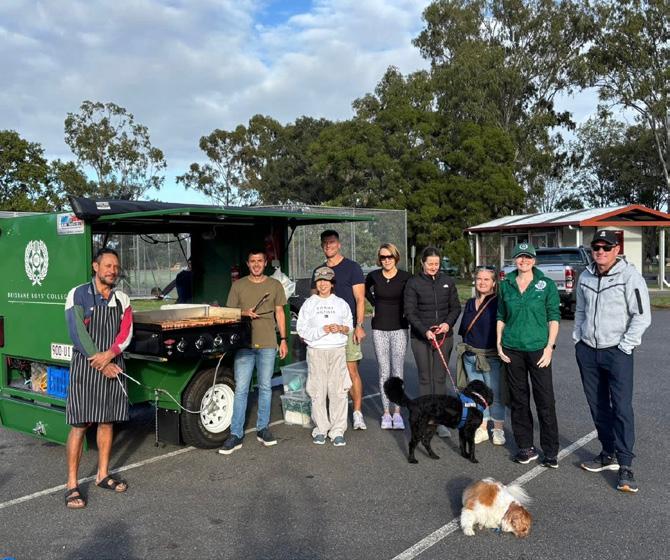
1. ANZAC Commemoration Service 2. Football Support Group 3. Gathering of the Clan 4. Gathering of the Clan 5. International Parent Support Group Chinese New Year Event 6. Japanese Exhibition 7. Junior School Ladies Lunch 8. Mother/Carer and Son Breakfast 9. Open Day - Student Panel 10. Rowing Support Group - Breakfast 11. Student Led Tours on Open Day For Families 12. Track and Field Support Group - Cross Country BBQ
Hit musical Newsies Jr. stops the presses with two standing ovations
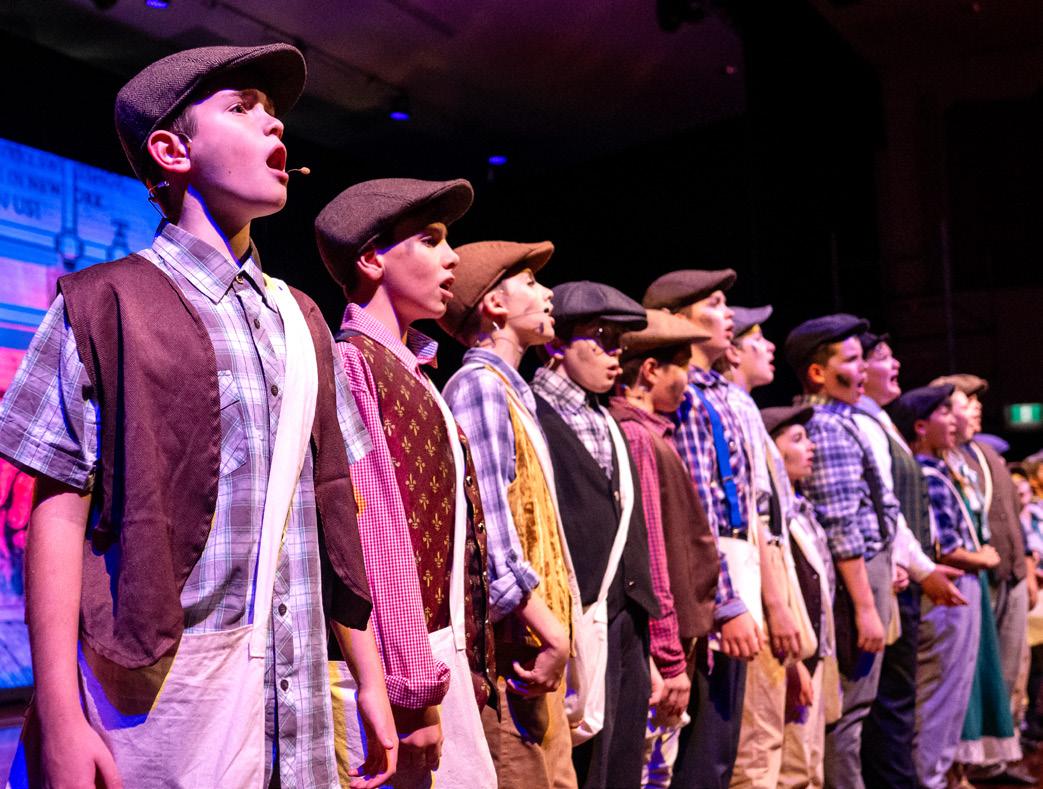
For the first time in five years, musical theatre took centre stage at Brisbane Boys’ College with the production of Newsies Jr. drawing big crowds and standing ovations for its talented cast and crew.
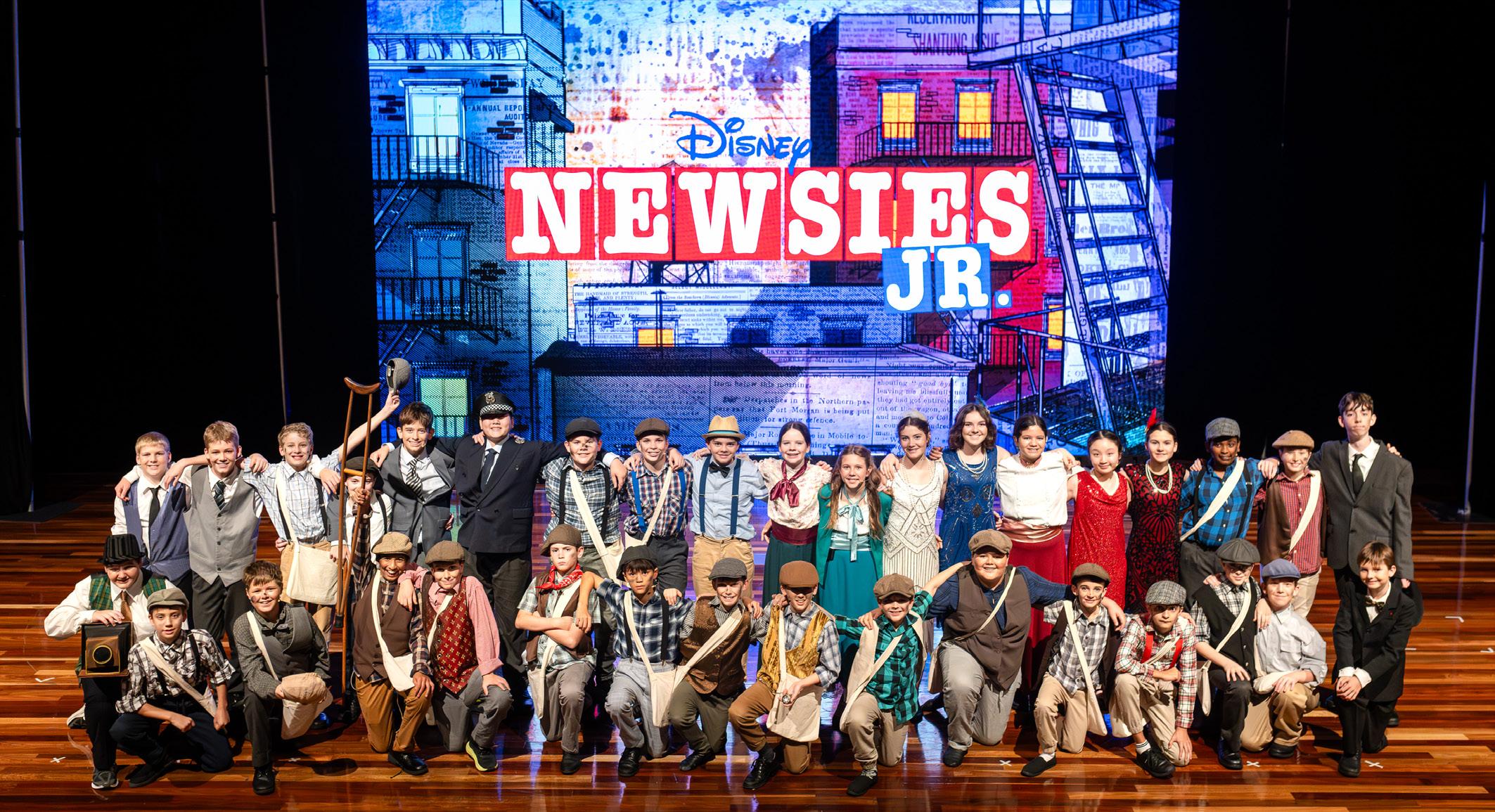
While the recent staging of Disney’s Newsies Jr. in May was the first in five years since the College last hosted a musical, it was worth the wait for those eager to see BBC’s superb performing arts talents and largescale production capabilities.
With two performances in May showcasing dazzling singing, choreography and production design, Newsies Jr. proved a hit
with audiences, even leading to the Saturday night show requiring extra seating to be opened up due to high demand.
For Head of Co-Curricular - Culture and Enrichment Ms Kate Albury, the opportunity to stage Newsies Jr. was a fitting way to honour the College’s past while celebrating future voices in musical theatre.
“Brisbane Boys’ College has a long and proud association with the performing arts and musical theatre, reaching back to one of the College’s earliest concerts founded by Nell Rudd, daughter of founder Barney Rudd,” Ms Albury said.
“Reviving this tradition through Newsies Jr. has been a joy, and watching our Year 5-8 performers embrace the challenge, camaraderie
Image: The cast of BBC’s 2026 musical Newsies Jr.
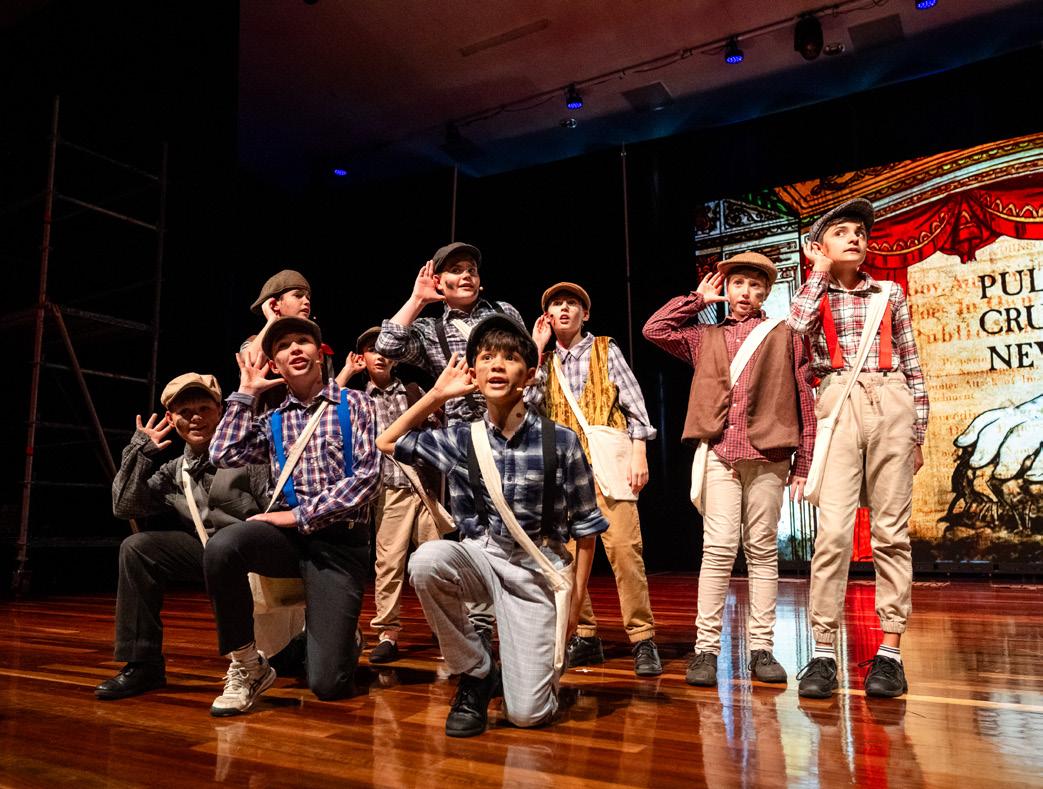
and storytelling has been truly inspiring.”
Based on the 1899 newsboys’ strike in New York which saw boys campaigning to force change in the way that newspaper conglomerates paid newsboys distributing papers around the city’s streets, the musical was an obvious choice for the College’s Year 5 to 8 cohort given its boy-heavy cast and inspiring messaging around brotherhood and solidarity.
While the setting may be over 125 years old, Newsies Jr. Producer Ms Krysten Rowe saw plenty of parallels with today’s world, making it an ideal story to educate and inspire.
“Newsies Jr. presents key learnings that are equally relevant today as 127 years ago such as teaching
audiences that a person’s worth is not determined by their age, size, prettiness or income, and that doing the right thing, even if it impacts our profit margin is part of what makes us people of honour,” Ms Rowe said.
“The story is set just three years before BBC opened its doors at the original Clayfield campus and there is a poetic synergy in considering the ages of the real-life newsies in 1899, the ages of the first sons of the College in 1902 and the ages of our cast in 2026 are all from ten to 14-years-old.”
Lead cast member and Year 8 student Roman Tauialo’s experience reveals the rich value of students participating in productions like Newsies Jr. that extends well beyond strengthening their performing arts skills.
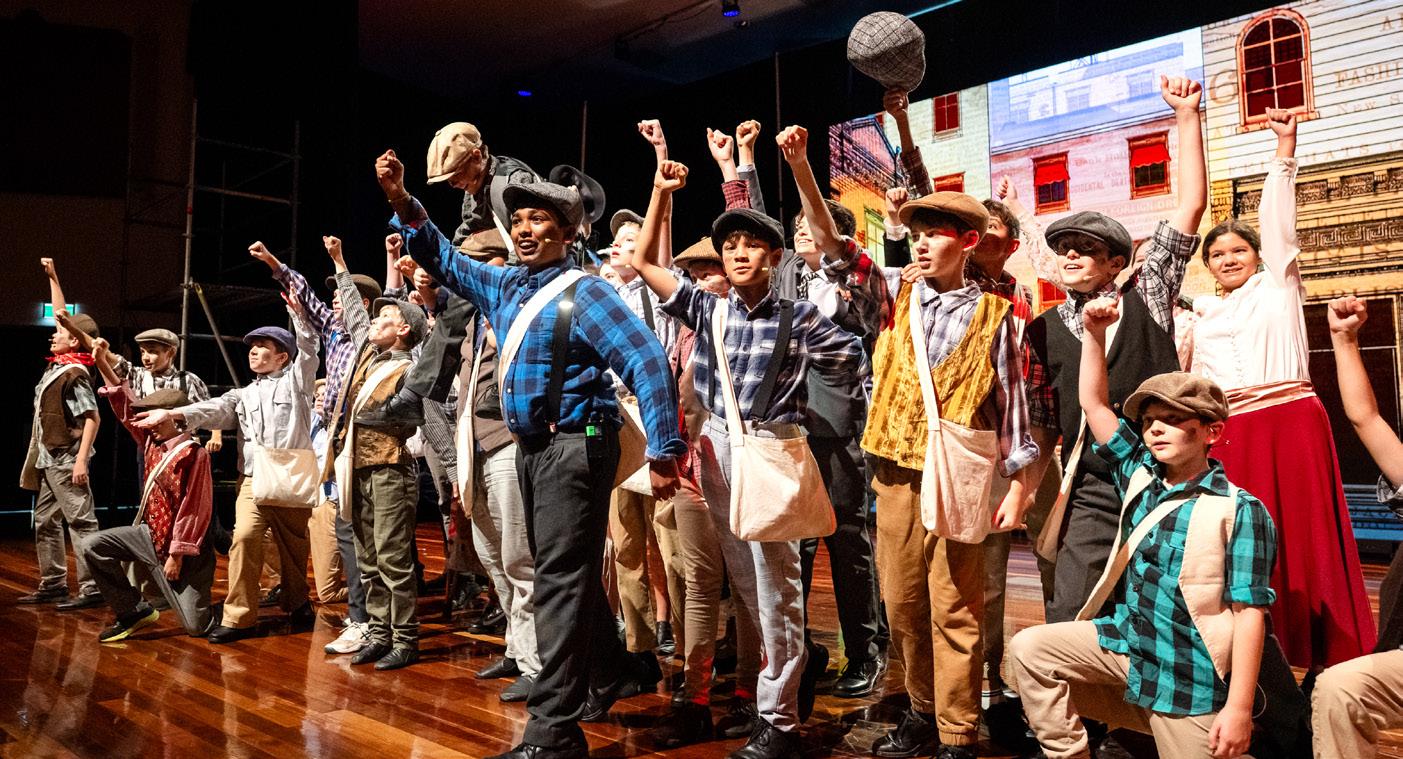
“It was an honour to play the lead role of Jack Kelly in the show and I loved every minute,” Roman says.
“Seeing the hard work from the whole cast come together, I’m really proud of the quality of the show we were able to produce.
8 student
“Seeing the hard work from the whole cast come together, I’m really proud of the quality of the show we were able to produce.
“One thing I really learnt about myself from being part of the production was that the younger boys looked up to me, and I was able to give them tips on things they could do to help their performance — I really enjoyed helping the other cast members.”
Roman Tauialo
Year
Image: Students take the stage for Newsies Jr.
Image: Students take the stage for Newsies Jr.
Image: Students take the stage for Newsies Jr.
The spirit of service alive and well in Year 9
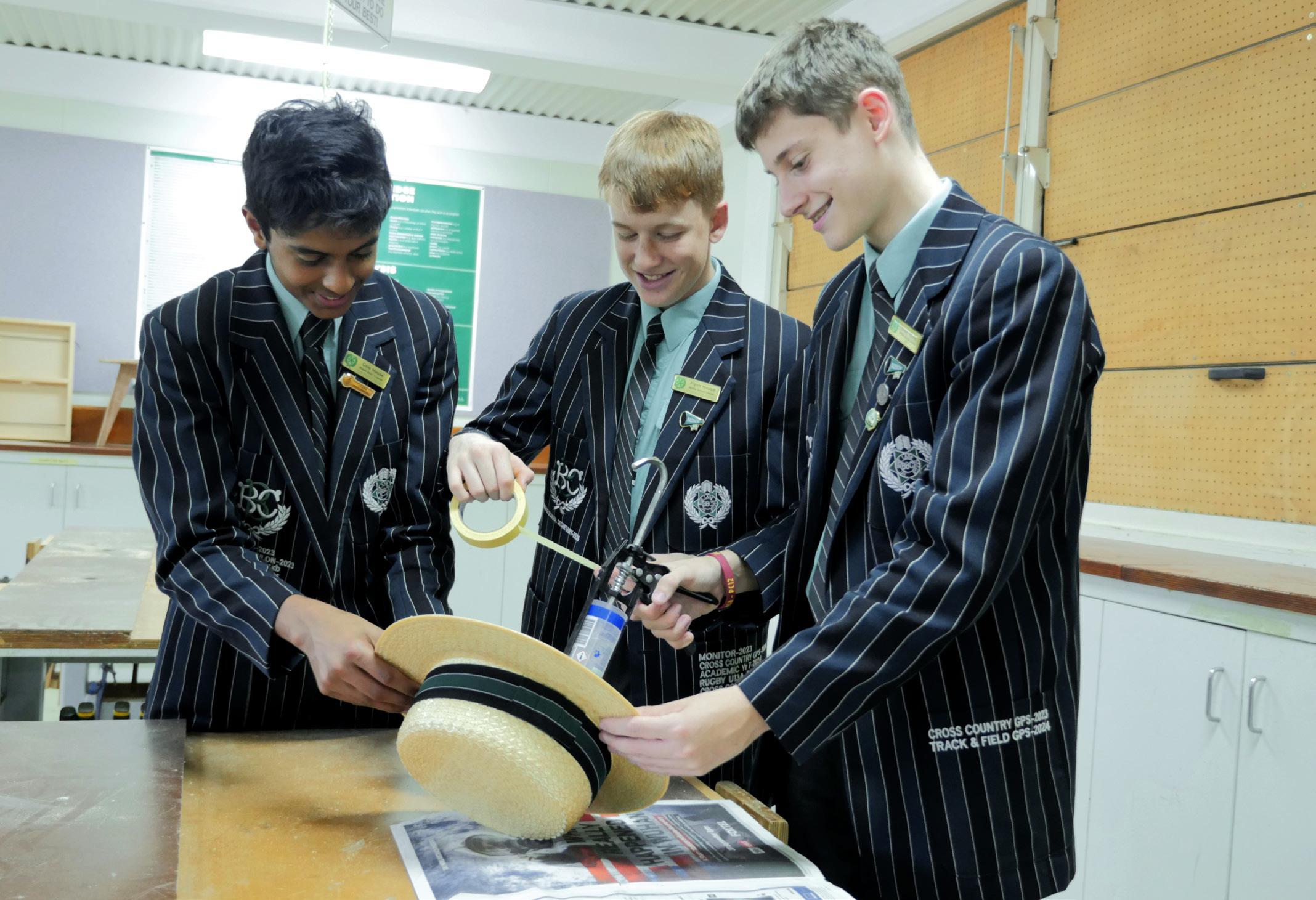
Between classes and co-curricular commitments, something rather extraordinary is taking shape at Brisbane Boys’ College with the Year 9 boys, as they raise funds for Foodbank, repair broken boater hats and provide a buddy service at drop-offs. .
There is a particular kind of energy that fills a room when young people decide that they want to make a difference to the world around them. It’s purposeful and focused in a way that only genuine enthusiasm can produce.
Walk past the right corridor at BBC and you might catch a glimpse of it: a cluster of Year 9 boys, heads down, ideas flying as entrepreneurial ideas develop into concrete plans of action to help those in need.
With a range of Year 9 service initiatives providing boys with a valuable opportunity to hone their organisational skills and give something back to the wider community, what has unfolded is one of the College’s quiet success stories
Image: Year 9 students busy at work on boater repairs
and further testament to BBC’s broader commitment to character education.
For Year 9 Head of Year Mr Tim Harris (OC 1993) the initiative is about providing his students with an education that can’t simply be taught straight from a textbook.
“I have always been aware of how lucky we are here at BBC and it’s great to witness the Year 9 boys helping others in both the College and the wider community,” Mr Harris says.
“Boys develop a sense of empathy and compassion for others, whilst also then appreciating the advantages they have been afforded.”
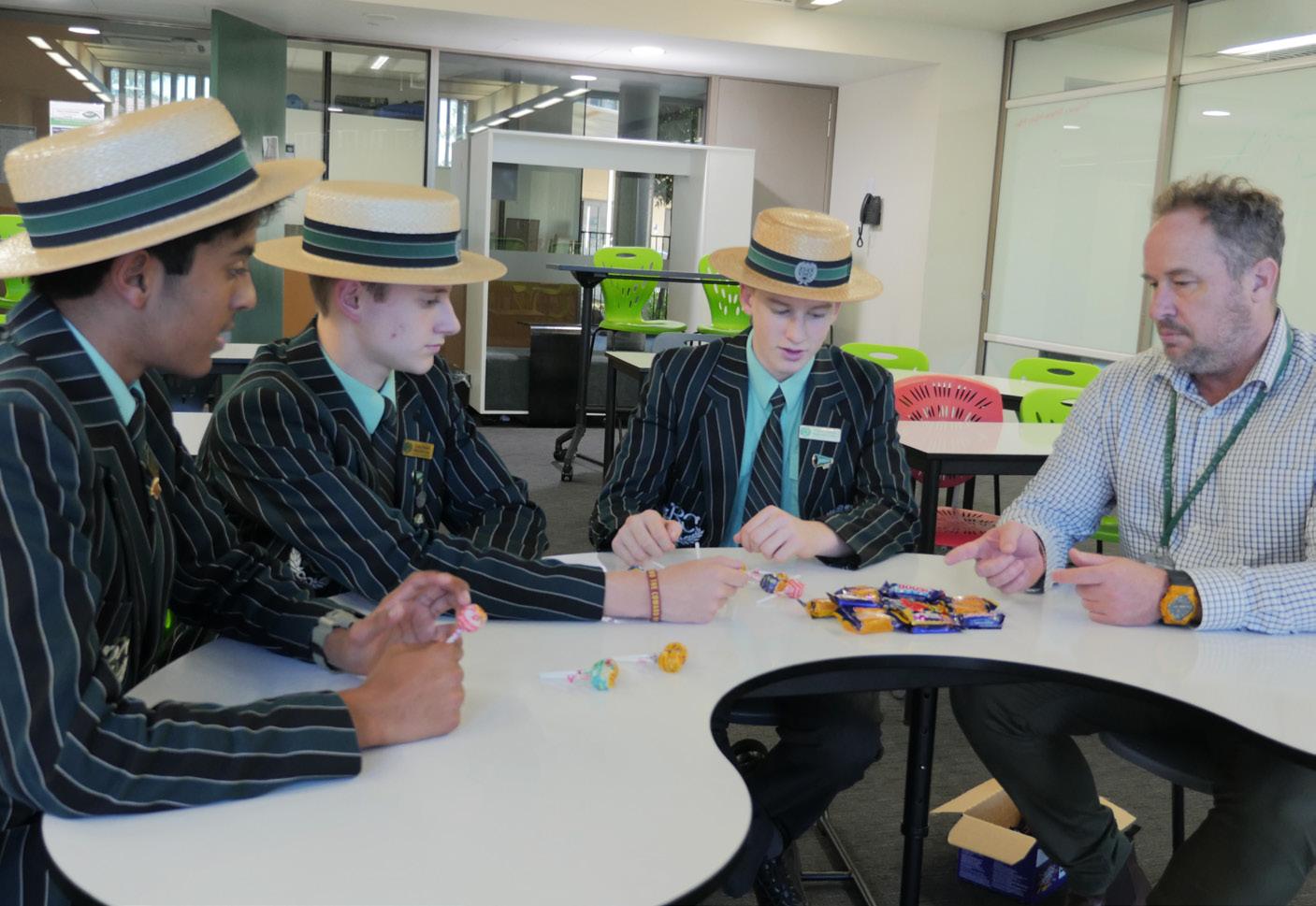
From raising funds for Foodbank by selling soft drinks and candy, offering a repair service for students’ boater hats to supporting younger students at drop off, Year 9 boys have gained important organisational skills and a sense of community service through these acts that will last a lifetime.
Head of Secondary School Ms Amelia Apogremiotis has witnessed the boys in action over the years, and it’s been special for her to see how student ideas come to life in service
of a greater good.
“A personal highlight has been seeing boys take an idea from a spark to reality,” Ms Apogremiotis says.
BBC’s identity.
“The highlight from the outcome of boater repairs is ultimately having the understanding that you have provided towards BBC’s identity through the boater being in good shape and looking sharp when wearing it, to set a good example for boys who look up to us.”
Similarly Year 9 student Archie Ingham, who is also President of the Middle Leaders and a member of the team taking part in the Buddy Drop-Off initiative, has seen how the idea of a buddy system for older boys helping younger boys at drop off has transformed into something that exemplifies the College’s spirit of brotherhood.
“The main highlight is seeing how grateful each parent is to see an older boy help their son out of the car as it shows a genuine respect towards the younger boys and displays how this school really is made for brotherhood,” Archie says.
A personal highlight has been seeing boys take an idea from a spark to reality,”
Ms Amelia Apogremiotis Head of Secondary School
“Each team of students proposes an idea that can benefit the school or wider community, and take on the responsibility of bringing it to life, so all the initiatives they create and embed have really been student driven.”
For Year 9 student and Middle Leaders Secretary Oscar Howson, who has been a part of the team providing boater hat repairs, the benefits of getting involved have given him a richer understanding of
“I can certainly say that this Buddy Drop-Off initiative has had an impact on us up in the Middle School and them down in the Junior School, forming connections that will last all our schooling time here at the College.”
What strikes you, speaking with the boys involved, is not just their enthusiasm — though there is plenty of that — but their seriousness of purpose. The service component isn’t an afterthought or a checkbox but the whole point. The students have engaged closely with the causes they support, understanding how to best execute their ideas and making considered decisions about successfully delivering on their ambitions.
There is genuine ownership and genuine accountability to something beyond themselves.
Image: Year 9 Head of Year Mr Tim Harris with students as they discuss fundraising candy sales
Royal call up for BBC’s Pipe Band
When the Royal Edinburgh Military Tattoo came to Brisbane for the first time in its 75-year history, it chose one school pipe band to stand alongside the world’s finest military musicians.
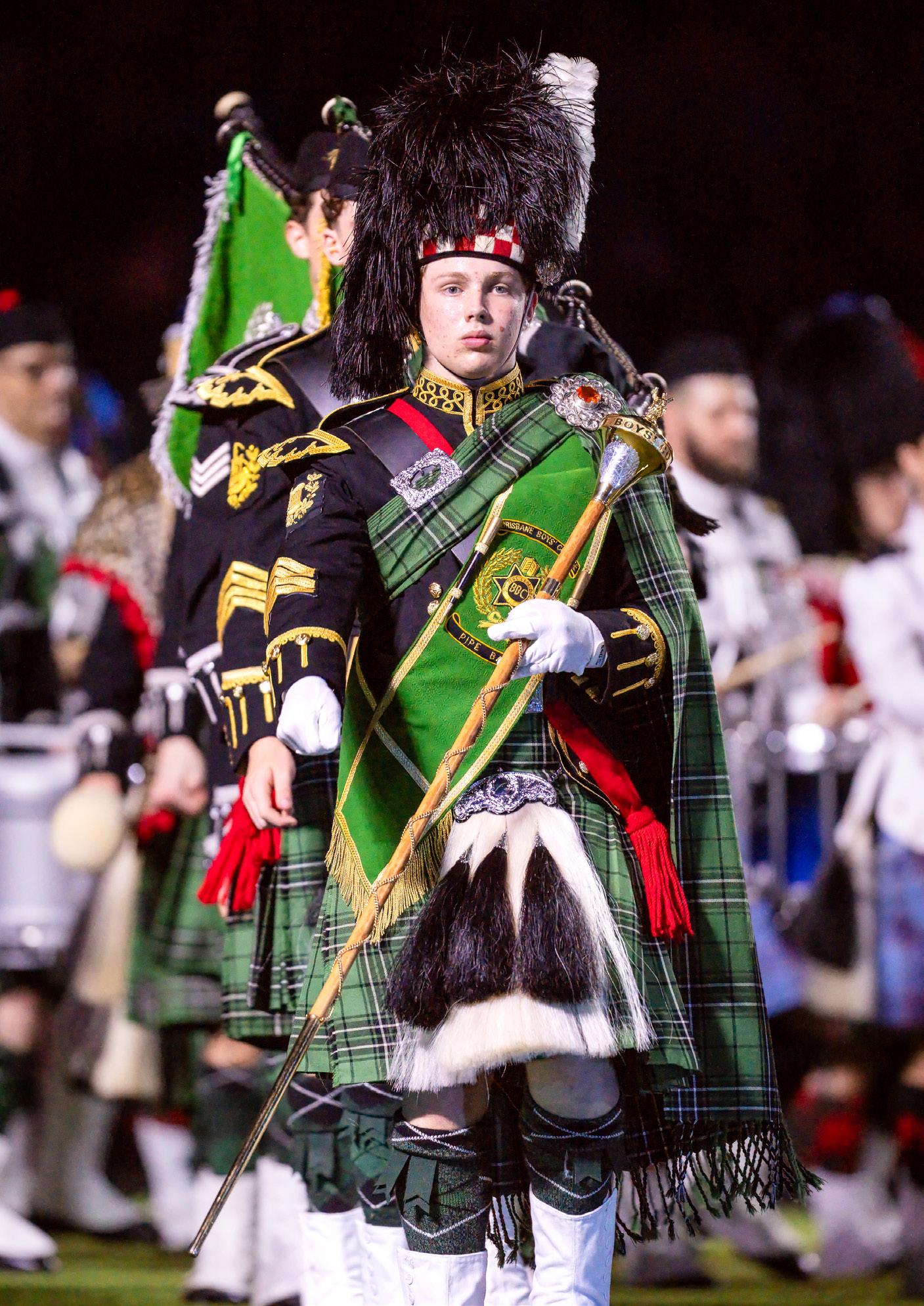
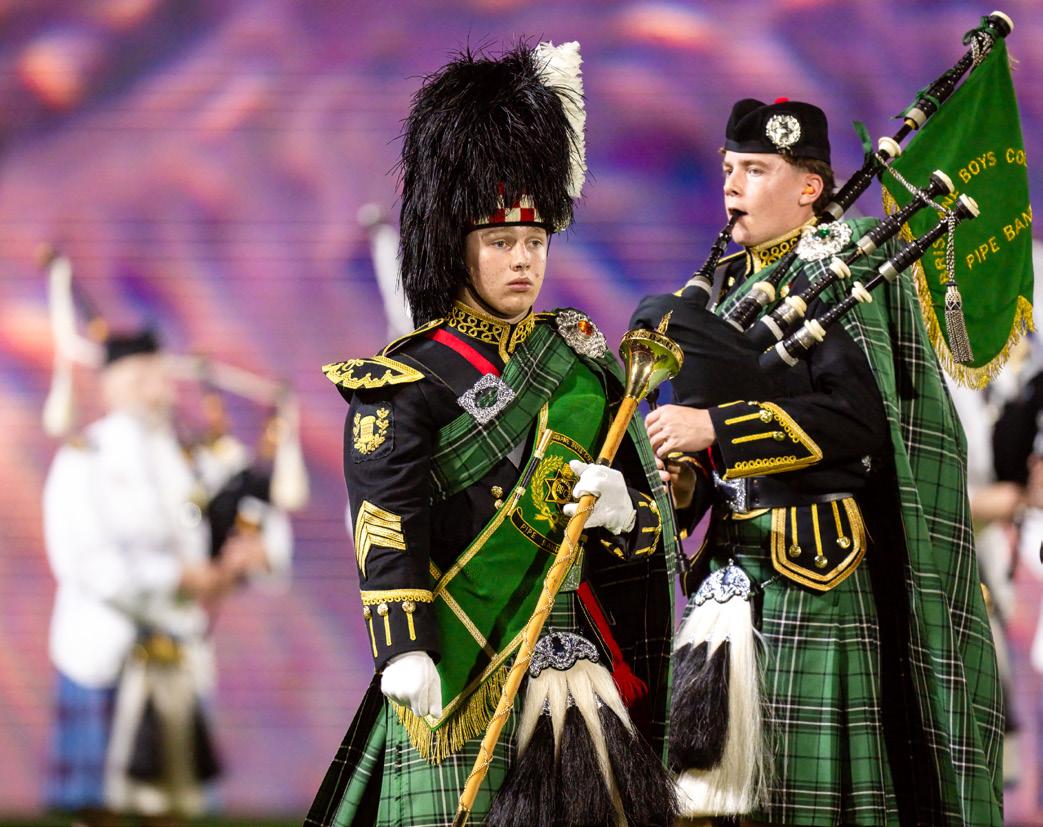
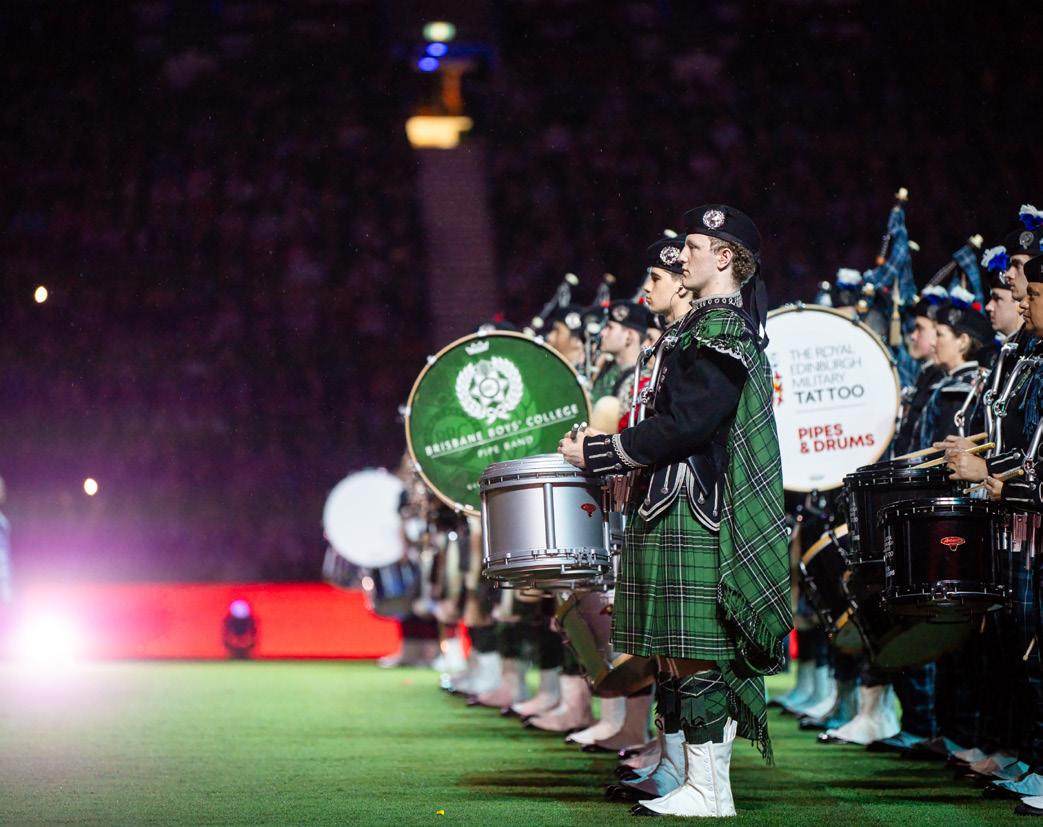
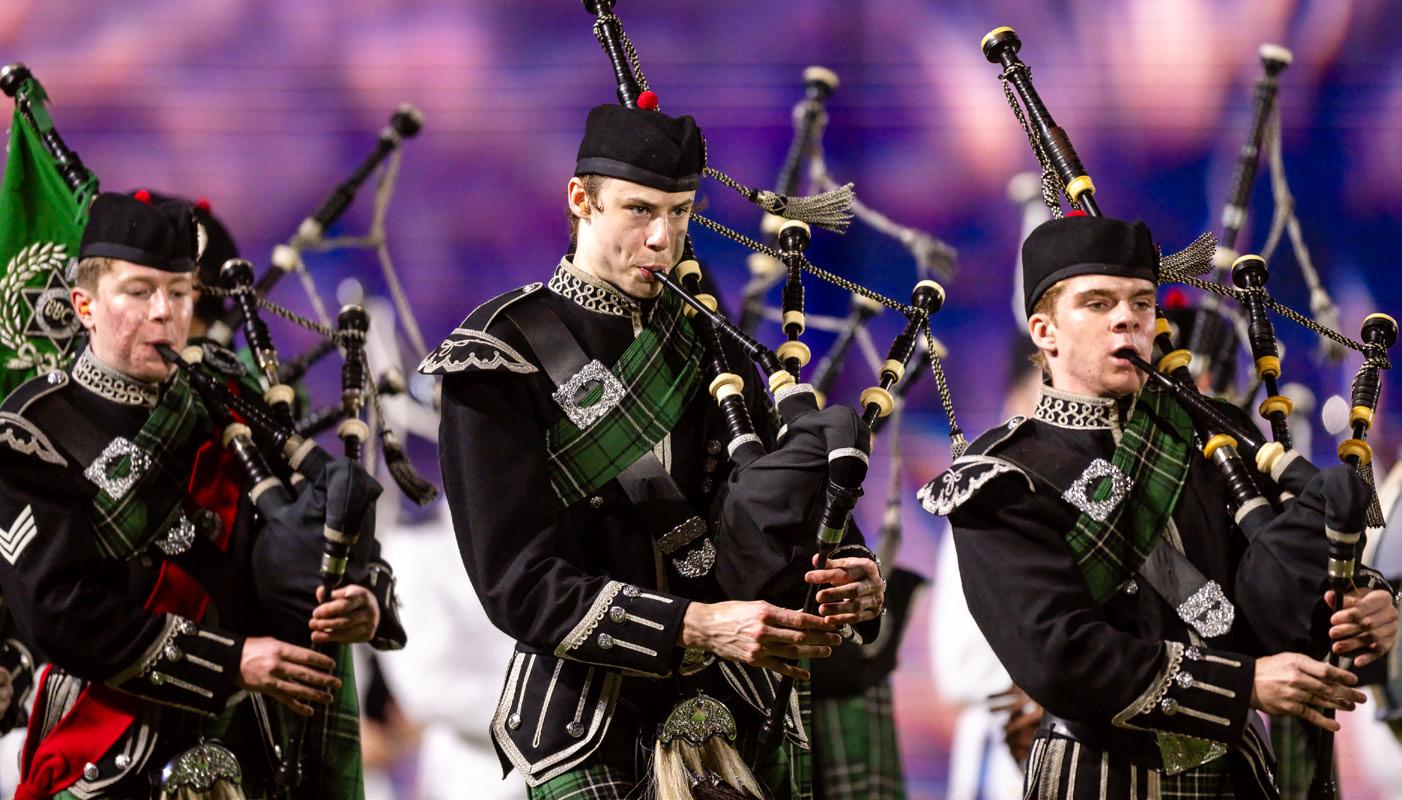
In February 2026 in front of a 112,000 strong crowd, the Brisbane Boys’ College Pipe Band took to the stage of Suncorp Stadium alongside more than 1000 performers from 15 nations across four nights for the Royal Edinburgh Military Tattoo, then travelled to Auckland’s Eden Park to do it again.
They were the only school pipe band in the world invited to participate.
For the College’s Director of Pipe Band Mr Steven Stanley, seeing his students perform at such a prestigious event was a very special moment, especially in front of a hometown crowd.
“To see our students perform alongside world-class musicians and international acts was both inspiring and deeply rewarding, and was not only a recognition of the high standard of our Pipe Band program, but also of the dedication, commitment, and teamwork shown by the boys, tutors and families who support the program so passionately,” Mr Stanley says.
“For many of us, Suncorp Stadium is a place where we have grown up watching our sporting heroes, whether it be the Wallabies, Queensland Reds, or Brisbane Broncos.
“To then stand on that same field ourselves, performing as part of The Royal Edinburgh Military Tattoo,
Image: Year 12 student Alexander Middlemis performs at the 2026 Royal Edinburgh Military Tattoo in Suncorp Stadium
ROYAL EDINBURGH MILITARY TATTOO
was an incredibly proud and surreal moment.”
The Pipe Band’s appearance at the Tattoo is another impressive achievement for the globe-trotting group who toured Scotland in 2014, 2016, 2018, 2022 and 2024, and performed at the Royal Nova Scotia International Tattoo in Canada in 2023.
For Year 12 student and Pipe Band Drum Major Alexander Middlemis, one of the major benefits of taking part in events such as the Tattoo at Suncorp Stadium is the diversity of talented musicians he gets to play
“To see our students perform alongside world-class musicians and international acts was both inspiring and deeply rewarding.
Mr Steven Stanley Director of Pipe Band
alongside.
“One key part of every tattoo is meeting new people, from all different backgrounds, places and cultures,” Alexander says.
“Across the two weeks of performances, I met some people I would never forget, from legends in the Australian Defence Force, Western Australian Police members to professional snare drummers from Switzerland.
“The range of people that you can meet from these kinds of tours is such an amazing thing that I don’t think is available in any other school in the country.”
The Queensland-leg of the Tattoo’s tour may have only lasted four nights but it left an indelible mark on Year 7 student and Piper Archie McClure.
“When we walked onto Suncorp for the first show, it was something I will remember forever,” Archie says. “The Tattoo truly was magical and it wasn’t just a show, it was a community and an experience for everyone involved.”
Image: BBC students perform at the 2026 Royal Edinburgh Military Tattoo in Suncorp Stadium
Image: BBC Old Collegian
Mr Jacob Duval performs at the 2026 Royal Edinburgh Military Tattoo in Suncorp Stadium
Image: BBC students perform at the 2026 Royal Edinburgh Military Tattoo in Suncorp Stadium
BOATER BACK TO
LAWYER DOCTOR
FUTURE

The land shapes a boy differently than the city does. You know that. It’s why you’re reading this magazine.
At Brisbane Boys’ College, we understand that your son’s future may be on the land — or in hospital wards, courtrooms, and lecture theatres. Often, it’s both.
In conjunction with the University of Queensland, BBC boarding students can earn a Certificate II and III in Rural Operations alongside their secondary studies.
Give him more ways to thrive at bbc.qld.edu.au VET
Nationally recognised. Practically grounded. Built for the realities of regional Australia.
BBC students also study rigorous academic subjects required for competitive university pathways including veterinary science, agricultural engineering, medicine, and law.
Because the boy who inherits the land may also be the vet who serves it. The lawyer who protects it. The leader who shapes it.
At BBC, we don’t ask your son to choose between his heritage and his horizons.
We prepare him for both.
A rural qualification for every future
At the end of his schooling, when a BBC boarder from the bush trades his city boater for the familiar brim of an Akubra, he carries home more than a qualification and a suitcase. The College hopes he returns with the confidence — and capability — to shape the future of the communities that raised him.
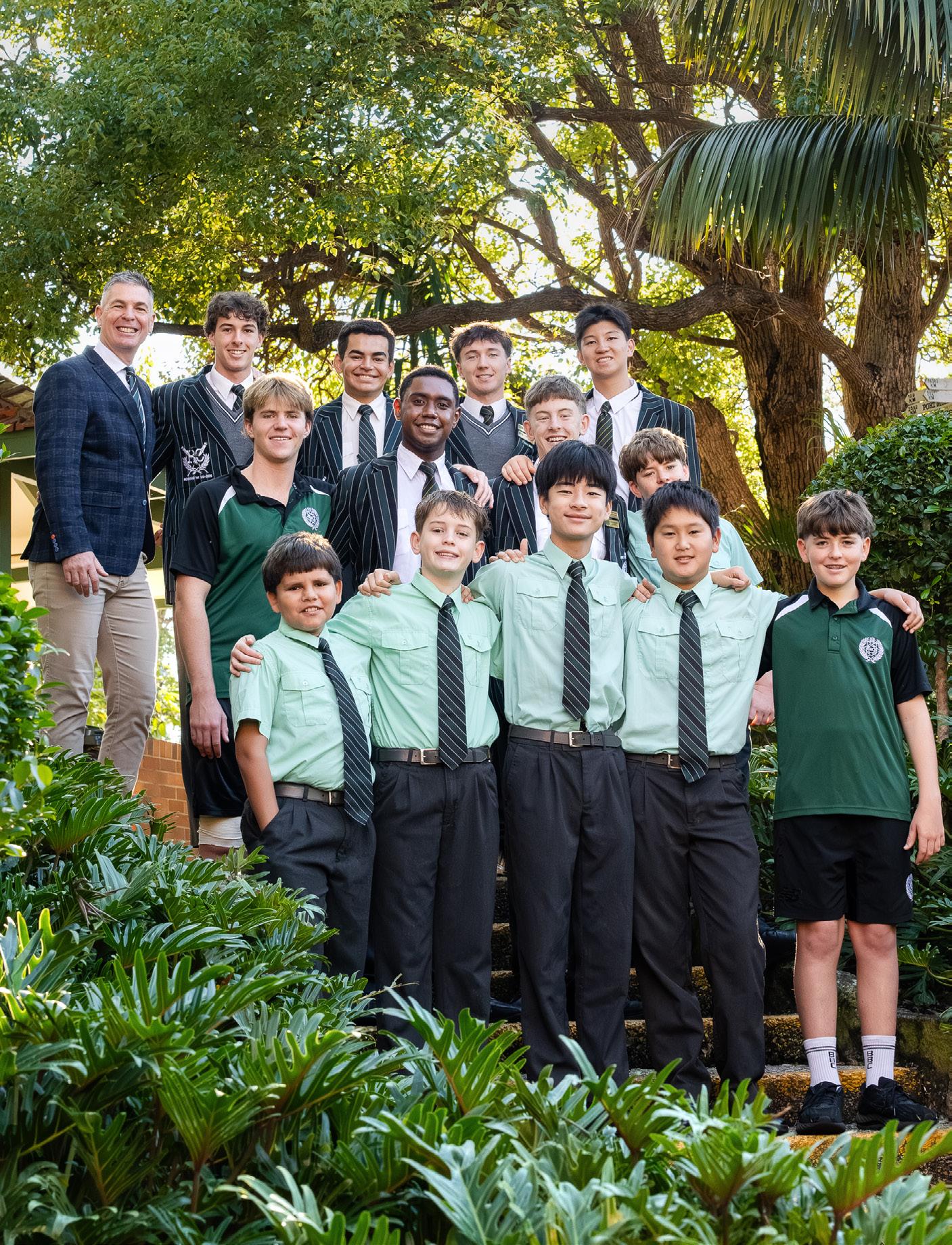
BBC’s boarding house is a tapestry of backgrounds: boys from China, Hong Kong, Singapore, Japan and the United States living alongside students from the farms and small towns of New South Wales and BBC’s boarding house is a tapestry of backgrounds: boys from China, Hong Kong, Singapore, Japan and the United States living alongside students from the farms and small towns of New South Wales and Queensland. Many of these rural boarders arrive with a clear intention — to take their education back home.
“We want to prepare our boys for whatever future they choose, whether it’s succeeding in the city or going back into their regional communities and contributing — as doctors, engineers, electricians, farmers, veterinarians or however they want to contribute to their communities,” says BBC’s Director of Boarding Mr Matt McEwen.
Training for the next generation of regional leaders
For more than ten years, BBC’s partnership with UQ Skills at the University of Queensland has anchored that vision. The Certificate II and III in Rural Operations, delivered at UQ’s Gatton campus, offers students a direct, accredited link to the world they plan to return to.
Image: BBC boarders and staff form a diverse tapestry of backgrounds, from around the globe to regional Australia
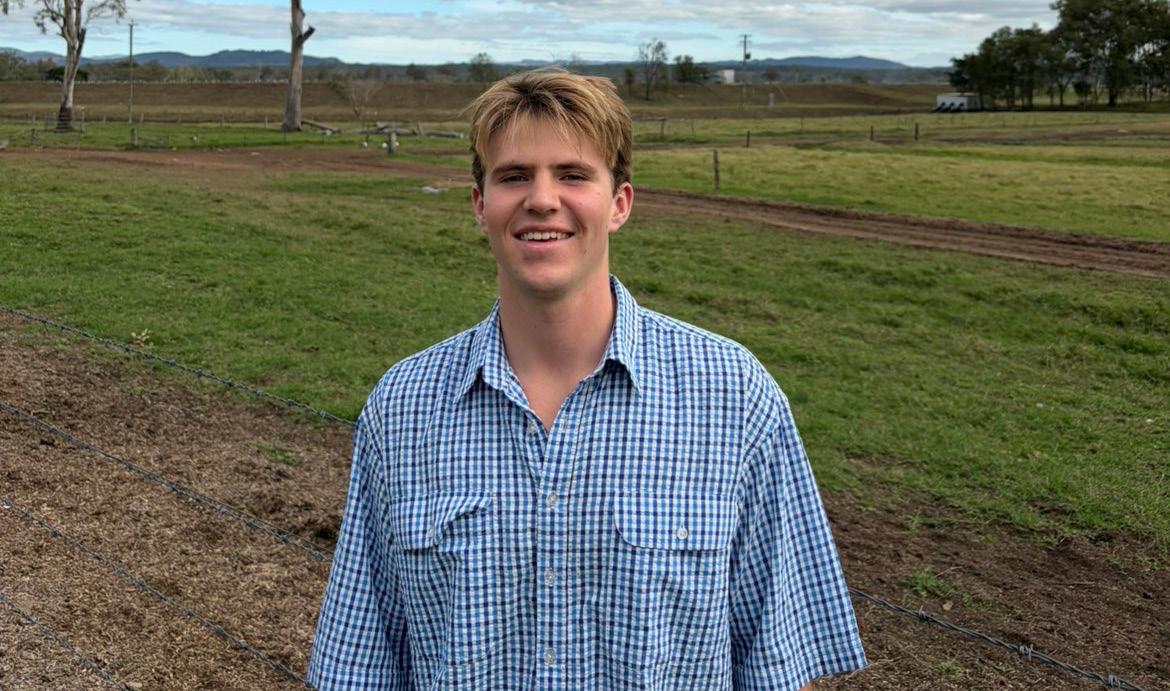
As agriculture has shifted — with automation, digital mapping and data driven decision making now central to farm life — the program has adapted to match. Students in Years 10 to 12 begin with a fully funded Certificate II, learning foundational skills from livestock handling to drone use and chemical handling. The Certificate III extends this into deeper land management training and opens pathways into agricultural science, veterinary studies and beyond.
BBC’s Careers Counsellor and the program’s Coordinator Ms Roma Deo has watched it evolve to match the changing face of rural industries.
“The program is not just for boys who want to run a farm,” Ms Deo explains. “The Certificate III opens up a lot of doors post-school as well — agribusiness, technology and all sorts of different areas. But for the boys who do want to go back to the land, it gives them real skills and a real qualification.”
Hear from current Certificate III student Connor Perceval
Growing up on his family’s farm in Inverell in northern New South Wales, Year 12 student Connor Perceval always knew the land would call him home. He is the third of his brothers to come through BBC — but the first
with
“We want to prepare our boys for whatever future they choose, whether it’s succeeding in the city or going back into their regional communities and contributing .
Mr Matthew McEwen Director of Boarding
“There was a point where he was thinking about finishing after Year 10 and heading straight back to work on the farm,” recalls Director of Boarding Mr McEwen. “But through guidance from Roma, myself and his family, he could see that completing the certificate gave him so much more to take back with him.”
Connor completed his Certificate II in Rural Operations in 2025 and is now in the final stages of his Certificate III. Each Thursday, he
travels to UQ’s Gatton campus, swapping classrooms for cattle yards and lecture notes for hands on training. His week now includes drone mapping, chemical handling studies and low stress livestock handling — skills that reflect the realities of modern agriculture.
“My ultimate goal is to buy back my grandmother’s farm and the surrounding properties to run a medium to large scale cattle operation,” Connor says. “Some of the theory around business decision making is very valuable, and practical skills like drone operation and chemical calibration are important things to learn for the future of farming. I believe the certificate will help me run a successful operation and make smart decisions.”
Personalised pathways at BBC
The Rural Operations certificates sit within a broader ecosystem of support for students with rural backgrounds and regional ambitions. Families who send their sons to BBC from towns across Queensland and New South Wales quickly discover that the College doesn’t just educate their boys — it invests in their futures.
“At BBC, we tailor programs for each student based on their interests and passions,” says Careers Counsellor Ms Deo. “Not everybody does the same thing. We work out what each boy needs.”
For some, that means a pathway back to the land. For others, it might be agribusiness, veterinary science, engineering or emerging ag tech fields. Whatever direction they choose, the College’s approach remains the same: understand the boy, understand his ambitions and build a pathway that helps him get there.
a clear plan to return to the farm as soon as school ends.
Image: Boarder and Year 12 student Connor Perceval at the UQ Gatton Campus
From First Splash to the Fast Lane
BBC Swimming making waves in the community

Whether they are blowing their first bubbles in a learn-to-swim lesson or stepping up to the blocks at GPS Championships, BBC’s swimming program is there to support journeys in the water — and challenges young people to go further.
For most Queenslanders, knowing how to swim is just another key part of growing up, like learning to walk or read a book.
With long, hot summers in the backyard pool or at the beach, Queenslanders have a special relationship with the water that relies on a careful journey from that first splash right through to confidently gliding in the water with one arm moving in front of the other in perfect harmony.
At Brisbane Boys’ College, that culture of swimming is not left to chance: it is structured, coached and
given every opportunity to thrive.
As BBC’s Director of Aquatics Mr Andrew Hancock points out, “Swimming is a gateway through which children can enjoy a robust and exciting childhood in Australia, and especially Queensland, and by being members of our community, kids are learning skills that will allow them to safely navigate the oceans and waterways with their friends.
“Physically, swimming is a sport that will lay a foundation for most other sports that the boys are involved with throughout their time at the College, and remains a cross-training option for elite athletes in all sports.”
Open lanes and safe paddles
While there’s a widespread acceptance that not every boy

finishing their schooling at BBC will go on to glory like Old Collegian and Olympic Gold Medallist Kieren Perkins (OC 1991), all boys will know how to swim and be nurtured whatever their aspirations or abilities may be.
The College’s swimming program spans the full arc of a boy’s development where young children can take their first tentative strokes and confident swimmers can compete against Queensland’s best in GPS swimming championships.
For those starting their journey in the water in the College’s Swim School, they have world-class expert guidance in the form of Mr Lachlan Milner, a High-Performance swimming coach who also serves as the National Head Coach for the Vanuatu Olympic Swimming Team.
It is a credential that tells you something about the level of
SWIMMING AT BBC
expertise the College has invested in its swimming culture, even at the learn-to-swim stage.
“What drew me to BBC was the opportunity to build a program that develops swimmers from their very first splash through to competitive performance, all within a culture that genuinely values character, confidence and long-term growth,” Mr Milner says.
“BBC provides a unique pathway where students can grow in a safe, supportive and highly structured environment with clear progression from Learn to Swim through to squad and competitive swimming.
“For families, it’s about much more than sport, it’s about water safety, resilience, discipline and belonging to a connected community that supports every child’s development.”
The Swim School is open to the broader community, welcoming boys and girls from age four regardless of whether they are enrolled at BBC.
Structured in six progressive levels — from Splash and Minnows through to Tunas, Sharks, Dolphins and Squad — every child completes a free assessment before enrolment to ensure correct placement. Small
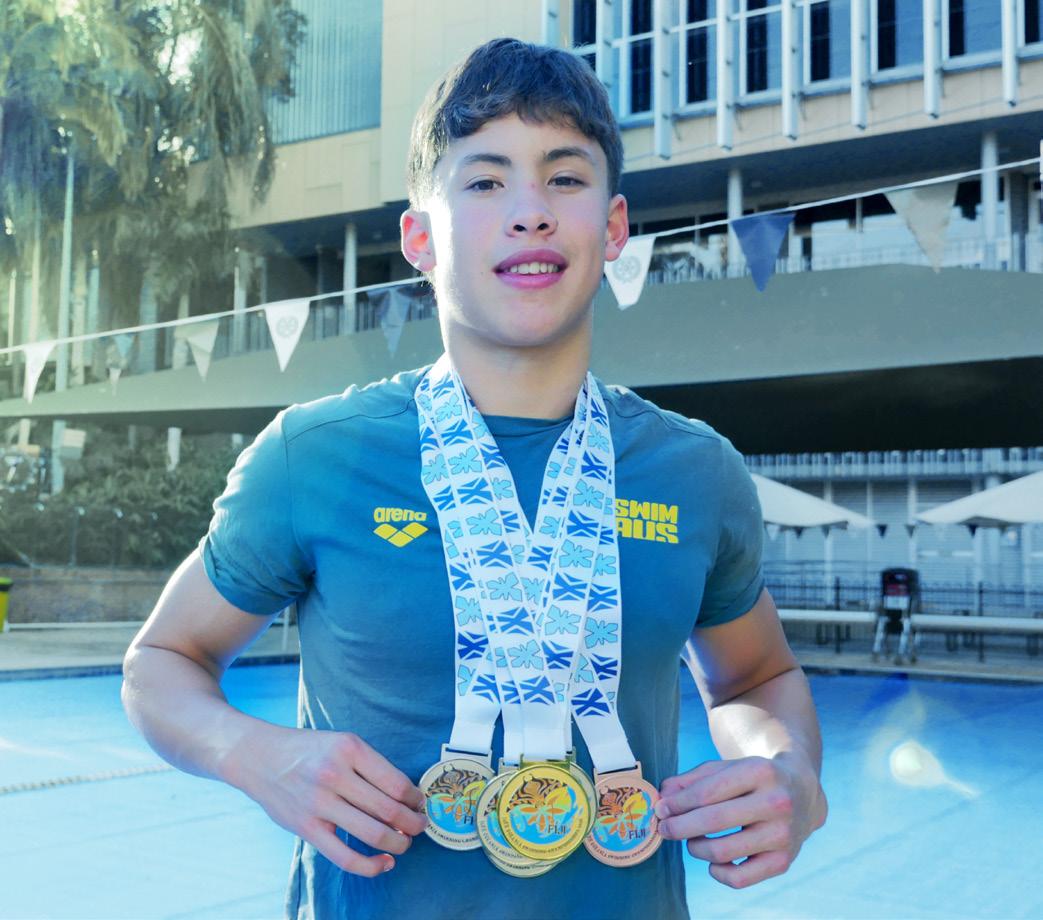
class sizes and qualified instructors mean that each swimmer receives genuine individual attention, not just a lane and a lane rope.
approach, combined with a community focus, is there to create a well-rounded individual who can thrive in the water and out.
“Our holistic approach will develop the person, the athlete and the swimmer, in that order,” Director of Aquatics Mr Hancock says.
Whether a swimmer reaches the national level or simply trains consistently and contributes positively to the group dynamic, the lessons learned in the pool help prepare them for life beyond it.
Mr Andrew Hancock Director of Aquatics
At the starting blocks
For boys who pursue their swimming journey into competitive races, the swimming program’s holistic
“Whether a swimmer reaches the national level or simply trains consistently and contributes positively to the group dynamic, the lessons learned in the pool help prepare them for life beyond it.
“While we hope to have the opportunity to guide all BBC boys through a journey into competitive swimming, we understand that this won’t be for everyone.
“With that in mind, we’ve intentionally set up our program to cater to swimmers of all ability levels, from social swimmers to elite national performers, and we strive to ensure that each member of our community feels accepted, valued and supported no matter where their swimming journey takes them.”
Year 10 student Campbell Watt — who has been swimming at the College since Year 4 — recently set a new GPS record in the U15 50m free with

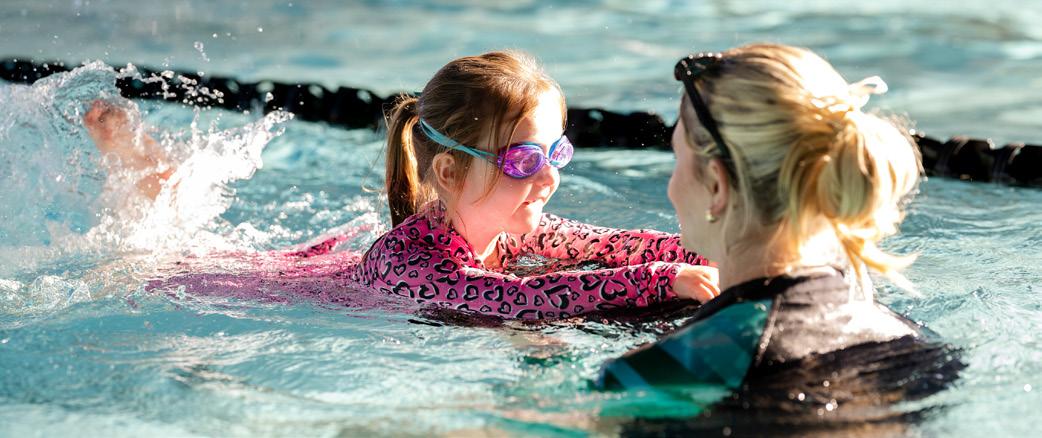
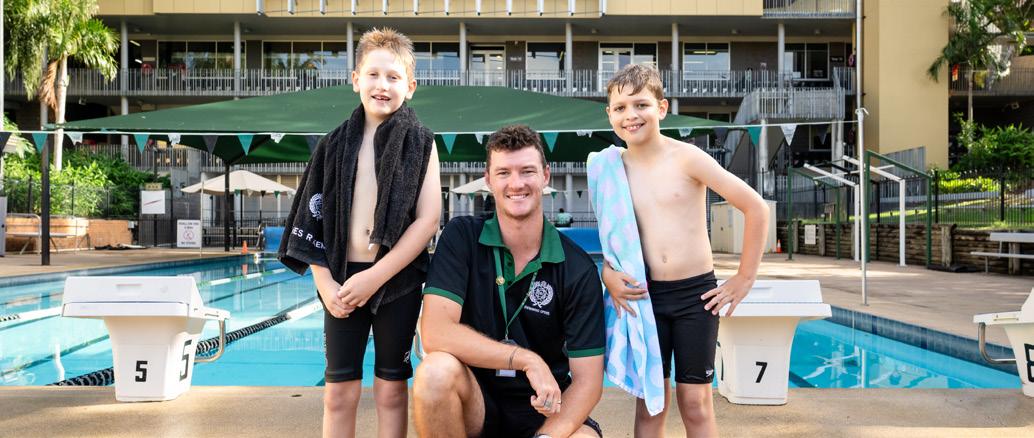
Image: Students taking part in the College’s Swim School
Image: Year 12 student Jacob Algate with his recent haul of medals from the Oceania Championships
Image: Aquatic Centre Manager Mr Lachlan Milner with Learn to Swim school students
a time of 24.03 seconds, beating the 2022 record of 24.14 seconds, and is an excellent example of the kind of success the swimming program can produce.
“BBC’s program has supported me with elite level coaching, tailored training programs and more recently offering opportunities to swim outside of the program too,” Campbell says.
Reflecting on his wins at GPS, Campbell says, “Senior GPS has been the highlight of my time here at the College; the energy the school brings is like no other and it makes you feel something inside that nothing else can beat.”
Small ripples to big waves
From the Aquatic Centre to the GPS blocks, BBC’s swimming program is built on the belief that every boy deserves the chance to find out how far he can go in the water, but he must have the foundational skill of being able to swim.
“The introduction of College Swim school this term is a significant highlight in that it completes a framework that will ensure that all BBC boys will be able to swim, even if they don’t become swimmers,” Mr Hancock says.
Mrs Kristin Luby has been sending her young sons to the College’s Swim School which has become a highlight
BBC pool have become some of our family’s favourite moments of the week,” Mrs Luby says. “Beyond the swimming itself, it’s such a special opportunity for both the boys and me to connect with friends and be part of the BBC community.
“Our youngest son, Hunter, spent the past four years eagerly watching his older brother swim after school, so finally being old enough to jump into the pool himself was a huge milestone!
“The pride on his face as he puts on his BBC swim cap and waits excitedly for his name to be called is absolutely priceless and although he only recently started after turning four, the coaches have been exceptional
Higgins Coatings is Brisbane’s premier commercial painting provider and proud partner of Brisbane Boys’ College. Family-owned and operated, we’ve been trusted by Australian businesses to protect and enhance their assets since 1949.


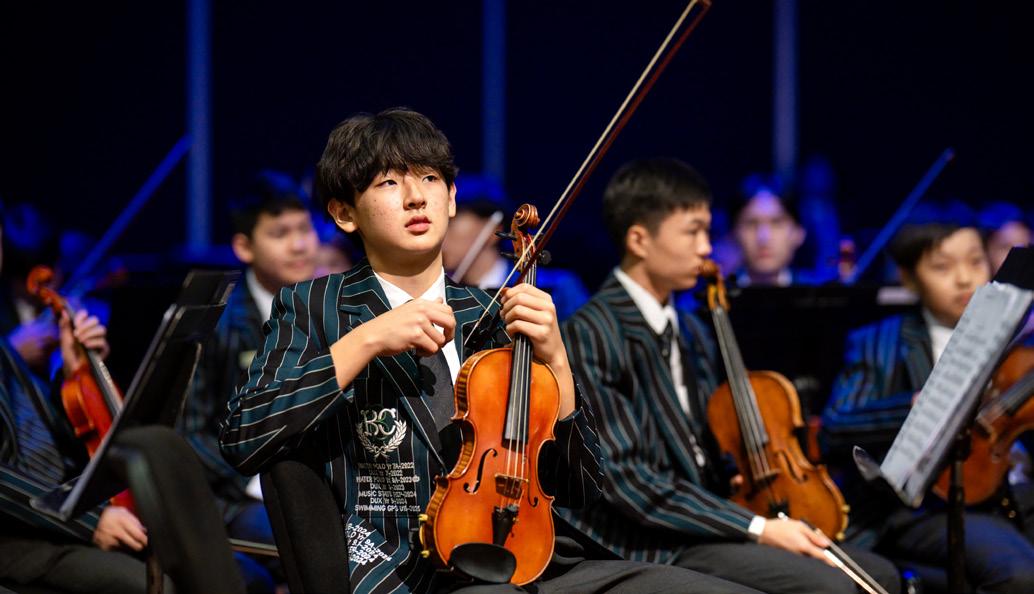
Note-worthy achievements add more strings to Liam’s bow
When he’s not taking the stage with his violin for the Australian Youth Orchestra (AYO), the Queensland Youth Orchestra (QYO) or participating at the National Music Camp, Year 11 student Liam Beak still loves to perform at College Hall at Brisbane Boys’ College.
“One great thing about BBC when it comes to supporting my music is the opportunities you get to perform not only as a soloist but part of an ensemble, and being able to take the stage of College Hall which is a great performance hall,” Liam says.
Liam first picked up a violin at age seven but since then has been racking up a remarkable list of achievements: eisteddfod awards, memberships with the Queensland Youth Orchestra and the Australian Youth Orchestra, as well as completing his AmusA diploma in 2023 and LMusA in 2024.
Liam has been busy this year at the prestigious National Music Camp in Adelaide, then travelling to Canberra in April for the AYO Symphonists program and performing with the AYO flagship orchestra. Liam recently performed as a Finalist of the Queensland Symphony Orchestra’s Young Instrumentalists Prize.
Witnessing Liam’s musical career soar, Head of Performance Music Mr Theo Kotzas has nothing but praise for Liam’s musical talents and his support for younger musicians.
“Liam has a wonderful talent and has worked very hard at exploring and expanding his musical gift,” Mr Kotzas says.
“Liam also makes a significant contribution to the BBC Music Program — he’s a great role model for our younger musicians and is very supportive and encouraging of his peers.”
Lights,
camera, action for Nicholas with new TV role
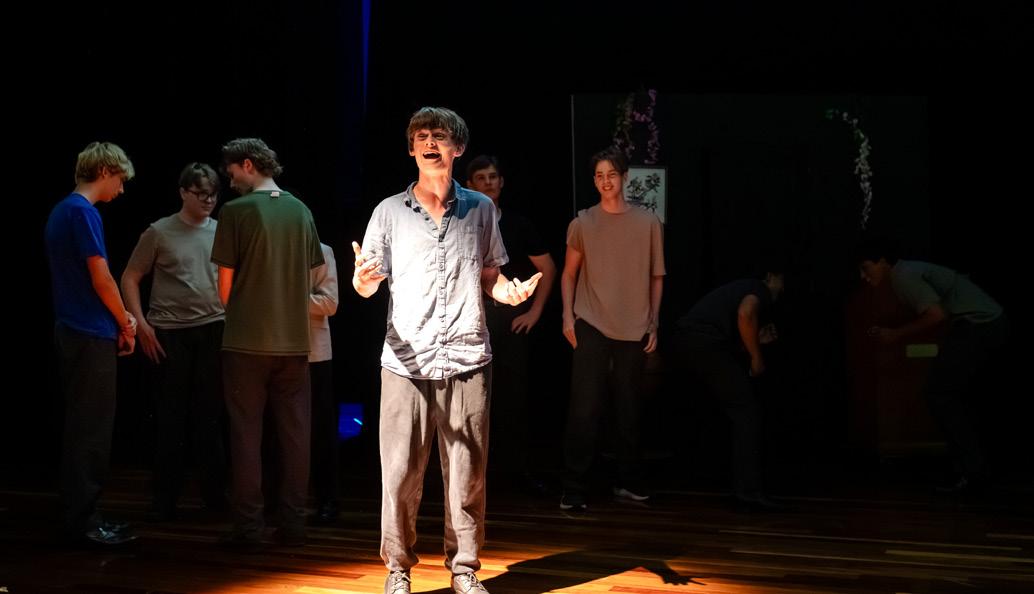
Year 12 student Nicholas Riemann has a very busy year ahead and we’re not just talking about his final year in the classroom — he’s landed a role in an upcoming television show filming later this year, is hard at work on recording an album, and he’s doing all of it while keeping up with a full secondary school timetable.
Nicholas’ Performing Arts work at BBC has extended across multiple years and he’s no stranger to treading the boards for the College, with performances in The Inspector General, Grease, Peter Pan and Twelfth Night.
But whether he’s working on his music or his acting, the great thing about BBC’s learning environment is there’s always expert staff to guide and mentor him.
“BBC has a number of staff members who are wellversed in the world of the arts, and they can give me guidance whenever I need,” Nicholas says.
“Whether it’s filming for a TV show, acting on stage, or performing a concert to hundreds of people, I always have had someone who can give me advice.”
As Senior Drama Teacher Ms Eileen Morgan notes, the Performing Arts program at BBC has long served as a launching pad for students with genuine creative ambition.
“Our Performing Arts and Drama programs are not just for performers,” Ms Morgan says.
“From scoring theatre productions, writing for stage, designing lighting and sound to building and designing, there is an opportunity to gain insight into all aspects of the performing arts.
“Coupled with the extensive networking opportunities with young and seasoned old boys working in the industry, BBC can help students achieve what they desire.”
Image: Year 11
student Liam Beak
Image: Year 12
student Nicholas Riemann
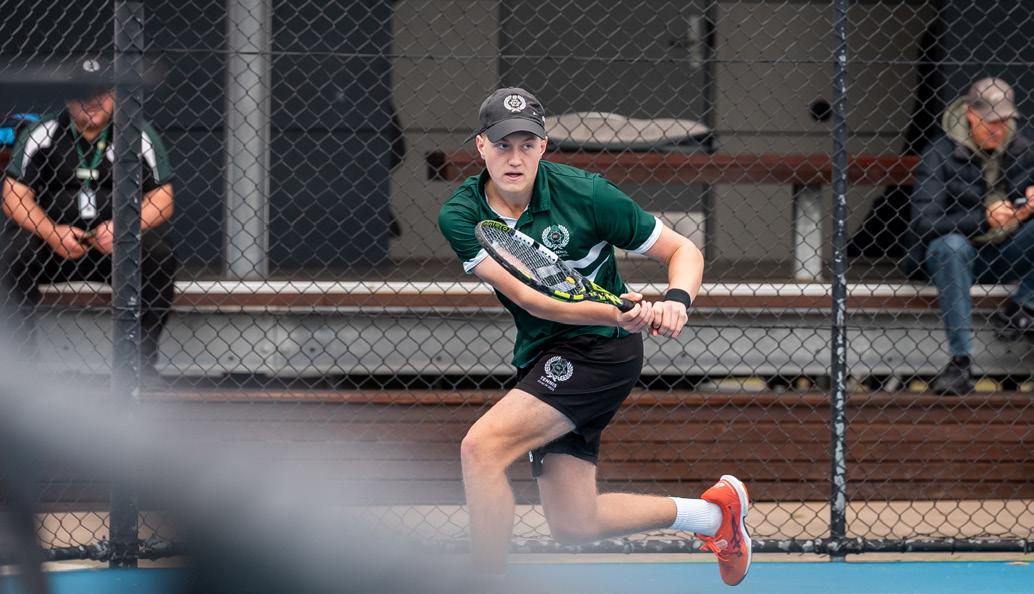
Breaking serve and breaking through
Will Genberg continues to move from strength to strength on the tennis court, with three GPS premierships, three state titles and three national titles to his name.
Talent has played its part, but Will’s run of success is rooted in the support around him. The BBC Tennis program has provided the structure, coaching and competitive opportunities that have turned promise into trophies. Across five years of GPS tennis at the College, Will remained undefeated in singles — a remarkable record given the calibre and intensity of opposition he faced.
“BBC has helped support my tennis by putting me in an environment with great coaches and teammates who push each other and want to get better,” Will says. “The energy brought to training sessions makes it enjoyable and keeps me improving.
“Winning nationals at the end of 2024 was definitely a personal highlight of mine at BBC; I had a great team around me and had a really fun time creating a lot of good memories.”
BBC’s pathway caters to boys at every level, whether they are picking up a racquet for the first time or stepping onto the court for a GPS final like Will. As Director of Tennis Mr Ethan Wilkinson (OC 2008) is keen to emphasise, the program is designed to help students excel on court and in the classroom.
“The BBC program provides everything these young athletes needs to succeed from the expert coaching of John Millman and Ben Mitchell to the high quality of training on and off the court,” Mr Wilkinson says.
“It’s up to the students to embrace and challenge themselves which Will has done in spades.”
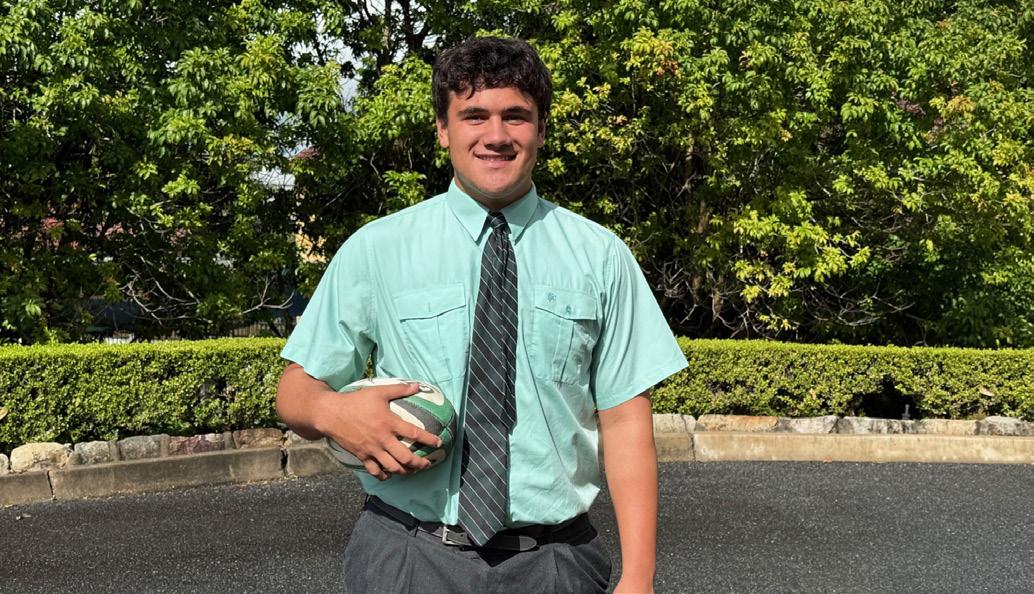
Jeremiah tackling
success on the field and off
At just 15, Year 11 student Jeremiah Kite is making a name for himself in the world of Rugby with call-ups for the Queensland Reds (at U15, U16 and U18 levels) and the Australian U16 team, all while juggling a busy Year 11 workload at Brisbane Boys’ College (BBC).
Making his First XV debut for BBC in Year 10 last year, the BBC Rugby program has been there to support and unlock Jeremiah’s potential. For the College’s Director of Rugby Mr Welmar du Plessis, the benefits of the Rugby program for students like Jeremiah extend beyond finessing on-field skills and tactics.
“Our Rugby program has provided Jeremiah with a highperformance environment that challenges and supports him daily through quality coaching, strength and conditioning, skill development and strong mentorship,” Mr du Plessis says.
“More importantly, the program has helped him grow as a young man by reinforcing the values of discipline, resilience and teamwork.”
While Jeremiah is quick to praise the College’s Rugby program for how it has developed his training regime and on-field skills, he’s gained a valuable education on something deeper about the game.
“There’s a great mentality at BBC when it comes to Rugby, the values we learn about the game have really developed me as a player and a student,” Jeremiah says.
As Jeremiah continues to thrive both on the field and off, it has been a rewarding sight for Mr du Plessis to witness.
“Jeremiah is a great kid who works incredibly hard and seeing him earn representative honours while continuing to stay humble and team-focused has been very rewarding for everyone involved,” Mr du Plessis says.
Image: Year 12
student Will Genberg
Image: Year 11 student Jeremiah Kite
Automation is reshaping childhood — and BBC is teaching boys to shape it back
Automation is reshaping almost every industry on earth. The warehouse that packs and ships your online order may never see a human hand. Cars are beginning to merge onto motorways without a driver touching the wheel. The tools that will define the world BBC boys inherit aren’t speculative or futuristic — they’re already here. And in 2026, the College made a bold decision: to give Year 5 boys an early, empowered start with the technologies shaping their future.
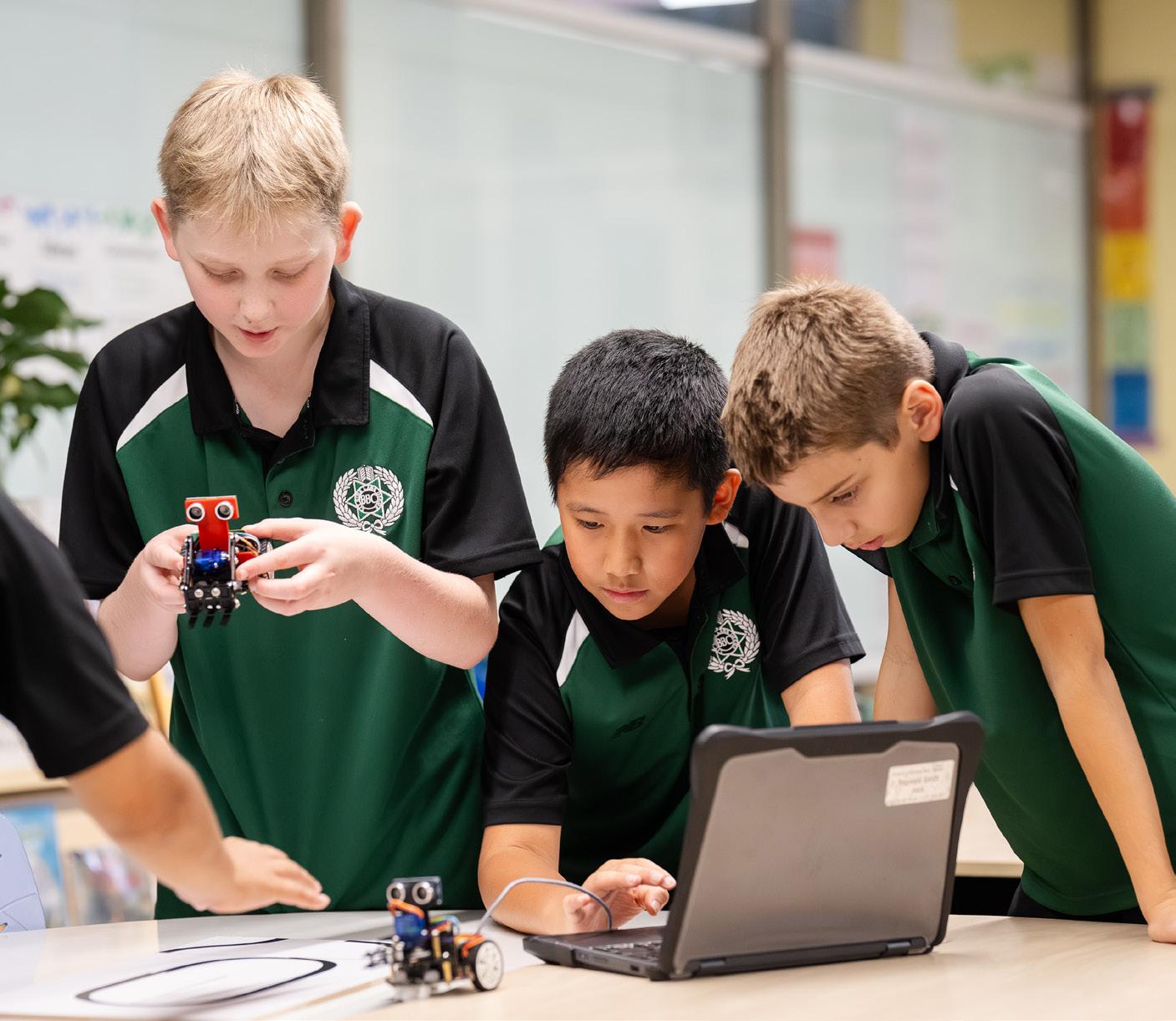
Launched in 2026, BBC’s dedicated Technology classes bring a subject specialist teacher directly into the Junior School, giving Year 5 boys structured, expert-led lessons in digital and design thinking. It’s a meaningful expansion of what a Prep to Year 12 school can offer: specialist knowledge reaching students earlier, building capability, curiosity and confidence long before they arrive in the Secondary School.
Technology classes designed for real world context
The program runs across two semesters, each aligned with a distinct area of the national curriculum. In the first semester, boys dive into digital technologies through a project inspired by one of the most recognisable innovations of the modern economy: automated warehouse systems.
Image: Year 5 students busy at work with robots during their technology class
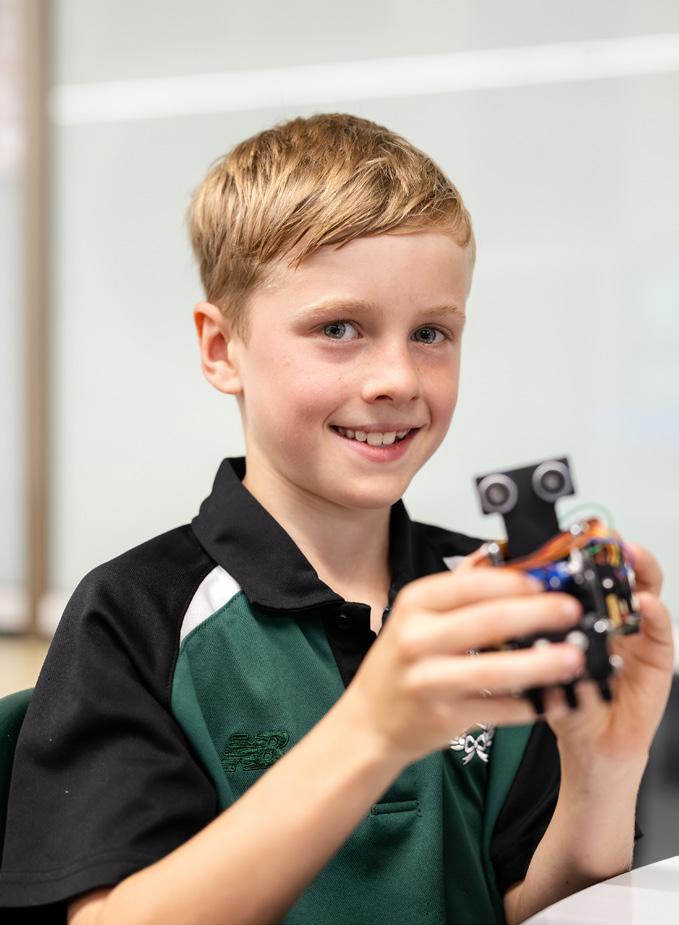
“We looked for real world scenarios that might capture the interest of Year 5 boys,” says Mr Rory Whitelaw, who oversees Technology from Prep to Year 12. “Amazon had automated their warehouses — some of them are almost peopleless, just robots whizzing around to known locations picking up parcels. We thought, what a cool way to engage the boys and give them a real world context.”
Using line following robots similar in concept to those in Amazon fulfilment centres, boys write code that directs autonomous movement, troubleshoot real problems in their programming and document their design process from first concept to working solution.
Year 5 student Tom S. still remembers the surprise of that first lesson: “The first lesson was exciting because I didn’t know what to expect going into it.”
Since then, the challenges have grown — and so has his confidence.
“Making a robot follow a line was harder than I expected, because there are three main steps that are all related to each other,” Tom says. “The coolest thing so far was when we coded a robot to follow a line and
stop when there’s an obstacle in front of it. It was a challenge.”
In the second semester, the focus shifts to Design Technology, where boys explore materials, sustainability and how different material properties can solve design problems. They’ll use sewing machines to construct a small protective case — a bag or capsule for a phone or another item of personal value — working through the full design process before a single stitch is made.
A natural extension of what BBC does best
For Mr Whitelaw, the program is a natural extension of BBC’s long standing commitment to innovation. The College already runs some of Queensland’s most ambitious technology offerings — including the highly sought after iFutures drone building course, where Year 9 boys design, code and 3D print their own working drone. Demand consistently outstrips places, and it’s exactly the kind of enthusiasm he wants boys to discover earlier.
“Boys don’t know they can thrive in something if they don’t know about it or know if they like it,” he says. “By providing a very rich curriculum from Year 5, it opens their eyes to opportunities they might not have had otherwise.”
Head of Junior School Mrs Summa Todd sees the program as a direct expression of one of BBC’s greatest structural strengths.
“We have that advantage of being a Prep to Year 12 school,” she says. “Whenever we’re developing parts of the junior curriculum, it’s great to have a team of experts in the secondary space that we can approach.”
The collaboration between Secondary and Junior School has
been central to the program’s development — and will continue to shape its success. Secondary technology specialists currently deliver the lessons, but Junior School teachers are in the room, learning alongside the boys so that specialist knowledge becomes embedded across the entire Junior School.
A head start for the next generation
The program will expand in 2027 to include Year 6, giving boys four semesters of digital and design learning before they transition into the Secondary School. Through hands-on projects, they will explore emerging technologies using tools such as Micro:bits and Maqueen, engage in block-based programming and computational thinking, respond to design briefs and develop their digital documentation skills. Aligned with the Australian Curriculum: Technologies, this foundation equips students with the confidence and capability to thrive when they begin Year 7.
For now, the clearest measure of success is what the boys are already imagining for themselves.
“I think the class is really fun,” Tom S. says. “I want to do 3D modelling for a job.”
His Year 5 classmate Hamish M. is thinking along similar lines. “I love technology,” he says. “Maybe I might be a software engineer.”
They may only be in Year 5, but that kind of imaginative, forward looking thinking is exactly what the program is designed to spark.
Image: Year 5 students get a hands-on experience with technologies being used in the real world
A culture of generosity built our past and defines our future
Brisbane Boys’ College began in 1902 in a leased Queenslander in which our founder Mr Arthur Rudd (Barney) both lived and taught classes.
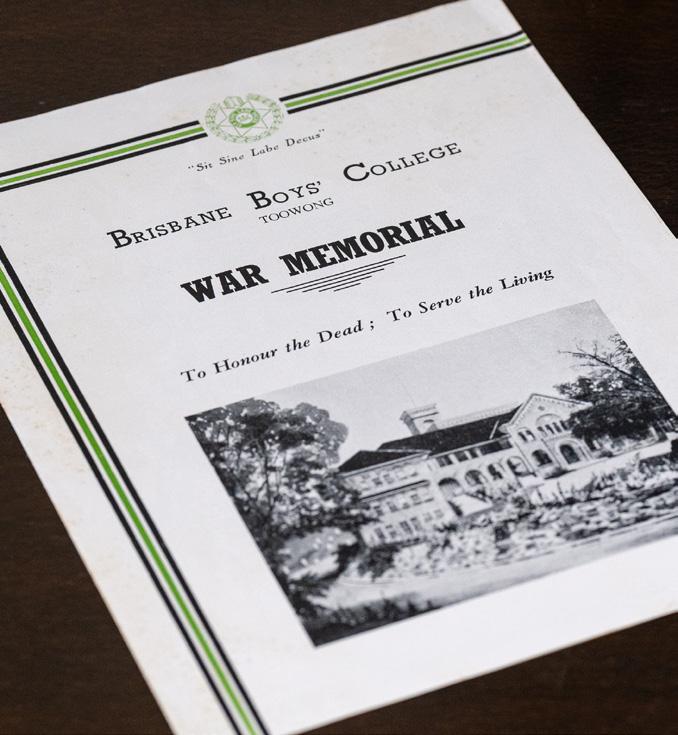
In those early days, there was little need for structures like year levels, house systems, or complex rules. In fact, Barney Rudd had just one expectation of his students: that they should “think, act, and behave as gentlemen at all times”.
That simple idea helped shape a school committed to developing Gentlemen of Honour — young men guided by character, generosity, and compassion as much as achievement.
Mr Arthur Rudd (Barney) wanted his school to be a place in which boys could, with the right guidance, discipline and opportunities, become Gentlemen of Honour.
For over 120 years, BBC has offered boys exceptional academic, sporting and cultural opportunities but alongside those opportunities has always been an emphasis on humility, service and care for others.
From house fundraisers to programs supporting those in need in East Timor and Cambodia, generosity and compassion will always be central to the College experience.
Those same values have always defined our community. Parents, past parents, and Old Boys have supported the College since the very beginning — donating books before there was a library, volunteering their time, sharing professional expertise, and contributing to major building projects that shaped the campus we know today.
Our generous community of parents, past parents and Old Boys has been, and will always be, fundamental to BBC’s future.
Even when times were tough, BBC continued to prosper thanks to parents, past parents and Old Boys. One of the most significant examples came after World War II. In a time marked by grief and loss, the BBC community chose to look forward with optimism and purpose. Together, they built the Memorial Pool — not
simply as a monument to those who served, but as a living part of College life.
Built “To Honour the Dead; To Serve the Living”, the Memorial Pool quickly became part of the heart of BBC. It remains a place of learning, competition, friendship, celebration and reflection — from learn-to-swim lessons to the final-day celebratory jump of Year 12 students.
Pictured on these pages you can see the simple brochure the College created in the late 1940s to launch the fundraising appeal that made the Memorial Pool a reality. As well as the roughest of images, the brochure lays out the funding challenge.
The total cost of £3,500 was funded by the community. The College Council made an initial contribution of £500 with a further £500 to follow when the fund reached £3,000. The remaining £2,500 (over 70 percent) came from Old Boys, parents and friends of the College.
We know the appeal was successful because the pool was opened within a year of the College calling for support.
As we look towards our future with excitement and hope for what the next decades bring for our College,
Image: The College brochure used in the late 1940s to fundraise for the Memorial Pool
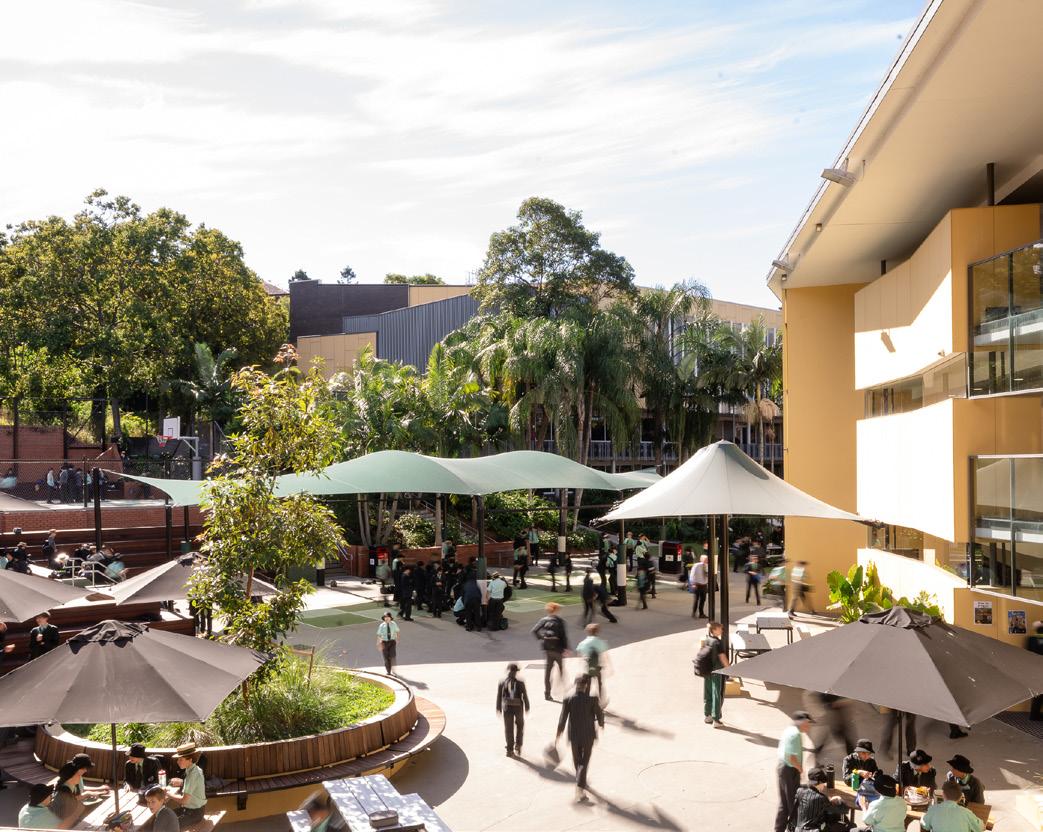
we are again calling for support.
Our Built for Boys Campus Vision and Master Plan is already underway, with multiple projects completed to date. While some improvements can be funded operationally, transformational projects require a combination of prudent debt, strategic asset management and philanthropy — just as they do at leading schools around the world.
The Built for Boys Campus Vision and
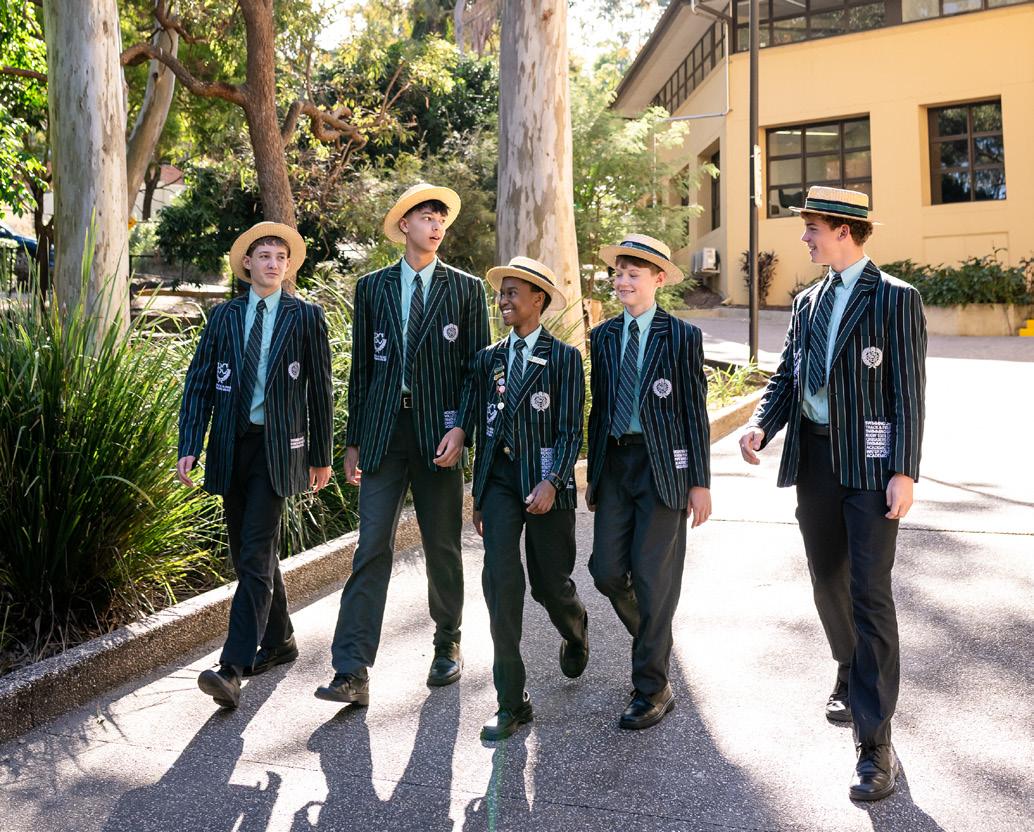
Master Plan is a carefully considered roadmap to the future of this campus, developed through extensive consultation with our community and a clear-eyed assessment of our competitive environment. Our plan also recognises the huge opportunity offered by the upcoming Olympic and Paralympic Games.
Later this year, we will announce a major new Master Plan project — and the campaign that will help bring it to life.
Giving to BBC through the Foundation
As always, support for these projects will be made through the BBC Foundation.
We hope you will join us in building the next chapter of Brisbane Boys’ College as we make history and his story etched in Barney Rudd’s vision of Gentlemen of Honour.
Watch this space!
In practical terms, the Foundation* exists to ensure that gifts to the College for approved purposes including buildings and bursaries are structured in a way that allows eligible donors to receive a tax deduction.
Funds given through the Foundation are applied only to approved purposes and are managed carefully from the time they are received until they are used. Where funds are held over a longer period, such as endowed scholarships or bequests, they are invested in line with the Foundation’s governance framework to support both income and long-term growth.
The Foundation Board provides oversight of this framework ensuring funds are administered in accordance with their purpose, donor intent and regulatory requirements. While the Foundation plays an important stewardship role, its function is to support the College as the ultimate beneficiary.
In short, donors do not give to the Foundation, but through it, providing a structure that ensures gifts are tax effective, well governed and directed to the priorities of Brisbane Boys’ College.
*The Brisbane Boys’ College Foundation is established as a public company limited by guarantee and registered with the Australian Charities and Not-for-profits Commission.
For further information about the Foundation and its role, please email Advancement Manager Cathy Stacey on cathy.stacey@bbc.qld.edu.au or call 0434 074 372.
Image: Brisbane Boys’ College in the 21st century
Image: Brisbane Boys’ College in the 21st century
OCA EVENTS AND REUNIONS
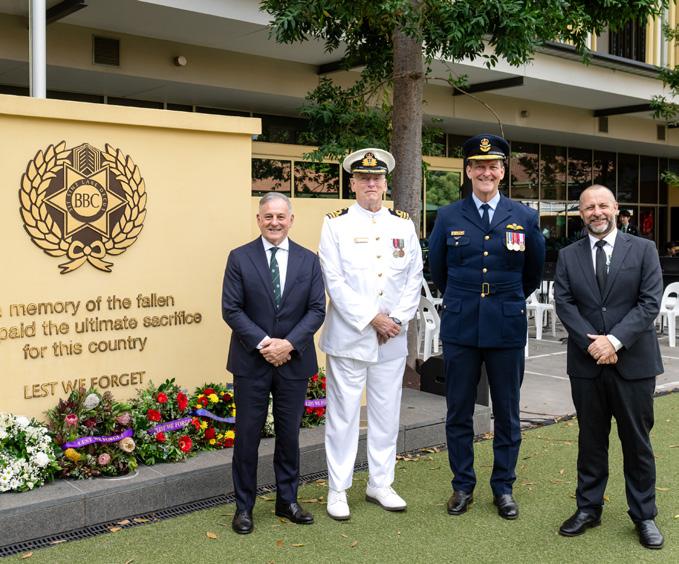
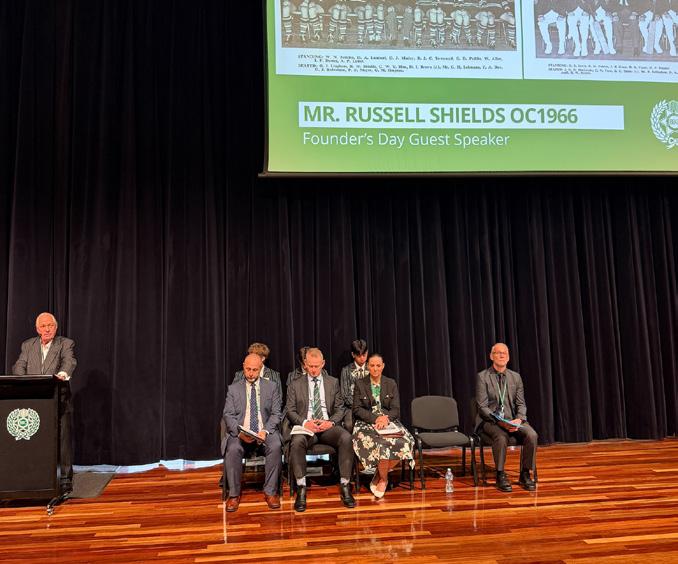
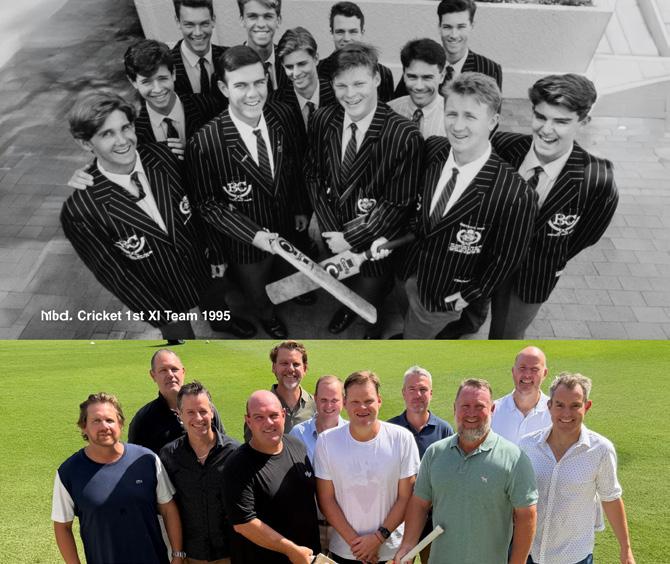
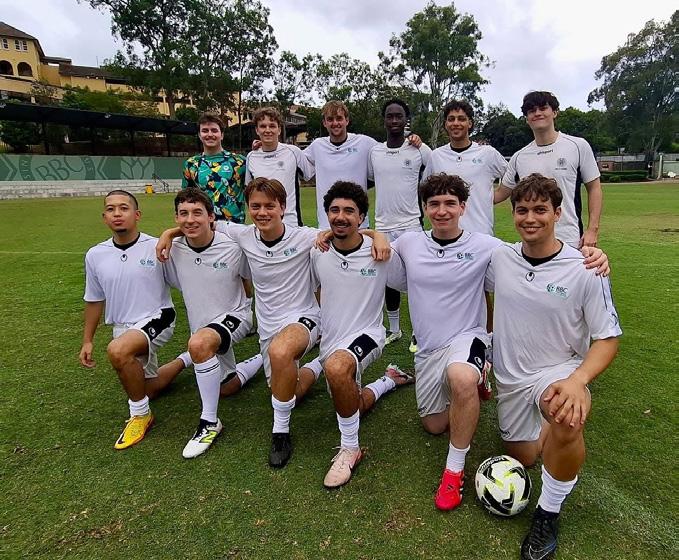
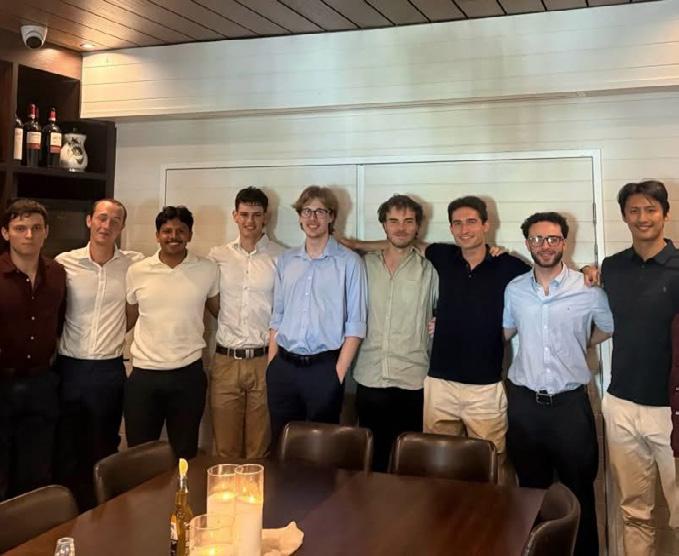
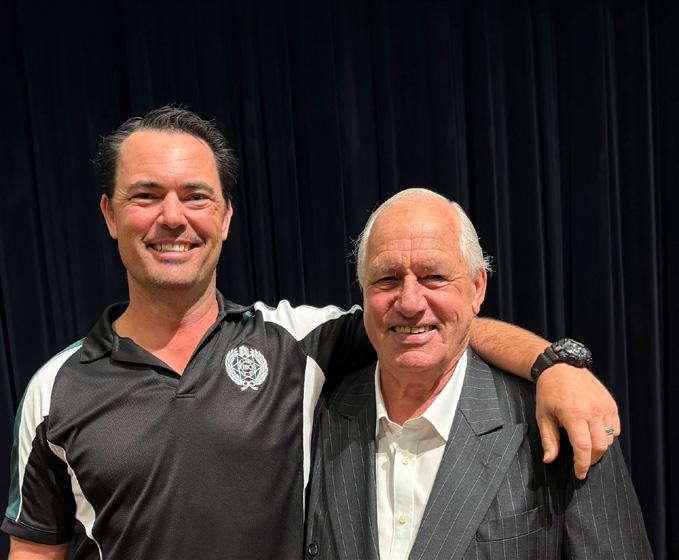
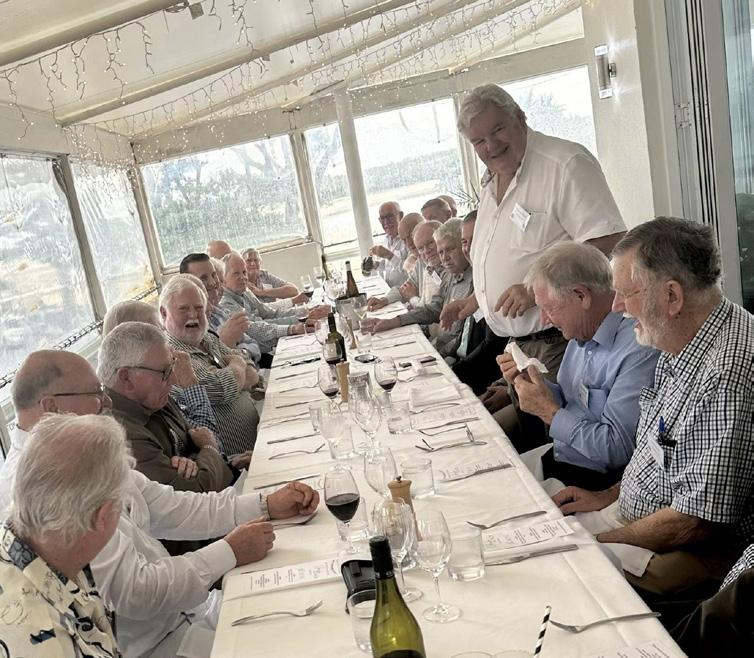
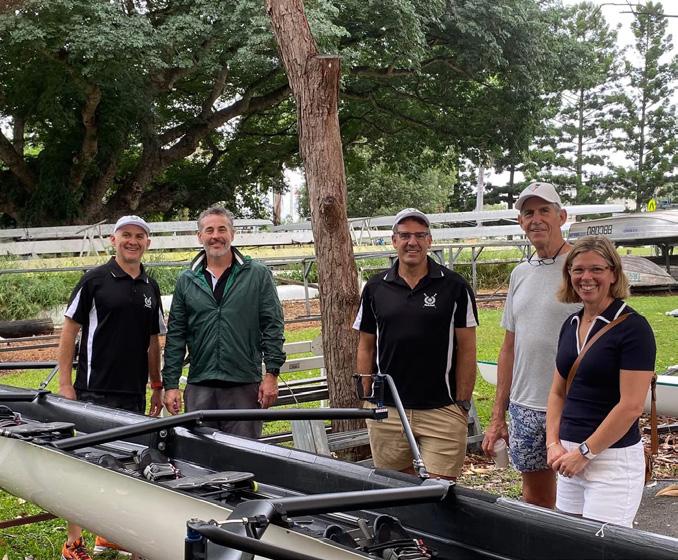
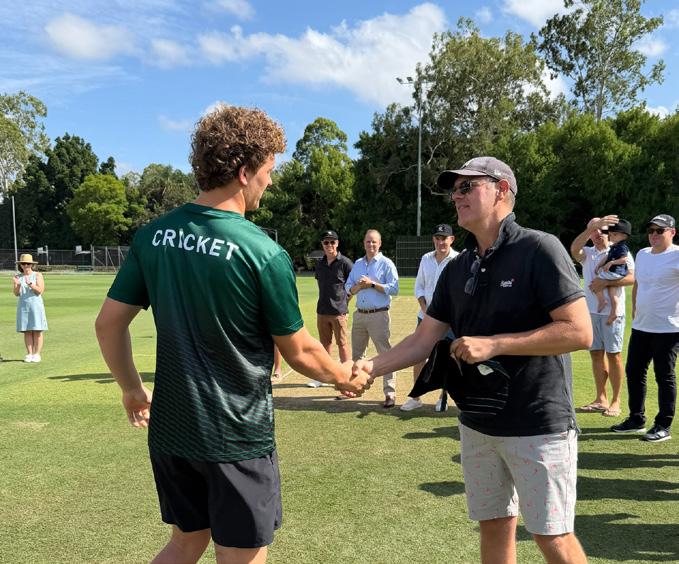
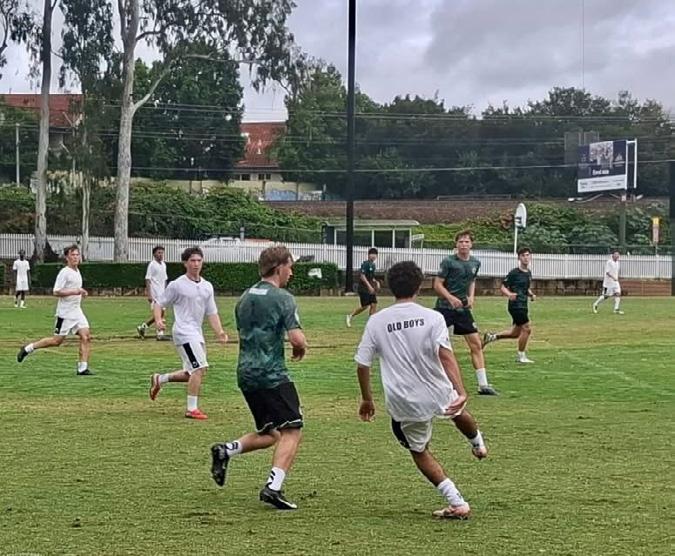
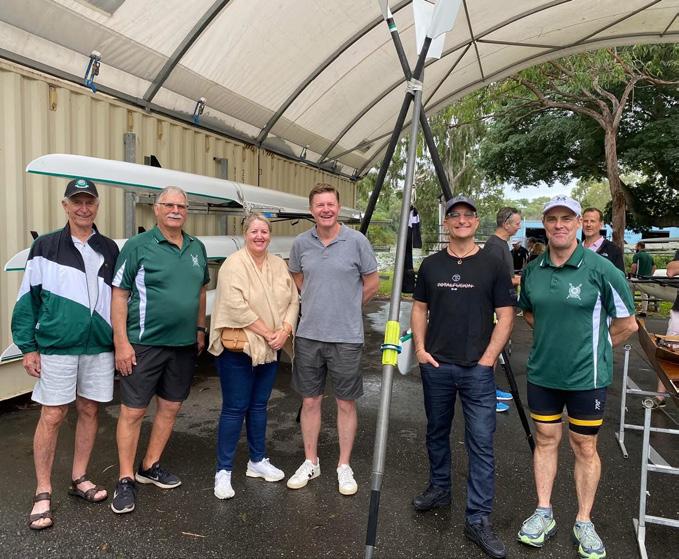
1. Anzac Day Air Commodore Paul Pettigrew (OC 1986) and Dr Paul Davidson CMDR RAN (retd) (OC 1965)
2. Class of 2020 Catch-Up 3 - 5. Founder’s Day Russell Shields (OC 1966) and Brett Shields (OC 1995)
6 - 7. 1995 First XI Cricket Presentation 8. Vintage Collegians’ Lunch 9 - 10. Alumni vs First XI Football
11 - 12. OCRC Boat christenings 1. 7. 4.
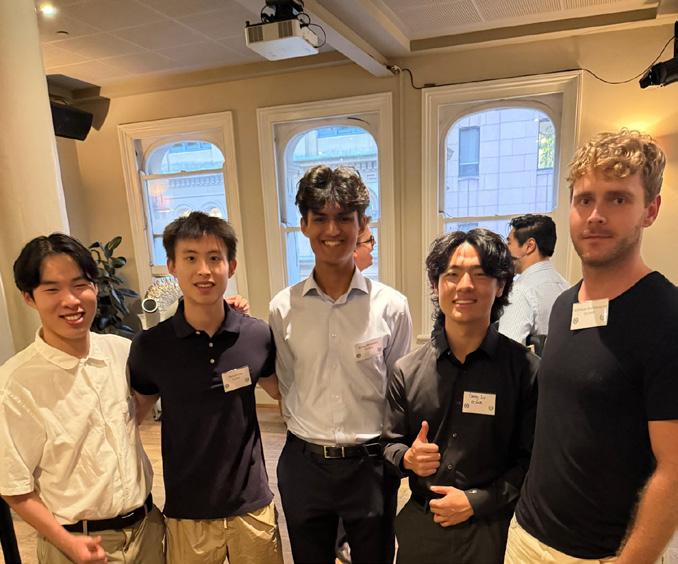
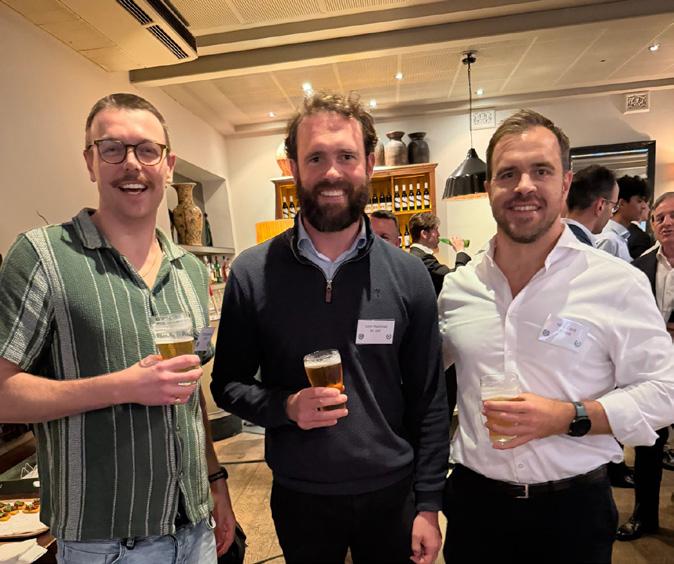

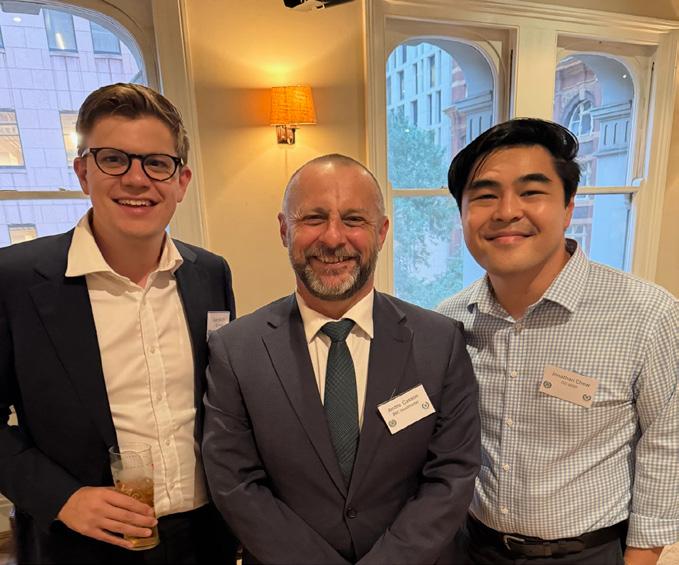
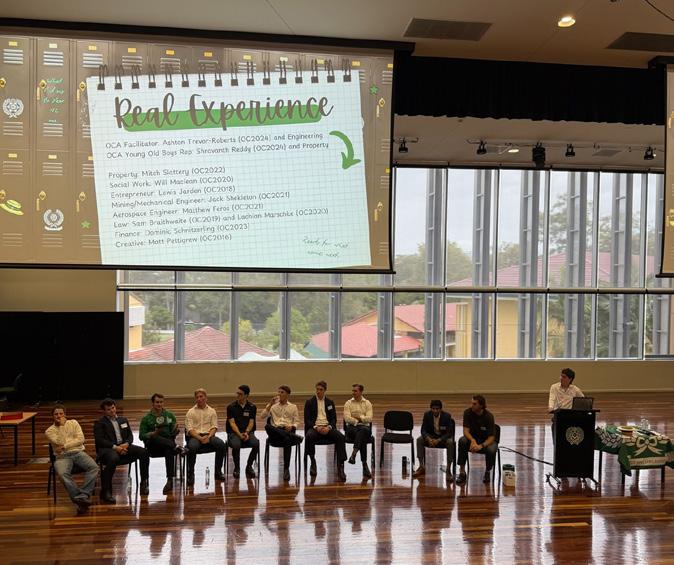
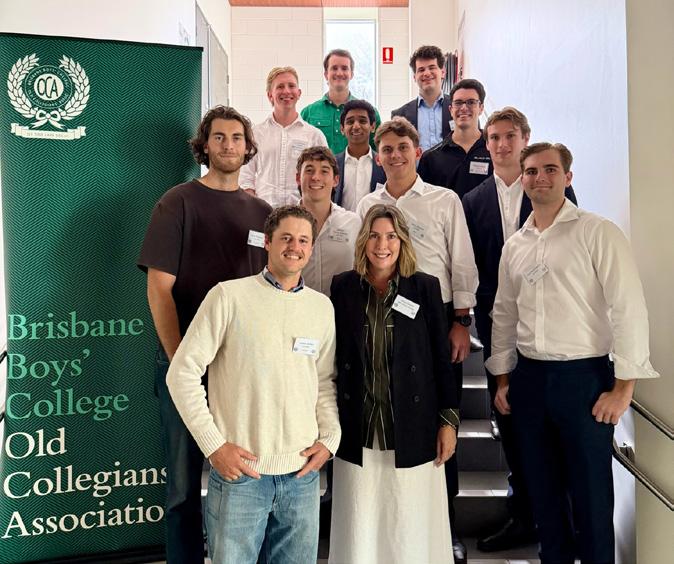
Exclusive enrolment offer for Old Boys
In appreciation of the legacy our Old Boys continue to build, we are delighted to offer a reduced alumni rate of only $124 when submitting an enrolment application in 2026, our school’s 124th year. This offer is valid for any Old Boy applying for their sons to be accepted as local or international students. Offer valid until 31 December 2026. Please use the discount code BBCOCA2026

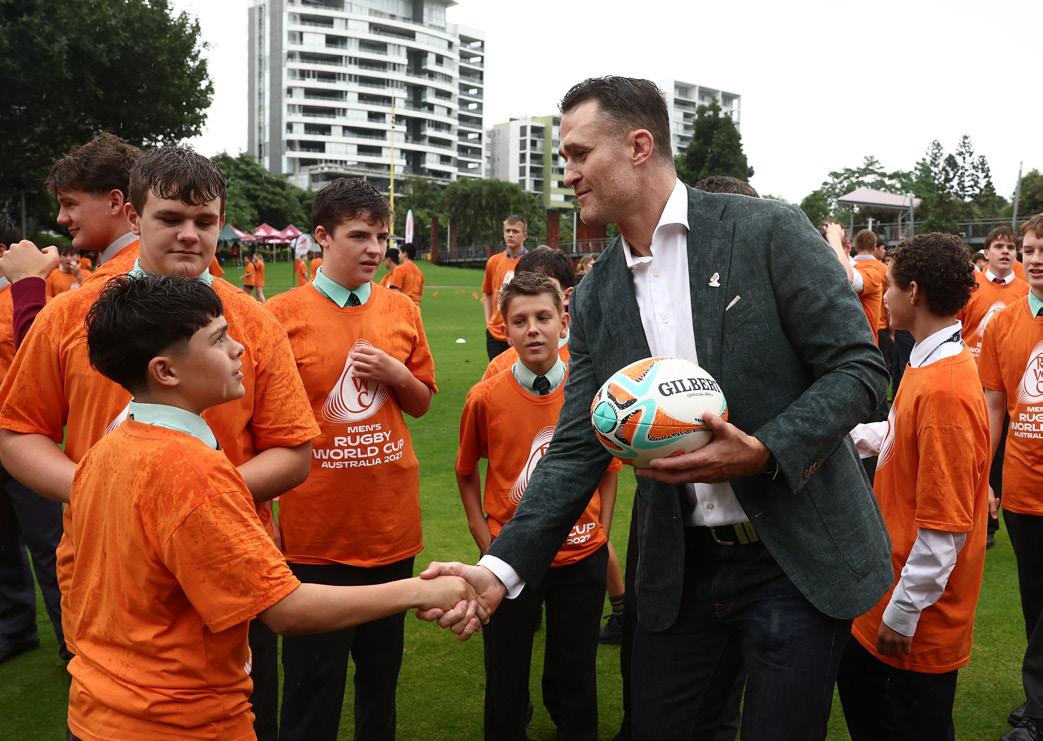
Rugby Academies named after BBC legends, built for the next ones
With the launch of two new Rugby academies earlier this year, Brisbane Boys’ College has taken an exciting step forward for BBC Rugby while honouring two of its most celebrated Old Collegians of the game: Will Genia (OC 2005) and James Horwill (OC 2002).
The academies honour a pair of men whose careers were forged on the same fields where today’s BBC boys train. Both went on to earn Wallabies caps — 110 for Genia and 62 for Horwill — and enjoyed illustrious careers both in Australia and abroad.
For Director of Rugby Mr Welmar du Plessis honouring Genia and Horwill will inspire the next generation to follow in the footsteps of such greats.
“We’ve proudly launched these academies named after two of our greatest Wallabies and Old Boys, Will and James,” Mr du Plessis says. “These academies represent the future of BBC Rugby and the continuation of our strong Green, White and Black tradition.”
The Will Genia Junior Rugby Academy is open to all BBC boys from U9–U12 who are passionate about improving their rugby skills and understanding of the game and will focus on core skill development, game understanding and decision making, position-specific fundamentals and building confidence and enjoyment in the game.
The James Horwill Senior Rugby Academy is an invitation-only program that offers 25 players each year from the U13–U15 cohort high-quality coaching, advanced skill development, leadership education and exposure to high-performance standards that align with the College’s senior rugby pathway.

Midfield maestro and Old Collegian heading to the 2026 FIFA World Cup
Whether he’s protecting the midfield for New York City FC in the Big Apple or on the international stage with the Australian Socceroos, Aiden O’Neill (OC 2015) is the kind of footballing success story that will inspire BBC’s current generation of footballers that Old Collegians can make it to the English Premier League with the best-of-the-best or help their nation at the FIFA World Cup.
Born and raised in Brisbane, O’Neill attended Brisbane Boys’ College before moving to England to pursue his passion for the beautiful game, eventually signing for Burnley and making his debut in the Premier League against Liverpool in 2016.
He went on to play in the A-League and the Belgian Pro League but now calls New York his home, having cemented his place in the midfield with New York City FC (NYCFC) in the MLS (Major League Soccer).
With World Cup fever spreading across the globe for the 2026 World Cup in the United States, Canada and Mexico, O’Neill has been a vital part of the Socceroos defensive midfield.
For the next generation of footballing BBC boys, O’Neill’s journey from Brisbane to the Premier League and the World Cup, should serve as a testament that with the talent, perseverance and ambition, your footballing at Brisbane Boys’ College can take you anywhere.
Image: Old Collegian Mr James Horwill meets BBC boys at a Rugby World Cup 2027 event
Image: Old Collegian Mr Aiden O’Neill in action for New York City FC in the MLS league [Bryan Berlin, CC BY-SA 4.0 via Wikimedia Commons]
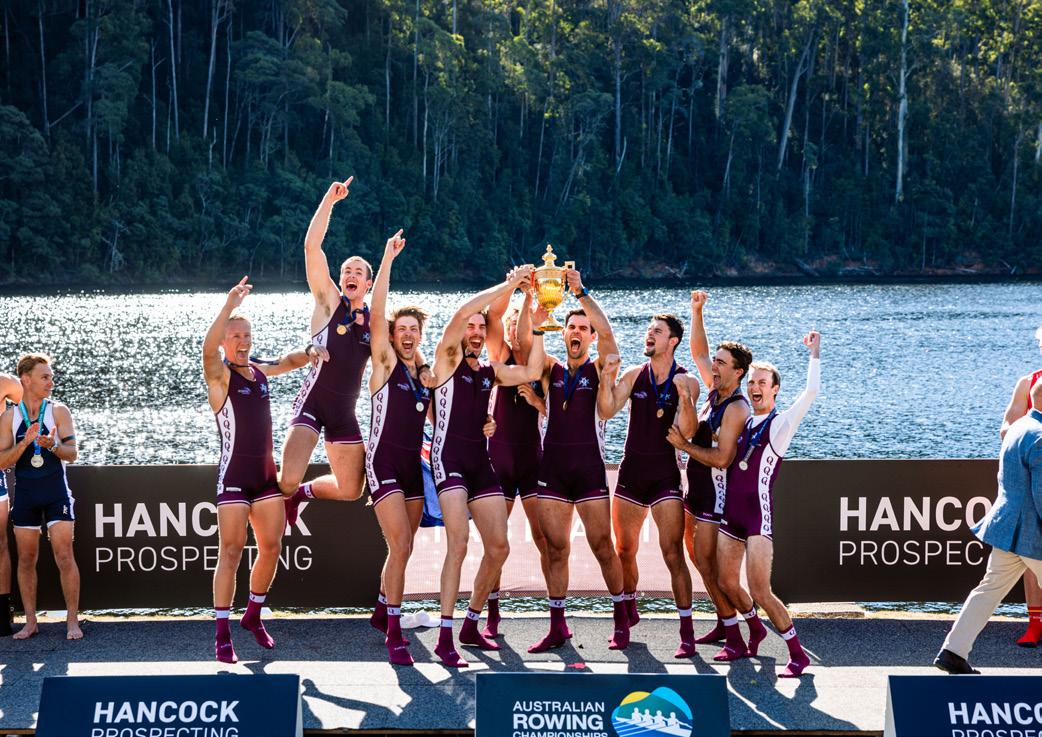
BBC Old Boys oar-some victory at the King’s Cup
Brisbane Boys’ College Old Boys were front and centre at this year’s 2026 Australian Rowing Championships Interstate Regatta where the Queensland men’s eight delivered a front-running performance to claim the King’s Cup — ending an 87-year drought for the sunshine state.
Since 1878, the King’s Cup has been contested by state representative men’s heavyweight eights at the annual Australian Interstate Regatta — Australia’s blue-ribbon rowing race.
BBC Old Boys representing Queensland in the King’s Cup eight were Mitch Salisbury (OC 2020), Darcy Watter (OC 2020), Monty Martin (OC 2022) and Lex Tucker (OC 2022), with Randall Martin (OC 1990) serving as crew coach.
Other Old Boys representing the University of Queensland Boat Club (UQBC) and Queensland in different teams and winning medals for their club and state, included Conrad Scott (OC 2024), Fred Atkins (OC 2024), Thomas Stevens (OC 2023), Mitch Owen (OC 2023) and Joe Thynne (OC 2023).
Rowing has long been one of the College’s cornerstone pursuits — a sport that builds the qualities BBC values to produce young men of discipline, resilience and remarkable team character.

Image: Old Collegians in Queensland’s King’s Cup eight celebrate their historic win
Strengthening the ties that bind Old Collegians and the next generations
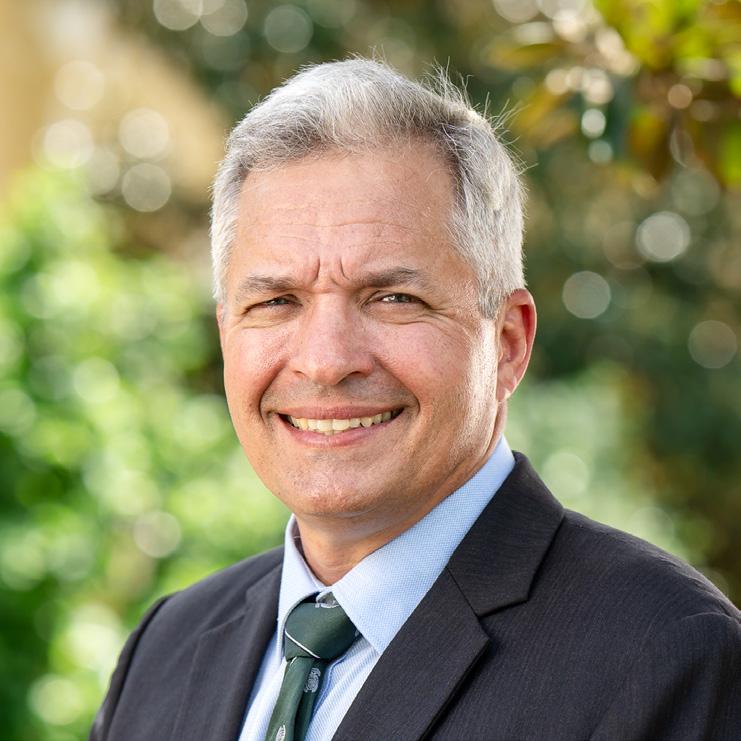
The first half of 2026 has been a strong and encouraging period for the Old Collegians’ Association, with a real focus on connection, engagement and strengthening the ties between Old Boys and the College.
At the start of 2026 our AGM set the direction for the year ahead, while events such as Founder’s Day, the Toowoomba and Caloundra Luncheons and our Sydney Reunion brought Old Boys together across generations and across the country.
ANZAC Day once again reminded us of the traditions and values that continue to shape BBC men across generations. It has also been pleasing to see the continued growth of our Young Old Boys initiatives through Touch Rugby League (TRL) Day and the increasing involvement of recent graduates.
We are always keen to welcome Old Boys onto the OCA Committee and would particularly love to hear from anyone who graduated during the 1980s, as we currently seek representation from that decade around the table.
One of the highlights of the term was the opportunity for the OCA
to speak directly with our Year 12 students about what it means to remain part of the Green, White and Black after graduation. Through a panel of young Old Boys sharing honest and practical insights into life after school, the boys were able to see firsthand the value of the BBC network and the importance of staying connected to one another.
The OCA has been proud to support the College’s Legacy Lines initiative this year. The response from families and Old Boys has been overwhelmingly positive and highlights the pride so many families feel in their connection to BBC across generations. More than just embroidery on a blazer pocket, Legacy Lines celebrates the stories, traditions and family ties that continue to shape our College community.
The OCA Portal continues to grow as a practical way for Old Boys to connect professionally and
personally. Increasingly, we are seeing Old Boys willing to offer advice, mentoring, introductions and career support to fellow members of the BBC community, and I encourage all Old Boys to take advantage of this resource, whether you are looking to reconnect, seek guidance or offer your own experience to others.
I look forward to seeing many of you throughout the remainder of the year, particularly as we head towards reunion season and Old Boys’ Weekend (21-22 August 2026), always one of the great highlights on the BBC calendar.
Mr Murray McNaught (OC 1992)
Old Collegians’ Association President
Threads of time
BBC’s Living History, Stitched in Green, White and Black
Somewhere in Queensland, a heavy school blazer hangs in a wardrobe that no longer belongs to a boy. It belonged to his father, and his grandfather before him. The cut has evolved across the decades, but the trim and the profound sense of belonging it carries have remained constant.
To honour this quiet, enduring continuity, Brisbane Boys’ College in 2026 introduced “Legacy Lines” — a subtle, elegant stitch of generational pocket embroidery on school blazers that marks when a current student is the son or grandson of an Old Collegian.
For families like the Gordons, whose BBC story began with Douglas Gordon at Clayfield College in 1921, the embroidery represents over a century of shared character.
Grandfather Mr Andrew Gordon (OC 1961) watches his grandsons follow in the footsteps of those before them with immense gratitude.
“I am pleased my sons and then grandsons are fourth generation at BBC,” Andrew says. “My time at BBC taught me Respect, Belonging, Resilience, Honesty and to never give up!”
His son, Mr Campbell Gordon (OC 1999), believes the physical recognition deepens a boy’s relationship with the school’s heritage.
“Traditions like legacy lines enable conversations between boys, old boys, families and the BBC community,” Campbell notes. “They provide a platform for school yard stories to span generations and is a fantastic recognition.”
Yet, the beauty of the initiative is that it does not merely look backward. Every legacy line had to begin somewhere, and today’s firstgeneration families are currently weaving the threads that their own descendants will one day wear.
As Alumni Manager Mrs Tanya Bester explains, the project is as much about the future as it is the past.
“There’s a real pride in being part of the Green, White and Black,” Ms Bester says. “Just as importantly, for those boys who are the first in their family at BBC, there’s something really special in knowing they’re the ones starting that story for generations to come.”
It is a quiet but powerful, daily reminder of who came before, what was built and the empty lines of history still waiting to be stitched.
Celebrate your family’s story with Legacy Lines — a timeless pocket embroidery that links your son to generations of Old Boys within the same family. Subtle, elegant and proudly worn on the blazer, Legacy Lines spark conversations, honour heritage and celebrate the enduring bonds of our community.
For current BBC students wishing tohavetheirfamilylegacy(2nd, 3rdor4thGenerationCollegian) embroidered on their blazer pocket, Legacy Lines can be ordered by filling out this application form:
Legacy Lines | Generational Embroidery Application

Inquiries: please contact Tanya Bester, Alumni Relations Manager, on 0416 085 136 or tbester@bbc.qld.edu.au
CO-CURRICULAR EVENTS
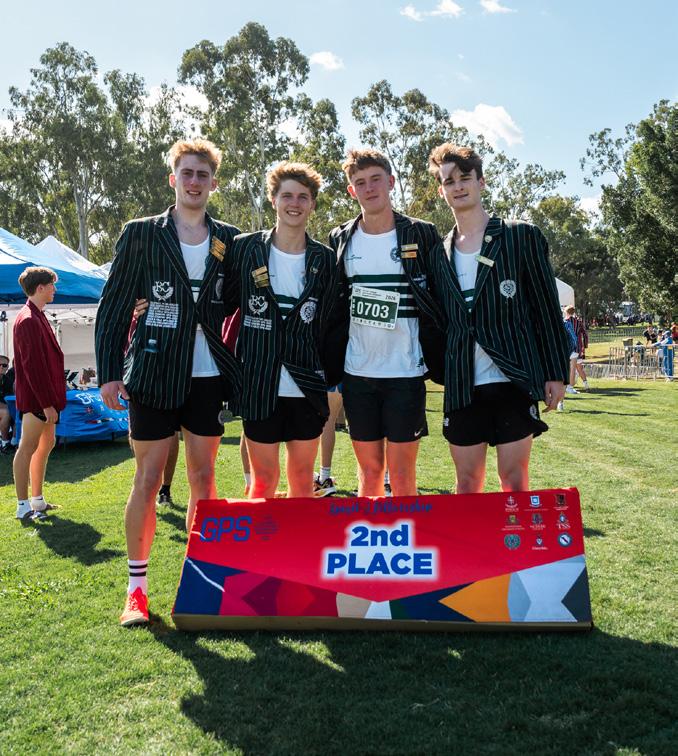
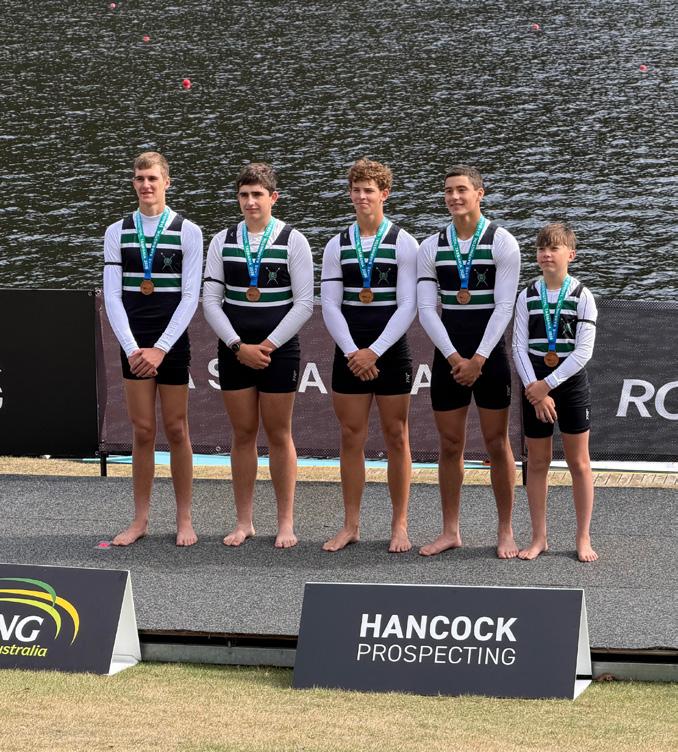
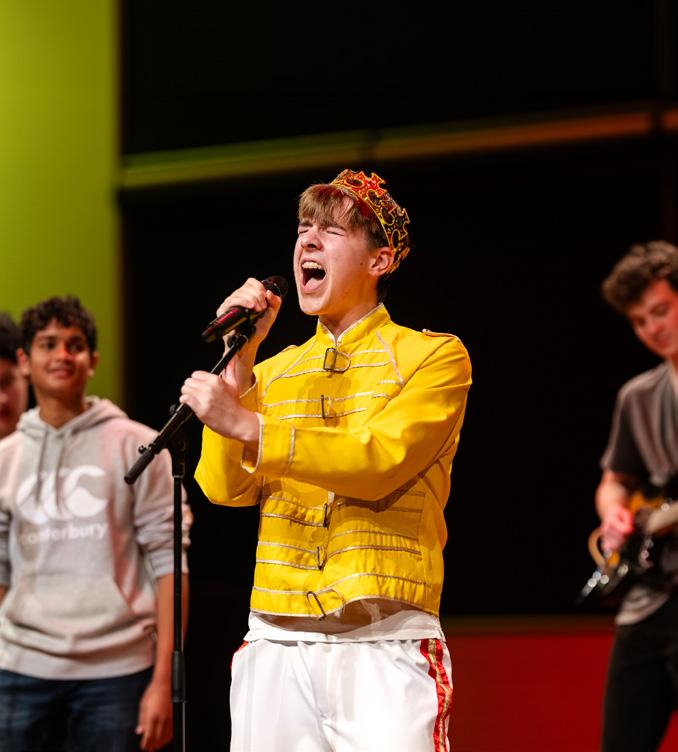
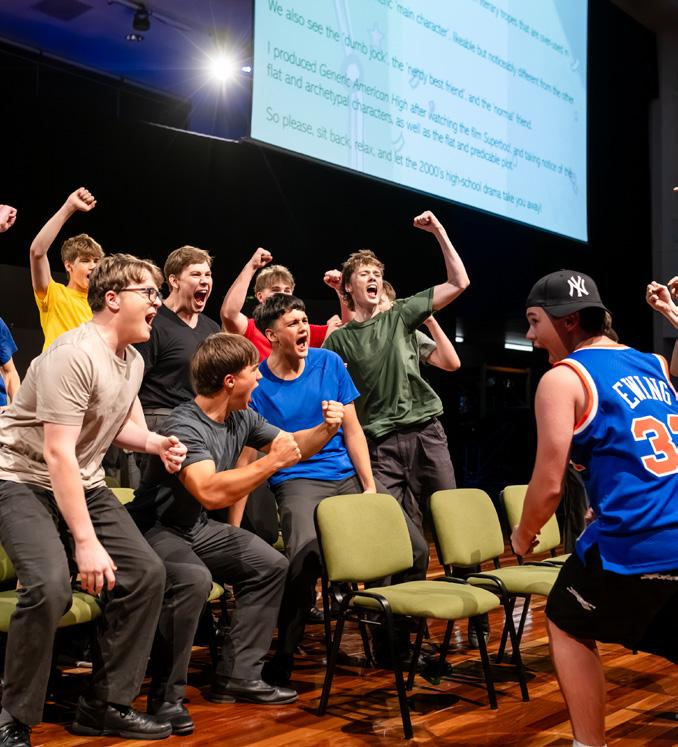
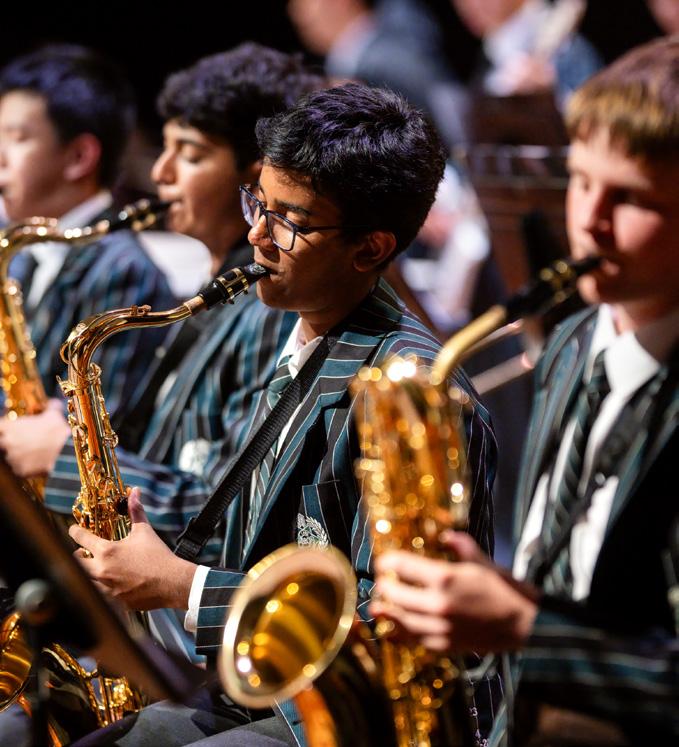
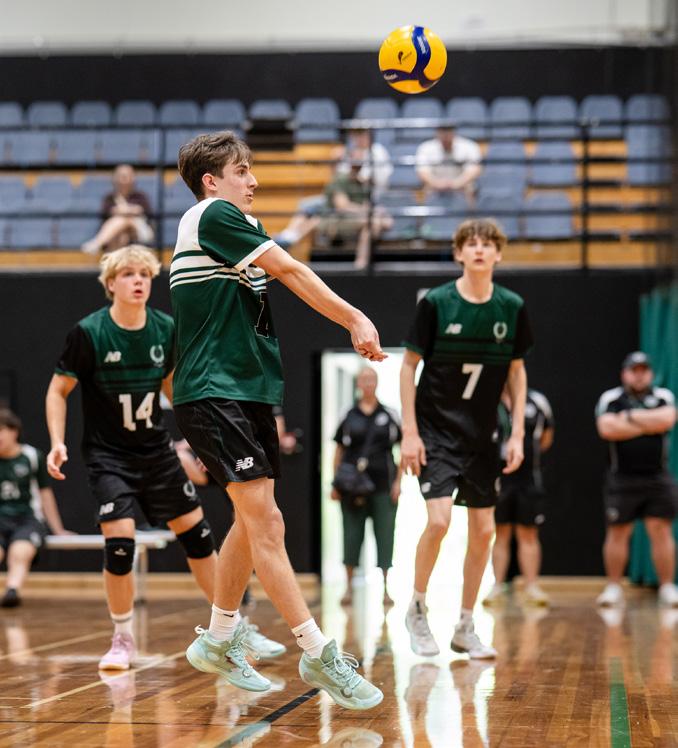
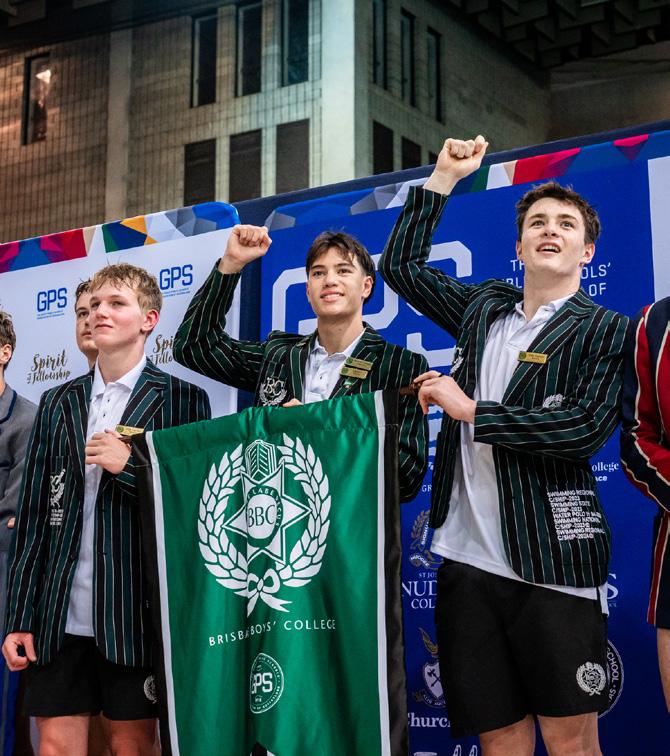
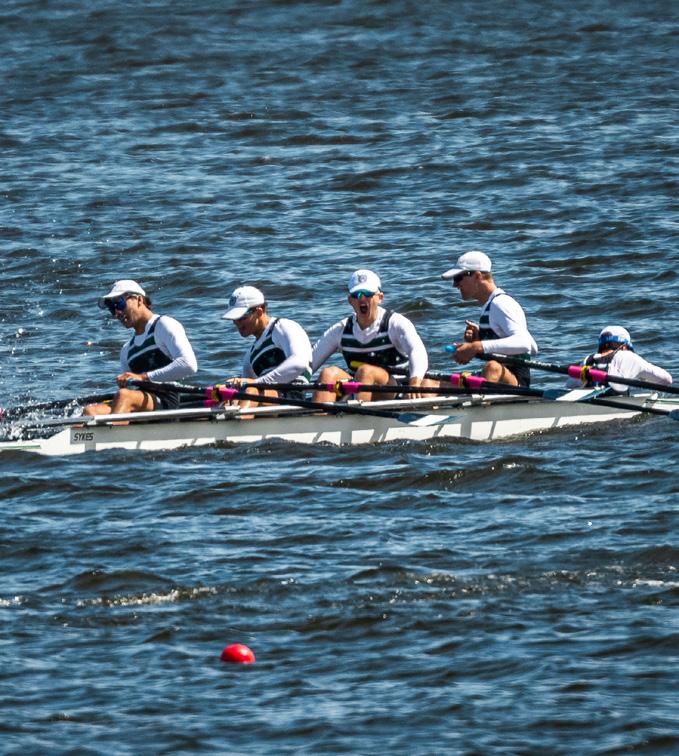
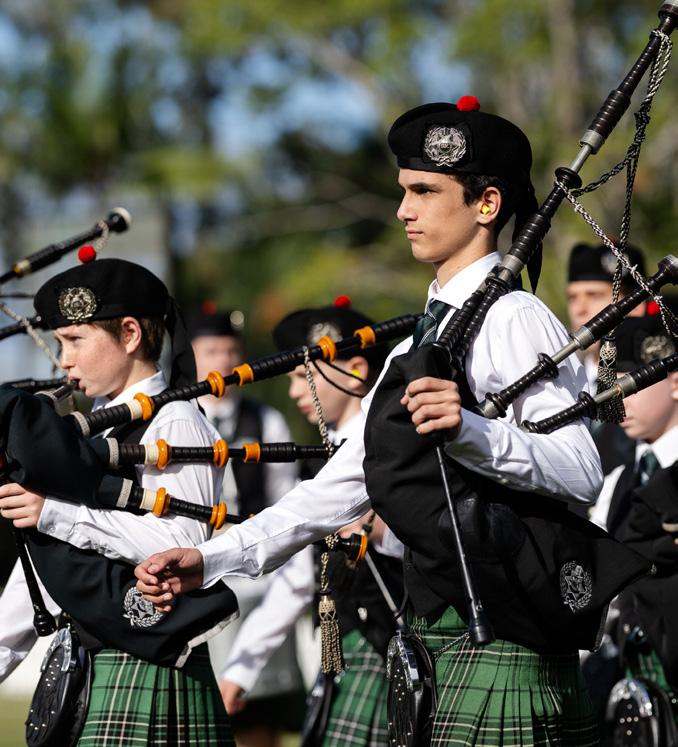
1. 2026 GPS Cross Country Championships - 2nd Place
2. 2026 Australian Rowing Championships Year 10 students win bronze in U17 Schoolboys Coxed Quad Scull
3. BBC Queen Tribute Concert 4. BBC Spotlight Showcase 5. BBC Twilight Concert
6. First VI Volleyball place third in GPS 7. 2026 GPS Swimming Championships - 4th Place
8. Year 10 First Quad win first at Head of the River
9. Queensland State Pipe Band Championships and Tartan Spectacular Festival 1. 7. 4. 2.
Our Sponsors
Brisbane Boys’ College is grateful for the support of the businesses and organisations that partner with us through our Sponsorship Program. Their investment helps strengthen our sporting, cultural, academic, and community programs, enriching the experience of students and families across the College.
College Partners

Honour Sponsors









Thrive Sponsors