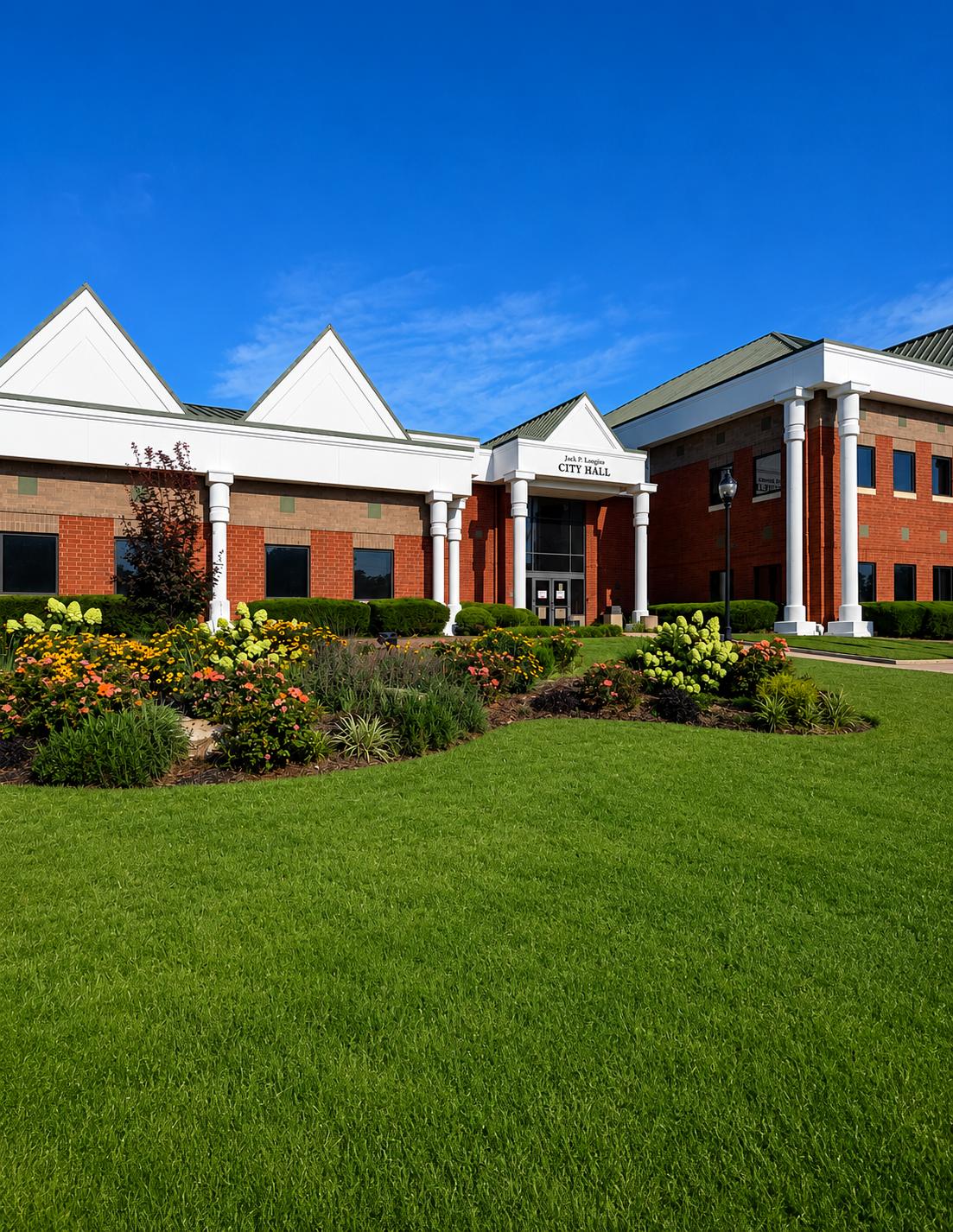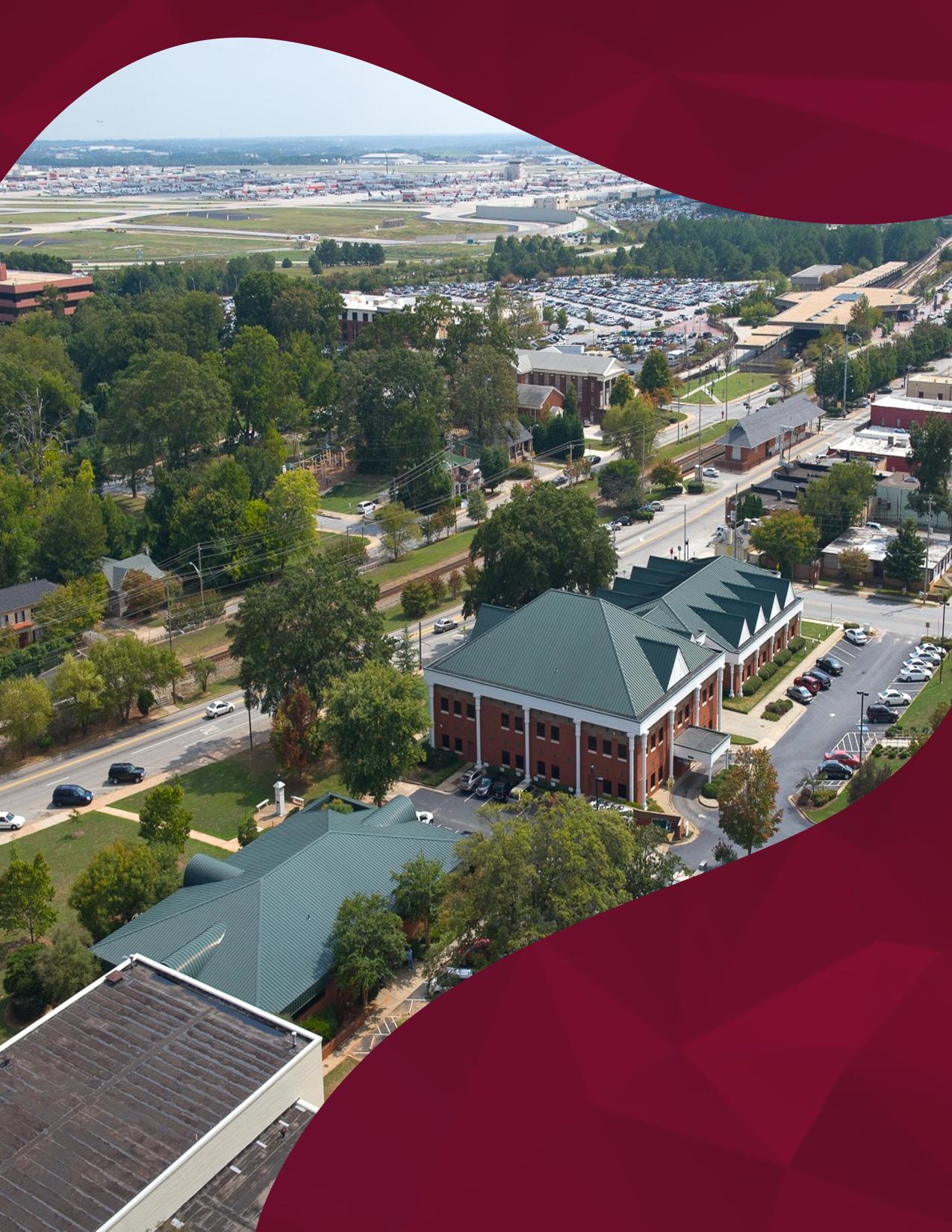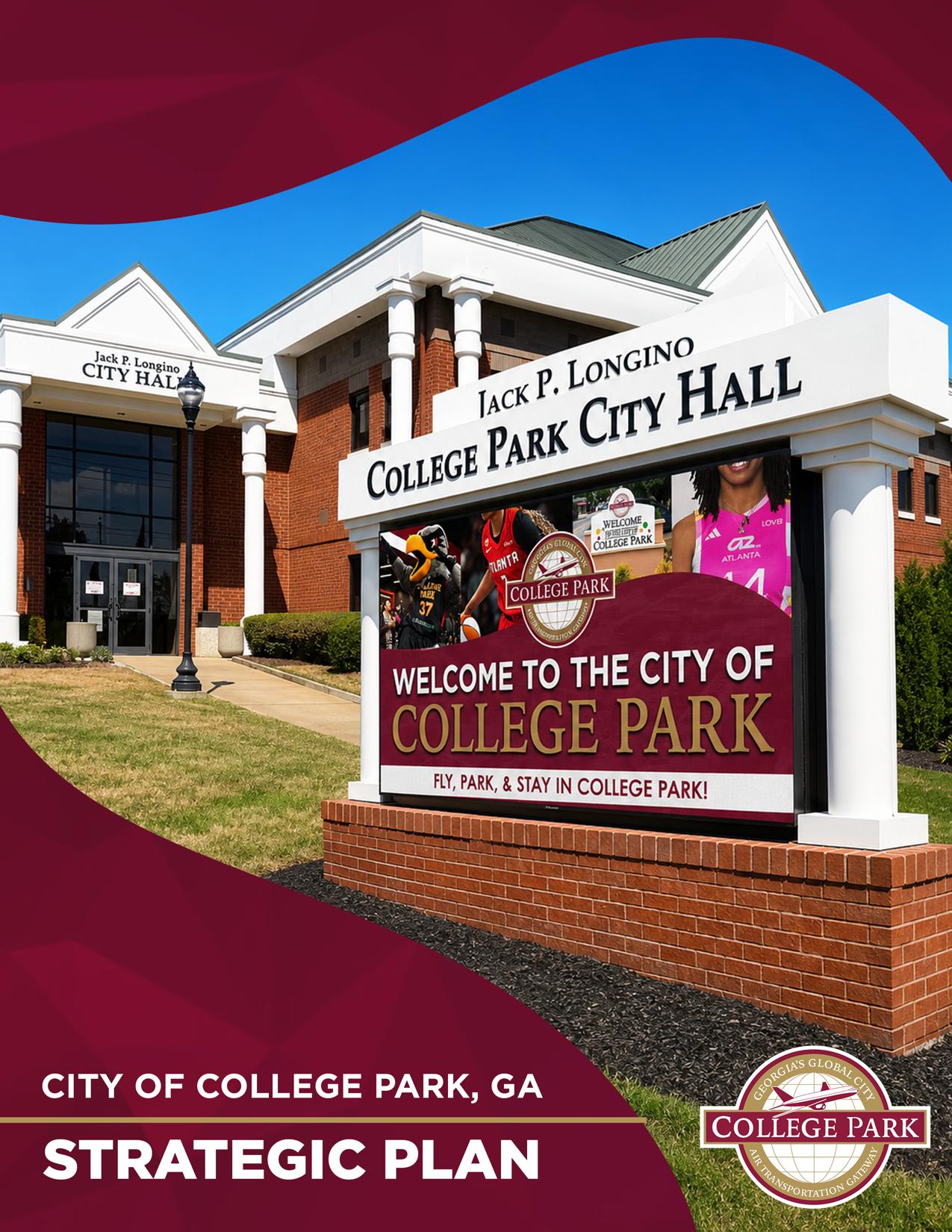


The City of College Park continues to serve as a major regional center for commerce, aviation, and economic activity. Situated within both Clayton County and Fulton County, the City is uniquely positioned, with Hartsfield-Jackson Atlanta International Airport— located in two counties—anchoring our community and driving significant daily activity. College Park is home to several major employers and institutions, including Chick-fil-A Corporate Headquarters, one of the nation’s highest-yielding Coca-Cola Bottling Company production and distribution facilities, Sysco Foods Atlanta, and 36 hotel and motel establishments that support a daytime population exceeding 300,000, alongside more than 15,000 permanent residents.
Additional key features of our community include the Southeast Regional Headquarters of the Federal Aviation Administration and Woodward Academy, the largest independent preparatory school in the continental United States. Municipal operations encompass our Gateway Center Arena and the Georgia International Convention Center—the second largest convention facility in the state—as well as multiple enterprise utilities, including College Park Power, the City’s electric distribution system.
The City operates through 15 departments with an annual operating budget of approximately $225 million. College Park is also notable for its historic character, featuring more than 853 properties listed on the National Register of Historic Places. Our street and avenue names reflect the community’s heritage, drawing from Ivy League institutions and influential long-time residents.
Aligned with the City’s Strategic Plan, these assets reinforce College Park’s commitment to advancing economic development, enhancing transportation and infrastructure, strengthening community engagement, and preserving the City’s historic and cultural identity. Strategic initiatives continue to focus on improving service delivery, supporting sustainable growth, and ensuring that College Park remains a thriving, resilient, and well-managed community for residents, businesses, and visitors.
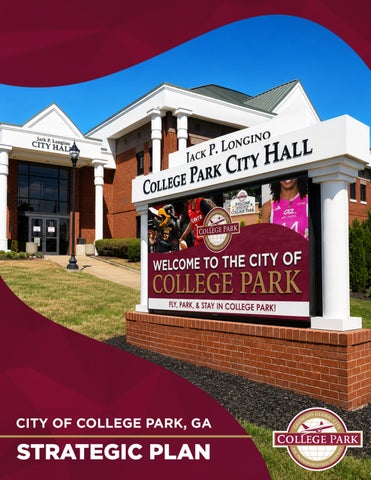
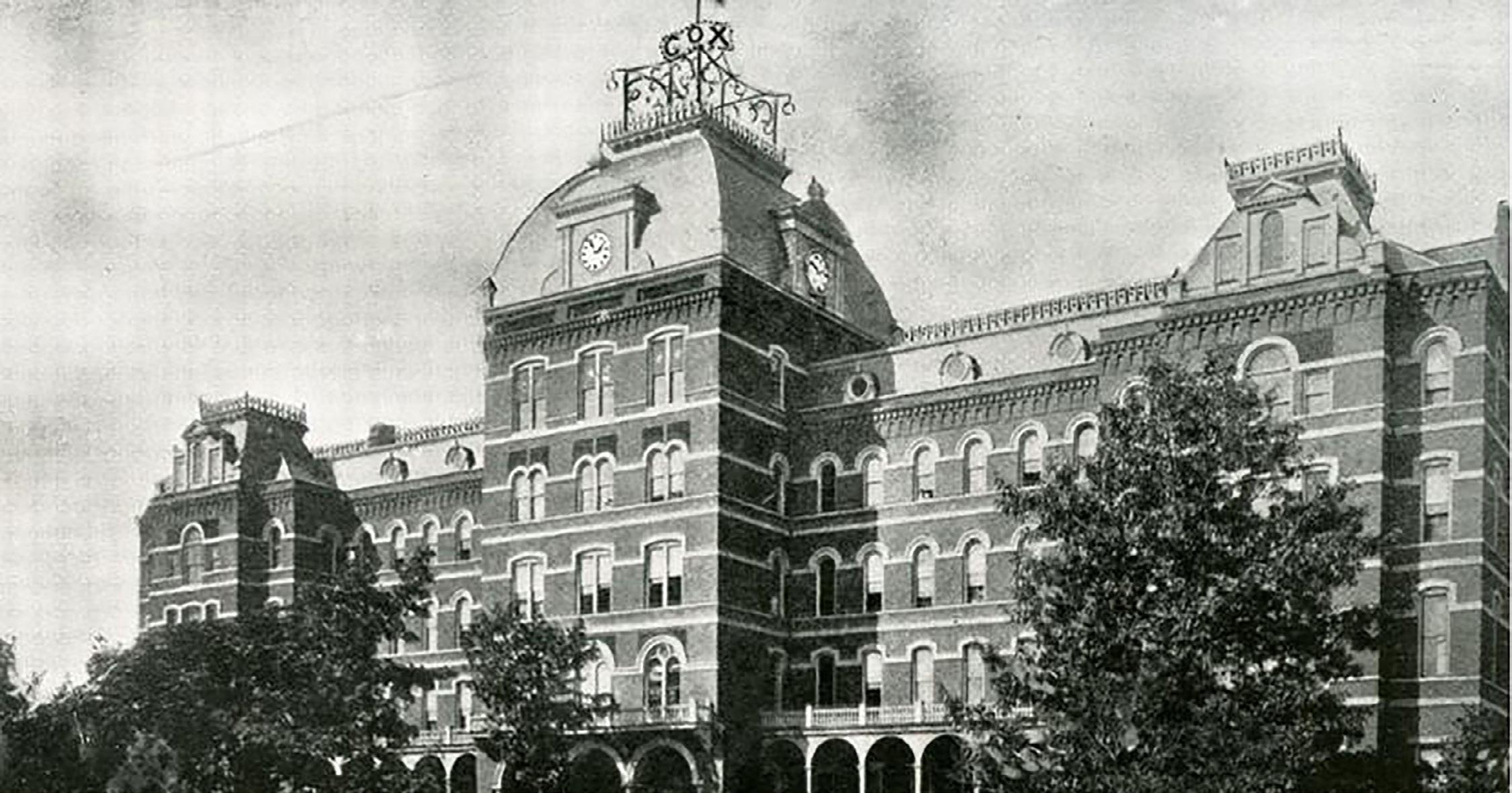
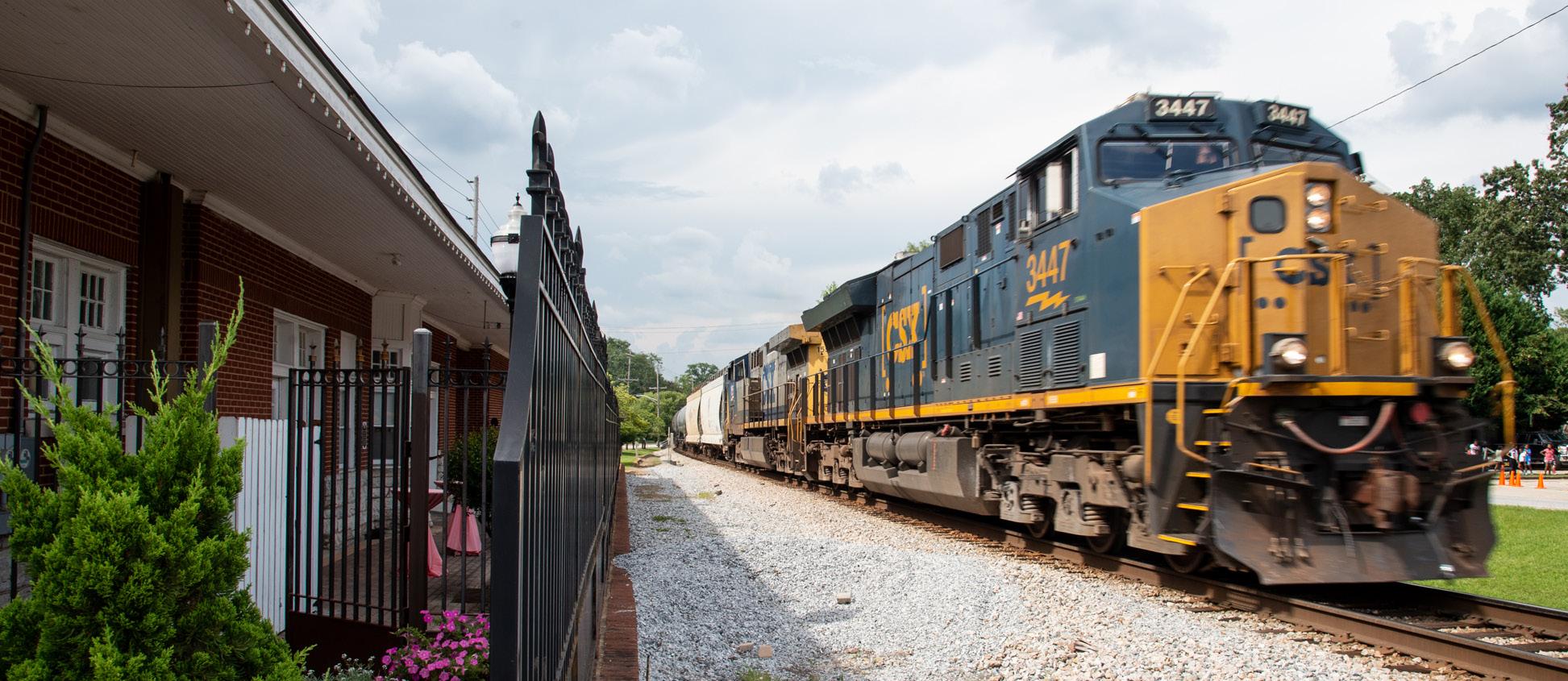
Founded in 1890 as a depot on the Atlanta and West Point railroads, the community we now know as College Park was first called Atlantic City and later became known as Manchester. In 1896, Atlantic City was renamed The City of College Park as it was the home of Cox College. Today, City Hall and other buildings stand on the grounds of that campus. Another academic institution, the Georgia Military Academy, was founded by John Woodward in 1900 and was renamed Woodward Academy in 1966.
Founded in 1890 as a depot on the Atlanta and West Point railroads, the community we now know as College Park was frst called Atlantc City and later became known as Manchester. In 1896, Atlantc City was renamed The City of College Park as it was the home of Cox College. Today, City Hall and other buildings stand on the grounds of that campus. Another academic insttuton, the Georgia Military Academy, was founded by John Woodward in 1900 and was renamed Woodward Academy in 1966. In 1963, the City of Atlanta constructed Hartsfeld-Atlanta Internatonal Airport and one third of the building was located within the city limits of College Park. A 1966 Federal Housing study demonstrated that large tracts of property in College Park were later purchased to service the airport’s needs. In 1978, concerned citzens founded the College Park Historical Society (“CPHS”) in order to resist northward expansion of the airport. The CPHS successfully lobbied against and cancelled proposed fight paths over the neighborhood colloquially known as Historic College Park. In additon, it protected swaths of homes and the Main Street commercial district by registering them with the Natonal Register of Historic Places. This eventually resulted in the establishing of the College Park Historic District.
In 1963, the City of Atlanta constructed Hartsfield-Atlanta International Airport and one third of the building was located within the city limits of College Park. A 1966 Federal Housing study demonstrated that large tracts of property in College Park were later purchased to service the airport’s needs. In 1978, concerned citizens founded the College Park Historical Society (“CPHS”) in order to resist northward expansion of the airport. The CPHS successfully lobbied against and cancelled proposed flight paths over the neighborhood colloquially known as Historic College Park. In addition, it protected swaths of homes and the Main Street commercial district by registering them with the National Register of Historic Places. This eventually resulted in the establishing of the College Park Historic District.
Between the 1980s and the early 2000s, as part of continued implementation of the Federal Aviation Administration’s noise abatement program, the City of Atlanta and the FAA purchased roughly 320 acres of property containing residential structures, churches, and some small commercial buildings immediately adjacent to the west side of downtown College Park. In 2006-2007, the City purchased much of the land across from the Georgia International Convention Center. “Six West”, formerly considered the “Airport City” development, is being planned as of this publication date.
Between the 1980s and the early 2000s, as part of contnued implementaton of the Federal Aviaton Administraton’s noise abatement program, the City of Atlanta and the FAA purchased roughly 320 acres of property containing residental structures, churches, and some small commercial buildings immediately adjacent to the west side of downtown College Park. In 20062007, the City purchased much of the land across from the Georgia Internatonal Conventon Center. “Six West”, formerly considered the “Airport City” development, is being planned as of this publicaton date.
Today, the City of College Park is located in two countes – Clayton County and Fulton County, though the airport is entrely located in Clayton County. College Park is home to 15,159 residents, covers 11.10 square miles, contains multple world- class organizatons — such as Woodward Academy and the headquarters of Chick-fl-A — and features more than 853 propertes listed on the Natonal Register of Historic Places. The town’s avenues and streets derive their names from Ivy League colleges and infuental College Park residents.
Today, the City of College Park is located in two counties– Clayton County and Fulton County, though the airport is entirely located in Clayton County. College Park is home to 15,159 residents, covers 11.10 square miles, contains multiple world- class organizations — such as Woodward Academy and the headquarters of Chick-fil-A — and features more than 853 properties listed on the National Register of Historic Places. The town’s avenues and streets derive their names from Ivy League colleges and influential College Park residents.

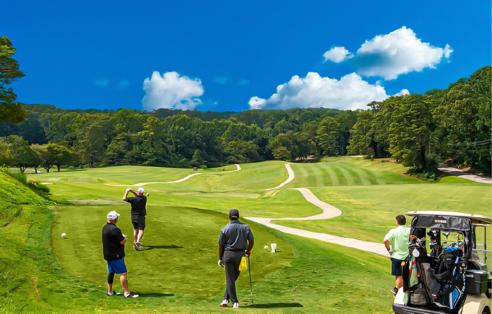


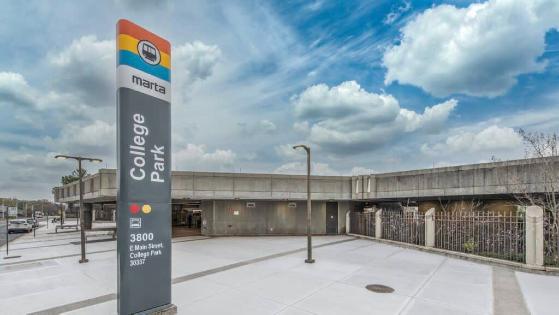
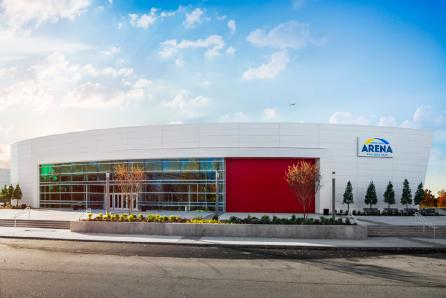

In addition to being the southeast’s international and domestic gateway with its proximity to the largest and busiest airport in the world – Hartsfield Jackson Atlanta International Airport —the City of College Park is proud of its other business and residential amenities:
• College Park is Georgia’s fourth largest urban Historic District, adding to the charm and character of the city.
• College Park is minutes from Mercedes Benz Stadium, the western edge of the Beltline and Downtown Atlanta.
• The entire metropolitan area is easily accessed by our MARTA Rapid Rail station, the second-busiest MARTA station in the system, making it convenient for travel and commuting. The City also features 11 MARTA bus routes serving Fulton and Clayton counties.
• We are home to the largest private school in the Continental U.S. (Woodward Academy) as well as several international headquarters and regional facilities offering jobs, products, and services to area residents that ensure a thriving local economy.
• More than a dozen different enterprise funds are based within our City offering diverse revenue streams to area businesses.
• In 2012, College Park City Council created a Destination Marketing Organization. The mission of the CP-DMO is to generate and stimulate economic impact for the City of College Park and to effectively market facilities of the community, positioning it as a preferred tourism, convention, and business destination.
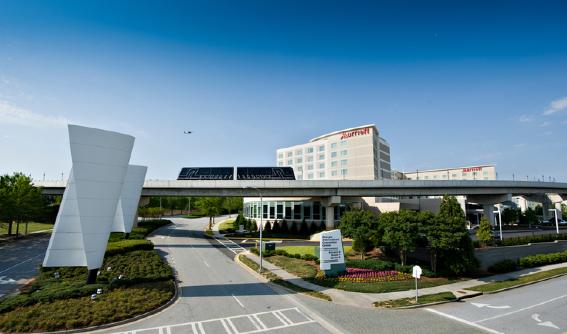
• The City owns and manages a world-class convention center – Georgia International Convention Center— which is the 2nd largest convention center in the entire state and notable as the only one in the country directly connected to an airport via SkyTrain.
• The City operates The Arena at the College Park Gateway Center, a multi-purpose venue that seats 4,000 people and hosts the College Park Skyhawks, the official NBA G League affiliate of the Atlanta Hawks, and the WNBA’s Atlanta Dream, and LOVB volleyball along with a variety of other events.
A
• Core Values are the beliefs shared among the leadership of College Park and its various visitors and consttuents. Core values drive an organizaton’s culture and priorites and provide a framework in which decisions are made.
System is one that aligns available resources with existing goals and objectives.
• Objectves are quanttatve in nature. In fact, objectves are the only quantfable elements of the strategic plan. Vision, mission, goals and tactcs are all qualitatve and describe how things get done, but not how much will be accomplished.
• Core Values are the beliefs shared among the leadership of College Park and its various visitors and constituents. Core values drive an organization’s culture and priorities and provide a framework in which decisions are made.
• Vision outlines what the organizaton wants to be, or how it wants the world in which it operates to be (an “idealized” view of the world). It is a long-term view and concentrates on the future. It can be evocatve and is a source of inspiraton.
• Mission defnes the City’s fundamental purpose and succinctly describes why it exists and what it does to achieve its vision.
• Vision outlines what the organization wants to be, or how it wants the world in which it operates to be (an “idealized” view of the world). It is a long-term view and concentrates on the future. It can be evocative and is a source of inspiration.
• Objectives are quantitative in nature. In fact, objectives are the only quantifiable elements of the strategic plan. Vision, mission, goals and tactics are all qualitative and describe how things get done, but not how much will be accomplished.
• Strategies and Actvites describe major approaches or methods for ataining objectves. In general terms, strategies begin to answer the queston, “How will we go about accomplishing our objectves?” “Tactcs” are specifc actvites or projects. This Strategic Plan combines the two in the pop out boxes; however, they are neither comprehensive nor exhaustve.
• Goals are qualitatve in nature and consttute broad statements of what the organizaton hopes to achieve relatve to a theme. Although the City can have shortterm and long-term goals, it is important that each goal is clear and can be supported by measurable objectves, which allow them to become self-fulflling over tme. Goals should drive the strategic planning process and give further defniton to the organizaton’s mission.
• Mission defines the City’s fundamental purpose and succinctly describes why it exists and what it does to achieve its vision.
• Strategies and Activities describe major approaches or methods for attaining objectives. In general terms, strategies begin to answer the question, “How will we go about accomplishing our objectives?” “Tactics” are specific activities or projects. This Strategic Plan combines the two in the pop out boxes; however, they are neither comprehensive nor exhaustive.
• Metrics and Measures are outputs or outcomes that are the basis of performance management and create accountability for leaders as they seek to achieve City Goals. These measure and metrics do not appear in this strategic plan, but rather form the basis of the performance appraisal system developed by the City Council, Mayor and City Manager.
• Metrics and Measures are outputs or outcomes that are the basis of performance management and create accountability for leaders as they seek to achieve City Goals. These measure and metrics do not appear in this strategic plan, but rather form the basis of the performance appraisal system developed by the City Council, Mayor and City Manager.
Ultmately the City of College Park will develop systems and processes to help track progress toward the strategic goals. A dashboard and system to set, track, and measure success toward key goals will be put in place and communicated to Council and the public. These goals will be reviewed annually at Council, Executve and Department levels and more frequently as needed.
• Goals are qualitative in nature and constitute broad statements of what the organization hopes to achieve relative to a theme. Although the City can have short-term and long-term goals, it is important that each goal is clear and can be supported by measurable objectives, which allow them to become self-fulfilling over time. Goals should drive the strategic planning process and give further definition to the organization’s mission.

A strategic plan must begin with a serious look at the core values of a community.
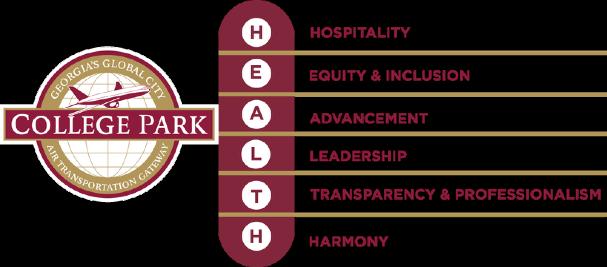
These values shed light on our vision and mission and provide the foundation for our goals, our objectives and all of the actions we will take to achieve them.
Like any institution, the City of College Park hopes to adhere to and more widely promote a set of values that will help our community to succeed and thrive. Our promise to our businesses and our residents is to work hard to build a community wide culture that includes:
We are a hospitality city at our core. We will act and function in a way that emphasizes the importance of the people we are serving, whether they are full time residents, people passing through, or the businesses that cater to the region. We commit to assist others promptly, courteously, and professionally. We want visitors and citizens to feel welcome and offer them a deep sense of belonging.
We believe that everyone in our community has a voice and each member should be afforded the chance to participate in shaping the City’s future. The members of our community will be treated as equals by everyone in our government structure.
We value advancement for the city as a whole and the individuals within College Park’s municipal government as well — Council, Executive Leadership and staff We want to be future-oriented and open to innovation, access, progress, and growth.
We believe our success depends on our ability to be fiscally responsible, as well as guide and develop our human resources. Our people must set a standard of excellence, specify and address big goals, and boldly innovate so as to better serve our businesses and residents.
Every person employed by the City is a professional and will conduct themselves with grace, understanding, and a service ethic that is resolution-oriented and consensus-building. We are a community of caring and thoughtful individuals who take pride in what we do every single day, seeking to serve the city before ourselves. We bring that professionalism to every interaction with residents, visitors, and businesses.
We are committed to working in a way that creates harmony. We will listen to others carefully and will treat all with respect and dignity.

The City of College Park will build upon these core values and its leadership will focus on creating and facilitating a community where people can live, work, and play all in one place. College Park is and will continue to be a place where diversity thrives as a healthy cultural cornerstone; a place that families, individuals, and businesses choose to call “home.”
A Vision Statement is aspirational and typically reflects an “idealized” view of the world. The Vision Statement for College Park takes a long-term view. Achieving that view is not entirely within the control of City Officials but affected by external forces as well. It is intended to be both a point of reference and a source of inspiration for all.
The City of College Park aspires to be a destination where people come to raise a family, start and grow businesses, live, work and play all in a sustainable and healthy social and physical environment.
City leaders can help realize this vision by embracing and maintaining our core values, though other factors will also contribute to its fulfillment. The fundamental purpose of our City Government is captured by the Mission of the City of College Park, highlighting its main purpose and what it does to achieve the aforementioned vision.
The City Council, leadership team and staff are all highly focused on making this vision and mission a reality.
The municipal government within the City of College Park exists to create policies and harness and direct human and financial resources in ways that cultivate a sense of community and a place where businesses, families, and individuals can thrive in a safe and inclusive environment.
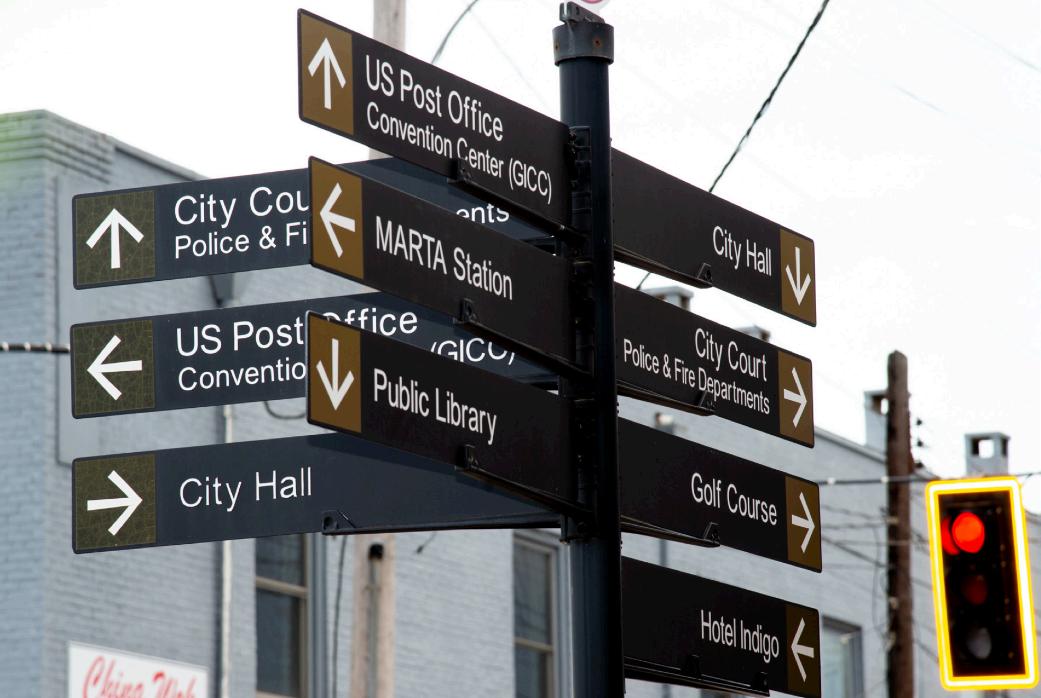

Based on interviews carried out with city residents, businesses, staff and Council, there emerged five distinct “focus areas” that present opportunities for leveraging investment and energy:
• Local Economy and Growth
• Quality of Life
• Transportation and Mobility
• Public Safety and Security
• Governance and Customer Service
Advancements across these focus areas will enable the City to fulfill its mission and move us collectively toward achieving our common vision. Such advancements will
require commitment, intentionality, energy, and investment. Elected officials must be attentive to the cross-cutting and inter-dependent nature of these focus areas as success in each necessarily helps the City achieve success across the board.
With these focus areas in mind, the City of College Park embraces the following five goals, and the outputs or outcomes that follow. Individually and in their entirety, these goals and objectives have been embraced by City Council, the Mayor, and the City Manager. Department Heads and every member of the City’s staff are charged with the responsibility of working to achieve these goals. In FY 2026 and beyond, these goals will be an essential part of the Performance Management System and will become fully integrated into the appraisal process well before FY 2026.
Create and implement a holistic economic development plan that fosters business development throughout Six West, renews the once-thriving economy of Old National and restores Main Street to its former splendor and untapped potential.
I.1
Develop a City-wide, strategic and growthoriented Comprehensive Plan that addresses land use, housing, capital improvements, transportation, natural resources and supports infrastructure and hardscape functions inclusive of:
• An Economic Development Strategy that leverages public, private and philanthropic partnerships, positioning the City for land acquisition and retail options that align with residential preferences, workforce development, and even more significant, long term investment.
• A Transportation Sector Strategy that addresses mobility issues in air, rail and roads and includes the paving and repair of roads, the construction and repair of new sidewalks and pedestrian trails, the conducting of preventive maintenance and landscaping of right of way, and the cleanup of illegal dumping sites and enforcement of city codes sites that pertain to landscape maintenance on private property.
• A Visitors, Conventions and Community Strategy (for the GICC and The Arena at College Park/Gateway Center) which integrates infrastructure, market expansion and operations enhancements.
Build a robust Economic Development team inclusive of functional specialties such as:
• Program Management at Six West
• Marketing and Recruitment
• Focus on existing redevelopment projects
• Expansion of existing businesses
• Complete Six West project;
• Advance development at Old National and Godby Avenue communities;
• Elevate the prominence and modernize the Georgia International Convention Center (GICC) with new parking configurations and by replacing signage and lighting and negotiating naming rights to arena; and,
• Provide resource links and additional “FAQs” regarding zoning and site development matters on the webpage.
Establish a standing team to integrate Capital Improvements projects and planning across departments.
Increase the volume and diversity of housing stock including options in the $150k-$250k price range for tiny homes and $250k-350k for free standing homeowners.
Decrease the average period of time required for planning and inspection decisions by automating filing procedures and streamlining the decision-making process.
Maintain structures for rates, fees, fines and penalties that are both sustainable and in keeping with price points in surrounding communities.
Increase both the number of events and the number of patrons attending sporting events, concerts, conferences as well as participating in other activities at the GICC and the Arena at Gateway Center.
Advance and leverage existing economic engines including but not limited to elementary school mentoring programs, single user transportation vehicles (e.g., scooters), and the College Park Beautification Program.

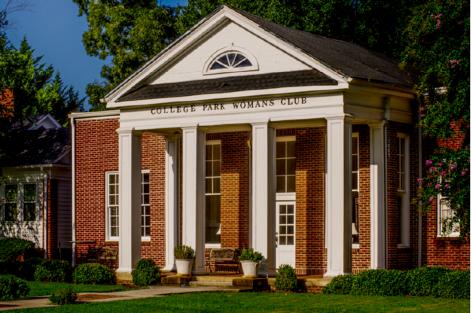
Provide opportunities for people to come together, interact with one another, and build relationships through inclusive programs, services, events, and great public
Advance ways to increase community collaboration and implement initiatives to become “One” College Park.
Develop and implement a “College Park Beautiful Plan” which includes provision for better aesthetics, additional walking and bike trails, better street lighting, improved streets and sidewalks as well as connectivity to the western edge of the Beltline.
Improve the recreation and parks system so that it better aligns with the goals and needs of the community.
Increase participation in community activities including conferences, recreation, arts, crafts, festivals, and cultural experiences at the GICC, Gateway Arena and throughout College Park.
Increase access to digital communications and user rates, as well as the flow of information from City government in order to improve collaboration between City Government, citizens, businesses, and visitors.
Decrease the volume of litter across our community, increase recycling volumes, and encourage the correct use and collection of recycled materials.
Develop Initiatives to Improve K-12 education within the city.


• Upgrade internal visitor and citywide fiber optic network for faster speed
• Evaluate the services provided by the Department of Public Works in order to meet the needs of a growing community
• Increase the number of annual street paving projects, upgrade existing sidewalks and promote new sidewalks installation in needed areas for pedestrian safety
• Plan and make Brady Center improvements
• Implement new technology within recreation programs to reduce the time needed to register and associated costs
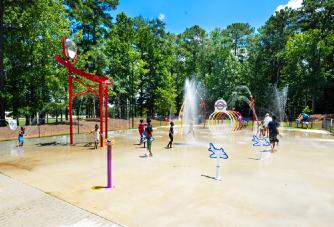


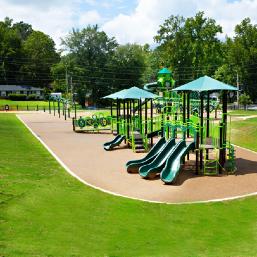
Use a Smart Cities approach to planning a comprehensive, clean and quiet transportation network that eases the movement of people, goods and services within the City of College Park, in and out of the Convention Center, to and from the Airport and throughout Metropolitan Atlanta.
Ensure that the Comprehensive Plan addresses transportation throughout the city to include the paving and repair of roads, the construction and repair of new sidewalks and pedestrian trails, the conducting of preventive maintenance and landscaping of right of way, and the cleanup of illegal dumping sites and enforcement of city codes sites citywide that pertain to landscape maintenance on private property.
Stimulate downtown economy by developing innovative ways to transfer hotel guests, GICC guests and future Six West guests to downtown businesses via:
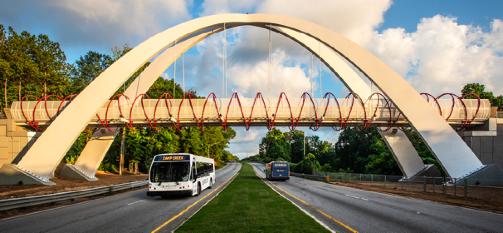
• A Pedestrian Bridge over Camp Creek Parkway.
• Bicycle and pedestrian access between the GICC and Downtown College Park.
• An Uber and Lyft waiting area at GICC and in Downtown College Park.
• Overhauling the MARTA station.
Improve surface parking downtown.
• Maintain open lines of communication between the City of College Park and the Federal Aviation Administration (FAA), making sure the FAA understands the potential impacts of any FAA policy change proposals
• Advocate for change in FAA guidelines that may need updated study, or that may conflict with evolving airport area development goals
• Advocate for ongoing funding of noise mitigation funding and actively work to limit any potentially negative environmental impacts at the Airport and across the community
• Complete intersection at Camp Creek and Airport Drive for Six West development
• Completed the pedestrian bridge over Camp Creek Parkway
• Complete design and upgrade of MARTA Station
• Complete design and construction of parking, bike & walking path projects


Deliver leading levels of public safety in which every resident, business person and government official is contributing to the well-being of others.
Implement procedures that maintain emergency response times for power, police and fire.
Update the Emergency Preparedness and Hazard Mitigation Plans.
Develop and implement strategic policing systems and a staffed video analysis center to observe video activity as it occurs.
Install improved lighting around business and city facilities.
Create an internet-accessible “how to” guide on crime prevention methods for community members’ homes and businesses, including hotel and restaurant parking lots.
Use Smart Cities approaches to protect public health, reduce crime and support emergency preparedness.
Hire an Emergency Operations Coordinator.
Maintain comparable staffing and compensation levels for power, fire, and police related to per capita rates in surrounding communities.
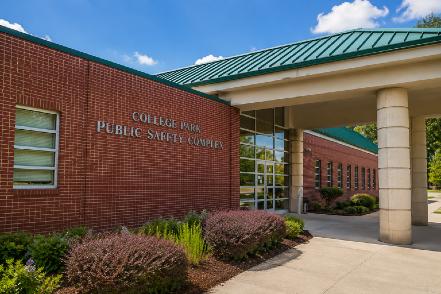
• Complete “Safer Grants” for funding additional staff;
• Design and build fourth fire station, to keep up with the additional development in the city;
• Evaluate and modify (if necessary) recruitment, compensation and retention plans relative to surrounding communities; and,
• Improve communications channels between first responders and citizens, businesses and residents.
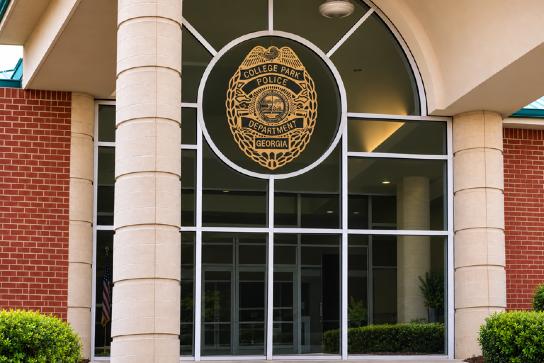
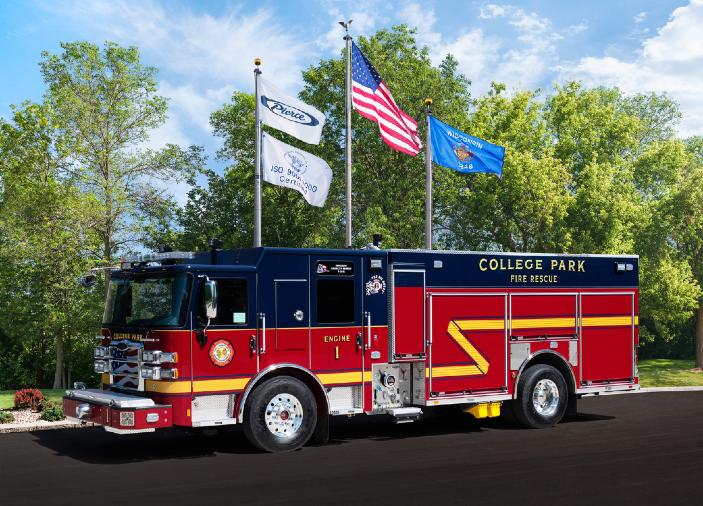
The city will incorporate several processes and initiatives to help achieve the goals in this strategic plan
Develop a strong, mission-critical network of senior level teams.
Expand infrastructure – physical and information technology.
Solidify accounting systems and municipal finances.
Develop a citywide fiber ring to support business around Six West and throughout the City of College Park.
Increase resources dedicated to staff training so that current and emerging leaders have the skills and insights to manage their teams and create a smooth day-to-day functioning government.
Develop College Park’s “Re-imagine Service Program”, complete with baseline attitudinal data and standards for expected increases in community members’ satisfaction over time.
Establish new processes and Standard Operating Procedures (SOPs) citywide and increase transparency throughout City government.
• Implement a prepay system for citizens;
• Document and address workflow processes;
• Develop a robust records retention program and improve response times under the Open Records Act;
• Conduct an audit of city financial records and develop smooth and transparent budget process
• Implement paperless technology to reduce costs/time;
• Upgrade internal email systems and systems security;
Implement a Performance Management System that will help the City government identify, measure, and track progress toward goals.
Launch a “Green the Gateway” Initiative that focuses on reducing the use of paper and single-use plastics in City Government, the GICC and at the Gateway Arena.
Develop and implement a Comprehensive Marketing and Communications Plan.
Develop a Compliance Management System that ensures that the City of College Park is in compliance with all federal, state and county laws and guidance.
Build cooperative relations with federal, state, regional and local governmental entities including but not limited to federal and state agencies, Fulton County, the City of Atlanta, surrounding municipal governments and local CIDs.
• Make other software upgrades, including a new GIS system, to better steward assets and reduce time and costs of managing assets;
• Reactivate the Apprentice and Journey Lineman Training and Incentive Program;
• Enact measures to improve system reliability through technology;
• Develop digital applications for e-filing of zoning, variance and annexation applications on the City of College Park website; and,
• Build a communications staff that includes social media and graphics talent to better report on city progress and activities for citizens.
Encourage National, State, Regional and interdepartmental collaborations that result in innovative and cost-effective approaches to exceptional service delivery.
Many aspects of the strategic plan are not oriented toward one department within the city. We anticipate forming and supporting many internal teams that will break down traditional silos and tackle large, cross-functional issues.
Goals and objectives will be placed on the City of College Park’s website and updated quarterly or more frequently if needed. Doing so will create an important system of accountability for city leaders and staff, while helping ensure slow and steady progress across all goals and city efforts.
Additionally, the Mayor and City Council will encourage and create increased opportunities for citizens to be engaged and involved in the process of implementing this plan. Citizen input and participation is needed to ensure the City’s continued growth and prosperity. We are, truly, all in this together.
Some of the ways in which citizens can participate are outlined below.
• Join a Committee: The city will be forming several committees and groups to create change. The city will promote these opportunities and eagerly anticipates citizen engagement in the process. For example, the city may create a volunteer group to help expand beautification efforts in the city.
• Attend Council Meetings: The city continues to encourage citizens to participate in City Council meetings, to ask questions about major initiatives, and to inquire about this plan’s goals, objectives, and details.
• Volunteer to Assist in Our Educational Improvement Efforts: Many of our strategic initiatives require hands-on help from citizens, including efforts to improve the educational output of the elementary schools in College Park.
• Shop at Local Businesses: We encourage you to shop locally to support existing and emerging local businesses in College Park.
• Crime Prevention Training and Awareness: Join the ongoing Police Citizen training program, operational for the past five years, to help reduce crime in the city.

The City of College Park consists of 15 operating departments with an annual operating budget of $140 million, additionally managing a number of enterprise funds and traditional departments that serve its people. With the presence of Hartsfield-Jackson Atlanta International Airport, the city boasts a number of unique enterprise businesses that allow it to operate in a more robust fashion compared to other small cities. College Park’s administrative team is comprised of a group of professional managers and leaders who possess extensive experience in their designated areas of expertise. The team reports to the City Manager.