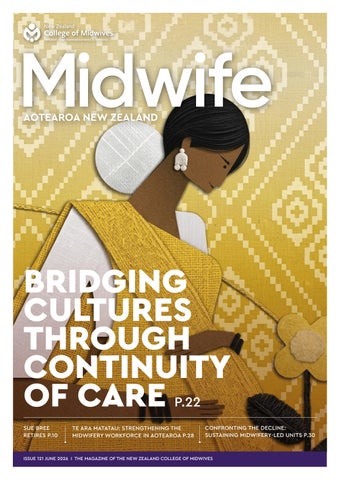

BRIDGING CULTURES THROUGH CONTINUITY OF CARE


Earthy Birth Pools
Professional birth pools and thoughtfully curated bundles, designed to take the overwhelm out of home birth—for families and the midwives who support them.
✓ Professional-grade birth pools and accessories
✓ Complete, ready-to-go bundles
✓ Soft, neutral aesthetic (no bright blue pools)
✓ Floor-length liners = no mess or slippage
✓ Fast shipping across New Zealand
Trusted by birth workers across Australia www.earthybirth.com.au


FORUM
FROM THE CO-PRESIDENTS
FROM THE CHIEF EXECUTIVE YOUR COLLEGE
10. SUE BREE RETIRES
PRACTICE GUIDANCE
RESPIRATORY SYNCYTIAL VIRUS
14. VITAMIN D AND BREASTFEEDING YOUR UNION
18. YOUR MIDWIFERY BUSINESS
0. NGĀ MĀIA
PASIFIKA MIDWIVES
FEATURES
22. MORE THAN A MIDWIFE
25. THE STORY ALREADY TOLD
28. TE ARA MATATAU: STRENGTHENING THE MIDWIFERY WORKFORCE IN AOTEAROA
30. CONFRONTING THE DECLINE: SUSTAINING MIDWIFERY-LED UNITS
34. INTERNATIONAL MIDWIFERY
38. TE AO MĀORI
40. BREASTFEEDING CONNECTION
46. MY MIDWIFERY PLACE
DIRECTORY
EDITOR
Hayley McMurtrie
E: communications@nzcom.org.nz
ADVERTISING ENQUIRIES
Hayley McMurtrie
P: (03) 372 9741
MATERIAL & BOOKING
Deadlines for September 2026
Advertising Booking: 1 August 2026
Advertising Copy: 10 August 2026


Welcome to Issue 121 of Midwife Aotearoa New Zealand
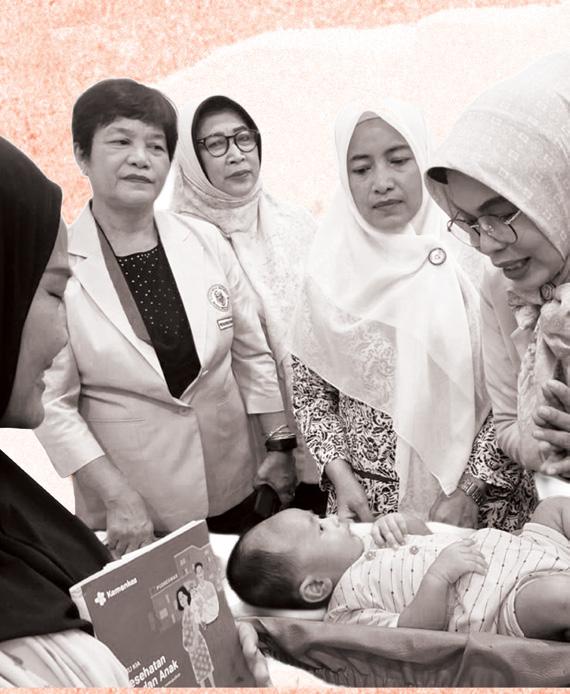
I am pleased to bring you the latest issue of Midwife Aotearoa. This edition highlights both the strength and heart of midwifery, sharing stories that celebrate what is possible when midwives are supported and women and whānau are truly at the centre of care. From the High Court case judgement discussed on page 5, to the inspiring Indonesian vision of “one midwife, one village” on page 34, this issue reflects both challenge and hope. At the same time, Lakshmi Venkataiah’s deeply personal story on page 25 asks us to reflect honestly on practices that do not always reflect the compassion and partnership that sit at the heart of midwifery.
On page 10 we honour, College Elder, Sue Bree as she steps into retirement, celebrating her many years of wisdom, leadership and contribution to midwifery. We also look to initiatives designed to expand and sustain the workforce for the future, with an update on the pilot of Kete Kōrero Professional Conversation (p.8), and an overview of the new competencybased programme for Internationally Qualified Midwives and those returning to practice (p.28).
These initiatives are part of significant momentum for the College, as we continue to evolve and strengthen the support we provide to members. We are also thrilled to be selected as one of four finalists, to host the ICM Congress 2032 which, if successful, would welcome midwives from around the world to Aotearoa.
We look forward to seeing many of you at the Joan Donley Research Forum (p.9), which includes a sponsored breakfast and an optional evening function. Promising to be a memorable gathering, the Ōtepoti team are excited to host midwives from around the motu.
Ngā mihi nui

HAYLEY MCMURTRIE EDITOR/COMMUNICATIONS MANAGER
FROM THE CO-PRESIDENTS
BEATRICE LEATHAM
TANGATA WHENUA CO-PRESIDENT
The midwifery partnership model introduced in the 1990s, set the scene for midwives to provide continuity of maternity care in Aotearoa. The central tenets are based upon power sharing, reciprocity, womencentredness, continuity and autonomy. The midwifery philosophy emphasises working in this way to protect the normal process of childbirth.
The partnership model was developed in a political era where birthing was controlled in a medicalised environment, void of women’s voice. Simultaneously, systemic erasure of Māori knowledge and practices, particularly in childbirth, was consolidated by Crown law such as the Midwife Act 1904 and Tohunga Suppression Act 1907. So, although the 1990s was a pivotal time in which women and midwives came together to demand the control of birth return to women, tangata whenua remained disempowered. Mātauranga Māori was lost in the vast ether of Western ideology and birthing was entrenched within a context that ignored the reality of whānau, hapū and iwi.
Continuity of care is understood to promote positive birth experiences and outcomes. It is also a contractual obligation to the Primary Maternity Services Notice for LMCs. However, for some LMCs, the idea of continuity of care has become untenable. Practice models have evolved, moving away from continuity and unfortunately childbirth outcomes have deteriorated. Contrasting histories in Aotearoa provides perspective to whānau Māori. Needless to say, no one worldview is more important than the other,
however, in contemporary practice the context of care weighs significantly heavier for minority groups.
Continuity of care in partnership with whānau has been the cornerstone of my LMC practice. It hasn’t always been easy whilst transversing all the dynamics of the on-call lifestyle. However, as a Kahu Pōkai, it is a way of practice that I have aligned to my worldview. Indigenous maternity health includes privileging Indigenous knowledge and solutions, embedding Indigenous governance within practice thinking and embracing whānau well-being. This whakatauki, “He waka eke noa”, expresses the culture of the waka, that everyone works together, everyone knows their role and purpose to make the journey successful. Continuity of care creates the space to work with whānau in this way.
Ngākau nui, ngākau whakaiti. Square
DEBBIE FISHER
TANGATA TIRITI COPRESIDENT
Continuity of midwifery care in maternity facilities is not simply about rostering—it is about relationships. The 2023 Aotearoa New Zealand study “Building positive respectful midwifery relationships” reinforces what midwives and whānau already know: positive relationships are built through the establishment and maintenance of trust, honouring women’s decisions and empowerment (Dixon et al., 2023). These principles sit at the heart of continuity of care and must guide how services are designed and delivered.
Achieving continuity relies on staffing models that enable midwives to work sustainable shift patterns and skill mixes that allow them
to practise with purpose. When midwives feel they can genuinely make a difference, whānau are more likely to experience care that is trusting, respectful and empowering— particularly during those critical first days after birth.
All midwives play a role. Core and coordinating midwives contribute through forward planning—thinking ahead about the rhythm of a shift or day to preserve continuity wherever possible, ensuring care plans are visible, upheld and honoured. Midwife managers have a critical role in stepping back to review services in partnership with consumers and staff, making often small but meaningful changes that support autonomy, job satisfaction and relationship-based care.
There is a balance between facility pressures and continuity, but the evidence is compelling.
Continuity of care improves quality, safety and efficiency. Health organisations should prioritise it and measure what matters— including whānau feedback. Are whānau feeling known? Are their decisions honoured? Do they feel empowered in their care? If not, why not?
Systems can support continuity too. Tools such as TrendCare can help capture care plans and support continuity through staff allocation and shared understanding of whānau needs.
Continuity takes a village. Strong community LMC and core midwifery relationships are key to building trust across settings. Midwives hold the actions that place whānau aspirations at the centre of care. At your next regional College hui, share what enables continuity in your region—and what gets in the way. Together, we can strengthen the relationships that make continuity truly matter. Square
FROM ADVOCACY TO ACCOUNTABILITY:
THE COLLEGE’S HIGH COURT CASE, THE JUDGMENT AND WHAT IT MEANS FOR MIDWIVES
In March 2026 the High Court delivered a landmark judgment in New Zealand College of Midwives v Ministry of Health. For many in the profession, the decision brought both vindication and clarity after more than a decade of advocacy, negotiation and litigation over fair working conditions for Lead Maternity Carer (LMC) midwives. This article outlines the pathway to the class action and summarises the Court’s key findings, and what they mean for the profession.
THE LONG ROAD TO THE CLASS ACTION
Concerns about the adequacy and sustainability of LMC funding are not new. Since the introduction of the capped, modular maternity funding model in the 1990s, the scope, intensity and responsibility of LMC practice have expanded, while funding has struggled to keep pace. By the early 2010s, the gap between what midwives were required to do and what they were paid to do had become stark. These issues were exacerbated by the absent or extremely minimal funding increases into the LMC modules in the Primary Maternity Services Notice over this period.
In 2015, the College filed judicial review proceedings against the Ministry of Health, alleging that the Notice breached the right to freedom from
discrimination on the basis of sex under section 19 of the New Zealand Bill of Rights Act 1990 (NZBORA). Rather than proceeding to hearing, the parties entered mediation. That process resulted in a series of interim agreements in 2016 and 2017. These agreements were significant: the Ministry formally acknowledged that the existing modular payment system was inadequate and agreed that the sustainability of LMC midwifery was central to the national maternity service.
Critically, the parties also agreed to a joint co design process to develop a new funding and contracting model. The College, acting on behalf of LMC midwives, agreed to discontinue the judicial review in reliance on those commitments

ALISON EDDY CHIEF EXECUTIVE
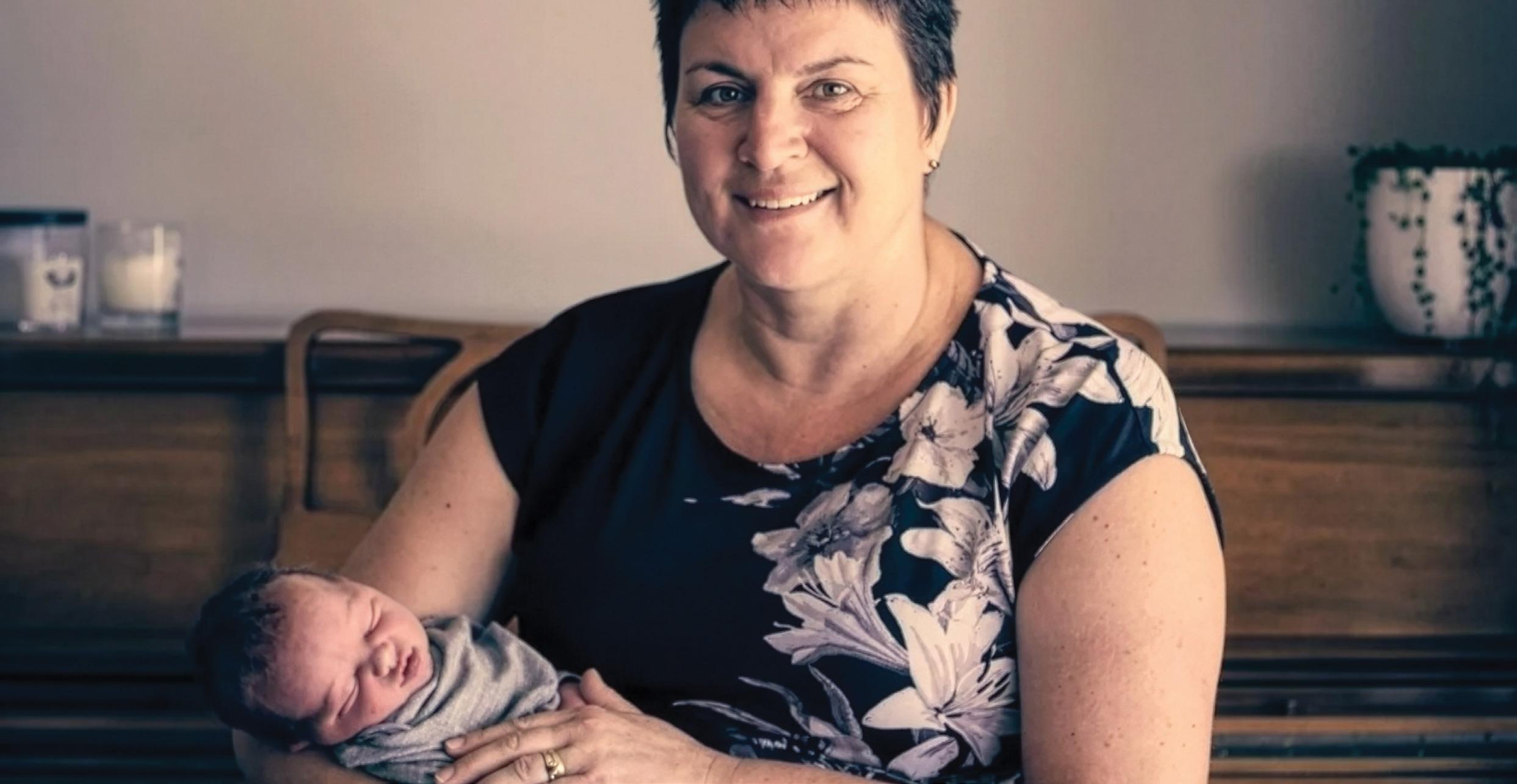
Above: Midwife
Sheryl Wright feels heard by the judge.
Commitments made to the profession matter, and that systemic undervaluation linked to gender will be scrutinised carefully and taken seriously by the courts.
as set out in the first Settlement Agreement dated May 2017.
The co design project, completed in late 2017, produced three reports. Together they recommended a blended payment model, a national contract, and a “fair and reasonable” service price that reflected salary equivalence, business costs and 24/7 on call obligations. Yet when Budget 2018 was announced, the funding required to implement those recommendations was absent. Documents later released under the Official Information Act showed the Ministry had not advanced a Budget bid aligned with the co design outcomes. This failure led to further mediation and, in December 2018, a second comprehensive Settlement Agreement. In it, the Crown acknowledged breaching the earlier 2017 Settlement Agreement, apologised publicly, and committed to clear outcomes. These outcomes were: implementing a national midwifery agreement by July 2020, based on the blended payment model; providing a right to annual renegotiation of price; and ensuring a fair and reasonable service price. Those commitments were never honoured nor the outcomes delivered. Work on the national contract stalled, in part due to the Health and Disability System Review, and although incremental fee increases occurred through amendments to the Notice, the structural changes promised in the 2018 Settlement Agreement did not. In 2022, the College and two representative midwives commenced proceedings on behalf of 1,473 LMC midwives in a class action. The case was heard in 2024, with judgment delivered in March 2026.
THE HIGH COURT FINDINGS
1. A binding contract was breached
At the heart of the case was whether the 2018 Settlement Agreement was legally binding and, if so, what it required the Ministry to deliver. The Crown argued that it was merely an “agreement to work together” and could not bind the government to substantive outcomes, particularly where funding decisions were involved.
The Court rejected that argument decisively. It held that the 2018 Settlement Agreement was a binding and enforceable contract. The Ministry official who signed it had both actual and apparent authority to do so, and Cabinet approval was not a precondition to contractual validity. Arguments that the agreement unlawfully restricted future government action also failed.
Importantly, the Court found the Agreement imposed substantive obligations, not just process commitments. Those obligations were threefold: to implement a national midwifery agreement by July 2020; to include a right to annual renegotiation of price; and to ensure payment of a fair and reasonable service price. None of these obligations had been met. The Crown was therefore in breach.
2. Failure of good faith and cooperation
The College also alleged that the Crown breached duties to take all necessary steps and to work in good faith. On this point, too, the College succeeded. The Court found that the Ministry paused key workstreams in late 2019 without properly informing the College, failed to meet agreed milestones, and lacked transparency – particularly in commissioning further work on pricing without disclosing it was doing so. While pressures such as system reform and COVID 19 were relevant contexts, they did not excuse the Ministry’s failure to act openly and collaboratively in a relational contract.
3. Gender discrimination findings
The Court also upheld the College’s claim under section 19 of the NZBORA. It found that LMC midwives, an almost entirely female workforce, were subject to materially disadvantageous terms under the Notice when compared with relevant, historically male dominated comparators such as GPs and obstetricians. These disadvantages included the inability to negotiate terms, the prohibition on co payments, and structurally capped income despite extensive on call obligations. The Crown’s justifications, including the policy of free maternity care, were not accepted
as demonstrably justified limits on rights. The Court issued declarations of unlawful discrimination and awarded $1,000 each to the two representative plaintiffs as damages for injury to dignity.
The College’s claim included two other courses of action: equitable estoppel and restitutionary quantum meruit. The Court did not find in the College’s favour on these claims, however these outcomes did not weaken the case as both were alternative, not foundational, pathways to relief. The College succeeded on the core contractual, good faith, and discrimination claims, with remedies flowing from those findings.
WHAT DO THE FINDINGS MEAN FOR MIDWIVES PARTICIPATING IN THE CLASS ACTION?
This case was brought as a class action. Two midwives were chosen as representative plaintiffs to present the case on behalf of all participating midwives. Evidence was given about their individual practice circumstances, including their caseloads, income, and business costs. This approach meant the Court did not need to examine the individual situation of every midwife in the class action, which would have been time consuming and impractical. The Court also relied on extensive expert evidence about what constitutes fair and reasonable pay for LMC midwives.
Class actions usually proceed in two stages. This judgment forms part of phase one. In this phase, the Court decided that the Crown acted unlawfully and is generally liable. The focus at this stage was not on calculating how much each individual midwife should be paid, but on making findings that apply to the whole class, such as whether the Crown breached its obligations, whether the conduct was unlawful, and what types of loss or damages could arise in principle.
The Court found that a full time equivalent LMC midwife provides care for 45 women per year. It also determined what level of income would be fair and reasonable for that work, including the proportion of income that should account for business costs. Based on these findings, the Court set out a formula for calculating loss for the two representative plaintiffs. The formula compares what they actually earned with what they should have earned if fair and reasonable pay had been implemented.
This formula applies from 1 July 2020, which is the date when the second Settlement
Agreement required a new midwifery contract and fair and reasonable pay to be in place.
Importantly, the formula applies only to the representative plaintiffs and is based on their specific circumstances. How the Court’s findings will apply to the rest of the class has not yet been decided. That will be addressed in phase two of the class action process. Phase two deals with individual issues, including whether each midwife suffered a loss, how much loss was suffered, and what remedies should be provided.
The judgment does not mean that every midwife in the class would receive the same outcome. Further work is required to determine how the Court’s findings should be applied across the wider group. In some class action cases, judgments may allow for a streamlined approach to determining payments. In other cases, it will guide negotiations or further processes to work out what each class action participant is ultimately entitled to receive.
NEXT STEPS
This judgment is significant not only for its financial and declaratory outcomes, but also for what it affirms: that commitments made to the profession matter, and that
systemic undervaluation linked to gender will be scrutinised carefully and taken seriously by the courts.
In spite of the strong and definitive nature of the judgment this is not the end of the legal process. The Crown has appealed the High Court findings, which means that it is seeking to have the findings overturned in the Court of Appeal. Given the significance and strength of the judgment this is not surprising and the College anticipated and has prepared for this response. The Crown has also communicated that it considers there are errors in the approach the Court has taken to calculating damages payments. The College will be working with its legal team to ensure that the midwives’ position is preserved and fairly represented as the next steps of the legal process unfold. This includes seeking interest from members for potentially establishing a new action which would include midwives who are not participating in the case for which the judgment has now been published.
The issues that led to the case being brought before the Court are just as pressing and concerning today as they were when the legal action was taken. At the heart of the case are the profession’s concerns with our current
For excellence in online midwifery education
Our flexible, practice-focused programmes and courses are designed to meet the needs of busy midwives
Master of Midwifery
Our discipline-specific Master of Midwifery degree allows you to undertake an original research project in a topic area of your choice
out-of-date contracting model – the Primary Maternity Service Notice – which the Court has determined unlawfully discriminates against midwives. The College’s intention in taking this case was not only about the right for midwives to be paid fairly and equitably, but also to have the right to work under a fit-for-purpose, modernised contract model which affords them the right to negotiate their conditions and to also have access to necessary supportive structures to sustain them.
Despite multiple requests to Health New Zealand for clarity about how modernised midwifery contracting arrangements will be developed and incorporated, most likely into the Maternity Commissioning Framework, the College has not had a clear response to date. The College has communicated our willingness to engage with the government or any of its representative agencies, Ministry of Health or Health New Zealand at any stage to commence this work. As the profession providing continuity of midwifery care and the majority of maternity care, we have the knowledge and experience to inform which structures and systems are needed to sustain our practice. It’s time to meaningfully involve us in the conversation. Square
op.ac.nz/midwifery
Pathway to thesis: Midwifery research methodologies (July 20 to December 4)
2026 Courses: Postgraduate Certificate Semester 2
JULY 20 – SEPT 18
Sleep Across the Childbearing Year and Beyond
Perinatal Mental Health
Clinical Teaching and Learning in Midwifery*
July 20 – Dec 4: Responding to Childbirth Complexity
OCTOBER 5 – DEC 4
Expanding Tikanga Ako | Midwifery Practice in Nutrition
Diabetes in Perinatal Period
Staying Connected: Midwifery Education in the Digital Age*
July 20 – Dec 4: Responding to Childbirth Complexity
*only if MM504710 Principles of Midwifery Education has been completed
YOUR COLLEGE
Honorary members
Congratulations to the following College members who have been awarded honorary membership of the College:
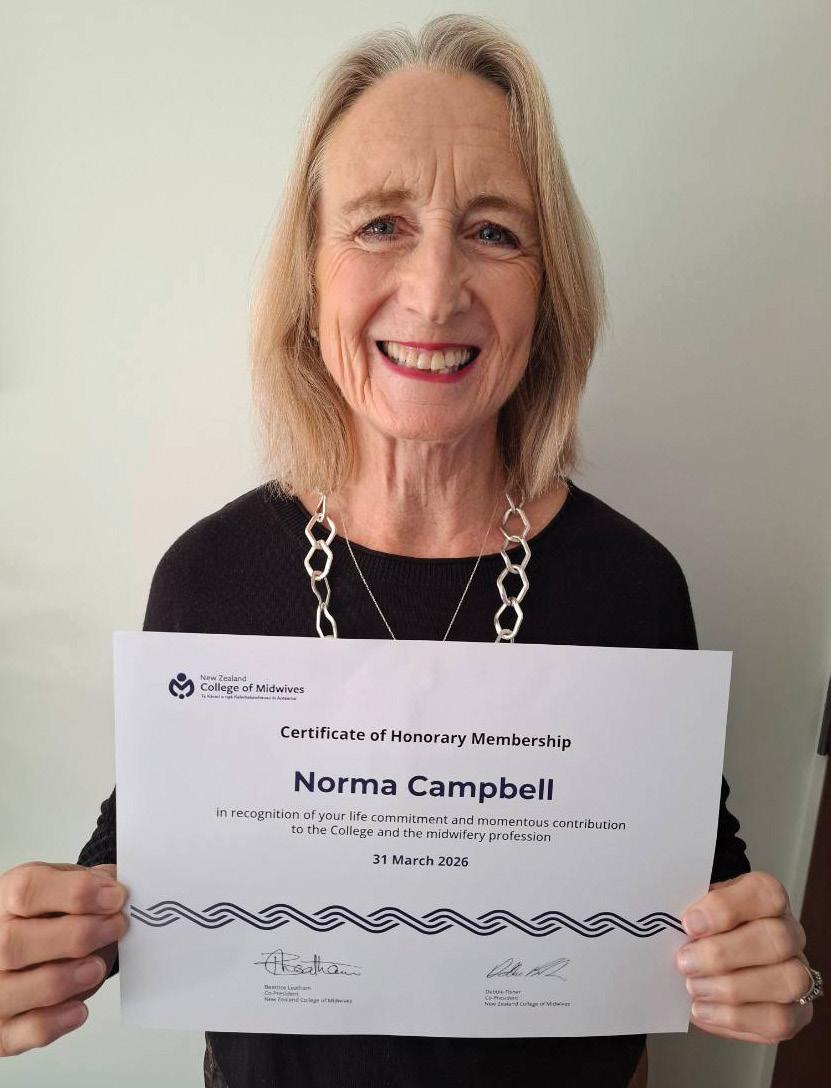
NORMA CAMPBELL - NATIONAL HONORARY MEMBER
Norma Campbell is recognised for her exceptional and sustained contribution to midwifery over more than four decades, including her foundational leadership in establishing midwifery autonomy in Aotearoa New Zealand. A founding member of the New Zealand College of Midwives, she has provided national level strategic leadership and was instrumental in shaping maternity services through roles at the College and within the health system. Her enduring legacy includes the establishment of community based primary birthing units and the advancement of midwifery-led, woman-centred models of care.
ELEANOR MARTIN - REGIONAL HONORARY MEMBER
Eleanor Martin is honoured for her outstanding service to midwifery in the Wellington region, through clinical excellence, leadership, scholarship and advocacy. Her Master’s research has strengthened
professional understanding of the Lead Maternity Carer role in complex care, contributing to evidence-based informed midwifery practice nationally. Through mentoring, teaching, and sustained engagement with the College, Eleanor has made a lasting contribution to the profession and the values of midwifery.
TRICIA THOMPSON - REGIONAL HONORARY MEMBER
Tricia Thompson is recognised for her long standing commitment to midwifery education, workforce development and professional support in the Taranaki region. Through her roles as a midwifery tutor, postgraduate educator and MSR reviewer, she has supported the growth, competence and confidence of generations of midwives. Tricia is also a passionate advocate for homebirth and midwifery philosophy, contributing consistently to the profession and the work of the College. Square
Matariki edition of Pito Pito Kōrero
The Matariki edition of Pito Pito Kōrero is a special edition of the newsletter where we create space to honour esteemed colleagues who have passed. The Matariki period is a time for reflection, hope and unity, remembering those who have passed away, celebrating the present and looking to the future. Māori traditionally greeted the first sightings of Matariki with expressions of grief for those who had died since its last appearance. A ceremony called ‘whāngai i te hautapu’ held at this time honoured those who had passed over.
We invite members to liaise with their Regional Chairs to provide an obituary (150–200 words) and a photograph of colleagues you would like to honour. Square
Kete Kōrero Professional Conversation Pilot 2026 update
Thank you to everyone who participated in the member consultation. We have made some tweaks based on feedback, and we are finalising an eResource for the pilot midwife participants and the Kaiwhakamanawa. Education for Kaiwhakamanawa is occurring during May and June. Following this we expect the Pilot Kete Kōrero Professional Conversations to take place from June through to September.
We want to thank everyone who has put their hand up to take part in the pilot as an alternative to their regular MSR in 2026.
We will evaluate all feedback received from the pilot participants and subsequently communicate findings with members. Square
Annual General Meeting
Members are notified that the College will be holding its AGM on Wednesday, 29 July, 6pm, at Te Mahurehure Cultural Marae (73 Premier Avenue, Auckland 1022). Members will be notified of proposed remits closer to the event. Square
Norma Campbell, National Honorary Member of the College.
12TH BIENNIAL
Joan Donley


MIDWIFERY RESEARCH FORUM
The Dunedin Centre, Ōtepoti | Dunedin 9
- 10 September 2026
Kia hiwa rā! He pōwhiri tēnei ki ngā Kahu Pōkai o Aotearoa e hiahia ana ki te whai mātauranga, whai māramatanga ki tēnei mahi hirahira ā tātou.
Nau mai, haere mai, rēhita mai!
The College warmly welcomes you to the midwifery research forum.
This year’s programme has been expanded to include more than 30 presentations on a diverse range of topics, plus posters, a breakfast session, and an evening social event.
Presentation themes include:
• Clinical practice
• Mātauranga, wairuatanga, and decolonising practice
• Equity, cultural safety and inclusion in midwifery and maternity
• Professional sustainability and wellbeing
Social event
• Midwifery education, curriculum innovation, and student experience
• Maternal mental health and emotion
• Reproductive justice and abortion care
• Accessibility, neurodivergence and rurality
• Research methodologies, reflexivity, and capacity building in midwifery
The Otago Region of the College welcomes you to step back to 1916, the year Joan Donley was born, for a stylish Speakeasy social.
Thank you to our sponsors
We are grateful to our breakfast session sponsors, Auckland University of Technology and the New Zealand Policy Research Institute.


Research awards
We are thrilled to announce the introduction of research awards at the Forum. Award sponsorship has so far been kindly offered by the College; Pasifika Midwives Aotearoa; Liggins Institute; Otago Polytechnic; and the Perinatal Society of New Zealand.
Register at: www.midwife.org.nz/joan-donley-midwifery-research-forum/ Venue capacity is limited so book early to secure your place.


COLLEGE ELDER: SUE BREE A
LIFETIME OF SERVICE

ZAHRA SHAHTAHMASEBI JOURNALIST
Sue Bree never intended to be a midwife. She originally trained as a nurse, with the goal of working overseas through Volunteer Service Abroad Te Tūao Tāwāhi (VSA). But, there was a catch. Given VSA was sending healthcare workers to mostly rural regions, Sue needed to also have midwifery training under her belt to be accepted into the programme.
After completing a six-month hospital-based midwifery programme in Wellington, Sue worked as a new midwife in the Bay of Islands where she quickly fell in love with Northland.
“Once Northland has got your heart, it will always have it,” says Sue. But the allure of VSA was still calling to her, so off she went to Papua New Guinea in 1979.
Here, she worked at a small rural health centre run by a team of four nurses and midwives that also served as a training school for student nurses.
“I was there for three years working clinically and teaching. That was such an amazing experience that provided me with some unique learning opportunities – culturally as well as with nursing and midwifery,” says Sue.
She adds that Papua New Guinea taught her about the strength of women, despite the context in which they live, and the deep bond that forms between them and their midwives.
“Like all women, no matter what part of the world, they are in need of aroha, support and kindness, as well as competent and safe midwifery care,” says Sue.
Tiriti. The roles are enduring, so whoever is in the position holds it for life or until, like Sue, they retire from the position.
Sue and Kuia Crete Cherrington were both appointed to their roles after their predecessors passed away.
Crete says that these are not roles you ask to do, but ones that are asked of you. “Whether you like it or not, whether you feel that you can do this role or not, you've been chosen to do it. So, step up and step through,” she says.
Elder and its counterpart Kuia are key positions within the College’s governance structure, recognising the bicultural partnership between Māori and tangata Tiriti. The roles are enduring, so whoever is in the position holds it for life or until they retire from the position.
By the time she returned to Aotearoa, she was completely fascinated by midwifery, and further buoyed by the developing movement to restore midwifery autonomy in New Zealand. By 1983, she fulfilled another promise to herself and had moved back to the Bay of Islands. Sue has been in Northland ever since, apart from a couple more stints overseas, including working in a Red Cross refugee camp for Vietnamese people in the early 1990s.
In June, she will be retiring after more than 40 years working as a midwife and 20 years as Elder of the New Zealand College of Midwives.
Elder and its counterpart Kuia are key positions within the College’s governance structure, recognising the bicultural partnership between Māori and tangata
Sue and Crete describe the Elder and Kuia roles as walking alongside each other, with their own distinct responsibilities.
The Kuia provides cultural advice, upholds tikanga Māori and ensures the College’s obligations to Te Tiriti o Waitangi are met; the Elder recognises and honours the legacy of the College while also encouraging progress.
“We all know that things never stay the same and nor should they,” says Sue.
“I don’t want to be that old person who says, ‘back in the old days’... but I think it’s really important for midwives to acknowledge the services that they’ve got today and how that’s come about.”
Both say that, while each day in the role is different, it always requires a lot of listening and knowing when the right moment is to speak.
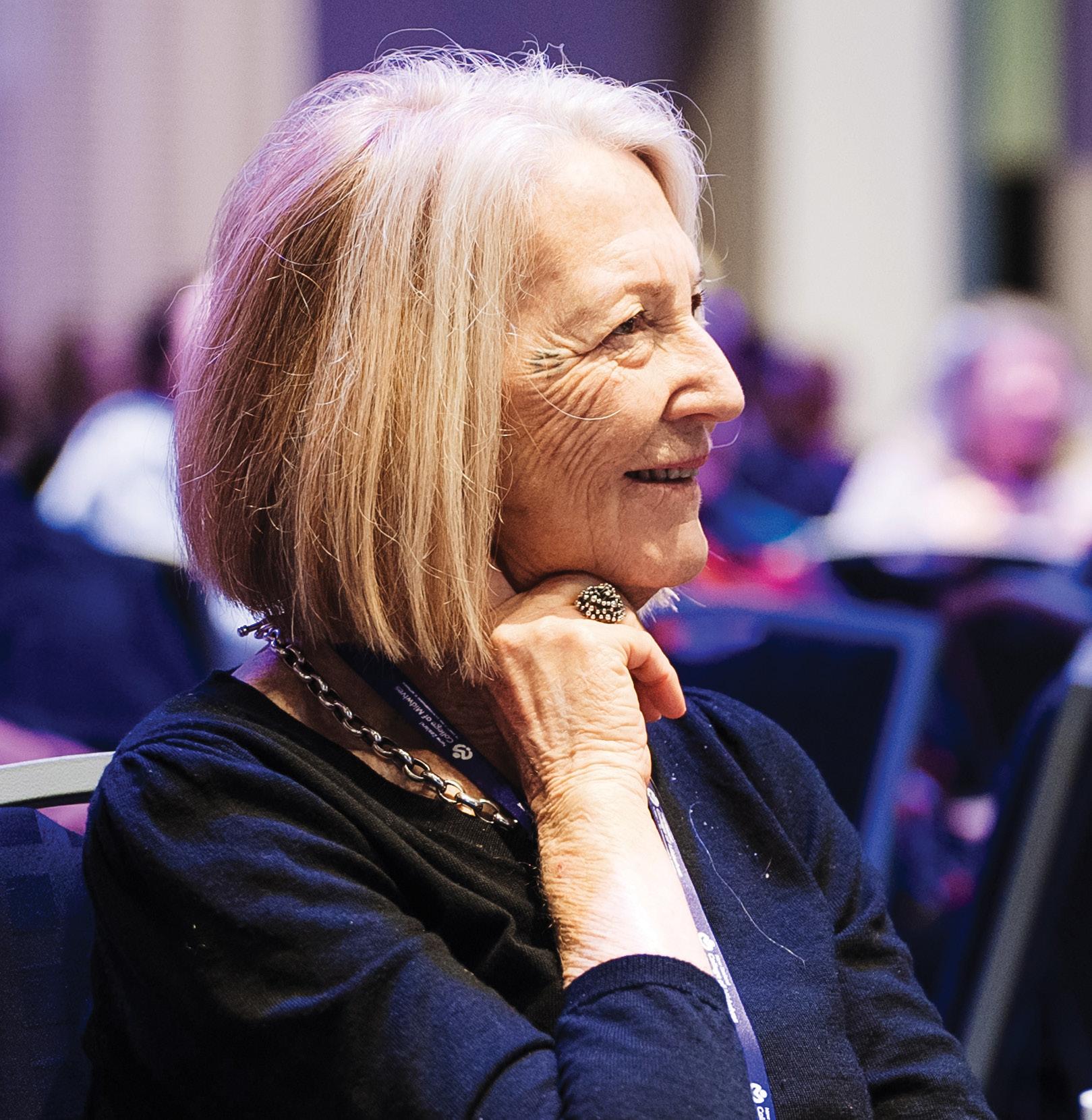
“And sometimes it's not my place to contribute to this conversation and sometimes it absolutely is,” says Sue.
She has been involved with the College since it was established in 1989 and also served as its President in the early 2000s.
“I’ve always been really committed to the College and I’ve been incredibly proud of what it has achieved for midwives and for families in New Zealand.
“And I’m acutely aware of the struggles. In those early days as a midwife, you did feel the weight of the profession on your shoulders when you were working clinically because there was so much effort and sacrifice and stepping out of comfort zones in order to set up the College and bring about the law change [to allow midwives to practise autonomously].”
Sue says she loved having the opportunity to collaborate across the College as well as the midwifery profession and has many highlights from her time in the role.
Chief among them is the result of the High Court case the College took against the Crown, which on 26 March this year
found the Crown guilty of discrimination and breaching contractual promises to lead maternity carers in Aotearoa.
It was also a huge privilege for Sue to represent the College at two ICM council meetings and to then go on to be the AsiaPacific representative on the ICM board for six years.
Over her 40 years in Northland, Sue has worked primarily as a lead maternity carer as well as in a variety of hospital roles, currently as Chief District Midwife and Service Manager at Whangārei Hospital.
She still loves Northland as much as she did when she first visited back in the 1970s.
“The culture is the huge factor, the beauty, the no-nonsense approach by people generally. Women, everyone, they just tend to get on and do what needs to be done, whether that is having a baby, getting a boat off rocks if it’s gone aground, or recovering after a weather event.
“You don't necessarily come to Northland for an easy life, but you certainly come for a fulfilling work life,” says Sue. “I’m really proud of the midwifery service in Northland.
Sally Pairman acknowledges Sue
40-plus years as a midwife is impressive and for Sue it represents a working life of dedication to providing exceptional standards of woman-centred midwifery care and love for the women and whānau she serves.
I have seen first hand how loved Sue is by her community. The numerous women and families she has supported over the years all know her and she them. She is ‘their midwife’.
As a founding member of the College, Sue helped build our profession with belief that autonomous midwives working in partnership with women would ensure high standards of care for women and babies. This belief underpins all her professional roles – as a rural LMC, College President 2002 – 2008, Nursing Council Member 2000 – 2003, inaugural Midwifery Council member 2003 – 2012, member of the HPDT, member of the International Confederation of Midwives’ Board 2011 – 2017 and Director of Midwifery and Manager of Maternity Services, Northland. Sue was awarded the NZ Order of Merit in 2012 for services to midwifery.
Sue’s distinctive laugh, her deep interest in people and her joy and commitment to midwifery are obvious to all who know her. Enjoy your well-deserved retirement dear Sue. Thank you.
I think there are some really outstanding and committed midwives who are genuinely committed to the power of continuity of care and who exhibit that Northland trait of just rolling up their sleeves and getting on with it.”
While she’ll miss her colleagues following her retirement, Sue believes she will find a new joy in her other role, as a marriage celebrant. She notes the parallels of the two roles.
“I realised that a lot of what I loved about being an LMC in the community were the relationships, often formed sitting around someone's kitchen table, having a yarn, getting to know them, learning their hopes and dreams, offering advice if they wanted it, and then taking part in this huge life-changing day,” she says. Square
RESPIRATORY SYNCYTIAL VIRUS: THE CASE FOR PREVENTION IN AOTEAROA

CLAIRE MACDONALD MIDWIFERY ADVISOR
With thanks to Associate Professor Emma Best, Paediatric Infectious Disease Specialist at the University of Auckland and Starship; and Professor Jane Alsweiler, Neonatal Paediatrician, University of Auckland, for sharing their expertise for this article.
This article reviews new and emerging options for preventing respiratory syncytial virus (RSV) in infants, highlighting vaccines and monoclonal antibodies, their efficacy, and current access issues in Aotearoa New Zealand.
RSV is common and recurrent, with 80% of young children infected by age two and approximately 50% infected twice. It can cause severe lower respiratory tract infection (LRTI), hospitalisation and death in RSV-naïve infants (and older adults with comorbidities).
RSV accounts for around 40% of acute respiratory infection hospitalisations in under five-year olds in Auckland; this is three times the rate of hospitalisations for influenza.
Severe early infections are linked to long-term airway damage and asthma. Those who bear the highest burden of severe disease are babies under three months old, Māori and Pacific children, and those in high deprivation areas.
Maternal smoking during pregnancy is an independent risk factor for RSV-associated acute LRTI in infants. Evidence indicates that maternal smoking during pregnancy increases the risk of acquiring RSV infection, whereas smoke exposure after birth appears to be the stronger predictor of severe disease.
RSV is a preventable infection. RSV protection for infants can be achieved via:
• Maternal vaccination (passive immunity for infants)
• Monoclonal antibody prophylaxis (passive immunity for infants)
However, the best of these options are not yet available in Aotearoa. Multidisciplinary work and consumer advocacy is underway on applications for approval and resourcing of these newer, more efficacious and accessible medications, to make them available to whānau here.
MATERNAL RSV VACCINATION (NOT YET AVAILABLE IN NZ)
Australia, Europe and the US have approved Abrysvo as an antenatal immunisation for pregnant women and gender diverse people. It can be administered from 24 to 36 weeks’ gestation and provides passive protection to infants from birth to six months.
The efficacy in infants is ≥50% against RSV LRTI overall and approximately 70% against
severe RSV lower respiratory tract disease (LRTD) up to 180 days.
In some settings a slight, non-significant increase in preterm births has been seen, so the recommended timing for maternal vaccination has been narrowed in the US to 32–36 weeks' as a precaution.
MONOCLONAL ANTIBODY PROPHYLAXIS FOR INFANTS
There are two monoclonal antibody products for RSV prevention, only one of which is currently available here.
Palivizumab (currently available) is an option for very high-risk infants in New Zealand. To be effective, it requires monthly injections during RSV season. For infants born very preterm or with other extreme vulnerabilities (such as congenital heart disease), receiving Palivizumab is an important but intensive intervention, given the high risk of severe infection for these babies.
Nirsevimab (not yet available in NZ) is a next generation monoclonal antibody, which is administered by a single intramuscular dose to babies. Applications for approval have been submitted.
Nirsevimab works better partly because it attaches to the virus more effectively and stays in the baby’s body for much longer than Palivizumab. This means one injection can
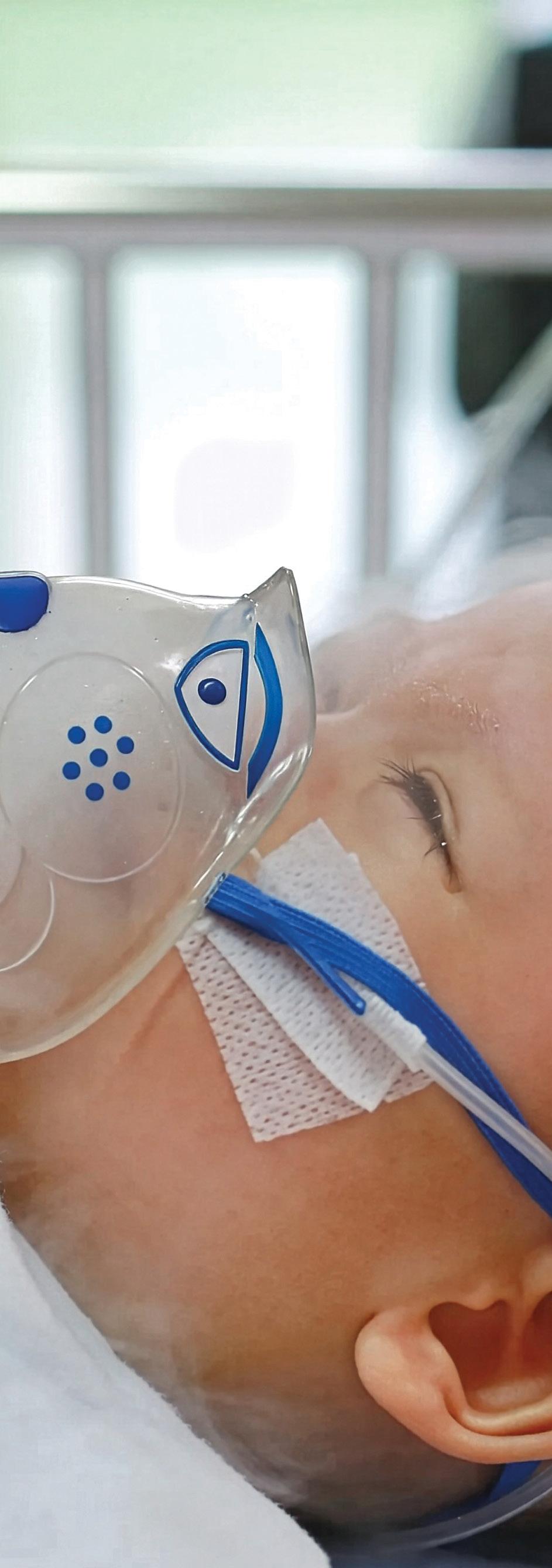
protect a baby for a whole RSV season, rather than needing repeated monthly doses. The efficacy in infants is ≥75% against RSV LRTI over an RSV season.
Where it is approved for use in international settings, such as Australia, US and parts of Europe, it is offered either to all infants in their first RSV season, or to infants with any risk factors (depending on the country resourcing); and to high risk children under 2 years old in their second season. Where Nirsevimab has been introduced, countries have seen a marked fall in RSV hospital admissions and severe illness in babies, easing pressure on paediatric services during winter and avoiding the distress associated with infant hospitalisation for families.
CURRENT CHALLENGES IN NEW ZEALAND
The only protection for infants currently available here is Palivizumab, which is only funded for very high-risk infants (extremely or very preterm, or those with congenital heart disease). However, its monthly administration poses logistical challenges for neonatal and paediatric services and access issues for whānau.
Applications have been made to Medsafe and Pharmac to approve and fund Nirsevimab for newborn babies. Significant multidisciplinary work and advocacy have been undertaken with the aim of having this option available for the 2026 winter season. Pharmac’s Immunisation Advisory Committee made a provisional recommendation at its November 2025 meeting that Nirsevimab should be “high priority” for funding; however, at present it remains neither licensed nor funded in NZ.
Maternal RSV vaccination with Abrysvo may help, but uptake of existing pregnancy vaccines (Tdap for pertussis, influenza) is already suboptimal, raising concerns about implementation and equity. Applications are yet to be made to Medsafe and Pharmac, meaning the timeframe for availability of this maternal vaccine is currently unknown.
Even with maternal vaccination, very preterm infants will still require monoclonal antibody protection.
Key Messages
RSV causes substantial and inequitable morbidity and mortality in NZ infants. There is now an effective maternal vaccine and a long lasting monoclonal antibody for infants, both supported by strong efficacy data. However, approval, access, funding and equitable delivery will determine real world impact.
A combination of maternal vaccination and infant monoclonal antibody programmes will likely be required to protect those at highest risk, should both new options be made available in NZ. In the meantime, the best protection remains common-sense measures: keeping babies away from people who are unwell, particularly in their first months of life, careful handwashing, avoiding crowded indoor spaces in winter, maintaining smokefree homes and supporting breastfeeding. Finally, remember other respiratory infections as we can support our youngest pēpi by encouraging seasonal influenza vaccines for adults and routine childhood immunisations for siblings. Square
VITAMIN D AND BREASTFEEDING A BRIEF UPDATE ABOUT THE ESSENTIALS
The Ministry of Health Consensus Statement on Vitamin D and Sun Exposure in New Zealand was written in 2012 and the companion statement on Vitamin D and sun exposure in pregnancy and infancy (0–2 years) was revised by Health New Zealand | Te Whatu Ora in 2024 and is due for review in 2027.
This 2024 statement provides evidenceinformed information by expert consensus from a comprehensive steering group. Vitamin D is a fat-soluble vitamin necessary for calcium absorption and bone mineralisation. There is some evidence linking incidence of low birth weight, acute respiratory infections and dental caries in infants to vitamin D deficiency, and pre-eclampsia and gestational diabetes in pregnant women. Exclusively breastfed infants are at an increased risk of developing vitamin D deficiency compared to infants fed commercial milk formula, which has vitamin D added.
The companion statement is of particular importance for midwives and the recommendations to note for pregnant women and infants are:
1. Universal vitamin D supplementation is recommended for all exclusively or partially breastfed infants.
2. Supplementation for infants to commence by four weeks of age and continue until 12 months of age.
3. The recommended daily supplement for infants is 400 IU colecalciferol 188mcg/mL orally per day (1 drop).

4. Midwives should discuss risk factors for vitamin D deficiency with pregnant women.
5. Supplementation should be offered to pregnant women if any of the following are applicable:
• Living south of Nelson during winter or spring
• Having a naturally dark skin tone
• If spending limited time outdoors and/ or having minimal sun exposure due to religious, cultural, personal or medical reasons.
It is important that exclusive breastfeeding is not undermined when discussing the need for infant vitamin D supplementation. Breastfeeding provides optimal nutrition and vitamins essential for growth and development; however, breast milk is typically low in vitamin D, and babies may require additional vitamin D to maintain adequate levels. Breastfeeding and breast milk are irreplaceable and unreproducible. Breast milk is species specific, contains immunological properties, contains hormones, and changes composition in response to infant needs, gestational age, time of day and in response to infant infection or threat of infection. Commercial milk formula has none of these benefits.
Vitamin D supplementation provides an effective and equitable means of supporting optimal maternal and infant health outcomes without diminishing the unique and irreplaceable benefits of breastfeeding. Square
References available on request
CAROL BARTLE POLICY ANALYST
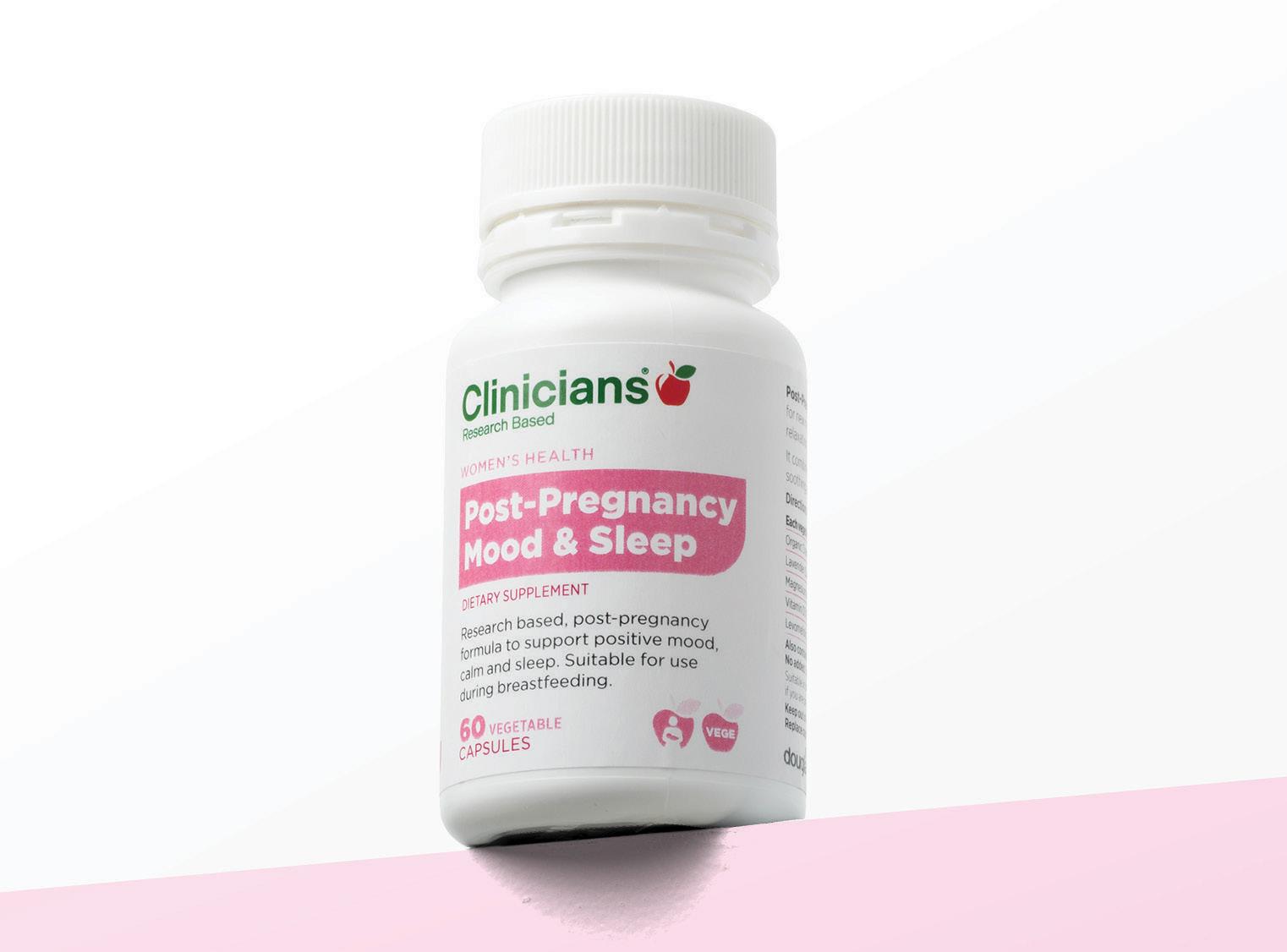
Post- Pregnancy
Mood & Sleep
Research based, post-pregnancy formula to support positive mood, calm and sleep.


THE EMPLOYMENT LEAVE BILL – CONCERNS OF MERAS AND THE UNION MOVEMENT

DAVID MUNRO MERAS CO-LEADER (INDUSTRIAL)
Last year we provided an initial article that foreshadowed changes proposed for the Holidays Act that were suddenly announced by the Minister of Workplace Relations and Safety, Brooke van Velden. At the time there was no Bill, no process for feedback, and unions had not been involved in any discussions about proposed changes. Since then, the proposed Employment Leave Bill has been released, and MERAS Co-Leader (Industrial) David Munro has appeared before the Education and Workforce Select Committee in support of the MERAS submission. David Munro also represented MERAS in the development of the Council of Trade Unions (CTU) submission on the Bill.
THE NEW PURPOSE
The CTU submission reveals the newly limited purpose of the Bill as regards annual leave. The Bill proposes its purpose is to provide employees with minimum entitlements to annual leave to give them the opportunity to take paid time away from work. Gone then is the purpose of the current Holidays Act 2003 which is to promote balance between work and other aspects of employees’ lives and, to that end, to provide employees with minimum entitlements to annual holidays to provide the opportunity for rest and recreation. That is not a small change, and is reflected in many aspects of the Bill where opportunities to exchange leave for cash are rife, and protection of work/life balance is absent.
IS THE CURRENT ACT BROKEN?
The preamble to the Bill makes much of the difficulties of the current Holidays Act

CAROLINE CONROY MERAS CO-LEADER (MIDWIFERY)
but MERAS contends that, whilst there are problems with the current Act, it is not broken. Since 2010 much work has been undertaken to ensure that the current Act is applied accurately and fairly. In no sector has this been more the case than in the health sector where, at large expense, Health New Zealand has finally got it right. Following this work the health sector will not benefit from further employment leave change and disruption.
MERAS is also concerned that the drafting of the Bill appears to be a rushed job. There is a huge amount of sense and grammar checking that will be needed if it is to become workable legislation. Poor legislation often results from rushing the drafting and then passing it through Parliament too quickly.
IMPACT ON WORKERS
The CTU submission argues that some groups of workers will be affected disproportionately: Those who work parttime, those who have variable hours, those who work two or more jobs, and those whose work is less secure. Women, young people, Māori, Pasifika and migrant workers are all more likely to be in these kinds of “nonstandard” employment arrangements and will therefore be disproportionately affected negatively by the Bill. Given that many MERAS members work part-time, there will be a significant negative impact on midwives.
IMPACT ON LEAVE
Having stated the new purpose in the proposed Bill is to provide employees with paid time away from work, much of the Bill then goes on to limit paid time away from work in exchange for money. The
introduction of a Leave Compensation Payment (LCP) is the antithesis of paid leave as it is actually pay instead of paid leave. The Bill is proposing that workers receive annual leave based on their contracted hours and any additional work will attract a 12.5% loading in lieu of accumulating annual leave and sick leave for those hours. This means that when workers have a period of annual leave they may be paid less than their current or average weekly pay. The proposed Bill will also see workers receive the lowest rate for the day. That would exclude inclusion of penal rates where a shift attracts them, and all allowances that aren’t fixed. This will have a significant impact on employed midwives.
If this aspect of the Bill is adopted, the transition period mooted in the Bill will be important whilst the appropriate balance between hours that attract leave accumulation versus those that attract the LCP payment is established. There is a fear that these changes will force more casualisation of workforces by employers keen to eliminate leave accumulation in favour of LCP paid continuously. However, in the health sector, it may see movement by midwives to have regularly worked casual shifts confirmed as permanent hours that attract leave.
NOTIONAL ROSTERS
MERAS is concerned about the proposal for notional rosters as these would be difficult to establish fairly for midwives. Employed midwives tend to have “social rostering” with no set pattern across rosters, and frequently pick up extra shifts in addition to their standard Full-Time Equivalent (FTE) hours. This would make it more difficult to identify contracted versus additional hours worked.
REDUCED SICK LEAVE FOR PART-TIME WORKERS
The Bill proposes that sick leave will accumulate based on standard hours worked. There would no longer be a minimum of 10 days’ sick leave per year for workers who work less than 40 hours per week. The Bill also proposes that sick leave is not accrued on additional (casual or overtime) hours worked. There is a danger that this will reinforce “presenteeism” as employees with insufficient sick leave come to work when they are sick.
IMPACT ON MULTI-JOBBERS
The CTU submission contends that the proposed Bill will encourage the creation of artificially separate employment relationships for those staff with more than one role with the same employer. This will have downstream consequences for both parties when employment decisions must be applied to, and justified, in each employment agreement separately. This will exacerbate the challenges already experienced by MERAS members who are multi-jobbers to achieve leave in all roles at the same time.
LEAVE
ACCUMULATION ON PARENTAL
LEAVE
MERAS supports the proposed consequential amendments to the Parental Leave Act that will provide for paid annual leave to accumulate during periods of parental leave. This will remedy the current unintended consequences whereby parents – most usually
mothers – return to work following parental leave and find that any annual leave that they may have previously accumulated, but not taken, has little or no monetary value arising as there was no earning during much of the parental leave. The early days of parenthood following a year of parental leave is a time of both increased fatigue and financial pressure. The opportunity to take annual leave without loss of earnings is long overdue.
OTHERWISE A WORKING DAY
The Bill proposes to provide more clarity on the term “otherwise a working day” used to calculate public holiday alternative day leave entitlements for part-time workers. The current provision in the MERAS SECA is that an employee qualifies if they have worked the day 40% of the occasions in the last three months. Some collective agreements specify working more than 5 out of 13 days in the previous 13 weeks (39%). The Bill proposes using 7/13 days in the previous 13 weeks (54%). MERAS considers this to be too onerous. MERAS has proposed that the test should be 4/13 (31%) days in the previous 13 weeks.
BEREAVEMENT LEAVE
It is generally acknowledged that the death of a spouse/partner or child carries with it greater tragedy and trauma; it is when the “circle of life” goes wrong. This is recognised in some collective agreements in the health sector by way of a larger entitlement to paid leave. MERAS submitted
that the statutory bereavement leave entitlement in the event of the death of a spouse/partner or child should be raised from 3 days to 5 days.
TRANSITION ARRANGEMENTS
MERAS notes that the burden on employers and employees from transitioning from the old system to the new will be huge. In its submission MERAS proposed a three-year transition period as the shortest possible period that this can be achieved if this Bill becomes law. Health New Zealand would have to accelerate its plans for a single modern nationwide payroll system –currently estimated to still be eight years away – as many of the current district systems are no longer able to be upgraded or changed.
WHAT’S NEXT?
The Government plans to pass this Bill before the general election. Hopefully the select committee will recommend the changes proposed by unions and community groups; it is very unlikely that they will simply abandon the Bill. If this Bill does become law, its impact on employed midwives will be significant. MERAS will continue to monitor and update our members on the progress of this proposed law. Square

DIGITAL SAFETY IN SELF-EMPLOYED MIDWIFERY
REAL RISKS, PRACTICAL STEPS, AND PROTECTING TRUST IN EVERYDAY MIDWIFERY PRACTICE

WAYNE ROBERTSON GENERAL MANAGER, MMPO
For self-employed midwives, digital safety is part of safe midwifery practice. Midwifery care is provided across homes, clinics, birthing facilities, community settings and on the road, often while managing urgent communication, documentation, referrals and business tasks.
This flexibility is fundamental to midwifery continuity of care, but it also brings real privacy and security risks. The good news is that there are practical steps midwives can
MMPO GROUP DIGITAL AND MIDWIFERY EQUIPMENT INSURANCE SIGN-UP
Digital risk is one part of practice risk. Insurance is another important way self-employed midwives can protect themselves and their work. College members are encouraged to explore group digital and midwifery equipment insurance sign-up options and make sure they understand what cover is available, what is included, and how it supports practice.
Scan the QR code to access group insurance sign-up information.

Aotearoa New Zealand's midwife-centred support partner.
www.mmpo.org.nz
E: mmpo@mmpo.org.nz P: 03 377 2485
take to reduce those risks, protect sensitive information and strengthen trust with the māmā and whānau they care for.
Digital safety is not separate from good midwifery care. It is part of protecting privacy, maintaining trust, and making sure midwifery care can continue safely wherever midwives are working.
A UNIQUE WAY OF WORKING
Self-employed LMC midwives work in a way that is mobile, relational and responsive. A midwife may move from a home visit to a hospital assessment, respond to a text after hours, send a referral between appointments, check results on a phone, complete notes late in the day, and manage claiming or invoicing in between. Phones, tablets, laptops, email, cloud-based systems, and messaging are now built into daily practice.
That convenience matters, but it also creates genuine risk. For most midwives, the main threats are not dramatic cyber-attacks. They are the everyday risks that come with busy, pressured, mobile work: sending information to the wrong person, clicking on a scam email, losing a device, storing client information in the wrong place, or leaving a phone, tablet or laptop visible in a car.
THE RISKS MIDWIVES FACE IN EVERYDAY PRACTICE
One of the biggest digital safety risks is simple human oversight under pressure. Midwives often need to communicate quickly while tired, on call or moving between locations. In these circumstances, it is easier to send an email to the wrong address, attach the wrong document, leave notes open on a screen, or save a client file in a temporary place and forget to move it later. These mistakes are understandable in the reality of busy practice, but they can still result in privacy breaches. Other common risks include:
• Phishing and scams
Emails or texts can appear to come from Microsoft, a courier company, a bank, Xero or another trusted service. Their purpose is to get someone to click a link, open an attachment, or enter login details. If an account is compromised, especially an email account, the effects can spread quickly. Email often provides access to calendars, documents, invoices, password resets and communication with clients and colleagues, so a single breach can affect multiple parts of a midwife’s practice.
• Insecure or non-private communication and messaging
Midwives rely heavily on phones, text messages, email and messaging apps to keep care moving. But if these tools are not used carefully, they can create real privacy risks. Messages may be seen by others on an unlocked screen, sent through personal or unsecured apps, or shared in places where conversations can be overheard. Detailed clinical information sent by text or informal social messaging can also be harder to protect and manage appropriately.
• Lost or stolen devices
Phones, tablets and laptops now hold much of a midwife’s working life, including contact details, appointment information, emails, invoices and sometimes sensitive clinical information. A device left behind after a visit, stolen from a vehicle or accessed by someone else can expose confidential information unless it is properly protected.
• Home-based work and scattered information
For self-employed midwives, working partly from home creates additional challenges. Shared family devices, screens visible to others, printers in shared areas and confidential conversations overheard in busy households can all create privacy issues. Information can also become scattered across phones, personal email
PRACTICAL DIGITAL SAFETY ACTIONS BY DEVICE AREA
SMART PHONE
COMMON USE Calls, texts, email, appointments, results, maps, photos, messaging on the move
COMMUNICATION MEANS Calls, texts, email, calendar reminders, approved messaging apps when used for practice
MAIN RISKS
PROTECT ACCESS
SECURE ACCOUNTS
MANAGE INFORMATION
USE SAFELY IN PRACTICE
REDUCE PHYSICAL RISK
RECOVERY OPTIONS
Lost or stolen phone, wrong recipient, or client information left in texts, downloads, notes, camera roll
Strong passcode, biometric login, short auto-lock
Multi-factor authentication for email and key apps
Move client photos and files out of camera roll, downloads and message threads promptly
Keep texts mainly for logistics and avoid any detailed personally identifiable clinical information
Keep screen out of view, never leave unattended in public, do not leave visible in a car
Turn on Find My Device and remote wipe (if available)
accounts, cloud folders, message threads and downloads. Over time, this creates both privacy risk and practice risk, making information harder to protect, harder to retrieve and harder to manage safely when something goes wrong.
Digital safety is not only about confidentiality. It is also about continuity of care. If a midwife cannot access a phone, calendar, records, contacts, email or billing system because of a cyber incident or lost device, the effect can be immediate. Protecting information is also about protecting the ability to keep both care and practice running safely.
PRACTICAL STEPS TO REDUCE YOUR RISK
Because self-employed midwives work across so many settings, it helps to think about
Portable records, note-taking, forms, education resources, discussions during visits
Email, video calls, shared education resources, forms, visual discussion during visits
Easy to leave behind, screen visible to others, casual sharing, files saved in insecure apps
Strong passcode, short auto-lock
Multi-factor authentication for work-related apps
Store forms, notes and documents only in secure systems
Be mindful of those who can see the screen during visits
Keep secure in homes, clinics, and vehicles, do not share with family members
Turn on remote tracking and remote wipe
digital safety one device at a time. The table above highlights the most common risks, communication methods and practical actions for smartphones, tablets and laptops.
The practical message is simple: secure the device, secure the account, secure the information and reduce the chance of accidental exposure in everyday use.
HOW MMPO CAN HELP WITH YOUR NEXT STEPS
Digital safety is part of safe, sustainable midwifery practice but should not be something self-employed midwives have to navigate alone.
MMPO can support its users by providing practical guidance and education that reflect the realities of community-based midwifery practice. That includes advice on safe
Documentation, referrals, claiming, invoicing, email, cloud storage, business records
Email, referrals, portals, letters, invoicing, secure document exchange, longer written communication
Theft from car or home, broad access to records, files scattered across desktop or downloads, shared household access
Strong password, auto-lock, device encryption where available
Multi-factor authentication for email, storage, claiming, invoicing, business systems
Store files in secure backed-up systems, not loosely on desktop or in downloads
Double-check recipients and attachments before sending referrals or documents
Never leave visible in a car, angle screen away from others, secure paperwork and bag
Turn on tracking and remote protection features when available
communication, device security, information storage and what to do when something goes wrong, such as a lost device, phishing scam or privacy breach.
Most importantly, MMPO can help make digital safety manageable by turning technical issues into practical steps that fit everyday practice. MMPO encourages every selfemployed midwife to take some time this month for a digital safety check-in: review device settings, update passwords, turn on multi-factor authentication, check where whānau information is stored, and identify one area of risk in the daily workflow that can be improved now.
Small changes can make a real difference, and MMPO is here to help with practical support and guidance that reflects how selfemployed midwives really work. Square
TE ARA Ō HINE TAPU ORA 2026
TAMARA KARU
TE ARA O HINE TAPU ORA
PROJECT MANAGER, NGĀ MĀIA
PARTNERS FOR ĀKONGA SUCCESSION AND STRENGTHENED INVESTMENT
TANIA FLEMING
TE ARA O HINE TAPU ORA
PROJECT LEAD, AUT
Te Ara ō Hine – Tapu Ora is a vital initiative supporting Māori and Pacific midwifery students across the five undergraduate midwifery schools in Aotearoa: Auckland University of Technology (AUT), Victoria University of Wellington, Otago Polytechnic, Ara Institute and Wintec. The programme provides wraparound, culturally safe and responsive pastoral care, relational connections for ākonga (students), and academic and clinical support. It administers funds, facilitates peer mentoring and hosts regional and annual gatherings, hui & fono. The initiative is funded by the Hauora Māori Services Directorate, Health New Zealand | Te Whatu Ora.
Te Ara ō Hine – Tapu Ora is a beacon of hope for Māori and Pacific midwifery ākonga across Aotearoa. At the heart of this work stands a powerful partnership between AUT and Ngā Māia Trust, who have been working hand in hand to manage the programme’s ongoing evolution towards being Tangata Whenua-led.

Since its inception, Te Ara ō Hine – Tapu Ora has dramatically shifted the dial towards equity. Retention rates have soared from a challenging 42% in 2022 to an impressive 85% by 2024, with some schools boasting perfect 100% final-year retention. These gains are no accident. They stem from tailored wraparound support. Central to this support is whanaungatanga — between students, liaisons and the wider midwifery community, many of who have walked the same path as students. Liaisons bridge the equity gaps within a predominantly Western educational framework. Their presence advocates for student spaces where ākonga are supported to navigate academic and clinical challenges.
An evaluation of the programme in 2024 revealed challenges. Variability in implementation, underfunded elements and payment delays have at times reduced the efficacy of the investment. AUT and Ngā Māia recognise these issues and have taken decisive action in 2026 to address them head-on.
Starting 2026 with innovations in technology, Ngā Māia have developed the Pōkai Tahi app which gives ākonga greater ownership of their journey. For programme staff the app offers clearer oversight and streamlining of processes. Prioritising an equity framework and identifying ākonga with the greatest need is another gain for the current cohort of 373 ākonga across the country.
Before we close, we honour Ngatepaeru Marsters, a cornerstone of Te Ara ō Hine – Tapu Ora leadership. Recently made a Member of the New Zealand Order of Merit (MNZM), Ngatepaeru’s leadership of Tapu Ora and AUT’s Pacific Midwifery programme has been vital in building a workforce that better reflects its communities. From a small start in South Auckland to supporting hundreds of Pacific ākonga at AUT, her impact runs deep. She champions Pacific initiatives, challenging one-sizefits-all models and advocating for holistic midwifery care. Carrying her trademark humility, Nga has shown us how much influence leaders can have in inspiring and transforming our profession.
The story of Te Ara ō Hine – Tapu Ora is a story of resilience, partnership and hope. With Ngā Māia steering its future, the journey toward equitable outcomes for ākonga and excellence in midwifery education is firmly on course. This initiative's sustainability and success is enhanced through the ongoing strong culturally safe backing from our midwifery community. Square
GROWING A PACIFIC BIRTHING VILLAGE

THE SETTING SUN OVER THE VILLAGE: HONOURING NGATEPAERU MARSTERS MNZM
The setting of the sun is a moment of beauty – not just an ending, but a transition that allows stars to emerge and guide the way forward. So too is Ngatepaeru Marsters’ recent retirement from her long-standing roles at AUT and as National Coordinator of Tapu Ora. As she concludes her formal chapter in midwifery education, she leaves behind a landscape not in the shadows, but brightly lit by stars she helped to place.
A JOURNEY OF CULTURAL AGILITY
Ngatepaeru’s story is defined by deep roots and an unwavering sense of purpose. Her midwifery journey began on the wards as a core midwife before she transitioned into many years of LMC practice in CountiesManukau. In the early days, she stood as one of only a few Pacific midwives – a position that required the cultural agility to bridge and speak across divides.
Through this experience, she recognised that clinical excellence, while essential, was not enough. For Pacific families, safety is defined by cultural alignment as much as clinical competence. This became the catalyst for a career rooted in advocacy, as she worked to ensure the ‘village values’ of her heritage were woven into the fabric of maternity care.
WEAVING THE COLLECTIVE: MENTORSHIP AND EDUCATION
Ngatepaeru’s mission to support and grow the Pacific midwifery workforce in both numbers and strength was clear. In 2012, she helped establish the ‘Aunties’, a grassroots initiative that pioneered a culturally grounded Pacific mentorship model.
Since 2014, Ngatepaeru has been a cornerstone of the AUT Pasifika Liaison Team, serving as both a Clinical Educator and Pasifika Liaison. She bridged the gap between classroom theory and the reality of clinical practice, ensuring students felt seen by someone who shared their values and reflected their identity. Her impact culminated in her role as the inaugural National Coordinator of Tapu Ora, where she oversaw the Pacific workforce initiative across all five undergraduate midwifery schools. In this capacity, she moved from local mentorship to national leadership, weaving her commitment to student success into the fabric of our midwifery education system.
A PILLAR OF PROFESSIONAL AUTHORITY
Ngatepaeru served on the Midwifery Council from 2016–2020, continues to work as one of the few Pacific MSR reviewers, and is a seasoned MFYP mentor. Through these roles, she has acted as a guardian of professional integrity and an advocate for peer excellence.
Her leadership as Co-Chair of Pasifika Midwives Aotearoa, Pasifika Representative on the College’s National Board, member of the National Pacific Health Senate, and practising midwife member of the Western Pacific Regional Committee of ICM, gave her a platform to shape the profession nationally and beyond.
AN UNWAVERING COMMITMENT
While her formal retirement from undergraduate education marks a transition, Ngatepaeru’s work remains vital. She is deeply invested in her roles as a Trustee of Tagata Moana Maternity Trust and their ongoing work at Ngā Hau Māngere Birthing Centre. Her dedication to these community-led spaces ensures that Pacific voices remain central to the maternity landscape.
Ngatepaeru’s recent appointment as a Member of the NZ Order of Merit serves as national confirmation of what the Pacific midwifery community has known all along: she is a scholar of practice and a beacon of collective strength. She has successfully helped build a village that stands as a living testament to her vision, her endurance and her unwavering love for her community Square
TALEI JACKSON PASIFIKA MIDWIFE


BRIDGING CULTURES THROUGH CONTINUITY OF CARE

SHWETA KUMAR
LMC MIDWIFE AUCKLAND
Midwife-led continuity of care is more than just a model to me, it’s the foundation of how I choose to practise: working with a small team of midwives, providing care for a woman alongside her family throughout her pregnancy, labour, birth and postnatal journey, and referring to specialist services when needed. For my practice, it’s about creating relationships, building trust and walking alongside families during one of the most important times in their lives.
MY JOURNEY INTO MIDWIFERY
I graduated with a Bachelor of Health Science specialising in Midwifery in 2020. Shortly after, I received my practising certificate and became a registered midwife. I chose to work as a Lead Maternity Carer (LMC), driven by my passion to make a difference for growing families through continuity of midwifery care. My role is both rewarding and demanding. Currently, around 88% of my caseload is of Indian ethnicity and I continue to see their numbers grow. My midwifery partner and I support each other and provide continuity of care, being on call 24/7 for 10 days, followed by four days off every fortnight. We provide care for women across West Auckland from New Lynn to Kumeū, and most of my clients come through word of mouth or the Find Your Midwife website.
LANGUAGE AS A BRIDGE
One of the most meaningful parts of my work is being able to connect through language. I speak three languages: Fijian Hindi, English and Hindi. Fijian Hindi is my mother tongue, something I’m incredibly grateful to my parents and grandparents for. I learned English after moving to New Zealand and starting primary school. Over the years, through my work as an LMC, I’ve also learned to speak Hindi as spoken in India, entirely from my clients. That, to me, shows just how much of an impact these families have had on my practice, just as much as I hope I’ve had on their journeys.
UNDERSTANDING CULTURAL DIFFERENCES
Through my work, I’ve come to understand that for many Indian and Asian families, the concept of a midwife is unfamiliar. In many cases, families expect doctors to lead all aspects of maternity care. I often hear things like, “Where is the doctor?” or that the word “midwife” itself doesn’t translate well culturally or linguistically.
In countries like India, care is highly medicalised, with routine monthly scans, frequent testing and more directive decision-making the norm. Compared to New Zealand, where care emphasises informed choice and fewer interventions, this difference can create anxiety for families.This highlights for me how important it is to take the time to explain what I do, how our system works, and to involve not just the woman but also her support people and family.
THE REALITIES MANY WOMEN FACE
Many of the women I care for come from backgrounds where: They may not drive; They may not speak English confidently; They are more dependent on their families due to cultural upbringing.
Often, it is the husband or another family member who speaks on behalf of the woman. Family influence plays a huge role in decisionmaking, and there can be significant pressure to meet expectations, especially from in-laws.
In some cases, if something goes wrong, the woman may carry the blame. It’s also not always culturally appropriate for her to speak for herself, which is something I’ve had to learn to navigate with sensitivity. Dietary practices, such as vegetarianism, are also important considerations in care.
POSTNATAL CHALLENGES AND MENTAL HEALTH
The postnatal period can be particularly challenging.
I’ve seen how quickly the focus shifts from the mother to the baby. While families often encourage rest and recovery, there is also pressure on women to manage everything, for example, caring for their baby, their household, their husband and sometimes older children.
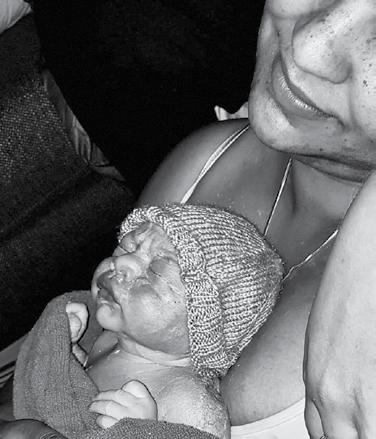
In India, extended family would usually step in to provide hands-on support. Here in New Zealand, many women don’t have that same support network, which can leave them feeling isolated and overwhelmed.
Mental health is still a taboo topic in many of these communities, and I’ve noticed that women rarely seek professional help, even when they are struggling. Instead, they often carry this silently.
What many parents tell me they need most isn’t just information, but practical support –things like how to bath a baby, feed, change nappies, or swaddle. These are things that would traditionally be taught by family.
WHY CONTINUITY OF CARE MATTERS
This is where continuity of care becomes so powerful. By having a known midwife, my clients build trust with me over time. They feel more comfortable asking questions, sharing concerns and expressing anxieties. Through consistent antenatal discussions, I’m able to
provide reassurance and help them understand that the care they’re receiving is safe. That relationship makes a difference, not just clinically, but emotionally and culturally.
PROVIDING CULTURALLY SAFE CARE
Through my experience, I’ve learned that culturally safe care requires intention. It means:
• Advocating for women who may not feel able to speak for themselves
• Taking time to genuinely get to know them and their families
• Providing information in ways they can understand, both verbally and in writing
• Being patient, listening fully, and offering reassurance (even if it means repeating myself)
• Creating a non-judgmental, safe space where no question is dismissed
• Respecting privacy and dignity at all times
I also remind myself not to assume prior knowledge. For many families, pregnancy care in New Zealand is completely unfamiliar, and every interaction is an opportunity to educate and support.
CHALLENGING PERCEPTIONS
I’ve heard Indian families sometimes being described as “needy” within the healthcare system. From my perspective, this isn’t about being needy, it’s about needing support, understanding and reassurance in an unfamiliar environment. It makes me reflect:
• Do we carry unconscious bias when a husband speaks for his wife?
• Do we take the time to truly understand what care looks like in their home countries?
• When families seek reassurance, do we explore the anxiety behind it?
At the end of the day, every family wants the same thing, a healthy mother and baby.
LOOKING AHEAD
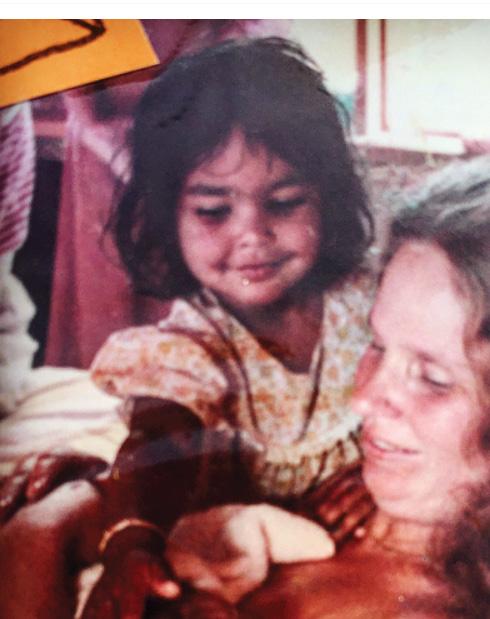
In India, extended family would usually step in to provide hands-on support. Here in New Zealand, many women don’t have that same support network, which can leave them feeling isolated and overwhelmed.
Being an Indian LMC in Auckland who speaks three languages comes with a significant responsibility. The need for more culturally aligned midwives is growing and it’s something I feel strongly about.
For me, this work is not just about providing care, it’s about building trust, bridging cultural gaps and ensuring that every woman feels heard, respected and supported. Because continuity of care isn’t just about being there, it’s about how I show up every single time. Square




THE STORY ALREADY TOLD
LAKSHMI VENKATAIAH LMC MIDWIFE, LECTURER AND RESEARCHER
I am an Indian midwife. I am a daughter of a midwife. And I am a mother of a midwife. That last part changes everything because I do not just carry this system in my past — I carry it forward into my child’s future. And it terrifies me to think about what she will inherit from it.
I grew up surrounded by midwifery conversations — at dinner tables, in cars, in the in-between moments of my mother’s working life. Birth stories were not occasional; they were the constant background noise of my childhood. I was listening long before I had the language to understand what I was hearing.
And over time, I started to notice what sat underneath the stories, not just what was said, but how it was said. When certain women were spoken about, the tone would shift. When Indian whānau were discussed, something changed in the room. The language became heavier, the humour sharper, the patience thinner and the respect quietly withdrawn. Sometimes it was explicit, more often it wasn’t. It was a sigh that said more than words, a look exchanged between colleagues, a pause that positioned blame before understanding was even an option.
I learned something early that should never have been normal: Indian women were already being assessed before they were seen, already interpreted before they spoke and already framed before they were known. We were not just women in a system; we were a category. And that category came with a reputation. Not a fair one, a loaded one –we were hard work.
I carried that knowledge into my own pregnancy, into my own practice and now into motherhood, where the fear is no longer abstract. It is personal, because my daughter and my nieces are growing into a system that will place their bodies and their babies at risk if nothing changes. And I refuse to be complicit in a system that treats preventable loss as acceptable.
PERFORMING EASE
By the time I became pregnant, I already knew the rules. Born and raised in Aotearoa, my mum was Pākehā, my dad Indian. I had a New Zealand accent and I believed I
understood how to move through the system safely. I knew what midwives found “difficult” and was determined not to be that woman. I wouldn’t ask too many questions, I wouldn’t complain, I wouldn’t be anxious, I wouldn’t take up space, I would be easy.
Like many women, I learned compliance long before I learned consent — a lesson forged at the intersection of gender and survival. We are taught to fear the imagined threat while adapting to the real one.
We all know to be wary of sharks, but we understand that the danger we navigate most often is male violence and the systems that excuse it. Women do not need the oppressor to explain patriarchy to us; we recognise it through lived experience, more clearly than those who benefit from it ever will.
In the same way, Indian women come to understand our own positioning within systems of racism and care — not through theory, but through repetition. We come to know our oppressor intimately, while the oppressor may not recognise the shape of their own power or the harm it produces. We learn the shape of our oppressor through the way they look at us — the quiet assessments, the clipped responses and when more effort is spent proving us wrong than determining whether something is actually wrong.
THE COLOURED LENS OF CARE
I know where I sit visibly within a system that privileges whiteness and proximity to whiteness. I am aware that the tone of my skin sits on the darker side of acceptable and marks me before I speak, and that this, ahead of all else, shapes how I am read in clinical spaces. I am aware that this marking becomes even heavier when language, accent, cultural wear or migration status are layered on top of it.
I believed, nonetheless, that I could manage this bias. That if I spoke “correctly” and behaved “correctly,” I might be granted a different kind of reception, softer reading, a fairer hearing. I was wrong. What I learned is that performance does not override perception and that perception was already set before I entered the room.
Even when I asked basic, reasonable questions during pregnancy, about my body, my symptoms and what was happening to me, I felt it – the shift in tone, the slight impatience, the comment “You’re acting like a very typical Indian woman” disguised with humour and a smile. I remember thinking, “what exactly is being assessed here, my understanding of my body, or my right to ask about it?”
Nothing I was asking was unusual or excessive. It was information any pregnant woman would reasonably want, yet it was framed as behaviour that needed adjusting. So I adjusted, softened my voice, shortened my questions and learned to take up less space in my own care. Most women know what it is to not be fully believed in healthcare. Many white women know the experience of having pain minimised, concerns brushed off or being told to wait, to watch, to calm down. There is a shared language here of not being taken seriously when you most need to be.
But for women of colour that disbelief is not occasional. It is patterned, it arrives before the question is even finished and it shapes the interpretation of the question itself.
So, care becomes conditional of the white lens and on how closely you match the image of someone who is to be trusted, no longer based on need. Once that happens, you start to police yourself inside the consultation, editing your own needs in real time, just to stay within the bounds of “acceptable”.
PAINING/CULTURAL PAIN
After I gave birth, I left the hospital in significant pain — but I said nothing. As I hobbled to the car, a midwife joked, “You’re walking like you’ve just had a baby!” I laughed. Internally, I was asking a different question, “Is this normal?”
Later in the small hours of the morning, I couldn’t get out of bed. I tried to move my legs but couldn’t. I told myself I was being dramatic, that this must be what women endure, that maybe I was proving their point.
When I tried to stand, I fell and lay on the floor, bleeding and unable to walk. The bathroom was three metres away. I tried to crawl and even then, the loudest
voice in my head wasn’t pain, it was shame. Don’t be difficult. Don’t be dramatic. Don’t become exactly who they think you are. But I already had.
When I was readmitted, I underwent multiple vaginal examinations and an internal ultrasound. I had a second-degree tear, no pain relief was offered and consent was not prioritised.
The assessments were quiet and detached; questions left unanswered. Clinical decisions were made elsewhere and communicated only through action — observations taken, blood drawn — without explanation. I was spoken about, rather than spoken to, rarely looked at, and left with no sense that my voice held any relevance.
I was taken to a bed space without explanation. My family had briefly left — to get me food in case I was able to eat, and for my sister to pack a bag in case I needed to stay. They had no idea where I was when they came back and neither did I because no one talked to me about me.
During that time, a midwife instructed me to “just get up and walk”. I tried but when I was unable to do so, pain relief was withheld — as though failure to mobilise invalidated the presence of pain.
Their frustration was visible. I was not believed, and I felt I was not wanted there. When I said I was in pain, I was met with doubt. “Really? Where exactly is your pain?” And when I located it, it was dismissed. “That’s not something I can help you with.” There was no correct answer.
Care was withheld until my body could “prove” itself in ways it could not. My pain was not treated as physical, since vaginal examinations and an ultrasound had excluded retained products, wound dehiscence, prolapse and PPH. It was reframed as cultural or social, therefore easier to dismiss. The overheard conversations were never with me; I was only talked about. It was clear how they perceived me: inconvenient and unreliable.
I was mocked as “paining”. I was hard work.
“She’s Indian, it could be cultural”; “Maybe screen for violence as there doesn’t seem to be a real problem”; “Has anyone asked her about anal sex, I’ve heard that is prevalent in the Indian community”; “Honestly, I don’t know, they all seem to be paining”. I now know this to be a projection of ignorance, and white eroticising of “exotic” brown bodies but at the time the baseless assumptions and beliefs that people hold about South Asian bodies
was, and is, shocking and confused me. I had tried to lose my voice to protect my dignity. Instead, I lost both.
BORROWED AUTHORITY/WHITE PROXIMITY
Everything changed when my mother stepped in: she was a white midwife, a health professional, someone the system recognised as credible. She advocated for me, identified what she suspected the underlying injury to be, and suddenly I was heard. A physiotherapist was called and respect entered the encounter. The diagnosis came quickly: separation of both sacroiliac joints and my symphysis pubis. That is why I couldn’t stand. That is why I couldn’t walk.
I was discharged in a wheelchair. Then had crutches and support belts while I healed. My pain had always been real, the only thing that changed was who spoke for it. No one should have to borrow whiteness to be believed.
THE ARCHITECTURE OF HARM
There is a disconnect we keep refusing to confront, we know the outcomes are worse for Māori, Pasifika and Indian women. We publish it. We present it. We circulate it as if naming the disparity is the same as addressing it, and then we walk back into practice and continue to locate the problem in the people experiencing it. This remains to be seen as an individual failure, rather than evidence of a systemic one.
In the space that claims to be womancentred, whānau centred, protective and safe, we are not outside the system of harm, we are reproducing it, and brown bodies are paying the price. We are the collateral damage in a system where whiteness does not have to justify itself, where it is assumed credible before it speaks, where it is given time, patience and belief it has not earned; while others enter the system already positioned as unreliable narrators of their own bodies.
That positioning is not passive. It actively structures care. It decides what is taken seriously and what is reinterpreted, what is escalated and what is managed down, whose presentation triggers urgency and whose presentation is absorbed into delay, doubt and minimisation. And it does not stop there, it shows up in the language we use before we even meet the woman or in handovers, corridor talk or consultations. The “princess in room three”, the “Indian primip” who is already framed as difficult, anxious and
overreactive. Care is contaminated before it begins, with a narrative built in advance that her interpretation of her own body cannot be trusted.
And then we call it clinical judgement, call it experience, we call it gut feeling. But we need to be honest about what that “gut feeling” is doing. Is it actually intuition grounded in evidence and presence? Or is it prejudice that has been practised so often it now feels like instinct?
Because once that doubt is introduced, everything is filtered through it. Her questions become anxiety. Her concerns become behaviour. Her voice becomes noise to be managed rather than information to be acted on.
And this is how racism in maternity care survives — not as an event, but as a routine distortion of credibility. Not as overt hostility, but as constant reinterpretation of whose reality counts.
This is not misunderstanding; this is structured disbelief and it is killing trust in the very spaces that claim to protect life.
THE COST OF SPEAKING UP
This harm does not end when you become the midwife. As Indian midwives, we know the rhetoric. We hear what colleagues say about
Indian whānau and, because we are midwives, we’re seen as different from the whānau — not quite one of them — people say things around us that they maybe wouldn’t say otherwise. We are constantly calculating what is safe to say and what is better left unsaid. The question is never just “do we speak?”; it is whether we can absorb what comes after.
Do we have the energy for the pushback, the defensiveness, the isolation? Do we have the capacity to carry the consequences of naming what others would rather ignore? Speaking is not the hard part, surviving the response is, and the constant calculation, the restraint and the cost is exhausting.
In my earlier years as a midwife, ashamedly, I have at times chosen the safety of standing beside my colleagues – because it is easier to distance yourself from the rhetoric than to challenge it, easier to belong than to disrupt.
I have seen other clinicians do the same, upholding a narrative we know is false because we also know the cost of resisting it and because we are surviving inside the system that shaped it. We have all come through it, the same colonial machinery and hierarchies, the same conditioning about whose knowledge counts, whose bodies are trusted and whose voices are credible.
But as we shake off the remnants of that machinery, at some point, that stops being passive. It becomes a decision: Lose your freedom to protect your peace or lose your peace to protect your freedom, because speaking up comes with consequences.
You are seen as difficult, angry, argumentative and always, visibly, brown. I have had colleagues upset with me for calling out racism in the moment. I was told to handle it privately, to protect their intent, but intent does not negate harm. And harm is done publicly, so why is accountability expected to be quiet? Why are we expected to carry the weight of being diminished in front of others, while the person causing that harm is protected from discomfort?
I have also seen what it looks like when people choose differently, when racism is named, interrupted and stopped. When I name racism, I am told to soften my delivery, be less passionate, adjust my tone, make it easier for others to hear. Once again, the comfort of the profession is prioritised over the harm being experienced. This is how racism survives and the consequences can be fatal.
THE CHALLENGE
If you are not actively anti racist, you are complicit – so when will you choose to stop? Square
TE ARA MATATAU: STRENGTHENING THE MIDWIFERY WORKFORCE IN AOTEAROA

ELAINE GRAY MIDWIFERY ADVISOR - EDUCATION
A strong and sustainable midwifery workforce is essential to providing safe, equitable and culturally responsive care for women and their whānau across Aotearoa.
Each year around 130 midwives, either returning to practice (RTP) or joining the workforce as internationally qualified midwives (IQM), are required to complete a competency programme in order to reassure the Te Tatau o te Whare Kahu | Midwifery Council (the Council) that they will practise safely within the Midwifery Scope of Practice. Conditions remain on their Scope of Practice until the programme is completed. Until now, this process has often been lengthy and fragmented, creating barriers that have impacted both completion rates and workforce participation.
To reduce barriers and better support these midwives transitioning into practice, the Council called for Expressions of Interest to redesign the competency programme. The College was successful in its application and, in collaboration with the Council, has since been developing a new programme, called Te Ara Matatau.
The programme offers a more streamlined and contemporary pathway. It prioritises accessibility, flexibility and meaningful learning outcomes to provide a more supportive, coherent learning journey for midwives returning to practice and those from overseas starting practice in New Zealand.
Te Ara Matatau is a competencybased programme of nine months, with a maximum duration of 12 months. Blending online and in-person learning, it has been carefully designed to reduce participation barriers while maintaining rigorous regulatory standards. Through a cohort-
based model, participants are supported by a dedicated College educator, fostering connection, guidance and a strong sense of professional community.
Learning approaches include eLearning (eAko) modules, facilitated online hui, and in-person wānanga. This blended delivery ensures that midwives can engage with the programme in ways that suit their individual circumstances, while still benefitting from collaborative and applied learning experiences. A key feature is the development of personalised learning plans, enabling participants to build on their prior knowledge and experience, with recognition of existing competencies wherever possible.
At its core, Te Ara Matatau reflects the unique context of midwifery practice in Aotearoa. There is a strong emphasis on Te Tiriti o Waitangi and Tūranga Kaupapa (Ngā Māia), which sit alongside essential clinical and professional components such as the Aotearoa maternity system, newborn wellbeing, and prescribing and pharmacology. A dedicated three-day wānanga provides an opportunity for immersive, hands-on learning and the application of knowledge in practice-based scenarios.
The anticipated outcomes of the programme are significant. Participants are expected to gain new or refreshed clinical skills, increased confidence, stronger cultural competence and a clearer understanding of the health system in Aotearoa, all of which contribute to the provision of safer, higher-quality care.
Beyond individual outcomes, the programme is designed to support broader workforce sustainability. Reducing the previous completion timeframe of up to two years, Te Ara Matatau aims to improve completion and retention rates, and enable more midwives to enter or re-enter the workforce more quickly.
This initiative builds on the College’s established expertise in midwifery education and its strong relationships within the sector. The programme also aligns closely with the College’s Mahere Rautaki Strategic Plan 2022–2026, particularly its focus on workforce development, equity and quality care.
We are in the final stages of planning and will share more as the project evolves, but early feedback from returning and internationally qualified midwives, as well as midwifery leaders, has been overwhelmingly positive.
Overall, Te Ara Matatau represents a forward-looking supportive approach for the future of midwifery in Aotearoa, one that recognises the value of experience, supports diverse pathways into practice, supports a sustainable workforce and ultimately strengthens care for women and their whānau across the country. We look forward to welcoming both midwives returning to practice and midwives who are internationally qualified, and supporting them in their journey through Te Ara Matatau. Square
IQM AND RTP COLLABORATIVE PROJECT
Te Ara Matatau Programme 9 months (max 12 months to complete)
Welcome to Te Ara Matatau eAko - 30 mins
Self-identified learning needs, development of own PDP
Foundation Courses
In-person wānanga (a total of 24 hrs)
Rural Student Midwifery Grant
Mary Garlick, a retired long standing rural midwife has generously granted a sum of money to the College to administer as an annual grant for midwifery students who intend to practise rurally on graduation.

Applications will be accepted from students who are enrolled in the final year of a New Zealand Bachelor of Midwifery programme in 2026.
Application must be submitted via email to lynda.o@nzcom.org.nz by 20 July 2026, noting ‘Rural student grant application’ in the subject line. Further information and application forms are available on the College website www.midwife.org.nz
Midwifery students are eligible to apply for the annual grant if they meet the following criteria:
• Applicant must be a College member and enrolled as a final year student of an approved New Zealand Bachelor of Midwifery programme for 2026.
• A pplicant must intend to practise as a rural midwife in the New Zealand on graduation. Preference may be given to those intending to practise as an LMC.
To apply, applicants must:
• Demonstrate a commitment to rural midwifery practice on graduation.
• C omplete the application form and ask two referees to complete the relevant form. One referee must be a lecturer at the midwifery school in which the student is enrolled and the other, a midwife who the student has completed a clinical placement with.
Te Tiriti o Waitangi eAko 4 hrs
Tūranga Kaupapa 8 hrs
Prescribing eAko 6 hrs
Newborn wellbeing & assessment 6 hrs
Frameworks to support practice in Aotearoa, includes decision making module eAko 6 hrs
CONFRONTING THE DECLINE: SUSTAINING MIDWIFERY-LED UNITS
CLAIRE MACDONALD MIDWIFERY ADVISOR
In 2024, the rate of birth in midwifery-led units (MLUs) in Aotearoa declined to a new low of 7.3% nationally (Report on Maternity, Health NZ | Te Whatu Ora, 2025). This is not explained by home birth rates, which decreased to approximately pre-Covid levels in 2024 with 3.5% nationally.
Hospital births therefore accounted for almost 90% of all births for the first time in our recent records. This article explores some of the factors contributing to the changing patterns in our birthplace data, and considers the system-level responses needed to turn the tide. MLUs are also known as primary birthing units, primary maternity units and community birthing units.
In 2017, Lesley Dixon wrote an article in Midwifery News (the previous title of the College’s member magazine), documenting the decline in MLU births since a relative high of 15.6% in 2007. The rate from 2009 to 2021 was relatively stable, fluctuating between 9.1% and 10.6% but has declined from that range since 2022, falling to 8.2%, 8.0% and 7.3% in 2022, 2023 and 2024 respectively. The article examined the evidence for MLU birth, demonstrating the safety, reduced medical interventions and enhanced satisfaction for women who plan to birth in a MLU. The evidence has continued to accumulate for MLU births since that time, yet our rates have fallen.
Much of the literature on birthplace choices focuses on how women and whānau make their decisions, including what is important to them and who is influential in informing those decisions. In her PhD research, Celia Grigg surveyed more than 500 ‘low risk’ New Zealand women about what influenced their decisions to plan a MLU or a hospital birth (Grigg et al., 2014). The research found
that safety was integral to women’s decision making, and that concepts of safety were diverse. Both the MLU group and the hospital group expressed that their chosen birthplace was the “right and safe place for them”. Factors that were important for women choosing a MLU birth included “closeness to home, ease of access, the atmosphere of the unit and avoidance of unnecessary intervention”. The researchers concluded that the hospital birth group more closely identified with a medical model of birth, while a traditionally midwifery philosophy resonated more strongly with the MLU group.
When birthplace data is disaggregated by demographic groups, different patterns of use are evident. MLUs are accessed by a higher proportion of whānau Māori than any other ethnic group, followed by European/Other and least commonly by Indian and other Asian women. This is not only a cultural phenomenon, although cultural norms will play a part. The rapid diversification of our birthing population (described in Midwife Aotearoa New Zealand, Dec 2024, pp. 36-39) indicates a high level of recent migration to NZ. Aotearoa research into how birthplace decisions are constructed recognises how midwifery care and community birth may not be familiar concepts to people from countries with very different maternity systems (Lovell, Ergler, & Kensington, 2025). Understandings of birth as risky and hospital as the norm can
be intergenerationally embedded among both migrant and NZ-born women. Iterative discussions and explanations, ideally in a midwifery continuity of care relationship, are important to understand women’s and families' expectations of care and explore new options they may not have considered before. Age and parity are also important factors, with more young women and multiparous women accessing MLUs for birth, yet these groups are a declining proportion of our birthing population. With social changes have come a decreasing birth rate per woman, which has increased the proportion of nulliparous women, and an increasing age structure in our birthing population. Births to women under the age of 24 have been declining year-on-year since 2011; and, since 2018, births to 24-29 year-olds have also been in steady decline.
Pacific women are sailing a different course to the wider trend of declining use of MLUs, holding steady since 2009 at about 6-7%.
A small qualitative study of Pacific women’s birthing choices in Counties Manukau (McAra-Couper et al., 2018) found that birthing at Middlemore was a normative practice within the women’s families and community, and in some cases also for their LMC midwife. The authors concluded that Pasifika women needed to be included in planning any new birthing units intended for their use.
Ngatepaeru Marsters, one of the researchers on this study, heard that some women
weren’t given a choice to birth in a MLU. Ngatepaeru is part of Pacific midwifery rōpū Tagata Moana Maternity Trust which led the recent transition to Nga Hau Mangere Birthing Centre becoming a Pacific-led and managed MLU, in collaboration with Turuki Health Care. She reports an increase in births at the unit since the new model began in early 2025; almost 50% of women who birth there are Pacific and another 25% are Māori. Asked what makes the difference for women considering their birthplace options, Ngatepaeru identified similar factors to what Grigg et al. found in their 2014 study. But on one point, Ngatepaeru was unequivocal – much of it comes down to who the LMC is – an observation backed up by Aotearoa research on birth-place decision making (Lovell et al., 2025). Women whose LMCs are comfortable with MLU birthing (especially those who bring clients to the unit antenatally) and offer the option of a MLU, are more likely to birth there.
REGIONAL VARIATION
Around the motu, some regions have more MLUs than others. However, even in areas that are well supplied with MLUs, birth rates in these units are highly variable.
The rate of MLU birth in Te Taitokerau is consistently 7-10 percentage points higher than the national average. Sue Bree, District
Chief Midwife, has an extensive knowledge of midwifery and her communities in Te Taitokerau Northland. She worked for decades as an LMC midwife in the Bay of Islands before becoming the district’s midwifery leader. Sue acknowledges that the availability of local MLUs is, of course, important, and having three across the region supports whānau to birth locally. Familiarity is increased through midwifery and obstetric antenatal clinics and blood testing in the units. Adding to this are the logistical difficulties for whānau to get to the secondary hospital in Whangārei, including arranging childcare and the costs of transport and accommodation. But the reasons for choosing a MLU go deeper than that.
Sue points to the importance of birthing units as part of the fabric of communities. Whānau Māori have strong connections to their locality – generations of families have been born in the local MLU and they want to continue doing so for each new pēpi. Because of this, local communities and midwives generally feel a sense of ownership to their birthing unit. The local hospitals are staffed by local people, further enabling whānau to feel at home. Whānau and midwives have together shaped the MLUs to be culturally attuned and practically useful for new families; for example, longer stays are accommodated to support new parents if that
The overall decline in Te Taitokerau MLU birth rate has several drivers. One of them is population change: in recent years more people have moved to Te Taitokerau, contributing to a population increase but not a growth in MLU births.
is their wish or is clinically indicated (e.g. for breastfeeding support).
The overall decline in Te Taitokerau MLU birth rate has several drivers. One of them is population change: in recent years more people have moved to Te Taitokerau from outside the area, contributing to a population increase but not a growth in MLU births. New arrivals may not share the sense of belonging, ownership and connection to the units and potentially feel vulnerable without the technology of the larger hospitals they are used to in areas from where they have come.
REGIONS
The midwifery leaders who contributed insight for this article identified increasing co-morbidities and the widening of risk factors in updated maternity clinical guidelines as key factors in the higher rates of women being advised to birth in hospital.
In Waitaha Canterbury, the MLU birth rate has trended up and down again over the last 15 years. While some units closed during that time, one MLU has been rebuilt and two new units have opened. Making the case for new MLUs requires skilled and dedicated midwifery leadership to make the strategic and financial case to governors and funders, and to work across the professions in the sector to achieve buy-in. Former District Chief Midwife Norma Campbell led the development of new MLUs in work spanning several years, along with her midwifery, obstetric and neonatal leaders.
Bronwyn Torrance and Kirsty Wilkinson, Midwife Managers for Canterbury’s Oromairaki and Kurawaka: Waipapa respectively, are proud of the design and kaupapa of their units. In line with the evidence, care was taken in the design of the birthing rooms to support birth physiology and whānau comfort at Oromairaki (opened 2022), with the support of kaimahi hauora Māori. A bicultural approach to the development of Kurawaka: Waipapa (opened 2024) followed, with the involvement of mana whenua Ngāi Tūāhuriri and support from Māori Midwives ki Tahu Midwives ki Tahu, resulting in an environment conducive to the application of the Tūranga Kaupapa framework and intended te ao Māori model of care. Whānau are responding and building a sense of belonging and connection to these new facilities.
Palmerston North presents a fascinating case study about the impact of MLU availability and institutional support for its use. In 2018 and 2019, MLU births leapt from 8% previously to 20% and 21%, before halving again in 2020. Jen Green, District Chief Midwife, explains that until 2017, MidCentral had two rural MLUs, then the Wright Family Trust opened Te Papaioea Birthing Centre in Palmerston North. Its proximity to the secondary hospital and buy-in from local midwives and whānau saw women taking up the option to birth at a MLU that had not previously been available to them.
In 2020 Te Papaioea was taken over by MidCentral. Midwifery staffing has been the main driver of service availability (and thus MLU births) since that time. A staffing crisis in 2021 saw hospital services prioritised for core midwifery roles and the MLU was
functionally closed. Since then, there has been a significant focus on recruitment for the MLU which recommenced weekday operations in 2022 and 24/7 operations from January 2024. Jen offered insight into the 2025 data, which demonstrates a significant increase in MLU births as a result of concerted efforts to promote this option through social media, childbirth education, encouraging initial midwifery assessments to be carried out at the unit, and generally not offering postnatal transfers from the hospital to the MLU.
The population-level patterns in the data, the MidCentral experience, and Bronwyn Torrance’s observation that birthplace choices are impacted by socio-cultural norms the Western world over, all raise questions about the system-level drivers of MLU use. Midwifery researchers Denis Walsh and colleagues, including Celia Grigg in her post-doc fellowship, investigated why MLUs (including alongside- and freestandingmaternity units) are underutilised in England despite evidence of safety, cost-effectiveness and policy support. Their research focused on organisational, professional, societal and individual factors across NHS Trusts, and found that the use of MLUs is shaped far more by culture, leadership and systems than by evidence of safety or effectiveness. Some of their findings may be relevant to the Aotearoa context.
At a system level, Walsh et al. (2020) identify the structural and institutional conditions that allow midwifery units to exist, be used and be sustained in England. Utilisation is shaped by organisational priorities, leadership, funding decisions, models of risk and how firmly MLUs are embedded as a core part of maternity services rather than an optional extra. At a relational and practice level, Lovell et al.’s 2025 New Zealand research shows how midwives work within those broader systems to actively build confidence in community birth. Their study highlights how midwives use continuity of care, relationships, language, visual cues and a neurohormonal understanding of birth to describe MLUs as places where birth is normal, manageable and safe. However, where women have strongly-held beliefs about birth as a risky event requiring a medicalised approach, some midwives perceive that advocating for and recommending MLU birth can create professional risk for their practice.
Information provision about MLUs is necessary at both a health system level and during midwifery care. In midwifery practice, information only shifts women’s birthplace
TO MLU USE
Obstetric dominance and risk culture: Maternity services are usually organised around obstetric units (OUs) as the default setting. Risk-averse practice, litigation concerns and medicalised views of birth, position MLUs as optional or marginal rather than core services.
Professional beliefs: Some managers, clinicians, and midwives—especially in services without MLUs—question MLU safety or popularity, despite strong evidence. Free-standing MLUs face greater scepticism.
Poor integration: Weak collaboration between OUs and MLUs creates “us and them” dynamics, leading to neglect, staffing instability and closures, particularly for freestanding units.
Skills and confidence: Midwives often feel deskilled after working mainly in high risk, obstetric settings. Reduced confidence in autonomous decision making undermines effective MLU practice.
Lack of information for women: Many women are not told about MLU options or receive inconsistent information, limiting informed choice and demand.
TO PROMOTE MLU USE
Visible, sustained leadership: Strong, committed leaders and MLU champions at multiple levels are central to establishing, protecting and normalising MLUs.
Integration into routine care: Services that treat MLUs as an equal, parallel option (rather than an add-on) achieve higher utilisation.
Clear pathways and promotion: Consistent pathways from booking through to labour, proactive promotion, and opt-out approaches increase MLU use.
Investment in skills: Ongoing training in normal birth and support for midwifery autonomy rebuild confidence and capability.
Reframing the economics: Although often seen as costly, evidence shows freestanding MLUs are cost effective, even at lower volumes, when long term outcomes are considered.
decisions from hospital to MLU when it is relational, staged and grounded in trust. Both studies recognise that midwives’ confidence, skills in normal birth and willingness to practise autonomously are critical to the sustainability of MLUs. However, midwives also need to know they have the backing of the maternity system to feel confident to offer and promote MLUs with clients who may not initially be seeking this option.
CONCLUSION
Midwifery-led units remain a safe and valued option for many whānau, yet their declining use reflects system, cultural and leadership influences rather than evidence.
Midwives play an important role by offering all birthplace options to whānau and being confident and familiar with their local MLUs. At a system level, sustaining and normalising MLUs requires leadership, culturally grounded facilities and care provision, workforce investment and integration of MLUs across our maternity services. Turning the tide from the national trend of declining MLU birth rates will depend on working collectively at all levels, including with our birthing communities, to recognise MLUs as an essential, not optional, part of equitable maternity care in Aotearoa. Square
References available on request.
BARRIERS
ENABLERS
FINDINGS FROM WALSH ET AL.'S RESEARCH INTO MLU USE IN ENGLAND
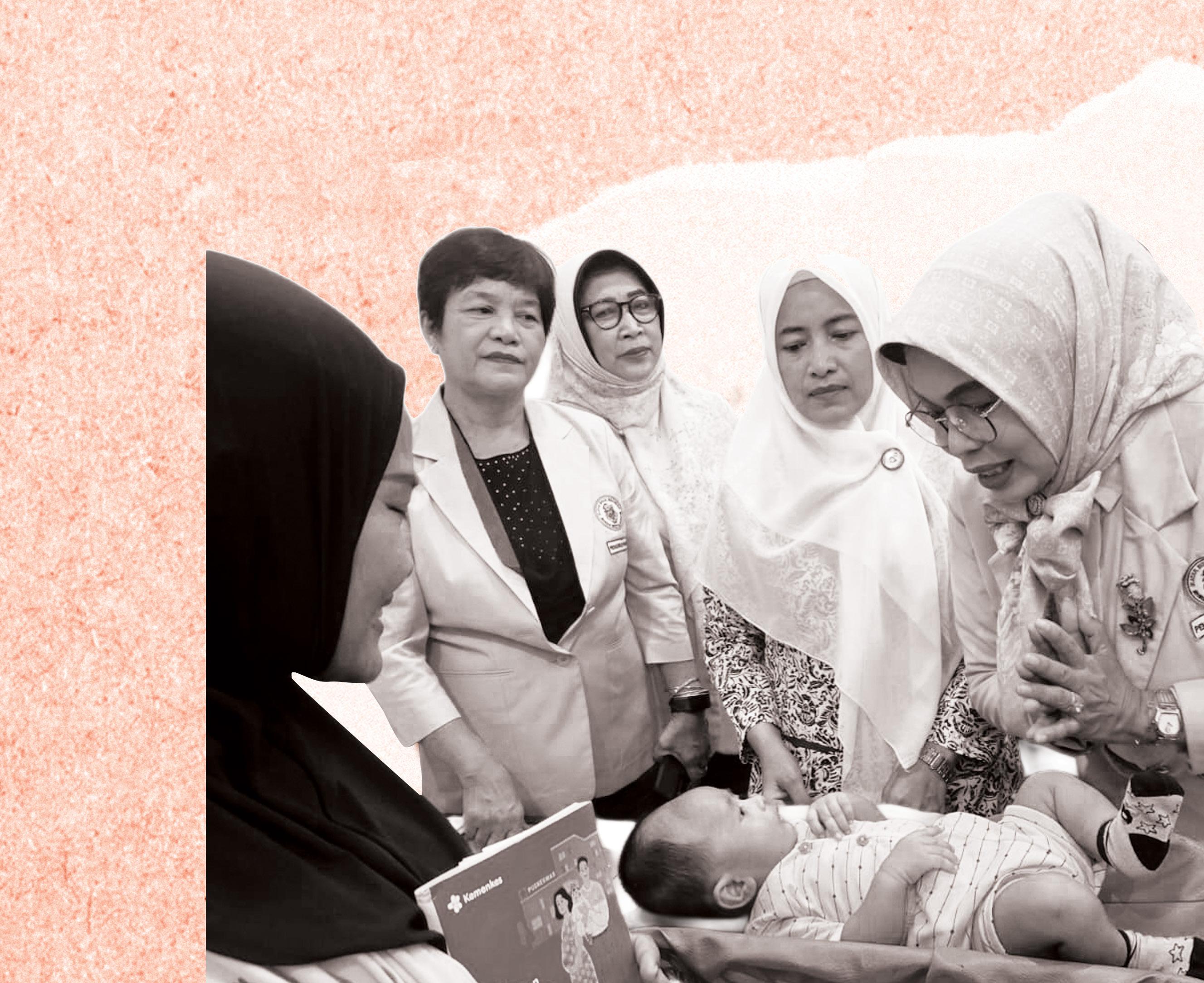
TENACITY AND PASSION: MIDWIFERY IN INDONESIA

For the latest in our series on international midwifery, we take a look at Indonesia. The International Confederation of Midwives (ICM) aligns its global regions to those of the World Health Organization, and recently Indonesia has shifted to join the Western Pacific region. Those working with ICM have enjoyed hearing the progress and innovations of the Indonesian Midwives Association, and we have pleasure in sharing their midwifery reality with midwives in Aotearoa.
ZAHRA SHAHTAHMASEBI JOURNALIST
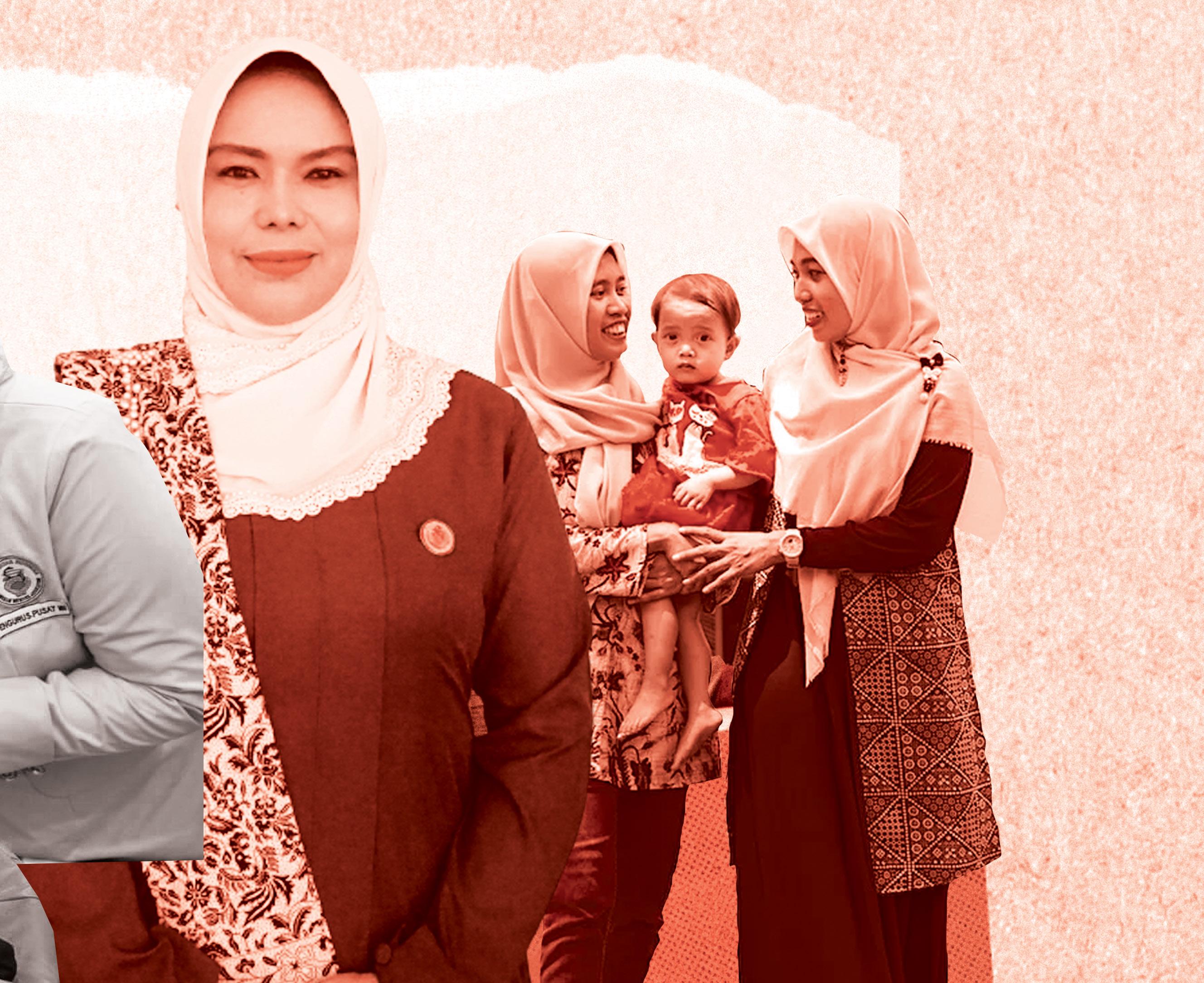
Being a midwife in Indonesia means dealing with everything from pregnancy and birth to practising on remote islands and contending with natural disasters.
“To participate with all of these challenges, midwives also come with the tenacity and passion to help mothers and children,” says Dr Ade Jubaedah, chair of the Indonesian Midwives Association (IMA).
Made up of over 17,000 islands, Indonesia is the largest archipelago in the world. It’s hard to find a definitive source that confirms how many of these islands are inhabited – the numbers range from 900 to over 6,000 – and Indonesia’s population of 280 million is spread out across these islands, in dense urban centres and rural outlying villages.
Over half of the population, 156 million people, are concentrated on the island of Java. Here, in the capital city of Jakarta, is where the central executive board of the IMA is based. But when Ade speaks to me, it’s from Sibolga, a city on the west coast of North Sumatra.
Her colleague Siti Fatimah, who is currently working towards her PhD in Canberra, Australia, joins the call to kindly provide translation from Bahasa Indonesian to English.
They explain that Ade has made the trip to Sibolga to provide disaster management and support to the 3,000 midwives working there, following recent landslides and floods. Getting there was no small feat; the journey included a 13-hour drive cross-country through the North Sumatran forest. But, says Ade, being able to connect with her midwifery colleagues is worth the challenges.
She adds that natural disasters, like earthquakes, floods, tsunamis and volcanic eruptions are an unfortunate fact of life in Indonesia. This is due in part to the impacts of climate change but also the country’s position within the Pacific Ring of Fire, a 40,000 km belt which sees strong and frequent tectonic activity.
Ade explains that, when disasters occur, IMA works closely with the affected areas, collaborating with local government to provide services and support for midwives, women and children.
IMA’S IMPACT ON COMMUNITIES
There are 600,000 midwives in Indonesia and IMA is responsible for 400,000 of them. The association is split into different factions in order to cater to
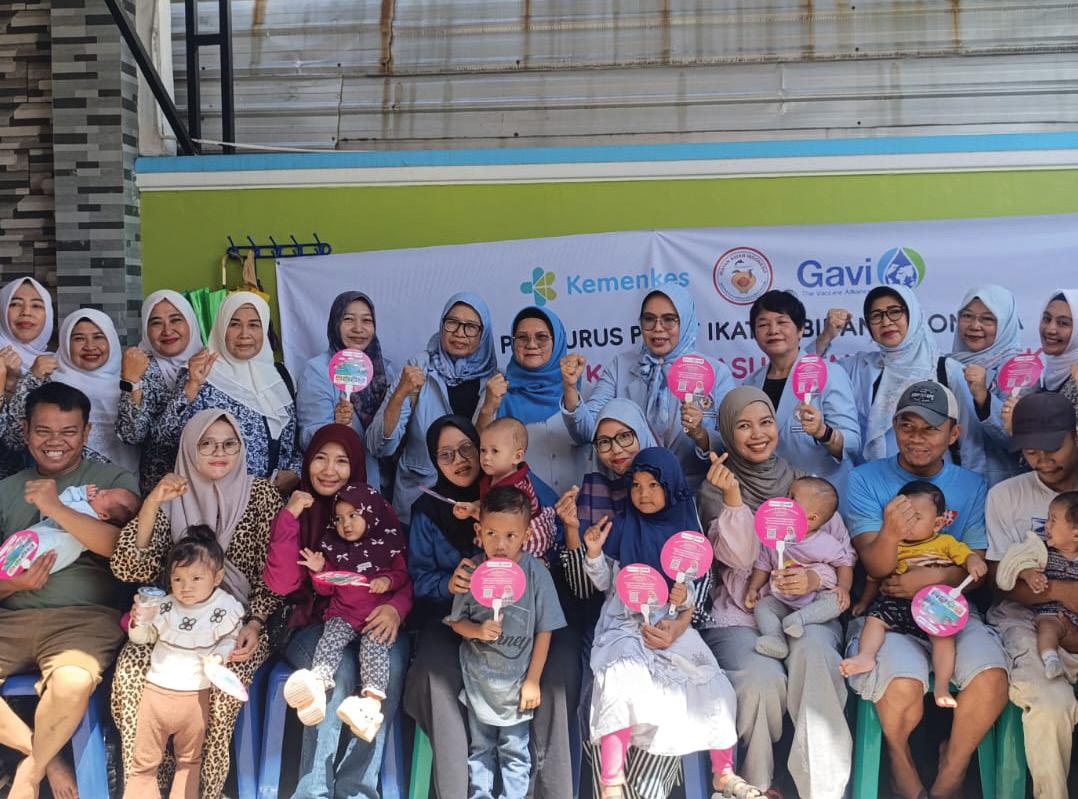
education programme. Carried out by over 31,000 midwives, it reached over 57,500 pregnant and breastfeeding women and nearly 315,000 children.
Dutch people brought the European style of midwifery to the country.
The first midwifery school to open was in Jakarta in 1850 but, unfortunately, experienced periods of closure until the late 1900s. By 2023, however, Indonesia had grown to a phenomenal 856 public and private institutions offering a range of midwifery education pathways. Pathways include a three-year diploma, a four-year advanced diploma, a four-year bachelor's degree continuous with one-year of professional degree, and a two-year master’s degree. In 2019, the Midwifery Act was ratified, a piece of legislation 15 years in the making that gives a solid framework to midwifery education as well as autonomy to the profession.
Per this regulation, the three-year vocational diploma is the basic requirement to be able to practise as a midwife, says Ade. To be qualified to practise independently and open their own private practice, midwives have to complete the professional's degree.
ADVOCATING FOR URBAN-RURAL EQUITY
Indonesia has a strong foundation of midwifery practice, particularly in primary care. Of the 600,000 midwives, 70% work in primary and community health, either as government employees or independently in their own private practice.
its members across the country, with Ade leading IMA’s central board in Jakarta, a position she was elected to in 2023 and will hold until her term is over in 2028.
Established in 1951, the association ’s goal is to improve the health of mothers and children and to be an advocate for the midwifery profession. This includes working with the government to reduce maternity and infant mortality rates and pregnancy complications, and to increase anaemia screenings.
Recently, the work of IMA has been recognised by earning two national records from the Indonesia World Records Museum.
In 2025, the record was for the association’s iron deficiency anaemia screening and
In 2024, IMA’s record was for completing the most simultaneous contraceptive insertions, which saw implants inserted in 117,910 women across 34 provinces.
A STRONG PROFESSION
Indonesia has a strong foundation of midwifery practice, particularly in primary care. Of the 600,000 midwives, 70% work in primary and community health, either as government employees or independently in their own private practice. As well as providing health services for mothers and children, they act as community educators and leaders, and monitor and prevent dangerous practices like genital mutilation. The remaining 30% of midwives hold positions in education, parliament and other regulatory institutions.
A 2023 article in Women and Birth reports that in Indonesia 68.6% of maternity services at childbirth are provided by midwives, followed by doctors at 18.5% (Adnani et al., p. e176). The same article also details the country’s history of midwifery.
Prior to the 1800s, a traditional birth attendant, named a dukun, supported women through pregnancy and birth, assisted with fertility and provided contraception and abortion services. This practice began to change once Indonesia was under the control of the Netherlands in the early 1800s and the
Indonesia has one key issue when it comes to education provision, says Ade: many of the tertiary institutes are limited to urban areas. “In rural areas, especially in Eastern Indonesia, those institutions remain very limited. That’s why IMA continues to request the Ministry of Higher Education, Science and Technology facilitates midwives to continue their professional studies through distance learning programmes.”
Managing the disparities between rural and urban areas is a constant challenge, not just for education, but also for healthcare delivery, she says. Indonesia has terrain of mountains, highlands and rainforests, and is surrounded by the ocean. Some areas are impossible to get to by land or sea, meaning they can only be reached by plane, which has a significant impact on healthcare provision.
And while 600,000 midwives might sound like a lot, the reality is these are still not enough to provide care to every rural area. “With Indonesia’s challenging infrastructure and also inequity between development of infrastructure between the cities and islands, the utilisation and distribution of midwives in remote areas is not wellestablished,” says Ade.
And in some of these remote communities, the midwife might be the only health professional they have. In urban areas, midwives will typically stabilise patients experiencing critical conditions, like
postpartum haemorrhage, asphyxia and pre-eclampsia, before referring them to the nearest hospital. But, for those isolated areas, getting to the nearest hospital might require a journey by plane, so rural midwives are given authority by the Ministry of Health to provide care beyond their usual scope in case of emergencies or referral delays.
STRENGTHENING MIDWIFERY CARE AND FUNDING
IMA and the government have long been on a mission to reduce Indonesia’s maternal and infant mortality rate, which is among the highest in southeast Asia. Sights are now set on meeting the United Nations targets in its 2030 Agenda for Sustainable Development of a global maternal mortality ratio of 70 per 100,000 live births and neonatal mortality rate of 12 per 1,000 live births.
In 1989, the Indonesian Government implemented a policy which aimed to place a trained midwife in each of the country’s villages – of which there are over 84,000, with around 74,000 of them thought to be rural. The policy has had some success; Ade says 2019 data from national survey Health Facility Research shows 53% of villages have a midwife in place.
“IMA is still advocating for the government to address this need, especially with the Ministry of Health. We are pushing them for reinstatement of the ‘one village, one midwife’ policy to strengthen health services in the region,” she says.
The government has also been trying to curb the number of home births, which has long been a common practice in Indonesia (Kusumawati et al., 2023). For many women, it is their default choice, not only following their cultural beliefs but also perpetuated by the limited access to healthcare services. Now, the government is encouraging women to give birth with skilled professionals at a health centre instead.
“That way, just in case an emergency happens, they’re already in a health facility,” says Ade.
Maternity care is funded by the National Health Insurance programme which pays maternity staff about 800,000 rupiah ($80 NZD) per birth. Ade says that new regulations state that three healthcare staff should be present at the birth of a baby, so that money is split between everyone. “That amount is not enough, so IMA is still continuing to advocate the government to increase the payout for the midwives.” In the meantime, she’s thankful for the continued resilience and determination with which the nation’s midwives provide care to their communities.
Ade’s own career began in nursing before she decided to pursue midwifery. She practised clinically for some time before completing two master’s degrees in service management and reproductive health. She’s since held leadership positions across midwifery education and regulatory bodies like IMA.
One of the reasons she loves being a midwife is having a role that can benefit so many people’s lives.
“Midwives have the responsibility to try to save lives, but then after that, it has the impact to create a new life,” says Ade. “This feeling is unchangeable.”
“I also really love to have an impact on all midwives in Indonesia because I contribute to providing the new regulation that supports midwives, hears their challenges and tries to help them in any level of support.” Square
References available on request


MARAMATAKA MĀORI
TE RINA JOSEPH MĀORI MIDWIFERY ADVISOR
Midwifery practice frequently unfolds during the late nights and early mornings, on journeys to whānau homes, birth centres and hospitals. In these moments, midwives often find themselves glancing upward toward the moon, consciously or unconsciously noting its size, colour and brightness. Sometimes it’s a full, radiant moon and other times a slither of crescent light, with each moon phase potentially predicting what may lie ahead and the energy of the moment, evoking anticipation, reflection or reassurance.
Such moments reflect an intrinsic interconnectedness; the mahi of the midwife and the birth of a pēpi do not occur in isolation but within dynamic ecological and cosmological systems. Within te ao Māori, understandings of the moon are held within the maramataka – a system of ancestral knowledge embedded in te taiao (the natural environment), guiding awareness of cycles, energies and transformation. The maramataka offers a framework through which lunar phases echo the rhythms of pregnancy, labour, birth and new life.
As a midwife, I have drawn upon the maramataka to support wāhine and whānau
in conversations about nutrition and wellbeing. The maramataka offers a lens through which the natural environment is understood as inherently responsive to human health needs at different times of the year. In my rohe of Tauranga, for instance, green oranges emerging in early autumn reach maturity as influenza season approaches, increasing availability of vitamin C when immune resilience is particularly important. Pūhā grows abundantly on our whenua at this time, providing a rich source of iron and vitamin C. These are foods cultivated through the rhythms of te taiao and the life-giving energy of the sun, nourishment that aligns with changing physiological and environmental needs.
prescribe timeframes and management of birth processes. Exploring the relationship between maramataka Māori and midwifery practice invites deeper consideration of how Indigenous knowledge systems can enrich contemporary understandings of birth and wellbeing.
Te Rina Ransfield is a Maramataka Māori practitioner, researcher and māmā whose work centres on revitalising ancestral maramataka knowledge as a lived, embodied system for wellbeing. Te Rina kindly answered some questions when speaking with Māori Midwifery Advisor, TeRina Joseph recently.
KO WAI KOE?
In my own hapūtanga, I began to see pregnancy as seasons rather than trimesters. Each phase carried its own energy, emotions, and needs. One of the biggest lessons was learning to be present. Hapūtanga can feel overwhelming, but being present strengthens intuition, and intuition is essential in motherhood.
I also draw parallels between hormonal patterns and the waxing and waning cycles of the moon within the maramataka. Engaging wāhine and whānau in these kōrero supports a holistic understanding of their health and the interconnected relationship between whakapapa, whenua and maternal wellbeing.
LMC midwives may unknowingly work within the maramataka as aspects of everyday practice can align with the natural rhythms of te taiao rather than the weekday-driven Gregorian calendar. The maramataka offers a kaupapa Māori understanding of time as relational, cyclical and responsive to the conditions within the environment. By contrast, dominant models of maternity care in Aotearoa are commonly organised around linear, clock-based time that can
Ko Te Rina Ransfield tōku ingoa. He uri ahau nō Ngāti Porou, Ngāi Tai ki Tōrere me Ngāti Raukawa ki Ōtaki. I am a Maramataka Māori practitioner, researcher and a Māmā.
WHAT SPARKED YOUR JOURNEY AS MARAMATAKA MUM?
My journey really began when I was teaching at Te Kura o Omarumutu. We were learning about Matariki, and I was introduced to kōrero about additional whetū (stars), Hiwa-i-te-rangi and Pōhutukawa through Matua Rangi Matamua. That sparked something in me.
The more I learned about the stars, the deeper I went and, naturally, that led me to the moon. Growing up, I’d always felt a pull toward the sky. My whānau moved around a lot, so life could feel unsettled, but the
one constant was always the sky. The moon became a source of comfort and stability.
As I deepened my understanding, I realised Maramataka wasn’t just about the moon, it was a whole system. Around 30 phases within a lunar cycle, connected to constellations and the seasons, and interconnected with the environment. Te Kura o Omarumutu gave me the space to practise this in a real way and, because my tamariki were there too, I brought those teachings home. As a young mum, Maramataka became a guide. I learned how to plant a maara kai (food garden), when to gather kai, and how to move with the taiao instead of against it. Over time, it became the foundation for how I made decisions, managed my energy, and raised my whānau.
HOW DO WĀHINE AND WHĀNAU ALIGN TO MARAMATAKA — ESPECIALLY IN PREGNANCY, BIRTH AND POSTPARTUM?
For wāhine, it begins with our īkura, our menstrual cycle. There is a natural connection between our bodies and the marama (moon). When I started tracking my own cycle through Maramataka, I noticed consistent patterns. What seemed irregular through the Gregorian calendar system was actually perfectly aligned with Maramataka Māori. That was validating, it shifted the whakaaro that something was wrong with my body. I was later asked to support three wāhine who were struggling to conceive. Instead of following a rigid, linear system, we shifted to a cyclical lens. We tracked their īkura through Maramataka, drew on pūrākau and traditional knowledge, and applied that within their everyday lives. Within a few months, all three wāhine became hapū after years of trying. That experience reinforced for me the power of aligning with the taiao.
In my own hapūtanga, I began to see pregnancy as seasons rather than trimesters. Each phase carried its own energy, emotions, and needs. Maramataka helped guide me — what to eat, how to move, when to rest and how to care for my wairua. One of the biggest lessons was learning to be present. Hapūtanga can feel overwhelming, but being present strengthens intuition, and intuition is essential in motherhood.
During labour, I looked to the marama and the Atua Māori (Māori Gods) connected to each phase. For example, during Tangaroa phases, water becomes a natural environment for birth, while Tamatea phases often call for heading on inland. My youngest daughter was born during the Korekore phases, which are a time of inward focus and karakia.

often connected to planting or fishing, but it also speaks to our emotional, spiritual and physical and mental wellbeing.
Hinenuitepō is often misunderstood, but for me she represents transformation, the transition between states of being. That understanding gave me strength in labour. My daughter was born at home, supported by whānau. That experience came down to preparation, trust in my body, and a deep connection to Maramataka. Postpartum, the focus shifted to kai and whānau. I prioritised seasonal, nourishing food — kai that I understood the whakapapa of. Whether from the maara, moana, or ngahere, there was intention behind it.
Food became part of the healing. What I consumed, thought and felt all contributed to how I nourished my baby. So I focused on warmth, simplicity and being pono to what I believed in.
WHAT IS ONE KEY MESSAGE FOR MIDWIVES, WĀHINE AND WHĀNAU?
Don’t be afraid to stand alone. There were many moments where I felt like I was walking this path by myself, not because the knowledge wasn’t valid, but because it wasn’t widely understood. Maramataka is
Building a relationship with the taiao is key. Listen to the birds, observe the seasons, notice the shifts around you, and within you. When you understand that you are your taiao and your taiao is you, your intuition strengthens. It becomes something that isn’t easily shaken by external views. There is a place where clinical knowledge and Mātauranga Māori can work together. But when it comes to understanding your body and your instincts as a Mum, that connection to taiao is powerful.
Maramataka teaches us that life is cyclical. We are not meant to stay the same. Just like the seasons, we move through phases, times to rest, grow, release and renew. We can’t always be in our full moon energy. There are times we need to sit in darkness, to reflect and restore, and that is just as important. Every version of you is valid. Change is natural.
We are seasonal. We are our taiao. Mai te rangi ki te whenua, mai te moana ki te ngahere, Tēna rā tātou katoa. Square
During her birth, I drew on Atua Wāhine (female Māori gods) like Hineahuone, Hinetītama and Hinenuitepō.
EXCLUSIVE BREAST PUMP USE
CAUSES, CHALLENGES AND CONCERNS
The WHO/UNICEF Ten Steps to Successful Breastfeeding aim to protect, promote and support breastfeeding. Protection of breastfeeding suggests that any threats to undermine optimal breastfeeding (optimal includes exclusive breastfeeding for six months) need to be understood, acknowledged, avoided and managed wherever possible. If exclusive breastfeeding is not possible, then supporting mothers to continue breastfeeding after loss of exclusivity is also an important part of the protection milieu, as is assisting all mothers to reach their own breastfeeding goals.
Breastfeeding is irreplaceable, as the physiologically dynamic relationship between mother and infant cannot be replicated when infants are fed expressed milk (Bartick et al., 2026). Considerations of how/when information is presented about the use of breast pumps requires as much consideration as education about formula and bottle-feeding.
THE RELEVANCE OF THE TEN STEPS TO SUCCESSFUL BREASTFEEDING AND THE INTERNATIONAL CODE
Step Three of the Ten Steps addresses education during pregnancy, and BFHI guidance highlights the importance of sensitively tailoring breastfeeding counselling to the individual needs of the woman and her family, while considering social and cultural contexts (World Health Organization, 2025). The Aotearoa NZ BFHI assessment guidelines (NZBA, 2023) require that at least 80% of randomly selected pregnant women confirm they have not received group education or written promotional materials on the preparation, or brands of, infant formula and that all information received was free from advertising in compliance with the International Code of the Marketing of Breastmilk Substitutes (WHO, 1981). This is required for a facility to pass Step Three of the Ten Steps.
Information must be provided individually to families intending to formula feed, as accurate information is necessary; but group education about formula and bottle-feeding is inappropriate for women who have any intention to breastfeed. These criteria could also be considered in discussion about the increasing practice of exclusive pumping without breastfeeding. Although breast pumps are not yet included in the International Code World Health Assembly updates, concerns have been raised about the influence of breast pump marketing, the growing global breast pump market (USD 1.64 billion in 2025 – Grand View Research, 2026) and the undermining of the holistic aspects of breastfeeding (Becker, 2020).
MARKETING AND PUMP FICTION
The aim of commercial marketing is to eliminate choice or to establish a strong bias towards one choice. Marketing is designed to affect behaviour, and psychology is used to identify needs, but at the same time marketing can create a perceived need rather than meeting a need. For example, the positioning of pumps as ‘must have’ items when they are optional tools. It does this by increasing the visibility of products, targeting insecurities (such as worries about insufficient milk supply) and presenting products
as essential. A brief look at companies marketing breast pumps in Aotearoa found claims such as high-performance, mimicking the natural sucking rhythm of a baby, quick efficient expression, fitting seamlessly into your lifestyle, pure freedom, great for exclusive pumpers, freedom to pump wherever mum life takes you, adorable little collector, natural motion technology, and 3D pumping technology. The New Zealand breast pump market was valued at USD seven million in 2026 (Ken Research).
An Australian study in 2010 found that 98% of women in a cohort of 900 women expressed breast milk, and pump use was widespread (Clemons & Amir, 2010). Sheehan and Boucher (2017) suggest that breast pumping had generally been viewed as an adjunct to breastfeeding but has become an essential component of the breastfeeding experience. In a cohort of 1003 women in Melbourne, 60% of women already had a breast pump at study recruitment and 62% of women had expressed milk by two weeks postpartum (Johns et al., 2016). Pumps can be useful, but they are not always essential, and little attention has been paid to the problems that women may experience with breast pumps, the extra work needed to use them, or whether they really support exclusive breastfeeding or breastfeeding continuance. Study findings about pump use and breastfeeding duration are mixed, but in a cohort of 478 women Keim et al. (2017) found a shorter milk feeding duration and earlier introduction of formula in mothers who exclusively pumped, compared with those who breastfed with or without pumping.
CAROL BARTLE POLICY ANALYST
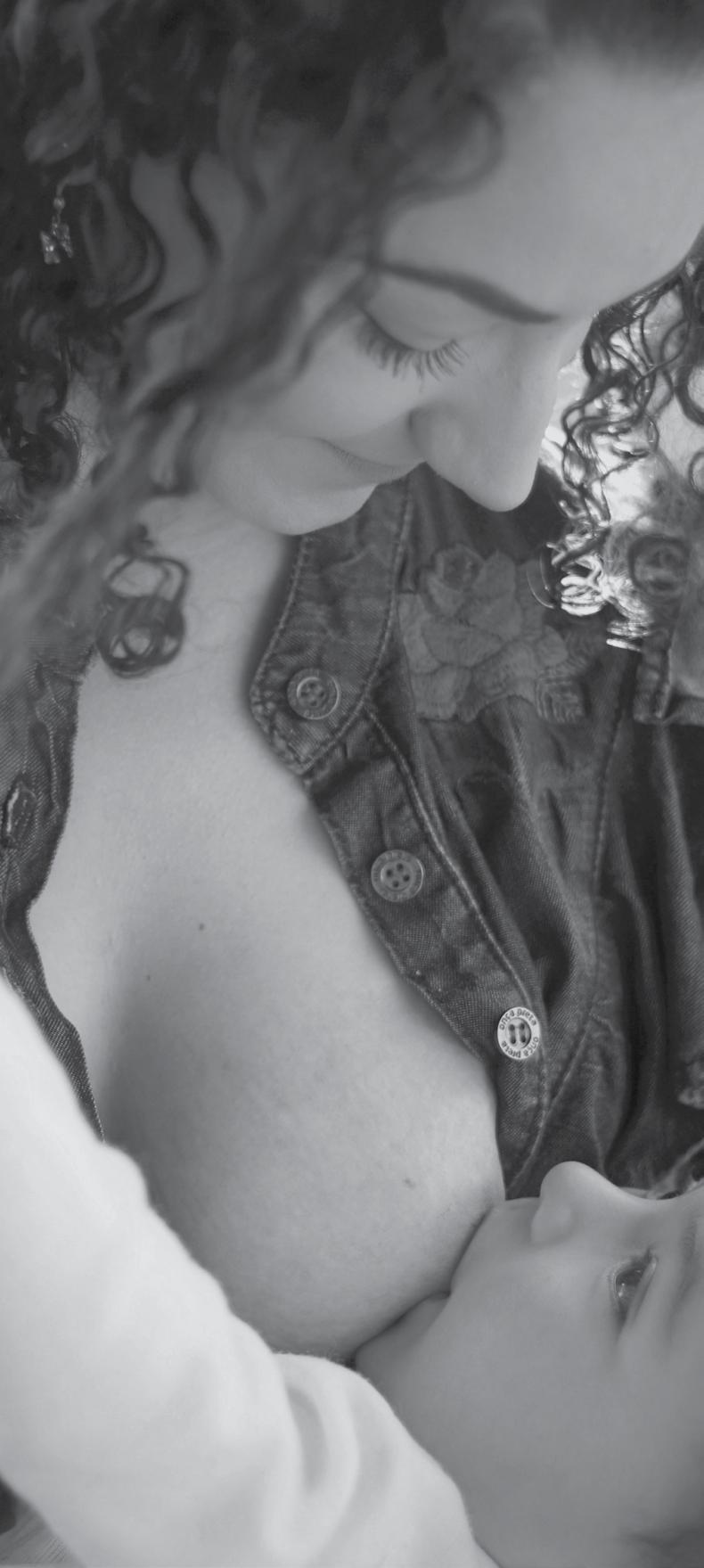
Breastfeeding is irreplaceable, as the physiologically dynamic relationship between mother and infant cannot be replicated when infants are fed expressed milk.
When a pump is needed, decisions about which pump to purchase can be difficult and mistakes can become very expensive when a pump does not work effectively and another pump needs to be purchased. The inadvertent creation of extra breastfeeding problems may also occur. Purchasing a pump that is not effective can lead to insufficient milk production, particularly when a mother is pump dependent. An inefficient pump, improperly fitting breast shields, infrequent pump use, ending a pumping session before all the available milk is removed, alongside stress, fatigue or pain, can downregulate prolactin via the dopaminergic prolactin inhibiting factor and reduce milk supply.
According to Leiter et al. (2022) the US Food and Drug Administration, who regulate breast pumps as medical devices, had received over 4500 adverse reports about breast pumps by 2018. Mothers reported experiencing breast tissue damage, rashes, burns and infections. Reported pump malfunctions included electrical, suction and sterility problems. Williams (2023) cites pain, trauma, nipple ischemia, letdown difficulties and ineffective breast milk removal, as potential negative aspects of pump usage. Overstimulation of milk production, which can be caused by excessive use of a pump, has also been linked to mastitis (Morcomb et al., 2024).
WHY WOMEN USE BREAST PUMPS
The expression of breast milk and the use of mechanical pumps can support breastfeeding continuation in many situations, including when the infant is unable to latch, for mother-infant separation, for breastfeeding challenges and when there is a return to the paid workforce or study. Mothers use breast pumps for many varied reasons and, regardless of the reason, these decisions should be respected, although this does not preclude the provision of relevant information. But if this information
predominately comes from marketing by pump manufacturers and distributors, decisions may not be based on full, accurate and scientific information (Becker, 2020). When it comes to discussion about the importance of breastfeeding it has been suggested that reconciling compassion with honest communication is one of the most emotionally and ethically fraught challenges in breastfeeding promotion (Bessey, 2026). However, unless a mother needs to use a pump, information about the downsides of pump use needs to be available, as does information about the most effective use of a pump when a mother does need one. This may not be the usual information they will get from manufacturers.
One of the most important considerations when using a breast pump is whether that pump works well for the purpose it is being used for. Ideally, early breast pump use needs to be accompanied by a skilled supporter, such as a midwife, who can provide clinical evaluation, give breastfeeding support, provide follow-up and assess whether the pump is working effectively, as it is likely that the amount of breast milk being expressed is critically important – particularly when initiating and establishing a milk supply or when the infant is not breastfeeding at all. Breastfeeding women are often concerned about their milk supply, and a perception of insufficient milk is a key driver of pump use. Sometimes using a pump reinforces this fear as the amount of milk removed at a pumping session may not be as much as expected. Motivation for breast pumping has been described as anticipated or unanticipated, elective or nonelective, and mothers who pumped more frequently had primarily nonelective reasons in one American study (Felice et al., 2017). The most common nonelective use in the first month after birth described by mothers in the Felice et al. study was related to difficulties with breastfeeding. Pumping as a result of latch failure was considered to be unanticipated and participant mothers described pumping and related tasks as widely negative. Many mothers reported that pumping felt like a "tedious, time-consuming or inconvenient chore" (Felice et al., 2017, p. 7). In a US-based integrative review of 27 studies, most mothers who planned to breastfeed began pumping and ended up exclusively pumping after experiencing breastfeeding problems (Rosenbaum & McAlister, 2024). Rosenbaum and McAlister also found that mothers who were exclusively pumping
were more likely to lack prior breastfeeding experience, given birth preterm or have an infant in NICU. Reported barriers were latch or sucking issues, flat or inverted nipples and a need to monitor infant intake – barriers that can often be resolved with early, consistent support and clinical expertise within the scope of midwives. Peer to peer support may be beneficial but clinical needs are primary and peer supporters should not be giving clinical advice.
In one study mothers who predominantly pumped their milk were found to have a higher prevalence of pregnancy complications, caesarean births, mental health challenges and breastfeeding issues (Gridneva et al., 2025). Women who are exclusively using breast pumps, and not breastfeeding, generally need to do more than ‘just’ use a pump to maintain milk supply. The three-pronged approach – breast compression, hand expression and electric pump – which was developed for mothers with infants in NICU, if the infant is not directly breastfeeding at all or is spending minimal effective time at the breast (Morton, 2017; Morton et al., 2007), is a good strategy that will work for all mothers who need to express either exclusively or longer term. Köroğlu et al. (2017) found that milk amounts expressed using sequential pumping and double (simultaneous) pumping were similar. Simultaneous breast expression was time saving, and the mothers in this study (n = 35) gave this method higher scores for ease of use.
Breastfeeding requires sustained physical, emotional and logistical support, as it is an ongoing behavioural commitment that is repeated over months or years, many times a day (Bessey, 2026). The challenge, as described by Buckley (2009), is working out when and how to use breast pumps (when needed) in a manner that balances breastfeeding challenge resolution while also supporting a mother’s self-confidence in her continued breastfeeding. Evidence based information and support is essential.
BREASTFEEDING AND BREAST MILK FEEDING: THERE IS A DIFFERENCE
Sheehan and Bowcher (2016) identified key messages from breast pump marketing and found that one of the three core messages gave the impression that there was no difference between breastfeeding and breast pumping, and that producing breast milk was the only purpose. Needless to say, this is not the case. Suckling at the mother’s breast
facilitates communication about any infant infection via infant saliva to the mother’s immune system which results in white blood cells and secretory IgA being secreted into the breast milk to fight the infection (Bartick et al., 2026). Breastfeeding works using what could be considered a direct breastfeeding ‘loop,’ the absence of which makes it harder to ascertain what the infant needs and which may result in a risk of a lower milk supply and potentially an earlier end to breastfeeding.
CONCLUSION
Bartick et al. (2026) describe the normalisation of pumping and human milk feeding as detrimental to women and children. This is not saying that breast pumps are not useful for short term use while breastfeeding problems are resolved or for longer term use when infants are unable to breastfeed. Experiencing breastfeeding difficulties in the early days and weeks after birth is a common reason for exclusive pumping if issues are unresolved. Extra support for mothers who have risk factors during pregnancy and after birth is strongly indicated to avoid situations where exclusive pumping is seen as easier than solving breastfeeding challenges (Bartick et al., 2026, p. 3). Square
KEY POINTS
Any interference with the natural physiological process of breastfeeding should do more good than harm (Buckley, 2009).
Tailored individualised information is necessary for mothers considering the use of a breast pump and for those using breast pumps – particularly if pumping is exclusive.
All breast pumps are not created equal and some are less effective at milk removal.
Women with pregnancy complications, birth or postnatal challenges and previous difficult breastfeeding experiences need extra lactation and breastfeeding support after birth and until breastfeeding is going well.
References available on request.
LISTENING TO WHĀNAU VOICE: INSIGHTS FROM TE ĀPŌPŌTANGA
Te Āpōpōtanga – Whānau Voice Collection, Volume 1 (2025) presents a powerful and grounded expression of Māori māmā experiences across pregnancy, birth and early parenting in Te Tai Tokerau and Tāmaki Makaurau. Compiled by Te Taumata Hauora o Te Kahu o Taonui Iwi Māori Partnership Board, the report brings together whānau narratives shaped through wānanga with māmā, whānau and Māori health providers.
Across the continuum of care, māmā described holding strength alongside vulnerability. Recurrent themes included fragmented services, difficulties accessing a Lead Maternity Carer, long travel distances for scans and specialist appointments, exclusion from decision making, and experiences of racism at moments of profound significance. Birth, an event that should centre mana, dignity, choice and whānau connection was, for many, marked instead by rushed intervention, bias and loss of agency. Alongside these challenges, the wāhine whose experiences informed the report highlighted the positive difference in care when they had a midwife who advocated for them and provided compassionate, supportive care.
The postnatal period revealed further inequities. Māmā spoke of significant emotional and mental load, alongside challenges such as breastfeeding, housing insecurity and postnatal distress, often without access to culturally responsive support.
Encounters with Māori midwives or kaupapa Māori services were frequently described as turning points, moments where māmā felt seen, heard and upheld, and where trust in her maternity care was restored.
Importantly, Te Āpōpōtanga is not deficit oriented. Māmā strongly articulate clear aspirations for continuity of care, wraparound whānau-centred support and systems designed with whānau rather than for them.
For the College, these insights are both affirming and challenging, calling us all to practise with reflexivity, advocate within constrained systems for wāhine and whānau, and partner in models of care that actively advance cultural safety and equity for Māori māmā and pēpi, now and into the future. Square
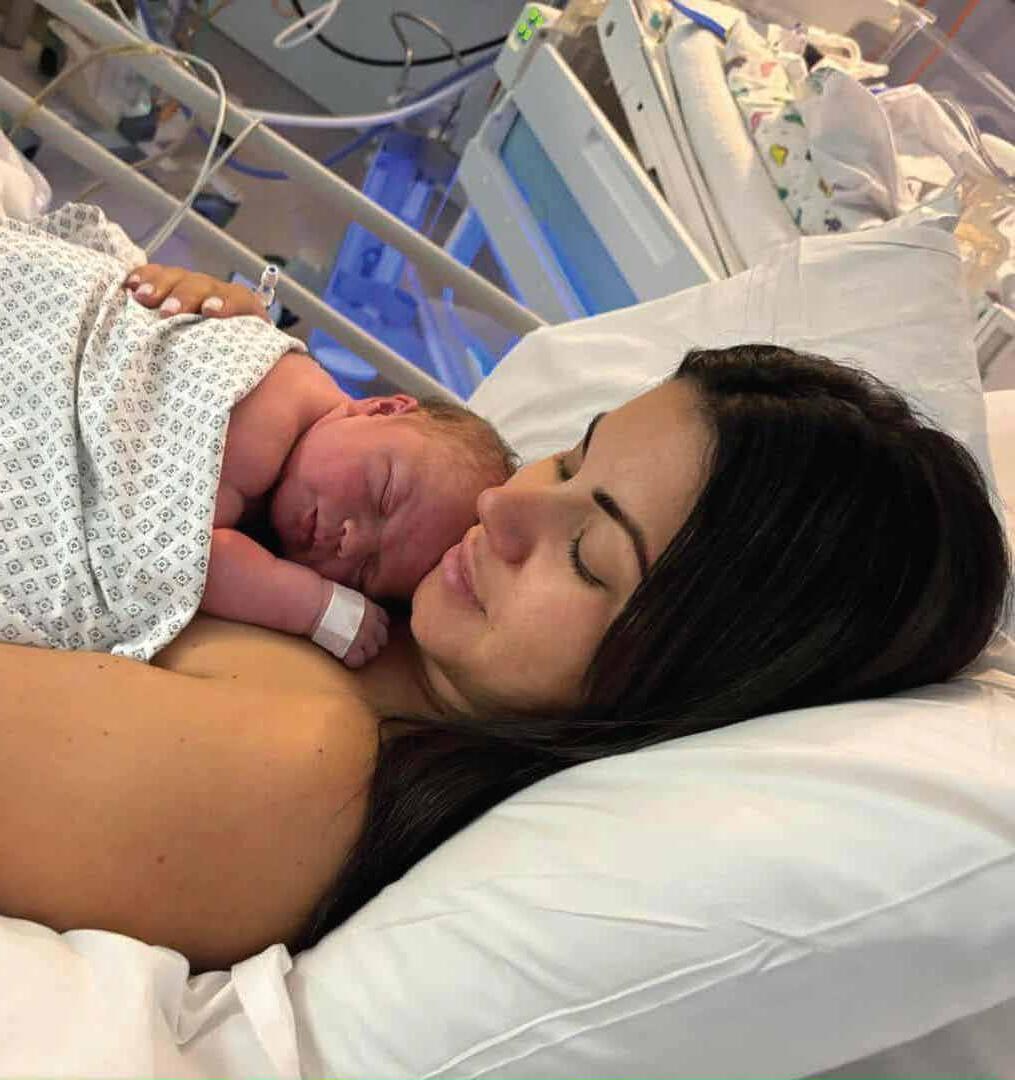
Student Midwifery Grants 2026
The College is offering grants to assist students at each midwifery school who are currently undertaking a Bachelor of Midwifery programme. Grants are available for each school of midwifery. Please refer to the College website for further information: www.midwife.org.nz
Applications close on 20 July 2026
RANZCOG INTRAPARTUM FETAL SURVEILLANCE CLINICAL GUIDELINE: 5TH EDITION
CLAIRE MACDONALD MIDWIFERY ADVISOR
The Royal Australian and New Zealand College of Obstetricians and Gynaecologists (RANZCOG) published the 5th edition of its Intrapartum Fetal Surveillance (IFS) Clinical Guideline in late 2025, with a small update to version 5.1 in March 2026.
A College of Midwives representative was on the guideline development group (GDG), and the College provided feedback during RANZCOG’s targeted consultation, however the College has not been approached to endorse the guideline.
Midwives who have undertaken RANZCOG’s Fetal Surveillance Education Programme will be familiar with the guideline’s 4th edition (2019). As district guidelines are likely to be updated to be consistent with the 5th edition, it will be useful for midwives to familiarise themselves with the document and also to refer to the College Intermittent Auscultation (IA) guide for practice.
In 2022, RANZCOG formally introduced an evidence-based guideline development methodology, using the GRADE evidence appraisal framework to develop various levels of recommendation, including:
• Strong evidence for association with fetal compromise (large effect size, GRADE moderate/strong, consistency in association between different outcomes and studies)
• Conditional evidence for association with fetal compromise (small effect size, GRADE low/very low, some inconsistency in association between different outcomes and studies, evidence is indirect)
• Evidence of no association with fetal compromise
• No evidence identified
In addition, Good Practice Statements are described in the guideline as “clear and actionable statements developed and agreed by the GDG, based on their clinical experience and expertise”. These statements were agreed by a majority of GDG members.
CHANGES IN THE 5TH EDITION
Risk factors for fetal compromise
The 5th edition reframes intrapartum fetal compromise risk factors by describing them individually according to the strength of evidence linking each to adverse perinatal outcomes, rather than listing them as automatic indications for continuous CTG monitoring. The evidence review resulted in some risk factors from the 4th edition being removed, while others have been added. Because evidence showing a direct fetal benefit from continuous CTG for individual risk factors is generally indirect or insufficient, the change does not aim to mandate monitoring practices or influence jurisdictional models of intrapartum care. This means that maternity services in each country can adapt the recommendations as required.
Intermittent auscultation
The 5th edition supports IA for women and gender diverse people at low risk of fetal compromise but does not contain guidance on the specifics of monitoring with IA. It acknowledges that IA is a midwifery-led practice, and specific protocols vary across jurisdictions. The College’s Intermittent Auscultation for the Assessment of Intrapartum Fetal Wellbeing 2020 is identified as a resource for IA. Midwives are recommended to refamiliarise themselves with this resource, which is available on the Guidance for Practice page of our website.
Umbilical cord blood sampling
The College supported recommendation 17 for cord blood gas analysis at birth where there was evidence of fetal compromise or poor neonatal condition. The College did not support recommendation 18 – consideration of routine paired blood gases at all births – as it could cause unnecessary medicalisation and interruption to delayed cord clamping, physiological placental birth and skin-toskin. Further, it is not currently feasible to recommend blood gas analysis in all birth settings in Aotearoa. An evidence review was undertaken in New Zealand during the development of an ACC-funded consensus statement on this practice issue (which has not been published) as part of the Neonatal Encephalopathy Taskforce work. It did not find
sufficient evidence to recommend universal testing. The College advises alignment with current NZ practice of testing only for births where identified risks are present.
OTHER CHANGES IN THE 5TH EDITION
• The importance of informed consent and ongoing discussion of fetal monitoring options antenatally, at first contact in labour, and throughout labour, acknowledging the changing nature of clinical circumstances
• Updated clinical algorithm to support discussions with women about their options for fetal surveillance
• Use of CTG in very preterm labours
• Definition of hyperstimulation
• Use of tocolysis while making arrangements to expedite birth
• Inclusion of fetal scalp stimulation as an alternate method to fetal blood sampling to assess fetal wellbeing in the context of an abnormal CTG not requiring expedited birth
• Consideration of the effect of human factors in the interpretation and management of CTG The College notes that the evidence base for CTG monitoring is limited; however, the likelihood of randomised control trials being undertaken is remote due to advances in education and interpretation of CTG traces, which have rendered continuous intrapartum monitoring standard practice for women with risk factors for fetal compromise. There is moderate certainty evidence, however, that admission CTGs for low-risk women contributes to higher caesarean section rates without clinical benefit, compared with IA. It is important that midwives are aware of national and district guideline recommendations, as well as evidence and guidance from midwifery research to protect the normal physiology of labour, including the use of IA.
As with all clinical guidelines for practice, understanding how to read the strength of recommendations and the evidence on which they are based supports informed decisions about their use by maternity services, clinicians and women. The 5th edition of the RANZCOG IFS guideline aligns with the Code of Health and Disability Services Consumers Rights in its focus on information sharing, informed consent and women’s right to accept or decline recommendations. Midwives play an essential role in discussing intrapartum fetal monitoring with women and whānau, and supporting women to make informed decisions for their births.
The RANZCOG IFS and College IA guidance can be found on each organisation's website. Square
TUITUIA TE KAHU: NATIONAL PERINATAL BEREAVEMENT CARE PATHWAY
CLAIRE MACDONALD MIDWIFERY ADVISOR
In April 2026, Health NZ | Te Whatu Ora published Tuituia te Kahu: A national bereavement care pathway for perinatal loss, providing the first nationally consistent framework to guide care following pregnancy and baby loss in Aotearoa.
For midwives, Tuituia te Kahu recognises perinatal bereavement care as skilled, essential maternity care which is relational and culturally responsive. Appropriate care requires continuity, support and system level commitment.
In its 13th annual report, the Perinatal and Maternal Mortality Review Committee (PMMRC, 2019) recommended a perinatal bereavement pathway be developed.
In response to this call, Te Whatu Ora | Health NZ established a technical advisory group (TAG), including expert midwives Dr Kay Jones, Nerissa Walters and Rose Torau Martin, to develop the pathway. The TAG drew from whānau and family voice reports, a service gap analysis and environment scan, PMMRC reports, a literature review and international best practice to develop nine standards.
Whānau voice research indicated concerns with poor communication, lack of follow up and minimal mental health support. Māori, Pasifika and Indian whānau, disabled parents, rainbow communities and young parents were found to be disproportionately affected. PMMRC data also showed persistent inequities and minimal change over time in mortality outcomes, reinforcing the urgency for change.
Midwives, sonographers and medical staff reported feeling underprepared and unsupported to provide bereavement care, often carrying the emotional burden alone. The
pathway explicitly addresses these workforce realities alongside whānau needs.
The pathway applies to losses at all gestations, including miscarriage, stillbirth, neonatal and infant death, and termination for medical reasons.
THE NINE STANDARDS
Tuituia te Kahu is structured as a woven whāriki, with nine interdependent standards. Together, they describe what good perinatal bereavement care should look like across all settings.
1. Early and compassionate engagement. Bereaved whānau should receive timely, kind and clear care from the first moment loss is suspected or confirmed.
2. Consistent care and clear handovers. Care must be coordinated across hospital, community and primary care, so whānau do not have to repeat their story. A Lead Perinatal Bereavement Coordinator role is central to this standard.
3. Early mental health integration. Mental health and wellbeing support should be available early and embedded as core care for parents, partners and whānau.
4. Culturally responsive, whānau-led and spiritual care. Care must follow whānau leadership, uphold tikanga and spiritual practices, and recognise diverse cultural worldviews, particularly for Māori, Pasifika and Indian whānau.
5. Memory making, bereavement and grief support. Whānau should be offered meaningful opportunities to parent their baby and create memories, such as holding, photos, footprints or rituals — sensitively and without pressure.
6. Follow up care in the community and support in subsequent pregnancy. Support must extend beyond discharge from maternity care, with ongoing check ins and additional care in any future pregnancy.
7. Clear information and decision making support. Whānau are entitled to honest, plain language information and time to make informed decisions at their own pace.
8. Well-supported staff and bereavement education. Workforce education, supervision and emotional support are essential to sustain compassionate care.
9. Regular review and continuous improvement. Bereavement care must be monitored, reviewed and improved over time, with whānau feedback and accountability.

IMPLEMENTATION
The pathway is not a clinical guideline, but a national framework intended to shape service design, workforce education and commissioning. Health NZ recommends a phased and regionally responsive implementation, supported by pilots, workforce training and ongoing evaluation.
Early priorities include establishing bereavement coordinator roles, improving handover systems, developing bereavement appropriate spaces, strengthening partnerships with community organisations such as Sands NZ and Baby Loss NZ, and embedding bereavement education into undergraduate and continuing professional development programmes.
For midwives, Tuituia te Kahu recognises bereavement care as an essential element of midwifery practice. It reinforces whānauled care, continuity, cultural safety and professional judgement, while shifting responsibility away from individuals and onto the system. Ultimately, the pathway signals a national commitment that no whānau and no midwife should have to navigate perinatal loss unsupported.
Tuituia te Kahu can be accessed on the Health NZ | Te Whatu Ora website: www. healthnz.govt.nz/publications/tuituia-te-kahua-national-bereavement-care-pathway-forperinatal-loss Square
References available on request.
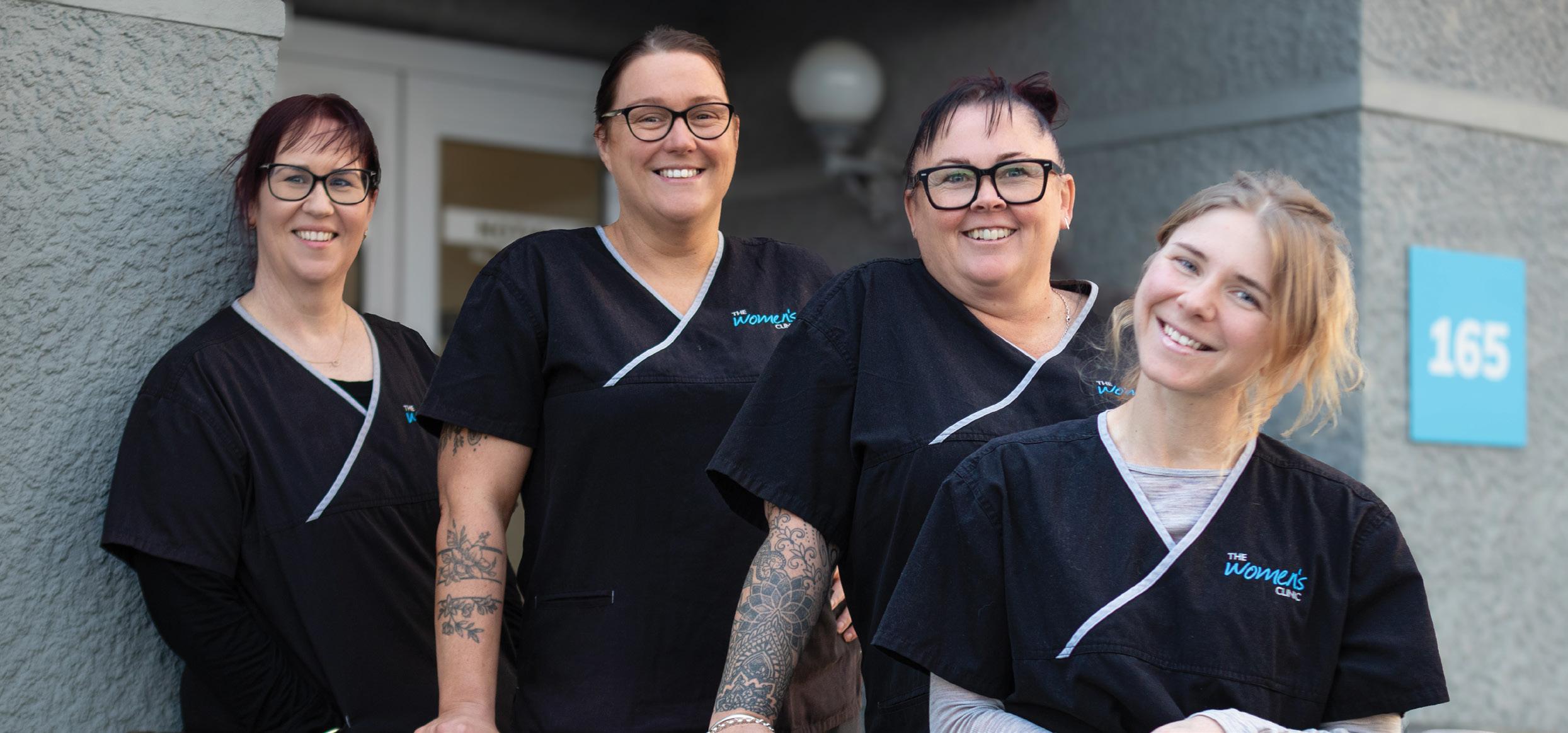
THE WOMEN’S CLINIC: A SAFE SPACE FOR WOMEN

ZAHRA SHAHTAHMASEBI JOURNALIST
When asked what she’s most proud of, Angela Conner says it’s empowering women to make their own decisions.
Angela is a midwife and the clinical manager of The Women’s Clinic, a service that provides abortion and contraception care on location in Palmerston North and Invercargill, and nationally via telemedicine. “I like working with women and I get to work with women during the most intimate time, supporting them to make one of the most important but difficult decisions in their life. It’s a true honour to walk alongside them.”
The Women’s Clinic started in Palmerston North in 2016, before expanding to Invercargill and then telemedicine. Its range of services include early medical abortions, surgical abortions, point-of-care ultrasounds, all contraception options including emergency contraceptives and counselling. These services can be accessed either in person at the physical clinics, or virtually. The virtual service is run in conjunction with Decide - National Abortion Telehealth Service and is provided by a team of 22 midwives and nurses across the country.
Angela manages the teams working in the physical centres and the virtual service. She is based at the Invercargill clinic, which was set up in March 2020 just as Aotearoa went into Covid-19 lockdown for the first time. “A really interesting time because we couldn’t get anything delivered, there were minimal supplies, we just had a bed in the corner of the room and the bare necessitites. We made it work because we had to, it is an essential service and we had to keep going.”
During the clinic’s first week, Aotearoa passed legislation to decriminalise abortion. This has had a huge impact on The Women’s Clinic and its services as women can now
self-refer and the previous cerification process is no longer required. says Angela. Previously, multiple appointments were necessary, just to be referred for an abortion.
Angela moved from being an LMC to working full-time in abortion care in 2012, after supporting her friend through an abortion, and realising the impact of the experience. She recently became the first midwife in the Southern Hemisphere approved to perform surgical abortions up to 14 weeks. “It's a massive milestone for midwives and nurses, doing something that we presumed only doctors could do.”
Working in abortion care as a midwife has not been an easy road. Angela says her practice wasn’t well-received in Invercargill, especially at the beginning. The Clinic faced bomb threats, protests and bids to publicly name and shame her. Over time, mindsets have started to shift, as people recognised the community need for such a service.
Midwives are well placed to provide abortion care, says Angela, as we have deep knowledge both of the physiology of pregnancy as well as the needs of women.
“We know women, we understand their challenges, we can give that one-on-one advice. If they want to continue the pregnancy, that’s great. If they don’t, we can help them down that path as well. We can also help with contraception afterwards, so they can be in control of their reproductive health.”
Angela is proud of her team, who all believe in the work they do and how powerful it is for women. “You get to see the impact and changes that you’ve made. It’s not a sad place to work. Women come in here because they know they’re not judged and are fully supported no matter what the situation.” says Angela. Square
Above: Angela Conner (manager, RM), Rebecca Birch (RN) Selina Cracknell (HCA) and Polly HansenFriend (RN)
Directory
National Office
PO Box 21–106, Christchurch 8140
Ph 03 377 2732 nzcom@nzcom.org.nz www.midwife.org.nz
Auckland Office tamaki@nzcom.org.nz
College Membership Enquiries
Julie Williams membership@nzcom.org.nz 03 372 9738
Chief Executive
Alison Eddy
Co-Presidents
Beatrice Leatham
bea.tangatawhenua.copres@nzcom.org.nz
Debbie Fisher debbieF.tangatatiriti.copres@nzcom.org.nz
National Board Advisors
Kuia: Crete Cherrington
Elder: Sue Bree
Education Advisor: Tania Fleming
Regional Chairpersons
Auckland (interim)
Jasmine Gray auckchair@nzcom.org.nz
Bay of Plenty/Tairāwhiti
Lindsay Kinman chairnzcomboptairawhiti@gmail.com
Canterbury West Coast
Becky Bangma chairnzcom.cantwest@gmail.com
Central
Linley Taylor centralchair@nzcom.org.nz
Nelson Marlborough
Emma Neal tetauihunzcom@gmail.com
Te Tai Tokerau
Ange Yendell tetaitokerauchair@nzcom.org.nz
Otago
Ali Barkman otagochair@nzcom.org.nz
Southland
Janelle Carse
southlandchair@nzcom.org.nz
Waikato Taranaki
Michele Lord chairwaikatonzcom@gmail.com
Wellington
Victoria Roper nzcomwellington@gmail.com
Regional Sub-Committees
Hawke's Bay Sub-Committee
Linley Taylor midwife.linley@gmail.com
Horowhenua Sub-Committee
Laura McClenaghan midwife.laura@hotmail.co.nz
Manawatu Sub-Committee
Megan Hooper-Smith megan.scott@live.com
Emma LeLievre
emma@LMCmidwife.com
Taranaki Sub-Committee
Donna Foreman nzcom.taranaki@gmail.com
Whanganui Sub-Committee
Laura Deane laura.deane@wdhb.org.nz
Consumer Representatives
Home Birth Aotearoa
Bobbie-Jane Cooke
bobbiejane.homebirth@gmail.com
New Zealand Breastfeeding Alliance
Janine Pinkham janine@pinkham.co.nz
Whānau Awhina Plunket
Zoe Tipa zoe.tipa@plunket.org.nz
Student Representatives
Kayla Sandhu makayla.sandhu@icloud.com
Grace Ryder gracechloeryder@gmail.com
Ngā Māia Representatives www.ngamaiatrust.org
Jasmine Gray jasmineanamidwife@gmail.com
TeAnna Hema hemawhanau@gmail.com
Pasifika Midwives Representatives
Talei Jackson
Ph 021 907 588
taleivejackson@gmail.com
Ngatepaeru Marsters Ph 021 0269 3460 lesngararo@hotmail.com
MERAS
PO Box 21–106, Christchurch 8140 Ph 03 372 9738 membership@meras.co.nz www.meras.co.nz
MMPO
PO Box 21–106, Christchurch 8140
Ph 03 377 2485 mmpo@mmpo.org.nz
Rural Recruitment & Retention Services
0800 Midwife/643 9433 rmrr@mmpo.org.nz
Comfort and safety for babies newborn-2 years

More restful, safer sleep and helps prevent flat head
• More restful, safer sleep limb and hip movement
Goes over any type of swaddling, sleeping bag or sleepwear, for a snug and more restful sleep
• Ensures swaddling, sleepwear, Sleepingbag use is safer and cosier
Natural, flexible body, limb and hip movement
• Excellent for babies requiring varied sleep positions or cot elevation est
lasts two babies aged
Helps keep young babies comfortably o the tummy; older babies turn freely within the wrap Use code ‘NZCOM’

ADVERTISING POLICY AND DISCLAIMER: The New Zealand College of Midwives maintains a schedule of guidelines to exclude advertisements for products or services that are not aligned with its principles and ethics. Every effort is made to ensure that advertising in the magazine falls within those guidelines. Where advertising is accepted, this does not imply endorsement by the College of the product or service being promoted
Midwife Aotearoa New Zealand is published quarterly for the New Zealand College of Midwives. The articles and reports printed in this newsletter are the views of the authors and not necessarily those of the New Zealand College of Midwives, its publishers or printers. This publication is provided on the basis that New Zealand College of Midwives is not responsible for the results of any actions taken on the basis of information in these articles and reports, nor for any error or omission from these articles and reports and that the College is not hereby engaged in rendering advice or services. New Zealand College of Midwives expressly disclaims all and any liability and responsibility to any person in respect of anything and of the consequences of anything done, or omitted to be done, by any such a person in reliance, whether wholly or partially upon the whole or any part of the contents of this publication. The College acknowledges and respects diversity of identities through the language used in this publication. Te reo Māori is prioritised, in commitment to tāngata whenua and te Tiriti o Waitangi. To maintain narrative flow, the editorial style may use a variety of terms. Direct citation of others’ work maintains the original authors’ language, and contributing writers’ language preferences are respected. All advertising content is subject to the Advertising Standards Authority Codes of Practice and is the responsibility of the advertiser. Contents Copyright 2026 by New Zealand College of Midwives. All rights reserved. No article or advertisement may be reproduced without written permission. ISSN: 2703–4546.
The latest technology in prenatal genetic screening (NIPS)
Early, non-invasive screening: Simple blood test from 10 weeks’ gestation
Comprehensive genomic screening: Whole genome screening across all 23 chromosome pairs
NZ testing, timely results: Testing and results remain in New Zealand, with results in 5–7 working days
Specialist support: Access to genetic counsellors for complex results and patient discussions
Access clinical resources, referral guidance & patient materials

A service by Awanui Labs