We respect and acknowledge that the College’s office and its registrants operate within the traditional territories of the Indigenous
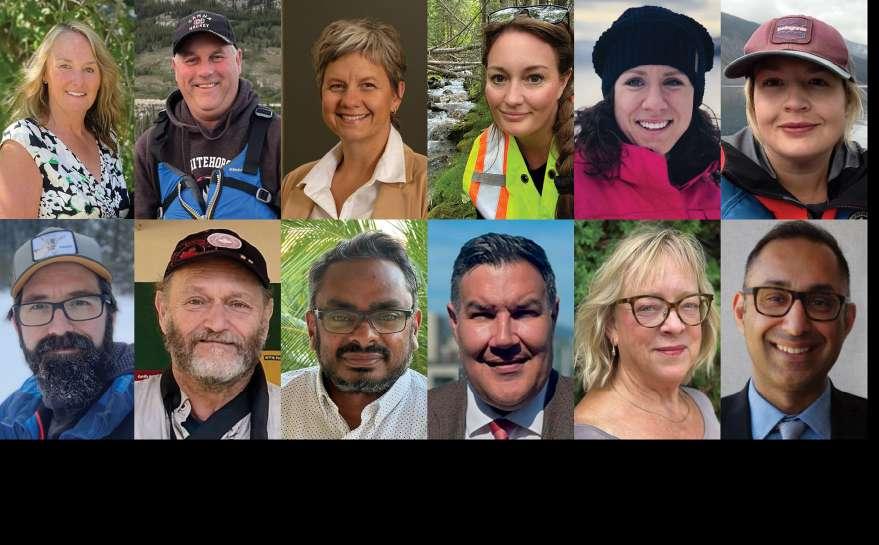
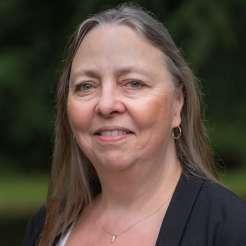
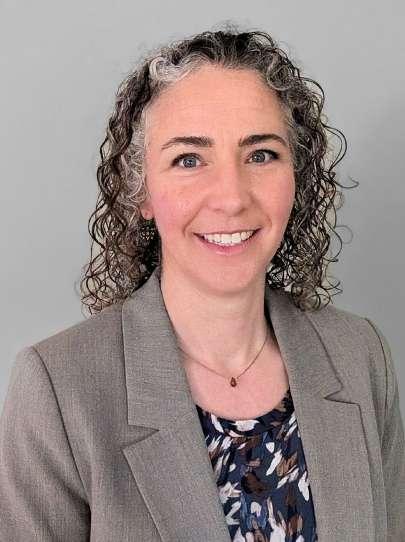
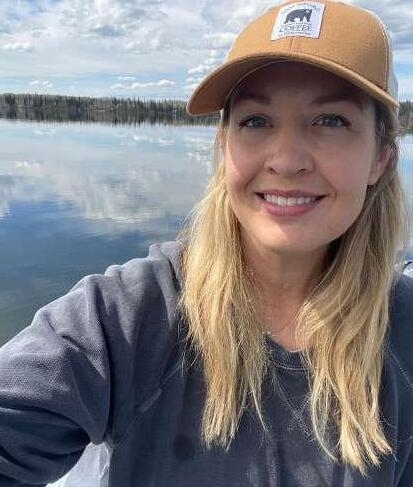
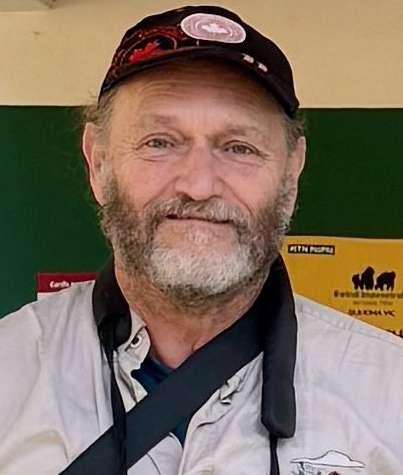
Top Row (left
right): Deborah Stanyer, Bob Redden, Corinna Hoodicoff, Kathryn Graham, Gabrielle Hindley, Kim Klaczek.
Bottom Row (left to right): Keenan Rudichuk, Seán Sharpe, Mark De Croos, Jason Kuzminski, Alison Dennis, Salman Azam.
COLLEGE BOARD
Deborah Stanyer, RPBio Chair
Bob Redden, RPBio Vice Chair
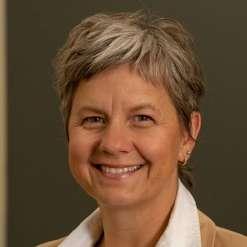
Corinna Hoodicoff, RPBio Past Chair
Kathryn Graham, RPBio
Gabrielle Hindley, RPBio
Kim Klaczek, RBTech
Keenan Rudichuk, RPBio
Seán Shapre, RPBio
Salman Azam, Lay Board Member
Mark De Croos, Lay Board Member
Alison Dennis, Lay Board Member
Jason Kuzminski, Lay Board Member
EDITORIAL BOARD
Raychl Lukie, RPBio - Co-chair
Elizabeth Zajc, RPBio - Co-chair
Eva Maria Boehringer, RPBio
Jayme Brooks, RPBio
Leilane Ronqui, RPBio
Gaius Wilson, RPBio
PUBLISHED BY
The College of Applied Biologists
Suite #310 - 1207 Douglas Street
Victoria, BC V8W 2E7
TEL 250-383-3306
www.cab-bc.org
Past issues are available at www.cab-bc.org/college-matters-digital-edition/
COLLEGE STAFF
Laura Plante
Chief Executive Officer
Elaine Vale
Registrar
Samuel Pittman, RPBio Director of Practice
Helen Taraskin
Director of Finance & Administration
Cameron Dexter, RPBio
Sr. Manager of Compliance
Isaac Anderton, RPBio
Sr. Manager of Registration
Sue Owen Sr. Manager of Practice
Boris Chow
Manager of Strategic Initiatives
Tory Davis
Manager Executive Operations-Communications
M. Eugenia Fernandez
Registration Officer
Sharon Stewart Finance Officer
Adriana Hurtado
Policy Officer
Farzaneh Mousavi
Sr. Administrative Officer
Betsy Hagerty
Administrative Officer
Josie Byington
Administrative Officer
ABOUT US
The College of Applied Biologists is the regulator of applied biology professionals in British Columbia. Established by government legislation in 2003, the College protects the public interest by ensuring that applied biology professionals Registered Professional Biologists (RPBios), Registered Biology Technologists (RBTechs), Applied Biology Technicians (ABTs) and Applied Biology - Limited Licensees (AB-LLs) meet rigorous standards of professional and ethical competency.
COLUMNS
MESSAGE FROM THE CHAIR
3 Refelctions on a Year of Steady Progress
MESSAGE FROM THE PAST CEO
4 College Growth in Professional Accountability
ANNOUNCEMENTS
5 College Welcomes New CEO, Laura Plante
6 Welcome New Board Members and Staff
26 Government of British Columbia Releases the Draft Wetland Identification and Delineation Manual
29 Next Issue: Economic, Professional, and Personal Resilience
UPDATES
8 Annual Conference 2026, Victoria: Professional Resilience in Times of Change
32 Susan Wells, Lay Board Member
11 Feral Pig Management in British Columbia: A Growing Area of Concern for Practitioners
16 Bats and Wind Development
19 Considering Cumulative Effects in British Columbia: A Practical Overview of B.C. Cumulative Effects Framework for Applied Biologists
21 Environmental Assessment in BC and Yukon: Navigating PRocess Variations Across Mining Exploration, Construction, and Operations
23 Knowledge from the Land: How Inuit Marine Expertise Strengthened the Grays Bay Port and Road Impact Statement
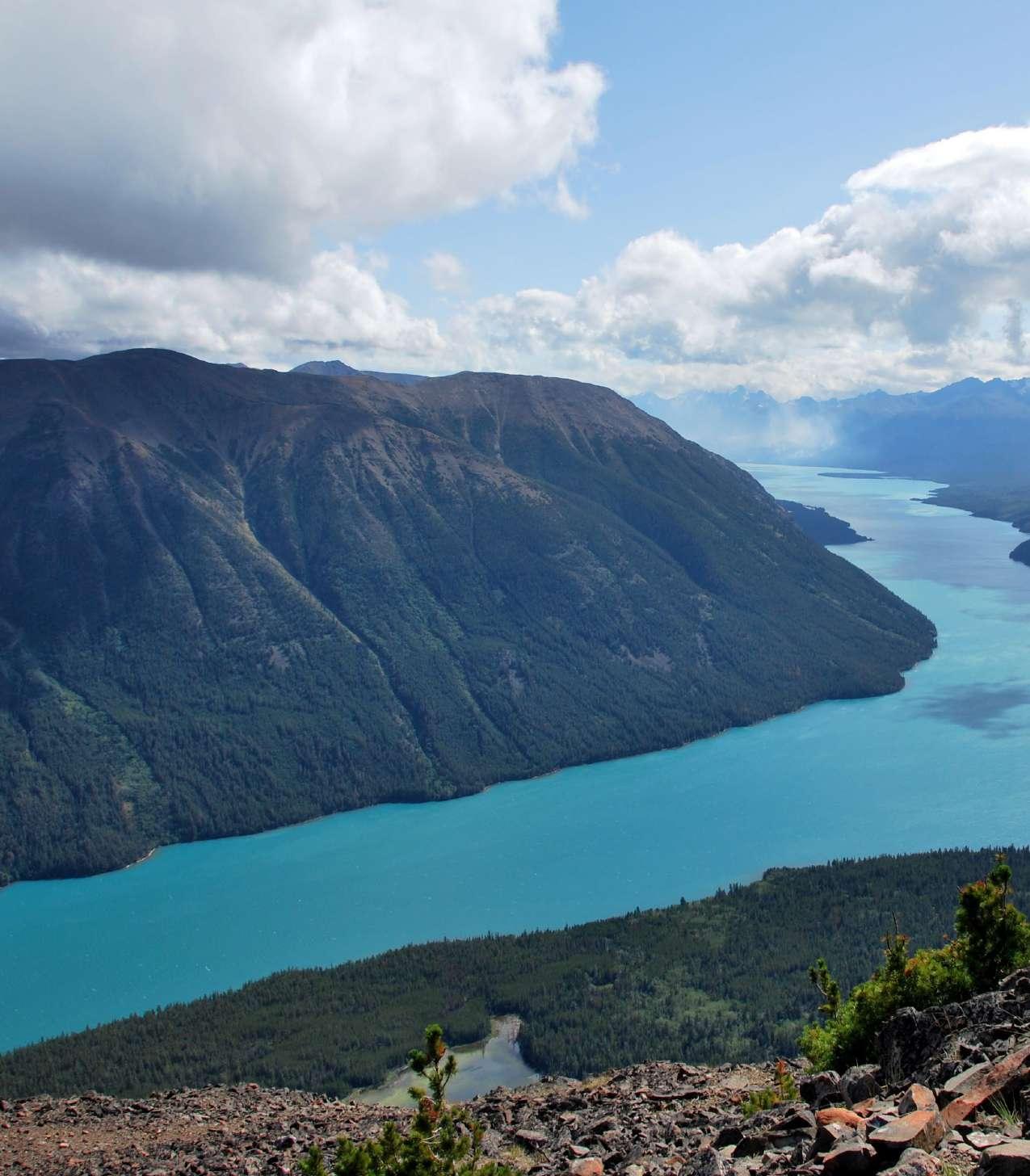
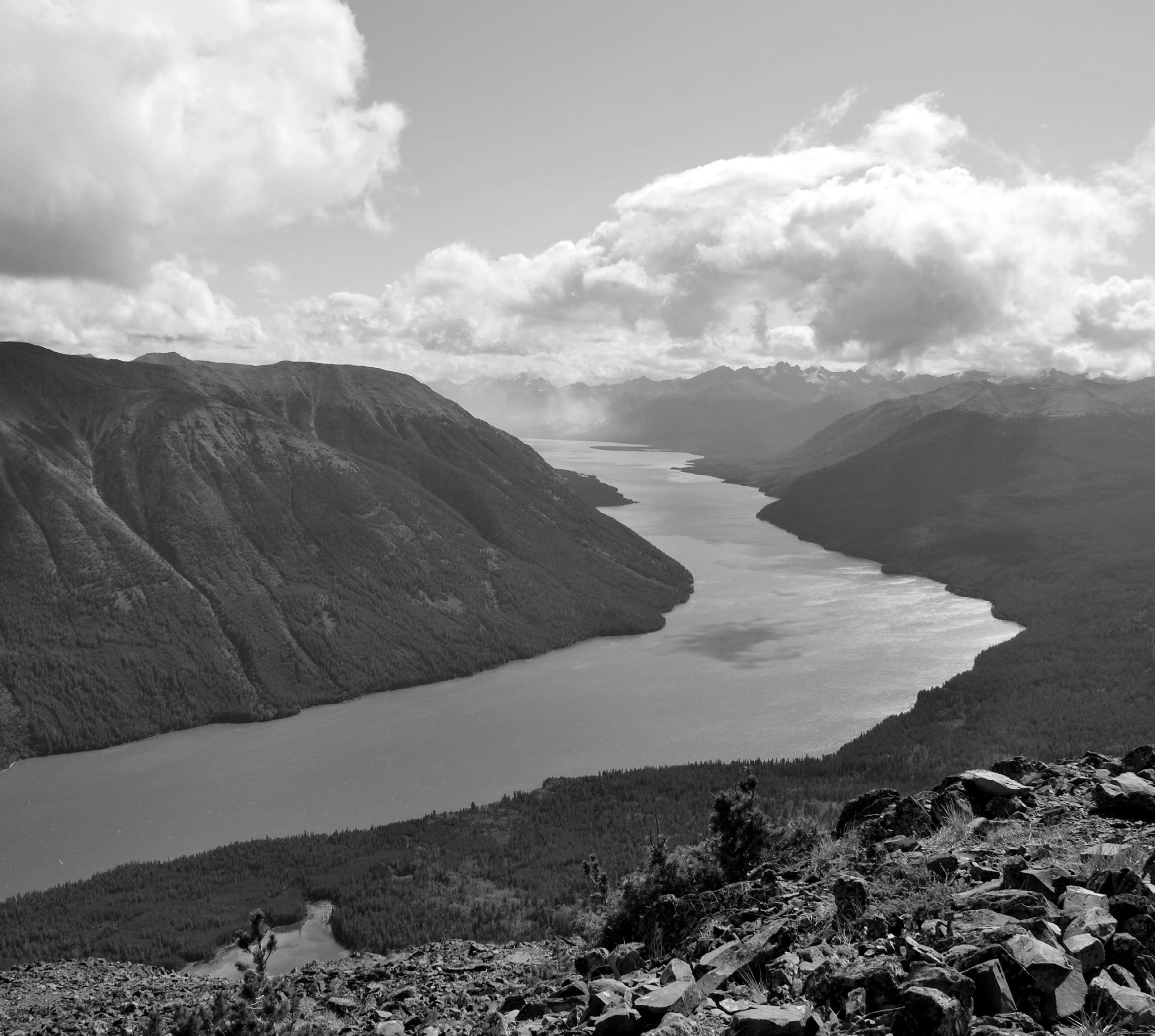
Cover photo: Tatlayoko Lake, by Karen Barry, RPBio
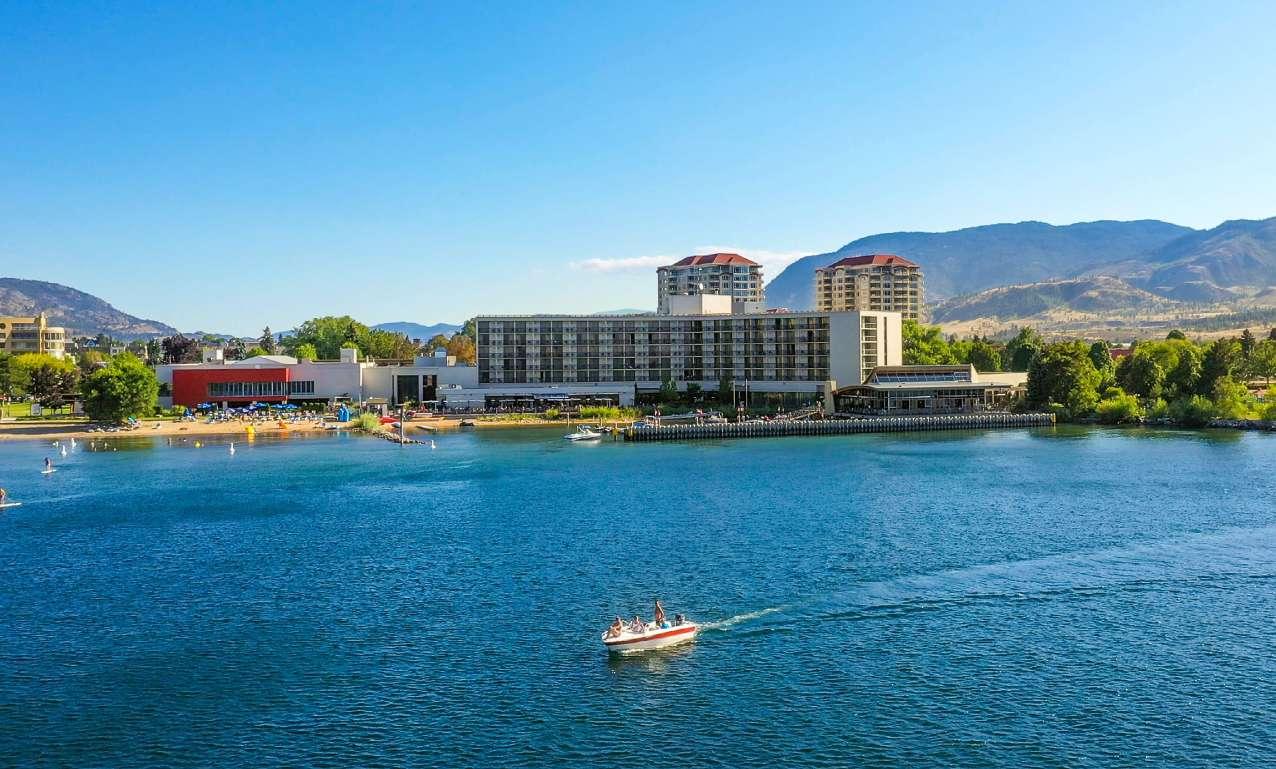
Back cover photo: Penticton Lakeside Resort and Conference Centre
Christine Houghton’s photo by Naomi Maya Photgraphy
*Disclaimer: the opinions expressed in College Matters do not necessarily represent those of the College, its Board, or other registrants.
to
AS I PASS the gavel to our next Board Chair, I have been reflecting on a year of steady progress and on how the College of Applied Biology continues to evolve.
One of our key accomplishments this past year was the update to our Credentialing Standard These changes introduce greater flexibility and remove unnecessary barriers, while still ensuring that registrants meet the standards required to protect the public interest. This is an important step in keeping the profession accessible while maintaining the rigour that defines it.
This is also a time of transition. I want to thank Christine Houghton for her leadership over the past nine years and for the lasting impact she has had on the organization. During her tenure, we moved into an era of reserved practice under the Professional Governance Act. She led the organization through the changes needed to meet our responsibilities as a regulator, positioning the College as a respected leader in professional accountability.
Reflections on a Year of Steady Progress
By Corinna Hoodicoff, RPBio, Chair
I am also looking ahead with optimism as we continue building on that strong foundation and welcome new leadership. We are pleased to introduce our incoming CEO, Laura Plante, whose experience and leadership will help guide the College through the years ahead. The work of applied biologists continues to evolve rapidly, shaped by climate change, technological advancement, regulation, and shifting public expectations—all of which may influence professional governance in meaningful ways. We must continue to be a resilient organization that adapts thoughtfully to change.
Finally, I give my thanks to our volunteers, Board and committee members, and staff: your time, care, and professionalism keep the College moving forward every day.
It has been a privilege to serve as Chair this past year and I am looking forward to continuing my work with the Board as Past Chair.
One of our key accomplishments this past year was the update to our Credentialing Standard.
College Growth in Professional Accountability
By Christine Houghton, Past Chief Executive Officer
OVER THE PAST nine and a half years I have had the absolute privilege of helping lead the College of Applied Biologists through a remarkable period of growth, maturation, and influence. This period not only reflects the evolution of the College as a regulator, but the profession of applied biology as a full partner in sustainable resource management. As I look back on this near decade of growth, I’m struck by how far we’ve come and how consistently the College has risen to meet the moment.
The College was first given a mandate in 2003 and by 2017, when I joined, had already established itself as a professional regulator, but its mandate was narrower, its scope smaller, and its role in the broader professional ecosystem still emerging. Today, the College stands as a fully modernized regulator with a strong legislative foundation, a clear public interest focus, and a broader mandate. That transformation didn’t happen overnight. It was built step by step, through thoughtful governance, strategic foresight, and a willingness to embrace change.
Without doubt one of the most defining accomplishments of this period was the successful transition to the Professional Governance Act. This was no small undertaking. It required rethinking long standing processes, aligning with new regulatory expectations, and ensuring that the College’s voice was heard during a time of significant change. The result is a stronger, more transparent regulatory framework—one that reinforces public trust and positions applied biology alongside other self-regulating professions with a shared commitment to accountability and excellence.
Alongside legislative modernization, the College has made major strides in professional standards and competency development. Over the past nine years, we’ve seen the introduction of clearer practice guidelines, more robust continuing professional development expectations, and a clearer focus on ethics and professional responsibility. These changes have strengthened the practice of applied biology. In a world where science is being questioned, this commitment to rigour and integrity has never been more important.
The College has also expanded its engagement with registrants, partners, and the public. Communication has become more proactive, accessible, and transparent. Whether through updated digital platforms, improved reporting, or more frequent outreach, the College has worked to ensure that registrants are informed, and that the public understands the vital role applied biologists play in sustainable resource management that is informed by science.
The College has also worked to broaden pathways into the profession. Over the past nine years, we’ve seen improvements in registration processes, greater clarity for applicants, and more recognition of the diverse educational and experiential backgrounds that contribute to the practice of professional applied biology. These efforts have helped ensure that the College continues to reflect the evolving nature of the professional practice.
Internally, the College has grown more resilient and more forward looking. Governance structures have been refined, strategic planning has become more sophisticated, and the organization has strengthened its operational capacity. These behind the scenes advancements may not always be visible to the public, but they are essential to a healthy regulator. They ensure that the College can adapt, respond, and lead—qualities that have been tested and proven time and again over the past decade.
What stands out most to me, though, is not any single achievement, but the collective effort behind them. The dedication of Board members, committee volunteers, staff, registrants, and partners has been the driving force behind every milestone. This has been a community effort in the truest sense— rooted in shared values, mutual respect, and a commitment to the public good.
As I reflect on these nine years, I feel immense pride in what the College has accomplished and deep gratitude for the opportunity to contribute to fulfilling its vision of being “a respected leader in professional accountability.”
College Welcomes New CEO, Laura Plante
LAURA PLANTE IS a seasoned executive leader with nearly two decades of experience within the British Columbia Public Service focused on natural resources and environmental stewardship.
Her career has spanned provincial leadership roles in fish and aquatic habitat, wildlife and terrestrial ecosystems, land and water planning, forestry, and climate resilience. Laura is respected for bridging science, policy, and regulation in practical ways and is known for building collaborative partnerships, leading high-performing teams, and guiding complex work through significant organizational and legislative change.
Laura brings a strong understanding of professional governance and the critical role applied biologists play in protecting British Columbia’s natural resources. As CEO, she will be committed to upholding the College’s mandate to protect the public interest while supporting registrants and partners in strengthening professional practice.
Laura holds a Bachelor of Science from McGill University and a Master of Science in Resource Management and Environmental Studies from the University of British Columbia. She lives in Victoria with her husband and three children and enjoys exploring the outdoors with her family, by bike, boat, or on foot.
Welcome New Board Members and Staff
KIM KLACZEK, RBTECH, began her 16-year career after completing a three-year diploma in Environmental Technology at Camosun College on Vancouver Island. During her studies, she gained valuable hands-on experience through a co-op placement banding shorebirds in the Mackenzie Delta—an opportunity that led to a series of contracts with Environment Canada. In these roles, she worked as a Wildlife Technician, Shorebird Technician, and Water Quality Technician across Alberta, the Northwest Territories, and Nunavut.
After returning to British Columbia, Kim joined McElhanney in Prince George as an environmental consultant. There, she developed a strong foundation in multidisciplinary collaboration and applied her biological science expertise to solve complex environmental and natural resource challenges. In 2022, Kim transitioned into a full-time role with the Ministry of Environment and Parks as a Water Quality Monitoring Specialist, where she focuses on collecting and communicating long-term trend data to improve understanding and management of BC’s lakes and streams.
Kim registered with the College in 2015 and became actively involved after attending a Scope of Practice Workshop in 2019 during the development of the Professional Governance Act. Her volunteer experience includes serving two consecutive terms on the inaugural Nominations Committee, participating on the RBTech and ABT Scope of Practice Task Force, supporting the 2025 Conference Planning Working Group, and most recently serving on the first Discipline Committee. Being elected as the first RBTech on the Board represents a meaningful milestone for both Kim and the profession, advancing representation and supporting the continued growth of the College.
Kim currently lives in Prince George on the unceded ancestral lands of the Lheidli T’enneh. Outside of work, she enjoys staying active outdoors year-round with family and friends, savouring a good cup of coffee, and remaining curious and engaged.
SEÁN SHARPE, RPBIO, MSc is a wildlife biologist with over 35 years’ experience working in northern BC, Yukon, the Northwest Territories, and Newfoundland and Labrador. Seán has an MSc in Zoology from the University of Western Ontario and a BSc with Distinction in Environmental Biology and Geomorphology from the University of Calgary. He has been a registrant of the College, and the Association of Professional Biology before that, since 1991.
Seán has worked in a wide range of biological careers, ranging from academic research, Parks Canada, the BC Provincial Government public service as a biologist and manager, and during the last 17 years as a consultant with both small and large firms and currently his own company. His work includes a wide range of environmental assessment baseline studies, wildlife and habitat management,
species at risk assessment and cooperative management with First Nations. Although much of his work has been with caribou, grizzly bear, wolves and moose, Seán currently seems to spend a lot of work and leisure time learning and looking for birds, amphibians, and interesting insects.
Beyond his work, Seán spends time volunteering as a director for the Bulkley Valley Folk Music Society and the Skeena Blend Coffeehouse Society to further live music and arts in the region. He is a musician and enjoys sharing songs and instruments in both performance and jam sessions. Seán enjoys living near a fantastic local ski hill (downhill and cross-country) and some of the best river and lake canoeing anywhere. His newest passion is learning to operate a 26’ boat in the marine environments of Douglas Channel, watching for whales and all varieties of sea life.
As a former CAB board member and Chair/Vice Chair/Past Chair, Seán is happy to share his skills and experience as we continue the adventure as regulated professional biologists.
ADRIANA HURTADO JOINED the College staff in April 2026 as a Policy Officer, supporting the development and implementation of operational and program policies, and ensuring that internal systems and procedures align with legislative requirements and organizational goals.
She has a background in Political Science, Public Policy, and International Studies, and has multidisciplinary experience in international cooperation, public policy implementation, and research for sustainable development.
Adriana sees this opportunity at the College as a meaningful intersection of her interests in public policy and administration, combined with interdisciplinary and governance approaches that support sustainable development. She is particularly excited to contribute to a regulatory body with a clear public-interest mandate, working across policy, governance, and implementation.
She is deeply interested in learning from people’s roots and cultures and enjoys doing so through cooking and exploring flavours from around the world.
Originally and proudly from Colombia, her journey has taken her from South America to Northern BC, where she completed her master’s degree at UNBC, and now to life on Vancouver Island.
Annual Conference 2026, Victoria: Professional Resilience in Times of Change
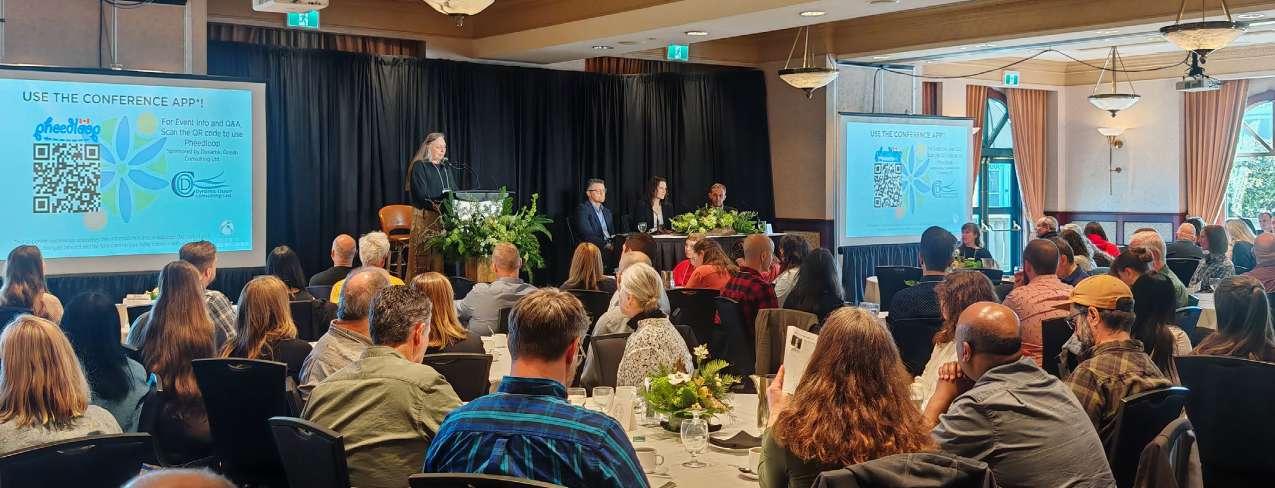
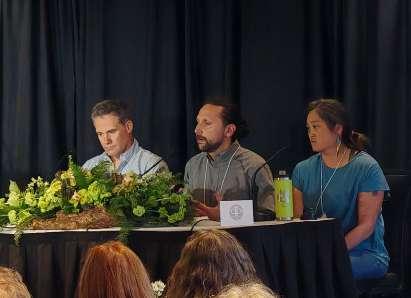
THE 2026 ANNUAL Conference took place on the traditional lands of the of the Songhees Nation and the Xwsepsum (Esquimalt) Nation from April 8-10. We welcomed 311 attendees to the Hotel Grand Pacific and online.
The keynote speakers were the Honourable Randene Neill, Minister of Water, Lands and Resource Stewardship, who discussed the important role of applied biologists in BC. Megan Hanacek, CEO of the non-profit Private Forest Landowners Association and owner of an environmental assessment firm, shared lessons about survival and personal thriving learned as a participant on the History Channel's series ALONE.
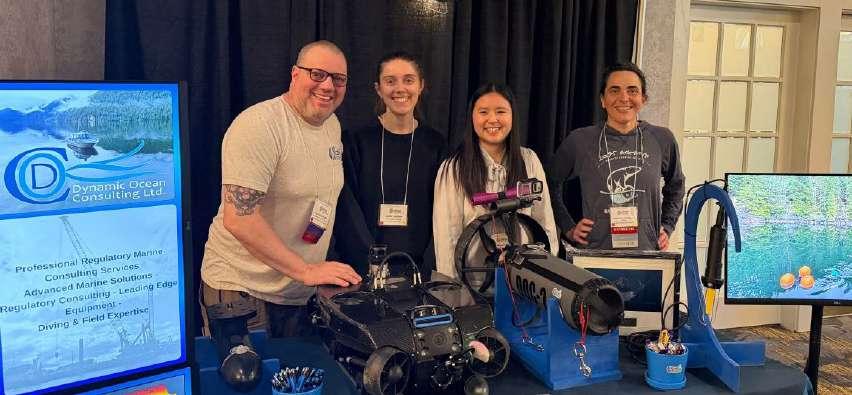
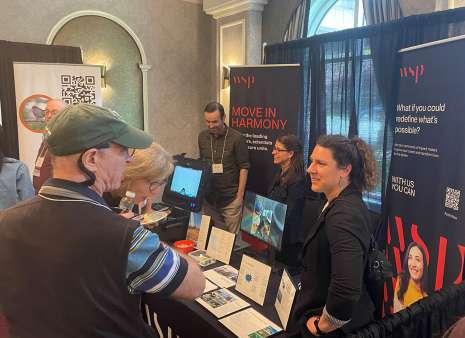
The conference was generously supported by 12 sponsors, including premier sponsor Dynamic Ocean Consulting Ltd., that supported the broadcast and conference app. Ten booths within the tradeshow drew considerable interest and generated lively conversations.
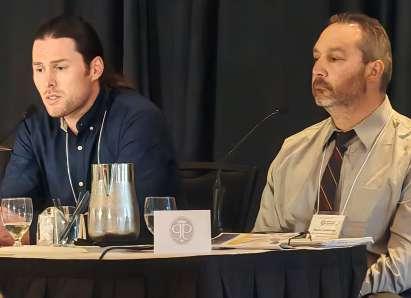
Seven sessions featured panels of speakers on the topics of Professional Reliance 2.0; Wildfires, Drought and Flood Preparedness, Mitigation and Conservation (and Costs); Environmental Professionals Panel; Special Session – Employers Preparing Young Professionals for Registration; Indigenous-led Conservation; How Professionals Get into Trouble (Trends and Guidance); and Ethical Use of New Technology.
Attendees identified the panel on How Professionals Get into Trouble as most applicable to their area of practice and the panel on Wildfires, Drought and Flood Preparedness as most interesting to them personally.
The College announced the release of the new Credentialing Standard in June 2026; the Board honoured Past Chair, Victoria Burdett-Coutts, for seven years of service; and thanked outgoing CEO Christine Houghton for her guidance of the College since 2017. Conference attendees also heard the new term apocaloptimist related to the reaction to projected impacts of Artificial Intelligence [see more in College Matters, Vol 17(2)].
Special thanks go to the Conference Planning Working Group members for identifying this year's theme and recruiting panelists.
> Deborah Stanyer, RPBio - Chair
> Diana Chomack, RPBio
> Candy Lo, RPBio
> Rhonda Maskiewich, RPBio
> Bob Redden, RPBio
> Lisa Tedesco, RPBio
> Roxanne Tripp, RPBio
> Jason Kuzminski, Lay Board Member
Mark your calendars for next year's conference to be held at the Penticton Lakeside Resort, from April 7-9, 2027. If you live in the area and wish to help plan the event, please contact the College at cab@cab-bc.org.
Applied Biology in Changing Times
Issue
Feral Pig Management in British Columbia: A Growing Area of Concern for Practitioners
By Connor Dolighan, BSc, RPBio, Terrestrial Invasive Fauna Biologist Emily Lomas, MSc, RPBio, Terrestrial Invasive Fauna Specialist Wildlife and Ecosystems Branch, B.C. Ministry of Water, Land and Resource Stewardship
FERAL PIGS ARE one of the world’s most destructive invasive species. Their adaptability, intelligence, high fecundity, broad diet, and ability to thrive in a variety of habitats and conditions make them extremely difficult to manage once populations become established. Feral pigs prey on and compete with native wildlife and livestock, damage ecosystems, destroy crops, spread disease, and pose a risk to public safety.
Management of feral pigs is complex and can involve animal welfare concerns and jurisdictional overlap among several ministries and agencies. While feral pigs are reported in low numbers in BC, we are uniquely positioned to prevent their impacts by taking early, strategic action before self-sustaining populations become established.
What is a feral pig?
In BC, the term feral pig is defined as “a pig of the genus Sus that is not in captivity or is not otherwise under a person’s control,” in the Designation and Exemption Regulation, s. 3.2(1) of the Wildlife Act (Government of British Columbia 2022). Feral pigs can be escaped domestic pigs, Eurasian wild boar, and/or their hybrids.
Feral pigs are also known across other jurisdictions as invasive wild pigs, feral swine, feral hogs, wild hogs, wild boar, wild boar at large, and more.
An extremely successful invasive species
Feral pigs possess several traits that rank them among the most successful invasive mammals. Pigs reach sexual maturity at an early age, have long lifespans, are capable of breeding year round, and can produce multiple litters per year, allowing populations to grow rapidly. Their diverse and opportunistic diet allows them to thrive in a variety of habitats including grasslands, forests, wetlands, and agricultural lands. Feral pigs are also highly adaptable, tolerating a wide range of environmental conditions, including cold climates.
Predation pressure is generally low, particularly on adults, and pigs quickly learn to modify their behaviour in response to human pressures such as hunting and trapping. High intelligence, strong social learning, nocturnal or cryptic activity patterns, and the ability to disperse long distances all contribute to their capacity to evade detection and control (Bevins et al. 2014).
Why it matters - risks and impacts
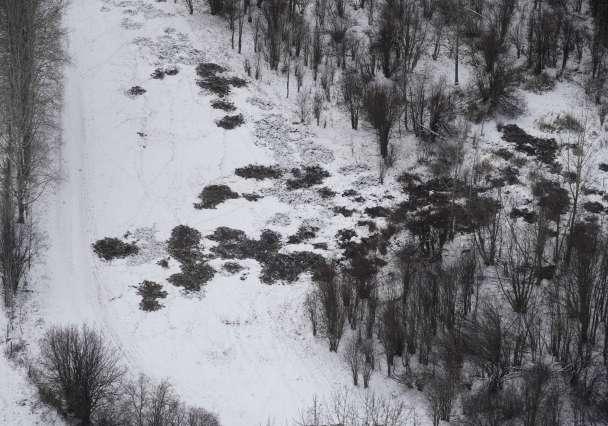
The most visible impact caused by feral pigs is rooting - a foraging behaviour that causes soil disturbance. Pigs also wallow in wet areas to regulate body temperature and protect themselves from insects and parasites. Rooting and wallowing can disrupt native plant communities, increase erosion on slopes and riparian areas, alter nutrient cycling, introduce pathogens, and create conditions favourable for the establishment of invasive plants. Wetlands and riparian systems are particularly vulnerable because disturbance can degrade water quality, habitat structure and species composition (Barrios-Garcia and Ballari 2012).
Feral pigs are opportunistic omnivores with a highly varied diet, including vegetation such as roots, tubers, and fruit, as well as
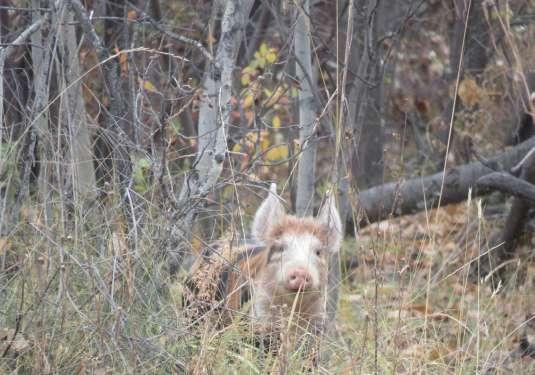
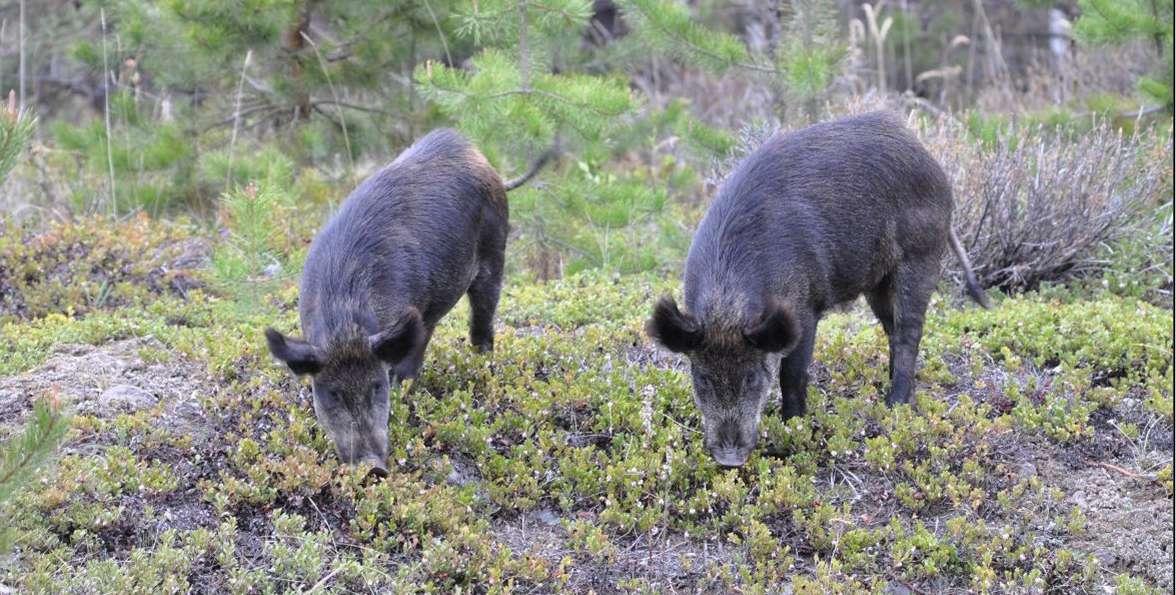
Feral pig, Farwell area, Chilcotin. Photo by Evan Nicholson.
fungi, invertebrates, small vertebrates, and eggs. This diet can put additional pressure on native wildlife.
Of particular concern in BC are the impacts from rooting on streams that could contribute to increased sediment loads in important salmon spawning habitat. Feral pigs could also depredate species-at-risk in BC, including ground-nesting birds (i.e., eggs or nestlings of American Avocet, Sharp-tailed Grouse, and Short-eared Owl); and amphibians (i.e., Tiger Salamanders, Red-legged Frogs, Great Basin Spadefoots, and Oregon Spotted Frogs). Feral pigs may compete with native BC wildlife for food, especially ungulates, or damage their breeding habitats through rooting behaviour.
Agricultural impacts include crop damage and yield reduction, fencing destruction, pasture disturbance, livestock feed loss, and disease spread.
Feral pigs can carry a wide range of parasites and pathogens that threaten livestock, wildlife, and human health, making their management not only an ecological issue, but also a serious concern for livestock health and international trade (Bevins et al. 2014). Of particular concern is African Swine Fever (ASF), a highly contagious viral disease of pigs with mortality rates that can approach 100 percent.
Although ASF poses no risk to human health, it has severe implications for food security and agricultural economies. The virus spreads through direct pig-to-pig contact, contaminated carcasses, and pork products, and indirect pathways such as vehicles and equipment. Its environmental persistence, combined
with the absence of a commercial vaccine, makes eradication extremely difficult once established.
If ASF were detected in Canada, it would trigger immediate trade restrictions, large scale swine depopulation, and long term economic disruption across the pork sector. Feral pigs would further complicate control efforts by acting as disease reservoirs and vectors.
To support early detection and preparedness, Canada has implemented CanSpotASF, a national surveillance program led by the Canadian Food Inspection Agency that promotes reporting and testing of sick or dead domestic and wild pigs (Canadian Food Inspection Agency 2025). In BC, the Animal Health Centre in Abbotsford can perform ASF testing for feral and domestic pigs if specimens meet certain eligibility criteria.
Feral pigs in Canada
Eurasian wild boar were introduced to Canada in the 1980s and 1990s as part of efforts to diversify agricultural production. Escapes and intentional releases from farms led to free ranging populations. Wild boar also cross-bred with domestic pigs, resulting in hybrids that now occur on the landscape (Brook and van Beest 2014; Wild Pigs Canada 2025).
Across Canada, invasive wild pigs have become a growing concern, prompting coordinated mapping and intensive control programs. Localized, established populations are currently confirmed in Alberta, Saskatchewan, and Manitoba (Animal Health Canada 2025).
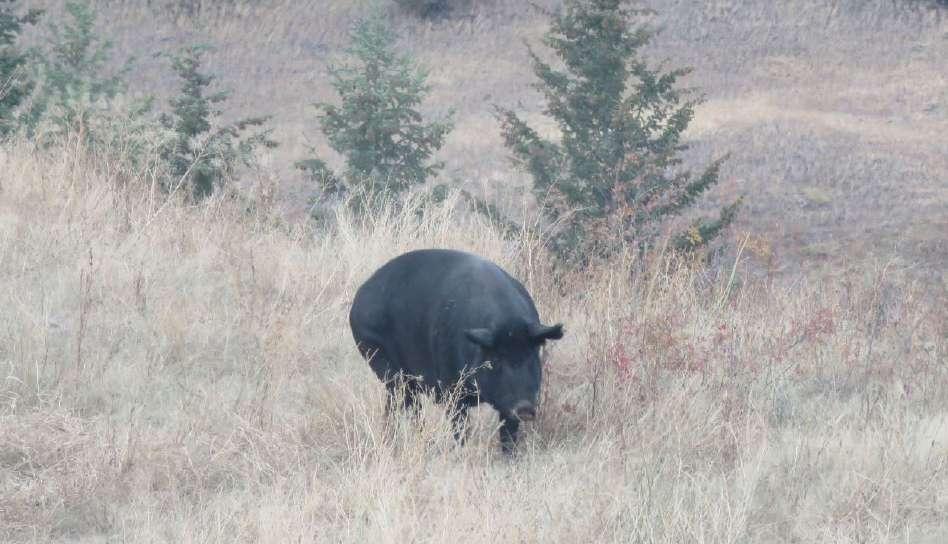
Feral pigs, Riske Creek. Photo by B.C. Ministry of Forests.
Feral pigs in BC
Feral pigs have been reported in low numbers throughout BC, but the distribution and abundance of this species is not fully understood. BC has not yet confirmed self-sustaining feral pig populations and most incidents involve escaped or released domestic pigs that are subsequently recaptured or eradicated.
However, conditions that enabled establishment elsewhere, including mild winters, suitable habitat, food availability, and human-assisted movement, are all factors that create risks for both gradual spread and localized establishment in BC following escapes or releases.
Legislation
The management of feral pigs in BC is governed primarily by two pieces of provincial legislation: the Wildlife Act and the Livestock Act. Depending on the situation, other acts and regulations may also apply.
Wildlife Act
> Feral pigs are managed as wildlife under this Act. They are designated as Schedule C wildlife under the Designation and Exemption Regulation, which exempts them from certain provisions of the Act and allows for a suite of actions to remove them from the landscape.
> If pigs escape from captivity, are released, or are abandoned, the government acquires ownership of the animals.
> Government officials have the authority to destroy pigs that are at large if they pose a risk to public safety, private property, other wildlife, or wildlife habitat.
> There are several offences under the Act, including releasing or abandoning pigs, and not making efforts to recover them. A first offence can carry a fine of up to $100,000 or imprisonment up to one year. The fine and imprisonment may be doubled for each subsequent offence.
> Feral pigs can be hunted, trapped, or killed year round with no season or bag limits by licensed hunters, and landowners may kill pigs on their own property without a hunting licence.
> While feral pigs are considered wildlife, their original owners can be held responsible for recovery costs and ecological damage caused by escaped or released animals.
Livestock Act
> Pigs are livestock under this Act. Uncontained or untended pigs are considered livestock at large.
> Livestock owners are required to keep their animals from roaming freely. When pigs are found at large, they may be captured by livestock keepers, peace officers, authorized government officials, the livestock owner, or the owner of the land where the pigs are found.
> Contrary to popular belief, pigs are not permitted to be at large within a Livestock District, except with landowner permission.
> Offenses under this Act, such as allowing livestock at large, carry monetary penalties.
> Unclaimed impounded animals are disposed of in accordance with the Pound District Regulation.
> Owners are liable for any damages caused by pigs while at large.
Feral Pig Management in B.C.
BC manages feral pigs as a priority invasive species using an Early Detection and Rapid Response (EDRR) approach. EDRR is a wellrecognized, cost-effective strategy designed to find and confirm new invasive species quickly and then systematically eradicate, contain, or control them before they become established and spread. For EDRR species in BC, the management objective is eradication (Government of British Columbia 2014).
Monitoring and Detection
Monitoring includes both passive and active surveillance. Passive surveillance includes public reporting and direct communication from landowners, producers, and field staff. Public reporting is important because early sightings may be the first indication that pigs are at large.
Active surveillance includes aerial surveys, on the ground investigations, and deployment of camera traps to detect pigs or pig sign such as rooting or wallows.
Feral pigs (and all other invasive species) can be reported via the Report Invasives mobile app or a web form available at www.gov.bc.ca/invasive-species. Reports are sent directly to species experts.
Incident Response
Led by the Ministry of Water, Land and Resource Stewardship (the Ministry), multiple BC Ministries work together to respond to feral pig incursions on a case-by-case basis. The goal is to remove animals from the landscape, either through recapture where ownership can be confirmed, or through coordinated trapping and removal where pigs are effectively feral or ownership is unresolved.
Incidents may be complex and involve cooperation with other agencies and law enforcement. Response may involve investigating the source of the pigs, documenting habitat or property damage, consulting with landowners, deploying cameras, planning and carrying out trapping operations, and conducting post-removal surveillance to ensure no feral pigs remain in a given area.
Education and Outreach
Successful feral pig prevention and management incorporates effective education and outreach activities. Public awareness materials, reporting tools, and communication with pig owners can reduce the chance that escapes go unreported or are dismissed as a minor, localized nuisance. In BC, this is especially important because early detection is among the most cost effective tools available to prevent establishment.
Education and outreach sources include:
> Materials developed by the B.C. Government:
• Feral Pig Alert Sheet and Infographic
• BC’s Small Lot Pork Producer Management & Production Manual
> The Squeal on Pigs campaign:
• British Columbia
• United States and Canada
> Animal Health Canada’s Canadian Invasive Wild Pig Report
> Wild Pigs Canada
Coordination & Partnerships
Feral pigs do not recognize or respect jurisdictional boundaries, and effective management in BC depends on strong coordination and partnerships across regions, governments, and organizations. In addition to leading B.C.’s Feral Pig Working Group, the Ministry represents BC in several national and international feral pig working groups. Through these groups, BC contributes to joint initiatives and resources targeted at invasive species managers, researchers, trading partners, and the public. Emerging research coordinated in BC and through these groups helps support long term planning by assessing the risk of feral pig establishment (e.g., through studies of wild pig ecology, and climate and habitat suitability modelling).
BC has participated in training opportunities, seminars, workshops, and events, including the Pacific Northwest Economic Region Annual Summit, Canada Wild Pig Summit, Pacific Northwest Cross-Border Tabletop Exercise, and more. The Ministry has worked with other governments on specific initiatives such as feral pig monitoring by First Nations, facilitated training on monitoring techniques such as eDNA sampling, and supports partners like the Invasive Species Council of BC to host workshops and promote campaigns. These activities bring together governments and partners across the province to share information and align approaches.
Lessons beyond BC
Early Action
Evidence from other jurisdictions is consistent: acting early is far more effective and far less costly than responding after establishment. When feral pig populations become self-sustaining
Rooting damage caused by feral pigs. Photo by Connor Dolighan, RPBio.
in the wild, eradication becomes difficult and long-term control becomes extremely resource intensive.
Full Sounder Removal
Effective eradication of feral pig populations requires the removal of entire pig groups (sounders). Partial removal rarely solves the problem and can increase wariness. Corral trapping is widely regarded as the most effective tool for capturing entire sounders, particularly when paired with a conditioning phase where pigs become comfortable entering a baited, open trap. Camera traps can help confirm when the entire sounder is using the trap area and reduce the risk of leaving animals behind during trapping operations.
Hunting
While BC does allow hunting of feral pigs, jurisdictions with rigorous control programs of established populations have mostly prohibited this practice. Research shows that opportunistic or uncoordinated hunting may scatter pigs into smaller groups, expand their range and make them more nocturnal and elusive (Keuling and Massei 2021).
In some areas, recreational hunting has also created incentives to maintain or spread pigs for ongoing hunting opportunities, which would be directly at odds with BC's eradication objective (Bevins et al. 2014).
Through the EDRR lens, hunting of feral pigs in BC can play a role under controlled and coordinated conditions, typically
in combination with trapping. Because there are currently no established feral pig populations in the province and most sightings are individual cases, hunting feral pigs remains an available option. Regulations are based on the best available science and the conditions on the ground. If future changes are required, BC will consider them at that time.
Looking ahead
Moving forward, BC’s approach emphasizes strengthening surveillance and reporting to support early detection; maintaining coordination across governments, agencies, and neighbouring jurisdictions; supporting Indigenous engagement and stewardship; and preventing escapes and releases through education and policy tools.
Although feral pig management spans multiple disciplines, applied biology professionals in BC can play an important role in feral pig prevention. This could include designing monitoring and detection programs, analyzing and interpreting data, assessing habitat suitability and risk, advising on response options and policy, and translating technical information into clear guidance for decision makers and the public, or implementing necessary management actions.
In BC, feral pigs are often reported, but established wild populations are not known to be present. Acting now, before populations become established, provides the best opportunity to limit ecological, agricultural, and biosecurity impacts and address this emerging invasive species threat before it escalates into a far more complex and expensive problem.
Feral pig, Farwell area, Chilcotin. Photo by Evan Nicholson.
Bats and Wind Development
By Mandy Kellner, MSc, RPBio
B.C. Ministry of Water, Land and Resource Stewardship
BC IS HUNGRY for energy and is using increasing amounts of electricity for diverse purposes, including electric vehicles, heating, and large-scale industrial operations (e.g., mining and oil and gas production). Our energy production is not keeping pace with our use. We regularly import power from other jurisdictions, and our demand is predicted to increase another 15 per cent by 2030 (Government of BC 2024). In the face of climate
change and our quest for power sovereignty, BC is promoting renewable energy development, including wind, to supply power to our electricity grid.
Wind power development has potential to negatively impact, and possibly threaten, BC bat populations (BC BAT 2024). While many people are familiar with the threat of white-nose syndrome, the concerns around bats and wind development are less well known. Hundreds of thousands of bats are estimated to be killed yearly in Canada (Zimmerling and Francis 2016) primarily from colliding with rotating turbine blades and also from barometric trauma from the pressure differential around blades.
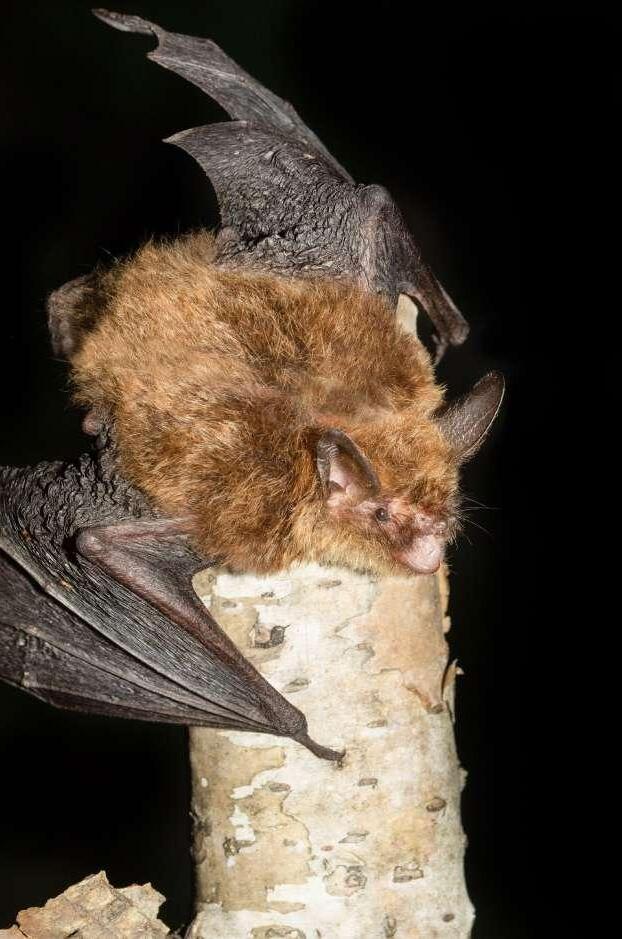
The mortality of bats at wind farms has been associated with the decline and endangerment of the three migratory bats in Canada (COSEWIC 2023) and across North America (Frick et al. 2017). These are the Hoary Bat, Silver-haired Bat, and Eastern Red Bat. Non-migratory bats are also impacted in BC, including the SARA-listed Little Brown Myotis and Northern Myotis, already threatened by white-nose syndrome. Myotis bats may account for almost half the bat mortalities at existing BC wind developments (WLRS unpublished data).
Wind power development has potential to negatively impact, and possibly threaten, BC bat populations
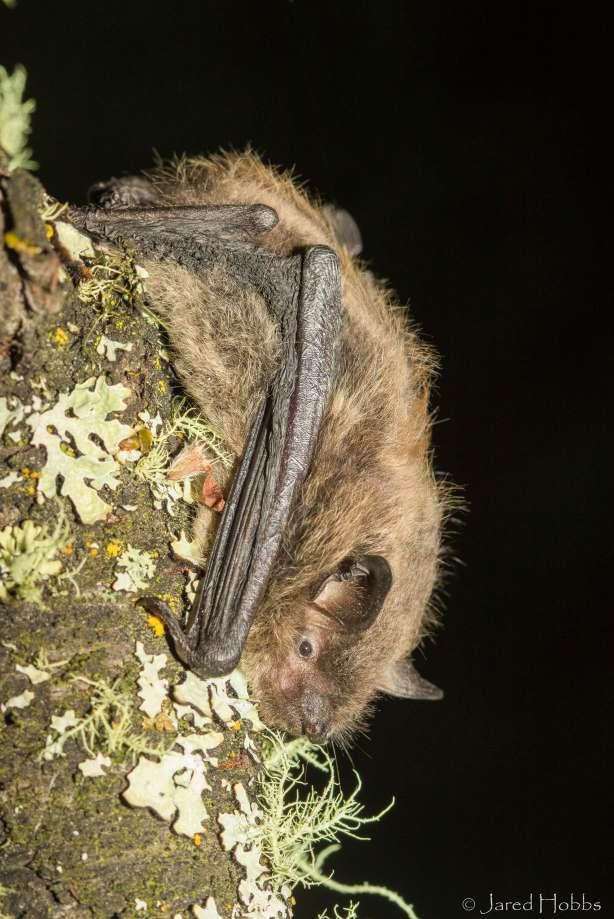
Northern Myotis. Photo by Jared Hobbs, RPBio.
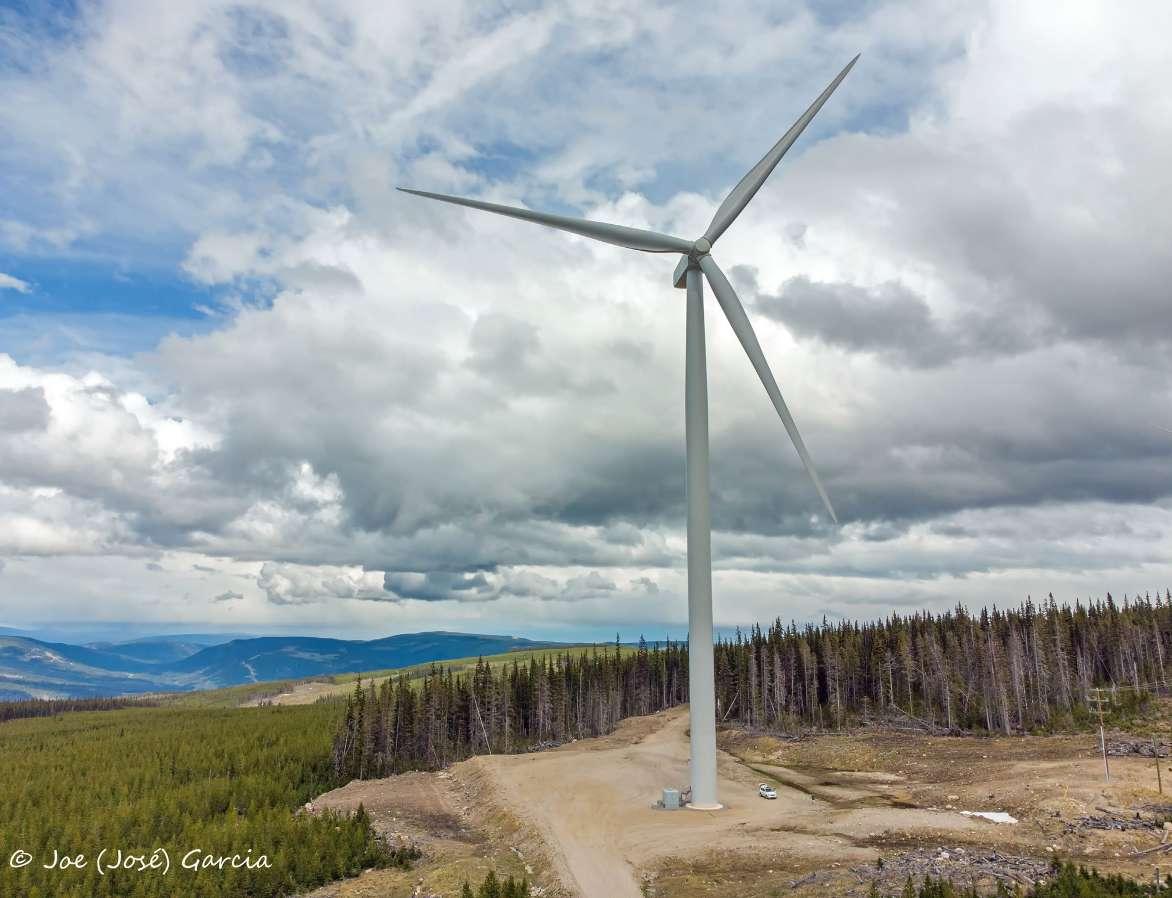
Shinish Creek Wind Farm. The farm is about 16 kilometres on the Trout Main Forestry Road and Southeast of Osprey Lake, BC. Photo credit by Joe (José) Garcia.
Managing impacts to bats
Wind energy and bats can coexist. There are proven-effective approaches to reduce mortality of bats with minimal power loss at wind facilities. Under the Professional Reliance model in BC, appropriately Qualified Professionals (QPs) working on projects can help ensure essential mitigations are in place so that wind power generation and bat conservation objectives are balanced.
In BC, regulation of wind power projects has been delegated to the BC Energy Regulator (BCER), through the Renewable Energy Projects (Streamlined Permitting) Act passed in 2025. Project applications, review, and permitting are through BCER. Information and guidance for QPs is available at: https://www.bc-er.ca/what-we-regulate/renewables/.
In 2025, the B.C. Ministry of Water, Land and Resource Stewardship updated the BC Best Management Practices for Bats and Wind Development (B.C. Ministry of Water, Land and Resource Stewardship 2025).
These guidelines outline the currently-recommended approach to avoid and/or minimize impacts of wind development on bats following the mitigation hierarchy of the Environmental Mitigation Policy for B.C. (Government of BC 2014):
> Avoid impacts through careful siting of developments and individual turbine locations – conduct pre-construction surveys to identify bat habitat including foraging, roosting, and hibernacula habitats, local bat presence, and activity patterns. Even with careful siting, research suggests that bats may nevertheless be attracted to wind developments (e.g., Jonasson et al. 2024).
> Minimize bat mortalities by implementing mitigation measures. Currently, the most effective approach is to stop turbine blades from spinning (curtailment) when there is a high risk of bat fatalities, such as during fall migration (Berthinussen et al. 2021). The BC BMPs (2025) include proactive curtailment during the high-risk period immediately upon operation of a new wind development.
> Monitor and assess effectiveness. With rapidly evolving turbine designs and technologies, assessing the effectiveness of mitigations in BC is essential. Standardized monitoring and yearly submission of data and reports to the BC Wildlife Species and Inventory database are recommended to support adaptive management.
> Restore and offset residual impacts. Decisions around residual impacts and offsetting or compensation measures will be made by the BC Energy Regulator.
With ongoing changes in regulation and current research into bat populations, movement patterns, and mitigations (e.g., Frick et al. 2026), it is important to regularly check the available guidance for updates and new approaches to best minimize wind power development impacts to bats.
Little Brown Bat. Photo by Jared Hobbs, RPBio.
Considering Cumulative Effects in British Columbia: A Practical Overview of the B.C. Cumulative Effects Framework for Applied Biologists
By Melissa Lucchetta, BSc, MRM
EVERY
DEVELOPMENT CONSTRUCTED, stream altered, road built, or landscape modified contributes to cumulative impacts on British Columbia’s lands and waters. Over time, these impacts can affect ecological values such as species, habitats and overall ecosystem function. For applied biologists, the scientific and professional challenge is not simply understanding individual impacts. Rather, it is understanding how cumulative effects from multiple activities over time change environmental conditions and how to account for them when providing expert advice or making decisions.
The B.C.Cumulative Effects Framework (CEF) was developed to support this understanding of the landbase and impacts on values by providing useful tools for understanding cumulative effects in the province today.
This article provides an overview of the CEF, how applied biologists can use it in practice, and why cumulative effects considerations matter in day-to-day professional work. It also highlights how the framework can support informed decisionmaking and responsible resource management across BC.
What
are cumulative effects, and why do they matter?
Cumulative effects are changes to environmental, social, and economic values caused by the combined effects of past, present, and potential future human activities and natural processes. These changes may occur on various spatial and temporal scales and can result from the accumulation of impacts from a single activity over time, as well as from the interaction of multiple activities occurring at once or over time.
Established in 2016, the CEF provides a set of policies, procedures, and decision-support tools that helps identify and manage cumulative effects across the province. It is guided by the CEF Interim Policy for the Natural Resource Sector (2016), which outlines an approach to assess and manage cumulative effects in BC. The CEF and Interim Policy do not create new legislative
requirements; rather it informs and guides cumulative effects considerations through existing natural resource sector legislation, policies, programs, and initiatives.
How the CEF works
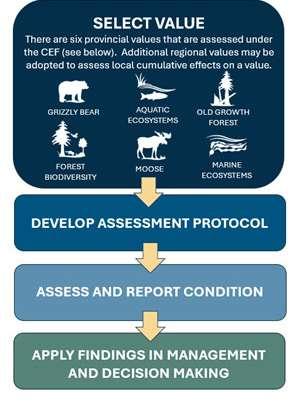
The CEF uses a structured framework to identify, assess, and manage cumulative effects on values across BC. Values represent “things that the people and government of BC care about and see as important for assuring the integrity and well-being of the province’s people and communities, economies, and ecological systems” (CEF Interim Policy, 2016). Figure 1 outlines the six values that are assessed across BC under the CEF and the main steps in the provincial framework.
Once values are selected, an assessment protocol is developed. The protocol outlines indicators, an assessment methodology, and data sources to assess an individual value. Once the protocol
Figure 1. Provincial CEF values and key steps in the CEF.
is developed, relevant data are compiled and run through the assessment model for a defined spatial area. Assessment results are then published to the BC Data Catalogue, presented in web map applications, and in some cases summarized in current condition reports which describe the condition of the value, identify areas of concern, and highlight potential management considerations. All this information can be used to inform planning, management, and decision-making.
Why the CEF matters and applying it in practice
Managing cumulative effects is a shared responsibility between government and natural resource professionals, and applied biologists play a key role in helping to mitigate and manage cumulative effects. Whether assessing a habitat for a species at risk, evaluating the impacts of linear infrastructure on wildlife movement, reviewing the condition of a fish-bearing stream, or contributing input to recovery planning, advice is more powerful when it considers all impacts and not just a single activity.
Using available CEF information can help applied biologists:
> Integrate site-level observations, assessments, and analyses within broader landscape and watershed contexts, supporting work that involves investigation, evaluation, monitoring, and interpretation of biological systems.
> Identify cumulative pressures, interactions, or emerging impacts on environmental values that may influence species, habitats, ecosystems, or ecological processes beyond the scale of an individual site or activity.
> Strengthen the defensibility of professional advice, mitigation measures, and management recommendations by situating conclusions within existing environmental conditions, trends, and cumulative context.
> Support more informed and constructive engagement with First Nations, regulators, proponents, and other partners by grounding discussions in shared information about landscape condition, change over time, and risks to key values.
In practice, there is no single way to apply CEF data. Appropriate use depends on local conditions, values of concern, and the nature of the work being done. CEF data is most useful at the landscape level, such as during land use planning. CEF data can help biologists inform strategic decisions such as identifying priority areas for conservation, highlighting emerging risks to ecological values, and evaluating how different management or development scenarios may influence ecosystem conditions over time.
CEF outputs can also support operational level planning and decisions by providing broader context for site specific assessments. For example, if a proposed activity occurs within an area identified as high risk to a particular value, a biologist may recommend changes to project design, spatial layout, timing, or mitigation measures to reduce incremental impacts. In all cases, CEF data helps build a more complete picture of environmental conditions and the values they support.
Guidance for applied biology professionals
Recent guidance has been released under the CEF to support the consideration of cumulative effects in applications for land and resource use activities that are not subject to the Environmental Assessment Act, but where an analysis of cumulative effects is required. It outlines how applied biology professionals can consider cumulative effects on environmental values and evaluate and mitigate how a proposed project may contribute to those effects.
Accompanying user guides for specific CEF value assessments have also been released. These guides explain how to interpret CEF assessment results, understand current conditions, assess how an activity may contribute to risk, and identify actions to reduce or mitigate cumulative effects. User guides are available for the Forest Biodiversity, Aquatic Ecosystems, and Grizzly Bear values.
Getting started
Multiple resources, including guidance documents, online tools, and more, are on the CEF website. Spatial datasets are also available through the BC Data Catalogue and can be explored using interactive web map applications, allowing users to visualize cumulative effects indicators across the province.
Resources
> BC CEF website: Access data, guidance, value protocols, and learning materials
> CEF Assessment Portal: This online tool helps users identify available cumulative effects assessments within a specific area of interest
> For general inquiries, please contact CumulativeEffects@gov.bc.ca
Environmental Assessment in BC and Yukon: Navigating Process Variations Across Mining Exploration, Construction, and Operations
By Mary Mioska, MSc, PEng Bayview Solutions Inc.
BIOLOGISTS IN BRITISH Columbia often work across provincial boundaries — particularly in Yukon. Yukon is a small, still-developing jurisdiction with fewer residents than the town of Vernon, BC, having only achieved devolution from the Government of Canada (GoC) in 2003 when the Government of Yukon (YG) took over land and resource management responsibilities. As such, Yukon frequently consults or adapts BC's technical frameworks and guidance as the basis for its own policy and standards, making familiarity with BC practice an asset for biologists working north of the 60th parallel. Despite opportunity for alignment, the environmental assessment (EA) frameworks governing mine permitting in each jurisdiction differ in fundamental ways, directly affecting how biologists contribute to the permitting process.
During preparation of this article the author used Claude AI to consolidate initial article content. After using this tool/service, the author(s) reviewed and edited the content as needed and take(s) full responsibility for the content of the article.
Rights-based assessment in the Yukon
BC's Environmental Assessment Act was first introduced in 2002 (BCEAA 2002) and amended in 2018 (BCEAA 2018). Similarly, the Yukon Environmental and Socio-economic Assessment Act (YESAA) came into effect in 2003, however, there have been few changes since its inception. Whereas BCEAA 2018 is provincial legislation, fully integrated into the provincial mine permitting process, YESAA is federally legislated, an outcome of the Umbrella Final Agreement (UFA), negotiated by all 14 Yukon First Nations with YG and GoC. As such, YESAA reflects a degree of Indigenous consultation and self-governance yet to be achieved in BC.
In BC, the Environmental Assessment Office coordinates directly with provincial ministries, and an EA Certificate flows into permits and authorizations issued by the various Provincial regulators through a unified regulatory framework. In Yukon, YESAA is administered by the YESA Board (YESAB) — a minimum of seven members appointed from YG, GoC, and the Council of Yukon
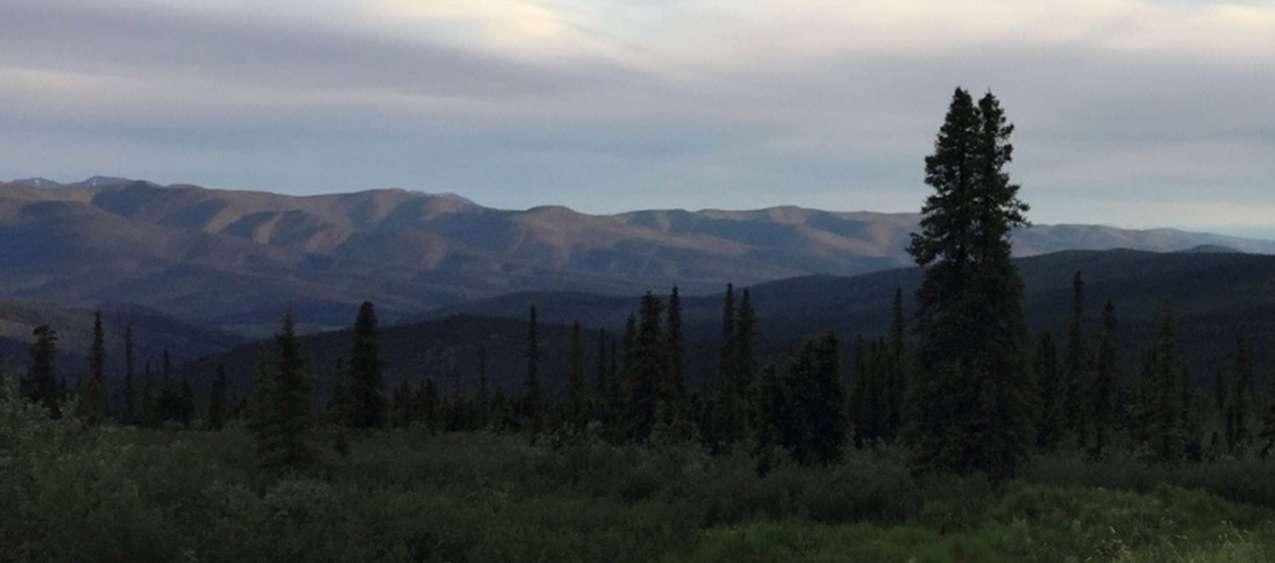
Land of the Midnight Sun: Looking over the St. Elias Mountains from the Casino Mine Project, Yukon at 11:30 pm June 20. Photo by Mary Mioska, PEng.
First Nations — with the authority to make recommendations to regulators regarding whether a project should proceed and under what terms and conditions. YESAB is external to government, not embedded within it.
For biologists, this means navigating an additional layer of process operating parallel to Yukon's mine permitting regime, with a higher expectation of Indigenous technical engagement from the outset and awareness that the reviewing body represents a fundamentally different accountability structure than a provincial regulator.
Assessment triggers: A compounding burden
In BC, for smaller exploration projects, an EA may not be required unless the proposed project meets certain triggers (e.g., ore production capacities, waste volumes, or disturbance areas). For major mining projects, a formal EA process is required under BCEAA 2018, and subsequent changes are addressed through certificate amendments, a resource-intensive, but bounded process.
In Yukon, any project requiring a permit or authorization also requires a YESAA assessment. The designated activities list is broad enough that any sized mining operation (from exploration through to large mining operations), and routine operational changes can trigger a new assessment.
Unlike BC, completed reviews cannot be amended once a recommendation is sent. Biologists may be required to regenerate or duplicate baseline studies, update impact assessments, and re-engage technical working groups for changes that would not register as regulatory events in BC. This continuous assessment cycle strains everyone: proponents face cost and schedule uncertainty, regulators manage overlapping files, and Yukon First Nations — many with small technical teams — are asked to review and respond repeatedly.
These differences underscore the importance of adaptability and regulatory fluency for biologists working in the mining sector. Success in either jurisdiction depends on staying current with evolving regulations, fostering collaborative relationships with regulators and Indigenous partners, and applying best practices suited to each region's governance structure. This diligence streamlines approvals, supports responsible resource development, and protects northern ecosystems. Recognizing this dynamic early is critical to scoping work realistically and advising clients accordingly.
Mioska is Principal at Bayview Solutions Inc., specializing in mine permitting and regulatory affairs across BC and Yukon.
Mary
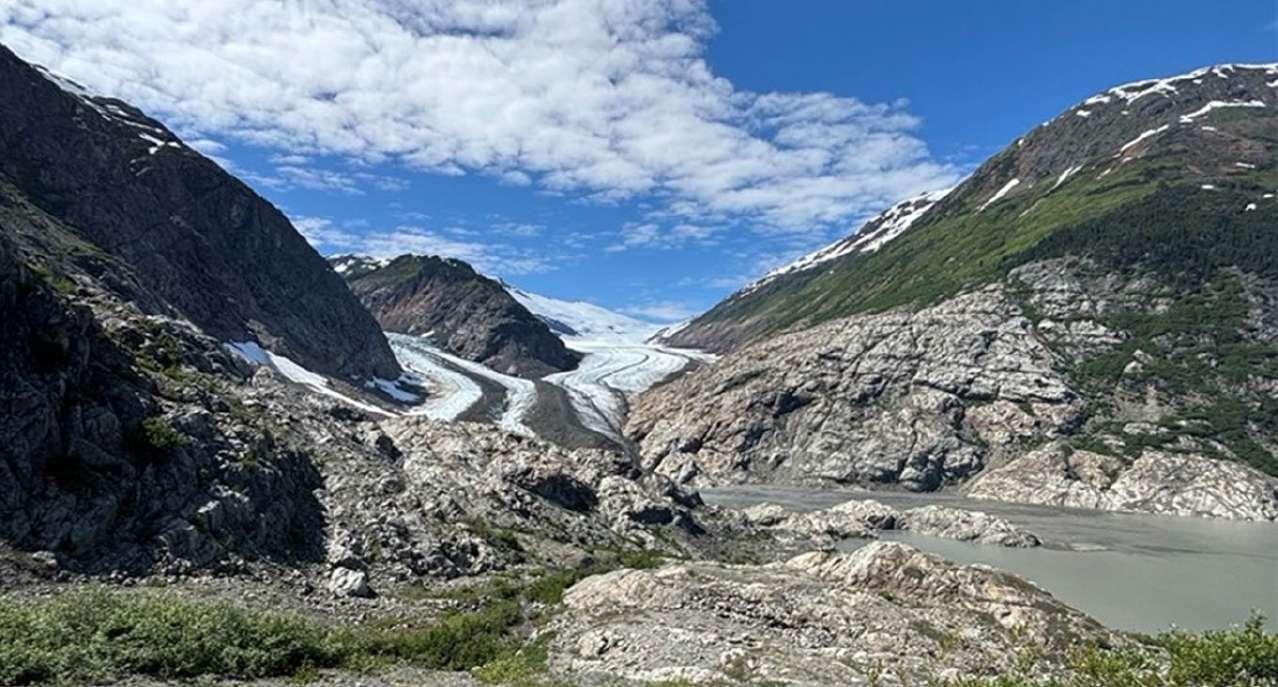
Room with a View: The Berendon Glacier view from the outhouses at the Scottie Gold Mine exploration project, BC. Photo by Mary Mioska, PEng.
Knowledge from the Land: How Inuit Marine Expertise Strengthened the Grays Bay Port and Road Impact Statement
By Conor McCracken, BSc, RPBio, Senior Marine Biologist, Stantec Consulting and Joseph Beland, MMM, RPBio, PBiol, Senior Marine Biologist, Stantec Consulting
APPLIED BIOLOGY
INVOLVES decision-making under real-world conditions, where field constraints, safety considerations, data gaps, and regulatory expectations shape how science is practiced. In the marine Arctic environment, these challenges are compounded by extreme remoteness, short open-water seasons, limited access, dynamic ice conditions, and rapidly changing weather, all of which limit when and how surveys can be conducted. The marine components of the proposed Kogloktoakyok (Grays Bay) Port and Road Project in Nunavut’s Kitikmeot Region illustrates how integrating Inuit knowledge and expertise with Western science from the outset can strengthen field data collection, help address environmental constraints, and support professional judgment throughout the assessment process.
Building a gateway to the North
The Grays Bay Road and Port Project is a proposed deep water port on the Arctic Ocean (Coronation Gulf) with an accompanying all season road. Led by West Kitikmeot Resources Corp. (WKR), an Inuit-owned proponent, the project is a major transportation infrastructure initiative in Canada’s North. Once constructed, it will provide the first land link between Nunavut and the rest of Canada, while the deep-water port will support large-vessel shipping between Nunavut and national and international destinations.
The project is subject to a full review in accordance with the Nunavut Land Claims Agreement Act and the Nunavut Project Planning and Assessment Act. To fulfill this obligation, an Impact Statement (i.e., environmental effects assessment) was prepared and submitted in early 2026 in accordance with Nunavut Impact Review Board guidelines. The guidelines for the filing were established through a year-long process to understand community concerns and to define the scope of topics of interest to communities and regulators.
Inuit Knowledge as a foundation, not an add-on
Rather than viewing knowledge systems as competing sources of information, the Grays Bay assessment approached Inuit Knowledge and Western Science as complementary strengths, with Inuit Knowledge informing the assessment as a foundation at the outset, rather than serving as a supplemental piece. Information obtained informed early project planning, evaluation of alternatives, and ultimately the selection of the Grays Bay port location and road alignment. These decisions were shaped by Inuit perspectives on sensitive areas, travel corridors, harvesting locations, and long-term land use—considerations that cannot be fully captured through satellite imagery or short-term studies alone.
A primary source of Inuit Knowledge used for the proposed Grays Bay Port and Road Project was compiled by the Kitikmeot Inuit Association using the Naonaiyaotit Traditional Knowledge
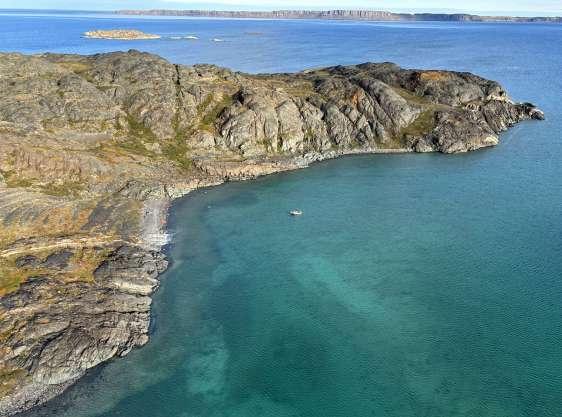
Aerial view of proposed Grays Bay Port location. Photo by Conor McCracken, RPBio.
A stronger assessment through shared knowledge
One of the most important outcomes of the Grays Bay assessment is not any single dataset, but the collaborative framework itself. Inuit Knowledge and Western marine science were treated as complementary. Inuit expertise provided continuity and ecological context, while scientific methods supplied analytical rigour, regulatory alignment, and monitoring tools.
Another key lesson from Grays Bay is the importance of ongoing learning and adaptability. Environmental understanding does not end with baseline studies. The Impact Statement commits to ongoing engagement and adaptive management, recognizing that Inuit observations will continue to inform monitoring and management as conditions and project activities evolve.
Project Atlas. This Inuit-managed, GIS-based repository documents Inuit understanding of traditional land, marine, and resource use, as well as cultural values tied to specific places. It was accessed under a licence agreement with clear expectations around consent, use, and accountability. This approach reflects ethical standards increasingly expected of applied biologists and reinforces that respectful collaboration requires structure, transparency, and trust.
Guiding marine field programs in complex waters
Inuit have travelled, harvested, and observed the waters and lands surrounding the Coronation Gulf for millennia, developing a detailed understanding of seasonal ice movement, wind patterns, currents, and wildlife migrations. This long-term, place-based knowledge informed the planning, timing, and feasibility of marine field programs at Grays Bay. Local understanding of prevailing winds, ice break up and freeze up patterns, and seasonal marine productivity helped identify when surveys could be conducted safely and where sampling effort would be most effective. For applied biologists, this highlights how Indigenous knowledge can materially improve field efficiency, reduce operational risk, and provide more reliable baseline characterization of marine ecosystem components, such as marine mammals, fish, benthic invertebrates, and habitat.
In a changing Arctic, where projects must balance development, environmental protection, and community well-being, this model of collaboration offers a powerful lesson: the most successful projects begin by listening to those who know the land best—and by building partnerships that endure long after the last report is filed. For College of Applied Biology registrants and future professionals, this is Applied Biology in practice.
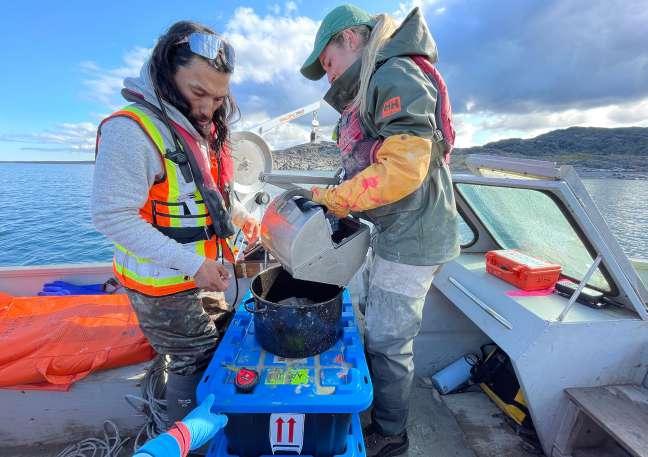
Field crews collecting sediment samples for physical, chemical, and benthic community analysis. Photo by Conor McCracken, RPBio.
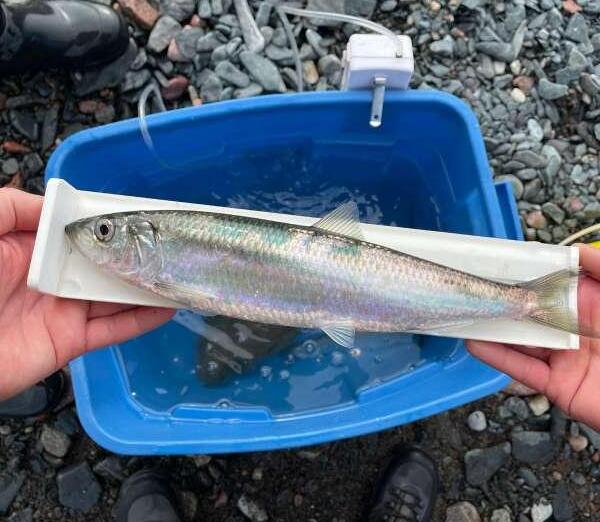
Pacific herring (Clupea pallasii) captured at Grays Bay. Photo by Conor McCraken, RPBio.
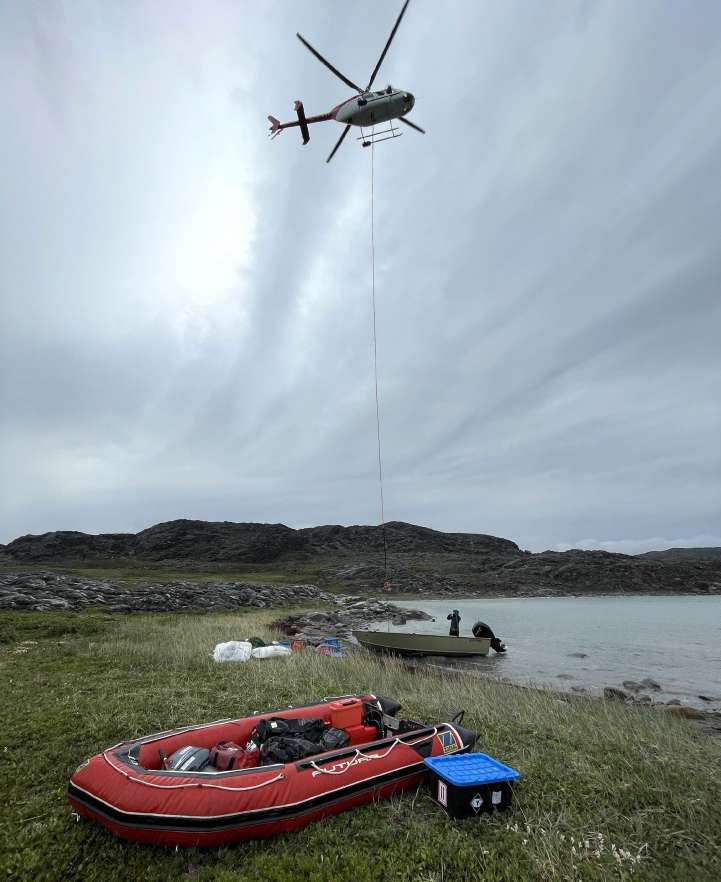
Helicopter delivery of survey boats and equipment to Grays Bay
Photo by Conor McCracken, RPBio.
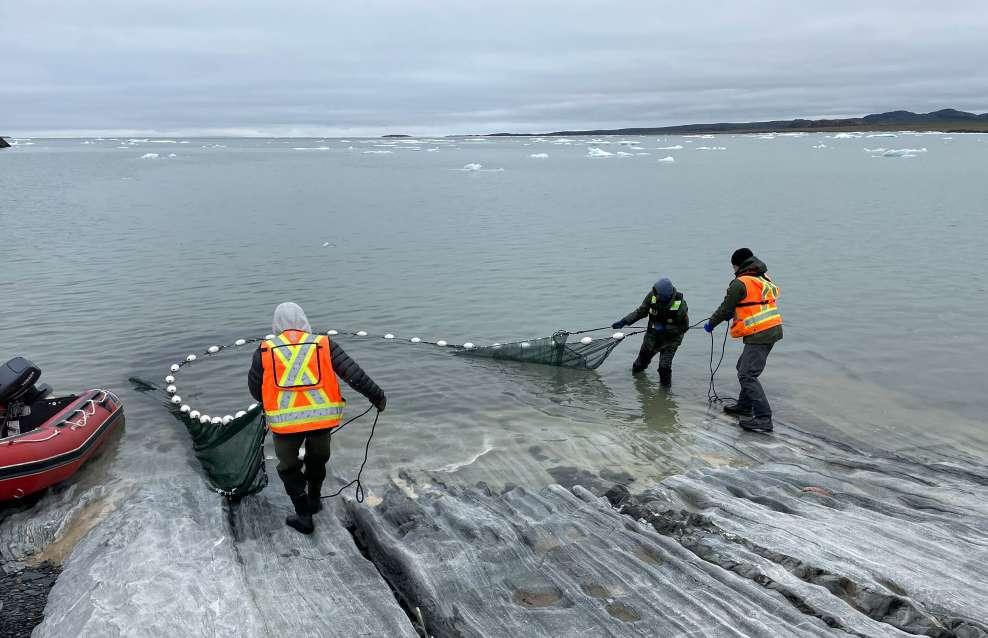
Field crews completing marine fish sampling using a beach seine at Grays Bay
Photo by Conor McCracken, RPBio.
Government of British Columbia Releases the Draft Wetland Identification and Delineation Manual
By Karen Stefanyk, RPBio Wetland Specialist, Ministry of Water, Land and Resource Stewardship
BRITISH COLUMBIA HAS reached an important milestone in wetland stewardship with the release of the draft British Columbia Wetland Identification and Delineation Manual (Draft Manual). The Draft Manual was publicly posted in September 2025 as a Resource Information Standards Committee (RISC) Standard Supporting resources include a Wetland Determination Field Form and the B.C. Plant Indicator Status List. Together, these materials represent a significant step toward improving consistency, clarity, and transparency in wetland delineation across the province.
The Draft Manual is intended to support practitioners who are required to identify and delineate the boundaries of wetlands for assessment and permitting purposes. It differs from classification resources such as Land Management Handbook (LMH) 52 (Mackenzie and Moran 2004) and regional LMHs, which support wetland identification and classification under the Biogeoclimatic Ecosystem Classification (BEC) system, including non-forested ecosystems (nBEC).
Wetlands play a critical role in supporting biodiversity, regulating hydrology, storing carbon, and providing cultural and community values. At the same time, practitioners, regulators, and proponents have long identified the need for clearer and more standardized guidance on wetland identification and boundary delineation. The Draft Manual responds to this need by providing province-wide direction intended to support professional practice, regulatory decision-making, and long-term wetland conservation outcomes.
The Draft Manual has been developed for use by qualified professionals, including agrologists, biologists, foresters, and other environmental practitioners involved in wetland assessment. Its intent is to support consistent application of methods across ecological regions, land use contexts, and project types, while remaining practical and defensible in the field. Posting the Draft Manual reflects a commitment to transparency
and collaboration, and recognizes the importance of practitioner input before finalization.
Use of the Draft Manual is voluntary during the trial period and can be recommended at the discretion of a statutory decision maker.
Public review and comment period
The Draft Manual is open for review and comment until August 2026. This trial period is a critical opportunity for professionals, Indigenous Nations, local governments, industry representatives, non-government organizations, and other interested parties to provide feedback based on practical experience and regional knowledge. All comments will be reviewed and considered as part of the refinement process.
An updated version of the Draft Manual is anticipated for release in fall 2026, following the close of the comment period and incorporation of feedback.
This iterative approach is intended to ensure the final standard is both technically sound and workable in real-world applications.
To provide general feedback on the Draft Manual, please complete the online feedback form available here: https://forms.office.com/r/aW9xkFKKTv.
More detailed or technical comments may be provided using the lined version of the Draft Manual and accompanying comment sheet, available here and submitted to wetlands@gov.bc.ca
Call for photo submissions
In addition to written feedback, the Government of British Columbia is also soliciting photo submissions for potential inclusion in the Manual. High-quality photographs are a valuable tool for illustrating wetland characteristics, boundaries, and field indicators; and can significantly enhance the usability of technical guidance. Images from across British Columbia’s diverse landscapes and wetland types are encouraged, particularly those that illustrate regional variability or common field conditions.
All submitted photos must comply with the Government of B.C.’s copyright requirements. Copyright guidance and the required consent form are available on the B.C. Copyright and Model Consent webpage. Additional information on photo submission is included in the Preface of the Draft Manual.
Relevance to College professionals
The Draft Manual is of particular relevance to registrants of the College of Applied Biologists. Applied Biology Professionals frequently play a central role in wetland assessment and reporting, as they commonly possess both the authority and competence to provide informed, constructive input based on scientific training and professional experience in this area. Participation in the review process supports both the quality of the final standard and broader goals of professional accountability and environmental stewardship.
CAB registrants are encouraged to review the Draft Manual, identify areas for clarification, share insights, and contribute photographs where appropriate. Engagement in this process will help ensure the final B.C. Wetland Identification and Delineation Manual reflects best available knowledge and supports effective, consistent wetland management across British Columbia.
For more information about wetlands in British Columbia, please visit www.gov.bc.ca/wetlands
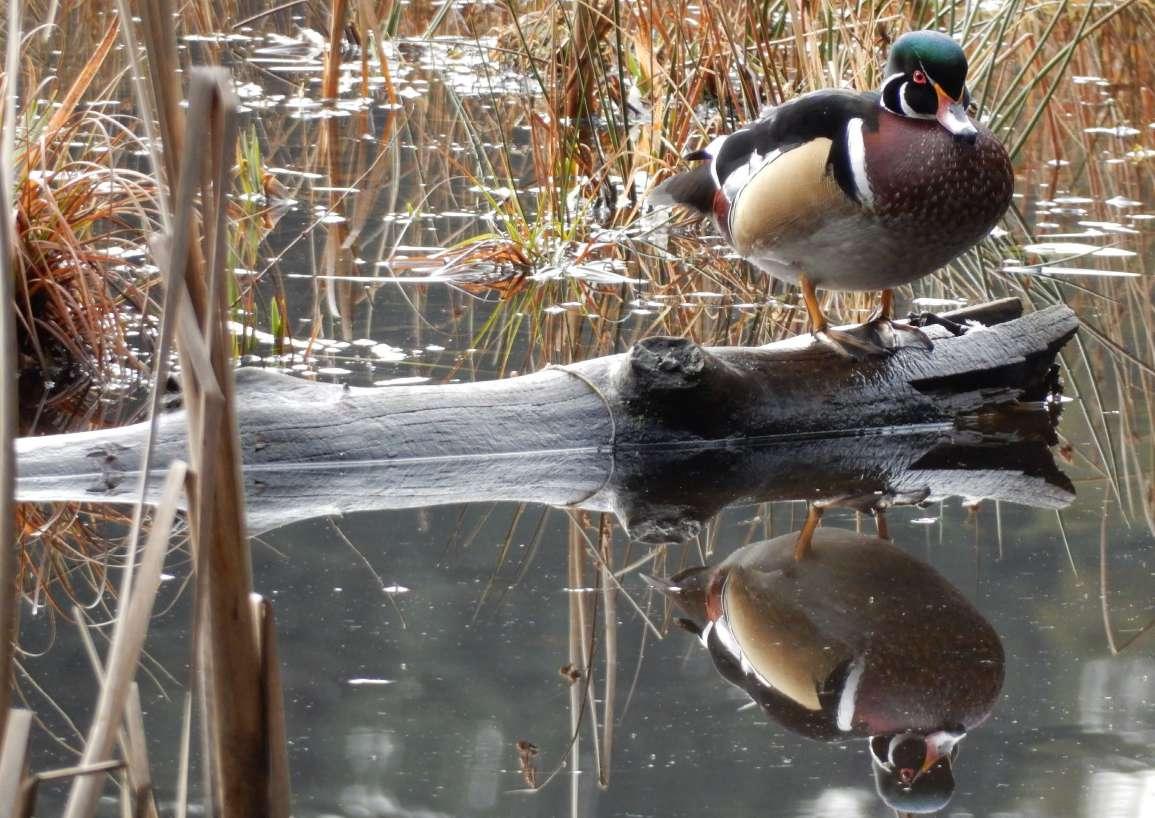
Wood duck. Photo by Caroline Astley.
Notes, References & Links
Feral Pig Management in British Columbia — Page 11
Animal Health Canada. 2024 Canadian Invasive Wild Pig Report. PDF. December 2, 2025. https://animalhealthcanada.ca/pdfs/AHC-WildPig-Map--Report-2024-EN-final.pdf
Barrios-Garcia, M. N., and S. A. Ballari. “Impact of Wild Boar (Sus scrofa) in Its Introduced and Native Range: A Review.” Biological Invasions 14 (2012): 2283–2300. https://doi.org/10.1007/s10530-012-0229-6
Bevins, Sarah N., et al. “Consequences Associated with the Recent Range Expansion of Nonnative Feral Swine.” BioScience 64, no. 4 (2014): 291–99. https://doi.org/10.1093/biosci/biu015
Brook, Ryan K., and Floris M. van Beest. “Feral Wild Boar Distribution and Perceptions of Risk on the Central Canadian Prairies.” Wildlife Society Bulletin 38, no. 3 (2014): 486–94. https://doi.org/10.1002/wsb.424.
Canadian Food Inspection Agency. “African Swine Fever.” Government of Canada, 2025. https://inspection.canada.ca/en/animal-health/ terrestrial-animals/diseases/reportable/african-swine-fever
Government of British Columbia. Designation and Exemption Regulation, B.C. Reg. 168/90. 2022. https://www.bclaws.gov.bc.ca/civix/ document/id/complete/statreg/13_168_90
Government of British Columbia. Small Lot Pork Producer Resource Manual. 2023. https://www2.gov.bc.ca/assets/gov/farming-naturalresources-and-industry/agriculture-and-seafood/agricultural-land-and-environment/strengthening-farming/farm-practices/bc_small_lot_ pork_producer_resource_manual.pdf.
Government of British Columbia. Invasive Species Early Detection and Rapid Response Plan for British Columbia. 2014. https://www2. gov.bc.ca/assets/gov/environment/plants-animals-and-ecosystems/invasive-species/guidance-resources/prov_edrr_is_plan.pdf
Keuling, Oliver, and Giovanna Massei. “Does Hunting Affect the Behavior of Wild Pigs?” Human–Wildlife Interactions 15, no. 1 (2021): 44–55. https://doi.org/10.26077/3a83-9155
Wild Pigs Canada. “What’s the Pig Deal?” 2025. Accessed April 14, 2026. https://www.wildpigs.ca/whats-the-pig-deal/
Bats and Wind Power Development — Page 16
BC BAT. “BC Bat Action Team.” 2024. Accessed May 26, 2026. https://bcbat.ca/action-team/
Bri–tish Columbia Ministry of Water, Land and Resource Stewardship. Best Management Practices for Bats in British Columbia, Chapter 4: Wind Power Developments. Victoria, BC: B.C. Ministry of Water, Land and Resource Stewardship, 2025. https://a100.gov.bc.ca/pub/ eirs/finishDownloadDocument.do?subdocumentId=22354
Berthinussen, Amanda, O. C. Richardson, and John D. Altringham. Bat Conservation: Global Evidence for the Effects of Interventions. Conservation Evidence Series Synopses. Cambridge, UK: University of Cambridge, 2021.
Frick, Winifred F., et al. “Fatalities at Wind Turbines May Threaten Population Viability of a Migratory Bat.” Biological Conservation 209 (May 2017): 172–77. https://doi.org/10.1016/j.biocon.2017.02.023
Frick, Winifred F., Michael Whitby, et al. “A Global Decision Framework for Reducing Bat Fatalities at Wind Energy Facilities.” Ecological Solutions and Evidence 7, no. 1 (January 2026). https://doi.org/10.1002/2688-8319.70189.
Government of British Columbia. “Environmental Mitigation Policy for B.C.” 2014. Accessed May 26, 2026. https://www2.gov.bc.ca/ gov/content/environment/natural-resource-stewardship/laws-policies-standards-guidance/environmental-guidance-and-policy/ environmental-mitigation-policy
Government of British Columbia. “Powering Our Future: BC’s Clean Energy Strategy.” 2024. Accessed May 26, 2026. https://www2.gov. bc.ca/gov/content/industry/electricity-alternative-energy/powering-our-future.
Jonasson, Kristin A., et al. “A Multisensory Approach to Understanding Bat Responses to Wind Energy Developments.” Mammal Review 54, no. 3 (2024): 229–42. https://doi.org/10.1111/mam.12340.
Zimmerling, J. Ryan, and Charles M. Francis. “Bat Mortality Due to Wind Turbines in Canada.” The Journal of Wildlife Management 80, no. 8 (2016): 1360–69. https://doi.org/10.1002/jwmg.21128
Considering Cumulative Effects in British Columbia: A Practical Overview of the B.C. Cumulative Effects Framework for Applied Biologists — Page 19
Government of British Columbia. Cumulative Effects Analysis Guidance for Qualified Environmental Professionals (Version 1.0), 2026. https://www2.gov.bc.ca/gov/content?id=5BEB7BF2D357496DBEC2549D867580F2
Government of British Columbia. Cumulative Effects Framework Assessment Portal, 2026. https://experience.arcgis.com/experience/ c90fc8a412d84aa09425244ef2db671e/page/Introduction.
Government of British Columbia. Guide to Using Cumulative Effects Framework Assessments in Support of Natural Resource Activities: Aquatic Ecosystems (Version 1.0), 2026. https://www2.gov.bc.ca/gov/content?id=5BEB7BF2D357496DBEC2549D867580F2
Government of British Columbia. Guide to Using Cumulative Effects Framework Assessments in Support of Natural Resource Activities: Forest Biodiversity (Version 1.0), 2026. https://www2.gov.bc.ca/gov/content?id=5BEB7BF2D357496DBEC2549D867580F2
Government of British Columbia. Guide to Using Cumulative Effects Framework Assessments in Support of Natural Resource Activities: Grizzly Bear (Version 1.0), 2026. https://www2.gov.bc.ca/gov/content?id=5BEB7BF2D357496DBEC2549D867580F2
Government of British Columbia. Cumulative Effects Framework, 2026. https://www2.gov.bc.ca/gov/ content?id=E87B0DFB546347D79283EB0997B01BF5.
Government of British Columbia. Cumulative Effects Framework Interim Policy for the Natural Resource Sector, 2016. https://www2.gov. bc.ca/gov/content?id=E87B0DFB546347D79283EB0997B01BF5.
Other Links Featured in This Issue
> College of Applied Biology website (page 2): https://cab-bc.org/
> Past College Matters issues (page 2): https://cab-bc.org/college-matters-digital-edition/
> Penticton Lakeside Resort and Conference Centre (page 2): https://www.pentictonlakesideresort.com/
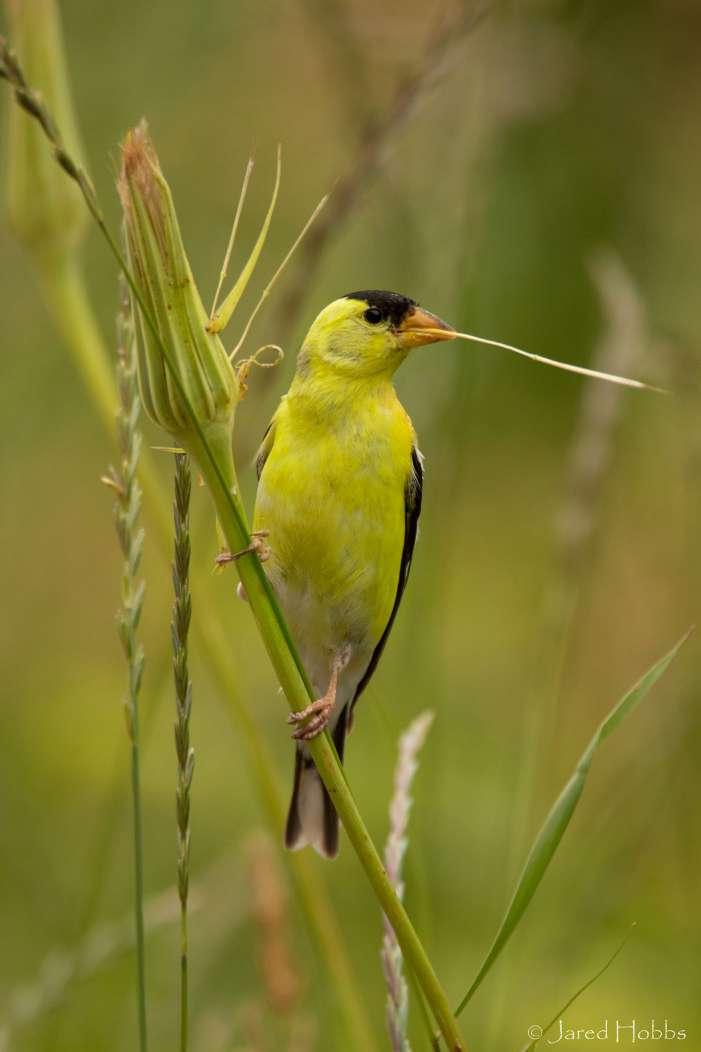
American Gold Finch, Kelowna. Photo by Jared Hobbs, RPBio.
By College Staff
Next Issue: Economic, Professional, and Personal Resilience
THE NEXT ISSUE of College Matters will cover the topic, Economic, Professional, and Personal Resilience. If you can suggest an author, interviewee, or would like to contribute an article yourself about challenges, strategies, and successes of navigating changing times, please contact cab@cab-bc.org. The deadline to submit an article is October 2, 2026.
If you’re interested in contributing to College Matters, contact the College at cab@cab-bc.org with your proposed topic. Submissions that are printed in an issue of College Matters can be claimed for Continuing Professional Development points!
Don't forget . . .
...to update your contact details in the College Portal if you change your name, phone number, email address, or employer.
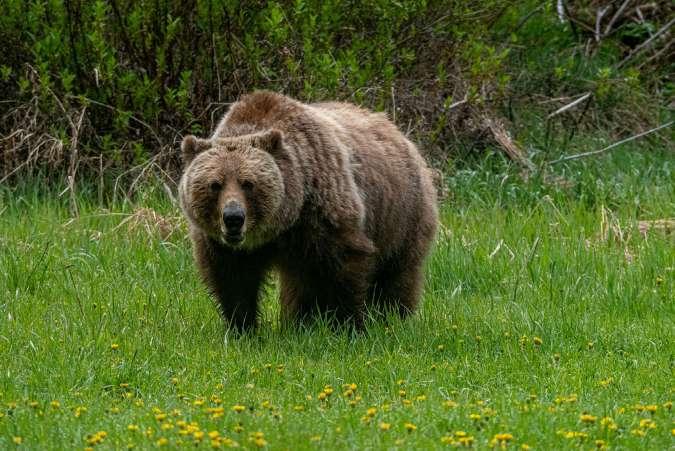
Grizzly bear, South Chilcotin Provincial Park, BC. Photo by Lesly Derksen - Unsplash.
Susan Wells
SUSAN WELLS, A respected business leader and dedicated public servant, passed away in September 2025. She served as a Lay Member of the College of Applied Biologists Board from January 2024 to May 2025, contributing thoughtful leadership and a strong commitment to the public interest.
Born in Taiwan, Susan immigrated to Canada with her family as a child. She built a distinguished career of more than 30 years across the hospitality, technology, and public service sectors,
earning a reputation for leading and transforming organizations. She held a Master of Arts in Liberal Studies from Simon Fraser University and completed certification through Indigenous Awareness Canada.
Susan’s lived experience across diverse communities enabled her to connect with others, bridge differences, and foster collaboration. She is deeply missed by her husband and daughter, as well as by the College Board and staff who had the privilege of working with her.
Susan Wells. Photo by Susan Wells.
Trillium. Photo by Jared Hobbs, RPBio.
2027 Conference in Penticton, BC
The College’s Annual Conference will take place April 7-9, 2027