
2025 College of Applied Biologists ANNUAL REPORT

Strategic Plan 2025 - 2029
Our Vision
A respected leader in professional accountablity.
Our Mission
To serve the public interest by regulating applied biology professionals. Our Values
• Collaboration: We build relationships to protect the public interest.
• Accountablity: We are open and transparent in our actions.
• Reconciliation: We promote, support, and incorporate reconciliation with Indigenous peoples, who have occupied and stewarded their lands since time immemorial.
• Respect: We respect the public, College registrants, and the profession of applied biology.
• Ethics: We follow the priniciples of administrative justice and take a fair, transparent, and judicious approach to the application of College processes.
• Resilience: We are adaptable to changing circumstances.

Message from the Outgoing Chair

As I transition from the role of Chair of the College of Applied Biologists, I have been reflecting on the organization’s evolution in regulating the practice of applied biology.
Over the past year, we have taken meaningful steps forward. We have updated our credentialing standards to increase flexibility and remove unnecessary barriers to registration, while continuing to ensure that applicants are competent and qualified. We have also collaborated with fellow regulators to advance practice guidelines and respond to proposed legislative changes across the province.
aligned with the College’s current needs.
I would also like to extend my heartfelt appreciation to our outgoing CEO, Christine Houghton, for her exceptional leadership over the past nine years. Christine guided the College through a period of significant transformation, including implementation of the Professional Governance Act and key bylaw changes, positioning the College as a respected leader in professional accountability.
Over the past year, we have taken meaningful steps forward
This May marks the beginning of a new chapter. I am very pleased to welcome our incoming CEO, who brings a strong combination of executive leadership, regulatory decision-making experience, and expertise in the natural resource sector, which are well
ANNUAL REPORT // 4
Finally, I want to thank our volunteers, committee and board members, and staff. The time, care, and professionalism you bring—often behind the scenes—are what make this organization work.

Corinna Hoodicoff, RPBio, Board Chair

INCREASE AWARENESS OF THE RESERVED PRACTICE OF APPLIED BIOLOGY
Seagull, by Robert Nathan Garlington - PixaBay
Strengthening the College
In 2025 the College began implementing its new five year Strategic Plan. Across our core functions, we saw meaningful progress and clear signs that our recent investments are strengthening the organization in lasting ways.
Requests for guidance on regulated and reserved practice continued to rise, and our statutory programs remained active. These pressures reinforced the value of the capacity building work already underway. We revised the Credentialing Standard, expanded our reserved title and reserved practice compliance program, updated the Practice Review Policy, and maintained strong delivery of all statutory programs—contributing to greater clarity, consistency, and confidence in the delivery of our mandate.
statutory committee members ensured we have the expertise needed to meet increasing demands.

Collaboration remained a bright spot.
We strengthened relationships with other regulatory bodies, revitalized the Environmental Professionals Panel, and maintained outreach to employers, ENGOs, governments, associations, and academic institutions—building shared understanding of regulated and reserved practice.
We also continued to invest in the people and systems that support a healthy and effective regulator. Implementing an organizational risk assessment tool and advancing our self evaluation against the Standards of Good Regulation are helping us identify opportunities for improvement and strengthen our resilience. Merit based recruitment for staff, assessors, and
We also advanced long term commitments. With an Indigenous partner, we established the College of Applied Biologists Indigenous Learning Scholarship. We successfully migrated our Annual General Meeting online, improving accessibility, and initiated work to assess the viability of regulating firms.
As 2025 was my last full year as CEO, I want to express my sincere gratitude to staff, volunteers, partners, and registrants. Together, we have built a stronger, more capable College—well positioned for the opportunities ahead.
Christine Houghton, Chief Executive Officer


The College’s four lay board members—Salman Azam, Alison Dennis, Mark De Croos, and Jason Kuzminski— played an active role this year by providing valuable oversight through their participation on the Board, Board Committees, and Working Groups.
Mark De Croos served as Chair of the Finance Governance Committee, where he offered strong financial leadership and guided the development of policies, reporting processes, and controls to support the College’s financial performance.
Jason Kuzminski served on the Conference Planning Working Group, where he contributed to the selection of the 2026 annual conference theme and the
LAY BOARD MEMBERS’
recruitment of panel presenters and as Vice Chair of the Finance Governance Committee. He also participated on the Recruitment Committee in the search for a new Chief Executive Officer.
Alison Dennis and Salman Azam joined the Board in September 2025 and have added new ideas and expertise to Board discussions.
Experiences like attending the annual conference and information sessions allow lay members to better understand how the College operates and fulfills its mandate. Their perspectives and contributions are a key element of maintaining and improving governance of the College.
Regulatory bodies are required to have four lay board members appointed by government serving on their boards. Lay board members bring an external and independent perspective from registrant board members and represent the public interest in the governance of the profession(s).


Jason Kuzminski
Alison Dennis
Mark De Croos
Salman Azam
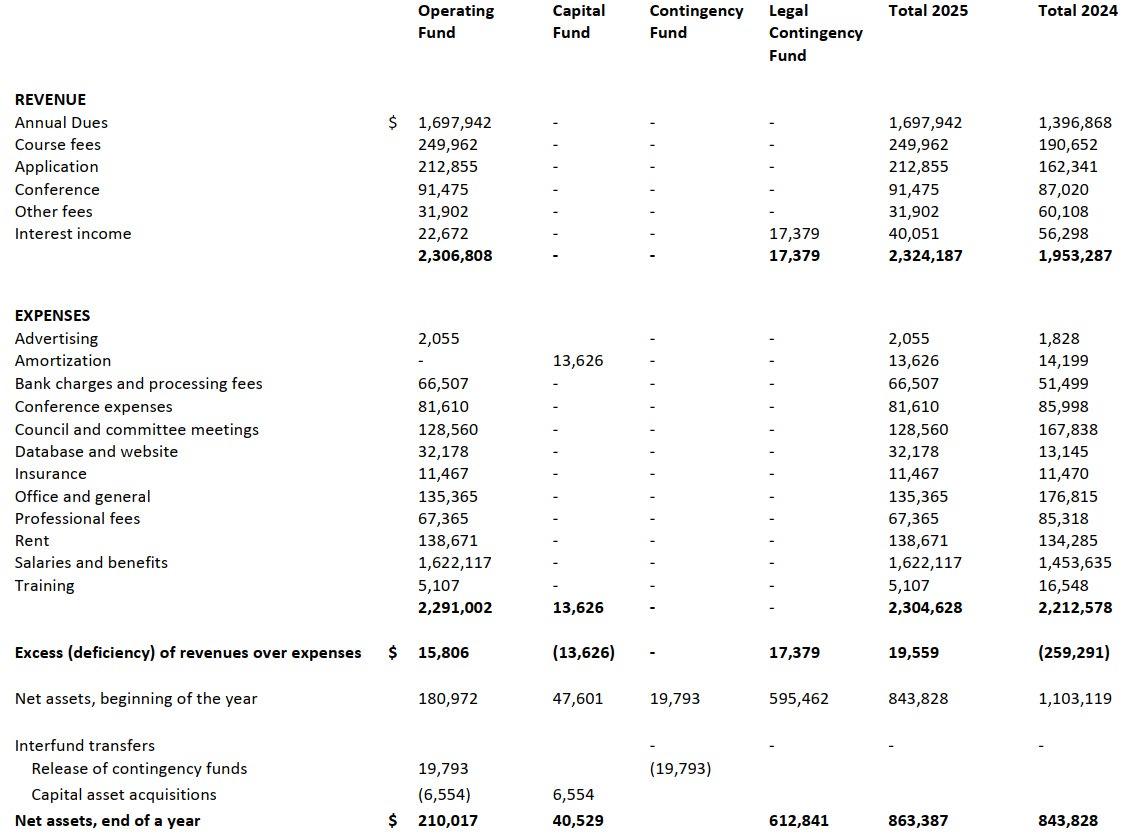
The College’s financial position remains strong with a continuing increase in registrations across all designations and ongoing efforts to find efficiencies without compromising the College’s statutory mandate.
2025 saw the College end the year with a small operating surplus. This was in part due to the 2025 dues increase, increased revenue from fees such as on-demand training courses, and some success with grants and sponsorships. We were also able to make some targeted operational savings.
While the College continues to grow in the number of registrants, it also continues to require investment into people, programs and systems to support delivery of our mandate.
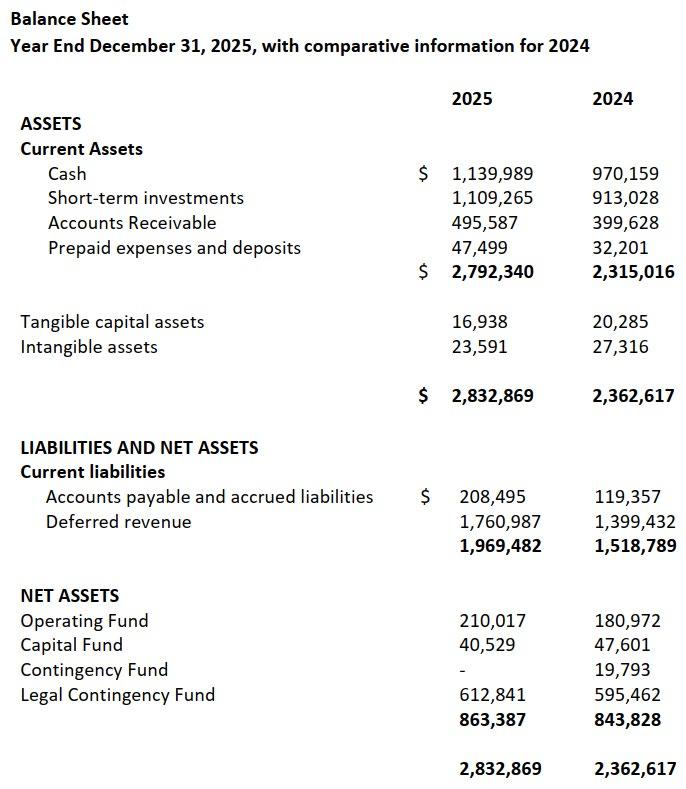
The Annual Report contains a summarized version of the financial statements. The full audited statements are available on the College’s website.
Mark De Croos Chair - Finance Governance Committee
Christine Houghton Chief Executive Officer
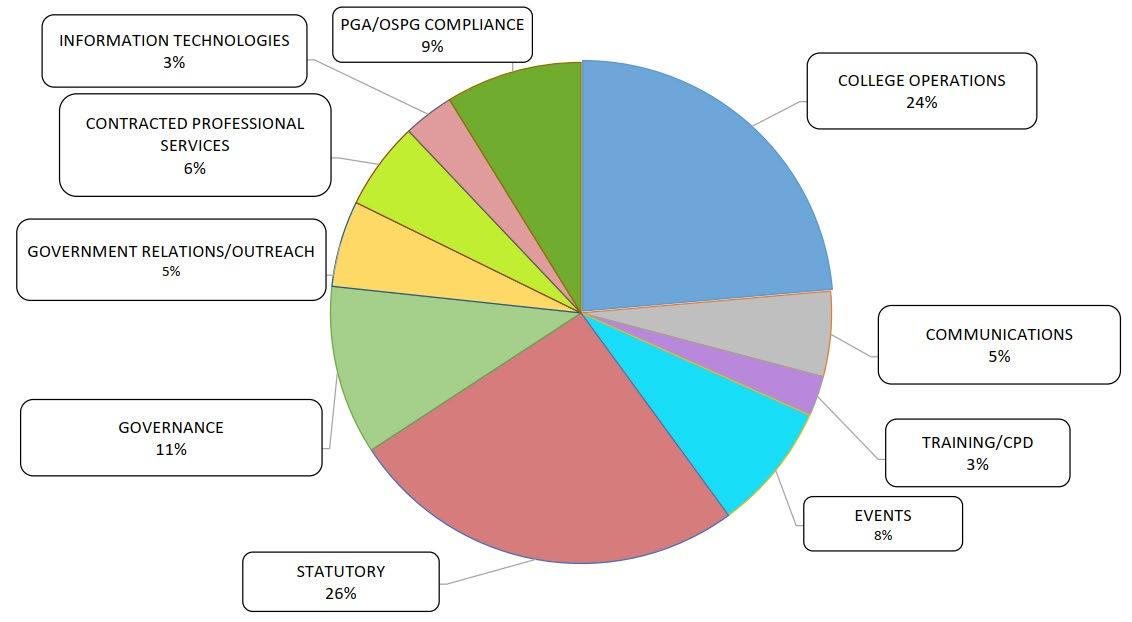
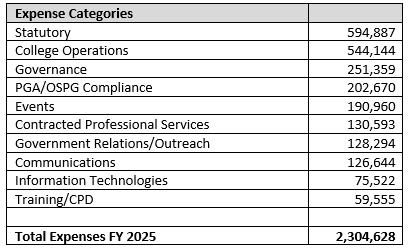
Expenses Allocations to Categories
The Finance Governance Committee provides oversight of budget development, monitoring and financial audit.
In 2025, the Nominations Committee continued to deliver a fair, transparent and impartial elections process in compliance with the Professional Governance Act.
Four members of the committee – three registrants and one Lay committee member – and the chair were appointed in June 2024 and an additional registrant committee member was appointed in August 2024. The committee began its work in September 2024. The College Board conducted a self-assessment of competencies in September 2024. The Nominations Committee used the Board Member self-assessment to develop a gap analysis to identify potential candidates and qualify them for the ballot. The Committee provided its final report to the Board in June 2025, where it was approved.
Eight applications were received for three vacancies (Vice Chair and two Board member positions). One applicant was determined to be ineligible because they had not been registered with the College for the requisite period. Two other applications were not reviewed because they were submitted with references that did not meet the eligibility requirements and the applicants did not resubmit eligible references prior to the deadline. The Committee recommended that three candidates should stand for election for the two available Board Member positions. As there was only one qualified applicant for the Vice Chair position, the committee advised the Board that this candidate would be acclaimed to the position.
The Committee adopted the following improvements to the nominations process that had been recommended from the previous year:
> Clarify procedure in policy 3-100 for when a mid-term Board member applies to run for Vice Chair
> Develop a brief document for prospective applicants that outlines the benefits of volunteering on the Board (e.g., CPD, professional growth, influencing the profession, etc.)
2025 Nominations Review
> 27 registrants contacted directly
> Eight applications received; one applicant was ineligible and two applications were not reviewed due to impermissible professional references
> Four nominees qualified by the Committee for the ballot
2025 Elections Review
> 562 ballots cast
> 19 per cent voter participation out of 2929 eligible voters
The Nomination Committee’s work includes communicating vacancies, identifying competencies, conducting a gap analysis of identified competencies and assessing potential nominees via a written application, interviews and verification of references.
> The College Register had 3910 registrants as of December 31, 2025.
> The Register increased by 337 College registrants, or 9.5%, from 2024.
> RPBios make up the majority of registrants (78%), with BITs being the next largest registrant category (15%).
> The number of RBTech registrants increased by 21%, and ABTs by 18%, since 2024.
> A total of 746 completed applications to join or reclassify were received, which represents a 20.9% increase from 2024.
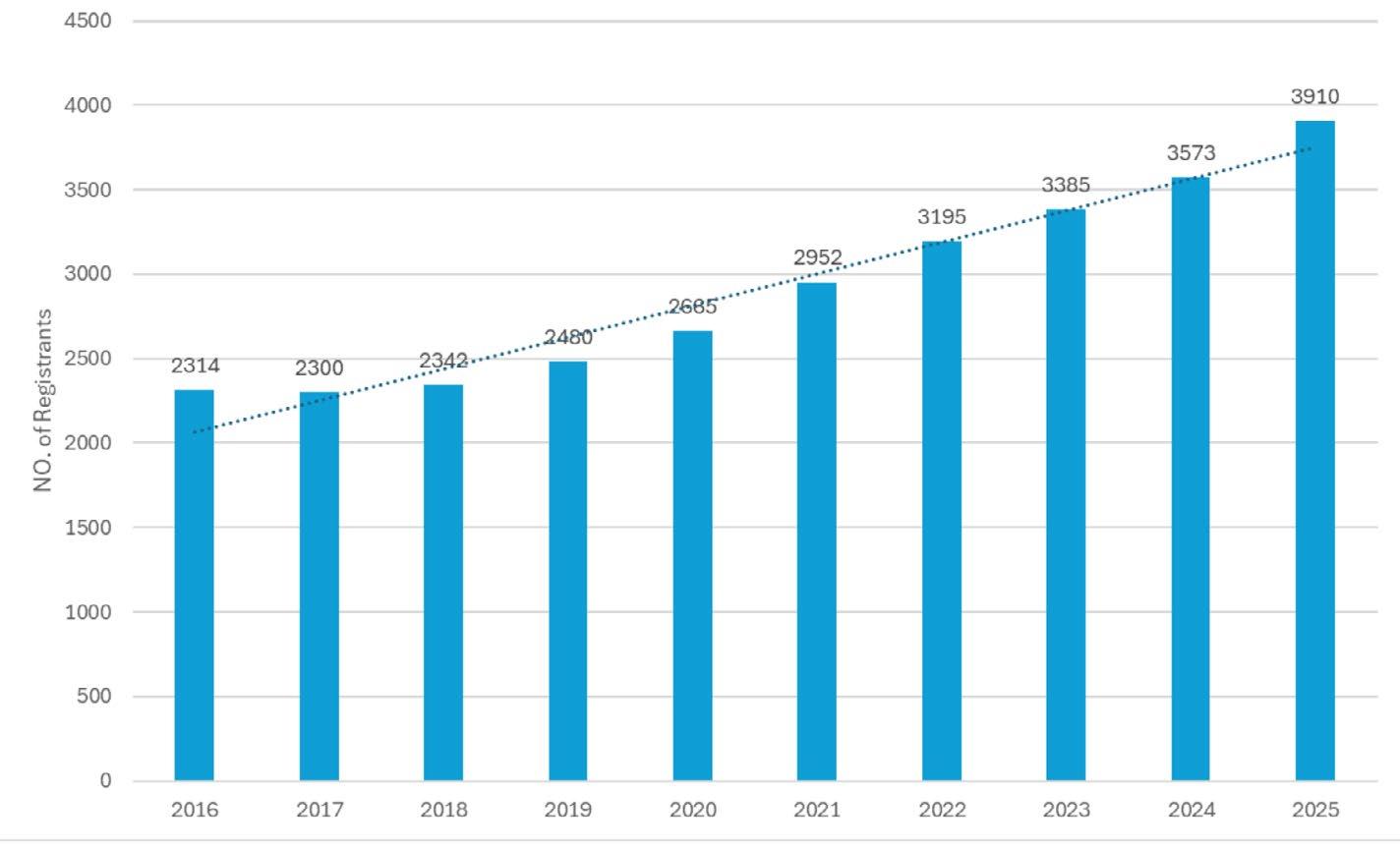
Registrants from 2016 to 2025 includes active, on leave and retired. Student Biologists are excluded as they are not a registrant under the Professional Governance Act.
2025 ANNUAL REPORT // 12
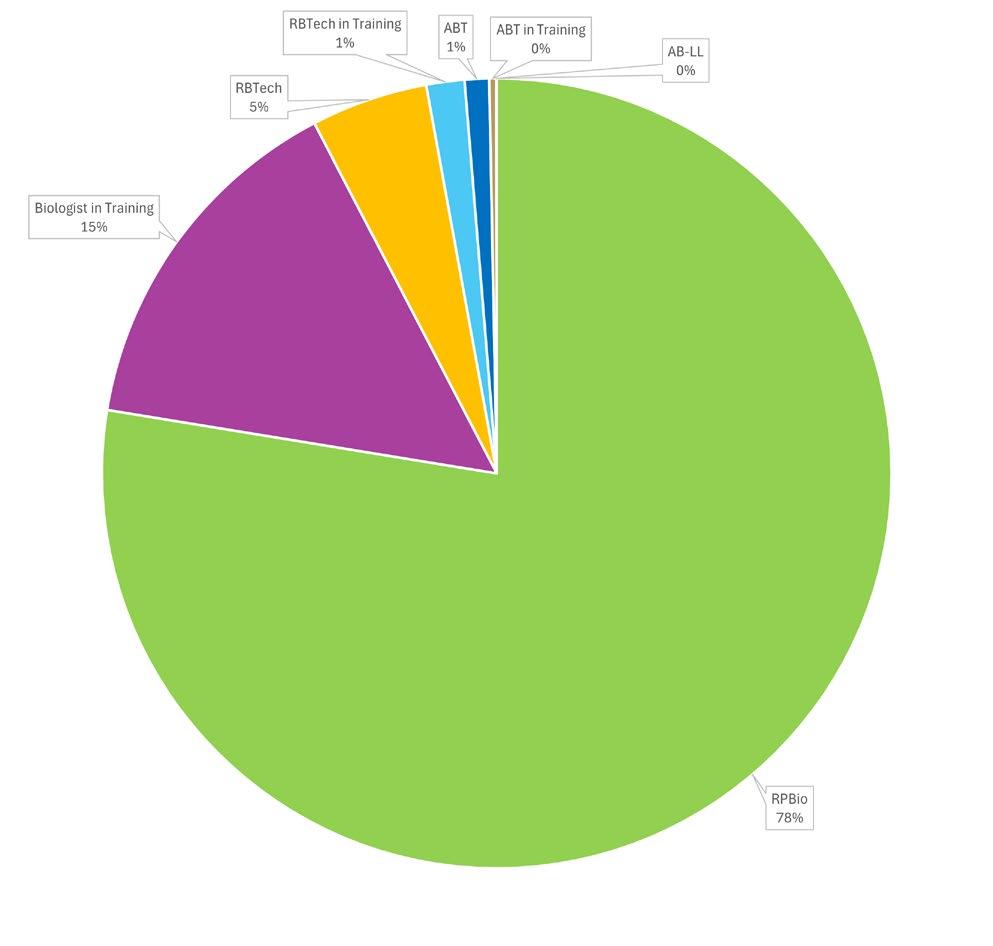
Percentage of College Registrants as of December 31, 2025
2025 Audits
The 2025 Audit Program reviewed 63 registrants, representing 3% of all eligible registrants. This included 41 Level 1 audits and 22 Level 2 audits, for a total of 63 audits conducted.
Three of these registrants were found to have resolvable deficiencies and were given a conditional ranking with remedial actions required to resolve the deficiencies.
None of these registrants were found to be non-compliant.
Practice review
One practice review has been completed. Two practice reviews are ongoing.
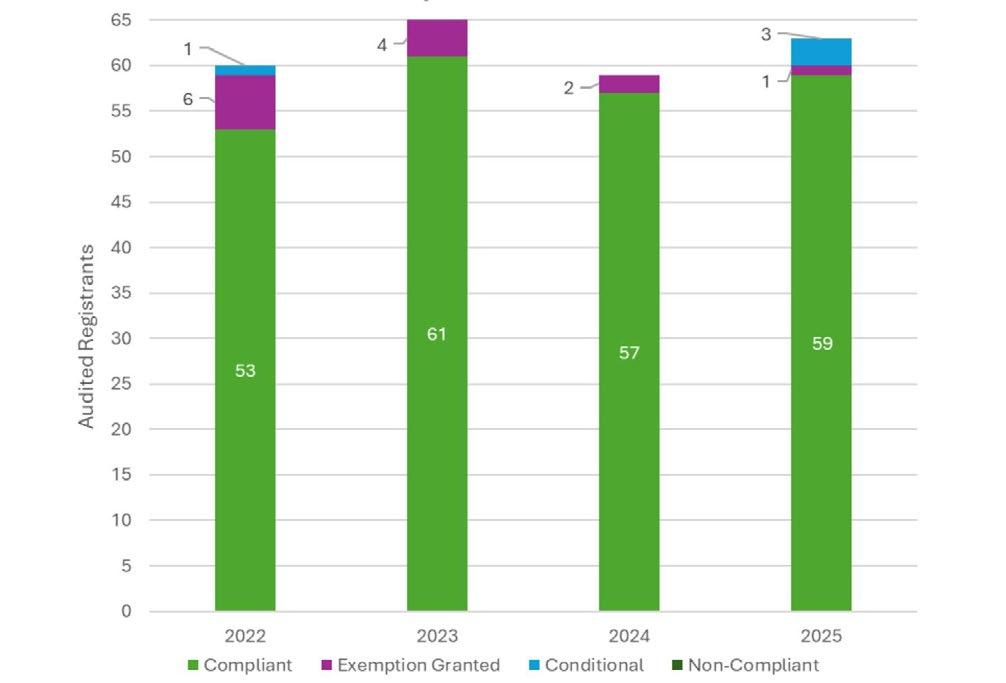
Audit Cycles: 2022 to 2025
INVESTIGATION & DISCIPLINE COMMITTEES REPORT
In 2025 the College received twenty (20) complaints as well as another fifteen (15) that had been carried over from previous years. As of December 31, ten (10) complaints were at the intake stage, seven (7) were under investigation and nine (9) had been dismissed.
For those complaints that were found to have merit the Investigation Committee issued two (2) Consent Orders, three (3) Reprimand and Remedial Actions by Consent (RRAC) and referred one file to the Audit and Practice Review Committee for a practice review.
No citations were issued in 2025 and the Discipline Committee did not conduct any hearings.
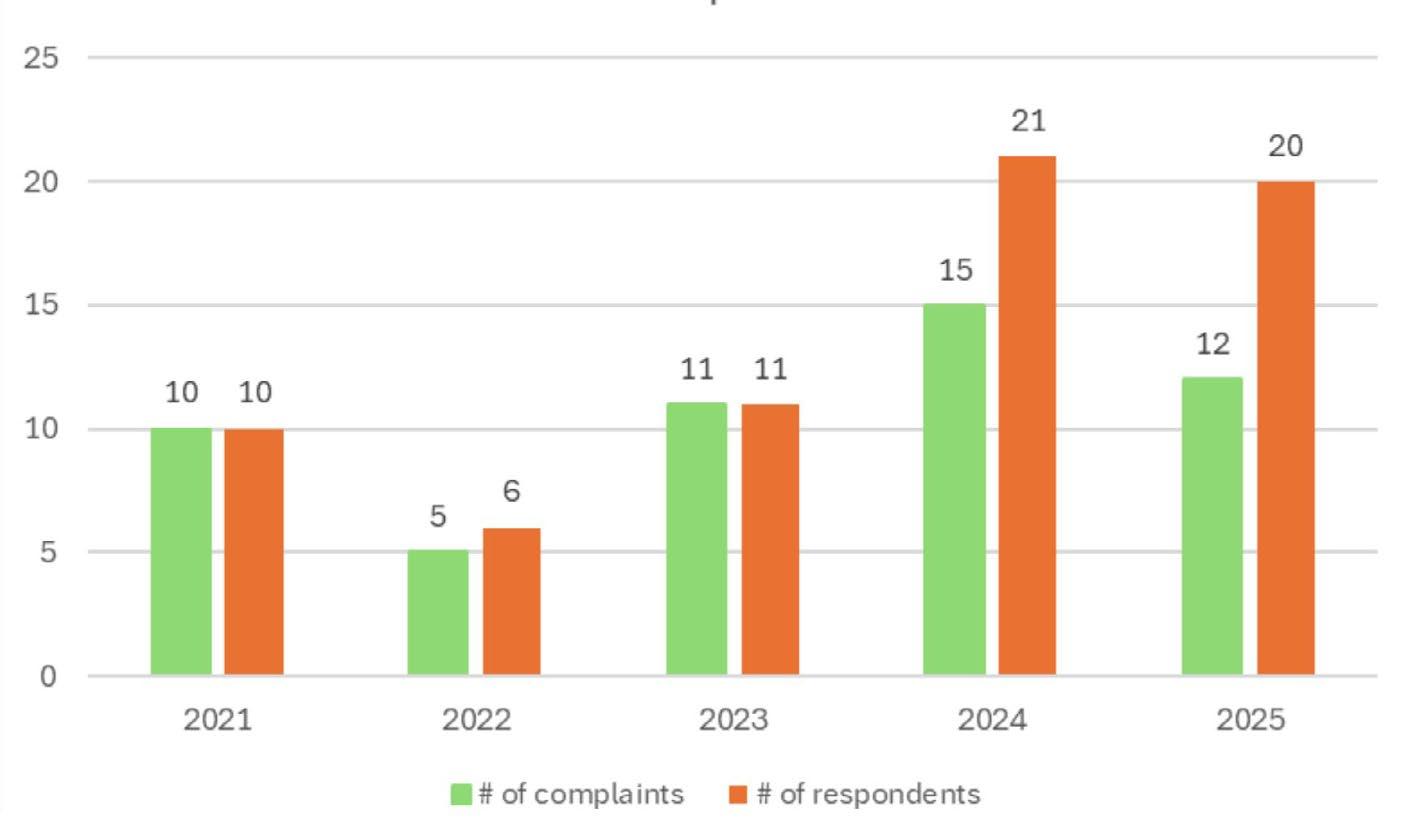
Complaints received by year from 2021 to 2025
2021-2025 Complaint Summary
> In Progress: 17
> Dismissed: 37
> Deferred: 1
> Practice Review: 3
> Voluntary Resolution: 9
> Hearing: 1
Summary of complaint outcomes from 2021 to 2025.
INVESTIGATION & DISCIPLINE COMMITTEES REPORT
Decisions made by the Investigations and Discipline Committee in 2025 that resulted in disciplinary action are published on the College’s website under the discipline digest and posted on the registrants public register. All current and past disciplinary actions (voluntary resolutions, citations, and hearings) are posted on the College’s website.
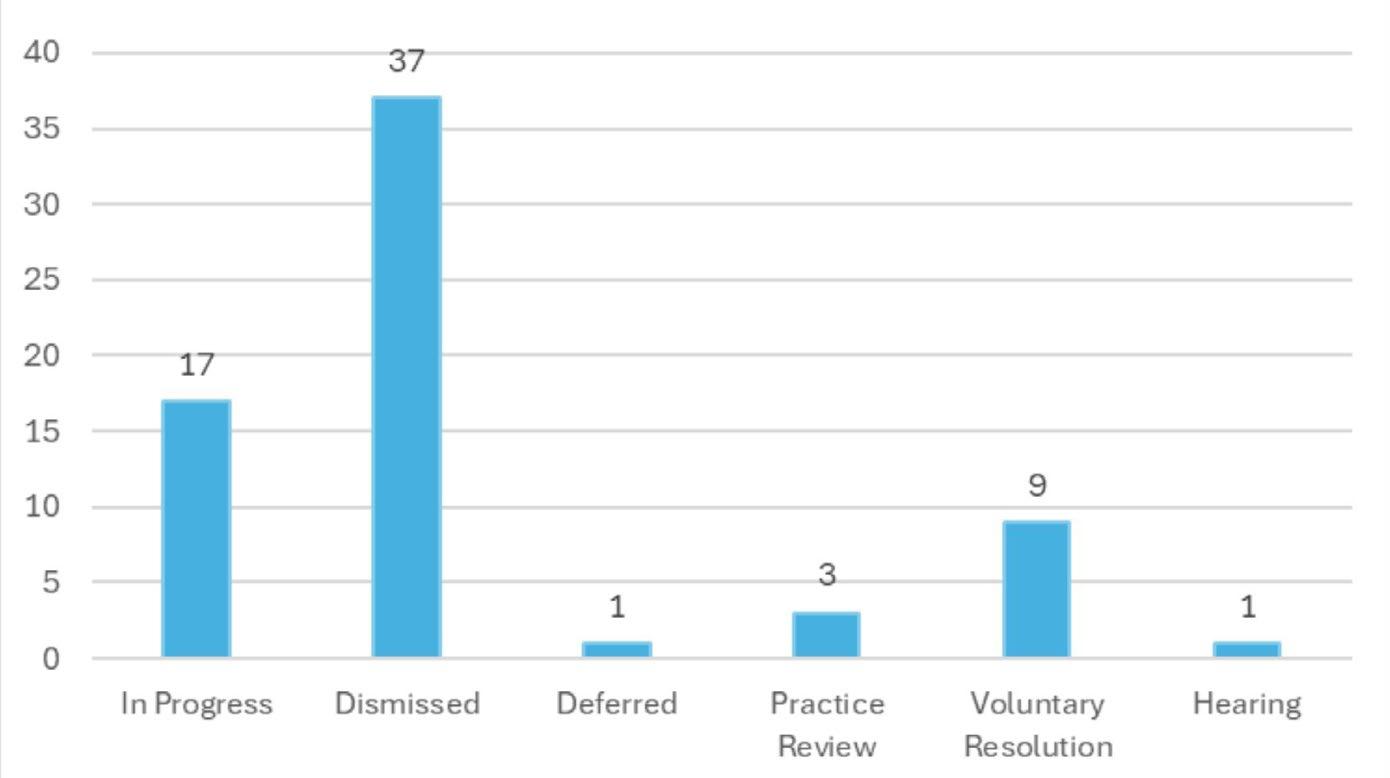
Complaint Outcomes 2021 to 2025
Modernized the Credentialing Standard
Modernized the Credentialing Standard to allow greater flexibility while maintaining the appropriate amount of rigour, minimizing redundancies in work product requirements, while ensuing that applicants who qualify under the old standard will continue to qualify. The new standard takes effect on June 1, 2026.
Expanded our Title and Practice compliance work
As per the Compliance Plan conducted numerous outreach session to employers, monitored public websites for potential misuse of title, and conducted desktop audits for job deceptions or postings that appeared to contain elements of the reserved practice of applied biology. The College will continue to expand this critical compliance function.
Recruited a record number of volunteers
New volunteers included audit and credentials assessors, statutory committee members, and task force and working group participants. Thank you to all who continue make such positive and important contributions to the College and the profession.
Established the College of Applied Biologists Indigenous Learning Scholarship
In partnership with the New Relationship Trust (NRT), established the College of Applied Biologists Indigenous Learning Scholarship of $5000 which will be awarded annually to an Indigenous learner.
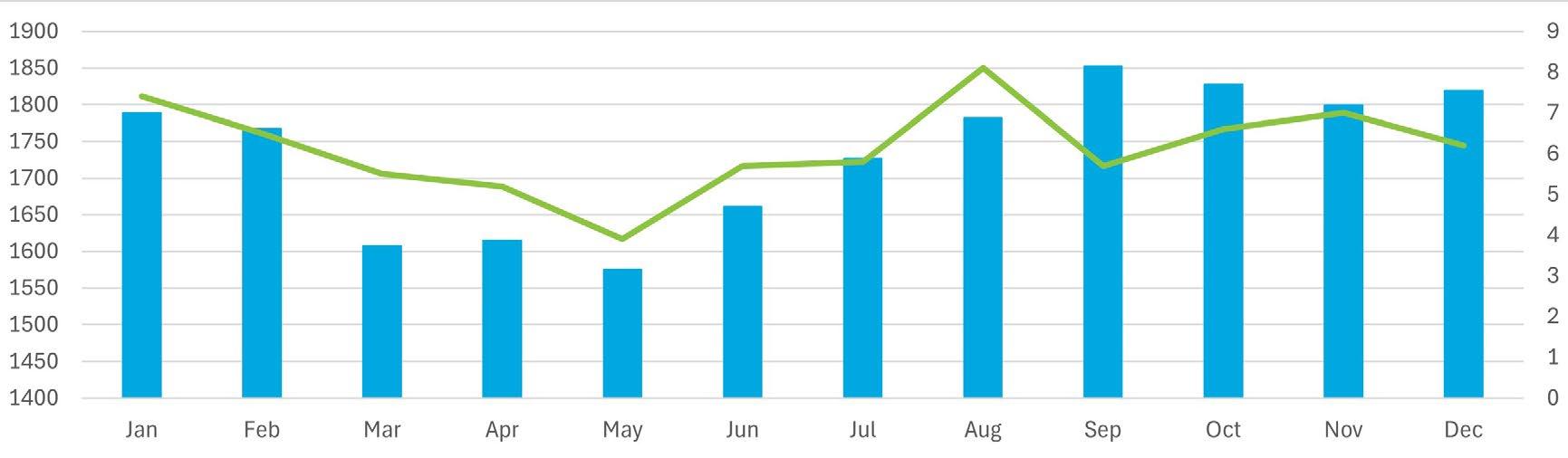
2025 College Connections
Readership and Click Percentage

Trillium, by Jadred Hobbs, RPBio

Chilcotin Country, BC, by Karen Barry, RPBio
Join us
2027 Conference in Penticton
The College’s Annual Conference will take place April 7-9, 2027



Publications mail agreement #42053528
Return undeliverable copies to The College of Applied Biologists Suite #310 - 1207 Douglas Street, Victoria, BC V8W 2E7
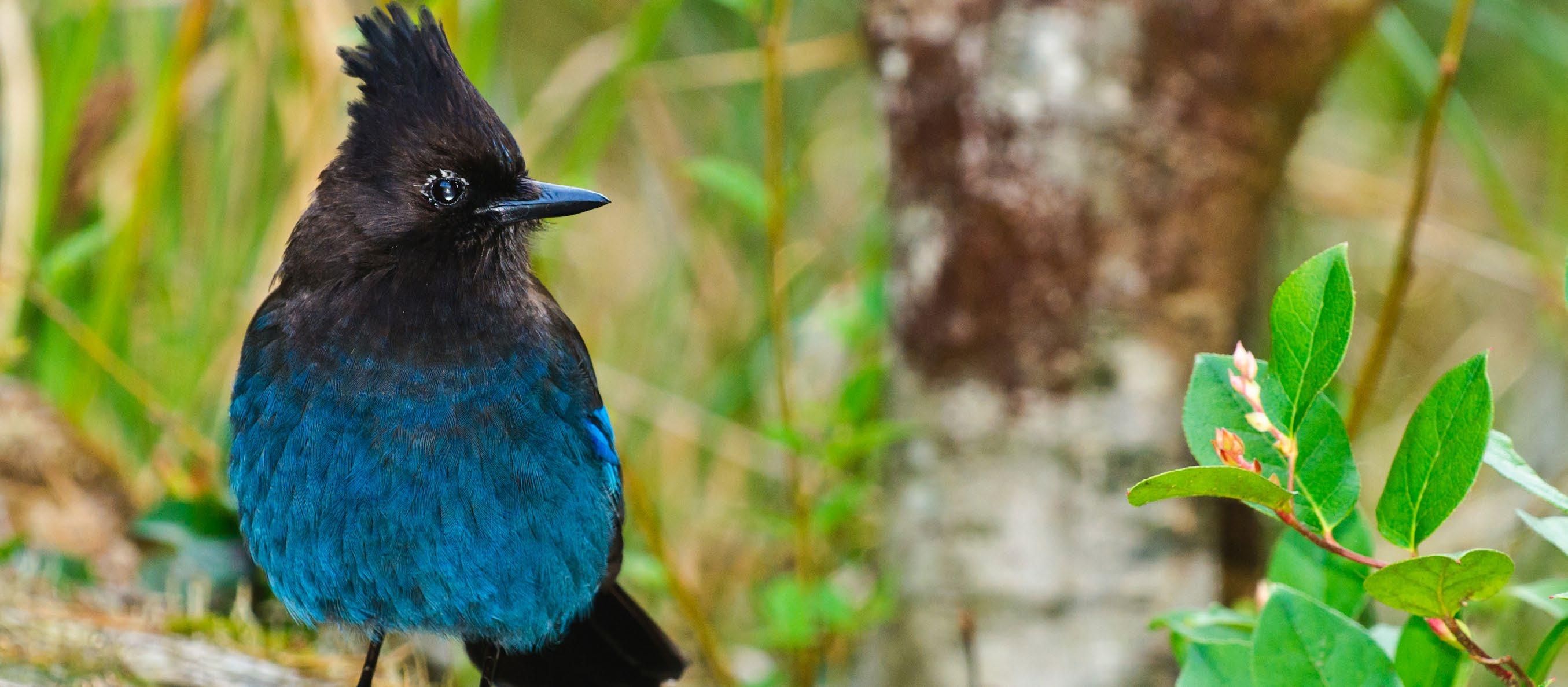
Stellar Jay on a fallen tree by RBGSmith - Shutterstock
COVER PHOTO: Vancouver Island, BC, Canada by James Wheeler - Pexels.com