



Written and Illustrated by: Mya Colglazier






Written and Illustrated by: Mya Colglazier




TRADIZIONALE CENA ITALIANA


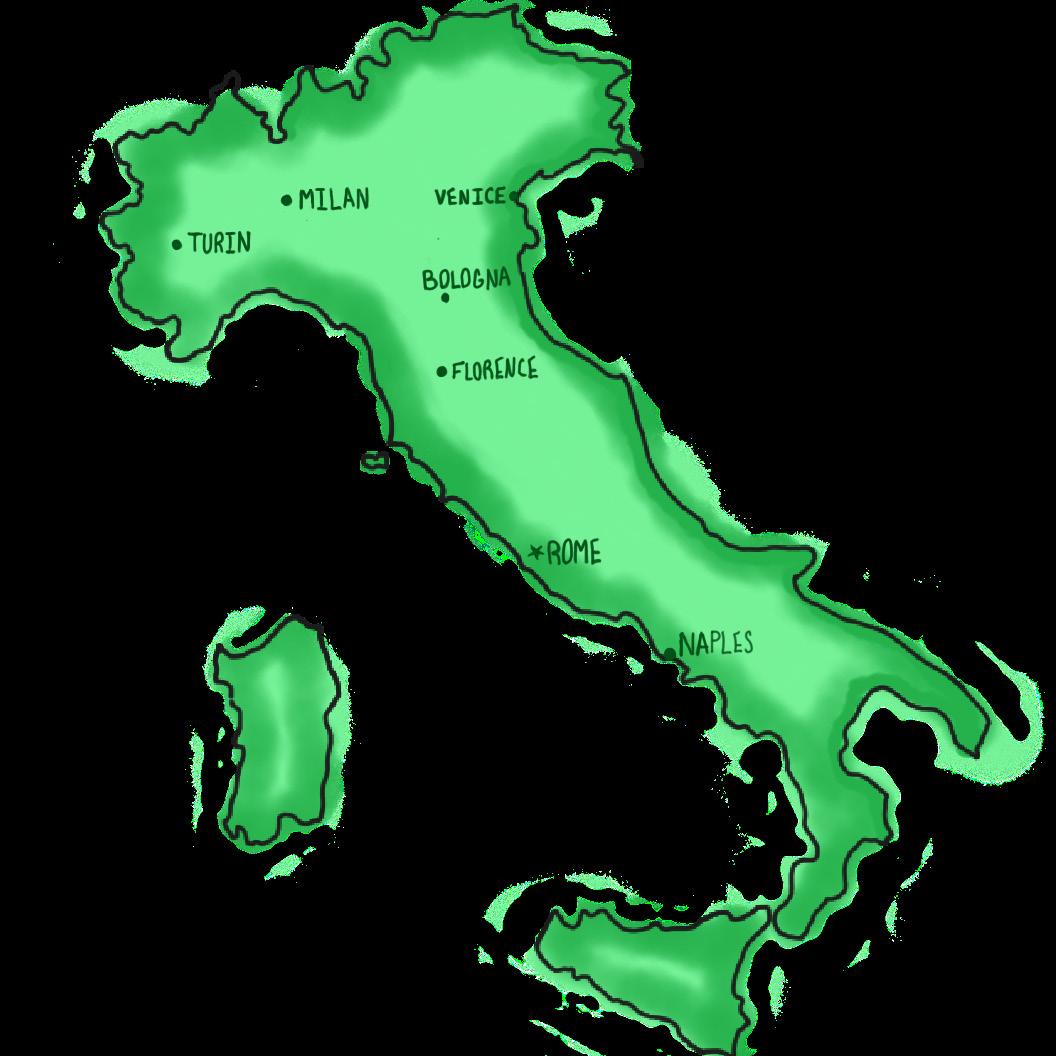

Italy is a country where art is woven into the very fabric of daily life, with food, frescoes, and festivals serving as vibrant expressions of its rich cultural heritage. Italian cuisine, often regarded as an art form, celebrates the beauty of fresh ingredients, time-honored techniques, and regional flavors. From simple pasta dishes to elaborate feasts, each meal tells a story of family, tradition, and place. The culinary arts are deeply tied to Italy’s history, reflecting its diverse landscapes, seasons, and centuries of cultural exchange.
Frescoes , particularly from the Renaissance period, are another vital form of artistic expression in Italy. Churches, palaces, and public spaces are adorned with masterpieces by legendary artists like Michelangelo, Raphael, and Giotto. These frescoes are not just decorative—they are storytelling devices that bring history, religion, and mythology to life.
Equally important are Italy’s festivals, which embody the country’s passion for tradition and performance. Festivals like Venice’s Carnival, Siena’s Palio, and Florence’s Calcio Storico are immersive celebrations where art, music, dance, and costumes come together in a communal display of cultural pride. These events, often rooted in centuries-old rituals, bring people together to honor history, celebrate saints, or mark significant moments in local life.
" Italy is where history, art, and culture converge in a landscape as diverse as its centuries-old stories. "
Together , food, frescoes, and festivals form a rich artistic landscape in Italy, where creativity is celebrated in every form.
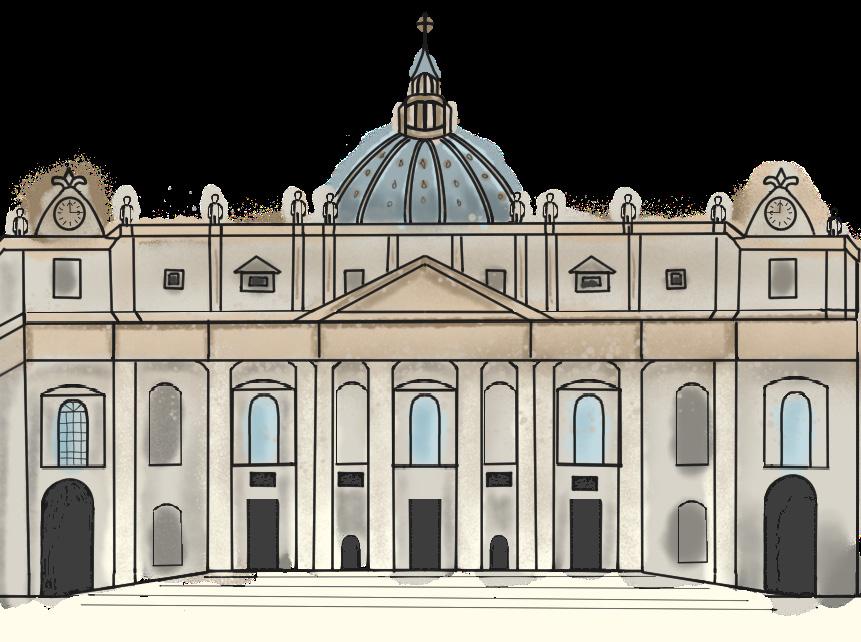
The Sistine Chapel is a masterful fusion of art and architecture, where the design of the space enhances the impact of Michelangelo’s iconic frescoes. Designed by Baccio Pontelli and later renovated by Giovanni dei Dolci, the chapel features a simple yet grand rectangular layout with a soaring vaulted ceiling. Its proportions draw the viewer’s eye upward, creating a sense of awe that prepares the visitor to experience the splendor of the art within.
"The
architecture frames the frescoes, allowing the divine narratives to take center stage. "
where the architecture and art work together to evoke a sense of divine presence. Every detail, from the serene figures on the ceiling to the dramatic scenes below, serves to amplify the chapel’s beauty, making it a profound testament to the genius of both the artists and architects who created it.
The architecture of the Sistine Chapel enhances the power of these frescoes. The high ceiling, with its harmonious proportions, draws the eye toward the center of the chapel, where Michelangelo’s masterpiece unfolds. The space feels expansive, yet intimate, creating an immersive experience
Michelangelo’s frescoes, painted between 1508 and 1512, transform the chapel’s ceiling into a dramatic biblical story. The Creation of Adam, with its image of God and man reaching toward each other, is one of the most famous moments, embodying the profound connection between the divine and human. Alongside this, figures like prophets and angels flow across the ceiling, showcasing Michelangelo’s unparalleled skill in rendering the human body. On the altar wall, his Last Judgment presents a vivid and dynamic portrayal of the eternal fate of the soul, where the damned are contrasted with the serene saved in an intense spiritual drama.





he Venice Carnival is a spectacular celebration
elaborate masks, stunning costumes, and vibrant performances. The masks, often handmade from materials like papier-mâché, glass, and leather, are central to the event, allowing wearers to assume new identities and engage in playful anonymity.
embellishments, Venetian masks are a testament to symbol of mystery, but a timeless expression of art, tradition, and the aristocratic past or mythical figures, are equally velvet, and adorned with embroidery and lace.
Together, the masks and costumes transform the city into a living work of art, where creativity and craftsmanship take center stage.
The Carnival also features theatrical performances, concerts, and masked balls, often in historic venues like Piazza San Marco and Teatro La Fenice, blending Venice’s operatic and theatrical traditions. Public art displays throughout the city add to the spectacle, making the Venice Carnival a living canvas that immerses participants and visitors in a celebration of Venetian culture and artistry.
In addition to its stunning visual display, the Carnival offers a rare moment of escape, where social boundaries dissolve and everyonecan mingle in anonymity. This sense of freedom, coupled with the timeless beauty of the event, continues to draw visitors from around the world, eager to experience the magic of Venice in its most captivating form.
3 cups cooked spaghetti
4 large egg yolks
1 cup pecorino freshly grated
½-1 teaspoon black pepper
2 tablespoons olive oil
½-¾ cup guanciale
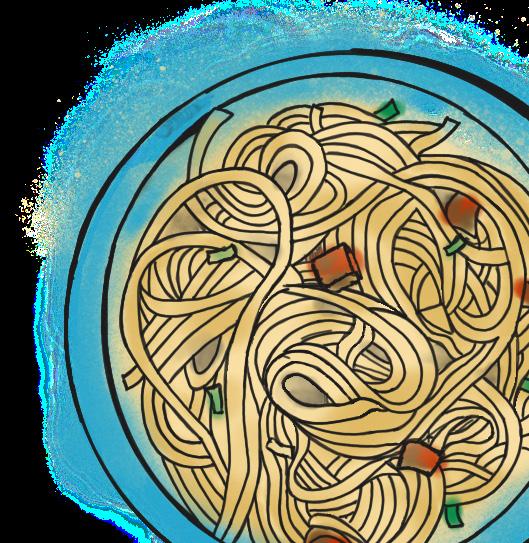
2. In a small/medium bowl beat until well combined the egg yolks, add the grated pecorino and pepper, beat to combine. Just before adding to the pan add 1/3 – 1/2 cup (80-120ml) of hot pasta water and mix to combine well.
3. Slice the guanciale into short thin strips. In a large pan add the olive oil and guanciale, cook on medium heat until desired doneness, I like it on the crunchy side, the Italian not so much. Remove the guanciale to a clean plate. Do not remove the oil (& fat) from the pan.
1. In a large pot boil the water, once the water is at a roaring boil add a little salt and the spaghetti, stir and cook until a little bit more than al dente.
4. On medium/high heat, add the al dente pasta to the pan, and a 1/3-1/2 cup (80-120 ml) of hot pasta water and stir to combine, remove the pan from the heat and add the egg mixture and quickly combine, add 1/3 -1/2 cup of hot pasta water and toss continually until well combined and creamy. Add the guanciale and gently mix. Serve immediately topped with freshly grated pecorino and black pepper. Enjoy!
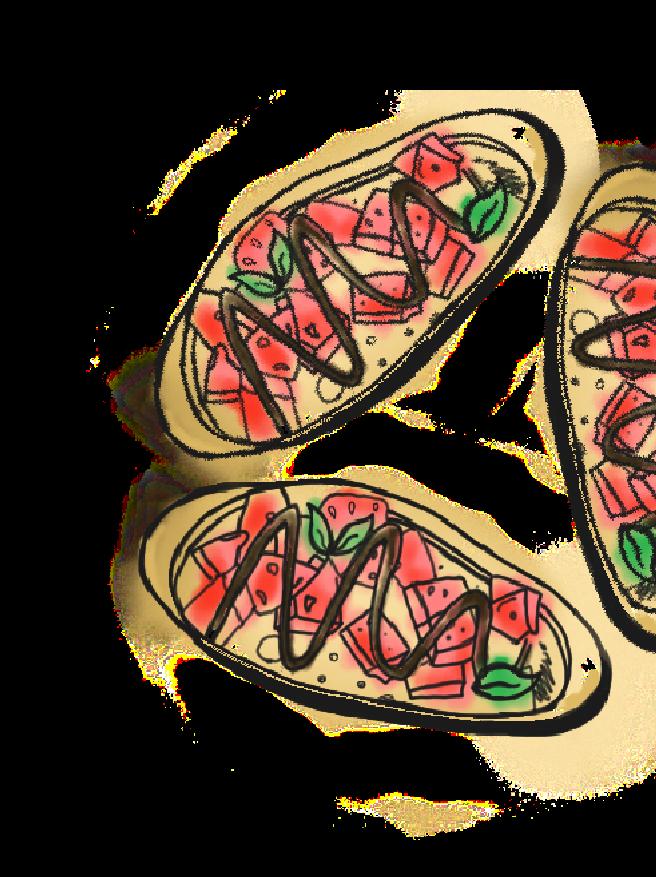
The culinary art of an Italian dinner lies in its balance of simplicity and technique. Each dish, from the vibrant bruschetta to the creamy carbonara, showcases the skillful use of fresh, highquality ingredients. Chicken marsala highlights the beauty of slow-cooked flavors, while espresso and limoncello offer a refined finish to the meal. In every course, Italian cuisine transforms food into an art form, where tradition, creativity, and craftsmanship come together to create a memorable experience.




ITALIA: Food, Festivals, and Frescos Inc.
An imprint of Discover Europe, LTC
Copyright 2024 by Mya Colglazier
All rights reserved
Printed in the USA by Arts of the World Inc. For info address Arts of the World Inc.
ISBN-568-1-45716-734-8
Book design by Mya Colglazier
Type used includes Bodoni 72, Italiana, Brio MN, and Minion Pro First published in the United States of America by Discover Europe, LTC
First edition published in 2024 DiscoverEurope.com (467)-378-0964
From the rich flavors of a traditional Italian meal—each dish a masterpiece of taste and tradition—to Michelangelo’s awe-inspiring frescoes in the Sistine Chapel, art is woven into the fabric of daily life. Step into the enchanting world of the Venice Carnival, where stunning masks and opulent costumes transform the city into a living canvas. In Italy, art isn’t just something to be admired; it’s something to be tasted, lived, and celebrated—an unforgettable journey through history, culture, and creativity.