
TRANSFORMING THE LIVES OF MEN
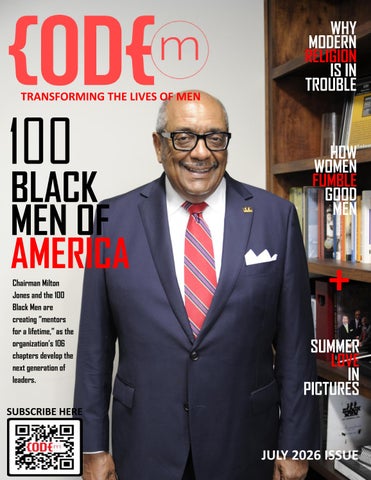
Chairman Milton Jones and the 100 Black Men are creating “mentors for a lifetime,” as the organization’s 106 chapters develop the next generation of leaders.
SUBSCRIBE HERE



Celebrating 250 years of the American journey marks a special time in history that causes one to reflect, honor and appreciate the incredible milestone.
July is a month that celebrates freedom.
This year, that celebration carries even greater significance as our nation approaches America's 250th birthday a historic milestone that invites us to reflect not only on where we've been, but on where we're going.
For 250 years, America has been a story still being written. It is a story of vision and struggle, sacrifice and progress, challenges and triumphs. It is a story that includes the contributions, resilience, innovation, and leadership of Black and Brown people whose fingerprints are woven throughout the fabric of this nation.
As we gather with family and friends, watch fireworks light up the summer sky, and celebrate Independence Day, we should also reflect on what freedom truly means.
Freedom is more than a right it is a responsibility. for others, and to leave our communities stronger than we found them. It is the responsibility to honor those who came before us by making the most of the opportunities they fought to secure.
As Black and Brown men, we understand that freedom has never been something to take for granted. Every generation has been called to expand its meaning, defend its promise, and ensure that the doors of opportunity remain open for those who follow.
The approaching 250th anniversary of America is not just a celebration of the past. It is an opportunity to help shape the future. The next chapter of this nation's story will be written by leaders, fathers, entrepreneurs, educators, creators, and everyday citizens who choose to make a difference.

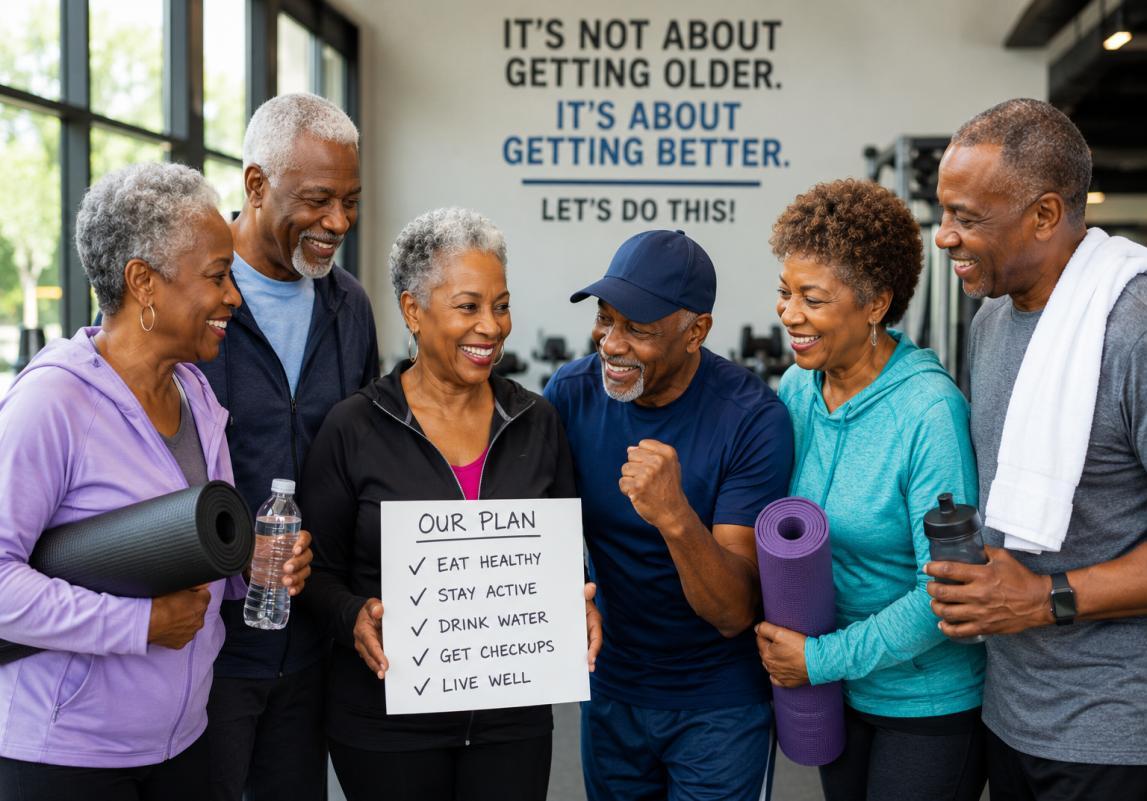
Blacks all over America are starting to pay attention to their health in record numbers, and the results could change the game for the entire population.
100 BLACK MEN OF AMERICA
Chairman Milton Jones and the 100 Black Men are
creating “mentors for a lifetime,” as the organization’s 106 chapters develop the next generation of leaders.
16 MOVERS AND SHAKERS
Get to know people who are making a difference in their careers and changing the world!
19 MAN CODES Reparations.
.
22 STEPPING FORWARD FOR THE CAUSE
Early childhood develop, promoted and taught early can make an incredible difference in those who are exposed to the right educational environments.
28 HOW TO FUMBLE A GOOD MAN
Women will reject the good guy and then spend the rest of their life looking for the same man in a lesser person. Why?
35 SUMMER BOOK FUN LOADING . .
Felishia McDonald creates a world where little Black kids can thrive and be themselves with stories made just for them.
36 CODE M BEAUTY
Amazing women are refining what it means to be sexy.
46 NO MORE “WAIT YOUR TURN”
Young adults looking to enter political office are tired of waiting on career politicians to retire leaving the question, are term limits necessary to remove 80-yearold people from office?
58 WHY MODERN RELIGION IS IN TROUBLE
For many people, religion is the mainstay of their lives; for others, it’s the bane of their existence. Where exactly does religion stand these days?

The history of Blacks fighting for the right to vote is at a crossroads and some of us are clueless about it.
Love always seems to flourish in the heat of summer. These couples represent the best of what July and romance has to offer.
Blacks influence the latest trends of popular culture, fashion, and music more than any demographic. Reach them when you advertise with CODE M Magazine. With over 1.4 million viewers monthly, we have your audience.
Call 440-796-5763 to request a rate kit.
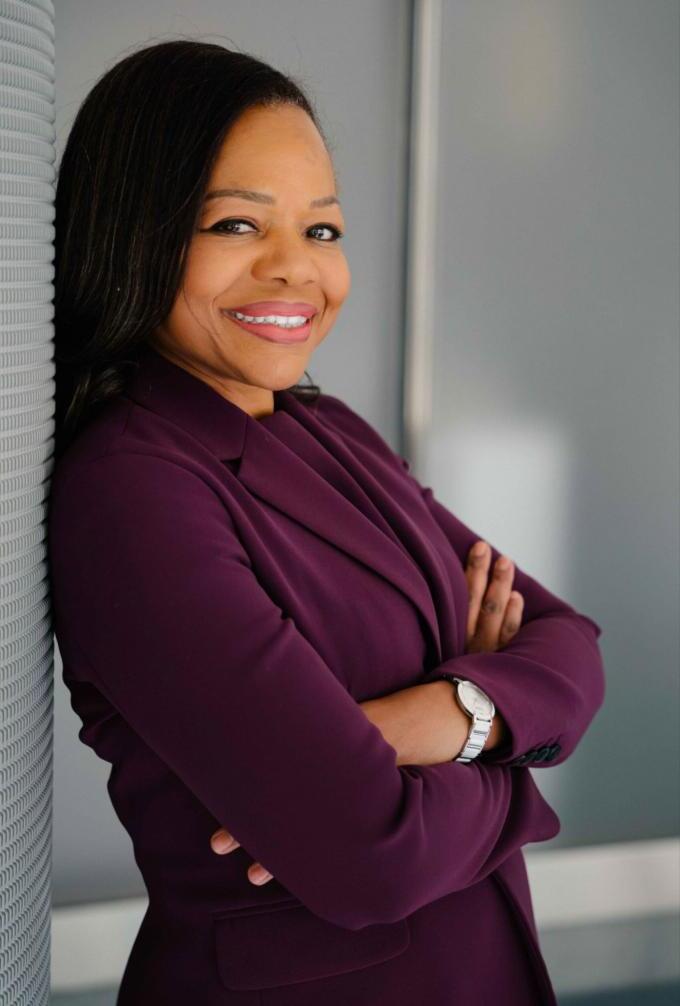
Kristin Clarke becomes the general counsel for the NAACP and is geared up for the legal battles that face Black people and those who cannot defend themselves.


PUBLISHER
Bilal S. Akram
PRESIDENT
Brad J. Bowling
SENIOR ADVISOR
Alexandria Johnson Boone
MANAGING EDITOR
David Christel
CHIEF OF STAFF
Anita G. Butler
PAGE EDITORS
Laron Harlem-Fashion Editor
Paris Lampkins-Movers & Shakers Editor
Valerie Starks-Hutton-Beauty Editor
GRAPHIC DESIGN
Stiff Arm Media
MEDIA COORDINATOR
Carole Anthony
EXECUTIVE ASSISTANT
To the PUBLISHER
Ladonna “Lala” Dicks
EXECUTIVE CONSULTANT
Adrianne M. Sims
ENGINEER RADIO/PODCAST
Chris Westbrooks
SOCIAL MEDIA
Stiff Arm Media
IT CONSULTANT
Anthony Jones
Digital Jetstream, LLC
CONTRIBUTING WRITERS
David Christel
Leslie Logan
Brad J. Bowling
Bilal S. Akram
Laron Harlem
Bolling Smith
Monique Wingard
Raland Hatchett
Akil Marshall
Dr. Tim Goler
STAFF
Sylven Lamar
Franklin Solomon


To submit
or to inquire about advertising please contact us at
info@codemediagroupllc.com
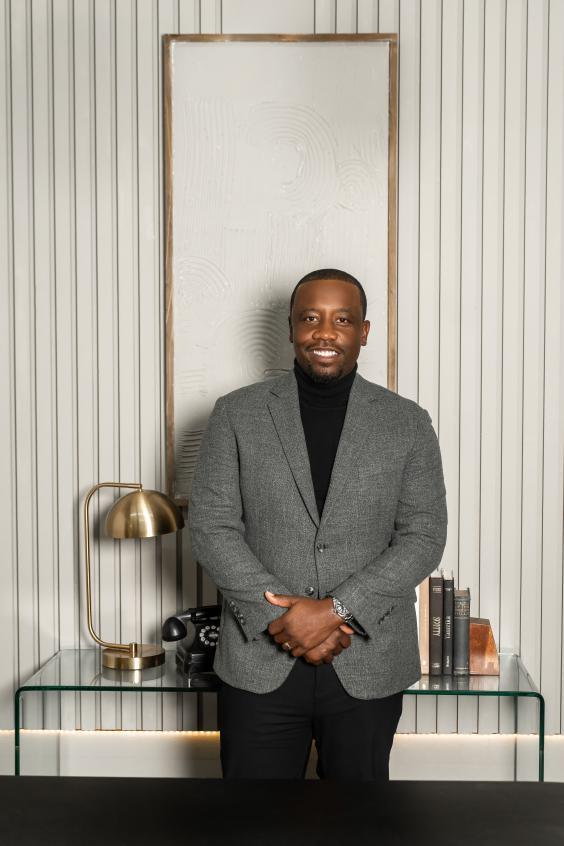
Lawrence D. Adams has spent more than 17 years working across media, faith, and personal development. By profession he is a maintenance control planner, a role built on precision, foresight, and keeping complex systems running without fail. He is also the founder of LDA Media Company LLC, where he works as an author, speaker, and podcaster. What ties it all together is one concern: how a person builds real influence without losing himself along the way.
He hosts The Thinking Class, a podcast for men who want more than surface-level motivation. The show blends spirituality with practical,
Get to know people who are making a difference in their careers and changing the world!
by Paris Lampkins
street-smart strategy. Over time it has drawn a loyal following among high-performing men who look successful on paper but are still after clarity, presence, and purpose.
Lawrence is also the author of The Secret Invisible Crown, a book about identity, faith, and self-mastery. His argument is that the most important work a man does is internal, and that quiet authority outlasts noise.
As a speaker, he is known for a calm, deliberate presence and a refusal to overhype. He gives audiences the real conversation rather than the comfortable one. The message stays consistent wherever he shows up: sharpen your voice, lead with intention, build things that last.
Rosa M. Green is the Founder and CEO of The Green Rose Experience, a consulting and professional development company that helps businesses, organizations, and entrepreneurs get from where they are to where they want to be through strategy, workshops, event support, and implementation.
As a speaker, facilitator, and connector, Rosa is passionate about helping people and organizations move ideas into action. She partners with nonprofits, schools, businesses, and community organizations to strengthen leadership, build confidence, improve organizational effectiveness, and create meaningful experiences that produce lasting impact. Her signature workshop, Freedom of Fashion: An Internal Approach to External Visibility, uses confidence, leadership, and personal presence as tools to help individuals align who they are with how they show up professionally and personally. Beyond the workshop, Rosa works alongside organizations to develop customized learning experiences, support workforce initiatives, facilitate strategic conversations, and execute successful events. Known for her collaborative spirit and ability to connect people with resources and opportunities,
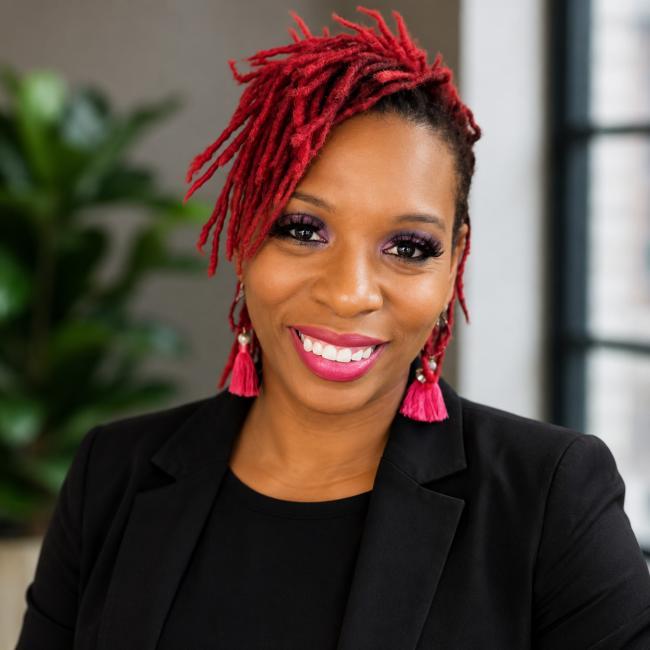
Rosa believes every organization already has the potential to succeed it simply needs the right strategy, support, and part-
For more than sixteen years, Rod Williams has been a trusted leader in metro Atlanta real estate, building a reputation for excellence through servant leadership, strategic expertise, and an unwavering commitment to mastery. His results-driven approach has positioned him among the region's most accomplished real estate professionals, consistently delivering exceptional outcomes for his clients while setting a high standard within the industry.
Before founding The Williams Team in 2019, Rod established himself as one of Atlanta's top-producing agents, helping more than 70 families buy and sell homes each year. His performance earned repeated recognition from the Atlanta REALTORS® Association as one of the Top 10 Agents among more than 14,000 members.
Among Rod's many accomplishments is being recognized by Keller Williams Realty International as an MREA (Millionaire Real Estate Agent) achiever in 2022, 2023, and 2024.
Inspired by The Millionaire Real Estate Agent, the bestselling business book written by Keller Williams founder Gary Keller, this distinction is reserved for agents whose annual gross commission income exceeds $1 million in a single calendar year. Rod is the first African American real estate agent in Keller Williams' Southeast Region to earn this recognition.
nerships to move forward. Her mission is simple: to connect the missing pieces between where people and organizations are and where they're trying to go.
Compiled by Bilal S. Akram
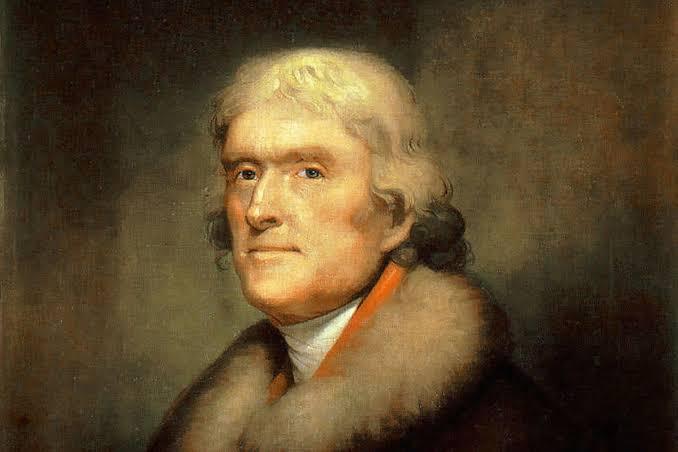
We hold these truths to be self-evident, that all men are created equal, that they are endowed by their Creator with certain unalienable Rights, that among these are Life, Liberty and the pursuit of Happiness.
Declaration of Independence, July 4, 1776, drafted by Thomas Jefferson
“For Americans, the hardest part of paying reparations would not be the outlay of money. It would be acknowledging that their most cherished myth was not real.” - Ta-Nehisi Coates
“True reconciliation does not consist in merely forgetting the past.” - Nelson Mandela
“Study colonizers, you'll understand criminology.” - Abhijit Naskar
“Four marks of true repentance are: acknowledgement of wrong, willingness to confess it, willingness to abandon it, and willingness to make restitution.” - Corrie Ten Boom
“For if life had taught her anything, it was that healing and peace can begin only with acknowledgment of wrongs committed.” - Susan Abulhawa
“The South lost ... and that is good ... and that hateful flag needs to come down ... and reparations need to be offered and if none of that can happen ... well ... let there be poetry”
- Nikki Giovanni
“A national act of procrastination does not eliminate the debt.” - William A. Darity Jr.
Hebrews 13:3- Remember them that are in bonds, as bound with them; and them which suffer adversity, as being yourselves also in the body. KJV
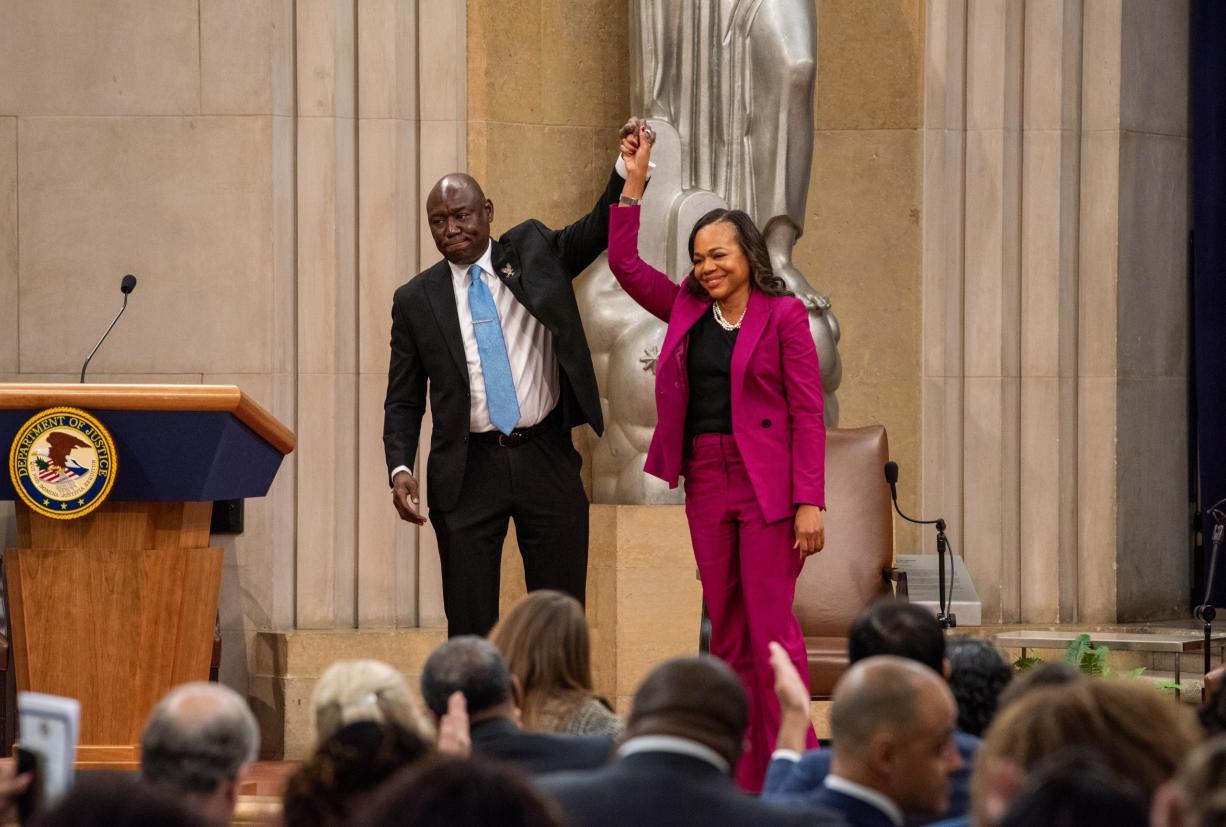
Kristin Clarke becomes the general counsel
for the NAACP and is geared up for the legal battles that face Black people and those who cannot defend themselves.
By Bolling Smith
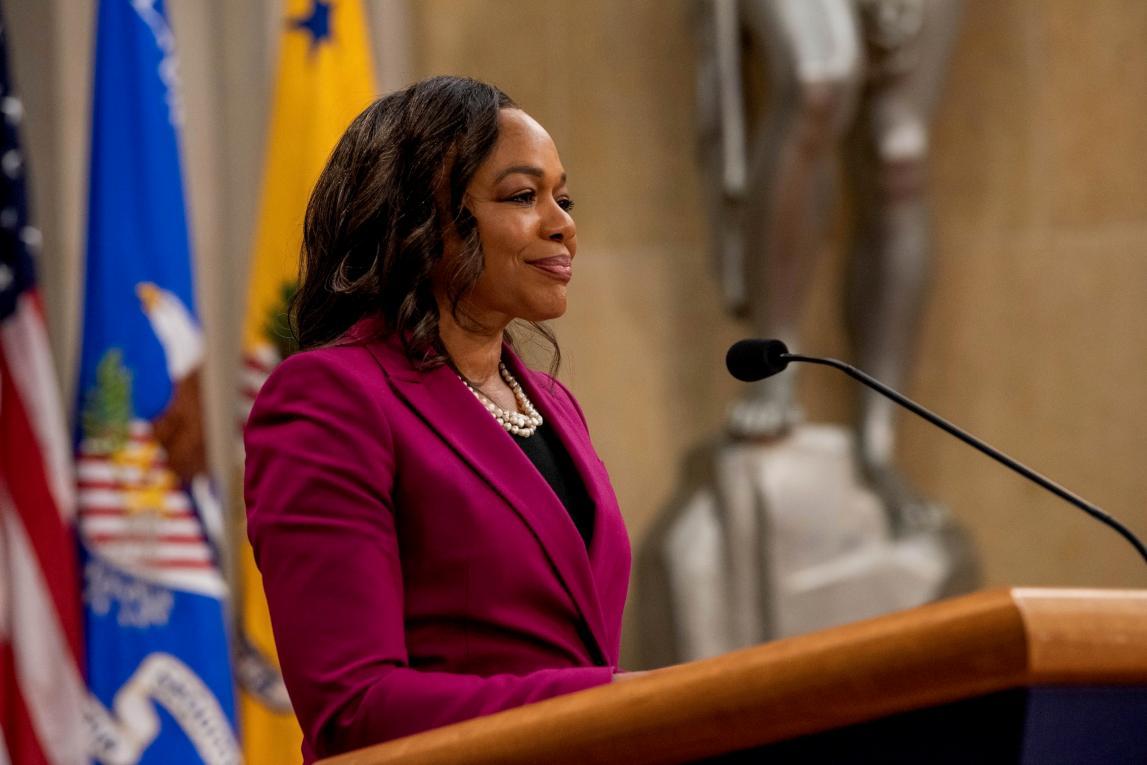
2026 presents a unique opportunity for Black people. With the playing field leveled, the last remaining battles that Blacks will face going forward will be the fight for equality in the courtroom.
Kristen Clarke has been a champion of legal rights for people since she became an attorney. Hailing from New York, the Columbia Law graduate chose civil rights as her path. Clarke, being a second-generation immigrant, understands how the law can be a powerful tool when used the right way.
“I am a daughter of immigrants; I grew up in Brooklyn and know how important the law is.” Clarke continued, “I have always felt like my purpose on this earth was to use my talents to give back, and I feel really blessed that every minute that I have spent as an attorney has been serving our people and serving the public.”
Clarke served as the assistant attorney general for the Civil Rights Division at the United States Department of Justice from 2021 to 2025. She previously served as president of the Lawyers' Committee for Civil Rights Under Law. She also managed the Civil Rights Bureau of the New York State Attorney General's Office under Eric Schneiderman.
In 2021, President-elect Joe Biden selected Clarke to head the US Department of Justice Civil Rights Division. The US Senate con-
firmed her nomination on May 25, 2021, by a vote of 51 to 48. Clarke made history as the first woman confirmed to lead the Civil Rights Division.
In March 2026, Clarke was appointed as general counsel of the National Association for the Advancement of Colored People (NAACP).
She earned her Bachelor of Arts degree from Harvard University, where she was president of the Black Students Association. In 1996, only 11 percent of juniors and seniors at the college were Black, while 25 percent of juniors and seniors living in quad houses were Black, according to a studentproduced report.
Clarke graduated from Harvard in 1997, then earned a Juris Doctor from Columbia Law School in 2000. After graduating, she worked as a trial attorney in the US Department of Justice Civil Rights Division. In this capacity, she served as a federal prosecutor and worked on voting rights, hate crimes, and human trafficking cases.
“I enjoy serving the public, standing up for the voiceless, standing up for the marginalized, and really figuring out how we can use the law and legal advocacy as a tool to promote justice and fight for racial justice,” Clarke said.
Her mission is on point because the courtroom will prove to be pivotal for Blacks to keep and even gain some of the positions that impact the interest of the community as a whole.
With the end of DEI and civil rights, Black empowerment is under attack at the federal level. If the race continues to advance, it will have to understand what is at stake and then have the bandwidth to win those battles in courtrooms across America.
That’s what intrigued Clarke about the general counsel position with the NAACP. She is true to her word. She has argued and won some incredible cases in her time as an attorney.
In 2015, Clarke was appointed president and executive director of the Lawyers' Committee for Civil Rights Under Law. One of her first roles was leading Election Protection, a voter protection coalition. The New York Times described her as "one of the nation's foremost advocates for voting rights protections.”
In 2019, Clarke represented Taylor Dumpson, the first African American woman student body president of American University, in her lawsuit against avowed neo-Nazi Andrew Anglin, who initiated a racist "troll storm" against her, making her fear for her life and disrupting her ability to pursue her education. Clarke successfully fought for the
US District Court for the District of Columbia to recognize that hateful online trolling can interfere with access to public accommodation, as well as securing damages and a restraining order.
Clarke handled the legal argument in district court in Shelby County v. Holder. In 2020, she testified before Congress about barriers to the vote. She has advocated for passage of the John Lewis Voting Rights Advancement Act. She sued the US Postal Service during the pandemic because of delays with ballots.
After John Lewis died, she called for honoring his life by passage of a bill to restore the Voting Rights Act. She appeared with Stacey Abrams in the 2020 documentary All In: The Fight for Democracy. In November 2020, LeBron James thanked her for supporting the work of his organization More Than a Vote.
Her work with the NAACP will allow her to focus on the nation and have an impact where Blacks are struggling to get equal justice. An incredible attorney fighting for everyone is just what Black America needs. ●
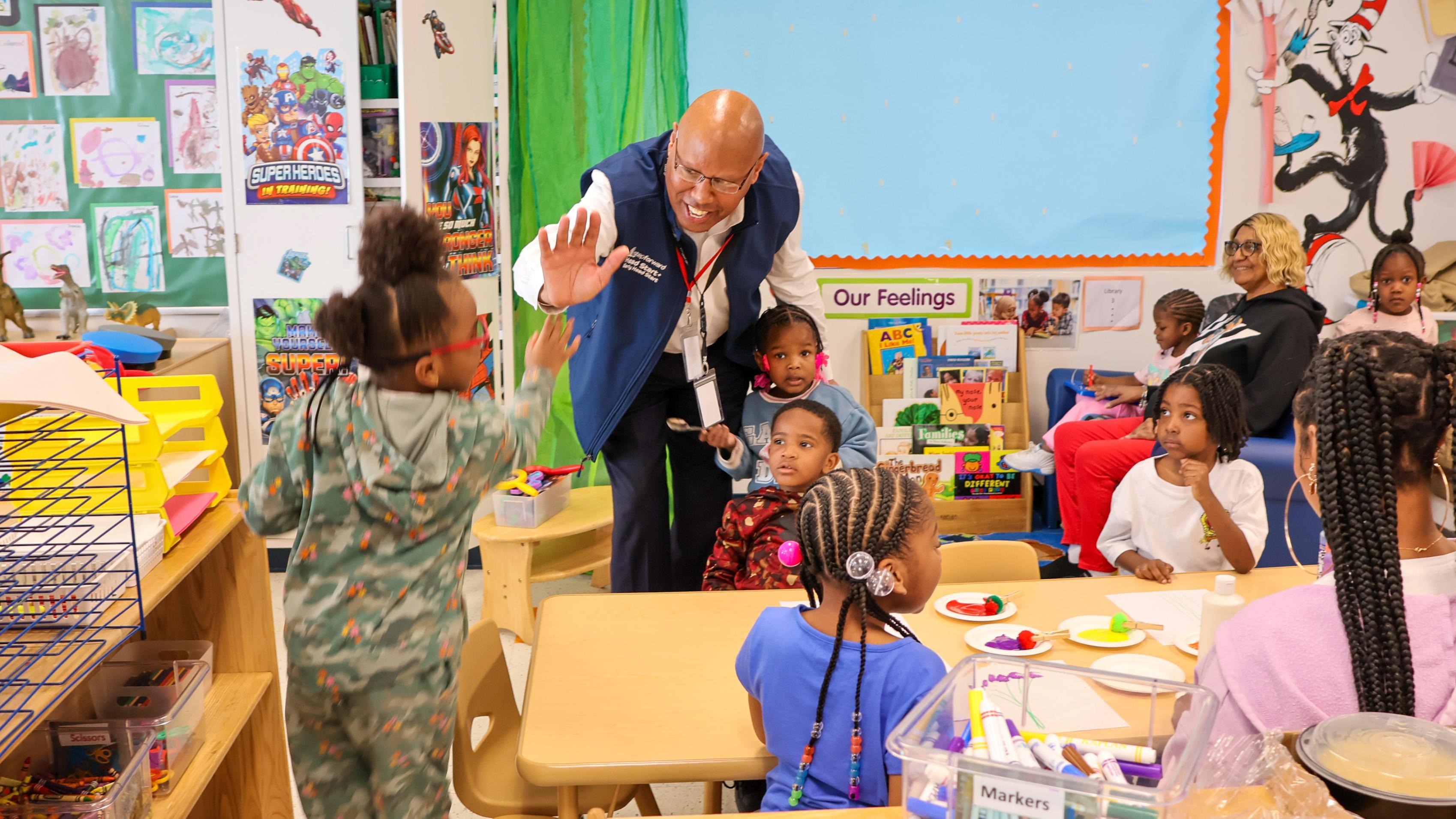
Early childhood develop, promoted and taught early can make an incredible difference in those who are exposed to the right educational environments.
Every day, early childhood classrooms are filled with joy. Tiny hands stack blocks, voices sound out their ABCs, and children under age 5 begin making sense of the world around them. They're learning how to share, how to calm big emotions, and how to name colors and feelings. They're building the foundation for kindergarten and beyond.
These early moments matter. Long before children enter elementary school, they are developing the social and emotional skills that shape how they learn, connect with others, and see themselves in the world.
But in many of these classrooms, there's still an important piece missing.
Most people do not picture men when they think about early childhood education. They picture women reading storybooks during circle time, comforting children after difficult moments, and guiding young learners through their first experiences in a classroom.
It's a deeply rooted perception that continues to shape who society expects to nurture, teach, and guide young children.
Today, just 2.2% of early childhood education and kindergarten teachers are men.
programs.
Gregory Jones currently serves as senior site administrator at Louis Stokes Early Learning Center, the largest of Step Forward's Head Start sites. For him, increasing male representation in early childhood education is deeply personal.
Now in his 16th year in early childhood education, Jones began his career in banking before his family recognized a need in the community and opened a school serving children ages 18 months to 12 years. When that school later closed, Jones brought that same commitment to Step Forward, where he now works with some of Cuyahoga County's youngest learners.
Through his many years of experience working with youth, one thing became clear: representation matters.
"Perception-wise, people often think careers in early childhood are just for females," Jones said. "But we need more males to be involved. Children need more male role models."
For Jones, the most meaningful moments happen in the classroom each day, when children discover something new or gain confidence in themselves.
"This is a field that's rewarding," he said. "The joy of working with children and seeing their faces light up as they explore, as they learn and develop there's nothing like it."
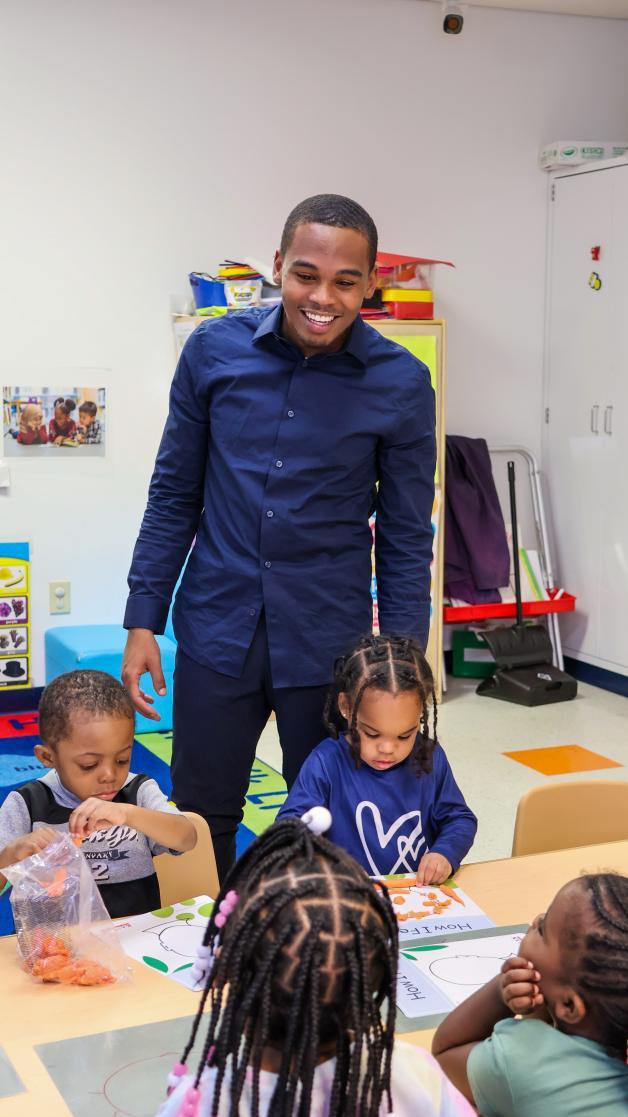
Head Start teacher Jonah Baker shares that same sense of purpose.
Growing up, Baker often felt overlooked in school. As one of the only Black children in a predominantly white elementary school, he didn't always feel seen or supported.
That experience stayed with him and ultimately shaped the kind of educator he wanted to become.
Determined to be the teacher he needed as a child, Baker earned his degree in early childhood education and began his career at Step Forward immediately after college. He has now spent three years in the field.
Today, Baker's classroom is filled with energy. Children naturally gravitate toward him, drawn to his enthusiasm, patience, and encouragement.
"Having a male role model right there in front of you, teaching
Jonah Baker plays an important role in creating healthy young minds.
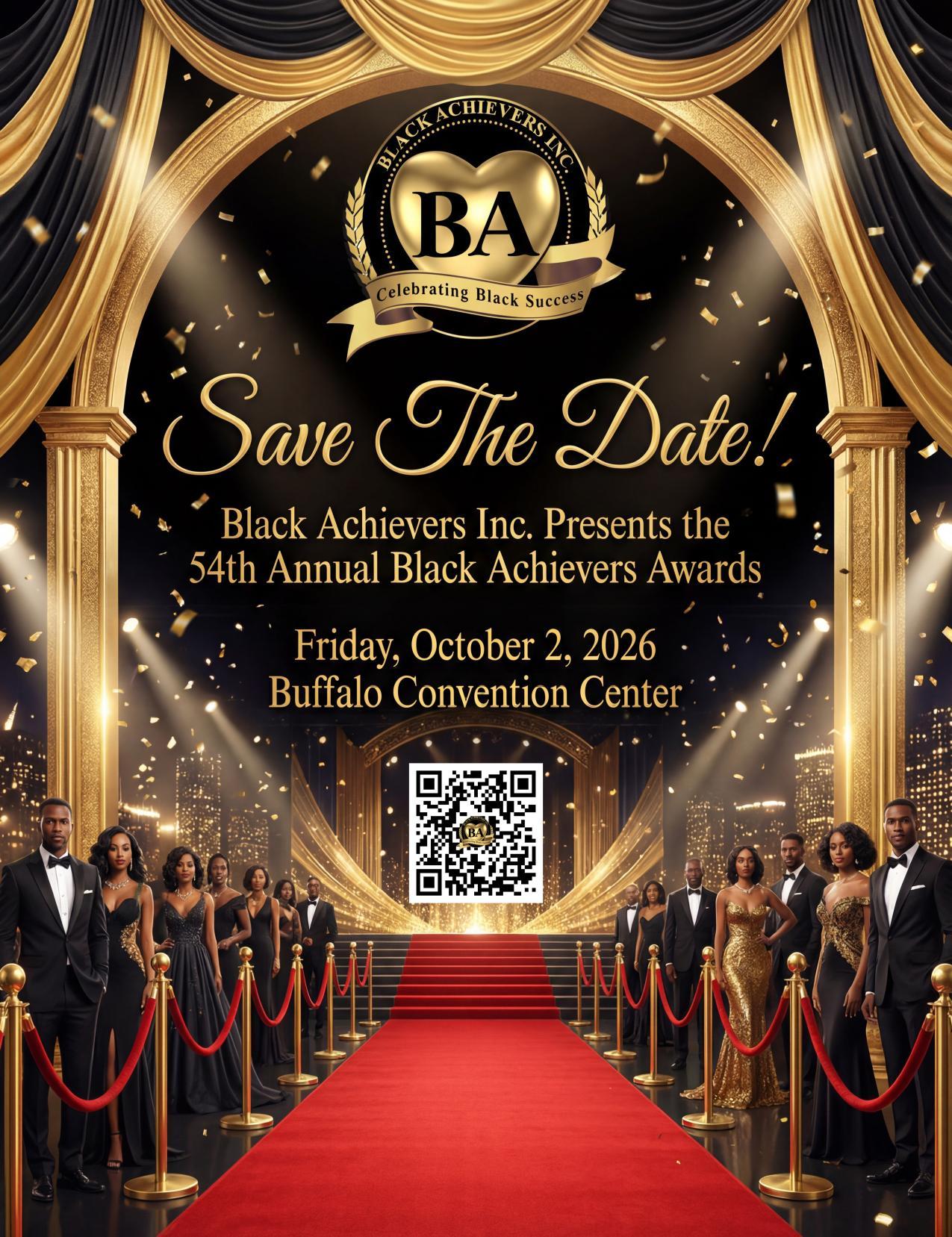
you, wanting to see you thrive, that really makes all the difference," he said.
Baker knows how meaningful it can be for children to have a trusted male figure in their lives, especially for those who may not have one at home.
"I never want to overstep anyone's parental role," he said. "But it means a lot when children know they can trust me and come to me. I'm grateful I can be a positive presence in their lives."
The impact of male representation at Step Forward extends beyond the classroom.
Nearly a decade ago, male staff members launched an effort focused on encouraging fathers and other male figures to become more involved in children's lives. Now led by Family Service Worker Stephen Gettis, the initiative creates opportunities for men to spend time with their children, build relationships, and connect with other fathers.
"Strong dads create strong families, which create strong kids," Gettis said.
Throughout the school year, fathers and families gather for events that encourage male involvement from the very beginning.
At the start of the school year, Step Forward participates in Cuyahoga County's Father's Walk, which invites dads, grandfathers, and other male figures to walk children into school together. In the spring, the agency hosts a basketball tournament that brings families from different Head Start sites together through friendly competition.
Other efforts focus on the everyday interactions that help strengthen relationships between fathers and children. Through 24/7 Dad, a fatherhood program developed by the National Fatherhood Initiative, participants take part in discussions centered on responsibility, self-awareness, and building stronger relationships with their children.
For Gettis, the goal is simple: helping fathers feel supported and confident in their role.
"It's about creating a safe space for dads," he said. "Helping them figure out how to show up for their kids, even if things aren't perfect."
The impact of that involvement often shows up in the classroom.
"We see the difference in the kids at school," Gettis said. "We see behaviors change."
Educators say children with engaged fathers and male role models often appear more confident, more connected, and more willing to participate in the classroom environment.
For many children, those relationships can become an important source of stability and encouragement during some of their earliest years.
You
As conversations around representation in education continue, educators and advocates say early childhood classrooms benefit when children see a wider range of role models guiding and supporting them.
For generations, nurturing and teaching young children has largely been viewed as women's work. But educators like Jones, Baker, and Gettis hope more men will begin to see a place for themselves in early childhood spaces, too.
Early childhood education offers something unique: the opportunity to make an impact from the very beginning. To be present for a child's first discoveries, first friendships, and first sense of belonging. To be the person who shows up and makes a difference during some of the most forma-
Step Forward continues to encourage more men to explore careers in early childhood education and family support services. More information about available opportunities can be found at stepforwardtoday.org/careers. ●
Stephen Gettis helps with developing children early.

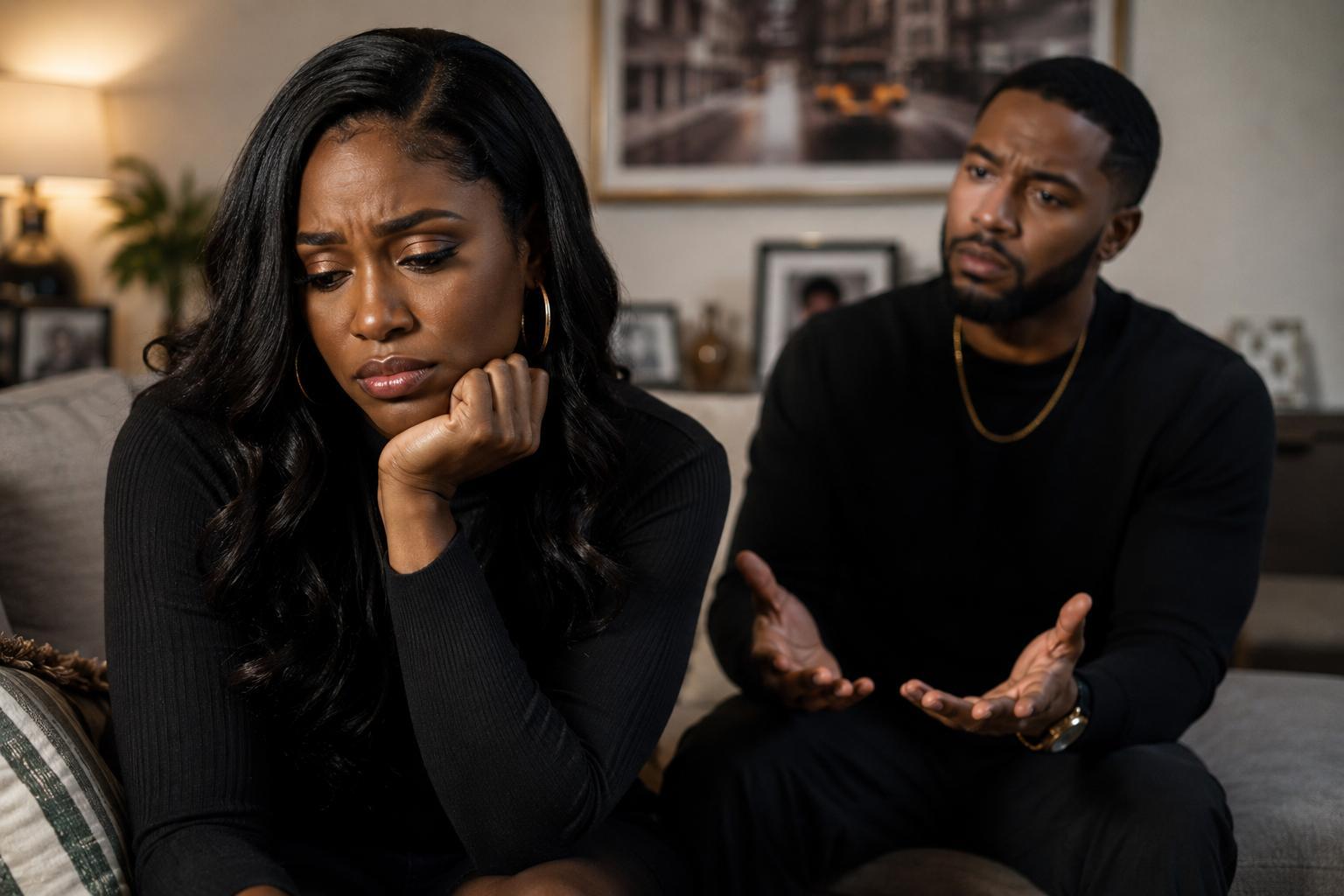
Women will reject the good guy and then spend the rest of their life looking for the same man in a lesser person. Why?
If you’re in the dating pool, you already know the water, as they say, has urine in it. When single people describe their dating experiences, they are often disappointed with the choices they have in the opposite sex. Well, what if the problem is not the pool, but the person swimming in the pool?
The question of why women don’t like the good guy has been a thing for many years. Women often claim that good men are boring, predictable, and too nice. However, if you ask a woman what she’s looking for in a man, she’ll define his attributes using the same characteristics as the good guy. This creates confusion for men when trying to date.
“The dating pool sucks right now,” said Char Curry, a dating coach.
“Women don’t know what they want in a man because they don’t really know who they are.”
Curry goes on to describe the modern woman. She’s educated and talented in her career, but her dating choices suffer because she hasn’t put any time into understanding who she really is or what she wants.
Curry also goes on to say that women don’t deal with their trauma well, so when they attempt to find a mate, their past becomes a factor in determining their future.
“Women often come with childhood trauma, or they have trauma from bad dating experiences. Well, if they don’t address those issues, they bring it into their next relationship where the pattern repeats itself,” Curry explained.
That pattern of behavior sets the stage for an endless cycle of disappointing dating experience after disappointing dating experience.
And by the time they meet a good guy, they’re so used to the trauma of a relationship, the calmness that a nice guy brings seems wrong.
When women say they’re not attracted to "nice guys," they usually mean they’re not attracted to men who use excessive politeness to
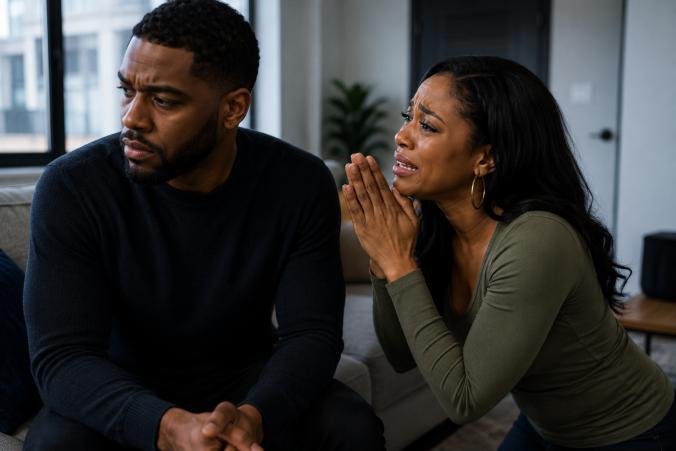
hide insecurity, passivity, or a lack of boundaries. True kindness is universally valued, but performative "niceness" often lacks the confidence, chemistry, and authenticity needed to spark romantic tension.
The friction usually comes down to a few common dynamics:
Being simply agreeable and avoiding all conflict doesn’t create romantic excitement. Without flirting, playful teasing, or stepping up to take the lead, a connection can feel platonic rather than romantic. Women want to feel actively desired and pursued, which requires taking the risk to show clear romantic interest.
Performative niceness is often driven by a hidden motive: the expectation that being polite and accommodating will earn a woman's affection. Genuine kindness is given without conditions. When a dynamic feels transactional, it can come across as manipulative or lacking in genuine character.
If a man constantly agrees with everything a woman says, hides his own opinions, or sacrifices his values to avoid rejection, it creates a lack of authenticity. People connect with real, three-dimensional individuals who have boundaries, passions, and the confidence to express who they truly are.
Underneath hyper-accommodating behavior often lies a fear of conflict and rejection. Constantly seeking validation and approval can make a man appear needy. Confidence, self-respect, and the ability to handle disagreement respectfully are what ultimately build deep trust and attraction.
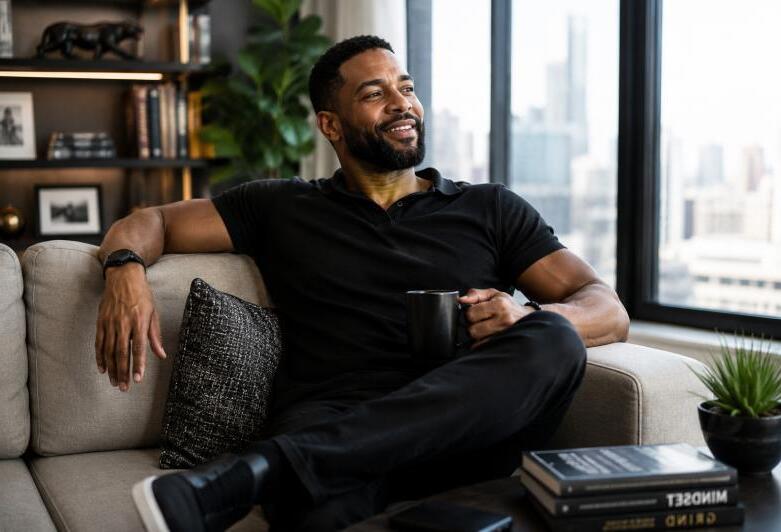
But there is another side to dating that women also struggle with. Masculine men. Men with boundaries. Men who understand who they are and are unwilling to put up with the drama that many women come with.
“Some women today only want men for one thing, money,” Char says. “Masculine men are not going to put up with that type of behavior because they understand what
Women often realize it too late that they have lost their men,
they bring to the table; they’ll not allow a woman to manipulate them and take advantage of them.”
Dating a masculine man often means embracing a dynamic of healthy partnership where your date takes initiative, offers emotional or practical support, and takes pride in providing a secure, stable environment. This allows a woman to relax, let him lead, and lean into her own receptivity.
Navigating this relationship involves focusing on these key dynamics:
Letting Him Court You: A traditionally masculine partner usually enjoys the pursuit. Allow him to take the lead in making plans, securing the reservations, and showing his intentions through proactive actions.
Clear Communication: Assertive, masculine men appreciate directness. A woman clearly communicating her needs, boundaries, and appreciation builds a strong foundation of mutual trust and respect.
Appreciating His Efforts: A secure masculine man feels valued when his efforts to protect, provide, and support are acknowledged. A simple "thank you" for a gentlemanly gesture goes a long way.
Embracing Complementary Energy: Allowing a partner to take the reins frees the need to over-function or compete. This supportive balance allows both individuals to thrive in their respective strengths.
On the other side, men are in a real battle to understand just what they are getting from today's dating pool. There’s so much to filter through when attempting to date a woman that many men have checked out of the dating market and would rather have peace than the companionship of a woman.
Many men are intentionally choosing to step away from dating, a trend often linked to a shift toward prioritizing peace, self-sufficiency, and personal well-being. Often, disengagement stems from past relationship trauma, dating app burnout, or the high effort-to-reward ratio of modern dating.
Burnout & Frustration: Many men find modern dating apps exhausting. Issues like low match rates, unreciprocated effort, and "ghosting" make the process feel like a highstress, low-reward endeavor.
Prioritizing Independence: Research from forums like Reddit highlights that many men report immense improvements in self-respect, happiness, and financial stability when focusing solely on themselves.
Fear of Rejection & Misunderstandings: A decline in organic, in-person social interactions leaves many men feeling awkward about making the first move. Many men are also afraid of being perceived as "creepy" or facing professional repercussions.
Past Trauma: Unresolved heartbreak such as being cheated on or going through a difficult divorce drives many men to protect their emotional well-being rather than risk getting hurt again.
Perceived Risks of Marriage: Some men view the legal and financial stakes of marriage and divorce as a major risk, opting to remain single to protect their assets.
There is still a chance for anyone who wants to date to find love. They’re going to have to put in the real work of making themselves datable, which means doing the work to become attractive to the opposite sex not externally, but internally. It means that people must be the kind of people that they themselves would want to date.
Until then, the dating will continue to get worse, and the urine that is in the pool will get more and more yellow. ●
Men are starting to choose peace over a woman who provides no value to his life.

Felishia McDonald creates a world where little Black kids can thrive and be themselves with stories made just for them.
Joey Wants to Sing follows a joyful little boy who dreams of becoming a singer, learning his letters and numbers along the way with confidence and heart. Lisa Dreams Big: Ordinary Days, Extraordinary Adventures follows a little girl whose imagination turns an everyday afternoon into something magical. Both stories carry the same quiet, powerful message. Our children are allowed to dream, and they are allowed to be the hero of the story.
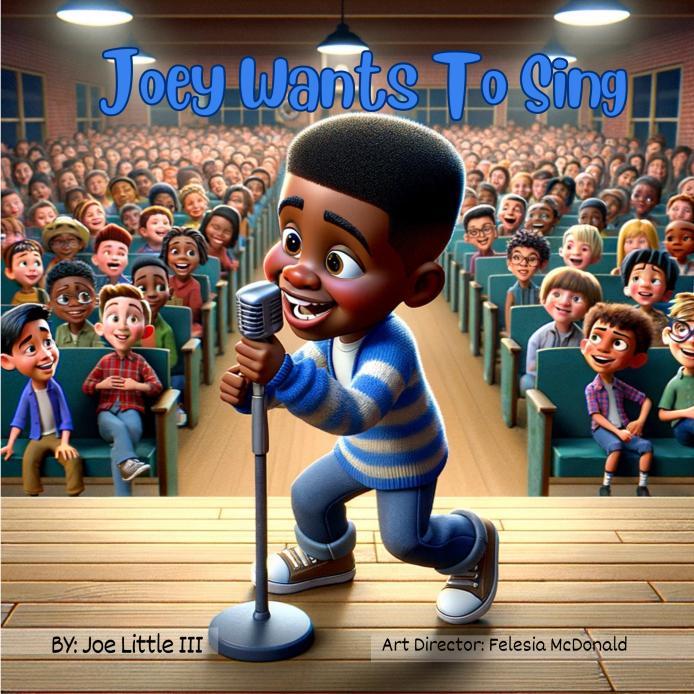
too.
Representation was never an afterthought for Felesia McDonald. She wanted Black children to open a book and recognize their own faces, their own joy, their own big dreams looking back at them. When a child sees a character who looks like them reaching for something wonderful, they learn that the reaching is for them too. That is how a dream stops feeling like someone else's and starts feeling like a possibility of their own.
That same thread connects everything Felesia does. Whether she is training teams on AI, creating animated shorts, or writing a bedtime story, the goal is the same. Help people discover what is possible for them, then help them get there.
Both books are available now on Amazon:
Joey Wants to Sing
Lisa Dreams Big
And if you have a story of your own waiting to be told, Felesia can help you bring it to life. Through Design360 Consulting, she creates AI-illustrated children's books, animated videos, and brand content for authors, entrepreneurs, and organizations ready to turn their ideas into something real. The same skills that built Joey and Lisa can build the world living in your imagination
McDonald has spent two decades designing experiences for some of the country's largest companies, including Optum, a Fortune 5, and Sherwin-Williams, a Fortune 100. Today she teaches Product Architecture and UX Design at the Weatherhead Business School at Case Western Reserve University. But ask her what she is most proud of, and she will point to two children's books, and to the kids who finally see themselves inside the pages.
Acie has a passion for speaking power into women in America and spends her freetime working to help those who desire a better outcome.
Known as McDonald the Tech Geek, McDonald is a children's book author who illustrates her stories using AI. That detail matters. She does not just teach technology, she uses it to create. Her books are living proof of what becomes possible when imagination meets the right tools. ●

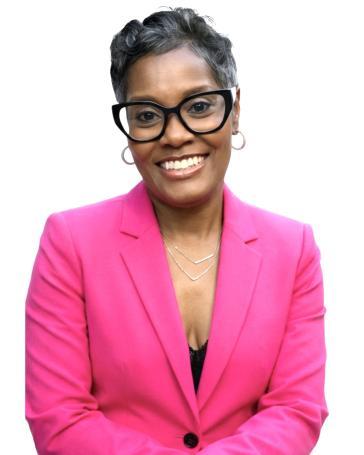

Diara Washington is a middle school science teacher, nursing student, and track and cheer coach who is passionate about helping others grow and succeed. She loves building relationships with her students, encouraging them to believe in themselves, and creating a positive environment both in the classroom and through athletics.
In addition to teaching, Diara is currently pursuing her nursing degree with the goal of becoming a registered nurse and continuing her passion for caring for others. She is also a proud member of Delta Sigma Theta Sorority, Inc., where she enjoys serving her community alongside her sorors.
When she's not teaching, coaching, or studying, Diara enjoys traveling, trying new restaurants, spending time with family and friends, and listening to music. She believes that every experience is an opportunity to learn, grow, and make a positive impact on the people.
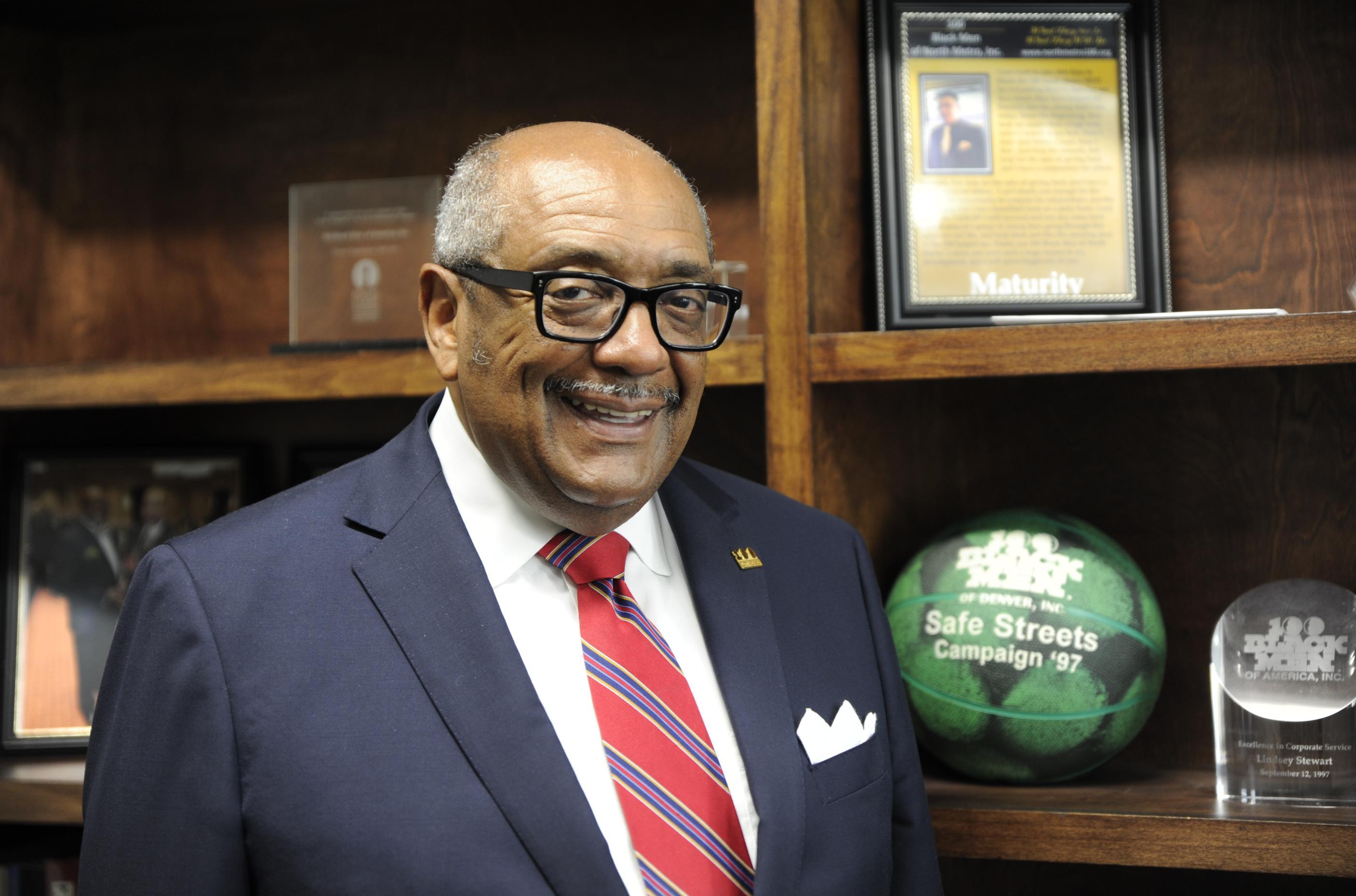
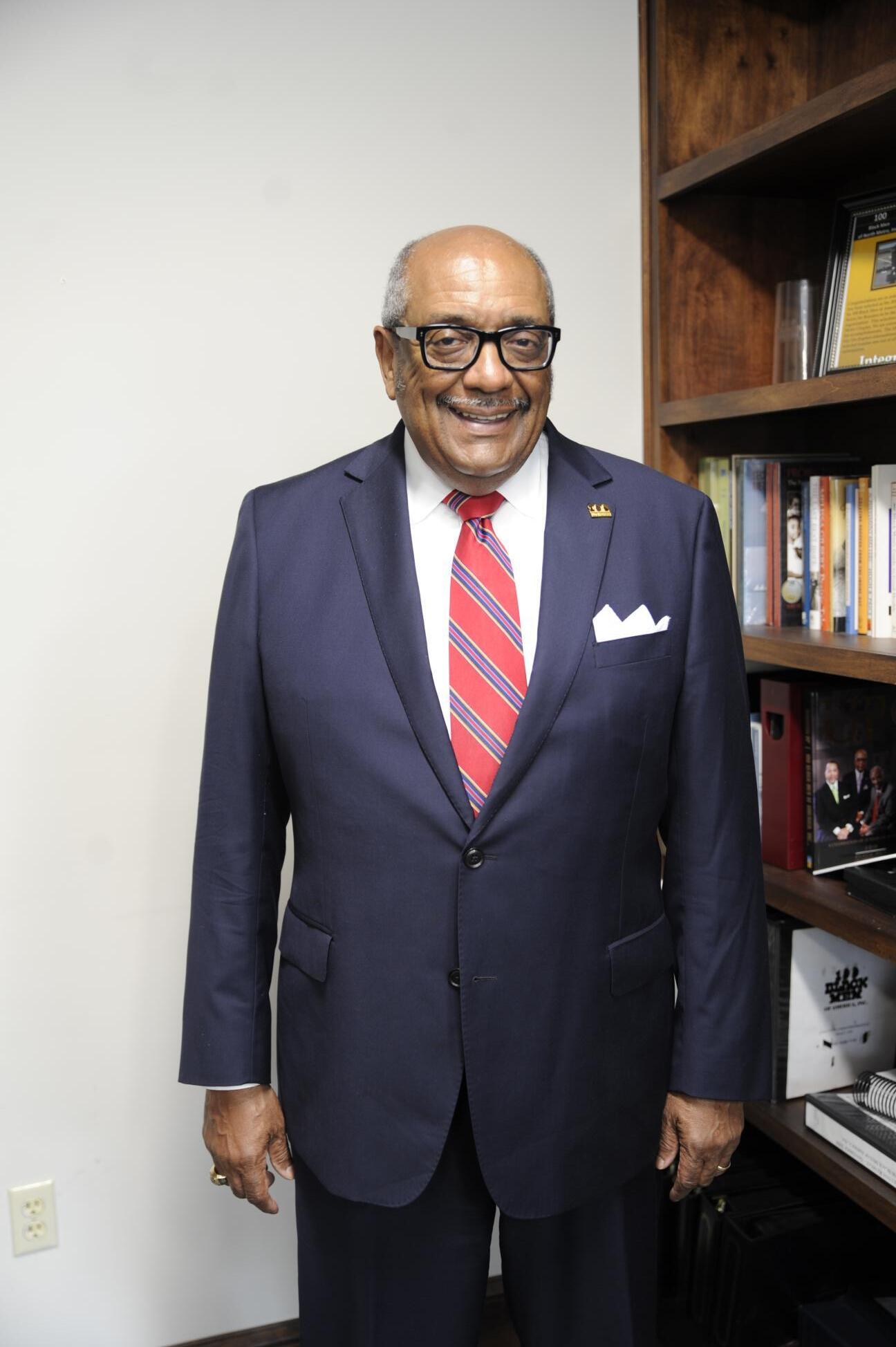
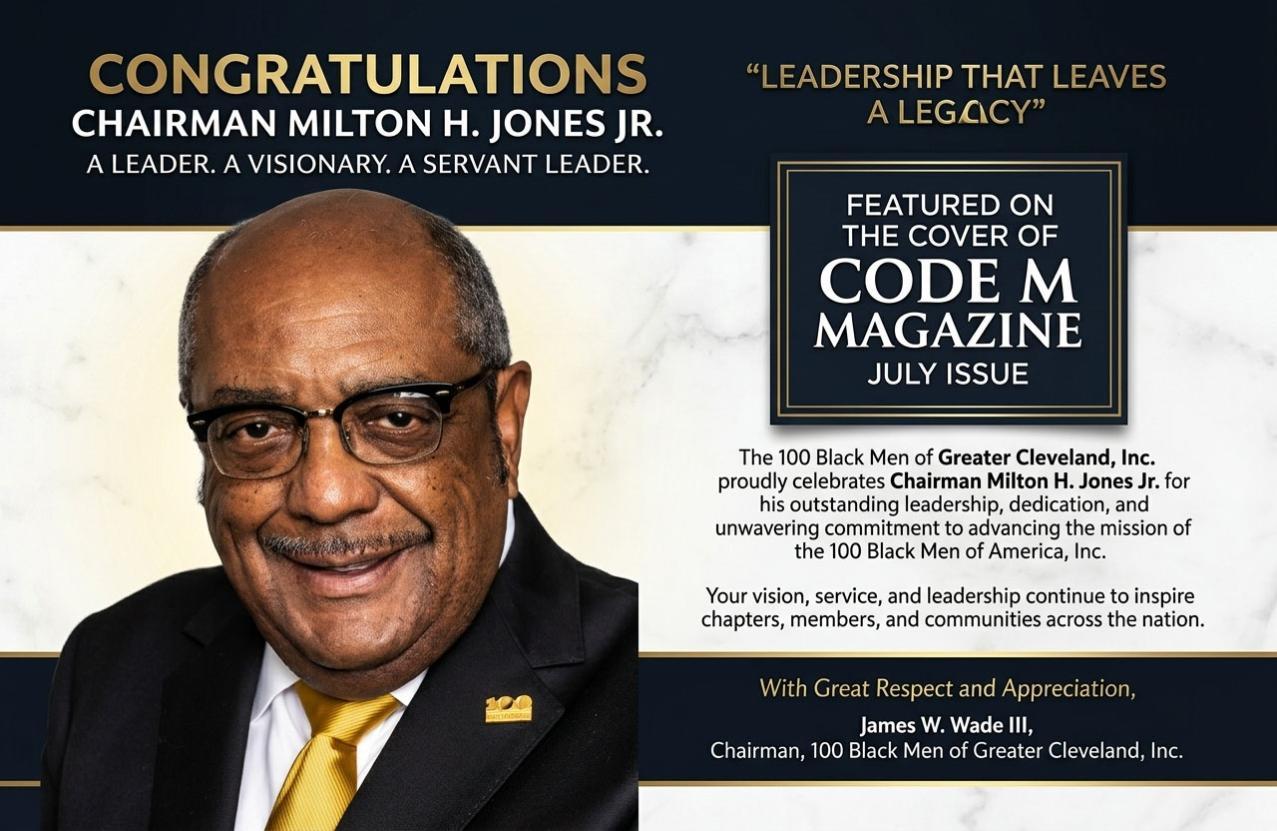
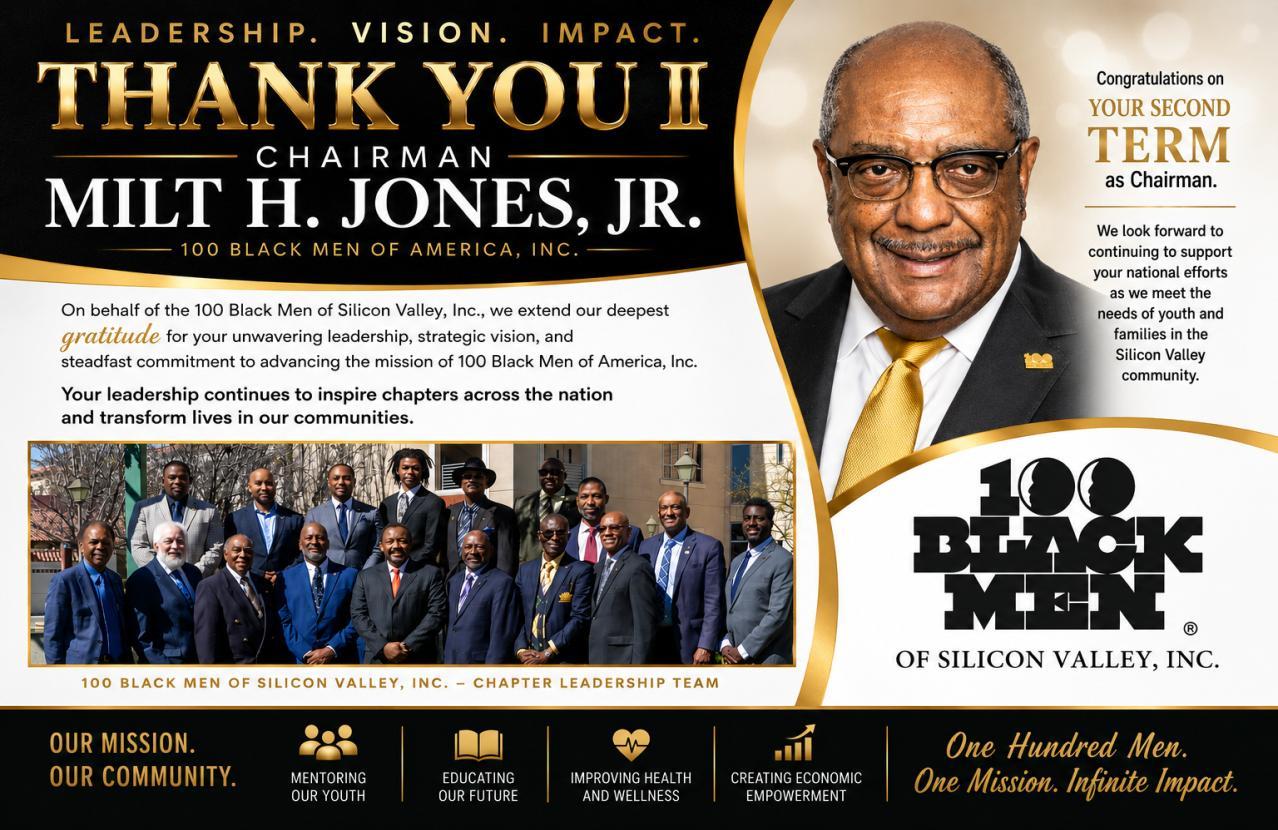
Chairman Milton Jones and the 100 Black Men are creating “mentors for a lifetime,” as the organization’s 106 chapters develop the next generation of leaders.
Written by BRAD BOWLING
Brad Bowling is the President of CODE Media Group, LLC. Bowling has his BA in mass media communication and an MBA in marketing. He contributes articles to the magazine continuing his love for writing.
When people begin to understand that no one is coming to save the Black community, it will be better. When people begin to understand that no one is coming to save the Black community, they will better understand the position that the Black community is in. Before integration, Black communities depended on their own to accomplish their goals. Black schools, Black banks, Black doctors, and Black businesses. They all stayed within the community. The Black dollar circulated in the community, thus making everyone capable of living a decent lifestyle.
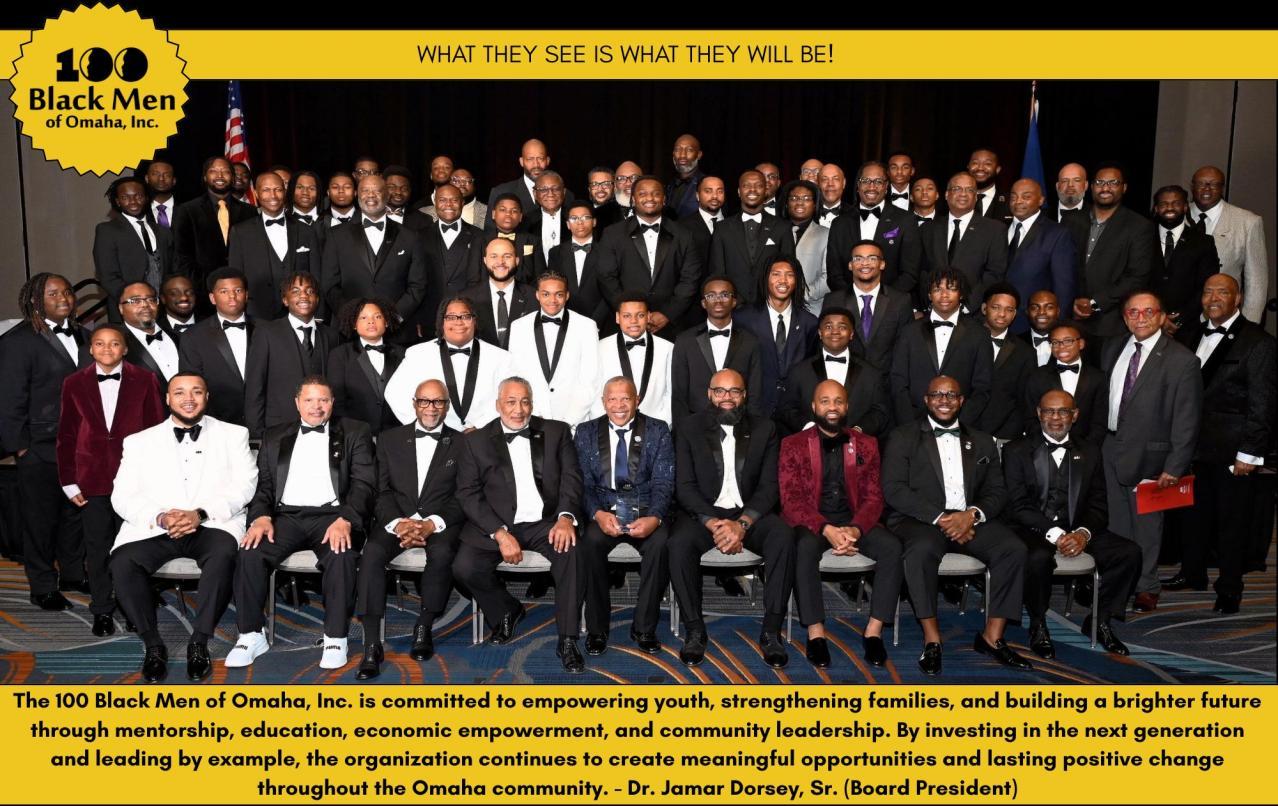
Today, the Black community is beyond a crossroads. Black talent is scattered all over the world, and the only thing remaining is the Black community needs help. That help is coming from organizations like the 100 Black Men of America, the nation's largest mentorship organization for Black men.
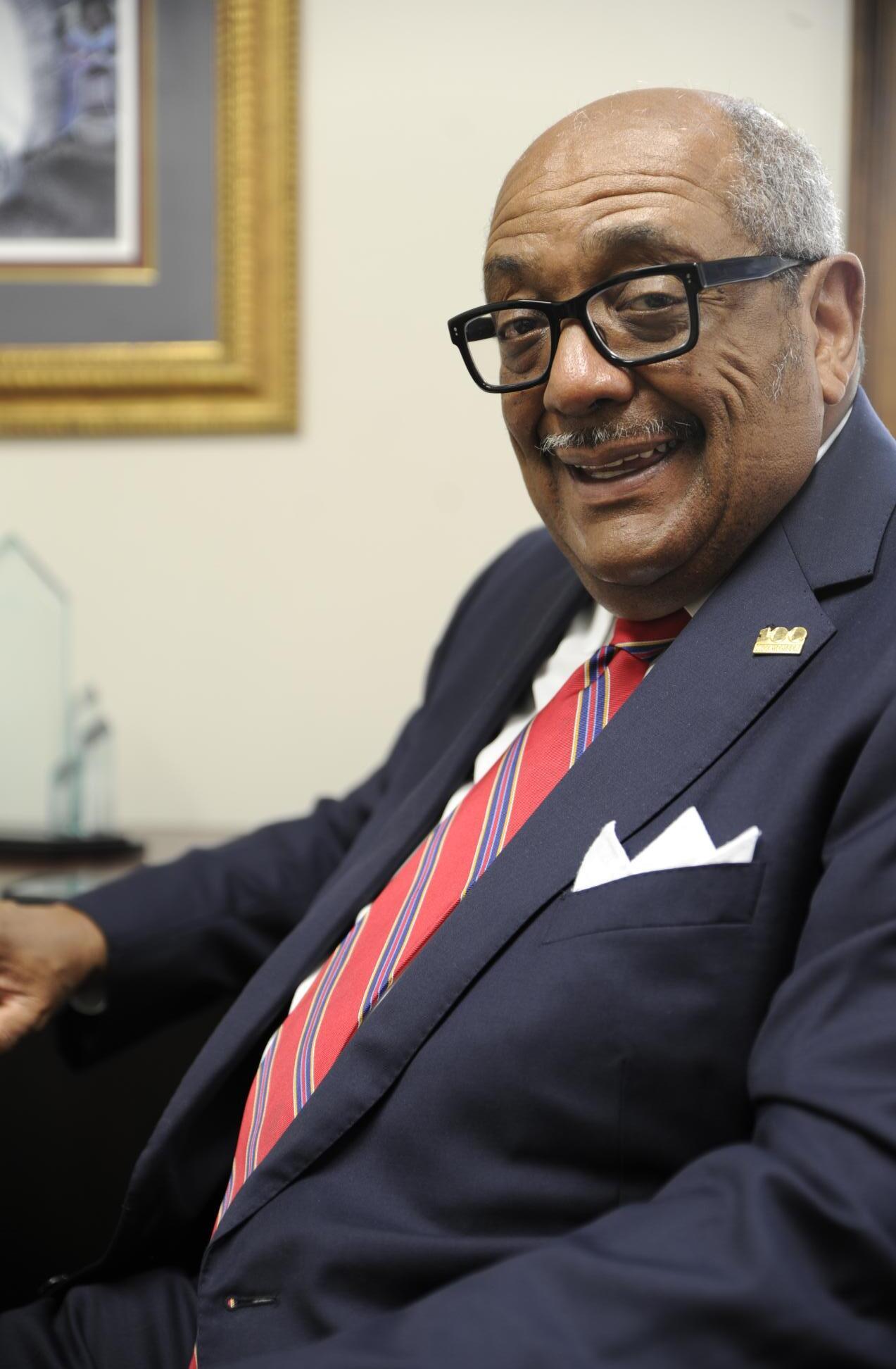
At its helm is Milton Jones, a career financial executive who has managed regional and large national organizations around the country and is the owner and founder of Peachtree Providence Partners LLC, in Atlanta, Georgia.
Prior to his election as UNCF Board Chair on March 11, 2021, Jones served as vice chair of the board and chair of the Finance Committee. He has been a member of UNCF’s Board of Directors since 2005. UNCF is one of the nation’s largest and most effective supporters of higher education and serves as a leading advocate for college-bound students.
Since its founding in 1944, UNCF has raised more than $6 billion to support more than 600,000 students’ access to higher education, provide scholarships, and strengthen historically Black colleges and universities (HBCUs) including UNCF’s 37 member institutions.
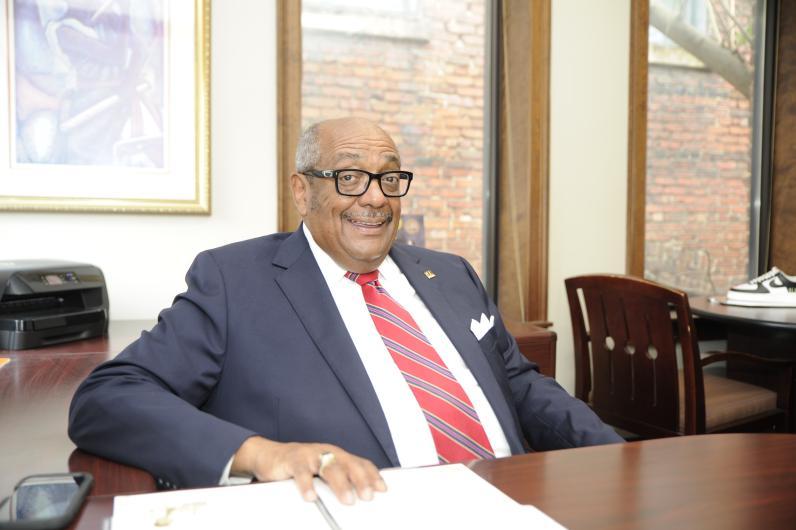
“We’re working hard to ensure that we create as many mentorship opportunities as possible for those who need the kind of guidance that young people are going to need in 2026,” Jones said.
He isn’t wrong. If you look at the current landscape for Black boys and men, the future will only be as bright as the person prepared for it.
“Today’s kids are going to school and getting associate degrees and then entering the workforce and are able to earn close to six figures based on all the positions that are in need right now across the country,” Jones said.
Jones also talks about the positions that are AI-proof where demand is high, and the pay is even higher. Right now, there are shortages for the current positions.
• Military mechanics
• Auto Mechanics
• Welders
• Carpenters
• Bricklayers
• Skilled Electricians
• General Contractors
• Plumbers
• HVAC Technicians
Now is the perfect time for anyone looking for a career to enter into one of these fields. The entry point is low to obtain certification, and in some cases, if they enter into an apprenticeship, they can get paid to learn a skill.
“People might think that education is not important for these positions, but that’s not what corporate America is saying,” Jones explained. “They’re saying that learning is important and for those that seek these positions, great salaries and careers are waiting for them.
More importantly, AI technology cannot replace any of the positions mentioned. So, for any Black man who wants to create the kind of lifestyle that can support him and a family, it is waiting. Where the 100 Black Men enter is the mentorship.
“I mentor as many 20- to 50-year-olds as I do young men under 21,” Jones said.
The organization prides itself on being able to provide the kind of leadership that’s needed to help young men better understand the options before them, and the dangers that lurk if they’re not aware of hazards that await an idle lifestyle.
The group's four pillars define their community outreach:
• Mentoring: Providing holistic life skills, role modeling, and career guidance to young African American males. Signature initiatives include the Collegiate 100 and local youth ambassador programs.
“We must not wait for young men to come to us. We must go and reach out to them,” Jones said.
“If we’re going to make a difference, then we have to go out and do the hard work of showing up and becoming the kind of men we need to create the lives we all want.”
Jones and the 100 also believe in double coverage for mentoring. They will often create options where two people mentor one person. So, if one cannot make it, another person will show up. And mentoring is not just coming to
“We must not wait for young men to come to us. We must go and reach out to them,” Jones said. “If we are going to make a difference, then we have to go out and do the hard work of showing up and becoming the kind of men that we need to create the lives that we all want.”
• Education: Designing viable educational solutions, from hosting college tours to providing scholarships and running history challenges for youth.
• Health & Wellness: Raising awareness to promote behavior change and healthier lifestyles. Chapters frequently partner with medical providers to offer free health screenings.
• Economic Empowerment: Creating economic opportunities to foster just societies and long-term self-sufficiency for community members.
Those four pillars are the group’s foundation and serve as the building blocks upon which to stand young men so that they become productive members of the communities they live in. And once they have the skills they need to thrive, it’s expected they will reach back and help someone else attain their full potential.
events; it’s designed around spending real quality time with mentees to they get to see examples of what a man is, not just hear about it.
The 100 Black Men of America held its annual convention in New York City in June of 2026, and over 300 youth were present to witness the festivities of the week’s convention, providing the example of what happens when you reach your goals.
“I know that if we do this and we give back to the kids behind us, we can accomplish some amazing things,” Jones said.
The 100 Black Men of America are always looking for new members to take on the challenge of joining the organization and become the kind of mentor that a young person can count on. The Black community needs it, the young Black man needs it, and it turns out that the mentor always needs it.
Jones has had an amazing career working in the financial sector. He has created wealth for himself and scores of other people. But if you ask him what his greatest accomplishment is, he will tell you: Giving back to those who are less fortunate. Truer words have never been spoken by such an amazing person. That’s why Milton Jones is the cover for our July Issue. ●
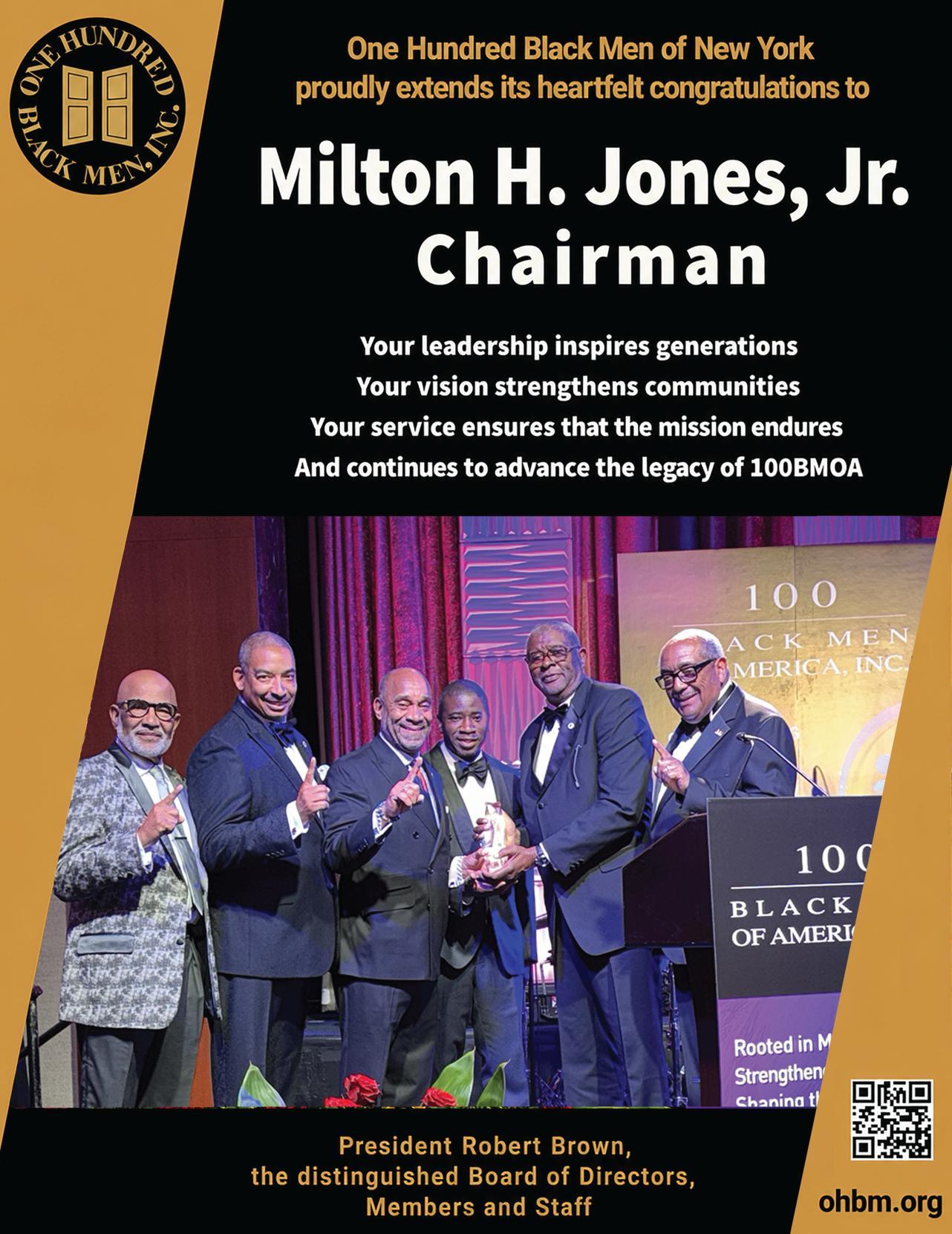
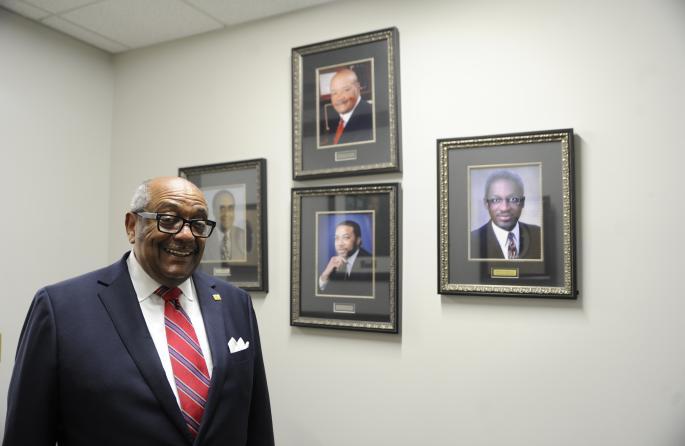
Jones standing next to past 100 Black chairman.
Young adults looking to enter political office are tired of waiting on career politicians to retire leaving the question, are term limits necessary to remove 80-year-old people from office?

Written by Madison M. Maynard
Madison JULYnard is a junior Honors Broadcast Journalism major with a Political Science minor at Howard University. Currently, she hosts a weekly political show on WHBC 96.3 HD3 and works for Howard University Spotlight Network's News Department. Additionally, she is passionate about print journalism and eager to gain further experience in the field.
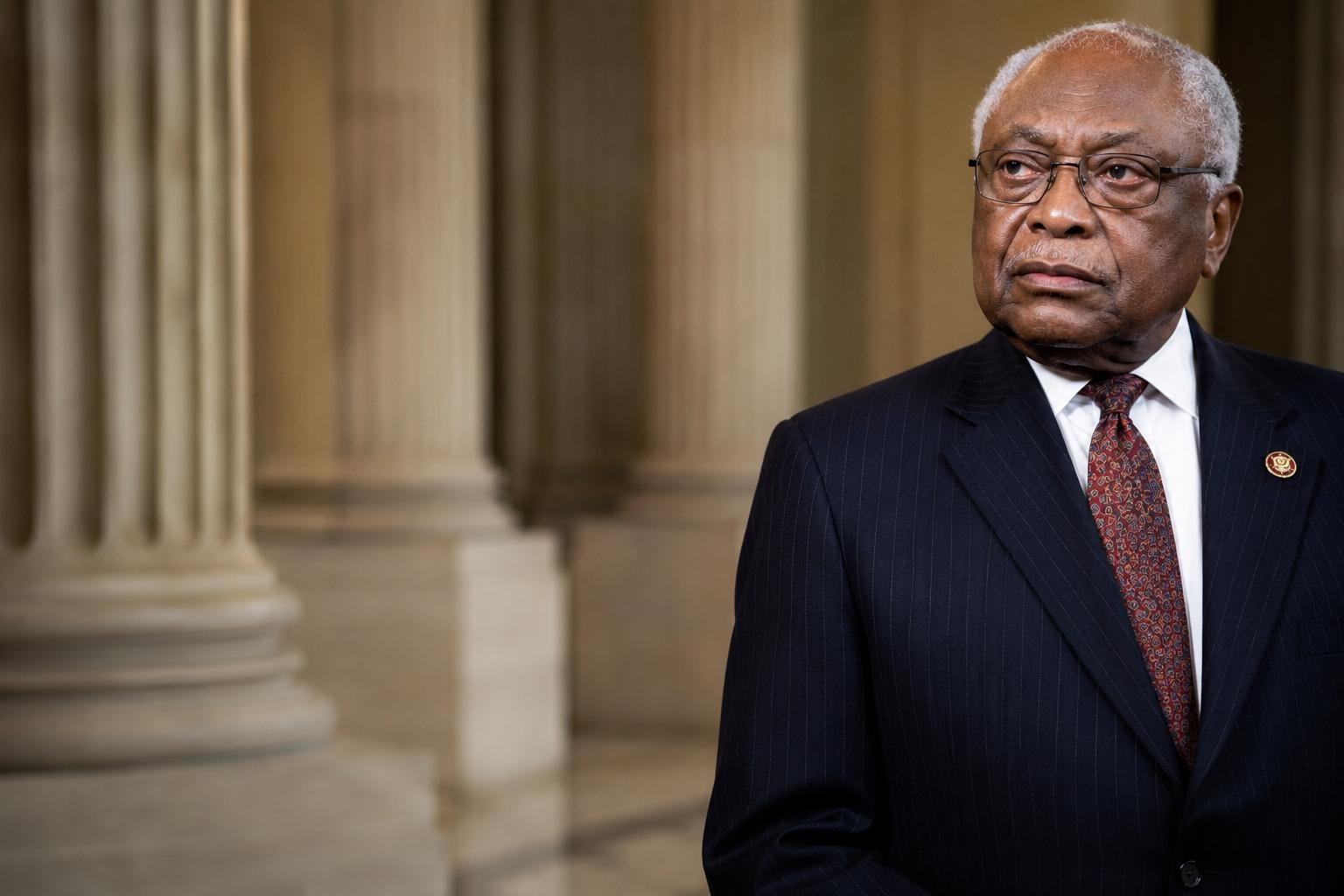
OOn March 12, 2026, longtime South Carolina Congressman Jim Clyburn announced that he would seek an 18th term in the US House of Representatives at the age of 85. The announcement drew significant criticism, particularly from members of Generation Z, many of whom argue that the Democratic Party needs a new generation of leadership. For these young voters, Clyburn’s decision highlighted a broader frustration with older elected officials who continue to hold office, limiting opportunities for younger leaders to advance and shape the party’s future.
Many Americans have expressed frustration with what critics describe as a "gerontocracy,” a political system in which elected officials remain in positions of power well into their eighties and beyond. For these voters, the continued dominance of older politicians has fueled concerns about representation, responsiveness, and opportunities for younger generations to assume leadership roles.
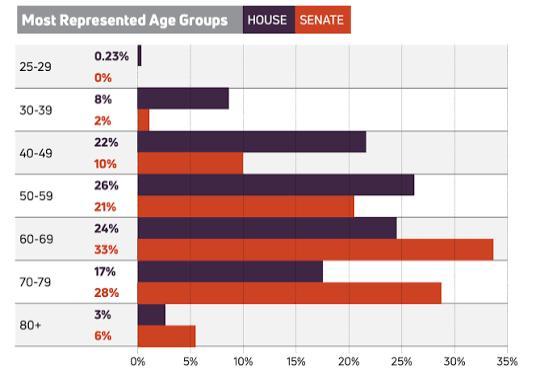
According to Quorum, the average age of members of Congress is approximately 59 years old, with senators averaging 64 years of age and members of the House of Representatives averaging 57. As a result, Baby Boomers (born between 1946 and 1964) make up the largest generational bloc in the Senate, while Generation X (born between 1965 and 1980) constitutes the largest bloc in the House. Additionally, more than 100 members of Congress are over the age of 70, underscoring the prominent role older generations continue to play in shaping national politics.
Rather than seeing incumbents remain in office for decades without a clear succession plan, many of these voters believe experienced politicians should help cultivate and mentor potential successors who can continue their work while offering a leadership style that is more responsive to the concerns of younger generations.
A growing movement among young activists has called for greater
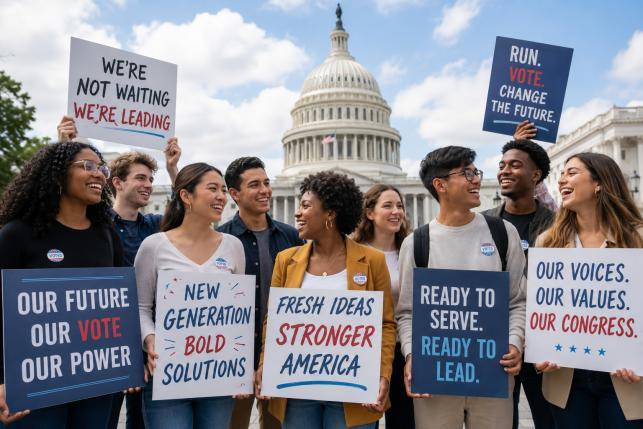
generational turnover in American politics. One of the most visible leaders of this effort is David Hogg, the former vice chair of the Democratic National Committee, survivor of the Parkland school shooting, and gun reform advocate. Through his organization, Leaders We Deserve, Hogg has supported younger candidates challenging older incumbent Democrats who many members of Gen Z view as out of touch with younger voters and ineffective in addressing contemporary issues.
While Hogg did not back a primary challenger to Jim Clyburn during the 2026 election cycle, the debate surrounding Clyburn’s candidacy reflects the broader conversation Hogg has helped bring to the forefront regarding generational change in political leadership.
Clyburn has stated that leaving Congress would be like “giving up his life,” a comment that sparked criticism from some young activists. In response to similar arguments from long-serving politicians, Hogg has maintained that congressional seats belong to the American people, not to the individuals who occupy them. This sentiment has become a common talking point among Gen Z activists advocating for younger leadership and increased opportunities for the next generation of elected officials.
Gen Z’s calls for younger candidates to challenge older incumbent politicians have become a significant factor in the 2026 midterm elections, particularly within the Democratic Party. What began as a growing demand for generational change has evolved into a reality, with several races across the country featuring younger challengers running against long-serving incumbents.
Many young voters argue that Democratic career politicians have not been aggressive enough in opposing the Trump administration and believe that a new generation of politicians is needed to address the concerns and priorities of younger Americans. Polling also suggests that the desire for generational change extends beyond Gen Z. According to an NPR/ PBS News/Marist poll, nearly eight in ten Americans support imposing both term limits and mandatory age limits for members of Congress.
These findings indicate broad public concern about the age and tenure of elected officials and reflect a growing appetite for new leadership in Washington. As a result, a number of
Young adults are growing impatient with the current political environment where they have no say.
high-profile contests have emerged that exemplify this broader debate over age, leadership, and the future direction of the Democratic Party. These contests demonstrate that an increasing number of young Americans are rejecting the traditional "wait your turn" approach to political advancement and are instead choosing to challenge incumbent officeholders directly in primary elections.
In Massachusetts, the Democratic primary for US Senate features incumbent Senator Ed Markey and Representative Seth Moulton. Moulton has directly raised concerns about Markey’s age (79) and has argued that the party should begin to “pass the torch” to a younger generation of leaders.
At the state party convention, Markey secured the endorsement of the Massachusetts Democratic Party with roughly 73% of delegate support, while Moulton received about 27%, enough to qualify him for the September primary ballot. However, polling from Emerson College shows a closer contest, with Markey leading Moulton 37% to 32%, suggesting a competitive race that could shift in the months ahead. The two candidates are scheduled to debate in August ahead of the September primary.
In Arizona’s 4th Congressional District, Representative Greg Stanton is facing a primary challenge from progressive activist Kai Newkirk, who argues that Stanton is closely aligned with corporate interests and represents an entrenched political establishment that has not taken a sufficiently aggressive stance against President Trump. Newkirk has received backing from several progressive organizations, including Our Revolution, a political action group founded by Senator Bernie Sanders. Political observers generally view Stanton as the favorite to win the primary, citing his incumbency advantage and prior electoral success. However, the race remains ongoing, with the primary election scheduled for July 21.
In Washington, DC, Councilmember Robert White announced his candidacy to challenge 88-year-old Delegate Eleanor Holmes Norton. White’s entry into the race proved significant, as Norton subsequently announced her retirement amid growing scrutiny over her age and continued tenure in office. In this case, generational pressure appeared to have an impact even before Election Day.
Following Norton’s retirement, the race shifted from an incumbent -versus-challenger contest to an open-seat competition. Several additional candidates have since entered the field, making the primary more competitive, though White remains among the early front runners as of June.
In Texas’s 9th Congressional District, longtime Representative Al Green, 78, was forced into a runoff election by 37-year-old challenger Christian Menefee. Menefee ultimately defeated Green, a result that has been described as a generational upset in the current midterm cycle. His campaign emphasized the need for change
in the district, and he also outpaced Green in fundraising.
The outcome has been viewed as an example of a younger Democrat prevailing over a long-serving member of Congress, reflecting broader tensions over generational change within the party.
The growing calls for career politicians to retire and make way for younger leaders are largely driven by arguments from younger voters who believe that long-serving politicians are out of touch with contemporary issues affecting their generation, including housing affordability, student debt, and climate change.
In contrast, older elected officials often emphasize their extensive experience and institutional knowledge, arguing that decades of public service provide valuable insight into how government operates and how to effectively navigate complex policy challenges.
Career politicians also benefit from established relationships and extensive legislative experience, which can help them build coalitions and advance policy initiatives more effectively. Their historical perspective on major legislative debates and political developments can provide valuable context when addressing contemporary challenges.
Additionally, career politicians can serve as mentors to younger members of Congress, passing on institutional knowledge and practical insights gained through years of public service. For these reasons, many argue that experienced elected officials continue to play an important role in government and that the most effective legislatures are those in which seasoned lawmakers and younger politicians work alongside one another.
As younger candidates increasingly challenge long-serving incumbents, the 2026 midterm elections are providing an early test of how generational change could reshape American politics in the years ahead. ●

Blacks all over America are starting to pay attention to their health in record numbers, and the results could change the game for the entire population.
Written by BRYAN AKIL MARSHALL
Bryan Akil Marshall is widely recognized as the Godfather of Strength and Conditioning in the NBA and was the first Black man to host an exercise show on American television. He is the author of 22 books, including How Bryan Akil Marshall Became the GODFATHER of Strength and Conditioning in the NBA. Follow the Betterment ZIP Code Commitment on Instagram: @Akildad.
Amovement is beginning quietly across America, not because of celebrities, not because of politics, not because of advertising. It’s beginning because ordinary people are making an extraordinary decision. They are deciding to participate in their health.
Over the past several months, something remarkable has been happening through the Betterment ZIP Code and the 90-Day Betterment Commitment. Men and women ages 50 to 85 have been accepting a simple invitation to become more active participants in their own well-being. The invitation was simple.
Previous CODE M Magazine articles explored the importance of the two muscles that change everything: the brain and the heart. The brain decides the heart commits. Together, they create the possibility for betterment.
One article invited readers into the Betterment ZIP Code through a simple challenge of participation. The goal was never perfection it was participation. People were asked to begin where they were, move what they could move, and discover what might happen if they simply showed up for themselves every day.
People have shared comments through Facebook, Instagram, text messages, and conversations. Some were recovering from illness, some were rebuilding strength, and some simply wanted to feel better than they felt the day before.
An 85-year-old retired professor told me, “What you’re showing me, I know works.”
Another participant simply wrote, “My experience has been great. I can move fluently, and my strength has increased. I'm able to ascend stairs without the help of a guardrail. I stand erect in my Royalty and breathe easier.”
“I was afraid to get back on roller skates I hadn't skated in a couple of years and because of the big fear of falling. Well, God hasn't given me the spirit of fear. Additionally, I was able to roller skate for about two hours because of Betterment and the strength in my legs.”
Those words may be short, but they carry tremendous meaning because they come from real people experiencing real change. Improvement has no expiration date.
The Betterment ZIP Code was created because there is a population in America that deserves greater encouragement, greater participation, and greater support.
Many African Americans between the ages of 50 and 85 continue to face significant health challenges, including hypertension, diabetes, heart disease, mobility limitations, and the gradual loss of confidence
and independence that can accompany those conditions. These realities affect families and communities every day. Yet there is another reality that deserves our attention.
The body responds when we participate, when we move, when we breathe, when we consistently show up for ourselves.
Small actions, repeated consistently, create meaningful change over time. But practice doesn’t make perfect. Practice makes betterment.
One of the lessons we continue to learn through the Betterment ZIP Code is that improvement rarely comes from dramatic change. It comes from consistency. It comes from participation. Most importantly, it comes from showing up for yourself day after day, even when the steps seem small.
Many people make the mistake of doing too much, too fast, and too soon. They begin with enthusiasm, become overwhelmed, and eventually stop altogether. The Betterment ZIP Code takes a different approach. It encourages people to begin where they are, respect where they are, and build from there. Easy peasy.
Slow down. Breathe. Move with purpose. Give your body time to learn, adapt, and respond. The goal is not to compete with anyone else. The goal is to become a better version of yourself.
Part of that process is learning how to treat ourselves differently. Too often, we become our own harshest critics. Betterment asks something else of us. It asks us to approach ourselves with kindness, love, and gentleness as we continue growing stronger.
We sometimes need a little Aretha Franklin and some R-E -S-P-E-C-T. Sometimes we need a little Patti LaBelle and a New Attitude. Why? Because one of the most important areas of betterment is not found in our muscles at all. It’s found in the six inches between our ears. When we begin believing improvement is possible, everything begins to change.
We often hear conversations about generational wealth, and those conversations are important. But perhaps it is time to also talk about generational health.
One of the greatest gifts we can give our children and grandchildren is the example of taking care of ourselves. When they see us continuing to move, learn, grow, and care for our well-being, they receive a lesson more pow-

erful than words.
The goal is independence the ability to remain active, engaged, and involved in life for as long as possible. That is generational health.
The Betterment ZIP Code was never intended to be a one-time article, a one-time commitment, or a one-time experience. It was created to help people become active participants in their health and well-being.
Now the next chapter begins, bringing movement and medical science together.
Introducing Dr. Gregory L. Hall, a respected physician, educator, health advocate, and author of Better Black Health. Throughout his career, he has worked to help African Americans better understand their health, their medical choices, and the importance of becoming informed participants in their healthcare journey.
Many of the health challenges facing African Americans today continue to affect their families and communities at disproportionately high rates. Dr. Hall’s work is a reminder that knowledge matters, prevention matters, and understanding our bodies matters.
What makes this partnership especially meaningful is that Dr. Hall is not simply sharing medical information from a distance. He has also experienced firsthand the value of consistent participation through movement, breathing, flexibility, mobility, posture, and daily betterment.
Together, movement and medical science create a powerful
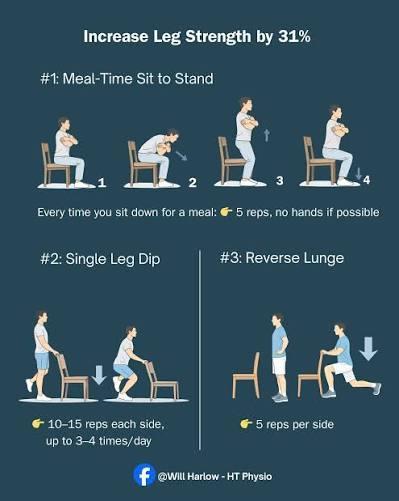
bridge. One helps people understand. The other helps people participate. Both help people move toward greater health, confidence, independence, and quality of life.
Dr. Hall recently shared an observation. He said, “Information alone rarely changes behavior. Community changes behavior.” He is right.
People change when they feel connected. They change when they feel encouraged, when they see someone who looks like them and who shares similar challenges, still choosing to move forward.
Hope becomes believable. Possibility becomes visible. And participation becomes easier.
That is why the next phase of the Betterment ZIP Code is not simply about sharing information. It’s about building community.
To continue building this growing community, a series of Betterment Gatherings is planned during August and September. They’ll bring together movement, medical science, encouragement, participation, and community.
Participants will have opportunities to learn, ask questions, share experiences, and support one another as they pursue better health and greater independence. Most importantly, they will discover they are not alone.
The Betterment ZIP Code is becoming more than a wellness initiative. It’s becoming a community. A community where people encourage one another, celebrate progress, and share victories. It’s a community where hope grows stronger because people are no longer trying to do it alone.
This next chapter for Betterment ZIP Code offers a simple hope: that more people will discover that small daily actions can create meaningful change. Hopefully, more families will begin conversations about generational health alongside generational wealth and will choose movement, better self-care, and greater participation in their own wellbeing.
Most of all, they will hopefully discover that they are capable of more than they think.
The Betterment ZIP Code isn’t about becoming someone else. It’s about becoming the healthiest version of yourself.
One day, one choice, one movement at a time. Together we learn, participate, encourage, and grow! Together we get better. Perhaps this is the beginning you have been waiting for.

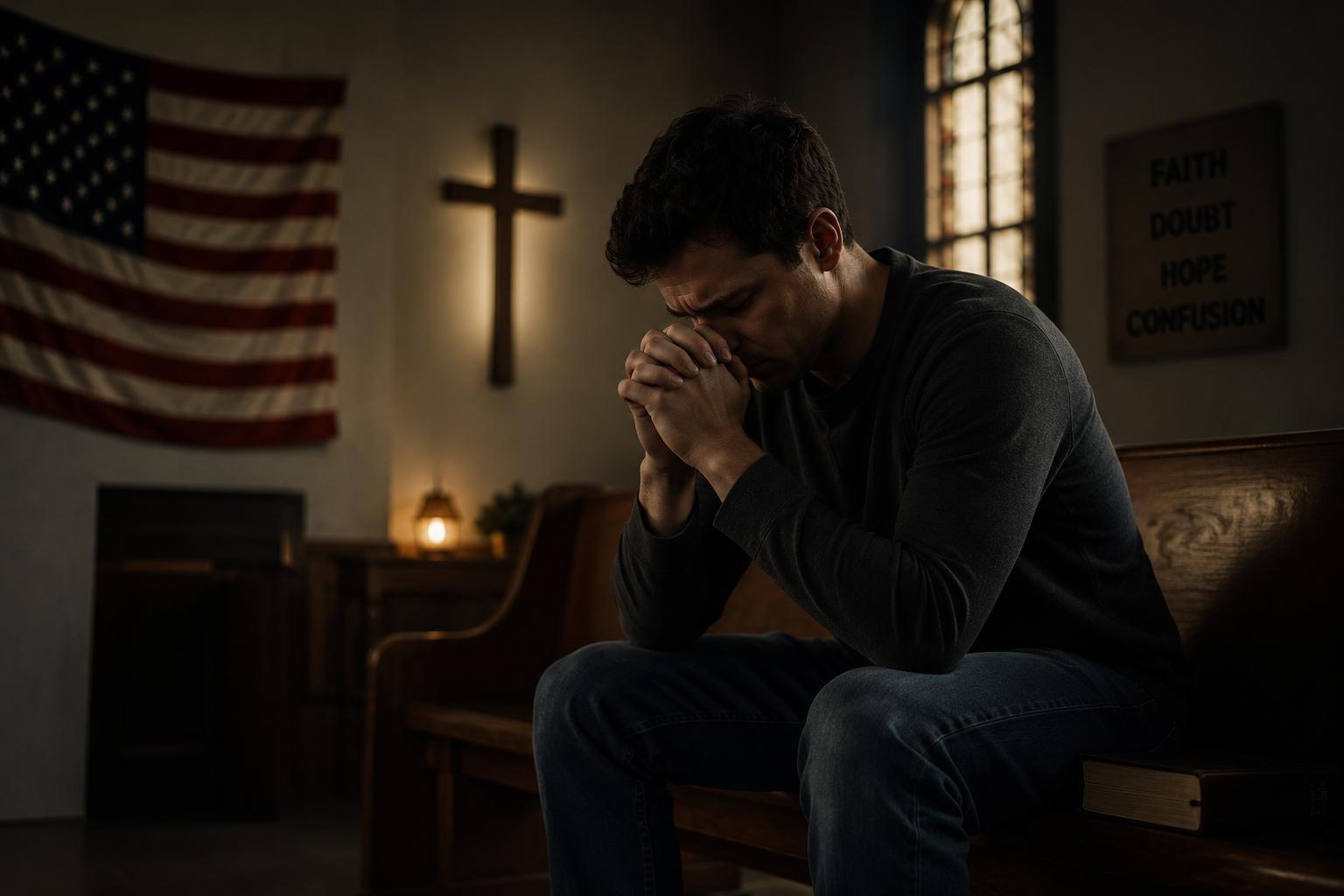
For many people, religion is the mainstay of their lives; for others, it’s the bane of their existence. Where exactly does religion stand these days?

Written by DAVID CHRISTEL
The history of the world’s religions is vast and multifaceted. Steeped in the good, the bad, and the ugly, religion has figured heavily in humanity’s evolution. Religions have come about as mankind has sought to find answers to life’s primary questions and its need to establish a place in the Divine’s firmament.
As the mysteries of our universe and the mind of man have been explored and answers found, questions still abound; no absolutes have been determined. From trying to establish where consciousness resides in the human form to whether humans are the sole sentient beings in the universe, there is no definitive, all-encompassing resolution.
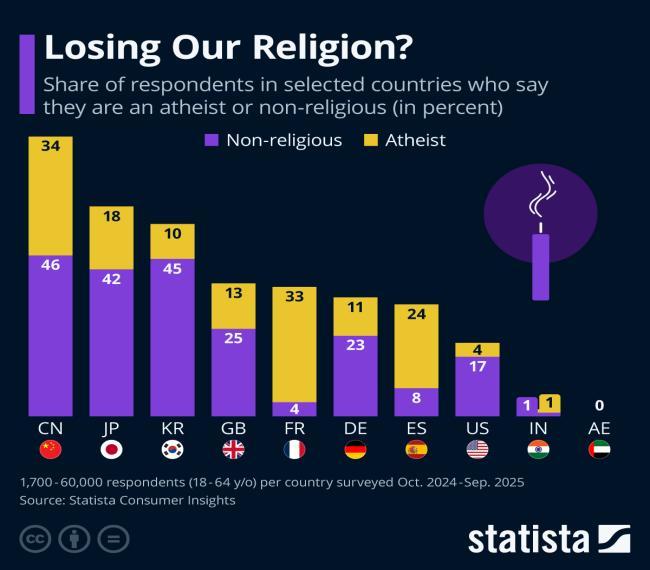
To date, there are approximately 4,200 distinct religions in the world that cover an extraordinary diversity of beliefs, values, principles, rules, agendas, and goals. Adherents range from the inname-only to the rabidly zealous. Then there are those who are anti-religious, atheist, and spiritual-but-not-religious.
All this diversity has caused an incredible variance in humanity’s search for meaning and fulfillment, as well as a sense of identity, cultural importance, societal placement, spiritual relevance, and religious dominance.
Unfortunately, what we’ve witnessed over the ages is tremendous divisiveness and destruction as religions have fought for preeminence. This has included dissension amongst their own ranks, which has led to splinter groups adhering to their own understandings and interpretations of sacred texts. Religious leaders have risen, gathering followers to their own brand of religion, some that have survived centuries and millennia, and others that have disappeared in a few generations.
Through it all, the same unresolved questions exist with people still trying to exert and enforce their version of religious “truth” upon others. For some, it’s a war of good against evil according to their definitions and rules concerning both, and how all of that is derived (usually firmly based on sacred writings and the declara-
tions of religious leaders and authorities). For others, religion is based on ideals and virtues, the spirit of their religion.
One of the reasons the US was established by early settlers was the desire for religious freedom. Now, hundreds of years later, the US is home to almost every religion imaginable. Some have veered from the spirit of their religion and have fallen prey to the lust, greed, and vanity of their oh-so-human leaders and some members of their congregations.
Some examples:
• Jesus with an AK-47
• Religious leaders living in wealth while their congregants struggle
• Using sacred texts to authorize and promote discrimination, hatred, violence, and killing
In tandem with that, a survey conducted by the Public Religion Research Institute and the Brookings Institution found that 29 percent of Americans identify as Christian nationalists. Two of the statements included in the survey stated:
• The US should be declared a Christian nation.
• God has called Christians to exercise dominion over all areas of American society.
This points to one disturbing aspect of today’s world: religion and its holy personages have been weaponized to satisfy not only the religious right, but have been interwoven with political, corporate, and capitalist agendas. Religious texts and beliefs have been distorted to manipulate people into giving their money, minds, and votes to people caught up in the need for ego-gratification and who covet power, wealth, control, position, and status.
What’s been left in the dust of this movement is religion’s originating principles of love, compassion, charity, humility, self-control, moral integrity, truthfulness, respect, and the Golden Rule of “do unto others as you would have them do unto you.”
Instead, what has taken over is the lust for power and supremacy and everything that goes with it acquired by any means. Vanity (ego) has mutated religion into a tool simply to satisfy egoic desires, to acquire status and fame, and as a means to employ demagoguery masquerading as sympathy, concern, and support. This has led to a truism by Lemuel K. Washburn, “Most men would kill truth if it would kill their religion.”
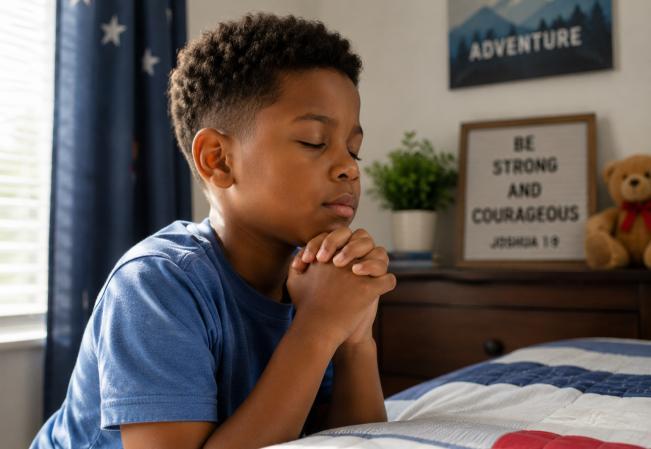
Children are no longer exposed to religion.

This exclusionary, suppressive, and destructive mindset that the US is dealing with is pervasive amongst a significant percentage of the population. Those individuals and groups are so deeply mired in their beliefs that trying to help them see a different perspective is fruitless and sometimes dangerous.
How to transform this situation is to realize upon what all of this is based, which is fear. So many fear that they’ll lose their jobs, their way of life, their status, privilege, and authority. They fear being:
• displaced, marginalized, and discounted,
• characterized as less than, unworthy, and undeserving,
• unaccepted, misunderstood, and unloved,
• unsuccessful, unacknowledged, and unrewarded,
• wrong, manipulated, and abused, and
• left behind, shut out, and forgotten.
Ultimately, they fear not surviving in life and having lived a meaningless existence. But most are completely unaware that this is what’s lurking underneath their worldview and mindset. So they resist and fight for what they believe is right and righteous.
How to turn this around is THE question and there is no simple answer as this is a multifaceted and complicated situation. Martin Thielen, a former minister in the United Methodist Church and author of nine books on Christianity, says, “Don’t argue with religious right believers. You won’t change their mind. Instead, you will only upset yourself (and them) for no tangible benefit.” He has also stated, “Don’t nurse superior or arrogant attitudes toward religious right believers. You are not better than them. You just see the world differently.”
One helpful response is to not offer resistance, but find commonality
and to come from the heart, not the mind. People are looking for connection. They’re also looking for answers and a way to resolve the conflicts besetting the US. They may be fully immersed in their mindset and beliefs, but few turn their backs on people responding authentically from their hearts.
Eric Jones in, his article “When Someone Won’t Respect Your Beliefs: Navigating Pushy Religious Conversations” for Thinking In Educating, wrote, “It’s tempting to retaliate by mocking their beliefs or launching into a debate about biblical contradictions. Resist this! Hostility fuels their narrative Instead, stay calm and redirect.”
The idea is to not placate or patronize, but to acknowledge and validate, and to live the universal principles of love, compassion, charity, humility, self-control, moral integrity, truthfulness, respect, and the Golden Rule. These are not according to the fragile foibles of human beings lust, greed, and vanity but the higher consciousness of Divine Spirit.
Divine Spirit is none of the human attributes so many apply to It. Those are just the egoic projections of people wanting their way, wanting to be right, wanting authority, wanting power and control, wanting celebrity, and to be important. Essentially, they’ve made God in their own image.
Connection with one’s understanding of God, Divine Spirit, All-that-Is, or the universe is important to everyone. That connection is found in the heart, not in institutions, dogma, and blind adherence.
There are a number of core precepts shared by all religions:
• The Golden Rule
• Speak the truth
• It’s more blessed to give than receive
• Heaven is within
• Love thy neighbor
• Blessed are the peacemakers
• You reap what you sow
• Do no harm
• Forgiveness
• Judge not, lest you be judged
• Follow the spirit of the sacred texts, not the words
Let’s live by those! ●

The history of Blacks fighting for the right to vote is at a crossroads and some of us are clueless about it.
Let me ask you something nobody wants to answer out loud.
What did they die for?
Medgar Evers. Fannie Lou Hamer. Jimmie Lee Jackson. John Lewis on the Edmund Pettus Bridge with his skull cracked open. Four little girls in Birmingham. People beaten, jailed, lynched, hosed down in the streets. What were they fighting for?
The instinctive answer is the vote. And that answer has become so sacred, so untouchable, that we have stopped asking a more important question: not whether the vote was the right thing to fight for, but why we began treating it as sufficient.
That question is long overdue.
The Assumption We Never Questioned

Written by TIMOTHY D. GOLER, Ph.D.
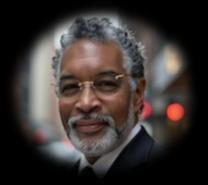
Dr. Timothy D. Goler is Associate Professor of Sociology and Urban Affairs at Norfolk State University and Director of Research at the university’s Center for African American Public Policy. He is a co-founder of PolicyBridge and author of the book, Liberated Mind: A Guide To Black Clarity.
For decades, much of Black political strategy operated under a foundational belief: that political power is the path to liberation. Get the vote. Elect Black officials. Build Black political power. And from that power, improved conditions would follow, not just for a few, but for the many.
That was the promise. That was the assumption. Now look at the evidence.
Black political power expanded dramatically after the Voting Rights Act of 1965. We elected Black mayors in major cities. Black members of Congress. Black senators. A Black president, twice. Representation at every level of government that our grandparents could not have imagined.
And in many of the cities where Black political power became most concentrated, Cleveland, Baltimore, Newark, Detroit, Philadelphia, the fundamental conditions of Black life did not change. Not structurally. Not generationally.
The grandmother in Glenville still lives in a food desert. The young man in Norfolk still faces a school-to-prison pipeline. The family across Black America is still one medical bill from financial ruin. Black unemployment remains roughly double white unemployment, in good economies and bad ones. Black schools remain chronically underfunded. Black communities remain overpoliced and underserved.
This did not happen despite Black voting power. It happened alongside it.
That is not a coincidence. That is architecture.
The tragedy is not that Black people believed in democracy. The tragedy is that we were encouraged to believe that democracy alone, disconnected from economic and institutional power, would be enough.
The Confusion at the Center of Our Politics
Let me be direct about what happened, and what didn't.
The vote mattered. Exclusion from it was not merely a legal inconvenience. It was an act of domination, a declaration that Black people were not fully human in a democracy that proclaimed human equality as its founding principle. Fighting for the vote was morally necessary and historically significant.
But inclusion in a system is not the same as control over it. And that is where we lost the thread.
We confused access to the system with power within it. And we confused power within the system with the ability to transform it.
No mayor, congressperson, or president, Black or otherwise, can fundamentally transform conditions while operating inside economic arrangements, legal constraints, and concentrated power structures they do not control. The problem was never the character of our leaders. The problem was the architecture of the system they were asked to work within.
Political power without economic power is not liberation. It is management, the administration of someone else's system with a Black face in the chair.
And you cannot vote your way out of a structure you don't control.
The Ballot Was Never the Destination
Here is what I believe, and I will say it plainly.
The people who died on those bridges and in those churches were not dying for a ballot. They were dying for dignity. For self-
determination. For the right to be ungoverned by people who did not see them as human. For the right of a people to shape the conditions of their own lives.
The vote was the most immediate, most visible expression of that demand. It was not the final destination.
But somewhere between Selma and today, the tool became the goal. The lever became the destination. And we stopped asking what we were supposed to build with it.
This is not a call to withdraw from civic life. It is a call to stop confusing participation with control.
Vote. Organize. Hold elected officials accountable. Fight every attempt to suppress Black votes with everything we have. All of that is necessary.
But it has never been sufficient. And the communities still waiting, still struggling, still locked out of real economic security after six decades of Black political participation, are the proof.
The Real Threat Was Never the Vote
There is something history keeps trying to tell us that we keep refusing to hear.
The communities that actually moved, that built lasting wealth, lasting institutions, lasting collective power, did it through economic infrastructure. Greenwood in Tulsa. Sweet Auburn in Atlanta. The Hayti district in Durham. Historic Jackson Ward in Richmond. These communities did not wait for political access. They built parallel power. Businesses, banks, schools, hospitals, institutions that served their people because they were built by their people, accountable to their people.
And then those communities were systematically destroyed.
Not by accident. Not by neglect. Deliberately. By race riots, by redlining, by urban renewal projects that ran highways through Black business districts. By a federal government that insured white mortgages and denied Black ones.
Because Black economic independence was the one thing that actually threatened the structure.
You can dilute a vote through district lines. It is much harder to neutralize institutions a community owns and controls. Economic sovereignty, once built and rooted, demands a different and more difficult kind of assault.
The system has always understood the difference between what threatens it and what doesn't.

It is time we catch up.
I want to be careful here, because what I am saying is not a dismissal of sacrifice. It is an insistence that we honor that sacrifice fully, by being honest about what has and hasn't been delivered.
Those who died did not die so that a select few could ascend. They died for the whole community. They died for real, material, everyday conditions to improve for the many, not just the fortunate. They died for a people to have genuine agency over their collective lives.
By that measure, the measure of the many and not the few, we have not yet arrived.
And that gap between the promise of the ballot and the lived reality of Black communities across America is not a failure of individual effort It is not a moral failing of Black people It is the predictable result of placing all of our hope in a tool that was always operating inside a system designed around our exclusion. We didn't fail the vote. We over-relied on it.
The ongoing erosion of voting protections in this country is painful. It is also clarifying.
It forces a question we should have been asking for decades. If the vote can be taken, diluted, and dismantled, what was it that we were really fighting for? And what does the actual path to that thing look like?
Part of the answer begins with rethinking leadership itself.
I have spent years being disturbed by how we define leadership. We attach it to titles, to offices, to visibility and proximity to power. But through years of study, reading, and direct participation in community life, I have come to understand something different.
Leadership is not a status. Leadership is a response to need.
Whoever sees a need and moves toward it, whoever tries to do something when something must be done, that person is giving leadership. That principle belongs to everyone. Not just the elected. Not just the credentialed. Not just the visible.
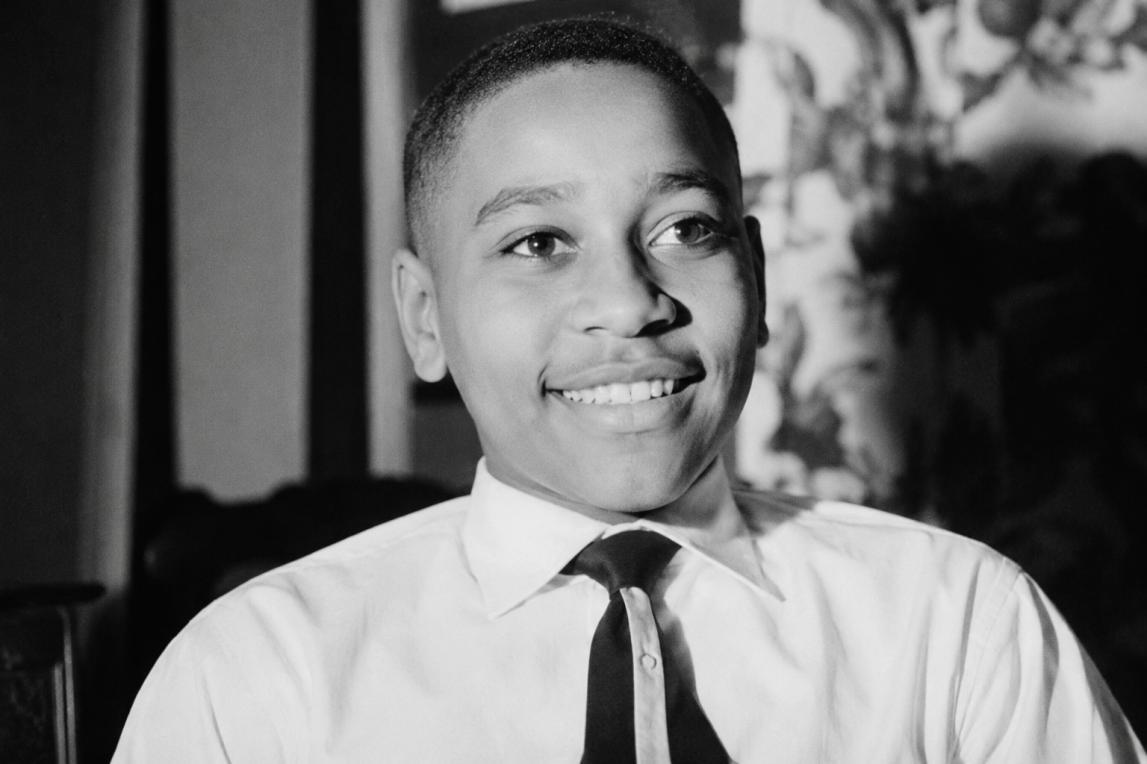
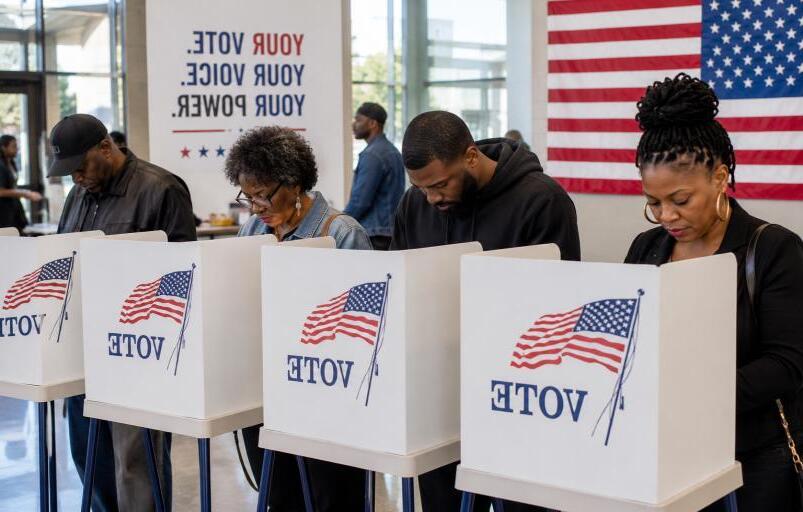
The Black vote will prove to be important in the next two years.
For too long, much of Black America located transformation primarily in formal political representation. We looked to elected officials as the agents of collective salvation. In doing so, we outsourced the responsibility that belongs to all of us. We waited for someone with a title to respond to needs that were ours to meet.
Every person who builds an institution, sustains a business, educates a child, supports a neighbor, or refuses to accept the conditions imposed on their community is exercising leadership. That distributed, collective, unglamorous work is what actually changes communities from the inside out.
The crisis before us is not only political. It is institutional, economic, psychological, and cultural. And because the crisis operates at every level, so must the response.
It runs through the deliberate work of rebuilding identity, purpose, and collective power, not as self-help, but as a political and cultural act of the highest order.
No community survives by disengaging from the broader political order. But participation without internal capacity is incomplete. We have invested heavily in one while underbuilding the other.
The vote matters. Protect it. Fight for it. Use it.
But the deeper struggle was always about something larger: building the capacity of a people to shape the conditions of their own lives, politically, economically, institutionally, and spiritually.
That is what they died for.
Not a ballot. The right of a people to determine their own future. ●

Love always seems to flourish in the heat of summer. These couples represent the best of what July and romance has to offer.
Written by LARON HARLEM

A wardrobe shopper, stylist, and accessories designer who specializes in dapper looks that truly appeal to the most discerning eye. mailto: styledbydecar-lo@gmail.com, https:// www.styledbydecarlo.com/
Getting dressed up for a summer night out creates the mood for so much more after.

The summer means weddings outside with the world watching happy couples profess their love for each other. Getting bit by the bug seems to happen for those in attendance.

The family picnic is the perfect time to introduce a new love to the family for approval, to show off, and to enjoy each other at the same time.


When AI creates the image you know it is going to be special. This is what it looks like when the prompt has sexy couple included in in.