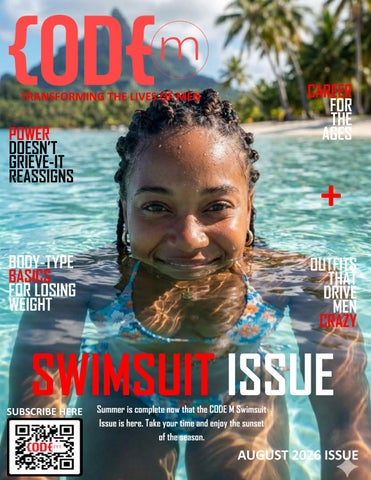
TRANSFORMING THE LIVES OF MEN
POWER DOESN’T GRIEVE-IT REASSIGNS

BODY-TYPE BASICS FOR LOSING WEIGHT
CAREER FOR THE AGES OUTFITS THAT DRIVE MEN CRAZY
TRANSFORMING THE LIVES OF MEN
POWER DOESN’T GRIEVE-IT REASSIGNS
BODY-TYPE BASICS FOR LOSING WEIGHT
CAREER FOR THE AGES OUTFITS THAT DRIVE MEN CRAZY
SUBSCRIBE HERE

Summer is complete now that the CODE M Swimsuit Issue is here. Take your time and enjoy the sunset of the season.
AUGUST 2026
August has a unique way of reminding us that growth is never meant to happen alone.
As summer begins to wind down, many of us take a moment to reflect on the goals we set at the beginning of the year. Some have been accomplished. Others are still works in progress. But no matter where you are on your journey, remember this: progress isn't measured by perfection it's measured by persistence.
At Code M Magazine, our mission has always been bigger than publishing stories. We exist to create conversations, celebrate achievements, challenge perspectives, and provide a platform that uplifts Black and Brown men around the world. Every issue is created with one purpose in mind to inspire someone to become a better father, husband, entrepreneur, leader, mentor, or simply a better version of themselves.

But here's something I've learned as both a firefighter and an entrepreneur: the strongest organizations are built on listening.
This magazine belongs to all of us.
While I'm proud of what we've built together, I believe the best chapters help.
Tell us what you love. Tell us what inspires you. Tell us what
Would you enjoy more stories featuring entrepreneurs who are changing their communities? More conversations about health and wellness? Financial literacy? Fatherhood? Career advancement? Relationships? Mental wellness? Faith? Sports? Fashion? Community leaders making a difference? We want to know what matters most to you.

Your voice matters because this publication was created with you in mind.
With over forty percent of Americans overweight it’s important to understand which body type you have so you can build the best plan to lose inches and gain muscle.
Summer is complete now that the CODE M Swimsuit Issue is here. Take your time and
enjoy the sunset of the season.
16 MOVERS AND SHAKERS
Get to know people who are making a difference in their careers and changing the world!
19 MAN CODES
Patience.
20 CAREER FOR THE AGES
invaluable lessons on perseverance, leadership, and living life meaningfully on the field and off in this “deeply meditative journey into baseball and cultural history” (The Athletic).
22 ENABLING OURSELVES TO OUR DETRIMENT
We live in a time of significant dysfunction. We’re pretty much oblivious to it yet it’s occurring on a grand scale. It’s insidious, sabotaging, debilitating, and ultimately lethal. It’s called “enabling.”
28 GETTING HER TO THE PEAK
Legendary baseball player and manager
Dusty Baker reflects on his extraordinary career filled with
With 65 percent of women getting to the peak, men need to better understand their role in increasing this percentage.
34 POWER NEVER DIES-IT REASSIGNS
Lindsey Graham, the 2026 midterms, and what Black men owe the future.
38 CODE M BEAUTY
Amazing women are refining what it means to be sexy.
62 THE GIFT OF SCHOLARSHIP
Delta Alpha Lambda Foundation and Cleveland Alphas award scholarships to deserving students in the community who are creating a brighter future for themselves. 40 SWIMSUIT ISSUE
This article will help men close the sexual pleasure gap that women experience when attempting to climax.
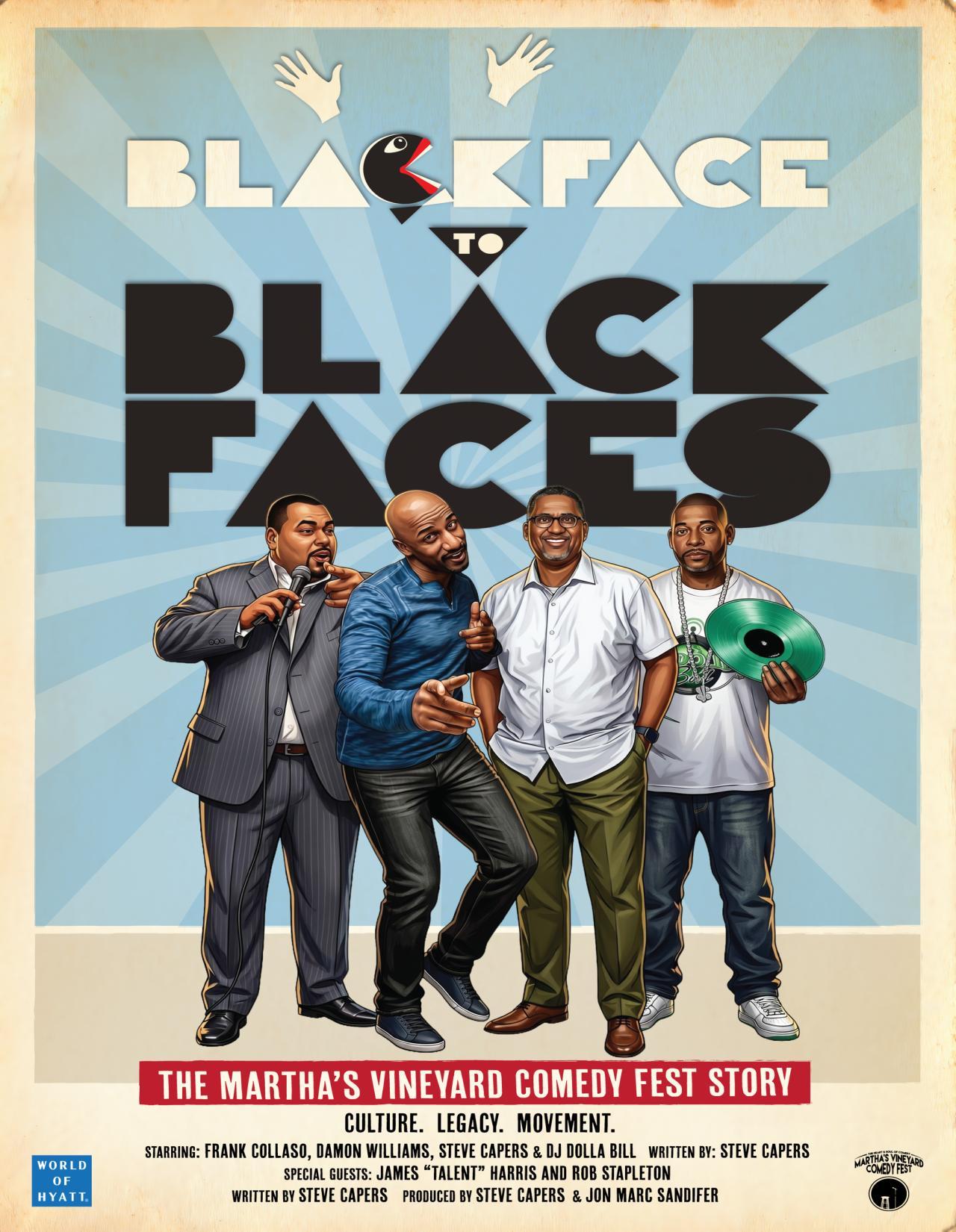
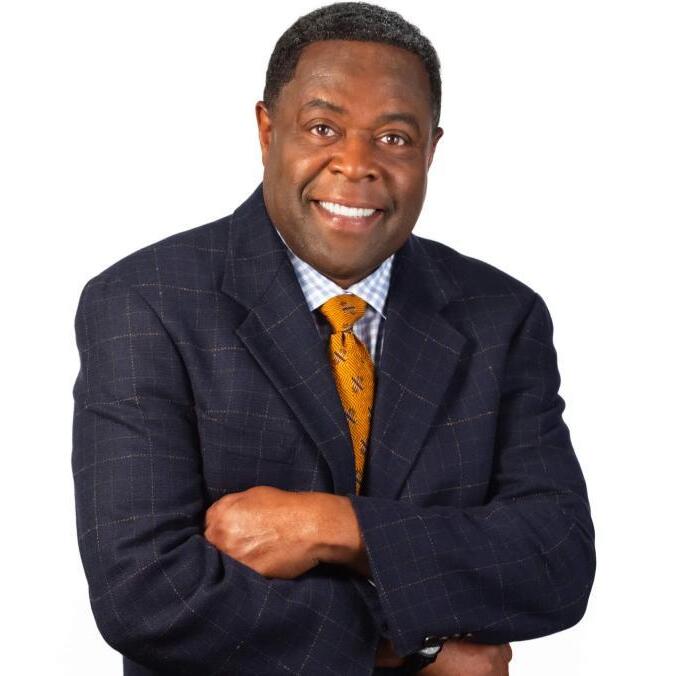
Sports Rap host, Ronnie Duncan, talks all things Cleveland sports including the rich history of the impact that Cleveland’s professional athletes have had on the American civil rights movement.
With emerging Gen Z carving their own space in the world, they’ve used the constant cycling of time in their art.
The right outfit on a woman has always made men go crazy with attention and desire. These outfits create attraction and style.
ADVERTISE WITH CODE M
Blacks influence the latest trends of popular culture, fashion, and music more than any demographic. Reach them when you advertise with CODE M Magazine. With over 1.4 million viewers monthly, we have your audience.
Call 440-796-5763 to request a rate kit.


PUBLISHER
Bilal S. Akram
PRESIDENT
Brad J. Bowling
SENIOR ADVISOR
Alexandria Johnson Boone
MANAGING EDITOR
David Christel
CHIEF OF STAFF
Anita G. Butler
PAGE EDITORS
Laron Harlem-Fashion Editor
Paris Lampkins-Movers & Shakers Editor
Valerie Starks-Hutton-Beauty Editor
GRAPHIC DESIGN
Stiff Arm Media
MEDIA COORDINATOR
Carole Anthony
EXECUTIVE ASSISTANT
To the PUBLISHER
Ladonna “Lala” Dicks
EXECUTIVE CONSULTANT
Adrianne M. Sims
To submit comments,
ENGINEER RADIO/PODCAST
Chris Westbrooks
SOCIAL MEDIA
Stiff Arm Media
IT CONSULTANT
Anthony Jones
Digital Jetstream, LLC
CONTRIBUTING WRITERS
David Christel
Leslie Logan
Brad J. Bowling
Bilal S. Akram
Laron Harlem
Bolling Smith
Monique Wingard
Raland Hatchett
Akil Marshall
Dr. Tim Goler
STAFF
Sylven Lamar
Franklin Solomon


or to inquire about advertising please contact us at
info@codemediagroupllc.com
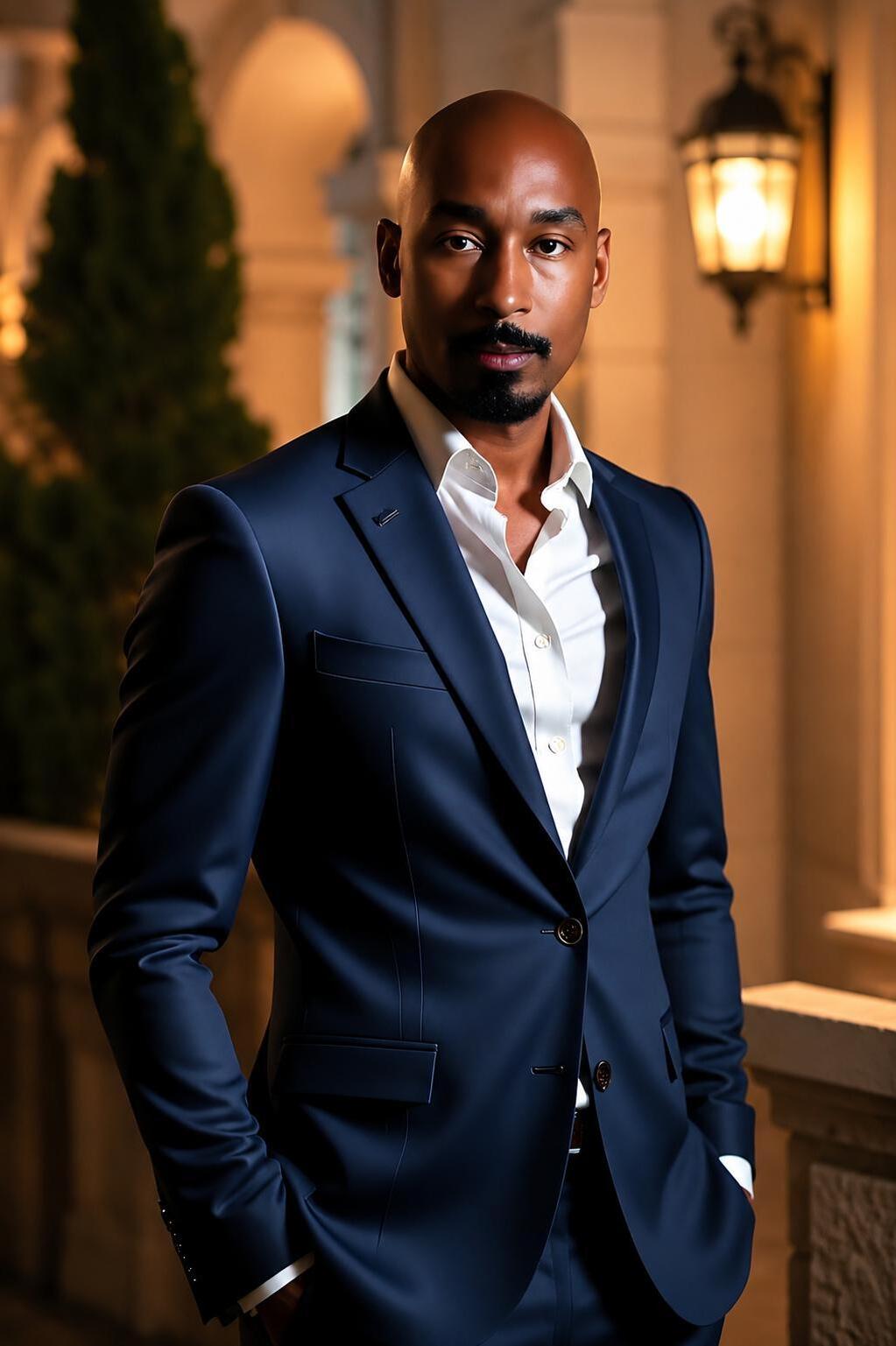
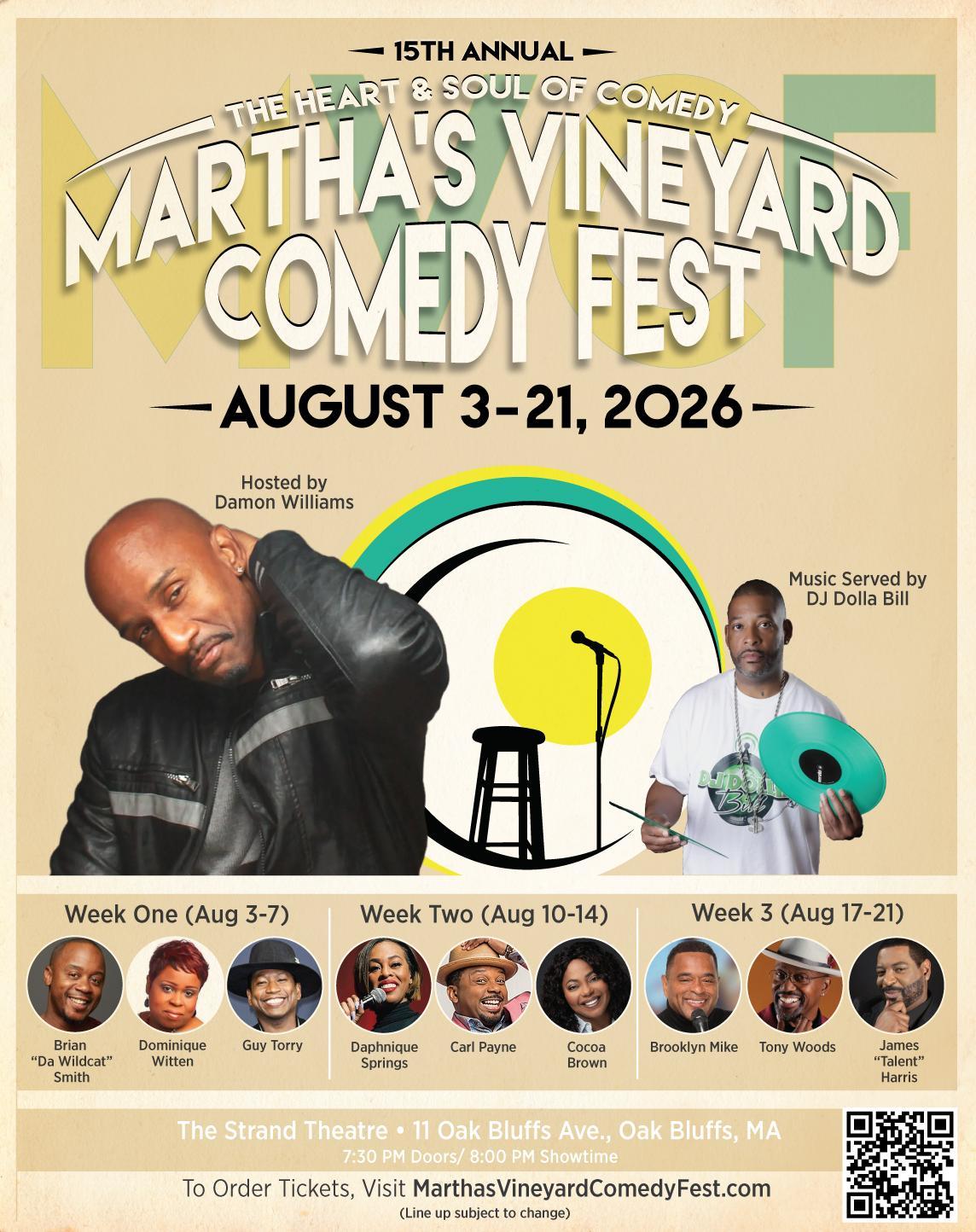
Derrick "D'MAR" Martin is an award-winning drummer, recording artist, producer, songwriter, entrepreneur, and motivational speaker with more than 30 years of professional experience. In 2026, he was honored as the Blues Music Awards' Drummer of the Year, recognizing his exceptional musicianship and dynamic performances.
D'MAR spent 17 years touring the world with rock-and-roll pioneer Little Richard, earning a reputation as one of the industry's most accomplished drummers. He has also recorded and performed with acclaimed artists including Carla Thomas, Wendy Moten, Syl Johnson,
Get to know people who are making a difference in their careers and changing the world!
by Paris Lampkins
Maria Muldaur, Denise LaSalle, and Dorothy Moore.
As a recording artist, D'MAR recently released his 11th album, Levels, showcasing his signature blend of soul, funk, jazz, and R&B. He currently serves as drummer for the award-winning Rick Estrin & The Nightcats and continues to inspire audiences worldwide through performance, recording, education, and entrepreneurship.
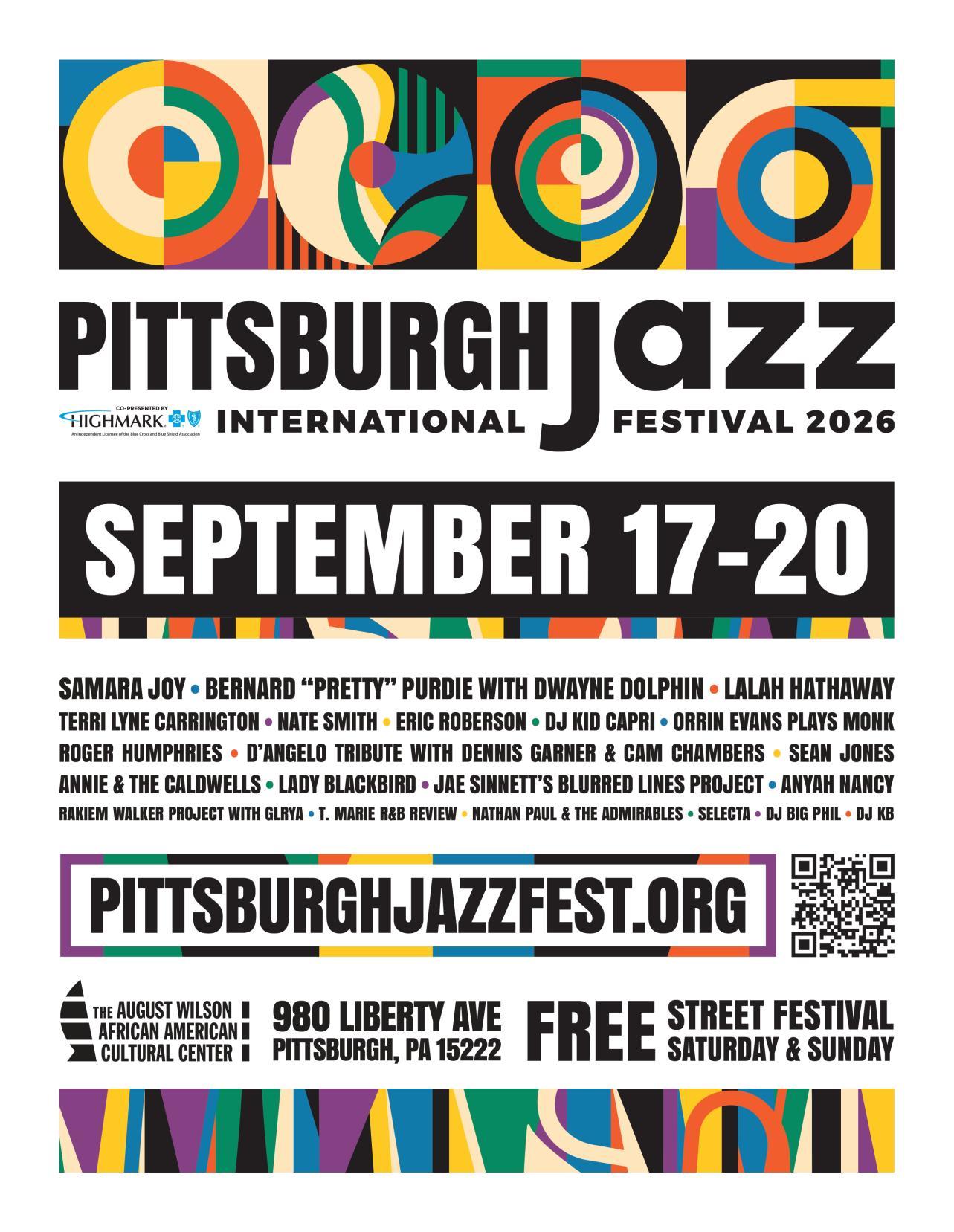
Joel Acie is a dedicated DEI leader with 20+ years of experience. He is Principal of Bailey King Consulting LLC, providing Governance, Risk & Compliance advisory, enterprise/program management and Chief of Staff-style services, and supplier diversity and procurement consulting to organizations navigating complex regulatory and business environments. Most recently, Joel served as DEI Strategic Planning and Oversight Principal at Fannie Mae, partnering with enterprise leaders to refine DEI strategies, conduct SWOT analyses, maintain riskappropriate governance, and advise on policies to strengthen decision-making and regulatory alignment.
He also served as Deputy Chief Diversity and Inclusion Officer at the Federal Home Loan Bank of Pittsburgh (2018-2025), overseeing inclusion programs and managing the annual FHFA exam, internal audits, and risk assessments related to D&I. From 2013 to 2018, he was Manager of Supplier Diversity at UPMC, building its supplier diversity program and overseeing government contracting for its Insurance Services Division. Joel began his career at Highmark Inc., advancing through roles in diversity program analysis, organizational effectiveness, and procurement diversity consulting.
Acie also advised Pennsylvania Governor Tom Wolf's Advisory
Michael Parks is an Enhanced Building Substitute and a dedicated educator with 27 years of experience serving students and families in the Cleveland Metropolitan School District. Having served as an administrator for eight years and as a classroom instructor for nineteen years, Michael understands the challenges, responsibilities, and rewards of working in education.
Guided by the belief that every child deserves an exceptional education, he has dedicated his career to creating learning environments where students are challenged, supported, and inspired to lead. Parks has focused on developing and implementing innovative approaches that promote high expectations, academic achievement, character development, and leadership among young men and women. He also recognizes that educators need the tools, professional support, and opportunities necessary to do their jobs effectively and positively impact student success.
Serving as CTU Member-at-Large (K–8) and Chair of the Community Relations Committee, Michael works to strengthen partnerships among educators, families, community organizations, and civic leaders. He believes that meaningful collaboration is essential to advocating for public education, supporting educators, and ensuring that every student and family has the resources they need to succeed.
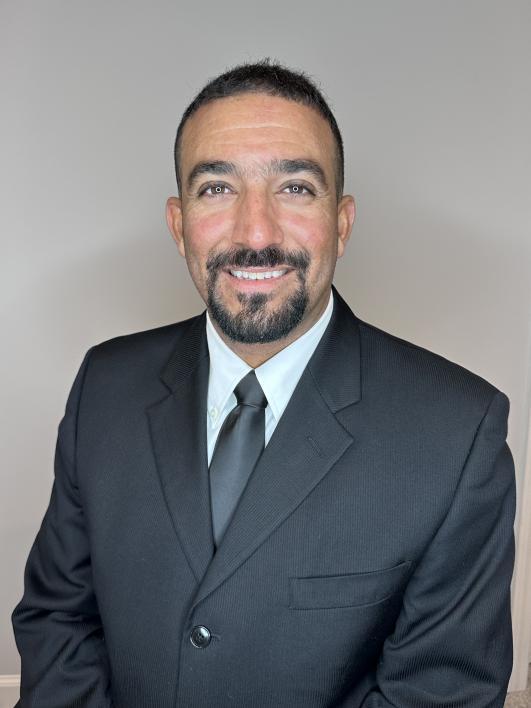
Council for Diversity, Inclusion, and Small Business Opportunities, co-authoring a report that spurred statewide supplier diversity reforms.
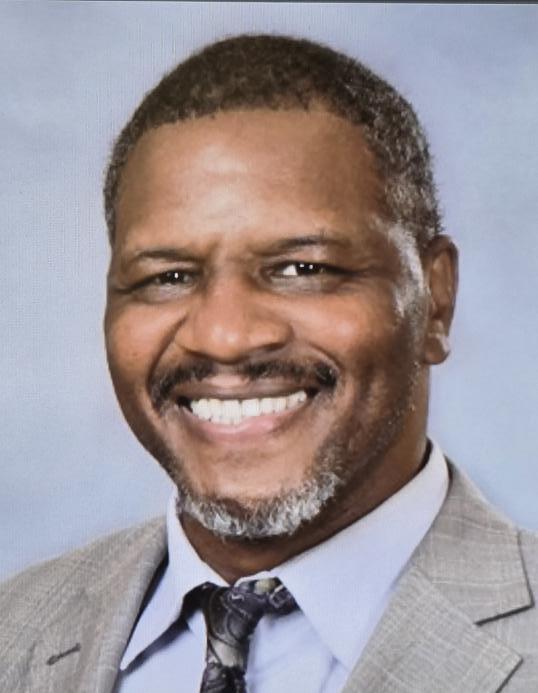
Parks also coordinates the Side-by-Side Program, fostering a meaningful partnership with the Cleveland Public Library that connects students, families, schools, and the community to strengthen student outcomes.
Compiled by Bilal S. Akram
“Patience is not passive, on the contrary, it is concentrated strength.” - Bruce Lee
“Change is slow and gradual. It requires hard work, a bit of luck, a fair amount of self-sacrifice, and a lot of patience.”
- Robert Greene
“Desires make slaves out of kings and patience makes kings out of slaves.” - Al-Ghazali
“Patience is bitter, but its fruit is sweet.” - Jean-Jacques Rousseau
“One moment of patience may ward off great disaster. One moment of impatience may ruin a whole life.” - Chinese proverb
“Top 15 Things Money Can’t Buy: Time. Happiness. Inner Peace. Integrity. Love. Character. Manners. Health. Respect. Morals.
Trust. Patience. Class. Common sense. Dignity.” - Roy T. Bennett
“In any contest between power and patience, bet on patience.”
- W.B. Prescott
“Adopt the pace of nature: her secret is patience.” - Ralph Waldo Emerson
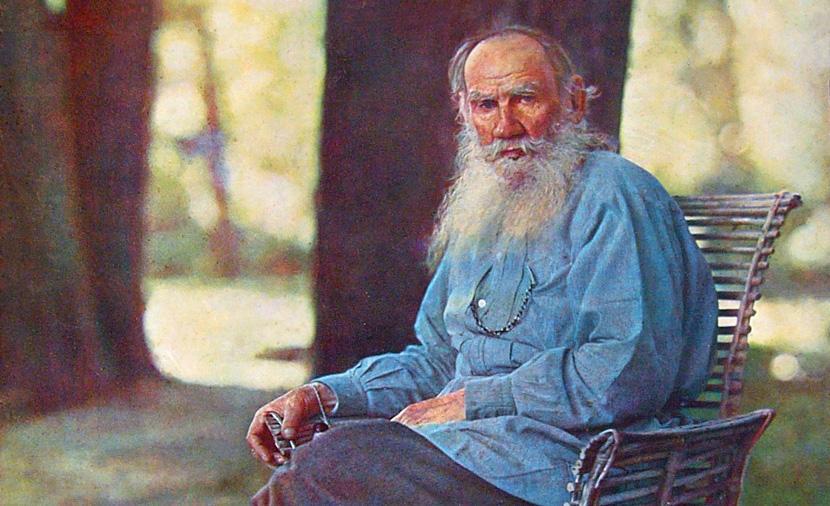
“The two most powerful warriors are patience and time.”
- Leo Tolstoy
“Discipline, consistency and patience. If you lack these, you won’t grow.” - James Clear
Philippians 1:6 - being confident of this, that he who began a good work in you will carry it on to completion until the day of Christ Jesus. NIV
Legendary baseball player and manager
Dusty Baker reflects on his extraordinary career—filled with invaluable lessons on perseverance, leadership, and living life meaningfully on the field and off—in this “deeply meditative journey into baseball and cultural history” (The Athletic).
Dusty Baker walked with baseball legends and became one himself. After he signed with the Braves in 1968 at the age of nineteen against his father’s wishes, no less than the great Hank Aaron promised to take Baker under his wing.
Mentored by Aaron, Orlando Cepeda, and Willie Mays, Baker became a premier hitter, helping take the Dodgers to a World Series victory in 1981. He would bookend this with another championship in 2022, this time as a manager helping guide and redeem a Houston Astros team humbled by a cheating scandal.
Respected by generations across the game, Baker has come to embody the spirit of the sport and yet, to discuss his baseball career is only to scratch the surface of a remarkable life.
Crossroads will bring readers into the mind of one of baseball’s mavericks: a curious, inquisitive thinker whose deep interest in the worlds of music, wine, and the simpler joys of life charts a journey of success, struggle, faith, and perseverance. Baker's memoir is filled with hard-earned wisdom and a love for life so plentiful, it seems to radiate from every sentence.
A true American original, counting among his friends presi-
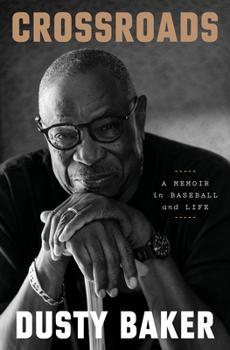
dents and dignitaries, bluesmen and artists, Baker weaves a spell of life at the crossroads, where fate turns on our decisions and the unexpected answers that sometimes seek us out when we least expect it.
“They have been asking me to write a book about my life for several years, and now that I am retired I figured I would give it a try.” Baker continued, “This book allowed me to appreciate my journey and hopefully other people will appreciate it too.”
Baker has had an amazing life. Starting in his teens, the standout athlete always knew he wanted to play professional sports.
Baker excelled in baseball, basketball, football, and track at Del Campo High School in Carmichael, California; and he was inducted into the Sac-Joaquin Section's Hall of Fame class in 2010 for his play at Del Campo. He was offered a basketball scholarship by Santa Clara University. His father was so committed to his son going to college that he told scouts that his son would go to col-
lege and play either football or basketball, so they wouldn't waste a draft pick on Baker. The one baseball scout who saw something in Baker was Bill Wight, who knew that Baker's father and mother had gone through a divorce that worried Baker about being a potential burden to his parents.
“My best sport is basketball and I thought that was going to be my oath,” Baker said.
He was recruited to play basketball in college, but the opportunity to make money and immediately become a professional baseball player was more appealing to him.
“Hank Aaron told me that he would look out for me if I decided to play baseball, so I went into the draft,” Baker said.
Baker wanted to stay in the North to play baseball but was drafted by the Atlanta Braves. With it being 1968,?/ Baker knew that living in the South meant that he would have to deal with racism and all the things that went with it.
However, when he got to Atlanta he was brought under the wing of Andrew Young and several other people and those people would make his life in Atlanta possible and fun.
Baker played in MLB for 19 seasons, most notably with the Los Angeles Dodgers. During his Dodgers tenure, he was a two-time AllStar, won two Silver Slugger Awards and a Gold Glove Award, and became the first NLCS MVP, which he received for his performance during the 1977 National League Championship Series.
He also made three World Series appearances and was a member of the 1981 World Series championship team. Outside of the Dodgers, Baker played for the Atlanta Braves, San Francisco Giants,
and Oakland Athletics.
After retiring as a player, Baker served as the manager of the Giants from 1993 to 2002, the Chicago Cubs from 2003 to 2006, the Cincinnati Reds from 2008 to 2013, the Washington Nationals from 2016 to 2017, and the Houston Astros from 2020 to 2023.
Baker was named NL Manager of the Year three times with the Giants and won the 2022 World Series with the Astros.
He was also the first MLB manager to reach the playoffs and win a division title with five different teams, having accomplished both feats with each team he managed.
Baker ranks seventh in MLB managerial wins and has the most wins among African-American managers. Following his retirement as a manager, Baker joined the Giants' front office. He was also named the manager of Team Nicaragua for the 2026 World Baseball Classic.
Today Baker is enjoying retirement and spending time with his grandkids. He travels the country speaking and working with various organizations to discuss the history of baseball and life itself.
“I love being retired and I love the fact that I get to spend as much time as I want with my family and grandkids,” Baker said.
An incredible life celebrated by taking every moment. Crossroads is available for purchase on Amazon. ●
We live in a time of significant dysfunction. We’re pretty much oblivious to it yet it’s occurring on a grand scale. It’s insidious, sabotaging, debilitating, and ultimately lethal. It’s called “enabling.” David has been ghostwriting books for well-known people since 1995. He is also the author of

Written by DAVID CHRISTEL
There are three forms of enabling: good, bad, and purposeful. What the world is experiencing now is a level of purposeful and ruinously bad enabling that’s affecting every aspect of society all to its detriment.
Societal behavior has reached a point wherein rudeness, criticalness, meanness, egomaniacal grandstanding, the spreading of false stories and narratives, wild conspiracies, and sham propaganda are now considered entertainment and “news.” People are enabling the continuance of this antagonistic behavior through social media “likes” and emojis, buying subscriptions to influencer podcasts, purchasing tickets to inciting events, donating to outrageous “personalities,” and even voting, marching, and demonstrating for it.
This enabling phenomenon is occurring via two specific avenues: human interaction and AI relationships. The enabling brought about by human interaction is the subject of this article. AI relationships and enabling will be covered in Part 2. Part 3 will cover positive enabling.
To be clear, the act of enabling has always been an intrinsic aspect of the human psychological landscape. As a means of dealing with the vast array of personalities and the challenges they bring, humans have struggled to maintain equilibrium in their everyday lives as a means of survival. Usually seen as putting up with or tolerating things, enabling has more far-reaching implications.
The American Psychological Association (APA) defines enabling as “a process whereby someone (the enabler) contributes to continued maladaptive or pathological behavior (e.g., child abuse, substance
Many people today think our youth have been enabled to want less than their parents.
abuse) in another person. The enabler is typically an intimate partner or good friend who passively permits or unwittingly encourages this behavior in the other person; often, the enabler is aware of the destructiveness of the person’s behavior but feels powerless to prevent it.”
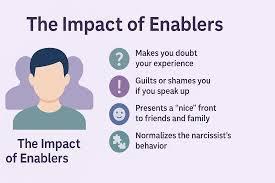
From personal relationships to nationwide events, enabled people and groups are being protected from the consequences of their actions. Problematic behaviors are being covered up, excuses made, confrontations avoided, problems endured, and the severity of issues and behaviors minimized, denied, or dismissed. For many people, this is done out of:
• love and concern for another person or group,
• the fear of conflict and harm,
• feeling guilt or shame,
or
• the lust to control people and situations for personal gain.
The APA definition of enabling is focused on negative enabling, also known as “dysfunctional support,” wherein a person’s actions are protected or shielded by the enabler who believes they’re helping the person or situation. The outcome is that the problematic behavior continues and is most likely exacerbated, which prevents personal growth. The result is protecting someone from the consequences of their actions, most often at the ena-

bler’s expense.
Negative enabling is often linked to codependency, addiction, abuse, and chronic irresponsibility. Common behaviors of negative enabling include:
• Cleaning up after people paying bills, covering for missed work, or handling debts so the person avoids facing consequences.
• Making excuses justifying poor decisions, avoiding accountability, or downplaying problems
• Providing resources without conditions giving money, supplies, or opportunities without encouraging responsibility.
• Avoiding confrontation staying out of arguments or ignoring harmful patterns to maintain harmony.
• Shielding protecting someone from job loss, injury, or emotional harm to prevent them from being disappointed, depressed, or even hitting rock bottom.
In short, negative enabling is counterproductive, self-sabotaging, creates a dependency dynamic in a relationship, and erodes trust and emotional development for both the enabler and enabled. It doesn’t matter if the enabled is an individual or a group. Size doesn’t matter.
The emotional strain for the enabled and the enabler can become dangerously debilitating. According to the Psychology Today article “10 Reasons Why Some People Can’t Help Enabling,” attempts to stop an enabling dynamic can result in the enabled individual be-
coming intensely resistant and even combative.
“When you summon up the courage to say no to that person, they may become reactive and retaliatory. They may confront you with threats, rage, shame, or blame. They’ll seek to make you feel guilty or ashamed anything to instill doubt. They may challenge your logic, question your love, and fall into dark moods all forms of control to get you to reverse your decision.”
Enabled people, in order to keep the current dynamic in place, will also negotiate. An agreed upon arrangement, though, will only last for a short period of time before things slide back into the prior setup. The result is that things could end up being even worse for everyone, especially the enabler and those who are peripheral to the arrangement, e.g., family members, friends, neighbors, and co-workers.
Negative enabling is found in every facet of daily life and is evident in every field of endeavor. The result is the corruption of morals, values, principles, and ethics for the enabled and enablers. And for both parties, they develop a skewed sense of emotional well-being, as well as psychological and ego instability/fragility.
For the person or group purposely enabling others, control is the primary motivation. This kind of manipulation uses temptation, fear, guilt, regret, and shame to create emotional, psychological, work, financial, and religious dependencies the same operating dynamic employed in cults.
Negative enabling has infiltrated every aspect of American society. The scale of its influence is enormous, and technology is a key player wherein an “anything goes” attitude prevails. One very concerning fact is that an increasing number of people especially younger people are opting to trade their human relationships for a relationship with a digital personality. Why? Because human relationships are emotionally messy, complicated, unpredictable, and take too much work. ●
Part 2 of this series will cover how technology plays into the enabling phenomenon.
This article will help men close the sexual pleasure gap that women experience when attempting to climax. With 65 percent of women getting to the peak, men need to better understand their role in increasing this percentage. X
Written by CHRIS A. MATTHEWS
Chris A. Matthews is a licensed marriage and family therapist (LMFT) and approved supervisor for the American Association of Marriage and Family Therapy. Visit chrisAmatthews.com to learn more about his work with couples and families.

Jonah
plays an important role in creating healthy young minds.
Citing the words of Alfred Kinsey, renowned researcher and founder of the Institute for Sex Research at Indiana University, “Sex is the most profoundly joyous, thrilling, and satisfying human experience.” Let’s delve into the factors that influence human sexual pleasure.
This article zooms in on a specific part of this experience, shining a light on the challenges women often face in achieving orgasm compared to men. As we navigate through the diverse experiences of sexuality, we aim to help you understand better the unique journey women have when it comes to reaching orgasm.
Examining orgasm frequency among gay, lesbian, bisexual, and heterosexual individuals, the study conducted by Frederick, John, Garcia, et al. (2018) and published in the Archives of Sexual Behavior reveals a notable contrast. It shows that 95% of heterosexual men usually or always experience orgasms during partnered sexual activity, while only 65% of heterosexual women report a similar frequency.”
In heterosexual relationships, a significant issue has come to light known as the “orgasm gap” revealing a notable difference in how often men and women experience orgasms. This issue, emphasized by University of Florida professor Laurie Mintz, author of Becoming Cliterate: Why Orgasm Equality Matters And How to Get It, points to a broader problem of cultural unawareness regarding the clitoris.
This stark contrast highlights the need for understanding and addressing this disparity.
According to Professor Mintz, a primary factor contributing to the orgasm gap is the lack of knowledge about the clitoris, a crucial organ responsible for sexual pleasure.
Artist Sophia Wallace provides a vivid metaphor, comparing the clitoris to a closed flower with a special part inside, housing numerous nerve endings that contribute to a woman’s sexual pleasure. Wallace stresses that the clitoris is not a small button but has a more complex structure than commonly believed.
Wallace, known for her work at the intersection of bodies and ethics, emphasizes the part of a woman’s body that experiences the most sexual pleasure, clarifying that it is not the vagina but the vulva, particularly the external clitoris a “nub” within the vulva housing approximately 8,000 nerve endings.
Explaining the anatomy further, Wallace notes that the bulbs of the clitoris surround the vagina. When the clitoris is engaged and aroused, penetration can be highly pleasurable. However, when it remains unaroused, the experience may range from discomfort to
a lack of sensation, as the source of sensation and pleasure lies in the clitoris, not the vagina.
The clitoris, derived from the Greek word meaning “key,” plays a central role in unlocking sexual pleasure, being the sole organ in the human body dedicated to this purpose. Despite its significance, there exists a prevalent cultural ignorance surrounding it, perpetuating the orgasm gap in heterosexual relationships.
Achieving orgasm during penetration is often enhanced through clitoral stimulation, and there are various methods to explore, such as:
• Experimenting with different sexual positions to intensify pressure on the clitoris.
• Engaging in manual stimulation of the clitoris.
• Incorporating the use of sex toys.
However, it’s crucial to prioritize communication in the pursuit of pleasure. For some individuals, intense clitoral stimulation may be uncomfortable or even painful making it an unsuitable approach for achieving more orgasms. Understanding and discussing personal preferences contribute to a more satisfying and enjoyable sexual experience. What does the research reveal about orgasms?
• According to a study by Debby Herbenick and colleagues (2018), a staggering 81.6% of women do not orgasm from intercourse alone, emphasizing the crucial role of clitoral stimulation. Only 18.4% find intercourse sufficient for orgasm.
• The Journal of Sexual Medicine, in a study by Bhat and Shastry (2020), found that women take an average of 14 minutes to reach orgasm during partnered sex, compared to 8 minutes during solo masturbation. Understanding these timelines contributes to a more informed discussion about sexual satisfaction.
• A study by Amanda Moser (2019) revealed that 40% of women reported an increased ability to achieve multiple orgasms with the use of cannabis during sexual activities.
• Research by Darling, Davidson, and Jennings (1991) discovered that 43% of women have experienced multiple orgasms, shedding light on the complex nature of female sexual responses.
National Survey of Sexual Health and Behavior found
vaginal intercourse; women are more likely to orgasm when they engage in a variety of sex acts and when oral sex or vaginal intercourse are included.
What should you do if your partner can’t orgasm?
Anorgasmia, a term denoting the inability to achieve orgasm, is a condition that some women may experience. If your partner faces challenges in reaching orgasm, it’s essential to approach the topic with sensitivity and support. Here’s what you need to know:
It’s not uncommon: It’s crucial to recognize that anorgasmia is not uncommon. Some women may never experience orgasm, while others might encounter it later in life. It’s a diverse spectrum, and patience is key.
Factors at play: Anorgasmia is often influenced by a combination of mental and physical factors. Stress, anxiety, or past experiences can contribute to difficulties in reaching orgasm. Understanding and addressing these factors together can be beneficial.
Open communication: Encourage open communication with your partner. Make it a safe space for her to share her feelings, desires, and any concerns she may have regarding sexual satisfaction. Create an environment where she feels comfortable expressing herself without judgment.
Seek professional guidance: If anorgasmia becomes a significant concern, consider seeking professional guidance together. A visit to a gynecologist, primary care doctor, or sex therapist can provide valuable insights and potential solutions. Remember, seeking help is
a proactive step toward a healthier sexual relationship.
Focus on intimacy: While orgasms are an enjoyable part of sexual experiences, emphasize the importance of overall intimacy and connection. A fulfilling sexual relationship involves more than just reaching orgasm and is built on emotional closeness, trust, and communication.
Patience and understanding: Be patient and understanding. It’s essential to avoid pressure or expectations around achieving orgasm. Focus on creating a comfortable and relaxed environment where both partners can explore and enjoy their sexual connection.
In the pursuit of closing the pleasure gap between men and women, it becomes crucial to consider the role that relationship dynamics play in women’s orgasmic experiences. A study by Armstrong, England, and Fogarty (2012) sheds light on this aspect, revealing that women in relationships lasting six months or more are more than six times as likely to orgasm during a sexual encounter compared to women in first-time hookups. As men strive to contribute to equitable sexual experiences, recognizing the significance of relationship duration becomes imperative. Additionally, men can actively embrace a more inclusive approach to intimacy, moving beyond conventional views of penetrative sex. Prioritizing extended foreplay, placing emphasis on attentive clitoral stimulation, and exploring diverse forms of sexual pleasure are pivotal steps. Such an approach not only directly addresses the orgasm gap but also fosters a better understanding of female sexual satis-

By investing time in discovering and appreciating the unique preferences of their partners, men can embark on a shared journey toward mutual pleasure and fulfillment. This proactive effort contributes to the creation of a deeper, more satisfying connection within the relationship, making men valuable contributors to a moreq equitable and enriched sexual experience for both themselves and
Graham, the 2026 midterms, and what Black men owe the future.

Written by TIMOTHY D. GOLER, Ph.D.
Dr. Timothy D. Goler is Associate Professor of Sociology and Urban Affairs at Norfolk State University and Director of Research at the university’s Center for African American Public Policy. He is a co-founder of PolicyBridge and author of the book, Liberated Mind: A Guide To Black Clarity.
Senator Lindsey Graham died on a Saturday night in July.
By Tuesday, his sister, Darline, had taken the oath and sat down in his seat. She had never held elected office. The governor called it a continuation of her brother’s work.
By Friday, the president had her in the Oval Office, asking her, in public, to run for the whole term. The man had not been buried yet.
Six days. Sit with that. Not because it is scandalous, but because it is ordinary. That is how power behaves when it has no intention of letting go. It does not grieve it reassigns.
Grief is not a verdict
When a powerful man dies, the machinery starts up, and it’s built to do one thing: move him beyond the reach of judgment. Friends remember the call he returned, the favor he did, the uniform he wore.
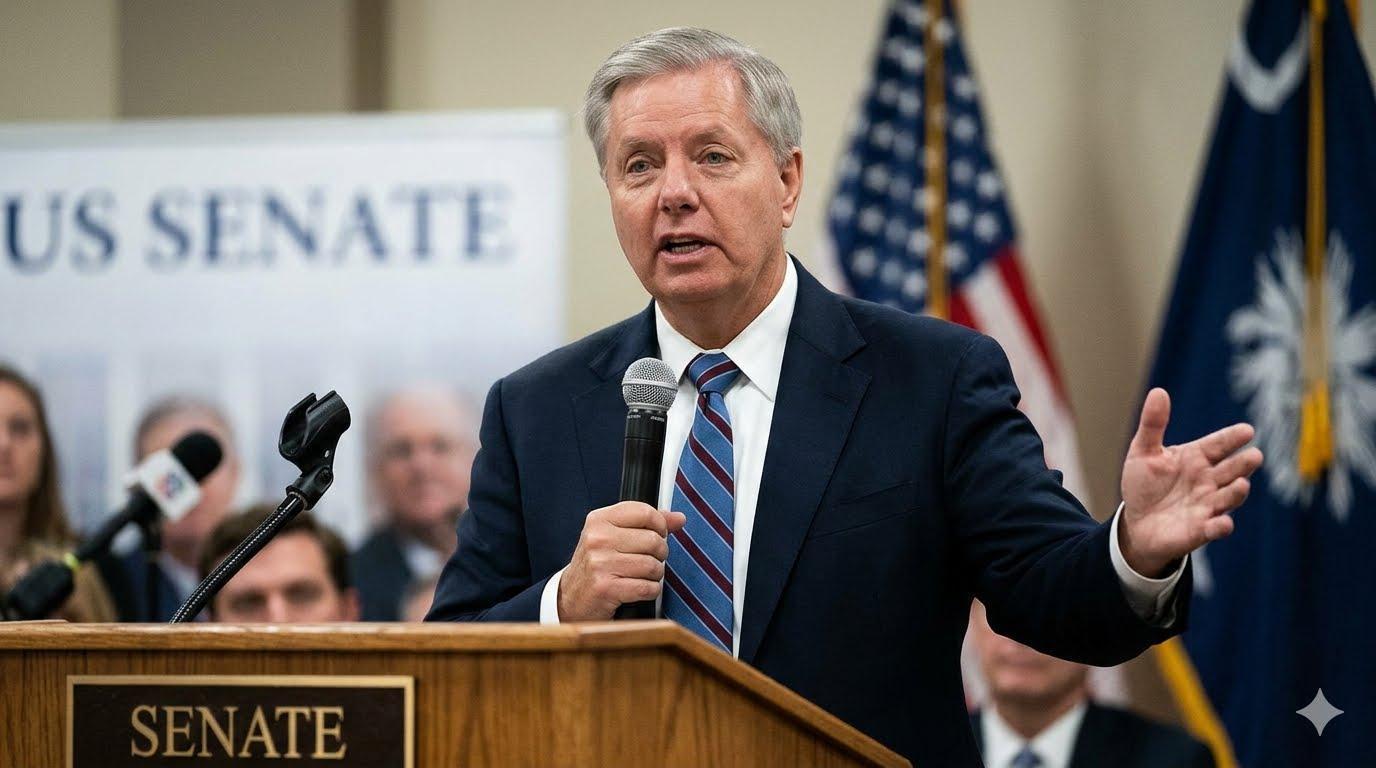
Most people have nothing against a man being mourned. Mourn him. But a eulogy is not an evaluation, sympathy is not a standard, and the fact that a man was decent to the people he could see settles nothing about what he did to the people he never had to look at.
Political leaders must be judged by what they did with power, who benefited, who paid the price, and what their decisions produced.
What the record says
Power is not private. A vote becomes a law that outlives the man who cast it. A confirmation can shape the law for decades. Silence becomes permission, and permission becomes the water the rest of us swim in.
Graham once looked at Donald Trump and named him plainly: a race-baiting, xenophobic, religious bigot, and warned that his own party would deserve whatever came next if it nominated him. Then he spent the rest of his life as one of that man’s most dependable defenders.
As chair of the Senate Judiciary Committee, he helped turn the federal courts into the most durable thing that administration built. Twenty-two circuit judges. Ninety district
judges. The defense of Brett Kavanaugh. They will still be ruling when the children in our houses are grown, on whether they can vote without a fight.
In 2021, he voted against advancing the John Lewis Voting Rights Advancement Act. Lewis had his skull fractured on a bridge in Selma for the right that bill was written to defend.
These are not merely flip-flops. They are exercises of power with dates attached, and their consequences are the house we live in.
Turn the standard around
A standard applied only to strangers is not a standard. It’s a weapon.
If it’s right, it’s right everywhere. It applies to people who share our party. It applies to people who share our face.
Stop confusing representation with direction. A Black face in a high place can matter. Visibility is not courage.
So ask our own the same questions. What did you do with power? Who benefited? Who paid the price? Did you defend the vote, or get quiet when defending it carried a bill?
Ask it in cities where Black officials hold the mayor’s office, council seats, school board positions, and police leadership, yet
too many children remain trapped in failing systems. Representation does not excuse those outcomes. It makes the demand for an accounting more urgent.
The standard we inherited
We remember Martin Luther King, Jr. for the preacher’s cadence in his voice, the way he could lift a room, steady a people, and make hope feel possible. But the power was not only in how he spoke. It came from the moral clarity beneath his words, a clarity he refused to surrender.
Nobody elected him to public office. His power came from the fact that his words, his actions, and what he was willing to sacrifice all lined up. He said what he believed, lived what he taught, and was willing to pay the price for it.
Frederick Douglass, W.E.B. Du Bois, Ida B. Wells, Ella Baker, and Malcolm X did not agree with one another. But not one of them mistook being recognized for leading.
Individual achievement is not collective freedom. We have doctors, lawyers, professors. We run cities, school districts, police departments. And the masses of our people are still suffering. We keep pointing at the ones who made it and calling it progress.
Whether we like it or not, the sanity of our community is heavily dependent upon the sanity of Black men. What is meant by sanity is the capacity to see clearly, keep our word, and protect what comes after us. Not our moods our minds.
Black women have carried more than their share of everything, and they are carrying it this morning. Naming our duty does not diminish them. It ends our excuses.
Before a man can lead in public, he has to lead himself.
Leadership begins in the mind. It begins with what a man believes, what he fears, what he will stand for, and what he is willing to give up just to be accepted.
Power always goes after the mind first. It uses fear. It uses comfort. It uses ambition. It offers access and whispers that staying close to power matters more than telling the truth.
Sometimes power doesn’t have to take a man’s mind. He hands it over.
A man ruled by fear, ego, or the hunger to be accepted cannot lead anybody toward freedom. Put that man near power, and what is broken inside him will not stay private. It enters his decisions. It enters the institutions he controls. It enters the lives of people he may never meet.
Other people’s children pay for it.
That is Graham’s arc. He saw the danger. He named it. Then he stood beside it and helped it grow. Nobody took his clarity from him. He put it down.
Clarity over confusion truth over comfort purpose over performance.
But clarity that never becomes courage is not leadership. A man can be calm, disciplined, and centered and still be useless to his people.
Between now and November
Vote. Then refuse to act as though voting is the only thing on the list of things to do to improve our conditions.
Study the record, not the noise. Know what your representatives have done, not what their mailers say Question the loyalties you inherited and never examined. Teach your children the history being pulled off the shelves right now, while we scroll.
None of this takes a new organization or another conference. It takes the places we already sit together: the barbershop, the church basement, the porch, the dinner table.
Leadership here is not a title. It’s a practice showing up prepared, informed, disciplined, and accountable. It shows up in how we vote, how we raise our children, and how we hold our institutions responsible.
The last word
Lindsey’s seat was filled in three days. Those judges may remain for decades. The tributes fade. The record doesn’t move.
So do not ask whether a man speaks our language, wears our label, or calls us brother.
Ask what he did with power. Ask who benefited. Ask who paid. Ask what it produced.
Power leaves a record. Our job is to read it clearly, judge it honestly, and refuse to hand our future to anyone who wants the authority of leadership without accepting the weight of it.
This moment is not about waiting for another movement. It’s about becoming the people prepared to build one.
Lindsey Graham left a record. So will we. ●


She is the embodiment of power wrapped in grace — a Black woman whose strength was forged through resilience, wisdom, and generations of greatness. Like the ocean, she carries a beauty that is both serene and powerful calm on the surface, yet deep, vast, and unstoppable beneath. She moves with the rhythm of purpose, carrying waves of love, strength, and wisdom wherever she goes. Her presence is a reminder that true power does not need permission to shine; it flows naturally, boldly, and unapologetically.

Summer is complete now that the CODE M Swimsuit Issue is here. Take your time and enjoy the sunset of the season.
Written by BRAD BOWLING
Brad Bowling is the President of CODE Media Group, LLC. Bowling has his BA in mass media communication and an MBA in marketing. He contributes articles to the magazine continuing his love for writing.

The golden sun drenches the pristine white sand, casting a radiant glow over her sun-kissed skin as she relaxes on the beach. She sits gracefully, tilting her head back to absorb the midday warmth, her eyes closed in pure relaxation as a gentle ocean breeze plays with her hair. Her stunning, vibrant turquoise bikini creates a striking contrast against the endless backdrop of the deep blue sea. The swimsuit features intricate, shimmering gold embroidery along the edges that catches the light with her every breath. Droplets of saltwater glisten like tiny diamonds on her toned shoulders, underscoring a perfect, serene day spent in paradise.


She rests against the palm tree, the golden light of the late afternoon sun caressing her skin as waves lap gently against the shore. Dressed in a khaki green bikini that creates a muted blending with the turquoise waters, she is completely captivated by the rhythmic swells of the ocean. Her hair catches the salt breeze, falling softly over one shoulder, while she, relaxed, exudes an undeniable allure reflecting a oneness with the peaceful surroundings.

Perched on the sun-drenched deck of a sleek yacht, she leans back into the plush leather seating as the boat glides across the open water. Her classic black bikini offers a sharp, elegant silhouette against the brilliant white hull and turquoise sea. Oversized dark sunglasses shield her eyes from the afternoon glare, casting an aura of quiet confidence as she turns her face toward the warm ocean breeze. With one hand lightly resting on a chilled glass and the gentle hum of the engine blending with the rhythmic cresting of the waves, she takes in the horizon, effortlessly embodying the cool, tranquil luxury of a day at sea.

Framed by the lush greenery of a Hawaiian paradise, she stands quietly beside the slender trunk of a towering palm tree, its broad fronds swaying softly in the tropical trade winds. The warm Pacific breeze carries the faint scent of hibiscus and salt water as dappled sunlight filters through the leaves, illuminating her silhouette against a backdrop of endless blue horizon. With her gaze fixed on the gently rolling surf, she takes a quiet moment to soak in the island's tranquil rhythm, fully grounded in the lush, sun-soaked beauty of the coast.
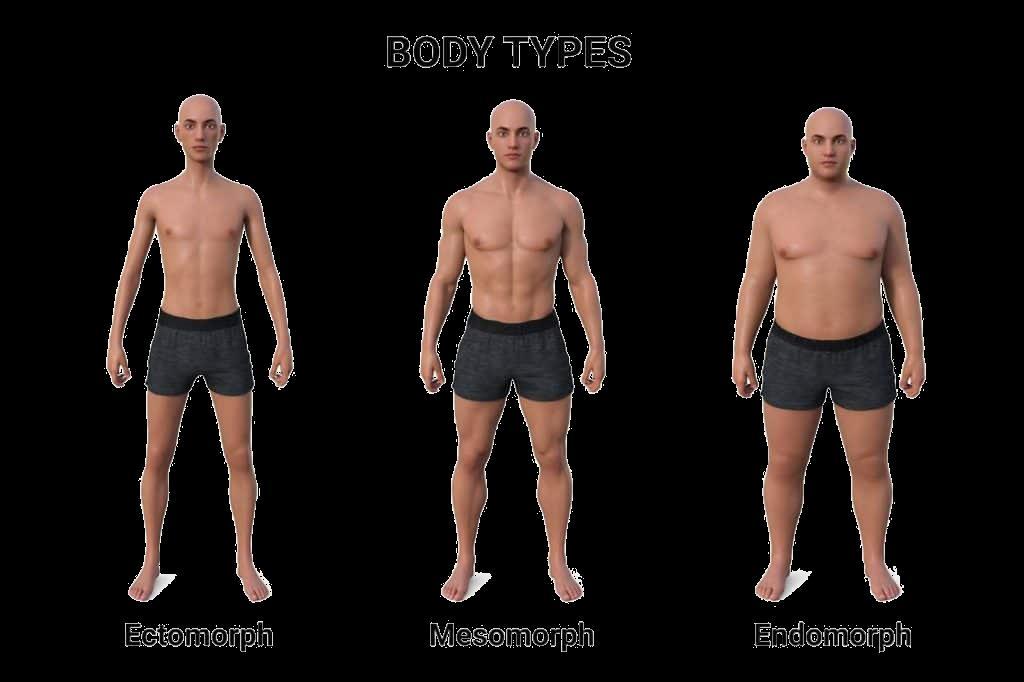
With over forty percent of Americans overweight it’s important to understand which body type you have so you can build the best plan to lose inches and gain muscle.
By Bolling Smith
If you’re one of the forty percent of Americans who are classified as obese and don’t want to take any medications to lose weight, this article is for you. To pick the right weight-loss plan, you first need to understand your body type.
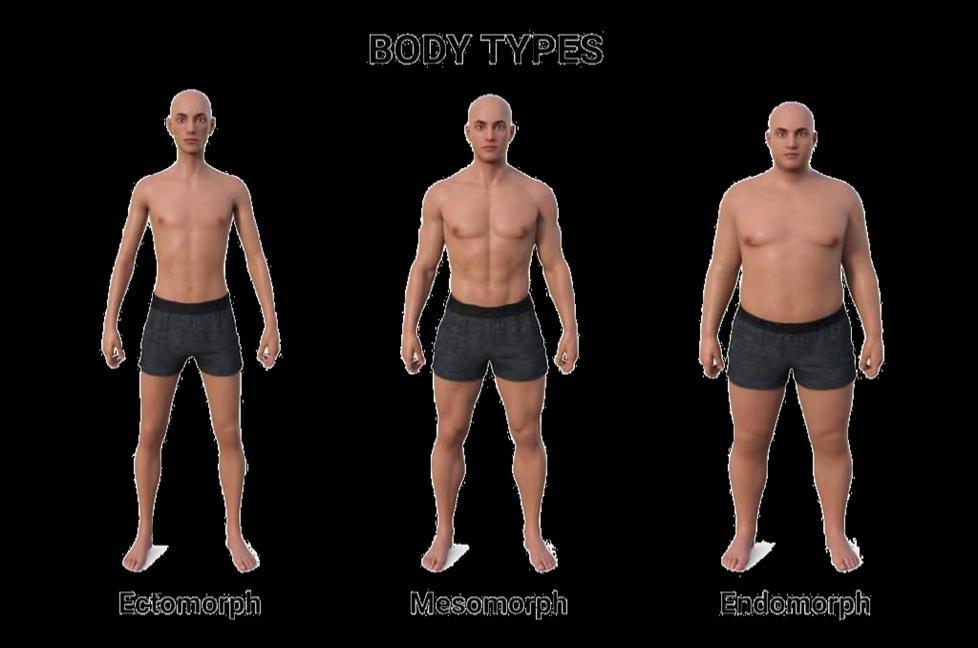
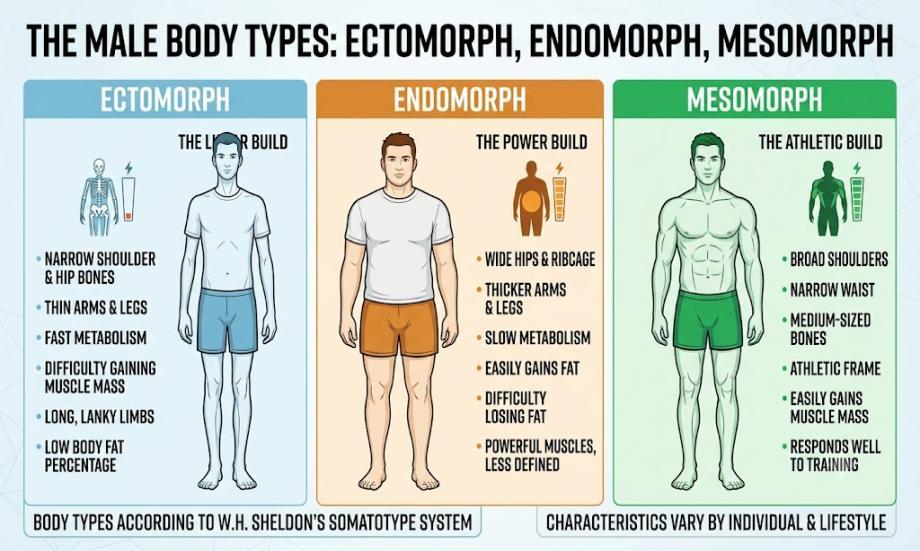
The three main body types, or somatotypes, are the ectomorph, mesomorph, and endomorph. These categories help describe general physical structures and how different bodies tend to store fat, build muscle, and process energy.
Ectomorph
• Appearance: Long, lean, and slender with thin bones and little body fat or muscle mass.
• Characteristics: Fast metabolism, narrow shoulders, and a hard time gaining weight or building muscle.
Mesomorph
• Appearance: Athletic, solid, and muscular with a mediumsized frame.
• Characteristics: Broad shoulders, narrow waist, efficient metabolism, and an easy time gaining or losing weight and muscle.
Endomorph
• Appearance: Rounder, softer, and curvier with a larger bone structure and higher body fat percentage.
• Characteristics: Slower metabolism, stores fat easily, and tends to carry weight in the lower body or midsection.
“Depending on which body type you have will determine the course of action you should take,” Juan Toney explained. “This will help those who are trying to lose weight get to their goals faster because they now have some idea of how their bodies respond to the methods used to lose weight.”
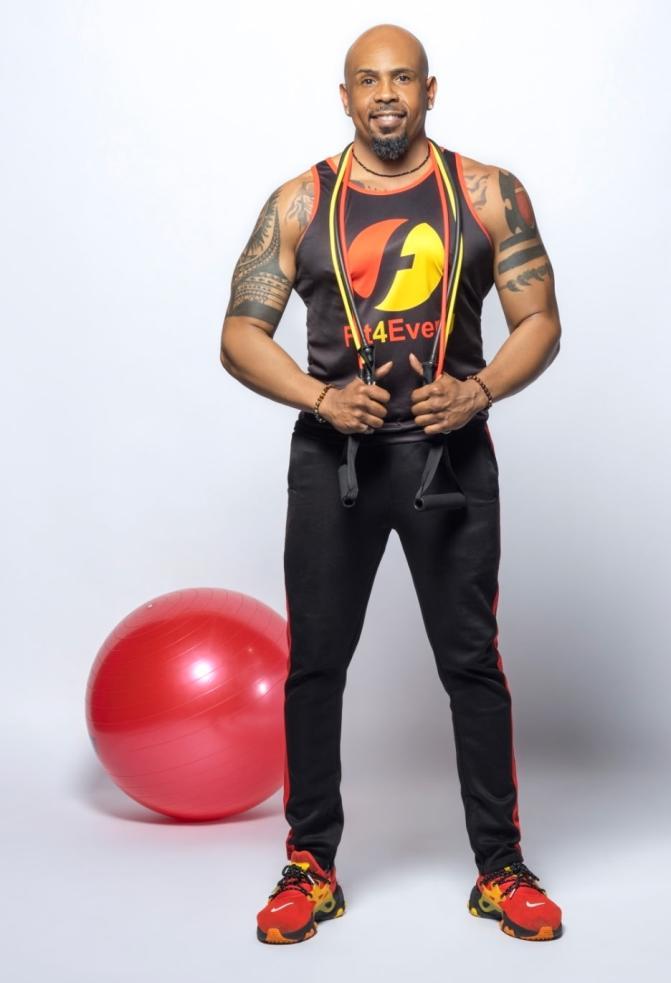
Toney is a physical fitness instructor and owner of Fit4Ever University. His business works with people who are looking for a complete transformation of their mental, physical, and emo-
tional health.
Juan uses several systems and techniques to help those who are looking to shed pounds and keep it off.
“People ask me to help them better understand the differences between the three body types, so I like to use examples to help them,” Toney said.
He describes the person and body type. Snoop Dog is an Ectomorph. Toney describes Snoop as someone who can literally eat whatever he wants and not be impacted by weight gain. His diet can consist of whatever he wants because his metabolism is so high.
Toney describes Venus Williams as a Mesomorph. She’s athletic and active, and she also burns a tremendous number of calories. Her build also allows her diet to consist of lots of protein and some fat so she can maintain her weight.
Toney finally describes Lizzo as an Endomorph. Her genetic make-up has always been on the softer, rounder side, and there’s not much she can do about her gaining weight. What she can do is develop a good meal plan, mixed with physical activity, to reduce the impact of the foods that she consumes. However, she might never get as skinny as she wants due to her body composition.
“The basic breakdown of how I teach people to attack their goals consists of three different categories: 60% nutrition, 30% cardio, and 10% resistance training,” Toney said.
He breaks down each section so people can better understand how they work individually and together to aid in weight loss and weight management.
Nutrition for Energy and Recovery
Learn your body type.
• Carbohydrates: Eat simple or complex carbs like bananas, oats, or brown rice before workouts to top off your muscle energy.
• Protein: Consume lean meats, fish, eggs, or plant proteins after exercise to repair muscle tissue.
• Hydration: Drink plenty of water before, during, and after physical activity to prevent fatigue.
The Role of Cardio
• Endurance and Heart Health: Activities like running, swimming, or cycling strengthen your heart and burn calories.
• Fuel Source: Uses stored fats and carbohydrates to sustain rhythmic movement.
The Role of Resistance Training
• Muscle Growth: Lifting weights or using bands builds lean muscle mass.
• Metabolism: Increases your resting metabolic rate so you burn more calories even when you rest.
Toney has over a hundred clients who join him virtually for daily workouts and classes. They reside all over the country, and the ages range from teenagers to 70-year-olds. Each member has an individual plan based on a prescreen that Toney does before they join a fitness class.
“When people join our classes, we work to understand their mental
state, their overall goals, and how much time they have to impact their goals. We make sure to help them with the mental aspects of life so they can get out of their own way to experience a positive outcome.”
Toney’s background as a fitness instructor goes back almost 25 years when he started as a fitness instructor at Bally’s. From there, he opened his own fitness business to offer more customized plans for people.
“There are so many factors involved for people who struggle with weight loss, and I saw a gap between what they need and what these gyms offer, so we decided to create our own plan to better aid in the process that we use to help them,” Toney said.
One of the first things that Toney recommends people do is detox their body.
He explained, “We change our oil, we drain our transmission fluid, but people rarely detox their body to rid it of the metals, plastics, and other items they consume. We want people to detox from any carcinogens, sugar, alcohol, and processed food that’s the over 1000 chemicals that are put in our food that make us unhealthy.”
He describes the human body as under attack by today’s standard of living. Many people don’t understand that they’re killing themselves with how many bad things they consume on a daily basis.
As the kids go back to school and college and cooler weather comes, the fitness industry considers this the prime time to get back in touch with one’s fitness goals. With the holiday season around the corner, it’s especially important to develop good habits now before it gets cold and all the sweats appear back at the table for the winter months.
“It’s never a bad time to make your health a priority,” Toney said.
America might be over forty percent overweight, but that doesn't mean you have to be. With patience, exercise, and the proper meal plan, anyone who wants to lose a few pounds can do so. Learn your body type, learn how it responds to your plan, and get to it. Life starts now. ●
To learn more about Juan Toney, visit: https:// www.fit4everuniversity.com/
Juan Toney has been in the fitness business for 25 years.
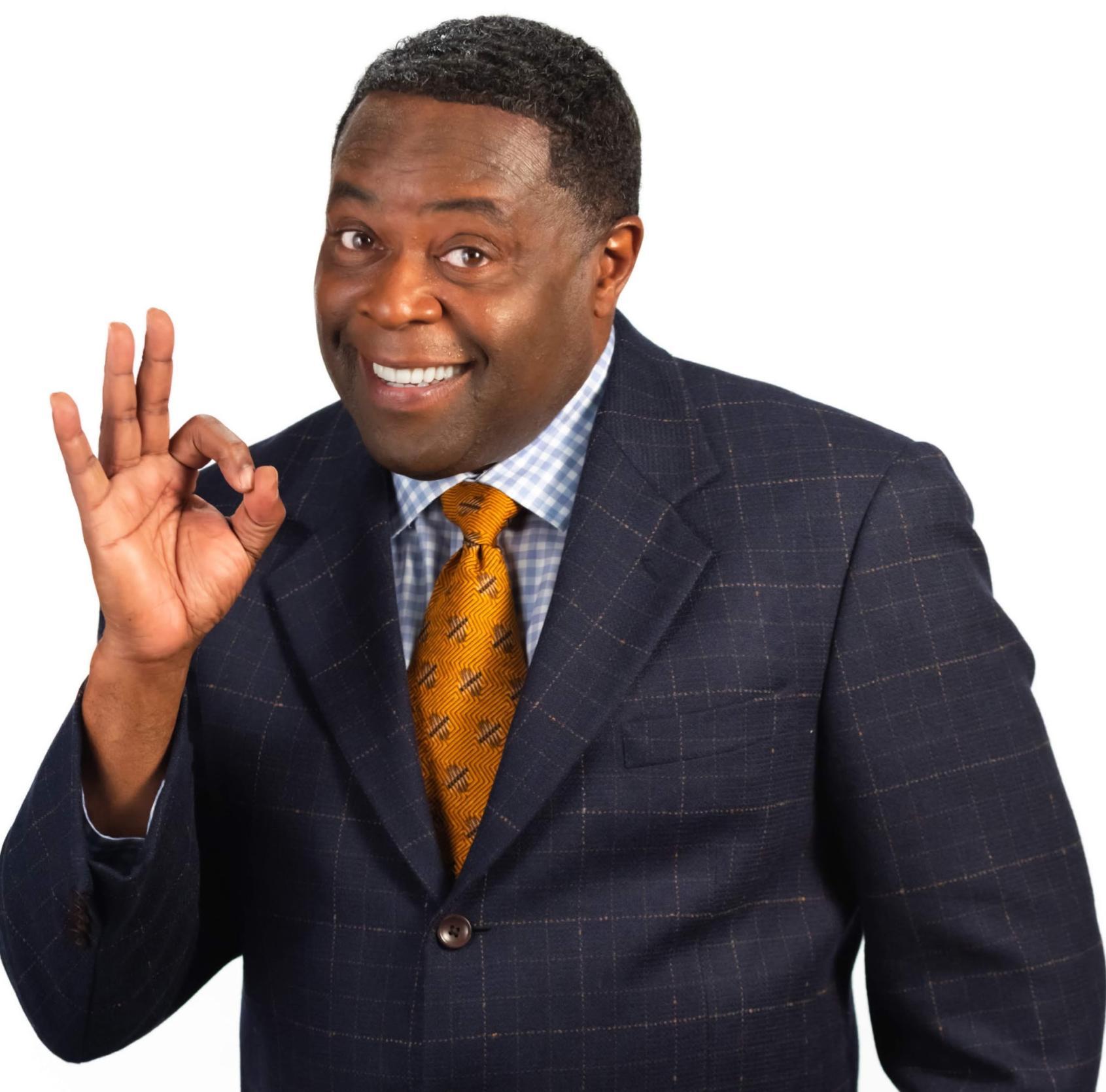
Sports Rap host, Ronnie Duncan, talks all things Cleveland sports including the rich history of the impact that Cleveland’s professional athletes have had on the American civil rights movement.
Written by BRAD BOWLING
Brad Bowling is the President of CODE Media Group, LLC. Bowling has his BA in mass media communication and an MBA in marketing. He contributes articles to the magazine continuing his love for writing.
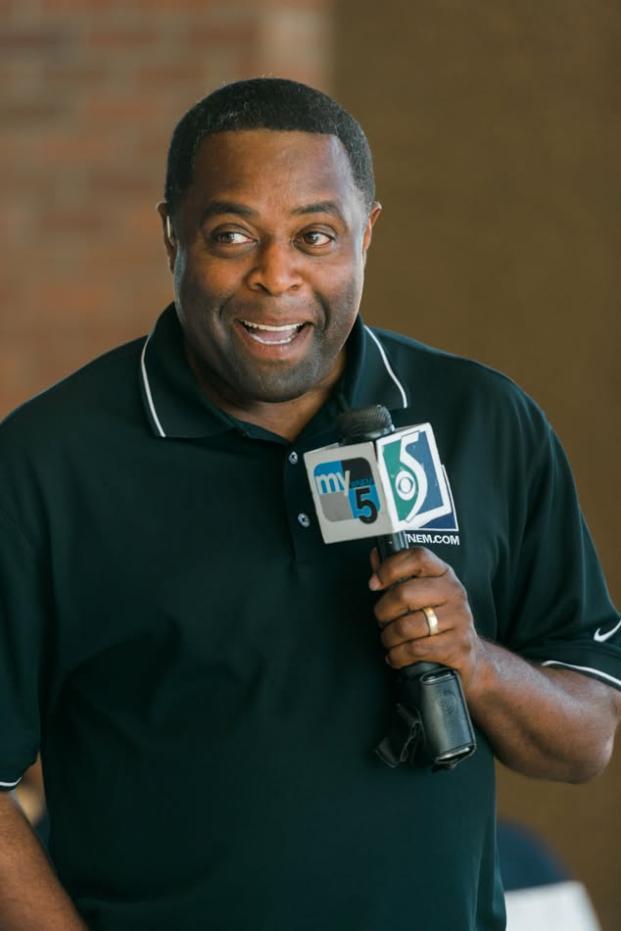
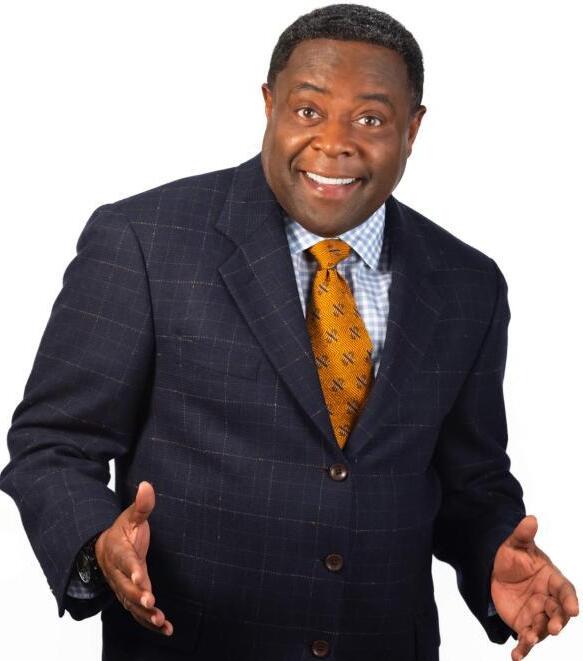
Cleveland has always played a major role in major sports. It’s one of the few cities in the US that has all three major sports teams. What you might not know is that Cleveland also has a rich history of shaping society and advancing Black people through sports.
“When you talk about Cleveland sports, I need people to understand that when the Cleveland Indians won the World Series in 1948, it was legendary. However, it was also historic because that team had Larry Doby and Satchel Paige on it,” Ronnie Duncan said. “Those two were the first men of color ever to win a World Series, and it happened in Cleveland, Ohio.”
Duncan speaks volumes about the rich history and impact of Blacks and sports in Cleveland. The former WOIO Sports Director was honored with three Emmy nominations while also hosting a morning talk show at WKNR.
Duncan’s broadcast career began in 1978 on radio in his native city, Baltimore, Maryland.
While volunteering as a broadcaster at the Baltimore Veterans Hospital, Ronnie developed his on-air skills with more than 30,000 volunteer hours.
He got his television break at WJZ-TV in Baltimore, where he would become a sports reporter and weekend sports anchor.
Many of Duncan’s early rehearsals for his big television debut were done with Oprah Winfrey.
His sportscasting journey has taken him throughout the US with stops in Durham, North Carolina, New Haven, Connecticut, Phoenix, Arizona, Indianapolis, Indiana, Columbus, and Cleveland, Ohio.
He now hosts a radio show in Detroit on his own platform called Sports Rap, which can be heard on WGPR 107. FM.
“Let me also mention Frank Robinson, who became Major League Baseball’s first Black manager in 1975. That also happened in Cleveland,” Duncan said.
He covers all the areas of importance where Cleveland sports impacted the lives of Blacks and the city at the same time. Duncan underscores the point of how important the city was in playing a major role in the civil rights movement.
Black Cleveland athletes shaped the Civil Rights Movement by organizing the historic 1967 Cleveland Summit, founding economic
Duncan was won three Emmys for his work in journalism.
self-help groups, and breaking professional sports barriers. Key figures like Jim Brown, John Wooten, Marion Motley, and Bill Willis leveraged their platform to demand financial and social equality.
The 1967 Cleveland Summit
The Ali Support Meeting: On June 4, 1967, Jim Brown and local players hosted boxing champion Muhammad Ali in Cleveland to evaluate his conscientious objection to the Vietnam War draft.
National Impact: Stars like Bill Russell, Kareem AbdulJabbar, and Bobby Mitchell joined the gathering, creating a unified front that changed athlete activism and helped back Ali's legal defense.
Black Economic Union: Co-founded by Jim Brown in 1966 (originally as the Negro Industrial and Economic Union), this group prioritized financial independence and business ownership over traditional public demonstrations.
Community Building: Cleveland Browns players like John Wooten helped direct resources, job training, and support to disadvantaged inner-city neighborhoods and Blackowned enterprises.
Breaking Field Barriers
Pioneering Integration: Marion Motley and Bill Willis integrated the modern Cleveland Browns in 1946, facing intense racism while proving Black athletes belonged at the highest levels of professional football.
Legacy: Their early integration laid the groundwork for later sports figures in Cleveland to use their economic and cultural influence for civil rights.
These are just a few of the impactful moments in history where Blacks in sports, combined with the city of Cleveland, held a major role in shaping the future of how Blacks were perceived in the US.
Duncan also highlights the fact that Wayne Embry was one of the first Black general managers of the Cleveland Cavaliers and was trusted to be able to pay whatever he wanted for his players.
Duncan shared, “Let me also remind everyone that the great Jesse Owens went to high school in Cleveland before he won a gold medal in the 1936 Olympics. He went to Ohio State, where he trained for the Olympics. That’s the Cleveland impact all day.”
Duncan’s strong knowledge of the influence of Cleveland sports doesn’t just account for the players. He talks about the mindset that the owners and general managers had to have, too. You couldn’t have one without the other, and there were several owners and general managers who paved the way for great things to happen across all the sports in Cleveland.
“I bet you didn’t know this,” Duncan said. “Did you know that in 1948, while Woody Hayes coached football at Denison, he had Blacks on his team?”
Duncan explained that Hayes would make sure he got the best players on his team no matter what the color, and he knew he could win with the best guys playing for him.
The coaches and owners didn’t just make sure to have Blacks on their teams. They also made sure that they were treated well. Hayes made sure that his players graduated from school. The owners of the teams in Cleveland made sure that their players were treated with respect when they traveled the country to play teams in the South.
With the civil rights period behind America, Blacks play a much different role in advancing the cause of the Black community. Athletes no longer inject themselves into the political arena the way they once did.
The changing times have reduced the need to have Black athletes fighting for the basic human rights that America tried to deny Blacks in general. Integration changed the need to protest and fight for the cause of equality. However, with the recent political climate, Black athletes are once again being asked to join the fight.
Today, Blacks dominate most of the three major sports leagues, and the Black community and its leaders are asking Black athletes to not attend schools in states where Republican rules dominate it. Some think it will have an impact, and some don’t.
“With so much money being paid to college athletes today, they better have an alternative plan for these kids to get the same money somewhere else if they’re going to make the decision to not attend a school based on politics,” Duncan said.
“I expect that we need to determine if we’re all fighting the same battle that we’re asking them to fight. I would need an answer to that before I ask an 18-year-old to sacrifice money for that.”
As Duncan prepares for his next broadcast, he closes by reminding listeners that Blacks and sports will continue to blaze new trails for the community and the country. His insights are appreciated, and the history lesson is much needed.
We thank you, Ronnie Duncan, for your candor, and we will see you on air. ●
Duncan owns his own show, Sport Rap, that can be heard online and on Detroit radio.
by
award scholarships to deserving students in the brighter future for themselves.
Hale E. Thornton
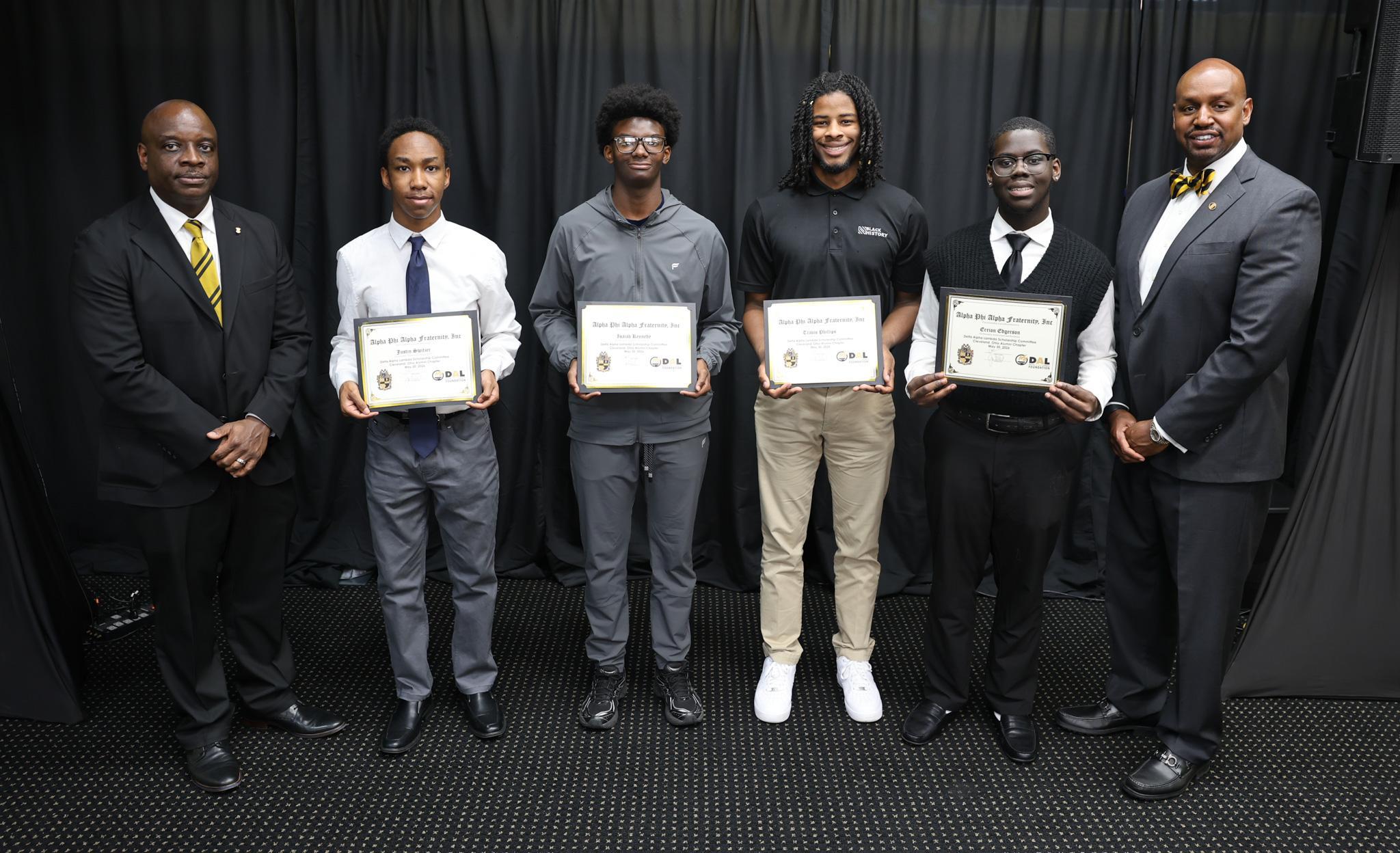
The higher education aspirations of six young men residing in Cuyahoga County were recently aided by the Delta Alpha Lambda Foundation, with the support of members of Cleveland’s graduate chapter of Alpha Phi Alpha Fraternity, Incorporated, the nation’s first intercollegiate fraternity for Black men.
On May 30, Delta Alpha Lambda Foundation and Greater Cleveland Alphas awarded six $1,000.00 scholarships to 2026 graduates from public and private schools in the area. At the scholarship awards luncheon, attended by scholarship recipients and their families at the Alpha Educational Development Center in Cleveland, scholarship program committee chairman,
board. Say yes to work-study opportunities, especially in the administrative offices,” exclaimed Saffore. Audience members seemed very attentive as Saffore’s college playbook insights were being shared.
Scholarship awards program keynote speaker, Kevin Dixon, vice president and Community Responsibility Officer at ERIEBANK, and member of Alpha Phi Alpha Fraternity, Inc., reminded attendees that “every scholarship recipient has overcome something. Some of you have overcome obstacles that no one knows about. However, you kept moving forward.” Dixon added, “Continue to dream bigger than your circumstances. Your story is still being written.”
The Delta Alpha Lambda Foundation Scholarship Program is designed to support underserved senior male students that reside in Cuyahoga County. Scholarship chairman Joe Gilbert stated that “the scholarship program is a competitive process.
Joe A. Gilbert informed attendees that, “Our fraternity motto is manly deeds, scholarship, and love for all mankind. We’re awarding scholarships, not as a hobby, but very intentionally, as we believe, scholarships can change people’s lives”.
In addition to receiving the scholarship award presentations, the new high school graduates heard insightful remarks from several fraternity members who shared advice drawn from their own lived experience.
Delta Alpha Lambda Foundation board president Dr. Lateef Saffore thanked the awardees for even completing the scholarship application process, which required their commitment and demonstrated resilience. Saffore went on to offer lessons from the “playbook” as they continue pursuing success in college and in life. “Learn about the financial aid process. Apply early. Introduce yourself to alumni of the colleges that you choose, and then the alumni may adopt you as a mentee, added Saffore. Saffore went on to offer more strategic advice. “Consider being a resident hall advisor, and you will have free room and
Dixon added, “Back in the day, I wanted to be an astronaut. I was fascinated by old shows like Star Wars, Battlestar Galactica, and more. I would look up at the stars and universe thinking that we’re all space travelers wondering what lies beyond what we can see or imagine. Continue to dream beyond your current circumstances. The universe is unlimited,” exclaimed Dixon.
Founded in 1906 at Cornell University in Ithaca, New York, as the first intercollegiate Greek-letter fraternity established in the nation for African American men, by seven college men who recognized the need for a strong bond of brotherhood and scholastic support. Alpha Phi Alpha Fraternity, Inc., has a
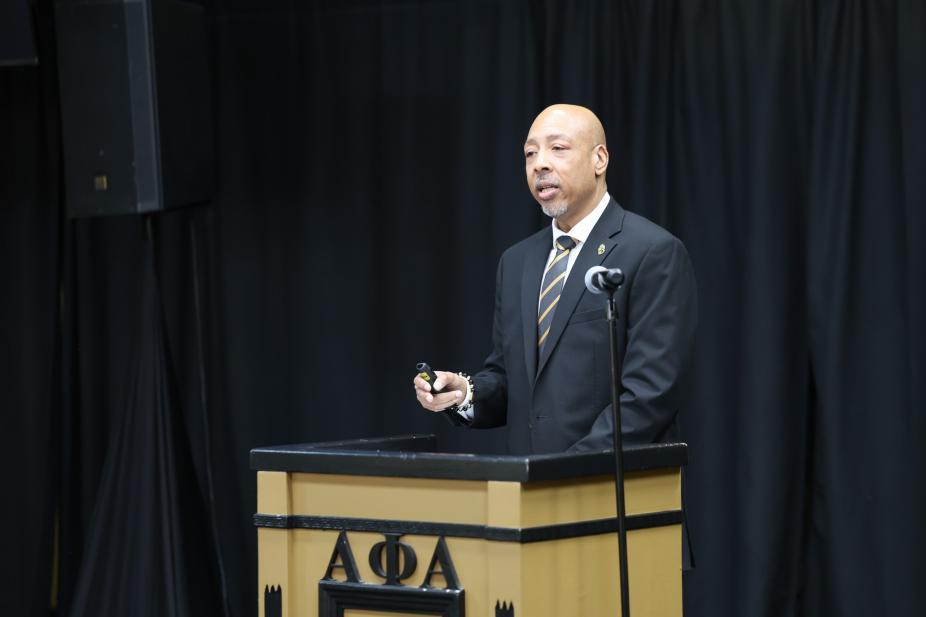
DAL Foundation Keynote Speaker Kevin Dixon announcing the winners.
rich history of investing in and supporting the college aspirations of young men. Locally, through the Delta Alpha Lambda Foundation and members of the Delta Alpha Lambda Chapter of the fraternity, an estimated $250,000.00 has been awarded to collegebound high school graduates throughout the history of the Delta Alpha Lambda Foundation and the graduate chapter of the fraternity.
The Delta Alpha Lambda Foundation Scholarship Program is designed to support underserved senior male students who reside in Cuyahoga County. Scholarship chairman Joe Gilbert stated that “the scholarship program is a competitive process. Not all who apply receive an award.” “27 percent of the applicants received a scholarship this year,” added Gilbert.
2026 scholarship recipient Isaiah Kennedy, a graduate of Cleveland Heights High School, expressed gratitude for receiving the scholarship and acknowledged that his parents urged him to apply for as many scholarships as possible. “This scholarship will further help me have money for college,” said Kennedy, who plans to attend Alabama State University.
Program chair Joseph Gilbert reflected on why he passionately volunteers on the scholarship committee. “Education is the great
equalizer,” reflected Gilbert. “Frederick Douglass said, “Once a man learns to read, he will forever be free.” Education gives you that access, that pathway, that freedom,” concluded Gilbert.
Scholarship awardees were encouraged to think way beyond the scholarships that they were receiving at the day’s awards program. “Today is bigger than the scholarship and award. Today is about possibilities. We need you to have a vision… an unlimited vision,” asserted Dixon. “In addition,” added Dixon, “As you climb, be willing to lift somebody.”
Furthermore, Dixon urged the six awardees to remember the sacrifice and discipline needed to get to where they are now. He also added, “Always remember the supportive parents, grandparents, and friends and family that believed in you and contributed to your success.”
Delta Alpha Lambda Foundation’s 2026 college scholarship recipients include: Demetrius Bryant, graduate of Ginn Academy; Errion Edgerson, graduate of Collinwood High School; Isaiah Kennedy, graduate of Cleveland Heights High School; Travis Phillips and James Pleasant, graduates of University School; and Justin Switzer, graduate of Gilmour Academy. ●


With emerging Gen Z carving their own space in the world,
Written by ALLEN BOONE
Art is a time capsule of the human experience, and with closer inspection, the significance of an era can be understood. We look back fondly and think of those creatives who managed to cut through all the noise and focus on what made the state of the world become instruments for their own art. These creations have shaped our culture through music, movies, television, books, and dance for hun-
world, they’ve used the constant cycling of time in their art.
dreds of years, and thus have directly reflected themselves in response.
With emerging Gen Z carving their own space in the world, they’ve used the constant cycling of time in their art. In a period where political stressors and the rapidly changing economy become harsher day by day, those who can focus on their craft are capable of producing just exactly what’s
needed for Gen Z to thrive. Like a modern-day French New Wave, Gen Z is growing into an opportunity to create art that reflects their inner turmoil and anxiety as a generation, allowing those of previous times clear insight into what it’s like being a young adult during such an uncertain time.
Film has been used to convey strong themes and emotions since its inception, and the recent summer hits of Backrooms, directed by
21-year-old Kane Pearsons, and Obsession, directed by 26-year-old Curry Barker, adhere to the genre’s standards. These films both directly capture the essence of Gen Z’s collective consciousness as a generation and platform them to a broader audience.
By exploring these deeper topics through film, they’ve begun to create a vast connection to the characters and use them as strong devices for the audience to relate to. Being able to picture oneself in a fictional character’s shoes is an extremely important means for creating empathy for the story that’s being presented to an audience.
Backrooms is a horror film centering on the emotional baggage carried by characters Clark and Mary. Clark (an owner of a failing furniture store and suffering from his failing marriage) and Mary (his therapist who’s still reeling from her own trauma regarding an agoraphobic mother) are functionally isolated and stuck in “loops,” safe zones they’ve created to avoid any challenge or struggle. Because these repeated behaviors have become so comfortable, they’d rather stay in their isolated shells than break out of them and challenge their everyday norms.
By the film’s end, Clark realizes he’d rather stay in his loop and states that he “likes it here,” referring to both the unnerving atmosphere of the backrooms hidden under the furniture store and the psychological state he’s in when he reaches this conclusion. He becomes complacent with his life, and at first tries to blame the world and everyone around him rather than take responsibility for his own actions and situations he’s placed in.
Mary, on the other hand, realizes her treatment of Clark didn’t help him. She spends the last final minutes of the film running to escape her loop, realizing that even though Clark wanted help, he ultimately rejected it, and that if she tried to help him any further, he’d consume her mentally. She begins to realize she can’t help anyone in her profession; she comes to terms with that realization, and needs to heal from her past childhood traumas in order to move forward and survive.
These characters speak to the angst that fellow Gen Zs find themselves stuck in. The world seems so rigid and fearmongering that they stay in loops and patterns for any sense of familiarity, even if they end up harming themselves in the end.
Though the characters in Backrooms are older, they are clearly written through a Gen Z lens still facing the uncertainty of their own careers just like so many Gen Zs across the world. Many are thinking, “Is this the life I want? Is this career working for me? Should I look for fulfillment elsewhere?”
Just like in the real world, these questions are never answered and
are ultimately left up to the viewer to decide, mirroring how decisions like these are left for us to answer. The inherent anxiety of this generation also creates an unnerving tension in their social lives as well, leaving not only their careers uncertain, but even their relationships.
Obsession, although another horror movie, focuses on another one of Gen Z’s plights: the male loneliness epidemic a strong connection to the multiple social problems Gen Zs have with one another. The concept of connection can sometimes feel foreign and uncertain depending on how one person may treat someone else or respond to a person’s actions. An innate fear of unknown actions by others results in a reluctance to and lack of a chance to learn and grow through trial and error.
In Obsession, Bear a man with a crush on his co-worker and close friend, Nikki becomes so afraid of the possibility of rejection that he completely bypasses it with the use of a supernatural toy that grants any wish he pleases. He uses it to wish that Nikki loves him more than anything else in the world. This ultimately creates a scenario where Nikki herself is never given the chance to say no and is forced to live out her days as his girlfriend.
This film is packed with several social themes, exploring topics such as male friendship, a fear of vulnerability amongst friends, and how isolation can harm one’s social interactions. These become strong pressure points for the film and speak to a wider communication issue between Gen Zs, specifically miscommunication, where no one truly explains how they feel for fear of rejection. Taken to extremes, the film shows how dire situations can truly become if no one is equipped with the confidence to confide in one another.
These films have become extremely successful box office hits, and with reported statistics indicating that Gen Z has become the generation to breathe new life into movie theaters, it’s indicative that Gen Z has become one to appreciate proper depictions of their lives on screen, no matter how frightful they may be.
The culture these films have appeared in scarily depict the everyday experience many Gen Zs face in their day-to-day lives, and thus have cultivated an audience that gravitates toward and discusses these films in great detail. The success of Backrooms and Obsession shows an entire generation filled with uncertainty that there will be a space for them in the cultural space we live in today. ●


The right outfit on a woman has always made men go crazy with attention and desire. These outfits create attraction and style.
Written by LARON HARLEM
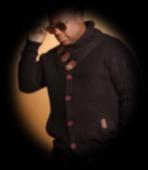
A wardrobe shopper, stylist, and accessories designer who specializes in dapper looks that truly appeal to the most discerning eye. mailto: styledbydecar-lo@gmail.com, https:// www.styledbydecarlo.com/
There is something about a woman on a motorcycle that makes men stop in their tracks. The power the speed and the leather mean instant lust.


A woman in a classy business suit blends the perfect combination of responsibility and sexappeal making for secret thoughts of an office romance.
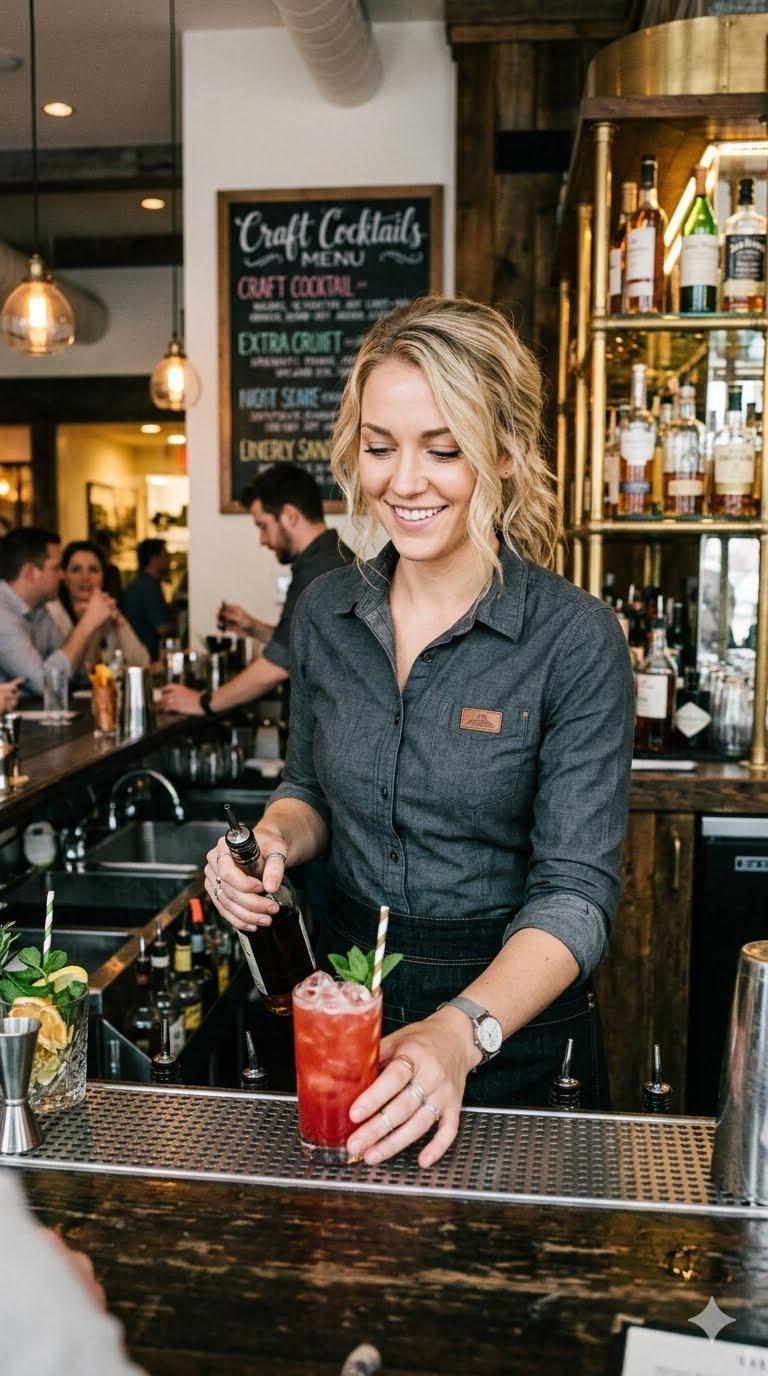
Men will wife the waitress if her personality matches her smile. Especially if the work uniform she is wearing accentuates her figure.
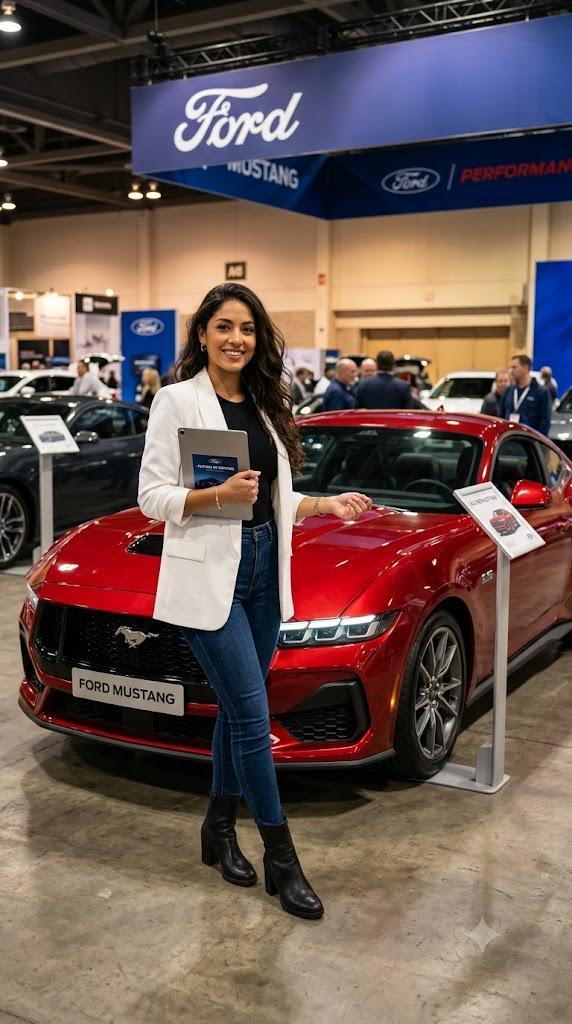
The car model is a weakness for most men due to her amazing smile, quiet confidence and her expertise with whatever automobile she is discussing.