




April is the month to begin again.
AApril is a powerful reminder that every life moves through seasons.
Spring arrives with quiet confidence. Trees that once looked empty begin to bloom. The earth warms.
New life pushes through the soil where nothing seemed possible just weeks before. Nature shows us something profound growth doesn’t stop just because a season was difficult. Sometimes it simply waits.
Easter carries that same message of renewal and resurrection. It reminds us that even after hardship, after doubt, after moments when the road seems uncertain, there is always the possibility of rising again. The story of Easter is ultimately a story of hope that endings can become beginnings.
Many of us experience seasons where we question our direction or face challenges that force us to reassess who we are and where we’re headed. But those moments can become the soil where something stronger grows.
In my own journey, there were times when life demanded reflection and accountability. Those moments were not the end of the story they were the beginning of a new chapter. That process ultimately led me to entrepreneurship and the creation of Code M Magazine, a platform designed to uplift and empower Black and Brown men around the world.
Spring teaches us that growth is natural. Easter reminds us that renewal is possible. But both require something from us the courage to begin again. This month, take a moment to reflect on your own season. What part of your life is ready for renewal? What truth are you ready to grow into? What new beginning is waiting on the other side of your faith?

My hope is that the words and images in this publication continue to inspire, uplift, and change lives for the better.
Embrace the season. Trust the process. Rise into your next chapter.

52 GEN Z IS DYING AT A HIGHER RATE
18 MOVERS AND SHAKERS
Get to know people who are making a difference in their careers and changing the world!
21 MAN CODES Faith.
22 WORKING OUTSIDE THE BOX
Millennials and older Gen Z adults, people aged 25 – 44, are dying at rates far higher than their peers in other wealthy nations. It’s a terrifying fact in today’s world.
allowing him to not be placed in a box. That skill set has allowed him to transcend any limitation that any position placed on him.
24 THE DISCIPLINE OF CLARITY
Success does not equal intelligence. For those who lead based on success could learn one thing or two about the clarity it takes to understand the difference.
30 SPRING LAWN ADVICE FROM PETITTI’S
April means it is time for lawn care. AJ Petitti helps those with a green thumb get the most out of their grass and garden this spring season.
yearn for the answers to winning in life, living your dreams, and understanding how hard work can payoff when used the right way.
38 CODE M BEAUTY
Amazing women are refining what it means to be sexy.
44 CODE M CELEBRATES 10 ACHIEVERS WHO ARE MAKING A DIFFERENCE
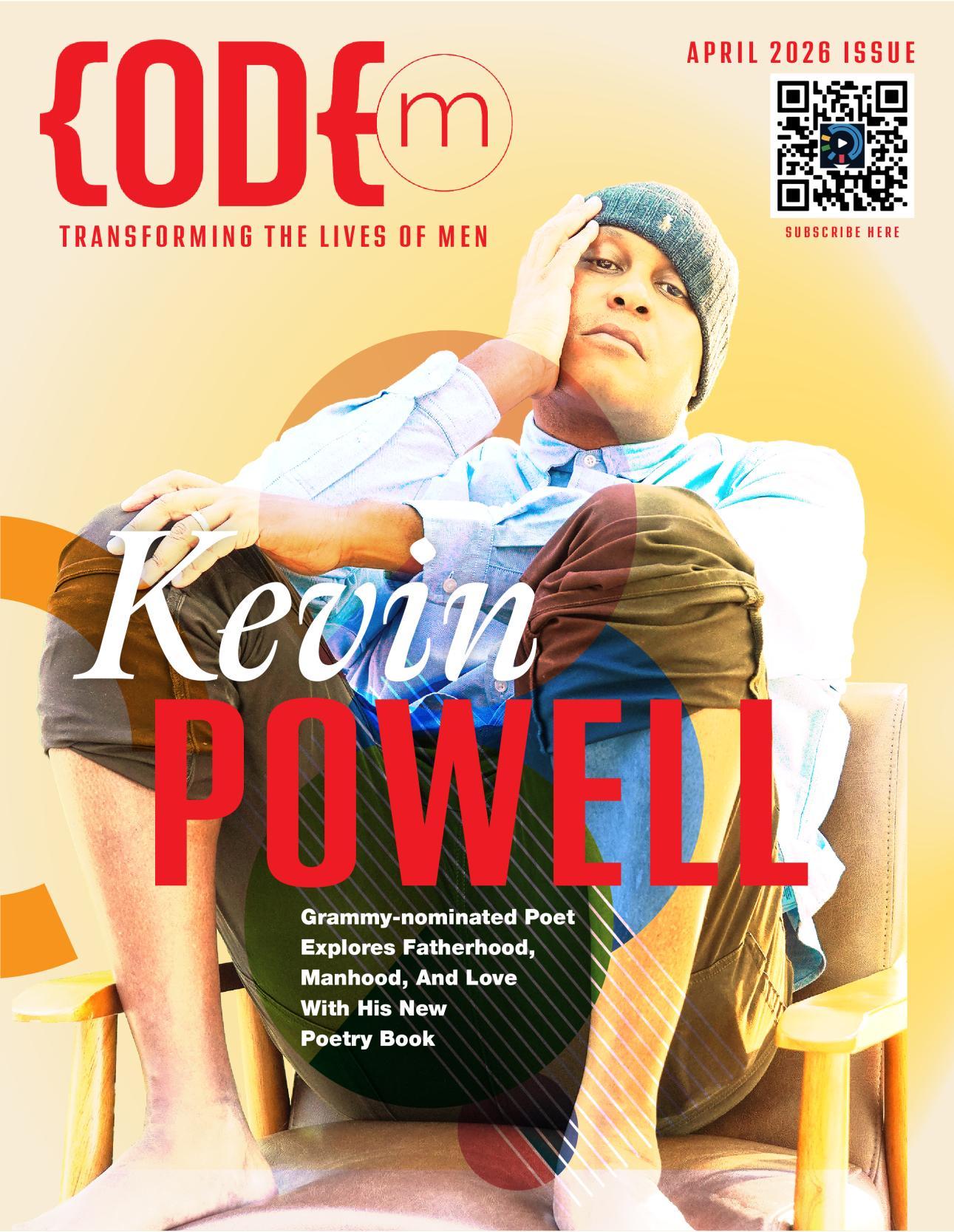
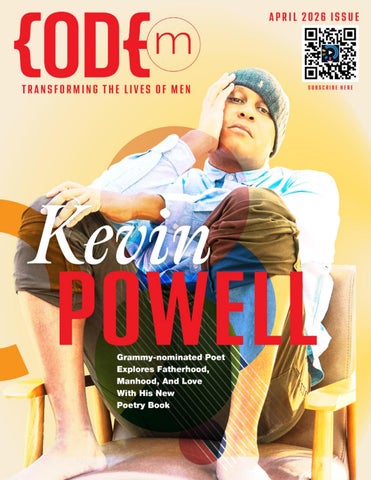
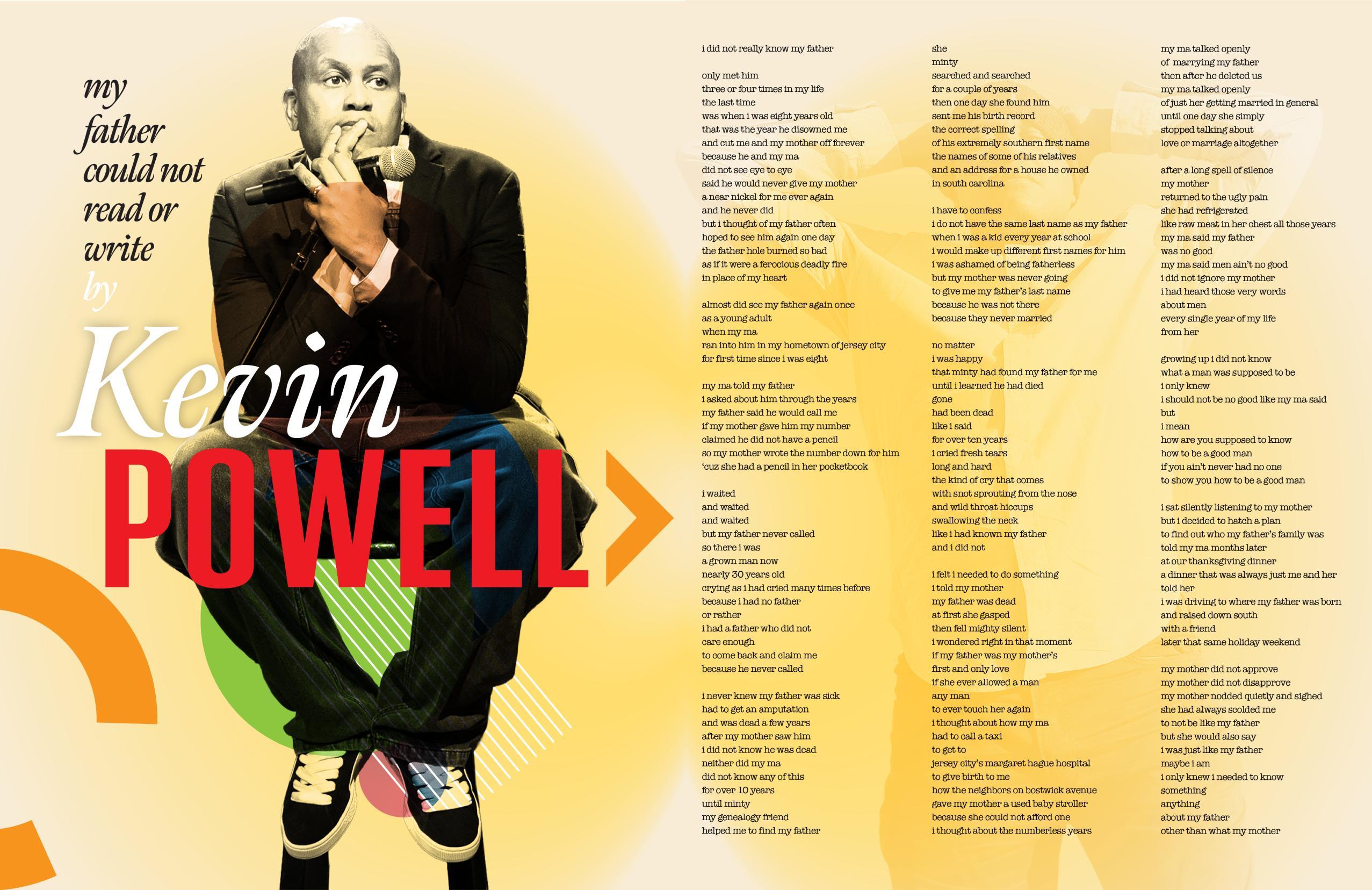
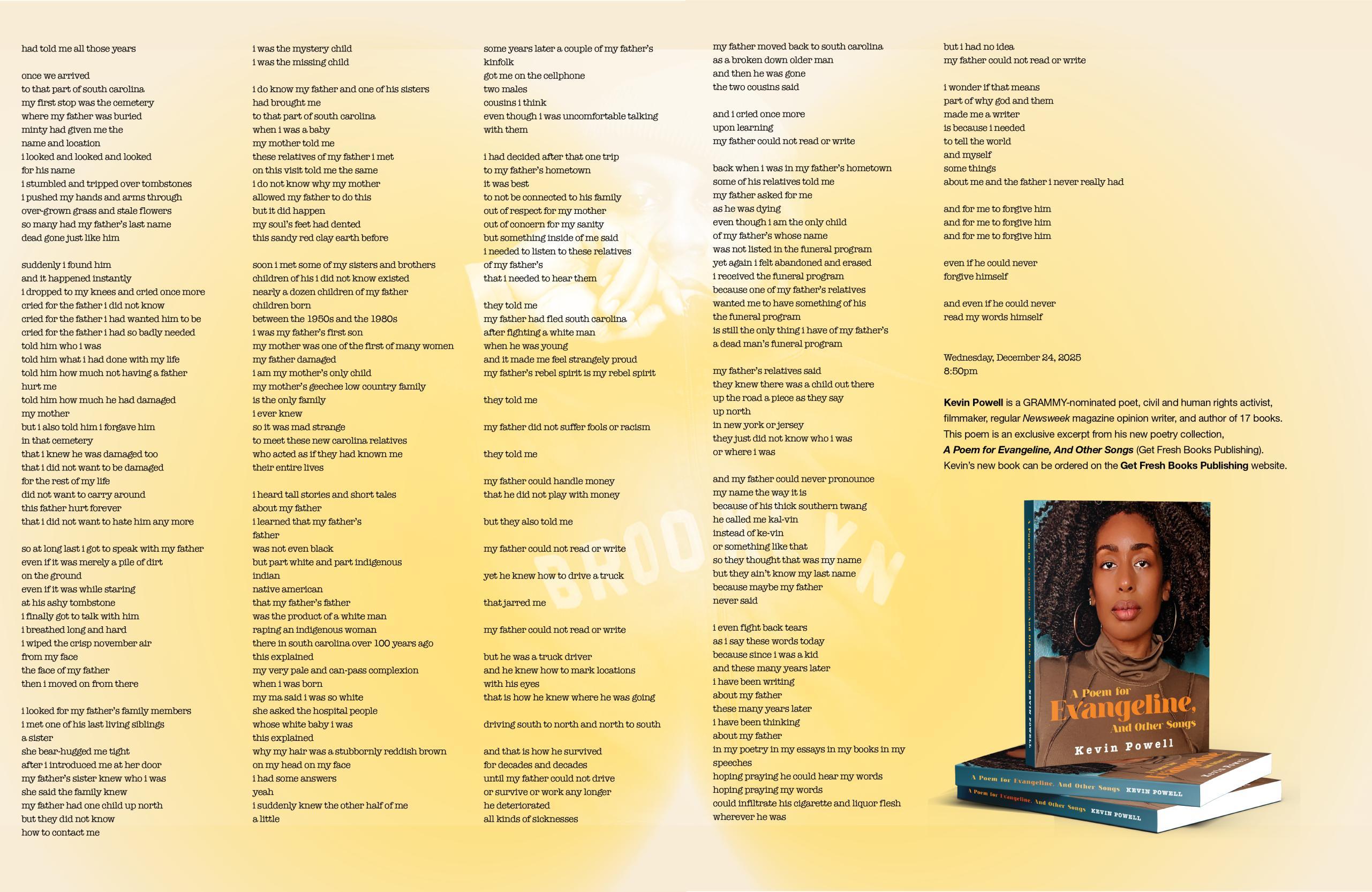
CODE M was born to showcase and highlight Black people who are making a difference for their businesses, community, and their families. We are proud to celebrate these men this month and we encourage you to do the same thing. 40 KEVIN POWELL Grammy-nominated poet explores fatherhood, manhood and love with his new ON THE COVER poetry book.
Glen Shumate’s career has been able to evolve to the point where he has thrived in three different industries,
36 CHEAT CODE FOR LIFE
Grant Cardone provides those who


There comes a moment in life when something powerful becomes clear: the story is not over. For adults between the ages of 50 and 85 often referred to as the Betterment ZIP Code that moment is now.
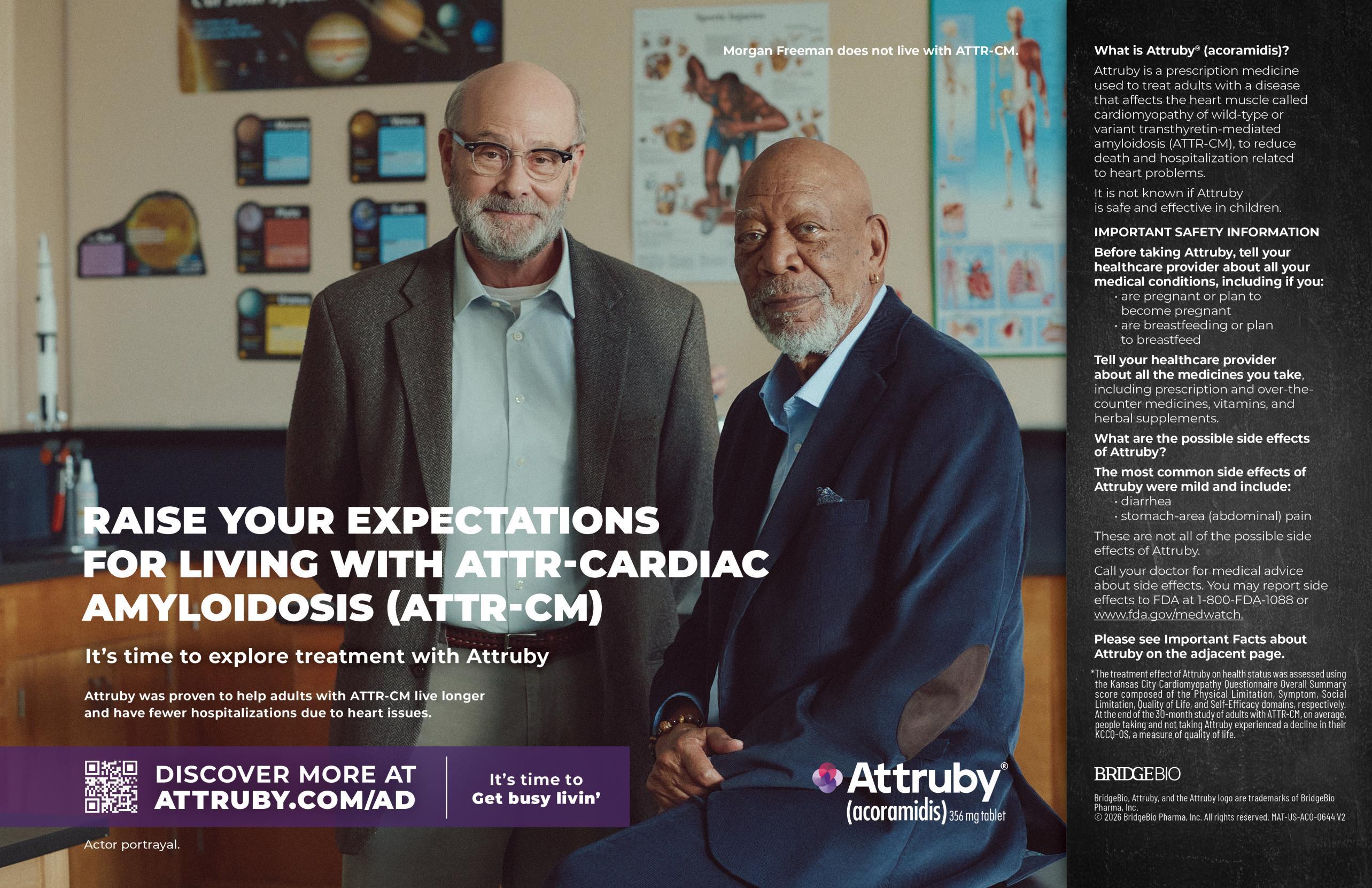
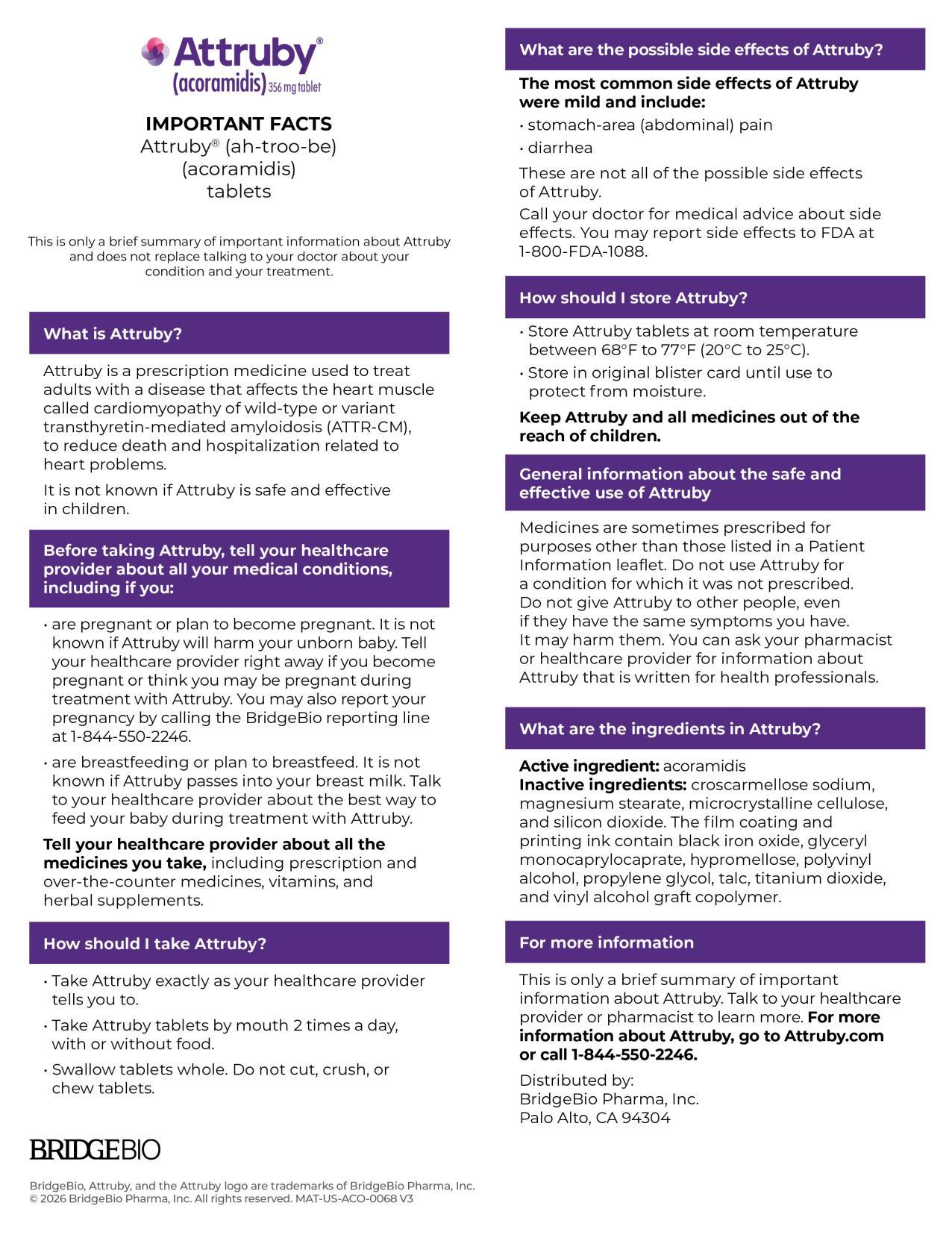
Transthyretin amyloid cardiomyopathy (ATTR-CM) is a serious, underdiagnosed form of heart failure that disproportionately affects older Black men. About 3%–4% of Black Americans carry a genetic variant (Val122Ile) that significantly increases their risk of developing this condition. It is often referred to as an "unrecognized pandemic" in this population.
Get to know people who are making a difference in their organizations and in their careers.
You have to be real confident if you are going to sport bright yellow. There is nothing like color to make a fashion statement.
Blacks influence the latest trends of popular culture, fashion, and music more than any demographic. Reach them when you advertise with CODE M Magazine. With over 1.4 million viewers monthly, we have your audience.
Call 440-796-5763 to request a rate kit.





PUBLISHER
Bilal S. Akram
PRESIDENT
Brad J. Bowling
SENIOR ADVISOR
Alexandria Johnson Boone
MANAGING EDITOR
David Christel
CHIEF OF STAFF
Anita G. Butler
PAGE EDITORS
Laron Harlem-Fashion Editor
Paris Lampkins-Movers & Shakers Editor
Valerie Starks-Hutton-Beauty Editor
GRAPHIC DESIGN
Stiff Arm Media
MEDIA COORDINATOR
Carole Anthony
EXECUTIVE ASSISTANT
To the PUBLISHER
Ladonna “Lala” Dicks
EXECUTIVE CONSULTANT
Adrianne M. Sims
To submit comments,
ENGINEER RADIO/PODCAST
Chris Westbrooks
SOCIAL MEDIA
Stiff Arm Media
IT CONSULTANT
Anthony Jones
Digital Jetstream, LLC
CONTRIBUTING WRITERS
David Christel
Leslie Logan
Brad J. Bowling
Bilal S. Akram
Laron Harlem
Bolling Smith
Monique Wingard
Raland Hatchett
Akil Marshall
Dr. Tim Goler
STAFF
Sylven Lamar
Franklin Solomon


or to inquire about advertising please contact us at
info@codemediagroupllc.com

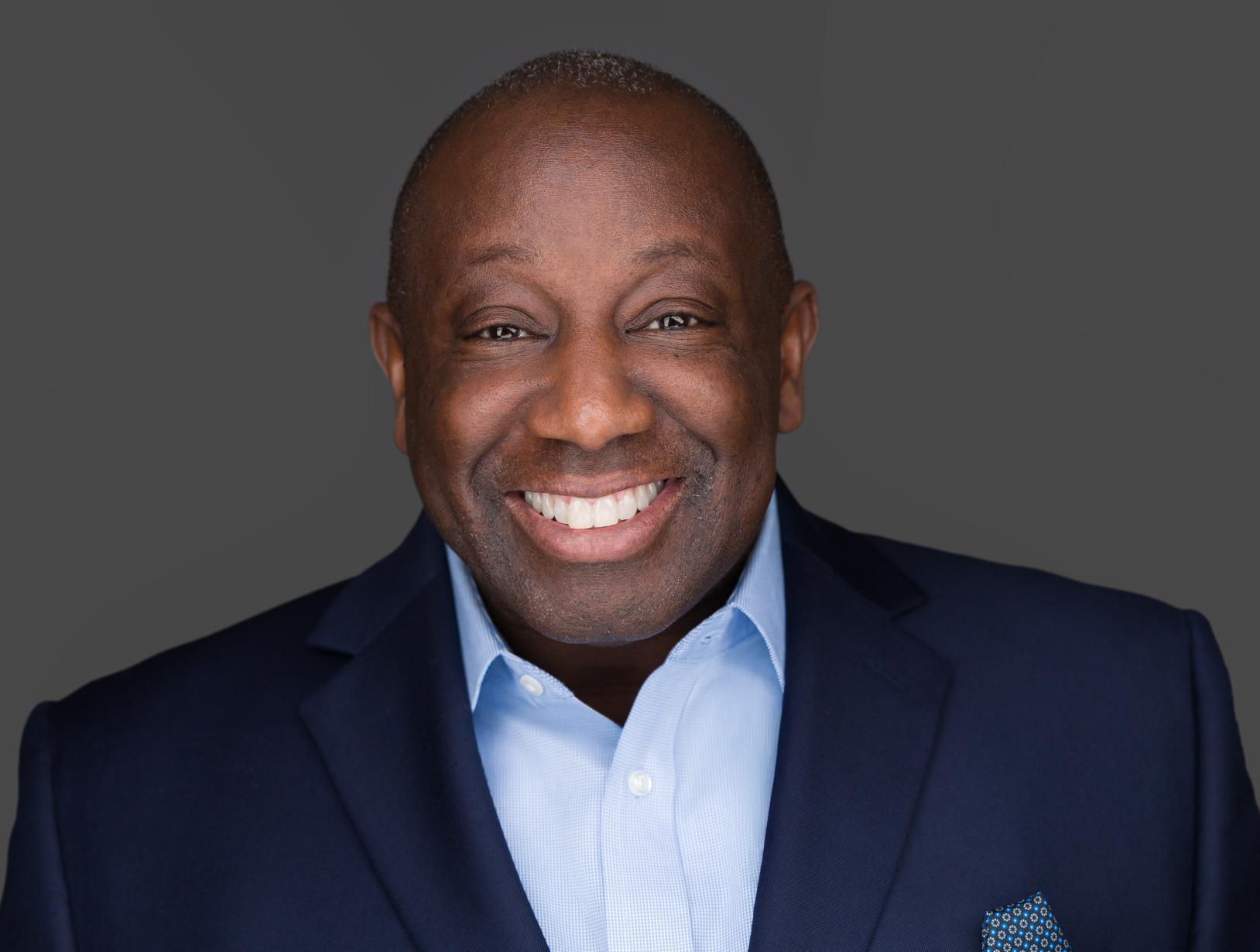
TJ Shelton has served as the James C. Wyant Director of Athletics and Chair of Physical Education at Case Western Reserve University since January 1, 2022. In this role, he oversees the university’s NCAA Division III athletic programs and physical education offerings. Under Shelton’s leadership, CWRU has reached unprecedented heights in national athletic performance. The university achieved its three highest finishes ever in the Learfield Directors’ Cup standings, including a historic 23rdplace finish in 2023–24. The men’s tennis team captured the department’s first NCAA Team Championship and women's soccer was na-
Get to know people who are making a difference in their careers and changing the world!
by Paris Lampkins
tional runner up in 2023. During his tenure, CWRU has won nine conference titles and made 33 NCAA postseason appearances, with 69 student athletes earning All-American honors reflecting the broad success across multiple programs. Nine student-athletes were also awarded the Elite 90 award for highest grade point average at a NCAA championship. Before arriving at CWRU, Shelton served on athletics administrative staffs at The Ohio State University and Washington University in St. Louis, contributing significantly to the university’s sustained academic and competitive excellence. Shelton holds both a B.A. in Sports Business Management and an M.Ed. in Sports Administration from Wichita State University.
Vince Robinson is a multi-disciplinary artist based in Cleveland, Ohio. His career path took him through stints as a radio news reporter, broadcast producer/host, voiceover artist, entertainment journalist/photographer and 27-year insurance professional. He’s the current host/producer of Open Door, a television show staged in Macedonia, Ohio and its radio version on 95.9 FM WOVU - Cleveland, in addition to co-hosting and coproducing 360 Info Network, a talk show on AM1490 WERECleveland.
His filmmaking projects have included documentaries shot in Ghana, West Africa and Israel.
His photography has been featured in solo exhibitions at Kent State University and several group shows, including Black+White at Cleveland Hopkins International Airport.
His book, Got Words? (Parablist Publishing) was published in 2015. Other books in which his writing and poetry appear include The Kent Quarterly (Kent State University Press, 1977), and Cleveland Poetry Scenes: A Panorama and Anthology (Bottom Dog Press, 2008).
Robinson has written for several publications, Including CAN Journal, Real Deal Press, East Side Daily News, Freshwater
Ernie Terrell is an entrepreneur and CEO whose business portfolio reflects purpose-driven leadership and community impact.
He is the founder of First Class Barbershop, Teedeez Gourmet Kitchen and Delectable Dishes, and Drip Alkaline Mineral H2O a Black veteran-owned natural artesian alkaline water company.
Drip Alkaline Mineral H2O is sourced from a protected artesian aquifer more than 400 feet beneath the Earth's surface in Tuskegee, Alabama. Naturally alkaline and mineral-rich, the water represents Terrell's faith-led vision to steward God's creation while offering a product rooted in purity and wellness.
His leadership has been recognized with a Certificate of Commendation from Ohio Secretary of State Frank LaRose and the Exceptional Man of Excellence Award from the Women of God Outreach Ministries.
A man of faith and father of four, Terrell remains focused on building legacy-driven businesses that serve people, purpose and edifying the community.
Cleveland, Crusader Arts & Entertainment, Eschelon Magazine and African American Golfers Digest.
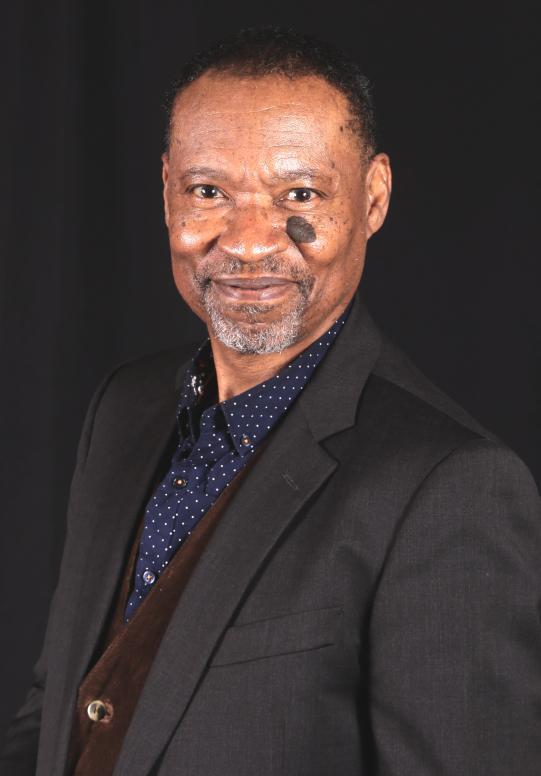
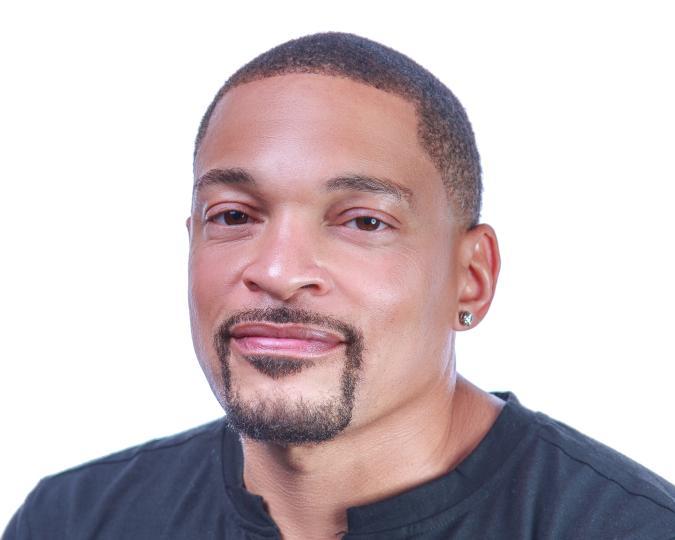
Terrell’s Drip Alkaline Mineral H20 business has thrived in and around the US due to his ability to network and forge meaningful partnerships with business around the region. The bottle that is used for the water has become famous to those who know when they see the bottle, they are
getting a quality product. The bottle has its own patent and considered to be a work of art among those who understand branding and marketing making Terrell a true leader in the industry of hydration.
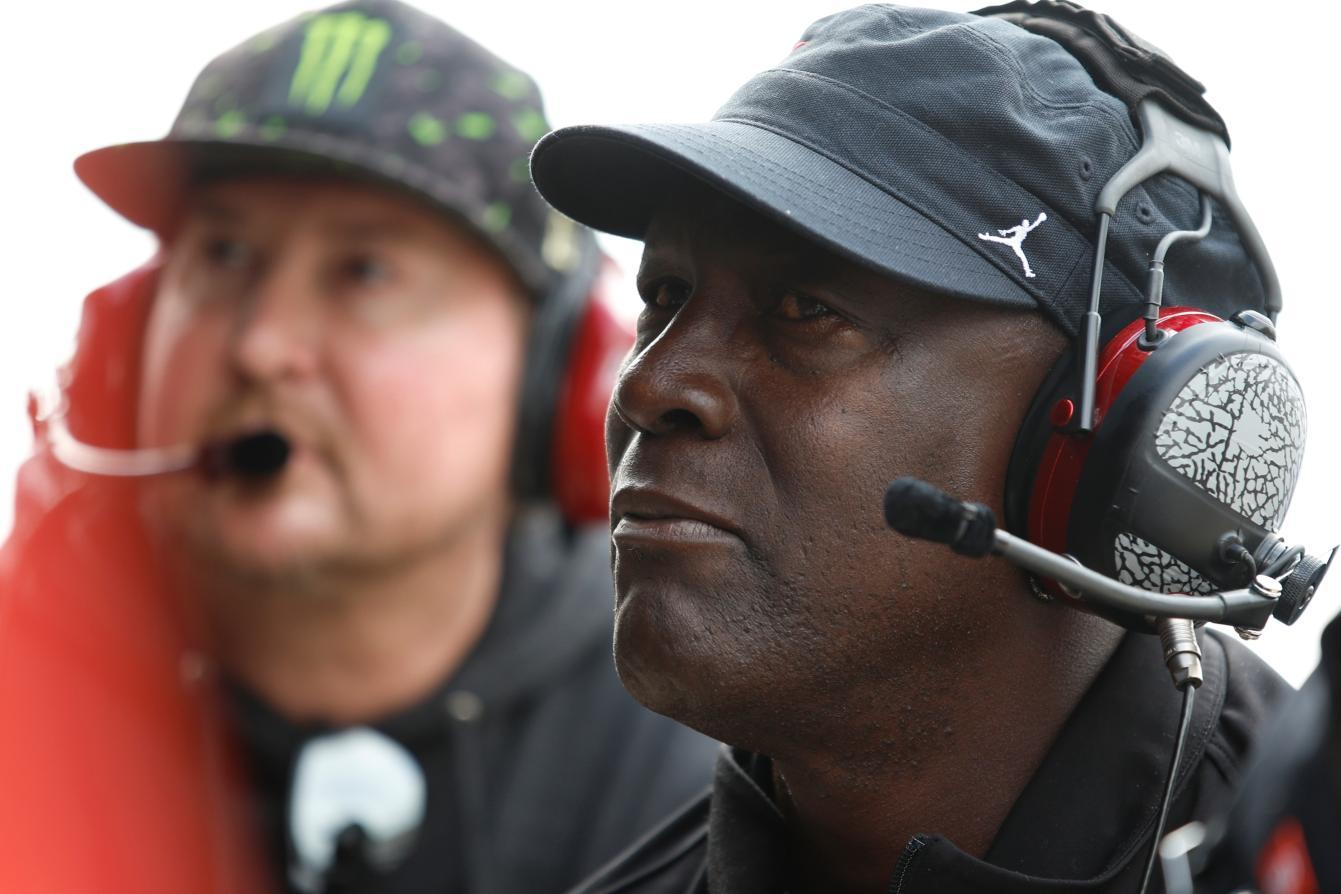

“Have faith in how far you can go.” - Michael Jordan
“‘Faith turns ‘I can’t’ into ‘I’ll try’ and ‘impossible’ into ‘watch me!” - Unknown
“Never be afraid to trust an unknown future to a known God.”
- Corrie ten Boom
“Faith is about doing. You are how you act, not just how you believe.” - Mitch Albom
“You must not lose faith in humanity. Humanity is like an ocean; if a few drops of the ocean are dirty, the ocean does not become dirty.” - Mahatma Gandhi
“None of us knows what might happen even the next minute, yet still we go forward. Because we trust. Because we have faith.” - Paulo Coelho
“Stop being afraid of the spirit world; you’re going there any-
way.” - African Proverb
Compiled by Bilal S. Akram
“Spirituality is natural goodness. God is not a person; God is a presence personified in us. Spirituality is not a thing; it is the atmosphere of God's Presence, goodness, truth, and beauty.”Ernest Holmes
“Be Brave and Take Risks: You need to have faith in yourself. Be brave and take risks. You don't have to have it all figured out to move forward.” - Roy T. Bennett
“To one who has faith, no explanation is necessary. To one without faith, no explanation is possible.”St. Thomas Aquinas
Hebrews 11:1 - Now faith is confidence in what we hope for and assurance about what we do not see. (NIV
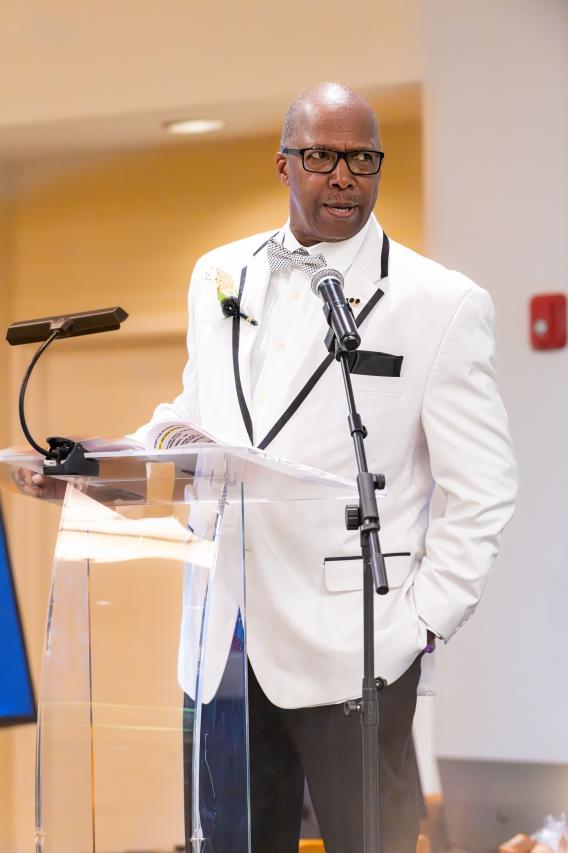
If you recently looked for a job, you quickly understand that corporate America will no longer allow you to go from one industry to another. The box of business has never been more restricting, as employers no longer see skills as transferable. Glen Shumate has built a 25-year business career, living outside the corporate box, which has allowed him to thrive across several industries.
“I have always been raised to understand that if you are going to do a job, you should enjoy doing that job, so I have always enjoyed whatever job I have had,” said Shumate.
And he has enjoyed the opportunity to work in several industries. Shumate started his career by working at Cedar Point Amusement Parks in Sandusky, Ohio.
“If you live in the area, it is almost mandatory that you work at Cedar Point,” Shumate chuckled.
His five years at Cedar Point would shape Shumate into the man he is today. He learned how to network, provide excellent customer service, and interface with all walks of life.
“People came from all over to visit the park, so I got the chance to learn from and speak to scores of people who were all different in their own way. It helped to understand that developing my network was the key to my success,” Shumate said.
Glen Shumate’s career has been able to evolve to the point where he has thrived in three different industries, allowing him to not be placed in a box. That skill set has allowed him to transcend any limitation that any position placed on him.
By Bolling Smith
After he moved to Cleveland, Ohio, Shumate won an opportunity to work for the Cleveland Indians. He still worked in entertainment, but he shifted some to become a community advocate, which means he helped the Indians serve the needs of the community. Shumate credits his humble beginning with helping him craft the wonderful opportunity of engaging in the community.
He was able to not be held in a box of expectations. His skills were transferable, and while his job was different, his approach was the same.
“Creating opportunities to promote and help people is the root of all the positions I have held, “Shumate said.
So, while the industry might be different, his ability to use his past impacted how he thrived in his future.
After his time with the Indians ended, Shumate moved on to Destination Cleveland. It was yet another move outside of the business box; however, it remained true to his original calling, which is to promote, network, and champion the cause of whatever he is promoting.
For employees today, the struggle to be able to pivot and use their learned skill set has been lost to employers. So, being able to show experience only comes after one finds a
way to get some experience. And without the opportunity to get a job, people miss finding out what their true passion is, and employers end up with unhappy employees who feel like they are in a deadend job or career.
“People need to get comfortable being uncomfortable,” Shumate suggests. He wants people to understand that the job market today is moving at the speed of light, and people need to hurry up and attack their goals.
He is not wrong. Before the pandemic, life moved at a reasonable pace. Post-pandemic, life reinvents itself every three years. The hot industry fizzles in years instead of decades. The hot company to work for is shuttered only after five years of being open. The career path that was touted as the next best thing is not being replaced with AI.
No one or no job seems safe from the vicious idea of profits first. The post office, which used to be one of the safest places to work, might run out of money by the end of 2026.
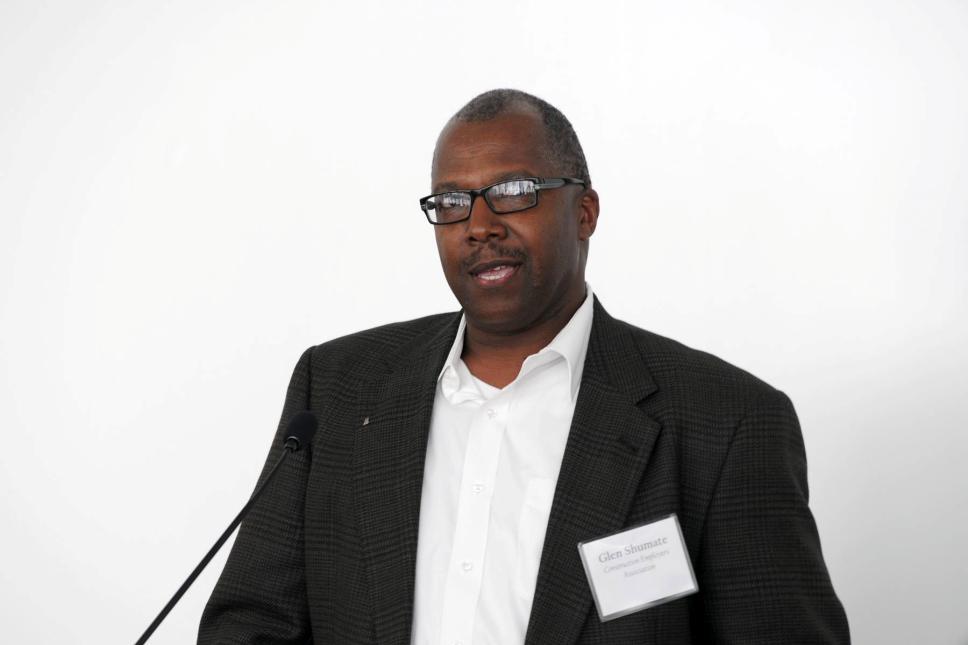
Today, Shumate is the Executive Vice President of the Construction Employers Association, leading education, marketing, diversity & inclusion, workforce, and government/public affairs programs. With twenty-five plus years of leadership in program development, communications, and advocacy, Shumate is driving initiatives such as the Construction Management Academy Program/ACE Mentor Program and the Business Mentor Protégé Program.
“We are helping young people be able to find meaningful positions in areas of work that cannot be replaced by AI,” Shumate said.
Shumate also helps young people create the on-ramp to business ownership. His programs
Glen Shumate is the Executive Vice President of the Construction Employers Association, leading Education, Marketing, Diversity & Inclusion, Workforce, and Government/Public Affairs programs.
develop, build, and teach people how to take what they have learned and apply it in ways that encourage them to start, if they choose, their own businesses.
Once again, Shumate has been able to work outside the business box to lead a non-profit organization that helps people. Throughout his professional career, his goal has always been the same, no matter where he has worked, Network, help, and build.
Those principles have provided for those he has worked with, but more importantly, those efforts have built Shumate an incredible resume of work and the respect of those who have had the benefit of his friendship. And that is all one can ever ask for. Job well done, Glen Shumate. ●

Success does not equal intelligence. For those who lead based on success could learn one thing or two about the clarity it takes to understand the difference.
Written by TIMOTHY D. GOLER, Ph.D.
Dr. Timothy D. Goler is Associate Professor of Sociology and Urban Affairs at Norfolk State University and Director of Research at the university’s Center for African American Public Policy. He is a co-founder of PolicyBridge and author of the book, Liberated Mind: A Guide To Black Clarity.
Success has a way of convincing us that we already understand the world. Worse, it convinces us that we are right. If a person has built a career, runs an organization, manages people, or holds a respected position, it’s easy to assume that discipline and clarity must have been part of that journey. Careers do not build themselves. Businesses do not grow without focus. Leadership positions do not appear without years of effort and sacrifice.
But success and clarity are not the same thing.
A person can become extremely skilled at navigating a system without ever stopping to examine the assumptions that system quietly installs. In fact, success inside a structure often requires adaptation. We learn the language that’s rewarded. We learn the posture that’s accepted. We learn what to say, what not to say, and when silence is safer than honesty. We learn the spin, whether it is ethical, moral, or true, because the system rewards those who can package reality in ways that protect its logic.
“The most dangerous creation of any society is the man who has nothing to lose.”
~ James Baldwin
Over time, that ability to adapt becomes a point of pride, and it should. Our people have had to develop extraordinary discipline

just to move through institutions that were not designed with us in mind. Generations before us fought simply for the opportunity to enter those rooms at all.
But there is another question that success rarely encourages us to ask: Successful for what? And for whom?
Successful for maintaining a position, or successful for shaping the direction of the world around us? Successful for individual advancement, or successful for strengthening the conditions our communities must live within? Successful for surviving the system, or successful for understanding what the system requires from us in return?
These are not comfortable questions, especially for those who have worked hard to arrive where they are. Yet history shows that the most consequential leaders were rarely the ones who simply mastered the rules of the moment. They were the ones who examined those rules closely enough to understand what they were producing, and who endured the backlash that came with standing up to say so.
“The cost of liberty is less than the price of repression.”
~ W.E.B. Du Bois
The passing of the Reverend Jesse Jackson reminds us of a generation that understood leadership as collective responsibility. For them, the question was never simply whether an individual could rise. The question was whether the structures pressing down on millions of people could be moved. Whether one agreed with every tactic or not, there was no confusion about what the work was for.
The terrain today is different. The generation that now holds influence has largely shifted from collective confrontation to individual positioning. Many of us sit in positions that earlier generations fought to make possible. We lead organizations we run businesses we hold titles that once seemed unimaginable. By many measures, we are successful.
Yet when we look beyond our own careers, we are forced to confront a difficult reality. Large numbers of our people are still struggling. Schools remain under-resourced, communities face persistent economic pressure, families carry burdens that no individual success story can fully erase. African Americans are still profiled and targeted regardless of how successful they are or what positions they
Clarity comes with focus and dedication.

hold. The suit does not stop the suspicion the title does not override the assumption.
That tension raises a deeper question: If more of us are successful than ever before, why are so many of our people still struggling?
“Each generation must, out of relative obscurity, discover its mission, fulfill it, or betray it.”
~ Frantz Fanon
Part of the answer lies in the way success is defined.
The dominant culture around us teaches a very individual definition of success. You work hard. You rise. You secure stability for yourself and your family. If you accomplish that, the system tells you that you have succeeded.
But many of the traditions that shaped our ancestors carried a different understanding. They understood success as something connected to “the well-being of the people around you.”
There is a word from the African continent that captures this idea simply: Ubuntu. “I am because we are.”
By that measure, success cannot be reduced to individual advancement alone. It must also ask what happens to the people while we rise. And it must account for those who have done more than survive. It must account for those who built alternate systems within and around existing structures, not merely for personal escape, but for the sake of creating communities that could sustain and thrive.
This is where the discipline of clarity becomes necessary.
Clarity asks us to examine the systems we operate inside of. It asks us to examine the ideas we have inherited without question. It asks us to consider whether our personal success is strengthening the conditions of our communities or simply allowing us to move through structures that continue to produce inequality.
“Not everything that is faced can be changed, but nothing can be changed until it is faced.”
~ James Baldwin
That kind of clarity does not arrive automatically. It requires discipline.
Not the discipline of working harder, though that has always been necessary. The discipline of clarity asks something deeper. It asks us to pause long enough to examine the assumptions we have absorbed about ourselves, about our communities, and about what success is supposed to mean.
For many of us, the habits that helped us succeed were formed under pressure. We learned to move carefully. We learned to
adapt. We learned to keep going even when the terrain around us made little sense.
Those skills carried our families through generations of difficulty.
But endurance alone does not produce understanding.
The discipline of clarity begins when we decide that success is not enough. It begins when we ask whether the paths we have mastered are also the paths that will lead our communities somewhere better.
Professional achievement proves that a person can operate within a system.
Clarity asks a harder question: If the system helped make us successful, have we taken the time to ask what it has been shaping inside us, and around us, all along?
And perhaps the most urgent question of all: How are we reshaping those systems in return?
The work of clarity is not optional. It is the work our moment demands. ●

April means it is time for lawn care. AJ Petitti helps those with a green thumb get the most out of their grass and garden this spring season.
Written by BRAD BOWLING


With spring in the air and the grass beginning to turn green, this is the best time to begin your lawn care or gardening care if you have a green thumb. And there is no better person to get advice from than AJ Petitti, one of the family owners of the Petitti Garden Center, located in and around Northeast Ohio.
With ten locations, Petitti’s has something for everyone. Whether you live in an apartment or home, condo or townhouse, you can take your gardening to the next level after visiting one of the Petitti local stores.
increase air circulation at the soil level and prevent disease. This year, many lawns have snow mold from long snow covers, especially if they weren’t mowed low enough in late fall.
• Test your soil for pH level, but it’s most likely that with NE Ohio’s clay soil conditions, your lawn soil is acidic and needs to be raised after winter.

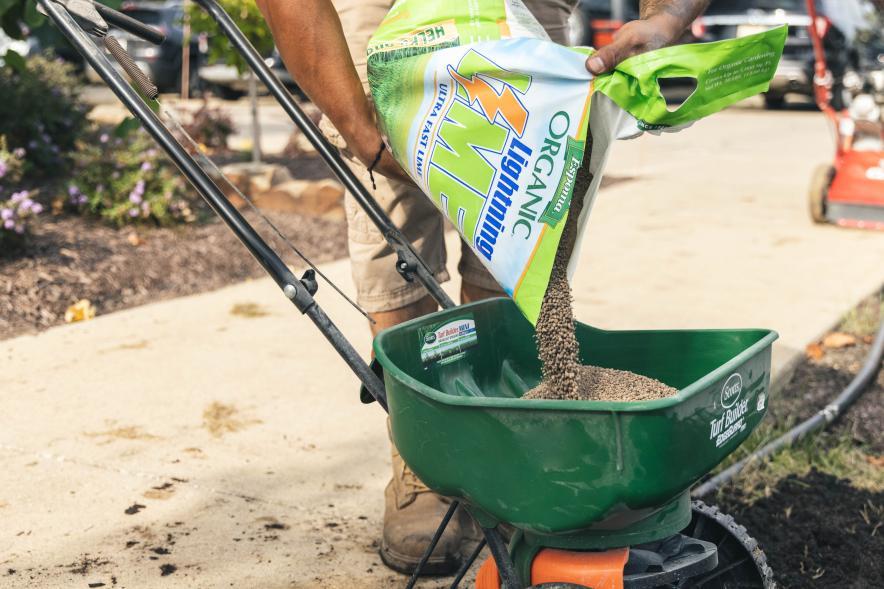
*Apply Lightning Lime annually in the spring to quickly raise the pH level of the soil, which allows any fertilizer you apply to be more effective throughout the season.
“People are really getting out in their gardens. It's a great way to save money, especially with the way grocery prices have gone.”
“We grow about 98 percent of all the plants that we sell at our very own greenhouse,” AJ Petitti said. “We will start shipping those plants to our locations, so people have the options they want as they begin to garden.”
AJ Petitti is the son of Italian immigrants. His father, Angelo Petitti, started the business in 1971 while attending Kent State University. His landscaping business has grown into what it is today.
“My father discovered very early that people came to our first location and wanted to buy plants from him, so he started the store, and that is how we became a garden center,” Petitti said.
The experience of walking into the store is like Christmas in April for those who covet the chance to play in dirt and grow things. And with spring in the air, this is the perfect time to get going and get ahead of what is needed for your own lawn or garden.
Here are some of the suggestions Petitti recommends if you would like to get the best out of your lawn this season:
• Rake the lawn to remove dead grass/leaves/debris and fluff it up to
Find all of your gardening needs at Petitti’s Garden Centers.
• Apply your Scotts® STEP® 1 fertilizer, which includes lawn food and crabgrass control to cut down on weed problems later (choose Step 1 for seeding, if planning to overseed your lawn).
*How DIY 4-step lawn food programs work: https:// www.petittigardencenter.com/four-steps-to-a-greatlawn/
• Patch any bare spots in the lawn with EZ Seed® and generally overseed the lawn to thicken it, using your grass seed mix of choice.
*The proper process for patching, over-seeding, or reseeding a lawn from scratch: https:// www.petittigardencenter.com/seeding-the-lawn-2/
• Moss can be a problem in damp, shaded NE Ohio lawns (it grows where other plants/grasses won’t). Apply MossEX to kill and control it.
• For weed issues – If weeds cover less than 25% of your lawn, use a selective, lawn-safe herbicide like WeedBeater® Ultra, which works great in cool, early spring temperatures on a range of annual & perennial weeds. Tenacity® is another option, and it works well on grassy, hard-to-kill weeds like Bermuda grass, Nimblewill, and crabgrass buildup. If a large portion of the area has weeds, apply a general herbicide like Killzall, or Captain Jack’ DeadWeed Brew, wait a couple of weeks, then follow the steps above for re-seeding that section of the lawn.
With grocery prices rising, many people are starting to grow their own food. For the people who live in colder climates, Petitte offers several suggestions on how and when to plant the right seeds for the best results.
“Vegetable gardening is huge.” Petitti continued, “People are really getting out in their gardens. It's a great way to save money, especially with the way grocery prices have gone. It's work, it takes a little bit of effort, but it's a great activity to do with your kids. And it's great, healthy, natural produce that you know what's going into it, as opposed to sometimes what you get at the grocery store, you're not sure.”
Petitti recommends planting cold crops for anyone who might live in climates that are colder.
“ You can start putting cold crop vegetables out right now. So, your broccoli, any of your greens, lettuce, beans, peas, all that stuff can go in right now. You can get a head start on gardening, and you can do a lot of that stuff in containers,” Petitti said.
Vegetable gardening can be fun for those who want to develop gardening as a hobby and grow their own food.
“Cold-tolerant crops do better in cooler weather. And so, you plant them now. For example, lettuce, you plant that now or beans or any of your greens, broccoli, they'll perform great until really the heat of the summer turns up. And then you
can either replant them, but it's hard to keep them going as it gets super hot. Same thing, even flowers. There are plants called flowers called pansies,” Petitti said.
If you do not have a green thumb, but have a love for animals, Pettit’s offers a wide choice of feeders as well. They offer a variety of different bird feeders and foods for any animal that you might want to support from your very own yard.
And don’t forget the accessories for the yard. You can get anything from lights to yard decorations to enhance your spring yard experience.
Spring is a special time for getting outdoors and spending quality time in the yard. Whether you are getting the yard ready for the family gathering or just would like to create your own backyard oasis, this is the time to begin that process. ●
To learn more, view the Petitti Spring Lawn Care Video: https://www.youtube.com/watch?v=dyg8kgXd4RQ
AJ Petitti is a second-generation owner of the Petitti Garden Centers, located in Northeast, Ohio.
Grant Cardone provides those who yearn for the answers to winning in life, living your dreams, and understanding how hard work can payoff when used the right way.
Extreme success, by definition, lies beyond the realm of normal action. If you want to achieve extreme success, you can’t operate like everybody else and settle for mediocrity. You need to remove luck and chance from your business equation, and lock in massive success. The 10X Rule shows you how! Success is your duty, obligation and responsibility, and this audio book gives you step-by -step guidance on how to achieve phenomenal success for yourself!
With The 10X Rule , you’ll learn to establish the amount of effort needed to guarantee success and ensure that you can continue operating at this level throughout your life. Most people desire success and have great ideas but they come up short on the amount of action required to get their lives to the exceptional levels they deserve. Four degrees of action exist, and in order to achieve your dreams, you must learn to operate at the fourth degree of action: Massive Action. The 10X Rule will dissolve fear, increase your belief in yourself, eliminate procrastination, and provide you with an overwhelming sense of purpose. The 10X Rule compels you to separate yourself from everyone else in the market and you do that by doing what others refuse to do. Stop thinking
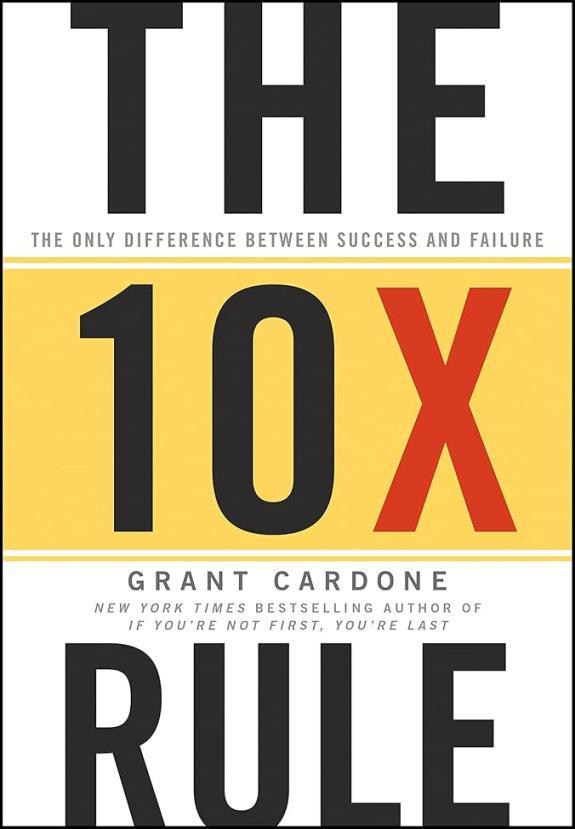
in terms of basic needs, and start aiming for abundance in all areas of your life. The 10X Rule guides you toward the frame of mind that all successful people share. Aim ten times higher than you are right now and if you come up short, you’ll still find yourself further along than if you had maintained your life’s current status quo. The 10X Rule teaches you how to:
• Reach goals that you previously thought were impossible
• Correctly set goals and guarantee their achievement
• Create unprecedented levels of happiness and satisfaction in every area of your life
• Use fear as fuel to move you into action
• Get everything you want and never have to settle
• Dominate your competition and become a role model for success ●



"Do you grow food?"
That's how it starts.
Crystal Starks asks this question like she's handing you a key you didn't know you were missing.
After 20+ years in tech, ending as a UX Manager at CrowdStrike, she walked away from the corporate world to answer a bigger calling, one rooted in soil, community, and truth.
She's building Garden Gurus Grow, a platform that doesn't just connect people. It uplifts the teachers, the growers, the ones who quietly hold knowledge that feeds families, heals communities, and restores our relationship with the earth.
And beyond the platform, she's laying the foundation for a nonprofit initiative, designed to bring gardens, education, and food access directly into underserved communities... closing the gap between knowledge and nourishment.
Because growing food isn't just a skill. It's sovereignty.
It's mental health.
It's connection. It's legacy.
Now she's on a mission to connect people who want to grow food with people who know how to grow food, right in their own neighborhoods.
This isn't just a platform. Follow the movement @gardengurusgrow
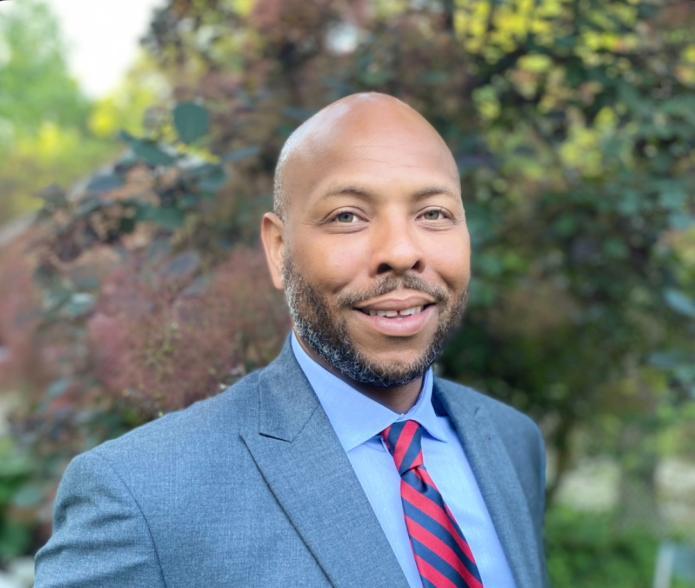
- BLANTON S TOLBERT -
Blanton S. Tolbert, PhD is a scientist, educator, and leader whose career reflects a deep belief that discovery and human progress are inseparable. He is the Jacob Gershon-Cohen Professor of Biochemistry and Biophysics at the University of Pennsylvania, where he studies the molecular mechanisms used by viruses that cause human disease. His research focuses on understanding how viruses interact with the molecules inside our cells to replicate and spread. By examining these processes at the atomic and molecular level, his laboratory works to uncover fundamental principles that could ultimately inform new approaches to antiviral therapies.
But for Tolbert, advancing science has always been about more than solving biological puzzles. Over the course of his career, he has become equally committed to shaping the environments in which science is practiced. Before joining the University of Pennsylvania, he served as the inaugural Vice Dean of Diversity, Equity and Inclusive Excellence at Case Western Reserve University School of Medicine and Associate Director for Diversity, Equity and Inclusion at the Case Comprehensive Cancer Center, where he worked to strengthen pathways for scientists from historically underrepresented communities. He has also contributed to national science policy and research strategy through his service as chairperson of the National Institutes of Health Office of AIDS Research Advisory Council. Most recently, he served as the inaugural Vice President of the Center for the Advancement of Science Leadership and Culture at the Howard Hughes Medical Institute, where he helped lead national initiatives aimed at strengthening mentorship, supporting scientists at all career stages, and building research cultures where talent from all backgrounds can flourish.
CODE M was born to showcase and highlight Black people who are making a difference for their businesses, community, and their families. We are proud to celebrate these men this month and we encourage you to do the same thing.
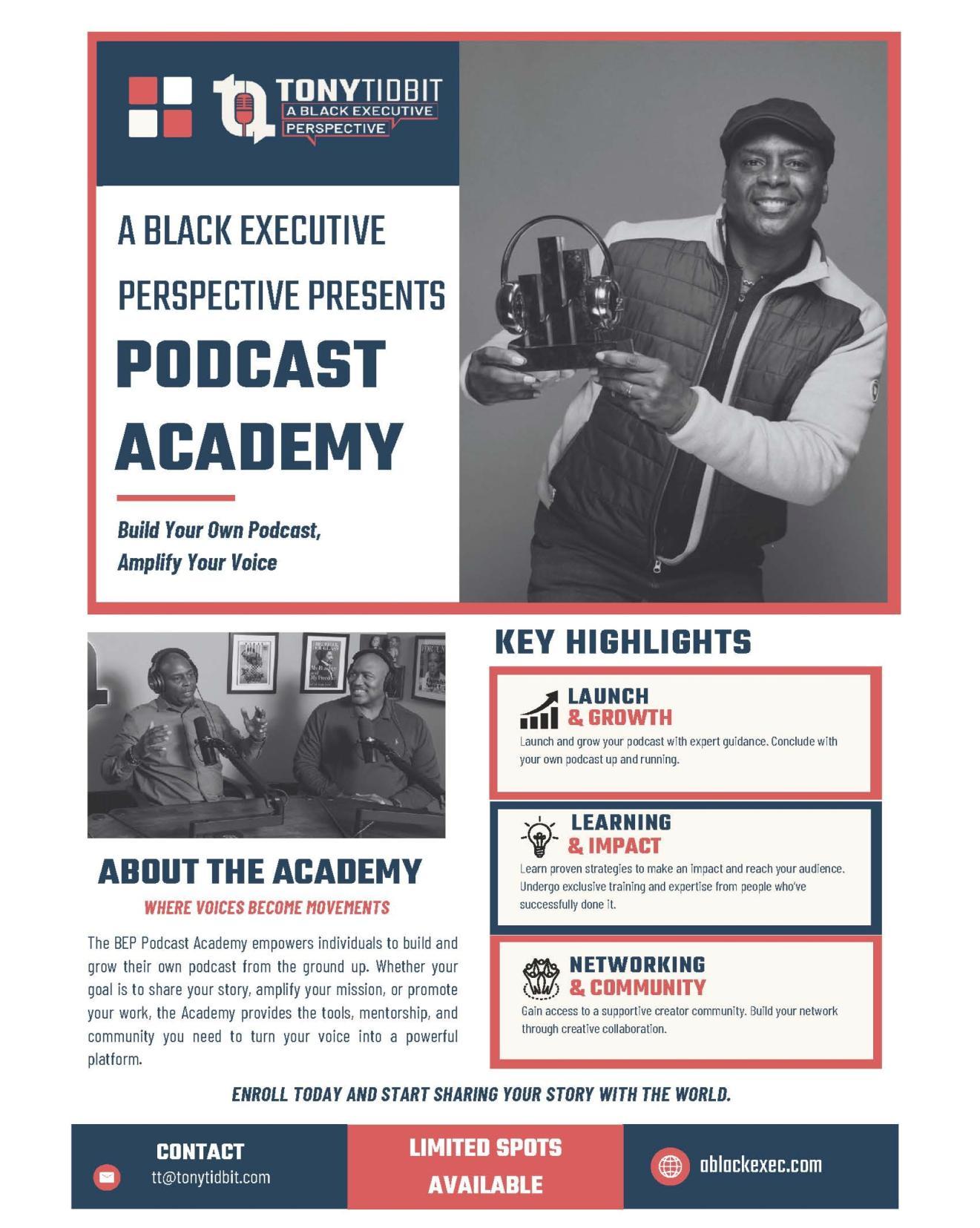
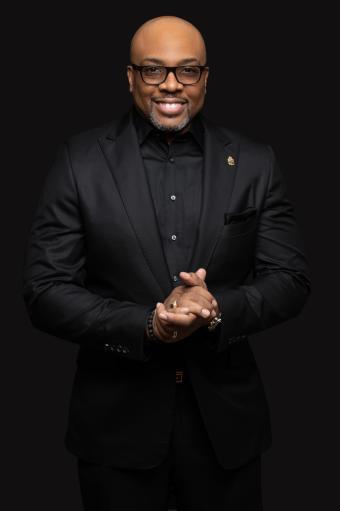
On November 1, 2023, John Griffin, Jr. founded Unconquerable Security Solutions, PLLC. (USS). USS is led by security experts with 40+ years of experience serving Fortune 500 Business, government agencies, and individuals in the physical& digital realms. A
nationally trained, full-spectrum security and cyber expert, John Griffin, Jr. founded AGB (Always Giving Back) Investigative Services, Incorporated on April 13th, 2001. Like USS, AGB offered expertise in all aspects of security, including physical and cyber security. AGB is an award-winning company that meets the rigorous ISO (International Standards Organization) 9001 quality management standards for services. John’s intention is for the organization to be a ministry that assists people in need, as he employed approximately 1,400 security professionals, who provide armed and unarmed security services, cyber security, private investigations, and expert-level training.
John creates professional opportunities for adults, particularly minorities, in underserved areas of Chicago. Like AGB, USS’ fully accredited workforce has extensive experience handling complex and sensitive security.
- TREY WILLIAMS
Trey Williams is the founder of Hood Honey, a Mt. Pleasant bee farm and urban garden that is transforming the former site of his grandmother’s home at 3410 E. 119th Street into a vital community resource.
Since 2021, he has grown Hood Honey into a seven-lot operation with nine active hives, hands-on classes for youth and adults, and a steady focus on neighborhood health and food access. The mission is straightforward: build Black economic development through farming and beekeeping, turning vacant land into productive places that feed people, teach skills, and restore pride.
Beyond the hives, Trey is deeply committed to his family, local leadership and youth development, serving as a board member for the Maple Heights Boys League.
His work in urban agriculture and community wellness is supported by partnerships with the St. Luke’s Foundation and Thea Bowman and has been recognized through prestigious grants from the USDA and SARE.
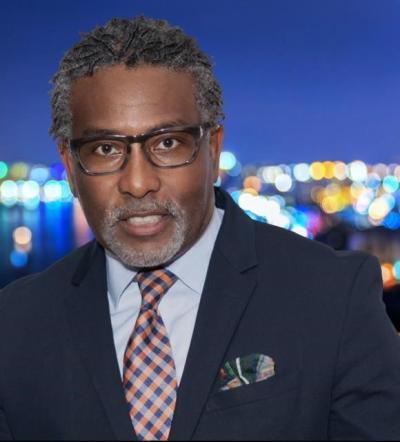
Today, Washington manages his Family Office while leading Washington Global Management and the visionary 7 Hills Development Group, a community-focused development initiative dedicated to fostering sustainable economic growth and innovation. Through his work, he advocates for business ownership, strategic partnerships, and wealth creation as tools to uplift communities and strengthen economic independence across the global African Diaspora.
Known for his dynamic energy and ability to inspire others, Washington is committed to helping individuals and organizations thrive in a rapidly evolving global economy. His philosophy blends entrepreneurship with wellness and personal development. A licensed massage therapist, master chef, and clean-eating advocate, he also embraces meditation and yoga as tools for balance and clarity.
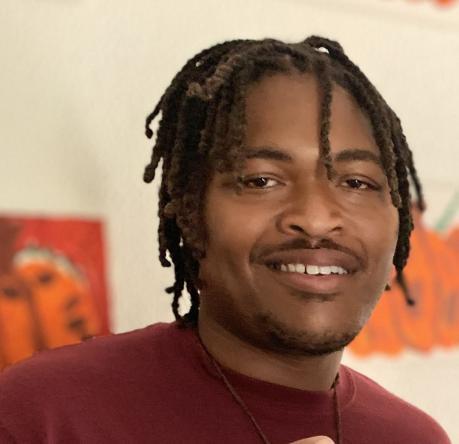
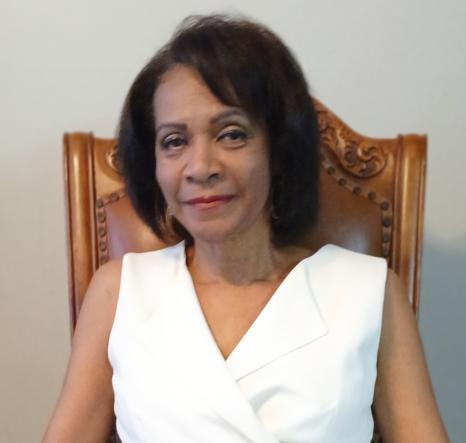
A devoted father of three and proud grandfather of four granddaughters, Washington believes his greatest legacy will be the opportunities he helps create for future generations.
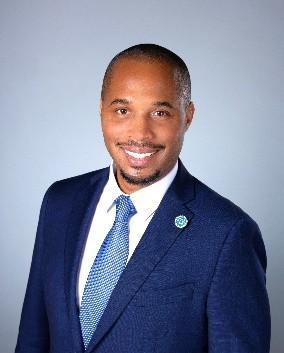
Cuyahoga Community College (Tri-C®) appointed Cameron Redden, Ed.D., as Chief Administrative Officer of the Brunswick University Center in September 2025, marking a major milestone in the College’s commitment to expanding high-quality educational services and strengthening community access. In this role, Redden provides strategic leadership that advances Tri-C’s mission through innovative partnerships, operational excellence, and a vision for Brunswick as a regional hub of opportunity. Redden is recognized as a strategic partner to the College’s CEO & President, advancing initiatives that elevate student success, strengthen organizational effectiveness, and uphold Tri-C’s commitment to equity and community impact. His leadership reflects a deep dedication to building systems and structures that expand pathways for learners of all ages. Prior to this appointment, Redden served in several key roles at Tri-C, including Executive Director of Presidential Initiatives & Strategic Management, Executive Director of Ohio Options for Adults, and Project Director of TRIO Student Support Services.
Furney Brown is a cybersecurity professional with over 30 years of experience in IT security compliance, risk management, security framework implementation, management consulting, and project management. His goal is to align technology strategies with business objectives while helping organizations build resilience, achieve long-term success, and develop strategic solutions that strengthen security and ensure compliance.
He has successfully led numerous IT security projects across the US, partnering with prominent large consulting organizations such as KPMG, Deloitte, and Cap Gemini Sogeti. Additionally, he is the former leader of the public sector practice for a prominent US management consulting firm in addition to working with global IT consulting leaders.
He holds multiple certifications in security operations and various technical areas. Throughout his career, he has managed large-scale security and compliance initiatives, driving improvements in control design and effectiveness while ensuring adherence to industry regulations.
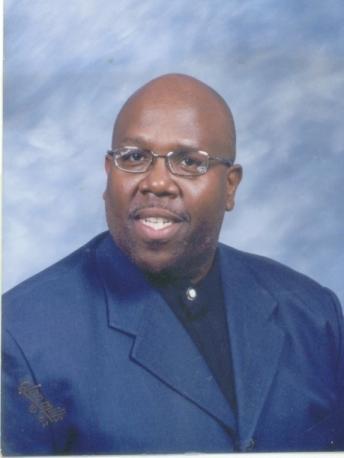
Professor Silvester Henderson is a nationally distinguished educator, conductor, entrepreneur, and cultural leader whose career spans more than four decades. He is renowned for his transformative impact on gospel music, higher education, and community empowerment. He has received numerous prestigious honors, including the Gospel Music Legacy Award (2023), the A2MEND Educational Leadership Award (2020), and the Albert Nelson Marquis Who's Who Lifetime Achievement Award (2019).
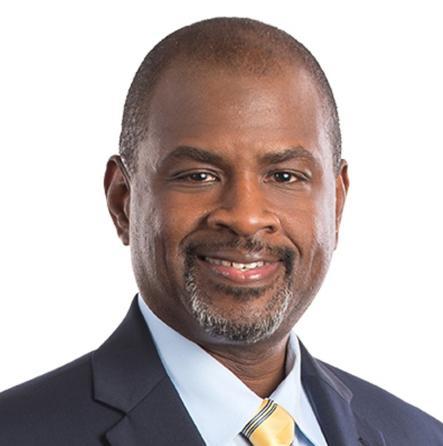
Henderson serves on the Executive Committee of the Academic Senate for California Community Colleges (ASCCC), where he helps guide statewide academic policy for the nation's largest higher education system.
At the University of California, Berkeley, Henderson was appointed the formal Director of the Young Inspiration Gospel Choir, leading the ensemble to international acclaim. At Los Medanos College (LMC), he founded and directed the Los Medanos College Gospel Choir.
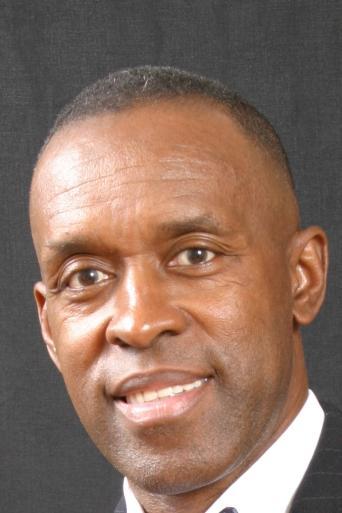
A veteran NCAA official with 30 years of experience, Terry Moore is an internationally recognized sports official and referee instructor. From 2007 to the present, he has selected and trained referee candidates at the national and international level who represent the USA in FIBA world-wide competitions. He has also conducted certifying and recertifications clinics every four years, assigned referees to USA National Team Tryouts and Friendly Games between other countries, as well as presented clinics on New Rules and Interpretations for National Federation teams, coaches, and players.
Since 2007, he has been a Replay Center Coordinator for the Southeastern Conference collaborating with officials on interpretation, application, and adjudication of rules during all monitor reviews for SEC conference and tournament games. He has also consulted on critical plays submitted by officials or members of the Southeastern Conference Academic Consortium.
In 2004, he established the first Prostate Cancer Walk/Run in Spartanburg, SC, a 3-mile event to bring awareness of the disease affecting Black men.
Akil Hameed is the Founder and CEO of FASS Real Estate Services, a leading real estate firm in Northeast Ohio that manages over $80 million in commercial, mixed-use, and residential assets. With more than two decades of experience in real estate, Hameed has become a force for inclusive community development and strategic growth. Under his leadership, FASS launched a real estate development division in 2021, partnering with both local and national developers to bring transformative, mid-sized projects to the region. Hameed leads a diverse team of over 20 professionals, driving marketing strategies and community engagement that have solidified FASS's reputation for innovation and equity
In 2023, he landed the Property Management & Leasing contract at the Historic Shaker Square; City owned Re-Development project costing over $12 million in acquisition and $6 million in capital investments. In this role, Hameed oversees nearly 70 retail and office businesses and manages an annual $5 million budget.
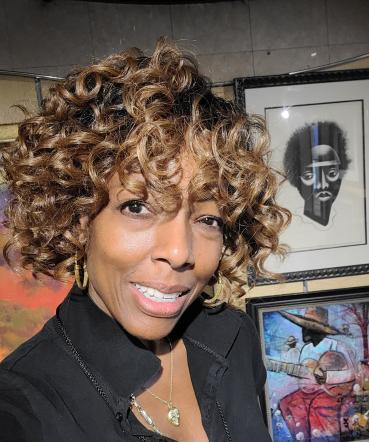
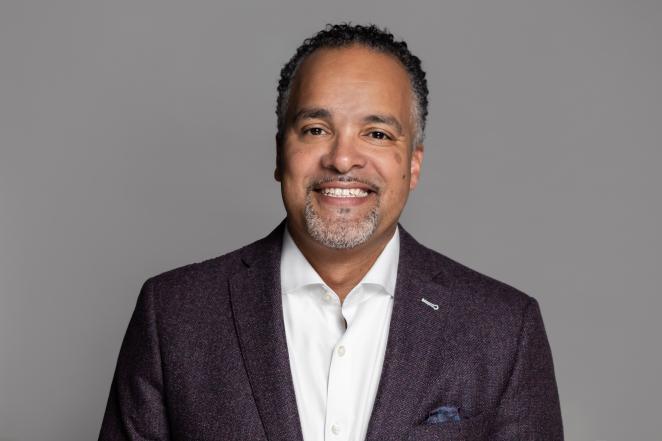
Luke Fedlam is a nationally recognized leader in Name, Image, and Likeness (NIL) advocacy, education, and athlete representation. A partner at Amundsen Davis and Co-Chair of the firm’s Entertainment, Sports & Media Law Practice Group, Luke has been deeply involved in NIL since its inception, working to ensure athletes, institutions, and policymakers understand both the opportunities and the risks in this evolving landscape.
He has educated student-athletes, coaches, and administrators at more than 40 colleges and universities nationwide on NIL rights, contract literacy, compliance, and long-term brand strategy. His work also includes collaboration with attorneys from the U.S. Senate Commerce Committee, the IRS Taxpayer Advocate Service, and the United States Patent and Trademark Office on the legal, tax, and intellectual property dimensions of NIL. At the high school level, he has partnered with the National Federation of High Schools and multiple state athletic associations to provide practical guidance and guardrails for young athletes.
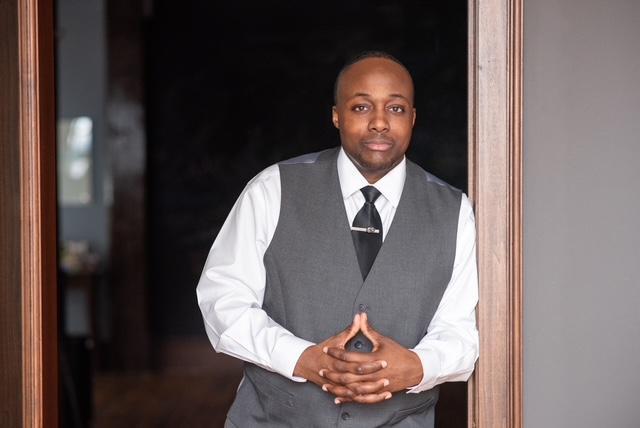


Millennials and older Gen Z adults, people aged 25 – 44, are dying at rates far higher than their peers in other wealthy nations. It’s a terrifying fact in today’s world.

Written by DAVID CHRISTEL
David has been ghostwriting books for well-known people since 1995. He is also the author of Married Men Coming Out: The Ultimate Guide to Becoming the Man You Were Born to Be.
Aheadline in the online media platform, Daily Galaxy, states, “A Breed in Decay: Why US Millennials and Gen Z are Dying at an Alarming Rate – Faster than Any Other Generation in Recent History.”
That’s quite startling. And, of course, the question is: Why?
The article points to a report published in the Journal of the American Medical Association (JAMA) that has found this public health issue predates the COVID pandemic and seems to be accelerating. When compared to other wealthy countries like Canada, Germany, and Japan, the US trend is significantly higher. Dr. Jacob Bor, one of the lead authors of the study, says that we have “an unfolding generational catastrophe a systemic pattern of premature death unique to the American experience.”
Researchers have discovered that by 2010, the deaths of young adults began rising, primarily from synthetic opioids, car crashes, alcohol-related diseases, and diabetes especially for those without college degrees. Following the pandemic, the mortality rate among 25 – 44-year-olds remained 70 percent higher than as far back as the early 2000s.
Another study, published in Proceedings of the National Academy of Sciences, also found that the mortality rate for people born between 1970 and 1985 late Gen Xers and elder millennials is increasing. The study states that this trend will most likely get worse as this age group moves into their fifties and sixties. The two most prevalent causes of death are heart disease and cancer, specifically colon cancer.
None of this seems to make sense considering the wealth of information available about all aspects of health and the multitude of products and medical tech focused on keeping us healthy, thriving, and extending our lives. The Daily Galaxy article has an answer for that: systemic failure, not individual behavior.
What that means is that from a structural perspective, life in America has become much more challenging for young adults because all of the systems we have in place health, social, and economic are not meeting or safeguarding the needs of this age group.
Young adults are facing a workforce where once stable jobs are now looking at extinction because of advances in Artificial Intelligence (AI). Other social factors include:
• gun violence,
• addictions,
• healthcare cuts and costs,
• rising education costs,
• housing costs,
• shrinking social safety nets,
• governmental policy inaction, and The process of moving from industrialization to tech are creating an untenable survival scenario and producing unrelenting stress that many young adults are unable to effectively deal with. The result is an uprise in negative lifestyle choices that bring about compromised physical and mental health. What researchers are finding now is that young adults are 2.6 times more likely to die than those in other developed countries.
Right now, eight of the ten leading causes of death in the US are heart disease, cancer, stroke, chronic lower respiratory disease, Alzheimer’s disease, diabetes, kidney disease, and chronic liver disease or cirrhosis. The projected health care cost for cancer is $246 billion by 2030; for cardiovascular diseases, $2 trillion by 2050. We are definitely headed in the wrong direction. How we’ve done that is important to understand.
The website Healthandme wrote in an article dated September 4, 2025, that the “Opioid epidemic is one of the leading causes of millennials’ deaths opioid overdose fatalities increased more than 500 percent between 1999 and 2017, while synthetic opioid death rates have risen by 6,000 percent.”
The article states that the pandemic amplified this situation with young adults experiencing loss of employment, which brought on already existing financial uncertainty, plus social isolation led to increased substance abuse and depression. Economically, Gen X and millennials have been experiencing increasing difficulty in securing financial stability, homeownership, and career advancement.
This combination of factors as well as the current sociopolitical climate, additional economic stresses, rising costs, and war has created a significant emotional downward spiral that’s severely impacting this age group.
Obviously, all of the above negatively impact a person’s mental and emotional well-being. In an article for Boston University’s “The Brink,” Andrew Stokes, an SPH associate professor of global health, stated,
“This generation of early adults grew up in a time of economic uncertainty and downward mobility compared to their parents. …they’ve had to contend with the ‘expansion of industries that affect public health processed foods

and beverages, prescription drugs and OxyContin, alcohol, combined with this creeping effect of the obesity epidemic.’”
He also pointed out that the rise of cardiometabolic disorders among younger people is a particularly concerning red flag.
“Usually, it takes a lifetime to manifest cardiovascular disease and related mortality. These are the ages, 25 – 44, in which behaviors become entrenched, and life course risks start to develop.” He backed up what other researchers have also highlighted: that this is “an indication of what may happen to population health as a whole in the decades ahead as this generation ages.”
All of this may sound like we’re on the slippery slope to a bleak dystopian future, but there is a way to turn this trend around. Essentially, it comes down to three factors:
• Individual choices
• Community cohesion
• Policy advancements
Let’s begin with the last factor: policy advancements. This is going to require a lot of time, energy, and stamina. We’re all aware of the negative impact current policies are having on healthcare, the cost of food and goods, travel, insurance, and more. The only way to deal with this is through civic involvement and ensuring our representatives from city to state to nationally are listening to us and responding appropriately to our needs, not the needs of corporations, the wealthy, and special interests. A country is only able to thrive and sustain itself if all members of that society are honored, supported, and thriving.
The second factor, community cohesion, centers around community involvement and connection so that we are more attuned to our immediate neighbors and area as a whole. It means knowing what the issues are, making our voices heard, and ensuring as
many people as possible vote. That goes for not only locally, but state-wide and nationally.
The first factor, individual choices, is really about personal physical, mental, and emotional healthcare.
Physically – this means taking a hard look at our diets. We have so many processed, chemically adulterated, salt and sugar-laced, and bad oil-infused foods that do nothing positive for our health. Secondly, we need to get off our behinds and do more regular types of exercise. That will mean spending much less time on our phones and in front of our televisions and computers.
Mentally, what we choose to focus on will directly impact our mood and sanity and that’s what we’ll radiate outwardly to the world around us. If we’re doom scrolling, trolling others on social media with anger and negativity, watching sensationalized podcasts, listening to negative music lyrics, and hanging out with people with a similar focus, we’re not helping ourselves. The only thing those factors do is exacerbate negativity, not elevate, inspire, and uplift.
Emotionally, the lifestyle choices we make are a direct reflection of our interior sense of self and our state of wellbeing. We need to ask questions like: What truly makes me happy and feeds my heart and soul? Am I living for myself, for others, or for an ideal or ideology? Am I connecting with others through loving, serving, and giving, or am I just watching out for myself?
All three factors require ongoing diligence and the desire to help turn around this alarming trend affecting so many millennials and Gen Xers. It’s time to get real and get moving in all aspects of our lives. Though the challenge is complex and there are many obstacles before us, it all comes down to quality of life and we all deserve the highest, most enriching and fulfilling life imaginable! ●

Generation Z’s overall health seems to be under attack because the population is dying at a higher rate than average.
Transthyretin amyloid cardiomyopathy (ATTR-CM) is a serious, underdiagnosed form of heart failure that disproportionately affects older Black men. About 3%–4% of Black Americans carry a genetic variant (Val122Ile) that significantly increases their risk of developing this condition. It is often referred to as an "unrecognized pandemic" in this population.
Written by BRAD BOWLING
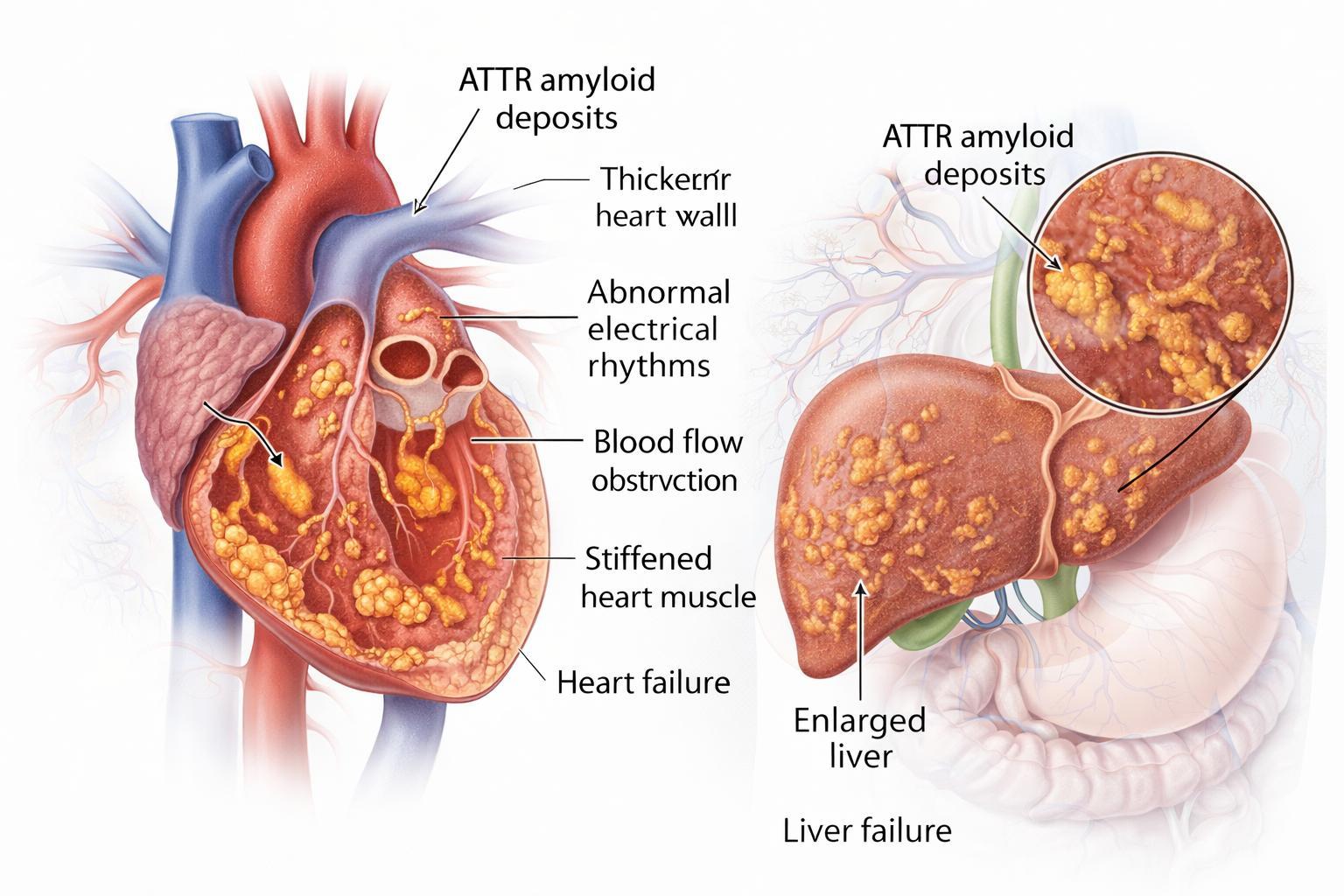
For Black men, life can be hard. It can be hard due to the normal conditions that Black men live in every day. The stress of work, money, work balance, and simply being Black in America is enough to create havoc on anyone’s health. But there could be another factor lurking beneath the surface that Black men are unaware of.
Transthyretin amyloid cardiomyopathy (ATTR-CM) is a condition where genetics might play a role in being a candidate for the condition.
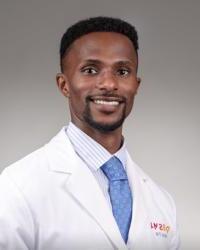
"ATTR-CM is a rapidly progressive, debilitating disease that is often misdiagnosed and overlooked, leading to significant morbidity and mortality. We must spread awareness, empower patients to advocate for themselves, and aid providers in early diagnosis and treatment, ensuring improvement in quality of life and survival, " said James Ampadu, MD, Director of the Advanced Heart Failure Program and Medical Director of the Left Ventricular Assist Device Program.
The problem for most men is that they go too long ignoring the symptoms of the illness before it is too late. Some of the early signs of ATTR are:
• Cardiac (ATTR-CM): Shortness of breath (especially when lying
down), swelling in legs/ankles/abdomen, heart palpitations, irregular heartbeat (atrial fibrillation), and fatigue.
• Neurological (ATTR-PN): Peripheral neuropathy causes tingling, numbness, burning pain, or weakness in the hands and feet.
• Autonomic Dysfunction: Sudden blood pressure drops (orthostatic hypotension) upon standing, diarrhea or constipation, nausea, vomiting, and bladder issues.
• Musculoskeletal & Other: Bilateral carpal tunnel syndrome (often years before cardiac symptoms), biceps tendon rupture, lumbar spinal stenosis, reduced grip strength, and dry eyes.
• General: Unintentional weight loss, fatigue, and sometimes an enlarged tongue.
Some of the other symptoms that exist in ATTR are waking up to a completely drenched shirt from sleep. Tingling or numbness in the hands or feet that gets worse over time. And finally, one might feel fatigued by doing normal activities.
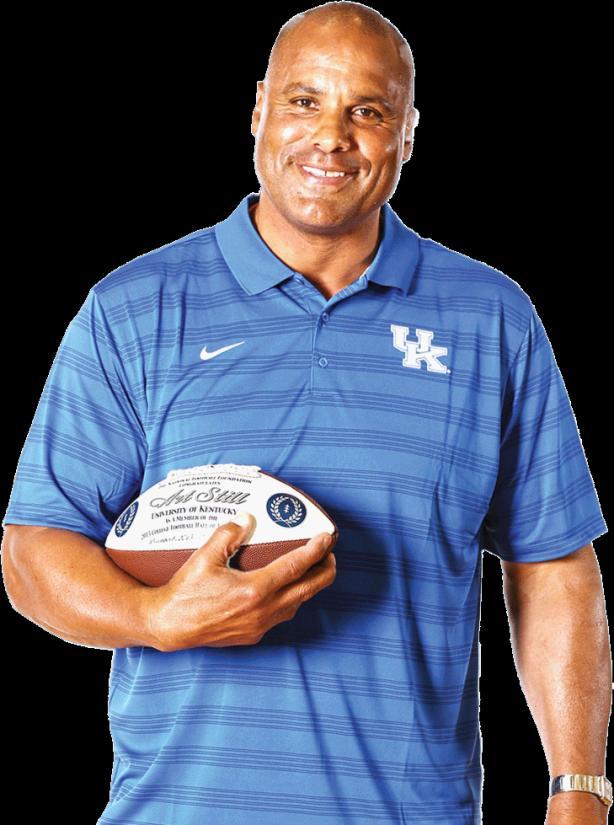
“For me, I thought it was just from playing football,” said Art Still, a former NFL football player who played for the Kansas City Chiefs.
“When you play football, you think that a lot of injuries are just from playing. You really don’t consider other things, which led to me not getting diagnosed until later in life,” said Still.
For him, his discovery of ATTR came after he realized he had more than three of the symptoms of the illness. On the advice of his doctor, he took the genetic test that was needed to find out that he had the illness.
Understanding that ATTR is a hereditary illness Still thought about his siblings and if they might have it too.
“After I discovered my illness, I thought about my two brothers.” Still continued, “One brother had a heart and kidney transplant, and the other brother is suffering from the condition as well. It was there all along, but none of us rec-
James Ampadu, MD is the Director of the Advanced Heart Failure Program, Medical Director of the Left Ventricular Assist Device Program.
ognized it.
And that is the problem with most Black men. They either do not understand what to look for or are not aware that ATTR is a real condition. The lack of knowledge could be blamed on the reluctance of Black men and their desire to visit the doctor. However, in 2026, not going to the doctor can no longer play a role in the delayed discovery of the illness or the lack of treatment.
“When I found out I had ATTR, we started to go around the country and speak about it in order to make people more aware of the conditions that come with it,” Still said. “We have much more work to do in order to get men to not only value the symptoms as real, but to go and take the genetic test so they can rule it out.”
Genetic testing is a type of medical test that analyzes DNA, chromosomes, or proteins to identify genetic variations or mutations associated with diseases. It uses blood, saliva, or tissue samples to identify hereditary risks, confirm diagnoses, or assess carrier status for conditions. It is a voluntary process often used to guide personalized healthcare decisions.
Those who have a fear of going to the doctor can rest assured that the test is harmless. The process includes taking a swap of DNA from the inside of the mouth with a cotton swab, and that is it.
There is no pain associated with taking the test. You simply wait for the results, and when they come back, you will be able to know if you suffer from the illness or not. Here are some of the
facts about ATTR:
• Shortness of breath, fatigue, swollen ankles, legs, or feet, carpal tunnel in one or both hands, biceps tendon rupture, and irregular heart beat are some of the most common symptoms.
• Wild-type ATTR-CM symptoms usually begin after the age of 60.
• 1 in 25 Black Americans carry a gene that increases their risk of ATTR-CM.
• Hereditary ATTR-CM, or hATTR-CM patients are primarily older Black males.
• Carrying the V122i variant does not guarantee that you will get ATTR-CM.
• If left untreated, ATTR-CM can lead to heart failure or death.
• There is no cure for ATTR-CM, but treatment is available to slow the progression.
If you do discover you have ATTR, there are things you can do, on your own, to impact on your health.
“For me, I try to make sure that I follow a strict routine for my overall health. I make sure that I eat a clean, lean diet of foods that help me stay fit. I make sure that I get enough exercise in to reduce any symptoms that I might have.” Still added, “I also try to make sure that I get enough sleep. It sounds complicated, but it is not if you are willing to improve your overall health.”
Still has eleven children and 27 grandchildren. So far five of the eleven have been tested. Some have tested positive for the genetic trait that comes with ATTR. Because they are able to get an early diagnosis, they will be at an advantage in treating any symptoms that arise. This information is critical to the fight for staying healthy for as long as possible for anyone who has ATTR. If you discover you have it, have your adult children tested so they can be aware of the illness as early as possible.
The silence is death does not have to impact Black men with education and prevention. If you know anyone with several symptoms, ask them to visit their doctor or schedule a genetic test to see if they have ATTR. You could save a life with this valuable information. ●
To learn more, visit: https://askaboutattr.org/

There comes a moment in life when something powerful becomes clear: the story is not over. For adults between the ages of 50 and 85 — often referred to as the Betterment ZIP Code — that moment is now. .
Written by BRYAN AKIL MARSHALL
The Boomer generation has built families, strengthened churches, led communities, shaped culture, carried responsibility, and opened doors for others. There has been endurance. There has been an achievement. There has been a contribution that continues to influence generations. But an important question arises: Who is strengthening them now?
The 90-Day Betterment Commitment begins today. Not next Monday. Not next month. Today.
This commitment is open to every reader of CODE M Magazine. Its “Double E” focus Energize and Encourage is directed especially toward African American adults ages 50 to 85. Health conditions such as hypertension, cardiovascular disease, and diabetes affect this community at disproportionately higher rates. Yet statistics do not define destiny. Daily decisions do.
There is a guiding truth: Every day we are either getting better or we are getting worse. There is no neutral.
The good news is simple: Better is available.
Scientific research and decades of applied movement practice consistently demonstrate that strength can improve at any age. Balance and mobility can improve at any age. Cardiovascular efficien-

Bone density responds to load-bearing movement.
The human body was designed for renewal.
This approach is rooted in Awakening God Science the understanding that the body possesses intelligent systems already designed for restoration and strength. The heart knows how to strengthen. Muscles know how to adapt. The brain knows how to form new connections. What these systems require is participation participation activates potential.
This is not boot camp. This is “no pain, no gain.”
The Betterment ZIP Code plan improves through consistency, not punishment.
Progress grows through: Kindness – Gentleness – Patience – Dignity.
Movement reflects the spirit of Aretha Franklin’
-C-T,” beginning with self-respect.
Movement also reflects the spirit of Patti LaBelle’s “New Attitude” embracing renewed belief in what is still possible.
Betterment is not harsh. Betterment is intentional.
Below are three foundational movements that consistently build trust in your body and produce measurable results. They are safe, accessible, and effective when practiced daily.
Sit tall in a sturdy chair or stand while holding onto a counter or wall. Lift one knee at a time in a controlled marching rhythm for 30 seconds to 1 minute.
This movement stimulates circulation, improves hip mobility, activates core stability, and gently signals forward momentum to the cardiovascular system. It enhances coordination and reinforces balance two pillars of independence.
Stand facing a wall. Place hands shoulder-width apart. Lower the body toward the wall with control and press back for 10–15 repetitions.
Johnson is critical of how social media is used to divide the Black community.
This movement strengthens the chest, shoulders, and arms while protecting the joints. It supports posture integrity and bone health without strain. Strength in the upper body contributes directly to safer movement patterns and improved confidence in daily activities.
3. Reach, Lengthen, and Rotate
Raise both arms overhead slowly and lower with control. Reach forward and gently rotate side to side.
This restores range of motion, improves spinal mobility, reduces stiffness, and supports healthy breathing patterns. Mobility in the spine and shoulders influences everything from posture to walking mechanics.
These movements take only minutes. Done daily for 90 days, they become transformative. The key is not intensity the key is consistency.
Each morning, one simple declaration can reset intention:
“Today is a day of participation in personal well-being.”
Participation is power.
Over the next three months, these movements and additional variations will be demonstrated through social media to ensure

timidation. Clarity builds trust. When movements are seen and understood, hesitation decreases and engagement increases.
Participants are encouraged to share progress, invite others, and build supportive momentum. When one person improves, families notice. When families improve, communities shift.
Imagine what 90 days of consistent, respectful movement could mean:
• Improved balance
• Stronger legs
• Better posture
• More stable blood pressure response
• Easier stair climbing
• Greater confidence rising from a chair
• Greater ease in sitting, standing, and moving through the private, everyday motions that define independence
• More energy in the afternoon
These are not cosmetic changes; these are independence markers. And independence is dignity.
CODE M Magazine has long served as a trusted voice within the African-American community. This commitment extends that mission not merely discussing wellness, but activating it. Not simply reporting on longevity, but strengthening it.
Betterment is not a slogan. It’s a daily decision. Every day, we are either getting better or getting worse.
For the next 90 days, choose better. Begin today.
• Energize
• Encourage
• Honor the body with respect
• Move with a new attitude
Join the Betterment ZIP Code. https://www.instagram.com/ akildad/
Better Every Day No Matter the Age. ●
Men ages 65 and up are starting to live more active lives.

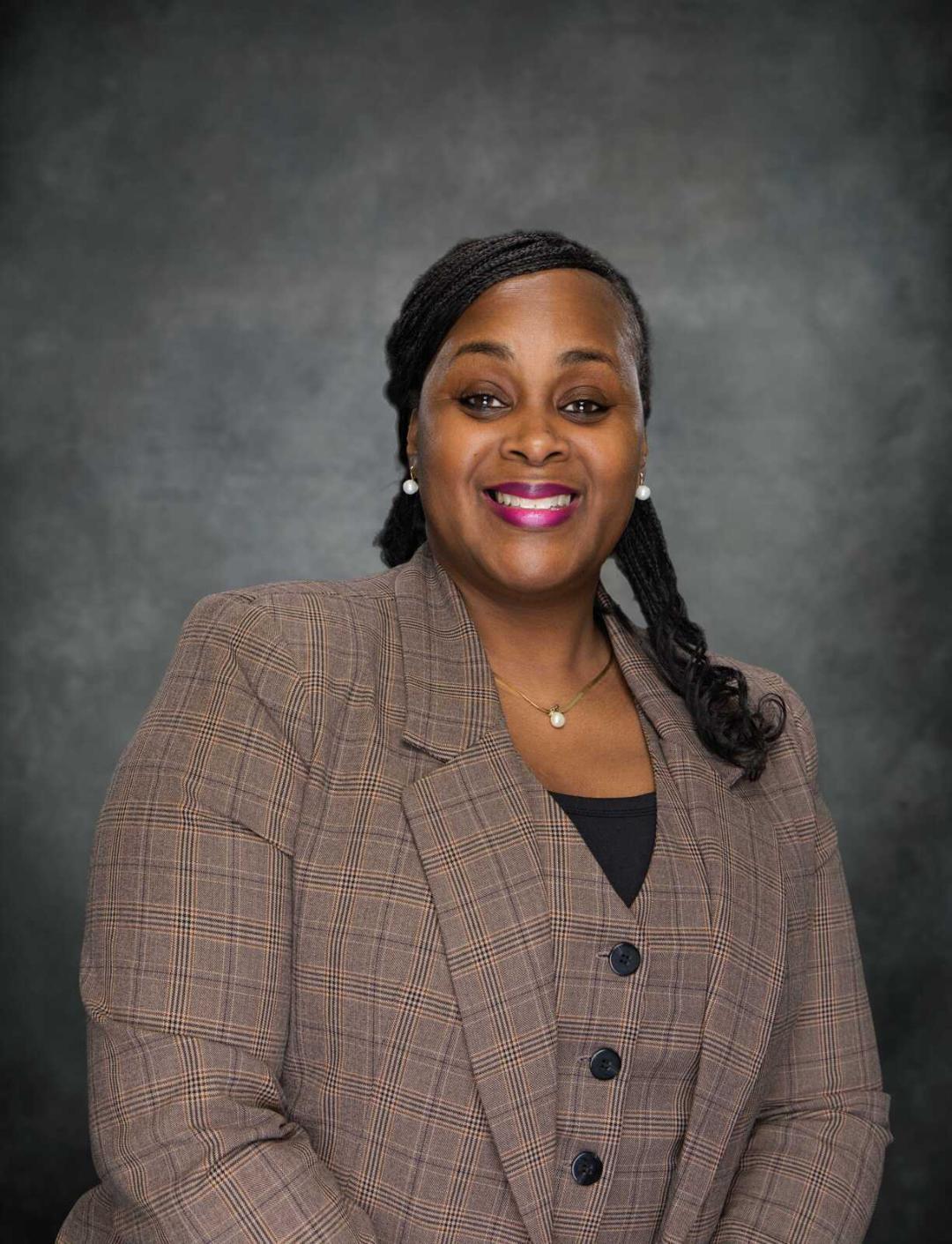
Tamitra Peavy is a remarkable leader whose impact extends far beyond her many accomplishments. She has demonstrated excellence across public service, corporate leadership, and community advocacy. As a former elected school board member, she helped strengthen outcomes for the community through dedicated and strategic leadership. In the corporate arena, she has held multiple leadership roles, consistently applying insight and skill to drive meaningful improvements. No matter the setting, she leaves every space better than she found it.
Get to know people who are making a difference in their organizations and in their careers.
By Bilal S. Akram
She is a proud leader within Alpha Kappa Alpha Sorority, Incorporated, Alpha Omega Chapter, Cleveland, Ohio. She supports initiatives focused on education, health equity, voter engagement and more. She is chair of the Risk Management Committee, and member of the Community Concerns and Connection and Social Action Committees. She organizes events, leads initiatives, and advocates for equity while bringing people together for common good.
She is active with Susan G. Komen Foundation and her faith community at Second Mount Olive Baptist Church. Through her professional and philanthropic work, Ms. Peavy has profoundly impacted youth, women, and underserved communities. At the heart of her leadership is genuine care for people and powerful ability to inspire.
Terrance Shaheed Tufts is a PhD Student at Walden University, where he is currently studying Counselor Education and Supervision. Terrance is also a seasoned mental health professional, independently licensed in Texas (LPC) and Ohio (LPCC-S), and a National Certified Counselor (NCC).
Originally from Cleveland, Ohio, Terrance has always wanted to make an impact in his community. He attended John Marshall High School and Kent State University, where he earned a bachelor's degree in psychology in 2012, making him the first in his family to graduate from college. He also earned his master's in Clinical Mental Health Counseling from the University of MaryHardin Baylor in 2018.
He has an extensive background in his field, including SchoolBased case management, Adult Day programs, Residential Treatment, and Private Practice, making him quite versatile and a proven professional. He is also skilled in various therapeutic approaches, including CBT, DBT, Solution-Focused Brief Therapy, Existential, and EMDR. He specializes in seeing clients who may struggle with anxiety, depression, Men's issues, communication, and anger issues, among others. He currently works full-time as a
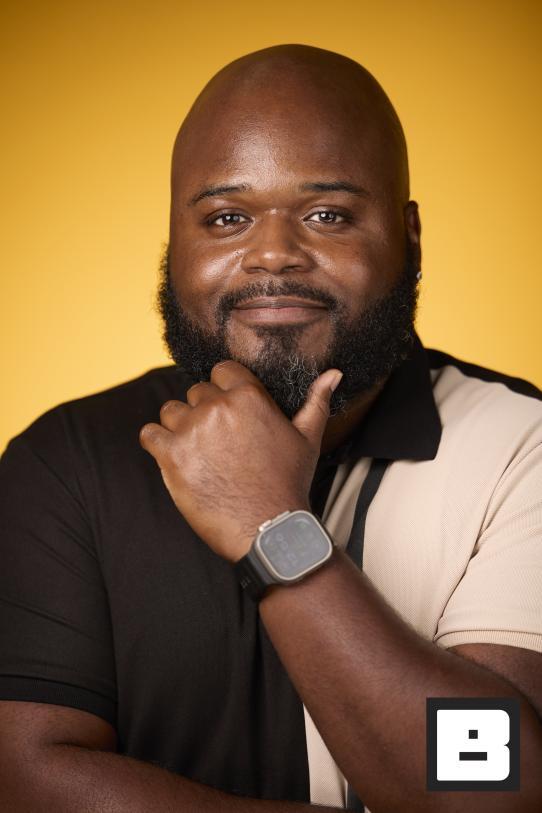
Operations Manager at a behavioral agency in the Columbus area.
Terrance enjoys working out at the gym, video games, reading, being in nature, traveling, and watching anime and comedies. He is a proud member of Alpha Phi Alpha, Fraternity,
Najia Griffin is a graduate of Spelman College, where she earned a B.S. in Psychology with a concentration in Neuroscience. She graduated cum laude and was recognized as a Psychology Departmental Honor Scholar and Women of Excellence and Leadership Scholar.
After graduating, Najia served as a Research Technician Associate at the University of Michigan, where she assisted with and led several clinical psychology research studies examining psychopathology and mental health among marginalized populations.
In Fall 2026, Najia will begin her Ph.D. in Clinical Psychology at University of California, Berkeley. Through her doctoral training, she aims to build expertise in clinical research and intervention science, with the long-term goal of developing evidence-based treatments and therapies that improve mental health outcomes for underserved communities.
Najia is also a proud member of Alpha Kappa Alpha Sorority, Incorporated, initiated through the Sweet Mu Pi Chapter at Spelman College in Spring 2022.

You have to be real confident if you are going to sport bright yellow. There is nothing like color to make a fashion statement.
Written by LARON HARLEM

A wardrobe shopper, stylist, and accessories designer who specializes in dapper looks that truly appeal to the most discerning eye. mailto: styledbydecar-lo@gmail.com, https:// www.styledbydecarlo.com/
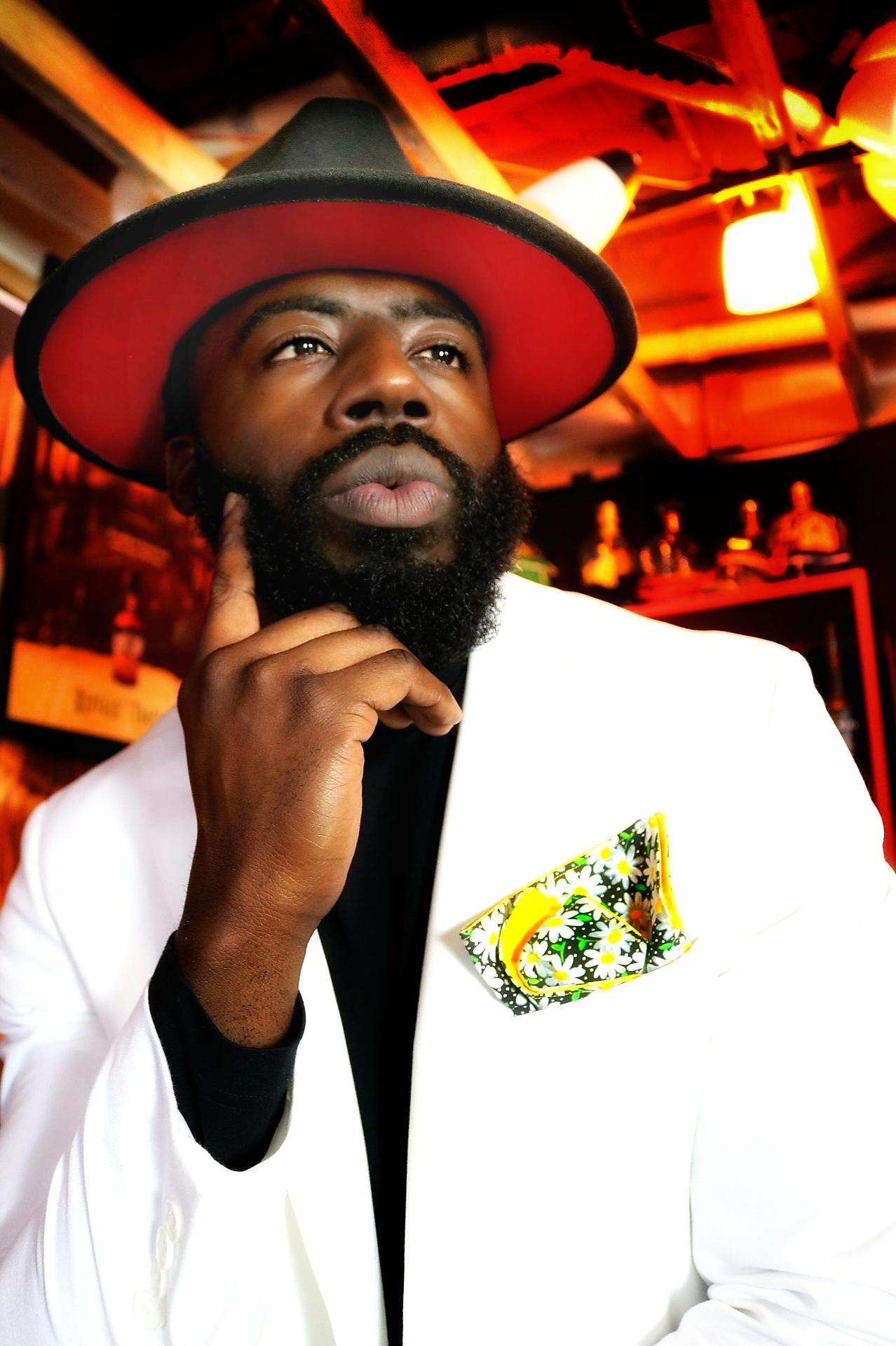
Derrick added just a touch of yellow and green to his white blazer...
Styled and Pocket square by STYLED BY DECARLO