2026 COCOKIDS ANNUAL EARLY LEARNING CONFERENCE
LOOKING IN, LOOKING OUT: HOW OUR BELIEFS SHAPE TEACHING, RELATIONSHIPS, AND LEARNING

Briana Moore, MSW

LOOKING IN, LOOKING OUT: HOW OUR BELIEFS SHAPE TEACHING, RELATIONSHIPS, AND LEARNING

Identify at least four ways personal beliefs and biases influence interactions, expectations, and decision-making with children.
Compare deficit-based and strengths-based images of children, including how race, culture, neurodiversity, and mental health can influence adult perceptions. Apply at least three trauma-informed and culturally responsive strategies that reinforce a capable, competent, and resilient image of the child
Trauma-Informed,
Grounded in the philosophy of Loris Malaguzzi, this interactive 90-minute learning event invites participants to examine how their beliefs about children influence relationships, expectations, behavior responses, and learning environments.
Participants will explore how race, culture, neurodiversity, mental health, and trauma shape children's experiences and how implicit beliefs can either support or limit children's development
The session also introduces the concept of moral injury as it relates to professionals who strive to uphold children's dignity while navigating systems and policies that may conflict with their values
Through reflection and discussion, participants will leave with practical strategies to cultivate a strengths-based, culturally responsive, and trauma-informed image of every child

Use self-regulation tools to keep calm in crisis moments
Identify common root causes of challenging behavior in young children, including developmental lag, sensory needs, trauma, and stress.
Interpret behavior as communication by recognizing the unmet needs or missing skills driving a child’s actions.
Use proactive relationship-based strategies such as check-ins, co-regulation, and emotional coaching to reduce escalation.
Apply in-the-moment response tools that deescalate behavior while preserving connection, safety, and dignity.
Our kiddos with disabilities, trauma, and mental health challenges don’t always feel safe or regulated, and it shows up in big behaviors including yelling, hitting, big meltdowns, and running away Educators often feel stuck, frustrated, and defeated
This workshop offers a different path. Instead of managing behavior, you’ll learn how to teach the skills kids need to succeed
You’ll walk away with practical tools, including:
● Feeling check-ins and building emotional vocabulary
● Calming corners and sensory tools
● Behavior as communication — understanding what kids are expressing
● The power of narration to reinforce positive behavior
● The LEARN framework to teach skills that stick
Come for a fast-paced, practical session that will equip you with tools to create calm, connected, places for learning and play

Examine how personal beliefs, experiences, and implicit biases influence interactions with children and families.
Recognize how neurodiversity, culture, family experiences, and developmental differences may impact behavior, communication, and learning
Apply practical, strengths-based strategies that promote inclusion, belonging, self regulation, and positive family partnerships in early childhood settings
Karla Chinen
Beyond the Behavior: How Beliefs, Biases, and
How we view children directly impacts how we teach, support, and build relationships with them This interactive workshop explores how personal beliefs, implicit biases, cultural perspectives, and assumptions influence the way we interpret children's behavior, communication, and learning.
Participants will examine how neurodiversity, family experiences, developmental differences, and life circumstances can shape a child's experience in the classroom. Through reflection and practical strategies, attendees will learn how shifting from judgment to curiosity can strengthen relationships, foster inclusion, and create environments where all children feel seen, valued, and supported
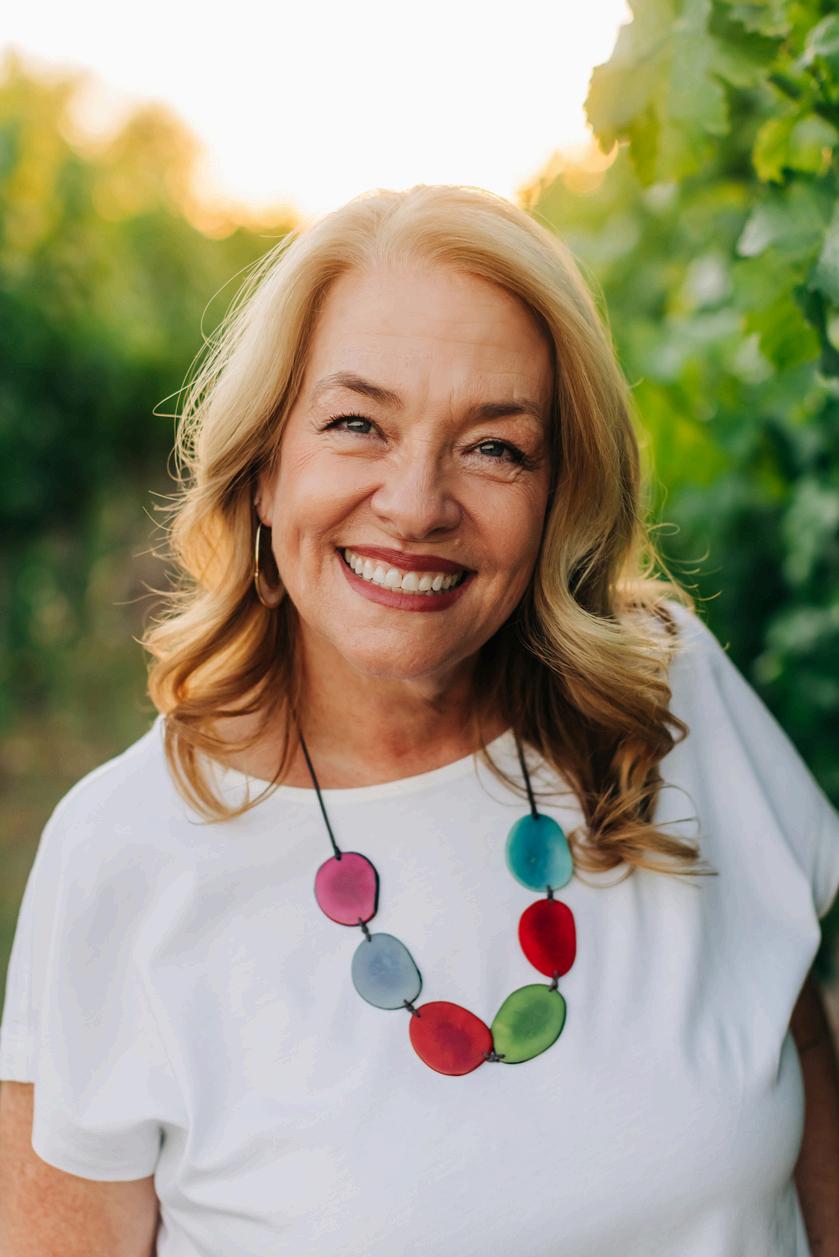
Kim Adams
Describe why meaningful play is essential for supporting young children's development, learning, and well-being.
Examine how their image of the child influences the environments, interactions, and learning experiences they create Identify play-forward practices that strengthen child-centered learning and expand opportunities for meaningful play.
Children learn best through play, yet opportunities for meaningful play are shrinking in many early learning settings In this interactive workshop, participants will explore why protecting play is one of the most important investments we can make in children's development, learning, and wellbeing
Together, we'll examine how our image of the child shapes the environments we create, the expectations we hold, and the choices we make each day. Through research, stories from the classroom, reflection, and practical examples, participants will explore what it means to create play-forward practice: intentional decisions that protect, prioritize, and expand opportunities for meaningful play because play is the primary context for young children's learning and development. Participants will leave with a renewed sense of purpose and practical strategies for creating child-centered environments that foster curiosity, agency, creativity, relationships, and joyful learning.

Recognize the early signs that a young child's nervous system is becoming overwhelmed before behaviors escalate. Apply practical co-regulation strategies to confidently support children through transitions, emotional escalation, biting, throwing, and other challenging classroom behaviors.
Strengthen their own nervous system capacity to remain calm, connected, and responsive during high-intensity classroom moments
Our image of the child shapes every interaction we have in the classroom When we begin to understand challenging behaviors through a nervous system lens, we shift from asking, "What's wrong with this child?" to "What is this child communicating?"
In this interactive workshop, educators will learn practical, nervous system-informed strategies to recognize early signs of overwhelm, remain calm during moments of behavioral escalation, and confidently support young children through transitions, big emotions, and other challenging classroom moments. Through hands-on learning and real classroom scenarios, participants will leave with practical tools that strengthen connection, emotional safety, and responsive educatorchild relationships

Identify how adult responses, assumptions, and environmental factors influence children’s behavior, relationships, and learning opportunities.
Use the “Pause, Notice, Connect” framework to respond more intentionally to common classroom moments, including conflict, big emotions, transitions, risk-taking, and child-led play.
Apply practical strategies for using play and nature, even in small or limited spaces, to support connection, social-emotional development, curiosity, and meaningful learning.
safety, and dignity.
Early childhood educators make hundreds of decisions every day, often while managing transitions, big emotions, conflicts, competing needs, and limited time In those moments, it is easy to respond on autopilot. This interactive workshop invites educators to pause, notice what is happening beneath children’s behavior, and respond with more intention Through real classroom stories, reflection, and practical examples from play-based and nature-based learning environments, participants will explore how small shifts in adult awareness can strengthen relationships, support social-emotional development, and create more meaningful learning opportunities.
The session will include examples that are relevant to a variety of early learning settings, including family child care homes, center-based programs, and programs with limited outdoor space
Participants will have opportunities to reflect, connect the ideas to their own settings, and leave with strategies they can use right away The workshop will also introduce a simple “pause before responding” framework to help educators move from reaction to connection. This framework aligns with the broader PAUSE Method developed by Nurture-Led Systems, which offers practical language and tools to support children through big feelings, conflict, transitions, and everyday moments of guidance.
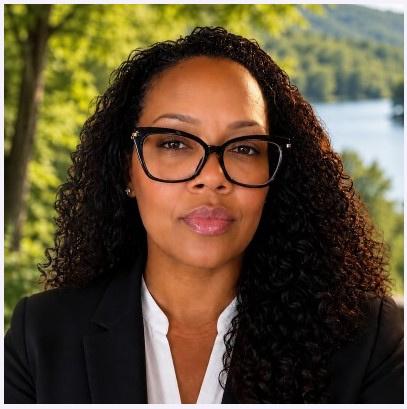
Samantha Thompson and Lisa Wilson
Learn about culturally affirming vs. culturally responsive practices
Recognizing and supporting Black Language as a rule-governed system
Dismantling anti-Blackness in early care and education settings
Centering Black families, identity, and belonging in early learning environments
Language as Identity - Supporting Early Literacy through Black English and Black Languages
Literacy is more than reading and writing it is identity, culture, and power. Too often, students’ cultural and linguistic strengths are overlooked in literacy instruction, leading to disengagement and inequitable outcomes.
This session invites educators to reimagine literacy as an identity-affirming, culturally responsive practice that not only improves achievement but also nurtures students’ sense of belonging and agency. Through a hands-on, interactive workshop, participants will explore practical strategies to design literacy experiences that honor students’ lived experiences, amplify diverse voices, and connect instruction to real-world meaning. Together, we will engage in activities that model how to use texts, discussions, and writing tasks that validate cultural identities while building core literacy skills. This session is designed for teachers, instructional coaches, and leaders committed to equitydriven instruction Attendees will not only walk away with ready-to-use strategies but also a renewed mindset: literacy instruction that heals, affirms, and transforms.
SESSION 1A | 9:30 - 10:45 AM
Mirando Más Allá Del Comportamiento: Cómo Las Creencias, Los Prejuicios Y Las Historias Moldean Nuestra Comprensión De Los Niños
Presented by Karla
Chinen
La manera en que vemos a los niños y las niñas influye directamente en cómo les enseñamos, les brindamos apoyo y construimos relaciones con ellos. En este taller interactivo exploraremos cómo nuestras creencias personales, los sesgos implícitos, las perspectivas culturales y las suposiciones influyen en la forma en que interpretamos el comportamiento, la comunicación y el aprendizaje infantil.
Las personas participantes analizarán cómo la neurodiversidad, las experiencias familiares, las diferencias en el desarrollo y las circunstancias de vida pueden influir en la experiencia de cada niño y niña dentro del aula. A través de la reflexión y de estrategias prácticas, aprenderán a sustituir una mirada basada en el juicio por una basada en la curiosidad, fortaleciendo las relaciones, promoviendo la inclusión y creando entornos donde todos los niños y las niñas se sientan vistos, valorados y apoyados.
SESSION 1B | 11:00 - 12:15 PM
Pausa, Observa Y Conecta: Enseñanza Intencional A Través Del Juego Y La Naturaleza
Presented by Silvia Anderson
Este taller interactivo invita a las y los educadores a hacer una pausa, observar qué hay detrás del comportamiento de los niños y las niñas y responder de manera más consciente e intencional. A través de historias reales del aula, espacios de reflexión y ejemplos prácticos de entornos de aprendizaje basados en el juego y en la naturaleza, las personas participantes explorarán cómo pequeños cambios en la manera en que los adultos observan y responden pueden fortalecer las relaciones, apoyar el desarrollo socioemocional y crear oportunidades de aprendizaje más significativas.
La sesión incluirá ejemplos relevantes para una amplia variedad de entornos de educación infantil, incluidos los programas de cuidado infantil familiar, los centros de educación temprana y los programas con acceso limitado a espacios al aire libre. Las personas participantes tendrán la oportunidad de reflexionar, relacionar estas ideas con su propio contexto de trabajo y llevarse estrategias prácticas que podrán implementar de inmediato.
El taller también presentará un marco sencillo de "hacer una pausa antes de responder", diseñado para ayudar a las y los educadores a pasar de reaccionar por impulso a conectar de manera intencional con los niños y las niñas. Este enfoque está alineado con el Método PAUSE, desarrollado por Nurture-Led Systems, que ofrece un lenguaje común y herramientas prácticas para acompañar a la infancia durante emociones intensas, conflictos, transiciones y los momentos cotidianos de orientación y apoyo.