

Living Destination
Portugal the Living Destination

Home is the main stage on which life is lived! Its importance has been exacerbated by the pandemic: houses became much more than a convenient place to sleep and turn out to be the main live-work-play-learn ecosystem of each one’s lives! In the aftermath of the pandemic, the living sector plays a major role to build better human experiences.
Portugal has conquered a worldwide recognition as a place to be and, in this context, the housing sector is one of the most challenging areas within the portuguese real estate market landscape. Market fundamentals are robust: there is a structural undersupply of houses; the volume of demand is high and diverse and the imbalance between supply and demand is driving the upsurge in prices which have been quite resilient despite the Covid-19 outbreak.
This report aims to analyse the living sector in Portugal mainly in Lisbon, Porto and the Algarve and its main performance indicators as well as to set the framework for its past and future development. On the following pages it will be possible to understand the main socio-demographic drivers of the shift in the residential sector: population growth and ageing, an increasing number of single households and a diversity of family profiles with different needs and requirements which will impact the houses of the future.
At the same time, main residential statistics highlight the shortage of supply as housing completions and licensing units record the lowest values ever, while the demand volume has been quite robust and aligned with previous market peaks although constrained by the lack of suitable housing stock. As so, the rental market has become a truly tenure option
with an increasing number of lease contracts and upsurge in housing rents over the last years.
This context enhances the need to increase housing supply - both through renovation and new construction – as housing stock is outdated and needs to satisfy the huge market demand, being flexible to adapt to changing living patterns and enhancing the living experience whilst, reducing the pressure on pricing.
For each of the Living Destinations, JLL has designed a main framework and a detailed analysis of each of their main residential zones, including sales and rental prices, demand profile and preferences. JLL goal is for this report to be a helpful and insight guide for those trying to better understand the fundamentals of the success of Portugal as a truly renowned Living Destination and leverage on the opportunities that are still to be developed in the living sector.
Pedro Lancastre CEO JLL Portugal


Patrícia Barão Head of Residential

Why Portugal ?

1st Europe’s Leading Destination
2020, 2019, 2018, 2017
World Travel Awards
Sustainable Development Ranking 2021
27th
Sustainable Development Solutions Network (United Nations) (out of 193)
Travel & Tourism Competitiveness Index 2019
12th
World Tourism Organization & World Travel and Tourism Council (out of 140)
19th Energy Transition Index 2020
World Economic Forum (out of 115)
13th Expat Insider 2020 Country for Expats
Global Talent Competitiveness Index 2020
28th
INSEAD Adecco Group and Tata Communications (out of 132)
7th Proficiency in English 2020
EF English Proficiency Index (out of 100)
Global Peace Index 2021
4th
Safest country in the world (out of 163)

World Health Organization 2000
12th
Best health system in the world (out of 191)
20th Quality of Life Index 2021
European Country (out of 83)
World University Rankings 2021
9th
In Europe in the QS World University Rankings among universities founded less than 50 years ago
Portugal Socio-Economic Profile
Socio-economic profile is changing in Portugal which is bringing new challenges to the housing market. Population has grown up to 2011 and, since then, is decreasing due to a falling birth rate and an ageing population. A counterbalance effect has been the growing attractiveness of Portugal as an international destination with a positive migration balance over the last years which is forecast to be maintained.
But living patterns and family profiles are also being under an unprecedent change. While the number of households has been increasing, a falling household size is recorded due to cultural and social shifts (delay of marriage, increasing divorce rates, upsurge of single households or couples with no children) which, therefore, have different housing requirements.
Population Decrease since 2011 (#inhabitants)
There are more, but smaller, households in Portugal
Structural Changes in the Family Profile...
Due to the Increase of Divorces and Fall in Marriages
Couple without children
Households Persons per household
Portugal Is In The Peak Of Global Citizen Attraction (Migration Balance) Postponement of the birth of the first child (Mean

Portugal
Main Residential Statistics
Residual Stock Growth Over The Last Decade (Number of Units)
Supply constrains are one of the major drivers of the residential market. Housing stock has increased steadily up to 2011 but, since then, the number of units grew by a residual 1%. Completions have been on historical lows. The number of houses that entered the market in the last decade is c. 20% lower than in the previous property cycle. This fact is due not only to the economic and financial crisis (20102013) but also to the lengthily and bureaucratic licensing procedures which have resulted in a 73% downturn on housing licenses in the same period.
Although refurbishment and renovation were main catalysts in the market recovery, housing stock with 30 or less years represents only 30% of the existing stock and at least 1/3 of existing units are in need of repair which enhance the sector opportunities.
Leasing has been emerging as a tenure option after the New Lease Law structural amendment in 2012. Since then, and coupled with the international footprint of the country, lifestyle shifts, rising sales prices and affordability constrains, the rental stock is increasing although still dominated by private landlords.















Lowest Completions And Licensing Figures Over The Past 10 Years
Portugal Main Residential Statistics
On the Demand side, the volume is quite robust and the contraction on sales volume and number of houses sales is mainly due to a supply shortage. Although the comparison between the two last decades highlights a decline of almost 40% on the number of units sold, the average ticket per house has rocketed by an impressive 25%.
Market performance of the last 5 years has been remarkable with a record high in 2020 with 26.1B€ of houses sold. In the aftermaths of the Covid-19 outbreak, a y-o-y comparison between the second quarters of 2021 and 2020 also reinforces the resilience of the market with an increment of 30% of sales volume and a 26% rise on units sold with a corresponding 4% average price upsurge.
Foreign demand is on the rise and the number of houses sold to foreigners escalated. JLL forecasts that in 2020 this market accounted for c. 11% of the total number of units sold.
It is also noteworthy that the lease market has been constraining by the shortage of adequate supply. Nevertheless an average of 78,700 new lease contracts have been signed annually in the last 4 years.
Increasing Atractiveness of Portugal as an International Destination



Portugal Main Residential Statistics
The imbalance between supply and demand has spiralled housing prices. The house price index has recorded increases every rolling year since 2015 although a slowdown on the pace of this growth was felt since mid 2020.
The price upsurge is valid both in the sales and lease market with extraordinary average price increases of c. 30% for the former and 37% for the latter over the last 5 years.
Affordability has become one of the main constrains in housing accessibility as the price growth has outpaced the salaries in the country. There is an increasing need to reduce pressure on prices with a relevant pipeline of new units coming to the market that are adequate in terms of size, characteristics and prices to demand.
Home ownership is the privileged tenure option in Portugal, which may be explained by several intertwined trends but also a political, fiscal and economic framework that fostered the access to easy and affordable mortgages up to the economic and financial crisis. Mortgage financing has reemerged in the past 5 years although stricter regulations, which include a sizeable down payment (minimum 10% equity plus transfer tax and stamp duty) and a stricter risk assessment have created additional barriers to house acquisition.
Banks are keeping pace with market growth which is less leverage than in the past
Impressive Price Growth in both the sales and lease markets
Growth pattern of housing prices expected to continue albeit less accelerated

Residential Key Market Trends
Residential Key Market Trends
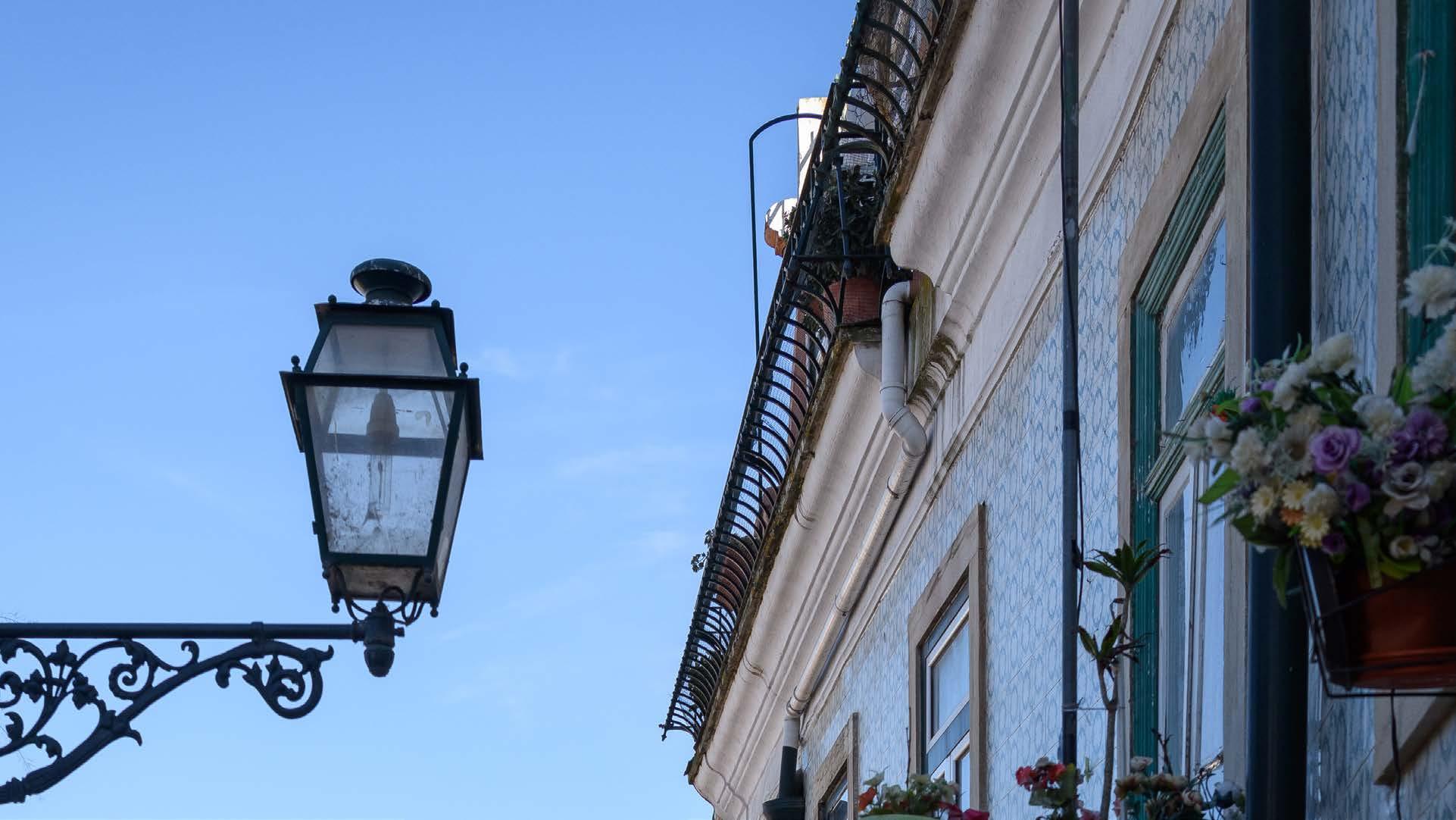
Attractiveness Of The Residential Market
Residential is a flourishing asset class in the portuguese investment framework. It is an asset class that most people can understand and it has proven to be a relatively safe investment. Even in economic downturns, housing is a basic need and, therefore, its benefits include better returns, counter cyclical performance and income stability over time. Savings of the domestic market have been channelled to the residential sector over the last years, a trend that is expected to be maintained in the short and medium term and which may be exacerbated by the increase in household savings due to the pandemic.
Strength Of The
Domestic Market
The international JLL market share is of 40% which is significant, but the domestic market has been thriving. Demand has been increasing both for owner occupation and investment purposes which is refrained by the shortage of supply that addresses the needs and requirements of this target.
Price Resilience
Housing prices have been under an upward pressure over the last years. Despite the Covid-19 outbreak and the uncertainty that it has brought to the market, prices have been resilient. There has been a slowdown on the pace of growth of the sales prices over the last months although the sales volume of the first quarter of 2021 are aligned with the records of last quarter of 2019 which is the record quarter in Portugal. The correlation between the total sales volume and number of units sold in Lisbon and Porto Metropolitan Area highlight the strength of the market with the highest average sales price ever recorded.
Emerging Residential Areas
Urban and living patterns are changing and the pandemic has exacerbated the requirements for liveability and affordability. Not only are people looking for quality living standards, such as size and conditions, but also for affordable products in liveable and thriving areas. As the city centre has become too exclusive and prices are too high, a new set of zones have been emerging offering very high quality supply, exclusive design unique features and amenities at more affordable prices or offering outstanding products. The hybrid workplace model also allows the relocation to secondary zones where it is possible to acquire a bigger house with a smaller budget. Of the emerging zones, JLL points out Alcântara, Marvila and Oeiras within Lisbon Metropolitan Area or Boavista and Campanhã in Porto Metropolitan Area.
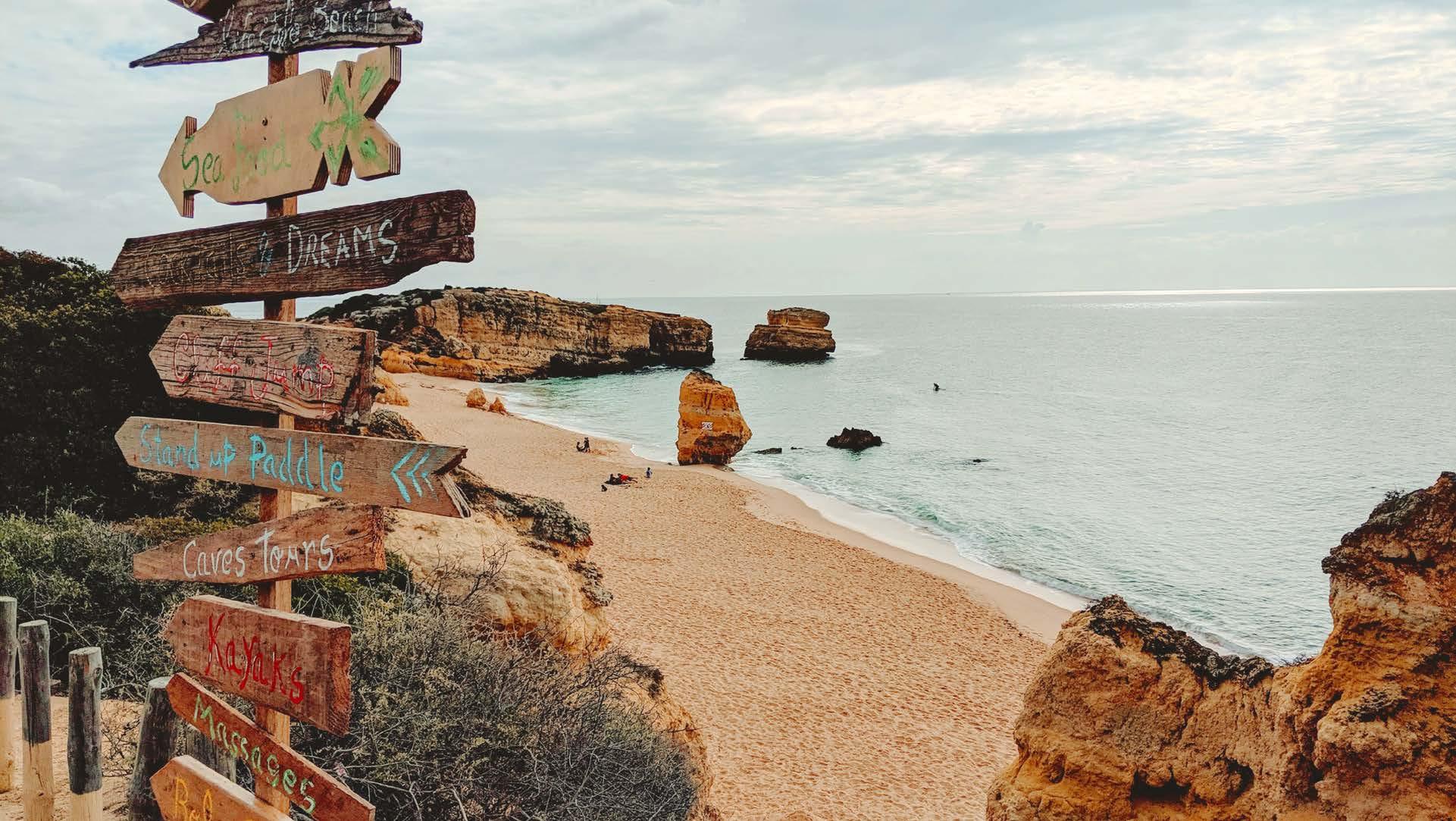
Live-Work-Play Homes
Home is the main stage on which life is lived. The pandemic has enhanced house as the spotlight of our lives as each one of us has spent more time at home during the last 18 months than ever before. A home is much more than a convenient place to sleep and has become a live-work-play ecosystem. It needs to address and balance the needs and requirements of different functions but also of a diversity of ages and profiles. Houses must be designed to enhance the living experience. Therefore design, sustainability, adaptability, technology and affordability are the triggers to successful housing developments.
Houses For All
Short Term Market Downturn
Until the pandemic brought tourism to a stand still, the short term market was booming and was an enabler for the refurbishment and renovation of city centres. Likewise it was a privileged investment opportunity. Covid-19 has, however, underscored this kind of properties and there is little demand for this asset class which affects mainly the touristic and historic zones of cities. For this market to be revamped, JLL anticipates the need for a steady resurgence of tourism to, once more, attract investment to these zones and assets.
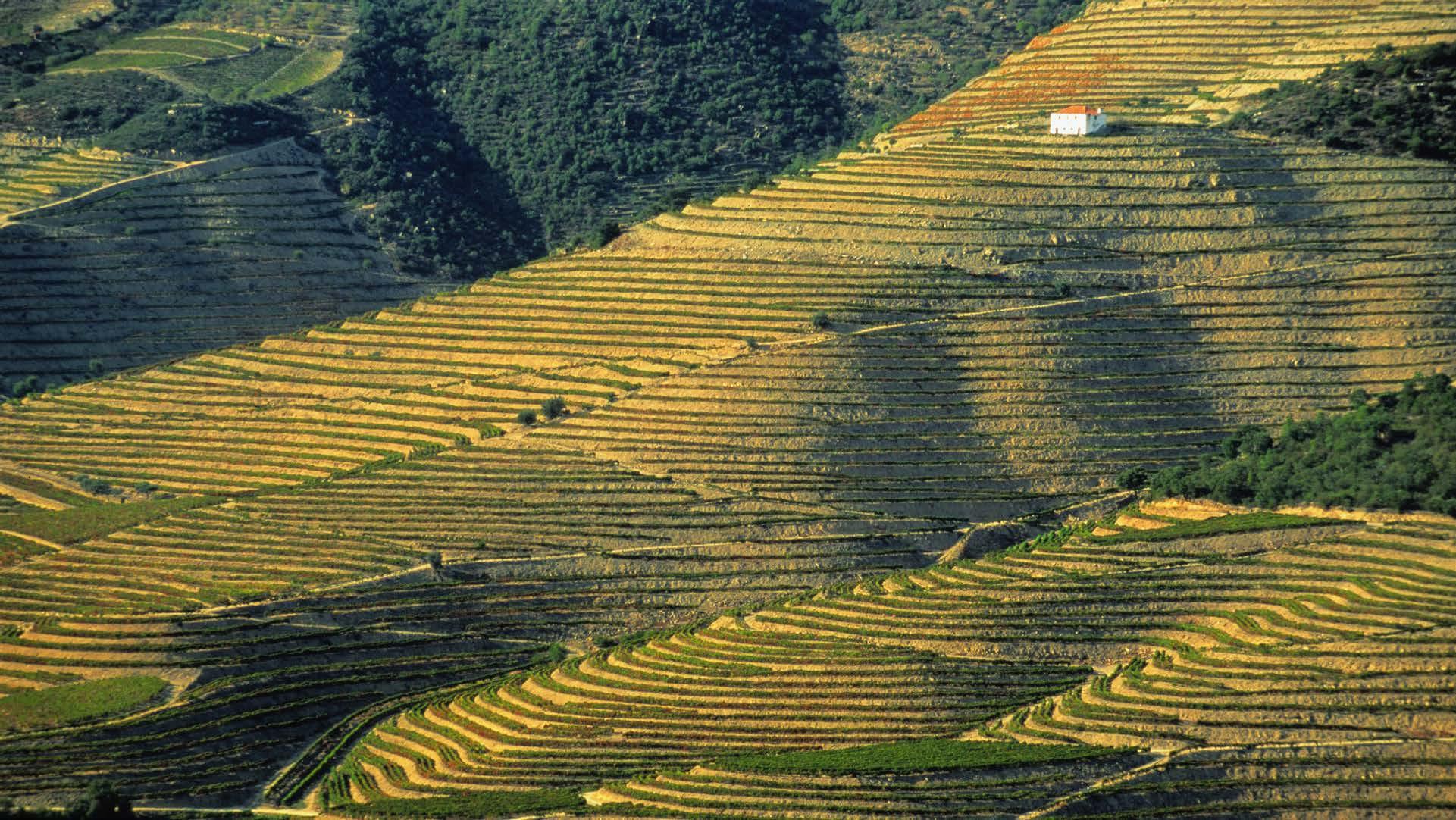
The Golden Visa Opportunity
Changes in the Golden Visa Programme legal framework will be in force from January 2022 onwards. The acquisition of residential units in Lisbon, Porto and the majority of councils in the coastline will no longer be eligible. Although the Golden Visa share of transactions does not surpass 10% of the overall sales volume (2016 up to Q1 2021), it has been an efficient channel to attract investment. Nevertheless, it is still eligible to invest in real estate in Lisbon and Porto through the acquisition of commercial property or unit shares of real estate investment funds. Additionally, there are specific and low density locations – such as Comporta - which tick the boxes for the Golden Visa investment and where good opportunities still exist.
Living concept diversification is mandatory as the imbalance between supply and demand is becoming even more challenging. Housing stock needs to be retrofitted to accommodate new household formation patterns and needs throughout a household life cycle, by being capable of adapting to whatever requirements and changing patterns of working and living that might arise. This resilience is crucial to future-proof new developments. Therefore, it is mandatory to be more flexible and agile in the planning zoning and licensing procedures, both for brownfield sites and renovation, to ensure that housing supply will be increased to satisfy the huge market demand, to reduce pressure in price and allow to ensure housing accessibility to all cohorts of the population at different affordability levels.
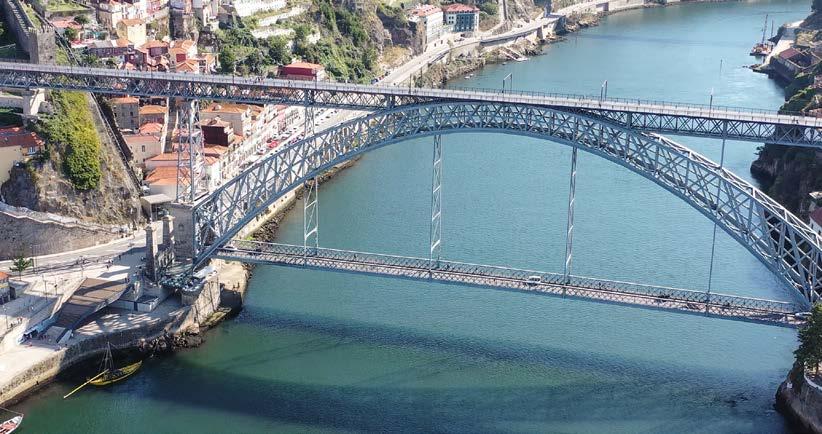

Algarve
Porto
Lisbon Algarve
Lisbon

Lisbon Population
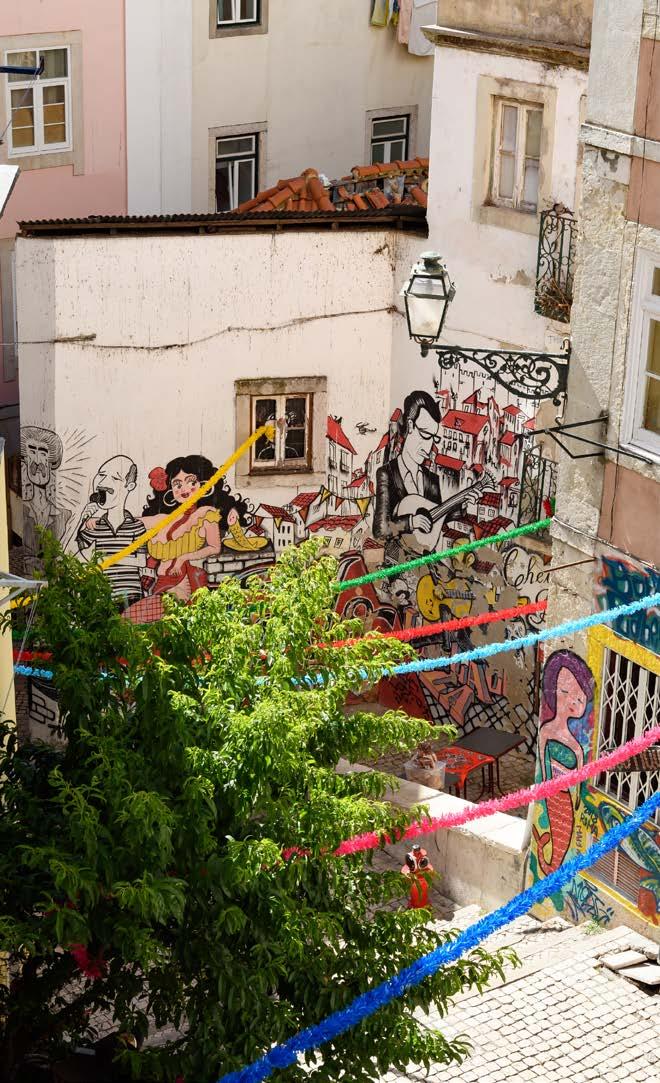
Lisbon Metropolitan Area comprehends 18 councils that orbit around the Tagus valley. Lisbon is the main city and the capital of the country. The region is recording a population growth every rolling year totalling c. 2.9 million inhabitants in 2021.
Population is getting older and families are increasing in number, although their size is ebbing and are smaller than the average in Portugal. The city is renowned by offering a thriving environment as a number of international companies have been relocated to Lisbon and tourism has boosted the city recognition which coupled have contributed to a cosmopolitan and dynamic lifestyle.
Lisbon Main Residential Statistics
Lisbon City Residential Stock Decrease Due to Reconversions (Number of Units)
Ageing Stock Creates Further Opportunity for Renovation
(Age of Buildings)
Lisbon residential market is a booming sector. Supply is in historic lows since the economic and financial crisis, which is severely impacting demand expectations and has spiralled exponentially the housing prices.
According to the preliminary Census 2021 results, the housing stock has declined by c. 2%, which may be explained by the reconversion of former residential buildings to other uses in the city centre. The dynamics over the last years have been anchored on the refurbishment of buildings in the city centre due to fiscal incentives to urban renewal. Therefore, annual housing completions have fallen from 1,450 new units in the previous market peak to c. 100 new units in the post crisis period. Stock is predicted to be limited in the coming years as the number of licensing units has fallen by 45% when compared to the last decade, albeit recovering each rolling year for the last 5 years (except for 2020) although still far from pre-crisis levels.
The lease market is a massive opportunity in the city and rely on robust market fundamentals. Stock is increasing although there are no built to rent projects in the city and, therefore, the existing supply is of scattered units, most of them in need of liveability improvements. The increment over the last year is also explained by the number of units being transferred from the short-term market to the traditional one in the aftermaths of the Covid-19 outbreak
Lack of Supply Due to Low Levels of Licensing and Completions



















Lease Market Upsurge as a tenure option (percentage leased units)
New Stock Addition Adapted to New Demand Requirements (House Completions by type)
Lisbon
Main Residential Statistics
Housing sales have been increasing steadily since 2014 and have reached a peak in 2017, surpassing 13,500 units sold, a number aligned with the pre financial crisis levels. The downturn since then is due to the shortage of supply as levels of demand are quite robust. In this context it is worth mentioning that Lisbon has become a privileged stage for expats and foreigners to live and, therefore, although the level of demand is similar to the latest property cycle, the profile of the demand is different and has becoming much diverse. Foreign demand accounts currently for c. 13% of the housing purchases and although 2020 is forecast to record a contraction due to the pandemic, 2021 and onwards are expected to be recovering years.
Leasing demand although high is constrained by a shortage of suitable supply. The number of contracts signed over the last 4 years show an upsurge trend although with some fluctuations. In 2020 a record high of 7,980 new contracts were signed which may be a result of the supply increase with former short term markets dwellings.


Lisbon
Main Residential Statistics
Housing prices have been spiralling since the market bottom. The scarcity of supply has pushed prices to record highs with an average double digit growth from 2012 up to 2019. The Covid-19 crisis in 2020 have impacted the sales values despite on average a 2% increase has been felt y-o-y in the market although new units and in the high-end of the market slight adjustments have been registered. Prices have shown their resilience both in 2020 and the first half of 2021, as there are some noteworthy increases namely in the average sales price and in the high-end of the market, outperforming the 2019 sales values. Prime values currently surpass the barrier of 9,000 €/sqm for high-end projects in exclusive and privileged locations in the city.
Rental values record a similar performance with an expressive increase of the annual compound growth rate ranging from 8% up to 10% between 2013 and 2019. The pandemic had a greater impact on the lease market than on the sales one, with rents falling from the end of 2020 to the second quarter of 2021 in all type of units. Current average rental values stand above 10€/sqm/ month across the market although may be doubled for new high-end products.
Sales Prices
Rent Prices
Lisbon Zones
Cascais / Estoril
Historic Zone
Avenidas Novas Campo Grande / Alvalade
Oeiras Riverside Area Campo de Ourique / Amoreiras Marvila / Braço de Prata
Belém / Restelo
Chiado / Príncipe Real
Sete Rios / Praça de Espanha Olivais
Alcântara / Junqueira
Avenida da Liberdade
Telheiras Parque das Nações
Lapa / Estrela Colina de Santana Benfica
Avenida da Liberdade
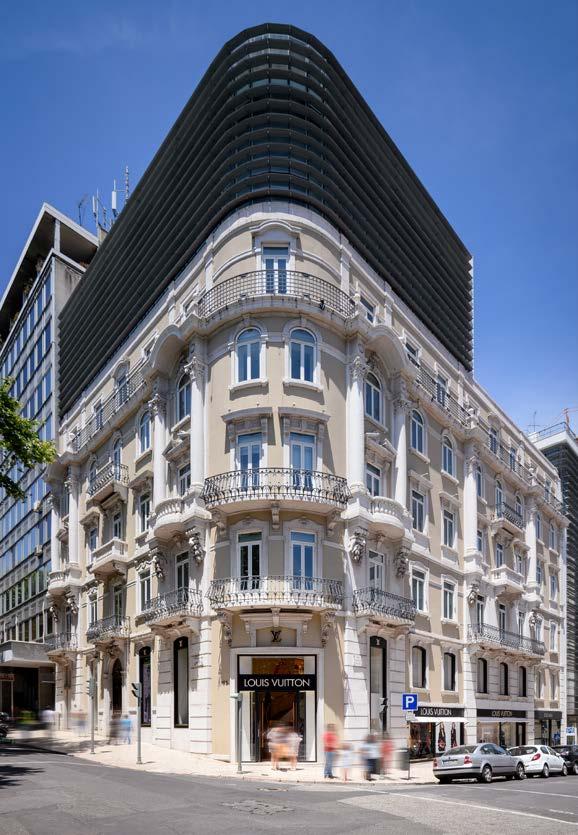
Luxury, elegance and exclusivity describe the Avenue. It is the central hub of Lisbon's main business area, where offices of renowned companies, the city's main hotels and major brands in the fashion world can be found.
As one of the most prestigious regions in Lisbon, with great proximity to luxury retail, the Avenida da Liberdade area is highly sought after by investors with high purchasing power.

Chiado/ Príncipe Real
Considered one of the most emblematic areas of Lisbon, energized by high street commerce, restaurants and culture, it is possible to watch a constant flow of tourists and residents daily.
Chiado evokes the bourgeois charm of the 19th century in which it developed, featuring museums, theaters and numerous buildings with enormous heritage value. Príncipe Real, on the other hand, is known for its glamorous buildings, palaces and gardens with views over the Tagus and the city. These characteristics make this Zone extremely rich, cosmopolitan and attractive.
Historical Zone
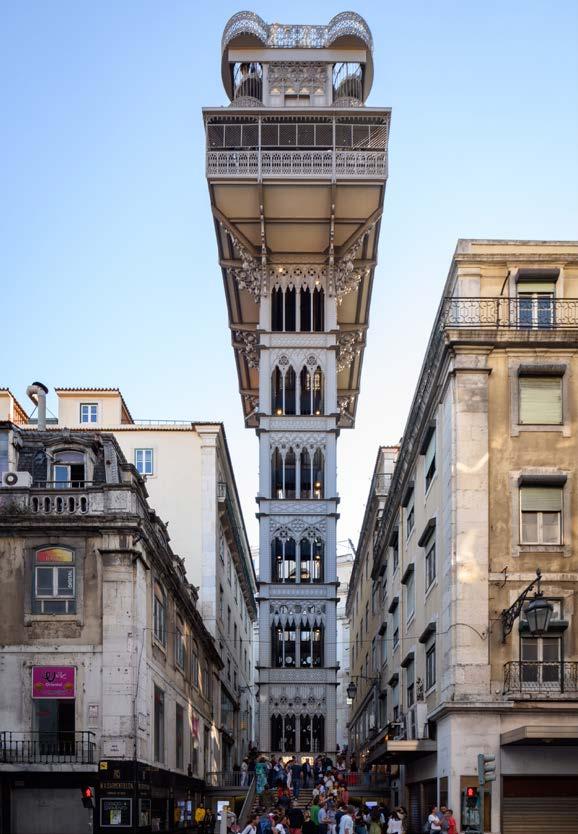
The Historical Zone concentrates the most traditional, historic and iconic places in the city. It is the heart of Lisbon. From Baixa to Alfama, from Terreiro do Paço to Castelo de São Jorge, many tourists roam the typical streets of Lisbon, with a mandatory stop on Rua Augusta.
The rehabilitation of this area has contributed to its rejuvenation, creating new dynamics, new businesses and attracting tourists from all over the world. It is a favorite place for international investors.
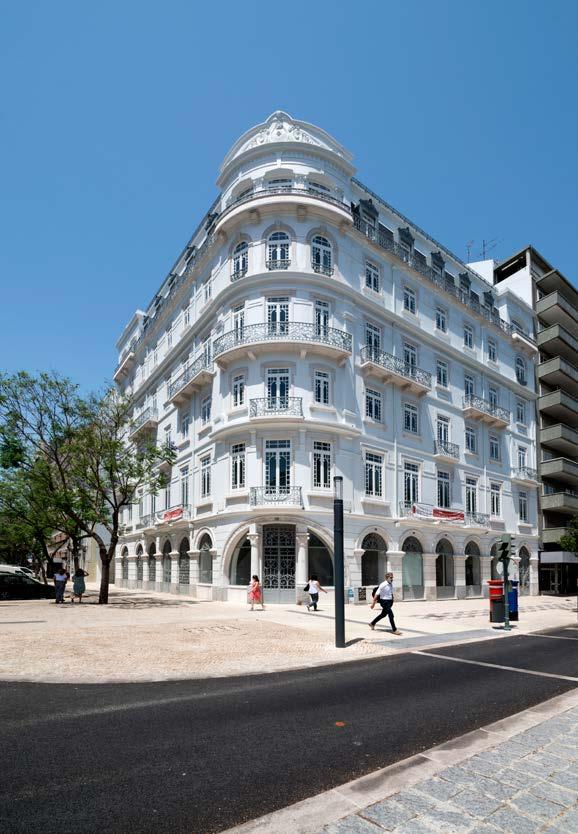
Avenidas Novas
Avenidas Novas houses one of the largest and most consolidated residential markets. It is very well served by services and amenities. As the name implies, this zone sprawls along the main avenues of Lisbon, benefiting from excellent accesses and public transport networks.
Being a broad area, it is subdivided into smaller zones, where Saldanha, Bairro Azul and Campo Pequeno stand out
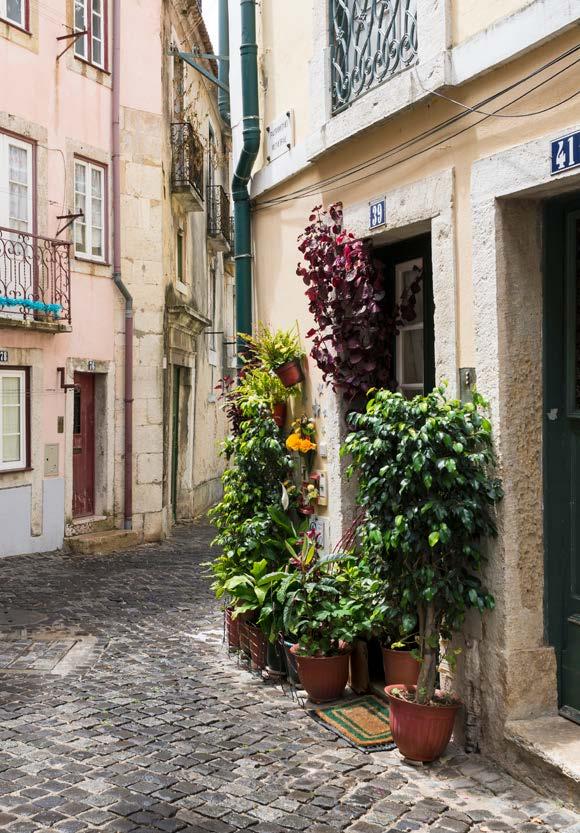
Lapa / Estrela
A typical residential area, highly prestigious and one of the best zones to live in Lisbon. It is highly demanded by the Portuguese upper class and the growing expats who work and live in Portugal.
The zone features numerous embassies installed in palaces and magnificent villas and luxury hotels. Given its location in one of the seven hills, it provides stunning river and city views. The zone also offers convenience services and amenities including restaurants, caffes, supermarkets, gardens and private schools.
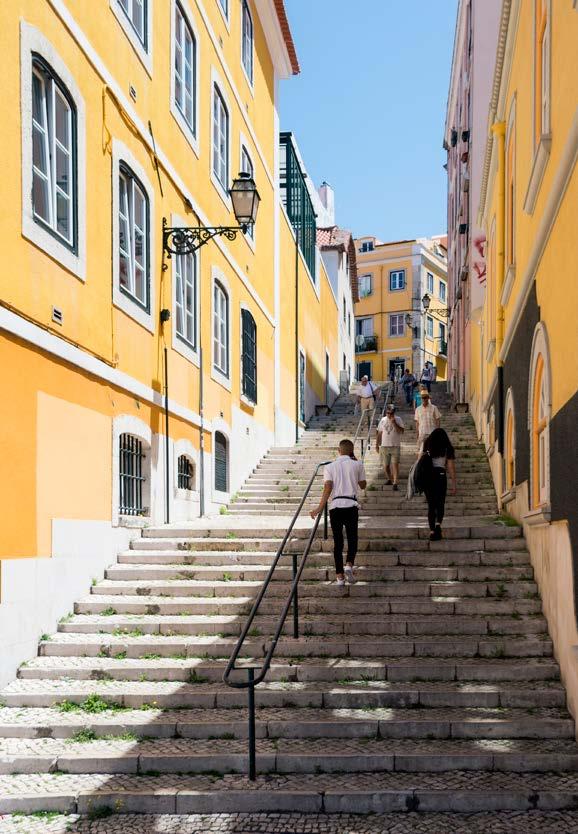
Campo de Ourique / Amoreiras
The zone is composed by two neighborhoods with very distinctive profiles.
Campo de Ourique offers an ortogonal urban pattern with mainly century buildings in a typical Lisbon style, 3 to 4 floors high and a lively high street retail. Interesting refurbishments have been taking place preserving the original facades.
Amoreiras is characterized by the diversity of its buildings: old and modern, tall and small, all targeting the middle upper class. It benefits from the proximity to the French international school and to the Amoreiras shopping centre.
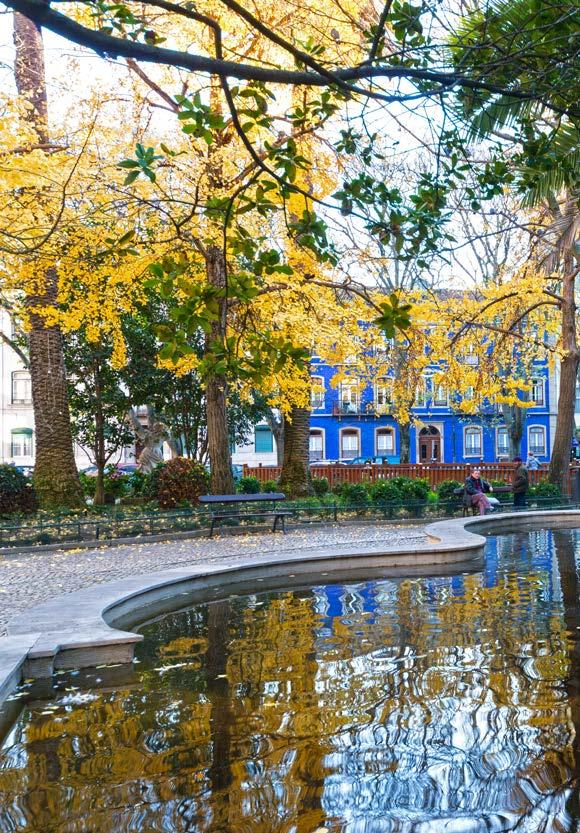















Sete Rios / Praça de Espanha
The zone offers great accessibility in terms of services and public transports. It is the place where Lisbon Zoo and the Gulbenkian Foundation are located.
A giant regeneration is underway in this region, where an urban park is to be introduced with great green areas and a stream. The development is connecting Praça de Espanha, Sete Rios and the Monsanto Park to the Tagus river through pedestrian and bike lanes. Additional projects will be bringing state of the art residential and office buildings as well.
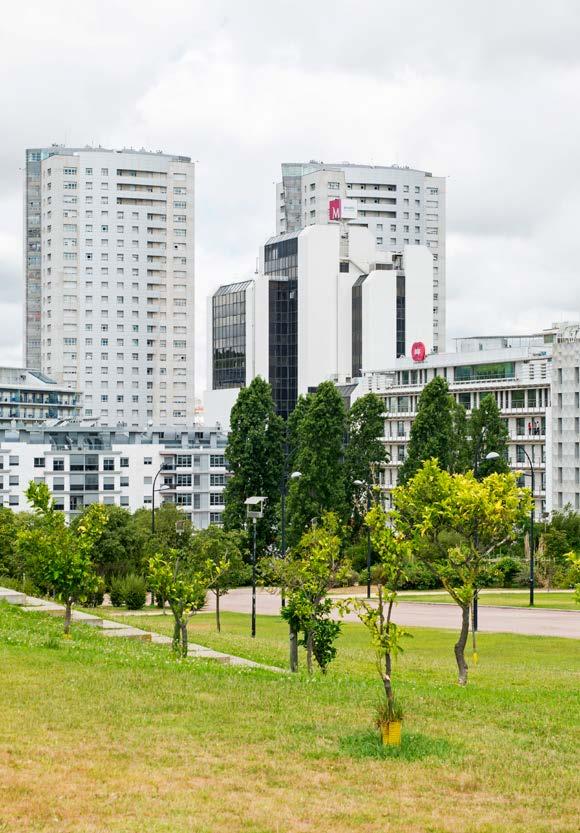
Parque das Nações
Parque das Nações is the most modern zone in Lisbon, and was developed after hosting the World Exhibition in 1998. It is very well supplied by great accessibilities and public transports, being home of the landmark a train station designed by the famous architect Santiago Calavatra.
This is a consolidated mixed use area offering a diversity of green parks, riverside walks and leisure facilities such as the Vasco da Gama Shopping Centre, concert halls and one of the best aquariums in the world. It is also home of some of the most important international companies, creating a cosmopolitan life and one of the most sought after residential areas of the city.
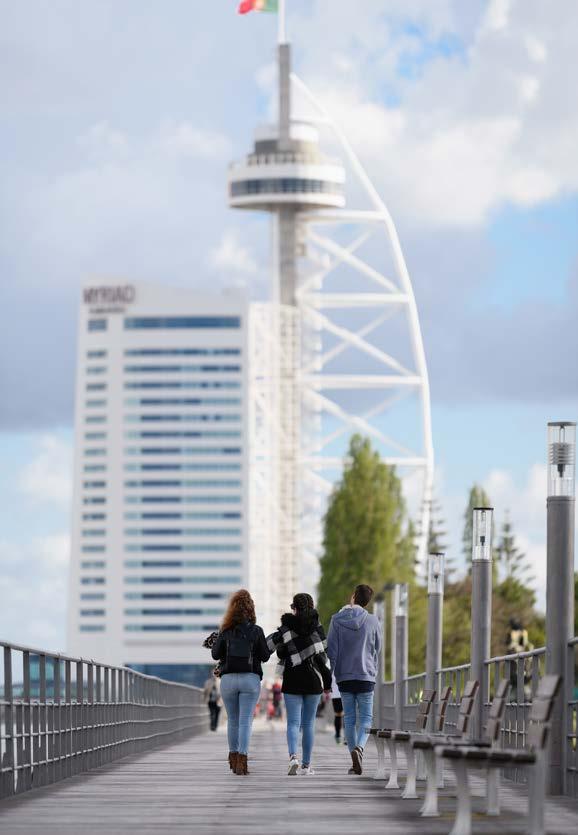
Campo Grande / Alvalade
Alvalade and Campo Grande were developed during the 50’s as an expansion area of the city. They were designed in an orthogonal urban patters hosting a school in each block and having Campo Grande garden as a main landmark as well as a lively and convenient and high street retail.
Its is a very central zone, very well served by public transport and all kind of amenities and facilities being sought after mainly by domestic families.
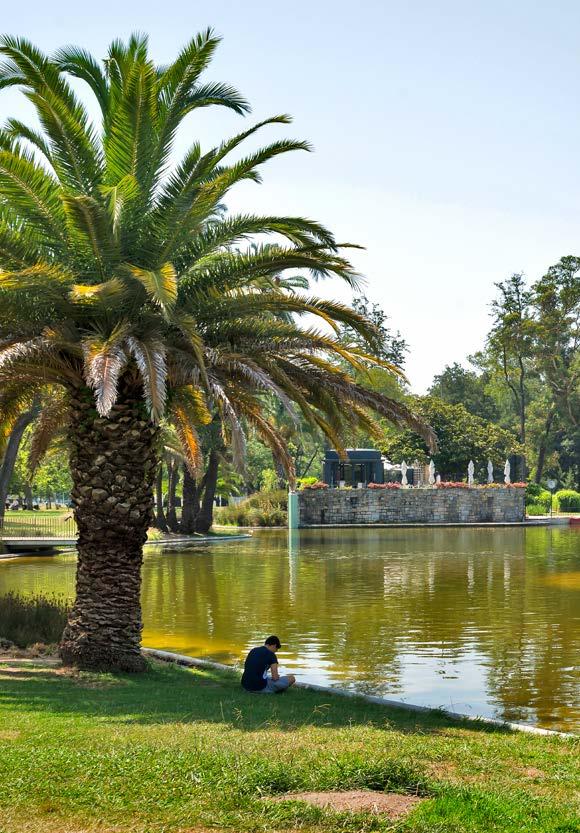
Colina de Santana
Colina de Santana, as the name indicates (colina means hill), is one of the seven hills of the city. Its limits are two of the main avenues – Avenida da Liberdade and Avenida Almirante Reis. The main reference point is Campo Santana, a noble square surrounded by classical palaces.
It is a very central zone with great potential for renovation projects and is home of the multi-cultural neighborhoods of Intendente and Mouraria.
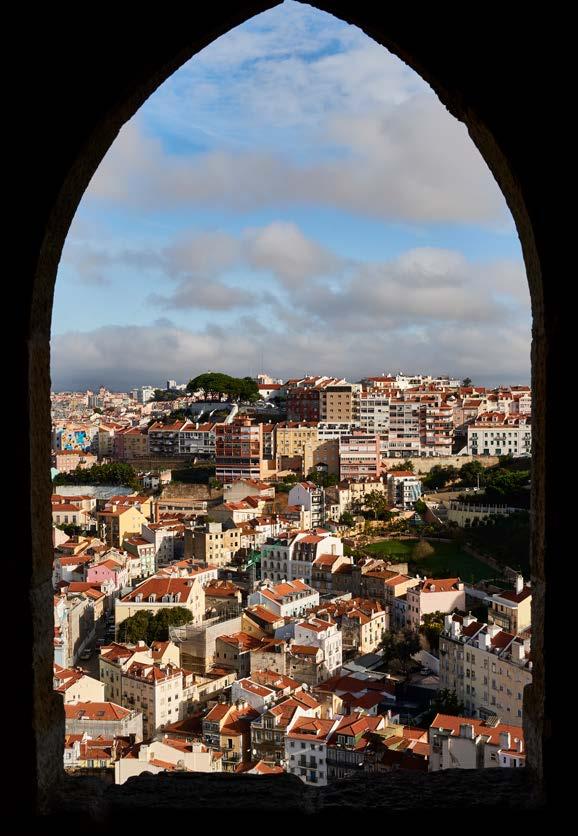
Belém / Restelo
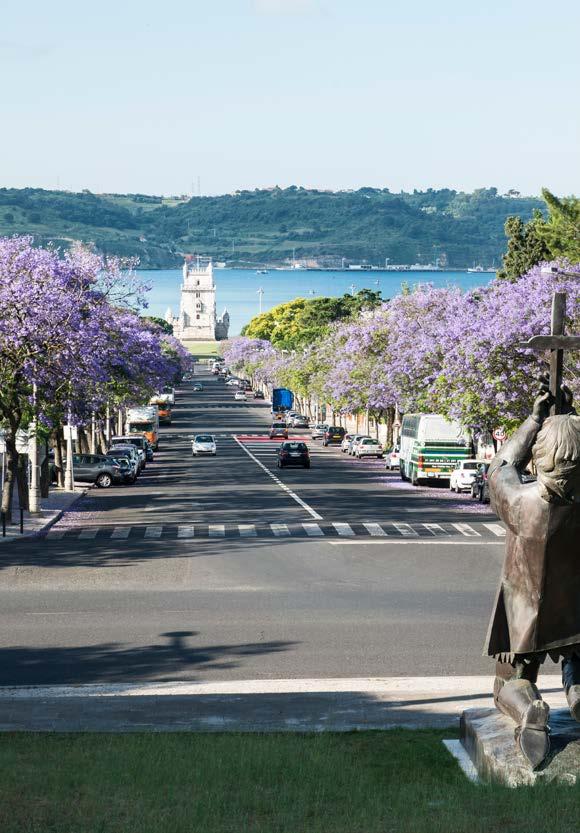
Belém is a noble residential and a cultural area of the city and hosts some of the main historic landmarks and museums being also home of the President of the Republic. It offers along with its typical Lisbon fabric, the proximity to the river and tropical gardens.
Next to Belém, there is Restelo, considered by many as the best residential area in Lisbon. It is sought after by upper class families and embassies. It is a quiet neighborhood, very well served by traditional retail and national and international private schools.
Beato / Marvila
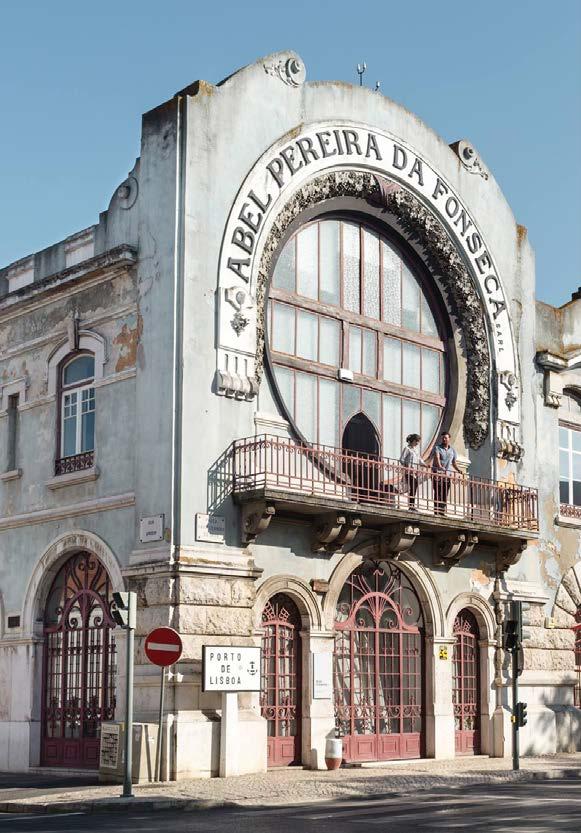
Located between the Historical Zone and Parque das Nações, this neighbourhood has evolved from an industrial zone to an emerging and trendy area.
Sought by artists, there are progressively more art galleries, coworking spaces, restaurants, and bars in buildings with industrial architecture being Hub Creativo do Beato one of its anchors.
It has hosted several unique residential projects and is foreseen as one of the zones with the greatest development potential in the city.
Alcântara / Junqueira
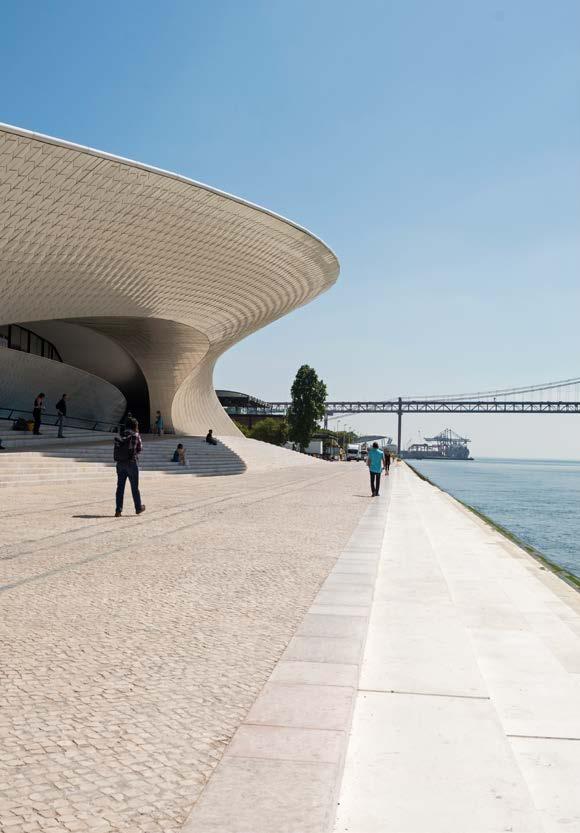
Alcântara has grown into a cosmopolitan neighborhood, where residential renovation has strongly grown. It has one of the biggest private hospitals in Lisbon, a very pleasant marina, an enjoyable sports fields and the LX Factory – an industrial area converted into an artistic hub filled with bars and restaurants – the trendiest spot in Lisbon.
One can get from Alcântara to Belém within 20-30 minutes walk by passing through Junqueira, a privileged street filled with noble houses and palaces from the XIX century.
Benfica / Laranjeiras
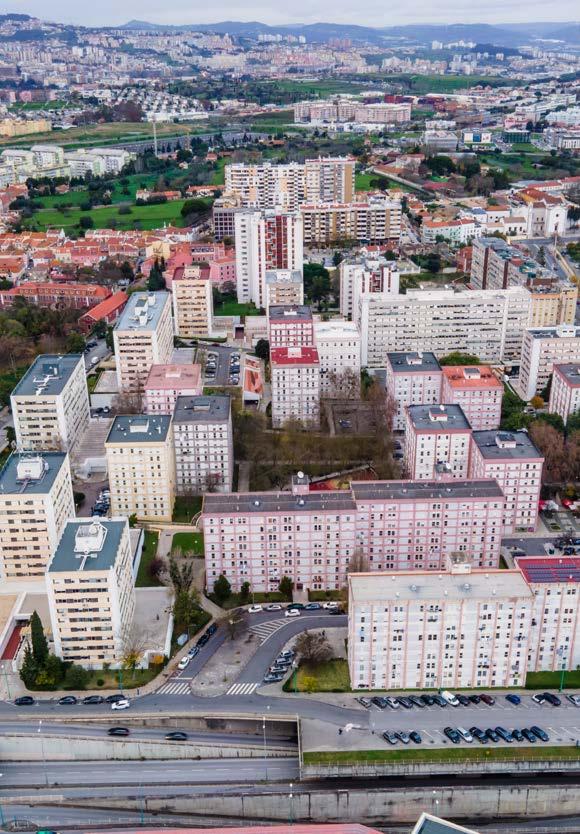
Benfica and Laranjeiras are consolidated residential areas and expansion zones of the city up North which have been developed from the 70’s with the more modern residential buildings developed in the 90’s. The zone is characterized by multifamily blocks and for their strategic location with very good accessibility with quick links to the primary road network and the metroline.
The zone also benefits from some landmarks features namely the Lisbon Zoo and Parque Bensaúde, the iconic Mata de Benfica or the traditional market along with the renowned Benfica stadium.
Telheiras / Lumiar
Telheiras is a family neighbourhood located in the northern part of the city of Lisbon. The area is well provided with transport and is characterized by parks and a lively convinience retail that provide a warm and familiar atmosphere to the area.
At Lumiar, the proximity to the airport and its excellent accessibility to the city center stand out. It is an area that has undergone great development in recent years and where top national schools in the city are located. It also benefits from the city's large green parks, including the Quinta das Conchas and Lilases Parks.
Olivais
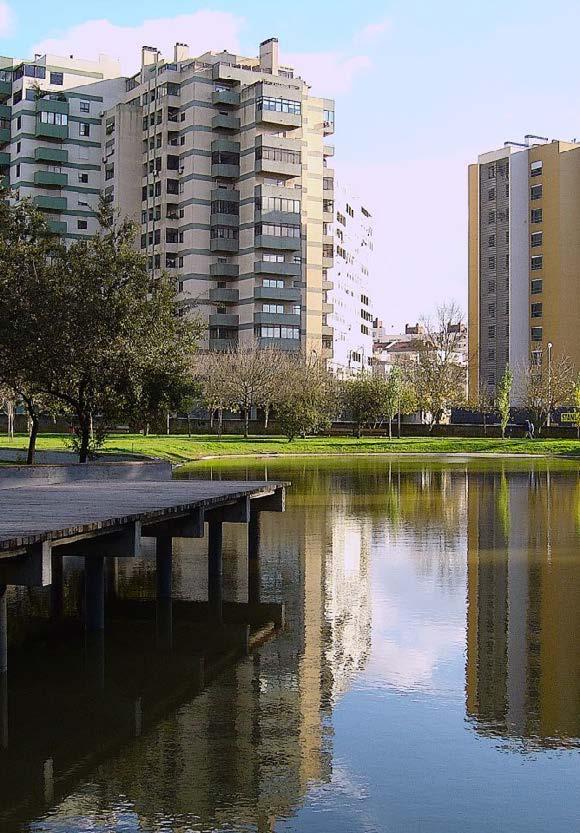
Located in the Eastern part of Lisbon, Olivais is located in between the airport and Parque das Nações. It is a calm and comfortable residential zone with many green areas and parks as it was designed anchored in the principles of the Athens Charter of 1933 of Le Corbusier. The neighborhood is developed around the green areas encompassing multifamily blocks and some traditional retail and have Spacio Shopping Centre as one of the main centralities.
Currently some middle-class residential projects have been developed and have been quite successful.


Estoril/ Cascais
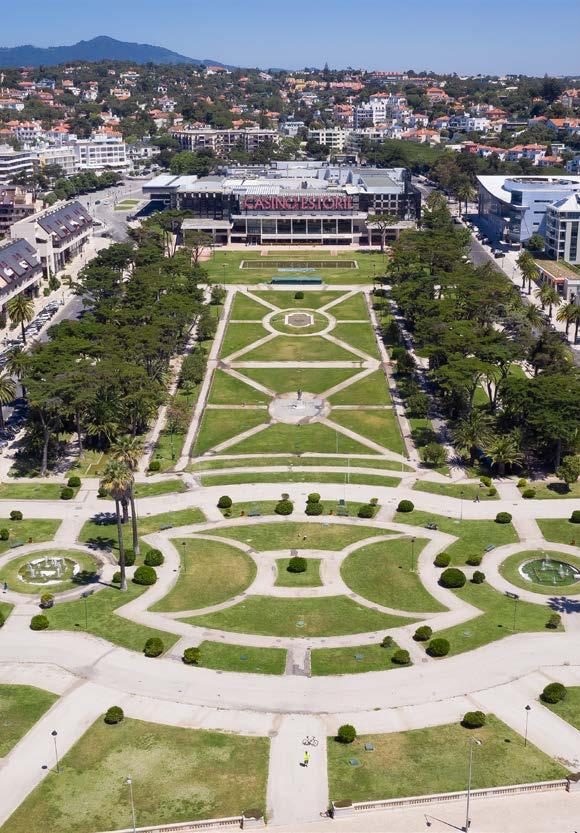
With a privileged location by the sea, about 20 km west of Lisbon, Estoril and Cascais are one of the most cosmopolitan places in Portugal, known as the “Portuguese Riviera”.
It is home to upper-class portuguese families and highincome foreigners, who are attracted by the unique lifestyle of this region, characterized by a mild climate and sunny days. There are also excellent golf courses, luxury mansions and apartments and leading international colleges.
Oeiras
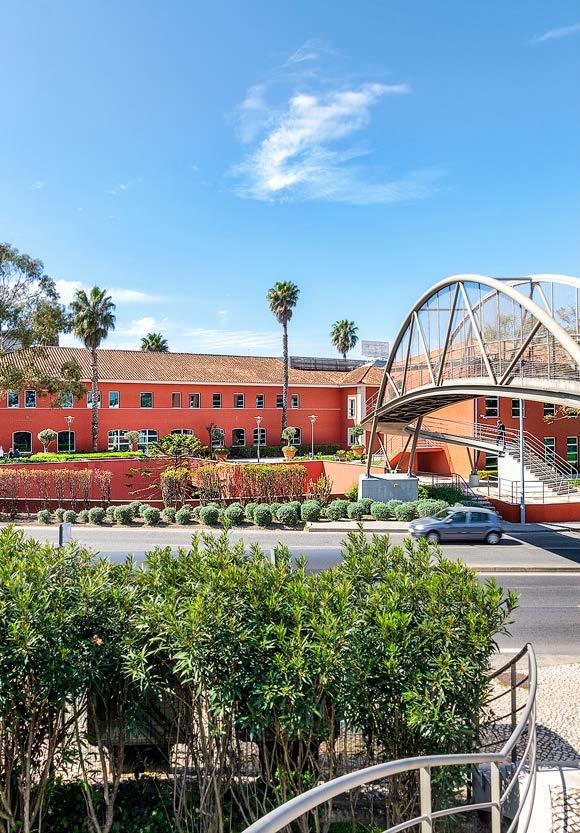
Oeiras is a privileged location between Lisbon and Cascais meeting the sea and the river. The area couples its heritage and natural landscaping with an innovative profile as the main business parks of Lisbon are located here.
This zone has been transformed from a dormitory to one of the most prestigious locations to live, work, play with a complementary supply of cultural and leisure activities that, all together, boost a lively and sustainable environment, reinforces community bonds and identity, stimulates inclusion and cohesion and fosters learning and talent retention
Porto
Porto Population
1st

Porto Metropolitan Area is located in the North of the country around the estuary of River Douro. The region comprehends 17 councils being Porto the main city.
It comprehends a total of 1.67 million inhabitants and 700,000 households with a decreasing pattern and an ageing population. It has been awarded Europe’s Leading City Break Destination six times in a row from 2015 to 2020 but it has also renowned as one of the best cities to live. Investment fundamentals are strong with the ability to attract an increasing number of international companies as well as offering a thriving environment for start-ups due to the quality of its workforce and competitive occupation costs.
Porto Main Residential Statistics
Porto has a similar residential framework of Lisbon although with specific characteristics. The residential market has also been thriving although at a lower rhythm than in the capital. Nevertheless, the structural profile is comparable: shortage of supply, high levels of demand and prices upsurge both in the sales and lease markets.
According to the preliminary Census 2021 results, the housing stock has declined by c. 3% which may be explained by the reconversion of former residential buildings to other uses in the city centre. Refurbishment and renovation projects have been the main development driver although there are some new projects being developed from scratch. However, housing completions are 75% lower than in the previous decade and new supply is foreseen to be restricted as licensing is also 67% below the levels recorded between 2001 and 2010. Housing stock is old and outdated and therefore there are increasing opportunities in the renovation market.
The lease market is also an opportunity and there is an increasing demand for rent. There are no built to rent projects in the city and the existing supply is of scattered units owned by private landlords who lack the ability to manage and improve their assets. The transfer of units from the short-term market to the traditional one was also felt in Porto due to the downturn in tourism.
Porto City Residential Stock Decrease Due to Reconversions
(Number of Units)
Ageing Stock Creates Further Opportunity for Renovation
(Age of Buildings)
Lack of Supply Due to Low Levels of Licensing and Completions












Increasing number of small units to meet Demand requirements (House Completions by type)







Porto Main Residential Statistics
Demand for housing is rising although constrained by the shortage of suitable and affordable product. The comparison between the last two decades performance highlights the curtail of the sales volume by 10% and a decrease of 26% on the number of units sold, which has resulted on an expressive average price increase of 21%. It is also worth noting that a y-o-y comparison up to Q2 2021 reinforces the resilience of the market recording both sales volume and units sold growths and an additional price upsurge of 5%.
Porto has also been able to be an attractive international destination. The number of sales to foreign purchasers has been incrementing each rolling year with an overall weight of c. 5.5% over the last few years.
As mentioned, leasing demand is emerging not only as a tenure option for the domestic market for those that cannot afford or are not willing to buy an house, but also for the international workforce that has been attracted to the several companies which are being settled in Porto. It is foreseen that if there were available and suitable stock for lease, the number of rental contracts would be considerably higher.
Porto Metropolitan Area Sales Dynamics In The Last Decades
Porto Metropolitan Area also on the Radar of the International Market


Porto
Main Residential Statistics
Sales Prices
Porto has not been able to be set aside of the overall price increase. As highlighted the scarcity of supply and the high level of demand have impacted prices which have outperformed. Sales prices in Porto for a new unit in the high end of the market surpass the €5,000/sqm barrier while the average new unit price stands above 3,500 €/sqm, with current prices outstripping the ones in 2019 which was the market peak.
A similar performance is witnessed in the lease market. Lease rents have increased by 75% on average, standing currently at 10€/sqm/month. Not withstanding the rents of new units have more than doubled reaching a record high of 23,5 €/sqm/month for a new unit in the high end of the market.
Rent Prices
Porto Zones
Matosinhos
Matosinhos
/ Campanhã Leça da Palmeira
Boavista
Baixa / Historic Zone
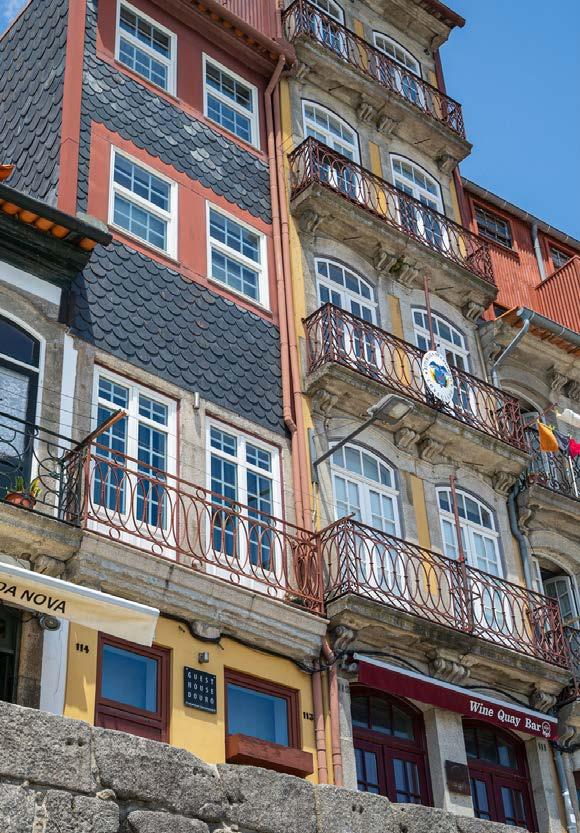
An emblematic area of the region, it is considered a World Heritage Site. The effects of urban rehabilitation have been felt in recent years with a recovery of the residential segment. The São Bento Railway Station, the Palácio da Bolsa or the Torre dos Clérigos are remarkable monuments located in this area and visiting cards of the city of Porto.
Foz do Douro / Aldoar
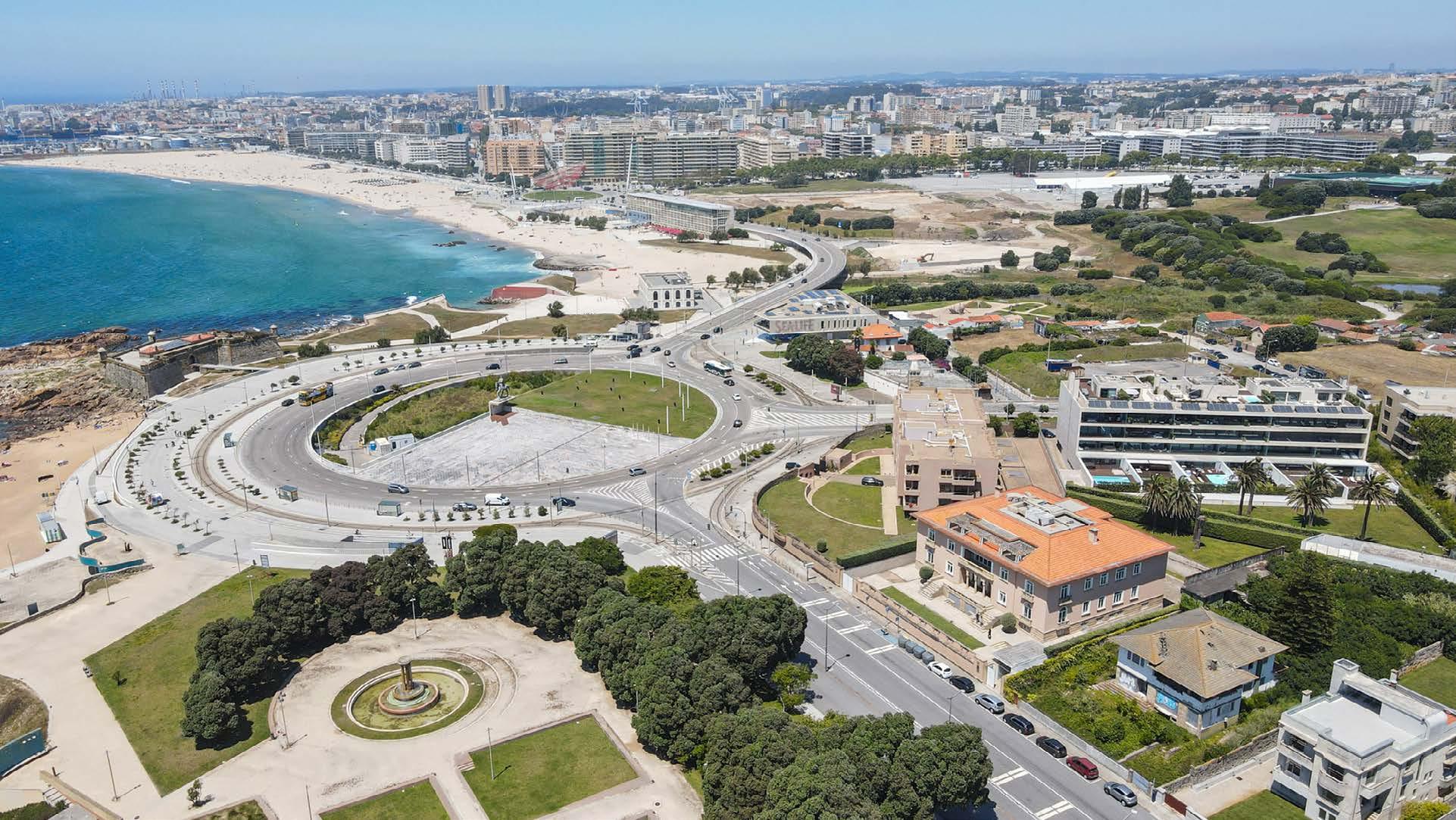
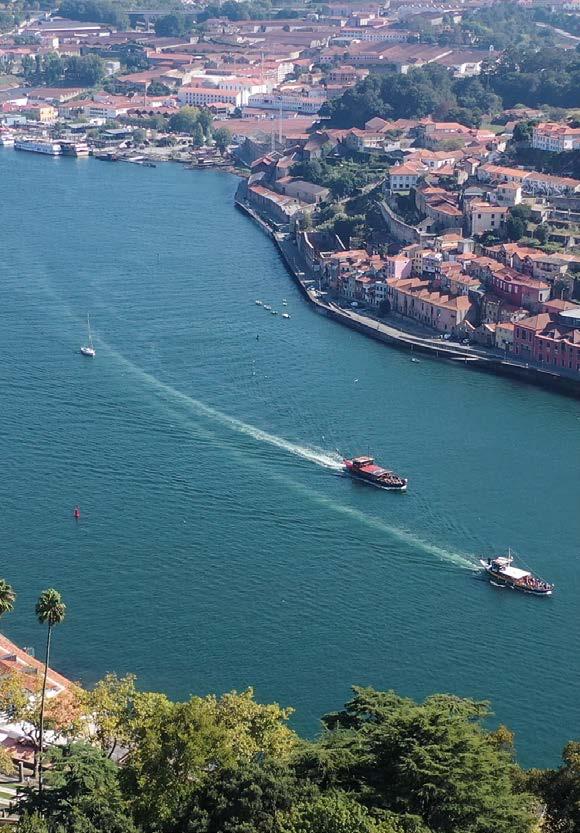
This is a traditionally premium residential area in the city of Porto, characterized by its privileged location where the sea and the river intersect. With views over the Douro and the Atlantic, leisure spots and welcoming restaurants, the region offers a calm and tranquil environment. It is also very close to beaches, including Praia dos Ingleses, Praia do Molhe, or Praia do Castelo do Queijo.
Matosinhos
/
Matosinhos Sul Leça
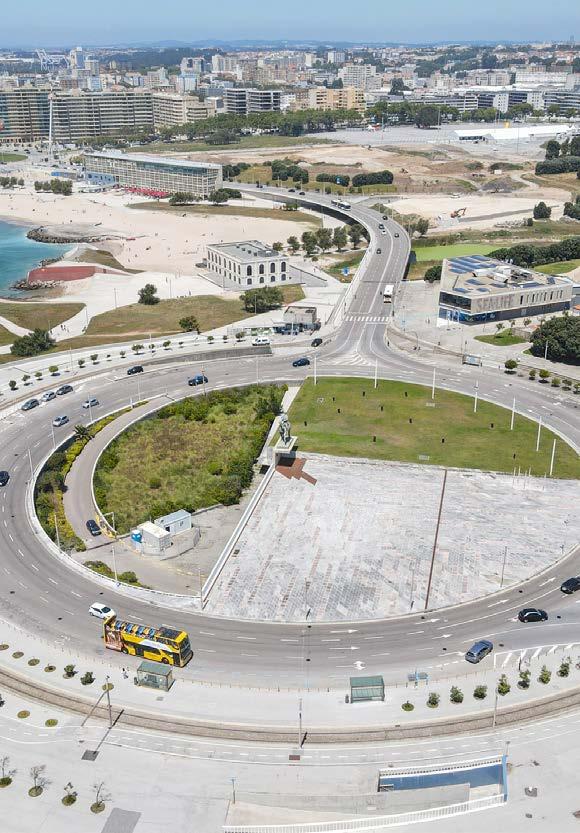
The area is characterized by its proximity to the sea, which is not only a source of leisure but also a landmark for the local cuisine. It is one of the most valued areas after the city of Porto due to its unique features and the great development over the last few years. This area encompasses contemporary architecture buildings of which it is worth mentioning the oens by Siza Vieira (Boa Nova Tea House and the Tidal Pool) and the Marginal de Matosinhos, a project signed by Souto de Moura.
Rental Price Evolution
Campo Alegre/ Massarelos
Area that connects Lordelo do Ouro to Boavista, it is characterized by its residential character. One of the area's calling cards is the Botanical Garden.
Boavista / Pinheiro Manso
Located in the western part of the city of Porto, these areas are characterized by their mixeduse profile with the presence of luxury stores, hotels and emblematic office premises. The area has not lost its noble residential character and has been home of several new projects in recent years. This is also a cultural area that welcomes Casa da Música and Serralves.
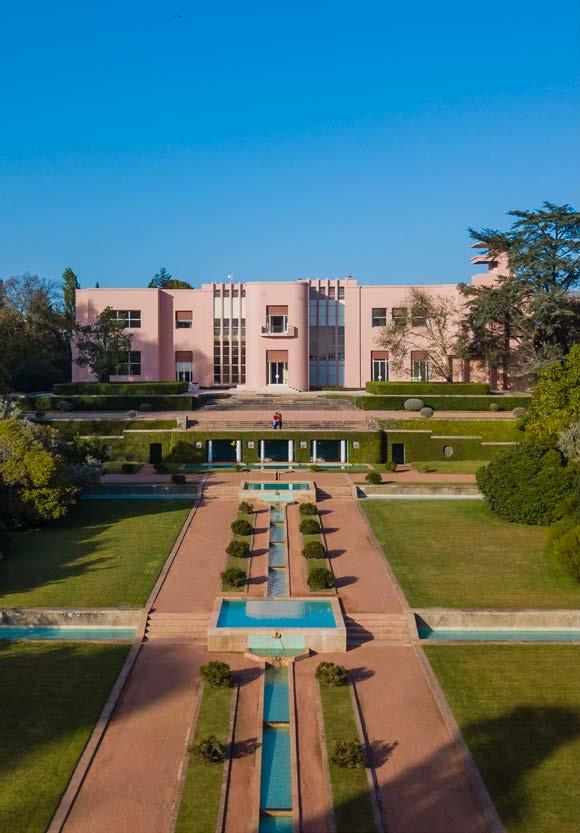
Gaia Rio / Gaia
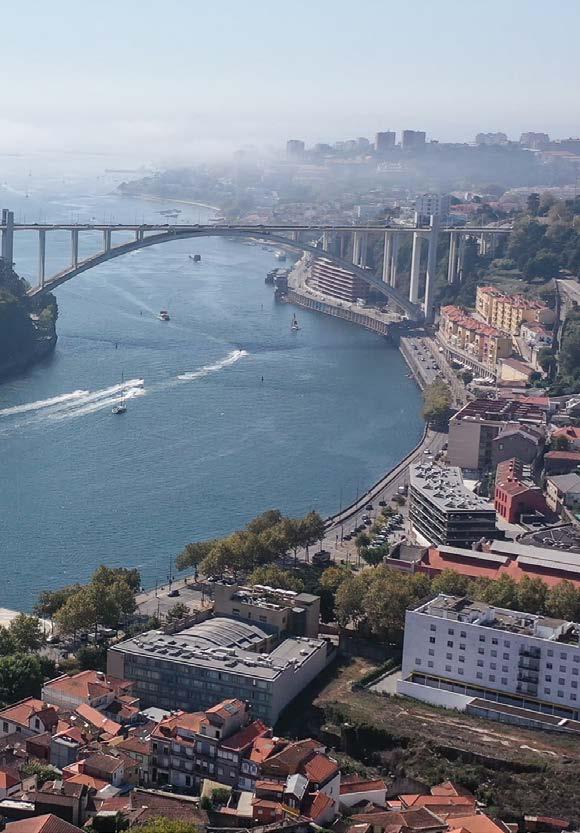
The area is marked by the presence of more than 50 brands of Port Wine, it presents an unrivaled view over the Douro River and the City of Porto. It is connected to the city by historic bridges and is a place where you can enjoy a lifestyle identical to that of Porto with an excellent quality/ price ratio.
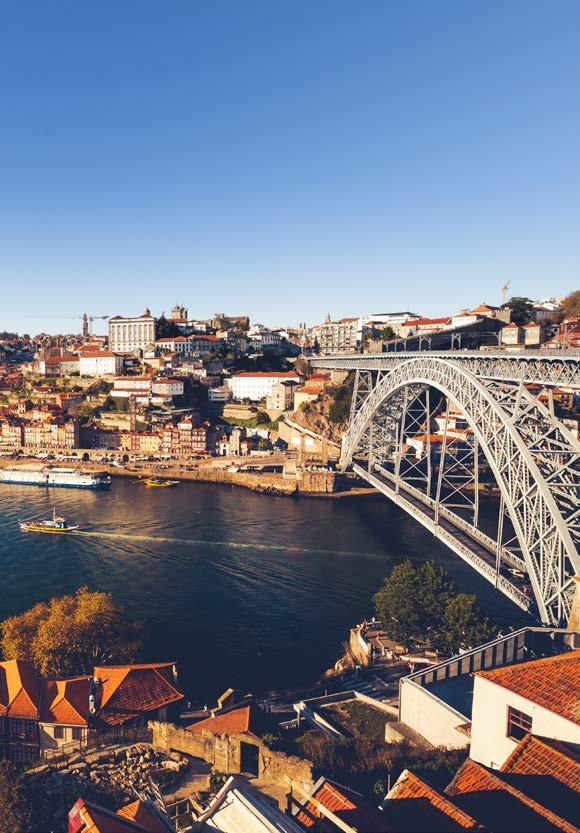
Gaia Mar
The Gaia area that is bathed by the Atlantic Ocean has been gaining prominence in recent years, mainly in the residential market. It has an excellent seafront, where several restaurants and playgrounds can be found. The beaches are one of the main attractions, being Madelana and Salgueiros the most popular ones. For racing and cycling lovers, the area offers a pleasing bike path.

Antas / Prelada / Constituição / Asprela
This zone aggregates several different areas of the city, which complement each other, creating several residential, university and commercial nuclei. Antas is considered one of the most noble and emblematic residential areas of Porto city. Asprela is known for the excellence of its universities and Prelada has been gaining preponderance in the residential market.
Bonfim / Campanhã
This area is marked by the emergence of new cultural projects where local retail can be enjoyed in a welcoming environment. It is also in this region where the main traditional restaurants in the city are located.
The Algarve
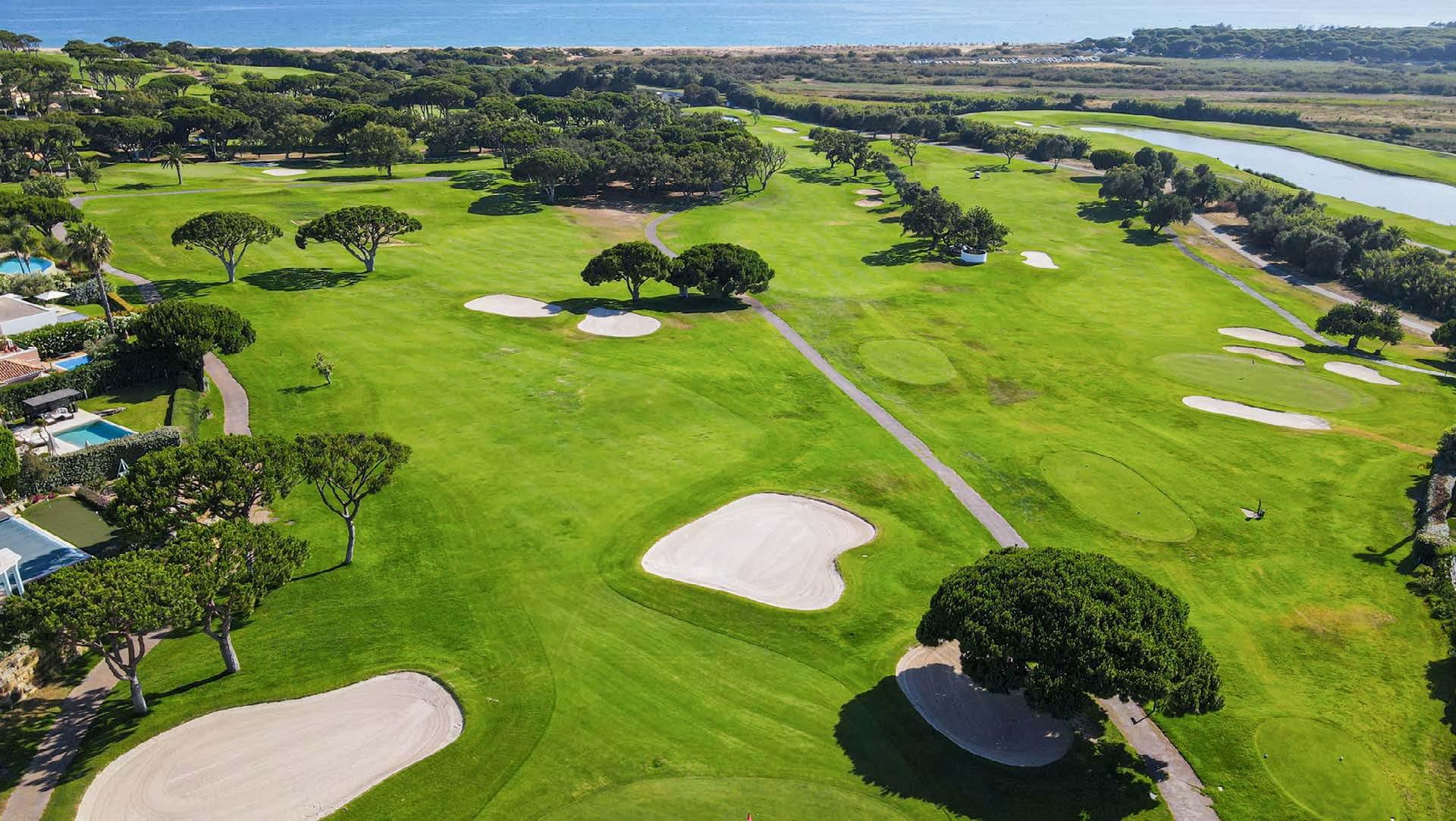
The Algarve Population
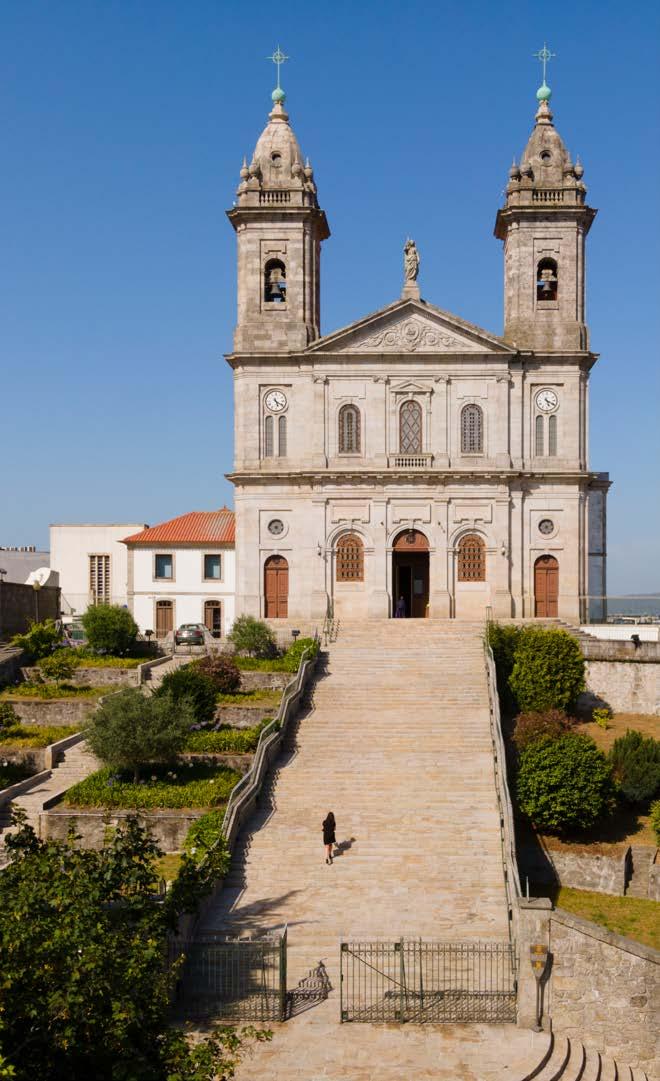
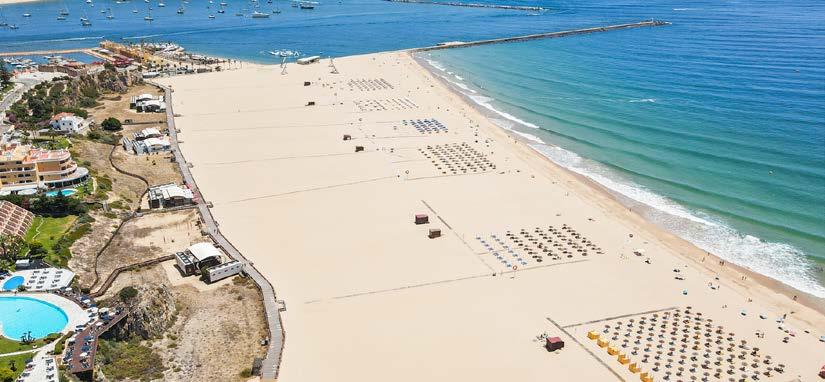
The Algarve is Portugal’s leading tourism destination. The region is the first choice for the Portuguese and British to buy a second home. Its current population is of c. 440,000 inhabitants and c. 100,000 foreigners do live in the region.
The Algarve’s sunshine, laidback lifestyle and hospitality of its citizens, healthy gastronomy, world class golf courses and Michelin-starred restaurants, beautiful beaches and pristine sea line make it a unique destination. It is home to the majority of successful resorts in the country, which are mainly anchored on golf, beach or spa activities and are highly qualified real estate products.
The Algarve Main Residential Statistics
Housing stock in the Algarve accounts to 390,861 units in 2021 resulting of residual 3% increment over the last decade. Housing completions have been in historical lows with an average of 880 new dwellings entering the market each year. Alike Lisbon and Porto, the built environment is more recent as almost ¼ of the buildings are 30 or less years old.
The strong profile as a holiday destination impacts the type of units that enter the market. In 2020 the small units accounted for almost ¼ of the new supply while the bigger units surpass 10% of the new supply.
Although licensing dynamics are rising, supply is not expected to increase in the next future as only 4,390 units have been licensed from 2018 up to 2020, a number which is less than a half of the permits issued in 2007.
Residual Stock Increase Over the Last Decade (Number of Units)
Most Recent Built Environment (Age of Buildings)
Licensing and Completions on Minimum Lows in the Past 10 years














Increasing number of small units to meet Demand requirements (House Completions by type)
The Algarve Main Residential Statistics
Demand for housing in the Algarve is robust and has increased from 2015 up to 2018 when a record high of more than 15,500 units were sold. The number of sales has plummeted in 2019 which is explained by the shortage of supply and in 2020 as a result of the pandemics, since this is a main holiday and tourism destination which has been highly impacted. Albeit this decline in the number of sales, the sales volume has continued to rise in 2019. In 2020, there has been a reduction of 4% on the sales volume but still above the 2019 figure.
International demand is robust in the Algarve and account for more than 25% of the number of sales since 2016 with more than 5,000 units sold each year over the last 5 years. Main foreign markets are the United Kingdom and France which altogether represent more than 50% of the foreign purchasers.
Sales Dynamics In The Last Decades
The Algarve is the main International destination in Portugal
Algarve
The Algarve Main Residential Statistics
Housing prices in the Algarve have shown an upsurge which was not so strong as in Lisbon and Porto. On the average market, sales prices stand at 2,160€/sqm which is an 86% upsurge from the market bottom, while the values on the high end of the market are aligned with the average sales prices in resorts.
The available data highlights the existing premium of assets that are developed in resorts as in the high end of the market the sales prices outstrip the 8,500 €/sqm record which is the double of prices recorded in other schemes. It is also worth mentioning that prices seem to record lower volatility in resorts.
Sales Prices in Resorts
Albufeira / Loulé
This is the central area of the Algarve and encompasses the renowned Golden Triangle which is an unofficial term of a specific part of Central Algarve, and results from the group of premium assets in Vilamoura and Almancil.
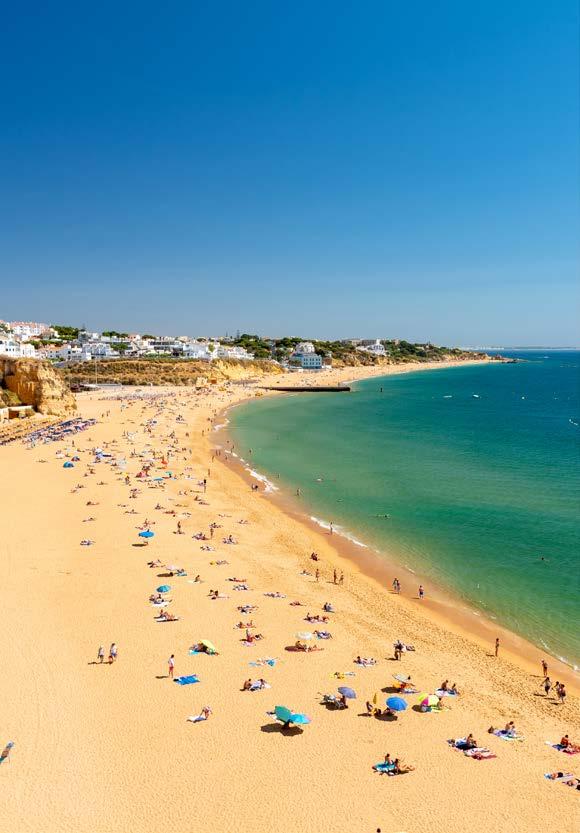
This is the most consolidated tourist area of the region and besides the existing resorts –namely, Vale do Lobo and Quinta do Lago - there have been over the years, the development of several smaller but qualified projects that have played an important role in the way the zone has been developed and is perceived.
It benefits from several amenities including a number of the main golf courses of the region, an extensive sandy coast and several amenities and facilities including Vilamoura Marina, Vilamoura Casino, an extensive supply of restaurants and bars and a lively nightlife.















Villas
Western / Algarve
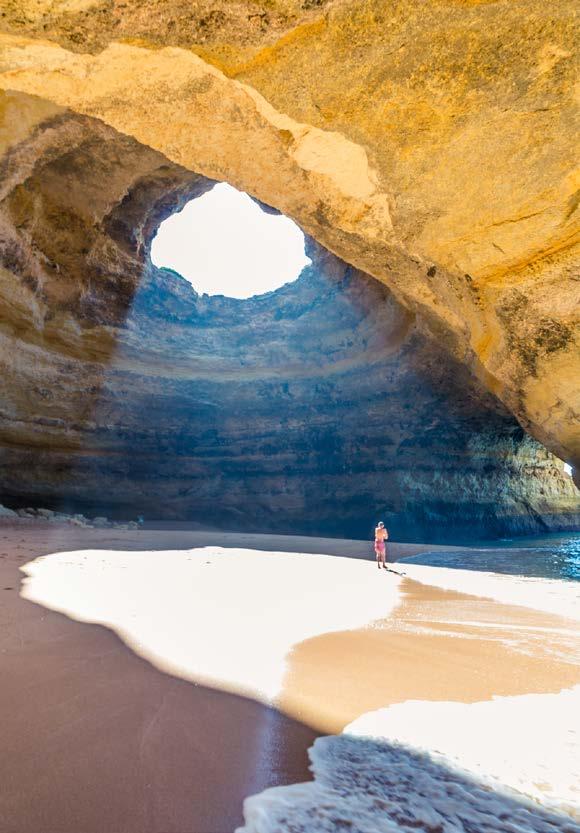
The Western Algarve is one of the most scenic parts of the region. It has a diverse coastline with amazing views and landscaping. The coastline is surrounded by rugged cliffs where between them lay incredible and hidden beaches. The landscaping includes a beautiful coastline with pristine sea water, the natural park to the west, the small fishing villages, the inland mountain of Monchique. The zone offers a diversity that is hard to discover in other parts of the region.
The area has been experiencing levels of unprecedent development and hosts some of the most recent and prestigious resorts of the region while not having lost its traditional roots and offering a multiplicity of experiences.

















Villas
Offices:
Lisboa
Edifício Heron Castilho
Rua Braamcamp, nº 40 - 8º
1250-050 Lisboa
+351 213 583 222
portugal@eu.jll.com
Porto
Rua Mouzinho da Silveira, 324
4050-418 Porto +351 225 431 090
Algarve
Buganvilia Plaza 1, Quinta do Lago, 8135-024 Loulé
Residential Stores:
Lisboa
Edifício Castil
Rua Castilho, nº 39
1250-068 Lisboa +351 213 121 520
jllresidentialpt@eu.jll.com
jll.pt
AMI 8654
porto@eu.jll.com
+351 289 090 614 algarve@eu.jll.com
Authors:
Joana Fonseca Head of Research
joana.fonseca@eu.jll.com
Patrícia Barão Head of Residential patricia.barao@eu.jll.com
Porto
Rua Mouzinho da Silveira, 324
4050-418 Porto +351 225 431 090
porto@eu.jll.com
Cascais
Avenida Valbom, 11 2750 - 508 Cascais
T. +351 219 105 600 cascais@eu.jll.com
Algarve
Buganvilia Plaza 1, Quinta do Lago, 8135-024 Loulé +351 289 090 614 algarve@eu.jll.com
Comporta
Rua do Secador, 5 7580 - 648 Comporta +351 211 323 940 comporta@eu.jll.com
Jones Lang LaSalle © 2021 Jones Lang LaSalle IP, Inc. All rights reserved. The information contained in this document is proprietary to Jones Lang LaSalle and shall be used solely for the purposes of evaluating this proposal. All such documentation and information remains the property of Jones Lang LaSalle and shall be kept confi dential. Reproduction of any part of this document is authorized only to the extent necessary for its evaluation. It is not to be shown to any third party without the prior written authorization of Jones Lang LaSalle. All information contained herein is from sources deemed reliable; however, no representation or warranty is made as to the accuracy thereof.