Spiritof
ByDarinJ.McCann
ExecutiveEditor
Liketherestofthebuddingnationatthe time,residentsofSussexCountyweredivided overtheideaofarevolutionamongstthe coloniststosplitawayfromBritishrule.


WhileKentandSussexCountieswereboth firmlyonthePatriotside(Whigs),muchof SussexCountywasconsideredahotbedof Loyalists(Tories).
“Ithasbeenvariouslyestimatedthatanywherefromhalftofour-fifthsofthe14,000 SussexCountiansin1776wereloyaliststo KingGeorge,”pertheSussexCountywebsite. “TherewereseveralassemblymenandrespectedpoliticianshereinSussexCountythat by1774hadbeenforcedtofleetoCanada, withpropertyconfiscatedandtheirlivesin ruins.”
AccordingtotheAmericanRevolution Institute(ARI),therewerenumerousreasons forSussexCounty’sloyalistleanings.
Forstarters,SussexCountywasisolated fromthebigcitiesthatwerebeingsweptupin patrioticfervor,suchasPhiladelphiaand Boston.
“Thisisolationfosteredconservatismand skepticismtowardradicalchange,”itexplained.
SussexCountianswerealsolargelyAnglican(ChurchofEngland),andclergyand membersofthatdenominationwereoften loyaltotheBritishCrown,whichwasconsideredtheheadofthechurch.Themembership intheAnglicanchurchwasfar-morepronouncedinthesouthernpartofthestate thannorth—whichhadamuch-largerScotIrishPresbyteriandemographic,agroupwith
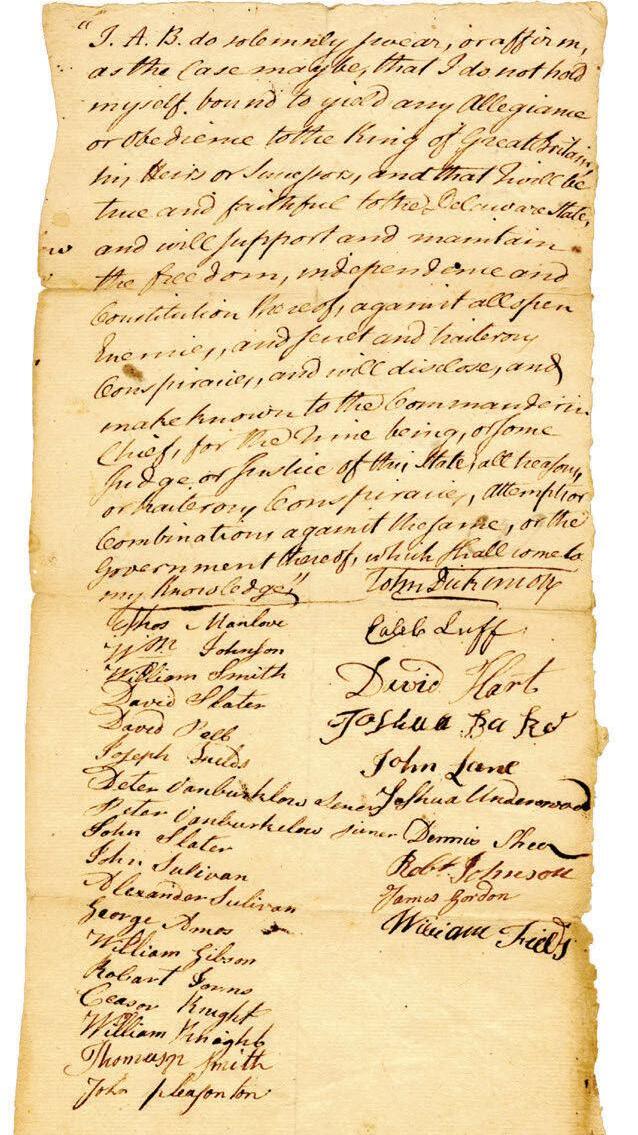
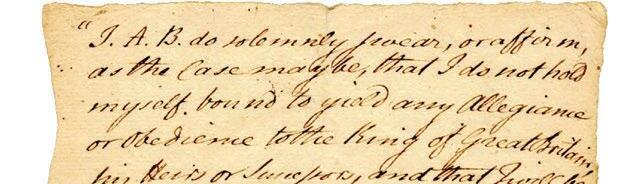
AsWhigsbeganappearingthroughoutSussex County,andBritishshipsstartedarrivingwithreinforcementstorepelanykindofuprising,theToriesbecameactiveintryingtoquelllocal revolutionaries.
“BylateMay[1776],upto1,500Torieswere roamingtheinteriorSussexcountryside,disarmingthosefavoringindependenceandreportedly preparingtoattackLewesfromanencampment nearCedarCreek,19milesnorthofLewes,”wrote WilliamH.J.Manthorpe,inanexcerptofhisbook “LewesDuringtheRevolution:1774-1783,”as sharedintheCapeGazettenewspaper.
FivedaysaftertheDelawareAssemblyvotedto separatefromPennsylvaniaandseparatefromthe King,“Col.CaesarRodneybroughthismilitiaand asecondContinentalBattaliontoLewesasa showofforce,”wroteManthorpe.LocalTories ThomasRobinson,BoazManlove,JacobIngram andSimonKollockfledtoSomersetCounty, Maryland,whereaninsurrectionwassaidtobe forming.”
In1780,inaspotoflandnorthofGeorgetownthatisnowconsideredEllendale,agroup oflocalfarmersledtheBlackCampRebellion. Frustratedbytaxesbeingimposedonthembythe revolutionarygovernment,theclosureofshipping andtrademarketsanddraftlawstheyfeltexploitedthepoortocarrytherisksoftherevolution,pertheState’swebsite,thegrouproseoutof thesurroundingswamp,stoleweaponsandstole suppliestoattempttofavortheBritishposition.
Theeffortwassquashedwithinamonth, thankstopoororganization,alackofmilitarydisciplineandaninabilitytocommunicatewiththe British,perthestatearchives.Militiatroopsfrom
ByKerinMagill StaffReporter
Whenatownisvoted“Delaware’s Friendliest,”thepressureisonwhenit comestocelebratingtheUnitedStates’ 250thanniversary.
Millsboroisplanninganevenbigger celebrationthanusualthisyear,andit willkickoffaweekoffestivitiesinSussexCountycelebratingthenation’ssemiquincentennial.
AllafternoonandeveningonSaturday,June27,Millsborowillhostadayof fun“thatbringsourentirecommunity togetherandshowcasesthepridewe haveinourtownandourcountry,”said MillsboroAssistantTownManagerAshleighSander.
Theideaforthebigdaybegan, Sandersaid,withMayorBobMcKee, “whoenvisionedtakingtheGreater MillsboroChamberofCommerce’sannualStars&Stripescelebrationand transformingitintosomethingevenbiggerandmoreimpactfultocelebratethis veryspecialyear.”
Theopeningofthebypassaround Millsboro’sdowntownlastyearallows theTown,incooperationwithDelDOT,
CoastalPoint| LauraWalter Thecrowdenjoysthefireworks showatMillsboro’s‘Stars& Stripes’eventlastyear.
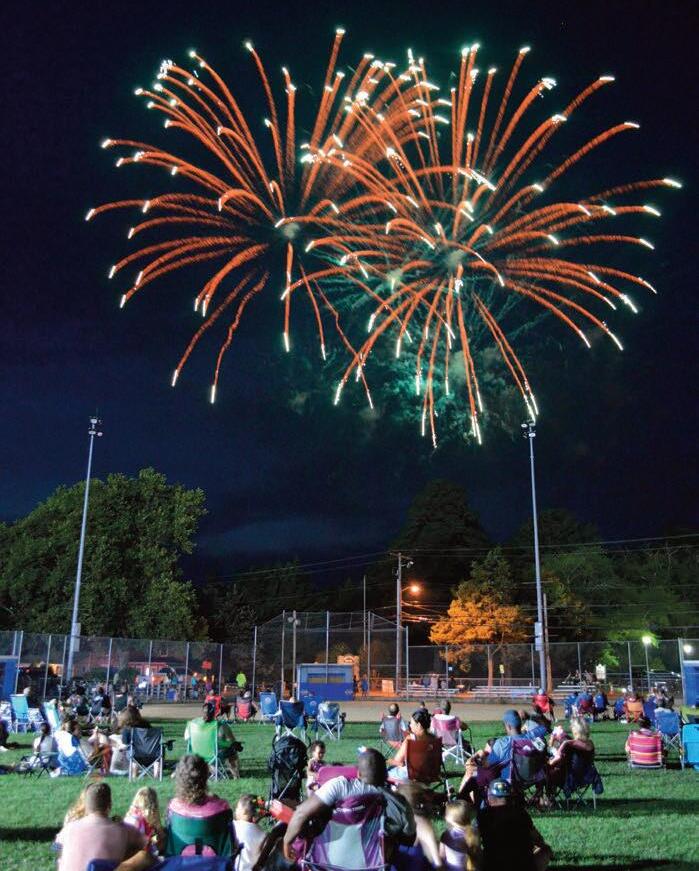
tonowcloseMainStreettotrafficfrom noonto6p.m.
“Thisallowsustotransformtheheart ofdowntownMillsborointoatruecommunitygathering-place,”Sandersaid, “filledwithpatrioticspirit,familyfriendlyactivities,entertainment,vendors,foodandourAmerica250Parade.”
“It’sanexcitingtimeforMillsboro,” saidMcKee.“Theopeningofthe[North Millsboro]bypasshasdoneacoupleof thingsforthetown.It’stakensomeof thetrucktrafficawayfromthecenterof town.It’salsogivenustheabilitytoshut downthemainstreettohavedifferent festivalsandfairs.Sothat’swhatwe’re lookingfor,onalargerscale.”
AsvisitorsgatherindowntownMillsborofortheAmerica250celebration, Sandersaid,theywillbesurroundedbya pieceoflocalhistoryintheiconicformer BallTheatre.Builtin1938byformer MajorLeagueBaseballpitcherWalter McKinleyBetts,thetheaterwasnamed inhonorofhisbaseballcareer.
TheBallTheatrequicklybecamethe community’spremierdestinationfor movies,entertainmentandspecial events.Formorethanthreedecades, Millsbororesidentsfilleditsseats,until thetheaterclosedin1971.
Today,thehistoriclandmarkremains

ByLauraWalterandStaff StaffReporters
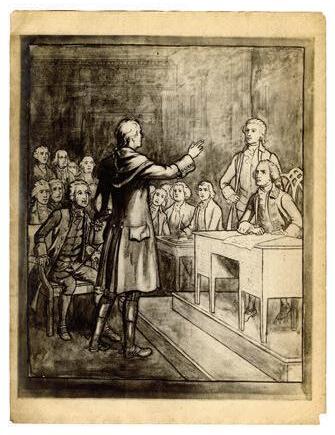
CoastalPoint| DelawarePublicArchives CaesarRodneystandsbeforethe ContinentalCongressproclaiming hisvoteforIndependence.
SussexCounty
Forthelast10,000yearsormore,peoplehavelivedinwhatwenowcall“Sussex County.”Indigenouspeoplefished,farmed andforagedinthefertilelandscapebetweenriverandsea.Today’sNanticoke andLenapetribesdescendfromthosewho witnessedtheEuropeanshipslandinghere.
TheDutchfunded1600sexplorationof theAtlanticcoast,establisheda1631tradingpostinpresent-dayLewes,andcalled thecolonyZwaanendael(“Valleyofthe Swans”).Colonizers,Englandandthe Netherlands,wouldbattleforyearstocontroltheAmericas,andtheDelawareterritoryfinallylandedwiththeEnglishin 1674.
About1681,theKingofEngland grantedPennsylvaniaandDelawareto WilliamPenn,whonamedSussexCounty afterhishomecountyinEngland.Free landtoEnglishemigrantshelpedspeedthe settlementprocess.
Butanoldmaperrorcausedalmostanotherhundredyearsoffeudingasthe PennsandtheMarylandCalverts(and therefore,manysouthernDelawaresettlers)disputedtheactualsouthernborder–today’sCapeHenlopenversuswhatturned outtobeFenwickIsland.
In1704,the“ThreeLowerColonies”of DelawareestablishedagovernmentseparatefromPennsylvania(butnotEngland). In1787,Delawarebecamethefirststateto ratifytheU.S.Constitution.In1791,the countycapitalwasmovedfromLewesto thecentrallylocated(andnewlydesigned) Georgetown.
The1750-51TranspeninsularLineofficiallymarkedDelaware’ssouthernborder, andthe1763-67Mason-DixonLine markedthewesternborder.
NativeAmericanswerepressuredto leaveorassimilate,andEuropeanofficials sometimescreatedreservationsforthem.
Overthecenturies,ships,skiffs,rail-
roads,motorvehiclesandtheinternet havetakenturnsconnectingDelawareto theworld.Today,overone-quarterof Delaware’s1millionresidentsliveinSussexCounty,whichmeasuresabout936 squaremiles.
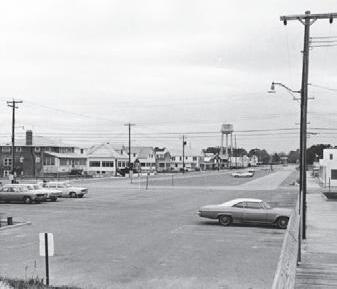
CoastalPoint| DelawarePublicArchives DowntownBethanyBeachpaintsa serenescenein1969.
BusyBethanyBeachhasrootsinthe Marylandstategovernmentbecauseofthe borderdispute.In1687,assemblyman MatthewScarboroughwasgranted500 acrescalledNorthPetherton,whichtoday istheeasternhalfofBethanyBeach.Itwas soldafewtimes(includingfor5,000 poundsoftobacco)andthequiet,wild landscapewasjustenoughforgrazinglivestock.
Capt.JohnHallsoldthelandtobecomeaseasidereligiousassemblyforthe ChristianMissionarySociety,withasignificantPennsylvaniaandWashington,D.C., following.
“Bethany”referencesahavenorrest, anditwasH.L.Atkinson’swinningentry inanationwidecontest.
Thesitewasdedicatedin1901.The BethanyBeachTabernaclewouldhavea 100-foot-wideoctagonalauditorium,with acupolaontop.Meanwhile,theBethany BeachImprovementCompanywouldneed bailingout,sosixPittsburghbusinessmen camein1902toguidedevelopmentfor yearstocome.
Theboardwalkcamein1904.The townwasincorporatedin1909.Canals andlater,roads,broughtseasonalworshippersandthenvacationers.Rusticcottages withlimitedutilitiesmeanttheregion mostlyclearedoutafterLaborDay.Ice boxeswereusedforrefrigeration,andlocal farmerssoldproducefromtheirtrucksuntil permanentstoreswereprofitableenough toopenonaregularbasis.
Thebeachhasalwaysbeentheultimate attractionforlocalsandvisitors,spending asmuchtimeinoraroundthewateras theycan.
Dagsboro’snamehonorsa1700sgeneralfromNewJersey.
Previously,the“BlackfootIndians”settledalongPepperCreekinthe1630s,leadingthisregiontobecalledBlackfoot Town.Themonikerstuck,evenasIndige-
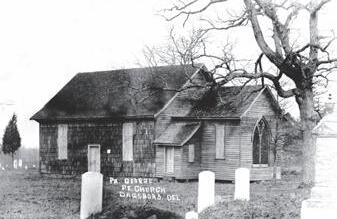
CoastalPoint| DelawarePublicArchives Dagsboro’sPrinceGeorge’sChapel intheearly1900s.
nouspeoplewerepressuredtomoveaway fromthevillage.
Butin1774,JohnDagworthywas grantedabout20,000acresintheregion (about31squaremiles)forhismilitary servicetotheBritishcolonies.However, hehadchallengedGeorgeWashington’s rankduringtheFrenchandIndianWar.So Washingtonsnubbedhimduringthe AmericanRevolutionbynaminghim BrigadierGeneralofSussexCountyMilitia,essentiallythemodern-dayNational Guard.
Hehadalargehomelocallyandwas buriedatthePrinceGeorge’sChapel,ironicallynamedforthefutureKingGeorge III,againstwhomthecoloniesdeclaredindependence.Thischapel-of-easewasbuilt in1755forresidentswhocouldn’teasily attendSt.Martin’sChurchinWorcester County,Md.Afterafire,thecurrenthistoricstructurewasrenovatedinabout 1928.
Overtime,Dagworthy’sConquest, DagsburyandDagsboroughgavewayto thecurrentspellingofDagsboro.Themoderntownwasfirstincorporatedin1899.
ThemovietheaterandnearbyelementaryschoolwerenamedforJohnM.Clayton(b.1796inDagsboro),aDelaware SuperiorCourtchiefjustice,aU.S.senator andthe18thU.S.SecretaryofState,from 1849to1850.
TheIndianRiverSchoolDistrictwas formedin1968,integratingandconsolidatingschoolsatthesametime.Indian RiverHighSchoolmovedamiledownthe roadintoDagsboroin2006.Manyof today’selementaryschoolsoriginallyonly servedwhitechildren,grades1-12.
Blackchildrenhadseparateanddefinitelyunequalschoolhousesforyounger years,andtheironlyhighschooloptions wereeithertuition-basedandhoursaway, orthefreeWilliamC.JasonComprehensiveHighSchoolinGeorgetown(19501967).
FenwickIslandwasoriginallyanisland, astoday’sCoastalHighwaywasoncea shiftingbarrierisland,withmultipleinlets betweentheAtlanticOceanandinland bays.
A1613DutchnavigatormistakenlylabeledFenwickIslandasacape,whenCape Henlopenwasactuallysupposedtobe about20milesnorth.Surveygroupshad arrivedinFenwickinwinter1750and
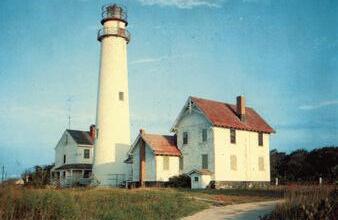
CoastalPoint| DelawarePublicArchives
TheFenwickIslandlighthousewas originallylitsomewherearound1859, tohelpguideshipsalongtheshoals.
spring1751toofficiallymarktheboundary betweenMarylandandSussexCounty,officiallymarkingtheTranspeninsularline.
TheFenwickIslandLighthousewaslit inabout1859toguideshipsalongthe treacherousFenwickshoals.Itnowstands about87feethighandwasdeactivatedin 1978.
UnlikemanytownsintheU.S.,FenwickIslanddidn’tgrowoutofnecessity.Far fromthewhirlofcities,tradeportsand railroads,FenwickIslandwasabeachtown thatgrewbecausepeoplelovedit.Itwas thebeach:quiet,coolandsecluded.
TheregionwasnamedforThomasFenwick,whoownedthelandinthelate 1600s,butapparentlynevervisitedit,despitelivinginthecolonies.Inthelate 1800s,abridgewasbuiltfromthemainlandtotheisland,allowingregularaccess. Althoughadevelopmentcompanyenvisionedaresort,transportationwasnoteasy. Instead,areligiouscampmeetingwasorganizedinthe1880s.
Manypeoplebuilt(andsquattedin) smallcottagesduringthesummer,untilthe Staterequireddeeds,thetidesrequired modernfoundations,andtherealestate marketrequiredutilities.
TheTownofFenwickIslandwasincorporatedin1953,andyear-roundlifeeventuallytookroot.
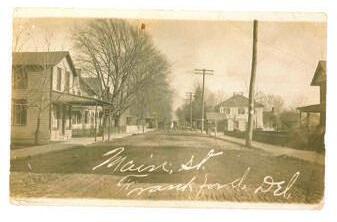
CoastalPoint| DelawarePublicArchives ApostcarddepictingMainStreetin Frankford.
Frankford’shistoryflowedfromwater torailroadtorural.Noonetrulyknows wherethename“Frankford”originated. It simplypopsintooldliteraturearound 1820.
HistorydoesrememberDavidLong Sr.’splantation,“ForestFlower,”around 1750(later“Partnership”and“Jacob’s
MillPond”).
Butlikemanysmalltowns,Frankfordbeganasacountrystore.Isaiah Longopened“Long’sStore”in1808, whichledtoapermanentsettlement onVine’sBranch,ahandylittlewaterwayleadingtoIndianRiverBay.Practicallyjustawideditchtoday,Vines BranchCanalwasFrankford’smain modeoftransportintheearly1800s andacommercialhubneartheintersectionofThatcherandMainstreets.
By1812,mostpeopleknewthisarea as“Gum’sStore”(forstorekeeperManaen Gum)andthen“Frankford”as earlyas1820.Thefederalgovernment set“Frankford”instonewithapostofficein1848.(Anyone’sbestguesswas thatthetownwasnamedforsomeone named“Frank”wholivedatafordof thestream.)
ThentherailroadlinelinkedHarringtonandSnowHill,Md.,soFrankfordbecameabusyvillage.In1883,it wasincorporatedastheTownofFrankford.Shopping,manufacturingandentertainmentwerebiggerinthe1800s untiltheymovedtoothertowns.
Thebigwheelskeptspinningin Millsboro.In1791or’92,ElishaDickersongottheGeneralAssemblytoap-
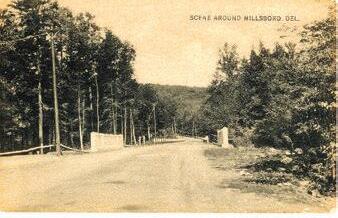
provedammingtheheadwatersofIndianRiver,toestablishagristmilland asawmillcalledRockHole,northeast ofthings.Thatwasthestartoftoday’s MillsboroPond.
TheareawasrenamedMillsborough in1809.Settlershadbeenscattered aroundtheregion,buttheadditional millsconcentratedpeopleabitmore. Anothervillagewasformedonthe southwest sideofIndianRivercalled Washington,atradingcenterforlumber,agricultureandmore.
In1837,thetwovillagesmergedand adoptedthenameMillsboro,sincethe federalgovernmentalreadyhadtoo manypostofficesnamed“Washington.” Therailroadarrivedrightafterthe CivilWarandcontributedwellto Millsboro’sgrowth.A1933hurricane wreckedallthestreamsidedamsand mills.
Thebustlingtownboastedatheater andrestaurants,whilethesurrounding
miles hadorchards,poultryandagriculture.Industryoftenrevolvedaroundag, withMountaire,Merckandtheformer VlasicPickleplant.
LittleLeagueandponyridingentertainedyoungpeople.TheIndianRiver andbayalsoattractedvisitors,from fishingtostrollingtheformerboardwalkatOakOrchard.
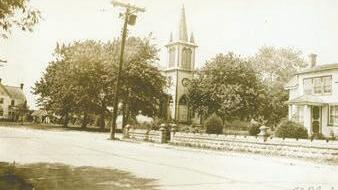
Asamunicipality,Millvillewasonly afewsquaremiles.Butlifetranscends boundaries,andEuropeansettlers workedaroundtheswampstocuttimber,plantcropsandsailtheirgoodsto thecity.White’sCreekconnectedto theIndianRiverBay,whichstretched westtoMillsboro,easttotheAtlantic Ocean.
Inthelate1800s,asawmillnearthe headwatersofMillCreekhadbecome thecenterofthecommunity.TheHolt &Townsendsteammillseemstohave beenlocatedbehindthemodern-day



MillvilleUnitedMethodistChurch.In 1887,theStatewasplanninganew publicroad(likelyClubHouseRoad) fromWhite’sCreektotoday’sRoute 26, presumablytotransportmillproductstothewaterfront.
OldmapsalsosuggestthatDerrikson’sMillponddamwasbuiltwhere OldMillRoadstillcrossesWhite’s Creektoday,justnorthofthegrocery stores.
Withsomuchlocalaction,Millville’sfirstpostofficeopenedin1886 attheElishaC.Dukesstore.
Millvillewasofficiallyincorporated in1907.ItwasnearlycalledDukestown orDukesville,simplyforthatfamily’s largenumberandprominence.But the millseventuallywon,andthatappellationliveson,eveniftheirindustry doesn’t.
Becausetheregionwasgenerallyso poor,manypeoplehadtoseekaliving beyondtheirself-sufficientfarms.Becausetheroadswerebadandtherailroadwasexpensive,menoftenturned tothesea,becomingshiphands,captains,commercialfishermen,orofficers attheIndianRiverLife-SavingStation. Inrecentyears,houseshavefilled thefarmlandwithcoast-cravingresidents.








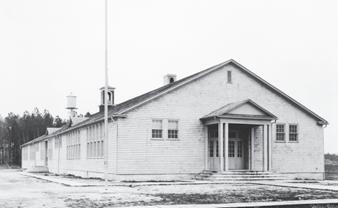
CoastalPoint| DelawarePublicArchives LordBaltimoreSchool(nowLordBaltimoreElementarySchool.)
OceanViewwasbuiltonschooners, farmsandfamilies.Around1687, MatthewScarboroughwasgranteda tractof500acrescalled“Middlesex” fromCharlesCalvert(thethirdLord Baltimore),whichincludedpartof today’sOceanView.
Aswithmanytowns,asettlement poppedup,andthegeneralstorebecamethecentralhub.WilliamSpence Hallopenedthatstoreintheearly 1800s,justeastofCentralAvenue, acrossfromDaiseyAvenue.Localfamiliesanddistantshippingcompaniesalready haddailybusinessatHall’s anyway,soitbecameadesignatedpost officein1822.Folksnaturallybegan callingthesurroundingarea“Hall’s Store.”
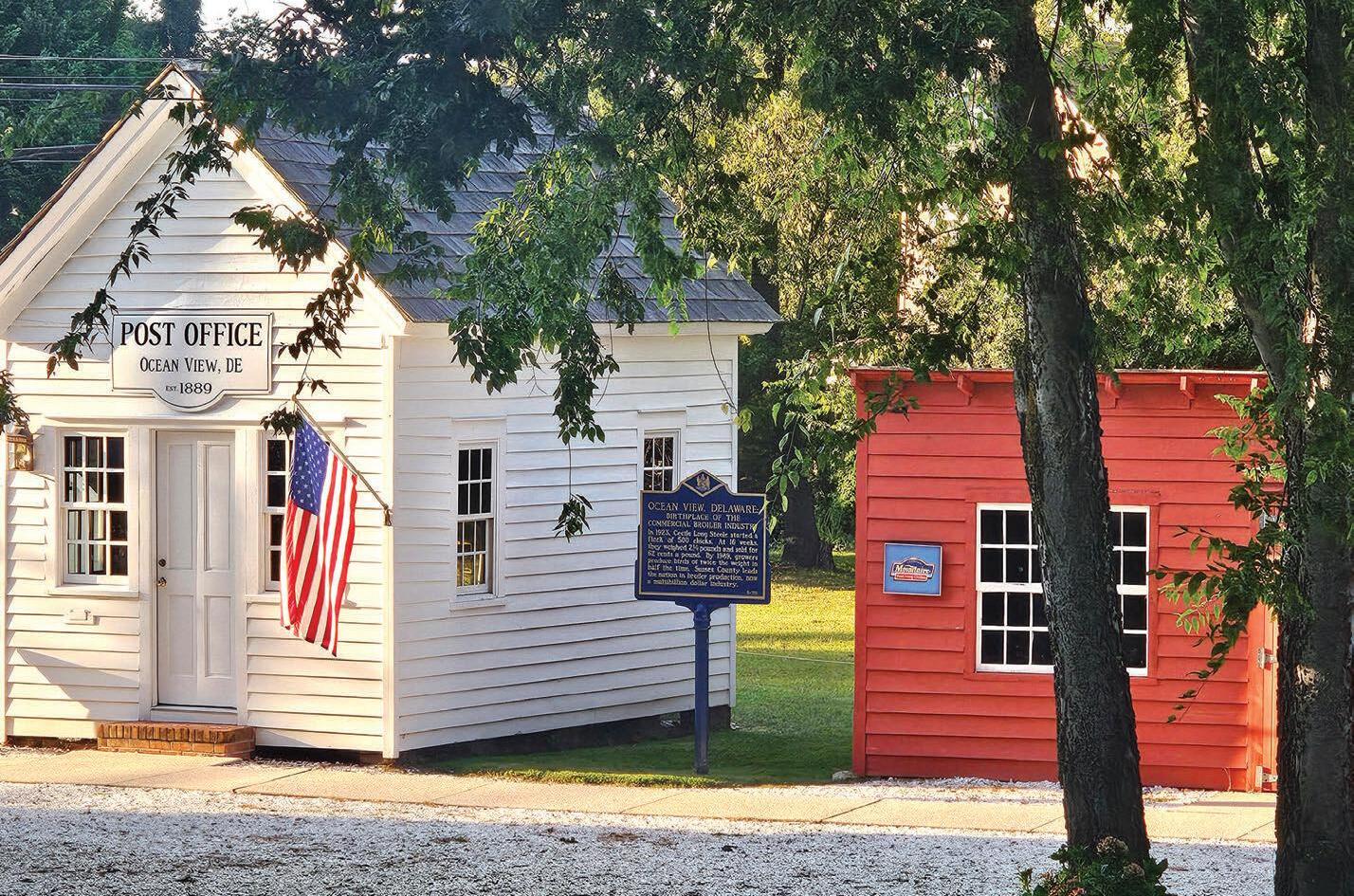
Withallthataction,thetownwas incorporatedin1889.Apparently,the AtlanticOceancouldbeseenfrom sometwo-storyhouses,soOceanView becamethename.Otherbusinessesfollowed,includingblacksmithsand sawmills.
TheAssawomanCanalmadeits debutinthelate1800s,connecting Delaware’sinlandbaysandalsoserving as asimpleboundarylineontheeast.
OneofDelaware’sbiggestagriculturalindustriesbeganin1923,witha typo.LegendtellsofCecileLong Steele,whoordered50layinghensto makesomeextramoney.Shewasstartledtoreceiveashipmentof500birds. Butsheboughtsomeextrafoodand raisedherfirstflockofbroiler-fryer chickensforcommercialconsumption. Shemadeaprofit,orderedmoreflocks andbuiltpoultryhouses.
Thatbroughtmorefarms,jobs, hatcheries, feedcompanies,vaccinationsandgeneralfarmhands.Suddenly, allthesailorswhohadleftOceanView forcityjobsintheearly1900swere cominghometotheboomingindustry.
DuringWorldWarII,U.S.Army RadarSite11wasanearly-warningsystemusingradiowavetechnologynear today’sBearTrapDunes,andamilitary campwasbuiltaroundit.Prisonersof waralsostayedinnearbyBethanyand wereconscriptedtohelpbringinthe harvest.
Lord Baltimorewastheofficialtitle



ofseveralCalvertmenwholedMaryland,anditwasbestowedonthelocal schoolaround1920.Thecurrentbrick buildingwaserectedin1930forwhite children,eventuallyservedgrades1-12, andthenbecamea1968elementary schoolforall.
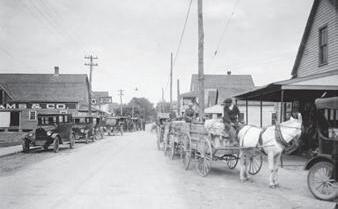
CoastalPoint| DelawarePublicArchives StrawberriesforsaleatMarketPlace inSelbyvillein1925.
Forcenturies,agriculturehasflowed throughSelbyville’sveins.
About1778,fourmenpurchased landtobuildasawmillandgristmill: SandyBranchattheheadwatersofthe BishopsvilleProngoftheSt.Martin’s River.Thisbroughtcommerce.Around 1842,SampsonSelbywasorderingmail tohisbusycountrystoreat“SelbyVille.”Thenamestuck,andpeople keptcoming.Thetownwasofficially incorporatedin1902.
Inthemid-1880s,Selbyvillewasbecomingthe“StrawberryCapitalofthe World.”Therailroadarrived,andprod-
uctbrokersshippedtonsoflocalproduceacrosstheEastCoast. Afterthestrawberrymarketstumbled,broilerchickensbecamethebig industry.Thisalsoledtofeedcrops, mills,H&HPoultryCo.,Mountaire FarmsandevenMumfordSheetMetal. RoadsimprovedwhenphilanthropistT.ColemanduPontenvisioneda centralroadlinkingtheentirestate,top tobottom.Theprojectlaunchedin 1911,andSelbyvillewasthefirstlegof Route113,eventuallybecominga householdshoppinghub.
Selbyville’shistoryalsoincludes:a postofficemuralpaintedbytheWorks ProgressAdministration(WPA);Old TimersDayfestivals;thenearbyGreat CypressSwamp;andthecostumedSelbyvilleSwampMonsterprank.
OneofSelbyville’sgreatestadopted sonswasJohnG.TownsendJr.:agovernorin1916,U.S.senatorin1928and lateranalternatedelegatetothe UnitedNationsGeneralAssembly.He jumpedonnewideas:lumber,strawberries,shipping,atelephonecompany,a bankandpoultryprocessing.Healso hostedEleanorRooseveltandVice PresidentRichardNixoninSelbyville (on separateoccasions).



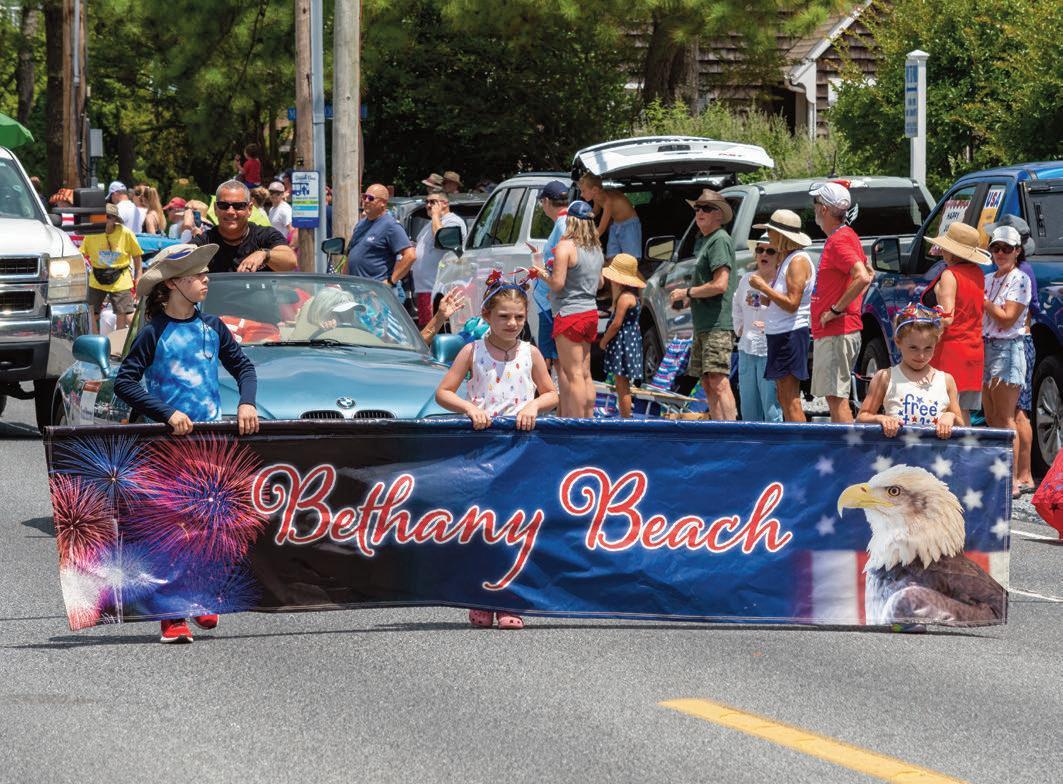
ParaderswalkthroughthetownofBethanyBeachduringthe4thofJulyeventsbackin2023.

BySusanCanfora StaffReporter
It’salandmarkyearforthetownof BethanyBeach,asitcelebratesits125th anniversarythesameyearthenation turns250yearsold,andbotharebeing celebratedwiththethemeStars,Stripes &Shorelinesandtheslogan,“Ourlineagebecomesourlegacyhereatthe shore.”
“Wewillhaveactivitiesallsummer forour125thanniversary,”Bethany BeachEventsCoordinatorJulie Malewskisaid,referringtothetown’s website,whichdeclaresit,andthesemiquincentennialwillbecelebrated“with creativity,flairandanod toyourown familytraditions.”
Specificallyforthe125thanniversary, ahistorical-themedcelebrationisbeing plannedfornoonto5p.m.onSaturday, Sept.19,attheDinker-IrvinMuseumon GarfieldParkway.
“Everythingisstillbeingfinalized,but wewillbelookingatBethanyBeachduringtheRoaring’20s,”thetown’sCulturalandHistoricAffairsCommittee ChairwomanCaroleCalefsaid.
“Wewillhaveamusicalgrouponthe frontporch,theRedHotRamblers,with old-timemusic,andoneofthespecial
See BETHANYBEACH page7










guestswillbeIdaMaeIrvin.Shewasthe firstIrvintoownthatcottagethatisnow theIrvin-DinkerMuseum.Sheboughtit in1925.Wewillhaveanactressportray her.Sheiskeytothatcottage.Thereare somanystoriesabouther.
“It’sveryimportantthatwehonorthe historyofBethanyBeach,the125thanniversary.Wewillberecognizingpeople andtheirachievementsthathavehelped toshapethetownforthelast125years,” shesaid.
Themuseum,oneoftheoldestremainingoriginalcottages,wasdonated tothetownin2016.Itwasmovedtothe currentsite,ontotownproperty.In2018, itwasplacedontheNationalRegisterof HistoricPlaces.Guestscanlearnabout thetown’sdevelopment,thatthemuseumwasonceapostoffice,andseeexhibitsincludinghistoricpostcardsand vintagebathingsuits.
Akeepsake125thanniversaryornamentisforsalefor$20atTownHalland atthemuseum,openthistimeofyear from10a.m.tonoononMondays, WednesdaysandFridays.
MayorRonCalefcalledthetown’s birthday“amajormilestone”andexplainedthetownwasfoundedbythe ChristianChurch,calledDisciplesof Christ,in1901“asanisolatedretreatfor spiritualgrowth,educationandrejuvena-
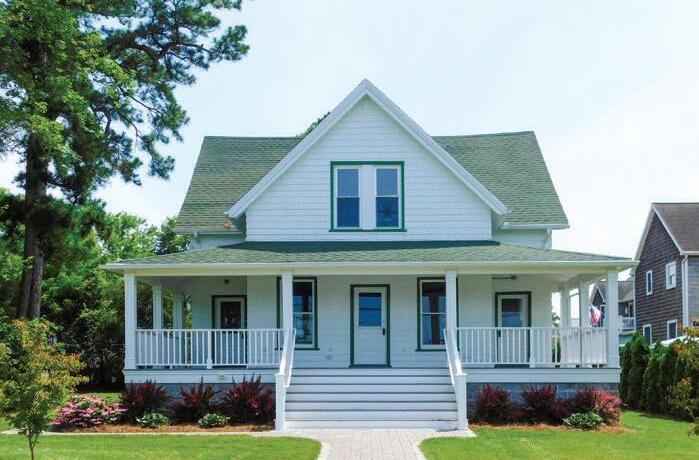
TheIrvin-DinkercottageishometotheIrvin-DinkerMuseum.IdaMaeIrvin boughtthecottagein1925.
tion.”
Interestingly,H.L.Atkinson,whoenteredanationwidecontest,namedthe town,choosingawordthatmeant“a havenofrestforquietpeople,”according tothetown’swebsite.Hisprizewasalot onthebeach.
“TheChristianChurchisstillhere, buttheChesapeakeBayBridgeandimprovedroadsfromthenorthandwest haveallowedBethanytogrowand morphintothepremiermid-Atlantic familybeachtownitistoday.Bethany stillrepresentsfamilyrejuvenation,relaxationandfun,”themayorsaid.
“Forour125thanniversary,wehave bandscoming,tryingtocoverallthe musicthroughtheyears,andfeaturedifferentgenres.Thewholescheduleison ourwebsite,listingshowsthroughSeptember,”Malewskisaid,referringto www.townofbethanybeach.com
OntheeveningofFriday,July3,after theFourthofJulyparadeearlierthatday, TheFunsterswillperform.Uncagedwill bethereontheeveningofSaturday,July 4.
MoreconcertsattheBandstandare plannedthroughOctoberandwillincludemilitaryandclassicrockandper-
formancesbytributeandotherbands,includingpoprockbyHelloSisteronJuly 8,Beauty&theBeatsplayingDisney musiconJuly15andKayleighClark playingcountrymusiconJuly25.The magicianSalazarwillbethereonJuly29. Amongthemoviesthetownispresentingatdusk,atthebandstandon Mondaynightsthissummer,isthe2004 filmNationalTreasureonJune29,about amodern-dayfortunehunterwho“races tofindanancienttreasurehiddenbythe foundingfathers.”
FreakierFridaywillbeshownonJuly 6,Zootopia2onJuly13,TheBadGuys2 onJuly20,Lilo&StitchonAug.3, HoppersonAug.10,SuperMario GalaxyonAug.24andthe2026movie MichaelonAug.31.
Alsoinhonoroftheanniversaries,as wellasDelaware’s239th,theSouthern DelawareOrchestrawillpresent“AmericanSpirit,CoastalSoul”at3p.m.on Saturday,July11,atMilfordHighSchool andat3p.m.onSunday,July12,atCape HenlopenHighSchool.Ticketscost$25 foradultsand$10forchildren,thosein activemilitarydutyandveterans.See sodelomusic.org.
TheBethany-FenwickChamberof Commerce(withPaulCarpenter)isofferingaspecial250thDelawareCommemorativeCollectionthatincludes shirts,puzzlesandprints.Formoreinformationemailinfo@thequietresorts.com orcall302-539-2100.












































ByMikeStern StaffReporter CoastalPointfilephotos
ThesmallstateofDelawarecomesup bigwhenitcomestomakinganddistributingproductsthataremadeintheFirst State.
Aswecommemoratethenation’s250th birthday,Delawareisproudtocelebrate thevariousproductsthataremadeinthe state.
Whenmoneyisspentlocallyatsmall andgrowingbusinesses,itinfusesourown localeconomyaswemoveforward.Inaddition,themanufactureofourhometown productsmakesforeasier,moreconvenient shopping.
BigJoeCoffeeisaWyoming,Del.basedfamily-ownedbusinessthatdesigned andcontinuestomanufacturethefirst extra-largepourovercoffeemaker.Its pour-overcoffeemakersusefood-safeBPAfreepolypropylene.Thepour-oversystem, whichaccommodateslargerbrewingvolumesthansingle-cuppouroverdevices, brewsupto75ouncesdirectlyintoyour coffeemug,coffeepot,carafe,orgrowler— morethanahalf-gallonofdeliciouspourovercoffee.
Theyalsomakecompatiblefilterswith
heavyweightpaperconstruction.The ridgedbasketcoffeefiltersprovideproper airflowtopreventcloggingandbrewfaster. Theirproductsaredesignedforbothhome andcommercialuse.Formoreinformation,contactBigJoeCoffeeat bigjoecoffee.com.
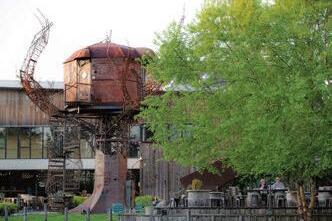
TheFirstState’sfirstbrewpubwasintroducedin1995whenDogfishHeadBrewings &EatsopenedinRehobothBeach, Delaware.Theplanforco-foundersMariah andSamCalagionewastobringoriginal beer,foodandmusictothearea.
Theownersbrewedthreetimesaday, fivedaysaweekinasmallsystemthatgave themtheabilitytocreateanarrayofdifferentrecipes.
DogfishHeadspecializesinmakingbold, flavorfulbeersbyusingunconventionalingredients.Theirflagshipselectionisthe60 MinuteIPA.Theyalsoproducespiritssuch
aswhiskeyandvodka.
Highlyregardedfortheircreativeflavors, DogfishHeadattractsvisitorsnationallyto tastetheirbeer.DFHhasaddedabreweryin nearbyMilton,whereastainless-steelbin namedFrankenstillstandsguard.
Thecompanyisnowownedbythe BostonBeerCompanyandproduces 262,000barrelsofbeerannually.Selectflavors,includingmanyseasonalandone-off selections,areavailablein31statesand Washington,D.C.Formoreinformation, contactDogfishHeadCraftBreweryat dogfish.com.
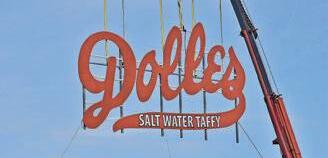
In1910,RudolphDolle,Sr.purchased asmallsaltwatertaffystandlocatedon thesamepropertyashiscarousel,and Dolle’sCandylandwasborn.Bythe 1920s,Dolle’sofferedavarietyofhomemadeconfections,includingsaltwater taffy,caramelcorn,fudgeandcaramels.
Today,Dolle’sproducessaltwatertaffy, popcorn,chocolates,boardwalkfudge,
sugarfreecandies,gummiesandlicorice. ItsflagshipstoreislocatedontheboardwalkatWicomicoStreetinOceanCity. Dolle’salsohasalocationat9RehobothAvenueneartheRehobothCity boardwalk.Formoreinformation,please contactDolle’satdolles.com.
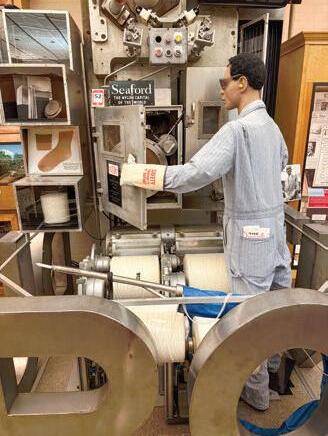
DuPont DuPontisaWilmington,Del.basedcorporationthatmanufactures avarietyofproductsinDelaware,in-
See MADEINDELAWARE page11



































































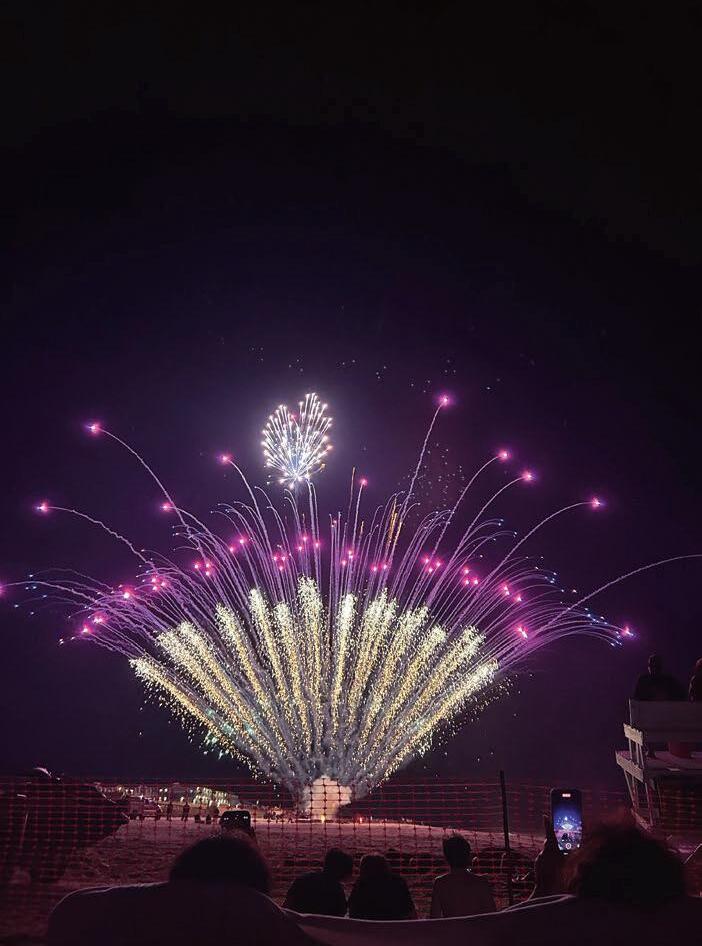
Fromdazzlingfireworksoverthe coasttoparades,concerts,community celebrations,andspecialeventshonoringAmerica’s250thanniversary, CoastalDelawareistheplacetocelebrateournation’spast,present,andfuture.
June
•DeclarationofIndependence:June 25,5:30pmatSouthCoastalLibrary. DanielPritchettwillpresentahistorical overviewoftheeventsthatledtothe creationoftheDeclarationofIndependenceandexamineitsbasicideasand ideals.Freeforages18+.| southcoastal.lib.de.us
• MillsboroStars&Stripescelebration:Saturday,June27,2-9p.m.,followedbyafireworksshow.Thiswilltake placeindowntownMillsboro(Main Street)andW.B.AtkinsPark.Activities willincludeaparade,touch-a-truck,caricatureandballoonartists,livemusic, andakids’zonewithinflatables,facepaintingandgames.|Millsboro.org,or Millsborochamber.com
•BethanyBeachBandstandLive Music-June28&30,7:30-9pm| Townofbethanybeach.com/273/Fourthof-July
•BethanyBeachBandstandMovieNationalTreasure:June29,Dusk.| Townofbethanybeach.com/273/Fourthof-July
•CelebrateAmerica’s250thand Bethany’s125th:June30,12-4:30pmat
theSouthCoastalLibrary.Drop-infor funpatrioticactivitiesinthemeeting room.Freefunforages10+.Activities includeagiantUSApatrioticcoloring poster,stringart,jigsawpuzzle,live screeningsofhistoricalvideoarchives, and afamily-friendlybaseball-themed classicmovie.|southcoastal.lib.de.us
July
•BethanyBeachBandstandLive Music–Mr.Jon&Friends:July1&2, 7:30-9pm| Townofbethanybeach.com/273/Fourthof-July
•LoyalistontheLawn:July1and8, August8and22,10:30am-3:30pmat ZwaanendaelMuseuminLewes.Meeta costumedhistorianportrayinganofficer oftheLoyalAmericanRegiment.Visit theencampmentandlearnaboutthe uniforms,equipmentandlifeofaLoyalist fromLewesduringtheRevolutionary War.| delaware250.org/250calendar/loyaliston-the-lawn/var/ri-5.l-L1/
•RockingtheDocksDE250Celebration:July2,5:30pmattheLewes FerryGrounds,featuringlivemusicby FleetwoodMacked,adronelightshow andwaterfrontfireworks.|rockingthedockslewes.com
•OldFashionedSussexCounty4th ofJulyCelebration:July2–5,2026at GeorgetownSpeedway.Fourdaysofcar-











































nivalrides,tractorpulls,freestylemotocross,livemusic,classiccars,anda fireworksshowyouwon’tforget.|sussex4th.com
•ReflectionsontheDeclarationof Independence:July2,5-6pmatLewes PublicLibrary.JoinhistorianRon Collinsforanin-depthlectureexploring theorigins,meaning,andenduringinfluenceoftheDeclarationofIndependence.OntheeveofAmerica’sbirthday, Collinsreflectsontherevolutionary ideasthatshapedthenationandtheongoing pursuitoffreedomandequality thatcontinuestodefineourdemocracy. |Lewes250.org
•TheBethanyBeachIndependence DayParadeandLiveMusic:Friday,July 3,12pmatdowntownBethanyBeach. TheFunsterswillalsoperformonthe BethanyBeachbandstandfrom7:30to9 p.m.| Townofbethanybeach.com/273/Fourthof-July
•BethanyBeachBandstandLive Music–Uncaged:July4,7:30-9pm.,followedbyafireworksshow.|Townofbethanybeach.com/273/Fourth-of-July
•Fenwick IslandIndependenceDay Parade:July4,9am.Walkers,strollers andwagonswelcome.Nobicycles. Route:FaucettOkieNaturePreserve (BayardStreetandCoastalHighway), alongBuntingAvenuetoPollinator Park(EastLewesStreetandBunting). PrizesawardedatthePollinatorParkfor MostPatrioticAttire.| fenwickisland.delaware.gov/events/independence-day-parade
•LewesCelebrates4thofJulyand 250thAnniversary:July4th,9am.OldfashionedgamesforchildreninSecond Street, 9am,followedbytheIndependenceDayLewesBoatParadeat2pm, Doo-DahParadeat5pm,withFireworks atDusk.| leweschamber.com/event/lewes-celebrates-4th-of-july/
•Red,White,and‘Ooh’:July5,810pmattheRehobothBeachbandstand andboardwalk.Festivitiesbeginwitha concertperformanceatthebandstandat 8pm,followedbyafireworksdisplay around9:30pm.| rehobothbeachde.gov/event/fireworks
•NanticokeDanceTroupe:Wednesday,July8,7pmattheLewesPublicLibrary.TheNanticokeIndianDance Troupepresentsatraditionalcultural sharing,highlightingNativeAmerican dances,theirculturalmeaning,andthe importanceoforaltradition.Thedances reflectvaluessuchasrespect,honor, community,andourconnectiontothe Creator,theearth,andoneanother.| delawarelibraries.libcal.com/event/1552 1576
•HistoricLewesSpeakerSeriesTheImpactoftheCapeHenlopen Lighthouse ontheU.S.Lighthouse Service:Thursday,July9,5-6pmand hostedattheLewesHistoryMuseum. Costisfreewithasuggesteddonationof $5appreciated.Thisisanongoing monthlyserieswithdifferenttopicseach month.|historiclewes.org/historiclewes-speaker-series
•“AmericanSpirit,CoastalSoul”: July11,3pmatMilfordHighSchool andJuly12,3pmatCapeHenlopen HighSchool.TheSouthernDelaware OrchestrawillobservetheUnited States’ 250thandDelaware’s239th birthdayswithperformancesthathonor the“history,culture,andartisticvoices” ofboth,thisJuly.Ticketsare$25for adultsand$10forchildren,activemilitaryduty,andveterans.| sodelomusic.org
•EmbersofFreedom–Independence throughtheeyesofmany:Wednesday, July15,7pmattheLewesPublicLibrary. Apowerfultheatricalcelebrationofindependence,community,andtheshared “embersoffreedom”thatconnectusall. Delaware Shakespeareinvitesaudiences toreflectonatimelyquestion:“What sparksyoursenseoffreedom?”| delawarelibraries.libcal.com/event/1552 1577
cludingNylon,thathasbeenusedin variousapplications,including toothbrushesandclothing.
TheyalsomakeTyvek,adurable nonwovenmaterialmadefromhighdensitypolyethylenefibersthatare idealforapplicationsrequiringtear resistance.
Inaddition,DuPontproduces KevlarandMylarthatarehighlyregardedfortheirstrengthandversatilityinvariousindustries.Formore information,contactDuPontat dupont.com.
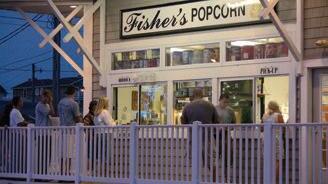
In1937,EverettFisheropeneda Fisher’spopcornstoreontheboardwalk atTalbotStreetinOceanCity,Md. Fisherusedhisownsecretcaramel recipethatthecompanyhasusedever since.Thebusinesswasatremendous hit,andgrewsignificantly.
Today,Fisher’shasDelawarelocationsinFenwickIsland,BethanyBeach andRehobothBeach.Theyalsodistributethroughanetworkofretailstores

Continuedfrompage11
andsupermarkets.
Fisher’spopcornsellsitsdelicious productsintubs,tinsandbags.There areeightmouth-wateringflavors,includingcaramel,OldBay,whitecheddarandkettlecorn.Theymakethe claimthat“ourpopcornjusttastesbetter.”Formoreinformation,pleasecontactFisher’spopcornat fishers-popcorn.com.
ThecreatorsofFrozenFarmerice creamconcoctedthebrandasawayto usefruitfromtheirBridgeville,Del. farmthatwasnotattractiveenoughto sell.
Although thecompany’sicecream wasbeingstockedatGiantsupermarkets,ownerKateyEvansbecameacontestantontheinvestmentshowShark Tankandearnedacommitmentfor $125,000.
Sincethen,FrozenFarmerhasadded nearly200moregrocerystorestoits distributionrollsandhaslaunchednationalonlinesaleswhileshippingto morethan30otherstates.They’vealso addedfivenewsummerflavors,includinglemonblueberry,strawberrypretzel
salad andbananapudding.Formoreinformation,contactFrozenFarmerat thefrozenfarmer.com.

GrottoPizzawasfoundedinRehobothBeachin1960byDominick Pulieri,hisbrother-in-lawJoseph PaglianiteandhissisterMaryJean Paglianite.
ThefirstlocationinDelawarewasa take-outstandlocatedalongRehoboth Avenue.GrottoopenedasecondlocationinRehobothBeachontheboardwalkin1963,andtheRehoboth Avenuerestaurantwasmovedtoa larger locationin1967.Therestaurant wasoriginallyaseasonalbusinessopen onlyduringthesummermonths.Itbecameayear-roundventurein1974. GrottoPizzahasgrowntoincludelocationsthroughoutDelawareandMaryland.In2015,GrottoPizzawas
inductedintothePizzaHallofFame. In2021,GrottoPizzaopenedaproductionkitchensiteinDover,Del., thatcentralizesdoughproductionand handlesdrystorageandfooddistribution.
GrottoPizzaproducesitssignature offering withaswirlofsauceatopthe cheese.Inadditiontopizzawithvarious toppings,therestaurantalsoservescalzones,strombolis,submarinesandwichesandmuchmore.Formore information,contactGrottoPizzaat grottopizza.com.
Thefirstastronautswhowalkedon themoonworespacesuitsmadebyILC Dover,anAmericanspecialengineeringdeveloperandmanufacturerheadquarteredinFrederica,Del.OnJune3, 2024,IngersollRandannouncedthe acquisition ofILCDover.
ILCDoveroutfittedeveryU.S.astronautintheApolloprogram,includingthe12whowalkedonthemoon.
Thecompanyalsomanufacturesthe SentinelXLHPpoweredair-purifying respiratorsthatprotectdoctorsand otherhealthcarepersonnelfrominfectionwhiletheyworktosavelives.
TherespiratorswereparticularlyeffectivewhentheCoronaviruspandemicstruck.Therespirators,whichare
lightandflexible,havealsoprovided medical workerswithclearfaceshields.
Inadditiontogearformedicalworkersandastronauts,thefirmalsomanufacturessafesuitsforpharmaceuticals workersandescaperespiratorsforoverseasgovernmentemployeeswhomay needtogetoutofdangeroussituations.
Thecompanyspecializesintheuse ofhigh-performanceflexiblematerials, servingtheaerospace,personalprotection,andpharmaceuticalindustries.
Formoreinformation,contactthe company atilcdover.com.
In1955,theLewesDairybecame oneofthefirstmilkproducerstocease homedeliveryandproducedgallonbottlesforsaleingrocerystores.Thecompanywasamongthefirsttopasteurize andhomogenizemilk.
LewesDairydistinguishesitselfby transportinggoodsfromfarmsrightto itsplantbeforetheyaretakendirectly tothestore—sometimesthesameday. Thefamily-runcompanyisbestknown foritsold-fashionedwaysofproducing fresh milk,creamandeggnog.
Becauseofitslocationat660PilottownRoadinLewes,nearthebeach, summerisabusytimeasdemandin-
See MADEINDELAWARE page14















KentCountystormedtheswampandarrestedapproximately200individuals, whowerethentoldtodecidebetween legalpunishmentorforcedconscription totheContinentalArmy,accordingto theArchives.
LeadingthatmilitiawasGen.John Dagworthy—acareermilitaryofficer whogainedearlynotorietyfortheinfamous“DagworthyControversy”between himandayoungGeorgeWashington. Thiswasbasicallyapowerstrugglebetweenroyal/provincialofficersandcolonialones,accordingto MountVernon.org,andWashington
eventuallygainedtheauthorityhe sought.
Dagworthylaterreceivedalargeland grantinwhatisnowknownasSussex County,anddevelopedthesurrounding area,includingsupportingPrince George’sChapel,whereheisnowburied withahistoricmarkerhonoringthe“SoldierofThreeWars,”accordingto DelawareArchives,aswellasbeing namesakeoftheDagsboroHundredgeographicaldesignation.
DuringhistimeinDelaware,hewas appointedbrigadiergeneraloftheSussex CountymilitiaandwastaskedwithstabilizingaveryvulnerablepartofDelaware, accordingtothe1893“Memoirof Brigadier-GeneralJohnDagworthy.”
ThomasRobinsonwasanother
creases.Thedairy’shigh-fatcreamis alsoextremelypopular.Duringthe Christmasholidayseason,LewesDairy producesitssignatureeggnog.Formore
prominentfigureinSussexCountyduringtheRevolutionaryWar.Hewasa storeownerandmerchantalongtheIndianRiver,inwhatisnowtheMillsboro/Harbesonarea,andownedmore thanathousandacresoffarmland,accordingtoWikiTree,agenealogywebsite.HealsorepresentedDelawareatthe StampActCongressandwastheonly SussexCountiantositonthecolony’s firstCommitteeofCorrespondence. Originallyagreeingwithcolonial grievances,hegrewopposedtotherising resistanceagainstBritainandthethreat ofincreasedhostilities.Heeventually spokeoutagainstthosewhoopposedthe King,ignoredaWhigboycottonBritish teaandfacedchargesfordefyingthegovernment,accordingtoDelaware
information,contactLewesDairyat lewesdairies.com.
Archives.Hethenescapedwithanother SussexCountian,BoazManlove,inalog canoe,totheBritishfrigatePrestontoescapearrest,accordingto“TheBattleto ControltheDelawareAssembly:The SussexCountyDelawareElectionsof 1776-1778,”bytheLewesHistoricalSociety,perAcademia.com.
AshasoftenbeendiscussedwhenexaminingtheAmericanCivilWar,the RevolutionaryWaralsooftenpitted neighboragainstneighbor,fatheragainst son,brotheragainstbrother.Eventhe signingofthatDeclarationofIndependencecrafted250yearsagosparkedconflictandrancoracrosstheyoungnew land,andperhapsfewplacessawthedivideaspronouncedasitwashereinSussexCounty.
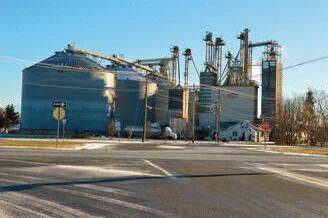



MountaireFarmsisanagricultural foodprocessingcompanybasedin Millsborothatbeganproductionin 1914.Thecompanyproducesanddeliversfreshandfrozenproductslocally andinvariousotherstates.Fromcombo binsandbulkpacktoexactweight, sealed andbar-codedbags,Mountaire meetstheneedsofavarietyofcustomers.



Forexample,Mountaire’sBlueLabel brandoffersconsumersqualityhanddebonedproductsatanaffordableprice. ItsJumboProductlinesincludebonelessandskinlesschickenbreasts,thigh andlegmeat,clippedtenders,partyand wholewings,wholeandlegquarters, anddrumsticks.Formoreinformation, contactMountaireFarmsatmountaire.com.
ShedKnivesisapremiumknife maker basedinDover,Del.Foundedin 2018byW.JackBillings,beginningasa sharedhobby.Itspecializesinfixed bladeknivesandcaterstovariousoutdoorandhuntingendusers.Thefirmis knownforitslightweight,durabledesignsthatmakethemsuitableforusein thefield.
Thecompany’sflagshipmodel,the Skur,takesitsnamefromtheNorwegianwordfor“shed”andisproduced from154CMsteelwithG-10handle scales.ShedKnivesdistributesthrough anetworkofauthorizedretailersincluding ChicagoKnifeWorksandBlue RidgeKnives,aswellasonlinemarketplaces.Formoreinformation,contact ShedKnivesat(302)760-9270.
oneofthetown’smosttreasuredbuildings.ListedontheNationalRegisterof HistoricPlaces,theBallTheatreserves asareminderofMillsboro’sheritageand communityspirit.
Thetheater’scurrentownershaverestoredit,Sandersaid,and“It’slikewalkingbackintothe1950s.”Thetheater, locatedat214MainStreet,willbeopen forthepublictovisitbetween2and4 p.m.
Outsidethetheater,atthesametime, muralartistOlgaDeshieldswillbeon hand,paintingamural,andthepublicis beinginvitedtojoininthecelebratory communityartproject,accordingto GreaterMillsboroChamberofCommerce ExecutiveDirectorNadineTimpanaro.
Localrestaurantswillbeofferingsamplesoftheirmostpopularofferings,Timpanaronoted.Businesseswillalsohave
SouthBethany
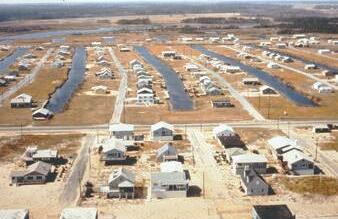
SouthBethanyisababyofthe
tablessetupthroughouttown.
Readingsofchildren’sliteraturewitha historicalthemewillsetthetoneforthe historicalanniversaryattheMillsboro PublicLibrary,217W.StateStreet,from2 to3:30p.m.,shesaid.
TheGreaterMillsboroChamberof Commerce,at203MainStreet,willbe hostingasilentauction.
Audiencescanpreparetobeamazedat theDr.DunnMagicShow,from2to4 p.m.,hostedforfreeattheWilliams HouseMuseumandConferenceCenter, 105W.StateStreet.Heisahigh-energy comedian,magician,illusionistandmentalist.
Laterintheafternoon,activitieswill shifttoMillsboro’sW.B.AtkinsPark.
Delaware’sfamedCaesarRodney,consider anAmericanfoundingfatherandasigner oftheDeclarationofIndependence,will beportrayedbyaninterpreterandwill offer“livinghistory”presentations,Timpanarosaid.
Startingat5p.m.,theJohn&Elsie
Delawarecoasttowns.Oncejust marshandfarmland,thehousingdevelopmentbeganin1952,andthe Townwasincorporatedin1969.
Inthelate1600s,MatthewScarboroughwasgrantedthe430-acre “SouthPetherton”region,abouttwo milessouthofBethanyBeach,atthe headoftheLittleAssawomanBay, wherethemainlandandtheshore touch.
NorthandSouthPethertonswere latercombinedandpatentedto WilliamEvansin1741.TheEnglish likelyusedthelandforfarming.
Muchlater,in1926,LongIsland’s GeorgeMcClellanpurchasedfour adjoininglandtractstotaling140 acresandconveyedthemtothe
potatoes.
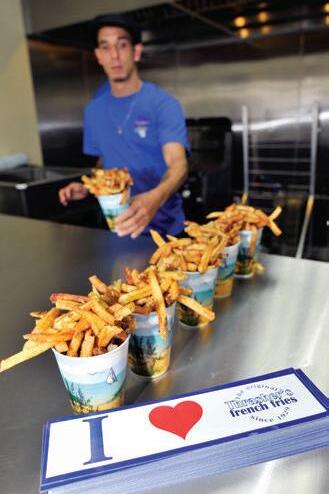
Theresultwas,andisafrenchfry emporiumthatusesauniquefrying processfeaturing100percentpure peanutoil.Thentheyaresaltedand readytodevour.
Thrasher’soffersits‘boardwalkfries’ inthreedifferentsizebucketsforits “VeryImportantPotatoes”,andare servedwith100%applecidervinegar. ItslocationsincludeOceanCityand RehobothBeach.Formoreinformation,contactThrasher’satthrashersfries.com.
JamesThompson&Company
JamesThompson&Companyisa mill-directtextilemanufacturer,dyer andfinisherbasedinGreenwood,Del. Theyhavebeenmanufacturingin theU.S.formorethan150years,andis oneoftheoldestfabricmanufacturing companiesinthenation.
Thefirmisatrustedsourceforpremiumcottonfabricscraftedforhome textiles,crafts,totesandpouches.For moreinformation,contactJames Thompson&Companyatjthompsontextiles.com.
WilliamsHouse,at105W.StateStreet, willbeopenforthepublictolearnmore aboutMillsboro’shistory.
Arundownoftheday’sotheractivities:
•1-3p.m.MillsboroTownHall,322 WilsonHighway—Residentsarebeing invitedtostopbyTownHallandvisitthe town’smuseum.
•2-5p.m.,downtownactivitiesalong MainStreet,includingTouchaTruck, livemusicbySouthboundofDelaware andcaricatureandballoonartists.
•4p.m.—TheMillsboroCelebrates Paradestarts.TheparaderouteisMillsboroMiddleSchoolontoWilsonHighway,rightonEastRailroadAvenue,right onMainStreet,rightonEastStateStreet, endingatthemiddleschool.
•5-9p.m.,W.B.AtkinsParkactivities (262W.StateStreet),includingaKids Zonefeaturinginflatables,facepainting andgames(accesswithpurchaseofa$10 wristbandforthose12oryounger);food trucks,localvendors,DJ,photobooth; fireworksdisplayatdusk;andfreeshuttle
DelawareShoreLandCorporation. In1952,RichardHallandElizabeth“Iggie”Hallpurchasedaround 130acresfromtheDelawareShore LandCorporation,dugboating canalsfor10years,raisedthemarshlandintobuildablelots,calledit “SouthBethany”,andcapitalizedon it.Mostpeoplewerebuyingafamily vacationpropertyandbuiltasimple
transportation.
DuttonBusingisprovidingfreeshuttlesavailableforStars&Stripesactivities, includingawheelchair-accessiblebus. Drop-offdowntownwillbeattheMillsboroPoliceDepartment,120W.Railroad Avenue.
Therewillbeacontinuousshuttleloop withstopsat:
•PlantationLakes,NorthShore CommunityCenter,PlantationLakes,at TheLanding;
•PlantationLakesonBrambleDrive;
•395OldLandingRoad(parkinglot);
•499MitchellStreet(parkinglot); andMillsboroBowlingLanes(parking lot).
Withlimitedparkingavailable,organizersareencouragingthepublictousethe shuttleservice.
Intheeventofrain,theMillsboro 250thcelebrationwillbeheldonSunday, June28.
summercottage.
ThedevastatingAshWednesday Stormof1962changedthings,government-wise.Theprivateneighborhoodscouldn’tgetfederalrecovery dollars,soneighborhoodspushedfor incorporationin1969.Nowthey couldtacklezoninglaws,policecoverage,stategrants,publicparking andwaterfrontissues.