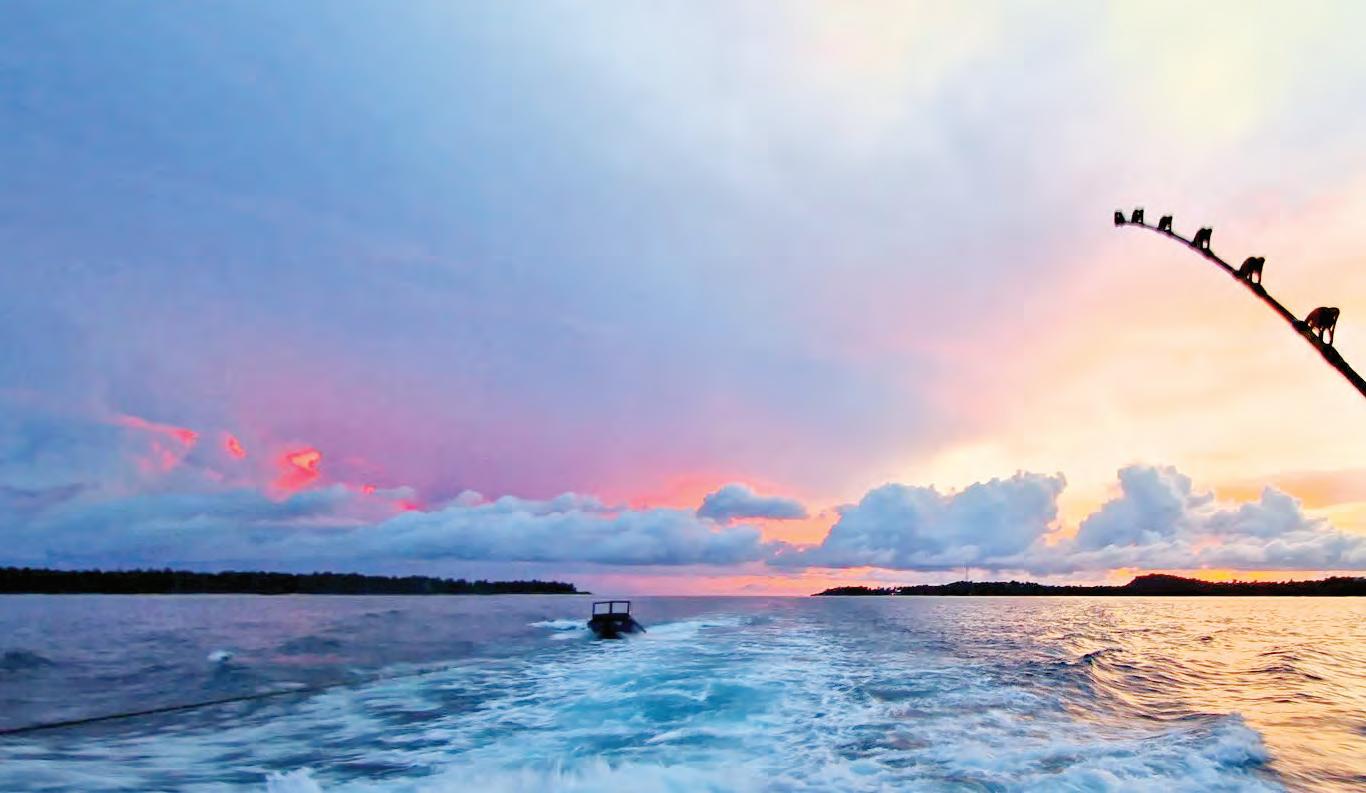

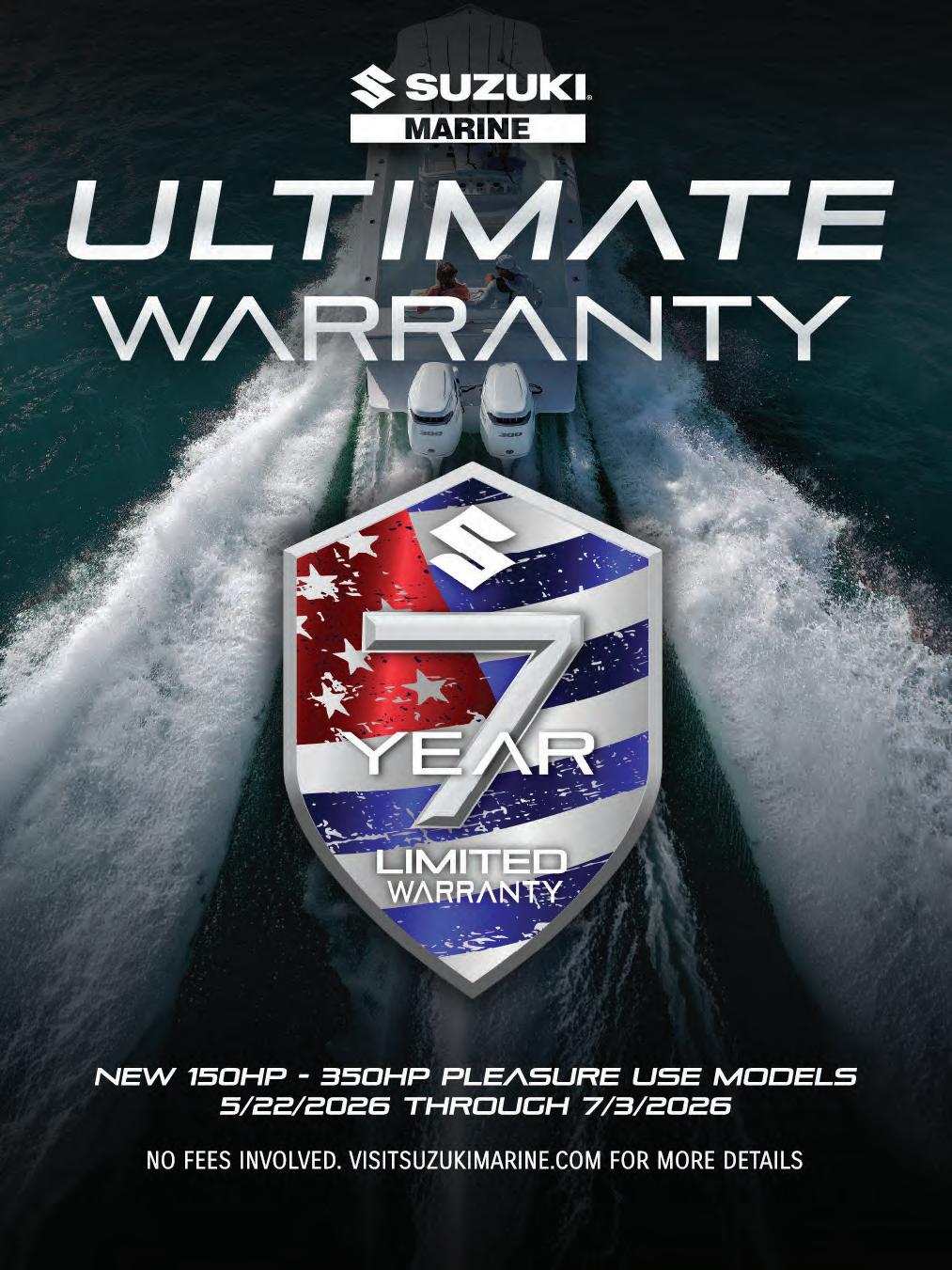
From Memorial Day through Independence Day, Suzuki Marine is turning up the heat with the Ultimate 7-Year Warranty on qualifying new 150350hp outboards with no participation fee. Whether you’re planning offshore runs, sandbar weekends, fishing trips, or sunset cruises, there’s never been a better time to power your adventures with Suzuki Marine. Built for dependable performance and exceptional fuel efficiency, Suzuki outboards are engineered to keep you on the water longer and worry less.
A 7-year warranty speaks volumes about the confidence Suzuki Marine has in its products—and now customers can experience that peace of mind all summer long. If you’ve been considering a repower or shopping for a new boat, now is the time to visit your authorized Suzuki Marine dealer or visit suzukimarine. com and take advantage of one of the
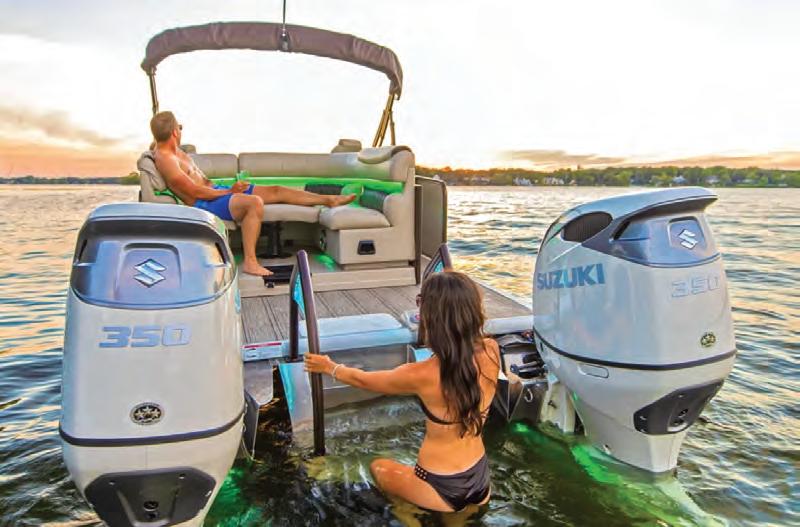
best promotions of the season!
Running May 22 through July 3, this limited time 7-Year Warranty gives boaters even more confidence in the
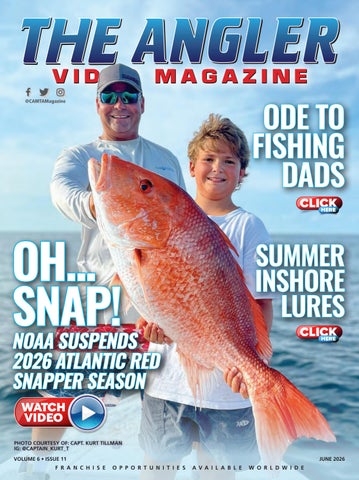
Big news for South Atlantic anglers: the 2026 recreational red snapper season has been stopped before it even got started. Just hours before the season was set to open, a federal judge in Washington, D.C. granted a preliminary injunction that immediately halts the exempted fishing permits (EFPs) NOAA planned to use for state-managed recreational red snapper seasons.
That means the South Atlantic recreational red snapper fishery in federal waters remains CLOSED until further notice. NOAA says all recreational fishing under these permits is no longer authorized while the lawsuit moves forward in court. The closure impacts South Atlantic federal waters off Florida, Georgia, South Carolina, and North Carolina.
The ruling does not affect the commercial red snapper season. NOAA Fisheries says they will provide additional updates later regarding commercial openings and any future recreational decisions.
Florida Governor Ron DeSantis blasted the ruling saying, “This is a judge in Washington D.C. probably doesn’t know the first thing about fishing.”
He also pointed directly at the commercial fishing industry behind the lawsuit stating, “They don’t want recreational anglers to be able to go out and fish. They want it all for themselves.”
For years recreational anglers have argued red snapper populations are far healthier than federal models claim. DeSantis echoed that frustration saying, “You’ve
got to get through all the snapper to find the other fish.”
Florida’s Atlantic red snapper seasons have sometimes been as short as just a few days despite anglers reporting massive numbers of fish offshore. State officials say they plan to aggressively fight the injunction and restore the expanded season.
This abrupt halt of the 2026 Atlantic red snapper season by NOAA does not affect fishing in state waters. Anglers should check with their state wildlife agencies (e.g., Florida Fish and Wildlife Conservation Commission) for their respective rules and regulations, and review the official NOAA Fisheries Bulletins (https://www.fisheries.noaa.gov/news-andannouncements/bulletins) for the latest updates on the injunction and lawsuit.
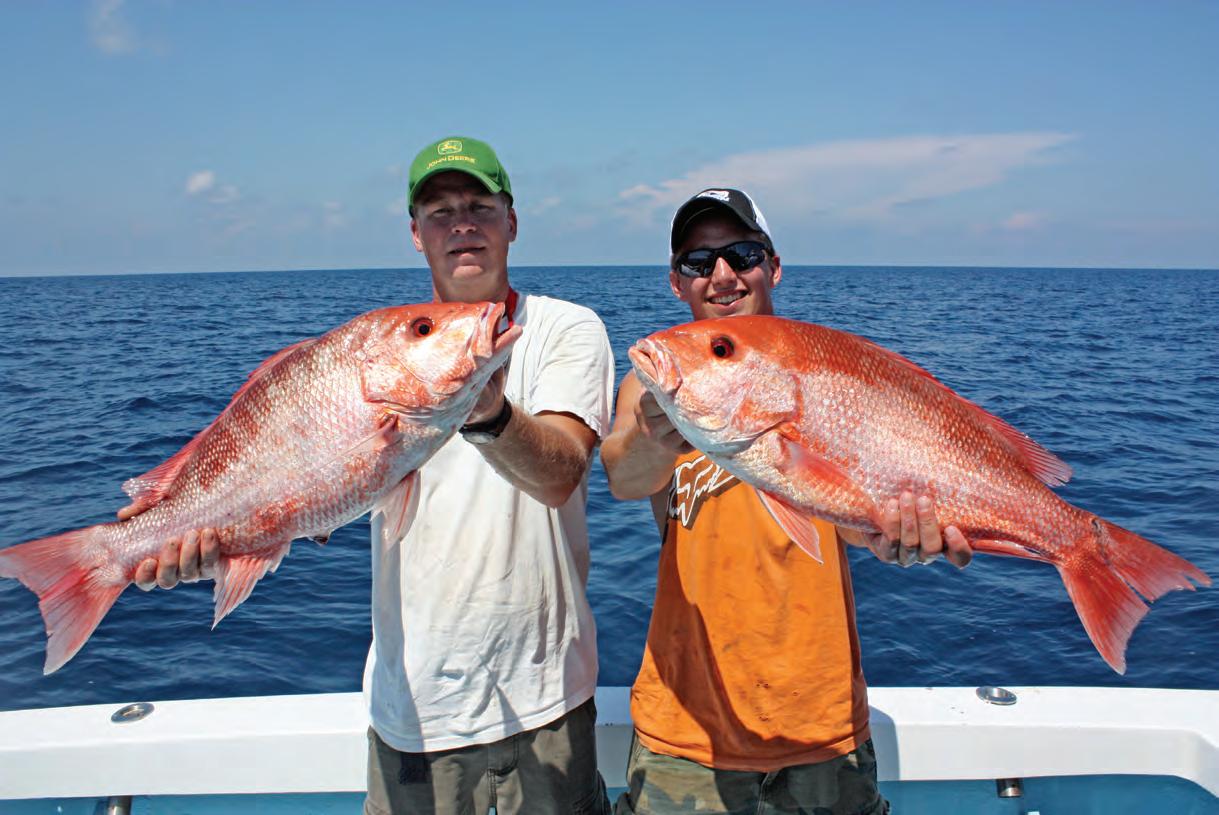


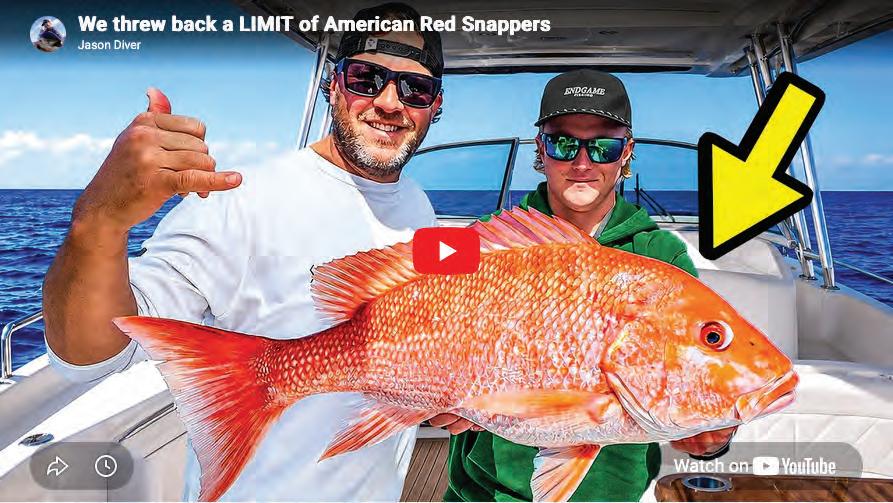
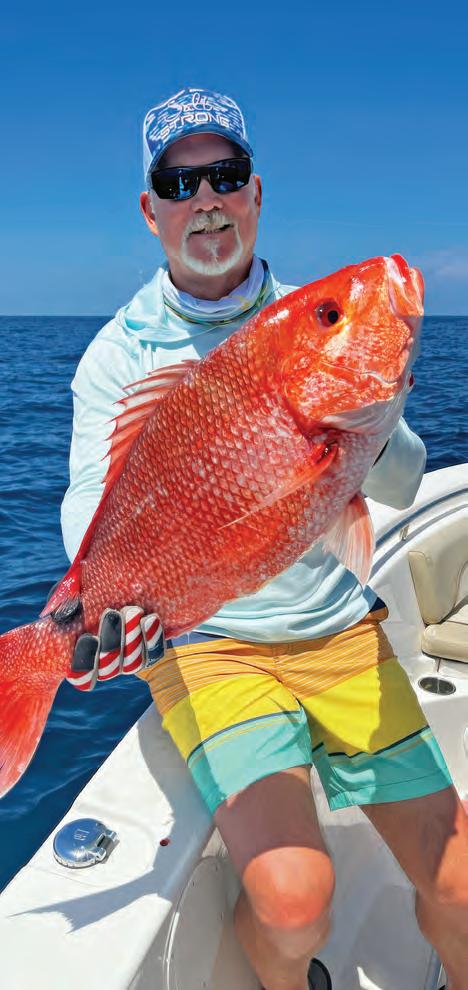
The 2026 Gulf of America red snapper recreational fishing season features a record-breaking 140-day harvest period in Florida state and federal waters. The season spans both summer and fall periods, extending all the way into January, with exact limits and dates varying depending on your location and fishing permit.
Florida Private Recreational Gulf Season
Florida anglers enjoy the longest season in state history with a 140-day allowance. Bag limit is 2 fish per person, per day, and you must sign up for a no-cost State Reef Fish Survey.
• Summer Season: Open daily from May 22 through July 31.
• Fall Season: Open daily from September 1 through October 4.
• Weekend Openings: Select weekends continue through the rest of the year:
» Three-day weekends in October (Oct. 9-11, 16-18, 23-25, 30-Nov. 1)
» Two-day weekends in November (Nov. 7-8, 14-15, 21-22)
» Thanksgiving weekend (Nov. 26-29)
» Two-day weekends in December (Dec. 5-6, 12-13, 19-20)
» Christmas weekend (Dec. 25-27) and New Year’s (Jan. 1-4)
Federal For-Hire Gulf Season
For federally-permitted charter/for-hire vessels, the federal waters season in the Gulf of America runs for 147 days and is open June 1 through October 26. Limit of 2 fish per person, per day.
Other Gulf States
• LOUISIANA: The season opened on May 1 for private anglers and for-hire charters (state waters), open 7 days a week until quotas are met. The bag limit is 4 fish.
• MISSISSIPPI: This year’s Mississippi Red Snapper season opened May 22 and ends on July 5.
• AL ABAMA: The season opened on May 22, running 7 days a week until the quota is reached.
• TEXAS: State waters are open year-round. Bag and size limits for federal and state waters remain unchanged.



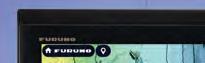




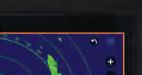










TZT16X | 22X | 24X
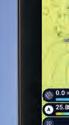





















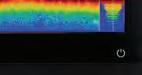














TZT10X | 13X






TZT9E | 13E
























When helm and 13 TZtouchE to view and in
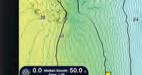
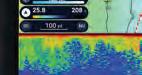
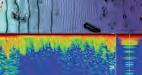
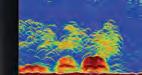
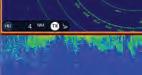
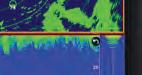
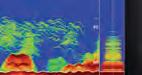
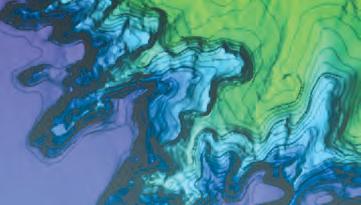
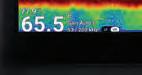
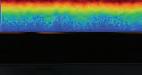
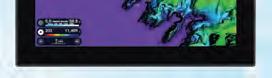
When helm space is at a premium, the 9" and 13" TZtouchE MFDs give you maximum screen area to view their eye-popping TZ MAPS charts and builtin TruEcho CHIRP™ Fish Finder with Side-Scan.

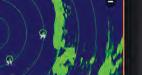
Plus, TZtouchE is fully networkable with the TZtouchXL family of 10", 13", 16", 22", & 24" MFDs and a wide range of best-in-class sensors – legendary Furuno Radars, Sonars, Fish Finders, Autopilots, and more.

Furuno... The reason to level up your helm!


Marine Electronics

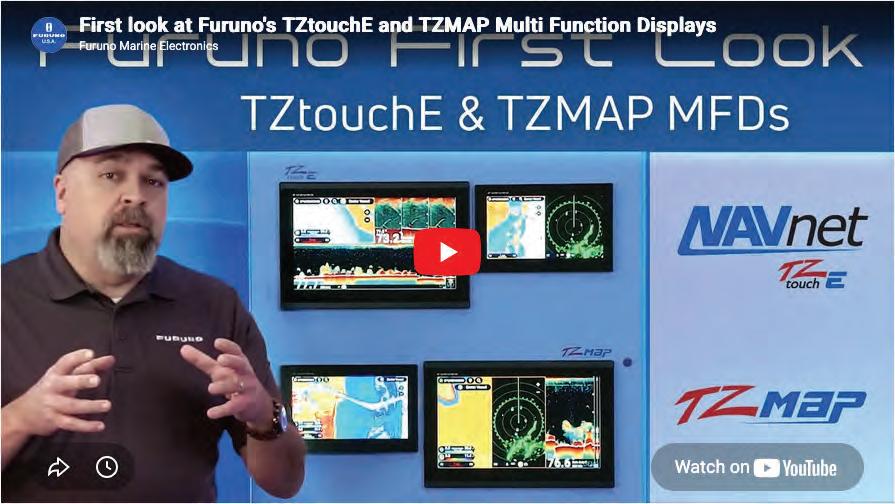
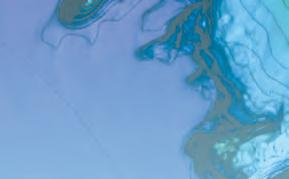
Furuno is expanding its line with the introduction of the TZMAP9 and TZMAP13, two new, powerful all-in-one stand-alone Multi Function Displays with built-in TruEcho CHIRP™ Fish Finders that bring the power of Furuno’s acclaimed TZ MAPS cartography to smaller vessels desiring to operate from a single display. Designed for boaters who want simplified, reliable navigation without network complexity, these models deliver powerful features through a user-friendly multi touch interface for a variety of boat types and sizes.

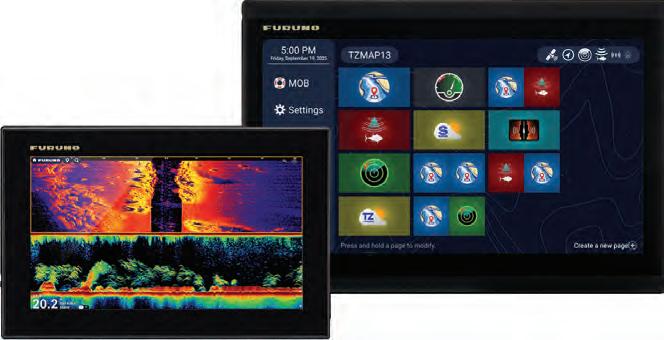
The 9” TZMAP9 and 13” TZMAP13 feature responsive, sunlight-readable multitouch displays powered by a streamlined version of the TZtouchXL operating system. These MFDs are equipped with a 300W/600W/1kW, single-frequency TruEcho CHIRP™ or dualfrequency CW Fish Finder, CHIRP Side-Scan capability (230kHz or 455kHz), and advanced chart plotting capability built around Furuno’s revolutionary TZ MAPS platform. With a free My TimeZero account, waypoints and routes can be easily backed up or retrieved from the cloud with just a few taps, ensuring critical data remains safe and secure.
Designed for simplicity while retaining advanced functionality, these units support Radar options such as the Solid-State Doppler DRS2DNXT and DRS4DNXT. They also offer integration with the TZ iBoat App and support AI Routing, helping boaters plan smarter, safer routes. TZMAP units come ready-to-navigate out of the box with pre-loaded,
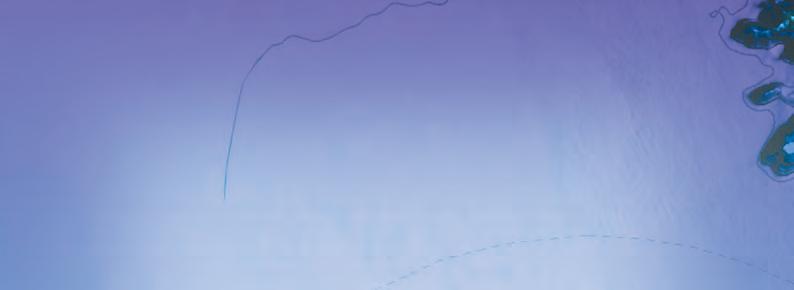
official NOAA Vector charts for the entire coastal US. For a serious upgrade at an incredible value, optional TZ Maps charts can be purchased directly from the MFD. TZ Maps delivers customizable, detailed cartography built on a foundation of official hydrographic charts, high-resolution BathyVision™ bathymetry, satellite imagery, and community-sourced data. It’s the most intuitive and powerful charting system Furuno has ever offered, and it’s built right into every TZMAP9 and TZMAP13. Plus, your first chart purchased through the TZMAP
MFD is available at a special low introductory price of only $150an incredible price for the entire USA, or any other chart area. With details this precise and coverage areas this large, TZ MAPS is one of the most affordable chart options on the market.
From bay boats to kayaks and sailboats to cruisers, the TZMAP9 and TZMAP13 offer an accessible entry point into Furuno’s navigation ecosystem. These units are ideal for boats 16’ and up in need of essential fish-finding tools, cutting-edge charts, and affordable Radar options in a clean, stand-alone package.
June will begin the widespread warm water, instead of just pockets like in spring. Starting now you can catch tuna, wahoo and dolphin anywhere in that 70+ degree water. From now through October, I would put an emphasis on securing big, hardy live baits for the light line. If nothing else, jig up some small snappers wherever you are bottom fishing and keep one underneath a float or under the kite, along with one without a float that can get some depth. Of course, I like to find bait to fish around, not just bait on the surface. Don’t hesitate to get these light line baits deeper in the water column. That 75- to 100-foot depth is notorious for wahoo, as well as yellowfin tuna during the middle of the day when the sun is high.


I would suggest spending some time posted up on top of a big stack of bait and dedicating at least one person to jigging up dozens of live cigs and sardines. This is the ultimate bait for either the light line or on the bottom. If you put a lot of cigar minnows or sardines on the decoy jig, its life expectancy is under five seconds on the bottom, but just getting it to the bottom sometimes can be a challenge. We never leave the dock without a couple boxes of frozen cigar minnows and live pinfish this time of year, but nothing, in my humble opinion, is any better than a live cigar or sardine on the jig.
The summer solstice will be June 20—the longest day of the year. It will be daylight right after 5 a.m. and fish are just like us. They like to eat breakfast and dinner, so go early. Be there for the daylight bite or stay late and, if you feel froggy, spend the night. There is nothing like that night bite under the lights. It is a “National Geographic moment” at night under the lights. You see everything. Be sure to dip up some squid for the daylight bite or put them back down at night. Squid will definitely come to the lights and are easy to catch, but beware—they will bite you and spew very black ink.
This is a great time of year to take the kids. You could have big, high-pressure cells that will keep the seas flat for days and they will be amazed to see all the life under the lights at night. But dress your kids properly and teach him how to harvest fish and take care of the fish you want to release. Take plenty of videos because they will never want to forget these trips.
Calm seas and tight lines, Ben Martin. We’ll fish together again someday...
Learn more tips and techniques from Tim Barefoot at barefootcatsandtackle.com and on his YouTube channel: @timbarefoot5698.
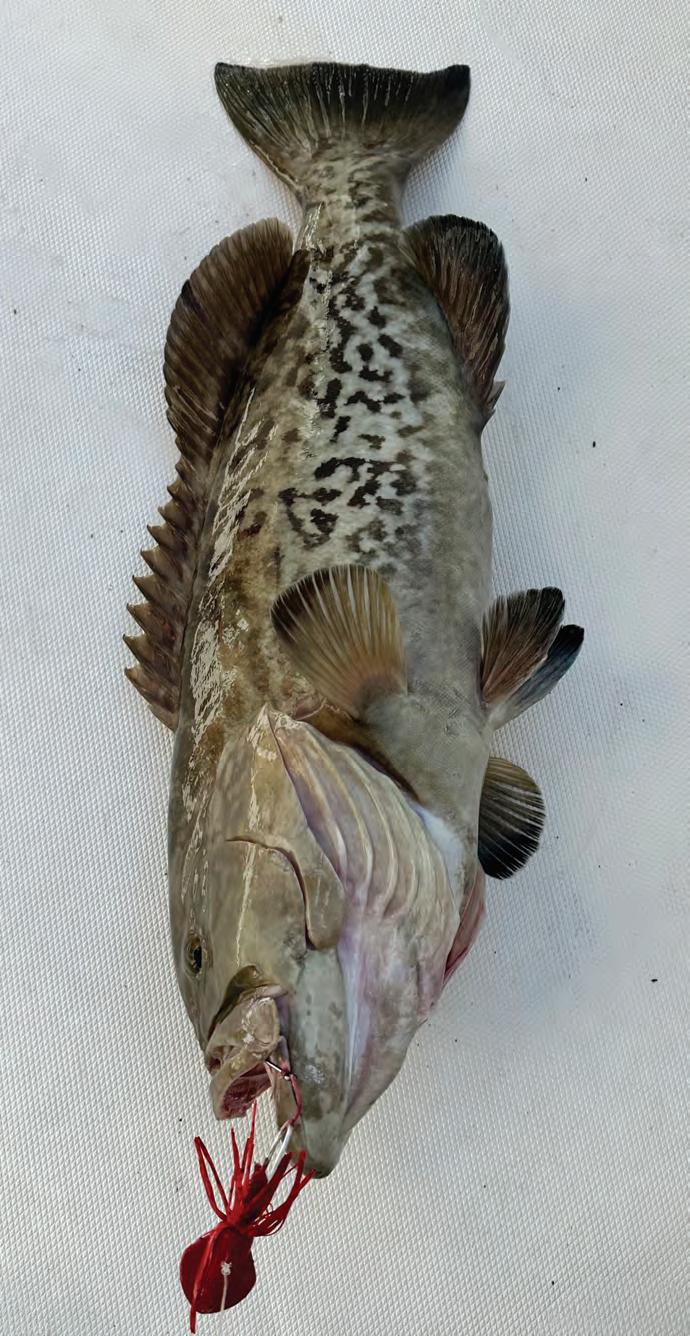
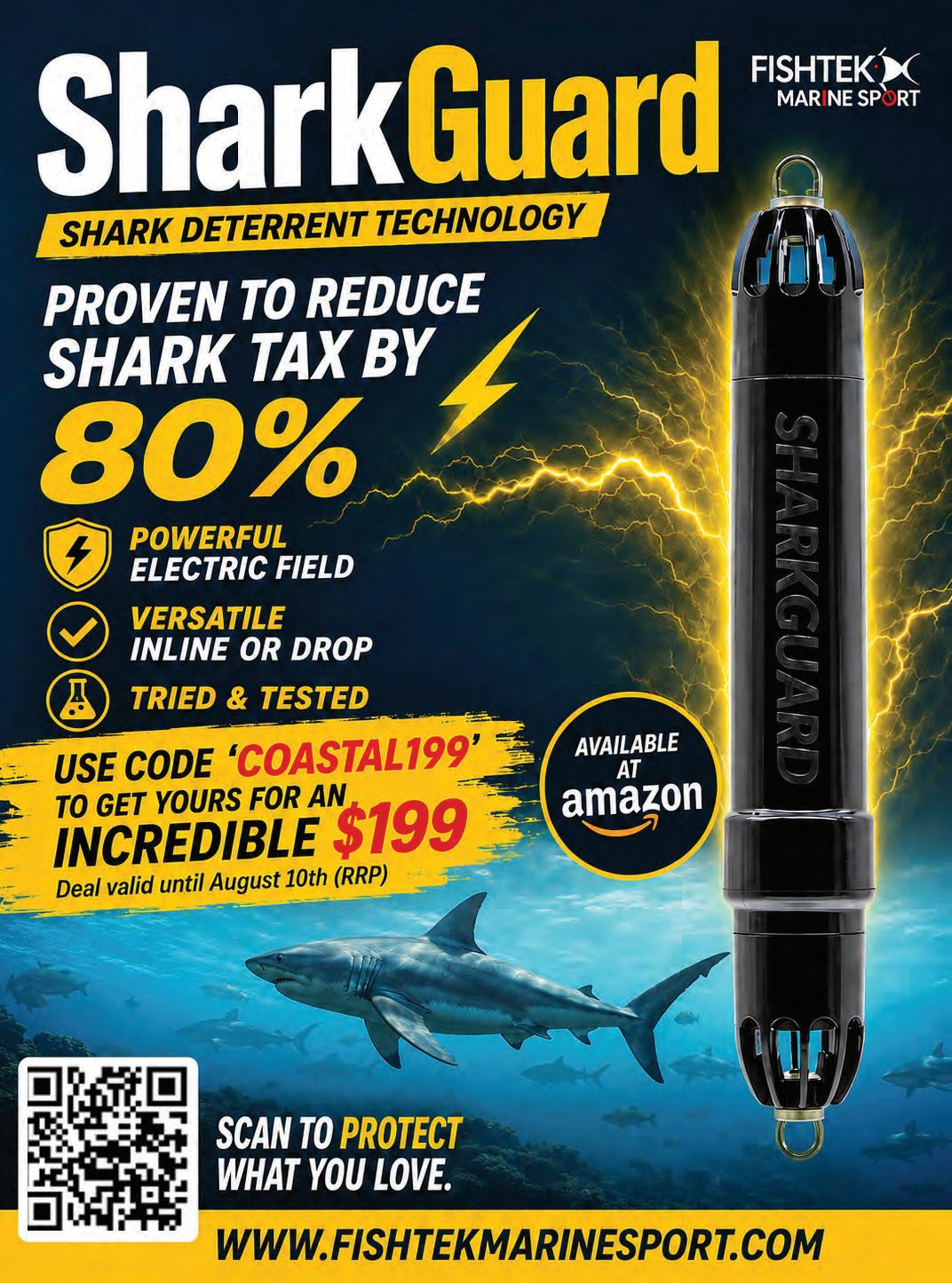
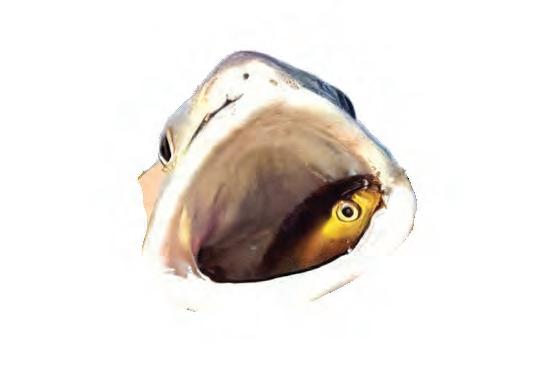
You’ve seen it happen. A wahoo stripped clean off the rigger. A quality redfish reduced to a head and a hook boatside. It’s one of fishing’s most heartbreaking moments — and for too long, anglers have just shrugged and called it part of the game.
SharkGuard is a game changer!
Born in the commercial longline industry — where captains run razor-thin margins and won’t spend a dollar on anything that doesn’t deliver — SharkGuard uses proven electric pulse technology to deter sharks from targeting hooked fish. When hardened commercial fishermen adopt a product, recreational anglers should take notice.
Other than the fact it truly works, what makes SharkGuard different is its versatility. Run it inline or slide it down to the fish mid-fight using a traveller rig. That kind of real-time adaptability is rare in any tackle category, and it won’t deter your target species either.
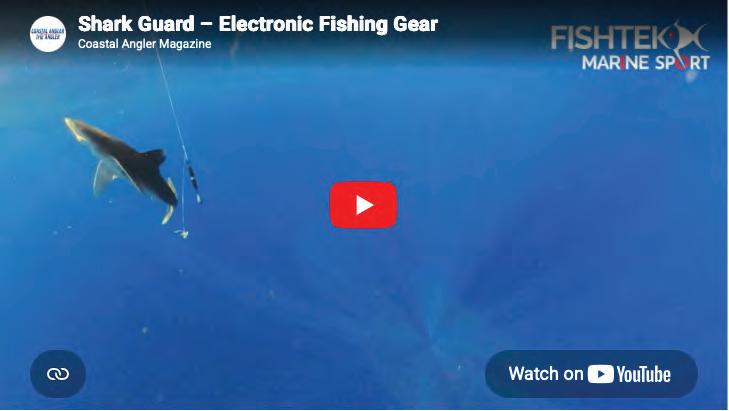
The results back it up. Controlled trials in Australia and Florida show dramatic reductions in shark depredation. Whilst Stateside, Captain Nikolas Kunsis tested SharkGuard in what he calls “the shark bite capital of the world” and landed multiple quality snook and redfish with zero shark follows or damage. Wherever you fish, if you’re paying too much tax, SharkGuard belongs in your kit.
Start landing fish again.
By Mark Ambert
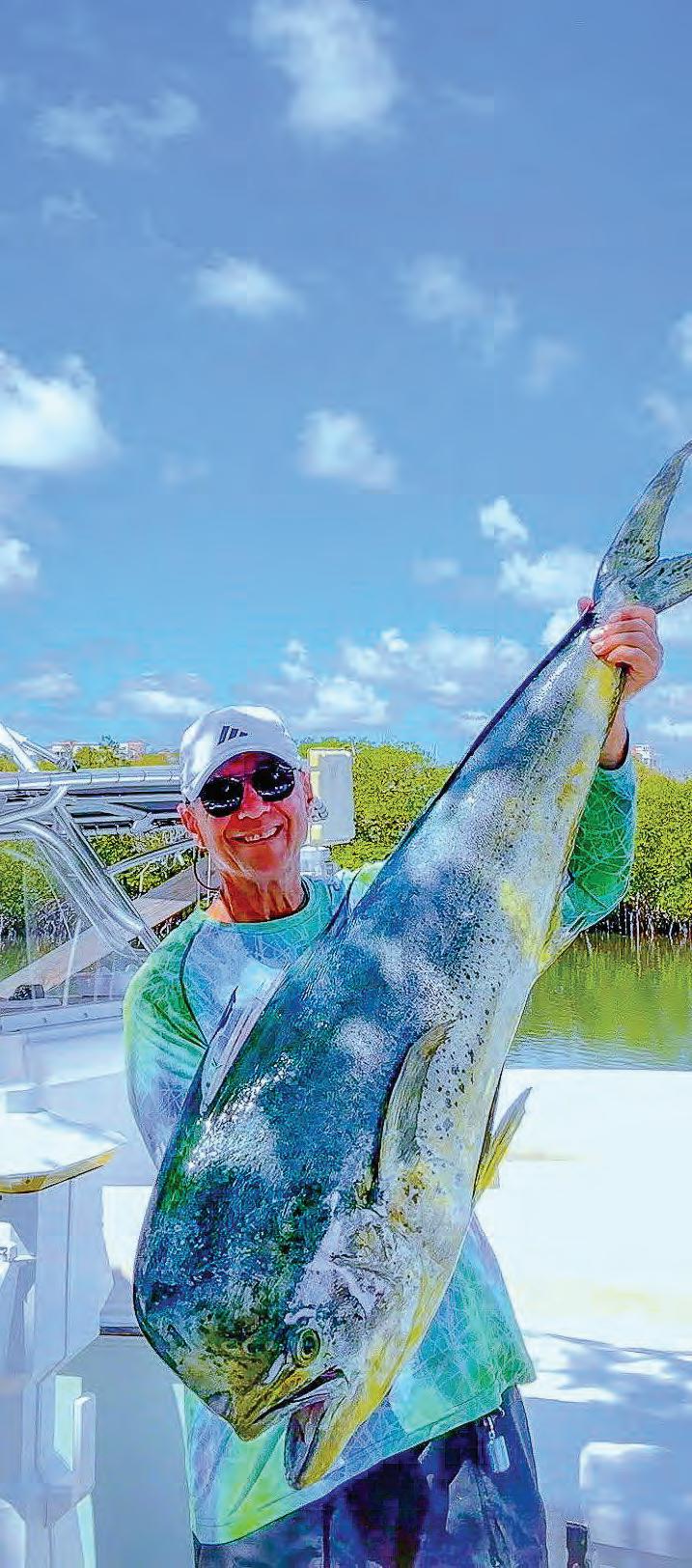

Forty-five minutes on light tackle, an epic battle and a 40-pound bull mahi. The holy grail of fishing. Not what I expected when heading out but this is what keeps us in the hunt. The endless possibility for the catch of a lifetime! The day started off iffy. My first mate and avid fisherman Stephen Leo realized we had left the frozen baits at the dock. The delay going back had me nervous. The local bait guys had been selling out. I don’t like hitting the water without a variety of fresh live and dead baits. As luck would have it, this altered my plans a bit as to what direction to take when clearing the inlet. Due to the delay, I decided to head straight out and not travel farther south. The gulf stream had been relatively close to Jupiter—roughly 6 miles out. I made the decision; deeper water was the play. We found a defined current and temperature break at 550’ which had a distinct line of small patch weeds. This and some flying fish jumping on the cooler side of the break decided things.
Setting out a spread of a live goggle out long with two deans and a rigged dead squid on the flat lines closer to the boat got us in the game. A steady stream of chum was deployed and 20 minutes in the line with the gogg went off. Within seconds, an angry bull mahi cleared the horizon. “That’s a big, big fish,” I said quietly, and the battle was on! This fish was savvy, so I guessed sometime during his brief life it had been hooked and won itself another day. Greyhounding across the surface set my 8000 sized Diawa Freeswimmer screaming. “Gonna have to chase this one Stephen,” I said, and soon lines were cleared and we were backing down on this monster fish. Twenty minutes into a see-saw battle I was no closer to tiring the big bull out. We had settled into a slow give and take with the fish going deep and bouncing that big head up and down while laying sideways, conserving energy and working the leader. Smart. I put as much pressure as I dared, trying to convince him otherwise, and slowly he came to the surface.
One look at the boat and he took off jumping then sounded and headed towards the stern. He streaked across the full length of the boat in seconds—toward the motors! My heart sank as I knew I was facing my first real challenge. Somehow, he got right between the motors and my heart sank again. But it was game time and I was in it to win. “Raise the motors quickly Stephen, and all the way out of the water!” I had the rod shoved down deep between the twin Mercs as he ran line off the reel. I was able to clear the port-side motor just in time for another acrobatic jump. He was tiring now, I could feel it. Time to ready the gaff. Three times he came to the boat only to bury that big head deep when he saw the gaff and slid inches underneath. It was agonizing to watch. The fourth time was the charmer and, with a few heavy shakes at the rail, he was safely on deck beating that heavy drum beat only a big fish makes.
High fives, wide smiles, and a personal best—finally breaking into the 40s. The kind of fight that keeps you chasing. I had finally boated my fish of a lifetime.
Mark Ambert is an avid angler and regular contributor to the Coastal Angler Magazine’s Palm Beach & Fort Lauderdale Area Edition. Check him out on Instagram @marksgonefishing_
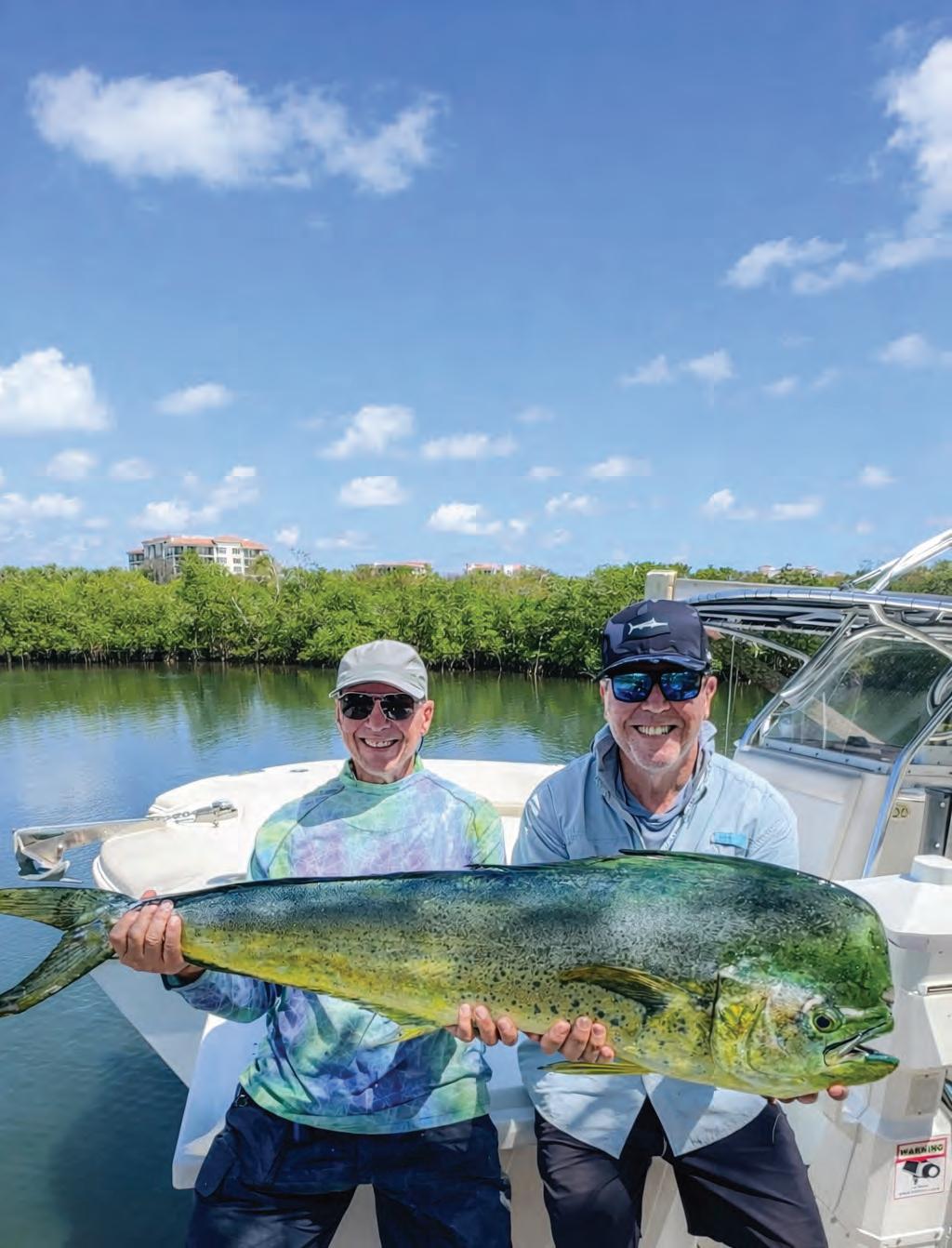
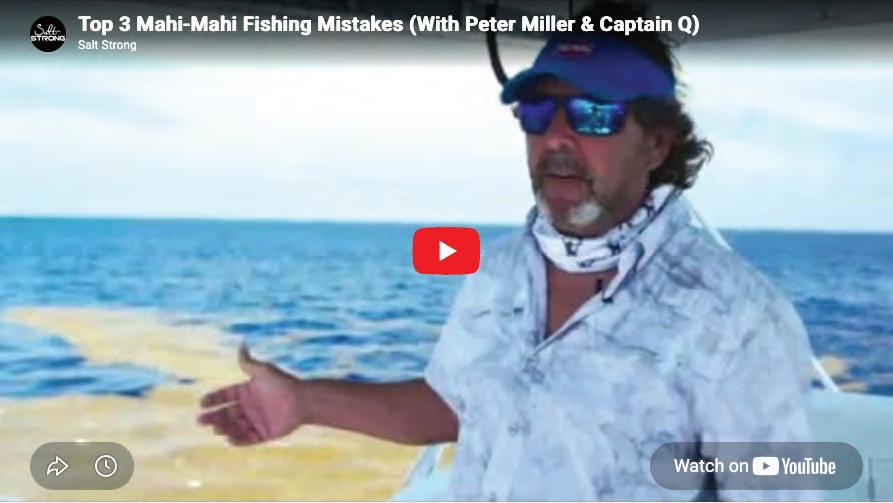
It takes teamwork and a coordinated effort to boat a fish like this on light tackle.
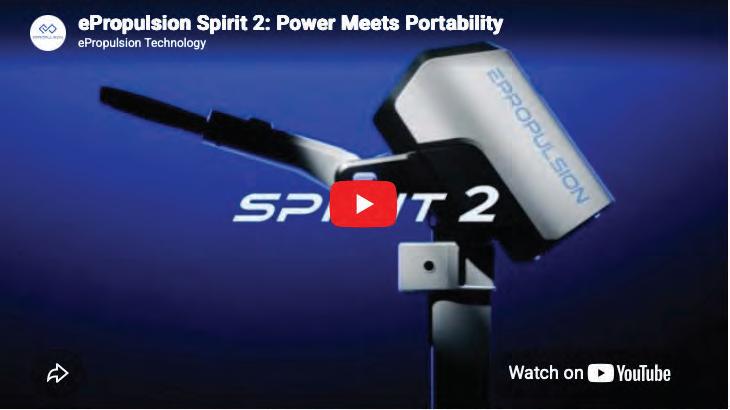
A decade of evolution has led to its fourth generation, ePropulsion expands the Spirit range to 2kW with the introduction of the new Spirit 2, a powerful battery-integrated electric outboard. This upgraded model delivers enhanced power while maintaining a similar compact size, Featuring a 1.5kWh battery, the Spirit 2 revolutionizes the experience for dinghies and day cruisers, providing silent, eco-friendly power.


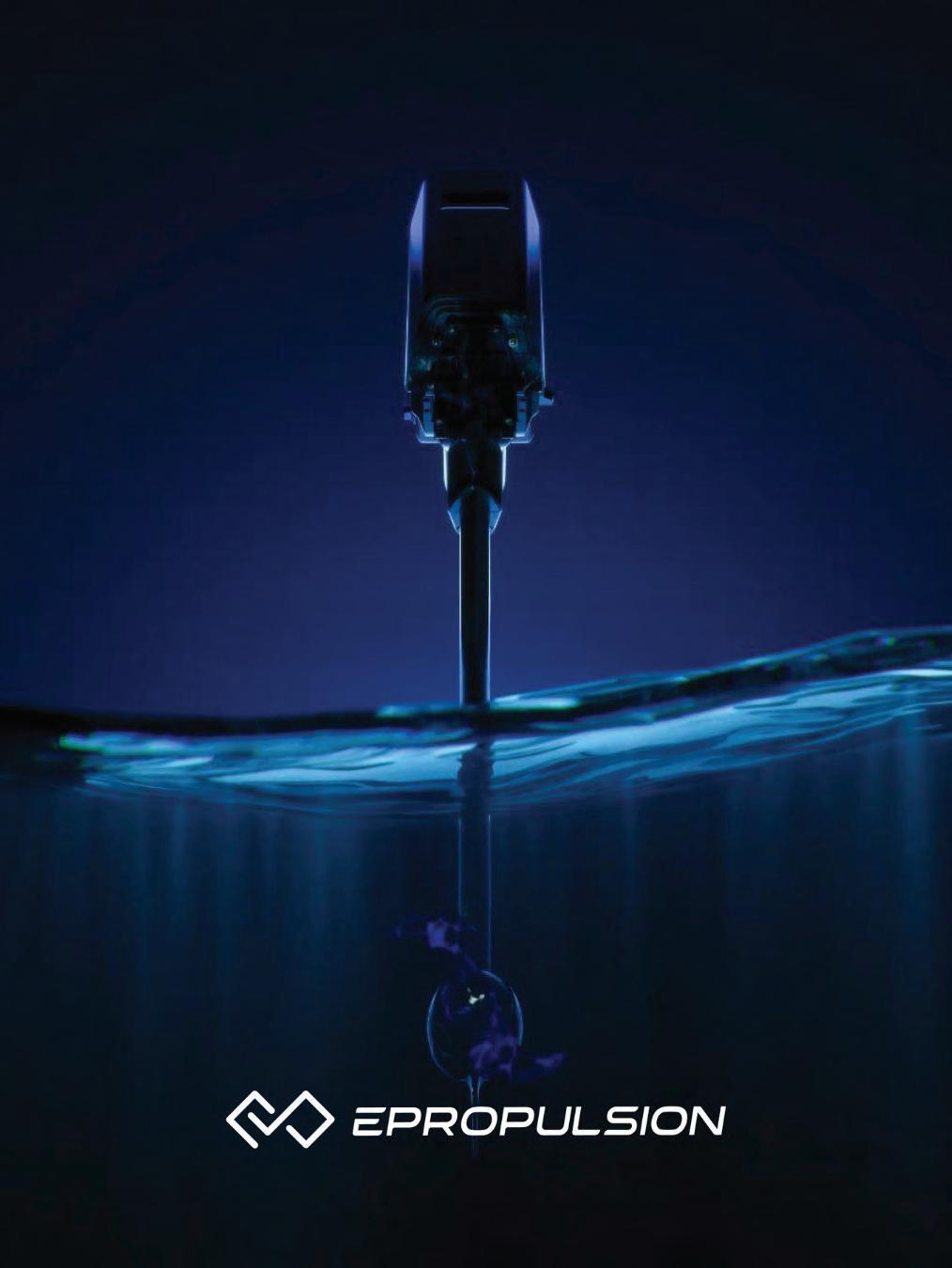
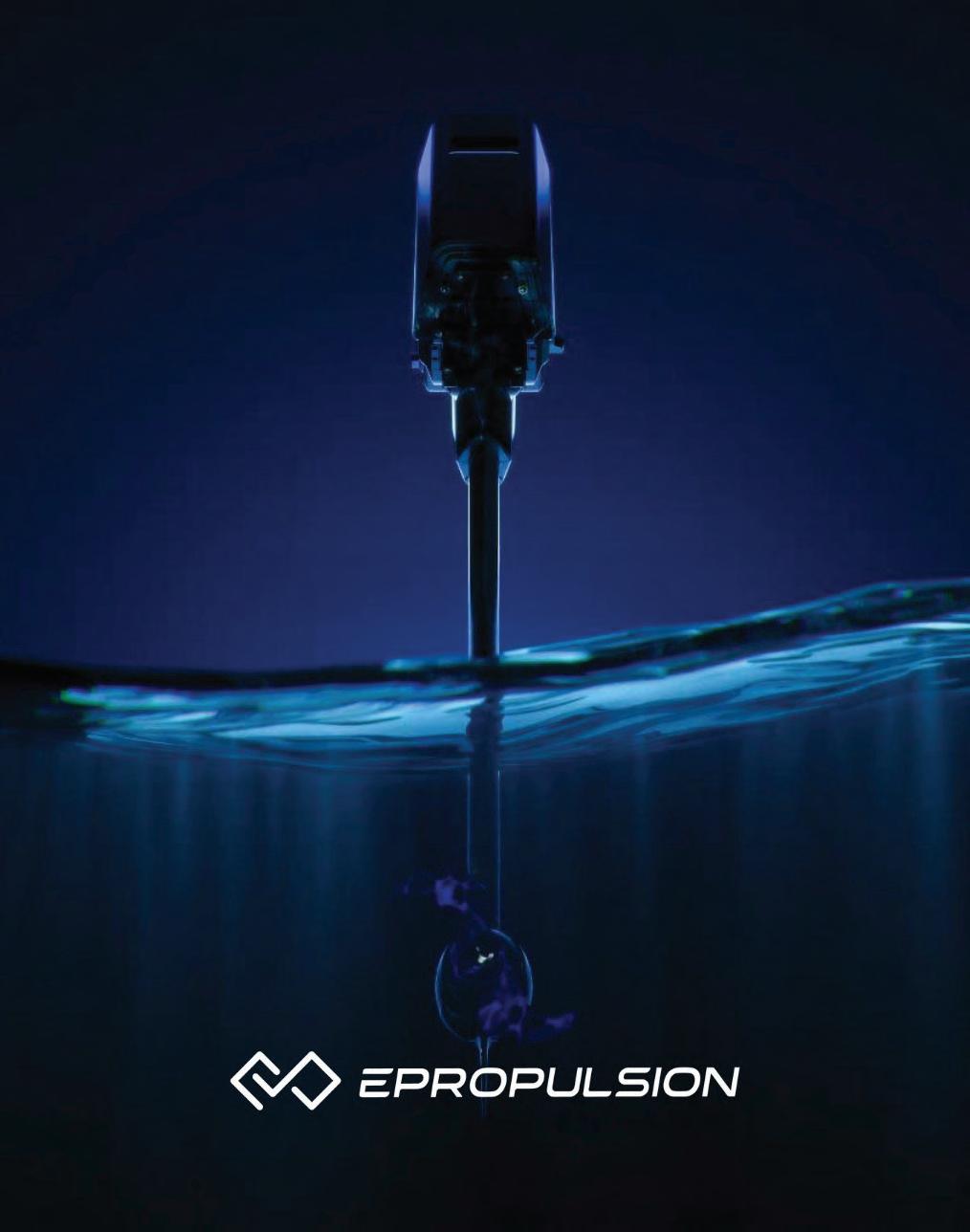
Global leader in electric marine propulsion systems and services, ePropulsion’s latest outboard, Spirit 2, has won the prestigious Innovation Award for Alternative Propulsion at the 2026 Miami International Boat Show.
Presented during one of the marine industry’s most influential global events, the award recognises outstanding achievement in advancing sustainable propulsion technologies. The judges highlighted Spirit 2 for its intelligent engineering, practical innovation and its meaningful contribution to accelerating electric mobility on the water.
Reflecting on the decision, judge Kelsey Bailey described Spirit 2 as “a significant improvement from earlier iterations of small electric outboards, with enough power and battery capacity to propel a small sailboat or large dinghy without range paranoia,” adding that “the robust, field serviceable battery connection is a highlight for off grid adventurers.”

The recognition marks a significant milestone in ePropulsion’s 10year journey of driving electric transformation across the marine sector. As regulatory pressures increase and boaters seek cleaner and quieter alternatives, the Alternative Propulsion category has become one of the most closely watched areas of marine innovation.
Spirit 2 represents the next evolution of ePropulsion’s compact electric outboard technology. Powered by a 2 kW motor and featuring a newly introduced 3 kW “Boost Mode,” the system delivers enhanced thrust when required while maintaining the quiet and efficient performance electric propulsion is known for. A 1539Wh quick connect battery, the largest in its class, provides extended range in a highly portable format.
Danny Tao, Co founder and CEO of ePropulsion, said, “Winning the Innovation Award for Alternative Propulsion at Miami is an exceptional honour for our team. It reflects not only the performance of Spirit 2, but our long term commitment to delivering practical and high impact electric solutions that move the marine industry forward.”
Designed with real world usability in mind, Spirit 2 combines a 10.7kg motor with a 10.4kg battery, alongside features such as a detachable
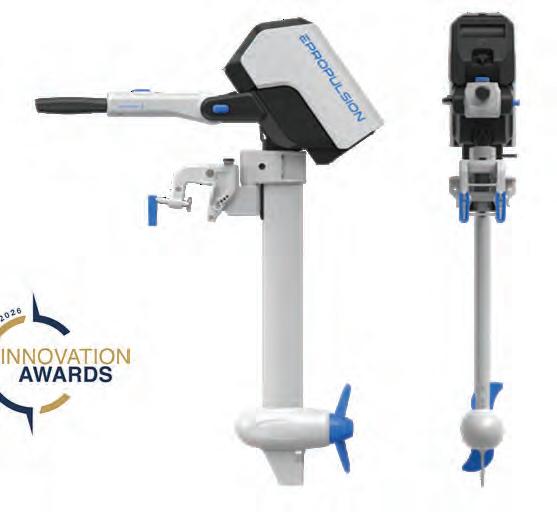
shallow water trimming, 90 degree tilt, integrated steering lock and a safety kill switch further enhance everyday operation.
Hydrogeneration capability allows the system to produce electricity while sailing between 3 and 16 knots, generating up to 380W at 10 knots and extending usable range during longer passages. Additional features include a 45W USB C output for device charging and an optional inverter accessory that transforms the battery into a portable power station.
Compatible with ePropulsion’s 48V platform and E Series batteries, Spirit 2 supports solar charging and integration with third party energy systems, including Victron Energy, reinforcing its role within a broader electric ecosystem.
By securing the Innovation Award for Alternative Propulsion at the Miami International Boat Show, ePropulsion continues to demonstrate leadership in shaping a cleaner and smarter future for boating.
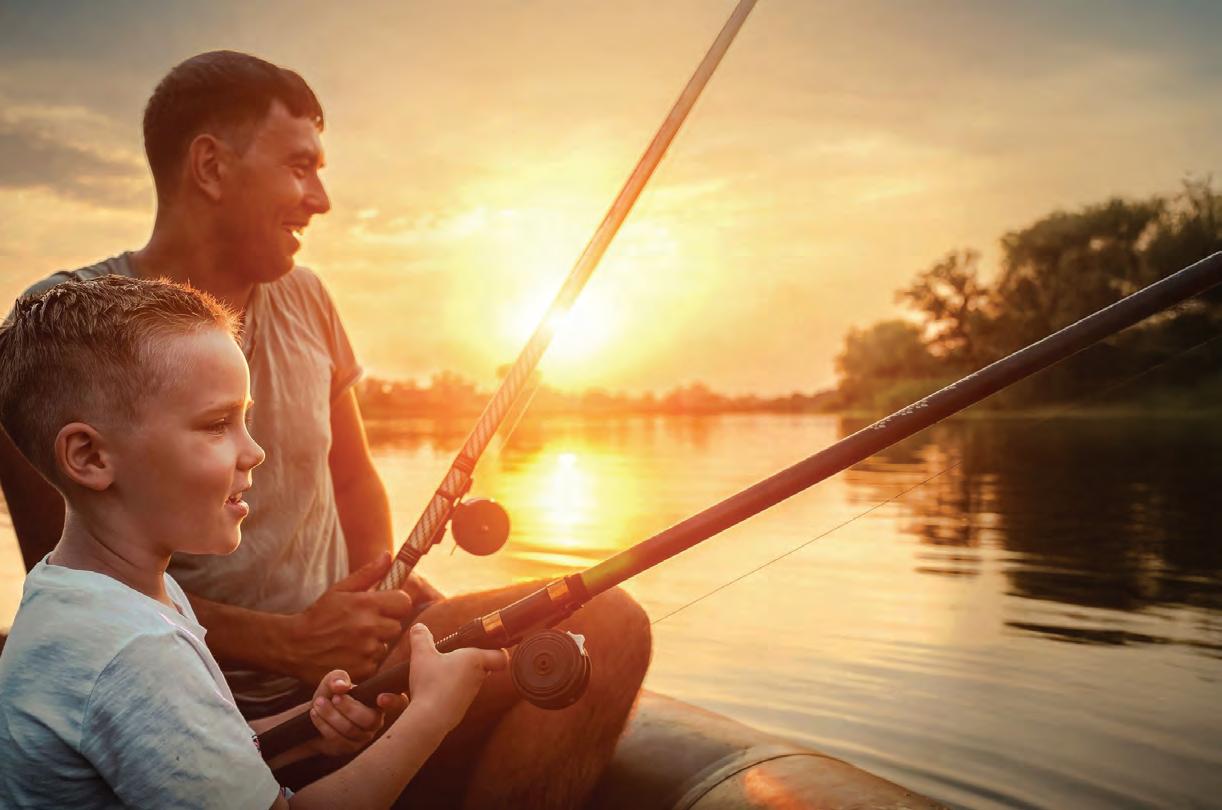
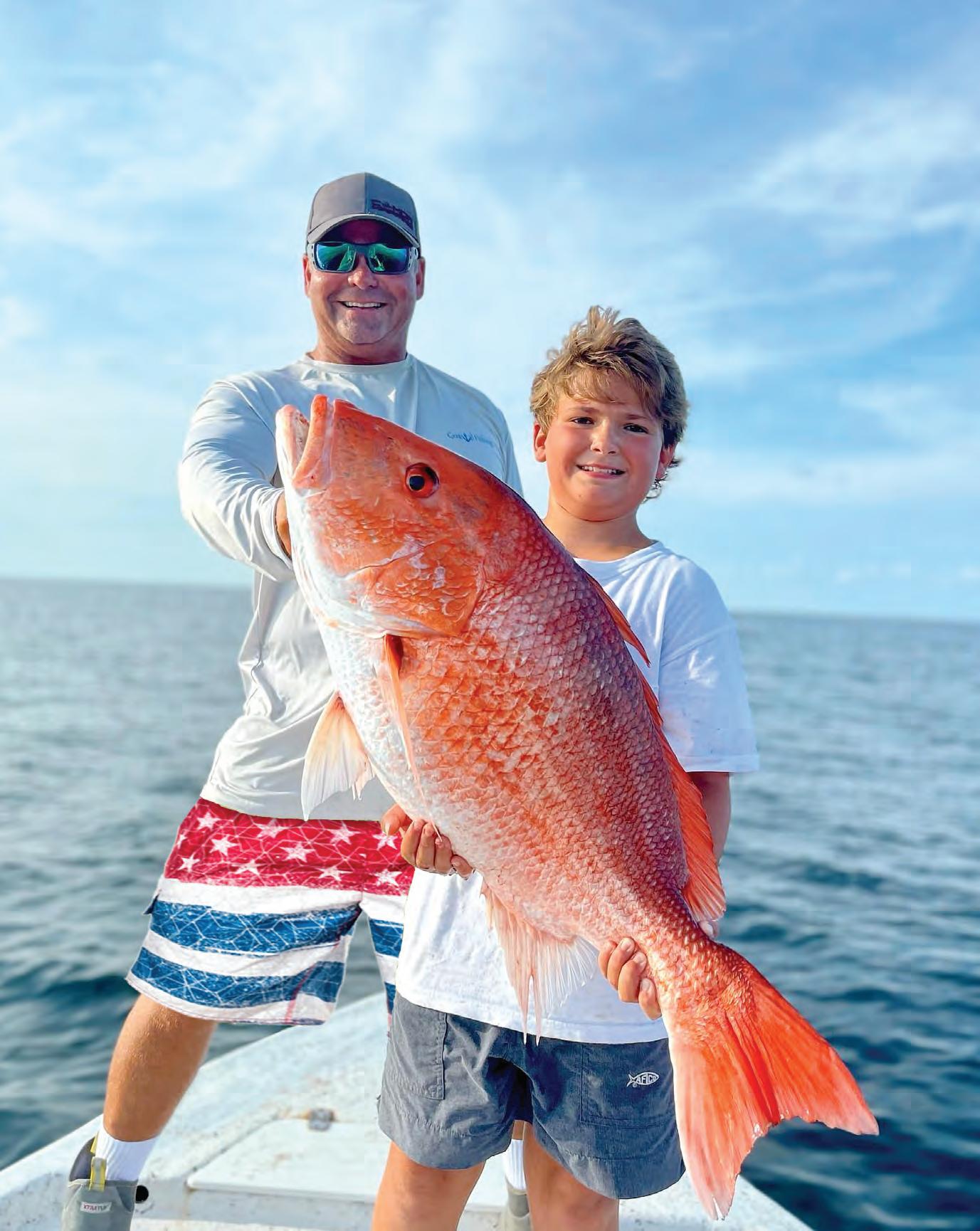
There’s something timeless about a father teaching a child to fish. Long before the first cast is made or the first fish is landed, something deeper is already taking place on the shoreline, in the boat, or along the quiet bend of a creek. Fishing becomes more than a hobby—it becomes a bridge between generations.
For many fathers, fishing is one of the first ways they learn to teach patience, confidence, and respect for the outdoors. It starts with simple things: showing a child how to hold a rod, how to bait a hook, or why you move quietly near the water. Those lessons may seem small in the moment, but they often become memories that last a lifetime.
A child rarely remembers every fish they catch. What they remember is who was standing beside them. They remember early mornings wrapped in hoodies while the world was still waking up. They remember snacks in the tackle box, tangled lines that somehow got fixed, and the excitement in their father’s voice when a bobber finally disappeared beneath the surface. They remember the encouragement after losing a fish and the celebration after catching even the smallest bluegill.
Fishing fathers teach far more than technique. They teach patience in a world that moves too fast. Fishing forces children to slow down, observe, and appreciate the

By Chatwick G. Peterson III
moment. There are no instant rewards on the water. Sometimes the fish bite, and sometimes they don’t. Learning to accept both outcomes gracefully is a lesson many adults still struggle to master.
They also teach resilience. Every angler loses fish. Hooks snag. Weather changes. Boats break down. Yet fishermen keep going. Children who grow up fishing learn early that frustration is temporary and persistence often pays off.
Perhaps most importantly, fathers who fish with their children create space for conversation. Some of the best talks happen when there’s no pressure to talk at all. Sitting side by side in a boat or along a bank has a way of opening doors. Kids ask questions. Fathers share stories. Life slows down enough for real connection to happen naturally.
In today’s world, where screens compete for nearly every waking moment, teaching a child to fish may be more important than ever. Fishing pulls kids outdoors and reconnects them with nature. They learn where food comes from, how ecosystems work, and why conservation matters. They begin to understand that lakes, rivers, and oceans are not just places for recreation, but resources that deserve protection.
A father teaching a child to release a fish carefully may also be teaching stewardship
without ever using the word.
Not every fishing father is perfect. Some are patient teachers while others struggle to untangle knots without frustration. Some own expensive boats while others fish from muddy banks with secondhand rods. But none of that truly matters to a child. What matters is presence. Time is the real gift.
Years later, long after tackle boxes rust and rods are replaced, many sons and daughters discover that fishing was never really about the fish at all. It was about learning who their father was. It was about shared silence, laughter, stories, and traditions passed down one cast at a time.
And eventually, something remarkable happens: the child grows up and begins teaching another child how to fish. The knot may be tied differently. The tackle may change. The old family hotspots may even disappear. But the tradition continues. One generation passes something meaningful to the next—not just a skill, but a way of life.
Fishing fathers help shape patient, observant, and connected children. They teach kids to appreciate nature, value time, and understand that some of life’s greatest moments happen far away from crowds and notifications.
In the end, the greatest catch a father ever makes may not be the fish on the line, but the bond built beside the water.
For years, I’ve spent time on rivers, streams and backcountry waters that most people will never see. Places that feel untouched. Wild. Worth protecting.
But over time I started noticing something that didn’t belong.
Discarded fishing line.
Sometimes it’s barely visible—caught in a branch or wrapped around a rock. Other times it’s impossible to ignore. Tangled, drifting, or worse…impacting wildlife that never should have encountered it in the first place.
The truth is, most anglers don’t leave it behind intentionally. But it’s there. And if you spend enough time on the water, you’ve seen it.
I know I have.
For a long time, I did what many of us do. I noticed it… and kept fishing.
At some point, that changed.
I stopped asking if it was my place to do something about it—and started asking if it was my responsibility.
That shift is what led to Pack Out More™.
It’s not complicated. It’s not about perfection. It’s about a simple idea: If you enjoy the water, leave it better than you found it.
One piece of line. One piece of trash. One small decision at a time.
Because movements don’t start with big moments. They start with small actions
By Joe Woody
that people choose to repeat.
And when enough people make that choice, something bigger begins to take shape.
A new standard.
A new kind of angler.
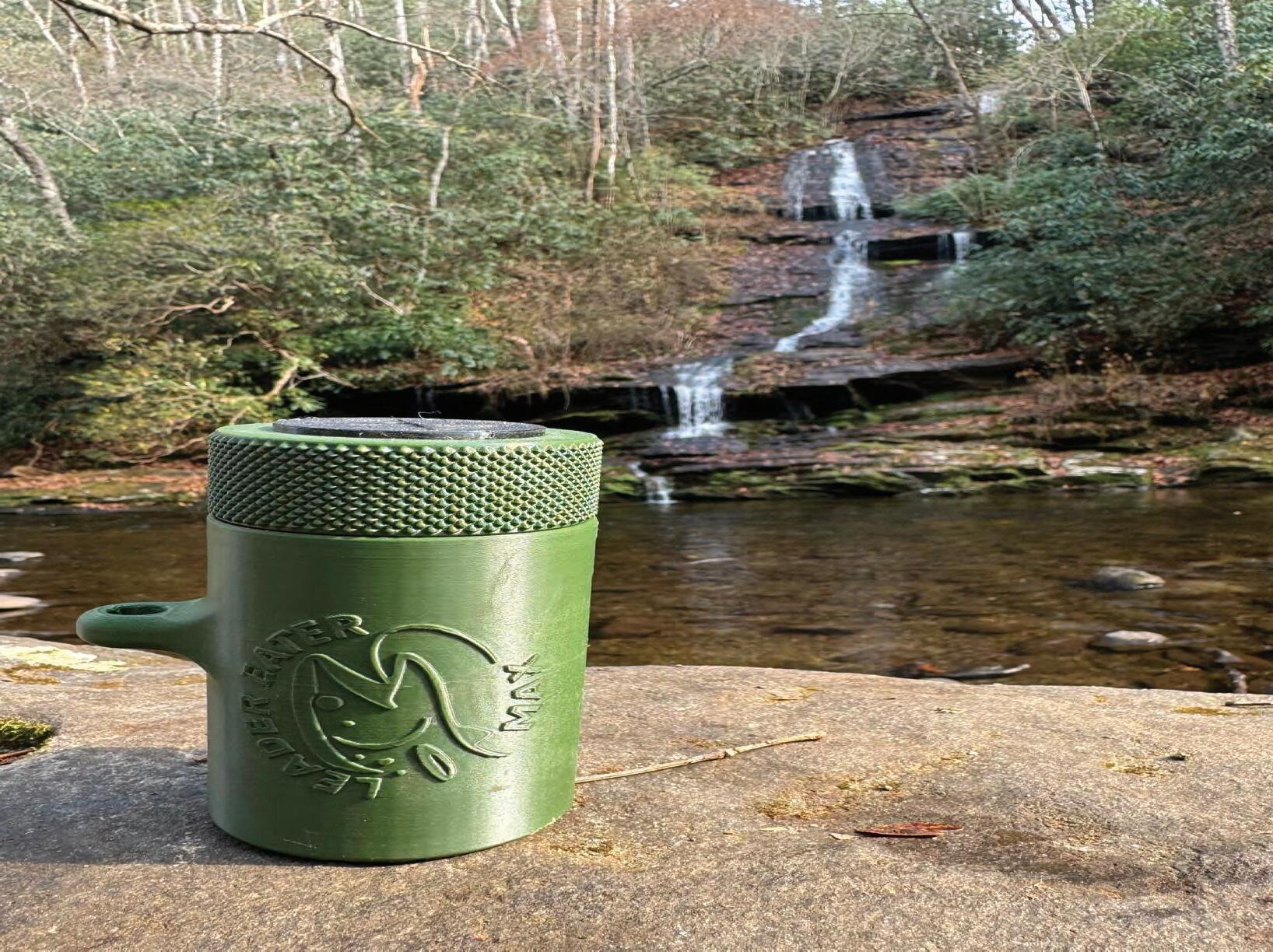
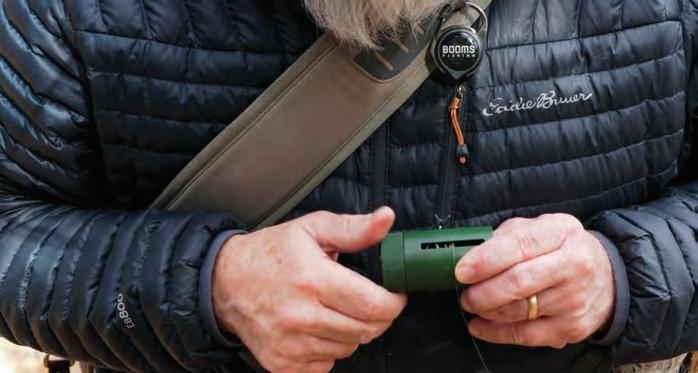
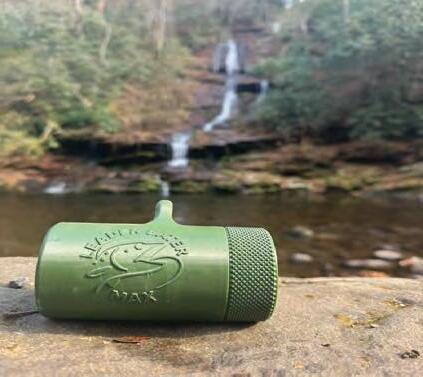
To make that action easier, we created the Leader Eater™—a simple, purposebuilt tool designed to help anglers remove and safely collect discarded fishing line and small debris while they’re on the water.
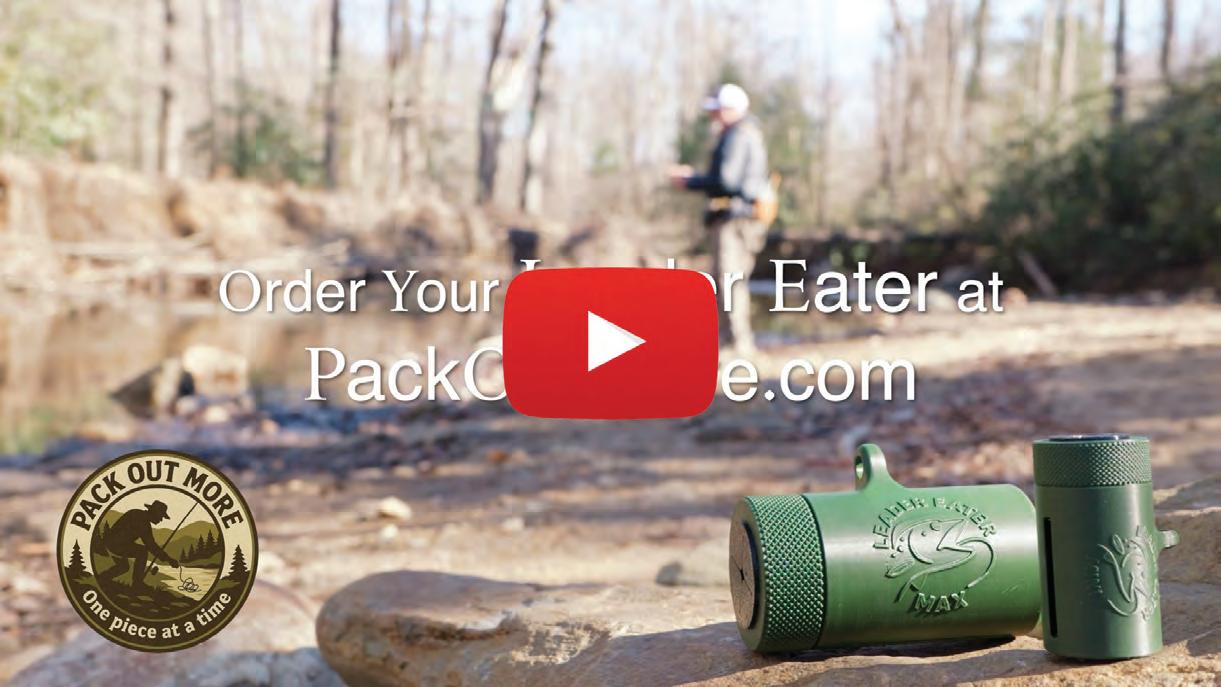
If you’re ready to be part of this shift, you can learn more and get yours at PackOutMore.com
Because this only works if enough of us decide to start.
Be
Pack Out More™ starts with a simple decision—one piece at a time.
The Leader Eater® was built to make that decision easier, giving anglers a simple way to remove and safely collect discarded fishing line and small debris while on the water.
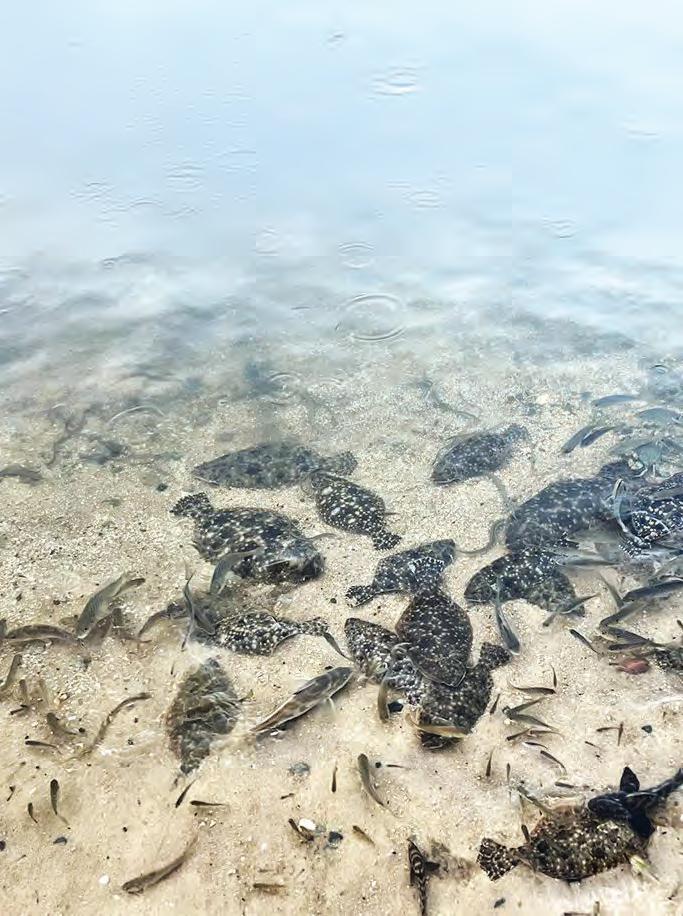

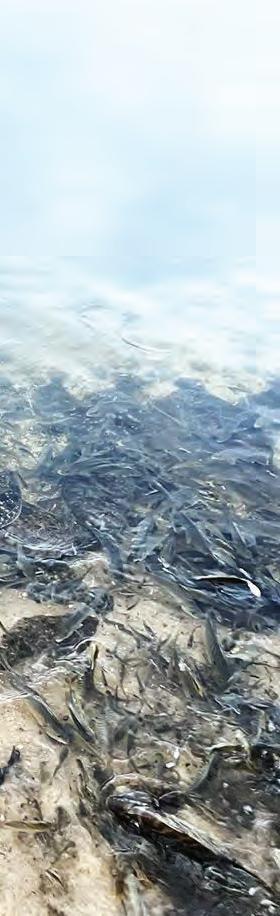
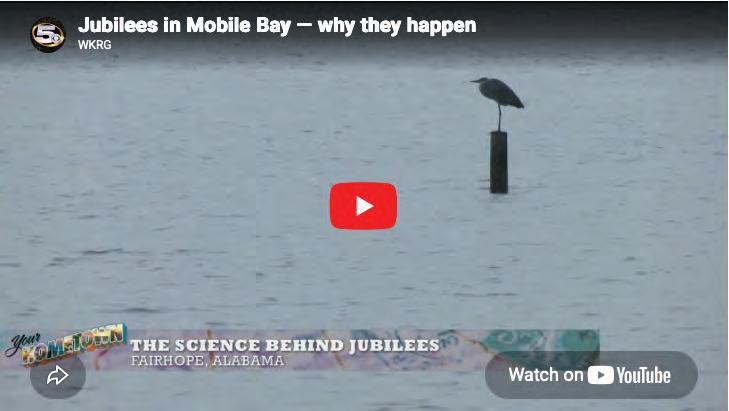
If you happen to be strolling along the eastern shore of Mobile Bay in the predawn hours and see hundreds of flounder, shrimp and blue crabs literally crawling out of the water toward your feet, don’t panic. You haven’t stepped into a low-budget sci-fi movie; you’ve just witnessed a Jubilee.
This rare natural phenomenon is unique to only a few places on Earth—most famously, the shores of Daphne and Fairhope, Alabama. For locals, it’s a “call to arms” (and buckets) as they rush to the water’s edge to scoop up a fresh seafood dinner.
While a Jubilee feels like a gift from the sea, it is actually the result of a very specific “perfect storm” of biological and meteorological factors. Here is how the science breaks down:
Oxygen Depletion: During the hot summer months, organic matter on the bay floor decays, a process that uses up dissolved oxygen. This creates a layer of hypoxic (low-oxygen) water at the bottom of the bay.
The Calm Before the Swarm: On nights when the wind is still and the tide is rising, this “dead” water is pushed toward the shoreline.
The Trap: As the low-oxygen water moves in, it traps bottom-dwelling sea life against the coast. Unable to breathe, the fish and crustaceans become lethargic and are forced into the shallow, oxygen-rich surf at the very edge of the sand to survive.
A true Jubilee doesn’t happen every day. It requires a specific checklist to occur:
Season: Typically mid-to-late summer.
Time: Usually in the dark hours just before sunrise.
Weather: A calm or gentle easterly wind and a rising tide.
When the cry of “Jubilee!” rings out through the neighborhood, the community comes alive. Because the fish are in a temporary state of “suspended animation,” they are easy to catch by hand or with a simple gig.
The best part? As soon as the sun rises or the wind shifts, the oxygen levels stabilize and any lucky creatures not destined for the frying pan simply swim back out to the deep, waiting for the next time the bay decides to share its bounty.
The natural phenomenon where fish and shellfish gather at the shoreline, called a Jubilee, only occurs in two places, Tokyo and Mobile Bay.
Harvest regulations still apply during jubilees.
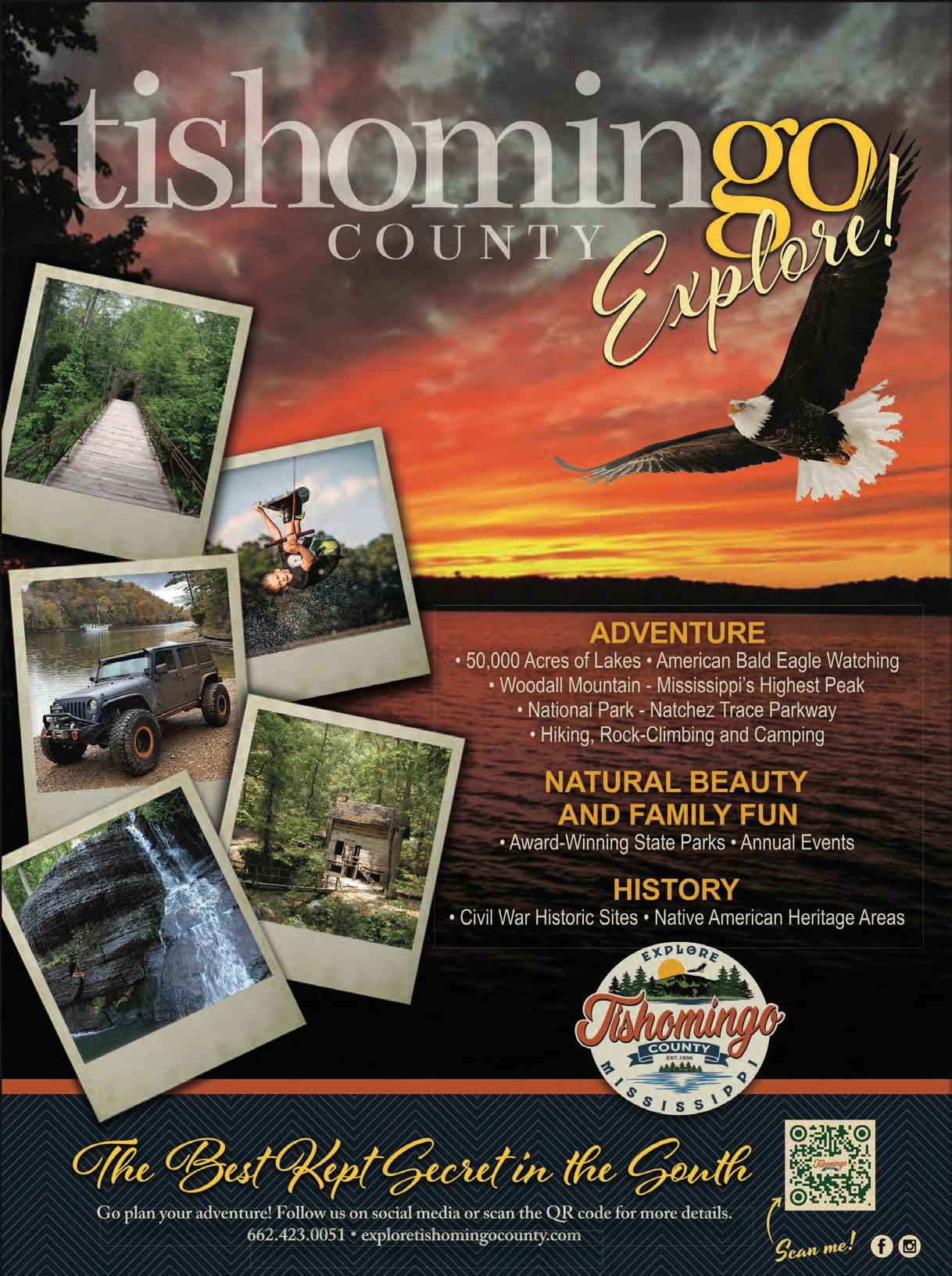
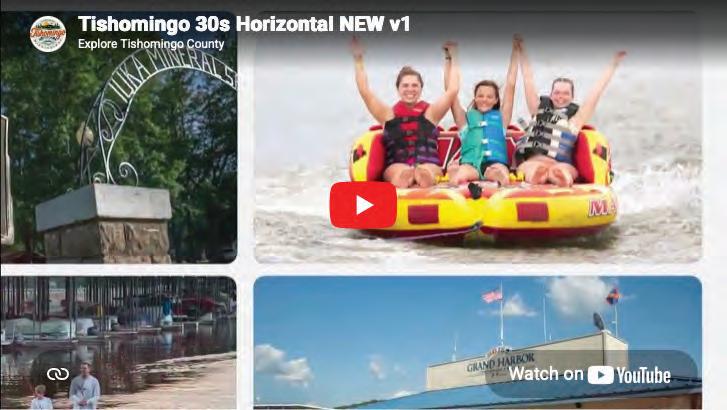


Tucked into the northeast corner of Mississippi, Tishomingo County offers anglers a surprisingly diverse and scenic freshwater fishery that feels far removed from the typical Southern landscape. According to Explore Tishomingo County, the area is defined by clear lakes, winding creeks, and access to the Tennessee River system—creating a destination where both casual fishermen and serious anglers can find productive water.
At the center of it all is Pickwick Lake, a well-known hotspot that consistently produces quality fish. This lake is particularly famous for its trophy smallmouth bass, but it also supports strong populations of largemouth bass, crappie, catfish, and bluegill. The structure here is what makes it special— expansive open water transitions into
creek channels, rocky points, and shallow coves, giving anglers multiple patterns to work depending on the season. Whether you’re dragging jigs along ledges or casting into backwater pockets, Pickwick offers year-round opportunity and even hosts tournaments and guided trips for those looking to dial things in.
For a quieter, more laid-back experience, Tishomingo State Park provides access to smaller waters like Haynes Lake, a 45-acre fishery ideal for bank anglers and small boats. Here, you’ll find a steady bite of bass, crappie, catfish, and bream—perfect for a relaxed day or introducing someone new to fishing. The park’s rugged terrain and wooded shoreline add to the experience, making it feel more like a backcountry trip than a typical lake outing. Running through the park, Bear Creek offers a completely different style of fishing.
This rocky, flowing creek is ideal for anglers who prefer light tackle and moving water. Spotted bass, sunfish, and even smallmouth can be found in its deeper pools, especially along shaded banks and current breaks. It’s a place where fishing blends with exploration—casting between paddles as you float through sandstone bluffs and hardwood forests. What makes Tishomingo County stand out isn’t just the fishing—it’s the accessibility and variety. From full-service marinas and boat ramps to remote creeks and shoreline spots, anglers can tailor their trip to match their style. Whether you’re chasing trophy bass on Pickwick or easing into a quiet morning bite on a small lake, this corner of Mississippi delivers a well-rounded, under-the-radar fishing experience worth exploring.

Truth be known, I don’t even like fishing tournaments. The thing I like best about kayak fishing is the peace and solitude of a long day in the marsh. Watching the birds, fishing at my own pace and enjoying my time in the boat without any kind of competitive pressure. The only reason that I fish tournaments is the camaraderie that exists in the kayak fishing community.
Routine took over on Saturday morning. My thought was to hit the marsh to try for some upper slot reds that can commonly be found in the Sabine National Wildlife Refuge. This little piece of kayak fishing paradise is located adjacent to the canal that connects the West Cove launch with West Cove on Calcasieu Lake in Southwest Louisiana. Not only does it boast a huge amount of productive marsh, but this area is also closed to motorized boat traffic. Best of all, hungry redfish, trout, flounder and drum prowl this marsh making it one of my favorite destinations.
My confidence wasn’t high as I paddled out towards the area I wanted to fish. This was only made worse by getting no hits for the first hour and a half of fishing. As I worked up a grass line throwing a 1/4 oz jig with a black and chartreuse cocahoe, I finally felt the thump I was looking for. Redfish on! Then it wasn’t on. Hope was draining out of me as I suffered through another hour without a bite.
I worked my way through the marsh and heard that distinctive sound that I can only describe as a sucking/splashing noise on the other side of a small marsh island I was near. Redfish. A few paddle strokes brought me silently around the island where I could plainly see a redfish crawling up the grass line. A quick toss of the cocahoe and the fight was on. A couple of minutes later, the redfish was in the boat and my confidence began to rise.
There are times when redfish are lone wolves working off of points, in pockets and at the mouths of
By John Williams
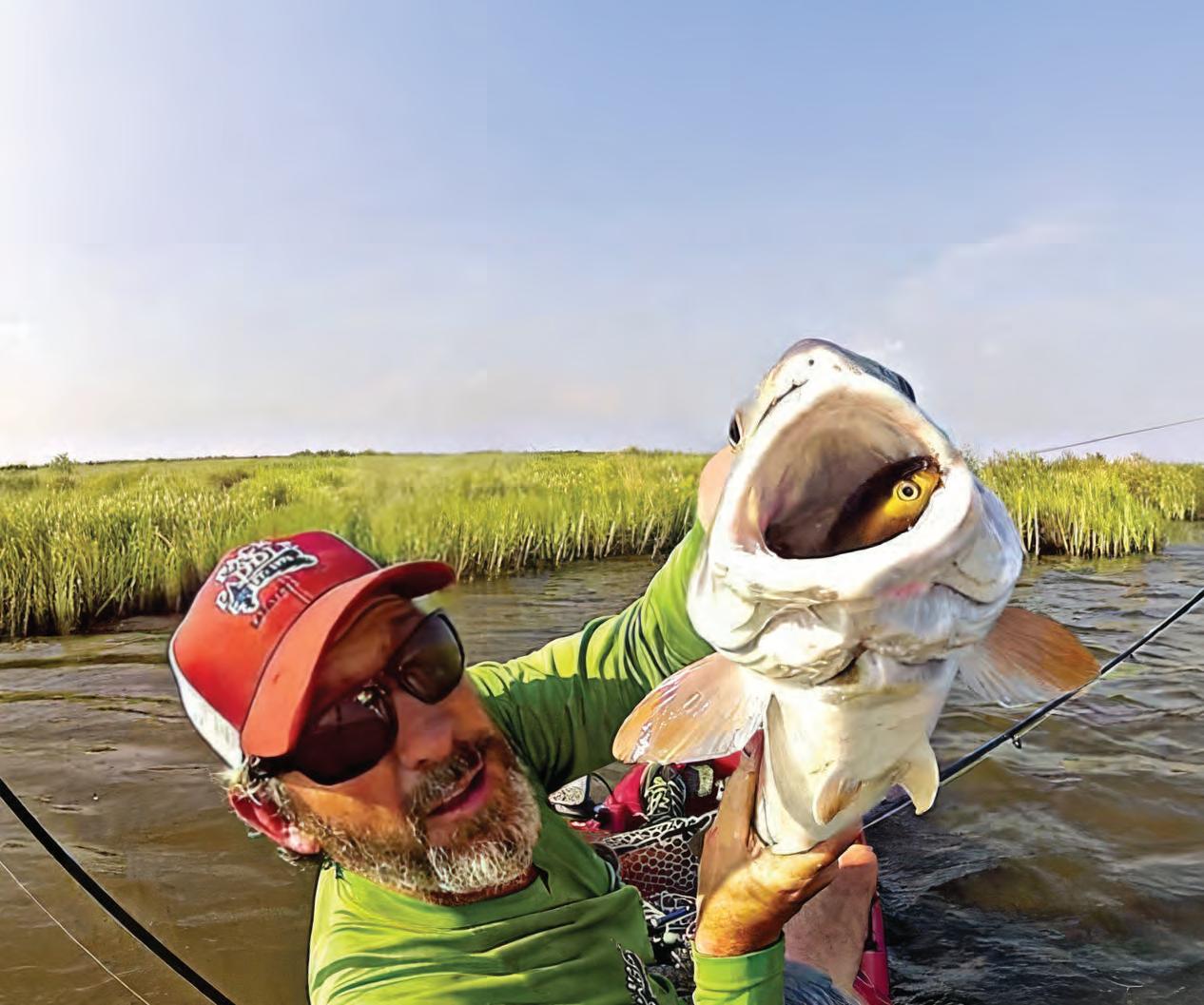
trenasses. Then there are times when they gang up like Hells Angels and go marauding through the marsh plowing up the mud eating everything in sight. I don’t know of a bigger thrill in kayak fishing than locating one of these groups, chasing them down and picking off the fish one by one. After I got that first red in the boat, I heard some splashing in the distance and began to look around.
There were three birds hovering over a small bit of marsh and below it I could see a telltale splash. A small school! I sprinted the 200 yards of water in my yak and made the cast at the front of the group. The hit was immediate and solid. I tried to work the fish quickly out of
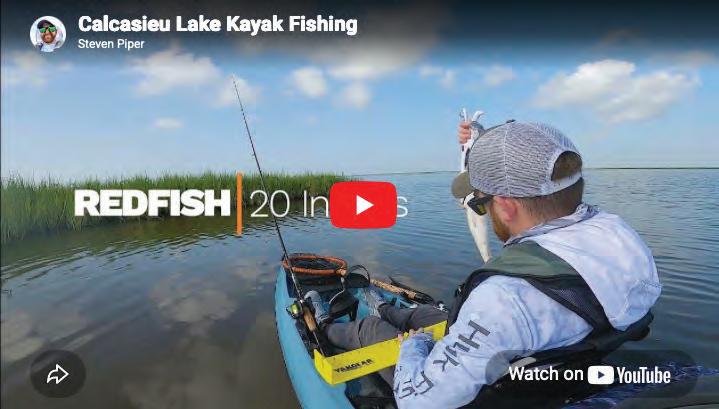
the group so as not to spook the others, but this turned out to be futile as I was linked up to a 34” redfish that wanted nothing to do with me. While it was fun to catch the fish, I needed a redfish as close to the slot limit of 27” without going over. By the time I released the bull, the school was not in sight. A quick scan showed two or three hovering birds a few hundred yards to the west. The chase was on again!
Over the next 4 hours, I chased down school after school of over-slot redfish in about 12 inches of water. After catching a
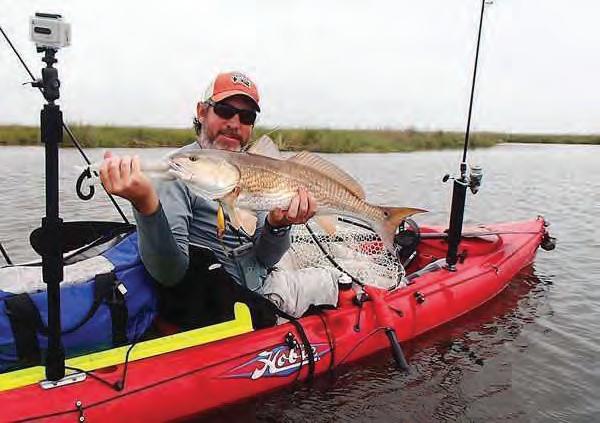
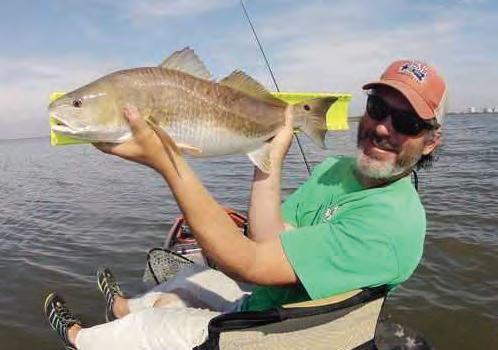
number of over slot fish, the smart “tournament decision” would have been to change up locations to try to get a fish inside the slot. I decided “to heck with the tournament, this is too much fun” and continued chasing these schools. Somewhere in that time, I managed to get my second slot red—a perfect 26 3/4 inch fish with big wide shoulders. Then another large in-slot fish came over the gunnels of my kayak.
I had read somewhere that many times trout will follow schools of redfish and eat the leftovers so I began to throw my lure behind the schools hoping to get back in the game for the tournament. It wasn’t long before I had a nice 18” trout in the boat. The closest I came to getting that second trout was one that bounced off the edge of my net. With time running out on the weigh in, I headed back with some hope of a decent placing.
My turn at the scales came up—and amazingly the total weight put me in first place. While if was exciting to win, the memories of the day will always be the excitement of battling big fish in my small kayak and of the friendship and camaraderie of my fishing buddies at the weigh in. I always say that kayak fishing has something for everyone.
John Williams is an avid kayak fisherman and outdoorsman who enjoys exploring the saltwater wetlands from Grand Isle to Calcasieu Lake. In his time off from fishing, he runs Pack & Paddle, a kayaking and outfitting shop in Lafayette, LA. https://packpaddle.com
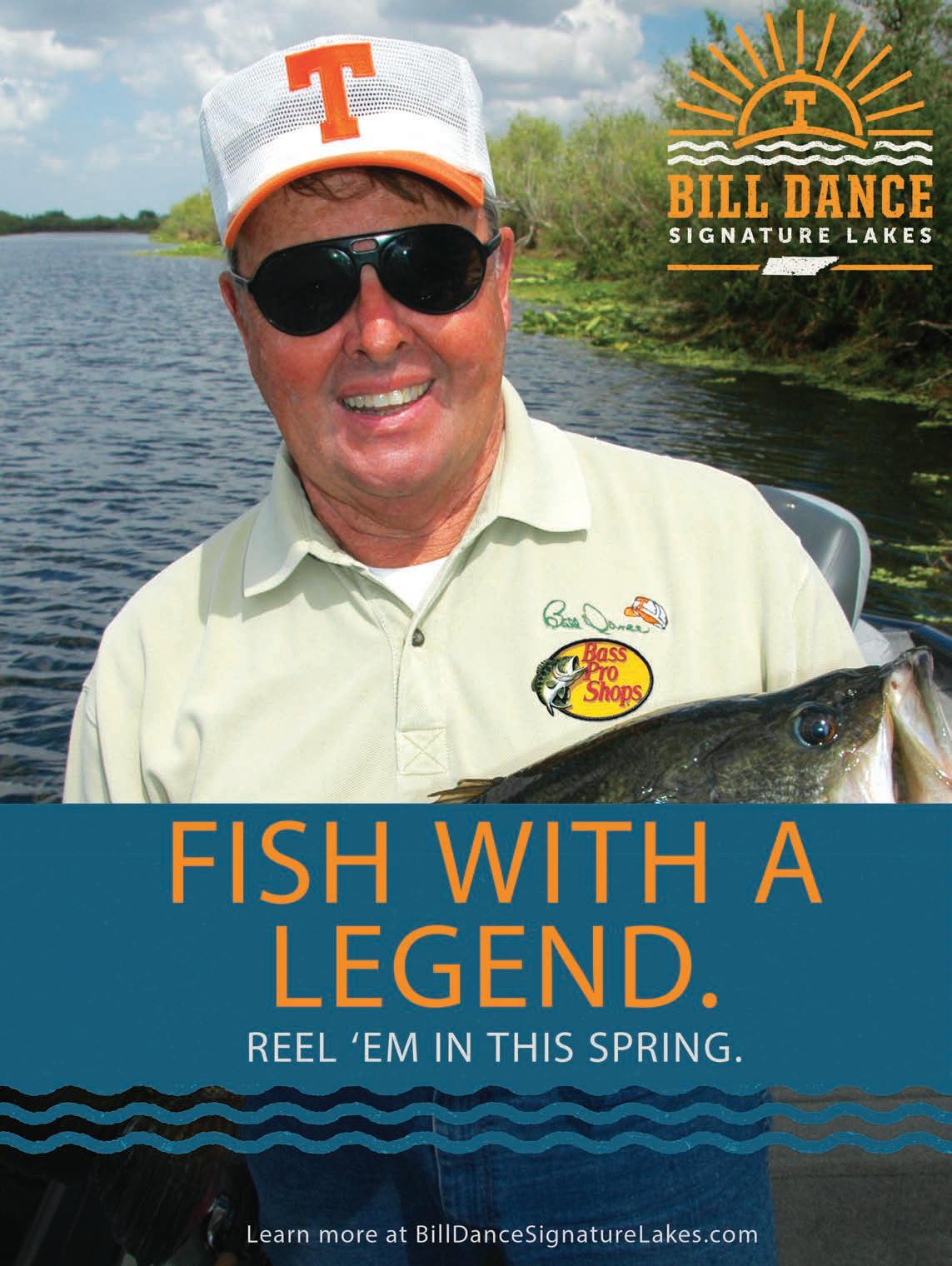
Forty-nine reservoirs stretch across the Tennessee Valley like a string of pearls. And for those who love to fish, those lakes are just as valuable. Whether it’s bass, crappie, walleye, or catfish, whether for sport, food, or just fun, you can find world-class lake fishing only hours away from any spot in the Tennessee Valley. From more than 11,000 miles of shoreline or while floating on more than 700,000 acres of water, residents and visitors will quickly learn why this area is considered one of the best fishing destinations in the U.S. and, some would say, the world.
Fishing from the shore can be restful and rewarding—and anyone can do it. All you need is a little intel about how to find a spot where the fish might be biting. Here are a few tips for successful shore fishing from the Tennessee Wildlife Resources Agency:
• Fish are often swimming near the shore in the spring and fall. If you’re fishing from the shore in the heat of summer, do it in the evening or early morning—or even after dark.
• Fish near-unique features such as docks, logs, trees, rocks, or rocky areas; aquatic vegetation; or places where creeks enter the water.
• When fishing in moving water, look at the surface for boils and breaks—this means there is some underwater structure blocking the current, which could be the perfect hiding place for fish.
• Begin fishing (casting) close and parallel to the bank, then work your way outward (fan casting) toward deeper water.
• If you don’t get any bites, try switching baits. If this doesn’t work, move to another hole.
• Wear polarized sunglasses so you’ll be able to see fish as well as submerged objects more clearly. (Your eyes will also be protected from the tackle.)
If you love outdoor sports—boating, hunting, fishing—and the natural world, or if you just like to observe wildlife, build birdhouses, maintain a bird feeder or are just curious about the critters in your backyard, the Tennessee Wildlife Resources Agency is here to help enrich your outdoor experience. Visit us at www.tn.gov/twra/



CAPT. MIKE SMITH
Have you ever had one of those summer days when you catch tons of fish but they are all small? This happens to the best of us. The best way to fix this dilemma is to use bigger lures. Bigger lures are your best bet for big fish in the hot summer months.
1. The best topwater lures are a large walk-the-dog lure like a Zara Super Spook, Rapala Skitter Walk or a MirrOlure Top Dog. These lures are a great choice in low light and dirty water scenarios.
When fished in water depths of 4 feet or less, you can expect monster snook, trout and redfish to crush this lure type.
Pro Tip: Smush the barbs down so you injure yourself and the fish as little as possible, and always pause the lure retrieve every 8 feet or so for a second or two.
2. My second favorite big topwater/sub-surface lure for summer fishing is a 5.5-inch jerkbait (fluke). This lure is great for water depths of 4 feet or less but is a much better choice for skipping into structure.
Large snook and redfish love to tuck up under mangrove limbs
and docks. A 5.5-inch jerkbait is the kryptonite to catch those super fish lurking in heavy structure. You can rig it weedless or nose hook it with a 1/0 octopus hook or circle hook.
Pro Tip: The best retrieve for this lure type is a twitch-twitchtwitch-pause where the lure falls a foot or so before beginning your retrieve again.
3. My third favorite summertime lure is the 4-inch paddletail. This is probably your best lure choice if you are new to fishing because it is easy to master.
Many days the best retrieve is a steady one. Just cast it out and reel it back in. When the fish are more finicky, then a twitch-twitch every few feet is a good addition to the retrieval cadence.
The great thing about this lure choice is your complete control of the depth you want to fish. If you want to get it deeper, just use a bigger jig head. It is a good idea to have 1/8, 1/4, and 3/8 ounce jig heads to cover the water column effectively.
There are lots of large forage species around in the summer months so you should increase the size of the lures you are pitching to better “match the hatch.” You just might catch your personal best snook, tarpon, redfish or speckled trout with those bigger lures.
Go get ’em.
Capt. Mike Smith, owner of Fish Your Ass Off Charters, is an inshore fishing guide who has been fishing the inshore waters, oyster bars and grass flats of Florida for more than 40 years.
Reach him at (561) 339-2317, email: contact@fishyourassoff.com or visit fishyourassoff.com.
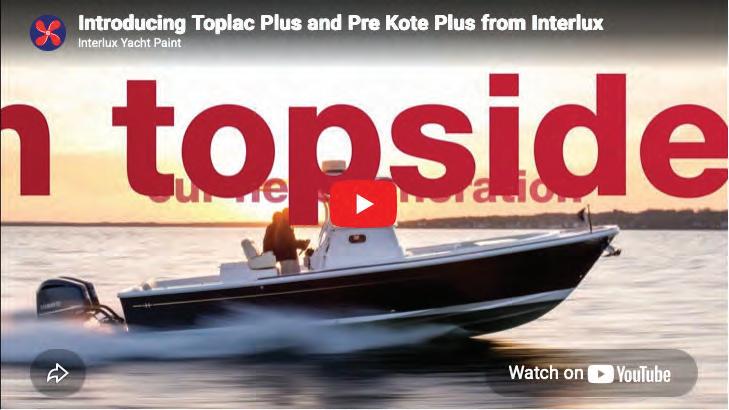
Introducing our next generation, premium topside system with professional level results in an easy to use one part finish.
Toplac Plus provides a best in class high gloss finish with longer lasting UV protection that is easy to apply with exceptional roller application, without the need for tipping, available in a full range of vibrant colors. Apply over Pre Kote Plus, our improved one part undercoat and topside primer all in one, with substrate protection, an extra smooth finish, and lower VOCs.
An amazing finish has never been so easy. Experience a revolution in topside paints, from Interlux®
Relentless performance for every yacht, everywhere, every time.
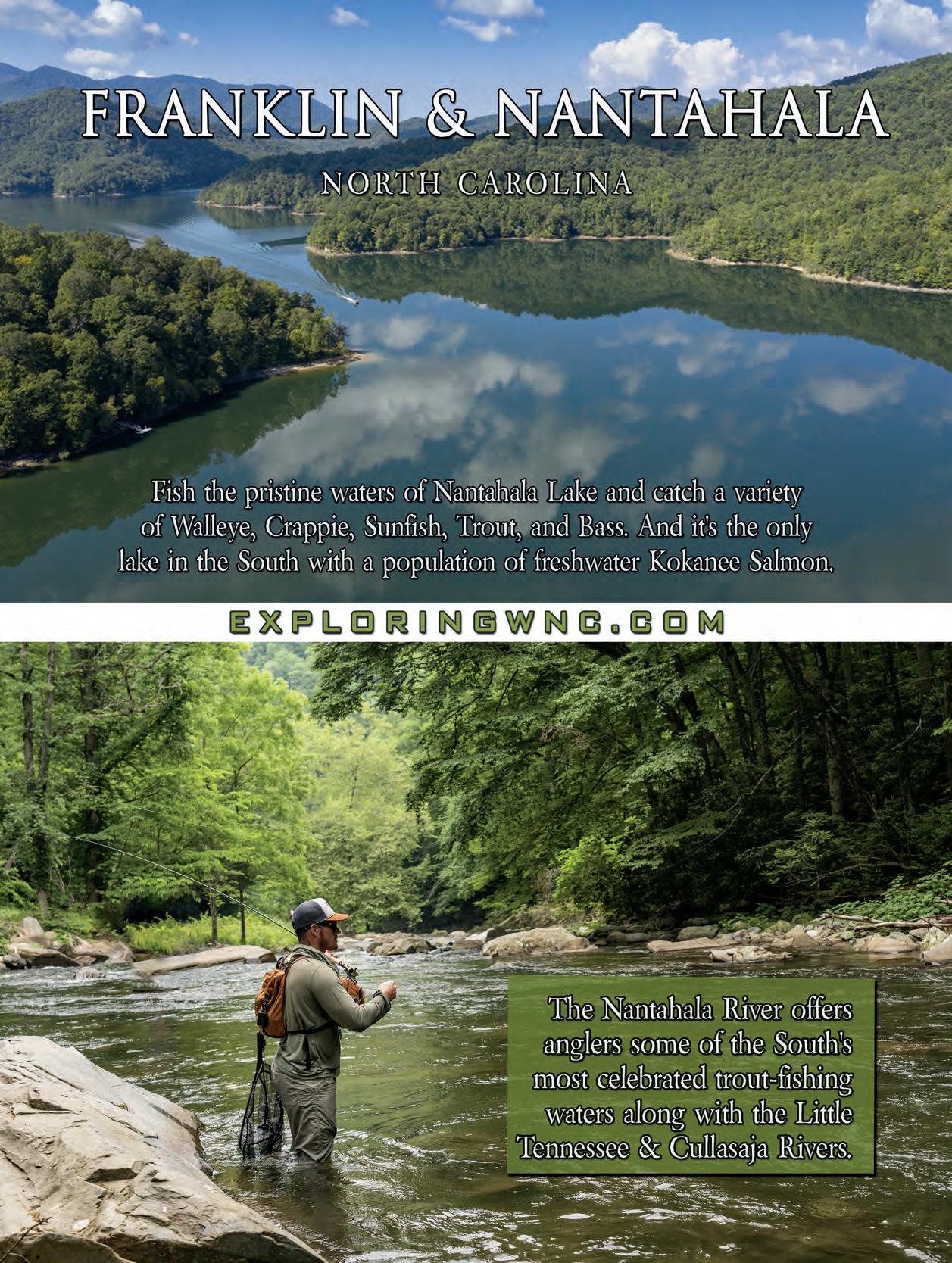

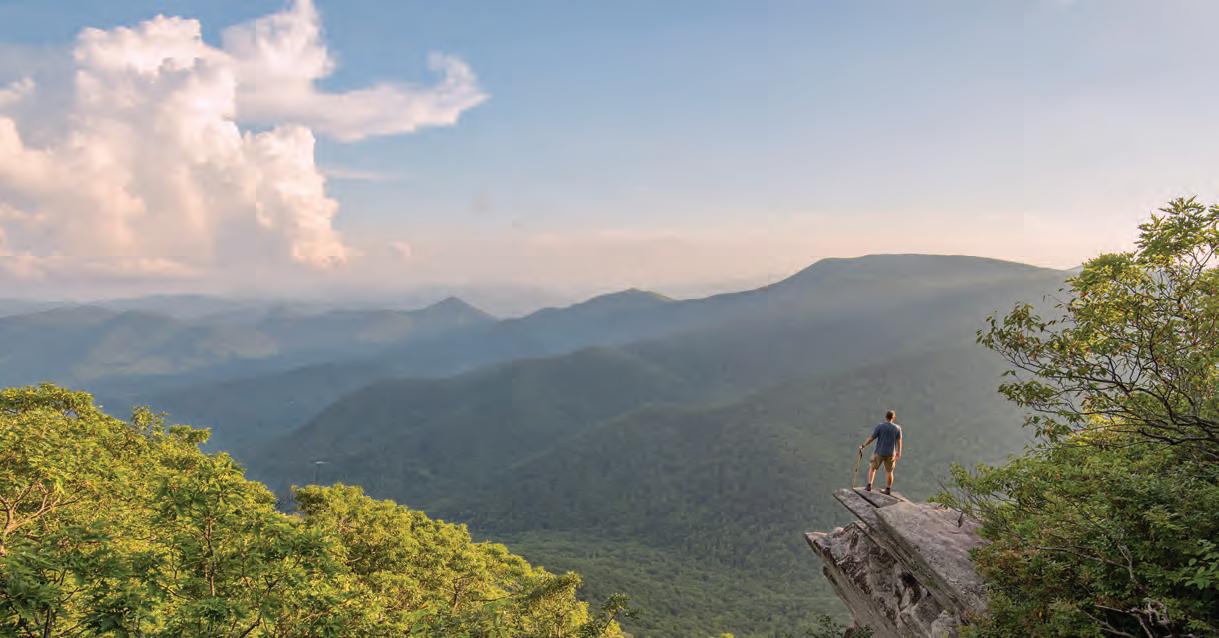
Located in the southern Appalachian Mountains, in the foothills of The Great Smoky Mountains, lie the communities of Franklin and Nantahala. We are an area rich in outdoor adventure opportunities as well as fantastic local shopping, dining, and museums. Franklin and Nantahala are home to some of the oldest mountains in world. Tucked away in those mountains are two very popular hiking trails: The Appalachian Trail and the Bartram Trail. If you want to get out and see the mountains but don't want to hike, a scenic drive up to Wayah Bald will put you at nearly one-mile-high elevation and there's a paved path that leads you to an enchanting
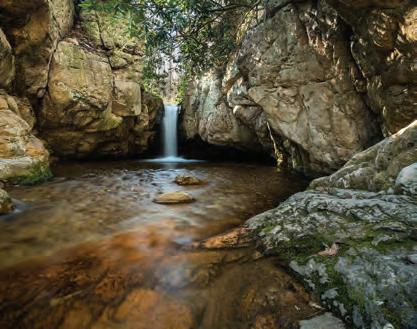
view in all directions. Travel the Mountain Waters Scenic Byway and visit the waterfalls of the Cullasaja and Nantahala River Gorges. Franklin and Nantahala are towns born from gem mining and agriculture, and over the years have transformed from the small rural areas, into outdoor adventure towns, inviting people of all ages to set out into the hills and valleys of the Nantahala National Forest. What was once known as the “Gem Capitol of the World”, we are still home to active gem mines where you can still sit down with a bucket of dirt and sift for precious gems and minerals that are still abundant to this day. Generations of families
come each year to share in the experience of Gem Mining.
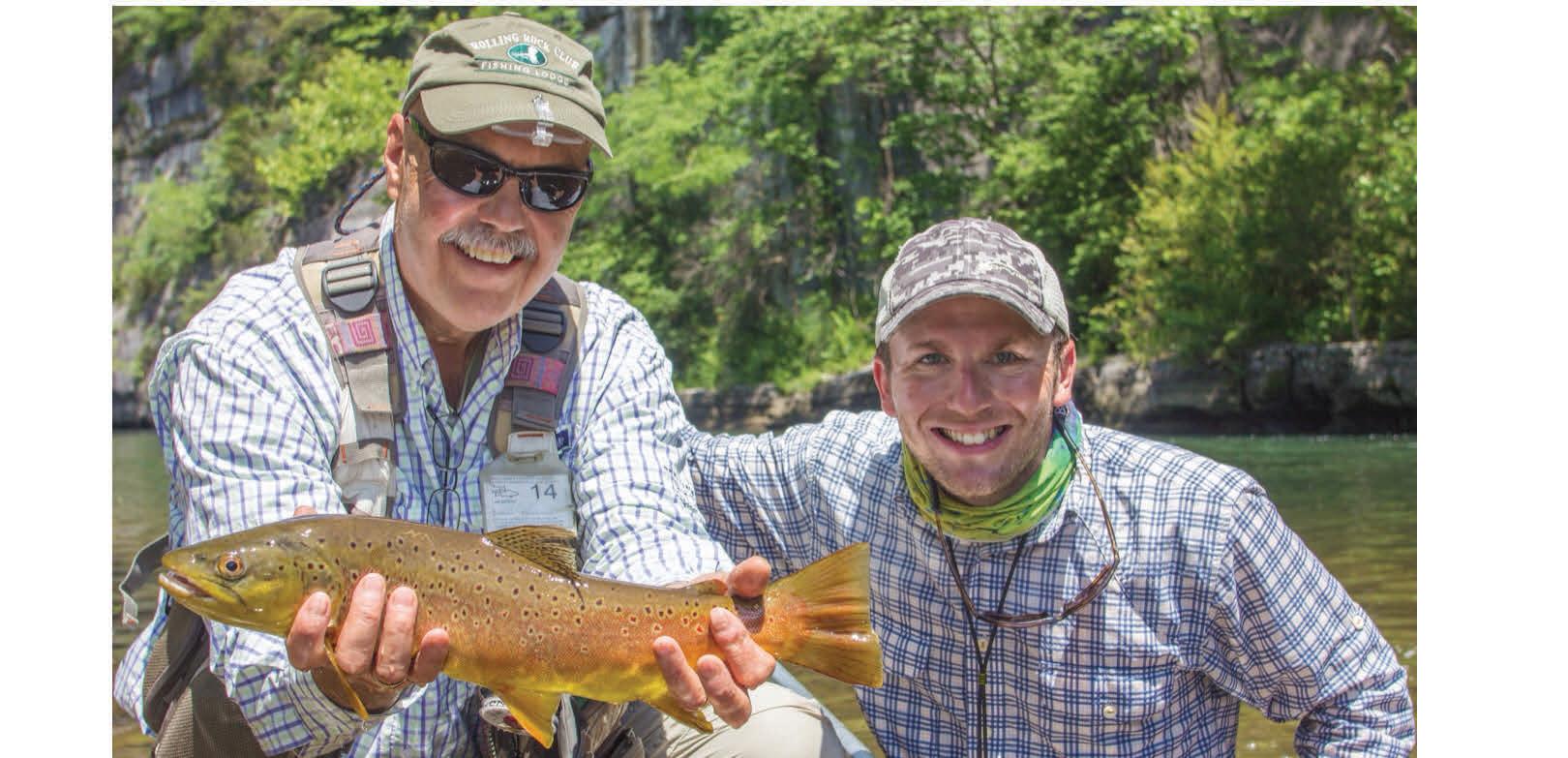
If you’re looking for exciting adventures? Look no further than the Nantahala River where you can test your skill on the white water, wade into the river for some worldclass fly-fishing or soar above the trees with a ziplining experience.
Discover Nature’s Paradise in Franklin and Nantahala, North Carolina and get to know your mountain side!
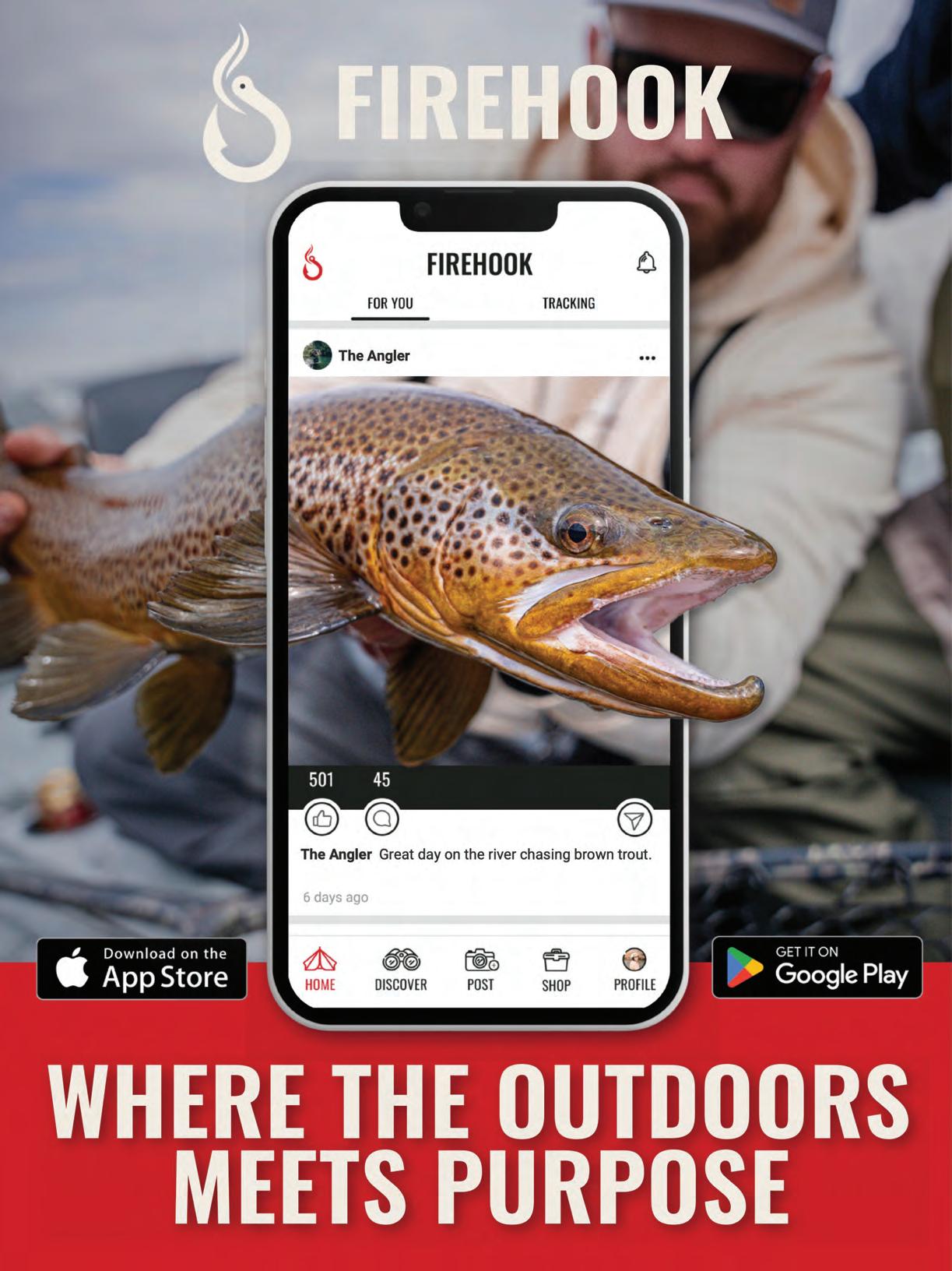
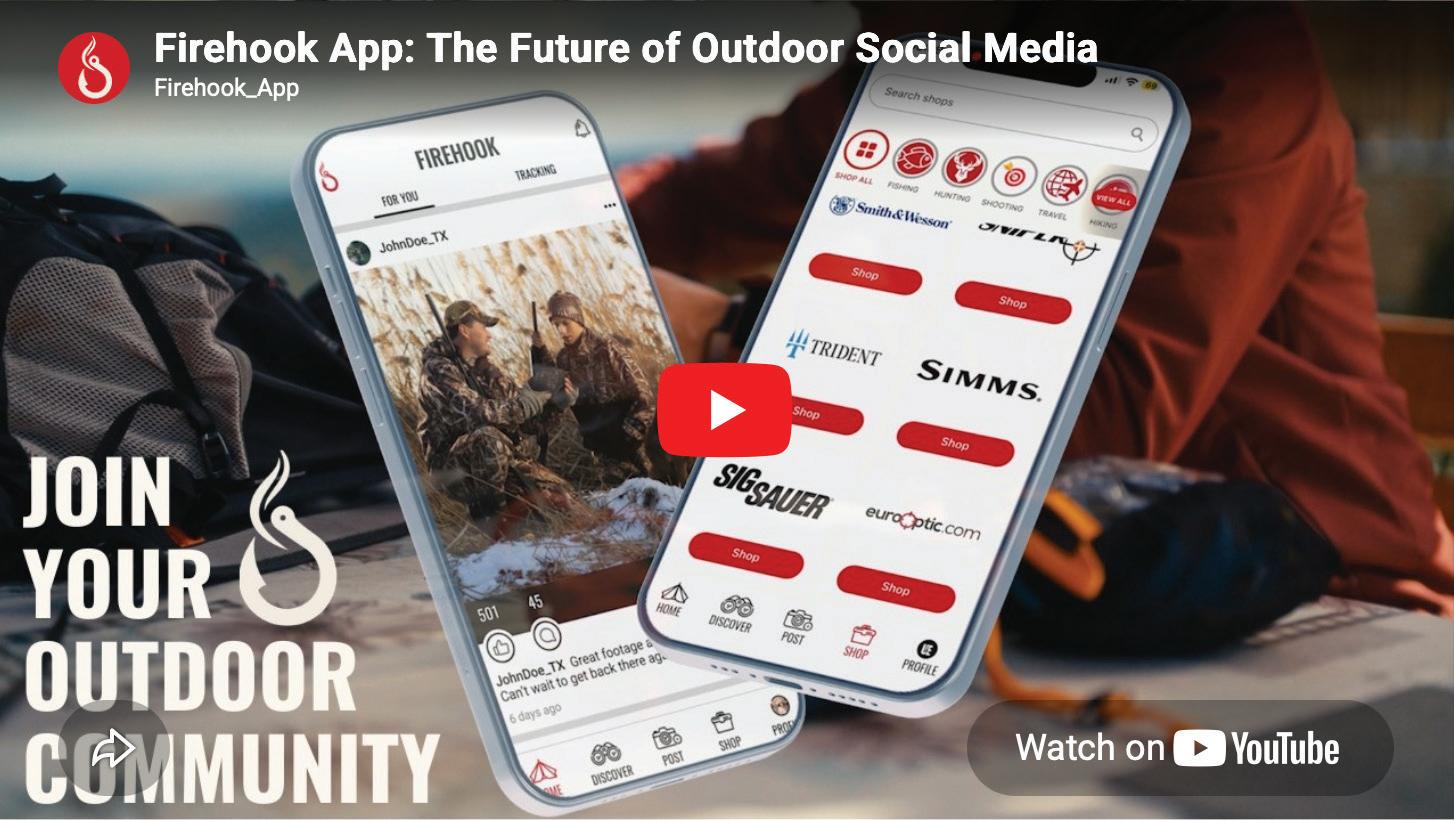

In a world increasingly driven by digital connection, Firehook stands out by reconnecting people to something far more fundamental: the outdoors—and each other. Designed for outdoorsmen and outdoorswomen alike, Firehook isn’t just another social platform. It’s a living, breathing community where stories are shared, experiences are celebrated, and every interaction has the potential to make a real-world impact.
At its core, Firehook is about storytelling. Whether it’s a backcountry hunting trip, a sunrise fishing haul, a solo hiking milestone, or a family camping weekend, users have a space to document and share the moments that define their connection to nature. These aren’t curated, filtered snapshots of perfection—they’re authentic experiences from people who live for the outdoors.
But Firehook doesn’t stop at connection. It evolves the model by
integrating a seamless shopping experience directly into the platform
Users can discover and purchase gear recommended by others in the community. It removes the guesswork and replaces it with confidence, built on real-world use and peer insight.
What truly sets Firehook apart, however, is its purpose-driven mission. Every purchase made through the platform contributes to something bigger. A portion of each transaction is directed toward nonprofit organizations dedicated to conservation, wildlife protection, and preserving the natural spaces that users cherish.
And in a move that reflects the platform’s commitment to community, users themselves decide where that money goes. Through a voting system, members collectively choose which organizations receive funding, ensuring that the impact reflects the values of the
people who make up Firehook.
This isn’t just social media. It’s not just e-commerce. Firehook is a new kind of ecosystem—one where passion fuels purpose, where community drives impact, and where every shared story and every purchase helps protect the outdoors for future generations. In an era where digital platforms often feel disconnected from real-world meaning, Firehook brings it all back home—to the trail, the water, the wild—and proves that technology, when built with intention, can actually bring us closer to what matters most.


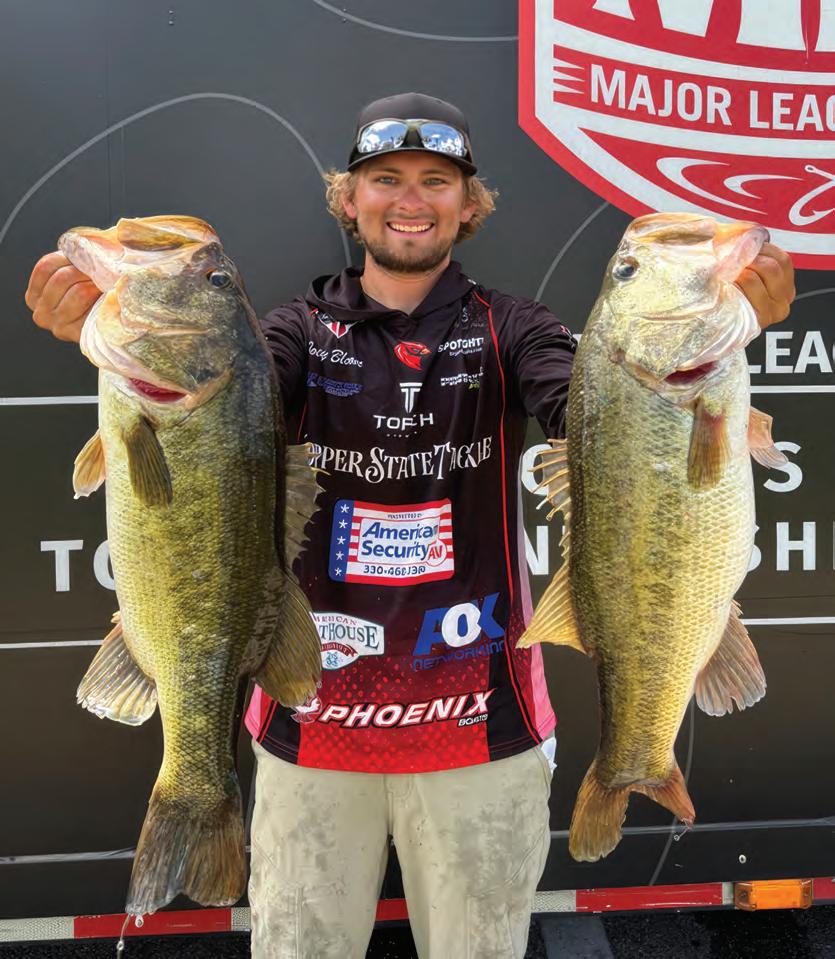
When the water starts warming and offshore schools of bass begin grouping up on ledges, hard spots, and deep structure, few techniques can trigger giant bites like a deep-diving crankbait. For Joey Bloom, deep cranking is one of the best ways to locate aggressive fish and force reaction strikes from bass that might ignore slower presentations.
“Deep cranking is all about triggering fish,” Bloom explained. “You’re covering water fast, crashing the bait into structure or bottom, and forcing those big bass to react.”
One reason the technique is so productive is the amount of water it covers. Deep-diving crankbaits allow anglers to efficiently fish offshore structure in the 10to 25-foot range while maintaining constant bottom contact. Bass often position around underwater points, shell beds, creek channel bends, submerged roadbeds, rock piles, and ledges where baitfish collect. By making long casts and grinding a crankbait through those high-percentage areas, anglers can quickly locate active schools.
According to Bloom, some of the best locations to target are hard-bottom transitions where soft bottom changes to hard, rock changes to clay or gravel, offshore humps near creek channels, and isolated structure that sits away from heavy fishing pressure.
“Anytime you find current, bait, and hard structure together, you’ve got the ingredients for giant bass,” Bloom said. “The biggest thing is making repeated casts from different angles until you contact the sweet spot.”
A deep crankbait becomes even more
effective when it continuously deflects off cover. The sudden change in direction mimics injured baitfish and often causes bass to strike out of instinct. Many anglers believe those violent reaction bites are what separates deep cranking from finesse fishing.
Having the proper gear is critical for fishing oversized crankbaits all day. Bloom prefers a longer rod in the 7-foot-6 to 7-foot-9 range with a moderate action. The softer parabolic bend helps absorb the surge of big bass while keeping treble hooks pinned during long fights. Longer rods also increase casting distance, which helps the bait reach maximum depth and stay in the strike zone longer.
When it comes to reels, Bloom relies on slower gear ratios in the 5:1 or 6:3:1 range. Deep-diving crankbaits create tremendous resistance in the water, and lower gear ratio reels provide the torque needed to grind
those baits efficiently without exhausting the angler.
Pairing that setup with 10- to 12-pound fluorocarbon line helps maximize diving depth while maintaining sensitivity. Bloom believes the combination of the right rod, reel, and line can be the difference between occasionally catching fish and consistently landing giant offshore bass.
“When that crankbait starts digging and bouncing off the bottom, you know it’s any moment that a giant bass is going to eat it,” Bloom said. “That next cast could be the biggest bass of your life.”
You can find all your tackle needs at Copper State Tackle and use BLOOM10 for your checkout discount! www.copperstatetackle.com
Follow all of Joey Bloom’s fishing and fun on Instagram, Facebook, and YouTube at Joey Bloom Fishing.
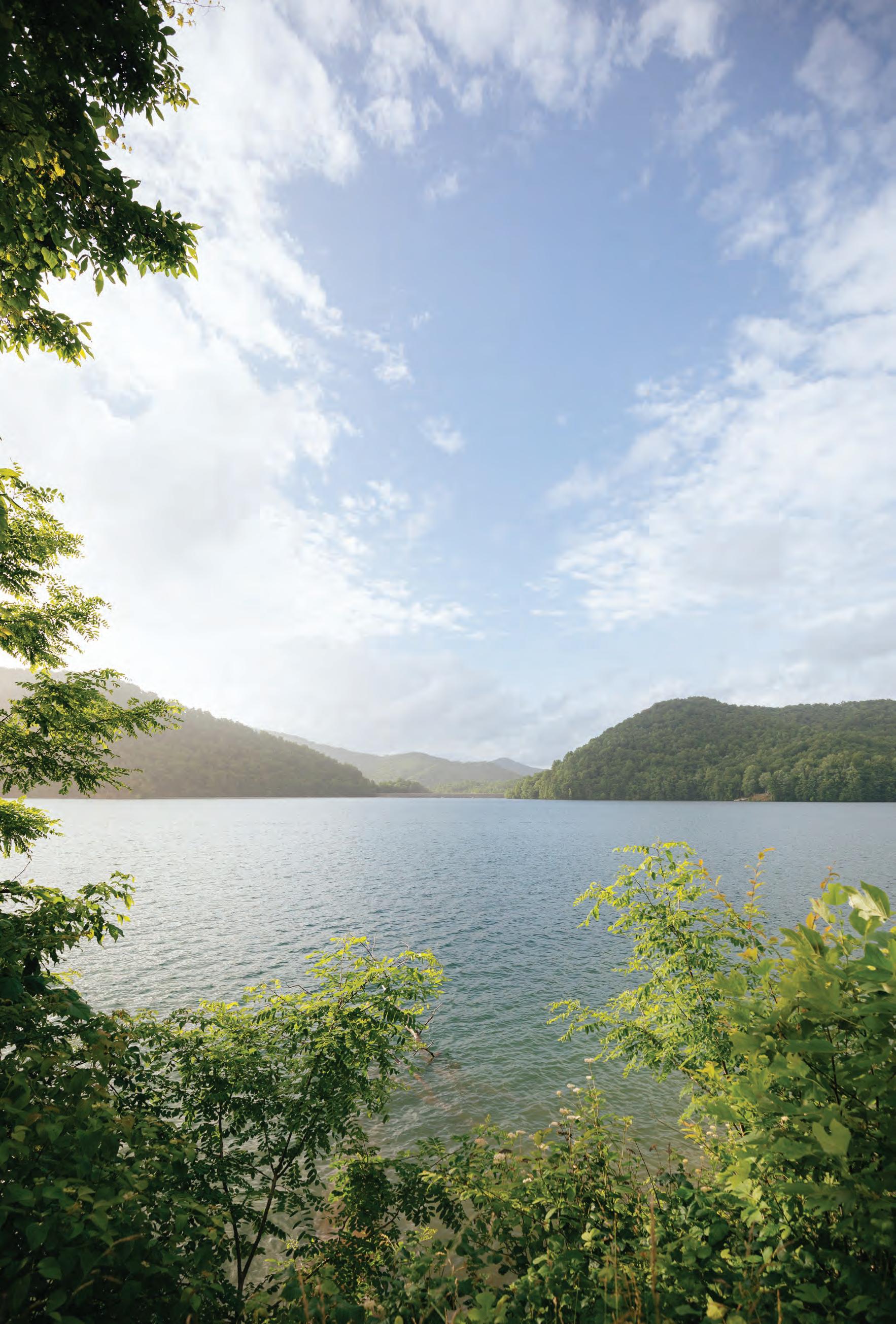





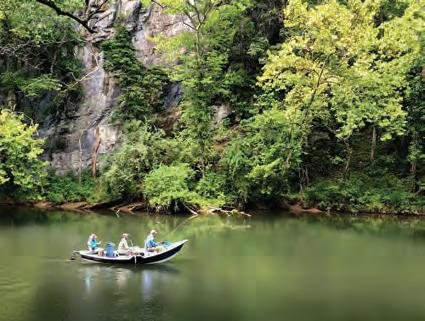

Some folks say “real Florida living” doesn’t exist anymore, but I am here to tell you they are wrong. They probably have never been to West Volusia County, Fla. I took my first trip to West Volusia in May of 2024 when they reached out to me about coming to film an episode for my show “Let’s Take it Outside.” I am Florida born and raised, but there are still so many places in Florida I have not been, I was excited to explore West Volusia. They set me and the crew up to stay at Highland Park Fish Camp for a real “old Florida” fish
camp stay. Highland Park Fish Camp seems like it is frozen in time; I wish I could have stayed longer. Long before there were theme parks, cruise ports and huge developments in Florida they opened their doors over 63 years ago. They are a family-owned fish camp on 30 acres located on the Norris Dead River, a portion of the St. Johns River. Highland Park Fish Camp has great cabins that can accommodate your whole crew from just a couple to an entire family reunion. They have the coolest tackle shop, boat rentals and some of the best fishing
guides in the State of Florida. Highland Park has partnered with some of Florida’s best fishing guides, and I was excited to go fishing and filming with Capt. David as I heard he was among the best. We met early in the morning well before the sun came up and headed out to the secret spot to go catch some bass. (The reason it is secret is because I honestly have no idea where we were and where we launched the boat.) As the sun came up the day of fishing started out great and the bite was pretty “hot” right from the start. We
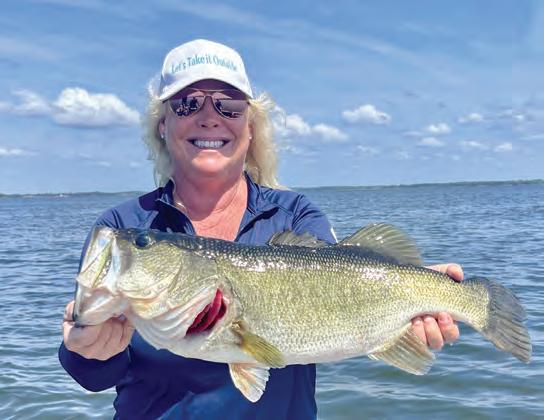
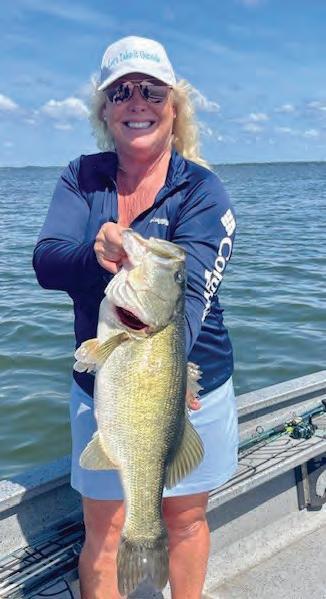
were catching some good size bass ranging from 3 lbs. to 5 lbs., so I was really happy; that makes for a good fishing show when you actually catch fish. As the morning went on the bite was pretty steady, but as the day turned to afternoon the bite did start to slow down a bit. Capt. David announced we were going to move to another side of the lake and go trolling! I am not going to lie; I thought he was pulling my leg because he knew that I don’t bass fish that much. Capt. David pulled up the Power Pole and took off across towards
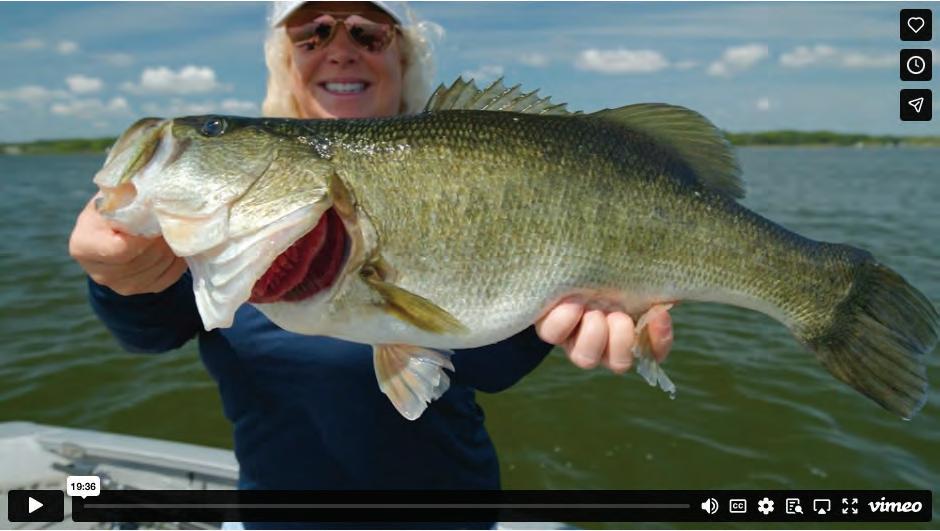
the other side, as I hung on and wondered if he was a bit crazy. We got to the perfect spot, then he handed me a rod, put on a live bait and said, "Hold your rod off the side of the boat. I will have the trolling motor on slow and we will see what happens.” BAM! right off the bat I caught a nice bass and started to think he might not be crazy after all. My first catch was a nice 6 lbs. bass— the biggest of the day so far, all of it caught on camera. We only had about 10 minutes left before the charter was over and all of a sudden my rod when
down; this next fish was huge. We were fishing light tackle, so I had to really keep calm and not hoss this fish like I wanted to. I was so scared I would lose this bass; I knew it was going to be my biggest ever if I landed it. I gasped for breath when I saw how big this fish was and was praying that Capt. David was able to get him in the net the first time. I could not believe it; this bass was for sure my personal best that I had ever caught and Jose got it all on camera! I could not wait to weigh this fish, I was sure it was close to 10 lbs. if not more. My bass weighed 8.4 lbs. and I was thrilled. A huge shout-out to Highland Park Fish Camp and Capt. David for giving me one of my best days on the water and putting me on my “PBB” personal best bass.
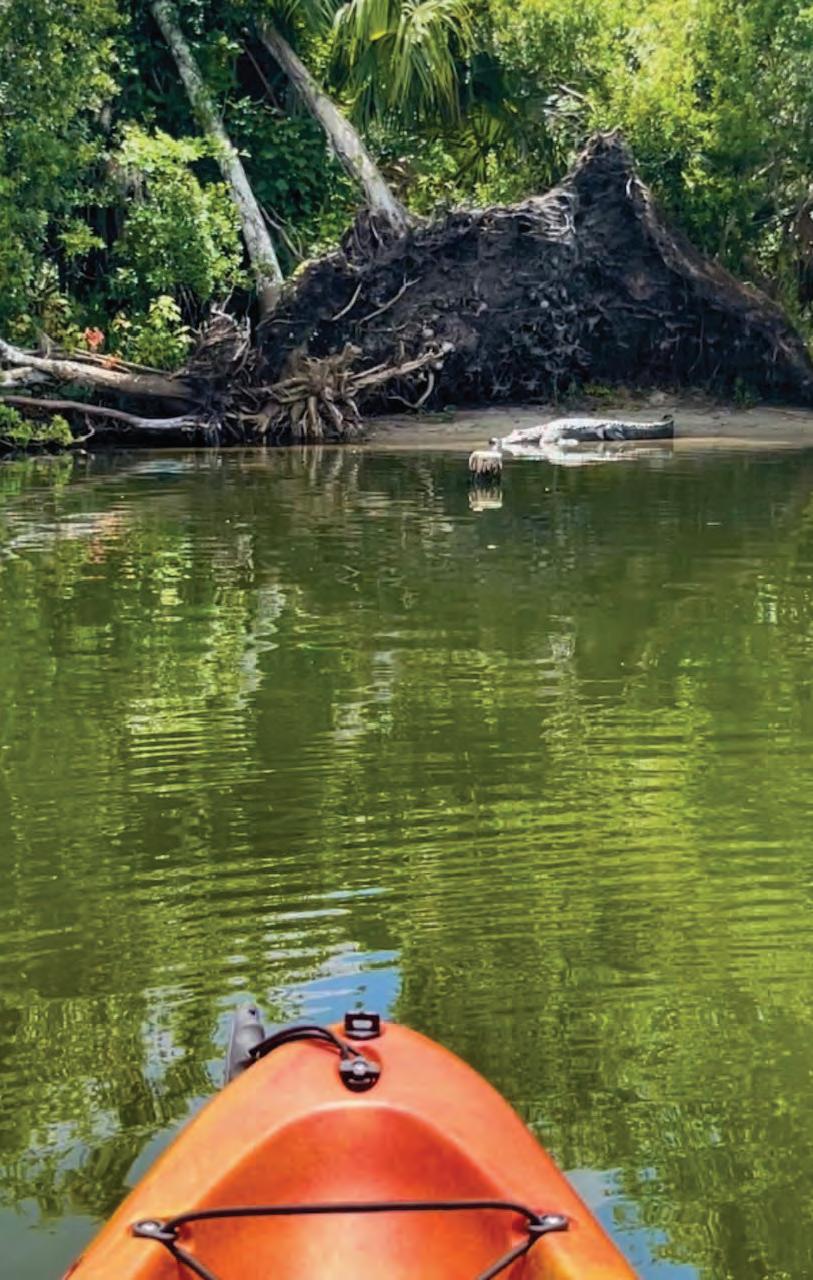
After all that excitement it was time to see what else West Volusia County had to offer, so we headed over to De Leon Springs State Park to take a dip and do a little kayaking. The park is very unique, and has a lot of Florida history. First, we headed to the kayak rentals so I could get out on the water and check out the local wildlife—and by wildlife, I mean the local gators. There were a lot of local birds spending time on the shorelines looking for small fish and a few fairly big gators getting a tan as well. It is a great place to kayak, but if that is not your style, they have a great sight seeing tour boat as well. And, if you're hungry, there's a very special place to dine in the park called Old Sugar Mill Pancake House. Back in the 1830’s this was the site of an original sugar mill and you can step back in time and learn
the art of making the perfect pancake. They have griddle-top tables where you can make your own pancakes and eat as much as your heart desires. Now, if pancakes are not your style, no worries, because you don’t have to fly to New York or Chicago for a 5-star dinner. Just make a reservation at Cress. Cress is truly one of the best restaurants I have ever eaten at, and I travel a lot. It is worth the trip to West Volusia just to go and dine there, to be honest. For dessert we headed right around the corner to Pat and Toni’s Sweet Things, the #1 candy store in Florida by my standards.
Next up on the list was working off some of those pancakes and our 5-star dinner at Cress by hitting the trail, the horse trail that is. We headed over to Deep Creek Stables for a really nice trail ride on their beautiful property. I have not ridden in a while so I did need a little bit of a refresher, and I love that they start you in the round-pen so you can get warmed up. We went on a great ride. Their horses are great to ride; the horses have spunk, but not too much, and you can tell the horses love their job. I highly recommend looking them up when you visit West Volusia County. It really takes you back in time when the “Florida Crackers” used to heard cattle back in the day.
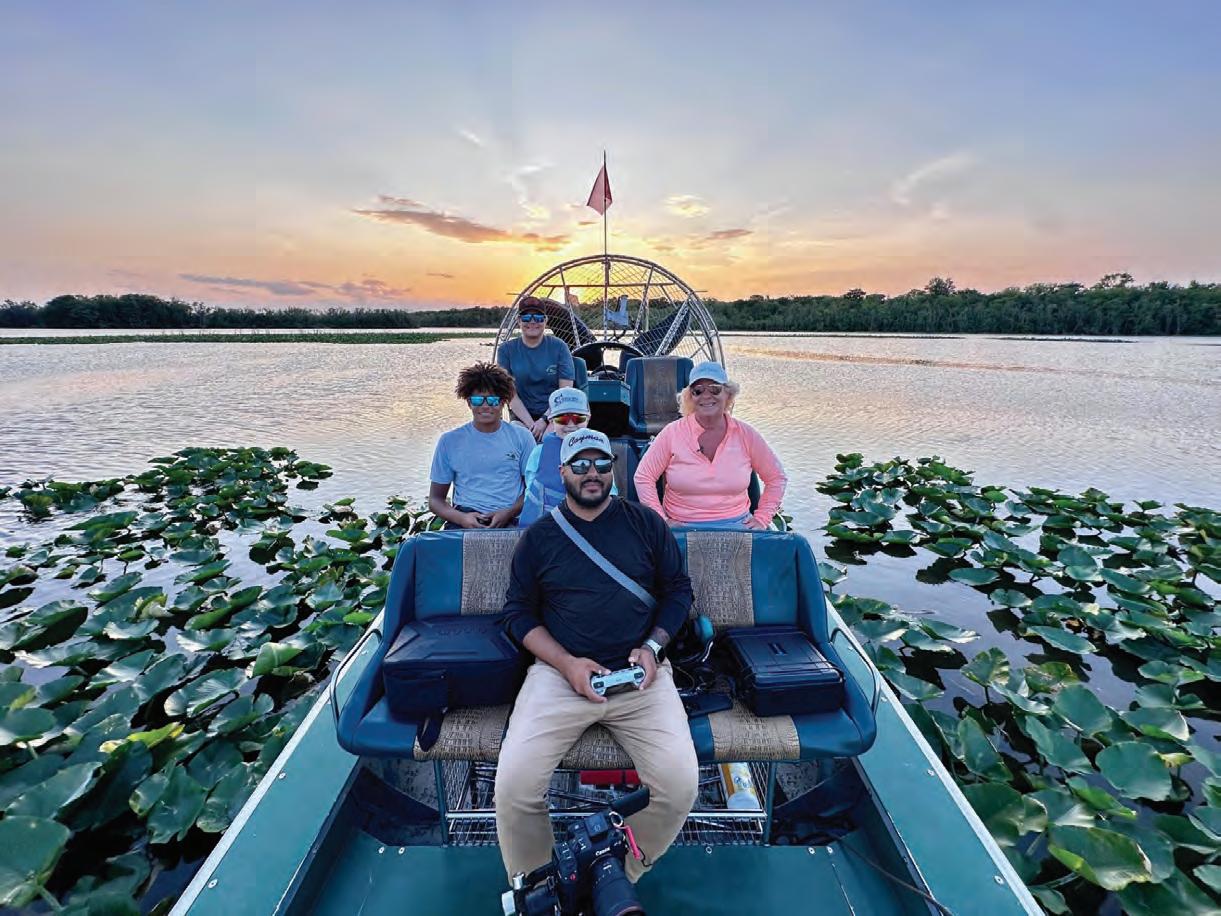
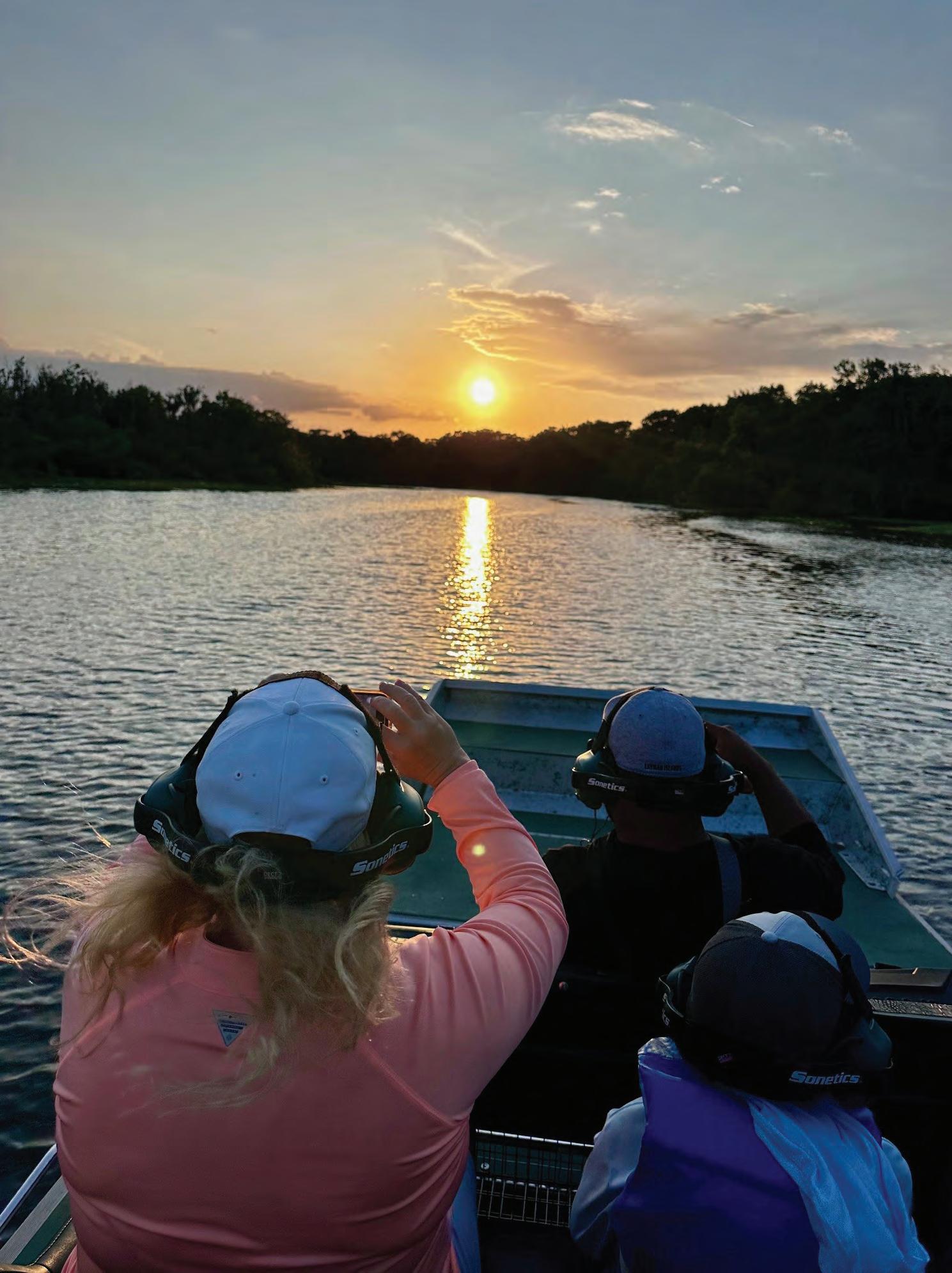
Every Floridian knows that no trip in Florida is complete unless you go on an airboat ride and search for that “honey gator hole.” I hooked up with Airboat & Gator Charters, whose slogan is “The Swamp is Our Playground”—and they mean it. I lost count
of how many alligators we saw; there were just so many—and our captain knew a lot of them by name! I wish we could have stayed longer in West Volusia because we were just getting started, but only so much content can fit into an episode. Before we left, we did take a great bike ride with some new friends on one of their bike trails and went on a hike in a local park.
I am excited to head back to West Volusia this summer to revisit some of my past experiences and find some new ones as well.
I want to invite you to watch the full episode of “Let’s Take it Outside” we filmed in West Volusia. It is available 24/7 on demand on Waypoint TV, Carbon TV, Discovery GO & Discovery Plus and, of course, right on my YouTube channel. I know once you see how big the bass are and how wonderful West Volusia County and its locals are, you will be planning your trip this year as well. West Volusia is proof that “Real Florida” does still exist, and they are ready for you to come visit them.
Misty Wells is an award-winning Florida-based outdoor personality, producer, and host of the fishing and adventure TV show “Let’s Take it Outside,” which airs on the Discovery Channel and other networks. As a prominent outdoor writer and conservationist, she is known as the first female host of an outdoor show on Fox Sports and for founding “A Reel Future,” her non-profit devoted to teaching the passion of fishing and conservation to foster children—4,000 children and counting. Visit www.MistyWells.com as well as AReelFuture.com to learn more.

John Deere equipment brings the power, performance and productivity, so you get more time to land a trophy. We’ll help you land the right machine with special offers making it an even better catch. Stop in and leave tasks in your wake.




By Astrid deGruchy
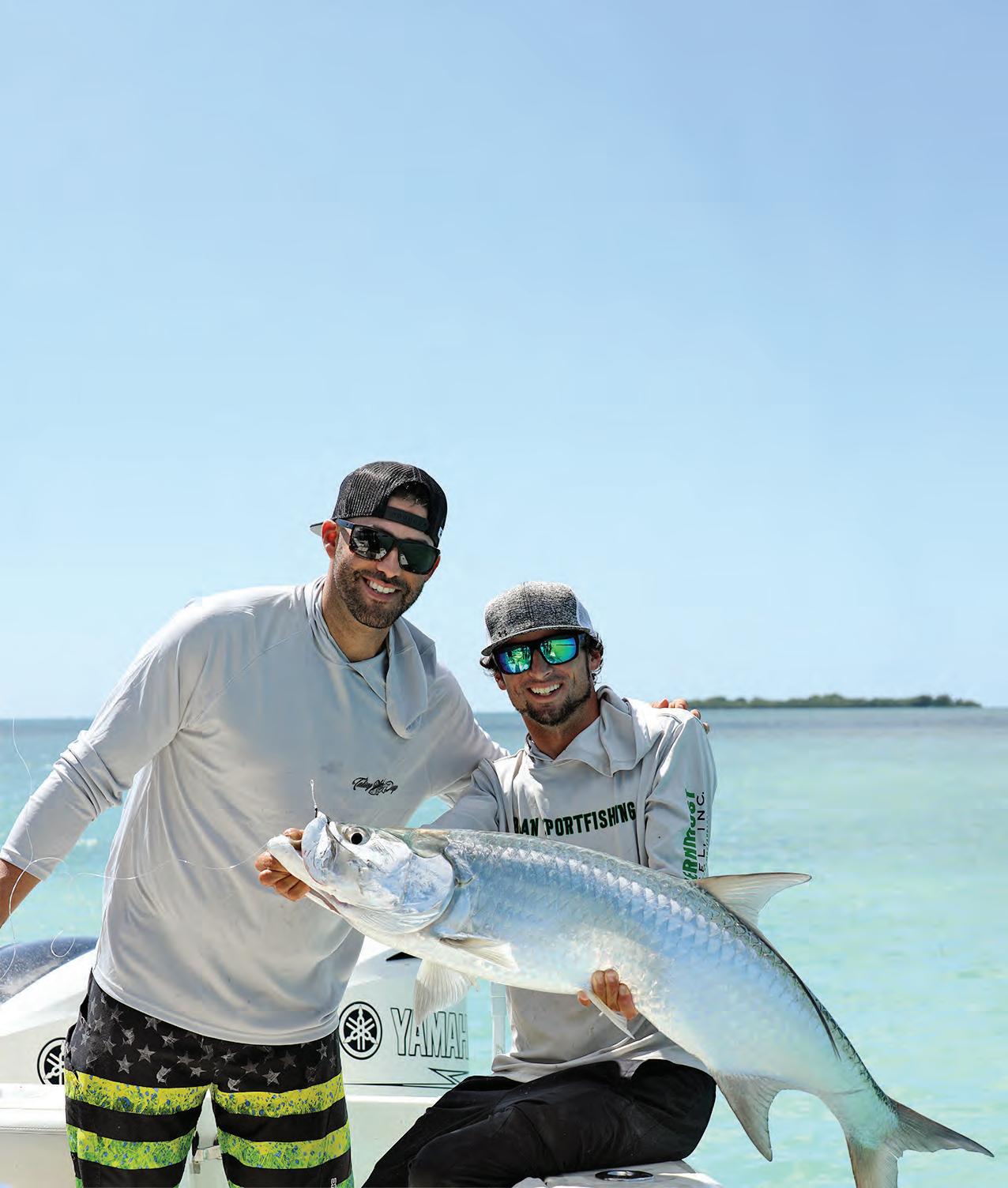

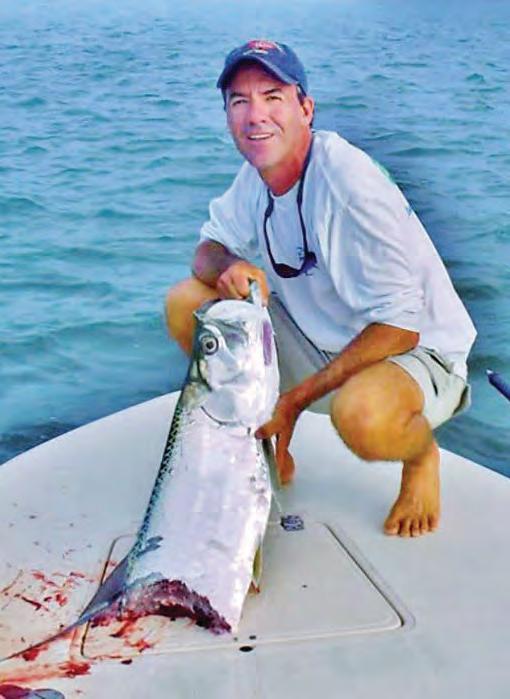
When the summer tarpon run heats up, the Florida Keys become one of the best places to chase the Silver King. These fish are built like silver freight trains. They roll through the channels, bridges, flats, and backcountry looking calm one second, then explode into the air the next. Hooking one is not just fishing. It is a full-body workout.
Tarpon are notorious for their fight, and for good reason. As soon as it happens - things get crazy… line screams off the reel, the rod loads up, and then this fish launches into the air like it is trying to shake every bad decision its ever made. I’ve seen this dozens of times and it will seriously never get old.
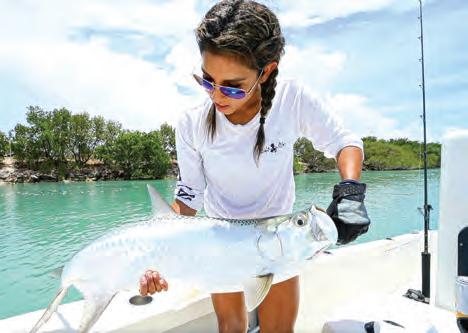
For summer tarpon fishing in the Keys, we NEED dependable gear that can handle heat, salt, and serious drag pressure. The PENN Slammer IV paired with the PENN Carnage III rods is a strong setup for battling big fish. The reel has the power and durability needed for long fights, while the Carnage III rod gives you the backbone to stay connected when a tarpon starts digging deep. Savage Gear Pulse Tail Mullets can be extremely effective (I’ve witness and can attest to the fact that Tarpon like these). The right clothing matters too. Summer in the Keys is hot, bright, and salty, so sun protection is not optional. On top of the heat, reeling in a Tarpon will 100% have you sweating, I promise. Note, Tarpon fishing is NOT easy. There often is A LOT of downtime waiting for that bite. You might wait, cast, miss, jump one, lose one, and then finally connect with the fish you came for. However, that’s what makes it special. Every moment feels earned, every jump gets your heart going, and every release is a something you remember.
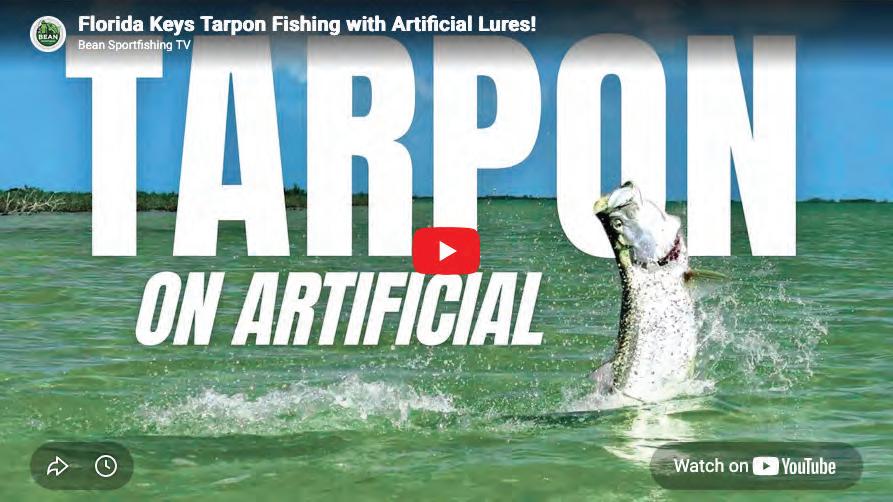
Ready to chase the Silver King in the Florida Keys? Book your tarpon trip at beansportfishing.com and for more real-world fishing action in the Florida Keys, follow Bean Sportfishing on YouTube
By
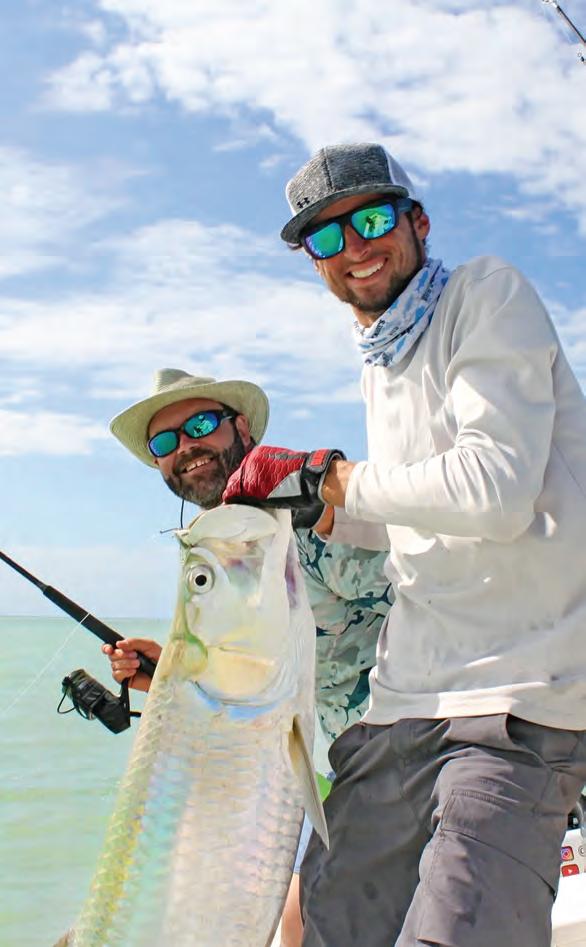
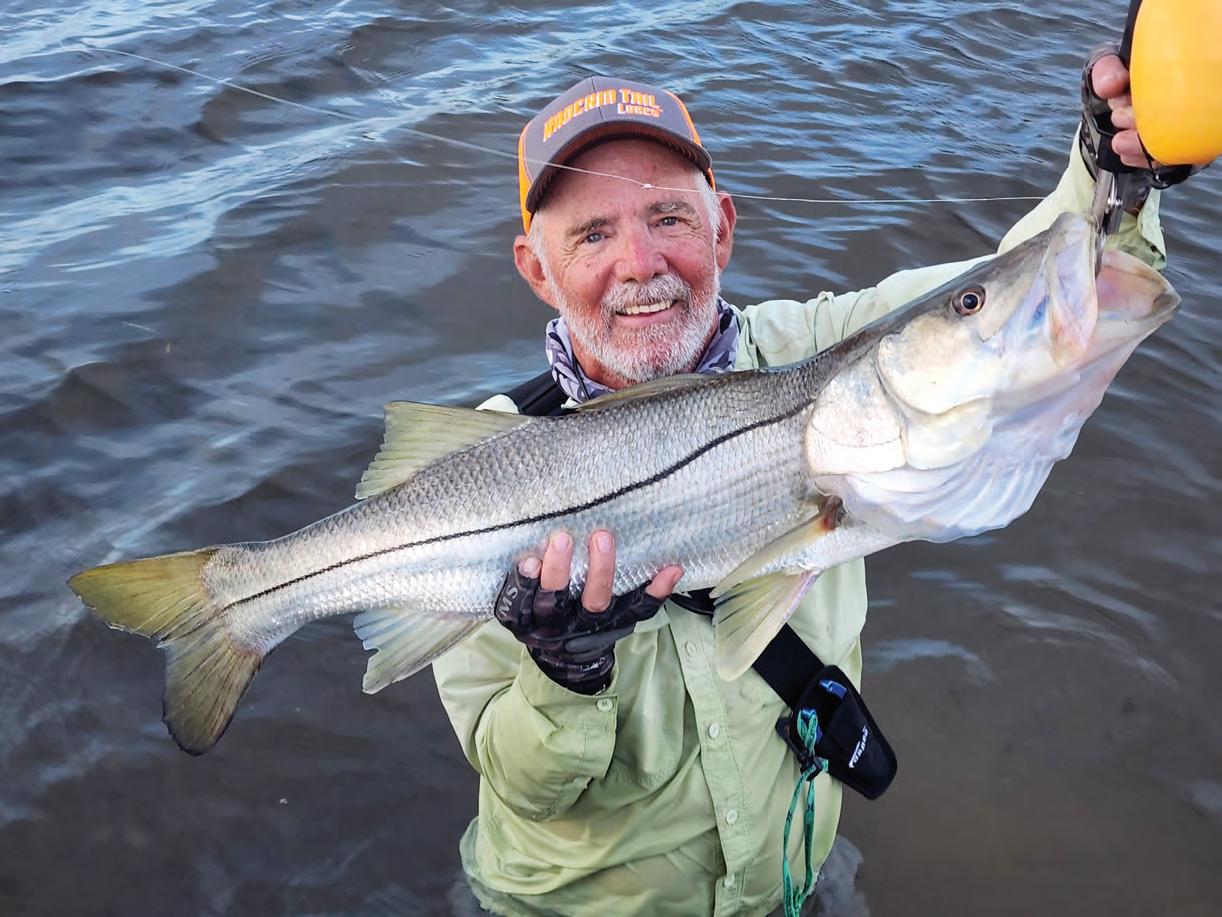
Snook fishing in Florida gets me hooked every time. They fight like crazy, pulling you toward every dock or root they can find right after you set the hook. I’ve tried different methods over the years, but soft plastic paddletails always pull me back in.
One thing I like about them is how they let you cover a lot of area without looking unnatural. In places like mangrove lines or around docks and passes, they just match what snook eat every day. Like mullet or those small shad, the way it swims seems right. I think that confidence comes from knowing it mimics the bait so well.
A lot of people fish them too quickly, ripping the lure back fast. Snook can be aggressive, sure, but I find better results when I slow it down. Let the thing hang in the zone longer with a twitch here and there. That steady pull with pauses beats the erratic stuff
most days. It feels like the fish just need time to commit.
Current makes a big difference, too. I always look for moving water if I can. It pushes the bait around and lines up the snook in spots like points or under bridges. Those dock corners turn into traps when the tide picks up. Positioning up current helps; let the lure drift in naturally. Snook handle that flow easily and strike at stuff coming their way.
My setup stays basic most times. Grab a three- to five-inch paddletail on a jig head. Lighter ones for shallow spots around mangroves, heavier for deeper passes with more pull. Colors, well, natural ones in clear water, I guess, brighter if it’s murky or dark out. Not sure why, but it seems to matter sometimes.
Early mornings along mangrove banks are my go-to. Cast long parallel to the shore, hit
every little pocket or drain. Strikes often come right near the edge, so you have to be accurate. Around the docks, I try skipping under as far as possible. Big snook hang in the shade there, especially when it’s warmer.
That thump when they hit, you’d better be set. They dive for structure right away, trying to wrap your line. Just keep pressure steady, don’t let up.
Florida snook spots are top-notch, and paddletails work well in that role. Hard to go wrong with them for inshore stuff.
Capt. Michael Okruhlik is the inventor and owner of Knockin Tail Lures® — knockintaillures.com.


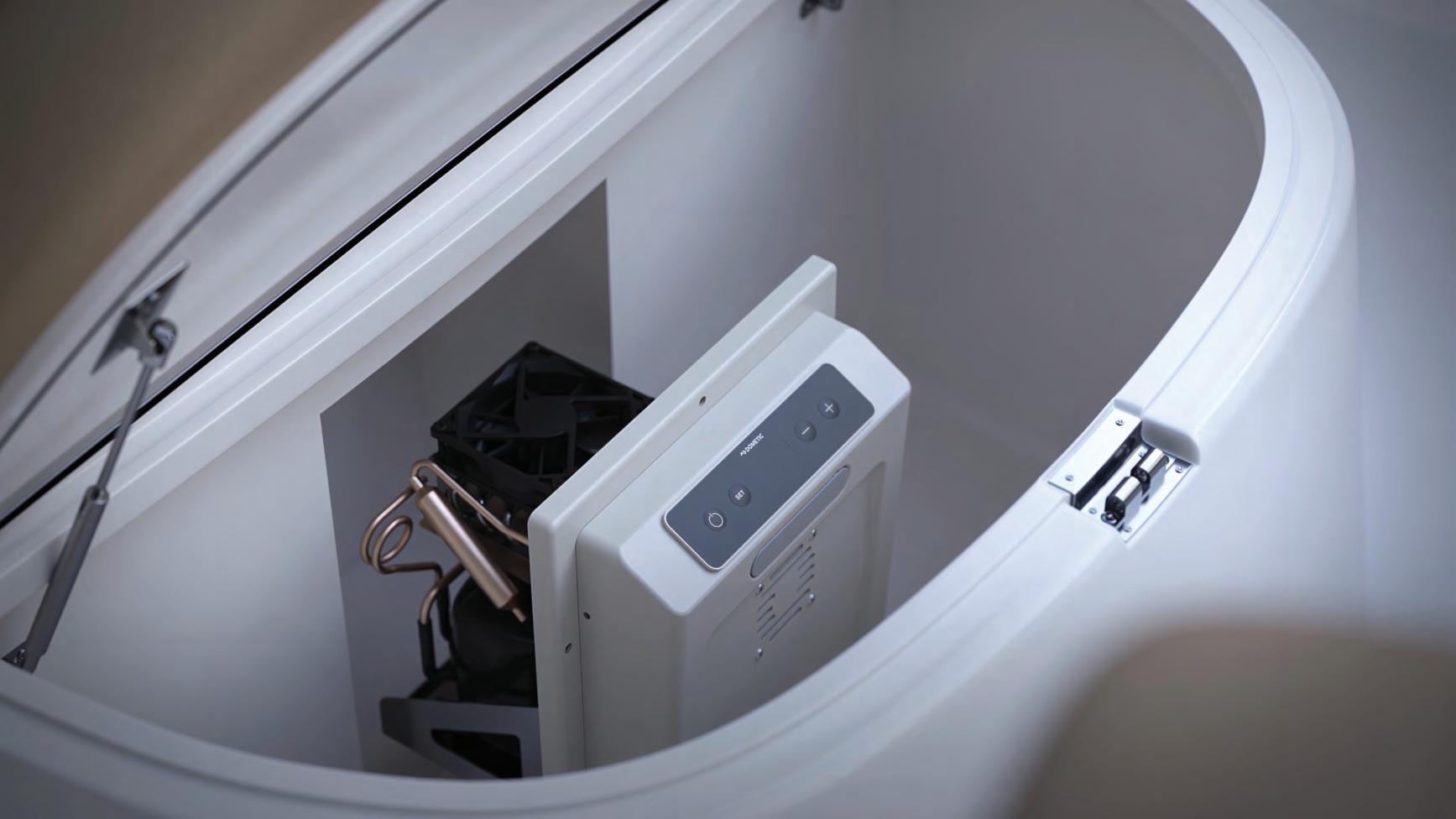

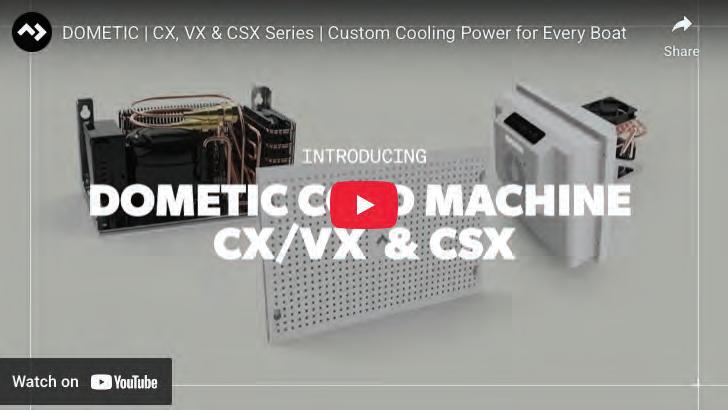
The Dometic CSX is a self-contained cooling system engineered for effortless installation and reliable performance. Ideal for volumes between 50 and 400 L, it combines a high-efficiency compressor, fan-cooled evaporator and digital temperature control in one space-saving unit. Simply drop it in, connect power, and enjoy consistent cooling without the complexity of remote couplings.



Florida anglers are always looking for ways to keep their food, drinks, and day’s catch cold and fresh during long, hot days on the water. That usually means stopping on the way out of the marina for many pounds of block or cubed ice, then moving food and drinks around throughout the day to keep them cold and prevent them from getting soaked or waterlogged.
Fortunately for Florida’s coastal and offshore anglers, leading outdoor brand Dometic recently launched an ingenious solution — the CSX Series “Coldmachine” self-contained refrigeration system. How ingenious? Over the past few months, Dometic’s CSX Series was honored with a 2025 NMMA Innovation Award at IBEX and a 2025 DAME Design Award at METS Trade in Amsterdam. Engineered to accommodate storage volumes from 60L up to 400L, the CSX Series combines a high-efficiency compressor, fan-cooled evaporator, and digital temperature control in one space-saving unit.
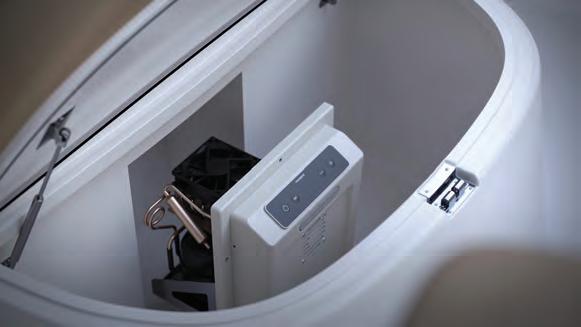
refrigerator or freezer without the complexity of remote couplings. Utilizing Dometic’s refrigeration technology proven in the RV and marine markets, the CSX Series features fanassisted airflow to accelerate cool-down times and maintain consistent temperatures — even as ambient conditions fluctuate over the course of the day. Built-in LED compartment lighting helps boaters see and access items easily, even when installed in a boat’s interior spaces.
This system’s compact footprint makes it ideal for use in a variety of spaces found on today’s boats. With an easy-to-install design, anglers just need to mount it in place, connect 12/24VDC power and enjoy a space-saving
Dometic’s integrated digital temperature control and precise thermally sensitive sensor delivers optimal cooling performance and energy efficiency. An automatic defrost logic embedded in the system’s electronics helps prevent ice buildup on the evaporator.
The CSX Series “Coldmachine” comes
in two refrigerator versions and one deep-freezer version. The CSX200 refrigerates up to 200L, the CSZX400 refrigerates up to 400L, and the CSX150FZ provides up to 150L freezing capacity.
Its compact footprint makes in an ideal addition to the builtin cooler/seating area forward of the console on many popular offshore center console and larger bay boats. With a CSX Coldmachine unit installed, anglers can do away with buying bags and bags of ice while enjoying better allday-long cooling performance. They can also focus on catching fish and enjoying time on the water, rather than dealing with meltwater or soggy sandwiches. In addition, the deepfreeze version is ideal for keeping rigged or whole baits and boxes of chum frozen solid until they’re needed, saving money and wasted bait.
This performance and convenience upgrade makes the Dometic CSX “Coldmachine” a great boat improvement project before the summer fishing season arrives.
To learn more, visit your nearest Dometic Marine retailer or visit
.
TBy Will Schmidt
here’s been a troubling trend that I’m hearing while out on my boat: the U.S. Coast Guard broadcasting an unmanned vessel alert. This potentially deadly scenario seems to be happening now on a regular basis, and a few precautions can take this from a lifeor-death situation to an easily survivable event. With the summer boating season soon to be underway, now is a great time to revisit some basic safety protocols.
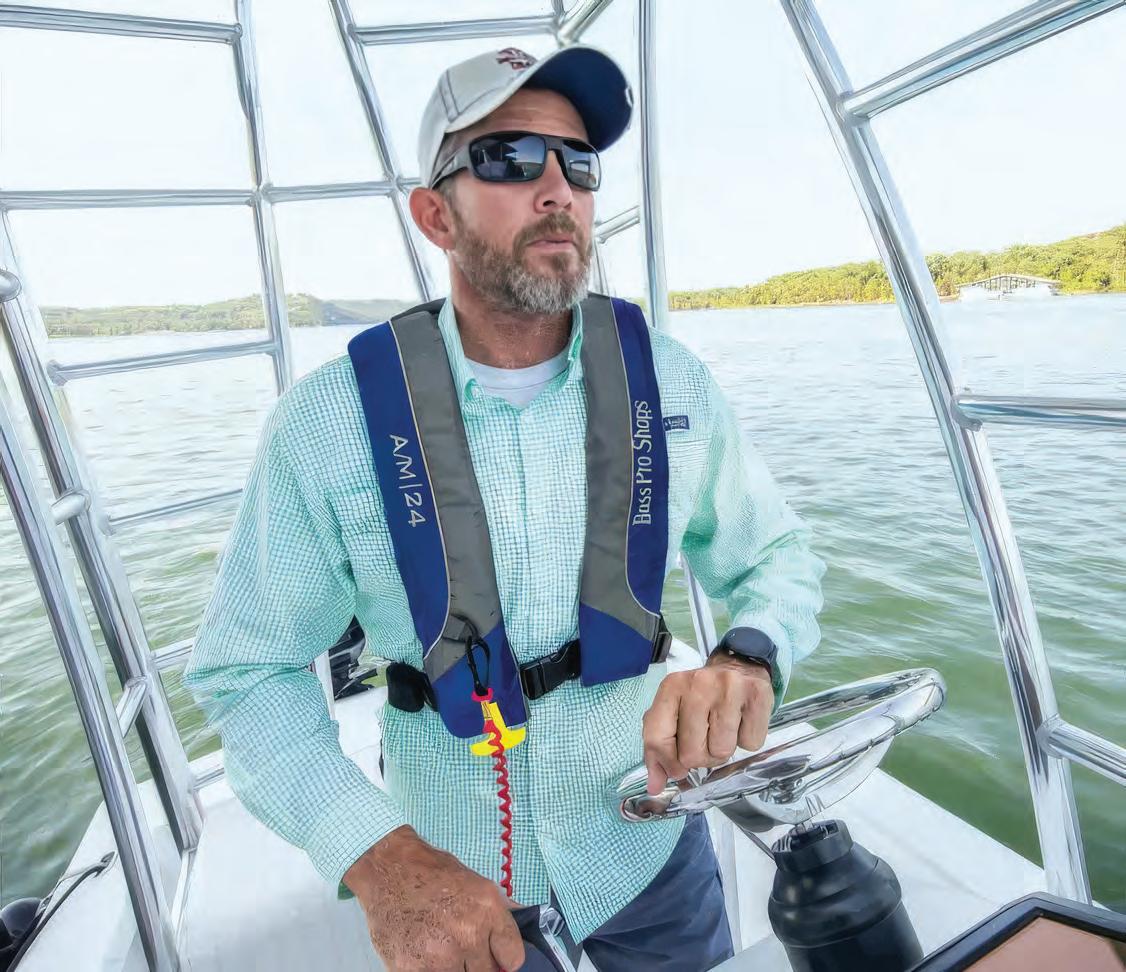
Perhaps the two biggest safety items on a boat are often the most overlooked and underused pieces of equipment. First, life jackets. Gone are the days of the bulky bright orange life jackets that are uncomfortable and impeding. The new self-inflating styles are both comfortable and unencumbering. These are far more user friendly and yet many resist. The truth is the self-inflating vest or hip pack versions are comfortable and don’t restrict you in any way. Should you fall overboard they can truly be life savers.
The second most underused item is your kill switch. Even though they are mandated on vessels 26 feet or less while on a plane, most people still don’t use them. The biggest complaint with these is that they tether you to the helm. However, as your boats have gotten smarter, so has the kill switch. There are products like the Fell Marine 1st Mate system which wirelessly protect the users. This genius devise uses geo fencing to define your boat’s area and activates the system should the small wearable fob cross the boundary. By allowing movement around the boat untethered there is no excuse at all for not utilizing the kill switch, even while not on plane. Should the captain fall overboard the engine(s) stop and if the system is not reset in a definable amount of time it will send messages for help. This is great for solo fishing where an errant wave can be disastrous. As a bonus it can also be set up as an anti-theft device.
Another lesser used device is your fire
extinguisher. One of the most terrifying events that can happen on a boat is fire. If that should occur, every second counts. Having your fire extinguisher close at hand is a must, and finding an out-of-the-way spot to mount this gear is essential. There are many mounts available, and being prepared for this type of emergency is the smart thing to do.
Clearly there are many other required pieces of equipment as well as suggested items. From flares to first aid kits, no one wants to use them, but when they are needed, they are crucial. Before heading out, make sure everyone knows where all these items are stored. Time can be of the essence in an emergency and having the crew waste valuable time searching for safety items could make all the difference in the world.
Will Schmidt is a seasoned tournament angler who has been writing about fishing from more than two decades. Follow Will on Instagram @saltynstrong.
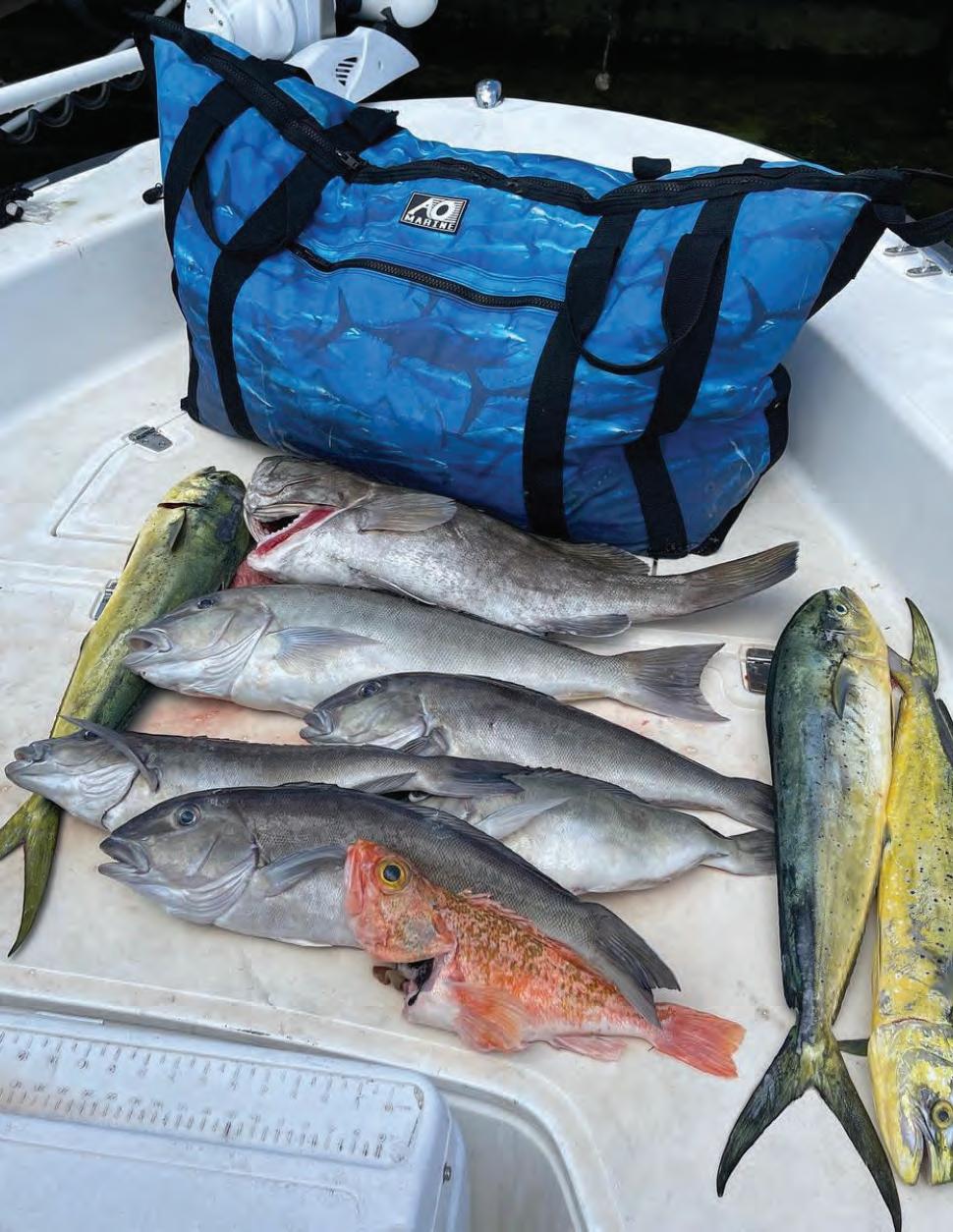
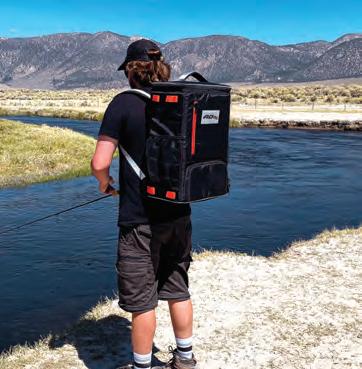

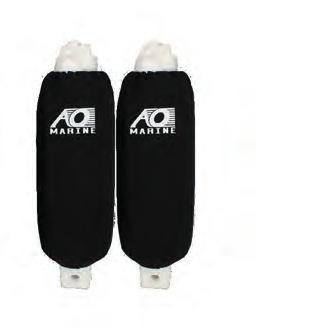
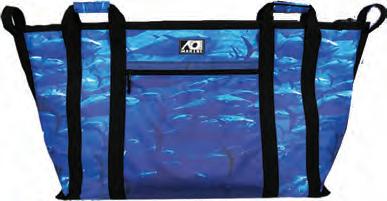
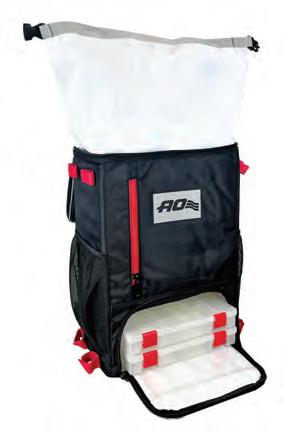
, the leader in high-performance soft-sided coolers, is hitting the water this year with new, upgraded fishing products. Our fishing team partners told us what they needed, and we listened!
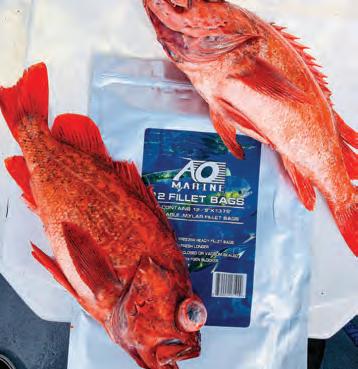
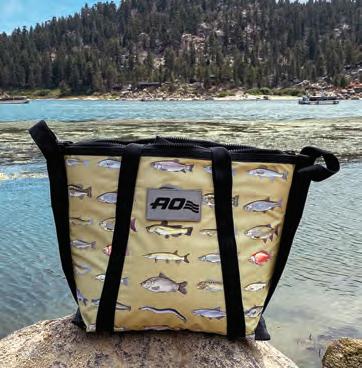
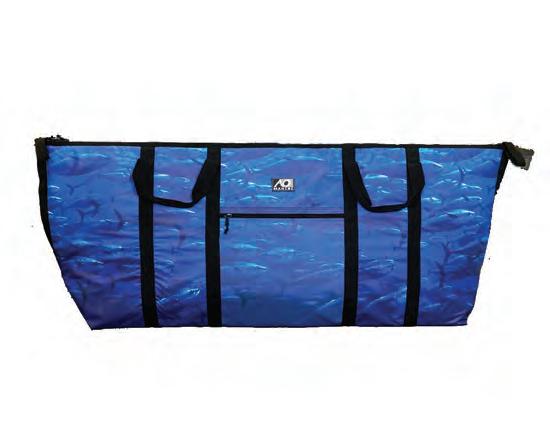
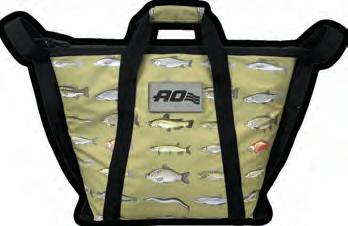
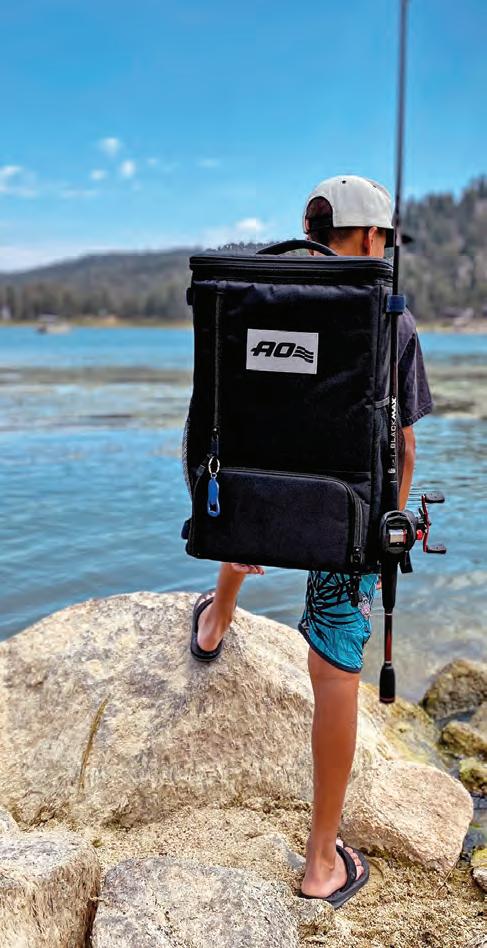
Products are in stock and ready to ship; The Fishing Cooler Backpack, 2, 4 & 6ft Fish bags, Fillet bags, Boat fenders, EVA Traction pads, Inflatable Docks, ISUPs, and of course, our high-performance coolers specifically designed for use on boats, guaranteed not to leak, and to keep ice cold for up to 24 hours.
Thirty years ago, AO was launched to provide active, hard-core people with quality products at a reasonable price. We started selling our soft-sided coolers to the hard-core, go-fast boaters and fishermen in Lake Havasu. We aimed to keep ice in our coolers for up to 24 hours in 120-degree Havasu heat. That goal was accomplished 30 years ago, and we’re still at it.
We know our customers; they fish and boat in the summer and ride the dunes or trails in the winter. AO products give those high-octane souls greater freedom to embark on and enjoy what’s important to them.
Make sure that your gear does not hold you back from doing what you love. AO products are built to handle whatever offshore adventure is coming next.
AO is flexibly rugged, seriously fun, and honestly real!
We’re looking for active, adventurous folks that demand quality and performance from their gear. Share your adventure and send us your fish story or photo.



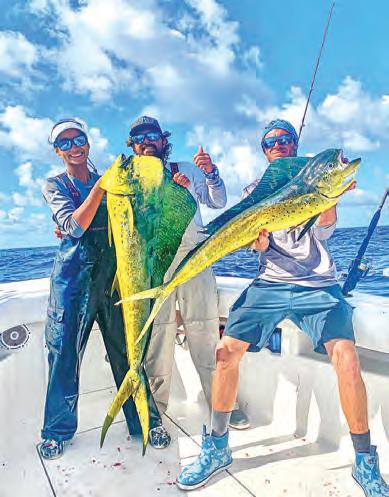
If you love the fishing, boating and outdoors lifestyle, and dream of being in business for yourself— but not by yourself— now is the time to spring into action and become a Coastal Angler or The Angler Magazine Co-Publisher. No Experience Neccesary—We Will Train You! We have freshwater and saltwater territories available throughout the country and abroad. Ask one of our specialists about franchise availability in your area.
SCAN THE CODE TO VIEW OUR BROCHURE:

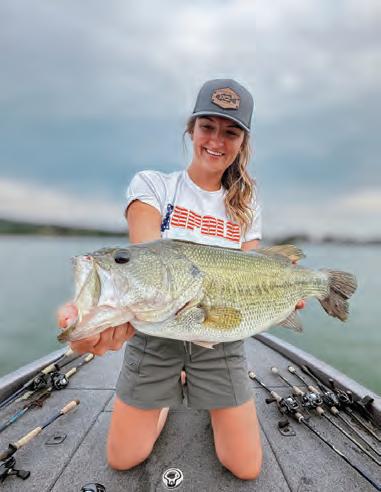

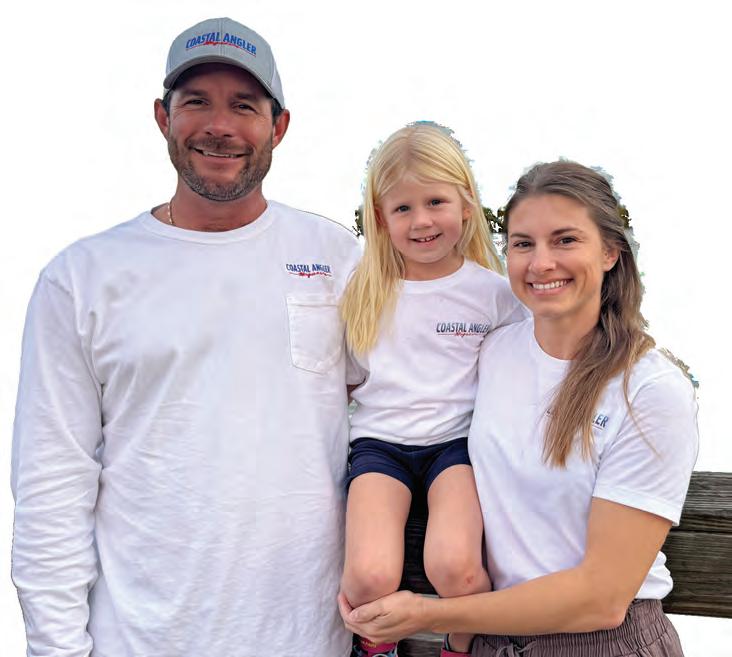
An exceptionally rewarding and fulfilling business opportunity, as a Co-Publisher of your area’s Coastal Angler Magazine or The Angler Magazine, you’ll enjoy the benefits of controlling your own time and future while being a part of the largest outdoor publication in the U.S. Our proven franchise publishing system enables individuals with no prior publishing experience to publish a credible and profitable localized version of our award-winning, free monthly magazine. With a combined readership of over one million per month and distribution to over 11,000 businesses in four regions, our brand is well known throughout the fishing world, and our magazines are recognized as well-designed, thoughtful publications that provide newsworthy and entertaining content pertinent to the marine and fishing industries, as well as respected resources for localized fishing reports, tournament news, tide charts, catch photos and more.
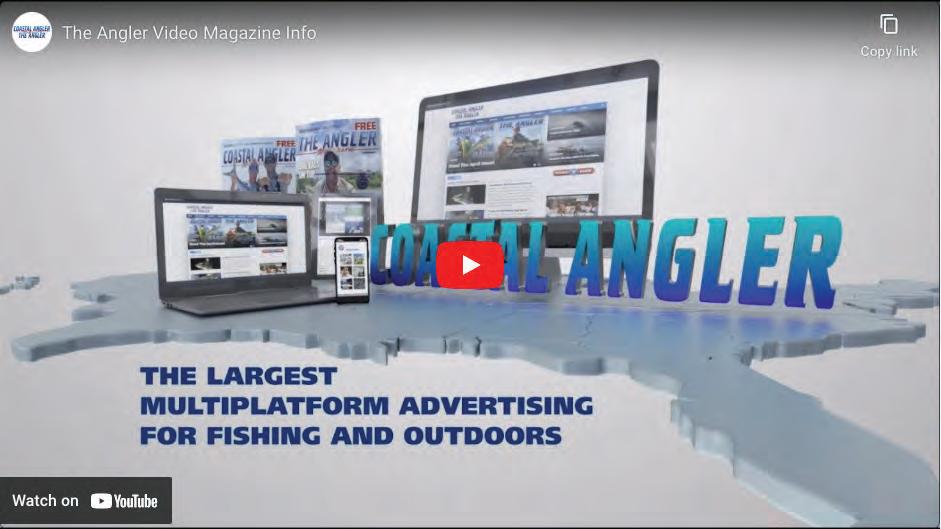
The Angler Video Magazine connects fishing and boating enthusiasts with industry news and shared community interests in a unique, industry-first format — a video magazine. Sent to over 3.2 MILLION licensed anglers, The Angler Video Magazine is provided to its readers for FREE. No subscriptions or payments are required for viewing.
Support The Angler Video Magazine’s mission to provide FREE content to the recreational fishing and boating communities and industries throughout the world by sharing, subscribing and advertising.