
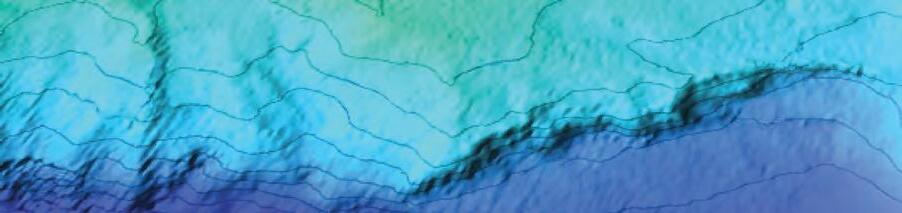























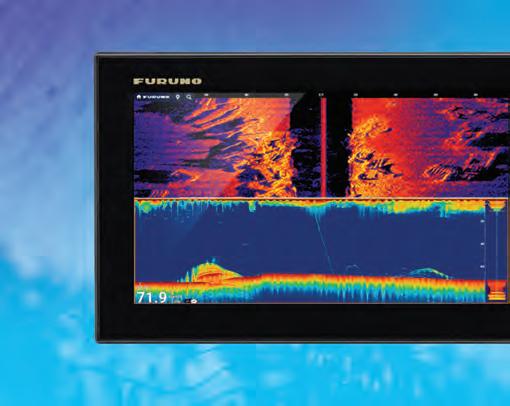

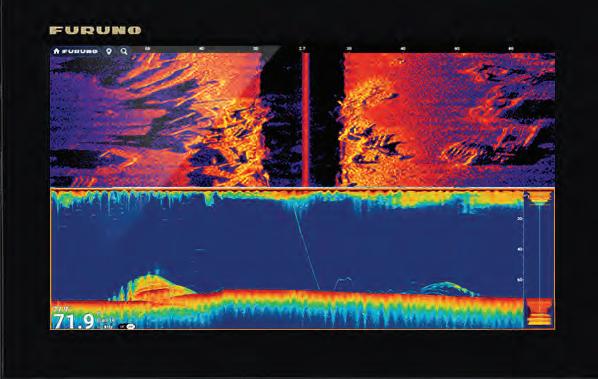
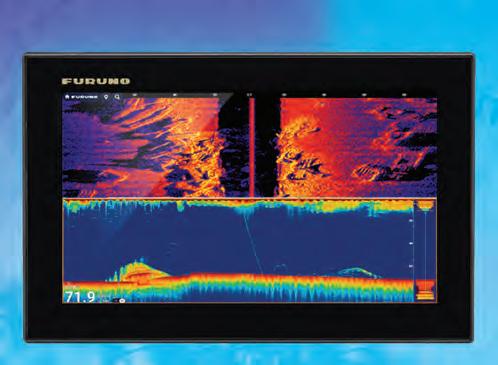
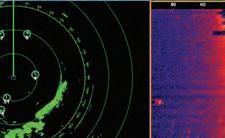




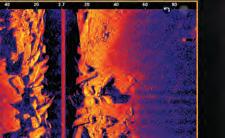

















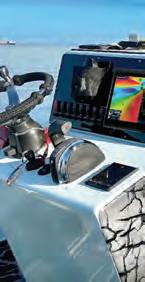








With this streamlined MFD, Furuno is bringing big-boat confidence to everyone. & More Fish

Less Stress
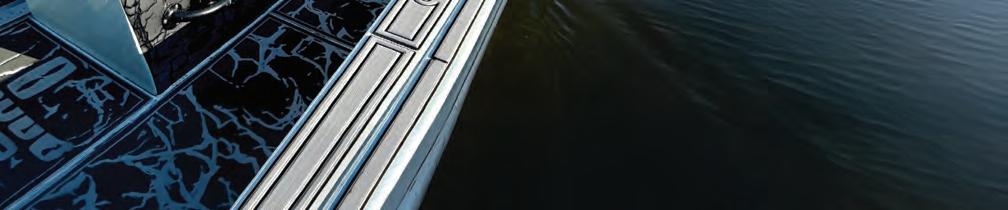






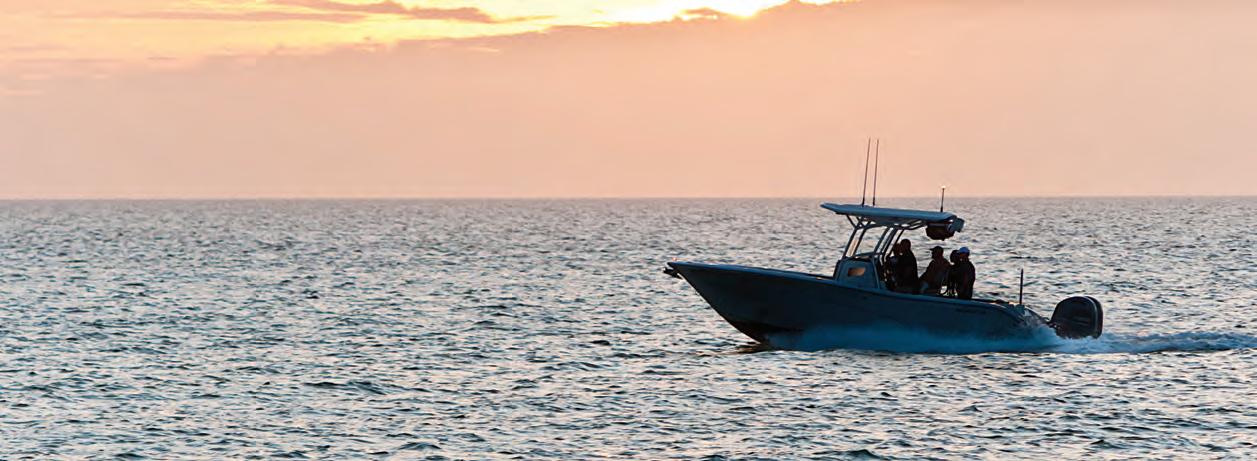
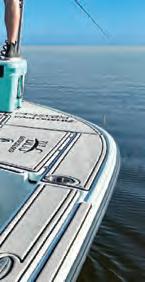
Are you ready to embark on your next on-water adventure? Before you set sail, here are fve things to know about boat insurance.
1. Boat insurance isn’t just for accidents
With comprehensive coverage, you’ll also be protected fnancially for theft, vandalism, and unexpected events like storms if you need repairs or replacements due to damage.
Accidents can happen to anyone
When accidents happen, boat insurance offers liability coverage for damages or injuries you cause while boating, up to specifed limits. It can also cover lawsuit costs if you’re sued.
3. Boat insurance can cover medical payments
Boat insurance offers a range of optional medical payments coverage limits, helping to cover medical expenses if you’re in an accident or someone is hurt on your boat, regardless of fault.
4. Most lenders require boat insurance
If you fnanced your boat, you’ll likely need boat insurance since most lenders require boat insurance to protect their investment. Additionally, some marinas or municipalities require proof of insurance for docking.
5. Progressive offers specialized boat coverages
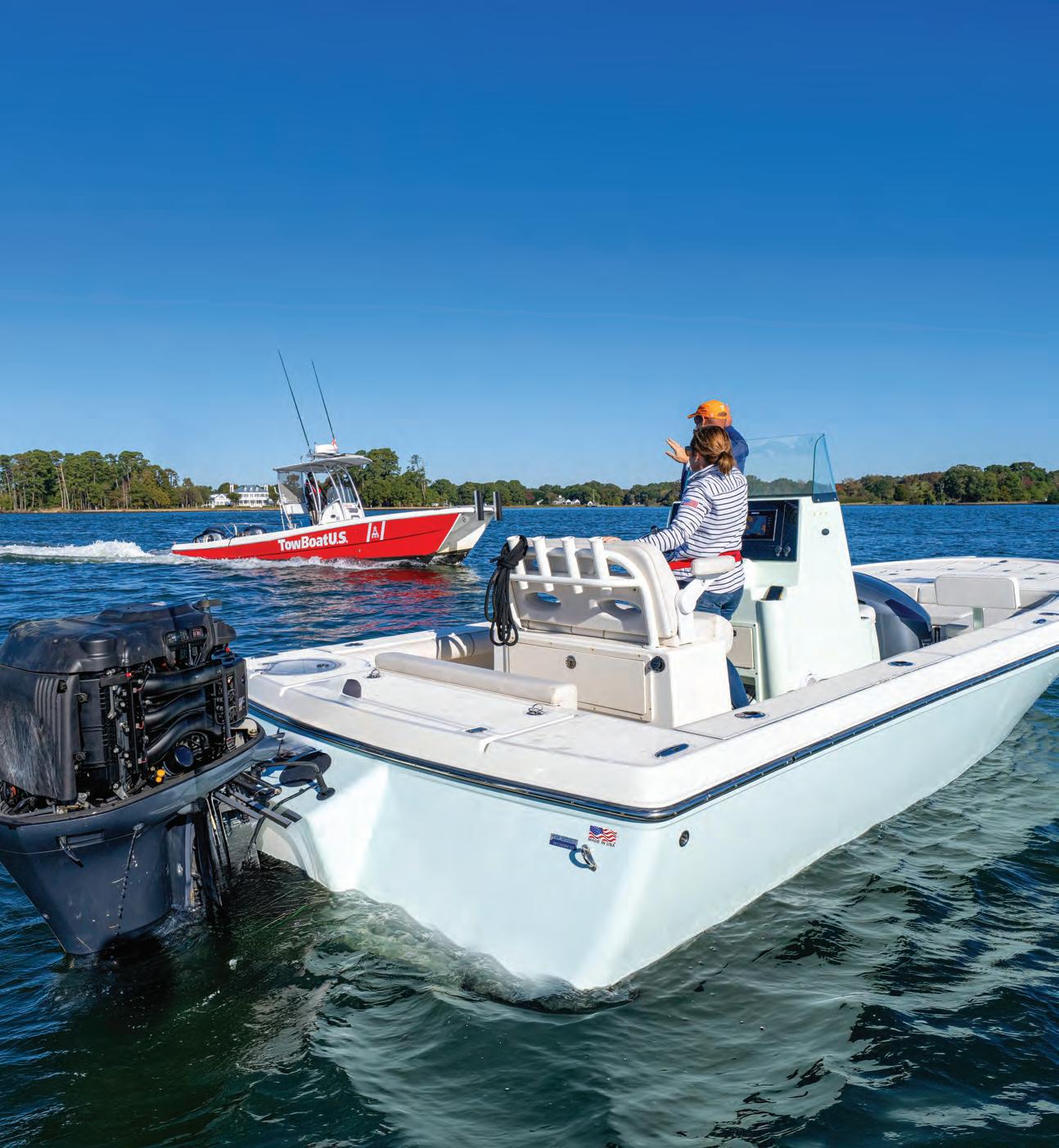
Ever worry about getting stuck on the water? Progressive’s Sign & Glide® On-Water Towing coverage** can help. It’s an additional coverage that steps in if your boat is disabled or breaks down on the water, paying for on-water towing, jump starts, soft ungroundings, and fuel delivery. Fuel cost isn’t included.
Don’t let unforeseen circumstances disrupt your voyage. Cruise with confdence thanks to Progressive Boat insurance. Because when it comes to your boat, peace of mind is the ultimate luxury.
Scan to get a quote in as little as 4 minutes.
to learn more.












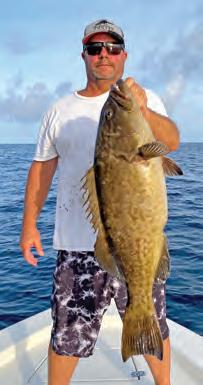
You probably noticed my attempt at a little humor with that title—just what we need a!er a long closed season. In my personal view, the closure has been unnecessary, much like the situation with Atlantic red snapper. Many of us are simply trying to catch seabass and grunts for dinner, but we keep getting pushed o our favorite spots where red snapper and gags are abundant. Yet, these species are still considered endangered. I think you know where I stand on this topic, so I won’t dwell on it any further.
As warm water moves in closer to the beach, expect to nd king sh and cobia frequenting the same spots where you’re catching gags when the water temperature rises above 68°F. Always have a pitch rod ready as cobia may swim right up to the boat. However, don’t be surprised if you catch cobia while bottom shing with a decor jig and an appealing bait. In fact, more cobia are o!en caught on the bottom than on the surface when anchored up and targeting grouper.
schools of cigar minnows and sardines on them. You don’t need to look any further when you nd this combination of bait because the sh will be right there. It’s always a good idea to keep one person on the Sabiki jigging up. A live sardine or a live cigar on a decoy has a life expectancy of under ten seconds around any kind of sh. We try to never leave the marina without a couple boxes of frozen cigar minnows and live pin sh. at live pin sh can sometimes be the best selection of all because it’s too large for any of the trash bites.
TIM BAREFOOT
of other species like vermilions, mangroves, grunts and seabass.

In addition to all the other stu on the bottom, it’s always good to keep a light line out for kings, black n, wahoo and dolphin. It’s not a bad idea to keep one under a %oat (so you can keep an eye on it) and another one without a %oat, but you have to be mindful of that bait getting back into props or under the boat tangling other lines.
I’ve always said, “Find the bait, nd the sh.” Go to all your familiar haunts with structure of one kind of another, whether it’s ledges, rock out crops, wrecks, etc. e bonus will be nding
Any kind of little snapper about the size of your hand makes for the ultimate bait. I’m no longer shing for barely-legal gag or scamp. Instead, I’m looking for one good bite at a time. I’ll let that bait soak on the bottom and be patient waiting for the old man to show up. Don’t get me wrong, more sh have been caught on frozen cigar minnows and sardines than all the other baits combined, but a live one is simply irresistible to every grouper and/or snapper out there. Period. Nearly everything on the bottom will take a whack at it, but only the sh with the correct sized mouth can eat that small snapper. Because the creel limits are so low, you’ll easily reach your grouper limit. Once you have, it’s wise to take advantage
If you’re anchoring and not just using the trolling motor, it’s a great idea to %y the kite. Keep a couple baits suspended with little to no leader in the water. Live greenies, cigs or sardines under the kite is the ultimate presentation. You can even get away with %uorocarbon using circle hooks depending on the current. Don’t hesitate to put a bait out with a small amount of weight in front of it to get it down 30 to 50 feet behind the boat. is will get you that large wahoo bite. ere are so many options available this time of year in the warmer water, so be ready to take advantage of all of them once you ll your cooler with one species or another. is is the ideal time to broaden your approach and become skilled in targeting not only di erent types of snapper and grouper, but also pelagics.
MAY you nd calm seas, tight lines and delicious dinners this month!
Learn more from Tim Barefoot at barefootcatsandtackle.com.

By Jim Mize
My kitchen table looked like stuffed animals had staged an MMA fight and none had fared well. Fur, feathers, and synthetics lay in clumps where we had littered the surface with fly-tying materials. This way, we could sort through them and easily pick out what we needed.
Beanpole and I often got together to tie flies at my house. Nell appreciated not having the mess, and I didn’t mind having trimmings on the floor. After all, Moose, my black Lab, started shedding about this time of year, and I was sweeping every morning anyway. Besides, the fly trimmings just added a little color in the dustpan.
I sat staring at a pack of Awesome Possum dubbing, trying to imagine what the possum had done to earn this title. It must be hard to be awesome when you’re a possum. This one must have been exceptional.
Beanpole was focused on his vise, trying to get rubber legs in just the right spot on a hopper. He squinted as his fingers held the rubber legs against the hook shank, and at one point he stuck his tongue out the side of his mouth. Once he had it tied down, he looked up and lobbed a
question that landed with the impact of a grenade.
“Do you want to buy my fly rod?”
I looked over at him, once again focused on tying the hopper and tried to guess what was going through his mind. The odds of me doing that were somewhere between winning the lottery and being struck by lightning. Maybe that’s how the Awesome Possum died. The hair did look a little singed.
“You buying another one?” I asked.
“Not exactly.”
I had learned over the years that Beanpole’s mind was complex to the average person. Clearly, there was more to this response, so I thought about the usual progression of questions I had to ask to get something out of Beanpole when he didn’t want to tell me. So, I jumped ahead about five questions and got to what I really wanted to know.
“Tell me what happened.”
Continued on next page
Beanpole looked up sheepishly realizing I had guessed right. There was a story behind the question, and I wouldn’t leave him alone until he shared it. We had done this dance before, and the song always ended the same way.
“Well, I went fishing last week on Humility Creek. It was still cold, the trout were on the bottom, but I was picking up one now and then on weighted nymphs drifted under an indicator. Mostly, they were rainbows.”
Beanpole took a sip of his Cheerwine as if he needed some liquid courage. Then, he proceeded with the story.
“You know that big hole where the creek turns? I was almost to the bend when two Canada geese started honking at me. They were up on the opposite bank in front of some brush. Not your normal honk, but faster and more aggressive. I figured they were going to nest there, so I tried to give them plenty of room.”
“Good decision,” I interjected.
“Yeah, you know I had been buzzed once by a goose in a similar situation. Had to fend him off with my fly rod. Came straight at my head looking like a Boeing 757 trying to land. Thought I was going to die.”
Beanpole gazed into space as if remembering the event, shuddered, then came back to finish his story.
“Anyway, the geese were getting more and more excited and finally one took off. I thought it was going to come at me, so I braced to defend myself. But it just flew down the creek honking as it went. That left one goose on the bank. It was still honking, but not quite as much.”
“I thought I was in the clear then, so I went back to fishing. After every few casts, I would ease a couple steps downstream and keep drifting those nymphs, watching the indicator for any sign of a bite. The goose and I were still watching each other, but it seemed fairly calm for a goose. I had almost forgotten about it and was just concentrating on the drift, the fish, and that indicator.”
“That’s when it happened.”
Beanpole paused as if I might let the story end at this point. He always did this, and I wondered if he was checking to see that I was paying attention. So, I asked the obvious question.
“What happened?”
Beanpole looked me in the eye to tell me the next part.
“The goose flew off the bank straight at me. I braced for a flogging as it got closer, but instead, it swooped down and tried to grab my indicator. I think someone had been feeding the goose, and my white indicator probably looked like food. Anyway, the goose tried to grab it.”

“He plopped down in the stream and was pecking at the indicator. Apparently, it was moving and the goose was flapping to stay close to it in the current, pecking at it over and over, more frantic each time.”
“What did you do?” I asked.
“It was all a reflex. I tried to yank the indicator away, but the line must have run between the wing feathers on the goose. Next thing I know, I’ve hooked it.”
In my mind, I could see the bend in the stream, Beanpole with his rod up, and the goose flogging the stream, flailing and splashing, slinging water in all directions. Probably every fish for a hundred yards
Continued, see BEANPOLE Page 12
By Perry Hensley
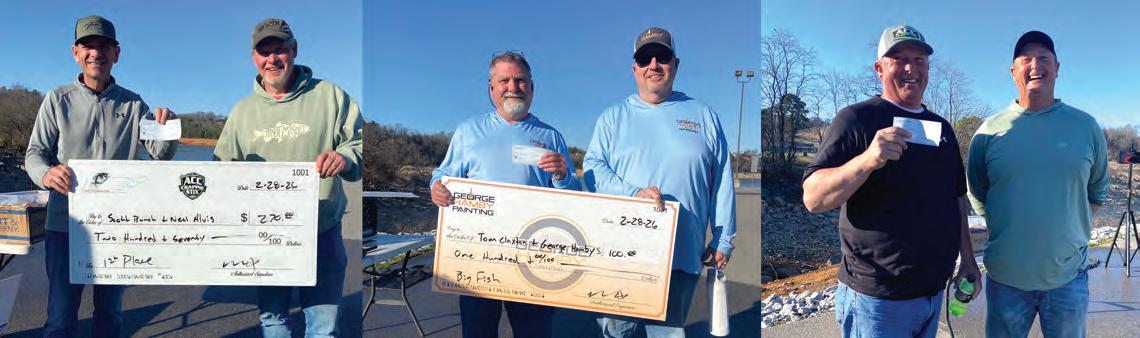
WOW... What a beautiful day we were blessed with today. Not often do we get such nice weather on tournament day, and oh, did the crappie agree. Douglas seems to be healthy and full of fish. Most anglers lost count of the fish they caught. Big bags and lots of short fish were caught from sunup to weigh in.
The team that bested the field on this day was the team of Scott Bunch and Neal Alvis with a 7 fish bag weighing 13.26 Lbs. Congrats gentlemen, on a great bag.
In second place was the team of George Hamby and Tom Claxton with a bag weighing 13.10 lbs. Heck of a bag men!
In third place was the team of Ray Pratt and Jimmy Pratt with a sack
of fish weighing in at 12.82 lbs. Nice job guys!
Winning the George Hamby Painting big fish pot with a fish of 2.11 Lbs was the team of Tom Claxton and George Hamby.
Winning the ACC Crappie Stix roll the dice rods was the team of Johnny Brooks and Gary Surface.
Winning the BoneHead Tackle roll the dice baits was the team of Buck Collins and Trey Helms.
Congratulations to all of the anglers who fished this wonderful event, and we look forward to seeing you all next month for our Classic event on Dale Hollow Lake.

By Ken Wells
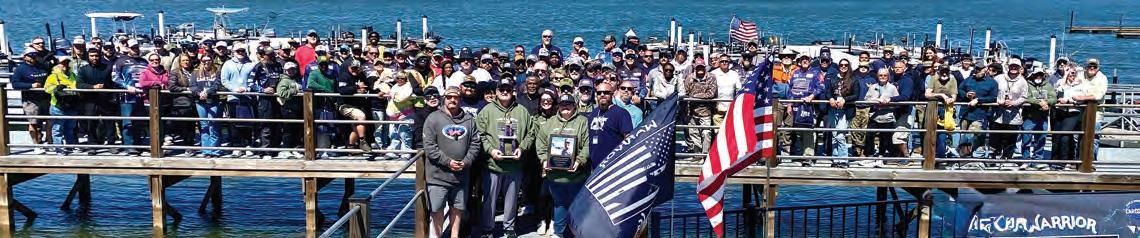
Lake Greenwood, South Carolina, was the location for the Take a Warrior Fishing, Inc., Southern Warrior Showdown on March 28, a veteran nonprofit 501 (c) (3). The event launched with a preregistration mixer at Fish Bonz General Store & Tackle the evening prior, drawing over one hundred Warriors, boaters, and volunteers. Fish Bonz arranged for a DJ, who provided music across various genres, while complimentary food was supplied by Break on the Lake and prepared by Rick & Don’s BBQ, Take a Warrior Fishing, Inc’s cooking team. As the evening concluded, preparations for the main event were underway.
On the morning of the event, Warriors and boaters checked in early and readied themselves for a day on the lake. Following a presentation of the nation’s colors by Emerald High School AFJROTC, participants observed a moment of silence and prayer. The event officially began at 7:55 AM, with 51 boaters accompanying 59 Warriors onto the water.
During the fishing activities, event staff and volunteers set up
facilities for the participants’ return. The cooking team prepared food provided by Vector Force Development, complemented by side dishes from Break on the Lake. Weigh-in began at 2:00 PM, with attendees assembling to observe the results. Lauren’s High School, collaborating with the AFROTC, assisted in transporting fish from the docks to the weigh station. The event overall was well-received by the Lake Greenwood community.
Just to highlight some catches from the day, a female Warrior caught the largest fish of the day, weighing in at 17.1 lb. striper, while the Big Bass award was earned by a male Warrior with a 5.5 lb. largemouth bass. All participants received free food/drink, complimentary t-shirts, a raffle ticket, and Warriors were presented with a Lew’s American Hero rod and reel combo. The success of this event has motivated Take a Warrior Fishing, Inc., to return for 2027. Thanks to everyone for making this event a huge success, and for those about to fish, we salute you.
Date of report: May 2026
Greetings to my readers! I hope that the world finds you and your family doing well!
The early summer crappie fishing on Dale Hollow Lake produces fantastic big stringers of nice slab crappie! These trips run June and July. We longline small crank baits catching massive slabs! Our clients always have a great time on Dale Hollow! Look for large schools of bait.
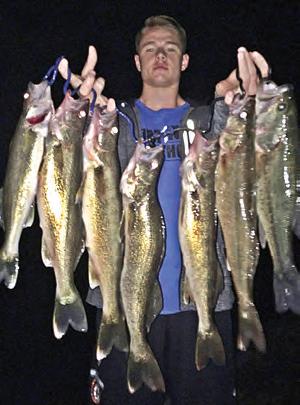
Laurel Lake, located west of Corbin, Kentucky, is one of the top walleye lakes in America! Our Kentucky Walleye Charter guide, Fred Hoskins, has

several decades of fishing experience for walleye on Laurel Lake. We offer both day and night trips. The fishing is phenomenal! We fish live bait as well as troll lures concentrating on where creek channels hits the river channel.
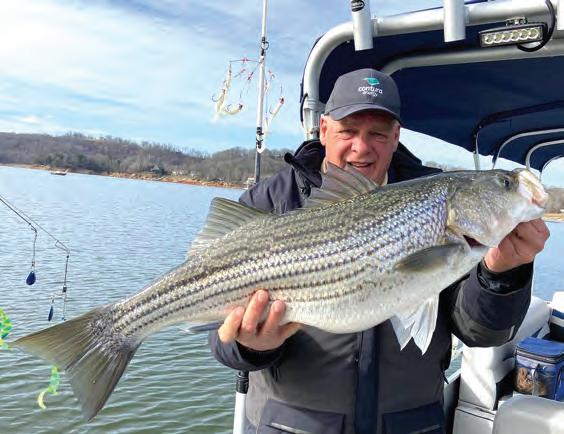
The striper—hybrid fishing on Cherokee Lake is very popular with our clients. In May we troll live bait on planer boards 10 to 30 feet deep and also downline on suspended schools of fish, concentrating on main creek channel points. The striper and hybrid fishing is simply off the chart! 20
By Creek Life Lure Co.
Some people grow up with ball fields and bright stadium lights. I grew up with quiet creeks.
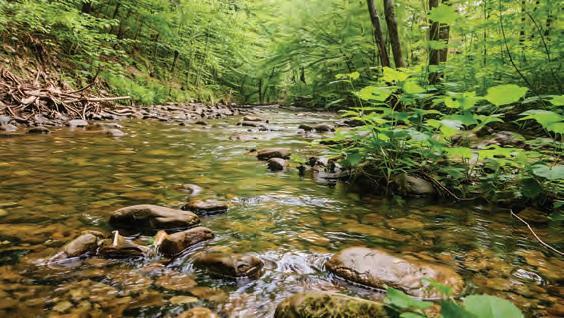
As a kid I spent countless hours wading through shallow water, turning over rocks, watching little fish dart through the current. Most people never notice what lives in those small streams. To them it is just a ditch on the side of the road or a ribbon of water in the woods.
To me it was a whole world.
I learned early that the creek had a way of slowing life down. The sound of water moving across stone, the shade of the trees leaning over the banks, the feeling of cold water around your legs on a hot summer day. Out there nothing else mattered. No noise. No pressure. Just the quiet rhythm of moving water.
For me those creeks became more than a place to fish. They became a place to breathe.
There were seasons of life where things felt heavy and hard. Times when my mind was loud and the world felt like too much. When that happened, I always found myself walking back to the water. Standing in a small current somewhere, watching minnows move through the rocks, listening to the same sound that had been there long before me. Somehow the creek always had a way of putting things back in place.
Years later that same feeling became the foundation for Creek Life Lure Co. I started the company with a simple idea. Small creeks and the fish living in them deserve just as much respect as the big lakes everyone talks about. There are incredible species living in those waters. Fish with colors most people have never seen and names most anglers have never
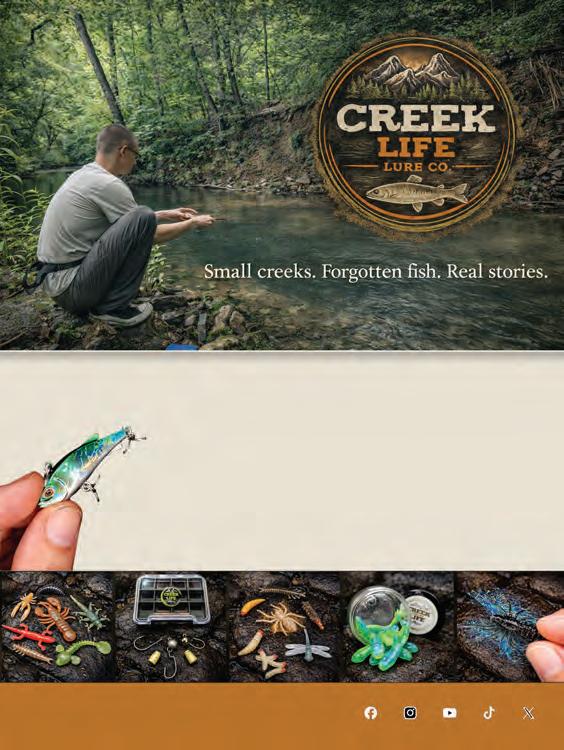
heard. They are often overlooked, but they are every bit as wild and beautiful as anything swimming in deeper water. The baits I create are built around that world.
They are small, detailed soft plastics designed for the kind of fishing that happens when you step into a creek and start exploring. Many of them are inspired by real creatures you find under rocks and along the banks. Stoneflies, craws, little aquatic insects that trout, bass, and other creek fish feed on every day. Every bait also carries a story. A memory from the water, a piece of creek life, or a reminder of the small things that make fishing meaningful. Because to me fishing has never just been about catching fish. It is about slowing down. About paying attention to the little things. About standing in a quiet current somewhere and remembering what it feels like to be alive.
Those creeks shaped who I am. In many ways they helped keep me here. And that is the heart behind everything I make. Because in the end, no matter how small the stream or how overlooked the fish might be, every one of them has a story worth telling. And every fish deserves one.
and 30 fish days are frequent (TN allows catch and release!)
With three full time guides, StriperFun offers day trips on Cherokee Lake year-round (weather permitting).
It is great to be alive and be a “free” American! I look forward to seeing all of you this year on the water. Always remember to stop and shake the hand of a person in uniform or wearing garb that shows they are a veteran! Their service is why you speak English, can vote and can enjoy the freedoms you do!
Until next time, blue skies and tight lines!
With full licensing and insurance, all Captain Jim’s Guide Service independent guides (13 guides on 16 waterways fishing 9 different species of fish) can take you on a safe, fun and unforgettable fishing adventure! Check out all of our fishing services as well as our exclusive “online” store at www.striperfun.com or call 931403-2501 to make reservations today.
By Scott Norton
This marks the new season of nature’s replenishment everywhere you look. The conditions are right for plants and animals alike to multiply. Right now, in our lakes bass are making moves that will secure the next generation. This natural instinct has instructions baked into their DNA to go forth even if it cost them their life. The bass are staging to start the process of the spawn. The spawn has three seasons inside a season. You have pre-spawn, spawn, and post spawn with each having significant changes in each one. Not all bass will spawn at the same time. They will come in waves which is why when you catch them, you can actually fish for them in each stage they are in. Because of this they will be spread out from the main lake to the spawning grounds.
The rising temperatures causes the metabolism to speed up causing the bass to feed. The females are carrying eggs to their destination. The males come in first to build the nests while the females pick a suitable male to seal the deal. The females will feed heavily on crawfish for the high protein and iodine needed to develop egg sacks. With the rise of temperatures, the hormones of these females will change with each stage.
Understanding these cycles can be very valuable when you are ready to target a specific group of bass. If you want to go after those big females try using lures that will resemble the shape, color, and size of the crayfish they feed on. Since these bass are coming out of their winter holes, they will not be pressured yet. There are many advantages you have during this time period and putting all the odds in your favor should be the goal.
You can actually catch bass with just about any lure you have right now, but a few will stand out with variations of weather and groups you choose to go after. Keep in mind that rain will muddy up the Watters so adjust your color accordingly. Remember with water clarity, your color choices will be determined by this. With clear water you use natural colors and muddy waters you will want to use chartreuse and black based off of how muddy it is. Red is the most important color because the females are feeding on crayfish. Be mindful and strategic this season and you may catch a boat load of bass this season.
continued from page 2
had taken cover.
“What happened next?”
“Well, the goose didn’t respond well to that,” said Beanpole. “It honked like crazy, and I’m in the creek with a goose on a four-weight. It’s trying to take off, and I’m trying to get unhooked. It’s flapping like crazy, getting a foot or so above the stream, and then my line gets tight and I pull it back down.”
“I’m trying to sort the line from between its wing feathers, water is splashing everywhere. I’m backing up to get away; the goose is half in the water and half in the air, and it was just a total mess. That was when I realized it.”
“Realized what?”
“You can’t land a goose on a four-weight.”
I nodded. I hadn’t thought about it before, but Beanpole was probably right.
“What did you do then?” I asked.
“I just grabbed my line and broke it. Maybe if my fly was bigger or my tippet stronger, I would have had a chance. But it’s impossible to land a goose on a size 18 pheasant tail and 5X tippet.”
“And that’s why I want to sell my four-weight,” added Beanpole.
“So, you’re giving up fly fishing just because you hooked a goose?” I asked incredulously.
“No, but if I’m going to hook geese, I’m going to need a heavier rod.”
I stared at Beanpole across the table, tying flies, preparing for the coming season, and thought to myself that in his world this was the logical conclusion.
“What kind of rod do you plan to buy?” I asked, letting him share exactly where his thoughts had brought him to.
“Probably an Ugly Stik.”
I nodded and went back to tying flies. Maybe he was right.
“Beanpole Sells His Fly Rod” is an excerpt from Jim’s new book, The Haunted Outhouse. You can find it on Amazon or get autographed copies at www.acreektricklesthroughit.com
Jim Mize has been writing humor and nostalgia for over forty years. Most of his work has appeared in outdoor publications including Gray’s Sporting Journal, South Carolina Wildlife, In-Fisherman, and other magazines. His stories and books have been selected for over one hundred Excellence in Craft awards, including the Pinnacle Award, the highest award for books from the Professional Outdoor Media Association. His previous books include The Winter of Our Discount Tent, A Creek Trickles Through It, Hunting With Beanpole, Fishing With Beanpole, The Jon Boat Years, and Funny You Asked Me That! Jim writes from his cabin in the South Carolina mountains while his Lab, Moose, keeps the bears at bay.
Autographed copies can be purchased at http://www. acreektricklesthroughit.com/
Contact: Jim Mize – e-mail: jimmize1@cs.com
By Tom Champeau, Pisgah Chapter of Trout Unlimited
The Davidson River flows 15 miles through Transylvania County to the French Broad River and has been rated as one of the best trout fisheries in the Southeast. The river and its tributaries offer every option for anglers; native brook trout in headwater streams, blue line fishing for wild rainbow and brown trout, and hatchery-supported fishing downstream. Reports of fish over 20 inches long support the reputation of this fishery.
Flowing along Highway 276 in the Pisgah National Forest, the river affords easy and almost unlimited public access, drawing thousands of anglers, tubers, and swimmers. Fishing pressure is very high and regular stockings by the North Carolina Wildlife Resources Commission (NCWRC) help maintain satisfactory angler catch rates. Stocking has a long history in the Davidson as ruins from an old fish hatchery can be found near the upper end of the river at Daniel Ridge. Since 1983, NCWRC has operated the Bobby N. Setzer Fish Hatchery that was originally build in the 1960’s by the United States Fish and Wildlife Service. This hatchery produces about 60% of all trout stocked in North Carolina and will be closed for two years during a total reconstruction project that began in January 2026.
The reputation of the Davidson as a premier fishery is primarily due to having most of the watershed within the national forest that allowed aquatic habitats to recover from previous devastation. Brook trout were impacted by unmanaged timber harvest during the late 19th and early 20th centuries. The channel was modified to float logs downstream to a mill that existed near Sycamore Flats Recreation Area, and cobble was removed from the stream bed for road/railway construction. Habitat impacts and the introduction of rainbow and brown trout over one hundred years ago displaced brook trout from the main stem of the river, limiting their distribution to higher tributaries. For decades, discharge from the hatchery rich in nutrients and fish food along with high stocking rates produced many trophy-sized fish, helping establish the river’s reputation.
The future of the Davidson River as a premier fishery is not certain. While past impacts of poor timber harvest are long gone, current challenges of sedimentation from erosion of Forest Service roads and trails, extremely high use of the forest by anglers, hikers, bikers, and equestrians, a well-documented trend of warmer summertime water temperatures, and more-frequent high rainfall events with damaging floods must be addressed. Organizations such as the Pisgah Conservancy, Trout Unlimited (TU), Mountain True, Southern Off-Road Bicycle Association, Back County Horsemen of Pisgah, and others work closely with United States Forest Service staff to develop management plans and projects to protect forest resources while maintaining sustainable uses. Such a complex challenge does not always achieve stakeholder consensus, but having most of the Davidson River watershed within public land management provides for public engagement in the process.
The Pisgah Chapter of Trout Unlimited (PCTU) made the Davidson River a conservation priority over 20 years ago with a formal partnership with the Forest Service. PCTU volunteers have provided thousands of hours to improve angler access and reduce erosion, conduct surveys throughout the watershed to document sedimentation sources and barriers to fish passage. Data collected during these
DAVIDSON RIVER continued from page 13
surveys helped develop TU’s 2021 Sky Island Coldwater Conservation Plan and the Forest Service’s Watershed Restoration Action Plans that identify current projects. With federal funding from the Infrastructure Bill, the Inflation Reduction Act, and FEMA following flooding from tropical storms Fred (2021) and Helene (2024), many projects are underway and will occur to reduce sedimentation, remove barriers to fish passage, and improve aquatic habitat.
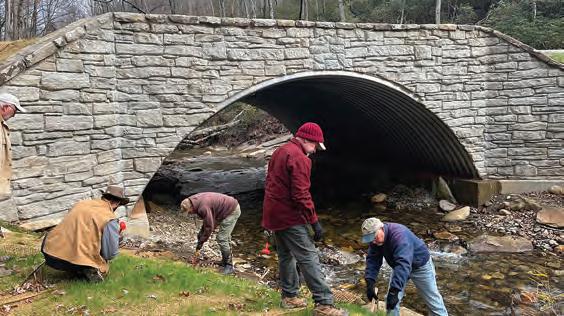
The Forest Service conducted detailed stream habitat surveys in 2003 and 2017 that documented habitat changes that concerned fisheries biologists. During the 14 years from 2003, the 2017 survey revealed a reduction in deeper runs and pools with increases in shallow riffle, increased exposed bedrock, and a decrease in large woody debris all pointing to lower quality habitat for trout. In 2020, TU led an effort with the Forest Service and other partners to create two sites of glide and pool habitat just downstream of the hatchery. These types of projects reverse incised channelization, reconnect floodplains, reduce riparian damage from future floods, and provide more diverse habitat for trout, hellbenders, and other aquatic life.
Following tropical storms Fred and Helene, damage to bank vegetation including the loss of mature trees was severe and shifted massive amounts of rock and cobble. The impacts of these habitat changes have yet to be determined, and repeating the detailed survey last conducted in 2017 would be helpful to evaluate the extent to these changes. For the past three years,
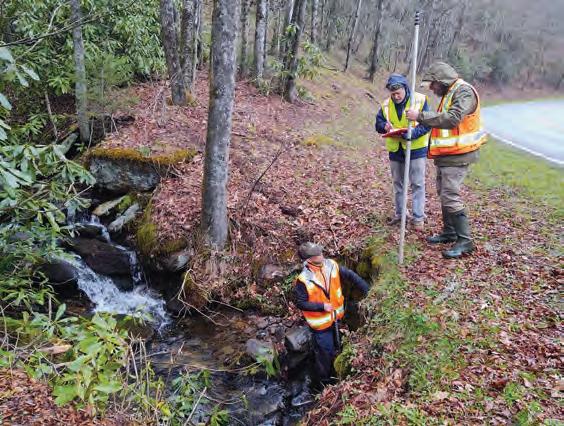
PCTU volunteers have conducted biannual surveys of the Davidson to map impacts such as new and expanded cobble bars, landslides, log jams, and other changes. While not at the level of detail as those previously done by the Forest Service, data from these surveys help identify current threats to aquatic habitat. PCTU also spearheaded benthic macroinvertebrate surveys in 2002 and 2016 and is working with the Forest Service and Clemson University to repeat this work in 2027 to document the status of benthos since Fred and Helene.
Continued, see DAVIDSON RIVER Page 21

By Ronnie Parris
Hey folks, I hope you’re doing well. This weather has been something else here in the mountains. It’s really getting hot and so is the fishing. This last month has been the best crappie fishing we have experienced in years. I think it’s probably due to a great spawn the last couple years. Plus, the fact that they are getting everything they can eat, with both bluebacks and threadfin in the lake at the numbers we have.
The preferred bait seems to change from trip to trip but the outcome has been the same with live wells full of huge slabs. Bobby Garlands have probably been the most consistent bite as well as Keitechs and tiny curly

Fontana Lake Fishing Guides – Ronnie Parris, Owner & Head Guide LAKE, CREEK & RIVER FISHING • FLY FISHING • CAMPING
We o er both full and half day trips with the most competitive rates available. All tackle and supplies you will need while you are on your trip is covered by our listed price.
tails. Some days I have done better on small crank baits and spinner type baits. On thing has been consistent is the depth the fish are biting at. If you see fish st 5 to 10 foot deep they are feeding. Days that they hold at 15
Continued, see CRAPPIE DAYS


GATLINBURG, Tenn.—Great Smoky Mountains National Park will begin its 2026 season of adaptive programming this spring with ranger led experiences designed for visitors with limited mobility and their families.
This year’s lineup includes hiking, biking, fly fishing and one overnight backcountry camping trip:
• May 9: Fly fishing with Trout Unlimited (Tennessee)
• June 5: Night hike on Little River Trail (Tennessee)
• June 20: Hike on the Oconaluftee River Trail (North Carolina)
• July 11: Bike Deep Creek and Indian Creek Trails (North Carolina)
• September 16: Bike Cades Cove Loop (Tennessee)
• September 26-27: Hike Cooper Road Trail and camp at backcountry campsite #1 (Tennessee)

• October 24: Hike on Porter’s Creek Trail (Tennessee)
Great Smoky Mountains National Park has offered adaptive rangerled experiences since 2023 in collaboration with Catalyst Sports, Knox County and Friends of the Smokies. This year’s programming includes a fishing experience in collaboration with Trout Unlimited.
Register for the programs and find more information at Catalyst Sport, https://www.catalystsports.org/great-smoky-mountain-adaptive-hikebike s. Participants must register to ensure equipment and volunteers are
available for the programs. Catalyst Sports provides a variety of equipment for participants who do not have their own adaptive equipment to use during the programs.
In addition to these scheduled programs, four GRIT Freedom Chairs, a type of manual off-road wheelchair, will be available for visitors to check out free of charge for use on select park trails. Adult and child-sized chairs are available for individuals with core body strength and head control. Visit the park website for information on trail accessibility and trip planning.
Opportunities for visitors of all abilities are made possible with the help of volunteers. If you would like to receive adaptive equipment volunteer training, email Ranger Katie Corrigan to register for the May 20 training.
About the National Park Service. Established in 1916, the National Park Service preserves America’s most treasured natural and cultural places for the enjoyment, education and inspiration of current and future generations. Learn more at nps.gov.

By Capt. Cefus McRae
The days are getting longer; the weather is getting warmer and that means one thing. It’s time to go fishing! Whether you love to target bass or stripers in our freshwater impoundments… trout in the mountains…or toothy critters in the salt, the next few weeks represent the potential for some of the best fishing of the year.
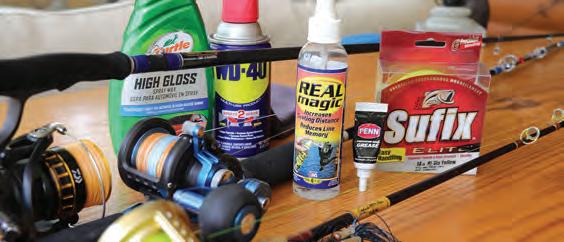
To ensure the time you spend on the water will be fruitful, now is a good time to check your gear. Do a thorough examination of all your gear, and what might need replacing or refreshing before you head out on the water. If your rods have been sitting in the garage since last fall, they’re probably in need of a little TLC before you start making hundreds of casts. Take a good hard look at the condition of your rods, reels, and especially your fishing line. If your reel is spooled with monofilament that’s more than three months old…change it now. The last thing you want to deal with a coiled-up “Slinky” of fishing line with every cast. Mono retains a memory and sitting on your spool over the winter has really created some nice coils. Take all the old stuff off, and then clean and lubricate your reel before you re-spool.
If you spool up with braided line, consider ‘reversing’ it. You really only use about the top 15% of the line on the spool, so the majority of the line never sees the light of day. It’s virtually new line. Get double usage out of expensive braid by cutting off 10 or 15 yards from the top of the spool, then simply wind that line onto a new reel. The ‘used’ line will be on the bottom of the spool and you’ll have virtually new line at the top. Be sure to run it through a towel dampened with line conditioner like Line & Lure.
Next, examine your rod for nicks in the blank. The new super fibers used for rod blanks offer sensitivity, strength, and hook-setting backbones. But if there’s a little nick in the blank itself, especially on the lower 1/3 of the rod, the stress of fighting a big fish could cause the rod to break. There’s not a lot to be done to repair a nicked blank, but at least you’ll find out now and can retire the rod before it fails on a good fish. Also, check your guides and the thread that holds them on. A nicked, worn or loose guide is pretty easy to replace.
Now take a peek in your tackle bag. It’s a mess, isn’t it? Mine usually is. So, dump everything out, including that moldy pack of cheese crackers, and start re-stocking. How many lures have rusty hooks? You have two choices. Replace the hooks or replace the lures. It’s probably time to replenish your swivels, weights, hooks, and beads. And I’ll bet there’s one or two spinnerbaits or skirted jigs that have ‘melted’ into the bottom of the box.
If you own a boat, perform all your springtime maintenance on the engine and the boat itself. Change the oil, lower unit lube, water pump impeller, spark plugs, and add some fuel treatment to your gas tank. Top off your batteries and check your bilge pump as well as the clamps on all your thru-hull fittings. Of course, check all your USCG required safety gear like life jackets, throwable, and check the expiration date of your flares and your fire extinguisher. Give your trailer and winch some scrutiny, including wheel bearings, tire pressure, electrical harness, trailer lights, and the condition of your winch and strap. I know this sounds silly but check to make sure you still have a license plate and that you’ve got a current sticker on the tag. Last year, I discovered my tag was hanging on by just one bolt and it was loose. I would probably never have noticed it, until I was visually checking my trailer lights.
While you’re on the boat, take a look at your anchor, anchor chain and anchor rope. Are they in tip-top shape? All your navigation lights working? Anything in your toolbox need replacing…like fuses, tape, rusty pliers, spare lamps, or the batteries in your voltmeter and flashlight?
It’s really easy to over-look some of the simple things. The things we seldom use. But checking or replacing them now will insure you have what you need…when you need it. Take care of your gear, and it will take care of you.
Tight Lines and Calm Seas, Capt.
Cefus McRae
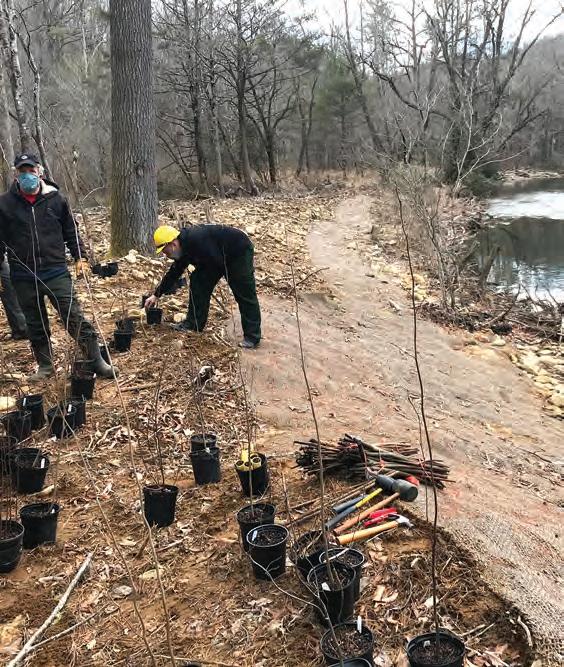
The Forest Service and NCWRC have restored brook trout populations within higher streams in the Davidson River watershed with additional projects underway. To inform this work and also document water temperature changes in the river, PCTU volunteers have installed loggers that record hourly readings. Logger sites are visited every six months to download temperature data that are sent to NCWRC for analysis. These data will document how increasingly warmer summers are impacting available trout habitat in Davidson River headwaters and tributaries.
The USGS gaging station located downstream of Sycamore Flats has recorded water temperatures since 2023, and over the past three summers daytime temperatures over 70 degrees have persisted from June through August. If higher water temperatures in the Hatchery Supported section of the Davidson continue in the future, NCWRC may have to revise its stocking strategy for the lower river. The logger project will inform fisheries biologists about which tributaries best provide thermal refugia for trout during summer and indicate future mitigation projects such as tree planting to increase the shade canopy over important streams.
The threats to the Davidson River’s trout fishery are very concerning and complex, but not unique in western North Carolina. The level of public involvement, cooperation and collaboration between stakeholder organizations and governmental agencies, and current availability of funding together provide hope that managing multiple uses and mitigating the impacts of climate change can be achieved. Projects underway to conserve cold-water habitat, manage trout fisheries, and restore brook trout and other endangered biota such as hellbenders in the Davidson will serve as examples for other river systems throughout the Southeast and across the country.
By Richard Murdock
For visiting fly anglers and trout fisherman, Helen offers the best year round trout fishing opportunities in the state of Georgia. Anglers can find plenty of healthy brook, rainbow, and brown trout in the many streams that flow a short distance from town. The best locations to fish change with the seasons, forcing anglers to stay up to date in the fishing activity in the area. Next to the endless hiking trails and scenic waterfalls of the area, there is no better reason to get outdoors than to wet a line in one of the many local trout streams. Experienced anglers will often join these three activities to find the best fly fishing opportunities Helen has to offer.
The winter months provide the least number of opportunities to find hungry trout in Helen. With that said, it is one of the best times of year for beginning anglers to catch fish. The Smith Creek Delayed Harvest is found within Unicoi State Park, just north of town. Here, anglers can find hundreds if not thousands of freshly stocked trout patrolling the small creek throughout the cooler months of the year. Catch and Release practices are mandatory within the DH section during this time of year, which is why many anglers can find more success. You can learn more about the Georgia Delayed Harvest Trout Streams in this article. Another option for fly fisherman planning ahead is to book a day on Dukes Creek. From October through May, Dukes Creek is open to the public on Wednesday’s, Saturdays, and Sundays for anglers with reservations. Dukes Creek is the only remaining trophy trout stream open to the public. The fly fishing here can be difficult as the bigger trout often get spooky as the open season progresses, but there is no better place in Georgia to land a 20+ inch trout. Be sure to brush up on the regulations before visiting as the stream is managed heavily. Other trout can be found throughout the downtown area of Helen in the winter months, but the spring will give anglers the best chance at numbers of trout.
Spring undoubtedly gives visiting trout fisherman and fly anglers the most options on where to fish. Catch and release anglers can target larger numbers of trout on Dukes Creek and Smith Creek that will remain open through May. Towards the end of March, thousands of trout will begin being stocked throughout the Chattahoochee River and its tributaries above Helen. In April, the annual trout fishing derby takes place in town where anglers can find plenty of trout, including some of trophy sizes, in the middle of town. This event draws big crowds and plenty of anglers throughout the weekend.
The following weeks will see many of these trout holdover in deeper pools in town and remain through summer. Above town, the main stem of “The Hooch” is stocked regularly along with Low Gap, Spoilcane, and Jasus creek within the Chattahoochee WMA. This section is where you will find the majority of local anglers as this section is stocked with bigger numbers of fish. The fishing can be feast or famine here depending on your timing. Sunday afternoon and Monday morning might be the worst times for a visit as this stretch of river can be fished out quickly. As spring turns to summer, the opportunities to target wild trout improve within the Chattahoochee’s headwater streams.
Summer Trout
Summer sees the end of the stocking season toward downtown Helen when the tubers take over the river. Trout fishing moves further upriver into the WMA where anglers see continued trout stocking through July in the cooler sections of the rivers and creeks. This is also when fly anglers
can have the best luck dry fly fishing. The key to improving your time on the water in the summer is to cover as much water as possible and get off the beaten path. Adventurous anglers can find plenty of wild rainbows and native brook trout by putting a mile or two under their wading boots.
The early fall can be the most difficult time to find trout in Helen, but also the best time to be outdoors. Football, hunting, and other engagement keep many trout fisherman off the water in the fall. This leaves the river, creeks, and the beautiful fall color change to the anglers that truly love hitting the river. Low water makes trout spooky this time of year but with the proper stalk and careful presentation anglers can see good success on a dry fly. Rains during this time of year will raise the trout’s activity level making for the best days on the water. As November arrives the cycle will repeat itself when the Delayed Harvest section on Smith Creek and Dukes Creek open back up. The first week in November often sees an uptick in fishing activity that quickly dwindles again, leaving more room for visitors looking to enjoy the solitude of the outdoors.
If you’re looking for some help getting on the water, Georgia Wild Trout offers trip on the many public waters as well as private waters in the area. Whether you’re an experienced angler or beginner to the sport, the guides at Georgia Wild Trout and the trout streams in Helen can provide the experience you are looking for. Visit www.georgiawildtrout.com.
Tad Murdock is the owner of Georgia Wild Trout, a fly fishing guide service teaching anglers across North Georgia. When not guiding for beginners and anglers looking to take their next step in the sport of fly angling, he travels the world hunting the many salmonid (trout, salmon, char, taimen, etc) species. He completed this journey in 2025 and has since released his book, Journey For The World’s Trout, where he documented each of these fish, the places they live, and the adventures to catch them. He has become one of the worlds leading authorities on the salmonid species and now teaches fellow enthusiasts about the various species and other fly fishing destinations through The Angler’s Destination, his newest project website and YouTube channel.
CRAPPIE DAYS continued from page 16
to 25 they just don’t feed.
Light line and light tackle are a must so try 6 pound test or less a long light weight rods will fit the bill. Double rigs are a good tactic with jigs, and I watch color and change to fit what they bite each day. Live bait I usually use minnows, but they haven’t produced good this year. If the crappie are bunched, I usually cast small jigs to them and the key is slowly they are not fast chasers so you really can’t go too slow. Days that they are scattered I troll running around 1 mile an hour with the electric motor and I watch to see which side gets hit when I make turns to tell if I need more or less speed. I run 6 rods using planner boards to get a widespread. Crappie have very soft mouths so pay close attention to hook sets and fighting them and you will put more in the boat.
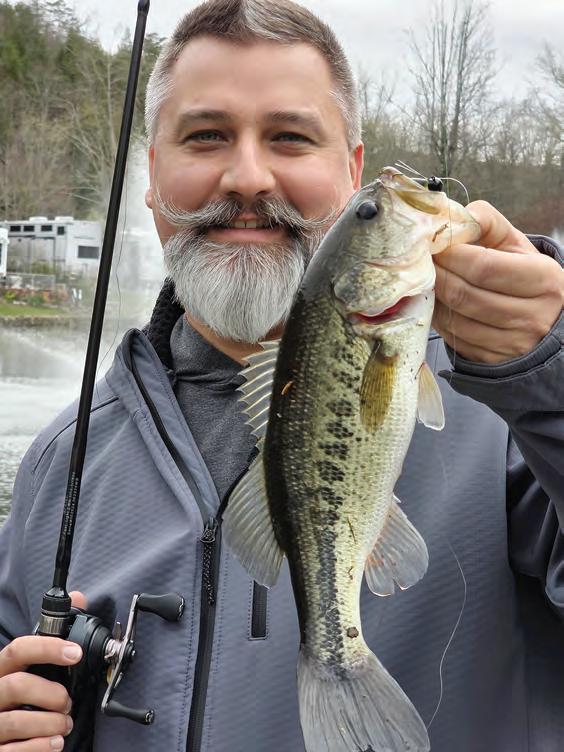
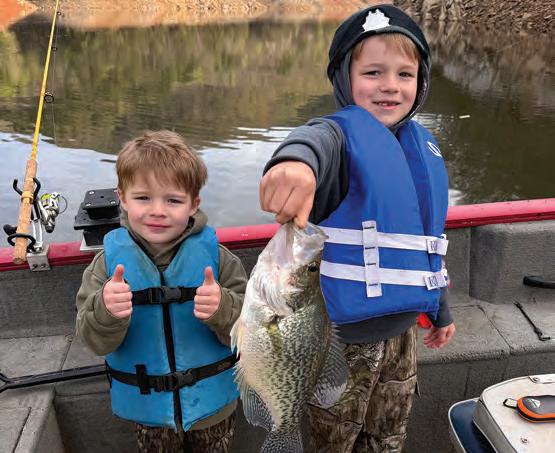
Crappie fishing is a fun trip to take the kids on since action is fast. The picture with this article is my grandson’s and we really had a blast. Crappie are great table fare so take a few home. Size limit here is 8 inches but you really should release anything under-0 inches because the fillets are so much better on a little bigger crappie. Fontana has some toads so you shouldn’t have trouble finding plenty of big ones. We have regularly caught 12 to 15 inches this year. So, get out there and have some fun and as always take a kid fishing.
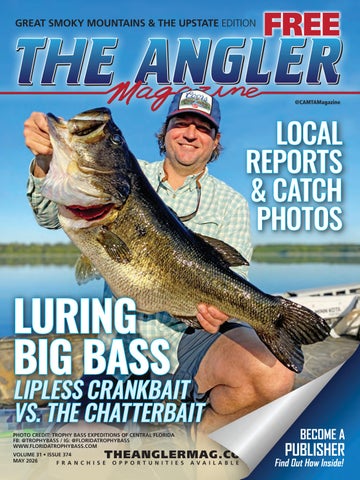
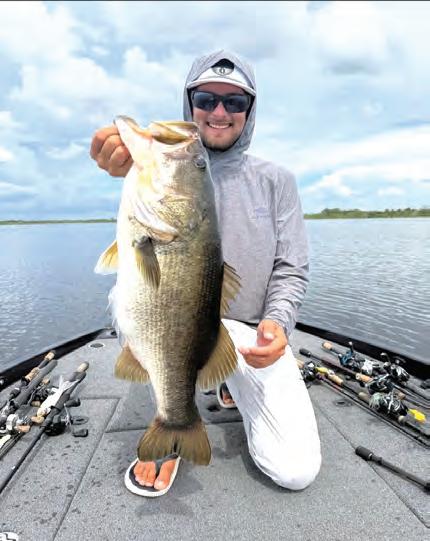
Lipless vibrating lures have long been staples in bass !shing, but few create more debate—or more bites—than the lipless crankbait (rattle trap) and the chatterbait. While both rely on vibration to trigger reaction strikes, their e ectiveness depends heavily on forage, seasonal timing, and even the rod and reel used to !sh them.
A lipless crankbait is a hard-bodied bait designed for speed and sound. Its tight vibration and internal rattles allow bass to locate it from long distances, making it ideal when !sh are actively feeding on bait!sh like shad. ese baits excel in open water or over submerged grass, where anglers can burn them, yo-yo them, or rip them free to trigger reaction strikes. For rattle traps, rod selection plays a major role in landing !sh. A 7’ to 7’3” mediumheavy rod with a moderate or moderate-fast action is ideal. e slightly so er tip allows bass to fully load the rod before the hooks engage, reducing the chances of pulling treble hooks free during surging !ghts. e longer length also helps make long casts, which is critical when covering water or targeting schooling !sh. You typically want to throw the trap on a faster gear ratio reel like a 7.1 or 7.3. e faster gear ratio helps pick up the line on long cast when you get a bite and need to catch up with the !sh.
A chatterbait, or bladed jig, produces a wider, thumping vibration and a more natural pro!le when paired with a so plastic trailer. is lure shines around shallow grass, docks, and wood, especially in stained water where bass rely more on vibration than sight. Chatterbaits o en mimic bluegill or bream, making them deadly around spawning areas and shallow cover. Because chatterbaits use a single heavy hook, anglers bene!t from a slightly di erent rod setup. A 7’ to 7’4” medium-heavy rod with a fast action provides the backbone needed to drive the hook home while still o ering enough tip to keep !sh pinned. is setup also allows anglers to control !sh quickly when pulling them out of thick cover.
Beyond lure, reel, and rod choice, matching the hatch remains one of the most important elements of success. Bass o en focus on a speci!c

By NPFL Pro Angler Joey Bloom
forage, and lures that match the size, color, and movement of that prey get bit more consistently. Chrome or white rattle traps imitate %eeing shad in open water, while green pumpkin or bluegillpattern chatterbaits blend perfectly into shallow cover scenarios. To maximize these techniques, anglers must learn to follow the bait throughout the season. In late winter and early spring, bait move toward warming %ats, making rattle traps excellent search tools.
A er the spawn, bluegill become a primary food source, and chatterbaits excel around shallow cover and spawning grounds. In summer, bait o en shi s to deeper grass lines or o shore structure, where slow-rolled chatterbaits can shine. Come fall, shad migrate into the backs of creeks, and rattle traps once again dominate as bass feed aggressively ahead of winter.
By pairing the right vibrating lure with proper reel and rod length and action—and matching it to seasonal forage—anglers can signi!cantly increase e ciency and landing percentage. In bass !shing, success o en comes down to details, and choosing the right reel and rod can be just as important as choosing the right bait.
Follow all of Joey Bloom’s shing and fun on Instagram, Facebook, and YouTube at Joey Bloom Fishing.



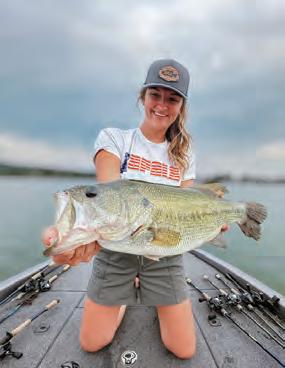



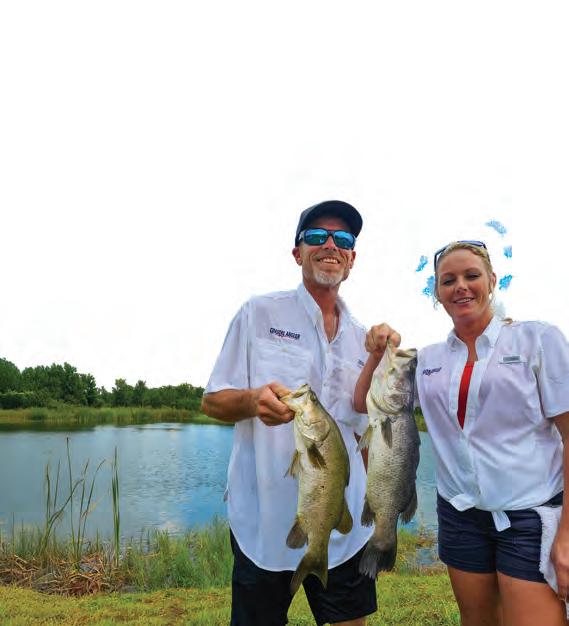
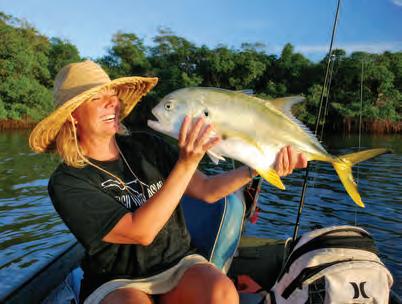
CAPT. MIKE SMITH

any anglers haphazardly run around searching for !sh. ey see a !shy looking point and anchor up and start casting. Hours later they give up and go home empty handed.
at !shy looking point probably does have !sh on it some of the time, but not all the time.
What did they do wrong? ey forgot that !sh move around based on water temperatures, food resources, currents, water quality and the presence of larger predators. In my experience, 80% of the !sh will be in 20% of the area based on those conditions.
Here are the three most important pro tips to help you catch more !sh.
1. Find Feeding Fish. My !shing charters always start by scanning mangrove shorelines, grass %ats, and spoil islands for feeding !sh. Obviously, this is the easiest way to !gure out where the !sh are.
If you can !nd baits being crushed by predatory !sh, then start casting there. Even if you only !nd nervous bait, that’s still a great spot to start casting.
2. Find Food Resources. When the !sh are not actively feeding your next best bet is !nding bait. Sometimes the bait is obvious and you can start casting along the edges of the schools.
If you can’t actually see any bait then let the birds tell you where it is and what size it is. Birds always know where the food is. When you see diving pelicans or a great blue heron perched on a mangrove branch you know there is bait there.
e various bird species will tell you what lures to cast. When you see small wading birds like snowy egrets, little blue herons, green herons and tri-colored herons, then you know to cast something small. is really helps because you can grab your three-inch paddle tail or 2.75 inch shrimp and know that you are !shing with the right size lure. ose smaller herons usually target baits that are three inches or smaller.
When you see great white egrets, great blue herons and brown pelicans it gets a little harder to !gure out the size of the baits to use. You know there is food there but those birds will eat anything from a two-inch minnow up to an eight-inch mullet.
is is when you need an assortment of di erent sizes and pro!les of lures. I usually have a three-inch paddle tail, an arti!cial shrimp and a four to !ve and half inch jerkbait (%uke) rigged on my rods. Start casting until you !gure out what the !sh want on that day.
3. Find Moving Water. e next important factor is moving water. All of the predatory inshore species that you want to catch like a little bit of current.
ey will typically be facing into the current waiting for some unsuspecting food resource to %ow past their ambush point.
Your strongest currents are going to occur during the full moon and the new moon. Coincidentally, the best !shing occurs around these two moon phases.
Go get ‘em!
Capt. Mike Smith, owner of Fish Your Ass O Charters, is an inshore shing guide who has been shing the inshore waters, oyster bars and grass ats of Florida for more than 40 years. Reach him at (561) 3392317, email: contact@ shyourasso .com or visit shyourasso .com.
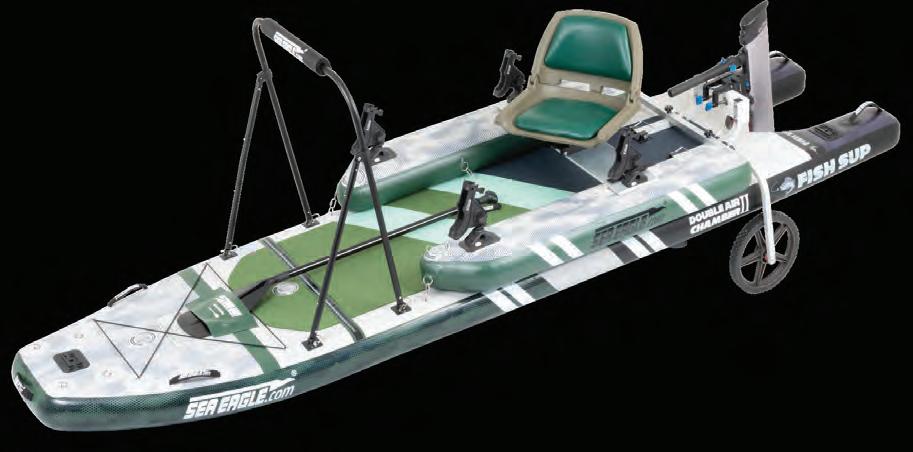
The versatility of the FishSUP™1210 is unmatched! Use it bare bones with just the board, a paddle & your !shing gear or deck it out with swivel seat, side pontoons, casting bar, motor and more! Incredibly stable, extra wide, swallow-tail !shing SUP holds up to 500 lbs! The FS1210 takes electric and gas motors up to 3 hp. There’s even an option for a bow trolling motor.
Choose From 6 Packages
Starting At Just $999
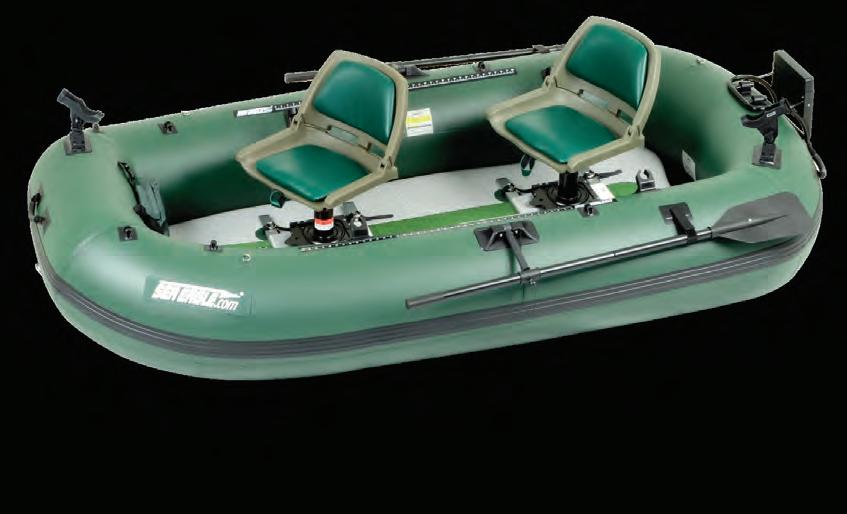
Perfect for !shing rivers, lakes and bays. The STS10 is a lightweight, roomy 1 or 2 person pontoon boat that’s packed with features anglers need & love including 2 built-in !sh rules, 4 built-in rod holders & 2 Scotty® mounts for more rod holders, anchor locks, camera posts or any other Scotty® accessory. Now available with a drop-stitch in atable oor or wooden oorboards.
Choose From 7 Packages
Starting At Just $1449
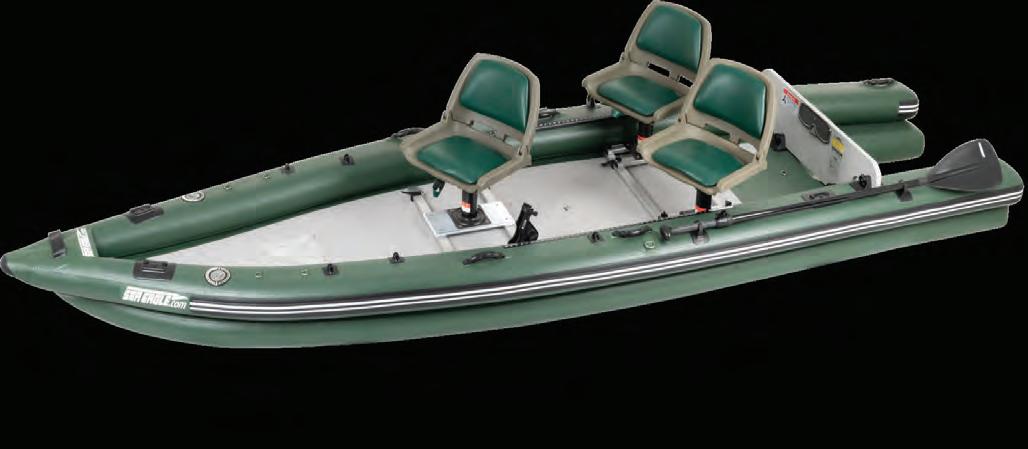
This “low-rider” gives you access to the water to reel in and release !sh easily. With a new patented outside, in atable, rigid keel the FSK16 glides through the water at speeds up to 21 mph to get you to the !sh fast! Perfect for 1-3 anglers and room for plenty of gear.
Choose From 9 Packages
Starting At Just $2999


Every spring, it feels like the bank bite will last forever. Fish are shallow, visible, and predictable cruising, spawning, and guarding fry. It’s the time of year when con!dence is high and decisions feel easy. But like everything in !shing, that window doesn’t stay open long. Before most anglers realize it, the !sh that were once easy to !nd have simply vanished.
at disappearance marks the beginning of what seasoned anglers know as the o shore shi . As water temperatures climb and the spawn wraps up, bass begin pulling away from the bank and setting up on o shore structure. Ledges, shell beds, brush piles, and subtle depth changes start to hold more !sh than the shoreline ever could. It’s not an overnight move, but it happens quickly enough that many !shermen get le behind, still casting to water that’s no longer alive.
One of the biggest mistakes anglers make during this transition is assuming the !sh have stopped biting. In reality, they’ve just relocated. Instead of being scattered along miles of bank, bass begin grouping up in smaller, more de!ned areas. e challenge
TYLER WOOLCOTT

shi s from covering water visually to understanding what lies beneath the surface. It becomes less about instinct and more about intention reading depth, structure, and subtle changes that aren’t visible at a glance.
Making the adjustment isn’t always easy, especially for anglers who are comfortable !shing shallow. It requires slowing down, trusting your electronics, and committing to areas that might not show immediate signs of life. But once you connect with your !rst o shore group, everything changes. What felt like a tough day can turn into a %urry of action in just a few casts, o en with better quality !sh than what the bank was o ering.
e o shore shi is more than just a seasonal pattern—it’s a turning point. It separates those who react to changing conditions from those who anticipate them. As summer approaches, the anglers who embrace the move away from the bank will !nd themselves ahead of the curve, dialing in on schools of bass that are no longer pressured by the crowds. And while the shoreline may feel empty, the real action is just a little deeper.

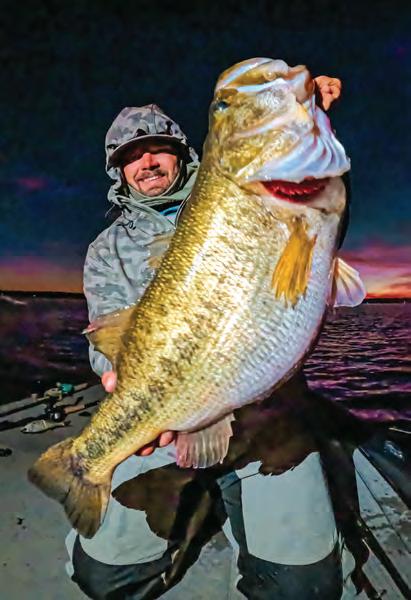
is a professional tournament angler, as well as owner/operator of Florida Big Fish Adventures, providing bass and saltwater guided shing trips: www. oridabig shadventures.com.


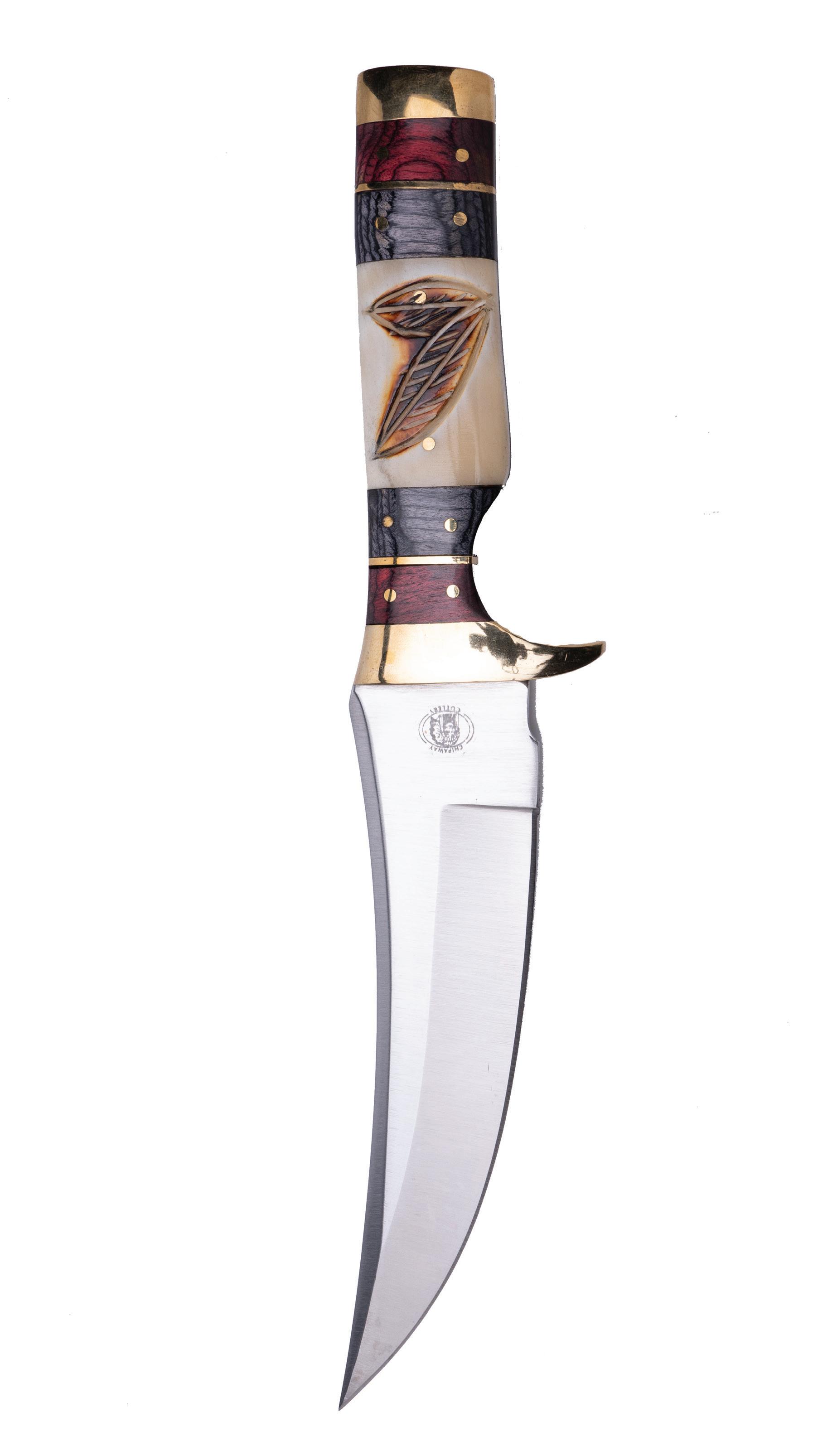
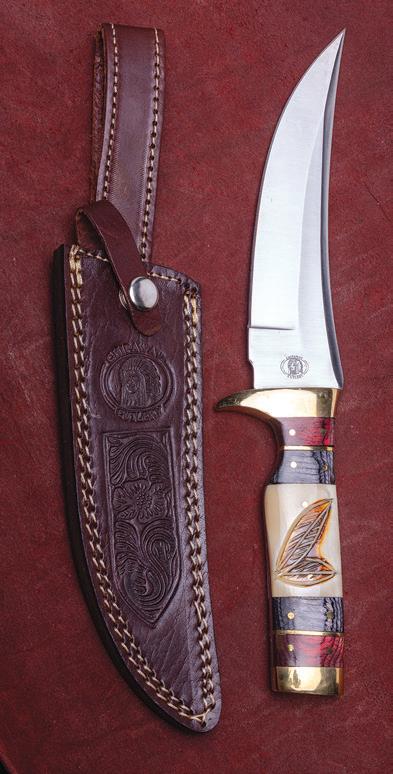
The very best hunting knives possess a perfect balance of form and function. They’re carefully constructed from fine materials, but also have that little something extra to connect the owner with nature. If you’re on the hunt for a knife that combines impeccable craftsmanship with a sense of wonder, the $79 Huntsman Blade is the trophy you’re looking for.
The blade is full tang, meaning it doesn’t stop at the handle but extends to the length of the grip for the ultimate in strength. The blade is made from 420 surgical steel, famed for its sharpness and its resistance to corrosion.


The handle is made from genuine natural bone, and features decorative wood spacers and a hand-carved motif of two overlapping feathers— a reminder for you to respect and connect with the natural world.


This fusion of substance and style can garner a high price tag out in the marketplace. In fact, we found full tang, stainless steel blades with bone handles in excess of $2,000. Well, that won’t cut it around here. We have mastered the hunt for the best deal, and in turn pass the spoils on to our customers.
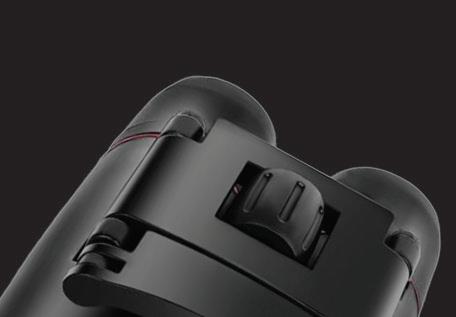
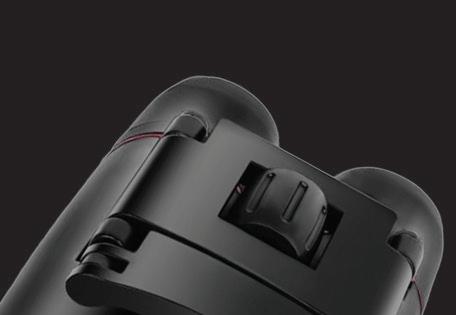
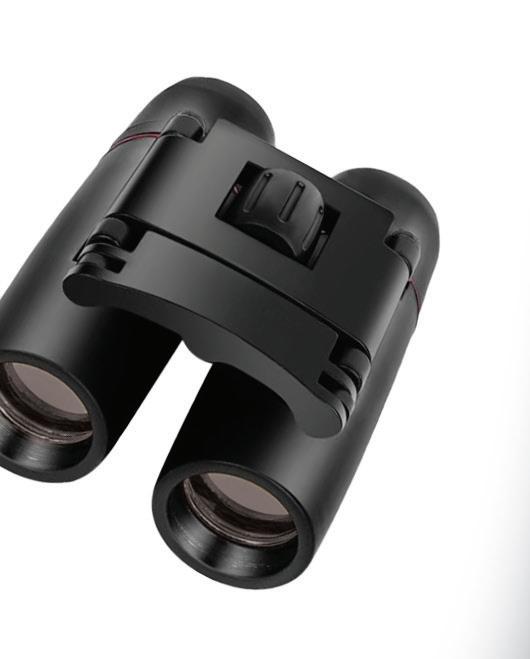
But we don’t stop there. While supplies last, we’ll include a pair of $99 Stauer power pocket binoculars and a genuine leather sheath FREE when you purchase the Huntsman Blade.
Your satisfaction is 100% guaranteed. Feel the knife in your hands, wear it on your hip, inspect the impeccable craftsmanship. If you don’t feel like we cut you a fair deal, send it back within 30 days for a complete refund of the item price.
Limited Reserves. A deal like this won’t last long. We have only 1120 Huntsman Blades for this ad only. Don’t let this beauty slip through your fingers. Call today!
Huntsman Blade $249*

Stauer® Pocket Binoculars -a $99 valuewith purchase of Huntsman Blade
Offer Code Price Only $79 + S&P Save $170 1-800-333-2045
Your Insider Offer Code: HBK321-03
You must use the insider offer code to get our special price.

*Discount is only for customers who use the offer code versus the listed original Stauer.com price.
What Stauer Clients Are Saying About Our Knives
“This knife is beautiful!”
— J., La Crescent, MN
“The feel of this knife is unbelievable...this is an incredibly fine instrument.”
— H., Arvada, CO

14091 Southcross Drive W., Dept. HBK321-03 Burnsville, Minnesota 55337 www.stauer.com
California residents please call 1-800-333-2045 regarding Proposition 65 regulations before purchasing this product.
• 12” overall length; 6 ¹⁄2” stainless steel full tang blade • Genuine bone handle with brass hand guard & bolsters • Includes genuine leather sheath