
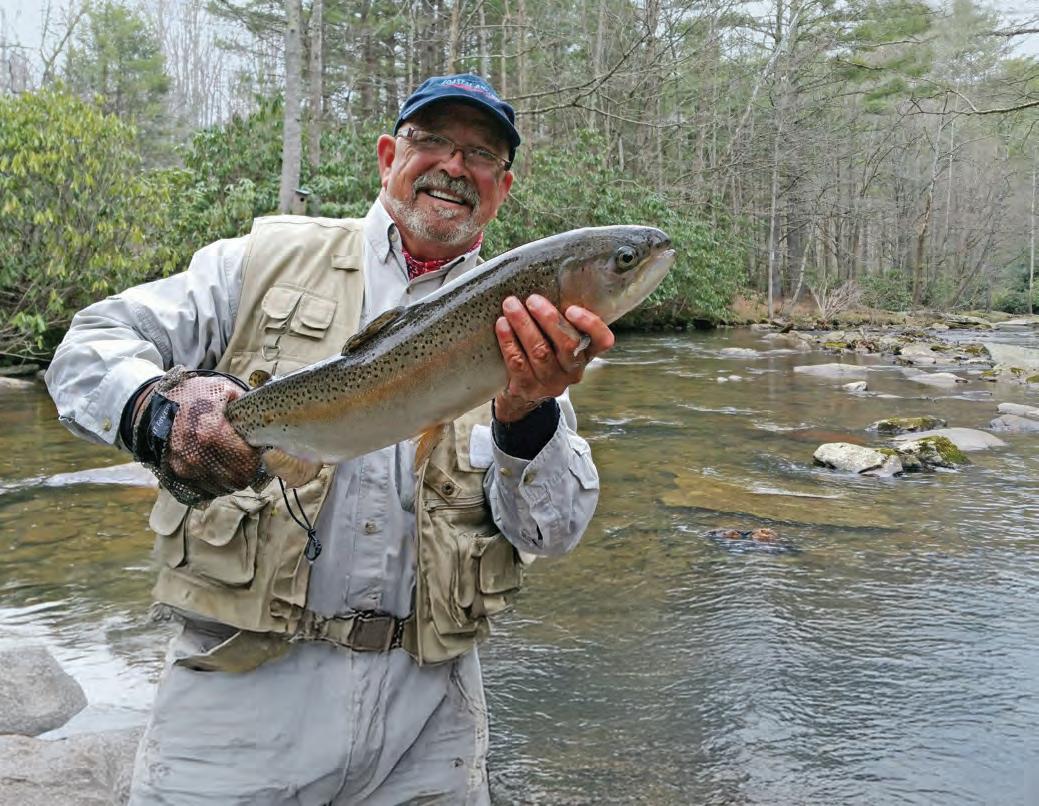
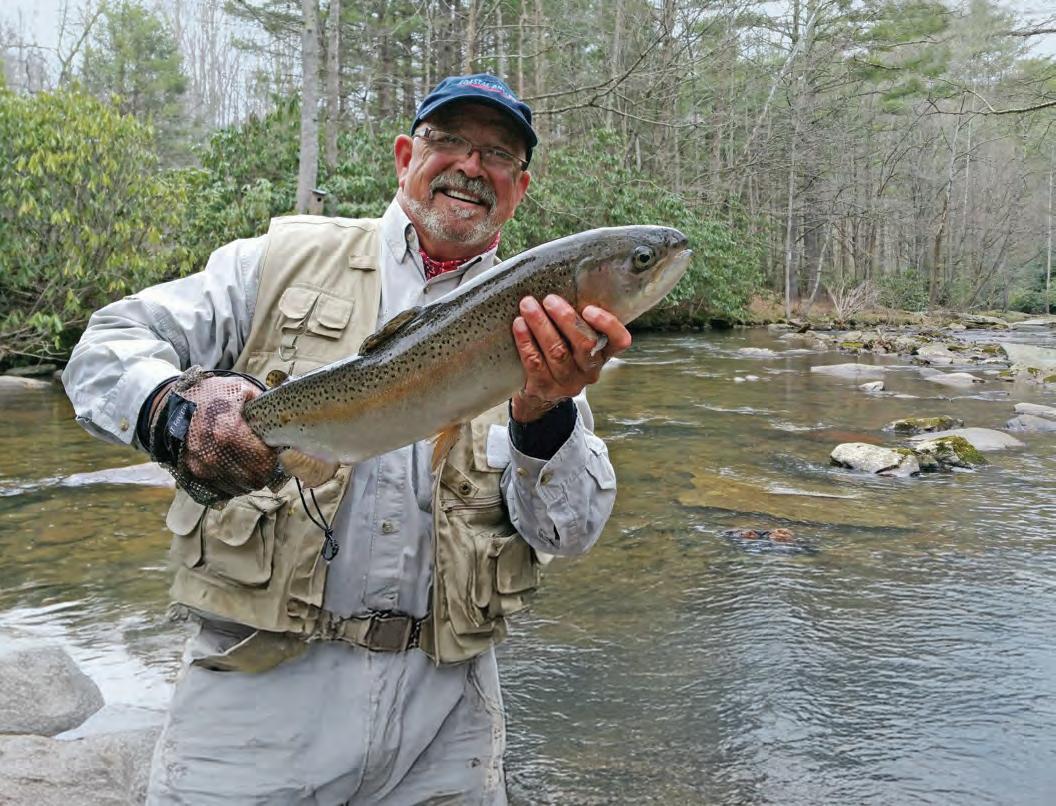
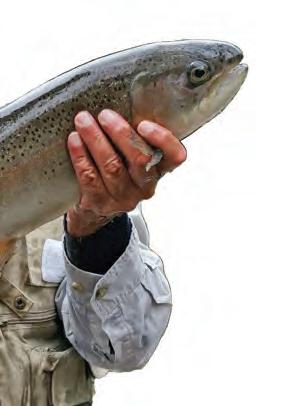
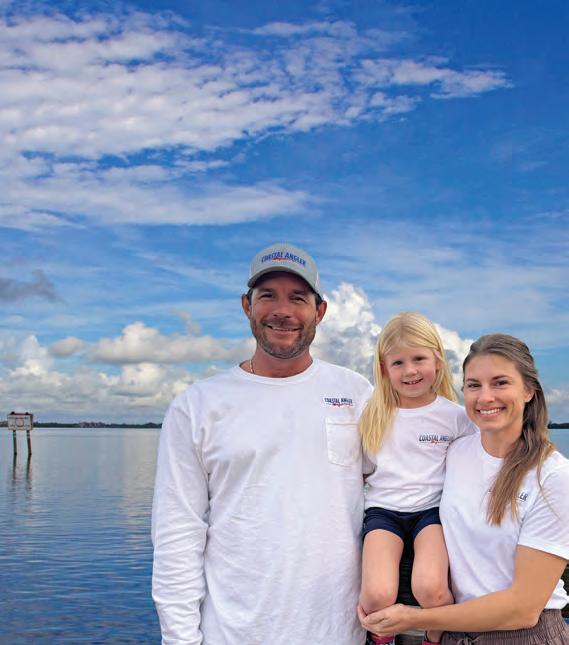
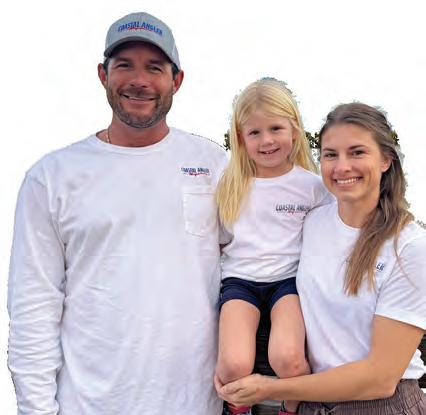
The outdoor and shing community lost a true leader with the passing of Ben Martin, Editor in Chief of Coastal Angler Magazine and !e Angler Magazine
For years, Ben helped shape the voice of one of the most respected outdoor publications in the country. rough his leadership, passion for shing, and dedication to storytelling, he built more than just a magazine— he helped create a community. From o shore anglers and weekend surf shermen to guides, writers, photographers and advertisers, Ben had a way of bringing people together through a shared love of the outdoors.
ose who knew him understood that his passion went far beyond publishing. Ben cared deeply about the shing lifestyle, conservation, and the people behind every story. He believed in supporting local communities, giving outdoor enthusiasts a platform to share their experiences, and keeping shing alive for future generations.
His impact could be felt across every edition, every article, and every relationship he built throughout the industry. He was respected not only as a leader, but as a friend, mentor, and advocate for the outdoor world.
While his passing leaves a tremendous void, Ben’s legacy will continue to live on through the countless lives he touched and the publication he helped grow into a trusted voice for anglers everywhere.
e Coastal Angler and e Angler Magazine family mourns the loss of a remarkable man who dedicated his life to the sport, the industry, and the people he loved.
Rest easy, Ben. You will be deeply missed.

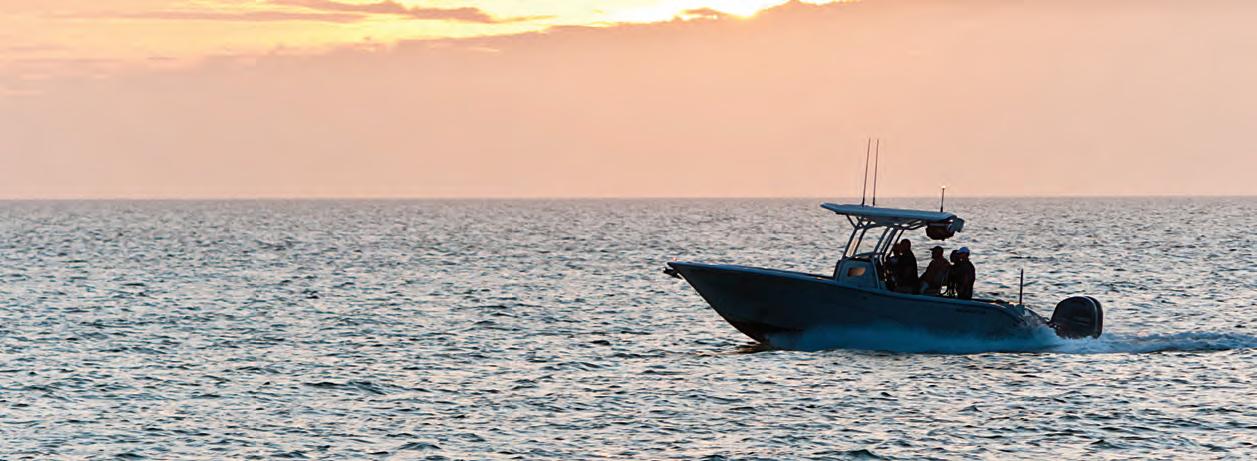
Are you ready to embark on your next on-water adventure? Before you set sail, here are fve things to know about boat insurance.
1. Boat insurance isn’t just for accidents
With comprehensive coverage, you’ll also be protected fnancially for theft, vandalism, and unexpected events like storms if you need repairs or replacements due to damage.
2. Accidents can happen to anyone
When accidents happen, boat insurance offers liability coverage for damages or injuries you cause while boating, up to specifed limits. It can also cover lawsuit costs if you’re sued.
3. Boat insurance can cover medical payments
Boat insurance offers a range of optional medical payments coverage limits, helping to cover medical expenses if you’re in an accident or someone is hurt on your boat, regardless of fault.
4. Most lenders require boat insurance
If you fnanced your boat, you’ll likely need boat insurance since most lenders require boat insurance to protect their investment. Additionally, some marinas or municipalities require proof of insurance for docking.
5. Progressive offers specialized boat coverages
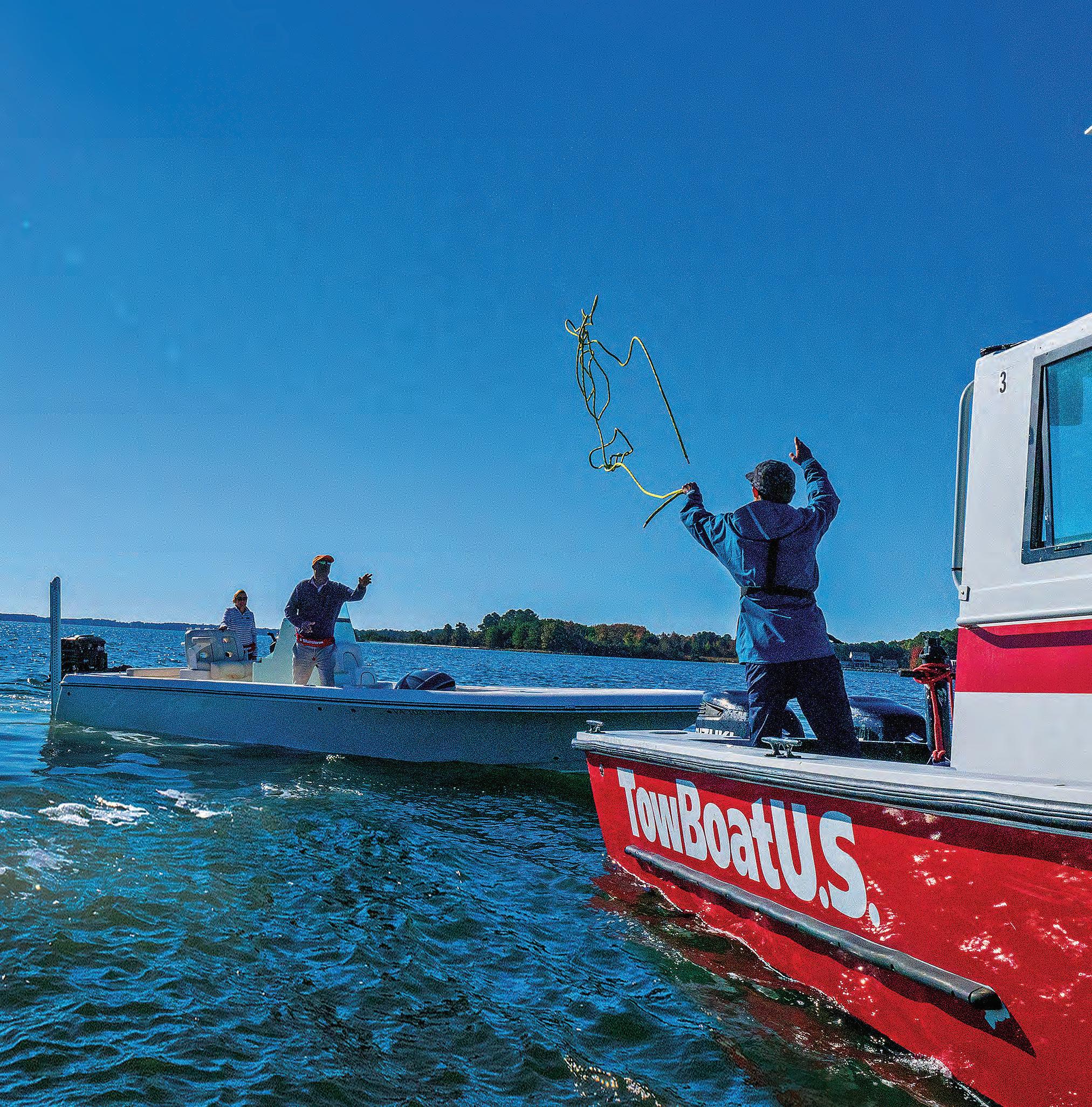
Ever worry about getting stuck on the water? Progressive’s Sign & Glide® On-Water Towing coverage** can help. It’s an additional coverage that steps in if your boat is disabled or breaks down on the water, paying for on-water towing, jump starts, soft ungroundings, and fuel delivery. Fuel cost isn’t included.
Don’t let unforeseen circumstances disrupt your voyage. Cruise with confdence thanks to Progressive Boat insurance. Because when it comes to your boat, peace of mind is the ultimate luxury.
Scan to get a quote in as little as 4 minutes.
to learn more.


















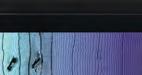










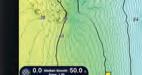





TZT16X | 22X | 24X



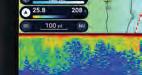
























TZT10X | 13X





TZT9E | 13E






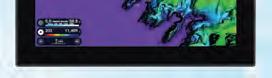



















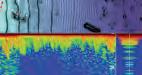
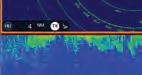
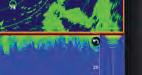
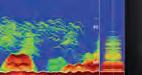
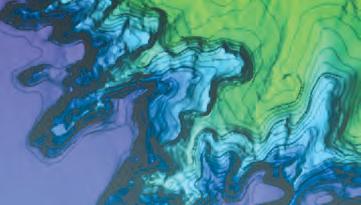
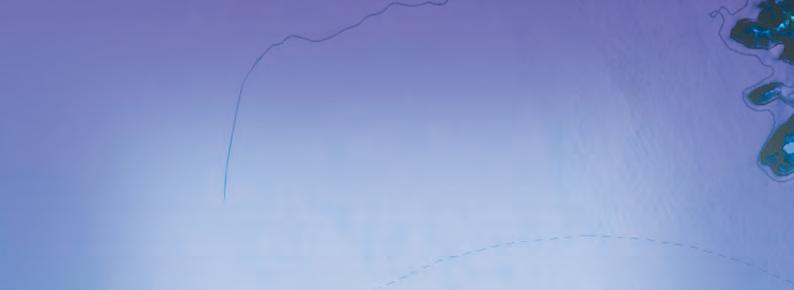
When helm space is at a premium, the 9" and 13" TZtouchE MFDs give you maximum screen area to view their eye-popping TZ MAPS charts and builtin TruEcho CHIRP™ Fish Finder with Side-Scan.
Plus, TZtouchE is fully networkable with the TZtouchXL family of 10", 13", 16", 22", & 24" MFDs and a wide range of best-in-class sensors – legendary Furuno Radars, Sonars, Fish Finders, Autopilots, and more.
Furuno... The reason to level up your helm!


Marine Electronics




Snook !shing in Florida gets me hooked every time. ey !ght like crazy, pulling you toward every dock or root they can !nd right a er you set the hook. I’ve tried di erent methods over the years, but so plastic paddletails always pull me back in.
One thing I like about them is how they let you cover a lot of area without looking unnatural. In places like mangrove lines or around docks and passes, they just match what snook eat every day. Like mullet or those small shad, the way it swims seems right. I think that con!dence comes from knowing it mimics the bait so well.
A lot of people !sh them too quickly, ripping the lure back fast. Snook can be aggressive, sure, but I !nd better results when I slow it down. Let the thing hang in the zone longer with a twitch here and there. at steady pull with pauses beats the erratic stu most days. It feels like the !sh just need time to commit.
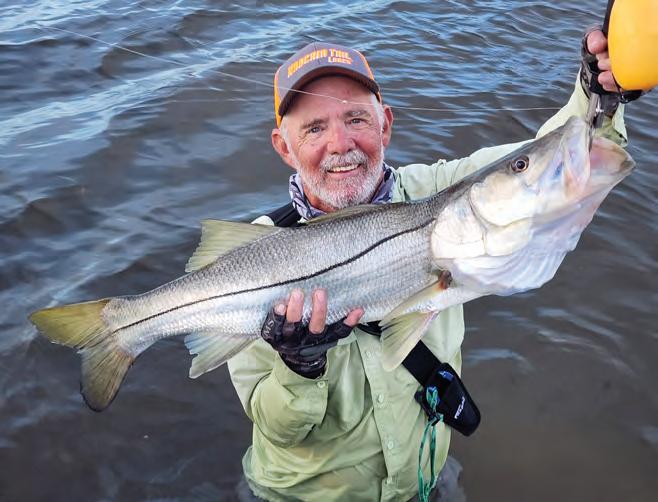
Current makes a big di erence, too. I always look for moving water if I can. It pushes the bait around and lines up the snook in spots like points or under bridges. ose dock corners turn into traps when the tide picks up. Positioning up current helps; let the lure dri in naturally. Snook handle that %ow easily and strike at stu coming their way.
My setup stays basic most times. Grab a three- to !ve-inch paddletail on a jig head. Lighter ones for shallow spots around mangroves, heavier for deeper passes with more pull. Colors, well, natural ones in clear water, I guess, brighter if it’s murky or dark out. Not sure why, but it seems to matter sometimes.
Early mornings along mangrove banks are my go-to. Cast long parallel


By Capt. Michael Okruhlik
to the shore, hit every little pocket or drain. Strikes o en come right near the edge, so you have to be accurate. Around the docks, I try skipping under as far as possible. Big snook hang in the shade there, especially when it’s warmer.
at thump when they hit, you’d better be set. ey dive for structure right away, trying to wrap your line. Just keep pressure steady, don’t let up. Florida snook spots are top-notch, and paddletails work well in that role. Hard to go wrong with them for inshore stu
Capt. Michael Okruhlik is the inventor and owner of Knockin Tail Lures® — knockintaillures.com.
CAPT. MIKE SMITH
Have you ever had one of those summer days when you catch tons of !sh but they are all small? is happens to the best of us. e best way to !x this dilemma is to use bigger lures. Bigger lures are your best bet for big !sh in the hot summer months.
1. e best topwater lures are a large walk-the-dog lure like a Zara Super Spook, Rapala Skitter Walk or a MirrOlure Top Dog. ese lures are a great choice in low light and dirty water scenarios.
When !shed in water depths of 4 feet or less, you can expect monster snook, trout and red!sh to crush this lure type.
Pro Tip: Smush the barbs down so you injure yourself and the !sh as little as possible, and always pause the lure retrieve every 8 feet or so for a second or two.
2. My second favorite big topwater/ sub-surface lure for summer !shing is a 5.5-inch jerkbait (%uke). is lure is great for water depths of 4 feet or less but is a much better choice for skipping into structure.
Large snook and red!sh love to tuck
up under mangrove limbs and docks. A 5.5-inch jerkbait is the kryptonite to catch those super !sh lurking in heavy structure. You can rig it weedless or nose hook it with a 1/0 octopus hook or circle hook.
Pro Tip: e best retrieve for this lure type is a twitch-twitch-twitchpause where the lure falls a foot or so before beginning your retrieve again.
3. My third favorite summertime lure is the 4-inch paddletail. is is probably your best lure choice if you are new to !shing because it is easy to master.
Many days the best retrieve is a steady one. Just cast it out and reel it back in. When the !sh are more !nicky, then a twitch-twitch every few feet is a good addition to the retrieval cadence.
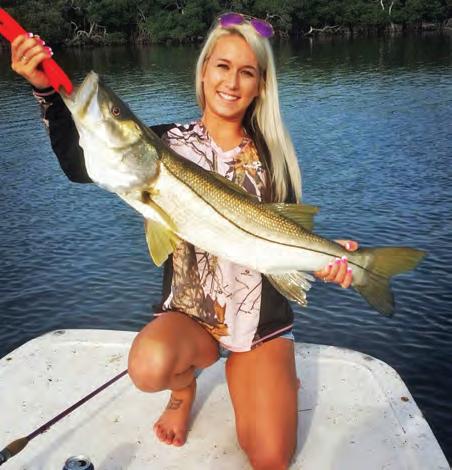
e great thing about this lure choice is your complete control of the depth you want to !sh. If you want to get it deeper, just use a bigger jig head. It is a good idea to have 1/8, 1/4, and 3/8 ounce jig heads to cover the water column e ectively.
ere are lots of large forage species around in the summer months so you should increase the size of the lures you are pitching to better “match the hatch.” You just might catch your personal best snook, tarpon, red!sh or speckled trout with those bigger lures.
Go get ’em.
Capt. Mike Smith, owner of Fish Your Ass O Charters, is an inshore shing guide who has been shing the inshore waters, oyster bars and grass ats of Florida for more than 40 years. Reach him at (561) 339-2317, email: contact@ shyourasso .com or visit shyourasso .com.
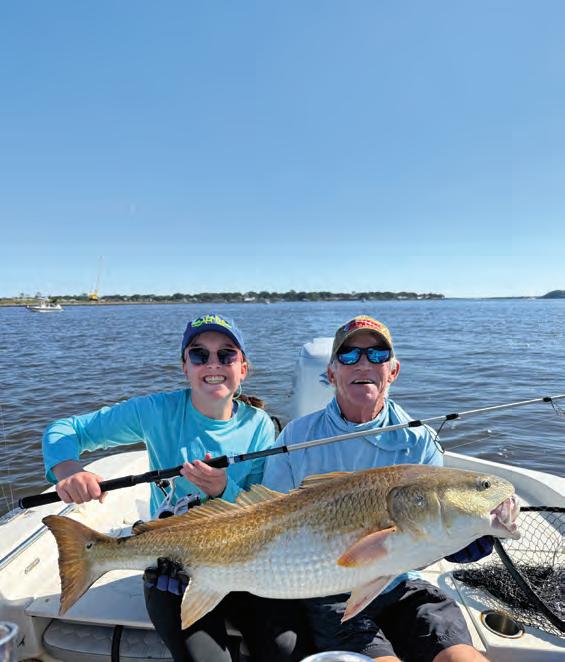
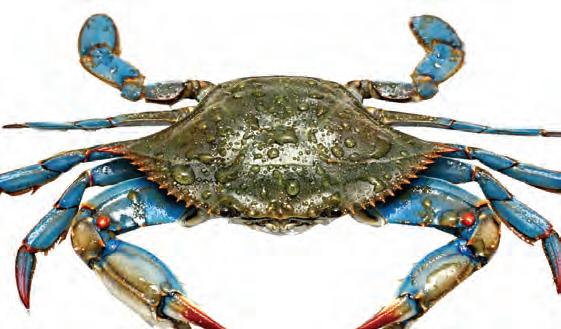
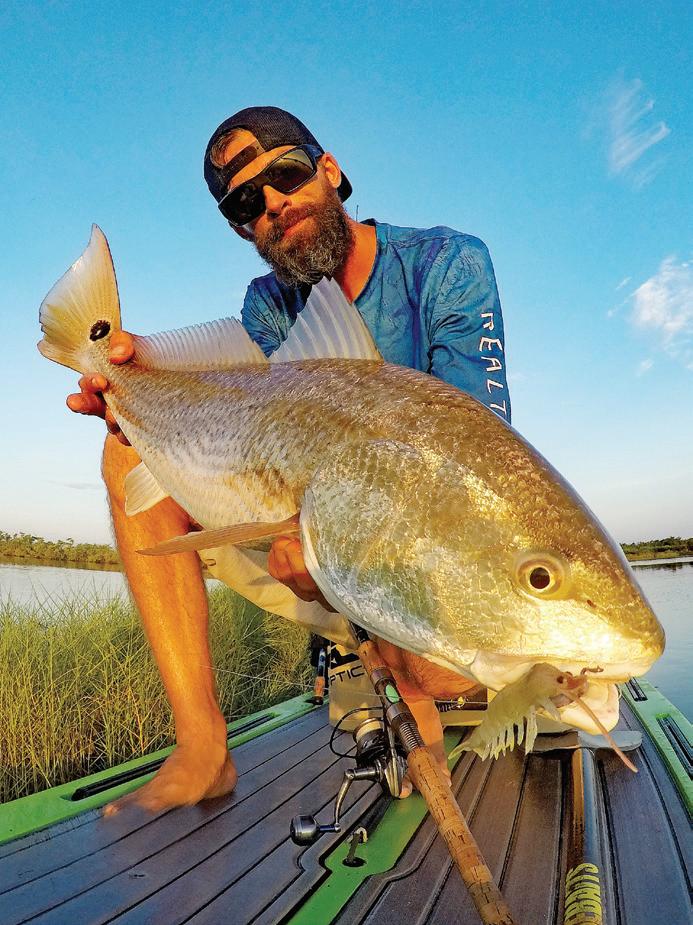
On October 13, 2025, Emily Di Perna was !shing the St. Johns River in Jacksonville, Florida, when she landed this 20-pound red drum. With this !sh, Emily has set the IGFA Junior Women’s 10-kg (20 lb) Line Class World Record for the species. She was !shing with Capt. Don Dingman when this record drum struck a blue crab.
A er recording the weight on a certi!ed scale, Emily was able to release the !sh safely.








John Deere equipment brings the power, performance and productivity, so you get more time to land a trophy. We’ll help you land the right machine with special offers making it an even better catch. Stop in and leave tasks in your wake.


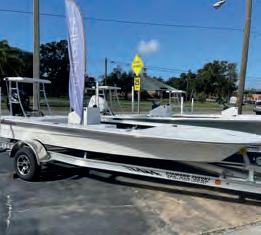
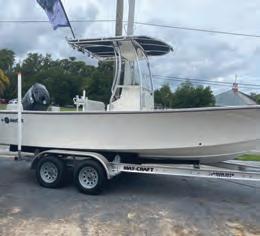



Kevin Moran
STRIPPIN LIPS FISHING CHARTERS
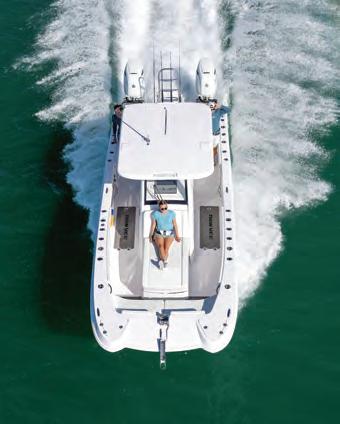
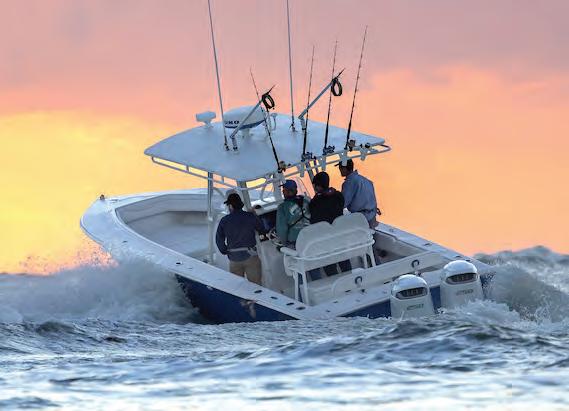
Captain Kevin began his fishing career along Florida’s east coast, where he first developed a passion for the inshore and offshore waters around Matanzas Inlet in St. Augustine. He later moved to
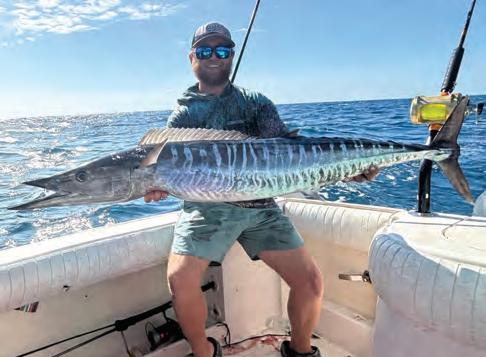

the Great Lakes, where he refined his skills as a charter captain, gaining extensive experience fishing structure, reading seasonal patterns, and targeting hard-fighting freshwater species. That time on the water strengthened his ability to adapt to changing conditions and different fisheries. Eventually, Kevin returned to Florida to pursue his passion full time in saltwater. Today, he targets grouper, snapper, cobia, mahi, redfish, snook, and trout across both inshore and offshore waters. Known for putting in long days on the water and staying dialed in to tides, bait movement, and weather patterns, Captain Kevin is dedicated to giving anglers the best
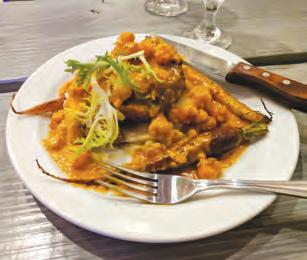
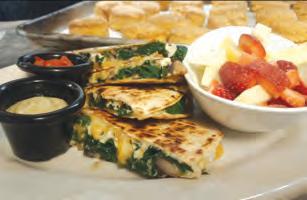
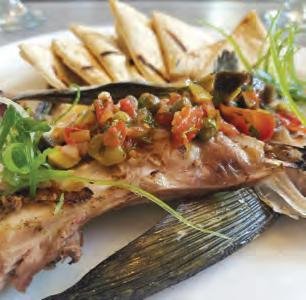
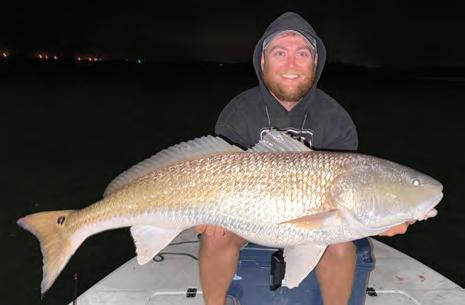
possible experience every trip. He also enjoys sharing his knowledge with fellow fishermen while promoting conservation and safe boating along Florida’s coast.
Ready to get on the water? Book your next fishing adventure with Captain Kevin today and experience Florida fishing at its finest.
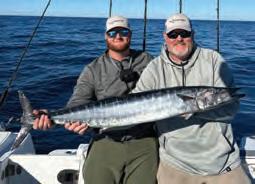
Target species: Cobia, Kingfish, Mahi, Snapper, Grouper, Amberjack, Triggerfish
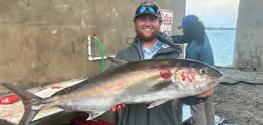

SRC Adventures srcadventures.com Nearshore/Offshore
Target Species: Wahoo, Mahi, Tuna, Cobia, Sailfish, Kingfish, Tuna, Amberjack, Pompano, Snapper, Grouper, Triggerfish
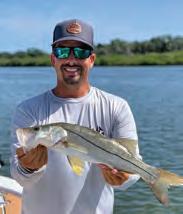
Inshore, Nearshore, Offshore
Target Species: Redfish, Snook,
Cobia, Tarpon, Snapper, Triggerfish, Mahi, Kingfish, & Wahoo.
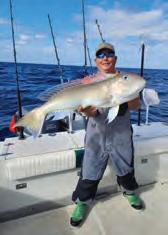
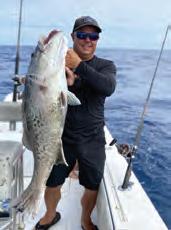
Target
Redfish, Flounder, Sheephead, Snapper, Grouper, Triggerfish, Cobia,Amberjack, Mahi Mahi, Wahoo, Tuna, Sailfish, Shark, Golden Tilefish
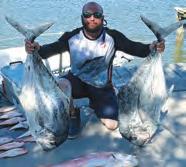
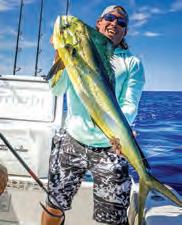

Beast Coast Fishing Charters beastcoastfishingcharters.com Inshore/Offshore
Target Species: Redfish, Snook, Tarpon, Sheepshead, Snapper, Grouper, Sharks, Cobia, Grouper, Pompano, Mahi, Triggerfish, Tuna, Wahoo, Sailfish

DANIEL LEVESQUE 386-295-4581
Rare Breed Charters rarebreedcharters.com
Offshore/ Nearshore
Target Species: Grouper, Red Snapper, Mahi Mahi, Wahoo, Tuna, African Pompano, Alligator, Deer, Hog, Elk, & Wild Turkey

Offshore
Target Species: Redfish, Snook, Tarpon, Amberjack, Sheepshead, African Pompano, Mangrove Snapper
Reel Harmony Fishing Charters reelharmonyfishing.com Inshore/Nearshore
Target Species: Tarpon, Snook, Redfish, Trout, Flounder, Sheepshead, Cobia, Tripletail & Shark




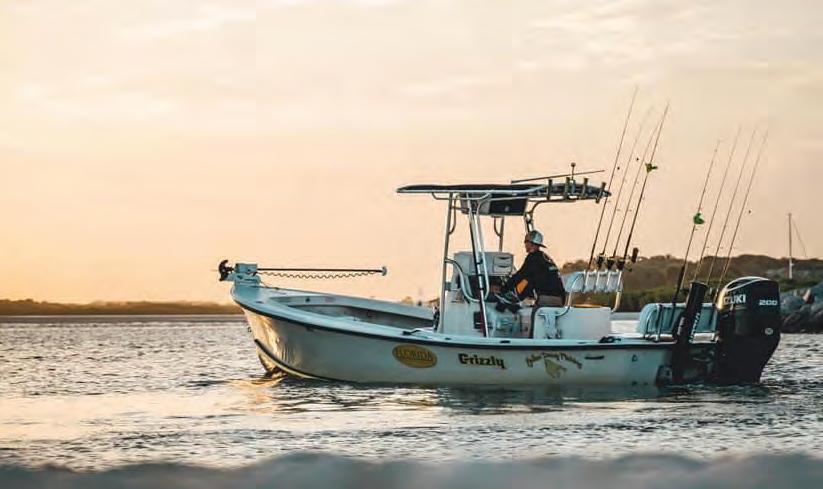
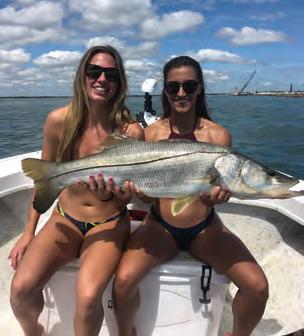
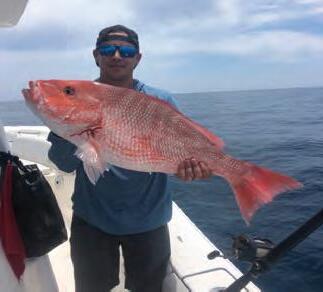
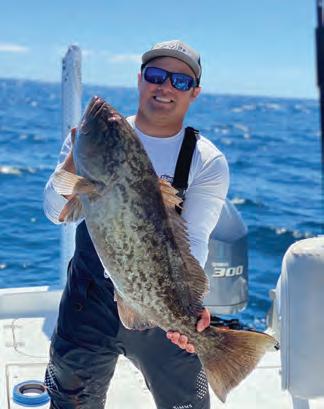
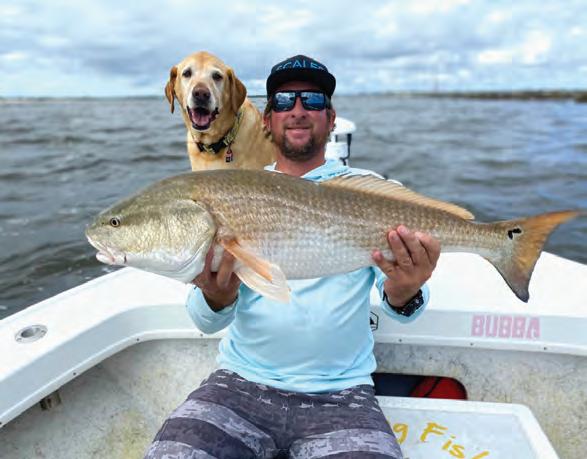



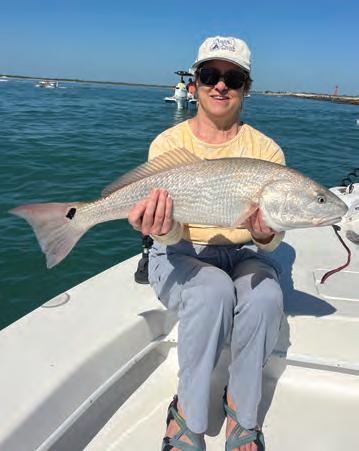
June is wide open fishing at and around the inlet! With it being one of the first true warmer months I always try to get on it early so we can ensure success and beat the heat. One of my favorite things to do in June is target slot and over slot redfish on tide switches that happen as close as possible to first light. Live baitfish like mullet, pinfish, croaker, and
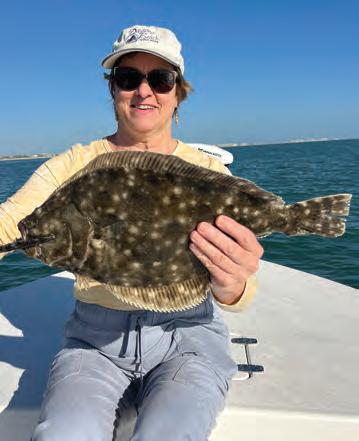
even cut lady fish or mullet will all produce. Once that tide switches and the bite closes I like to switch gears and target mangroves and flounder. One of my favorite baits to use for flounder and big mangroves in the summer are mud minnows. These baits out perform everything in my opinion, with live shrimp being my second favorite to use. I catch flounder in moving water around structure on the sandy or flat bottom.
The trick is using a shorter leader like 12” is about perfect as you want that minnow to be closer to the bottom. The second trick is using a circle hook and not trying to set the hook, you literally want to let the fish hold the bait for a few seconds (30s in my opinion) before you start to reel in steady and then, net the fish! The last thing you want to do is get a doormat to the surface and lose him in the mid air as you try to flip him in the boat, trust me it sucks! I also get my biggest mangroves each summer on mud minnows. They are harder for the snapper to get off the hook than shrimp and man I have gotten some stud mangroves near the inlet even as big as 18” which is a really good inshore snapper!
It’s definitely warm out, the weather has been

great, and the fishing has been getting better so give us a call to go fishing or get out there yourself! As always if you see us on the water say hello!



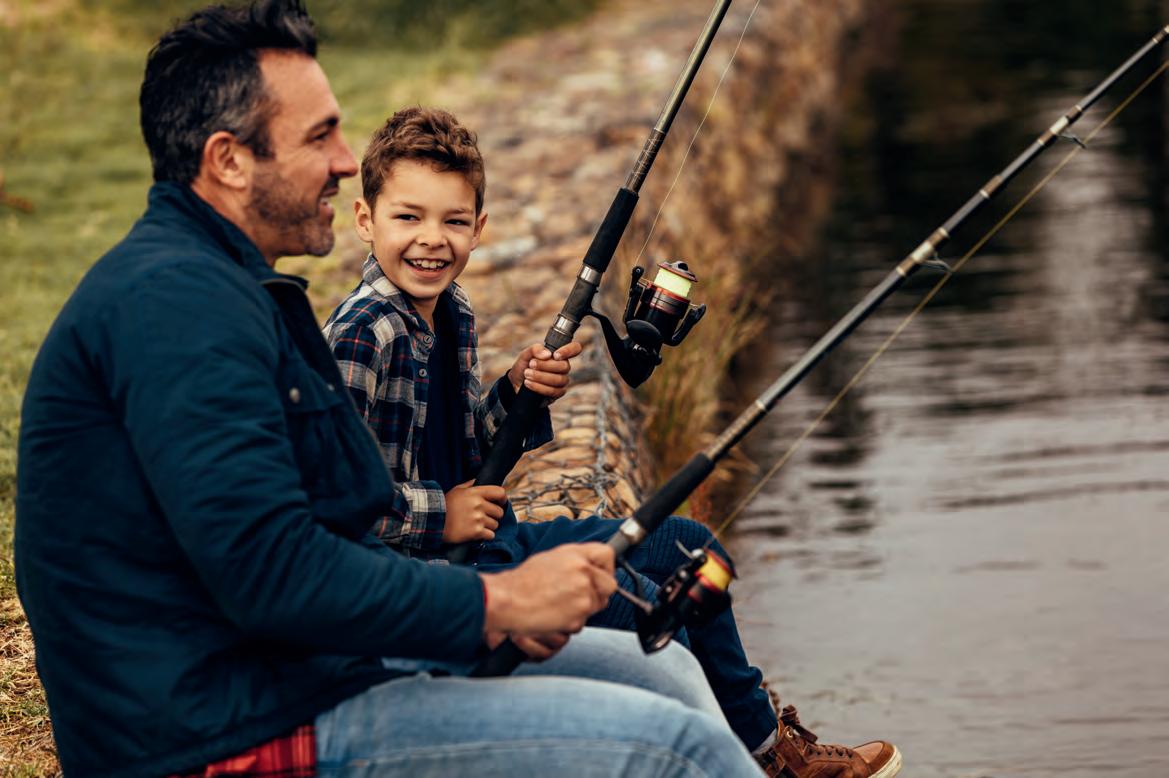
Captain & The Kids strives to always promote youth anglers both at the local level as well as nationally
through our “Youth Angler Program.” If it was not for passing down techniques, traditions, and the love for the water, it would slowly fade away. It is our mission to always instill conservation and ethical fishing to our youth!
Capt. Evan started the Youth Angler Program after finding out how many kids in the New Smyrna Beach area had never been fishing, never been on a boat, and was born and raised in the area. Since that
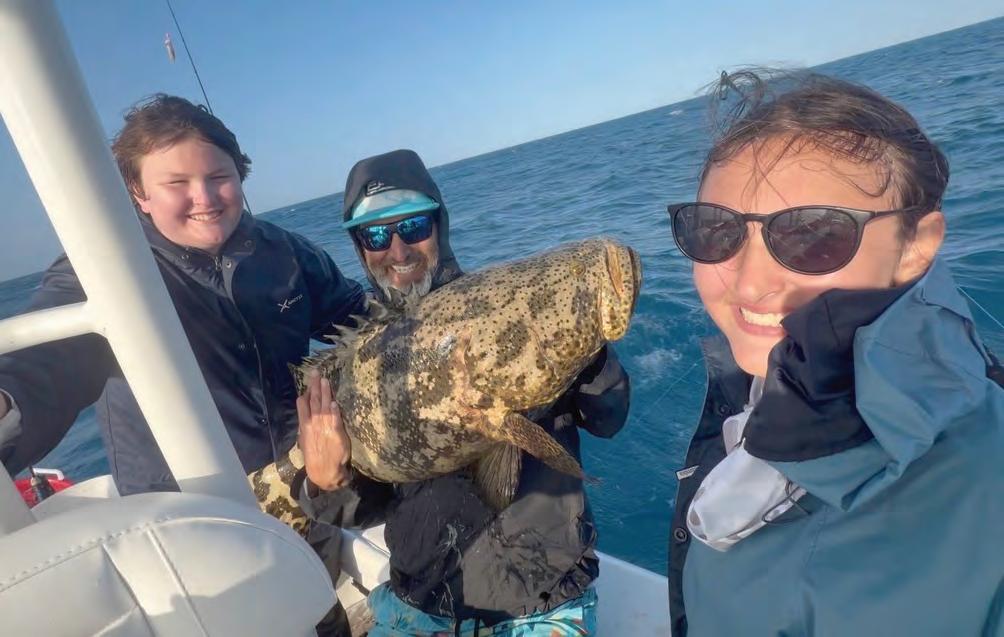
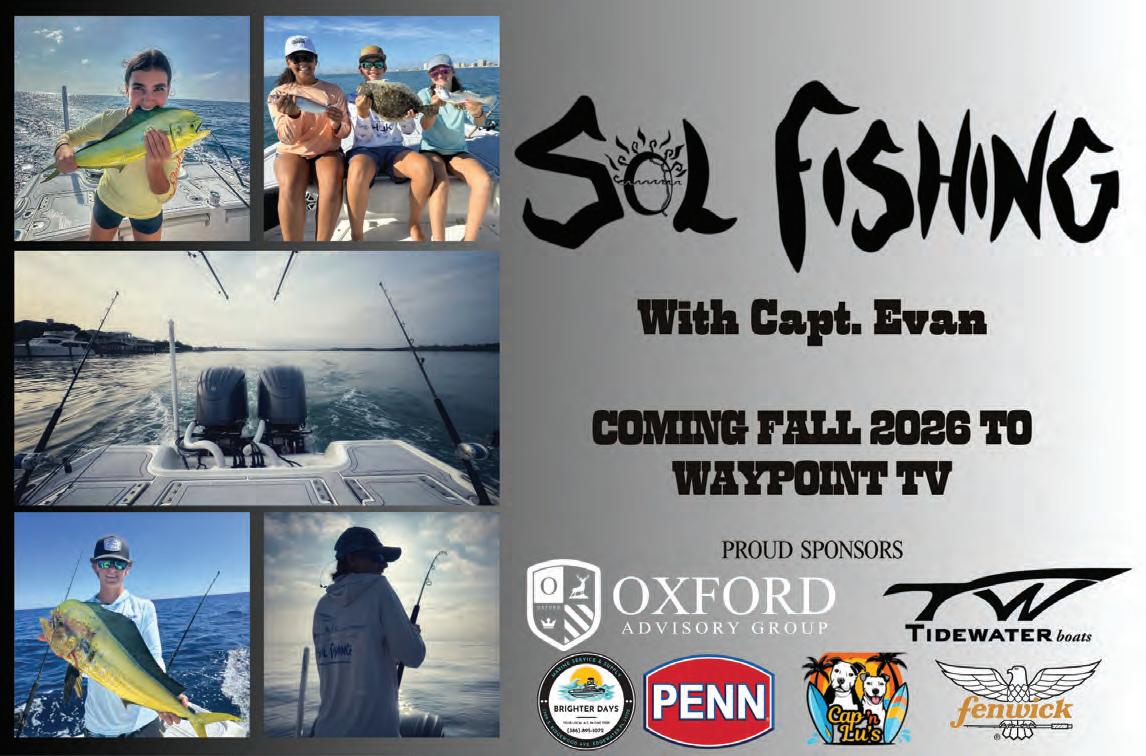
day Capt. Evan strives to getting more and more youth anglers on the water each and every year! Sol Fishing will do everything possible to make every young man or lady’s fishing dreams come true. It does not matter if the kids want to go offshore or inshore, Sol Fishing will target whichever species they want to catch. Some of the most recent species that the youth anglers have been wanting to target are red snapper, lane snapper, cobia, amberjack, sharks, barracuda, redfish, and snook.
The Youth Angler Program is made possible by all our retailers who stock Sol Fishing’s gear such as our Hats, Decals, and Performance shirts and many more products. Stop by New Smyrna Beach Outfitters Outriggers, Donald’s Bait & Tackle, 38 Live Bait & Tackle, E & J Bait & Tackle Sunglass Cabana, Shades of New Smyrna Beach, Boaters Exchange, and Pedago of NSB to get your Sol Fishing gear to help support the Youth Angler Program! Sol Fishing’s amazing sponsors such as Tidewater Boats, Legacy Marine, Black Oak LED, Penn, Plano, Fenwick, and many more all make this amazing program possible!
Ikept saying, “Keep the faith, brother!” to myself as the sargassum seaweed kept washing up. For weeks, only some fish showed up, but as always, the ocean changes, and one morning it was gone. I mean, clean machine. The ocean was greenish-blue, not too much wind, and the currents calm, and that nasty seaweed went where nasty seaweed goes: to the bottom and back out to sea. Ya, mon!
I always check out where I’m going to fish. I look for run outs and little pastel coquina shells on the beach. I found both, and set up for the pompano that I catch. You always have coquina shells in their stomach when you clean them, so this is where you wanna be, close. This is where they feed. A run out is a split in the sand with a current that pulls all the food back into the ocean, and that’s where we’re hoping the fish are hanging out, where they eat. I guess the fish were listening to my last rap on the run outs because as soon as I put my crab knuckles out, they started to Bamba. I mean, slabs to start with.
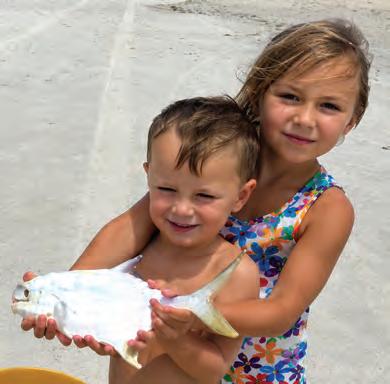
I have my friend Nicky out here with me this morning, fishing next to me. No one is faster than him on the run between poles, or more tenacious. He is on fire every time I look over, which I’m trying not to do anymore. He’s running from pole to pole, reeling in a pompano. Before too long, he has his limit, and I’m still over here waiting my turn. It is starting to happen as we speak. They are loving the crab, blue crab that is. Soon I start catching up to Nicky and get my limit also, mostly on the blue crab knuckles and a few on sand fleas. The poles were shaking so much I almost said, “Shiver me timbers!” Don’t worry, I didn’t.
I always talk about getting up early in the morning and getting my bait, because to me, to catch good quality fish, bait is the most important thing you have in your arsenal. I don’t really care what kind of equipment you have. If you don’t have good bait, you have nothing. It’s important to me to be up with the crack of dawn with the motivated people in the fishing industry. the bait people, the captains. It’s just a really up vibe. I’m glad to be part of it.
We’re going to make a giant fish dip tonight, so I got on the reggae cover versions and a special guest appearance by Taj Mahal, singing his I’m-a going fishing blues song where he says, “Many fish bite if you got good bait.”
And, you know it, me and these pompanos are heading to the smoker.
MARCO POMPANO
Surf
Fishing Guide

Marcopompano@gmail.com (386)212-4838 Wilbur by the Sea Facebook @ Marco Pompano


Central Florida Favorites Best Boat Dealership & Best Boat Service & Repair 2025 Winner

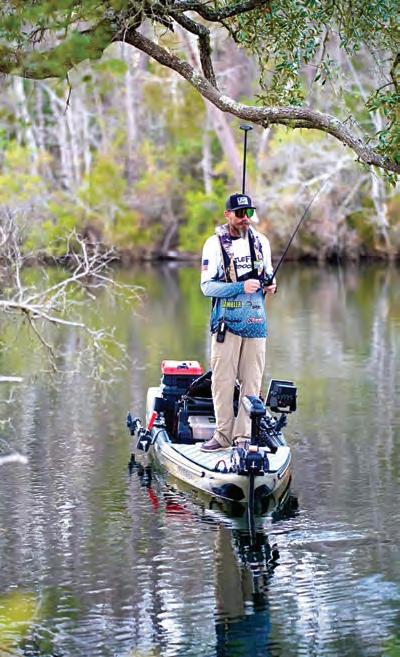
t first light, the water comes to life.. Shad flicker across shallow banks and like scattered silver coins while predator fish explode through bait schools in violent bursts. Bass crash against riprap, stripers slash through current, and kayak anglers quietly slip into position before sunrise. For many fishermen, the shad spawn is the most exciting bite of the spring. Each year, threadfin and gizzard shad move shallow to reproduce when water temperatures climb into the upper 60s. The spawn usually lasts only a few weeks, and most of the activity happens during low-light conditions early in the morning. During that brief window, predator fish become aggressive and predictable, feeding heavily on concentrated baitfish along rocky banks, seawalls, grass lines, and docks. Few anglers are better suited for the action than those fishing from kayaks.
Unlike larger bass boats, kayaks allow fishermen to move quietly through shallow water without spooking feeding fish. Their smaller size makes it easier to reach protected coves, narrow creeks, and shoreline cover where spawning shad gather in large numbers. The low profile also changes the experience entirely. Success during the spawn often comes down to timing. Most anglers launch before daylight because the best feeding activity usually happens during the first hour after sunrise. Once the sun gets high, the visible action often disappears quickly.
Finding spawning shad requires attention to detail. Riprap banks near bridges and causeways are classic spawning areas because shad attach their eggs to hard surfaces. Grass edges, dock pilings, and current breaks can also attract
baitfish. The signs may seem subtle at first—small flickers near the shoreline or nervous water against the bank—but feeding fish are rarely far away. Lure selection during the spawn is simple compared to other seasonal patterns. White remains the dominant color because it closely imitates shad. Spinnerbaits, soft-plastic swimbaits, vibrating jigs, and topwater lures all produce strikes when worked parallel to shoreline cover. Topwater bites are especially memorable from a kayak. Explosive strikes beside the boat often leave anglers soaked and scrambling.
Preparation matters. Because the feeding window is short, experienced kayak fishermen simplify their gear and rig rods before launching. Efficiency can make the difference between capitalizing on the frenzy and missing it entirely. Safety is equally important. Many anglers launch in darkness, making navigation lights and life jackets essential. Spring water temperatures can still be dangerously cold, and busy boat traffic near popular fisheries adds another layer of risk. Even so, dedicated kayak anglers return every spring for the same reason: few fishing experiences match the intensity of the shad spawn. For a short time each year, rivers and reservoirs erupt with life at sunrise. And for anglers willing to paddle quietly into the morning mist, the reward is unforgettable—fast fishing, explosive strikes, and a front-row seat to one of nature’s most exciting feeding frenzies.




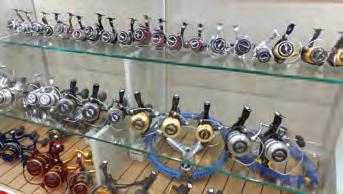

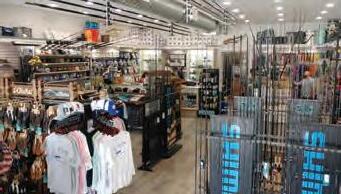
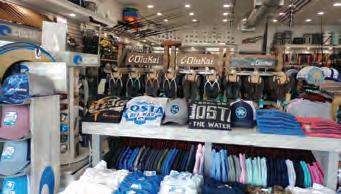
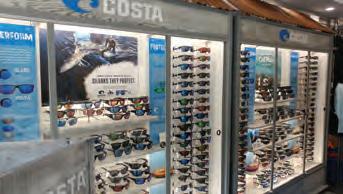
New Smyrna Outfitters specializes in offshore bait and tackle as well as inshore, flats, and fly fishing gear. Along with carrying all of the equipment you need, NSO offers services like rod/ reel repair, line spooling, splicing, rigging, outrigger setup, and much more. If you are not looking for fishing tackle, that’s ok, NSO also offers the best in apparel, eyewear, drinkware, and more. Some of the quality brands include but aren’t limited to Costa, Bajio, Olukai, Free Fly, Marshwear, Aftco, Anetik, Yeti, Stanley, Hemlock, Salty Crew. New Smyrna Outfitters strives to carry the best brands and offer the best customer service.
NSB Outfitters specializes in offshore bait and tackle, as well as inshore, flats, and fly fishing gear, with extensive options in apparel and accessories. New Smyrna Outfitters has the knowledge and experience to guide through whatever type of fishing you’re looking to do. SAME STREET, NEW
223a Canal St. | NewSmyrnaOutfitters.com (386) 402-8853 Mon-Sat 9am-6pm | Sunday Closed






Welcome to summer 2026! With kids on school vacation, the Indian and Halifax Rivers are great places to teach them the basics of fishing and make it easy to catch plenty of fish. For younger children, start with abundant panfish like Mangrove Snapper and Pinfish. A small #4 or #6 hook, light weight, and a small piece of peeled shrimp will keep the action steady. Kids can learn to bait a hook, fight and safely unhook fish, take a quick photo, and practice catch and release. Building skills that will help them become better anglers as they grow. For kids with more experience, teach them to freeline live shrimp or use simple artificials like a leadhead jig with a soft plastic tail. They’ll catch Spotted Seatrout, Ladyfish, Jack Crevalle, and more. Keep it simple, easy, and fun while teaching conservation and respect for marine wildlife.
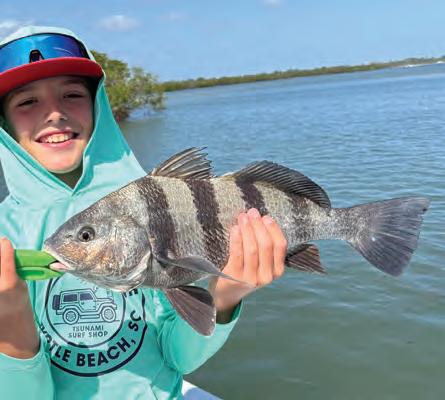
Snook season is closed June through August, so practice catch, photo, and release until it reopens September 1. The local snook population is the best it has been in years, so handle them gently for healthy future stocks. Redfish remain catch-and-release only in Mosquito Lagoon south of the SR44 bridge in New Smyrna Beach. Summer seatrout fishing
on Mosquito Lagoon with live pigfish and croakers remains a local tradition. Pigfish are also excellent bait for redfish, snook, snapper, tarpon, jacks, and ladyfish. Fish them freelined and tail-hooked along drop-offs, sloughs, and flat edges. A quick pop of the rod lifts the bait off the bottom, attracting strikes. In shallower water, adding a float keeps the bait suspended above the bottom.
Around docks and structure, use heavier tackle and live bait for snook and other larger fish. Bigger pigfish, croakers, and pinfish are prime baits for bull reds, tarpon, and sharks when drifting the ICW channel from Edgewater to Ponce Inlet. Tarpon can also be sight-cast anywhere from offshore Ponce through the inlet, bridges, the ICW, and south into the backcountry.

1
2
4
5
2.5 8:45 0.0 9:09 0.3 6:24 8:21
9 Tue 3:10 2.5 4:07 2.8 9:30 -0.1 10:12 0.3 6:24 8:21
10 Wed 4:12 2.4 5:05 3.0 10:18 -0.3 11:15 0.1 6:24 8:22 11 Thu 5:14 2.4 6:00 3.3 11:10 -0.4 6:24 8:22 12 Fri 6:12 2.4 6:54 3.6 12:17 0.0 12:04 -0.5 6:24 8:23
Sat 7:09 2.5 7:49 3.8 1:16 -0.2 12:59 -0.7 6:24 8:23
Sun 8:07 2.5 8:45 3.9 2:13 -0.3 1:55 -0.8 6:24 8:23
15 Mon 9:05 2.6 9:40 3.9 3:08 -0.4 2:51 -0.8 6:24 8:24


21 Sun 2:02 2.8 2:46 2.8 8:26 -0.3 8:53 0.1 6:25 8:25
22

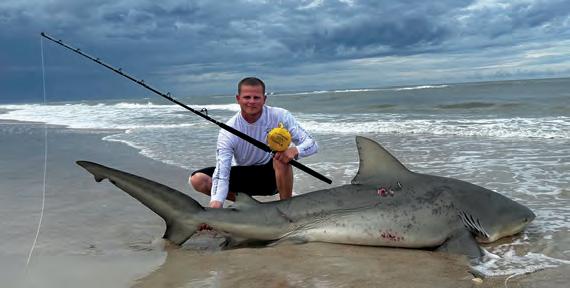
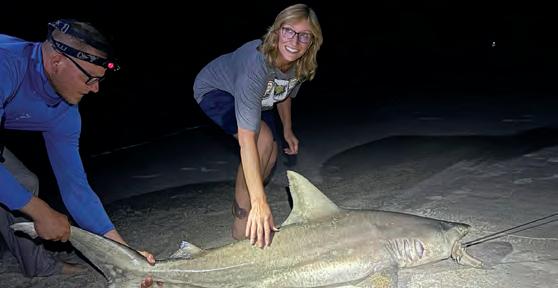
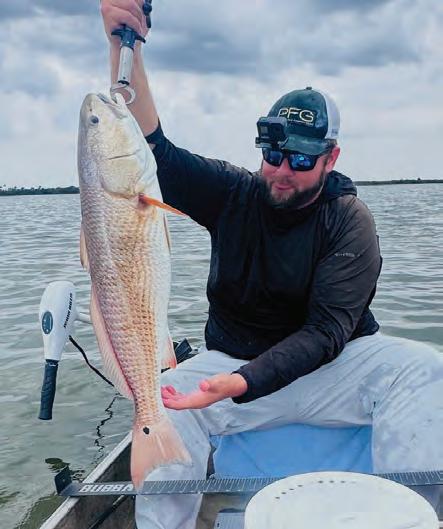
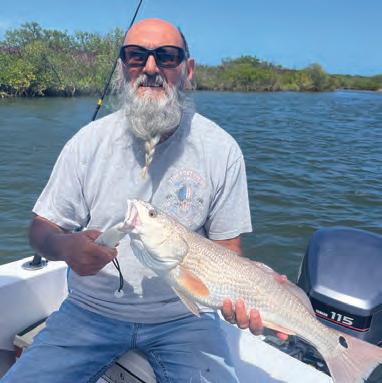

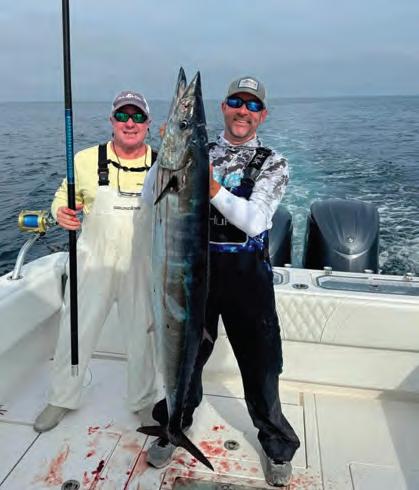
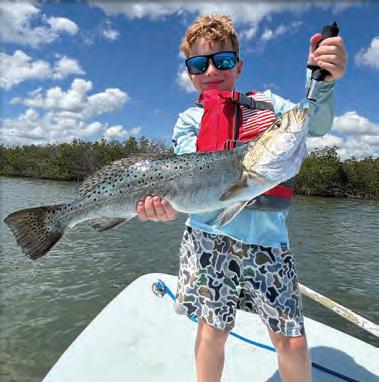
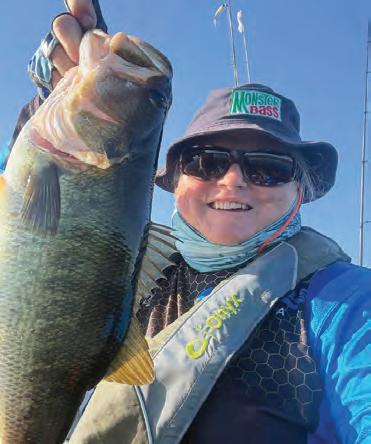
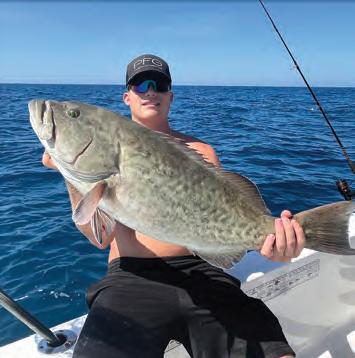
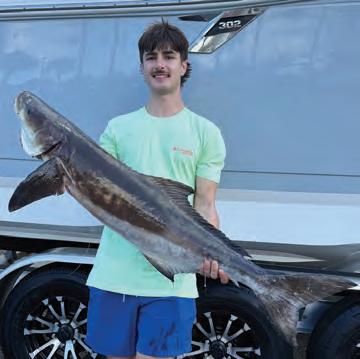
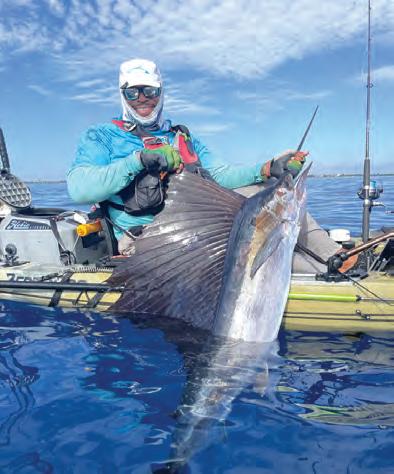
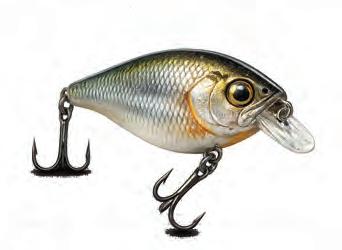
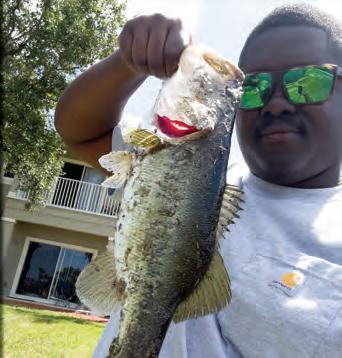


Scan the QR code to submit your photo for a chance to be showcased on our Brag Board! Your submission automatically enters you into our monthly random drawing for a $50 Gift Card!
Along with the gift card, the winner will also get a Gyotaku Fish Printing Kit from Fishin’ Prints!

TrophyCatch Season 14 is still going strong as Florida’s annual spawning season winds down. Multiple double-digit and Hall of Fame bass were submitted in the last quarter, including the lucky catch below. !e latest totals for the TrophyCatch program are::
• 13,349 Lunker Club (8-9.9 lbs.) bass
• 3,372 Trophy Club (10-12.9 lbs.)
• 176 Hall of Fame (13+ lbs.)
• 16,897 Total approved bass submissions to date If you’ve participated in TrophyCatch, your data is included here!
TrophyCatch Season 14 launched on October 1st, 2025 and allows anglers until September 30th, 2026 to pursue and land an 8+ lbs. bass. !is unique program unites anglers who document their bass, conservation partners who award prizes and your catch data which helps sheries managers understand where, when and how the
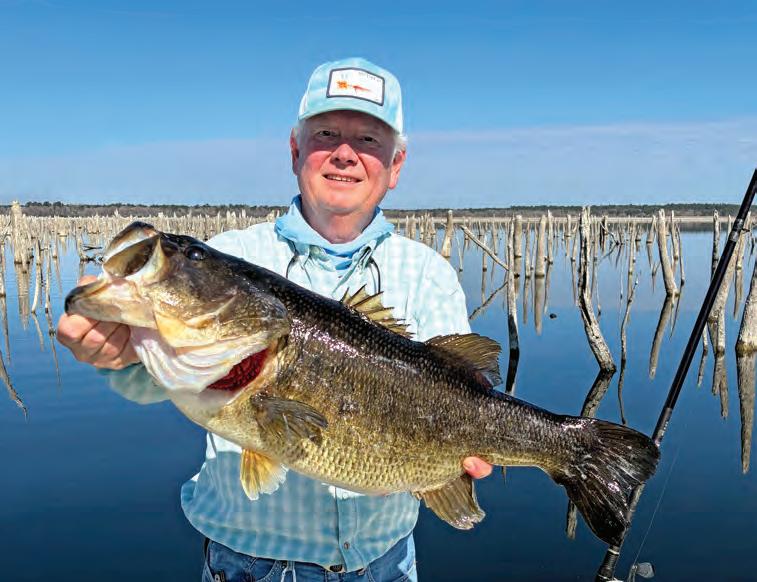
biggest bass are being caught in Florida. It takes all three groups collaborating for this program to be successful.
And for Putnam County anglers, there’s an exciting opportunity to win an awesome shing trip prize package when you submit and have catches approved for TrophyCatch that are from Putnam County!
!e TrophyCatch program is brought to you by the Florida Fish and Wildlife Conservation

Commission (FWC), and their conservation partners. !e FWC mission is “Managing sh and wildlife resources for their long-term well-being and the bene t of people.” !ese programs collect valuable data through citizen-science, encourage shing and conservation and bring enjoyment to Florida anglers.
Register for TrophyCatch or view approved angler catches at TrophyCatch.com.


By Will Schmidt
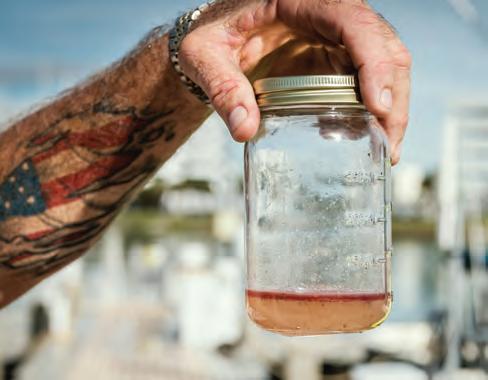
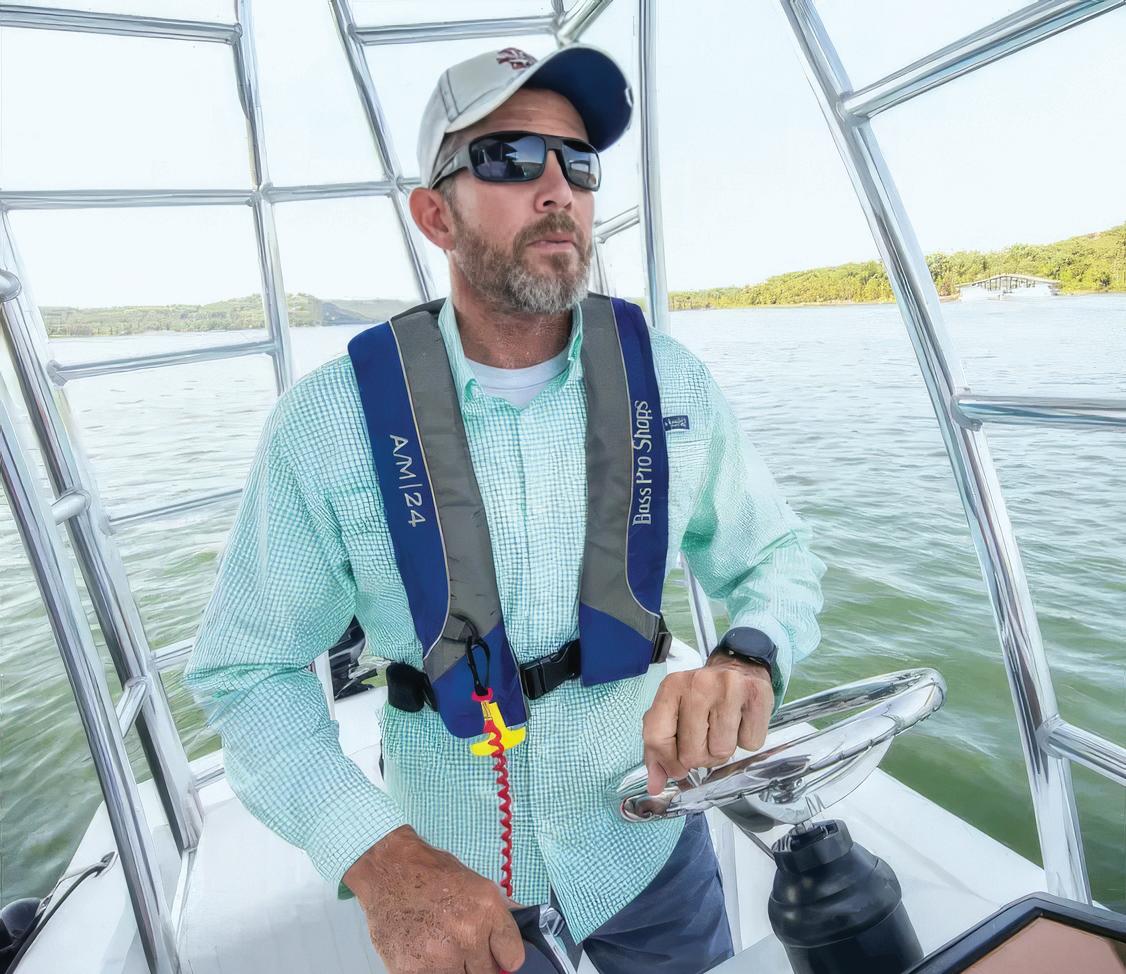
There’s been a troubling trend that I’m hearing while out on my boat. The Coast Guard broadcasting an unmanned vessel alert. This potentially deadly scenario seems to be happening now on a regular basis, and a few precautions can take this from a life-or-death situation to an easily survivable event. With the summer boating season soon to be underway, now is a great time to revisit some basic safety protocols. Perhaps the two biggest safety items on a boat are often the most overlooked
and underused pieces of equipment. First, life jackets. Gone are the days of the bulky bright orange life jackets that are uncomfortable and impeding. The new self-inflating styles are both comfortable and unencumbering. These are far more user friendly and yet many resist. The truth is the self-inflating vest or hip pack versions are comfortable and don’t restrict you in any way. Should you fall overboard they can truly be life savers.
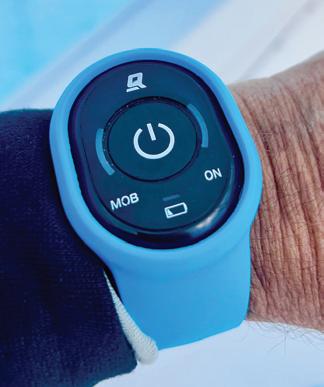
The second most underused item is your kill switch. Even though they are mandated on vessels 26 feet or less while on a plane, most people still don’t use them. The biggest complaint with these is that they tether you to the helm. However, as your boats have gotten smarter, so has the kill switch. There are products like the Fell Marine 1st Mate system which wirelessly protect the users. This genius devise uses geo fencing to define your boat’s area and activates the system should the small wearable fob cross the boundary. By allowing movement around the boat untethered there is no excuse at all for not utilizing the kill switch, even while not on plane. Should the captain fall overboard the engine(s) stop and if the system is not reset in a definable amount of time it will send messages for help. This is great for solo fishing where an errant wave can be disastrous. As a bonus it can also be set up as an anti-theft device.
Another lesser used device is your fire extinguisher. One of the most terrifying events that can happen on a boat is fire. If that should occur, every second counts. Having your fire extinguisher close at hand is a must, and finding an out-of-the-way spot to mount this gear is essential. There are many mounts available, and being prepared for this type of emergency is the smart thing to do.
Clearly there are many other required pieces of equipment as well as suggested items. From flares to first aid kits, no one wants to use them, but when they are needed, they are crucial. Before heading out, make sure everyone knows where all these items are stored. Time can be of the essence in an emergency and having the crew waste valuable time searching for safety items could make all the difference in the world.
Will Schmidt is a seasoned tournament angler who has been writing about fishing from more than two decades. Follow Will on Instagram @saltynstrong.
“4EverYoung has transformed my life in ways I couldn’t have imagined. My mood has stabilized, my energy levels are consistent, and I just feel healthier overall. It’s like I’ve been given a new lease on life, and I can’t recommend it enough.” ~David R.

Discover the range of health and wellness services that 4Ever Young provides to help you combat aging and showcase your best features. Whatever your concerns, 4EverYoung is ready to help you look and feel your best with an array of youth-reviving services using the latest technologies and most sophisticated techniques currently available. Whether in-office or via our telehealth services, our holistic approach ensures your path to aging with vitality is tailored to your unique needs.
Our VIP membership packages provide year-round product and service discounts and VIP access to 4EverYoung events & specials.

Gabby Ryan, MA-LME Managing Director - CEO 772-510-9040•GabbyR@4EverYoungStuart.com “Come See Me at the 4EverYoung Stuart




The Angler Video Magazine is the hot, new platform from Coastal Angler and The Angler Magazines connecting fishing and boating enthusiasts with the latest industry news, gear, product reviews, tips, how-to’s and more...








By Capt. Lukas Brickweg
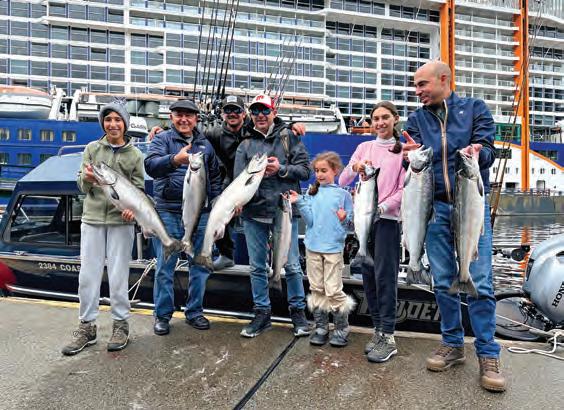
Ketchikan, Alaska isn’t just another cruise ship port; it’s widely recognized as one of the top shing locations in Alaska—and for good reason. For cruise ship guests looking to experience an authentic Alaska shing in a limited window of time, the quality and diversity of shing found here is unmatched anywhere else on the Inside Cruise Passage.
Why book a shing excursion in Ketchikan? Due to the sheer productivity and diversity of nearby waters, combined with a variety of species types and trip times, this is revered as a must do cruise excursion. It o%ers a chance to
get out of the bustling downtown, reel in massive catches and have your catch shipped home. In addition, these waterways always provide areas for calm, scenic waters abundant with wildlife sightings.
Depending on the season, guests can hook into all ve types of wild paci c salmon, with each o%ering a unique ght and experience. Add to that the opportunity to drop lines for Paci c halibut, and you have a shery that delivers both action and assortment. Ketchikan’s waters are also home to an impressive range of additional species including lingcod, rock sh, and Paci c cod, giving guests a true Alaska shing experience. !is diversity keeps the day exciting, especially for rst-time anglers and families, and ensures there’s always something happening on the rod.
For cruise ship guests on a tight schedule, quality and convenience matter! Ketchikan consistently produces an opportunity to catch trophy sh! !e size and strength of the sh they hook astonishes guests. !is reputation for quality shing is why experienced anglers and rst-timers alike rank Ketchikan as the best shing port on an Alaska cruise.
At Ketchikan’s Finest Fishing Charters, we focus on putting guests in the right place at the right time. Our captains know these waters intimately and adjust techniques based on tides, seasons, and conditions to maximize success. !e result is a shing experience that consistently exceeds expectations, which is re ected in our top rated reviews and repeat guests year a er year.
Another major advantage for cruise ship excursions is the downtown cruise ship harbor location. Being located steps from where cruise ships dock means less time commuting and more time shing. Guests appreciate the simplicity; walk o% the ship, step aboard, and start shing.
If you’re cruising to Alaska and want the best possible shing excursion, Ketchikan delivers unmatched diversity, dependable action, and true trophy potential, combined with convenient harbor access and one of the highestreviewed charter operations in town. Ketchikan’s Finest Fishing Charters o%ers cruise ship guests an authentic Alaska shing experience, rich sheries, wildlife abound and unforgettable moments for the entire family. Step o% your cruise ship and straight into some of the best shing Alaska has to o%er.
To book your Alaskan shing adventure with Ketchikan’s Finest Fishing Charters, visit ketchikan shingtrips.com, call (907) 617-4717 or email ketchikan shingtrips@gmail.com.
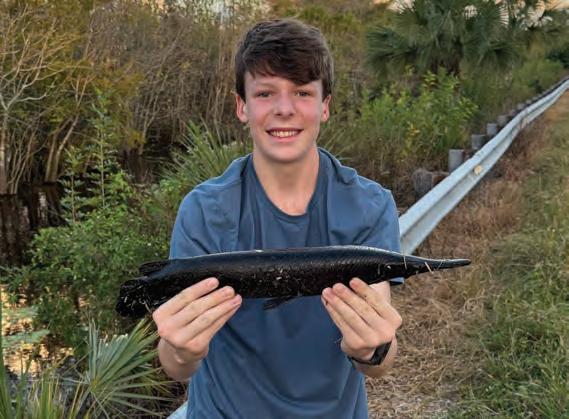
Ayoung angler from South Florida recently reached out to the Fish and Wildlife Research Institute’s freshwater sheries team with a truly remarkable catch. While our biologists occasionally encounter very dark gar and other species in the Everglades and throughout South Florida, this sh stood out as something special. It is believed to be a rare melanistic Florida gar.
Melanism is a condition marked by an unusually dark appearance caused by excessive melanin in the skin, scales, fur, or feathers. It is relatively uncommon in wildlife and is not something biologists see very o en, making this catch especially unique.

Themarket’s swimming with overpriced dive watches. We’re here to tell you those guys are all wet. At Stauer our philosophy is everyone deserves the best without having to dig deep into their pockets. We’ve been in the watch industry for decades and know more than a thing or two about getting the ultimate bang for our buck— which means we can pass the fruits of our know-how onto our clients.
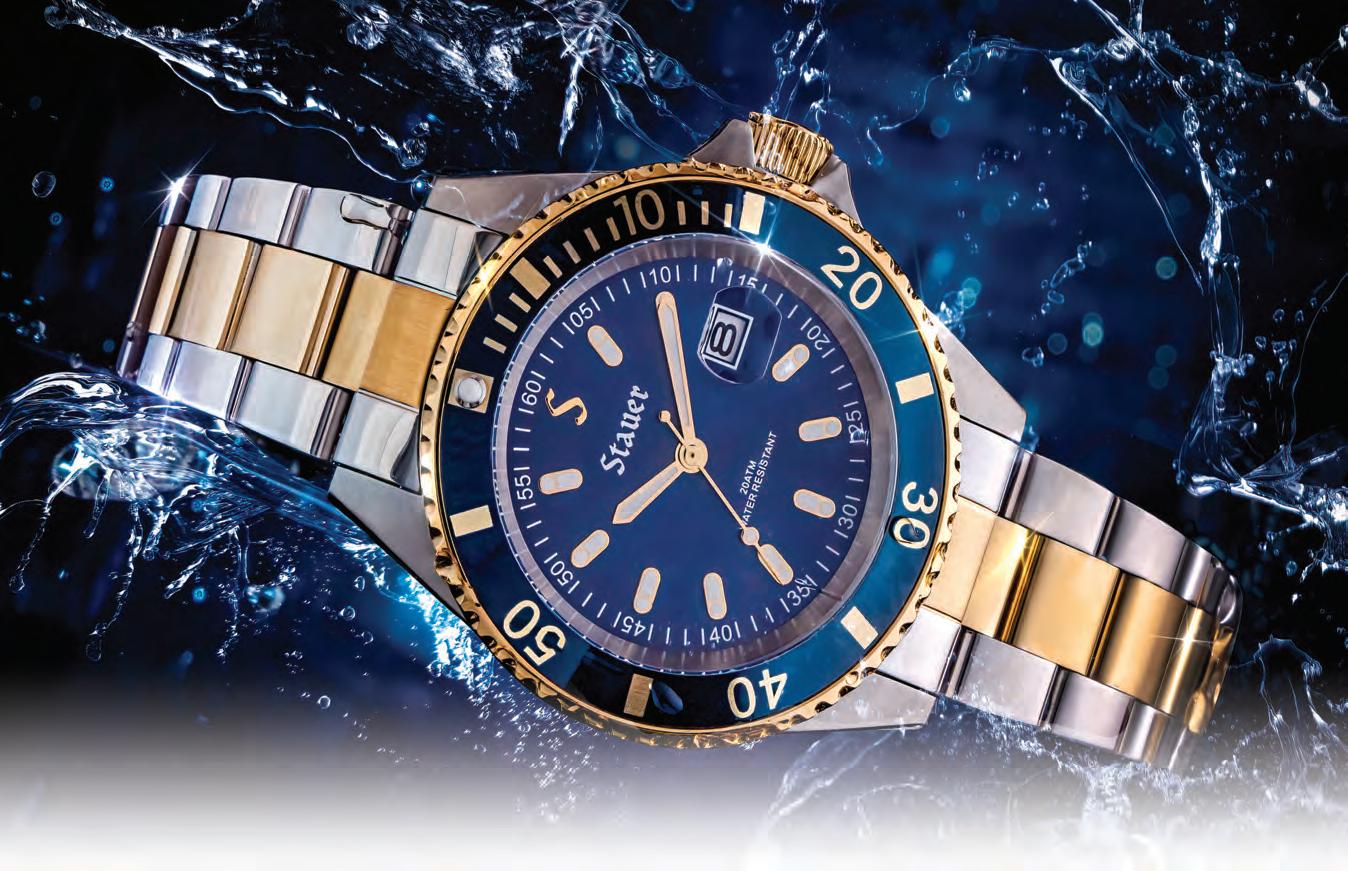
Case in point: The Explorer Dive Watch. This tough-as-nails sophisticate would cost you in the thousands if you got it from a high-end retailer that’s really in the business of selling a big name more than a quality watch. We keep the big names out of the equation so we can price this top-notch timepiece for just $99 ––a price that let’s you dive in and have enough left over for an excursion or two...or three.
You’re getting a lot for your money with this watch. The Explorer is the perfect companion in any locale–– whether you’re exploring coral reefs or investigating the rum options at a beachside bar. With a case, band and crown of stainless steel, this watch is built to last, and its water resistance rating of 20 ATM means it can handle most of your aquatic adventures to a depth of 678 feet. The striking metallic blue face reflects the
deep waters it was designed to explore and it’s sporty screw-down crown can take the pressure in stride.
Your satisfaction is 100% guaranteed. If you are not completely convinced you got excellence for less, simply return the Explorer Dive Watch within 30 days for a refund of the item price. At Stauer, we never leave our customers high and dry. Limited Edition. Sure you could give your hard-earned money to those other guys, but why would you? We’ve got the thinking man’s timepiece right here. This watch takes six months to engineer and it’s already making waves, so we can’t guarantee it will be around for long. Call today, and experience how good it feels to get true luxury for less.


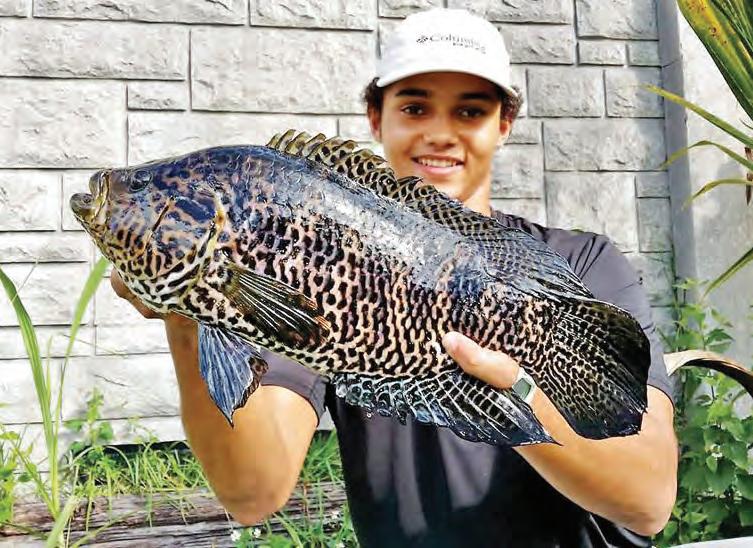
The Jaguar Guapote is a large, non-native freshwater cichlid now established in southeastern Florida’s coastal canal systems, with records as far north as the West Palm Beach area.
It has a robust, semi-elongated body with a large oblique mouth and prominent canine teeth, and is easily recognized by its broken lateral line and striking black-spot and blotch pattern along a pale body — reminiscent of a jaguar’s spots.
!is species is an aggressive predator, feeding mainly on small sh and aquatic insects, but also consuming snails, worms, and other prey.
In Florida, jaguar guapote tolerate poor water quality and warm temperatures, thriving in canals and sluggish waters. !ey spawn on hard surfaces, with both parents guarding eggs and young.
!ough valued by some anglers and considered good to eat, this nonnative predator can impact native sh communities due to its voracious feeding habits.
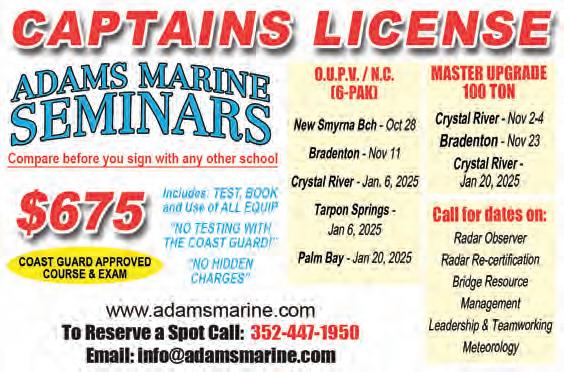
Lake Mary/Sanford - Jun 1
Crystal River - Jun 15
Tarpon Springs - Jun 15
New Smyrna Bch - Jul 6
Palm Bay/Melb - Jul 20
Bradenton - Aug 10
www.adamsmarine.com
To Reserve a Spot Call: 352-447-1950 Email: info@adamsmarine.com



WPalm Bay/Melb - Aug 1
Bradenton - Aug 22
Call
dates on:


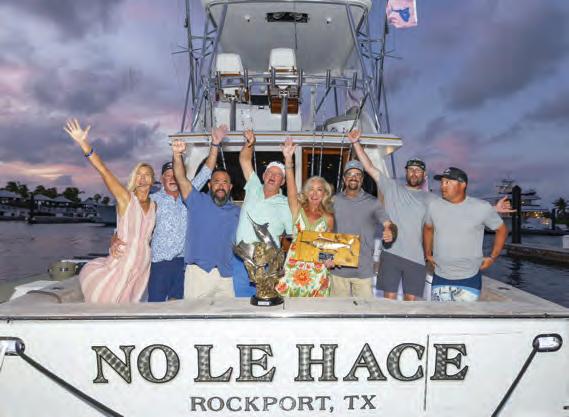
eather played a big factor in the 6th Annual Chub Cay Invitational Tournament that just concluded in the Bahamas. A strong low pressure system with high winds forced multiple boats to sit out, but the remaining eet didn’t let that damper spirits. By the time the frontal boundary had passed, the sh turned on and No Le Hace, a 57 Spencer led by Capt. Freddy “Potatoes” Vicens and team, had captured rst place. No Le Hace released three sail sh and one blue marlin and all were caught by Denise McMahan, who was also named Top Lady Angler for the event.
On the rst day of shing two blue marlin, one white and four sail sh were tallied. Blues successfully released count for 500 points, whites are 200 and sails score 100.
No Le Hace made its charge on the second day. Invicta, a 44-foot Contender center console run by Michael Buxton, released a blue the rst day, followed by the rst sh of Day Two, a white marlin. !at earned the team second-place honors. Sempre Dura, a 68 Ricky Scarborough with owner Chris Stavola at the helm, locked up third place with a sail sh in the morning and a blue marlin a er lunch.
!e radio and dock was buzzing with Waterline’s (Capt. Jake Gri th/58 Viking) epic ght on light tackle. Rob McCall fought a big yellow n tuna for ve hours, 20 minutes on a Tallica 25 with 40-pound main line, 60-pound leader and a 7/0 circle hook. !e sh ate a ballyhoo on the right long outrigger line and was nally boated at 5:04. !e boat made it back to the scales within the two-hour deadline, with everyone cheering on. When the sh was nally weighed, it registered 140 pounds, easily winning the heaviest meat sh for the Invitational. !at catch also was the largest game sh in Chub Cay Resort’s tournament history. Waterline also weighed a 38-pound dolphin to sweep the game sh categories.
“ !e Invitational is a members-only event following the Chub Cay Classic and Chub Cay Open, which are open to the public,” says Tournament Director Robert “Fly” Navarro. “ !e weather was a factor early, but we still had some outstanding shing overall, including Waterline’s epic catch.”
!e dates for next year’s tournaments are set. !e Chub Cay Classic kicks o% on March 11-13, 2027. !e Cub Cay Open will be held April 1-3, followed by the Chub Cay Invitational on April 15-17, 2027.
For more information about the tournaments, the resort and its amenities, visit www.chubcay.com.
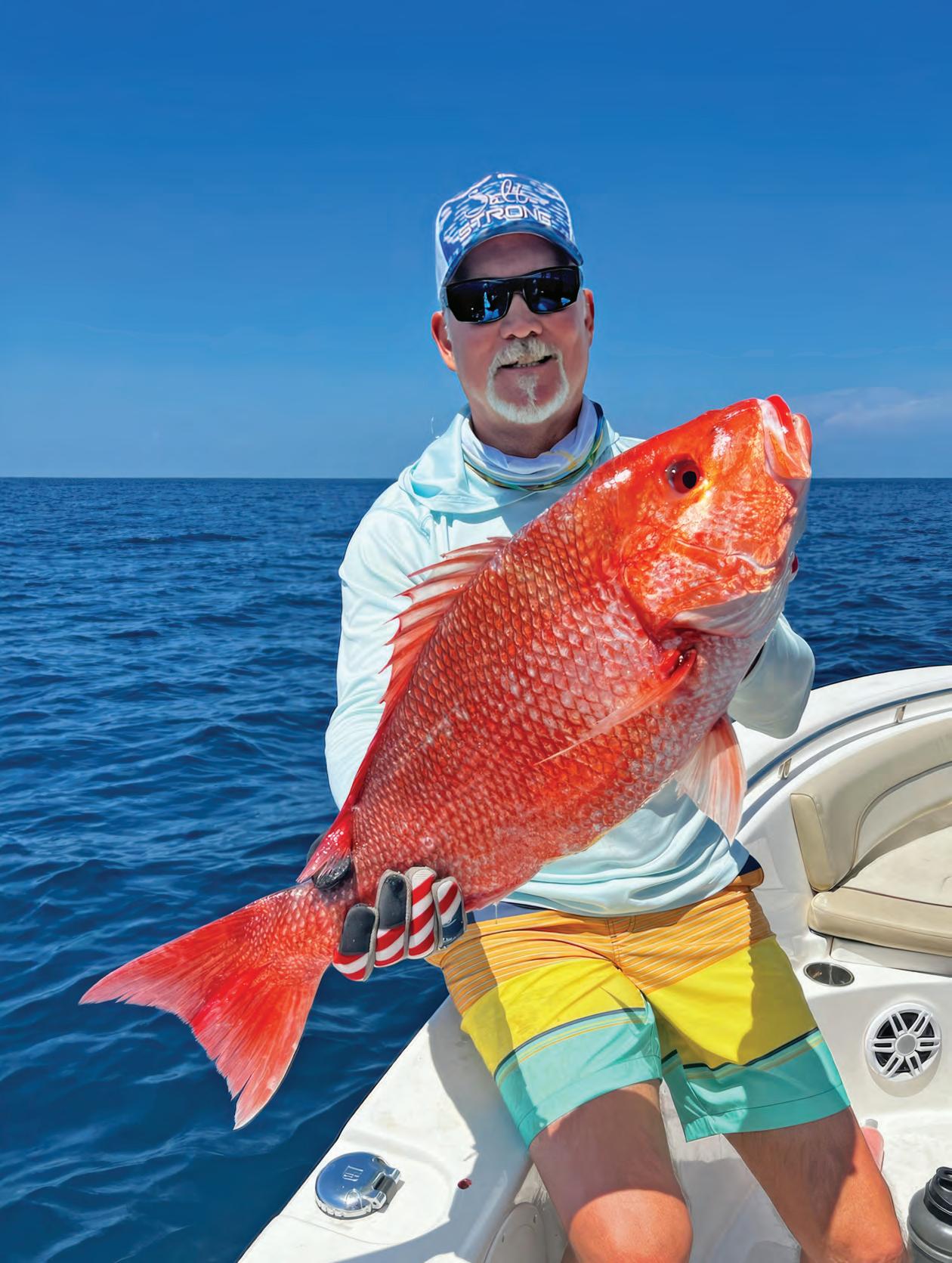
Anglers across the South Atlantic will enjoy a signi cantly longer red snapper season in 2026, thanks to a new management strategy approved by NOAA Fisheries. rough an Exempted Fishing Permit (EFP), individual states are taking the lead on data collection and management, resulting in a dramatic increase in shing days compared to previous federal seasons. Georgia, South Carolina, and North Carolina will have more than two months (62 days) for recreational Atlantic red snapper shing, while Florida will have 39 days split into several windows.
Florida recreational anglers will see the most substantial change, with a season split into summer and fall windows. is expansion aims to reduce regulatory discards— sh that are caught and released but do not survive—by allowing more sh to be kept.
• Summer Window: May 22 – June 20
• Fall Window: October 2–4, 9–11, and 16–18
• Regulations: e daily bag limit is one sh per person. Notably, there is no minimum size limit for Florida under this permit, a move designed to further reduce discard mortality.
Georgia and the Carolinas
North Carolina, South Carolina, and Georgia are also participating in the pilot program, o ering a continuous two-month season for their residents.
• Season Dates: July 1 – August 31, 2026
• Regulations: e bag limit remains one sh per person. Size limits vary by state: South Carolina maintains a 20-inch minimum, while Georgia and North Carolina have no minimum size for this speci c season.
Mandatory Reporting Requirements e success of this pilot program hinges
on accurate data. For the 2026 Atlantic red snapper season, mandatory reporting is a core requirement.
• Florida: Recreational anglers must have a valid saltwater shing license and a (free) State Reef Fish Angler designation. All red snapper landings must be reported via the FWC EFP Reporting app or website - https://app.myfwc.com/crossdoi/ redsnapperreporting/. While passengers may keep their limit on for-hire trips, captains and crew members are prohibited from retaining red snapper on charter or headboat trips.
• Georgia and the Carolinas: Private recreational anglers must use the VESL app or website (https://blue ndata.com/projects/ red-snapper-with-yamaha) to record their red snapper harvest and discard information to participate in the 2026 red snapper season. For-hire operations who qualify must have a current federal permit and record their harvest and discard information through their appropriate reporting program. is shi toward state-led management re ects a growing e ort to balance the health of the red snapper stock with the needs of the recreational shing community. By gathering more precise catch data through these state programs, o&cials hope to create more sustainable and predictable seasons in the years to come.
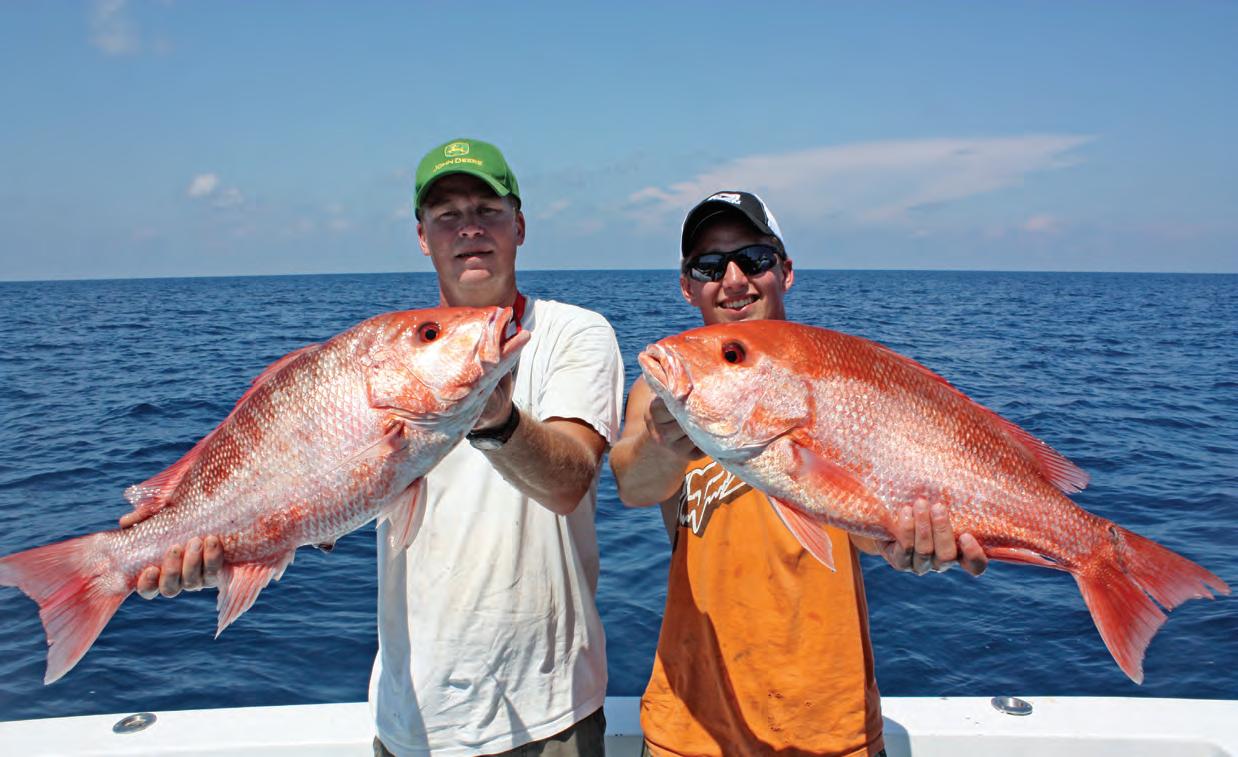
Red snapper are highly sought a er by anglers because they’re one of the best-tasting sh in the ocean. ese aggressive sh tend to concentrate around reefs, wrecks, and other deep-water structures, which makes for some fun and fast-paced catching when you can nd them.
e 2026 Gulf red snapper recreational shing season features a record-breaking 140day harvest period in Florida state and federal waters. e season spans both summer and fall periods, extending all the way into January, with exact limits and dates varying depending on your location and shing permit.
Florida Private Recreational Gulf Season
Florida anglers enjoy the longest season in state history with a 140-day allowance. Bag limit is 2 sh per person, per day, and you must sign up for a no-cost State Reef Fish Survey.
• Summer Season: Open daily from May 22 through July 31.
• Fall Season: Open daily from September 1 through October 4.
• Weekend Openings: Select weekends continue through the rest of the year:
» ree-day weekends in October (Oct. 9-11, 16-18, 23-25, 30-Nov. 1)
» Two-day weekends in November (Nov. 7-8, 14-15, 21-22)
» anksgiving weekend (Nov. 26-29)
» Two-day weekends in December (Dec. 5-6, 12-13, 19-20).
» Christmas weekend (Dec. 25-27) and New Year’s (Jan. 1-4).
Federal For-Hire Gulf Season
For federally-permitted charter/for-hire vessels, the federal waters season in the Gulf of America runs for 147 days and is open June 1 through October 26. Limit of 2 sh per person, per day.
Other Gulf States Regulations and dates vary outside of Florida:
• Louisiana: e season opened on May 1 for private anglers and for-hire charters (state waters), open 7 days a week until quotas are met. e bag limit is 4 sh.
• Alabama: e season opened on May 22, running 7 days a week until the quota is reached.
• Texas: State waters are open year-round.
Always check with your state’s shing and wildlife agency for the most up-to-date rules and regulations.
the sh bite, and sometimes they don’t. Learning to accept both outcomes gracefully is a lesson many adults still struggle to master.
ey also teach resilience. Every angler loses sh. Hooks snag. Weather changes. Boats break down. Yet shermen keep going. Children who grow up shing learn early that frustration is temporary and persistence o en pays o

By Chatwick G. Peterson III
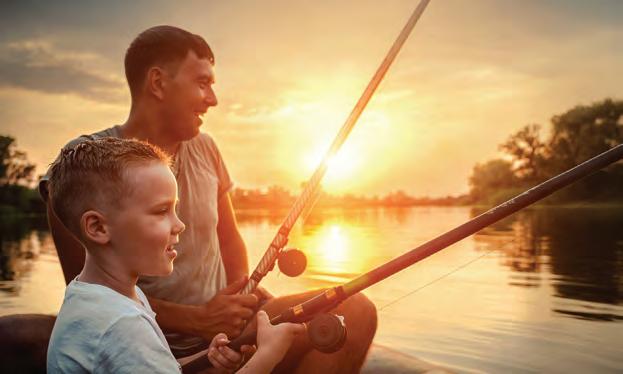
here’s something timeless about a father teaching a child to sh. Long before the rst cast is made or the rst sh is landed, something deeper is already taking place on the shoreline, in the boat, or along the quiet bend of a creek. Fishing becomes more than a hobby—it becomes a bridge between generations.
For many fathers, shing is one of the rst ways they learn to teach patience, con dence, and respect for the outdoors. It starts with simple things: showing a child how to hold a rod, how to bait a hook, or why you move quietly near the water. ose lessons may seem small in the moment, but they o en become memories that last a lifetime.
A child rarely remembers every sh they catch. What they remember is who was standing beside them. ey remember early mornings wrapped in hoodies while the world was still waking up. ey remember snacks in the tackle box, tangled lines that somehow got xed, and the excitement in their father’s voice when a bobber nally disappeared beneath the surface. ey remember the encouragement a er losing a sh and the celebration a er catching even the smallest bluegill.
Fishing fathers teach far more than technique. ey teach patience in a world that moves too fast. Fishing forces children to slow down, observe, and appreciate the moment. ere are no instant rewards on the water. Sometimes


Perhaps most importantly, fathers who sh with their children create space for conversation. Some of the best talks happen when there’s no pressure to talk at all. Sitting side by side in a boat or along a bank has a way of opening doors. Kids ask questions. Fathers share stories. Life slows down enough for real connection to happen naturally.
In today’s world, where screens compete for nearly every waking moment, teaching a child to sh may be more important than ever. Fishing pulls kids outdoors and reconnects them with nature. ey learn where food comes from, how ecosystems work, and why conservation matters. ey begin to understand that lakes, rivers, and oceans are not just places for recreation, but resources that deserve protection.
A father teaching a child to release a sh carefully may also be teaching stewardship without ever using the word.
Not every shing father is perfect. Some are patient teachers while others struggle to untangle knots without frustration. Some own expensive boats while others sh from muddy banks with secondhand rods. But none of that truly matters to a child. What matters is presence. Time is the real gi
Years later, long a er tackle boxes rust and rods are replaced, many sons and daughters discover that shing was never really about the sh at all. It was about learning who their father was. It was about shared silence, laughter, stories, and traditions passed down one cast at a time.
And eventually, something remarkable happens: the child grows up and begins teaching another child how to sh. e knot may be tied di erently. e tackle may change. e old family hotspots may even disappear. But the tradition continues. One generation passes something meaningful to the next—not just a skill, but a way of life.
Fishing fathers help shape patient, observant, and connected children. ey teach kids to appreciate nature, value time, and understand that some of life’s greatest moments happen far away from crowds and noti cations.
In the end, the greatest catch a father ever makes may not be the sh on the line, but the bond built beside the water.


TIM BAREFOOT

June will begin the widespread warm water, instead of just pockets like in spring. Starting now you can catch tuna, wahoo and dolphin anywhere in that 70+ degree water. From now through October, I would put an emphasis on securing big, hardy live baits for the light line. If nothing else, jig up some small snappers wherever you are bottom shing and keep one underneath a oat or under the kite, along with one without a oat that can get some depth. Of course, I like to nd bait to sh around, not just bait on the surface. Don’t hesitate to get these light line baits deeper in the water column. at 75- to 100-foot depth is notorious for wahoo, as well as yellow n tuna during the middle of the day when the sun is high.
I would suggest spending some time posted up on top of a big stack of bait and dedicating at least one person to jigging up dozens of live cigs and sardines. is is the ultimate bait for either the light line or on the bottom. If you put a lot of cigar minnows or sardines on the decoy jig, its life expectancy is under ve seconds on the bottom, but just getting it to the bottom sometimes can be a challenge. We never leave the dock without a couple boxes of frozen cigar minnows and live pin sh this time of year, but nothing, in my humble opinion, is any better than a live cigar or sardine on the jig.
later.
e summer solstice will be June 20—the longest day of the year. It will be daylight right a er 5 a.m. and sh are just like us. ey like to eat breakfast and dinner, so go early. Be there for the daylight bite or stay late and, if you feel froggy, spend the night. ere is nothing like that night bite under the lights. It is a “National Geographic moment” at night under the lights. You see everything. Be sure to dip up some squid for the daylight bite or put them back down at night. Squid will de nitely come to the lights and are easy to catch, but beware—they will bite you and spew very black ink. is is a great time of year to take the kids. You could have big, high-pressure cells that will keep the seas at for days and they will be amazed to see all the life under the lights at night. But dress your kids properly and teach him how to harvest sh and take care of the sh you want to release. Take plenty of videos because they will never want to forget these trips.
Calm seas and tight lines, Ben Martin. We’ll sh together again someday...
Visit barefootcatsandtackle.com for more tips and techniques.

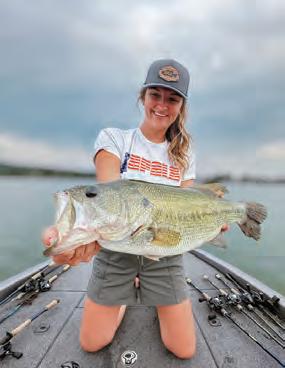




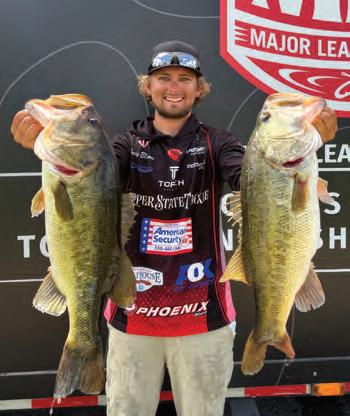
When the water starts warming and o shore schools of bass begin grouping up on ledges, hard spots, and deep structure, few techniques can trigger giant bites like a deep-diving crankbait. For Joey Bloom, deep cranking is one of the best ways to locate aggressive sh and force reaction strikes from bass that might ignore slower presentations.
“Deep cranking is all about triggering sh,” Bloom explained. “You’re covering water fast, crashing the bait into structure or bottom, and forcing those big bass to react.”
One reason the technique is so productive is the amount of water it covers. Deep-diving crankbaits allow anglers to e&ciently sh o shore structure in the 10- to 25-foot range while maintaining constant bottom contact. Bass o en position around underwater points, shell beds, creek channel bends, submerged roadbeds, rock piles, and ledges where bait sh collect. By making long casts and grinding a crankbait through those highpercentage areas, anglers can quickly locate active schools.
According to Bloom, some of the best locations to target are hardbottom transitions where so bottom changes to hard, rock changes to clay or gravel, o shore humps near creek channels, and isolated structure that sits away from heavy shing pressure.
“Anytime you nd current, bait, and hard structure together, you’ve got the ingredients for giant bass,” Bloom said. “ e biggest thing is making repeated casts from di erent angles until you contact the sweet spot.”
A deep crankbait becomes even more e ective when it continuously de ects o cover. e sudden change in direction mimics injured bait sh and o en causes bass to strike out of instinct. Many anglers believe those violent reaction bites are what separates deep cranking from nesse shing.
Having the proper gear is critical for shing oversized crankbaits all day. Bloom prefers a longer rod in the 7-foot-6 to 7-foot-9 range with a moderate action. e so er parabolic bend helps absorb the surge of big bass while keeping treble hooks pinned during long ghts. Longer rods also increase casting distance, which helps the bait reach maximum depth and stay in the strike zone longer.
When it comes to reels, Bloom relies on slower gear ratios in the 5:1 or 6:3:1 range. Deep-diving crankbaits create tremendous resistance in the water, and lower gear ratio reels provide the torque needed to grind those baits e&ciently without exhausting the angler.
Pairing that setup with 10- to 12-pound uorocarbon line helps maximize diving depth while maintaining sensitivity. Bloom believes the combination of the right rod, reel, and line can be the di erence between occasionally catching sh and consistently landing giant o shore bass.
“When that crankbait starts digging and bouncing o the bottom, you know it’s any moment that a giant bass is going to eat it,” Bloom said. “ at next cast could be the biggest bass of your life.”
You can !nd all your tackle needs at Copper State Tackle and use BLOOM10 for your checkout discount!
www.copperstatetackle.com

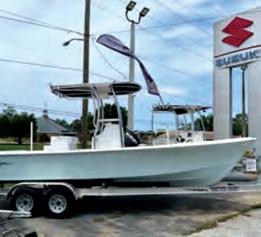
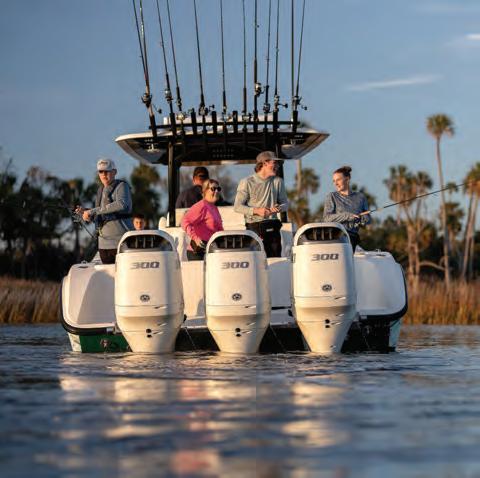
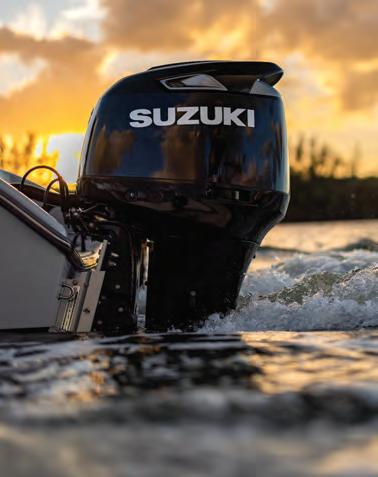
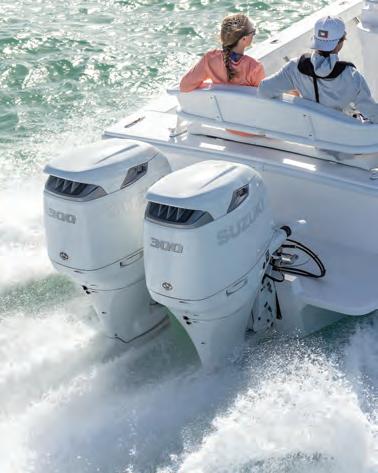
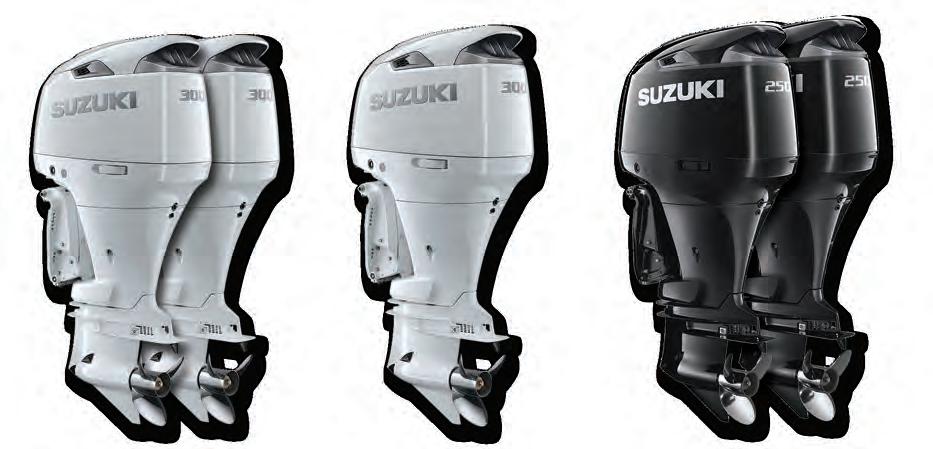
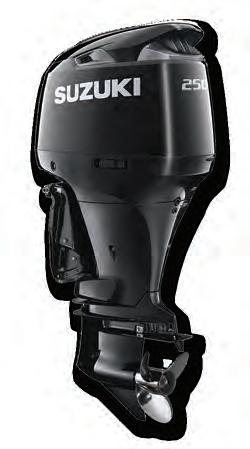
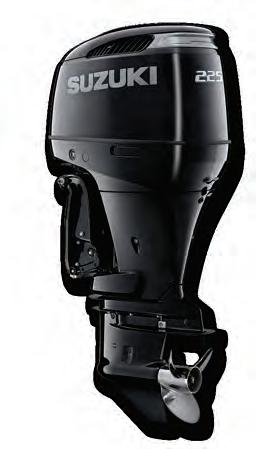
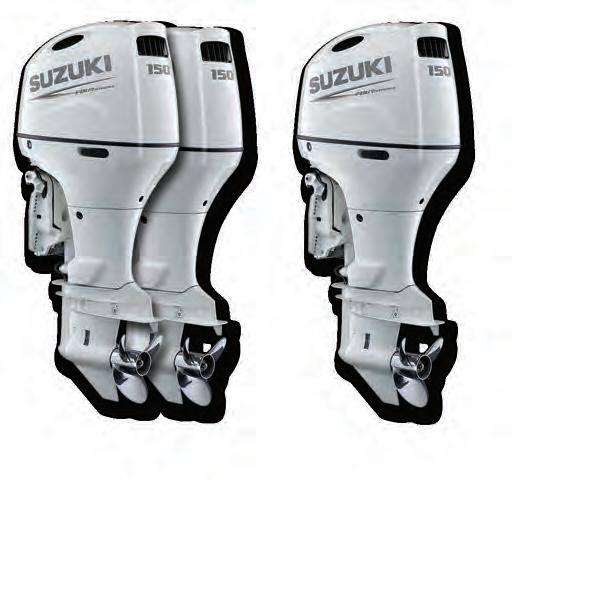
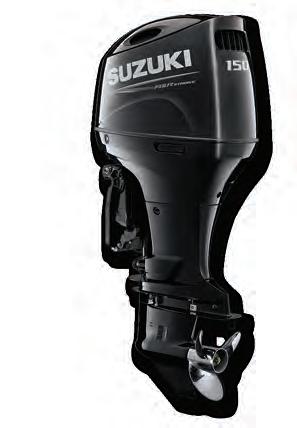
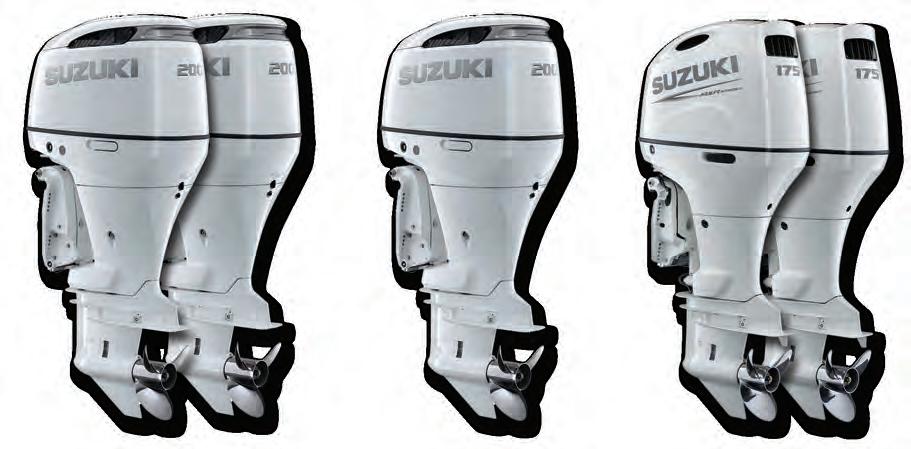
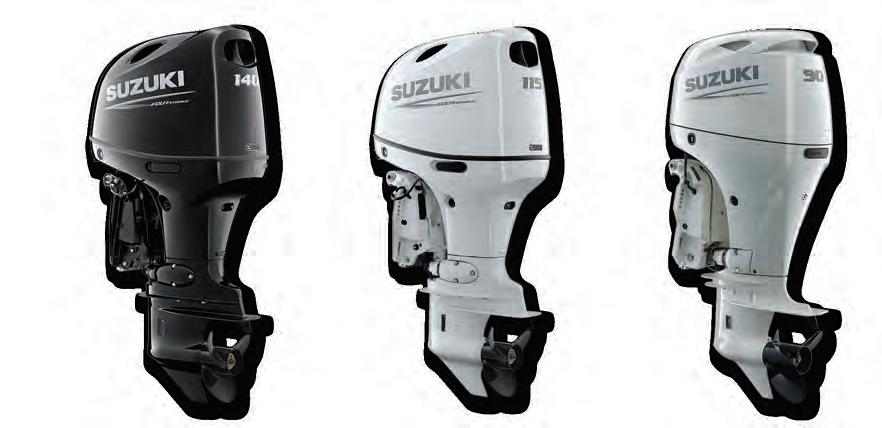
Suzuki Marine has partnered with Fuel 1 to provide an opportunity for its dealer network to o er certi ed Sustainable Marine Fuels to its customers right from their facilities. By teaming up with Fuel 1 — a national retailer of advanced fuel delivery and portable fueling systems — Suzuki Marine is helping its dealers better serve their communities by meeting an important consumer need, maximizing the performance and reliability of their customer’s boats, and supporting sustainability goals important to Suzuki Marine and the entire recreational boating industry.
Working with Fuel 1 provides Suzuki Marine dealers with important advantages, such as the ability to deploy a fully supported fueling ecosystem with zero capital investment. Fuel 1 will provide free Micro-Station Deployment; fully branded portable fueling stations installed at participating dealer locations. In addition to direct fueling solutions, portable distribution systems including 20-gallon exchange pods and tote programs make it easy for customers to fuel their boats with PurFuels’ 93-octane, ethanol-free fuel that has been developed speci cally for marine operating conditions.
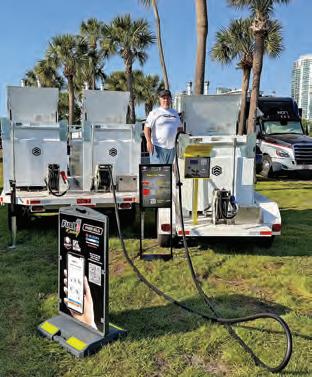
“Making sustainable marine fuels more accessible in di erent areas of the country is a great win for our dealers and customers alike,” said Brandon Cerka, Suzuki Marine Vice President Sales & Marketing. “ is partnership is also a major step in Suzuki Marine’s ongoing e ort to reduce the environmental footprint of boating. We have long supported the industry’s e orts to educate the boating public about these cleaner burning, more sustainable fuels. Now, we are stepping up to the plate to help get this fuel to more boaters, using their trusted Suzuki Marine dealers as the source,” added Cerka.
e program also makes strong business sense for dealers. A revenue sharing model will provide dealers with solid pro ts and recurring income. Fuel 1 will manage all compliance, liability, inventory, refueling and pointof-sale systems, making it easy for dealers to provide this valuable service to both loyal and new customers. Fuel 1 provides unmatched business and marketing support, including national marketing campaigns to drive customers to the dealership, dealer spotlighting across Fuel 1 Direct and partner platforms, invitations to participate in Fuel 1’s national sponsorships and marine events, and customer aggregation tools to help position dealerships as a preferred destination for premium marine fuel.
“We have used these fuels exclusively at our Suzuki Marine U.S. Technical Center during engine testing, durability trials, and performance benchmarking. Over years of testing, we have proven that these fuels help Suzuki Marine’s products run at peak performance, e&ciency, and durability in real-world conditions. We have every con dence in these fuels and are pleased to be o ering them to our customers,” added Cerka.
To learn more about the key bene!ts of PurFuels sustainable marine fuel, visit www.fuel1direct.com




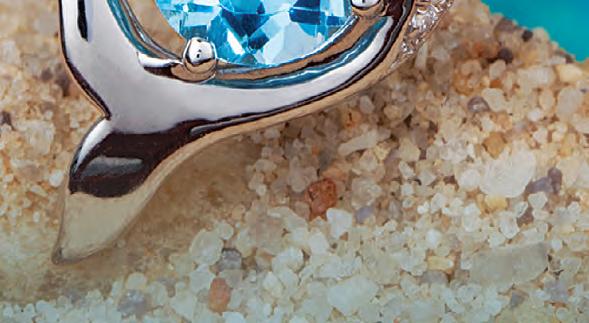
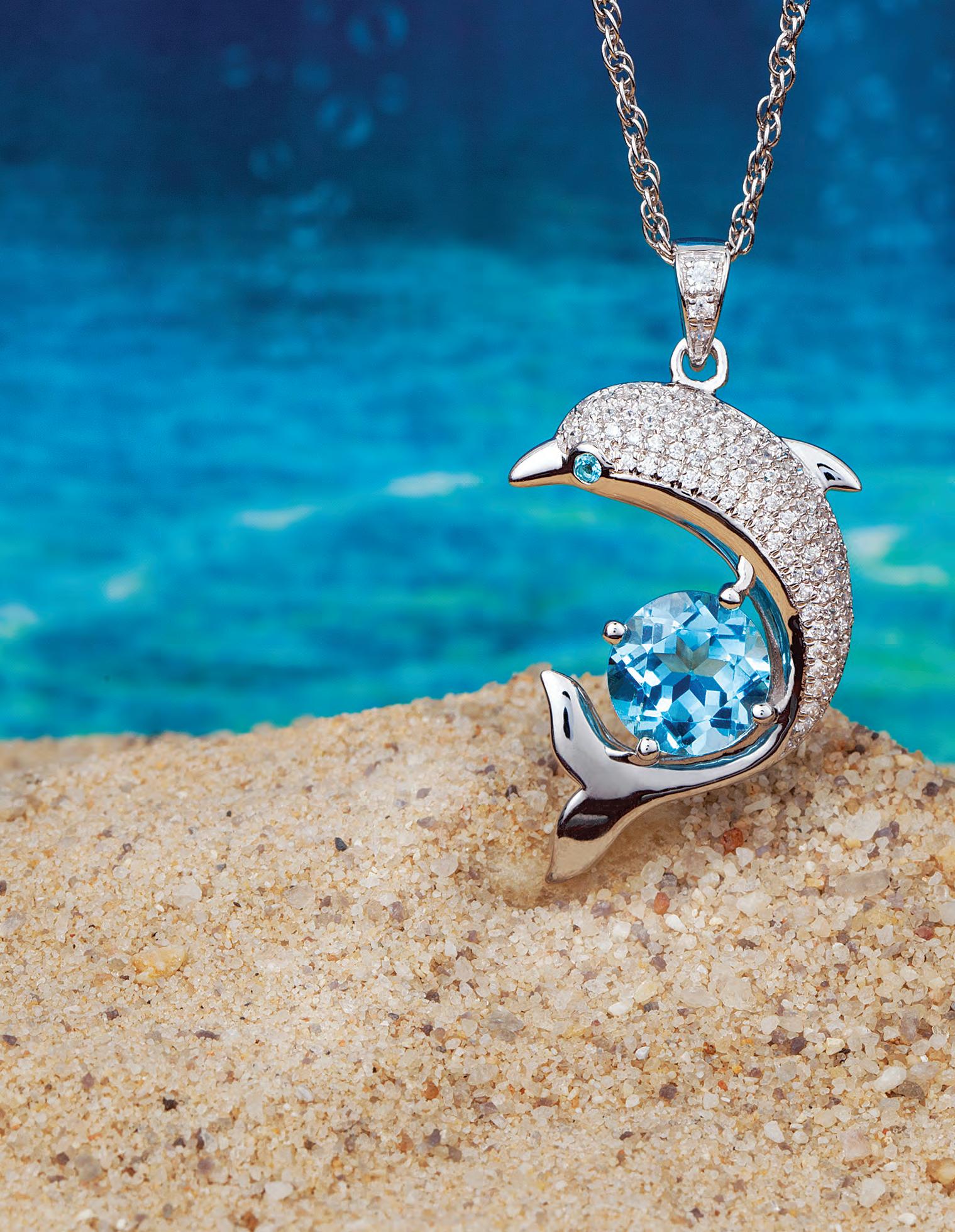
Here’s a memorable beach moment: You’re basking in the warm sun, toes in the sand, letting the gentle turn of the foam-capped waves lull you into a state of complete relaxation. As your eyes scan the endless horizon of blue on blue, you’re rewarded with the site of a school of dolphins making their way across the sea. There’s no denying their signature shape as they leap from the water. If you don’t see anything else extraordinary the rest of the day, you can take solace knowing you’ve witnessed some of nature’s most playful and intelligent creatures in their natural habitat.
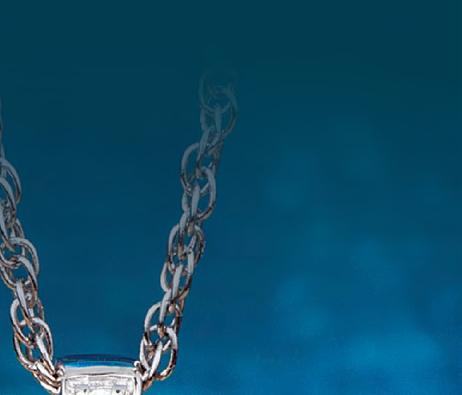
Why not recreate that special toes-in-the-sand moment with our DiamondAura® Dolphin Pendant? The beloved sea mammal has been captured mid-jump in a rhodium-finished setting. And tucked into its fins are a full two carats of shimmering blue DiamondAura.
Nothing captures the shimmering color of the ocean in the midday sun like blue DiamondAura. With its sparkling clear blue color and high refractive index, DiamondAura is one of our top sellers. And with our special price, you have quite the catch. Satisfaction guaranteed or your money back. Enjoy the DiamondAura Dolphin Pendant for 30 days. If it doesn’t pass the test swimmingly, send it back for a full refund of the item price.
Limited Reserves. A full 2 2/5 total carats of DiamondAura in a rhodium finished setting for this price is as rare as a dolphin sighting. We cannot guarantee availability for long. Call today!
Limited to the first 1900