
The outdoor and shing community lost a true leader with the passing of Ben Martin, Editor in Chief of Coastal Angler Magazine and !e Angler Magazine
For years, Ben helped shape the voice of one of the most respected outdoor publications in the country. rough his leadership, passion for shing, and dedication to storytelling, he built more than just a magazine— he helped create a community. From o shore anglers and weekend surf shermen to guides, writers, photographers and advertisers, Ben had a way of bringing people together through a shared love of the outdoors.
ose who knew him understood that his passion went far beyond publishing. Ben cared deeply about the shing lifestyle, conservation, and the people behind every story. He believed in supporting local communities, giving outdoor enthusiasts a platform to share their experiences, and keeping shing alive for future generations.
His impact could be felt across every edition, every article, and every relationship he built throughout the industry. He was respected not only as a leader, but as a friend, mentor, and advocate for the outdoor world.
While his passing leaves a tremendous void, Ben’s legacy will continue to live on through the countless lives he touched and the publication he helped grow into a trusted voice for anglers everywhere.
e Coastal Angler and e Angler Magazine family mourns the loss of a remarkable man who dedicated his life to the sport, the industry, and the people he loved.
Rest easy, Ben. You will be deeply missed.

Are you ready to embark on your next on-water adventure? Before you set sail, here are fve things to know about boat insurance.
1. Boat insurance isn’t just for accidents
With comprehensive coverage, you’ll also be protected fnancially for theft, vandalism, and unexpected events like storms if you need repairs or replacements due to damage.
2. Accidents can happen to anyone
When accidents happen, boat insurance offers liability coverage for damages or injuries you cause while boating, up to specifed limits. It can also cover lawsuit costs if you’re sued.
3. Boat insurance can cover medical payments
Boat insurance offers a range of optional medical payments coverage limits, helping to cover medical expenses if you’re in an accident or someone is hurt on your boat, regardless of fault.
4. Most lenders require boat insurance
If you fnanced your boat, you’ll likely need boat insurance since most lenders require boat insurance to protect their investment. Additionally, some marinas or municipalities require proof of insurance for docking.
5. Progressive offers specialized boat coverages
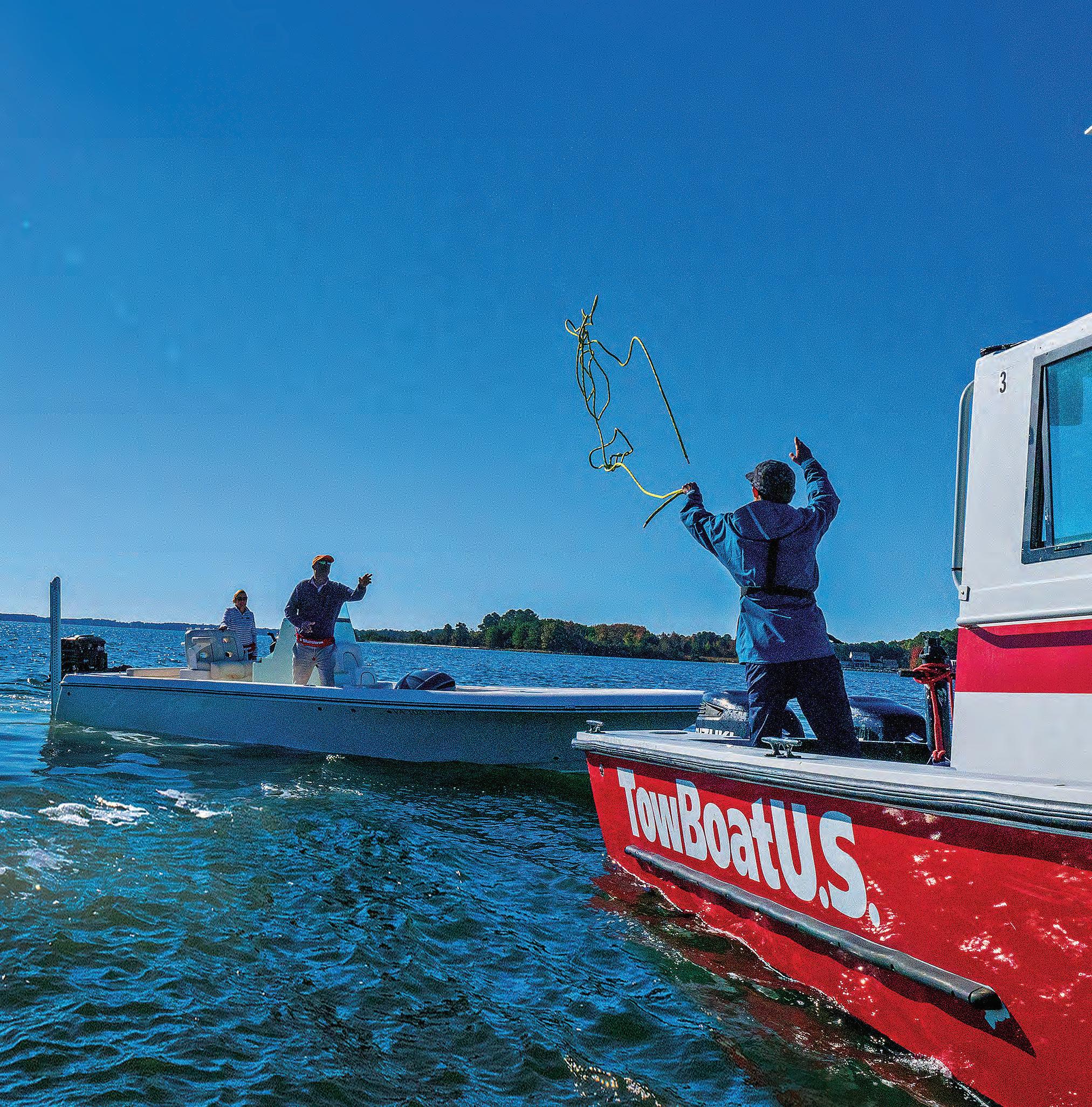
Ever worry about getting stuck on the water? Progressive’s Sign & Glide® On-Water Towing coverage** can help. It’s an additional coverage that steps in if your boat is disabled or breaks down on the water, paying for on-water towing, jump starts, soft ungroundings, and fuel delivery. Fuel cost isn’t included.
Don’t let unforeseen circumstances disrupt your voyage. Cruise with confdence thanks to Progressive Boat insurance. Because when it comes to your boat, peace of mind is the ultimate luxury.
Scan to get a quote in as little as 4 minutes.
to learn more.


































TZT16X | 22X | 24X






























TZT10X | 13X





TZT9E | 13E






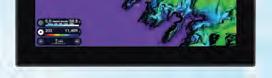



















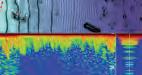
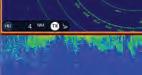
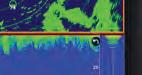
When helm space is at a premium, the 9" and 13" TZtouchE MFDs give you maximum screen area to view their eye-popping TZ MAPS charts and builtin TruEcho CHIRP™ Fish Finder with Side-Scan.
Plus, TZtouchE is fully networkable with the TZtouchXL family of 10", 13", 16", 22", & 24" MFDs and a wide range of best-in-class sensors – legendary Furuno Radars, Sonars, Fish Finders, Autopilots, and more.
Furuno... The reason to level up your helm!


Marine Electronics


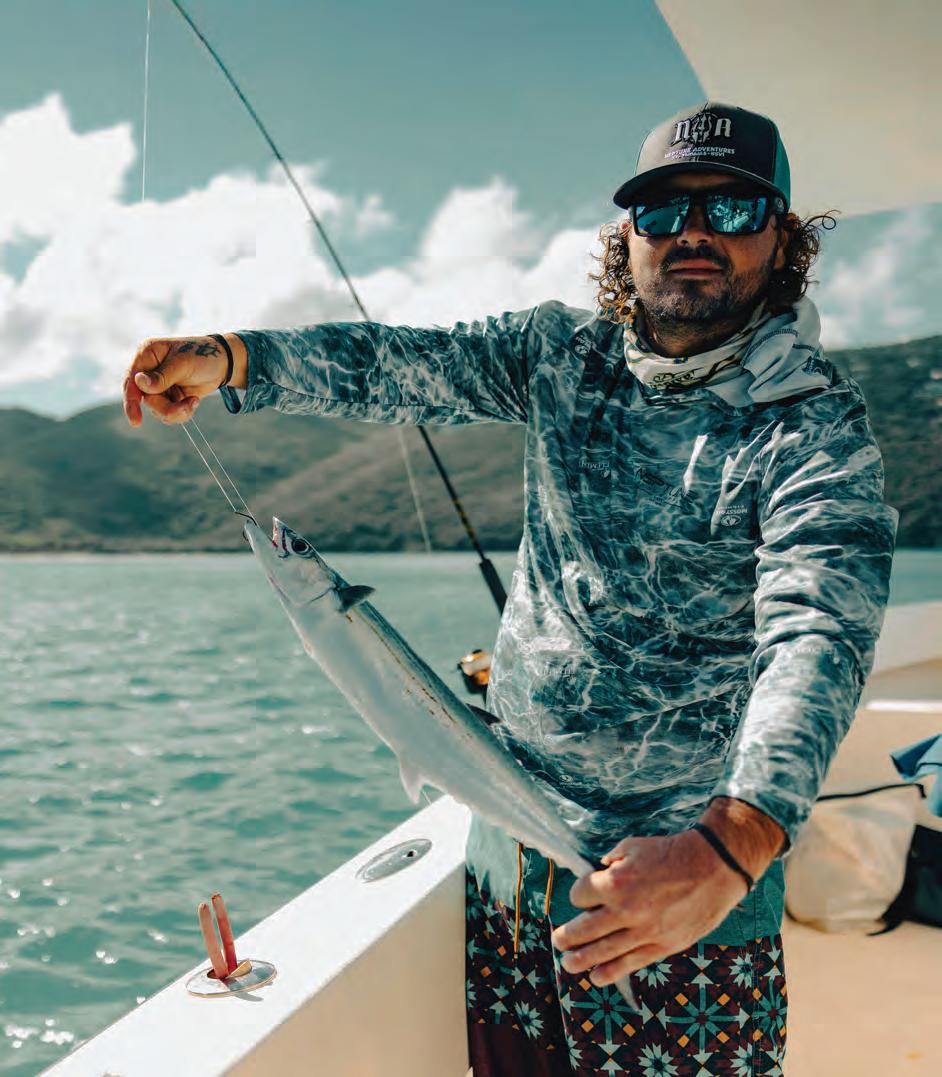
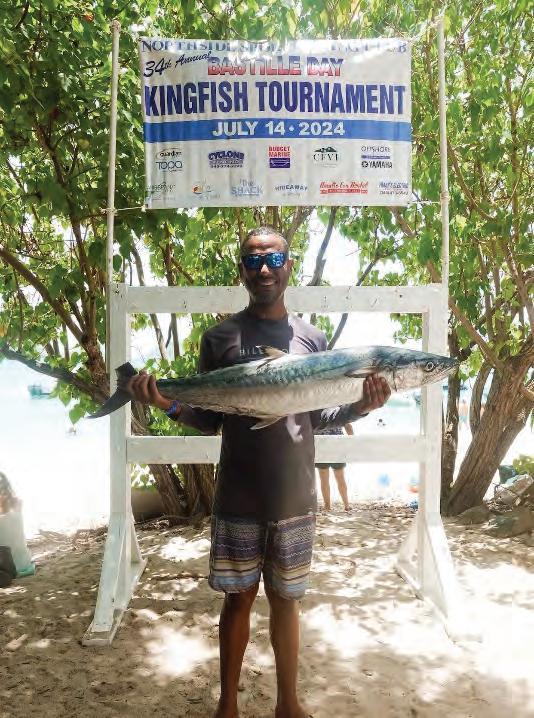
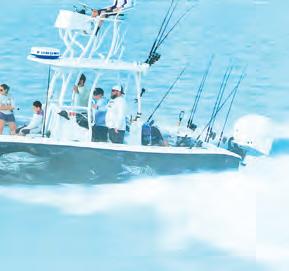
SNorthside Sportfishing Club (NSC) is pleased to announce that the 2026 Bastille Day Kingfish Tournament – the largest inshore small boat tournament in the U.S. Virgin Islands – will take place on Sunday, July 12, 2026, at The Shack at The Hideaway, in Hull Bay, St. Thomas.
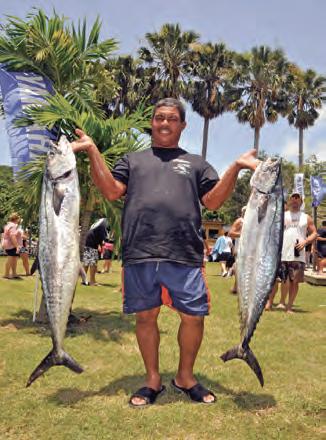
“We’re proud to host this much-loved tournament again and continue a true family tradition,” says Catherine Bryan, one of the tournament co-directors. “Over the years, we’ve seen grandparents, parents, and children all take part, which is incredibly special. Everyone is invited! Anglers who’ve fished with us for decades and first-timers, residents and visitors alike, are welcome to fish or enjoy the festivities at The Shack at The Hideaway. There will be live music, food, and drink, and activities for the kids.”
First organized by the Club in 1988, the last tournament held in 2024 attracted 177 anglers, including 37 junior anglers, on 40 boats. Gilbert Laban of St. Thomas reeled in the largest kingfish, a 26.9-pounder, from aboard the Double Header 6. More prize categories include Best Boat, Best Captain, Best Angler, Best Junior Angler, and other fish species such as bonito and mackerel.
As well as being a day of fishing and fun for the whole family, the NSC’s
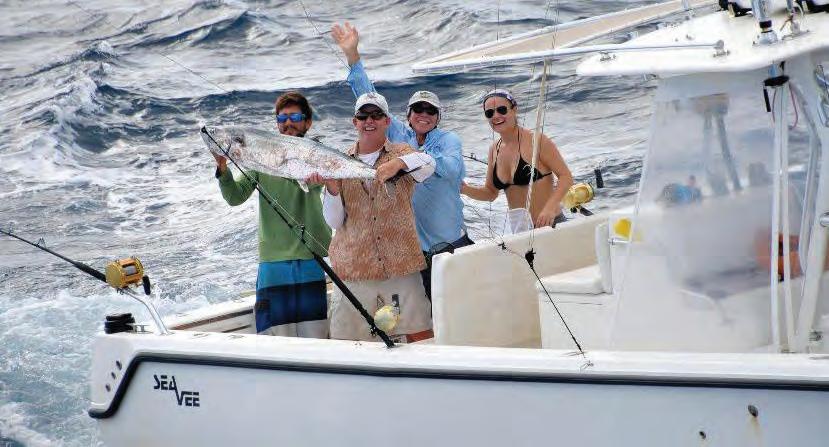
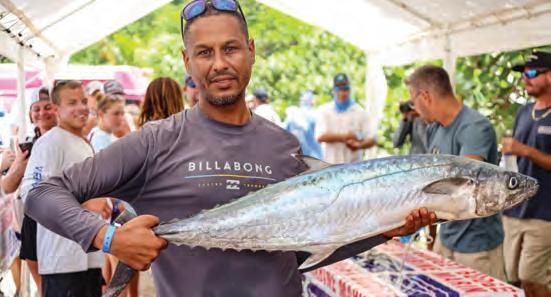
Annual Bastille Day Kingfish Tournament has donated over $230,000 to community organizations such as the Joseph Sibilly Elementary School, Nana Baby Children’s Home, and St. Thomas Rescue, since the event’s inception. The Bastille Day Kingfish Tournament has also received global accolades. In 2019, National Geographic mag
B Tournament as one of the world’s ‘9 Bastille Day bashes that celebrate French Culture!’ In 2012, online travel advisor Hotwire.com named St. Thomas one of the Top 10 destinations in the world to celebrate Bastille Day thanks to the tournament.
— For more information, call (340) 998-0854 or Email: nssfcvi@gmail.com. Or, check us out on Facebook and Instagram @ Northside Sportfishing Club.




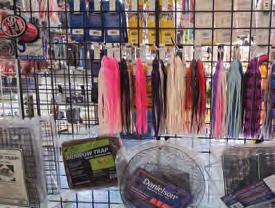
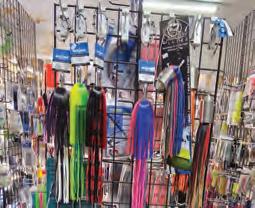
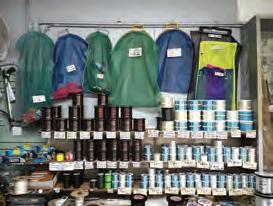
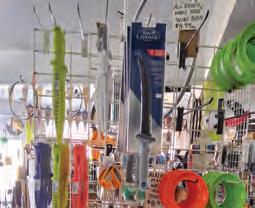






Marine
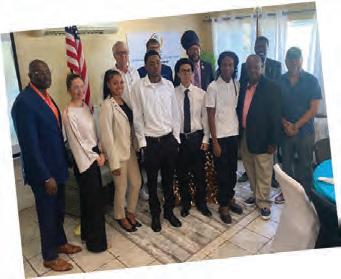
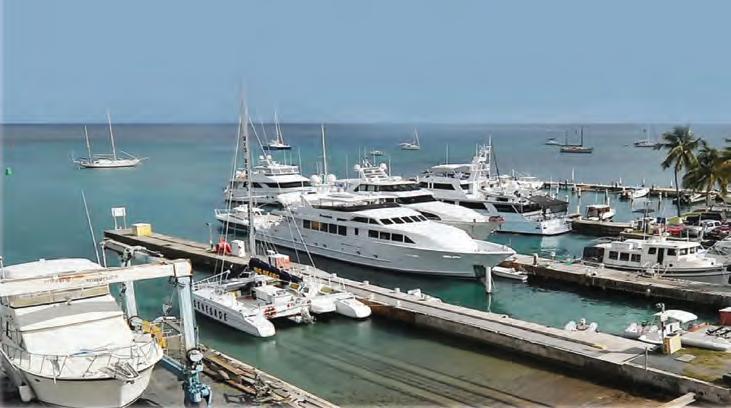
• St. Croix, U.S. Virgin Islands
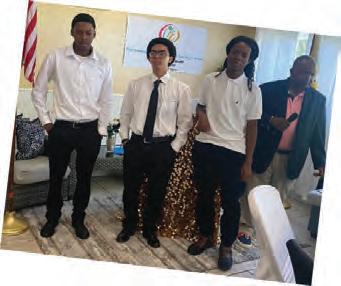
• ABYC-Aligned Curriculum (4 Months)
• Hands-On OJT (4 Months)
• Ages 18-24 (Diploma or GED)
• Direct Employment Pathways
Solution: FJSOT
• Industry-Driven Training
• Marine Industry Lack Skilled Workers
• Youth Unemployment Remains High
• Clear Training Pathways to the Marine Industry
• On the Job Training (OJT) Skills Development
• Direct Marine Employer Connections
• Workforce Pipeline for the Marine Industry
Economic Impact
• Supports the Virgin Islands Blue Economy
• Build a Local Marine Skilled Workforce
• Reduces Reliance On Imported Marine Labor
• Create A Marine Industry Career Pathway for Young Adults




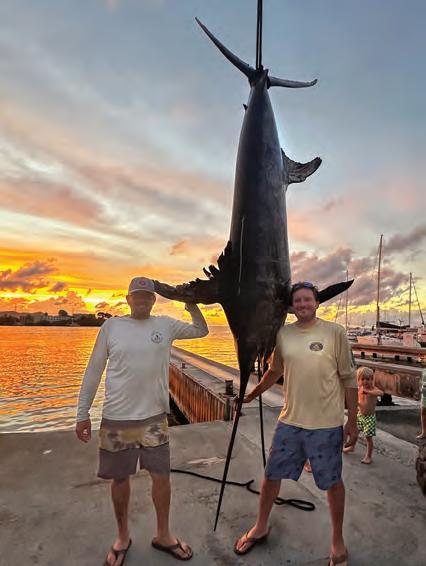
The Caribbean Sea, with its currents and deep offshore trenches is one of the world’s premier destinations for landing one of sport fishing’s most elusive prizes: the Swordfish. Known for their strength, speed, and mysterious deep water habits, these powerful predators offer anglers both a physical challenge and a story worth telling.
Swordfish are unlike many other game fish found in the Caribbean; by day they typically inhabit depths ranging from 1,500 to over 2,000 feet, rising closer to the surface only at night to feed. This behavior has shaped the specialized techniques used to catch them. Modern anglers often rely on deep-drop fishing during daylight hours, using electric reels , heavy weights, and illuminated bait rigs designed to attract attention in the dark, pressurized depths.
The experience of hooking a large Swordfish is unforgettable. After hours of patience, carefully monitoring lines and equipment, the strike can be surprisingly subtle-a slight twitch or hesitation in the line. But once hooked, the fish reveals its true power. Swordfish are known for their low, stubborn fights, often diving deep and forcing anglers into a test of endurance that can last several hours. The Swordfish iconic bill and muscular bodies make them formidable opponents, capable of sudden bursts of strength even after prolonged struggle.
The Caribbean offers several ideal locations for targeting Swordfish, particularly along steep drop-offs where the ocean floor plunges dramatically. Areas near Puerto Rico, the Dominican Republic, and the Virgin Islands are especially productive due to their proximity to deep water just offshore. These conditions allow anglers to reach prime Swordfish habitat without traveling extreme distances.
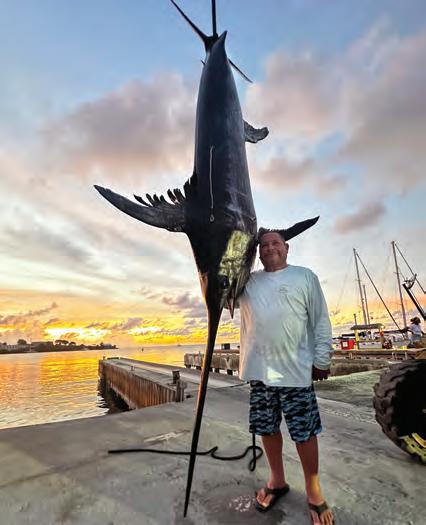
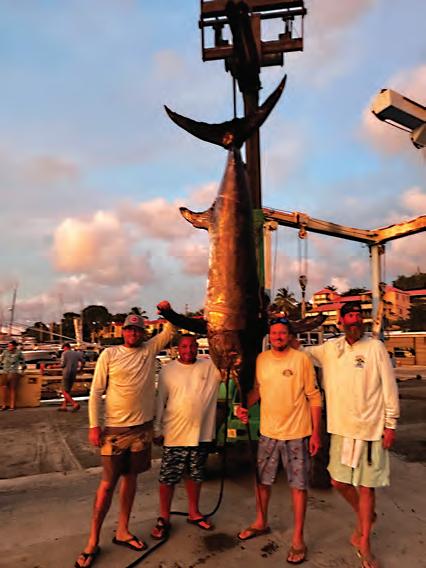
“Wicked Wench” with 2200 hp of Suzuki engines on the back took off on a beautiful day in the Caribbean on the island of St. Croix...
Beyond the thrill of the catch, pursuing Swordfish in the Caribbean is also about the environment itself. The open ocean, the shifting hues of blue water, and the sense of isolation far from land all contribute to the experience. Encounters with other marine life such as dolphins, flying fish, and even whales, add to the sense of adventure.
However, responsible fishing practices are essential: Swordfish populations, once heavily overfished, have shown signs of recovery thanks to conservation efforts. Many anglers now practice selective harvesting, releasing smaller catch and adhering to sustainability guidelines to ensure that future generations can experience the same thrill and excitement we feel today.
For Billy Desmond , vice president of the Golden Hook Fishing Club it was even more special: it was his first day back on the water after his loss of a close family member.
Captain Billy Desmond, owner of the 272 Grady White “Wicked Wench” his crew of anglers Ryan Sneff, brother Jason Sneff, Andrew Allen-Bach ready to catch OLD Big. “Wicked Wench” with 2200 hp of Suzuki engines on the back took off on a beautiful day in the Caribbean on the island of St. Croix US Virgin Islands. Heading off shore more than 3 miles the first fish that he caught was a big bull dolphin hooked up on a spin caster. Then they raised a white marlin, but couldn’t get it to bite. Around noon they decided to start deep dropping for Swordfish. While rigging the cockpit they discovered they had no strobe lights and where they had thought they’d like to try deep dropping was over 2000 feet deep, so they went back to shore to get some strobe lights. They finally got set up and their first drop was at about 12:45 in the afternoon. They pulled that up around 2 o’clock and made another drop deciding that they were going to fish until 3 o’clock and then call it a day. They were using all their patience, deep dropping can seem a little slow, then all of a sudden at 2:59 in the afternoon they saw the little tap on the rod and then they saw another little tap again, then the line tightened up the and he fight was on! Hooked UP!! This is a BIG fish. It fought hard, it ran at least four times to over 1000 feet each time! It was incredible. They finally got the fish to the boat at around 6:05 to end over a three hour fight. “Wicked Wench” with Captain Billy Desmond and his crew boated a 469 pound Swordfish! Now they needed to get the fish on board: they opened the transom door and it would not go through the door due to its massive size. They turned the fish around and tied it up with the transom lines, only 1/3 of the fish would go through the door. The fish came in fast, as they were trying to evade the sharks. It took 4 gaffs to get the Swordfish to the boat. For Billy Desmond and his crew, it was more than just a fishing trip, it was the catch of a lifetime, off the coast of St. Croix, in the deep blue waters Billy Desmond and his crew landed a 469 pound Swordfish in the Caribbean and they had battled and landed one of the ocean’s most formidable creatures. It all came down to one final drop… and one last minute of patience.
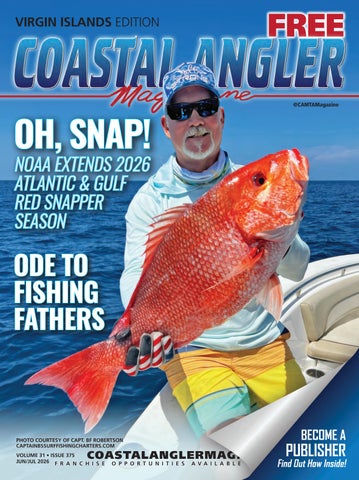
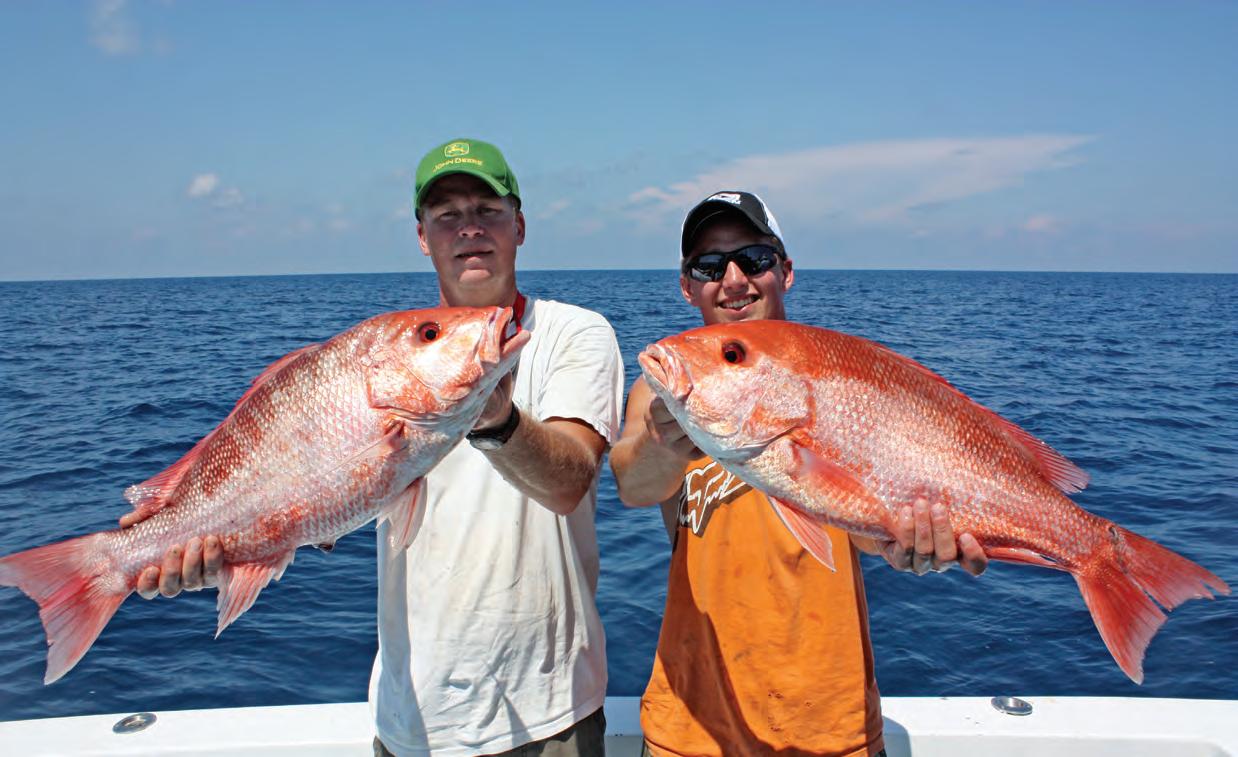
Anglers across the South Atlantic will enjoy a signi cantly longer red snapper season in 2026, thanks to a new management strategy approved by NOAA Fisheries. rough an Exempted Fishing Permit (EFP), individual states are taking the lead on data collection and management, resulting in a dramatic increase in shing days compared to previous federal seasons. Georgia, South Carolina, and North Carolina will have more than two months (62 days) for recreational Atlantic red snapper shing, while Florida will have 39 days split into several windows.
Florida recreational anglers will see the most substantial change, with a season split into summer and fall windows. is expansion aims to reduce regulatory discards— sh that are caught and released but do not survive—by allowing more sh to be kept.
• Summer Window: May 22 – June 20
• Fall Window: October 2–4, 9–11, and 16–18
• Regulations: e daily bag limit is one sh per person. Notably, there is no minimum size limit for Florida under this permit, a move designed to further reduce discard mortality.
Georgia and the Carolinas
North Carolina, South Carolina, and Georgia are also participating in the pilot program, o ering a continuous two-month season for their residents.
• Season Dates: July 1 – August 31, 2026
• Regulations: e bag limit remains one sh per person. Size limits vary by state: South Carolina maintains a 20-inch minimum, while Georgia and North Carolina have no minimum size for this speci c season.
Mandatory Reporting Requirements e success of this pilot program hinges
on accurate data. For the 2026 Atlantic red snapper season, mandatory reporting is a core requirement.
• Florida: Recreational anglers must have a valid saltwater shing license and a (free) State Reef Fish Angler designation. All red snapper landings must be reported via the FWC EFP Reporting app or website - https://app.myfwc.com/crossdoi/ redsnapperreporting/. While passengers may keep their limit on for-hire trips, captains and crew members are prohibited from retaining red snapper on charter or headboat trips.
• Georgia and the Carolinas: Private recreational anglers must use the VESL app or website (https://blue ndata.com/projects/ red-snapper-with-yamaha) to record their red snapper harvest and discard information to participate in the 2026 red snapper season. For-hire operations who qualify must have a current federal permit and record their harvest and discard information through their appropriate reporting program. is shi toward state-led management re ects a growing e ort to balance the health of the red snapper stock with the needs of the recreational shing community. By gathering more precise catch data through these state programs, o&cials hope to create more sustainable and predictable seasons in the years to come.
Red snapper are highly sought a er by anglers because they’re one of the best-tasting sh in the ocean. ese aggressive sh tend to concentrate around reefs, wrecks, and other deep-water structures, which makes for some fun and fast-paced catching when you can nd them.
e 2026 Gulf red snapper recreational shing season features a record-breaking 140day harvest period in Florida state and federal waters. e season spans both summer and fall periods, extending all the way into January, with exact limits and dates varying depending on your location and shing permit.
Florida Private Recreational Gulf Season
Florida anglers enjoy the longest season in state history with a 140-day allowance. Bag limit is 2 sh per person, per day, and you must sign up for a no-cost State Reef Fish Survey.
• Summer Season: Open daily from May 22 through July 31.
• Fall Season: Open daily from September 1 through October 4.
• Weekend Openings: Select weekends continue through the rest of the year:
» ree-day weekends in October (Oct. 9-11, 16-18, 23-25, 30-Nov. 1)
» Two-day weekends in November (Nov. 7-8, 14-15, 21-22)
» anksgiving weekend (Nov. 26-29)
» Two-day weekends in December (Dec. 5-6, 12-13, 19-20).
» Christmas weekend (Dec. 25-27) and New Year’s (Jan. 1-4).
Federal For-Hire Gulf Season
For federally-permitted charter/for-hire vessels, the federal waters season in the Gulf of America runs for 147 days and is open June 1 through October 26. Limit of 2 sh per person, per day.
Other Gulf States Regulations and dates vary outside of Florida:
• Louisiana: e season opened on May 1 for private anglers and for-hire charters (state waters), open 7 days a week until quotas are met. e bag limit is 4 sh.
• Alabama: e season opened on May 22, running 7 days a week until the quota is reached.
• Texas: State waters are open year-round.
Always check with your state’s shing and wildlife agency for the most up-to-date rules and regulations.
the sh bite, and sometimes they don’t. Learning to accept both outcomes gracefully is a lesson many adults still struggle to master.
ey also teach resilience. Every angler loses sh. Hooks snag. Weather changes. Boats break down. Yet shermen keep going. Children who grow up shing learn early that frustration is temporary and persistence o en pays o

By Chatwick G. Peterson III
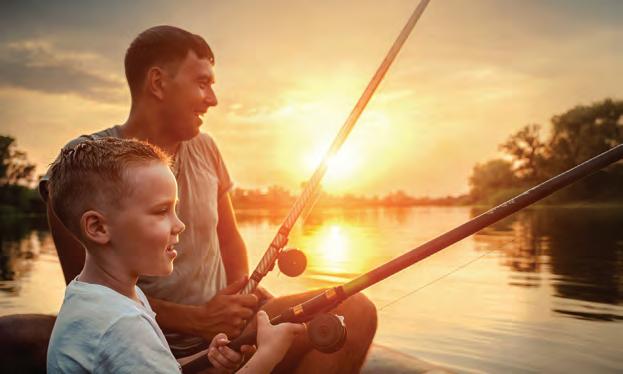
here’s something timeless about a father teaching a child to sh. Long before the rst cast is made or the rst sh is landed, something deeper is already taking place on the shoreline, in the boat, or along the quiet bend of a creek. Fishing becomes more than a hobby—it becomes a bridge between generations.
For many fathers, shing is one of the rst ways they learn to teach patience, con dence, and respect for the outdoors. It starts with simple things: showing a child how to hold a rod, how to bait a hook, or why you move quietly near the water. ose lessons may seem small in the moment, but they o en become memories that last a lifetime.
A child rarely remembers every sh they catch. What they remember is who was standing beside them. ey remember early mornings wrapped in hoodies while the world was still waking up. ey remember snacks in the tackle box, tangled lines that somehow got xed, and the excitement in their father’s voice when a bobber nally disappeared beneath the surface. ey remember the encouragement a er losing a sh and the celebration a er catching even the smallest bluegill.
Fishing fathers teach far more than technique. ey teach patience in a world that moves too fast. Fishing forces children to slow down, observe, and appreciate the moment. ere are no instant rewards on the water. Sometimes


Perhaps most importantly, fathers who sh with their children create space for conversation. Some of the best talks happen when there’s no pressure to talk at all. Sitting side by side in a boat or along a bank has a way of opening doors. Kids ask questions. Fathers share stories. Life slows down enough for real connection to happen naturally.
In today’s world, where screens compete for nearly every waking moment, teaching a child to sh may be more important than ever. Fishing pulls kids outdoors and reconnects them with nature. ey learn where food comes from, how ecosystems work, and why conservation matters. ey begin to understand that lakes, rivers, and oceans are not just places for recreation, but resources that deserve protection.
A father teaching a child to release a sh carefully may also be teaching stewardship without ever using the word.
Not every shing father is perfect. Some are patient teachers while others struggle to untangle knots without frustration. Some own expensive boats while others sh from muddy banks with secondhand rods. But none of that truly matters to a child. What matters is presence. Time is the real gi
Years later, long a er tackle boxes rust and rods are replaced, many sons and daughters discover that shing was never really about the sh at all. It was about learning who their father was. It was about shared silence, laughter, stories, and traditions passed down one cast at a time.
And eventually, something remarkable happens: the child grows up and begins teaching another child how to sh. e knot may be tied di erently. e tackle may change. e old family hotspots may even disappear. But the tradition continues. One generation passes something meaningful to the next—not just a skill, but a way of life.
Fishing fathers help shape patient, observant, and connected children. ey teach kids to appreciate nature, value time, and understand that some of life’s greatest moments happen far away from crowds and noti cations.
In the end, the greatest catch a father ever makes may not be the sh on the line, but the bond built beside the water.


TIM BAREFOOT

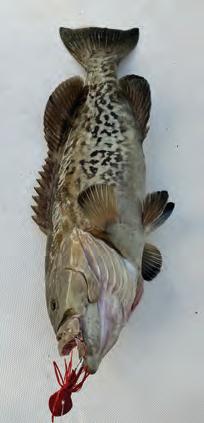
June will begin the widespread warm water, instead of just pockets like in spring. Starting now you can catch tuna, wahoo and dolphin anywhere in that 70+ degree water. From now through October, I would put an emphasis on securing big, hardy live baits for the light line. If nothing else, jig up some small snappers wherever you are bottom shing and keep one underneath a oat or under the kite, along with one without a oat that can get some depth. Of course, I like to nd bait to sh around, not just bait on the surface. Don’t hesitate to get these light line baits deeper in the water column. at 75- to 100-foot depth is notorious for wahoo, as well as yellow n tuna during the middle of the day when the sun is high.
I would suggest spending some time posted up on top of a big stack of bait and dedicating at least one person to jigging up dozens of live cigs and sardines. is is the ultimate bait for either the light line or on the bottom. If you put a lot of cigar minnows or sardines on the decoy jig, its life expectancy is under ve seconds on the bottom, but just getting it to the bottom sometimes can be a challenge. We never leave the dock without a couple boxes of frozen cigar minnows and live pin sh this time of year, but nothing, in my humble opinion, is any better than a live cigar or sardine on the jig.
later.
e summer solstice will be June 20—the longest day of the year. It will be daylight right a er 5 a.m. and sh are just like us. ey like to eat breakfast and dinner, so go early. Be there for the daylight bite or stay late and, if you feel froggy, spend the night. ere is nothing like that night bite under the lights. It is a “National Geographic moment” at night under the lights. You see everything. Be sure to dip up some squid for the daylight bite or put them back down at night. Squid will de nitely come to the lights and are easy to catch, but beware—they will bite you and spew very black ink. is is a great time of year to take the kids. You could have big, high-pressure cells that will keep the seas at for days and they will be amazed to see all the life under the lights at night. But dress your kids properly and teach him how to harvest sh and take care of the sh you want to release. Take plenty of videos because they will never want to forget these trips.
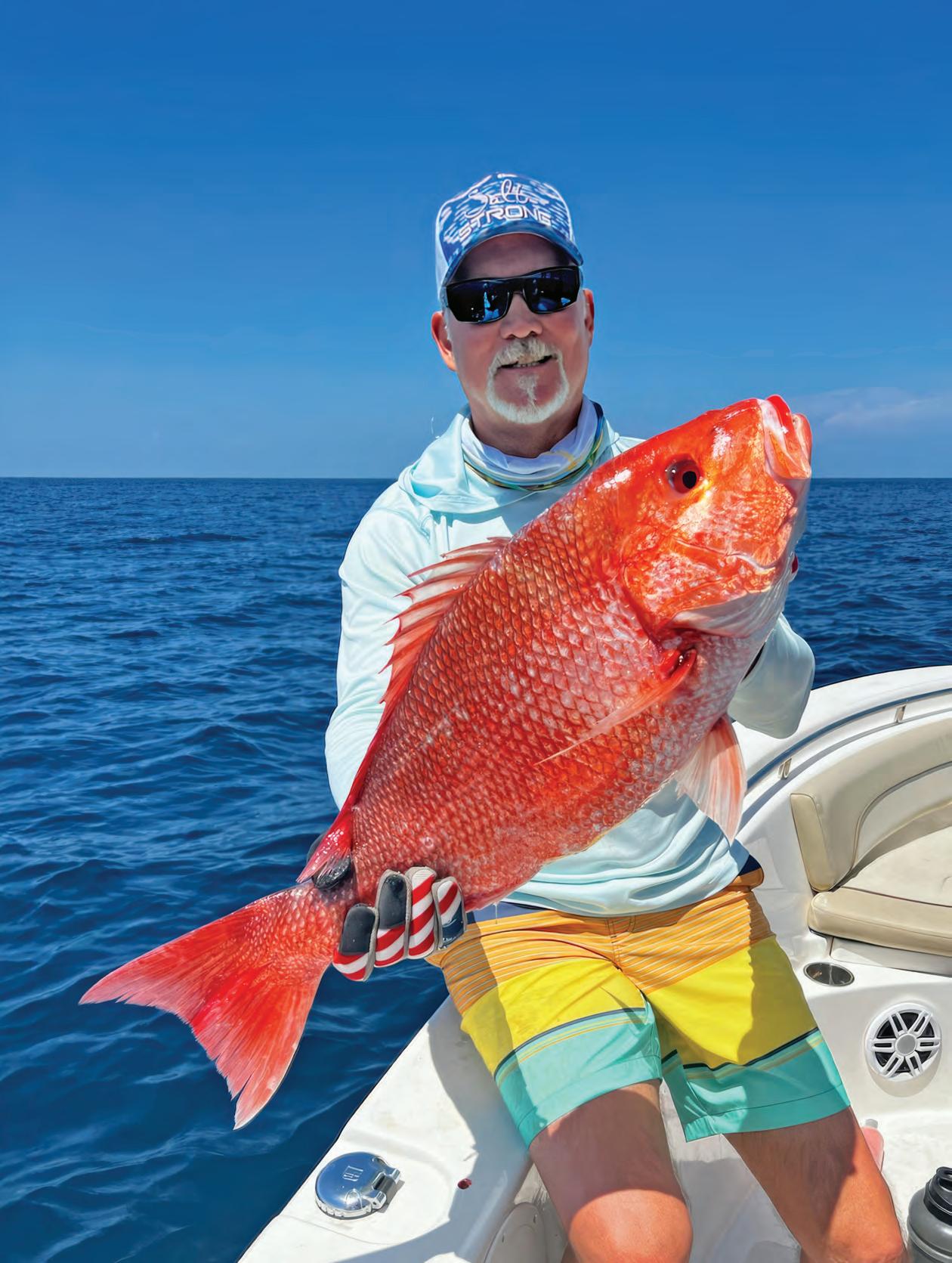
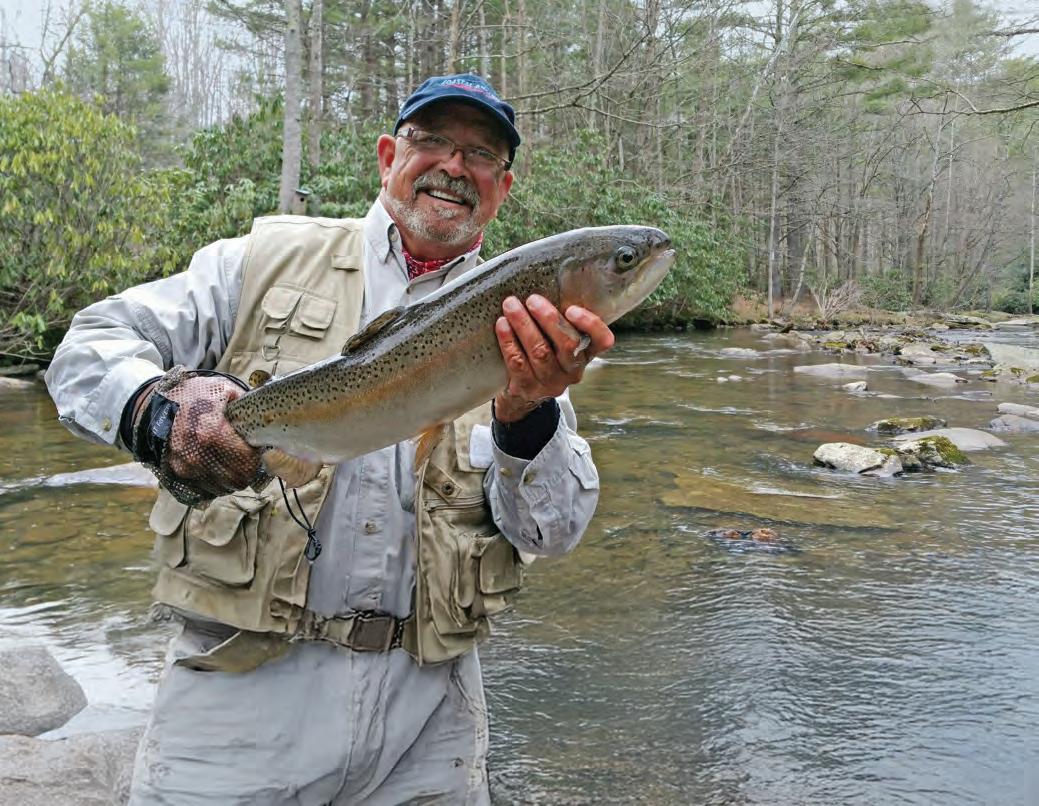
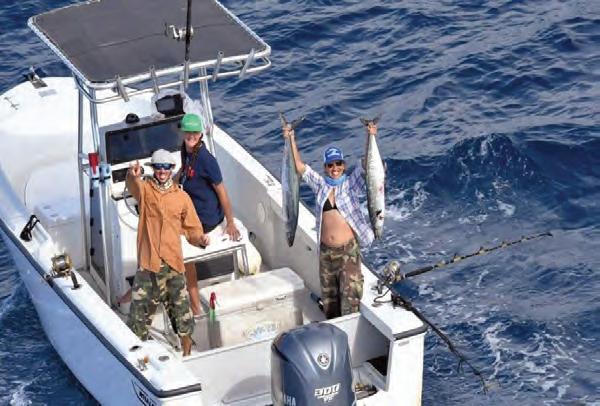
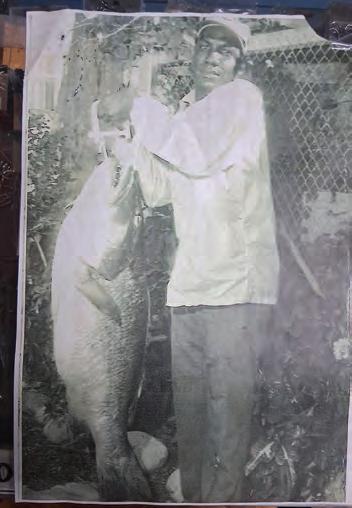
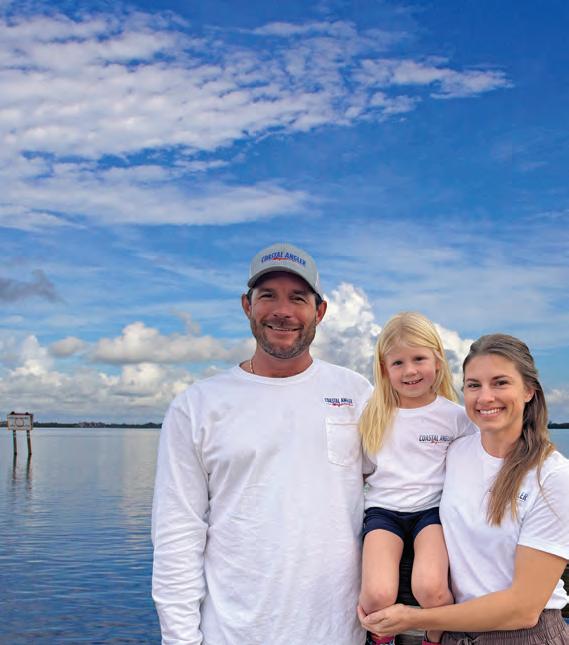
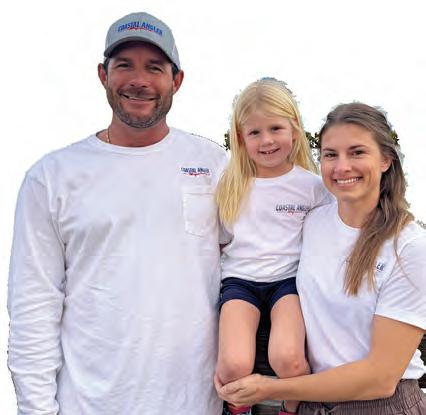
Calm seas and tight lines, Ben Martin. We’ll sh together again someday...
Visit barefootcatsandtackle.com for more tips and techniques.

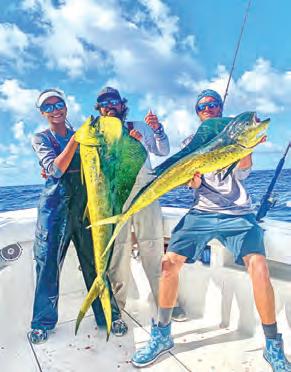
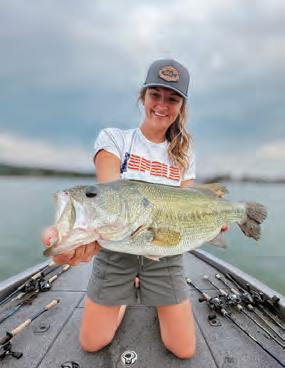




When the water starts warming and o shore schools of bass begin grouping up on ledges, hard spots, and deep structure, few techniques can trigger giant bites like a deep-diving crankbait. For Joey Bloom, deep cranking is one of the best ways to locate aggressive sh and force reaction strikes from bass that might ignore slower presentations.
“Deep cranking is all about triggering sh,” Bloom explained. “You’re covering water fast, crashing the bait into structure or bottom, and forcing those big bass to react.”
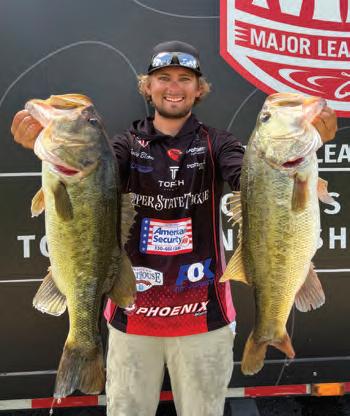
One reason the technique is so productive is the amount of water it covers. Deep-diving crankbaits allow anglers to e&ciently sh o shore structure in the 10- to 25-foot range while maintaining constant bottom contact. Bass o en position around underwater points, shell beds, creek channel bends, submerged roadbeds, rock piles, and ledges where bait sh collect. By making long casts and grinding a crankbait through those highpercentage areas, anglers can quickly locate active schools.
According to Bloom, some of the best locations to target are hardbottom transitions where so bottom changes to hard, rock changes to clay or gravel, o shore humps near creek channels, and isolated structure that sits away from heavy shing pressure.
“Anytime you nd current, bait, and hard structure together, you’ve got the ingredients for giant bass,” Bloom said. “ e biggest thing is making repeated casts from di erent angles until you contact the sweet spot.”
A deep crankbait becomes even more e ective when it continuously de ects o cover. e sudden change in direction mimics injured bait sh and o en causes bass to strike out of instinct. Many anglers believe those violent reaction bites are what separates deep cranking from nesse shing.
Having the proper gear is critical for shing oversized crankbaits all day. Bloom prefers a longer rod in the 7-foot-6 to 7-foot-9 range with a moderate action. e so er parabolic bend helps absorb the surge of big bass while keeping treble hooks pinned during long ghts. Longer rods also increase casting distance, which helps the bait reach maximum depth and stay in the strike zone longer.
When it comes to reels, Bloom relies on slower gear ratios in the 5:1 or 6:3:1 range. Deep-diving crankbaits create tremendous resistance in the water, and lower gear ratio reels provide the torque needed to grind those baits e&ciently without exhausting the angler.
Pairing that setup with 10- to 12-pound uorocarbon line helps maximize diving depth while maintaining sensitivity. Bloom believes the combination of the right rod, reel, and line can be the di erence between occasionally catching sh and consistently landing giant o shore bass.
“When that crankbait starts digging and bouncing o the bottom, you know it’s any moment that a giant bass is going to eat it,” Bloom said. “ at next cast could be the biggest bass of your life.”
You can !nd all your tackle needs at Copper State Tackle and use BLOOM10 for your checkout discount!
www.copperstatetackle.com

Suzuki Marine has partnered with Fuel 1 to provide an opportunity for its dealer network to o er certi ed Sustainable Marine Fuels to its customers right from their facilities. By teaming up with Fuel 1 — a national retailer of advanced fuel delivery and portable fueling systems — Suzuki Marine is helping its dealers better serve their communities by meeting an important consumer need, maximizing the performance and reliability of their customer’s boats, and supporting sustainability goals important to Suzuki Marine and the entire recreational boating industry.
Working with Fuel 1 provides Suzuki Marine dealers with important advantages, such as the ability to deploy a fully supported fueling ecosystem with zero capital investment. Fuel 1 will provide free Micro-Station Deployment; fully branded portable fueling stations installed at participating dealer locations. In addition to direct fueling solutions, portable distribution systems including 20-gallon exchange pods and tote programs make it easy for customers to fuel their boats with PurFuels’ 93-octane, ethanol-free fuel that has been developed speci cally for marine operating conditions.
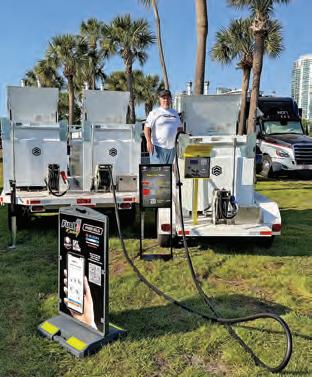
“Making sustainable marine fuels more accessible in di erent areas of the country is a great win for our dealers and customers alike,” said Brandon Cerka, Suzuki Marine Vice President Sales & Marketing. “ is partnership is also a major step in Suzuki Marine’s ongoing e ort to reduce the environmental footprint of boating. We have long supported the industry’s e orts to educate the boating public about these cleaner burning, more sustainable fuels. Now, we are stepping up to the plate to help get this fuel to more boaters, using their trusted Suzuki Marine dealers as the source,” added Cerka.
e program also makes strong business sense for dealers. A revenue sharing model will provide dealers with solid pro ts and recurring income. Fuel 1 will manage all compliance, liability, inventory, refueling and pointof-sale systems, making it easy for dealers to provide this valuable service to both loyal and new customers. Fuel 1 provides unmatched business and marketing support, including national marketing campaigns to drive customers to the dealership, dealer spotlighting across Fuel 1 Direct and partner platforms, invitations to participate in Fuel 1’s national sponsorships and marine events, and customer aggregation tools to help position dealerships as a preferred destination for premium marine fuel.
“We have used these fuels exclusively at our Suzuki Marine U.S. Technical Center during engine testing, durability trials, and performance benchmarking. Over years of testing, we have proven that these fuels help Suzuki Marine’s products run at peak performance, e&ciency, and durability in real-world conditions. We have every con dence in these fuels and are pleased to be o ering them to our customers,” added Cerka.
To learn more about the key bene!ts of PurFuels sustainable marine fuel, visit www.fuel1direct.com




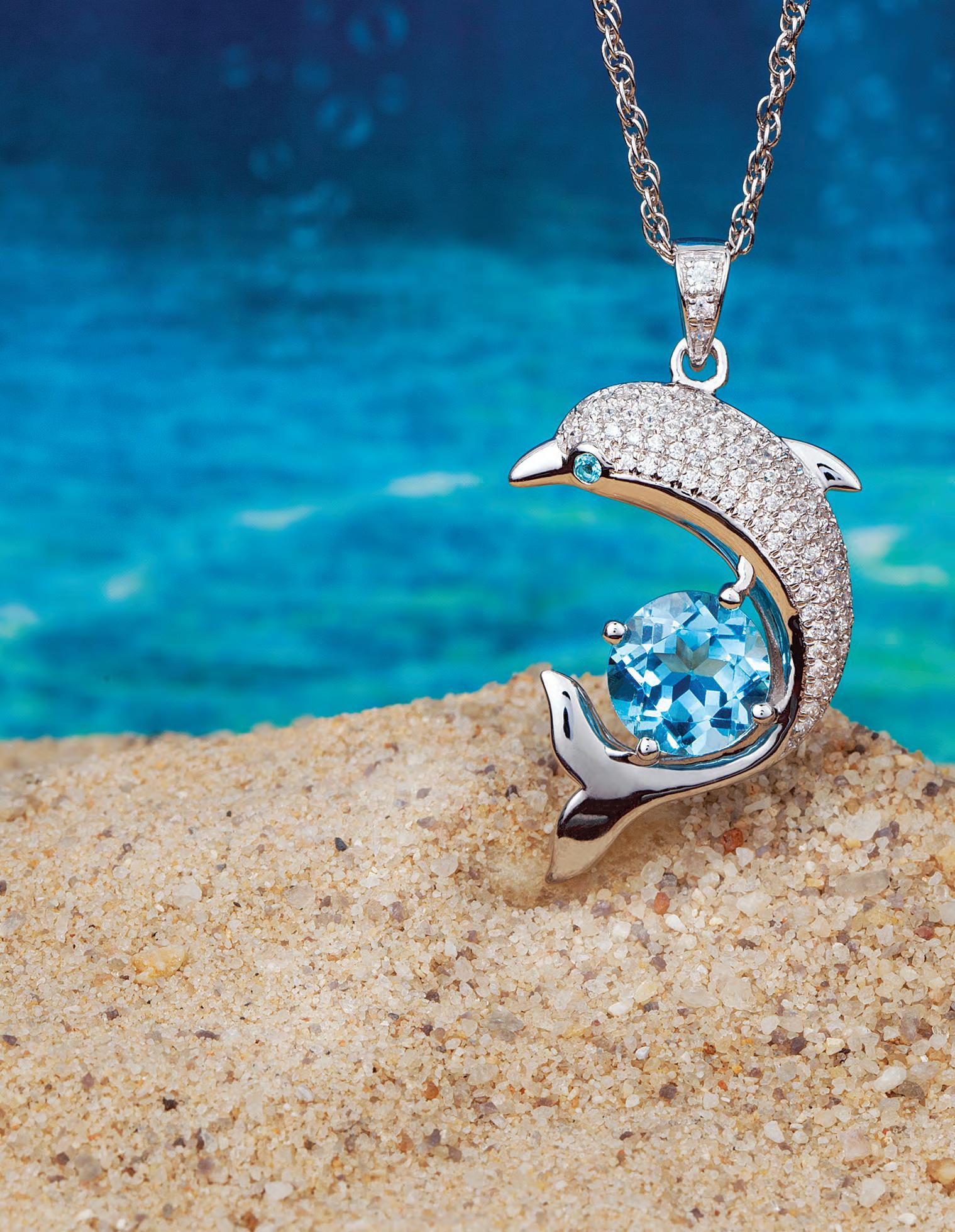
Here’s a memorable beach moment: You’re basking in the warm sun, toes in the sand, letting the gentle turn of the foam-capped waves lull you into a state of complete relaxation. As your eyes scan the endless horizon of blue on blue, you’re rewarded with the site of a school of dolphins making their way across the sea. There’s no denying their signature shape as they leap from the water. If you don’t see anything else extraordinary the rest of the day, you can take solace knowing you’ve witnessed some of nature’s most playful and intelligent creatures in their natural habitat.
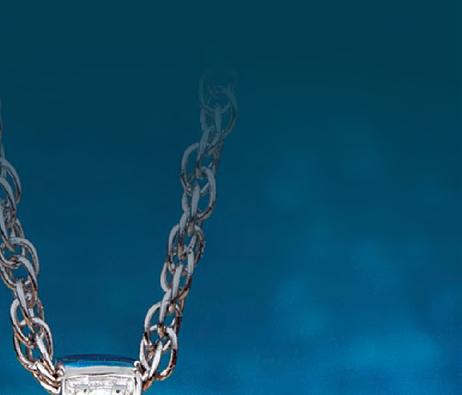
Why not recreate that special toes-in-the-sand moment with our DiamondAura® Dolphin Pendant? The beloved sea mammal has been captured mid-jump in a rhodium-finished setting. And tucked into its fins are a full two carats of shimmering blue DiamondAura.
Nothing captures the shimmering color of the ocean in the midday sun like blue DiamondAura. With its sparkling clear blue color and high refractive index, DiamondAura is one of our top sellers. And with our special price, you have quite the catch. Satisfaction guaranteed or your money back. Enjoy the DiamondAura Dolphin Pendant for 30 days. If it doesn’t pass the test swimmingly, send it back for a full refund of the item price.
Limited Reserves. A full 2 2/5 total carats of DiamondAura in a rhodium finished setting for this price is as rare as a dolphin sighting. We cannot guarantee availability for long. Call today!


Limited to the first 1900