




















TZT16X | 22X | 24X 24X


































TZT10X | 13X





TZT9E | 13E























space 9"
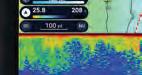
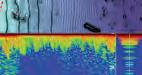
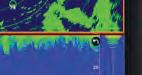
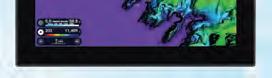
When helm space is at a premium, the 9" and 13" TZtouchE MFDs give you maximum screen area to view their eye-popping TZ MAPS charts and builtin TruEcho CHIRP™ Fish Finder with Side-Scan.



Plus, TZtouchE is fully networkable with the TZtouchXL family of 10", 13", 16", 22", & 24" MFDs and a wide range of best-in-class sensors – legendary Furuno Radars, Sonars, Fish Finders, Autopilots, and more.
Furuno... The reason to level up your helm!




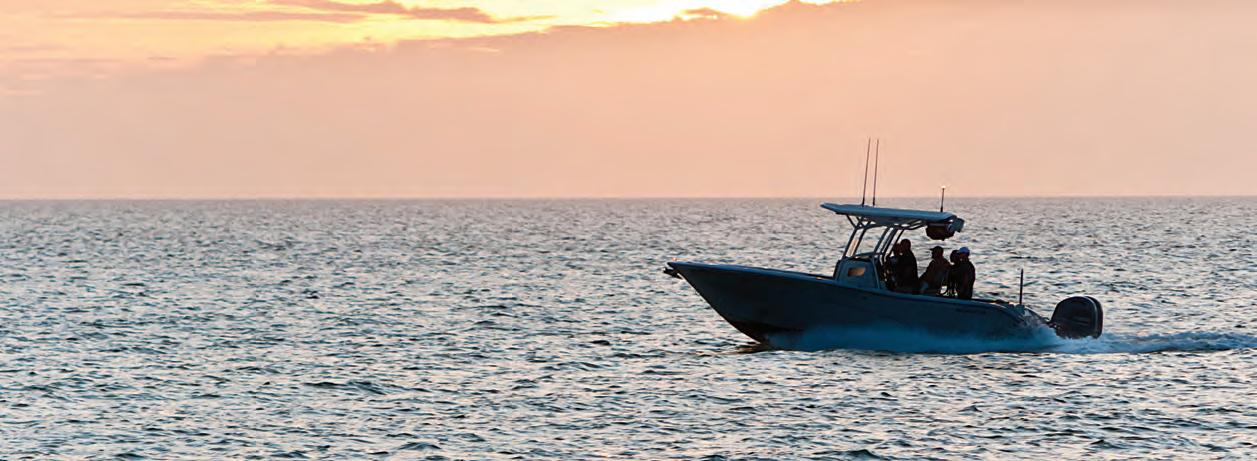
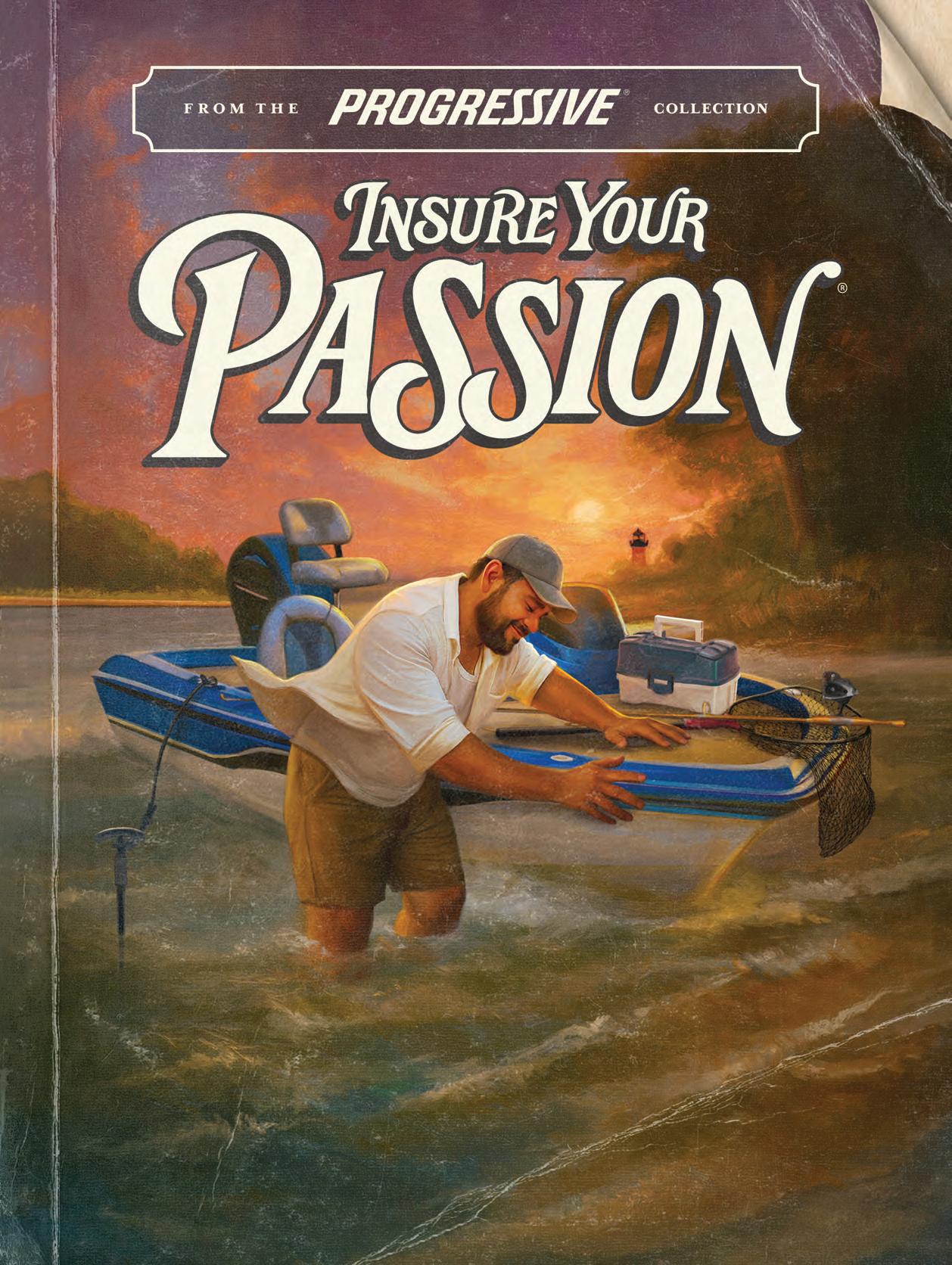
Are you ready to embark on your next on-water adventure? Before you set sail, here are fve things to know about boat insurance.
1. Boat insurance isn’t just for accidents
With comprehensive coverage, you’ll also be protected fnancially for theft, vandalism, and unexpected events like storms if you need repairs or replacements due to damage.
2. Accidents can happen to anyone
When accidents happen, boat insurance offers liability coverage for damages or injuries you cause while boating, up to specifed limits. It can also cover lawsuit costs if you’re sued.
3. Boat insurance can cover medical payments
Boat insurance offers a range of optional medical payments coverage limits, helping to cover medical expenses if you’re in an accident or someone is hurt on your boat, regardless of fault.
4. Most lenders require boat insurance
If you fnanced your boat, you’ll likely need boat insurance since most lenders require boat insurance to protect their investment. Additionally, some marinas or municipalities require proof of insurance for docking.
5. Progressive offers specialized boat coverages
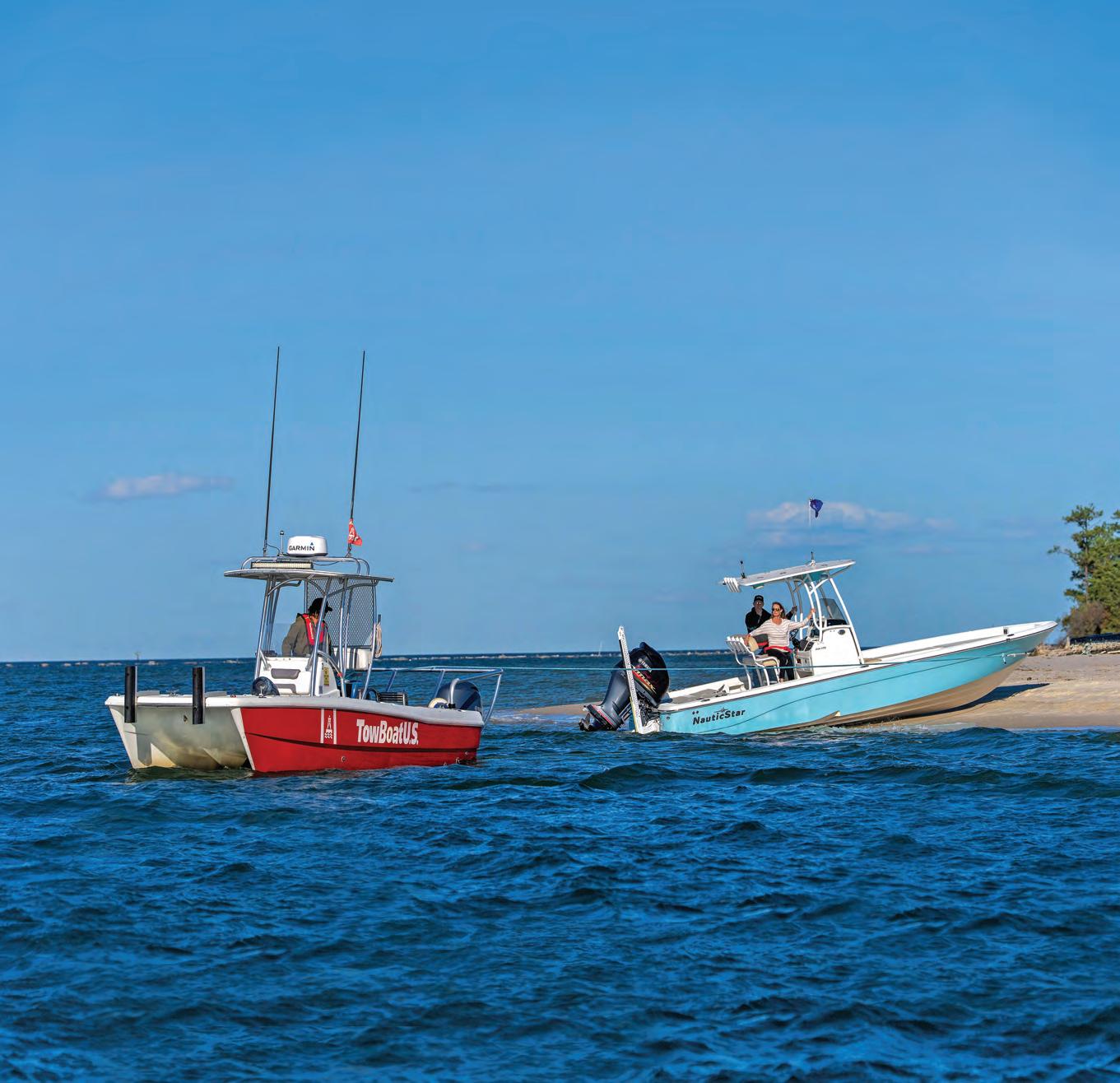
Ever worry about getting stuck on the water?
Progressive’s Sign & Glide® On-Water Towing coverage** can help. It’s an additional coverage that steps in if your boat is disabled or breaks down on the water, paying for on-water towing, jump starts, soft ungroundings, and fuel delivery. Fuel cost isn’t included.
Don’t let unforeseen circumstances disrupt your voyage. Cruise with confdence thanks to Progressive Boat insurance. Because when it comes to your boat, peace of mind is the ultimate luxury.
Scan to get a quote in as little as 4 minutes.
to learn more.












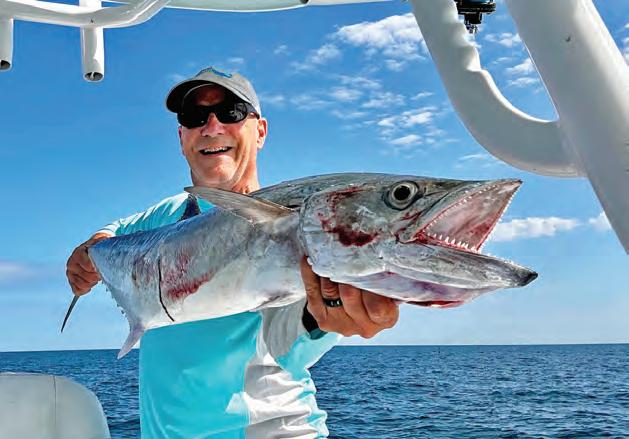



By Will Schmidt
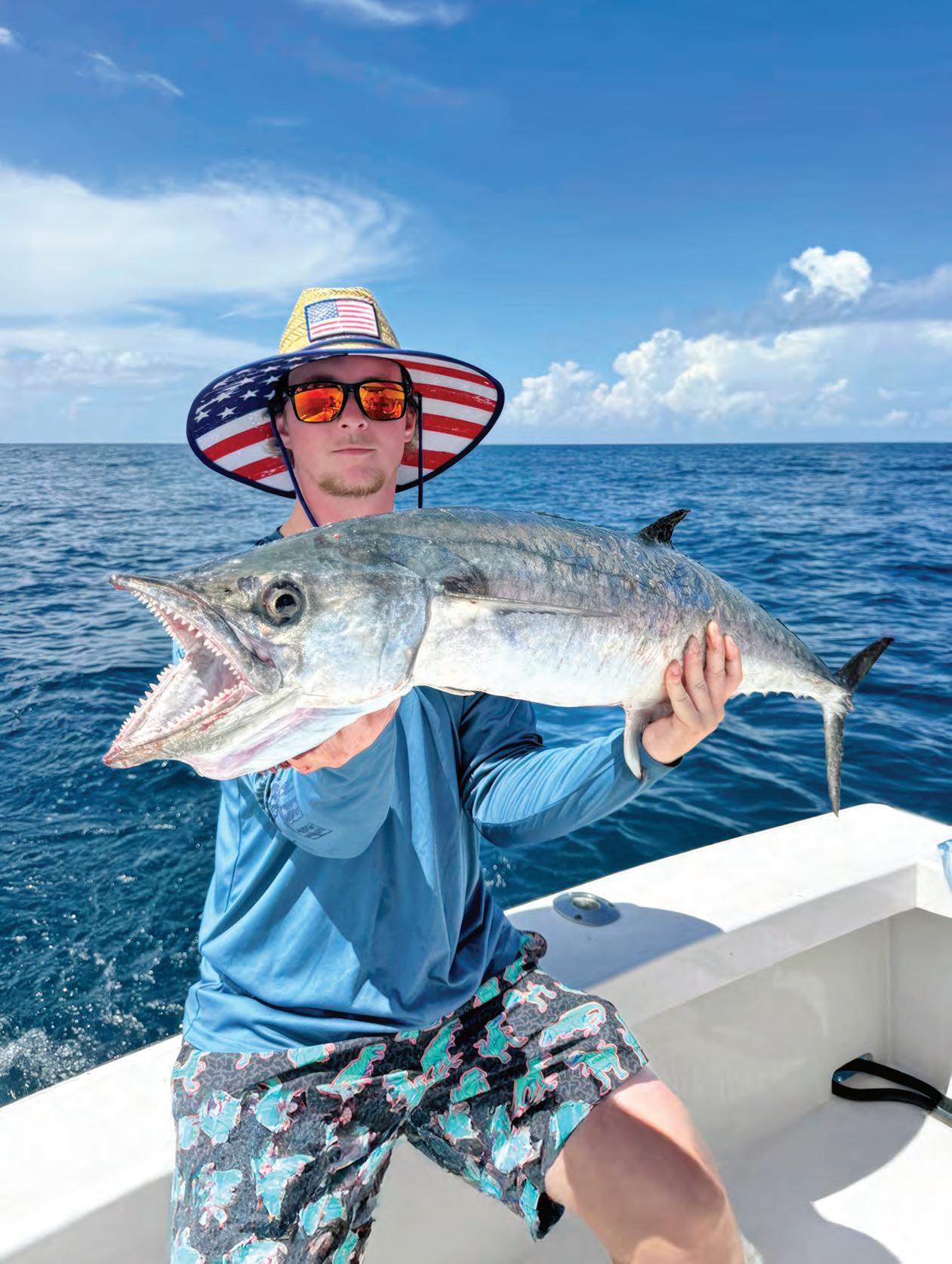
Nothing quite gets your heart rate up like the sound of drag screaming as a king rips line from the reel. Maybe it’s so exciting because for many, king!sh !shing can be slow, especially when targeting big !sh. e good news is there are some tournament proven techniques that can really help.
Perhaps the most well know tactic to bring kings to you is chumming. ere are several forms. Cutting up chunks of thread!ns and tossing them into the current is certainly a tried-and-true method. is is a great method especially if you are anchored. e challenge here is getting enough bait to keep the ow going. Another option we use in tournament !shing is a constant drip of menhaden oil. Using a bag like an IV bag you can set have a slow drip continually putting scent in the water as you troll. It’s great for covering ground and still helps to bring !sh to you at the same time. Unfortunately, menhaden oil has become a bit pricey.
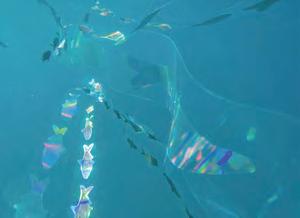
ese techniques work great, but on tournament days I believe there is so much scent in the water that they become less e$ective. So, now my new go to is to add an extra sensory stimulation in the form of eye candy. Speci!cally, a Fish Razr mylar dredge. Made of re ective strips that look like a school of bait, they shine like an underwater disco ball. Plus are easy to use and reusable so they are cost e$ective. Simply attach them to a kite rod or cleat and toss them over the side. I’ve literally had !sh in my spread within seconds of deploying the dredge.
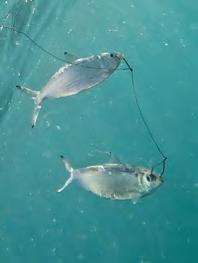
For baits I do prefer big blue runners, but sometimes they can be hard to come by. A good trick when big baits are sparse is to double up smaller baits, like sardines or thread!ns. I use two hooks wired about 5 inches apart with a stinger o$ the second to create a larger pro!le o$ering. I believe the added ash of multiple baits helps as well.
For tackle I like 20 to 30 pound trolling gear like a Shimano Terez medium action rod with Talica A 16. For years we went very light on our tackle thinking that kings had so mouths and needed to be babied. While they are somewhat more delicate, a big !sh is tough and you still need gear that can do the trick. is setup has a light enough tip and silky smooth drag to help absorb the initial hit but plenty of backbone to battle a hardier smoker king. A mono top shot also helps with that opening blow.
For me the key to king!sh !shing is to combine looking for them while also having them look for me. Adding the dredge to my spread is a real gamechanger.
Will Schmidt is a seasoned tournament angler who has been writing about shing for more than two decades. Follow Will on Instagram @saltynstrong.

By A. deGruchy
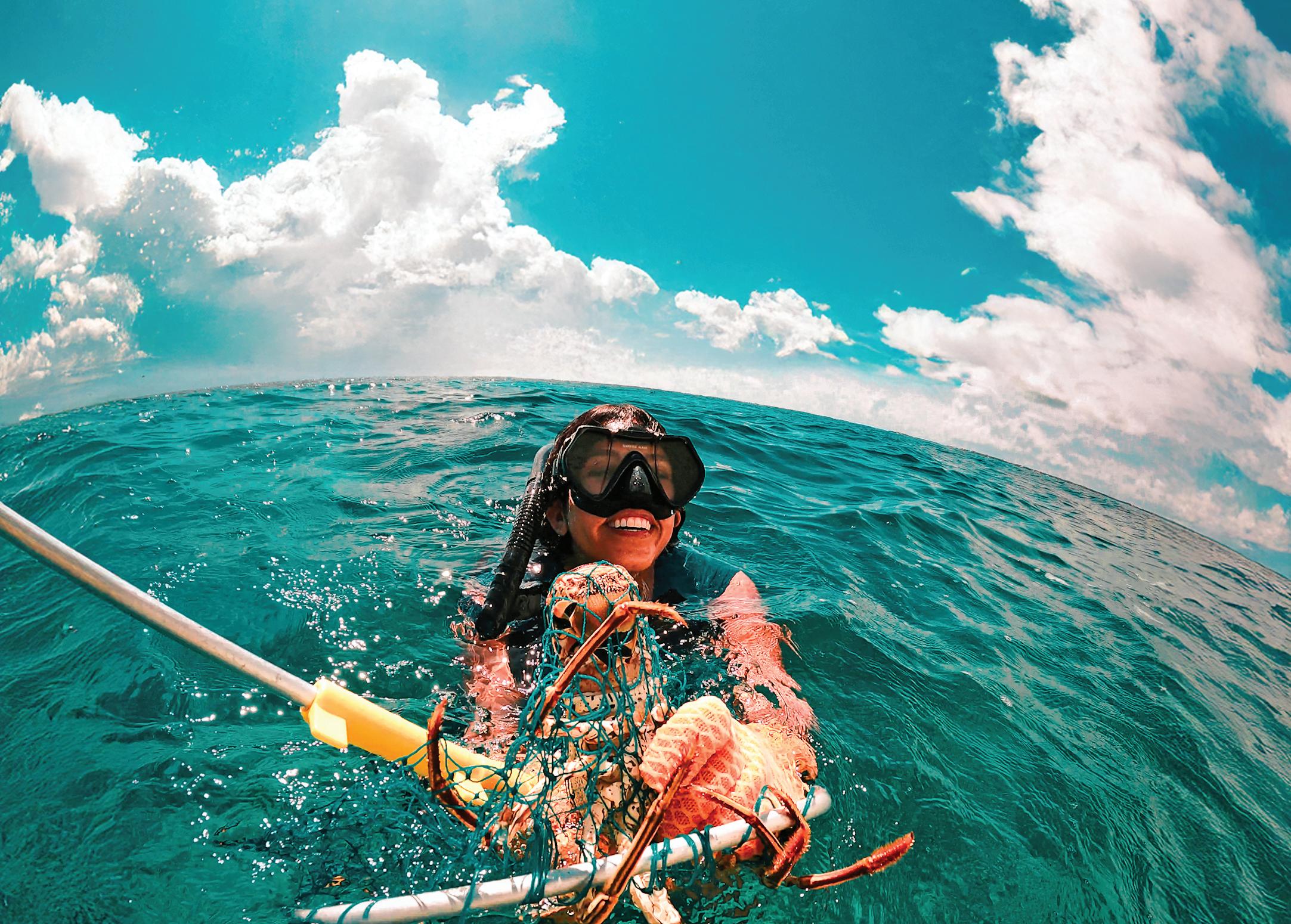
Every July, the Keys go a little wild for two days. !e spiny lobster sport season, or “mini season,” always hits the last Wednesday and !ursday of the month, so in 2026 that’s July 29 and 30. It’s your two-day jump on the regular season before it opens August 6, and trust me, the water gets packed. Know the rules before you launch and you’ll have a blast instead of a ticket.
First, the boring but unskippable part: paperwork. For 2026, non-residents can only
grab a short-term license in person at a Monroe County Tax Collector o ce, and they’re closed weekends. Gear-wise, keep it simple: tickle stick, net, gloves, and a gauge. No spears, hooks, or traps down here. Measure every bug in the water (carapace bigger than three inches), leave the tail on until you’re back on land, and toss back any female carrying eggs.
person, per day, the whole day. !at’s half what the rest of Florida gets, and don’t try to be sneaky about it. You can’t grab your six, run ‘em to the dock, and head back out for round two. !at’s “doubledipping” which is illegal, and the #nes aren’t fun. Six means six.
If traveling to the Keys for mini lobster season, respect the locals. Remember, the Keys are home to a lot of folks and one of the most fragile reefs anywhere, so a lot of the “be cool” stu$ is also straight-up the law. Give people their space, too.
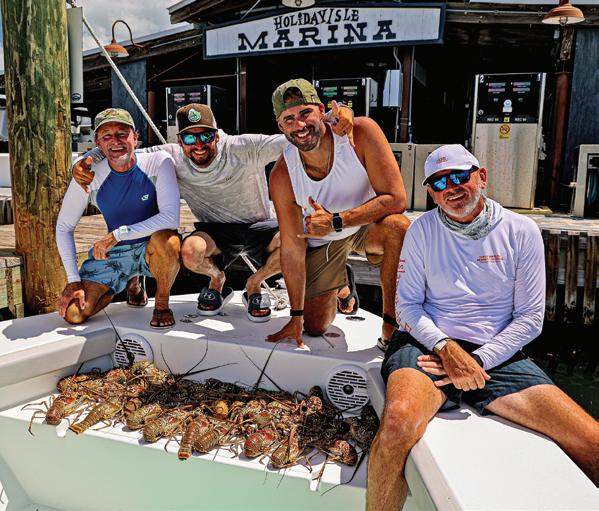
Heads up on the 300-foot rule during mini season: basically the whole Keys is o$-limits nearshore. You can’t dive or snorkel within 300 feet of anyone’s house, dock, canal or marina. And don’t mix it up with the no-night-diving rule, that’s a separate mini season thing, so plan on daylight only. Fly your dive ag, idle down when you’re within 300 feet of one, and grab a buddy because the water’s a zoo. Don’t touch, stand on, or anchor on the coral, steer clear of no-take zones like John Pennekamp and the Dry Tortugas, and never mess with someone’s trap, that one’s a felony.
Bottom line: carry your license, measure in the water, keep it to six and whole, and dive in daylight. Check MyFWC.com for the full rundown before you head out, and have fun out there.
!e biggie is the bag limit: six lobsters per
Follow all of deGruchy’s adventures at @bean_sport!shing on Instagram and YouTube.


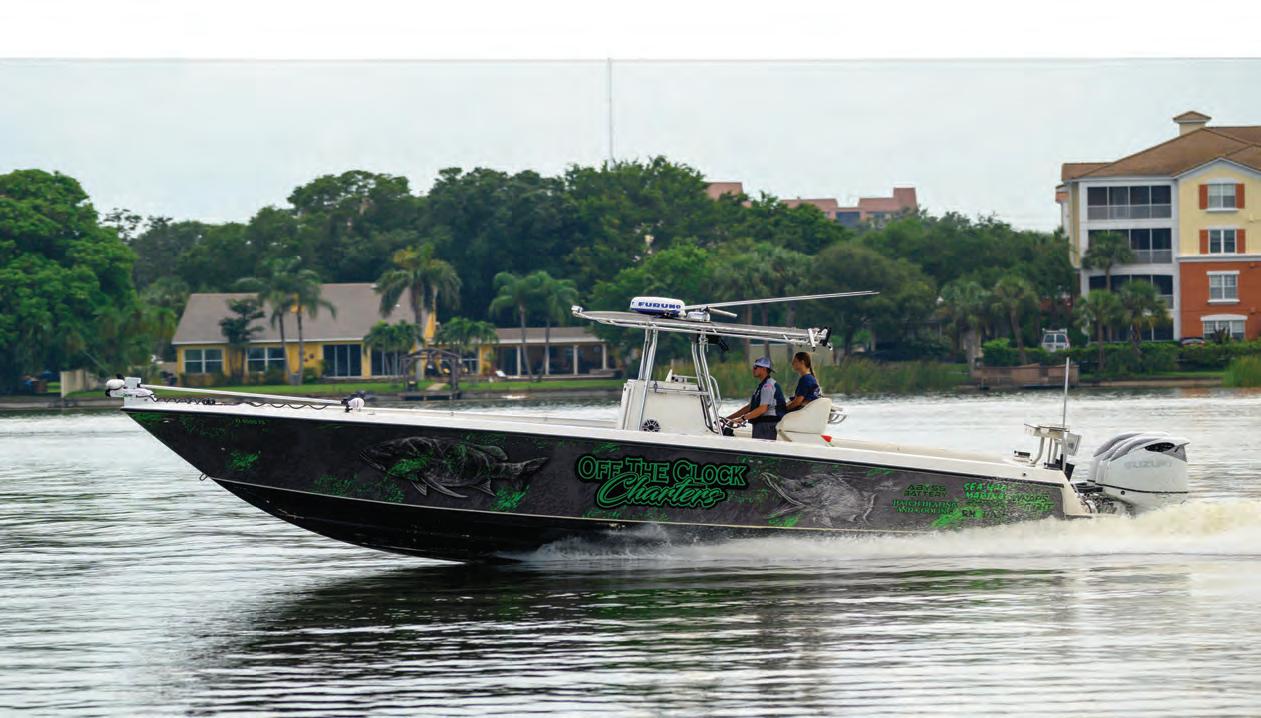
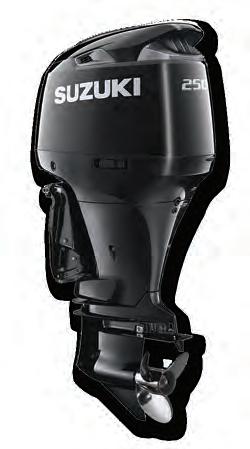
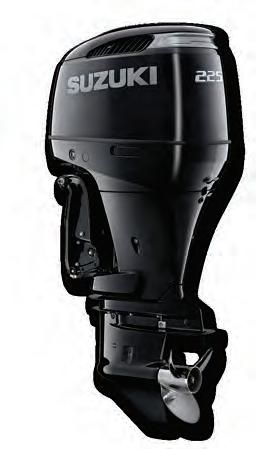
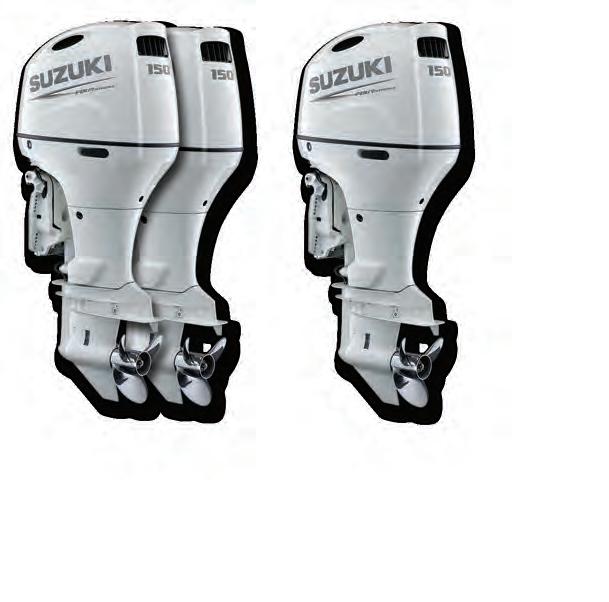
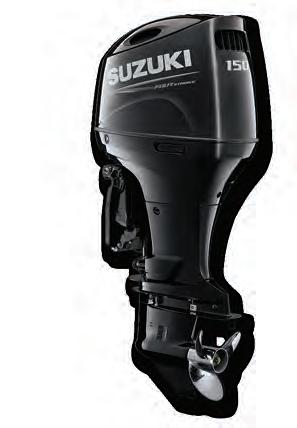
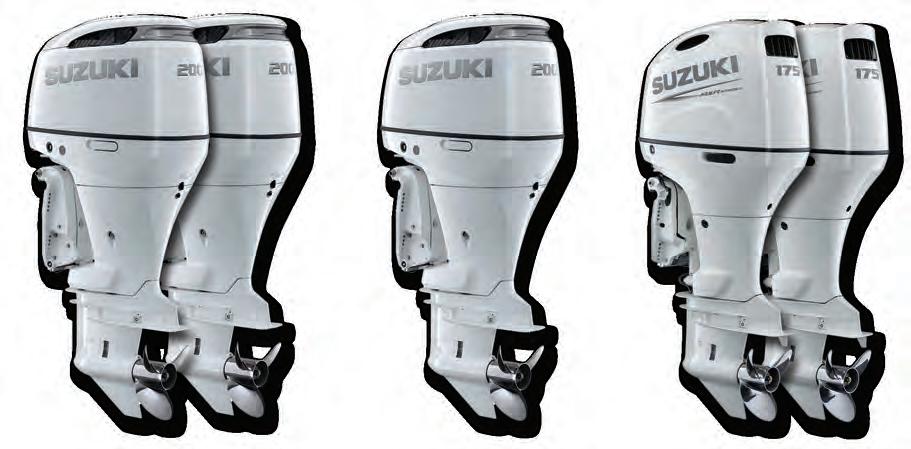
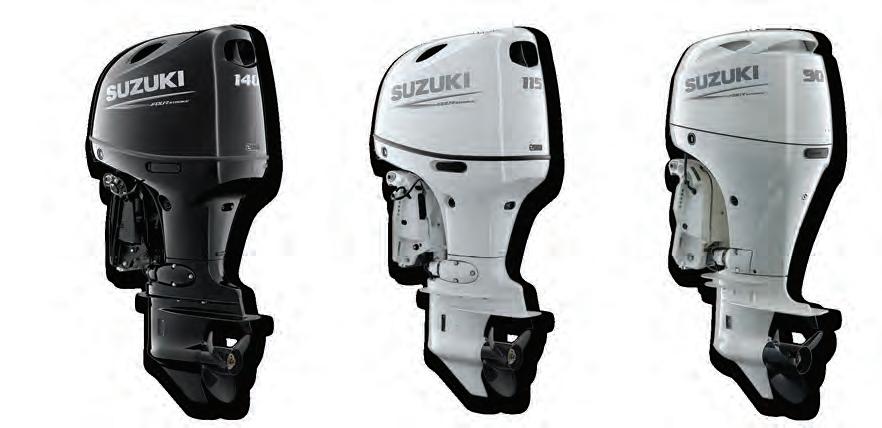
Mastry Engine Center has received the Suzuki Marine Super Service Award and has been ranked #1 in Suzuki Marine US Sales! 60 YEARS OF REPOWER EXPERIENCE!

RePower Packages designed to best ft your needs and not stretch your budget. Financing available.

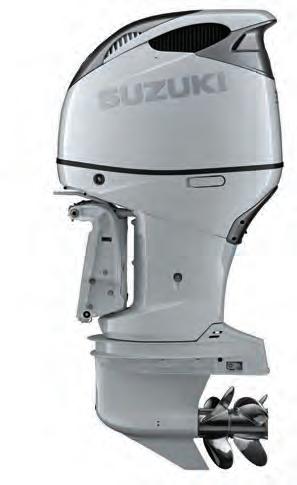
Rest assured, all Mastry Suzuki RePowers are backed by Suzuki’s industry leading 5-year factory warranty.

Stationed strategically around the East Coast, all Suzuki RePower Centers have achieved the highest level of Suzuki certifcations to meet and exceed your repower needs.
Stationed strategically around the East Coast, all Centers the highest level meet and exceed your repower needs.
When Considering A Repower, Consider These Factors:
•Every Authorized Mastry Suzuki RePower Center has decades of repower experience providing proper rigging, controls, propeller matching and in water testing
•With a Mastry Suzuki RePower, owners gain improved performance, less noise and greater reliability
•Mastry Suzuki RePower’s exclusive Owner’s Edge Program*
•Mastry Suzuki RePower Centers use authentic Suzuki OEM parts and have factory certifed technicians

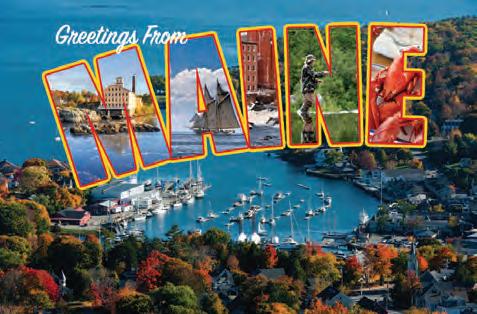
Since 2014, Mastry Engine Center, has been building the premiere Suzuki Outboard repower network in Florida. Today, Authorized Mastry Suzuki Outboard Centers have been exceeding expectaions in the Southeast for over two decades. Recently Suzuki Marine requested Mastry Engine Center to expand the network throughout the Northeast. Now boat owners from Maine to Florida can be assured of the best support for their Suzuki outboard repower project. All Authorized Mastry Suzuki RePower Centers provide the best options, information and package pricing for excellent performance in repower.


with the Program!
When you purchase a new Suzuki outboard from an authorized Mastry RePower Center you qualify to become a member of the Mastry Suzuki Owner’s Edge. Owners receive an identifcation card that provides them with important information about their Suzuki outboard motor as well as a passport to additional benefts during ownership. Members enjoy a detailed engine maintenance schedule, Mastry Suzuki RePower Trade Program and special pricing from Mastry Suzuki Partners
By SlabFix
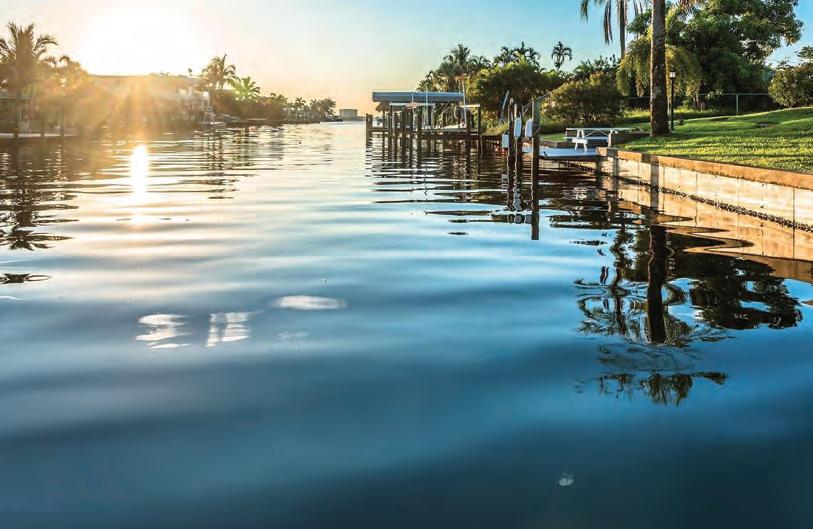
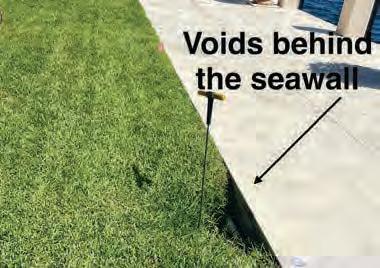
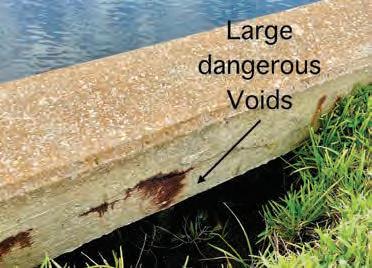
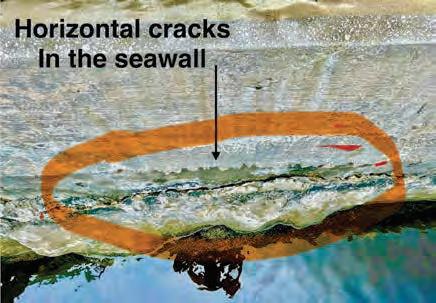
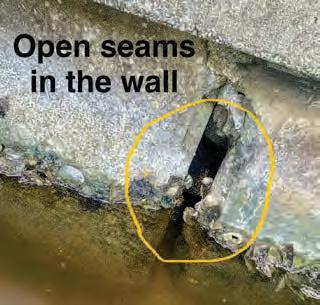
Seawalls are the unsung heroes of coastal and waterfront properties. Day in and day out, these structures endure the relentless punishing forces of tides, currents, and storms. Yet, because much of their critical infrastructure remains hidden beneath the water or buried under the soil, seawall deterioration o!en goes unnoticed until disaster strikes. When a seawall begins to fail, the integrity of the entire property is compromised. Resolving this high-stakes issue requires more than just a quick cosmetic patch; it demands specialized engineering, proven techniques, and a team with an unblemished track record. at is precisely where Slab Fix has established itself as the gold standard in the seawall repair industry. e mechanics of seawall failure usually begin from behind the wall. Over time, #uctuating water levels and heavy rains wash away the supporting soil through tiny cracks or failing joints. is
process, known as erosion or void formation, leaves the land behind the wall completely hollowed out. Property owners might $rst notice sinkholes, dipping concrete slabs, or a slight tilting of the seawall cap. Attempting a DIY $x or hiring a general contractor without specialized marine construction experience o!en leads to recurring failures and wasted capital. Seawall restoration is a precise science that requires a deep understanding of hydrostatic pressure, soil mechanics, and advanced material science.
Slab Fix has earned its reputation as an industry leader by mastering this complex science. Instead of relying on disruptive, expensive, and environmentally damaging excavation methods, the company utilizes cutting-edge polyurethane foam injection technology. is innovative process involves drilling small, non-invasive holes into the a ected areas and injecting a high-density,
eco-friendly polymer. e material expands to $ll hidden voids, binds with the existing soil, and creates an impermeable barrier that stops future erosion in its tracks. By stabilizing the soil and sealing the wall from within, Slab Fix restores structural integrity without altering the shoreline’s natural aesthetics.
Beyond technical expertise, the true measure of Slab Fix’s success lies in its stellar reputation. e company’s consistently great reviews re#ect a deep commitment to customer satisfaction and operational excellence. Waterfront homeowners and commercial property managers alike routinely praise the team for their transparency, punctuality, and minimal disruption to daily life. Clients frequently note that the crew takes the time to explain the engineering behind the repair, providing peace of mind during what can otherwise be a highly stressful situation. is wealth of positive feedback serves as a testament to their reliability and the long-lasting durability of their work.
Protecting your waterfront investment requires proactive maintenance and the right partners. Choosing an inexperienced contractor can result in catastrophic wall failure, costly property damage, and severe environmental $nes. With Slab Fix, property owners gain access to unparalleled expertise, state-of-the-art repair technologies, and a proven history of success. By addressing the root cause of seawall decay with precision and care, Slab Fix ensures that your shoreline remains secure, beautiful, and resilient for decades to come.




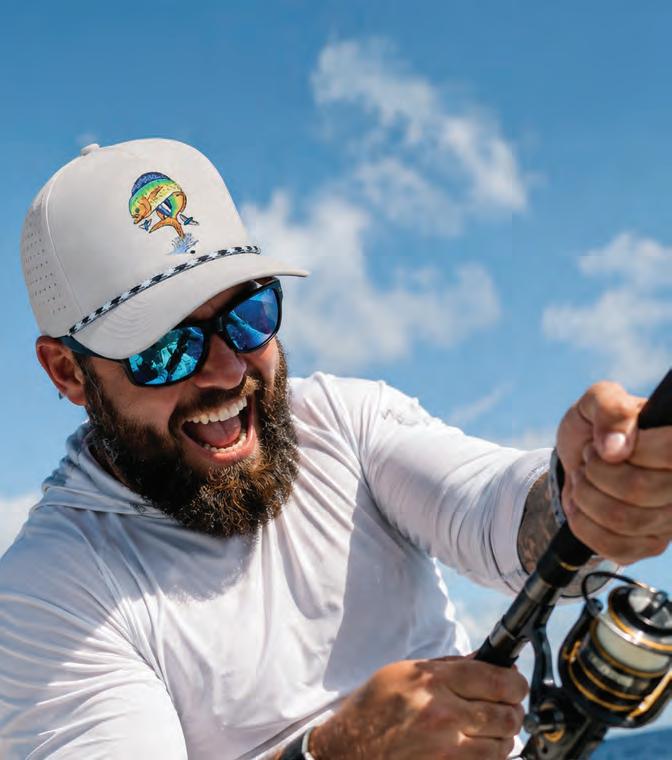






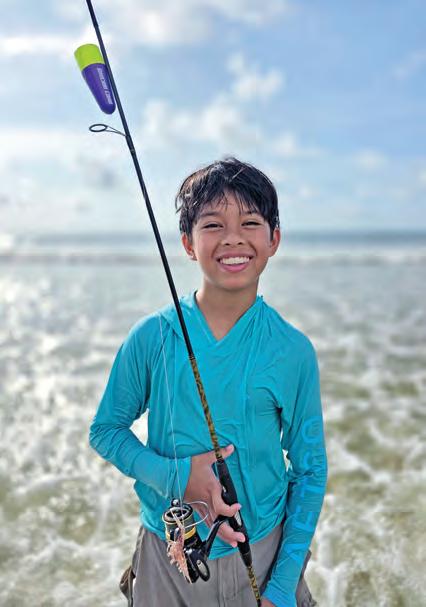
Kids don’t always have the patience to wait on a $sh to bite. ey want to cast, reel, and stay involved. A popping cork gives them something to do while keeping a bait or lure in the strike zone. Every pop creates noise and commotion that imitates feeding $sh, helping trout locate the bait. More importantly, it keeps kids engaged and focused.
When $shing live bait, it’s hard to beat a lively shrimp under a popping cork. Whether you’re $shing shorelines, reefs, or grass beds, the cork attracts trout while keeping the bait at the proper depth. e sound gets their attention, and the shrimp does the rest. It’s a simple setup that consistently catches $sh and builds con$dence in young anglers.
ne of my favorite things about $shing isn’t catching $sh myself—it’s watching a kid catch one. ere’s something special about seeing a young angler’s face light up when a cork disappears, and a speckled trout starts pulling back. Over the years, I’ve introduced a lot of kids to $shing, including my own boys, and one of the easiest ways I’ve found to help them succeed is with a popping cork.
Arti$cial lures work just as well. I o!en prefer them when $shing with kids because I spend less time rebaiting hooks and more time helping them catch $sh. A so! plastic under a popping cork allows kids to cast, pop, and retrieve while covering water e&ciently. It also teaches them how to work a lure without making things overly complicated.
One thing I’ve learned is that tackle designed for adults doesn’t always hold up when kids are involved. Rods get dropped, tackle gets stepped


By Capt. Michael Okruhlik
on, and gear gets bounced around the boat. at’s one reason I’ve moved away from many traditional wire-style corks.
Most anglers have opened a tackle box and found a wire cork bent a!er a day on the water. Once the wire is bent, the cork rarely casts the same. Many wire designs also have several moving parts that can tangle during a cast, especially in the hands of a young angler. Over time, the wire can even nick $shing line, creating weak spots that o!en show up when a good trout is hooked.
Durability is another advantage of hardplastic corks. Unlike foam designs that can crack, chip, loose its color, hard-plastic corks can handle years of abuse in a boat and continue performing like new.
At the end of the day, taking kids $shing should be fun. A durable popping cork paired with live bait or a so! plastic lure keeps things simple, productive, and exciting. e more bites kids get, the more they stay interested, and that’s how future anglers are made.
Take a kid $shing, I will!
Capt. Michael Okruhlik is the inventor and owner of Knockin Tail Lures® — knockintaillures.com.



By Jim Moir, Indian Riverkeeper Executive Director
People often congratulate themselves and the ideologies they support for the progress they have made protecting the environment. I often hear politicians or sportsmen talk about how much they have done to conserve nature, and how important clean air and water are to them. But as a culture, how are we doing? Are we protecting our future in meaningful ways?
I am a parent. When my son was young, I often found myself telling him what to do, often extoling the virtues of deferring immediate gratification, while remembering full well that when I was young I did the opposite. I’m sure this hypocrisy is a common parental paradox. Conservation, by definition, is playing the “long game.” Celebrating World Ocean Day or Earth Day can be used as a bromide to pretend that I am engaging in meaningful change. I know that climate change is not a hoax, natural resources are not infinite, and that deregulated commercial development and resource extraction is hurting our environment. But where do I draw the line, how uncomfortable am I willing to be? For each of us I’m sure the answer is different. In time, I believe nature will inevitably take its toll.
There is clearly a continuum from denial to radical behavioral change. It often comes
down to money. The more transactional among us will wonder “how does the cost affect me” and the more legacy minded will contemplate the cost /benefit analysis. There are certainly tricky issues to contend with, such as traditional values, property rights and uncertainty that already disturbed ecosystems may not immediately respond to restoration. But it is well recognized that setting aside protected areas that remain wild is a best management practice.
Early this century the idea of setting aside about 30% of the ocean as protected areas, in order to maintain biodiversity and fishery stocks globally. By 2022, nearly two hundred countries had agreed to set aside 30% of the world’s oceans as Marine Protected Areas by 2030. As of mid 2026 we have set aside 10%. This is not an auspicious beginning. An excellent example of really bad resource management under our current administration is: Earlier this year the South Atlantic Fishery Council recommended to NMFS and NOAA that the boundary to bottom trawling “perhaps the most destructive and wasteful fishing technique ever devised” for rock shrimp be minimized on the Oculina Habitat of Particular Concern. This is the oldest, deepwater coral protected area in the world, and it runs from off Ft. Pierce up to Flagler Beach in waters 60 to 100 meters deep. The
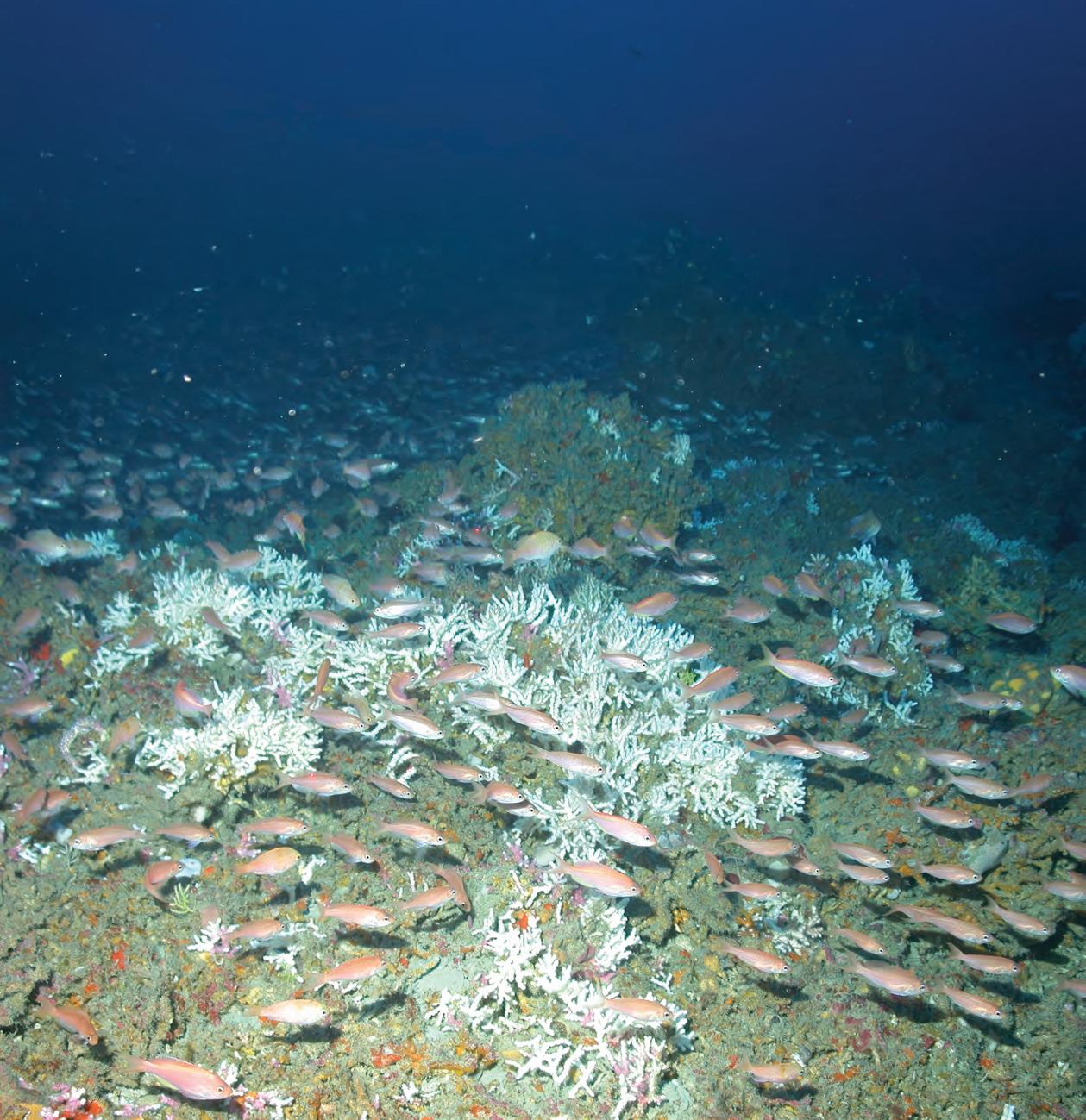
section between Ft Pierce and Sebastian were protected in 1984. Before rest of the reef track could be protected, the bottom trawlers had already destroyed 90% of the ivory-colored, intricate, tree-like slowgrowing Oculina Varicosa corals. These deep-water corals are not only home to over 2000 species of animals they are important spawning ground for several commercially vital grouper and snapper species. From a purely economic perspective, hundreds of millions of dollars are spent on coral preservation and restoration, and Oculina Varicosa may hold keys to surviving coral bleaching, but we are willing to sacrifice the reef to the suffocating plumes of sediment from rock shrimp trawls that bring in less than one million dollars annually. There are over 120 rock shrimp permits and only 24 boats fish for the resource. The optimum yield for this low demand product is vastly overestimated, while the negative impacts to other fisheries could be devastating. This same proposal was turned down by NOAA in 2022. This is just one of many short sighted and regressive examples of our leadership in action.
To learn about the benefits of supporting Indian Riverkeeper and its efforts, visit www.theindianriverkeeper.org or call (772) 341-4953.

1W 3:52 AM 0.31 L
10:12 AM 2.12 H
4:00 PM -0.06 L
10:48 PM 2.33 H
2TH 4:29 AM 0.28 L
10:53 AM 2.12 H
4:37 PM -0.02 L
11:26 PM 2.32 H
3F 5:07 AM 0.25 L
11:34 AM 2.11 H
5:15 PM 0.03 L
4SA 12:03 AM 2.29 H
5:45 AM 0.2 L
12:17 PM 2.11 H
5:56 PM 0.1 L
5SU 12:40 AM 2.24 H
6:27 AM 0.15 L
1:03 PM 2.12 H
6:42 PM 0.19 L
6M 1:20 AM 2.2 H
7:12 AM 0.08 L
1:53 PM 2.14 H
7:34 PM 0.27 L
7TU 2:03 AM 2.15 H
8:04 AM 0.01 L
2:48 PM 2.16 H
8:32 PM 0.34 L
8W 2:52 AM 2.12 H
9:02 AM -0.07 L
3:49 PM 2.2 H
9:35 PM 0.37 L
9TH 3:49 AM 2.12 H
10:03 AM -0.16 L
4:54 PM 2.27 H
10:39 PM 0.35 L
10F 4:53 AM 2.16 H
11:05 AM -0.27 L
6:00 PM 2.37 H
11:41 PM 0.29 L

SEBASTIAN INLET
TIME OFFSET
High Tide -48 min
Low Tide -24 min
HEIGHT OFFSET
High Tide .93 feet
Low Tide 1.0 foot
VERO BEACH (OCEAN)
TIME OFFSET
High Tide -55 min
Low Tide -35 min
HEIGHT OFFSET
High Tide 1.45 feet
Low Tide 1.36 feet
11SA 6:00 AM 2.24 H
12:06 PM -0.39 L
7:03 PM 2.49 H
12SU 12:41 AM 0.19 L
7:05 AM 2.36 H
1:05 PM -0.5 L
8:02 PM 2.62 H
13M 1:38 AM 0.07 L
8:06 AM 2.5 H
2:02 PM -0.57 L
8:56 PM 2.73 H
14TU 2:34 AM -0.04 L
9:04 AM 2.6 H
2:56 PM -0.59 L
9:47 PM 2.8 H
15W 3:28 AM -0.14 L
9:59 AM 2.67 H
3:50 PM -0.54 L
10:36 PM 2.82 H
16TH 4:20 AM -0.2 L
10:51 AM 2.68 H
4:42 PM -0.43 L
11:23 PM 2.77 H
17F 5:12 AM -0.23 L
11:43 AM 2.64 H
5:34 PM -0.27 L
18SA 12:09 AM 2.68 H
6:04 AM -0.2 L
12:35 PM 2.55 H
6:26 PM -0.07 L
19SU 12:54 AM 2.54 H
6:55 AM -0.14 L
1:26 PM 2.43 H
7:18 PM 0.13 L
20M 1:39 AM 2.38 H
7:47 AM -0.05 L
2:18 PM 2.3 H
8:13 PM 0.32 L
21TU 2:26 AM 2.22 H
8:40 AM 0.04 L
3:12 PM 2.19 H
9:08 PM 0.47 L
ST. LUCIE INLET
TIME OFFSET
High Tide +55
Low Tide +1 hr; 42 min
HEIGHT OFFSET
High Tide 1 foot
Low Tide .50 feet
FORT PIERCE (SOUTH JETTY)
TIME OFFSET
High Tide -31 min
Low Tide -18 min
HEIGHT OFFSET
High Tide 1.14 feet
Low Tide 1.50 feet
22W 3:15 AM 2.08 H
9:34 AM 0.12 L
4:08 PM 2.1 H
10:04 PM 0.57 L
23TH 4:08 AM 1.99 H
10:28 AM 0.18 L
5:07 PM 2.06 H
10:59 PM 0.62 L
24F 5:03 AM 1.96 H
11:20 AM 0.19 L
6:03 PM 2.07 H
11:52 PM 0.62 L
25SA 5:59 AM 1.97 H
12:10 PM 0.17 L
6:55 PM 2.12 H
26SU 12:41 AM 0.58 L
6:52 AM 2.02 H
12:57 PM 0.13 L
7:42 PM 2.21 H
27M 1:26 AM 0.53 L
7:41 AM 2.1 H
1:40 PM 0.08 L
8:25 PM 2.3 H
28TU 2:09 AM 0.45 L
8:26 AM 2.18 H
2:21 PM 0.04 L
9:05 PM 2.39 H
29W 2:48 AM 0.37 L
9:09 AM 2.25 H
2:59 PM 0.01 L
9:43 PM 2.46 H
30TH 3:26 AM 0.29 L
9:51 AM 2.31 H
3:36 PM 0.01 L
10:20 PM 2.49 H
31F 4:02 AM 0.22 L
10:32 AM 2.36 H
4:13 PM 0.04 L
10:57 PM 2.5 H
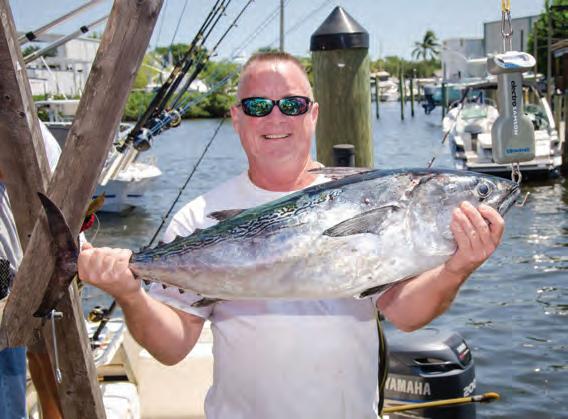
Pull together your fishing team, grab those rods and reels, and join hundreds of other anglers to fish the Treasure Coast Bonito Blast, an affordable familyfriendly fishing tournament created to raise funds to support South Florida’s returning wounded veterans.
The 14th annual Treasure Coast Bonito Blast (TCBB) returns Aug. 14-15, 2026.
TCBB partners with various Treasure Coast businesses to create an event that brings the community together in appreciation and support of the Wounded Veteran’s Relief Fund (WVRF). Substantial prize money, dinners, live music, auction items, raffle and family fun has made this one of the largest one-day tournaments on the Treasure Coast. To date, TCBB has raised over $650,000 for the WVRF, which has provided assistance to hundreds of veterans (https://wvrf.org).
The WVRF was founded in 2009 to support and assist our Florida veterans and to serve as a bridge for transition into civilian life. The organization provides immediate emergency financial support to these much deserving veterans. More than 85% of all funds donated to WVRF go directly toward veteran assistance, earning them GuideStar’s platinum level recognition for performance and serving Florida’s veterans. WVRF assists in getting veterans lives back on track by helping with job training, housing, transportation, pastdue bills, child needs and other forms of assistance.
JENSEN BEACH (INDIAN RIVER)
TIME OFFSET
High Tide +2 hrs; 17 min
Low Tide +3 hrs; 4 min
HEIGHT OFFSET
High Tide .48 feet
Low Tide .92 feet
JUPITER INLET
TIME OFFSET
High Tide -10 min
Low Tide -9 min
HEIGHT OFFSET
High Tide 1.08 feet
Low Tide 1.42 feet
As Mike Durkee, Executive Director of WVRF has said, “The veterans’ stories are why we do what we do. When they return home after fighting for our freedom, a new journey begins, often fraught with hardships. We are grateful to the community for their incredible generosity and support of these heroes after all they’ve done for us.”
Pirates Cove Resort and Marina, 4307 SE Bayview Street, Stuart, Fla., will host tournament registration and captain’s meeting on Friday, Aug. 14, from 4-7 p.m., followed by weigh-ins on the dock Saturday, Aug. 15, from noon to 3 p.m., and the post-tournament dinner and awards party, which kicks off at 5 p.m.
Be part of something that serves our Veterans not just financially, but emotionally. Organizers are once again looking for boats that are willing and able to take out a few veterans and show them a beautiful day on the water. If interested, contact Karen at (772) 215-2250.
To register or for more details, visit www.TreasureCoastBonitoBlast.com.




Capt. Gus Brugger
Pattern Setter Charters (772) 360-6787
www.WelcomeToSebastian.com
An early start to the fishing day allows the angler to beat the July heat and guards against being caught on the water during the afternoon thunderstorms which can be an everyday occurrence this time of year. This is the time of year when you can plan a trip that can result in an inshore slam with trophy sized snook, reds and tarpon topped off with smoker kingfish and maybe a cobia or sailfish, all from a flats skiff, and be back at the ramp before the first thunder cloud forms.
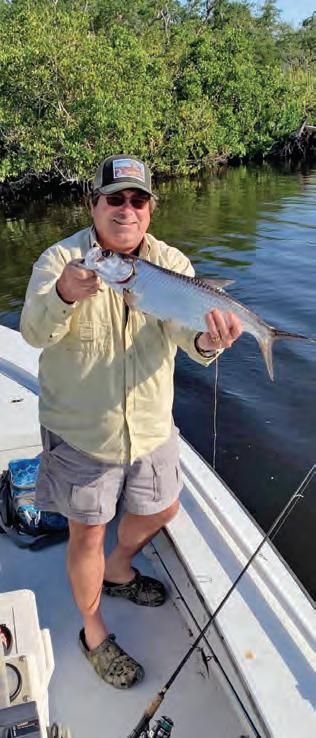
SEBASTIAN RIVER – Looking for rolling tarpon in the predawn gray light in either fork of the Sebastian River is a great way to start any day. Sight casting to rolling fish with flies, D.O.A. TerrorEyz jigs and small plugs is an exciting way to target these 5-to-50 pound tarpon. Live mullet are also an excellent option once you find the fish. Once the sun is up, fishing the docks and shady shoreline cover with D.O.A. shrimp, jerkbaits or plugs is a good way to target snook in the Sebastian River.
INDIAN RIVER LAGOON – Finding
a shallow water area with a school of mullet milling around on it in the early morning is the key to topwater plug fishing for seatrout and redfish in the Indian River Lagoon in the summer. Super Spook Jr. and other 4-to-6 inch topwater plugs fished around and through these milling mullet will get the attention of predators shadowing the mullet schools. Later in the morning fish drop-offs and deeper cuts with jigs for trout and ladyfish or hit the shady shoreline cover and docks for snook and reds.
SEBASTIAN INLET – Big redfish and snook will stack up at the mouth of Sebastian inlet on outgoing tides throughout the summer. They will hit live baits of all types fished on the bottom. The bull reds will move inside the inlet and pick off small crabs floating out with the tide especially around new and full moon periods, topwater plugs, live
crabs and flies will catch them. With snook out of season, keep in mind that a large percentage of snook caught and released around the North Jetty wind up as easy meals for goliath grouper and sharks, so please limit that activity for the good of the snook population.
– The consistently calm ocean conditions in the morning allow small boaters to venture out into the open ocean. The warm clear waters draw king mackerel, bonito and cobia close to the beach. Large tarpon, Spanish macks, big jack crevalle and the occasional sailfish are also a possibility. Having a livewell full of mid-sized mullet and/or greenies is a must. These can be cast to rolling tarpon or any other species that show themselves. If nothing is showing, slow trolling a live mullet or greenie, especially on a downrigger set at mid depth, can be a very productive way to get some kings for the smoker or any of the other mentioned species. Look for bait pods, bottom structure, current edges or even weed lines to narrow your search.
Capt. Terry Wildey
Big Easy Fishing Charters (772) 538 - 1072
www.bigeasyfishingcharters.com
captwildey@bellsouth.net
July fishing should be great and hopefully we at least get a July opening of red snapper season. If your fishing during the 2 day red snapper season if we get one, don’t forget the use of circle hooks north of the 28 deg north line. You’ll find all the regulations on the FISH RULES app on your phone, or iPad. FWC will be out there protecting our resource, so expect to be checked.
July should bring some good catches of cobia on the larger pieces of bottom in the 85- to 90-foot reefs, so have a rod rigged with a cobia jig ready to throw when one pops up behind the boat while you're bottom fishing, or when you spot a manta ray on your ride out or in. Too often I hear of someone that just missed a shot at a big cobia because they didn’t have a rod ready.
Look for big amberjack to move into the 85- and 90-foot reefs as
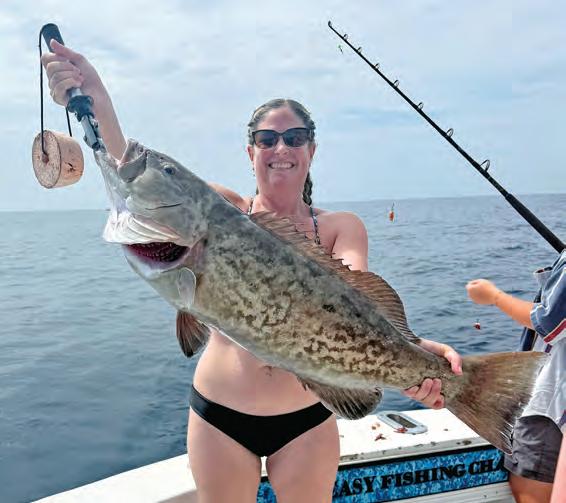
well, especially if we get a cold water thermocline move in. When that cold water pushes in from deep it pushes fish in also. That means mutton snapper on the 20-foot reefs even.
Expect kingfish to be consistent up and down the reefs, as well as around bait pods within a few miles of the beach. Live threadfins, pilchards or blue runners for the
bigger kings work the best, but even trolling a drone spool or ballyhoo will work.
The dolphin bite offshore was fair this May and June, but I don’t expect it too much in July with the warm water temps, but hoping to see some schoolie dolphin come through on weedlines and color changes from 90 feet to 240 feet.
Fish On! Gotta Go...



Capt. Trent Shapiro
Catch of the Day Charters
772-208-0171
CatchoftheDayCharters.com cotdcharters@gmail.com
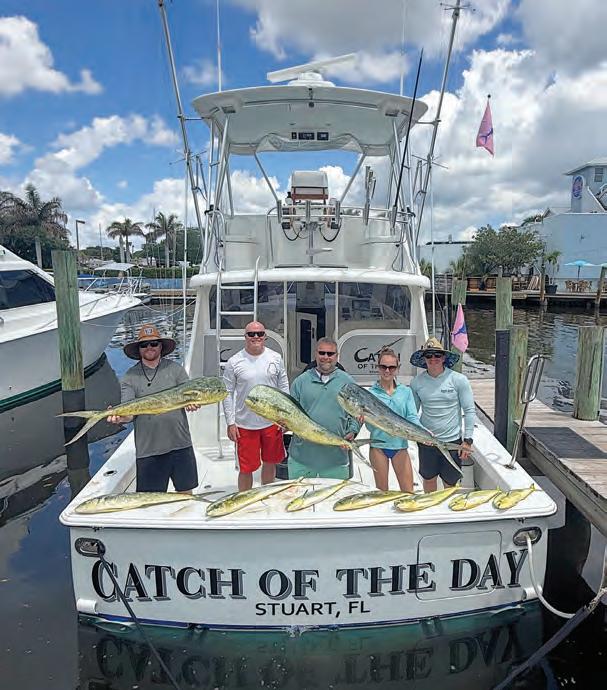
I'mCapt. Trent Shapiro, owner and operator of Catch of the Day Charters out of Manatee Marina in Stuart. My first mate Bazil and I run a 37' Billfish and specialize in making sure everyone—from first-timers to old salts—has a great time on the water. If you're wondering what's biting offshore this July, you're in the right place.
July is one of the most versatile months on the water, and it's peak live bait season. Taking the time to load the livewell before heading out can make all the difference. Threadfins should be showing up along the beach and around Bullshark Barge, while sardines and speedos can usually be found on the Sand Pile, Evans Quarry, and some of the deeper bait numbers. If you'd
rather skip the bait-catching, the guys at Stuart Live Bait always have quality bait ready to go.
Mahi fishing should remain a big part of the offshore action throughout July, and quality live bait is often the key to success. Keep an eye on weedlines, current edges, floating debris and color changes, especially after any east wind pushes new water into the area. Most fish will be schoolies, but there should be plenty of gaffer-sized fish mixed in as well. Early morning and late afternoon can also be great times to target blackfin tuna around Push Button Hill and the St. Lucie Hump. Live sardines, speedos and vertical jigs can all produce when the fish are feeding. Kingfish action should stay strong as well, especially around the larger bait schools and local wrecks.
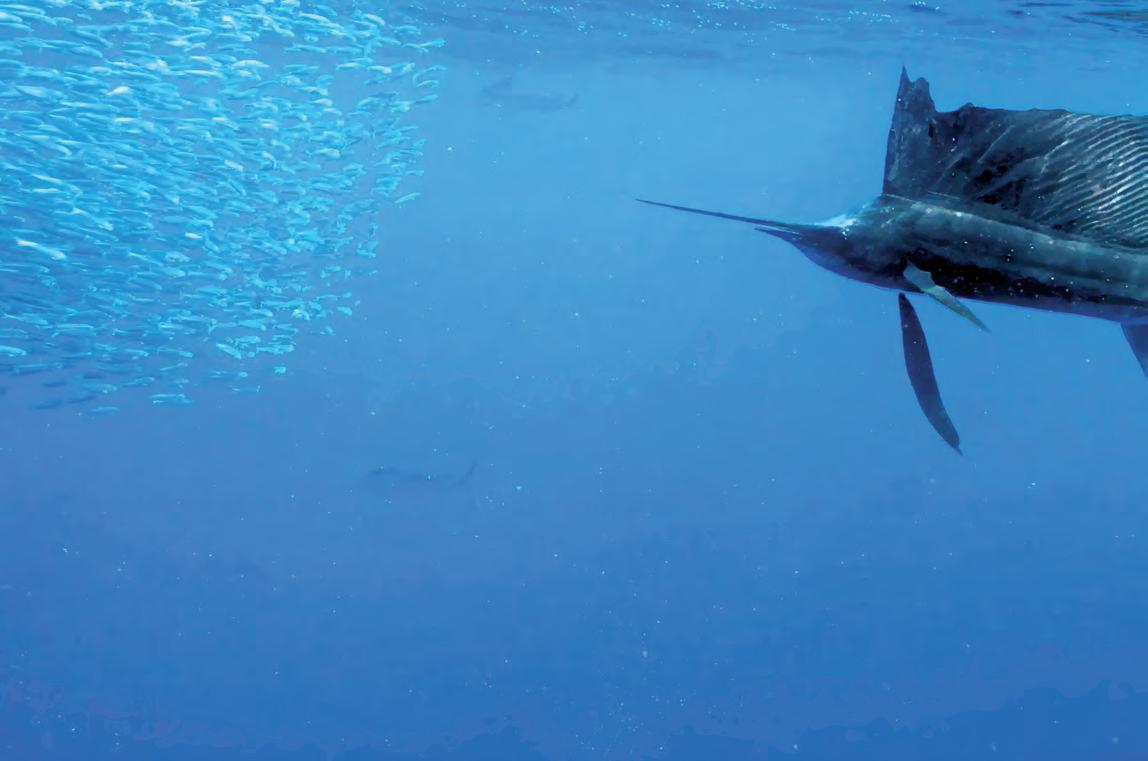
A lot of people overlook sailfish in July, but we catch them every summer and this bite deserves more attention. When the ocean lays down and the water turns gin-clear blue, the fishing can be phenomenal. There are days when you can watch a sailfish track a bait from a long way off before lighting up and taking a shot at it. Some of the most aggressive sailfish bites we see all year happen during these calm summer conditions.
Live bait is king when targeting
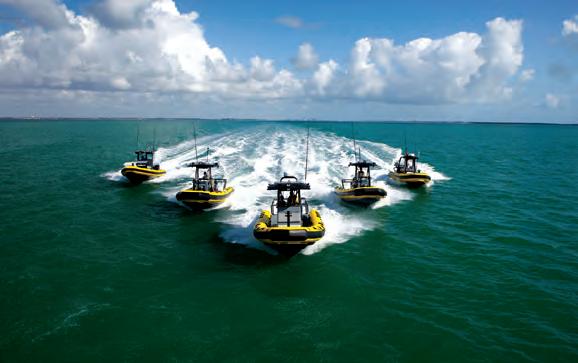
Sea Tow is happy to extend it’s service to include tows from Nothern Bahamas, Green Turtle, West End Marsh Harbour, Hope Town and Grand Cay to the U.S.
Whether you need a timely tow or help offshore, Sea Tow Captains are standing by 24/7.
Why wait? Join today and get 2 months free! (That’s a $28 value!) Use discount code: TCT. Join Sea Tow Treasure Coast \ 772-225-3144
summer sails. A lively threadfin or sardine suspended under a kite is tough to beat. When fish get finicky, don't be afraid to scale down.
Dropping leader size and hook size

will often get bites from fish that won't touch a heavier presentation. One thing anglers shouldn't



Capt. Jonathan Earhart
Chaos Fishing Charters (772) 341 – 2274
www.chaosfishingcharters.com
jon@chaosfishingcharters.com MARTIN COUNTY
inshore fishing patterns are in full swing. Large schools of big snook are roaming local inlets and beaches this month. Early mornings are a great way to target large snook using artificial lures like nlbn, topwaters, jointed swimming baits, etc. Expect a few jacks, ladyfish, snapper, & tarpon in
Capt. Rocky Carbia
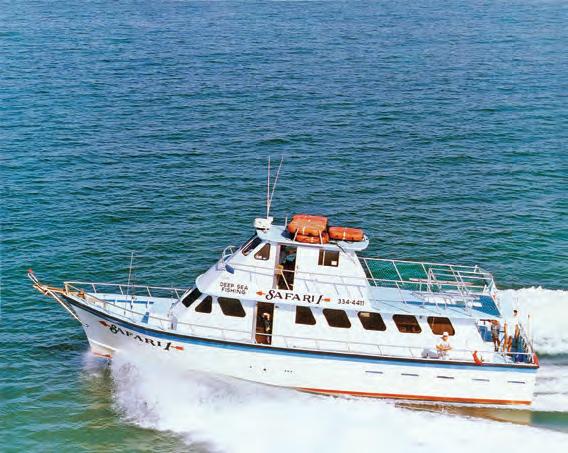
Safari I Deep Sea Fishing Pirates Cove Resort and Marina 4307 SE Bayview St. Port Salerno Reservations: (772) 334-4411 www.safari1deepseafishing.com
The anglers of July will wake up early with their game faces on, to take on their scaly opponents upon the summer playing field of the near coastal waters, offshore of Martin County.
the mix. As the day progresses switch to live bait and look for deeper water. Soak the baits and wait for the desired results. Tarpon fishing has been good around channel edges; soak dead mullet heads or live baits behind the boat while anchored. Use larger tackle and heavier leaders if you want to land some of the bigger tarpon cruising channel edges this month.
Nearshore fishing is also a great option this month. Cruising the beach and looking for large schools of tarpon, snook, & jacks will certainly make for a fun filled day. Cast to the lead fish and hold on!! Bottom fishing has been decent on nearshore reefs and wrecks for snapper, cobia, barracuda, shark, & goliaths. Extra heavy tackle is recommended if you
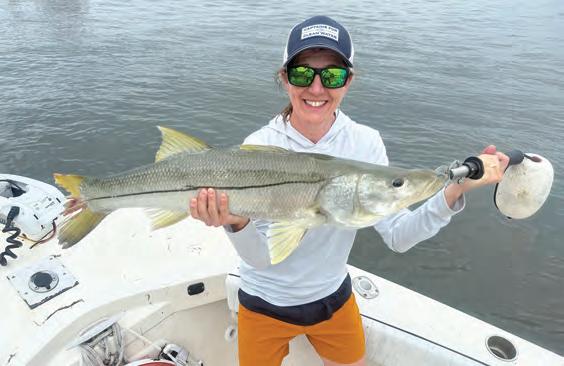
want to catch a summer giant goliath this month. These fish average 300500lbs nearshore this time of year.
Reel your snappers and bonita in fast otherwise the goliaths will get them before you do!
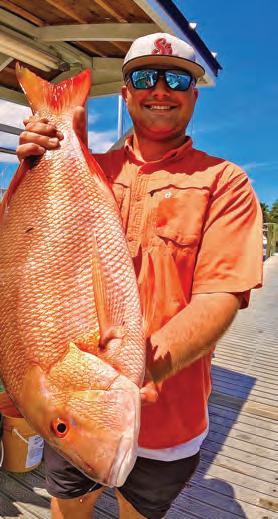
The ocean’s all-star roster of fish adversaries will include bottom species like snapper, grouper and amberjack, along with summertime surface pelagics like mahi, king mackerel, and sailfish, just to name a few. Cobia will also be found throughout the water column this month and are likely to be seen swimming along with large sharks, rays and turtles near the surface. Live baits, as well as four-ounce. green/chartreuse lead head jigs
will work best for sight casting to a “trailing” cobia.
Early morning or crack of dawn starts to one’s fishing day will be essential during the hot days of July, as Florida’s rain-soaked tropical season and daytime heating will spawn the potential for dangerous afternoon thunderstorms which frequently pack killer lightning and high velocity down draft winds, that can turn a calm ocean into
a frightening maelstrom of large, steep waves in a matter of minutes. Knowing this, fishing crews will keep a wary eye to the sky and monitor available radar loops to best make strategy decisions in relation to approaching summertime storms. With safe fishing strategies in place, anglers will be able to enjoy the versatile fish games of July and attempt to come out on top of their fish rivals.
overlook is putting a live bait down in the middle of the water column. While everyone is focused on their kite baits, we catch a surprising number of sailfish every summer on a bait fished deeper in the spread. It's a simple adjustment that can make a big difference on certain days.
Mutton Snapper
July is peak season for the mutton snapper spawn and offers some of the best bottom fishing of the year.
We find a lot of our fish on Six Mile Reef in about 74 feet of water. My personal favorite bait is a fresh
grunt plug, although live baits and trimmed ballyhoo work great as well. We typically fish extra-long leaders, often 20 feet or more, connected with triple swivels and 5/0 to 7/0 circle hooks. The Spro triple swivels have been a great addition to our bottom rigs, helping reduce tangles and keeping presentations clean.
July is all about opportunities offshore. We were even fortunate enough to release a blue marlin earlier this season—proof that you never know what might show up in the spread.
Good luck out there, stay safe, and tight lines.



ST. LUCIE COUNTY OFFSHORE
Capt. Bo Samuel
Pullin Drag Charters (772) 971-6661 facebook.com/Pullin-Drag-Charters catpainbofishing@gmail.com
Hi, Treasure Coast Anglers, let’s go fishing! With summer o-fishally here we are expecting July to be just as hot and fishy as June. This is typically a great time to find bait along the beaches and target snapper, grouper, mahi, kingfish, sailfish and more. Even with our typical afternoon thunderstorms, I can tell you the “coolest” place to be is on the boat—just get out early and keep an eye on the sky.
Unfortunately, red snapper season was over by a federal injunction before it even began. Just hours before anglers were ready to cast their lines, a federal judge blocked the approval of an expanded season for Atlantic red snapper. This effectively killed all plans for recreational anglers, charter boat and
headboat operations, bait and tackle shops, as well as hotel and vacation rentals booked by anglers coming in from out of town. These reds are routinely caught off our coast, so we know the population has notably increased in recent years. While the injunction is labeled “temporary,” as of the writing of this fishing report there has been no news.
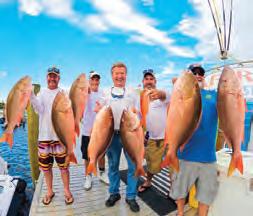
Bottom fishing is my favorite plan this time of year and we are still finding mangroves and muttons biting well in 70-90 feet with some big monster mangroves being reported in the 10- to 12-pound range. Live sardines or pinfish will give best results, but frozen will work too.
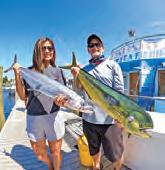
Kingfish and mahi are chewing well on live threadfins and pilchards. The dolphin bite seems to be heating up with some great single catches reported, but not much in the way of schools. Color changes along with current and temperature changes, plus weed lines, are signs to start trolling for your mahi dinner.
The two day Florida spiny lobster mini-season is July 29-30 so watch out for more boat traffic and divers in the water. If lobster diving isn’t your thing, just trade some scales for tails and enjoy the freshest seafood feast around.
The hot summer days of July will
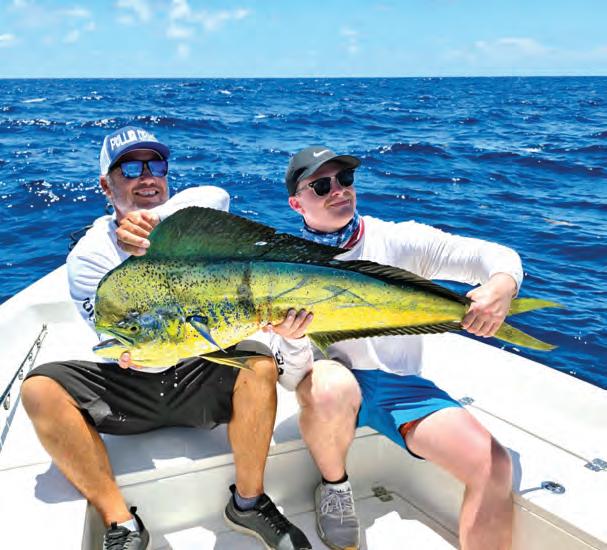
fly by when you make time for cool adventures on the water. Keep in touch with our great local bait and tackle shops like my homebase, the historic Little Jim Bait & Tackle, as well as DeBrooks Fishing Corner, as they have all your tackle needs covered.
The Fort Pierce Yacht Club is hosting their annual 4th of July Boat Parade & Blessing of the Fleet, so make plans to join in on the fun at July4@fpyc.net.
Wishing everyone a fun and safe 4th of July as we celebrate America and our freedom to keep Pullin Drag!


Capt. Adam White
St. Lucie Flats Fishing Charters (609) 820-6257
www.stlucieflatsfishing.com
Julybrings some of the hottest weather of the year to Fort Pierce, but it also provides excellent opportunities for anglers willing to fish around the heat and afternoon thunderstorms. The best action will continue to occur during the early morning hours, around tide changes, and after sunset when water temperatures are slightly cooler. Snook fishing should remain one of the top attractions throughout the month. Live pilchards, pinfish, and mullet will be productive, while artificial lures such as soft plastic paddle tails and topwater plugs can
Miss Fort Pierce Fishing (772) 766-0191 www.fortpiercefishing.com
to July after the June fizzles. We were excited for the June red snapper season and we all know what happened. Hopefully the State of Florida through the court system can make some restitution for us so we can enjoy some dates throughout the summer.
The mountain mango snapper fishing continues to be strong. We’re still seeing a sprinkling of triggerfish some lane snappers, and some days we see some mahi swimming around the boat to bring some more color to the box.
We continue to fish offshore in 65- to 110-feet of water. Fishing very rough bottom for the mangroves
generate explosive strikes during lowlight periods.
The Indian River Lagoon will continue to hold healthy populations of spotted seatrout across grass flats and potholes from Harbor Branch south through the Hermans Bay. Early morning topwater presentations can be especially effective before the sun climbs high, while soft plastics and shrimp imitations worked slowly along deeper grass edges should produce consistent action throughout the day.
I have been avoiding mentioning redfish the past few years with the population at catastrophically low levels for our region. This year I have been seeing more redfish than I have in the past five-plus years. Look for fish cruising shorelines, deeper water shady pockets in the mangroves, and grass flats where baitfish are abundant. Accurate casts with live shrimp, cut bait, or weedless soft
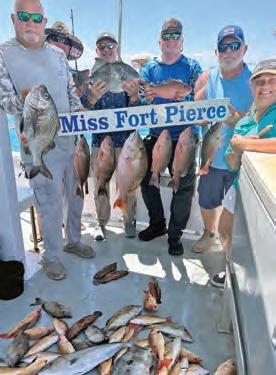
and the sand adjacent for mutton snappers. Fresh ground plugs, finger mullet or mojarra seem to be the ticket; 12- to 15-foot leaders for the mangroves, and up to 25 feet for the mutton snapper; 40 pound test flourocarbon on a 5/0 octopus hook seems to be the ticket. This fishing should hold up throughout most of

plastics can result in quality catches.
July is also a prime month for tarpon throughout the lagoon and backwater creeks. These fish often become active at first light and again near sunset, especially around canals, the inlet, and deeper basins. Small live mullet, scaled sardines, and soft plastic swimbaits can all be effective offerings. Mangrove snapper fishing should remain strong around bridges, docks, and inlet structure. Many anglers overlook these hard-fighting fish, but they provide excellent table fare and steady action when presented with live shrimp or small pilchards or mojarras.
Water clarity will vary depending on rainfall and wind conditions, but overall bait populations should remain abundant throughout the region. Anglers who focus on moving water, fish during cooler periods of the day, and remain flexible with changing weather patterns can
the month as long as we don’t get an “upwelling,” a cold water pocket, which we often see in the middle of the month.
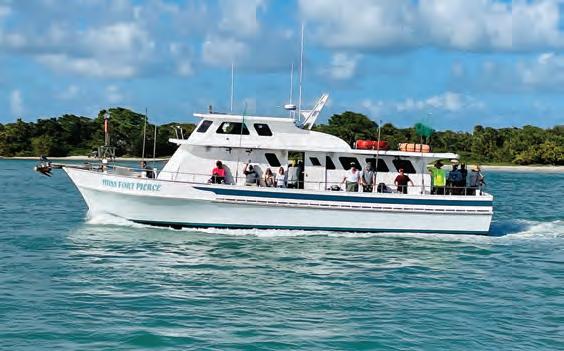
Miss Fort Pierce will continue to fish daily by 7 AM on our all daily scheduled trips. The boat is also available for private charters
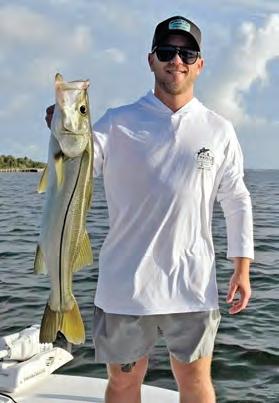
expect productive inshore fishing throughout Fort Pierce during the month of July.
for groups up to 60 for fishing or cruising day or night.
We’ll monitor the red snapper situation as well as the “iron man“ 11-hour trips. Go to fortpiercefishing. com to make your reservation. I look forward to meeting you on board and, while on the water, please be safe.



JUNE 1 - SEPTEMBER 7
Stuart Sailfish Club Endless Summer Sailfish Tournament
Sailfish Marina of Stuart
https://www.stuartsailfishclub.com/summer-sailfish-tournament
JULY 10 - 12
One More Bite Sailfish Challenge
Sailfish Marina, Stuart https://www.onemorebiteoutfitters.com/pages/omb-sailfish-challenge
JULY 17 - 18
Fish Fam Jam 2026
Pirates Cove Resort & Marina, Stuart https://familiesrecover.org/fishing/
JUL 17 - 19
Stuart Sailfish Club Junior Anglers Tournament
Sailfish Marina of Stuart https://www.stuartsailfishclub.com/jr-angler-tournament/2026














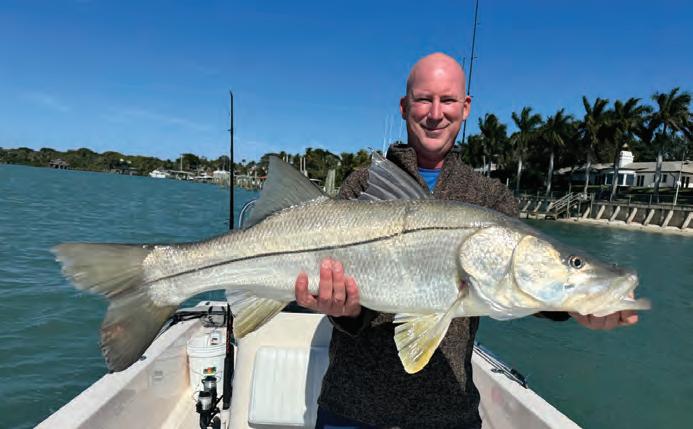
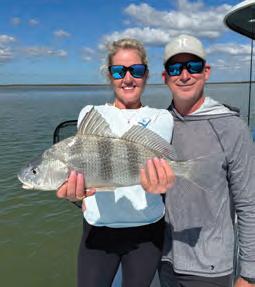
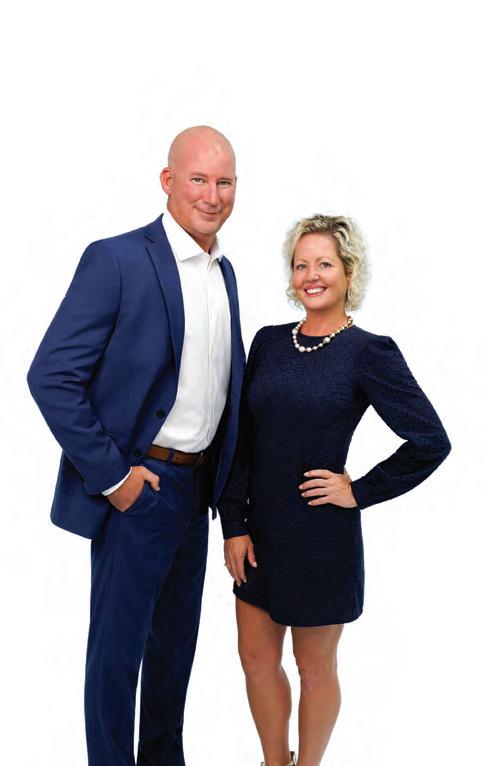
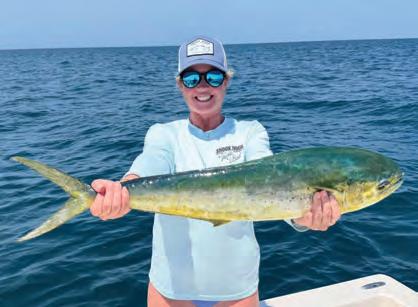
For Pat Dolan and Amy Hayden, life on the Treasure Coast goes far beyond real estate.
When they’re not helping buyers and sellers navigate the local market, you’ll often find them offshore fishing, exploring the Intracoastal by boat, or enjoying the waterfront lifestyle that makes the Treasure Coast so special.
As local realtors with deep roots in the coastal community, Pat and Amy bring a unique perspective to waterfront real estate – understanding not just the homes, but the lifestyle that comes with them. From dockage and ocean access to boating communities and waterfront entertaining, they help clients find properties that truly fit the way they want to live.
Whether arriving by car or by boat, Pat and Amy are known for making the buying and selling process approachable, strategic, and highly personalized
772.834.9890
pat@flanneryteam.com PatrickDolan.ipre.com


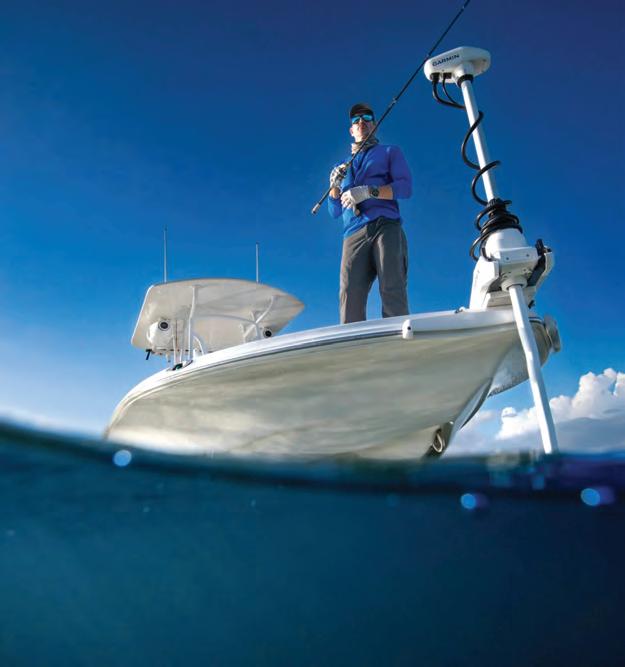
Summer in South Florida means one thing for many offshore anglers; mutton and mangrove snapper season is in full swing. Traditionally, bottom fishing reefs and wrecks meant dropping anchor,
hoping you landed in the right spot, and often spend more of their time repositioning than fishing. Today, trolling motors are changing the game offshore, offering anglers a safer, faster, and more efficient way
to fish without touching the anchor locker.
Modern GPS-enabled trolling motors allow boaters to hold position precisely over structure using “spot lock” technology. Instead of repeatedly anchoring and adjusting for current or wind, anglers can lock onto productive areas instantly. This saves valuable fishing time and keeps crews focused on the bite rather than managing anchor lines.
Safety is another major advantage, especially during Florida’s unpredictable summer weather patterns. Afternoon thunderstorms can develop quickly offshore, and many stressful situations occur when crews are delayed recovering anchors in deteriorating conditions. Anyone who has fought a stuck anchor in heavy current or building seas understands how quickly conditions can change. With a trolling motor, crews can leave a spot immediately if weather moves in, improving overall safety offshore.
There is also an environmental benefit. Anchors dragged across reef systems can damage sensitive coral and marine habitats that support the fisheries anglers rely on. Lost anchors and chains left behind on reefs continue causing
damage long after the trip is over. Trolling motors significantly reduce direct contact with reef structures, helping preserve these ecosystems for future generations.
As offshore trolling motor technology continues to improve, more anglers are realizing these systems are no longer just for inshore fishing. Whether targeting deep-water mangroves, mutton snapper on patch reefs, or fishing wrecks in changing currents, trolling motors are becoming one of the most valuable upgrades an offshore boat can have.
Drift Marine is currently running a summer special through August on custom offshore trolling motor installations. Every boat and fishing style is different, so each system is custom designed for the vessel, including trolling motor selection, battery systems, charging integration, and installation.





The Florida Fish and Wildlife Conservation Commission’s (FWC) School Fishing Program congratulates the winners of the Fishing & Conservation Challenge. This past school year, students across the state completed various projects focused on conservation and ethical angling such as cleaning up their local waterway, practicing catch and release and passing on their knowledge of fishing to younger students.
"Programs like the School Fishing Program play an important role in developing the next generation of anglers," said Jessica McCawley,
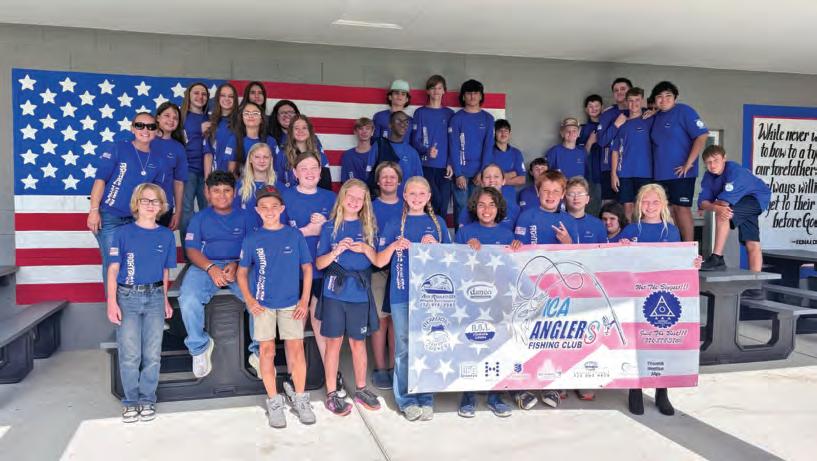
Director of Marine Fisheries Management. "By supporting schools, we are giving students the opportunity to develop valuable fishing skills while building an understanding of conservation and stewardship. These experiences help Florida’s youth form meaningful connections with our aquatic resources, fostering a lifelong appreciation for fishing and inspiring future anglers to conserve these natural resources."
Congratulations to Independence Classical Academy (Fort Pierce) for placing first in the Challenge, Holy Trinity Episcopal Academy (Melbourne) for placing second, and David L.

Anderson Middle School (Stuart) for placing third. The prizes for the 2025-2026 challenge were provided by Mud Hole Custom Tackle, Hobie Eyewear, and Flambeau Outdoors.
The School Fishing Program provides fishing equipment and educational material on a firstcome, first-serve basis to eligible Florida schools, supporting students in K-12. The registration period for 2026-2027 opens August 20.
For more information about the School Fishing Program and how to register, visit myfwc.com/ education/programs/school-fishing/












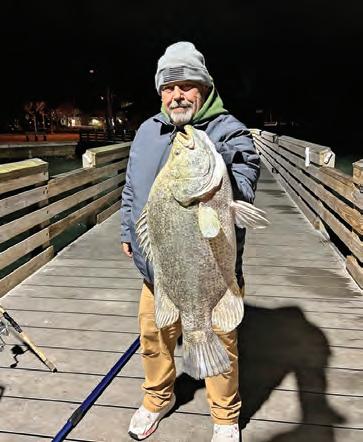


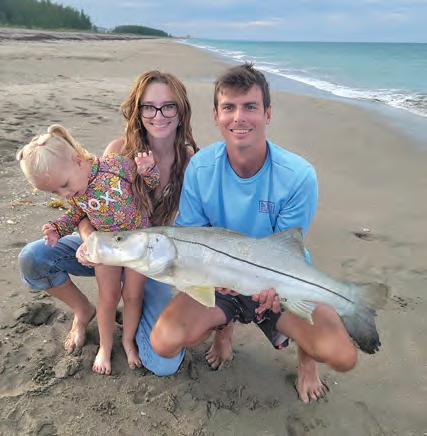

Solid 41-inch beach snook for the Cantwell family. George Leblanc hooked this 30 lb., 25.5-inch tripletail while doing a little night fishing off the dock at Sandsprit Park in Stuart.

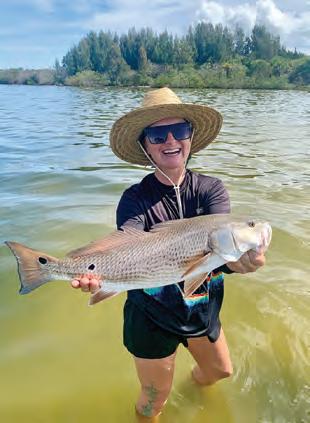
Cassie Wilkey caught this beautiful 22-inch red in the backwater flats of the Indian River on Memorial Day.
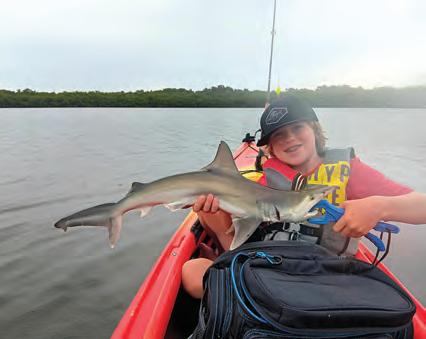
Finley Miller got this 36-inch Atlantic sharpnose shark with a popping cork and artificial shrimp on the Indian River near the Wabasso Cswy. via canoe. Was quite the surprise!
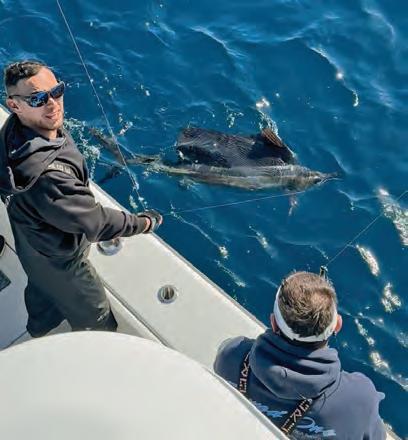
Ed Connelly said this sailfish ate a live goggle eye on a kite. It put on a great show with lots of jumps, and was released without harm.


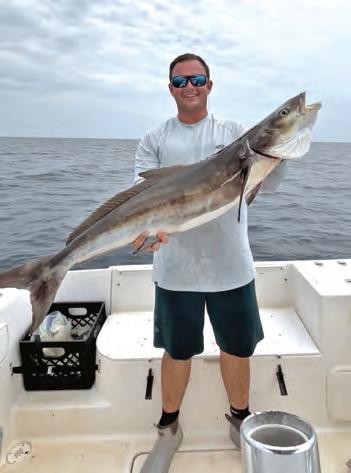
Joseph Bologna hooked this cobia bottom fishing from the Reeftriever at 6 Mile Reef. Said it was 49” and roughly 30 lbs.


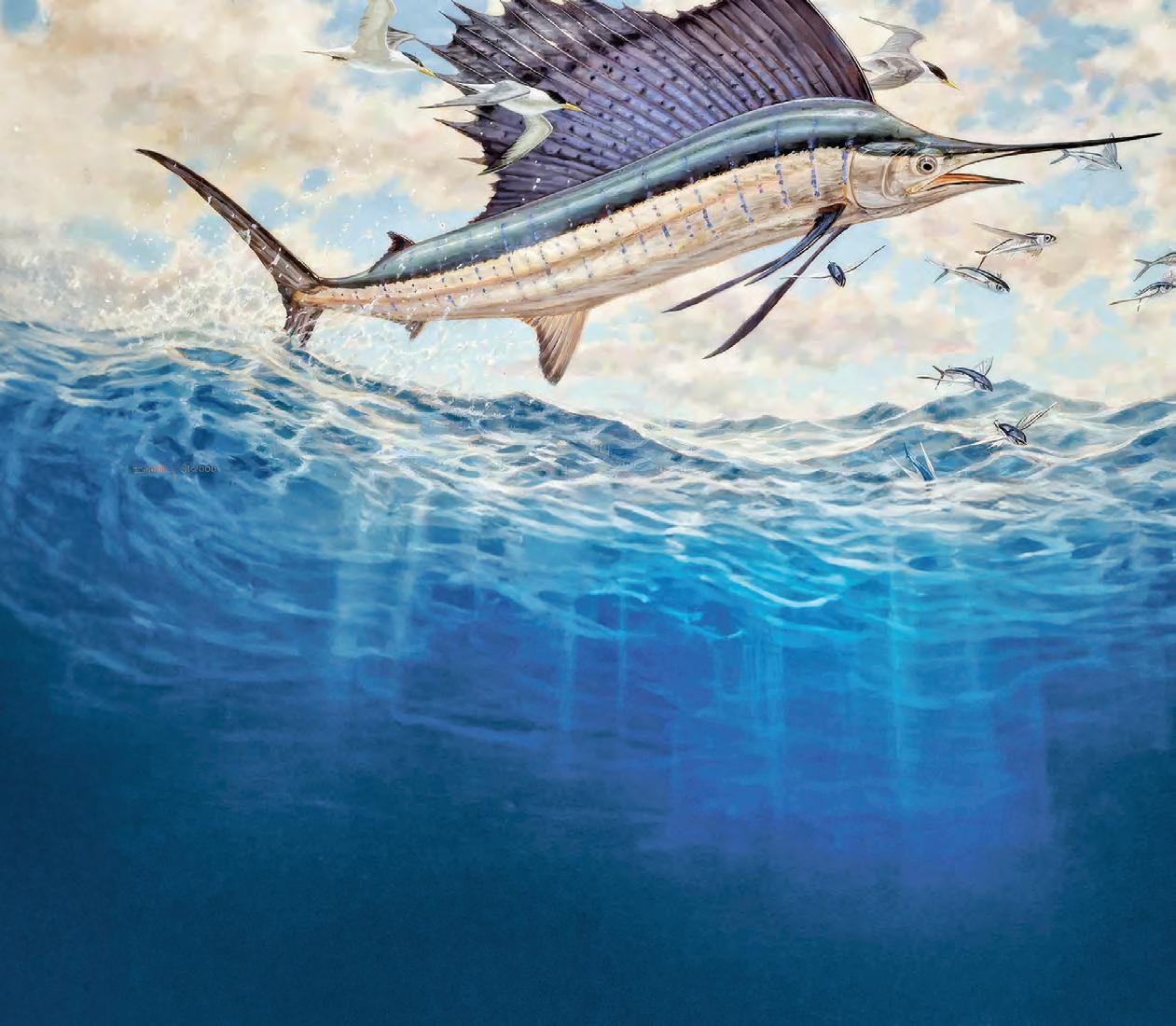


John Deere equipment brings the power, performance and productivity, so you get more time to land a trophy. We’ll help you land the right machine with special offers making it an even better catch. Stop in and leave tasks in your wake.


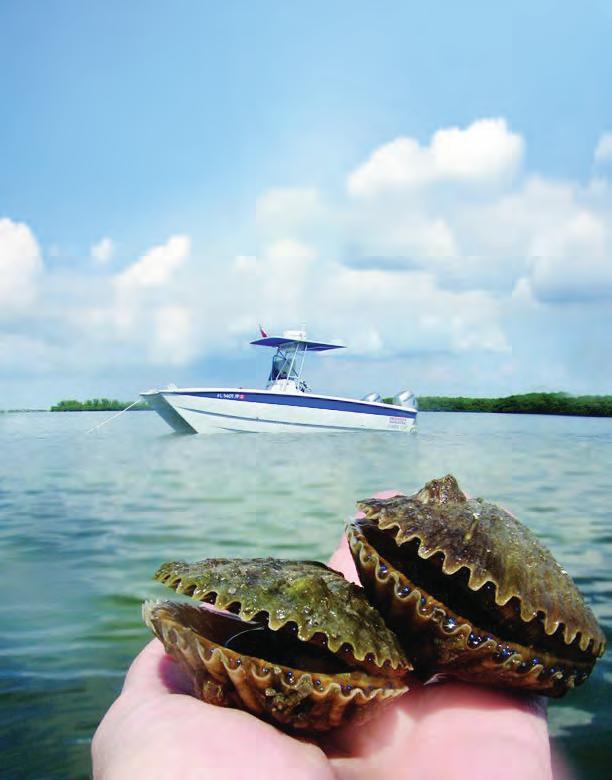
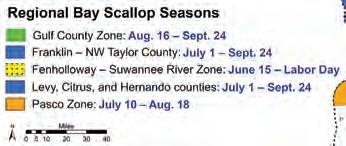
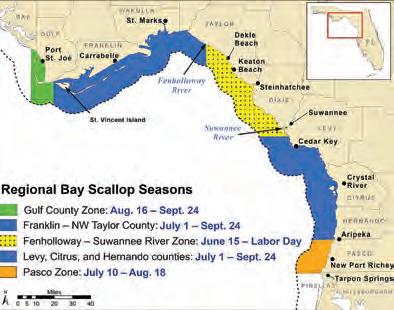
You’d be hard pressed to !nd better Florida family fun than kicking around in the shallows to pick up scallops. Bay scallop seasons open across most of Florida’s west coast this month, so grab your mask, !ns, snorkel and
Daily Bag Limits:
Gulf through NW Taylor County and L evy through Pasco County:
• Per person: 2 gallons of whole bay scallops in shell or 1 pint of meat
• Per vessel: Maximum of 10 gallons of whole bay scallops in shell or 1/2 gallon bay scallop meat (1/2 gallon = 4 pints)
Fenholloway through Suwannee River Zone:
June 15-30:
• Per person: 1 gallon whole bay scallops in shell or one cup shucked
• Per vessel: 5 gallons whole or 2 pints meat
July 1-Labor Day
• Per person: 2 gallons of whole bay scallops in shell or 1 pint of bay scallop meat
• Per vessel: Maximum of 10 gallons of whole bay scallops in shell, or 1/2 gallon meat
NOTE: Vessel limits do not allow an individual to exceed their personal bag limit.
Minimum Size Limit: None
Legal Gear: Harvest permitted only by hand or by using a landing or dip net
Commercial harvest of Florida bay scallops is prohibited. Recreational harvesters need a Florida saltwater !shing license to harvest bay scallops
unless they are: 1) Exempt from needing a license, or; 2) Have a no-cost shoreline !shing license and are wading from shore to collect scallops (i.e. feet do not leave bottom to swim, snorkel, or SCUBA and harvesters do not use a vessel to reach or return from the harvest location).
Direct transit of legally-harvested bay scallops is allowed through closed areas.
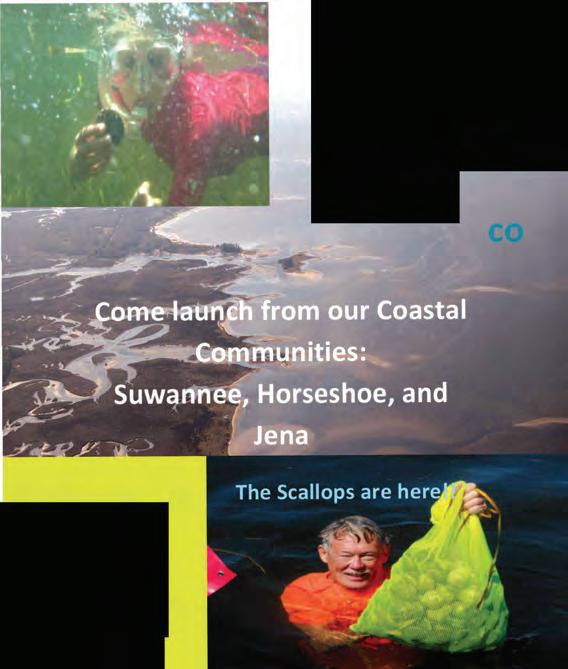
If you’ve never been scalloping before, don’t worry about learning how. Did you have to learn how to Easter egg hunt? Just get your gear on, jump in the water and look down. You’ll see them. eir light-colored shells stick out against the seagrass. Just grab them with your hand—they don’t bite—and put them in your mesh bag. Keep harvesting until your bag is full (usually a couple of fun hours) then when home, open the shell, take out the scallop, prepare and enjoy the fruits of your fun!






Call: 352-447-1950








CCA Florida has announced that going forward into the 12th year of competition, the STAR Tournament presented by Yamaha has transformed into a youth competition designed exclusively for anglers ages 6-17. e summer-long event o#ers scholarships, boats, prizes, community service opportunities and a chance to learn valuable conservation practices while enjoying Florida’s saltwater !sheries.
e 2026 competition, open now through Labor Day on September 7, is the largest youth saltwater !shing tournament in Florida. Open to anglers of all skill levels, participants can !sh from shore, docks, seawalls or boats anywhere in the state’s saltwater waters.
Since its launch in 2015, the STAR competition has awarded more than $4 million in prizes, including trucks, boats, motors, trailers, electronics and !shing tackle. More than $1.1 million of that total has been awarded in youth scholarships. For 2026, the youth competition alone will o#er more than $150,000 in prizes and scholarships.
Conservation remains a cornerstone of the STAR program. e competition utilizes a technology-based Catch-Photo-Release (CPR) format that encourages proper !sh handling and conservation-minded angling. Registered CCA members can submit photos of their catches alongside the o$cial STAR identi!er before safely releasing the !sh back into the water. is format allows anglers to compete regardless of !sh size while promoting stewardship of Florida’s marine resources.
e 2026 event will once again award $100,000 in college scholarships through support from the Guy Harvey Foundation, Realtree Fishing, Academy Sports + Outdoors and other partners. Young anglers ages 13-17 can also participate in the Teen Challenge, competing for boat packages from Yamaha, Carolina Ski#, Custom Gheenoe, Minn Kota and Power-Pole. e “Most Fish” division, presented by T-H Marine, will award one youth angler (ages 6-17) a Native Watercra Slayer Max Propel 12.5 kayak.
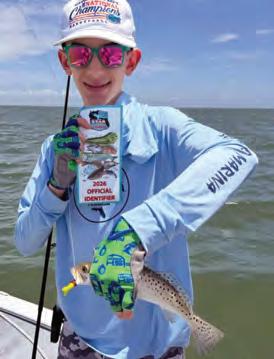
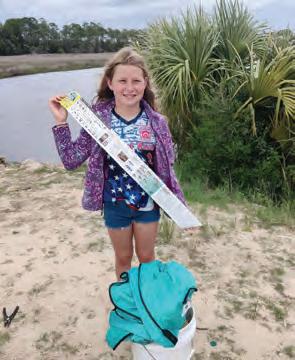
In addition to !shing categories, STAR o#ers a conservation-focused Trash Division that rewards participants for helping keep Florida’s waterways clean. Anglers can earn both prizes and community service hours through their e#orts.
All saltwater species are eligible for entry, and most winners are selected through random drawings, giving every participant a chance to win regardless of experience or catch size. e competition’s format helps level the playing !eld and encourages more young anglers to get involved.
For a complete list of STAR identi!er distribution locations, competition rules and registration information, visit cca star.com or follow the CCA Florida STAR Facebook page.


Discover the range of health and wellness services that 4Ever Young provides to help you combat aging and showcase your best features. Whatever your concerns, 4EverYoung is ready to help you look and feel your best with an array of youth-reviving services using the latest technologies and most sophisticated techniques currently available. Whether in-office or via our telehealth services, our holistic approach ensures your path to aging with vitality is tailored to your unique needs.
Our VIP membership packages provide year-round product and service discounts and VIP access to 4EverYoung events & specials.





will
a
–– George Thomas, Noted watchmaker & historian

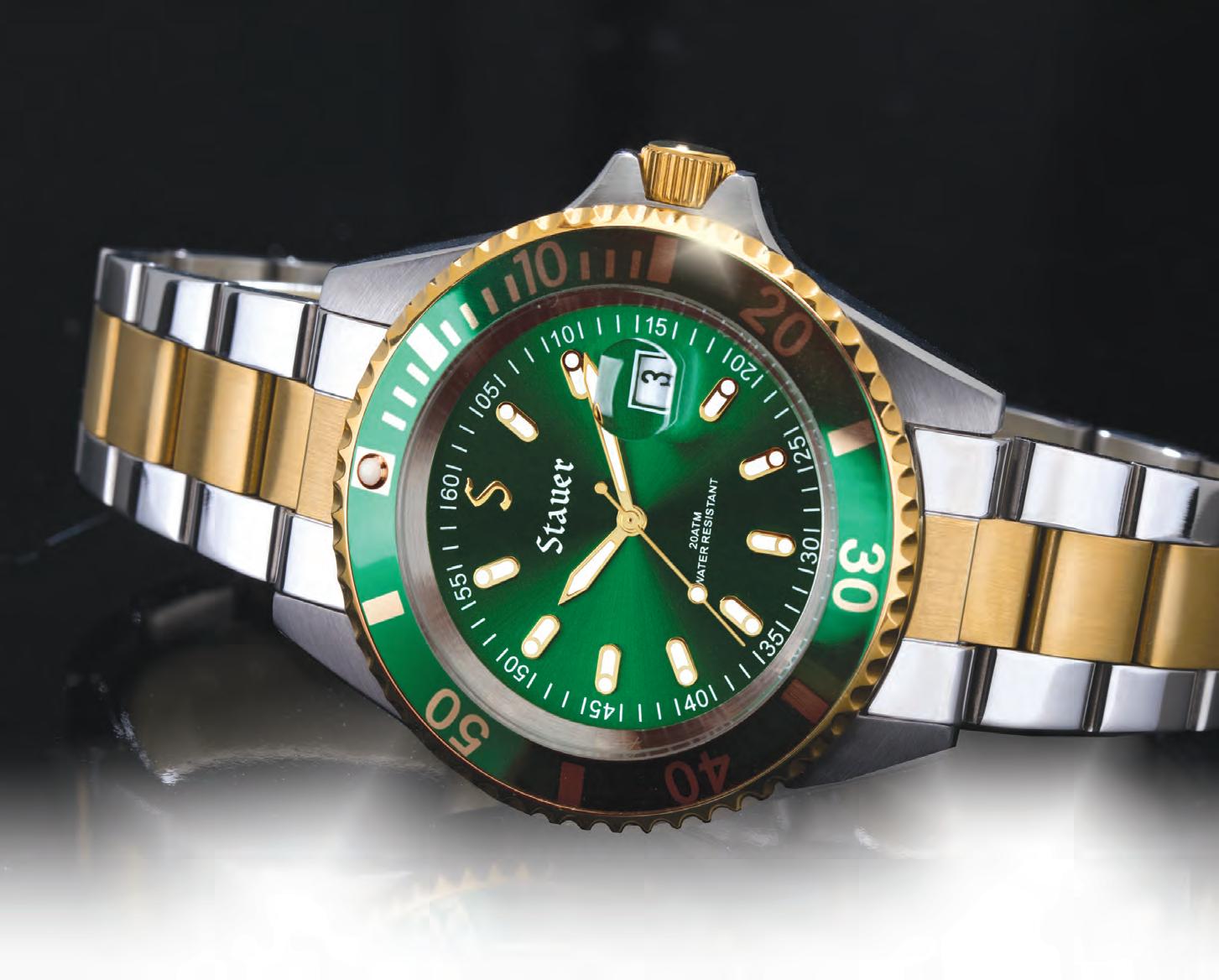
Every year in Basel, Switzerland, the world’s best-known luxury watchmakers gather to display their new timepieces. It’s a great event for spotting timepieces that standout–– in performance and in personality. We saw one impossible to ignore: a precision dive watch with an arresting green dial. But we also saw the five-figure price tag and knew we could bring our customers that exact same precision and stand out appeal for a whole lot less. The Stauer Evergreen Diver is that timepiece.
Built like a submersible battleship with a stainless steel case, caseback, and band, the Evergreen Diver is water-resistant down to 660 feet or 20 atmospheres, a feat facilitated by a hardened crystal and screw-down crown.
Green On Your Wrist AND In Your Pocket. You could pay an awful lot elsewhere for this verdant virtuoso, but the majority of the cost is in the big designer name upcharge. We think those guys are all wet. This is how you own a top-of-the-line dive watch without helping pay for some marketing guy’s yacht.

Satisfaction Guaranteed or Your Money Back. Wear the Evergreen Diver for 30 days. If you’re not completely happy, send it back for a full refund of the item price.
Limited Reserve. A watch of this caliber, with a price that won’t drag you under, takes 6 months to create and won’t stick around for long. Call today!


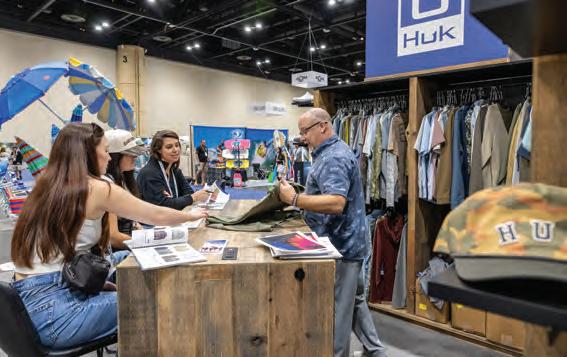

This September, Surf Expo brings the industry back together as the go-to marketplace for coastal, outdoor, and lifestyle retail.
Back at the Orange County Convention Center in Orlando from Wednesday through Friday, September 16–18, 2026, the show keeps its 50th anniversary celebration going with three days of product discovery, networking, and real business opportunities. is year, the September show moves to a Wednesday–Friday schedule, giving retailers a more e$cient buying experience. With the Labor Day rush behind them, buyers can focus on what matters: discovering new products, meeting brands, and building assortments for the seasons ahead.
e shi smart buyers already understand is that consumers don’t shop by category—they shop by how they live. A !shing trip, a beach day, a weekend camping escape, or everyday coastal living all re&ect the same mindset: products need to work together across moments. Surf Expo brings these connected lifestyle categories together in one place, helping you build assortments the way your customers buy.
ousands of quali!ed retail buyers from across the U.S. and beyond attend Surf Expo to source new products, connect with established and emerging brands, and gain insight into the trends shaping the next season. From major volume buyers to independent shop owners, this is the marketplace where retailers discover what will drive sales in the months ahead. From Shoreline Outdoor, Surf and Swim to Resort & Souvenir, Coastal Gi & Decor, and Boutique, Surf Expo spans the full spectrum of coastal and lifestyle retail. Instead of fragmented buying, you’ll discover complementary products side by side—making it easier to cross-merchandise, identify assortment gaps, and build more cohesive, pro!table o#erings.
For Coastal Angler readers, Shoreline Outdoor is where it all comes together. Sitting at the intersection of coastal and outdoor living, this category covers everything your store needs across boating, !shing, paddling, hiking, and camping—products designed to move seamlessly from land to water.
e natural overlap with surf, swim, and coastal lifestyle categories creates opportunities to expand your assortment without losing focus on your core angling customers.
If your brand lives in the !shing, boating, outdoor, or coastal lifestyle space, Surf Expo puts you face-to-face with the buyers who matter most. e show &oor is intentionally designed to spark partnerships, connecting you with a focused, quali!ed audience of retailers actively sourcing for the seasons ahead. is crossover audience is your advantage. Buyers walking the Shoreline Outdoor aisles also stock surf, resort, swim, and gi —meaning retailers discover your products you might never reach through traditional channels. For !ve decades, Surf Expo has helped brands break into new markets, both domestically and internationally. If you’re ready to grow, this is the marketplace where it happens.
Surf Expo is where the industry builds relationships, does business, and discovers what’s next. For 50 years, it has remained a central hub for coastal, outdoor, and lifestyle retail—evolving alongside the way consumers actually shop.
Quali!ed retail buyers register for free before 9/1 at surfexpo.com.

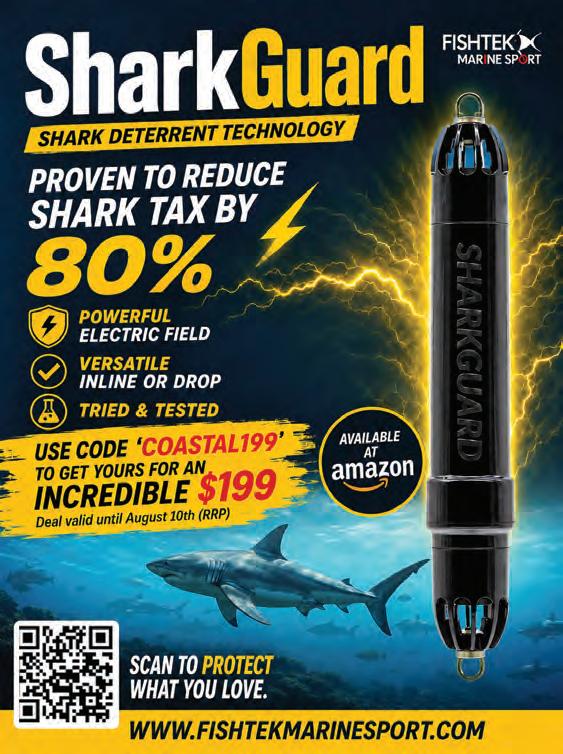
You’ve seen it happen. A wahoo stripped clean o# the rigger. A quality red!sh reduced to a head and a hook boatside. It’s one of !shing’s most heartbreaking moments—and for too long, anglers have just shrugged and called it part of the game.
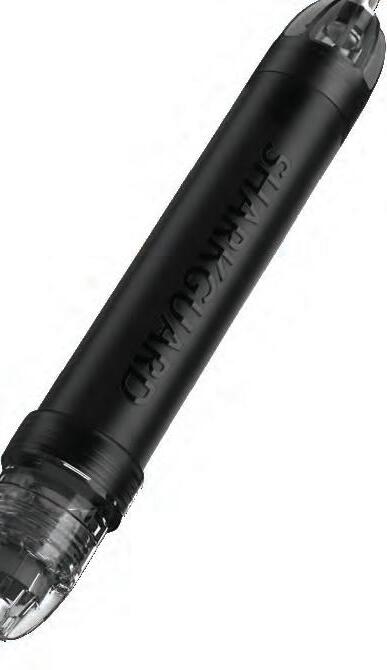
SharkGuard is a game changer!

Born in the commercial longline industry—where captains run razor-thin margins and won’t spend a dollar on anything that doesn’t deliver—SharkGuard uses proven electric pulse technology to deter sharks from targeting hooked !sh. When hardened commercial !shermen adopt a product, recreational anglers should take notice.
What makes SharkGuard di#erent is its versatility. Run it inline or slide it down to the !sh mid-!ght using a traveller rig. at kind of real-time adaptability is rare in any tackle category, and it won’t deter your target species either.
e results back it up. Controlled trials in Australia and Florida show dramatic reductions in shark depredation. Whilst Stateside, Captain Nikolas Kunsis tested SharkGuard in what he calls “the shark bite capital of the world” and landed multiple quality snook and red!sh with zero shark follows or damage.
Wherever you !sh, if you’re paying too much tax, SharkGuard belongs in your kit. Start landing !sh again.
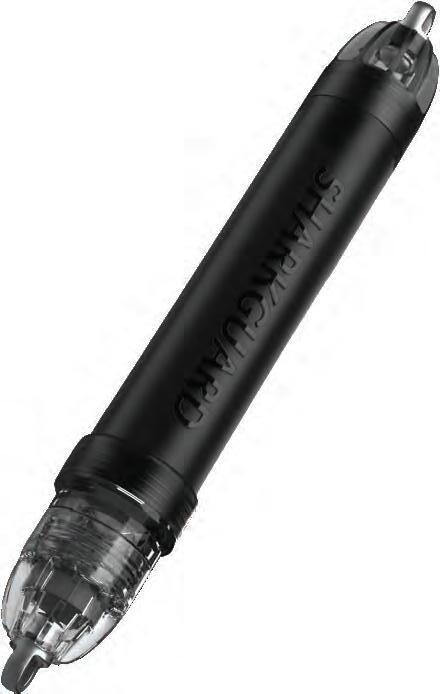
Coastal Angler readers can grab SharkGuard on Amazon at an exclusive discount — now just $199 USD (down from $275)—using code COASTAL199 at checkout.
WEDNESDAY

CAPT. MIKE SMITH

Are you having trouble catching tarpon this summer? It ain’t easy but you can get them to eat your arti!cial lures if you present them the correct way. Yes, size and pro!le are important too, but the retrieve is the key to catching more tarpon.
e !rst thing that you have to master is the tarpon retrieve. Tarpon are a no-frills species of game !sh as it relates to your lure presentation. ey typically do not like lures with a lot of action. ere are days when they will hit anything that you put in front of them, but those days are few and far between.
A great summertime lure for tarpon is a 5.5 inch jerk bait with a nice long twist-lock hook nicely centered so it tracks perfectly straight and doesn’t wobble on the retrieve. Cast it out a few feet in front of a gulping tarpon and reel it slowly back.
Another great lure for this situation is your favorite 3-inch arti!cial shrimp—as long as it falls slowly through the water column and stays horizontal as it sinks. Present this lure to gulping tarpon by casting a few feet in front of them and let it fall to the bottom. at’s it. Don’t twitch it or move it at all, just let it fall. If they are hungry, they will eat it as it falls. Natural looking shrimp with gold glitter is a good choice.
is no-action tarpon retrieve idea works for &y !shermen too. Present your purple and black tarpon toads or deceivers in front of the tarpon and work it back as slow and steady as you are able.
One of this captain’s favorite tarpon lures is the D.O.A. shallow running Bait Buster. is lure is a mullet imitation that tracks perfectly straight and has very little tail action. Purple works great in low light scenarios and a more natural look works better when it’s sunny and clear. You know the drill. Just cast it in front of the tarpon and reel it back slowly without twitching.
When it gets super hot and the tarpon move to deep water, another D.O.A. lure that works great is the 3/8-oz. regular TerrorEyz. You typically won’t see the tarpon but they are probably facing into the current so cast upcurrent and slowly reel back, keeping the lure near the bottom. is is very e#ective around bridge pilings and deep docks. You will also pick up a lot of really big snook this way too.
Tarpon are about the best inshore game !sh that you can catch. ey are ranked #2 as the best sport !sh on the planet behind the blue marlin. Hopefully this article will help you catch more.
Go get ‘em.
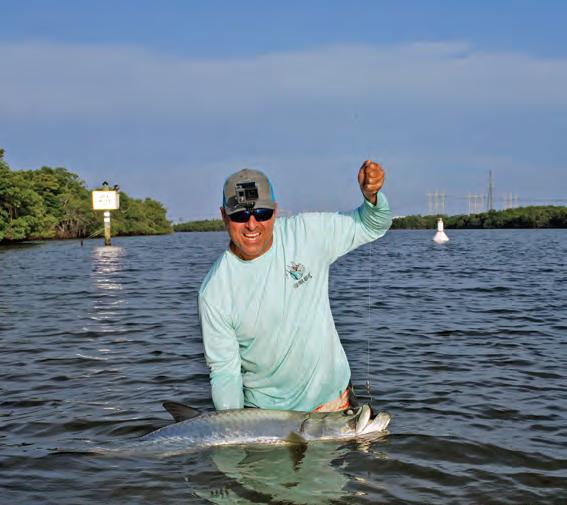
Capt. Mike Smith, owner of Fish Your Ass O Charters, is an inshore !shing guide who has been !shing the waters, oyster bars and grass ats of Florida for more than 40 years. Reach him at (561) 339-2317, email: contact@!shyourasso .com or visit !shyourasso .com.
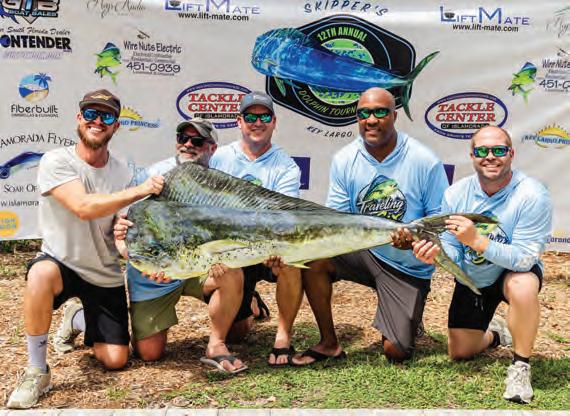
Skippers Dockside Restaurant hosted the 12th Annual Skippers Dolphin Tournament May 29-31with 53 teams made up of 195 anglers competing for over $96,000 in cash. Anglers were allowed to weigh two !sh on Day 1 and two on Day 2, but it would be the combined weight of three !sh that would determine the winners.
Team Traveling Six—consisting of I’m Bit Charters Capt. Angel Ramon; Boots Brinn and Carlos Eason of Chesapeake, VA; Shane Darnell of Yorkville, IL; and Carl Perry of Chocowinity, NC—got to the winner’s circle weighing in 78.6 pounds of dolphin. e combined weight of their largest three !sh, a 10.9 pounder plus a 16.1 and 51.6 would win $31,840! e 51.6-pound dolphin caught by Shane Darnell also won the team $7,988 for the Largest Fish Award.
Second Place team, $e Reel Deal captained by Alex Sal Debogory, caught a combined weight of 45.4 pounds to win $17,630. e team of Marina and James Daniel, Luis Jimenez, Richard Williams and Pat Delvechio weighed in !sh at 20.6, 16.5 and 8.3 pounds. Richard caught the 16.5-pound dolphin to win the Largest Fish Senior Angler winning $1,000.
ird Place team was Conetagious 1 run by Captain Brian Cone with anglers Travis Bennett, Reef Bennett, Andy Cone, Eli Lankford and Kelly Matcena, who caught a total of 42.1 pounds winning $8,420.
Lucy Lima of Ringwood, IL won $2,000 for Largest Fish Lady Angler with the 13.5 pounds aboard Team Fibs. Second Largest Fish Lady Angler prize of $1,000 was won by Abby Crouthers of Wildwood, MO with 12.1 pound dolphin !shing aboard Natural II.
Junior anglers competed for top three places, with Reef Bennett of Tavernier, FL taking !rst place with his 14.6 pound !sh winning $500. Second would go to Lucy Lima of Ringwood, IL winning $250 with a 13.5 pounder, and Andy Cone won $100 with a 8.6 pound dolphin. e largest other species !sh winners each took home King Sail!sh Trophies and $750 each including Prime Time angler Je# Schmidinger from Jacksonville, FL with a 19.9 pound king!sh; Mi Cura angler Vito Penza of Naples, FL caught a 16.4 pound wahoo; and Just Cuz’s angler Joseph ompson of Chicago, IL landed a 20.1 pound tuna.
Skippers Dockside Restaurant highlighted their fabulous seafood for the kick-o# party, which was sponsored by Gus Toy Box. e awards party sponsored by Li Mate, was done up right with slow cooked smoked prime rib, wahoo, pulled pork, mac and cheese, rice and beans, and caesar salad, all followed by desserts.
Don’t miss next years tournament !shing on June 5-6, 2027! For information visit SkippersTournaments.com






ATYLER WOOLCOTT

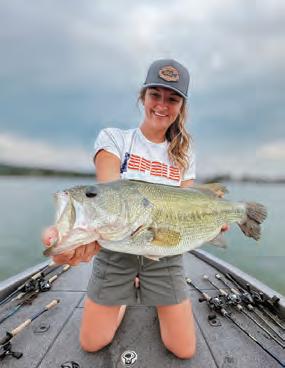
s the summer season settles in and water temperatures rise, many anglers automatically downsize their presentations in hopes of getting more bites. While smaller baits can certainly catch !sh, summer can also be one of the best times of year to target trophy bass with larger-pro!le lures. Big bass still need to feed, and they o en prefer a larger meal that provides more energy with less e ort.
One of the biggest reasons larger baits excel during the summer months is the abundance of bigger forage. Bluegill, shad and other bait!sh have had months to grow, giving bass access to larger prey. Matching the size of the available forage can o en help anglers attract the attention of the biggest !sh in the area.
Large worms, oversized swimbaits, big jigs, and magnumsized topwater baits are all excellent options for targeting quality !sh. While these presentations may not generate the same number of bites as smaller o erings, they o en appeal to more mature bass that are willing to commit to a larger meal. Many anglers are surprised by how o en a giant bass will choose the biggest bait in the boat.
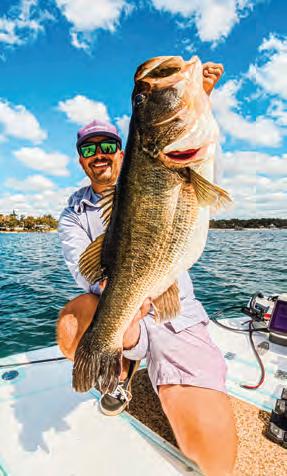
Con!dence is key when !shing larger baits. $ere may be longer periods between bites, but anglers should remember that the goal is quality rather than quantity. Staying committed to a bigger presentation can be di cult, especially when other anglers are catching smaller !sh, but patience is o en rewarded with the !sh of a lifetime.
If you’re looking to improve your chances of catching a trophy bass this summer, don’t be afraid to upsize your o erings. Bigger baits won’t guarantee a giant on every trip, but they can help put the odds in your favor. Sometimes one bite is all it takes, and that bite o en comes from the biggest !sh in the lake.
Capt. Tyler Woolcott is a professional tournament angler, as well as owner/operator of Florida Big Fish Adventures, providing bass and saltwater guided shing trips: www. oridabig shadventures.com.
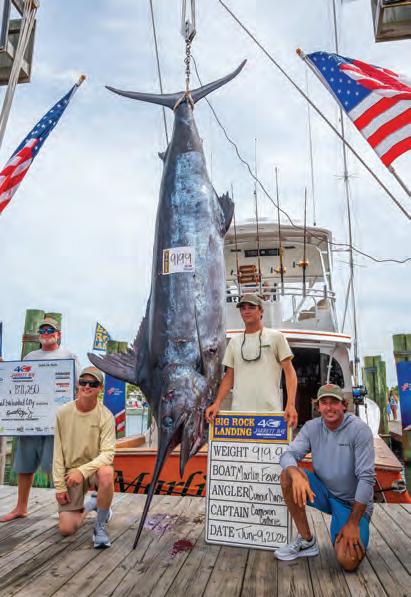
History was made, big checks were paid, and an insane at-the-buzzer leaderboard shakeup took place at the 68th Annual Big Rock Blue Marlin Tournament, held June 5–14, 2026 in Morehead City, North Carolina.
Marlin Fever brought the heat to Big Rock Landing on Day 2, bringing a tournament recordbreaking 919.9 lb. blue marlin to the scales, securing the Level V Fabulous Fisherman’s Prize worth $871,250 as the !rst blue marlin of at least 500 pounds weighed in. Eighteen-year-old Connor Daniel served as the designated angler and fought the !sh for roughly two hours. ($e crew later reported the marlin had recently eaten two sail!sh!)
Captained by Cameron Guthrie, the 63’ Jarrett Bay out of Wilson, NC, held the top spot on the leaderboard through Saturday’s !nal weigh-ins, delivering Marlin Fever the championship—and a staggering $6,513,188 payday.
And while Marlin Fever’s historic catch swept
all the blue marlin categories, it was the nail-biting weigh-in that came just before 10 p.m. on the last day of the tournament that topped o a dramatic week and sent spectators on the dock into a frenzy.
A er a grueling 6.5-hour !ght, Haphazard, a 60’ Spencer out of Manteo, NC captained by Joey Belton, delivered a true buzzer-beater. $e team arrived at Big Rock Landing just in time to weigh in one last blue marlin. It was 635.6 pounds—enough to catapult them into third place for heaviest blue marlin, knocking Free Ranger’s 597.4-pounder o the podium at the last minute. What an ending!
Fender Bender !nished in second with its 644.1-pound blue marlin weighed on Day 3, worth $467,962.50. Haphazard’s catch earned the team a $311,975 payday.
In the release division, Double G captured the title with 1,850 points a er releasing four blue and two white marlin, earning $168,937.50.
Doc Fees claimed the dolphin title and $584,500 with a 66.10-pound mahi; Magic Moment


won the wahoo division with a 53.4-pound catch; and Watertight won the tuna division with a 70.8-pounder.
A total of 278 boats !shed for a piece of the tournament’s record $9,038,225 purse.
For o cial results, payouts, and future dates, visit tournament.thebigrock.com and check them on facebook @bigrocktournament for all the tournament highlights.
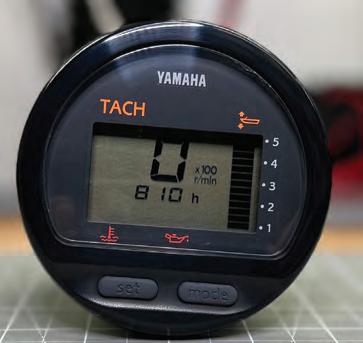
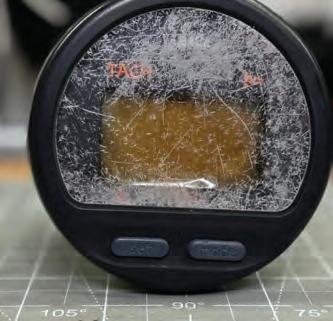


TIM BAREFOOT

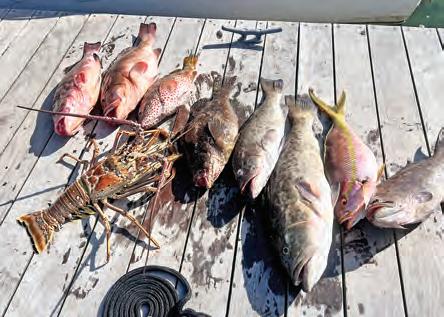
The surface water temperature will continue to climb in July, but the water temperature on the bottom will regulate itself to where it needs to be. $is is time of year to catch all the tropicals, starting now until early fall. Of course, the grouper and snapper bite will be o the chain, but this is when you will see all the snapper and grouper show up way north of Florida (as seen in photo). $ey will be available outside of their usual haunts and, of course, an occasional lobster. $is is truly the time of year to catch a giant grouper as well. I cannot emphasize this enough, but this is the time of year to spend an hour or more if necessary to Sabiki live cigar minnows and sardines for the ultimate bites on the bottom, not to mention the light line. Don’t be surprised to catch a giant wahoo on a 5-inch live cigar or sardine…elephants eat peanuts.
I would strongly suggest not playing loud music, not stomping around the deck, nor slamming cooler lids because the sail!sh and dolphin will swim up to the boat and check you out. $is is when you need to have a pitch rod ready. It’s never a bad idea to have a large squid on a pitch rod. Nothing in the ocean can refuse a well presented squid on the light line or pitch bait. It’s also not a bad idea to keep a frozen squid 50 to 75 feet deep using a small amount of weight (depending on the current).
kite for the ultimate presentation. If you have the correct weather pattern, I would strongly suggest spending the night o shore and using lights to attract the bait !sh. When you have a livewell chock full of live cigar and sardines and squid for the daylight bite, your success rate dramatically increases. Live squid or a live sardine on the bottom on a decoy jig has a life expectancy of !ve seconds or less. Don’t ask them to bite, demand the bite. Ask and you shall receive, my brothers and sisters. I’m not into all the “!shing,” per se; I’m into the catching...and there is a huge di erence. If you have the correct bait and make the correct presentation, you will get the bite!
Yes, we always carry a couple boxes of frozen cigar minnows and a box of frozen squid, but we always look for live bait, and we will spend some time on a school of bait using the Sabiki.
When the current is not running hard, a 1/4 or 3/8 oz. will get it down to the perfect depth. If the current is running a little bit, a 1/2 to 3/4 oz. might be needed. I would also suggest a live bait under a oat or under the
NOAA Fisheries recently adjusted the Atlantic blue!n tuna daily retention limits for recreational !shermen. $e adjusted limits took e ect June 1, 2026, and will extend through December 31, 2026, unless NOAA takes additional action later in the year to further adjust the retention limits or close the !shery.
As of June 1, 2026, the retention limits will be:
Highly Migratory Species
Vessel/Permit Type
Private vessels with Highly Migratory Species
Angling permits
Charter boats with Highly Migratory Species
Charter/Headboat permits, when fishing recreationally
Headboats with Highly Migratory Species
Charter/Headboat permits, when fishing recreationally
Limit per Vessel per Day/Trip (lengths in curved fork length)
2 bluefin tuna measuring 27 to <73”, of which only 1 may be a large school/small medium bluefin tuna (47 to <73”)
3 bluefin tuna measuring 27 to <73”, of which only 1 may be a large school/small medium bluefin tuna (47 to <73”)
6 bluefin tuna measuring 27 to <73”, of which only 1 may be a large school/small medium bluefin tuna (47 to <73”)
Note: $e retention limits are per vessel, per day/trip—not per angler. Regardless of the duration of a !shing trip, no more than a single day’s retention limit may be possessed or retained at the end of the trip upon landing. For example, whether a private vessel (!shing under the Angling category retention limit) takes a two-day trip or makes two trips in one day, the day/trip retention limit of 2 blue!n tuna, of which only 1 may be a large school/small medium, applies and may not be exceeded upon landing.
$e !sh are just like us. We prefer to eat breakfast, maybe lunch, and a good dinner. Be there for the daylight bite or the late a ernoon bite. Put some beautiful live bait on the bottom and expect immediate bites on the decoy jig.
One of the most important pieces of advice for !shing in July is to ensure your children are prepared for the weather. A ernoon thunderstorms are common during this month, so it’s essential to dress them appropriately and be ready for sudden squalls. $is preparation is a fundamental part of the !shing experience.
Beyond safety, take the opportunity to teach your children the proper way to care for and release !sh. $ese practices instill a sense of respect for nature and promote responsible !shing. $e lessons learned during these outings will stay with them for a lifetime, making each !shing trip both enjoyable and educational.
Learn more tips and techniques at barefootcatsandtackle.com.
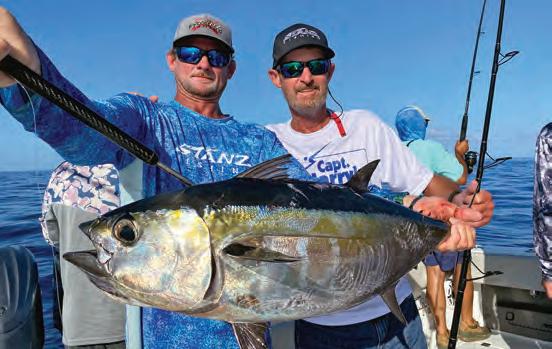
$e changes apply to Highly Migratory Species Angling and Highly Migratory Species Charter/Headboat permitted vessels when !shing recreationally. $e daily retention limits are e ective for all areas except for the Gulf of America, where NOAA Fisheries does not allow targeted !shing for blue!n tuna.
Catch reporting
Highly Migratory Species Angling and Highly Migratory Species
Charter/Headboat permitted vessel owners are required to report the catch of all blue!n tuna retained or discarded dead within 24 hours of landing or the end of trip by:
• Accessing the Highly Migratory Species Permit Shop
• Using the Highly Migratory Species Catch Reporting app
• Calling 888-872-8862 (Monday through Friday 8 a.m.-4:30 p.m.)
Keep up with all federal shing rules and regulations by visiting https://www. sheries.noaa.gov.


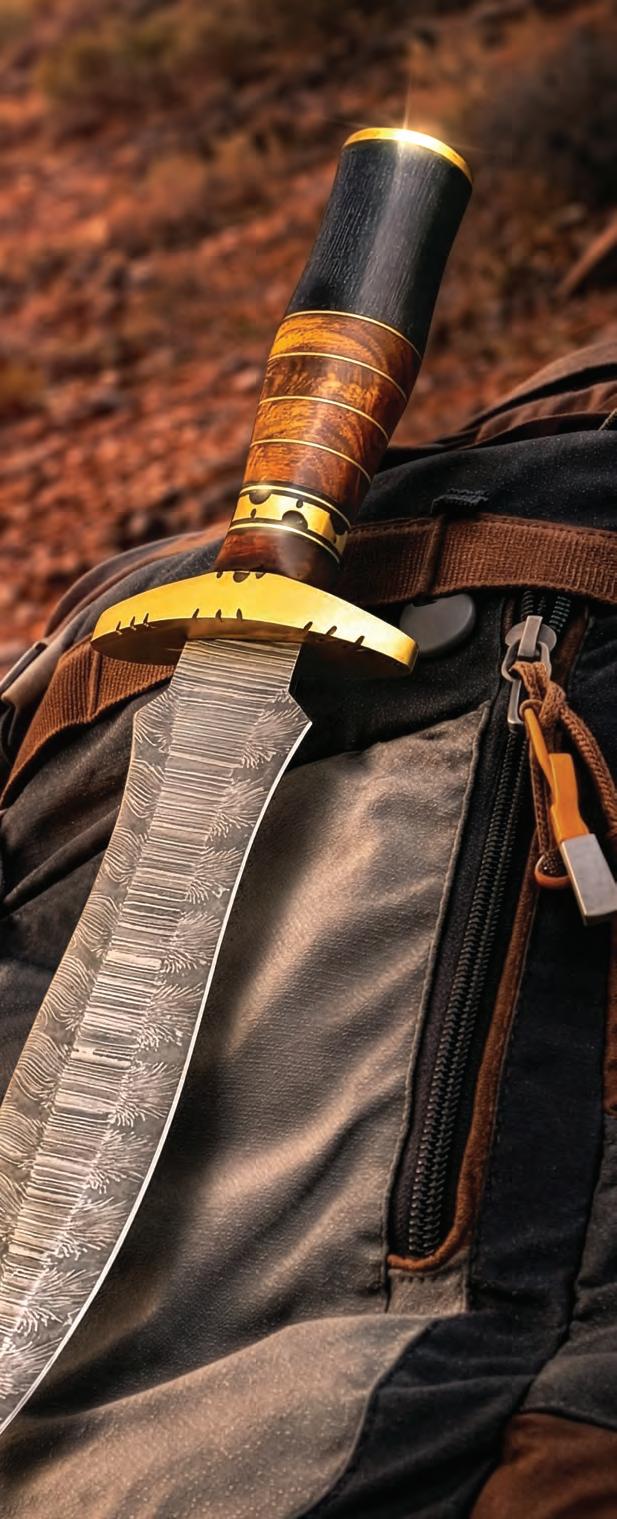
For centuries, Damascus steel has been prized for its strength, beauty and legendary performance. Its distinctive flowing patterns have made it one of the world’s most sought-after blade materials. The problem? Genuine Damascus knives often come with premium price tags. That’s why we created the Stauer Damascus Explorer Knife. Built for adventurers, outdoorsmen and collectors alike, this handsome knife combines rugged utility with timeless craftsmanship. Whether you’re preparing kindling, tackling camp chores or simply admiring its artistry, it’s a blade you’ll be proud to own.





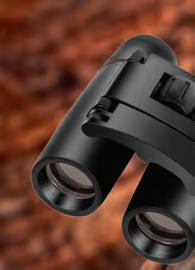
Stauer Pocket Binoculars a $99value with your purchase of the Damascus Explorer Knife

The first thing you’ll notice is the striking Damascus steel blade. Its signature rippled pattern isn’t just beautiful — it’s the mark of a centuries-old forging tradition. At a full 8 inches long, the blade offers impressive cutting power while maintaining excellent balance and control.
The rich rosewood handle provides a comfortable, secure grip, while the included sheath keeps your knife protected and ready for action. Every detail reflects the kind of quality typically found in knives costing far more.
Thanks to Stauer’s direct-to-you model, we’re able to offer this premium Damascus blade at an exceptional value. But supplies are limited, and once this shipment is gone, we can’t promise another opportunity at this price.
If you’ve been looking for a knife that blends performance, craftsmanship and value, now is the time to act. Damascus Explorer Knife PLUS FREE Binoculars $349* Offer Code Price Only $99 + S&P Save $250 1-800-333-2045


*Discount is only for customers who use the offer code versus the listed original Stauer.com price.


Knife Specifications
• Damascus steel blade
• 8" blade. 13" overall length
• Rosewood handle
• Sheath included
What customers are saying about Stauer knives...
“First off, the shipping was fast and the quality is beyond what I paid for the knife.Overall, I am a satisfied customer!” — D., Houston, Texas




California residents, please call 1-800-333-2045 regarding Proposition 65 regulations before purchasing this product. $99 +FREE Binoculars Impossible PriceONLY


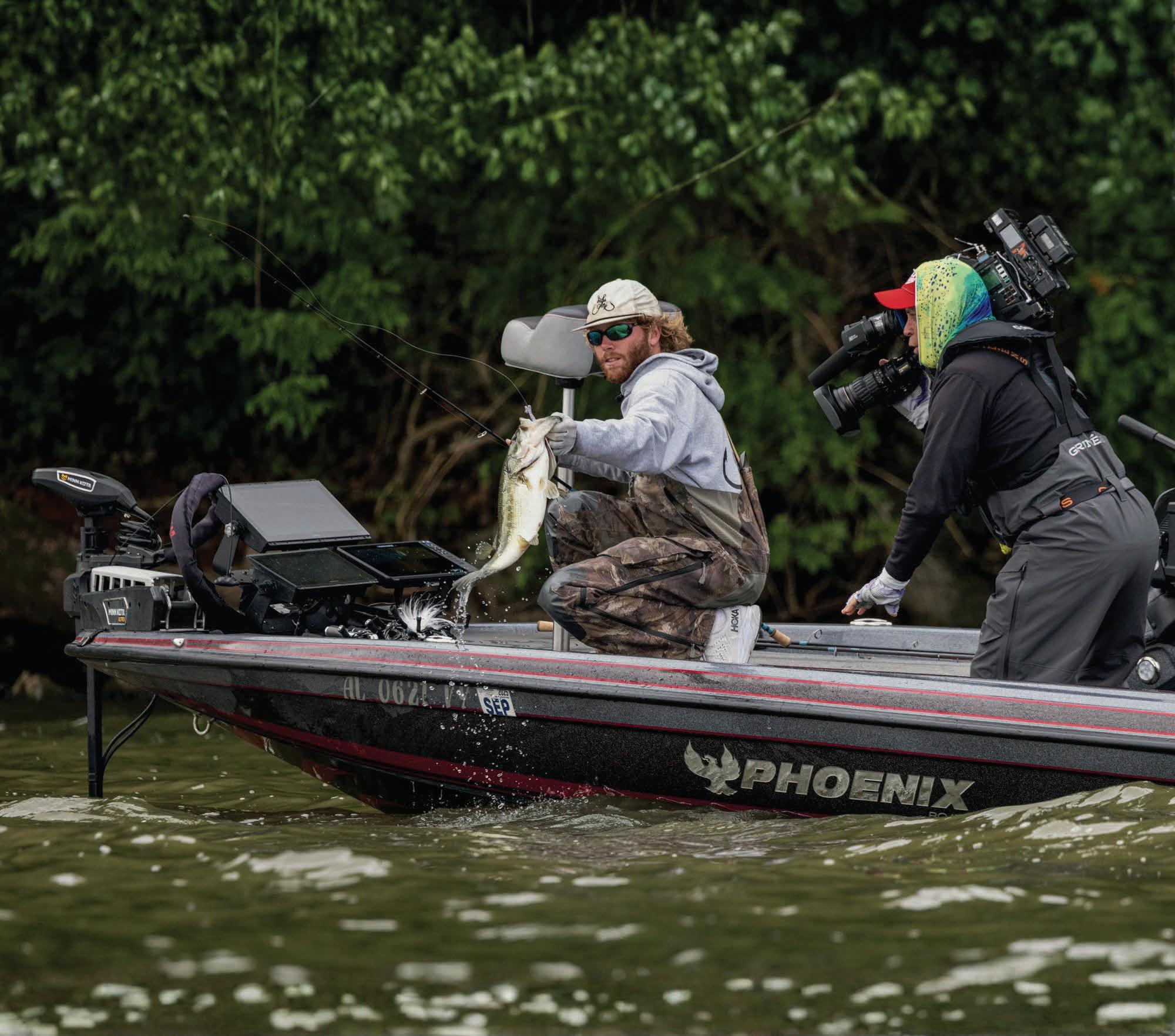
43,000 acres of legendary fishing from trophy bass, to world class sauger. A true Bill Dance Signature Lake.