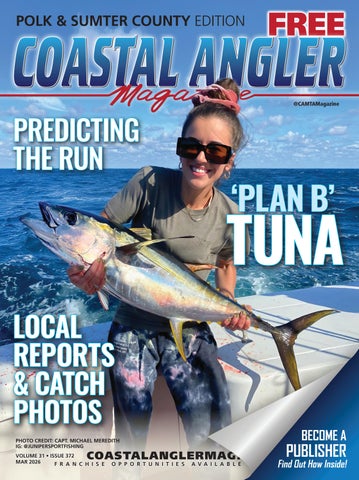

PREDICTING THE RUN

The Best Infatable Fishing Boats
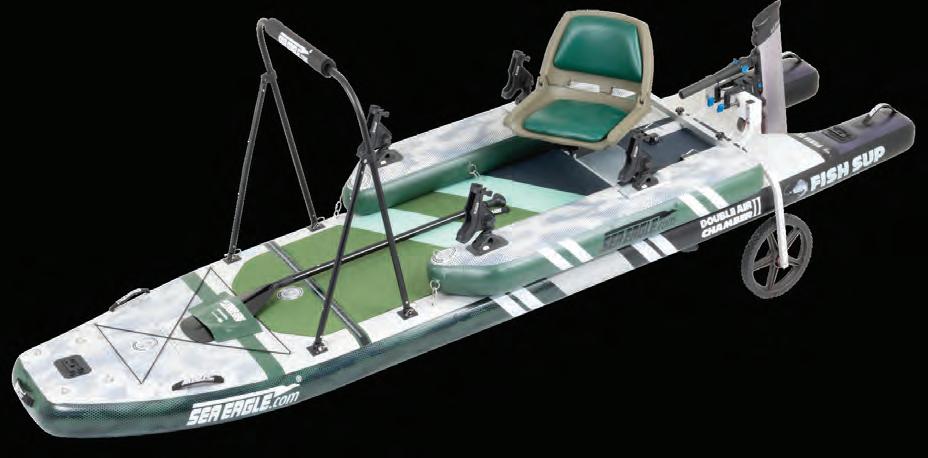
Best For Lightweight Solo Fishing
The versatility of the FishSUP™1210 is unmatched! Use it bare bones with just the board, a paddle & your !shing gear or deck it out with swivel seat, side pontoons, casting bar, motor and more! Incredibly stable, extra wide, swallow-tail !shing SUP holds up to 500 lbs! The FS1210 takes electric and gas motors up to 3 hp. There’s even an option for a bow trolling motor.
Choose From 6 Packages
Starting At Just $999
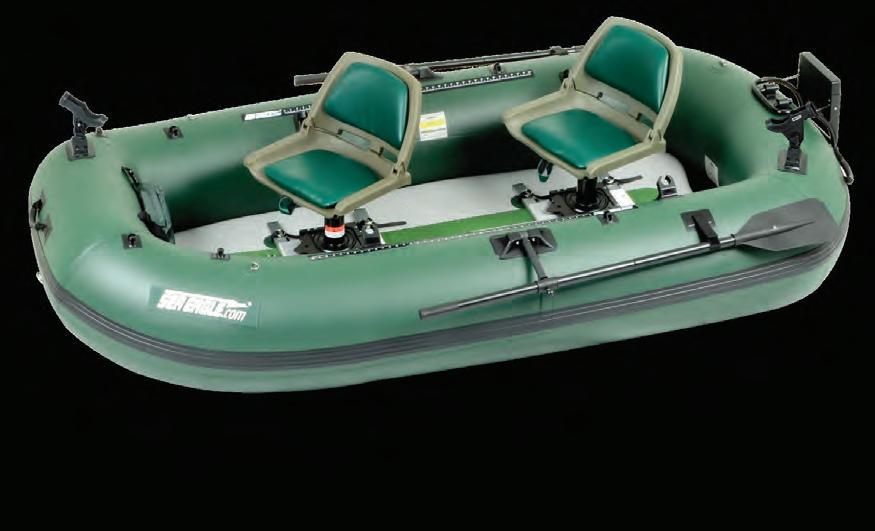
Best For Lightweight Tandem Fishing
Perfect for !shing rivers, lakes and bays. The STS10 is a lightweight, roomy 1 or 2 person pontoon boat that’s packed with features anglers need & love including 2 built-in !sh rules, 4 built-in rod holders & 2 Scotty® mounts for more rod holders, anchor locks, camera posts or any other Scotty® accessory. Now available with a drop-stitch in atable oor or wooden oorboards.
Choose From 7 Packages
Starting At Just $1449
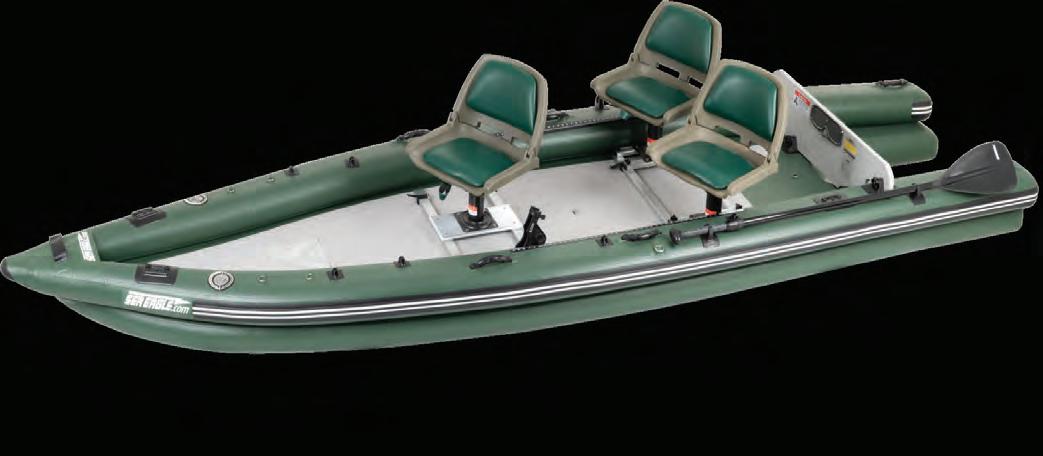
Best For Lightweight Fish Ski! for 1, 2 or 3 Anglers
This “low-rider” gives you access to the water to reel in and release !sh easily. With a new patented outside, in atable, rigid keel the FSK16 glides through the water at speeds up to 21 mph to get you to the !sh fast! Perfect for 1-3 anglers and room for plenty of gear.
Choose From 9 Packages
Starting At Just $2999
















TRUST BR AND MARINERS
Ever see a commercial harbor full of Furuno Marine Electronics and wonder why the pros rely on us?


See why here










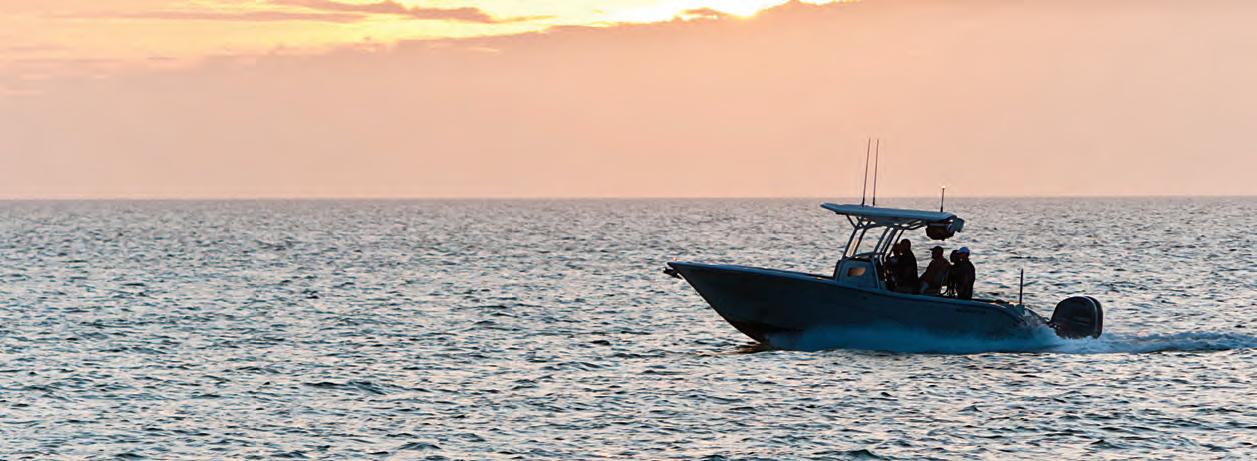
fve things you should know about boat insurance
Are you ready to embark on your next on-water adventure? Before you set sail, here are fve things to know about boat insurance.
1. Boat insurance isn’t just for accidents
With comprehensive coverage, you’ll also be protected fnancially for theft, vandalism, and unexpected events like storms if you need repairs or replacements due to damage.
2. Accidents can happen to anyone
When accidents happen, boat insurance offers liability coverage for damages or injuries you cause while boating, up to specifed limits. It can also cover lawsuit costs if you’re sued.
3. Boat insurance can cover medical payments
Boat insurance offers a range of optional medical payments coverage limits, helping to cover medical expenses if you’re in an accident or someone is hurt on your boat, regardless of fault.
4. Most lenders require boat insurance
If you fnanced your boat, you’ll likely need boat insurance since most lenders require boat insurance to protect their investment. Additionally, some marinas or municipalities require proof of insurance for docking.
5. Progressive offers specialized boat coverages
Ever worry about getting stuck on the water? Progressive’s Sign & Glide® On-Water Towing coverage** can help. It’s an additional coverage that steps in if your boat is disabled or breaks down on the water, paying for on-water towing, jump starts, soft ungroundings, and fuel delivery. Fuel cost isn’t included.
Don’t let unforeseen circumstances disrupt your voyage. Cruise with confdence thanks to Progressive Boat insurance. Because when it comes to your boat, peace of mind is the ultimate luxury.
Scan to get a quote in as little as 4 minutes.
to learn more.














By Will Schmidt
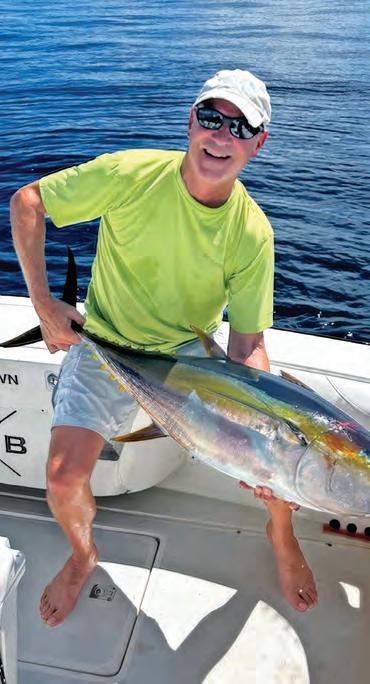
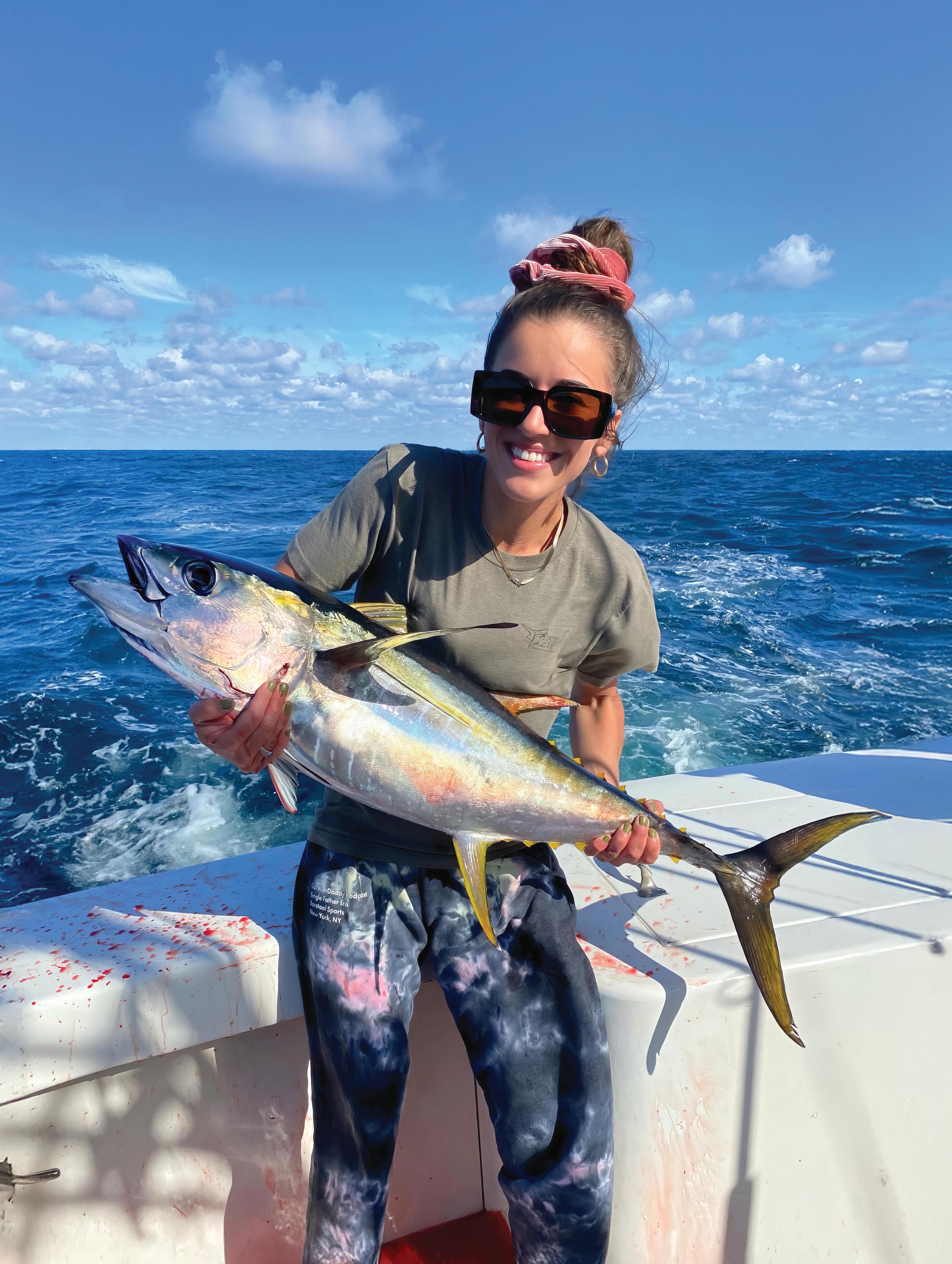
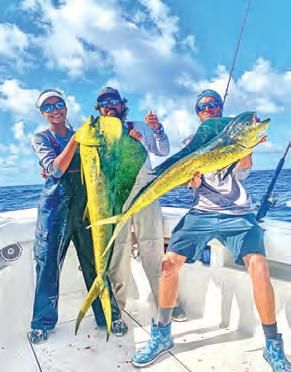
Tere were birds diving, porpoise rolling and he y yellow n tuna skyrocketing like Fourth of July reworks. Both on the water and in the boat, the energy was palatable. With one angler on the bow ready to cast a top water plug into the fray and me in the stern with ready to deploy live bait, the boat throttled back. !e plug went ying, meanwhile I simply dropped my bait behind the boat and started freelining. Almost instantly the plug was blasted in the air but not connecting. Meanwhile, I tossed a handful of baits o the back of the boat. By now the fray had subsided but the sh were clearly still looking for an easy meal. 50 feet behind me one of the chummers was blasted overhead by a 150 pound yellow n who was skyward bound a er it. Just below I could see my bait franticly swimming as another engulfed it, leading to a great battle before releasing the 100 pound class sh.
While top water shing for tuna is all the rave right now, it really makes sense to deploy multiple tactics to take advantage of these opportunities, as the school o en retreats as the boat nears. Our back up plan is very simple and almost always produces sh. As the boat gets into casting range of the school, we drop live bait o the stern and free line them. We always keep a couple ready to go. !is way, if the school disappears there are other baits ready for those who have been plugging.
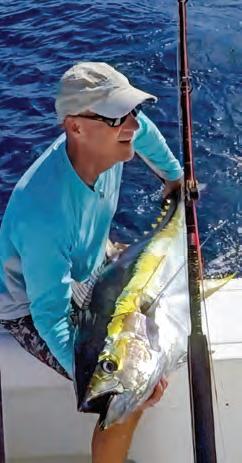
For bait google eyes or blue runners, rigging them on a 10/0 circle hook is ideal. Bridling the bait and using a non-slip loop knot presents the most natural movement as the baits ee. Also, tossing a handful of chummers in, as the surface activity disperses, usually brings shing looking to pick up stragglers into the strike zone. Chumming really helps keep the sh around, so make sure you have plenty of bait. When you get hit, give it a ve count real tight and hang on!
I like to use a bit heavier tackle with the live bait, as we o en seem to nd bigger sh. My go to is Shimano Terez BW Roller Striper medium heavy with a Talica 25A. I use 80lb braid to 80lb mono. !is is a great set up that’s fun for sh from 40 to 140 and can handle the occasional really big one. the rod with a better ghting angle. It also helps to keep the line away from the gunnel as a spiraling sh ascends. !is is a great asset for many anglers on these tough sh.
Will Schmidt is a seasoned tournament angler who has been writing about shing for more than two decades. Follow Will on Instagram @saltynstrong.


Florida’s Spawn Transition: Where the Giants Get Caught
In Florida, we don’t wait on spring the way the rest of the country does. Our bass start thinking about the spawn early, and that in-between window when they’re moving from winter patterns to-ward the beds is one of the most exciting times to be on the water. It’s not full-blown bed fishing yet, and it’s not the deep winter grind either. It’s the transition. And if you hit it right, it’s when the biggest fish in the lake are at their absolute heaviest and most catchable.
During this phase, big females don’t just rush the shallows. They stage first. Think outside grass lines, ditch intersections, shell bars, canal mouths, and hard-bottom spots just off spawning flats. They want easy access to both worlds shallow enough to move up when conditions warm and deep enough to slide back if a cold front rolls through. Instead of randomly covering water, suc-cessful anglers focus on these “inbetween” areas where bass pause before committing.
The fun part about fishing the transition is that these fish are still in feeding mode. They’re fueling up before the hard work of spawning, which means reaction baits can shine. Swimbaits and
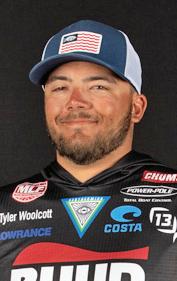
TYLER WOOLCOTT
lipless crankbaits are great for covering water along staging edges, especially around submerged vegeta-
tion. If they’re holding tighter to cover, slowing down with a Texas-rigged creature bait or a wacky-rigged stick worm can seal the deal. The key is not getting too shallow too fast; a lot of an-glers run straight to visible bedding areas and skip right past the best fish.
Florida weather adds another layer to the puzzle. A few warm, stable days can push fish forward in a hurry, while a stiff north wind can reposition them just as quickly. The calendar matters less than conditions. Watch water temperature trends, pay attention to wind direction, and look for areas that warm first, especially protected shorelines with darker bottoms. Transition bass adjust daily, some-times hourly, and the anglers who adjust with them are the ones holding up the heavy fish.
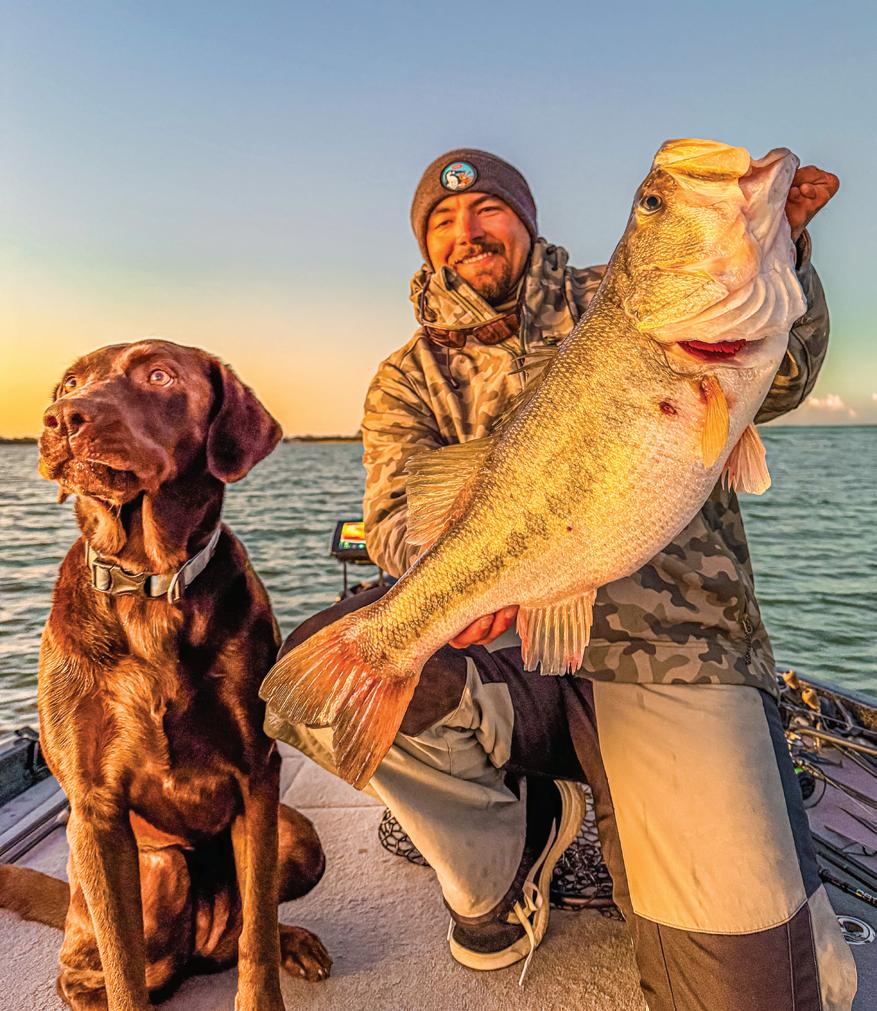
For me, this window is one of the most exciting times of the year. You’re not just sight-fishing beds, you’re hunting moving giants that are feeding and positioning with purpose. They’re thick, strong, and aggressive enough to commit. When you connect with one during the spawn transition, it’s not just another bite it’s often the bite that defines the season. And in Florida, that fish can show up on any cast.
Capt. Tyler Woolcott is a professional tournament angler, as well as owner/ operator of Florida Big Fish Adventures, providing bass and saltwater guided fishing trips: www.floridabigfishadventures.com.
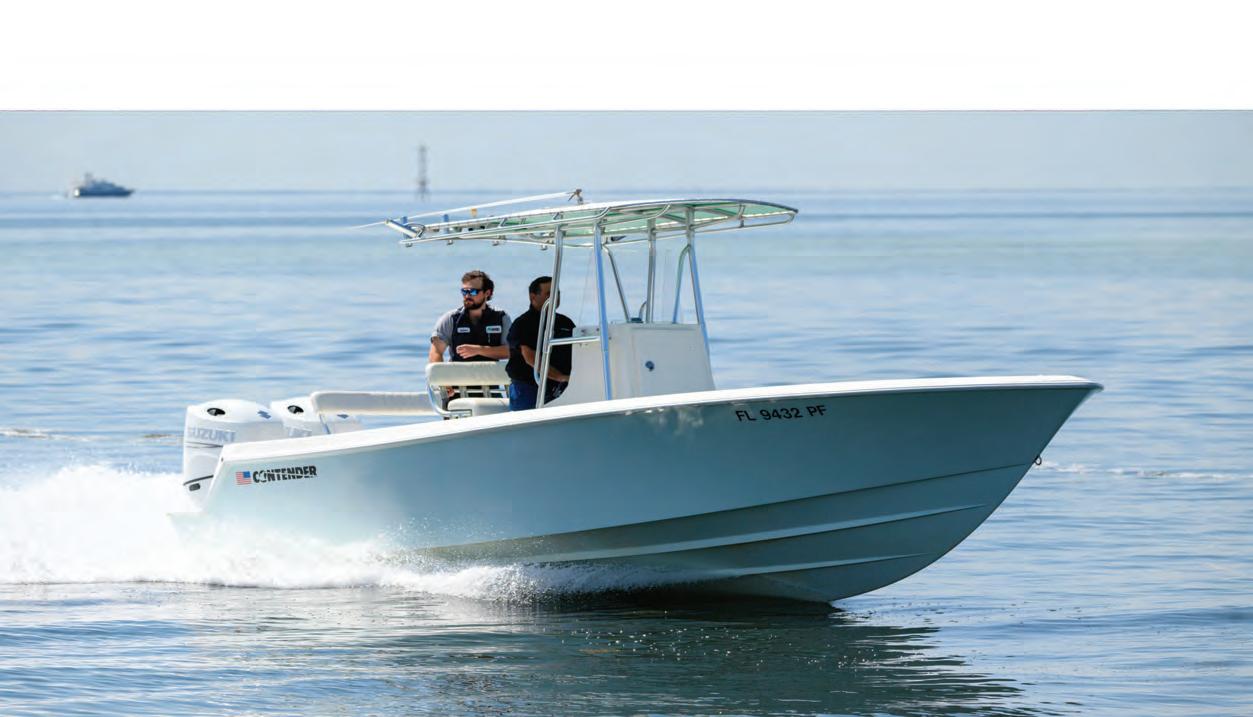
Mastry Engine Center has received the Suzuki Marine Super Service Award and has been ranked #1 in Suzuki Marine US Sales! 60 YEARS OF REPOWER EXPERIENCE!

RePower Packages designed to best ft your needs and not stretch your budget. Financing available.

Rest assured, all Mastry Suzuki RePowers are backed by Suzuki’s industry leading 5-year factory warranty.

Stationed strategically around the East Coast, all Suzuki RePower Centers have achieved the highest level of Suzuki certifcations to meet and exceed your repower needs.
When Considering A Repower, Consider These Factors:
•Every Authorized Mastry Suzuki RePower Center has decades of repower experience providing proper rigging, controls, propeller matching and in water testing
•With a Mastry Suzuki RePower, owners gain improved performance, less noise and greater reliability
•Mastry Suzuki RePower’s exclusive Owner’s Edge Program*
•Mastry Suzuki RePower Centers use authentic Suzuki OEM parts and have factory certifed technicians

WE’VE GOT YOU COVERED!
Since 2014, Mastry Engine Center, has been building the premiere Suzuki Outboard repower network in Florida. Today, Authorized Mastry Suzuki Outboard Centers have been exceeding expectaions in the Southeast for over two decades. Recently Suzuki Marine requested Mastry Engine Center to expand the network throughout the Northeast. Now boat owners from Maine to Florida can be assured of the best support for their Suzuki outboard repower project. All Authorized Mastry Suzuki RePower Centers provide the best options, information and package pricing for excellent performance in repower.



*Get with the Program!
When you purchase a new Suzuki outboard from an authorized Mastry RePower Center you qualify to become a member of the Mastry Suzuki Owner’s Edge. Owners receive an identifcation card that provides them with important information about their Suzuki outboard motor as well as a passport to additional benefts during ownership. Members enjoy a detailed engine maintenance schedule, Mastry Suzuki RePower Trade Program and special pricing from Mastry Suzuki Partners.








On The Spot Fishing
By: Capt. Ashley Beall
March is the month that pretty much means go time to me in Tampa Bay. Water temps are rising white bay can be found on the flats and more abundantly throughout the bay. We start getting better high tides unless negative low tides. The backwaters are heating up for snook and redfish action. Water temps are rising, but it still can be very windy throughout March but tides are pushing stronger and there are longer days.
Snook
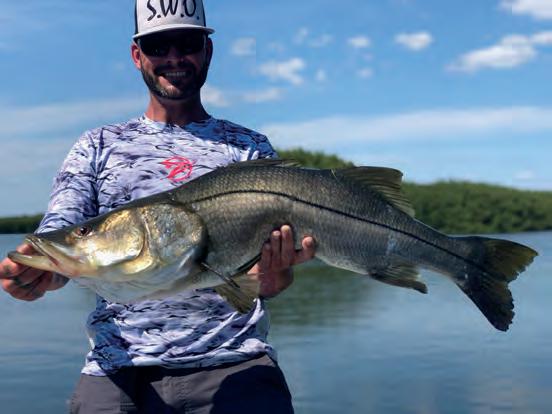
As The water temperature heats up and the tides get stronger snook are becoming more active and are staging up on points and structures throughout the bay. All you need is a live well full of greenbacks or large shrimp to skip under the mangroves or docks to catch them. With snook it’s all about the cast, casting your bait by skipping it under the mangrove limbs or docks can and will be very rewarding with snook. It’s not uncommon to catch 20-30 snook on my boat in a trip. Of course You can always use artificial lures to catch them. My favorite lure for snook is a Mirrolure 7m-18 or a fluke style soft plastic rigged seedless so I can skip it into tight spaces without hooking structure. Snook will post up anywhere there is a point or corner or in shadows of any structure. They are highly predictable and seem to be the most abundant under the mangroves. Snook will feed heavy on the last hour of the incoming tide and like the first two hours of the outgoing tide. I especially like the outgoing tide in the rivers. My set up that I run with 90% of the time is a 7 foot to 7 1/2 foot medium, heavy Bull Bay rod Paired with a 3000 to 4000 size real spoiled with 15 pound braid tied directly to 20 pound Fluorocarbon leader with a 1/0-2/0 circle hook. Snook are in season from March 1 through April 30 but you must have a snook stamp in order to harvest one and the slot to keep one is only 4 inches 28”-32”. so look for a snook to be really abundant and active throughout March and once the water temperature reaches about 71° you should be able to start catching white bait on the flats
REDFISH
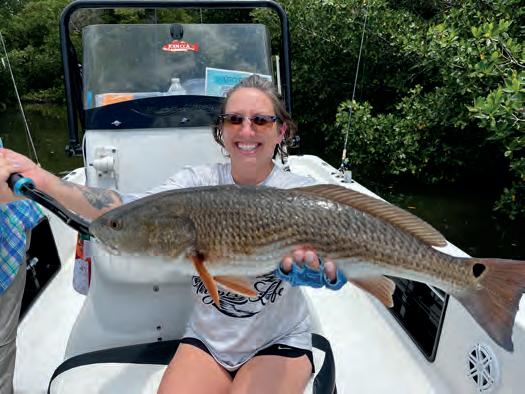
Redfish are settling into a steady rhythm this time of year. They’re no longer scattered and sluggish — they’re feeding with purpose.
Expect fish that are healthy, aggressive, and willing to chase. When conditions line up, they’ll eat with authority, whether it’s a well-presented soft plastic or a lively offering moving naturally with the current. Redfish are opportunistic feeders, swimming around and taking advantage of what is in front of them. Live greenbacks, shrimp and cut lady fish or pinfish or mullet all work well. If you find nervous or shaky water it’s likely mullet and usually redfish are around. Find the mullet, find the redfish.
Sea Trout
Speckled trout follow suit. As water temperatures climb, their attitude improves dramatically. Numbers can be strong, but what makes March special is the quality. It’s the time of year when better fish begin to show themselves. A slow, patient presentation can pay off, but don’t be surprised when they respond explosively to something moving across the surface.
TAMPA BAY FORECAST
Shrimp on a popping cork or a live greenbacks free lined will do the ticket but when it comes to trout, if you know me, you can put fish anyone using live bait with artificial lures of all varieties. Drift with wind or current over grass flats and potholes and cast like a clock around the boat, covering as much ground as possible. When you hook one or two stop and anchor to fish it out. Use a 1/8-1/4 oz jig head rigged with a jerk bait or paddle tail or use a Mirrolure mirrodine. If the water is really clear use natural colors, nothing flashy.
Beyond the usual inshore staples, the variety really starts to shine. Sheepshead remain a dependable option and continue to reward anglers willing to match wits with them. Spanish mackerel bring speed and chaos to the mix, slashing through bait schools and turning calm water electric in seconds. Spanish mackerel are lots of fun for people because they pull drag and you can catch many back to back.
As we roll deeper into spring, the opportunities only expand. March sets the tone for the months ahead — stronger bites, better variety, and that unmistakable feeling that the season is about to fire on all cylinders. For anglers willing to stay flexible and dial in to the changing conditions, it can be one of the most rewarding times of the year to be on the water.
If you’re looking to get in on the action this spring, On The Spot Fishing Charters, LLC is gearing up for a strong season and ready to put you where the fish are biting. Tight lines, and we’ll see you on the water.






MARCH FISHING
Florida Bass:
March continues the of peak bass season at Tenoroc as Florida bass move into pre-spawn and early spawning patterns. Water temperatures are cooler and more stable, allowing fish to feed actively throughout the day, with increased activity during warming afternoon periods. Focus on shallow flats, bedding areas, and the edges of vegetation using soft plastics such as stick worms, creature baits, and craw-style lures worked slowly and methodically. Lipless crankbaits, shallow-running crankbaits, and vibrating jigs can be especially effective when retrieved along grass lines or across hard bottom to trigger reaction strikes. Sight-fishing opportunities may begin on clear, calm days as bass start to stage and spawn. Lakes 2, 5, G, Lost Lake West,


and the Waterlou Paddling Trail are excellent choices this month and regularly produce quality fish. March is also prime time for Trophy Catch-quality bass over 8 lbs., so be sure to visit the TrophyCatch website for details on how to document your catch.
Bream/Panfish:
Bream fishing remains consistent in March, with fish holding around shallow vegetation and woody cover during sunny, warming conditions. Target shorelines, reed edges, and brush in 2–6 feet of water using light tackle and natural baits such as red wigglers, crickets, or grass shrimp. On cooler mornings, fish may be slightly deeper, so adjusting your float depth can make a big difference. Small jigs, beetle spins, or inline spinners can also be effective when panfish become more active later in the day. Lakes Cemetery, Derby, Horseshoe, B, and Pine continue to provide reliable bream action and are great options for anglers of all experience levels.
Black Crappie
March is one of the best months of the year for crappie at Tenoroc as fish begin transitioning from deep winter areas toward shallow spawning habitat. Look for crappie staging on submerged brush, timber, and channel edges in 5–12 feet of water. Small jigs (1/32 to 1/16 oz) in white, chartreuse, or shad patterns, tipped with minnows or soft plastics, work well when fished slowly. As water temperatures rise, fish may move shallow, especially on sunny afternoons. Focus on Lakes Halfmoon, Horseshoe, Legs, Picnic, and Shop for some of the best late-winter and early prespawn crappie action.
Tenoroc Public Use Area
CENTRAL FLORIDA FORECAST
By: Capt. Scott Taylor
After weeks of wild weather and repeated cold fronts across Central Florida, conditions have finally stabilized — and the fish are responding. Surface temps that hovered around 60–62° are climbing into the upper 60s and low 70s, triggering more aggressive feeding activity each day.
On Winter Haven’s South Chain, focus on grass flats with hydrilla, eel, and pepper grass in 6–12 feet. Because these areas taper gradually, start deeper, scan for bait and bass on electronics, and zig-zag shallower as needed. Four- to five-inch flukes and Z-Man Jerk Shadz rigged on a light belly-weighted hook are ideal search baits in the clear water. Natural shad and watermelon tones match local forage well. When wind picks up or a faster fall is needed, switch to a light jig head. Wacky-rigged worms, Senkos, jerkbaits, and rattle traps in natural patterns also produce consistently.
The Kissimmee Chain out of Camp Mack calls for a different approach. Target open water with shell beds mixed with hydrilla and eel grass — prime zones holding shad, shiners, and bluegill. Even in open water, hollow-body frogs and black-and-gold topwater walkers shine. Chatterbaits, spinnerbaits, and swimbaits in shiner or redear patterns should always be in the rotation.
“As surface temps climb into the 70s, bass are shifting from survival mode to feeding mode — and the bite shows it.”

Let’s Brag About It!
Polk County Folks Catches
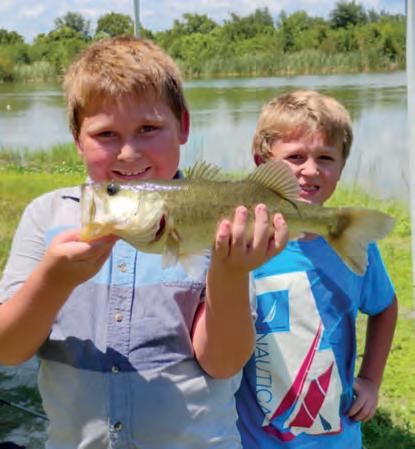

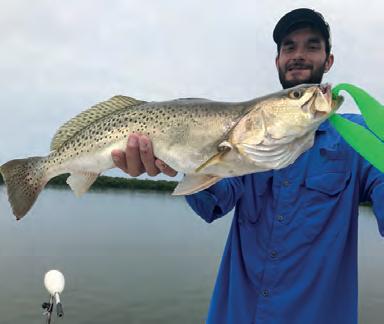

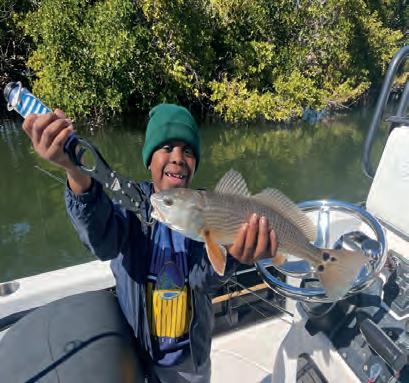

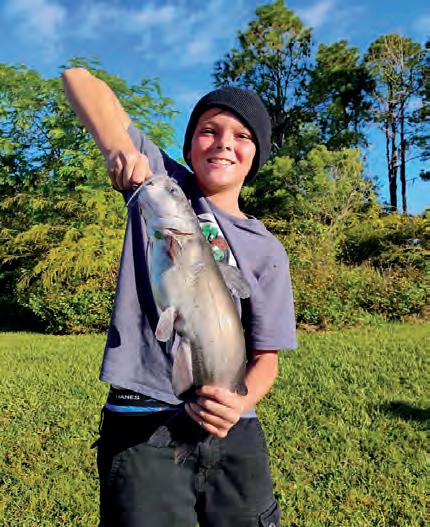

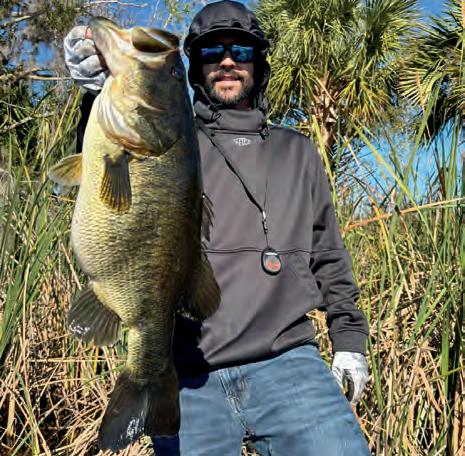

Dakota Jr Tenoroc Mines
Rebecca Tenoroc Mines
Josh Tenoroc
Nice catch with Capt Ashley Tampa Bay
Justin Tenoroc
Hope Lake Hack
Nice catch with Capt Ashley Tampa Bay
Mathew Jr & Mason Tenoroc Mines





NEW SPOTTED SEATROUT REGS TAKE EFFECT APRIL 1
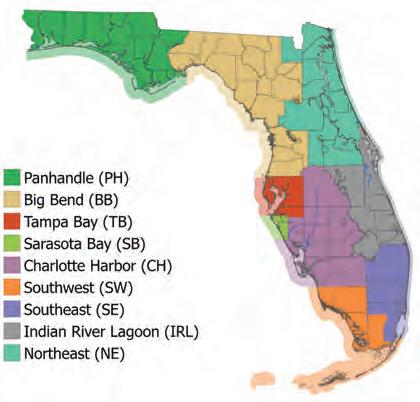
At its February meeting, the Florida Fish and Wildlife Conservation Commission (FWC) approved new management regions and regulations for spotted seatrout shing in the State of Florida. e rule changes establish nine management regions for spotted seatrout as well as regional regulations for recreational and commercial shing.
ese new regulations will go into e ect on April 1, 2026:
OPEN/CLOSED SEASONS
Recreational
» Panhandle: Open March 1–Jan. 31; Closed February.
» Big Band, Tampa Bay, Sarasota Bay, Charlotte Harbor, Southwest, Southeast, Northeast: Open year-round.
» Indian River Lagoon: Open Jan.1–Oct. 31; Closed Nov. 1-Dec. 31.
Commercial
» Panhandle, Big Bend, Tampa Bay, Sarasota Bay, Charlotte Harbor, Southwest, Southeast: Open Jun. 1–Oct. 31; Closed Nov. 1–May 31.
» Indian River Lagoon: Open May 1–Sept. 30; Closed Oct. 1-Apr. 30.
» Northeast: Open June 1–Nov. 30; closed Dec. 1–May 31
BAG LIMITS
Recreational
» Big Band: Five (5) sh per person.
» Panhandle, Tampa Bay, Sarasota Bay, Charlotte Harbor, Southwest, Southeast, Northeast: Four (3) sh per person.
» Indian River Lagoon: Two (2) sh per person.
Commercial
» 50 sh (1 SPL);100 (≥2 SPLs) in all regions.
SLOT LIMITS
» Recreational - 15-19 inches
» Commercial - 15-24 inches
OVERSLOT ALLOWANCE
Recreational
» All Regions: None. is regional management strategy has been implemented for some of Florida’s most popular inshore species, including red sh and snook, and now spotted seatrout. ese regions and regulations are part of the FWC’s holistic management is approach takes a more holistic view of the shery by evaluating multiple metrics, including shing, stakeholder experiences and environmental factors, at a smaller regional scale. It improves our understanding of regional di erences in environmental conditions and stakeholder experiences and provides greater exibility to address localized concerns.



» Panhandle, Big Bend, Tampa Bay, Sarasota Bay, Charlotte Harbor, Southwest, Southeast: One (1) sh over-slot allowed per vessel or per person if shing from shore
» Indian River Lagoon, Northeast: None
Commercial
For the full FWC commission meeting agenda and links to background reports, go to myfwc.com/about/commission/commissionmeetings/. For current spotted seatrout annual reviews, visit MyFWC.com/Marine and click on “Recreational Regulations” and “Spotted Seatrout.” ese documents provide a summary of the management metrics in each new management region.



















SPEND LE TIME ON TASKS More Time Fishing
It’s no fsh tale when you run with a John Deere. You can get everything done faster and easier, so you get more time on the water. Plus, our special offers make them the catch of the day.


PREDICTING THE RUN
By Capt. Jim Ross
s a charter captain, as well as a regular contributor to the Brevard County, Florida edition of Coastal Angler Magazine, every year there are certain events that happen that I try to predict in advance so that clients and readers can catch more !sh. However, there are many times that even we so called “professionals” don’t get it exactly right. Obviously, my crystal ball isn’t 100 percent correct all of the time...maybe it needs a tune up. LOL!
ings like the giant black drum schooling up, spring cobia run, June tarpon run, fall mullet run, and winter pompano run aren’t things you can pin down to a certain day of the month, but most of the time we can at least predict the month. Hopefully, I can achieve at least a 90 percent e ciency rating a er doing this report for the past 25 years.
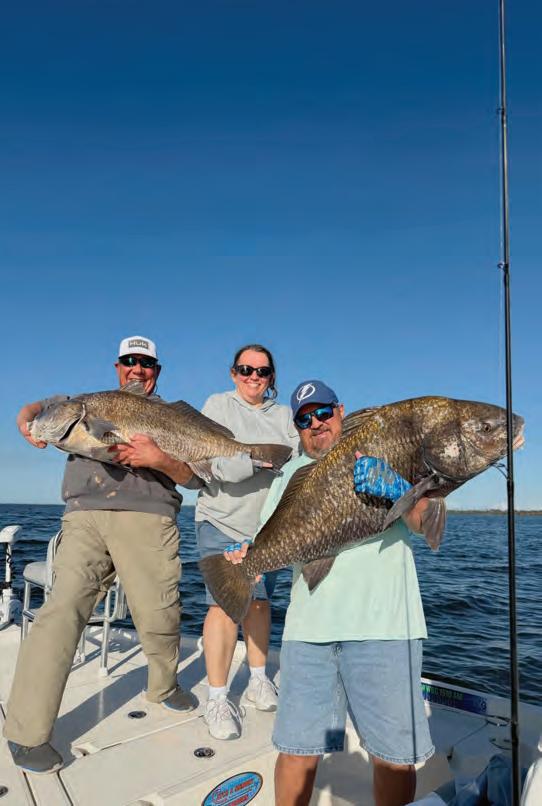
I was just telling my clients one day last week, a er catching a bunch of small trout and a couple of lady!sh, that the big uglies were probably going to show up in a few weeks and if they had a chance to come back out with me then that they may have a shot at catching some much larger !sh than the ones we had landed that morning. Just !ve minutes a er saying this I spotted something unusual about 500 yards up the at. It was exactly what I had just been talking about- a 300 !sh school of 30 to 50-pound black drum.
e !sh in this big school were happy-tailing and waking as they pushed their way down the at. We eased up to them, cast our shrimp in their direction, and as you !gured, the battles were on. All three anglers were hooked up to huge drum that had absolutely no respect for them. Drags screamed, rods doubled over, and dozens of yards of line dumped o their reels. Grunts and groans were heard between laughter and smiles as they worked to tire these beasts. e boat deck looked like a country bar dance oor as anglers shu ed and two-stepped under and over each other in an e ort not to lose their prized catches.
We ended up extending the trip from a 3/4 day to a full day outing because each !sh took 15 to 25-minutes to land.
e moral of the story? Don’t ever count on !sh to be there and don’t ever think that it’s not quite the right time to catch them. e bottom line is just go !shing every chance you get. at is the only way that you can be sure to catch your next memory.
Capt. Jim Ross is owner/operator of Fineline Fishing Charters on Florida’s Space Coast and host of “Catch a Memory Outdoors” live radio show and podcast. www. neline shingcharters.com • www.catchamemoryoutdoors.com




COME JOIN




PRO FISHING TECHNIQUES
Top 3 Mistakes
So many anglers have a “go-to” color lure that they swear by. What they do not understand is that the color of your lure barely makes the top three most important factors for catching tons of !sh.
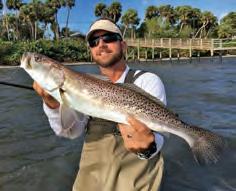
Mistake #1 - e number one mistake anglers make is ignoring the importance of the size and pro!le of the lures they use. When snook, tarpon, red!sh, speckled trout or ounder are feeding, they o en become laser focused on that particular forage species. In other words, if they are feeding on a 6-inch mullet your 3-inch paddletail or shrimp lure will probably be ignored.
PRO TIP: Have a few of your rods rigged up with various sizes and pro!les of lures on them. I like to have a 3-inch paddletail, an arti!cial shrimp and a 4- to 5.5-inch jerk bait ( uke) rigged up when I can’t determine what bait is around. Try all three sizes and pro!les of lures until you !gure out what the !sh in the area are feeding upon.
Mistake #2 - e number two mistake most anglers make is thinking one retrieve style works best for all of the !sh all of the time. ere are so many di erent factors to consider when retrieving your lures. Here are a few to consider:
• Is the water cold or hot? Fish are cold blooded and move more slowly in cold water. is means that you have to slow down your retrieve when the water is cold. Conversely, you want to move your lure faster when the water is hot.
• What species are you targeting? Di erent !sh species like di erent retrieves. For instance, the best retrieve for a red!sh is slowly bouncing your lure o of the bottom. A tarpon likes a low and steady retrieve. A ounder likes a very slow bounce/dragging retrieve no higher than 12 inches from the bottom. A speckled trout likes a vertical jig and will usually hit the lure as it falls through the water column. Snook like a fast and erratic retrieve most of the time.
• Is the water clear or murky? Low light, cloudy skies and murky water scenarios makes it harder to get a !sh’s attention. Use a retrieve or lure that creates vibrations and ashes in the water. You also want to fan cast the area keeping your lure placement close together because they are less apt to seek out your lure. When it is sunny and the water is clear it is easier to get the !sh’s attention. You can make your casts further apart and make the !sh come to your lure.
Mistake #3 - e third biggest mistake is thinking !sh care about lure colors. A saltwater tackle box with white lures and something dark like root beer or purple is all that you need to catch any !sh. PERIOD. e bottom line is that if you want to catch more !sh, switch up your sizes and pro!les and vary your retrieves for di erent species and conditions. I GUARANTEE that you will catch more !sh.
Capt. Mike Smith is owner of Fish Your Ass O Charters.Reach him at (561) 339-2317, contact@ shyourasso .com or shyourasso .com.









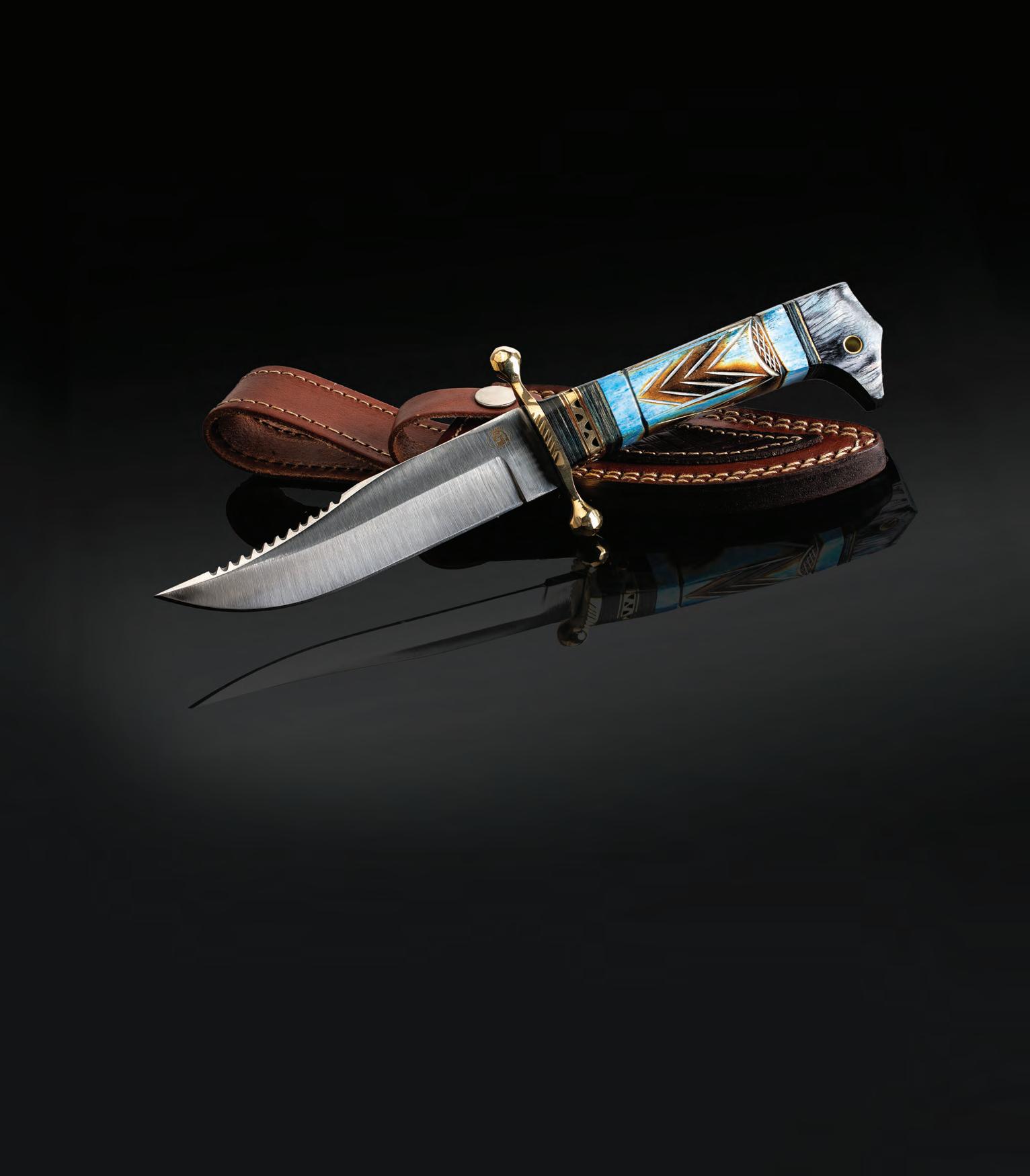
“It’s a beautiful knife with a great blade and a sure grip” — William B. Wilmington, NC
My friend Sergio is a mixed martial arts fighter. His shoulders are broad. His muscles have muscles. He’s not the kind of person you want to be on the wrong side of.
This manly man has a saying about being tough: You should either know how to fight or look like you do.
The message is simple enough. People spoiling for a fight usually don’t pick the biggest guy in the bar. If you look like someone who shouldn’t be messed with, you likely won’t be. With our Blue Bone Bowie Knife on your hip, that’s exactly the message you’ll send.
As beautiful as it is functional, this knife is 10" overall and features a high-quality 420 surgical stainless steel blade with a serrated spine. The handle is constructed of genuine natural bone with redwood spacers. On the handle you’ll find design work that’s carved by hand, a testament to its craftsmanship.
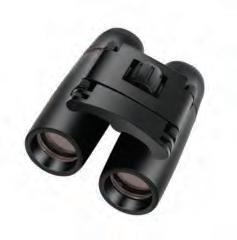
This knife is stick tang, meaning it won’t wimp out when you need it. This knife also features brass hand guards and brass spacers with file work, so you won’t lose your grip. For easy carrying, it comes with a genuine tooled leather sheath. CALL NOW! If you’re one of the rst 700 587 callers for this ad, we’ll throw in a pair of Stauer HD Pocket Binoculars — a $99 value — ABSOLUTELY FREE!
Walk around with the Blue Bone Bowie Knife and you’ll feel a lot safer. I know I do.
Knife Speci!cations:
• 10" overall length
• 420 surgical stainless steel and stick tang construction
• Genuine natural bone and redwood hand-carved handle
• Genuine leather sheath included
Blue Bone Bowie Knife
EXCLUSIVE FREE
Stauer Pocket Binoculars a $99 value with your purchase of the Blue Bone Bowie Knife
$299 $79* + S & P Save $220
*Special price only for customers using the offer code. 1-800-333-2045
Your Insider Offer Code: BBK164-02
California
please
regarding
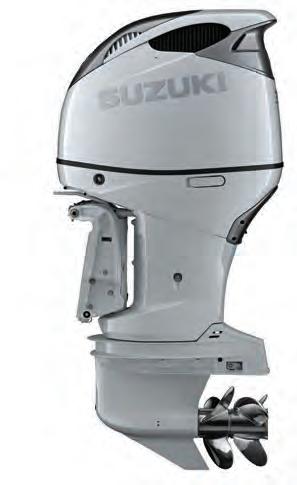
THE ULTIMATE OUTBOARD MOTOR
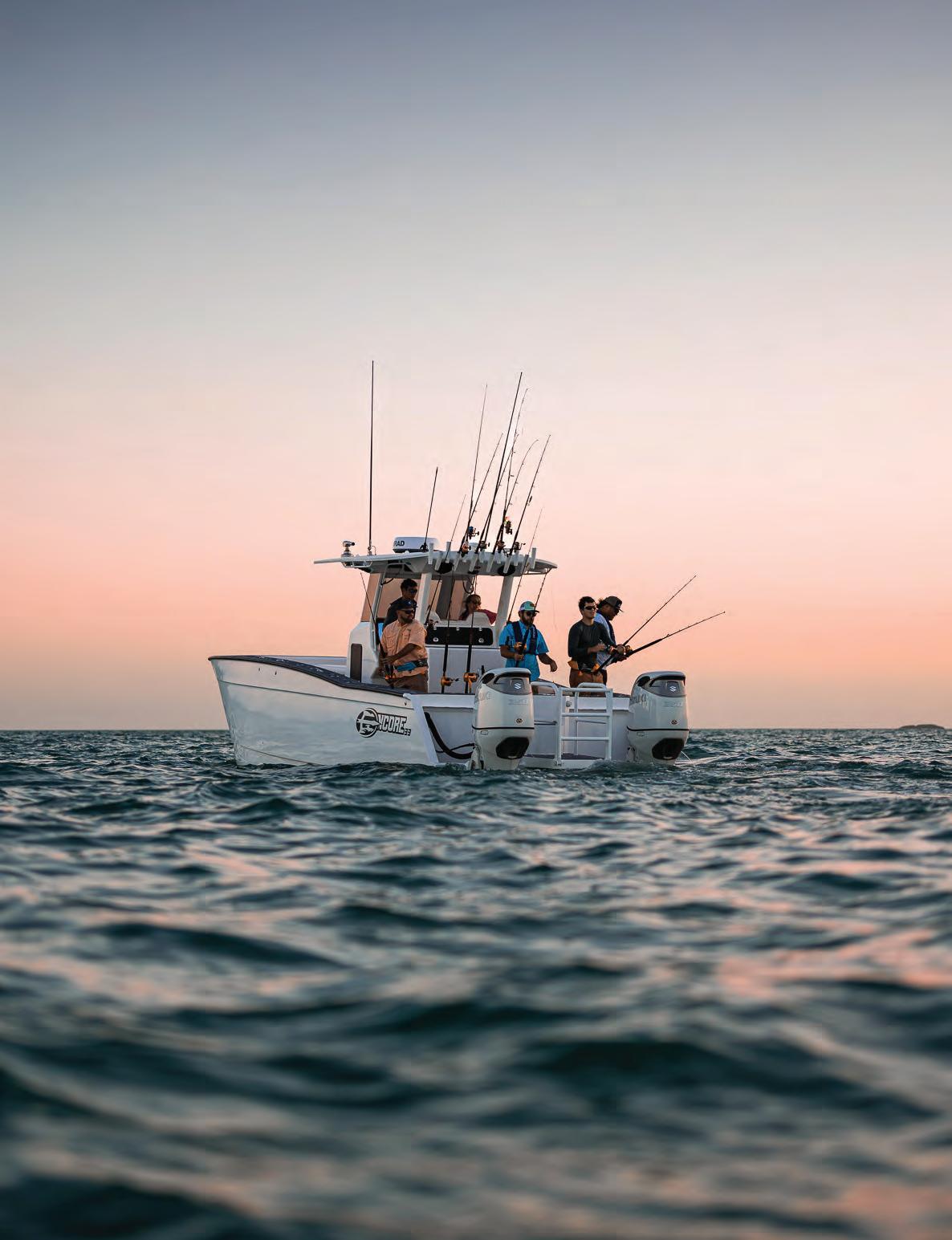

Suzuki, the “S” logo, and Suzuki model and product names are Suzuki Trademarks or ®. © 2026 Suzuki Marine USA, LLC. All rights reserved.