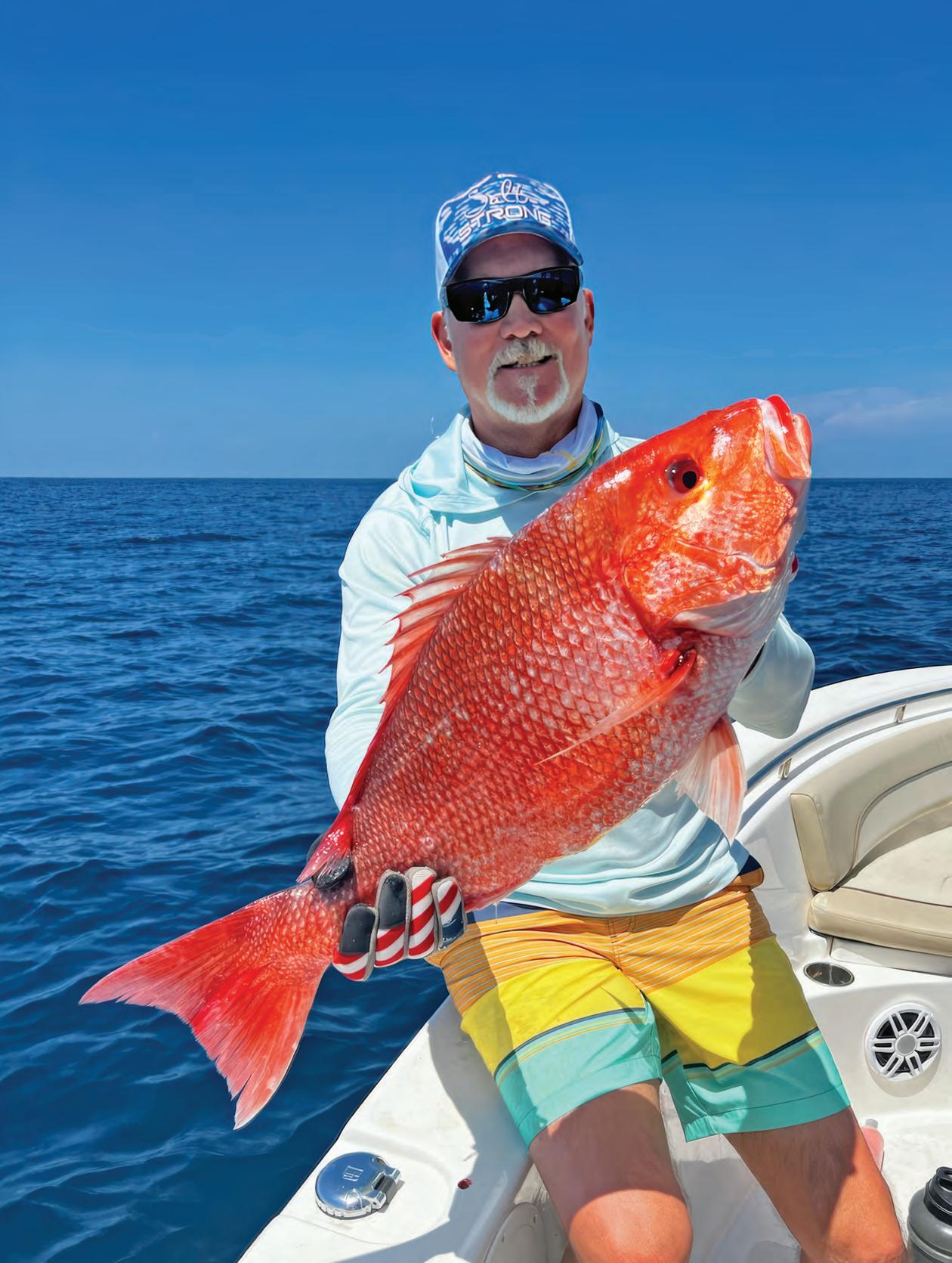

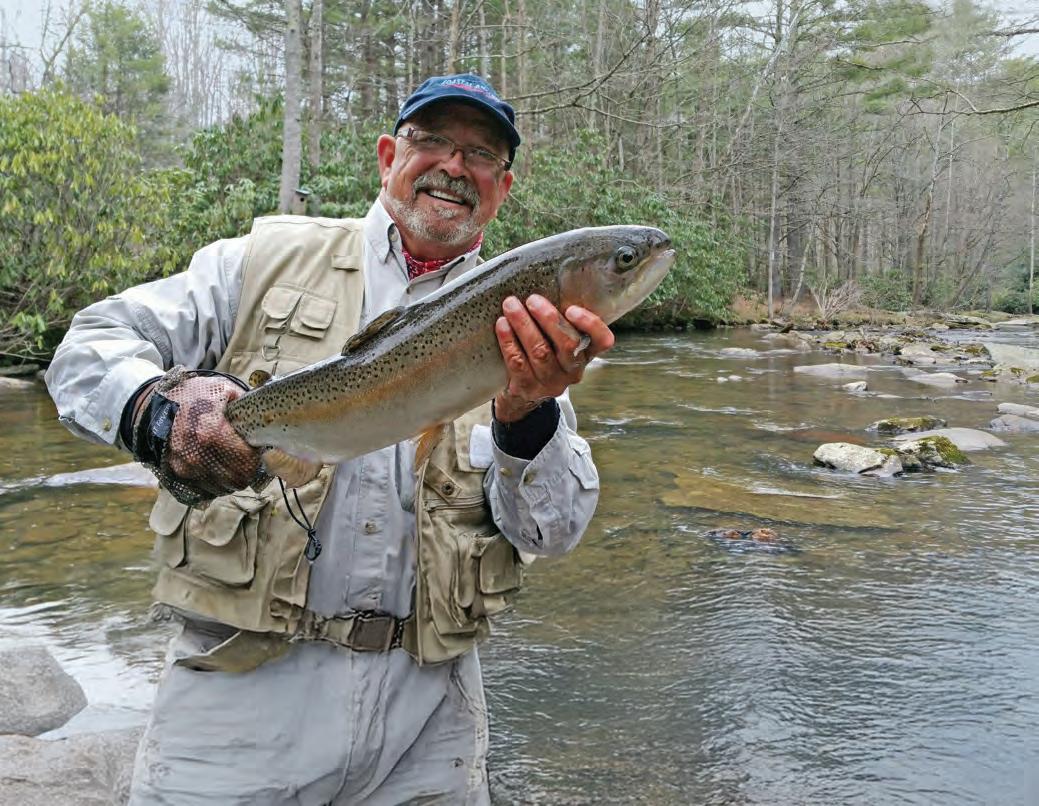
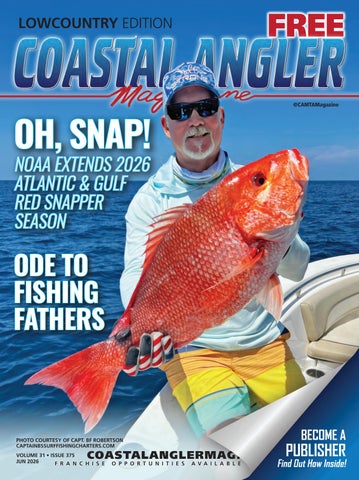
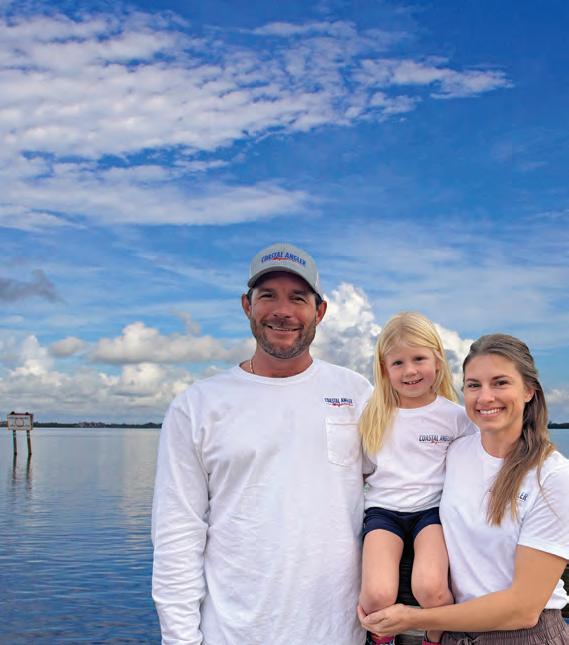
The outdoor and shing community lost a true leader with the passing of Ben Martin, Editor in Chief of Coastal Angler Magazine and !e Angler Magazine
For years, Ben helped shape the voice of one of the most respected outdoor publications in the country. rough his leadership, passion for shing, and dedication to storytelling, he built more than just a magazine— he helped create a community. From o shore anglers and weekend surf shermen to guides, writers, photographers and advertisers, Ben had a way of bringing people together through a shared love of the outdoors.
ose who knew him understood that his passion went far beyond publishing. Ben cared deeply about the shing lifestyle, conservation, and the people behind every story. He believed in supporting local communities, giving outdoor enthusiasts a platform to share their experiences, and keeping shing alive for future generations.
His impact could be felt across every edition, every article, and every relationship he built throughout the industry. He was respected not only as a leader, but as a friend, mentor, and advocate for the outdoor world.
While his passing leaves a tremendous void, Ben’s legacy will continue to live on through the countless lives he touched and the publication he helped grow into a trusted voice for anglers everywhere.
e Coastal Angler and e Angler Magazine family mourns the loss of a remarkable man who dedicated his life to the sport, the industry, and the people he loved.
Rest easy, Ben. You will be deeply missed.

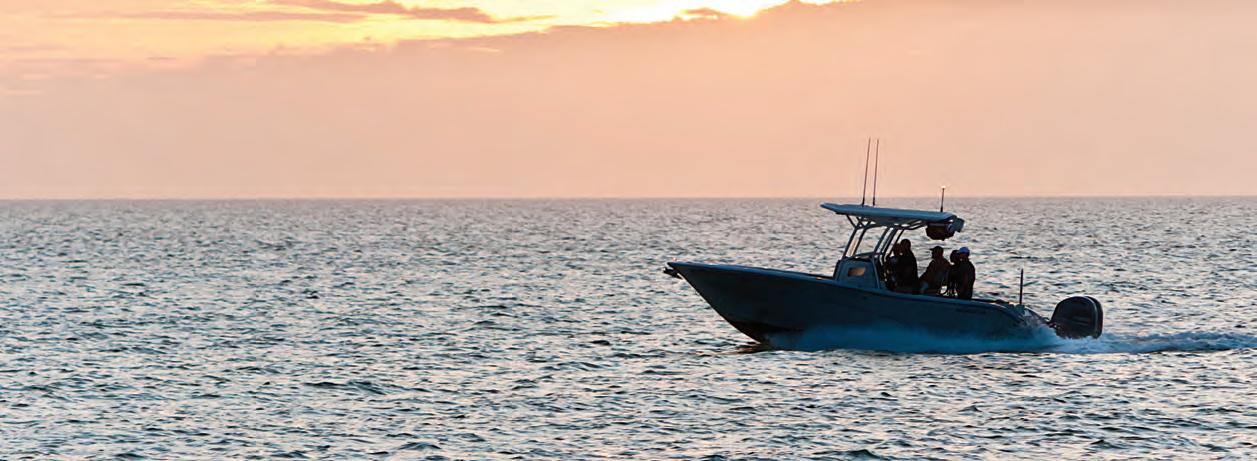
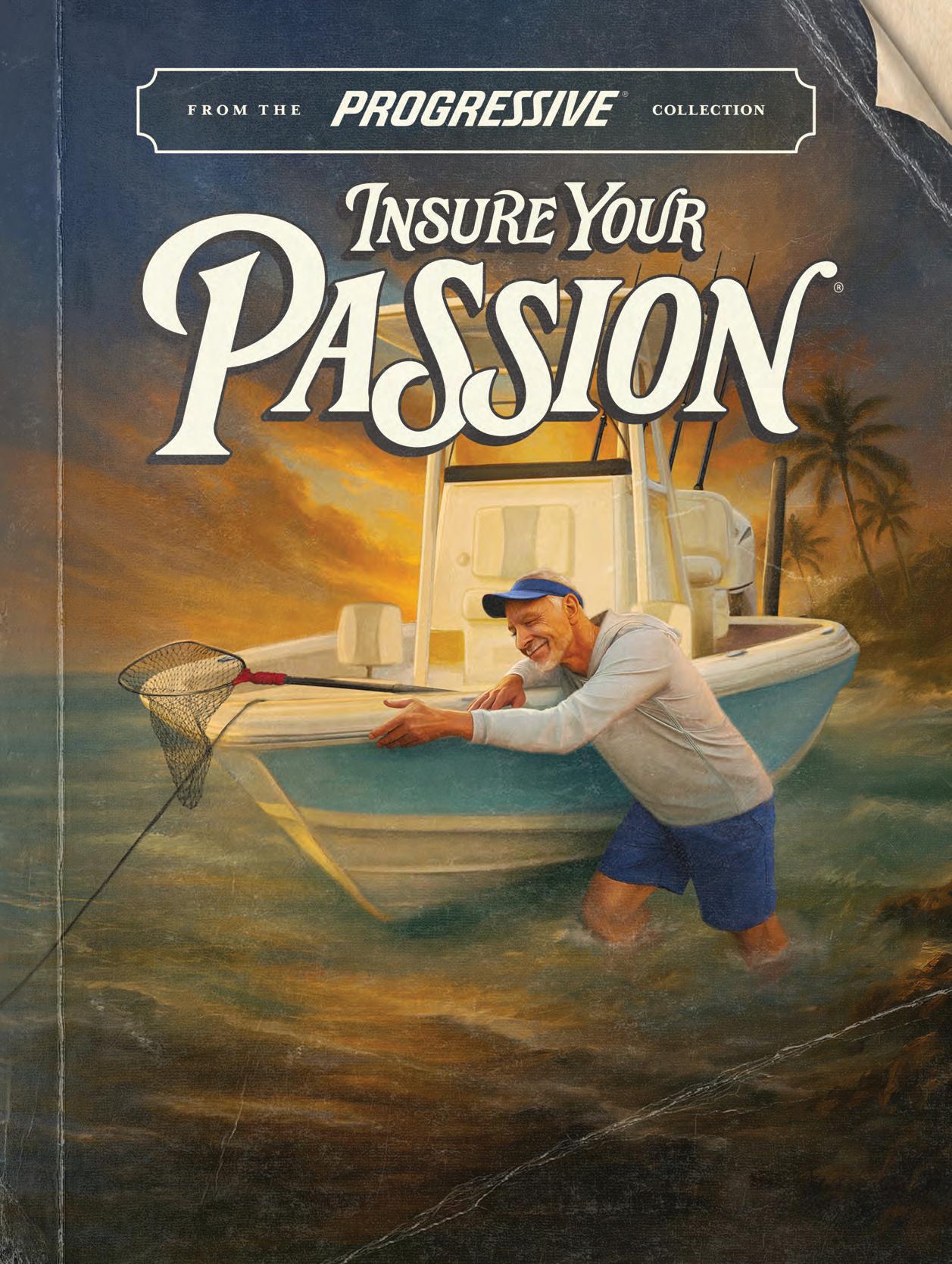
Are you ready to embark on your next on-water adventure? Before you set sail, here are fve things to know about boat insurance.
1. Boat insurance isn’t just for accidents
With comprehensive coverage, you’ll also be protected fnancially for theft, vandalism, and unexpected events like storms if you need repairs or replacements due to damage.
2. Accidents can happen to anyone
When accidents happen, boat insurance offers liability coverage for damages or injuries you cause while boating, up to specifed limits. It can also cover lawsuit costs if you’re sued.
3. Boat insurance can cover medical payments
Boat insurance offers a range of optional medical payments coverage limits, helping to cover medical expenses if you’re in an accident or someone is hurt on your boat, regardless of fault.
4. Most lenders require boat insurance
If you fnanced your boat, you’ll likely need boat insurance since most lenders require boat insurance to protect their investment. Additionally, some marinas or municipalities require proof of insurance for docking.
5. Progressive offers specialized boat coverages
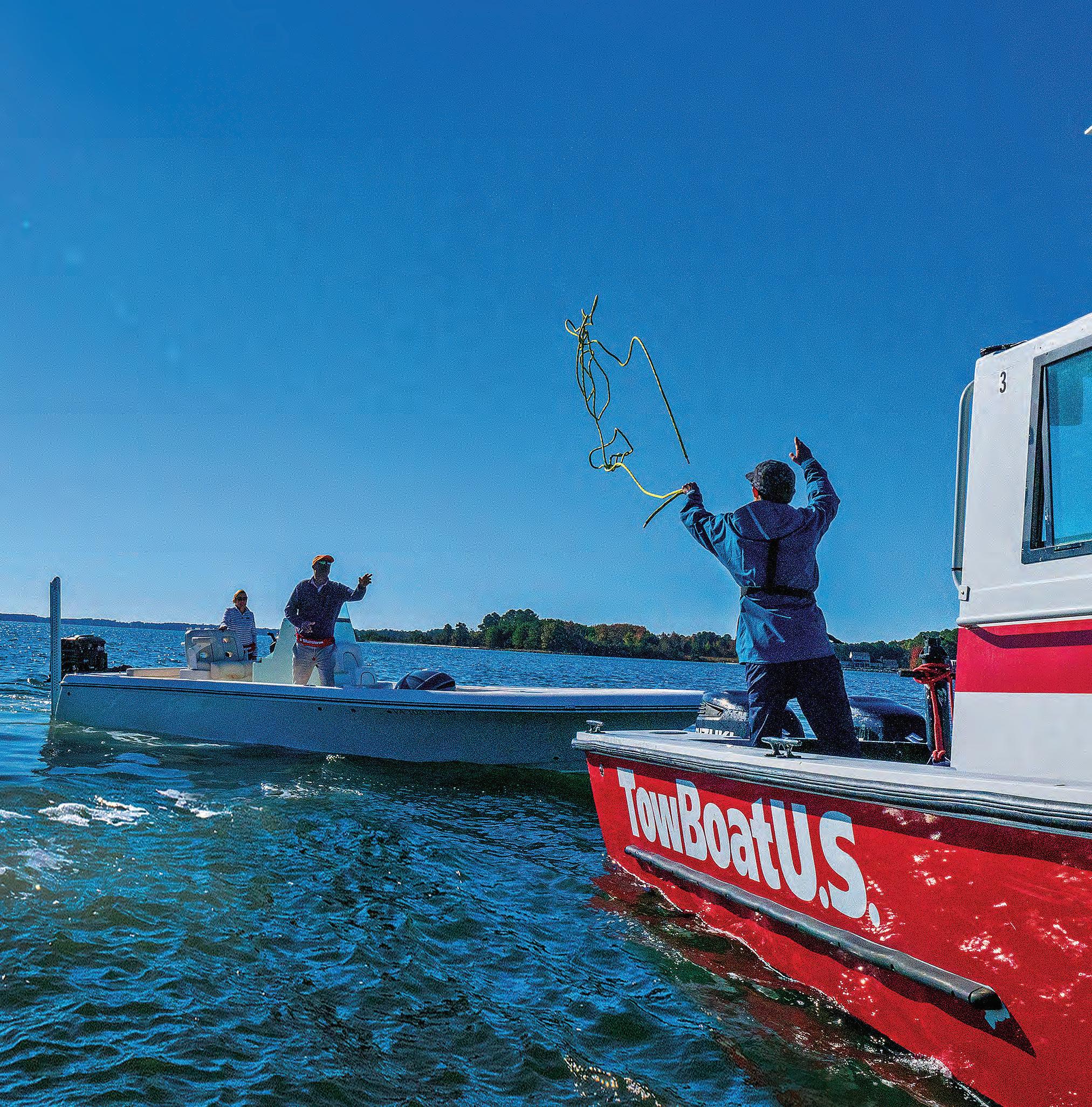
Ever worry about getting stuck on the water? Progressive’s Sign & Glide® On-Water Towing coverage** can help. It’s an additional coverage that steps in if your boat is disabled or breaks down on the water, paying for on-water towing, jump starts, soft ungroundings, and fuel delivery. Fuel cost isn’t included.
Don’t let unforeseen circumstances disrupt your voyage. Cruise with confdence thanks to Progressive Boat insurance. Because when it comes to your boat, peace of mind is the ultimate luxury.
Scan to get a quote in as little as 4 minutes.
to learn more.


































TZT16X | 22X | 24X





























TZT10X | 13X





TZT9E | 13E






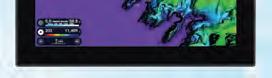



















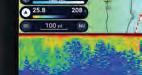
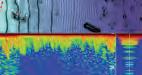
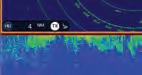
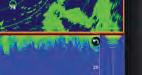
When helm space is at a premium, the 9" and 13" TZtouchE MFDs give you maximum screen area to view their eye-popping TZ MAPS charts and builtin TruEcho CHIRP™ Fish Finder with Side-Scan.

Plus, TZtouchE is fully networkable with the TZtouchXL family of 10", 13", 16", 22", & 24" MFDs and a wide range of best-in-class sensors – legendary Furuno Radars, Sonars, Fish Finders, Autopilots, and more.
Furuno... The reason to level up your helm!


Marine Electronics





By BeBe Dalton Harrison, Angling Women
Iam one of those folks who has a "real" name and a "nickname". I typically don't answer when someone uses my real name. It makes getting something monogrammed very complicated...especially in the South! My true initials are NED... which just might be why I like the NED rig so much!
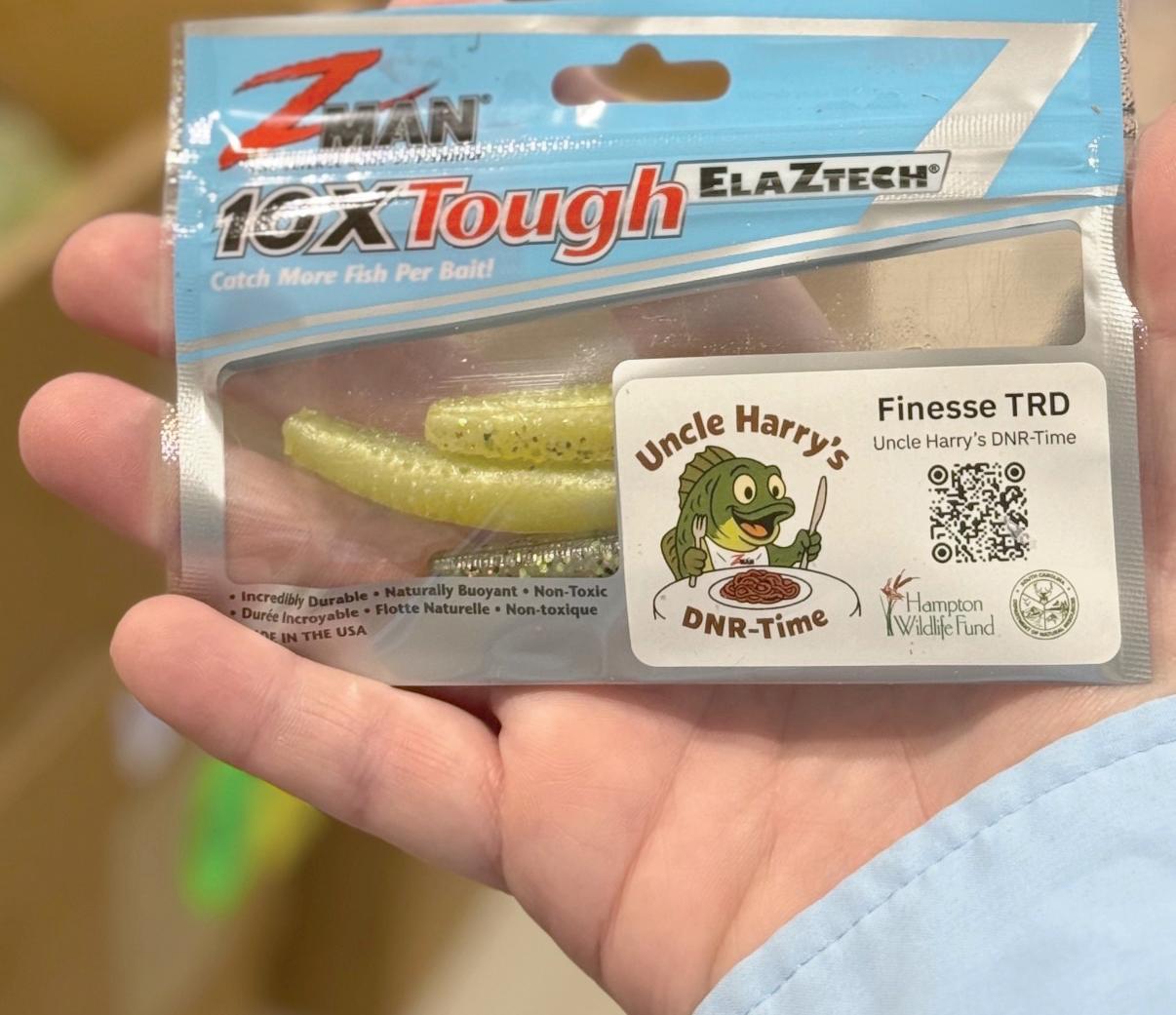
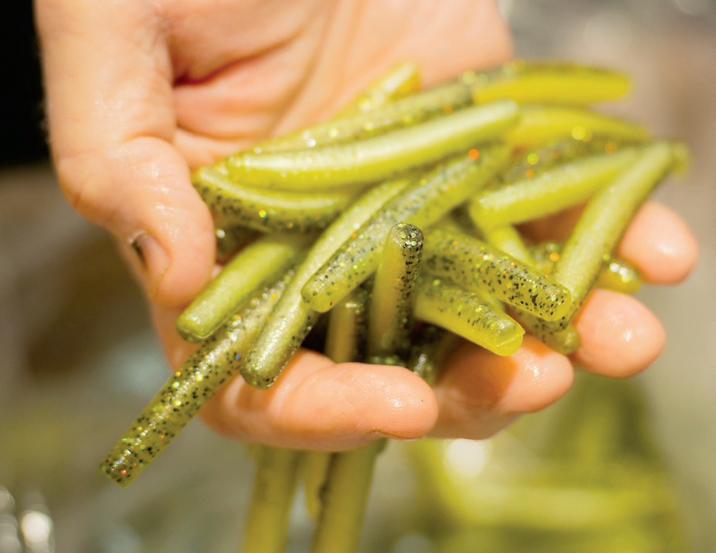
If I could only have one soft artificial to use for the rest of my life, it would be a ZMan TRD that I would use on a NED rig. And right now, there's only 1 color on my mind...Uncle Harry's DNRTime. Yeah...that's a funny name, and it is pronounced here as "dinner time". ZMan is known for amazing bait color names—Beer Run, Yoga Pants, Opening Night—and we wanted this particular bait to have a very special name.
The Hampton Wildlife Fund recently partnered with ZMan to create a custom-color TRD that could be given out at all of the South Carolina Department of Natural Resources youth fishing events around the state. The Hampton Wildlife Fund, named after the lifelong conservationist and journalist Harry Hampton, is the nonprofit that partners with the SCDNR to support education, research, and management of our state's natural resources. This partnership allows thousands of young people to go fishing all across our state in freshwater and saltwater habitats.
BeBe Dalton Harrison Executive Director, Hampton Wildlife Fund Owner, Angling Women anglingwomen@gmail.com (803) 269-2470 • www.anglingwomen.com
We worked with ZMan to design the PERFECT bait for these events. We incorporated the colors from the logos of the Hampton Wildlife Fund and the SCDNR and we chose the TRD profile because it is very easy to use, even for first timers. Plus, this bait will catch fish in both saltwater and freshwater. These baits are brand new and we have already landed 5 different saltwater species and 3 freshwater species on it! But there is a catch-you can ONLY get them at SCDNR events! They are not available for sale. We encourage all youth who receive the baits to post their catches on their social media, tag the partnership trio-Hampton Wildlife Fund, ZMan Fishing, and SCDNR and with hashtag #uncleharrysdnrtime. Give us a follow on Hampton Wildlife Fund (FB and IG); we will be giving fishing gear away over the next few months. And, if you are curious about Uncle Harry's DNRTime, DM us your address and maybe you'll get a sample to try! But you have to PROMISE to post and tag!

by Jacob Cynar, Contributing Writer
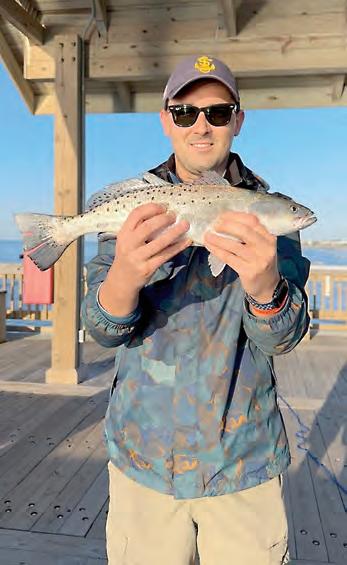
f there’s such a thing as a perfect fishing day, chances are it’ll happen in June at the Folly Beach Fishing Pier. If May is the kickoff to the fishing season, then June is the exciting and actionpacked first quarter. Black drum, red drum, speckled trout, and Spanish mackerel are making regular appearances on the pier. Sheepshead and pompano are also getting caught off the pier. One of the most exciting fish to target off the Folly Beach Fishing Pier is the King Mackerel and there is no better time than June to catch them. Many anglers come to pier exclusively trying to catch one of these prize fish. King Mackerel are at the top of their food chains and prey on small schooling fish like mullet, menhaden, and bluefish. On a clear day when the water is flat you may see King Mackerel jumping out of the water in the distance. While there are many ways of catching King Mackerels, at the pier we permit on the trolley rig. The trolley rig is a two-rod system. One rod, the anchor rod, uses a heavy weight to keep the line taught so the “trolley” can slide up and down it. The other rod, the fighting rod, has your bait on one end, and on the other end is a release clip that goes on the line of the anchor rod. Fishing Pier regulars will use bluefish as their preferred bait. I highly recommend looking into this technique and keeping an eye out for some trolley rigs next time you are out at the Folly Beach Fishing Pier.
While the Folly Beach Fishing Pier will be full of anglers every weekend in June, we have two tournaments this month where anglers can test their skills. The first tournament of the month will be the 15th Annual “Jerry Pierce Memorial” Take-A-Kid Fishing event. This event is on June 6th from 9am to 1pm and kids 4 through 16 are encouraged to come! Rods, reels, and bait are provided to the first 300 kids, and no preregistration is required. The other tournament is the 2nd Cast-Off Tournament of 2026 at the Folly Beach Fishing Pier. It will be held on June 20th from 6am to 2 pm. Registration will happen on the morning of the tournament and the registration costs $12 to enter. Reduce tournament fees are available for youth, military, and seniors. We have tons of awesome prize packages and even some raffle prizes to give away!
May your lines stay tight and your coolers full!
by Trey Carden, Contributing Writer
If you spend any time on Lowcountry kayak fishing forums or social media pages, it’s almost guaranteed that every year someone new to the sport will ask the same question: “How much do I need to worry about alligators?” or “What do you do when you see an alligator on the water?” It’s a fact that we have quite a few “swamp puppies” hanging out in our local waters.
It’s also a reasonable question, especially if you grew up watching movies like Lake Placid that made alligators seem like vicious apex predators waiting for a human-sized meal to drift into range. You’ve probably seen the videos of kayakers supposedly being “chased” by alligators or heard the story from a friend whose cousin knew a guy that got run down by one. At the end of the day though, alligators are here—and if you want to fish from a kayak, it’s best you understand your new neighbors.
The American alligator range blankets the lower half of South Carolina. You’ll find them in marshes, swamps, rivers, neighborhood ponds, golf course lakes, and occasionally even near the beach. Some of the densest populations in the state are found around the ACE Basin as well as Lake Marion and Lake Moultrie. Wherever there is water, there’s a good chance an alligator calls it home.
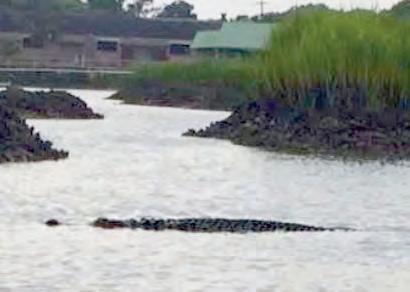
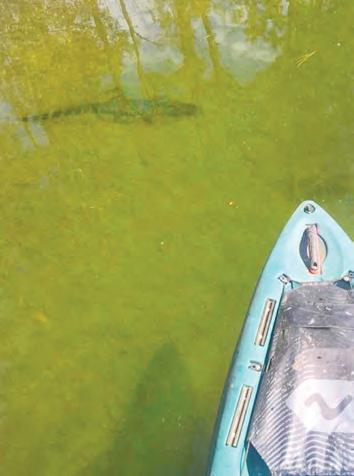
It’s also worth noting that timing matters. Late spring into early summer, especially May and June— is peak breeding season. During this time, you may see more movement as males travel in search of mates and establish territory. They’re not “hunting kayakers,” but they are more active and occasionally more visible than at other times of the year. Once nesting begins later in the summer, females can also become more defensive if you get too close to a nest.
For kayak fishermen throughout the Lowcountry, seeing alligators on the water is common—attacks are not. Even in Florida, home to more than a million alligators, serious unprovoked bites average only around eight per year statewide. Most negative encounters happen because people ignore basic precautions: approaching alligators too closely, swimming near them, splashing excessively, bringing small pets near the water, or feeding them. That said, I’m not going to tell you alligators don’t deserve cautious respect—they absolutely do. They are large, powerful wild animals and should always be treated accordingly. But in normal conditions, they are not something kayak anglers need to fear.
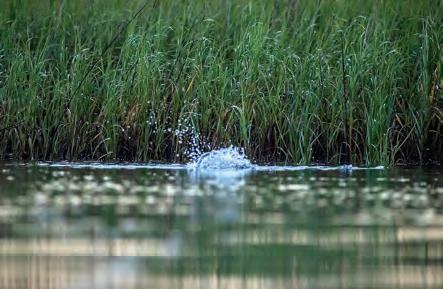
Simply paddling and fishing rarely attracts an alligator’s attention. In fact, sitting higher above the water in a kayak generally makes you appear more like another large predator than prey struggling on the surface. Most alligators will either slowly sink below the water or move away once they notice you. If you spend enough time down remote creeks, you’ll eventually have one explode off the bank into the water in front of you. When you do come across one, the best thing you can do is simple: give it space and move on to another area. Or, if you’re like me, maybe make a few casts first—just not too close.
FB: Lowcountry Kayak Anglers


by Captain Mike Able, Contributing Writer
You can tell it’s summer by the bustling streets of downtown and the waterways of the Lowcountry! It’s an exciting time of year as kids get out of school, people travel, and the along-waited tournament trails arrive!
From your typical inshore tournaments targeting redfish, trout, and flounder there also comes alive several offshore tournaments such as the South Carolina Governor’s Cup Billfish tournament series! All of them are really exciting to see and watch first hand, and even compete in. A lot of the tournaments have lady angler and youth categories so while the kids are out of school, I’d encourage you to get the next generation outdoors and compete! You can follow along the SC Governor’s Cup tournament as it travels the coast throughout the summer. Check their website for more details!
Now that June is here you can bet the fishing is good all around! So many different species to target, whether it’s inshore or offshore it really is just a matter of what the weather will allow you to do. The bull reds are in the harbor along with sharks and tarpon, if you’re looking for a tougher fight! You can also go after flounder on the rock jetties using mud minnows on a Carolina rig or even look for a Spanish mackerel at first light using light tackle and small jigs retrieved quickly! Every few weeks we will also get the opportunity to chase tailing redfish way back in the spartina grass. Stalking these fish in skinny water using a weedless gold spoon is a sure-fire way to get them!
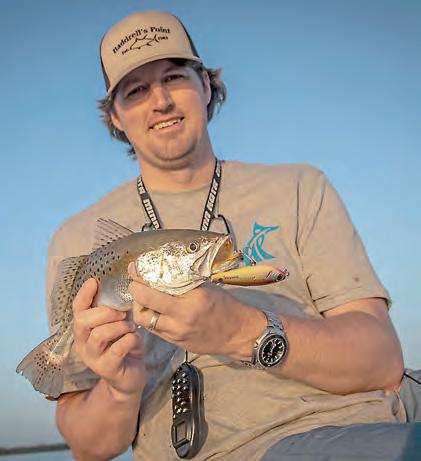
And don’t forget throwing topwater baits before the sun comes up! Still one of my favorite ways to catch fish and beat the crowds! A super spook retrieved along the grass line at first light with an outgoing tide usually results in trout, redfish, or maybe even a nice flounder! Watch our “how-to” videos on the haddrellspoint.com website for specifics on how to be successful.
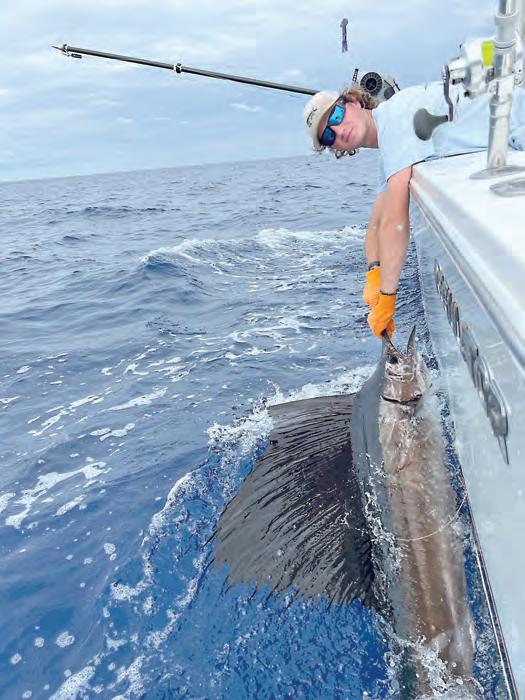
The month of June has usually treated me extremely well for the offshore side of things. I love targeting blue marlin and sailfish out of Charleston. It is a challenging experience of hooking and catching these critters and I love a good challenge! It’s an added bonus when we pickup wahoo and mahi too! For the meat fish I am typically targeting the shallower water in 160-220’ of water on some type of structure, hopefully coinciding with good water temps. When I am looking for billfish, I can usually be found in 250-600’ of water, concentrating on finding bait and more edges and temperature breaks. Slow trolling small ballyhoo, and maximizing teasers and dredges have helped produced more fish!
Whether you are fishing inshore or offshore I’d encourage you to stop by and talk to our folks in the shop. We are all passionate about what we do and we’d love to help you in any way we can!
Tight Lines
Capt Mike Able, CCA SC State Board Member
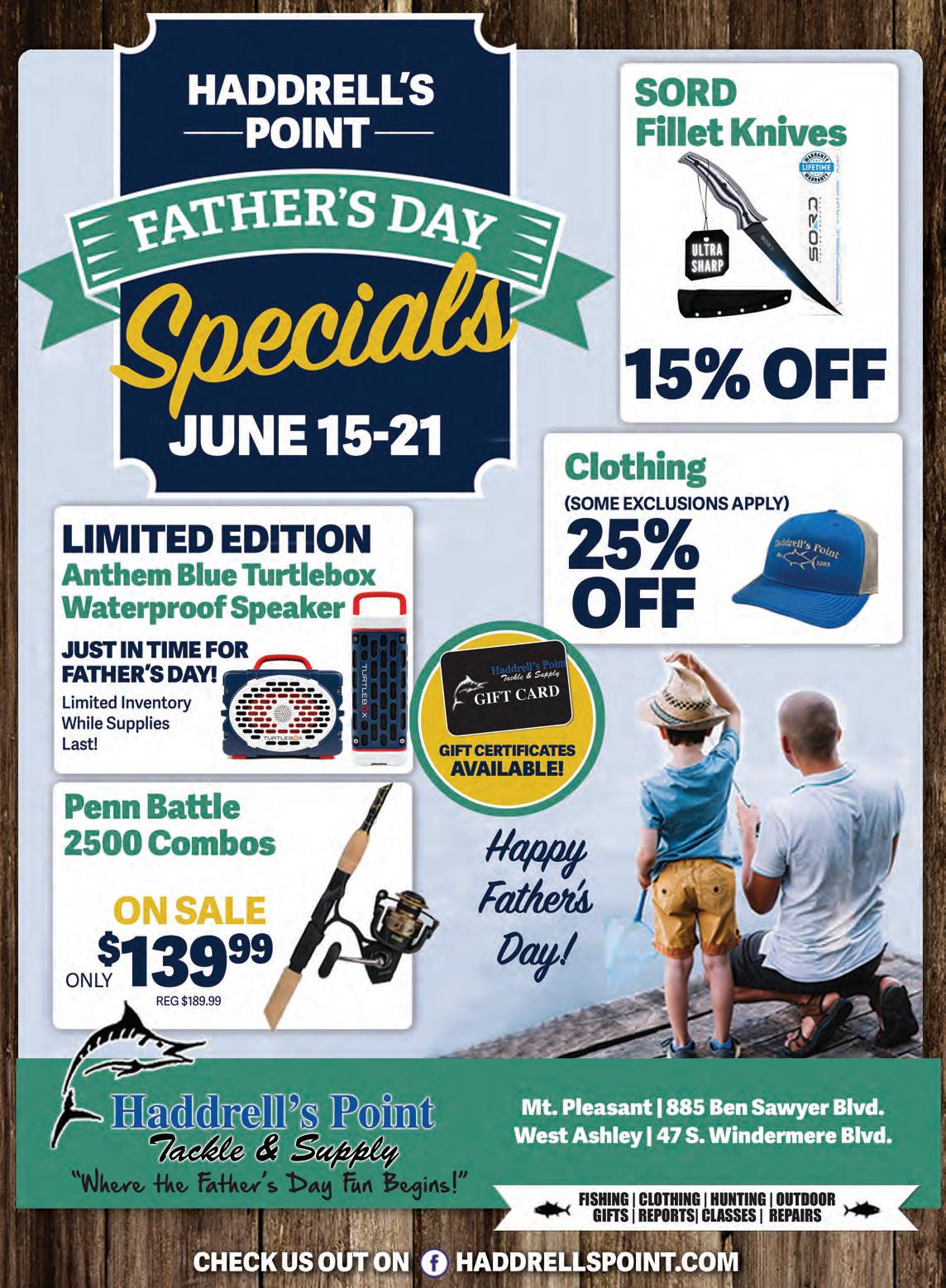
Haddrell’s
Point Tackle & Supply
Since 1983
843-881-3644(Mt Pleasant) 843-573-3474(West Ashley)
by Chris Pounder, Contributing Writer
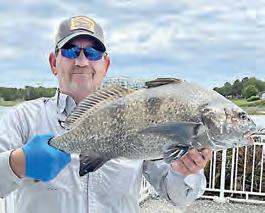
ypically in June the harbor temperature reaches 80 degrees and we see a variety of species show up. The good fortune started in May at our first Cast Off Fishing Tournament of the summer and should continue. We had anglers catching trout, reds, flounder, and also saw our first sizeable black drum in a while. The winning fish was an 8 lb. 11 oz black drum.
You don’t have to spend a lot of money to get started fishing the pier. You can get an inexpensive rod combo with 10-20-pound test line and a 2-drop rig or Carolina rig and you’re almost ready to go. This setup is commonly used when pier fishing and the rigs can be purchased in the River Watch Café and Gift Shop on the pier. In order to hold the bottom, you’ll want a 1 to 2-ounce weight under most circumstances. One of the biggest mistakes people make around the pier is using hooks that are too big. Keep it simple and stick with a size 1, 2, 1/0, or 2/0 hook. We encourage the use of kahle or circle hooks when possible as these offer a better chance for the safe release of fish that will not be kept. Now you just need some bait and a daily fishing pass from the shop and you’re ready to fish.
Many anglers have their “lucky” spots, but we’ve seen fish caught from one end of the pier to the other. If one spot isn’t working, you may want to try a new one during a different tide. Trout and flounder tend to be more prevalent the last 2 hours of the outgoing tide and the first 2 hours of the incoming one. Other species, such as red drum and
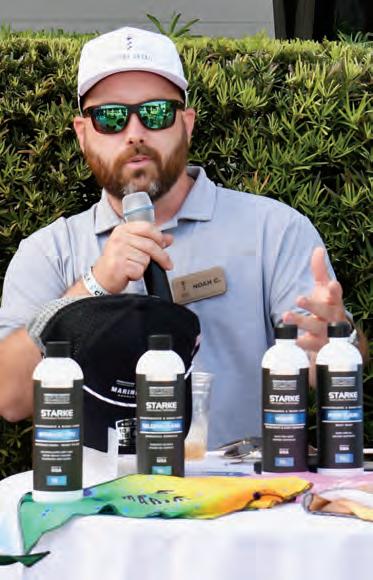
Noah Corcoran, Owner
843-256-3383
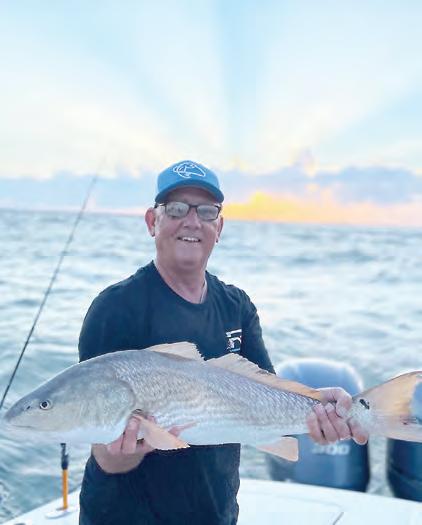
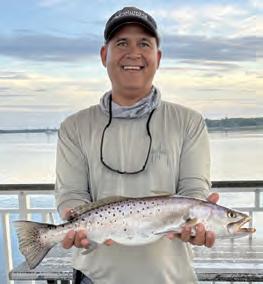
Mark with an 8 lb 11oz black drum that won the May Cast Off Tournament and Romeo with a 3 lb 13oz trout that helped him win the 5 fish aggregate category.
blue fish, seem to be caught during the higher tides in locations closer to the grass line. The one area to be cautious of until you learn the waters is the very tip of the pier. There’s quite a bit of old bridge debris right off the end of the pier that has claimed many rigs over the years. Once you are comfortable with other spots, we’ll be glad to help you learn that one as well.
Our next Cast-Off Fishing Tournament is Saturday, June 6 from 6am – 2pm. Registration is just $5 plus the daily fishing fee. Prizes will be awarded to the top 3 fish by weight, top youth catch, and aggregate weight of up to 5 fish. Hope to see you out at the pier! Be sure to visit Charlestoncountyparks.com for information about fishing tournaments and other offerings available this summer.
For any additional information about the pier or what’s biting this week feel free to call the River Watch Cafe & Gift Shop on the pier at 843-762-9946
Chris Pounder, CPRP Manager, Mount Pleasant Pier
by Noah Corcoran, Contributing Writer
You can always tell when boating season officially starts in Charleston. Fridays start feeling like holidays, and suddenly every boat owner remembers they have “just a few things” they wanted to fix before summer.
For most boats, this is the time of year they go from “weekend hobby” to surviving absolute chaos every Saturday and Sunday.
More sandbar trips. More fishing. More guests. More coolers being dragged across decks like they owe somebody money. More sunscreen handprints in places nobody understands. Somewhere around mid-June, every cup holder somehow becomes sticky permanently.
This is also when maintenance starts separating the boats that hold up well from the ones that slowly begin losing the fight against Charleston heat, salt, pollen, fish blood, and neglect.
A lot of owners wait until the boat “really needs it” before calling a detailer. Unfortunately, oxidation also has a schedule, and it usually starts working before most owners do.
By the time the gelcoat feels dry, the seats start looking tired, and water spots are permanently cooking into the surface, the job gets much bigger and much more expensive.
The smarter approach is handling things before the season gets fully rolling.
A maintenance wash plan, quick correction, ceramic booster, upholstery touch-up, or even just a proper deep cleaning can make a huge difference once the heavy use starts. Boats that stay on regular schedules almost always clean easier, hold value better, and require far less aggressive restoration work later.
This is also the point in the year where good detailers start disappearing from the calendar. Many marine detailing companies around Charleston now do much more than detailing. The better shops help coordinate boat covers, ceramic coatings, bottom paint, upholstery repairs, trailer work, haul-outs, and general maintenance planning. The goal is keeping owners on the water instead of chasing problems every holiday weekend.
Because once school gets out and the long weekends really start stacking up, boating season stops being “almost here.”
And starts becoming “why is there sand in every compartment of my boat?”
by Ryan McMullen
Reel Science, Real Rewards: The South Atlantic Release Rodeo gives fishermen the chance to win gear giveaways in exchange for data on their released fish
Looking for some new fishing gear?
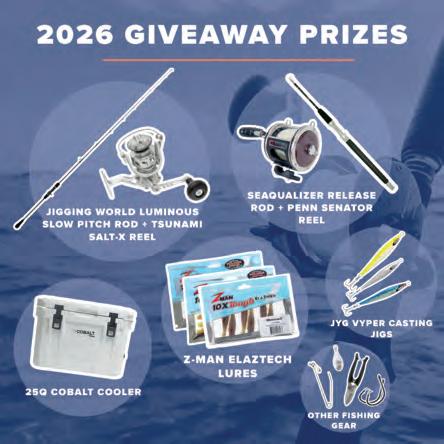
This summer, Sea Grant is hosting the South Atlantic Release Rodeo - a regional fishing challenge that gives commercial, recreational, and for-hire fishermen the chance to win free fishing gear and other prizes by submitting data on their released shallow water grouper and red snapper. This year, the rodeo is partnering with Z-Man, SeaQualizer, and Haddrell’s Point Tackle and Supply to sponsor gear giveaways that includes a Tsunami Salt-X II spinning reel, Penn Senator 113H2 drag conventional reel, a 25-quart Cobalt cooler, and other useful tackle.
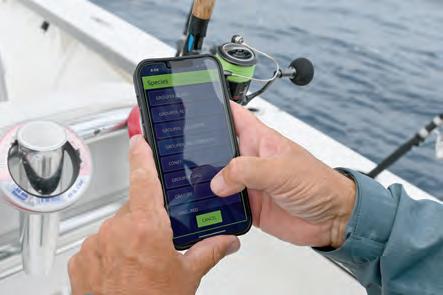
To earn a shot at these giveaways, participating fishermen use a free, easy-to-use mobile app to submit data on their released fish to SAFMC Release - a voluntary citizen science project organized by the South Atlantic Fishery Management Council (Council). “Fishermen are often the only people who see their released fish, making it challenging to collect data,” says Meg Withers, Citizen Science Project Coordinator for the Council. “SAFMC Release participants are helping to fill these data gaps by sharing information about the size of their released shallow water grouper and red snapper and the steps they take to help their releases survive.” The Rodeo takes place from May through July and is open to all fishermen in the South Atlantic region (North Carolina through the Florida Keys).
To learn more about SAFMC Release or to set up your account, email Meg Withers at meg.withers@safmc.net or visit the SAFMC Release webpage at www.safmc.net/ citizen-science/safmc-release/.
For more information on the Sea Grant South Atlantic Release Rodeo, contact Bryan Fluech at fluech@uga.edu or visit the South Atlantic Release Rodeo webpage at www.gulfseagrant.org/reef-fish-extension/safmc-release-rodeo/









by Capt. Nat Finley, Contributing Writer
une is an excellent month to fish the Lowcountry, when the mild weather ushers in Spring/Summer species like Cobia, Flounder and Spanish Mackerel, alongside steady Redfish and Trout action. The water temperature has hovered around the 70 degree mark, so plenty of species have moved in from offshore into our coastal estuary. This warmer water, combined with plenty of natural bait, has the local game fish feeding on a more regular basis. That's why using live bait such as Menhaden is very effective, while the topwater lures work best in the early morning. To increase your chances for a successful outing, try fishing the incoming or outgoing tide in smaller creeks when targeting redfish and trout, and focus on creek mouths, shell beds, and submerged structures when seeking flounder and black drum. And don’t forget the reefs and rock piles closer to the beaches; there’s plenty of activity there too. And during June you'll really enjoy fishing the falling or rising tide as the fish move in and out of the grasses, so get your cast nets and rods ready for some awesome back water creek fishing. And don't forget the popping corks!
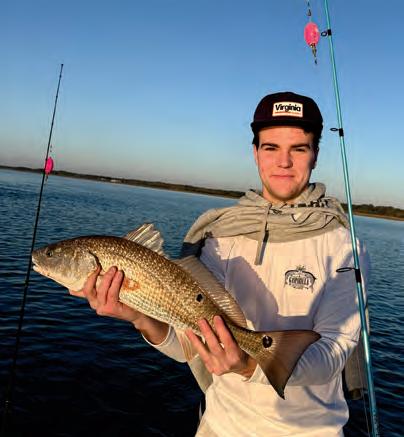

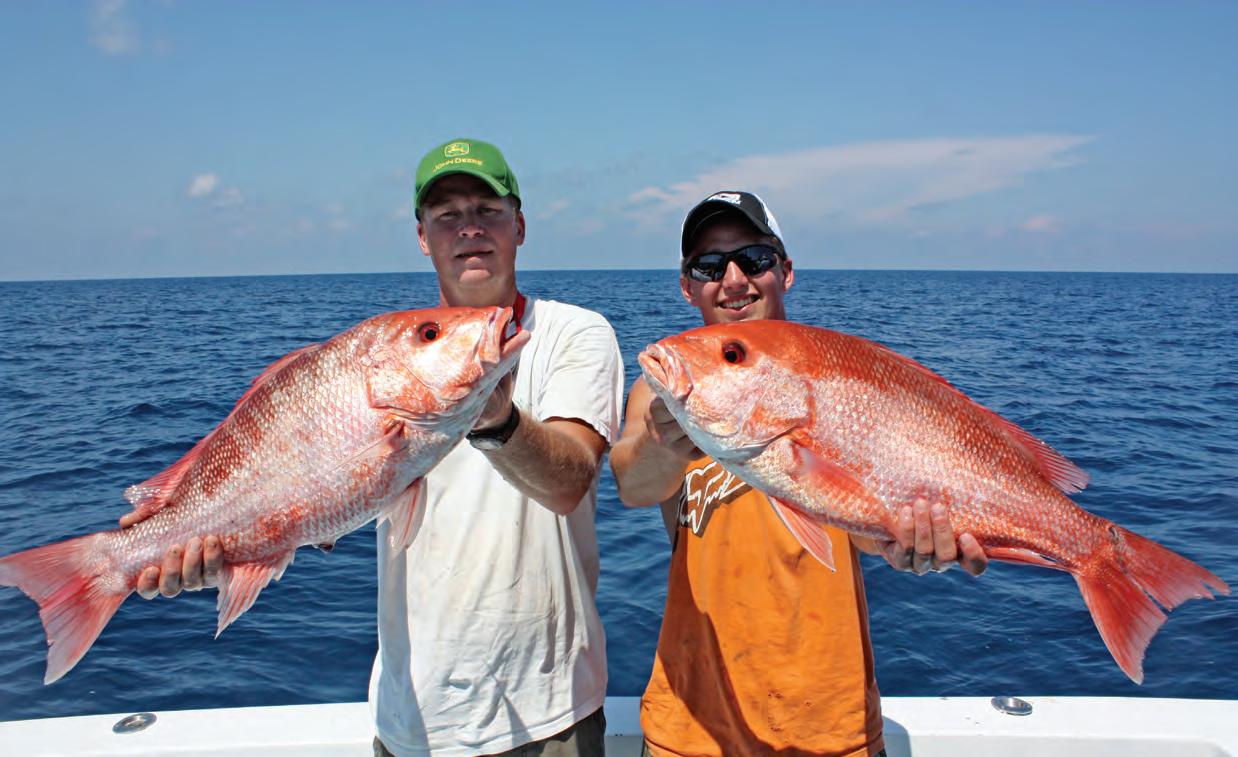
Anglers across the South Atlantic will enjoy a signi cantly longer red snapper season in 2026, thanks to a new management strategy approved by NOAA Fisheries. rough an Exempted Fishing Permit (EFP), individual states are taking the lead on data collection and management, resulting in a dramatic increase in shing days compared to previous federal seasons. Georgia, South Carolina, and North Carolina will have more than two months (62 days) for recreational Atlantic red snapper shing, while Florida will have 39 days split into several windows.
Florida recreational anglers will see the most substantial change, with a season split into summer and fall windows. is expansion aims to reduce regulatory discards— sh that are caught and released but do not survive—by allowing more sh to be kept.
• Summer Window: May 22 – June 20
• Fall Window: October 2–4, 9–11, and 16–18
• Regulations: e daily bag limit is one sh per person. Notably, there is no minimum size limit for Florida under this permit, a move designed to further reduce discard mortality.
Georgia and the Carolinas
North Carolina, South Carolina, and Georgia are also participating in the pilot program, o ering a continuous two-month season for their residents.
• Season Dates: July 1 – August 31, 2026
• Regulations: e bag limit remains one sh per person. Size limits vary by state: South Carolina maintains a 20-inch minimum, while Georgia and North Carolina have no minimum size for this speci c season.
Mandatory Reporting Requirements e success of this pilot program hinges
on accurate data. For the 2026 Atlantic red snapper season, mandatory reporting is a core requirement.
• Florida: Recreational anglers must have a valid saltwater shing license and a (free) State Reef Fish Angler designation. All red snapper landings must be reported via the FWC EFP Reporting app or website - https://app.myfwc.com/crossdoi/ redsnapperreporting/. While passengers may keep their limit on for-hire trips, captains and crew members are prohibited from retaining red snapper on charter or headboat trips.
• Georgia and the Carolinas: Private recreational anglers must use the VESL app or website (https://blue ndata.com/projects/ red-snapper-with-yamaha) to record their red snapper harvest and discard information to participate in the 2026 red snapper season. For-hire operations who qualify must have a current federal permit and record their harvest and discard information through their appropriate reporting program. is shi toward state-led management re ects a growing e ort to balance the health of the red snapper stock with the needs of the recreational shing community. By gathering more precise catch data through these state programs, o&cials hope to create more sustainable and predictable seasons in the years to come.
Red snapper are highly sought a er by anglers because they’re one of the best-tasting sh in the ocean. ese aggressive sh tend to concentrate around reefs, wrecks, and other deep-water structures, which makes for some fun and fast-paced catching when you can nd them.
e 2026 Gulf red snapper recreational shing season features a record-breaking 140day harvest period in Florida state and federal waters. e season spans both summer and fall periods, extending all the way into January, with exact limits and dates varying depending on your location and shing permit.
Florida Private Recreational Gulf Season
Florida anglers enjoy the longest season in state history with a 140-day allowance. Bag limit is 2 sh per person, per day, and you must sign up for a no-cost State Reef Fish Survey.
• Summer Season: Open daily from May 22 through July 31.
• Fall Season: Open daily from September 1 through October 4.
• Weekend Openings: Select weekends continue through the rest of the year:
» ree-day weekends in October (Oct. 9-11, 16-18, 23-25, 30-Nov. 1)
» Two-day weekends in November (Nov. 7-8, 14-15, 21-22)
» anksgiving weekend (Nov. 26-29)
» Two-day weekends in December (Dec. 5-6, 12-13, 19-20).
» Christmas weekend (Dec. 25-27) and New Year’s (Jan. 1-4).
Federal For-Hire Gulf Season
For federally-permitted charter/for-hire vessels, the federal waters season in the Gulf of America runs for 147 days and is open June 1 through October 26. Limit of 2 sh per person, per day.
Other Gulf States Regulations and dates vary outside of Florida:
• Louisiana: e season opened on May 1 for private anglers and for-hire charters (state waters), open 7 days a week until quotas are met. e bag limit is 4 sh.
• Alabama: e season opened on May 22, running 7 days a week until the quota is reached.
• Texas: State waters are open year-round.
Always check with your state’s shing and wildlife agency for the most up-to-date rules and regulations.
the sh bite, and sometimes they don’t. Learning to accept both outcomes gracefully is a lesson many adults still struggle to master.
ey also teach resilience. Every angler loses sh. Hooks snag. Weather changes. Boats break down. Yet shermen keep going. Children who grow up shing learn early that frustration is temporary and persistence o en pays o

By Chatwick G. Peterson III
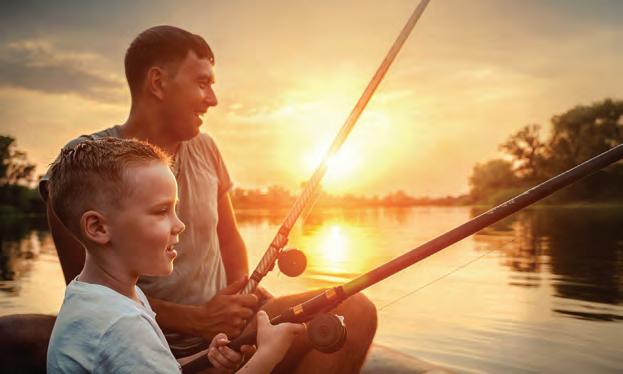
here’s something timeless about a father teaching a child to sh. Long before the rst cast is made or the rst sh is landed, something deeper is already taking place on the shoreline, in the boat, or along the quiet bend of a creek. Fishing becomes more than a hobby—it becomes a bridge between generations.
For many fathers, shing is one of the rst ways they learn to teach patience, con dence, and respect for the outdoors. It starts with simple things: showing a child how to hold a rod, how to bait a hook, or why you move quietly near the water. ose lessons may seem small in the moment, but they o en become memories that last a lifetime.
A child rarely remembers every sh they catch. What they remember is who was standing beside them. ey remember early mornings wrapped in hoodies while the world was still waking up. ey remember snacks in the tackle box, tangled lines that somehow got xed, and the excitement in their father’s voice when a bobber nally disappeared beneath the surface. ey remember the encouragement a er losing a sh and the celebration a er catching even the smallest bluegill.
Fishing fathers teach far more than technique. ey teach patience in a world that moves too fast. Fishing forces children to slow down, observe, and appreciate the moment. ere are no instant rewards on the water. Sometimes


Perhaps most importantly, fathers who sh with their children create space for conversation. Some of the best talks happen when there’s no pressure to talk at all. Sitting side by side in a boat or along a bank has a way of opening doors. Kids ask questions. Fathers share stories. Life slows down enough for real connection to happen naturally.
In today’s world, where screens compete for nearly every waking moment, teaching a child to sh may be more important than ever. Fishing pulls kids outdoors and reconnects them with nature. ey learn where food comes from, how ecosystems work, and why conservation matters. ey begin to understand that lakes, rivers, and oceans are not just places for recreation, but resources that deserve protection.
A father teaching a child to release a sh carefully may also be teaching stewardship without ever using the word.
Not every shing father is perfect. Some are patient teachers while others struggle to untangle knots without frustration. Some own expensive boats while others sh from muddy banks with secondhand rods. But none of that truly matters to a child. What matters is presence. Time is the real gi
Years later, long a er tackle boxes rust and rods are replaced, many sons and daughters discover that shing was never really about the sh at all. It was about learning who their father was. It was about shared silence, laughter, stories, and traditions passed down one cast at a time.
And eventually, something remarkable happens: the child grows up and begins teaching another child how to sh. e knot may be tied di erently. e tackle may change. e old family hotspots may even disappear. But the tradition continues. One generation passes something meaningful to the next—not just a skill, but a way of life.
Fishing fathers help shape patient, observant, and connected children. ey teach kids to appreciate nature, value time, and understand that some of life’s greatest moments happen far away from crowds and noti cations.
In the end, the greatest catch a father ever makes may not be the sh on the line, but the bond built beside the water.



TIM BAREFOOT

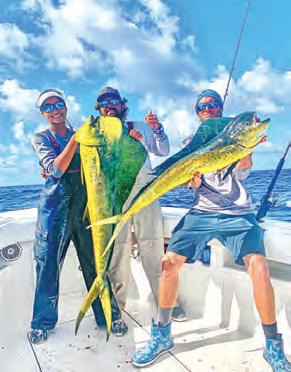
June will begin the widespread warm water, instead of just pockets like in spring. Starting now you can catch tuna, wahoo and dolphin anywhere in that 70+ degree water. From now through October, I would put an emphasis on securing big, hardy live baits for the light line. If nothing else, jig up some small snappers wherever you are bottom shing and keep one underneath a oat or under the kite, along with one without a oat that can get some depth. Of course, I like to nd bait to sh around, not just bait on the surface. Don’t hesitate to get these light line baits deeper in the water column. at 75- to 100-foot depth is notorious for wahoo, as well as yellow n tuna during the middle of the day when the sun is high.
I would suggest spending some time posted up on top of a big stack of bait and dedicating at least one person to jigging up dozens of live cigs and sardines. is is the ultimate bait for either the light line or on the bottom. If you put a lot of cigar minnows or sardines on the decoy jig, its life expectancy is under ve seconds on the bottom, but just getting it to the bottom sometimes can be a challenge. We never leave the dock without a couple boxes of frozen cigar minnows and live pin sh this time of year, but nothing, in my humble opinion, is any better than a live cigar or sardine on the jig.
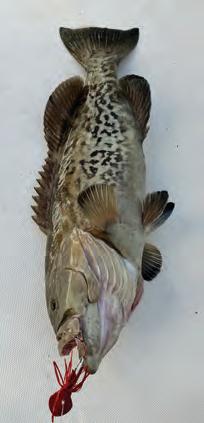
later.
e summer solstice will be June 20—the longest day of the year. It will be daylight right a er 5 a.m. and sh are just like us. ey like to eat breakfast and dinner, so go early. Be there for the daylight bite or stay late and, if you feel froggy, spend the night. ere is nothing like that night bite under the lights. It is a “National Geographic moment” at night under the lights. You see everything. Be sure to dip up some squid for the daylight bite or put them back down at night. Squid will de nitely come to the lights and are easy to catch, but beware—they will bite you and spew very black ink. is is a great time of year to take the kids. You could have big, high-pressure cells that will keep the seas at for days and they will be amazed to see all the life under the lights at night. But dress your kids properly and teach him how to harvest sh and take care of the sh you want to release. Take plenty of videos because they will never want to forget these trips.
Calm seas and tight lines, Ben Martin. We’ll sh together again someday...
Visit barefootcatsandtackle.com for more tips and techniques.

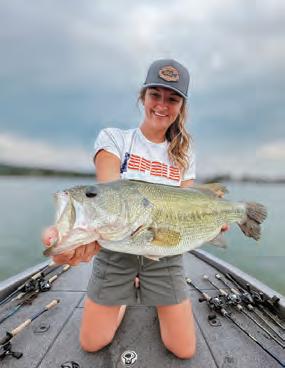




When the water starts warming and o shore schools of bass begin grouping up on ledges, hard spots, and deep structure, few techniques can trigger giant bites like a deep-diving crankbait. For Joey Bloom, deep cranking is one of the best ways to locate aggressive sh and force reaction strikes from bass that might ignore slower presentations.
“Deep cranking is all about triggering sh,” Bloom explained. “You’re covering water fast, crashing the bait into structure or bottom, and forcing those big bass to react.”
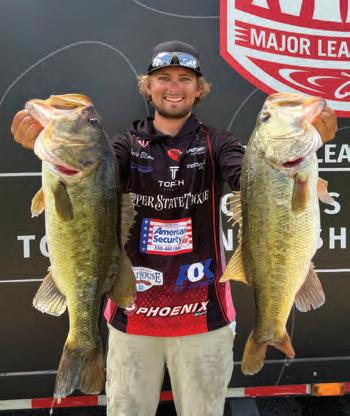
One reason the technique is so productive is the amount of water it covers. Deep-diving crankbaits allow anglers to e&ciently sh o shore structure in the 10- to 25-foot range while maintaining constant bottom contact. Bass o en position around underwater points, shell beds, creek channel bends, submerged roadbeds, rock piles, and ledges where bait sh collect. By making long casts and grinding a crankbait through those highpercentage areas, anglers can quickly locate active schools.
According to Bloom, some of the best locations to target are hardbottom transitions where so bottom changes to hard, rock changes to clay or gravel, o shore humps near creek channels, and isolated structure that sits away from heavy shing pressure.
“Anytime you nd current, bait, and hard structure together, you’ve got the ingredients for giant bass,” Bloom said. “ e biggest thing is making repeated casts from di erent angles until you contact the sweet spot.”
A deep crankbait becomes even more e ective when it continuously de ects o cover. e sudden change in direction mimics injured bait sh and o en causes bass to strike out of instinct. Many anglers believe those violent reaction bites are what separates deep cranking from nesse shing.
Having the proper gear is critical for shing oversized crankbaits all day. Bloom prefers a longer rod in the 7-foot-6 to 7-foot-9 range with a moderate action. e so er parabolic bend helps absorb the surge of big bass while keeping treble hooks pinned during long ghts. Longer rods also increase casting distance, which helps the bait reach maximum depth and stay in the strike zone longer.
When it comes to reels, Bloom relies on slower gear ratios in the 5:1 or 6:3:1 range. Deep-diving crankbaits create tremendous resistance in the water, and lower gear ratio reels provide the torque needed to grind those baits e&ciently without exhausting the angler.
Pairing that setup with 10- to 12-pound uorocarbon line helps maximize diving depth while maintaining sensitivity. Bloom believes the combination of the right rod, reel, and line can be the di erence between occasionally catching sh and consistently landing giant o shore bass.
“When that crankbait starts digging and bouncing o the bottom, you know it’s any moment that a giant bass is going to eat it,” Bloom said. “ at next cast could be the biggest bass of your life.”
You can !nd all your tackle needs at Copper State Tackle and use BLOOM10 for your checkout discount!
www.copperstatetackle.com

Suzuki Marine has partnered with Fuel 1 to provide an opportunity for its dealer network to o er certi ed Sustainable Marine Fuels to its customers right from their facilities. By teaming up with Fuel 1 — a national retailer of advanced fuel delivery and portable fueling systems — Suzuki Marine is helping its dealers better serve their communities by meeting an important consumer need, maximizing the performance and reliability of their customer’s boats, and supporting sustainability goals important to Suzuki Marine and the entire recreational boating industry.
Working with Fuel 1 provides Suzuki Marine dealers with important advantages, such as the ability to deploy a fully supported fueling ecosystem with zero capital investment. Fuel 1 will provide free Micro-Station Deployment; fully branded portable fueling stations installed at participating dealer locations. In addition to direct fueling solutions, portable distribution systems including 20-gallon exchange pods and tote programs make it easy for customers to fuel their boats with PurFuels’ 93-octane, ethanol-free fuel that has been developed speci cally for marine operating conditions.
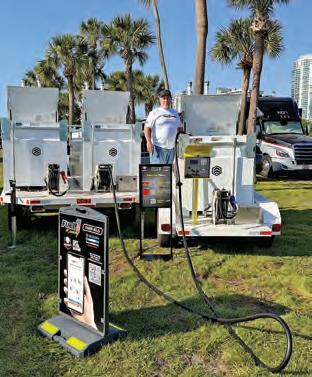
“Making sustainable marine fuels more accessible in di erent areas of the country is a great win for our dealers and customers alike,” said Brandon Cerka, Suzuki Marine Vice President Sales & Marketing. “ is partnership is also a major step in Suzuki Marine’s ongoing e ort to reduce the environmental footprint of boating. We have long supported the industry’s e orts to educate the boating public about these cleaner burning, more sustainable fuels. Now, we are stepping up to the plate to help get this fuel to more boaters, using their trusted Suzuki Marine dealers as the source,” added Cerka.
e program also makes strong business sense for dealers. A revenue sharing model will provide dealers with solid pro ts and recurring income. Fuel 1 will manage all compliance, liability, inventory, refueling and pointof-sale systems, making it easy for dealers to provide this valuable service to both loyal and new customers. Fuel 1 provides unmatched business and marketing support, including national marketing campaigns to drive customers to the dealership, dealer spotlighting across Fuel 1 Direct and partner platforms, invitations to participate in Fuel 1’s national sponsorships and marine events, and customer aggregation tools to help position dealerships as a preferred destination for premium marine fuel.
“We have used these fuels exclusively at our Suzuki Marine U.S. Technical Center during engine testing, durability trials, and performance benchmarking. Over years of testing, we have proven that these fuels help Suzuki Marine’s products run at peak performance, e&ciency, and durability in real-world conditions. We have every con dence in these fuels and are pleased to be o ering them to our customers,” added Cerka.
To learn more about the key bene!ts of PurFuels sustainable marine fuel, visit www.fuel1direct.com





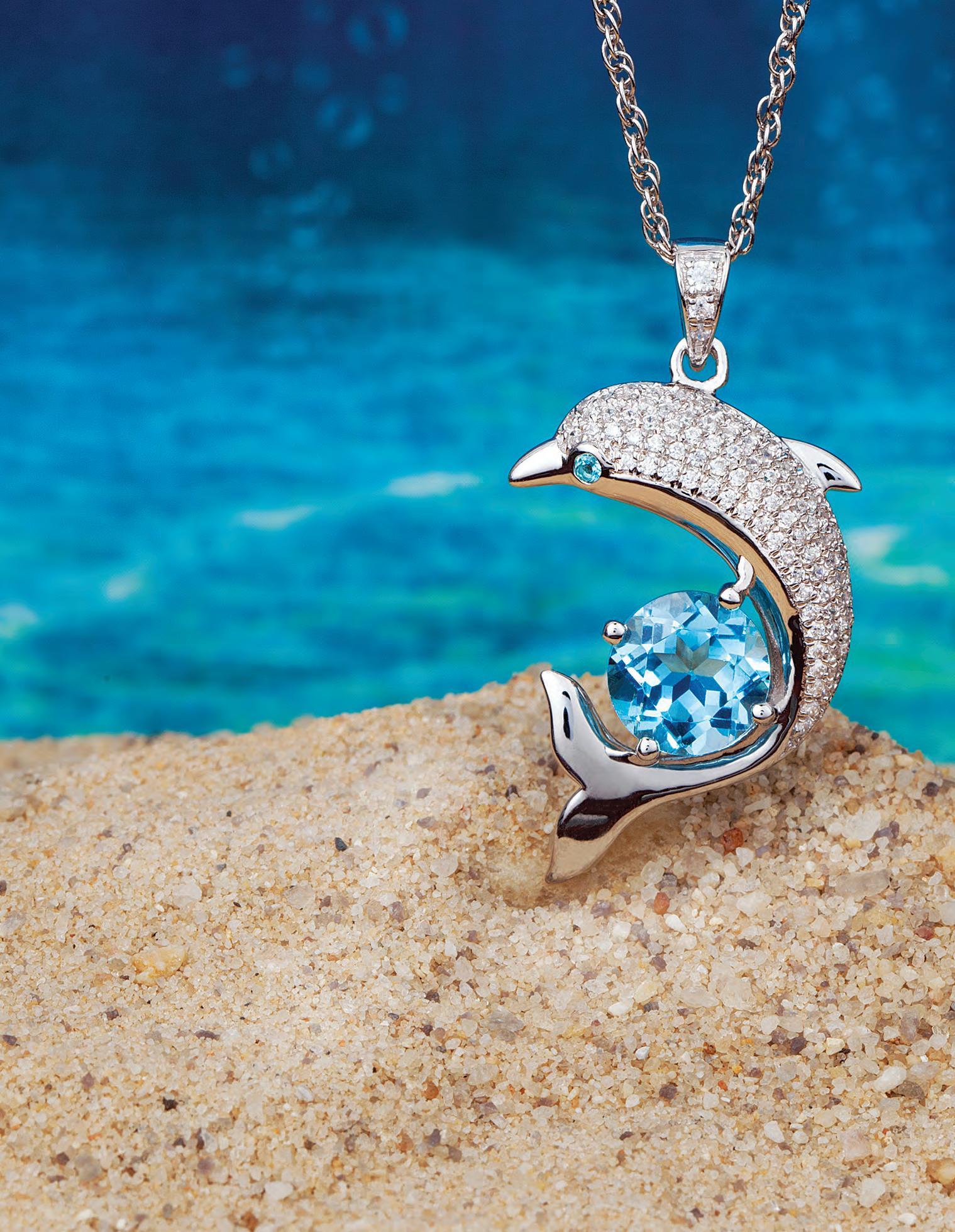
Here’s a memorable beach moment: You’re basking in the warm sun, toes in the sand, letting the gentle turn of the foam-capped waves lull you into a state of complete relaxation. As your eyes scan the endless horizon of blue on blue, you’re rewarded with the site of a school of dolphins making their way across the sea. There’s no denying their signature shape as they leap from the water. If you don’t see anything else extraordinary the rest of the day, you can take solace knowing you’ve witnessed some of nature’s most playful and intelligent creatures in their natural habitat.
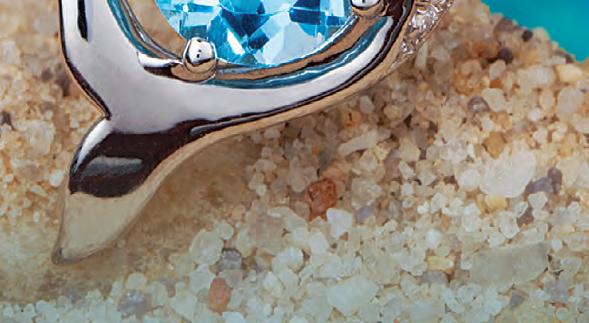
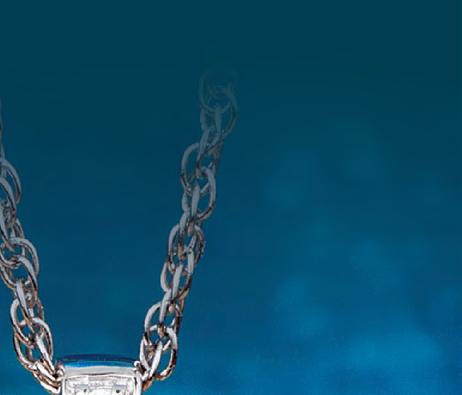
Why not recreate that special toes-in-the-sand moment with our DiamondAura® Dolphin Pendant? The beloved sea mammal has been captured mid-jump in a rhodium-finished setting. And tucked into its fins are a full two carats of shimmering blue DiamondAura.
Nothing captures the shimmering color of the ocean in the midday sun like blue DiamondAura. With its sparkling clear blue color and high refractive index, DiamondAura is one of our top sellers. And with our special price, you have quite the catch. Satisfaction guaranteed or your money back. Enjoy the DiamondAura Dolphin Pendant for 30 days. If it doesn’t pass the test swimmingly, send it back for a full refund of the item price.
Limited Reserves. A full 2 2/5 total carats of DiamondAura in a rhodium finished setting for this price is as rare as a dolphin sighting. We cannot guarantee availability for long. Call today!


Limited to the first 1900