
Suzuki, the “S” logo, and Suzuki model and product names are Suzuki Trademarks or ®. © 2026 Suzuki Marine USA, LLC. All rights reserved

















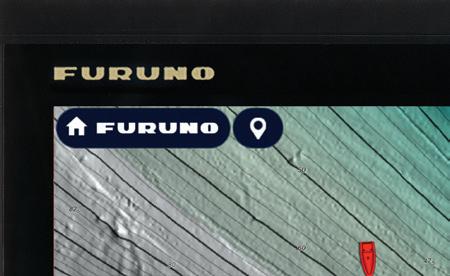
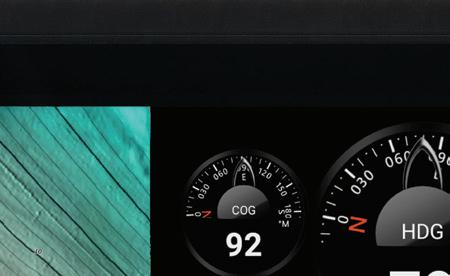


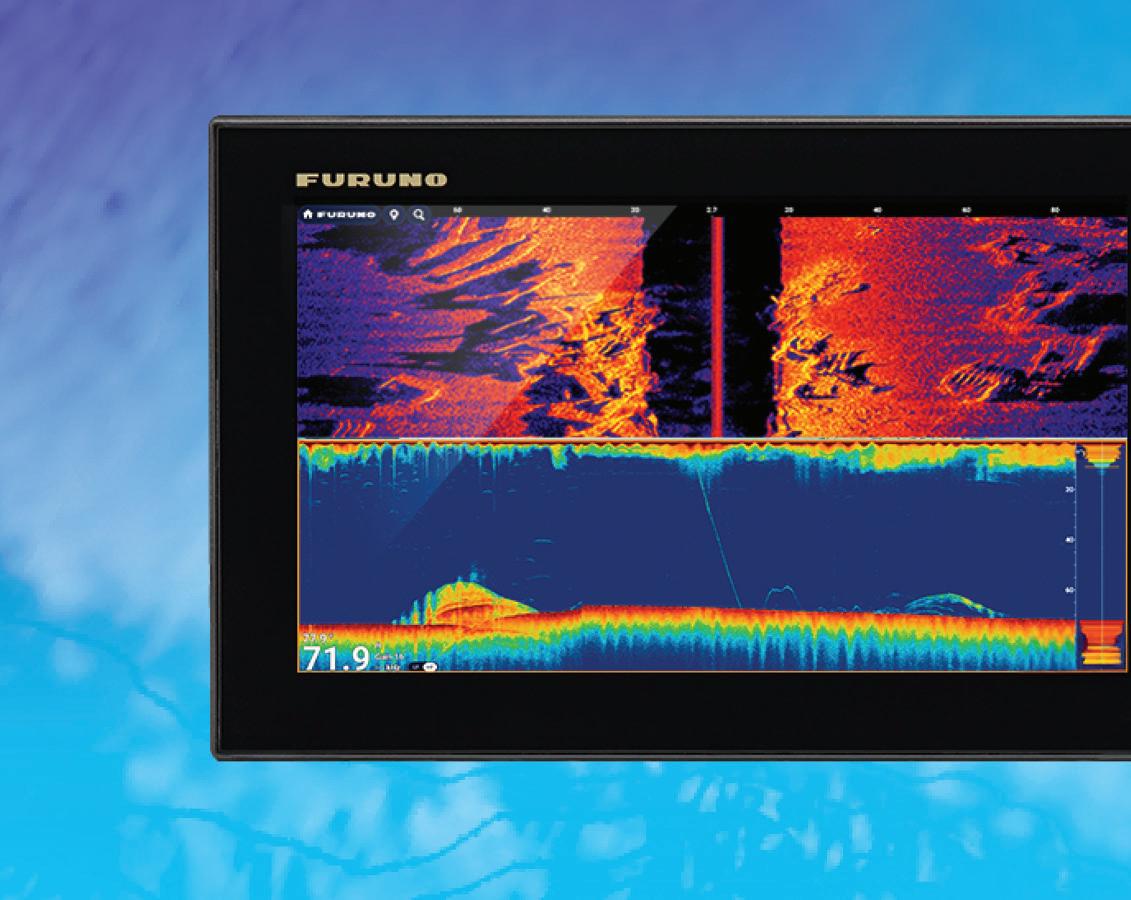

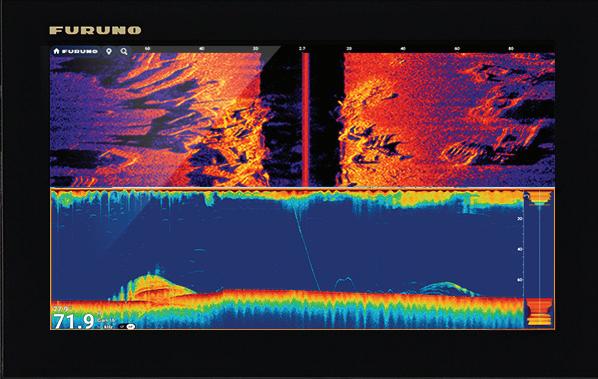
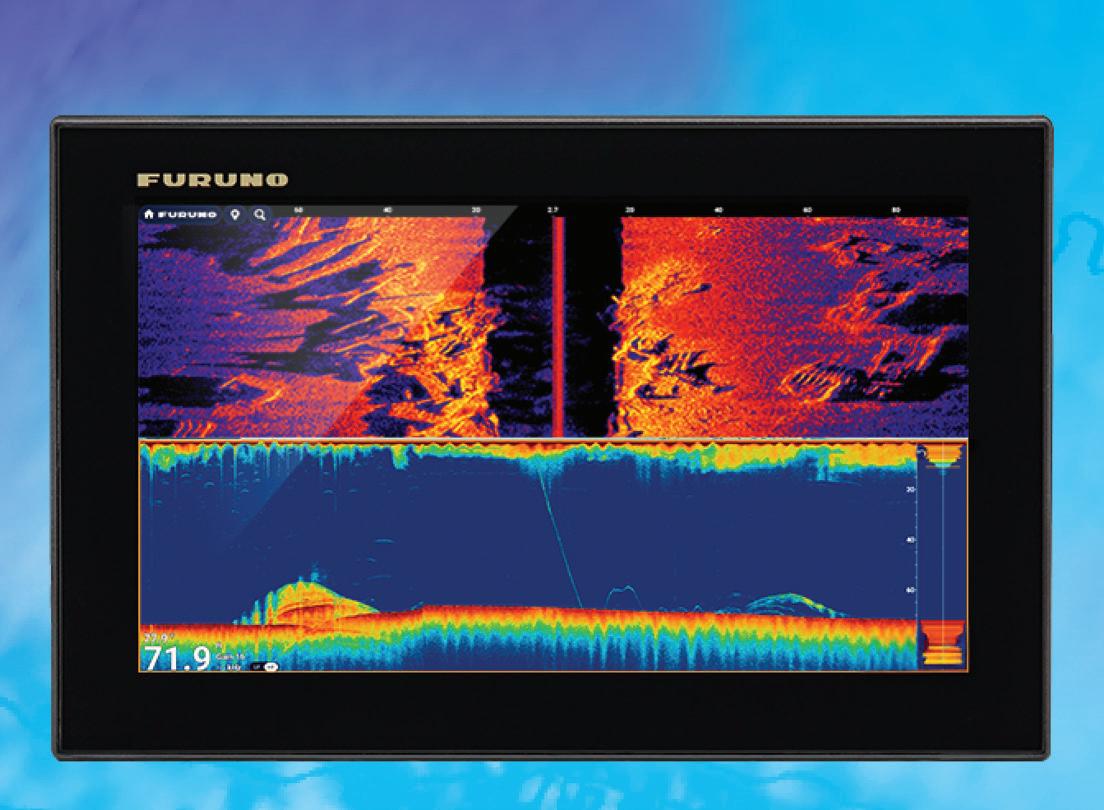
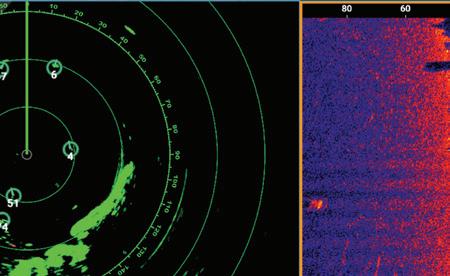
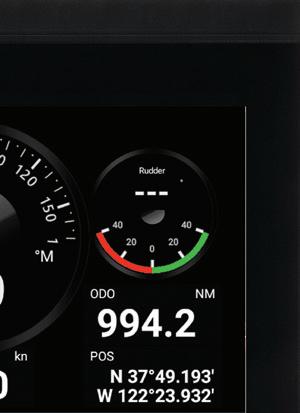




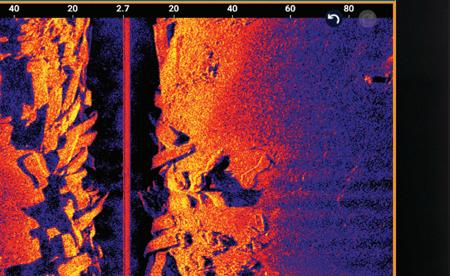








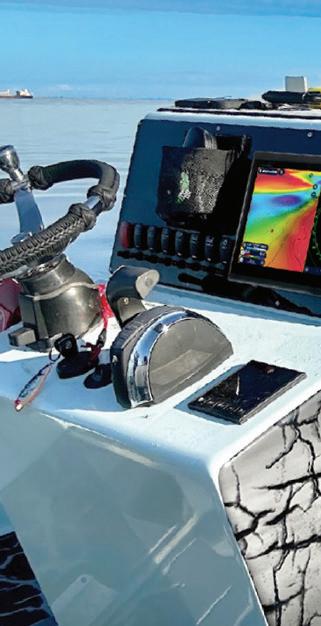




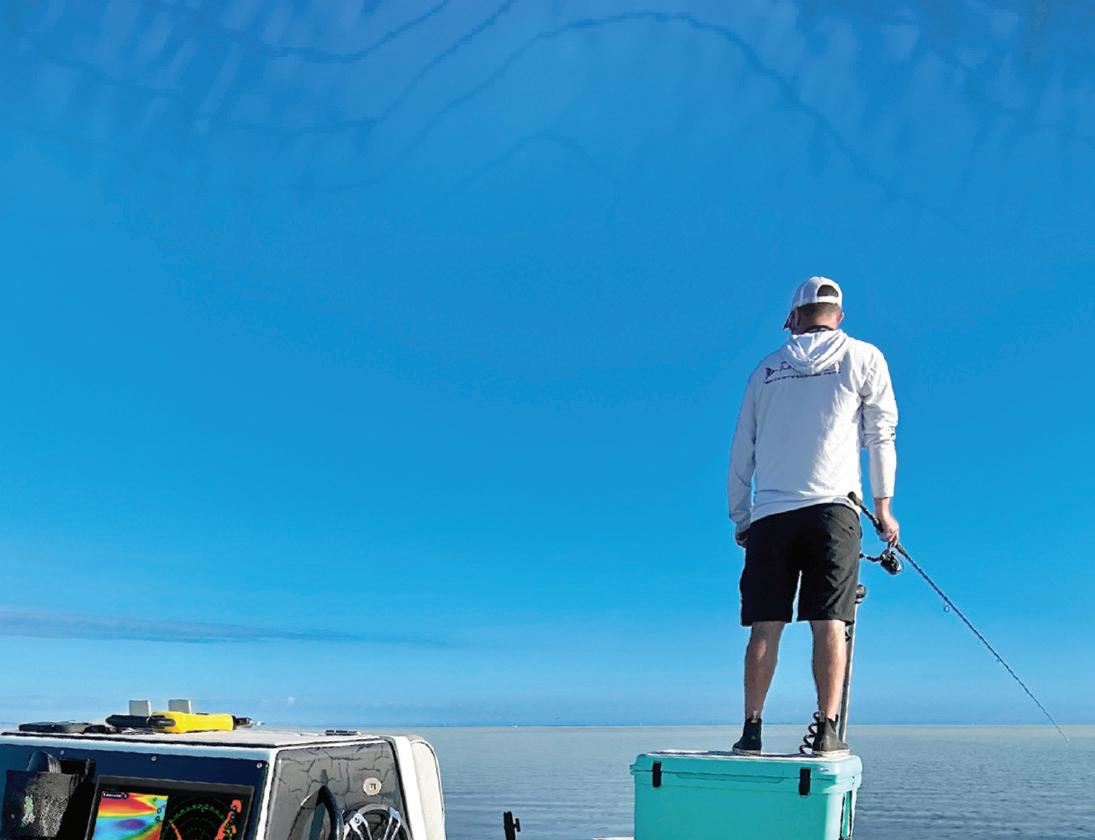
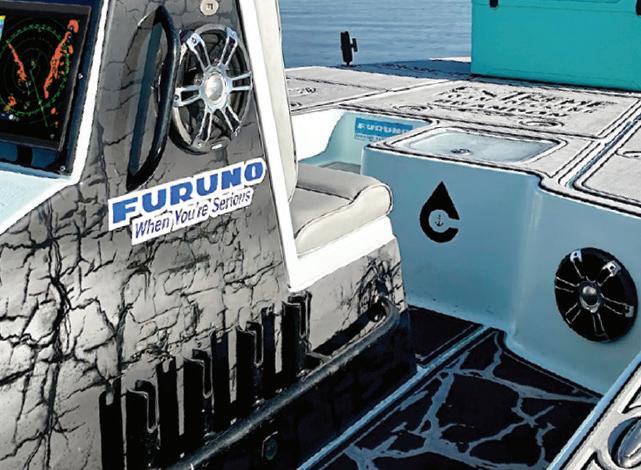



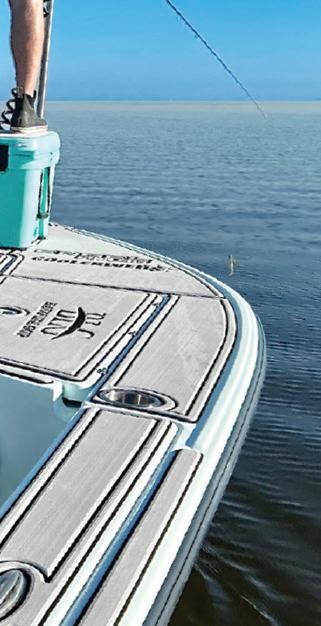





With this streamlined MFD, Furuno is bringing big-boat confidence to everyone. & More Fish









Less Stress





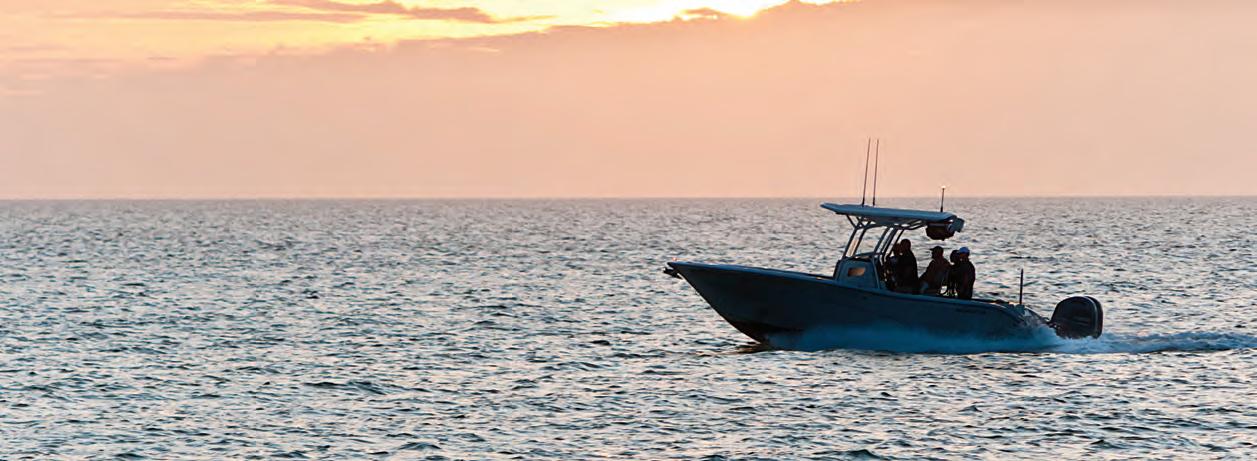
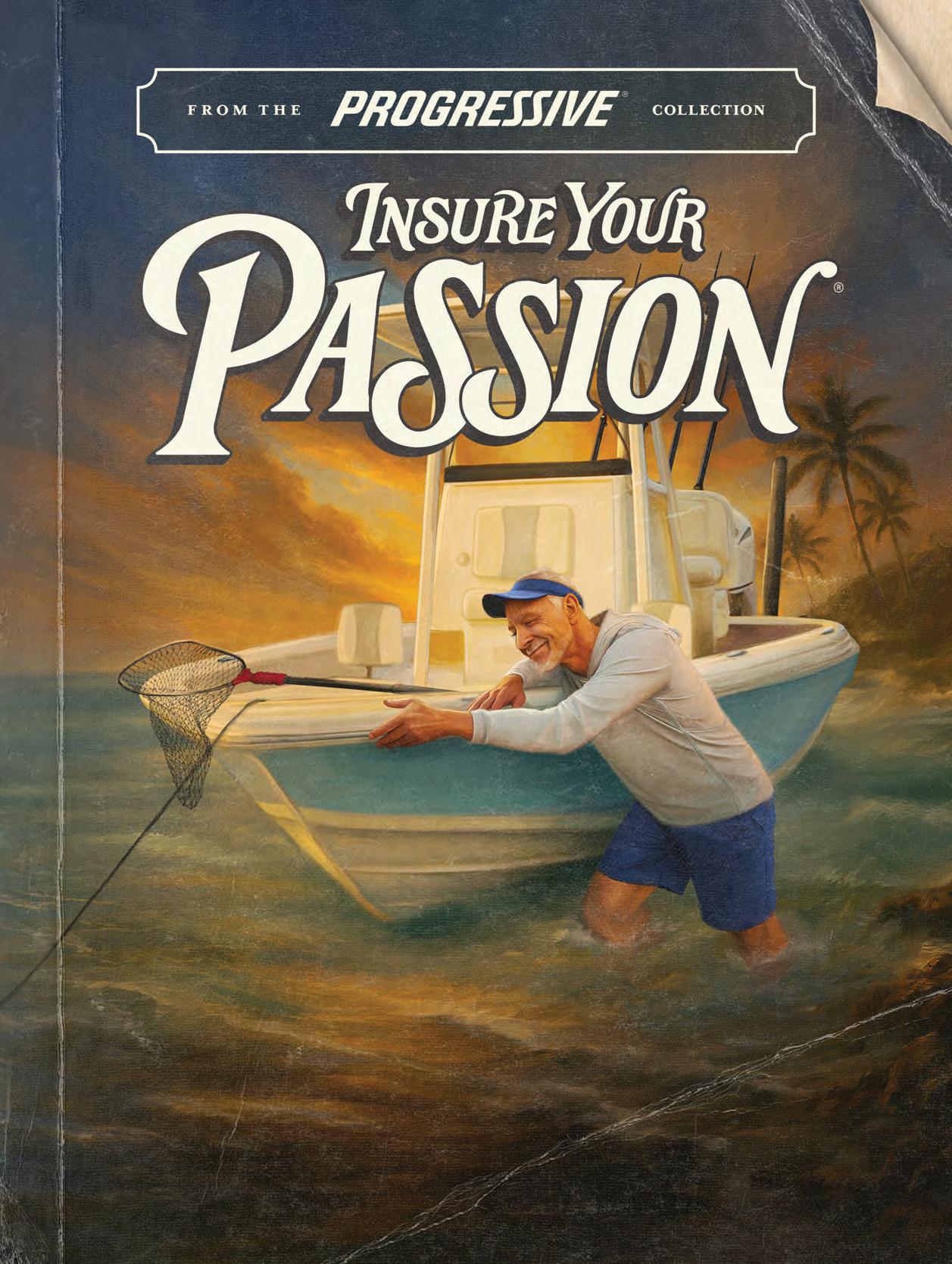
Are you ready to embark on your next on-water adventure? Before you set sail, here are fve things to know about boat insurance.
1. Boat insurance isn’t just for accidents
With comprehensive coverage, you’ll also be protected fnancially for theft, vandalism, and unexpected events like storms if you need repairs or replacements due to damage.
Accidents can happen to anyone
When accidents happen, boat insurance offers liability coverage for damages or injuries you cause while boating, up to specifed limits. It can also cover lawsuit costs if you’re sued.
3. Boat insurance can cover medical payments
Boat insurance offers a range of optional medical payments coverage limits, helping to cover medical expenses if you’re in an accident or someone is hurt on your boat, regardless of fault.
4. Most lenders require boat insurance
If you fnanced your boat, you’ll likely need boat insurance since most lenders require boat insurance to protect their investment. Additionally, some marinas or municipalities require proof of insurance for docking.
5. Progressive offers specialized boat coverages
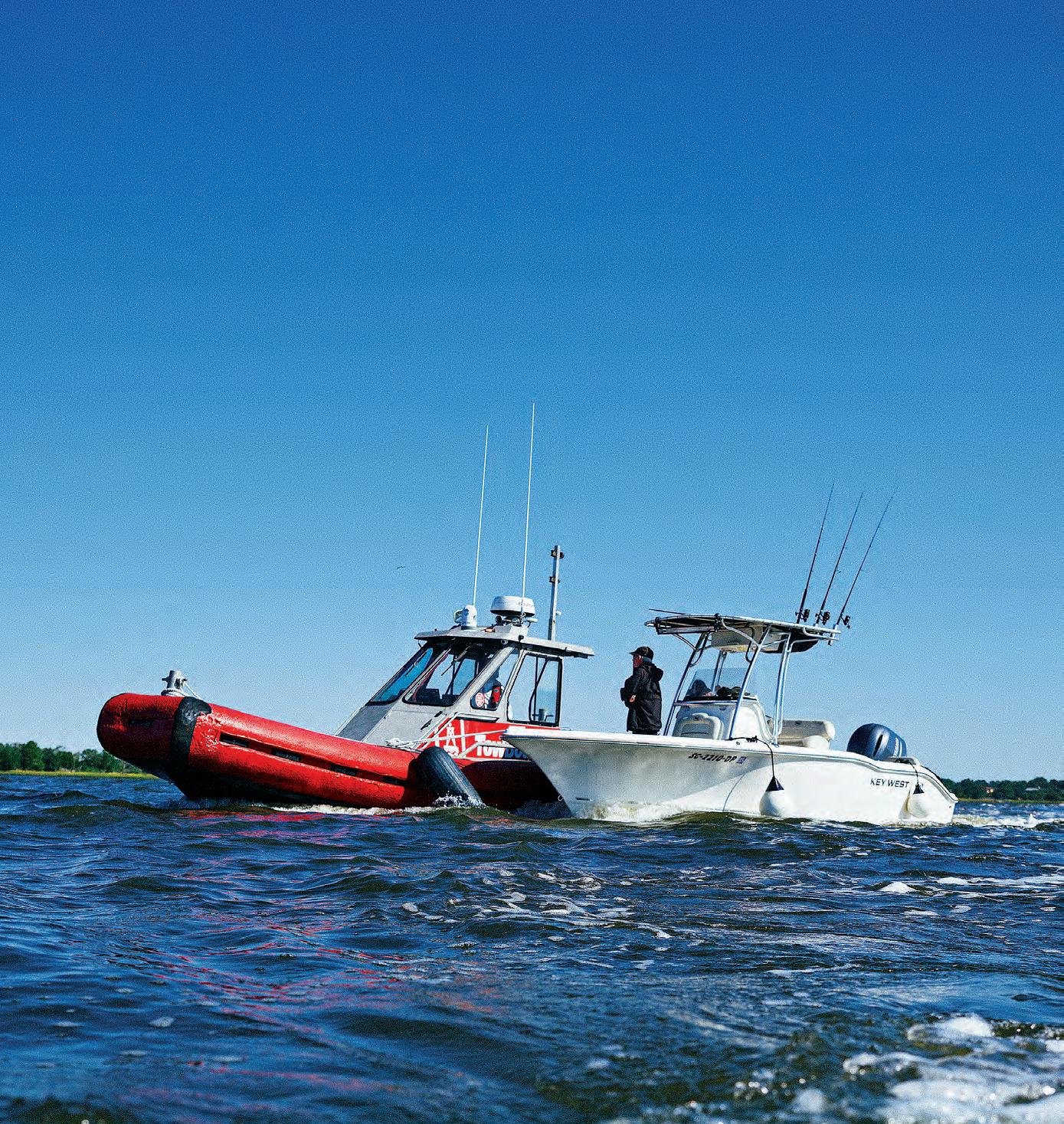
Ever worry about getting stuck on the water?
Progressive’s Sign & Glide® On-Water Towing coverage** can help. It’s an additional coverage that steps in if your boat is disabled or breaks down on the water, paying for on-water towing, jump starts, soft ungroundings, and fuel delivery. Fuel cost isn’t included.
Don’t let unforeseen circumstances disrupt your voyage. Cruise with confdence thanks to Progressive Boat insurance. Because when it comes to your boat, peace of mind is the ultimate luxury.
Scan to get a quote in as little as 4 minutes.
to learn more.












By A. deGruchy
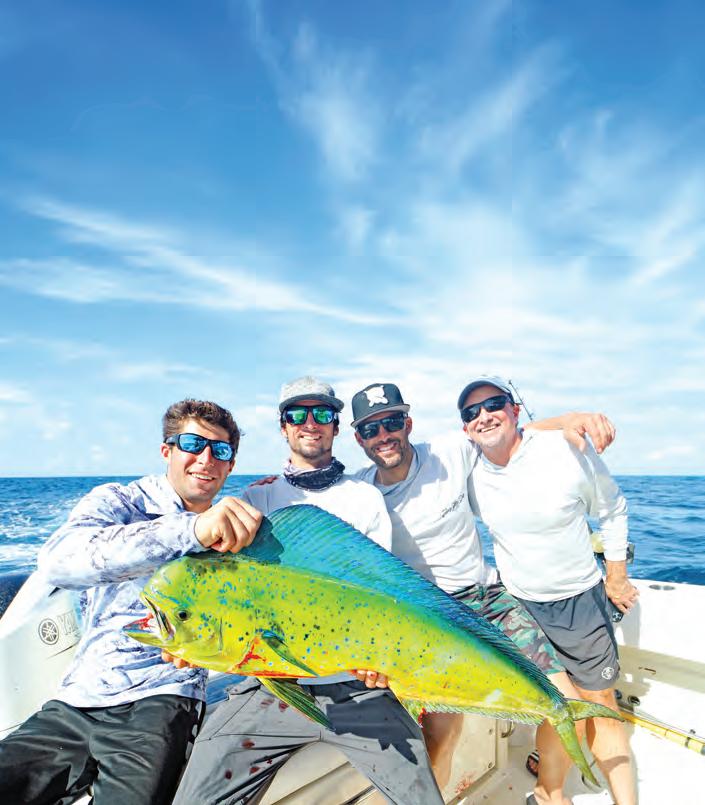
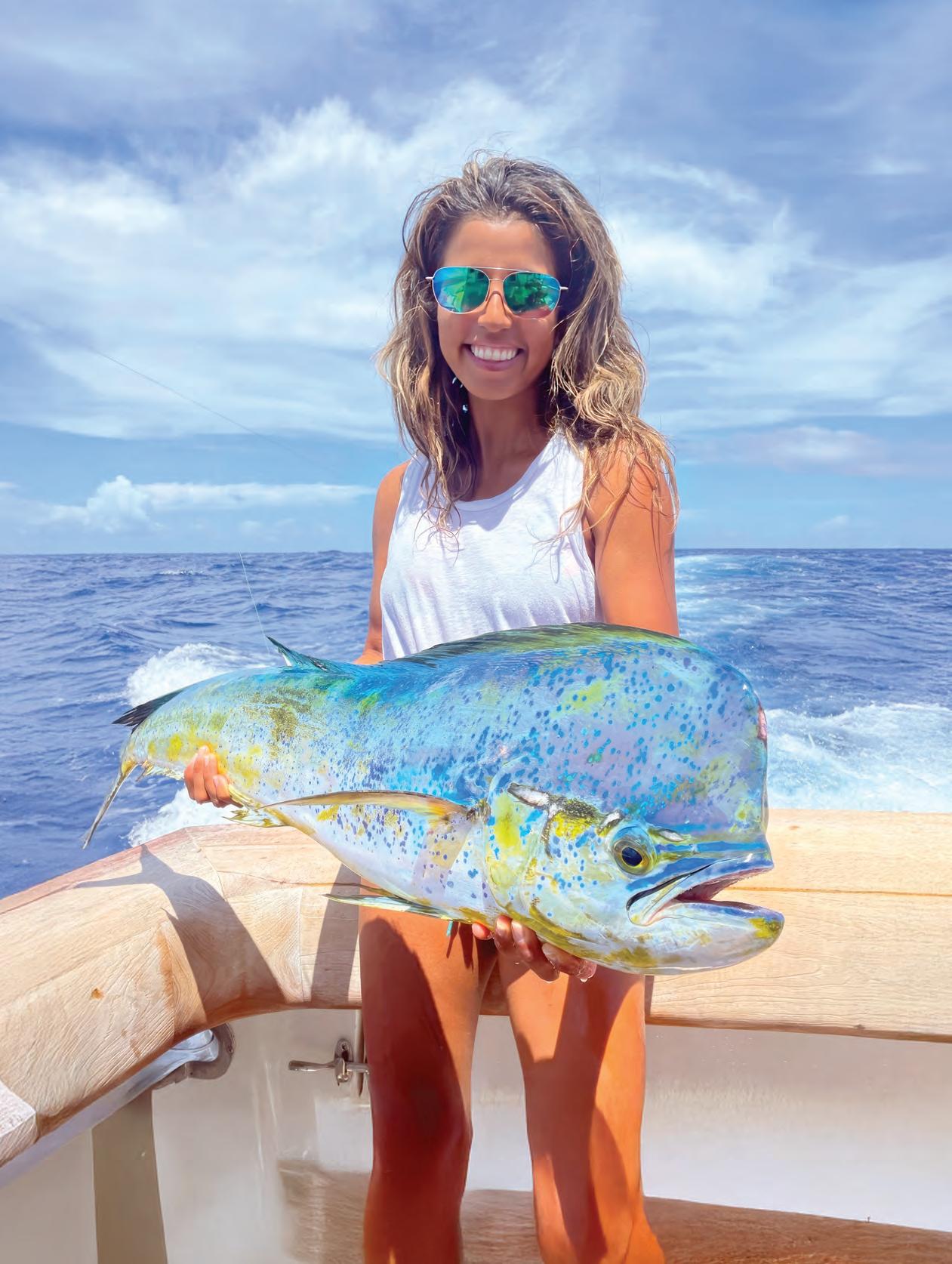
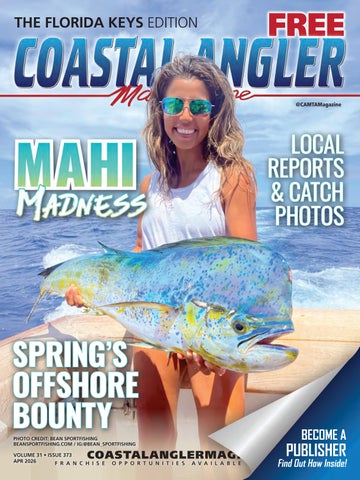
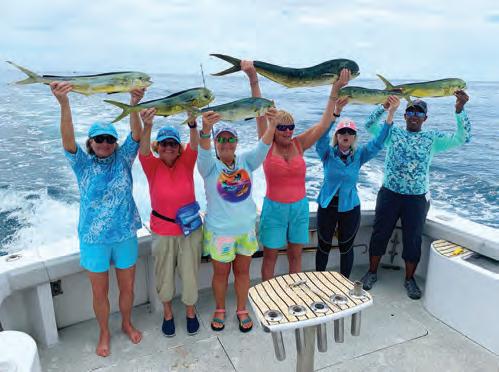
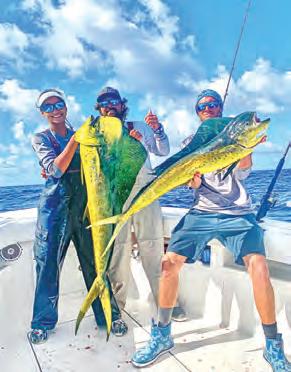
Mahi season is one of those drop everything and go times of year, and when we begin to slide from spring into summer, you can usually count on schools showing up o!shore. e warmer the water, the better it gets, especially when you nd clean blue water, good current edges, weed lines, oating debris, or any kind of structure holding bait in that 75- to 82-degree range. Fishing with Bean Sport shing in the Florida Keys and other parts of the state, over the past few years we’ve de nitely seen more smaller sh and fewer big cows and bulls, but that doesn’t mean they’re gone. When conditions line up, there’s always a chance a quality mahi-mahi is mixed in with the schoolies.
Mahi love anything moving, so live bait is tough to beat, and when they’re really red up, you can even catch them on y. Tackle-wise, we like running a 6500 size setup because you never know when a better sh shows up. e Penn Slammer IV 6500 paired with a Carnage III rod is a go-to for us, and the Penn Spin sher VII 6500 spinning combo is another solid option. We’ve had great success using the Mustad 7766D 6/0 hook, and for bait we’ll typically sh whitebait or troll Islamorada Flyers depending on the day.
When it comes to the table, blackened or fried mahi is hard to beat, and we only keep what we’re going to eat that day. Even though mahi are one of the fastest-growing sh in the ocean, conservation still matters, and being mindful about what you harvest goes a long way.
Bean Sport shing can run this type of trip, but it’s highly weather dependent o!shore. If you’re looking to book a dedicated o!shore charter in e Keys, I highly recommend LegaSea Charters. Capt. Joey can be reached at legaseacharters.com.
If you’re planning on visiting Islamorada, book at the fabulous ree Waters Resort and reach out to us about a special captain’s discount.
Follow deGruchy’s adventures on Instagram @bean_sport shing and on YouTube @BeanSport shing. To book a charter, visit beansport shing.com.



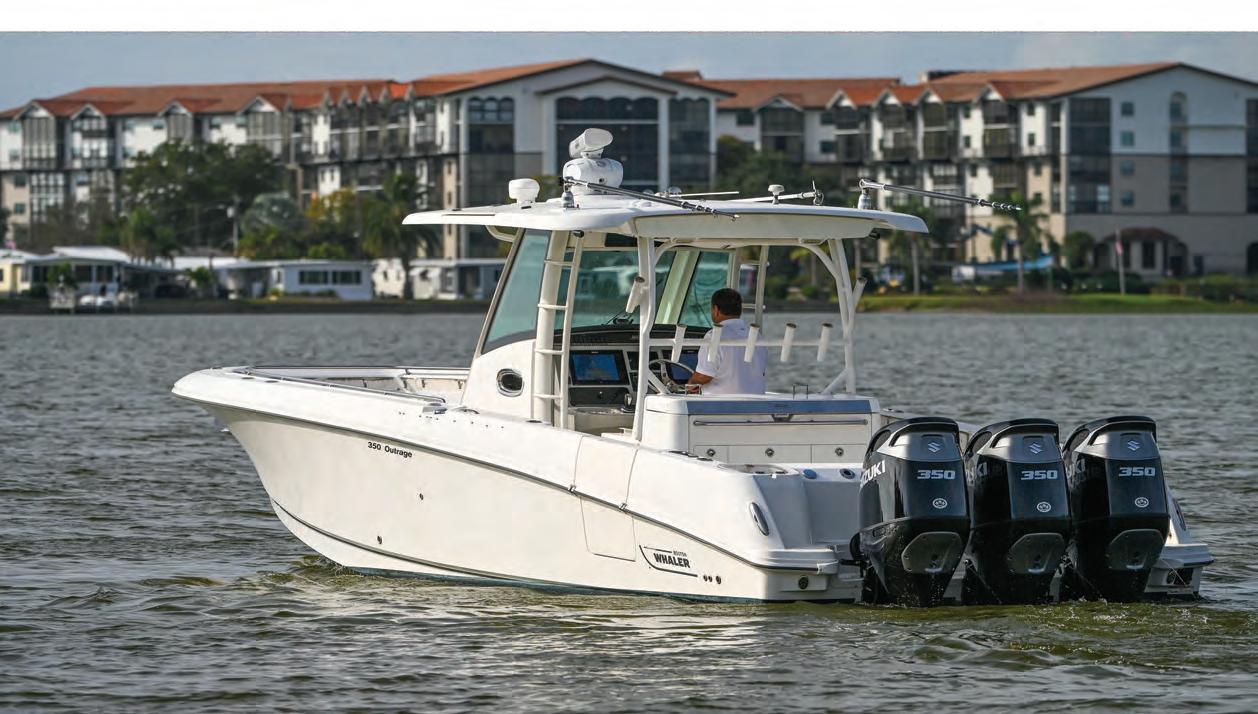
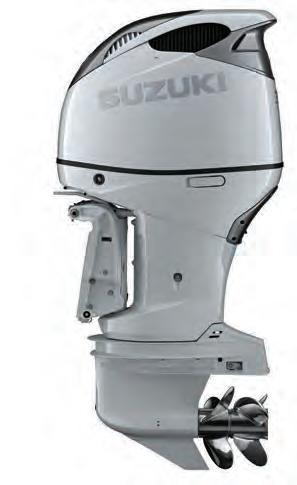
Mastry Engine Center has received the Suzuki Marine Super Service Award and has been ranked #1 in Suzuki Marine US Sales! 60 YEARS OF REPOWER EXPERIENCE!

RePower Packages designed to best ft your needs and not stretch your budget. Financing available.

Rest assured, all Mastry Suzuki RePowers are backed by Suzuki’s industry leading 5-year factory warranty.

highest level of Suzuki certifcations to meet and
Stationed strategically around the East Coast, all Suzuki RePower Centers have achieved the highest level of Suzuki certifcations to meet and exceed your repower needs.
When Considering A Repower, Consider These Factors:
•Every Authorized Mastry Suzuki RePower Center has decades of repower experience providing proper rigging, controls, propeller matching and in water testing
•With a Mastry Suzuki RePower, owners gain improved performance, less noise and greater reliability
•Mastry Suzuki RePower’s exclusive Owner’s Edge Program*
•Mastry Suzuki RePower Centers use authentic Suzuki OEM parts and have factory certifed technicians

Since 2014, Mastry Engine Center, has been building the premiere Suzuki Outboard repower network in Florida. Today, Authorized Mastry Suzuki Outboard Centers have been exceeding expectaions in the Southeast for over two decades. Recently Suzuki Marine requested Mastry Engine Center to expand the network throughout the Northeast. Now boat owners from Maine to Florida can be assured of the best support for their Suzuki outboard repower project. All Authorized Mastry Suzuki RePower Centers provide the best options, information and package pricing for excellent performance in repower.


*Get with the Program!
When you purchase a new Suzuki outboard from an authorized Mastry RePower Center you qualify to become a member of the Mastry Suzuki Owner’s Edge. Owners receive an identifcation card that provides them with important information about their Suzuki outboard motor as well as a passport to additional benefts during ownership. Members enjoy a detailed engine maintenance schedule, Mastry Suzuki RePower Trade Program and special pricing from Mastry Suzuki Partners.




By: Capt. Greg Poland
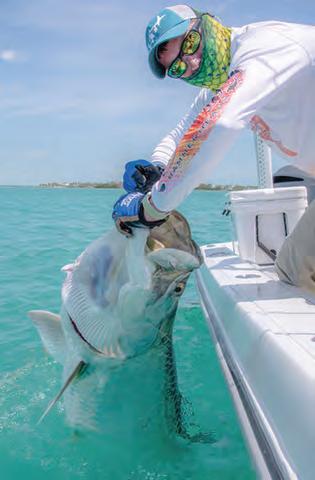
I’ve been patiently waiting for the silver kings to return to our waters, and it’s finally that time of year. Everyone has a favorite fish to chase, and mine has been the tarpon ever since the first one I hooked nearly 50 years ago. I recently visited that very spot, and it took me right back to the day the obsession began.
What’s not to like about tarpon fishing? They’ll eat everything from a chicken feather placed in the right spot to a live mullet swimming under a bobber. And once they bite, the show begins, acrobatics that could win a gold medal at the Olympics! I honestly enjoy catching them any and every way possible, and from now through July there will be plenty of tarpon talk in these reports.
Tarpon season in the Keys is one of the most exciting times of the year. From ocean-side migrators moving down the beaches to laid-up fish in the backcountry and channels, there are plenty of opportunities to connect with one of these incredible fish.
For some strange reason, if tarpon fishing doesn’t sound like your idea of fun and you’re looking for something that ends up in the Yeti and eventually on the dinner table, April is also a great time to head offshore. The mahi-mahi bite is starting to pick up along the weed lines. I recently added the Fish Mapping service, and I think it’s really going to help dial in the offshore program and save a little fuel while searching the Atlantic for productive weed lines.
When I’m offshore looking for mahi, I like to have a fresh, or even better, live ballyhoo rigged on a 20-lb spinning outfit ready to go. You never know what might show up behind the boat. In fact, I landed a sailfish on a recent trip while we were searching for mahi. Luckily, we had a rod ready with a live bait in the well, or we probably would have missed that opportunity. There never seems to be enough time to rig a bait once you spot the fish, so always keep a rod or two ready to cast. Another tip is to keep a bag of cut ballyhoo chunks ready to toss in the water. When you run into a school of mahi, those chunks will slow them down and help keep the fish around the boat.
April is shaping up to be a great month on the water, whether you’re chasing tarpon or filling the cooler with fresh mahi-mahi.
I still have a few prime dates open if you’d like to get out and wrestle with a big tarpon or chase any of the other species swimming around Islamorada. I’m really excited about my new boat, and careful planning helped me lay out the rig so it can fish everything from the reefs to the Everglades. If you would like to come aboard and participate on how we get it done, call me and let’s get you out on the water! — Visit Capt. Greg at 305.393.3327 or email gregpoland@icloud.com | Instagram: gregpoland Facbook: Fishing
with Capt. Greg Poland

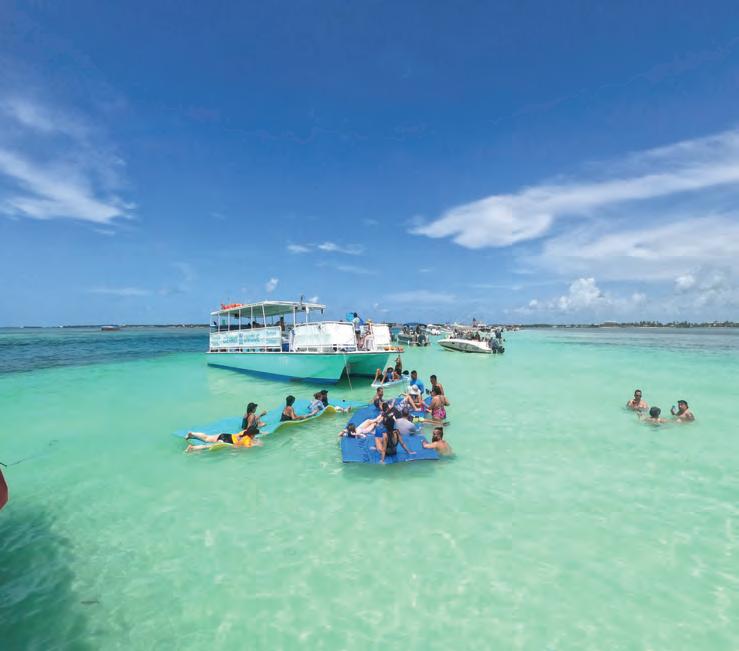
Iam beyond fortunate to call the little string of islands south of Florida’s mainland my home. The Florida Keys are truly a special and magical place. Being a captain here gives me the opportunity to share with visitors from around the world just what makes our island chain so unique, and this month I decided to share it with all of you.
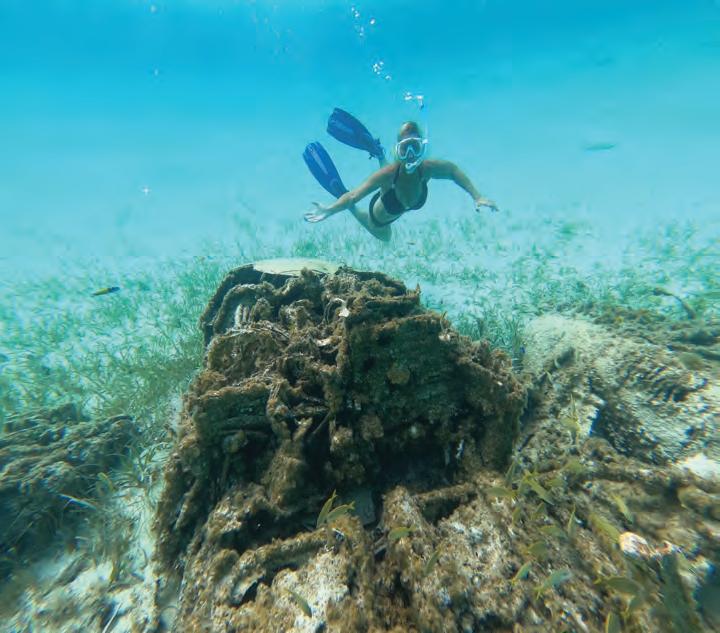
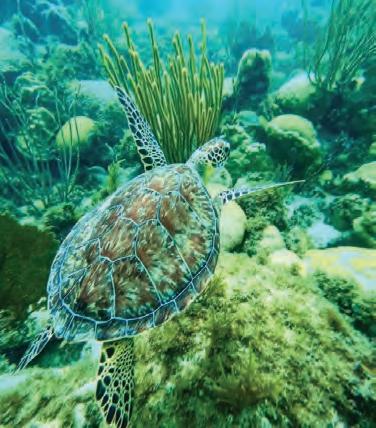
The Florida Keys have one of the most diverse and sensitive ecosystems on Earth. Our 130 miles of islands is home to one of the most fragile coral reefs anywhere. The reef is home for more species of marine life than I could possibly tell you in one article! But spending most of my life in and on the water has allowed me to witness the wonders that live beneath the surface. I love nothing more than to take some unsuspecting tourists snorkeling and change the way they see the ocean forever, especially children. The innumerous species of coral, turtles, rays, eels, crabs, lobster, marine mammals, and fish are just the tip of the iceberg. It is truly spellbinding to witness. We also have the Florida Everglades National Park. It is one of the largest national parks in the country, but people don’t realize that because most of its mass is water. The park is a vast subtropical wilderness known as the “River of Grass”. It is an International Biosphere Reserve and home to some of Florida’s most unique wildlife including alligators, crocodiles, and the endangered Florida panther. When you consider that the Everglades are mostly fresh water that slowly turns to brackish, then salt, you can start to understand just how unique south Florida really is. Some of these animals, such as manatees and crocodiles, are able to travel back and forth between the fresh and saltwater.
Because of the delicacy of our ecosystem, we have some of the most aggressive and hands-on conservation groups in the world. And thanks to them and the deep pocketed philanthropists funding them, we are working hard to protect our areas and wildlife within them.
We are also grateful for groups like Captains for Clean Water and The Surfrider Foundation for keeping our environment free of harmful debris, namely plastics. The last thing our planet needs is another giant floating garbage patch and thus far we have kept that from happening. I always tell the visitors here “don’t destroy what you came to enjoy” and I try to set an example by making sure no debris from my boat ever gets left in our pristine waters.
Our communities are also very special and unique. We truly have that “Old Americana” feel that is so rarely found these days. Our friendship circles are tightly knit, and we highly depend upon one another to work together in times of need. I lived through devastating Hurricane Irma here, and our communities working together is what makes us stronger and be able to conquer such giant hurdles and get back to normalcy.
Take all of these amazing factors and add in tropical water and air temperatures, soothing sea breezes, palm trees, and all-day happy hours, and you truly have paradise.
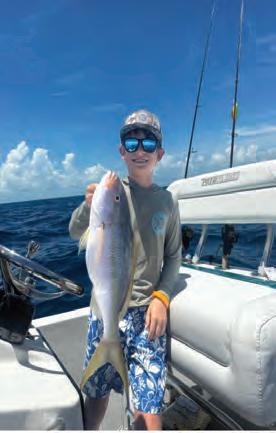
Then there are unbelievable fishing grounds. We truly are the Sportfishing Capital of the World! We have so many choices from back country flats fishing, patch reef fishing, and offshore fishing, that any angler would never get bored! You can literally catch dozens of different fish species in one single trip. We also have fishing bridges and piers along our entire island chain, so even on the tightest of budgets, you can get a taste of our amazing fishing. I have been fortunate enough to catch more fish than anyone should be allowed to! And I continue to be surprised by what is on the end of my line. It is a fisherman’s dream come true. Whatever your style and dreams of fishing may be, the Florida Keys will almost always surpass your expectations. I have been fishing here for half of my life, and there is still never a dull moment.
Add in our dazzling turquoise, crystal clear waters, and you can understand why the Keys are so special. I have traveled extensively, and our waters are just as wonderful a sight as anywhere in the Caribbean. Some days you can literally see the fish nibbling the bait on your line. It’s truly unbelievable!
If you are craving adventure and want to witness some of what the Florida Keys have to offer, give me a call! I work with other captains to provide fishing, snorkeling, and tiki boat party trips for people of all ages. One thing is for sure, you will go home with memories of a lifetime!


By: Capt. Bruce Andersen
Spring is now in full swing in the Florida Keys, and the month of April brings some truly exciting fishing opportunities. After a long winter, it’s great to feel the days getting warmer, the winds starting settling down, and so many of the types of fishing that we do heating up for the rest of the spring and summer season. Whether you enjoy offshore trolling, light tackle live bait fishing or battling powerful fish on heavy tackle, spring is a time when there’s a little bit of everything to look forward to.
One of the highlights offshore this time of year is the improving action for mahi-mahi and black fin tuna. As spring gradually transitions toward summer, we start to see more of these pelagic species showing up. Blackfin tuna
can often be found around many of our “humps” or seamounts, while mahi-mahi begin to appear more regularly along weed lines and current edges offshore. As the month progresses, the chances of encountering these fish increase adding plenty of excitement to a day offshore.
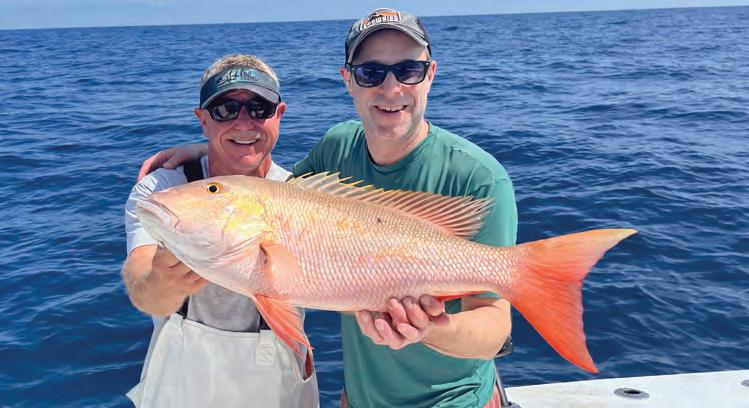
April is also an excellent time for bottom fishing throughout the Florida Keys. The reefs and wrecks hold a wide variety of species, with mutton snapper being one of the most sought-after catches. Anglers can also expect great reef fishing action for yellowtail snapper. With favorable conditions and active fish, bottom fishing trips in April can be extremely productive.
For anglers looking for a serious fight, the deeper wrecks in 300 feet of water or more, as well as offshore features like the Islamorada Hump hold large numbers of spawning amberjack. These powerful fish are famous for their drag pulling power, and hooking one can test both angler and equipment. Amberjack are one of the hardest fighting fish in our waters, making them a favorite target for anyone looking to really bend a rod.
The action doesn’t stop there. The same deep wrecks and humps that attract spawning amberjack also draw in some impressive sharks. Large tiger sharks, bull sharks, duskies, and sandbar sharks often gather in these areas to feed, offering anglers the chance to hook into some truly massive fish.
If you’d like to experience this incredible spring fishing for yourself, I’d love to have you join me aboard the Captain Easy. April is sure to be a fantastic month on the water, and there’s no better place to enjoy it than right here in the Florida Keys. Whether you fish with me or one of the many great charter operations in the Keys, now is the perfect time to get out on the water and make some memories.
— www.captaineasycharters.com | You can reach Captain Bruce Andersen at Capt. Easy Charters, MM 85, call 305.360.2120 or email at: captbrucekey@comcast.net



By: Capt. Joel Brandenburg
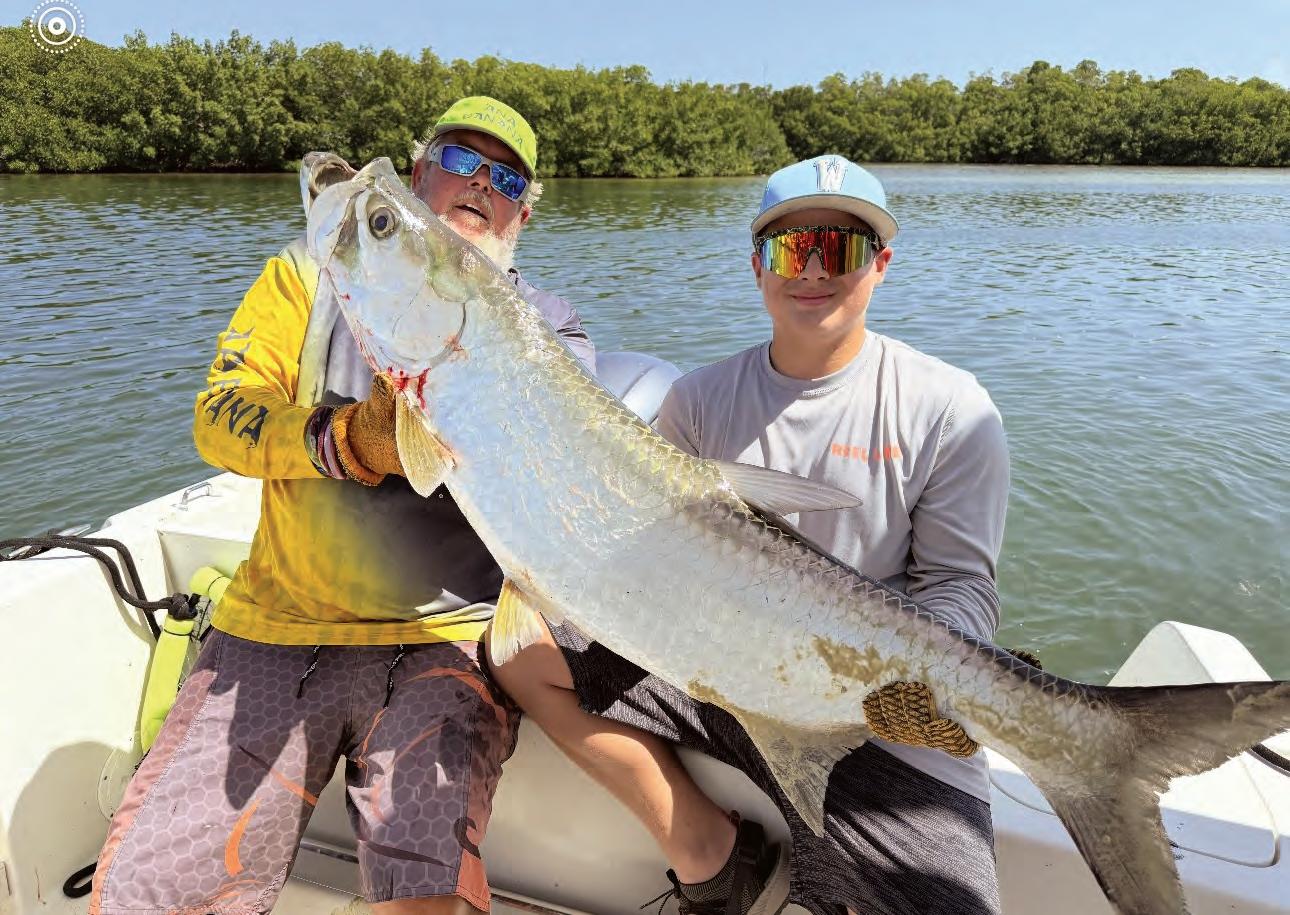
Tarpon, also known as the silver king is one of the most sought-after game fish in the world. No other fish fights like a tarpon. A tarpon is an angry fish who will hit your bait with a lot of velocity, its aggression is unparalleled and leap into the air with an acrobatic jumps. It’s a very hearty fish that doesn’t wear down easily.
Tarpon are a sought-after trophy fish not only because of the way they fight, but because they can be difficult to fool into biting the bait, when they do bite your bait because of their prehistoric armored mouths it can be hard to hook up the tarpon. Once you hook up, you have to remember to bow to the king when he jumps. Many times, the fight comes down to who’s going to wear out first the tarpon or the angler. They are also hard to land. Nowadays






on the big migratory tarpon, we just keep them in the water beside the boat. Take the hook out of their mouth, have the angler lean over the side of the boat and take a picture of the tarpon in the water. On smaller domestic tarpon, we will take them out of the water for a picture and then quickly revive them. We mostly target tarpon at the bridges.
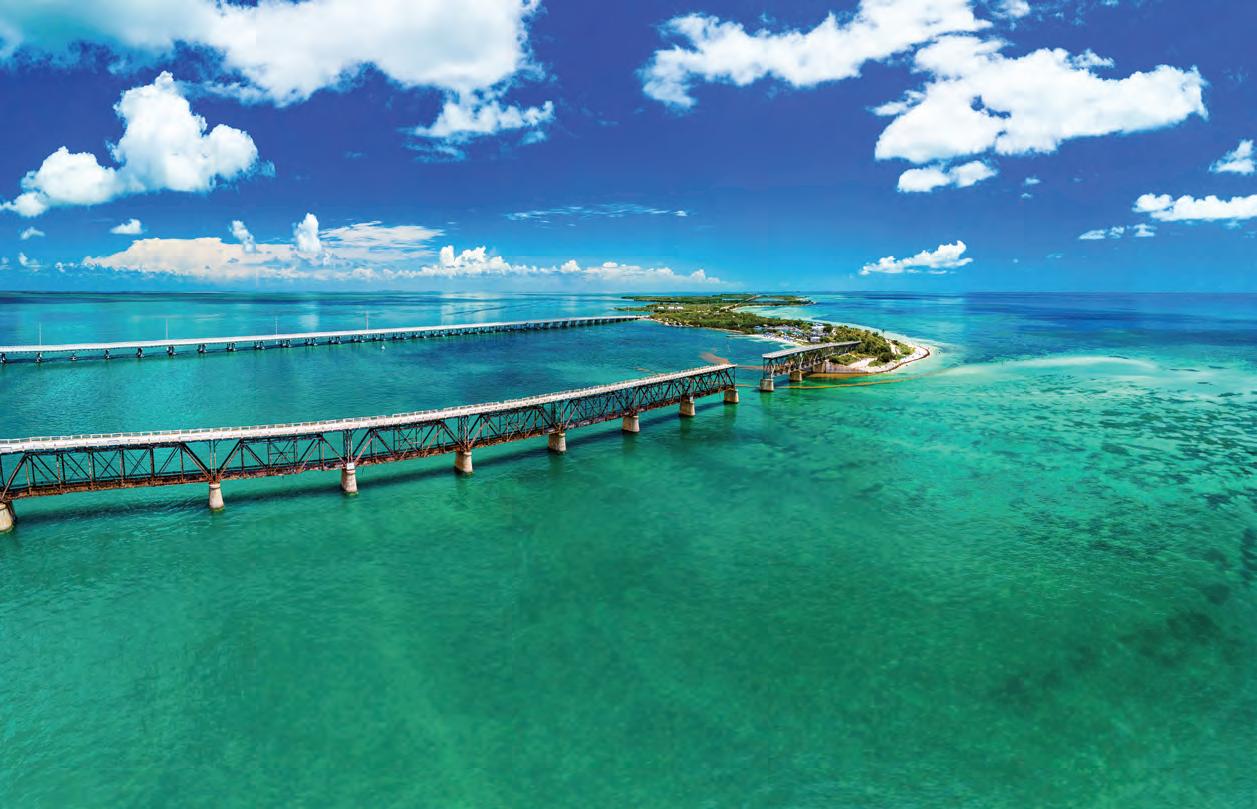
At the 7-mile Bridge, the best bait to use his live mullet. At Bahia Honda Bridge, the best bait to use is live pass crabs. At Long Bridge, anglers have the most success with cut bait, which is very controversial because local anglers aren’t thrilled about catching tarpon on cut bait with chum because it ruins the live bait bite and makes it a little bit less sporty. We also guide anglers fly fishing in the flats for tarpon which is probably one of, if not the most challenging and most rewarding ways to fish for tarpon. Site casting on the crystal-clear flats for tarpon with a fly is challenging because you have to sneak in on them to get into casting range. The flying fisherman has to be good enough to lead the tarpon with the fly like a quarterback, leads a receiver with a football. Once the fly fisherman makes a well enough cast then they have to make a good enough presentation on the retrieve to fool the tarpon enough to hit the fly while stripping. Then once you hook up on a tarpon with a fly rod, you have to give it a lot of give-and-take like a good marriage. It’s not unusual whether your fly fishing or using a spinning rod and reel to go one for five, or one for 10 on tarpon. This is why landing a tarpon is such a memorable and sought-after experience.
We release all of the tarpon we catch. They are not good to eat and are a bloody bony fish. Marathon is positioned between Key Largo and Key West and is known for its beautiful flats in the Gulf of America with a lot of trenches and ledges located under bridges that connect the Atlantic and the Gulf of America. We have a consistent flow with our tide currents that rip through cuts in channels making our tarpon habitat ideal for large migratory tarpon that typically come in between April and September and our domestic tarpon that are typically smaller, but live here year-round.
The tarpon bite is very tide and weather dependent. The best time to target tarpon, if the tide and whether are good is late afternoon an hour or two before dark. It’s important to get with your guide and target them at the right time in place which can mean the difference between a boring trip where you just drowned bait waiting for a tarpon to bite or an epic trip with a bunch of hook ups in a short time.
For a tarpon charter with Ana Banana fishing company with Capt. Joel Brandenburg, call or text us at 813–267–4401 Cell or 305–395–4212 office or visit us in person at ponchos fuel dock located at 1280 Oceanview Ave. Marathon Florida Keys.

— To book a charter with Captain Joel Brandenburg of Ana Banana fishing Company call 813–267–4401 cell or 305–395–4212 office or visit www.marathonkeyfishingcharters@ gmail.com or come visit with us in person at poncho’s fuel dock located at 1280 Ocean View Ave. Marathon Florida Keys.


1
2
5
6
9
10
16
18


26






1
2
5
6
8
9
10
20
22
23
25




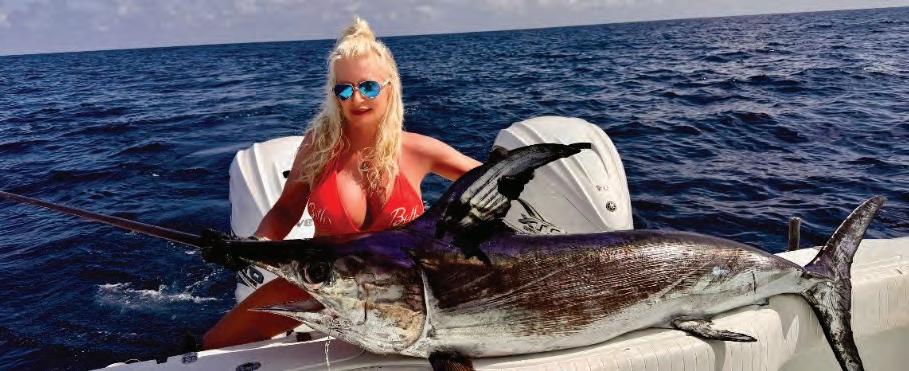
If there’s one word to describe swordfishing lately in the Florida Keys it has to be: consistent.
The deep drop bite has been really good with steady action and plenty of opportunities. We’ve been seeing lots of smaller swords coming up, and while they’re not all giants, the number of releases has been impressive. There’s something special about watching a smaller swordfish swim back down into the blue after a quick photo and a release. It’s a sign the fishery is strong and thriving.
Of course, every trip out here carries the chance at a true heavyweight and this season didn’t disappoint. We were lucky enough to land a 205-pound swordfish, a fish that reminded us exactly why we love the grind.
The patience, subtle bites, and long fights are always worth it. When that broadbill finally hits the deck and you see the size of it in person, it makes every early morning and every slow drift worth it. I’m still waiting on my nickel!
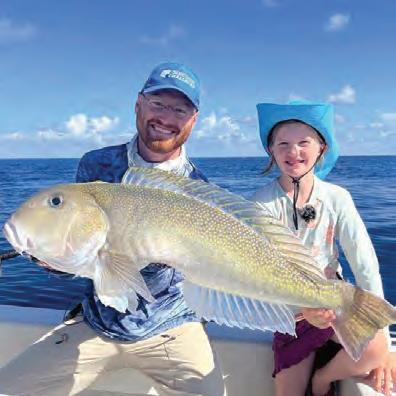
And it’s not just the swords keeping things exciting.
The mahi have been running strong offshore. I love some black ened mahi and to top it off, reports from friends and other anglers is there have been some really good size wahoo.
Between steady swordfish action, strong mahi runs, and wahoo in the mix, the Florida Keys are delivering right now. It’s one of those stretches that reminds you why this place is special. The fish are here. The conditions have lined up, and every trip feels like it could be the one.
If this momentum keeps up, it’s shaping up to be one of the better runs we’ve seen in a while!
#herefishyfishy

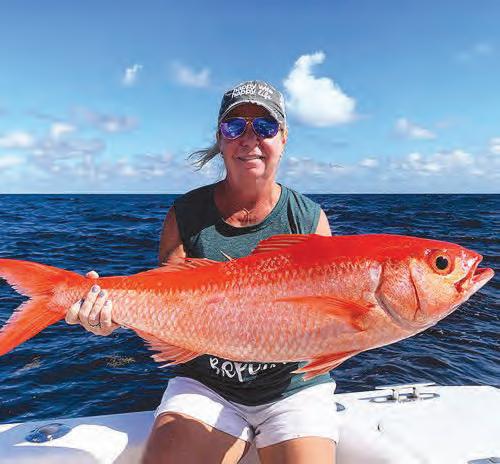
— Beth Steele CEO of Hooker Booker fishing@thehookerbooker.com
FB/IG/TW: @hookerbookerllc

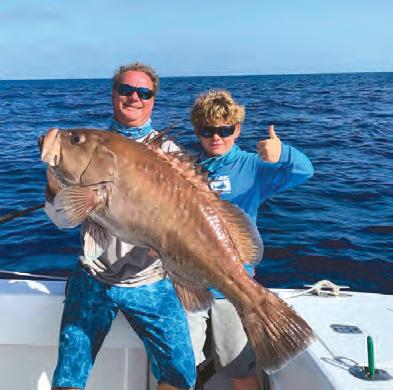
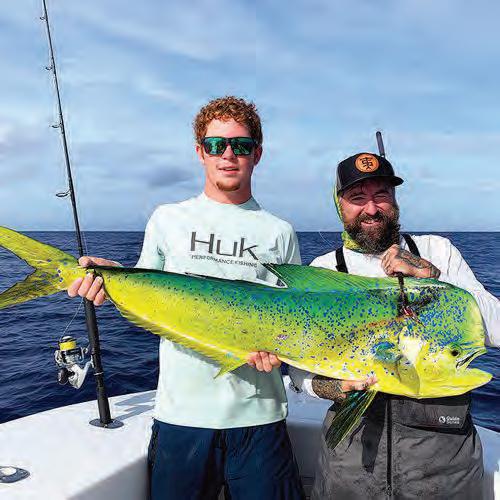
By Caitlyn Gatrell
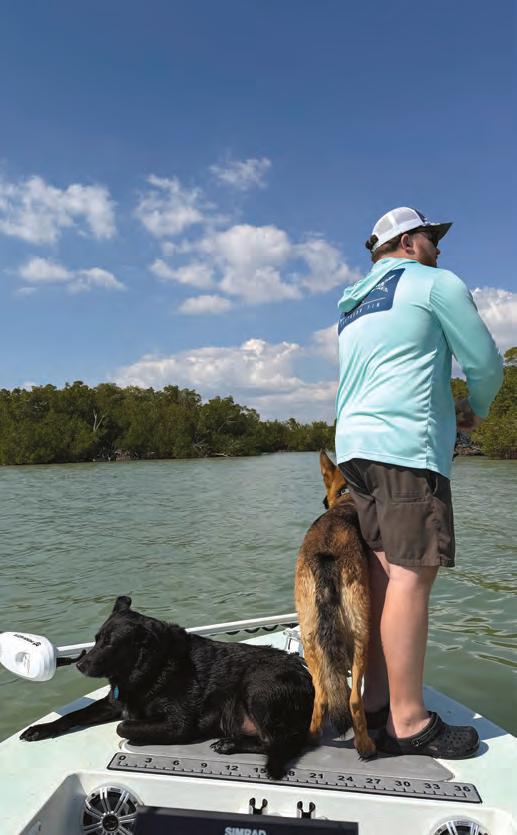
Spring is definitely one of my favorite times of the year to fish my local areas of the backcountry of the Everglades. The weather starts to settle into a nice rhythm, with the heat increasing, the water warming up, and the fish becoming noticeably more active. After the on and off cold fronts and windy days, spring finally brings comfortable weather, calmer conditions, and longer days on the water.
I look forward to the spring season transition because it brings the return of Daylight Savings, aka later mornings and later evenings! The later sunsets make a big difference for fishing, especially for those like myself who aren’t always eager to wake up extremely early. With the time switch, you can still get out early to catch that productive morning bite with out waking up in the wee hours of the morning.
A typical spring fishing day for me usually starts with an early morning or later after noon run out to the islands in search for lively bait. That first, or straight to the mangrove lines, oyster beds, or shore points with a fresh artificial lure on. The water is often calm, bait is beginning to show up more, and the fish are starting to transition into their more active patterns. Not to mention the wildlife life is out and about and the views are just spectacular.
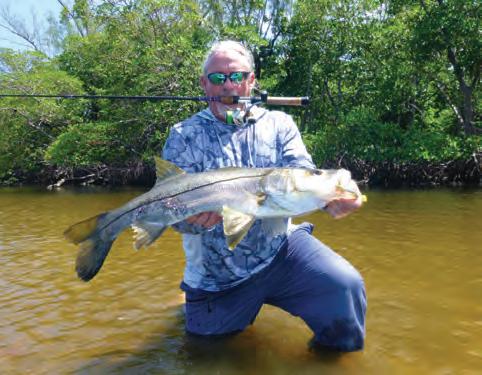
As the season progresses, trophy species like snook and tarpon become much more common in our area. Snook begin staging along shorelines, backwaters, mangrove mazes, and passes, feeding aggressively as the water temperatures rise. Spring is a great time to target them because they’re active in preparation for spawning, but not yet in the peak pressure of summer. A well-targeted cast along some mangrove branches can quickly turn into an exciting hookup.
Tarpon also start showing up more frequently throughout our area, with bigger ones being seen and schools passing through. More are soon to come as the season progresses and summer comes around, but spring offers the first consistent chances at seeing them roll or hooking into one. Trust me, there’s nothing like spotting a tarpon roll close by, getting a bait or lure in front of it, and watching or feeling them strike on it.
One of my favorite things about spring fishing is the flexibility that the longer evenings provide. Instead of feeling rushed to get everything together before sunset, oftentimes almost impossible if you’re getting out there after work hours, there’s more time. Time to launch and get out to your spots, gather bait, set up gear, and plan where you want to target the evening bite.
Some of the best action happens right as the sun starts dropping, so it’s best to be ready for that moment. A lot of species, including tarpon, begin feeding more aggressively in the fading light. The feeding frenzy at sunset is quite insane!
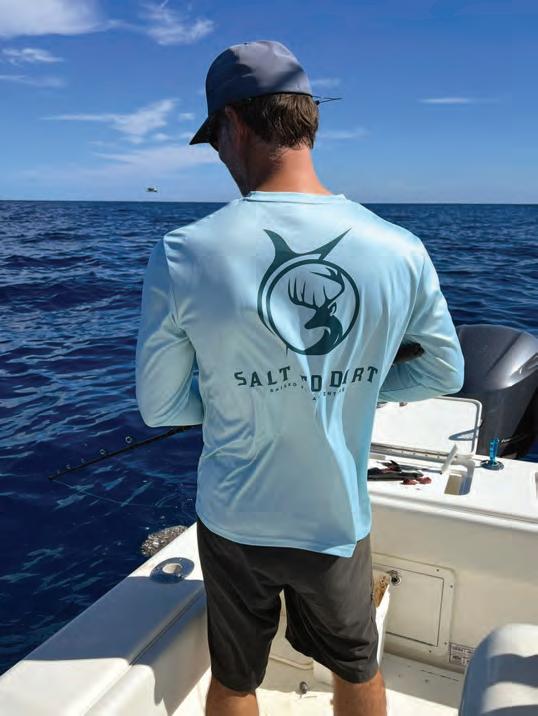
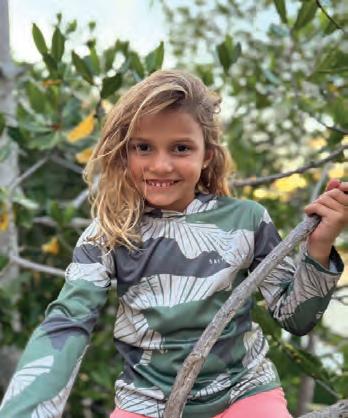




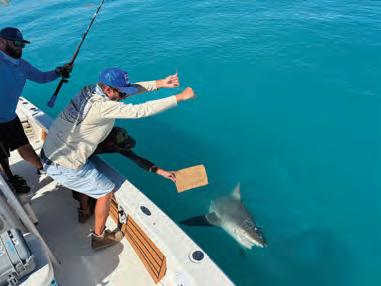

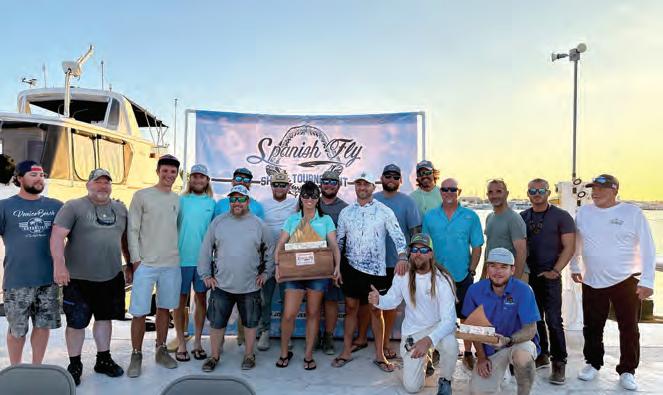
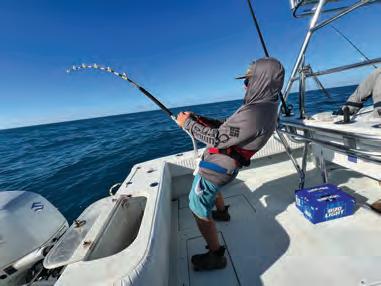
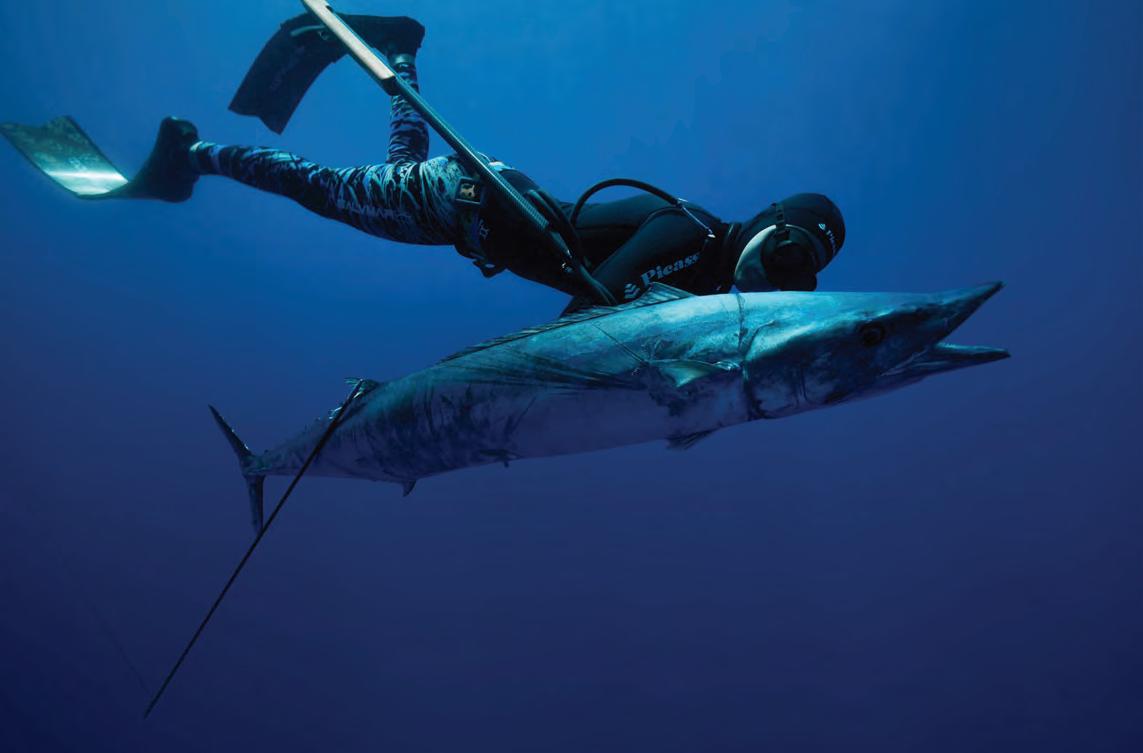
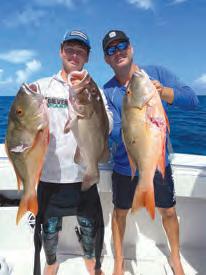
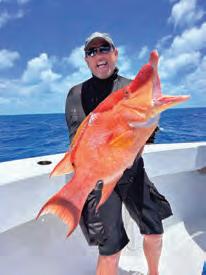
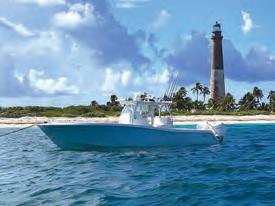
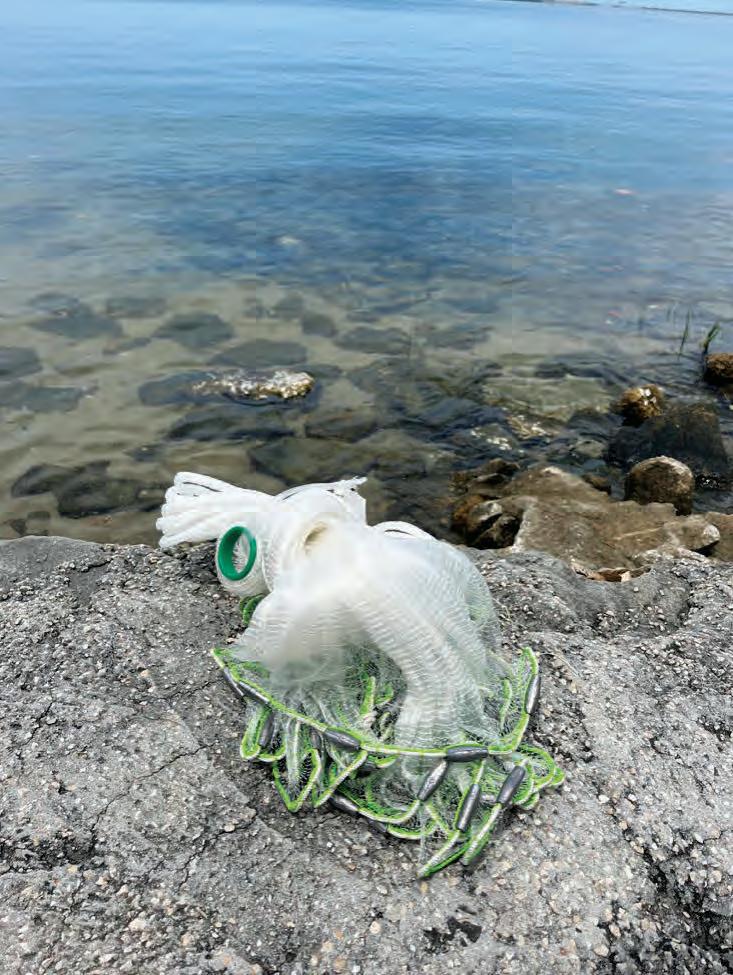




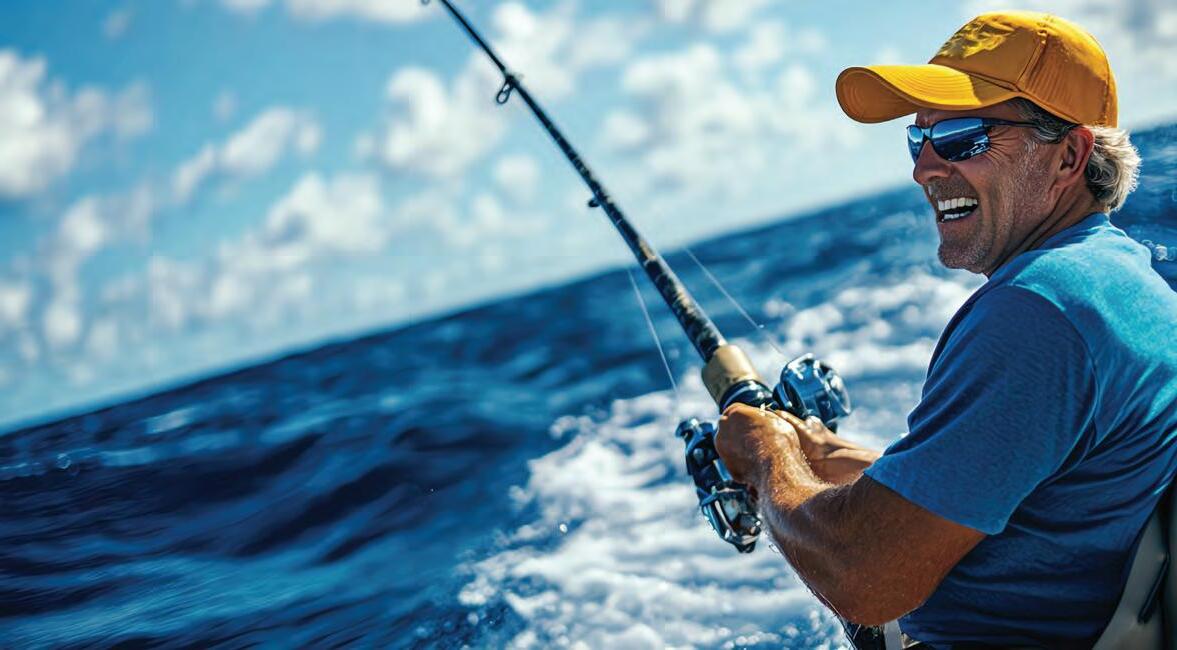

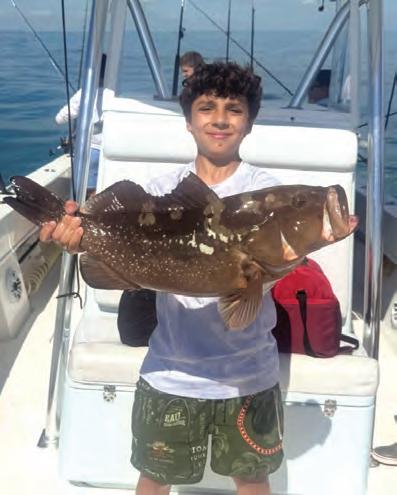
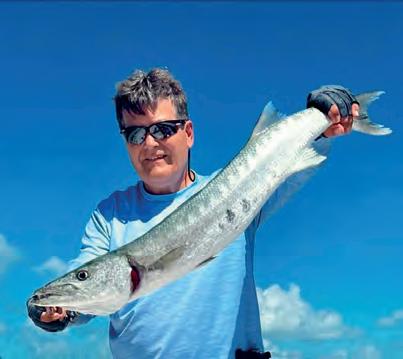
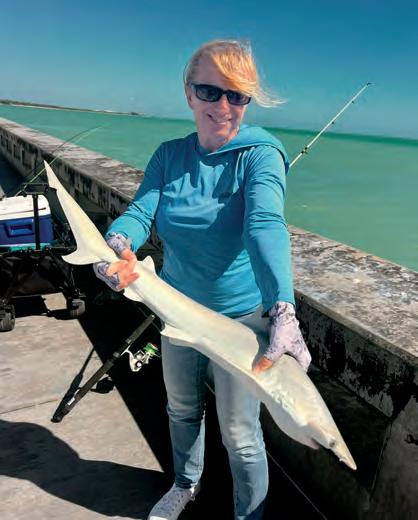
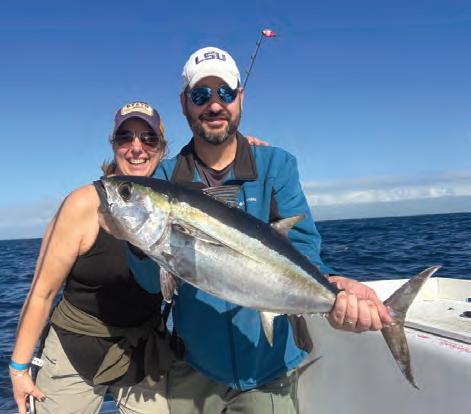
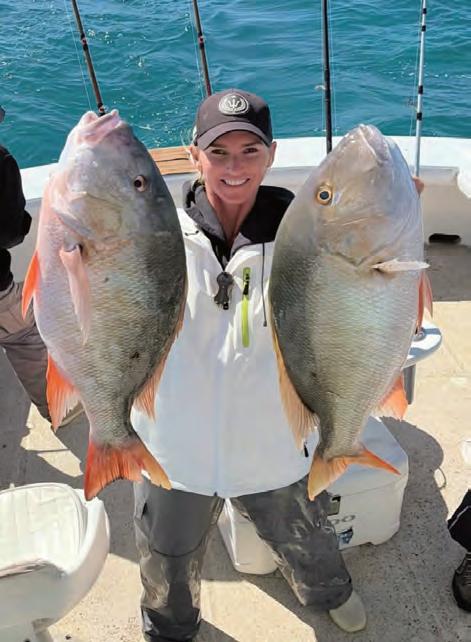
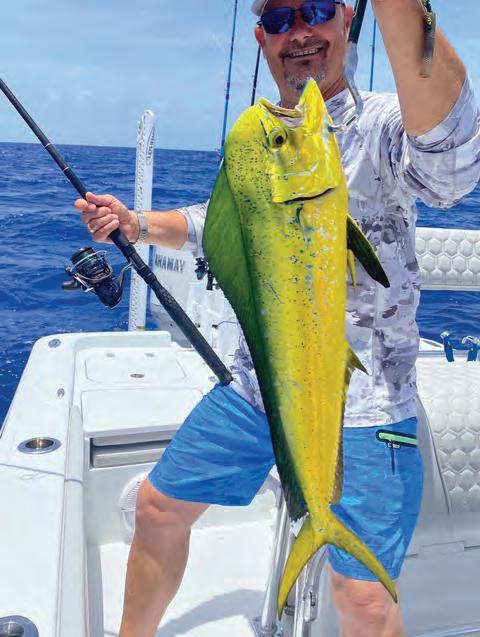
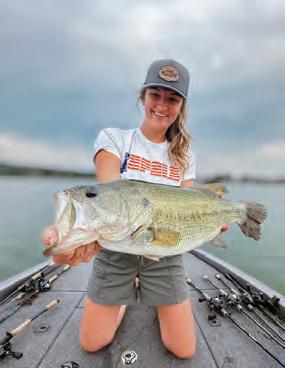
If you have a catch to brag about send your picture and caption to: flkeys@coastalanglermagazine.com
CAPT. MIKE SMITH
Are you tired of catching tons of 13 inch speckled trout and 16 inch snook?
It’s time for you to switch to a big top water lure to catch big springtime sh. A walk-the-dog type of lure is an excellent choice. I like Zara Super Spooks, Mirrolure Top Dogs and Rapala Skitterwalks the best. Make sure to choose a lure that is at least four inches long. Hungry springtime sh are ready to eat a big meal as the water temperatures rise.
A larger lure has many advantages over smaller baits. e larger pro le and length creates more vibrations to attract monster sh from long distances. A larger lure allows you to cover more water because you can make longer casts. A larger lure also discourages most of the smaller sh from biting. You will catch fewer sh but they will be of much better quality.

e best topwater lure colors for speckled trout and snook are silver and white. Choose lures with silver or white sides
Pro Tip #1: Do yourself and the sh a favor and smush down the barbs on your treble hooks. You won’t lose any sh as long as you keep the line tight. e hooks will also come out of the sh and your hand much more easily.


and bellies. e back color doesn’t really matter because the sh will hit from under and behind the lures. e best retrieves for a walk-the-dog lure includes a pause every ten feet or so. Quite o en you will get a vicious reaction bite right a er the pause.
Pro Tip #2: e best leader material for walk-the-dog lures is mono lament. Mono lament line oats versus uorocarbon line that will sink and negatively a ect your topwater lure’s action. A short heavy leader, 12 to 15 inches is a great choice. Long leaders will o en negatively a ect your lure presentation. Many shermen believe that you can’t use topwater lures in the middle of the day. But they are wrong. You can use a topwater lure all day and catch huge speckled trout and snook. Topwater lures do work the best in low light scenarios. It can be sunrise or sunset but cloudy or stormy days are also great times to use big topwater lures. If you nd a school of mullet, cast your topwater lure just outside of the school. You want to make it easy for the snook and trout to distinguish your lure from the rest of the school.
Spring is a great time to catch huge snook and speckled trout with big topwater lures. ese sh need to fatten up again a er fasting through much of the winter. ey would rather eat one large calorie meal than have to chase a bunch of small sh around for the same caloric input.
Capt. Mike Smith, owner of Fish Your Ass O Charters, is an inshore shing guide who has been shing the inshore waters, oyster bars and grass ats of Florida for more than 40 years. Reach him at (561) 339-2317, email: contact@ shyourasso .com or visit shyourasso .com.
= approximately 8”
(10) year

First
If March is the warmup, April is go time.
By Capt. Michael Okruhlik





Longer days, greener water, and steady warming trends ip the inshore switch from “transition” to “feed.” e bait is thicker, the tides feel stronger, and the sh are no longer just staging — they’re hunting. April is when things start getting fun in a hurry. e key word this month is movement. By April, speckled trout are pushing onto reefs, sandbars, and grass edges with more consistency. Red sh are cruising shorelines, ooded grass, and marsh drains with purpose. Flounder settle into ambush points along drop-o s and current seams. Water temperature swings aren’t as drastic as early spring, but bait movement tied to tides becomes critical. Instead of asking where the warmest water is, start asking: Where is the cleanest moving water? Where is bait being pushed? Where is current creating ambush points? Points, drains, and wind-blown shorelines shine in April. If water is moving and bait is present, predators won’t be far away.
Unlike the slower mid-a ernoon bites of late winter, April o en rewards early risers. at rst light window can be electric — especially on calm mornings with bait dimpling the surface. is is when topwaters re-enter the rotation in a serious way. ere’s nothing subtle about an April blowup. But don’t force it. If sh are swiping and missing, switch to a so plastic or suspending bait and clean up the followers.
April sh are more aggressive, but they’re still opportunistic. Paddle tails, shrimp imitations, and swimbaits all shine, especially when worked with a con dent, steady retrieve. Water clarity should dictate your approach. In cleaner water natural colors and subtle action are key. In stained water, vibration and contrast matter more. If sh are chasing, cover water. If they’re following but not committing, slow down and add pauses. Let the sh tell you what they want.
April breezes can stack bait against shorelines and points. Wind creates feeding lanes. Instead of hiding from it, position yourself to use it. Dri with it. Fish into it. Work the edges it creates. Wind plus tide plus bait equals opportunity.
Next trip, challenge yourself by starting on a wind-blown shoreline and working it thoroughly. en move to a protected drain and compare activity. Pay attention. Which has more bait? Which has more strikes? Fishing in April is less about luck and more about reading conditions in real time.
April feels alive. e marsh hums. Birds dive. Mullet scatter. e sun carries warmth instead of warning. It’s the month where con dence returns, patterns stabilize, and sh feed longer and harder. Somewhere between the rst cast and the last dri , you’ll remember why spring inshore shing is hard to beat. e water’s warming and the sh are moving. Are you taking a kid shing?
Capt. Michael Okruhlik is the inventor and owner of Knockin Tail Lures® — https://knockintaillures.com.





It’s no fsh tale when you run with a John Deere. You can get everything done faster and easier, so you get more time on the water. Plus, our special offers make them the catch of the day.











TIM BAREFOOT

It’s o!cial…say hello to spring. Anglers can now look forward to targeting a wide variety of species, including black n tuna, wahoo, African pompano, and many other sought-a er sh. With these species actively feeding during their migration north, the opportunities for successful catches are abundant. Whether you prefer trolling, dri ing, or bottom shing, the spring months bring a wealth of options to ll your cooler with quality sh.

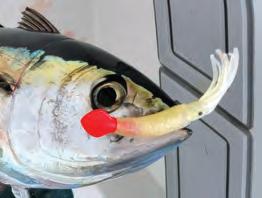
e troll bite will probably die as soon as the sun gets up around the nine or ten o’clock timeframe. is is when you need to change tactics. Stop trolling. Put the trolling motor over and start making strategic dri s with the light line out while bottom shing. I would also suggest putting a couple baits out under the kite, as this is the most e ective presentation with very little to no leader in the water. Have at least one person dedicated to the kite baits, if you’re shing a kite. is is one of the best times of the year to spend the night, especially here in North Carolina, as the night bite could be crazy good. Put the bright lights out and you will draw the squid, cigar minnows, sardines, and all the predators to you like moths to a porch light. If you have the ability to spend the night, April could be the month you see the ultimate results. Everything including ying sh are very susceptible to a Sibiki rig. Fill the live well with live baits and start shing on the daylight bite. Fish are like us; they like to eat breakfast and dinner, so be there early and late.
Be sure to keep an eye on the recorder while on the dri for the mid water marks. In addition to shing for the snappers, have rods at the ready for sh that show on the recorder way o the bottom. ese may very well be the African pompano, so have a rod ready with a jig that you can re down and erratically jig upwards 25 to 50 feet o the bottom and then let ascend back to the bottom. Repeat over and over as this will get bites! It’s not just African pompano that frequent these deeper waters. During the middle of the day, wahoo can be found surprisingly deep, and tuna also inhabit these depths. It only takes a few wahoo, black n or pompano to make a great box of sh to take home. is is also a good time to target the smaller snapper with smaller baits on “chicken rigs” with small circle hooks. When you’re on a good bite (using small circle hooks) I would strongly recommend feeling the bite, winding tight to it and stopping. is is when another snapper will jump on the second bait. You will load up quickly with delicious groceries when you’re catching two at a time.
Bring the heat… It’s on!
Learn more tips and techniques at barefootcatsandtackle.com and on Barefoot’s YouTube channel: @timbarefoot5698.
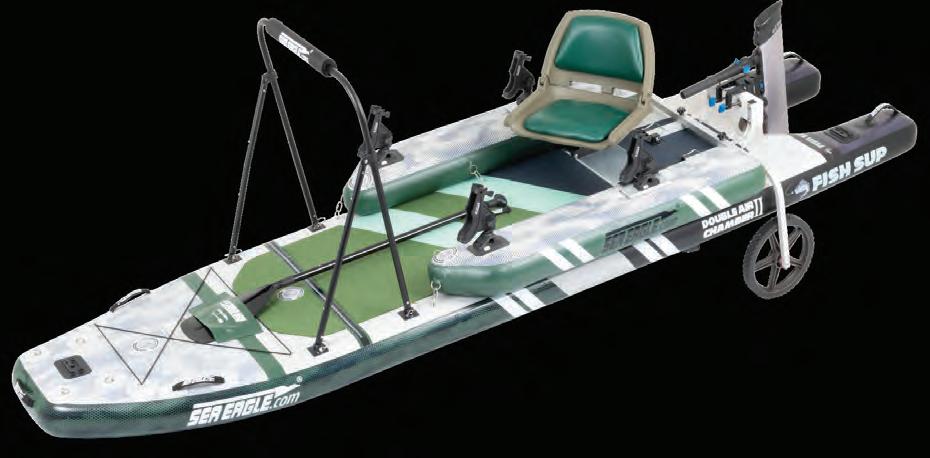
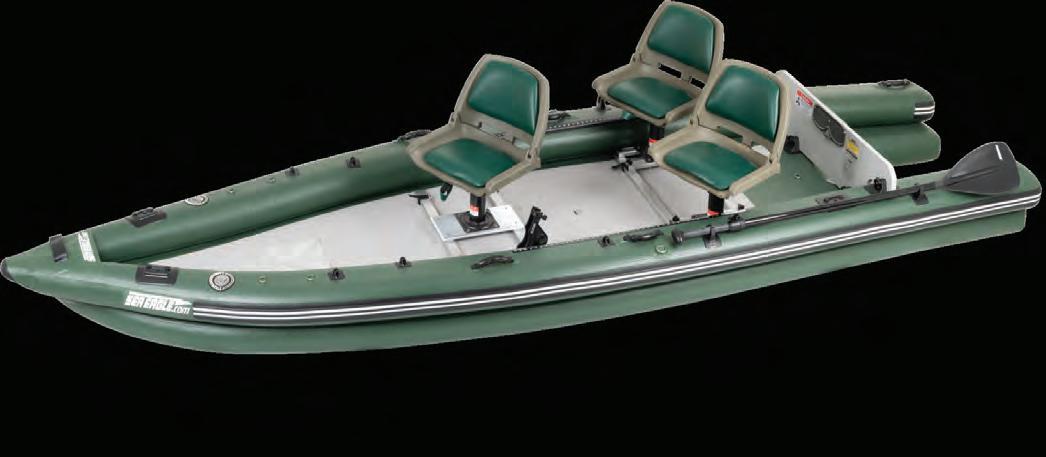
The versatility of the FishSUP™1210 is unmatched! Use it bare bones with just the board, a paddle & your !shing gear or deck it out with swivel seat, side pontoons, casting bar, motor and more! Incredibly stable, extra wide, swallow-tail !shing SUP holds up to 500 lbs! The FS1210 takes electric and gas motors up to 3 hp. There’s even an option for a bow trolling motor.
Choose From 6 Packages
Starting At Just $999
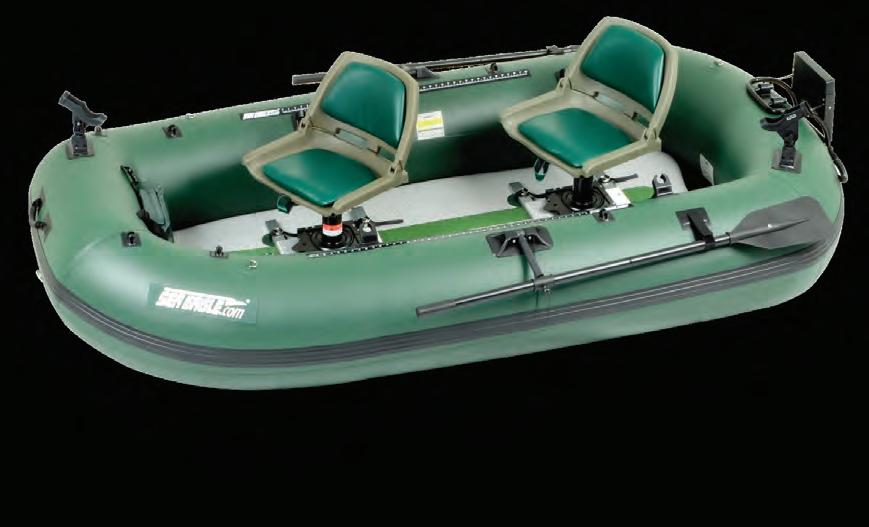
Perfect for !shing rivers, lakes and bays. The STS10 is a lightweight, roomy 1 or 2 person pontoon boat that’s packed with features anglers need & love including 2 built-in !sh rules, 4 built-in rod holders & 2 Scotty® mounts for more rod holders, anchor locks, camera posts or any other Scotty® accessory. Now available with a drop-stitch in atable oor or wooden oorboards.
Choose From 7 Packages
Starting At Just $1449
This “low-rider” gives you access to the water to reel in and release !sh easily. With a new patented outside, in atable, rigid keel the FSK16 glides through the water at speeds up to 21 mph to get you to the !sh fast! Perfect for 1-3 anglers and room for plenty of gear.
Choose From 9 Packages
Starting At Just $2999


By Julie Graham- ExploreTRV

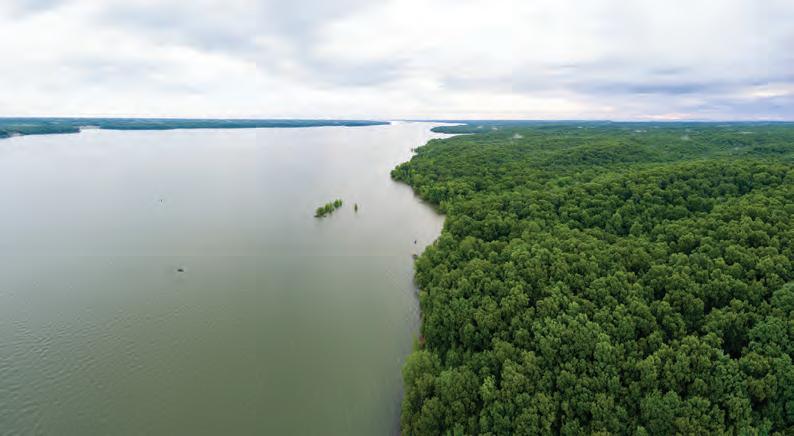
As the last bite of winter gives way to the gentle stirrings of spring, Kentucky Lake comes alive. Located along the western edge of the Bluegrass State, this sprawling body of water—technically a reservoir—has long been a mecca for anglers, especially those in search of springtime crappie.
Kentucky Lake stretches a remarkable 184 miles from the Tennessee state line to the northernmost point at the Kentucky Dam making it the largest reservoir in the state and one of the largest in the U.S. e lake was formed in 1944 with the completion of the Kentucky Dam, a key project by the Tennessee Valley Authority (TVA). Today, the lake covers over 160,000 acres, with an average depth of 8-10 feet, though some areas reach even deeper. Its shoreline stretches over 2,000 miles, o ering countless coves, islands, and inlets that make it a paradise for anglers. Fishing enthusiasts quickly discovered the lake’s potential as a world-class destination for crappie, bass, and cat sh, earning it a reputation that has only grown over the decades. Feeding Kentucky Lake are several major tributaries (Blood River, Jonathan Creek, Big Sandy River) that become shing hotspots in early spring, especially where submerged timber


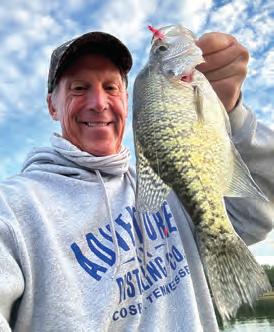
and man-made structures provide cover. Every seasoned angler in this region knows spring is crappie season. As water temperatures creep into the low 60s, crappie begin their migration from deep winter haunts to shallow spawning grounds— brush piles, stumps, and submerged structures along the shoreline. Preferred bait and techniques vary by angler, but some classics stand the test of time. Live minnows, o en rigged under a slip oat, are a go-to for many, especially during the pre-spawn. Jig shing is equally e ective, with popular choices like 1/16 or 1/32 oz. so plastics in chartreuse, white, and monkey milk colors. When the bite gets tough, tipping jigs with a small minnow or switching to hand-tied hair jigs can coax hesitant sh. Long-line trolling and spider rigging also dominate certain sections of the lake, especially in the deeper channels near creek mouths.
Mornings on the lake feel almost sacred this time of year. Fishermen, some in sleek bass boats, others in aluminum ski s passed down through generations, fan out across coves and creek arms, quietly working the banks. e goal is the same: feel the tap of a crappie on the line, set the hook, and haul in what many call the “gold of the lake.” For many, the draw of spring crappie shing isn’t just the thrill of the bite. It’s also the chance to connect with the natural rhythm of the season while sitting in a quiet cove as the dogwoods bloom, passing along stories, rods, and values to the next generation. At its core, Kentucky Lake is more than a reservoir. It’s a living, breathing legacy—a place where history, sport, and stewardship come together on every cast.
For more information on shing licenses and regulations, visit the Kentucky Department of Fish & Wildlife Resources website - fw.ky.gov - or the Tennessee Wildlife Resources Agency website - www.tn.gov/twra.html.


“I never expected it to be so beautiful that it takes your breath away.”
— Kaya C., on Stauer Opals
In a quaint village, nestled between rolling hills, lived a young woman with a deep appreciation for gemstones. Her grandmother gifted her a delicate cross pendant adorned with opals. "e opals shimmered with a mesmerizing play of colors, reflecting hues of blues, greens, and fiery oranges. Her grandmother shared the legend of the opals, believed to bring hope, purity, and luck to those who wore them.
Using this story as inspiration, Stauer brings you the Opal Spirit Cross Pendant. With over 2 total carats of Kyocera lab-created opals set in .925 sterling silver encased in yellow gold, this pendant is a radiant celebration of beauty and craftsmanship. Each opal captivates with a kaleidoscopic dance of fiery oranges blending into oceanic blues, streaked with flashes of vibrant green that seem to come alive with every movement. "e shimmering opals are skillfully arranged to create an enchanting, otherworldly glow, embodying the spirit of hope and harmony.
"is breathtaking combination of color and craftsmanship is available as a limited availability of

only 930 pieces, making it a rare and treasured addition to your jewelry collection. Plus, when you order today, you’ll receive the gold-!nished sterling silver chain—a $69 value—absolutely free!
Don’t miss your chance to own this exclusive tribute to timeless elegance and meaningful symbolism.
Necklace Speci!cations:
• 2 ½ ctw. Kyocera lab opals and DiamondAura® accents
• Yellow gold-finished .925 sterling silver setting
• 18" gold-clad .925 sterling silver chain Opal