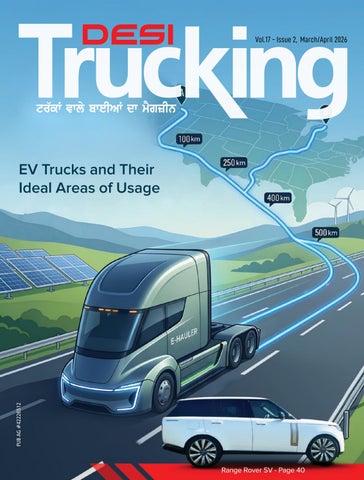
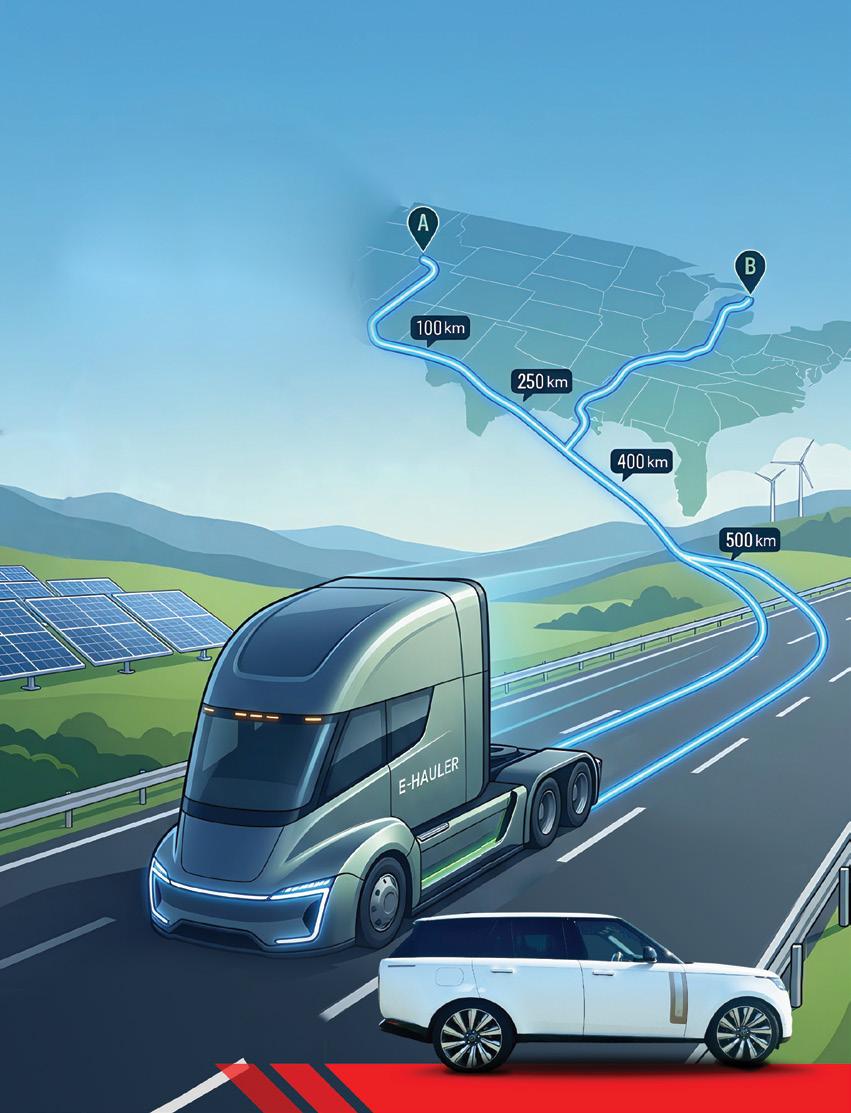
Ideal
Areas of Usage
own the day
Introducing the all-new Volvo VNR
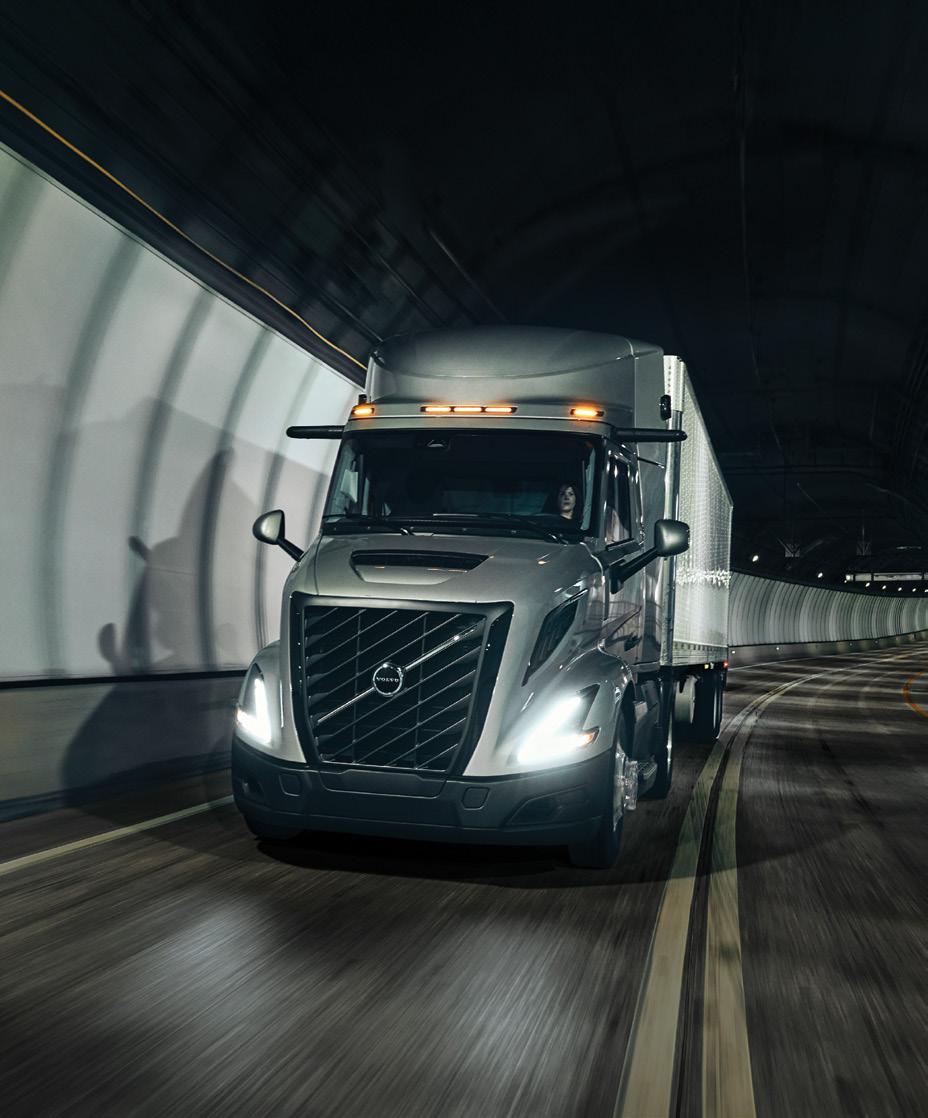
The new Volvo VNR promises to redefine your expectations for productivity, safety, and maneuverability. Boasting up to 7.5% improved fuel efficiency compared to our legacy model. A new era is arriving for Class 8 local and regional haul. Learn more at volvotrucks.ca
Volvo Trucks. Driving Progress


Editor-In-Chief LET’S SPRING INTO 2026
As winter loosens its grip and Canada eases into spring, the trucking community enters a season that brings both opportunity and responsibility. Warmer weather may feel like a relief after months of icy roads and unpredictable storms, but spring presents its own challenges—soft shoulders, flooding, wildlife activity, and increased road construction. For professional drivers, this is the moment to reset, recalibrate, and recommit to the fundamentals of safety. A few extra seconds of caution can prevent hours of delay, and a moment of awareness can save a life. Spring is not just a change in weather; it’s a reminder that safety is a year round discipline.
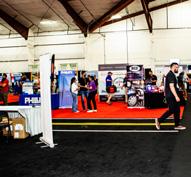
This season also marks the return of one of the most important traditions in our industry: truck shows across Canada. From Ontario to Alberta to BC, these gatherings are more than chrome, lights, and horsepower. They are a celebration of culture, craftsmanship, and community, especially for the South
Asian trucking families who have helped shape the backbone of this industry. Truck shows give us a chance to connect, learn about new technologies, support small businesses, and honour the drivers who keep Canada moving. In a time when the industry faces labour shortages, rising costs, and regulatory pressures, these events remind us why trucking remains a proud and resilient profession.
Looking ahead, there is a growing sense of optimism that 2026 will be a reinvigorating year for trucking. With economic conditions stabilizing, new equipment entering the market, and a renewed focus on driver well being, the road ahead feels promising. The industry has weathered some difficult years, but truckers have always been defined by perseverance. As we roll into spring, let’s carry that spirit forward— driving safely, supporting one another, and building momentum toward a stronger, more energized future for Canadian trucking.

ijvyN-ijvyN srdI dI pkV iF~lI ho rhI hY Aqy kYnyfw iv~c bsMq dw Awgmn ho irhw hY, tr~ikMg BweIcwrw ie~k Aijhy sIzn iv~c pRvyS kr irhw hY jo Awpxy nwl mOky Aqy izMmyvwrI dovyN lY ky AwauNdw hY[ mhIinAW dIAW brPIlIAW sVkW Aqy AxpCwqy qUPwnW qoN bwAd in~Gw mOsm rwhq vWg mihsUs ho skdw hY, pr bsMq dIAW AwpxIAW cuxOqIAW hn—nrm moFy (soft shoulders), hVH, jMglI jIvW dI gqIivDI, Aqy sVkW dI vDdI auswrI[ pySyvr frweIvrW leI, ieh smW sur~iKAw dy buinAwdI inXmW ƒ dubwrw sQwpq krn Aqy aunHW pRqI vcnb~D hox dw hY[ swvDwnI dy kuJ vwDU sikMt GMitAW dI dyrI ƒ rok skdy hn, Aqy jwgrUkqw dw ie~k pl jwn bcw skdw hY[ bsMq isr& mOsm iv~c qbdIlI nhIN hY; ieh ie~k Xwd idvwauNdI hY ik sur~iKAw pUry swl dw AnuSwsn hY[
ieh sIzn swfy audXog dIAW sB qoN mh~qvpUrn prMprwvW iv~coN ie~k dI vwpsI dw vI pRqIk hY: pUry kYnyfw iv~c tr~k SoA[ EntwrIE qoN Albrtw Aqy bI.sI. q~k, ieh iek~T isr& krom, lweItW Aqy hwrs pwvr qoN ikqy v~D hn[ ieh s~iBAwcwr, kwrIgrI Aqy BweIcwry dw jSn hn, Kws krky aunHW d~KxI eySIAweI tr~ikMg pirvwrW
leI ijnHW ny ies audXog dI rIVH dI h~fI bxn iv~c mdd kIqI hY[ tr~k SoA swƒ ie~k dUjy nwl juVn, nvIAW qknIkW bwry is~Kx, Coty kwrobwrW dw smrQn krn Aqy aunHW frweIvrW dw snmwn krn dw mOkw idMdy hn jo kYnyfw dI r&qwr ƒ brkrwr r~Kdy hn[ Aijhy smyN iv~c jdoN audXog mzdUrW dI Gwt, vDdIAW lwgqW Aqy rYgUlytrI dbwA dw swhmxw kr irhw hY, ieh smwgm swƒ Xwd idvwauNdy hn ik tr~ikMg ie~k mwxm~qw Aqy lckIlw pySw ikauN bixAw hoieAw hY[
A~gy dyKdy hoey, ie~k vD rhI aumId hY ik 2026 tr~ikMg leI ie~k nvW auqSwh BirAw swl hovygw[ AwriQk siQqIAW dy siQr hox, mwrkIt iv~c Aw rhy nvyN swzo-swmwn Aqy frweIvrW dI BlweI 'qy muV Poks hox dy nwl, Aglw rsqw hoxhwr mihsUs huMdw hY[ audXog ny kuJ muSkl swlW dw swhmxw kIqw hY, pr tr~krW dI pCwx hmySw aunHW dI idRVqw qoN rhI hY[ ijvyN hI AsIN bsMq iv~c kdm r~Kdy hW, AwE aus Bwvnw ƒ A~gy vDweIey— sur~iKAq FMg nwl g~fI clwauxw, ie~k dUjy dw swQ dyxw, Aqy kYnyfIAn tr~ikMg leI ie~k mzbUq Aqy vDyry aUrjw BrpUr Biv~K v~l vDxw[
Advertising & Sales
Jag Dhatt
Art Director Ranjit Singh
IT Manager Ranjit Singh Bhamra
Cover Design Ranj Bhamra
Cover Photo Credit Anadolu Agency / Contributor
Contributing Writers
Jag Dhatt; Michael Howe; Pash Brar; Ray Gompf; Jimmy Gill; Staff Reporters
Translator
Tirath S. Khabra; Jesse Khabra
Cell: 604-767-4433 E: jag@jgkmedia.ca
Jag Dhatt

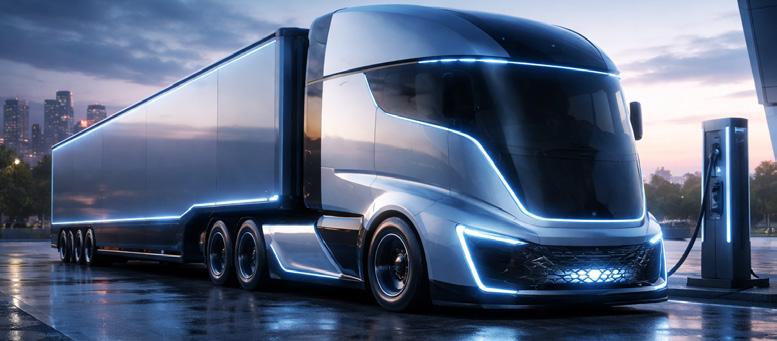
eI vI tr`k Aqy aunHW dI
vrqoN vwly Xog ielwky
ies qoN pihlW ik mYN vrqoN dy KyqrW ‘c jwvW, ijhVy ik myrI rwey Anuswr aus nwloN ikqy G`t ho skdy hn, ijMny swnUM vycx vyly d`sy jWdy hn[ mYN Awpxy idRStIkox ƒ d`sx leI ie~k jW iqMn pYry ilKWgw[ mYN jwxdw hW ik ieh iPkr krn vwlw mYN iek`lw hI nhIN hW[
pUrw Kulwsw, mYN eIvI qknwlojI dw smrQk nhIN hW Aqy myrw ieh ivSvws cMgy kwrnW ‘qy ADwirq hY[ jy koeI srkwr iksy audXog 'qy koeI tYknolojI Qop rhI hY, qW myry leI, Awpxy Awp hI v~fy svwl KVHy ho jWdy hn[ ie~Qy bhuq swry pRSn hn ijnHW dy jvwb dyxy AwdyS jwrI krn qoN pihlW zrUrI hn, pr ieh pRqIq huMdw ivKweI nhIN idMdw[ myrw mMnxw hY ik eIvI dI vrqoN SihrI sYitMgW ‘c SkqI sroq ‘c ivksq ho skdI hY, G~to G~t knyfw ‘c, iesdw shwiek buinAwdI FWcw l`Bxw kw&I Aswn hY[ hwlWik AsIN jdoN q~k vDyry ibjlI auqpwd krn dy smr~Q nhIN huMdy, audoN q~k Axstor ibjlI dI sImq splweI ho skdI hY[ nyVly Biv~K ‘c, eIvI dI vrqoN Swied bYtrI storyj smr~QwvW ƒ lMby smyN q`k vDw skdI hY[ mYN suixAw hY ik k`uJ eIvI dI 15 ifgrI sYlsIAs 'qy 3,000 iklomItr q~k dI ryNj huMdI hY[ ijvyN ik qwpmwn Gtdw hY Aqy AsIN knyfIAn jwxdy hW ik -40 ifgrI hoxw koeI AnoKI g`l nhIN hY, ies leI ieh ryNj 30٪ jW ies qoN v~D q~k
Gt skdI hY[ KwlI tYNk nUM Pu`l krn ‘c kyvl ds imMt lgdy hn[ TMfIAW bYtrIAW kw&I lMby smyN q~k rIcwrj kro[ fIzl nwl c~lx vwly tr~k ‘c sOxw, kwPI sur~iKAq[ ie~k fIzl vwly tr`k bdly eIvI tr`k ‘c sOxw, nhIN sr, mYN Aijhw nhIN kr skdw[
sMBv qOr 'qy Biv~K ‘c lIQIAm bYtrIAW ‘c A~g l~gx dI sMBwvnw G~t jwvy, pr mYƒ mwP kro jy mYN audoN q`k bwhr hI rihMdw hW, jdoN q~k ieh sur~iKAq nhIN ho jWdw[ kI fIzl nwl c~lx vwly tr~kW ƒ vI A~g l~g skdI hY? hW, mYN in~jI qOr 'qy ies q~Q dI puStI kr skdw hW, pr ieh A~g hOlI hOlI SurU huMdI hY Aqy bcxw kw&I sOKw huMdw hY[ jdoN ik eIvI ‘c l`gx vwlI A~g ivsPotk Aqy bhuq iBMAkr huMdI hY[
hwlWik myrI sB qoN gMBIr icMqw ieh hY ik aunHW bYtrIAW leI ilQIAm dI hox vwlI KudweI[ dunIAw dy bhuq swry ih~sy jo ilQIAm dI splweI krdy hn, gulwm mzdUrI ƒ ruzgwr idMdy hn, Aksr bwl gulwm mzdUrI Aqy swƒ ienHW sRoqW qoN ilQIAm dI vrqoN nw krn dw bhuq iDAwn r~Kxw cwhIdw hY, pr iesdw pqw swƒ ikvyN l~gygw? swƒ sucyq rihxw cwhIdw hY ik gulwmI dI SmUlIAq dI AwigAw dyx leI doSI nw hox dI swƒ gwrMtI imlxI cwhIdI hY[
ilQIAm bYtrIAW dI vrqoN dy nwl myry leI dUjw mu~dw suBwivk A~g dI sMvydnSIlqw hY[ jy mYN trmInl mYnyjr huMdw, qW ilQIAm bYtrI nwl c~lx vwly vwhn kdy vI myry inXMqrx ADIn iemwrq dy AMdr nhIN KVy huMdy[ pwrikMg lwt ‘c eIvI vwhnW dy ivckwr kw&I jgHw dy nwl pwrk kIqy jwxy cwhIdy qW jo ie`k tr`k dI A`g A`gy nw PYl sky Aqy myry 'qy ivSvws kro ik auh kdy vI iksy iemwrq dy koL KVHy nhIN hoxy cwhIdy[ pr myry 'qy fr pYdw krn dw doS nw lgwE[ ieh myry mu~dy hn Aqy jy qusIN Aijhw mihsUs nhIN krdy, qW ieh TIk hY pr jdoN q~k ieh mu~dy h~l nhIN ho
jWdy, mYN ienHW qoN dUr hI rhWgw
mYƒ eIvI vwly tr`k nwl lof iljwx dI pwvr nwl koeI sm~isAw nhIN hY[ spIf ilimt q`k phuMcxw vI koeI mu~dw nhIN, eIvI leI hweIvyA dI spIf kwiem r~KxI Swied fIzl tr`k nwloN vDIAw hY[ myry leI, mWtrIAl ‘c lof krky mYN vYnkUvr ‘c eIvI qknwlojI dI vrqoN krky filvr krn leI iqAwr nhIN hW, ^wskr iBAMkr srdIAW dy smyN ‘c[ mYN XkIn idvwauxw cwhuMdw hW ik ij~Qy vI Aqy jdoN vI loV pvy rIcwrijMg AwswnI nwl auplbD hY[ ies leI AwE ieh pqw krn dI koiSS krIey ik splweI cyn ‘c eIvI tr`k ik~Qy cmk skdy hn[
ijvyN ik mYN pihlW ikhw hY, myrw mMnxw hY ik knyfw ‘c, eIvI qknwlojI dI SihrI vrqoN pihlW not kIqI geI sImw ƒ iDAwn ‘c r~Kdy hoey koeI bhuq AOKI g`l nhIN hY[ inkws ijMnw G~t hovygw, au~nw hI vDIAw, BwvyN koeI ivSvws krdw hY jW nhIN ik srkwr swƒ shI rsqy 'qy D~k rhI hY[ mYN kwrbn qoN frdw nhIN hW, Asl ‘c, vwqwvrn ‘c kwrbn dw p~Dr ies smyN 400 ih~sy pRqI imlIAn 'qy pihlW hI pOdy dI siQrqw dy hyTly p~Dr 'qy phuMc cu`kw hY[ swfw vwqwvrx 1,500 pIpIAYm pRwpq kr skdw hY Aqy iesdy pRBwv nwl pOidAW dw jIvn hirAw-BirAw ho jwvygw Aqy jwnvrW dI izMdgI ƒ ibhqr smrQn imlygw, pr jy AsIN G~t inkws vwly vwhnW dI audoN vrqoN kr skdy hW, qW Awpxy vwqwvrx dI durvrqoN nhIN ho skygI[ myry idRStIkox qoN fIzl, Agly dhwky jW ies qoN v~D smyN leI, 800 iklomItr dy Gyry qoN au~pr dI AwvwjweI ‘c Swml swfy sVk AwvwjweI dy
Kyqr leI sB qoN vDIAw h~l hovygw[ 800 iklomItr dI dUrI dy hyT, eIvI ƒ aunHW dI kImq swibq krn dI AwigAw id~qI jw skdI hY Aqy qknwlojI ƒ ies ibMdU q~k suDwrn dI AwigAw id~qI jwxI cwhIdI hY ik fIzl ieMjx ƒ bdlxw sMBv hY, mwrkIt ƒ ieh PYslw krn dI AwigAw idMdw hY ik ieh kdoN ivhwrk ho jWdw hY[
eIvI qknwlojI ƒ au~qmqw dI lVweI ‘c AwpxI jgHw bxwaux dI AwigAw id~qI jwxI cwhIdI hY[ swfI srkwr sbisfI dI Kyf Kyfxw cwhuMdI hY, pr ieh ie~k ivhwrk audXog pYdw nhIN krdw[ aunHW kMpnIAW ƒ BwrI fwlr id~qy jWdy hn jo QoVHI dyr leI idKwvw krdIAW hn Aqy iPr QoVHI ijhI jW koeI jvwbdyhI ibnW hI ies ‘coN bwhr ho jWdIAW hn[ jy eIvI mwrkIt ieMnI shI Aqy ivhwrk hY qW ieh Awpxy auqpwd duAwrw mwrkIt SyAr dw rwh l~B lvygw jo loVINdw hY[ jy ieh ie~k ivhwrk auqpwd pYdw nhIN kr skdw qW iesdw ibsqrw gol krnw cwhIdw hY, jo krnw jrUrI hY[
hW, hYvI ifaUtI tr~kW dy auqpwdn ‘c vwAdw krn vwly ku`J knyfIAn auqpwdk hn[ p~CmI lOigMg audXog ies tr~k dI BrosyXogqw ƒ swbq kr skdw hY ij~Qy qMg sVkW Aqy kwPI Flwx vwly ielwky hn jo iksy vI g`fI dI qwkq nUM prKx leI cunOqI
dyxgy[ p~CmI lOigMg audXog vYstrn stwr tr`k dw jnm sQwn hY[ ikMnw Swndwr swbq krn vwlw mYdwn bx igAw Aqy vYstrn stwr ƒ tr~ikMg dy swry KyqrW ‘c cMgI qrHW svIkwrn ‘c izAwdw smW nhIN l~gw[ ieh BwrI vwhnW vwly fwiemlr dI nzr ‘c Awaux leI kw&I sPl sI Aqy fwiemlr v`loN iesdw ivSv ivAwpI pswr hoieAw[
au~qrI AmrIkw dI mwrkIt ‘c mwrkIt ih~sydwrI sQwpq krn vwly eIvI dy mu~dy, kI auh mu~dy hn ijnHW ƒ iksy vI iksm dy siQr mwrkIt SyAr q~k phuMcx qoN pihlW dUr kIqw jwxw cwhIdw hY? srkwrI hukm inScq qOr 'qy BrosyXogqw pYdw nhIN krngy[ BwvyN myrw koeI vI dwAvw shI hY jW nhIN, auh v~fy Aqy Coty dovW PlIt mwlkW dy nwl sbMiDq hn[ myrw koeI vI dwAvw smyN Aqy Koj dy nwl At~l nhIN hY, pr aunHW iv~coN hr ie~k ƒ pUrI qrHW h~l hox q~k ivcwirAw jwxw cwhIdw hY[
eIvI qknwlojI dI vrqoN ƒ ies dIAW mOjUdw smr~QwvW dy AMdr mwrkIt SyAr dI jWc krn dI AwigAw id~qI jwxI cwhIdI hY Aqy ies dw ivsQwr kIqw jwxw cwhIdw hY ikauNik ieh Awpxy Awp ƒ swbq krdw hY[ mweIns cwlI qwpmwn Aqy burI qrHW sImq ibjlI BMfwrn smr~Qw ƒ dUr krnw ie~k cuxOqI hovygI ijs ƒ TIk krn ‘c ku`J
smW l~gygw[
kwPI smW pihlW kwrW ny stor kIqI bYtrI AnrjI dI bhuq izAwdw vrqoN kIqI[ ieh do kwrnW krky lokW ‘c nwpsMd hoieAw, ie~k, qyl Aqy gYs audXog ny quhwfI g`fI ƒ c`lx leI bhuq sOKw kr id~qw[ nMbr do, auh ie~k Aijhw siv`c Koj nhIN sky jo ibjlI splweI ƒ joV skdw Aqy ies krky bhuq swry lok ƒ ibjlI dy aunHW JtikAW dw iSkwr bxy jo aunHW dy gYsolIn nwl c~lx vwlI g`fI ƒ stwrt krn vyly sihxy nhIN pey[ ielYkitRk vwhnW ny ie~k sdI qoN v~D smyN leI AwpxI cmk guAw id~qI hY[ XkInn, hux koeI vI eIvI stwrt krn ‘c Jtkw nhIN lgdw ikauNik qknwlojI ‘c zbrdsq qr~kI hoeI hY[ myry iKAwl Anuswr stor kIqI ibjlI sOKI Aqy AwswnI nwl auplbD hox leI Ajy vI bhuq dUr hY[
ies lyK ‘c ijs mu~dy 'qy mYN ivcwr nhIN kIqw, auh hY, bYtrIAW dw inptwrw, jdoN aunHW dI imAwd Kqm ho jWdI hY Aqy bdlx dI zrUrq huMdI hY[ QoVHw ijhw kwrbn PIifMg pOdy dI izMdgI Swied bYtrIAW dy inptwry nwloN ibhqr hY, iPr dubwrw, ieh lokW leI vDyry nOkrIAW dw pYdw krn dw swDn vI bx skdw hY[


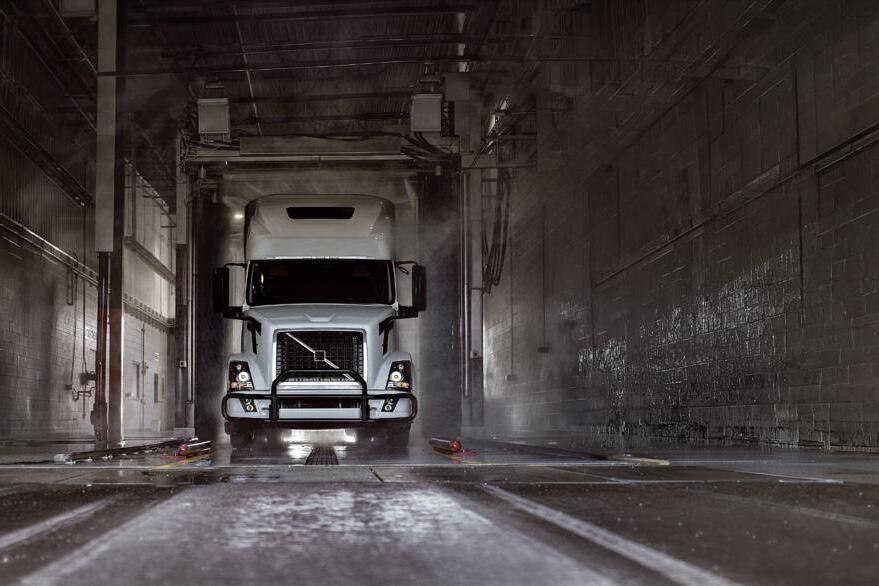
EV Trucks and Their Ideal Areas of Usage

G. RAY GOMPF, CD
Before I get into areas of usage, which in my opinion, may be less than we’re being sold, I’d like to take a paragraph or three to express my own point of view. I know I’m not alone with my concerns.
Full disclosure, I’m not a proponent of EV technology and I believe for good reason. If any technology is being forced upon an industry by a government, to me, automatically raises huge questions. There are a lot of questions that need to be answered before mandates are imposed, but that doesn’t seem to be happening.
I do believe that EV usage could evolve into the power source in urban settings, at least in Canada, in that the support infrastructure is fairly easy to acquire. Although until more electrical generation capabilities are in place, there may be a finite supply of unstored energy. For the foreseeable future, the use of EVs on the long haul maybe stretching battery storage capabilities. I’ve heard that some EVs have up to 600-kilometre range at 15 degrees Celsius. Temperature falls in winter and we Canadians know that -40 isn’t beyond the realm of possibility; so, range can be reduced by up to 30% or more. Fuelling liquid diesel to full tanks from empty takes ten minutes. Recharging cold batteries considerably longer. Sleeping in a diesel-powered truck is reasonably safe. Sleeping in an EV with batteries subject
to spontaneous combustion; no sir, I’m not doing that. Possibly lithium batteries in the future will be less prone to fires in the future but pardon me if I sit it out until it’s safer. Do diesel-powered trucks catch fire? Yes, I can personally attest to that fact, but for all intents and purposes, the fire starts slowly and escape is fairly easy. EV fires are explosive and fast and hit in the extreme.
My most serious concern though is from where the lithium is going to be mined for those batteries. Many of the parts of the world that supply lithium employ slave labour, often child slave labour, and we must take great care not to use lithium from these sources. But seriously, how will we know? We must be guaranteed that slavery is not involved.
The other issue for me with the use of lithium batteries is the susceptibility of spontaneous fire. If I were a terminal manager, lithium battery powered vehicles would never be inside a building under my control. EVs in the yard would be parked with sufficient space between the vehicles so that fire could not spread vehicle to vehicle. But don’t let me be accused of creating fear. Those are my issues and if you don’t feel the same, that’s fine. But until these issues are resolved, it’s simply not for me.
I have no issues with the power to
move freight with EVs. Attaining speed limit is not an issue, maintaining highway speed for the EV is probably superior to internal combustion diesel. For me, I am not prepared to load in Montreal and deliver in Vancouver using EV technology, especially in the dead of winter. I want to be assured recharging is readily available wherever and whenever so needed. So, let’s try to say where EVs may shine in the supply chain.
As I have previously stated, I believe that in Canada, urban usage of the EV technology should be a no brainer bearing in mind the limitations previously noted. The smaller the emissions, the better, whether or not one believes the government is pushing us along the correct path. I’m not fearful of carbon, in fact, atmospheric carbon levels currently at 400 parts per million is already reaching the lower levels of plant sustainability. Our atmosphere can attain 1,500 ppm and all that will happen is plant life will become lush and support animal life better. From my point of view of practicality, diesel, for the next decade or more, will be the best solution for our road transportation sector involved in transportation above a 600-kilometre stretch. Under 600 kilometres distance, EVs can and should be allowed prove their worth and allow the technology to improve.
EV technology must be allowed to
earn its place in the battle for superiority. Our government wants to play the subsidization game but that tends not to produce a viable industry. Huge dollars get given out to companies that pretend for a while then walk away with little or no accountability. If the EV market is so right and viable, it will find its way to market share by its product doing what is required. If it can’t produce a viable product, then folding its tent is exactly what should happen.
Yes, there are some promising Canadian upstarts in the production of heavy-duty trucks. The western logging industry may wind up proving the reliability of this truck where there are narrow roads and steep grades that would test the mettle of most any vehicle. The western logging industry is the birthplace of the Western Star. What a wonderful proving ground that turned out to be and it didn’t take long for Western Star to be well accepted across all sectors of trucking. It

was successful enough to catch the eye of Daimler heavy vehicles and incorporated into the worldwide Daimler offerings.
The issues with EVs must be overcome before they establish market share in the North American market. Government mandates certainly will not create credibility. Whether or not any of my assertions are accurate, they are prevalent with both fleet owners, large and small. None of my assertions are insurmountable with time and research but every one of them must be considerations until totally resolved.
The use of EV technology must be allowed to test market share within its current capabilities and expanded as it proves itself. Overcoming -40 temperatures and severely restricted electrical storage capacity will be a challenge, which will take some time to correct.

Better Equipment. Better Service.™
Trailers don’t get better with age. Spring shows what winter hides.
Canadian winters are tough on equipment. Salt and de-icing chemicals on our roads accelerate corrosion and speed up the deterioration of trailer, straight truck, and liftgate components. When the snow clears, the true condition of your equipment is revealed. You’ll need more than a wash. Glasvan has the service bays, licensed technicians, and instock parts to get your equipment back in working order.
Skip the search. Call Glasvan.
Way back when, cars heavily used battery stored energy. It fell out of favour for two reasons: one, the oil and gas industry made it much easier to fuel your vehicle and; two, they hadn’t figured out a switch that would make connecting the power supply and many people suffered the sting of an electrical charge through their bodies – something not happening when starting their gasoline powered vehicle. The electric vehicle lost its lustre for over a century. Certainly, now, no one is getting jolted starting EVs because there have been tremendous advancements in the technology. In my mind, there’s still a long way to go before stored electricity is easy and readily available.
The issue I haven’t considered in this missive is the disposal of the batteries when they expire and need replacement. A little bit of carbon feeding plant life just maybe better than the disposal of batteries, then again, that might lead to more jobs for people.
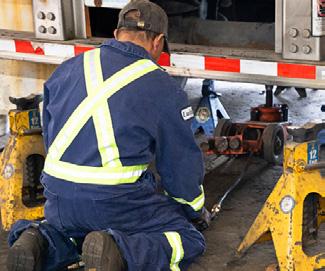
sB qoN vDIAw tr`k dI Bwl
ikhVw tr~k sB qoN vDIAw hY? ieh bwry bihs au`nI hI purwxI hY ijMnw purwxw ieh audXog[ kI ieh tr`k dy mwfl (bRWf) bwry hY, kI ieh hwlIvu~f dIAW iPlmW bwry hY, ijhVy tr`kW dI vrqoN iPlmW dy sInW ‘c kIqI jWdI hY, kI ieh SihrI dMd kQwvW bwry hY, jW ieh iksy hor cIz bwry hY? hr frweIvr dI AwpxI rwey huMdI hY ik ikhVw tr~k sB qoN vDIAw hY Aqy ikauN? BwvyN ieh auh tr~k nhIN hY ijs nUM mojUdw smyN ‘c auh clw irhw huMdw hY[ ies bihs bwry sB qoN v~fI g~l ieh hY ik inrmwqw ieh XkInI bxwaux dI aumId ‘c Awpxy tr~kW ƒ ibhqr bxwaux dI lgwqwr koiSS krdy hn qW jo XkInI bxwieAw jw sky ik aunHW dw tr`k hI sB qoN vDIAw hY .... iesdw Asl ArQ jo vI hY[
tr~k inrmwqw mu~K qOr 'qy sur~iKAw, pRdrSn Aqy kuSlqw dy KyqrW ‘c, Awpxy tr~k ƒ ibhqr bxwaux leI mh~qvpUrn sroqW ƒ Apxw rhy hn[ CotIAW cIzW ijvyN ik ies nUM QoVHw hor Awrwmdwiek bxwauxw, keI vwr suDwr kr idMdy hn, bhuqI vwr ieh mu`dw nzr-AMdwz kr id`qw jWdw hY[ k`uJ hor hwlIAw suDwrW ‘c Swml hY:
• trbocwrj fIzl ieMjx: ieh ieMjx ‘c vDyry hvw ƒ D`k ky qwkq Aqy vDIAw fIzl ^pq leI suDwr krdy hn, tr~kW ƒ BwrI lof cu~kx Aqy G~t fIzl dI vrqoN krn dI AwigAw idMdy hn[
• AwtomYitk tRWsimSn: frweIivMg krnw sOKw Aqy vDyry Awrwmdwiek ho jWdw
hY Aqy Qkwvt ƒ vI GtwauNdw hY Aqy fIzl ^pq ‘c vI suDwr krdw hY[
• ielYktROink lOigMg aupkrx: ELD XkInI bxwauNdy hn ik ieh HOS nwl qwlmyl bxweI r`Ky Aqy frweIvr dI Qkwvt ƒ G~t krn Aqy smu~cI sur~iKAw ƒ ibhqr bxwaux iv~c mdd krdy hn[
• AfvWs sur~iKAw PIcr: ieh hmySW ie~k Aijhw Kyqr huMdw hY ij~Qy nvIN qknIk dI vrqoN ‘qy bhuq iDAwn id`qw jWdw hY[ hwl ‘c hI hoey suDwr, lyn Aisst Aqy AwtomYitk bRyikMg vrgIAW qknIkW nUM hI lY lE[
• siQrqw PIcr: ienHW ‘c ielYkitRk Aqy hweIibRf tr~k dI vrqoN nwl vwqwvrx ‘c suDwr krn dI koiSS Swml ho skdI hY[
tr~kW dy bhuq swry au~c kuAwltI vwly mwflW Aqy hryk bRWf dy lgwqwr suDwr krn nwl, qusIN Awpxy leI shI tr~k dI cox ikvyN krdy ho? ieh PYslw Asl ‘c quhwfIAW AwpxIAW Kws zrUrqW Aqy kMm 'qy inrBr krdw hY, iPr bySk quhwfIAW auh PIcr hox ijhVy qusIN cwhuMdy ho[ tr`k dI cox krdy smyN hyT ilKy PIcrW 'qy ivcwr kro[
• fIzl ^pq: fIzl iksy vI tr~ikMg
EprySn dy mu~K KricAW iv~coN ie~k huMdw hY[ AfvWs eyArofwienYimks Aqy vDIAw AYvryz dyx vwly ieMjxW vwly tr~kW dI qlwS kro[
• BrosyXogqw: r~K-rKwA dy Krcy vD skdy hn, Aqy jy tr~k nhIN c~l irhw
qW qusIN pYsw nhIN kmw rhy[ ie~k mzbUq rwStrI syvw nY`tvrk Aqy ijnHW tr`kW dy irpyAr pwrts AwswnI nwl iml jWdy hn, aunHW dI cox kro[
• frweIvr kMPrt: qusIN tr~k iv~c hI bhuqw smW ibqwauNdy ho, ies leI ieh suinSicq kro ik ieh Awrwmdwiek hY[ ieh XkInI bxwE ik tr~k iv~c ie~k ivSwl ibsqrw, AYrgonoimk sIitMg, Aqy vDIAw ieMsUlySn hovy[
• b`jt: tr~k KRIdx smyN kMjUsI nw vrqo[ Awpxy XQwrQvwdI b`jt nUM iDAwn ‘c r`Ko ijs nwl qusIN tr~k dI lwgq Aqy sMcwln dI lwgq dy KricAW nUM AswnI nwl Adw kr sko[[
• bRWf dI swK: ieh purwxI bihs v~l vwps jWdw hY ik ikhVw mwfl sB qoN vDIAw hY[ pr, BrosyXogqw, gwhk dI sMquStI, Aqy rIsyl mu`l leI tr~k dI swK dI Koj kro Aqy ivcwr kro[
hux bihs ƒ ie~k vwr Aqy sdw leI Kqm krn leI ik sB qoN vDIAw tr~k hY ...... KYr, ieh pqw krnw quhwfy 'qy inrBr krdw hY[ ijvyN ik qusIN swry kwrkW 'qy ivcwr krdy ho, BwvnwvW ƒ ies qoN bwhr r~Ko Aqy vDyry ivSlySxwqmk bxn dI koiSS kro[ keI vwr sB qoN vDIAw hmySW auh nhIN huMdw jo hwlIvu~f jW dMdkQw quhwƒ ivSvws krwaux dI koiSS krdI hY[ ieh Asl ‘c fYtw, zrUrqW Aqy qusIN Asl iv~c kI cwhuMdy ho, aunHW g`lW 'qy inrBr krdw hY[
PERFECTED FOR THE ROAD AHEAD.
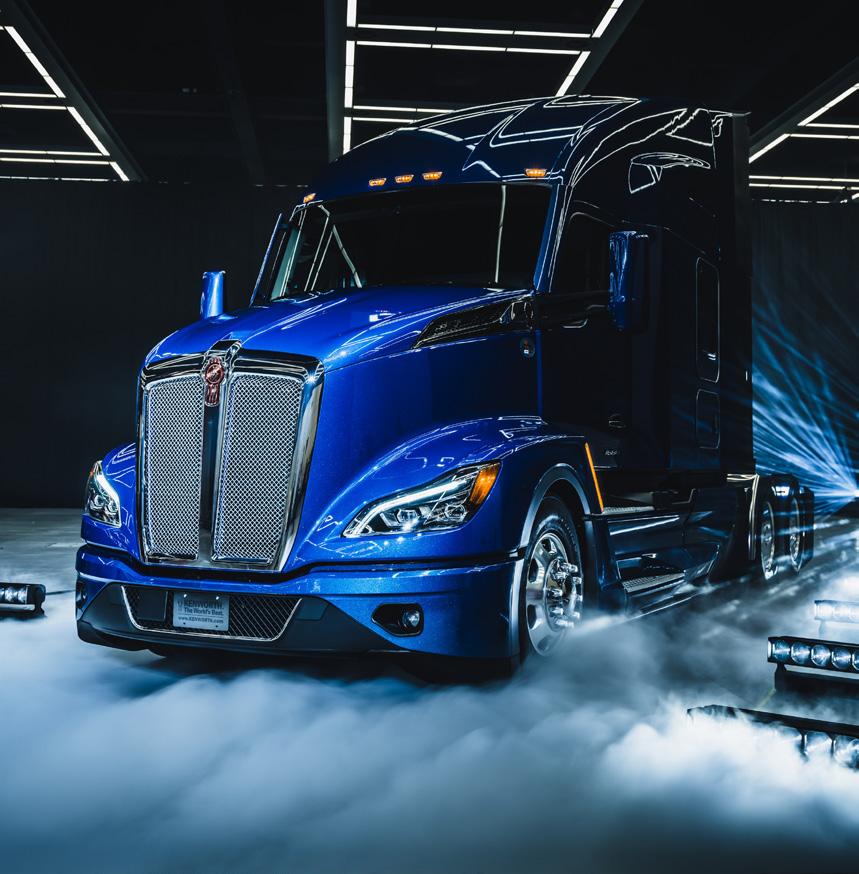
The pinnacle of Kenworth’s engineering: the T680, a masterpiece of aerodynamics designed for long-haul efficiency. This tractor combines a high-perfomance PACCAR powertrain with durable, easy-to-maintain components for unparalleled uptime. Enhanced with cutting-edge technology, it offers a driving experience that’s both intuitive and safe, reducing driver fatigue. The cabin, akin to the luxury found in top-tier automobiles, elevates comfort to new heights. Welcome to the next level of trucking with the Kenworth T680.

Finding the Best Truck
It’s a debate as old as the industry itself. Which truck is best? Is it about the brand itself? Is it about the Hollywood legends who have driven the trucks on the big screens? Is it about the urban legends? Or is it about something else? Every driver has their opinion about which truck is best and why, even if it’s not the truck they are currently behind the wheel of. The great thing about this debate is that the manufacturers constantly strive to improve their truck brand in hopes of making certain it remains the best…. whatever that really means.
Truck manufacturers have been devoting significant resources in improving their trucks, primarily in the areas of safety, performance, and efficiency. Small creature comfort improvements are a bit more hit and miss. Some of the more recent improvements include:
• Turbocharged Diesel Engines: These improve power and fuel efficiency by forcing more air into the combustion chamber, allowing trucks to haul heavier loads and use less fuel.
• Automatic Transmissions: Driving becomes easier and more accessible and also reduces fatigue and improves fuel efficiency.
• Electronic Logging Devices: ELDs ensure compliance with HOS which helps to reduce driver fatigue and improve overall safety.
• Advanced Safety Features: This is always an area where innovation is a focus. Just consider recent innovations like lane assist and automatic braking.
• Sustainability Features: These can include electric and hybrid trucks, as well as environmental improvements.
With so many high-quality brands of trucks out there, and with each brand continually improving, how do you choose the right truck for you? This decision really depends upon your own specific needs and work, and then of course the personal creature comforts you desire. Consider the following when choosing.
• Fuel Efficiency: Fuel is one of the main expenses of any trucking operation. Look for trucks with advanced aerodynamics and efficient engines.
• Reliability: Maintenance costs can add up, and if the truck isn’t moving, you aren’t making money. Choose a brand with a strong national service network and easy access to replacement parts.
• Driver Comfort: You’ll spend a lot of time in the truck itself, so make sure it is comfortable. Ensure the truck has a spacious bed, ergonomic seating, and good insulation.
• Budget: Don’t be truck poor. Set a realistic budget that considers the cost of the truck and the cost of operations.
• Brand Reputation: This goes back to the age-old debate of which is best. But research and consider the reputation of the truck for reliability, customer satisfaction, and resale value.
Now to end the debate once and for all. The best truck is…well, that is up to you to figure out. As you consider all the factors leave the emotion out of it and try to be more analytical. Sometimes the best isn’t always what Hollywood, or legend might have you believe. It really comes down to the data, the needs, and what you actually want.
MICHAEL HOWE



Why Do People Ruin Charities?
Having been volunteering in a charity has really opened my eyes to real deceit and destruction. I used to think people in business were highly competitive and ruthless. No one could be as bad. Then I met people working in charity. There are lots of truly genuine people who do want to help the cause they are with. But then, there are the other. I ask myself daily, why are these people here and why do they stand in the way of helping others? People need our help, so why can’t you just let them get the help that they need and want?
When a charity offers programs for the community and no one uses them, you know you have a serious issue within the organization. If people aren’t coming there is something very wrong. I know the executive director of one charity that was so despised within the community, that people chose to not use the services and suffered instead. That is very heartbreaking and showcases a major issue. Who you hire to represent a charity is very crucial. Just one person can destroy an organization. If they do not have the qualities to attract people to use your services, then you must build a mechanism within the employment contract so you can get terminate them quickly.
When a third-party organisation chooses to raise money for a charity I think it’s a great gesture. But the problem comes when that organization accepts money from other people, like selling a ticket. Then the third-party organization pools all the ticket money to present one large cheque. They usually also request a tax receipt for the total amount. The organization didn’t give
the money, the people who bought the tickets did. I’m dealing with this right now. An organization sold tickets and claimed a tax receipt, but now an actual ticket purchaser wants a tax receipt. You can’t give a tax receipt twice for the same money.
Being on a charity board can be a wonderful and rewarding experience. But there are many who join a board to help themselves. I call it a resume filler. They want to be elected or seek an employment opportunity, so they join a board. Many don’t realise a board is financially responsible for the charity. If the charity fails, you must personally pay from your own pocket as a board member. So be prepared to pay if you want to join a board. Join for the right reasons and do the work to keep the charity running smoothly, because that is your job.
There is an ongoing issue with toxic board members no matter what charity you deal with and where in the world it is located. I have heard many horrendous stories about people screaming and yelling, stealing funds, bullying, and creating a toxic atmosphere. This is very heartbreaking. It ruins the reputation of the charity. I have never seen such rude and selfish people in my life, and it’s sad that it’s a daily occurrence in so many charities worldwide.
Not having a taxable charity number that can issue receipts I find personally disturbing. There are rules to be followed to earn the ability to issue a tax receipt. Often a foundation says they are this big charity, yet cannot issue a tax receipt. I wonder what they do that they don’t qualify? Do they not follow the rules?
As stated before, these are the places that get others to contribute money, then take credit for giving themselves, and take the tax receipt as well for themselves. If I cannot get a receipt, I personally walk away.
I have found so many who offer to raise funds for a charity. They call me constantly offering services. So far not one of these people has helped raise one penny. They waste time and are mostly interested in accessing partners and contacts. I won’t take these meetings. I stay optimistic that one day someone does do a fundraiser, but I see more crooked people than an actual philanthropist.
I may sound pessimistic when I describe charity work. There are some genuine and kind people who want to help a cause for the right reasons. But there is an unsavory element surrounding a lot of charities. As you work longer in philanthropy, you can discern the real from the fake people looking for a personal gain. If you have a genuine heart, do the good work and stay away from the drama. I will say this, the people that cause the drama are some of the worst people I have encountered in my life, and it’s a real shame. Just push forward with your good intentions, and eventually the community will rally and help grow the charity. Give to the community, and the community will give back as well. But when I’ve needed help, the trucking community has stepped up to give. That’s why I keep doing it. People tell me to stop being abused and leave, but I stay because some organizations are just too important to the community to lose. I know the truckers out there are strong, so I take inspiration to be strong like them and continue the good work.
PASH


lok dwn-puMn krn vwLIAW
sMsQwvW ƒ brbwd ikauN krdy hn?
ie~k cYirtI ‘c vlMtIAr nwqy kMm krn krky mYnUM ho rhy Asl DoKy Aqy qbwhI bwry jdoN pqw l`gw qW mYN suMn ho geI[ mYN socdI sI ik kwrobwrI lok bhuq mukwblybwz Aqy byrihm huMdy hn[ koeI vI aunHW ijMnw burw nhIN ho skdw[ iPr mYN cYirtI ‘c kMm krn vwly lokW ƒ imlI[ ienHW ‘c kMm krn vwLy izAwdwqr lok aus cYirtI dy mksd leI s`cy idloN mdd krnw cwhuMdy hn[ pr iPr, hor ku`J dUsrI qrW dy lok vI hn[ mYN hr roz Awpxy Awp ƒ pu~CdI hW, ieh lok dUijAW dI mdd krn dy rwh iv~c roVw ikauN bxdy hn? ijnHW lokW ƒ swfI mdd dI zrUrq hY Aqy auh mdd pRwpq krnw cwhuMdy hn, qusIN aunHW dI shwieqw krn dy XqnW ‘c rukwvtW ikauN bxdy ho?
jdoN koeI cYirtI iksy kimaUintI dI mdd krn leI pRogrwm aulIkdI hY, pr koeI vI aunHW dI vrqoN nhIN krdw, qW qhwnUM pqw hY ik quhwfy sMgTn ‘c koeI gMBIr
mu~dw hY[ jy lok imlx vwlI mdd lYx leI nhIN Aw rhy hn, qW iesdw koeI nw koeI qW iBAMkr kwrn zrUr hY[ mYN ie~k cYirtI dy kwrjkwrI inrdySk ƒ jwxdI hW ijs pRqI kimaUintI AMdr ieMnI n&rq sI, ik lokW ny syvwvW lYx dI bjwey du~K J~lx nUM qrjIh id`qI[ ieh ie`k idl qoVn vwlw Aqy bhuq v~fw mu~dw hY[ iksy cYirtI dI numwieMdgI krn leI iksy nUM inXukq krnw bhuq mh~qvpUrn PYslw huMdw hY[ isrP ie~k ivAkqI hI iksy smu`cy sMgTn ƒ qbwh kr skdw hY[ jy aunHW kol quhwfIAW syvwvW dI vrqoN krn leI lokW ƒ AwkRiSq krn dI Xogqw nhIN hY, qW quhwƒ nOkrI dy iekrwrnwmy ‘c ie`k Aijhy inXm bxwaux dI zrUrq hY ijs qihq aunHW nUM nOkrI qoN qurMq brKwsq kIqw jw sky[
jdoN qIjI iDr dw koeI sMgTn iksy cYirtI leI pYsw iek~Tw krn dI cox krdw hY, qW mYƒ lgdw hY ik ieh ie~k bhuq
SlwGwXog auprwlw hY[ pr sm~isAw audoN AwauNdI hY jdoN auh sMsQw dUjy lokW qoN pYsy lYNdI hY, ijvyN ik itkt vyc ky pYsy ie`kTy kIqy jWdy hn[ iPr auh sMsQw iek`Ty kIqy ku`l pYisAW nUM joV ky cYirtI nUM ie~k v~fw cY~k dwn vjoN idMdI hY[ Awm qOr 'qy auh aus ku~l rwSI leI tYks rsId pRwpq krn leI bynqI vI krdy hn[ aus sMgTn ny AwpxI jyb ‘coN pYsy nhIN id~qy, itktW KRIdx vwly lokW ny id`qy hn[ mYN ies smyN ies mu`dy nwl nij~T rhI hW[ ie~k sMgTn ny itktW vycIAW Aqy tYks dI rsId dw dwAvw kIqw, pr hux ie~k Asl itkt KrIddwr vI tYks rsId cwhuMdw hY[ qusIN ie~ko pYsy leI do vwr tYks rsId nhIN dy skdy[
cYirtI borf 'qy hoxw ie~k Swndwr Aqy lwBdwiek qjrbw ho skdw hY, pr bhuq swry Aijhy lok vI hn jo Awpxy in`jI lwB leI iksy borf ‘c Swml huMdy hn[
pYS brwV
mYN ies ƒ rYizaUmy iPlr kihMdI hW[ auh koeI nOkrI jW ruzgwr dw mOkw pRwpq krnw cwhuMdy hn, isrP ies mMqv leI hI auh iksy cYirtI borf dw ih`sw bxdy hn[ bhuq swry lokW ƒ ies g`l dI jwxkwrI nhIN huMdI ik ie~k borf, cYirtI leI iv~qI qOr 'qy zuMmyvwr huMdw hY[ jy cYirtI AsPl ho jWdI hY, qW quhwƒ borf dw mYNbr hox nwqy AwpxI jyb ‘coN Bugqwn krnw lwzmI huMdw hY[ ies leI jy qusIN iksy borf iv~c Swml hoxw cwhuMdy ho qW Bugqwn krn leI iqAwr rho[ shI kwrnW krky Swml hovo Aqy cYirtI ƒ sucwrU FMg nwl clwaux leI kMm kro, ikauNik ieh quhwfw Prz hY[
cwhy qusIN iksy vI cYirtI nwl sbMiDq hovo Aqy ieh dunIAw dy iksy vI ih~sy ‘c siQq hovy, Gwqk borf mYNbrW dI sm~isAw lgwqwr bxI Aw rhI hY[ mYN lokW dIAW hwhwkwr mcwaux, PMf corI krn, D~kySwhI krn Aqy zihrIlw mwhOl bxwaux vwlIAW bhuq swrIAW AijhIAW iBAwnk khwxIAW suxIAW hn jo bhuq idl dihlwaux vwlIAW hn[ Aijhy lok cYirtI dI swK ƒ brbwd kr idMdy hn[ mYN AwpxI izMdgI iv~c kdy vI Aijhy hor p`Qr idl Aqy suAwrQI lok nhIN vyKy Aqy ieh bhuq hI du`K BrI g`l hY ik dunIAw Br ‘c bhuq swrIAW AijhIAW cYirtIAW hn, ijnHW ‘c rozwnw hI AijhIAW GtnwvW vwprdIAW hn[
rsIdW jwrI krn leI cYirtI kol
tYksXog nMbr nw hoxw, mYƒ in~jI qOr 'qy pRySwn krdw hY[ tYks rsId jwrI krn dI Xogqw pRwpq krn leI inXmW dI pwlxw kIqI jwxI cwhIdI hY[ Aksr keI sMsQwvW dwAvw krdIAW hn ik auh bhuq v`fI Awkwr vwlIAW cYirtI sMsQwvW hn, pr iPr vI ayuh tYks rsId jwrI nhIN kr skdIAW[ mYN hYrwn hW ik auh Aijhw kI kMm krdIAW hn ik auh Xogqw pRwpq krn leI sPl ikauN nhIN huMdy? kI auh inXmW dI pwlxw nhIN krdy? ijvyN ik pihlW d~isAw igAw hY, ieh AijhIAW sMsQwvW hn jo hor lokW qoN pYsy augrwh ky ausdw ishrw Awpxy isr hI nhIN bMndy, sgoN tYks dI rsId vI Awpxy nWA ‘qy hI lYNdy hn[ jy mYƒ dwn dI rsId nhIN imldI, qW mYN in~jI qOr 'qy dwn nhIN idMdI[
mYƒ bhuq swry lok imly hn jo cYirtI leI PMf iek~Tw krn dw dwAvw krdy hn[ auh mYƒ lgwqwr syvwvW leI Pon krdy hn[ Ajy q~k ienHW ‘coN iksy ny ie~k vI pYsw iek~Tw nhIN kIqw[ auh lokW dw smW brbwd krdy hn Aqy ijAwdwqr BweIvwlW Aqy lokW nwl sMprk krn ‘c hI idlcspI r~Kdy hn[ mYN AwSwvwdI hW ik koeI nw koeI ie~k idn PMfryzr krygw, pr mYN Asl praupkwrI lokW nwloN izAwdw byeImwn lok vyKy hn[
jdoN mYN cYirtI dy kMm dw vrxn krdI hW qW mYN inrwSwvwdI l~g skdI hW[ k`uJ
s~cy Aqy idAwlU lok hn jo shI kwrnW leI Xqn krn vwly lokW dI mdd krnw cwhuMdy hn[ pr bhuq swrIAW cYirtIAW dy Awly duAwly Gplybwj q~q mOjUd hn[ jykr qusIN iksy cYirtI ‘c lMmy smyN qoN kMm krdy ho, qW qusIN in~jI lwB Kwqr krn vwly byeImwnW Aqy s`cy iemwndwr lokW nUM pihcwx lYNdy ho[ jy quhwfw idl s~cw hY, qW cMgw kMm kro Aqy frwimAW qoN dUr rho[ mYN ieh khWgI, ik auh lok jo frwmy dw kwrn bxdy hn, auh sB qoN cMfwl lok hn ijnHW nUM mYN AwpxI izMdgI ‘c imlI hW Aqy ieh ie~k bhuq Srm vwlI g~l hY[ b~s Awpxy cMgy ierwidAW nwl A~gy vDo, Aqy AwiKrkwr kimaUintI iek`TI ho ky Aqy cYirtI ƒ sPl bxwaux ‘c shwieqw krygI[ kimaUintI dI shwieqw kro Aqy kimaUintI quhwfI shwieqw krygI[ pr jdoN mYƒ mdd dI zrUrq huMdI hY, qW tr~ikMg kimaUintI sdw hI mUhrI bxky shwieqw krdI hY[ ies krky hI mYN ieh syvw krdI rihMdI hW[ lok mYƒ durivvhwr sihxw bMd krn Aqy ieh kMm nUM C~fx leI kihMdy hn, pr mYN ies leI ieh kMm krnw jwrI r`KdI hW, ikauNik k`uJ sMsQwvW kimaUintI leI bhuq mh~qvpUrn hn[ mYN jwxdI hW ik BweIcwry ‘c bhuq mjbUq ierwdy vwly tr~kr mOjUd hn Aqy mYN aunHW vWg mzbUq ierwdy Aqy cMgy kMm ƒ jwrI r~Kx dI pRyrxw imldI hY[




BY: JAG DHATT
BC Extortion Rates Show Signs of Cooling Following High-Profile Arrests
For months, a wave of extortion attempts, and related violence, has kept British Columbia’s Lower Mainland on edge. However, new data from law enforcement suggests the tide may finally be turning. Following a series of strategic arrests and the public naming of several key suspects, police officials report a notable decline in extortion-related incidents over the past month.
Surrey, which has been the epicenter of the crisis, is seeing the most dramatic shift. Surrey Police Service (SPS) Chief Norm Lipinski recently confirmed that extortion-related shootings have dropped significantly. In January 2026, the city recorded ten such shootings; in February, that number fell to just one.
"This is proof that our strategy –combining aggressive enforcement with community outreach – is moving us in the right direction," Lipinski stated in a recent update.
The decline coincides with the BC Provincial Extortion Task Force’s intensified efforts. On February 27, 2026,
the task force announced major charges against three individuals – Avtar Singh, Sandeep Singh, and Jagdeep Singh – in connection to a series of shootings and extortion threats in Surrey. While two are currently in custody, a Canada-wide warrant remains active for the Jagdeep Singh.
Law enforcement experts believe the public nature of these arrests has served as a powerful deterrent. By releasing photos and names of the accused, police have not only disrupted the immediate operations of these "cluster groups" but have also punctured the sense of anonymity that many of these criminals relied upon.
Beyond arrests, police credit several proactive measures for the cooling trend:
• Project Assurance: Increased overnight patrols in high-risk commercial areas.
• Surveillance Registration: A new program allowing homeowners and businesses to register cameras with police, speeding up evidence collection.
• Federal Collaboration: New bail reforms that create a "reverse onus" for
extortion involving violence, making it harder for suspects to be released before trial.
Despite the optimistic numbers, the BC RCMP warns that the threat has not vanished. Investigations are still active across the province, including the first cases recently reported in Vancouver involving business owners who live in the city but operate in the Fraser Valley.
The core message from the Task Force remains the same: Do not pay.
"Paying only fuels this criminal activity and puts others at risk," said Staff Sgt. Lindsey Houghton. Police emphasize that victims who refuse to pay and instead contact the authorities provide the critical "puzzle pieces" needed to secure further charges.
While the "extortion crisis" label remains a point of debate among some officials, the data from February suggests that the combined weight of the legal system and community vigilance is finally beginning to crack the networks behind these threats.

pRcwr dw idK irhw Asr
ipCly keI mhIinAW qoN ibRitS kolMbIAw dy loAr mynlYNf iv~c jbrI augrwhI (extortion) dIAW koiSSW Aqy ihMsw dI lihr ny lokW ƒ dihSq iv~c r~iKAw hoieAw sI[ hwlWik, puils ivBwg dy qwzw AMkVy d~sdy hn ik siQqI hux suDr rhI hY[ keI mu~K S~kIAW dIAW au~c-p~DrI igRPqwrIAW Aqy aunHW dy nwm jnqk kIqy jwx qoN bwAd, ipCly ie~k mhIny iv~c AijhIAW GtnwvW iv~c v~fI igrwvt drj kIqI geI hY[
srI, jo ies sMkt dw mu~K kyNdr irhw hY, au~Qy sB qoN v~fI qbdIlI dyKx ƒ imlI hY[ srI puils srivs (SPS) dy cIP nOrm ilipMskI ny hwl hI iv~c puStI kIqI hY ik jbrI augrwhI nwl sbMDq golIbwrI dIAW GtnwvW iv~c BwrI kmI AweI hY[ jnvrI 2026 iv~c Sihr iv~c AijhIAW ds golIbwrI dIAW GtnwvW drj kIqIAW geIAW sn, jdoN ik PrvrI iv~c ieh igxqI Gt ky isr& ie~k rih geI[
ieh igrwvt bI.sI. pRoivMSIAl AYkstOrSn twsk Pors dIAW vDIAW koiSSW dy nwl myl KWdI hY[ 27 PrvrI, 2026 ƒ, twsk Pors ny srI iv~c golIbwrI Aqy jbrI augrwhI dIAW DmkIAW dy sbMD iv~c iqMn ivAkqIAW—Avqwr isMG, sMdIp isMG Aqy jgdIp isMG—ivru~D v~fy doSW dw AYlwn kIqw sI[ ienHW iv~coN do ies vyly ihrwsq iv~c hn, jdik qIjy leI kYnyfw-ivAwpI vwrMt jwrI hY[
kwƒn lwgU krn vwly mwhrW dw mMnxw hY ik ienHW igRPqwrIAW dy jnqk kIqy jwx ny ie~k SkqISwlI fr pYdw kIqw hY[ doSIAW dIAW qsvIrW Aqy nwm jwrI krky, puils ny nw isrP ienHW AprwiDk gru~pW dy kMmkwj ƒ roikAw hY, blik aus gupqqw ƒ vI Kqm kr id~qw hY ijs 'qy ieh AprwDI Brosw krdy sn[
igRPqwrIAW qoN ielwvw, puils keI
AgwaUN aupwvW ƒ vI ies suDwr dw ishrw idMdI hY:
(Surviellance Reigstraiton): ie~k nvW pRogrwm ijs qihq kwrobwrI Awpxy kYmry puils kol rijstr krvw skdy hn qW jo sbUq jldI iek~Ty kIqy jw skx[
• PYfrl sihXog: zmwnq dy nvyN suDwr (Bail Reforms) ijnHW ny ihMsk augrwhI dy mwmilAW iv~c mulzmW leI zmwnq imlxI muSkl kr id~qI hY[ auqSwhjnk AMkiVAW dy bwvjUd, bI.sI. Awr.sI.AYm.pI. (RCMP) ny cyqwvnI id~qI hY ik Kqrw Ajy pUrI qrHW tilAw nhIN hY[ pUry sUby iv~c jWc Ajy vI jwrI hY[
twsk Pors dw mu~K sMdyS auhI hY: pYsy nw idE[
stwP swrjYNt ilMfsy hwaUtn ny ikhw, "pYsy dyx nwl isr& ienHW AprwiDk gqIivDIAW ƒ auqSwh imldw hY Aqy dUijAW dI jwn Kqry iv~c pYNdI hY[" puils ny zor dy ky ikhw ik ijhVy pIVq pYsy dyx qoN ienkwr krdy hn Aqy AiDkwrIAW nwl sMprk krdy hn, auh doSIAW ƒ szw idvwaux iv~c Aihm BUimkw inBwauNdy hn[ bI.sI. iv~c jbrI augrwhI
ilipMskI ny ikhw, "ieh ies g~l dw sbUq hY ik swfI rxnIqI—ijs iv~c s^q kwrvweI Aqy BweIcwrk qwlmyl Swml hY—shI idSw iv~c jw rhI hY["
• pRojYkt ASorYNs (Project Assurance): vpwrk KyqrW iv~c rwq smyN puils dI gSq iv~c vwDw[
• ingrwnI rijstRySn
jYg F`t


My friend and I started a tradition of going to a Dine Out Vancouver restaurant each year to celebrate her birthday. This year she was in Hong Kong, but was coming back before Dine Out ended, so she said we can do it then. She was too busy to choose, so she asked me to pick out a restaurant, and she would book a reservation. I honestly stumbled on Lavantine and was interested only because it had a nice view. The menu also looked good, but the roof top is what got my attention.
We managed to get the corner table which was the best table. When my friend arrived a few minutes after me, she said “Why did you choose this place? I never heard of it!” I said I also never heard of it, but look at the view, and it was packed! I figured we were missing something because it was so busy, and soon found out we were missing out on great food!
My friend had a drink. The drink
menu was written like a book and had chapters. It was beautifully done. At $19 it was not a cheap drink. But most drinks in downtown Vancouver are around that price.
I got winter truffle hummus with pita and my friend got a lentil soup as an appetizer. My pita were mini and steaming hot. Clearly made in house! The hummus was smooth and creamy. The portions were HUGE. I had more hummus than a container has in the grocery store. Both the soup and hummus were delicious.
For main dishes I got a sweet and sour beef and my friend had salmon. Again, the portions were HUGE! Enough beef or salmon to feed two people. They came with saffron rice and a bell pepper salad. All of it was delicious and all healthy too. The peppers were shaved so thin. I will try to prepare my peppers thin shaved for my next salad.
For dessert my friend got a tahina
Lavantine Restaurant & Skybar
833 W Pender St, Vancouver, BC V6C 1K7
crème Brule and I had the baklava. Again, a very large portion and both were delicious. My friend even got a birthday candle! I love this restaurant! I kept saying the whole time we were there how much I liked it. We stepped out on the patio and enjoyed the view. In the summer, this place will be amazing! It’s the 14th floor of the Azure Hotel. The hotel lobby was very nicely decorated and there was another restaurant called Dahlia in the lobby. It was also packed full.
I have not found a decent restaurant with an appetizing menu in the lower mainland for months. I cannot wait to go back to Lavantine because the regular menu had a lamb burger and lemon garlic chicken calling my name. Lavantine is near the skytrain. I walked in less than 5 minutes. So, on my next bougie shopping day, I will include Lavantine as part of a lunch or dinner stop, especially if it’s sunny so I can enjoy the view!
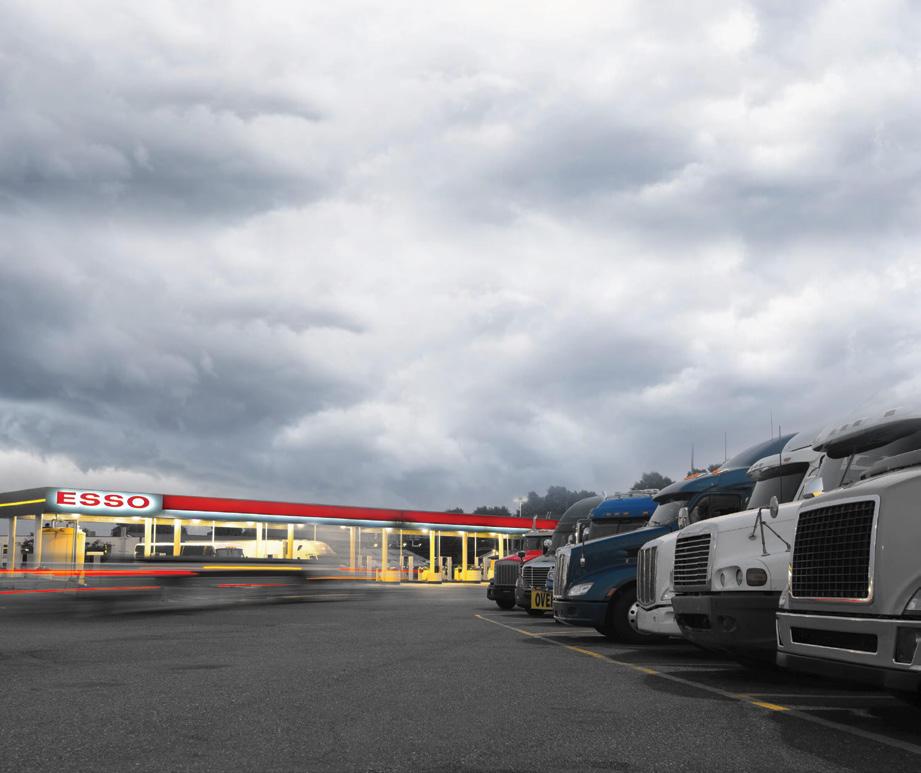
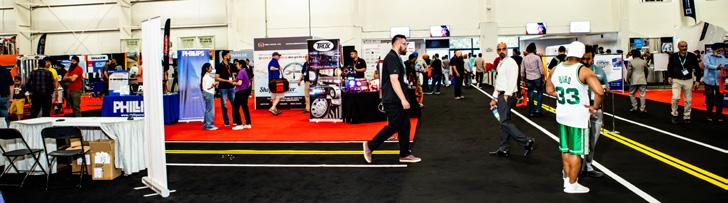
The Heartbeats of the Highway: Canada’s Truck Shows Are the Soul of the Industry
BY: JAG DHATT
In an era of instant digital connectivity and autonomous "smart" trucks, it is easy for critics to dismiss the traditional truck show as a relic of a bygone age. They argue that in 2026, a fleet manager can spec a truck via a VR headset and a driver can learn about new regulations through a webinar or by watching YouTube videos. But to walk the floors of Canada’s premier industry events is to realize that these critics are missing the point entirely.
From the massive halls of Truck World in Ontario and the bilingual energy of ExpoCam in Quebec, to the culturally rich grounds of the APNA Truck Show in British Columbia, these events prove that the Canadian trucking industry isn't just about the iron—it’s about the heartbeat behind the wheel.
Each major show on the Canadian calendar serves a unique and vital purpose. Truck World, held this April at the International Centre in Mississauga, remains the country’s "National Town Square." It is where the largest fleets in North America converge to witness the official debut of technologies like the 2026 Mack Granite or the latest Megawatt Charging Systems. It is the scale of the industry made manifest.
Meanwhile, ExpoCam (slated for 2027) in Montreal provides the essential link to Canada’s French-speaking
heartland. It’s more than just a trade show; it’s a cultural bridge that ensures the innovations moving through Ontario and the West are integrated into the unique regulatory and operational landscape of Quebec.
In the West, the APNA Truck Show in Abbotsford (June 13-14, 2026) has carved out an equally critical space. As Western Canada’s largest trucking event, it brings a vibrant, festival-like atmosphere to the Tradex Centre. By blending high-tech equipment displays with an important focus on the South Asian community, which makes up a massive pillar of the trucking workforce, APNA ensures that the industry’s growth is as inclusive as it is innovative.
Trucking is, by its very nature, one of the most isolating professions. Drivers spend weeks staring at the white lines of the Trans-Canada Highway, their only company the hum of the engine. Truck shows are the essential antidote to that solitude. They are the places where "life on the road" stops being a solo journey and becomes a shared experience.
When a veteran driver at TruckWorld swaps stories with a rookie, or a family at APNA explores a new sleeper cab together, the industry isn't just growing— it's healing. These shows provide a physical space for the "respect and dignity" that associations like the BCTA
and CTA advocate for, turning a lonely job into a celebrated career.
The technology of 2026—from Hydrogen Fuel Cells to Level 4 Autonomy—can be intimidating. A driver who has spent thirty years behind a diesel engine might look at a computercontrolled rig with trepidation.
This is where the shows become our collective classroom. Whether through the "GreenTech" seminars in Mississauga or the safety "talks" in Abbotsford, these events demystify the future. We move from "man vs. machine" to a shared understanding of how we will all navigate the next decade together.
As we look toward the horizon, the "digital shift" will continue. But the Canadian truck show will remain our industry's town square. Whether in the East, the West, or the heart of Quebec, these events are where we shake hands, where we recruit the next generation, and where we celebrate the resilience of a community that refuses to be broken by distance.
The future of trucking in Canada isn't just found in a computer chip. It’s found in the proud eyes of a driver who walks onto a show floor and realizes they are part of something much bigger than themselves.
Swh-rwhW dI DVkx: kYnyfw dy 'tr~k SoA'
audXog dI rUh ikauN hn
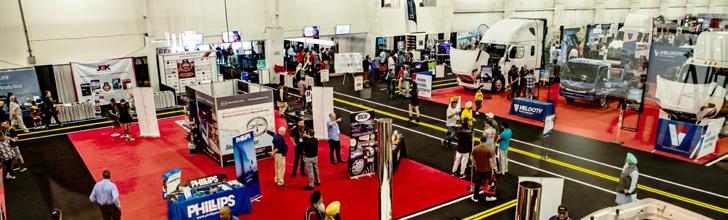
A~j dy ifjItl knYktIivtI Aqy Awtonoms (ibnW frweIvr) 'smwrt' tr~kW dy dOr iv~c, AwlockW leI rvwieqI tr~k SoA ƒ purwxy smyN dI Xwdgwr mMn ky nkwrnw Awswn hY[ aunHW dw qrk hY ik 2026 iv~c, ie~k PlIt mYnyjr VR hY~fsY~t rwhIN tr~k dI cox kr skdw hY Aqy ie~k frweIvr vYbInwr jW XUitaUb vIfIEz rwhIN nvyN inXmW bwry is~K skdw hY[ pr kYnyfw dy pRmu~K audXoigk smwgmW dy hwlW iv~c jw ky ieh Aihsws huMdw hY ik ieh Awlock Asl nukqy ƒ pUrI qrHW KuMJ rhy hn[
EntwrIE dy ivSwl Truck World Aqy ikaUbYk dy do-BwSI ExpoCam qoN lY ky, ibRitS kolMbIAw dy s~iBAwcwrk p~KoN AmIr APNA Truck Show q~k, ieh smwgm swbq krdy hn ik kYnyfIAn tr~ikMg audXog isr& lohy Aqy mSInW bwry nhIN hY—ieh stIAirMg ip~Cy bYTy ienswn dI DVkx bwry hY[
kYnyfIAn kYlMfr 'qy hr v~fw SoA ie~k ivl~Kx Aqy mh~qvpUrn audyS pUrw krdw hY[ Truck World, jo ies ApRYl iv~c imsIswgw dy ieMtrnYSnl sYNtr iv~c ho irhw hY, dyS dw "nYSnl twaUn skueyAr" bixAw hoieAw hY[ ieh auh QW hY ij~Qy au~qrI AmrIkw dIAW sB qoN v~fIAW PlIt kMpnIAW 2026 mYk gRynweIt (Mack Grainte) jW nvIN mYgwvt cwrijMg pRxwlI vrgIAW qknIkW dI pihlI Jlk dyKx leI iek~TIAW huMdIAW hn[ ieh audXog dy ivSwl p~Dr dw pRq~K rUp hY[
ies dOrwn, mWtrIAl iv~c ExpoCam kYnyfw dy PrWsIsI BwSI Kyqr nwl ie~k zrUrI kVI joVdw hY[ ieh isr& ie~k tRyf
SoA qoN ikqy v~D hY; ieh ie~k s~iBAwcwrk pul hY jo ieh XkInI bxwauNdw hY ik EntwrIE Aqy p~Cm iv~c ho rhIAW kwFW ikaUbYk dy ivl~Kx rYgUlytrI Aqy sMcwln FWcy dw ih~sw bxn[
p~Cm iv~c, AYbtsPorf dw APNA
Truck Show (jUn 13-14, 2026) ie~k bhuq hI mh~qvpUrn sQwn bxw cu~kw hY[ p~CmI kYnyfw dy sB qoN v~fy tr~ikMg eIvYNt vjoN, ieh tRYfYks sYNtr (Tradex Centre) iv~c ie~k jIvMq, myly vrgw mwhOl isrjdw hY[ hweI-tYk swzo-swmwn dI pRdrSnI dy nwl-nwl d~KxI eySIAweI BweIcwry 'qy ivSyS kyNdirq ho ky—jo ik tr~ikMg vrkPors dw ie~k ivSwl sqMB hY—APNA SoA ieh XkInI bxwauNdw hY ik audXog dw ivkws ijMnw nvInqwkwrI hY, aunw hI swirAW ƒ nwl lY ky c~lx vwlw vI hY[
tr~ikMg, Awpxy suBwA p~KoN, sB qoN v~D iek~lypx vwlw ik~qw hY[ frweIvr h&iqAW b~DI tRWs-kYnyfw hweIvyA dIAW ic~tIAW lweInW ƒ dyKdy hoey s&r krdy hn, ij~Qy isr& ieMjx dI Awvwz hI aunHW dI swQI huMdI hY[ tr~k SoA ies iek~lypx dw sB qoN v~fw ielwj hn[ ieh auh QWvW hn ij~Qy "sVk dI izMdgI" isr& ie~k iek~lw s&r nhIN rih jWdI, sgoN ie~k sWJw AnuBv bx jWdI hY[
jdoN ie~k purwxw frweIvr TruckWorld iv~c iksy nvyN muMfy (rUkI) nwl g~lW sWJIAW krdw hY, jW koeI pirvwr APNA SoA iv~c iml ky nvyN slIpr kYb ƒ dyKdw hY, qW audXog isr& vDdw hI nhIN—ieh juVdw vI hY[ ieh SoA aus "siqkwr Aqy mwx" leI ie~k QW pRdwn krdy hn ijs dI vkwlq
BCTA Aqy CTA vrgIAW AYsosIeySnW krdIAW hn, Aqy ie~k iek~lI nOkrI ƒ ie~k mwxm~qy krIAr iv~c bdl idMdy hn[
2026 dI qknIk—hweIfRojn iPaUl sY~l qoN lY ky lYvl 4 AwtonomI q~k—frweIvrW ƒ frw skdI hY[ ie~k frweIvr ijsny qIh swl fIzl ieMjx ip~Cy ibqwey hn, auh kMipaUtr-inXMqirq irg ƒ S~k jW icMqw nwl dyK skdw hY[
ieh auh QW hY ij~Qy ieh SoA swfI sWJI jmwq bx jWdy hn[ BwvyN ieh imsIswgw iv~c "GreenTech" sYmInwr hox jW AYbtsPorf iv~c sur~iKAw bwry g~lbwq, ieh smwgm Biv~K dIAW aulJxW ƒ dUr krdy hn[ AsIN "mnu~K bnwm mSIn" qoN ie~k AijhI sWJI smJ v~l vDdy hW ik AsIN swry Agly dhwky dy s&r ƒ iml ky ikvyN qYA krWgy[
ijvyN-ijvyN AsIN A~gy vD rhy hW, "ifjItl bdlwA" jwrI rhygw[ pr kYnyfIAn tr~k SoA hmySw swfy audXog dw sWJw ivhVw (town square) rihxgy[ BwvyN auh pUrb hovy, p~Cm hovy, jW ikaUbYk dw idl hovy, ieh auh QWvW hn ij~Qy AsIN h~Q imlwauNdy hW, ij~Qy AsIN nvIN pIVHI ƒ ies ik~qy nwl joVdy hW, Aqy aus BweIcwry dw jSn mnwauNdy hW jo dUrIAW kwrn tu~tx qoN ienkwr krdw hY[
kYnyfw iv~c tr~ikMg dw Biv~K isr& ie~k kMipaUtr ic~p iv~c nhIN imldw[ ieh aus frweIvr dIAW mwxm~qIAW A~KW iv~c imldw hY jo SoA dy Plor 'qy c~lidAW mihsUs krdw hY ik auh Awpxy Awp qoN ikqy v~fI cIz dw ih~sw hY[

Drive Smart Pro: A Chance for B.C. Trucking Fleets to Help Shape the Future of Road Safety
Telematics has become a routine part of trucking operations in British Columbia, but its broader impact on provincial road safety planning and insurance design is still emerging.
ICBC is inviting commercial fleets to participate in Drive Smart Pro, a six-month program, aimed at building a clearer picture of real-world driving patterns across commercial fleet operators.
For trucking operators whose vehicles face steep grades, winter roads, and long-haul demands, Drive Smart Pro offers a meaningful way to ensure future provincial telematics programs and road safety initiatives reflect the realities of commercial transport haul demands.
How
the Program Works
Drive Smart Pro is a six-month voluntary program designed to standardize and collect telematics data
from participating commercial fleets. ICBC is using software to integrate data from multiple telematics providers, allowing fleets to participate without changing existing systems. The program examines key driving metrics such as speed, location, and harsh braking— metrics used to understand behaviour and crash risk.
All data is anonymized and used strictly for research. Participation does not affect commercial or personal insurance premiums or your driving score.
Why ICBC Fleetplan Customers Should Consider Participating
• Receive a 5% discount on ICBC Optional collision coverage on your next renewal after ICBC verifies data connectivity.
• Influence future insurance and road safety programs by contributing real fleet data.
• Highlight the unique operating conditions B.C. trucking fleets face daily.
• Strengthen industry leadership in evidence-based road safety.
Eligibility and Enrollment
Fleets must have an active ICBC Fleetplan policy and an existing telematics provider. Applications are open now, with details at icbc.com/ drivesmartpro.
Why Your Participation Matters
As telematics continues to shape fleet management, this program gives B.C. carriers a direct role in helping ICBC evaluate how telematics can inform safer roads and more effective longterm policies. With the industry already invested in data-driven operations, Drive Smart Pro offers a practical and low barrier way to contribute to the future of trucking in the province.
fRweIv smwrt pRo: bI

tYlImYitks ibRitS kolMbIAw ‘c tr~ikMg EprySnW dw inXmq ih~sw bx cu~kw hY, pr sUbweI sVk sur~iKAw XojnwbMdI Aqy bImw ifzweIn ‘qy iesdw ivSwl pRBwv lgwqwr pY irhw hY[
ICBC vpwrk PlItW ƒ fRweIv smwrt pRo iv~c Bwg lYx leI s`dw dy rhy hn, jo ie~k Cy mhIinAW dw pRogrwm hY, ijsdw audyS vpwirk PlIt EprytrW ‘c vwsqivk frweIivMg ruJwnW dI ie~k sp~St qsvIr bxwauxw hY[
auhnW tr~ikMg EprytrW leI, ijhnW dy tr`k cVHweI vwlIAW, srdI (snoA) vwlIAW Aqy lMby dUrI dy lof iljwx vwlIAW sVkW ‘qy hwlwq dw swhmxw krdy hn, fRweIv smwrt pRo Biv~K dy pRWqI tYlImYitks pRogrwm Aqy sVk sur~iKAw muihMmW, vpwirk AwvwjweI dIAW hkIkqW ƒ ieh XkInI bxwaux leI sur`iKAq qrIkw muh~eIAw krwauNdw hY[
pRogrwm ikvyN kMm krdw hY fRweIv smwrt pRo ie~k Cy mhIny dw vwlMtIAr pRogrwm hY jo Bwg lYx vwlIAW vpwrk PlItW qoN tYlImYitks fYtw ƒ ie~kswr krn Aqy iek~Tw krn leI iqAwr kIqw igAw hY[ ICBC v~K-v~K tYlImYitks pRdwn krn vwlIAW kMpnIAW qoN fYtw iek~Tw krn leI sOPtvyAr dI vrqoN kr irhw hY, ijs nwl PlIt kMpnIAW mOjUdw isstmW ƒ bdly ibnW Bwg lY skdIAW hn[ ieh pRogrwm mu~K fRweIivMg mYtirks ijvyN ik spIf, sQwn Aqy zordwr bRyikMg dI jWc krdw hY Aqy ieh mytirks EprytrW dy vrqwv Aqy durGtnw dy Kqry ƒ smJx leI vrqy jWdy hn[
swrw fYtw gupq r`iKAW jWdw hY Aqy ieh isrP Koj krn dy mMqv leI hI sKqI nwl vriqAw jWdw hY[ ies pRogrwm ‘c ih`sw lYx vwilAW dy vpwirk jW in~jI
bImw pRImIAmW Aqy quhwfy fRweIivMg skor ƒ iblku`l vI pRBwivq nhIN krdw[
ICBC PlIt plYn gwhkW ƒ ies dw ih`sw bxn leI ikauN ivcwr krnw cwhIdw h
• ICBC duAwrw fytw knYkitivtI dI jWc krn dy bwAd Awpxw ieMSorYNs irnIaU krn smyN ICBC EpSnl t`kr kvryj 'qy 5% Cot pRwpq kro[
• AslI PlIt fYtw ‘c Xogdwn pw ky Awaux vwly smyN ‘c bImy dI rkm Gtwaux Aqy sVkW nUM sur~iKAq bxwaux vwly pRogrwmW nUM vDIAw bxwaux leI Xogdwn pwE[
• B.C. tr~ikMg PlItW v`loN hr roz v~KrIAW-v`KrIAW EpryitMg hwlqW ƒ aujwgr kro[
• sbUq-ADwirq sVkW sur~iKAq bxwaux ‘c tr`k audXog dI AgvweI ƒ mzbUq bxwE[
Xogqw Aqy drjw
PlItW kol mOjUdw ICBC PlIt plYn nIqI Aqy mOjUdw tYlImYitks pRdwqw hoxw cwhIdw hY[ ies smyN ArzIAW dyx leI smW sImw Ku`lHI hY, hor jwxkwrI leI icbc. com/dirvesmartpro 'qy jwE[
quhwfI BwgIdwrI mh~qvpUrk ikauN hY ijvyN ik tYlImYitks PlIt pRbMDn ƒ Awkwr dyxw jwrI r`Kygw, ieh kwrjkRm
B.C. kYrIArW ƒ ie`k is~Dw mOkw idMdw hY ik auh ICBC ƒ shwieqw pRdwn kr skx ik, ikvyN tYlImYitks sVkW ƒ sur~iKAq bxwaux Aqy lMby smyN dIAW nIqIAW ƒ pRBwvSwlI bxwaux ‘c mdd kr skdw hY[ audXog pihlW hI fYtw-cilq kwrjW iv~c invyS kr cu~kw hY, Dirve Smart Pro sUby ‘c Biv~K dI tr~ikMg ieMfstrI ‘c Xogdwn pwaux dw pRYktIkl Aqy bhuq hI mwmUlI rukwvtW vwlw rsqw pyS krdw hY[
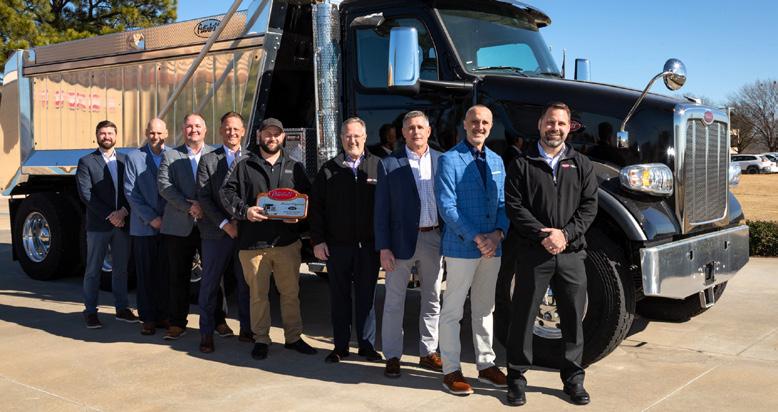
Peterbilt Marks Milestone with First-Ever Master Technician
BY JGK STAFF
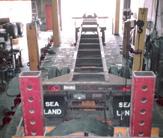
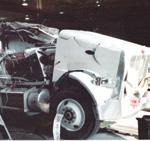
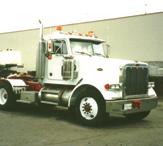
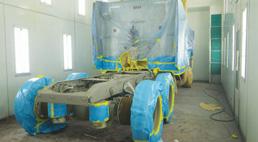
Peterbilt has reached a major milestone in its commitment to service excellence by recognizing its first-ever Master Technician. Michael Fitzpatrick of Ohio Peterbilt has earned the prestigious designation, setting a new benchmark for advanced technical expertise within the Peterbilt dealer network.
The Master Technician designation represents the highest level of achievement available to Peterbilt technicians. It signifies mastery of the most advanced training offered by the company and reflects a deep understanding of all major vehicle systems. Technicians who earn this distinction demonstrate exceptional diagnostic capabilities, advanced problem-solving skills, and the leadership required to support increasingly sophisticated truck technologies.
“Michael Fitzpatrick’s accomplishment is an important moment for Peterbilt,” said Danny Landholm, Peterbilt director of Dealer Network
Development. “As our first Master Technician, he has shown outstanding technical knowledge, leadership, and the ability to diagnose and repair today’s complex vehicle systems while meeting the evolving needs of our customers.”
Earning Master Technician status requires extensive hands-on experience, successful completion of rigorous training programs, and proven proficiency in identifying and resolving complex vehicle issues. Master Technicians serve as trusted technical leaders within the dealership, supporting advanced truck, engine, and electrical repairs. In addition, they play a key mentoring role by sharing their expertise with other technicians and helping ensure Peterbilt vehicles consistently meet high standards for performance and reliability.
For Fitzpatrick, the designation represents both a personal achievement and an opportunity to elevate service quality. “Becoming a Master Technician is a proud moment in my career,” he said. “The training has given me a deeper
understanding of how advanced systems work together across the entire truck. That knowledge allows me to provide better service every day and support fellow technicians as we continue learning and improving together.”
The Master Technician program addresses the growing demand for highly skilled service professionals while reinforcing Peterbilt’s focus on long-term career development and advancement. By investing in advanced training and professional growth, Peterbilt continues to strengthen service standards across its dealer network.
“This designation reflects a strong foundation of technical expertise, experience, and dedication to quality,” Landholm added. “Customers benefit from faster diagnostics, reliable repairs, and consistent service. Technicians gain access to an experienced resource for ongoing learning, and our dealer network continues to build a culture centered on service excellence and dependable support.”



With the Big Three Retreating to the U.S., Transportation Companies Need to Plan for Rough Road Ahead
BY: ALASTAIR MCNISH
The transportation of auto parts, finished vehicles, and other freight connected to the integrated cross-border assembly of automobiles makes up a significant part of total freight volume in the Canadian trucking and transportation industry. In recent weeks, both Stellantis (Brampton) and General Motors (Ingersoll) have made announcements about shifting
production from Ontario factories to the United States. Ford’s Oakville assembly plant is currently shuttered as it retools for a planned reopening in 2026.
The effect these shifts will have on the transportation industry seems clear: less business to go around, and a still saturated competitive market fighting over reduced freight volumes.
Bankruptcies and receiverships will likely follow, unfortunately.
For companies that have not reached a critical stage, it is good time to assess whether they have legal risks to attend to while they have time (and cash flow) to spare. If recent experience is anything to go by, four areas in particular should be considered:
Shareholder Disputes: Many of the businesses most at risk of financial trouble ahead are small, independent transportation companies. Such companies were often founded without much formality and grew rapidly when times were better (i.e. during the Covidera boom in shipping). It is often the case that corporations that grow quickly do not revisit the corporate records that were created upon incorporation, including articles, by-laws, and shareholder agreements. If not, now is the time. Shareholder disputes are often much more straightforward and resolvable where the rules that govern are clearly defined.
Real Estate: Land and favourable long-term leases are often transportation companies’ most valuable assets. Leases and title documents should be reviewed carefully to ensure there are no surprises if such real estate assets are to be relied on for financing.
Employment: Companies that need to downsize or layoff workers must be careful to ensure that they are complying with applicable employment statutes (often the Canada Labour Code in the case of interprovincial transport). Employment contracts should be reviewed and updated to ensure compliance. Termination pay and severance can become a significant drain on a company’s finances if not handled carefully.
Receivership: Although in many cases a death sentence, with planning and forthright communication with lenders, companies can use a receivership to give themselves breathing room to restructure, negotiate down liabilities, and find a path to continued operations or a (relatively) painless exit. Gaining familiarity with the process well before it becomes a possibility is a prudent exercise.

No doubt, there will be a rough road ahead for many transportation companies. Assessing legal risks and taking proactive steps to address those risks is a valuable exercise for the industry.

DISPUTES
• Real Estate Litigation
• Business Litigation
• Trust Estate Disputes
• Breaches of Fiduciary & Corporate Duties
• Negligence Claims
• Shareholder Remedies
• Supply Chain Disputes
• Employment Law
• Family Disputes
BUSINESS SOLUTIONS
• Mergers & Acquisitions
• Corporate Finance & Securities
• Supply Chain Agreements
• Commercial Issues
• Technology & Licensing
• Corporate Governance
Alastair McNish Partner, CP LLP
tRWsport kMpnIAW v`loN
AmrIkw ‘c prqx
dy PYsly nwl hox vwly nukswn nwl nij`Tx leI skwrwqmk nIqI aulIkx
dI zrUrq hY[
bwrfr qoN pwr AwtomobweIl AsYNblI dI vrqoN vwly purijAW, iqAwr g`fIAW Aqy hor mwl dI FoAw-FuAweI kYnyfIAn tr~ikMg Aqy tRWsport kwrobwr dw ie`k kwPI mh`qvpUrn ih`sw hY[ hwl ‘c hI, stYlYNits (brYmptn) Aqy jnrl motrz (ieMgrsol) donW ny auqpwdn ƒ EntwrIE ‘c siQ`q PYktrIAW dI bjwey AmrIkw dIAW PYktrIAW ‘c SurU krn bwry AYlwn kIqy hn[ Porf dw Ekivl AsYNblI plWt ies smyN bMd hY ikauNik iesnUM 2026 ‘c Xojnwb~D muV KolHx leI dubwrw iqAwr kIqw igAw hY[
ienHW qbdIlIAW dw tRWspwrt kwrobwr 'qy pYx vwlw pRBwv sp~St ivKweI idMdw hY: G`t kwrobwr Aqy BwVy dIAW drW dy Gtx nwl tr`ikMg kwrobwr ‘c s^q mukwblw Ajy vI jwrI hY[ bdiksmqI nwl, dIvwlIAwpn Aqy rIpo ‘c sMBwvq auCwLw nzr Aw irhw hY[
auh kMpnIAW jo iksy nwzuk pVwA 'qy nhIN phuMcIAW hn, aunHW kol ieh mulWkx krn leI vDIAw smW hY ik aunHW kol ies smyN jdoN smW Aqy kYS mOjUd hY, qW kI koeI kwnUMnI jW hor mu`dy nij`Tx vwly qW nhIN hn? jy hwlIAw hwlwq vyKIey, qW Kws qOr 'qy cwr KyqrW 'qy ivcwr kIqw jwxw cwhIdw hY:
SyArholfr ivvwd: bhuq swry kwrobwr ijnHW ƒ A~gy iv~qI musIbq dw sB qoN v~D joKm hY auh CotIAW Aqy suqMqr tRWsport kMpnIAW hn[ AijhIAW kMpnIAW Aksr ibnW iksy rsmI inXmW nwl sQwipq kIqIAW jWdIAW sn Aqy jdoN kwrobwr ‘c vwDy dw smW sI, (Bwv iSipMg ‘c koivf Xu~g dy auCwl dy dOrwn) ienHW ny qyzI nwl qr`kIAW kIqIAW sn[ ieh Aksr huMdw hY ik ijhVIAW kMpnIAW qyzI nwl vDdIAW hn, iPr auh aunHW kwrporyt irkwrfW 'qy muV ivcwr nhIN krdIAW ijhVy kMpnI SurU krn smyN bxwey gey sn, ijnHW ‘c lyK, bweI-lwAz Aqy SyArholfr smJOqy Swml hn[ jy nhIN, qW hux smW Aw igAw hY[ SyArholfrW dy ivvwd Aksr vDyry is~Dy Aqy h~l krn Xog huMdy hn jdoN ik inXMqirq krn vwly inXmW nUM sp~St qOr 'qy pirBwiSq kIqy jWdy hn[
rIAl Astyt: jmIn Aqy PwiedymMd lMby smyN vwly lIz pRogrwm Aksr tRWsport kMpnIAW dI sB qoN kImqI sMpqI huMdy hn[ lIz Aqy tweItl dsqwvyzW dI iDAwn nwl smIiKAw kIqI jwxI cwhIdI hY qW jo ieh suinSicq kIqw jw sky ik jy AijhIAW rIAl Astyt sMpqIAW dI iv~qI Brosy leI vrqoN koeI hYrwn krn vwlI g`l nhIN hY[
ruzgwr: ijnHW kMpnIAW ƒ krmcwrIAW ƒ Gtwaux jW CWtI krn dI zrUrq huMdI hY,
aunHW ƒ lwzmI qOr 'qy ieh XkInI bxwaux leI swvDwn rihxw cwhIdw hY ik auh lwgU ruzgwr kwƒnW dI pUrI pwlxw kr rhy hn (Aksr AMqr-sUbweI AwvwjweI dy mwmly ‘c knyfw lybr kof)[ ruzgwr dy iekrwrnwimAW dI smIiKAw kIqI jwxI cwhIdI hY Aqy pwlxw ƒ XkInI bxwaux leI A~pfyt kIqw jwxw cwhIdw hY[ nokrI qoN brKwsqI jW nOkrI C`fx dI qnKwh Aqy muAwvzw dyxw iksy kMpnI leI kwPI v`fw iv`qI boJ huMdw hY[
irsIvriSp (krzw Adw nw kr skx dI sUrq ‘c Adwlq vjoN kMpnI dI vwgfor iksy hor ivAkqI jW kMpnI dy h`Q sONpxI): hwlWik bhuq swry mwmilAW ‘c qbwhI, XojnwbMdI Aqy krjydwrW nwl sp~St sMcwr dy nwl, kMpnIAW Awpxy Awp ƒ punrgTn, zuMmyvwrIAW bwry g~lbwq krn, Aqy inrMqr kwrjW jW isrdrdI qoN bcx leI irlYks hox vwsqy irsIvriSp dI vrqoN kr skdIAW hn[ ies pRikirAw dI sMBwvnw bxn qoN pihlW ies bwry cMgI qrHW jwxU hoxw ie~k smJdwrI vwlI g`l hY[
ibnW iksy S~k bhuq swrIAW tRWsport kMpnIAW leI Awaux vwlw smW kwPI musIbqW BirAw hovygw[ kwƒnI KqirAW dw mulWkx krnw Aqy aunHW ƒ h~l krn leI ikirAwSIl kdm cu~kxw audXog leI ie~k mh`qvpUrn g`l hovygI[



Volvo Trucks Secures HDT 2025 Top 20 Product Award for Industry-First Safety Standard
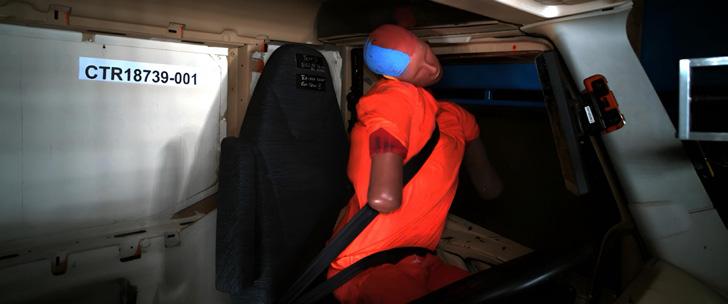
BY: JGK STAFF
Volvo Trucks North America has reached a significant milestone with its integrated side curtain airbag, which was recently named an HDT 2025 Top 20 Product by the editors of Heavy Duty Trucking. This prestigious award recognizes products that make substantial leaps in both safety and operational efficiency within the trucking sector. The timing of this recognition is particularly noteworthy as the all-new Volvo VNR has officially entered production this month at the New River Valley plant in Dublin, Virginia. To ensure the highest level of protection for operators, Volvo has made these side curtain airbags standard equipment on every new VNL and VNR model manufactured for the North American market.
By choosing to standardize this technology, Volvo Trucks is significantly broadening access to a critical safety innovation that is specifically designed to mitigate injuries and prevent fatalities in high-impact scenarios. This move reinforces Volvo’s longstanding reputation as a leader in heavy-duty
vehicle safety. The company has a history of pioneering such advancements, having previously been the first manufacturer in North America to introduce a driver front airbag in a heavy truck. This new standard further demonstrates their commitment to evolving truck safety to meet the modern, rigorous demands of the road.
Peter Voorhoeve, the president of Volvo Trucks North America, noted that safety is deeply embedded in the company’s identity and DNA. He explained that, “the process of developing safety features to protect drivers and the public is an unending mission for the organisation. Volvo operates with a clear vision of achieving zero accidents, asserting that any other number is simply unacceptable in the pursuit of highway safety.” The company expressed its pride in seeing this safety-first philosophy recognized by the industry experts at Heavy Duty Trucking, further validating their efforts to prioritise driver well-being across their entire product lineup.
The engineering behind the side
curtain airbag is focused on some of the most severe crash conditions, specifically rollover events. These airbags are designed to deploy during a rollover to offer an extra layer of protection for both drivers and their passengers. Statistics suggest that rollovers account for approximately half of all truck occupant fatalities on North American roads, making this technology a vital tool in saving lives. By providing this innovation as a standard feature, Volvo is ensuring that more fleets have the tools necessary to protect their most valuable assets in high-risk situations.
The selection process for the HDT Top 20 Products is thorough, ensuring that only the most practical and impactful solutions are honoured. The judges look for products that demonstrate true innovation, effectively address industrywide challenges, and have the potential to positively impact a fleet's bottom line. The official award presentation will take place on March 16 in Nashville during the American Trucking Associations’ Technology & Maintenance Council annual meeting.
volvo
tr~ks
ny audXog
dy pihly sur~iKAw imAwr leI HDT 2025 tOp 20 pRofkt Avwrf ij~iqAw
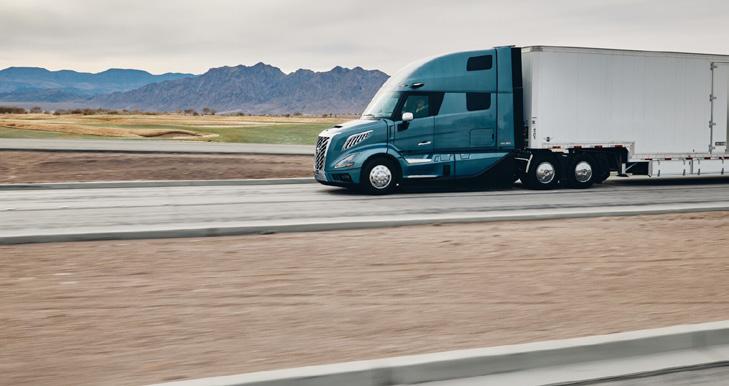
volvo tr~ks au~qrI AmrIkw ny Awpxy ieMtIgRyitf sweIf krtn eyArbYg dy nwl ie~k v~fI auplbDI hwsl kIqI hY, ijs ƒ hwl hI iv~c 'hYvI ifaUtI tr~ikMg' dy sMpwdkW duAwrw HDT 2025 tOp 20 pRofkt vjoN cuixAw igAw hY[ ieh v~kwrI snmwn aunHW auqpwdW ƒ aujwgr krdw hY jo tr~ikMg Kyqr iv~c sur~iKAw Aqy kwrjSIl kuSlqw dovW iv~c v~fI qr~kI krdy hn[ ies mwnqw dw smW Kws qOr 'qy mh~qvpUrn hY ikauNik iblkul nvW volvo VNR ies mhIny fbiln, vrjInIAw iv~c volvo tr~ks dy inaU irvr vYlI plWt iv~c auqpwdn iv~c dwKl hoieAw hY[ AwprytrW leI au~c p~DrI sur~iKAw XkInI bxwaux leI, volvo ny iehnW sweIf krtn eyArbYgs ƒ au~qrI AmrIkI mwrkIt leI bxwey gey hr nvyN VNL Aqy VNR mwfl 'qy stYNfrf (imAwrI) aupkrx bxw id~qw hY[
ies qknwlojI ƒ imAwrI bxwaux dI cox krky, volvo tr~ks ie~k mh~qvpUrn sur~iKAw nvInqw q~k phuMc ƒ mh~qvpUrn qOr 'qy ivSwl kr irhw hY jo Kws qOr 'qy gMBIr t~krW iv~c s~tW ƒ Gtwaux Aqy mOqW ƒ rokx leI iqAwr kIqw igAw hY[ ieh kdm hYvI-ifaUtI vwhn sur~iKAw iv~c ie~k mohrI vjoN volvo dI lMby smyN dI swK ƒ mzbUq krdw hY[ kMpnI dw AijhIAW qr~kIAW dI AgvweI krn dw ieiqhws irhw hY, ikauNik auh au~qrI AmrIkw iv~c ie~k BwrI tr~k iv~c frweIvr PrMt eyArbYg pyS krn vwlI pihlI inrmwqw

sI[ ieh nvW imAwr sVk dIAW AwDuink Aqy s^q mMgW ƒ pUrw krn leI tr~k sur~iKAw ƒ ivksq krn pRqI aunHW dI vcnb~Dqw ƒ hor drswauNdw hY[ volvo tr~ks au~qrI AmrIkw dy pRDwn, pItr vUrhov ny not kIqw ik sur~iKAw kMpnI dI pCwx iv~c fUMGI qrHW smweI hoeI hY[ aunHW ny d~isAw ik frweIvrW Aqy jnqw dI r~iKAw leI sur~iKAw ivSySqwvW ivkisq krn dI pRikirAw sMsQw leI ie~k inrMqr imSn hY[ volvo 'zIro AYksIfYNts' (is&r hwdsy) dy sp~St idRStIkox nwl kMm krdw hY, Aqy ieh dwAvw krdw hY ik hweIvyA sur~iKAw dI Koj iv~c koeI vI hor sMiKAw svIkwrXog nhIN hY[ kMpnI ny 'hYvI ifaUtI tr~ikMg' dy audXog mwhrW duAwrw ies sur~iKAw-pihlI iPlwsPI ƒ mwnqw imlx 'qy mwx mihsUs kIqw, jo aunHW
dy pUry auqpwd lweInA~p iv~c frweIvrW dI BlweI ƒ qrjIh dyx dy XqnW dI puStI krdw hY[
sweIf krtn eyArbYg dy ip~Cy dI ieMjnIAirMg sB qoN gMBIr hwdisAW dIAW siQqIAW, Kws krky rolEvr (tr~k dw pltxw) dIAW GtnwvW 'qy kyNidRq hY[ ieh eyArbYg frweIvrW Aqy aunHW dy XwqrIAW dovW leI sur~iKAw dI ie~k vwDU prq dI pySkS krn leI rolEvr dOrwn Ku~lHx vwsqy iqAwr kIqy gey hn[ AMkVy d~sdy hn ik au~qrI AmrIkw dIAW sVkW 'qy tr~kW iv~c hox vwlIAW mOqW iv~coN lgBg A~DIAW rolEvr kwrn huMdIAW hn, jo ies qknwlojI ƒ jwnW bcwaux leI ie~k mh~qvpUrn swDn bxwauNdIAW hn[ ies nvInqw ƒ ie~k stYNfrf ivSySqw vjoN pRdwn krky, volvo ieh XkInI bxw irhw hY ik vDyry PlItW kol au~c-joKm vwlIAW siQqIAW iv~c Awpxy sB qoN kImqI mnu~KI sroqW dI r~iKAw krn leI loVINdy swDn hox[
HDT tOp 20 auqpwdW leI cox pRikirAw bhuq suc~jI hY, jo ieh XkInI bxwauNdI hY ik isr& sB qoN v~D ivhwrk h~lW ƒ hI snmwinq kIqw jwvy[ j~j Aijhy auqpwdW dI qlwS krdy hn jo s~cI nvInqw dw pRdrSn krdy hn Aqy audXog dIAW cuxOqIAW ƒ h~l krdy hn[ AiDkwrq purskwr smwroh 16 mwrc ƒ nYSivl iv~c AmrIkn tr~ikMg AYsosIeySn dI swlwnw mIitMg dOrwn hovygw[
Spring Conditions: Adjusting Habits Before the Risks Adjust You
Spring in British Columbia brings longer daylight hours and milder temperatures, but it also introduces a new set of safety risks. Snow and ice may be fading, yet changing road conditions, increased traffic, and seasonal work activity create hazards that require drivers and employers to adjust their approach.
For commercial drivers, spring is not a return to “normal.” It is a transition period that demands renewed attention and deliberate changes in driving habits.
On
the Road: Key Seasonal Hazards
1. Wet Roads and Reduced Traction
Rain is more frequent in spring, and the first rainfall after winter can lift oil and debris to the surface, increasing stopping distances. Hydroplaning becomes a real concern at highway speeds. Drivers should:
• Increase following distance
• Reduce speed during heavy rain
• Avoid sudden braking or sharp steering inputs
2. Potholes and Road Surface Damage
Freeze-thaw cycles leave behind potholes and cracked pavement. These can:
• Damage suspension and steering components
• Affect load stability
• Create sudden steering hazards
Drivers should scan further ahead, maintain safe lane positioning, and report severe road defects through company channels.
3. Construction Zones and Traffic Pattern Changes
Spring marks the start of highway and municipal construction projects. Expect:
• Reduced speed zones
• Narrowed lanes
• Flaggers and shifting traffic patterns
Complacency is a risk. Adjust speed early and anticipate sudden stops.
4. Wildlife Activity
Wildlife movement increases in spring. Dawn and dusk remain higherrisk periods. Defensive scanning and speed management are critical
Terminal and Yard Safety: SpringSpecific Risks
Driving conditions are only part of the picture. Occupational health and safety risks also shift as winter ends.
Slips,
Trips, and Falls
Melting snow creates pooled water and mud around yards and loading docks. Inside facilities, wet floors increase slip hazards. Employers should:
• Inspect and repair drainage issues
• Increase housekeeping frequency
• Ensure adequate signage and slipresistant surfaces
• Reinforce proper footwear policies
According to WorkSafeBC, slips, trips, and falls consistently represent one of the most common workplace injury categories across industries. Prevention requires active monitoring, not assumption.
Vehicle Maintenance and Inspections
Spring is an appropriate time to reassess:
• Tire condition (winter wear, pressure changes with temperature)
• Brake performance affected by moisture and corrosion
• Wiper blades and lighting systems
• Undercarriage damage from winter road salt
Supervisors should reinforce pretrip inspection diligence. Spring is when minor winter damage often becomes visible.
Fatigue and Schedule Pressures
Improved weather often leads to increased freight volumes and tighter schedules. Managers should monitor:
• Hours of service compliance
• Signs of fatigue
• Production pressure that may influence unsafe decisions
BY SAFETYDRIVEN TRUCKING SAFETY COUNCIL OF BC
A shift in season should not result in a shift away from safety priorities.
Mental Health and Seasonal Transitions
For some workers, spring brings improved morale. For others, workload increases or changing conditions can elevate stress. Open communication channels and accessible support resources remain essential components of a strong safety culture.
Manager Action Checklist
Spring is an opportunity to proactively reinforce expectations:
• Conduct seasonal safety briefings
• Review safe work procedures for yard traffic and construction zones
• Inspect walking surfaces and drainage systems
• Audit pre-trip inspection quality
• Re-evaluate emergency response plans for changing conditions
• Encourage hazard reporting and near-miss documentation
Seasonal transitions are predictable. Incidents do not have to be.
Driving Safety Forward
Safety is not static. As road and workplace conditions change, behaviours must adapt. A structured spring safety review — covering driving practices, facility risks, and supervisory oversight — can prevent injuries before they occur. Spring often brings new energy to workplaces, but it should also be a time to refocus on safety. SafetyDriven can support your organization by helping you refresh your safety program for the season. Our team can provide guidance on seasonal safety meeting topics, assist with hazard assessments, and review your existing safety programs to ensure they remain effective and aligned with current best practices. To learn more or connect with our safety advisors, contact us at 604-888-2242 or info@safetydriven.ca, or visit our website SafetyDriven.ca.



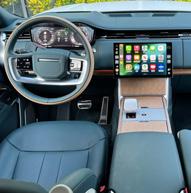
2025 Range Rover SV
A PERSONAL SANCTUARY
The luxury SUV market was, and continues to be, a very defined and dedicated segment of the automotive world. The members of this elite class include BMW, Mercedes, Land Rover, Audi, Cadillac, and Porsche to name the major players. But even within this group, there is a separation that now defines something I’d like to call ultra-luxury, and Range Rover does just that with its SV trim.
To truly understand the 2025 Range Rover SV, you have to stop thinking of it as a car and start thinking of it as one’s sanctuary. That’s not to say the “lower” trims aren’t enough; for me, the SE trim would still be good. And while the Autobiography trim provides a first-class experience, the SV is designed for the person who finds firstclass a bit too "crowded."
The luxury of the SV isn't just about expensive materials; it’s about appealing to the senses. Land Rover’s
SV Bespoke program allows for over a million possible interior combinations. For the buyer, this is the ultimate appeal: the "Match to Sample" paint service means you can have your Range Rover painted to match your favorite watch face or your wedding dress. In this price bracket, luxury isn't just owning something nice—it’s owning something that no one else has.
Our test Range Rover SV’s colour was called Icy White, in a Satin finish. While not matte, which many other luxury vehicles have, the Satin finish is even more posh, as it should for this vehicle. While the outer colour was appealing to most, the interior’s Serenity Sequoia Green was a tad more polarizing; many are just used to the standard colours, while again, the SV wants to be completely unique, and it is. Personally, I thought this “bluish green” interior perfectly complemented the exterior.
JAG DHATT
Where the Autobiography edition uses high-grade natural woods for its interior, the SV moves into Vantablackadjacent aesthetic; this is characterized by the use of ultra-matte, light absorbing materials.
I’ve spent time in both, and the SV "feels" different because of the handfinishing. The SV is still largely handassembled at the SVO Technical Centre in England. The ceramic touchpoints, which take over two months to produce, provide a temperature-stable, diamondhard surface that feels fundamentally more substantial than the metal or plastic used in the “lower trims”; the term lower trim genuinely wrong because any Range Rover is anything but. This level of detail appeals to buyers who have a deep appreciation for items such as bespoke suits and dresses; they aren't looking at the price tag, they are looking at the stitch count.
Our test SV seats featured ultra-
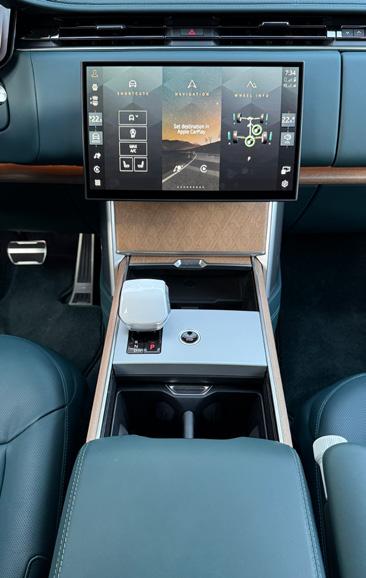
luxurious, semi-aniline leather, complete with 24-way heated and cooled “hot-stone” massage front seats and Executive Class rear seats. The Executive Suite, if you choose the Long Wheelbase with the SV Signature Suite, effectively buys a mobile office and spa. The power-deployable club table and the hidden refrigerator with SV-branded crystal glassware are pure theater, but they work flawlessly. The 8-inch rear touchscreen controller allows you to change the cabin’s entire mood without ever leaning forward. If that’s not enough, the rear right passenger can fully rest by reclining the seat and deploying the footrest. On a trip to Kelowna, my youngest daughter emphasized that her Executive seat was absolutely magical.
New for 2025 is the Body and Soul Seat (BASS) and the world-first Sensory Floor. This is where the appeal shifts from "nice car" to "holistic wellness." High-fidelity transducers are embedded in the seats and under the thick mohair carpets. They pulse in sync with the 1,600-watt Meridian Signature sound system. It’s a tactile audio experience that doesn’t just play music; according to Range Rover, it uses "wellness programs" to physically lower your heart rate or invigorate you after a long flight. For the ultra-high-net-worth buyer, the SV is more than just transportation.
The entertainment and entire cabin experience is controlled
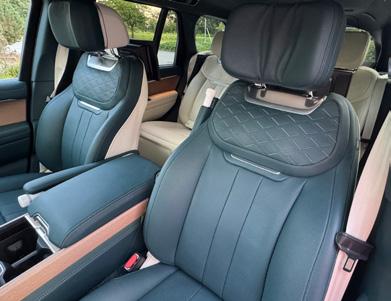
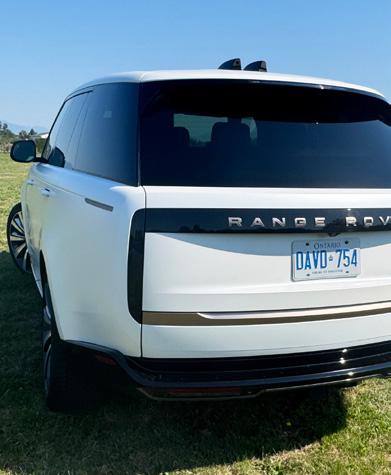
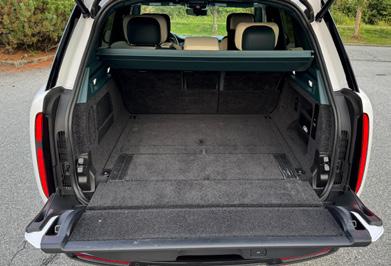
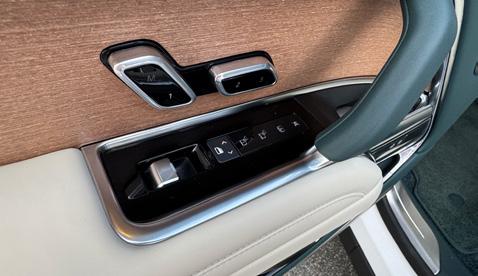
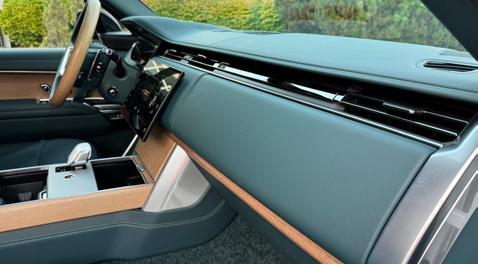
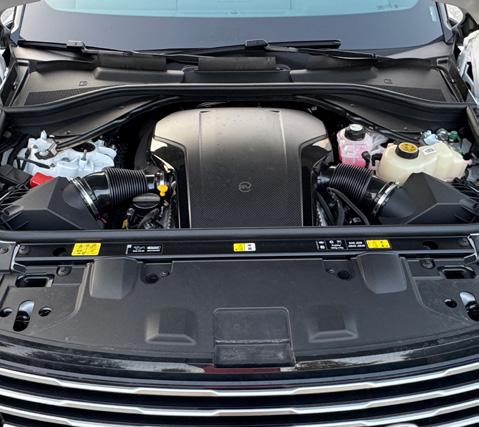
by a highly responsive 13.1” screen. The 35-speaker Meridian Signature Sound System features active noise cancellation, allowing personal spaces to become even more quiet.
With a vehicle that hits all the marks for looks and comfort, one wouldn’t expect anything less of its power and ride. The Range Rover SV feels like a controlled explosion behind the wheel. With over 626 horsepower and 553 lbft of torque available from the twinturbo mild hybrid BMW-sourced V8, the SV feel lighter than its 5,500-pound frame suggests. The "SV Intrepid" driving mode sharpens the steering and suspension just enough to remind you that this isn't a bus, it’s a powerhouse, enabling times of 3.6 seconds from 0 –100 km/h.
Yet, the SV never loses that "magic carpet" ride. The 2025 model's updated Dynamic Response Pro system keeps the car eerily flat through corners, defying the high center of gravity. Thus, even when opening the throttle completely or driving a windy road, you can still enjoy your cup of English Breakfast tea.
Additional control is given by the all-wheel steering system in the SV, enhancing driving experience through corners. The effectiveness of the allwheel steering is blatantly clear at lower speeds; when parking or taking tight corners, the massive Range Rover SV has lower turning radius than a compact hatchback.
The 2025 Range Rover SV is the definitive answer to the question: "What if the best wasn't quite good enough?" It successfully bridges the gap between the "standard" luxury of a Mercedes-Benz S-Class and the astronomical exclusivity of a RollsRoyce Cullinan.
It is a vehicle for the person who wants the highest possible spec, the most powerful engine, and a cabin that can literally vibrate the stress out of their muscles. It’s not just the best Range Rover ever made; it’s one of the finest luxury objects on the planet.
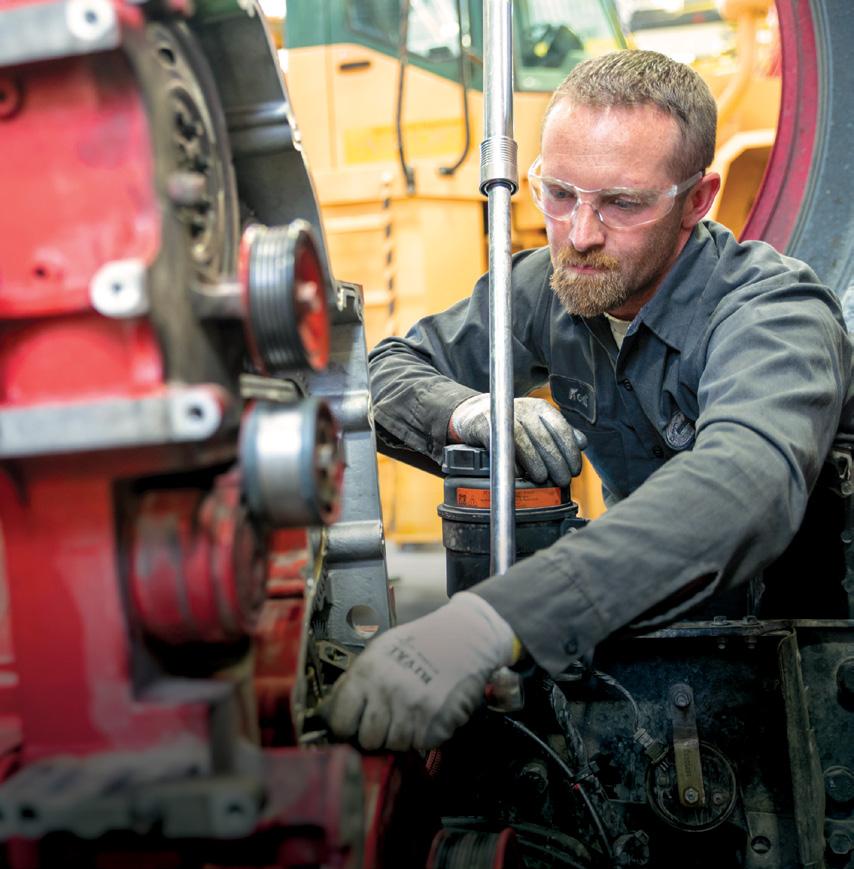
The Road Ahead: 2026’s Top Trucking Tech
BY: JAG DHATT
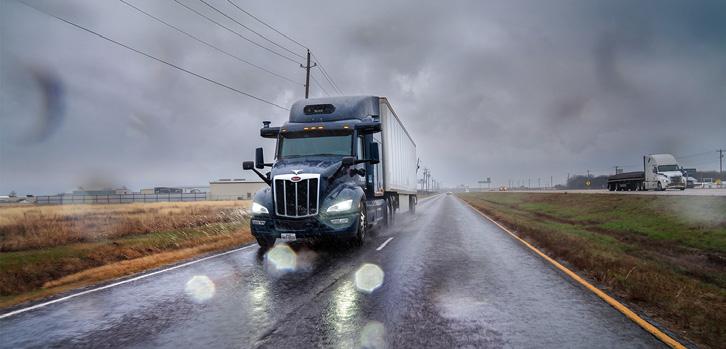
The trucking industry has long been the backbone of the global economy, but in 2026, it is undergoing its most significant technological shift in a century. Driven by environmental regulations, labor shortages, and a relentless pursuit of efficiency, the "big rigs" of today are becoming high-tech mobile data centers. While these innovations are global, they are being adapted with "Canadianspecific" modifications to handle our extreme weather, vast distances, and unique heavy-haul regulations.
1. High-Volume Autonomous Hauling (Level 4)
While the dream of "driverless" trucks has been discussed for years, 2026 marks the year it moved from pilot programs to high-volume commercial
reality. In the U.S., companies like Aurora Innovation have scaled networks across the Sun Belt.
Canada is leading in autonomous industrial and corridor-specific applications. In August 2025, Ontario launched a 10-year Automated Commercial Motor Vehicle (ACMV) Pilot Program, allowing Level 4 trucks to be tested on provincially controlled highways. Unlike the clear-weather testing in Texas, Canadian systems are being fitted with thermal-imaging cameras and high-resolution radar designed to "see" through blowing snow and heavy fog—conditions where standard Lidar often struggles.
2. The Electric "Range Revolution" 2026 is being hailed as the year the
"short haul only" stigma for electric trucks died. The Tesla Semi has entered high-volume production, but the real game changer is the Megawatt Charging System (MCS). This infrastructure now allows these behemoths to recover 70% of their charge in just 30 minutes, aligning perfectly with mandatory driver rest periods.

To support this, the Canada Infrastructure Bank is deploying $1.5 billion into the "Charging and Hydrogen Refuelling Infrastructure Initiative." This is creating "Green Freight Corridors" along Hwy 401 and the Trans-Canada Highway. Canadian fleets are adopting trucks with advanced heat pumps and insulated battery jackets to combat "Winter Range" anxiety in subzero temperatures.
3. Hydrogen: Canada’s "Secret Weapon"
For the truly long-haul routes where batteries are too heavy, liquid hydrogen is making its move. Hydrogen
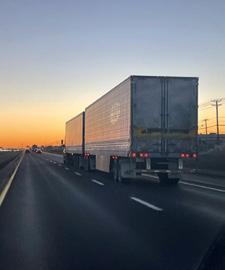
is increasingly preferred in Canada because it doesn't lose efficiency in the cold and provides the 800+ km range needed for remote stretches.
Toronto-based Elemental Trucks recently completed the development of a 63.5-tonne hydrogen fuel-cell truck, specifically engineered for Canada’s heavy-haul weight limits. Simultaneously, Edmonton has emerged as a global hydrogen hub, with the Alberta Motor Transport Association (AMTA) running pure hydrogen Class 8 trials to navigate the icy mountain passes of the Rockies.
4. Predictive Telematics and "AI Copilots"
Inside the cab, technology is focusing on the driver experience. AI-powered telematics have evolved into proactive

"Copilots" that can predict breakdowns by detecting micro-vibrations and optimize "Smart Routing" based on live weather patterns.
These systems are vital for "Winterization." In 2026, Canadian fleets use IoT sensors to monitor fluid
viscosity and air-line freezing, alerting drivers to potential mechanical failures before they get stranded in remote areas like the Rogers Pass. Furthermore, this tech supports the push to make truck driving a Red Seal Certified trade by providing real-world data on driver competence.
5. Smart Trailers and 360-Degree Vision
The "dumb trailer" is a thing of the past. 2026 trailers are equipped with 360-degree camera arrays that eliminate blind spots and automate the "pairing" process between the tractor and trailer.
This is especially critical for Canada’s unique "B-Train" configurations (pulling two trailers). Active stability sensors now communicate directly with the tractor's AI to prevent roll-overs on winding, icy provincial highways.
The semi-truck of 2026 is no longer just a vehicle; it is a sophisticated, sustainable, and increasingly independent piece of infrastructure. While autonomous highways might still be limited to specific corridors in Ontario and Alberta, the adoption of hydrogen and predictive telematics is seeing immediate, widespread success across the country.







PROUDLY CANADIAN





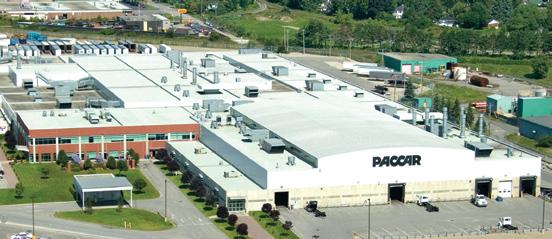

Peterbilt’s versatile lineup of medium duty and heavy duty trucks is designed to exceed the needs of customers in virtually any application. Our trucks feature durable construction, innovative safety technologies, spacious, comfortable interiors and a selection of proprietary PACCAR engines and transmissions for outstanding performance and efficiency. And, our trucks are proudly Made in Canada at our world-class facility in Ste. Therese, Quebec.
Visit your Peterbilt dealer to order your new trucks today!