EXECUTIVE SUMMARY
The southwest coastal region of Bangladesh is highly vulnerable to climate change, frequently facing extreme events like cyclones, floods, and salinity intrusion, which have long-lasting effects on agriculture, infrastructure, and livelihoods. Major cyclones, such as Sidr and Aila, have worsened these challenges, leading to significant economic and environmental damage. Women in these areas are disproportionately affected due to poverty, gender inequality, and their reliance on agriculture and fisheries. Despite their vulnerability, they play a key role in climate resilience through community-based adaptation strategies. However, current climate policies mainly focus on large-scale infrastructure, neglecting the gender-specific impacts of climate change. With this backdrop, the study was conducted in two villages—Porakatla in Shyamnagar Upazila, Satkhira District, and Padma in Patharghata Upazila, Barguna District—both located in the southwest coastal region, which is severely affected by climate-induced events. Participatory research methods and an Asset-Based Community Development (ABCD) approach were applied to get insights into women's specific needs and their unique roles in climate adaptation.
The research revealed a significant contrast between governmentled adaptation measures and women-led, rights-based approaches. Women contribute through activities like organic farming, homestead modifications, and entrepreneurship which enhances both their economic independence and community resilience. Their leadership in local cooperatives and disaster preparedness efforts further emphasizes their critical, yet underrecognized, role in adaptation strategies. The study emphasizes that women’s contributions to climate adaptation are critical but often underrecognized, calling for greater support to amplify their role in resilience-building.
KEY MESSAGES
Climate Vulnerabilities: The southwest coastal region of Bangladesh faces severe climate risks like cyclones and salinity, which disproportionately impact women due to gender inequalities.
Women’s Role in Resilience: Women are essential in climate resilience through indigenous knowledge and practices, such as innovative agriculture and disaster management.
Adaptation Approaches: There is a contrast between government-led techno-physical measures (e.g., embankments) and women-led, culturally rooted rights-based adaptations.
Entrepreneurship empowerment: women’s participation in entrepreneurship, supported by NGOs, strengthens resilience through activities like gardening, financial cooperatives, and handicrafts.
Disaster Preparedness: Women play key roles in disaster preparedness, early warning systems, and post-disaster recovery, reducing community risks.
Policy Gaps: Gender-responsive climate policies are needed, focusing on water security, climate-smart agriculture, and women’s access to health services and financial inclusion.
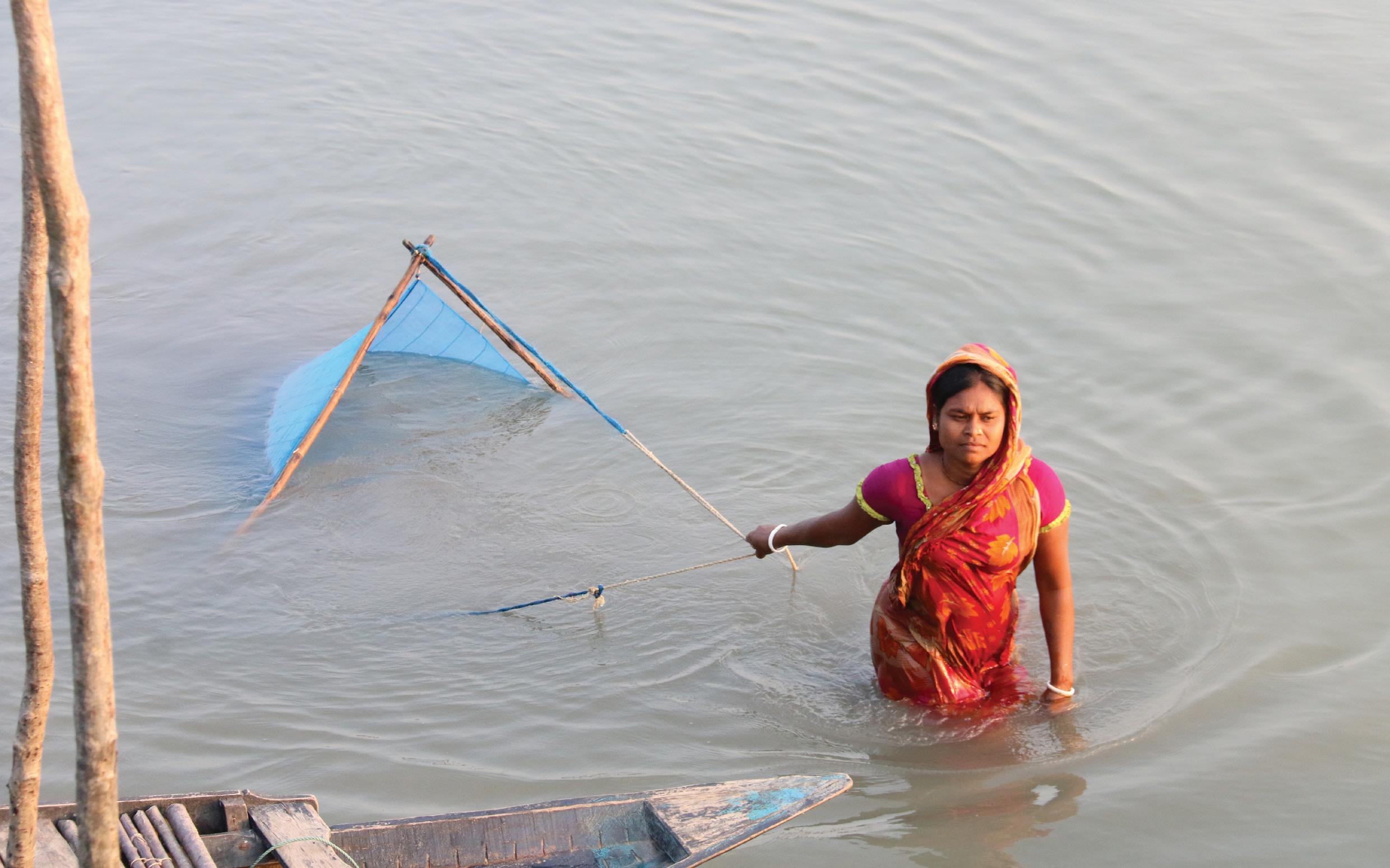
Photo: Empty Eyes Filled with Hopes
CONTEXT
The south-west coastal areas, one of the major climate hotspots in Bangladesh, are identified as the most climate change-susceptible region in South Asia (IIED, 2009). This region is frequently subjected to climate extreme events such as floods, storm surges, cyclones, waterlogging, salinity intrusion, sedimentation, and river erosion (Roy et al., 2005). Major super cyclones, including Sidr (2007) and Aila (2009), caused severe economic damage, with long-term effects like saline waterlogging and drinking water shortages still impacting communities of the southern belt over a decade later (Shamsuddoha et al., 2018). Aside from cyclones, sealevel rise has worsened these challenges, leading to agricultural decline, loss of vegetation, and water crises, forcing many small-scale farmers to sell their land, worsening unemployment. Such impacts of climate change are not gender neutral. Women in this region, already marginalized by poverty and inequality, are disproportionately vulnerable to these climate impacts due to their reliance on risk-sensitive sectors such as agriculture and fisheries (Imran et al., 2022).
The government's current adaptation measures in Bangladesh, such as polders and embankments, focus primarily on physical infrastructure but fail to consider gender dimensions in resilience building. This oversight means women's specific needs and critical roles in climate adaptation are not effectively integrated into planning. Despite these challenges, women play a key role in climate resilience, drawing on indigenous knowledge and community-based practices to adapt. Their rights-based, culturally rooted adaptation methods contrast with the government's technophysical solutions, highlighting the importance of incorporating culture and community in resilience efforts. This study aims to bridge this gap by exploring how climate change disproportionately affects women and how they lead adaptation through innovative, rights-based approaches.
Study Objectives
The objectives of this study are fourfold:
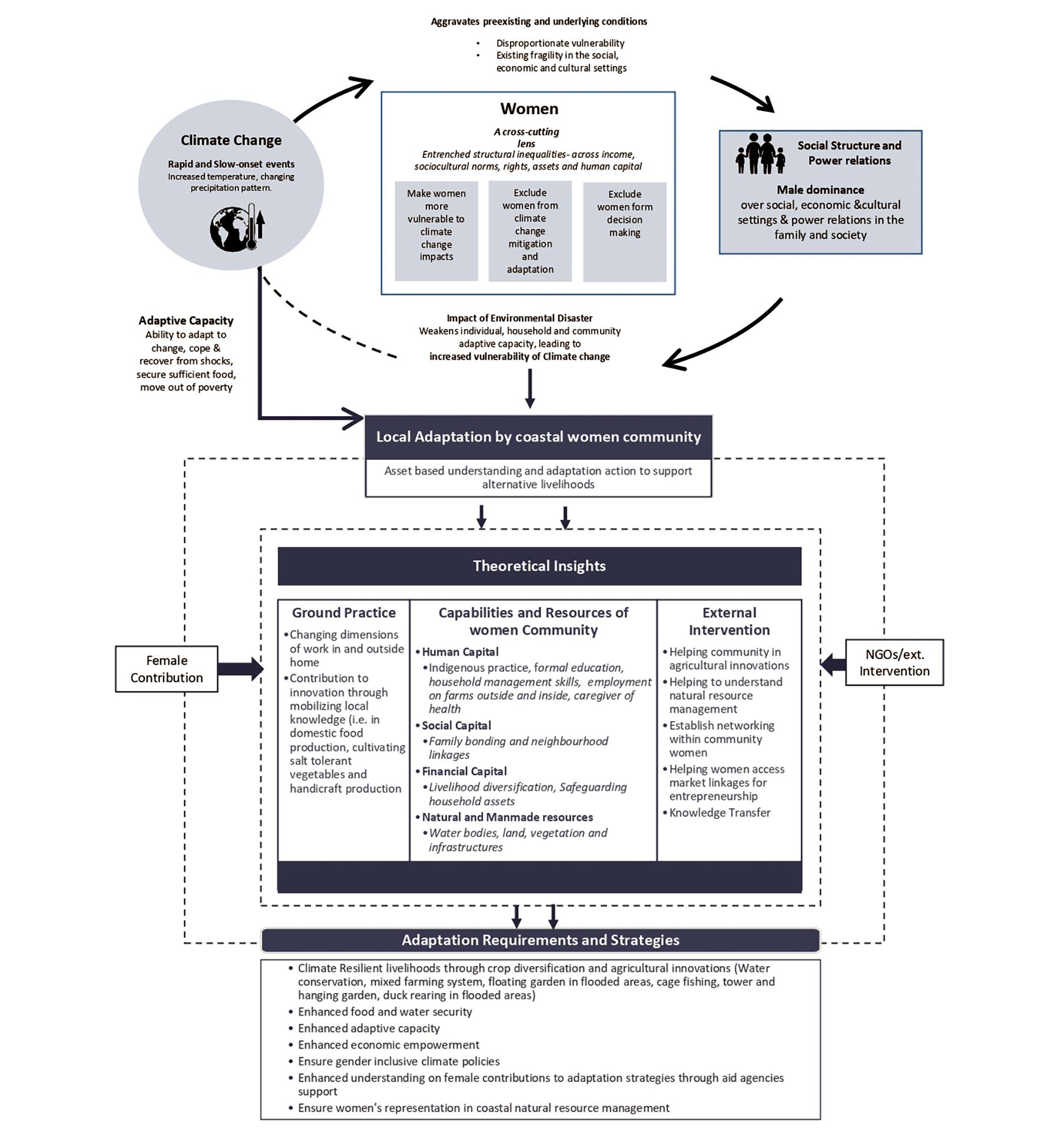
1. Developing a framework to understand how climate change disproportionately affects women, considering their social vulnerabilities and gaps in local and national policies
2. Investigating the unique burdens faced by women and adolescent girls due to climate change and identifying their barriers in building resilience.
3. Exploring women-led resilience practices and innovations that can inform gender-responsive climate policies at a local, regional, and national level.
4. Uncovering different perspectives and adaptation needs of women, recognizing women as leaders and change agents instead of victims of climate change considering the Asset-Based Community Development (ABCD) approach.
STUDY AREA AND METHODOLOGY
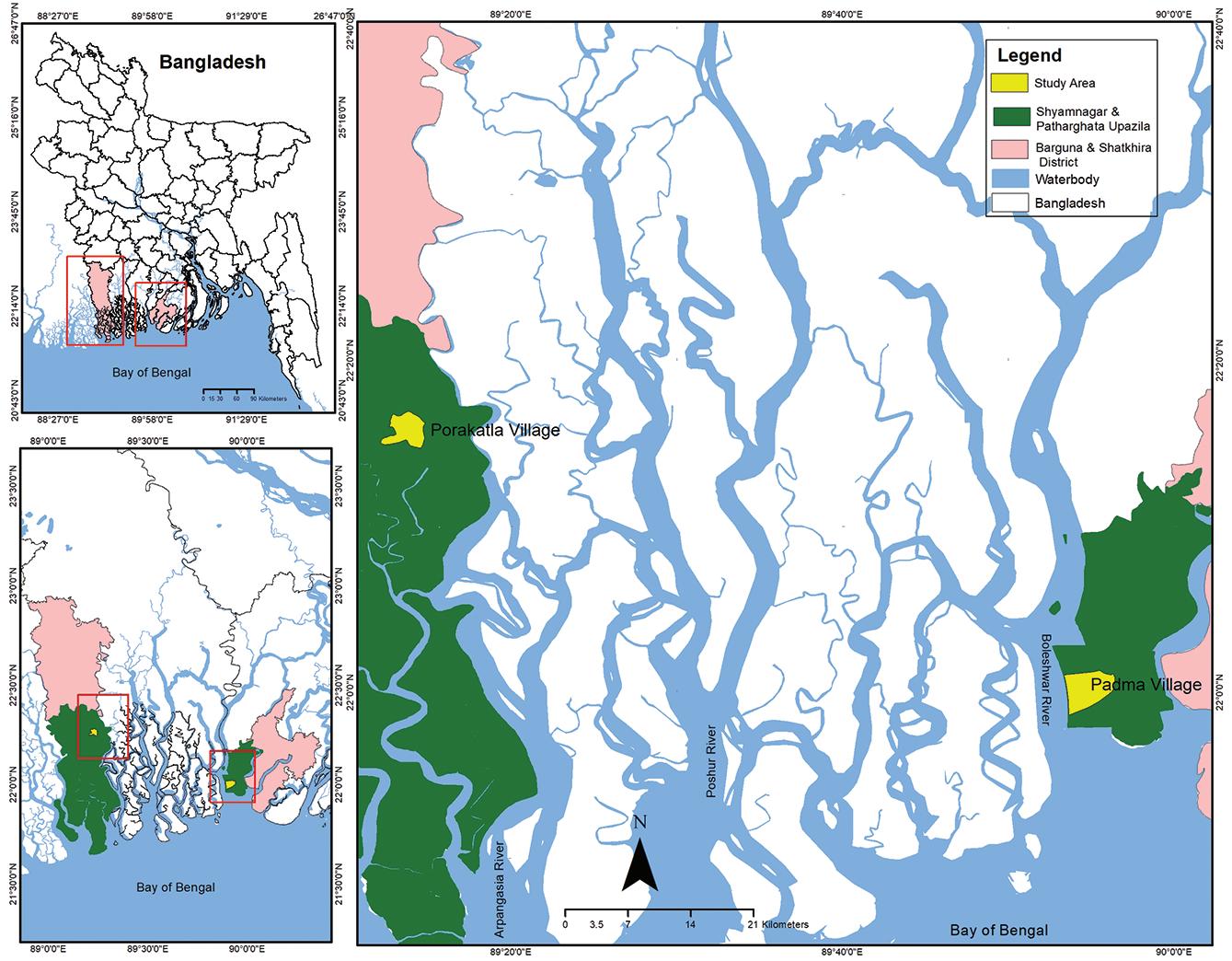
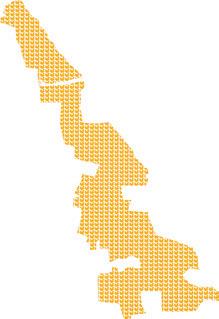
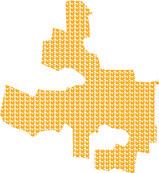
For this study, two locations—Porakatla village in Shyamnagar Upazila of Satkhira district and Padma village in Patharghata Upazila of Barguna district—were chosen based on their diverse geographical positions and varying climate impacts in the southwestern coastal region of Bangladesh. Qualitative data, from both primary and secondary sources, has been used in this study. Field data was collected using various methods, including transect walks, focus group discussions, key informant interviews, indepth interviews, and positive deviance. The Asset-Based Community Development (ABCD) approach was used to map out community resources available to women, such as human, physical, social, financial, and natural resources. Based on the findings, this study thoroughly analyzed the local climate impacts and identified potential solutions through a problem-tree visual.
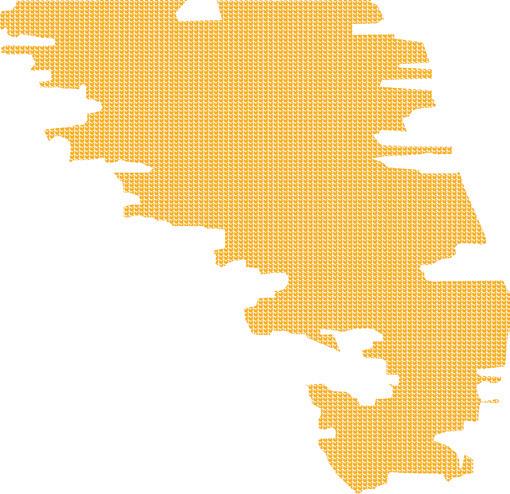
Study Locations: Barguna, and Satkhira Districts of Bangladesh
THEORETICAL FRAMEWORK
STUDY FINDINGS
A paradigm shift in livelihood empowers women to take the lead role in resilience-building within and outside the community. While governmentled adaptation efforts focus on techno-physical solutions, women’s practices are rights-based and deeply rooted in social and cultural norms. The study emphasizes the importance of supporting and enhancing women’s contribution to climate change.
Gender Relations and Power Dynamics
Bangladesh operates under a patriarchal system where men dominate in family, community, and societal structures. Despite higher school enrolment rates for girls, traditional gender norms restrict women's mobility and economic opportunities. Participants claimed that restrictive mobility for the fear of breaching privacy pulls behind women’s willingness to go to the hospital in times of emergency. Their roles are often limited by male family members who control inheritance and access to resources. These dynamics increase women’s vulnerability, especially during disasters, as they lack the social, financial, and human capital to adapt independently.
Women in the Face of Disaster Management
Women are not passive victims in disasters but play multifaceted roles in disaster management. Disasters disproportionately affect women due to existing gender norms and socio-economic disparities. As a result, they face greater challenges, including restricted mobility and adherence to traditional attire, which complicates their evacuation during emergencies. In rural regions, unpaved mud roads suffer substantial damage during disaster events, making communication and transportation to cyclone shelters difficult for women (Sultana, 2013), and these disadvantages are amplified tenfold when it comes to elderly women, women with disabilities, lactating mothers with small children, and pregnant women. Despite these barriers, women’s local knowledge helps them prepare for disasters and reduce their family’s risk (Alam & Rahman, 2014).
Disaster Preparedness and Early Warning System:
Women access early warning information from various sources, including radio, television, NGOs, and community members. This information helps them prepare their households by storing food, securing valuable items, and ensuring family safety. Women make portable stoves, pile up firewood, and keep utensils hanging from the ceiling, dig earthen holes to secure expensive items like jewellery or documents, and collect dry foods, essential medicines, etc. for emergencies at their homes. As caregivers, women are responsible for protecting family members and belongings, demonstrating their proactive
role in disaster preparedness.
Women as First Responders: Women serve as first responders during emergencies, using their knowledge of local contexts to coordinate evacuation efforts. They try to shift their children and elderly family members and ensure the safety of the livestock. They feel obliged to take care of household belongings and tend to stay behind due to worries about looting and robbery in vacant homes. Cultural norms and religious practices sometimes restrict women from leaving their homes but increasing numbers of women are being trained by NGOs to assist in disaster response. These women volunteers have shifted cultural norms, promoting resilience and adaptability (Juran & Trivedi, 2015). These trainings and engaging with communities have helped in disseminating information, conducting awareness campaigns, and mobilizing resources at the grassroots level, leading to shifts in cultural norms promoting resilience and adaptability in the face of natural hazards.
Disaster Recovery and Coping Strategy of Women: After disasters, women seek out
relief and support services from NGOs and government agencies. They face challenges in accessing adequate resources, as they are not typically the bread earner of the family (Roy et al., 2022). With men often migrating to work, women shoulder family responsibilities and develop coping strategies through community networks. Single women face additional social taboos and rely on mutual assistance within their communities. Women are also involved in rebuilding infrastructure and restoring livelihoods, demonstrating their pivotal role in disaster recovery and resilience enhancement.
Problem Tree Analysis
A problem tree analysis reviews the causes and effects of a problem, highlighting the relationships between them. With a view to identifying the root causes and impact chain of the climate sufferings from the end of local women, this study illustrates a problem tree analysis of the study area. The review helps in determining feasible solutions that blend adaptive skills and local knowledge to develop resilience to climate change.
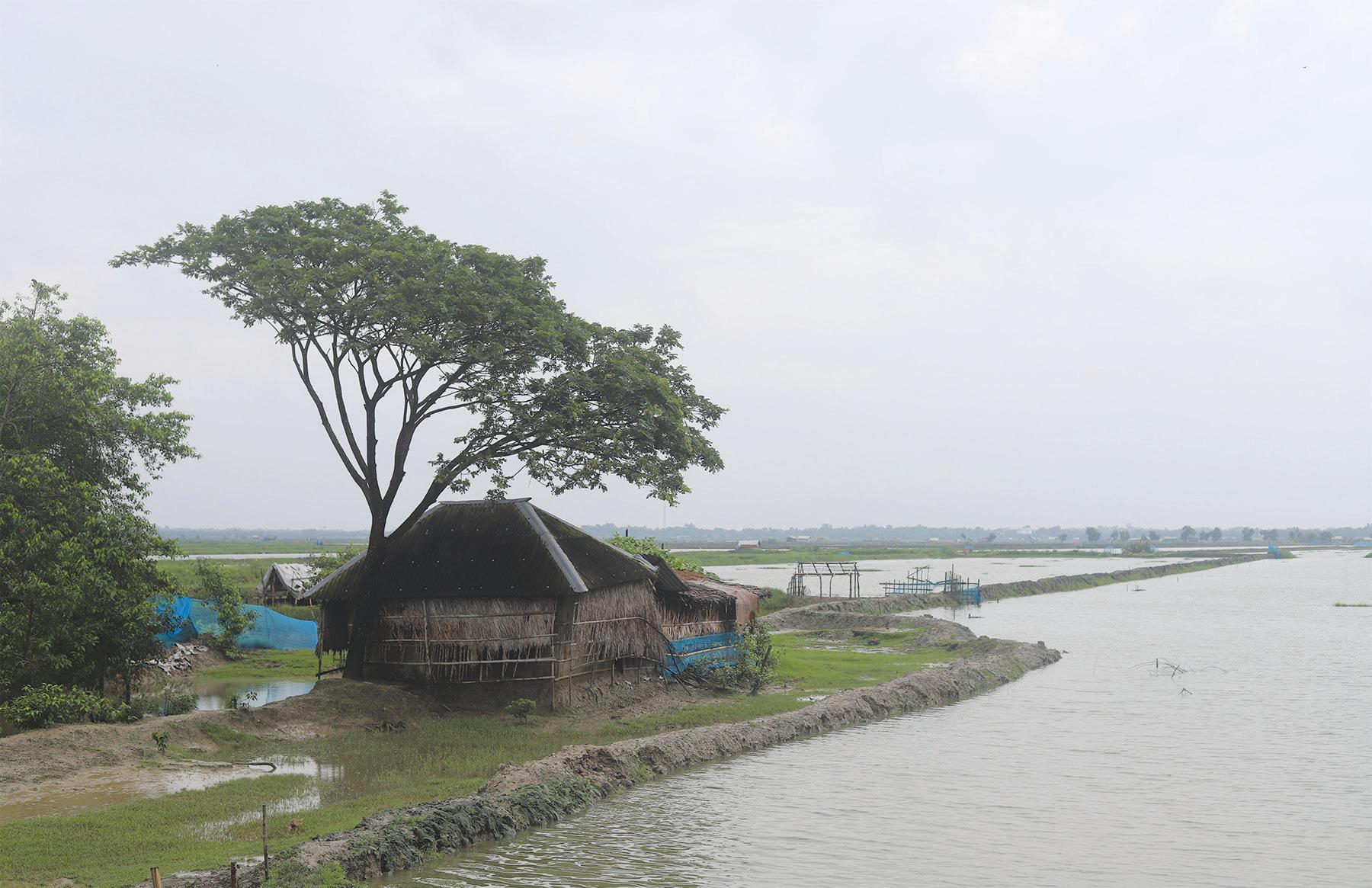
Photo: An Area Changed Its Color - Green to Gray - Due to Shirmp Firming
SOLUTIONS:
The tree trunk at the center of the illustration represents the main problem –salinity intrusion. As salinity levels soar, the immediate impact in both villages is the availability of fresh water for irrigation and household, severely impacting the villagers' drinking and the ability to cultivate their lands. The decline of irrigation water and arable land has brought about a stark reduction in agricultural production threatening their food security and nutrition requirements. The dwindling availability of fresh water has led to a decline in the inland fish stock. Therefore, traditional livelihoods are under siege, prompting residents to embrace an alteration in livelihood patterns. Sometimes, the absence of a male member in a household brings about difficulties and social insecurity in the lives of the female family members. The erosion caused by salinity damages traditional mud houses, necessitating frequent repairs or relocation. The root causes of this scenario are deeply entrenched in the region's environmental dynamics. The consequences of rising water salinity have woven a web of challenges that the community faces daily. Coastal women withstand the complexity of this impact-chain integrating their local knowledge with adaptive capacity and step up for resilience building.
Women’s Role in Local Climate Change Adaptation and Resilience
Women in coastal communities play a crucial role in climate change adaptation by drawing on their experiences from various household and community activities and contributing to the greater welfare of society. Livelihood diversification: Women in coastal communities engage in various livelihood activities to support their families and enhance community resilience. They participate in skill-based work such as tailoring and handicrafts such as embroidery (karchupi), block print, tie-dye (batik), and embroidered quilts (nakshikantha), earning between BDT 2000 and 2500 while balancing household responsibilities. Women also contribute to fishing by collecting shrimp fry for commercial farms, though this work is physically demanding and low paying. Rearing livestock and poultry improves family income and food security, but challenges like salinity and disease hinder commercial farming. Shrimp and crab farming have grown post-Cyclone Aila, though salinity concerns affect sustainability. Additionally, women adopt climate-smart gardening techniques, such as the tower and sack methods, to address soil salinity and seawater intrusion, improving household nutrition and income generation. NGOs provide support in training and resources to enhance these efforts.
Women’s Role in Protection of the House and the Surrounding: Women in coastal communities play a key role in protecting their homes from harsh weather. They use traditional methods such as applying mud paste to walls, securing roofs with ropes, and constructing raised floors or plinths (5-6 feet high) to prevent damage from wind, rain, and flooding. Trees are planted around the house to reduce wind speed, while taller trees are kept at a distance to prevent potential hazards. Additional ropes and woven leaf panels (gol pata) are used to reinforce roofs and walls. Rolled-up plastic sheets are placed around balconies to keep rainwater out. In response to past cyclones, wealthier families in Patharghata have built two-story houses as emergency shelters, with training from NGOs. These shelters double as spaces for gardening and storing supplies, highlighting women’s crucial role in implementing community-driven solutions for safety and disaster preparedness.
NGO Support and Engagement with Cooperatives: Participation in savings groups and cooperatives enhances women's financial independence and community resilience. Increased financial inclusion has also led to greater
involvement in local governance, enabling women to take on leadership roles in decision-making and advocate for vulnerable groups. NGOs have supported women in overcoming climate risks by providing training in home-based gardening, smart agricultural practices, and poultry farming. Organizations like CCDB and CCRC came forward and pioneered these efforts, where many traditional measures have been slightly modified to suit local vulnerability contexts and conditions. These initiatives empower women by equipping them with skills to manage agricultural activities. However, women's involvement remained confined to domestic activities, with limited access to market linkages or ownership opportunities. The knowledge sharing by grassroots organizations and women's groups has helped spread all these local knowledge and foster community resilience. Women play a crucial role in overcoming climate change impacts by contributing to family and community adaptation strategies, while men sometimes assist with market linkages. These efforts challenge gender norms and promote sustainable development. However, women face a "triple workload" as they balance income-generating activities, household duties, and caregiving. Their resourcefulness and adaptability in navigating these demands contribute significantly to the economic and social development of their communities.
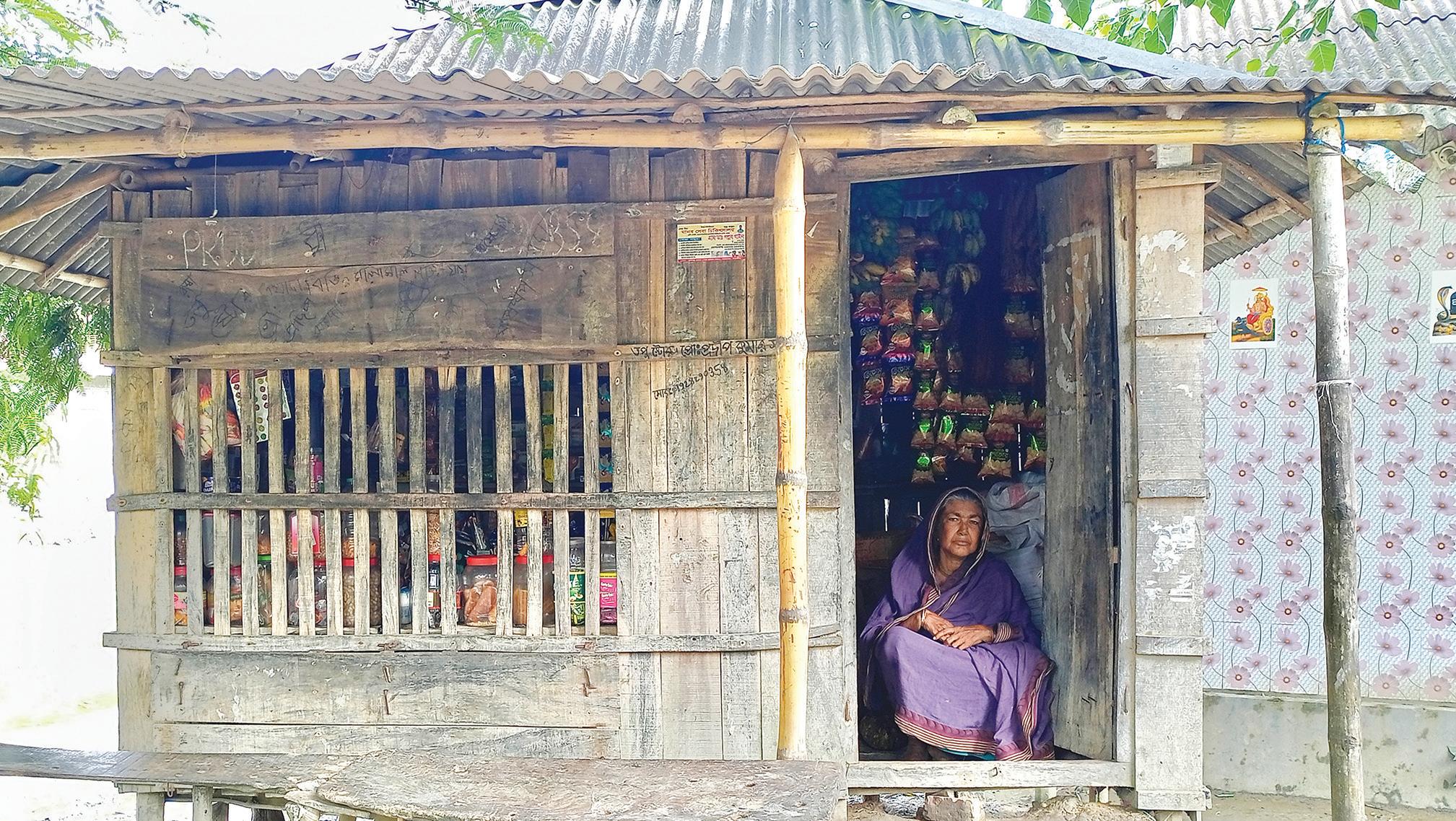
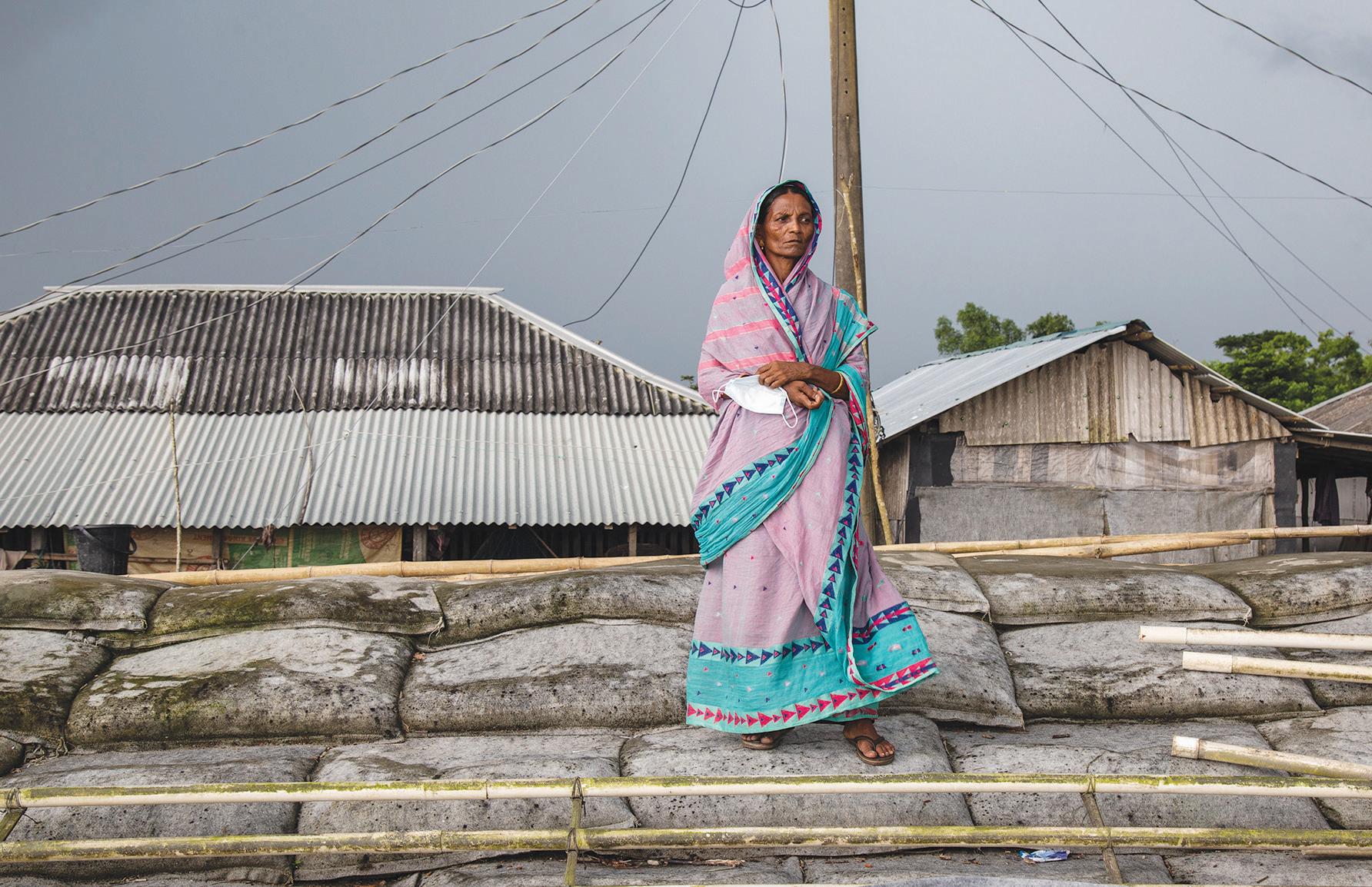
Photo: An Elderly Woman Running a Small Shop
Case Study: Guardians of Resilience – Women Community Navigating Climate Change through Entrepreneurship
In the face of combating climate shocks, women have become pivotal in the growing entrepreneurial landscape, turning their traditional knowledge into viable businesses that sustain both their families and the environment, carrying a positive change in their lives.
Women as Entrepreneurs
Across bustling remote rural landscapes, women are leveraging their skills in traditional crafts, homestead gardening, and food production to create sustainable income sources. The fabric of their enterprises ranges from making puffed rice, making handcrafts, weaving looms and embroidered quilts to making dried cow dung cake for cooking fuel. This demands less effort to adopt but significantly adds to household income. It allows them to balance entrepreneurship with household responsibilities while increasing financial independence. For example, practicing homestead gardening secures household nutritional supply while also saving family expenditure. Women's entrepreneurship not only addresses immediate economic needs but also helps households adapt to climate impacts by diversifying income sources and securing food supplies.
Building Resilient Communities as Disaster Responders
Women’s contribution to household income not only helps manage increasing expenditures but also empowers them to actively participate in decision-making processes within and outside the household. This authority allows them to build and lead community cooperatives like Taan Shamiti, which pools funds for financial stability while fostering leadership and mutual support through community practice sessions. Women leaders bring diverse perspectives and collaborative approaches to address challenges, contributing to climate resilience and entrepreneurship by disseminating climate-adaptive strategies. Their leadership extends to disaster preparedness and response, where women from marginalized communities, as Red Crescent volunteers, lead early warning systems and assist villagers during disasters. Women play a crucial role in the disaster recovery process, reinforcing their influence in building resilient communities. Field data also corroborates that women’s leadership extends to disaster preparedness
and response efforts where they as key stakeholders, take the charge of pre-, during and post-disastrous activities. Women’s volunteer groups from marginalized communities have been established as Red Crescent volunteers who are actively involved in early warning systems. They conduct door-todoor visits to alert the villagers about impending disasters and help the needy reach the shelter house. Therefore, women take lead in the disaster recovery process as well.
The Role of Family Support
A key factor in women's empowerment and success is the support they receive from their families, whether through encouragement from parents or shared household responsibilities with spouses. Education and equal opportunities further drive their progress. In rural Bangladesh, women lead climate adaptation efforts through climate-smart entrepreneurship, focusing on sustainable agriculture and disaster risk reduction. Their innovative ventures fuel community-driven solutions and contribute to local and national markets, creating new opportunities for growth and innovation. By embracing entrepreneurship, women strengthen their resilience against climate volatility while advancing their empowerment. Beyond being entrepreneurs, they are catalysts for societal transformation, fostering a forward-thinking mindset and enhancing women's role in resilience building.
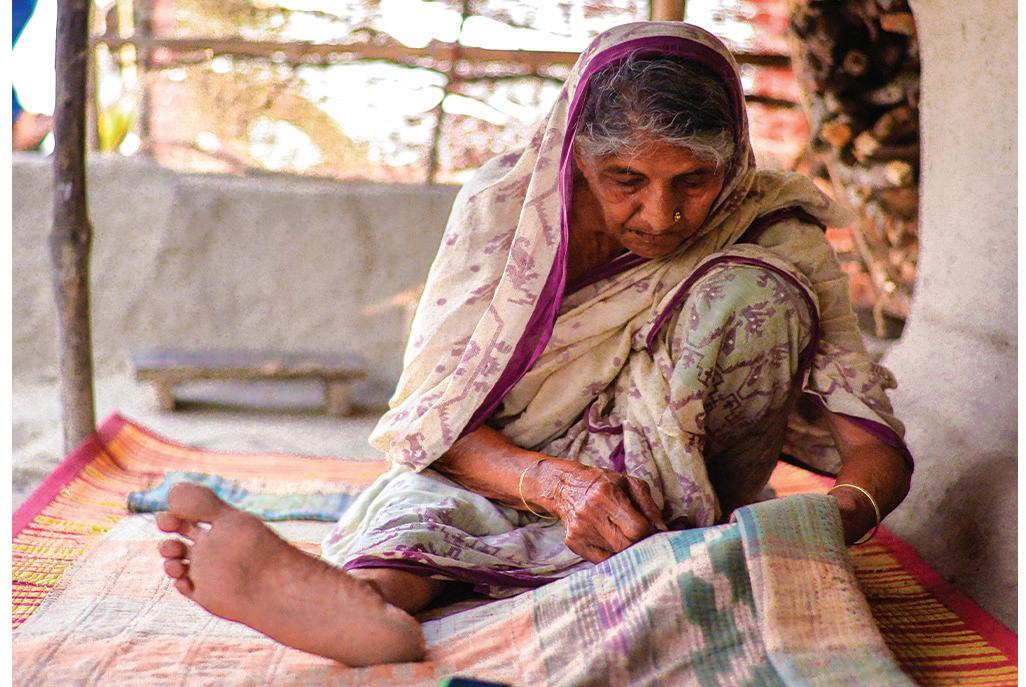
Photo: An Elderly Woman Sewing Kantha
ASSET-BASED ADAPTATION REQUIREMENTS FOR THE STUDY AREA
Asset-Based Community Development (ABCD) is an approach that emphasizes the strengths, skills, and resources of individuals and communities. This method focuses on mobilizing and building upon existing assets—such as human, social, financial, natural, and physical resources—to achieve sustainable development. By prioritizing what communities already possess rather than their deficiencies, ABCD directs attention toward opportunities for growth and resilience.
The study identified community assets accessible to women in the area through resource mapping. Recognizing these capacities allows communities to adapt to climate challenges through everyday practices and local knowledge. The identified assets serve as dynamic community potential, enhancing women’s roles in adaptation, resilience, and overall empowerment. Key components of this approach include:
Human Resources: Women’s skills, education, and experiences play a crucial role in adaptation. Training programs can enhance these skills, empowering women to take leadership roles in their communities. Involving local communities in the planning and decision-making processes ensures that these programs address the specific needs of women.
Social Capital: Formal and informal networks among women foster collaboration and mutual support. These relationships can bridge local initiatives with external resources, enhancing community resilience. Recognizing and nurturing
social assets further improves the quality of life in these communities.
Financial Assets: Access to microloans, savings groups, and cooperatives enables women to invest in sustainable livelihood activities. Financial inclusion is essential for supporting their entrepreneurial endeavours and enhancing economic stability. Collaborative mechanisms involving NGOs, community-based organizations (CBOs), and the private sector are needed to effectively mobilize these financial resources.
Natural Resources: Sustainable management of local natural resources, such as water and land, is vital for food security and environmental health. Women’s traditional knowledge of these resources can lead to innovative practices that support adaptation.
Physical Infrastructure: Community infrastructure, such as shelters, roads, and irrigation systems, should be designed to meet the needs of women and enhance their ability to respond to climate-related challenges. Prioritizing maintenance and incorporating local input in construction phases will ensure these assets serve the community effectively.
Acknowledging these assets, the study underscores the importance of coordinated efforts among stakeholders to strengthen community resilience. This approach encourages the development of local solutions that enhance women agency in shaping their futures and communities in a resilient and sustainable manner.
RESOURCE MAP OF THE STUDY AREAS
POLICY RECOMMENDATION
The integration of gender equity into all stages of development activities is essential for addressing gender disparities in Bangladesh. The newly formulated Bangladesh Climate Change and Gender Action Plan aims to ensure genderresponsive implementation of the National Adaptation Plan (NAP) and Nationally Determined Contributions (NDC). Although Bangladesh has a joint governance structure connecting NAP, NDC, and key national strategies, there remains a gap in linking gender equality and climate change.
Community-driven adaptation priorities were identified to address the key climate change vulnerabilities, including governance, sustainable livelihoods, and youth capacity building, emphasizing the importance of participatory vulnerability assessments. However, while Bangladesh has strong policies for both climate change and gender equality, there is insufficient integration between the two due to limited gender analysis and a lack of implementation guidance. The climate change adaptation priorities need to be informed to the local authorities for the ongoing local actions and are to be used by communities, governmental bodies, and NGOs to focus local effort, funding, and project development.
To address this, a collaborative, multi-stakeholder approach involving regular monitoring is needed. The Asset-Based Community Development (ABCD) method combined with national policies highlights the structural issues that inhibit women’s ability to adapt. Tailoring adaptation practices to local needs, grounded in community assets and coordinated responses, could enhance resilience for women affected by climate change.
Risk: Food and freshwater insecurity
Recommendations: Recommendations include excavating mini ponds for supplementary irrigation during the dry season and using geotextile sheets
to prevent saline water seepage. Training on climate-smart agricultural practices and promoting organic fertilizers, pesticides, and regenerative farming methods are essential. Community-based interventions like rainwater harvesting (RWH), pond sand filters (PSF), and reverse osmosis (RO) systems should be installed, with ownership given to beneficiaries for better management. Damaged water infrastructure must be rebuilt, and new public or private facilities should prioritize accessibility. Protecting fish in ponds through heightened dykes or nets, promoting efficient water use, managing sustainable agro-inputs, and ensuring shelters are accessible and equipped for vulnerable populations are also critical.
Risk: Health implications due to impeding WASH facilities, malnutrition and long-term psychological trauma due to disaster
Recommendations: Recommendations include raising awareness on reproductive health and menstrual hygiene by establishing communitybased counselling centers, providing easy access to essential healthcare services, and improving access to healthcare facilities with gender-, age-, and disability-inclusive search and rescue programs during disasters. Communities should be engaged in early warning systems with clear advisory services. Alternative livelihoods for women, avoiding contact with saline water, should be promoted, along with climate-resilient homestead-based production of vegetables, poultry, and cattle. To address land and homestead loss, building low-cost, climate-resilient houses, raising homestead plinths to combat floods, and expanding community-based afforestation and reforestation are recommended. Raising awareness on reproductive health and menstrual hygiene by establishing community-based counselling centres.
Risks: Loss of Livelihood due to recurring disaster
Recommendations: To address this risk, it is
recommended to promote entrepreneurship through skill development and low-interest credit facilities, manage traditional adaptation knowledge, and offer viable livelihood options for women that align with their household responsibilities. Scaling up ecosystem-based livelihood adaptation and increasing women’s engagement with community-based organizations (CBOs) and local cooperatives are also essential to enhance resilience and secure sustainable livelihoods. To address this risk, it is recommended to promote entrepreneurship through skill development and low-interest credit facilities, manage traditional adaptation knowledge, and offer viable livelihood options for women that align with their household responsibilities. Scaling up ecosystem-based livelihood adaptation and increasing women’s engagement with community-based organizations (CBOs) and local cooperatives are also essential to enhance resilience and secure sustainable livelihoods.
Risks: Social crises due to forced displacement, early marriage and school dropout
Recommendations: To address these risks, it is recommended to develop secondary cities in coastal areas to redirect migration, provide vocational training like handicrafts for adolescent girls to support part-time income without disrupting education, raise community awareness about the harms of child marriage and school dropout, and promote bridge schools to reintegrate dropout or working children into mainstream education. These steps aim to enhance resilience and adaptive capacity for women and girls in coastal communities facing climate change challenges.
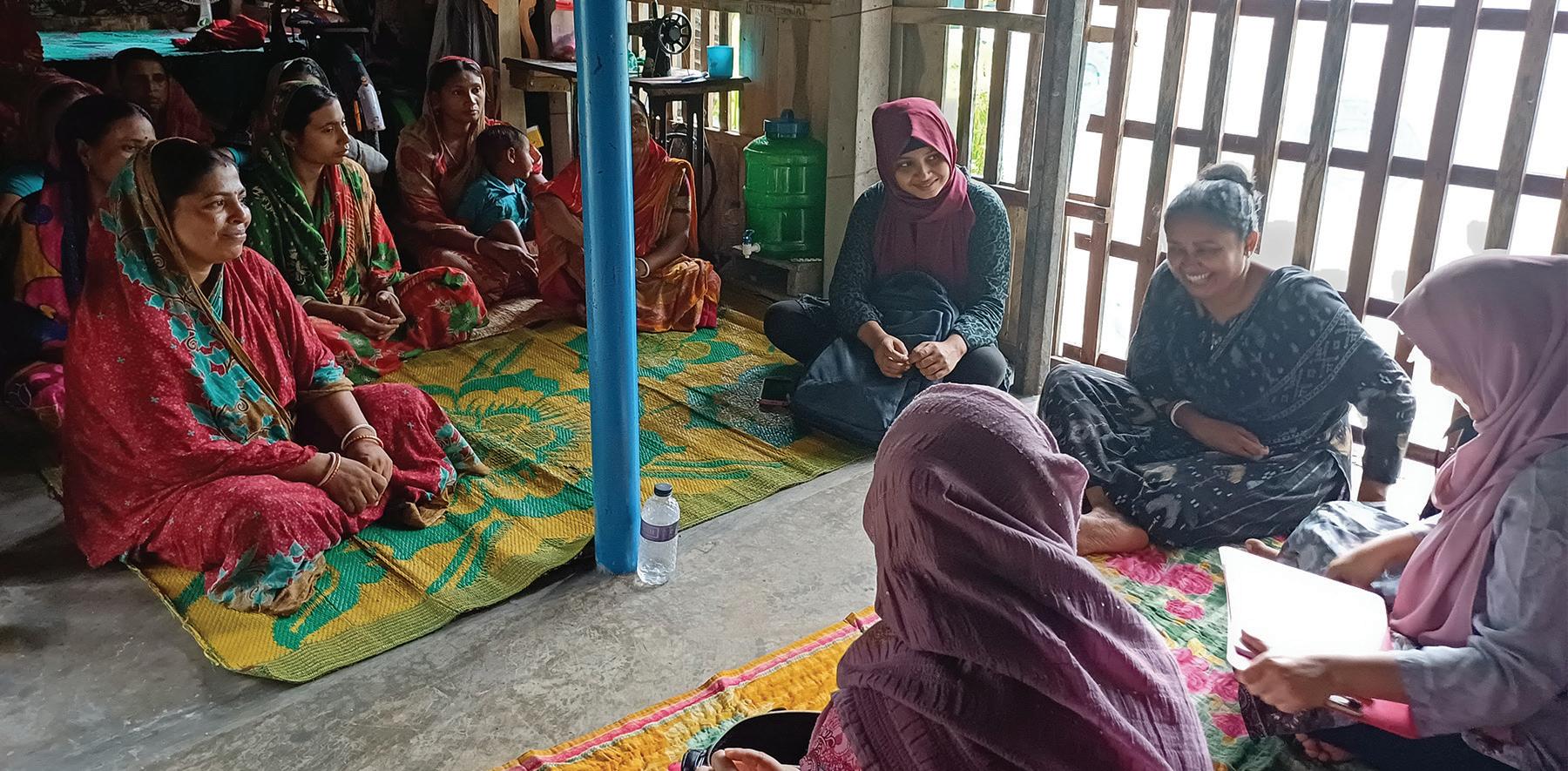
Photo: Focus group discussion with the local women
REFERENCES
Alam, K., & Rahman, Md. H. (2014). Women in natural disasters: A case study from southern coastal region of Bangladesh. International Journal of Disaster Risk Reduction, 8(1), 68–82. https://doi. org/10.1016/j.ijdrr.2014.01.003
IIED. (2009). Climate Change and the Urban Poor: risk and resilience in 15 of the world’s most vulnerable cities. International Institute for Environment and Development.
Imran, A., Ataya Rabbi, S. N., & Tashnim, J. (2022).
Locally-led Adaptation Planning Communicating Ground Realities to Bangladesh NAP Process (M. Shamsuddoha & M. A. Jabed, Eds.). Center for Participatory Research and Development - CPRD. https://cprdbd.org/locally-led-adaptation-planning-bangladesh/ Juran, L., & Trivedi, J. (2015). Women, Gender
Norms, and Natural Disasters in Bangladesh. Geographical Review, 105(4), 601–611. https://doi. org/10.1111/j.1931-0846.2015.12089.x
Roy, S., Tandukar, S., & Bhattarai, U. (2022). Gender, Climate Change Adaptation, and Cultural Sustainability: Insights From Bangladesh. Frontiers in Climate, 4(1). https://doi.org/10.3389/ fclim.2022.841488
Shamsuddoha, M., S.M. Iqbal, S., Ms Datta, A., & Rahman, M. M. (2018). Troubled Journey towards Climate Justice- Tackling Manifest Climate Justice in the Loss and Damage Negotiations. Center for Participatory Research and Development - CPRD. https://cprdbd.org/troubled-journey-towards-climate-justice/. Policy Discourse on Loss & Damage. Sultana, F. (2013). Gendering Climate Change: Geographical Insights. The Professional Geographer, 66(3), 372–381. https://doi.org/10.1080/0033 0124.2013.821730