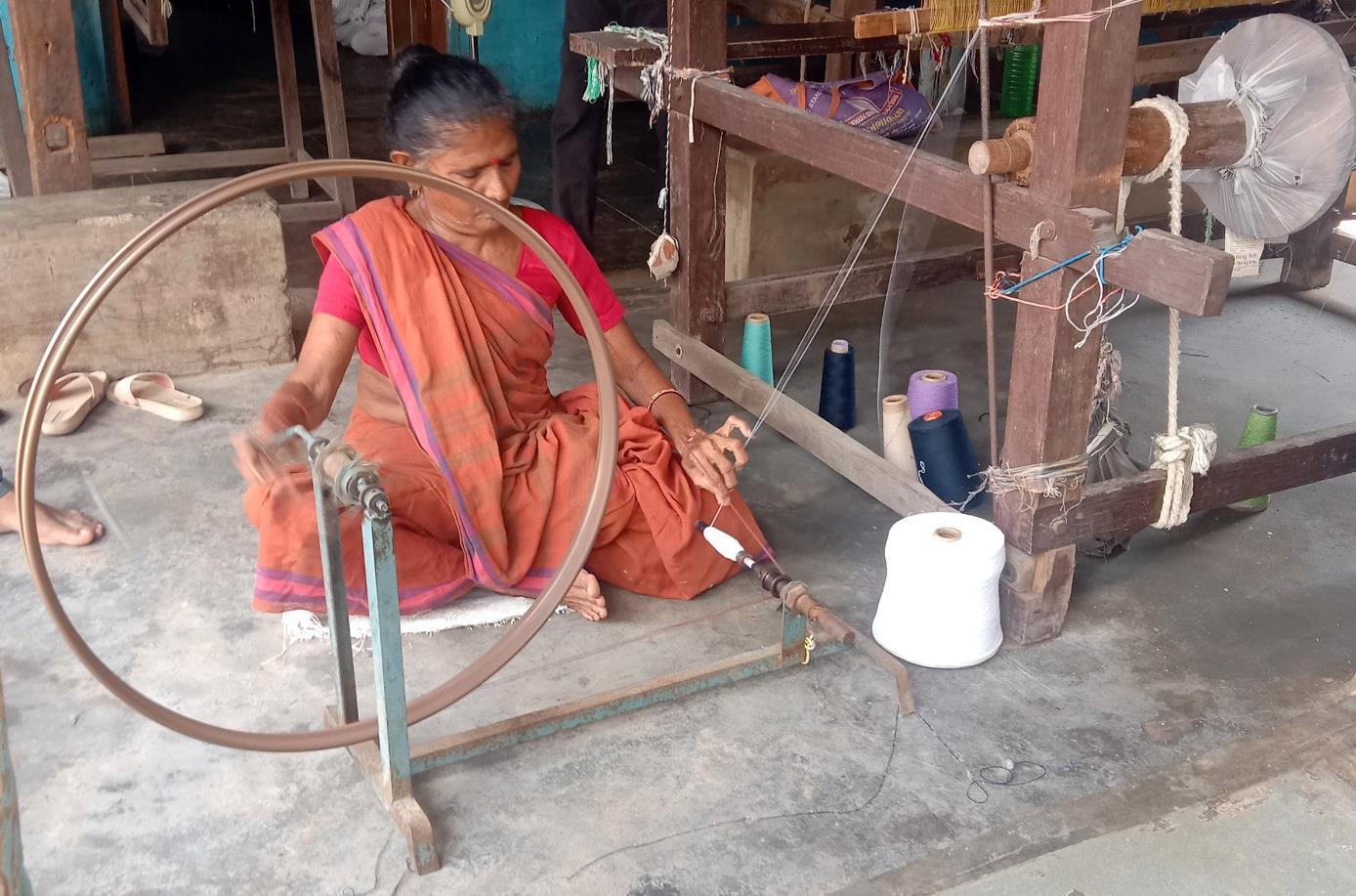
ASSESSING P
ANDEMIC IMPACT ON SOCIAL ENTERPRISES OF SEWA
Insights from women-led micro-enterprises owned and managed by members of SEWA
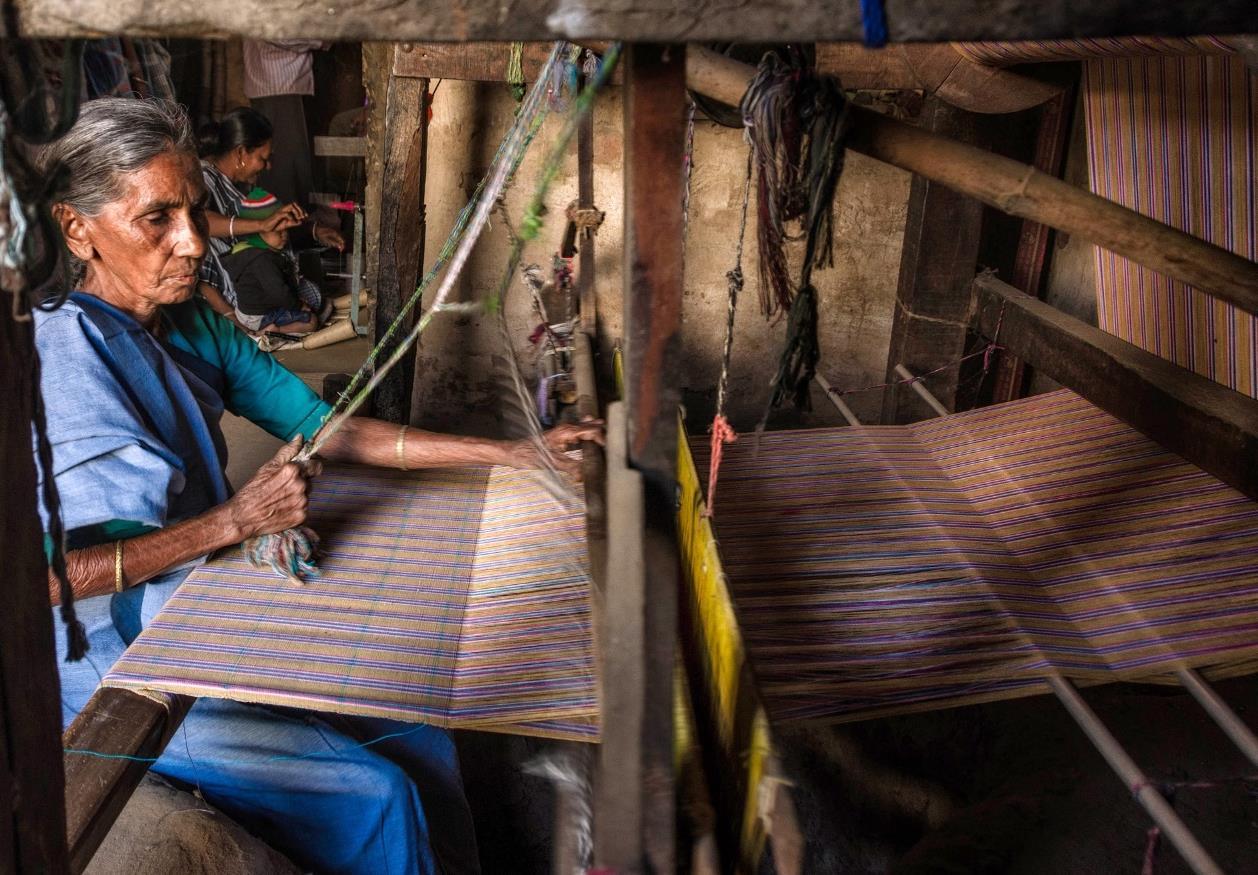
September 2022
Insights from women-led micro-enterprises owned and managed by members of SEWA
September 2022
Insights from women-led micro-enterprises owned and managed by members of SEWA
September 2022
Title: Assessing Pandemic Impact on Social Enterprises of SEWA: Insights from women-led micro-enterprises owned and managed by members of SEWA
Prepared by All India Disaster Mitigation Institute (AIDMI) with support from Self Employed Women's Association (SEWA) and Coady International Institute
© September 2022
All photos in this report by SEWA.
COADY Coady International Institute
COVID-19 Coronavirus disease
GAME Global Alliance for Mass Entrepreneurship
MSMEs Micro, Small, and Medium Enterprises
NGO Non-governmental organisation
PDS Public Distribution System
PPE Personal Protective Equipment
RUDI RUral DIstribution
SEWA Self Employed Women's Association
STFC SEWA Trade Facilitation Center
SWOT Strengths, Weaknesses, Opportunities, and Threats
Self Employed Women's Association (SEWA) is a national trade union of poor self-employed women workers from the informal economy in India. With a membership base of over 1.9 million members across 18 states in India, SEWA has been organizing women workers for around 4.5 decades with the twin goals of full employment and self-reliance.
The members of SEWA are informal sector women workers –meaning they do not have any direct employer-employee relationship. They are generally the poorest of the poor. Their tools are old and worn out, and they hardly have any information about current market trends and direct market access. Moreover, the employment opportunities available in the informal economy are never constant due to severe competition, market trends, and changing economic policies impacts of climate change further compound these challenges.
Therefore, SEWA tries to fight poverty and achieve its goals through the joint action of unions and cooperatives. As a union, SEWA fights for the rights of its members. Furthermore, SEWA works towards building its members' skills, preparing them to access new forms of employment. It also organizes its members based on their abilities into their collectives, cooperatives, federations, producer companies, and micro-enterprises economic organizations – thereby increasing their collective bargaining strength. As a result, SEWA has built a family of over 4000 SHGs, 120 cooperatives, 15 federations, and three producer companies – all owned and managed by workers.
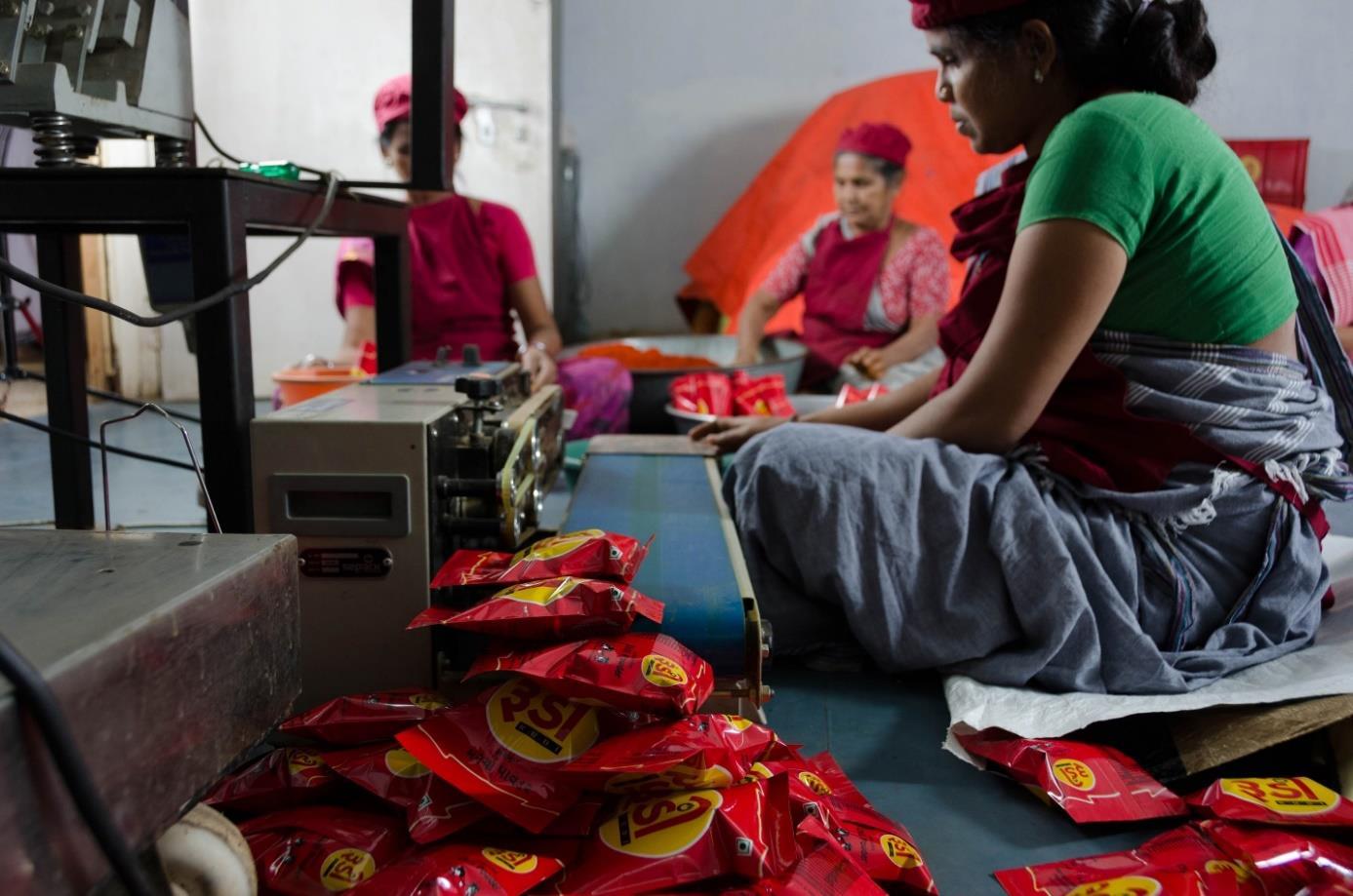
Self Employed Women's Association (SEWA) and the Coady International Institute collaborate on a Global Affairs Canada-funded project. The project, ENGAGE: Women's Empowerment & Active Citizenship, is being co-designed by partner organizations in five countries to advance gender equality and poverty reduction by enhancing 'women's capacity to participate in their communities' social and economic life. The Engage project is coordinated by 'Canada's Coady International Institute and will apply an asset-based, citizen-led development (ABCD) approach to community initiatives that promote gender-equitable change. This approach ensures that local communities, particularly women, exercise ownership and control over social and economic development initiatives that respond to their realities and priorities.
Livelihoods resilience and recovery: A joint initiative of SEWA and COADY
• SEWA deal with the immediate emergency as well as support to its members in rebuilding livelihoods.
• The innovative funding model includes $300,000 in immediate Covid-19 relief for such things as equipping the village organizers with PPE to prevent the spread of the virus and to help them ramp up the production of masks for their respective villages.
• The additional $200,000 is for a Livelihoods Recovery and Resilience Fund to help build up long-term resilience through financial and non-financial support to very small farms and other micro-enterprises.
The project's other goal is to enhance the capacity of implementing partners and their networks in each country to deliver training and undertake knowledge building/research. The current research project will focus on the impact and response of four micro-enterprises owned and managed by SEWA in the backdrop of the COVID-19-induced lockdowns and economic slowdown. The four social enterprises that are studied include 1. SEWA Trade Facilitation Center (STFC); 2. Gitanjali; 3. RUral DIstribution (RUDI) and 4. Kamla
The members of SEWA are the poorest of the poor. To provide them with sustainable livelihood opportunities, SEWA has tried to organize them based on their skills into economic organizations wholly owned and managed by workers, thereby integrating the informal sector women workers at all stages of the value chain. While these economic organizations owned and managed by the workers are self-sustaining and have provided work and income security to hundreds of informal sector
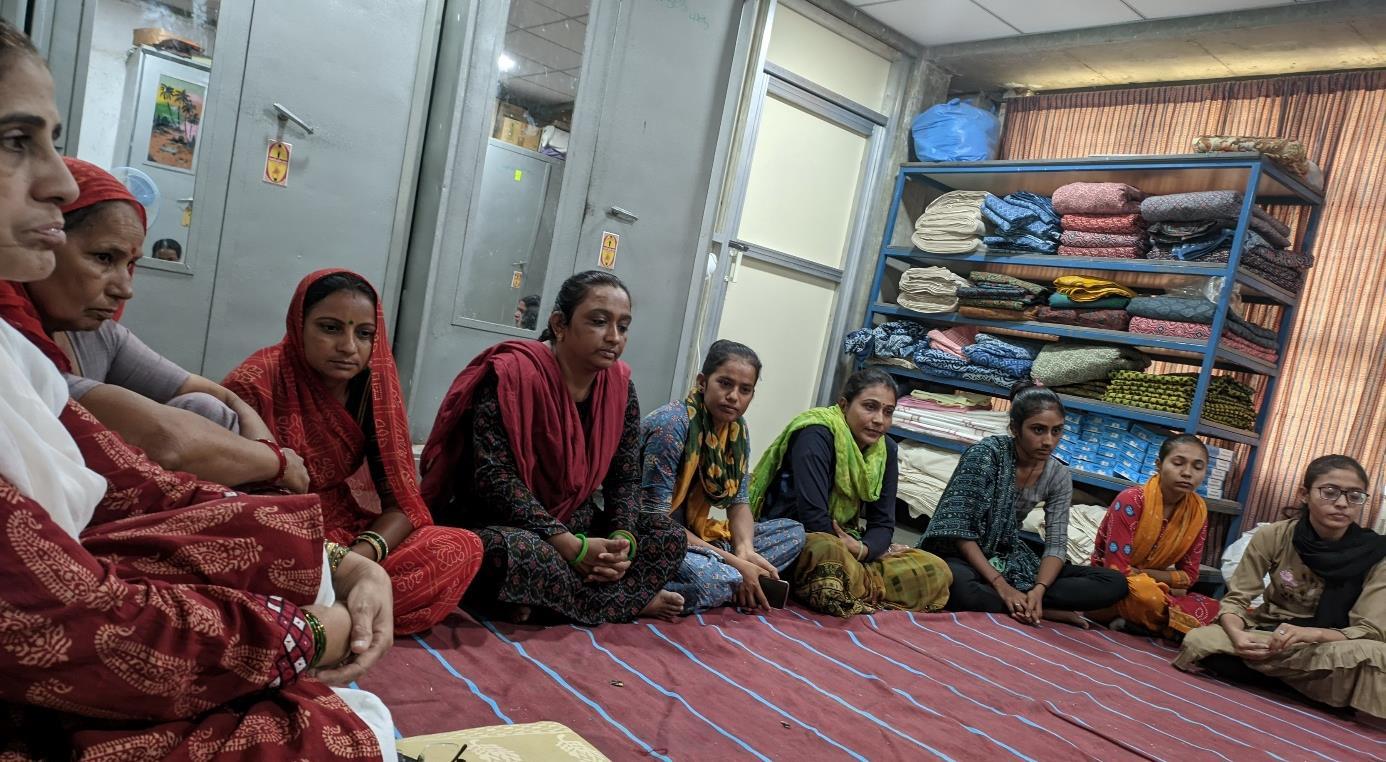
women workers, they do not have surplus capital to sustain themselves against the market shocks like the current pandemics.
In the current pandemic, while the global and national supply chains were disrupted and have not resumed fully for over 1.5 years, how do economic enterprises of the poor sustain themselves and continue providing work and income security to all. What kind of repurposing is needed? What kind of planning and risk mitigation strategies are required for such MSMEs of the poor? This research project aims to study this repurposing of the supply chains by STFC, Gitanjali, RUDI, and Kamla during the present crisis and prepare a risk mitigation strategy for the future. The outcome of this study could also be a vital learning document for other MSMEs and be used to develop a training program.
The research method included the following interrelated steps.
Desk review, including existing enterprise policies, strategies, and mechanisms of COVID-19 response from a business continuity perspective.
In consultation with STFC / Gitanjali / RUDI / Kamla, draft and finalize the review method and tools.
Undertake interviews, and discussions with crucial STFC / Gitanjali / RUDI / Kamla stakeholders.
Develop a draft of the review report with recommendations to support rapid recovery and long-term sustainability of operations.
Participate in the webinar organized by COADY/ SEWA for dissemination of findings/ learning research.
Consulted over 100 persons from four enterprises at different levels. Research tools – FGD and KII – were developed in consultation with COADY and SEWA for data collection.
Offering different kinds of products and services to both the elite and marginalized sections of society, social enterprises operate in diverse sectors such as health, education, livelihoods, agriculture, environment, energy, etc. Unlike traditional businesses operating only for profit, their pursuit of achieving social and economic objectives signifies their relevance for the development of any nation.
PwC the Netherlands (PwC NL) uses the following definition to define and describe a social enterprise.
"A social enterprise:
1. Primarily has a social mission: social impact first
2. Realizes that mission as an independent enterprise that provides a service or a product
3. Is financially self-sustaining, based on trade or other forms of value exchange, and therefore has limited or no subsidy or donation dependence
4. Is managed in a socially responsible way. That means the company:
o Can make a profit, but the financial goals are only a means to support the mission: social impact first. Profit-taking by possible shareholders is reasonable.
o Has a governance and company policy in place that are based on balanced control of all stakeholders.
o Is fair to all stakeholders.
o Is aware of its ecological footprint.
o Is transparent."
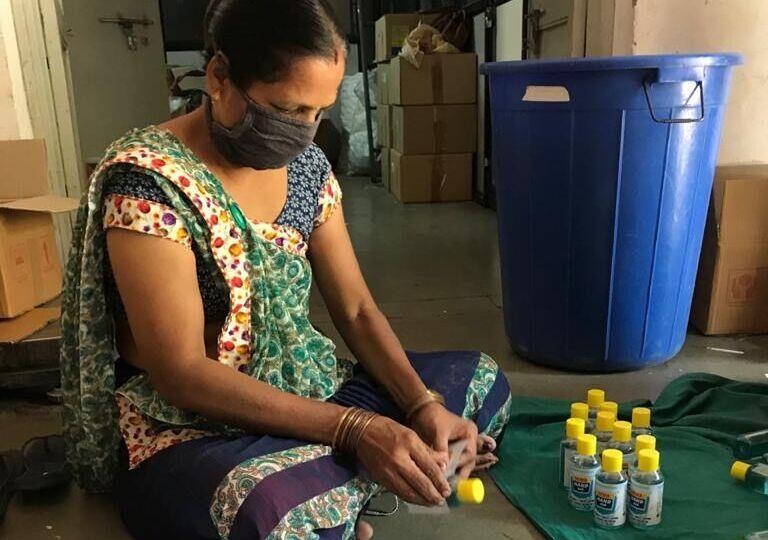
The social enterprises of SEWA, which are under review, meet all the criteria set by the PwC NL to be termed as social enterprises.
Social enterprises have different business models, but some common elements have made them successful in the market. These include:
Customization of product and service to meet the needs of target market
High product and service quality
An asset-light infrastructure to minimize capital expenditure and maintenance costs
Innovative outreach or distribution models to deliver products and services in a cost
effective manner
Usage of appropriate technology in design, production, and service delivery to
improve efficiency
Consumer ability to pay via variable pricing or financing
Aggregation of multiple suppliers, especially in rural areas
Small and informal businesses dominate; the Indian economy; around 69 percent of all businesses employ fewer than ten people (totaling 325 million) while 58 percent are micro-enterprises using fewer than six. Social enterprises have emerged as one of the most vibrant and resilient sectors of the Indian economy. The social enterprise activity in India has fast expanded over the past decade. The Government has recognised social enterprises as necessary business instruments to address the issues of poverty, unemployment, and inequality. The social enterprise in India survey by the British Council (2016) found that more than half of India's social enterprises create direct employment by employing disadvantaged groups. And 80 percent reinvest a proportion of the surplus to future their social or environmental goals. However, little is known about the capacity of social enterprises to withstand shocks, adapt, and contribute to overall economic recovery.
The 'National Skill and Entrepreneurship Policy' announced in July 2015 by the Ministry of Skills and Entrepreneurship includes a section on social enterprises. One of the core objectives of the policy is to foster " innovation-driven and social entrepreneurship to address the needs of the population at the 'bottom of the pyramid." To promote social entrepreneurship and grassroots innovations, the policy framework for entrepreneurship has outlined the following actions.
Encourage universities and academic institutions to launch a course on 'Social Entrepreneurship,' including through online distance education, to promote social entrepreneurship in the country actively.
Foster a social capital marketplace by offering fiscal incentives to attract investors and provide funding support under a different scheme(s) like a social venture fund to facilitate social entrepreneurs' access to credit.
Facilitate the creation of Social Enterprises even with a modest capital base through social incubates across the country.
Encourage innovators, universities, and institutions to patent innovative entrepreneurship ideas and technologies by promoting and strengthening Intellectual Property Rights.
Create grass-root technology innovation hubs to harness the innovation potential of grassroots innovators.
Promote and encourage grass-root innovations and assist innovators in commercializing and upscale their products and services.
To encourage innovation, collaborate with organizations such as the National Innovation Foundation to encourage grassroots technological innovation and integrate with the national research and innovation ecosystem. Using the nationwide network of E-Hubs and other platforms, entrepreneurs can commercialize and scale up their products and services.
The amendment to the Companies Act in 2013, which "mandates that at least 2% of the average net profits made during the three immediately preceding financial years are spent in pursuance of the company's CSR policy," has increased the funds available for nongovernmental organizations and social enterprises in India. However, the Start-Up India programme launched in 2016 has no specific mention of social enterprises. "Earmarking a proportion of the Start-Up India Fund for social enterprises, the government could send encouraging signals to other financial institutions about investing in such enterprises." The state of social enterprise in India survey concluded that there is a growing recognition and support for young start-ups. Still, there is a lack of awareness about social enterprises among banks, customers, and support organizations. The survey has also recommended the relaxation of stringent FCRA norms to support the growth of social enterprises, especially in the early stages.
The role of social enterprises and innovation has also been emphasized in the Government's twelve 5th Five Year Plan (2012/ 2017). However, there is an absence of a regulatory framework or any formal recognition system for social enterprises in India. As a result, their creation, sustenance, and management policies are yet to be crafted. Social enterprises in India can take either of the following legal forms:
Non-profits- or Charitable Organizations- can register themselves under the Indian Trusts Act (1882), section 25 of Companies Act (1956), State Society registration. E-g "Digital Green," "Teach for India," "Akshaya Patra," etc.
For-profits- Can adopt either structure, sole proprietorship, partnership, limited liability partnership, a private firm, and cooperative. E.g., "Vaatsalya Healthcare", "dLight" etc.
Hybrid structures- incorporating features of both the above structures simultaneously. E-g; "Head Held High Foundation," "Fractal Foundation," etc.
The Corona Virus (SARS-CoV2), which originated in the Wet Market in Wuhan city of China in December 2019, spread to more than 180 countries by the end of March 2020. The first case of COVID-19 in India was detected on January 30, 2020, in the State of Kerala in a student who had returned from Wuhan, China. To contain the virus's rapid spread, the first nationwide lockdown was imposed for 21 days, w.e.f. March 2020 to April 14, 2020. The lockdown had to be extended thrice in phases easing the restrictions, initially for 19 days from April 15 to May 3, 2020; for 14 days from May 4 to May 17, 2020; and for another 14 days from May 18 to May 31, 2020, respectively.
The sudden lockdown and stringency of containment measures in India to contain COVID-19 has affected livelihoods and undercut domestic demands. The lockdown resulted in economic hardship for India's working population and pushed 75 million more people into poverty (nearly 60% of the global increase in poverty) in 2020. Women were disproportionately affected during the first wave of COVID-19 in India. Only 19 percent of women remained employed, and 47 percent suffered a permanent job loss during the lockdown. These women could not return to work even by the end of 2020. In April 2021, informal sector workers of Gujarat and Rajasthan were able to get a job for just 18 days in a month on average.
Most business activities of most social enterprises in India came to a standstill due to prolonged nationwide lockdown, social distancing norms, and disruption in supply chain management. Other factors such as business losses, no or low orders, lack of raw materials and transportation, and non-availability of workforce worsened social enterprises. A collaborative study on Micro, Small, and Medium Enterprises (MSMEs) in India has found that women entrepreneur has been disproportionately affected by the pandemic.
More women-led enterprises (72%) reported cash shortages than enterprises led by men (53%). (Buteau and Chandrasekhar 2020)
A survey of rural women-led enterprises found that 1 in 3 women entrepreneurs have temporarily or permanently shut down their businesses. (LEAD, 2020)
There were early signs of recovery in Oct/Nov 2020, buoyed in part by the Diwali festive season. 73.2% of women-led
businesses closed at the time of the first survey have reopened within six months. (LEAD, 2021)
Women entrepreneurs consistently reported moderate to extremely high-stress levels about household responsibilities, staying locked in, and managing household expenses. (LEAD, 2020)
The collaborative study by Global Alliance for Mass Entrepreneurship (GAME) and LEAD at Krea University, Andhra Pradesh, also found that the adverse effects of the pandemic on womenled micro-businesses in India have exacerbated the socio-economic gap. It has 'suggested that governments, banks and other financial institutions must immediately follow effective gender-sensitive policy responses to improve the situation.' The Self-Employed Women's Association (SEWA) had "urged the Government to declare income support to all the families of the informal economy workers to tide over this crisis, issue a circular to all the states to declare a compensatory package of Rs 5,000/- per month to all registered workers, provide a free public distribution system for ration supply as long as the crisis lasts, and offer six months amortization on repayment of all loans. The country also requires social protection measures (universal and portable) for these workers moving ahead.
Over the past three decades, SEWA members' owned economic organizations have been producing and selling products made by its members at multiple levels. Each organization functions independently, having its own skill sets and strength. Some entities are Sewa Trade Facilitation Centre having Hansiba and Harkhi brands to market garments, home-furnishing, and accessories categories. Similarly, Weavers Cooperative in Anand is marketing handloom products woven by the weavers, and Gitanjali Cooperative is marketing stationery products prepared by the waste paper pickers. Also, SEWA promotes many such enterprises and cooperatives, producing and selling their products and services independently. Even though the objective of each entity is to provide an increased livelihood to their members, they cannot achieve the same at the desirable level. Moreover, since all these enterprises and cooperatives are selling with their brands individually, they cannot leverage the SEWA brand. Each initiative is trying to reinvent the wheel by setting up the processes and systems for their enterprise and facing multiple challenges.
There is no brand identity, and customers are unaware of their products available online and offline. There is unhealthy competition within the sister organizations, which ultimately adversely affects the members' livelihoods. The sales volumes are low, and challenges are faced in marketing products, maintaining quality standards, and maintaining inventory. Therefore, there is a need to have an "End-to-End Social Enterprise for Collective Go To Market" platform established within SEWA to provide an offline and online presence to gain more significant market coverage for women entrepreneurs. This platform would also enable more women entrepreneurs to earn increased livelihood and income. Rather than marketing and competing with individual brands of sister organizations of SEWA in the market, a common platform would help leverage SEWA's Brand image and provide a unique product identity. A common platform will also bring in savings in cost and efforts to expand the market, which will bring in more livelihood and income for our members.
A platform is being established within SEWA that would make collective procurement, marketing, quality control, product identification, market survey, and study of customer preferences. All the products would be sold through this platform under one brand.
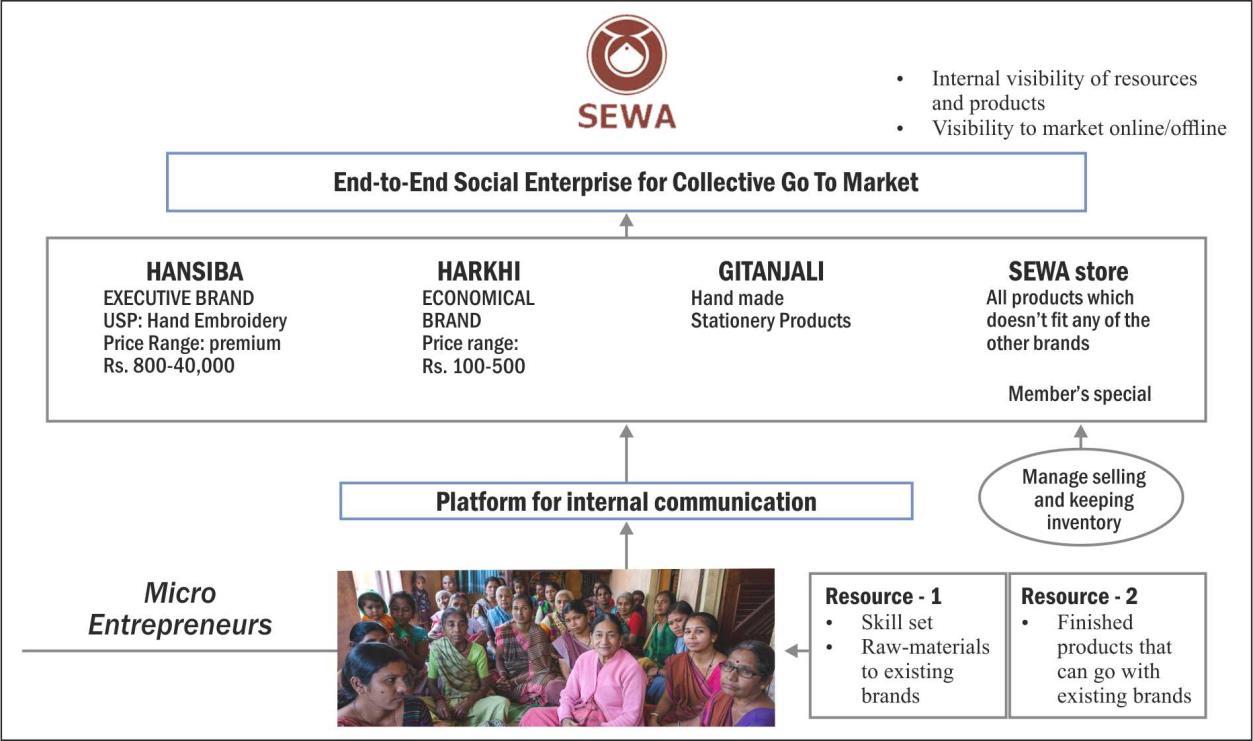
The ultimate vision is to create a 'SEWA Bazaar' (market) for 1000000 producers, entrepreneurs, service providers, and consumers to access the platform's products and services. Each one of them will be able to digitally access 'SEWA Bazaar' in the form of a portal and Apps to market, manage and procure products and services offered by the platform. Currently, the initiative being supported by the Rockefeller Foundation and Ahmedabad University.

When SEWA started working with women workers in the semi-arid region of the Radhanpur district, it was seen that despite having traditional embroidery skills, these women did not see these skills as marketable. They worked as casual laborers, earning a meager INR 75/week. SEWA organized these women workers into a for-profit company – SEWA Trade Facilitation Center, a company owned and managed entirely by over 15,000 poor women artisans. These women use traditional embroidery skills to create garments for national and international designers and fashion houses. SEWA provided these women workers with skill and capacity-building training in modern designs, market trends and concepts, managerial skills, ERP, etc.
In 2007, SEWA helped the artisans of STFC launch their brand "Hansiba" – a brand with far higher value because it is a brand solely owned and managed by the artisans, to promote and create a market for their traditional skills in the urban market. All the products under this brand are hand embroidered and handcrafted, 65% of all sales go directly to the artisans, and the artisans themselves are the shareholders and suppliers of the company. In essence, the brand Hansiba is a fusion of the traditional and the contemporary – a medium where the rural and the
urban join hands to capture the world's imagination. Today STFC, along with Hansiba, has an annual turnover of 40,018,890 INR ($ 5,38,598).
After the massive success of its Hansiba brand, STFC launched its "Harkhi" brand in 2014 to reverse the decreasing trend of traditional handembroidered garments in the rural market. Harkhi aimed to achieve this objective by introducing modern and cost-effective garments for the rural young generation. The characteristics of this line of products are affordability; light embroidery – so that the garment remains lightweight and easy to maintain; modern designs; sold in pairs – kurta, kurtas, and dupattas; large, varied color palette. In addition, during the Covid crisis, "Harkhi" repurposed its supply chain and started producing and selling face masks, PPE kits, etc., to sustain the organization and the livelihoods of STFC members.
SEWA has also organized over 5000 handloom weavers in the Anand District of Gujarat. Handloom weaving is a traditional family occupation. However, SEWA firmly believes that to build the resilience of small and marginal farmers against the increasingly frequent climate and market shocks, there is a need to adopt a secondary trade in addition to the primary trade – agriculture. On these lines, SEWA has facilitated upskilling, re-skilling, and skill diversification of these handloom weavers in collaboration with the National Handloom Department and organized them into village-level self-help groups. These are aggregated at the district level to facilitate forward and backward linkages. The products of these handloom weavers are sold under the brand name "Zavarba" locally (through door-to-door selling) as well as nationally (By STFC Through Hansiba Stores, SEWA Bazaar platform as well as e-retailing).
RUral Distribution network (RUDI) (agri business initiative) is a for-profit agri-business company connecting farmers to end-users. It is wholly owned and operated by over 250,000 small-scale women farmers. The company has procurement channels, processing centres, packaging units, and a distribution network. The smallholder farmers sell their produce to RUDI, which is then graded, processed, and packaged into affordable small packages and then redistributed into the villages by 'SEWA's sales force – called Rudi-ben's or Rudi Sisters. It brings nutrition and food security to over a million households today. In this process, the farmers get fair returns, and the landless labourers get employment. RUDI has successfully transformed the grave agriculture situation of smallholder farmers into favourable and sustainable agriculture, providing sustainable food and nutrition security to the 'farmers' households
RUDI enables direct promotion and marketing of the agro commodities procured through the Female Farmer's Association in the rural retail network of farmers and agriculture laborers, Institutional supply to Aanganwadi's, and Public health care centers hostels, canteens

Procurement of Agro-produce from rural producers groups associated with different District Associations.
Grading, Processing and Packaging of the commodities at the processing center in each District.
Distribution Centers among clusters of villages in every District.
Distribution through saleswomen (Rudiben) at the village. The District Association would independently run the processing centers for RUDI.
Distribution of weekly kits to our rural beneficiaries engaged in craft, salt, gum, agriculture, nursery, handloom (attached with SEWA for their ongoing livelihood projects).
Distribution of QUALITY PRODUCTS to rural and urban consumers.
of industries. RUDI staples are branded and are FSSAI, Agmark, ISO 22000:2005 certified. Thus, the quality and wholesomeness of the products remain as per the standards. Periodic training is conducted to enable the Rudibens who work in the processing centers. It is a unique retail initiative of and by women.

SEWA initiated its food processing initiative in 2015 and has trained over 2500 women workers to make nutritious food in Ahmedabad city, nine districts in Gujarat, and five different states across India and organized them into organic and traditional food-processing initiatives, Kamla
Kamla aims to become a center for empowering traditional food processors women, enabling them to secure their livelihood security on their own and become self-reliant. Kamla's main objective is to provide traditional food to their customers with nutritious value. SEWA identified the conventional products, hot and dry snacks, bakery products, papad, and seasonal products in regular demand.
Typically, the products of Kamla are sold at the Kamla centers, which are housed in various SEWA offices in Ahmedabad city and other districts. Currently, there are 2500 women trained and getting employment by producing collectively or individually and earning between Rs.12000 and Rs. 25000 per month. All the spices, condiments, food grains, and vegetables used in Kamla are procured from small and marginal farmers and producers.
In 1995, SEWA organized women waste pickers in Ahmedabad into a cooperative to improve their working conditions and livelihoods. However, in 2008, the waste recycling industry crashed internationally (a direct consequence of the global financial crisis), dropping scrap prices by almost half. Waste pickers' incomes shrank due to the crash, and the city's decision to privatize door-to-door waste collection further deteriorated their income-earning options.
Therefore, to provide its members with a sustainable livelihood opportunity, the cooperative set up a production unit to manufacture value-added products made from recycled waste. Today, this production unit has evolved into a women-owned and -run social enterprise, including the role of members ("sisters") and external partners. Thus, in addition to strengthening the livelihoods of its member, Gitanjali has added social value and has generated decent livelihood opportunities and the business bottom line.
The first national lockdown came as a shock and forced all social enterprises of SEWA to suspend all its operations temporarily. However, Kamla and Rudi were fully operational even during the lockdown. The pandemic affected the supply chain and broke existing linkages with the broader market and associations with local customers. The finished goods of Gitanjali, Rudi, and STFC remained unsold for five months. The price of raw materials had increased and remained high for a year due to the shortage created by lockdowns and restrictions. However, the social enterprises of SEWA did not increase the prices of finished goods; as a result, profit margins shrunk.
Social enterprises' production capacity also fell due to a shortage of raw materials, orders, and availability of trained women workers. STFC had to close the Delhi shop considering high rent (three lack fixed monthly expenses) against low sale volumes. STFC had pending orders during the first lockdown. As a result, the orders were delayed for almost two months as workers couldn't reach the workstations.
Women workers of Vastralaya - a cooperative engaged in sticking and peripheral work linked to STFC - working on piece work rates were most affected. They had no access to workstations on the STFC campus, and their income suddenly stopped for almost four to six months. Vastralay bills STFC for their services. Thus, reduced orders from STFC meant reduced revenue for Vastralay
The pandemic seems to have changed the primary client base of social enterprises. Gitanjali1, Rudi, and STFC have reported a drop in institutional sales with companies such as DCW, Hindustan Uniliver, Tata, and IFFCO in post-pandemic recovery. As a result, domestic sales dominate a significant proportion of revenues now. When asked, the social enterprises prefer to have more institutional clients because of the margin comfort and less spending on marketing and transportation compared to retail clients.
The situation of Kamla, however, is different from the other three social enterprises as domestic clients have been the primary market from inception. Kamla also seems to have recovered swiftly and more in the pandemic aftermath than the other three social enterprises. Kamla's success could be attributed to the excellent quality of food at an affordable rate and open ambiance close to nature. Most people preferred open restaurants during the pick of the pandemic.
1 Gitanjali has no retail unit or business to sell its products. Gitanjali business suffered the most as it only has B2B strategy for growth.
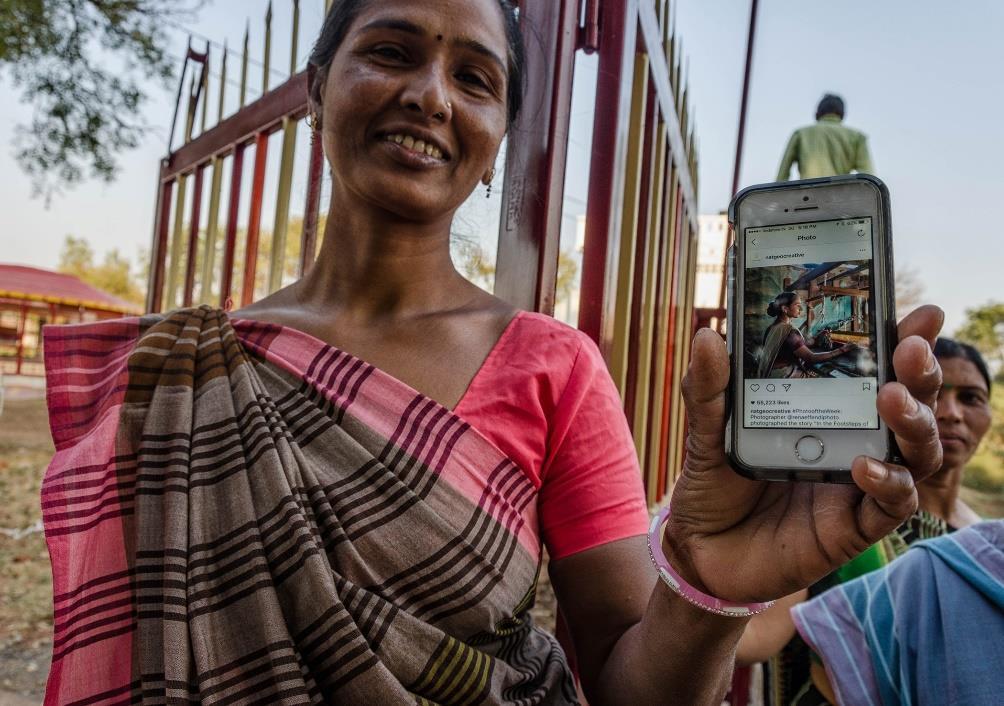
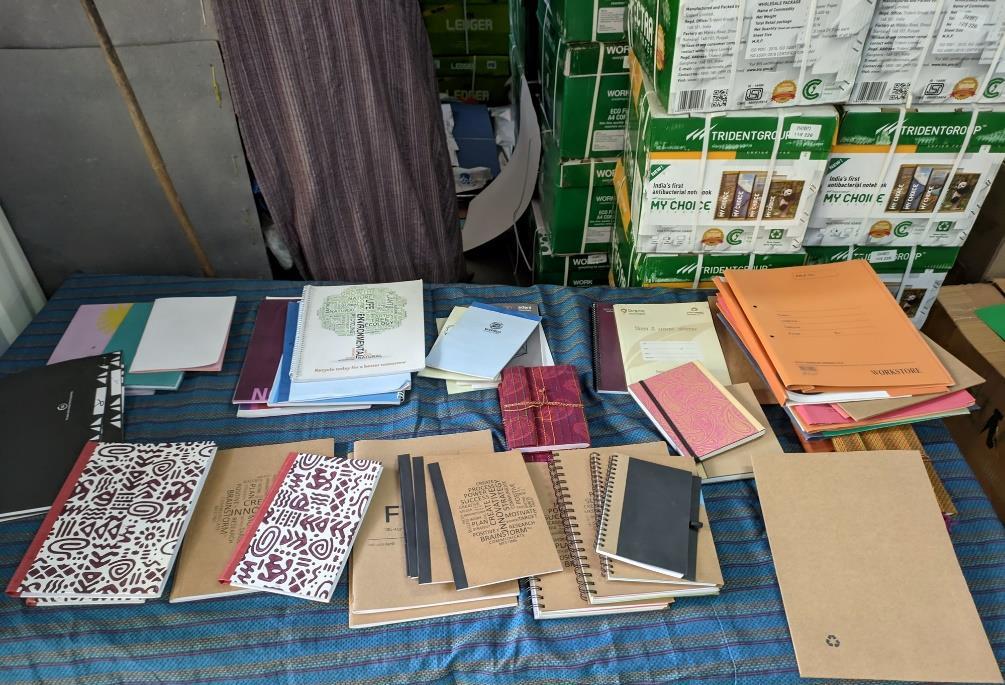
The stationery business of Gitanjali suffered the most during the first year of the pandemic. The demand for stationery products remained low as most offices operated with fewer employees and work-from-home culture penetrated. In addition, with the suspension of education in schools and colleges during the first year of the pandemic, demand for stationery was almost non-existent. As a result, the pandemic stalled the sale of Gitanjali products to clients such as Adani Foundation, Cisco, Mindtree, Reliance Foundation, Loreal, RBI, Infosys, and Wipro, Goldman, and Accenture.
Technology played a huge role in shaping SEWA's operational and financial coping strategies like most business enterprises that managed to survive the pandemic. For example, Rudi launched a Point Of Sale (POS) application for Rudiben and RUDI Grahak for customers to place orders using a smartphone. But, the adaptation of new technology was not easy for social enterprises led, owned, and managed by informal sector women workers. For example, most SEWA members used online platforms such as Zoom and Google Meet for coordination for the first time during the pandemic. However, it took time for staff and members to use tools such as WhatsApp, Facebook, Instagram, and emails to advertise products and services and receive orders online. In addition, challenges such as access to smartphones, fintech solutions, and training to use them are present today.
During the pandemic, SEWA created easy access to capital for producer groups of its enterprises by introducing online loan applications, verification, and approvals. Rudi extended the credit
window to Rudiben from ten to twenty days, considering the weak market and logistical challenges. SEWA also encouraged digital payments to producer groups while procuring finished goods and items. However, enterprises procured raw materials on credit at institutional levels to meet the working capital requirements. The payments to suppliers were made in installments. SEWA did try to link its members with Government's Atma Nirbhar Bharat Scheme, which provided one lakh to microentrepreneurs. However, only ten percent of micro-entrepreneurs could be linked up successfully.
SEWA supported its enterprises by strengthening networking within and with government authorities at various levels to overcome multiple challenges posed by lockdowns and subsequent restrictions. For example, operations during the pick pandemic required special permission to move individuals and goods from Panchayats in rural areas and offices of the collector in urban areas. However, SEWA successfully operated under restrictions by availing special permissions for moving staff and vehicles to supply essential goods and services to its members.
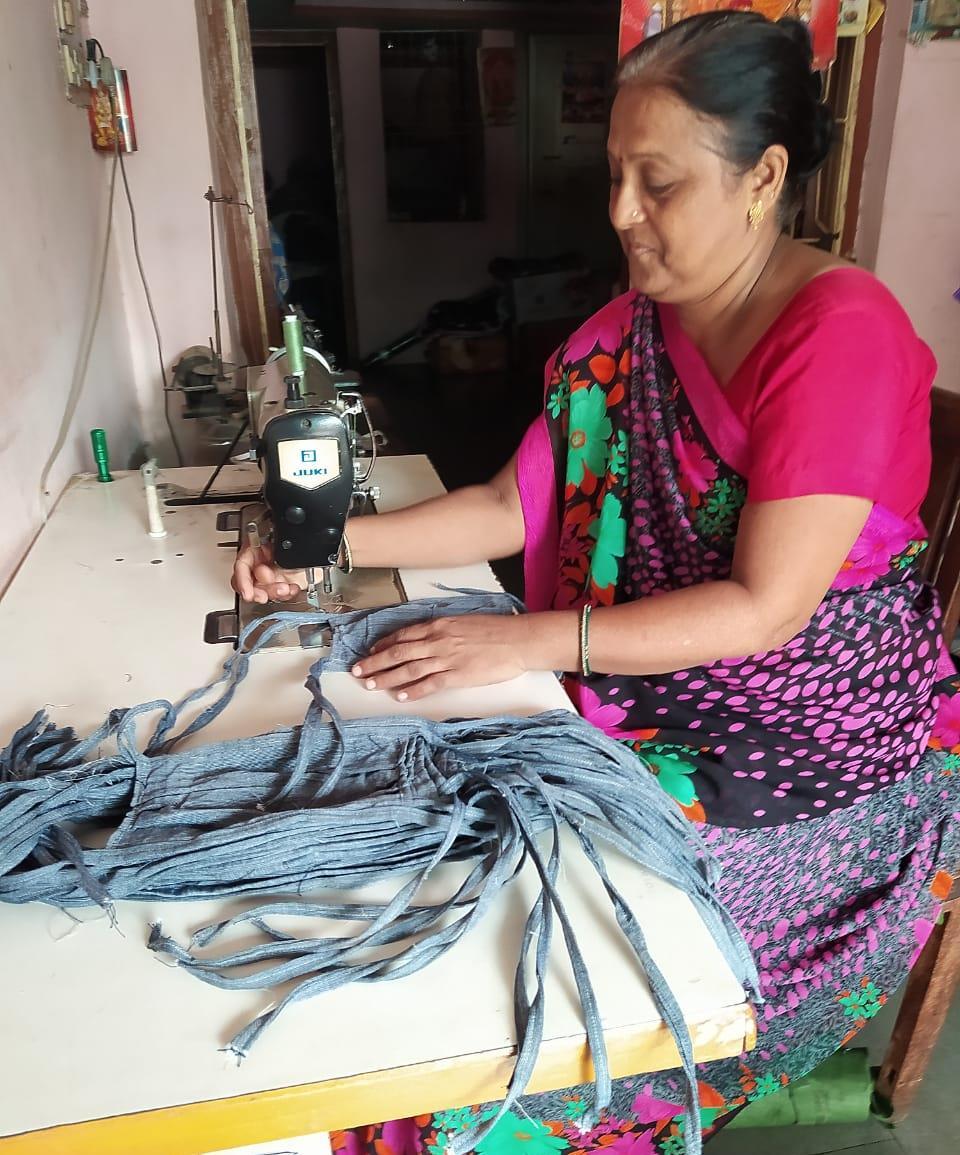
The pandemic disrupted the regular supply chain in the first six months, making it difficult for Rudiben to earn any income. So SEWA asked Rudibens to become food producers and supported them with capital investment. Masks and PPE kits were not part of the product inventory of STFC before the pandemic. Still, SEWA produced a lack of masks and thousands of PPE kits within six months. STFC trained women workers in online sessions to enable them to make up to 150 masks a day. These products were sold to clients and distributed at cheaper rates in villages where SEWA had a presence.
Repurposing operations at enterprises of SEWA included a strategy of shifting from low-demand to high-demand products. During the Covid crisis, "Harkhi" repurposed its supply chain and started producing and selling face masks, PPE kits, etc., to sustain the organization and the livelihoods of STFC members. RUDI and Kamal focused on food grains, vegetables, snacks, and food packets. Rudi innovated by preparing smaller packages of food items so that SEWA members could afford them. It became possible for Rudi only because distributors are closely connected to customers.
The lockdown restrictions forced SEWA to initiate centralized procurement of raw materials for STFC and other enterprises. Raw material to produce PPE kits for STFC was procured from the Mafatlal industries of Nadiyad District and sent to Patan during the first lockdown.
Following the pandemic, STFC launched many new products such as masks, PPE kits, Rakhis, footwear – leather sandals, key chains, and imitation jewellery. Currently. STFC is experimenting with a clothing range for men and kids and a wide range of home furnishings and kitchen accessories. It is looking to receive grants for infrastructure development at district levels.
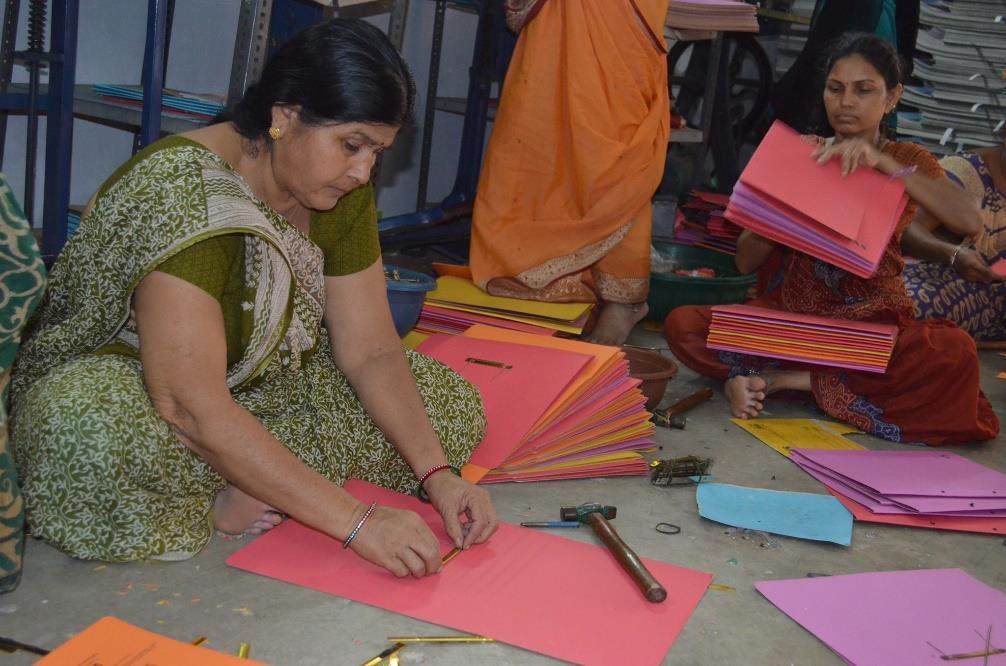
As an operational coping strategy, when there was no demand for stationery products, Gitanjali started taking retail job-work of making pouches, files, boxes, and printing. It also did the packing of masks and PPE kits. In addition, Gitanjali has launched a new product line of brown color series stationery products following the first lockdown to compete in the market.
Despite difficulties, none of the SEWA enterprises reduced staff or employed salary cuts. On the contrary, accept Gitanjali, all enterprises reported a rise in the number of employees following the first wave. Before the pandemic, Gitanjali could employ 30 women but can provide work to only 15 women now. Similarly, because Vastralaya cooperative associated with STFC has no contingency or savings funds, fixed salaried employees were given half of their salaries, and wages on the piece rate system were reduced for the first few months of the pandemic.
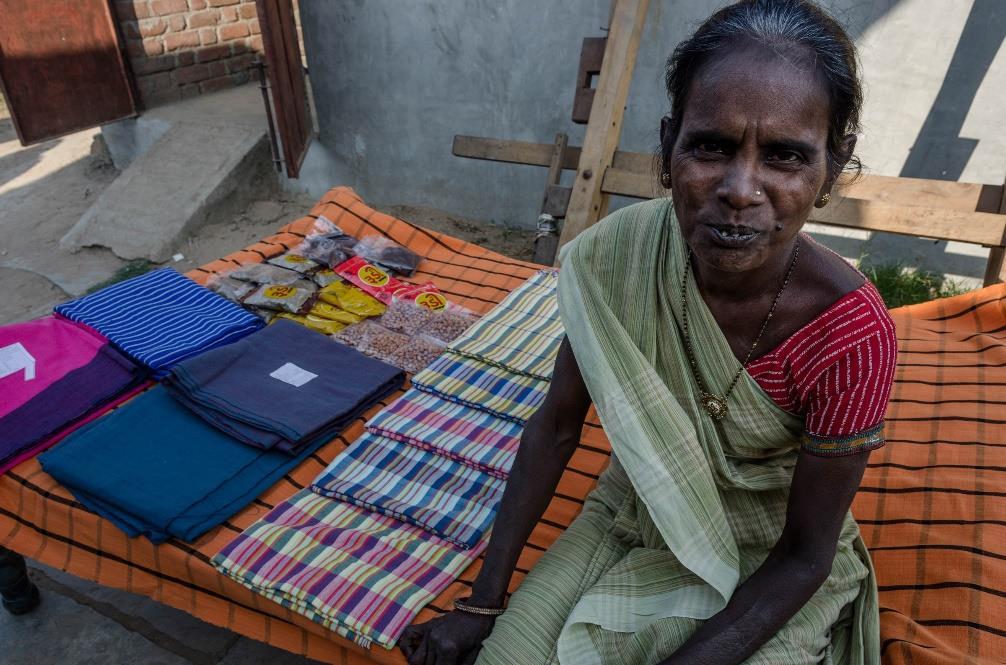
All women workers associated with the social enterprise of SEWA reported increased workload and household burden on them. Even when relatives fell sick, women were burdened by providing food and daycare. Lockdowns and restrictions demanded greater coordination, flexible work hours, and the need to acquire new skills such as using smartphones for meetings, orders, and payments. Women also felt pressure to learn online education systems for their kids. Online education for children was an additional burden for women. It also increased household expenses by Rs. 300 to 400 as online education requires a data pack.
In addition, many women workers reported pressure from families to restrict their movement outside the home. Because enterprises were receiving time-bound orders during the pandemic, workers' pressure to complete orders in time was extremely high. Meeting household expenses with reduced income was the biggest challenge. Many SEWA members reported depletion of savings and taking loans to meet basic needs. Women reported using their savings to recover rather than their family or husband's money. It shows how gender roles are firmly entrenched. Many women also reported that because of their association with SEWA their husbands were comparatively more supportive.
Lack of understanding and awareness about social enterprises was one of the main barriers to investment and growth. SEWA also organizes workshops for vendors and suppliers to showcase how social enterprises function. Other barriers to growth included a lack of grant funding, blended finance, and competition with large companies selling similar products at competitive rates. SEWA uses brief descriptions of women artisans and producer groups on products to increase awareness about
social enterprise purposes. In addition, it helps connect the users with the products and purpose of the social enterprise.
Enterprises like STFC face a high staff-turnover ratio, especially with freelancers and designers. Moreover, STFC and its sub-brands (Harkhi, Hansiba, and Jawarba) involved in fashion products face the constant challenge of changing fashion every three months and adjusting its product line, which consists in reaching out to artisans in remote locations and training.
Gitanjali, STFC, and Rudi products are available on platforms such as Amazon and Government e-market. In addition, Kamla has sales arrangements with Swiggy and Zomato (online food delivery partner). A tiny amount is allocated in annual plans for marketing and advertising. Enterprises rely mainly on promotion through posters, videos, and social media platforms such as Facebook, Instagram, and WhatsApp. Gitanjali's effort to sell products on Amazon has failed. The interface was reported as complex for women enterprises to manage.
Social enterprises of SEWA distribute a certain percentage of profit among members and producer groups. Whatever remains is reinvested in business development and training staff and women workers. A small amount is kept aside as a contingency fund. Gitanjali uses its profits to strengthen revolving funds and provide social security and annual bonus to workers. STFC distributes its profits among 15,000 shareholders spread across various districts of Gujarat. The enterprises had to use savings and contingency funds for almost five months to meet monthly rent expenditures, electricity, and salaries during the first wave of the pandemic.
All social enterprises of SEWA prepare a financial or business plan annually and review the progress quarterly. Rudi has a business continuity plan, and its assets are insured. However, marketing and advertising plans are not very robust. The campus and premises of STFC have been insured, and employees are enrolled under the Employees' State Insurance Scheme (ESI), which offers protection against incidences of sickness, maternity, disablement, and death due to employment injury.
In response to the pandemic, SEWA prepared and distributed 3,000 kits (1.5-month supplies of essential food items) to the most affected families in Gujarat. SEWA also organized health camps for diagnosing diabetes, blood pressure, and thyroid diseases, including free telemedicine services to its members during the pandemic. Other activities like the nursery, plantations, and kitchen gardens are actively promoted as income-generating activities.
Activities like awareness about the use of masks, the importance of vaccination, and the use of led bulbs and solar lights are made regularly. In addition, in some districts, child care centers are established for women workers associated with social enterprises of SEWA and other trades. When ATMs could not be accessed, Rudibens and handpump services of SEWA continued responding during the pandemic.
None of the enterprises in SEWA sell products that are harmful to health. For example, Rudibens cannot sell cold drinks and tobacco products. However, products like Colgate and sanitizers are allowed as they contribute to health and hygiene. Rudi's team described its products as healthy, handmade, and chemical-free. In addition, all products are labtested and packed hygienically. Finally, because no machines are used, the carbon footprint is shallow. Kamla has installed solar panels to power Kamla's center in Ahmedabad
Social enterprises of SEWA avoid the use of plastic and plastic materials. However, in unavoidable circumstances, they use Government approved plastic materials for packing and storing finished goods. In addition, these enterprises use cloth materials and bags for storage and packing manufactured by Harkhi of STFC.
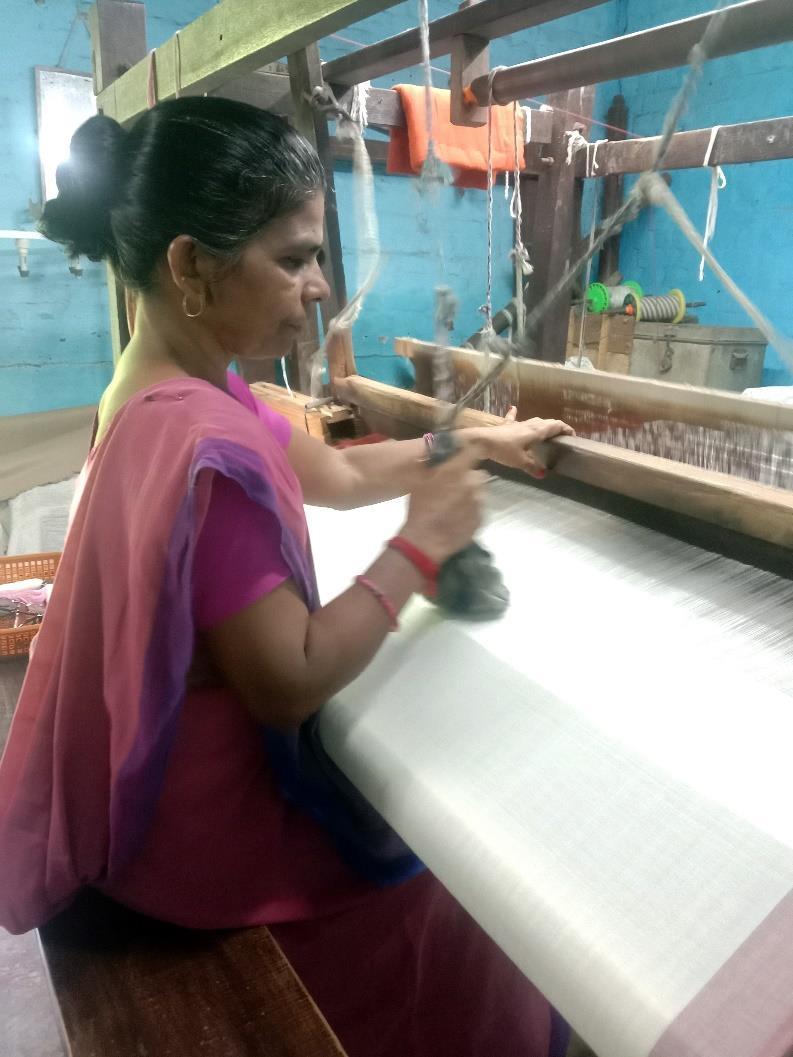
STFC and RUDI need a series of training progammes on skill up-gradation, quality control, digital marketing, advertising, and online selling for its members. The Harkhi team of Patna needs a vehicle for transportation of raw materials and goods to and from villages. Women workers from Vastralaya have demanded training on pattern making and embroidery designs. Some also wish to own their sewing machines to working from home. Similarly, the Kamla team requires training in food processing and packaging. Gitanjali members want to learn more about using social media platforms for e-marketing and existing online selling platforms. Digital marketing and digital literacy are common needs of all SE of SEWA, which include e-commerce platform and geographically sourcing of goods and materials from other states.
Rudi has a strength of 4000 Rudibens spread across Gujarat, Uttar Pradesh, and Maharashtra. Rudi is training SEWA members from the states of Rajasthan, Assam, and Jammu & Kashmir to establish a company base through Rudibens. The company plans to expand the number of Rudibens to 10,000 and their current income levels from 6,000 to 10,000. Rudi's financial target is to increase the turnover from 20 to 25 crores. STFC is planning to launch fabric with block printing for house accessories such as bedsheets, curtains, and pillows. A new line of brown paper office stationery materials is being designed and produced at Gitanjali. STFC is planning to scale up SEWA Bazaar (Market) across districts and states of India as a single platform to sell products of different social enterprises of SEWA under one platform and brand name.
It took five years for Kamla (Bodakdev, Ahmedabad) to be a profitable social enterprise. However, the Kamla team expects its Bakery and Canteen facility to generate profits within two years. Kamla has initiated small bakeries in Anand and Aravalli Districts, including another bakery in Dhad in Pol in Ahmedabad. Furthermore, Kamla plans to strengthen and expand the capacities of its centers in Sanand, Ahmedabad, Patan, and Mehsana to create more employment for women. Kamla also aspires to sell food products at Metro Stations shortly. Currently, SEWA is revising the business plans of its social enterprises to price in market challenges caused by the pandemic.
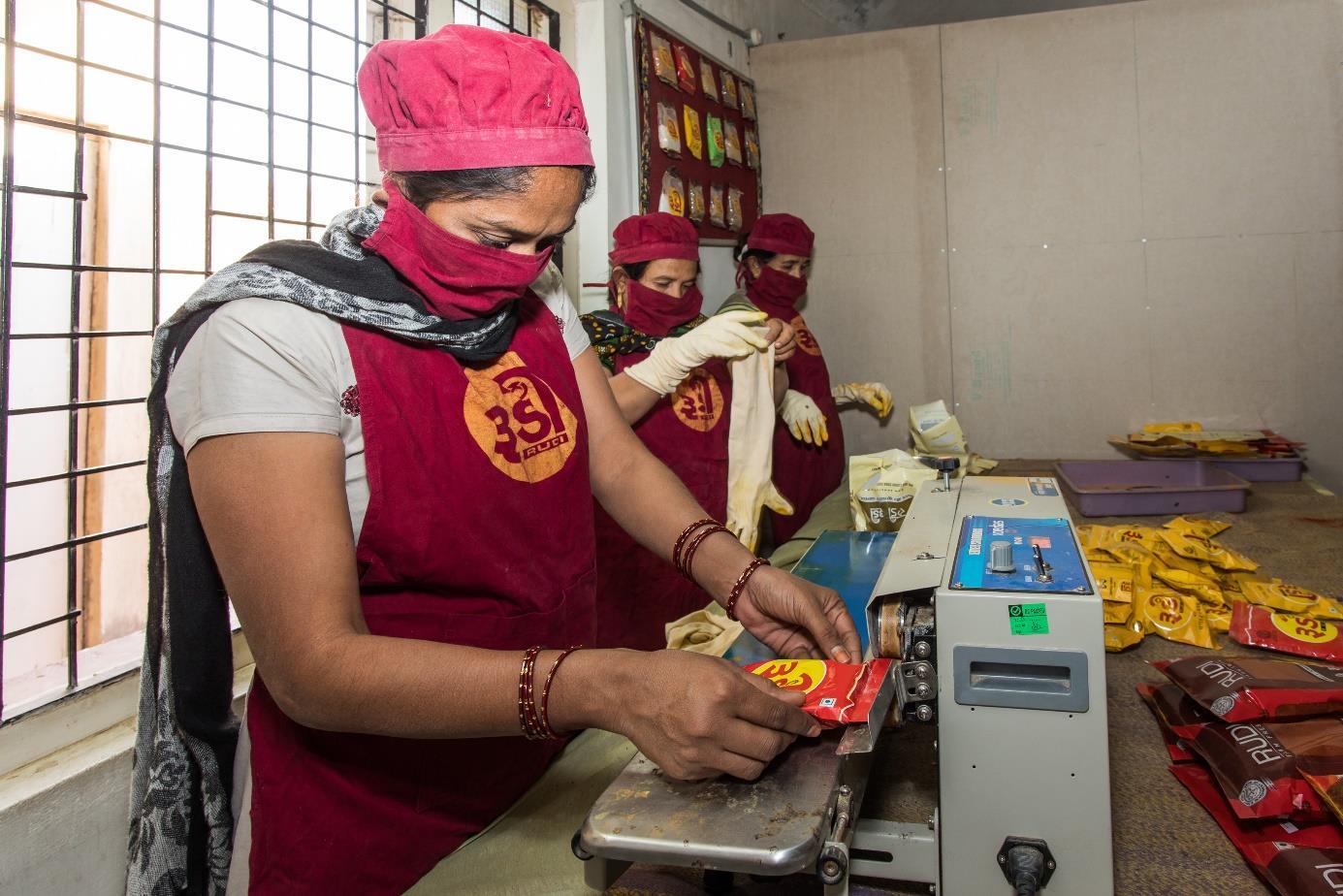
All social enterprises of SEWA are established based on the felt needs of its members. They are owned and managed by informal sector women workers. The initial investments have come from loans from various sources. STFC and RUDI have used loans and venture capital. Kamla and Gitanjali borrowed working capital from sister organizations of SEWA and repaid them when they started making income. Surplus income or profit is being reinvested for marketing, training, branding, and skill upgradation.
SEWA's social enterprises are less structured and have mostly grown organically. The most innovative feature of these enterprises is the use of women's traditional skills, which were not seen as incomegenerating activities. For example, embroidery, craft, sewing, cooking, and spice selling were never considered income-generating actions in villages.
SEWA feels that the contributions and challenges of women-led social enterprises are not recognized in the economy. The authorities and investors do not understand the number of risks women take in establishing, managing, and sustaining a social enterprise. Women enterprises face market risks and risks arising from climate change and natural shocks. Innovative financing and risk management approaches must transfer these risks to the larger economy. Lack of incentives, affordable credit, and stringent regulatory compliance are significant barriers to growth. There is no tax incentive from the Government for women-led social enterprises in India.
At SEWA, members do not just remain workers or members but become owners and managers of their trade. Currently, SEWA has more than 110 cooperatives and three economic enterprises owned and managed by its women members. The collective impact of SEWA's social enterprises touches many aspects of working women's lives, such as income, health, social security, child-care, and most importantly, recognition and self-respect. As a result, SEWA is achieving social impacts such as preservation of traditional crafts and skills and women empowerment and economic effects such as sustainable livelihoods, income generation, and job creation. For example, up to 90% of the income generated at Kamla is utilized to provide work and income to women food processors, farmers, and other women-run microenterprises.
The social enterprises of SEWA have suffered substantial financial losses in the ongoing pandemic. Repurposing the supply chain was most
Strong network and extensive membership base, out of which these enterprises are born
Quality products at reasonable rates
Ownership
The integrated approach of SEWA, which binds all social enterprises to achieve the common goal of women empowerment and sustainable livelihoods
Ability to adapt, scale-up and scale-down operations
Preservation of traditional skills and lack of mechanized automation
Large market within SEWA
Digitization
CDR funding
Collaborations with government schemes and projects
Lack of marketing skills
Low recognition as brand
Limited spending on advertisements
High staff-turnover ratio – specially with freelancers and designers.
Low use of technology
Competitors,
Sustainability (Economic slowdown, natural shocks – disasters and Pandemic)
Unpredictable nature of financial support (FCRA Amendments)
challenging for SEWA; strategizing, acquiring new skills, and finding markets took time and exhausted whatever limited savings and contingency amount these enterprises had. In addition, most women workers experienced increased mental stress, anxiety, and isolation during the lockdowns and restrictions. SEWA members are owners, managers, and primary consumers of products and services offered by SEWA enterprise. Thus, a sense of ownership and belongingness is very high. Impacts of COVID-19 will be felt for months and years; thus, women-led social enterprises need long-term blended recovery support and planning assistance. Investment in social enterprises of SEWA should be viewed as an investment in social capital.
There are several distinct implications for women-led social enterprises in India. First, the risk from women-led social enterprises is exceptionally high as their awareness of risks and management is less. Also, women are more vulnerable and likely to be affected by natural and market shocks. Second, their investment needs are diverse and long-term. Thus, blended support is more suitable for women-led enterprises. Third, most women-led enterprises have participatory governance structures, making decision-making need-based and demand-driven but slow. Forth, women-led enterprises in India are exposed to multiple risks and lack risk management capacities. Fourth, they are least likely to recover, and the speed of recovery is slow. Fifth, there is a lack of recognition and support from the Government; incentives are few, and the burden of regulatory compliance is much more.
We recommend the following course of action for SEWA, the Government, and donors.
Social enterprises of SEWA have a shallow carbon footprint. Therefore, the growth or expansion strategy should promote a green economy.
SEWA must find more institutional buyers as high-margin clients and expand online sales within India.
SEWA should launch a national federation of social enterprises for training and investment. SEWA is capable of providing both leadership and strategic direction.
The Government must introduce a seven-year moratorium on compulsory registration, credentials to avail credit, and paying taxes to incentivize women-led enterprises.
Shape policies to procure goods and services from women-led social enterprises for various schemes such as the Public Distribution System (PDS) and Anganwadies "The Ministry of MSME's Public Procurement Policy (2018) mandates that every Central Ministry/Department/PSUs should target 25 percent of their procurement from the MSEs sector, of which 3 percent must be from the women-owned MSEs. This can be increased; incentivize the private sector to procure from women-owned businesses through tax breaks and subsidies."2
2 Srinivas G. Roopi. 2021. Incentivize procurement from women-owned businesses through tax breaks and subsidies: IWWAGE-TQH report suggests. ETGovernment.com.
https://government.economictimes.indiatimes.com/news/governance/incentivi
A policy framework is needed to recognize distinct contributions made by social enterprises.
Launch a separate venture capital or funds targeting women-led enterprises in India.
Promote the concept of blended finance – a combination of grant, loan, capacity building, and use of technology. The investment could be directly made in SEWA's effort to establish SEWA Bazzar in the form of blended finance by COADY and other donors.
Commission a national scoping study of social enterprises in India, capturing issues, challenges, impacts, and opportunities.
SEWA is consolidating its micro-enterprises under SEWA BAZZAR; donors must consider offering technical know-how and financial support for at least three years.
ze-procurement-from-women-owned-businesses-through-tax-breaks-andsubsidies-iwwage-tqh-report-suggests/87801789
The research team has consulted the following enterprises and individuals from SEWA.
Date No of participants
A. Focus Group Discussions (FGDs)
November 16, 2021 25
Location Enterprises
Ahmedabad (Anand, Arvalli, Mehsana, Surendranagar, and Ahmedabad) RUDI
April 7, 2022 07 Ahmedabad Vastralaya
April 8, 2022 15 Ahmedabad STFC
April 13, 2022 08 Ahmedabad Gitanjali
April 21, 2022 12 Patan Harkhi & Hansiba
May 4, 2022 08 Anand Javarba
May 14, 2022 16
Ahmedabad (Sanand, Anand, and Ahmedabad) Kamla
B. Key Informal Interviews (KIIs), Ahmedabad
Date
April 8, 2022
Individuals
Smitaben Bhatnagar, SEWA Bazaar
April 13, 2022 Yaminiben Parikh, Gitanjali
June 9, 2022 Mansiben Shah, SEWA Mahila Graam Hat
June 11, 2022
June 11, 2022
Savitaben Patel, STFC
Sonalben Parekh, Kamla
June 11, 2022 Sunitaben Patel, RUDI/Kamla
June 15, 2022
June 16, 2022
Reemaben Nanavaty, SEWA Mahila Graam Hat
Jyotiben Macwan, SEWA
Impact of the COVID-19 pandemic on social enterprises/micro-businesses
1. In what ways has the pandemic affected social enterprises/micro-businesses?
2. What was your business status during the lockdown?
o Wholly operational
o Partly operational
o Temporary closed
o Permanently closed
3. What was the impact of lockdowns and restrictions on your business revenue?
4. What was the financial coping mechanism adopted to cope or survive during the lockdowns and COVID-19 waves?
o Draw from savings
o Formal loans
o emergency fund
o Informal loans
o Others
5. What types of operational coping or survival mechanisms were adopted?
o The reduced scale of operations
o Temporary shutdown
o Made new products or offered new services
o Salary cuts
o Reduced employees
o No coping mechanism
6. What level of stress did you feel due to the business situation?
o Highest level of stress
o High stress
o Moderate stress
o Less stress
o No stress
7. Did COVID-19 put an additional household burden on you? If yes, in what ways?
Social-economic and environmental impacts
8. What do you do with the surplus income? (Donate, reinvest, provisions, etc.)
9. Do you pay any taxes? What are they?
10. What is your primary client base?
11. What products and services do you offer?
12. How do you cater to the needs of individuals from socially and economically disadvantaged communities?
13. How do you contribute to the environmental goals?
Growth plans
14. Do you plan to expand into new geographic areas? If yes, where?
15. Do you plan to develop new services or products? If yes, what are they?
16. Do you plan to attract new customers or clients? If yes, how?
17. Do you plan to increase sales with the existing customer base? If yes, how?
18. Do you plan to attract investment to fund expansion? If yes, from where?
19. Do you plan to replicate or franchise? If yes, how?
Challenges and barriers
20. Do you see limited capital or investment as a barrier to growth?
21. Do you see a lack of grant funding as a barrier to growth?
22. Do you see maintaining cash flow as a barrier to growth?
23. Do you see a lack of understanding and awareness about social enterprises as a barrier to investment and support?
24. Do you see a shortage of managerial skills and skilled workers as a barrier to growth?
Marketing strategies
25. How do you market your products and services?
26. Do you allocate a specific budget to do so?
27. How active are you on social media?
28. Do you have tie-ups with marketing and sales platforms such as Amazon, Flipkart, Zomato, etc.?
29. Do you have a marketing plan in place for the running and next year?
Business continuity planning
30. Do you have a business continuity plan?
31. If not, have you planned to develop it?
32. What type of capacity-building support is required by your enterprise to fulfill your social and financial obligations?
o Financial management training
o business operations training
o Technical skills training
o Strategic planning training
o Management skills training
o Stress management training
Welcome the participants and introduce yourself. Briefly explain the purpose of the exercise and ensure that oral informed consent has been obtained.
Discussion on the impact of the COVID-19 pandemic on social enterprises/micro-businesses
1. In what ways has the pandemic affected social enterprises/micro-businesses?
2. What was your business status during the lockdown? (Fully operational, partly operational, temporarily closed, permanently closed, etc.)
3. What was the impact of lockdowns and restrictions on your business revenue?
4. What was the financial coping mechanism adopted to cope or survive during the lockdowns and COVID-19 waves? (Draw from savings, formal loans, emergency funds, informal loans, etc.)
5. What types of operational coping or survival mechanisms were adopted? (Reduced scale of operations, temporary shutdown, made new products or offered new services, salary cuts, reduced employees, etc.)
6. What level of stress did you feel due to the business situation? (High, medium, low, etc.)
7. Did COVID-19 put an additional household burden on you? If yes, in what ways?
Social-economic and environmental impacts
8. What do you do with the surplus income? (Donate, reinvest, provisions, etc.)
9. Do you pay any taxes? What are they?
10. What is your primary client base?
11. What products and services do you offer?
12. How do you cater to the needs of individuals from socially and economically disadvantaged communities?
13. How do you contribute to the environmental goals?
Growth plans
14. Do you plan to expand into new geographic areas? If yes, where?
15. Do you plan to develop new services or products? If yes, what are they?
16. Do you plan to attract new customers or clients? If yes, how?
17. Do you plan to increase sales with the existing customer base? If yes, how?
18. Do you plan to attract investment to fund expansion? If yes, from where?
19. Do you plan to replicate or franchise? If yes, how?
20. Do you see limited capital or investment as a barrier to growth?
21. Do you see a lack of grant funding as a barrier to growth?
22. Do you see maintaining cash flow as a barrier to growth?
23. Do you see a lack of understanding and awareness about social enterprises as a barrier to investment and support?
24. Do you see a shortage of managerial skills and skilled workers as a barrier to growth?
Marketing strategies
25. How do you market your products and services?
26. Do you allocate a specific budget to do so?
27. How active are you on social media?
28. Do you have tie-ups with marketing and sales platforms such as Amazon, Flipkart, Zomato, etc.?
29. Do you have a marketing plan in place for the running and next year?
Business continuity planning
30. Do you have a business continuity plan?
31. If not, have you planned to develop it?
32. What type of capacity-building support is required by your enterprise to fulfill your social and financial obligations?