All or parts of this publication may be copied and distributed for non-commercial purposes without requesting written permission, provided Coady Institute is explicitly acknowledged as the source of the material. Any work adapted from this material must also be made available to others under identical terms.
Coady Institute
St. Francis Xavier University PO Box 5000 Antigonish, NS Canada B2G 2W5
Web: www.coady.stfx.ca
Email: coady@stfx.ca
Phone: +1 (902) 867-3960
Phone: 1-866-820-7835 (within Canada)
Fax: (902) 867-3907
This study is part of the Engage! Women’s Empowerment and Active Citizenship project and is funded by Global Affairs Canada.
LEARNING THROUGH PARTNERSHIP IN ENGAGE!
BACKGROUND
ENGAGE! Women’s Empowerment and Active Citizenship
is a 6.5-year Global Affairs Canada (GAC)-funded initiative co-designed by Coady Institute, St. Francis Xavier University, in Canada and five partner organizations: Christian Commission for Development in Bangladesh (CCDB), Centre Haïtien du Leadership et de l’Excellence (CLE) in Haiti, Organization for Women in Self-Employment (WISE) in Ethiopia, Self-Employed Women’s Association (SEWA) in India, and Tanzania Gender Networking Programme (TGNP). The project primarily supports the leadership development of women in the informal sector, enabling them to tackle key issues such as the future of work, community governance, increased participation in entrepreneurship, and the reduction of urban and rural poverty through economic empowerment. Through ENGAGE, programs were created that focused on consolidating skills, knowledge, and access to opportunities for women to participate more fully in the social and economic life of their communities, and each partner worked toward achieving the project’s goals through various activities that built on their existing work.
ENGAGE! PARTNERS
Centre Haïtien du Leadership et de l’Excellence (CLE) leads Fanm Angaje (FA), a women’s leadership program in social entrepreneurship, designed for young social change Haitian women leaders (ages 18-35). CLE work with cohorts of young women who seek to establish social enterprises in the North, West, South and Central regions of Haiti. CLE staff are enhancing skill sets in leadership and business.
In addition, the program facilitates networking opportunities and fosters connection among participants, enabling them to exchange ideas, share experiences, and support each other’s efforts. This sense of solidarity and collaboration enables participants to meet challenges and seize opportunities for growth and progress.
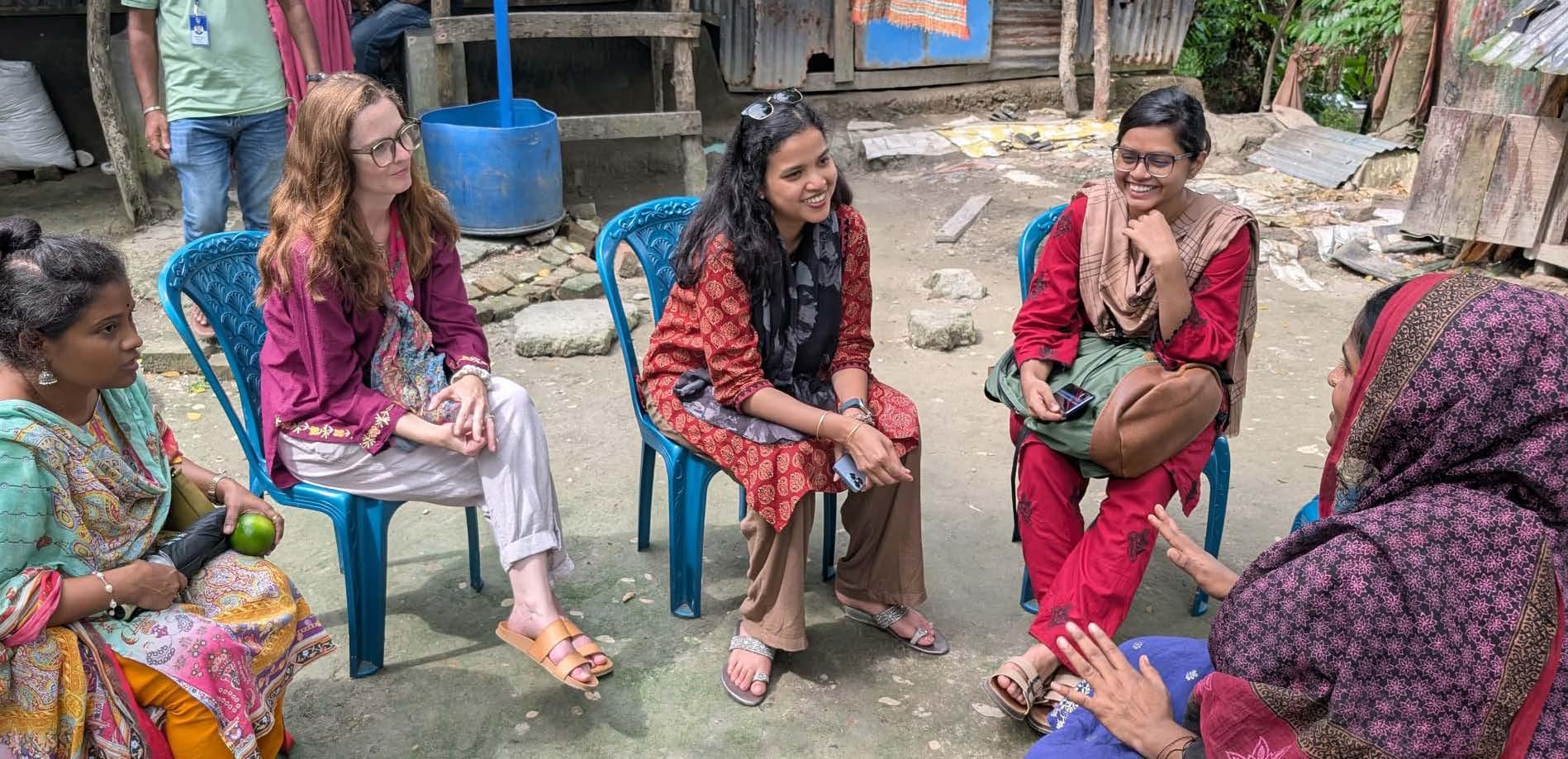
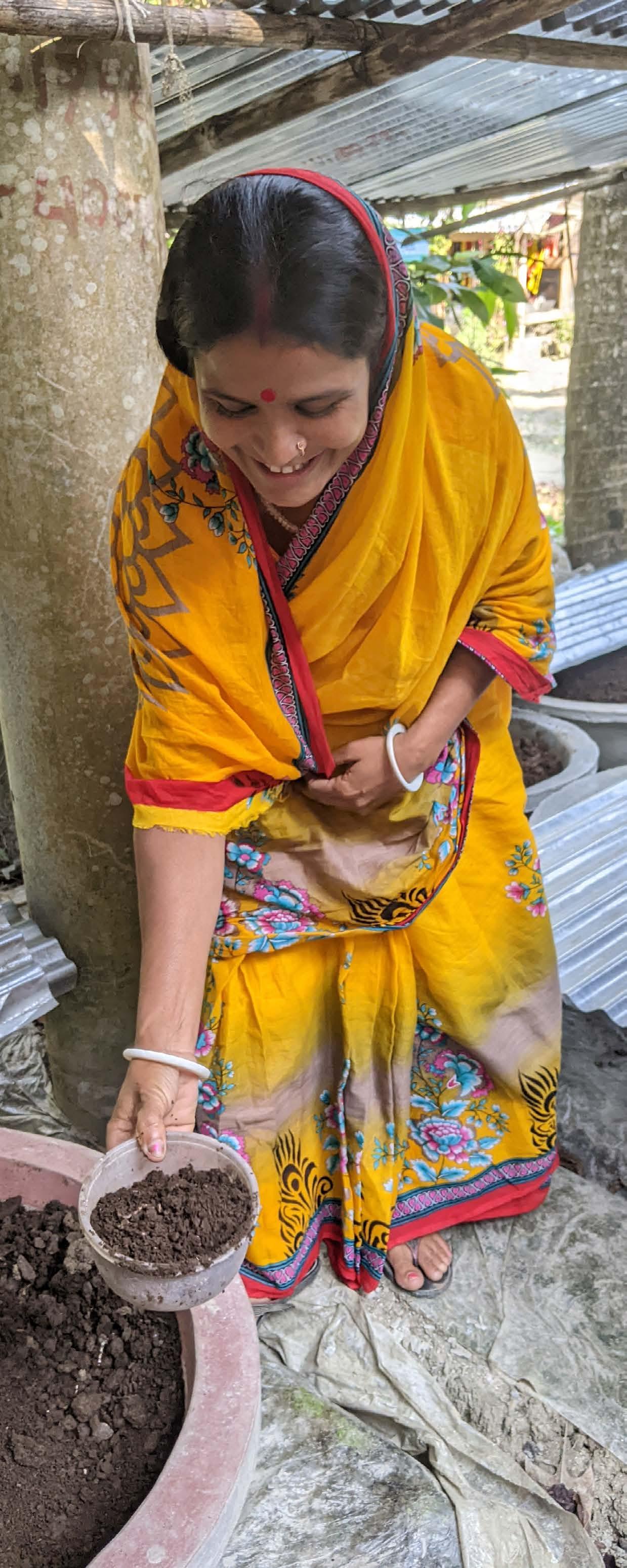
The Christian Commission for Development in Bangladesh (CCDB) works at the community level to support the formation and strengthening of local women’s organizations in southern Bangladesh to develop community-based climate change adaptation plans and alternative livelihoods – including the diversification of income sources – as women navigate climate-affected coastline life in the country. Through training and research, CCDB examines the vulnerabilities of women in the context of climate change, and supports them to engage in advocacy and campaigns, and interact with local government.
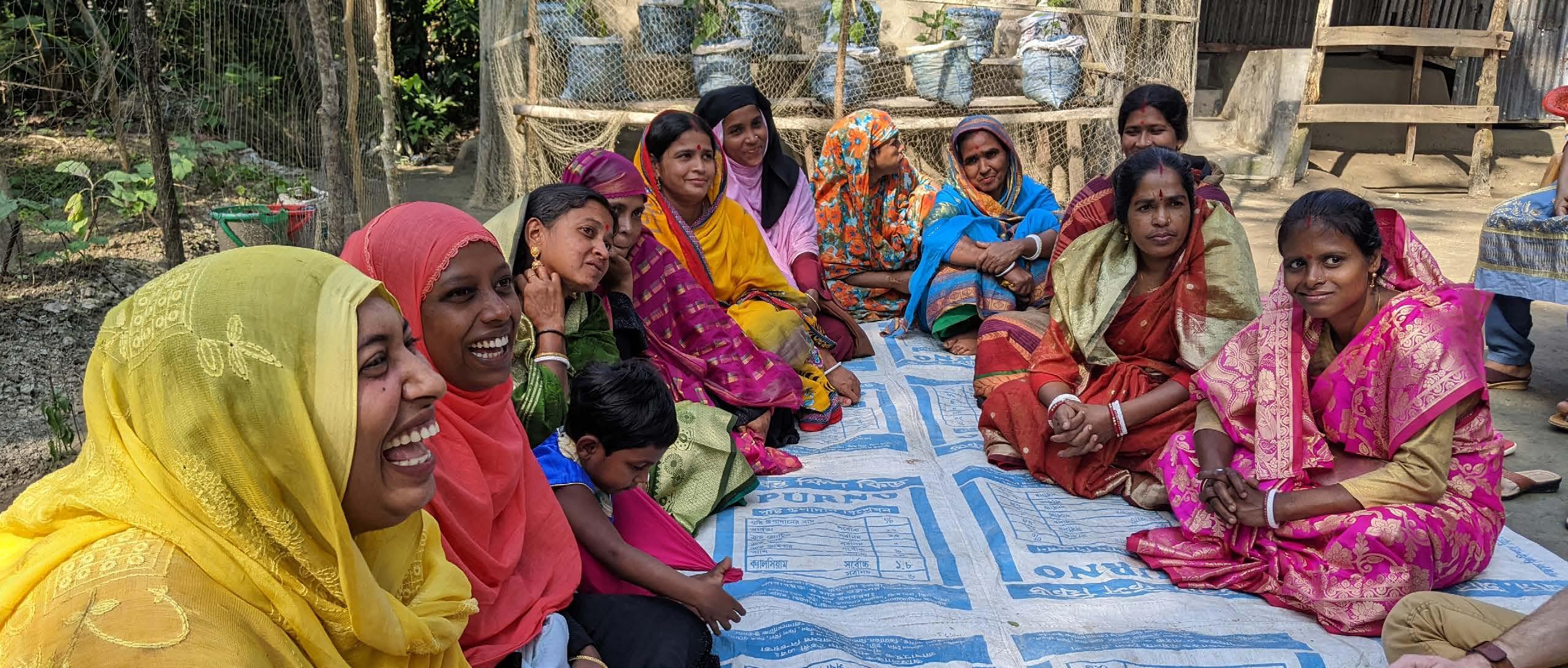
As part of their ENGAGE activities, women in the project communities join groups and receive training on such topics as entrepreneurship and asset-based community development (ABCD). They use the knowledge gained to identify challenges in their communities and work continuously to address these. They are also working on leadership development, guiding each other toward resolving issues by communicating with different local government offices.
Organization
for Women in
Self-Employment
(WISE) is dedicated to enhancing women’s empowerment and promoting active citizenship among girls and women through the promotion of women’s leadership roles in households, businesses, communities, and cooperatives. WISE facilitates group action for creating access to financial services, collective voice, and sustainable development. It offers training for women leaders with a focus on women’s empowerment, asset-based approaches, and enterprise development.
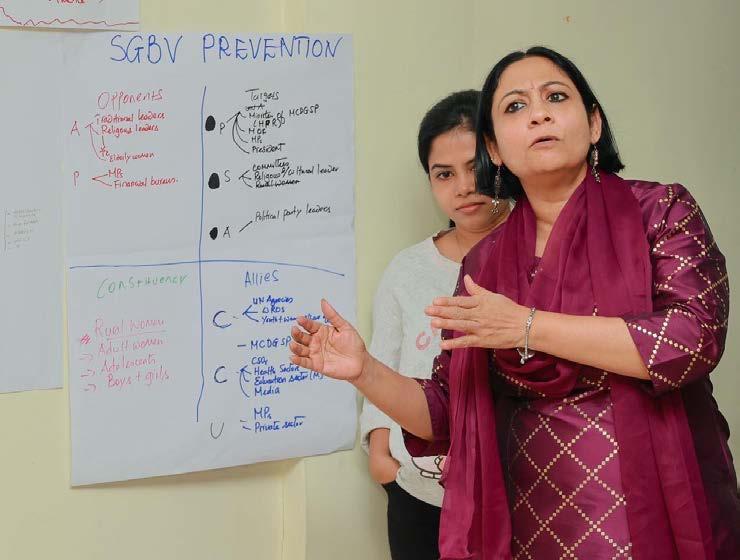
Women and girls are invited to participate in savings and credit cooperatives (SACCOs). WISE provides comprehensive training to equip SACCO members and leaders with practical knowledge and skills. Each SACCO recruits its members, determines loan size, and leaders decide who is eligible to take a loan. WISE also supports the development of women’s enterprise groups. The organization aims to mitigate gender-based violence and encourage the adoption of equitable, community-driven policies and practices.
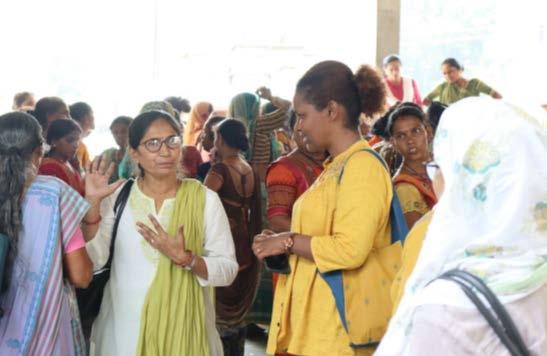
Self-Employed Women’s Association (SEWA): With over 3.7 million members, SEWA is a union of low-income and self-employed women workers of the informal sector. The SEWA Manager Ni School (SMS) has leadership and management programs for its grassroots members. SEWA provides community-based training of women leaders focused on the “future of work” in the informal sector. The SMS has trained a cadre of grassroots leaders as master trainers who work in ENGAGE.
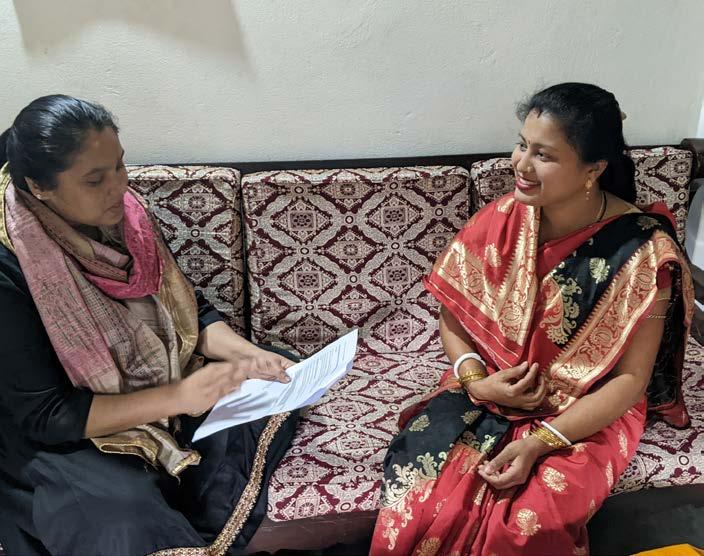
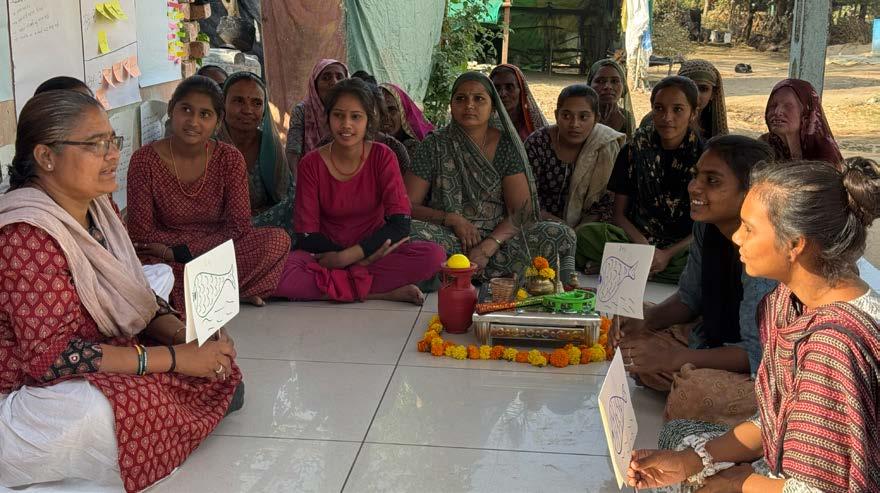
Across the diverse states of Gujarat, Rajasthan, and Maharashtra of India, the ENGAGE program has served as a catalyst for women’s empowerment and increased participation in local leadership roles. Master trainers equip grassroots women with essential skills and knowledge to actively participate in their communities. From spearheading entrepreneurial ventures to advocating for infrastructure development, these women have emerged as influential voices and are driving positive change and inclusivity in their communities. Staff support women to strengthen their ability to become financially independent through identified income earning opportunities offered by SEWA or other market actors.
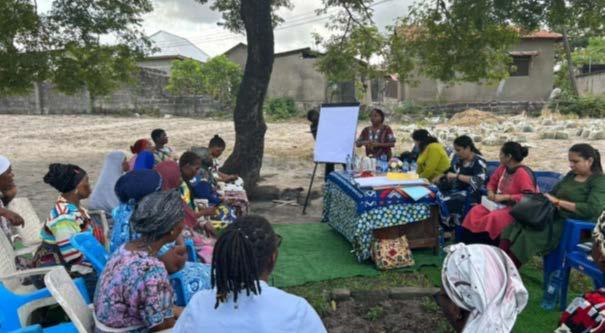
Tanzania Gender Networking Program (TGNP) supports women’s empowerment to lead gender equitable change in their communities through Gender Responsive Budgeting (GRB), providing tools and methods to engage with budgets and identify priorities for their local community. TGNP also promotes GRB-related advocacy directly with governments and agencies that hold authority over – or can influence – decision making on local and national budgets.
TGNP is implementing activities in two regions, Dar es Salaam and Shinyanga. Project staff have sought to strengthen women’s and girls’ voices, power, and influence in their local communities by focusing on three areas. Firstly, they support the development of effective leaders by strengthening the leadership of women and men for genderequitable community-driven change processes in their communities. Secondly, they enhance the performance of civil society organizations (particularly women’s rights organizations) in supporting women’s leadership in the regions. Finally, they improve the reach and influence of gender-equitable, community-driven policies and practices within and beyond the target areas.
TGNP delivers sessions and training to women and men in the target areas covering topics on economic rights, grassroots women and men’s engagement with media, and planning events with local government on issues that affect women’s participation.
COADY AS A “LEARNING PARTNER”
Learning in many forms has been a critical part of the ENGAGE project. With decades of experience in asset-based and feminist approaches to communityled development, labour organizing, advocacy, women’s rights, youth engagement, community climate resilience, movement building, and social entrepreneurship, the six ENGAGE partner organizations bring a rich mix of skills, knowledge, and experiences to the table, with much to offer and learn from each other with regards to strengthening their respective organizational and programmatic capacities.
As a “learning partner”, Coady Institute designs, convenes, and facilitates learning spaces and processes. While a learning agenda with overarching themes was initially developed to guide areas of inquiry, research studies emerged over the years based on the contexts, needs, and interests of the partners. Similarly, while partners and their networks accessed public in-person and online Coady courses and received training on topics set at the project’s inception, flexibility was built into the project to allow Coady to be responsive to partners’ requests for capacity development on an ongoing basis.
Reflecting on this role, ENGAGE partners highlighted three aspects of Coady’s approach to learning in the project: strengthening partnership through collaboration, recognizing the value of action research by embedding it into the project, and coordinating the exchange of regional expertise among the partners.
To learn more about partners’ reflections on Coady’s role as a learning partner, see this brief by Ibtesum Afrin.
This report showcases the areas of learning guided by Coady as a learning partner. This work includes supporting and conducting research; developing and offering courses, workshops, and other non-formal learning spaces; providing fellowships for partners to travel to Coady for accompaniment and knowledge-sharing opportunities with Coady staff and the broader community; and coordinating learning exchanges between partners to share their expertise in their own contexts.
Many forms of learning occurred throughout project implementation – specifically, through project activities in communities across the five countries. Each implementing partner supported their communities through extensive trainings, convening formal and informal learning spaces, and sharing learning across their broader networks. However, this report will focus on Coady’s direct engagement in convening and supporting learning in ENGAGE.
The sections that follow will provide an overview of what was done in each area of work, reflections on the processes and approaches used, and a discussion of some of the impacts of these spaces and activities on the project, the partners and their networks, and Coady’s own learning.
16
RESEARCH STUDIES CONDUCTED BY PARTNERS, COADY, OR DONE COLLECTIVELY
THROUGH
10
COURSES OR WORKSHOPS
COURSES & WORKSHOPS THAT 64
HAD ENGAGE-FUNDED PARTICIPANTS AND/OR WERE OFFERED DIRECTLY THROUGH ENGAGE
WHERE PARTNERS CONTRIBUTED TO COURSE DEVELOPMENT AND/OR WERE CO-FACILITATORS
4
EXCHANGES
BETWEEN IMPLEMENTING PARTNERS
FELLOWSHIPS 5
ON QUALITATIVE RESEARCH, ONLINE COURSE DESIGN, AND CURRICULUM DEVELOPMENT
RESEARCH
The Learning Agenda
The learning agenda was designed to capture knowledge generated by all partners through project activities. The learning agenda’s overall objectives were to:
1
SUPPORT AND ENHANCE the capacity of individuals and ENGAGE partner organizations to facilitate community-driven action research for community-led change;
2
4
3
GENERATE DATA AND ANALYSIS on issues to advance gender equality and active citizenship and highlight innovative methods for advancing women’s social and economic agency;
MONITOR AND EVALUATE the extent to which project activities lead to enhanced women’s agency and empowerment at community levels in the five partner countries;
SUPPORT AND FACILITATE the dissemination of research results and use evidence to expose and challenge gender-discriminatory structures, policies, programs, institutions, and practices.
Overview Of What We Did
In ENGAGE, research is viewed not only as a means of gathering evidence for advocacy but also as a participatory tool for community reflection and community-led changes. ENGAGE partners identified community-based and participatory action research as a key element of their collaboration. Coady, as a learning institute, offered space and resources to support partners and conduct evaluative research to find ways to strengthen communities. The four learning themes below provided a general framework to guide their inquiries and knowledge-building efforts, while the specific learning activities and research questions emerged and evolved throughout the project.
Enhancing Communityled Research for Influencing Policy and Practice
Advancing Women’s Leadership in Community Development and Resilience
Equitable and Inclusive Citizen Participation in Social and Economic Community Development Feminist Organizing and Movement Building
Partner Action Research
Partners identified areas within their programs and communities that required deeper exploration and development, and based on these priorities, they led a series of research studies – ten in total. Most of the studies were designed and conducted by researchers within partner organizations, ensuring that the questions, methods, and analysis were closely grounded in local realities and organizational learning needs*. Coady staff accompanied and supported the process where needed, providing mentorship, methodological guidance, and space for reflection. This approach allowed partners not only to generate evidence for advocacy and program improvement but also to strengthen their own research capacities and leadership in knowledge production.
Partner Research Learning Process
Collective request for qualitative research methodology training to build qualitative research capacity of partner organizations
Partners identified missed opportunities to deepen their knowledge from communities
Deeper engagement with community members through partner-led research
Partner capacity to build and drive their own qualitative research agenda, beyond the project
* Two of the early studies were co-developed with consultants with whom partners had longstanding relationships. While the consultants collected the data, conducted the analysis, and produced the reports, partners informed the study design and validated the findings.
ABCD Project study in Nefas Silk Lafto
Subcity Woreda 10 of Addis Ababa City Administration
Resilience and Success: Strategies for Small-Scale Businesswomen Entrepreneurs in Addis Ababa (forthcoming)
How Climate Change Intensifies Unpaid Care Work (forthcoming)
Assessment of Women’s Economic Empowerment and Domestic Violence: The Case of WISE SACCOs
Women's Agency in Climate Change Adaptation: Unveiling Asset-based requirements for policy recommendation
Partner-led Research
Works published online are linked, while some study publications are forthcoming
Exploring the role of Intensive Movement Building Cycle (IMBC) in gendered community action in Tanzania (forthcoming)
Famn Angaje case study videos
Assessing Pandemic Impact on Social Enterprises of SEWA (brief)
Drinking Water Resource Management in Coastal Bangladesh (forthcoming)
SEWA’s Union: Strengths, Challenges, and the Road Ahead (forthcoming)
Assessing Pandemic Impact on Social Enterprises of SEWA (full report)
Coady-Led Research
These studies were initiated and guided by Coady researchers and program teaching staff to explore key questions emerging from the project’s learning agenda. These inquiries brought together five complementary qualitative studies, each illuminating different dimensions of learning, collaboration, and the broader social issues the project sought to address. While led by Coady, the research remained collaborative in practice, drawing on partners’ and community members’ experiences, insights, and participation. These studies are ongoing, and findings will be published throughout 2026.
SOCIAL ACCOUNTABILITY AND FEMINIST ADVOCACY
YOUNG WOMEN’S ECONOMIC AGENCY
This report outlines findings from the collective research discussed on the next page.
RESEARCH TOPICS
ENHANCING AND EXPANDING WOMEN’S FREEDOM THROUGH ABCD
WOMEN’S LEARNING ECOLOGIES AS RESILIENCE-BUILDING PRACTICE: INSIGHTS FROM COASTAL BANGLADESH
FEMINIST LEADERSHIP AND SOCIAL MOVEMENT IN NORTH-SOUTH PARTNERSHIP
Collective Research
“Collective research” is carried out jointly by partners, community members, and project facilitators to explore shared questions and challenges. Rather than being led by a single organization, these research processes bring together multiple actors to reflect on experiences, analyze social issues, and collectively generate knowledge.
To explore the presence and practice of feminism in the project, partners decided to undertake a collective research study, drawing on participants' experiences in their programs. The partners sought to explore:
1) the extent to which the program’s feminist framing for social change was reflected in the participants’ learning and engagement with equality and rights in program activities, and
2) the extent to which feminist leadership qualities are being cultivated and nurtured to support feminist organizing and movement building.
Research Learning Forum
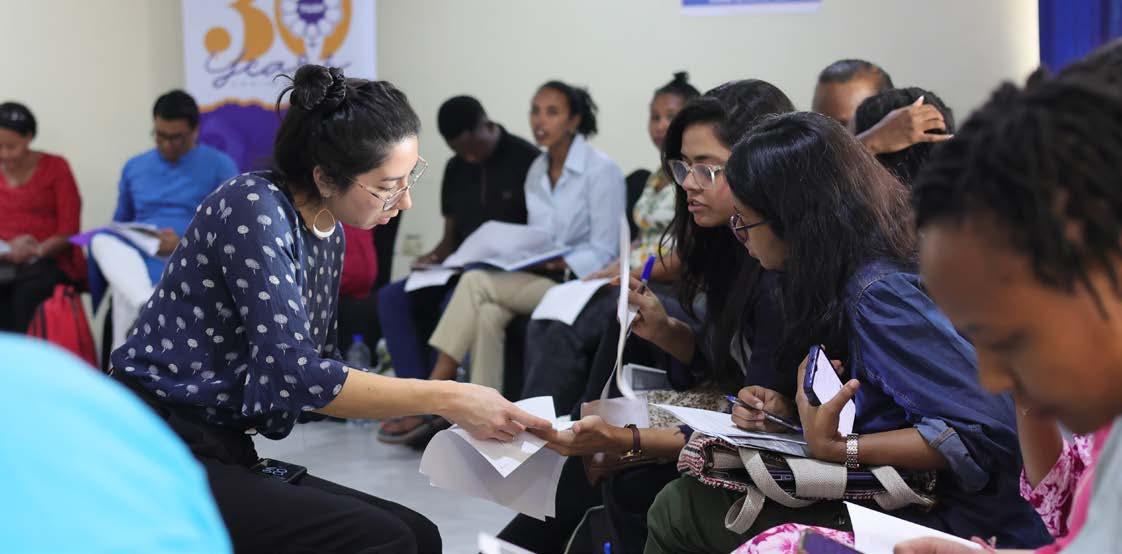
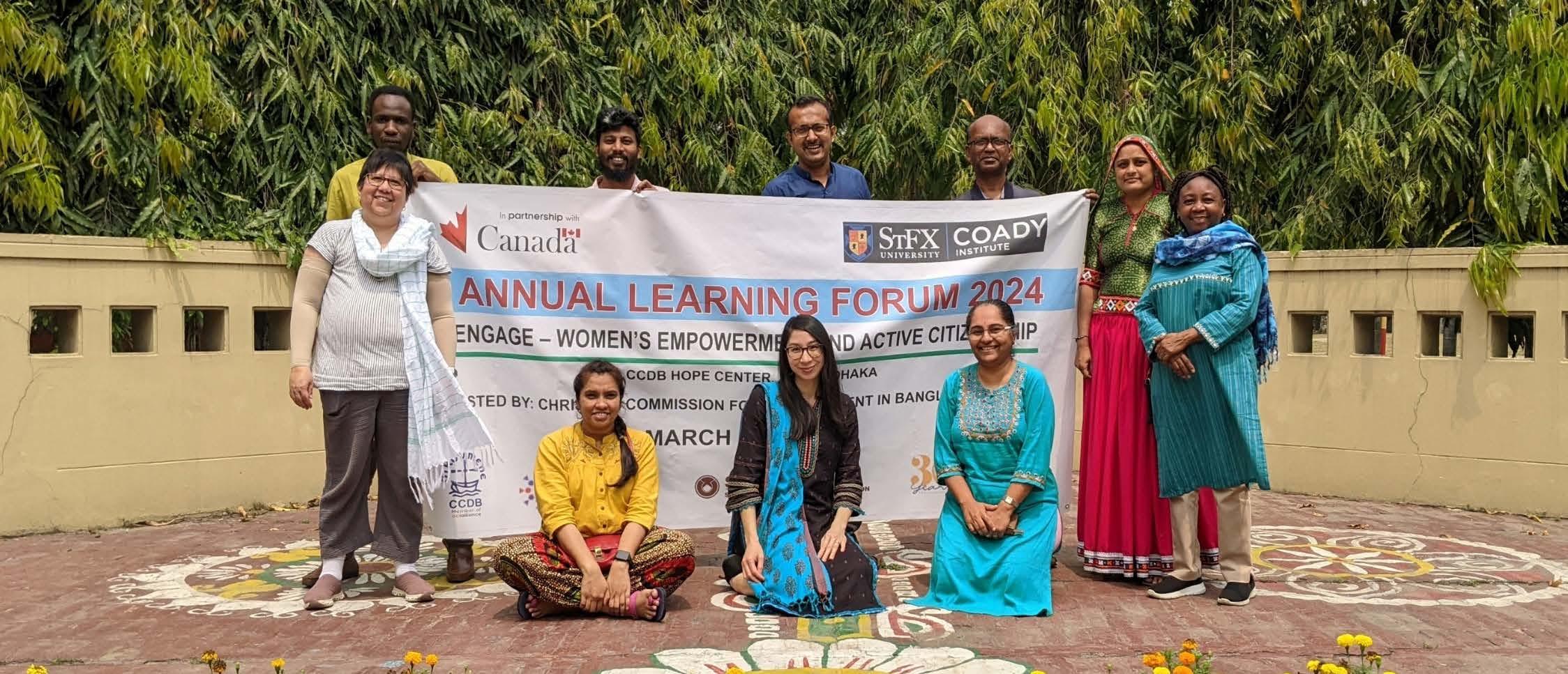
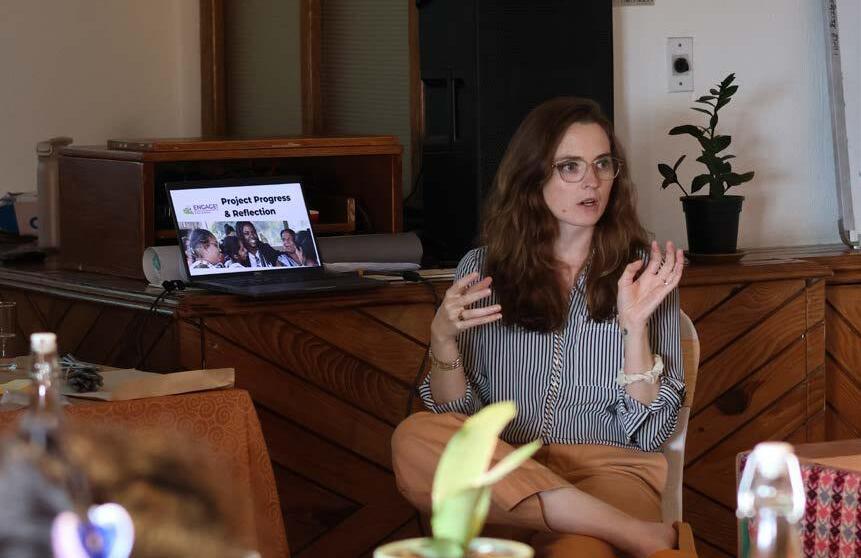
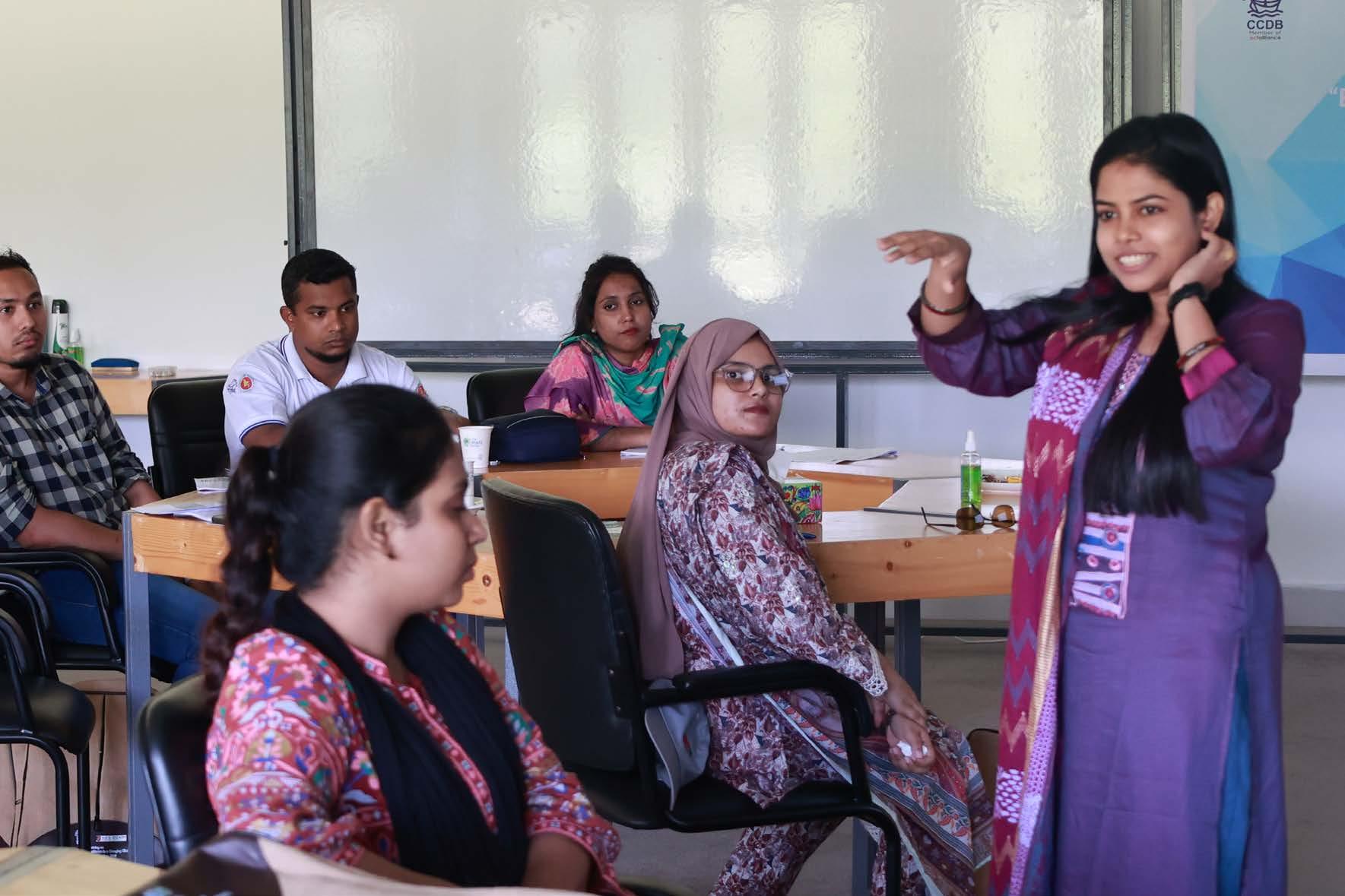
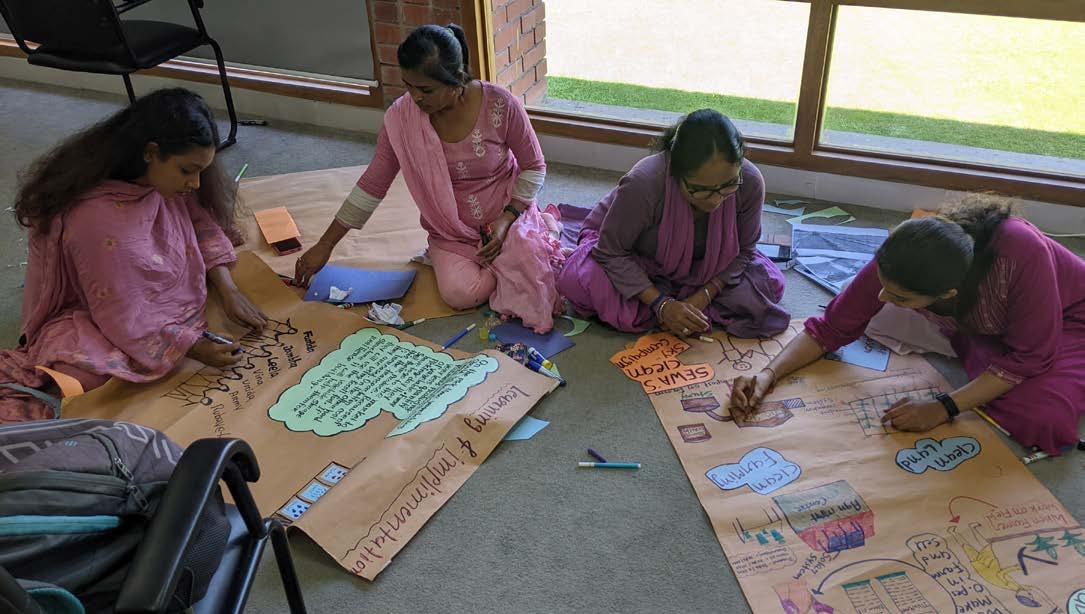
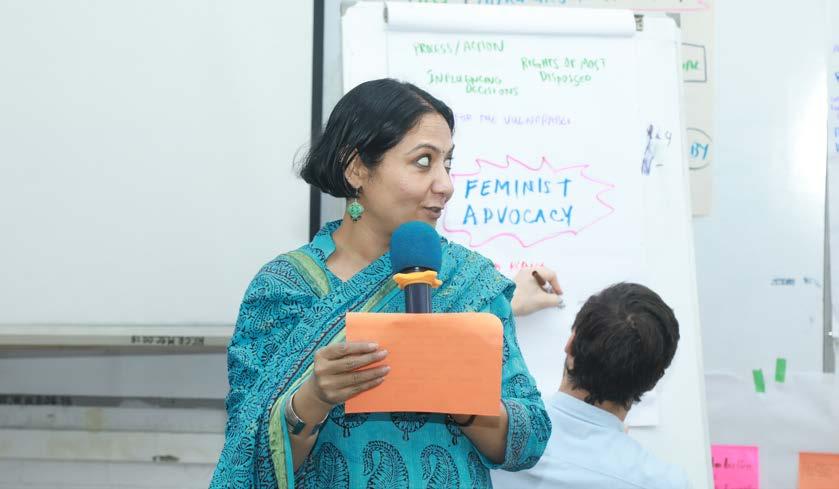
In March 2024, partners gathered at CCDB’s Hope Center in Bangladesh for a week of sharing and learning around research. Partners each facilitated sessions where they introduced their action research studies and discussed methods or findings through a participatory activity. They also engaged in workshopping the interview tool for one of the Coadyled research pieces, ensuring it was informed by their understandings of their communities’ contexts. Finally, partners engaged in a collaborative sensemaking session around the collective research data.
Processes, Approaches, And Tools
Research within ENGAGE brought together many complementary qualitative inquiries, methods, and approaches, each designed to illuminate different dimensions of learning and collaboration across the project. A lot of active introspection on how to make it collaborative, decolonial, and community-led makes ENGAGE research spaces unique. Some of them are knitted in how we do it, the processes, approaches, and tools. A few of them are listed below.
The significance of these streams of research in ENGAGE is embedded in:
An intentionally collaborative research design
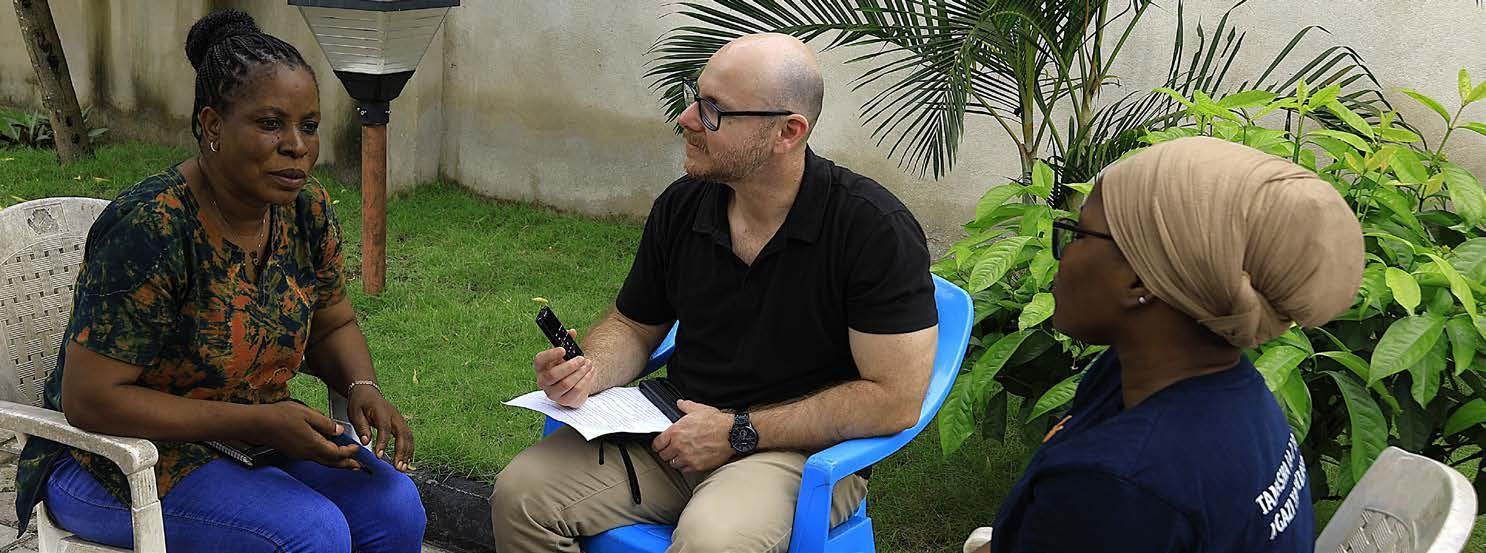
Research on women’s learning ecologies in coastal Bangladesh explored the everyday lives of women participating in ENGAGE activities, using semi-structured interviews to understand how learning, knowledgebuilding, and sharing unfolded in practice and contributed to resilience building. An intentionally collaborative research design brought a partner organization’s research team member into the fieldwork. She had previously participated in an ENGAGE qualitative research workshop and put these skills into practice to support this study. This intentional collaboration created a space in which each researcher could contribute their reflections and analysis, transforming the research into a grounded learning opportunity.
Valuing people, time, and experience
A study examining partners’ experiences of Coady’s role as a learning partner and how partnership dynamics shaped feminist learning within the project used a patchwork ethnographic approach. The strength of this research comes from the project’s life cycle, the people involved, and their time and experiences. Though the research drew on interviews and focus group discussions with Executive Directors and Program Managers separately on different aspects of partnership, the significance lies in the trust and value placed in the diverse perspectives across organizations, which rarely occur in such contexts.
Engagement
with Coady graduates
Another research study focused on the experiences of ENGAGE graduates and community members connected to Knowledge Centers, using interviews, facilitated discussions, focus groups, and participatory tools such as Photovoice to allow participants to document and reflect on their own journeys. Together, these approaches centred the voices and experiences of those most closely involved in the project, offering a richer understanding of how learning and collaboration evolved across the ENGAGE network.
The Impact Of The Work
The impact of these research initiatives stems from approaches that place grassroots communities at the center, foster collaboration among partners, and create opportunities for cross-learning among diverse actors across the ENGAGE network. Research that places communities at the center, deeply intertwined with aspects such as confidence, leadership, and empowerment, often makes it challenging to immediately identify clear markers of significance. Yet the studies are substantial because they revealed shifts that are not always easy to quantify: participants gaining respect within their families, becoming role models for younger generations, and influencing others’ perceptions of leadership and participation in community life. At the same time, the research highlighted that ENGAGE partners understand and practice collaboration and feminist approaches in diverse ways. Despite these differences, their work consistently centers community organizing and collective action, contributing to locally grounded forms of social transformation that challenge more conventional development models. Importantly, the research process itself became a space for reflection and shared learning across the network, enabling partners and workshop graduates to examine how feminist approaches are understood, adapted, and practiced within their own contexts.
Through the qualitative research workshop facilitated by Coady, I gained a strong foundation in qualitative research design including question formulation, sampling techniques, and appropriate tool selection and development. The training emphasized the importance of crafting effective and context-specific questions that elicit rich, detailed responses. Field-level practical exercises significantly enhanced my skills in rapport-building, real-time observation, and identifying gaps in research tools. The workshop’s participant-driven and reflective approach created space for peer learning and continuous improvement. This experience will greatly benefit my ongoing research by enabling me to collect high-quality, meaningful data to better understand and address community-level climate challenges. It will also help build the capacity of my peers and contribute to more effective data analysis.
- CCDB Participant
ORGANIZATIONAL CAPACITY DEVELOPMENT
The capacity development agenda focused on activities to strengthen the capacity of the five implementing partners and their networks to more effectively advance women’s leadership, empowerment, and active citizenship. Activities focused on:
y improved delivery of asset-based approaches to women-centered development, and
y increased collaboration of civil society organizations (CSOs) and, more specifically, women’s rights organizations (WROs), to advance community-driven approaches to gender equality. formal educational courses and workshops (in person and online)
Capacity development in ENGAGE took many forms:
exchanges of staff, documents, and tools
informal and non-formal learning opportunities, including field-based experiences communities of practice and kitchen table talks
Further detail on these spaces and activities is provided throughout the sections on courses & workshops, fellowships, and exchanges.
technical assistance, accompaniment, coaching and mentoring
creation of times and spaces for reading and reflection
One notable lesson from the 65+ years of Coady’s experience in the development of both change leadership and organizational capacities is that there is more to organizational capacity building than strengthening the skills and understandings of individual employees through training. Improved organizational performance is also dependent upon improvements in organizational systems, culture and understandings, and to be both impactful and sustainable requires a whole-oforganization approach.
ENGAGE! Project Manager
Collaborative Learning
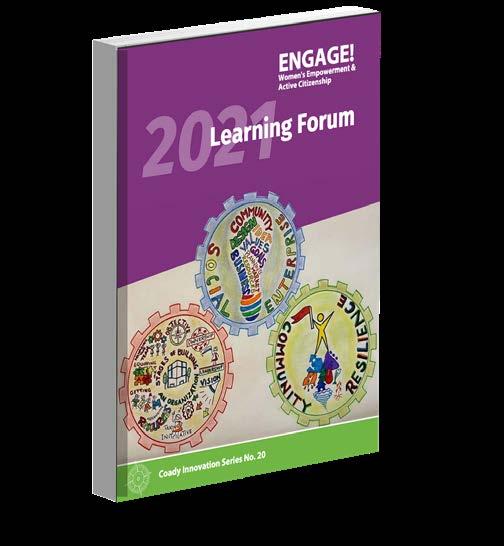
The 2021 Learning Forum comprised six online workshops held over a four-week period through October to early November. Representatives from each partner organization participated in the planning process and took the lead on presenting a topic and facilitating discussions linking to assetbased development, feminism, social enterprise and climate resilience.
The workshops brought over 30 senior leaders, staff, participants and volunteers from the six organizations. This diversity of thought, contexts, and approaches contributed to a dynamic environment and dialogue.
See the full publication with links to presentations here
COURSES & WORKSHOPS
What We Offered
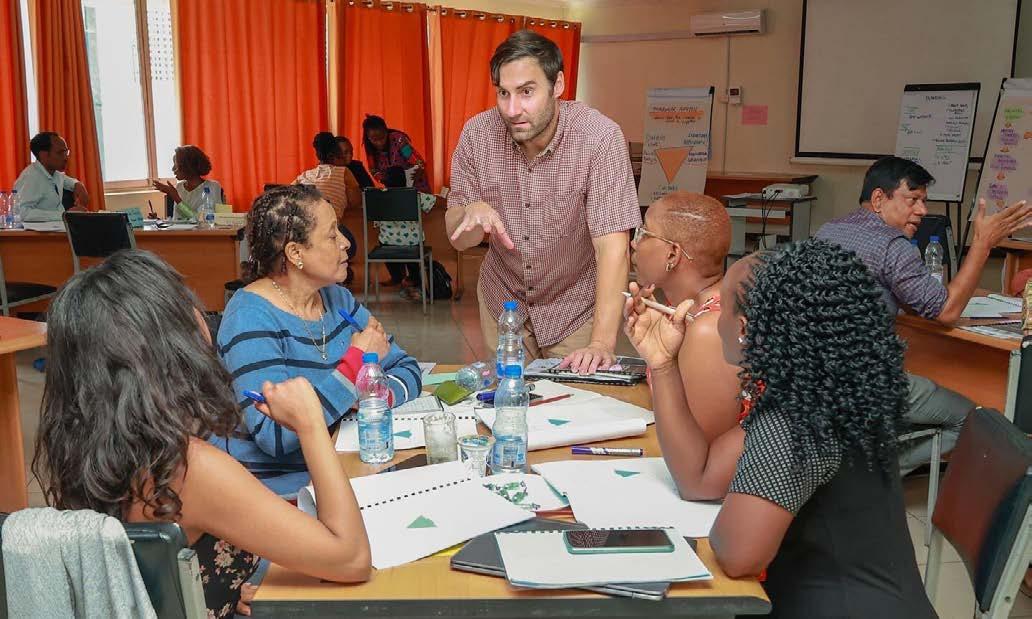
Throughout the project, Coady supported and convened capacity development opportunities among partner organizations through courses, workshops, and other types of gatherings to share knowledge and experience and to further develop skills. Coady’s position as an educational institute with expertise across various overlapping topic areas provided an opportunity for partners to engage in learning spaces in a variety of ways that responded to their specific needs, interests, and contexts.
While some partners participated in Coady’s public inperson and online educational programs – supported by project funds – others co-created learning opportunities alongside Coady staff that were offered to partners and their broader networks. Additionally, Coady developed several programs – longer courses and shorter, more tailored workshops – based on capacity development needs and interests that arose throughout the project. Coady also had the opportunity to work alongside some of the partners to co-develop and co-facilitate multiple iterations of educational programs to their staff, networks, and broader audiences.
Asset-Based Community Development (ABCD) Building Resilient Communities
Participation, Accountability, and Governance
Overlapping Topic Areas
Strengthening Local Economies
Learning Through ENGAGE!
Kitchen Table Talks
Recognizing the significance of people conversing on relevant topics of the day to make sense and learn with and from each other, the ‘kitchen table talk’ is a practice focused on conversation and people. The ‘kitchen table talk’ is inspired by the kitchen meetings of the Antigonish Movement and informed by the Gurteen Knowledge Café method which brings people together to talk about diverse, relevant, mutual topics to build understanding. Emphasis is placed on small group conversation, not presentation. Kitchen table talks were held throughout 2022 as part of ENGAGE, hosted by Coady and an ENGAGE partner. Topics included ABCD and humanitarian aid, ABCD and peacebuilding, Reflections on 25 years of ABCD, and ABCD, feminism, and gender
Our Approaches to Educational Programs
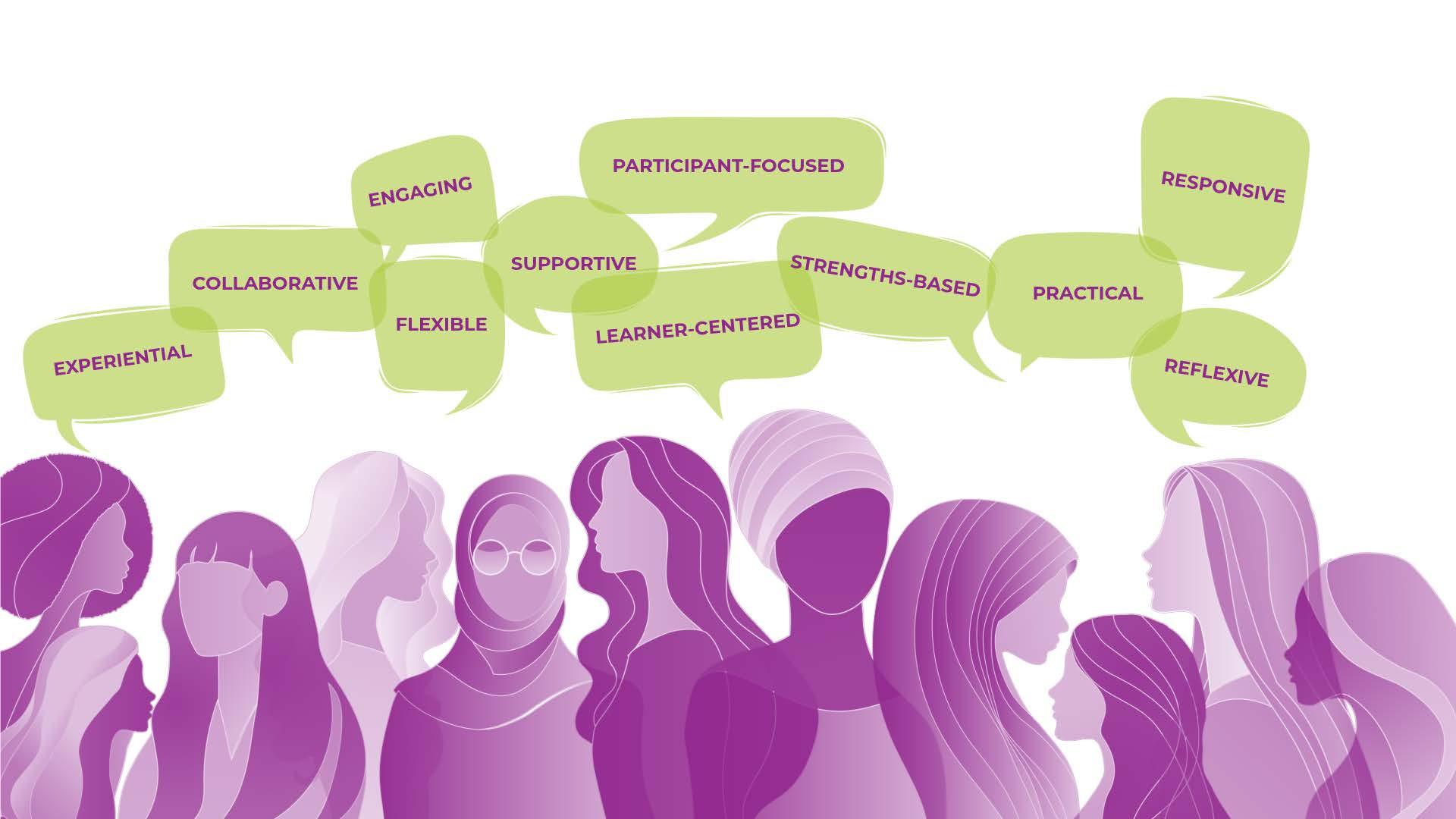
Coady’s approach to educational spaces is participant-focused and learner-centered, grounded in the belief that every participant brings valuable gifts, skills, knowledge, and lived experience to the learning space. Building on this strengths-based foundation, Coady facilitators aim to create an engaging and supportive environment where participants learn with and from one another. Courses and workshops emphasize practical learning, using the experiential learning cycle to guide how participants move between experience, reflection, generalization, and application (ERGA) in an ever-evolving cycle. Course content is explored through multiple modes of engagement, including experiential activities and conceptual discussions, case studies, group work, field visits, and other opportunities to build concrete, applicable skills. Additionally, specific ENGAGE courses and workshops were developed in response to partners’ priorities for both content delivery and capacity development, and facilitators employed learning needs assessments where possible.
Throughout ENGAGE, Coady staff have worked with partners along a spectrum of collaboration in curriculum design and facilitation, depending on their interests, expertise, and availability. This spectrum ranges from having partners host and co-facilitate courses to full co-design and co-delivery alongside Coady staff, both at Coady and in their home country. Throughout the learning process, Coady emphasizes supportive accompaniment with partners and participants, fostering ongoing relationships that extend beyond individual training sessions.
Coady’s educational practice is rooted in reflexive learning: course content and facilitation methods continuously evolve, informed through reflections and debriefings to strengthen the learning experiences and ensure activities remain relevant, engaging, and meaningful. This reflection includes facilitators’ self-examination of their own biases, assumptions, and relationships to knowledge and power. This practice benefits significantly from the partnership collaborations; working across various contexts, languages, and perspectives challenges us all to think critically about our own positions and accountability in learning spaces.
It’s easy to get caught up in where you are as it relates to your community and climate change. This course was so refreshing as it provided a global perspective and optimism for the future by participating with others who have a thirst for finding solutions and helping each other. We share so much no matter where we live in the world. The global community that this course brought together gave me hope in the human spirit and when optimism grows, belief in tomorrow with a healthier Mother Earth grows.
Climate Change course participant
Impacts on Organizational Development
Reflections from Coady staff and partners identified meaningful impacts on capacity development and institutional learning and practice. For implementing partners, participation has strengthened capacities in curriculum development and facilitation through engagement with the curriculum development cycle and accompaniment in designing and delivering educational programs. Partners also noted benefits in sharing their knowledge with wider audiences, expanding professional networks through interaction with other course participants, and strengthening organizational capacity through new skills and insights gained in courses and workshops.
For Coady, collaborations with partners have created opportunities to design new curriculum and learning materials informed by partners’ experiences and expertise, while also supporting the ongoing refinement of approaches to collaborative curriculum development. Working alongside partners in co-developed courses and workshops has deepened mutual learning and enabled Coady to adapt and strengthen its processes for collaboration and partnership.
See pp. 8-9 of our 2024 Annual Report to learn more about the Coady-CCDB Collaboration on developing and delivering inperson courses on communityled solutions for climate change.
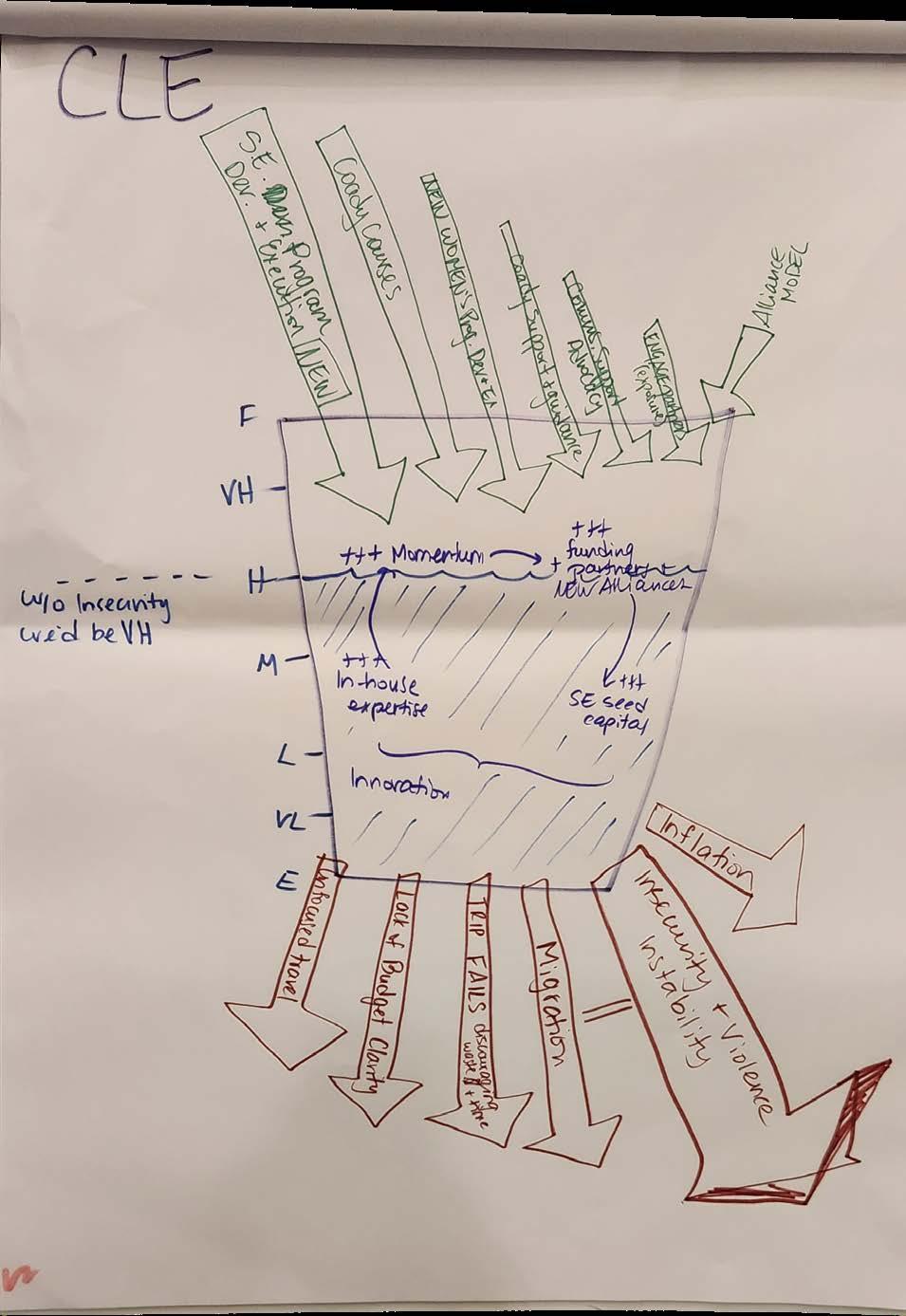
Organizational Leaky Buckets
One significant area of ongoing learning throughout ENGAGE was linked to annual planning and reporting – we wanted to go a bit deeper beyond reports of activities and outputs to allow partner staff to reflect on the significance of the ENGAGE project on the overall wellbeing of the organization. As the Leaky Bucket tool is already well known amongst the partners in the context of ABCD training, the tool was modified to facilitate these organizational discussions.
For Coady’s reflection on using the tool, see: What lies within: A leaky bucket approach to organizational learning.
FELLOWSHIPS
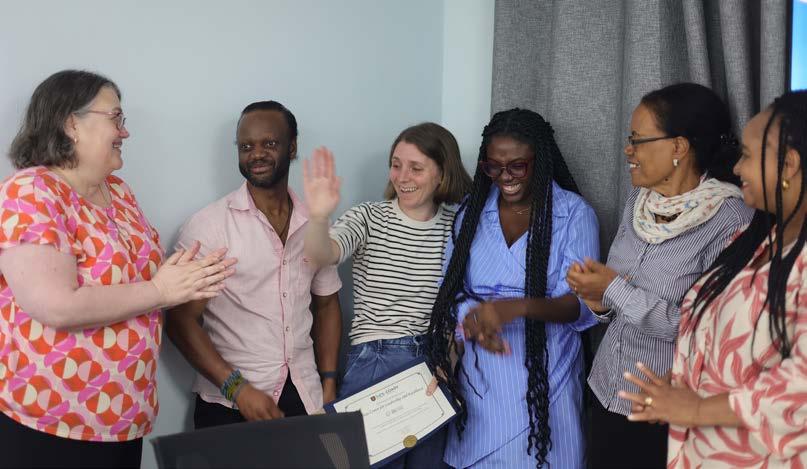
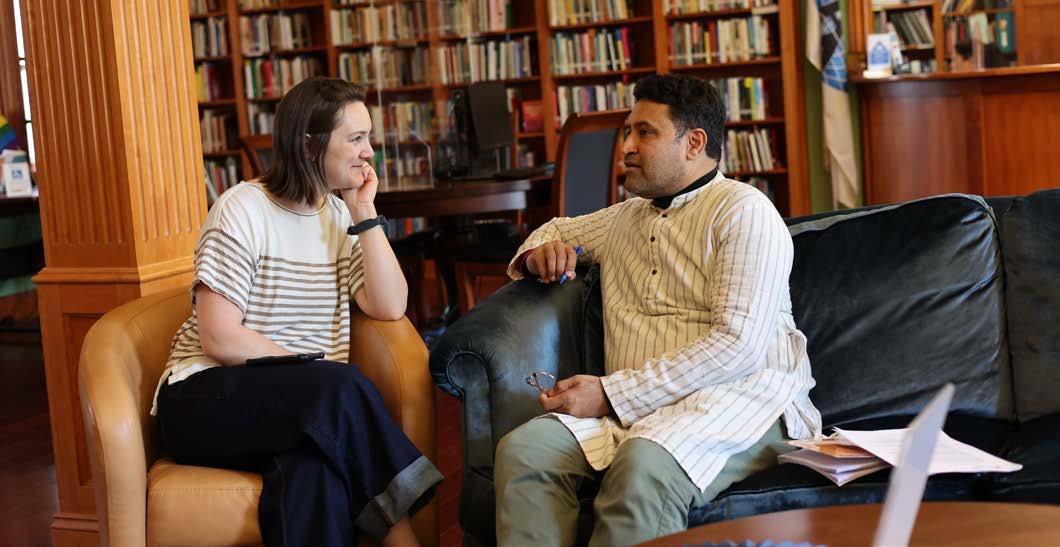
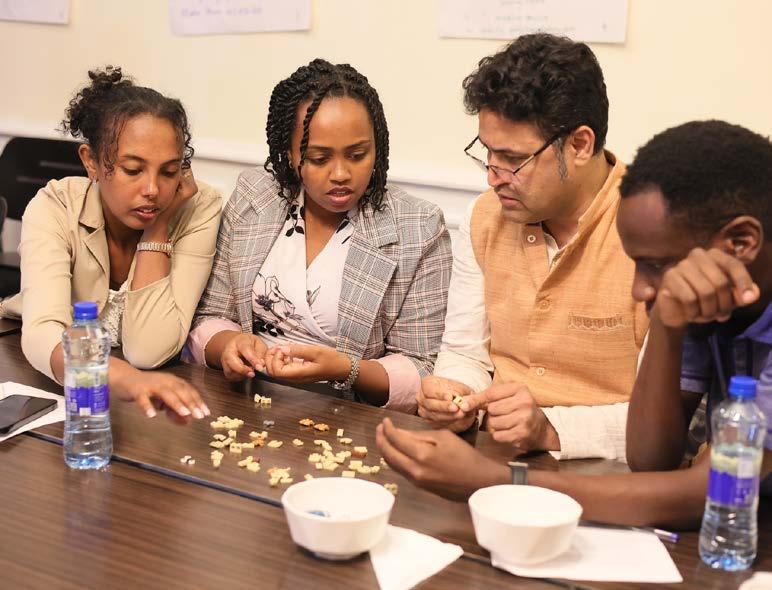
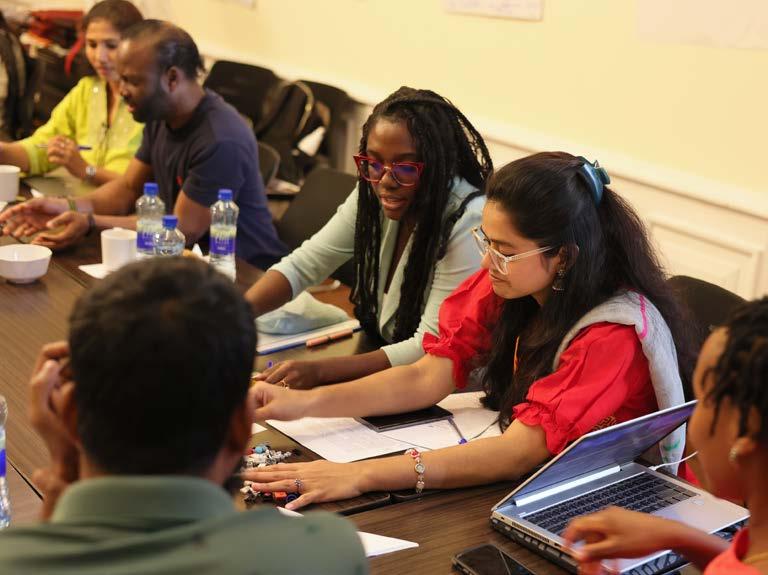
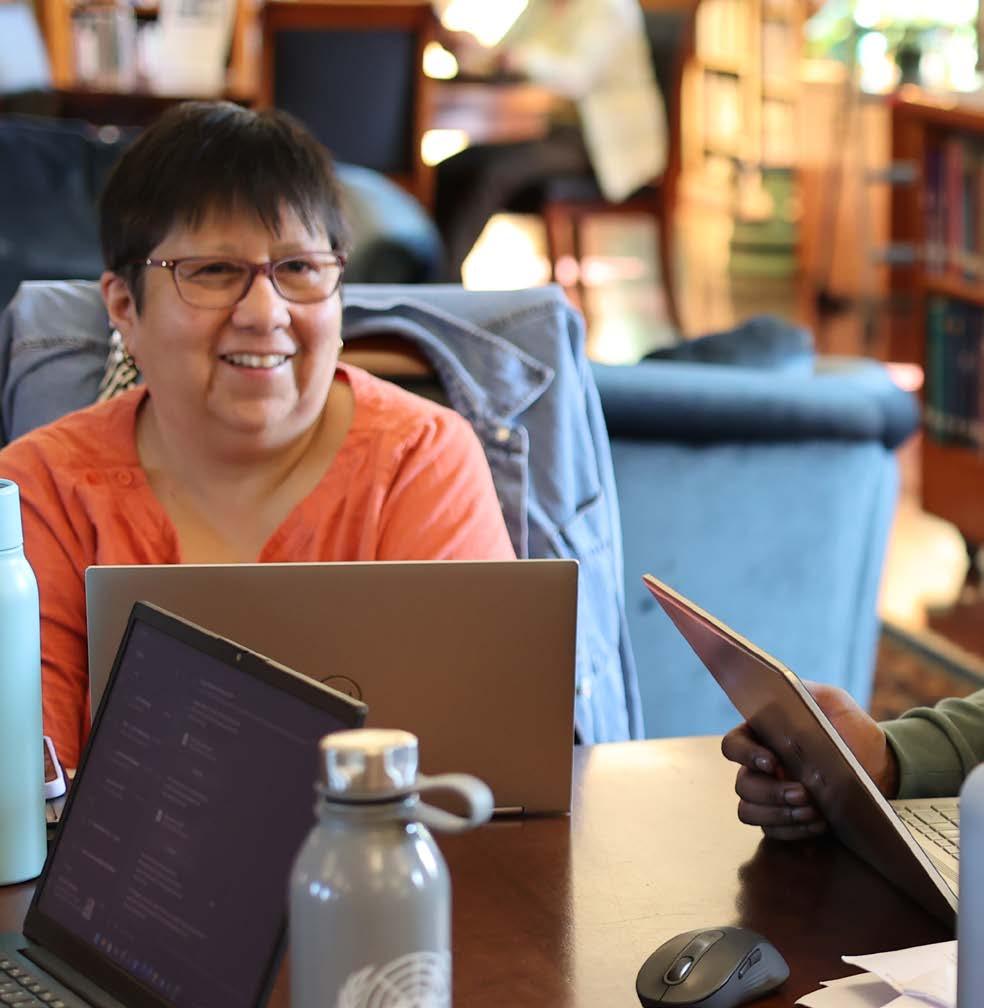
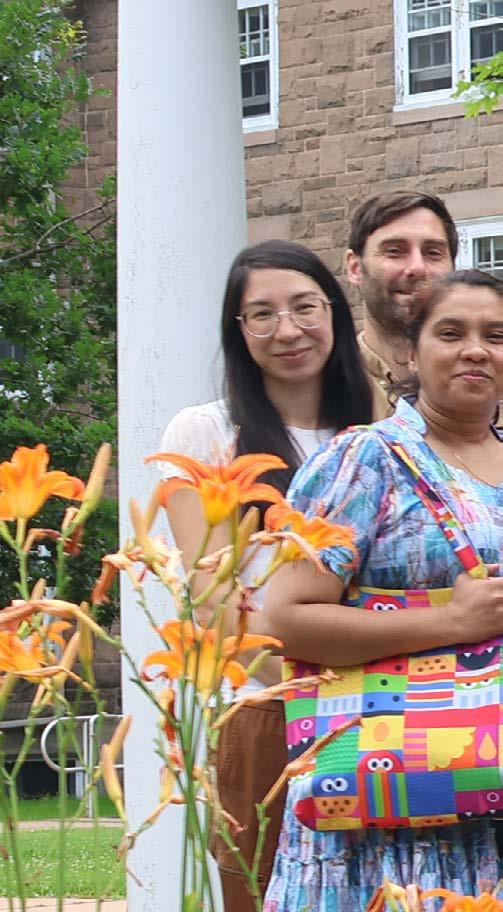
Anticipating interest in tailored and responsive support from Coady staff, the ENGAGE fellowships were designed to provide capacity-building opportunities for partners to support their project activities or build organizational capacity more broadly. Each partner was allocated funding for their staff to propose fellowships with specific goals to achieve during and following their time at Coady. In May 2025, six partner staff gathered for two weeks at Coady to take part in fellowships focused on qualitative research and on educational design (curriculum and module development, and online course design). Fellows worked individually and in groups alongside Coady staff, and opportunities were created for fellows and staff to interact and share their knowledge and learnings along the way.
This two-week fellowship model proved to be a valuable component of the project, offering fellows dedicated time at Coady to focus deeply on advancing their own ideas and initiatives. An early co-creation day with the educational design
group worked particularly well, establishing a strong foundation for the fellowship and sparking conversations that fellows continued independently throughout their time together. Hosting multiple fellowships concurrently also enhanced the experience by creating opportunities for informal connections, peer learning, and collaboration outside of the formal workday, reducing feelings of isolation and strengthening the sense of community. Fellows highlighted the importance of having that space to deepen relationships across partner organizations.
Flexibility was a key factor in the program’s success: while an initial outline and schedule for the fellowship time was developed prior to the fellows’ arrival, Coady staff – particularly fellowship leads – were able to adapt plans in response to fellows’ emerging priorities and interests. The fellows appreciated this responsiveness and flexibility to adjust plans and schedules along the way.
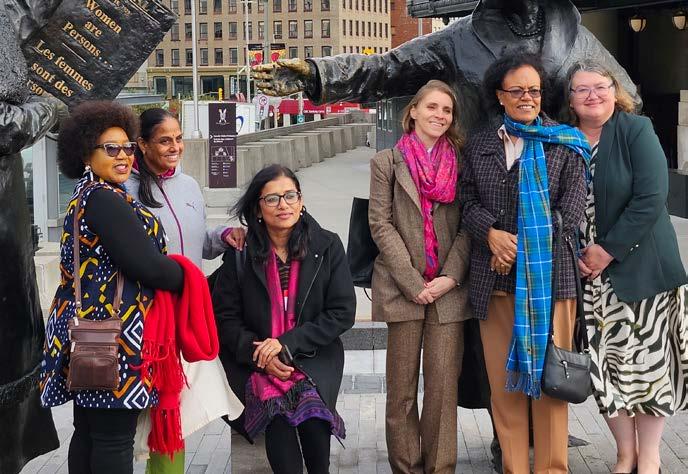
The May 2025 fellowships also coincided with the Canadian Association for the Study of Adult Education (CASAE) Atlantic Regional Conference, Learning with Community, co-organized by and hosted at Coady. Fellows joined nearly one hundred students and practitioners of adult education coming from universities, public sector departments, community organizations, and post-secondary programs across Atlantic Canada and Ontario.
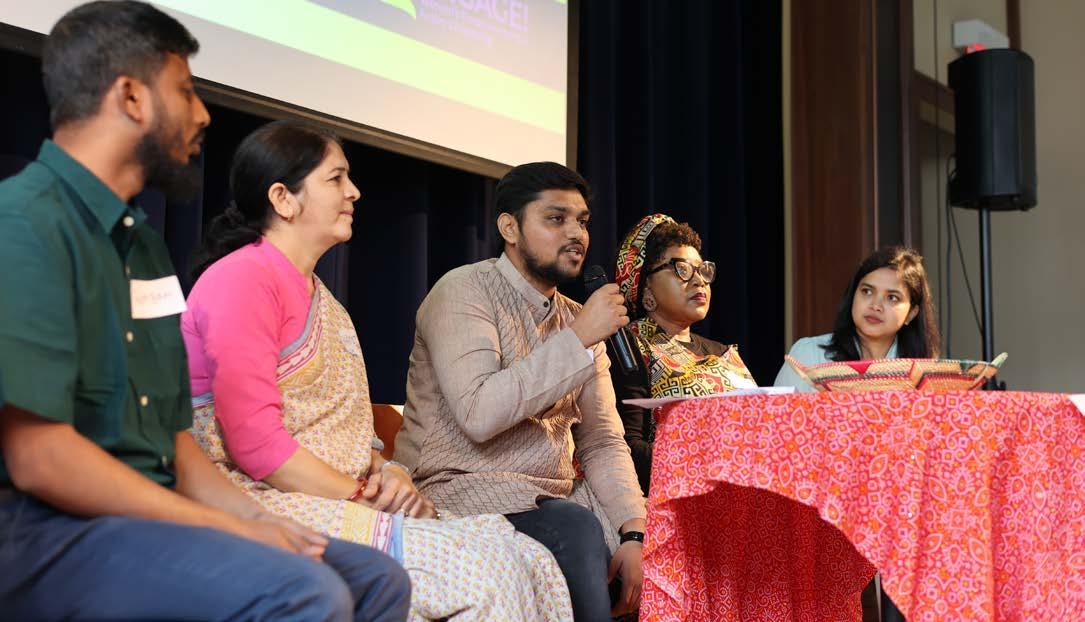
The conference opened with a People’s School, providing local and global participants an opportunity to share ideas and experiences while exploring the theme of “learning with community”. Four of the fellows participated in a panel titled Walking the Talk, at the start of the second day.
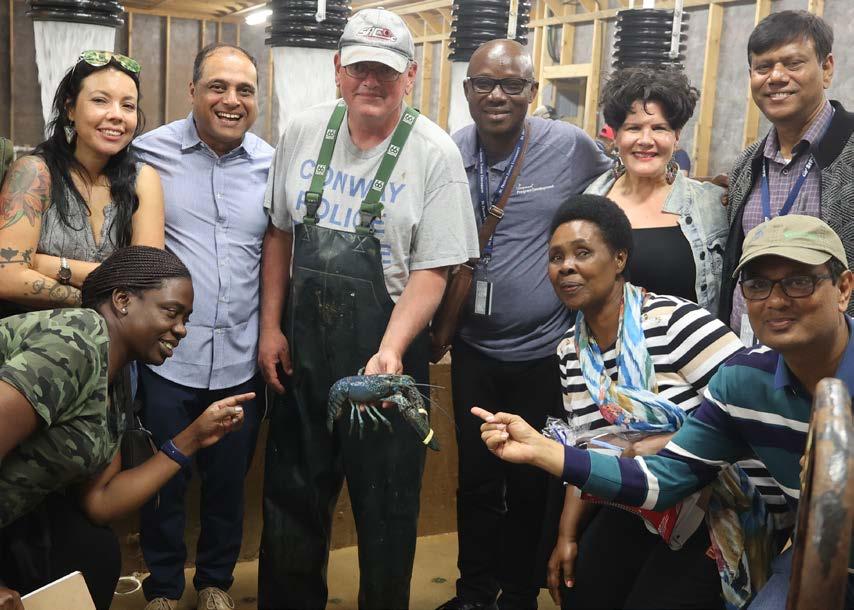
During the panel, fellows shared their experiences working alongside vulnerable communities in Bangladesh, India, and Tanzania, supporting women’s empowerment and active citizenship. Fellows enjoyed the opportunity to share their work at the conference, and conference delegates expressed appreciation for the opportunity to collaborate with the fellows, particularly during the People’s School.
To read more about their engagement in the conference, see: Learning across borders: ‘Engage’ fellows at CASAE Conference.
Communities of Practice
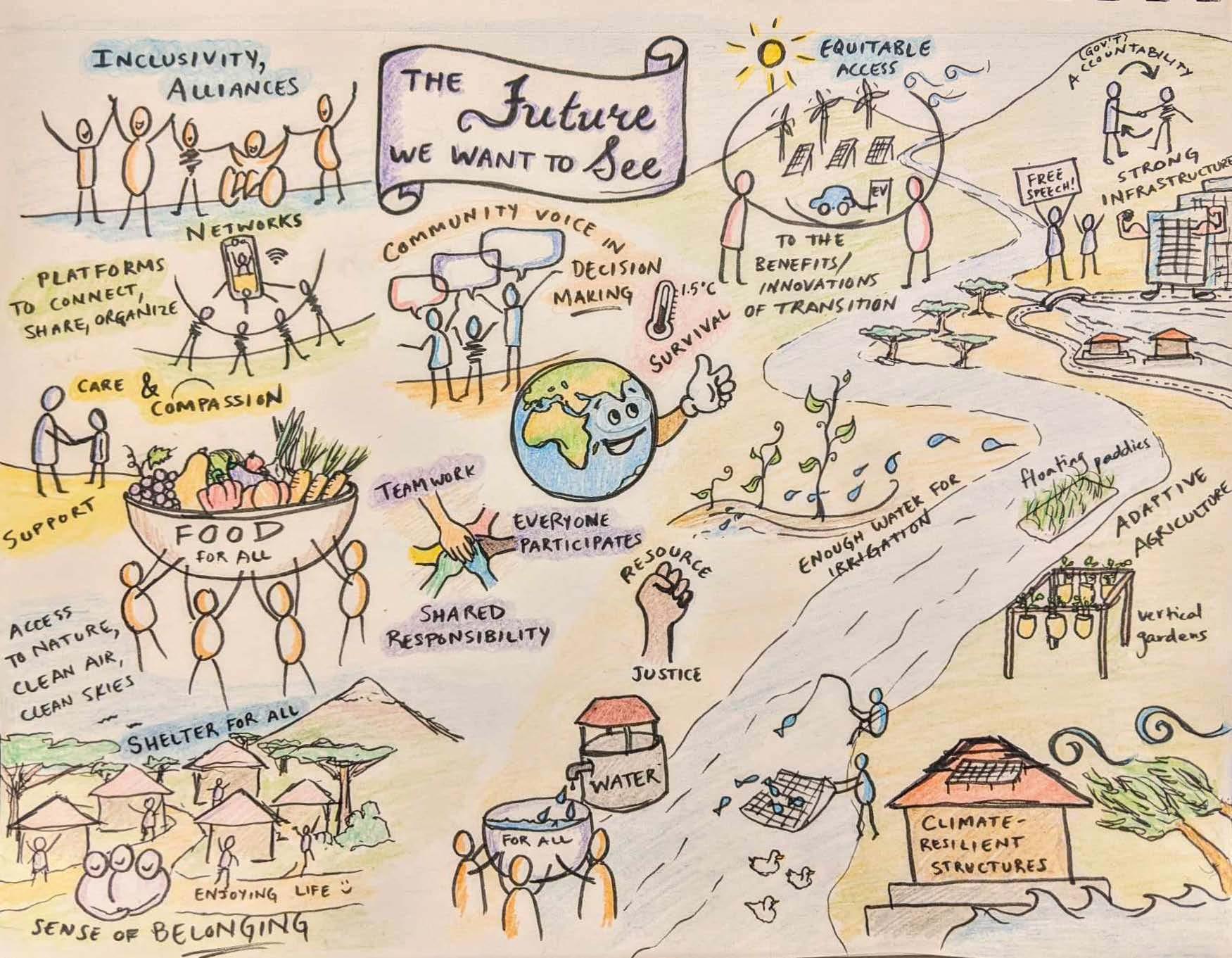
While the fellowships were intensive opportunities for co-development and accompaniment, Coady provided other types of learning exchange and accompaniment opportunities earlier in the project. Communities of practice (CoP) around specific topics or themes, such as Asset-Based Community Development (ABCD), Monitoring, Evaluation, and Learning (MEL), and climate change, were held online through the first few years. These CoPs created space for partner staff to share knowledge, methods, and processes, learn and practice skills, and brainstorm ideas and solutions to challenges they raised. For example, during the climate change CoP in 2024, partners walked through a visioning exercise to articulate the future they hope to see for their communities. By creating that vision, they could then explore concrete pathways to get there, centering climate justice.
“My approach to advocacy and leadership was changed by participating in educational programs at the Coady Institute. I carried this newfound perspective into my work with TGNP. We re-examined lobbying tactics to address the systemic causes of gender inequality. Stronger grassroots involvement resulted from this change, allowing rural women to spearhead advocacy campaigns and it influenced regional policies like the adoption of gender-sensitive budgeting. Developing collective leadership improved cooperation and mentoring, while regional solidarity initiatives raised our profile in climate change and economic justice movements. This shift was made possible in large part by the Coady Institute, which offered the frameworks, information, and resources needed. My analysis and approach to addressing the systemic causes of gender inequality were significantly influenced by the Institute's emphasis on intersectionality, participatory leadership, and systems thinking.”
- TGNP Participant
PARTNER LEARNING EXCHANGES
The Exchanges component of the project enabled organizations to arrange exchange visits to learn from each other directly. Four exchange visits are highlighted below.
WISE to SEWA
WISE learned about SEWA’s Membership management system (MMS), digital financial service, IT infrastructure, women’s tree grower cooperative, turning traditional skills and knowledge into livelihood sources, and SEWA Trade Facilitation Center. SEWA later supported WISE to implement an improved IT infrastructure.
SEWA to TGNP
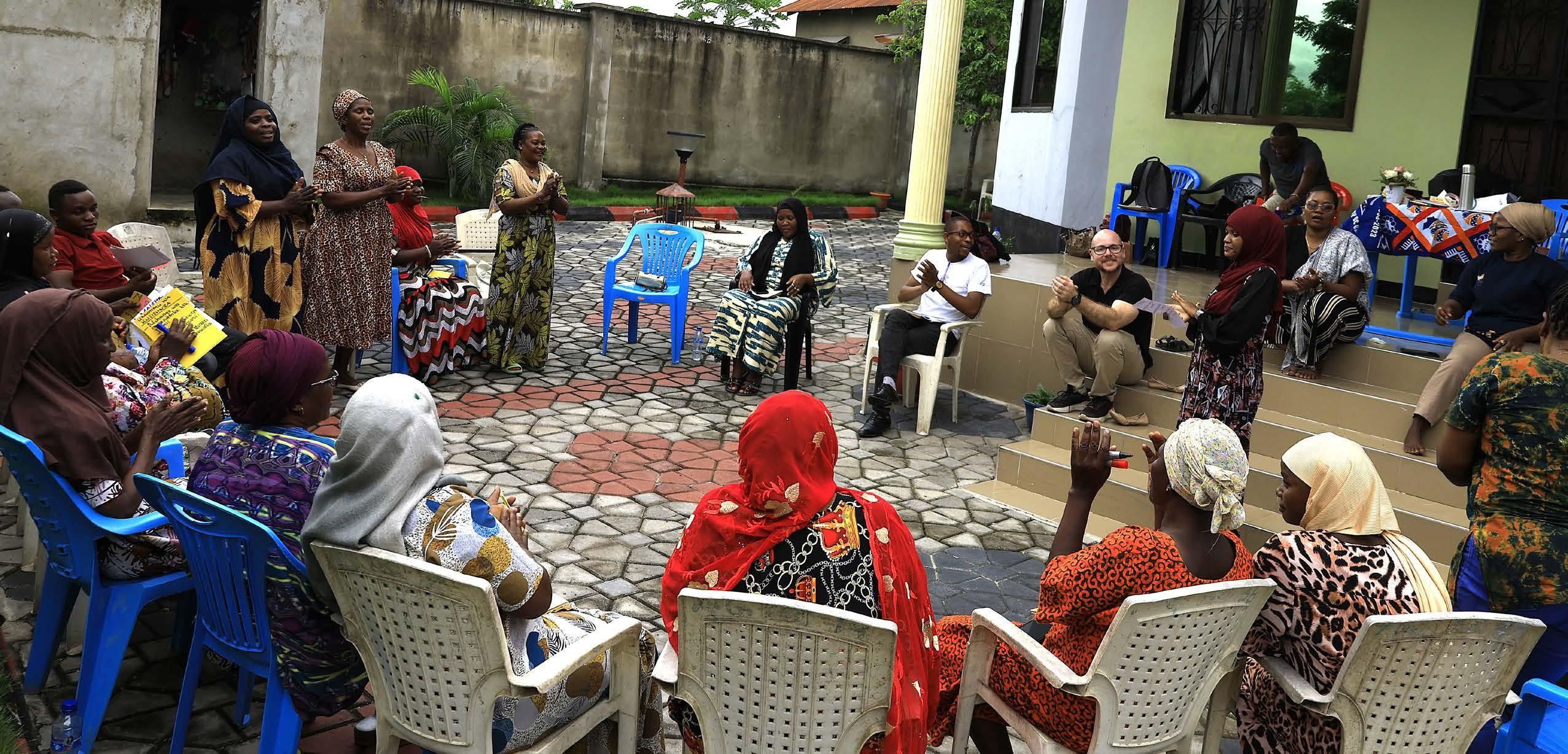
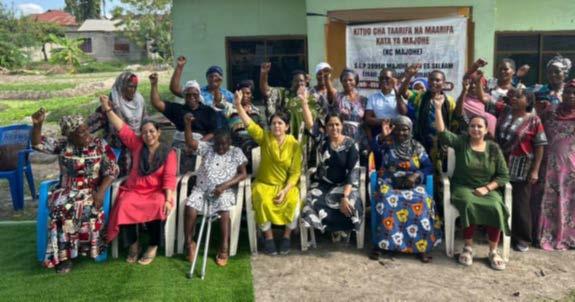
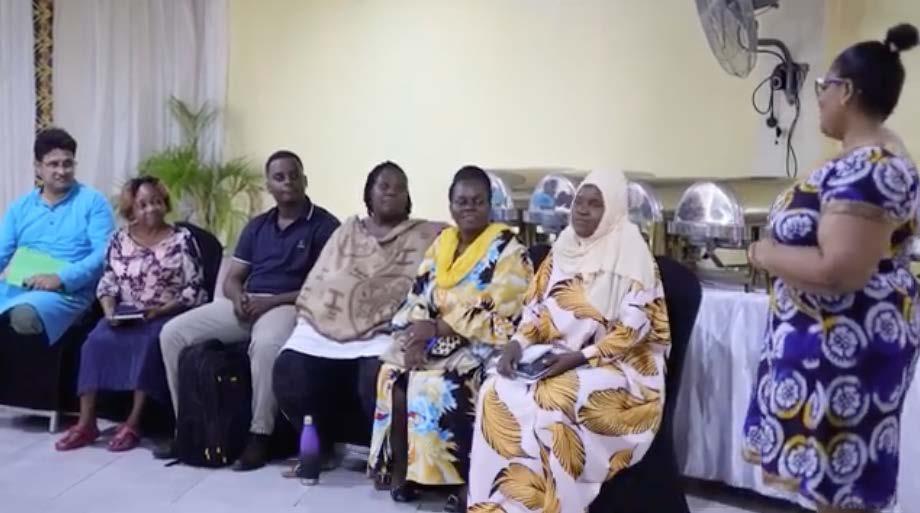
Building on the TGNP trip to SEWA, this exchange provided an opportunity for SEWA to share strategies with TGNP Knowledge Centre members and to test new tools. As TGNP noted in their report: “The visit was a profound learning moment, both for the community members of Majohe and other participants. It demonstrated the power of grassroots connection and the relevance of international solidarity in advancing gender equality through women’s economic empowerment. The SEWA model, while grounded in India, resonated with Tanzanian realities. With TGNP's continued support and the commitment of Knowledge Center members, the lessons from this exchange are set to inform new strategies for local development, resilience, and women's rights.”
TGNP to SEWA
The purpose of the visit was to strengthen collaboration and share learning on women’s economic empowerment, building on SEWA’s global leadership in cooperatives, financial inclusion, and grassroots advocacy. The recommendation is that TGNP draw on SEWA’s model to undertake a transformative constitutional shift for its associate membership and establish a sustainable resource base that supports both women’s empowerment and the long-term sustainability of its mission and vision. Technical assistance from Coady would enable TGNP to evolve from an organization focused mainly on advocacy into a more integrated and action-oriented body, combining advocacy with work on economic justice and empowerment, environmental justice and climate change, healthcare and social security, as well as financial inclusion and livelihood development. This strategic shift would broaden TGNP’s impact and strengthen its resilience in a changing funding landscape.
CCDB to SEWA
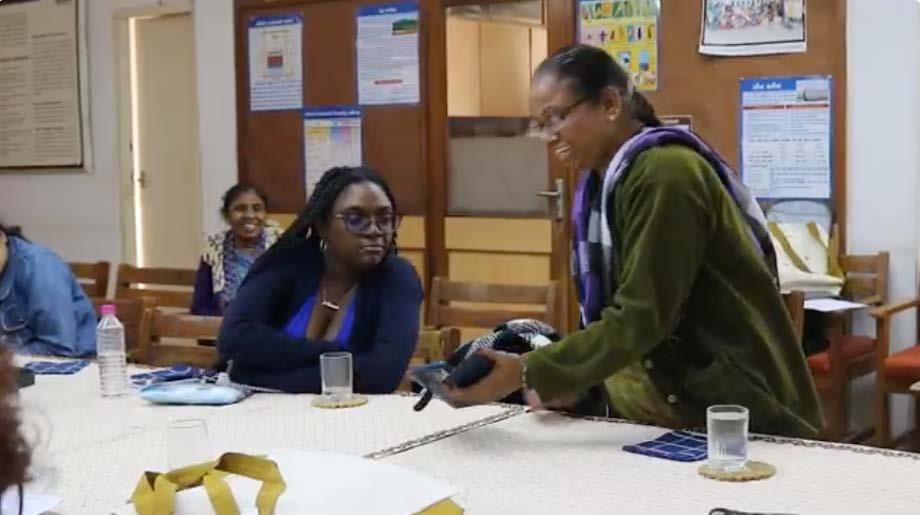
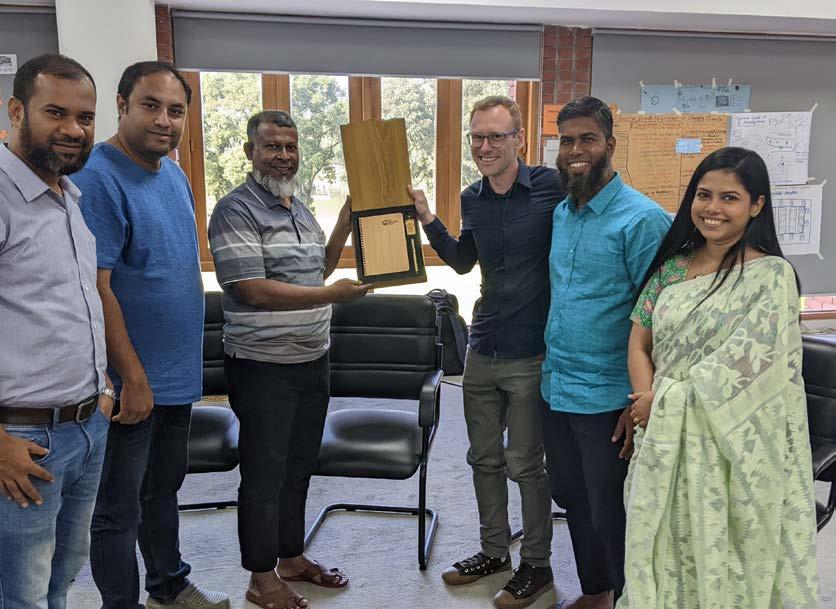
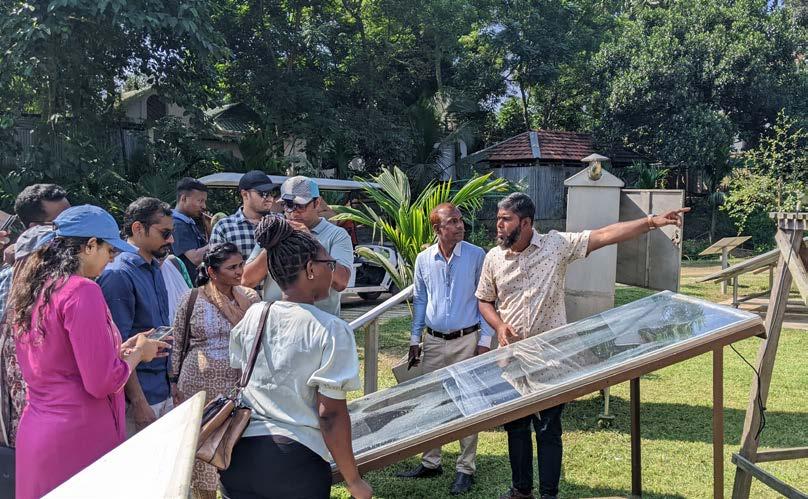
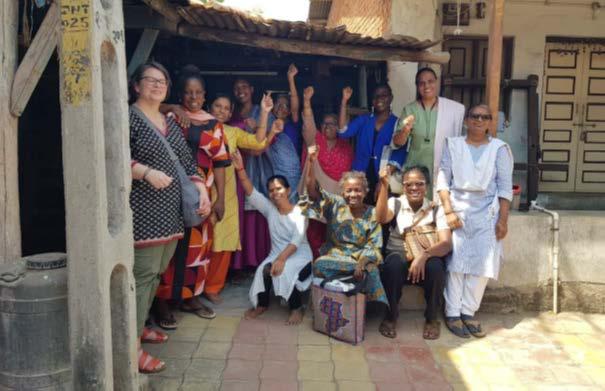
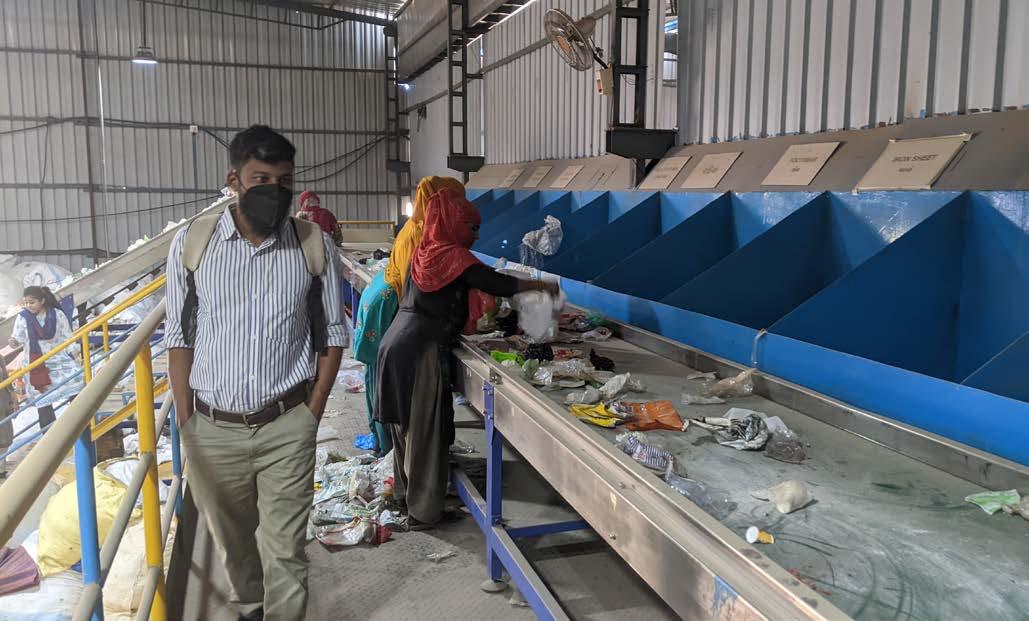
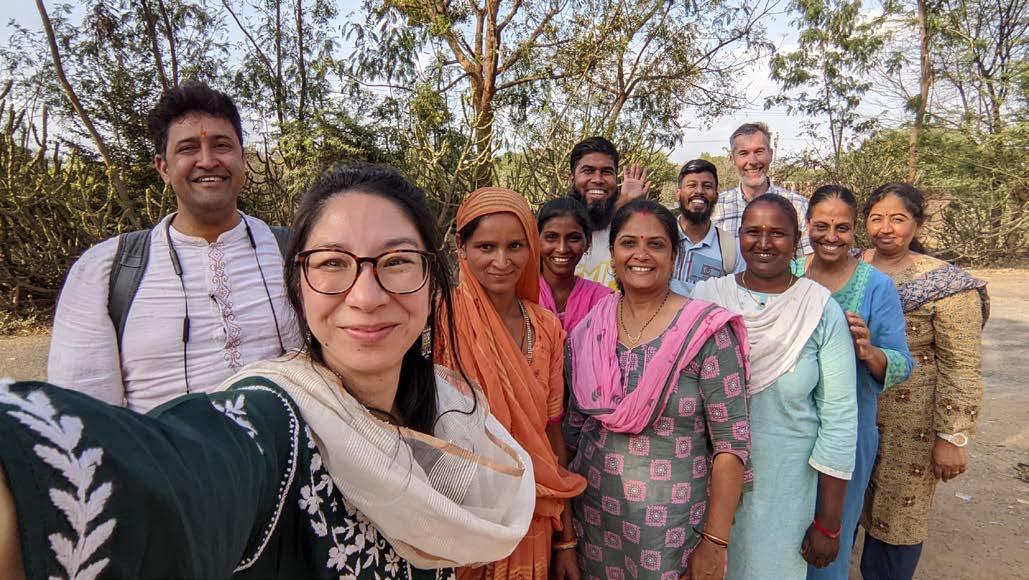
In February 2024, two staff from CCDB joined three Coady staff visiting SEWA to learn broadly about SEWA’s work and specifically engage with the SEWA Manager ni School’s approach to training and the development of the SEWA Climate School. In addition to learning about the different SEWA enterprises, the group was able to see examples of climate change adaptation technologies and initiatives under taken by SEWA members in both urban and rural settings. CCDB staff who joined this visit were from the CCDB Climate Change team and were also able to share about their work in building community climate resilience. The SEWA and CCDB team members, focused on climate change, identified several areas for potential collaboration and knowledge sharing, including a SEWA visit to CCDB’s Climate Center and other field sites. However, the shifting political context in Bangladesh and India in the summer of 2024 prevented the teams from completing the planned exchanges.
CONCLUSION
This report showcased the wide variety of learning spaces supported by Coady throughout the ENGAGE project. Coady’s role as a learning partner has highlighted the value of creating intentional learning spaces where Coady staff, partners, and others from their networks and broader movements can reflect on their work, learn from one another, and adapt their approaches in real time. Rather than delivering only one-directional learning opportunities, Coady’s contribution is centered on convening, facilitating, and supporting processes that enable partners to generate and share knowledge grounded in their own experiences. Over the life of this project, this has meant designing collaborative learning spaces, supporting action research, and encouraging exchanges that enabled regional expertise to circulate among partners. A key lesson has been the importance of flexibility and space for emergence – allowing learning priorities, research questions, and capacity development activities to evolve in response to partners’ contexts, interests, and needs.
The learning activities and spaces within ENGAGE also demonstrate that meaningful learning partnerships deepen relationships and strengthen collective capacity for change. Through research collaborations, fellowships, peer exchanges, and collective reflection, partners not only developed new insights for their own organizations but also contributed to broader bodies of knowledge on community-led development, women’s empowerment, and community resilience. For Coady, playing this role of a learning partner has reinforced the value of accompaniment, reciprocal learning, and co-creation as core principles of effective partnership. As the project concludes, the relationships, ideas, and shared learning that have emerged through ENGAGE provide a strong foundation for continued collaboration and for applying these lessons to future projects.
IDW 2025: Partnership in Action with ENGAGE! Women’s Empowerment and Active Citizenship
“I think the goal of ENGAGE is not only to continue to fulfill our mission as organizations in our own countries, but there is also that opportunity to share between partners that are working in different contexts but dealing with some similar challenges. The opportunity to really exchange and share those knowledge and experiences among partners has been very critical. One example is TGNP and their experience conducting and delivering advocacy programming in their own context. They deal with local authorities and are trying to create advocacy and movements there, where in Haiti, the context is slightly different because there's other forms of individuals and organizations in power. So, we've learned from their experience and adapted that to our own context. Their knowledge and experiences have been very useful for us to address our own advocacy needs here in Haiti.”