Publisher
CherylMainorNorman
Editor-In-Chief
Chief Content Officer
Publisher
CherylMainorNorman
Editor-In-Chief
Chief Content Officer
Kai EL’Zabar-Editor-In-Chief
Kai ElZabar
Managing Editor LauraMiller
EditorialAssistant
CreativeDirection
ArtDirector
SalesManager
CopyEditor
StaffWriters
MalachiWebster
CNWStudio,LLC
LD Hunter
MichaelToliver
MaxBlaisdell
MalachiWebster. ZadaJohnson,PhD
CandiMcCrary
MilaMarshall PhD
NefferKerr
CabrylBreotti
CL Blackburn
ZadaJohnson
MalachiWebster
RyanWillis
Dr SanjaRicketteStinson
Columnists
Intern&Illustrator
CoverPhotography

DavidSeaton
ElijahLee
CNWStudios
ChicagoNewsWeekly,LLC 700NSacramentoBlvd Suite320 Chicago,IL60612 (312)877-5151
Volume3No 30 FMarch5-March12,2026
ChicagoNewsWeekly isPublishedonThursday
wwwcnwmediacom advertising@cnwmediacom editorial@cnwmediacom
We are all spiritual beings living in the human body. My earliest memory of going to church was when I was old enoughtoattendSundayschool.Butmy fondest memory was hearing the minister say during his prayer, “Thank you, Father, for expressing yourself throughmebeingme(hisname)”Irecall how that statement hit me like a bolt of lightning,vibratingthroughoutmybody Iquivered
Imagine all of us as expressions of our Creator,GodexpressingHimselfthrough us.Whatastatement.Icantellyouthatit truly resonated with me. Suddenly, I felt connected to the “Most High God” like neverbefore.Therecognitionthatweare manifestationsofGod’screationinhuman form opened my mind. That realization changed everything. My thinking shifted and, in a way, it rebirthed my consciousness.Iwasbornagain.
IembracedthenotionofkinshipinawayI had never before thought possible Was I enlightened? The idea itself was not new. Church-goingfolksembracethebeliefthat we are God’s children, so our kinship is accepted
However,howweinterpretitandgraspits full meaning is a different story Our kinshipoftenfeltlikeadistantthought Yet at church, the elders referred to one another as Sister Brown and Brother Thomas,andsoon.Ineverquestionedit.It was accepted, and so itwaswhat itwas It establishedusasafamily, extendedfamily, yes,butnonethelessfamily
However, we have all experienced encounterswiththosewhoselivesseemso completelydifferentfromoursthatwecan almost imagine we have nothing in common And yet, our humanness is always there If we observe more deeply, we will see that we all have similar things goingoninourlives.
Differentthoughourrace,skincolor,hair texture, facial features, ethnicity, gender, religious faith, country of origin, life philosophy,wealth,orpovertymaybe these differences can make it appear as if weareseparateandfarremovedfromone another
Yetoncewearestrippedofthetrappings, onceweremovethelensesthatcolorand cover our eyes, we can bring things into focus and recognize that our lives are, in essence,thesamegiftthatweshare.
Wearesimplyplacedinaninfinitevarietyof containers, wrapped in colors, textures, ribbons,bows,bells,andwhistles.
As unique as we may seem to one another, every one of us experiences loss, grief, happiness,excitement,anger,andfear.Eachof us may face money issues of one kind or another, love and romance challenges, and difficultchoicesatthecrossroadsoflife.
Our lives show up differently for each of us because we learn in different ways. One personmayneedtolearnthevalueofmoney by having too little of it and understanding whatthatmeans,whileanothermaylearnby having more than enough. Is money the answer to all of our issues? That, too, is just anotherlessonplacedbeforeus.
Aswelive,welearnaboutwork,play,andlove throughexperiencesuniquetoourindividual case studies We are fashioned by circumstances that shape our personalities, perspectives,attitudes,andopinions
Thoughitmayappearthatsomepeoplehave iteasywhileothersareinacontinualstateof struggle, the truth is that we are all learning duringourlifetimeonearth.Itisdifficulttotell, by looking only at the exterior of a person, whatisgoingoninternally.Itisonlywhenthe exterior becomes invisible, when we move beyond labels and appearances thatwe truly seeoneanother
Wearealllearninglifelessonstolivebydivine law, emphasizing love, light, and laughter. Cultivating relationships with diverse individuals helps us understand shared challengesandjoys Avoidenvyandjudgment; instead, meet people where they are and appreciate their uniqueness. Looking beyond superficial differences reveals our shared humanexperienceWhileit’sessentialtohonor our differences, we must also recognize the common spirit within each of us, which connectsusall.

ERICK JOHNSON - STAFF WRITER, CHICAGO CRUSADER NEWSPAPER
It started out as an ordinarypolitical forum for candidates seeking to replace State Representative La Shawn Ford in the 8th DistrictintheIllinoisHouse.
Seated in the conference room at Black newspaperChicago NewsWeeklyon February 24 were candidates Shantel Franklin, LaTonya MittsandPastorJohnHarrell
The candidates were peppered with questions from journalists representing Chicago’s Black Press,includingtheChicagoCrusader
For more than two hours, candidates touted theirqualificationsandplanstobuildonFord’s contributions after he has served nearly 20 yearsinadistrictthatincludespartsofChicago’s Austinneighborhoodandthemunicipalitiesof Oak Park, Berwyn, Broadview, Cicero, Forest Park,LaGrange,HodgkinsandWestchester
The candidates talked about improving education, reducing property taxes and stimulating economic development in Austin afterdecadesofurbanblight,disinvestmentand unemployment.
Near the end of the political forum, the focus turned to Franklin, a 31-year-old political newcomerwhohasneverheldpublicofficeyet has received large campaign donations from majorunions,includinga$72,500contribution fromtheChicagoTeachersUnion(CTU)
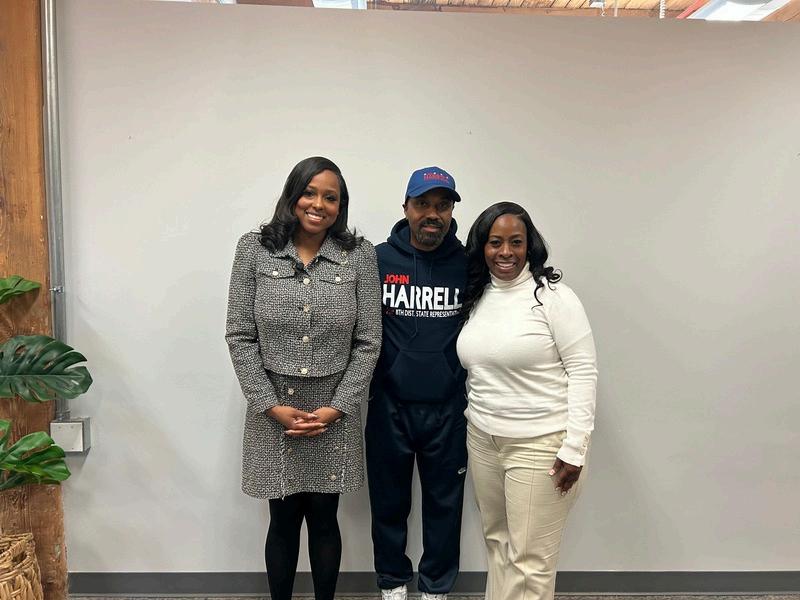
With the Democratic Primary on March 17 approaching, unions are also donating campaign cash to other candidates in the 8th District,butthelargestdonationshavegoneto Franklin, raising concerns that she could be influenced by union interests rather than voters.
Raised on Chicago’s West Side, Franklin earned a bachelor’s degree in political science and a master’s degree in public affairs from IndianaUniversity
Forthepastsixyears,Franklinhasworkedasa legislative liaison in community outreach in Illinois Attorney General Kwame Raoul’s office She describes herself as a “policytrained leader” who attended eight different public schools while growing up on the West Side.
Franklin’s opponents and critics say she is not fit to represent the district because she is too politicallyconnectedandtooclosetothelarge unionsthathaveendorsedher
In addition to Raoul, State Representatives Justin Slaughter, Maurice West, Nick Smith and Will Davis have endorsed Franklin Mayors and village presidents from La Grange, La Grange Park and Hodgkins have alsoendorsedFranklin
As a political candidate who has never held public office, Franklin has critics and opponents concerned about her campaign donationsfromlargeunions
A Chicago Crusader analysis of election funding shows Franklin received a $72,500 donation from the CTU and two $30,000 donations from Kwame Raoul and the Illinois FederationofTeachers
Campaign records also show Franklin received a $10,000 donation from the Realtors PoliticalAction Committee. She received $5,000 from a local union and numerous private donations,includingonefromCookCountyCommissioner LarryRogersJr
CTU donations to political candidates in local and state officeshavebeenaconcerninrecentyears.
Mayor Brandon Johnson, who has been criticized for being influenced by the CTU on issues involving Chicago Public Schools, received nearly $25 million from the CTU while a candidateformayorandCookCountyCommissioner
Franklin’s $72,500 campaign donation from the CTU on February 5 is among the largest in recent memory Campaign records also show the CTU gave the same amounttoMiguelDelValleParaElPueblo,runningforState Representativeinthe40thDistrictintheIllinoisHouse
Questions remain about why the CTU is backing Franklin’s campaign and that of Para El Pueblo with such large contributions In2022,theCTUgaveFord$12,500
During the political forum, a Crusader journalist asked FranklinhowshewasabletosecurethelargeCTUdonation and whether she could serve the interests of voters if she replacesFord.
Franklin said the CTU has an endorsement process that includesaquestionnaireandinterview
“They ask you about policy, they ask you about your experiences,theyaskyouaboutyourplanofwinning.
“And that’swhysome of these organizations exist…is to help elect quality candidates I went through the endorsement process just like everyone else in my race, and I was able to wintheendorsement”
LaTonyaMittssaidduringherinterviewthatCTUexecutives asked if her mother was involved in her political race to replace Ford Mitts’ mother is 37th Ward Alderman Emma Mitts
“They attacked me there,” Mitts said “They [asked questions] that had nothing to do with mebeingacandidate”
HarrelltoldtheCrusaderhedeclinedtheCTU’s interviewoffer.
“I don’t think I’m their candidate Theyhad an issue with me because I did not support Brandon Johnson when he ran for mayor He didn’t ask for my endorsement, and I’m not goingtogiveanyonemyblindloyalty
“I’m in this race because there’s always this politicalentitlementgoingonamongthestatus quo I’mtiredofthat”
Overall, Franklin has raised more than $189,000 in campaign donations. The candidatewho comes closest to that amount is Harrell,whohasraisedmorethan$118,000.
Harrell’s largest donor is himself From his personal savings, Harrell has given his campaign$44,000
He has, however, received $30,000 from SEIU Local 73, which represents about 37,000 membersinpublicservicepositions
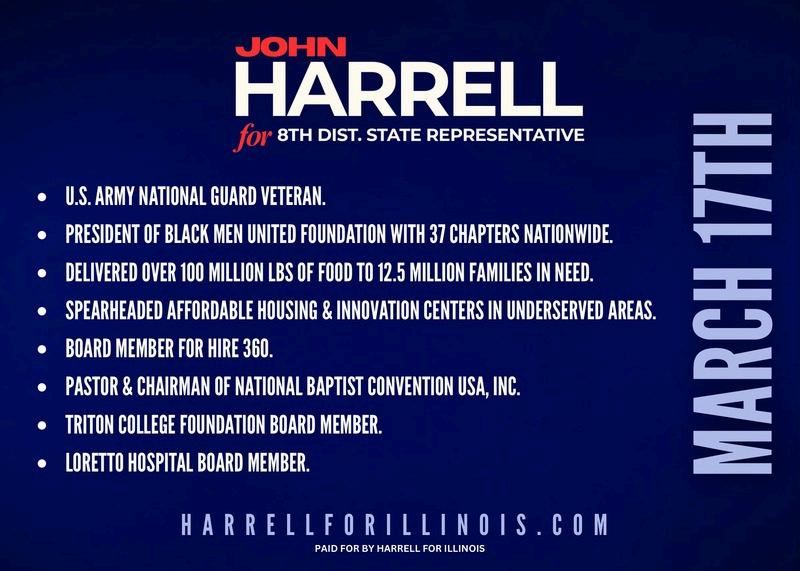
Harrell is pastor of New Hope Baptist Church He holds bachelor’s and master’s degrees from MidwestTheologicalInstitute
He has served with the Operation Rainbow PUSH Coalition, the Westside NAACP and the Congressman Danny K Davis Task Force on Economic Development as co-chairman He alsoservesontheboardofLorettoHospital
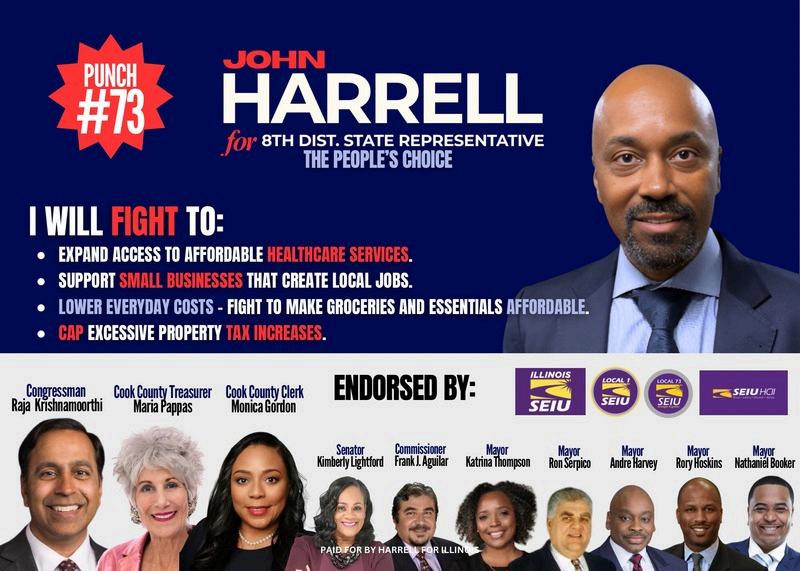
Harrell has been endorsed by Congressman Raja Krishnamoorthi, State Senator Willie Preston, State Representatives Kimberly Lightford, Monica Gordon and La Keisha Collins; Cook County Commissioners Michael Scott Jr, Bill Lowry and Frank Aguilar; and CookCountyTreasurerMariaPappas.
Six aldermen have endorsed Harrell. They include Pat Dowell (3rd), William Hall (6th), Stephanie Coleman (16th), David Moore (17th), DerrickCurtis(18th)andMoniqueScott(24th)
Mitts has raised nearly $40,000. Her largest donor is LIUNA Chicago Laborers, campaign recordsshow.
Mitts has received endorsements from several unions, Cook County Sheriff Tom Dart and formerSecretaryofStateJesseWhite
Ford has not endorsed any candidates seeking toreplacehim
Jill Bush, a fourth candidate who did not participate in Tuesday’s forum, has raised nearly$31,000,butnearly$20,000ofthattotal isself-funded
Other than herself, Bush’s largest donors are 29th Ward Alderman Chris Taliaferro and severalprivateindividuals,publicrecordsshow She has been endorsed by Alderman Chris Taliaferro.
KAI EL' ZABAR - EDITOR IN CHIEF
“Blackgeniusisn’trare it’severywhere.”~NadiraJamerson
What a wonderful announcement to receive As editor-in-chief,Ican’tbegintosharewithyouallthat we receive in anewsroomwhich covers everything from good to bad, beautiful to ugly and classy to trash. So, it was one of those mornings last month when the long-awaited list of the 2025 class of MacArthur Fellows was announced.The cherryon top is “proof that Black folks are reshaping howwe tellstories,protecttheplanet,buildcommunity,and make music.” But then we ’ ve always known that even when the rest of the world often suppressed ouraccomplishments.
We can recall the surprise to learn through a film “HiddenFigures,”that threeBlackhighlyintelligent (andthereweremore)womenwhosemathematical geniuspropelledtheNASAprogramforwardasthe brains behind astronaut John Glenn’s successful orbit around the earth in 1962. And so goes the story of Blacks being dismissed as not equally intelligenttoourpeersacrossthehumanspectrum. Within, that dismissal is the failure to be included and considered for opportunities often granted to others. Too often we have been excluded because we have not been included as a consequence of exclusion and therefore unawareness has undermined potential opportunities for advancement Thishaschangedovertheyears,andourprogressis visible as you see Blacks populated throughout the rankandfileacrosstheboardinAmerica
Blacks inAmerica have always fought the good fight and have been successful in achieving great accomplishments on so many levels, all of which is reflected in our achievements from Blacks in the White House as Presidential Cabinet members, to U.S. President, CEO’s of major corporations, owners of media networks, film producers, owner of sports franchises, Senators, Supreme Court Justices and so on
One of the most respected acknowledgements of one ’ s contribution to theworld is the prestigious ‘the Mac Arthur Foundations "Genius Grant," a generous $800,000, no-strings-attached award given annually to 20–30 exceptionally creative individuals across various fields to pursue their work Notably, Blacks havebeenamongsttherecipientsovertheyears.
This year, five Black artists, scientists, musicians, and activistsareamongthe22recipients.Thechosenfew Black genius fellows is pushing a statement that we are more than a token but rather that we are in the world as stakeholders of change and advancement The chosen represent, “the boundaries of creativity, innovation, and ideas that change our world for the better”
Andthoughwearehappytosharewithyouthelist of fellows, we are ecstatic to announce that one of therecipientsishomegrownChicagonativeTonika LewisJohnsonPhotographerandsocialjusticeArtist whosebeenonthescenemakingahugedifference
A lifelong Chicagoan, Tonika Lewis Johnson uses photographyandpublicarttoexposetherootsand realities of racial segregation. Her Folded Map Project pairs residents from the Windy City’s predominantly white North Side with those from the predominantly Black South Side to confront howpoliciesshapefolks’lives Herprojects,Inequity for Sale, and her latest, UnBlocked Englewood, document housing injustices and efforts to restore homesinneedofrepair.Tonika’saccomplishments makes her a perfect role model for More about Tonika:aWomen’sMonthprofile;
She is recognized for her impactful projects such as "Folded Map," "Inequity forSale,"and"UnBlockedEnglewood" Her work utilizes photography and storytelling to examine systemic inequities, specifically focused on Chicago'ssegregationanddisinvestment.
She was honored as a 2019 Field Foundation "Leader for a New Chicago" anda2022LandmarkIllinoisInfluencer.
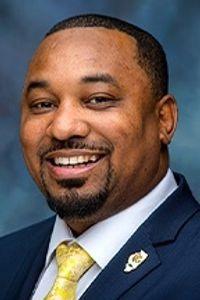
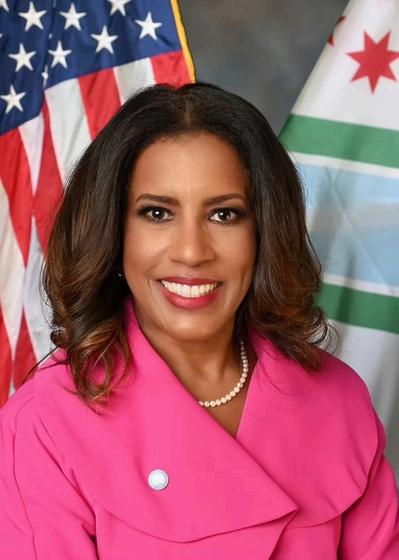
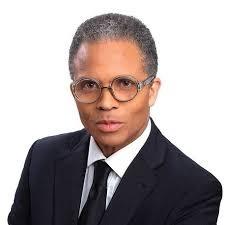
She serves as a fellowat the Universityof Chicago Institute of Politics, bringing her expertisetotheuniversitycommunity CongratulationstoTonikaandtheotherchosen fellowsBlackgeniusrecognized GarrettBradley,ArtistandFilmmaker,New Orleans
KristinaDouglass,Archaeologist,NewYorkCity CraigTaborn,ImprovisationalMusicianand ComposerBrooklyn WilliamTarpeh,ChemicalEngineer,Stanford, California
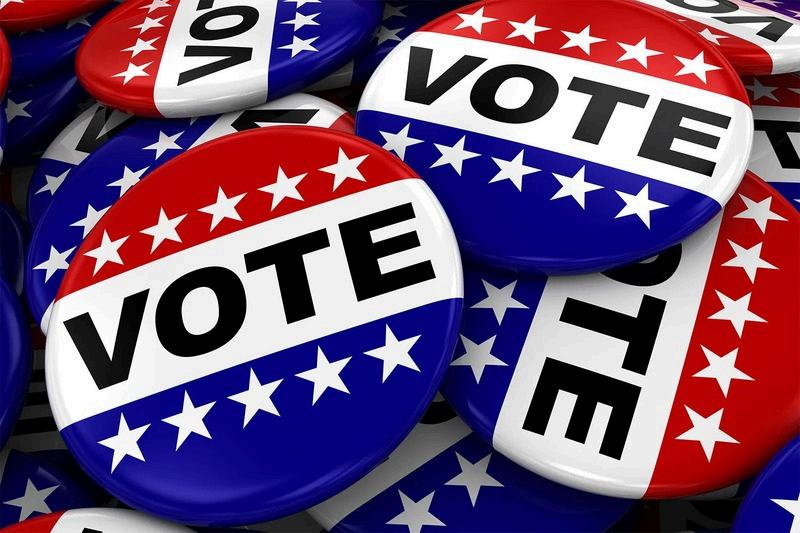
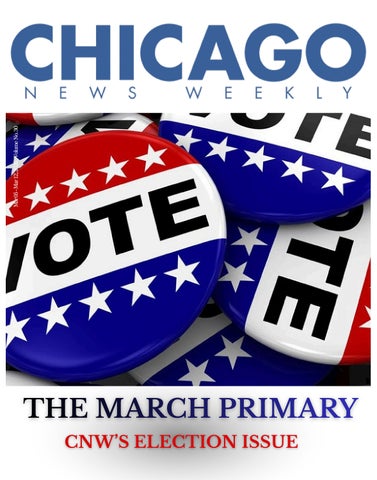
A voter’s guide to who actually holds power in Chicago — and why the March 17 primary matters more than many voters think
LAURA MILLER - MANAGING EDITOR
In recent Chicago primaries, turnout has hoverednear20percent—meaningasmall share ofvoters candeterminewhorepresents millions of residents in Washington, SpringfieldandCookCountygovernment. ElectionseasoninChicagorarelysuffersfroma lackofnoise
Television ads run in constant rotation Mailers arrive daily Campaign texts buzz through phones. Candidates move from churches to community forums to union halls promising safer streets, stronger schools and a stronger economy The messaging can feel relentless, and if voters listen closely, one phrase appears againandagain.
“I’llfightTrump”
Ithasbecomesomethingofacampaignreflex
Yet the slogan also exposes a quieter reality of moderncampaigning:manyvotersareaskedto judge candidateswithout a clearexplanation of whattheofficeactuallydoes
Some positions on the ballot can influence federalpolicy.Othersshapestatelaw.Stillothers manage regional systems that affect residents every day courts, public health services and thepropertytaxstructurethathomeownersfeel mostdirectly
All of them matter. But they do not carry the sameauthority AsChicagovotersapproachthe March 17 primaryelection, understandinghow thoselayersofgovernmentoperatemaybejust as important as understanding the candidates themselves Campaign season has a way of flattening everything into a single conversation about personalities and slogans The work of governing,however,stillfollowsthestructureof governmentitself.
Chicago’s political structure is layered in ways that can confuse even longtime voters City government, county government, state government and the federal government all intersect here, often addressingthe same issues fromdifferentvantagepoints.
Housing policy may involve zoning decisions at City Hall, housing programs funded by the state and federal investment flowing through congressionalappropriations.Publicsafetydebates mayinvolve citypolicing strategies, countycourts and state criminal law Transportation projects frequentlyrequirecoordinationamongmunicipal planners, Springfield lawmakers and federal infrastructurefunding
During election season, those distinctions are rarelyexplainedclearly.Candidatescampaignasif everyofficecarriesthesamereach,andvotersare left to sort out what promises actually fall within theauthorityoftheofficebeingsought.
The election taking place March 17 is a primary election, meaning voters are selecting party nomineeswhowilladvancetothegeneralelection in November In districts where one party dominates, the primary winner often enters the general election with a significant advantage. In others, the primary simply determines who will competeinthefallcontest
Understanding that difference helps voters recognizewhatisactuallybeingdecidednow and whatdecisionswillcomelaterintheyear
CityHall:WhereChicagoGovernsItself
For most residents, the most visible layer of governmentisCityHall
Chicago’s mayor and the City Council oversee municipal policy, including zoning decisions, business regulations, infrastructure development and city services such as sanitation, housing programsandpublicsafetyinitiatives
The mayor proposes the city budget and appoints department leaders, while the 50member City Council votes on legislation affecting development projects, neighborhood investmentsandmunicipalspending
AlthoughcityofficesarenotontheMarchballot thisyear,thepoliciescreatedatCityHallintersect constantly with decisions made by county, state andfederalofficials
Housingdevelopment,forexample,mayrequire zoning approval from City Council, tax incentives authorized by the state and financing programsfundedthroughfederallegislation.
Understanding how those layers interact helps explain why campaign promises often sound broader than the authority of the office being sought
CookCounty:TheRegionalLayerManyVoters Overlook
AbovecitygovernmentsitsCookCounty,oneof the largest county governments in the United States and acritical administrative layeraffecting Chicagoresidents
CookCountyoverseestheregionalcourtsystem, correctional facilities and the Cook County Health system a network of hospitals and clinics serving patients across Chicago and its suburbs
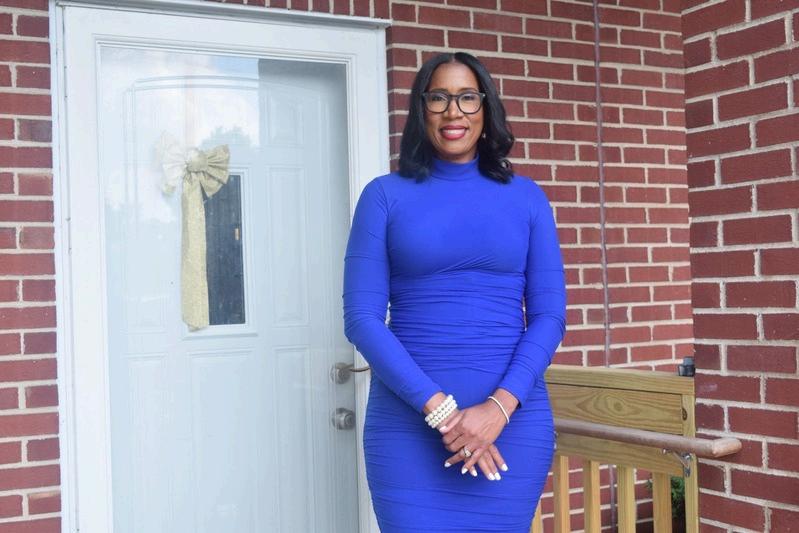
The county also plays a central role in the property tax system. Property values are assessed through the Cook County Assessor’s Office,taxbillsareissuedthroughthetreasurer, and the revenue collected supports schools, municipalitiesandotherlocaltaxingbodies Because propertytaxes are shaped bymultiple government entities, rising tax bills rarely originate from a single office Still, county leadership remains central to how those systemsoperate
Cook County is where the bureaucracy many voters ignore until they need it suddenly becomesveryreal: court dates, hospital systems, tax bills, and public health infrastructure that touches everyday life It is not glamorous government,butitisconsequentialgovernment
TheRaceforCookCountyBoardPresident
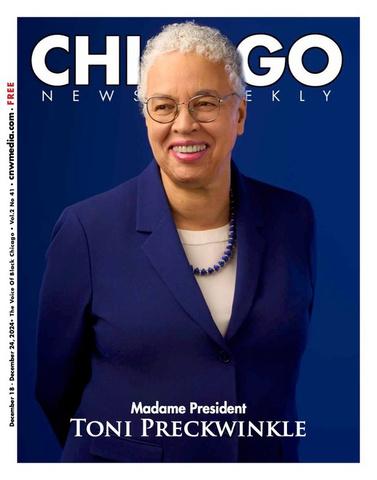
The race for Cook County Board President features incumbent Toni Preckwinkle, who has held the position since 2010, and Chicago Alderman Brendan Reilly, who represents the city’sdowntown42nd Ward.
Preckwinkle has built her tenure around stabilizing county finances and expanding services such as Cook County Health. Her administration has also supported criminal justice reforms aimed at reducing jail populations and increasing rehabilitation programs Supporters argue that she inherited a county system under significant fiscal strain andworkedtobringgreaterorderandbroader servicecapacitytoit.
Reilly has focused his campaign on fiscal accountability and the property tax burden facing Cook County residents He argues the county government must operate more efficiently and provide stronger oversight of spending decisions. His political case is that county taxpayers are not feeling enough relief and that Preckwinkle’s long tenure has made the county too comfortable with expanding programswhile residents struggle underrising costs.
Reilly’srecordinCityCouncilincludessupport for downtown economic development initiatives and policies designed to strengthen Chicago’s central business district. He has often positioned himself as a pro-business voice and as a skeptic of tax increases and spending expansions he believes put more pressure on residentsandemployers
The property tax debate has become central to the campaign,withReillyoftenframingrisingtaxbillsas evidence of government excess, while Preckwinkle has emphasized the broader tax structure involving multiple taxing bodies. That distinction matters. Property taxes are not set by one person, and pretendingtheyaremaybepoliticallyeffective,but it is civically misleading School districts, municipalities and other local taxing bodies all help shapethefinalburdenhomeownersfeel
Chicago News Weekly recently spoke with Preckwinkle about that tension, and the exchange underscored the real divide in the race: whether county leadership should be judged primarily throughthelensoftaxpayerfrustrationorthrough the reality that county government is responsible for expensive but essential systems the public still expectstofunction.
County government decides how the region runs Congressdecideswhatresourcescomeback and whohasthepowertodomorethantalktoughina campaignad
Springfield:WhereIllinoisLawsAreWritten
IllinoisstategovernmentoperatesfromSpringfield, where lawmakers write legislation affecting education funding, criminal justice policy, labor lawsandtransportationinvestment
State representatives and senators vote on the state budget, determining how billions of dollars are distributedacrossIllinois.
For Chicago residents, decisions made in Springfieldoftenhaveimmediateconsequences from school funding formulas to transit investments and housing policy. State lawmakers alsoshapetheguardrailsaroundissuesmanyvoters think of as purely local, including business regulations, criminal sentencing rules, labor protections and how public dollars are shared acrosscommunities.
This matters because many of the neighborhoodlevel problems people want solved are not fixed only at City Hall They also depend on what Springfield funds, what Springfield allows, and whatSpringfieldrefusestotouch
IllinoisHouseDistrict8:AWestSideSeatOpens
Oneofthemorecloselywatchedlegislativeracesin ChicagoisthecontestforIllinoisHouseDistrict8,a seat long held by State Rep La Shawn Ford, who hasrepresentedthedistrictsince2007
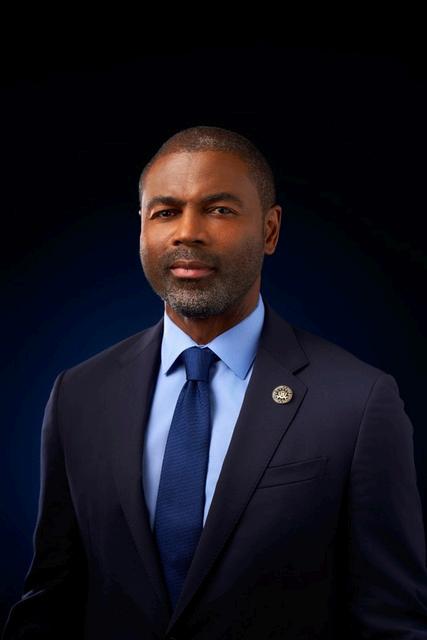
Ford’s decision to run for Congress has created an open seat and a competitive primary That alone makes the race notable. Open seats tend to reveal everything local political systems try to hide when incumbents stay in place: donor networks, neighborhood loyalties, personal brands institutional backing and the unresolved question of who reallyhasabasebeyondcampaignliterature.
Among the candidates seeking the position are LatonyaMitts,JohnHarrell,JillBush,andShantel Franklin
Mittshasbuilthercampaignaroundneighborhood investment, youth programming and communityrooted leadership Her ties to longstanding West Side political networks give her a degree of built-in visibility, and that matters in a district where recognition and organization can determine who survivesalow-turnoutprimary.
Harrell has focused on housing affordability, property tax concerns and economic development in West Side neighborhoods That message is not abstract. It is aimed directly at residents who have watchedwealthleavetheircommunitieswhilecosts riseandbasicneighborhoodstabilityfeelsharderto holdonto.
Bush has emphasized government accountability and the financial pressures facing working families Herpitchisthekindthatappealstovoterswhoare tired of hearing that government cannot do much whilestillbeingaskedtopaymore
Franklin has centered her campaign on economic developmentandworkforceopportunities,arguing that Springfield must play a stronger role in addressing inequality in Chicago neighborhoods Her campaign has also drawn attention because of questions around donor networks and gamingindustry-adjacent fundraising chatter Unless a contribution is clearly documented in campaign filings,itshouldnotbewrittenasfact Butthechatter itself reflects a broader truth about Illinois politics: voters increasingly want to know who is financing thepeopleaskingforpower
ThewinnerwillrepresentthedistrictinSpringfield andhelpshapestatelegislationaffectingeducation, housingandeconomicpolicy.Thatmaysoundless dramatic than Congress, but for many residents it iswherepolicybecomespersonal.
Washington:WhereNationalPolicyIsDecided
At the federal level, Illinois voters elect members of Congress who write federal laws, approve national spendingbillsandoverseefederalagencies
Members of Congress also advocate for federal investment in infrastructure, housing and economic development projects affecting communities across thecountry
Whencandidatespromisetochallengeapresidential administrationorinfluencenationalpolicy,Congress iswherethoseactionstakeplace Thatincludesvotes on budgets, investigations, committee work, immigrationpolicy,healthcare,economicregulation andthebroadshapeofwhatresourcesflowbackinto districts
This is the level of government where campaign language about national fights becomes either meaningfulorperformative
TheWestSideContest:Illinois’7thCongressional District
The race for Illinois’ 7th Congressional District has drawnoneofthelargestcandidatefieldsontheballot, and with longtime Congressman Danny Davis stepping aside, the seat is open at a moment when West Side voters are asking hard questions about economicinvestment,violence,healthdisparitiesand politicalsuccession.
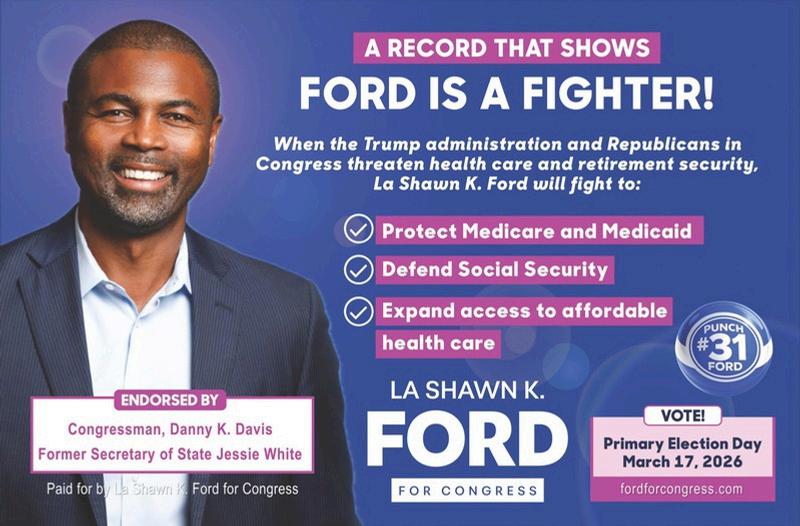
Candidates include La Shawn K. Ford, Melissa Conyears-Ervin,KinaCollins,RichardBoykin,and JasonFriedmanamongothers.
Ford, a longtime state legislator, has emphasized economic development and federal investment in historically disinvested neighborhoods His background in Springfield gives him a legislative record that voters can actually look at, and his campaign leans on experience,West Side familiarity and a message built around infrastructure, jobs and economicstabilization
Conyears-Ervin, Chicago’s city treasurer, has centered her campaign on financial empowerment andsmall-businessinvestment.Herargumentisthat economicaccess,capitalandwealth-buildingarenot sideissues theyarethefight Shehastriedtoframe herselfassomeonewhounderstandsthemoneyside of public life and can use federal policy to support communities that have been locked out of opportunity
Collins, a community organizer and gun violence prevention advocate, has positioned herself as a progressive voice pushing structural reforms Her platform is rooted in activism and policy boldness, especially around health care, economic inequality and violence prevention. She is the candidate most clearly trying to channel voters who believe institutionalleadershiphasnotmovedfastenough.
Boykin, a former Cook County commissioner, has emphasized public safety, affordability and economic revitalization His campaign speaks to voterswhowantsomeonefamiliarwithpublicoffice, but less tied to the existing establishment than some ofhisopponents
Friedman, a businessman, has presented himself as anoutsidercandidateemphasizingentrepreneurship, economic growth and a private-sector approach to problem-solving. That pitch is aimed at voters who see bureaucracy as part of the problem and want someone who speaks the language of development andexecution
The race also includes other candidates whose names maynot dominate the airwaves but still appear on the ballot and matter in a crowded field Thatisexactlywhyciviccoveragematters Inalow-turnoutrace,visibilityisnotalwaysthe same as viability, and a fractured field can produce outcomes that surprise even people whothinktheyfollowpoliticsclosely.
Chicago News Weekly has also covered and spoken with several candidates in this broader election cycle through interviews, forums, roundtables and podcast episodes, giving readersandviewersmoreopportunitiestohear directlyfromthemoutsidethetightscriptingof traditionalcampaignads
Another closely watched race is unfolding in Illinois’ 2nd Congressional District, and it may beevenmorepoliticallylayeredthanthe7th
The district is currently represented by Robin Kelly, but this cycle is shaped by the fact that KellyisrunningforUS Senate,leavingtheseat open That turns the race into more than a simple transfer of power It becomes a contest over what kind of leadership the South Side andsouthsuburbswantnext.
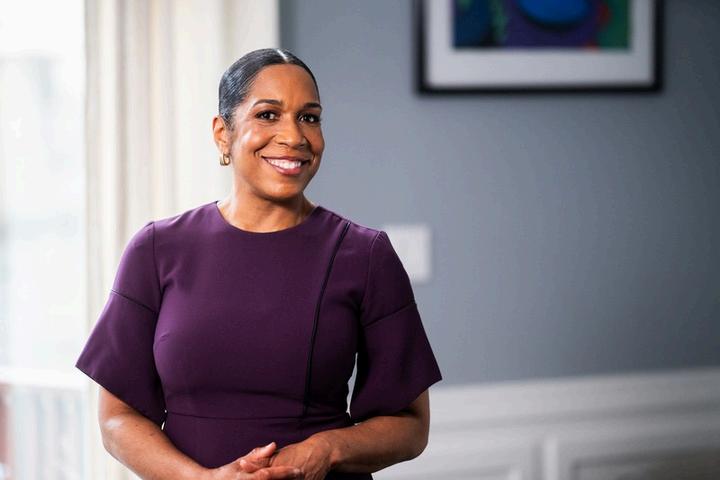
TheSenateRace:WhereNationalPowerActuallySits
The Senate race deserves more than a passing mention because it is one of the few places where the phrase “fight Trump”hasactualinstitutionalweight
Candidates in the race include Robin Kelly’s political orbit as context, but the active field includes Jesse Jackson Jr., Willie Preston, DonnaMiller,RobertPetersandothers
Jesse Jackson Jr’s attempted political return is a majorpartofthestory.Jacksonrepresentedthe districtinCongressbeforeresigningin2012and later serving time in prison following a federal case involving misuse of campaign funds That history cannot be ignored, but neither can the politicalquestionhiscandidacyraises:whethera district should consider experience and legacy separately from scandal, orwhether trust, once broken, should not be rebuilt through federal office
Willie Preston has positioned himself as a candidate focused on economic development, workforce investment and a more urgent development agenda for South Side communities Hismessagespeakstovoterswho wantpracticalinvestmentandastrongerfederal roleineconomicopportunity,notjustsymbolic representation
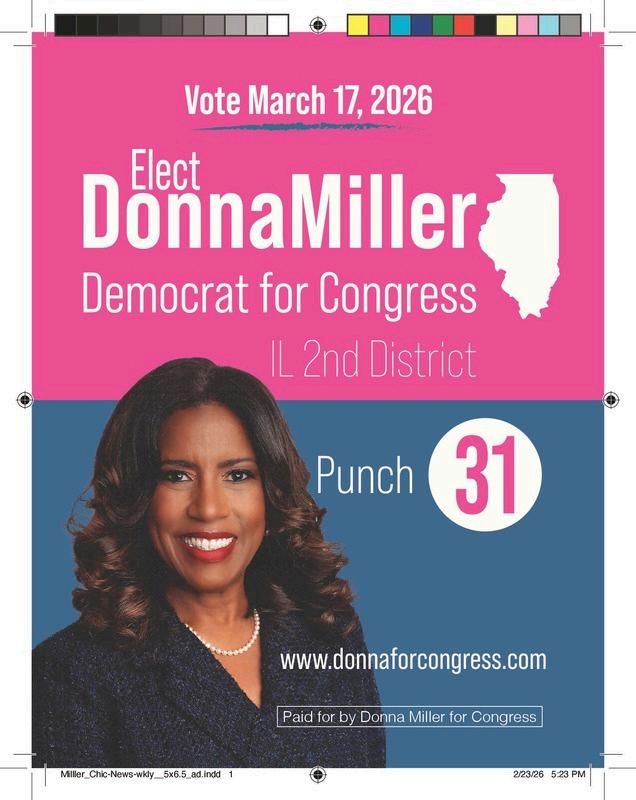
Donna Miller has emphasized health care, maternal health, criminal justice reform and economic opportunity Her campaign speaks especially to voters who want a policy-forward candidacy rooted in working-family concerns and human outcomes rather than legacy politics.
Robert Peters occupies a more explicitly progressive lane, centering issues such as Medicare for All, criminal justice reform and broaderstructuralchangestofederalpolicy.He is the kind of candidate who appeals to voters who want bold, ideological clarity rather than moderationorinstitutionalfamiliarity
Illinoisvoterswillchoosenomineesinacloselywatchedrace for the United States Senate seat long held by Dick Durbin, and the winner will compete for one of the most powerful officesontheballot.Senatorsconfirmjudges,voteonfederal legislation, shape budgets and help determine what kind of governingcoalitionisevenpossibleinWashington
Lt Gov JulianaStratton has built herpolitical careeraround criminal justice reform and economic equity initiatives Before becoming lieutenant governorin 2019 she served in the Illinois House of Representatives, where she supported legislation aimed at reducing reliance on cash bail and expanding re-entry programs for formerly incarcerated residents. Herstatewide role has given herexecutive-branch visibility,andhercampaignframesherassomeonewhocan translateIllinoisgovernanceintofederalleadership
US Rep Raja Krishnamoorthi, who represents Illinois’ 8th CongressionalDistrict,hasbuiltanationalprofilethroughhis workoncongressionaloversightandnationalsecurityissues His campaign emphasizes economic competitiveness, manufacturinginvestmentandsupply-chainresilience Heis sellingnotjustpolicyfluency,buttheideathatIllinoisneedsa senatorwho can be taken seriouslyin federal powercenters immediately
US Rep Robin Kelly, who currentlyrepresents Illinois’ 2nd Congressional District, has emerged as a national advocate for gun violence prevention and public health equity Her career in Congress has tied her closely to issues of safety, maternal health and health disparities in underserved communities Her Senate candidacy raises an obvious political question: whether Illinois voters want someone whose federal profile has already been built inWashington, orwhethertheywanttoelevateadifferentstyleofstatewide leader
Thisraceisnotjustaboutwhosoundstoughestinanad Itis aboutwhocanoperateinsideoneofthemostconsequential institutionsinAmericangovernment

FollowtheMoney:AIPAC,OutsideSpendingand CampaignInfluence
Congressional campaigns increasingly attract attention not only for the candidates themselves but also for the organizations spending money aroundthem
Political action committees and national advocacy groups now play a major role in federal elections, often funding advertising campaigns that shape voter perceptions before voters have had the chancetoreadapolicypageorhearafullinterview
Among the most visible organizations in that discussion is AIPAC and the broader network of outside groups that can influence the tone and scale of modern federal races Voters are often less interested in the acronym than in the underlying question: who is helping finance the message, and whatdoesthatsupportmeanoncethecandidategets intooffice?
That concern is not limited to one ideology or one donor network It reflects a broader discomfort with the way outside spending can nationalize local races, crowd out neighborhood priorities and make voters feel like they are watching someone else’s election takeplaceintheirowndistrict
The responsible civic response is not to treat every donorasavillain Itistoinsistontransparency Voters deservetoknowwhoisfinancingthecampaigns,the ads and the political atmosphere surrounding the peopleaskingforpublictrust
Metropolitan Water Reclamation District: The RegionalOfficeMostVotersNeverHearAbout Fewofficesontheballotarelessvisibletovotersthan theMetropolitanWaterReclamationDistrict-
yet the agency plays a direct role in how the region handles flooding, wastewater treatment, stormwater infrastructureandenvironmentalresilience.
That may not sound glamorous, but it becomes very real when neighborhoods flood, when sewer systems fail, or when environmental burdens fall hardest on communitiesthatalreadycarrytoomuch
TheMWRDmanageslarge-scalewastewatertreatment operations and helps shape the region’s response to stormwater, climate stress and waterway protection Commissionershelpguidespendingandprioritiesthat can affect communities across Chicago and suburban CookCounty.
Becausetheofficeoperatesoutsidethedailyvisibilityof mostvoters,theseracesoftenreceivelessattentionthan higher-profile contests But that is exactly why they belong in a civic guide Quiet government is still government And sometimes the offices that get the least attention are the ones voters understand the least untilsomethinggoeswrong
Chicago’s elections are often covered as a parade of names, endorsements and quotes But what voters are reallychoosingisfarmoreconsequentialthanapolitical peckingorder
Theyaredecidingwhowillshapehousing,healthcare, business development, courts, taxes, transit, schools, nationalspendingandtheflowofpublicresourcesinto theirneighborhoods.
That power does not live in one building It is distributed across City Hall, Cook County, Springfield, Washington and regional agencies that many voters rarelyhearaboutuntilacrisislandsontheirblock.
Thepointofthisguideisnottotellreaderswhotovote for.Itistomakesuretheyknowwhattheyarevotingfor.
Thepointofthisguideisnottotellreaderswhotovote for Itistomakesuretheyknowwhattheyarevotingfor Chicago’s elections often generate big personalities and biggerpromises ButtheMarchprimaryiswherevoters decide which candidates move forward to the November election and, in many districts, who will ultimatelyholdoffice
Beyond campaign slogans and political ads, voters are choosingthe leaderswhowillwrite laws, allocate public resources and represent Chicago’s neighborhoods in government Understanding that power may be the most important step voters can take before casting a ballot
LAURA MILLER - MANAGING EDITOR
On Chicago State of Mind, part of The CNW Network,IllinoisStateSen WilliePrestondidnot sound like a candidate trying to round off every sharp edge He sounded like a man making a clear argument in a close race: the 2nd Congressional District does not need another polished political figure It needs someone who understandsworkingpeoplefromtheinsideand is willing to fight from that position Episodes of Chicago State of Mind are available through the CNW Network on Apple, Spotify, Spreaker and YouTube That argument begins with his life longbeforeelectedoffice.
Preston said he was born in 1985 in Englewood, oneoffiveboysinwhathefirstrememberedasa loving, music-filled home But after his parents separated, the stability of his childhood changed. “For me, it’s like the light turned into the darkness,” he said “From that point, to the remainderofmychildhood,quitefrankly,itwas significant poverty” He spoke openly about growing up around gangs and about having to overcome the pressures that trapped so many young Black boys on Chicago’s South and West sidesinthe1990sandearly2000s
That argument begins with his life long before electedoffice
Preston said he was born in 1985 in Englewood, oneoffiveboysinwhathefirstrememberedasa loving, music-filled home. But after his parents separated, the stability of his childhood changed “For me, it’s like the light turned into the darkness,” he said “From that point, to the remainderofmychildhood,quitefrankly,itwas significant poverty.” He spoke openly about growing up around gangs and about having to overcome the pressures that trapped so many young Black boys on Chicago’s South and West sidesinthe1990sandearly2000s
Preston does not use that biography as sentimental background He uses it as proof of how he came to politics and why he believes his life experience matters in this race Asked who helped shape him, he named the Rev. Jesse Jackson Sr, his father, his grandmother and his wife, Brittany. He described his father as a small business owner who taught him practical trades and tried to keep him focused on a productive path “He would always take my brothers and I andmycousins andteachushowtopaintand do siding and drywall,” Preston said. He credited his wife with pushing him back toward school when he was drifting “My wife is such an important part of my story,” he said “Before I knewit,shehadpersuadedmetoleaveallofthat tothesideandtogobacktoschool.”
Thatreturntoschoolchangedthedirectionofhis life Preston said he entered Chicago State University without much confidence that he belonged there “No one in my family had went to college,” he said “Honestly, so removed from higher education ... I didn’t think I was actually qualified to go to college” Once there, he followed a longtime interest in politics into political science, an interest he traced back to childhoodmemoriesofsittingwithhisfatherand watching Larry King Live. That path eventually led him to former state Rep Ken Dunkin, who first brought him into politics as an intern and laterhiredhim “Irememberspecificallybeingin a meeting and thinking to myself, I can be a politician,” Preston said “I’m going to run for office Icandothis”
That origin story is central to how Preston wants voters to see him now He is not presenting himself as a candidate manufactured by institutions or political grooming He is presenting himself as someone shaped by labor, pressure and ordinarywork.“Iwasnotsupposedto be a politician,” he said “I started my career as a janitor cleaning floors.” He wentontodescribeovernightshiftsat HomeDepot,workasabutcher,then life as a carpenter and small business owner “I’m a working-class person looking to represent a working-class district,”hesaid
He ties that identity directly to his political vision Asked what Chicago meanstohim,Prestonansweredwith one word: “pride” He spoke warmly about Englewood and the neighborhoodmemoriesthatstillstay with him, but he quickly pivoted to what he sees as the bigger problem facing Black communities “What I am deeply concerned about today is the hollowing out of communities,” he said, pointing to school closings, disappearing businesses and the loss ofneighborhoodanchors “Myrolein this space is to restore, rebuild communities”
Preston is also trying to ground his campaign in a governing record, not justacompellingstory.Hesaidhewas elected in June 2022 and sworn in in January 2023, and has since focused heavilyonconsumerprotectionwhile serving in Senate leadership He pointed specifically to the Illinois FoodSafetyActasadefiningexample of how he governs. “I focused on some heavy legislation that most freshmen are generally not carrying,” Prestonsaid “TheIllinoisFoodSafety Act It’s huge” He said manufacturers threatenedhimwitha“massivemultimilliondollar”campaignifhemoved the bill, but he pushed ahead anyway because “it was there to protect the people” He also argued that his willingness to work across political lines after being outspent and initially lacking party support has prepared himforCongress
Still, the emotional core of his candidacy is contrast. Preston described the country’s politics not as a routine divide, but something deeper “I’mnotjustgonnacallitsplit,” he said “I’m going to call it a chasm” Hecriticizedwhatheseesasapolitical culture that keeps recycling the same types of leaders and relying on the same habits “We have to stop anointing elected officials,” he said “I think the problem is, is that we ’ re sending the same old people to Washington.”
That argument came into sharper focus when he was asked how he would represent a congressional district as broad and diverse as the 2nd.
His answer was direct: “I’m already doing it” Preston described his current district as a “microcosm” of the congressional seat and saidhisapproachisrooted invisible,localservice.
You’re gonna know me, ” he said “I’m gonna be in your district with regular town halls You’re gonna know my staff” He said he would build multiple officesandstaffthemwith people from the district ratherthantreatingpublic jobsaspoliticalrewards
Willie Preston identifies as adifferent kind of leader focused on uplifting the economic status of African American communities, emphasizing the importance of business ownership and homeownership for national success His leadershipstyleischaracterizedbyhonesty and radical transparency, rejecting managed politics Preston asserts his independence, stating, “Nobody owns WilliePreston,butthepeople,”andbelieves voters seek authentic representation. He positions himself as a tradesman-turnedlawmakerwho advocates forworking-class interests, betting that this approach resonatesinacompetitiverace

As climate change intensifies wildfires and other extreme weather events, demand for native seeds is surging
This coverage is made possible through a partnership between WBEZ and Grist, a nonprofit environmental media organization.
Under the warm light of a hanging lamp, Marty Landorfcarefullycrumbledthedriedflowerheadofa black-eyedSusanbetweenherfingers,teasingapartthe chaff to uncover its puny black seeds Each one was destined forlong-term cold storage alongside roughly 46millionotherseedsattheChicagoBotanicGarden.
Everyseedinthegarden’svaultisdifferent Someseeds havehooks.Othersvergeonmicroscopic.Afewcarrya sharp, deterring scent And some, like the airborne seeds of the milkweed, the host plant for monarch caterpillars, are fastened to silky fluff that drifts everywhere, hitching rides on volunteers’ clothes and followingthemhome
“Fluffisfun,”Landorfsaidlaughing,seatedalongsidefive othervolunteerscleaning,counting,andsortingseedsat a long metallic table in the garden’s seed bank preparationlab
Foralltheirvariation,theseseedsshareacommontrait: They’renativetotheMidwest Thesespeciesgenetically adaptedoverthousandsofyearsandsustaintheregion’s ecosystems That evolutionary inheritance makes them indispensable for restoring the nation’s remaining prairies,wetlands,andwoodlands
The problem: Native seeds are in short supply And climatechangeisintensifyingdemand
“Climate change is affecting our weather and the frequency of natural disasters,” said Kayri Havens, chief scientist at the Chicago Botanic Garden “Wildfires becoming more common, hurricanes becoming more common thatincreasestheneedforseed”
In2024,theChicagoBotanicGarden,a385-acrepublic garden and home to one of the nation’s leading plant conservation programs, helped launch the Midwest Native Seed Network, a first step in improving the region’s fragile seed supply.The coalition nowincludes roughly300 restoration ecologists, land managers, and seedgrowersacross150institutionsin11states.Together, theyareresearchingwhichspeciesaremostindemand, where they are likely to thrive, and what it will take to producethematscaleandgetthemintheground
The collaborative is compiling information on seed collection, processing, germination, and propagation while identifying regional research gaps and planning collaborative projects to close them. For example, the network is currently collecting research on submerged aquaticplantssuchaspondweeds,andotherspeciesthat arechallengingtogerminate,likethebastardtoadflax,a “partiallyparasiticperennialherb
We’re addressing these local, regional, and national shortages of native seed that are reallyjust hinderingour ability to restore really diverse habitats, build green infrastructure, and support urban gardens,” said Andrea Kramer, director of restoration at the Chicago Botanic Garden.
Lastyear,thenetworkundertookitsfirstmajorproject:a large-scale survey of more than 50 partners across the region. The results were stark. More than 500 are effectivelyunavailableforrestoration
In some cases, it’s because no one grows them In others, the seeds are available, but the cost even at a couple of dollars per packet becomes prohibitive when restoration projects require thousands of pounds And forcertain finickyspecies, thebottleneckistechnical:Researchersandgrowersstilldon’t fullyunderstandhowtogerminatethemreliablyorhelpthem thriveinrestorationsettings
Kramersaid that ultimatelythe goal is to connect the people who need seeds with those who know how to grow them While the network does not sell seeds, it works with organizationsandpartnersthatdo “Weareusingthenetwork to help elevatewhatwe all knowand sharewhatwe knowto makeiteasier,”shesaid
The shortage itself is not new In 2001, following sweeping wildfires in the West, Congress tasked federal agencies, including the Bureau of Land Management and the US Forest Service which combined manage approximately one-fifth of the nation’s public lands to craft an interagency, public-private partnership to increase the availability of native seeds But according to a 2023 report, which identified the lack of native seeds as a major obstacle for ecological restoration projects across the United States, those effortsremainunfinished.
Wildfires have scorched more than 170 million acres in the U.S. between 2000 and 2025, according to the National Interagency Fire Center In 2020 alone, the Bureau of Land Managementpurchasedroughly1.5millionpoundsofseedto rehabilitate burned landscapes In a bad fire year, the agency canbuyasmuchas10millionpounds.
The 2021 Bipartisan Infrastructure Law dedicated $1.4billionforecosystemrestorationoverfiveyears, including $200 million for the National Seed Strategy,acoalitionof12federa
l agencies and various private partners established in 2015 to provide genetically diverse native seeds for restoration. The following year, the Inflation Reduction Act invested nearly $18 million to developaninteragencyseedbankfornativeseeds.
Department announced an initialround of $1 millionforanationalseedbankfornativeplants
“TheUS doeshaveamajorseedbankrunbythe [Department of Agriculture], and it mostly banks crops, ” said Havens, the scientist at the Chicago Botanic Garden“But we don’t have that kind of infrastructureinplacefornativeseed”
Momentumforestablishinganativeseedbankwaned following funding cuts from the Trump administration In early 2025, the National Plant Germplasm System's staff was reduced by 10%, impactingitsdiverseplantcollection.
“If something isn’t supported on a national level, then it becomes incumbent on states and regions todothatkindofwork,”Havenssaid “Sothat’swhy we ’refocusingrightnowintheMidwest”
The network is the first of its kind in the Midwest, thoughsimilarinitiativeshavebeenactiveelsewherein the country for years. Today, there are more than 25similar networks operating across the US In the western United States, these coalitions have come together in response to post-wildfire restoration projects
“Oneofthereasonswhywewereamongthe first is because of this federal land ownership that we have in the West, whereas in the Midwest, it’s more private land,” said Elizabeth Leger, a professorat the University of Nevada in Reno and co-founder of the Nevada Native Seed Partnership More than 90%ofallfederallandislocatedin11western states Kramersaidshehopestoruntheseed availabilitysurveyagainin20yearsandgeta differentresponse
“Iwantthemtosay,‘Wehaveaccesstoallthe seed we need,’” said Kramer. “And we can move on to the next challenging question, like, ‘Why isn’t the seed establishing in my restoration? Or, how do we manage the next challengecomingwithclimatechange?’”
Correction: This story has been updated to correct the spelling of Elizabeth Leger’s last name and to accuratelyreflecttheChicagoBotanicGarden’srole inlaunchingtheMidwestNativeSeedNetwork
ZADA JOHNSON, PH.D. - STAFF WRITER
As Black History Month comes to a close, I highly recommend that you continue to celebrate the contributions of Black Americans throughout the year Add visits to the DuSable Museum, which recentlyfeaturedtheParisinBlackexhibitionthatopenedinJanuary, alongside a robust Black History Month schedule including the Lashout Family Showcase (Feb 21) and a Closeout Celebration (Feb 28) Permanent and current exhibits also include Freedom: Origin and Journey Make it a habit to check what’s happening at the DuSable
“ParisinBlack:InternationalismandtheBlackRenaissance”isagreat opportunity to learn about the international contributions of Black artists from the early 20th-century Black Renaissance era to the present.
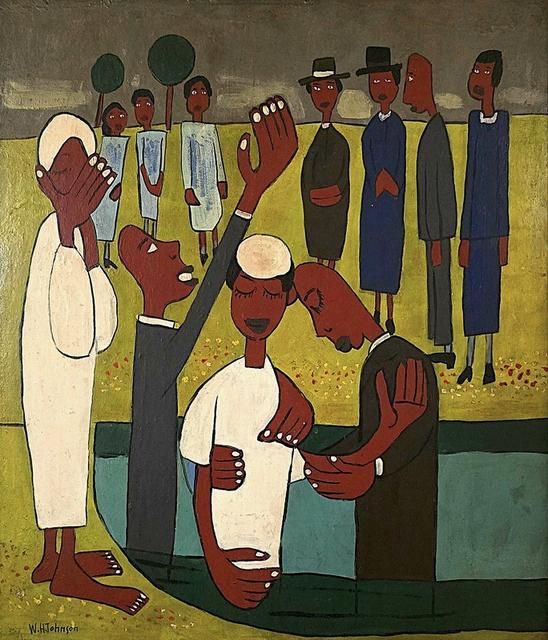
EnthusiastsofHarlemRenaissance-eraartwillmarvelatthefactthatthese works are from DuSable’s permanent collection (including a study of HenryOssawaTanner’sTheThankful Poor) Forthose familiarwith these well-known works or who recall them from textbook illustrations or BlackHistoryMonth bulletin boards seeingthat Motley’s Snuff Dipper, Savage’s Boy with Rabbit, and Johnson’s I Baptize Thee are part of DuSable’s permanent archives should instill a special sense of pride in our hometownBlackhistorymuseum
ThenexttworoomsoftheexhibitarededicatedtoliterarygiantLangston Hughes and Paris superstar Josephine Baker. Arriving in Paris as a young writer,Hughesimmersedhimselfinthecity’sjazzscenewhileworkingasa dishwasherand busboyat Le Grand Duc cabaret Alongwith atimeline of his international travels, the exhibit includes Hughes’ letters and written reflections related to Black intellectuals and performers who frequented Paris during the era of the New Negro Movement Among these are New Negro intellectual Alain Locke as well as Chicago’s own Ada "Bricktop" Smith, the legendary jazz singer and Paris nightclub owner who hired HughestoworkatLeGrandDuc.
Organized by DuSable’s Director of Curatorial Affairs and Arts Education, Danny Dunson, the exhibit showcases an extraordinary collectionoffineart,archivalphotographs,letters,fashionephemera, andmultimediacomponentsthatprovidefascinatinginsightintothe impactBlackcreativeshavemadeacrosstheAtlantic

Paris in Black begins with a striking replica installation of the Arc de Triompheservingasanentrywayintothemainroomsoftheexhibit DuSable’sVicePresidentofExhibitionsandCollections,MartinGiese, notesthatthereplicaarchisalsoasymbolicgatewayintotheworldof Black creativity and resilience, inviting visitors to “reflect on the journeysofthosewhosoughtartisticandpersonalliberationabroad”
Located near the arch are panels dedicated to early Black luminaries whocontributedtoParisianculture,includingiconicintellectualW E B DuBois,whoco-createdtheAmericanNegroExhibitforthe1900 ParisWorld’sFair,andrenownedpainterHenryOssawaTanner,who movedtoEuropein1891andstudiedattheAcadémieJulianinParis.
The creative contributions of both Du Bois and Tanner laid the groundwork for future generations of Black Americans who would traveltoParisinsearchoftheirownartisticandpersonalliberation
Theexhibitcontinueswitharoomdedicatedtothevisualartistswho migratedtoParisattheheightoftheNewNegroMovement,theearly 20th-century cultural awakening that included the Harlem Renaissance (and later the Chicago Renaissance) The fine arts room featuresstunningpaintingsandsculpturesbyartistsincludingAugusta Savage,WilliamH.Johnson,andArchibaldMotley.
The fashion panels bring the timeline into more contemporary times, discussingthecontributionsofBlackmodelsasmusestorenowneddesigner Yves Saint Laurent and the Paris connections of fashion icon André Leon Talley
Fashionenthusiastswillalsoenjoytheexhibit’sdiscussionofthefamedBattle of Versailles, a groundbreaking 1970s fashion show featuring Black designer Stephen Burrows and Black models including Pat Cleveland and Bethann Hardison(motherofKadeemHardison).
With its rigorous exploration of Black internationalism and extraordinary arrangement of archival objects including many from the museum ’ s permanent collection Paris in Black was a must-see for Black history connoisseurs and beginners alike “Paris in Black: Internationalism and the Black Renaissance” is no longer on display at the DuSable Black History Museum and Education Center. For more information, visit dusablemuseum.org.
RYAN WILLIS CONTRIBUTING WRITER
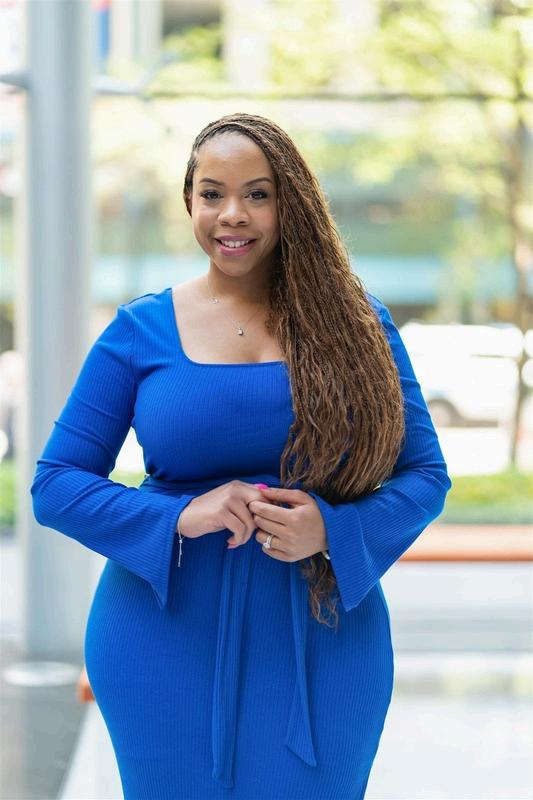
OntheSouthSideofChicago,longbeforeboardroomsand billion-dollar innovation strategies, Jamila Parham-Cullers was a blue-collar daughter watching her father work overtimetobringhomeacomputer
The tech industry has long championed “diversity” but rarely ownership Jamila speaks plainly about the difference.
Butsheaskstheharderquestion: Whobenefits?Willtherebeopportunitiesfor small business tech founders? Will there be access pipelines for CPS students? Will there beequityatthetable?
Herfatherbuiltsemi-truckengines HermotherworkedasaCPSlunchroomattendant.
Nothingaboutherupbringingscreamed“techexecutive” Buteverythingaboutitbuiltone “Ididn’twakeupandsayIwasgoingtobeanentrepreneur,” Jamilatoldme “ButIalwayshadthespiritofwantingtoshift whattechnologylookslike.”
Today, she is known as “The Tech Unicorn” not because sheisrare,butbecausetheindustrymadeherrare Andshedecidedtochangethat
FromSouthSidetoSystemsInnovation
Jamila’soriginstoryisnotSiliconValley.It’sChicagogrit.
Raised in a blue-collar household, she learned early that nothing would be handed to her Her brother didn’t let her winvideogames Herfatherdidn’tletherslackoneducation
And when she enrolled at DePaul University to study computerscience,shequicklyrealizedtheexposuregapwas real
Coming from CPS, she was behind classmates who had earlieraccesstocodingcurricula Sheoftenfoundherselfthe onlyBlackwomanintheroom.
“That can shake your confidence,” she admitted “You start askingyourself doIbelonghere?”
But instead of shrinking, she built community She and a fellow classmate intentionally took every computer science class together so neither would be the only woman in the room.
That instinct to create space when space doesn’t exist wouldeventuallybecomeherlife’swork
LeadingBillion-DollarInnovationQuietly
Whilemanytalkaboutinnovation,Jamilahasledit
During her career, she helped oversee one of the largest smart lighting modernization projects in the world while working with the City of Chicago second only to Seoul, South Korea. She led complex system transformations at CTA, including infrastructure initiatives that most Chicagoanswillneversee butbenefitfromdaily “We don’t notice the technology that powers our city,” she said “Butit’sthere”
For over 20 years, she has operated at the intersection of publicsystems,civictech,andlarge-scaleinnovationdelivery often as the only Black woman in executive spaces managing multimillion-dollar budgets That’s when people began calling her a “unicorn.”Her response? “Why am I the onlyone?”
“One in ten tech professionals is a woman Black women are a fraction of that,” she explained “And whenyougettotheC-suite?Italmostdisappears”
Shehaswitnessedfirsthandhowdiversityreportswere once published publicly, holding corporations accountable.Manyhavesincestopped.Theclimatehas shifted Thedataisnolongertransparent
Sothequestionbecomes:Wasdiversityavalue ora compliancecheckbox?
ForJamila,powerisnotjustrepresentationintheroom It is ownership of systems, intellectual property, and decision-makingauthority
“Whenyouworkintech,whatyoucreatebelongstothe company, ”shesaid “Ownershipchangestheequation”
And that’s why she built The Tech Unicorn a platform focused on advancing Black women and underrepresentedcommunitiesinSTEM.
TheFutureisBeingBuilt-WithofWithoutUS Jamila is particularly passionate about responsible AI and quantumcomputing
She warns that the next generation of systems AI models, facial recognition, autonomous vehicles are beingbuiltinrealtime Andifmarginalizedcommunities arenotintheroom,biasgetscodedintothefuture
“Therearedocumentedcasesoffacialrecognitionsystems misidentifying darker skin,” she noted “There are studies about autonomous vehicles not detecting melanated skin properly That’snottheoretical That’sreal”
She believes tech should adopt the medical field’s first principle:First,donoharm
But she also understands innovation cannot be stifled. Theremustbebalance regulationwithoutsuffocation. That’swhereChicago’snextchapterbecomescritical
With billions invested into quantum computing infrastructure on the South Side, Chicago is stepping onto the global stage of next-generation data processing.
QuantumcomputingwillpowerAIatspeedstraditional systems cannot sustain It will transform cybersecurity, healthcaremodeling,logistics,anddefense “It’salready happening,” Jamila said. “Chicago is now in the global conversation”
“Representation without access is just visibility,”sheexplained
Her focus remains pipeline early STEM exposure, cybersecurity workshops for CPS students, mentorship programs for college interns,scholarshipsforwomenenteringtech conferences typically reserved for professionals Power,toher,meansbeingpart ofthebuild
Jamila has also unlearned grind culture. “No to Team No Sleep,” she laughed “You can hustle yourself into a hospital” For her, leadership is evolutionary There are seasons of grind and seasons of reflection Sustainability matters. Winning, she says, is not perfection “Winning is falling forward,” she said, referencing Denzel Washington’s commencement speech “We’re going to fall Thequestionis areyoufallingforward?”
Jamila lost her father around the time she launched The Tech Unicorn nearly a decade ago Shelosthermotherattwelve Shecarries bothwithherineveryroomsheenters Hermissionissimple:Leavethepathmorelit thanshefoundit.
“I haven’t done this alone,” she said “And I don’t want anyone after me to feel like they haveto”WhenIaskedhertofinishonefinal sentence: “
The Tech Unicorn isn’t only about tech It’s about…”Shedidn’thesitate.“Blackandbrown genius has a seat at the table that builds the future” In a city often defined by its challenges, Jamila Parham-Cullers represents something else: Precision Power And the quietrewritingofwhocontrolsthefuture.
Integrity Matters. Leadership Matters. Trust Matters.
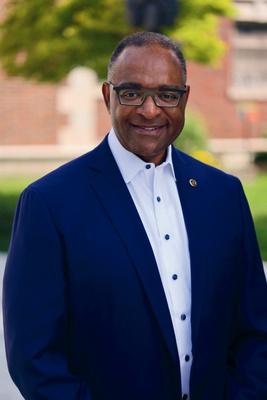
AttorneyRichardBoykin has built his career onhonesty, strong moral values and a commitment to do what’s rightnot what is easy. From fighting for transparency in government to standing up for working families, he has always put community first. When others chose politics as usual, Boykin chose principle. When tough decisions had to be made, he chose integrity over expediency.
Becauserealleadershipisn’taboutpromises - it’saboutcharacter.

Endorsed by Treasurer Maria Pappas, Ald. Ray Lopez, Ald. Silvana Tabares, Hon. Billy Marovitz, Dr. Willie Wilson, Paul Vallas, Rabbi Barry Axler, Hon. Anan Abu Taleb, Hon. Jim Taglia
DAVID SEATON - COLUMNIST
ThecurrentstateofAmericanpoliticshaslong since pushed me into the camp of the politically homeless I am a Conservative Independent because I have grown weary of the brazen hypocrisy, manipulative rhetoric, and cynical gamesmanship of both major parties
Take the latest controversy surrounding ZohranMamdaniandNewYorkCity’scallfor Emergency Snow Shovelers The city is paying $19.14 an hour up to $28.71 with overtime fortemporaryworkerstoclearbus stops,crosswalks,firehydrants,andstepstreets after heavy snowfalls. Applicants must show identification:photos,SocialSecuritycard,and original IDs In other words, standard employment documentation required anywhere in America to complete an I-9 and W-4
The Right erupted, accusing the Mamdani administration of rank hypocrisy: How can “Blue NYC” require ID for a snow-shoveling job while opposing the SAVE Act’s voter ID provisions? But this line of attack is intellectually flimsy and transparently opportunistic. Every employer in the United States must verify work eligibility That’s federal law Pretending this is some sinister datagrabisunserious,conspiratorialnonsense designedtoinflamelow-informationvoters
YettheLeftishardlyinnocent Theirresponse to voter ID debates has too often been drenched in condescension and outdated racialtropes WearetoldthatBlackAmericans, poor Americans, or minorities are somehow incapable of obtaining identification that securing a birth certificate or state ID is an insurmountable obstacle akin to a Jim Crow polltax Thisargumentisnotcompassionate;it ispatronizing Itassumesincompetencewhere thereisresilienceandagency.
Politicians such as Bernie Sanders and Gavin Newsom have even mused rhetorically about who keeps track of their birth certificate, as though the process of obtaining one were an arcane scavenger hunt Every state has a Bureau of Vital Statistics Replacement Social Security cards are free. Millions of working Americans navigate these systems routinely Thedebateoverwhethersuchdocumentation should be required to vote is legitimate. But pretending the documents are unattainable is disingenuoustheater
What we are witnessing is not principled governance but partisan opportunism. The Right gleefully blurs unrelated issues to score cheap points The Left reflexively invokes accusations of racism to shut down uncomfortableconversations
Both sides traffic in half-truths, emotional manipulation, and calculated outrage Both treat voters less like citizens and more like pawns in an endlesspowerstruggle.
It is no surprise that roughly 45% of Americans now identify as independents, outpacing both Democrats and Republicans The American people are exhausted by ideological extremism and performative indignation. We crave seriousness, coherence,andintegrity
I remain a Conservative Independent not because I lackconvictions,butbecauseIrefusetopledgeloyalty to parties that have become arrogant, self-serving, and corrosively hypocritical Until our political class chooses honesty over hysteria and principle over partisanship, I will stand apart and I know I am far fromalone

LentstartedAshWednesdayonFebruary18th, and lasts over a 40 day period of fasting and prayerfromsunuptosundown,leadingupto Easter It ends on Holy Saturday, just before Easter Sunday So and if you ’ re looking for a plant-based option for a complete and deliciousmealafterbreakingyourfast,trythis ingenious Winter Salad a recipe that’s not only easy but also highly nutritious and delicious In this dish, protein-packed black beans ,acorn squash and lentils dressed with kale are tossed with roasted butternut squash, fresh spinach, and a dressing of olive oil, vinegar, maple syrup, and a hint of chipotle. You can enjoy this tasty salad immediately or prep it for the week; just store the dressing separately and refrigerate the salad for 3 to 4 daystokeepitfreshandflavorful
I am a lentils girl; I mean it is one of my staples, yet most people often forget about them. I discovered this wonderful legume in college, and I've discovered how marvelously versatilelentilscanbe,andsocanyou
Those of us who know how nutritious lentils alsoknowtheirstrongflavorcandominatethe dish in a good way. If you ’ re not a lentils fan yet, start by trying this recipe and fall in love with this versatile and inexpensive legume They’re healthy and tasty! They’re great in salads, of course, but also great in recipes for groundmeats
For this bean and lentil salad recipe I chose chickpeas,sinceIhadsomeleftoverfrommy Chickpeaavocadosaladtheotherday,butany kind of beanswill do – usewhatyou have on hand Imadeasimplelemonydressingspiced with toasted coriander and cumin seeds, both of which pair wonderfully with lentils and beans
Sinceit’sstillwinter, Itookadvantageoffennel being in season and added some thinly sliced to the salad. If you make this dish the in summer, you could replace the fennel with a teaspoon of fennel seeds toasted and ground alongwiththecuminandcorianderseeds.
Directions
Step1
Combine lentils, 6 cupswater, 2 tsp Adobo to mediumpot;bringtoboil Reduceheattolow Cook,covered,stirringoccasionally,untillentils aretender,about20-30minutes Drainlentils Allowtocoolcompletely
Step2
Meanwhile, in medium saucepan over medium-high heat, bring 4 cups water and 2 tsp Adobo to boil Add quinoa and bring to a simmer, stirring occasionally, until tender, about10minutes,strainandcoolcompletely.

Ingredients
1tbsp.
Adobo All-Purpose Seasoning with Pepper divided,plusmore,totaste 2cups
Lentilsrinsedanddrained
1cup
OrganicTri-Color(red,black,white)Quinoa, or OrganicQuinoarinsedanddrained ½cup
ExtraVirginOliveOIl ¼cup
BalsamicVinegar
1tbsp. maplesyrup ½lb mediumcarrots,peeledandthinlyshaved 1cup
choppedredbellpepper
1cup
choppedgreenbellpepper
1cup choppedyellowbellpepper
2cups packedbabyspinach,roughlychopped ½cup thinlyslicedredonion
2tbsp toastedpepitas,forgarnish Onehandfuloffreshkale
Step3
Inamediumcanningjar,addoil,vinegarandmaplesyrup. Cover tightly with lid and shake to combine Season with Adobo,totaste
Step4
Cut/slicethekaleinstripsthen,sliceagainintosmalerlstrips
Step5
In a large serving bowl, add lentils, quinoa, carrots, bell peppers, spinach, onion and vinaigrette, and toss to coat. Chill or let sit at room temperature for at least 30 minutes before serving to allow flavors to develop Garnish with pepitasandserve.
Note: Whenmealprepping, store saladinanairtight containerto keep your meal fresh Store the dressing separately This salad can typicallybestoredintherefrigeratorforupto3to4days Labelthe containerwiththedateforeasytracking!
It’s starting to feel normal and even exp Black fashion designers work be showca catwalk, and celebrity red carpet runs highly regarded events. Jason Rem prominent NewYork-based fashion styli andfounderoftheluxurybrandAliettel February 2019 The feather in his c popularity amongst celebrity favorites circles Rembert has arrived and is heral thought-provoking looks, making him afterHollywoodstylist,dressingthelikes MarsaiMartin,ReginaHall,MaryJ.Blige ZaynMalik Thus,Remberthasbuiltarep creating memorable red-carpet mom mentoring emerging, diverse talent. luxury label inspired by his mother, feat gorgeous creations, including the stun ZendayaworeinherNetflixfilmMalcolm
Aliette:Rembertlaunchedhisownbra whichfocusesonelevated,luxurywom StylingCareer:Heishighlyregardedfo withA-listcelebrities,includingMaryJ Rae,QueenLatifah,LilBaby,andJohn Background:Hisstylingaesthetichasb describedasamixofhigh-fashionand "tomboy"sensibility,oftenblendingco comfortable,everydaypieces.
Mentorship:Rembertisrecognizedfo commitmenttomentoringyoungdes specificallythro promotingdiv