
Dear friends, alumni, and supporters of the Department of Earth and Atmospheric Sciences,
This has been a year filled with excitement, passion, connections, and challenges. I am proud to call this department my home at Central Michigan University and even prouder of the accomplishments, perseverance, and resilience of our students, faculty and staff.
Summer 2025 represented a milestone event for us; over 50 EAS students participated in internships, research, and field experiences this summer, from Beaver Island to the Great Plains and from coast to coast, tackling real-world challenges, gaining hands-on experience, and showing how ‘We Do!’ relevant and important work in the communities we serve.
So much of what you find here is supported by you – our friends, alumni, and supporters – your contributions of time, talent, wisdom, and treasure deeply enrich the student experience and sustain our amazing programs.
I hope as you read through this newsletter, you find inspiration, connection, and passion for the people and stories that form our community. Thank you to everyone who has made this year possible, and I am excited to see what the next year brings!
Best Wishes,
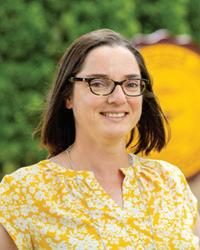
Wendy Robertson Professor and Chairperson Department of Earth and Atmospheric Sciences
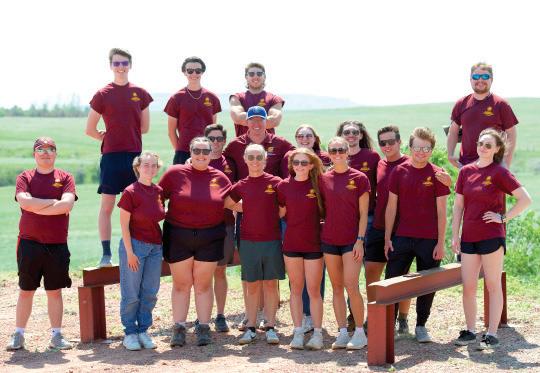
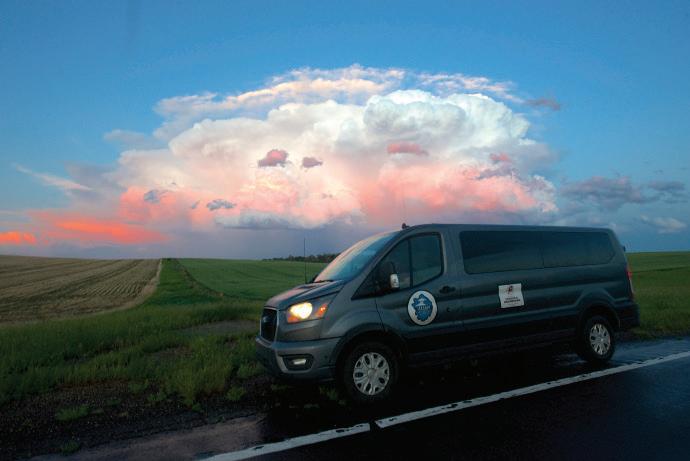
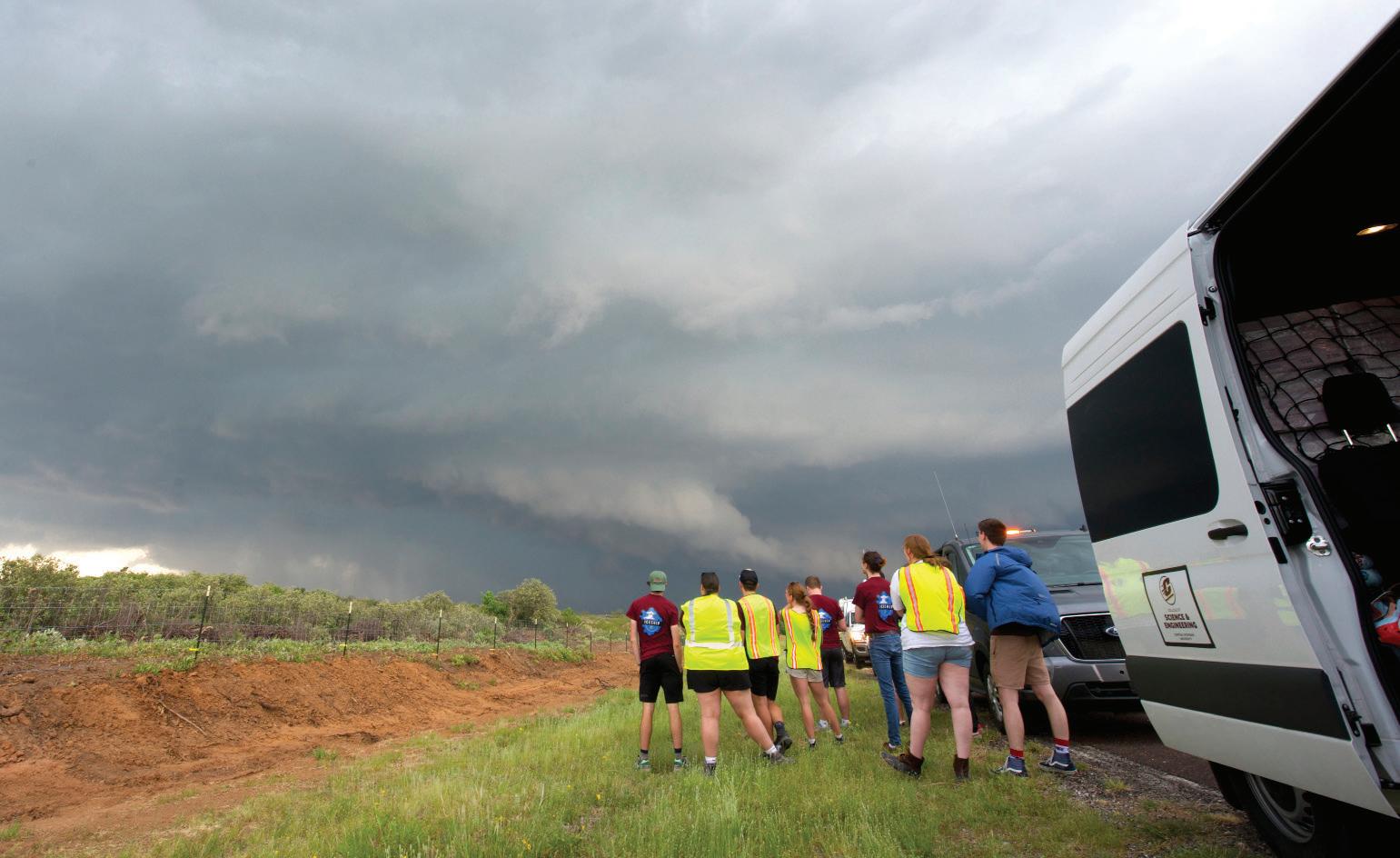
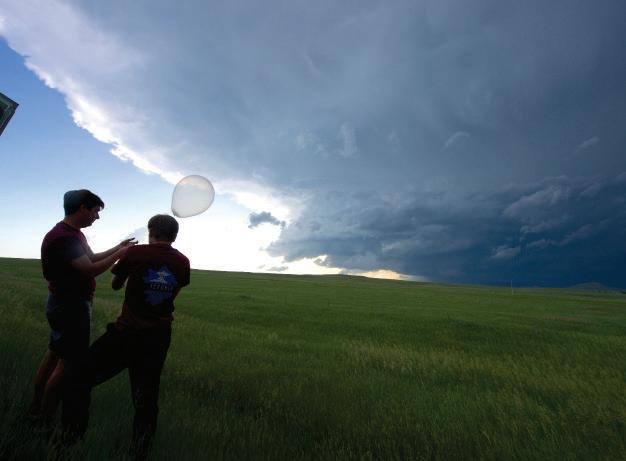
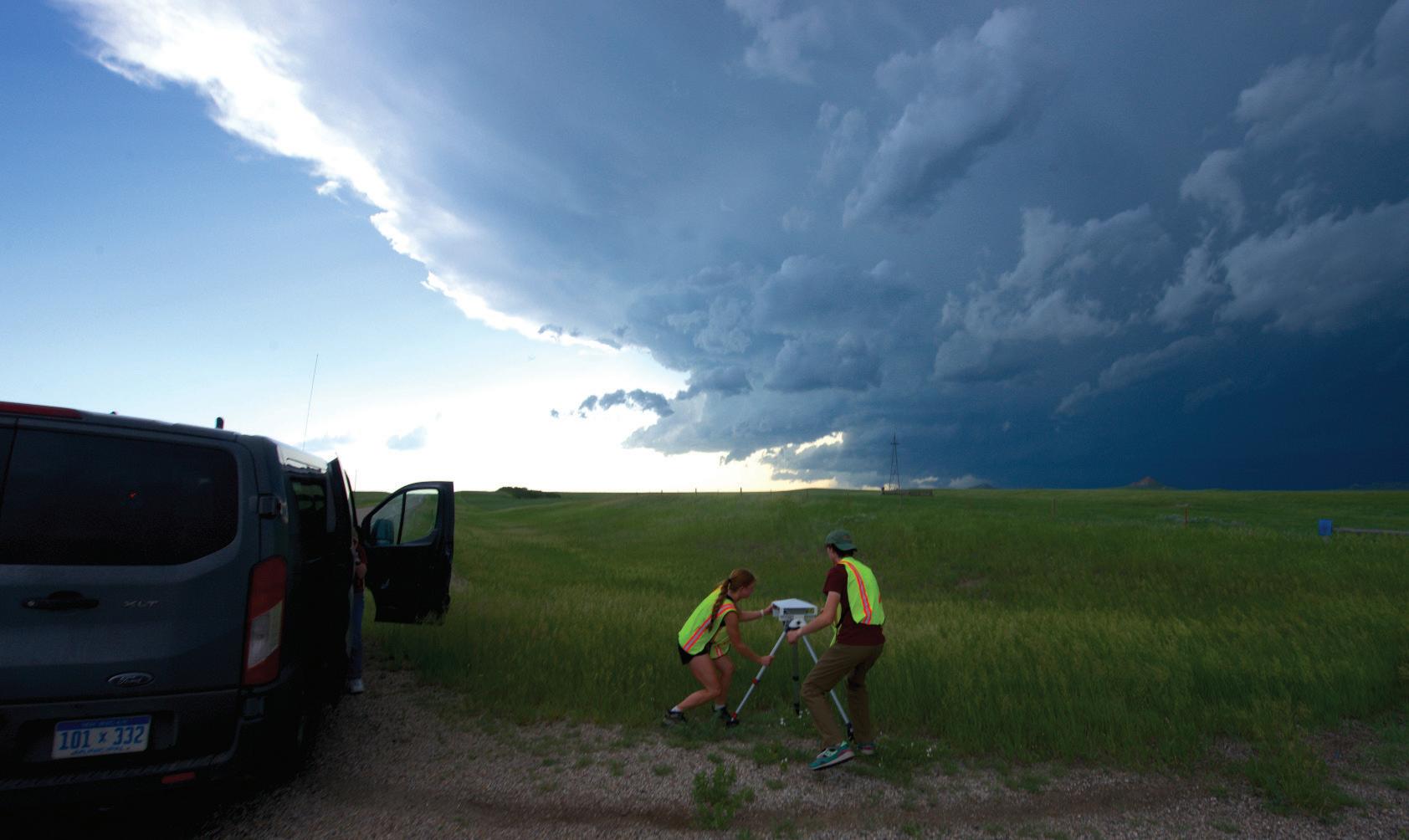
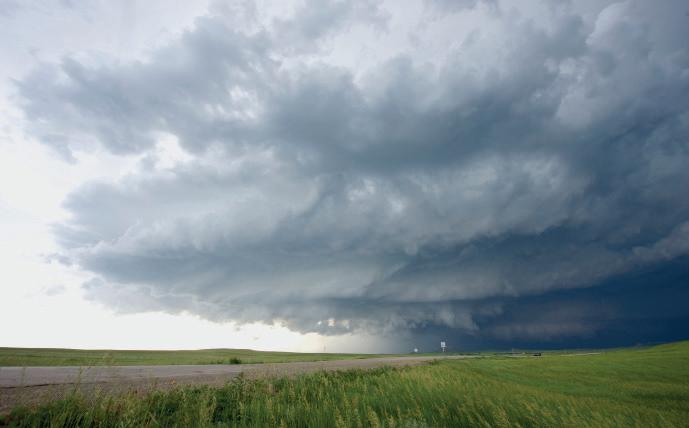
A blazing sun and oppressive humidity over endless plains gives way to shadow as a thunderstorm rapidly grows to the west. A cluster of maroon shirts peers expectantly toward the horizon as a storm begins to take shape, somewhere in the Great Plains. The team is part of the largest hail field research campaign to take place in the United States, the National Science Foundation funded In situ Collaborative Experiment for the Collection of Hail in the Plains (ICECHIP). Their mission – to provide unprecedented insight into some of the most damaging storms on Earth.
Sixteen students from the EAS department led by Drs. John Allen and Jason Keeler worked in a team of 90 scientists, students, and leaders in hail science from 15 institutions and private industry in a fleet of over 30 radar trucks, mesonets and field vehicles. Through the safe deployment of instruments well ahead of storms and collection of hail after the storm, the CMU team contributed to the observations of more than 20 hailstorms in the Great Plains from mid-May to late-June.
Six teams were led by CMU for the project, one focused on launching radiosonde balloons to obtain full depth profiles of the atmosphere, another on near surface measurements from windsonds, and four teams that formed the backbone of the ground observation mission, deploying a mixture of hail pads, deployable foam surfaces designed to take impressions of hailstones as they hail, portable weather stations, and impact disdrometers, instruments able to sense the kinetic energy and size of impacting hailstones.
The student teams trained for over two months in preparation to successfully deploy in field conditions. As a lead PI of the project, Dr. Allen directed the CMU teams to deploy instruments and collect hail on storms from Texas to Montana and most states in between.
CMU students worked with instrumentation in the field, developed their leadership skills, built teams able to deal with adverse situations, interacted with the media, shared the knowledge with the public and learned about forecasting and nowcasting mesoscale meteorology and severe storms in a way that is not possible in a classroom.
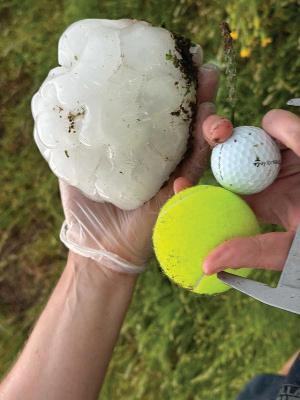
While the results of a projects like this will only be recognized following years of analysis, early results indicate that the results from ICECHIP will fundamentally shift how we understand hailstorms, from the first observations documenting updrafts of more than 150 mph, to near 6-inch hailstones weighing over a pound, to vastly increasing the documentation of hailstone properties across these storms.
Without the participation of CMU meteorology students, these sorts of observations would not have been possible, and reflect long hours, hard work and many miles on the road. It speaks credit to our program and students how many individuals from other institutions complimented how the CMU team handled themselves in the field; leading from the front, always willing to pitch in, positive attitudes, and professional going about their work.
While the field portion of the project may be over, the next year will see several of the graduate and undergraduate students from the project take the data they collected in the field and turn it into new research insights into hailstorms.
CMU’s Dr. Marty Baxter honored with prestigious Edward N. Lorenz Teaching Excellence
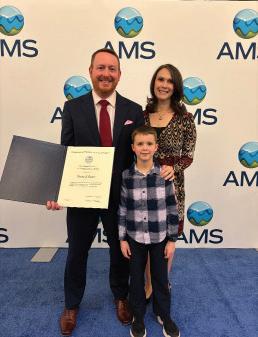
Dr. Marty Baxter, a professor in the Department of Earth and Atmospheric Sciences at Central Michigan University, has been named the recipient of the American Meteorological Society’s 2025 Edward N. Lorenz Teaching Excellence Award. This award recognizes individuals who have demonstrated sustained outstanding teaching and mentoring at the undergraduate, graduate, or post-doctoral levels, significantly impacting their students.
Dr. Baxter was nominated by Dr. John Allen, a fellow Meteorology faculty member at CMU. In his citation for the award, Dr. Allen highlighted Dr. Baxter’s exceptional dedication to his students, writing: “For selfless dedication and persistence to teaching and mentoring, tireless advocacy and support for all students, and innovative strategies for preparing students for any career path.”
Throughout his two-decade-long career at CMU, Dr. Baxter has distinguished himself as an educator who goes beyond traditional teaching methods. His innovative approach focuses on mentoring students to succeed in any area of meteorology that interests them, rather than steering them toward his own areas of expertise. This student-centered approach has proven effective, preparing graduates to thrive in the fast-evolving field of meteorology. Dr. Baxter acknowledges the challenges of keeping up with rapid changes in various sectors of the field, but he views this effort as essential for ensuring that his students remain competitive in the job market and are well-equipped to advance the field.
Reflecting on the recognition, Dr. Baxter expressed deep gratitude: “It means a lot to me that my colleagues and former students wanted to recognize my efforts over the past two decades at CMU. I have come a long way since I was a student like those I teach now, and I am forever indebted to so many people who have guided me to be able to make the contributions that I have.”
The Edward N. Lorenz Teaching Excellence Award is named after Edward Lorenz, a pioneer in the field of weather forecasting. Receiving an award named in Lorenz’s honor is particularly meaningful for Dr. Baxter, whose own teaching and research have centered on weather forecasting. “I am happy that my work in developing the meteorology program and mentoring students has made a difference in so many lives,” Dr. Baxter said. “Those I have taught have gone on to make predictions that protect life and property across the country.”
Dr. Baxter’s commitment to his students and his field exemplifies the spirit of the Edward N. Lorenz Teaching Excellence Award. His tireless efforts have not only enriched the CMU meteorology program but have also left a lasting impact on the many students he has mentored, preparing them to be leaders in meteorology and beyond.
A dual passion for geology and sustainability led rising geology and environmental science senior Cailey Treece to CMU. “Being sustainable is a big part of why I want to learn more about the Earth and how we can mitigate the effects we have.”
Her passion, hard work, and dedication paid off when she was selected as one of the 2025 Undergraduate Summer Program for Arts & Research (SPAR) Grant recipients by CMU’s Office of Research and Graduate Studies.
This summer, Cailey has been working under the supervision of Dr. Natalia Zakharova to characterize caprocks in the Michigan Basin for potential Carbon Capture and Storage, following her passion and taking the opportunity to turn it into something tangible. “When I learned from [Dr. Zakharova] about carbon
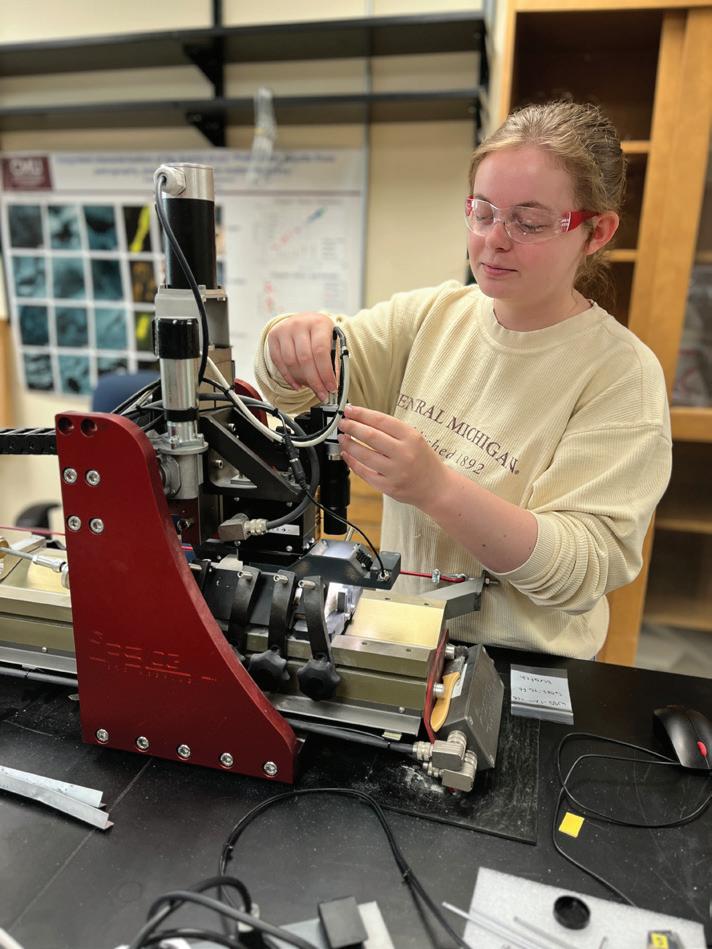
capture and storage (taking CO2 from the atmosphere/source and injecting it underground), I was on board...Being able to learn how rocks work while also moving towards reducing our carbon footprint is the best of both worlds.”
"I was delighted to have Cailey
join my research group”, says Dr. Zakharova, an associate professor of geophysics, geomechanics, energy resources, and climate change solutions in the Department of Earth and Atmospheric Sciences. Her enthusiasm for mentoring the next generation of scientists extends beyond a single summer experience: “Collaborating on finding answers to open-ended projects, providing a launching pad to connect with other teams, graduate schools and broader scientific community, and most of all, building personal connection over long hours in the lab are some of the most rewarding aspects of working with undergraduate researchers.”
Our department is excited to highlight some of the amazing research connections between EAS faculty and students, and we can’t wait to see what comes next for all our SPAR and summer researchers!




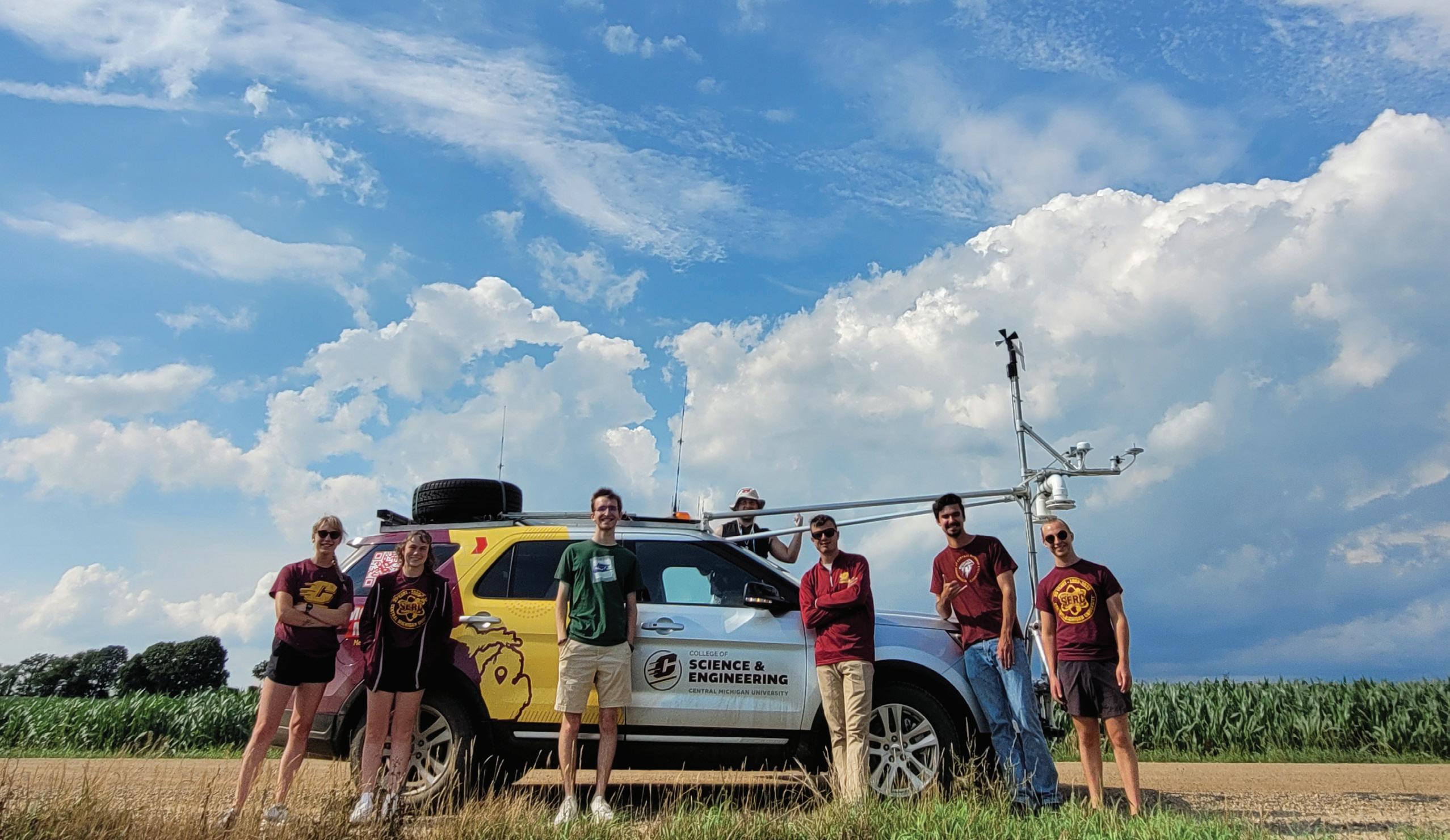
One of my top goals as an educator is to expand student access to field research experiences—and this past year has been both productive and rewarding in that regard! In July 2024, I led the NSF-funded MITTEN-CI (Maritime to Inland Transitions Towards ENvironments for Convection Initiation) field campaign, which focused on Lake Michigan’s influence on thunderstorm development in lower Michigan. The project brought together CMU and four partner universities, with 28 students (9 from CMU) involved in field operations.
I’m also thrilled to have received NSF support to expand CMU STORM (Student Training for Observational Research in Meteorology). With Dr. Daria Kluver, Collin DeYoung, and Dr. Wendi Flynn (University of Northern Colorado) joining the leadership team, MET majors will participate in a one-week immersive fieldwork experience on Beaver Island over the next two years.
My group continues to grow; welcome to Ph.D. students Kyle Brooks and Ethan O’Neill (MET Class of 2023). Kyle is studying destabilization on the cool side of lake-breeze fronts observed during MITTEN-CI, while Ethan will work with ICECHIP data. The group also welcomed four MET majors—Dominic Cannonito, Greg Venarski, Maddy Marker, and Jack Gulisano—who are contributing to analysis of mobile mesonet datasets from thunderstorm outflow airmasses and visualization of MITTEN-CI data.
During my Spring 2025 sabbatical, I presented the latest results from MITTEN-CI at the AMS Annual Meeting and gave seminars at the Cooperative Institute for Great Lakes Research, the National Center for Atmospheric Research, and Florida State University. Other research highlights include a two-part paper on destabilization and convection initiation in coastal regions in the AMS Journal of the Atmospheric Sciences led by group alum Dr. Christian Boyer.
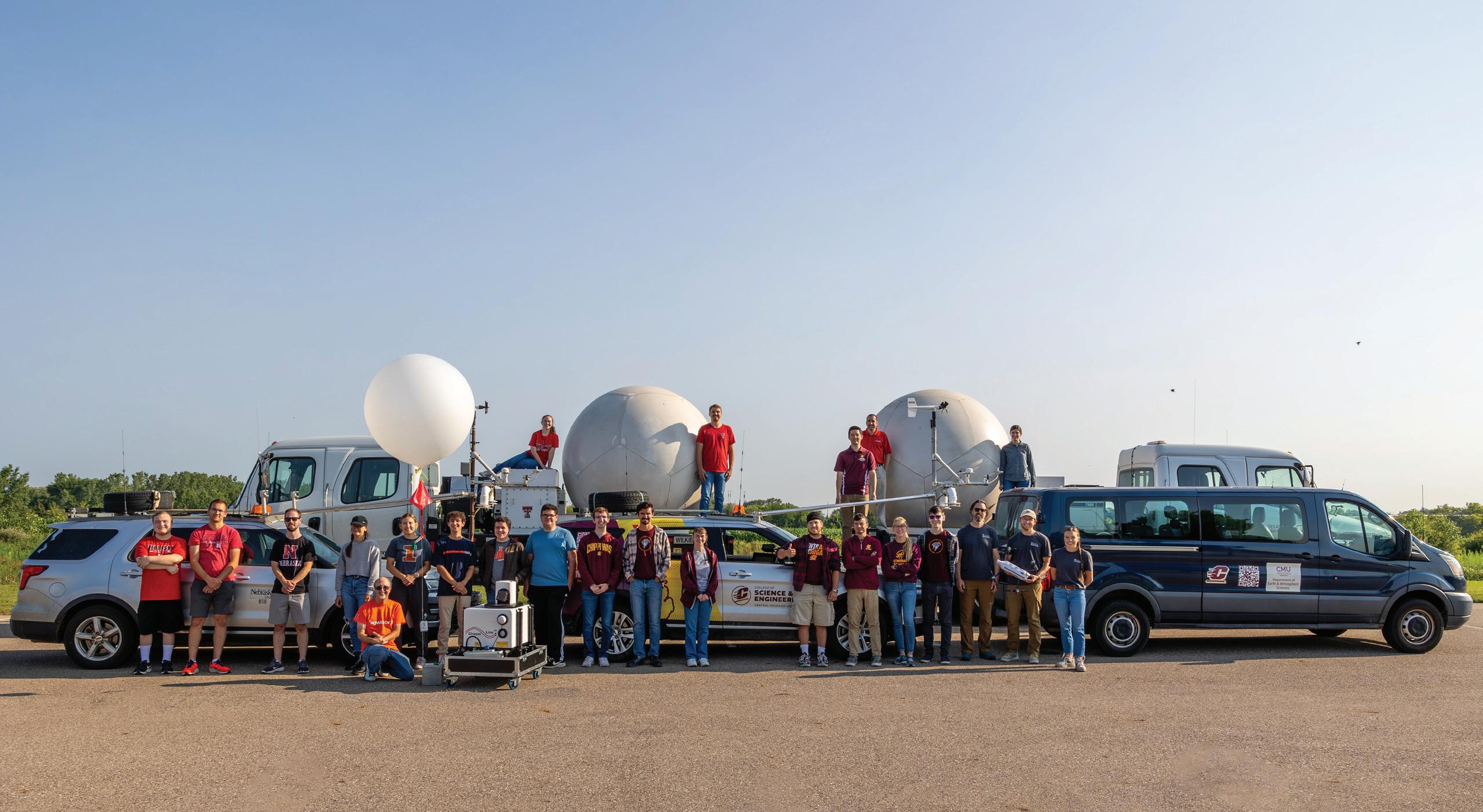
CMU student participants pose with the Mobile Mesonet after a day of successful operations
EAS is thrilled to have one of our own graduates return to our Department as a Meteorology lecturer! Collin DeYoung joined our faculty after graduating from the University of Wisconsin-Milwaukee (UWM) in spring 2024. During his time as a student at CMU, Collin was actively involved in the department as a grader for multiple meteorology courses and a two-time participant in CMU STORM, a program led by Dr. Jason Keeler that focuses on observing Lake Michigan’s lake-breeze phenomena. His graduate work at UWM built on this research, culminating in the development of a new dataset on the lake breeze and its associated marine atmospheric boundary layer.
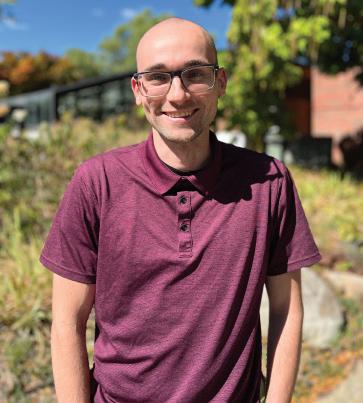
Collin is teaching MET courses to freshman through senior-level, inspiring the next generation of CMU undergraduates to study the field of meteorology. He’s also hard at work publishing outcomes of his master’s thesis with his M.S. advisor, Dr. Clark Evans, and collaborating with Drs. Jason Keeler and Daria Kluver on Beaver Island for their NSF-funded undergraduate student research experience. Welcome to Collin!
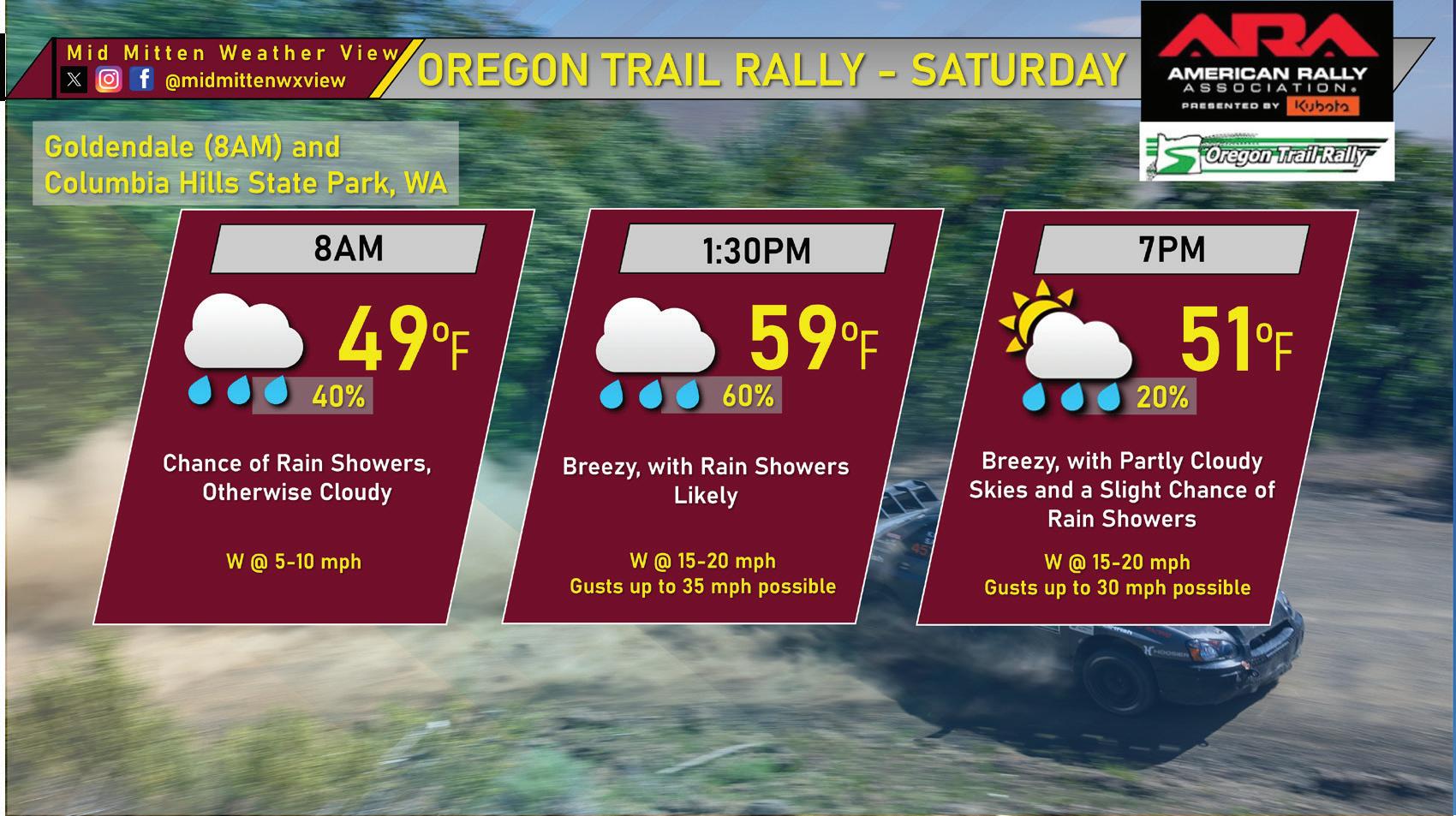
The American Rally Association and Mid-Mitten Weather have teamed up to provide both its spectators and rally drivers with valuable information on the national events on the American Rally Association’s (ARA) calendar.
Mid-Mitten Weather, the Department’s newest registered student organization, gives students hands-on experience producing forecasts for the central Michigan region and beyond. Their partnership with the ARA is bringing reliable forecasts for spectators to know what to wear and to expect and for drivers to use the data to better prepare their cars for the event.
Mid-Mitten Weather forecasters are getting the opportunity to expand their forecasting skills for a wider range of purposes and geographic locations. Interest in these new forecasts is high; Mid-Mitten Weather has seen an uptick in viewership, sometimes exceeding 700% of normal viewership.
During the 2024-2025 academic year, I focused on modeling long-term Great Lakes precipitation and hydroclimate, community engagement about flood risk in Michigan, and Atmospheric Science Education Research. Through a NOAA Great Lakes Bay Watershed Education and Training grant, led by Dr. Rod Lammers (Engineering) and including Dr. Wendy Robertson, we developed and trained high school teachers to use a Meaningful Watershed Educational Experiences curriculum focused on building community flood resiliency. We got to spend a week working with high school teachers from Mount Pleasant, Chippewa Hills, and Alma and then facilitate some of the in-class activities and field trips!
At the 2025 AMS Annual meeting I was excited to chair the first ever Atmospheric Science Education Research (ASER) session on Alternative Grading practices and present data on the benefits of Mastery-Based
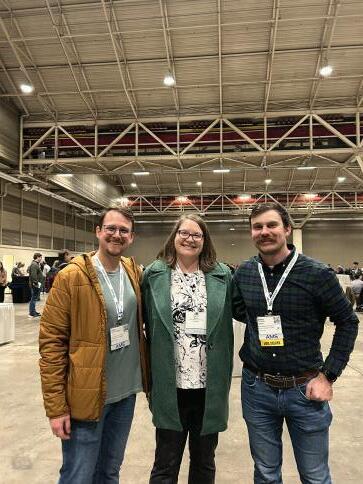
Learning on student stress (for those of you who took MET 315 with me - yes, I was presenting about the Bosses!). This May I was invited to participate in an NSF ASER workshop to develop collaborations with the goal of understanding how participation in field campaigns benefits meteorology students. It has been very rewarding to help build this new sub-discipline of meteorology, and I love getting to work with other meteorology professors from around the country!
Through a Department of Energy funded grant to develop the MI Resilient Watersheds Project (led by Dr. Robertson) I have been working on a coupled modeling system over the Great Lakes to better represent precipitation. This project also includes working with community members in the Chippewa, Lower Grand, and Rouge River watersheds.
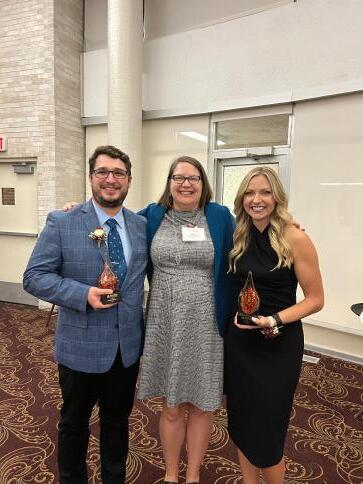
Even though I got to do a lot of cool things this year the highlights for me were, as always, my students. I was thrilled to celebrate
with two meteorology alumni who were awarded CMU’s prestigious 10 Within 10 award. At the AMS Annual meeting I ran into several of our amazing alumni and was able to cheer on our current undergraduate and graduate students who were presenting. This year I also got to teach MET 275 for the first time and it was so much fun!
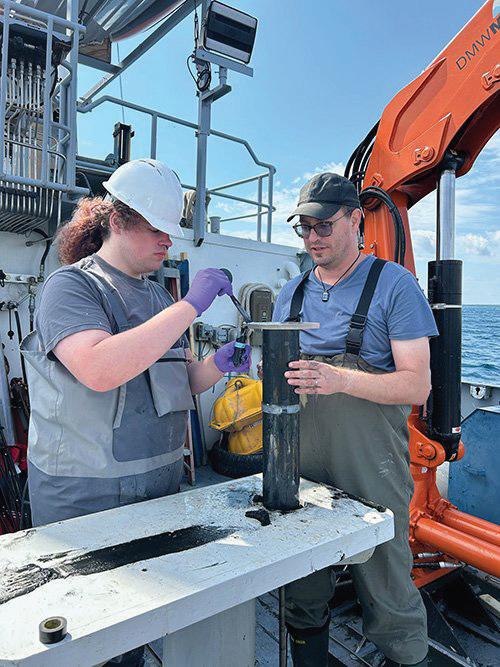
Carmine Sabatini (they/them), an undergraduate researcher and environmental science major, spent this past summer at the forefront of an ambitious, NSF-funded scientific endeavor—one that would take them across the Great Lakes aboard the RV Blue Heron (a research vessel), alongside scientists from the University of Michigan, Michigan State University, the University of Minnesota Duluth, and Central Michigan University. Led by primary investigators Dr. Anthony Chappaz (Central Michigan University) and Dr. Dalton Hardisty (Michigan State University), the mission sought to collect sediment cores from the lakebeds of Erie, Huron, and Superior, a task crucial to understanding the long-term impact of climate change on one of Earth’s most significant freshwater ecosystems.
For Sabatini, this wasn’t just a chance to contribute to climate research. It was a moment of personal and academic discovery, a pivotal step on their journey to becoming a scientist.
Over the course of the expedition, Sabatini and their team ventured to six distinct sites across the three lakes, using state-ofthe-art tools to collect water and sediment samples.
"The sediment holds invaluable geochemical data," they explained.
But why was this research so important?
The Great Lakes, which collectively hold 21% of the Earth’s freshwater, are more than just a natural wonder. They are vital to the health and well-being of the millions who rely on their waters.
Climate change, combined with human activity, is placing these ecosystems under increasing strain. The sediment cores Sabatini and their team collected offered a window into the past, data from as far back as 10,000 years, preserved anaerobically in the lakebeds. By analyzing the geochemical markers in the sediment, scientists hope to refine models predicting future climate impacts on the region, providing crucial information to help protect this invaluable resource.
For Sabatini, being part of this mission was deeply rewarding. "The work we’re doing is essential. The data we gather will inform how we protect the Great Lakes from the effects of climate change, and that’s something I’m incredibly proud of."
The expedition wasn’t just about the past, it was about their future. This research trip gave them the chance to see, first-hand, what a career in field research could look like. It was an opportunity to test their own limits, to see if this was the path they wanted to take. And by the end of the trip, it was clear that Sabatini had found a calling.
“I came on this expedition to push myself, to get out of my comfort zone. What I found was a deeper passion for research and a better understanding of how I fit into the scientific world,” Sabatini reflected.
Grateful for the guidance of mentors like Dr. Chappaz from Central Michigan University and Dr. Hardisty from MSU, Sabatini returned home with not only new skills and experiences but also a renewed sense of purpose.
In the end, Carmine Sabatini’s time on the Great Lakes was more than just a research trip— it was a journey of self-discovery, one that would shape their academic and professional future for years to come.
Every year at CMU passes far too quickly. AY 2024-25 was no exception, but I did have more time to work with CMU students and advance my research!
Teaching highlights included instructing a particularly engaged group of Hydrogeology students in the fall, taking the Structural Geology students to Baraboo, Wisconsin in the spring (along with Rachael Agardy and her Sedimentation and Stratigraphy students!), teaching MET 301 Climatology and Climate Change with ENS, GEL, and MET majors once again, and opening the eyes of a large group of non-geology majors to the dynamic Earth systems that surround them in a section of GEL 100.
I collaborated with CMU Environmental Engineering professor Dr. Itzel Marquez to advance my research on Per- and Poly-Fluorinated Alkyl Substances (PFAS). Together we coached an enthusiastic group of six Environmental Engineering majors on a year-long senior design project. Their project was an offshoot of Eleanor McFarlan’s work on PFAS affecting the Michigan Department of Natural Resources (MDNR) fishponds in Belmont, Michigan. The engineering student team evaluated three mitigation alternatives to eliminate PFAS input into the walleye pond: 1) a geosynthetic liner, 2) a pump-and-treat system with granulated activated carbon, and 3) a permeable reactive barrier. Dr. Marquez and I presented the project results at the 14th annual AIPG Michigan Section Environmental Risk Management Workshop in June.
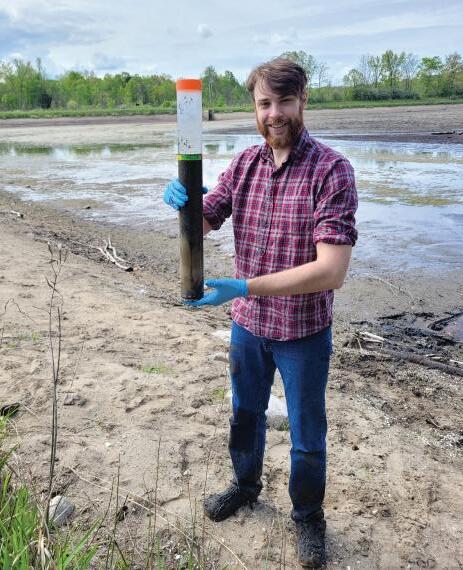
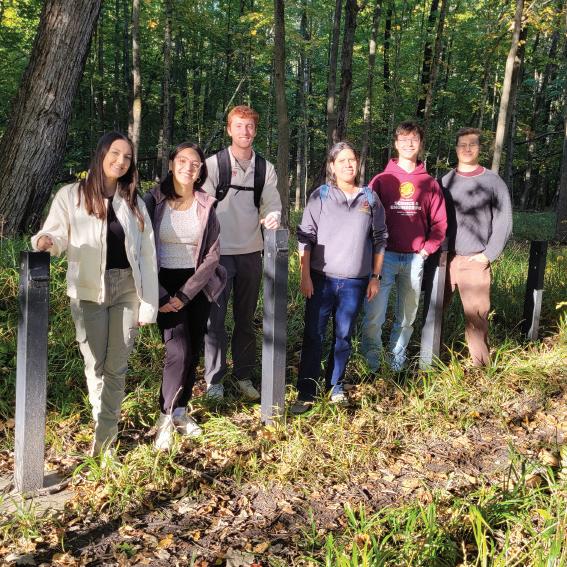
This summer, research at the Belmont site is continuing as CMU undergraduate Jackson Moleski investigates PFAS behavior as it crosses the groundwater-surface water interface (GSI) beneath the ponds. In a project funded by the Michigan Chapter North American Lake Management Society (McNALMS), the Michigan Lakes and Streams Association (MLSA), and the Edmore Meteorite Undergraduate Student Research Fund, Jackson collected a sediment core adjacent to one of the groundwater springs in the walleye pond which he will use to construct a vertical profile to see if we can detect suspected variations in PFAS concentrations and composition across the GSI. Stay tuned!
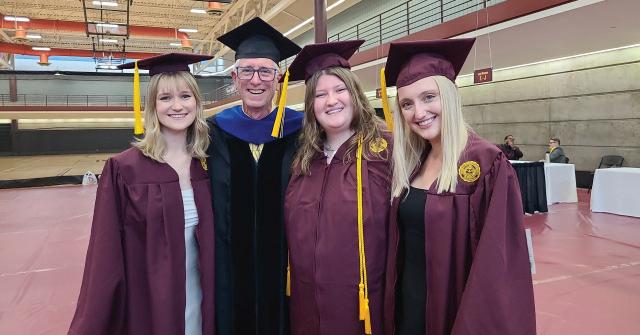
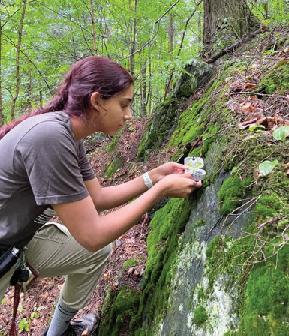
Research-wise, this past year was both busy and productive. I am especially proud of Joy Youngblood, who completed a challenging project funded by a Summer Project in Arts and Research (SPAR) grant. Her work focused on the mineralogy and contact metamorphic aureole of newly discovered lithium pegmatite occurrences in Wisconsin. Joy was the only CMU student to present at the Geological Society of America Annual Meeting, where she gave an outstanding presentation. Our greenfield pilot studies on these pegmatites—initiated about four years ago with a team of undergraduates and one Ph.D. student—have now been published in Economic Geology and Minerals, two widely read international journals. These discoveries may prove to be especially valuable in the future, as demand for lithium grows and Wisconsin potentially reconsiders explora-
tion and mining activities. I am also hosting a new sandwich Ph.D. student from Brazil, who will investigate the distribution of lithium and rare earth elements in tropical soils from the entire Minas Gerais state.
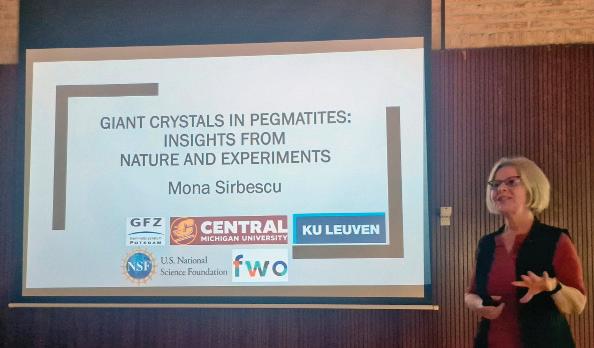
This past spring, I began a research sabbatical and spent time at KU Leuven, Belgium’s largest research university. With support from a Belgian Research Foundation (FWO) Fellowship, I worked in a dynamic lab group, learning new analytical techniques, collecting data for three projects, co-advising a grad student, and building collaborations, including colleagues from Potsdam, Germany (and yes, Leuven is also home to Stella Artois!).
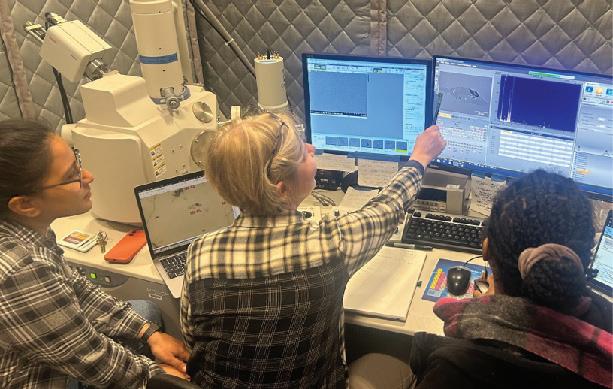
We’re excited to share that the Geology major will now include a new Green Energy concentration. With input from our Geology Alumni Advisory Board (GAAB), we’ve developed a new course, Critical Resources for Energy Transition, launching Fall 2025. We’ve also revamped Economic Geology—now titled Critical Raw Materials—to reflect today’s energy challenges. We hope these changes will spark interest and help recruit new majors from across the state and beyond. It was great to see Amber Connor and Nolan Gamet at Alumni Career Day last October. If you’d like to speak at next year’s event (the Friday before Homecoming), please let me know.
Thanks for your ongoing support. I hope to hear from you or see you soon!
This past academic year was again full of exciting developments in teaching, research, and Geology curriculum development. I once again had the pleasure of teaching Introduction to Geophysics, where I continue to expand hands-on exercises based on real data analysis. I also taught two skills-based courses for Environmental Science and Geology Programs, both of which were new to me, making it a full and fulfilling teaching load alongside other courses, active research, and ongoing service and student advising.
A major focus this year has been helping to shape and finalize a new Green Energy concentration for the Geology program (now in the final stages of external approval), which will allow students to get training in some of the most relevant and pressing global challenges in critical Earth resources and energy transition. As part of this initiative, I’ll be teaching a new course focused on energy systems and critical resources in the Fall, and I’m thrilled to be part of this important curricular development.
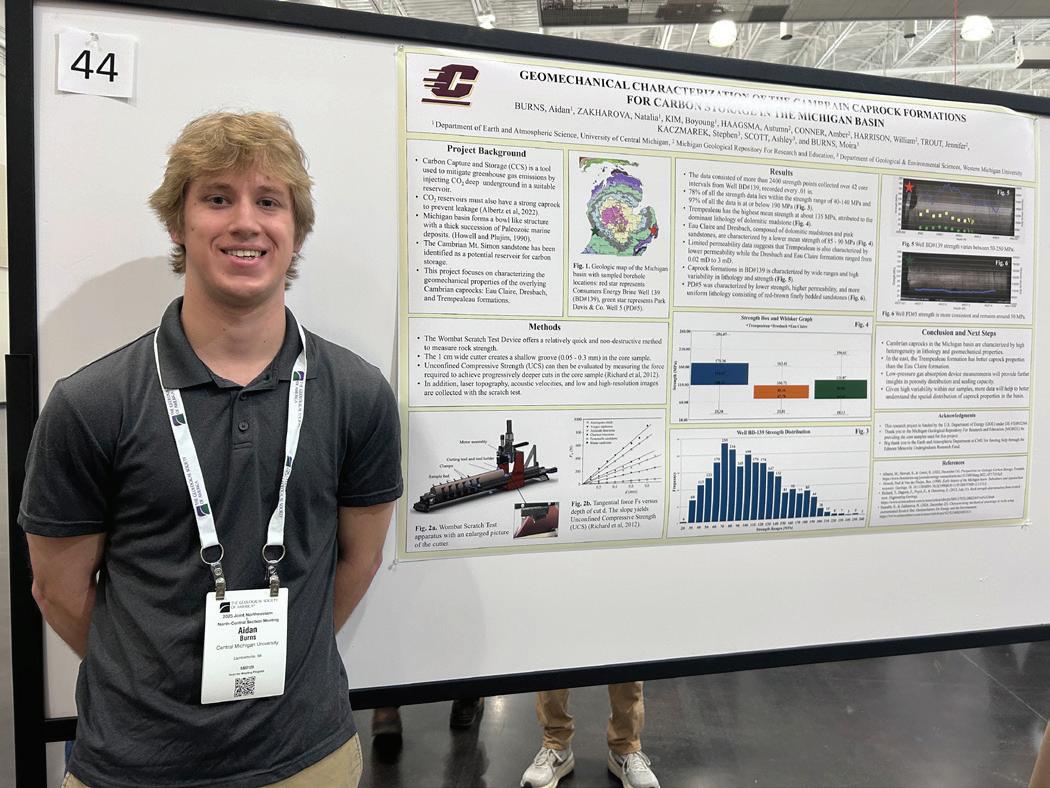
My research program has also been very active with multiple students and a postdoc contributing to the Department of Energy funded collaborative project with Western Michigan University and Michigan Geological Survey focused on Advancing Carbon Capture, Utilization and Storage (CCUS) in the Michigan Basin. As a part of this effort, undergraduate Aidan Burns has completed a year-long research project and Senior Thesis on geomechancial characterization of Cambrian caprocks in the Michigan Basin. He had a chance to present his findings at the 2025 joint Northeastern/North-central GSA section meeting, and has been since accepted to the Masters Program at the University of Wyoming, where he’ll continue working on energy challengers and geologic carbon storage.
Another undergraduate student, Cailey Treece, came onboard the project and is focusing on the Ordovician formations for carbon storage in the Michigan basin. She was awarded a competitive summer research (SPAR) grant from CMU to acquire new geomechanical data for potential caprock units. I have also integrated this research project into my teaching by involving several students from the Research and Communication course in the lab work and data analysis, which provided valuable insights into planning, execution and reporting on a real collaborative project. One of the students from that class expressed interest in continuing their work over the summer, so I’m looking forward to another busy and productive year supporting student research and watching our EAS students thrive!

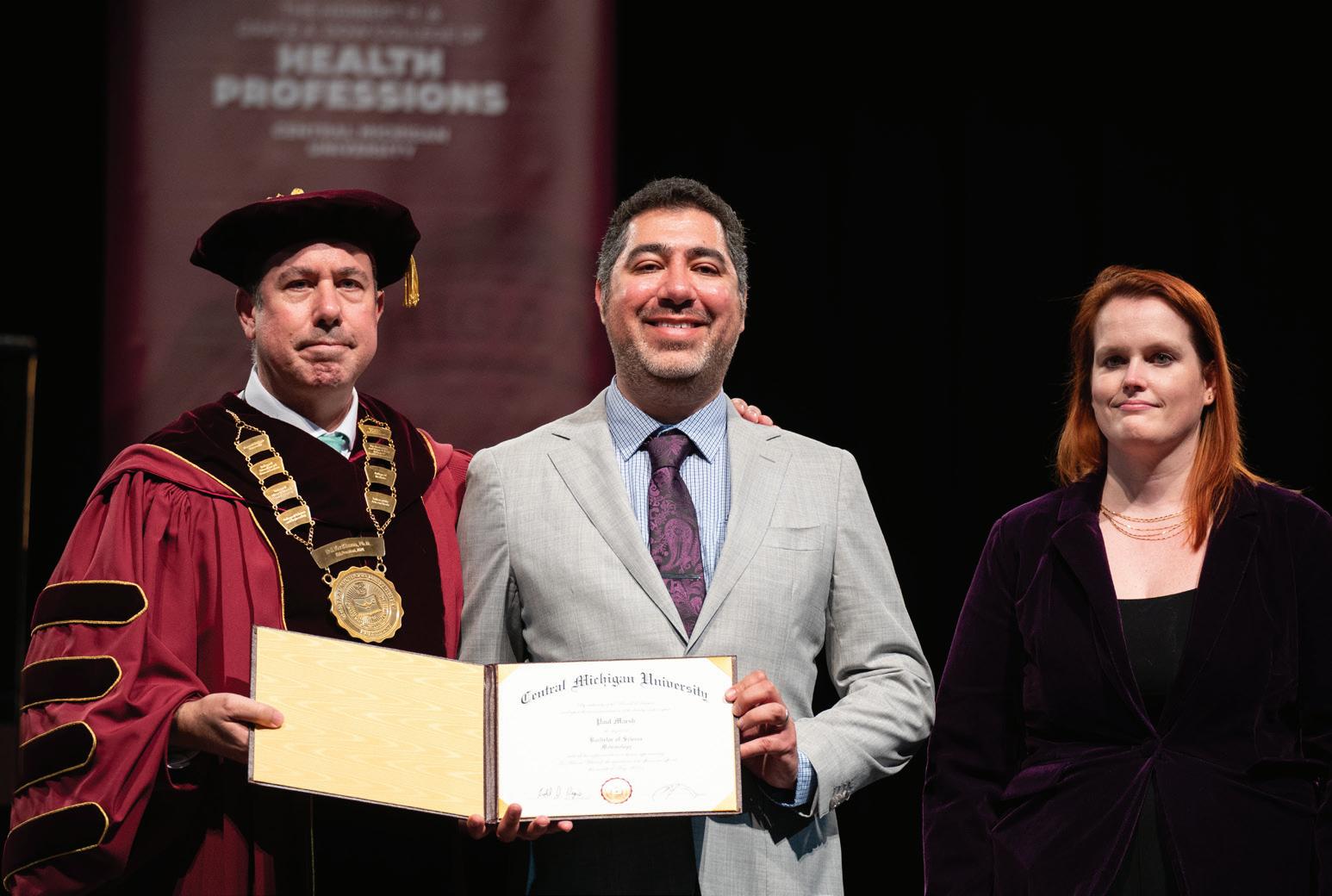
This year, the Department of Earth and Atmospheric Sciences mourns the loss of one of our own. Paul Marsh, a senior meteorology major, passed away unexpectedly in December. His passing has left a deep void in our community. Students and Faculty recall Paul’s curiosity, passion for learning, love of weather, and kindness. He made a lasting impact on his peers and professors alike, and will be greatly missed.
Paul Marsh’s son, Andrew Marsh, and his wife Erin, accept a diploma on behalf of Paul at commencement on May 10.
Have news or updates to share? Want to learn more about what the department is doing and how YOU can get involved? Scan the code, fill out the form, and become a part of our EAS FANs (Friends and Alumni Network).

College of Science and Engineering
Department of Earth and Atmospheric Sciences
Brooks 314
Central Michigan University
Mount Pleasant, MI 48859
Nonprofit Organization
U.S. Postage PAID
Mount Pleasant, MI 48859
Permit No. 93
Thank you to all of the alumni and friends who helped support the Department of Earth and Atmospheric Sciences over the past year!
Dr. Melissa Crider Andrea
Ms. Brandi Boyd
BP Foundation Inc.
Mr. Eric Branum
Mr. Loren Curtis
Mr. Alexander De La Garza
Ms. Amber Conner
Mrs. Daria Wubbels Devantier
Mr. Jeffrey Devantier
Mrs. Cam Moore Ellis
Mr. Jeffrey Ellis
Geoinge Foundation
Mr. Charles Grant

Mrs. Nancy Grant
Mrs. Gina Haddad
Mr. William Henderson
Mr. Mark Jeffery
Mr. Jonathan Kolak
Mr. Ryan Krueger
Mrs. Vicki Krueger
Dr. Larry Lemke
Mrs. Wendy Lemke
Dr. Donald Marks
Mrs. Patricia Marks
Mr. Bruce Moore
Mr. Michael Murrary
Mrs. Michael Murray
Mr. Cory Paliewicz
Dr. Edward Phillips
Mrs. Edward Phillips
Mr. Scott Pratt
Shell Oil Co Foundation
Mrs. Mary Donnelly Simon
Mr. Terence Stevens
Mr. Shawn Teagan
Mrs. Deborah Teagan
Ms. Kristine Wise
Ms. Barbara Yantis
Mr. David Youngquist