

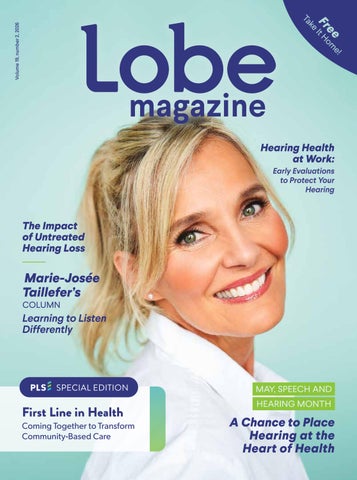
Spring has always felt a little special to me. There’s a sense of renewal in the air. The light shifts, projects pick up again, and get-togethers start to fill the calendar. We ease our way out of winter, as if life is finding its momentum again.
I can’t help seeing a natural parallel between spring settling in and May, Speech and Hearing Month. Caring for your hearing health reminds me of this similarity: reconnecting with your world, rediscovering the pleasure of exchanging and feeling fully present for conversations, music, laughter, and quiet confidences. It’s a way of staying deeply connected to everything around us.
In this new edition of Lobe Magazine, we wanted to put hearing health where it belongs: on the front lines. You’ll discover what goes on behind the scenes at the PLS conference—Première ligne en santé, a unifying event that brings expertise out of silos and affirms that hearing is an integral part of overall health. You’ll also find articles that shed light on practical, everyday issues: the impact of unaddressed hearing loss, signs of hearing loss to watch out for in young adults and children over the age of five, the key roles of health professionals, like physiotherapists and pharmacists, and even communication strategies that help make conversations smoother.
We’ll also explore services offered to organizations, technological innovations, and philanthropic initiatives that support the community.
Spring invites us to move forward and to take the steps that help us feel better. Whether you’re a patient, a loved one, or a health care professional, I invite you to consider hearing as a pillar of your overall health, alongside heart health, vision, or mental health. Sometimes a simple step, like a conversation with a professional, a consultation, or an evaluation, can change day-to-day life. Hearing health touches every generation in every setting.
Let’s listen to what this season has to tell us. Above all, let’s keep listening to the people around us.
Happy reading!

Marie-Josée Taillefer Ambassador of Lobe Clinics and Hearing Health
Behind this intriguing name is a promising career, one that brings together technology, human connection, innovation, and meaningful impact: the profession of audioprosthetist.
Choosing to become an audioprosthetist means choosing to make a real difference in people’s lives by helping them hear and understand better, and reconnect with the people who matter most to them.
As the population ages and hearing health needs continue to grow, this profession is more important than ever. With this in mind, Lobe launched the Audioquoi initiative to inspire a passionate new generation to make a difference where the need is greatest.
To learn more, visit Audioquoi.ca.
Volume 19, number 2, 2026
Editor
Maria Fernanda Bially
Graphic designer
Andrée-Anne Michel
Printing house
TC Imprimeries Transcontinental
Rights and responsibilities
Any translation, reproduction or adaptation of texts, illustrations and photos in this work, for any reason whatsoever, in whole or in part, is strictly prohibited without written permission from the editor.
The opinions expressed in articles published by Publications Lobe are the responsibility of the author.
Legal deposit
ISSN 1911–5660
Bibliothèque et Archives nationales du Québec, Montréal
Library and Archives Canada, Ottawa
Publications Lobe
725, boulevard Lebourgneuf, suite 303 Québec (Québec) G2J 0C4
Tel.: 418 877-7222
Fax: 581 814-6260
Email: centreappel@lobe.ca
Printed in Canada
All trademarks are the property of Lobe Santé auditive Inc./Bulletin produced by Publications Lobe

Every year, the month of May is dedicated to hearing health to remind us that hearing deserves more than occasional attention. The fact that an entire month is devoted to it is far from trivial: it reflects the real importance of hearing health in our society and its role in a broader, more preventive approach to our well-being.
In everyday life, many habits related to overall health are well established, for the public and for health professionals alike. We get our vision checked, keep up with dental visits, pay attention to cardiovascular health, or stay mindful of physical fitness. Hearing, by contrast, still gets pushed to the back burner too often as an underestimated pillar of overall health, shaping communication, safety, cognition, and social participation.
Hearing loss has an important characteristic: it often develops gradually. There is not always a clear sign or a specific moment when we realize something has changed. People adapt: they ask others to repeat themselves, turn up the volume of the television, find it harder to follow conversations in noisy places, and feel more tired after discussions. Over time, these adjustments can become “normal” for both the person with hearing loss and those around them, which helps explain why hearing loss can go unnoticed for a long time.
When hearing loss is not addressed, its negative effects can become very tangible. Conversations require more effort, certain social situations are avoided, and listening takes more energy. Scientific literature also points to negative associations with cognitive health, balance, and emotional well-being. These impacts extend well beyond hearing itself and remind us that hearing is part of a person’s overall ability to function.
This is where a hearing evaluation becomes especially meaningful. Having your hearing checked does not mean treatment is needed or that a decision must be made right away. It is, first and foremost, a baseline, much like an eye exam, that helps establish a reference point and track changes in hearing health over time. This step is particularly relevant for people exposed to noise, whether at work or through personal hobbies.
Speech and Hearing Month is therefore a concrete opportunity to normalize conversations about hearing health, both among the public and within care settings. Talking about it with loved ones, asking questions, and making hearing part of everyday front-line health reflexes are simple actions that can make a real difference.
Hearing health can sometimes take a back seat, even though it plays a key role in quality of life. May, Speech and Hearing Month is here to remind us that paying attention to hearing is also a way of caring for our overall health.

References:

Maria Fernanda Bially Communications Advisor and Editor Lobe
- Bigelow, R. T., et al. (2020). Association of Hearing Loss With Psychological Distress and Utilization of Mental Health Services Among Adults in the United States. JAMA Network Open.
- Livingston, G., et al. (2024). Dementia prevention, intervention, and care: 2024 report of the Lancet Standing Commission. The Lancet.
- Lin, F. R. & Ferrucci, L. (2012). Hearing loss and falls among older adults in the United States. Archives of Internal Medicine.
- Statistique Canada (2019). Perte auditive non perçue chez les Canadiens de 40 à 79 ans.

In front-line care appointments, one observation comes up again and again: when communication is clear, care feels simpler, more reassuring, and more effective. Whether in a waiting room, at a doctor’s office, at the dentist, or even at the pharmacy, the way information is shared directly shapes the experience of the visit.
For people with hearing loss, even a mild one, this reality is especially tangible. Understanding doesn’t rely only on what is heard, it also depends on facial cues, speech rhythm, the environment, and context. When these anchors are present, conversations flow more smoothly, for both the professional and the patient.
In practice, these adjustments are often straightforward. They don’t require major changes to clinical routines, just thoughtful attention to how we communicate. That attention can make all the difference.
Understanding isn’t determined solely by how loud something is. Facial visibility, speech rhythm, lighting, and the environment matter just as much. For a person who is deaf, these visual and contextual cues support how information is processed, especially when stress or anxiety is present.
Facing the person as you speak, slowing down slightly, or rephrasing an instruction in a different way can be enough to remove a barrier. These simple, accessible adjustments can create an immediate difference.
Some situations come up regularly:
In the waiting room, a verbal announcement can easily be missed.
During a medical or dental consultation, an opaque mask, a screen, or running instruments can make communication more difficult.
At the pharmacy, background noise or protective barriers can change the quality of perceived speech.
These realities are part of everyday care. They are also contexts where small adjustments can improve understanding and listening without adding burden to professional practice.
Confirming that information has been understood is part of care, too. Instead of asking directly whether everything is clear, inviting the person to rephrase, repeat a step, or confirm a detail helps validate understanding in a natural way. This approach supports patient autonomy and reinforces a sense of safety in the exchange.
Knowing that these adaptations are possible, and welcomed, changes the dynamic with patients. Mentioning difficulty hearing or understanding, asking someone to face you while speaking, or requesting that information be written down are all ways to take an active role in care. When these exchanges are made easier, the relationship becomes more collaborative.
Adapted communication improves the quality, safety, and humanity of care. It helps professionals and patients move forward together with greater clarity and confidence. Communication no longer comes before care; it becomes part of it.

Patrick Giroux Specialized educator practicing in Lévis
Position yourself facing the person before speaking.
Speak at a calm, steady pace, without raising your voice.
Rephrase information if it isn’t understood.
Reduce background noise when possible.
Support key information in writing.
Confirm understanding through a rephrasing or a question.


MARIE-JOSÉE TAILLEFER’S COLUMN
Listening has always been at the heart of my personal journey, one shaped by communication and a closeness with the public. With time, hearing became something concrete for me, something that carries meaning and a sense of responsibility. That awareness didn’t happen suddenly. It grew through a series of lessons, small adjustments and deeply memorable encounters.
Hearing follows us through our days so naturally that it’s easy to forget how much it matters. I see it now as one of those senses we rely on daily without always noticing its importance or how it supports our exchanges, our emotions, and our presence with others. It’s there, steady and dependable, until a change, even a subtle one, reminds us how delicate it can be.
I see it in my work and in my personal life: hearing carries conversations, nourishes relationships, and makes the moments we often take for granted possible. Precisely because it’s everywhere, it can sometimes slip beneath the surface.
We don’t pay attention to it until it asks us to slow down, to pay attention, to listen differently.
Speaking publicly about hearing health became a natural next step for me.
Not to deliver a prescriptive message, but to create space for dialogue where each person can recognize their own reality. Over time, one thing became clear: the moment we start talking about hearing, the conversation opens up. People share what they’re living, often without planning to.
Parents, loved ones, workers, seniors, so many people have shared their questions, their hesitations, sometimes their worries, along with their discoveries and moments of relief. These conversations have shown me just how discreet hearing can be, and how often it’s surrounded by unspoken things. That very discretion is what makes awareness so important.
I approach my role as an ambassador with humility and with deep respect for the expertise of health professionals. At its core, my role is about listening, sharing, and helping make these conversations feel normal. The goal isn’t to convince anyone. It’s to make a safe space to talk about hearing, to ask questions, and to seek information.


The month of May, also known as Speech and Hearing Month, offers a meaningful setting for this message. This time of year signals a return to the outdoors, towards projects, plans, and one another. The light shifts, nature wakes up, and sounds like patio conversations, shared laughter, and familiar noises take their place again, hinting at the season ahead.
Each year, I feel how much this season acts as a collective reminder. Everything around us invites us to notice how hearing shapes the way we move through the world and how we stay fully part of it. In this period of renewal, hearing prevention also finds its place.
Caring for your hearing is a way to stay present and to keep taking part in social, cultural, and family life.
Prevention becomes a gesture of continuity, a choice oriented toward the future, rooted in the natural rhythm of life.
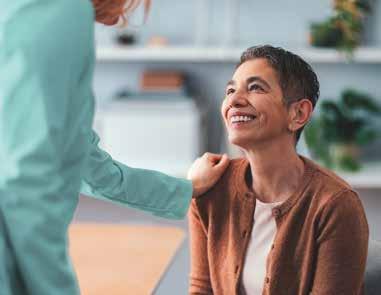
This is where the commitment of Lobe and the Première ligne en santé (PLS) conference takes on its full meaning. Hearing health is closely connected to one’s overall health. It can affect communication, balance, cognition, safety, and quality of life through every stage.
I truly believe that strengthening front-line habits helps us act earlier and more humanely. A well-timed question, a bit of attention to certain signs and a simple referral to the right resources can often set meaningful steps in motion. When focusing on hearing becomes a shared reflex, it naturally takes its place within healthcare journeys.
What stands out through these years of engagement is how deeply collective hearing health is. A person rarely takes steps alone. It often begins with a conversation, an encouraging comment, or a gentle suggestion to check in to learn more. Listening circulates, grows, and strengthens in both directions, between people and the environments they live in.
That collective dimension fills me with pride and momentum as I watch conversations open up, see hearing health prevention take shape without fear or guilt, and feel hearing health claim its place in public discussion. These are signs of a positive movement that brings people together.
Marie-Josée Taillefer Ambassador of Lobe Clinics and hearing health
During the month of May, Speech and Hearing Month, one invitation feels simple and clear:
Caring for your hearing is choosing to stay connected with what surrounds us, and with those around us. It’s protecting the ability to listen, to understand, and to share, today and tomorrow. Together.
That observation is what led to the creation of the Première Ligne en Santé (PLS) healthcare event and conference. This event was designed to meet a very practical need: to break down barriers between disciplines and bring together, in one place, the people who shape primary care on a daily basis. Decision-makers and professionals in healthcare, rehabilitation, and social services share a common reality; they still too often work in silos.
Over time, PLS has become a unifying platform that reflects the true scope of primary care and the diversity of expertise that supports it.
Primary care is the front door to the healthcare system. It’s where everything begins, whether at home, in the community, in clinics, in pharmacies, through local services, or all the way to the emergency department. It’s the first point of contact between the public and the healthcare system. Despite this essential role, primary care is still too often misunderstood, fragmented, and viewed through a complex medical lens.

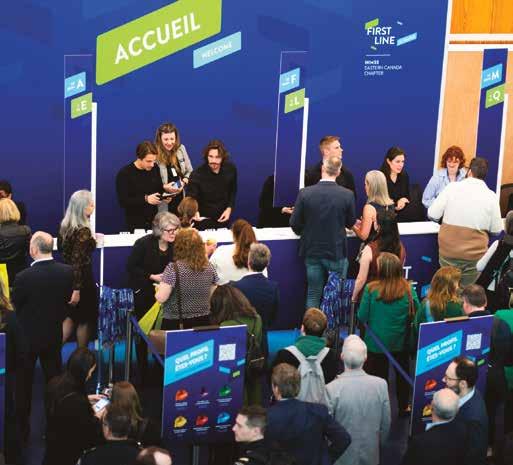
Year after year, PLS has grown into a key gathering for those who want to help communitybased care evolve. In a climate where primary care is often associated with difficult realities, such as overcrowded emergency rooms, access challenges, and pressure on resources, the event offers a different perspective.
It shines a light on a network that is agile, innovative, and deeply committed to transforming practices, driven by professionals focused on practical, real-world solutions.
This broad view of the healthcare system’s entry point places prevention front and centre. Preventing means acting early, close to the patient, before challenges become more complex. It also means recognizing essential dimensions of health that are still too often left out of primary care consideration, with hearing health being among them.
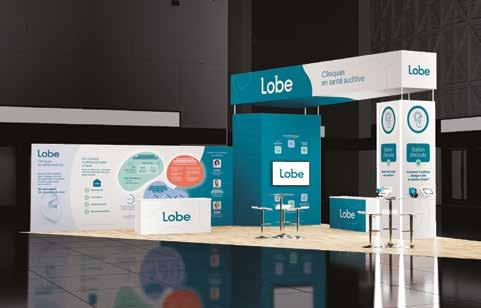
Hearing plays a key role in communication, cognition, mental health, and social participation. The effects of unaddressed hearing loss go well beyond the senses. They can influence our quality of life, independence, and our connection with others.
Fully integrating hearing health into primary care means recognizing that it’s rooted in proximity and prevention. Acting early, in the community and for the community, can help reduce the risk of lasting consequences and support long-term independence.
PLS is proud to count Lobe among this year’s event partners. It’s a partnership that naturally aligns with the shared goal of recognizing hearing health as a pillar of community-based care, alongside other essential dimensions of prevention.
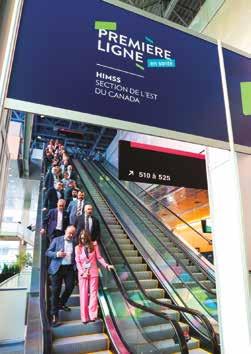
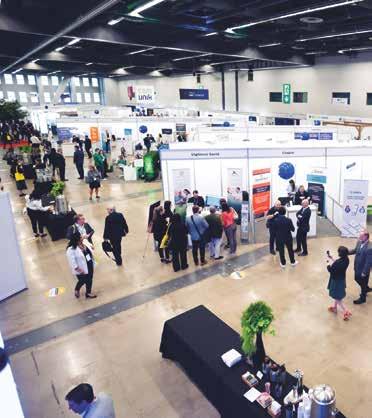
PLS shines a light on this collaborative approach by bringing together field, management, research, and innovation experts. The event encourages the sharing of concrete solutions and the adoption of new practices. The goal is clear: to help participants arrive as change makers and leave as builders, creating projects, care pathways, and value for the network. For professionals and organizations still hesitating to take part, the message is simple: making time to pause, connect, and learn from what’s happening elsewhere is essential to moving forward with greater clarity. Lasting change grows where expertise meets, and where people choose to work together. Healthcare is built collectively, and that spirit continues to shape how Première Ligne en Santé evolves.

Isabelle Girard CEO of Première ligne en santé

For the professionals affiliated with Lobe clinics, hearing health doesn’t start or stop at the clinic’s door. We also support organizations, workplaces, and community partners. The specialized educators offer their communities awareness, prevention, and hearing screening services delivered directly in the workplace. Retirement homes, pharmacies, and community organizations can integrate hearing health awareness activities tailored to their day-to-day reality, without demanding that participants travel to a clinic. Meeting organizations where they are means recognizing that prevention and awareness are most effective when they’re accessible, practical, and adapted. It’s also a way to make hearing health feel less intimidating and more human, as well as easier to talk about.
Hearing health activities in the workplace can respond to a wide range of needs. Some organizations want to begin raising awareness among their staff or clientele. Others are looking for tools to support their teams, strengthen their environments, or incorporate a more proactive approach to hearing loss with a focus on prevention.
In practical terms, specialized educators can offer presentations tailored to a variety of audiences, such as hearing health awareness days using an information booth and hearing screenings, and training for staff in residences or care settings. One-time collaborations with partners can also be set up, especially as part of events. Each intervention is adjusted to the setting, the audience, and the on-site layout. The goal is never to impose a format, but to build an activity that truly makes sense for the organization.
Services are offered in different settings with a shared goal: placing hearing health at the heart of their priorities. Senior living residences, community organizations, and pharmacies are among those that can benefit from this type of support.
In each of these contexts, the approach is built on close collaboration with the organization. Specialized educators work with on-site leaders to propose activities that are realistic, relevant, and aligned with environmental realities.
The goal remains the same: to offer accessible, meaningful interventions that fit naturally into existing activities and make prevention and hearing health awareness easier to access.

When an organization reaches out to a specialized educator about hearing healthcare awareness activities, it doesn’t need to have all the answers. The conversation usually begins with a few simple questions:
Who are you hoping to reach?
Is the goal awareness, prevention, or offering hearing screenings?
Do you have a space available and a specific time in mind?
Are you looking for a one-time activity or ongoing support?
These guideposts make the exchange easier and help shape the type of activity.
Every setting is different, and every request starts with a conversation. Contacting us means opening a dialogue without pressure or obligation. Give us a call: we’ll listen, and we’ll help you plan a hearing health day designed around your organization’s reality.

Annick Rousseau

When a patient tells their doctor they have more trouble understanding in noisy places, or that their loved ones say the TV has gotten louder, that detail deserves more than a note in a medical chart.
Hearing supports communication, understanding clinical instructions from a professional, and the quality of day-to-day exchanges. When hearing concerns aren’t addressed, certain behaviours can be misinterpreted, which can add unnecessary complexity to the care pathway. Bringing hearing into the picture from the start helps clarify the situation sooner and prevents extra steps from being taken before the hearing dimension has been confirmed.
Within a network of multidisciplinary hearing health clinics, audiologists serve as an accessible first point of contact for hearing health care. No medical referral is required to book an appointment with an audiologist. A person can schedule directly and receive a comprehensive hearing evaluation. This accessibility helps clarify the situation promptly, supports referrals to the right health professionals, and reduces the risk of multiple consultations taking place before hearing has been assessed.
In a context where appointments are often brief and multiple clinical priorities must be addressed at once, a few simple reflexes can be integrated into primary care. Asking a targeted question about hearing, noticing repeated requests for clarification, or checking in on a change reported by family can make a real difference. An early referral for an audiology evaluation often helps rule out a hearing-related cause and prevents incomplete interpretations of certain behaviours.
A hearing loss that isn’t addressed can influence how other aspects of a health assessment are interpreted, especially when a patient seems less engaged or responds only partially. Confirming healthy hearing first helps support more accurate clinical decisions. In rare situations, such as sudden hearing loss, a rapid referral can be decisive. A prompt hearing evaluation with an audiologist makes it possible to act within a more favourable timeframe if medical intervention is required.
If you suspect sudden hearing loss, call 1 866 411-5623 and mention that you believe you are experiencing sudden hearing loss and request a prompt audiology appointment at a clinic near you.
Prevention Makes the Path Simpler
Making hearing health a routine consideration strengthens prevention as a pillar of overall health. Earlier support can help sustain social participation, preserve quality of life, and encourage harmonious aging at home.
For patients, it’s possible to book a clinic appointment for a hearing evaluation as soon as a concern arises, without waiting for a prescription. For health professionals, ensuring that hearing health is included in the medical history can help the entire care pathway move more smoothly.
Prevention makes the path simpler. When hearing is considered at every stage of the health care journey, the steps become more consistent, faster, and more humane.


Martin Fortin Audiologist practicing in Québec City

The Inner Ear:
Hearing and balance are often talked about as two separate systems. In reality, they live side by side in the same structure: the inner ear. On one side, the cochlea makes hearing possible. On the other, the vestibular system helps the brain locate the head and keep track of how it’s moving.
When dizziness or vertigo shows up, few people immediately think of the ear. Certain vestibular disorders, such as benign paroxysmal positional vertigo (BPPV), can occur when a tiny crystal shifts into the inner ear canals, triggering a brief but intense spinning sensation. In other cases, conditions such as labyrinthitis can come with reduced hearing or tinnitus, which can help narrow the differential diagnosis.
Understanding this anatomical parallel helps demystify the symptoms: dizziness, balance problems, and hearing changes aren’t always unrelated issues, and can be signs arising from neighbouring systems.
To stay steady in a three-dimensional world, the brain relies on three main sources of information: the vestibular system, vision, and proprioception, which are signals from the body (including the neck) that support balance and movement. When these systems send consistent messages, balance feels smooth and automatic.
If one of them is working less effectively, the other two try to compensate. That extra effort can place a heavier demand on the brain, which helps explain the fatigue, anxiety, or movement avoidance some people experience. Movement can start to feel uncomfortable, yet staying still often keeps the problem going.
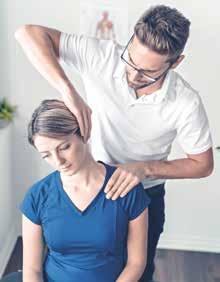
Vestibular physiotherapy aims to restore balance between these signals. In cases of BPPV, repositioning manoeuvres can often correct the issue quickly. For other forms of dizziness, gradual habituation exercises help the brain recalibrate its responses by slowly reintroducing the movements that trigger symptoms.
This process can take several weeks, sometimes even longer, and it rests on a simple idea: the body adapts when it’s given the opportunity.
When to Refer a Patient for a Hearing Evaluation or to an ENT Specialist
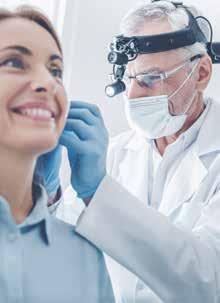
Some signs deserve prompt attention. A sudden drop in hearing is not considered normal and should lead, without delay, to a complete hearing evaluation performed by an audiologist. Fluctuating symptoms paired with a feeling of fullness in the ear can also suggest other possible diagnoses and may call for interdisciplinary collaboration. In an optimal care pathway, physiotherapy often serves as an initial point of contact to assess and triage dizziness, while audiologists and ENT specialists step in when specific hearing-related or medical signs make it necessary.
This complementary approach helps optimize care by recognizing that balance and hearing are two sides of the same reality: the inner ear.

In collaboration with Samuel Trottier-Lapointe President of the Association québécoise des physiothérapeutes
In Québec’s healthcare system, the pharmacist is often a person’s first point of contact. With pharmacies present in communities across the province, extended opening hours, and a close relationship with the public, pharmacists offer a practical gateway into care.
This role extends across the healthcare journey. After a hospital discharge, for a medication adjustment, or for the follow-up of a chronic condition, the pharmacy remains a steady point of reference. That continuity makes it possible to notice subtle changes in a person’s health and step in before a situation becomes more complex.
As a health professional who is often consulted first, the pharmacist needs to recognize the signs that call for a referral. Pharmacists are trained to identify “red flags,” or objective criteria that warrant rapid medical referral. This vigilance directly supports safer care pathways. During a transition between care settings, for example, a pharmacist may detect that an essential medication has been omitted and help prevent complications. Ongoing follow-up also strengthens consistency and flow throughout the system.
Ear-related situations clearly illustrate this central role. Sudden hearing loss requires urgent referral, since timely intervention can make a real difference. Gradual hearing loss, on the other hand, is often minimized or delayed, even though it can affect communication, balance, or quality of life. In these situations, a comprehensive hearing evaluation with an audiologist can be a relevant first step. When that consultation cannot be accessed within a timeframe that matches the situation, a visit to the emergency room may still be recommended to ensure timely care. In this context, guidance from a health professional can play a determining role in a person’s care.

The strength of close-to-home care lies in complementary expertise. No healthcare professional works in isolation. Understanding one another’s scope of practice helps avoid unnecessary detours, reduce delays, and guide each person to the right resource at the right time. With interprofessional collaboration, the system becomes more accessible and more human. Like other front-line professionals, pharmacists contribute to a coordinated ecosystem where everyone supports one another for the benefit of the patient.
This kind of synergy is where the care model truly shows its value.


In the healthcare system, untreated hearing loss is often summarized as difficulty hearing and understanding speech. This picture is incomplete. Reduced hearing is not only a communication inconvenience; it can influence several dimensions of health and subtly change a person’s overall functioning.
Some patients don’t voice clear hearing concerns. They may participate less in conversations, withdraw from group discussions, or give short, less nuanced answers to open-ended questions. These signs can be interpreted as disinterest, “selective listening,” or a personality trait. In some cases, they reflect an avoidance strategy meant to hide a partial understanding of what’s being said.
Psychological impacts are often among the first clues. Repeated communication difficulties can lead to a sense of inadequacy or rejection, which can gradually encourage isolation. Social withdrawal can affect emotional well-being and, in some people, contribute to anxiety or depressive symptoms.
This pattern can take hold over several years without hearing being considered a contributing factor. Isolation and anxiety or depressive symptoms can coexist with untreated hearing loss, creating conditions that can contribute to an overall decline in quality of life.

Hearing loss can also be associated with cognitive challenges. Reduced auditory stimulation to the brain, also known as sensory deprivation, may contribute to the weakening of certain cognitive functions over time. When signs of slowness, confusion, or apparent decline are present, hearing deserves a place in broader clinical reflection.
From a motor standpoint, balance relies on the interaction between vision, the vestibular system of the inner ear, and proprioception (the body’s ability to sense the position and movement of its limbs in space).

Auditory or vestibular involvement can disrupt this balance and increase the risk of falls or dizziness. In such contexts, stronger collaboration among healthcare professionals, particularly in physiotherapy, medicine, and psychosocial care, can support a more coherent approach to care.
The goal is not to overinterpret every difficulty as hearing loss, but to recognize that its impacts extend far beyond the simple ability to hear. Hearing influences communication, cognition, balance, and, ultimately, quality of life. It interacts continuously with other systems in the body.
From a prevention standpoint, caring for hearing health can be prioritized alongside other health habits that are already part of routine practice.
By age 55 or 60, most people have seen an optometrist several times, had blood work done, or monitored their blood pressure. Many, though, have never had a hearing evaluation, even when subtle signs of possible hearing loss are present.
Bringing hearing into broader health discussions doesn’t mean medicalizing every situation. It means recognizing that hearing is a sense as fundamental as our vision and deserves the same amount of care. When hearing is viewed as an essential component of overall health, it stops being treated as secondary and becomes central to maintaining autonomy, safety, and well-being.

Laurie Cormier Audiologist practicing in Québec City
Hearing plays a foundational role in development, communication, and learning well beyond the early years of life. While hearing loss can be present from birth, signs often become easier to notice at the start of school, around age five, when language, attention, and learning demands increase.
In children, teens, and young adults, hearing loss can be present even when it’s not the first thing anyone suspects. It can settle in quietly and shape everyday life without being clearly identified right away.

At school age, challenges often show up in noisy situations, especially in the classroom or during group activities. A child who frequently asks others to repeat themselves, turns up the volume on electronic devices, or seems distracted may actually be having trouble picking up certain speech sounds.
Partially understanding instructions, mixing up similar sounds, or falling behind in certain language skills can also be signals worth paying attention to. In some cases, frustration or social withdrawal may appear as the child tries to make sense of incomplete auditory information. Hearing should then be included among the elements being assessed, alongside eye care and other academic or behavioural factors.

As they get older, many young people develop effective coping strategies, relying on context, for example, or watching the speaker closely. As learning becomes more complex, these strategies can require more cognitive effort and lead to greater fatigue by the end of the day.
Difficulties across multiple subjects, lower engagement, or a more fragile sense of self-confidence can sometimes be linked to the constant effort of listening. Young people in this age group are often better able to express that they hear less well in certain situations, especially in noisy environments.

Starting high school, then moving on to postsecondary studies or work, comes with varied sound environments and increased communication demands. Hearing loss can affect class participation, social interactions, and understanding fast-paced exchanges, particularly when a young person hesitates to mention their difficulties.
Regular exposure to high sound levels, including through headphone use, can also weaken hearing over time. Many young people seek help later than they should, often because they’ve learned to adapt or because they view their hearing difficulties as normal.
When signs persist, even if they seem subtle, a comprehensive hearing evaluation conducted by an audiologist can provide a clear picture of the situation. Understanding a young person’s hearing more clearly means offering them concrete reference points to support their development, academic success, and social participation.
Audiologists provide complete hearing evaluations starting at age five, and some also have the expertise needed to support younger children.

Pénélope Lachaine Audiologist practicing in Gatineau
The vertical axis shows sound level, measured in decibels. The higher you are on the graph, the softer the sounds. The lower you are on the graph, the louder they are.
During a complete hearing evaluation, the audiologist measures loudness levels, meaning they measure the softest sound a person can hear at each frequency. That hearing threshold is marked with a dot, then the dots are connected to form a line.
An audiogram assesses each ear and provides a clear snapshot of your hearing health. It helps support conversations, ask informed questions, help distinguish between the possible causes of hearing loss, and provides a better understanding of the recommendations made after a complete hearing evaluation.
The audiogram is also a key tool for an audioprosthetist when programming hearing aids, allowing hearing solutions to be adjusted for specific frequencies that were previously difficult or even impossible to hear.
In practical terms, an audiogram is a graph used during a complete hearing evaluation carried out by an audiologist. It shows how the ear perceives sounds, helping you better understand your hearing.
It isn’t a depiction of the percentage of sound one can hear. Instead, it’s a precise portrait that shows which sounds are heard, at what intensity and at which frequencies, and where hearing difficulties are identified. When you understand how to read it, an audiogram can help you interpret your results more clearly and take an active part in discussions with your audiologist.
On an audiogram, the horizontal axis represents frequencies (pitches), measured in hertz. These correspond to different types of sounds, from lowerpitched sounds on the left to higherpitched sounds on the right.
Lower-pitched sounds include certain deep, muffled noises and many vowels. Higher-pitched sounds include many consonants that are important for understanding speech, such as s, f, or sh.
The speech spectrum, sometimes called the “speech banana”, shows where speech sounds fall on the audiogram.
When the hearing line sits above this area, most speech sounds are detectable. When it crosses through the area or drops below it, certain sounds can become harder or even impossible to pick up, even if the voice itself still seems audible.
Normal Hearing (up to
Very mild to mild hearing loss (16–40 dB HL)
Moderate hearing loss (40–55 dB HL)
Moderately severe hearing loss (55–70 dB HL)
Severe hearing loss (70–90 dB HL)
Profound hearing loss (90 dB HL and over)
The position of the line places hearing in clinically recognized ranges, from typical hearing (when the line is near the top of the graph) to hearing loss of varying degrees.
These results are never expressed as a percentage. The audiogram doesn’t measure “how much” you hear; it shows the intensity level at which each sound becomes audible.
If you have concerns about your hearing, consider booking an appointment with an audiologist for a complete hearing evaluation.

Lauriane Bertrand Audiologist practicing in Québec City
Auracast is an audio broadcasting technology based on Bluetooth Low Energy. Unlike traditional Bluetooth, which is designed to create a one-to-one connection between two devices, Auracast makes it possible to broadcast the same audio stream to multiple people at the same time. Instead of pairing one device with another, it shares a sound that several people can pick up simultaneously. In a location equipped with an Auracast transmitter, an audio source such as a television, a public address (PA) system, or a microphone can continuously broadcast sound through the transmitter to compatible devices. People nearby can then access the broadcast without a complex setup, either directly in compatible hearing aids or through a smartphone. This approach reshapes how sound can be made accessible in public spaces.

In practical terms, the experience is meant to be simple and straightforward. When a broadcast is available, it can be selected from a phone or, in some cases, directly through compatible hearing aids. In a space where several audio sources coexist, like different screens and separate announcements, each person can choose the stream they want to hear through their hearing aids.
This model helps sidestep several well-known limitations of current systems. Individual connections for each user are no longer necessary, and there’s less need for dedicated accessories. Sound can be delivered more consistently, with minimal delay, which supports understanding in situations where listening often takes extra effort.
Auracast was designed first and foremost with places like airports, performance venues, convention centres, and cultural spaces in mind. In these environments, background noise, distance, and acoustics can make it harder for anyone to access spoken information.
For people with hearing loss, the impact can be especially meaningful. Announcements, conferences, and broadcast content can be sent directly to hearing aids, which can make speech easier to follow and reduce listening strain. In busy settings, like airports or crowded waiting rooms, where information is often dense and delivered quickly, this can support both comfort and independence.
While the technology is already integrated into several electronic devices, its installation in public venues remains limited. At the moment, relatively few spaces are truly equipped, and most initiatives are focused on pilot projects or targeted installations. This calls for a balanced view: Auracast offers strong potential, and real-world accessibility still depends on the infrastructure in place.
Designed as the evolution of existing assisted listening systems, the technology aims for broader, more flexible broadcasting that can fit many contexts and a wide range of users. As deployment grows, Auracast could gradually change how we experience sound in public spaces; a quiet, yet meaningful shift that may start to appear more often in the near future.

Charles Halluin Audioprosthetist practicing in Outaouais
Hearing isn’t only about detecting sounds. It supports communication, helps us share emotions, and shapes the quality of our relationships with the people close to us, often without us noticing it. In everyday life, it nurtures the sense of closeness that makes conversations feel natural and spontaneous. When hearing becomes less sharp, that connection with others can feel more fragile. Conversations take more focus, certain words get mixed up or misunderstood, and shared moments can lose their ease, without it always being clearly recognized as conse quences of hearing loss.

Understanding speech in a noisy setting or during group discussions can become more demanding. It may require intense concentration, asking others to repeat themselves, or trying to piece together what wasn’t heard as well.
Over time, that constant effort can lead to communication fatigue. Little by little, it can take away from the pleasure of talking and make certain interactions feel heavier for the person concerned and for those around them.
In this context, some people decide not to take part in certain social gatherings. Family get-togethers, outings with friends, or lively conversations can require too much energy.
This withdrawal is rarely a deliberate choice. It’s often a way to protect one’s comfort. Still, it can settle in gradually and affect a person’s sense of connection with others, along with emotional well-being.
Hearing aids can then play an important role in restoring balance in day-to-day exchanges. By amplifying and clarifying sounds, they can make speech easier to understand and reduce the effort needed to follow a conversation. Today’s technologies allow for personalized adjustments, supporting a more natural listening experience in many everyday situations.
Hearing aids also offer connectivity features that can further support communication. With Bluetooth, they can connect to a smartphone, tablet, or television. Phone calls can be streamed directly through hearing aids, making it easier to hear the other person’s voice clearly. Music, videos, or voice messages can also be listened to with improved sound clarity. Some mobile apps even make it possible to adjust volume or listening programs, depending on the environment, offering greater autonomy and comfort.
When listening feels more natural again, conversations tend to flow more smoothly. Exchanges become more spontaneous, misunderstandings happen less often, and shared moments can regain their lightheartedness.
Beyond the technical side, hearing aids can help strengthen bonds with loved ones and support confidence in social interactions. Choosing the right hearing aids is about more than just improving hearing; it’s also about protecting your quality of life in relationships and staying fully engaged in your social life. A consultation with an audioprosthetist can help explore options that fit your lifestyle.

Tanya Daigle Audioprosthetist practicing in Châteauguay
Working in a noisy environment can have real consequences for hearing. Still, hearing health in the workplace is often surrounded by misconceptions, especially when it comes to costs and access to hearing solutions. In reality, several measures exist to support both workers and employers.
When a person is repeatedly exposed to high sound levels, the risk of developing noise-induced hearing loss can increase over time. This can have practical effects on communication, safety, and quality of life, both at work and beyond. In some cases, hearing loss may be recognized as work-related; in this context, prevention becomes especially meaningful.

Prevention of hearing health is possible in noisy workplaces. Employers may offer summarized hearing evaluations conducted by an audiologist and make them accessible to workers who are exposed to noise.
These evaluations can be done pre-employment, during employment, or post-employment, depending on the situation. They help build a record of how hearing health changes over time in a professional setting, within a clear, structured, and reassuring framework, without adding unnecessary steps for workers or employers.
For employers, this approach supports proactive attention to employees’ hearing health. For workers, it provides simple access to a hearing health professional who can, when needed, guide them toward additional steps suited to their situation.
For workers who have contributed to the Commission des normes, de l’équité, de la santé et de la sécurité du travail (CNESST), recognition can lead to coverage. Complete hearing evaluations conducted by an audiologist, as well as hearing aids, may then be provided at no cost, with replacements planned every five years. Services required for maintenance and follow-up care related to hearing aids are also covered.
Even after retirement, or if a former employer has closed its doors, it can still be possible to begin the process. This remains relatively unknown, even though it can represent meaningful financial support.

The Régie de l’assurance maladie du Québec (RAMQ) also offers coverage for certain people with hearing loss that meet specific criteria. For adults in the workforce, binaural hearing aids (for both ears) may be granted to support staying employed. It is important to note that RAMQ does not cover the cost of hearing aids for workers who have contributed to the CNESST and have worked in noisy environments, or who are currently working in noisy environments.
According to the eligibility criteria of the applicable third-party payors, hearing devices may be fully covered by RAMQ, CNESST, or other public payors. More broadly, it is estimated that approximately 80% of hearing devices fitted in Quebec are fully covered by thirdparty payors. This reality often helps change perceptions about the accessibility of hearing devices.
If you have any doubts about the quality of your hearing, book a complete hearing evaluation with an audiologist.

Roxanne Fex-Charron Audiologist practicing in Gatineau
Lobe’s Innovation, Learning, and Exploration Labs were designed as spaces where education, clinical practice, and technology come together to help advance hearing health now and in the future. More than just physical spaces, they reflect a mindset: rethinking the patient experience, how skills are developed, and developing the future of hearing health professions.
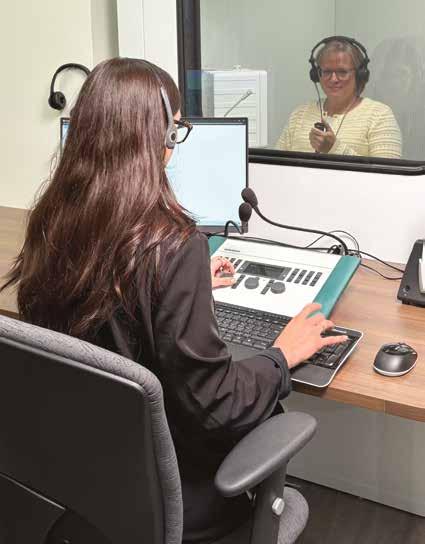
The first focus is educational innovation. The labs offer a workplace-based learning environment where theory can be brought into practice, guided by experienced mentors and supported by patients who are informed about the approach.
The spaces themselves are designed to support this dynamic. Room ergonomics, the integration of modern technological tools, and the way consultation times are scheduled all make it possible to offer structured guidance that supports the gradual development of skills. In this way, the patient voluntarily takes part in an environment where learning becomes a driving force for continuous improvement.
This educational focus connects naturally with care. What is learned in the lab gradually feeds into the evolution of clinical practices.
The second focus is innovation applied to the overall hearing health experience. The labs create a new platform for hearing health research and development in Québec. They open a door to reviewing practices and the patient journey, exploring new clinical approaches, and adapting interventions to local realities.
By investing in these labs, Lobe is choosing to anticipate future needs to stay aligned with those of an ever-evolving population. Supporting the development of the next generation of hearing health professionals, creating high-standard learning environments, and fostering applied research all help structure the evolution of hearing health in Québec. This project creates spaces dedicated to exploration and supports continuous improvement in hearing health care.
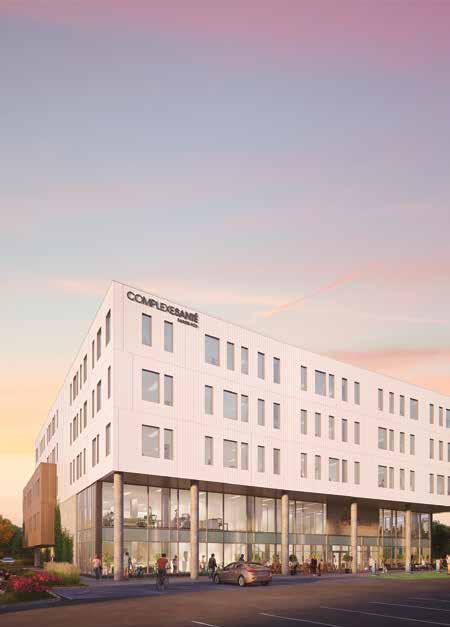
The first Innovation, Learning, and Exploration Lab will open in the Québec City region, within the Complexe Santé Sainte-Foy on Jules-Verne Avenue, in the Sainte-Foy neighbourhood.


We often think music begins the moment the first note rises. In reality, it starts in the ear of the person listening; in that precious sense we call hearing. Without it, even a beautiful solo remains silent.
At Palais Montcalm, acoustic quality is a priority and an integral part of the shared experience between the artists on stage and the audience. In this setting shaped by listening, hearing stands out as an essential part of the musical experience.
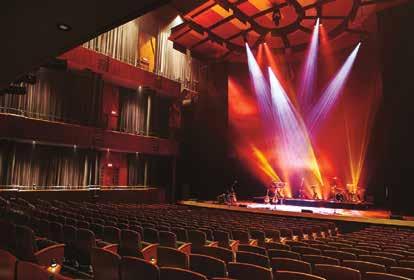
It’s in this spirit that a new partnership between Lobe and Palais Montcalm was born; an alliance that took shape naturally, driven by shared values. As part of this collaboration, Lobe will support, among other initiatives, the presentation of Maison de la Musique Concerts in Raoul-Jobin Hall and contribute to the development of a brand-new musical series in D’Youville Hall. This represents a hands-on involvement that gives this partnership a very tangible meaning.
Lobe is recognized for its deeply human approach to prevention and awareness of hearing health. A commitment that Palais Montcalm echoes, whose mission is to help artists shine while offering the public premium listening conditions that match the music being presented. Although the two organizations live in different worlds, both have the same care for what allows music to be fully experienced.
This new collaboration is a reminder that hearing plays a central role in the musical experience, and that protecting our hearing health also protects our ability to keep experiencing music fully over time. Together, Palais Montcalm and Lobe embody that complementarity: one brings music to life on stage, the other helps ensure our ears can help us appreciate the music to the fullest.
In the end, that’s where it all happens. Music is not only what takes place on stage. It lives in what we hear, what we feel, and what we carry with us as we leave the hall. If Palais Montcalm offers the space for it to resonate fully, Lobe helps ensure our ears can let the music stay with us, even after the final encore.
Lobe truly believes music becomes remarkable when every note can be heard. Every collaboration tells a story, and this one promises to be one of the most inspiring.
Sylvie Roberge Executive Director, Palais Montcalm—Maison de la musique
For a child who is deaf or hard of hearing, or who is experiencing speech and language difficulties, school success depends on more than acquiring knowledge. It is closely tied to their ability to communicate, interact with others, and speak up with confidence.

For more than 15 years, Lobe has faithfully supported Fondation Sourdine, whose fundraising efforts directly benefit École oraliste de Québec and its students. This philanthropic commitment reflects a clear intention: to contribute in a concrete way to the development and well-being of children for whom communication is a central challenge. This partnership plays a meaningful role in shaping their educational, social, and personal paths.
At École oraliste de Québec, every student receives highly specialized support. The school’s approach is grounded in spoken-language development, the strengthening of academic learning, and the building of independence.
Thanks to teaching that focuses on each student’s development, the expertise of a committed interdisciplinary team, and small class groups, students progress at their own pace in a structured, supportive environment. This approach encourages academic growth while also supporting self-esteem, confidence, and the quality of everyday interactions.
Beyond learning, the school pursues a clear mission: to help every child fully develop their communication skills so they can take their place in society.

The impact of this individualized support can be clearly observed in the students’ daily life. Think of a five-year-old student who arrives at the school in August with significant difficulty in making themselves understood. By April, the student is actively taking part in group discussions, sharing ideas with enthusiasm, and building meaningful connections with classmates. For them, every word spoken is a victory and every successful exchange becomes a source of pride. This is only one of many inspiring journeys at this school.
For the school, support from a partner like Lobe goes well beyond financial contributions. It is a lasting commitment, aligned with a shared vision grounded in inclusion, accessibility, and every child’s potential.
By supporting projects that have a direct impact on the daily lives of students and their families, Lobe affirms its intention to help build a more equitable society; one where deafness or language difficulties are not barriers, but realities supported by skill and humanity.
This collaboration between Lobe, Fondation Sourdine, and the École oraliste de Québec highlights the strength of people-centered partnerships. Together, these three organizations open horizons, turn challenges into opportunities for success, and remind us that, with the right support, every child can express themselves, be heard, and forge their own path.
Because beyond sounds, it is voices, dreams, and futures that take shape!

Isabelle Savage Executive Director of the École oraliste de Québec


Every day, sounds play an essential role in our routines. A doorbell, an alarm, or a signal coming from another room can be reassuring; it’s a simple way to confirm that everything is in order. When these sounds become harder to pick up, especially at home, familiar routines can start to feel less certain.
For people who are hard of hearing, the goal isn’t only to hear louder. It’s to understand and feel confident in their environment. Hearing an alert or a call triggered by an event can be deeply reassuring; it supports independence while helping to feel safe at home.


Today, there are alert and listening solutions designed to support awareness and peace of mind at home. They convert important household signals into clear notifications such as flashing lights, amplified sounds, vibrations, or alerts on a mobile phone. These adaptations make warnings easier to notice, day or night, including when a person has removed their hearing aids.
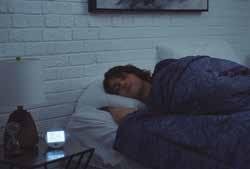

Smoke and carbon monoxide alarms involve serious risks, especially during sleep or when hearing aids are not being worn. In these situations, detectors equipped with visual and vibrating alerts can make signals easier to perceive. Call buttons can also help someone to quickly signal a need for assistance to family members or a caregiver, reinforcing a sense of safety at home.
Beyond emergency situations, these solutions help maintain connection in daily life. Doorbell and phone-call notifications reduce the chance of missing a visitor or an important call. Alerts that monitor a baby’s cries or everyday ambient sounds can make it easier to detect signals coming from another room, while contact mats can help indicate when someone is moving around the home. These tools support family routines while respecting each person’s independence and privacy.

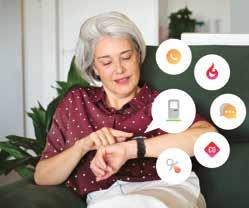
Many systems use a modular approach to match different living environments and hearing needs. Wireless transmitters detect everyday events and send signals to receivers that alert a person with hearing loss through light, sound, or vibration. Setups can be personalized with wearable devices used during the day, including receivers placed in different rooms or solutions designed to wake a person during the night.
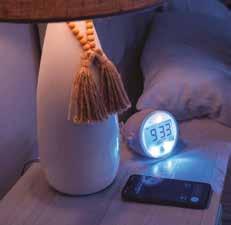

There are also personal amplifiers and alarm clocks that combine sound, light, and vibration to support daily routines. Each solution can be used on its own or integrated into a complete system, depending on needs and lifestyle. In every case, hearing health professionals can help identify relevant options and choose a configuration that fits the person’s reality.
Safety and independence often rely on simple sound cues. These technological adjustments can help make everyday life feel safer and more reassuring.
To learn more about these new technologies, talk to your audioprosthetist.

Micheal Warburton Canadian Director of Sales and Operations
Hearing aids are often described as a tool to “hear and understand better.” Today, they do much more than that. Thanks to technological advances, they’ve become everyday allies, supporting safety, well-being, and the simple pleasure of staying active and engaged.
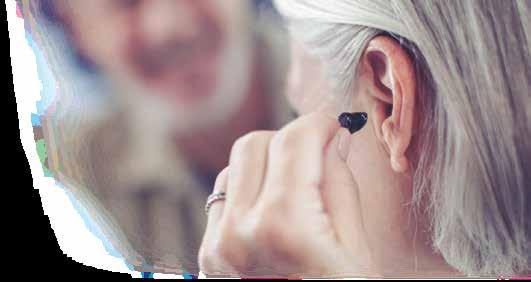
In practical terms, what are the benefits? In a lively neighbourhood restaurant, at a family dinner, or on a walk through the city, hearing aids can adjust sound to bring forward the conversations that matter. Listening takes less effort, and fatigue subsides. You participate more, laugh more easily, and feel more present.
Hearing loss is one of the most common health realities among adults, especially as we age. Its impact can go beyond how we perceive sounds. Several studies have observed that uncorrected hearing loss is associated with a higher risk of cognitive decline, among other factors that can influence brain health.
In Canada, about 772,000 people live with a cognitive disorder such as dementia, representing close to 2% of the population or about 1 in 50 people. Each day, more than 414 people would receive a new diagnosis¹. In this context, taking care of your hearing can be a concrete way to support your well-being, your safety, and your quality of life while staying active and present for the moments that matter.
Technology has also come a long way: hearing aids can now rely on artificial intelligence to analyze the sound environment in real time. They take into account voices, background noise, sudden sounds, and where those sounds are coming from in order to adjust listening to the situation. This can help improve sound quality, make it easier to locate sounds around you, and improve speech understanding, even in noisy settings.
This fuller sound awareness can also play a role in everyday safety. Hearing a bicycle approaching, a car horn, or someone calling your name can help you move around with greater confidence. At home, clearer sound and better detection can support independence and peace of mind; for the person, and for their loved ones.
Modern hearing technology doesn’t simply amplify sound. It helps preserve connection, support daily life, and helps maintain an active lifestyle. With the right guidance and personalized adjustments, hearing and understanding better also means continuing to enjoy the small and big moments that safely give everyday life its meaning.
Consult your audioprosthetist to learn more about hearing aid technologies.

Laura Abdulnour Audiologist and Inside Sales Representative



When paired with hearing aids, these apps provide access to simple settings like volume, listening programs, and directionality. Directionality refers to the ability to prioritize sounds coming from a particular direction, for example, someone speaking in front of you. These apps can also help you monitor battery level and connection status. Some personalization approaches offer guided comparisons to gradually fine-tune settings for different environments, such as a restaurant or a meeting.
Today’s hearing aids aren’t limited to simply “turning up the volume.” Based on certain laboratory and clinical data, more refined sound processing can make speech clearer, even when the environment is noisy. For many people, this can make conversations easier, reduce listening effort, and support everyday confidence.
Some accessories can stream TV sound directly to hearing aids, with low latency. The volume can then be adjusted independently, without turning it up for everyone. In many cases, the result is clearer dialogue and more comfortable listening.
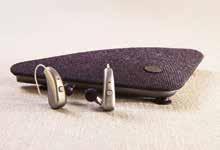
Your phone can become a control center for everyday sound. GPS navigation, videos, certain announcements from transportation apps, and real-time translation can be transmitted to hearing aids through a low-power wireless connection, such as Bluetooth Low Energy. It’s also possible to adjust the balance between the audio stream and surrounding sounds, helping you stay attentive to what’s happening around you. Spoken notification readouts can sometimes make it easier to catch brief information, like a reminder about a boarding gate.

Many apps include a location feature like “find my hearing aids.” A map, a last known location, and a proximity indicator can help you track down misplaced hearing aids.
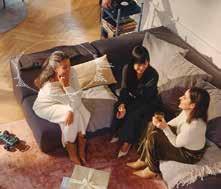
When listening takes less effort, it becomes easier to stay present in conversations and activities. These features won’t suit every situation, but they can offer practical support one conversation at a time.
To learn more about hearing aid features, speak with your audioprosthetist.

Michèle Dostaler Audiologist, Head of Product Management
An assessment by an audioprosthetist is required to determine which hearing aid suits the patient’s needs
References:
- Henningsen, L. (2020, October 30). Widex incorporates AI into SoundSense Learn. The Hearing Review. https://hearingreview.com/hearing-products/hearingaids/ite/widex-incorporates-ai-into-soundsense-learn
- Jensen, N. S., Samra, B., Taghvaei, N. & Taylor, B. (2024, March 4). Realworld assessment of Signia Integrated Xperience with RealTime Conversation Enhancement. Signia Pro. https://www.signia-pro.com/en/signialibrary/2024-03-real-world-assessment-of-signia-ix/
- Jensen, N. S., Wilson, C., Kamkar Parsi, H., et al. (2024, October 14). Signia IX delivers more than twice the speech enhancement benefit. Signia Pro. https://www. signia-pro.com/en/signia-library/2024-10-signia-ixdelivers-twice-the-speech-enhancement-benefit/ Lundin, A. (2024, September 5). Improving the Real-World conversation experience | The Hearing Review. https:// hearingreview.com/hearing-products/hearing-aids/ speech-in-noise/improving-the-real-world-conversationexperience-with-a-multi-stream-architecture
- Sende Duy/Signia. (n.d.). Signia app overview. https://www.sendeduyisitme.com/en-us/signia-app
- Signia IX platform enhances conversations in noisy environments (2024, October 16). The Hearing Review. https://hearingreview.com/hearing-products/ hearing-aids/speech-in-noise/signia-ix-platformenhances-group-conversations-in-noisy-environmentsnew-study-confirms
- Signia. (n.d.). Streamline TV—Professional page. https://www.signia-pro.com/en-in/chargers-andaccessories/streamline-tv/
- Signia. (2025, July). SI22734—TV Sound quick start guide (Rev. 2). https://cdn.signia.net/-/media/signia/us/files/ si22734--signia-tv-sound-quick-start-guide--rev-2july-2025.pdf
- What do owners of hearing aids that stream think of the sound quality? (2023). Canadian Audiologist, 10(2). https://canadianaudiologist.ca/what-do-owners-ofhearing-aids-that-stream-think-of-the-sound-quality/
- Widex. (n.d.). Widex hearing aids & accessories | Official Widex Global website. https://www.widex.com/
- Widex Pro. (n.d.). Widex Pro—Official website for hearing care professionals. https://www.widexpro.com/
Lobe
In a world where information is everywhere, it isn’t always easy to tell the difference between reliable content from opinion-based or incomplete data sources. In hearing health, that reality can shape how we understand what’s going on, the choices we make, and sometimes even when a person decides to seek support.
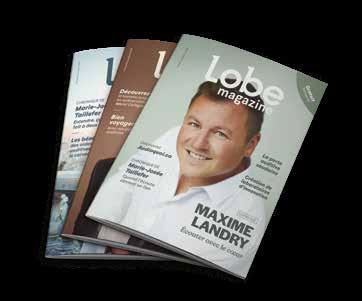
That’s the spirit behind Lobe Magazine: to offer clear, rigorous information entirely dedicated to hearing health. Published three times a year and available free of charge, it’s a unique resource in Québec, offered in print and digital formats, in both French and English. Each issue explores practical topics related to hearing, overall health, and possible hearing solutions. The content is designed to help the general public better understand, while also offering professionals a complementary tool for hearing health information and awareness. In this way, the magazine bridges clinical expertise and everyday realities.
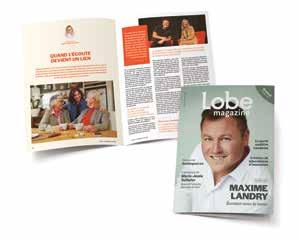
Making information accessible also supports more informed decisions. Recognizing the signs of hearing loss, understanding the options available, or discovering innovations in the field can make a meaningful difference along a person’s health journey.
Subscribing to Lobe Magazine means choosing to stay informed throughout the year. It’s also a way to be part of an ongoing conversation about hearing health through content designed to be useful, nuanced, and human.
Ultimately, accessible information is a good first step towards better health.
Lobe clinics network 1 866 411-5623








Come Make a Difference in the Lives of People with Hearing
Lobe is a network of multidisciplinary hearing health clinics offering a unique, patient-centred approach. Under one roof, you’ll find reception staff and a variety of hearing health professionals: ENT specialists, audiologists, audioprosthetists, and specialized educators.
Do you love taking care of others?
Do you want to have a real, meaningful impact on people’s lives?
Discover all the career opportunities available by scanning the QR code.
For any questions, visit carrieres.lobe.ca/en/ or call 1 866 411-5623.
If you would like to apply, email your résumé to agencerecrutement@lobe.ca

1. Online, free of charge, on the Blog section of lobe.ca/en/blog.
2. Free of charge in all Lobe Clinics and in our different partner locations.
Capitale-Nationale
Donnacona
Complexe Santé Donnacona
499,138 Road, suite 200
Donnacona, Qc G3M 0A9
Audiologists , audioprosthetists
Tel. : 418 622-9362
Pont-Rouge
20 Pinière Road, suite 101
Pont-Rouge, Qc G3H 0M6
ENT specialists , audiologists , audioprosthetists
Tel. : 418 688-7449
Québec • Beauport
Clinique médicale de Giffard
Les Promenades Beauport, door 4 3333 Carrefour Street, suite A222 Québec, Qc G1C 5R9
ENT specialists , audiologists , audioprosthetists
Tel. : 418 780-2343
Québec • Charlesbourg
La Cité Médicale de Charlesbourg
Carrefour Charlesbourg
8500 Henri-Bourassa Blvd., suite 250 Québec, Qc G1G 5X1
ENT specialists , audiologists , audioprosthetists
Tel. : 418 780-2343
Québec • Lebourgneuf
Complexe Vision
725 Lebourgneuf Blvd., suite 315 Québec, Qc G2J 0C4
ENT specialists , audiologists , audioprosthetists
Tel. : 418 780-2343
Québec • Limoilou
Complexe Santé Synase
1825 Henri-Bourassa Blvd., suite 302 Québec, Qc G1J 0H4
ENT specialists , audiologists , audioprosthetists, speech-language pathologists
Tel.: 581 814-8904
Free parking—coupon provided upon exiting the clinic
Québec • Neufchâtel
Clinique médicale DuChatel 9465 Ormière Boulevard, suite 102
Québec, Qc G2B 3K7
Audiologists , audioprosthetists
Tel. : 418 845-8608
Québec • Saint-Sacrement
Complexe La Cité Verte
1200 Sœurs-du-Bon-Pasteur Street
Suite 310
Québec, Qc G1S 0B1
Audiologists , audioprosthetists
Tel. : 418 476-3660
Québec • Sainte-Foy
Clinique médicale Saint-Louis 3165 Saint-Louis Road, suite 420 Québec, Qc G1W 4R4
ENT specialists , audiologists , audioprosthetists
Tel.: 418 833-8066
Free parking—coupon provided upon exiting the clinic
Québec • Sainte-Foy Jules-Verne
Avenue Le Gendre exit, right next to Ashton restaurant
Complexe Santé Sainte-Foy 1620 Jules-Verne Avenue, suite 206
Québec, Qc G2G 2R1
Audiologists , audioprosthetists
Tel.: 1 866 411-5623
Free parking—coupon provided upon exiting the clinic
Québec • Val-Bélair
Polyclinique médicale Val-Bélair
1147 Pie X I North Blvd., suite 205
Québec, Qc G3K 2P8
Audiologists , audioprosthetists
Tel. : 418 476-6680
Québec • Vanier
Complexe Medway Wil 1101 Wilfrid-Hamel Blvd., suite 100
Québec, Qc G1M 0E8
Audiologists , audioprosthetists
Tel.: 418 476-4747
Free parking—coupon provided upon exiting the clinic
Saint-Augustin-de-Desmaures
Complexe médical l’Hêtrière
3520 Hêtrière Street, suite 103
Saint-Augustin-de-Desmaures, Qc
G3A 0B4
ENT specialists , audiologists , audioprosthetists
Tel.: 418 476-6683
Sainte-Anne-de-Beaupré
Complexe Santé Côte-de-Beaupré
9745 Sainte-Anne Blvd., suite 103
Sainte-Anne-de-Beaupré, Qc
G0A 3C0
ENT specialists , audiologists , audioprosthetists
Tel.: 581 540-3025
Free parking—coupon provided upon exiting the clinic
Centre-du-Québec
Drummondville
110 Saint-Jean Street, suite 300
Drummondville, Qc J2B 7T1
ENT specialists , audiologists , audioprosthetists
Tel. : 819 253-0118
Chaudière-Appalaches
Beauceville
Coop santé Robert-Cliche
463-B Renault Boulevard
Beauceville, Qc G5X 1N5
Audiologists , audioprosthetists
Tel. : 581 813-3014
Disraeli
1244 Champlain Avenue
Disraeli, Qc G0N 1E0
Audiologists , audioprosthetists
Tel. : 418 755-4070
Lac-Etchemin
Résidence Belvédère du Lac
301 Sanatorium Street, suite 121
Lac-Etchemin, Qc G0R 1S0
Audiologists , audioprosthetists
Tel. : 581 825-2484
Lévis
Complexe Santé Lévis
5801 Wilfrid-Carrier Blvd., suite 207 Lévis, Qc G6V 0C9
ENT specialists , audiologists , audioprosthetists
Tel.: 581 629-2424
Lévis • Lauzon
Complexe Santé Lévis-Lauzon
6750 Guillaume-Couture Blvd.
Suite 102
Lévis, Qc G6V 9H4
Audiologists , audioprosthetists
Tel.: 581 629-0417
Free parking—coupon provided upon exiting the clinic
Lévis • Saint-Romuald
Previous address:
Complexe Pôle Sud
1190 A Courchevel Street, suite 502
Lévis, Qc G6W 0M5
New Address:
Medway Faro
1015 Sault Road, suite 407
Lévis Qc G6W 5M6
ENT specialists , audiologists , audioprosthetists
Tel.: 581 500-2711
Lévis • Saint-Jean-Chrysostome
Complexe Santé Taniata
700 Taniata Avenue, suite 104
Lévis, Qc G6Z 2C2
Audiologists , audioprosthetists
Tel. : 581 629-0412
Saint-Georges
14640 Lacroix Boulevard
Saint-Georges, Qc G5Y 7G8
ENT specialists , audiologists , audioprosthetists
Tel. : 418 228-7046
Sainte-Marie
340 Vachon Sud Boulevard
Sainte-Marie, Qc G6E 1X8
ENT specialists , audiologists , audioprosthetists
Tel.: 581 424-4240
Thetford Mines
Place 611
611 Frontenac East Blvd., suite 201
Thetford Mines, Qc G6G 6Y7
ENT specialists , audiologists , audioprosthetists
Tel.: 418 755-4095
Lac-Mégantic
6246 Salaberry Street
Lac-Mégantic, Qc G6B 1H8
Audiologists , audioprosthetists
Tel. : 819 614-4155
Granby
215 Montcalm Boulevard, suite 130 Granby, Qc J2G 5C2
Audiologists , audioprosthetists
Tel. : 450 372-3837
Sherbrooke Ouest
Complexe de la Santé
15 J.-A.-Bombardier St., suite A200 Sherbrooke, Qc J1L 0H8
ENT specialists , audiologists , audioprosthetists
Tel.: 819 823-1066
Sherbrooke Est Clinique médicale GMA de la Rivière
360 Galt East Street, suite 102 Sherbrooke, Qc J1G 1X9
Audiologists , audioprosthetists
Tel.: 819 823-7701
Rock Forest
5035 Bourque Boulevard, suite 101 Sherbrooke, Qc J1N 2K6
Audiologists , audioprosthetists
Tel. : 819 791-7706
Lanaudière
Notre-Dame-des-Prairies
Centre professionnel des Prairies 449,131 Road, suite 205
Notre-Dame-des-Prairies, Qc J6E 0M1
Audiologists , audioprosthetists
Tel. : 450 386-0200
Mascouche
2705 Sainte-Marie Road, suite 102 Mascouche, Qc J7K 1M8
Audiologists , audioprosthetists
Tel. : 450 313-0218
Laurentides
Boisbriand
2000 Le Corbusier Court, suite 105
Boisbriand, Qc J7G 3E8
Audiologists , audioprosthetists
Tel. : 450 437-8779
Boisbriand
3655 Grande-Allée Boulevard
Boisbriand Qc J7H 1H5
ENT specialists , audiologists , audioprosthetists
Tel. : 450 437-8779
Mirabel
Complexe Médical Cité Mirabel
11800 Chaumont Street, suite 420 Mirabel, Qc J7J 0T8
ENT specialists , audiologists , audioprosthetists
Tel. : 450 595-2201
Saint-Jérôme
Polyclinique Saint-Jérôme
200 Durand Street, suite 209
Saint-Jérôme, Qc J7Z 7E2
ENT specialists , audiologists , audioprosthetists
Tel. : 450 565-9895
Sainte-Agathe-des-Monts
Résidence des Laurentides
107 Principale East Street
Sainte-Agathe-des-Monts, Qc J8C 1J9
ENT specialists , audiologists , audioprosthetists
Tel. : 819 321-5060
Laval
Laval • Chomedey
1150 Avenir Boulevard, suite 220 Laval, Qc H7N 6L2
Audiologists , audioprosthetists
Tel. : 450 934-1225
Laval • Chomedey 440
Carrefour Santé 440
4650 South Service Road Hwy 440 Suite 370
Laval, Qc H7T 2Z8
ENT specialists , audiologists , audioprosthetists
Tel.: 450 688-9383
Mauricie
Shawinigan
3222 Hêtres Boulevard
Shawinigan, Qc G9N 3B6
Audiologists : 819 536-0788
Audioprosthetists : 819 539-8666
Trois-Rivières
1785 Carmel Boulevard, suite 245
Trois-Rivières, Qc G8Z 3R8
Audiologists : 819 415-2888
Audioprosthetists: 819 378-7477
Free parking—coupon provided upon exiting the clinic
Châteauguay
Complexe médical Châteauguay
288 Anjou Boulevard, suite 210 Châteauguay, Qc J6K 1C6
ENT specialists , audiologists , audioprosthetists
Tel. : 450 287-6121
Longueuil
1215 Du Tremblay Road, door 165
Longueuil, Qc J4N 1R4
ENT specialists , audiologists , audioprosthetists
Tel. : 450 286-0651
Saint-Hubert
4025 Taschereau Blvd., suite 1200
Saint-Hubert, Qc J4T 2G6
ENT specialists , audiologists , audioprosthetists
Tel.: 450 926-1120
Saint-Hyacinthe
Complexe médical M
1220 Casavant East Blvd., suite 104
Saint-Hyacinthe, Qc J2S 0L6
Audiologists , audioprosthetists
Tel. : 579 225-7266
Saint-Jean-sur-Richelieu
1055 Séminaire North Boulevard
Suite 202, Saint-Jean-sur-Richelieu, Qc J3A 1R7
ENT specialists , audiologists , audioprosthetists
Tel. : 450 349-4343
Valleyfield
1020 Monseigneur-Langlois Blvd.
Suite 200, Salaberry-de-Valleyfield
Qc J6S 0M2
Audiologists , audioprosthetists
Tel. : 450 322-0181
Vaudreuil-Dorion
Complexe Santé des Trois-Lacs
65 Cité-des-Jeunes Blvd., Suite 220
Vaudreuil, Qc J7V 8C1
Audiologists , audioprosthetists
Tel. : 579 217-1237
Montréal
Montréal • Angus
2815 Sherbrooke East St., suite 250
Montréal, Qc H2K 1H2
Audiologists , audioprosthetists
Tel. : 438 844-8135
Préfontaine
Montréal • Lachine
2000 Notre-Dame Street, suite 203
Montréal, Qc H8S 2G4
ENT specialists , audiologists , audioprosthetists
Tel. : 514 600-4260
Montréal • Notre-Dame-de-Grâce
5100 Maisonneuve Ouest Boulevard
Suite 603
Montréal, Qc H4A 3T2
ENT specialists , audiologists , audioprosthetists
Tel. : 438 944-6733
Vendôme
Montréal • Rosemont— La-Petite-Patrie
Polyclinique Maisonneuve-Rosemont 5345 Assomption Boulevard
Suite RC-20
Montréal, Qc H1T 4B3
ENT specialists , audiologists , audioprosthetists
Tel. : 514 360-4402
L’Assomption
Montréal • Saint-Laurent
Complexe médical Saint-Laurent
1605 Marcel-Laurin Blvd., suite 120
Montréal, Qc H4R 0B7
ENT specialists , audiologists , audioprosthetists
Tel. : 514 788-5126
Côte-Vertu
Montréal • Saint-Léonard
Les Terrasses Langelier 6383 Jean-Talon East Street
Montréal, Qc H1S 3E7
Audiologists , audioprosthetists
Tel. : 514 360-9548
Montréal • Villeray
Carrefour Santé Villeray
8560 Saint-Hubert Street, suite 100 Montréal, Qc H2P 1Z7
ENT specialists , audiologists , audioprosthetists
Tel.: 514 316-6707
Crémazie
Free parking—coupon provided upon exiting the clinic
Pointe-Claire
Complexe Santé Brunswick 955 Saint-Jean Boulevard, suite 102 Pointe-Claire, Qc H9R 5K3
ENT specialists , audiologists , audioprosthetists
Tel. : 514 782-0811
Outaouais
Gatineau
Clinique Delta Santé 444 Hôpital Boulevard, suite 110 Gatineau, Qc J8T 7X6
ENT specialists , audiologists , audioprosthetists
Tel. : 819 485-1118
Gatineau • Aylmer
Carrefour Santé Aylmer
362 Aylmer Road, suite 107 Gatineau, Qc J9H 1A6
Audiologists , audioprosthetists
Tel. : 819 485-0778
Gatineau • Hull
Clinique Medigo
165 Saint-Raymond Blvd., suite 213 Gatineau, Qc J8Y 0A7
ENT specialists , audiologists , audioprosthetists
Tel.: 819 643-5111
Free parking—coupon provided upon exiting the clinic
Saint-André-Avellin
CLSC Petite-Nation 14 Saint-André Street
Saint-André-Avellin, Qc J0V 1W0
Audioprosthetists
Tel. : 819 485-1118
Head Office
Complexe Vision
725 Lebourgneuf Blvd., suite 303
Québec, Qc G2J 0C4
Tel. : 418 877-7222
Fax: 581 814-6260
Email: centreappel@lobe.ca
Audiology services offered in the clinics:
0–6months, 0–99 years, 3–99 years, 5–99 years
Service covered by the RAMQ Metro station Book an appointment:
1 866 411-5623
To learn more about hearing health and the activities of the Lobe clinic network, follow us on your favourite platforms.