

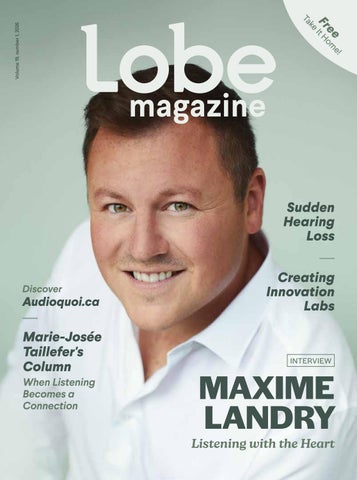
Winter mornings have a special light, soft and silvery, reflecting off frost-covered trees. The icy wind sometimes slows our steps, but just one ray of sunshine can make the snow sparkle like thousands of diamonds. In this magical setting, time seems to slow down, offering us a welcome pause to savor the warmth of human connection. No matter your age or pace of life, winter can be an opportunity to draw closer.
What if we used this season to enhance life’s little joys? A walk through a snowy park, where each step whispers softly beneath your boots. A family movie night filled with laughter and cozy blankets. Or a musical afternoon, where songs awaken memories and bring generations together. Why not invite a friend for a steaming cup of coffee, simply for the pleasure of conversation? These simple moments are all ways to turn winter into a season of sharing and comfort. These precious instants begin with listening, to confidences over hot chocolate, to the voices we cherish, or to music that moves us. It all starts with good hearing. To keep enjoying these pleasures, it’s essential to care for our hearing. Prevention means preserving the quality of our conversations and the richness of our emotions. Hearing health professionals are here to support you, with discreet, innovative solutions that bring back the sounds you love.
To make these moments last, this edition of Lobe Magazine features an inspiring portrait of Maxime Landry, who shares his intimate bond with music and the importance of listening. You’ll also find advice on understanding the impact of untreated hearing loss, technological innovations that are transforming hearing aids, and initiatives designed to inspire the next generation in hearing health.
So this winter, let’s step out of our routine, embrace the small joys along the way, and above all, stay tuned to the world around us. Take care of your hearing to stay close to the voices that matter— because listening means living every moment to the fullest… even under the snow.
Happy reading!

Marie-Josée Taillefer Ambassador of Lobe Clinics and hearing health
Volume 19, number 1, 2026
Editor Maria Fernanda Bially
Graphic designer
Andrée-Anne Michel
Printing house TC Imprimeries Transcontinental
Rights and responsibilities
Any translation, reproduction or adaptation of texts, illustrations and photos in this work, for any reason whatsoever, in whole or in part, is strictly prohibited without written permission from the editor.
The opinions expressed in articles published by Publications Lobe are the responsibility of the author.
Legal deposit ISSN 1911-5660
Bibliothèque et Archives nationales du Québec, Montréal Library and Archives Canada, Ottawa
Publications Lobe 725, boulevard Lebourgneuf, suite 303 Québec (Québec) G2J 0C4
Tel.: 418 877-7222
Fax: 581 814-6260
Email: centreappel@lobe.ca
Printed in Canada
All trademarks are the property of Lobe Santé auditive Inc./Bulletin produced by Publications Lobe
Did you know that Québec City will soon welcome a brand-new audioprosthetist program?
Starting in fall 2026, Mérici Collégial Privé, in partnership with the Lobe Clinic network, will offer training to become an audioprosthetist, a hearing health professional who sells, fits, and adjusts hearing aids. The program stands out for its immersive, workplace-based learning approach. Students train in teaching clinics alongside experienced audioprosthetists, using the latest technologies while developing essential human skills.
With a 100% job placement rate and growing employment opportunities, this program offers a meaningful and rewarding career. Enrollment is open until March 1, 2026.
A profession with a future is waiting for you in Québec City!
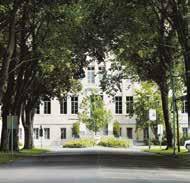

Originally from the Beauce region, Maxime Landry grew up in a family where music was everywhere. From an early age, he was surrounded by songs, guitars, and voices—shaped by the energy and passion of those closest to him. “Music has always been part of me,” Maxime confides. For him, it was never just a hobby; it’s a tool for living, a way to heal, and above all, a powerful bond with those who listen to his music.
His immersion in music began at a very young age. At seven, he received his first electric guitar—a gift that didn’t quite match his dream of playing the violin, but soon became his daily companion. By eight, he was singing in a choir, despite the chapel master’s hesitation, thanks to the unwavering support from his mother and grandfather, who encouraged him to keep going. He also spent countless hours watching his mother write and record her songs, then sold them door-to-door— an experience that introduced him to a rich and vibrant musical world. His uncles and grandfather, all music lovers, became his first mentors and sparked a deep love for singing and songwriting.
As a teenager, Maxime began performing on stage in bars. With his parents’ permission and the support of his neighbors, he took his first steps into the spotlight, forging his earliest connections with a live audience. Maxime emphasizes that he’s happy to make a living from music in any capacity.
Later, Star Académie gave him a much bigger stage. René Angélil, then director of the show, advised him to trust his instincts—a tip that helped him choose the song that would lead him to victory. That advice stayed with him throughout his career.
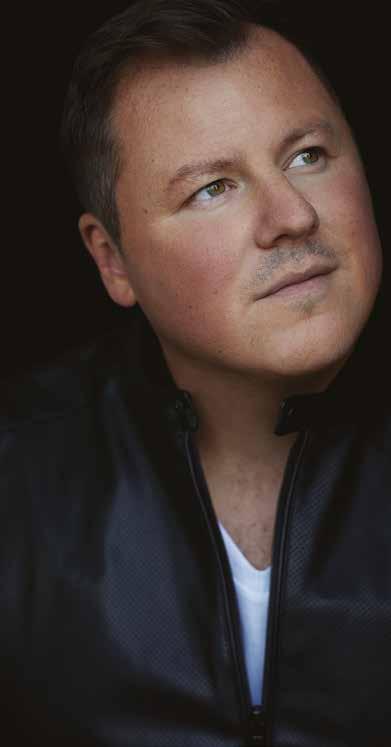
“What mattered most was turning my passion into my profession.”
— Maxime Landry
“My ears are my most essential work tool. Without them, I can’t fully do what I love.”
For Maxime, every song is first and foremost a story to tell, an emotion to share. He always chooses songs that speak to him, give him chills, and carry stories that can move his audience. This sincerity is what resonates and makes people feel something. His influences, like Lynda Lemay and the country and western tunes he grew up with in Beauce, feed that authenticity. Even with his recent albums, such as Party Beauceron, he remains true to his tastes and musical roots, convinced that this loyalty is what truly connects with listeners.
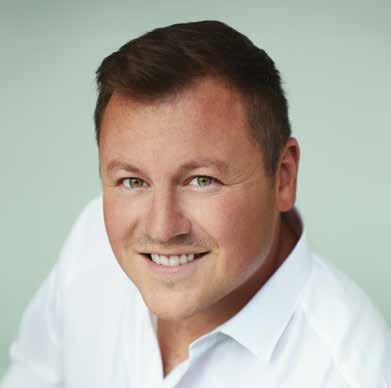
Maxime’s artistic experience is deeply tied to his hearing. “My ears are my most essential work tool. Without them, I can’t fully do what I love,” he says. Exposed to high sound levels—during shows, recordings, or even meeting fans after concerts—he has learned to protect his hearing. Offstage, he uses his smartwatch to alert him when the sound gets too loud.
Quiet moments after performances aren’t a luxury—they allow his mind to recharge, his voice to recover, and his body to reconnect. For Maxime, hearing is invaluable and essential to his creativity. Every conversation, every song, every meeting with his audience depends on this ability.
In 2025, Maxime Landry and Marie-Josée Taillefer toured Québec, giving talks at FADOQ Salons. These conferences allowed him to share his story openly and raise awareness about the importance of hearing health. He spoke about his journey, his relationship with music, and the vital role hearing plays in his profession—all while creating a personal connection with the audience.
Participants left deeply moved by someone who speaks from the heart. Many came to chat and take photos afterward—a clear sign of the genuine bond he creates.
The nostalgia and musical memories Maxime treasures also play a central role in his art. Familiar tunes from his youth, the voices of his uncles and his grandfather, and the classic songs he heard as a child help him create an immediate connection with his audience—especially among FADOQ members. Maxime feels fortunate to make music that reflects who he is and touches those who listen.
For Maxime Landry, music and hearing are inseparable. Every note, every song, every encounter depends on the ability to listen and feel. His journey shows that staying true to your emotions, protecting your hearing, and caring for yourself are the keys to sharing music, memories, and passion with others. It’s this authenticity that makes Maxime a profoundly human artist—one who moves and brings people together through his music.
A heartfelt thank-you to Maxime Landry for the generosity and sensitivity with which he shares his story, inspiring everyone fortunate enough to meet him.

Maria Fernanda Bially Communications Advisor and Editor for Lobe

MARIE-JOSÉE TAILLEFER'S COLUMN
Turning the page on a new year feels like starting a fresh chapter in the book of life. We don’t yet know what the next pages will hold, but we can choose how to approach them. For me, this year begins with a deep desire: to keep listening. Listening to others, listening to what’s happening around me, and to what life whispers.

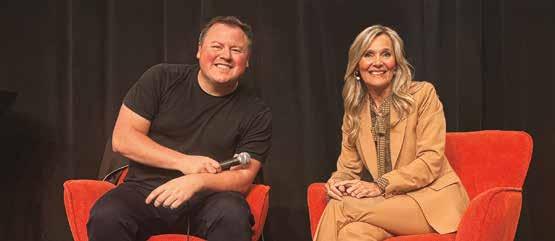
Over the past year, I’ve had the privilege of meeting people from many regions across Québec—in senior residences, at public events, and during conferences. These hearing-health days offered moments of deep human connection.
We’re not just talking about ears and decibels; we’re experiencing human warmth, shared glances, and treasured memories. These are moments when we feel united, connected. Every encounter reminds me that listening is an act of love—not just hearing words, but welcoming what they carry: the emotions, the silences, and the expressions.
This past year, I introduced a new approach during the FADOQ Salon's conferences: exploring hearing through music. With Maxime Landry, an artist I admire for his talent and generosity, we created a space to share. People sang with us, allowing themselves to be carried by melodies and memories.
It felt like a spontaneous choir—a bubble of tenderness where nothing else existed.
And in that shared moment, there was something magical: mutual listening, genuine presence.
On those days, I saw people singing lyrics with emotion, their eyes shining. Some told me those songs brought them back to precious moments in their lives.
Because hearing is so much more than a sense—it’s a connection. It’s what allows us to share our stories, understand each other, and come
Music has the power to bring us together, to move us in harmony. Through hearing, we have the privilege of experiencing all this beauty.
closer. And when that connection weakens, our world can feel more distant, less bright. That’s why I often speak about prevention, kindness, and care.
I meet people who say: “I took care of my hearing this year, thanks to you.” That touches me deeply, because what I want most is for everyone to continue living fully, savoring life’s little joys, and staying connected to those they love.
I think of my mother-in-law, who hesitated to seek help with her hearing for fear of being a bother. And of René, who supported her through the process—out of love—so they could continue to understand each other.
I think of all those who take that step, sometimes for themselves, sometimes for their loved ones, because listening goes both ways. Caring for your hearing also means caring for your relationships.
For me, hearing well goes beyond perceiving sounds: it’s feeling the intention, the emotion, and the message. It’s being truly present and listening with the heart.
Sometimes, listening doesn’t involve words. I think of my children, who taught me that we can also listen through our eyes, hands, and presence. A mother who understands her child without words, an older person who senses the world around them without speaking—these forms of listening are just as powerful.
So, as we step into this new year, I hold onto the same intention: listening more deeply so we can love more fully. Protecting our hearing means safeguarding our connections, our memories, and our shared humanity. If we take the time to listen with care and kindness, we also stay connected to one another and to the richness of everyday life we experience and build together, now and for the future.
Because listening is loving. And loving also means caring.
Marie-Josée Taillefer Ambassador for Lobe Clinics and Hearing Health
At home, hearing is an open topic. We change seats at the table to hear better, lower the volume, and adjust. We live with it, adapt, and celebrate this sense that connects us; even when it weakens, it remains precious.
Québec is on the brink of an unprecedented demographic transformation: by 2030, nearly 25% of the population will be over 65. This rapid aging will lead to a significant increase in hearing health needs, at a time when human resources are limited and the professions of audioprosthetist and audiologist remain little known.
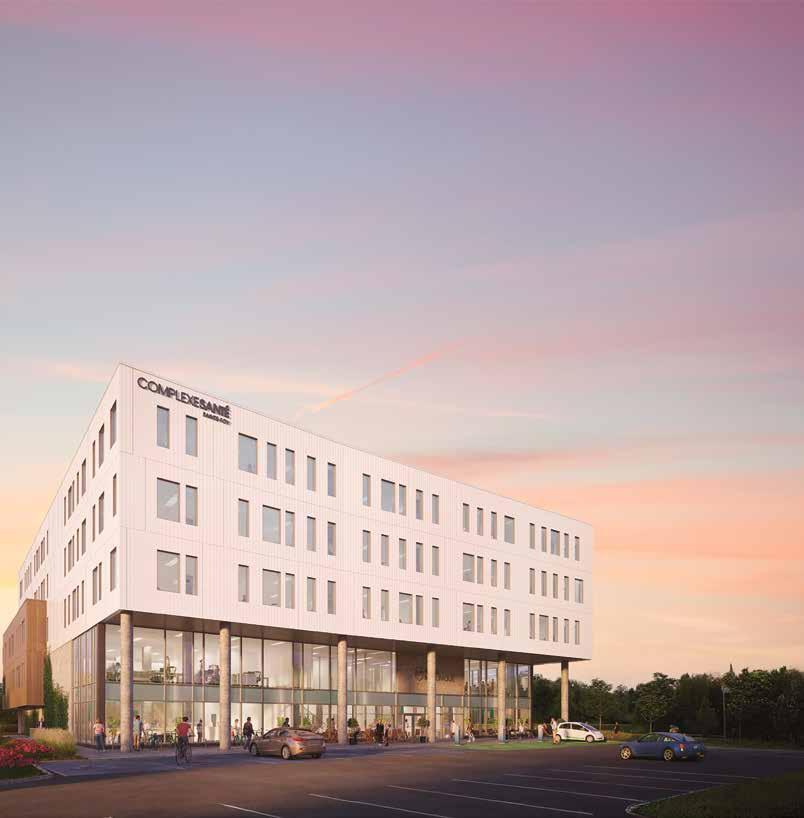
At Lobe, this reality is at the heart of our actions. As a leader in hearing health in Québec, the organization is committed to actively support the next generation. One of the most ambitious initiatives in this vision is the creation of innovation labs and teaching clinics designed to facilitate training, integration, and professional development.
By 2030, nearly 25% of the population will be over 65.
Innovation labs are not just internship sites. They are spaces fully designed to offer an immersive experience in a structured, supportive, and human-centered environment. The first lab will open in Québec City in spring 2026, with custom-built facilities designed to foster learning, observation, and clinical practice.
Students training in hearing-aid fitting will meet patients under conditions that closely reflect real clinical practice. Guided by experienced mentors, they will develop their skills at their own pace in an environment where patient numbers are intentionally limited.
By creating tailored learning environments, Lobe offers a gradual transition to clinical practice, where students can fully develop the knowledge, tools, and practical skills of the profession. This approach prepares professionals to start their careers confidently from day one.
Innovation labs also play a key role in welcoming new professionals to the network. Each newcomer is supported in a space designed for immersion, learning, and developing a strong professional identity.
This structured integration strengthens the sense of belonging, facilitates an understanding of the clinics’ multidisciplinary operations, and promotes a confident and successful start.
In a field where most hearing health data comes from the United States, Lobe aims to build expertise rooted in Québec’s reality. Innovation labs generate local, relevant data adapted to our culture, practices, and specific challenges.
This research helps improve care, support partners across the network, and guide strategic decisions. It also contributes to raising quality standards, based on concrete observations and measurable results.
The labs are also strategic spaces for testing and refining marketing initiatives to promote hearing health care. By observing patient reactions to communications, services, and environments, Lobe can fine-tune its messages, tools, and approaches.
This process allows for a deeper understanding of client expectations, behaviors, and needs in a realworld setting. It helps ensure alignment with market trends while maintaining a strong commitment to quality and humanity.

The labs also offer opportunities for professionals already in practice. Whether by learning new techniques, updating skills, or evolving in a stimulating environment, these spaces promote continuous development.
They also provide access to certifications and complementary training in a structured, supportive setting where learning is valued at every stage of a career.
The creation of innovation labs is part of a broader vision: training tomorrow’s talent today. Lobe is not just responding to immediate needs, it anticipates, innovates, and acts to build a society where everyone can hear and be heard.
By investing in the next generation, promoting hearing health professions, and creating practical, supportive learning environments, Lobe reaffirms its commitment to people, quality care, and collective well-being.

Maëly Riondy Head of strategy and innovation Lobe
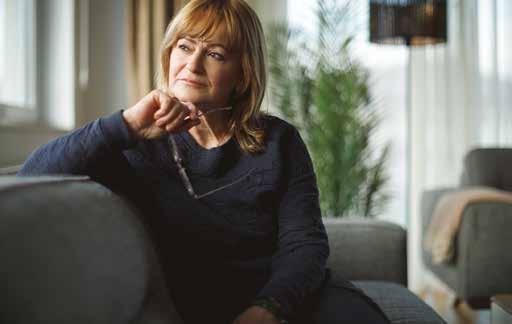
Hearing loss is often seen as a minor inconvenience: conversations become harder to follow, people need to repeat themselves and the TV volume is turned up. Yet when left untreated, it can have far-reaching effects on your health. Ranging from mental well-being to cognition, balance, and safety, the consequences extend to your entire quality of life.
Hearing loss is defined as a reduced ability to perceive sounds. It can stem from several causes, including age-related changes in the ear, repeated exposure to loud noise, ear infections, other disorders and genetic factors.
Often, hearing loss develops gradually, making it easy to adapt without realizing its true impact. People compensate by avoiding noisy places, speaking less, or withdrawing from group conversations.
However, behind these adjustments lies a more concerning reality: sensory deprivation that directly affects brain function, mood, and even physical safety.
Untreated hearing loss is closely linked to higher risks of depression and anxiety 1. When communication becomes challenging everyday interactions can turn into a source of frustration. Over time, some people feel less comfortable in social situations, which can lead to isolation.
The less you understand, the more you avoid interactions. The more you isolate yourself, the more loneliness and distress take hold.

Beyond emotional well-being, untreated hearing loss has a direct impact on the brain. When parts of the auditory system stop receiving stimulation, the regions responsible for hearing become less active, a phenomenon known as sensory deprivation.
Over time, this lack of stimulation may accelerate cognitive decline and increase the risk of conditions such as dementia or Alzheimer’s disease. Several studies have shown that people with untreated hearing loss are more likely to develop cognitive disorders2.
In other words, hearing and understanding help keep the brain active. Just as an unused muscle loses strength, an unstimulated brain region loses vitality.


“Just like vision, hearing should be checked regularly starting from age 50, and then on a regular basis.”
Hearing also plays an important role with balance. The inner ear is part of the postural control system, along with vision and proprioception (the body’s sense of position).
When one of these three systems becomes less effective, the body must compensate, which can increase the risk of imbalance and falls. This link is particularly concerning: untreated hearing problems can significantly increase the risk of falls3.
Daily safety can also be compromised. Missing an alarm, a car horn, or an urgent call can pose real dangers—especially at night or while driving.

There are practical ways to prevent the consequences of hearing loss.
The first step is to schedule a complete hearing evaluation with an audiologist. Just like vision, hearing should be checked regularly starting from age 50, and then on a regular basis*. Even mild hearing loss should be monitored, as it can worsen without being noticed.
*According to the professional’s recommendations
A few good habits to include:
Consult a professional as soon as you notice early signs of difficulty such as frequent requests for repetition, turning up the TV volume or struggling in noisy places like restaurants.
Avoid prolonged exposure to loud sounds and wear hearing protection when needed.
Don’t wait for hearing loss to become severe before considering hearing aids.
The benefits of hearing correction go far beyond hearing itself:
Better communication with loved ones,
Renewed energy,
Preserved cognitive abilities,
Greater safety and independence every day.
Hearing and understanding keep you connected—to others and to yourself. They help maintain vitality and quality of life.
Hearing loss doesn’t just affect your ears—it impacts your entire health. The good news is that you can take action. Regular hearing evaluations, staying informed, and consulting an audiologist are simple steps that make all the difference.
Taking care of your hearing means taking care of your overall health.

References:
Laurie Cormier Audiologist practising in Quebec
1. Bigelow R.T., Reed NS, Brewster K.K., Huang A., Rebok G, Rutherford B.R., Lin FR. Association of Hearing Loss With Psychological Distress and Utilization of Mental Health Services Among Adults in the United States. JAMA Netw Open. 2020 Jul 1;3(7): e2010986. doi: 10.1001/jamanetworkopen.2020.10986. PMID: 32,687,587; PMCID: PMC7372323

Improving your hearing with personalized hearing aids or other hearing solutions restores sound stimulation, enhances communication, and, most importantly, helps protect your overall health4.
2. Livingston, G., Huntley, J., Liu, K. Y., Costafreda, S. G., Selbæk, G., Alladi, S., Ames, D., Banerjee, S., Burns, A., Brayne, C., Fox, N. C., Ferri, C. P., Gitlin, L. N., Howard, R., Kales, H. C., Kivimäki, M., Larson, E. B., Nakasujja, N., Rockwood, K., Samus, Q., Shirai, K., Singh-Manoux, A., Schneider, L. S., Walsh, S., Yao, Y., Sommerlad, A. & Mukadam, N. (2024). Dementia prevention, intervention, and care: 2024 report of the Lancet Standing Commission. The Lancet, 404 (10,312), 567–598. https://doi.org/10.1016/S0140-6736 (24) 01296—
3. Lin FR, Ferrucci L. Hearing loss and falls among older adults in the United States, Arch Intern, Pelletier, 2000; O’Loughlin et coll., 1993, Robitaille et coll., 2001 ; Hamel, 2001; MSSS, 2001a; MSSS 2001b
4. i C, Zhang X., Hoffman H.J., Cotch M, Themann CL, Wilson M. Hearing Impairment Associated With Depression in US Adults, National Health and Nutrition Examination Survey 2005–2010. JAMA Otolaryngol Head Neck Surg. 2014; ():. doi:10.1001/ jamaoto.2014.42.
Waking up with sudden deafness or weakness in one ear can be unsettling. This condition, known as sudden hearing loss or sudden deafness, refers to a rapid decrease in hearing. It usually affects one ear, although both ears can sometimes be affected.
Many people notice it while making a phone call, using earbuds, or simply upon waking up. The difficulty in understanding is sudden and striking. Sometimes, a sharp popping sound precedes the hearing loss. However it happens, this is a medical emergency.

Many assume it’s just a cold or earwax blockage, and delay seeking help, which lowers the chances of recovery. It is recommended to consult an audiologist or ENT specialist within the first 48 hours for a complete hearing evaluation. Early diagnosis and appropriate treatment significantly improve the chances of regaining hearing.
In about half of cases, the exact cause is unknown, but several factors are often linked:
Viral infections that can affect the auditory nerve
Blood circulation problems in the inner ear
Autoimmune disorders
Side effects of certain medications
Neurological conditions such as multiple sclerosis
Structural fragility or damage to the cochlea
Sudden hearing loss can occur at any age. Only an audiologist and ENT specialist can determine the type of hearing loss and guide you toward the necessary tests.
Sudden hearing loss may come with:
A feeling of fullness or pressure in the ear
Noticeable drop in hearing on one side
Ringing or buzzing sounds (tinnitus)
Dizziness or vertigo
These signs can be subtle. Any unusual sensation should be evaluated promptly.
As soon as the symptoms appear:
Contact an audiologist for a complete hearing assessment by calling 1 866 411-5623 and mention that you suspect sudden hearing loss. If this happens over the weekend, go to the hospital emergency department.
Consult an ENT specialist urgently and follow their recommendations:
- Begin treatment (often corticosteroids) within the first two weeks.
- Get an MRI if necessary.
- Schedule follow-up evaluations.
At Lobe Clinics, sudden hearing loss patients are given priority.
Nearly one in two people regain hearing spontaneously if treatment starts early. If hearing loss persists, solutions exist: hearing aids and other hearing solutions. Annual follow-up with an audiologist and ENT specialist is recommended.
Sudden hearing loss? Don’t wait—every day counts. Caring for your hearing means preserving your quality of life.

References:
Aura-Johanna Ceron-Ceballos
Audiologist practising in Quebec • Lebourgneuf
- Sudden deafness. (2018, 14 septembre). NIDCD. https://www.nidcd.nih.gov/health/ sudden-deafness
- American Academy of Audiology. (2021, 29 juillet). Sudden hearing loss: Audiologist important role. American Academy Of Audiology. https://www.audiology.org/sudden-hearing-loss-audiologist-important-role/
- Sudden sensorineural hearing loss. (2010, avril). The Lancet Journal. https://www.thelancet.com/journals/lancet/article/PIIS0140-6736(09)62071-7/abstract
Did you know that nearly one in two people between 50 and 59 have some degree of hearing loss? This number rises to 77% among those aged 60 to 69¹?
Age-related hearing loss, known as presbycusis, develops gradually and painlessly, which is why it often goes unnoticed. An early hearing evaluation can help preserve your quality of life, relationships, and cognitive health.

Presbycusis is a type of sensorineural hearing loss caused by the aging of the sensory cells in the cochlea—which are essential for perceiving sound. These cells do not regenerate, making prevention and monitoring crucial.
Several factors can accelerate this hearing loss:
Noise exposure: at work, during loud leisure activities, or from listening to music at high volume through headphones.
Systemic conditions: such as high blood pressure, diabetes, or cardiovascular disease.
Ototoxic medications, which can affect hearing.
Lifestyle habits, such as smoking or exposure to chemical agents.
Men are often more affected, partly because they are more frequently exposed to occupational noise.
Hearing loss progresses gradually, and it’s easy to adapt without noticing it. A hearing evaluation starting at age 50 allows you to:
Establish a baseline to monitor changes over time.
Detect early signs before they affect communication and daily life.
Protect cognitive and mental health, since untreated hearing loss is linked to higher risks of cognitive decline, social isolation, and anxiety.
Make adaptation easier, as hearing solutions like hearing aids are more effective and better accepted when used early.
To protect your hearing after age 50:
Keep listening volumes at safe levels, especially when using headphones.
Limit exposure to loud noise or wear hearing protection at concerts or in noisy work environments.
Schedule regular checkups: after your first hearing evaluation, follow-up every 1 to 5 years is recommended based on your results.
If hearing loss is detected, personalized solutions exist such as hearing aids and communication strategies.
Hearing health is essential for well-being and social connection. A complete hearing assessment at age 50 is a simple, effective way to prevent major impacts on your quality of life. Book an appointment with an audiologist to establish your baseline and protect your hearing for the years ahead.

References:
Lauriane Bertrand Audiologist practising in Québec
1. Statistique Canada. (2021, 20 octobre). La santé auditive des adultes canadiens (No 11-627-M2021077). Gouvernement du Canada. https://www150.statcan. gc.ca/n1/pub/11-627-m/11-627-m2021077-fra.htm
- Wang, J., & Puel, J. L. (2020). Presbyacousis: an update on cochlear mechanisms and therapies. Journal of clinical medecine, 9(1),218.
For people who are hard of hearing, traveling by car or public transit can be stressful. Background noise, hard-to-hear instructions, and unexpected situations can all increase stress. Fortunately, there are resources and strategies that make travelling easier, promoting independence, safety, and inclusion.
In Québec, people who are deaf or hard of hearing are legally allowed to drive. According to the Société de l’assurance automobile du Québec (SAAQ), wearing hearing aids is not mandatory for drivers of Class 1 vehicles (cars and recreational vehicles). However, for Class 2 (buses with more than 24 passengers), 4A (emergency vehicles), and 4B (minibuses), hearing aids are required to ensure everyone’s safety. This requirement is indicated by the letter “C” on the driver’s license.
Additional notes may be added if hearing loss is combined with another factor that could affect driving. In all cases, it’s recommended to consult an audiologist to assess your abilities and specific needs.

Road noise, engine sounds, and ventilation can make conversations harder to follow. Here are some practical tips to improve communication:
Reduce background noise: close windows and turn down the radio.
Use properly fitted hearing aids: certain adjustments to your hearing aids can help better capture voices in noisy environments. Check with your hearing care professional.
Maintain visual contact: turn toward the speaker or use your rear-view mirror to help with lip-reading.
Plan breaks: stop in a quiet place to talk if needed.
A specialized educator can help individuals adapt their driving environment, offering personalized communication strategies, and teach new tools.

Public transit is increasingly accessible thanks to visual displays, written announcements, and mobile apps. For example:
Apps like Google Maps provide visual and sound notifications to track your route.
Bluetooth®-enabled hearing aids can deliver alerts directly to your ears while you are listening to music or podcasts.
Hearing aid users connected to their phone can know exactly when to get off the bus—even if they can’t hear announcements—thanks to app notifications.
A specialized educator can help individuals learn to use these tools, considering their preferences and comfort level with technology.
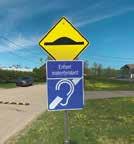
You can request your municipality install signs indicating the presence of a person with hearing loss in a residential area. This encourages drivers to be more cautious and helps prevent dangerous situations. Such measures promote inclusion and safety while raising community awareness about the realities of living with hearing loss.
Airports are now better equipped to accommodate people with hearing loss:
Hearing aids can be worn during security screening.
Visual indicators make navigating terminals easier.
Auracast™ technology should allow you to receive airport announcements and important information directly through compatible hearing aids or headphones.
Hearing-aid cleaning solutions like (60 ml) are allowed in carry-on luggage as they meet airline quantity regulations.

A specialized educator can assist you with trip planning by anticipating situations where hearing aids will be needed and identifying resources available in public spaces.
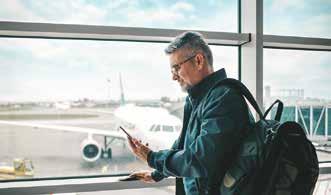
Whether daily or occasional, travel can be a source of worry for people with hearing loss. But with the right tools, tailored advice, and compassionate support, it’s possible to regain confidence and independence.
Don’t hesitate to consult your specialized educator or audioprosthetist to help adapt your travel to your needs. Together, you can prevent risks, promote inclusion, and improve your quality of life every day.

References:
- Association du Québec pour enfants avec problèmes auditifs. (2025, 12 décembre). Les personnes sourdes ont-elles le droit de conduire? –https://aqepa.org/quesavezvous-conduire/
- Société de l'assurance automobile du Québec. (2025, 14 novembre).
Conditions ajoutées au permis de conduire – https://saaq.gouv.qc.ca/ permis-conduire/conditions-ajoutees-permis
- Société de l'assurance automobile du Québec. (2025, 3 juin).
Classes de permis de conduire – https://saaq.gouv.qc.ca/permisconduire/classes-permis
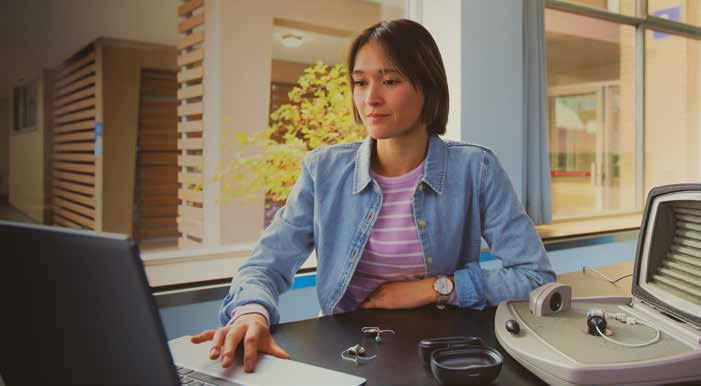
In Québec, hearing health care faces major challenges. An aging population combined with a shortage of hearing health professionals is creating growing pressure on available services. By 2030, one in four Quebecers will be over 65. We now know that untreated hearing loss is recognized as a significant risk factor for cognitive decline and dementia.
In this context, Lobe, a network of multidisciplinary hearing health clinics, has chosen to take the lead. Its commitment to the next generation translates into concrete investments in training, innovation, and awareness. Among these initiatives, the Audioquoi.ca project stands out as a promotional platform for hearing-health professions, designed to inform, inspire, and guide future professionals.
The professions of audioprosthetist and audiologist are essential, yet still too little known. Each year, far too few students enroll in these programs, despite excellent job prospects. In many regions, access to hearing care remains limited.
That's why Lobe Clinics decided to take action early by creating Audioquoi.ca: a centralized platform that brings together useful information on educational institutions, training requirements, admission requirements, the role of an audioprosthetist, and career prospects. The goal is clear: attract a new generation of talent by showing that these careers are exciting, meaningful, innovative, and stable.
Since 2021, Lobe Clinics has invested in creating new training programs, notably in audiology at Université Laval—a program that helped address a critical shortage of audiologists.
Building on this success, Lobe Clinics continued its commitment by supporting the launch of an audioprosthetist program in Québec City. This program was designed to bridge the gap between theoretical knowledge and real-world practice by incorporating work-integrated learning placements. Audioquoi.ca complements this effort by promoting hearing-health professions and making information more accessible.
Audioquoi.ca serves a wide audience: young people exploring career options, adults considering a career change, teachers, and guidance counsellors. It offers simple navigation, clear content, and authentic testimonials. Visitors discover the human values behind these professions: listening, empathy, the helping relationship, and the tangible impact on patients’ quality of life.

Visitors can understand the steps to become audioprosthetists, learn about the Audi'Avenir program, which provides financial support to the next generation of students and explore the benefits of this career. Among them: excellent starting salaries, a 100% job placement rate, and a stimulating work environment at the crossroads of technology and human connection.
Through this initiative, Lobe Clinics aims to strengthen its presence by attracting motivated talent to make a difference where services are most needed. Audioquoi.ca becomes a strategic tool to meet recruitment needs while promoting greater accessibility in hearing health.
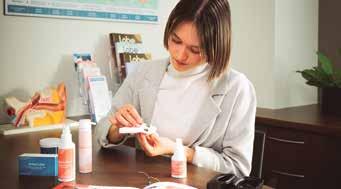
Hearing health professions combine cutting-edge technology, human connection, and social impact. These professions help thousands of people to rediscover the joy of hearing, understanding, and fully enjoying life’s pleasures. Every intervention helps strengthen human connection, preserve independence, and improve quality of life.
Audioquoi shines a light on this reality, showing that choosing a career in hearing health means opting for a rewarding, future-focused, and deeply human profession. It also means joining a committed network where every professional is supported, valued, and encouraged to grow and develop their skills.
At Lobe Clinics, preparing the next generation means preparing for the future of hearing health. Audioquoi embodies this vision: a Québec where everyone can hear and be heard, thanks to dedicated, well-trained professionals present across the province.

Valérie Roussin Senior Director of Human Resources
Are you curious, passionate about helping others, or looking for a career that truly matters?
Explore the possibilities, get informed, and maybe… become a driver of change. Become an audioprosthetist!
An assessment by an audioprosthetist is required to determine which hearing aid suits the patient's needs.

Age, personality, lifestyle, and overall health all affect how someone with hearing loss experiences their condition. For some, it feels like a minor inconvenience; for others, it’s a major life change.
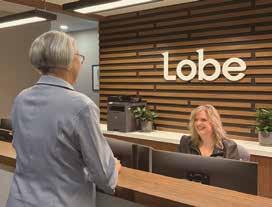
That’s why the first point of contact can make all the difference. Even before meeting a hearing health professional, the person is welcomed, guided, and reassured by the front desk agent. This initial step is often pivotal—it’s where the trust that will carry through the entire process begins. Every interaction aims to create a caring environment where the person feels heard and supported, no matter where they are in their journey.
The hearing-health process always starts with making contact and scheduling the first appointment—a moment often filled with questions. The goal at this stage is to clarify uncertainties, explain the available services, and prepare the patient for their meeting with a hearing health professional.
Front desk support remains essential throughout the process, ensuring appointments with different professionals are well coordinated and administrative documents are managed efficiently. These practical steps help build trust, making patients feel supported by a compassionate team attentive to their concerns.
Everyone experiences hearing loss differently, with unique emotions and life stories. Some approach the process with enthusiasm, eager to regain the comfort of clearer speech understanding. Others are more hesitant, sometimes worried about change or how others will perceive them. In some cases, a loved one encourages the decision; in others, the individual takes the initiative after years of quietly adapting to their hearing challenges.
Receptionists and front desk agents often witness these emotions firsthand. Behind every request for information or appointment, there may be hidden fears. A smile, a reassuring tone, active listening, and a clear explanation can make all the difference. Each exchange helps create an atmosphere where the person feels free to ask questions—without embarrassment or judgment. A respectful, attentive, and human approach remains at the heart of Lobe Clinics’ promise: Just one call. We listen. We care.®
Respecting each person’s pace is fundamental. Some decide quickly, while others prefer to take time before moving forward. There’s no right or wrong way. What matters is that the decision is made with confidence, in an environment of listening and emotional safety for a positive experience.

Over the course of appointments, receptionists and front desk agents often witness remarkable positive changes. Behind every rediscovered smile, every easier conversation with loved ones, and every moment of enjoying everyday sounds again, there’s a story unfolding. Observing this transformation—sometimes subtle at first, but always meaningful—is deeply rewarding. It shows that the human dimension of the journey is just as important as the technical and technological aspects.
Everyone needs to feel understood as a whole person—their habits, emotions, doubts, and hopes. The role of receptionists and front desk agents is part of that continuum: welcoming, informing, reassuring, and supporting from the very first contact to the moment the person rediscovers the joy of hearing and understanding clearly. Behind every call and every appointment, a relationship of trust is built—one that helps ensure a successful, positive, and empowering experience.
If you’re unsure about your hearing, we’re here to listen. Make an appointment for a free* hearing consultation, including a brief hearing screening.
*Permanent offer. 18 and over.

Today’s hearing aids do far more than only amplify sound—they enhance comfort, independence, and quality of life. Still, choosing the right model can feel overwhelming. Which features matter most, and what truly makes a difference day to day? This is where the expertise of an audioprosthetist becomes essential. They guide and support each person in finding hearing solutions tailored to their needs, lifestyle, and preferences.

Modern hearing aids now integrate artificial intelligence algorithms that analyze the sound environment in real time, automatically adjust amplification, filter background noise, and optimize speech clarity— supporting a personalized listening experience and the brain's processing of sound.
These devices combine several advanced technologies:
Receive phone calls, music, or TV audio directly in your hearing aids, reducing listening effort. If you use the phone often, this feature supports hands-free communication and makes conversations feel more natural.
AI distinguishes speech from background noise and adjusts amplification automatically, significantly reducing the effort needed to understand conversations in noisy environments.
Settings adjust based on the environment—street, restaurant, meeting—ensuring optimal listening without requiring constant manual adjustments.
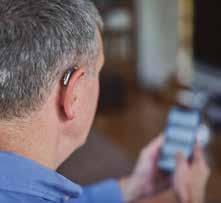
No more frequent battery changes —just recharge your hearing aids overnight, like a smartphone.
Customize settings, locate misplaced hearing aids, or access advanced features like voice transcription.
Combining technology, aesthetics, and comfort, hearing aids can even become a stylish accessory.
These innovations improve speech intelligibility and reduce the cognitive load of listening, lowering stress and listening fatigue. They can also boost confidence and encourage social participation for people with hearing loss.
For an active lifestyle: Prioritize advanced connectivity and enhanced durability.
For noisy environments: Opt for strong noise reduction and intelligent settings.
Your choice should consider the type and degree of hearing loss as well as your desired day-to-day comfort— bringing together technology, ergonomics, comfort, and aesthetics.
Every person is unique. The expertise of an audioprosthetist ensures hearing solutions are adapted to your hearing profile, lifestyle habits, and everyday life.


Hugo Girard
Audioprosthetist practising in Saint-Jérôme
Zachary Legault
Audioprosthetist practising in Saint-Jérôme
An assessment by an audioprosthetist is required to determine which hearing aid suits the patient's needs.
Do you have any concerns about the quality of your hearing? Have you ever worked or are you currently working in a noisy environment? Check only one box per question and answer every question.
1. I have difficulty understanding conversations when talking to someone in a noisy environment (e.g., at the mall, at a restaurant, in a car).
2. I have to turn up the volume on the television or radio to understand what is being said.
3. I have difficulty understanding conversations when several people are talking at the same time.
4. I have difficulty hearing someone knocking at the door or ringing the doorbell.
5. I have difficulty hearing the phone ring when I’m in another room of the house.
6. I have difficulty understanding what someone is saying to me if I can’t see their face.
7. I have difficulty understanding people when they talk too fast.
8. I have difficulty understanding someone over the phone.
9. I have difficulty identifying where sounds are coming from.
10. I have difficulty understanding someone who is talking to me from another room in the house.
01 02 03
Write down your total score
Add: 0 points: under 60 years old 6 points: 60 to 64 years old 12 points: 65+ years old
If you scored 24 or higher, here’s what we recommend:
01 Make an appointment for a hearing consultation at no charge*, including a hearing screening.
02
To find the nearest Lobe clinic:
1 866 411-5623 lobe.ca
If hearing loss is suspected, you’ll be referred to an audiologist or an ENT specialist.
Hearing health professionals can offer you a variety of personalized services to help you reconnect with the sounds that make up your world.
Do you have concerns about your hearing quality? Begin your process by making a no-charge* appointment for a hearing consultation, which includes a hearing screening.
If a hearing loss is detected, you will be referred to an audiologist who will perform a complete evaluation of your hearing.
The audioprosthetist is available to provide hearing solutions that suit your listening needs and lifestyle, such as hearing aids that connect directly to your cellphone or television via a Bluetooth® device.
* Permanent offer. 18 and over.
An assessment by an audioprosthetist is required to determine which hearing aid suits the patient’s needs.
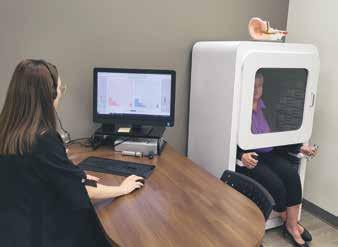

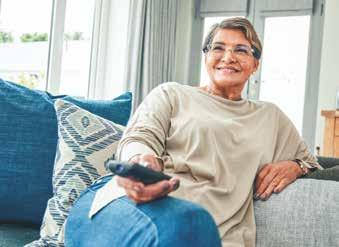



Hearing loss isn’t just about sound being quieter—it can affect speech understanding, concentration, and overall quality of life. Yet many people hesitate to take the step toward hearing aids. Understanding the benefits of hearing aids and the key role of the audioprosthetist, helps you make an informed decision that fits your needs.
As we age, the ear captures fewer sounds—but the brain changes too. Imagine a sentence as a path full of potholes: some words disappear, and your brain has to guess what’s missing. The more “potholes” there are—caused by hearing loss, background noise, or cognitive changes—the harder it becomes to follow a conversation. This explains why you can “hear” without truly “understanding.”
Modern hearing aids with artificial intelligence go far beyond simple amplification. They offer advanced hearing technologies that can significantly improve the listening experience and quality of life:
Clearer voices, less listening effort:
Hearing aids help your brain distinguish speech in noisy environments.
Sound stabilization:
They limit fluctuations in sound, helping the brain stay focused on understanding speech.
Cognitive stimulation:
They help reduce the effects of sensory deprivation and support cognitive health.

Tinnitus relief:
Some models provide regular sound stimulation to reduce the perception of ringing or buzzing.
In short, hearing aids restore the pleasure of communication, boost confidence, and support independence.
Getting hearing aids is a gradual process—your brain needs time to relearn sounds it hasn’t heard in a long time. Feeling tired during the first few weeks is completely normal. To ease the transition and maximize the benefits:
Wear your hearing aids everyday, gradually increasing usage time.
Start in quiet environments before moving to noisier situations.
Stay in touch with your audioprosthetist—they’ll adjust settings to your needs and answer your questions.
Your audioprosthetist is a trusted partner throughout this journey. They guide your adaptation, personalize your hearing aid settings, and help you overcome the challenges of reconnecting with the world of sound. Their expertise is key to successful hearing aid fitting and a positive experience.
Hearing aids don’t change everything overnight, but they open the door to a better quality of life, more active social participation, and greater independence. If you’re struggling to understand loved ones or follow conversations, don’t wait—book an appointment for a free* hearing consultation, including a brief hearing screening. Together, you’ll find the right hearing solution to rediscover the joy of listening, communicating, and fully enjoying everyday life. *Permanent offer. 18 and over.

Tanya Daigle Audioprosthetist practising in Châteauguay
Artificial intelligence (AI) is now part of everyday life—from phones to cars—and it’s transforming hearing care too. Thanks to this technology, hearing aids no longer simply amplify sound: they learn to understand their environment, recognize listening situations, and adapt to each conversation.
Imagine hearing aids that perceive the world much like we do—learning, adjusting, and evolving over time.
AI-enabled hearing aids constantly analyze surrounding sounds: voices, music, the noise of a busy restaurant or a lively street. Based on this information, they automatically adjust settings to enhance speech clarity, reduce background noise, and deliver optimal listening comfort.
Some technologies use machine learning and deep neural networks to turn listening data into precise, personalized adjustments. In practice, that means your hearing aids can learn from your habits and choices— like a listening companion that gets to know you better over time.
For example, reinforcement learning systems allow you to compare different sound combinations. In just a few interactions, the algorithm can identify the ideal configuration based on your preferences and your environment. Millions of data points from real users then feed these AI models, continuously refining future recommendations.
Other solutions draw on this vast global database to deliver instant sound recommendations. By analyzing the listening context and the activity at hand, the microprocessor’s algorithm automatically adjusts key parameters—such as audio compression or microphone directionality—while accounting for cognitive differences from one person to another. As a result, two people in the same room can have completely different sound experiences, each tailored to their unique way of hearing.
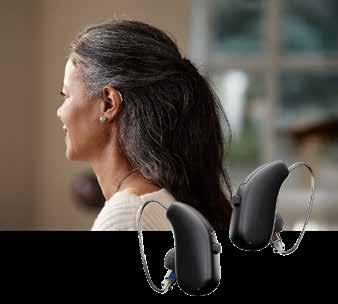
AI doesn’t just optimize sound—it can also supports you day to day. Some systems include an AI-powered virtual assistant that can provide personalized help anytime. It’s like having a pocketsized audioprosthetist with you, always ready to assist.
By analyzing listening preferences and behaviors, this assistant can suggest immediate adjustments that reflect the logic of clinical follow-up. Each interaction makes the system smarter and more precise.
As sophisticated as it is, artificial intelligence does not replace the work of the audioprosthetist. Instead, it becomes a valuable ally, extending the effectiveness of in clinic adjustments into everyday life.
Thanks to AI, users can enjoy greater independence, more comfort, and a listening experience closer to the natural perception of sound.
And most importantly, this technology can restore confidence—the confidence to fully hear and understand the moments that matter, the voices we love, and the sounds that connect us to others.
Today’s hearing aids no longer just amplify sounds—they learn to listen with you and bring back the richness of every moment.
To learn more about these new technologies, consult your audioprosthetist.

Michèle Dostaler Audiologist, Clinical Training Lead
Hearing is so much more than perceiving sounds—it’s how we connect to the world. It’s recognizing a loved one’s voice, savoring laughter, or being soothed by birdsong. When hearing diminishes, these precious moments become rare. Beyond communication challenges, hearing loss can lead to isolation, increased fatigue, memory issues, and even a higher risk of falls.1 Technological advances can offer concrete solutions for people living with hearing loss. Thanks to artificial intelligence (AI), today’s hearing aids do more than amplify sound: they learn, adapt, and support each wearer in daily life, helping restore enjoyment, independence, and ease of communication.
Understanding conversation in noisy environments—like a lively café or a family dinner—is a major challenge for people who are hard of hearing2.
Today, some hearing aids integrate deep neural processing, a technology inspired by the human brain. This advanced form of AI can:
Detect and prioritize speech in complex environments
Reduce background noise intelligently
Improve intelligibility by up to 28%3
The result: listening feels more natural, more comfortable, and less tiring—even in the noisiest settings.
Did you know hearing loss increases the risk of falls? A 10 dB decrease can raise that risk by a factor of 1.4 4. To address this, some hearing aids now include intelligent motion sensors.
With AI, these sensors:
Detect falls and distinguish them from normal movements
Automatically alert loved ones by text message
Assess balance and physical activity through a mobile app
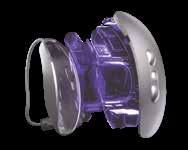
This innovation combines hearing, safety, and peace of mind—helping you stay active and confident, independently.
Adjusting hearing aids can be difficult, especially with reduced vision or dexterity issues. Some hearing aids include an intelligent voice assistant, activated with a simple double tap or through a mobile app.
This digital companion allows you to:
Adjust volume or switch programs using voice commands
Set personalized reminders, such as taking medication
Get tips for hearing aid care
An intuitive feature that simplifies daily life and restores confidence.
Thanks to artificial intelligence, hearing aids are becoming true everyday partners: optimizing listening, enhancing safety, and supporting independence. Tomorrow, these technologies could not only improve how we hear, but also transform how we communicate and interact with the world.
Want to learn more? Talk to your audioprosthetist and discover how AI can enrich your quality of life.

References:
Sarah Chabouk Audiologist, Audiological
and Technical Support
1. Masterson, Elizabeth. “Measuring the Impact of Hearing Loss on Quality of Life.” CDC NIOSH Science Blog, 27 Apr. 2016. https://blogs.cdc.gov/niosh-science-blog/2016/04/27/hearing-loss-years-lost/
2. Pichora-Fuller, M. Kathleen, and Gurjit Singh. “Effects of Age on Auditory and Cognitive Processing: Implications for Hearing Aid Fitting and Audiologic Rehabilitation.” Trends in Amplification, vol. 10, no. 1, 2006, pp. 29–59. SAGE Journals, https://doi.org/10.1177/108471380601000103.
3. Starkey Hearing Technologies. Enhancing Directionality with Deep Neural Networks. Starkey Hearing Technologies, 2023. White Paper. https://cdn.mediavalet.com/usil/starkeyhearingtech/v7yzkKtS0KjPhv21HGQRw/S5SNb zC9UKieBmrv2aVCQ/Original/Enhancing%20Directionality%20with%20 Deep%20Neural%20Netw orks%20White%20Paper.pdf
4. Lin, Frank R., and Luigi Ferrucci. “Hearing Loss and Falls among Older Adults in the United States.” Archives of Internal Medicine, vol. 172, no. 4, 2012, pp. 369–371. doi:10.1001/archinternmed.2011.728. https://doi.org/10.1001/ archinternmed.2011.728
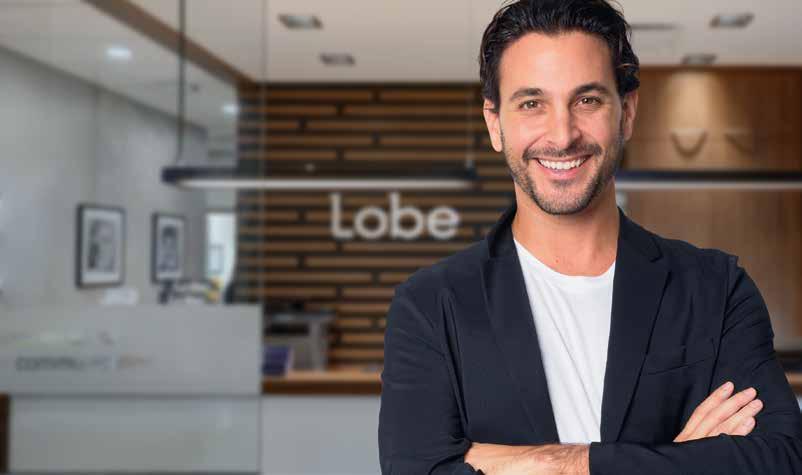
Do you enjoy taking care of others?
Do you like making people happy?
Join the Lobe Clinics network, where under one roof you will find: ENT specialists, audiologists, audioprosthetists, and specialized educators.
To learn more, visit carrieres.lobe.ca or call us at 1 866 411-5623. If you would like to apply, please send your résumé by email to agencerecrutement@lobe.ca.
Recruitment services offered for professionals practicing within the Lobe Clinics.
Thank you to all our collaborators who contribute to the presence of Lobe Magazine throughout the province.









A Look Back at the 2025 Celebration Gala
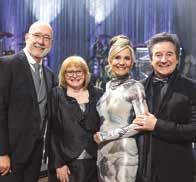
On November 29, the Lobe Clinics network gathered at the prestigious Château Frontenac to celebrate an exceptional year. This elegant evening recognized the dedication of the hearing health professionals affiliated with Lobe Clinics, along with support staff and head office teams. A festive atmosphere, heartfelt moments, and unforgettable memories made it a night to remember. Thank you to everyone who helped make the evening a success!





To better meet community needs, the Lobe Clinics in Boisbriand and Saint-Romuald will be relocating in the coming months!
New address for the Lobe Boisbriand Clinic
3655 Grande-Allée Boulevard
Boisbriand (Quebec) J7H 1H5
Tel.: 450 437-8779

New address for the Lobe Saint-Romuald Clinic: Medway Faro 1015 Sault Road, suite 407 Lévis (Quebec) G6W 5M6
Tel.: 581 500-2711

Lobe Clinic Laval • Chomedey Has Moved!
To better serve the Laval community, the Lobe Clinic in Laval-Chomedey is now located in more modern, spacious facilities. Discover the new address!
Appointments are available for hearing assessment.
Address:
1150 Avenir Boulevard, suite 220 Laval (Quebec) H7N 6L2
Tel.: 450 934-1225

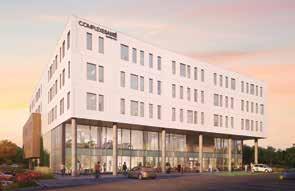
As part of its commitment to hearing health and to the next generation of professionals, Lobe will open an innovation lab in Québec City in spring 2026, in Sainte-Foy’s Jules-Verne district. Conveniently located near the Avenue Le Gendre exit, right next to Ashton restaurant, the space will be fully dedicated to innovation, learning, and clinical experimentation.
Address:
Complexe Santé Sainte-Foy 1620 Jules-Verne Avenue, suite 206 Québec (Quebec) G2G 2R1
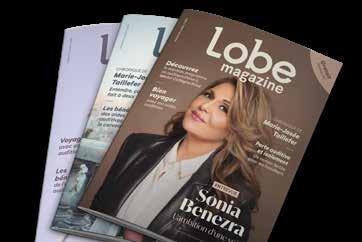
1. Online, free of charge, on the Blog section of lobe.ca/en/blog.
2. Print subscription for 3 issues per year. Available on boutique.lobe.ca/en. Some conditions apply.
3. Free of charge, in all Lobe Clinics and at our different partners.
Capitale-Nationale
Donnacona
Complexe Santé Donnacona
499 138 Road, suite 200
Donnacona, Qc G3M 0A9
Audiologists , audioprosthetists
Tel.: 418 622-9362
Pont-Rouge
20 Pinière Road, suite 101
Pont-Rouge, Qc G3H 0M6
ENT specialists , audiologists , audioprosthetists
Tel.: 418 688-7449
Québec • Beauport
Clinique médicale de Giffard
Les Promenades Beauport, door 4 3333 Carrefour Street, suite A222 Québec, Qc G1C 5R9
ENT specialists , audiologists , audioprosthetists
Tel.: 418 780-2343
Québec • Charlesbourg
La Cité Médicale de Charlesbourg
Carrefour Charlesbourg
8500 Henri-Bourassa Blvd., suite 250 Québec, Qc G1G 5X1
ENT specialists , audiologists , audioprosthetists
Tel.: 418 780-2343
Québec • Lebourgneuf
Complexe Vision
725 Lebourgneuf Blvd., suite 315 Québec, Qc G2J 0C4
ENT specialists , audiologists , audioprosthetists
Tel.: 418 780-2343
Québec • Limoilou
Complexe Santé Synase
1825 Henri-Bourassa Blvd., suite 302 Québec, Qc G1J 0H4
ENT specialists , audiologists , audioprosthetists, speech-language pathologists
Tel.: 581 814-8904
Free parking — coupon provided upon exiting the clinic
Québec • Neufchâtel
Clinique médicale DuChatel 9465 Ormière Boulevard, suite 102 Québec, Qc G2B 3K7
Audiologists , audioprosthetists
Tel.: 418 845-8608
Québec • Saint-Sacrement
Complexe La Cité Verte
1200 Sœurs-du-Bon-Pasteur Street
Suite 310
Québec, Qc G1S 0B1
Audiologists , audioprosthetists
Tel.: 418 476-3660
Québec • Sainte-Foy
Clinique médicale Saint-Louis
3165 Saint-Louis Road, suite 420
Québec, Qc G1W 4R4
ENT specialists , audiologists , audioprosthetists
Tel.: 418 833-8066
Free parking — coupon provided upon exiting the clinic
Québec • Sainte-Foy Jules-Verne
Avenue Le Gendre exit, right next to Ashton restaurant
Complexe Santé Sainte-Foy
1620 Jules-Verne Avenue, suite 206
Québec, Qc G2G 2R1
Audiologists , audioprosthetists
Tel.: 1 866 411-5623
Free parking — coupon provided upon exiting the clinic
Québec • Val-Bélair
Polyclinique médicale Val-Bélair
1147 Pie XI North Blvd., suite 205
Québec, Qc G3K 2P8
Audiologists , audioprosthetists
Tel.: 418 476-6680
Québec • Vanier
Complexe Medway Wil 1101 Wilfrid-Hamel Blvd., suite 100
Québec, Qc G1M 0E8
Audiologists , audioprosthetists
Tel.: 418 476-4747
Free parking — coupon provided upon exiting the clinic
Saint-Augustin-de-Desmaures
Complexe médical l’Hêtrière
3520 Hêtrière Street, suite 103
Saint-Augustin-de-Desmaures, Qc
G3A 0B4
ENT specialists , audiologists , audioprosthetists
Tel.: 418 476-6683
Sainte-Anne-de-Beaupré
Complexe Santé Côte-de-Beaupré
9745 Sainte-Anne Blvd., suite 103
Sainte-Anne-de-Beaupré, Qc
G0A 3C0
ENT specialists , audiologists , audioprosthetists
Tel.: 581 540-3025
Free parking — coupon provided upon exiting the clinic
Centre-du-Québec
Drummondville
110 Saint-Jean Street, suite 300
Drummondville, Qc J2B 7T1
ENT specialists , audiologists , audioprosthetists
Tel.: 819 253-0118
Beauceville
Coop santé Robert-Cliche
463-B Renault Boulevard
Beauceville, Qc G5X 1N5
Audiologists , audioprosthetists
Tel.: 581 813-3014
Disraeli
1244 Champlain Avenue
Disraeli, Qc G0N 1E0
Audiologists , audioprosthetists
Tel.: 418 755-4070
Lac-Etchemin
Résidence Belvédère du Lac
301 Sanatorium Street, suite 121
Lac-Etchemin, Qc G0R 1S0
Audiologists , audioprosthetists
Tel.: 581 825-2484
Lévis
Complexe Santé Lévis
5801 Wilfrid-Carrier Blvd., suite 207
Lévis, Qc G6V 0C9
ENT specialists , audiologists , audioprosthetists
Tel.: 581 629-2424
Lévis • Lauzon
Complexe Santé Lévis-Lauzon
6750 Guillaume-Couture Blvd.
Suite 102
Lévis, Qc G6V 9H4
Audiologists , audioprosthetists
Tel.: 581 629-0417
Free parking — coupon provided upon exiting the clinic
Lévis • Saint-Romuald
Previous address:
Complexe Pôle Sud
1190 A Courchevel Street, suite 502
Lévis, Qc G6W 0M5
New Address:
Medway Faro
1015 Sault Road, suite 407
Lévis Qc G6W 5M6
ENT specialists , audiologists , audioprosthetists
Tel.: 581 500-2711
Lévis • Saint-Jean-Chrysostome
Complexe Santé Taniata
700 Taniata Avenue, suite 104
Lévis, Qc G6Z 2C2
Audiologists , audioprosthetists
Tel.: 581 629-0412
Saint-Georges
14640 Lacroix Boulevard
Saint-Georges, Qc G5Y 7G8
ENT specialists , audiologists , audioprosthetists
Tel.: 418 228-7046
Sainte-Marie
340 Vachon Sud Boulevard
Sainte-Marie, Qc G6E 1X8
ENT specialists , audiologists , audioprosthetists
Tel.: 581 424-4240
Thetford Mines
Place 611
611 Frontenac East Blvd., suite 201
Thetford Mines, Qc G6G 6Y7
ENT specialists , audiologists , audioprosthetists
Tel.: 418 755-4095
Lac-Mégantic 6246 Salaberry Street
Lac-Mégantic, Qc G6B 1H8
Audiologists , audioprosthetists
Tel.: 819 614-4155
Granby 215 Montcalm Boulevard, suite 130 Granby, Qc J2G 5C2
Audiologists , audioprosthetists
Tel.: 450 372-3837
Sherbrooke Ouest
Complexe de la Santé
15 J.-A.-Bombardier St., suite A200 Sherbrooke, Qc J1L 0H8
ENT specialists , audiologists , audioprosthetists
Tel.: 819 823-1066
Sherbrooke Est Clinique médicale GMA de la Rivière
360 Galt East Street, suite 102 Sherbrooke, Qc J1G 1X9
Audiologists , audioprosthetists
Tel.: 819 823-7701
Rock Forest
5035 Bourque Boulevard, suite 101 Sherbrooke, Qc J1N 2K6
Audiologists , audioprosthetists
Tel.: 819 791-7706
Notre-Dame-des-Prairies
Centre professionnel des Prairies 449 131 Road, suite 205
Notre-Dame-des-Prairies, Qc J6E 0M1
Audiologists , audioprosthetists
Tel.: 450 386-0200
Mascouche
2705 Sainte-Marie Road, suite 102 Mascouche, Qc J7K 1M8
Audiologists , audioprosthetists
Tel.: 450 313-0218
Laurentides
Boisbriand
Previous address:
2000 Le Corbusier Court, suite 105 Boisbriand, Qc J7G 3E8
New Address:
3655 Grande-Allée Boulevard
Boisbriand, Qc J7H 1H5
ENT specialists , audiologists , audioprosthetists
Tel.: 450 437-8779
Mirabel
Complexe Médical Cité Mirabel
11800 Chaumont Street, suite 420 Mirabel, Qc J7J 0T8
ENT specialists , audiologists , audioprosthetists
Tel.: 450 595-2201
Saint-Jérôme
Polyclinique Saint-Jérôme
200 Durand Street, suite 209 Saint-Jérôme, Qc J7Z 7E2
ENT specialists , audiologists , audioprosthetists
Tel.: 450 565-9895
Sainte-Agathe-des-Monts
Résidence des Laurentides 107 Principale East Street
Sainte-Agathe-des-Monts, Qc J8C 1J9
ENT specialists , audiologists , audioprosthetists
Tel.: 819 321-5060
Laval
NEW ADDRESS
Laval • Chomedey
1150 Avenir Boulevard, suite 220 Laval, Qc H7N 6L2
Audiologists , audioprosthetists
Tel.: 450 934-1225
Laval • Chomedey 440
Carrefour Santé 440
4650 South Service Road Hwy 440 Suite 370
Laval, Qc H7T 2Z8
Audiologists , audioprosthetists
Tel.: 450 688-9383
Mauricie
Shawinigan
3222 Hêtres Boulevard
Shawinigan, Qc G9N 3B6
Audiologists : 819 536-0788
Audioprosthetists: 819 539-8666
Trois-Rivières
1785 Carmel Boulevard, suite 245 Trois-Rivières, Qc G8Z 3R8
Audiologists : 819 415-2888
Audioprosthetists: 819 378-7477
Free parking — coupon provided upon exiting the clinic
Châteauguay
Complexe médical Châteauguay
288 Anjou Boulevard, suite 210
Châteauguay, Qc J6K 1C6
ENT specialists , audiologists , audioprosthetists
Tel.: 450 287-6121
Longueuil
1215 Du Tremblay Road, door 165
Longueuil, Qc J4N 1R4
ENT specialists , audiologists , audioprosthetists
Tel.: 450 286-0651
Saint-Hubert
4025 Taschereau Blvd., suite 1200
Saint-Hubert, Qc J4T 2G6
ENT specialists , audiologists , audioprosthetists
Tel.: 450 926-1120
Saint-Hyacinthe
Complexe médical M
1220 Casavant East Blvd., suite 104
Saint-Hyacinthe, Qc J2S 0L6
Audiologists , audioprosthetists
Tel.: 579 225-7266
Saint-Jean-sur-Richelieu
1055 Séminaire North Boulevard
Suite 202
Saint-Jean-sur-Richelieu, Qc J3A 1R7
ENT specialists , audiologists , audioprosthetists
Tel.: 450 349-4343
Valleyfield
1020 Monseigneur-Langlois Blvd. Suite 200
Salaberry-de-Valleyfield, Qc J6S 0M2
Audiologists , audioprosthetists
Tel.: 450 322-0181
Vaudreuil-Dorion
Complexe Santé des Trois-Lacs
65 Cité-des-Jeunes Blvd., Suite 220
Vaudreuil, Qc J7V 8C1
Audiologists , audioprosthetists
Tel.: 579 217-1237
Montréal
Montréal • Angus
2815 Sherbrooke East St., suite 250
Montréal, Qc H2K 1H2
Audiologists , audioprosthetists
Tel.: 438 844-8135
Préfontaine
Montréal • Lachine
2000 Notre-Dame Street, suite 203
Montréal, Qc H8S 2G4
ENT specialists , audiologists , audioprosthetists
Tel.: 514 600-4260
Montréal • Notre-Dame-de-Grâce
5100 Maisonneuve Ouest Boulevard
Suite 603
Montréal, Qc H4A 3T2
ENT specialists , audiologists , audioprosthetists
Tel.: 438 944-6733
Vendôme
Montréal • Rosemont— La-Petite-Patrie
Polyclinique Maisonneuve-Rosemont
5345 Assomption Boulevard
Suite RC-20
Montréal, Qc H1T 4B3
ENT specialists , audiologists , audioprosthetists
Tel.: 514 360-4402
L’Assomption
Montréal • Saint-Laurent
Complexe médical Saint-Laurent
1605 Marcel-Laurin Blvd., suite 120
Montréal, Qc H4R 0B7
ENT specialists , audiologists , audioprosthetists
Tel.: 514 788-5126
Côte-Vertu
Montréal • Saint-Léonard
Les Terrasses Langelier
6383 Jean-Talon East Street
Montréal, Qc H1S 3E7
Audiologists , audioprosthetists
Tel.: 514 360-9548
Montréal • Villeray
Carrefour Santé Villeray
8560 Saint-Hubert Steet, suite 100 Montréal, Qc H2P 1Z7
ENT specialists , audiologists , audioprosthetists
Tel.: 514 316-6707
Crémazie
Free parking — coupon provided upon exiting the clinic
Pointe-Claire
Centre médical Brunswick
955 Saint-Jean Boulevard, suite 102 Pointe-Claire, Qc H9R 5K3
ENT specialists , audiologists , audioprosthetists
Tel.: 514 782-0811
Outaouais
Gatineau
Clinique Delta Santé
444 Hôpital Boulevard, suite 110
Gatineau, Qc J8T 7X6
ENT specialists , audiologists , audioprosthetists
Tel.: 819 485-1118
Gatineau • Aylmer
Carrefour Santé Aylmer
362 Aylmer Road, suite 107 Gatineau, Qc J9H 1A6
Audiologists , audioprosthetists
Tel.: 819 485-0778
Gatineau • Hull
Clinique Medigo
165 Saint-Raymond Blvd., suite 213 Gatineau, Qc J8Y 0A7
ENT specialists , audiologists , audioprosthetists
Tel.: 819 643-5111
Free parking — coupon provided upon exiting the clinic
Saint-André-Avellin
CLSC Petite-Nation 14 Saint-André Street
Saint-André-Avellin, Qc J0V 1W0
Audioprosthetists
Tel.: 819 485-1118
Head Office
Complexe Vision
725 Lebourgneuf Blvd., suite 303
Québec, Qc G2J 0C4
Tel.: 418 877-7222
Fax: 581 814-6260
Email: centreappel@lobe.ca
Audiology services offered in the clinics:
0-6 months, 0-99 years, 3-99 years, 5-99 years
Service covered by the RAMQ Metro station
Book an appointment:
1 866 411-5623
To learn more about hearing health and the activities of the Lobe clinic network, follow us on your favourite platforms.