Scientific Report Cima 2024-25. Cima Universidad de Navarra
SCHOOLS OF MEDICINE, SCIENCES, NURSING, AND PHARMACY AND NUTRITION
About Us, Mission and Purpose
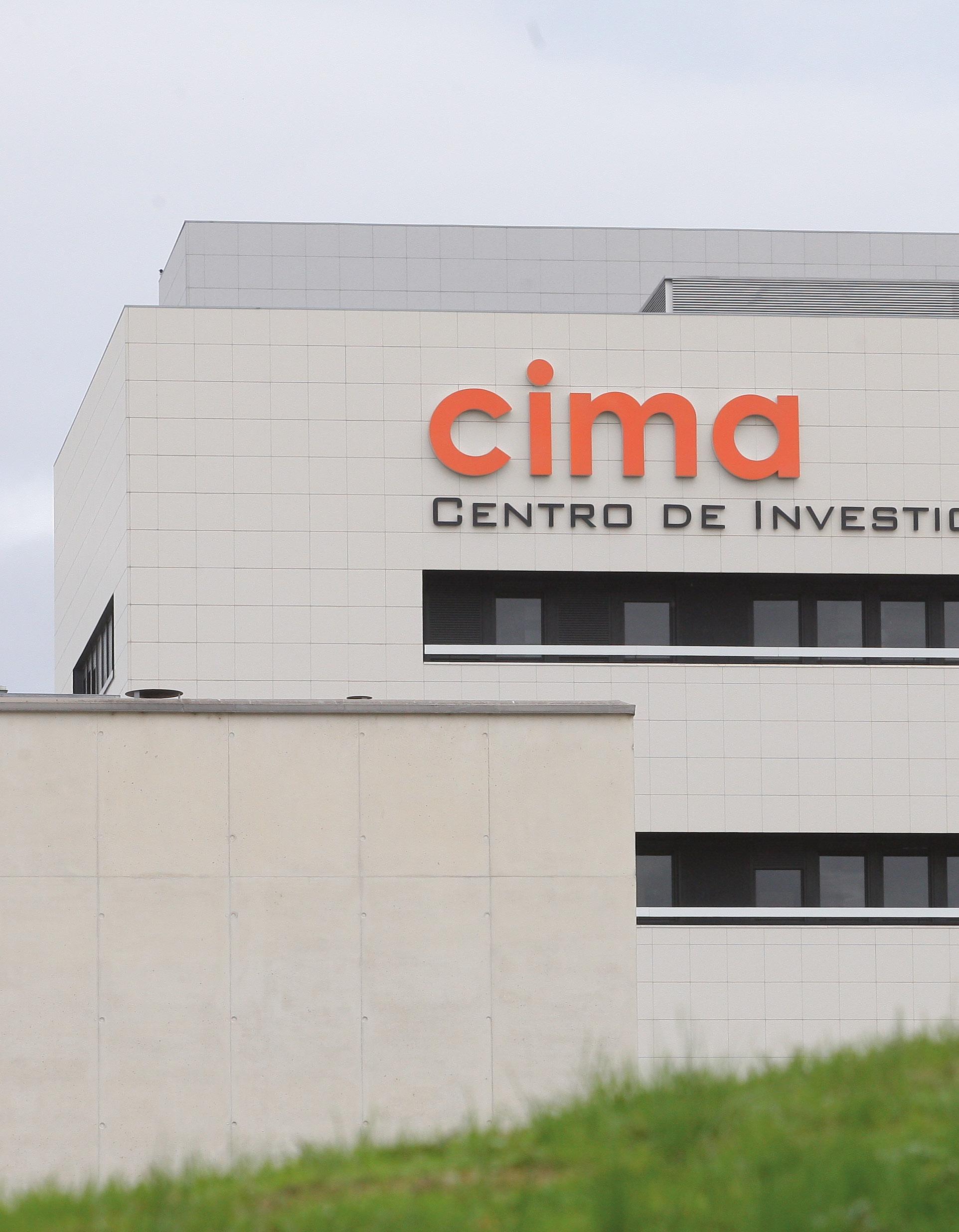
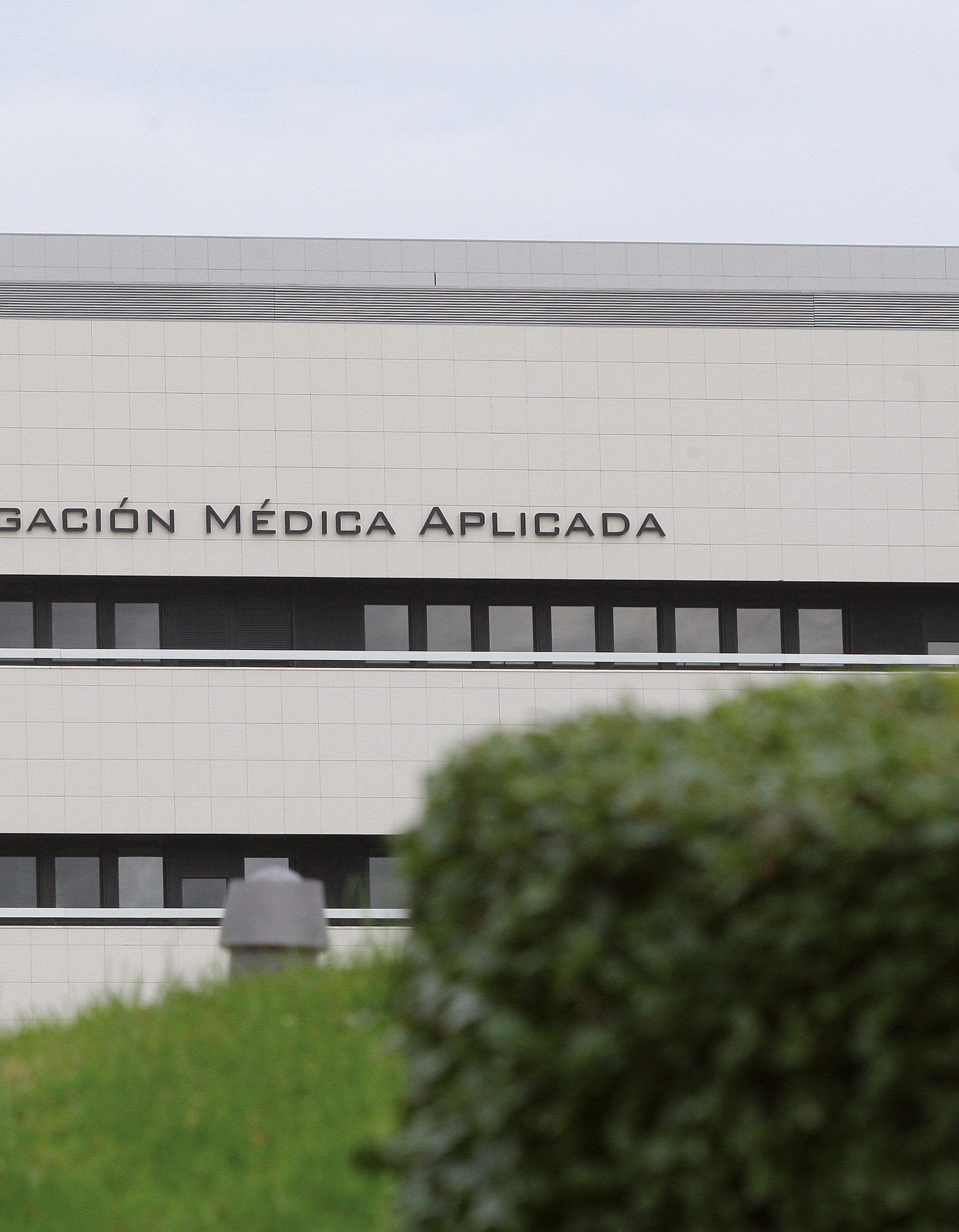
Cima Universidad de Navarra is a biomedical institute of the Universidad de Navarra whose mission is to generate high-impact, disruptive and translational science, and to train future scientists for the benefit of patients and society.
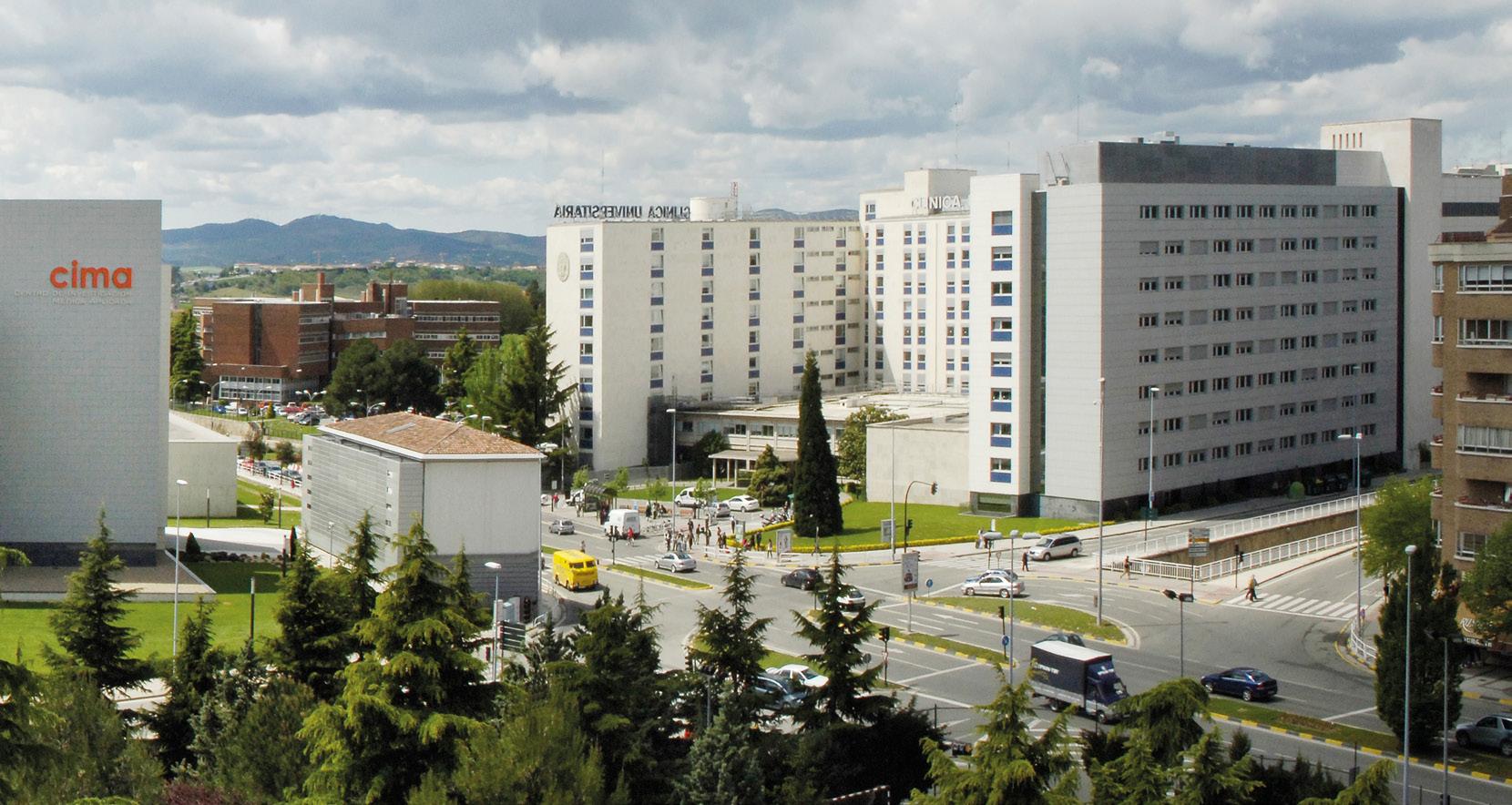
In collaboration with Clínica Universidad de Navarra (CUN) and other national and international institutions, it is committed to finding therapeutic solutions to patients’ real needs.
Cima has had the status of University Research Institute of the Universidad de Navarra since 2018. In this context, it shares its mission of service to patients and society through excellent work, freedom, respect, a multidisciplinary approach, responsibility, service and an international dimension.
Cima collaborates with professionals from the Hospital Universitario de Navarra, Navarrabiomed and the Universidad Pública de Navarra within the framework of the Healthcare Research Institute of Navarre (IdiSNA), which it helped establish and accredit.
CLÍNICA UNIVERSIDAD DE NAVARRA
1. Message from the Director
We are starting the academic year with an ambitious project, the 20252030 Strategic Plan, which was implemented after in-depth internal reflection and the involvement of different stakeholders from scientific, business and social spheres.
With our sights set on moving forward in our aim to carry out high-impact disruptive science while focusing on training future scientists, this academic year, we have continued to strengthen our position as a leading biomedical research center. This is reflected in more than 200 publications in Q1 journals, breakthroughs in cutting-edge therapies (genetic, cellular, immunotherapy and RNA) and international recognition of our scientific excellence. We are particularly proud of the prestigious awards received by our researchers: Jesús San Miguel (EHA Lifetime Achievement Award), José Luis Lanciego (president of the European Brain Foundation), Luis Montuenga (member of the European Academy of Cancer Sciences) and Ignacio Melero (2025 ESMO Award for Immuno-Oncology). Special congratulations go to Nacho Melero, Marta M. Alonso, Maite Huarte and Nerea Zabaleta for obtaining ERC grants in 2025, an irrefutable milestone in Cima’s history. These achievements speak not only of individual excellence, but also of the strength of the Cima community.
Innovation has also been key this year. We filed for nine new patents and now manage 32 active patents. We also promoted technology transfer through strategic agreements with venture capital firms and large pharmaceutical companies, and we set up the spin-off Qimer Biotech.
We won 75 competitive projects (nine at the international level and 66 in Spain). We have bolstered our financing with more than €28 million thanks to company partnerships and the generous support of donors such as Antonio Catalán, Alberto Palatchi, Caja Rural de Navarra, the Fundación Areces and the Fundación Fuentes Dutor, among others. Our deepest thanks to you all: your trust and support have made these achievements possible.
Finally, I would like to express my sincere thanks to all our professionals for their commitment and passion. We have continued collaborating to transform research into real solutions for patients. That’s our dream and our shared mission.
D. José Andrés Gómez Cantero General Director, Cima Universidad de Navarra
2. 2. About Us
20 years doing research to cure
• On September 28, 2004, Cima Universidad de Navarra was inaugurated, a biomedical research center based on the scientific experience of the Schools of Medicine, Science and Pharmacy, as well as Clínica Universidad de Navarra.
• It has therefore been 20 years since more than 400 professionals from over 20 countries joined together in multidisciplinary groups to pursue early diagnoses and novel treatments for highly prevalent disorders and rare diseases.
• Science is a discipline that is continuously being updated. In these years, progress has been made in the development of advanced therapies and the promotion of innovation and technology transfer to speed up market access to drugs. All this has been done with a common purpose: to generate highimpact translational science while focusing on training future scientists for the benefit of patients and society.
“Research requires constant support: we need the means and competent people who work with passion.”
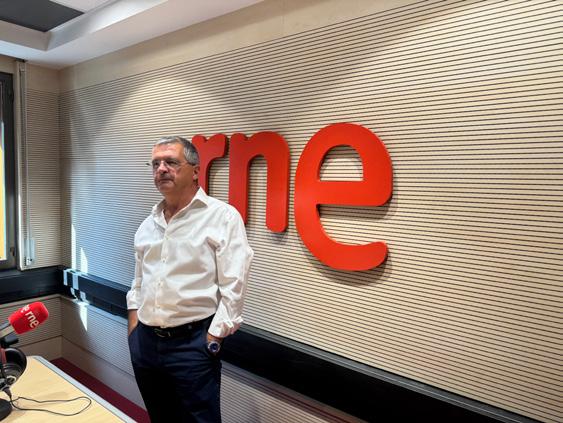
FRANCISCO ERRASTI, CIMA’S FIRST DIRECTOR, TAKES STOCK OF CIMA’S FIRST 20 YEARS.
Francisco Errasti, also known as Francisco and Paco, has been with Cima since it was founded. Or rather, it was his tenacity and that of Dr. Jesús Prieto that made the launch of the biomedical research center at the University a reality, a project promoted years ago by Álvaro del Portillo, chancellor of the University.
General director of Clínica Universidad de Navarra from 1984 to 1997, during which time the idea was forged of a research center with professionals working solely on research.
Can you tell us how Cima was conceived and its beginnings?
If we wanted Clínica Universidad de Navarra to offer quality medical care, we needed to have a good research center, as is the case in other countries in the world, especially in the most developed ones. We therefore prepared a theoretical plan that, over time, has turned out to be a fairly exact copy of what we have today at Cima. We saw this as a fundamental need for Clínica Universidad de Navarra itself because care does not improve or progress if there is no research behind it. In fact, research forms
the backbone of healthcare. For this reason, the idea was to create a research center such as Cima in close collaboration with clinical practice and where basic research could be carried out with the constant aim of transferring its results to hospitals.
This collaboration and this symbiosis between the research center and the hospital is absolutely essential. In fact, over the last 20 years, we have seen how this interrelationship and mutual collaboration between Cima and Clínica Universidad de Navarra has generated excellent results.
Cima: a commitment of many
That’s right. I was commissioned by the University to implement this project. I left Clínica Universidad de Navarra and the first thing I did was to look for the necessary economic means to carry the project forward. We started talking to entrepreneurs, companies and people who could help us. We were also fortunate that, in 2000, the Spanish economy was going through a time of great prosperity. There was a feeling of buoyant euphoria. In this context,
a group of Spanish companies and entrepreneurs were also enthusiastic about the project because research in Spain has always been a necessity. In fact, I would go so far as to say it is a pressing need. These people and companies provided financing to build the center and then hire a group of high-level researchers who could start working there.
They continued to provide financial support for several years, from 2002 to 2012, thanks to an agreement in the form of a UTE (temporary joint venture).
This agreement favored the consolidation of the research center and also that of different working groups, which became increasingly important.
Since 2012, we can say that we’re on our own, though we still need help and we’re still looking for it, just like all research centers here and in other countries. Research requires constant support: we all want medicine to make progress, to make important discoveries and to help combat the diseases we suffer from or that affect our families. But, of course, that requires resources.
And those resources involve having competent people who
An economist in the world of research
People may be surprised that an economist like me was first general director of Clínica Universidad de Navarra and then the general director of Cima. However, hospitals and research centers now operate like large companies with significant investments and financial content of special relevance.
Moreover, it should not be forgotten that, even if economists are lay persons in the medical and research fields, they can still learn and they always have the support and knowledge of a scientific director.
do research to find solutions for diseases that do not have a cure. Admittedly, it’s a job that requires passion. And what’s more, it’s an exciting job.
And what is your assessment of these 20 years?
I think we can say, even categorically, that we have produced many valuable results. We, or rather, the researchers, have achieved major advances, as reflected in their high-level scientific publications. Many of them have provided considerable
improvements. We also hold a number of patents, some clinical trials have been conducted and the ultimate goal of research is to improve medical treatments, discover new drugs and develop new processes.
The aim of all this is to ensure that patients who cannot be cured today can be cured tomorrow, or at least that they can suffer less and enjoy a much better quality of life. I therefore believe that the outlook is increasingly promising because technology linked to research is also making great progress.
For example, in terms of IT, which makes it possible to process millions of data points, as well as the advantages of new technologies like AI, which is capable of processing millions and millions of data points very quickly and accurately, whereas, previously, they had to be processed in a much more rudimentary way.
2025-2030 Strategic Plan
The year 2025 marked the launch of the new Cima Strategic Plan, an ambitious project that will establish the road map of our activity for the next five years. It is based on five pillars:
P1 Research Excellence:
To prioritize and guarantee research that addresses unmet medical needs for the benefit of patients and positions Cima at the international level.
P2
Innovation and Technology Transfer:
To promote the translation of knowledge into clinical practice by fostering a culture of entrepreneurship and knowledge transfer at Cima and in its ecosystem.
P3
Governance:
To align the strategy and scientific policies of Cima, CUN and other Universidad de Navarra teaching centers, and to create an internal organization that promotes research.
P4
Sustainability:
To guarantee the financial strength of Cima to consolidate its long-term sustainability.
P5
Cima Culture and People:
To develop a common culture focused on people that positions Cima as an attractive organization in Spain and abroad.
“We will implement new advanced therapies based on the knowledge of the molecular bases of diseases and the application of AI tools.”
Dr. Antonio PinedaLucena, Scientific Director of Cima
3.1. General data
3.1.1. Professionals
479 professionals
3.1.2. Publications
69 preclinical and clinical researchers
scientific publications 208 in Q1
3.1.4. Innovation
61 administration and services staff, who ensure everything runs smoothly
99 predoctoral researchers: the next generation of scientists
38 postdoctoral researchers, who contribute their expertise
151 research technicians, who support every step of our projects
61 bioinformatics and others
3.1.3. Competitive Projects
competitive projects
Spanish awards
International awards
9 R&D 1 licenses
3 other collaborations 33 total agreements signed
technological services
3.1.5. Funding: How do we support our projects?
€28,2 M research expenses
Our funding is obtained from three fundamental pillars:
32% collaboration agreements (More information on p. 21)
3.1.6. Media impact
193 press releases and opinion pieces
48%
applications in Spanish and international competitive projects (More information on p. 17)
1.903
Mentions in the Spanish and international media
20%
Nonprofit donations from private individuals, companies and foundations (More information on pp. 35-37)
3.2. Scientific activity
3.2.1. Publications
132 with authorship 208 in Q1
111 In Q1 with authorship
publications
The publication of laboratory results in high-impact scientific journals demonstrates research excellence and expands the network of collaborators from other institutions.
This year we participated in 254 scientific publications that advance research. 208 of them are in Q1*, which reflects the quality of our work.
* The first quartile (Q1) includes the scientific journals with the highest impact and quality, which are renowned for being the most cited and the most recognized among the scientific community.
** Publications highlighted in the appendix.
3.2.2. Competitive projects: boosting cutting-edge research
The awarding of projects in competitive calls reflects the excellence of an institution’s scientific activity. This academic year, Cima received 75 public and private awards.
Of these projects, 66 were financed through national calls for proposals and nine through international funds, an endorsement that represents recognition of the quality and relevance of our work in the global scientific community.
75 public and private awards
66 Spanish awards
9 International awards
€17.400.000 total amount of awards obtained
3.2.3. Recognition
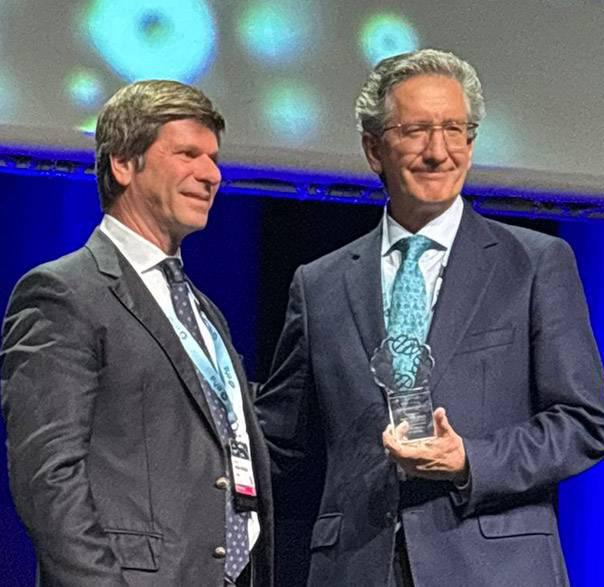
Dr. Jesús San Miguel received the EHA Lifetime Achievement Award
The European Hematology Association (EHA) has awarded its Lifetime Achievement Award to Dr. Jesús San Miguel, senior consultant at the Cancer Center Clínica Universidad de Navarra (CCUN) and former scientific director of Cima.
European hematologists thus recognized “an extraordinary lifetime contribution, the awardee’s commitment to the advancement of hematology and having been responsible for pioneering and innovative work in his specialty.”
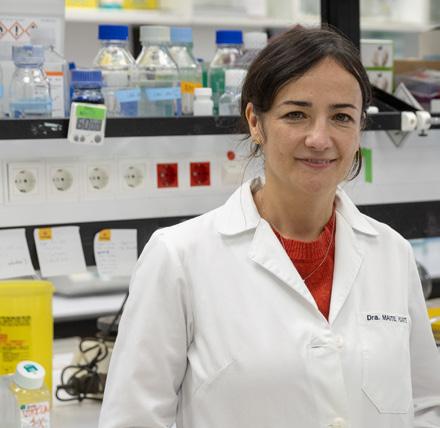
Dr. Maite Huarte received a Proof of Concept grant from the European Research Council (ERC)
The ERC awarded a Proof of Concept grant to a research project by Dr. Maite Huarte, director of the Division of DNA and RNA Medicine at Cima.
In a previous work, Huarte and her team identified a long noncoding RNA (lncRNA) molecule that plays a key role in the survival of tumor cells under stress conditions. Based on this finding, the team will develop an RNA-based therapy designed to specifically inhibit this molecule. The aim of the LINCURE Project is to slow tumor growth and open new avenues of treatment for patients with colorectal cancer, one of the most common cancers worldwide.
The €150,000 grant is aimed at advancing the translation of laboratory results to the development of therapeutic tools with potential clinical impact.
Dr. José Luis Lanciego was appointed president of the European Brain Foundation
Dr. José Luis Lanciego, principal investigator of the Gene Therapy for Parkinson›s Disease group at Cima, was appointed the new president of the European Brain Foundation (EBF), a leading organization in Europe for the promotion of research in neurological and mental disorders. He is the first Spaniard to hold this position.
The EBF is a nonprofit organization promoted by the European Brain Council, where Dr. Lanciego is also a member of the steering committee. Its goal is to promote the financing of scientific projects aimed at reducing the social, health and economic impact of brain diseases, which affect about one third of the European population.
Dr. Marta Alonso received
the XIV Doctores Diz Pintado Spanish National Cancer Research Award
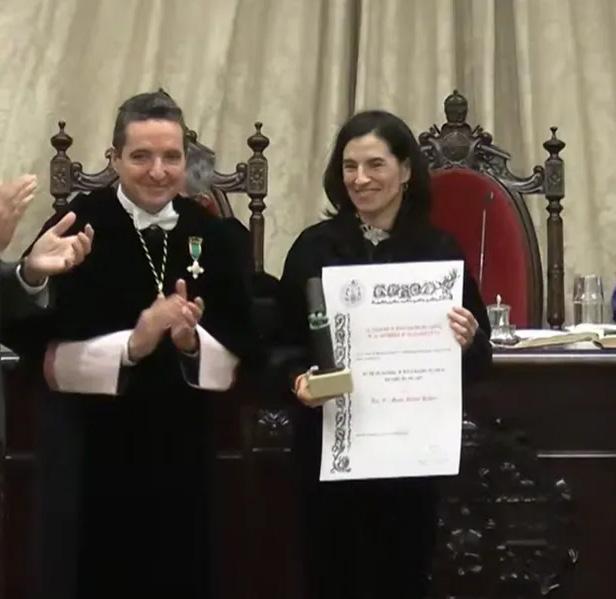
Dr. Marta Alonso, director of the Advanced Therapies Group for Pediatric Solid Tumors at Cima, has received the XIV Doctores Diz Pintado Spanish National Cancer Research Award, granted by the Universidad de Salamanca.
The scientist from Navarra received the award for her innovative and disruptive contributions in the field of oncology. Her line of research, which forms part of the Cancer Center Clínica Universidad de Navarra, focuses on the study of pediatric brain tumors and their treatment with oncolytic viruses. Specifically, her team pushed for the first phase I clinical trial with adenovirus DNX-2401 for a lethal pediatric brain tumor, diffuse midline glioma. Another of the team’s projects is based on improving the quality of life of long-term survivors who face different consequences due to exposure to prolonged treatment.
3.3.
Innovation and technology transfer
Being familiar with the needs of patients is key to direct the lines of research carried out in our laboratories. In this context, we are deepening our understanding of the mechanisms of the disease and contributing knowledge to society. Through registration of these inventions, and hand in hand with clinical professionals, we guide the way toward new advanced therapies and the application of less invasive treatments.
But our scientists aren›t working on their own. Through strategic collaborations with innovation and entrepreneurship specialists, investors and pharmaceutical companies, we accompany our initial discoveries through to their final stage of development to ensure that these treatments reach clinical application.
3.3.1. Patents and protected inventions
9 patents with exclusive ownership
146 protected inventions
Intellectual and industrial protection of our discoveries is essential to advance the goal of transferring scientific research to society.
This academic year, our commitment to innovation generated nine new patents owned exclusively by Cima. Since Cima was founded, we have protected 146 inventions through patents to consolidate a legacy of research that not only observes, but also takes action. Today, we have 32 active patents under Cima’s ownership.
32 active patents
3.3.2. Agreements that bring laboratory results closer to patients
n the 2024-2025 academic year, we signed collaboration agreements for R&D, technological services and other areas that promote research and technology transfer. In total, we have signed:
33 agreements signed
9 R&D 1 licenses 20 technological services
3.3.3. Other scientific alliances
3 other collaborations
Not only does science have no borders, but it also needs the close collaboration of international groups that are committed to disruptive ideas for the benefit of patients. In order to make progress in its purpose of doing research to cure, Cima, as a research center of Clínica Universidad de Navarra, is part of networks promoted by multinational pharmaceutical companies:
• ImCORE Network: Cancer Immunotherapy Center of Excellence. Promoted by the pharmaceutical company Roche-Genentech, this network is made up of 26 healthcare institutions and leading research centers worldwide in the field of immunotherapy. Cima and Clínica Universidad de Navarra have been members since November 2018.
• AstraZeneca Partner of Choice. Originally known as MedImmune, it is also a global network of nine international immunotherapy research centers. CIMA and CUN have been members since November 2019 and the agreement will be renewed in the coming weeks for 3 more years.
• CHORUS GI Cancer Network. Network promoted by AstraZeneca to identify collaborations in the area of gastrointestinal cancer. The agreement for the creation of this network, which will promote clinical trials and preclinical studies, will be formalized in the coming weeks. This consortium is made up of 38 centers.
Clínica Universidad de Navarra also participates in the Immuno-Oncology Network (II-ON) promoted by Bristol Myers Squibb. It aims to promote global collaboration between this pharma and academia in the field of immuno-oncology and translational medicine. Cima has the potential to participate as an affiliated entity of the University and a member of the CCUN.
Within the framework of these alliances, Cima has signed agreements for approximately:
1,7 M Roche
1,8 M
3.3.4. Science that contributes to the business community
To facilitate the translation of scientific discoveries to patients, Cima promotes the creation of new companies through collaboration with biotech and pharmaceutical companies and investment funds.
This academic year witnessed the launch of the biotech company Qimer Biotech, a, spin-off of Cima, Clínica Universidad de Navarra and the Universidad de Navarra. Its aim is the discovery and development of adoptive cell therapies from proof-of-concept to clinical value stages, and focusing on addressing unmet medical needs in the treatment of cancer and autoimmune diseases.
Founded in 2024, QuimerBio seeks to change the treatment of multiple myeloma with an innovative solution that brings new hope to patients suffering from this disease. The team is therefore working on the development of different technological platforms that respond to the needs of current treatments.
Indication: Multiple myeloma
Research programs: Hemato-Oncology and Therapeutic Innovation
Research group: Translational Hematology and Medicinal Chemistry Research Group
Coordinator IPs: Dr. Felipe Prósper and Dr. Antonio PinedaLucena
Mimo Biosciences: a high-impact company
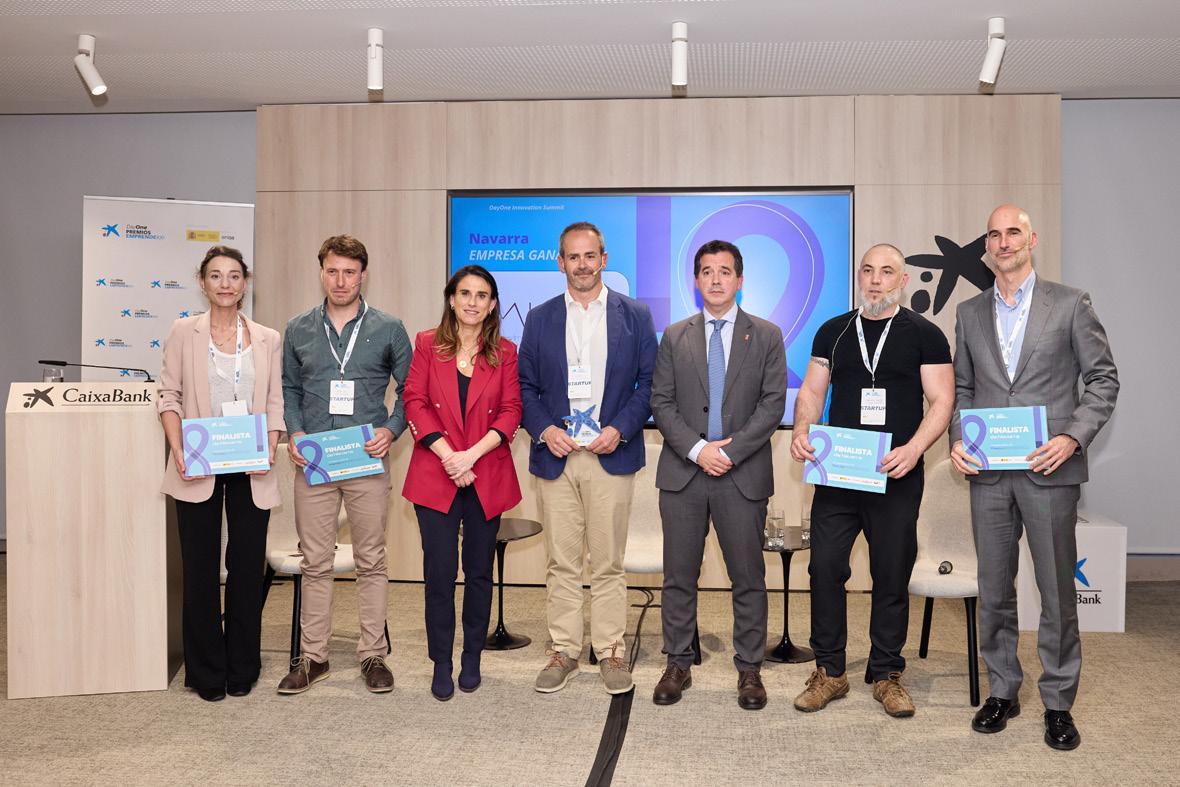
Likewise, Mimo Biosciences, another of our spin-offs, won the EmprendeXXI 2025 Award. The award, promoted by CaixaBank and the Ministry of Industry and Tourism, recognizes Mimo (which develops immunotherapies for cancer) as the company with the greatest impact in Navarra.
Ricardo Pérez Merino, director of MIMO Biosciences, (in the center), during the EmprendeXXI Awards ceremony (Diario de Navarra).
4. Internationalization and Strategic Alliancess
INNOVATION AND KNOWLEDGE TRANSFER AGREEMENTS
AstraZeneca, Reino Unido
GSK, Reino Unido
Siemens Healthcare, Alemania
AskBio, EE.UU
Revolution Medicines, EE.UU
Weizmann Institute of Science, Israel
PROFESSIONALS FROM 22 DIFFERENT COUNTRIES:
Alemania, Argentina, Bulgaria, Colombia, Ecuador, España, Estados Unidos de América, Filipinas, Francia, Grecia, India, Irán, Italia, México, Perú, Portugal, República Dominicana, Rusia, Suiza, Uganda, Uruguay, Venezuela
INSTITUTIONAL AGREEMENTS
Oxford
5. Doing Research to Cure
5.1. This year’s clinical trials
As a research center of Clínica Universidad de Navarra, Cima’s scientific mission is to improve diagnostics and provide all patients with better treatment. Researchers therefore work closely with clinicians on multidisciplinary translational research teams. This cooperation is essential to bring the results obtained in the laboratory closer to application in patients.
146 new clinical trials
679 active clinical trials
734 patients in clinical trials
5.2. Outstanding advances: research at the service of patients
CCUN: “A key center in oncology research” in Spain
The constant efforts of multidisciplinary groups of scientists and physicians from all over the world have ensured that the diagnosis of cancer is now accompanied by a hopeful prognosis. An example of this type of collaboration are the Cancer Centers, which take a comprehensive approach to the diagnosis and treatment of oncology patients.
This academic year, the work of researchers at Cima and Clínica Universidad de Navarra who form part of the Cancer Center Clínica Universidad de Navarra (CCUN) was accredited by the Scientific Foundation of the Spanish Association Against Cancer (AECC). This recognition will give them access to exclusive calls for funding for their oncology projects and thus increase their scientific and social impact.
Since 2018, the AECC Scientific Foundation has distinguished the CCUN as a “center of excellence” and has now awarded it the Acreditación Centros Fundación, which marks it as one of the “key centers in oncology research.”
Dr. Rubén Pío, scientific director of the CCUN and of the Cima Cancer Division, said, “With this accreditation, we see that the effort and achievements of the teams working in the fight against cancer are recognized.”
As he pointed out, “Oncology research is a long, complex process, so having exclusive funding calls like this one allows us to be more ambitious in our goal of transferring our discoveries to patients.”
Blockade of GDF-15 protein enhances the role of immunotherapy for solid tumors
Resistance to treatment is one of the reasons why many patients fail to respond to therapies. And it is one of the lines of research our scientists are focusing on.
Research led by the CCUN and the German company Catalym has clinically demonstrated that blocking the GDF-15 protein boosts cancer immunotherapy treatment in a fraction of patients whose tumors had become resistant to conventional treatments.
GDF-15 is a substance produced mainly by the tumor and acts as a repellent of immune system cells by preventing their penetration into cancerous tissue. This protein, which is probably used by the placenta to avoid rejection of antigens inherited from the father, is used by tumors to resist attack from the immune system.
The results, published in the Nature, show that when GDF-15 is blocked, immune system cells that are able to recognize and destroy tumors are capable of overcoming the obstacle and efficiently attacking the tumor until it shrinks in size or even disappears. According to Dr. Ignacio Melero, co-director of Immunology and Immunotherapy at Cima and Clínica Universidad de Navarra, “GDF-15 has become a very important pharmacological target in the treatment of oncological diseases.
These results have the potential to transform the way we treat cancer, although studies with a greater number of patients are still needed to be sure of the scope of the new combination treatment.”
“These results have the potential to transform the way we treat cancer.”
Dr. Ignacio Melero
5.2. Outstanding advances: research at the service of patients
More versatile and cost-effective CAR-T for hematologic cancer
CAR-T cell therapies are demonstrating high efficacy for the treatment of different forms of hematological cancer. This procedure involves modifying the patient’s T lymphocytes (immune system cells) to recognize and attack malignant cells.
Specialists from Cima, Clínica Universidad de Navarra and the Centro de Investigaciones Energéticas, Medioambientales y Tecnológicas (CIEMAT) recently developed a new type of CAR-T cells for the treatment of lymphomas and B-cell leukemias. It is based on the use of non-viral vectors and significantly reduces the costs of the procedure.
According to Dr. Felipe Prósper, director of Clínica Universidad de Navarra’s Cell Therapy Area and codirector of Cima’s Hemato-Oncology Program, “The innovative component stems from the fact that we have used a system of transposons (DNA segments that have the unique capacity to move and reinsert themselves in new places within the genome) to introduce the CAR into T cells. If we can confirm the antitumor efficacy of these CAR-T cells in patients, we could be talking about numerous advantages in terms of cost, safety and ease of production.”
The manufacturing process was carried out on a clinical scale in the clean rooms of Clínica Universidad de Navarra and CIEMAT and meets the quality standards required for use in patients. CAR-T cells have demonstrated in experimental models that their efficacy and safety is comparable to that obtained when using much more expensive viral vectors.
With all these results, the Spanish Agency for Medicines and Health Products has authorized the development of a pioneering clinical trial for the treatment of patients with B-cell lymphomas. The study, promoted by the Institute of Biomedical Research of Salamanca (IBSAL), is carried out in collaboration with several centers of the Spanish Network of Advanced Therapies.
Method developed to ultrasensitively detect residual disease in the blood of multiple myeloma
patients
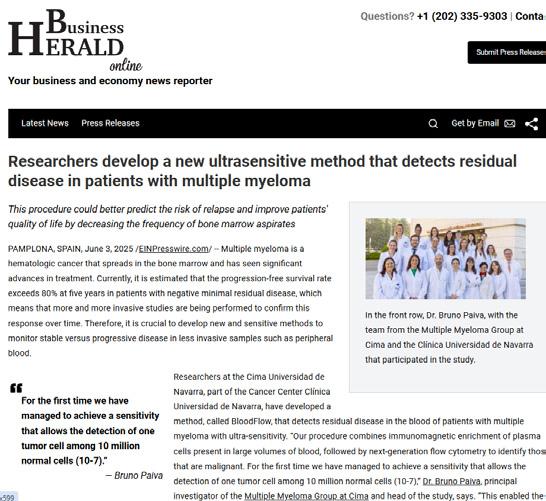
Multiple myeloma is a type of hematologic cancer that spreads in the bone marrow and for which significant advances in treatment have been made. It is currently estimated that the progression-free survival rate exceeds 80% at five years in patients with minimal residual disease negative, which implies that more and more invasive studies are being done to confirm this response over time. It is therefore crucial to establish accurate monitoring systems to assess stability against disease progression in less invasive samples such as peripheral blood.
Researchers at the Cima Universidad de Navarra have developed a method called BloodFlow that provides ultrasensitive detection of residual disease in the blood of patients with multiple myeloma. “Our procedure combines immunomagnetic enrichment of plasma cells present in large volumes of blood, followed by stateof-the-art flow cytometry to identify those that are tumorigenic. For the first time, we have achieved a sensitivity that allows for detection of one tumor cell among 10 million normal cells (10-7),” explains Dr. Bruno Paiva, principal investigator of the Multiple Myeloma Group at Cima and director of the study. “This has made it possible to identify patients at increased risk of progression due to the presence of circulating tumor cells in the blood.”
A new method now being used in other countries
This methodology has been applied to blood samples from more than 300 patients belonging to the Spanish Myeloma Group (GEM-PETHEMA). “Our work shows that BloodFlow notably improves clinical monitoring of patients without the need for invasive bone marrow tests, and this improves their quality of life,» says Dr. Paiva. The results were published in the scientific journal Blood.
The scientists conclude that BloodFlow is an innovative tool that significantly improves the detection of residual disease in peripheral blood and offers a more accurate and dynamic assessment of disease status in patients with multiple myeloma. It therefore has great potential to optimize therapeutic approaches and improve clinical outcomes. The Cima expert concludes, “This method is now being tested in centers in the United States and Germany, and our group plans to investigate its value in other tumors such as acute myeloid leukemia and lymphomas”.
5.3. Testimonials that drive our research
“We’re here thanks to research”
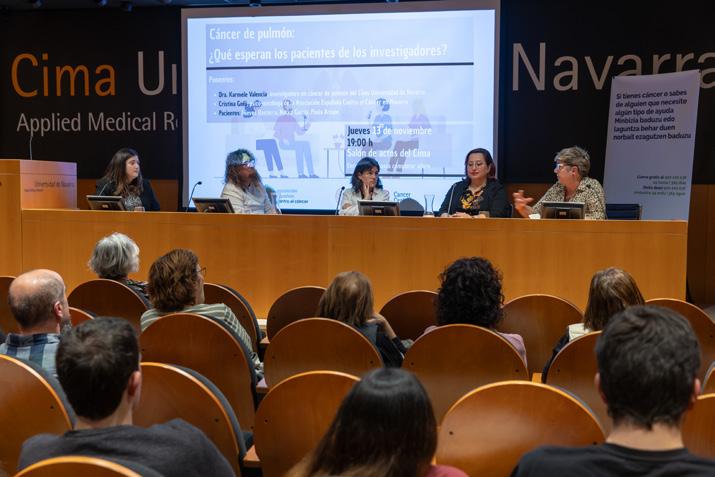
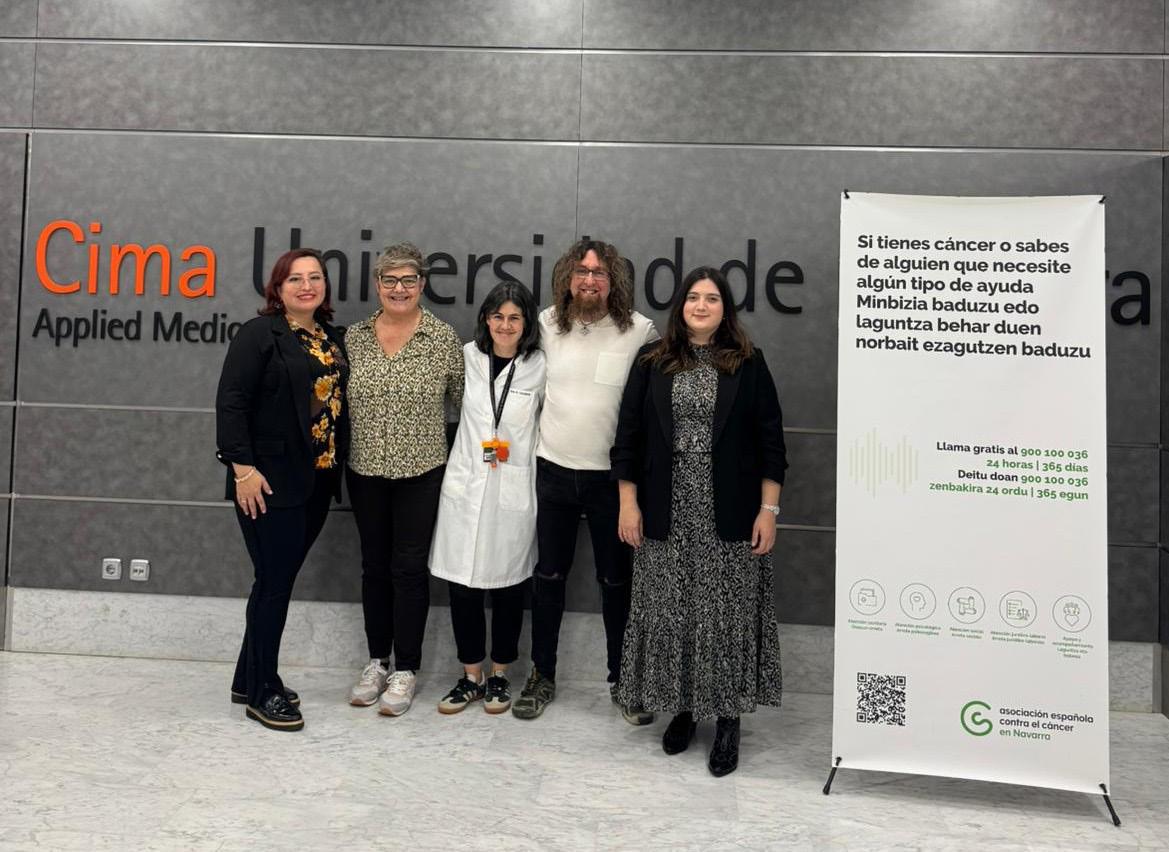
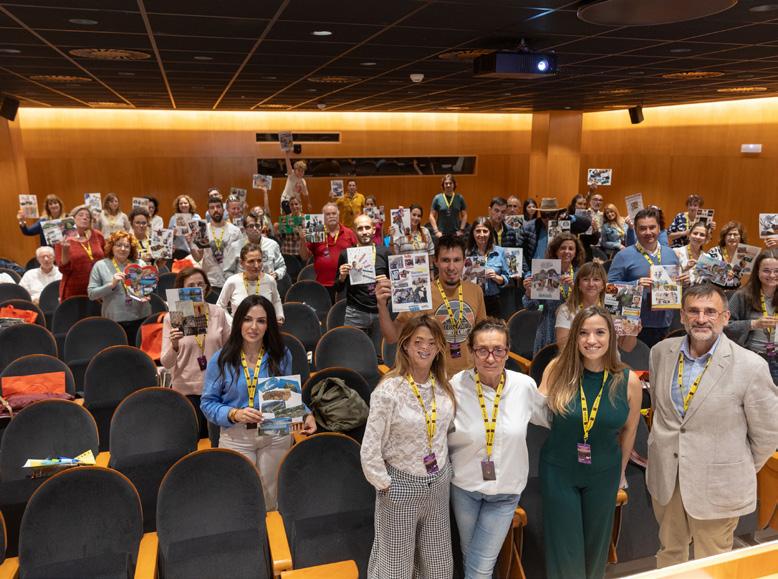
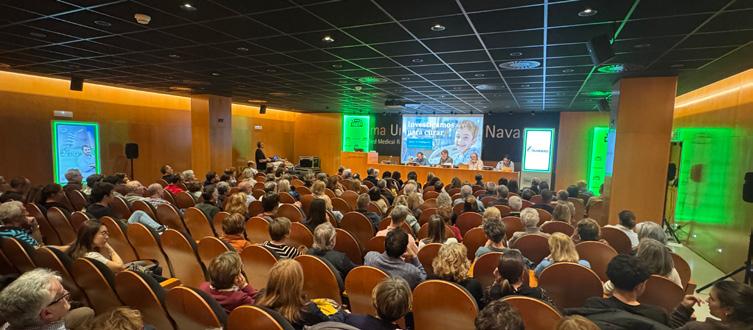
Lung cancer patients and scientific and healthcare professionals attended a meeting at Cima Universidad de Navarra organized in collaboration with the Spanish Association Against Cancer in Navarra.
The event was held to commemorate International Lung Cancer Day and provided a meeting place to answer questions and bring research closer to patients and their families.
Ignacio García began with some powerful words: “I’m here for the research.” During his very optimistic speech, the 52-year-old from Puente de la Reina recalled the moment of his diagnosis. “In September 2019, I was admitted for surgery on an inguinal hernia and, as a surprise gift, I found out I had stage 3A lung cancer. The treatment process took five years and, along the way, there was metastasis to the pancreas and liver. And here I am, thanks to research. Now I have some side effects of the treatments I’ve received, but if it weren’t for you (addressing the researchers in the room), I would not be here today.”
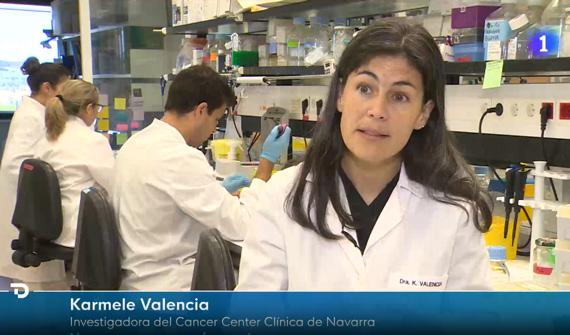
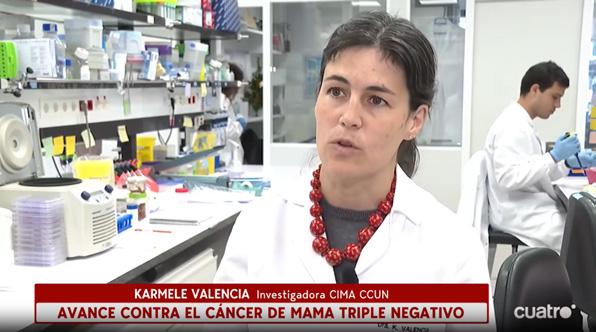
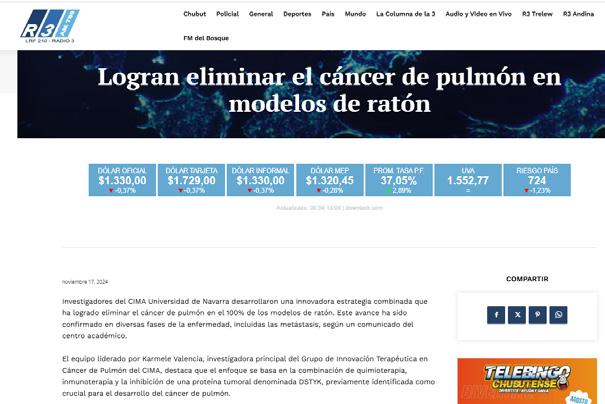
Paola Arispe, a dentist from Bolivia, and Nieves Basterra, a nurse from Pamplona, agreed on the essential role of research, which enables patients to benefit from such novel forms of treatment as targeted therapies. As explained by Dr. Karmele Valencia, principal investigator of the Therapeutic Innovation in Lung Cancer Group at Cima, “Immunotherapy has made a significant contribution to improvements in patients’ health. But thanks to the advances and effort of many research groups around the world, new therapeutic strategies are now being applied that bring us closer to precision medicine. Each patient has a different form of lung cancer and we must therefore move toward personalized treatment.”
Eliminating stigmas and accompanying the process
One of the issues addressed during the meeting held at Cima was the stigma that many patients feel due to the link with smoking. According to the participants, lung cancer is still a taboo in society.
In this context, Cristina Goñi, psycho-oncologist at the Spanish Association Against Cancer in Navarra, said, “The association has been working for many years with patients and their families to accompany them in this process, offer them psychological care and attend to their needs as they arise. Each patient experiences the disease in a different way, but we encourage them to come to the association for the support we can offer them.”
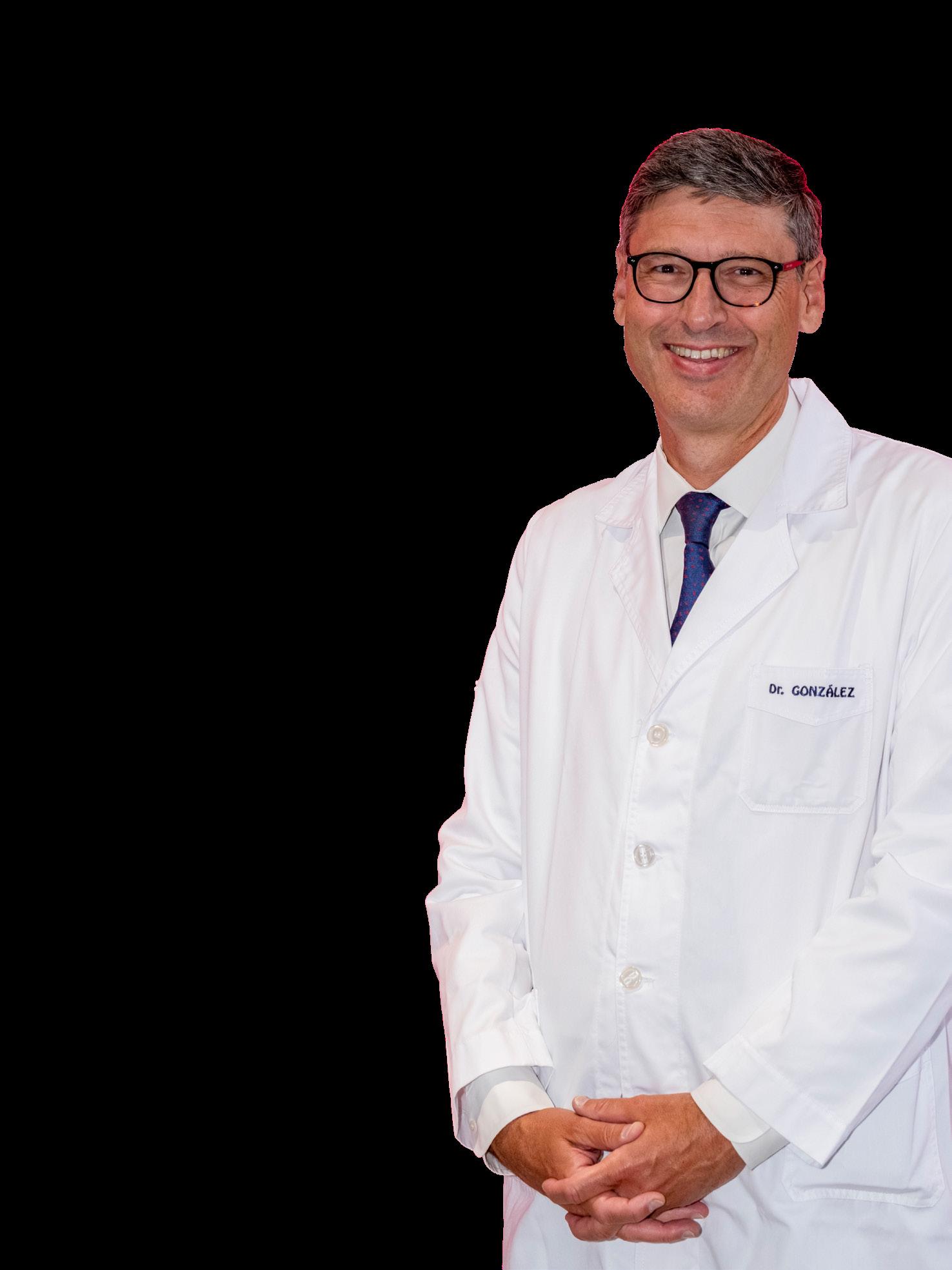
“The support of our donors has been essential to continue in an innovative line of research that connects basic science and clinical practice. Thanks to their commitment, we are exploring new therapeutic combinations with the potential to improve the efficacy of existing treatments and offer more hope to patients.”
Dr. Antonio González Martín
CO-PRINCIPAL INVESTIGATOR OF THE TRANSLATIONAL ONCOLOGY GROUP
6. Thank You for Promoting Research
Research is a long and demanding road, but at Cima we never travel it alone. Throughout this academic year, more than 1,900 individuals, companies and foundations have given their support so that we can continue to make progress in research and the treatment of cancer, rare diseases, and neurological and cardiovascular disorders.
+1.900 collaborators
Each donation represents an act of trust in our work and fundamental support that enables us continue on this path. It reminds us that behind every contribution there are committed people who believe in the value of science and its ability to transform lives. Thank you for joining us and making it possible for us to continue doing research to cure.
6.1. Ways of collaborating
Once again this academic year, the commitment of our collaborators has been key to the progress of our research. Their generosity has translated into direct support for fundamental scientific projects, especially in necessary areas such as cancer and rare diseases, where every contribution makes a difference and brings us just a little bit closer to the possibility of finding a cure.
This support has also made it possible for new researchers to receive training and develop their talent. Thanks to the funding of predoctoral and postdoctoral fellowships, young scientists have the opportunity to spend several years doing biomedical research and contributing to the advances of tomorrow.
In addition, some collaborators have decided to extend their commitment beyond the present by leaving a legacy of solidarity in favor of Cima. Solidarity legacies and bequests provide a lasting way to participate in the progress of science and research.
Other displays of generosity are the result of remembrances and tributes. In memoriam donations created by family and friends allow the memory of a loved one to live on as an impetus for doing research on diseases that have marked their lives, thus helping other patients.
We would like to deeply thank all the people who have collaborated with us throughout this year. Your trust, support and solidarity make our work possible and enable us to continue making progress in research and providing hope for those who need it most.
6.2. Many thanks for your commitment to researchn
STRATEGIC COLLABORATORS
AC HOTELES • ADANIA • AMIXALAN • BECA EN MEMORIA DE CARLOS GONZÁLEZ
ACCIÓN SOCIAL • CHEMO RESEARCH • FUNDACIÓN ACS • FUNDACIÓN ADEY • FUNDACIÓN ALAS DE MARIPOSA • FUNDACIÓN ALBERTO PALATCHI • FUNDACIÓN CULTURA Y ASISTENCIA • FUNDACIÓN ECHÉBANO • FUNDACIÓN EL SUEÑO DE VICKY • FUNDACIÓN FUENTES DUTOR • FUNDACIÓN GMP • FUNDACIÓN INTHEOS • FUNDACIÓN RAMÓN ARECES • INVERSIONES JG ARESO • MONICA DELCLAUX REAL DE ASUA • NICOLÁS LUCA DE TENA
PARTNER COMPANIES
ANFI VACATION CLUB • ÁNGEL CERDÁ • APARCAMIENTOS FERRY • APISA • ASOCIACIÓN CAMBIANDO VIDAS CON ELSA • ASOCIACIÓN DE CABALLEROS DE LA PURÍSIMA • ASOCIACIÓN DE URBANAS Y RUSTICAS, S.A • ASOCIACIÓN LAS TRIPLES • AUDENASA • BOYSER • CARTONAJES SANTORROMÁN • CONSTRUCCIONES ERRO Y EUGUI • CONSTRUCCIONES IZQUIERDO IBAÑEZ, S.L • COOPERATIVA SAN ISIDRO VILLANUEVA DE ALCARDETE • CORPORACIÓN EMPRESARIAL IGOR • CROMOMED S.A. • DANA CAPITAL S.L.U. • DAVID DELSO • DELTECO • DOMINGO ARNALDO AMARO RANGEL • ELZABURU, S.LPLLO • ENRIQUE JAVIER CAMPERO LONGA • FRANCISCO JAVIER CUBO • FUNDACIÓN ACITURRI • FUNDACIÓN ISABEL, FCV • FUNDACIÓN MARIO LOSANTOS • FUNDACIÓN MARTÍN ÁLVAREZ MUELAS • FUNDACIÓN MTORRES • FUNDACIÓN RENTA4 • FUNDACIÓN ROBERTO ARNAL PLANELLES • FUNDACIÓN SUSANA MONSMA • FUNDACIÓN TATIANA • GESTIONES E INVERSIONES SCIPIO GMM, S. L. • GLORIA ALEMAN PICATOSTE • GOETHE II, S.L • IB CONNECT • INDUSTRIAS LA MOREA, S.L • INVERSIONES VILO XXI, S.L • IRUMOLD • ITALFARMACO, S.A • J. I. GUIBERT AZPIROZ • JUAN LUIS OLLOQUIEGUI ARCE • KEREIS IBERIA • LA TAGLIATELLA • LOS GADUARES • Mª CARMEN LOPEZ BERISA • MANFISA WIRE, S.L • MÁS INVESTIGACIÓN MÁS VIDA • MASVIDA MAS INVEST. CESTA SOLIDARIA • MEDENASA • NESUCAR • PÉREZ-LLORCA ABOGADOS • RAQUEL GONZALEZ PAZOS • SERRA MAYANS ASSESSORS • TALLERES EZQUERRA SEAMERS • TC GABINETE INMOBILIARIO • TÉCNICAS DEL CABLE • ULTRACONGELADOS VIRTO
FRIENDS OF CIMA
ACCENTURE • ACUNSA • ALICIA YAGÜE • ALLFUNDS • ALMAS INDUSTRIES BSAFE S.L.U • AMIVI • ANA MARIA ABADIA DIEZ • ANDRES MESEGUER GARCIA • ARDENA • ASOCIACIÓN DEPORTIVA UNICCA, UNIDAS CONTRA EL CÁNCER • BBVA • BODEGAS PERICA • BOLEA • BROTEAL ESTATE SL • CALFA EUROPE S.L • CERLESA • CIDAMOB S.L. • CIMEX BURGOS, S.A. • CMI CHEMIE, S.A. • CONESA • CONSERVAS MARTIKO, S.A • CONS. VEG. EXTREMADURA • CONVERGIS CONSULTORIA SLU • CRISGADINI SL • DESARROLLOS EMPRESARIALES HELME, SL • EDUARDO YOHN ARTIACH • ESIGAIN, S.L. • EUROFUND GROUP • FELIX BARCOS • FOTOVOLTAICA MADRIGAL • FRUTAS AURELIO, S.L. • FUENTIDUEÑA, S.A. • FUNDACIÓN LATATTORE SL • GRUPO ARNEDO • GRUPO CETYA, S.A. • GRUPO TAFATRANS • IGNACIO MORALES SALES • IKASA ACTIVIDAD DE PROMOCIÓN INMOBILIARIA • INVERSIONES SOROCAIMA, S.L. • INYECTADOS Y VULCANIZADOS S.A. • ISAAC QUERUB • JAVIER OLLOQUIEGUI CLEMENTE • JOIMA ALBA S.L. • JUAN JOSÉ SUMELZO JORDÁN • LA HORMIGA NUCLEAR S.L. • LOGIFRUIT IBERIA • LOGISVA POWER, S.L • LUIS VIVES RUIZ • M&Z INVEHO, S.L • MANOLET SA • MANUEL RODRIGUEZ IGLESIAS • MARIA CONSOLACION PARRILLA CABRERA • MARIA ISABEL ELIZONDO LARRANETA • MARIA VICENTA GOMEZ GARCIA • MC CASTELON, S.L • NAVARCABLE, S.L. • NEGOCIOS LATINOS • PAGOLA, S.A. • PROSIMED • RFS EMPRESA CONSTRUCTORA GRUPO EMPRESARIAL, S.L.U • RIBACAPITAL LDA • RICARDO MONTORO ALEMAN • SUARIS CAPITAL SLU • TALLERES CERBUNA • TANAUA, S.A • TELMAN S.L. • TRANSPORTES MONFORT • TRANSPORTES PORTUARIOS DEL SERANTES S.COOP • UNION DE INDUSTRIAS C.A, S.A • VOLKSWAGEN NAVARRA • ZALAIN JATETXEA, S.L
7. Appendix 7.1. Organizational chart
The owner of Cima Universidad de Navarra is the Foundation for Applied Medical Research (FIMA). FIMA was established in 1998 and, after five decades of experience in biomedical research, it created Cima in 2004. The foundation is comprised of a chair and eight trustees:
Chair: Mr. Enrique de Sendagorta
Members of the Mr. Jorge Lucaya (vice-chairman) Board of Trustees:
Mr. Igor Errasti (secretary)
Ms. Paloma Grau (member)
Ms. Isabel Estapé (member)
Mr Antonio Catalán (member)
Mr. Francisco Errasti (member)
Ms. Yolanda Barcina (member)
Dr. Jesús San Miguel (member)
Honorary Member:
Mr. Antonio Trueba
The Board of Trustees is responsible for appointing members of the Cima Management Committee proposed by the Universidad de Navarra.
Cima Governing Bodies
a. Management Committee: Mr. José Andrés Gómez Cantero, CEO; Ms. María Mora, Deputy Director; Dr. Antonio Pineda-Lucena, Scientific Director; Dr. Rubén Pío, Deputy Scientific Director; Dr. Lucía Vanrell, Director of Translation and Innovation; Mr. Jorge Ramos: Manager.
b. Scientific Advisory Board: In 2025, Cima’s new Internal Scientific Committee was set up: Dr. Ignacio Melero, President; Dr. Antonio Pineda, Dr. Rubén Pío, and Dr. Maite Huarte, Division Directors at Cima; Dr. Felipe Prósper, clinical researcher appointed by the Clinic; and Dr. Marta Alonso, senior researcher at Cima, elected by vote among the IPs.
c. External Scientific Advisory Board: Dr. Margarita Del Val, director of the Viral Immunology Unit at CSIC; Dr. Jean Charles Soria, senior vice president and director of the Oncology Therapeutic Area at Amgen; Dr. Francisco Sánchez Madrid, scientific director of the Health Research Institute at La Princesa Hospital; Dr. Juan Bueren, head of the Division of Innovative Therapies in the Hematopoietic System at CIEMAT; Dr. Ángel Carracedo, Professor of Genomic Medicine at the University of Santiago de Compostela; Dr. Miao Chih Tsai, Scientific Director of the RNA Medicine Program at Stanford University; Dr. Jude Samulski, Director of the Center for Gene Therapy at the University of North Carolina. Founder of Askbio; Dr. Kevin Haigis, Scientific Director of the Dana-Farber Cancer Institute.
7.2. Structure
FUNCTIONAL STRUCTURE OF CIMA
We conduct innovative translational research of excellence in three major divisions of knowledge: Cancer, DNA and RNA Therapies, and Technological Innovation.
Our goal is to advance knowledge in these biomedical areas by promoting the translation of laboratory results to their clinical application in the patient.
research groups divided into three divisions
Divisions and directors
CANCER
DIVISION
Rubén Pío
Hemato-Oncology:
Bruno Paiva and Felipe Prósper
Solid Tumors:
Marta Alonso and Matías Ávila
Immunology and Immunotherapy:
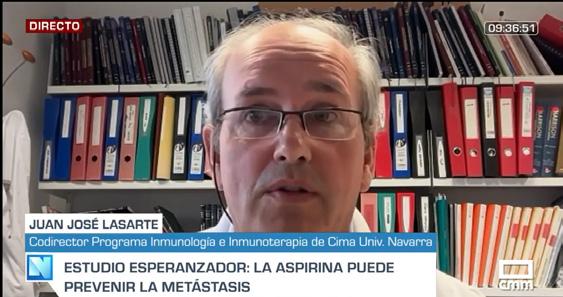
Juan José Lasarte and Ignacio Melero
PLATFORMS
DNA AND RNA MEDICINE DIVISION
Maite Huarte
Gene Therapy for Rare Diseases: Gloria González Aseguinolaza
Gene Therapy of Neurological Diseases: Ana García Osta
RNA Biology and Therapy: Puri Fortes
TECHNOLOGICAL INNOVATION
DIVISION
Antonio Pineda-Lucena
Biomedical Engineering: Carlos Ortiz de Solórzano
Computational Biology and Translational Genomics: Mikel Hernáez
Therapeutic Innovation: Antonio Pineda-Lucena
Cima has nine technological platforms that provide services to the center’s research groups: biochemical analysis, biobank, bioinformatics, cytometry, genomics, imaging, radioactive facilities, morphology and animal production and experimentation.
7.3. Scientific activity
7.3.1.
Selection of Publication Highlights in the academic year
Niraparib first-line maintenance therapy in patients with newly diagnosed advanced ovarian cancer: final overall survival results from the PRIMA/ENGOTOV26/GOG-3012 trial.
Annals of Oncology
Antonio González et al.
División de Cáncer
Primer decil
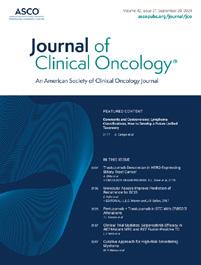
Curative Strategy for HighRisk Smoldering Myeloma: Carfilzomib, Lenalidomide, and Dexamethasone (KRd) Followed by Transplant, KRd Consolidation, and Rd Maintenance.
Journal Of Clinical Oncology
Jesús San Miguel et al.
División de Cáncer
Primer decil
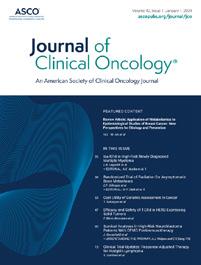
Efficacy and Safety of Trastuzumab
Deruxtecan in Patients With HER2-Expressing Solid Tumors: Primary Results From the DESTINYPanTumor02 Phase II Trial.
Journal Of Clinical Oncology
Antonio González et al.
División de Cáncer
Primer decil
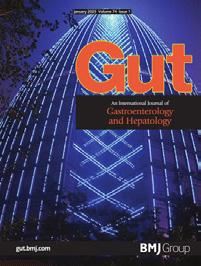
Identification of PRMT5 as a therapeutic target in cholangiocarcinoma. Gut
Matías Ávila et al.
División de Cáncer
Primer decil
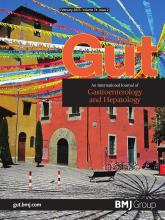
Systemic messenger RNA replacement therapy is effective in a novel clinically relevant model of acute intermittent porphyria developed in nonhuman primates. Gut
Antonio Fontanellas et al.
División de Cáncer
Primer decil
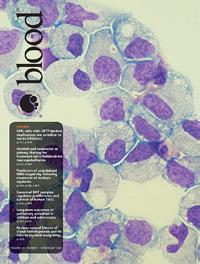
Predictors of unsustained measurable residual disease negativity in transplant-eligible patients with multiple myeloma.
Blood
Bruno Paiva et al.
División de Cáncer
Primer decil. Top 3
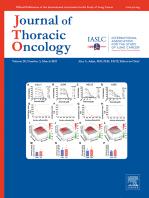
DSTYK Inhibition Sensitizes NSCLC to Taxane-Based Chemotherapy.
Journal of Thoracic Oncology
Karmele Valencia et al.
División de Cáncer
Primer decil. Top 3
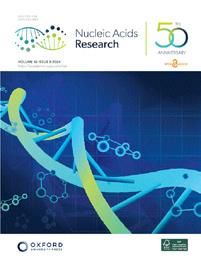
NetActivity enhances transcriptional signals by combining gene expression into robust gene set activity scores through interpretable autoencoders.
Nucleic Acids Research
Mikel Hernáez et al.
División de Innovación
Tecnológica
Primer decil
7.3.1. Selection of Publication Highlights in the academic year
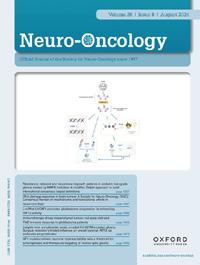
The oncolytic adenovirus Delta-24-RGD in combination with ONC201 induces a potent antitumor response in pediatric high-grade and diffuse midline glioma models.
Neuro-Oncology
Marta Alonso et al. División de Cáncer
Primer decil
Epigenetic-based differentiation therapy for Acute Myeloid Leukemia.
Nature Communications
Xabier Agirre et al.
Primer decil
Single-cell transcriptional profile of CD34+hematopoietic progenitor cells from del(5q) myelodysplastic syndromes and impact of lenalidomide.
Nature Communications
Teresa Ezponda et al.
Primer decil
An automated network-based tool to search for metabolic vulnerabilities in cancer.
Nature Communications
Felipe Prósper et al.
Primer decil
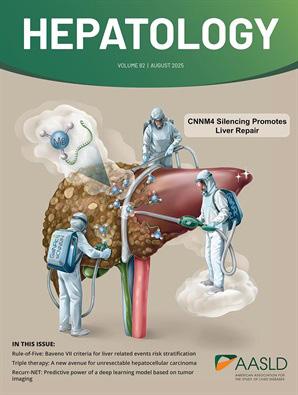
Human T cells engineered with an HLA-A2-restricted murine T-cell receptor targeting glypican 3 effectively control human hepatocellular carcinoma in mice. Hepatology
Sandra Hervás et al
Primer decil
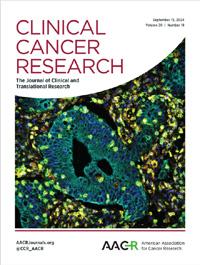
Low-Dose Ionizing ?-Radiation Elicits the Extrusion of Neutrophil Extracellular Traps. Clinical Cancer Research Ignacio Melero et al
Primer decil
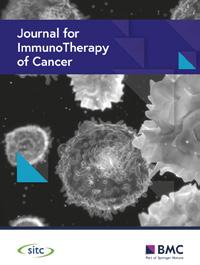
Tethered IL15-IL15R? augments antitumor activity of CD19 CAR-T cells but displays long-term toxicity in an immunocompetent lymphoma mouse model. Journal for Immunotherapy of Cancer
Teresa Lozano et al.
Primer decil
Protective role of RIPK1 scaffolding against HDV-induced hepatocyte cell death and the significance of cytokines in mice.
PLOS Pathogenes
Gloria González-Aseguinolaza et al.
Primer decil. Top 3
7.3.2. Scientific Events and collaborations
Sept 202421-25,
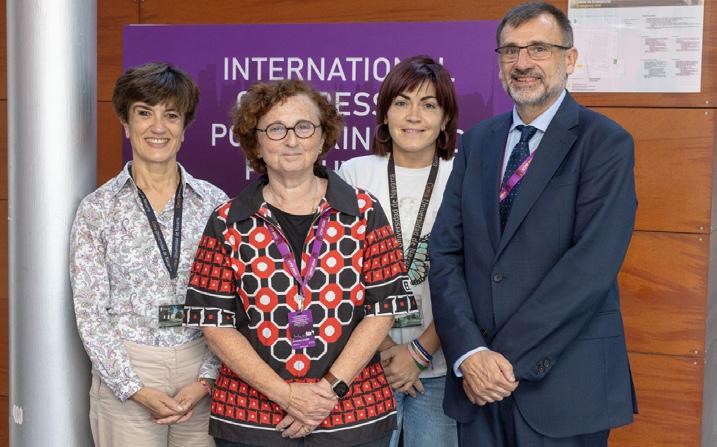
300 professionals from different countries gathered at the International Congress on Porphyrins and Porphyria organized by Cima’s Porphyria and Carginogenesis group.
Oct 9-11, 2024
Cima hosted the Bridging #RNA Biology and Therapy meeting, where the most innovative advances in the field of RNA were presented.
March
12, 2025
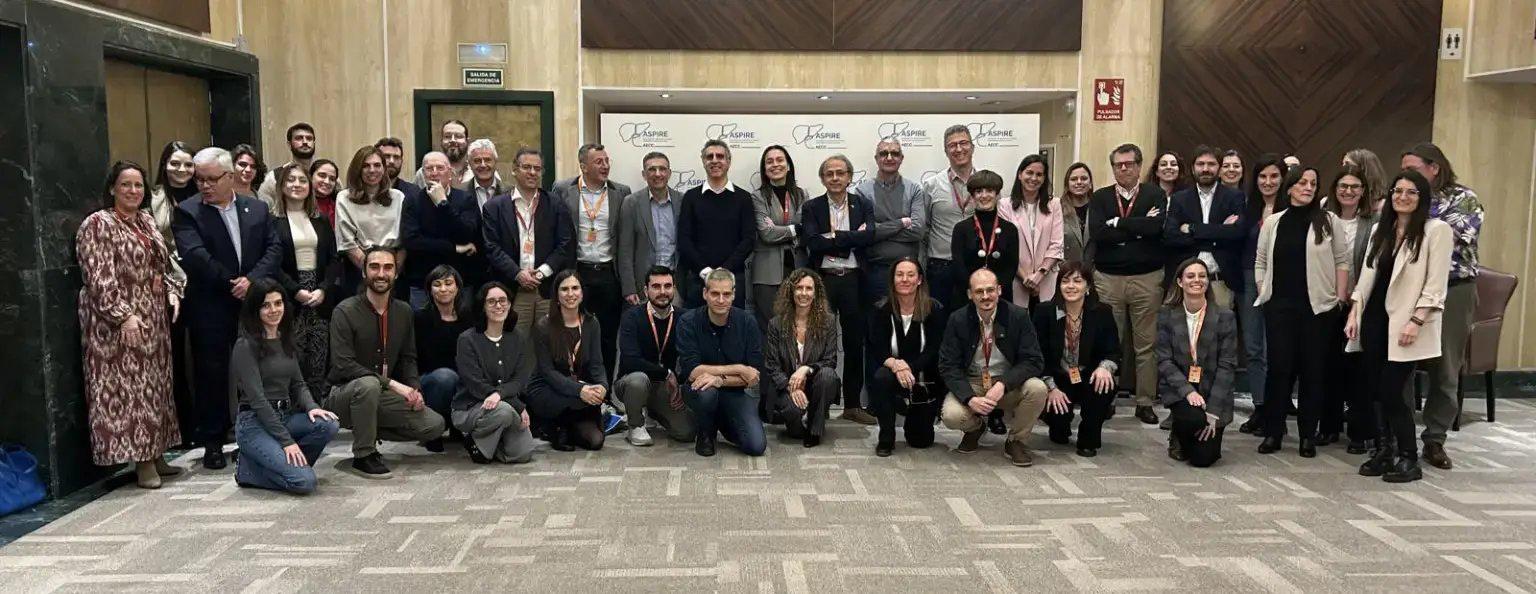
Our Hepatology Group participated in the kickoff meeting of the ASPIRE Project, which aims to improve liver cancer survival.
May 29, 2025
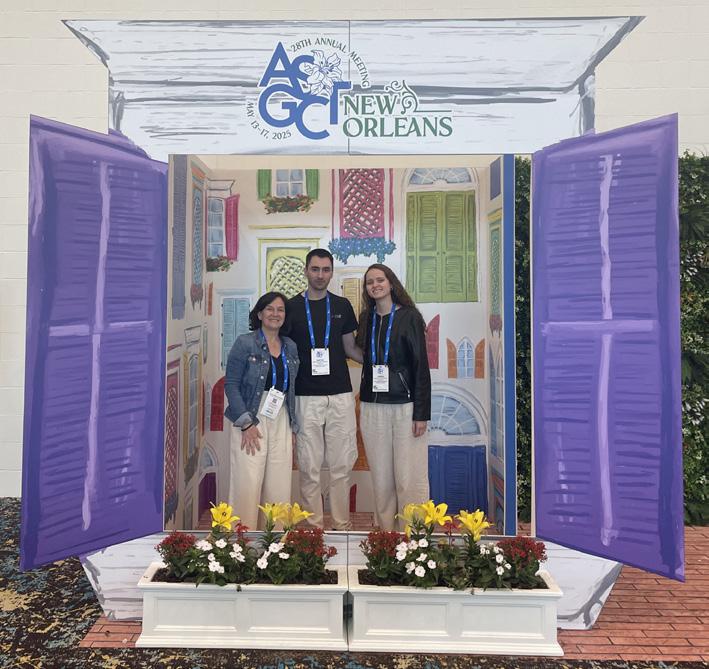
Martin Bilbao Arribas and Andrea Llanos Ardaiz, accompanied by Dr. Gloria González Aseguinolaza, participated in ASGCT2025, the annual meeting of the American Society for Gene and Cell Therapy held in New Orleans.
June 4, 2025
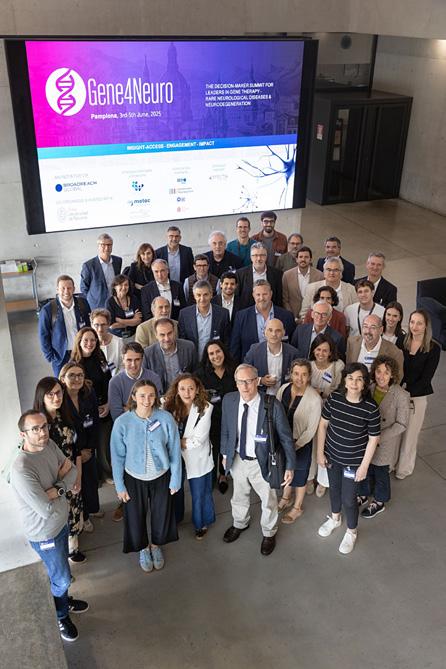
Cima organized #Gene4Neuro, a meeting to share the latest developments in gene therapy for the treatment of rare and degenerative neurological diseases.
7.3.3. Dissertations defended
Date of defense Program
Name Int’l mention
Sept 9, 2024 Gene Therapy for Neurological Diseases Bravo González, Jorge Juan YES
Sept 16, 2024 Solid Tumors de la Nava Martín, Daniel YES
Sept 19, 2024 RNA Biology and Therapeutics
Oct 3, 2024 Gene Therapy for Rare Diseases
Oct 25, 2024 RNA Biology and Therapeutics
Oct 25, 2024 Solid Tumors
Oct 28, 2024 Gene Therapy for Neurological Diseases
Oct 29, 2024 Solid Tumors
Oct 31, 2024 Solid Tumors/RNA Biology and Therapeutics
Oct 31, 2024 Solid Tumors
Nov 8, 2024 Hemato-Oncology
Nov 14, 2024 Solid Tumors
Nov 19, 2024 Immunology and Immunotherapy
March 7, 2025 Gene Therapy for Rare Diseases
March 21, 2025 Biomedical Engineering
March 28, 2025 Solid Tumors
April 2, 2025 Hemato-Oncology
May 14, 2025 Biomedical Engineering
June 17, 2025 RNA Biology and Therapeutics/ Computational Biology
Elvira Blazquez, Daniel NO
Milagros Solchaga, Sergio YES
Prats Mari, Laura YES
Puyalto Calvo, Ander NO
Ayerra Bretos, Leyre YES
Echepare Taberna, Mirari NO
Barace Jimenez, Sergio NO
Welch, Connor YES
Romero Murillo, Silvia YES
Narayanan, Shruthi YES
Eguren Santamaría, Iñaki NO
Ortiz Aguilar, Didio Alberto NO
Ochoa Martínez, José Ángel YES
Bilbao del Olmo, Idoia NO
Gomez Echarte, Nahia NO
Pérez Araluce, María NO
Goñi Echeverria, Enrique NO
June 25, 2025 Immunology and Immunotherapy Arrizabalaga Astigarraga, Leire YES
June 30, 2025 Gene Therapy for Rare Diseases
July 18, 2025 Therapeutic Innovation
Llanos Ardaiz, Andrea NO
Bernasconi Bisio, Franco NO
7.4. Dissemination activities
As part of its commitment to serve society, Cima also organized informative, cultural and social activities aimed at raising awareness about its scientific activity.
AWARENESS CAMPAIGNS IN FAVOR OF RESEARCH
December 6, 2024
Wilson Disease Awareness Day.
Feb 202511,
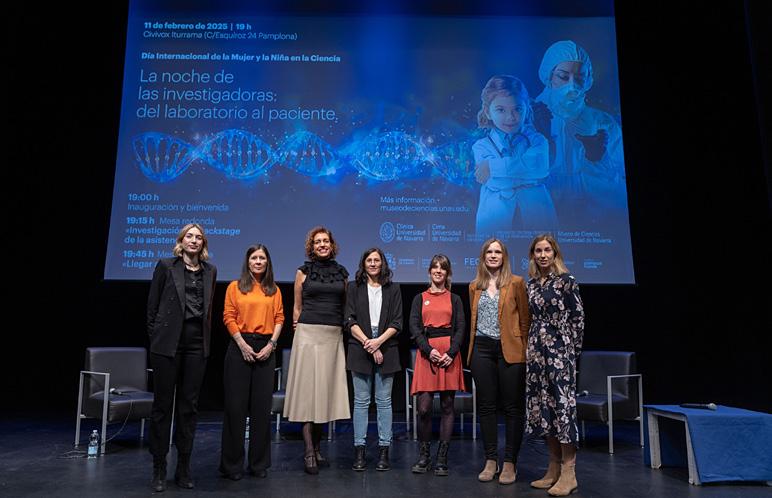
Panel discussion on the occasion of the International Day of Women and Girls in Science.
March 14, 2025
We joined UNISTEM Day, an event aimed at high school students that is held simultaneously at 97 universities and research centers around the world.
7.4. Dissemination activities
SCIENCE IN THE STREET
Sept 202427,
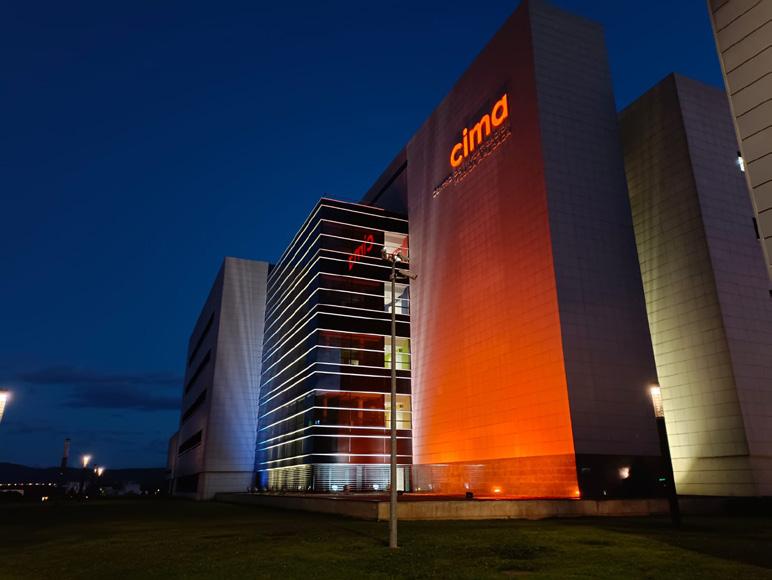
The Cima facade was lit up to celebrate European Researchers’ Night.
Feb 202519, Dr. Gloria González Aseguinolaza participated in the informative activity The Makers of Science in the Bar.
7.4. Dissemination activities
SCIENCE IN THE STREET
May
20254,
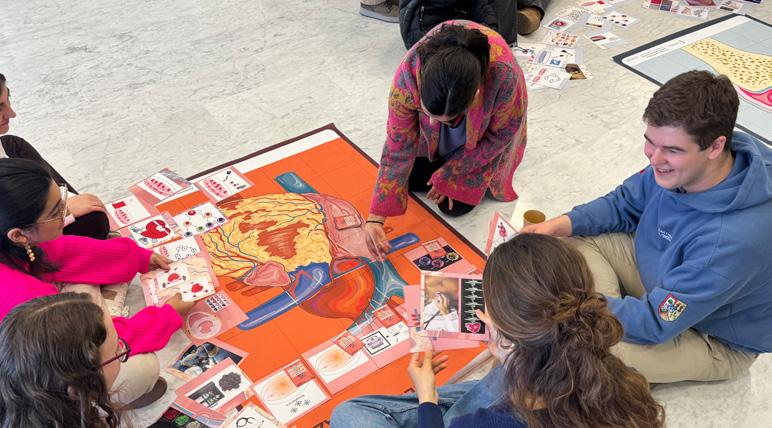
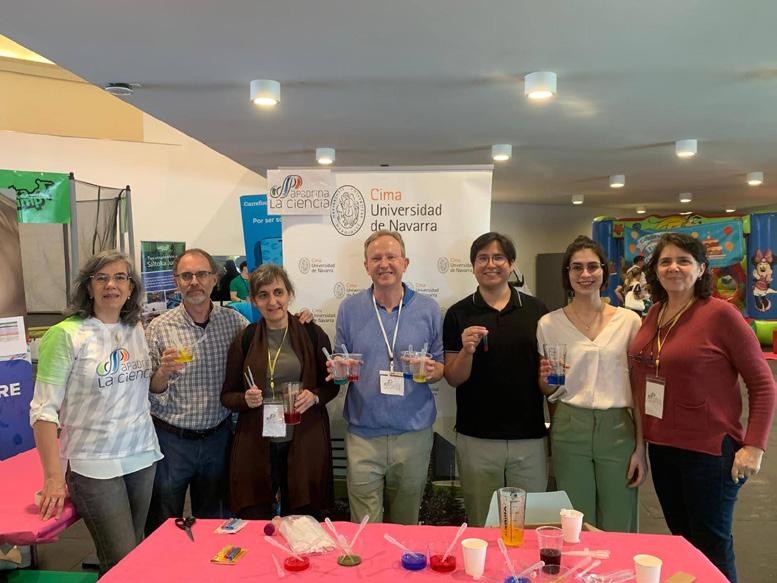
Expofamily: Making children more aware of science.
May 202520,
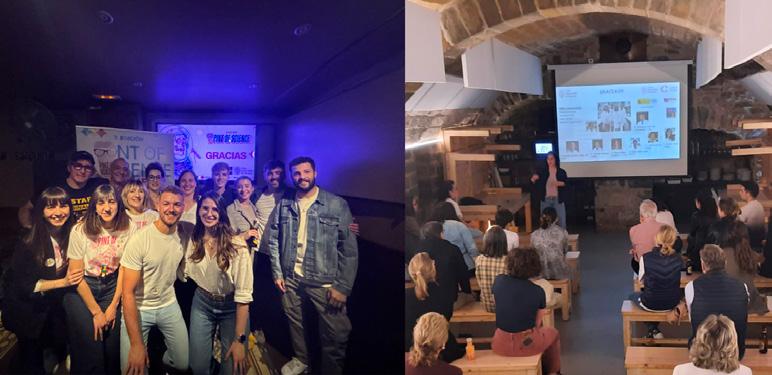
Marta Montes and Carlos Luri participated in Pint of Science 2025.
7.4. Dissemination activities
INFORMATION MEETINGS WITH PATIENTS
Sept 202421,
Workshop for porphyria patients as part of the International Congress on Porphyrias and Porphyrins.
Spanish Porphyria Association
Nov 202412,
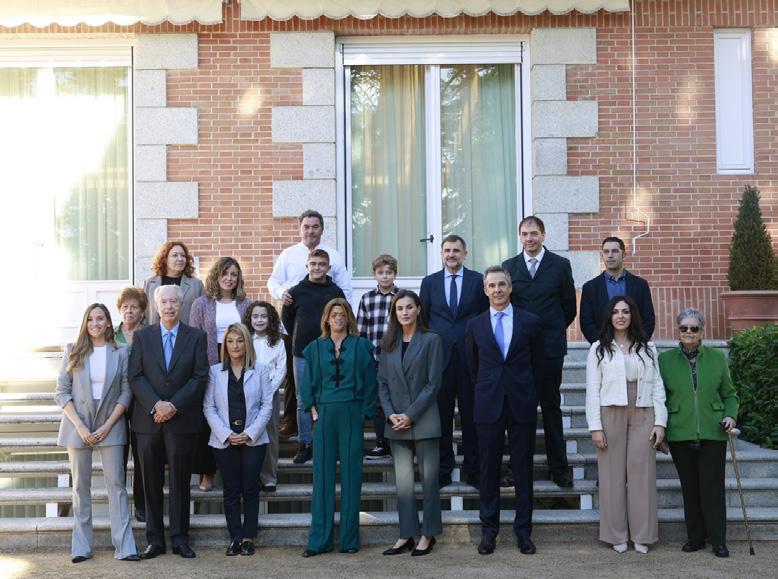
Queen Letizia holds an audience with Dr. Antonio Fontanellas and a representative of the Spanish Porphyria Association.
Spanish Porphyria Association
7.4. Dissemination activities
INFORMATION MEETINGS WITH PATIENTS
Nov 202423,
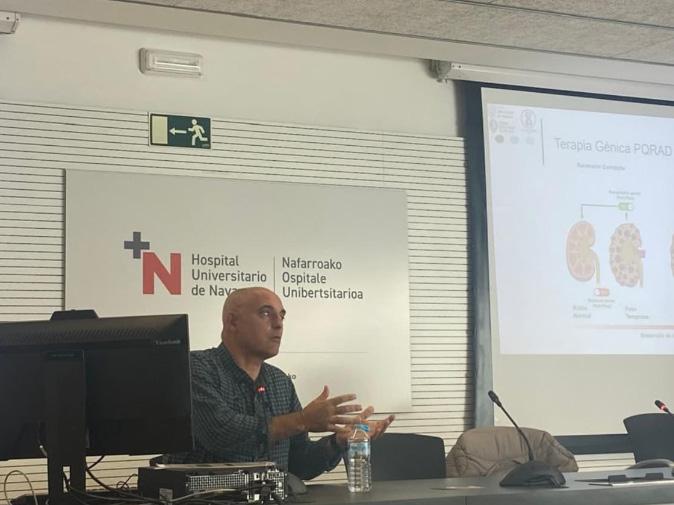
Dr. Rafael Aldabe participated in the conference on gene therapy and polycystic kidney disease organized by the Association for the Fight Against Kidney Diseases (ALCER Navarre)
ALCER Navarre
7.4. Dissemination activities
R&D MEETINGS
Sept 202429,
PhD Day: Event organized by and for Cima doctoral students aimed at promoting the exchange of scientific knowledge and fostering personal development.
Oct 20244,
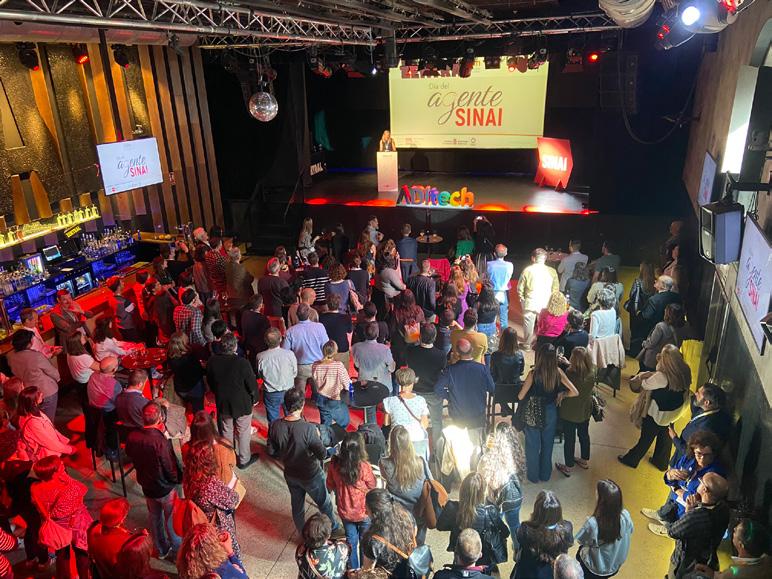
SINAI Agent Day organized by Aditech.
7.4. Dissemination activities
R&D MEETINGS
Oct 20247,
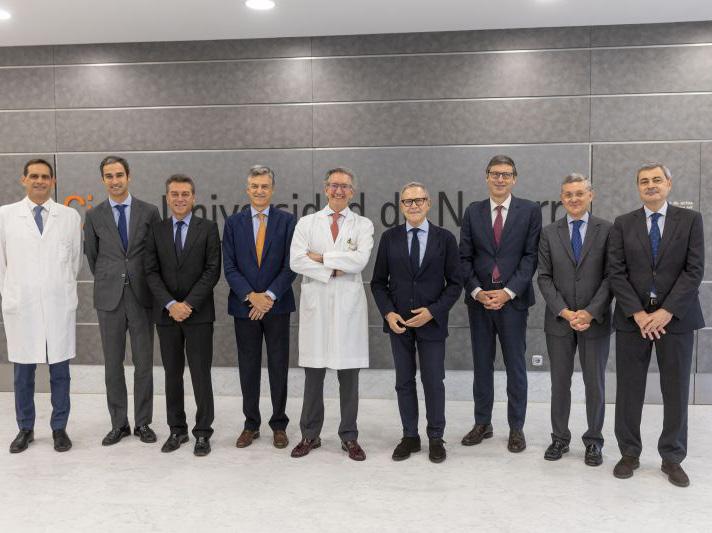
Institutional visit from the management team of the Spanish Association Against Cancer.
March 13, 2025
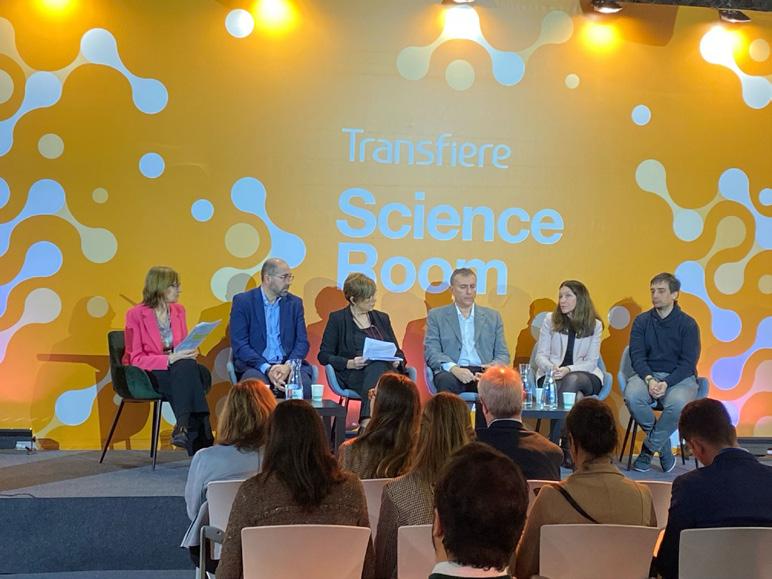
Cima participates in the Foro Transfiere, the European Meeting on Science, Technology and Innovation.
7.5. Media impact
Los avances desarrollados en el Cima durante este curso han dado lugar a 193 notas de prensa y artículos de opinión, que han tenido repercusión en 1.046 medios nacionales y 812 en internacionales.
The progress made at Cima this academic year led to 193 press releases and opinion pieces published in 1,046 Spanish and 812 international media outlets.
193 press releases
1,903 media outlets
134 printed works 900 digital works 57 televisions and radios
812 international media outlets
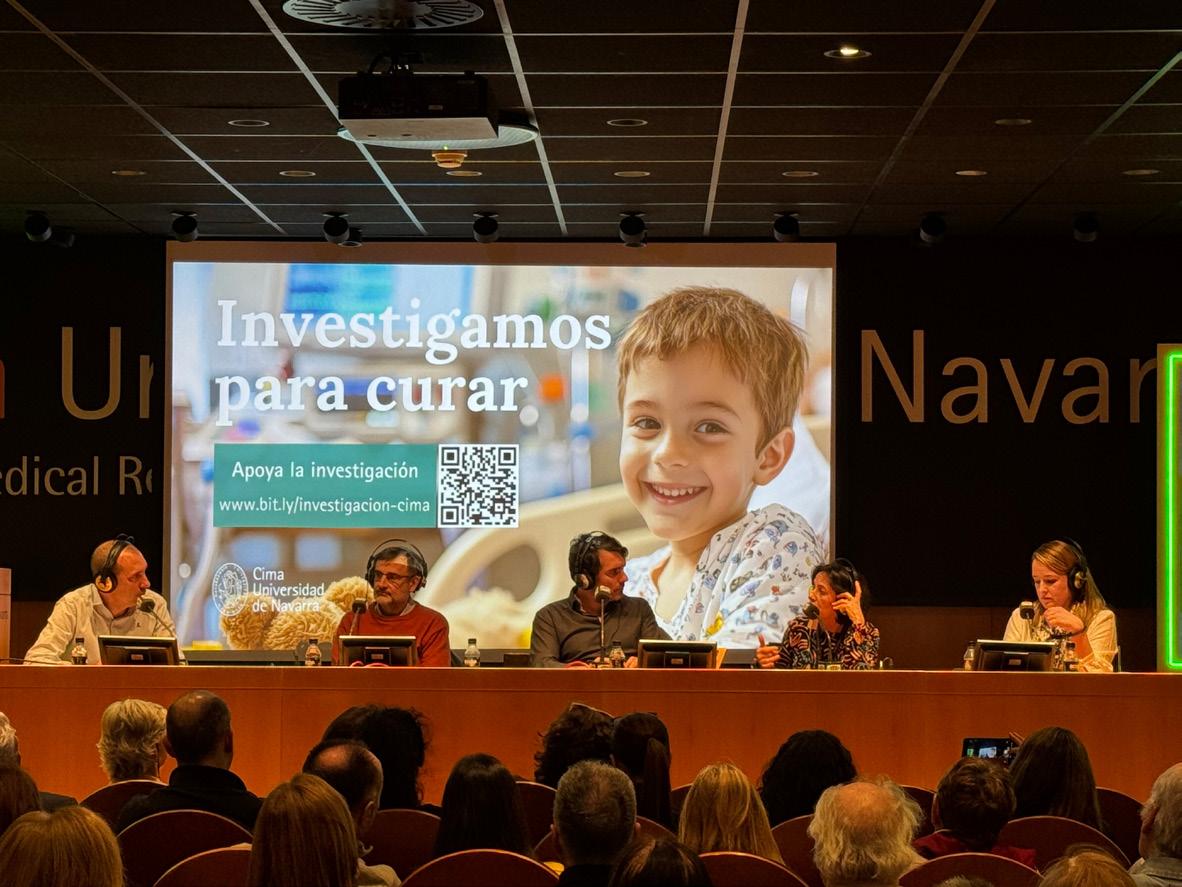
7.5.1. “La Brújula,” Onda Cero radio program
Journalist Rafa Latorre and his team traveled to Pamplona to broadcast their program from Cima, marking the 20th anniversary of the research center.
7.5.2. National impact
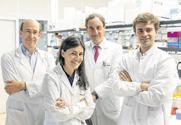
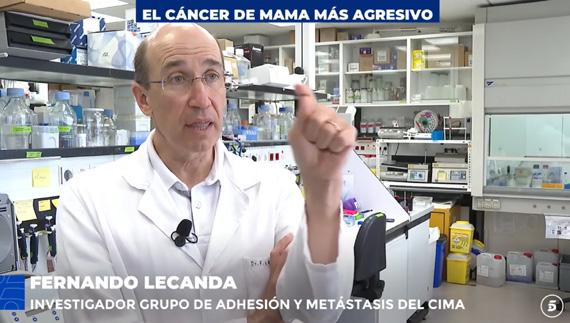
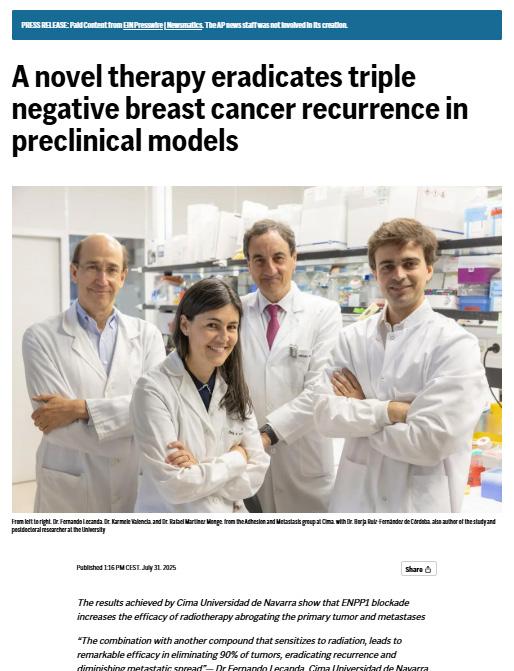
CIMA scientists succeed in eradicating the most aggressive form of breast cancer recurrence in the laboratory
120 national and more than 200 international media outlets reported on the results of this study, which now paves the way for a clinical trial with patients.
DIARIO DE NAVARRA
Logran
7.5.2. National impact
7.5.3. International impact
By Marta Montes Resano
Avda. Pío XII, 55. 31008 Pamplona - España T +34 948 194 700 cima@unav.es https://cima.cun.es/ @Cima_unav