
WHATISREIKIAND HOWDOESITWORK?

UNDERSTANDING REIKI: A PRACTICAL APPROACH
Many of you have probably heard the term “Reiki,” but perhaps you’re unsure what it really means. For those of us who prefer practical explanations before diving into something new—especially when it involves something as intangible as “energy healing”—understanding Reiki requires a closer look at how it works and why people believe it can be beneficial.
THE BODY'S COMPLEX SYSTEM: MORE THAN JUST CELLS
Our bodies are incredibly complex, made up of numerous systems that rely on balance and flow to function well. We have the circulatory system to move blood, the respiratory system to bring in oxygen, and even hormonal and nutrient pathways that keep everything running smoothly.
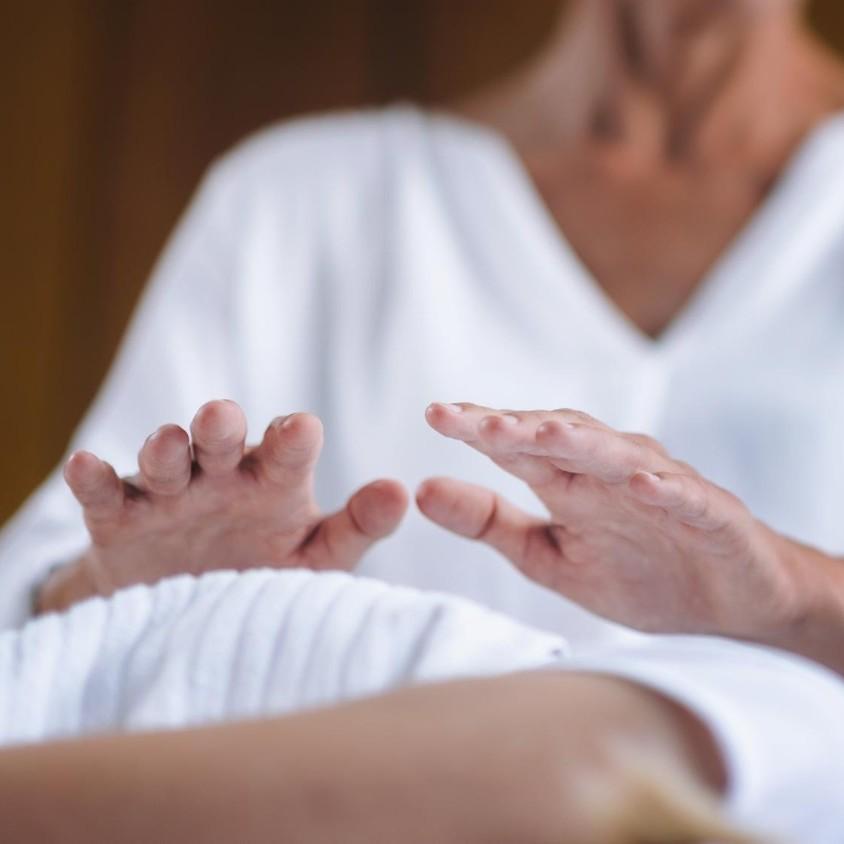
But beyond these physical elements, many healing modalities, including Reiki, propose that there’s another form of flow in our bodies—energy flow.
Energy flow is less tangible than something like blood circulation, but it’s considered just as crucial for maintaining overall wellbeing. If this energy flows freely, the body is said to maintain balance and health. If it becomes blocked, however, it may cause discomfort, emotional imbalance, or even physical illness.
HOW TO RELIEVE NECK PAIN WITH CLINICAL MASSAGE
UNDERSTANDING WHERE NECK PAIN COMES FROM
The neck, or cervical spine, is designed to move in multiple directions: turning, tilting, and looking up and down. As a result, it relies heavily on muscles and soft tissues for support.
WHAT IS REIKI?
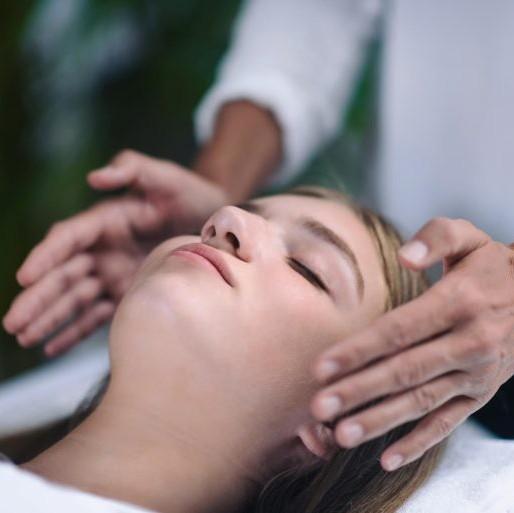
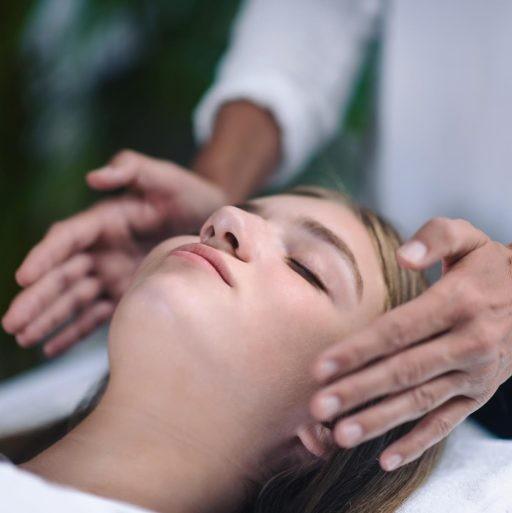
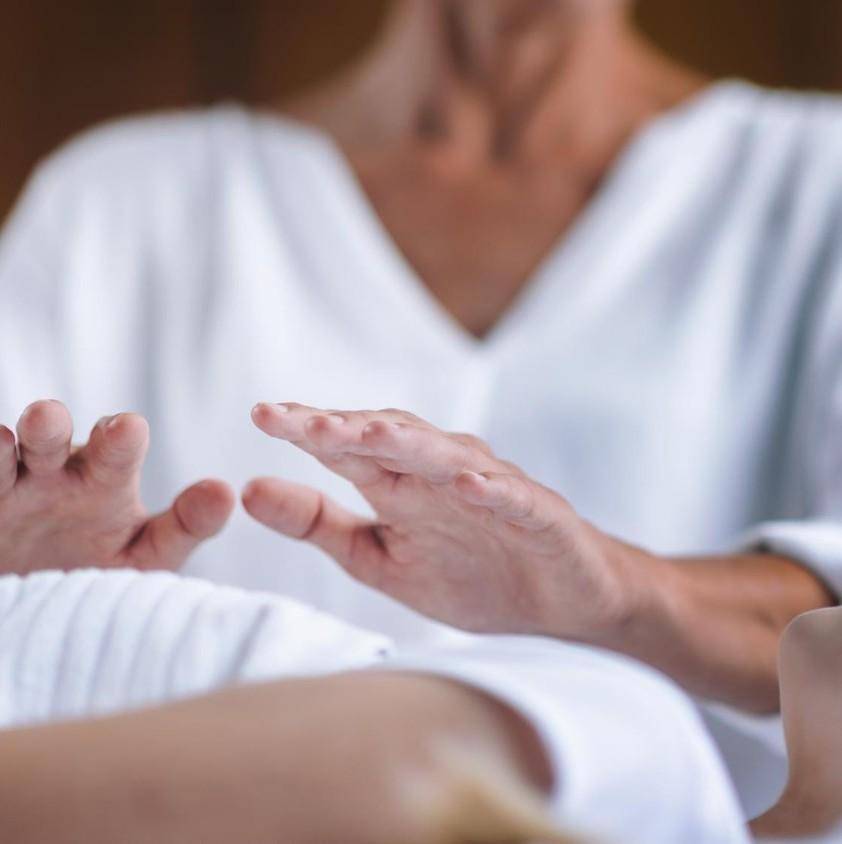
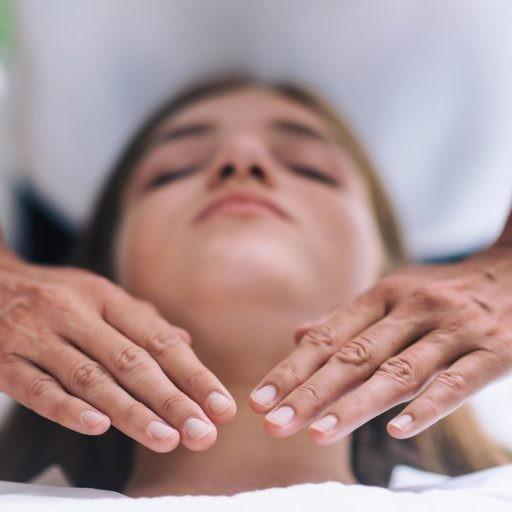
Reiki is a form of energy healing. In a Reiki session, a trained practitioner, attuned to Reiki energy, channels this universal life force energy into the client’s body to clear blockages and restore balance. It’s a non-invasive practice, meaning it usually involves little or no physical contact. The practitioner is essentially acting as a conduit, directing energy to areas in the body where it may be needed.
If you’re wondering what an “energy blockage” might look like, imagine a kink in a garden hose. When the hose is kinked, the water can’t flow properly, and plants don’t receive the hydration they need. Similarly, energy blockages in the body can prevent life force energy from reaching certain areas, leading to dysfunction over time. This might manifest as physical pain, emotional distress, or even mental burnout. Removing these blockages allows the energy to flow freely once more, promoting self-healing and restoration.
WHY TRUST REIKI?
If you’re practical like me, you might be wondering, how can I be sure this works? If you’re used to measurable results or hard proof, energy healing can feel like a tough sell. Reiki, however, isn’t rooted in a step-by-step understanding or scientific evidence in the traditional sense. Instead, it’s more about feelings, intuition, and letting go of the need to control every outcome.
When I first encountered Reiki, I was skeptical too. I’m the kind of person who wants everything to make sense logically before I jump in. But Reiki challenged me to step outside of that mindset. It took time for me to let go of overthinking and simply trust the process—and while it wasn’t easy, the shift was transformative. In the end, it was my personal experience with Reiki that convinced me of its potential.
THE PROOF IS IN THE
EXPERIENCE
If you’re still on the fence, the best way to determine whether Reiki works for you is to try it for yourself. No amount of reading or explaining will fully prepare you for the experience because Reiki is more about feeling than understanding. It doesn’t demand you to “believe” in it for it to work. Instead, it invites you to be open to the possibility that it might help—and to see how you feel afterward.
At its core, Reiki promotes relaxation and balance, helping you connect with your body’s natural healing abilities. Whether or not you fully grasp the concept of energy flow, you may find that the results speak for themselves. Many people report feeling more grounded, peaceful, or simply lighter after a session.
If you’re curious or feel that something in your life needs healing, whether physically, emotionally, or mentally, consider giving Reiki a try. The proof lies in your own experience, and that’s something only you can determine.
CONCLUSION
In summary, Reiki healing offers an alternative approach to well-being by focusing on the unseen yet essential flow of energy in the body. It’s a practice that emphasizes balance, peace, and the body’s inherent ability to heal itself. For the practical-minded among us, the invitation is simple: approach it with an open mind, give it a try, and let your own experience be your guide.