
PASTORAL BULLETIN
GENERAL NOTICES
Pastoral Bulletin Issue 2
Is My Child Too Ill for School?
Administering Medications in School and on School Trips
Injuries Outside of School
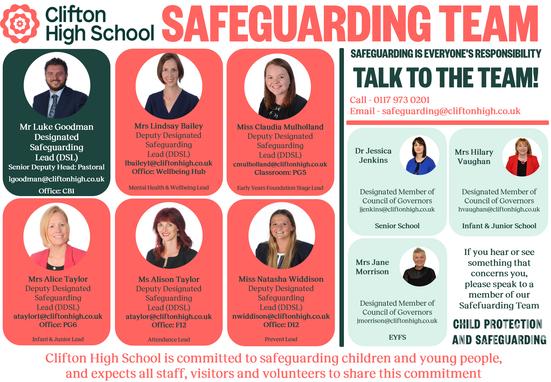
Safeguarding Team
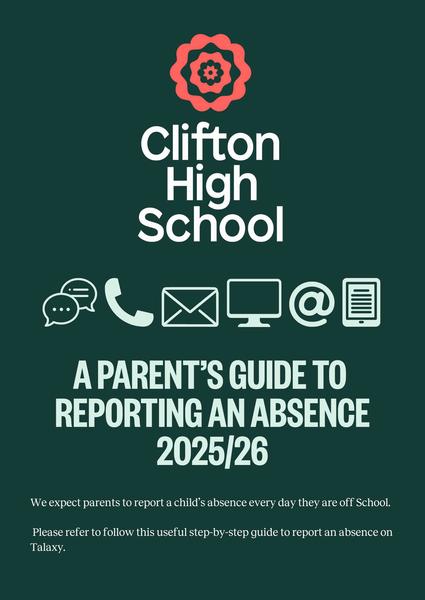
Parents’ Guide to Reporting an Absence 2025/26
PASTORAL SECTIONS
Mobile Phones in School
New Screen Time Guidance for Parents of Children Under 5 Years
Does Your Child Get Angry?
Divorced & Separated Parents Policy
Drugs Support Information - Help Young People
Stay Safe Around Alcohol and Other Substances
Assessment/Examination Preparation and Managing Stress
Age Ratings in Games
Switched On To Privacy Campaign
Attendance Guide For Parents
What Parents and Educators Need To Know
About AI-Generated Videos
Helping Young People Navigate News Online
Safeguarding Alert - Viral Trend Risks Causing
Severe Burns
Online Safety - Cyber Security
Child Accident Prevention Trust (Updated)
Parents’ Pack 2026
LGfl Parent Safe
Mental Health
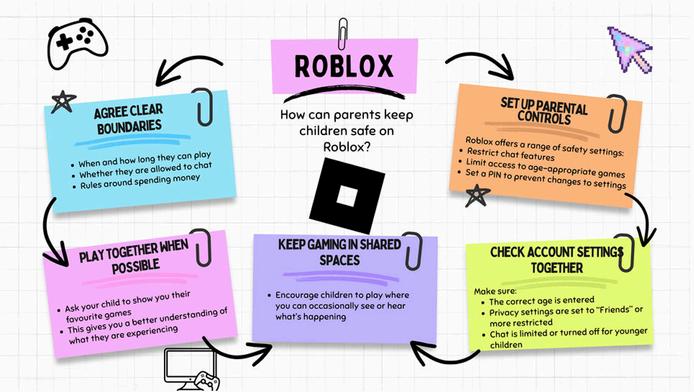
Understanding Roblox
GENERAL NOTICES
PASTORAL BULLETIN
To review Pastoral Bulletin Spring Term 2026 Issue 2, click the button below.
If you have any queries, would like to discuss topics or share ideas, please email the Designated Safeguarding Lead and Attendance Champion, Mr Luke Goodman (Senior Deputy Head: Pastoral) via: lgoodman@cliftonhigh.co.uk.
IS MY CHILD TOO ILL FOR SCHOOL?
Please use the advice from the NHS, linked here, to retain our attendance levels
ADMINISTERING MEDICATIONS IN SCHOOL & ON SCHOOL TRIPS
To consent to your child receiving medication in School, please complete the form linked here. If unwell at School, pupils must attend the Medical Centre and consult a School Nurse, who can assess their medical needs and administer any necessary treatment.
To consent to your child receiving medication on School Trips, please complete the form linked here If unwell on a School trip, pupils must inform their Trip Leader who will support them in administering any necessary treatment. Both forms are also available to access in the Quick Links section of your Talaxy module. Please can parents who have consented to their child administering their own medication in School or on School trips remind them that this medication must not be shared with their peers.
INJURIES OUTSIDE OF SCHOOL
May we request that if your child sustains an injury outside of School, please notify the Medical Team via medical@cliftonhigh couk as soon as possible, so we are aware and can arrange for any necessary care required.
To report a child’s absence, please click the guide.
PASTORAL SECTION
MOBILE PHONES IN SCHOOLS
In response, the School will be looking to introduce lockable mobile phone pouches in specific year groups across the Senior School and has engaged with Phone Locker® to provide such pouches to create a phone-free space at Clifton High School.
Pupils will place their phones into these pouches at the start of the day, where they will remain securely locked until the end of the school day. This ensures compliance with the new legal requirement while allowing pupils to retain their phones for travel to and from school.
The Government has emphasised that this legislation will be designed to: improve pupils’ focus and learning reduce disruption and social pressure support wellbeing and safeguarding give schools clear legal backing to apply consistent expectations.
Further information about dates, routines and expectations for pupils will be shared with parents over the course of this term.
We appreciate the support of parents as we look to implement this change in line with any new national legislation and our commitment to providing a calm, focused and safe learning environment, as well as improve pupils’ wellbeing and safety.
NEW SCREEN TIME GUIDANCE FOR PARENTS OF CHILDREN UNDER-5 YRS
DOES YOUR CHILD GET ANGRY?
Anger is a normal and healthy reaction when things don’t go the way we expected, life feels unfair or people upset or hurt us. It can be a helpful thing - letting us know that something is wrong or not okay with us. It’s normal for children and young people to find it difficult to manage their angry feelings sometimes, there may be a range of issues that they are trying to process and learn how to deal with.
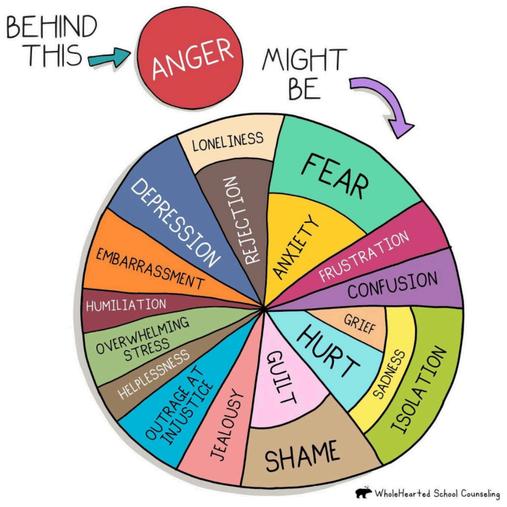
Young Minds provides a guide and advice on what you can do and where you can find help for parents if you need support to respond to your child’s anger or aggression here.
Off The Record Bristol also has a resource entitled ‘Responding Positively to Anger’, which you could use in supporting your child
The NHS provide further information and support on this topic here.
If you are concerned with the behaviour of your child and want to discuss this further, please contact their Class Teacher (Infant & Junior School) or Form Tutor (Senior School) in the first instance.
DIVORCED AND SEPARATED PARENTS POLICY
We would like to remind parents of our Divorced and Separated Parents Policy, which explains how Clifton High School works with parents following separation or divorce, always prioritising the wellbeing of the child.
The policy outlines our approach to communication, consent, parental responsibility, court orders and fees, and confirms our commitment to treating parents fairly and equally where parental responsibility exists
Parents are asked to ensure the School has up‑to‑date contact details and copies of any relevant court orders, and to inform us promptly of any changes in circumstances.
To read the full Divorced and Separated Parents Policy:
DRUGS SUPPORT INFORMATION - HELPING YOUNG PEOPLE STAY SAFE AROUND ALCOHOL AND OTHER SUBSTANCES
The Talk About Trust is a small, dedicated youth charity that works across the UK to ensure young people make safer choices around alcohol and other substances, such as vaping and cannabis. The Talk about Trust supports young people aged 8 - 25 with advice, workshops and resources on a range of life choices via schools, children’s homes, pupil referral units, youth and sports clubs. Their website provides advice and resources on alcohol, cannabis and vaping, including tips to get talking, setting boundaries, the law, hosting parties and where to go for help and support
ASSESSMENT/EXAMINATION PREPARATION AND MANAGING STRESS
With both public examinations and internal assessment starting in the coming weeks, it may become an anxious time for some of our pupils.
Parents can too prepare themselves for this to avoid making children more anxious about this process – it can be stressful time for everyone in the family.
Please find below, a range of online resources to help support you as a family, in the lead up to this time:
NHS: Help your child beat exam stress - NHS (www.nhs.uk)
Young minds: Exam Time & Exam Stress | Parents Guide To Support | YoungMinds
Family Lives: Exam stress | Family Lives
Tips for a calm and steady approach to exams: tips-for-calm-and-steady-approach-toexams pdf (pearson com)
5 Tips for Promoting a Sense of Calm during Revision: Promoting a sense of Calm during exam revision
Mindfulness for revision: Mindfulness for Revision
How to Grow a Grown Up: Managing Exam Stress – what parents need to know! (growingagrownupcom)
AGE RATINGS IN GAMES
Forexample:
Nintendo–restrictsoftwarebyagesoifyourestrictto10+,gameswiththatr cannotbeplayedbyyourchild.
Xbox/PlayStation–setanagelimitsoanythingthatexceedsthatagerating Apple/Google(FamilyLink)–restrictyourchildfrominstallingapps,allowi beforeapprovingallpurchases.
WhatelsedoIneedtodo?
Reviewanyadditionalcontentdescriptors,readreviewsandcheckifthegamei ofcommunicationorin-apppurchases Thiswillhelpinformyourdecisionasto issuitableforyourchild.
Foranygameyourchildplays,setupappropriateparentalcontrols. Ifyoudecideagameisnotappropriate,explaintoyourchildwhy. Weknowyourchildmightfeelpeerpressuretoplaycertaingames,butexplaini willhelpthemunderstandyourdecision.
Forfurtherinformation,pleasesee: Gaming:whatparentsandcarersneedtoknow HowtoEnsureYourChildrenStaySafeWhilePlayingOnlineGames|NSPCC Onlinegamingandprotectingyoungerplayers NICyberSecurityCentre OnlineSafety|GamesRatingAuthority
SWITCHED ON TO PRIVACY CAMPAIGN

The Information Commissioner have launched their Switched on to privacy campaign and their web hub is now live, linked here. This new campaign is designed to help parents and carers of 4–11-year-olds have simple, confident conversations with their children about online privacy. The campaign also encourages treating online privacy as an essential life skill, like road safety, through a simple "Chat, Choose, Check" framework to manage digital privacy, reduce risks from data harvesting, and secure personal information.
ATTENDANCE GUIDE FOR PARENTS
What is considered good attendance?
We always aim for 100% school attendance to help maximise children’s access to education and learning and to support them in achieving their full potential. We acknowledge that for a small number of children, this attendance figure will not be possible due to reasons of ill health, disability, or other social/emotional needs. In these cases, children’s attendance will be viewed within the context of each learner’s needs so that they can be supported to achieve their highest level of attendance
What is persistent absence?
Good attendance is important, and even though 90% sounds really good, it means that a child is missing 10% of their education.
Children who attend school 90% or less are considered to be persistently absent. This is a total of 16.5 school days over the academic year. This will have a negative impact on their education and ability to catch up on the work missed.
What PARENTS must do:
Try to telephone/email the school before 8.30am each day of your child’s absence.
Tell the School in advance of any medical appointments
If you are not sure whether your child is well enough to attend School, send them in anyway, as they often perk up on arrival.
Have a backup plan for if your child misses transport, call on a family member, neighbour or friend.
If you and your child are experiencing difficulties with School attendance, then talk to us as a first step so we can help!
What CLIFTON HIGH SCHOOL will do:
Check your child’s attendance every day.
Phone home to discuss your child’s attendance with you.
Invite you to the School for attendance meetings if we are concerned. If we cannot establish a reason for absence, then we may make a welfare home visit.
Members of the Attendance Action Alliance worked with the Department for Education to develop this short guide, which helps parents understand how they can work with their school and local authority to support their children to attend school and get the right support. Click here to read this guidance.
WHAT PARENTS AND EDUCATORS NEED TO KNOW ABOUT AI-GENERATED VIDEOS
This online safety guide explores AI-generated videos and the dangers they pose to young people, including deepfakes, misinformation, and manipulation. AI can now generate realistic-looking videos that are almost impossible to distinguish from genuine content. From hoax news to abusive deepfakes, these synthetic clips can mislead, manipulate and even harm. As AI tools become more advanced and more accessible, young people are increasingly at risk of encountering fake but convincing footage online. This #WakeUpWednesday guide unpacks the dangers of AI-generated videos, from the emotional impact of fake distressing content to the potential for impersonation and bullying
WHAT PARENTS AND EDUCATORS NEED TO KNOW ABOUT AI-GENERATED VIDEOS CONT/D
With practical tips to help young users spot deepfakes and navigate online spaces with confidence, this guide is an essential read for parents and educators navigating this rapidly evolving digital landscape.
For more information on this topic, please follow these links: Parents think they know how kids use AI. They don't Parents' Ultimate Guide to Generative AI Common Sense Media Talking to children about AI | NSPCC
Please click the flyer to expand and view:
HELPING YOUNG PEOPLE NAVIGATE NEWS ONLINE
Young people today are exposed to more information about the world than any previous generation. News about wars, global conflicts, political events, climate change and social issues appears constantly on social media feeds, video platforms and messaging apps. While staying informed is important, the way many teenagers encounter news can make it difficult to separate reliable information from misinformation, exaggeration or conspiracy theories.
For primary-aged children, it is usually better that the trusted adults in their lives help them make sense of what they are hearing. When parents and carers talk openly and calmly about world events, it helps children feel safe, supported and able to ask questions. The goal is not to give lots of detail or expose children to distressing information. Instead, it is about helping them understand the basics, reassuring them that they are safe and reminding them that many people are working hard to help.
For secondary-aged children, much of what they see may not come from traditional news organisations but from influencers, short video clips or posts shared by friends. This means they may receive information that is incomplete, misleading or designed to provoke strong emotional reactions.
Where young people may be getting their news -
Many young people do not actively search for news. Instead, news often reaches them through: short videos on platforms such as TikTok, Instagram or YouTube influencers or content creators discussing world events posts shared by friends on social media online forums, gaming communities or group chats memes or edited clips that remove important context
Why this can be challenging for young people -
The fast-paced nature of social media can make it difficult to check whether information is accurate.
Some content is deliberately designed to attract attention by creating fear, outrage or shock. This can lead to:
scaremongering: exaggerating events or predicting extreme outcomes misinformation: sharing incorrect or misleading information without reliable evidence conspiracy theories: presenting complex global events as secret plots without credible proof.
HELPING YOUNG PEOPLE NAVIGATE NEWS
Supporting your child -
Parents and carers can support their children by: encouraging them to check information with more than one source watching or reading news together occasionally and discussing it helping them understand the difference between opinion, commentary and factual reporting reminding them that social media posts rarely show the full picture of complex global events.
Why these conversations matter -
Talking about world events in a calm and supportive way can help children to: feel safe and reassured by hearing information from a trusted adult correct misunderstandings they may have picked up from others develop emotional awareness by talking about feelings and worries build resilience and empathy by learning how people help each other during difficult times.
Top tip: Use child-friendly news. When children are not given opportunities to talk, they sometimes fill in the gaps with their imagination, which can make things feel scarier than they really are. If your child is interested in finding out more, it can help to use news sources designed specifically for children. Programmes such as BBC Newsround explain current events in a clear, age-appropriate way that avoids unnecessary distress.
SAFEGUARDING ALERT - VIRAL TREND RISKS CAUSING SEVERE BURNS TO CHILDREN: MICROWAVING NEEDOH TOYS AND SQUISHIES
Children and young people are microwaving squishy silicone toys after seeing online videos claiming this makes the toys softer and more pliable. When the toy is squeezed afterwards, it bursts and sprays boiling material, which reportedly has left children’s hands and faces seriously burned.
This trend has seriously injured children in the UK and the US, most recently in May 2026 in Bristol, UK.
Ineqe Safeguarding Group ask that parents, school staff and professionals avoid searching for this challenge directly on platforms, as each search feeds the algorithm and increases the content's reach, making the videos more visible to users.
For more information on this, please read here.
Ineqe Safeguarding have a Safer Schools Safety Centre resource page, full of information and resources for parents to navigate online safeguarding, linked here.
ONLINE SAFETY - CYBER SECURITY
The security of our devices and data cannot be underestimated. With hacking, identity theft, impersonation, fraud and scams all on the increase, it is important that everybody has an awareness of cybersecurity.
A range of providers, including Internet Matters and The National Cyber Security Centre, have a great article with lots of advice and guidance around a range of cyber security topics for parents/carers and their children, including phishing, doxxing, cryptojacking and much more, all in a non-techie, easy-to-understand format.
For more information, please see the following resources:
What is cyber security? Advice for families Internet Matters
Cyber security advice for you & your family | National Cyber Security Centre
Parent's guide to cyber security
Keeping children safe online | NSPCC
CHILD ACCIDENT PREVENTION TRUST (UPDATED) PARENTS’ PACK 2026
The Child Accident Prevention Trust’s free Child Safety Parents’ Pack contains bite-sized facts and safety tips on the biggest accident risks to children. Allowing you to make simple changes that can fit into busy routines.
To download your copy, please click HERE.
Additionally, this month, the trust highlights to parents the following; Is your garden child-friendly? Are you lucky enough to have a garden? Or can your child play in the garden of family or friends? Outdoor play is a great way to burn off energy, but there are some things to watch out for to keep children safe from serious injury. So, here are some top tips to make your garden a safer place to play. Read more HERE. Swim safe this summer - it’s scary to think about, but drowning doesn’t happen as it does in the movies. A drowning child doesn’t splash about or cry for help. They slip quietly under the water, often unnoticed.
But, once you understand how and where drowning happens, there are things you can do to prevent it. Read more HERE.
Are you excited for BBQ season? BBQ season will soon be upon us, and we can’t wait to enjoy eating outside again. Just remember, a BBQ and the ground underneath it can stay hot enough to cause a serious burn for a long time after it’s been used. So, stay alert and keep children well away from the cooking area until it’s completely cooled. Read more HERE.
LGfL PARENT SAFE - KEEPING YOUR CHILDREN SAFE: ONLINE & BEYOND
It's never easy to know how to keep our children safe when they aren't with us, and sometimes even when they are, if we don't know what's happening in their lives or on their devices! Who are they talking to? What are they doing? Are they okay?
Don't despair, though scroll through this page for help or click a button to go straight to a particular topic.
This Mental Health Awareness Week, the Mental Health Foundation are asking people to join us in taking action to support good mental health.
“Even small actions can help us feel hopeful and less powerless. And while individual actions matter, when we come together we are even more powerful”.
Mental health affects us all – children, young people, and adults alike. Taking practical action can help build resilience, reduce stress, and support emotional well-being at home and at School.
Simple actions families can try together include:
Making time to talk and really listen to one another
Staying active, even through short walks or shared activities
Encouraging kindness – to ourselves and to others
Keeping healthy routines around sleep, screen use, and meals
Noticing when someone might be struggling and offering support
The Mental Health Foundation emphasises that small actions can make a big difference over time, and that supporting children’s mental health starts with nurturing relationships and open conversations at home.
If your child is finding things difficult, or if you have concerns about their wellbeing, please remember that support is available through the school. Families can also find trusted advice and resources via the Mental Health Foundation website.
UNDERSTANDING ROBLOX
What parents need to know
Many children talk about ‘playing Roblox’ as if it were a single game - but it’s important to understand that Roblox is actually a platform where users create and upload their own games. This means that when children are on Roblox, they are not just playing one controlled experience; they can move between millions of different games, created by people from around the world
Why does this matter?
Because Roblox is user-generated, the quality and safety of content can vary widely. While some games are creative and age-appropriate, others may include:
Inappropriate language or themes not suitable for younger children
Unmoderated chat features, where children can communicate with strangers
User-created games with hidden content, which may not be obvious at first
In-game purchases and pressure to spend money (using Robux)
Attempts to move conversations to other platforms (a common online safety risk)
Even when Roblox removes inappropriate content, new games are constantly being uploaded, which makes it difficult to filter.
Further support for parents surrounding this game can be found at:
Parental Controls Roblox
Parental Controls Overview – Roblox Support
What is Roblox? A guide for parents to keep kids safe |
Internet Matters
Is Roblox safe for my child? | NSPCC
What Parents Need To Know About Roblox