
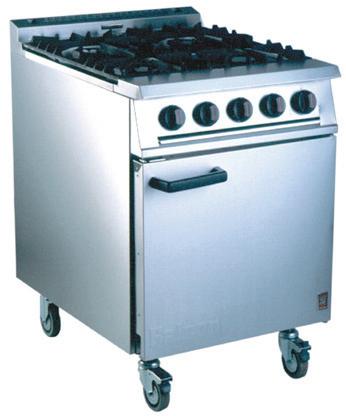




At The Commercial Oven Store, we take great pride in being your go-to destination for all your commercial oven needs.
We understand that when it comes to running a successful business, having the right equipment is crucial. That’s why we have dedicated ourselves to providing top-notch products, coupled with expert advice, to help you make informed decisions and achieve your goals.
As a supplier of commercial ovens, we have established strong partnerships with leading manufacturers in the industry. By working closely with these renowned brands, we ensure that our customers have access to a wide range of high-quality ovens that meet the diverse needs of various businesses.
Whether you’re in the food service, hospitality, or catering industry, we have the perfect oven to suit your requirements.

Licensee & Hotelier News Group is published by RBC Publishing Ltd, 3 Carlton Mount, 2 Cranborne Road, Bournemouth, Dorset BH2 5BR. Contributions are welcome for consideration, however, no responsibility will be accepted for loss or damage. Views expressed within this publication are not necessarily those of the publisher or the editorial team. Whilst every care is taken when compiling this publication to ensure accuracy, the publisher will assume no responsibility for any effects, errors or omissions therefrom. All rights reserved, reproduction is forbidden unless written permission is obtained.
All material is assumed copyright free unless otherwise advised.

The debate regarding the plight of hospitality and business rates has been the subject of contentious national debate for weeks, and shows no signs of abating. Rightly so—the rates burden placed on operators is simply unsustainable. Ironically, as political debate has reached fever proportions on matters unrelated to hospitality, we saw a suggestion for a 'Minister for Nightlife' from the very same government that has crippled the nighttime economy with increased taxes, rules, regulations and compliance demands.
Although, to be fair, a former government minister recognised this recently and also acknowledged the unfair burden of VAT in our hospitality sector compared to the EU.
However, the tourist tax—and let's be honest, that's exactly what it is—has slipped under the radar.
More than 200 hospitality bosses, including leaders from Butlin's, Haven, Hilton, IHG Hotels & Resorts, Merlin Entertainments, Parkdean Resorts, Travelodge and Whitbread, have now urged the Government to scrap this unfair levy. They warn it will hit families hardest, putting jobs at risk and draining money from local businesses and communities.
The UK already faces some of the highest taxes on holidays in Europe. The proposed visitor levy would add an extra £100 or more to a two-week family holiday in the UK. Think about that for a moment. We're talking about slapping a tax on hard-working people seeking to take a break, to enjoy a family holiday. It's frankly outrageous.
As Allen Simpson, Chief Executive of UKHospitality, rightly put it: 'Holidays are for relaxing—not taxing.' The sector already pays billions in business rates, employment taxes and VAT at 20%—double the rate of competitors in France, Italy, Spain or Portugal. And now they want to add more?
I do hope the public see this for what it is: a tax grab by robber barons who really have no idea how hospitality works. The impact extends far beyond accommodation providers. Fewer visitors mean lower spending at restaurants, cafés, pubs, taxi firms and shops. In many coastal communities that rely on tourism for survival, this could be devastating. Fewer visitors mean fewer local jobs, fewer shifts and fewer opportunities.
To even think of taxing holidays is beyond the pale. Do not turn the Great British break into a luxury. Scrap the holiday tax!!
I would urge all our readers to sign up to receive our weekly edition of CLH at www.catererlicensee.com
I can always be contacted at edit@catererlicensee.com


(CONTINUED FROM FROM COVER)
Bosses warn that “holidays are for relaxing, not taxing”, with the proposed tax meaning Brits would face an extra £100 or more for a twoweek holiday in the UK. It could force families to shorten trips, skip travel altogether or head overseas, spending their money elsewhere.
The letter also says there will be significant damage to local communities across England that rely on tourism for survival, as fewer visitors mean fewer local jobs and lower spending at local businesses.
“Hospitality and tourism supports three million UK jobs, from cleaners and reception staff to chefs and entertainers.
“Fewer visitors means fewer shifts, fewer jobs and fewer opportunities — particularly in the entry-level and return-to-work roles which the government is focused on.” The letter said “RELAXING NOT TAXING”
Allen Simpson, Chief Executive of UKHospitality, said: “Holidays are for relaxing – not taxing. Whether you enjoy a city break, a rural retreat or building sandcastles on your beach holiday, you’re already paying your fair share of tax.
“In fact, it’s one of the highest tax rates for visitors in Europe and the holiday tax will only increase that further.
“We are so lucky to enjoy these wonderful islands and we should be encouraging people to visit every part of our country – not taxing them for doing so. The Government needs to scrap the holiday tax.”
3 MILLION JOBS
The letter, signed by 200 hospitality and leisure CEOs, said: “This ‘Holiday Tax’ will hit families hardest, puts jobs at risk, drain money from local businesses and communities and undermine the Government’s growth agenda. Holidays are for relaxing, not taxing.
“For millions of hardworking families, a UK holiday is their chance to switch off and spend quality time together.
“For many, this tax will make their holiday unaffordable, meaning families will shorten trips, forgo a break altogether, reduce their spending with pubs, restaurants, events, leisure activities and local attractions, or travel overseas – spending their money and creating jobs elsewhere.
“Hospitality and tourism supports 3 million UK jobs, from cleaners and reception staff to chefs and entertainers. This is particularly true for coastal areas, which are at the heart of our national renewal. Fewer visitors mean fewer shifts, fewer jobs and fewer opportunities — particularly in the entry-level and return-to-work roles which the Government is rightly focused on.
“The impact of a Holiday Tax goes well beyond the people who provide accommodation. Fewer visitors mean lower spending at local businesses like restaurants, cafes, pubs, taxi firms and shops. In many places, it is tourist spending which keeps high streets alive, supporting the small businesses that define our communities.
HIGH VAT
“The UK’s hospitality sector is already under pressure, with rising business rates, energy costs, tax bills and employment costs. It already contributes billions of pounds in tax, through business rates, employment taxes and VAT, which at 20% is double the rate of competitors in France, Italy, Spain or Portugal.
“Do not turn the Great British break into a luxury. Scrap the holiday tax and back the families, workers and the businesses who make England worth visiting.”
The Government has indicated that, if introduced, any visitor levy in England would most likely be set as a percentage of the accommodation price rather than a fixed nightly fee. It has also suggested that elected mayors would be expected to determine an appropriate rate for their individual areas.
A consultation on proposals to grant English local leaders the authority to implement such a charge is open until 18 February.

In contrast, councils in Scotland and Wales already have the legislative powers required to introduce a visitor levy should they choose to do so.
Across parts of England, a form of visitor charge is already operating through local business improvement districts (BIDs), where hospitality operators have collectively agreed to apply an additional levy to customer bills.
In Manchester, a £1 per room, per night charge was introduced in 2023 and generated £2.8 million in its first year. The Manchester Accommodation BID, which represents 74 hotels and serviced apartment providers across the city, said the revenue has been used to fund marketing activity aimed at driving demand during traditionally quieter occupancy periods.
Liverpool followed suit in 2025, with its own accommodation BID bringing in a comparable scheme.
Elsewhere in the UK, Edinburgh is set to introduce a 5% charge on hotel, B&B and holiday accommodation bookings from this summer. Aberdeen and Glasgow have also approved plans to implement a visitor levy, while some local authorities – including Orkney and Shetland – have opted not to proceed.
Internationally, tourist taxes are already well established in a number of major European destinations, including Paris, Rome and Brussels.
“MODEST CHARGES”
A Government spokesman said: “Tourists travel from near and far to visit England’s brilliant cities and regions.
“We’re giving our mayors powers to harness this and put more money into local priorities, so they can keep driving growth and investment in the economy, supporting thriving communities.
“We expect any new charges to be modest and in line with other countries, and it is for mayors to consider the right level for their area.”

By Naeem Arif, an entrepreneur,

A wealth of factors influence the ongoing success of a hospitality business – and there have been many external challenges in recent years which companies have had to overcome. Yet disappointing Budgets, rising food prices and the cost-of-living crisis have only made one thing even clearer: that customer experience and loyalty are absolutely vital to ensure the ongoing prosperity of the sector.
While there is little which can be done to change issues like the global economy, each business can take control of their own future by focusing inwards, enhancing their service level, and implementing strategies which see customers return time after time.
All-too-often, companies go above and beyond to bring in custom with everything from first time booking deals, flashy promotions, and enhancing the touch points at the beginning of the sales journey. But if you let those customers go at the end of their stay with little or no effort to entice them to return in the future, then you have to go through the cycle again, and again – attracting new customers all the time, rather than being equally focused on retention.
According to Harvard Business Review, the cost of acquiring a new customer is between five and 25 times higher than retaining an existing one, so that’s why 2026 is the time to really hone in on customer expe-
rience and loyalty strategies, put systems and processes in place to ensure everyone gets the same high level of service throughout their customer journey, and elevate those personal touches which create ‘wow moments’ for guests.
Not only does loyalty need to be earned by providing a superior experience, it’s also important to preserve it – and the most beneficial way to do this is by rolling out a loyalty or membership programme, with regular rewards (56% of guests prefer this rather than long waits, according to Access).
Members need to feel they’re not just another name on a list of bookings. This might see them able to access discounts for special occasions like anniversaries or birthdays, or even seasonal offers that aren’t available for non-members. Using the data already gathered from their initial booking can help inform their personalised offers: for example, a family might appreciate a ‘kids go free’ voucher for their next booking, while someone travelling for business might prefer a complimentary upgrade to a room with desk space and super fast wi-fi.
High value doesn’t have to mean high cost: there are many ways lowcost (or even free) ways to enhance a customer’s experience. And with a survey of 45,000 people finding that adding emotional elements to an experience was worth 50% more in loyalty, revenue and market share than purely functional elements, it’s well worth doing so.
A clean room, tasty food, and online booking are standard, every single hospitality business should be offering these to every customer. So, what is going to stand out in a crowded market? Staff greeting each customer by name (an Australian study saw a 20% boost in loyalty just from hotels equipping them staff with guest data already held in their CRM system), curating a small hamper of locally-sourced snacks based on what they’ve enjoyed eating when they’ve previously stayed, or providing a personalised dog toy in a pet-friendly room. These are all extremely affordable options, but the kind of thing customers will mention in a review or go home and tell their friends about.
OUT THE BOX THINKING
In addition to a personalised service, customers also want to feel as if they’ve had access to something a little bit unique – and it’s this which helps increase the perceived value of the experience. For example, most hotels offer a couples deal in February and a Mother’s Day deal in March; far fewer are advertising pet-friendly packages, digital detoxes or adventure bundles.
Perhaps you’re looking to attract more families or an increased number of business travellers? In which case, you need to get into the mindset of your target demographic and understand what might entice them to choose you over all other options they have available.
It might be that you want to stand out on your sustainability efforts –especially relevant right now with 80% of travellers across the globe saying environmental concerns are important to them – in which case, you’ll need to think bigger than asking customers to use their towels more than once. One example could be partnering with an independent local brand which makes plastic-free toiletries, these can be stocked in your bathrooms and you could also provide discount vouchers for them as part of your loyalty programme.
Partnerships are a great way to stand out: giving customers the opportunity to combine their stay with samples of local eateries or visits to nearby attractions, and enabling them to plan their time much more effectively if they can book everything through your website.
Becoming a customer-first business doesn’t have to be inordinately expensive: it means focusing in on the factors you can control and reviewing every step of your customer journey to ensure it sparks enjoyment, enthusiasm, and loyalty. It means empowering and training staff to make going ‘above and beyond’ the norm for every interaction. It means thinking differently, and offering something which makes you stand out for the right reasons.
Greeting a customer by name, handing them a free drink when they visit for their birthday, and ensuring your membership programme really does reward them for their loyalty – they aren’t magic solutions, but they do help to add a little spark of joy which you can harness and transform into a customer/business partnership which stands the test of time.
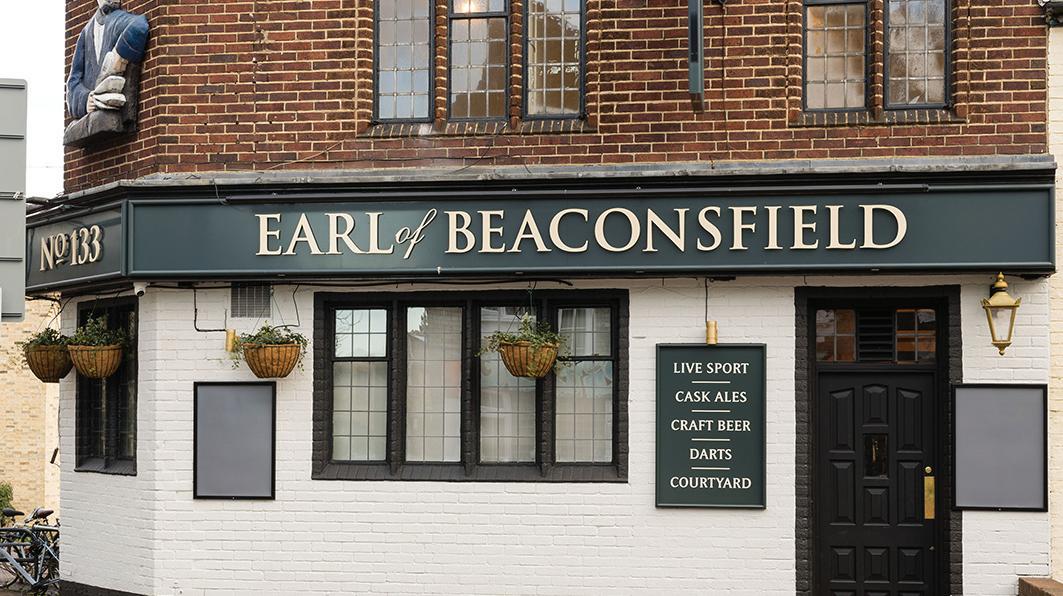
Star Pubs is to roll out 35 new managed operator Just Add Talent (JAT) sites in 2026, the first of which, The Earl of Beaconsfield in Cambridge city centre, opened at the weekend following a 15-month closure. The expansion will bring the number of JAT sites in the Star Pubs estate to over 250 by the end of the year.
The £330,000 upgrade of The Earl of Beaconsfield, once a popular wet led pub, has transformed the prominent city centre pub into a top-quality wet-led local offering sports, music and entertainment. Four new jobs have been created on the back of the investment. The exterior now boasts a standout courtyard garden seating 40 complete with a 26-capacity open garden room with a TV and striking mural featuring The Boat Race. As with other JAT sites, entertainment will be key to the offer, and The Earl of Beaconsfield will host regular
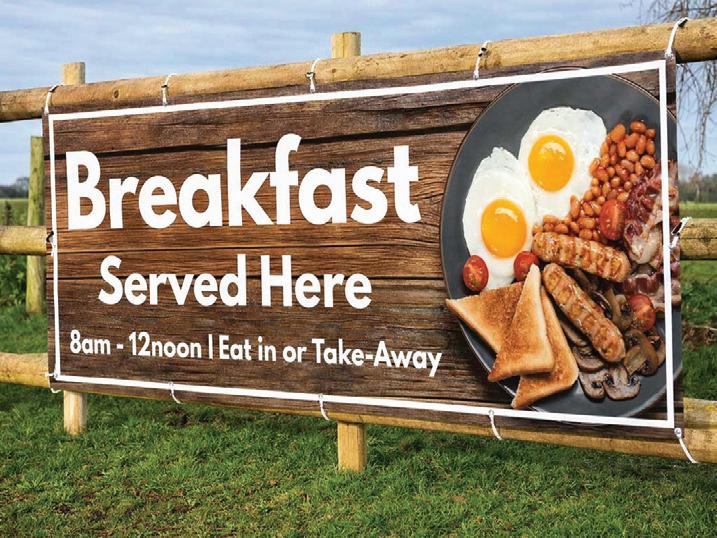
In a competitive hospitality market, pubs and hotels can’t afford to be subtle. If you serve food, people need to know it immediately – and according to HFE Signs, one of the UK’s leading hospitality signage suppliers, food banners remain one of the most powerful ways to turn passing trade into real revenue.
“Food banners are one of the highest-impact products we sell to pubs and hotels,” says a spokesperson from HFE Signs. “They answer the customer’s question before they even ask it: Do they serve food here?”
From “Breakfast Served Here” banners catching early-morning footfall, to “Food Available All Day” messages aimed at lunchtime trade, and “Sunday Roasts” banners driving weekend covers, clear outdoor signage works where decisions are actually made – outside the venue.
Unlike menus hidden indoors or promotions lost online, food banners are bold, visible and constant. Positioned on railings, fences, walls or frontage areas, they promote food offers all day, every day.
“Our customers tell us the same thing time and again,” explains HFE Signs. “Once the banner goes up, people start coming in specifically asking for food they didn’t realise was available.” Speed is crucial in hospitality marketing. Menus change, seasons shift and opportunities come and go quickly. HFE Signs offers next-day delivery on many food banner products, allowing pubs and hotels to react fast –whether launching a new breakfast offer, promoting a midweek food deal or capitalising on Sunday trade.
“We know pubs and hotels can’t wait weeks for signage,” says HFE Signs. “That’s why fast turnaround is built into what we do.”
and live acts.
Star Pubs operations director Mick Howard: “Re-opening a closed pub and returning it to the community is a great way to start the year.
“Cambridge city centre has a wide range of hospitality venues but in the pub’s vicinity there’s a gap in the market for a premium wet led local with a great sports offer. Opening in January gives The Earl of Beaconsfield time to establish itself as a go-to place to watch the World Cup.
“The Just Add Talent managed model combines low-cost and low-risk with high support and earnings potential. It is proving fantastically popular, enabling us to double our talent bank pipeline and ensure we hit our 2026 expansion targets.”
But speed alone isn’t enough. Outdoor food banners need to look professional and last. Poor-quality signage creates poor expectations, especially when promoting food. HFE Signs produces banners using durable materials and high-quality print, ensuring colours stay vibrant, text stays sharp and the banner continues to represent the standard of food inside.
Design is another area where operators often struggle. Not every pub or hotel has the time or expertise to create effective artwork, which is why HFE Signs includes a free simple design service with every order.
“We make it easy,” says the team. “Our designers create clear, bold food banners that work in real-world conditions – not cluttered designs that don’t read from the pavement.”
Food banners are also one of the most cost-effective marketing tools available. With a one-off cost and ongoing visibility, they deliver long-term exposure without ongoing advertising spend – making them ideal for boosting food sales without stretching budgets.
With over 30 years’ experience, thousands of five-star Trustpilot reviews, and a reputation for reliability, HFE Signs has become a trusted supplier for pubs and hotels across the UK.
“Our goal is simple,” concludes HFE Signs. “Help hospitality businesses get noticed, get customers through the door, and sell more
While recent headlines have been dominated by pub closures and mounting cost pressures, a closer examination of the sector reveals a more nuanced and ultimately more optimistic picture.
Behind the challenges facing the sector, a significant portion of the market is not just surviving but thriving, with record profits, strategic acquisitions and rising operator interest painting a picture of resilience and selective strength.
The past year has undeniably been challenging. Rising wage costs, increased National Insurance contributions and higher business rates have squeezed margins across the sector, with labour costs alone rising by an estimated £3.4 billion across hospitality.
According to the latest Survey of Pub Prices from Fleurets, these pressures have fed through into lower average sale prices and subdued transaction activity in some segments.
Yet the data also reveals a clearly segmented market where quality wins. Premium food-led pubs, particularly those with accommodation, and value-led community pubs continue to perform strongly, demonstrating that pubs with a clear offer and proper investment remain attractive both to consumers and investors. (See the full story on page 7.)
Urban Pubs & Bars, London's fastest-growing pub group, has delivered its strongest-ever results, reporting site EBITDA of £23 million and EBITDA after central costs of £17 million for the last 12 months – an increase of almost 50% on the previous reported period.
The group's 66 London sites achieved like-for-like sales growth of 14.5% during the crucial five-week Christmas trading period, with covers up 40% year-on-year.
Managing Director Chris Hill commented: "Delivering over £20m of site EBITDA in the last 12 months is a major milestone for Urban. Our record Christmas trading and latest figures reflect the quality of our estate and the strength of our teams."
The company has remained acquisitive throughout the challenging period, recently completing its sixth acquisition of 2026 with The Birdcage in East London, following a package of five premium pubs earlier in the year.
Investment activity among corporate operators remains robust. Punch
Pubs & Co recently completed the acquisition of 30 pubs from familyowned brewer McMullen's, predominantly across Hertfordshire and Essex.
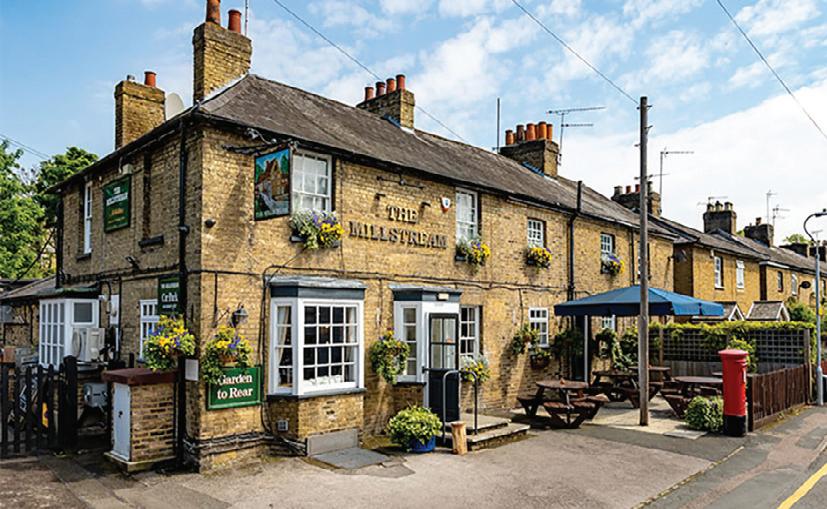
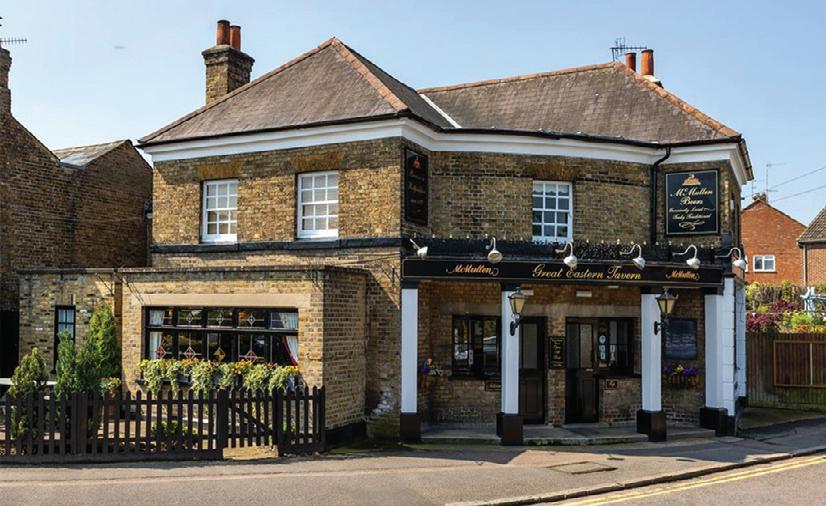
The pubs, which include heritage sites such as the Millstream and Great Eastern Tavern in Hertford, boast strong trading histories and established community positions.
James Croft, Group Strategy and Commercial Director at Punch Pubs & Co, said: "This is a fantastic collection of pubs with real heritage, strong community roots and proven operators running them day to day, and we look forward to welcoming them into the Punch family."
Perhaps most tellingly, Star Pubs has reported that applicant levels for January 2026 were up 10% on the previous year, despite widespread media coverage of sector challenges. The increase comes as prospective licensees undertake more thorough research and demonstrate greater appetite for understanding pub financials before committing.
Hance McPherson, Star Pubs' Head of Attraction, noted: "The economic uncertainty of the last few years hasn't dented enthusiasm for running a pub, but combined with the move to seek knowledge online, has profoundly changed the way would-be licensees research taking on a pub. Nearly 60% of applicants now find their pubs through our website and social media."
The Fleurets data confirms what many in the sector have observed: a bifurcating market where quality assets command premiums whilst under-invested pubs without clear propositions face existential challenges.
Average national freehouse prices fell 9% to £800,364, but this masks significant regional and quality variations.
James Davies, Director and Head of National Agency at Fleurets, explained: "We are seeing a more clearly segmented market. Premium food-led pubs, particularly those with accommodation, and value-led community pubs continue to perform well, while under-invested pubs without a clear offer are increasingly vulnerable."
Critically, pubs sold as trading businesses achieved prices 86% higher than those sold for alternative use, demonstrating the value that remains in well-run operations. Some 69% of all pubs sold remained in pub use, rising to 83% for freeholds.

Last month property adviser Christie & Co published its annual 'Business Outlook 2026' report, examining key market trends and challenges from 2025 while forecasting developments for the year ahead across the hospitality and licensed on-trade sectors.
The January report reveals robust demand for quality pub and restaurant assets, despite ongoing industry headwinds. In the pub sector, an impressive 91% of freehold pubs sold by Christie & Co in 2025 continued in operational use, with distressed sales accounting for less than 2% of transactions.
Private buyers dominated the market, representing 57% of all deals—a clear indication of sustained confidence among individual investors.
Within the restaurant sector, franchising continues to appeal to hospitality entrepreneurs seeking operational certainty, whilst drive-thru and takeaway sites maintain strong demand despite upward pressure on rents.
Notably, although Christie & Co's sentiment survey found 62% of stakeholders hold negative views about the sector, only one in five are considering selling in 2026—demonstrating operators' determination to persevere.
Moving further into 2026, Christie & Co anticipates continued market polarisation. Well-invested venues with compelling offerings are expected to remain resilient, whilst those failing to adapt may face difficulties. The report predicts accelerated consolidation, with larger operators likely to churn estates and reinvest proceeds to strengthen their competitive positions. Technology adoption will continue driving operational efficiency and enhanced customer experiences, while sustainability and ethical values are forecast to exert increasing influence on consumer decisionmaking.
Stephen Owens, Managing Director – Pubs & Restaurants at Christie & Co, commented, “Resilience and adaptability have been evident across both pubs and restaurants. Operators who invest in their offering, embrace technology, and respond to evolving consumer expectations will be best placed to thrive in 2026. Despite cost pressures, demand among buyers looking to acquire hospitality venues remains strong and we anticipate renewed momentum as financing conditions start to improve.”

By Lucy Gordon, Employment & Immigration Partner, Walker Morris

The Employment Rights Bill (ERB), which is set to make sweeping changes to employment law, has now passed through parliament, and received Royal Assent, becoming the Employment Rights Act 2025 (ERA). The changes will be introduced gradually over the next few years, and in many cases further regulations (and consultation) will be needed on the detail of the provisions. Employers in the hospitality sector should start planning now to stay ahead. What are the key changes for the hospitality sector?
Unfair dismissal will not become a day one right as originally planned. However, the qualifying period of service required to bring an ordinary unfair dismissal claim will reduce from two years to six months. This change is expected to be implemented in January 2027. Employers should prepare by strengthening recruitment processes and ensuring effective use of probationary periods and performance management processes for new hires.
In a late development, the government are also planning to remove the cap on the compensatory award for unfair dismissal. On the one hand, many unfair dismissal claims don’t get close to the cap and there is also a view that removal of the cap means there will be less incentive for employees to bring claims for discrimination and whistleblowing to try and access uncapped compensation. However, removal of the cap is likely to mean more high value unfair dismissal claims, and impact on settlement negotiations and the approach to senior executive exits.
The ERB introduces a duty to offer guaranteed hours to zero and low hours workers who work a certain number of hours over a defined reference period. The duty will be an ongoing one at the end of each reference period until the worker is no longer a 'qualifying worker'.
Additionally, the default position is that any offer of guaranteed hours will need to involve a permanent change to terms and conditions, albeit there will be some circumstances where it will be possible for a contract to be fixed term. However, there is much uncertainty about how this exception will operate in practice.
There will also be a duty to provide reasonable notice of shifts and entitlement to compensation for cancelled, moved or curtailed shifts. The ERB contains specific provisions in relation to agency workers. Many details in relation to this change are yet to be confirmed and will need to be set out in regulations following consultation. These changes, expected in 2027, could impact significantly on the hospitality sector where flexibility is key. Employers will need to keep an eye on how the detail develops, but in the meantime can start to prepare by auditing current practices to understand the potential impact of the changes, review the use of fixed term contracts and look at what technology and processes will need to be in place to manage compliance.
A number of changes will be made in relation to trade unions and industrial action. It remains to be seen how significant a shift there will be in the industrial relations landscape as a result, but now is the time to refresh industrial relations strategies and build contingency plans.
The ERA provides that employers must take "all reasonable steps" – a higher standard than the current "reasonable steps"- to prevent sexual harassment of employees. There will also be liability for third party harassment if employers fail to take all reasonable steps to prevent that (in relation to all protected characteristics). These changes are expected to take place in October 2026 and represent a significant raising of the bar in relation to harassment. Employers in the hospitality sector will need to take note of the new provisions on third party harassment, given that staff will frequently come into contact with third parties. Employers will need to act proactively and look at taking further steps, including in relation to risk assessments and staff surveys, training, clear reporting channels and protocols for managers once a report of harassment has been made, signage, auditing of third party arrangements and updating of policies.
Separately, the bill also includes provisions which expressly provide that reports of sexual harassment will be covered by whistleblowing legislation.
There are many other measures in the ERA including in relation to: redundancy collective consultation obligations; the limitation period for bringing tribunal claims; flexible working and family friendly rights; SSP; creation of a Fair Work Agency; restrictions to 'fire and rehire'; workforce consultation on tips; gender pay gap and menopause action plans; a requirement to keep annual leave records; and NDAs.
The ERA represents a significant shift in workplace regulation. While many details remain subject to consultation and further regulation, proactive planning now will help organisations in the hospitality sector adapt and ensure compliance.
The latest Lumina Intelligence Eating and Drinking Out Panel (EDOP) data shows that value-led deals are successfully driving consumer engagement at the start of the year, despite ongoing pressure on household finances.
Rising inflation and post-budget cost increases continue to weigh on consumer confidence, with overall spend growth lagging behind inflation. However, operators’ efforts to attract customers through standout low-price offerings are paying off. January saw increases in both participation (+0.8ppts) and visit frequency (+3.9ppts), demonstrating that well-targeted deals remain an effective lever for boosting footfall.
QSR remains the standout performer, continuing its strong growth trajectory (+1.1ppts) as consumers prioritise convenience and value-for-money. At the same time, shoppers are
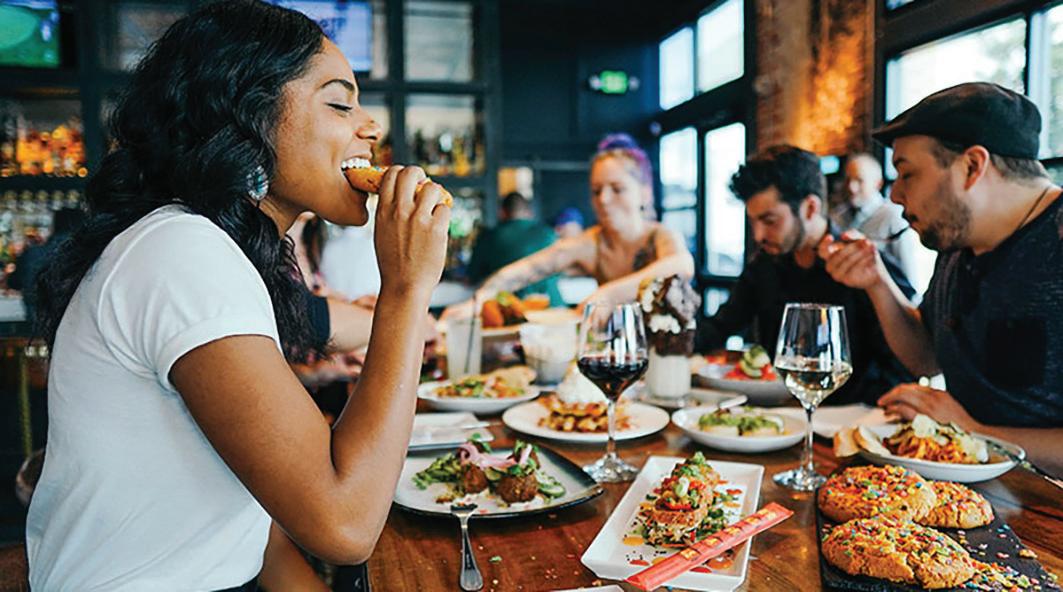
becoming more selective with their spend, favouring quality over quantity. This has benefited mid- to high-tempo channels such as pubs and restaurants as preferred socialising destinations, often at the expense of coffee and sandwich shops.
Health-led choices also came forward in January as consumers looked to rebalance after Christmas indulgence. Brunch recorded the largest daypart growth (+0.3ppts), while pasta and salads gained share as diners opted for lighter meals and smaller portions. The data also reflects operators’ growing focus on snacks and sides, using finger foods to drive incremental spend without increasing overall meal size.
Together, the findings highlight a market where value, flexibility and menu innovation are key to maintaining momentum in a challenging economic environment.
Punch Pubs & Co has completed the acquisition of 30 pubs from family-owned brewer and pub operator McMullen’s.
The pubs, located predominantly across Hertfordshire and Essex, boast strong trading histories, distinctive heritage and established positions at the heart of their local communities.
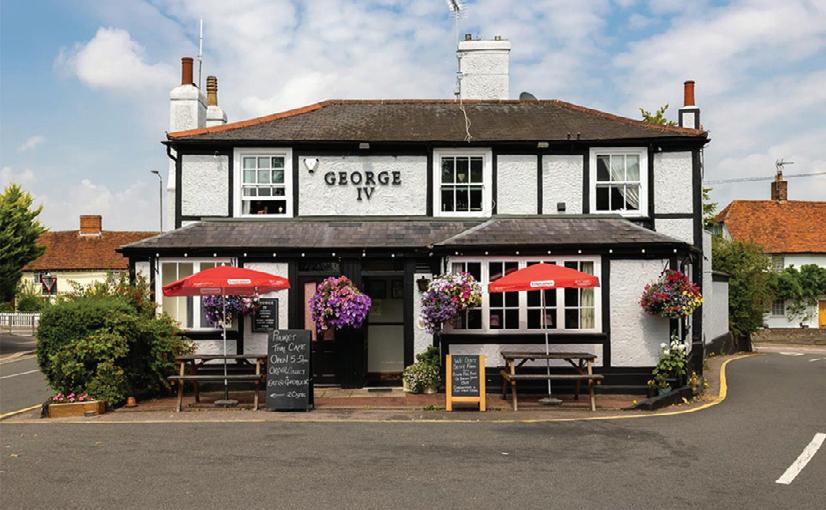
The acquisition represents a small but strategically important addition to Punch’s estate. Pubs include the Millstream (Hertford), Great Eastern Tavern (Hertford) and the George IV (Sawbridgeworth).
James Croft, Group Strategy and Commercial Director at Punch Pubs & Co, said: “We’re delighted to have completed the acquisition of these pubs from McMullen’s. This is a fantastic collection of pubs with real heritage, strong community roots and proven operators running them day to day, and we look forward to welcoming them into the Punch family.
“Our focus remains on long-term partnerships, investing in our pubs and supporting our Publicans and Management Partners to help their businesses succeed as we work towards being the 5-star pub company.” McMullen’s said the future stewardship of the pubs and their Publicans was central to its decision-making.
Tom McMullen, Joint Managing Director of McMullen’s, added: “There are some phenomenal independent operators in these businesses, and it was important to us that they transferred to an owner who possesses both the scale and strategic direction necessary to offer improved support, and is willing and able to provide the financial commitment that these pubs deserve.
We are also grateful to our tenanted operations team who have continued to grow this part of the business and are supporting through the transition.”
New analysis from The Oxford Partnership reveals that the government’s latest business rates discount will still leave the average public house facing a near 52% increase in business rates compared with the COVID support period, adding further pressure to a sector already experiencing sustained outlet closures.
Earlier this month Chancellor Rachel Reeves announced a new package of government support that promises, they said, business rates relief and longer-term stability for the sector.
Under measures announced by the Treasury, licensed premises will see a 15% reduction in newly issued business rates bills from April, followed by a real-terms freeze lasting two years. Ministers say the changes are designed to ease cost pressures on operators while a broader review examines how pubs are assessed for business rates in the future.
Additionally, the Government has advised there will be a review into the method used to value pubs for business rates purposes ensuring that any changes will be implemented for the 2029 revaluation.
The Government also announced a new High Street Strategy which will be published later this year to help ensure retail, leisure and hospitality businesses can thrive. There will also be a review into how hotels are valued for business rates in the longer term.
Officials estimate the typical pub could be better off by around £1,650 during the 2026–27 financial year, with roughly three-quarters of venues expected to see their rates liability either fall or remain unchanged in the next billing cycle.
The move forms part of a wider push to revitalise town centres and support bricks-and-mortar businesses. Alongside the rates measures, the government has signalled that a new High Streets Strategy will be unveiled later this year, accompanied by additional reforms to planning and licensing rules aimed at giving pubs greater flexibility to operate and grow.
However, Oxford data shows that during COVID, the average pub paid £8,195 in business rates after emergency discounts and multipliers were applied. Following the November 2025 Budget, this rose sharply to
£14,625, reflecting the withdrawal of COVID era support and the impact of higher rateable values.
While Chancellor Rachel Reeves has since announced a new discount, reducing the average bill to £12,431, Oxford analysis confirms this still represents an increase of £4,236 per pub, equivalent to a 51.8% rise versus COVID support levels.
“This is not a return to affordability. It is a partial easing of a much larger cost shock,” said Alison Jordan, CEO The Oxford Partnership.
“For many pubs, business rates are now significantly higher than they were when trading conditions were far more supportive.”
Oxford data shows that rising fixed costs are translating directly into outlet losses. Since the October 2024 Budget, the UK has seen an average of c.2.3 hospitality outlet closures per day, as business rates, wages and energy costs continue to outpace revenue growth.
While consumer demand has not disappeared, it has become increasingly concentrated into peak moments, leaving many venues struggling to cover higher overheads across the full trading week, particularly independent pubs and community locals with limited ability to pass on costs.
“The pace of closures tells its own story,” Jordan added.
“Venues are not failing because people do not want to go out. They are failing because fixed costs have reset at a level the market cannot sustain.”
Oxford analysis also highlights that the proposed business rates discount applies only to part of the hospitality sector.
• Hotels and restaurants do not benefit from the relief, despite facing similar cost pressures.
• These sectors are already experiencing softer midweek demand and rising labour costs.
• The result is an uneven policy response that risks shifting financial pressure across the hospitality ecosystem rather than addressing it.
“Hospitality works as a connected system,” said Jordan.
“Supporting pubs while leaving hotels and restaurants exposed simply moves the problem elsewhere.”
While the discount provides short term relief, it does not represent a structural fix for hospitality business rates the analysis reveals.
Without broader reform, Oxford warns that closures are likely to continue into 2026, investment will remain constrained, and more venues will operate in a state of financial fragility.
“This relief is better than nothing, but it is not enough,” Jordan concluded.
“If we want hospitality to survive and invest for the future, business rates reform must reflect today’s trading realities, not pre pandemic assumptions.”
Whilst welcome in the near term, the Chancellors support has been declared “a sticking plaster”, doing little to help the hospitality sector longer term- unless the Chancellor is serious about proper business rates reform, according to business rates experts at Colliers.
According to John Webber, Head of Business Rates at Colliers, “The Government’s backtracking on its business rates policy announced in the Budget is certainly welcome on the immediate front. Pubs and live music venues have been given a reprieve, at least for the three years duration of the new list.
“However, the fact that the government has had to make such a big U turn shows how a poorly thought-out its business rates policy is and unless the government is serious about reforming the current system, looking at both methods of valuation and the multipliers, this volte face solution “purely kicks the problem down the line.”
“We have long been saying the current rateable values for pubs, upon which business rates bills are calculated are just too high. The methods of valuation for pubs are overcomplicated comprising of rent and turnover but not considering increased costs. And some VOA valuation methods require closer examination. Kicking the issue down the road to 2029 without proper reform could still leave many pubs uncertain of their longer-term future.”

By Matthew Adams-Nel, Managing Director of Hospitality at ClearCourse

Independent hospitality businesses face a lot of uncertainty going into 2026. The U-turn on how business rates are calculated for pubs, alongside new support packages, was a small win for a section of the industry. However, targeted support also needs to be rolled out to restaurants and hotels for the sector to not just survive but thrive.
That’s not to say, though, that there aren’t existing opportunities to be successful. In fact, now more than ever, hospitality businesses need to make sure they’re pulling the growth levers that are within their control to win customer loyalty and stand out from the rest.
The quickest way these businesses can enhance operational success is with integrated management systems that can help them respond to consumer trends, navigate curveballs and protect their bottom line.
This might be with embedded payment solutions that improves service accuracy and speed or flexible management systems that can help leaders jump on consumer trends as they happen and deliver great experiences.
Here are just three ways hospitality businesses - namely hotels and restaurants - can take matters into their own hands to ensure long-term success.
Beyond policy changes, consumer trends have a huge impact on the bottom line for hospitality businesses. Trends like ‘Dry January’, for example, can drive demand for more low-to-no beverages at pubs and restaurants, while key moments like Valentine’s Day give hospitality businesses a boost.
With nearly half of customers saying they won’t return to a business
after just one bad experience, independent restaurateurs and hoteliers can’t afford to make mistakes or underdeliver when demand changes. This is where technology can support, helping businesses stay agile, maintain a smooth service and deliver a hyper-personalised experience for customers.
Forecasting platforms and centralised data analytics, for example, help business owners take stock and pivot quickly when a new trend emerges. This unified data can help leaders make sure they have enough staff when demand peaks, or ensure they are well stocked in trending beverages to keep customers happy and coming back for more. Joined up booking systems also make last minute changes easy to manage compared to a paper-based or disconnected system. Having digital systems that speak to one another is critical to avoid booking errors and frustrating guests.
Automating these processes not only reduces friction and improves accuracy for both staff and customers, it helps businesses capitalise on new opportunities and stay competitive.
Payment systems make a huge difference to customer experiences and business efficiency. It can be a point of frustration for customers and businesses if there are multiple systems to switch between, resulting in clunky consumer experiences and manual reconciliation processes that don’t match up.
Having an embedded payment system ensures everything is done in one place, connecting reporting across all sites (whether that’s room service, or the hotel bar or restaurant) to give leaders a more comprehensive oversight of money flowing in and out of the business.
Beyond financial admin, embedded payment solutions also help make it easier for customers to pay the way they want. During COVID times a push for quick unintegrated order and pay systems has left a legacy of disjointed data and poor experience. Now, we’re seeing businesses adopt a hybrid approach, powered by integrated technology, where customers have the choice to order and pay on their phones or pay on a card machine with a server.
Having embedded, secure payment systems is essential to meeting changing customer expectations, improving the back end of the business so teams can focus on delivering the best experience possible for guests.
Nurturing customer relationships and delivering personalised experiences is essential to getting a business through tough times. In an increasingly digital world, these experiences don’t just start and end when a guest is in your establishment - it extends to before they arrive and when they get home, with digital marketing that confirms reservations and thanks them for their patronage.
To stay ahead of the competition, customers look for that extra layer of care to make their experience that much more special. This is something small businesses do well inherently, building a strong, communitycentric customer base and delivering hyper-personalised experiences in person. This can be translated into digital experiences, with gifting options and CRM tools.
In the UK, 75% of consumers prefer businesses that reward their loyalty, and having a smart CRM system means you can track repeat visits and use this data to prompt personalised communications. A great personal touch can be using this tool to monitor when customers have kept their reservation despite wider disruptions - like bad weather or train strikes - and using this data to trigger personalised communications such as thank-you emails, loyalty points, and exclusive discounts to make customers feel appreciated and keep them coming back.
FUTURE PROOFING YOUR BUSINESS
Hospitality SMEs are experiencing unprecedented times when it comes to the uncertain business environment. However, that’s not to say there aren’t opportunities for success and growth.
By adopting the right, integrated technology solutions, hospitality businesses can overcome age old challenges that paper-based or disjointed systems are no longer fit to handle. By making use of specialist software that supports them, hospitality businesses can take control, unlock productivity gains, use data to uncover new ways to deliver great customer experiences and stay one step ahead of the competition.
Community pub, the Simms Road Inn in Wigan reopened earlier this month following a combined investment of £320,000 from licensee Jack Duffy, his parents Julie and Tony, and Admiral Taverns.
This refurbishment will breathe a new lease of life into the Simms Road Inn to elevate and modernise the overall look and feel of the pub – whilst still retaining its original, characterful features such as the two open fireplaces – ultimately enabling the licensees to further cement it as the go-to community hub for local residents. Licensee, Jack, along with his parents, bring a wealth of knowledge and expertise to the pub having grown up in the local area.
Jack’s memories of going to the pub as a child mean that the pub holds a special place in their hearts.
Going forward the licensees are committed to creating a family-friendly hub that brings people together and supports all aspects of community life.
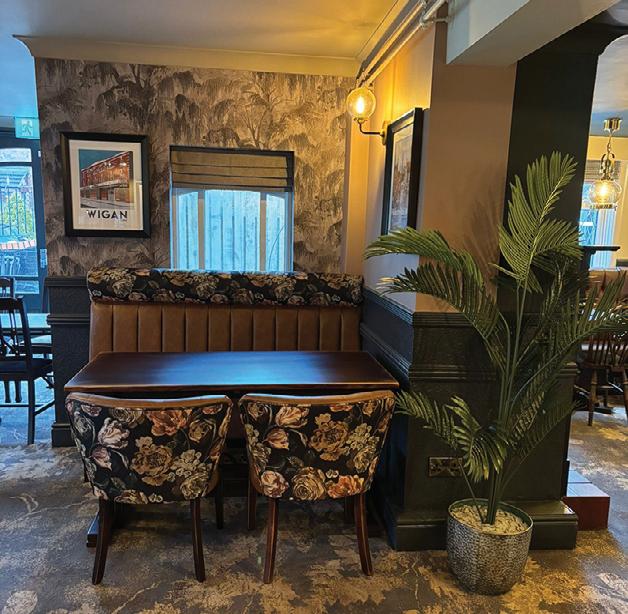
Jack Duffy, licensee at the Simms Road Inn, commented: “We’re really thrilled with the results of this fantastic investment so far. We look forward to welcoming regular and new customers through the doors this week.
We have loved every minute of our time at the Simms Road Inn so far and I would like to thank everyone, from our family and friends to our customers and of course the team at Admiral Taverns, for all their ongoing support so far. I look forward to everything the future holds for this fantastic community pub!”
Ashleigh Kirk, Business Development Manager at Admiral Taverns, added: “Jack, Tony and Julie have brought a real passion and dedication to the pub since taking it over and they have built a strong community focused local that I am sure residents will enjoy.
On behalf of myself and everyone at Admiral Taverns, I wish them and the entire team at the Simms Road Inn the best of luck in the future.”
The hospitality and leisure sector is facing “challenging business conditions” as new data reveals that service sector employment has now fallen for four consecutive months – the longest period of job cuts in 16 years.
According to the latest S&P Global UK Services PMI employment numbers across the service economy decreased at an accelerated rate in January 2026, despite the sector showing robust business activity growth.
The survey highlighted that hospitality and leisure businesses are among those most affected by the staffing reductions, with firms citing squeezed profit margins and fragile market conditions as key reasons for not replacing workers who leave voluntarily.
Higher payroll costs emerged as the primary factor driving the employment cuts. Service sector businesses reported sharp increases in wage bills following recent Budget measures, forcing many to look at automation and productivity improvements as alternatives to maintaining current staffing levels.
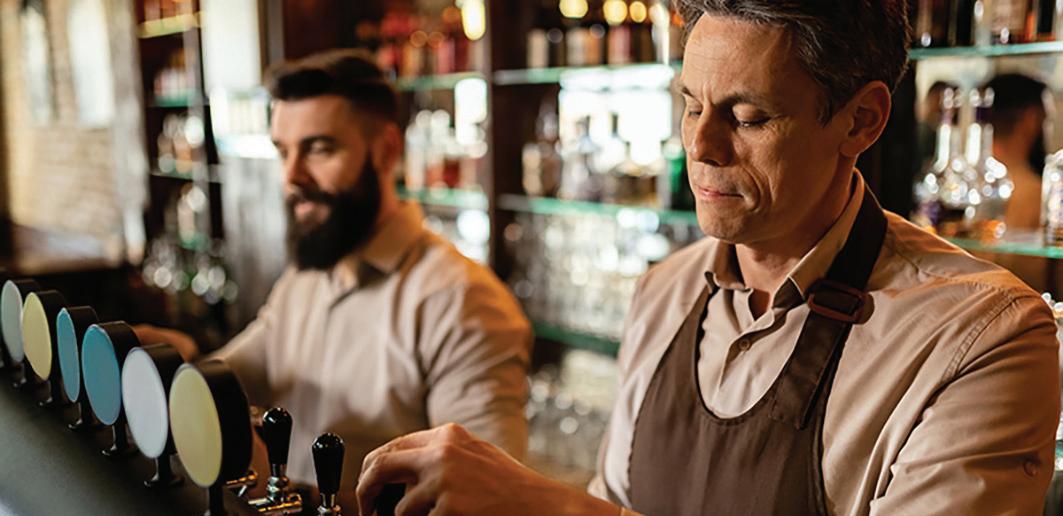
The employment decline stands in stark contrast to the broader service sector performance, which saw business activity expand at its fastest pace in five months. The Services PMI Business Activity Index registered 54.0 in January, up from 51.4 in December.
However, the report specifically noted widespread concerns about subdued consumer
which has particularly impacted hospitality operators. Several firms reported that household disposable incomes remain under pressure, constraining customer demand in the on-trade.
Tim Moore, Economics Director at S&P Global Market Intelligence, commented: “Despite a recovery in total new work, service providers still reported that consumer demand was constrained by squeezed disposable incomes, while risk aversion in response to geopolitical tensions was a factor holding back business spending.”
The data also revealed that input costs continued to rise sharply, with businesses citing higher food prices and raw material costs alongside increased payroll expenses. In response, many operators have been forced to raise prices, with output charges increasing at the fastest rate since August 2025.
Looking ahead, the survey found mixed sentiment in the sector. While some firms expressed hopes for a boost to customer spending from lower borrowing costs and increased construction activity, many hospitality businesses remain cautious about their prospects given ongoing cost pressures and uncertain consumer confidence.
The findings come as the sector continues to grapple with the aftermath of recent Budget changes, including adjustments to National Insurance contributions and the National Living Wage, which have significantly impacted labour-intensive hospitality businesses. With employment falling since October 2024, the data suggests the sector is facing its most prolonged period of workforce reduction since the financial crisis, raising concerns about capacity constraints should trading conditions improve.
Pub campaigning group CAMRA is calling on the Government to rethink plans to weaken protections in the planning system in England, which it says could lead to thousands of pubs being lost forever.
The Ministry of Housing, Communities and Local Government is consulting on plans to change the National Planning Policy Framework.
Existing planning rules mean local councils have to protect all pubs, as they are considered vital community facilities.
Pubs are offered protections in the planning system including the need for planning permission to be granted before a pub can be demolished or converted into houses, shops or takeaways.
But under the Government’s new plans, protections would only apply if a pub were the last one in the local area.
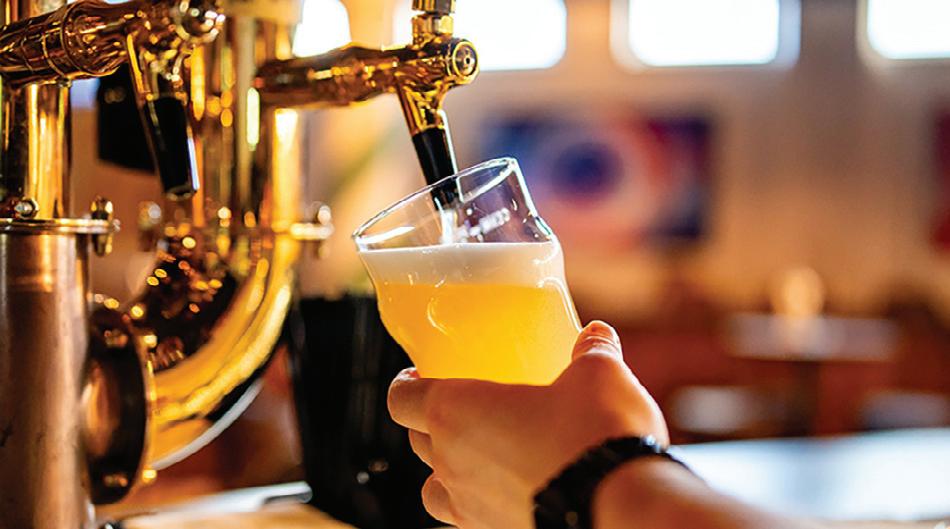
The consumer group is warning that this could see thousands of pubs converted into flats, houses, shops or takeaways by greedy developers – even when local people want to save them as community locals.
The proposal comes shortly after a Government rethink on business rates bill increases for pubs in England which threatened thousands of local pubs across the country.
CAMRA argues that it doesn’t make sense for the Government to give help with business rates bills to stop pub closures and then change planning rules which could lead to more pubs being lost forever.
Paul Ainsworth, CAMRA National Planning Policy Advisor said: “We strongly object to these plans which could spell the end for thousands of viable pubs across England.
“Strong planning protections are needed to give local people the right to try to save their pub if it is under threat of demolition or conversion. Crucially, this must apply to all pubs so that communities can save their local even if there are other pubs in the same area.
“Without protections for every pub, we risk seeing greedy developers cash in and try to turn pub buildings into other uses like houses, shops or takeaways. This would be devastating for communities who would lose a vital part of their social fabric.
“CAMRA wants Government ministers to rethink this proposal and keep strong protections for all pubs in the planning system so our locals can keep serving their communities instead of being lost forever.”
The British Beer and Pub Association (BBPA) has been awarded the Bronze Armed Forces Covenant Award, recognising its commitment to supporting serving personnel, veterans, reservists and military families across the pub and brewing sector.
The award follows the BBPA’s formal signing of the Armed Forces Covenant and confirms the trade body’s commitment to being an Armed Forces-friendly organisation.
Bronze status is awarded to organisations that demonstrate their understanding of the Covenant and actively promote support for the Armed Forces community within their workforce.
The recognition reflects the pub and brewing industry’s long-standing relationship with the Armed Forces and its role at the heart of local communities.
Across the UK, pubs and brewers continue to host remembrance events, bring veterans together, raise funds for military charities and provide welcoming spaces for service personnel past and present.
The BBPA is encouraging more pub and brewing businesses to sign the Armed Forces Covenant and work towards recognition under the Defence Employer Recognition Scheme.
Emma McClarkin, CEO of the British Beer and Pub Association, said: “Receiving the Bronze Armed Forces Covenant Award is an important step in recognising the contribution of those who serve and have served our country.
“Pubs have always played a central role in bringing communities together, and this award underlines our commitment to ensuring veterans, reservists and service families are supported across our sector.”
Jonny Ball, Veteran and co-founder of charity the UK Afghanistan Veterans Community, said: “I am delighted to learn that so soon after signing the Armed Forces Covenant, the BBPA has been recognised with a Bronze Defence Employer Recognition Scheme Award.
This demonstrates that not only is the industry wanting Veterans, Reservists, Cadet Force Adult Volunteers and their families in a variety of careers across our diverse British hospitality sector, but that it is recognised by Defence as a good place to work too.
“I look forward to their members being inspired by this award, and as a Veteran, walking into any one of our great pubs and seeing this award and the Covenant displayed by others following their example.”
As the hospitality sector navigates current economic and trading challenges Richard Hunt, Director of Liquidation Centre (www.liquidationcentre.co.uk) discusses practical steps operators can take to liit the threat of insolvency.
A cost audit is one of the most vital steps pubs and hospitality businesses can take now to get a grip on their spending. Cost audits can help examine and identify where money is being lost, whether that’s on utilities, stock, or outdated supplier contracts. It is the perfect opportunity to separate essential costs from outdated habits and expenses. By doing this, owners can reduce wasteful spending, refine ordering, and gain a clearer picture of where the business stands.
Richard adds: “For pub owners, margins are tighter than they have been in years. No one opens a pub expecting to worry about insolvency, but the sooner you take a close look at the numbers, the more control you keep. A cost audit can reveal where money is slipping away and fix those pressure points before they spiral.”
With rising costs continuing to put pressure on the sector, pricing strategies are crucial in ensuring owners are protecting profitability.
Regularly reviewing product prices enables pubs to ensure their profit margins align with rising business costs, without alienating consumers.
“Small, meaningful adjustments such as introducing premium menu offerings or rebalancing prices across the menu can boost profitability without impacting every product. Pricing strategies that are clear and well executed help pubs respond more confidently to market pressures, rather than reacting too late, when steep price changes could result in damaging customer trust."
Managing fixed costs can be even more important than trying to boost sales, especially at a time when consumer confidence and spending are under pressure. When revenue drops and supplier costs rise, fixed
expenses like rent can quickly start to feel overwhelming.
“Taking a close look at lease costs can open the door to renegotiation and give businesses more breathing room. It’s a practical step that can ease pressure on overheads and help pubs stay resilient during tougher trading periods, while building a bit of financial headroom.”
Pubs rely heavily on drinks sales, but during times of economic uncertainty, customers tend to spend less, putting pressure on their main source of income. That’s why adaptability is vital. Pubs that are willing to explore and diversify revenue streams stand in better stead to cope with economic pressures.
“Transforming the pub into a space that offers more than just drinks can open up new income streams. Quiz nights, daytime co-working offers, lunch deals, or even selling local products can all bring in extra revenue and attract a broader mix of customers.”
During difficult trading periods, waiting until it is too late to act is one
of the most common and biggest mistakes businesses make. Delaying those difficult conversations only increases the pressure and reduces the likelihood of coming out the other side. By speaking to advisors and lenders at the first signs of trouble, more options are likely to remain available, including restructuring support. Lenders are also generally more willing to work with businesses that are proactive and transparent about their position. Continuing to trade as normal while knowingly facing insolvency can also expose owners to personal liability and reputational damage.
“Insolvency practitioners and advisors can bring experience most operators simply don’t have in-house. From cash flow forecasting to landlord negotiations, the key is knowing whether the business is facing a shortterm liquidity problem or if there's a deeper profitability issue. This can help to differentiate between a business that may simply have a temporary liquidity problem, one which may need restructuring, or a business with profitability issues. All of these need to be tackled in a unique and accurate way, making this distinction vital.”
Richard reveals further advice and emphasises the importance of acting early:
“Alongside the above, struggling pubs and hospitality firms may also consider menu engineering and stock optimisation. This can boost the pub’s basic foundations by reducing wasteful spending on unprofitable items and focusing more on high-margin, popular drinks/dishes that support cash flow. With business costs remaining high for many establishments, making sure stock and resources are used effectively can play an important role in reducing the risk of insolvency.
“Another key area to keep under control is staffing. Smart staffing solutions and choices can keep a business afloat in a tough climate. Keep workforce capacity in line with customer demand and regularly analyse payrolls to keep this manageable. At the same time, it’s important not to compromise on service quality, as maintaining a loyal customer base is vital during challenging economic periods. Above all, never ignore any financial warning signs. Acting early can make all the difference, while leaving it too late may result in insolvency that could have been avoided.”
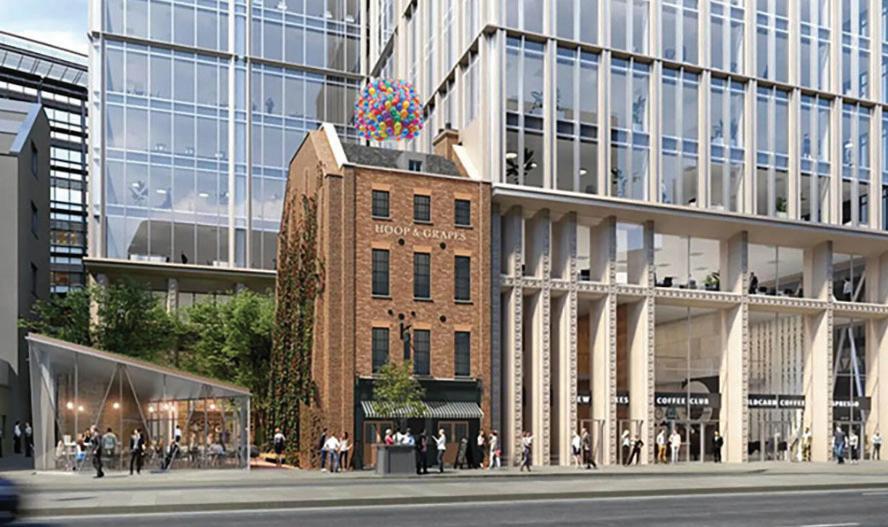
A spectacular display of more than 1,000 balloons floating above Farringdon marked the reopening of historic City pub The Hoop and Grapes earlier this month.
The eye-catching launch transformed the five-storey building into a real-life version of the house from Disney’s Up, celebrating the longawaited return of one of the area’s most distinctive pubs.
Independent family brewer and pub company Shepherd Neame has invested £1.8 million in restoring the Grade II-listed landmark, which had been closed since 2019 during redevelopment of the surrounding area.
The pub is led by General Manager Phil McAree, whose relationship with Shepherd Neame spans more than 20 years, including managing the Coach & Horses in Mayfair and the Cock & Woolpack in Bank.
Working alongside new Head Chef Aleksandrs Voroncovs, Phil has helped develop a distinctive food-offering centred on locally sourced, seasonal produce and relaxed, shareable dishes.
The reopening is part of Shepherd Neame’s ongoing investment in its premium London estate, following major refurbishments at The Tom Cribb, The Westminster Arms, The White Horse and Bower, and the acquisition of the Bishops Finger in Smithfield.
“Seeing more than 1,000 balloons billow above the Hoop and Grapes was a truly magical moment – a joyful way to mark the return of a pub with such a remarkable history.
We’ve worked hard to create a space that showcases the building’s heritage while offering a contemporary, welcoming experience, and the response from our team and customers has been incredible.
New data from The Oxford Partnership reveals that the opening weekend of the 2026 Guinness Six Nations delivered a significant uplift for the UK’s ontrade, with pubs and bars benefiting from increased footfall, longer dwell times and strong drinks sales.
Across Thursday 5th and Saturday 7th February, rate of sale rose by 6.6% compared with the previous weekend, while sales were up 0.9% year-on-year versus the equivalent fixtures in 2025. In total, 11.4 million pints of draught beer and cider were sold, with the average pub serving 349 pints over the two days, generating an estimated £1,805 in income per venue.
Welsh supporters led the way, driving the highest uplift and contributing an average of 86 extra pints per pub. Stout was the standout category, growing by 7.4% compared with last year, significantly outperforming the overall market, while Guinness emerged as the highest-selling brand, overtaking Carling. World lager continued to dominate market share, with Cruzcampo recording the strongest rate of sale, as consumers increasingly favoured premium international brands over craft, core and standard premium lagers.

The data also highlights positive shifts in consumer behaviour, with footfall rising by 4.0% compared with 2025, outpacing volume growth and indicating stronger engagement in venues. Thursday trading proved particularly strong, with visits up 7.2%, reflecting both fixture scheduling and growing appetite for midweek sports occasions.
Urban locations performed especially well, recording an 11.2% uplift in footfall, while city centres saw the
biggest increase in dwell time. On average, customers spent 163 minutes in venues across the two days, up four minutes year-on-year, representing a 2.5% increase. Urban, suburban and rural venues all experienced longer visits, underlining the broad-based nature of the uplift.
While the shift of the opening fixture from Friday in 2025 to Thursday in 2026 partly explains the stronger performance, the results point to sustained consumer enthusiasm for live sport in pubs and bars.
Commenting on the findings, Alison Jordan, CEO of The Oxford Partnership, said: “Week One of the Six Nations once again underlines the vital role that major sporting events play in driving footfall, dwell time and revenue for pubs. “Selling over 11 million pints in just two days shows the continued power of live sport to bring people together in venues. What’s particularly encouraging is that this growth isn’t just about volume, as customers are staying longer, spending more time in pubs, and increasingly choosing premium and world lager brands.
“In the current trading environment, where many operators are under significant cost pressure, these occasions provide a crucial opportunity to rebuild margins and confidence. Our data shows that when the product, atmosphere and occasion align, consumers are still very willing to engage with the on-trade.
The Six Nations continues to be one of the most important trading periods of the year, and Week One 2026 has set a strong benchmark for what’s possible.”
The Government’s latest Business Rates Relief scheme has delivered a serious blow to Britain’s night-time economy, explicitly excluding nightclubs, grassroots electronic music venues and recorded music spaces, and reinforcing growing concern that electronic music and counter-cultural spaces continue to be overlooked in national policy.
At a time when the UK has already lost more than a third of its nightclubs, ministers have introduced a relief package that leaves surviving venues facing higher costs, fewer businesses to share the burden, and no meaningful support, a decision that risks accelerating closures across the sector.
Fewer venues, higher taxes, no relief – Nightclub figures reveal the scale of the imbalance:
• Nightclubs (VOA 199/303) down 32% since 2017
• Total Rateable Value: £69.4m, up from £65.4m in 2017
• Average RV per nightclub: £56,000, up from £35,725 in 2017
• A 56% increase, despite one-third fewer venues remaining
In effect, a shrinking sector is now paying more overall, while being excluded from the very relief schemes designed to protect hospitality, culture and town-centre economies.
Beyond nightclubs, the continued exclusion of recorded music environments, including DJ-led venues, listening bars, grassroots electronic music spaces and hybrid cultural venues, is especially alarming.
These spaces are core infrastructure for the UK’s music ecosystem. They support artist development, local employment, night-time economies and one of the country’s most successful cultural exports. Yet once again, recorded music-led venues fall outside eligibility criteria, echoing the pandemic-era failures when electronic music was excluded from Cultural Recovery Fund support.
Despite assurances that those mistakes would not be repeated, the same policy blind spots have returned.
Michael Kill, CEO, Night Time Industries Association said, “The decision to exclude nightclubs, grassroots electronic and recorded music spaces from business rates relief is a surreal decision, and could not have expected anything less than anger given the last two budgets.”
“Electronic music spaces are not optional extras in the cultural landscape. They are talent incubators that develop the next generation of artists, DJs, promoters and creative entrepreneurs. They are where careers are built, scenes are formed and global exports are born. To
exclude them is to undermine the future of the UK’s music industry at its foundations.”
“We have already lost over a third of the UK’s nightclubs, yet the venues that remain are being charged higher business rates than ever, with fewer businesses left to carry the burden and no access to relief. This is not targeted support, it is policy that actively accelerates decline.”
“What has happened to the Government’s SME strategy? What has happened to the industrial strategy that repeatedly recognised the importance of creative pipelines and cultural infrastructure? Today, those commitments are nowhere to be seen.”
“This patchwork approach to business rates is chaotic policy administration at best and sends no signal of confidence to businesses, workers or investors. It suggests a Government that neither understands nor values one of the UK’s most successful cultural and economic sectors.”
“If this position is not urgently corrected, we will see further closures, lost talent and long-term damage to Britain’s global cultural standing. Nightlife and electronic music are not fringe activities, they are central to who we are and to the future of the creative economy.”
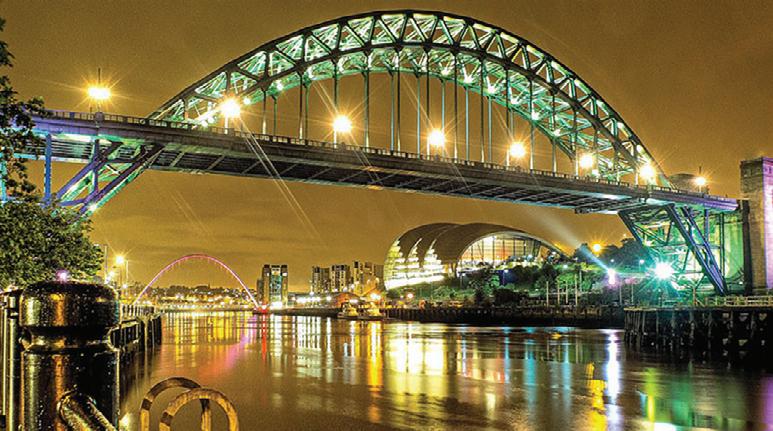
Hospitality growth in the UK is being supported by strong performance in the North, with new research from Northern Restaurant & Bar (NRB), in partnership with NIQ powered by CGA, revealing that all five of the country’s fastestgrowing hospitality cities are located in the North and Scotland.
Newcastle emerges as the strongest-performing city overall, recording a +2.2% increase in licensed venues over the past year, followed by Chester (+2.0%), York (+0.9%), Glasgow (+0.2%) and Leeds (+0.2%). In contrast, major southern cities including London (-0.8%) and Birmingham (-2.9%) declined over the same period, underlining just how firmly the North is leading the UK’s hospitality recovery.
Traditional pubs continue to underpin this resilience. Northern pubs recorded +0.5% growth in like-for-like sales. Consumer loyalty is also stronger in the North, with 39% of consumers regularly visiting traditional drinking pubs compared to 35% in the South, helping to support sustained venue growth, despite challenging trading conditions.
The data also highlights regional differences in how consumers are responding to ongoing cost-of-living pressures. While concerns are more acute in the North, with 72% citing cost as a factor when deciding whether to go out compared to 61% in the South, Northern consumers are prioritising quality over quantity

when they do spend. Celebrating special occasions and investing in higher-quality food and drink are key drivers of spend, reinforcing the importance of experience-led venues.
Customer satisfaction levels further reflect this focus on quality. Overall satisfaction with experience quality stands at 87% in the North, compared with 82% in the South, with Northern venues outperforming on cleanliness, menu range and speed of service.
For northern operators, the data offers genuine grounds for confidence. With the region’s cities consistently leading UK growth and consumers demonstrating stronger loyalty and higher satisfaction, the North appears best placed to capitalise.
Chris Brazier, Group Event Director for NRB26, said: “The North’s hospitality sector has always been built on strong community roots, genuine value and standout experiences, and this data proves just how powerful that combination remains. Despite continued economic pressures, Northern operators are finding ways to grow by focusing on quality, loyalty and creating places people genuinely want to return to. It’s a positive signal for the future of hospitality in the region.”
warns global recruitment and smarter workforce planning will define hospitality success as staffing shortages persist

UK hospitality businesses are heading into 2026 facing a perfect storm of rising costs, talent shortages, and shifting immigration rules, warns workforce management provider Quinyx (www.quinyx.com).
And, as the sector battles to fill thousands of vacancies, many operators are looking beyond borders to secure the skills they need. However, with visa restrictions tightening and wage bills soaring, the challenge isn’t just finding peopleit’s managing them effectively.
“Hospitality has always relied on a diverse, global workforce,” says Ned Gammell, VP of Sales and hospitality expert at Quinyx. “But the landscape has changed dramatically.
Employers are under pressure from every angle - higher wages, stricter visa requirements, and unpredictable demand.
Success now depends on how quickly businesses can adapt their workforce strategies.”
Hospitality remains one of the UK’s largest employers, contributing over £93 billion annually to the economy, yet the sector grapples with an estimated 84,000 unfilled positions[1].
Gammell explains: “Historically, more than 20% of the workforce came from overseas, but new immigration reforms have raised barriers. For instance, over 180 hospitality roles have been removed from visa eligibility. Plus, sponsorship costs for employers have surged, whilst at the same time, wage pressures are mounting. 2026
looks set to be hugely challenging for these people-centre businesses.”
From April 2026, the National Living Wage will rise to £12.71/hour, adding an estimated £1.4 billion in extra costs for hospitality businesses annually. Combined with frozen tax thresholds and higher NI contributions, operators are facing unprecedented financial strain.
Quinyx’s own State of the Frontline Workforce research highlights the human side of this challenge: 65% of hospitality staff experience job-related stress, and nearly half (49%) said their job has had a negative impact on their physical or mental health. According to the global research, UK workers increasingly value flexible scheduling and better tech tools—areas where hospitality businesses can make a real difference.
“This isn’t just about filling gaps,” Gammell adds. “It’s about creating an environment where people want to stay. When you’re managing teams from multiple countries, with different languages and visa conditions, complexity skyrockets. That’s where technology becomes a game-changer.”
Looking ahead, Quinyx predicts that 2026 could be a tipping point for UK hospitality. “Unless businesses embrace smarter workforce planning and retention strategies, we risk a black hole where demand outstrips available labour,” he warns.
“Overseas recruitment will decline sharply due to higher visa salary thresholds and reduced eligible roles. At the same time, reliance on flexible, tech-enabled scheduling will surge as operators seek to maximise productivity from smaller teams. Those who fail to adapt could see service levels and profitability collapse, while businesses leveraging AI-driven workforce management will maintain resilience.”
Gammell concludes: “When scheduling runs smoothly, managers have more time to focus on what really matters—motivating their teams and delivering exceptional customer experiences. The businesses that win in this new era will be those that combine global talent with smart, tech-driven workforce planning.”
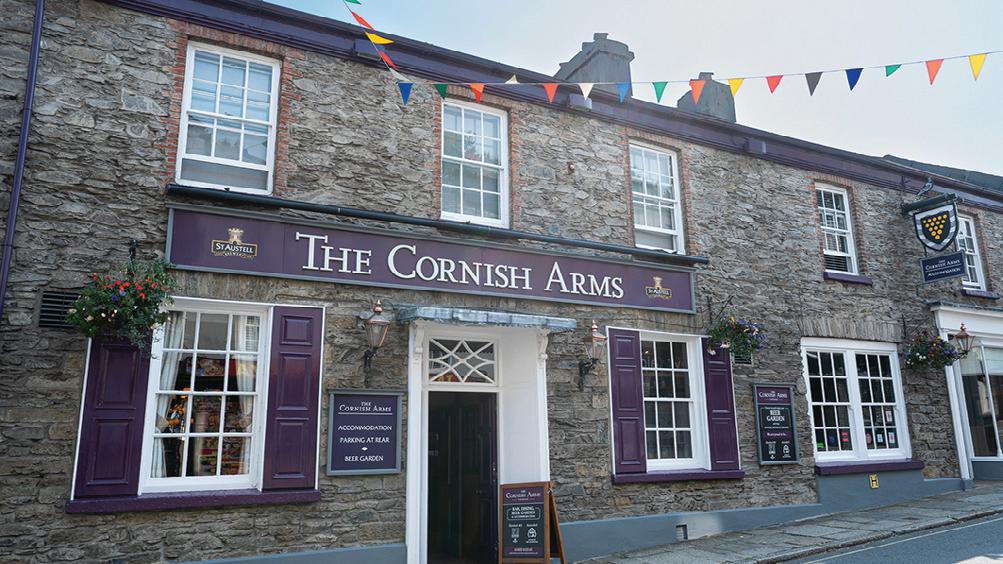
Two St Austell Brewery pubs have been recognised among the very best foodie venues in the country, following the release of the Estrella Damm Top 50 Gastropubs list.
The Cornish Arms in Tavistock - owned by St Austell Brewery and run by husband-andwife team John and Emma Hooker - has been ranked in the UK’s top ten, marking an impressive 13th consecutive year in the guide.
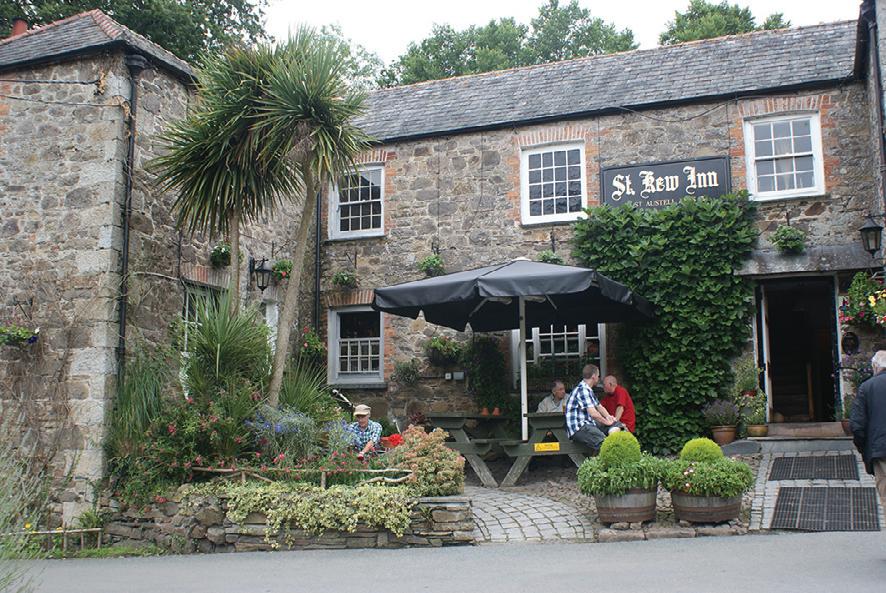
Joining The Cornish Arms on the 2026 list is the St Kew Inn near Wadebridge, which has entered the rankings for the second time, securing a position at number 69 in the extended version of the guide, which lists the top 100.
John, who also leads the kitchen at The Cornish Arms, said: “Placing 10th in the Estrella Damm 2026 Top 50 is an incredible honour and to be making the list for a 13th consecutive year is something we’re truly humbled by. It reflects the passion, consistency and hard work of our entire team and the ongoing support of everyone who believes in what we do.”
Widely recognised as one of the South West’s leading chefs, John has previously been awarded Chef of the
Year at the Trencherman’s Awards, held three AA Rosettes and competed on Great British Menu. Since taking on The Cornish Arms in 2013, John and Emma have built the pub’s reputation as both a warm, welcoming local and a celebrated dining destination. John’s menus champion the best regional ingredients, driven by seasonality and rooted in hearty, flavour-led cooking.
The St Kew Inn, a traditional 15th century pub, also places food at the forefront of its guest experience.
Head chef Simon Davies plays a key role in shaping the menu and maintaining the highest standards in the kitchen, with the whole team working hard to ensure the food remains among the very best.
Sarah Allen, who runs the St Kew Inn, said: “We are honoured to be recognised among such esteemed company. We are committed to providing our guests with an exceptional dining experience and we’re excited to showcase our latest menu, which features seasonal and locally sourced ingredients. Visitors can expect a warm atmosphere, delicious food and great service from our fantastic front of house team when they come to see us.”
The Craft Guild of Chefs has officially opened entries for the National Chef of the Year 2026, the UK’s most prestigious and career-defining culinary competition. Building on its reputation for inspiring excellence and shaping the future of British gastronomy, the Craft Guild of Chefs has revealed its new brief for 2026. It was created by new Chair of Judges, Mark Birchall, and is centred on the overarching theme of “Our Sustainable Future.”
In another exciting moment for the competition, the live semi-finals will make their long-awaited return this year, responding to overwhelming demand from chefs across the industry who value the experience that the live competition environment delivers.
For the online entry, chefs will be challenged to produce a three-course menu for four covers within three hours, demonstrating exceptional technical skill, creativity, sustainability awareness and respect for seasonal produce.
Chefs are asked to showcase seasonal autumn ingredients featuring foraged and farmed mushrooms, vegetables and herbs, paired with Isle of Mull scallops. The judges will look for finesse, clarity of flavour and evidence of thoughtful ingredient utilisation, particularly around waste reduction, provenance and sustainability.

From the initial entries, 40 chefs will be selected to cook in one of the semi-finals taking place on Wednesday 24th June at Sheffield College and Wednesday 1st July at Capital City College. Ten chefs will then be invited to cook at the final which will take place on Tuesday 6th October 2026, returning to the prestigious Le Cordon Bleu Cookery School.
Mark Birchall, chef patron at Moor Hall Restaurant and chair of judges, said: “This year’s brief invites chefs to think deeply about how they cook, the ingredients they select and the impact their decisions have on the world around them.
Under the theme, ‘Our Sustainable Future’, we want to see dishes that celebrate the very best of ingredients, show technical skill, and demonstrate respect for seasonality and sustainability. NCOTY has always attracted chefs who push boundaries and challenge themselves, and I would encourage all ambitious chefs to enter.”
David Mulcahy, project director and Vice-President of the Craft Guild of Chefs added: “For over five decades, National Chef of the Year has been a platform that brings the industry together, celebrates excellence and champions the talent driving British cuisine forward.
This year marks an exciting evolution with the return of the live semi-finals. It’s something chefs have been asking for, and we’re delighted to bring back. The competition continues to be a defining moment for many chefs, offering inspiration, opportunity and a chance to be part of something truly special. We look forward to seeing the creativity and passion that we know this new brief from Mark will inspire.”
Chefs from across the UK are invited to submit their entries via the
https://nationalchefoftheyear.co.uk
By Giles Fuchs, Owner of the Burgh Island Hotel (www.burghisland.com)

In recent months, the debate over tourist taxes has reignited across England, fueled by the government's November 2025 announcement granting Mayoral Strategic Authorities the power to introduce local overnight visitor levies. A formal consultation, running until February 18, 2026, alongside renewed debate about how tourism should contribute to local services, has pushed the issue back into the spotlight. Yet the absence of a national framework means uncertainty now dominates, and for hospitality businesses that uncertainty is becoming a problem. This debate is unfolding against a backdrop of recent business rates reform announcements, which include permanently lower multipliers for retail, hospitality and leisure properties under £500,000 from April 2026, though the practical impact remains unclear given concurrent revaluation increases, rising employment costs, and continued pressure on margins. While much of the conversation has centered on London, policies shaped with the capital in mind rarely land evenly elsewhere. For regional hospitality businesses, the prospect of locally applied visitor charges risks compounding existing pressures in ways that are still poorly understood.
Hospitality underpins many regional economies. In destinations such as Devon, Cornwall and Yorkshire, visitors sustain employment, support local supply chains and help maintain communities outside peak seasons. Hotels in these areas are often among the largest employers and play a central role in local identity and long-term investment.
At the same time, the operating environment has become increasingly tight. Independent hotels, historic properties and coastal retreats face high fixed costs, pronounced seasonality and ongoing staffing challenges. Recent increases in the National Living Wage and employer National Insurance contributions are feeding directly into payroll costs, while energy prices, insurance premiums, and maintenance costs remain elevated. Business rates, meanwhile, continue to represent a significant and largely inflexible burden, with reform still uncertain.
In that context, the introduction of a new visitor levy would force difficult trade-offs. Absorbing the cost would further erode already narrow margins. Passing it on risks deterring guests who are becoming more price conscious. Neither option supports long-term resilience.
What we see at Burgh Island Hotel reflects a broader regional pattern. Guests may be drawn by setting, heritage and experience, but price still matters. Families and couples compare destinations carefully and plan within increasingly tight budgets. Even modest additional charges can influence behaviour at the margins.
Some guests shorten stays, others switch destinations, and some postpone trips altogether. London benefits from international demand, business travel and a constant flow of events. Regional destinations rely far more heavily on domestic leisure visitors and weekend breaks, and these guests are more exposed to rising household costs. Recent trading has highlighted this divide, with London hotels facing pressure on profitability while regional demand has remained more stable but finely balanced.
Another concern is how any tourist tax might be applied. Local discretion may sound flexible, but it risks creating inconsistency. One council may opt for a flat nightly fee, another a percentage charge, while neighbouring authorities take no action at all. Already, Edinburgh is introducing a 5% levy from July 2026, while Wales will implement a £1.30 per person charge from April 2027, illustrating the divergent approaches emerging across the UK.
For visitors, this inconsistency introduced unnecessary confusion, potentially deterring travel to regional destinations that rely on simplicity to attract bookings. A family choosing between Devon, Dorset or Somerset should not need to navigate council policies to understand the true cost of a short break. Added friction rarely encourages travel, and regional destinations are particularly vulnerable to hesitation at the point of booking.
International comparisons offer limited reassurance. Cities such as Paris or Barcelona operate within very different tourism frameworks, often supported by lower VAT on accommodation and infrastructure designed for mass international travel. Rural and coastal destinations in England do not have the same buffers to absorb additional visitor costs without consequences.
HOTELS AS PARTNERS IN LOCAL PROSPERITY
None of this dismisses the funding pressures facing local authorities. Councils need sustainable revenue to maintain services and infrastructure that tourism depends on. In principle, a levy that genuinely supports sustainable tourism is not unreasonable. The issue is whether it is being considered alongside, rather than on top of, existing burdens such as business rates and employment costs.
Hotels are not passive beneficiaries of local infrastructure, we are active contributors and key partners in local prosperity. At Burgh Island, we source 80% of our ingredients within a 30-mile radius and have invested in staff accommodation to ensure our team can thrive. This is how regional hospitality operates. Any approach to the tourist tax must recognise this partnership and actively involve operators in the design process from the outset.
As visitor levies move forward, careful design will be essential. Any charge should be modest, simple and applied consistently, with revenues clearly ring-fenced so both residents and businesses can see tangible benefits. Policymakers also need to engage with operators of all sizes and locations, not just those with the most visible national platforms. The risk is not in contributing to local services, but in adding new costs without resolving existing ones. Hospitality businesses can adapt and innovate, but only when they are given a stable operating environment.
Regional Britain deserves a tourism strategy that reflects both its strengths and its vulnerabilities. A poorly timed or inconsistently applied levy could undermine destinations that rely most on visitors. A thoughtful, proportionate approach, aligned with wider reform of business rates and operating costs, could instead help sustain coastal towns, rural retreats and historic landscapes. As the debate continues to unfold, it is clear that a more thoughtful, regionally informed approach is needed. Policymakers must engage with the hospitality sector to ensure that any measures introduced do not undermine the very businesses that drive local economies.
More than half (55%) now say they lean towards pre-booking, ordering food and drinks digitally, and forming an orderly queue away from the counter (as opposed to the more traditional form of spreading out across the bar) when at the pub.
A new GO Technology report, from leading hospitality tech provider Zonal, in partnership with CGA by NIQ, shows how growing demand for tech and convenience is shaping service in our pubs. In fact, over a third (34%) of all pub goers said they prefer to order from their table via an app or website now, with Gen Z being three times more likely to prefer tech-based ordering. However, the idea that it is Gen Z is driving all the change, appears to be just a myth.
FOR EXAMPLE:

• Media reports suggest that Gen Z go home early but our research shows that they stay out later than most. One in five (20%) typically go out from 10pm onwards—more than double the average of 9% among other consumers.
• The report also does away with the growing myth that younger consumers are more likely to form a queue rather than take the traditional approach of standing at the bar. However, the number who prefer to use the latter approach is exactly the same in both the 18-to-24 group and those over 65.
• A lot has been made of the fact Gen Z moderate their alcohol intake but this isn’t stopping them going to the pub. Among those who don’t regularly visit pubs, fewer than a quarter (23%) of 18 to 24 year-olds say it’s because they don’t drink alcohol and this is in line with most other age groups.
• It is also not true to say the younger generation is more confident than others. Among 18 to 24 year-olds who don’t regularly visit pubs, 13% cite not feeling welcome as a barrier—nearly double the average among all consumers. This shows the need for pubs to be inclusive and encourage solo visits. When asked to identify the top three descriptors of pubs that they would be more inclined to revisit,
Millennials and up agreed that a pub being cheap, having a quieter atmosphere and being good value for money would make them more likely to return.
Happily, pubs remain a fundamental part of the culture in the UK, with two thirds of adults (69%) thinking pubs play an important role in their communities. Pub goers cite several reasons why they love their local so much, with convenience and community (48%), relaxation (47%), culture and character (16%) and sports and games (17%) being the key attributes.
Tim Chapman, Chief Commercial Officer, Zonal, comments: “Every generation influences change and while Gen Z are no different, some of the more fundamental shifts we are seeing in pubs and bars are actually being driven by younger and older generations together, with 55% of all adults saying they want a new style of service.
“The idea that nearly a third of people now prefer to queue in a line away from the bar rather than order by standing at the bar, is a good example of this. Other big shifts happening across all generations, include a move to booking ahead and a growing preference for ordering from tables via an app or website. Operators will need to consider how consumer behaviour is changing and adapt accordingly and we head into 2026 and beyond.”
Karl Chessell, CGA Business Unit Director – Hospitality Operators and Food, EMEA adds: “The demise of the pub is easily overstated. CGA by NIQ’s data shows long-term closures have slowed, and groups’ sales have outpaced other parts of hospitality throughout 2025. Demand for pubs is still high, and they are core to the UK’s social, economic and cultural lives.
But there’s no doubt that this British institution is changing—perhaps faster than ever before. Evolving consumer habits are forcing it to adapt, and this latest research shows the way guests order and book is transforming. Operators also remain under enormous pressure from rising costs. Nevertheless, for businesses that respond nimbly to shifting behaviour and can broaden their appeal still further, the long-term outlook for pubs remains positive.”
In 2025, DesignMyNight site searches containing terms such as “couples” and “boyfriend/girlfriend” fell by 51% and 71% year-on-year, signalling a sharp decline in intent among couples planning nights out.
Analysing DesignMyNight data, Access Hospitality reveals this shift is mirrored in bookings, with couples consistently cancelling at higher rates than larger groups.
This trend, known as ‘soft plans’, is where people make arrangements without fully committing to them.
In response to this trend, Access Hospitality is encouraging the hospitality industry to help couples fall back in love with going out again and has provided four top tips for operators to win customers back.
‘Soft plans’ are on the rise as restaurants see high cancellation rates in the last year
THE RISE OF ‘SOFT PLANS’ AMONGST COUPLES
Across both 2024 and 2025, couples have consistently cancelled as many or more bookings than groups of 3-6 people, confirming that the trend isn't confined to just February.
Data shows that throughout January and March 2025, couples cancelled, on average, 21% and 26% of bookings, showcasing a pattern of ‘soft plans’ where diners make arrangements without fully committing to them.
FOUR TOP TIPS TO ENCOURAGE COUPLES TO DINE OUT AGAIN IN 2026
With both search behaviour and booking patterns shifting, Access
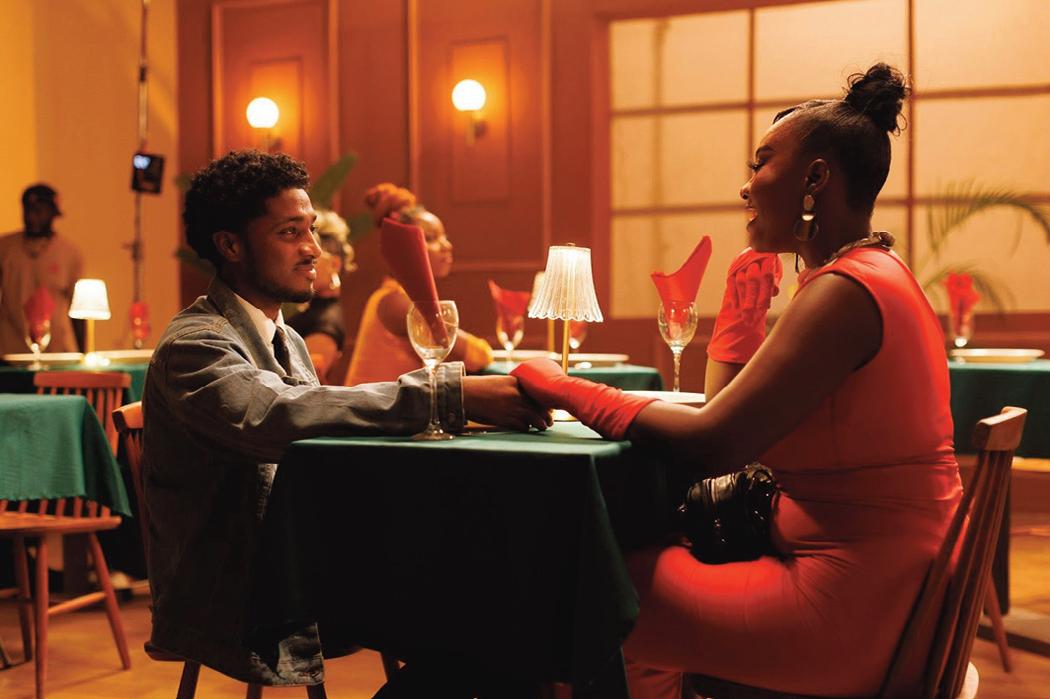
ences.
“The rise of ‘soft plans’ doesn’t mean couples don’t want to go out - it means they’ve stopped going out for ordinary experiences,” says Champa Magesh, Managing Director at Access Hospitality.
She continues, “Couples have become a more unpredictable audience than slightly larger groups, reversing traditional booking behaviour, where couples were long considered the most reliable. This shift has amplified the reliance challenge for operators.”
Magesh finishes, “The demand for memorable, meaningful moments is
rising sharply. Hospitality has a real opportunity to re-romanticise the going out experience, and those who do will win back this valuable audience.”
Access Hospitality has shared its advice for hospitality venues on how to attract couples to dine out in 2026.
1. MAKE DATE NIGHT FEEL SPECIAL AGAIN
Make the experience feel special by designing intimate atmospheres, offering shareable dishes and creating small moments that make the date night feel intentional and memorable.
2. REDUCE CANCELLATION RISK WITH FLEXIBILITY
Seamless rescheduling options can help protect bookings. Creating personalised pre-visit nudges, such as asking guests if they're celebrating, can increase the chance of couples honouring their booking.
3. PREPARE EARLY FOR THE SUMMER SURGE
DesignMyNight site searches for ‘summer date nights’ have surged 1,000% from 2024 to 2025, showing a strong appetite for bigger, seasonal moments. Capitalise on this demand by building terrace activations, spritz menus, outdoor dining, and sunset seating experiences.
4. ENTICE CUSTOMERS WITH DEALS
To turn a night out into a memorable experience, attract customers with deals like limited-time offers and experience-based incentives. Extras such as a complimentary drink or dessert for two can make the booking feel special and encourage diners to follow through with their plans.
Hospitality Rides launches raft of corporate sponsorship opportunities as challenge organisers sets ambition to raise over £500k for leading hospitality charities LTC and Only A Pavement Away in 2026.
Led by ride founder and KAM Managing Director Katy Moses, 30 hospitality industry leaders will take on the annual industry cycle challenge from 18 – 26 April 2026 in an epic 400km cycle across Cuba to raise vital funds for people entering, working and leaving the hospitality sector who are in need. Riders will embark on a stunning and challenging route from the historic Bay of Pigs to the beautiful beaches of Santa Maria. The annual fundraiser, now in its fifth year and highly commended at the RMI Awards 2025 for Best Community/Charity Initiative, is supported by sponsors Avani Solutions, Carlsberg Britvic, KAM, Molson Coors, Punch and Sky. With only three sponsorship opportunities left, please contact Katy Moses at katy@kaminsight.com for more details on how to get involved.
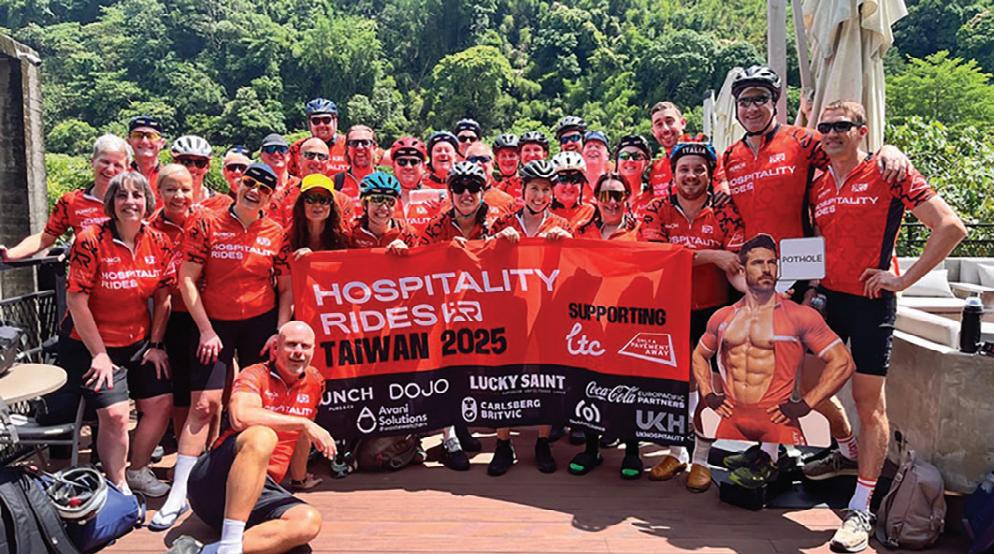
Both individual riders fundraising efforts and wider industry events are already well underway, including KAM’s annual Hospitality Rides Charity Pub Quiz, which raised over £4,000. The funds raised enable both charities to carry out their vital work, providing assistance and opportunities to individuals in need of support within the hospitality community.
Hospitality Rides founder Katy Moses, of KAM, said: “Thank you to everyone who has helped shape this epic charity ride into what it is today. It has been fantastic to see the transformative impact that fundraising
is having on the individuals LTC and Only A Pavement Away support.
“As we look ahead, 2026 is shaping up to be a challenging year for the hospitality sector. If your company is in a position to make a meaningful difference, we are still seeking corporate sponsors for Hospitality Rides 2026. Your support will champion our riders as they take on the 400km challenge across Cuba, while strengthening the essential work of two incredible industry charities.”
Joby Mortimer, Director of Charity Operations at LTC, said: “Hospitality Rides enables LTC to reach even more people through the fantastic awareness and funds we get from the campaign. Myself and the other riders are currently training hard to prepare ourselves for Cuba – especially for the hills and the heat! Your support motivates us and makes a real difference to people in need of wellbeing and financial support across hospitality.”
Greg Mangham, Founder and voluntary CEO at Only A Pavement Away, said: “Hospitality Rides continues to be a lifeline for the work we do at Only A Pavement Away. The funds raised through this annual challenge allow us to support people who need a fair chance to rebuild their lives within our industry. This year’s 400km ride across Cuba is no mean feat, and the commitment shown by every rider is truly inspiring. We are immensely grateful to the existing partners and we welcome new sponsors to join us in making an even greater impact in 2026.”
The Scottish government has increased rates relief for licensed hospitality premises to 40%.
The additional Scottish Budget funding means that rates relief for eligible premises liable for the basic and intermediate property rates will rise to 40% for the next three years, subject to a £110,000 cap per business.
SLTA managing director Colin Wilkinson said: “The Westminster government has already recognised the need to focus more direct support for pubs in England, with a 15% rates relief package currently in place. Now the Scottish Government has also recognised the same need to support our pubs and bars in Scotland, but has upped that support, after intense lobbying by the sector and other political parties, and has now thrown a potential lifeline to struggling SMEs, many of whom are facing substantial increases in the rateable values and rates bills.
“It must also not be forgotten that many larger businesses will see no support coming their way from today’s announcement and yet these businesses still face the same challenges, including extortionate increases in their rateable values, as the rest of the sector.
“This essential support will go some way in helping the sector remains viable and continues to be not only a key contributor to the tourism sector and the Scottish economy in general, but also a major employment provider.
The Association’s recent Market Insight Report released earlier this month highlighted the continued challenges facing licensed hospitality.
In releasing the report, Mr Wilkinson highlighted: “A combination of costs rising significantly above inflation and consumers with lower disposable incomes adds up to a very difficult market for one of Scotland’s key industries and major employers.
“One of our biggest challenges is a higher cost base, as hospitality businesses in Scotland face higher rates and energy charges than our counterparts across the rest of the UK. Our report highlights that over 84% of respondents do not think the economic policies of the Scottish Government are aligned to growing their businesses.
“Perhaps today’s support package announcement might just bring that figure down a bit. Scottish and Westminster governments both need to
‘walk the talk’,” said Mr Wilkinson.
Leon Thompson, Executive Director of UKHospitality Scotland, said:
“This increased relief is positive news and will help soften the blow for many licensed hospitality businesses.
“UKHospitality Scotland has been clear that urgent support was needed for the sector, and it’s clear the Scottish Government has acted as a result of our engagement.
“This is a good example of how the Scottish Parliament can make a positive difference to businesses, when political parties work together.
“However, the sheer scale of rateable value increases have driven rate bill hikes to such an extent that business rates bills will still increase for the vast majority. This is particularly true for businesses in the higher property rate, who have not been included in relief.
“The need for this urgent support is yet another demonstration that the business rates system is completely broken and in need of serious reform. Fixing the system has to be a priority for the next Scottish Government.”

The Harris in Preston, Lancashire, has significantly improved operational efficiency and staff safety with the recent installation of a Stannah dumbwaiter.
Faced with the frequent challenge of moving heavy and fragile items between floors, The Harris Café needed an efficient solution that would provide a dedicated internal access route, removing the need to manoeuvre goods through public areas.
First opened to the public in 1893, the Grade I listed building has stood as a cultural landmark in Preston for over 125 years, hosting world-class exhibitions and collections that have inspired generations.
The Harris has recently undergone a £19 million redevelopment designed to restore, reimagine and revitalise The Harris for the 21st century, creating a more welcoming and accessible environment while preserving its rich heritage.
The transformational Harris Your Place project has been possible thanks to the generous support of its funders and partners, including The National Lottery Heritage Fund, Preston City Council, the UK Government’s Towns Fund, Arts Council England and Lancashire County Council, alongside contributions from trusts, foundations and individual donors.
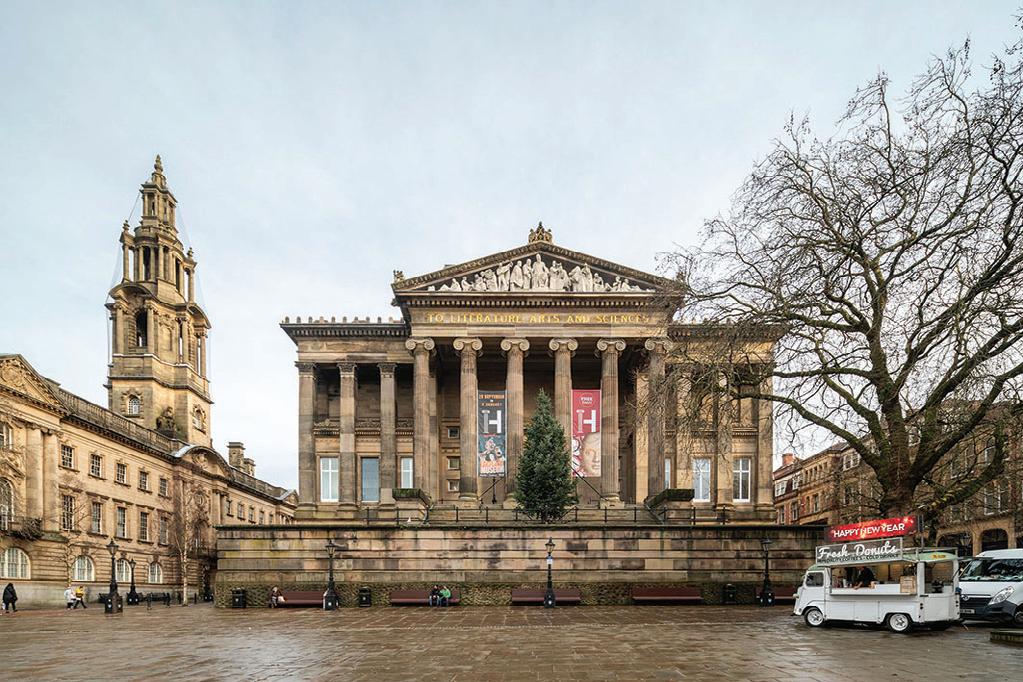
The refurbishment project included repairing the building to restore its architectural appeal while upgrading its infrastructure for modern use. This involved refurbishing 18 galleries, a new café with the installation of a Stannah Microlift dumbwaiter, plus visitor shop and event venue, as well as improving accessibility and enhancing visitor experiences.
Accessibility has been central to the design, with new circulation routes and inclusive features ensuring that every visitor feels welcome and represented.
Preston City Council has led the project in collaboration with Conlon Construction Ltd, who oversaw the major structural works, and HUB Build, responsible for the interior fit-out. Buttress Architects served as lead architects for the restoration, while Ralph Appelbaum Associates developed the overall design strategy and visitor experience.
Direct Access provided accessibility consultancy to ensure inclusive design across all spaces, with Ridge and Partners LLP and Focus Consultants supporting the project’s delivery and quality assurance. Stannah Lifts managed the installation and provides ongoing maintenance of the dumbwaiter.
Stannah Lifts recommended a floor-level loading Microlift as the most effective solution for The Harris Café. Unlike traditional dumbwaiters that load at waist height, the floor-level Microlift allows items to be transferred directly on and off the lift using small trolleys, roll cages or pallets. The floor loading design significantly reduces the need for strenuous lifting and drastically lowers the risk of back injuries and other manual handling-related accidents. Its impact is being appreciated by staff.
The Microlift dumbwaiter features a galvanised steel supporting frame that can be erected quickly with minimal on-site building work and does not require a
load-bearing shaft. With a 100 kg capacity, the Microlift 100B model provides fast and reliable transport of goods between floors, offering a costeffective way to mitigate manual handling risks while improving operational efficiency.
To complement the surrounding environment, the Microlift car and landing entrances are finished in a durable grey baked-enamel coating, delivering both functionality and a clean professional appearance.
The installation of the Stannah Microlift has delivered significant improvements in providing safe loading, transporting goods to the first and second floors of galleries and exhibitions.
By providing a dedicated internal route for transporting heavy and fragile items between floors, the dumbwaiter has made it easier for staff to manoeuvre goods, reducing manual handling risks and improving safety.
Fitted with a modern VVVF (Variable Voltage Variable Frequency) drive system, the Microlift delivers improved energy efficiency without compromising performance or lifting power. This advanced drive technology ensures smoother operation, reduced power consumption and lower long-term running costs.
As a result, the Microlift now facilitates reliable and controlled movement of goods between floors while offering a quieter, more efficient and energy-efficient solution for the client’s daily operations.
Timothy Joel, Assistant Director, Head of Culture for Preston City Council, shares: “The installation of the new floor-loading Microlift dumbwaiter from Stannah Lifts has greatly improved café operations and ensures safer handling of bulky items. It’s safer for our staff, streamlines workflows, and allows us to focus on further improving operational efficiency.”
With the redevelopment complete and operational logistics improved, The Harris is now better equipped to manage high visitor numbers and support its growing programme of exhibitions and events. As a result, the refurbished building is expected to attract an additional 100,000 visitors each year, building on its existing annual footfall of 350,000.
Leisure property specialists Fleurets has released its latest Survey of Pub Prices, showing how rising operating costs are affecting the UK pub sector.
The sector faced mounting pressure throughout 2025, as increases in wages, National Insurance, and business rates coupled with a squeeze on spending impacted profitability and confidence. Labour costs alone rose by an estimated £3.4 billion across hospitality. Despite resilient consumer demand in parts of the market, many pubs struggled to mitigate the increased costs.
The latest data shows that these pressures are feeding through into lower sale prices, subdued transaction activity, and continued pub closures.
KEY DATA HIGHLIGHTS
FREEHOUSE SALE PRICES
National: £800,364 (-9%), FMT £615,000 (-10%), multiple 1.30 North: £473,000 (+8%), FMT £434,000 (+13%), multiple 1.09 South: £950,000 (-3%), FMT £698,000 (-7%), multiple 1.36
BOTTOM-END
National: £283,000 (-17%), FMT £240,000 (-10%), multiple 1.18 North: £226,000 (-22%), FMT £217,000 (-15%), multiple 1.04 South: £426,000 (-2%), FMT
£300,000 (+3%), multiple 1.42
Nationally, average sale price £37,000 (-24%), FMT down 5%. Transaction volumes up 25%, particularly in the North. ALTERNATIVE USE
69% of all pubs and 83% of freeholds sold remained in pub use. Bottom-end pubs are more vulnerable: 56% of bottom end pubs stay as pubs; 74% of pubs sold for non-pub use were lower-quality sites. Pubs sold as trading businesses achieved prices 86% higher than alterna-
tive-use sales, with the average pub sold for pub use
£616,000 (-9.3%).
The figures highlight clear differences in market performance, with stronger pubs commanding higher prices while lower-quality sites face greater challenges.
James Davies, Director and Head of National Agency at Fleurets, said: “Rising wage costs, higher National Insurance and increasing business rates have reduced the profits pubs can sustainably generate. Buyers price pubs on future earnings, past performance is just a guide, and the pressure on profit is now feeding directly into lower sale prices, particularly at the bottom end of the market.”
“We are seeing a more clearly segmented market. Premium food-led pubs, particularly those with accommodation, and value-led community pubs continue to perform well, while under-invested pubs without a clear offer are increasingly vulnerable. Opportunities still exist for operators with the right strategy and resources, but pubs at the bottom end face the greatest risk. Targeted support and improving economic conditions will be critical to help many pubs survive.”
Looking ahead to 2026, further increases in wages and business rates will add further cost pressures, although a forecast reduction in interest rates may support renewed investment activity. Corporate operators remain acquisitive, particularly for well-positioned, sustainable pubs that fit a clear operational model.
£1 million for Charity for the
Craft Union Pub Company has reached the £1 million fundraising milestone towards local charitable causes for the second consecutive year, with its community pubs across the UK once again coming together to raise an incredible £1,358,422 for local causes as part of its nationwide Make It A Million campaign.
The achievement sees Craft Union build on last year’s success, reinforcing its community values and the powerful collective social impact of its pubs, operators and support teams. Since February 2025, every Craft Union pub has been fundraising for charities close to their hearts through events, donations and volunteering time, with every local effort contributing to the nationwide total.

In total, pubs raised £1,272,613, supported by a further £85,809 from Craft Union’s pub support teams, taking the overall total beyond £1.35 million. The causes supported reflect the issues most important to local communities, with health charities such as Macmillan, Motor Neurone Disease Association and cancer awareness organisations the most donated to overall. But also donations to wellbeing and social enterprises have seen an increase through their growing importance to individual communities.
Fundraising activity over the year has ranged from sponsored challenges and 24-hour events to charity collections, community donation hubs and large-scale pub events.
Last year also marked Craft Union’s 10th anniversary, and to celebrate, every pub took part in a special initiative where 10p from every pint sold on the celebration day was donated to the local charity of their choice. This simple gesture meant that all pubs were able to contribute to their communities, adding to the impact of their wider fundraising efforts throughout the year.
STANDOUT FUNDRAISING EFFORTS THIS YEAR INCLUDE:
• The New Inn, Keynsham, which raised an impressive £99k, mainly supporting Operation Community Hamper and
Dogs Friends – two charities deeply connected to the local community.
• The Cross Keys, Hull, which raised around £63,000 for charities including CALM, Help for Heroes, Men in Sheds and Dove House, with a strong focus on tackling mental health and loneliness.
• Garden House, Norwich, which raised approximately £40,000, supporting causes including homelessness charities, food banks, special needs schools, asylum seeker children and Only a Pavement Away.
• Greenford Arms, Greenford, which raised around £22,000, supporting an elderly care home, a local school and fundraising efforts for a terminally ill member of the community.
• The Malt Shovel, Pontefract, which raised more than £14,000, supporting over 50 charities and individuals, including Pontefract Family Centre, CoppaFeel, RNLI and the Royal British Legion, with a standout 24-hour cycle challenge.
In addition to pub-led fundraising, Craft Union and Operations, Support teams and Suppliers once again came together for the Craft Union Stomp, a nationwide walking challenge that took place in summer 2025. Split into regional routes, teams volunteered to take part in long-distance walks, stopping off at Craft Union pubs along the way to raise funds and engage local communities. The nationwide challenge raised nearly £23,000 for Help for Heroes and Pub is the Hub.
Frazer Grimbleby, Managing Director of Craft Union, said: “Reaching £1 million for local causes second year running is an incredible achievement and one we’re immensely proud of. It’s a powerful reminder of the vital role our pubs play at the heart of their communities and the social impact they create when people come together with a shared purpose.
“What makes this so special is that it’s driven by our operators and their teams. The events they organise, the causes they champion and the relationships they build locally are just so imortant. Every pub, every fundraiser and every act of generosity adds up to real support for people who need it most. This milestone truly shows the difference community pubs can make.”
Brother UK’s trusted labelling solutions have long helped restaurants, hotels, and caterers take control of stock rotation — delivering consistency, compliance, and cost-savings through intuitive technology that’s quick to learn and makes a measurable impact.
At the heart of this is Brother’s TD-2D range of professional label printers — compact, versatile, and designed to fit seamlessly into busy kitchen environments. Ideal for everything from crowded prep benches to mobile trolleys. Optional battery packs and carry handles for added flexibility, and selected models support linerless label printing, helping to reduce waste and eliminate non-recyclable backing paper. Built for real-world conditions, the TD-2D range performs reliably even when used with wet hands.
Combined with Brother’s partnerships with leading food independent software vendors (ISVs), the solution automates expiry tracking, reduces food waste, and eliminates handwritten errors — all while saving valuable time and improving consistency during peak service periods.
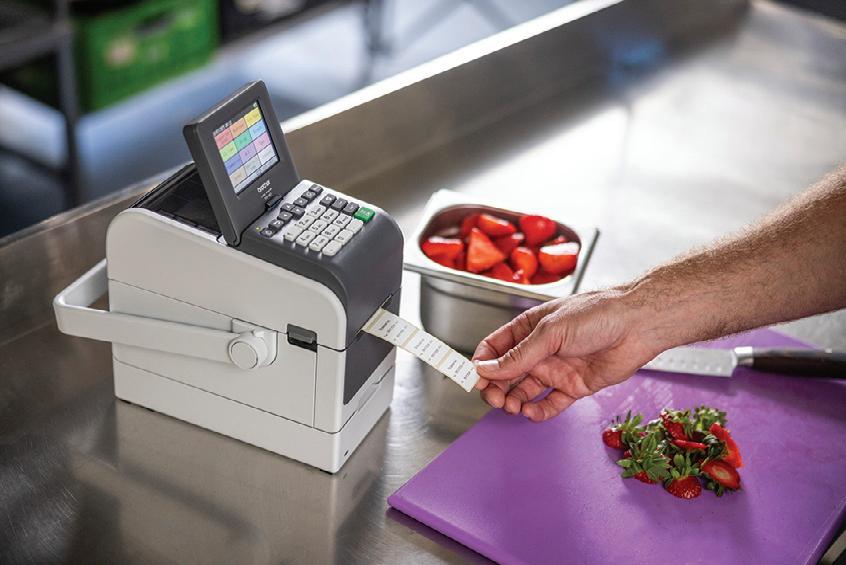
In fast-paced hospitality settings with short shelf lives and shifting teams, reliable labelling is essential. Stock rotation solutions help maintain food safety, quality, and compliance, while other labelling solutions — including ingredient and allergen labelling for food pre-packed for direct sale (PPDS) — ensure allergens and ingredients
are clearly identified, helping operators meet legal labelling obligations such as Natasha’s Law and protect customers with allergies.
Simon Brennan, senior business manager for Specialist Print Solutions at Brother UK, said: “Kitchen teams work fast, under pressure and can’t afford mistakes – especially when it comes to food safety. That’s where our labelling solution comes in.
“By replacing handwritten day-dot stickers with a Brother TD-2D device, kitchens can print clear, consistent labels in seconds. It’s a faster, safer way to manage stock rotation, reduce food waste, and stay compliant with Food Standards Agency guidelines — ensuring food safety and quality even when shifts change or service peaks.
“And because our devices are compact, portable and support linerless printing, they’re built for real kitchen conditions – reducing clutter, cutting waste and keeping staff moving. It’s labelling that chefs can trust, helping
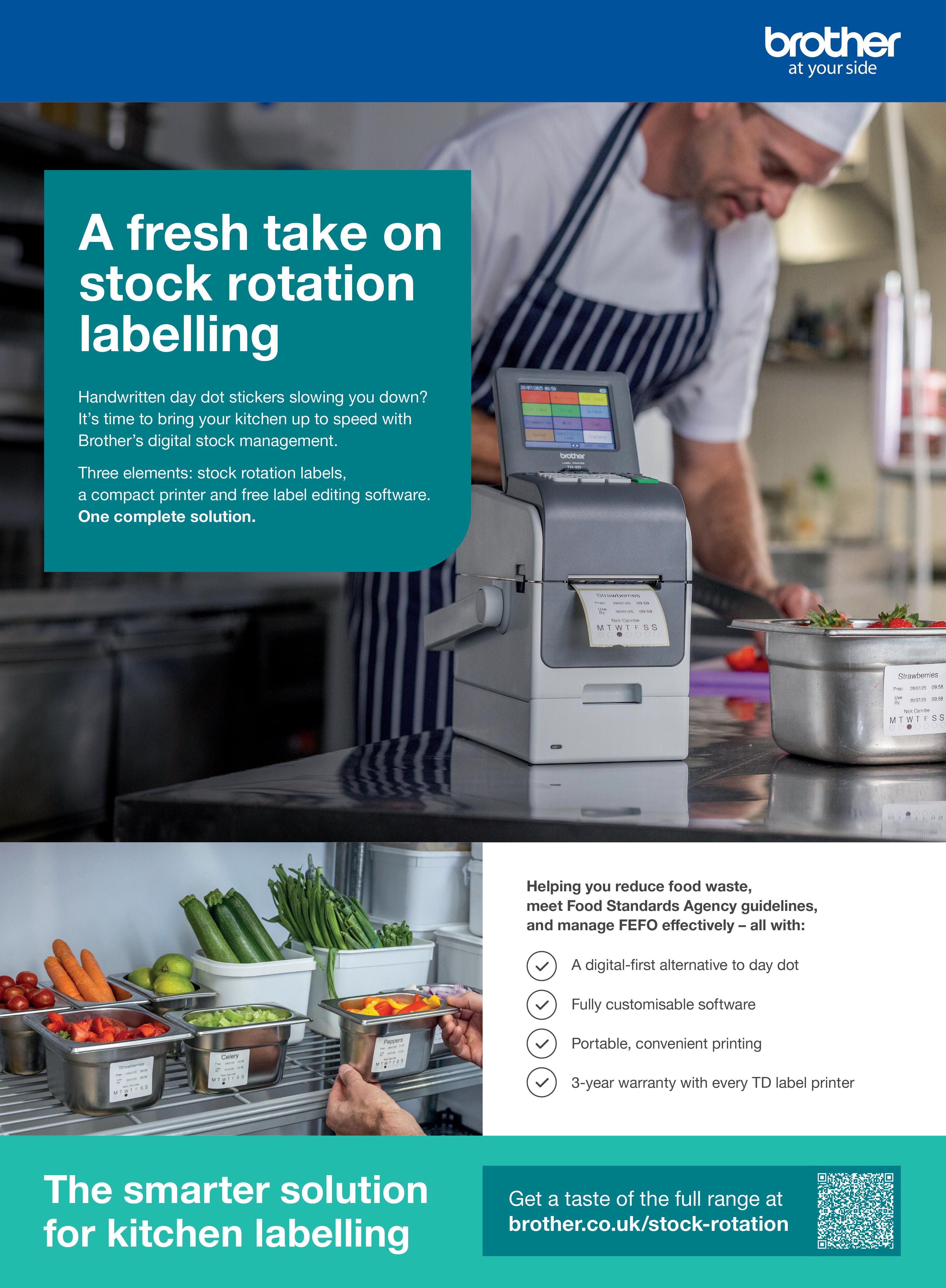
Customer service is the backbone of the hospitality industry. A single interaction can turn a casual visitor into a loyal advocate or a disgruntled customer into a negative review. In today's competitive landscape, delivering exceptional customer service is no longer a luxury but a necessity.
Hospitality should be based on exceeding customer expectations. The more the operator impresses, the better its reputation. Offering comprehensive training and the latest technology and products to make their jobs run more smoothly can improve customer service.
UK hospitality businesses lose millions annually due to poor customer service. While getting everything right is not always possible, there are ways to improve how customers see your business.
Leveraging technology will help manage guest information and interactions more efficiently. CardsSafe Ltd.'s technology has been a part of customer service at numerous restaurants, hotels, bars, and golf courses for over 25 years. The system protects businesses by deterring dine and dash and securely protects customers' bank and ID cards while they run a tab. The bar tab-keeping units signal to customers that the venue cares about their card security.
If a customer wishes to run a tab and their bank card is slotted in the wallet or stuffed into a till, things don't look good for the business. The brand's impression is diminished, resulting in less loyalty and, ultimately, a
reluctance for that customer to return. One of CardsSafe's longeststanding customers, the leading global hospitality brand Hilton Hotels, has used their system since 2005. They say, "All our customers are pleased that we look after their cards more securely with CardsSafe." CardsSafe's tab systems are in multiple hotels nationwide.
So, the choice is yours. To exceed customer expectations, ensure your technology benefits your business and reap the benefits of reputation and loyalty. For more information, please visit www.cardssafe.com Or
3R is a leading provider of Electronic Point of Sale (EPOS) solutions, offering both integrated countertop and wireless payment solutions, as well as Mobile Top-Up services. With competitive rates and durable, secure hardware, 3R’s signature EPOS software, CES Touch, is a game-changer for businesses seeking to optimize their day-to-day operations and streamline their financial reporting.
Another essential feature of CES Touch is its full Stock control functionality, which enables businesses to manage their inventory effectively. This feature ensures that businesses can maintain optimal stock levels, avoid overstocking or understocking, and keep track of their stock movements accurately.
In addition to these features, CES Touch offers intensive operator management and in-depth financial reporting, which is vital for businesses seeking to manage their staff and financial performance effectively. With full cloud business analytics, CES Touch also provides businesses with real-time insights into their sales, inventory, and customer
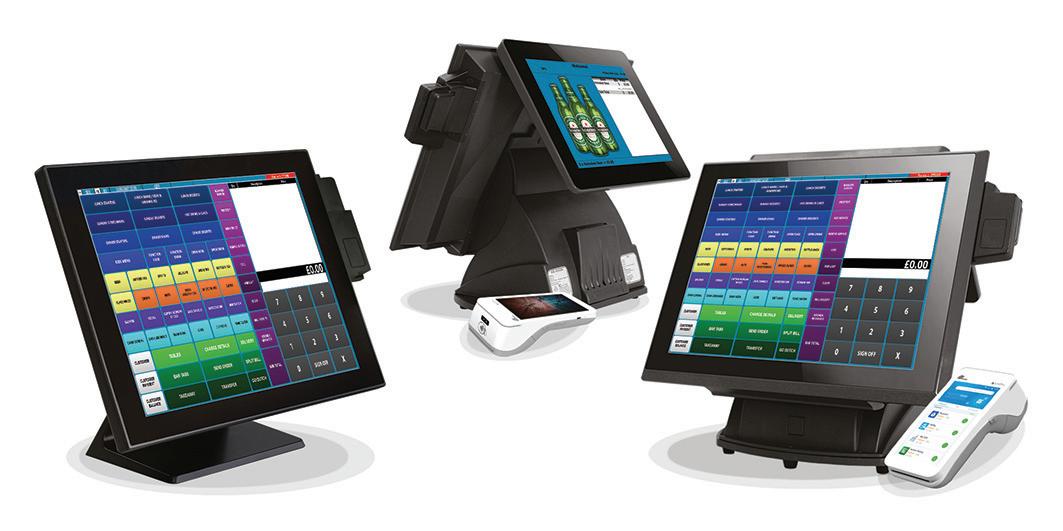
behaviour, enabling them to make data-driven decisions to optimize their operations.
CES Touch also links directly to a wide range of Symbol Groups, including Londis, Booker, Premier, Budgens, Shop Local, Best-one, and NISA, allowing businesses to take advantage of automated promotions and price changes. This feature is particularly useful for businesses looking to offer competitive pricing and promotions while maintaining profitability.
At the heart of 3R’s offering is their commitment to excellent customer service, providing 24/7 support, 365 days a year. Whether you’re a small business owner or a large retailer, 3R’s EPOS solutions and CES Touch software are sure to provide you with the tools you need to succeed.
See the advert below for details or visit www.3rtelecom.co.uk

Cornwall’s hospitality season might peak in the sunshine months, but the smart money gets ready long before the summer crowds arrive. This March, the region’s most influential operators will once again gather in Wadebridge for Expowest Cornwall 2026 - a two-day showcase of the ideas, flavours, and innovations set to define the year ahead.
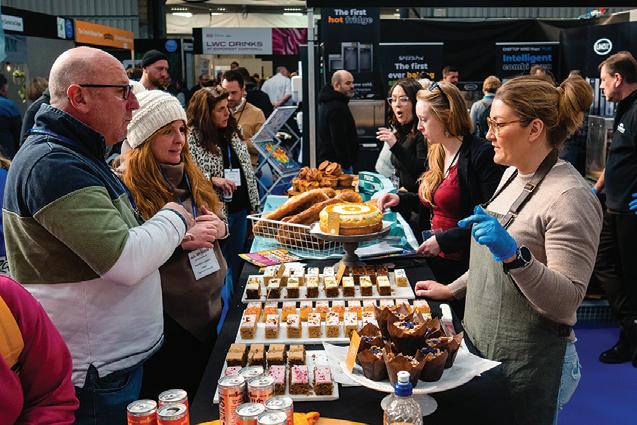
Taking place on Tuesday 3rd and Wednesday 4th March at the Royal Cornwall Events Centre, the show remains the essential annual meeting point for anyone working in food, drink, leisure, and hospitality across the South West. Whether you’re refining menus, upgrading rooms, rethinking your drinks range, or simply looking for a new spark of inspiration, Expowest provides a unique opportunity to explore what’s next - in person.
Over 150 exhibitors will fill the halls this year, bringing everything from fresh produce and artisan foods to tech solutions, equipment, beverages, and operational must haves. It’s a genuine “try before you buy” environment—ideal for chefs, buyers, F&B managers, and business owners who rely on firsthand experience before making decisions that shape their season. And the visitors aren’t just browsing. They’re buying. Many exhibitors bring exclusive show only deals - discounts, delivery offers, added-value packages, and on stand promotions - making Expowest Cornwall one of the most cost-effective dates in the calendar for
stocking up or switching suppliers.
A taste of 2026—before anyone else.If your business depends on staying ahead of consumer trends, this is where you’ll find them. From emerging drinks categories and plant-forward eating to sustainable packaging, local sourcing, and tech that improves service and efficiency, the show is a concentrated look at what will influence the region’s hospitality landscape in the year ahead.
Beyond the products, Expowest Cornwall is a social occasion - an annual chance to reconnect with colleagues, meet new suppliers, and share ideas with other operators facing the same challenges and opportunities. The atmosphere is informal, energetic, and geared entirely towards helping businesses thrive. With free parking, easy access, and clear signage from all main routes, attending couldn’t be simpler.
Whether you run a pub, hotel, restaurant, café, deli, farm shop, holiday park, tourist attraction, catering business or retail operation, the show offers something tailored to your world.
For full show details and to register for free entry, visit expowestcornwall.co.uk or call the Ticket Hotline on 01934 733456. Follow the latest updates on Facebook and Instagram (both @expowestcornwall).
Get ready for 2026 the right way - with the contacts, products, and insights that matter.

engineers
Alongside

Installation
Sir Woofchester’s has the UK’s largest and most specialised product range for dog-friendly hospitality businesses, including several personalised products.
For your BAR OR RESTAURANT
Our Dog Menu features a range of Treat Pots, Dinner Bowls, Dog Drinks and Snacks, displayed with eyecatching point of sale
For your BEDROOMS & ACCOMMODATION
Choose between:
-“All day breakfast” snack bar: a delicious innovative treat for dogs on-the-go!
-“Sleepy Bones” treat pot: relaxing bedtime dog treats.
-“Dog Welcome Pack” PERSONALISED: an nicely presented pack containing poo bags, a ball toy and a pot of Sleepy Bones. (Note: the container also serves as a temporary waterbowl!)
YOUR COMPLETE SOLUTION
Water bowls, waste bags, accessories, top tips & everything else you need to be more dog-friendly.
To ensure the highest quality products, we hold a DEFRA registration, a GB Pet Food Manufacturers registration and much of our range is BRC or SALSA certified.
We look forward to working with you.
David & the Sir Woofchester’s team
DOGFRIENDLY BENEFITS
You may also wish to consider the following benefits of working with Sir Woofchester’s, to help elevate your wider business:
• Increased average customer spend
• Increase repeat visits
• Enhances staff engagement & enjoyment
• Link to other initiatives –charityfundraisers, online competitions
• Great social media content & word of mouth marketing
• Contributes towards improved reviews
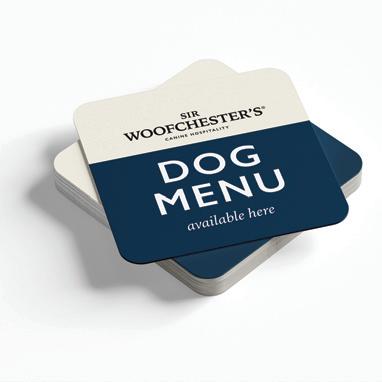
• Fully compliant with legislation etc WHY DOG-FRIENDLY?
The number of UK dog owners has increased by over 25% since 2020
Many of these are new ‘first time dog owners’ (including pre-family millennials)
Dog owners like to treat their canine like one of the familywhen they visit your establishment
The dogfriendly trend in hotels & tourism etc has been increasing for over a decade!
The pandemic has seen a behaviour change, with more dog owners choosing the UK for their short breaks or annual holidays
The cost of boarding kennels & pet-sitting has risen, so your customers now increasingly want to bring their dog with them!
We see ever-increasing dog-friendly requirements with accommodation providers, food & beverage outlets, as well as tourist attractions.
For more information please visit www.sirwoofchesters.com
See Sir Woofchester on Stand E37

Visit www.empireservicessw.co.uk. See us on Stand F27
The Label Group Ltd supplies labelling guns, thermal label printers and labels to retail, industrial and manufacturing sectors.
As an independent business, we offer unbiased advice backed by more than 30 years of experience in this field. The labelling gun sector can be confusing. Products go by various names

We understand that choosing a new coffee machines can be difficultbean to cup - group machine - instant machine, what is right for you?.
We can't make it to the show this year, but just because we can't attend doesn't mean you cant get a great trade show deal!!
Quote 'MARCHMOOR26' on your phone order, its as easy as that
OFFER ONLY VALID FOR MARCH 2026
Our Independent coffee company based near Dartmoor specialises in commercial coffee machines, coffee beans, brewing equipment and machine repairs throughout the South West and the UK.
With over 25 years' experience in the beverage vending industry.

That is where our dedicated team can offer help & advice. with our knowledge gained by our time in the industry we can guide you to finding the right solution for your business. Call us now on 01409 231166 or visit www.moorcoffee.co.uk we offer a range of purchase options on both new and refurbished equipment. Machine accessories can be added to create a complete business model and once you have chosen your machine we will deliver, install and train you and your staff.
After-sales support is taken seriously so we provide you with a comprehensive back-up service with regular customer contact, a range of point-of-sale material and a fully equipped service department.
www.moorcoffee.co.uk 01409 231166

We
For
From

with
give you the best furniture available with a service that goes above and beyond our customers’ expectations.
Seven reasons why you should choose Barton Reed
Dole (formerly Total Produce) is the world’s largest and most accomplished fresh produce provider, with an extensive network of foodservice depots throughout the UK, reaching from Cornwall to Edinburgh.
Dole sources and distributes an extensive range of fresh produce across all

Co to supply your contract furniture: • Wide range of styles • Easy ordering and re-ordering • Single point of contact
• Short lead times • Direct delivery
• After
Alternatively see us on Stand H31 at Expowest Cornwall.
major categories including fruits, vegetables and salad - extending from the more familiar to the truly exotic. Dole also supply an extensive range of dry goods, fine foods, frozen and dairy.
Serving the retail, wholesale and food service sector, Dole UK is a complete fresh produce solution provider, offering a comprehensive menu of services to our customers, ranging from simple service provision to an independent grocer to complete category management for major multiples.
A strong, vibrant and accomplished business, Dole Foodservice Cornwall is part of the worldwide Dole group. Please visit us on Stand F28.

Suppliers of unbeatable fresh produce, dairy, chilled, fine foods & frozen products throughout Devon & Cornwall
Over 3000 products kept in stock
All available for next day delivery Order until Midnight for next day delivery 01208 77911
bodminsales@dole.co.uk
The team at LittlePod have spent the last 16 years focusing on the importance of vanilla to the environment.
Having established a thriving forest orchard in Indonesia, where the LittlePod farmers’ pioneering polyculture system is bearing fruit in more ways than one, the natural ingredients company’s emphasis is set to switch from planet to people in 2026.
For the New Year, a new theme: Introducing Wellbeing and Happiness with LittlePod!
“It’s time for the next chapter in the LittlePod story,” said Janet Sawyer MBE BEM, LittlePod’s managing director and founder. “In 2025, I wrote my second book – Real Vanilla, Nature’s Unsung Hero – and with our forest orchard in Bali having proved so successful, we are excited to be focusing our efforts elsewhere this year.
“LittlePod continues to care for the environment – of course – and the team will still work closely with our farmers to protect, preserve and regenerate the rainforest. “But closer to home, we are set to embark on a number of exciting projects and initia-

tives – all with wellbeing and happiness at their heart.
“The team will be working on recipe development with Master Chef Peter Gorton, launching a LittlePod podcast, and, perhaps most excitingly, embracing our sporting side with a top-secret project that is in the pipeline here.
“I can’t say anything further about this last one, but all will be revealed in due course. Please do be sure to keep following LittlePod to find out more!”
Winners of the King’s Award for Enterprise (Sustainable Development), LittlePod’s longrunning Campaign for Real Vanilla continues to go from strength to strength both at home and abroad.
Having long exported their responsibly-sourced ingredients to countries all over the world, further international expansion in planned for 2026, with the appointment of the company’s first European Sales Manager, Jakub Miniewski.
littlepod.co.uk / sales@littlepod.co.uk / 01395 232022
Fresh produce supplier, Bidfresh, has released its latest ‘Growing Greener’ sustainability report, unveiling a refreshed sustainability framework and a new mission and vision that will guide the business towards a more responsible and resilient future.
As sustainability expectations continue to rise across the industry, and 16% of consumers think that suppliers are responsible for ensuring eating out of home is sustainable, Bidfresh has provided its customers, teams and partners with clear, evidence-based insight into how it’s addressing environmental and social challenges across the supply chain.
Taking a more proactive approach, ‘Growing Greener’ showcases progress across Bidfresh’s three specialist brands, Direct Seafoods (fish and seafood), Campbell Brothers (meat and poultry) and R Noone & Sons (fresh produce), and its new vision: Caring for people, committed to responsible sourcing and delivering the best in foodservice.
Bidfresh is also developing its own Environmental, Social, Governance (ESG) strategy and has taken an important step with the introduction of its first ‘Plan on a Page’, providing a clear and structured foundation to embed its ESG priorities across the business.
Through this framework, Bidfresh aims to reduce its environmental impact, support resilient UK farming

and fishing communities, uphold ethical governance, and include transparent and traceable sourcing across all operations, setting a clear path to 2030 and beyond.
KEY HIGHLIGHTS INCLUDE:
• The introduction of an ‘Inclusion at Work’ and ‘Workplace Behaviour’ standard
• Retaining the ASC and MSC Chain of Custody certification for all the seafood trading sites
• Achieving a ‘Bronze’ medal by the EcoVadis sustainability assessment platform.
Valeria Potsinok, Sustainability Manager at Bidfresh, said: “Now in the second year of reporting, I’m so proud of the progress we’ve made, from advancing responsible sourcing and animal welfare to reducing waste and strengthening community initiatives across our regional sites. ‘Growing Greener’ will enable closer collaboration with our customers, helping them make informed menu and supplier decisions, while supporting their own ESG reporting.
“This year’s report also sheds light on our expanded training on Health & Safety and Diversity, Equality, Inclusion & Belonging, and our new route planning to reduce last-mile emissions.
“Yet, we know this journey is ongoing, and there is much more to do. Guided by our new vision: caring for people, committed to responsible sourcing and delivering the best in foodservice, we remain focused on building a fairer, more responsible and sustainable future for our people, customers, partners and the planet.”
Click here to read the latest ‘Growing Greener’ report: viewer.ipaper.io/bidcorp/bidfresh/growing-greener-bidfresh-sustainability-report-2025/?page=1
In the heat of a professional kitchen, oil does a lot of heavy lifting. From deep-frying to dressings, it’s the invisible backbone of flavour, texture, and consistency. But not all oils are created equal — and many chefs are now quietly making a change that’s transforming both their food and their bottom line.
High Oleic Sunflower Oil (HOSO) is emerging as the smarter choice for busy kitchens. Its unique composition means it stays liquid at room temperature — so it’s easy to work with, whether you’re portioning for prep or blending for sauces. It’s also naturally high in monounsaturated fats, supporting a healthier approach to frying and cooking without compromising on flavour.

Where HOSO truly shines, however, is in efficiency and longevity. Thanks to its exceptional resistance to oxidation, it can withstand high temperatures and
prolonged use without breaking down. The result? Less frequent oil changes, consistent food quality, and measurable savings on kitchen costs — all while reducing waste.
Sustainability-minded caterers are also taking note. Sourced from crops grown with lower environmental impact and processed without the need for tropical cultivation, HOSO offers a cleaner, more responsible alternative for modern operations that value traceability and stewardship.
For professional kitchens striving for better performance, better food, and better value — it’s time to think high oleic.
To learn more or find your nearest distributor, contact FlavOil today.
Visit https://flavoil.co.uk/

Long before food trends had hashtags and The Bear was a binge watch, we were cooking up a storm in the frozen meat and snacks marketplace. We supplied kitchens that cared about consistency rather than gimmicks, and flavour more than fuss. We worked effortlessly behind the scenes to meet real-world needs across a variety of environments.
From pub grills slick with Saturday-night punters, to hotel banquets that cha-cha-cha’d like Strictly. From airline trays rattling at 30,000 feet to school kitchens feeding hungry young minds.
We were there, getting it done, wearing the apron. Quietly. Reliably. Doing the unglam work that keeps foodservice moving.
Yes, chefs loved us. And guests devoured us. Decades on, they still do.
Sausages that brown evenly and bite clean. Meatballs that stay together, not fall apart in disappointment halfway through service. Burgers that go lip-dancing in deliciously juicy restaurants. Good honest food sorted, no matter who’s on shift, how many orders are piling up, or how loudly the
fryer is screaming. Even when it’s boiling point, and the clock is leaning over the chef’s shoulder, great meals are made.
We began as a family butcher in Salford in 1957. Those origins still live in everything we make. In the snap of a sausage, the way seasoning settles, the way products hold when it matters most.
But let’s not get misty-eyed here. Our craft keeps moving on. Modern techniques. Modern styles, new lines. A dedicated innovation centre that constantly serves up something special.
Our products aren’t designed for mood boards. They’re designed for hands. For heat. For repetition. For the way food is portioned, reheated, plated and served when time is tight and standards don’t bend.
Put bluntly, we make products that make chefs look good.
These are foods that understand the rhythm of a kitchen: the rush, the shortcuts, times where there’s no margin for error. Flavour and function on a plate. Consistent portions. Predictable performance. Crowdpleasers that doesn’t need rescuing at the pass. From pub chains to hotel breakfasts to grab-and-go offers that have to work every single time.
For a long time, we were happy to stay out of the spotlight and let the food speak for itself. It still does. But times are a-changing. Ambition sharpens. And we’ve spent long enough hiding our light under a table.
Today, we step forward and claim the recognition our products deserve. Let the world know who we are.
Glendale Foods is a leading supplier of snacks, processed meat and protein products, both cooked and raw, including sausages, burgers, meatballs and dumplings, alongside a growing range of food-to-go options. Actually, there’s nothing we don’t do.
We use state-of-the-art manufacturing and packaging lines, an advanced innovation centre, and global logistics capability, to support everything from large-scale programmes to highly bespoke, specialist operations. In
2024, we joined the Shallan Group, marking a new chapter of our growth.
By blending our heritage with innovation, we have continuing to evolve, responding to trends such as on-the-go eating and high-protein, plantforward products, as well as embracing sustainable practices. We help businesses deliver flavour, consistency and reliability in a fast-moving, ever-changing market.
Yes, chef, we’re the ones who make the core of your dishes rock-solid. So, you’re free to focus on creativity, presentation and the finishing touches that make a menu unmistakably yours.
We’re Glendale Foods.
A chef’s kiss, indeed.
See the advert on the facing page or visit www.glendalefoods.com
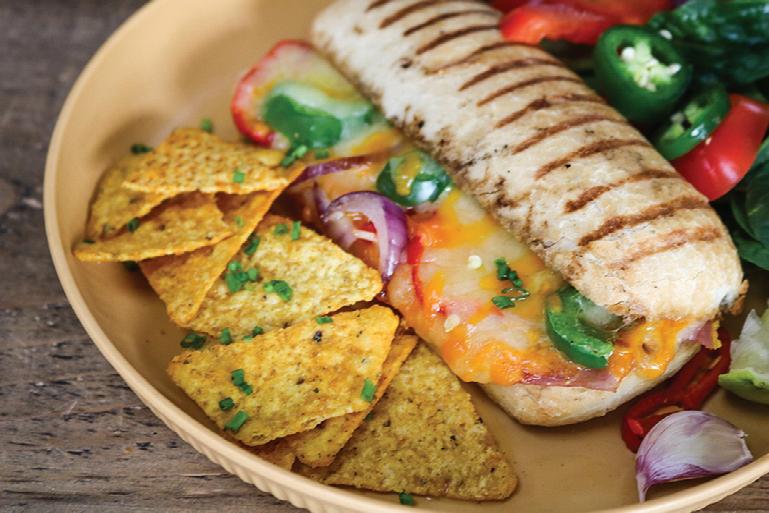
In the fast moving world of Out of Home (OOH) dining, the real magic doesn’t begin at the pass — it begins long before, at the prep station. This is where chefs wrestle with the pressures that define modern service: relentless speed, unwavering consistency, and rising costs. And while flavour remains the soul of any dish, today’s kitchens need ingredients that don’t just taste good — they need ingredients that work.
Enter Heler Foods, a producer that has quietly reshaped how cheese supports professional kitchens.
Heler’s reputation for quality is well established, but its real point of difference lies in a simple but transformative idea: format matters. Blocks, slices, grated, flavoured, portion controlled — each format is engineered not just for taste, but for the realities of contemporary service. The goal isn’t novelty; it’s practicality. It’s giving chefs cheese that saves time, cuts waste and behaves predictably on the plate. Because in busy kitchens, even seconds have value. The ability to open, portion and use cheese without extra handling affects everything from labour flow to
throughput. Pre grated formats accelerate service. Portion controlled cuts protect margins. Flavoured cheeses unlock menu upgrades without adding complexity.
And perhaps the biggest win? One cheese that can do the work of many.
Depth, richness, premium cues — all delivered through a single, versatile ingredient. That means leaner inventories, faster menu tweaks and more creativity with less effort, whether the dish is a pizza, pastry, burger, loaded fries or nacho topper or a sharing board.
Ultimately, Heler’s approach reflects a simple truth: cheese may be a familiar favourite, but in the right format, it becomes a strategic advantage. In a sector where time and money are always under pressure, Heler Foods’ gives operators something invaluable — an ingredient they can trust to perform, service after service.
Contact Heler Foods to see how Formatted Cheese can help change your game.
Visit www.helerfoods.com or email richard@eatlean.com
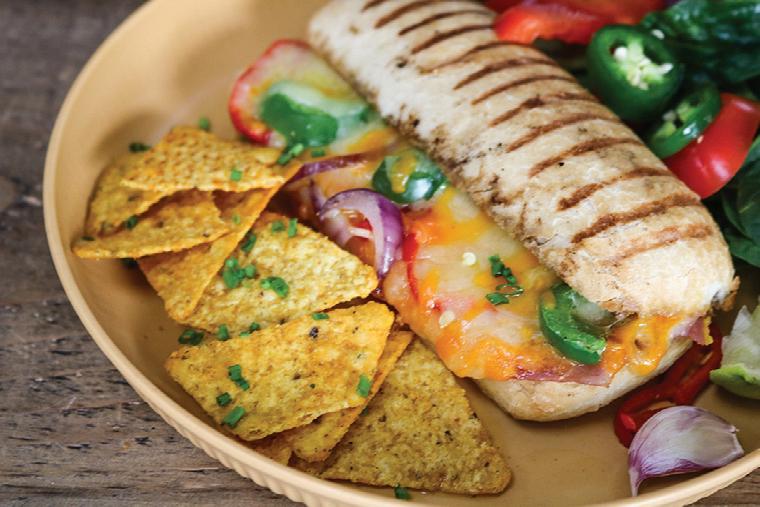
Around 90% of consumers check online reviews before choosing a restaurant, and they’re increasingly candid about what disappoints them. Cleanliness is one of the fastest ways to trigger negative feedback, especially when expectations aren’t met.
A quick scan of TripAdvisor highlights comments like:
“Our table looked clean, although sticky.”
It’s a small detail, but one that carries weight. Sticky tables instantly signal poor hygiene to guests, even in venues that otherwise appear spotless.
In many cases, the issue isn’t whether tables are being cleaned, but how.
Commonly used sanitising sprays containing quaternary ammonium compounds (quats) can leave behind an invisible residue. Over time, this builds up, particularly when damp cloths are reused across tables or when heat and
humidity come into play. The result is a surface that looks clean, but feels anything but.
For operators, the risk is reputational. Guests may say nothing in the moment, yet share their experience online, influencing future bookings and loyalty.
Reducing residue starts with better surface hygiene practices: cleaning before sanitising, using residue-free products designed for food-contact surfaces, avoiding dilution errors, and allowing surfaces to fully air dry.
When nearly every guest is checking reviews, perceived cleanliness matters just as much as compliance.
At Sani Professional®, we’ve developed Protect 360° biodegradable sanitising wipes to solve this challenge sustainably. Their plant-based active formula cleans effectively and dries residue-free, helping hospitality teams deliver a spotless, guest-ready finish every time.
Request your FREE Protect 360° samples by writing an email to
samples@sanipro-intl.com
As pressure grows across the hygiene and facilities sectors to reduce plastic waste and improve sustainability, packaging innovation is becoming a key focus. Responding to this need, Hadron Group has developed a ground-breaking alternative to traditional rigid buckets - the EcoSmart™ flexible pouch system.
EcoSmart replaces the bulky plastic containers typically used for wet wipes with a durable, flexible pouch incorporating a side-mounted dispenser valve. The result is a solution that uses up to 60% less plasticwhile maintaining product integrity and usability.
Beyond its clear environmental advantages, EcoSmart delivers measurable commercial benefits. The reduced weight and size of the pouches lead to lower transport and storage costs, reduced waste disposal fees, and greater product density per metre of shelf space - particularly
valuable in retail and distribution environments.
Available in two sizes - a standard version to replace 3–5 litre buckets and a larger handled version to replace 10 litre formats - EcoSmart is ideal for use across food processing, dairy, beverage, and industrial hygiene applications.
Manufactured in the UK, the pouch can be branded for own-label clients or supplied as part of Hadron Group’s own brand range.
With EcoSmart, Hadron Group is demonstrating how intelligent design and sustainability can go hand in hand, helping businesses move towards a cleaner, greener future.
For more information, visit www.ecosmart-packaging.co.uk
With spring just around the corner, hospitality providers preparing to get their operations into ship-shape for the start of the new season are being warned not to overlook one critical safety priority - Legionella prevention. Cases of Legionnaires’ disease - a potentially fatal lung infection caused by inhaling water droplets containing Legionella bacteria - have reached record levels, with 604 cases reported in England and Wales in 2023, up from 488 in 2017.1
Legionella thrives in stagnant water, as common in unused or little-used water systems. Hospitality providers, particularly smaller hotels, short-term lets, caravans and campsites, remain at particular risk due to the scope for intermittent use between seasons.
With this, Hydrohawk, from the UK’s leading authority in rapid Legionella
testing technology, is urging the sector to pay due diligence to Legionella risk when preparing for the spring-kick-off.
“With spring firmly on the horizon, many hospitality providers will be focused on getting operations ready,” said Greg Rankin, CEO of Hydrohawk. “The importance of a robust approach to water safety cannot be underestimated as part of this. Legionella can build up quickly in stagnant systems - even during colder months. Taking action now, to include flushing systems, checking temperatures and using rapid Legionella testing, can help to ensure that water systems are safe and any problems are addressed before the rush.”
Under UK health and safety law, all property owners and duty holders are responsible for identifying and controlling the risk of exposure to

Legionella, including hoteliers, leisure operators and other hospitality providers.
Along with regular maintenance, frequent flushing, and risk assessments, Hydrohawk asserts there is also a clear case to incorporate regular rapid Legionella testing – which can detect Legionella in just 25 minutes – as part of any water safety regime.
“Legionella rates are rising globally and in the UK, making this a risk hospitality can no longer afford to overlook,” Rankin added. “Rapid testing as part of new-season preparations gives operators peace of mind, safeguarding both guests and reputation. After all, no one wants a Legionella outbreak as we enter the all-important summer run-up.”
For further information, visit https://hydrosense-legionella.com
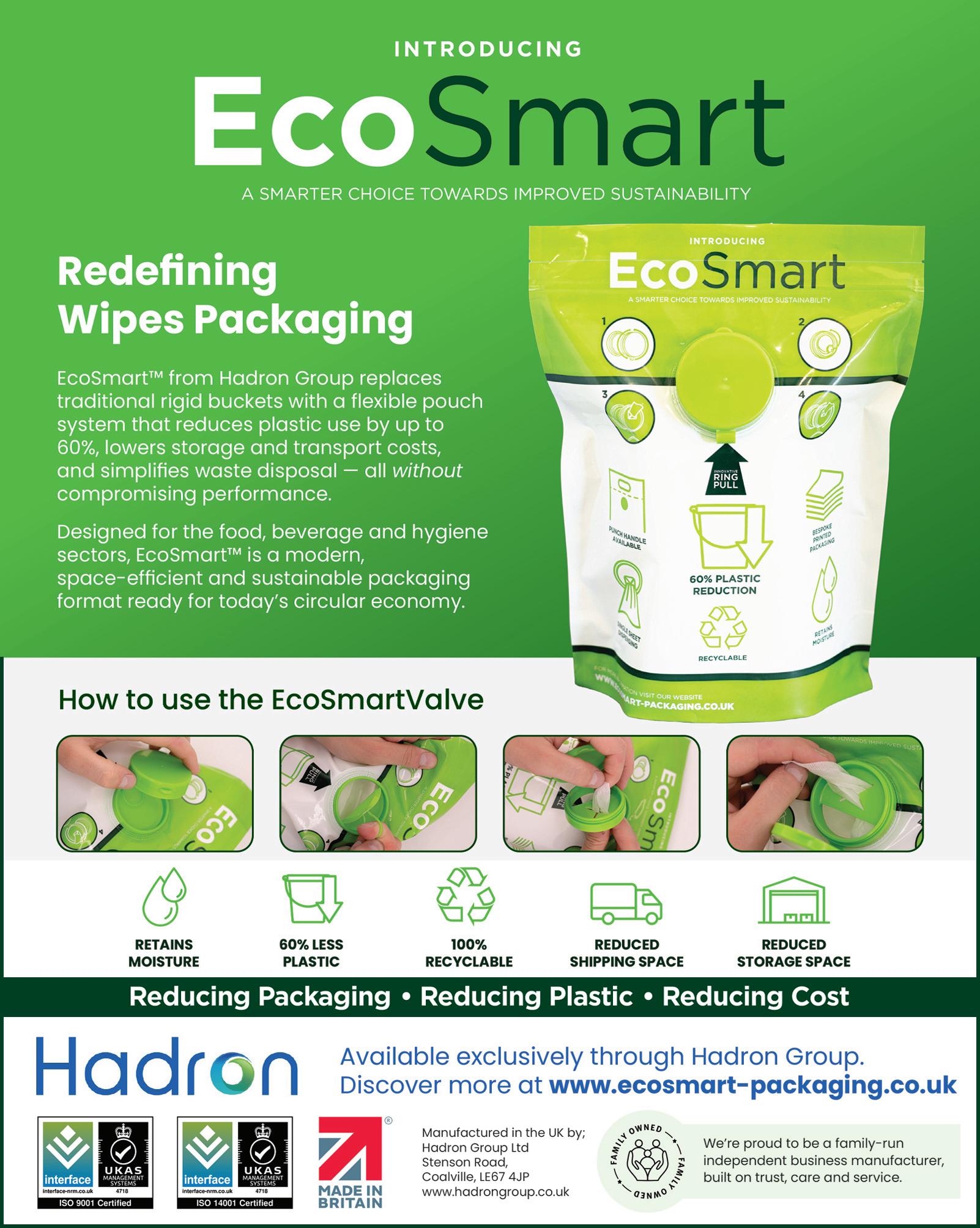
In hospitality, first impressions matterbut so does safety. From boutique hotels to bustling outdoor dining spaces, lighting plays a pivotal role in shaping a bright experience without compromising compliance. With Lumena Lights, you don’t have to sacrifice aesthetics for safety; instead, the two should work seamlessly together, bridging the gap between decorative appeal and functional performance.
Decorative lighting is where ambience begins. Lumena’s Cosmic range, including solar festoon lights with effects such as flame or meteor shower and string lighting, is designed to transform outdoor and transitional spaces into warm, inviting environments. Soft, welcoming illumination encourages guests to stay - why end at teatime? This helps prolong evenings for alfresco dining, events and social spaces. Well-lit, visually engaging areas naturally attract footfall, creating places people regularly visit. Late nights are always more fun with Lumena.
out glare, enhancing visibility on stairways and level changes while maintaining a refined aesthetic — ideal for hospitality settings where form and function must coexist.
Solar bollards and path lighting, such as the Halopost, complete the picture, providing long-lasting illumination with no running costs. Its modern silhouette and generous light spread suit contemporary and traditional hotel landscapes alike, ensuring a safe access route for guests.
Lumena offers comprehensive solutions, including solar lighting (bollards, wall & sign lights, festoons & string lights, floodlighting and path lighting). Additionally, mains and 12V solutions such as step lights, architectural luminaires and low-level guidance lighting. Whether upgrading your space in time for peak season or planning a new installation, Lumena helps create safe, compliant and beautifully lit environments, a true home away from home.
Firestorm Heaters is a proudly British, father-andson business founded by Steve and Zac Morris in Herefordshire. Born from a passion for engineering and sustainable heat, Firestorm has spent five years redefining outdoor warmth through precision design and British manufacturing.
For safety-led illumination, step lighting such as our Monolite offers a sleek, solid brass design that complements premium materials such as stone, timber and concrete. Discreet yet powerful, Monolite expertly focuses illumination where needed with-
Don’t sit in the dark. Shine above the rest with Lumena.
For further information or queries, please contact sales@lumenalights.com or call us on 01327 871161
The UK outdoor furniture market is heavily influenced by changes in weather conditions, with consumers more likely to purchase picnic benches during periods of good weather. MG Timber specialise in the manufacturing and supply of high-quality wooden picnic tables. Their picnic tables are made from high-grade timber and are designed to withstand the harsh outdoor elements.
Unlike traditional patio heaters, Firestorm models run on clean-burning British wood pellets, delivering an impressive 14kW heat output without smoke or mess and at roughly 1/3 the cost of bottled gas. Modern aesthetics combine with practical innovation, resulting in heaters that are efficient, reliable, and built to last.
Hand-assembled from robust materials and tested in British conditions, Firestorm Heaters combine performance, sustainability, and design integrity. Their mission remains clear: deliver renewable outdoor heat that looks as good as it feels.
Website: www.firestormheaters.co.uk
Phone: 01432 667 567
Email: info@firestormheaters.co.uk
The Phoenix is designed for domestic use, while the Flamenco sets a new benchmark for commercial outdoor heating. Matching the Phoenix’s output, the Flamenco offers up to four hours of continuous runtime without refuelling, making it ideal for restaurants, bars, and event spaces. Simple operation, full guarding, and lockable castors ensure safety, ease of use, and flexibility.
Crafted from the finest Swedish Redwood, each piece is expertly pressure treated to ensure longevity and protect against the elements. Renowned for their robustness, our treated wooden outdoor furniture is designed to withstand the unpredictable British weather, making them a reliable choice for any catering and licensing industry outdoor space.
For full details about our vast array of top-quality outdoor picnic benches for sale contact us today.
We are also offering up to 15% off on commercial orders, please visit our website www.mgtimberproductsltd.co.uk or call us on 01902 953166
Lightweight, Stackable Outdoor Furniture – Whatever The Weather!
Whether you’re providing all-year round outdoor seating at a café or turning your outdoor space into an al fresco dining area during the warmer months, your outdoor seating needs to be practical and versatile as well as stylish and able to accommodate your customers in comfort. Here at Trent Furniture, we have a great choice of tables and chairs designed to tick all these boxes and more.
Made from weather-resistant black rattan, the Plaza Chair is a strong yet light customer favourite, that’s so easy to stack and store when not in use. Alternatively, you can choose between a chic grey or black finish for the Nantes Stacking Chair. Perfect for using indoors now or outside in the summer, it’s made of lightweight polypropylene which can be stacked up to eight high. Or if you’re looking for warmer hues, the Bolero Side Chair is a perfect alternative in a rich on-trend brown. Pair it with the Bolero Armchair to create the perfect outside dining set-up.

Given the vagaries of the British weather, your outdoor tables need to be as easy to clear away as your chairs, and ideally also work well in your indoor space at busy times in the colder months. Comfortably seating up to four, the Plaza Table features a strong hardened top and is easily stackable when the rain starts or at quieter times. Alternatively, the Bolero Table is the perfect partner to the Bolero chairs and is effortlessly stackable up to five high.
To find out more about Trent Furniture’s great range of versatile outdoor furniture including the latest special offers available, please call 0116 286 4911 or email us at sales@trentfurniture.co.uk



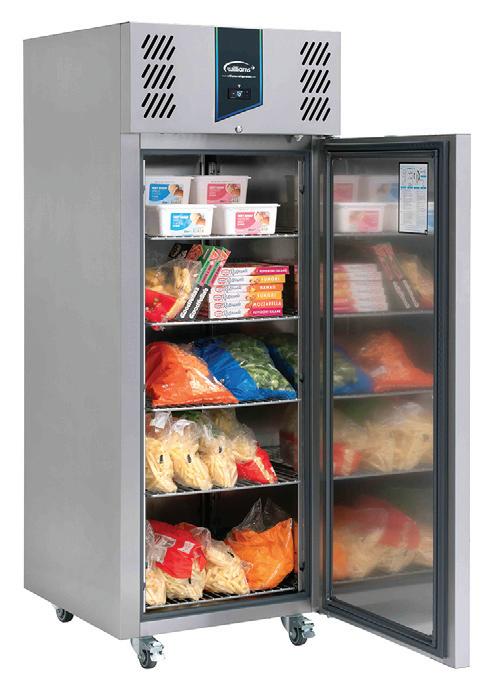
New Jade models are precisely adjustable between -22°C and +8°C
Williams is the UK foodservice market’s first refrigeration manufacturer to develop and launch multi-temperature counters and cabinets. The Jade MultiTemp range offers caterers a single solution to meet nearly all the specific temperature requirements of different food types, from chill to freeze, from +8°C to - 22°C.
For any chef wanting to keep food in top condition, the correct temperature is essential. Until now, for the best quality storage they would need to invest in a dedicated unit for each food type. For example, for meat it would be -2°C to +2°C, for ice cream -10°C to -21°C, for cheese +5°C to +8°C, and so on….
The Jade MultiTemp counters and cabinets offer caterers a fully flexible alternative. For example, when menus change, such as for seasonal specials, they can be adjusted to the specific temperature requirements of the different food types being stored. An additional benefit is that should a fridge or freezer (cabinet or coldroom) break down, they can be used as temporary replacements.
The MultiTemp units can be adjusted very quickly, simply by scrolling through the temperatures on the control panel. So whatever the food being stored, the MultiTemp can store it perfectly and precisely – to within 0.1°C accuracy – guaranteeing the best quality, throughout its adjustable temperature range of -22°C to +8°C.
There are five Jade MultiTemp models: a two and a three door counter; a one and a two door cabinet; and a one door cabinet featuring two independently controlled half door sections. All are built to the same high specifications as the popular Jade range, including stainless steel construction throughout and natural refrigerant, and have identical dimensions and footprints.
Alongside the standard doors, the new Jade MultiTemp counters can be specified with a bank of two drawers. In
addition there is the option of ‘reverse units’, with the refrigeration on the right hand side of the doors, rather than the standard left hand side. This flexibility is very useful when it comes to planning, designing and installing in kitchens.
All Jade MultiTemps are WiFi enabled and come with a connectivity module allowing users to connect to either their own system or to a dedicated Williams connectivity platform (terms and conditions apply). Connectivity allows for remote monitoring and temperature adjusting, HACCP logging and trend analysis of individual units. If WiFi is not available, the MultiTemp’s module can also be hard-wired into a client’s system.
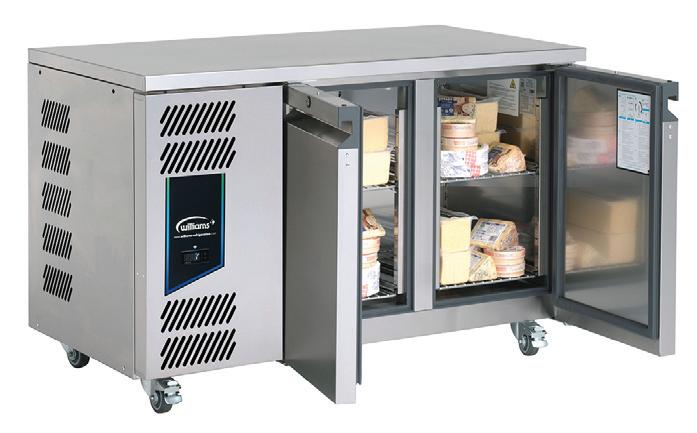
Connectivity on this level is a major quality of life upgrade for the kitchen brigade, as they no longer have the chore of manually recording temperatures in all their fridge and freezers, two or more times per day.
“The Jade MultiTemps offer total flexibility,” says Malcolm Harling, sales and marketing director of Williams. “These counters and cabinets are industry-first innovations, giving chefs the ideal storage conditions for all their food types, helping them to create excellence.”
Williams has already calculated embodied carbon figures for all the Jade MultiTemp models. The figures are CIBSE-certified and were calculated using the TM65 methodology. “Embodied carbon figures are not only increasingly important to our customers, they are also integral to our ongoing commitment to sustainability and transparency,” says Harling.
The Jade MultiTemps have list prices starting from £5,225 for the single door cabinet (model VJ1SA).
Williams Refrigeration offers a comprehensive range of commercial refrigeration including gastronorm cabinets and counters, specialist bakery equipment, coldrooms, multidecks and blast chillers.
To learn more about Williams extensive product range visit www.williams-refrigeration.co.uk.
At Kitchen Clearance UK, we specialise in supplying top-quality refurbished and Bgrade commercial catering equipment from some of the industry’s most trusted brands, including Rational, Lincat, Merrychef, Maidaid, Falcon, Foster, Blue Seal, and many more.
We carefully source only the best pre-owned commercial catering equipment, ensuring that each piece is fully refurbished to a high standard and rigorously tested by our expert engineers. All equipment can be viewed if required to see it working and see the quality of the item.
We also supply B-grade catering equipment — items that may have minor cosmetic imperfections or have been used for demonstrations. All B grade items come boxed and complete with all accessories where required, offering a cost-effective solution for high-performance kitchen equipment.
We pride ourselves in excellent customer service, making sure any initial issues are quickly resolved.


Please quote CLH266 for 10%
As a green business, we are dedicated to reducing waste in the catering industry by giving high-quality equipment a second life. Before disposing of any catering equipment, reach out to us, it’s not only better for your finances but also for the environment.
Located on the borders of Lincolnshire, Leicestershire, Rutland, Northamptonshire, Cambridgeshire.
Tel: 07790 612911
Email: kitchenclearanceuk@gmail.com www.kitchenclearanceuk.co.uk
See the advert on page 2. PLEASE QUOTE CLH266 FOR 10% DISCOUNT

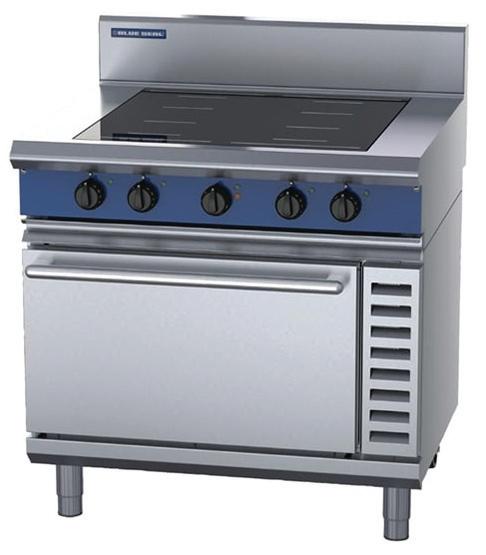
Blue Seal Ltd are very mindful of the future equipment requirements for efficiency, carbon footprint and sustainability, with this ever-changing food industry and the cost of gas and electric usage.
We currently produce a new range of free-standing & bench models of heavyduty induction hobs with two or four zones. Each hob has the versatility of 3.5KW or 5Kw round zone generators for focussed power or 5kw power full area zones to accept multiple pans across the cooking area. The induction technology is incredibly responsive, with hardened 6mm thick glass cooking surfaces.
Blue Seal R&D are conscious of the ever-increasing demand for induction product, and we have now launched our new induction-convection ranges, and wok induction hobs.
Many commercial chefs are trained at college with gas appliances and do love the instant heat & control of gas. However, they are slowly breaking this habitual comfort and being convinced to make the change, once they experience using Induction, the fantastic responsiveness, instant heat direct to the pan
Air Vent Technology offers three ranges of high temperature fans designed for installation into commercial kitchens.

The “QBK,” the “QMF-HT,” and the “STR/MOS” can handle operating temperatures between 80ºC and 180ºC with performances from 0.10 m³/sec to 7.45 m³/sec, single and three-phase. For maximum durability, the motors are out of airstream, preventing overheating, reducing exposure to dirt and grease, and minimising maintenance and cleaning. All have acoustic linings to reduce noise breakout.
The "QBK" range comprises six fans and five sizes, single and three-phase. They have energy efficient, direct drive fans with backward curved centrifugal impellers. "QBK" units have flexible airflow configurations - straight through or 90º. Cases are of robust extruded aluminium frame in double skinned galvanised steel with a plastisol coated finish. All are fitted with energy saving controls. Attenuators, cowls, flexible duct connectors and weatherproof kits are available. The "QBK" range will operate in tempera-
tures of up to 120ºC with performances from 0.10m3/sec to 2.97m3/sec.
The “QMF-HT” range comprises nine sizes - single and three phase, four and six pole motors. They are continuous running in temperatures up to 180ºC with performances from 0.10 m³/sec to 3.40 m³/sec and are for ducted or direct installation. They are easy to install horizontally or vertically, inside or out.
The “STR/MOS” are continuous running in temperatures of up to 80ºC and can be installed internally and externally. There are two sizes, each with two motor ratings giving performances of between 2.00 m³/sec to 7.45 m³/sec. The “STR/MOS” are versatile with seven spigot options which can be set at installation.
Air Vent Technology can design custom ventilation systems using these high-temperature fans to ensure optimal performance for any situation.
Tel: +44(0)1264 356415
Email: sales@airventtechnology.co.uk
Web: www.airventtechnology.co.uk
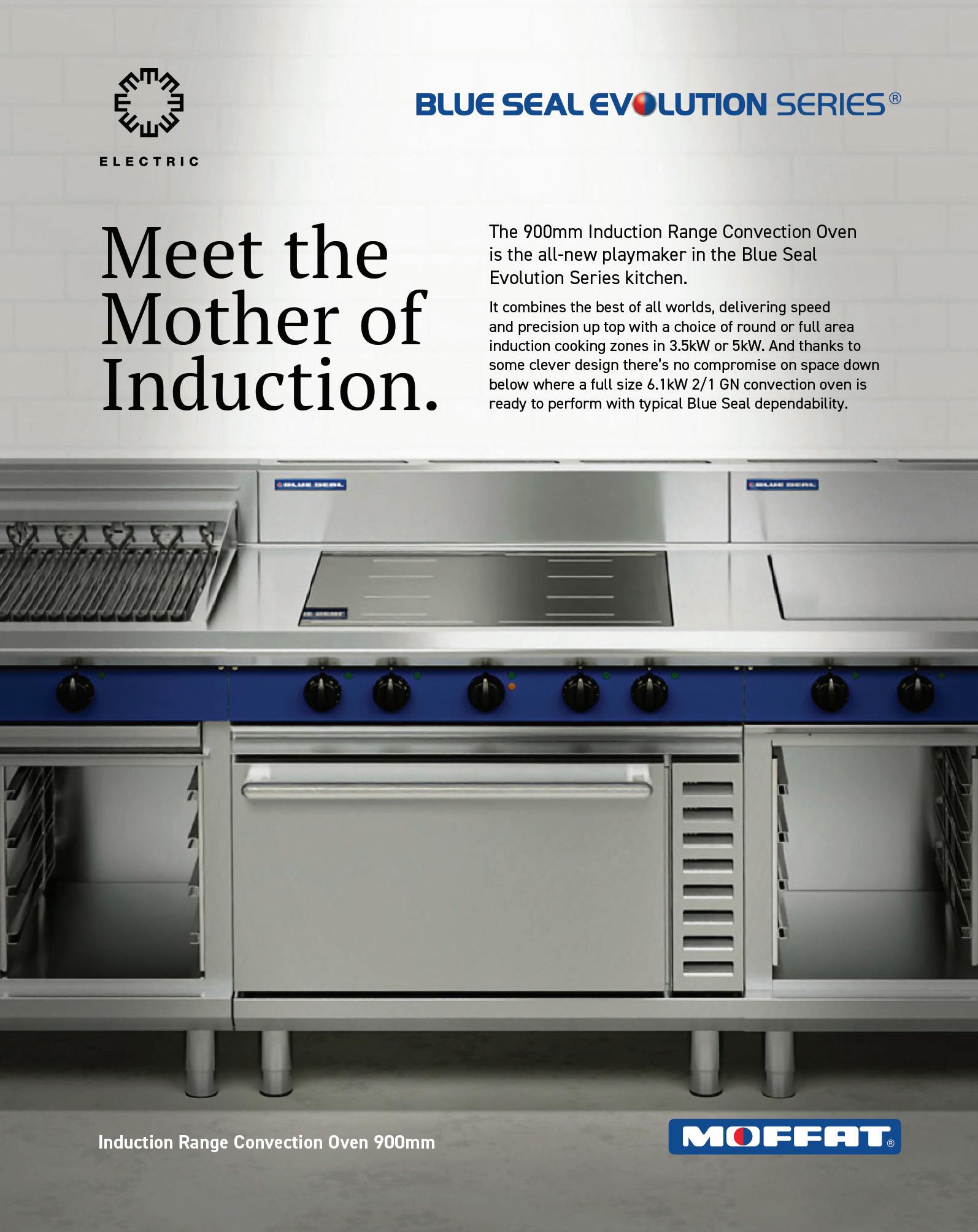
& superb controllability, speaks for itself.
The induction technology lends itself to a myriad of concepts, especially QSR restaurants where they need quick heat up on demand, which is also remarkably simple for the operator to use and maintain.
The feature benefits of induction far outweigh the initial out lay, which is currently still relatively high for commercial heavy-duty product. Induction for prime cooking is still relatively fresh to be accepted into the general commercial kitchen environment, however the big energy savings and high efficiency far outweighs the cost of changing the cookware and initial higher cost outlay for the product. This cost will no doubt reduce and become more competitive as the trend & demand for induction manufacture inevitably increases. Induction equipment also avoids the additional very costly legislation requirement involved with gas canopy extraction/make up air and interlock systems.
When you compare the efficiency of using induction over gas, the induction is at approx. 90% efficient compared to approx. 45% efficiency for gas. This is achieved by the magnetic fields heating up the entire surface of the cookware with virtually all of the energy transferred into the pan. Where gas disperses the heat, licking around the sides of the cookware more so, losing energy into the ambient air around the pan.
Using induction massively reduces heat transfer into the air flow, lowers the overall temperature in the kitchen promoting a more comfortable working environment, as well as the practicality of a simple wipe down of the glass cooking area at the end of a shift, which is very appealing to an operator. The appliances are much safer to use, reducing injury potential as well as being very simple to service & maintain.
www.blue-seal.co.uk
Mobile Kitchens Ltd specialises in the hire of temporary catering facilities and foodservice equipment.
Ideal for events or to provide temporary catering facilities during your kitchen refurbishment, our versatile units and equipment offer an efficient and economical solution to the caterers’ needs.
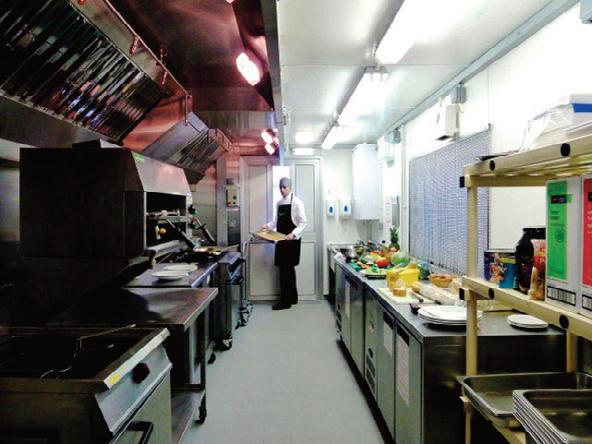
Production Kitchens, Preparation Kitchens, Warewashing Units, Dry Store Units, Cold Rooms and Restaurant Units are available as individual units in their own right or they can be linked together on site to form a complete complex.
Alternatively, we can offer modular, open-plan facilities, usually for larger, longer-term hires.
We offer a free design service, and project management from concept through to delivery and installation on site, plus full technical support throughout the hire period.
The standard specification of our Medium
and clients can effectively specify their
We have many tried and tested design layouts and would be pleased to put forward our recommendations for your project.
So, if you’re planning a refurbishment or need to cater for an event then why not give us a call and we’ll be happy to provide advice and put forward a competitive proposal.
For further information or to arrange a site visit, email: sales@mk-hire.co.uk or call us on 0345 812 0800, or visit our website: www.mk-hire.co.uk

kitchens to food warehouses - we have experience in dealing with fridge & freezers of all sizes and scales. To learn more about fridge seals, be sure to explore our range of extensive guides on how to replace a refrigerator door seals. Otherwise, find your specific guides in how to identify, measure, install or maintain your fridge or freezer door seal.

Our reputation in the industry along with our commitment to providing a high-quality gasket without having to buy from the factory allows us to have competitive pricing and fast turnaround time. Try us out, order your door gaskets from us and discover a better way to do business. We are here to help you. www.fridgesealsdirect.co.uk
Caterquip Ventilation Ltd is proud to be celebrating their 25th Anniversary this year. This Warwick based company offers nationwide coverage for all your commercial catering needs: free site surveys, quotations and designs (CAD), quality bespoke and standard fabrications, specialist knowledge of catering ventilation systems including input air, odour reduction (carbon filtration and ESP) and sound attenuation. Affiliated members of Constructionline and CHAS, Caterquip Ventilation have a strong hold in the marketplace often advising industry professionals on ventilation systems to a DW172 specification & BSEN:6173.
They have strong relationships with all leading kitchen equipment suppliers, and they offer a kitchen design service to help you build your ideal kitchen.
With extensive knowledge of manufacturing and installing ventilation systems, they can help you design the best kitchen within the space available. Call: 01926 887167, visit: www.caterquipventilation.co.uk, email: info@caterquipventilation.co.uk

At TheCommercialOvenStore.com, we know that the heart of any professional kitchen is a reliable, high-performance oven. That's why we offer an extensive range of ovens from the world’s leading brands – including Blue Seal, Lincat, Unox, Rational, and Merrychef.
Whether you’re running a bustling restaurant, a cozy café, or a fast-paced catering business, you’ll find the ideal solution with us. Our selection includes powerful gas and electric ranges, versatile combi ovens, high-efficiency speed ovens, and durable convection ovens, alldesigned to keep your kitchen operating at peak performance. Explore cutting-edge features, energyefficient designs, and trusted engineering – all in one place. From compact units for smaller kitchens to heavy-duty systems for large-
scale operations, we make it easy to find the right fit for your needs and budget.
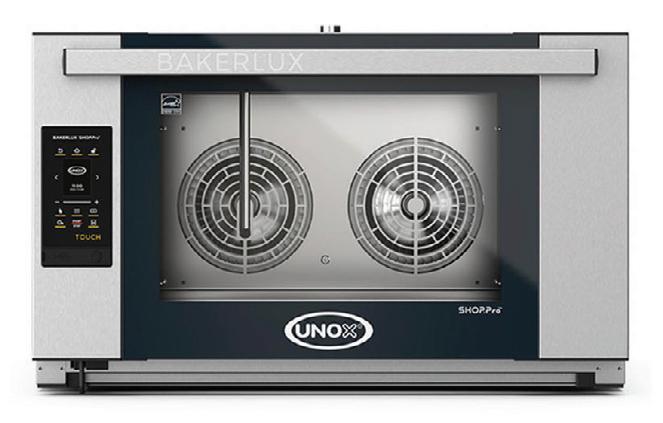

Expert advice, competitive prices, and trusted brands – all at TheCommercialOvenStore.com
Get the equipment you can rely on, and take your kitchen to the next level. T 0207 965 7502
sales@thecommercialovenstore.com See the advert on page 2 for special offers.
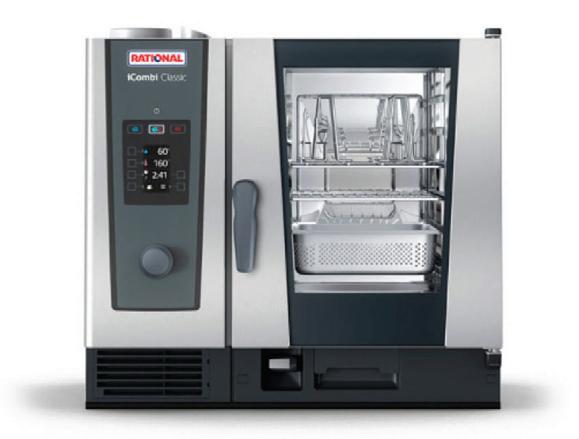

• Be ready for your inspections
• Damaged fridge seals are unhygienic
• Make your fridge more energy efficient with a good seal on your fridge
• We provide custom seals for cold rooms, discontinued models, and units with no identification information
• Next-day delivery service
• Discounted prices on large
Capricorn Contract Furnishings are now firmly established as one of the countrys largest stockist and supplier of quality contract furnishings to cafes, bars , restaurants , pubs, clubs and hotels.
Capricorn are based in a large showroom and distribution warehouse on the outskirts of Exeter in Devon. From within the distribution area we are able to offer a next day delivery service on thousands of products including tables , chairs , stools and lounge furniture.
Customers are encouraged to visit our large showroom to
view an extensive range of furniture ideally suited for the leisure market. Here you can relax and let Capricorn help and advise you with your requirements. Opening hours for the showroom are appointment only
We are able to offer a full polishing and upholstery service so many items can be custom made to the customers requirements .
For more information or a Capricorn Contract Furnishings catalogue and price list contact Brian Pengelly on 07767 387 962 or visit www.ccf-ltd.uk
At HotelContractBeds, we’ve been supplying the hospitality industry with premium contract beds and mattresses for over 40 years. Whether you're running a boutique B&B, a busy hotel chain, or student accommodation, we offer a bespoke service that ensures you get the perfect beds to suit your needs.
As specialist UK manufacturers, we take pride in delivering high-quality, durable, and comfortable beds that meet strict UK & EU fi re safety regulations (BS 7177:2008 – Crib 5), ensuring your guests sleep safely and soundly. Why Choose HotelContractBeds?
✓ Premium Quality Beds & Mattresses – Zip & Link, Divan, Bed Bases & More…
✓ No Minimum Order Value – Whether you need one bed or a whole hotel’s worth
✓ FREE UK Delivery – Reliable weekly deliveries for your convenience
✓ Competitive Prices – Exceptional quality without the premium price tag
Our zip & link beds offer ultimate fl exibility, allowing rooms to convert from twin to double in minutes—perfect for hotels catering to varied guest needs. From luxury hotel mattresses to budget-friendly options, we cater to all types of commercial accommodation.
Join thousands of satisfi ed customers across the UK who trust HotelContractBeds for unmatched quality, comfort, and service.
Ready to upgrade your guest experience? Visit HotelContractBeds.co.uk today or call us (01234 834693) to discuss your requirements!
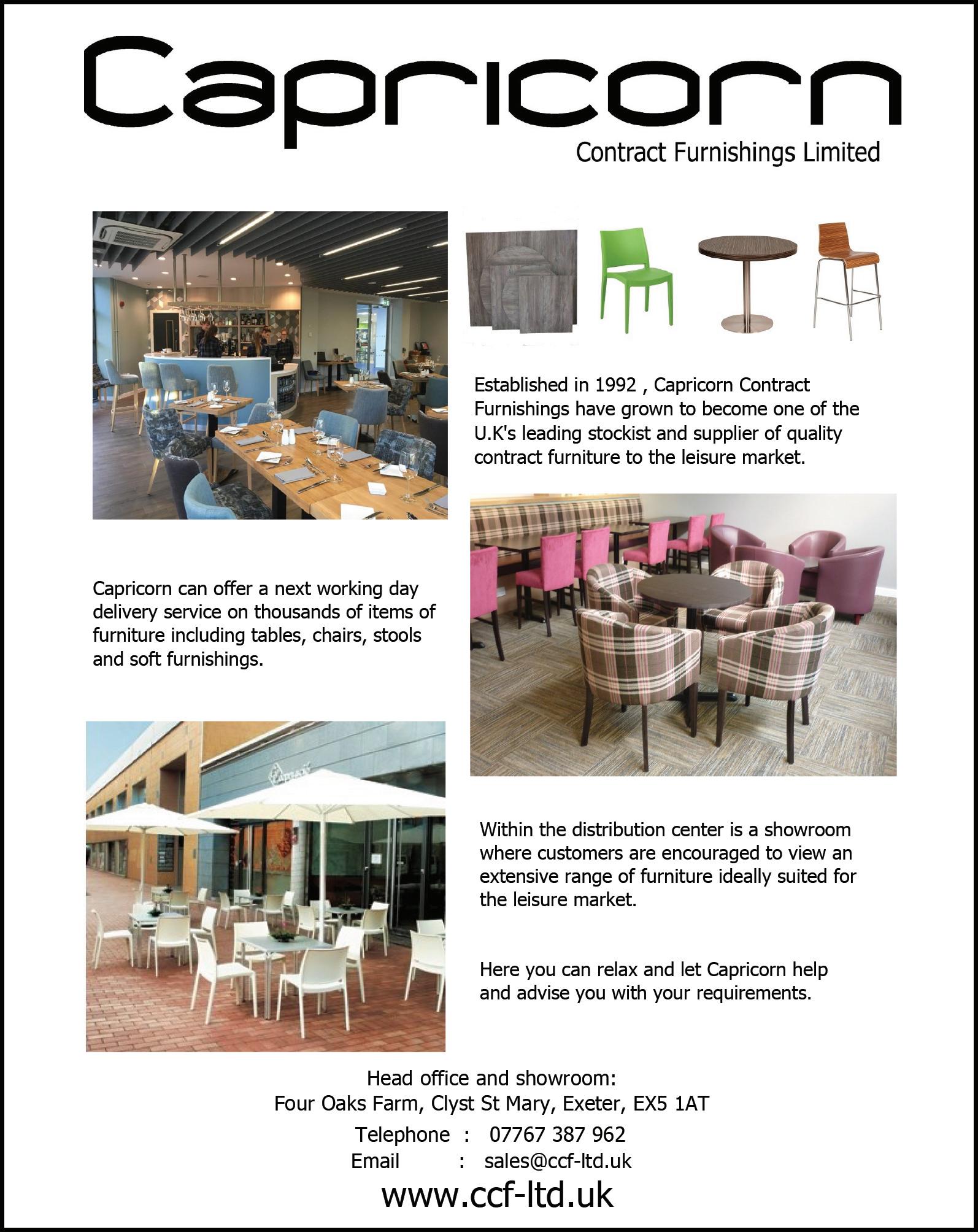

These days many hospitality spaces have to work hard all day long from morning coffees, to light lunches, to dinner,
at Trent Furniture, we offer a great choice of table ranges in different sizes and shapes to cater for all your customers’ needs.
As well as being available as a square, rectangular and round table, our bestselling Shaker Table is also available as a coffee table and a poseur table. Add to that a great choice of size options, including a choice of four sizes for the standard height Rectangular Shaker Table, and you’ve got the ability to create a seamless theme from your smallest square coffee table through to your largest dining table. Choose from dark oak, light oak or walnut to fit in with your décor scheme.
For a modern look, the Pyramid Table is also a fantastic choice. Available as a square or rectangular coffee table and dining table in a great choice of
sizes, or as a square, round or rectangular poseur table, this range is also designed to create a cohesive style statement across your entire venue. Available in a chic black tabletop finish as well as dark oak, light oak or walnut, you can choose from solid, veneer or melamine tabletops. Bases are available in reflective chrome or matt black.
The Olympic Table is another popular option in a great choice of sizes and shapes. Right now, it has some great savings of between 20% and 50% across the range.
To find out more about how we can help you find the perfect furniture for your venue, please give us a call on 0116 286 4911 or email us at sales@trentfurniture.co.uk.
Have you recently taken over premises, just fancy a change or need to replace your tired old fixed seating and fixtures? At Drakes, we can help you realise your dreams with our bespoke furniture design service. Every week we build new tailor-made furniture up and down the UK, working with owners to come up with design concepts for fixed seating, booths and even bars and fixtures. We can take ideas from you, or your interior designer, or we can design something ourselves, all done efficiently, with professional quality and on time within budget.

Our service provides a unique opportunity to make your establishment stand out from others and add additional comfort for your customers.
We have been providing bars, pubs, restaurants, cafes, clubs, and hotels with high-quality furniture and fixtures for decades. We employ over 15 joiners, upholsterers, polishers and designers who are capable of installing fixed seating and bespoke joinery, new bars and full refurbishments, or simply making stools for the front of the bar, or providing quality tables that last. Our dedicated team are either time-served officially trained craftsmen or externally based professionals.
Got you interested? We are available for a chat on
you prefer, email us at sales@askdrake.com, and of course please visit our website www.askdrake.com
MST AUCTIONEERS Ltd specialise in handling & auctioning a wide variety of goods.
We act for Insolvency Practitioners, Receivers, Bailiffs and Solicitors as well as large PLCs.
We are members of The National Association of Auctioneers


and Valuers (NAVA).
For the past 25 years, we've provided a unique disposal service tailored to suit, liquidators, banks, receivers as well as private and corporate vendors. We carry out probate valuations and conduct complete house and commercial clearances.

We have the largest Auction venue in the South of England. Our regular monthly Auctions occupy 45,000 sq.ft. of undercover space, selling over 2500 lots from 3 rostrums over two days.
We also hold regular Auctions ”On Site” and "On Line" Visit www.mstauctioneers.co.uk for further information.

Adan's Hive Ltd specialises in transforming client visions into extraordinary spaces across diverse industries. Whether designing bars, restaurants, retail stores, or boutique venues, the company handles every detail from concept to completion—creating bespoke environments that are as visually compelling as they are practical. They have extensive experience shop-fitting and designing projects all across central London, from Regent Street, Soho and Covent Garden, all while remaining competitive so your business can benefit from their expertise at a budget that suits you.
With design expertise spanning multiple sectors, Adan's Hive believes that every project starts with truly listening to the client. "Your vision, our style—let's make your new place stand out" isn't just a tagline; it's the foundation of their approach. The team digs deep into each client's ideas, vibe, and specific needs, crafting custom designs that marry aesthetic appeal with operational efficiency.
Projects typically feature a blend of traditional elements and modern, minimalistic flair—incorporating rich textures, bold lighting, and curated
Mayfair Furniture will be celebrating 12 years this year of providing the UK’s fastest and affordable commercial furniture. Supplying all kinds of establishments from high end hotel chains to small local takeaways.
We keep in stock a huge variety of items ready for immediate dispatch, and can fulfil a wide range of bespoke orders. We deliver to all areas of the UK, Ireland & Europe.
We are not just a supplier; we understand that from time to time hospitality and leisure establishments like to give themselves a fresh new look. That's why not only do we supply contract fur-
materials to create signature atmospheres.
Adan's Hive offers comprehensive turnkey services, managing everything from initial consultation to design, construction, and fitting. Their capabilities extend beyond aesthetics to include commercial kitchen canopies, air systems, air handling units (including A/C), cold rooms, freezer systems, and fire alarm and security installations.
With a reputation for smooth, reliable project execution, Adan's Hive consistently delivers spaces on time and within budget—working with clients across various budget ranges without sacrificing quality. The result? Spaces designed with customer flow, ambience, and operational efficiency in mind—creating environments that are more than just venues; they're experiences.
To see more of Adan's Hive Ltd's full-service commercial
niture, but when it's time for your establishment to go through a refurbishment we also offer a complete clearance service. We'll organise everything from a suitable time and date, professional clearance staff to remove contract furniture whether fitted or unfitted. Along with our sister company Caterfair who provides commercial catering equipment for your kitchens we are the ideal people to speak to when you are looking to refurbish.
01733 310115
sales@mayfairfurniture.co.uk www.mayfairfurniture.co.uk

Sunfly is undoubtedly the best-known name in Karaoke, having been formed in 1991. However, technology has come a long way since the 90s.
Sunfly now have over 20000 HD Karaoke videos designed specifically for large screens. All songs have been digitally remastered for consistent audio quality. There are specially curated playlists and international content on all systems.
Sunfly now have a large range of online and offline systems. The most popular in the pub and restaurant
market is the Sunfly Showcase Touchscreen System which features an intuitive interface and robust touchscreen designed for frequent use. Available for sale and on lease for just £100 + VAT per month for two years (then £25 per month).
We also have tablet-based systems such as the EVOBOX Club which is available for only £60 + VAT subscription per month, minimum one year.
In addition, we have partnered with SingPods who have a fantastic range of professional systems as well as their famous self-contained pods.
If you have an under-performing function room, you may be surprised to hear how easy and affordable it is to convert part or all of the room to a Private Karaoke room.
Candles — or the lack of them
— are one of the first things customers notice when they sit down. In fact, 82% of customers surveyed say they prefer a candle on the table, and it’s often one of the very first details that shapes how a room feels.
Unfortunately, they also notice when things aren’t quite right. Wax spills on tables and linens. Dirty candle holders and shades. Half-burnt candles, flames not lit, or candles going out halfway through service. What should feel effortless quickly becomes another small frustration — for staff and guests alike.
That’s where Clearcraft Oil Candles make a difference.
There are no drips or spills, no dirty shades, no halfburnt mess, and no customers playing with wax. Just beautiful, clean, steady candlelight that looks intentional from the moment doors open until the last table leaves.
It means candles that look the same at 11pm as they did at 5pm, a simple system that fits easily into your
SOPs, and staff who actually light them — without constant checking or replacing. The result is a consistent, considered ambience that quietly supports the dining experience rather than distracting from it.
If you’d like to try one, simply email sales@clearcraftltd.co.uk with the word “Sample”, along with your business name and address. We’ll send you one of our most popular designs, completely free and with no obligation.
Put it on a table during service — you’ll quickly know whether oil is right for your restaurant. If it earns its place, we can help you choose the perfect design (if the one we send isn’t already).
Clearcraft Limited sales@clearcraftltd.co.uk
www.clearcraft-catering.co.uk
Tel: 01279 731621
See the advert on page 5.
Olivier Blanc has officially taken the helm as Director at Net Zero Foods, overseeing the growth and management of the multi-award-winning ROBOT Kombucha brand.
As the principal taste expert from day one, Olivier brings a wealth of experience, shaped by a lifetime immersed in gastronomy.
The son of world-class Masterchef Raymond Blanc and raised in a family of culinary excellence, Olivier is uniquely positioned to lead ROBOT Kombucha into its next chapter.
Olivier explains: “I grew up with gastronomy my whole life. My mother was a Cordon Bleu chef, and my father, Raymond Blanc, has owned the 2 x Michelin Star Le Manoir aux Quat’Saisons for 40 years.”

all wellbeing, often called the body’s ‘second brain,’and ROBOT Kombucha was created with this in mind.
Many cheap kombuchas on the market fall short on taste or contain too few gut-friendly bacterial strains to make a difference.
“ROBOT Kombucha is an ultra-premium, hand-made, multi-strain blend ~ which means that it has more of the good stuff to support overall gut health, and it also tastes sublime”
ROBOT was designed to be superior in both health and flavor, delivering a drink that supports your gut while tasting exceptional.
Olivier explains: “I love the taste of Coca-Cola, but with 35 grams of sugar per 330ml can, we wanted a healthier alternative.”
Customers can then book online and enjoy 2 or 3 hour timed sessions; bookings are managed with intuitive room management software. Contact us for a free consultancy or for a full build quote. ROI possible within 3 months.
All systems are fully licensed and legal, sales are reported to PRS every quarter. We also provide great 24/7 IT support.
Visit the website today @ sunflysolutions.com to view all our other products such as the Satellite Laptop, Wireless Microphones systems as well as apps and bespoke packages.
See the advert on page 9 for details.
Based in Chorley, Lancashire the team at Eat My Logo Limited strive to make brands tasty. Every week they send tens of thousands of branded food items to business around the UK to help them promote their brand in a fun and tasty way. With a wide range of products that include cakes and biscuits, confectionary and chocolate, there is plenty to choose from to meet the needs of your business.
CLEAN Linen & Workwear are one of the UK's most trusted laundry companies. They supply tailored workwear solutions provided by real people. Their comprehensive laundry network means they can service customers throughout England and Wales, providing chefswear, workwear and linen rental services. Whether you operate from a single-site hotel, pub or restaurant or have multiple locations, CLEAN can tailor a workwear rental solution to suit your business requirements. They offer various uniform options to support the entire kitchen brigade, from Executive Chefs to Kitchen Porters.
Eat My Logo bake their own cake and biscuit ranges, many of which are decorated with high quality edible branding images, printed directly into fondant icing. Customers can buy the finished product or just the fondant toppers to add to their own decorations. Their chocolatiers create delicious, branded chocolate bars and chocolate boxes using high quality couverture chocolate. These unique chocolate products are ideal hotel room favours, whether branded with an edible logo or a small pack of truffles.
A growing confectionary range offers a choice of traditional sweets, packed in small eco friendly bags that are branded with your own brand or logo. You can also choose from tubs, jars and tubes. With low minimum order quantities and competitive prices, they can offer a great range of products to add that extra special touch to your hospitality offering.
For 25% OFF YOUR FIRST ORDER, please register your details via the QR code.
www.eatmylogo.co.uk
emlsales@eatmylogo.co.uk
01772 472 580
See the advert on page 2 for details.
over your contract, and ensure quality and care with every wash. Delivery is free, and there are no hidden charges; contracts even include repairs. Each item of clothing can be branded and tailored to the wearer with logos and embroidery. Their managed service prevents issues compiling when supplying your team with work clothes; a convenient locker valet service helps distribute and store uniforms, and they tackle minor repairs early to extend the service life of a uniform. Ultimately, this avoids costly replacements wherever possible as it reduces uniform losses, and uniforms only need replacing when a repair is not safe or costeffective.
“Developing a healthy Coke alternative that supports gut health, addresses diabetes, respects the environment, and tastes better than the real thing was a huge challenge ~ but we have definitely achieved it.” Explains Oli.
“You only need to look at the countless awards we have won to know that ROBOT represents the worlds number one challenger brand”
ROBOT Kombucha is a pioneering beverage in the growing kombucha market which addresses the damage caused to the gut microbiome, at the same time, acknowledging that pesticides, ultra-processed foods, microplastics and chemicals have a profound effect on our health, where fermented foods and drink, can really help to restore the healthy gut bacteria.
ROBOT is Fermented using 13 live prebiotic strains ~ far more than most Kombuchas and flavored with 14 organic botanicals, it is sweetened only with a teaspoon of organic honey, which acts as a prebiotic and antifungal - which means that it doesn’t raise blood sugar levels.
Multiple studies show gut health is essential to over-
“ROBOT has just 4.9 grams of complex organic honey as the sweetener - (90% less) which is entirely different than refined white sugar, and we feel we’ve really created The World’s Healthiest Cola.”
Innovation remains central to the brand, combining AI-assisted formulation with Olivier’s culinary expertise.
ROBOT is the world’s first microbiome-focused cola, and the team is expanding with new organic flavors and gut-healthy shots.
Discussions are underway with major retailers, including Holland & Barrett, to bring ROBOT to a wider audience.
With Olivier driving the brand, ROBOT is set to become a leader in health, taste, and sustainability, cementing its place as the world’s healthiest and most delicious cola alternative.”
Visit https://robotkombucha.com for further information or to order.
See the advert on page 11.
With their workwear rental service, you can say goodbye to the hassle of purchasing, storing, and maintaining chef and kitchen uniforms. Instead, enjoy the convenience of a hassle-free rental system that provides freshly laundered garments whenever your team need them. By renting with CLEAN, you can avoid upfront purchase costs, spread the payments
With CLEAN's workwear rental and laundry service, business owners can focus on what matters most — running their business — while CLEAN takes care of the rest.
To find out more: www.cleanservices.co.uk or see the advert on page 3.
For 33 years, Aluline has solved the hygiene and compliance challenges that “automatic” boxes promise—but rarely deliver. We design, manufacture, install, and maintain stainlesssteel grease traps and biological dosing systems (no enzymes, no gimmicks) that keep commercial kitchens flowing, odour-free, and fully compliant across the UK. Every site is different. That’s why our engineers size and configure each trap to your actual volumes and fixtures, then pair it with biological dosing—naturally occurring bacteria that digest fats, oils, and grease (FOG) at source without pushing grease downstream. The result is less scraping, fewer callouts, and stable effluent quality that satisfies landlords, water companies, and environmental teams.
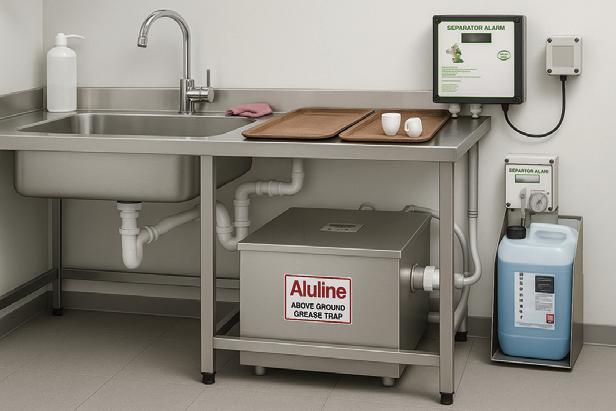
under-sink separators to heavy-duty, in-ground interceptors for high-throughput sites. And with UK-wide maintenance plans, alarm options, and clear service records, we help operators prove compliance and avoid costly disruption.
If
Because we build what we install, our units are robust, serviceable, and built to last—from compact

Reviving an empty or underloved pub, hotel or restaurant can be one of the most rewarding projects in hospitality. These buildings hold layers of history and local memory, yet many have fallen into disrepair through changing tastes, high running costs or simple neglect. For a determined operator or developer, the challenge is not just fixing roofs and refreshing interiors but navigating the planning system.
That process can feel opaque from the outside. Yet planning is not designed to block progress – it exists to manage change and, when handled well, can unlock the commercial and cultural potential of a building. The local authority, and in particular its conservation and heritage officers, should be seen as partners rather than obstacles.
One of the biggest mistakes is waiting until designs are finished to approach the council. Most planning teams offer a pre-application service where you can present your vision and get an early steer. This is especially valuable for listed or historic properties, where the heritage officer can highlight red lines and opportunities before you commit to detailed plans or budgets.
Bringing a professional team – usually an architect experienced in heritage work and a planning consultant – demonstrates that you understand the sensitivities and intend to follow due process. It also builds credibility when you later submit formal applications.
By Simon Barry, Director of Boyer (an LRG company) - www.boyerplanning.co.uk
Heritage officers respond well to owners who understand the building’s significance. Read the Historic England list entry or your local conservation area appraisal to see which features matter most. Preparing a heritage impact statement that shows how you will retain and reveal original fabric – beams, fireplaces, cellars – can go a long way to building trust.
Planning is a technical as well as aesthetic process. If you need to make significant alterations – for example, new kitchen extraction routes, disabled access ramps or structural reinforcement – provide surveys and reports to justify why they are essential. Explaining the commercial logic (such as creating bedrooms to secure long-term viability) helps officers see that your scheme will safeguard the building’s future.
Hospitality venues must evolve to survive, but heritage value need not be sacrificed. Officers often prefer reversible alterations such as lightweight partitions or clearly distinguishable new elements that can be removed in future. Honest, high-quality modern insertions are usually better received than pastiche copies of old details.
Materials matter too. Natural finishes, sympathetic joinery and sensitive lighting can transform guest experience without undermining history. The goal is to adapt, not erase.
Once an application is lodged, stay responsive. Provide extra drawings or clarifications quickly and be willing to adjust plans where feedback is reasonable. Consulting neighbours and local groups early can also reduce the risk of objections – a well-briefed community often welcomes the prospect of a beloved venue coming back to life.

With over 30 years of industry experience in the Hospitality sector, The Bowden Group’s Managing Consultant David Hunter will work with you to address the following elements:
Profitability, Operational Strategy, Staff Management, Marketing and The Future of your business.
Our experts will analyse your entire operation and also its key operating figures if they are available. We then help you to identify strategies to manage costs and overheads associated with the core Profitability of running a Hospitality business.
The largest overhead, even higher than Cost of Sales, is the Labour cost, so, with detailed analysis of your wages and being able to understand ‘’the way
your business actually works’’ we can ensure that you are maximising the labour usage in your business.
Budgeting, Forecasting, Menu Management, Stock Controls, Purchasing, and controlling Variable Costs are just a few of the other areas that David Hunter, your Restaurant Consultant, will work on with you, and improve with you.
Managing people brings with it a whole set of new skills that are now needed more than ever. From
‘’Managing the Managers’’ through to Service and Kitchen staff, your team needs careful and skilful Management, Motivation, guidance and Development.
If your business is actually struggling, or if you just feel that it could be doing some things better, give David Hunter a quick call on 07831 407984 to arrange a ‘’Free of Charge’’ initial consultation (please quote CLH Offer), when David will discuss with you what could be achieved if you ask us to work with you.
For over three decades, Stonesmith
Many councils are under pressure. Conservation and archaeological specialists in local government have declined by over a third since 2006. Some authorities now share a single heritage officer across several districts or rely on external consultants. This can mean slower responses and heavier caseloads – but it also means clear, well-prepared submissions stand out and help officers progress your project more quickly. Recognising these constraints and providing complete, professional information from the outset is one of the best ways to keep a scheme moving.
Perhaps the most important mindset shift is to see planning as shared stewardship. Local authorities want these buildings safe, active and contributing to their communities. Heritage officers are rarely trying to preserve a static past; rather, they aim to ensure historic assets continue to serve a purpose.
Position your project as a way to secure the building’s future, not simply to exploit it commercially. When officers understand that your scheme will invest in maintenance, create jobs and offer long-term use, they are far more likely to support pragmatic, creative solutions.
Working effectively with the local authority is not about luck; it is about preparation, respect and collaboration. Start early, know your building, provide evidence, respect its character and maintain open dialogue.
Handled well, the planning process is not a hurdle but a gateway. It can enable bold new hospitality concepts to flourish within historic walls, protect treasured local landmarks and give tired pubs, hotels and restaurants a successful second life.