




















































































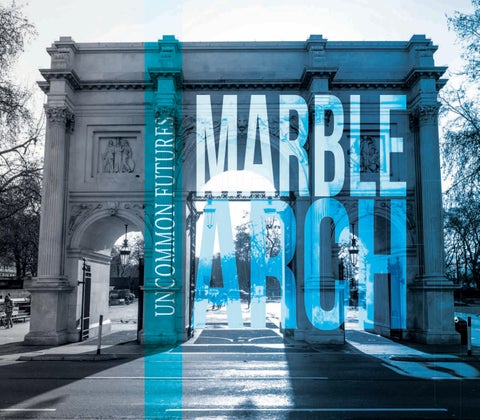
STUDENT DESIGN PROJECTS TO REIMAGINE THE PUBLIC REALM
The Portman Estate
University of Westminster


The unlimited and fresh ideas set out here are a provocation. At some future point in time, there will be an opportunity to bring a new life to the Marble Arch district.
In 2025, the University of Westminster and The Portman Estate engaged to imagine new possibilities for a redeveloped space around Marble Arch and this western gateway for Oxford Street, Hyde Park and Edgware Road.
The projects presented here encapsulate how the next generation of young designers can offer fresh new approaches to inspire everyone. At the beginning of 2026, the future for Marble Arch remains uncertain, but there is hope that it could one day be recognised and celebrated as a new curated space for London.
We hope that the imaginings of the students of today may influence the shape, use and potential of this public place in years to come.
Simon Loomes Strategic Projects Director The Portman Estate
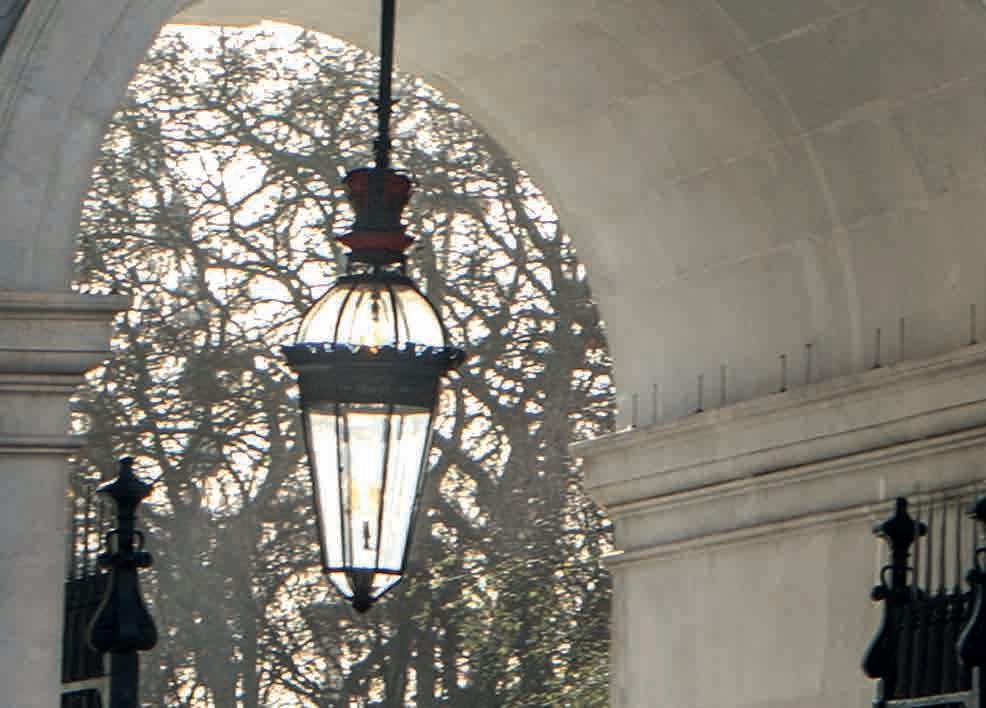
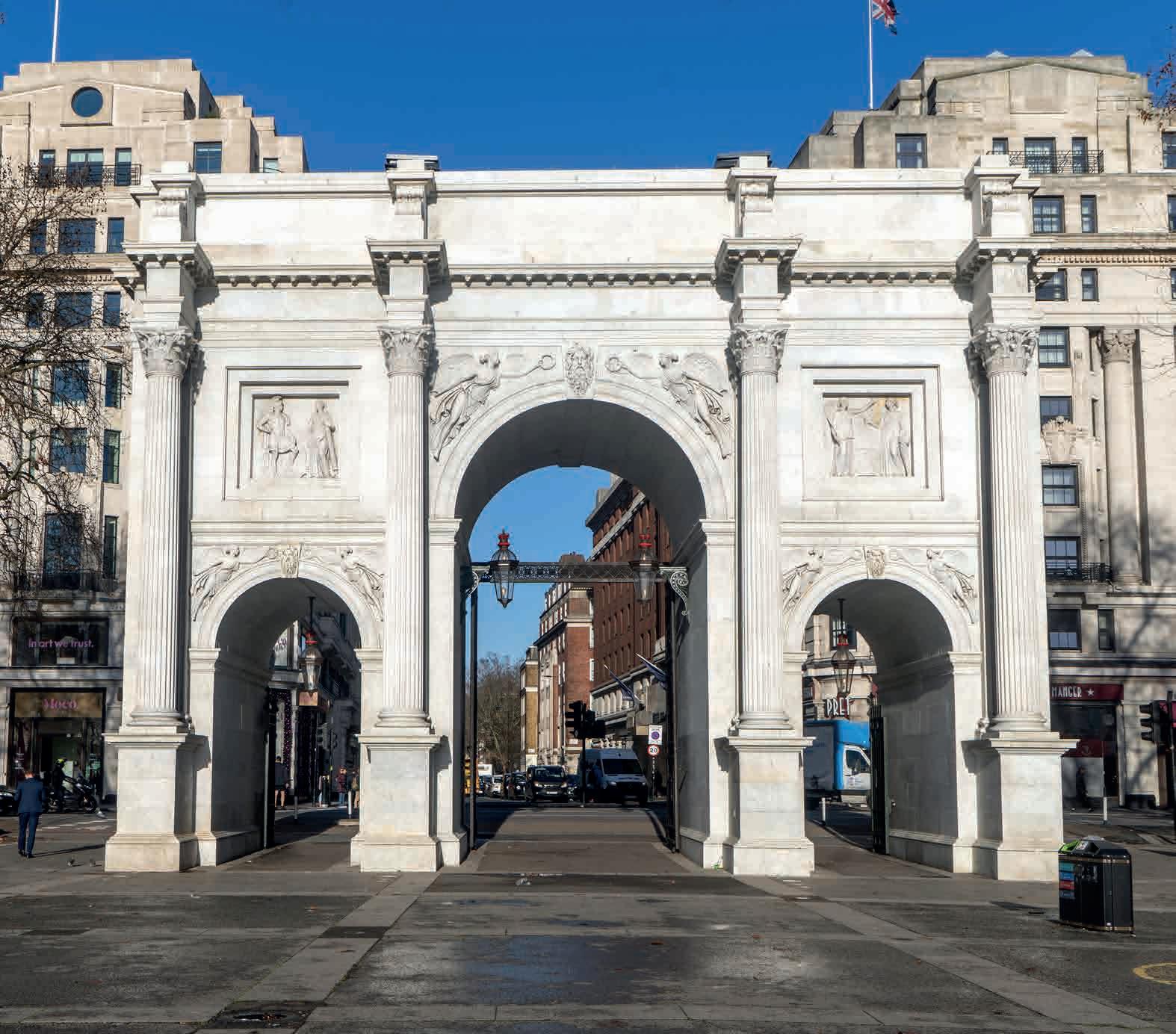
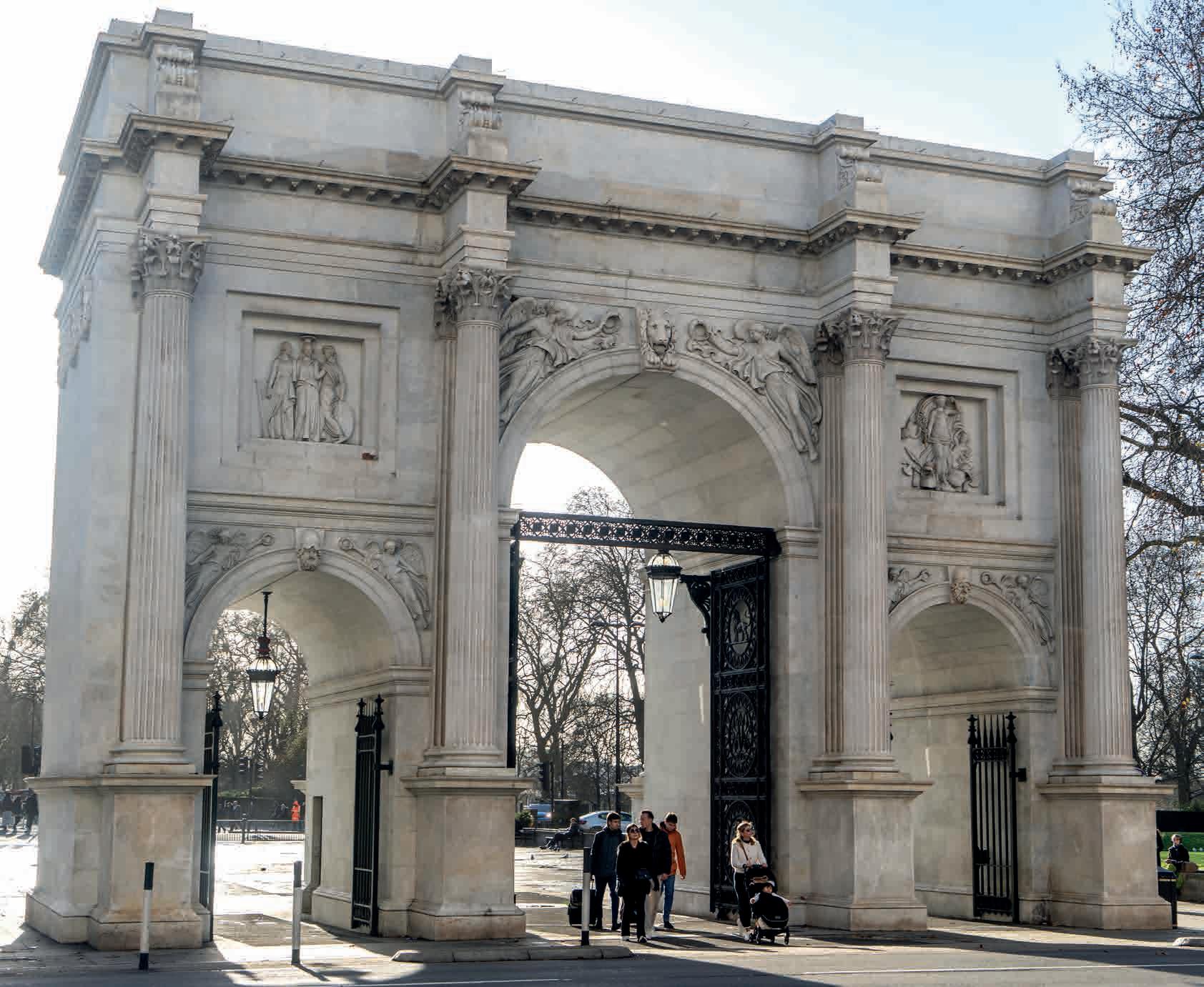
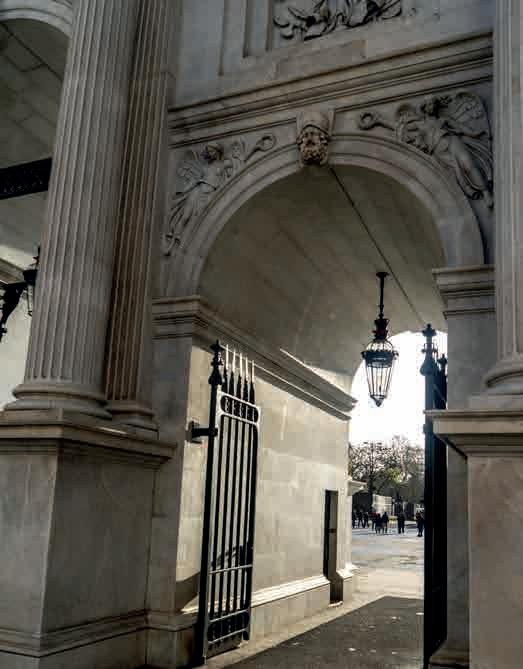
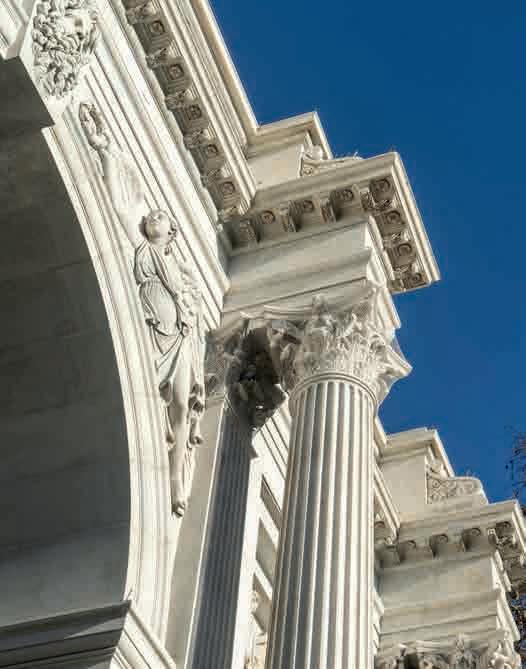
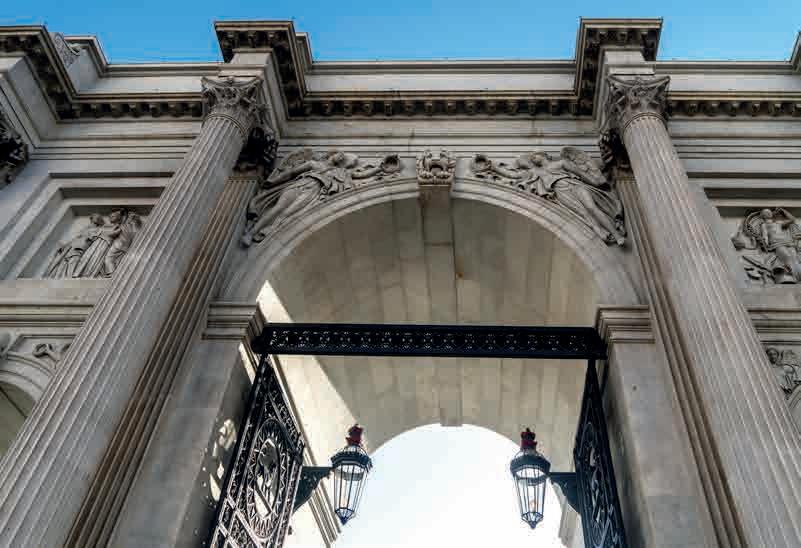
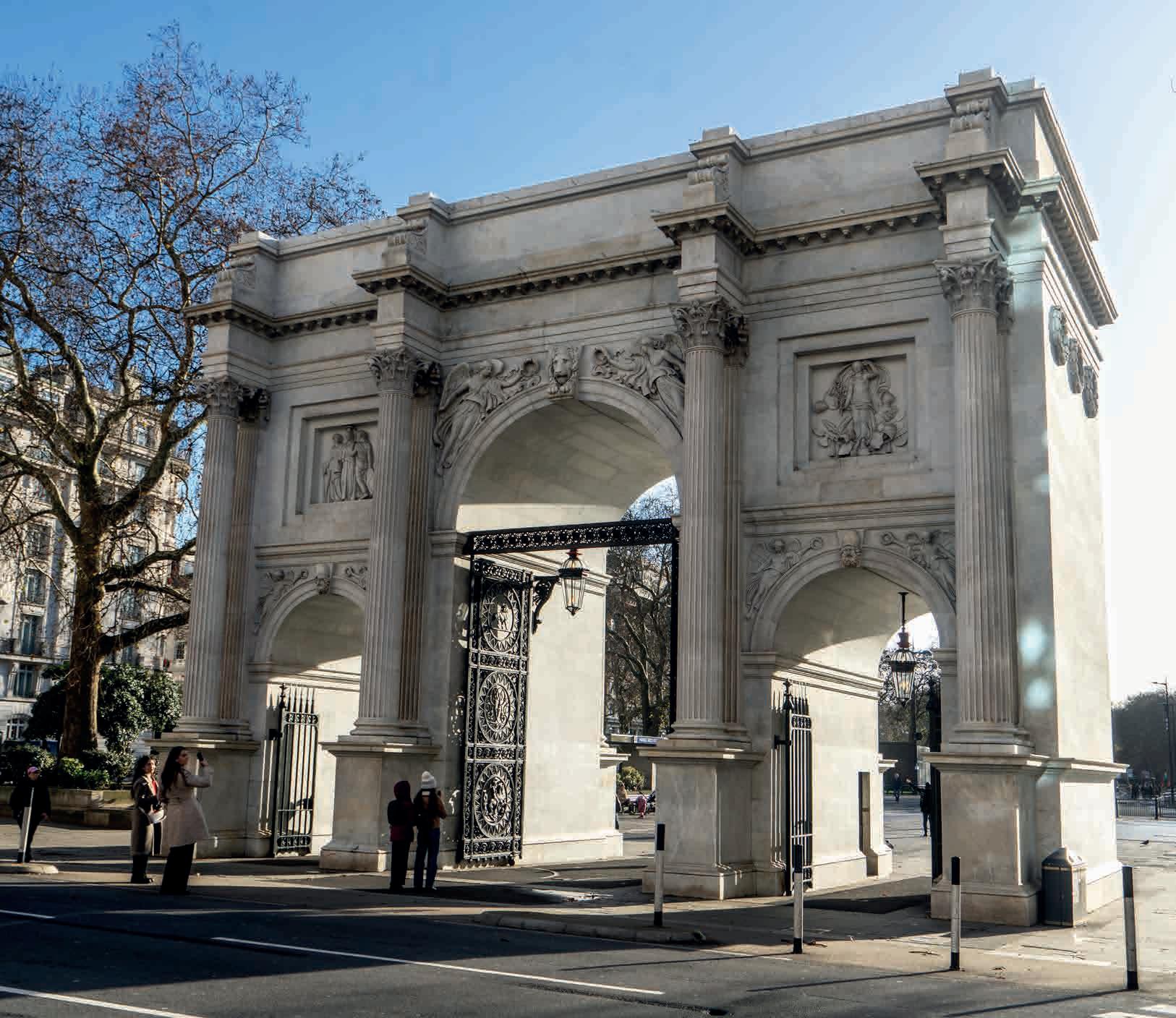
Marble Arch was always envisioned as a grandiose gateway. Designed by John Nash in 1828, it was originally intended to be both a triumphal arch to celebrate Britain’s victories in the Napoleonic Wars and a ceremonial entrance to the recently remodelled and enlarged Buckingham Palace.
Twenty years after it was originally built, the decision was taken to move Marble Arch, stone by stone, to the northern side of Hyde Park to become the gateway to another national celebration: the 1851 Great Exhibition. Greeting visitors to this international event, Marble Arch’s new position at the top of Park Lane marked the entrance to Hyde Park and complemented Wellington Arch to the south of the park at Constitution Hill.
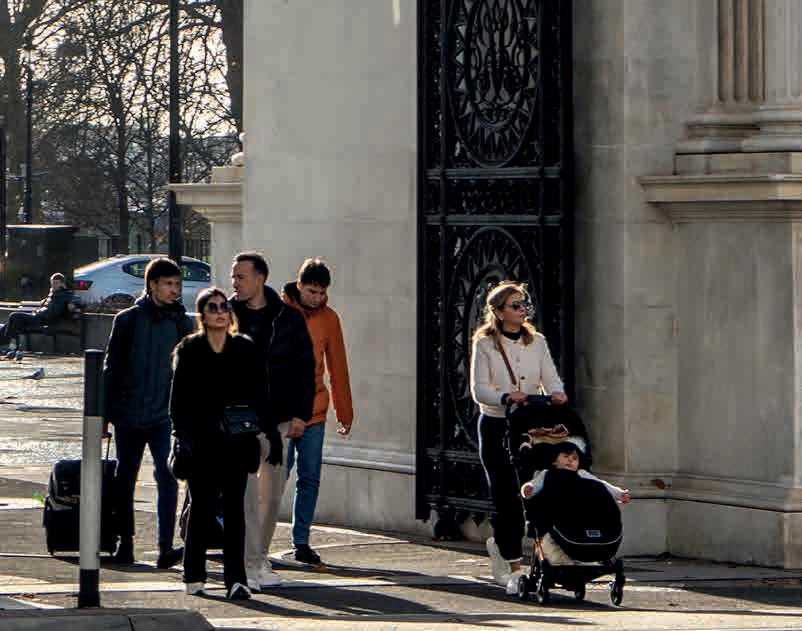
But the monument’s stature and purpose was disregarded by 20th century developments. As London grew and transportation developed, a new road scheme was introduced in 1908, severing the Arch from Hyde Park. Further redevelopments to widen the roads in the 1960s left the monument marooned from both the green space of Hyde Park and the retail areas of Oxford Street and Edgware Road, diminishing Marble Arch’s purpose to that of a traffic island.
In 2018, The Portman Estate commissioned Publica, an urban design and public realm design and strategy practice, to investigate ways Marble Arch and its surroundings could be transformed. What alternative futures could be imagined for the area, to turn the isolated traffic island the statue occupies into a civic space befitting of its prominent position at the apex of Oxford Street and Hyde Park? Through a combination of historic and qualitative research, data analysis and the work of traffic consultants Norman Rouke Pryme, Publica’s proposal considers the possible uses of the whole area, and the merits for the changes, to maximise the area’s potential for a wide range of users.
Publica Stragegic Report, 2019


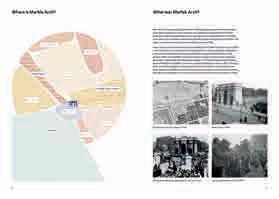

















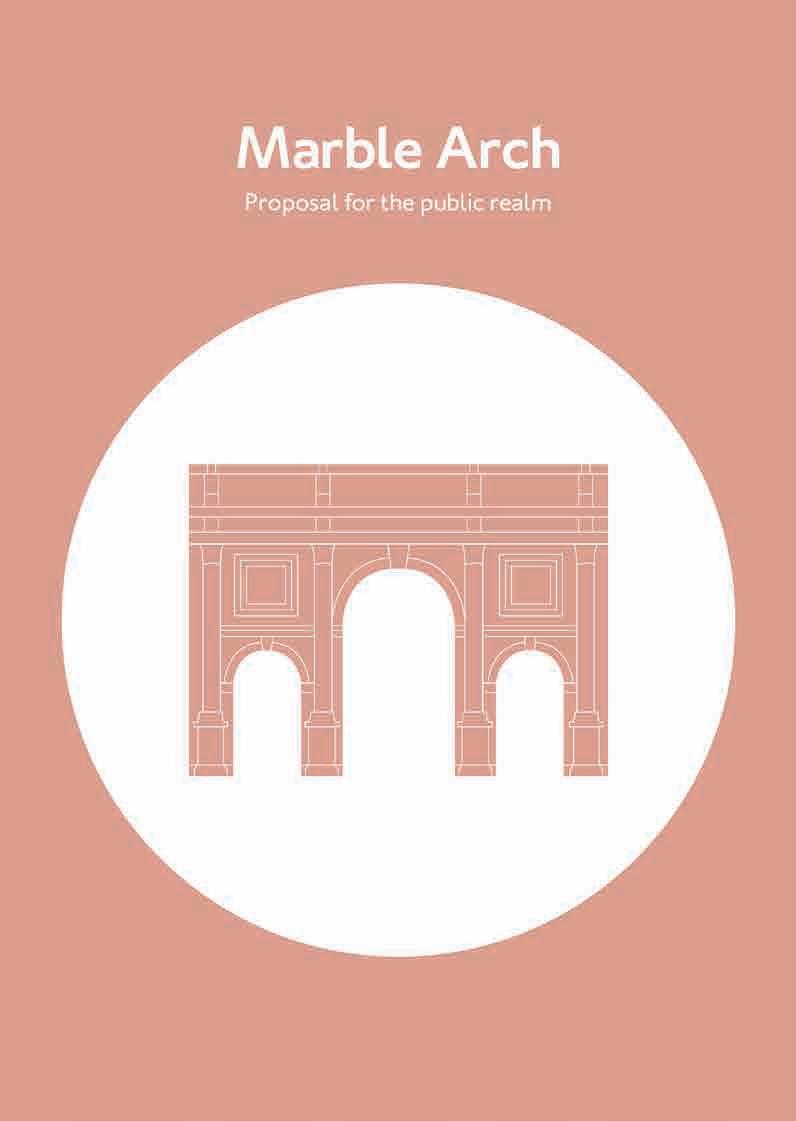
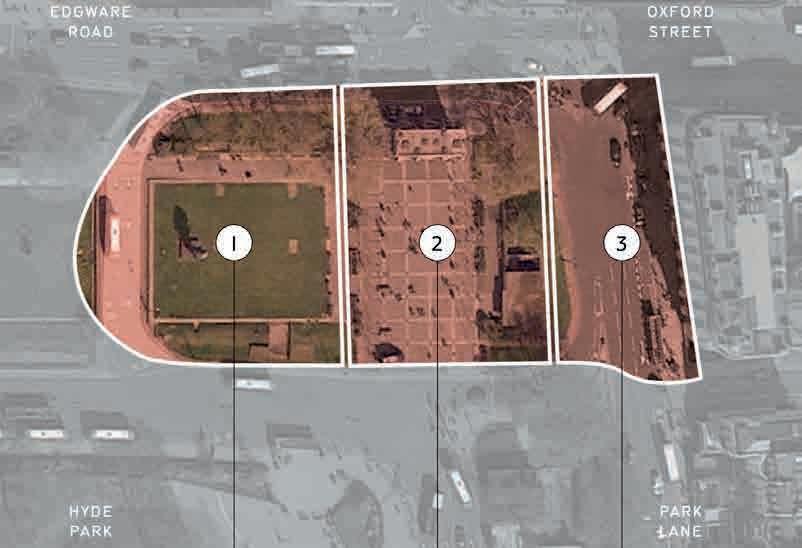
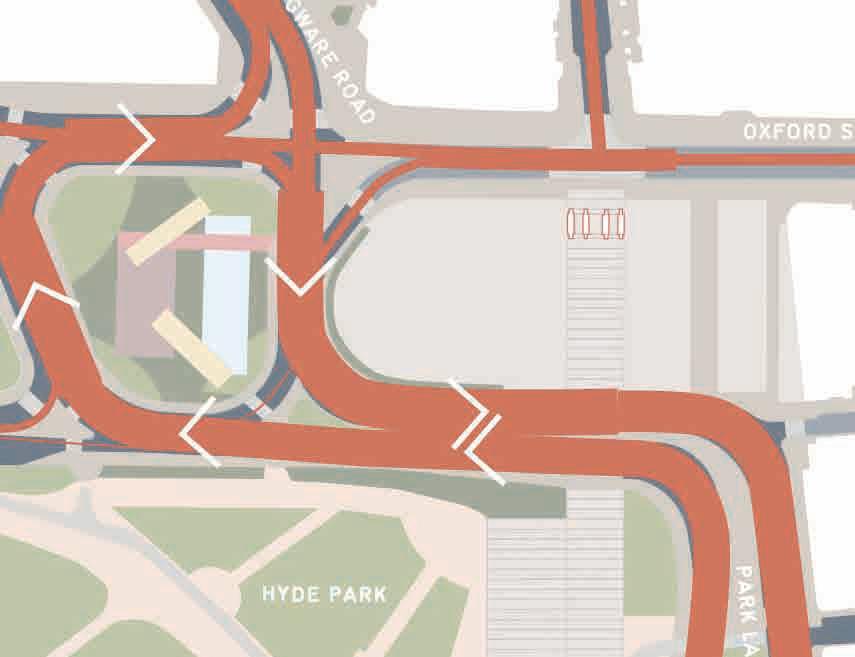
The proposal recommends re-routing the inner ring road – the major traffic planning works introduced to London in the 1960s – which has made Marble Arch and the area around it so difficult to access from Oxford Street, Edgware Road and Mayfair.
Both pages: Selection of pages and diagrams from Publica’s 2019 report: ‘Marble Arch: Proposal for the public realm’
Publica’s report sets out how changing the flow of traffic through the area would form 9000m2 of civic space around Marble Arch which could be used for a range of different cultural and community events. The report also suggests ways landscaping could be used to improve the environmental conditions of the area, reinforcing how this area is a transition space connecting Oxford Street and Hyde Park.
The following projects are the work of students in their second year of the Architecture BA honours course at the University of Westminster. As a subject not studied at school, the growth and development experienced by all students is vast across the three years of their undergraduate degree. In many ways, second year is an exciting pivot on this journey as the students’ command of technique marries with their cognisance of the complex physical, social and cultural layers of the built environment to become engaged and agile designers.
At Westminster, students in second and third year are taught in design studios of around fifteen students. Each design studio has a distinct focus or framework which is shaped over time by the tutors who lead it, and forms the narrative of the individual studio design briefs. Students are asked to develop proposals to address this brief that are ambitious and innovative. In the process, they hone their skills in design,
Natalie Newey Matthew Stewart
Studio lead Studio tutor
representation and critical thinking through a combination of research, drawing, illustrative representation, physical model making and computer modelling.
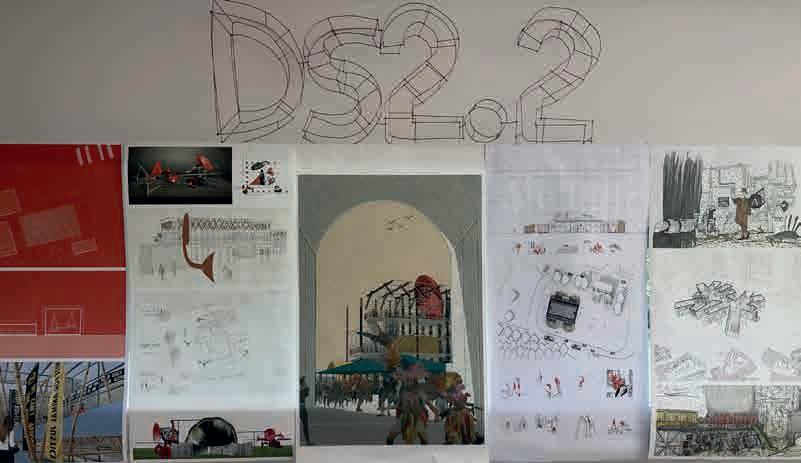
Studio DS[2]2 has a history of engaging with clients through live projects. There are many benefits to collaborating in this way, the most important of which is to connect the world of academia to the real practice of architecture. The collaboration with The Portman Estate meant students benefitted from interactions with the Estate, research and urban design practice, Publica, as well as structural engineers, AKT II.
The DS[2]2 brief for 2024-2025, UnCommon, developed from the proposal by The Portman Estate and other collaborators to restore the importance of Marble Arch and the adjacent public realm. The regeneration project would reinstate a significant public space in London by adjusting the traffic circulation
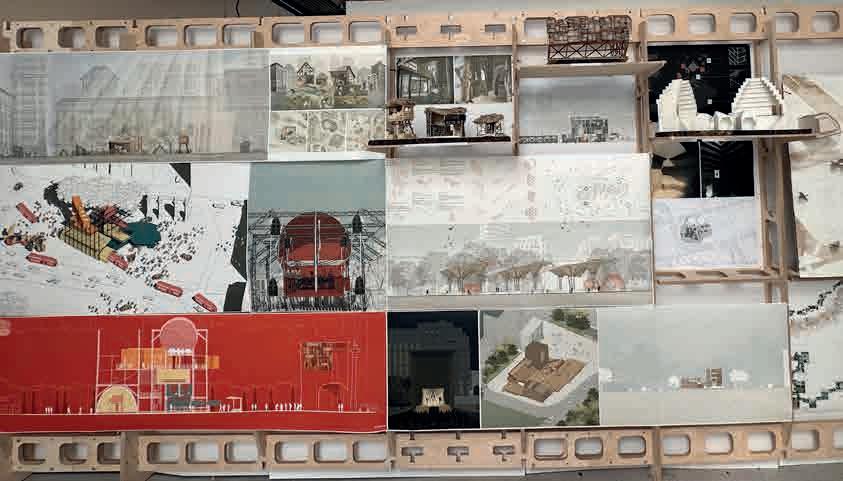
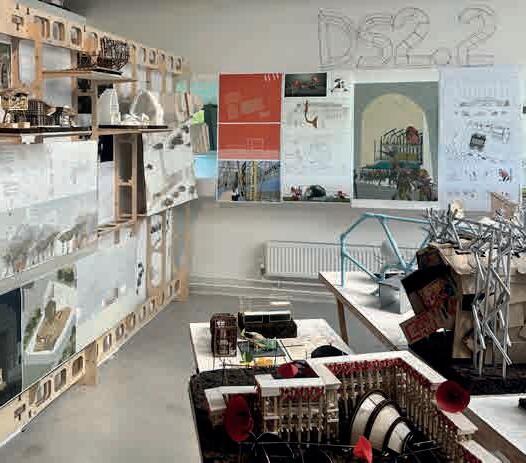
both pages: Photographs of DS[2]2’s exhibit at the University of Westminster’s end of year degree show, OPEN 2025
around the monument, reconnecting Marble Arch to the adjacent public spaces of Oxford Street and Hyde Park. In the process, an area of high-quality public realm would be created next to the monument beneficial to residents, local businesses and visitors alike for public gathering and events.
As part of the bid to redesign this important landmark site and reactivate its public realm, DS[2]2 was asked to envision temporary uses for a programmable event space adjacent to Marble Arch. The brief framed how the site should offer an inclusive and democratic space, provide opportunities for the public to engage with important issues, imagine new futures, and promote innovation on a range of themes. The proposals developed by the students offer plausible concepts which could be realised on the site following the changes in traffic infrastructure. The proposals were designed as temporary structures that would occupy the site for up to a year. Some
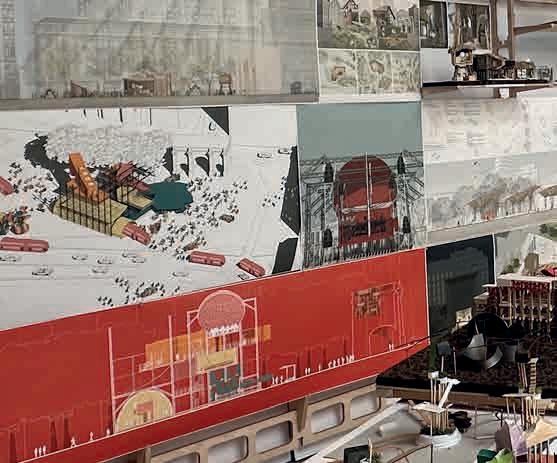
imagined temporary event spaces, constructed from a kit of parts on site for a few days, while others were seen as low impact installations that transform and develop over a time.
The studio engaged with a diverse set of stakeholders, potential briefs and a wide range of challenges and opportunities. Conversations around social justice, environmental sustainability, identity and equity in our cities have been an important element in framing and developing the students’ design proposals. Individual proposals interrogate the complex issues of urban regeneration and endeavour to influence potential futures of this site in the centre of London. A wide range of proposals have emerged from this process which group around three key themes relevant to the area and London as a whole – community, culture and environment – and explore issues including cultural identity, biodiversity and regenerative materials.



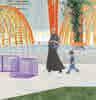



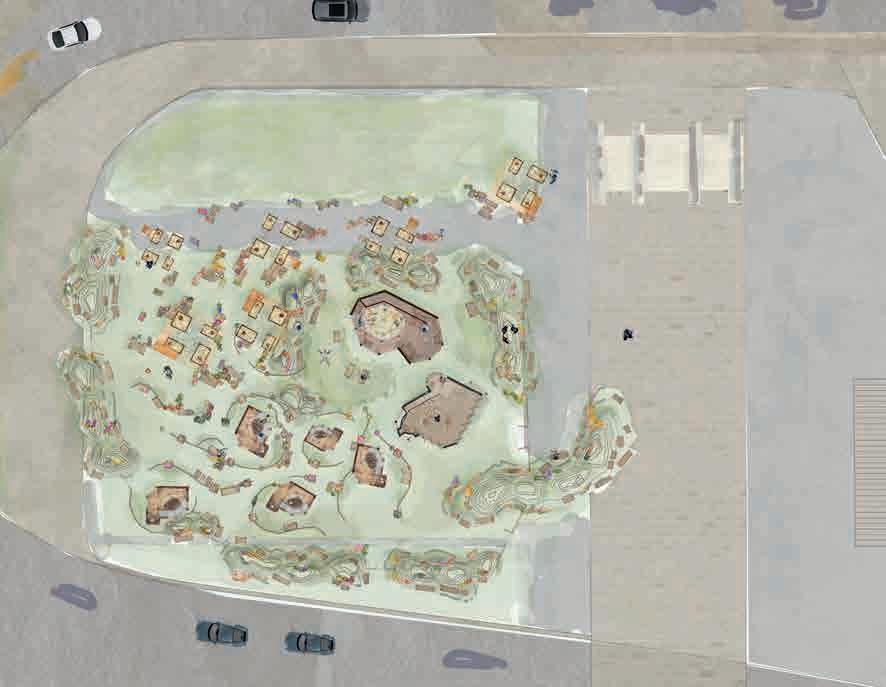



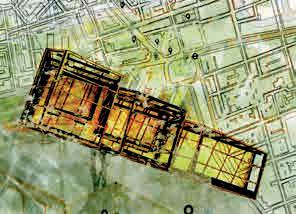
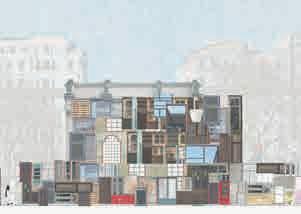













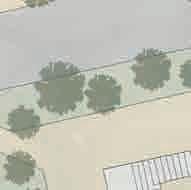
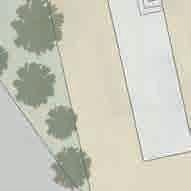
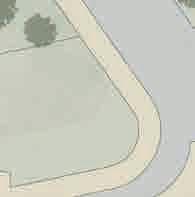
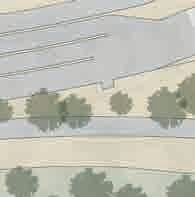













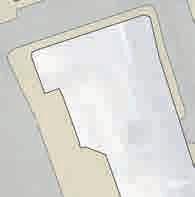

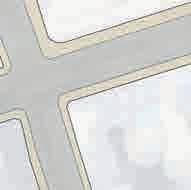
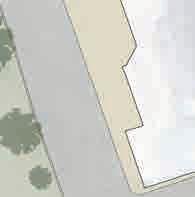


ZANDA TIMBERLAKE







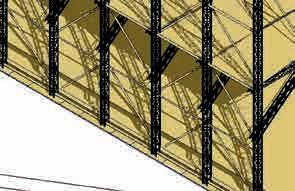

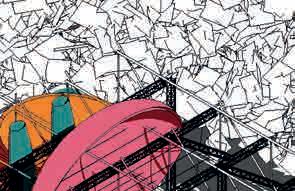
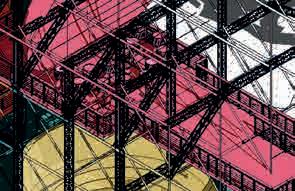

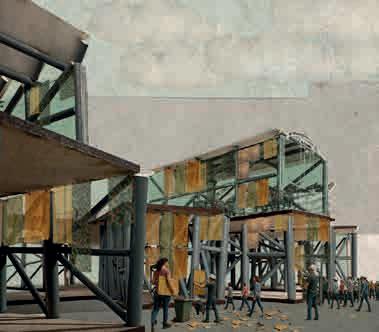
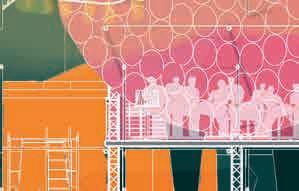
A dedicated carnival preparation space in which to practice dance and music, and create costumes and floats


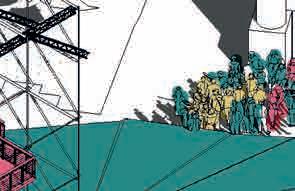
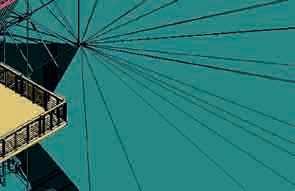
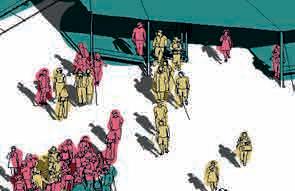

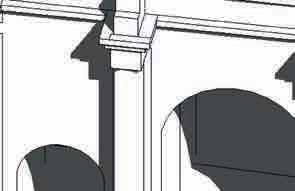
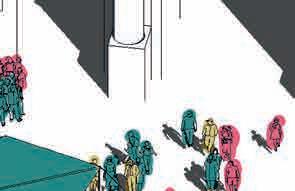
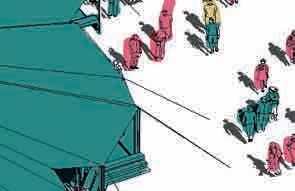



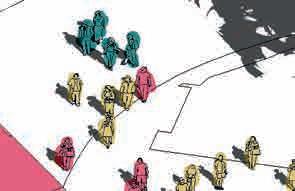
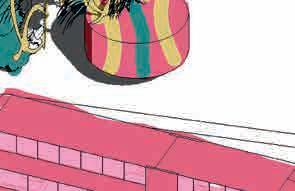
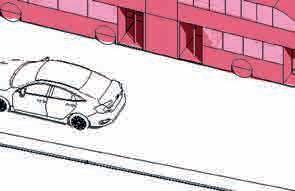
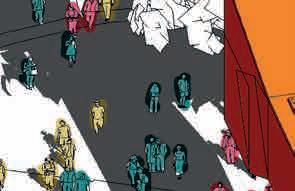
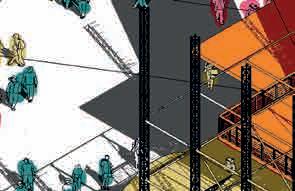
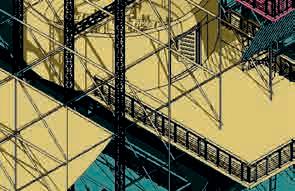
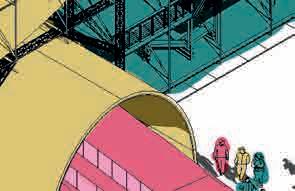
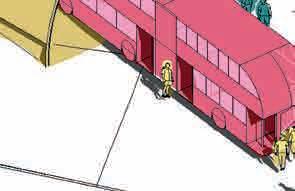
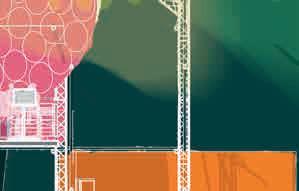
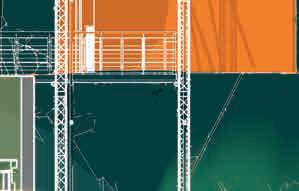
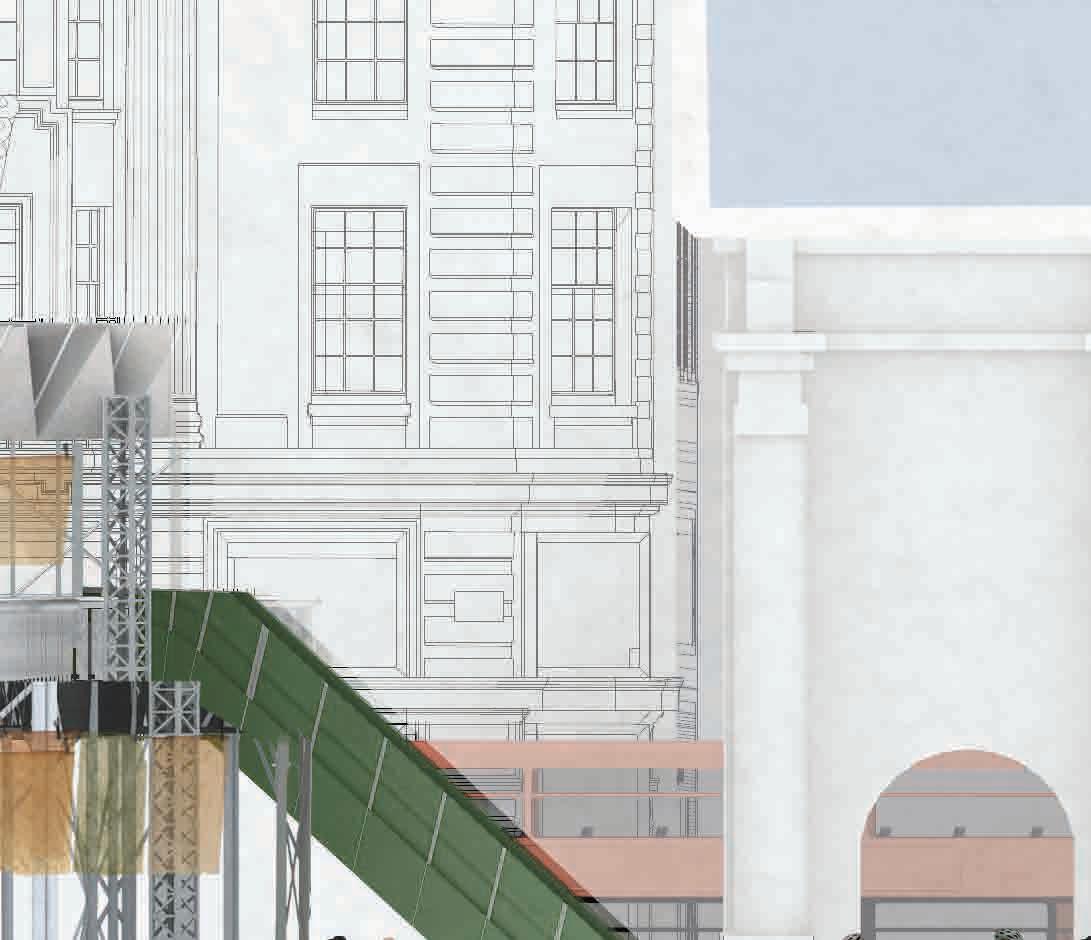
Extending the spirit and creation of the Notting Hill Carnival to Marble Arch, Curating Carni is an homage to carnival, celebrating its inclusivity and layers of cultural expression. The scheme embraces the tension between the monument’s embodied colonial and imperial history and its situation beside Speaker’s Corner: the representation of diversity of thought, free speech and politics. Curating Carni is driven by a desire to make visible and celebrate the artistry behind carnival by offering spaces dedicated to the creation of the elements familiarly associated with the event: the decoration of floats, music rehearsal, costume design and creation, and the constant aroma and flavour of Caribbean food.
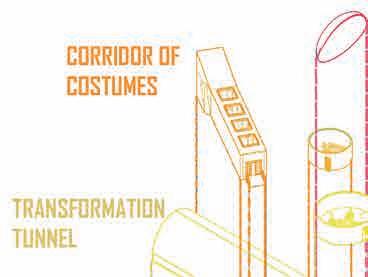
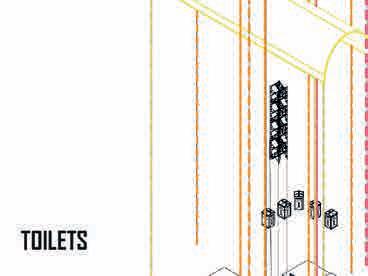
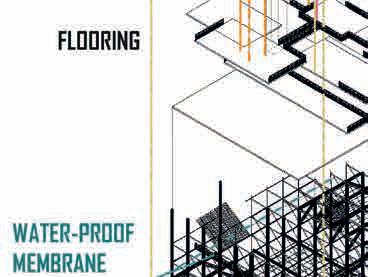
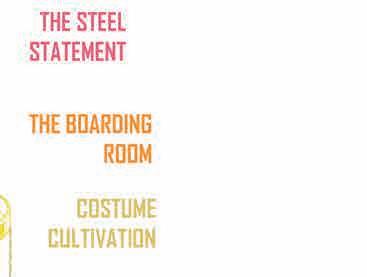
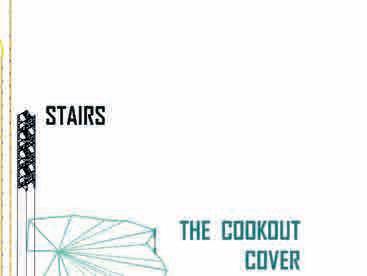
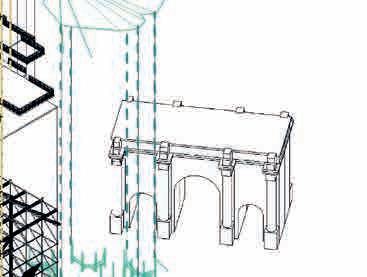
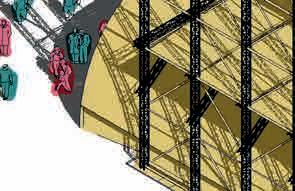
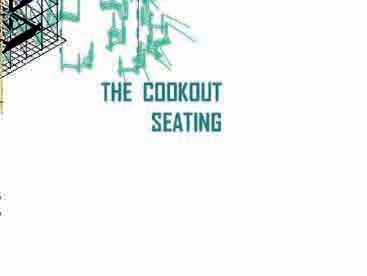
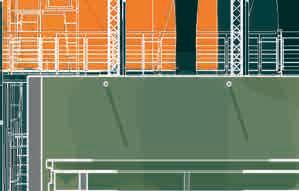
facing page: Axonometric of Curating Carni scheme on Marble Arch plaza, illustrated with Marble Arch in the background this page – right: Exploded axonometric detailing dedicated spaces – bottom: Space mapping different uses


STEEL BAND PRACTICE HALL
COSTUME CREATION
FOOD HALL/RESTAURANT
SCAFFOLDING




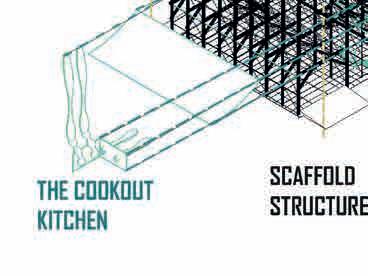




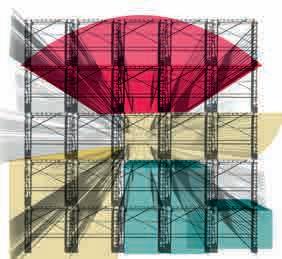
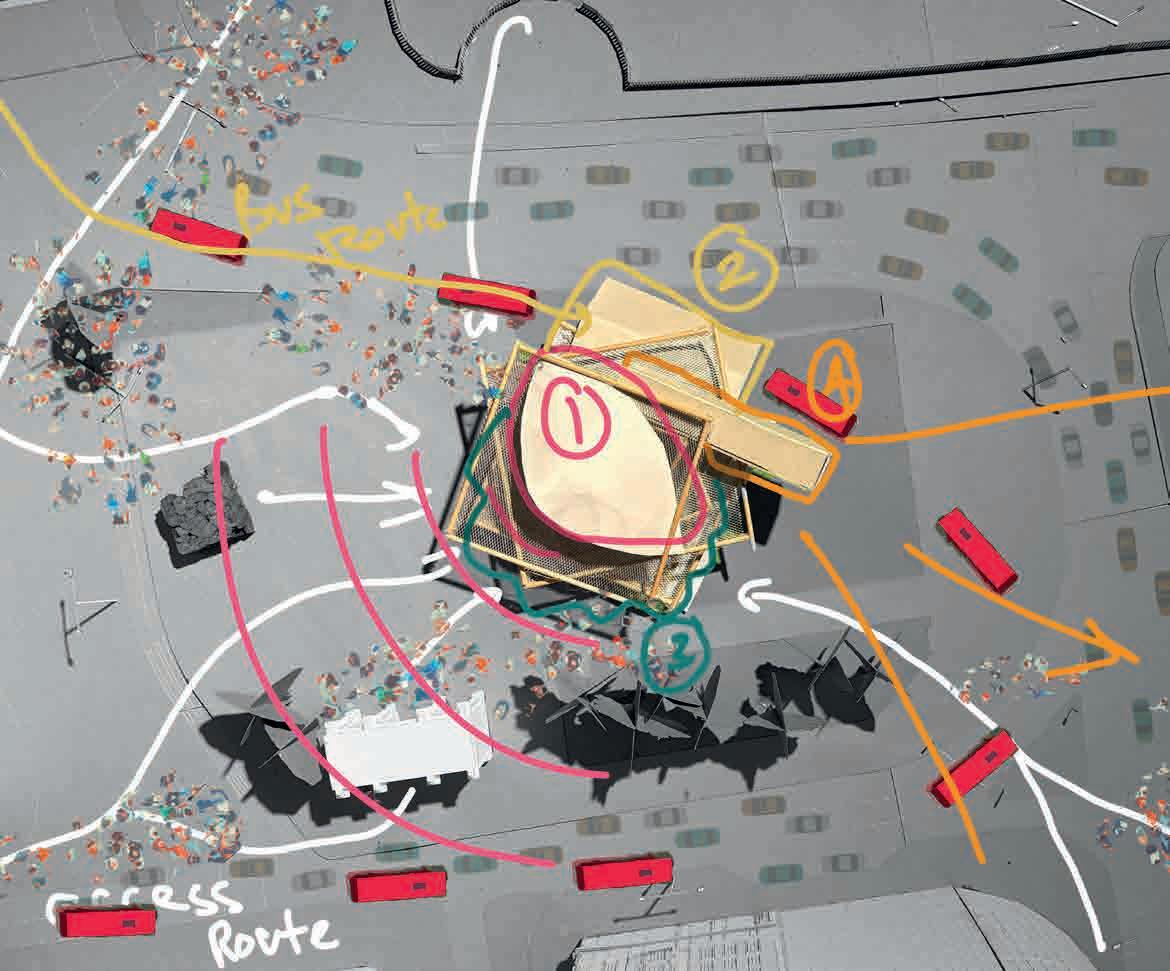
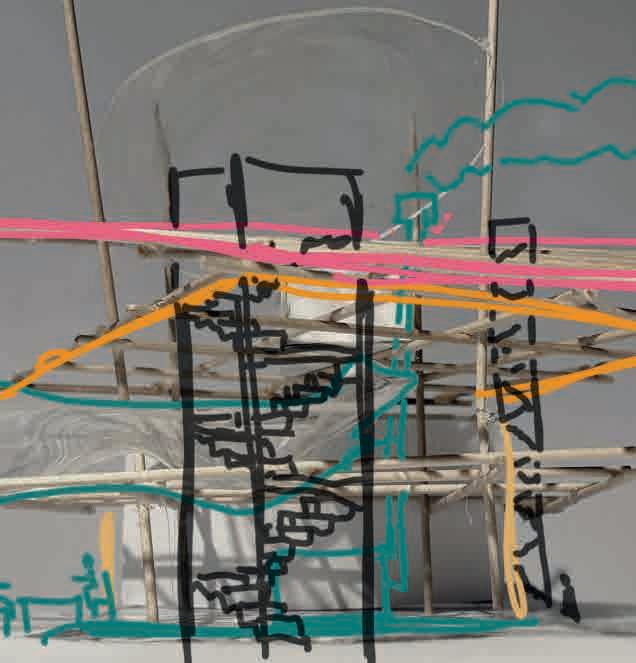
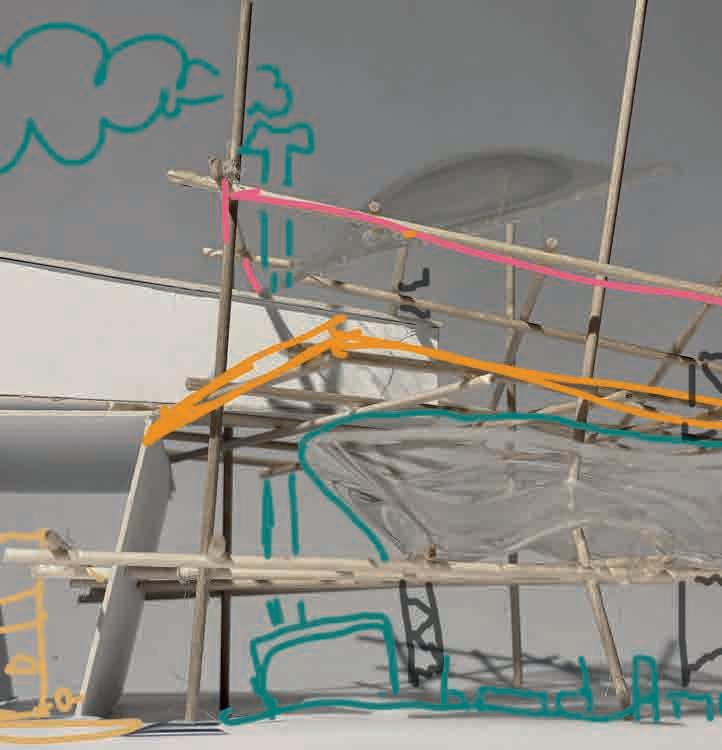
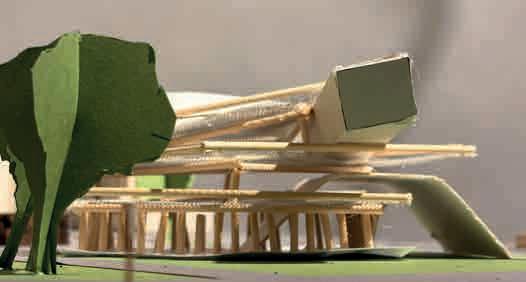
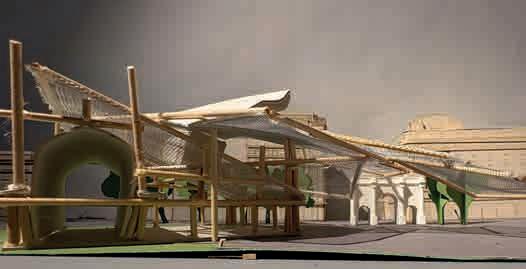
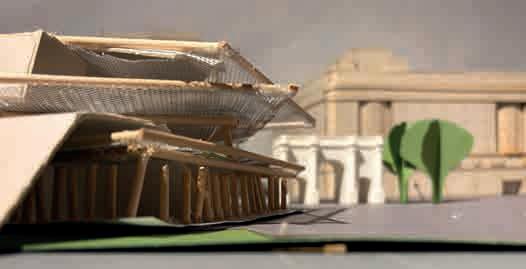
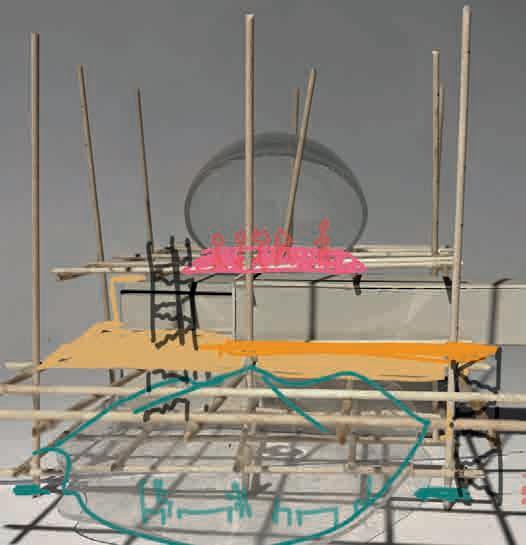
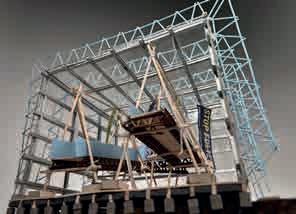
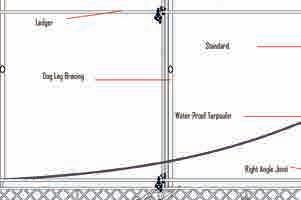
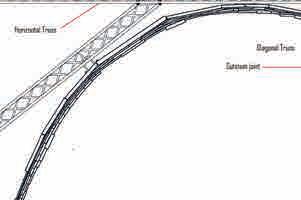
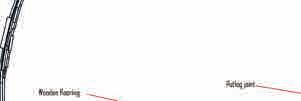
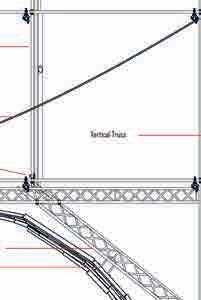
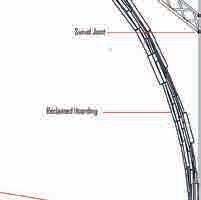
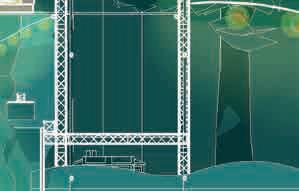
The structural expression of the project reflects the requirement for it to be temporary and embodies the urban essence of Carnival: easily erected scaffolding, clad in reclaimed hoarding boards from previous carnivals. The project’s reuse of construction material reduces it’s embodied carbon by around 90%.
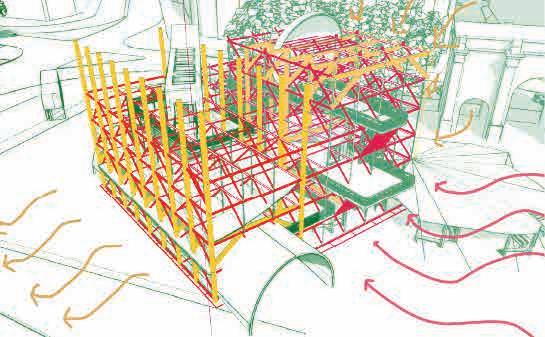
The built up nature of Oxford Street to the north and the trees of Hyde Park to the south channel the effects of the wind to the exposed public space around Marble Arch. By modelling how the wind would impact the design, the structure was adjusted to strengthen it.
facing page: Sketch models exploring possible forms and arrangements for the different functions housed within the design
this page – top: Structural section, detailing construction
– bottom: Wind path analysis for the proposed design





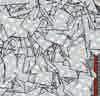
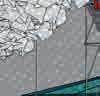
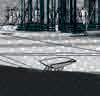
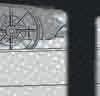

































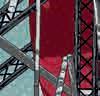

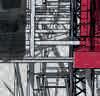
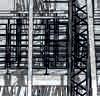







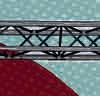
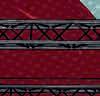
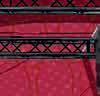



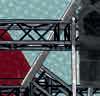
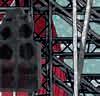
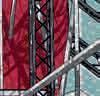
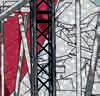

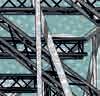
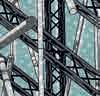
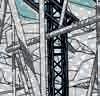
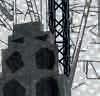
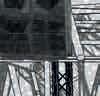
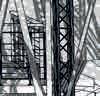
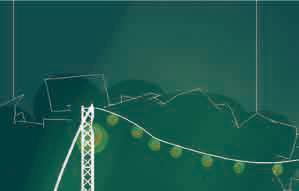
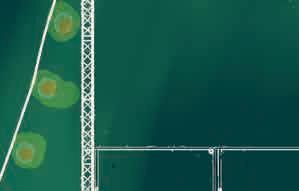
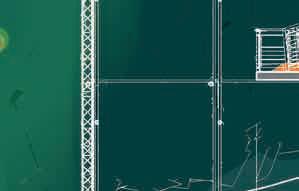
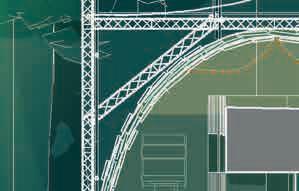
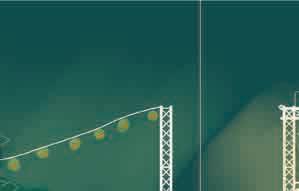
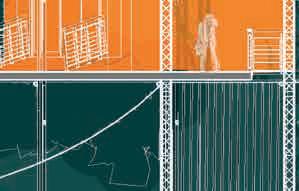
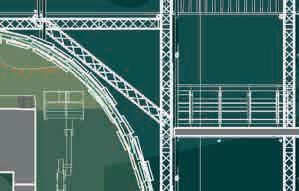
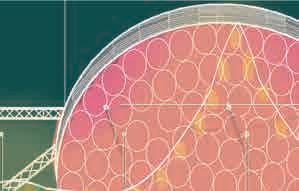
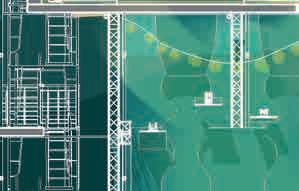
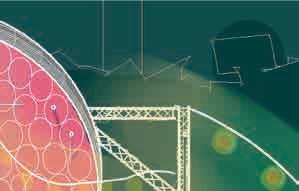
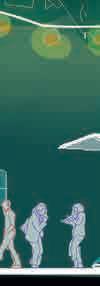
this page: Contextual perspectives facing page: Illustrated section at night







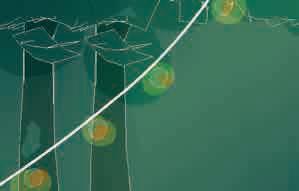







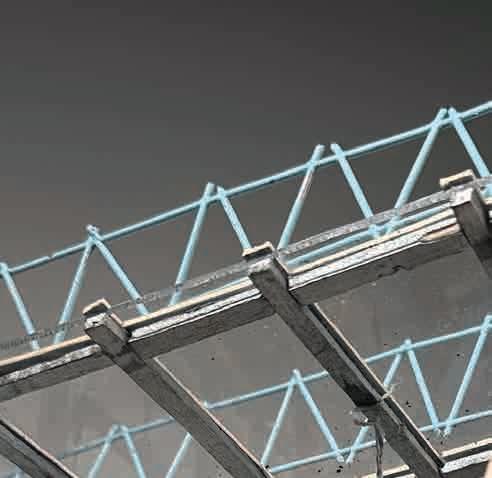
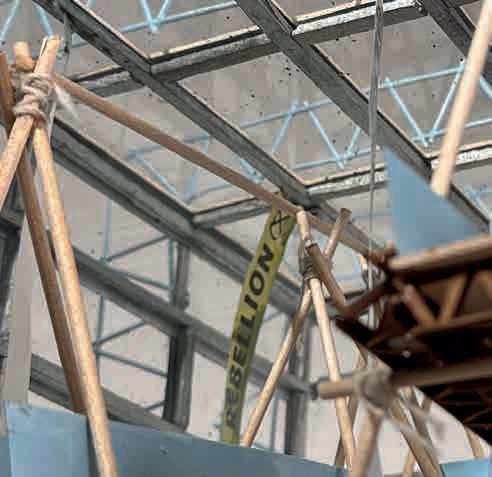
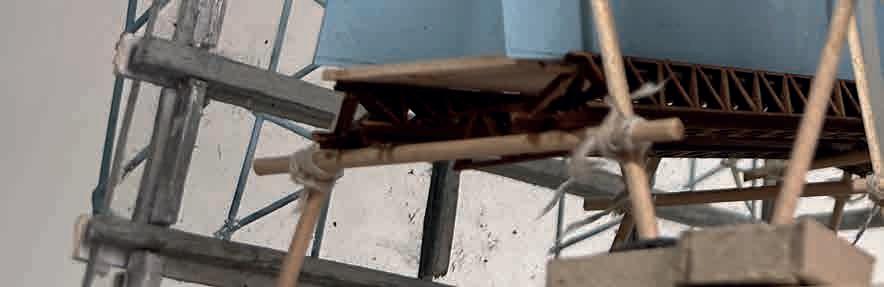
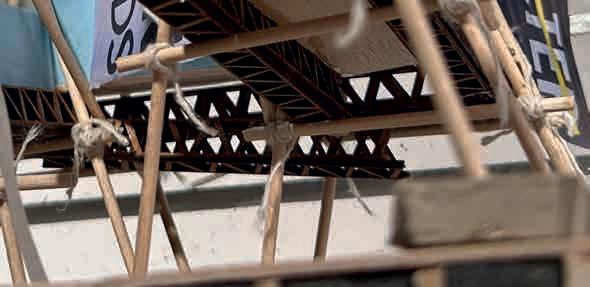
A temporary installation to celebrate and animate Marble Arch’s history as a site of protest
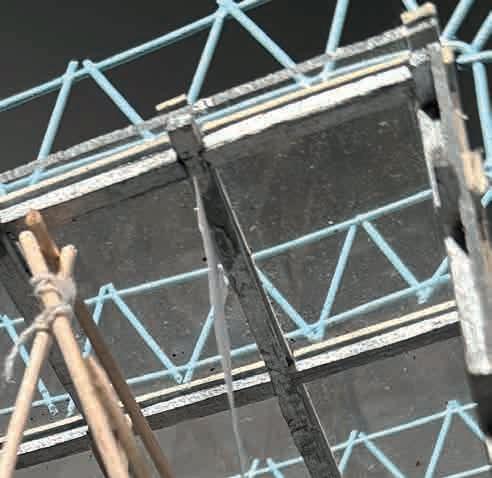


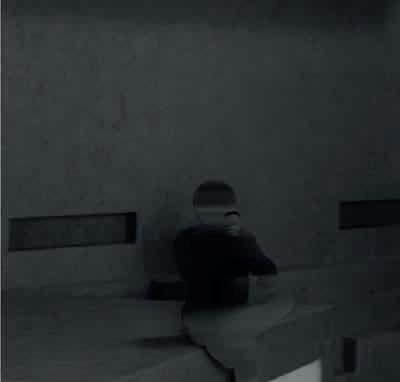
An urban retreat in which the sequence of contrasting spaces is formed by the manipulation of light














JULIA SLIWINSKA
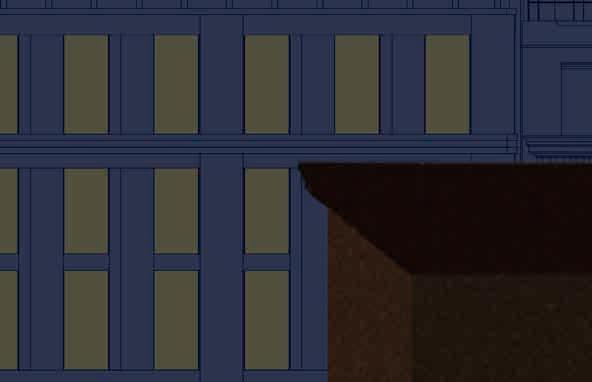
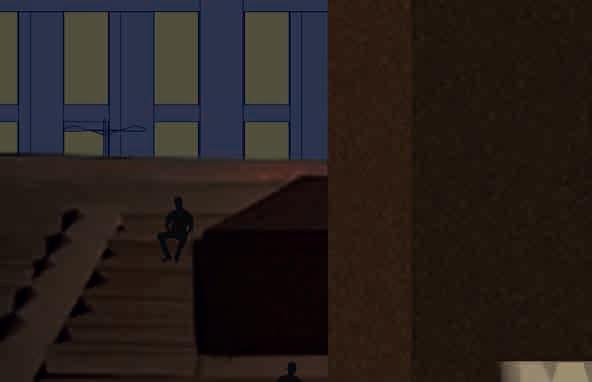
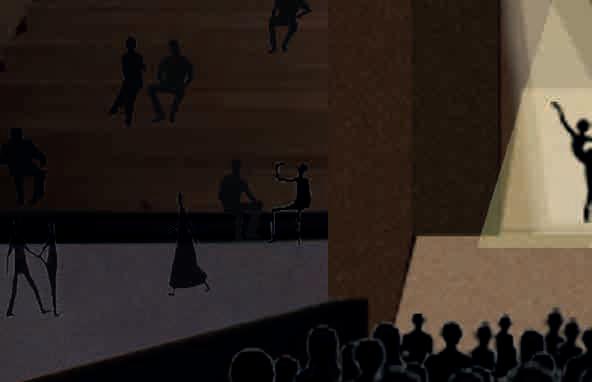
A theatre complex with the mission to use performance as a vehicle to help people interrogate and challenge complex issues
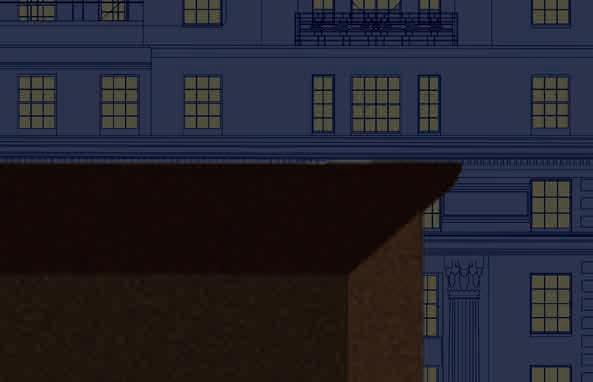

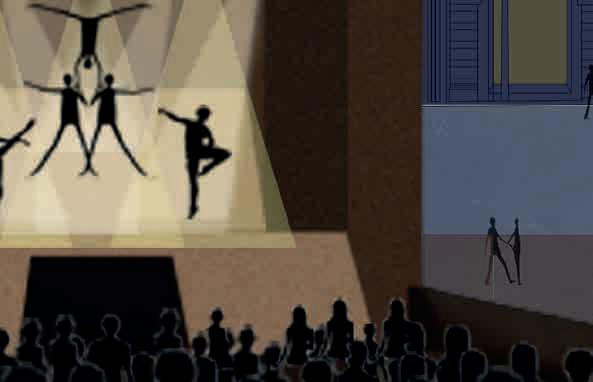

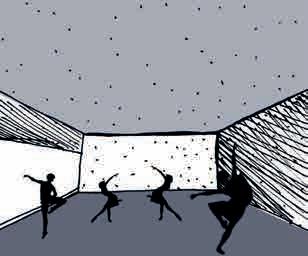
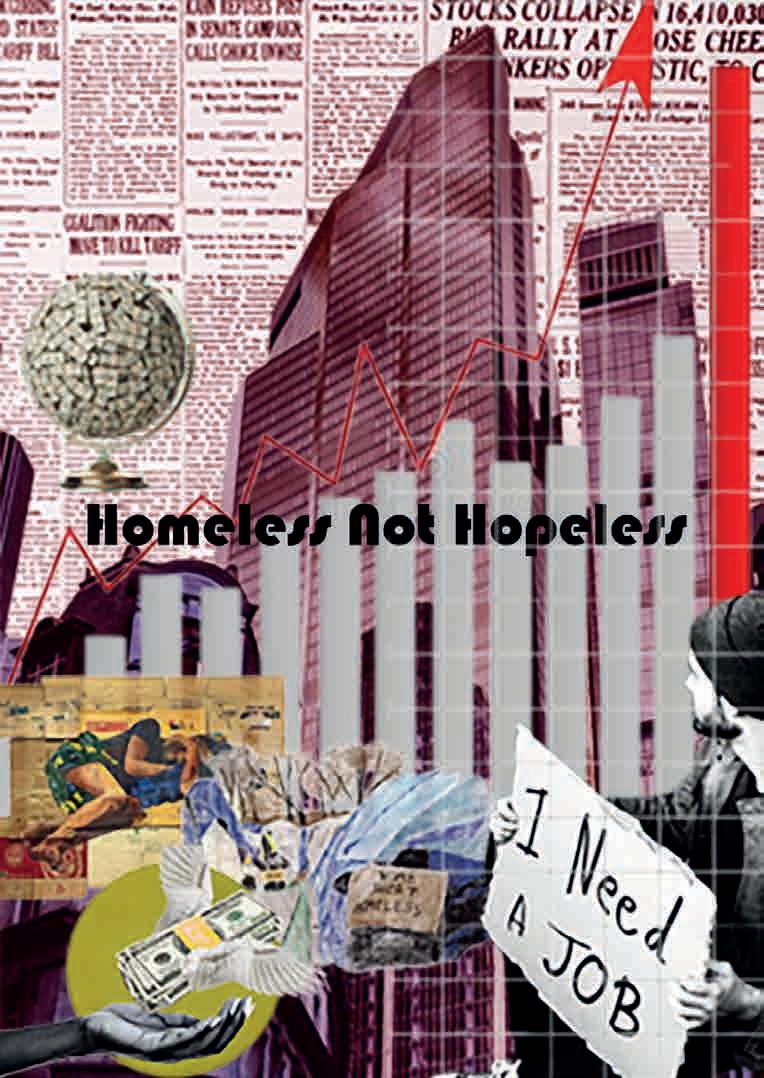
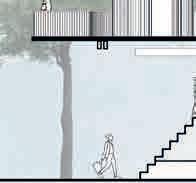
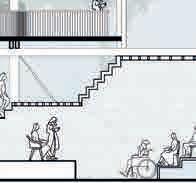
The City of Westminster has the highest number of rough sleepers of all London boroughs. Aiming to empower this vulnerable group of society, this open air theatre provides a performance space for theatre company, Cardboard Citizens, a social enterprise who look to activate social change by making theatre with and for the homeless.
Occupying a large footprint adjacent to Marble Arch, the theatre incorporates a multi-functional stairstructure which offers both a place for people to sit and look out at Hyde Park when the theatre is not in use, and tiered seating for performances.
facing page: An evening performance at the theatre
this page – top: Site context – site photographs, and inspiration collage
– bottom: Sketch strip of theatrical practice and performance
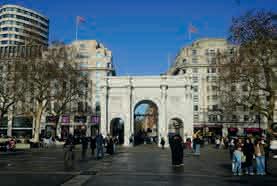
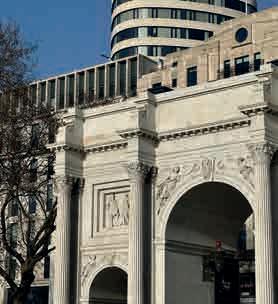
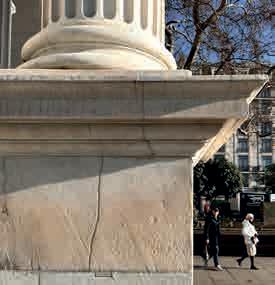
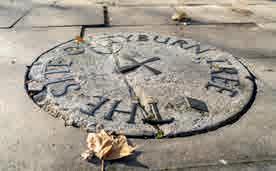
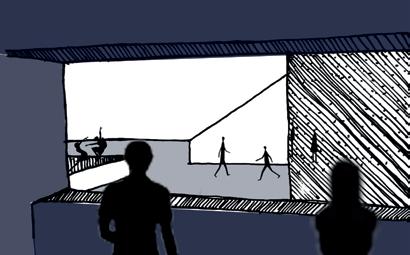
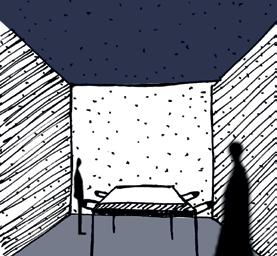
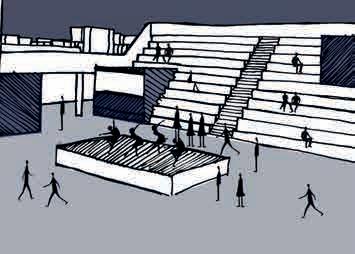
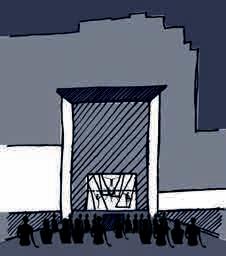





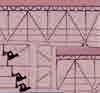
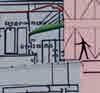

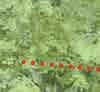
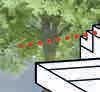




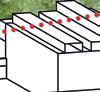
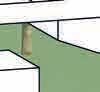



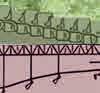



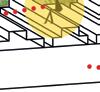
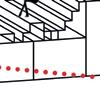









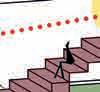




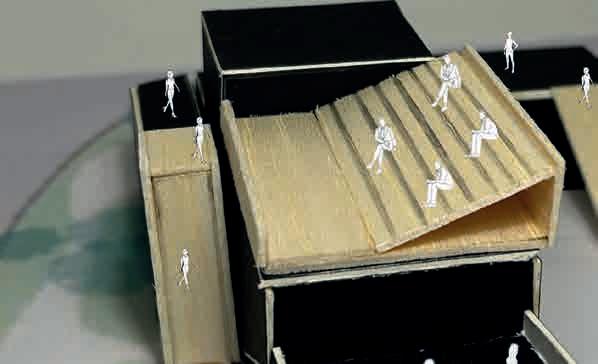



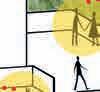
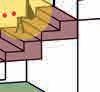





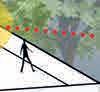







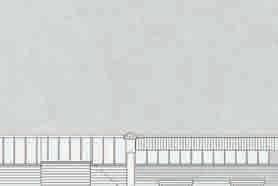




this page: Design development sketches and models considering the connection of the site and theatre to Hyde Park and Marble Arch
facing page: Section, looking north

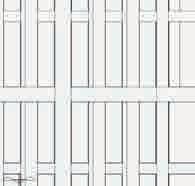
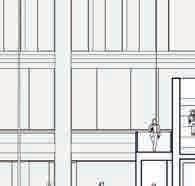
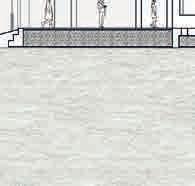
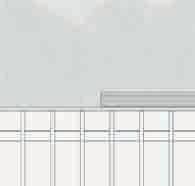
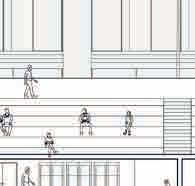
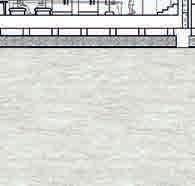
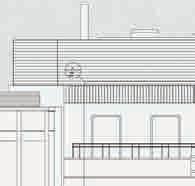
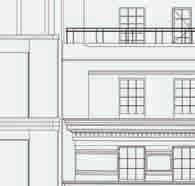
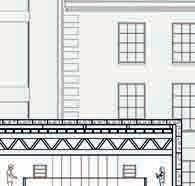
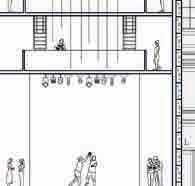
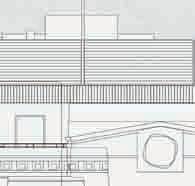
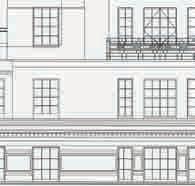
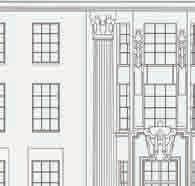
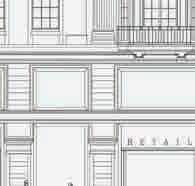
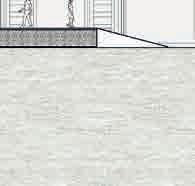
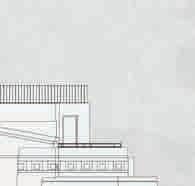



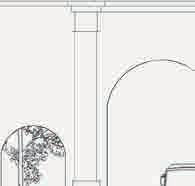
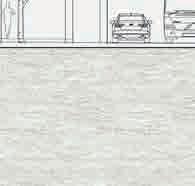


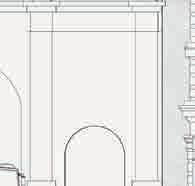



Interactive installations capturing and visualising the soundscape of the city and Hyde Park






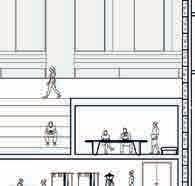
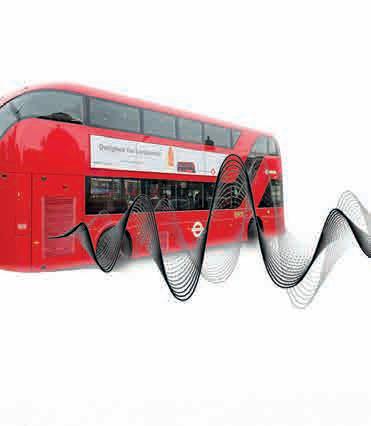
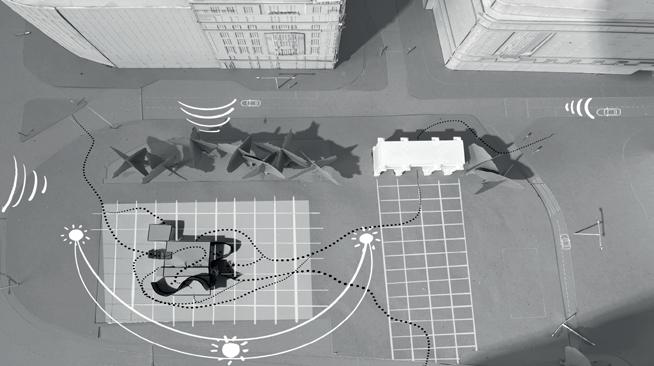
The Garden of Sound is an installation that enables sound to be spatially and physically experienced through movement across Marble Arch plaza. Created from a series of elements which enable performance and social interaction, sounds and noises from the area are gathered, amplified, sonically reflected and visually represented through a series of sculptures and spaces.
Mapping the sounds across the site revealed three distinct layers of acoustic presence: the constant, loud hum of traffic; the scattered rhythms of human activity; and the delicate, fleeting trill of birdsong. The design developed into a playful series of sculptures that people can move through, respond to and engage with.



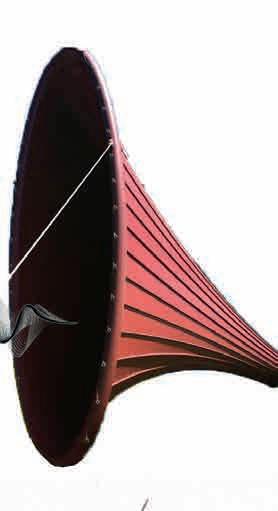


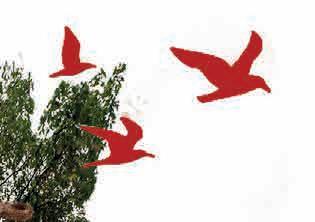
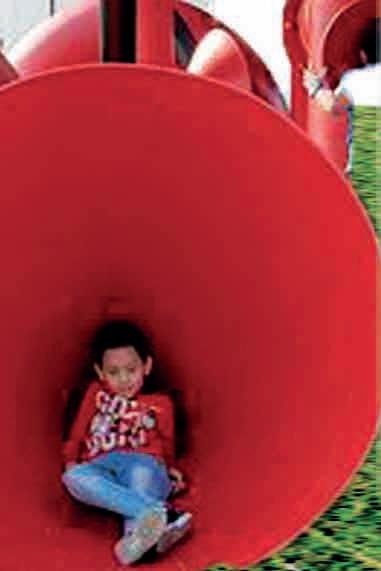



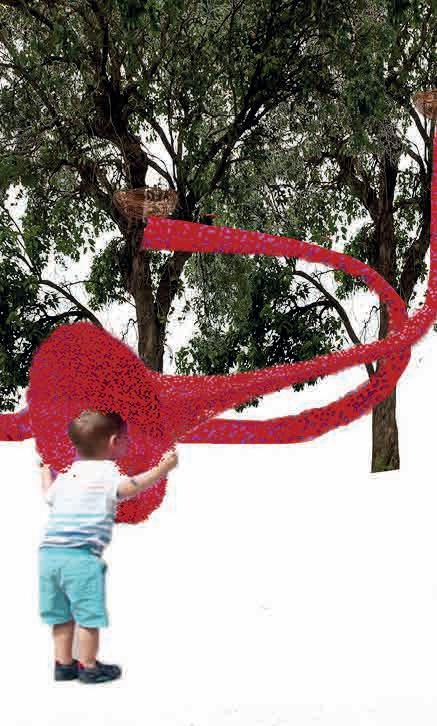


facing page: Concept model
this page: Representation of sonic encounters and interactions around Marble Arch
ERALBA MALCI
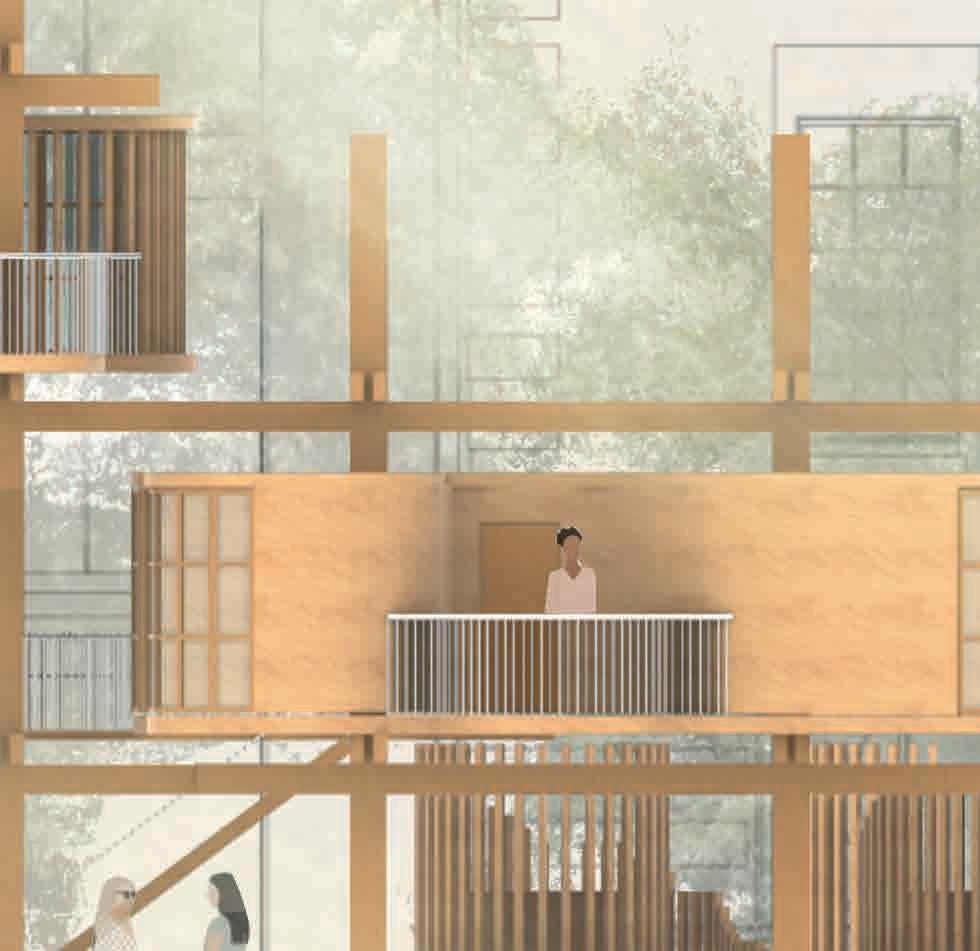
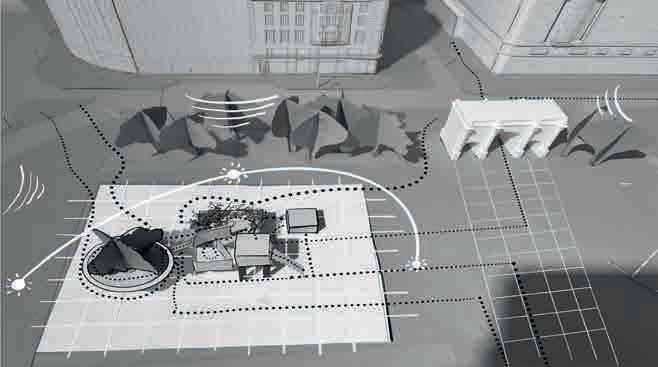
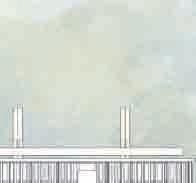
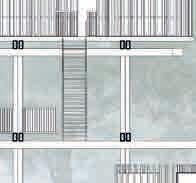
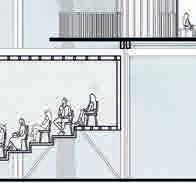
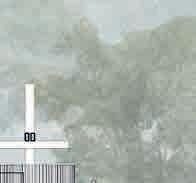
Auditorium and intimate spaces in which the oral history of members of the community is performed, explored and recorded
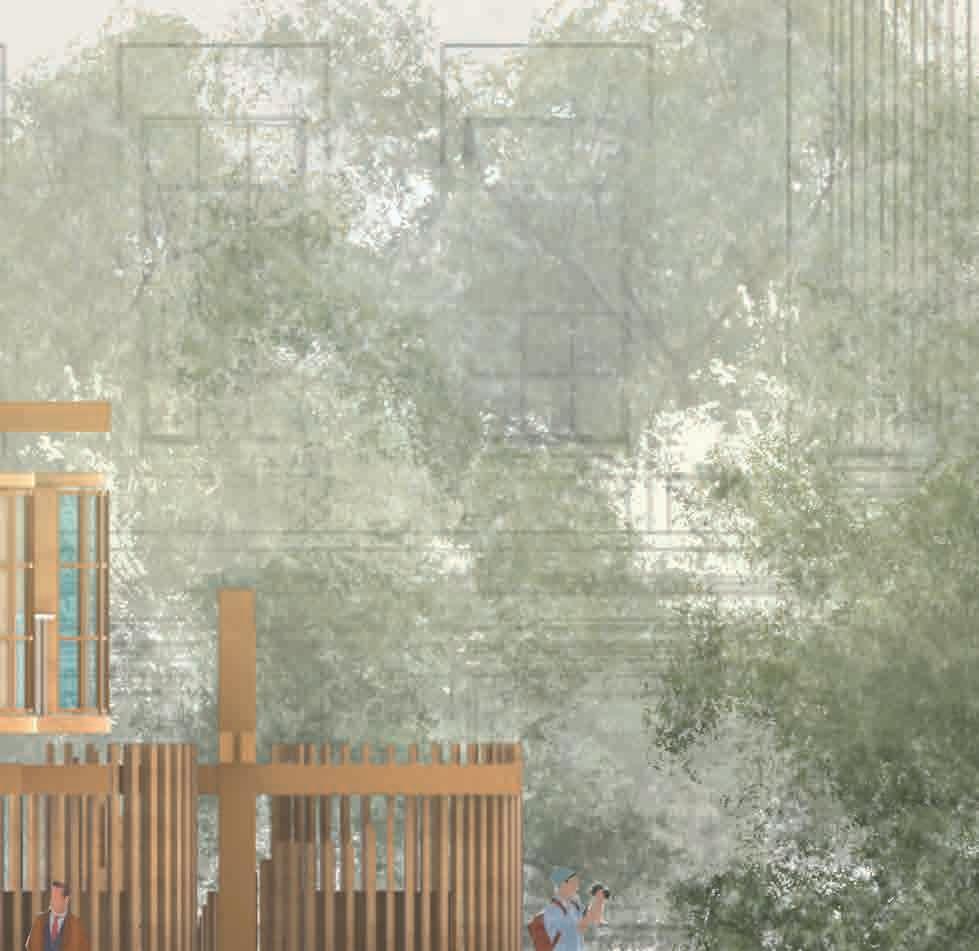
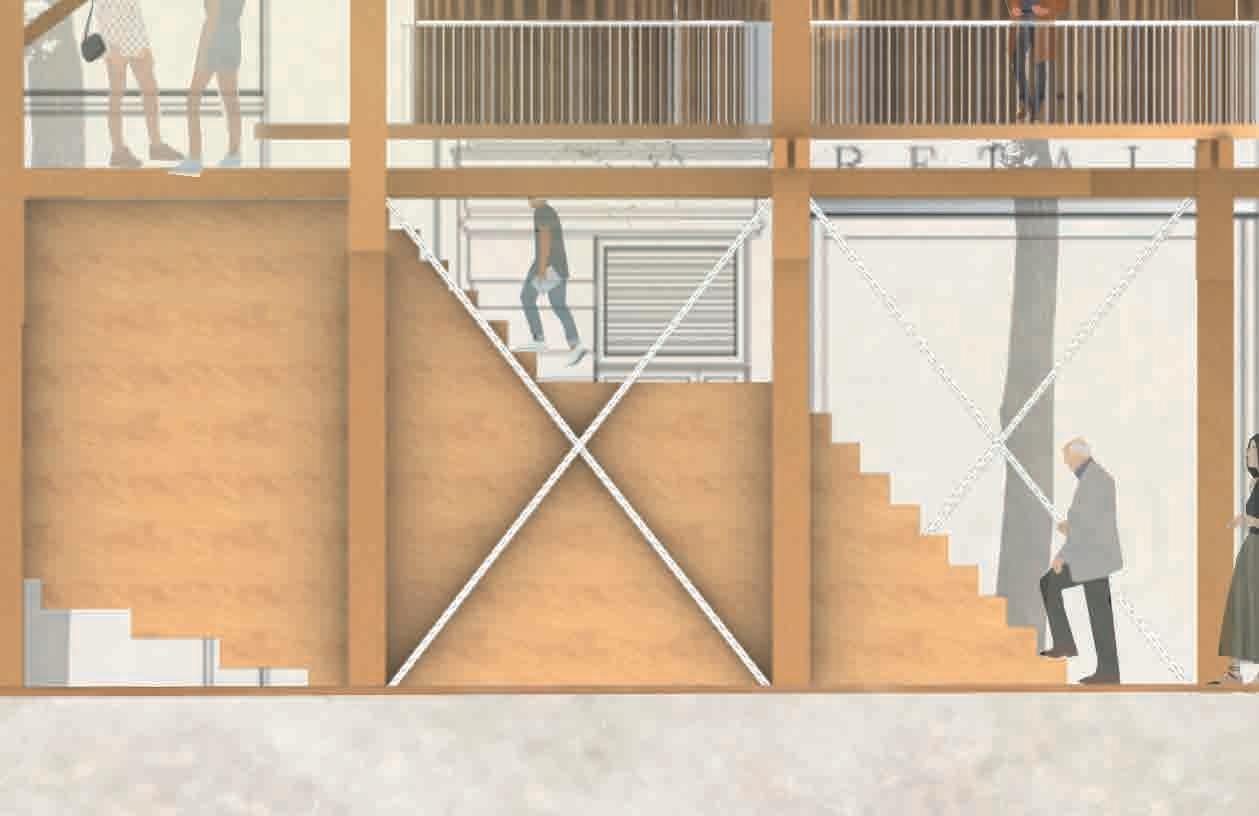
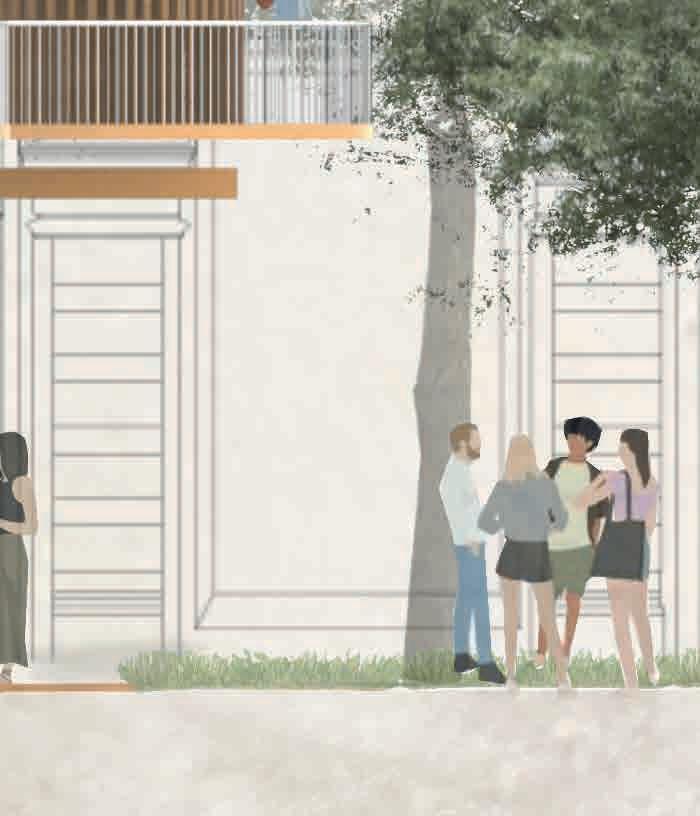
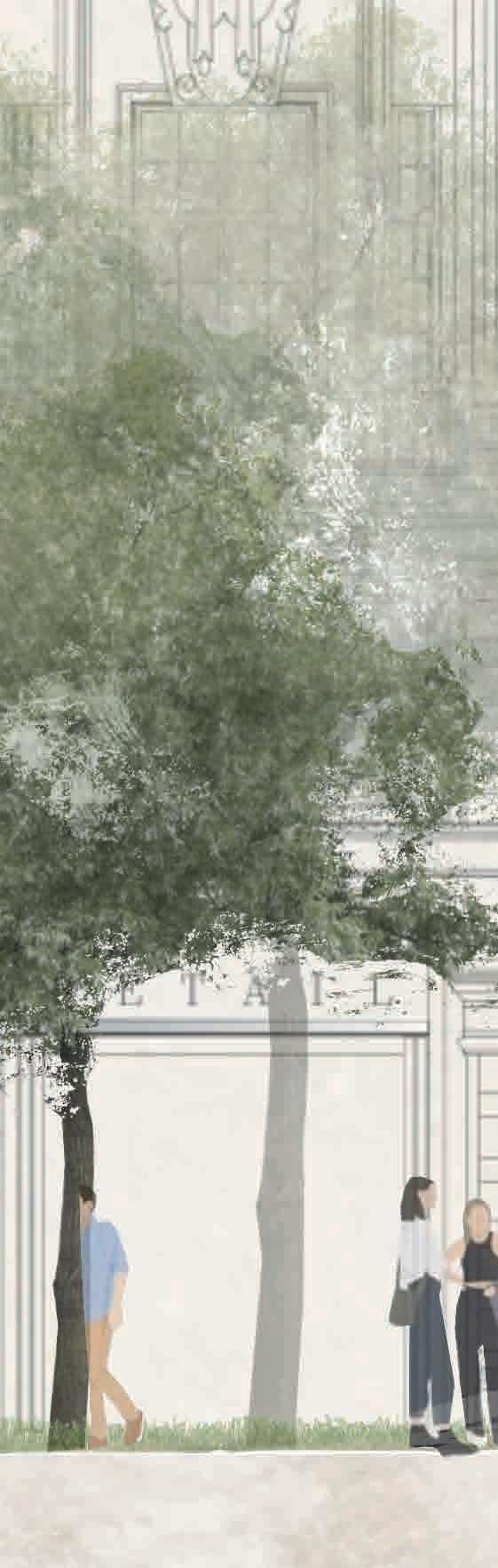
Providing a pavilion in which the life experiences of the community can be voiced, heard, recorded and read, this scheme is designed around a connected network of pods, sized and oriented to suit the conditions of specific functions to enable the capture of stories as a communal and healing process.
Inspired by organic growth and form, each pod offers a different mode of engagement, fostering reflection, exchange and connection. The pavilion is designed as a modular, multi-level structure in which the surface materials of this temporary timber pavilion have been chosen to improve acoustic function and limit the external noise infiltration from Marble Arch and Oxford Street.
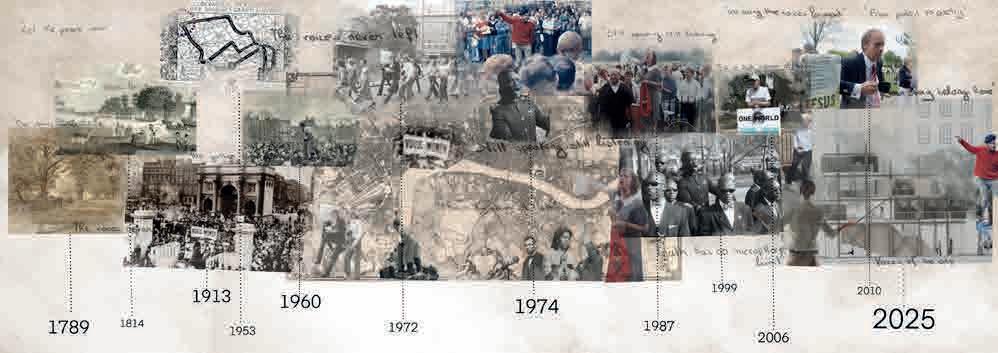


facing page: Illustrative section
this page – top: Scheme inspiration from historical
– centre: Section through auditorium and recording studio
– bottom: Modelling site





ELIF KALE
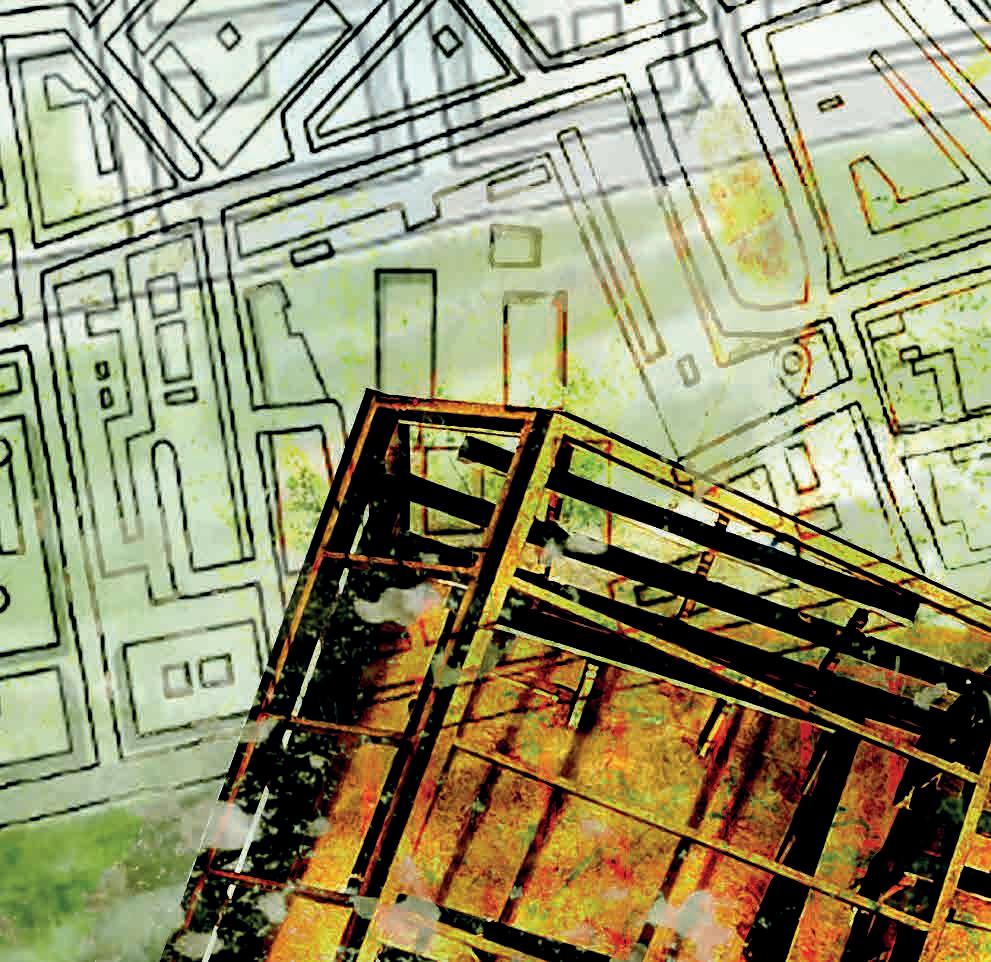
Multifunctional greenhouse, communal kitchen and dining space for the homeless community
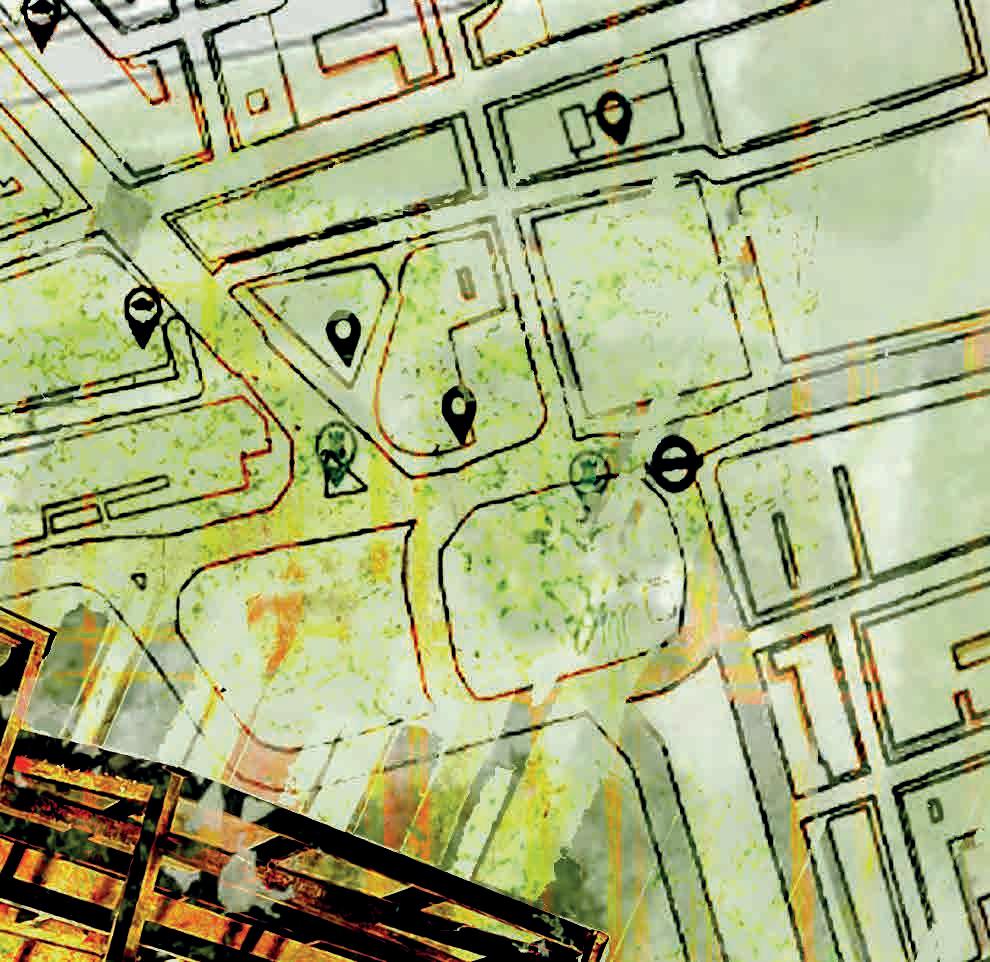
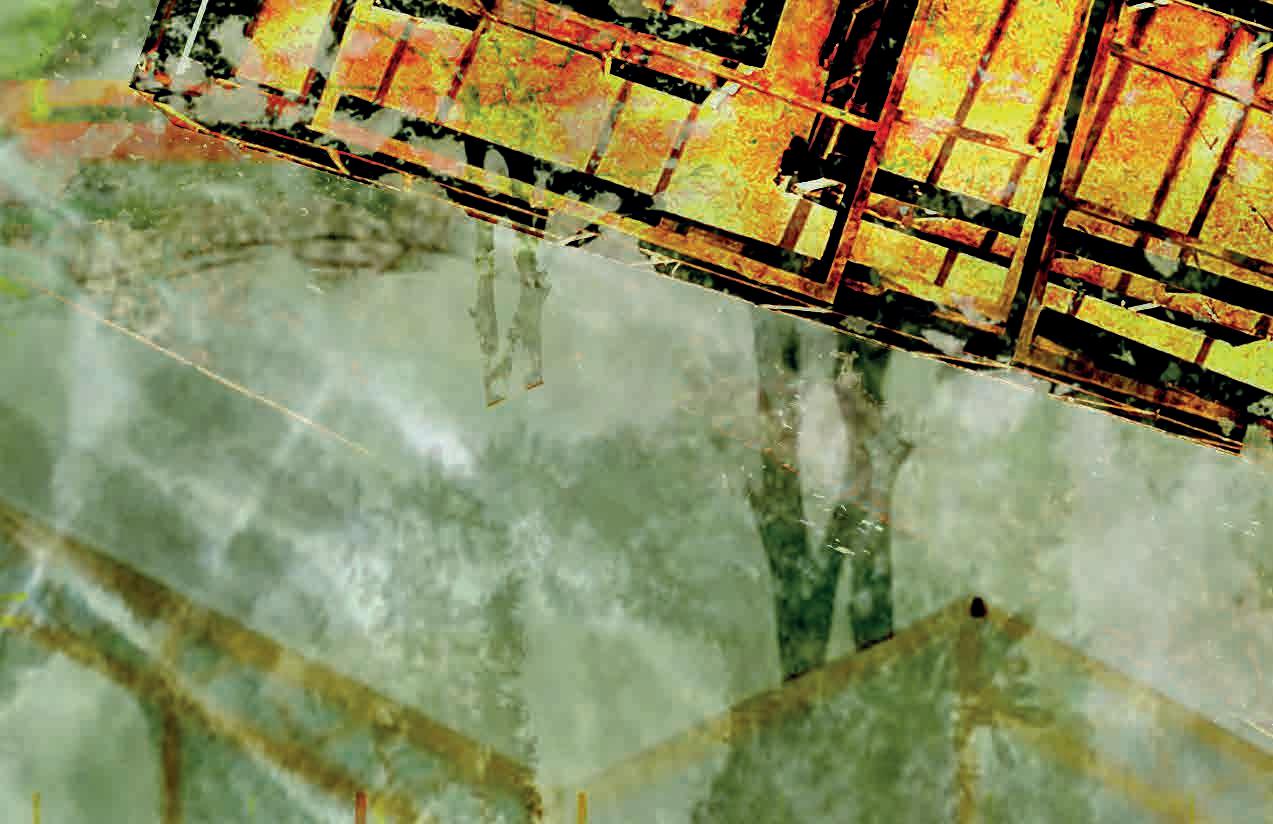
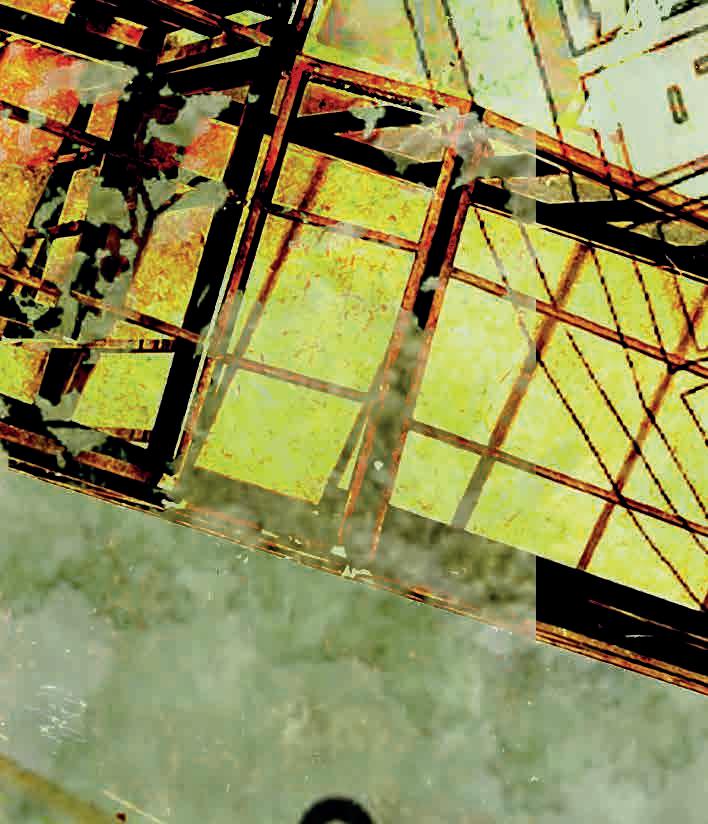
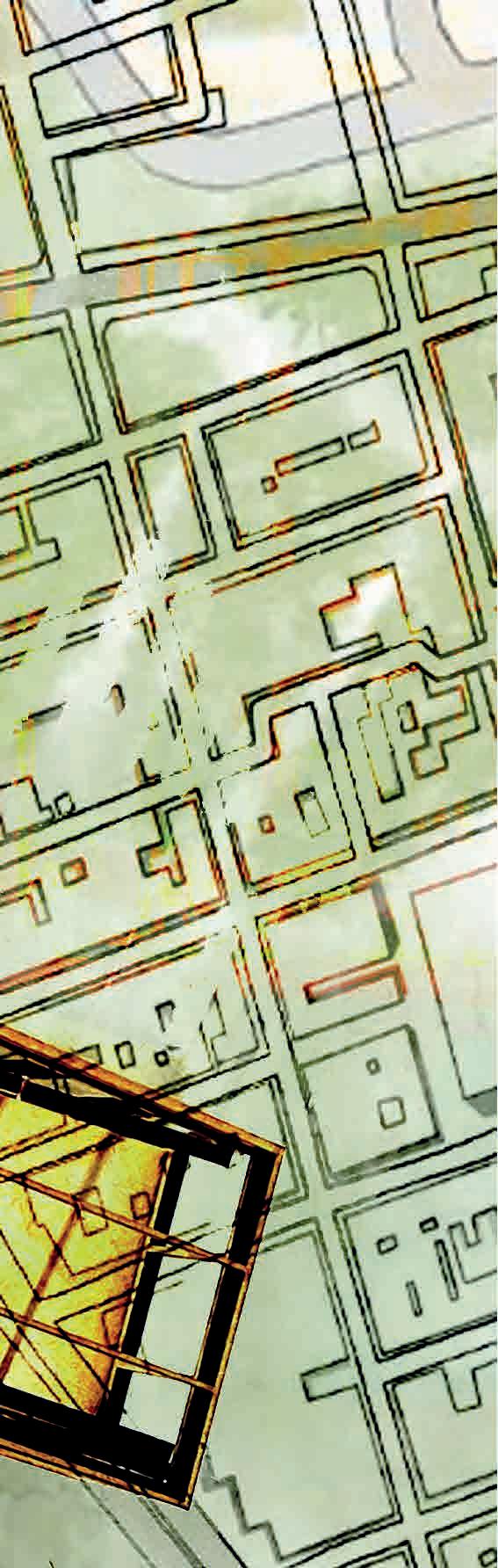
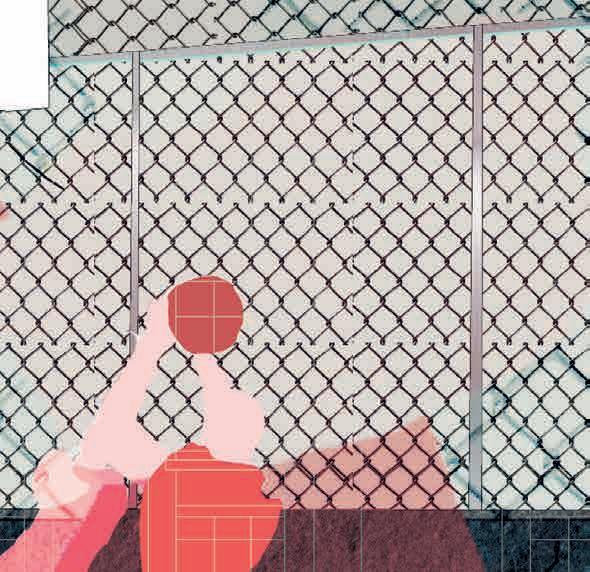
A pop-up basketball, parkour and climbing centre that can be moved to sites that lack facilities for young adults


SAMUEL KAMARA



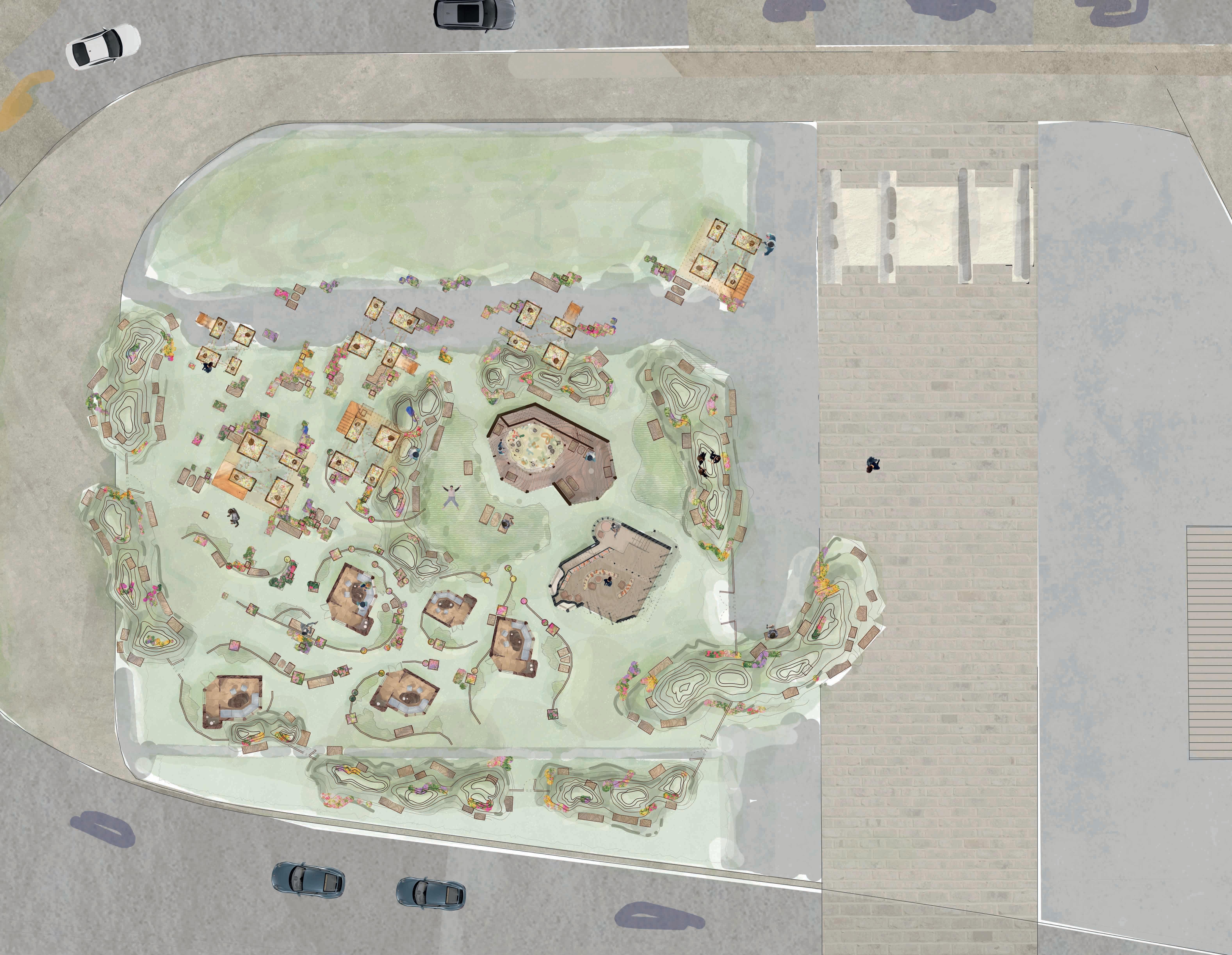
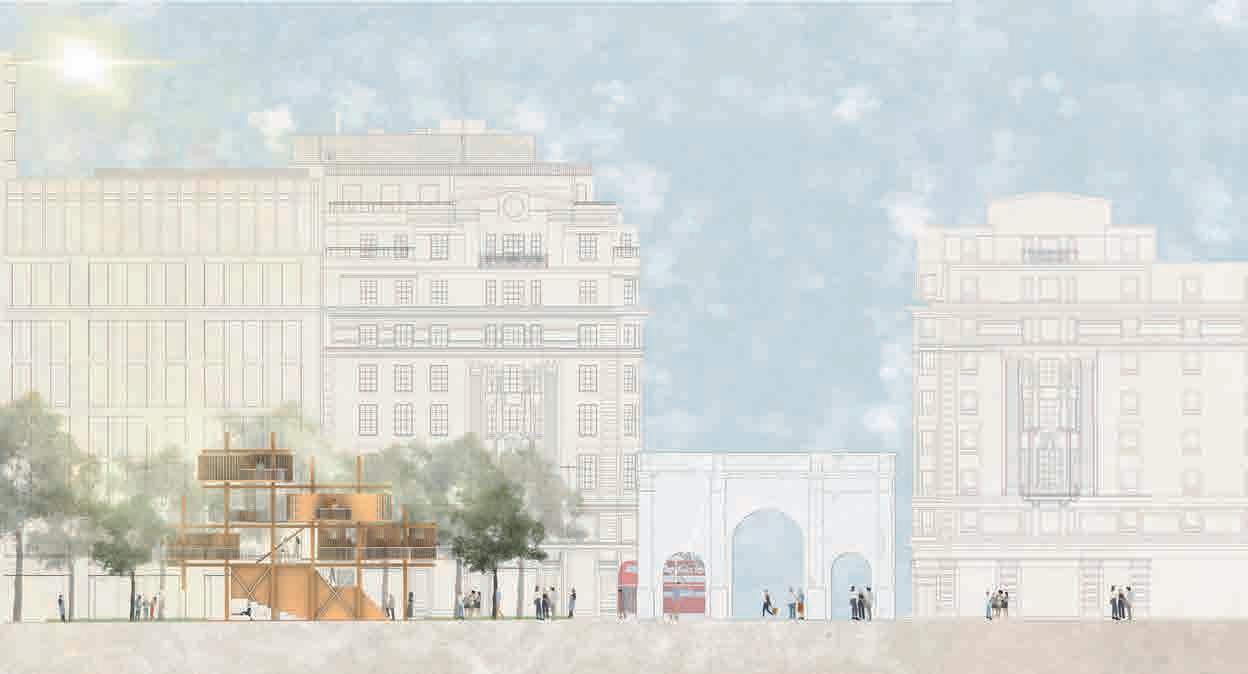
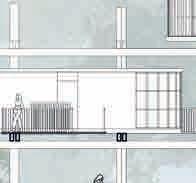
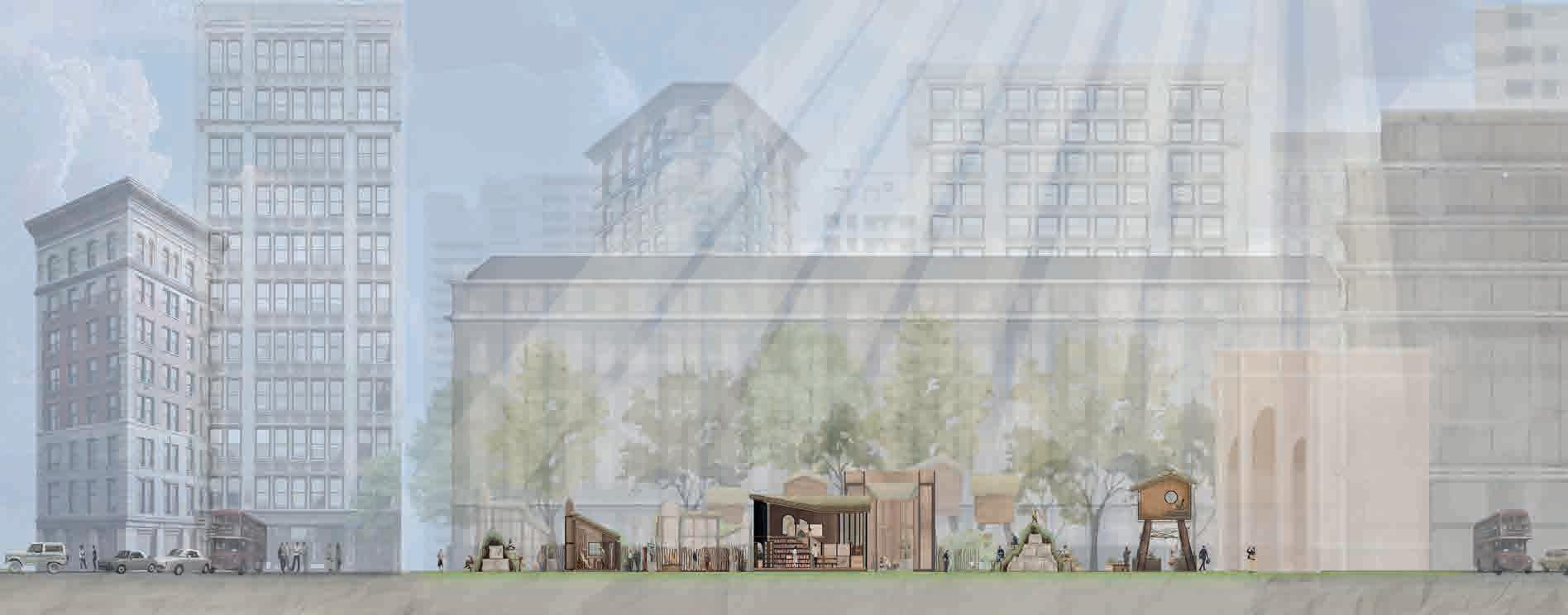
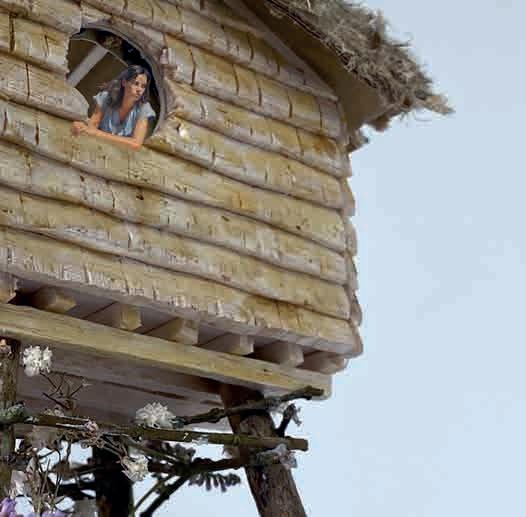
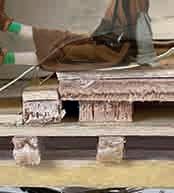
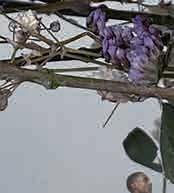
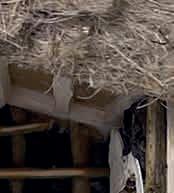
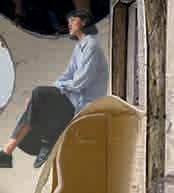
Scattered across the site, this scheme introduces a series of pavilions with individual characters and outlooks to appeal to the needs and sensibilities of the three major groups of people who find themselves at or near to Marble Arch: office workers, tourists and bus drivers. In contrast to the hectic pace experienced in the neighbouring urban areas around Oxford Street, this series of pavilions offer respite to the different communities who encounter it.
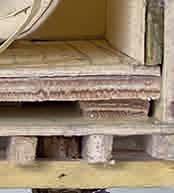
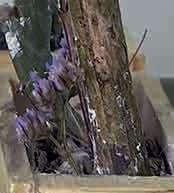
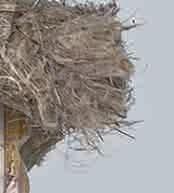
Conceived in a vernacular aesthetic, the structures are constructed from natural materials including timber from Hyde Park for structural supports, wattle and daub to insulate walls and wooden shingle roofs. Juxtaposed between Oxford Street and Hyde Park, Marble Arch plaza is re-imagined as a planted landscape, blending the distinction between urbanity and nature, with the pavilions interspersed across it.
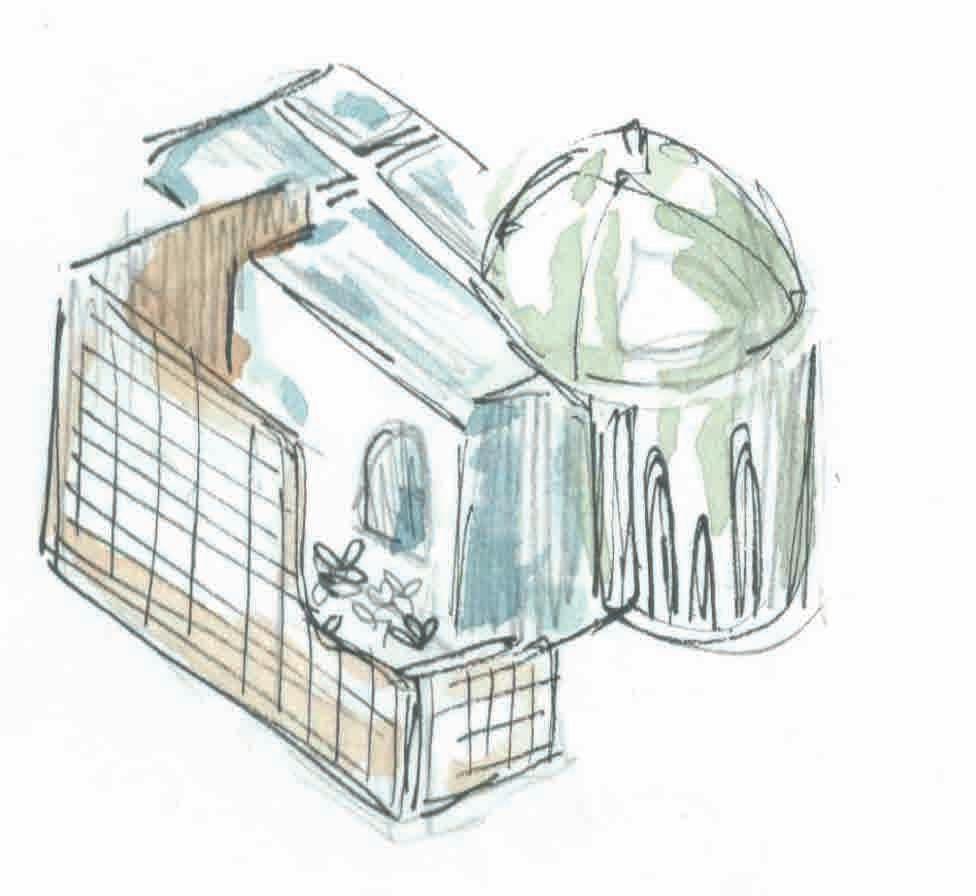

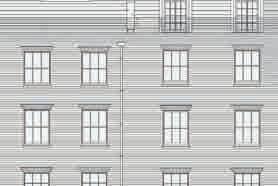
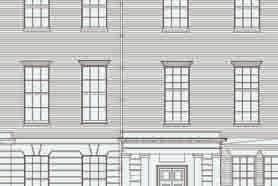
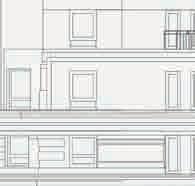
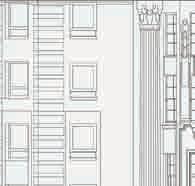
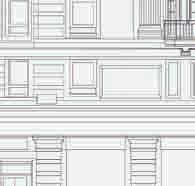
facing page: Elevation of the pavilions looking north
this page: Site context sketches, depicting moments of Marble Arch’s history as a place of gathering










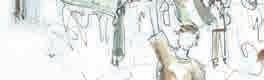

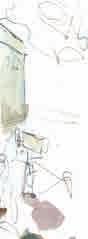





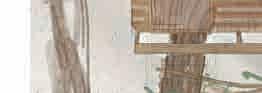

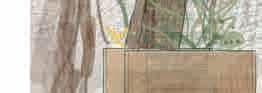











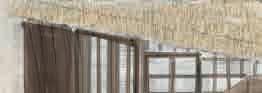
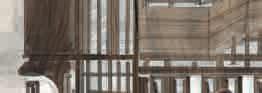






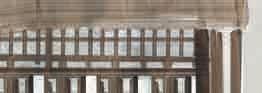



















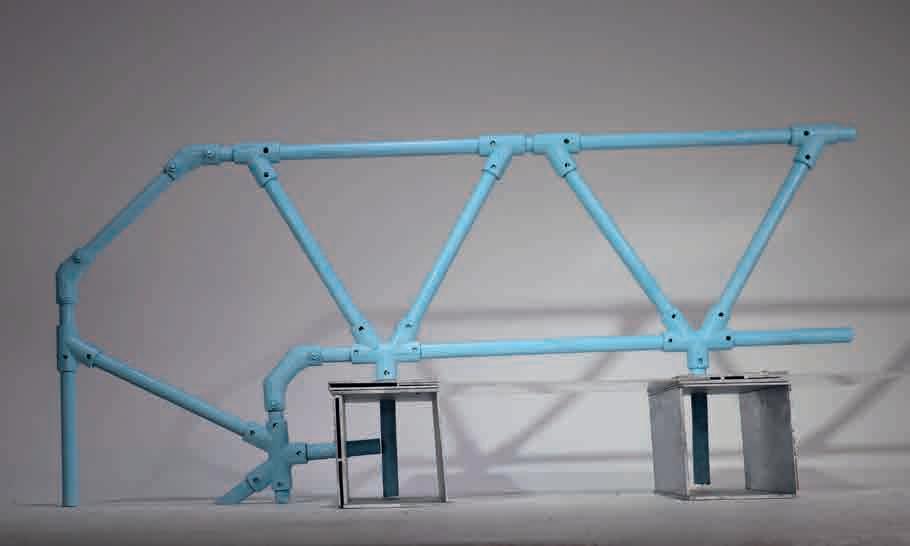
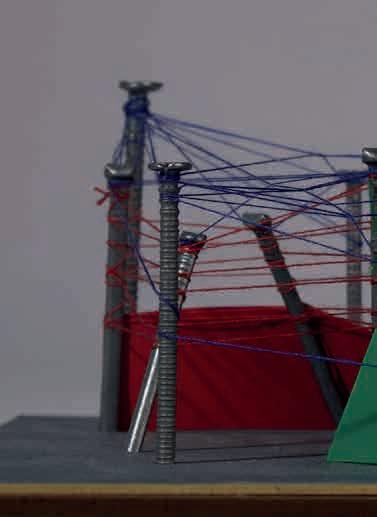
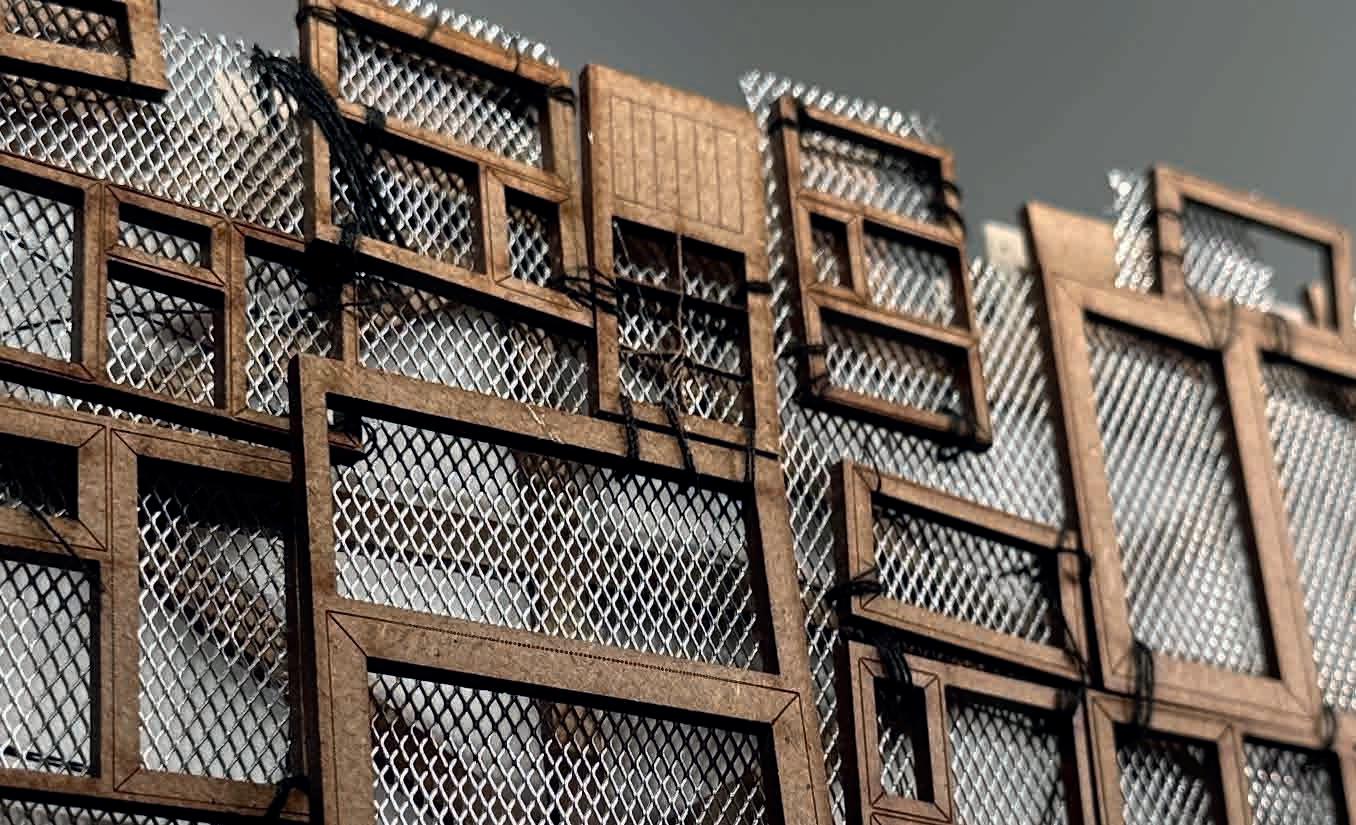
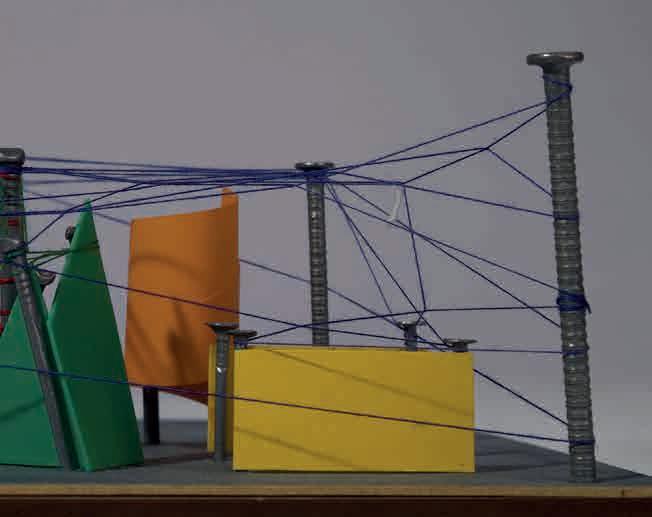
this page: Contextual perspectives facing page: Illustrated elevation looking north












KELI PRENGA
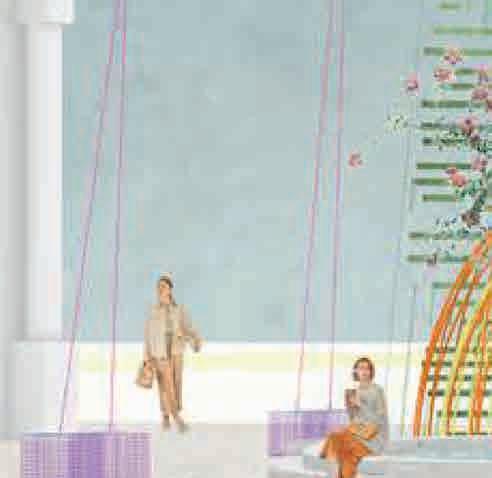
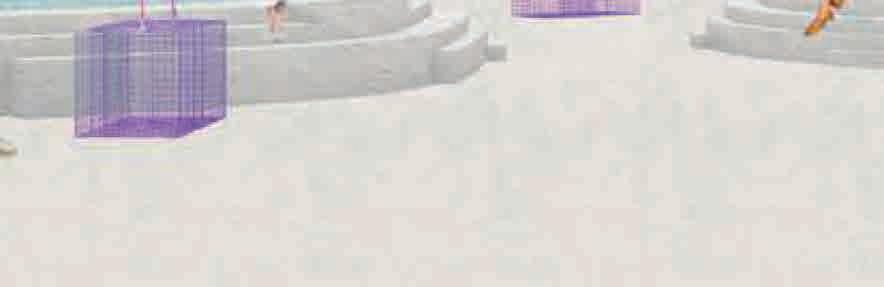
Dynamic installation that visualises and represents the immediate environmental conditions and challenges of water availability
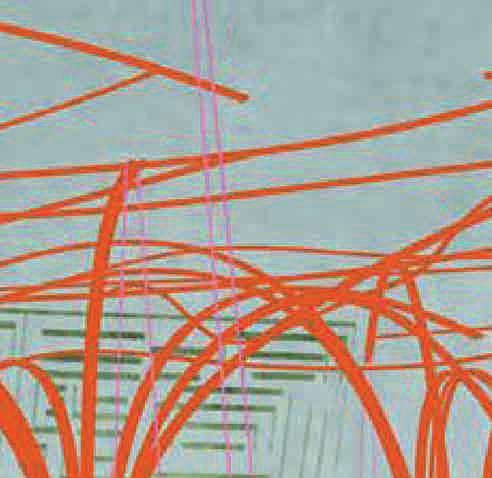
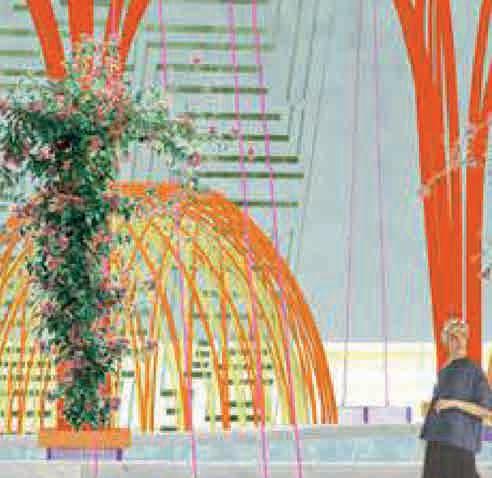
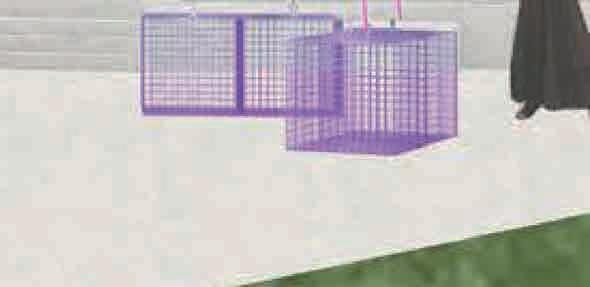
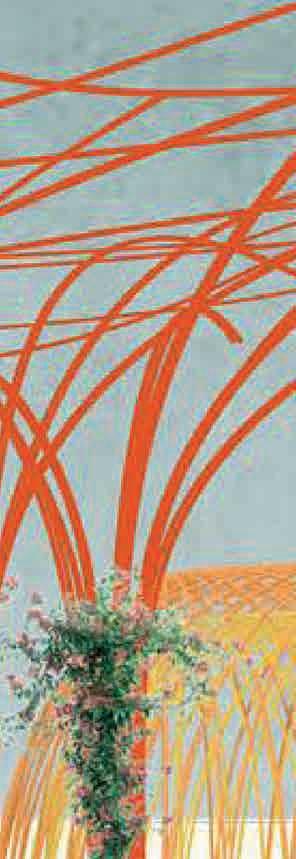
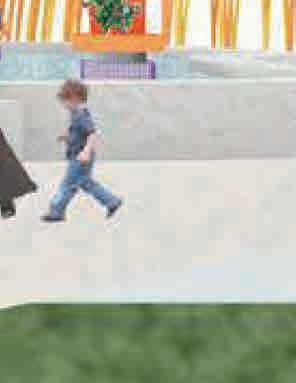
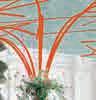
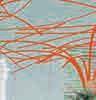
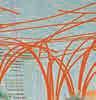
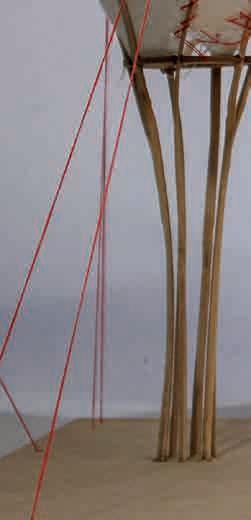
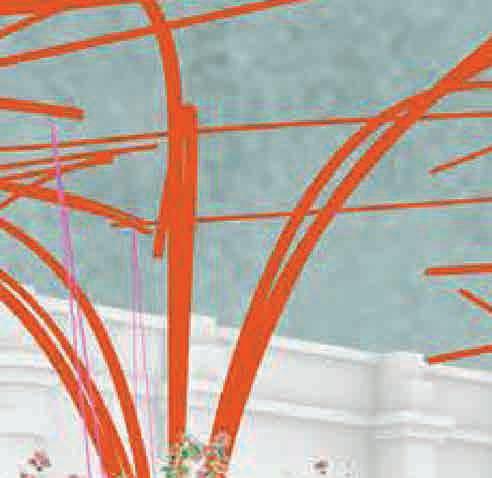
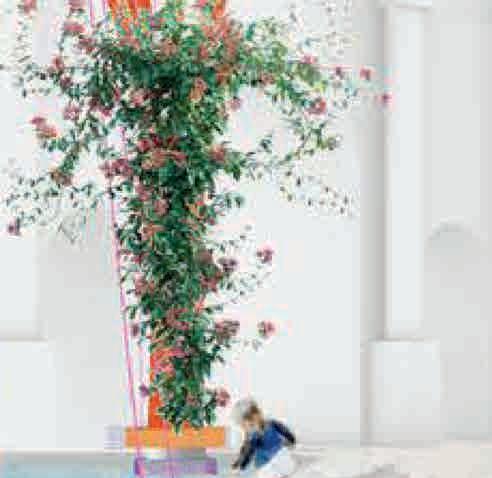
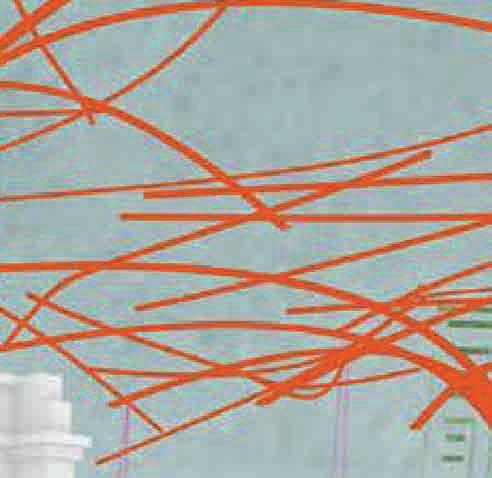
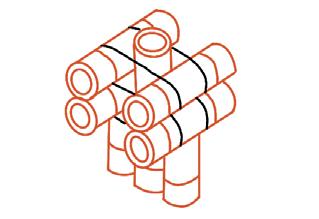
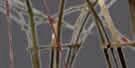
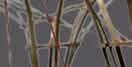
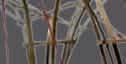
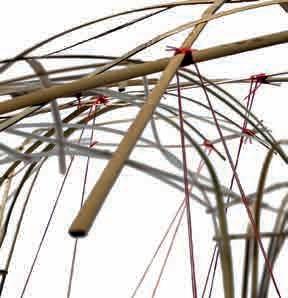
Drawing attention to the need for improved climate resilience, Waterscape is an interactive installation that visually presents the rainfall of central London. The scheme imagines transforming the plaza around Marble Arch into a sustainable, interactive public hub. The bamboo structure offers a sheltered canopy for visitors seeking protection from the elements, while simultaneously making visible the collection, filtering and storage of rain water, thus turning a simple shelter into a space for education and awareness.











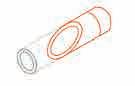

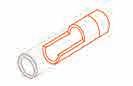


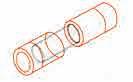
facing page: Illustrated perspective, looking towards Marble Arch
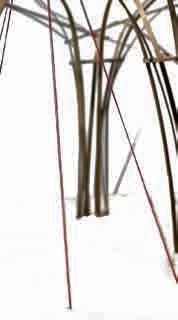
this page: Bamboo harvesting process; and canopy structure construction


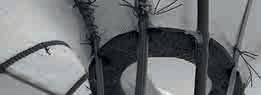


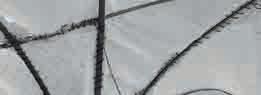

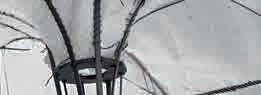


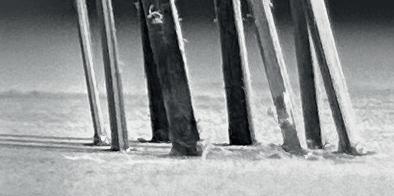

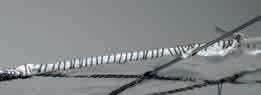
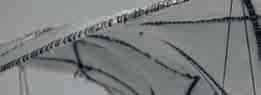

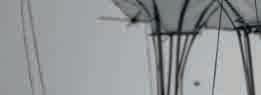
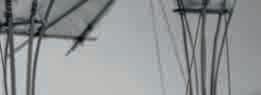






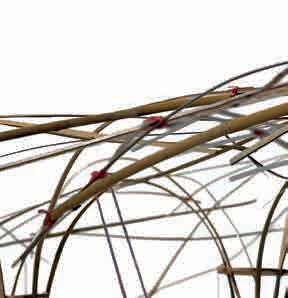
this page: Canopy model – details
facing page: Elevation, looking north
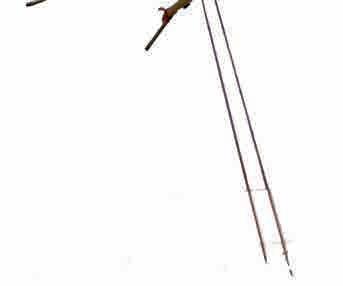
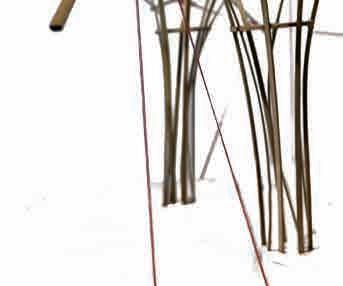






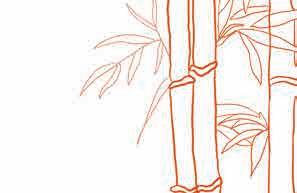
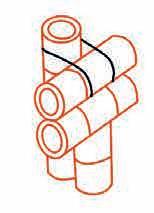
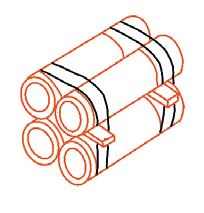
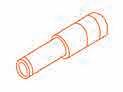
The main structure is created from bamboo, a fast-growing, sustainable material. Having selected and harvested lengths that have grown for three-five years, it takes around six weeks to cure and prepare them for use, compared to the years needed to season green timber. Bundling
three stems together creates a stronger and more versatile element for structural use.
The modular, demountable and reusable components allows for easy maintenance, adaptation and disassembly in the future.


















































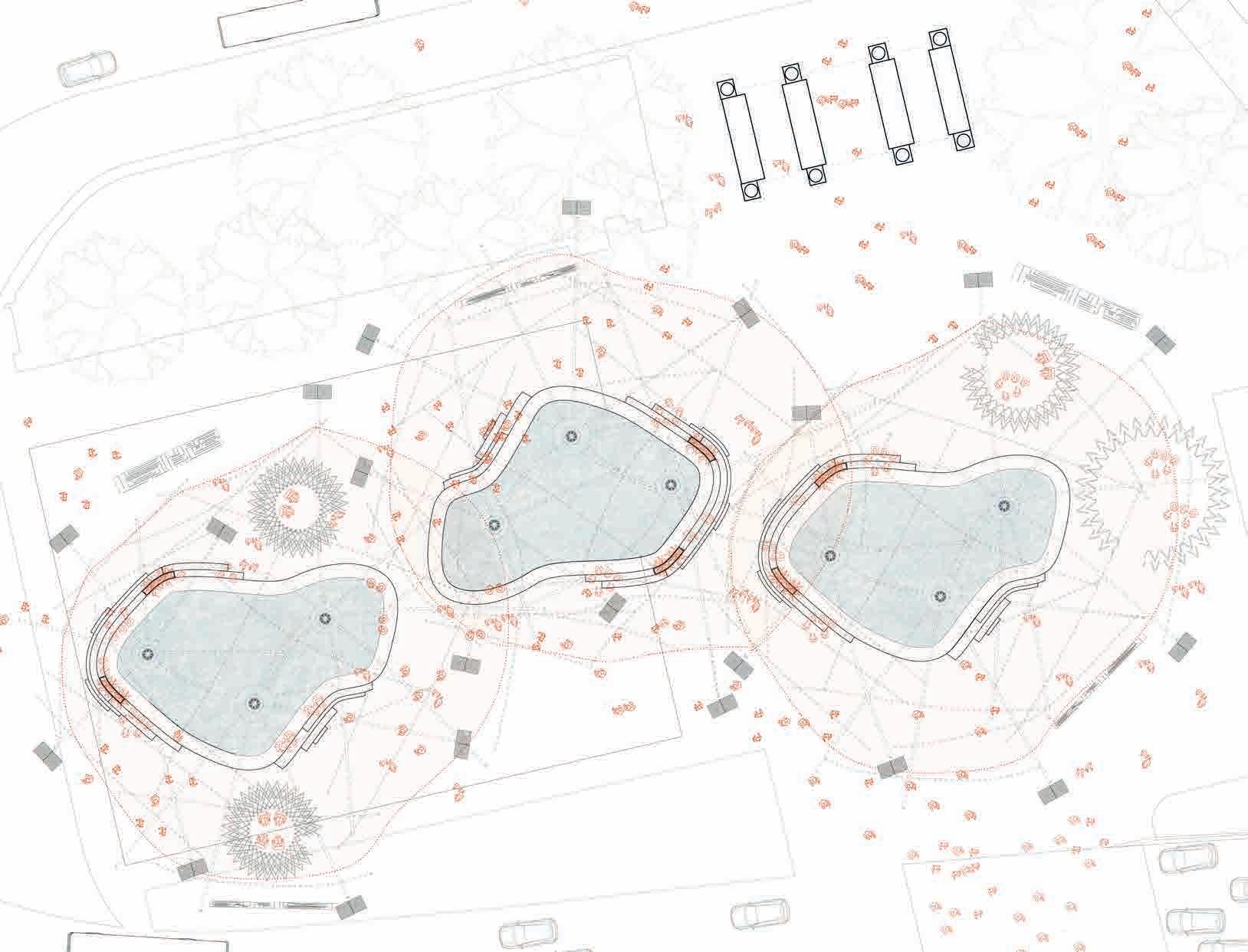
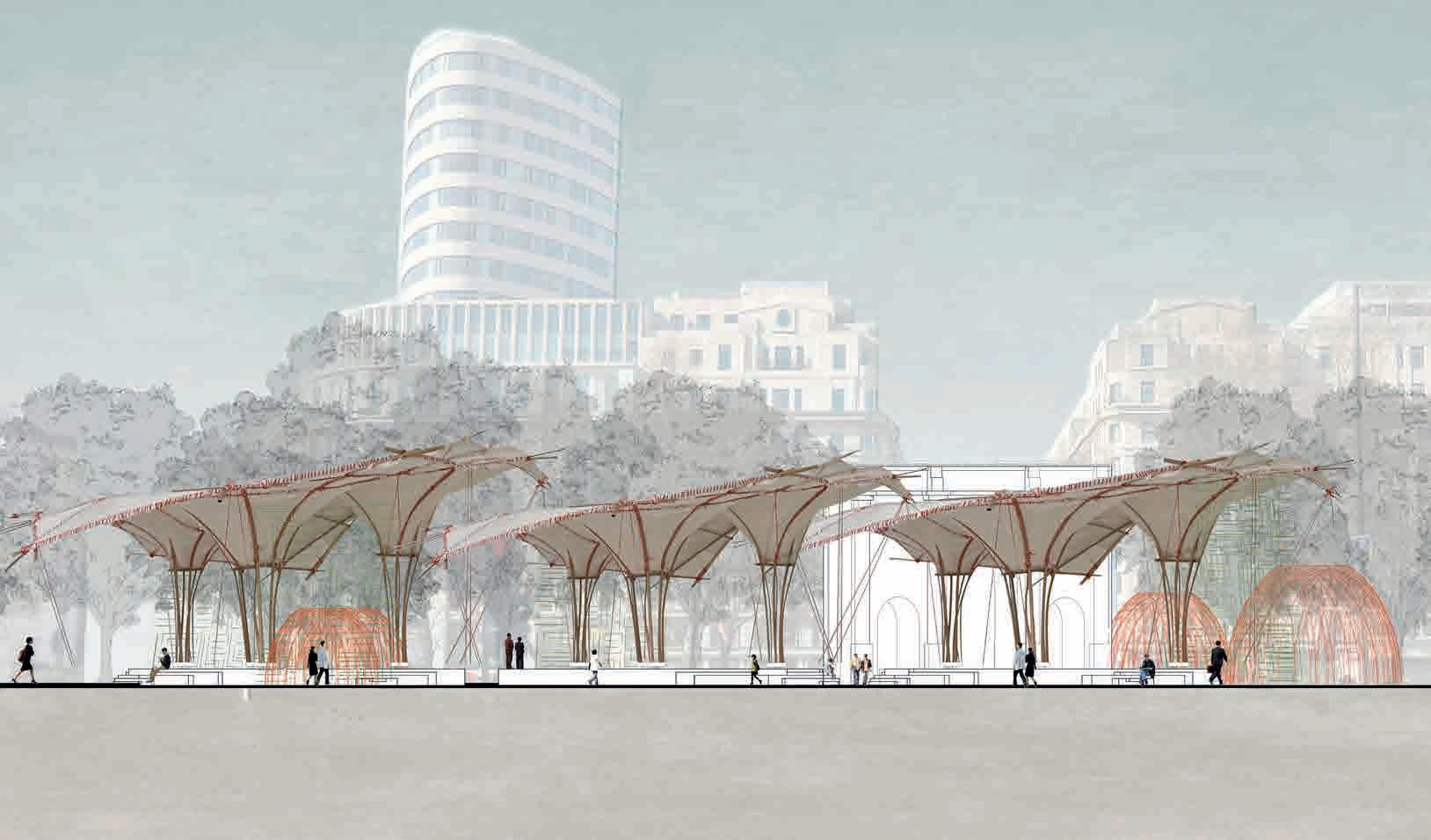
facing page: Final site plan
this page: Illustrated elevation, facing north
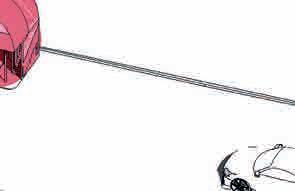
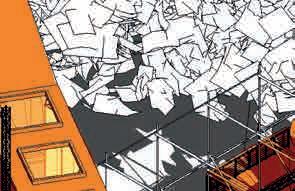
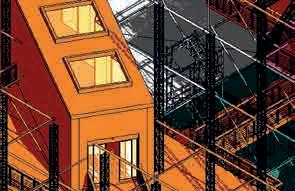
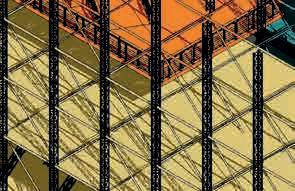
A creative reclamation yard, responding to construction waste and the opportunities of salvage
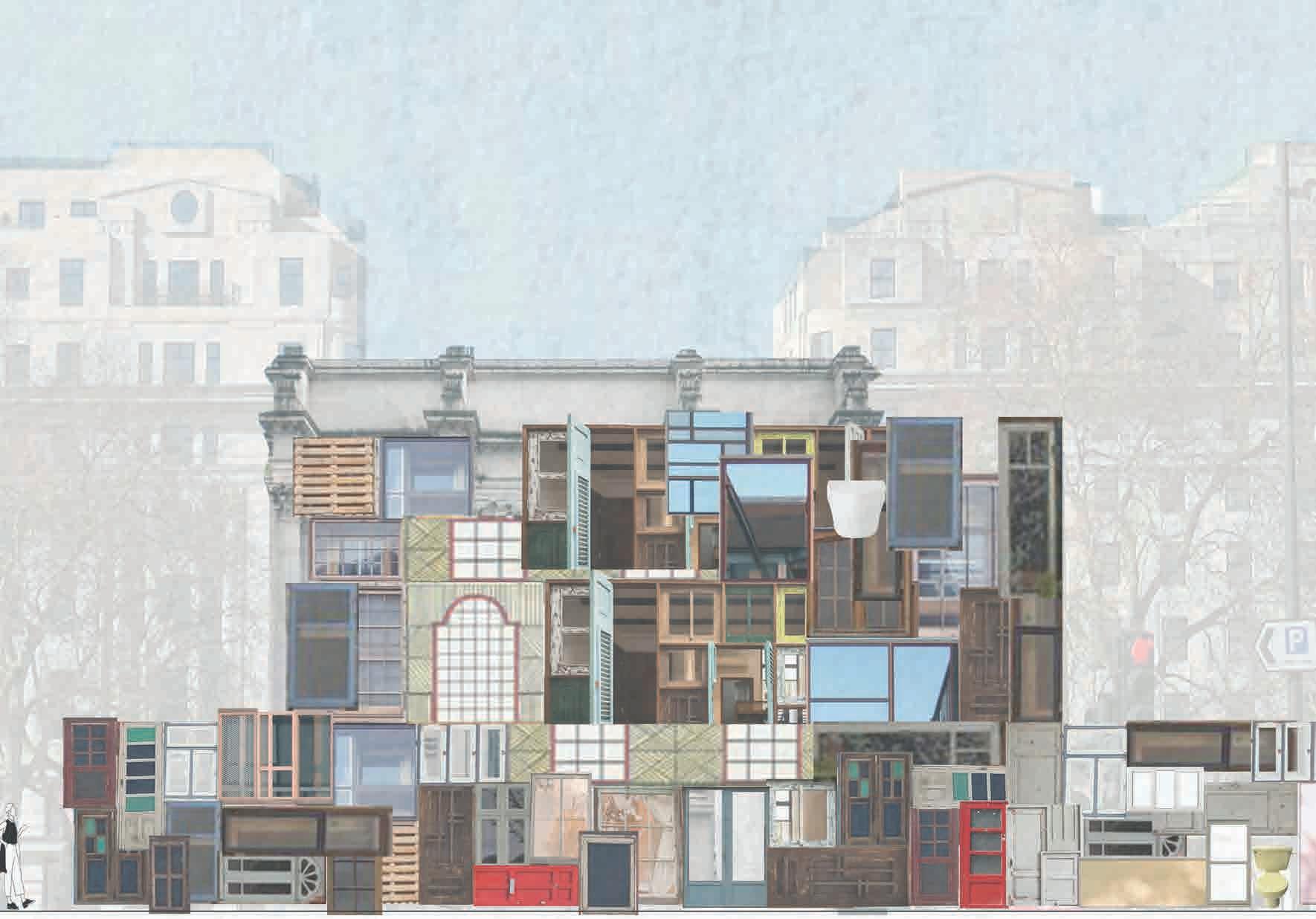
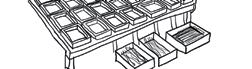
This design turns Marble Arch into a space dedicated to sustainable creativity through material recycling. Responding to the constant building works, redesign and refitting of London properties, it proposes an installation that offers both a recycling facility for material from building and demolition sites, and a workshop in which the elements can be transformed, fused and re-purposed.
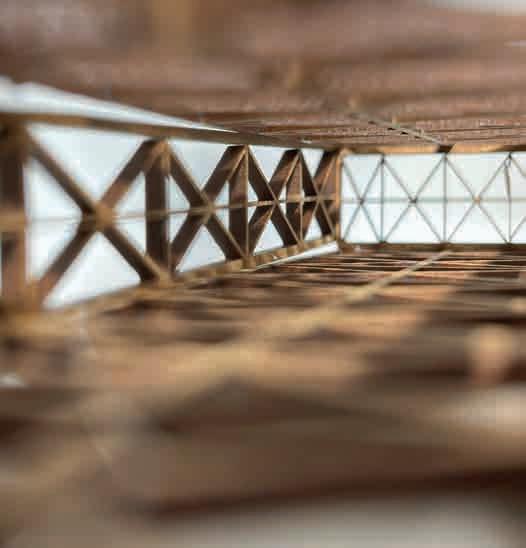
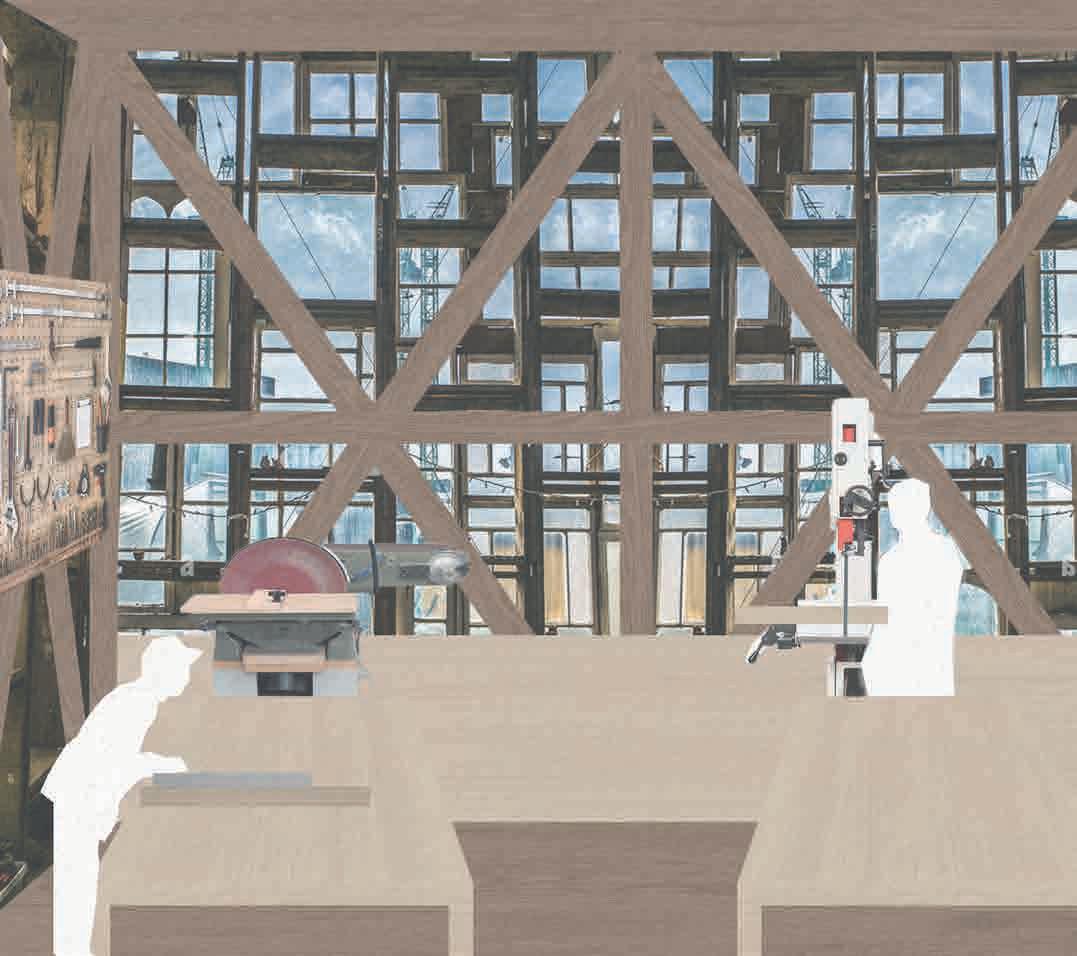
facing page: Illustrated elevation
this page – top left: Model photo
– top right: Illustrated perspective, workshop in use
– bottom right: Section details showing reclamation storage space and workshops
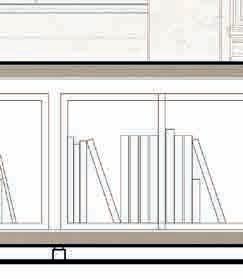
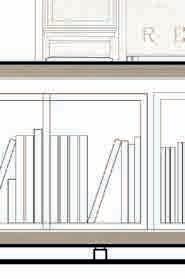
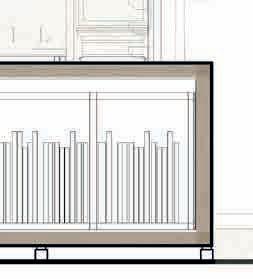
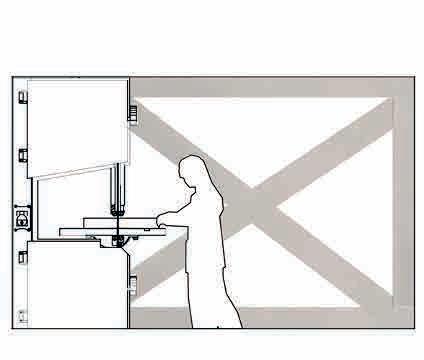




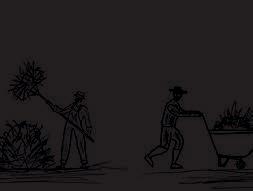
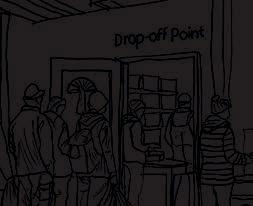


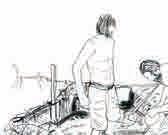










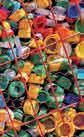






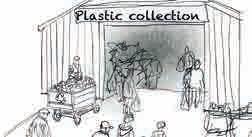
Facing page: Illustrated perspective




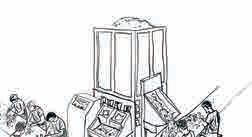

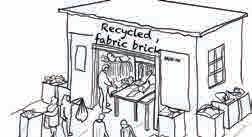



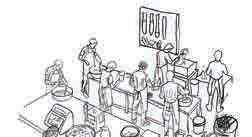




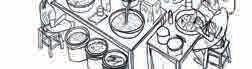
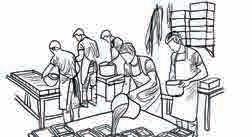
This page: Illustrating the journey from raw material to finished product


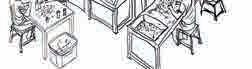
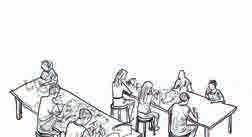





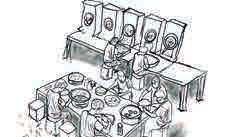





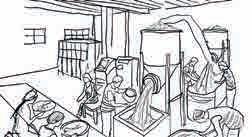




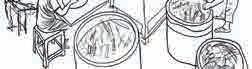
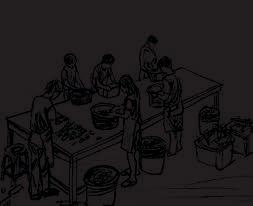

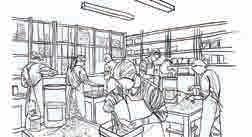


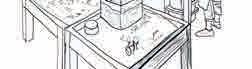




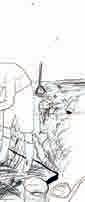


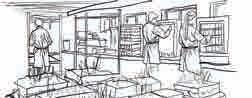
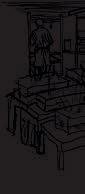
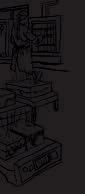
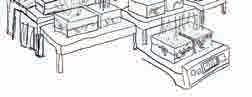

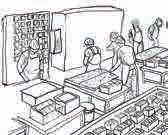



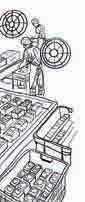

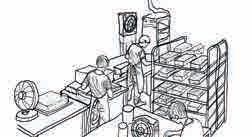




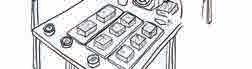
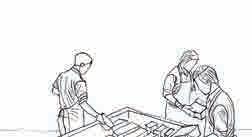




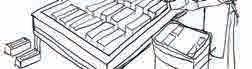


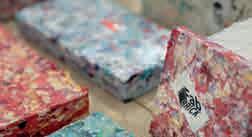










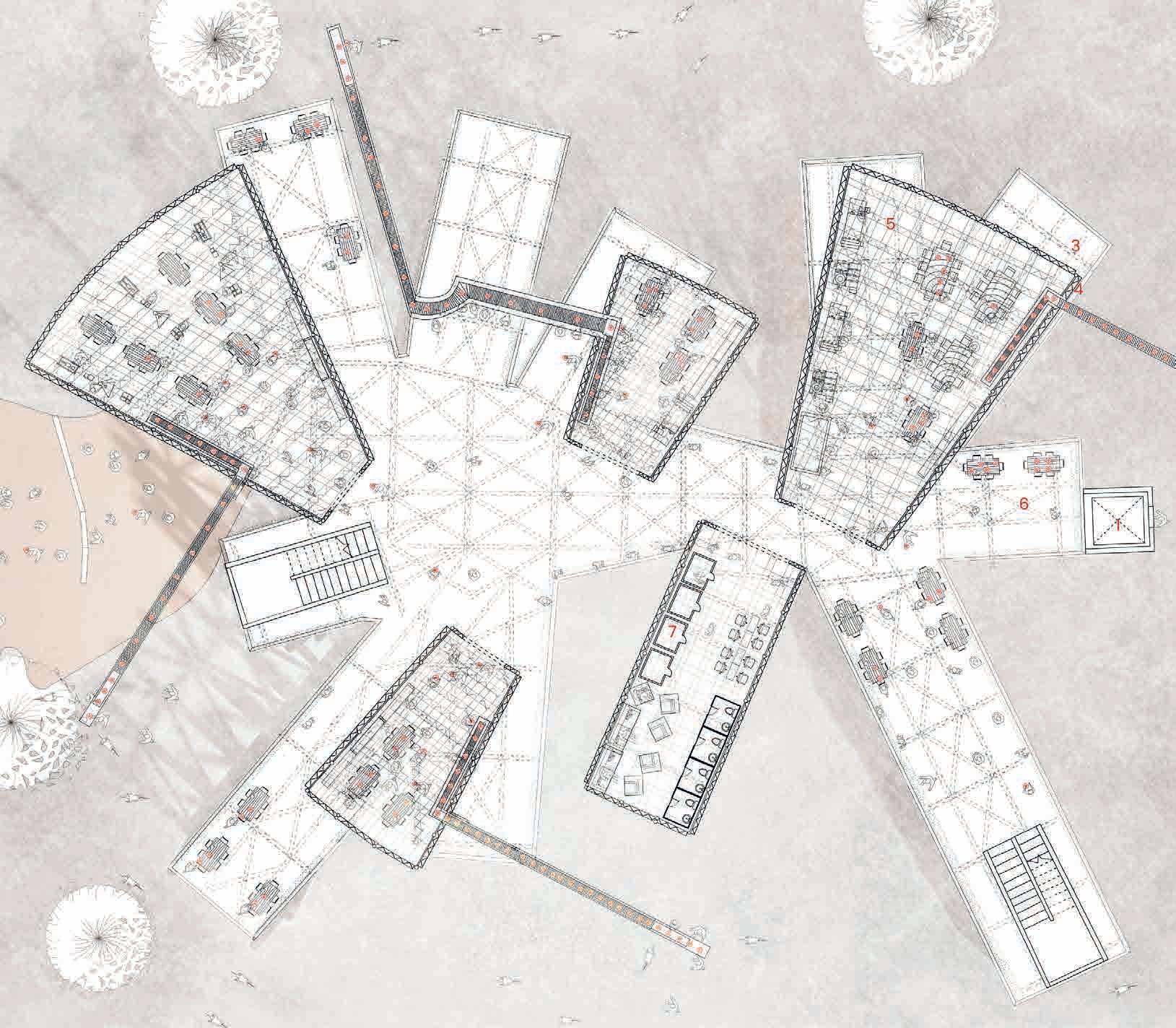
Addressing the issue of urban waste, this scheme transforms Marble Arch Plaza into a recycling and transformation centre. Responding to the site’s strategic location, Regenerating Material envisions taking particular waste products associated with the local environment and businesses and using them to create new building materials for the construction industry. The processing journey of each material informs and shapes the centre’s design.
Taking specific waste products from nearby, the discarded matter is mixed with fibres and natural binders to form new products for the construction trades, putting circularity at its core. Textile waste and fibres from Oxford Street become insulated bricks; organic matter from Hyde Park is turned into earthen wall panels; while food waste goes through a process of fermentation, starch extraction and thermo-forming to create bioplastics.
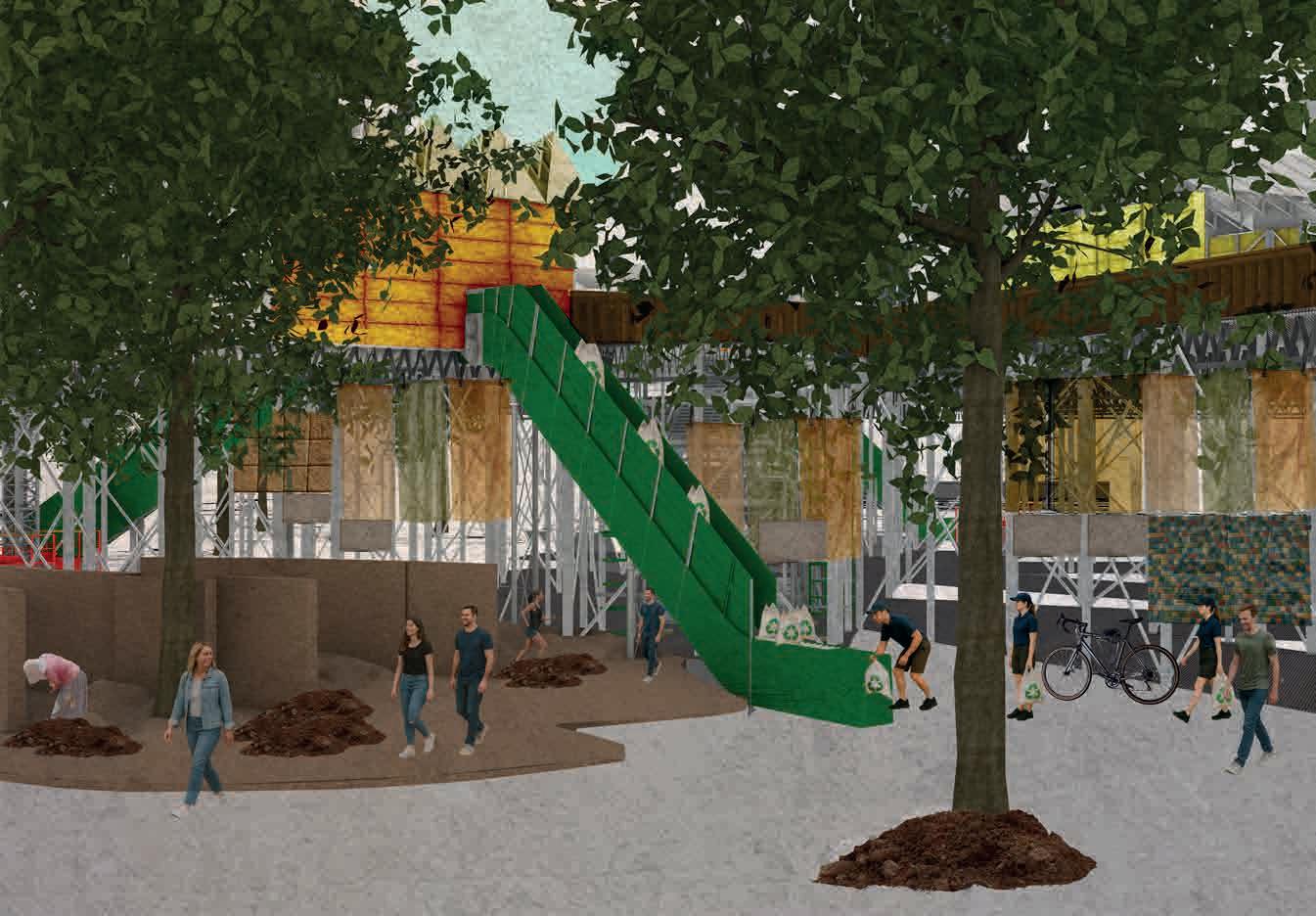
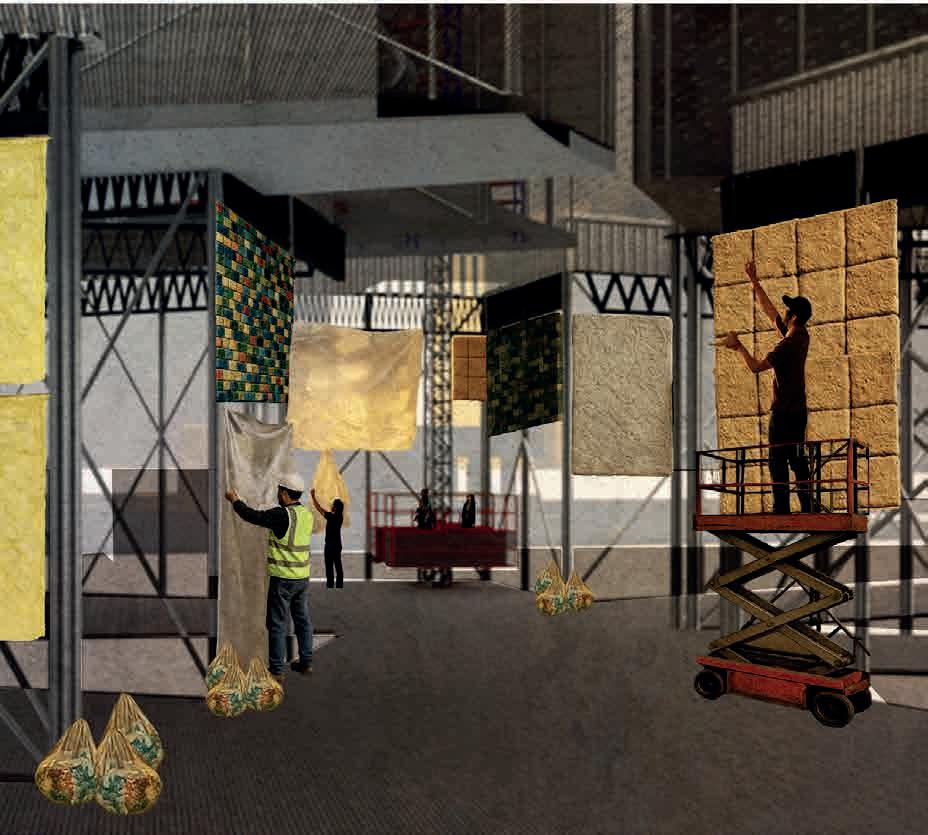
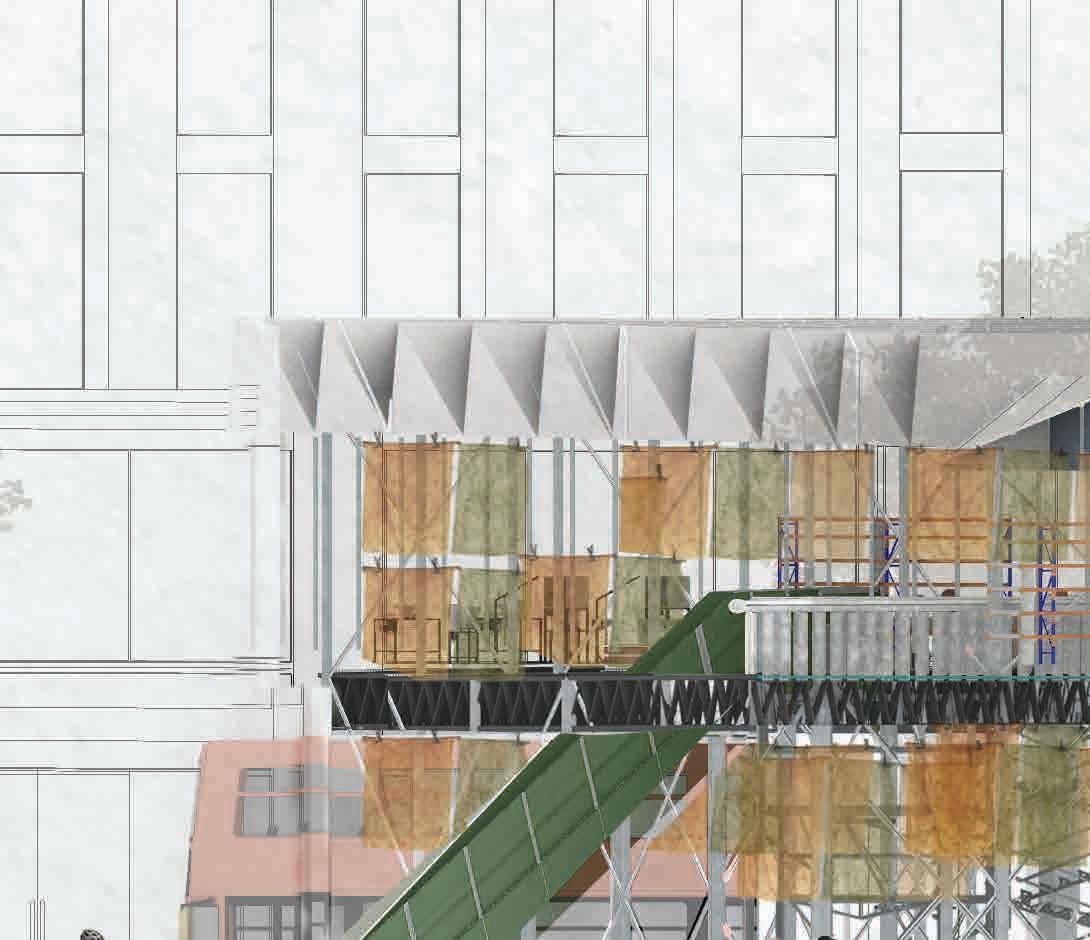
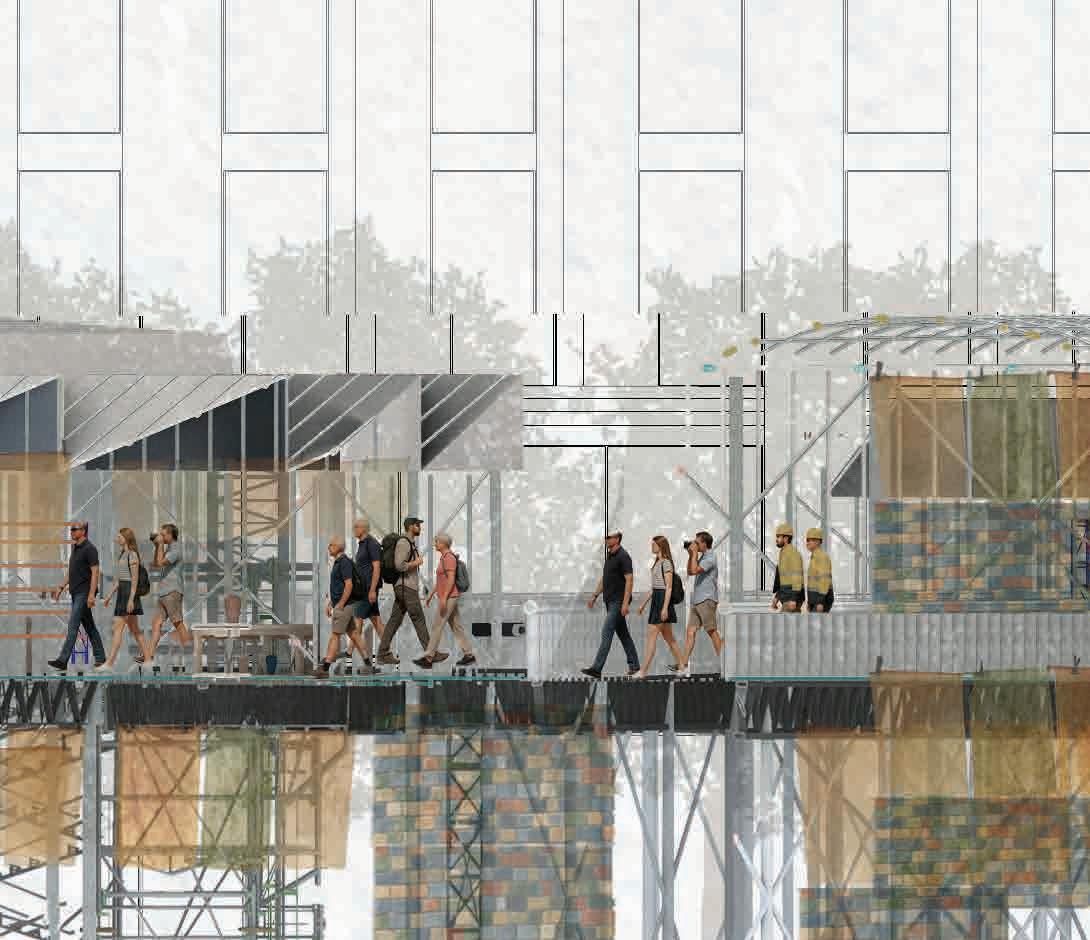
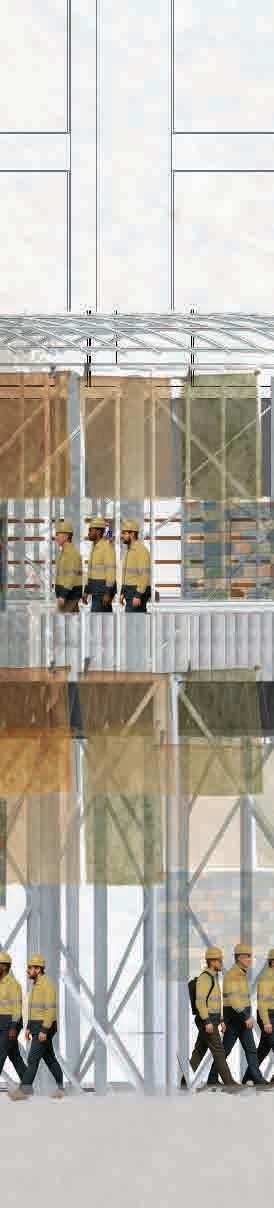
both pages: Illustrated elevation
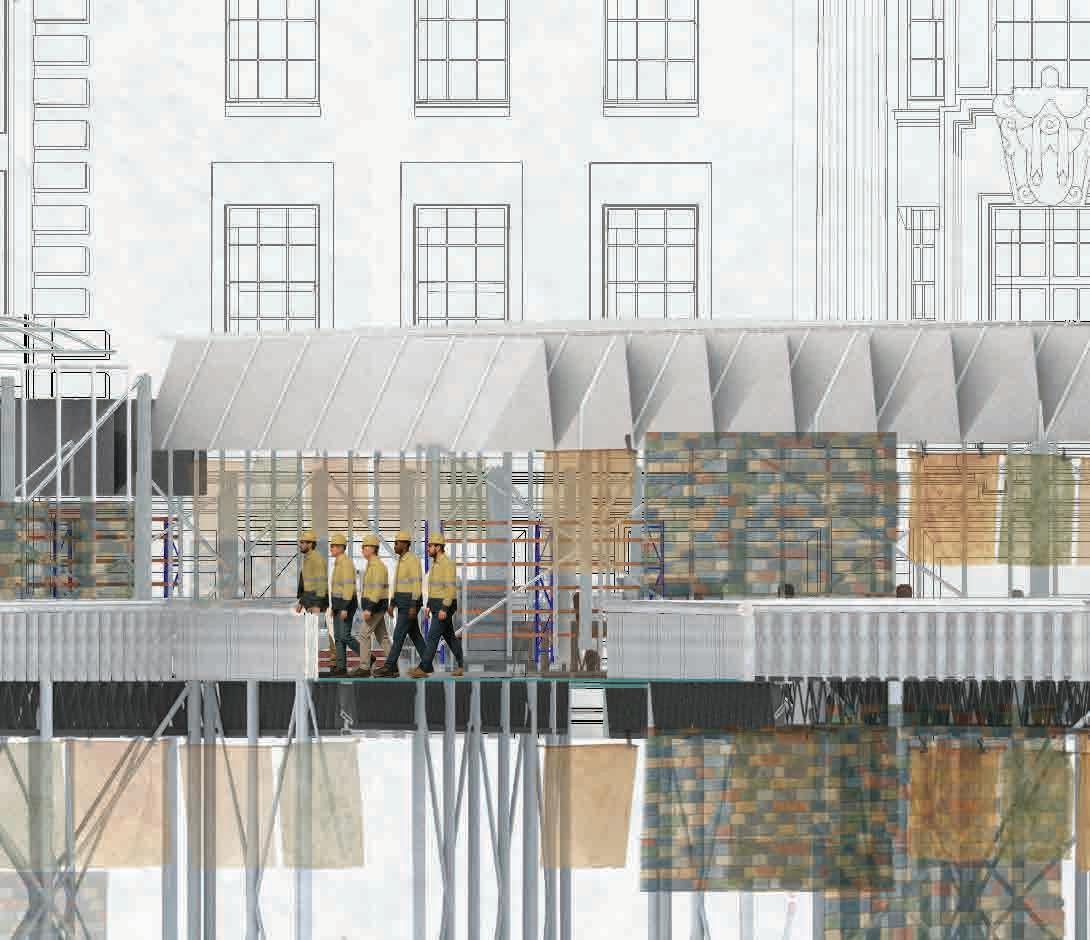

With thanks to:
The Portman Estate AKT II
Norman Rourke Pryme Publica
University of Westminster
STUDENTS
Vanessa Fiscutean
Maame Frimpong
Fatemeh Ghalichehbaf Vosoughi
Camilla Gonzalez
Abid Husein
Elif Kale
Samuel Kamara
Eralba Malci
Olivier Mencfeld
Ainaz Mokhtari
Keli Prenga
Mehnaz Rahman
Ezra Lorrene Salvane
Julia Silwinska
Zanda Timberlake
Syeda Zaman
TUTORS
Natalie Newey
Matthew Stewart
GUEST CRITICS
Amr Assaad
Florian Brillet
Val Galmozzi
Maya Jovic
Simon Loomes
Tess McCann
ADVISORS
Val Galmozzi (AKT II)
Simon Loomes (The Portman Estate)
Will McLean
Kirsty McMullan
Richa Mukhia
Yasmin Pathan
Ollie Riviere
Rebecca Wise
Tess McCann (Publica)
Ollie Riviere (Publica)
© 2026 The Portman Estate.
Created, designed, edited & produced by Clare Hamman / Chasing Shadows on behalf of The Portman Estate.
All design work contained in this document was created by students from Design Studio [2]2, School of Architecture + Cities at the University of Westminster, 2024-2025.
Additional photographs: Clare Hamman/Chasing Shadows, Keli Prenga & Syeda Zaman.
No part of this publication may be reproducwed or transmitted in any form or by any means, electronic or mechanical, including photocopy, recording or any information storage and retrieval system, without permission in writing from the publisher.
portmanestate.co.uk chasing-shadows.com