
CLAIRE WOLSK
design portfolio
fall 2023 - fall 2026
columbia univeristy graduate school of architecture, planning, and preservation
univerisity of florida school of architecture
CLAIRE WOLSK
Experience and Professional Training
GRIMSHAW ARCHITECTS, New York, New York Architectural Intern
JUNE 2025 – OCTOBER 2025
Executed the following items for the Charleston Airport Expansion project; glare study analysis, exterior glazing iterations and representation, Industrial Design sheet set in Revit, initial crossing canopy design iteration
IKON.5 ARCHITECTS, New York, New York Architectural Intern
JUNE 2024 – AUGUST 2024
Prepared drawings using Illustrator, Rhino, and Photoshop and made a model for Embry-Riddle Aeronautical Academy Research Park.
FENTRESS ARCHITECTS, Washington, DC Architectural Intern
MAY 2022 – AUGUST 2022; MAY 2023 – JULY 2023
Designed ceiling iterations for Raleigh Durham Airport TSA Checkpoint, edited detail drawings in revit, produced graphics for proposals, conducted project and material research, attended site visits, and prepared presentations.
STUDENT COUNCIL REPRESENTATIVE, Columbia University Student
Council Representative for the Master of Architecture Class of 2026
AUGUST 2024 – PRESENT
Respond to the needs of my cohort, attend weekly meetings with administration members, plan events for the Master of Architecture cohort and the larger GSAPP community
INSTITUTE OF CLASSICAL ARCHITECTURE AND ART, New York, New York Student of the Summer Studio
JUNE 2021 – JULY 2021
Gained a stronger foundation in the principles of classical design including geometry and proportion, drawing and rendering , and composition.
Education
COLUMBIA UNIVERSITY GRADUATE SCHOOL OF ARCHITECTURE, PLANNING, AND PRESERVATION, New York, New York Masters of Architecture
AUGUST 2023 - MAY 2026 (EXPECTED)
I am currently pursuing a Masters of Architecture at Columbia University
UNIVERSITY OF FLORIDA SCHOOL OF ARCHITECTURE, Gainesville, Florida Summa Cum Laude Bachelor of Design in Architecture
AUGUST 2019 - MAY 2023
Graduated summa cum laude from the University of Florida with a Bachelor of Design in Architecture.
(202)-230-4124
c.wolsk@gmail.com
604 W 115th ST
New York, NY 10045
SKILLS
Photoshop
Premier Pro
Indesign
Illustrator
Rhino
Revit
V-Ray for Rhino
Autocad
Enscape
Climate Studio
MS Office
Google Software
TABLE OF CONTENTS
Selected Projects
INTERGENERATIONAL HOUSING FALL 2024
Housing Studio intergenerational shared living in Harlem, Manhattan
HARLEM LANE AND THE SACRED AND PROFANE FALL 2025
Harlem Lane adaptive reuse at the former location of St. Luke’s Episcopal Church in Washington Heights
RUINS AND RUINATION SPRING 2025
Contested Territories ruins and ruination; an alternative “factory”
SOIL REMEDIATION IN TAFT CALIFORNIA
SPRING 2024
Damage Control a soil regeneration complex in taft, california, designed for a post-oil economy
REPAIR ARCHITECTURE FALL 2023
Fugitive Mobilities conceptual representations of the principles of care, repair, direct action, and restoration
INTERGENERATIONAL HOUSING
FALL 2024
Housing Studio
intergenerational shared living in Harlem, Manhattan, in partnership with Camryn Locascio
This housing project is intended to serve individuals estranged from the traditional family structures, this includes but is not limited to: children, single parents, recently-widowed spouses, and elders. Through the shared living framework implemented in our design, the exchange of care and support among residents becomes the foundation of everyday life. In its entirety, the project would eliminate barriers to socialization for young single parents by creating a playful housing community that connects them to one another and to the older generation.
Development of the project involved investigating the inherent culture of food, music, and storytelling embedded in Harlem’s history. Historically, block parties and impromptu gatherings around food, music, and play, livened the surrounding streets of our site. Shared living operates as a facilitator towards the idea of non-blood related familial relationships and recreating the idea of a cul-de-sac or block party vertically elevated and stacked. Through addressing everyday life, specifically the range of privacy, socialization, and accessibility to air and conditioned space, we produced a model for an intergenerational shared living experience. By rethinking spatial organization, we can create co-living spaces that do not sacrifice privacy but rather enhance it through shared amenities.
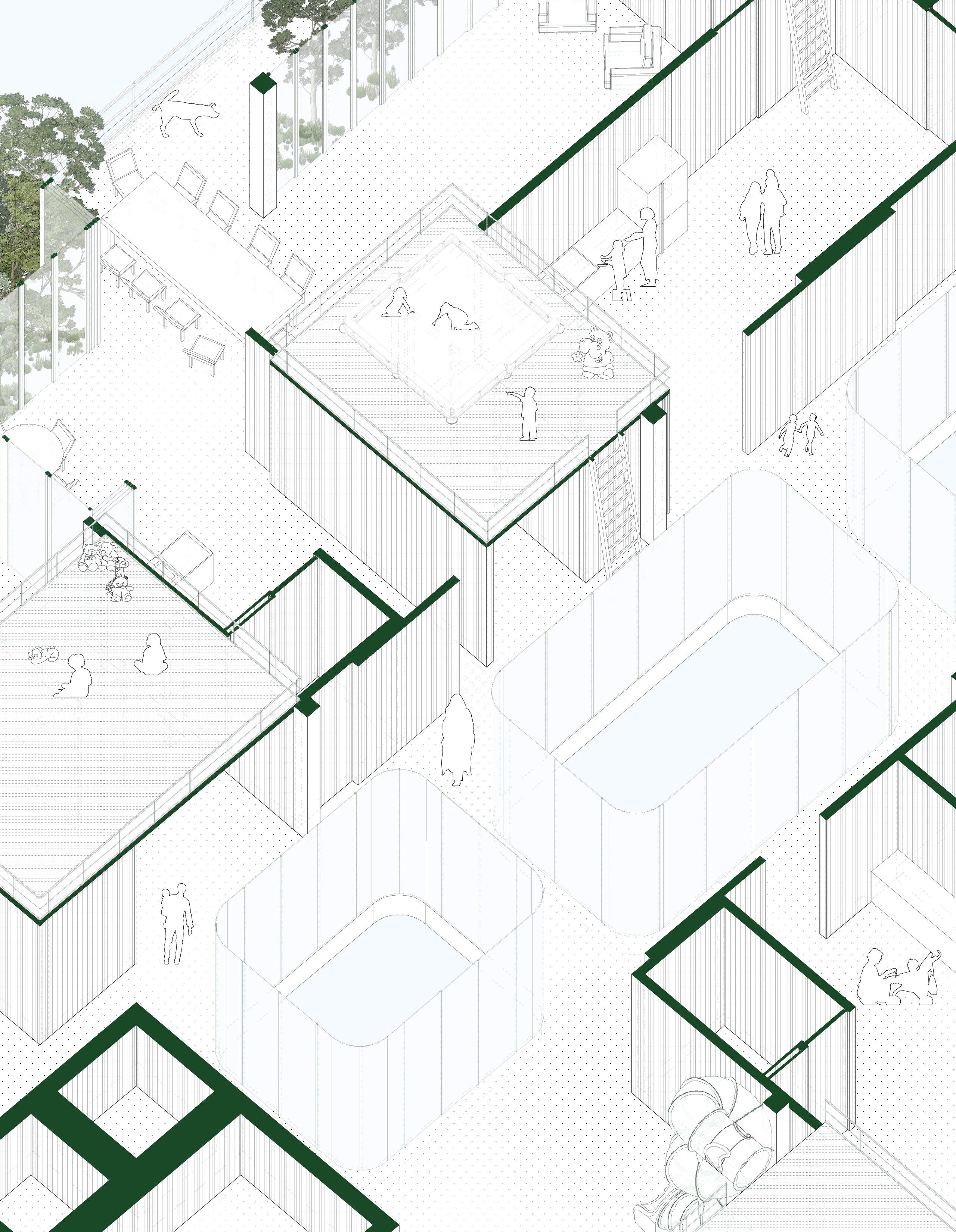
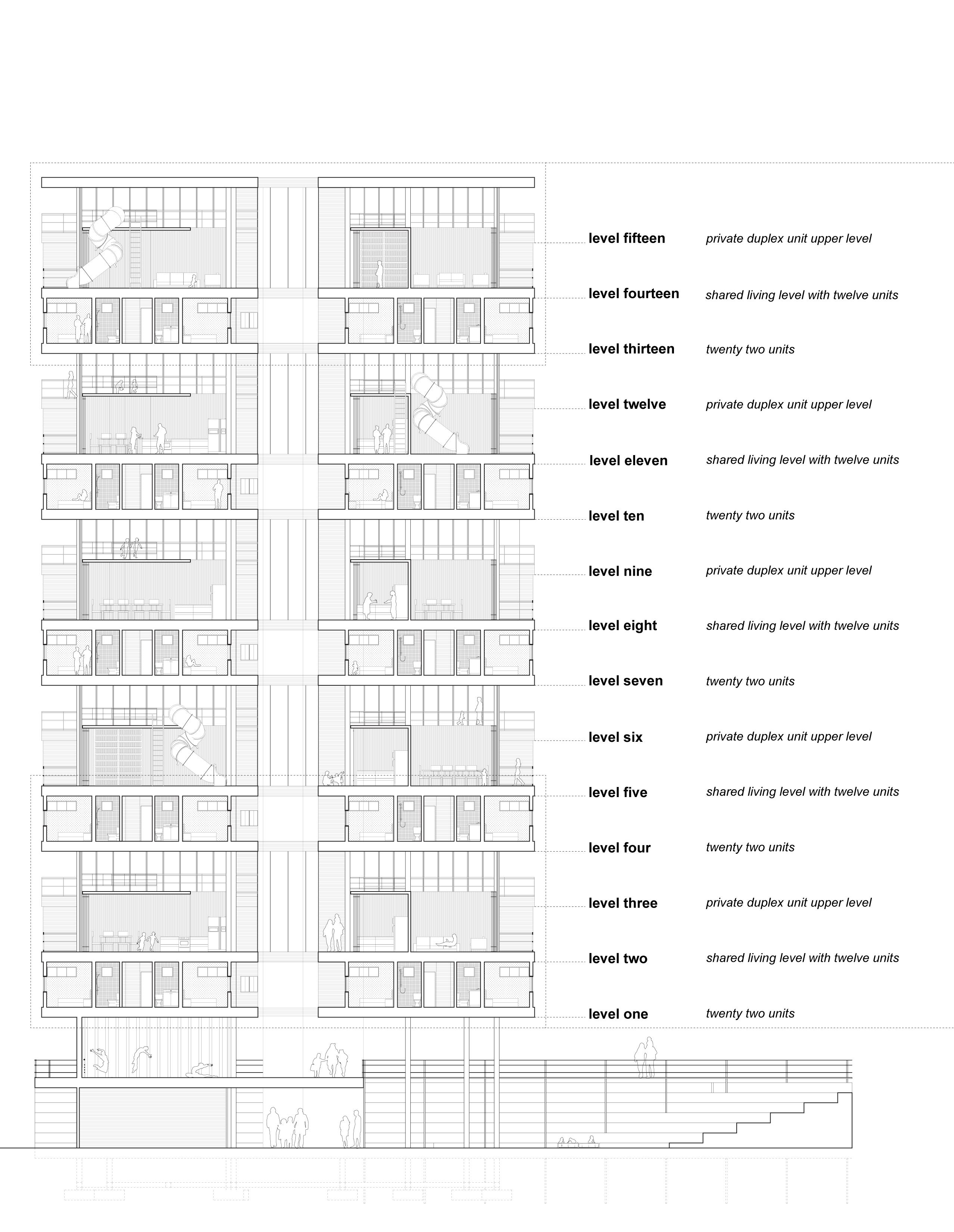
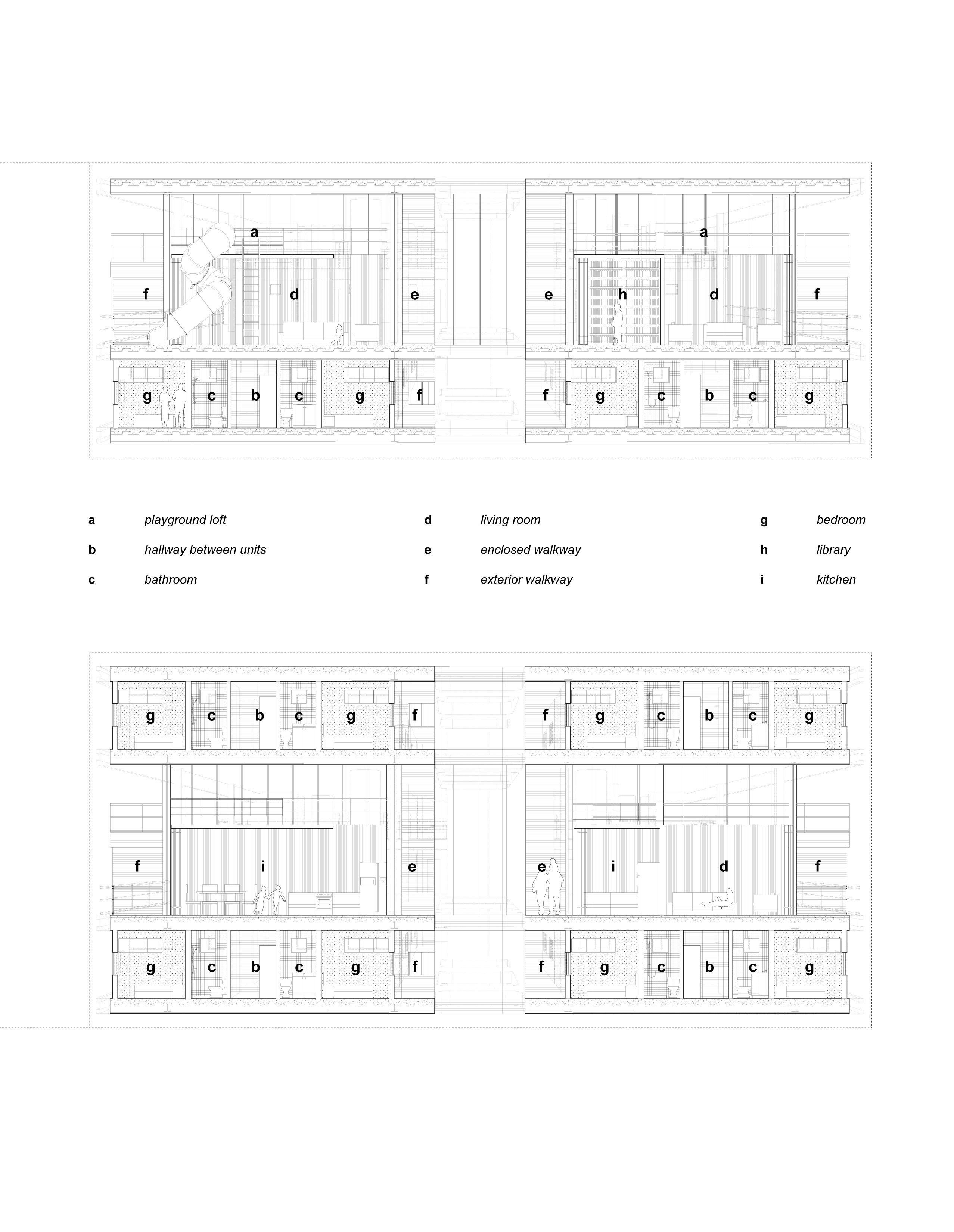
Our building implements moments of void through airways on each of the private unit floors, as well as void regions at the base of the building, intended to be populated by moments of play. There are four semi-enclosed central voids carved out of each floor plate—they function as an air harnessing tool and a light well simultaneously. The designation is floor and enclosure level dependent, as it alternates between shared and private levels. “Garden” becomes moments of shared engagement with the outdoors across generations in our building. Vegetation grows at the base of our building in regions tended to by the residents. The Garden extends to regions of play that span the building—both for children and adults alike. At the site scale the building responds to high intensity wind on the northside during the winter, and an abundance of sun on the southeast side. This informed the initial designs and massings of our building, as we wanted to harness wind in the summer, but provide a hard fixed exterior on the winter wind side.
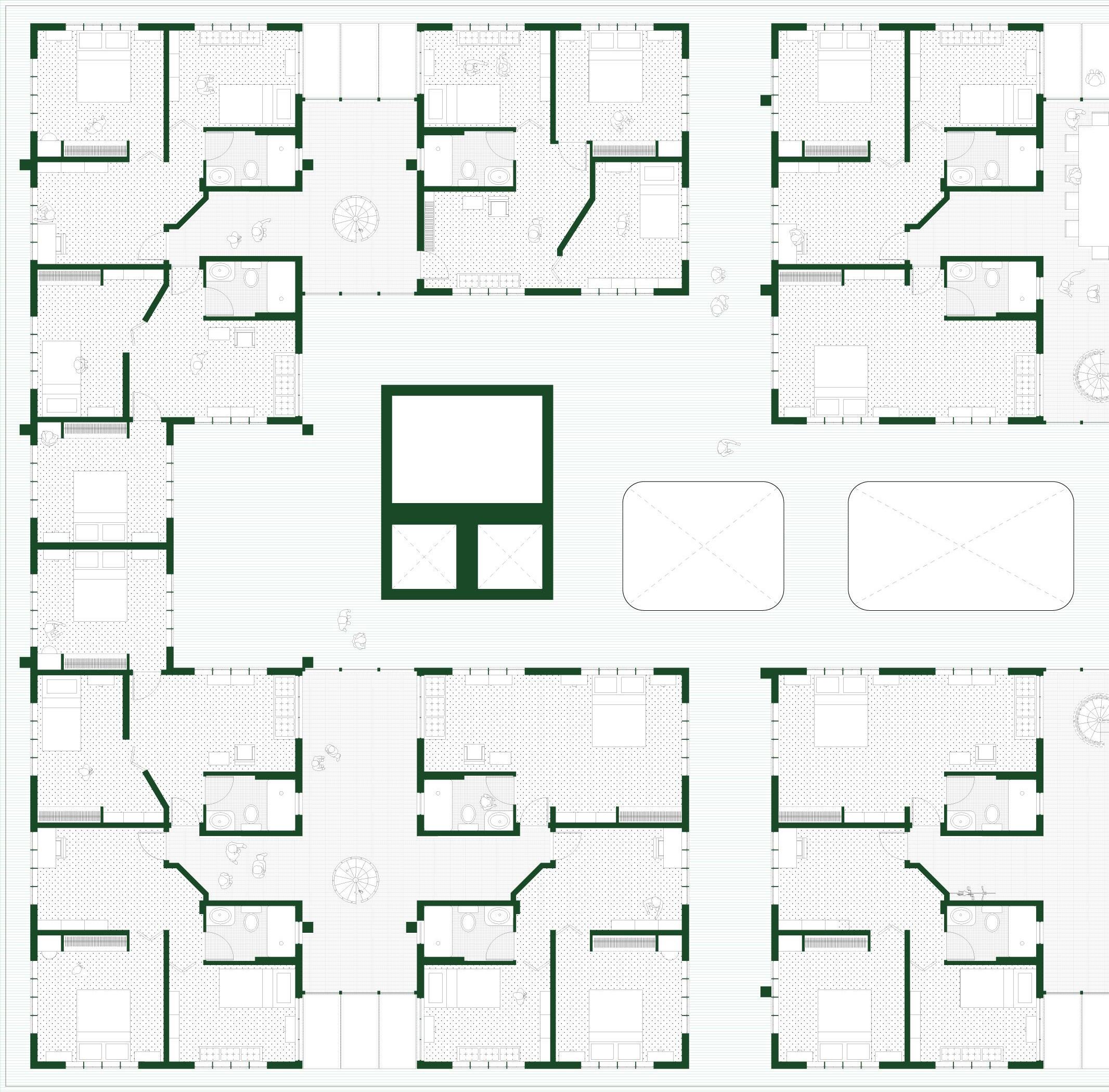
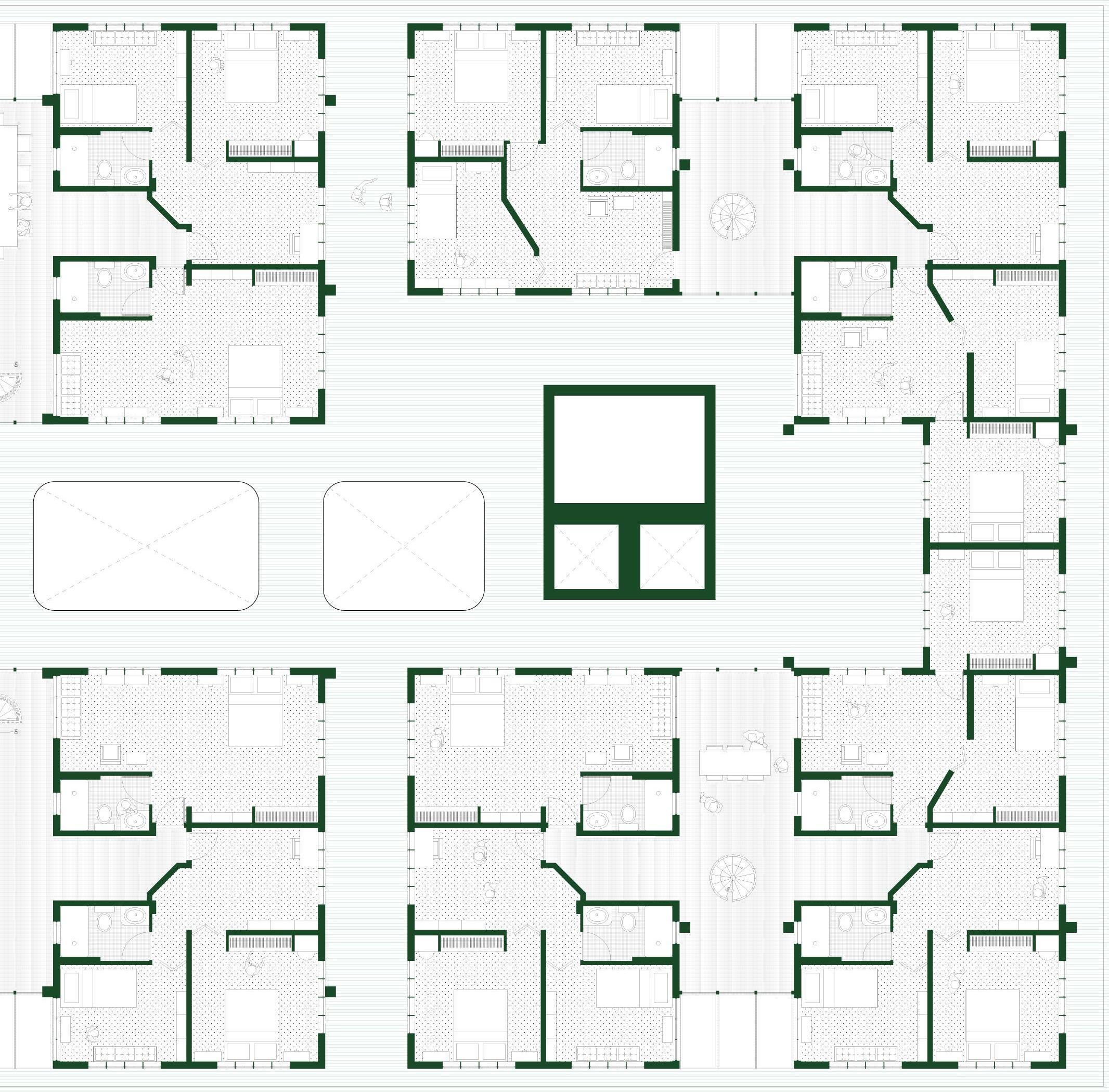
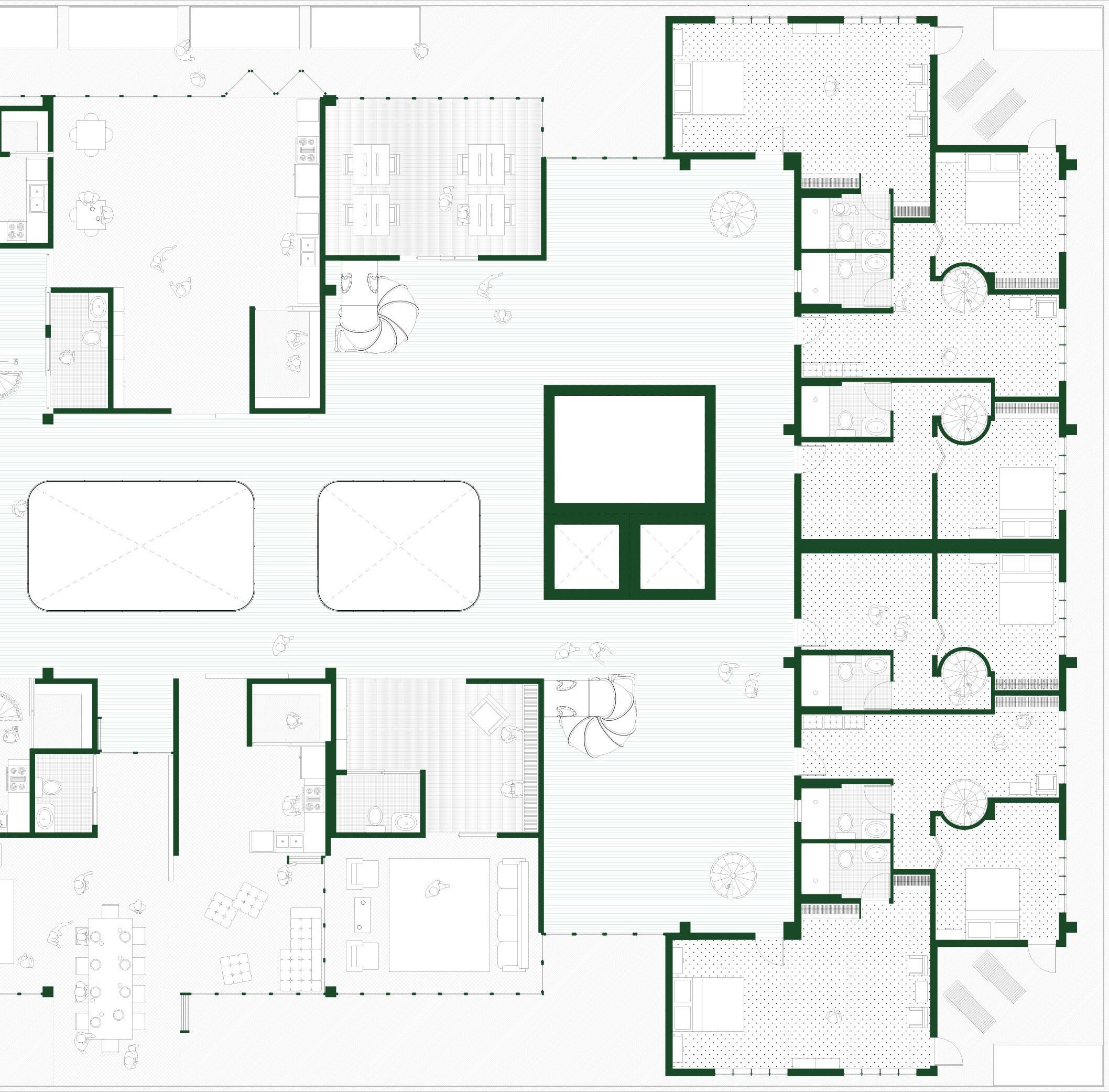
The above plan shows the organization of the “private living floors” that alternate with shared living and kitchen floors. These units are connected with shared vestibules that operate as a pseudo-mudroom and offer another zone for engagement with neighbors. These interstitial vestibules ensure that residents are able to further customize their exposure to neighbors, offering a transition between the public and private, and furthering micro-communities within the entire complex.
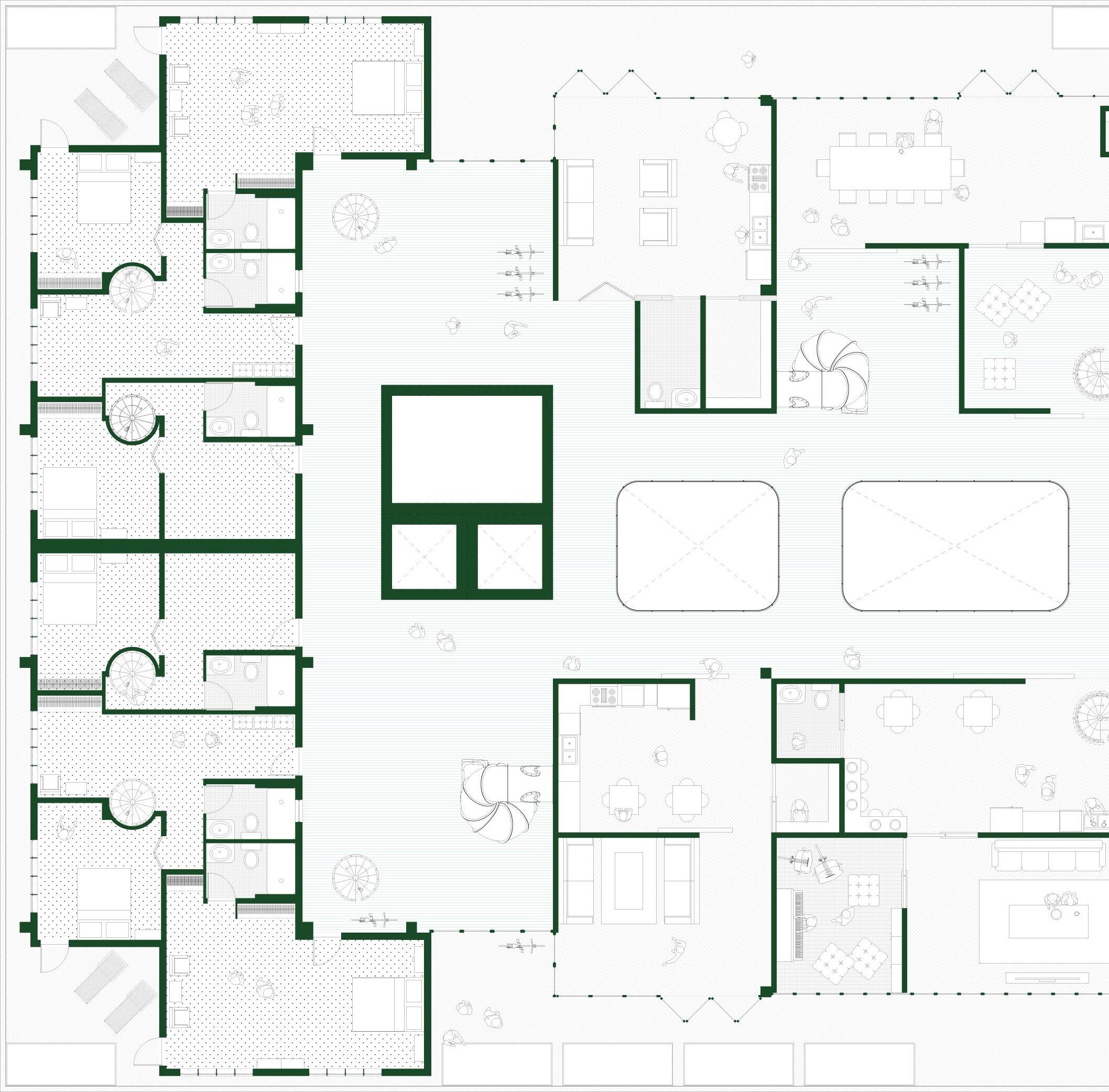
Shared social spaces exist at every other level of the building, and are cradled by a network of suite-like private units. The design offers a spectrum of implied and literal enclosure. The shared living level plan shows the living floor in which ADA accessible bedrooms are posititioned around a feild of engagement. Residents are encouraged to gather between the spaces, while children play under soft supervision.
HARLEM LANE AND THE SACRED AND PROFANE
FALL 2025
Harlem Lane
adaptive reuse at the former location of St. Luke’s Episcopal Church in Washington Heights
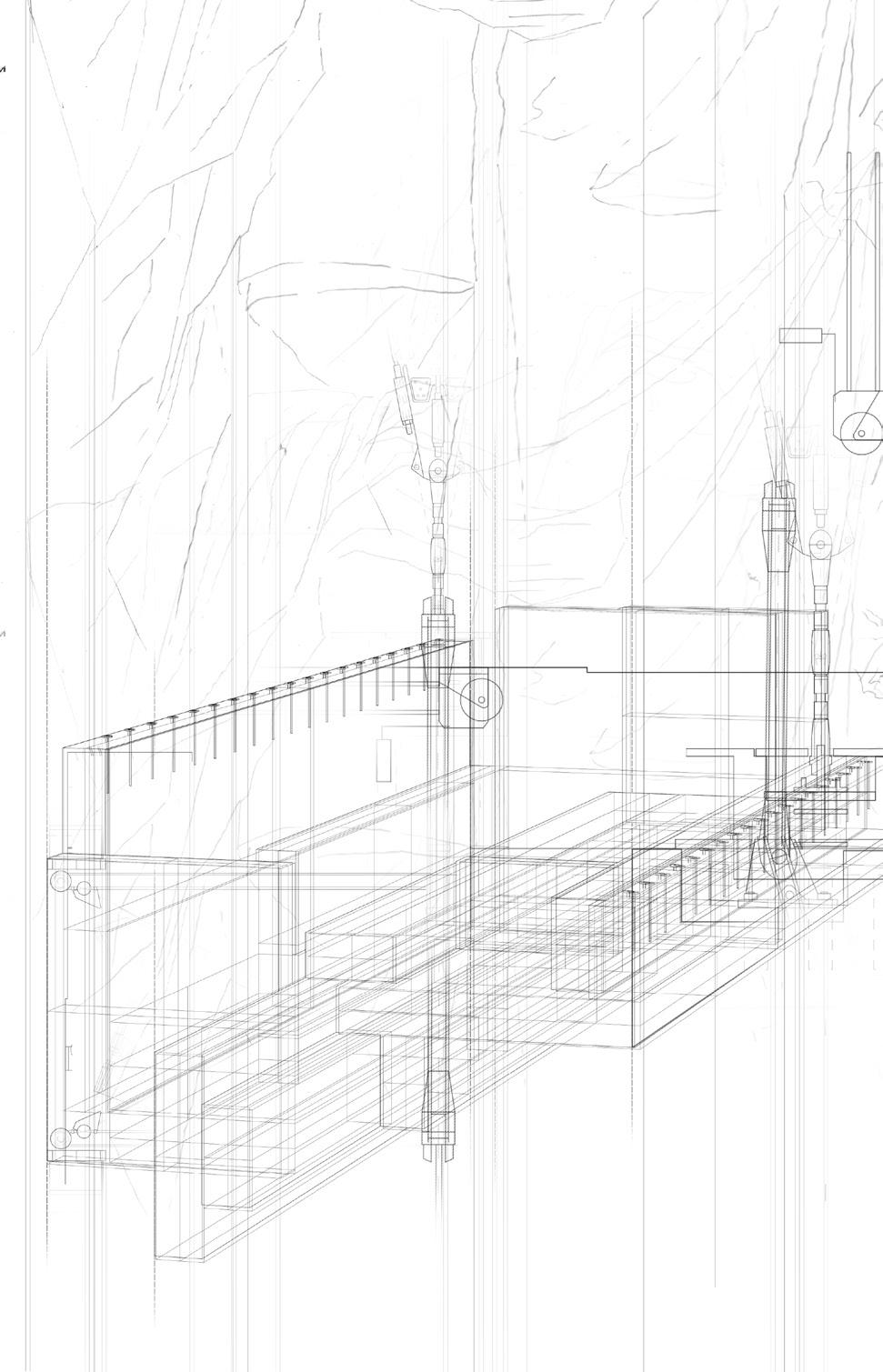
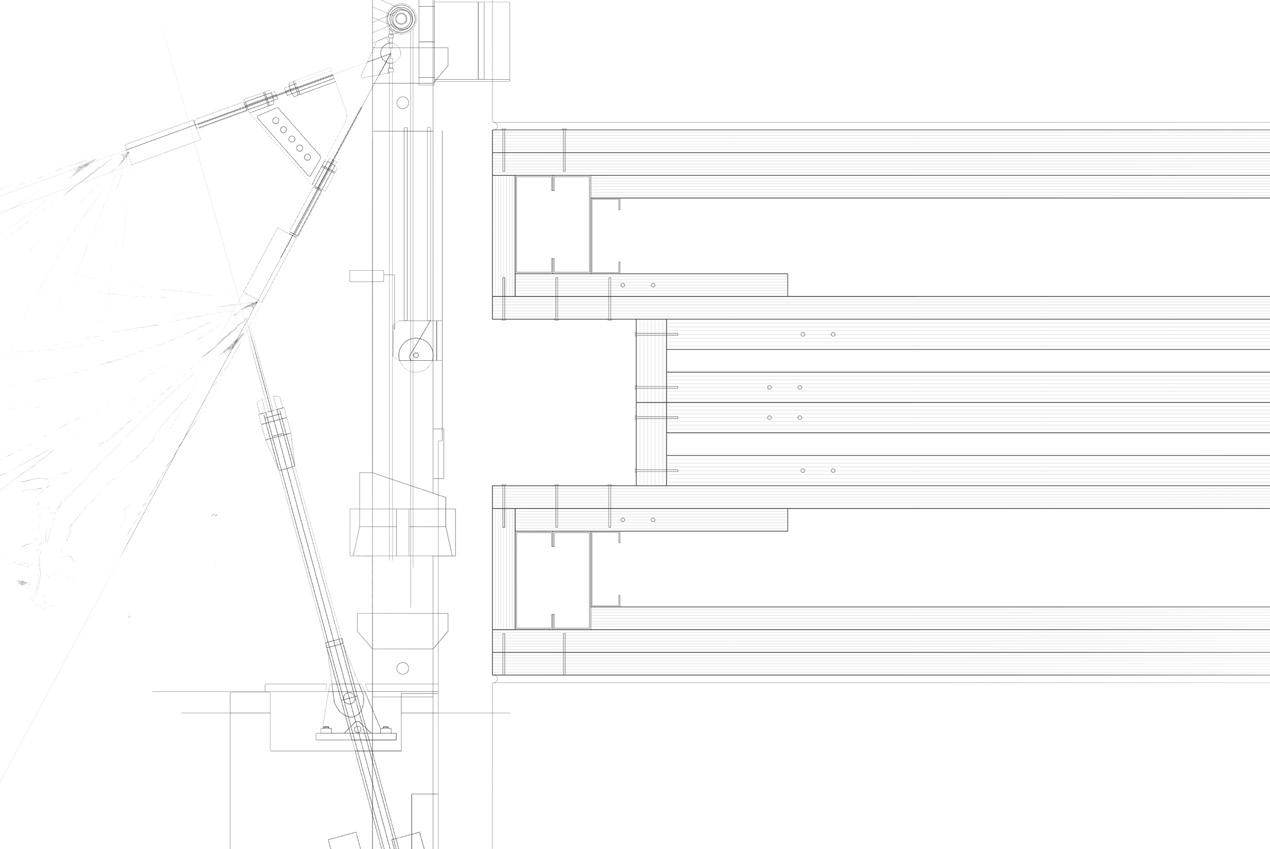
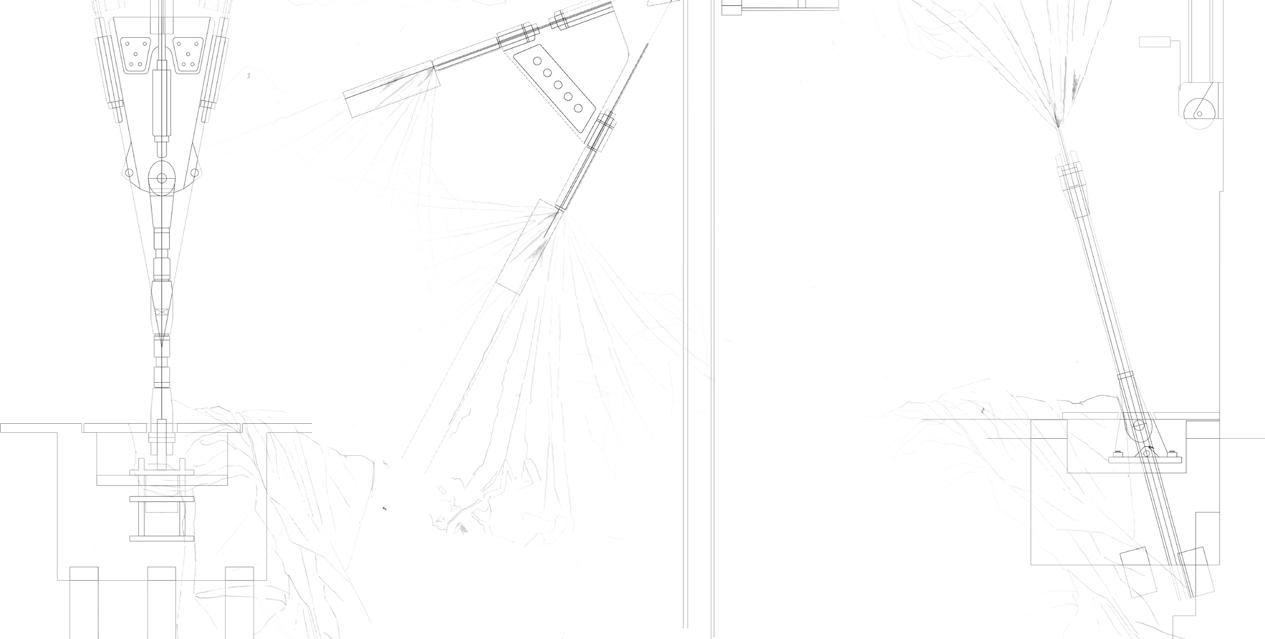
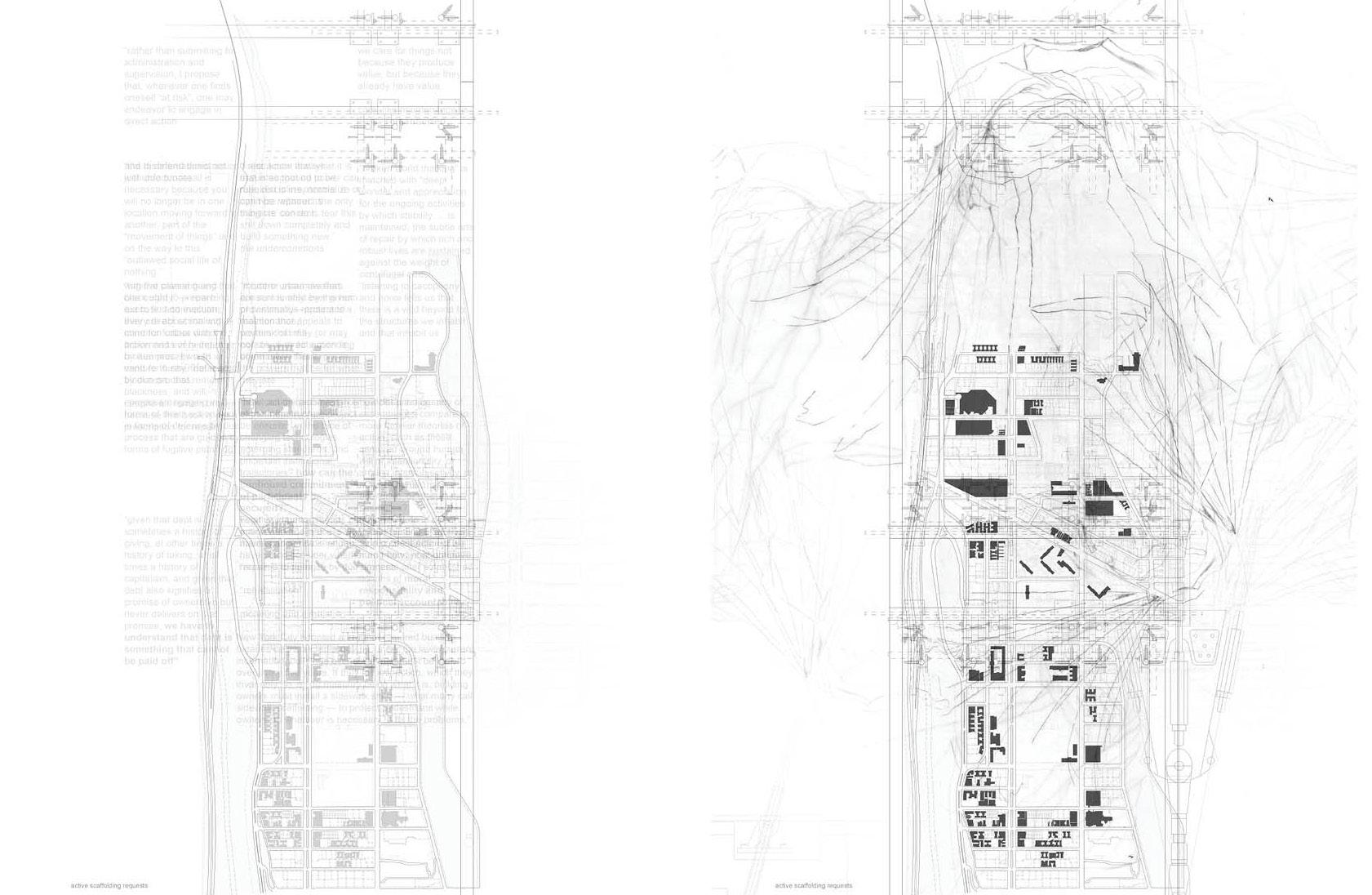
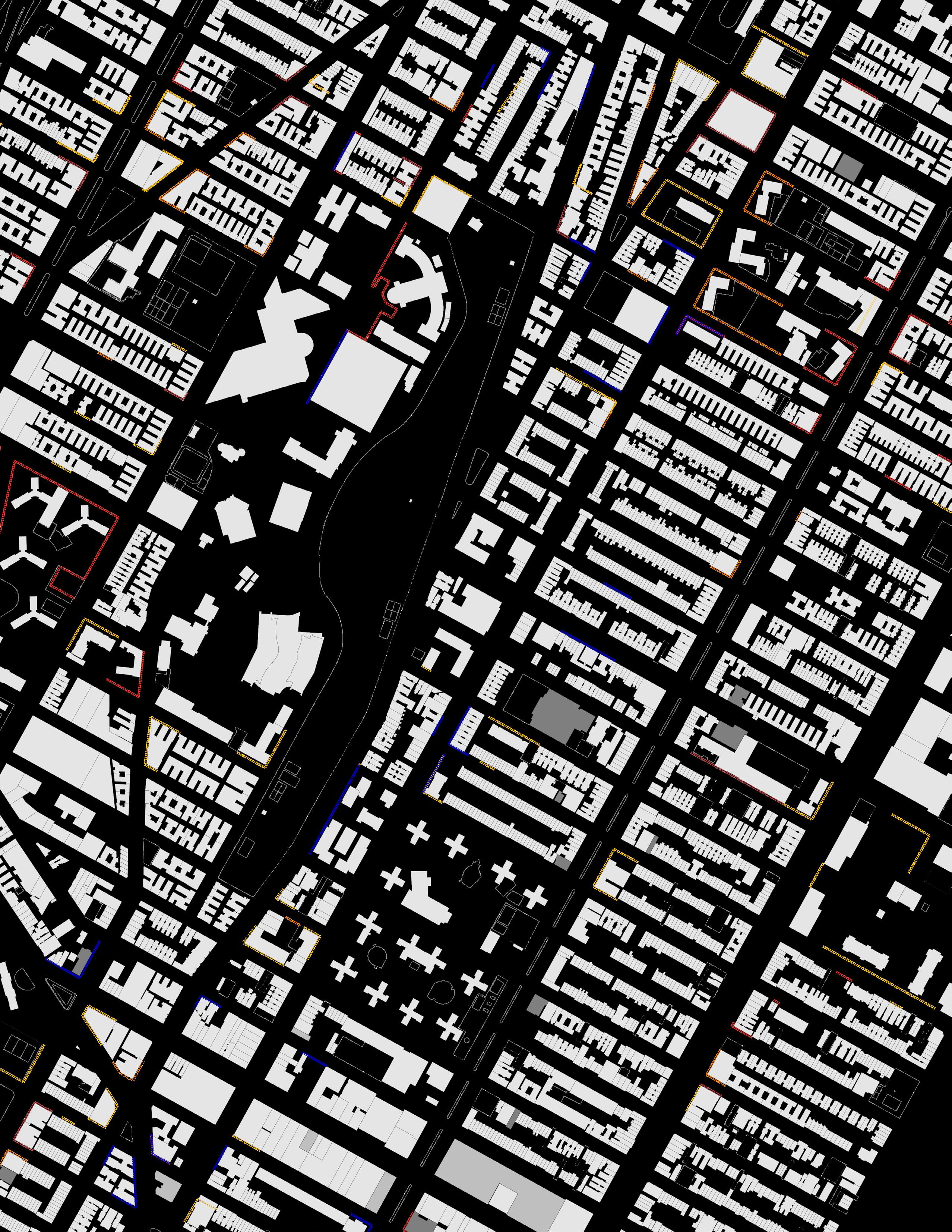
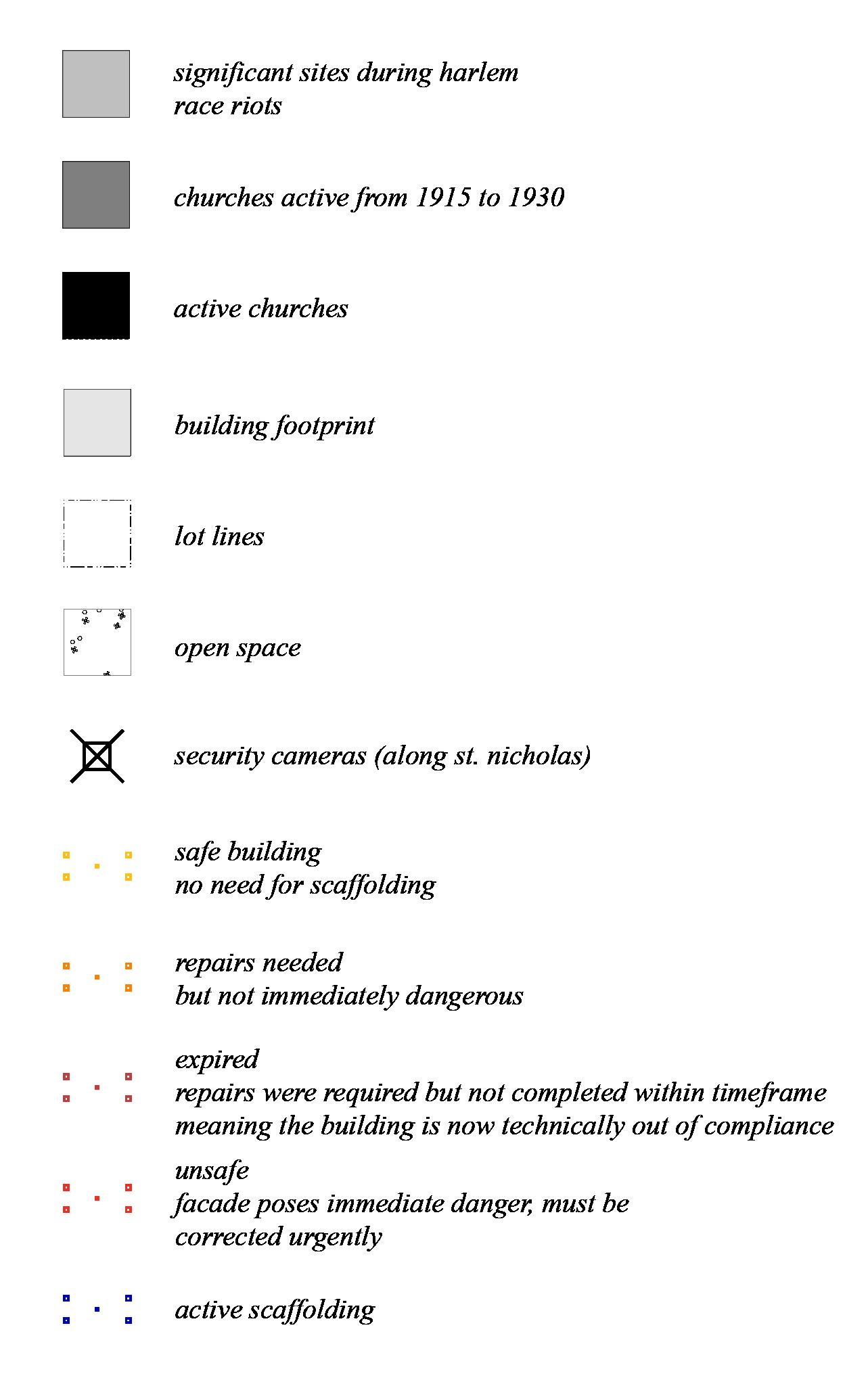
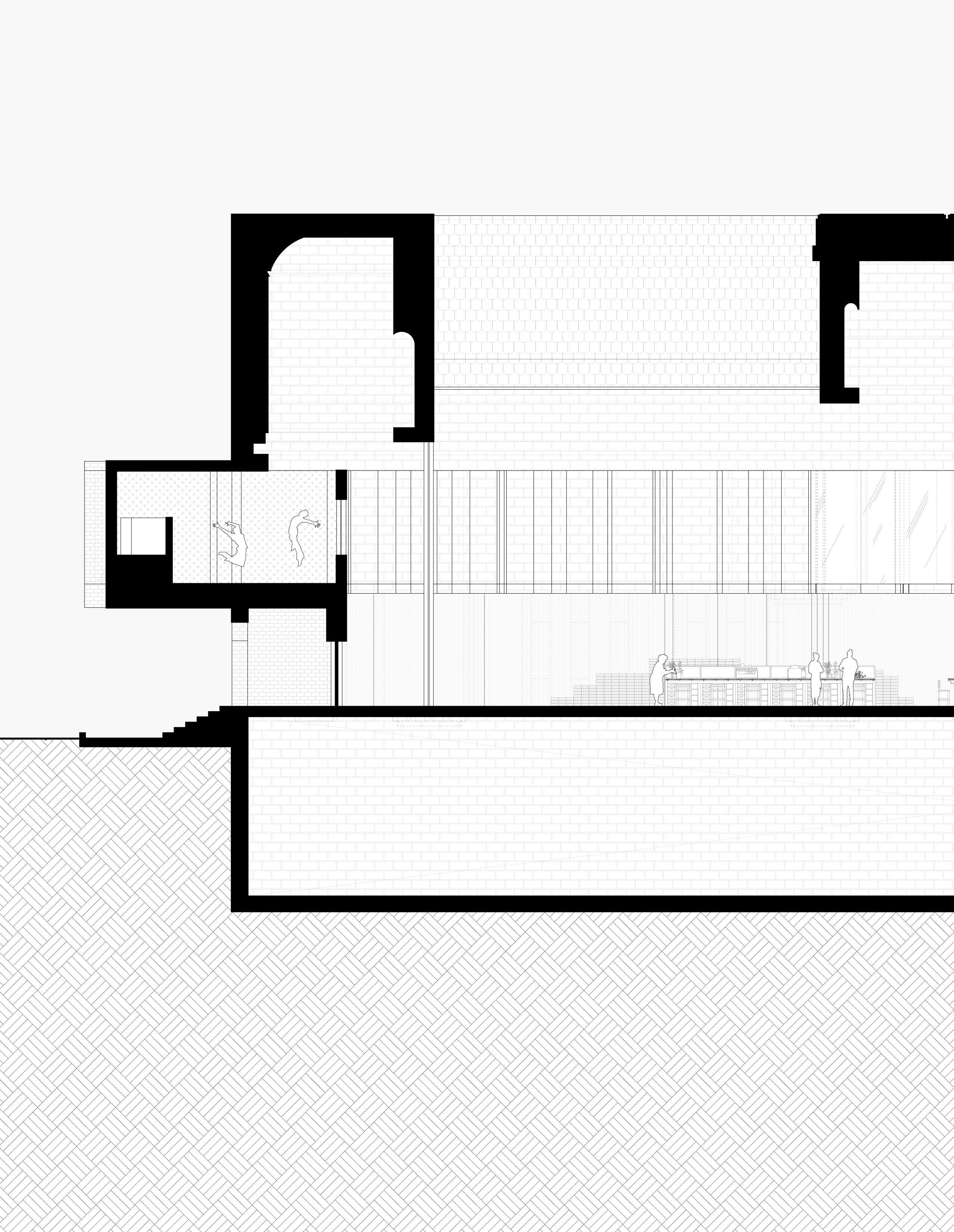
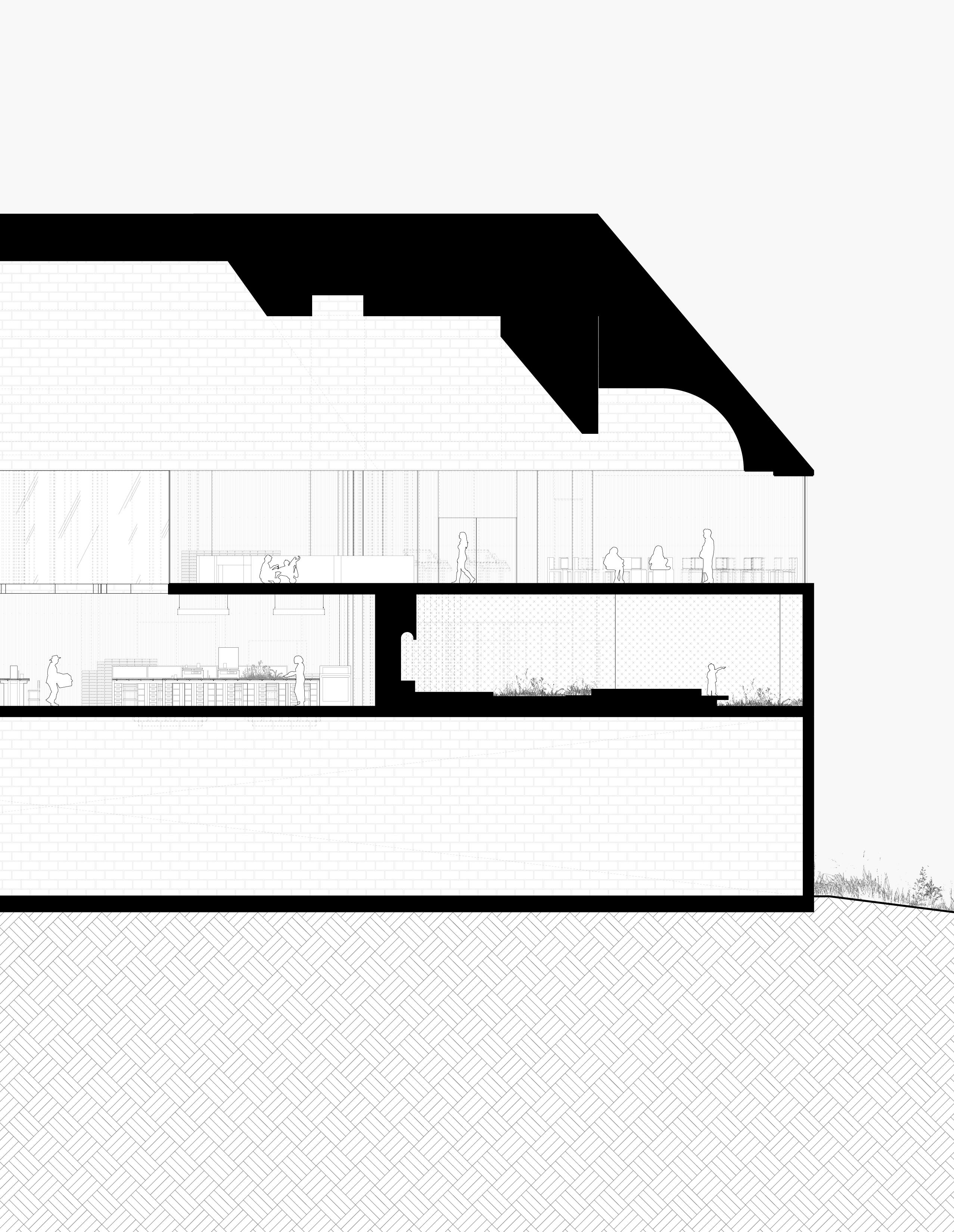
New York’s history of policing lawful dissent, through mitigation of privately owned public spaces, corruption inherent in the scaffolding industry, and the addition of mechanisms of surveillance and silence, in substitution for concrete investments in communities’ futures, demands a reality where rights must be continuously defended. The density of surveillance mechanisms, as identified through larger contextual studies along St. Nicholas Avenue, indicates the discrepancy of the state’s duty to protect and the execution of sanctioned “safety” initiatives. Redlining, zoning, and highway placement spatialize inequality. Formerly redlined neighborhoods have worse health outcomes; this results from the environmental positioning of highways and infrastructures like the North River Wastewater Treatment Facility, emerging through long-term territorial decisions. The heat island effect is slow accumulations of structural environmental conditions not as accidents, but of inheritance. Public health disparities, such as higher asthma hospitalizations, premature deaths from PM2.5, and cancer risks from benzene and formaldehyde set forth the characterization of conjonctures in Harlem. Harlem’s environmental health landscape is not an isolated condition, but rather it is the product of slow environmental structures, evolving socio-political systems, and acute events. This project offers two principle countergravitational forces; the insertion of a double facade, utilizing scaffolding as a structural and theoretical framework, and the inversion of the sacred and profane at the site of St. Luke’s Episcopal Church on 141st and Convent avenue. site of St. Luke’s Episcopal Church on 141st and Convent avenue. The double facade intends to disrupt the status quo of civilian movement through scaffolding structures, both critiquing them as a corrupt financial mechanism, and as a physical symbol of social and political neglect. Double facade modules will refer to permanent and materialized civic dwellings, whose materiality and intentionality preserves civic liberties. Interstitial spaces, that encompass what is identified as the ultrasonic semitones of Harlem Lane, demarcate the potential for an archive of civic resistance, where assemblage persists despite attempts to codify and manipulate. Resistance is materialized in the construction of double-facade modules offering permanent occupations of the public domain in pursuit of “a once and future Harlem Lane.”
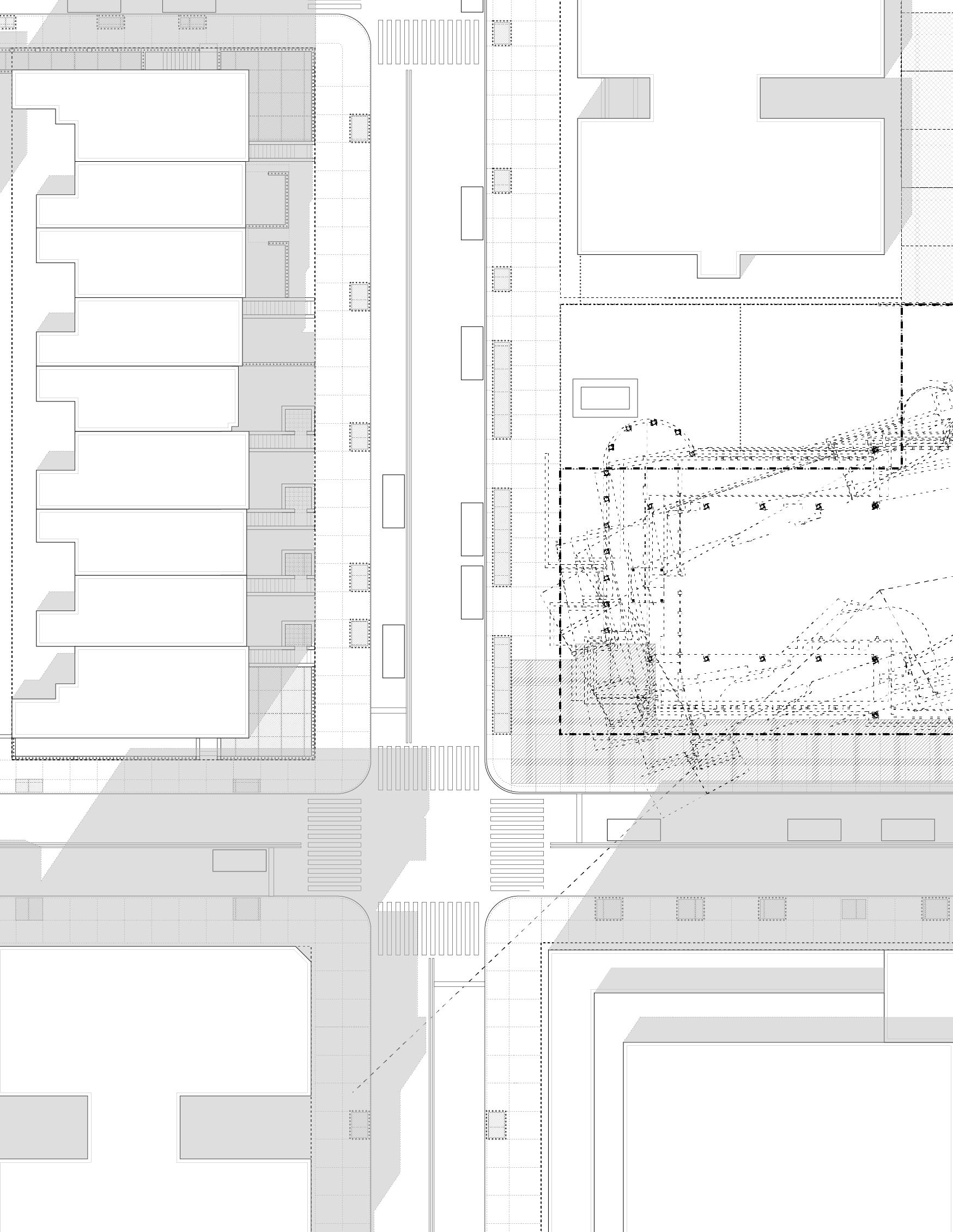
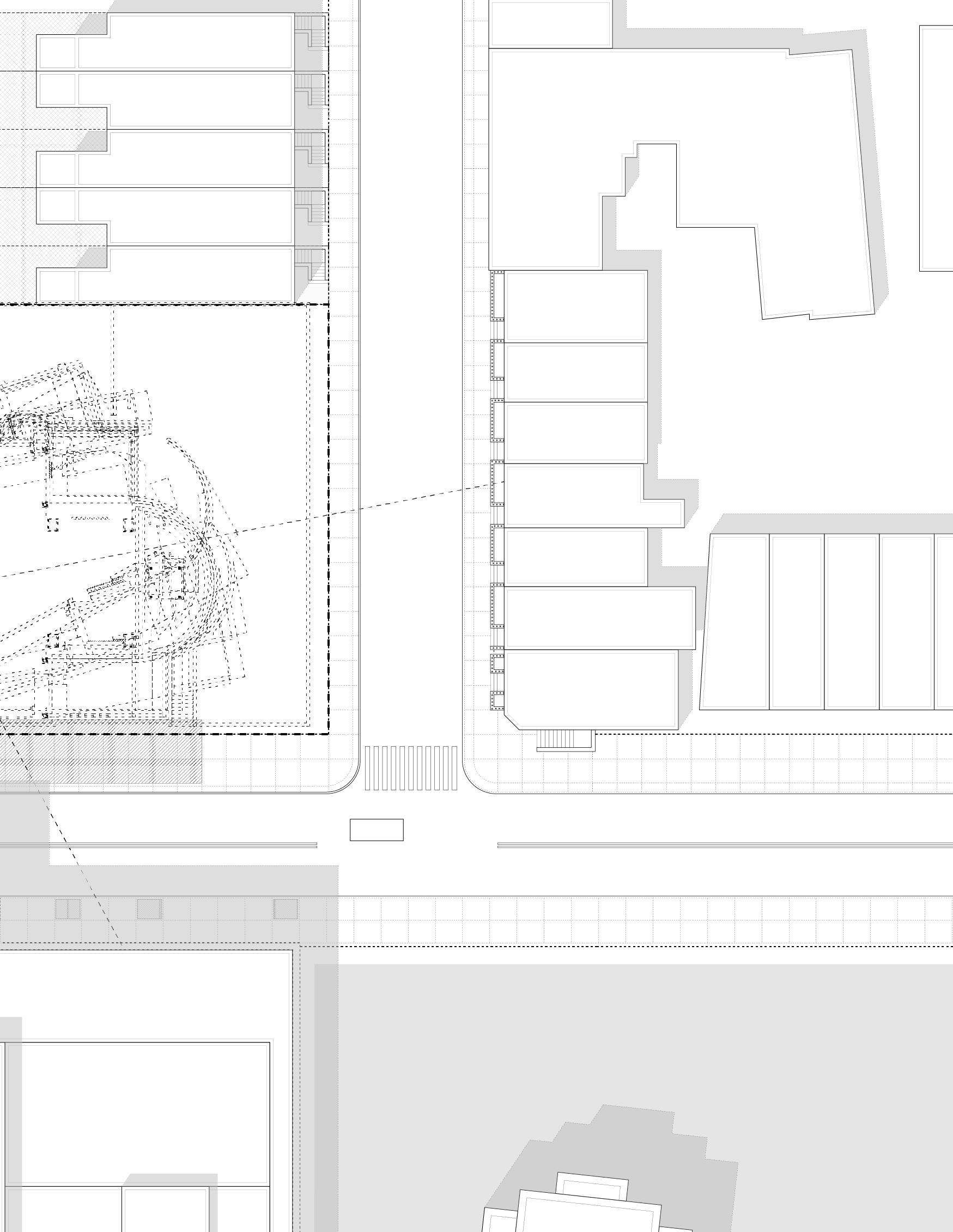
Interstitial spaces, that encompass what is identified as the ultrasonic semitones of Harlem Lane, demarcate the potential for an archive of civic resistance, where assemblage persists despite attempts to codify and manipulate. Resistance is materialized in the construction of double-facade modules offering permanent occupations of the public domain in pursuit of “a once and future Harlem Lane.” Double facade modules refer to permanent and materialized dwellings.
St. Luke’s Episcopal Church on Convent Avenue and 141st Street was constructed in 1892 as a consequence of institutional movement and displacement; the congregation’s original Hudson Street chapel was sold under pressure from Trinity Church’s proposed expansion downtown, prompting St. Luke’s to relocate “far enough north to be sure of peace for at least a good long term of years.” Early services were held at the 1802 Hamilton House. The present church served a rapidly growing early twentieth-century congregation amounting to 3,500 congregants by 1915. St. Luke’s Episcopal Church cultivated a long-standing commitment to educational outreach. Its clergy were active in struggles against discriminatory business practices in the 1930s, then its parish founded a federal credit union in 1937, and through the leadership of Reverend David Johnson and Reverend Johan Johnson, its legacy extended to St. Luke’s Saturday School and the eventual founding of Harlem Academy in 2004.
Demographic and economic pressures led remaining members to cease worship at the Convent Avenue building and merge with St. Martin’s on Lenox Avenue. St. Luke’s now sits vacant on 15,550 SF lot with significant unused air rights (approximately 50,905 under R6A zoning).
The criminalization of magico-religious workers through the Division of Illegal Medicine, the Medical Society of the County of New York, and the Webb–Loomis Act, which eliminated roughly 1,000 practitioners deemed “illegal,” impaired the ability to materialize the rational logic behind traditional and alternative medicinal strategies. New York City ensured that capitalist monopolies would continue their inhumane sovereignty over Harlem through fracturing an existing ecosystem of care and agency. This is not unlike strategic disruption of neighborhood continuity at the hands of redlining, redistricting, and the dismantling of civilian-led initiatives.
These spiritual practitioners relied on traditional medicinal and healing practices inherited from their respective birthplaces and ancestral homelands, more specifically the Caribbean Islands, the West Indies, the American South, and African countries. Practitioners were categorized under either the title of independent worker or cultic worker; the former operated as an individual professional in private settings, while the latter affiliated with religious or spiritual groups and existed in the public realm. Magico-religious practitioners operated as a critical institution in Harlem, an operation that faced a campaign of erasure due to the state’s desire to prioritize capital and supremacy over collective agency. Government policies dictate whether alternative infrastructures of ownership are financially and politically protected or stripped of legitimacy and subject to state violence.
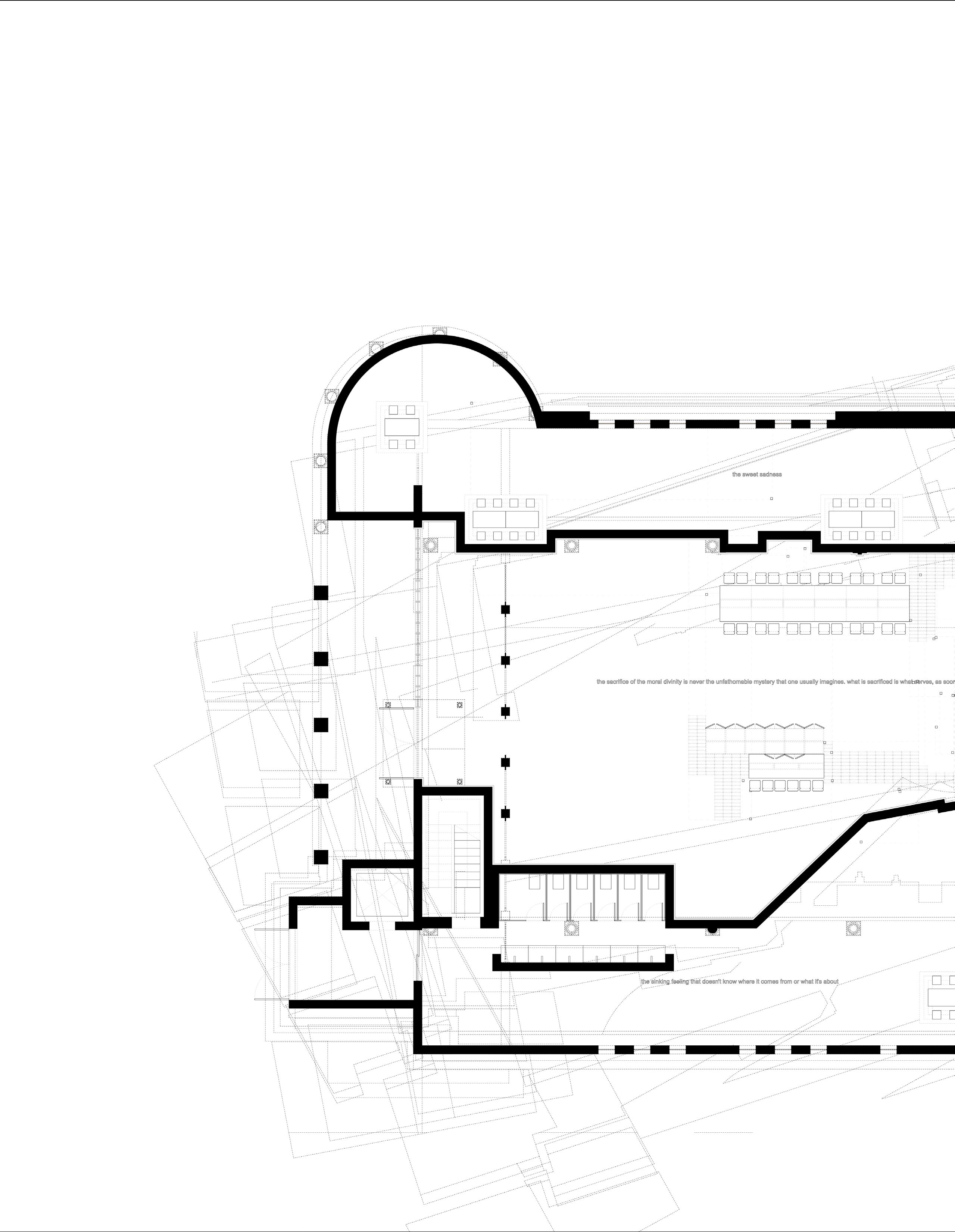
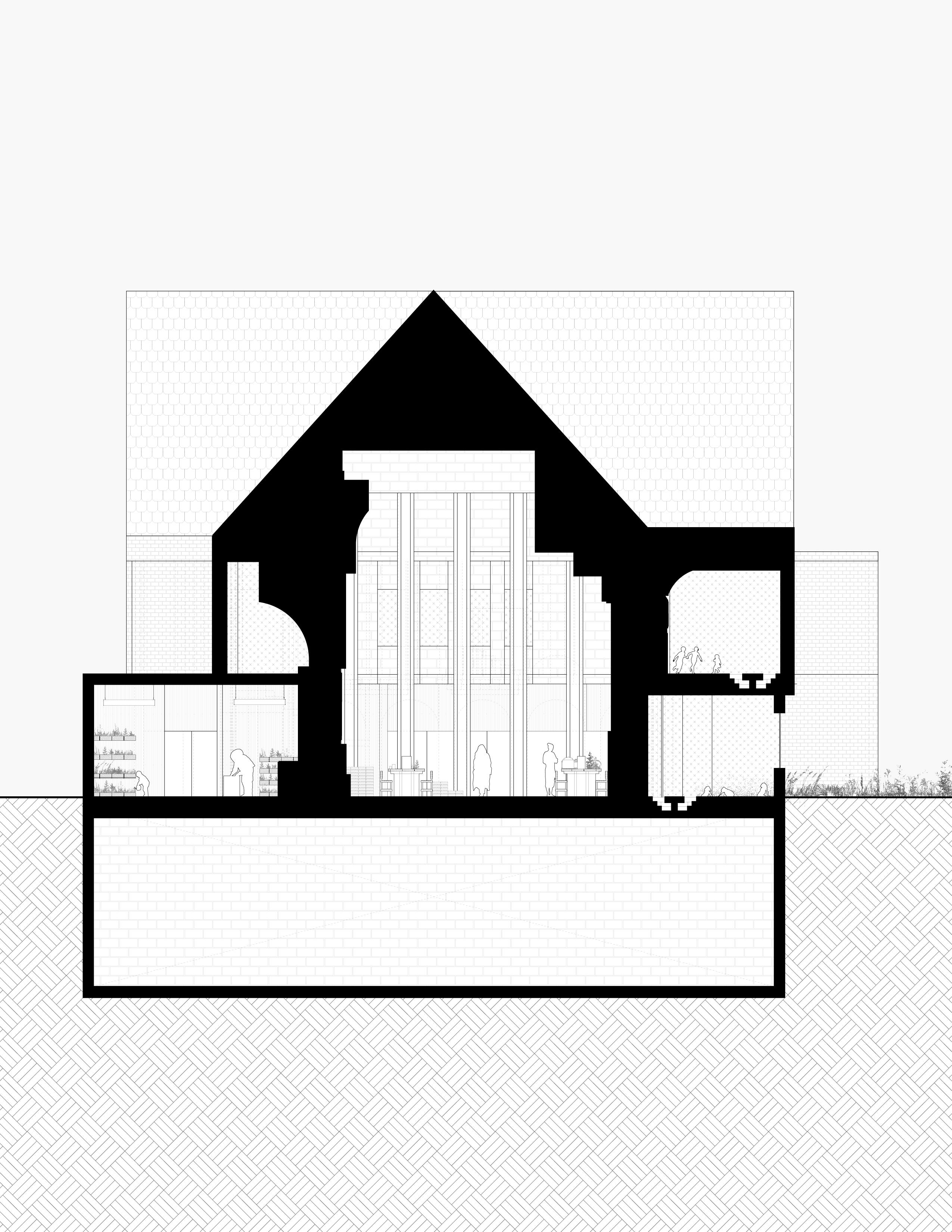
At St. Luke’s Episcopal Church, the inversion of the sacred and profane, resists the commodification of religious architecture and the extractive logic of pharmaceutical capitalism. The previous material elements of the sacred and exterior of St. Luke’s Episcopal Church, reintegrates into the central profane, offering itself to structurally support a new material language of technology, hard edges, and highly specialized equipment intended to facilitate alternative medicinal practices. The church’s exterior and interior, now inverted through the desacralization of traditionally sacred spatial and physical elements, operate respectively as public gathering spaces intended to reinsert the human into the greater ecosystem, and “plant-etary” medicinal laboratories and gardens intended to insert care, healing, and future-oriented plant knowledge and examination as counter-gravitational forces against abandonment and market-driven repurposing.
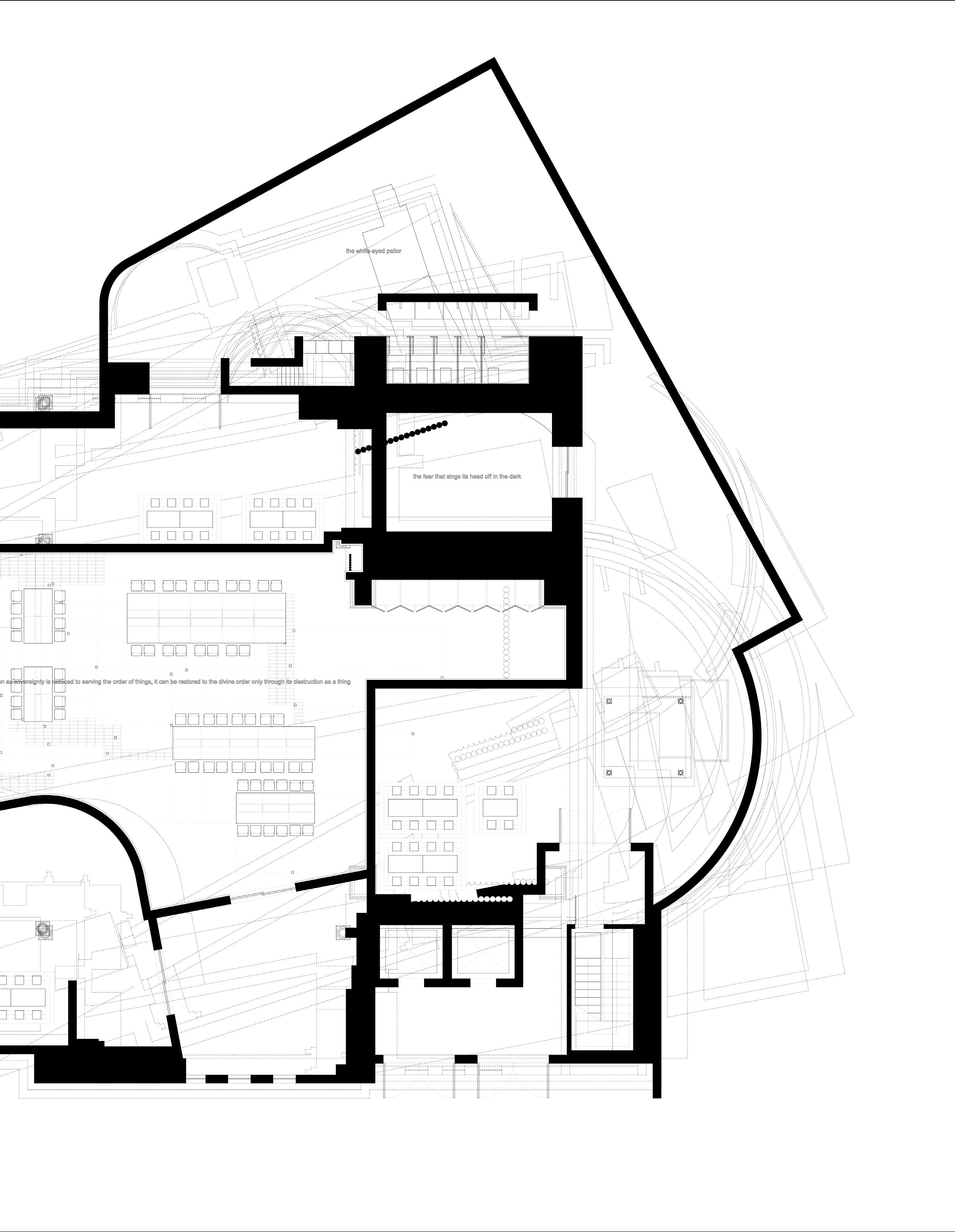
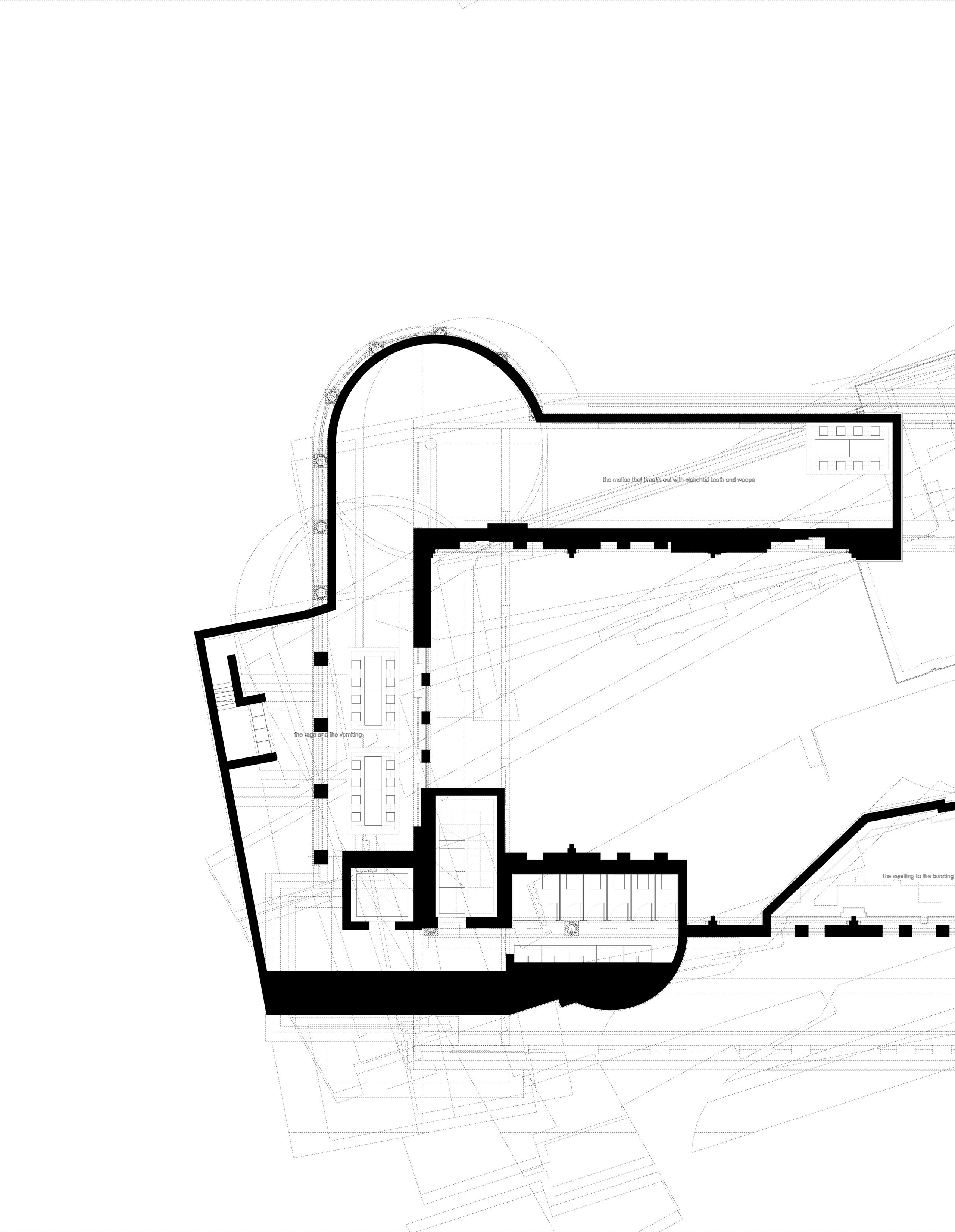
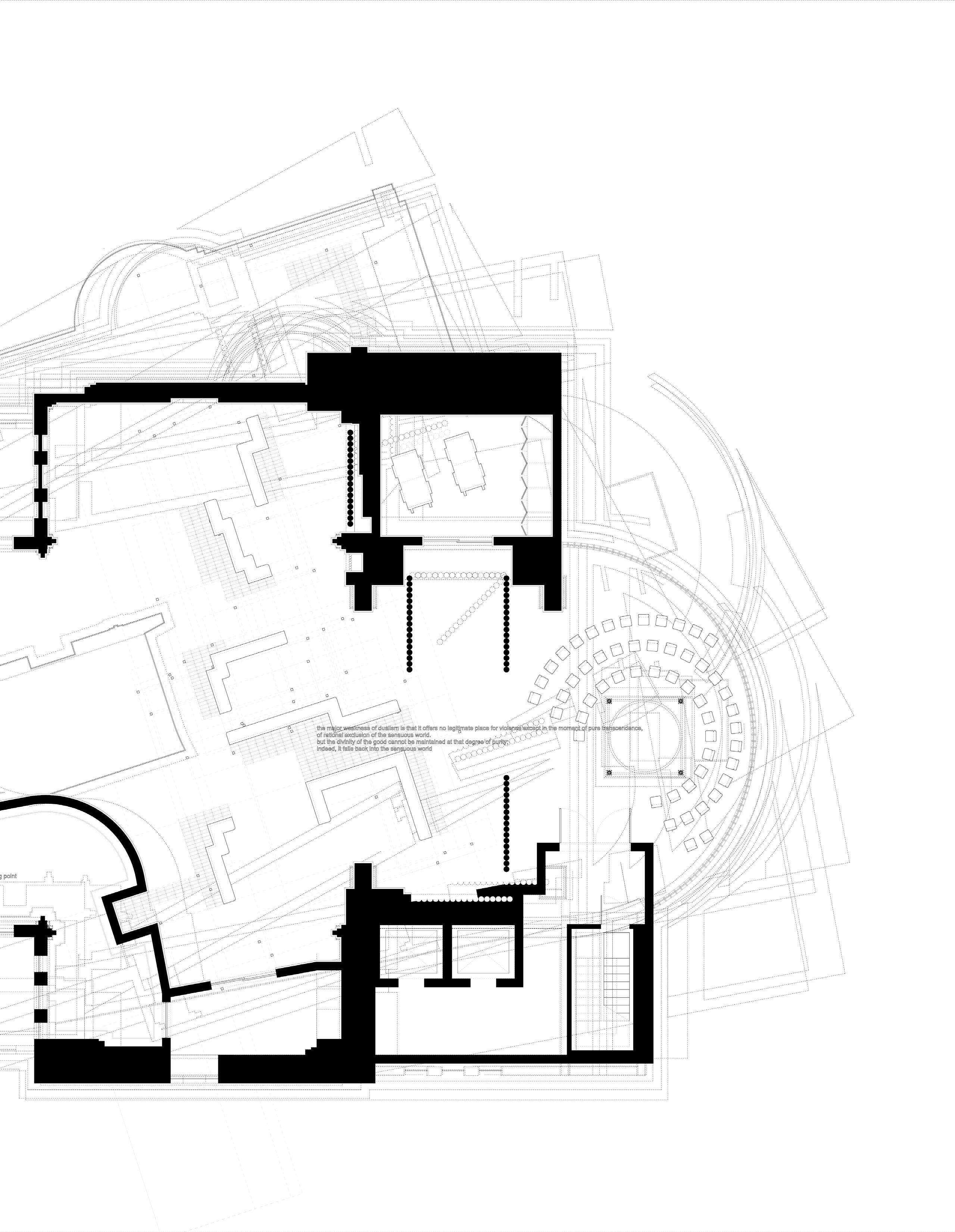
The profane space is composed of highly specialized pharmaceutical technology; enabling an infrastructure for traditional, complementary, and alternative medicine. The previous material elements of the sacred and exterior of St. Luke’s Episcopal Church, reintegrates into the central profane, offering itself to structurally support a new material language of technology, hard edges, and highly specialized equipment intended to facilitate alternative medicinal practices. This laboratory, a hyper technological and sophisticated “magical-parlor”, materializes resistance against capitalism and monopoly.
RUINS AND RUINATION
SPRING 2025
Contested Territories
an alternative “factory” responding to the internalized colonization of the rural at the hands of the urban
This project originates from two arguments intertwined with the violent and extractive project of state occupation through water infrastructure at the Ashokan Reservoir. The first argument insists that the Board of Water Supply, later absolved by the New York City Department of Environmental Protection, conceptualized a false environment upheld by manufacturing, laboratories, and engineered operations under the guise of deliverance rather than extraction.
The second argument identifies the submerged violence of imposed infrastructure. The New York City Department of Preservation sacrifices legitimate “preservation” initiatives in favor of the construction of an empire of water infrastructure. The neglect for genuine ecosystem preservation is emphasized in the dangerous, exploitative, and fatal labor conditions at the hands of the government throughout the Ashokan Reservoir’s lifespan.
The identification of manufactured landscapes and submerged violences throughout this research project determines the framework for the intervention. The architecture of internal colonization and withdrawal is confronted with a manufacturing facility that encourages relationships with infrastructure detached from occupying influences.
New York City operates as a variation of internal colonization in its capacity as a legislative force in the Catskills/Delaware Watershed. The Department of Environmental Protection has cultivated a false perception of the rural landscape that composes the seized land used to construct the Ashokan Reservoir.
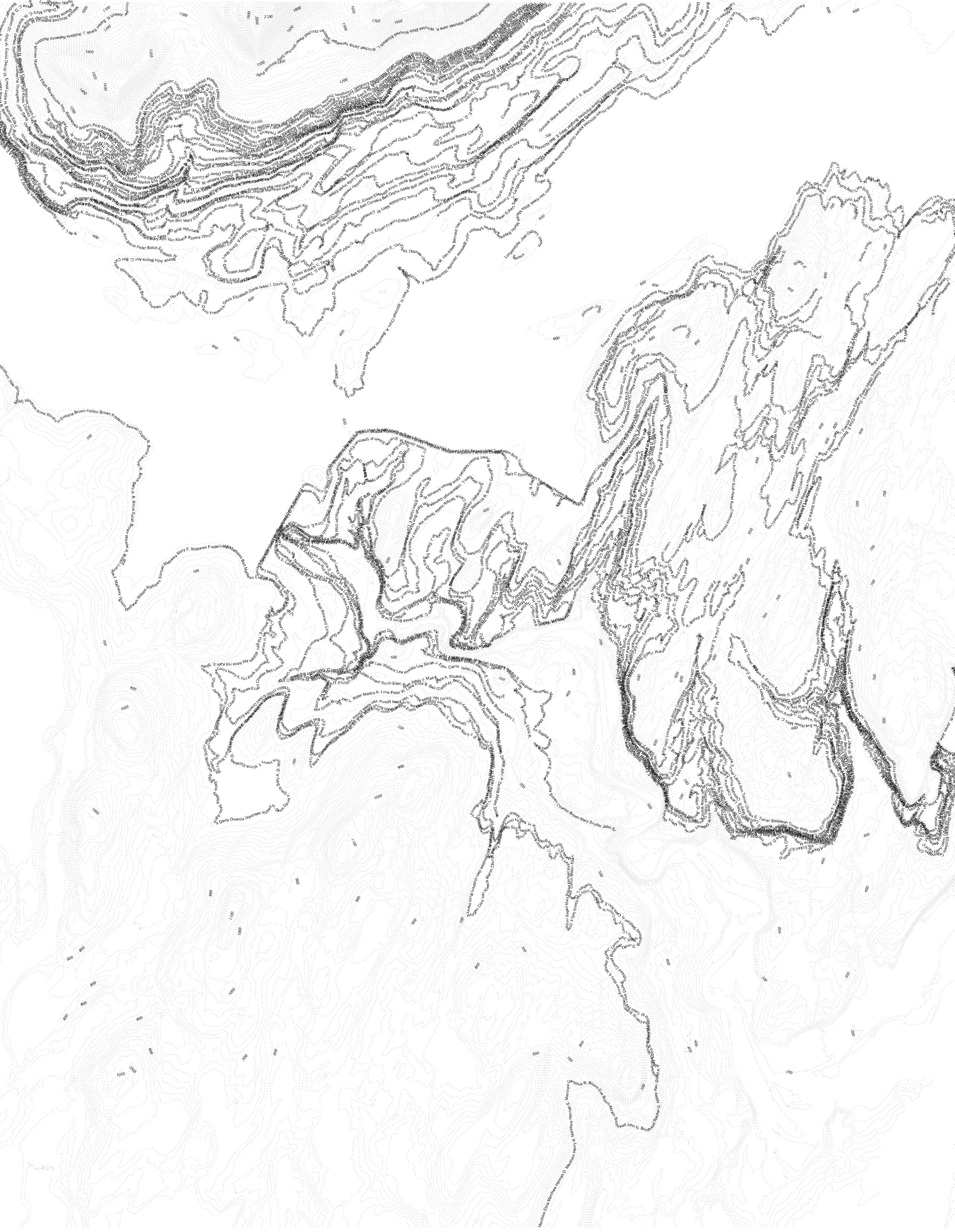
The DEP’s policies systematically remove local agency by prioritizing land acquisition and regulation over community-based environmental management. The increased presence of environmental police, stringent oversight of construction, and expansion of city-owned land all function as mechanisms of control, reinforcing a colonial dynamic between urban policymakers and rural communities. Assemblages and critical cartographies examine the methods of surveillance and policing of the Ashokan Reservoir and surrounding ecologies, the methods of silent violence that contributed to the conception of an artificial landscape, and the various interrelationships between legislative bodies such as the NYCDEP and the NYSDEC.

submerged violence assemblage
manufactured lanscape assemblage

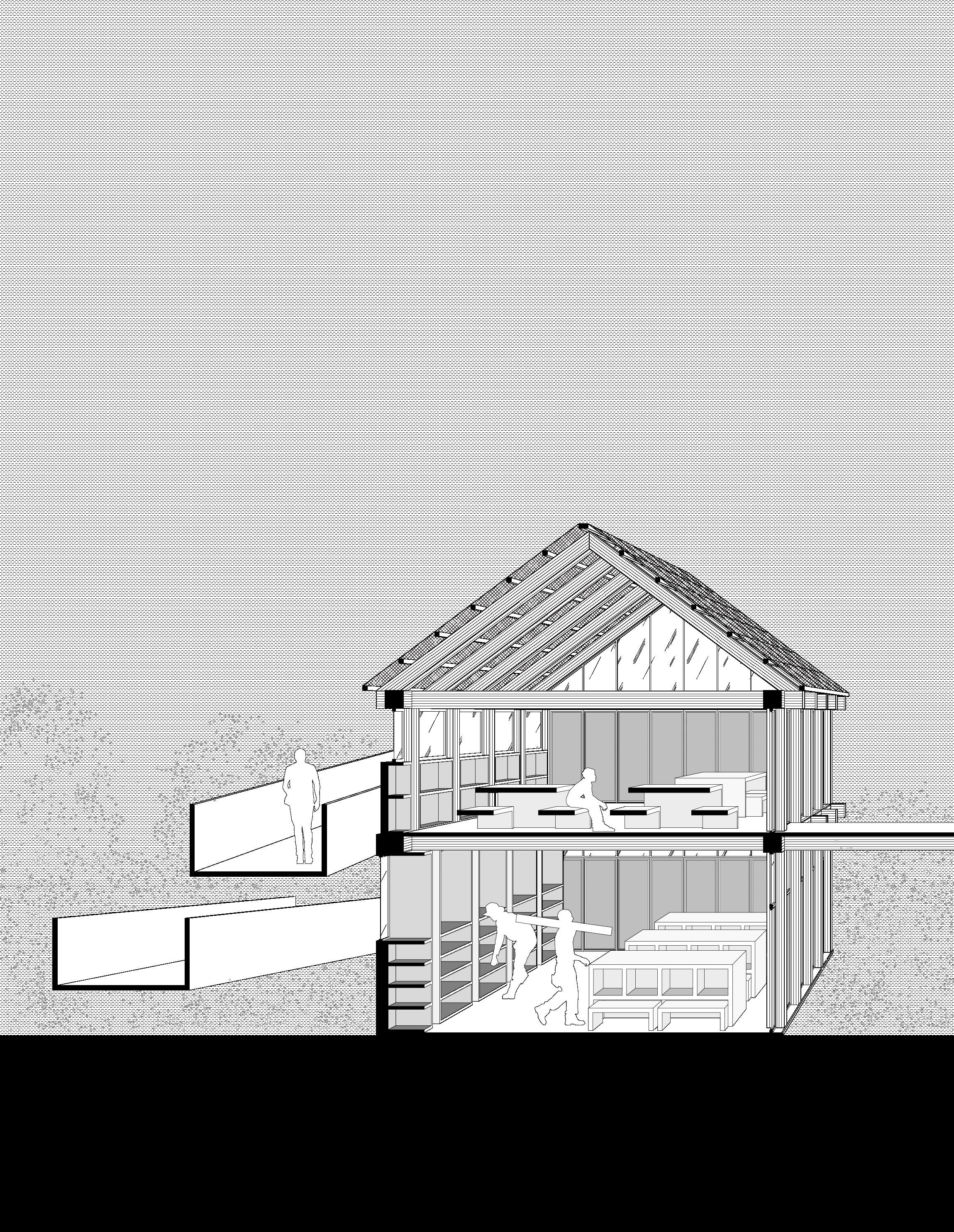
The project operates as a response to the enduring apparatus of internal colonization in its capacity to produce a reciprocal local economy. The project is divided into three spaces intended for manufacturing practice; weaving and textiles, timber construction and refinement, and ceramics and masonry production. Manufactured products originating from raw matter from the existing landscape are unlocked through collective labor. Through tending to the land, whether it be through ritual burnings, fertilization, or harvesting, raw materials become elements of infrastructure independent of external involvement. This project confronts what it names the architecture of internal colonization (a spatial regime where land acquisition, bureaucratic regulation, and infrastructural dominance enforce asymmetrical geographies of power). In viewing this intervention as a disruption of existing architecture’s of extraction and exploitation, the proposed structure mobilizes architecture as a carrier of sovereignty over land and labor. Through reclaiming the act of production as a collective, land-based practice, the proposal offers a model for architectural resistance.
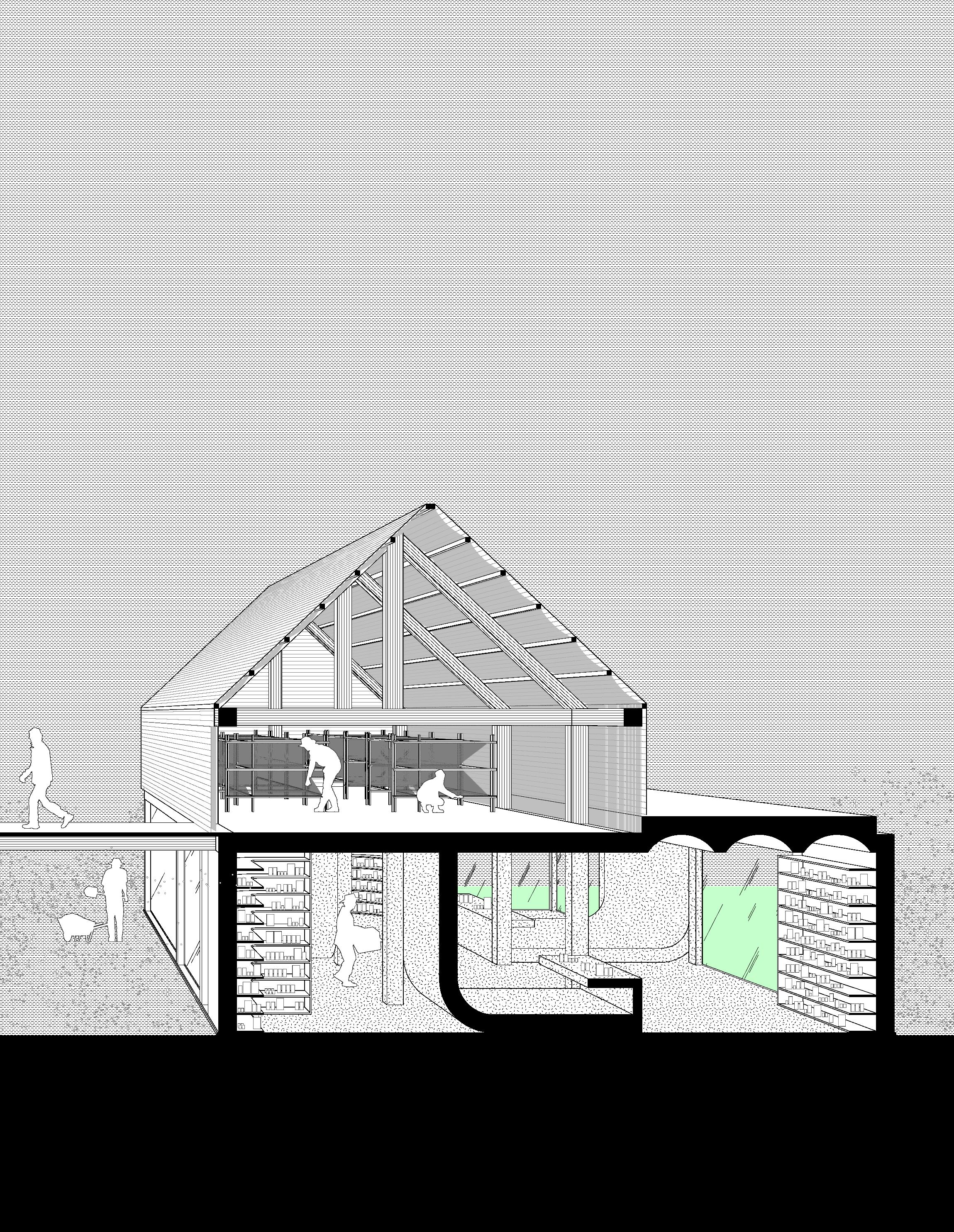
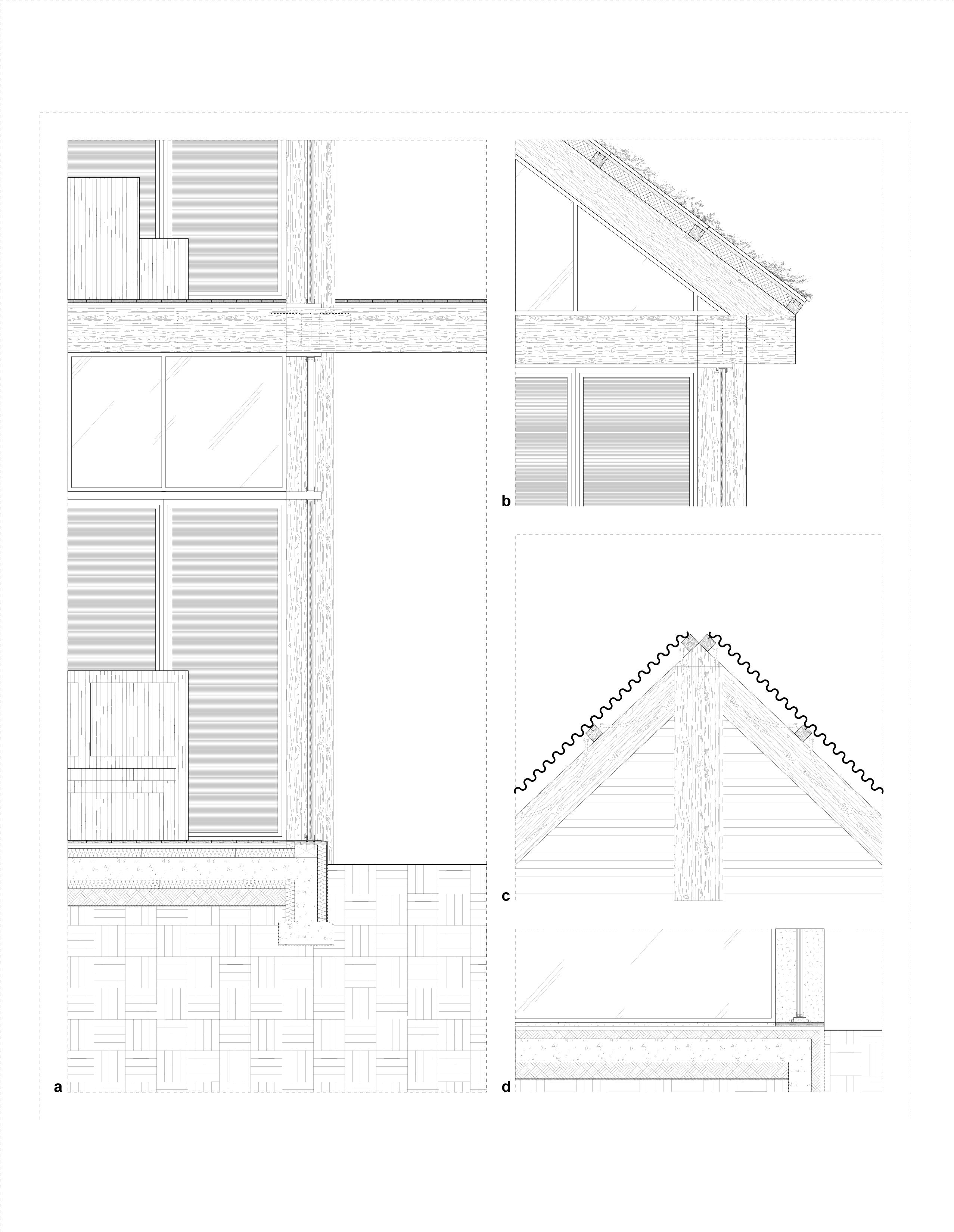
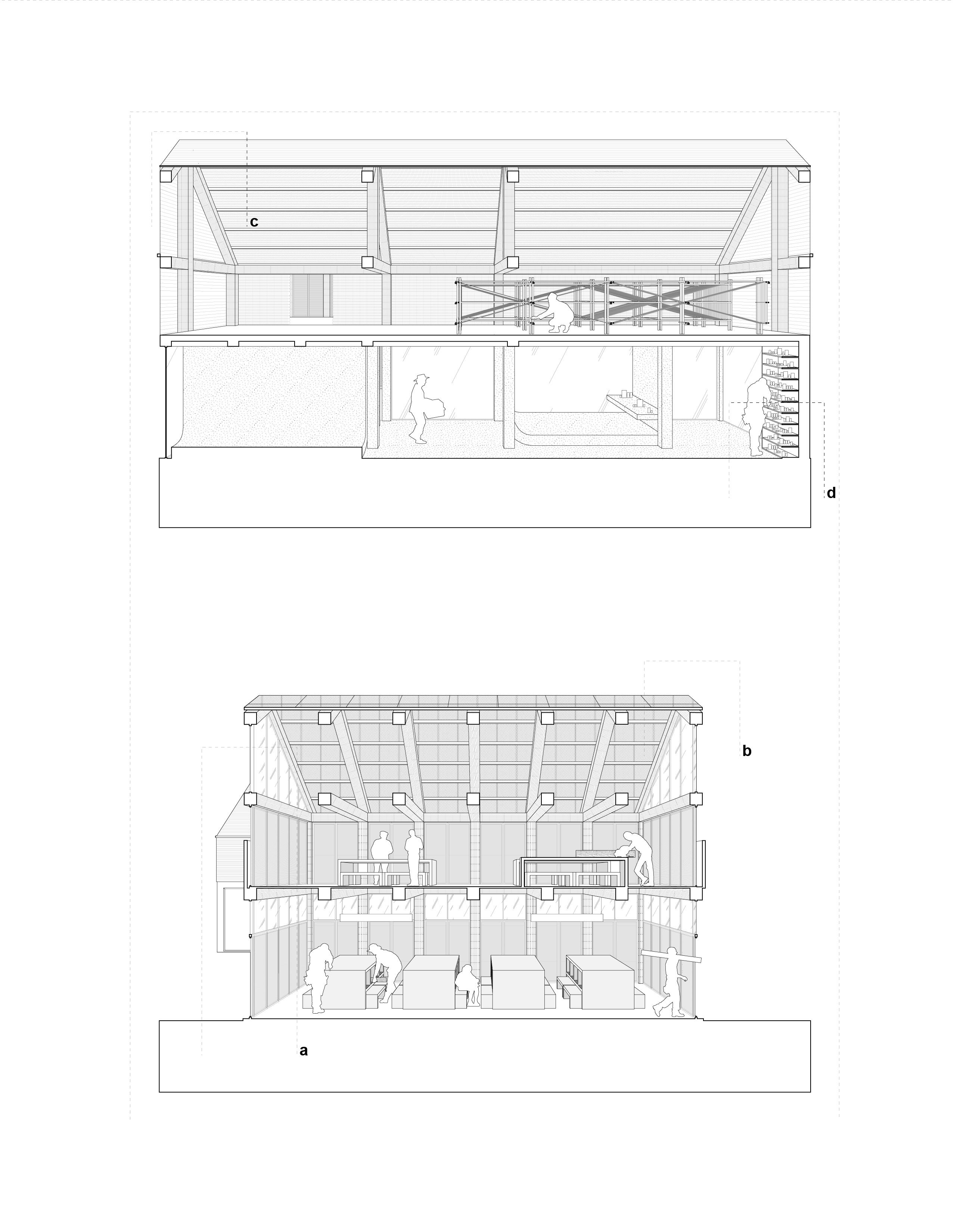
This is not a factory in the traditional sense, as labor traditionally can risk implying exploitation, but rather it operates as a spatial framework for the processing of raw materials, as well as the gentle harvesting of such materials from the land. The weaving room is a multi level space devoted to transforming harvested reeds, bark, and other wetland materials into textiles and rope that could be used in construction across the reservoir. The masonry space, represented by the physical model, utilizes the practice of creating earth bricks with clay, ash, and aggregates to produce an alternative building material that can be used in conjunction with bluestone found in the region. Additionally, the second level of this space is intended to operate as a ceramic studio, where materials can further be manipulated by the community. In an effort to engage with surrounding forests, the timber construction and refinement space fosters as a woodshop, where individuals can build multiscalar structures that can be used throughout the community.
SOIL REMEDIATION IN TAFT CALIFORNIA
SPRING 2024
Damage Control
a soil regeneration complex in taft, california, designed for a post-oil economy
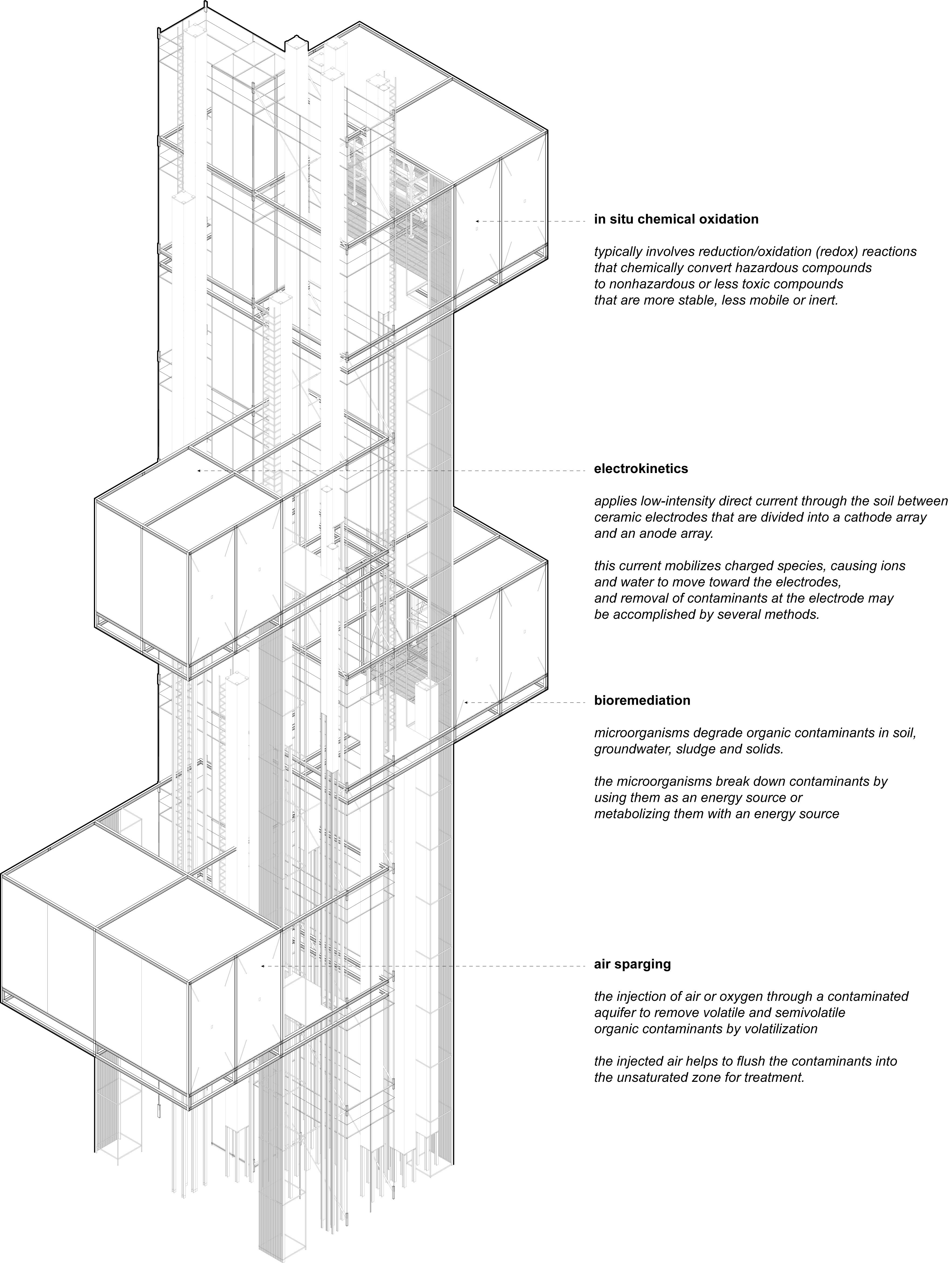
The two forms of damage studied this semester are environmental damage and economic damage on behalf of the oil industry. The mounting exploitation of resource exhibits a negligence of care and an enduring pursuit of economic value. Research follows an investigation of the correlation between resource extraction, property ownership, economic dependencies, and the degradation of landscape for the sake of profit. Languages of extraction unfold across hierarchies, thus damage is rendered multiscalar. The central intention of the intervention regards the restoration of value, the reparation of broken and abandoned material. Restoration exists in favor of the land itself that has been damaged by extraction and the individuals exploited for the sake of capital.
Taft, california is situated within a major petroleum and natural gas production region in CA, and is one of the few remaining towns in the US that exists exclusively because of nearby oil reserves. The city formed directly between the midway-sunset field, the buena vista field, and the elk hills oil field directly north of taft.
Standard oil, which later became present day chevron, made Taft its corporate headquarters. Its conception, existence, and survival, are intrinsically linked to oil production companies. Investment in technology and mechanics of the oil industry distract from the individual; from the labor operating at the small scale, and exposed to the ramifications of damage.
The intervention addresses economic damage through the creation of labor and training and environmental damage through it’s remediation of contaminated soil. In its entirety, it functions as a transitionary infrastructure from an oil centered economy to a post oil industrial landscape. Operations transition from extraction to healing. Through oil remediation, value is reinserted into the landscape, technology, and the laborer. Healed soil becomes a stock worthy of investment following its repair
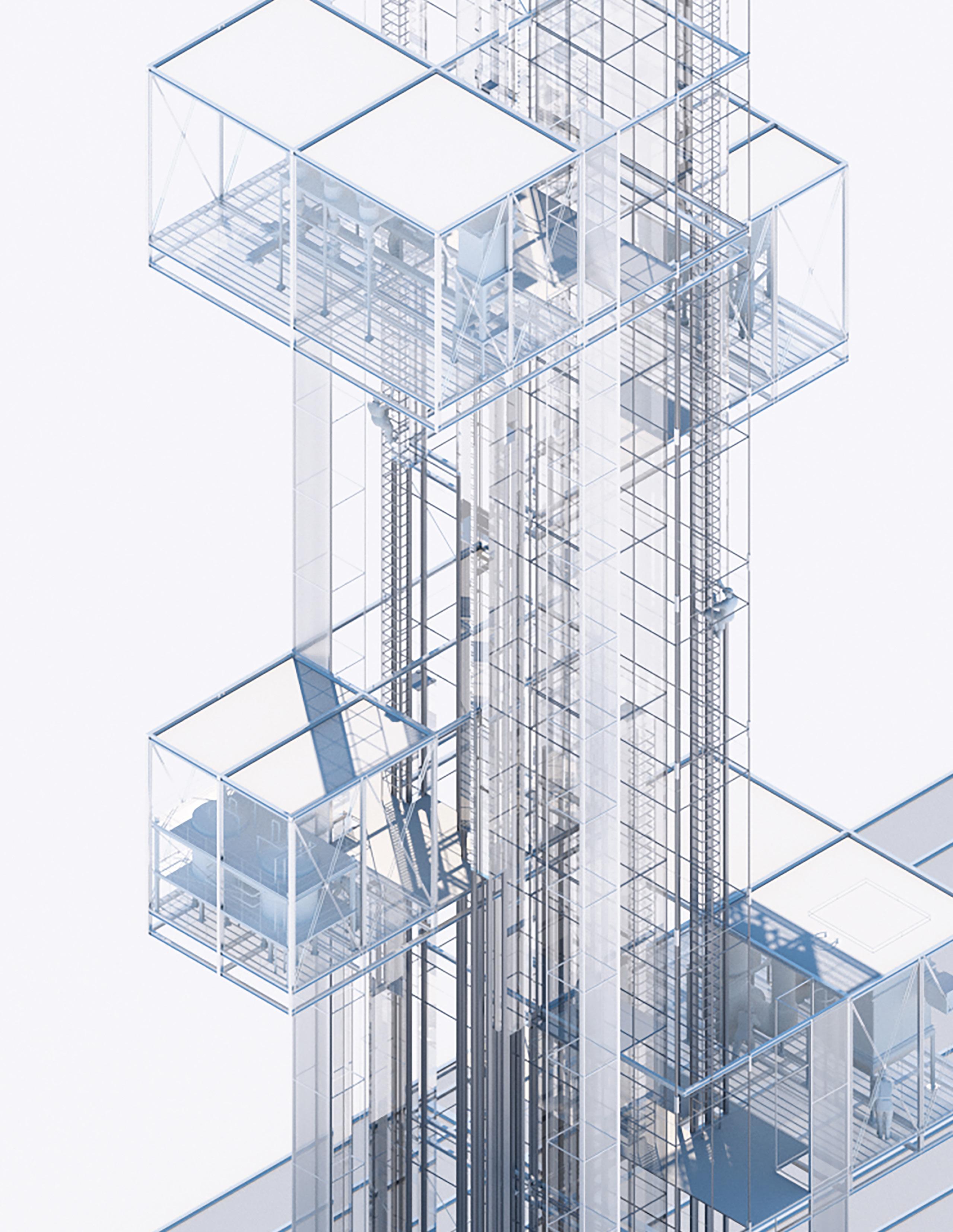
Damaged soil is excavated from abandoned well and brought to the soil remediation tower trough a system of conveyor belts. At the base of the structure, soil is transported in cases through elevators and distributed between the four laboratories. Once cleaned, soil is deposited into gabion walls. Striations and ecosystems are rendered visible through their occupation of the tower’s gabion walls. Through the addition of soil into the tower, the structure is strengthened by the material it is designed to heal.

FUGITIVE MOBILITIES
FALL 2023
Fugitive Mobilities
conceptual representations of the principles of care, repair, direct action, and restoration
The following projects originate in the Fugitive mobilities sequence within the Master of Architecture Curriculum at Columbia Univeristy Graduate School of Architecture Planning and Preservation. These representations are conceptual in nature, however rooted in principles of care, repair, direct action, and restoration. Fugitive mobilities two investigates the idea of care operating under the conditions of excess, as explored in fugitive mobilities one. This exists in the sector of infrastructure repair and maintenance as material coverings of objects that are “worthy” of protection or conversely the covering of something in need of “repair.” These dichotomies refer to the practice of broken world thinking, and the assumptions regarding the state of the built environment following a flawed and restrictive guide for how spaces should operate. In examining soft architecture, the wood + concrete + plastic “fabric” the structure beneath (wood and cast concrete), both holds the appendage of the tarp and poured raw-form concrete, while simultaneously protecting the intentional construction from the intervention of a new layer.
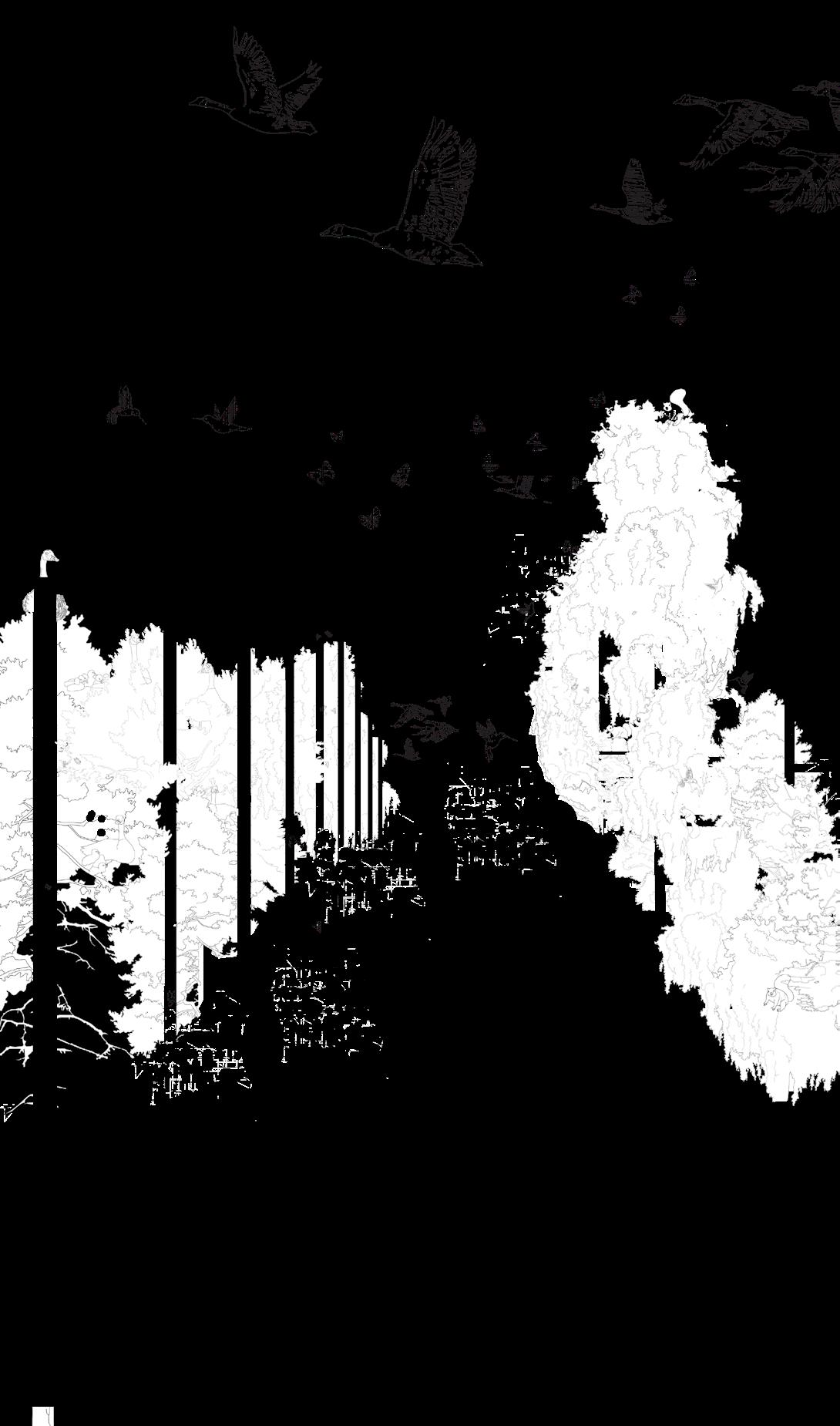
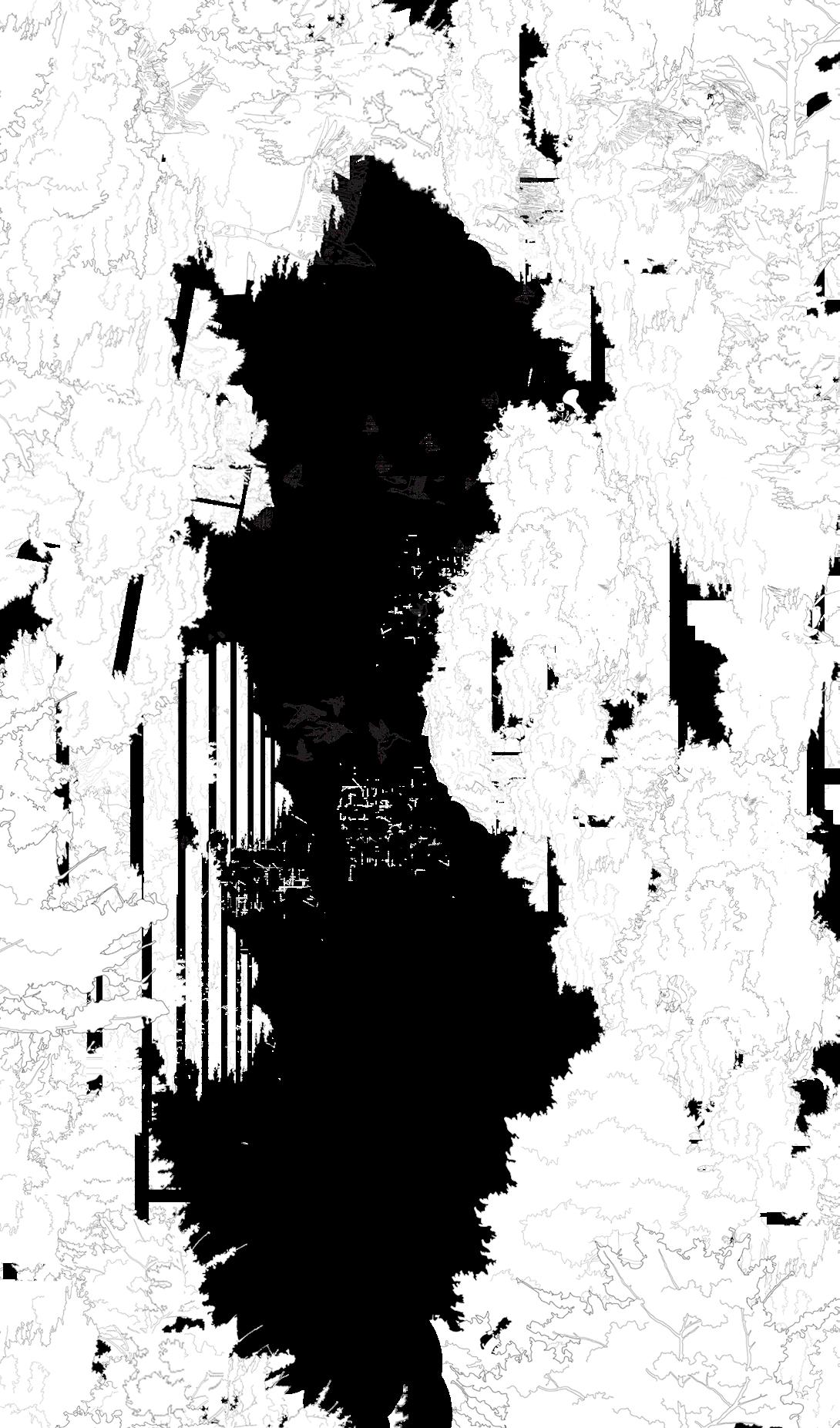
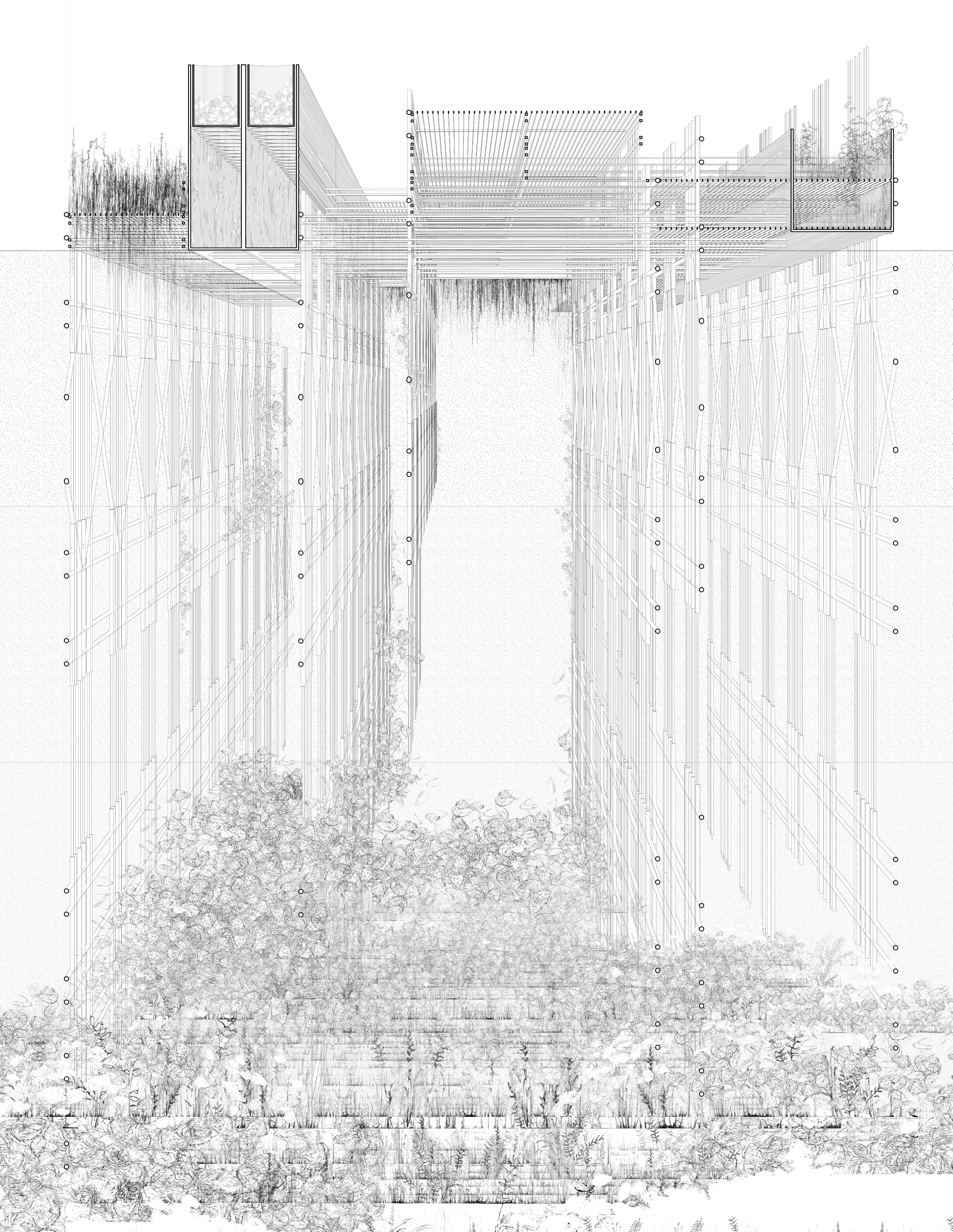
Fugitive Mobilities three addresses the sustainability and feasibility of fugitive planning through direct action in relation to construction and infrastructure interlaced with soft architecture and thresholds. This project examines the colonial archive of brokenness, disrepair, and the irreparable. This manifests itself in a study of scaffolding lined streets and tarp as a means of protection. Site analysis measures the dimensionality and interscalar connections of maintenance and repair—as well as collective responses and responsibility regarding community resilience. The threshold formed by scaffolding framework culminates in a wildlife habitat; a series of interspecies biodiversity corridors that occupy performative and stalled scaffolding. Expanding upon semester-long themes of brokenness, phantom pain, and protection, fugitive mobilities four expands on the weight of reclamation and repair in the urban environment. Oystertecture celebrates the lifecycle of the oyster—an organism that’s existence involves purification, solidification, consistency, and nourishment. Through providing two key programmatic elements devoted to the lifecycle of the oysters, (the artificial wetlands and the upwellers) the complex introduces a program that reclaims negligent infrastructure. The urgency of the following project is grounded in the vital necessity to embrace the anthropocene and look at what it means for the world of architecture and urban reclamation.