
Scandinavia Study Abroad Documentation
Claire Hardin
Third-year, Architecture
Auburn University
Spring 2024
Scandinavia Study Abroad Documentation
Third-year, Architecture Auburn University Spring 2024
Thank you to my dear family, friends, colleagues, and the faculty of the College of Architecture, Design, and Construction at Auburn University for your incredible support during this study abroad trip. To my family, your encouragement to further my education provided the foundation for this semester of growth. Experiencing the wonders of travel, exploring centuries of architectural work, and advancing my design sense continuously cultivated my passion for exploring humanistic design.
The 10-week program consisted of 3 weeks of travel throughout Denmark, Sweden, Norway, and Finland before settling in Aarhus, Denmark, for the remaining 7 weeks. Studying at Arkitektskolen Aarhus, the Aarhus School of Architecture, during this time prompted reflection on our travels and immersion into city culture. The resulting studio project transcribed these experiences as I continued pursuing what it means to design architecture edifying to a specific people and place by identifying common elements.
3-week exploration period in the Scandinavian countries
Chronology of sites visited per city 3.0 2.0
7-week study period in Denmark at Arkitektskolen Aarhus
3-week exploration period in the Scandinavian countries
Aarhus, Denmark
Lund, Sweden
Höör, Sweden
Oslo, Norway
Hamar, Norway
Stockholm, Sweden
Helsinki, Finland
Säynätsalo, Finland
Jyväskylä, Finland
Copenhagen, Denmark
Helsingør, Denmark
Humlebæk, Denmark
Odense, Denmark
Bornholm, Denmark
Ribe, Denmark
Blävand, Denmark

February 10–11, March 1–April 21
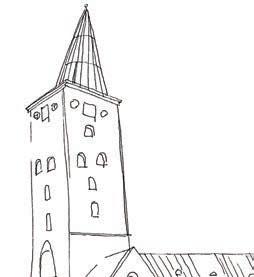
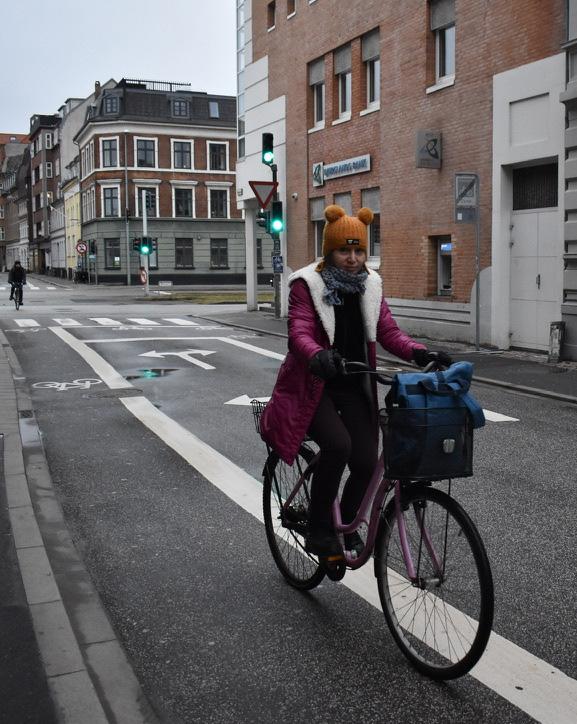
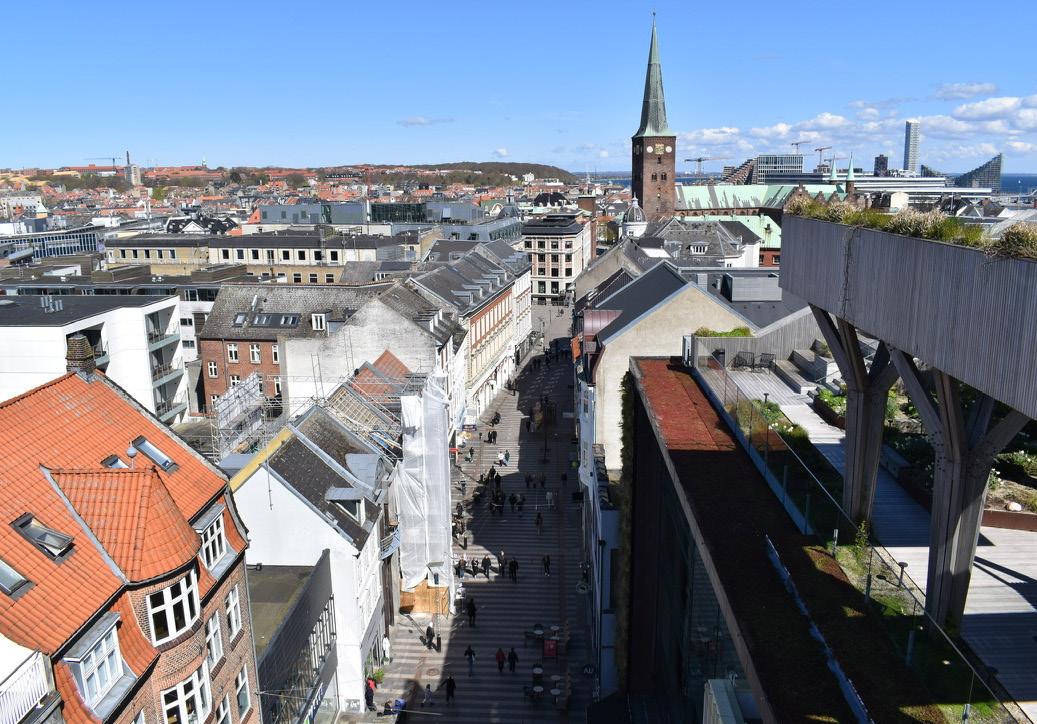
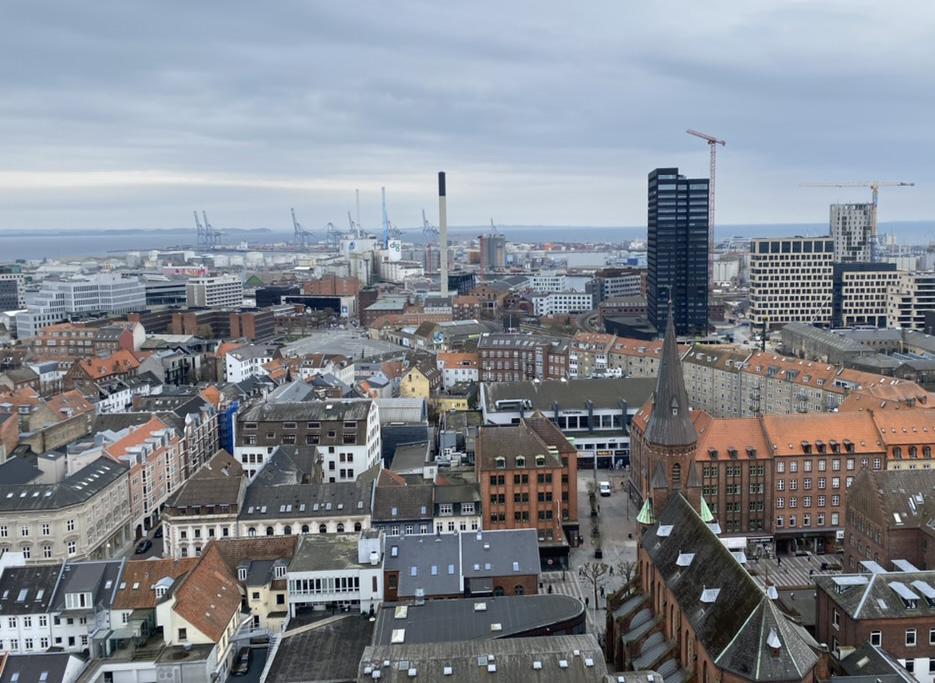
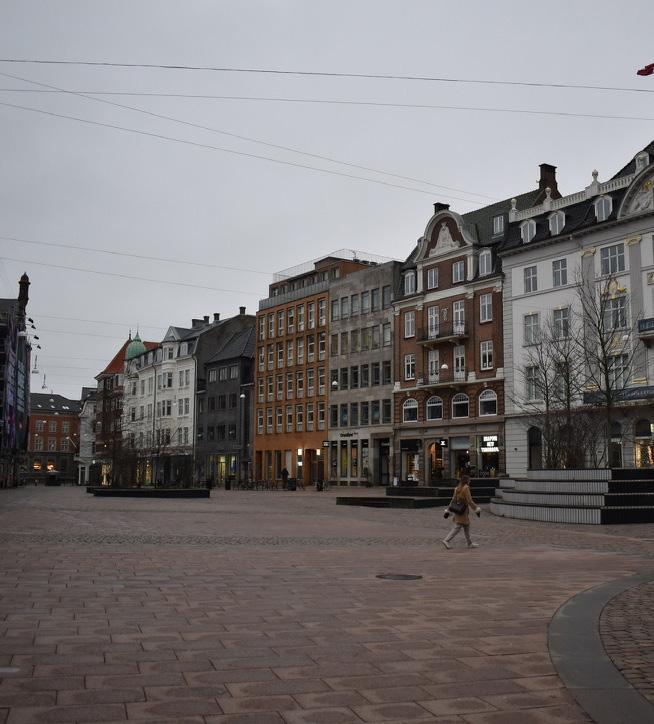
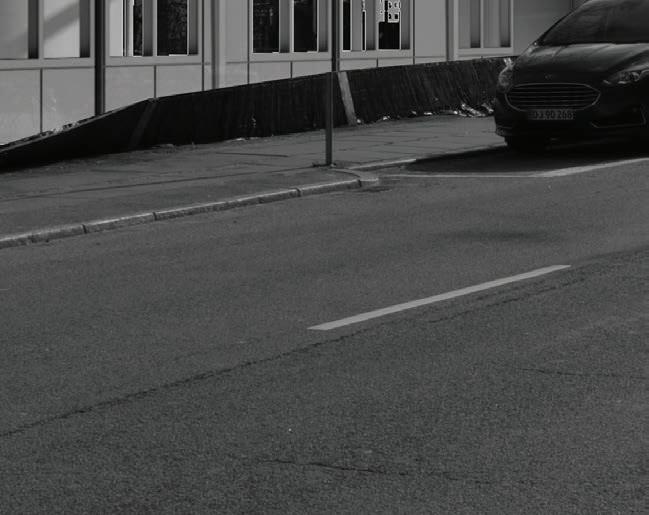
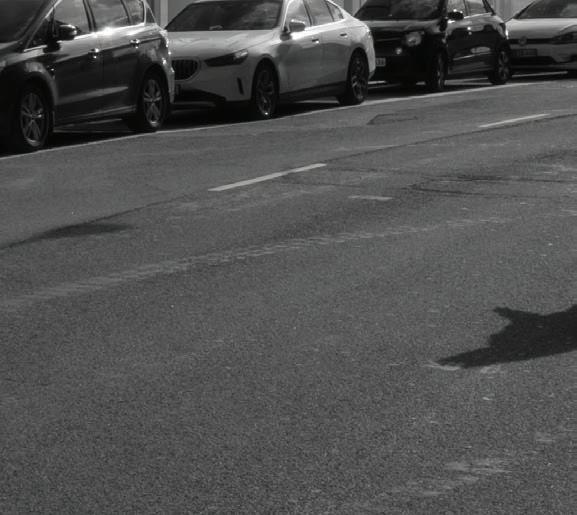
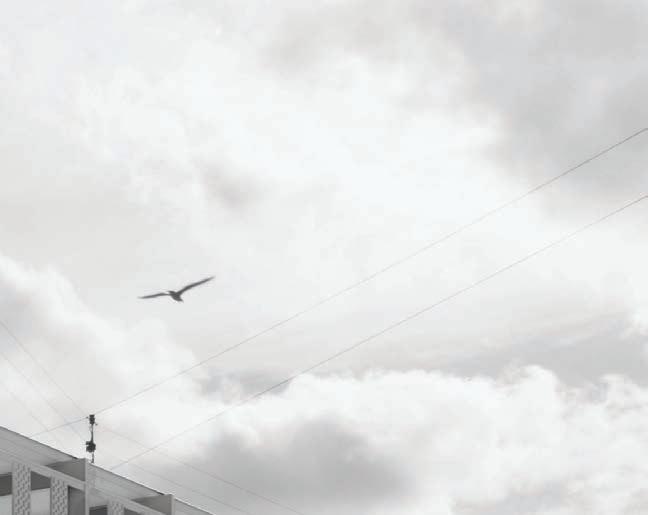
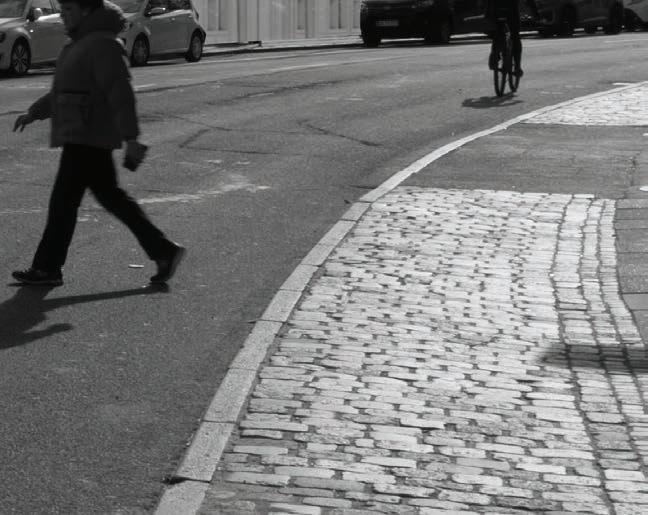
Arriving in Aarhus, the second-largest city in Denmark, provided ample opportunity for the inexperienced photographer. I explored the Latin Quarter, constantly observing the historic richness of street conditions and materials. Attempting to capture these features, the surprised biker caught the camera lens in a quick moment. This accidental photo sparked my initial interest in studying how people use a city, not just how the city relates to the people. This relationship between the person and the landscape questioned the daily rituals of locals, whether through customs or personal patterns. To truly identify the character of each city led to looking beyond cultural boundaries and instead to a humbled humanity sharing core values. This observation permeated my understanding of our travels and thus developed into this research study to span across customs and country boundaries. To design edifying architecture required learning about the indiviudal people and understanding their commonalities in habit and habitation.
Commonplace views instilling an appreciation for the history in Aarhus
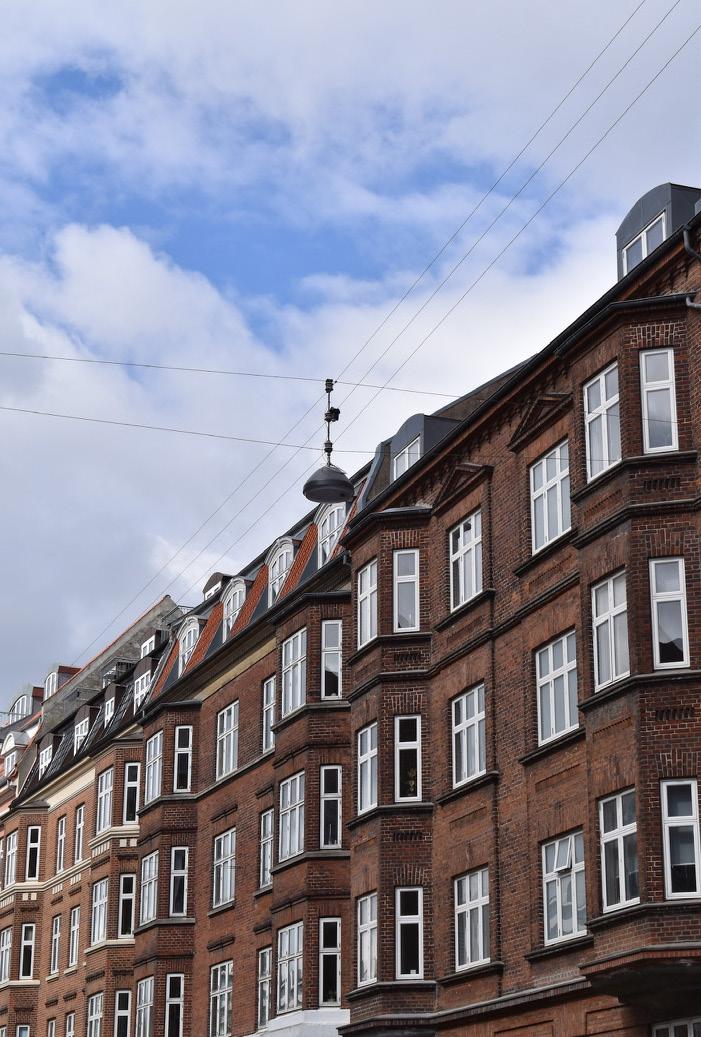
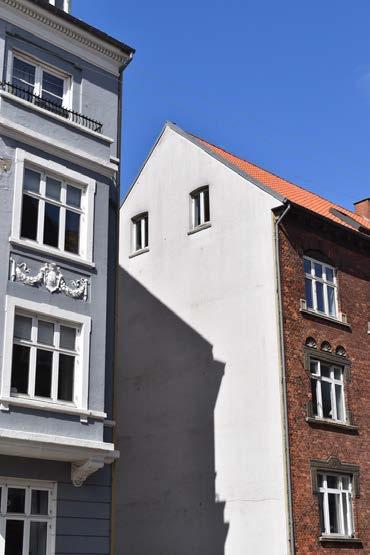
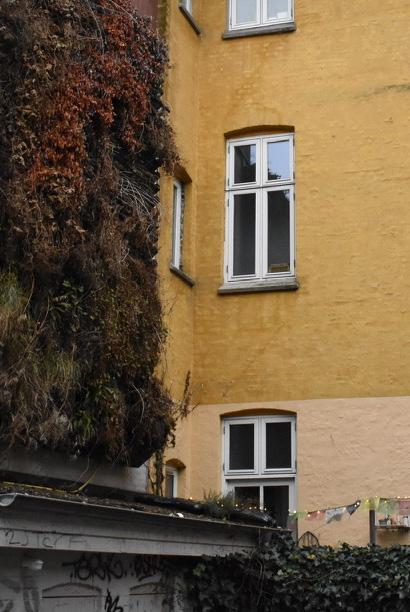
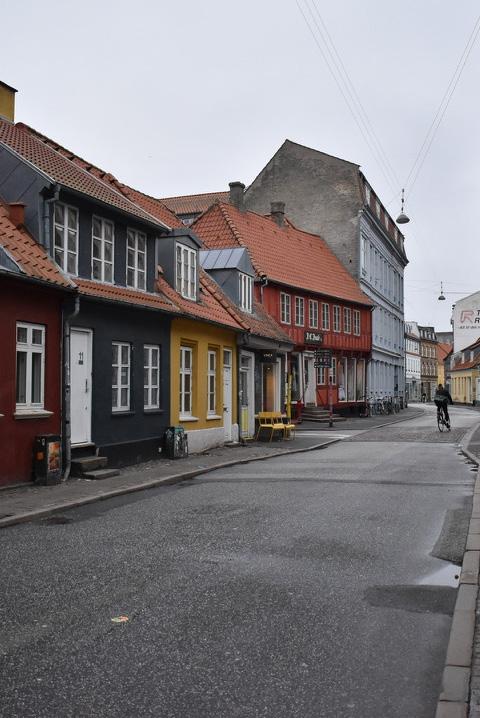
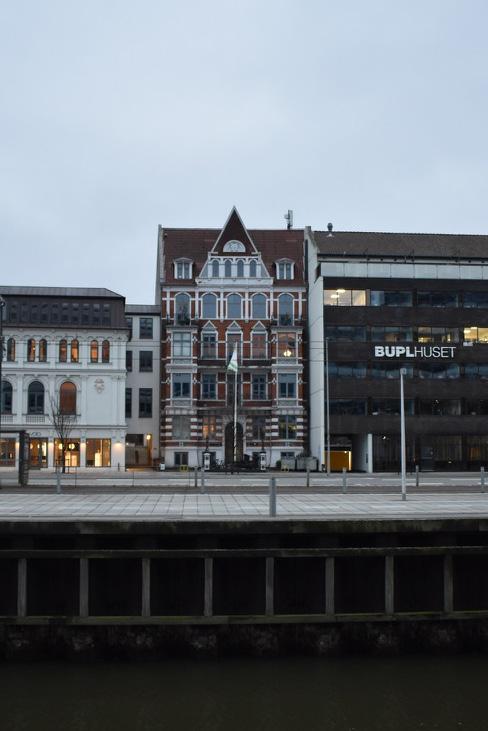
Historic Latin Quarter of Aarhus comparing to the modern port side
Central square of the Latin Quarter
February 12, 14
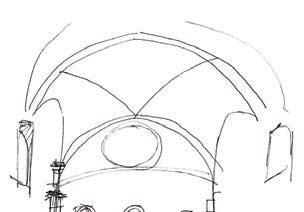
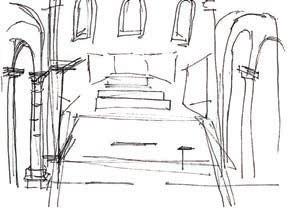
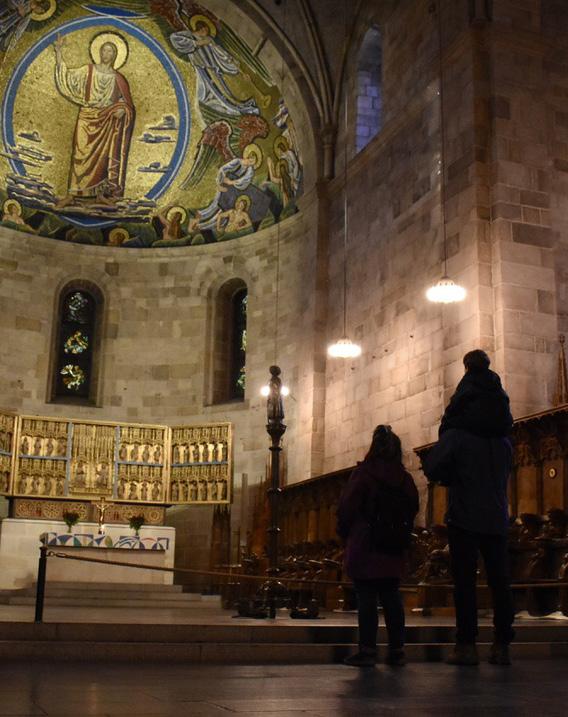
Our first location was Lund, Sweden, where we discussed fabric versus object buildings. The fabric building responded to urban design form by blending into the backdrop of public spaces; the object building sought to assert its importance with a differing form. I became fascinated with the people within and around these distinct building types: listening to the child crying, observing the praying man, and noting the busy city plaza. An object building, the Lund Cathedral echoed with the clicks of our cameras as we captured the vaulted ceiling and centuries-old stone. The other visitors stood still against the altar backdrop, a father with a child on his shoulders, a mother carrying a heavy backpack, and the still transcendence. Contemplation of these aspects begs the question: can fabric architecture become an object to the user based on their own experience, rather than its appearance? This evolved into a study of categorizing the importance of a building individually versus collectively based on the frequency of and use of the program within the form.
February 13
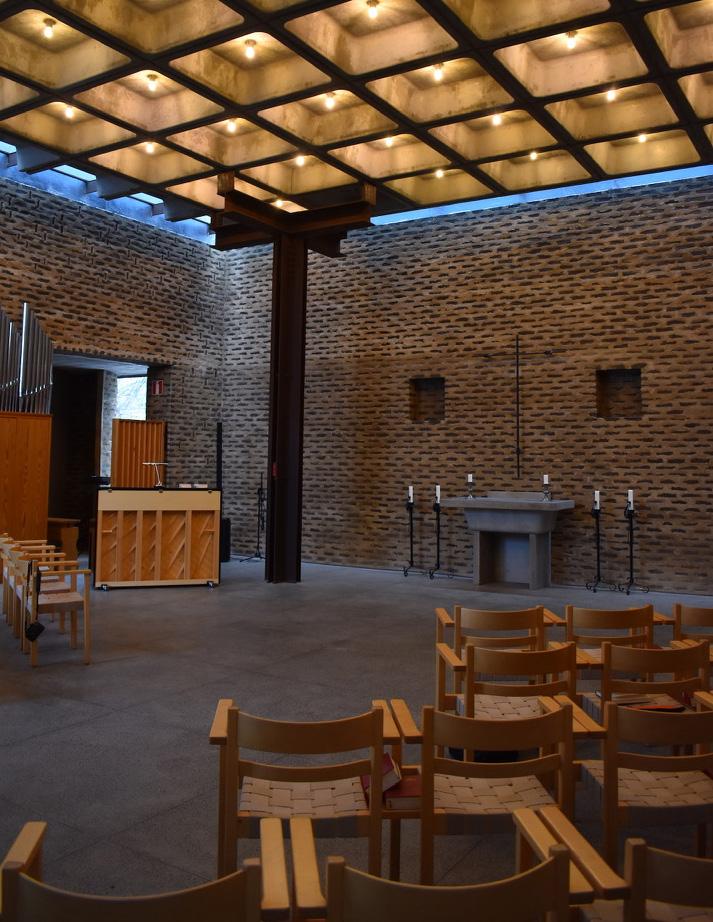
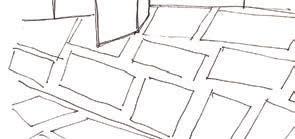
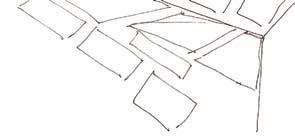
Traveling to Höör by bus to specifically visit Bernt Nyberg’s Funeral Chapel provoked a intense interest in the significance of this building. The stillness of the building wove into the surrounding cemetery. Blanketed in our first look at snow, the burned brick façade seemed to respect the weight of its occupation. The regard for human grief profoundly influenced the design by acknowledging the rituals of death: a threshold to enter, a space to wait, a room to gather, a focal point to direct, a deep appreciation for silent systems. If death is such a universal phenomenon, then so too is the grief of the mourning family, no matter the language or culture. Through this initial understanding, the commonalities between people across cultures formed a sense of habit, even when such a habit in life becomes a moment of grief. The beauty of the building provided a very personal relationship to any visitor. This experience added another layer to what it means to humble humanity to its core sense of values and necessities through observing the sacristy of death.
February 15–17

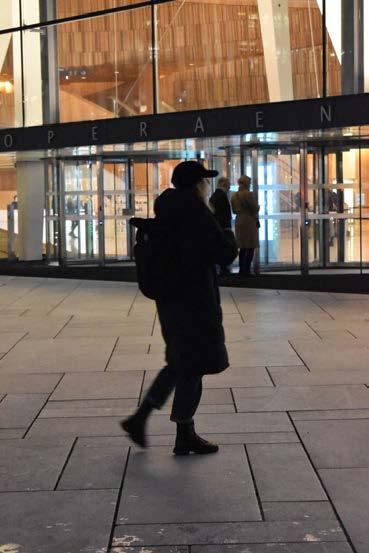
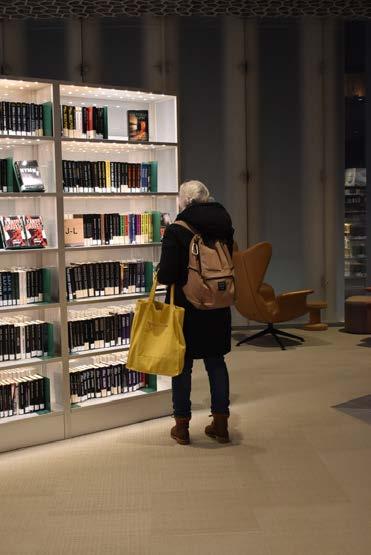
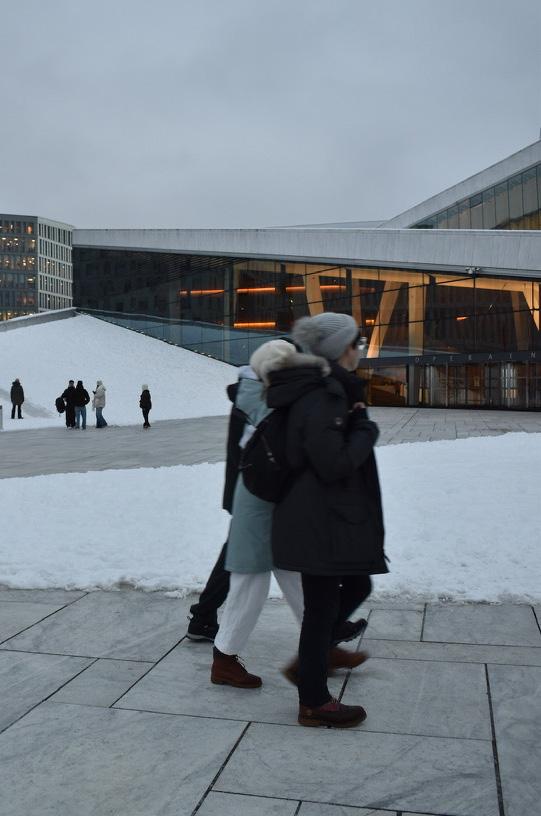
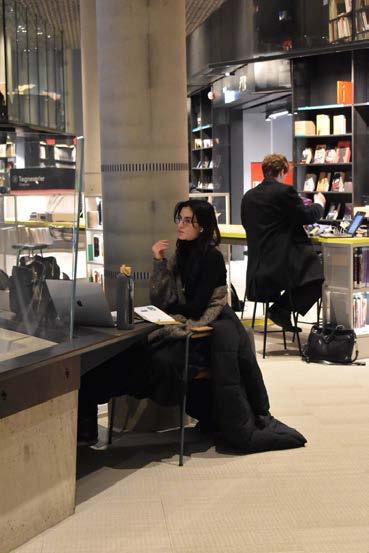
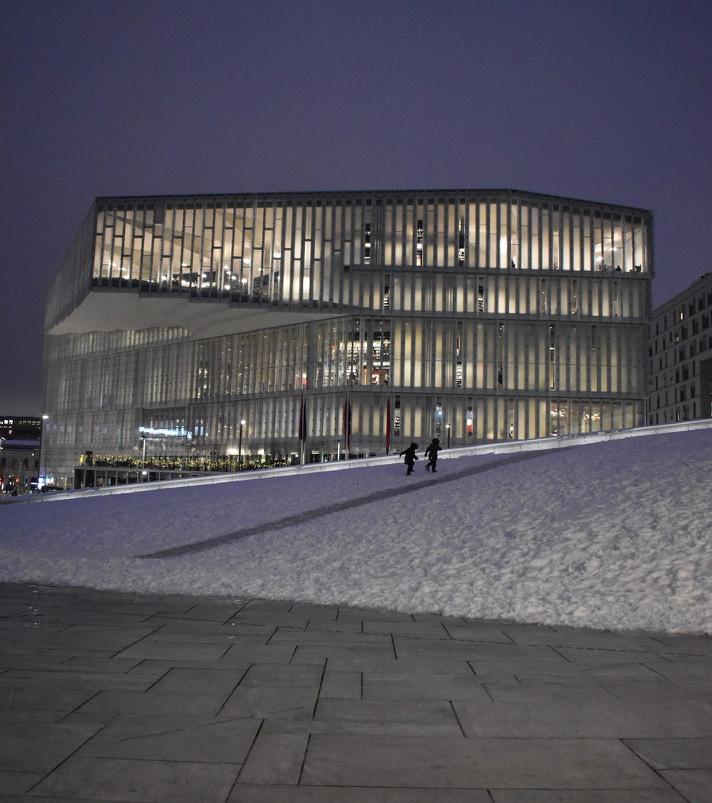
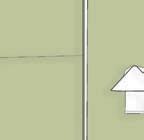
Arriving in Norway, the temperature dropped as the city grew drastically. The active urban environment contained a multiplicity of interactions across spaces. Snøhetta’s National Opera and Ballet cultivated a busy pathway of talkative groups, solitary walkers, mothers with strollers, and bikers avoiding everyone. Adjacent to this active plaza and building, the Deichman Library served the city as a slow progression of winding staircases wove upwards. Unplanned movement within both public spaces defines certain aspects of occupation within the large city. Similarly, though within the suburban setting, the public Mortensrud Church displayed activation in smaller forms. While unoccupied during our visit to the sanctuary, remnants of human interaction showcased the importance of the building to its community. One such example captured this evidence: the paper airplane left by an absent child on the structure of the humble building. In examining these three building, the commonality rests in the spontaneous use of public spaces.
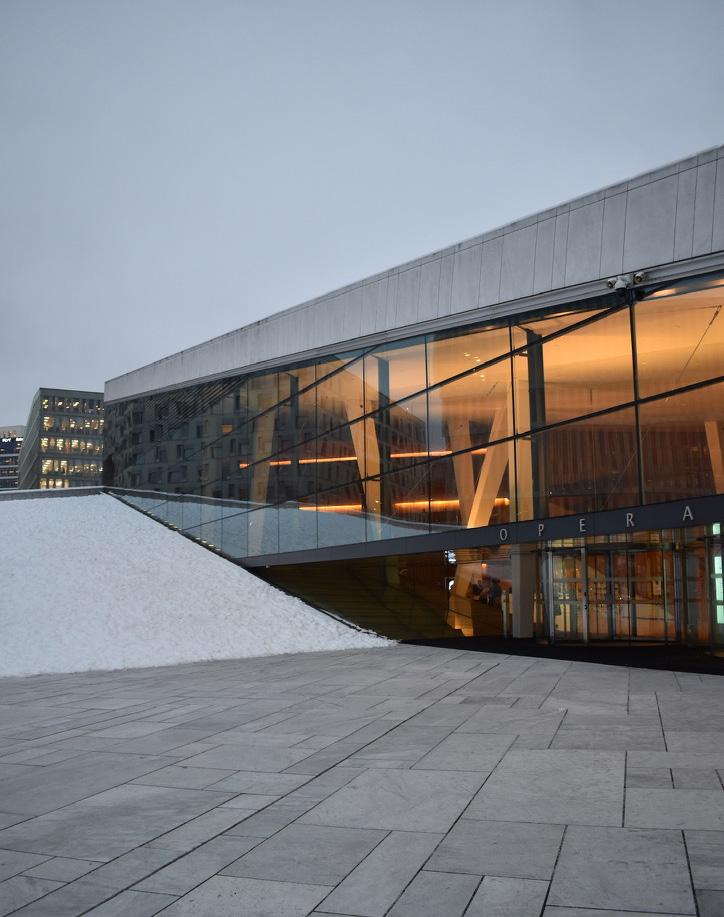
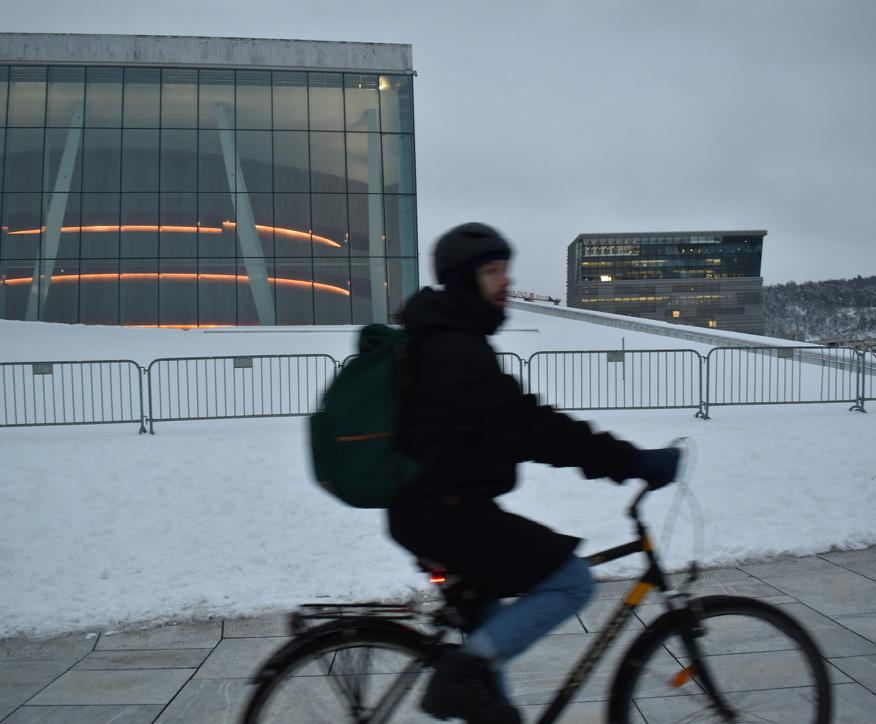
Singular movement outside versus mass movement within the interior circulation volume of the opera house
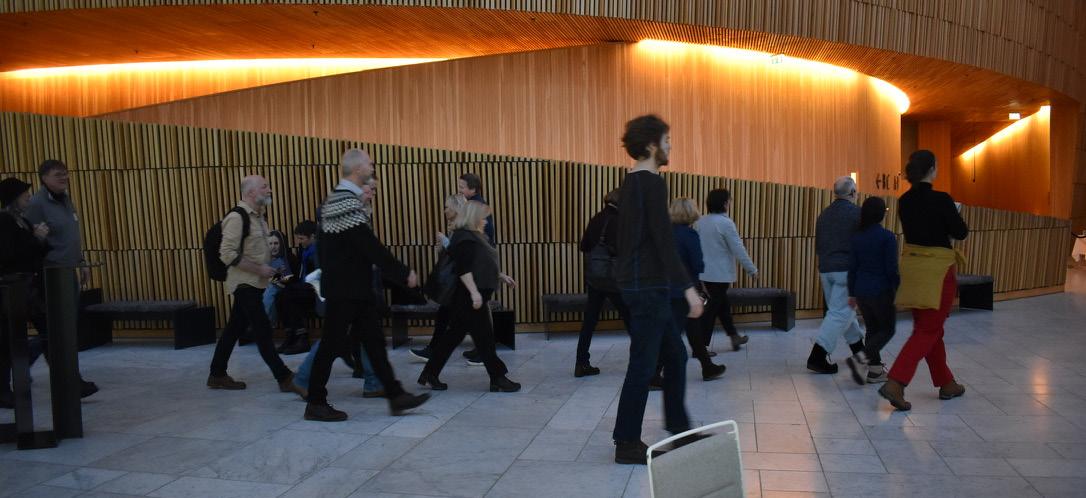
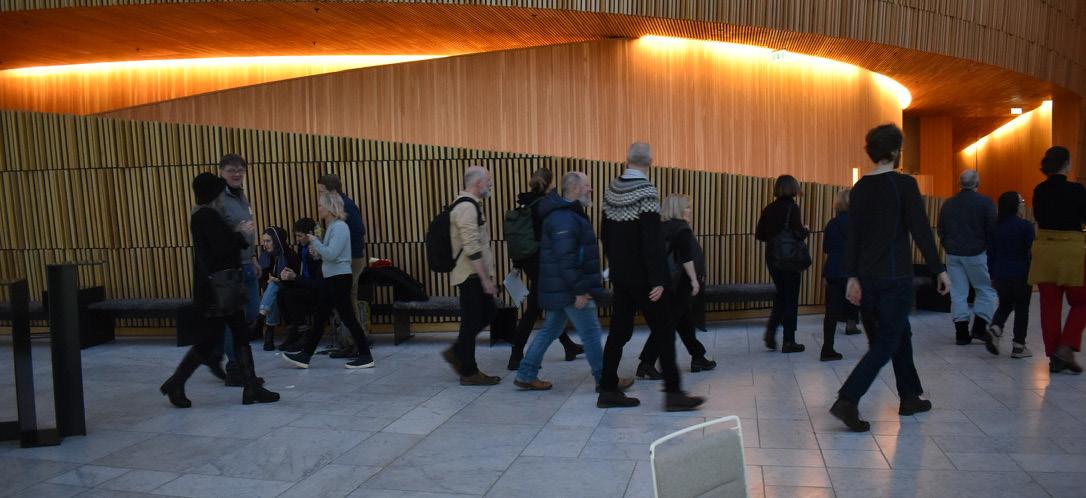
Conditions of occupation outside the opera house compared to inside the Deichman Library, designed by Atelier Oslo and Lund Hagem, 2009
Library façade as a backdrop for activity
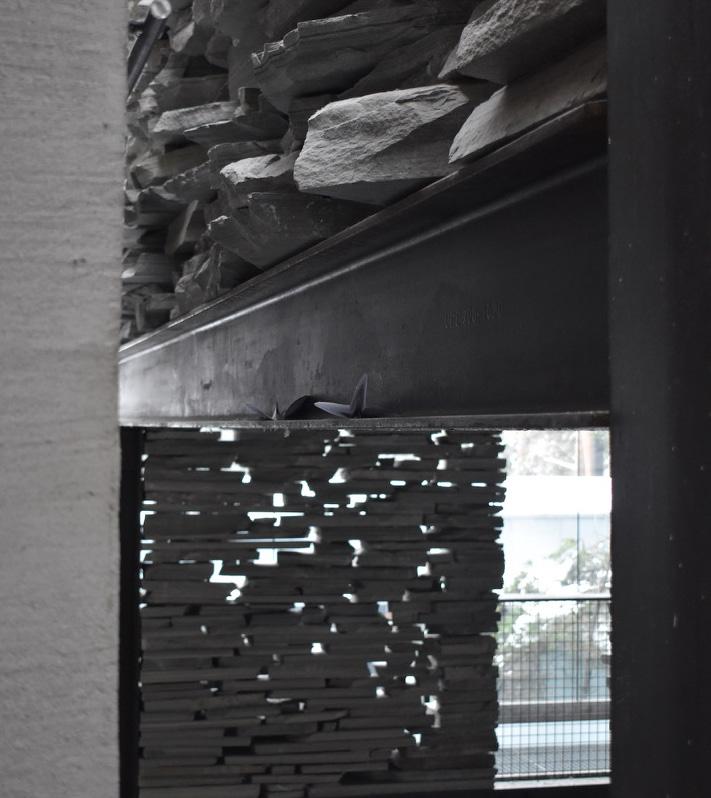
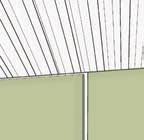
Connection joint at ceiling refrains from disrupting
February 18
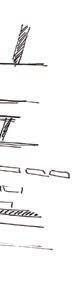
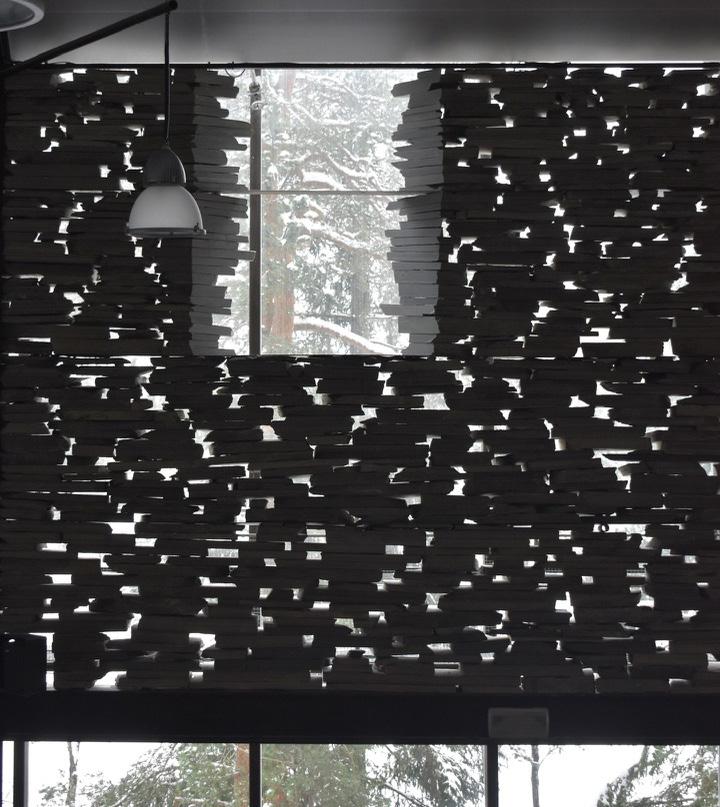
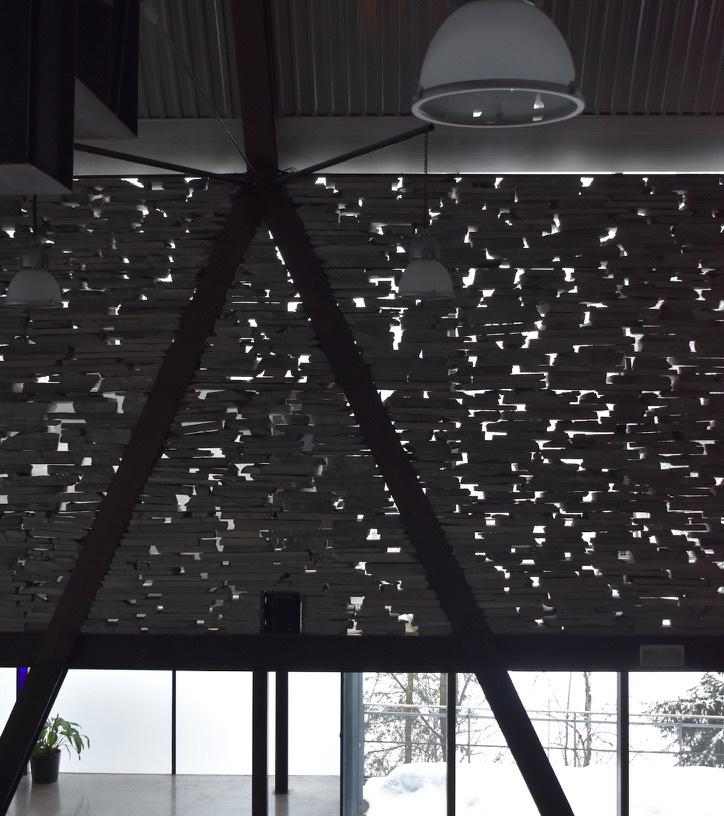
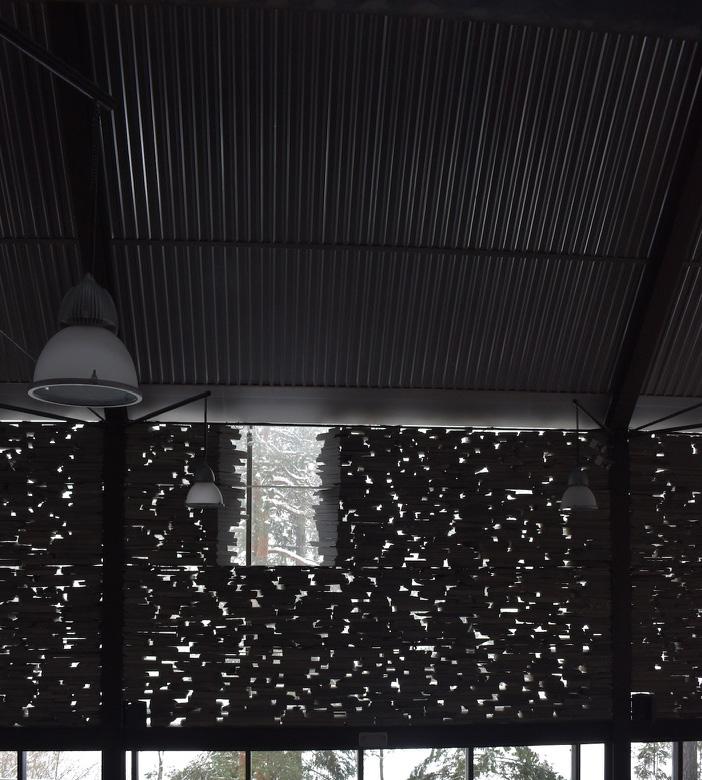
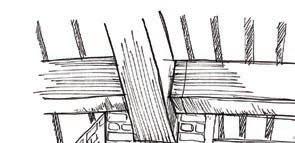
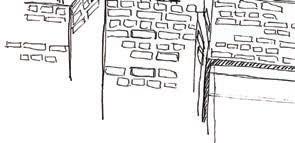
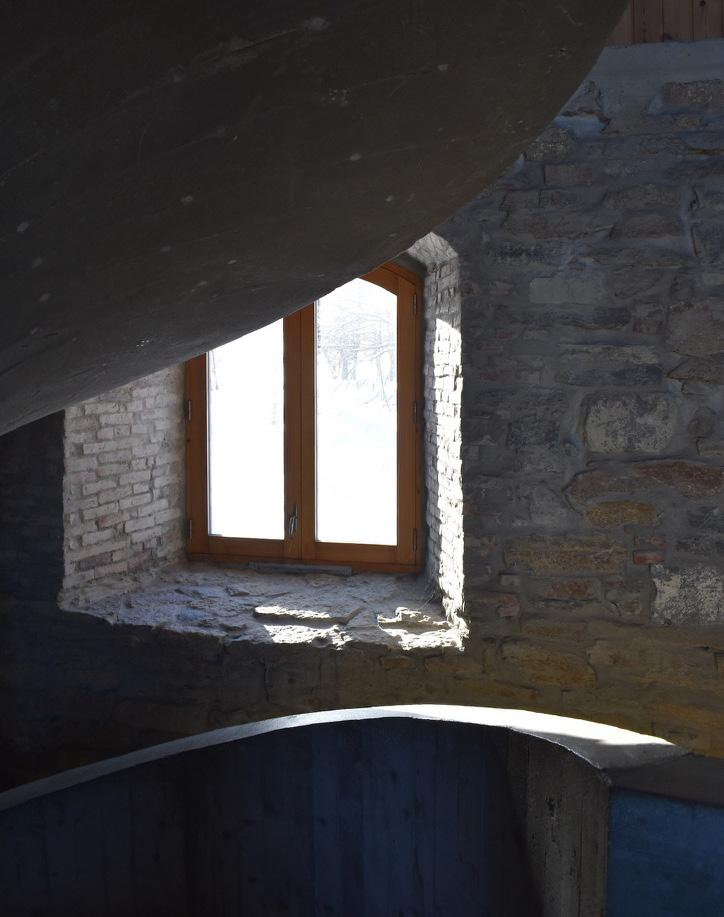
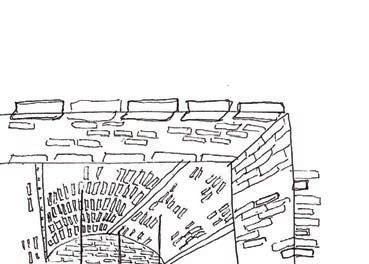
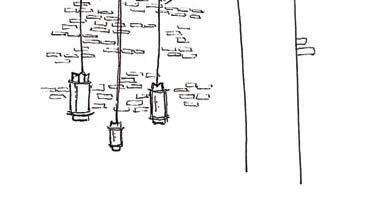
Not far from Oslo rested the small town of Hamar, a quiet community filled with Saturday activities at the ice covered lake. Snow piled on every road and against all buildings, a driving condition in the design of the Storhamar Barn. The modern construction encapsulates historic fortress ruins. The design sought to limit physical contact between the old and new by optimizing joints with wooden control points in a study of material interaction. Similar considerations continued at the glass prism structure, which also served to protect cathedral ruins with minimal invasiveness. The interaction of people to both spaces demanded a response to climate control. The unconditioned space required a particular care for the ruins. The resulting structure thus questioned whether levels of human comfort could be adjusted to improve habitation cost and building longevity. Exposing aspects of the interior environment to exterior conditions related the materiality of the building to the occupants, provoking thought on conditioned spaces.
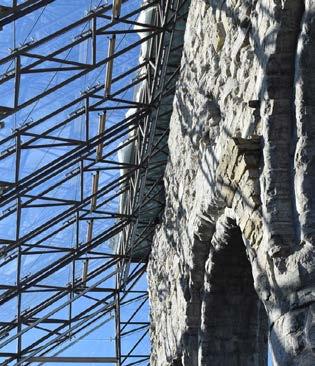
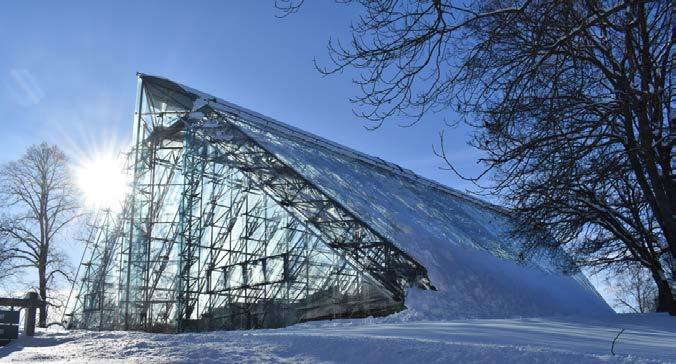
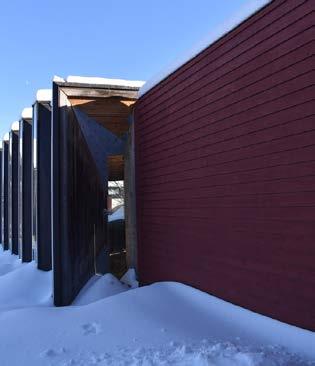
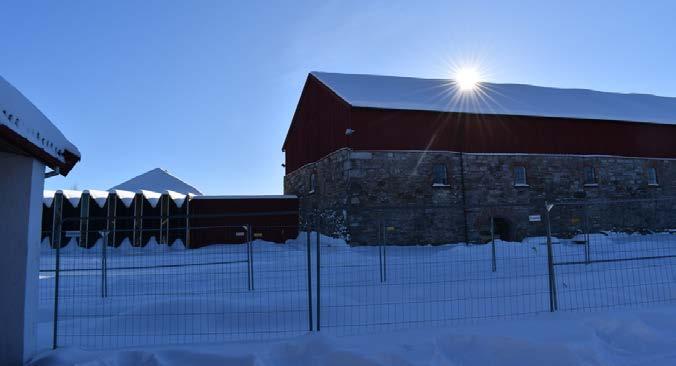
allowing open air ventilation
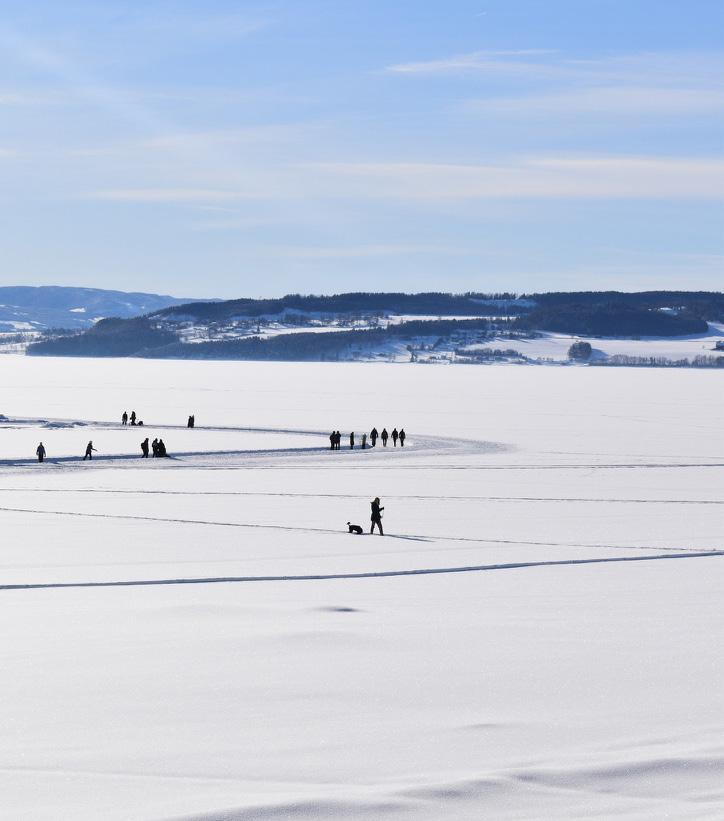
February 19–21
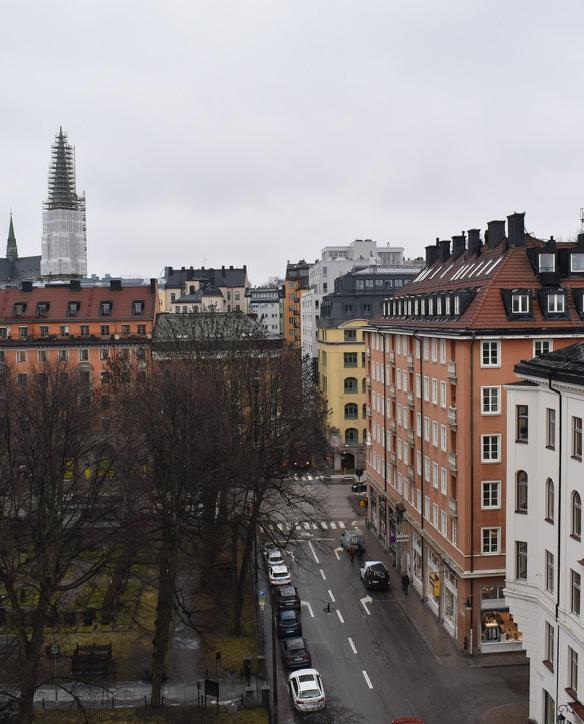
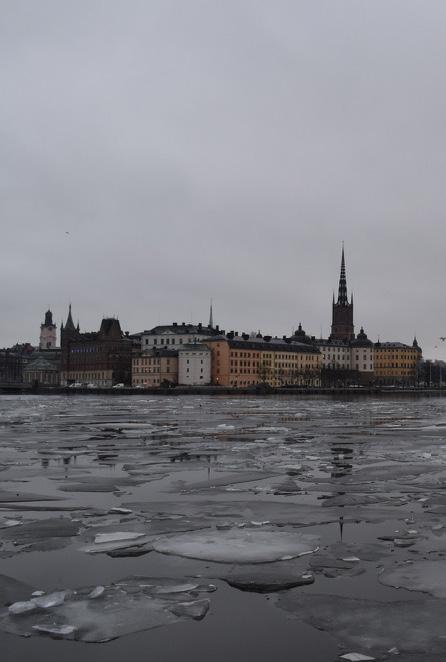
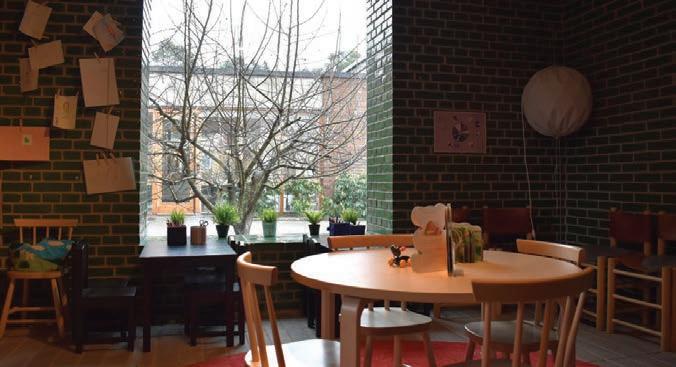
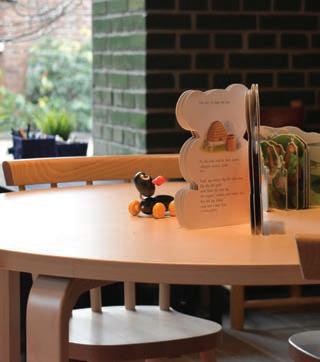
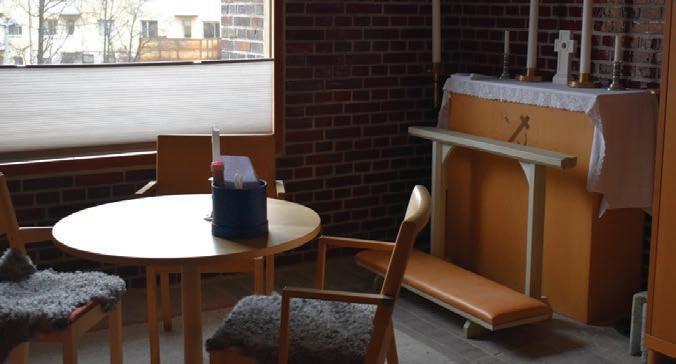
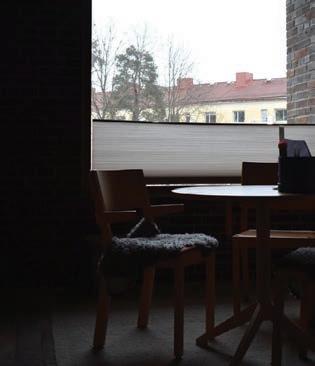
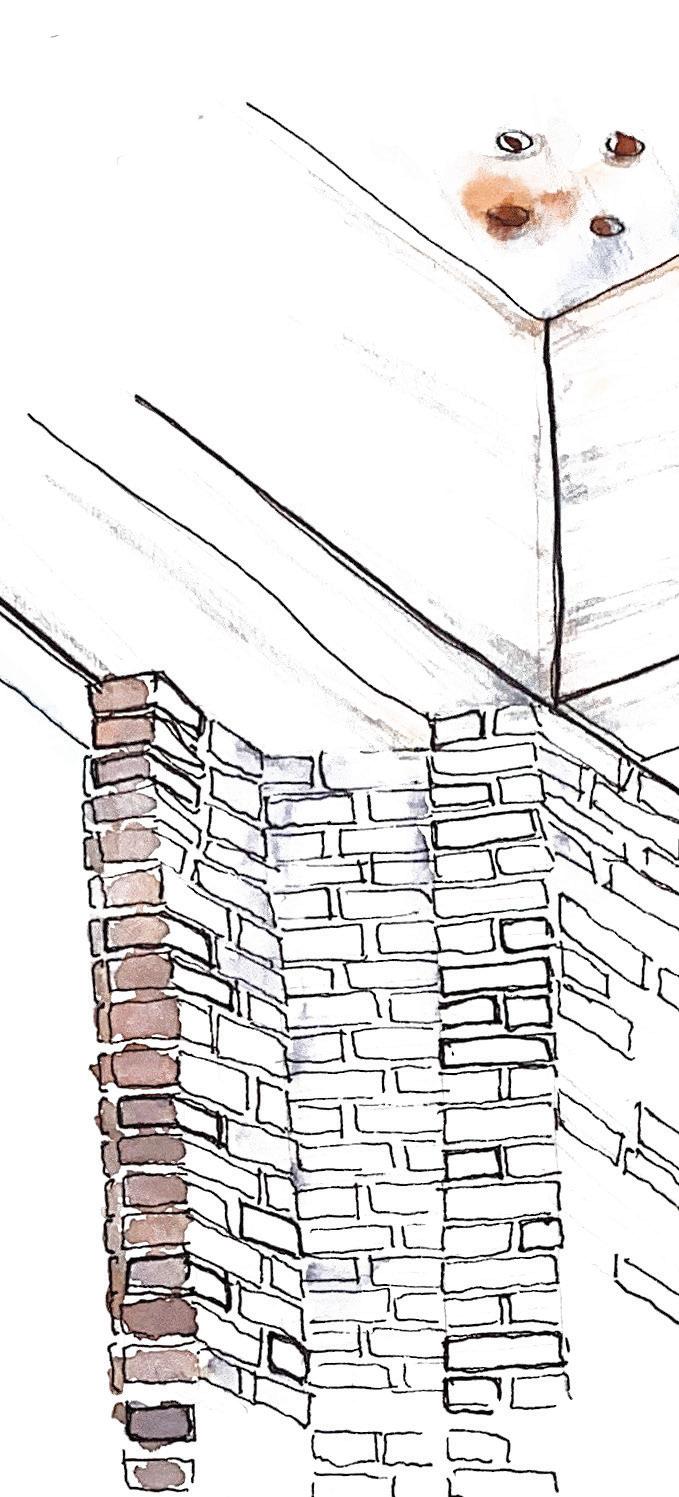
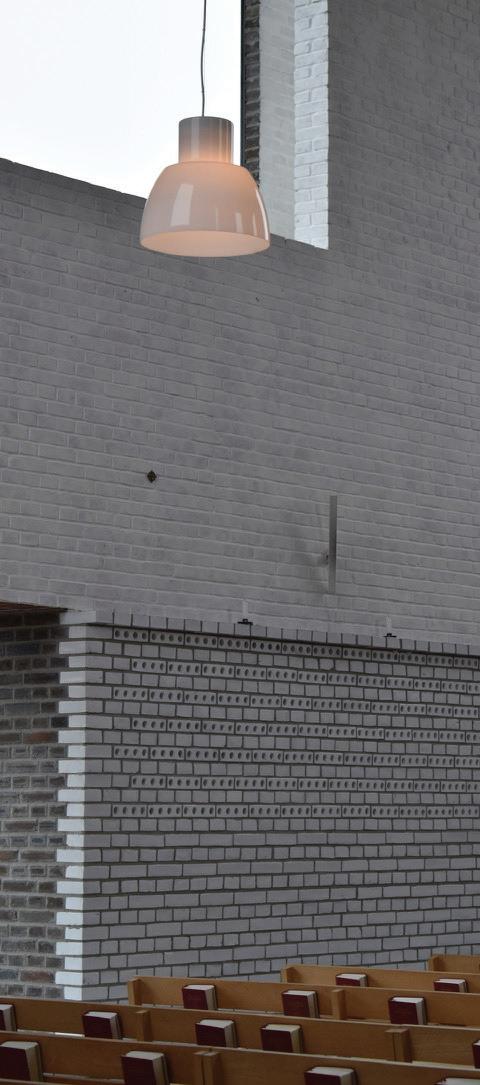
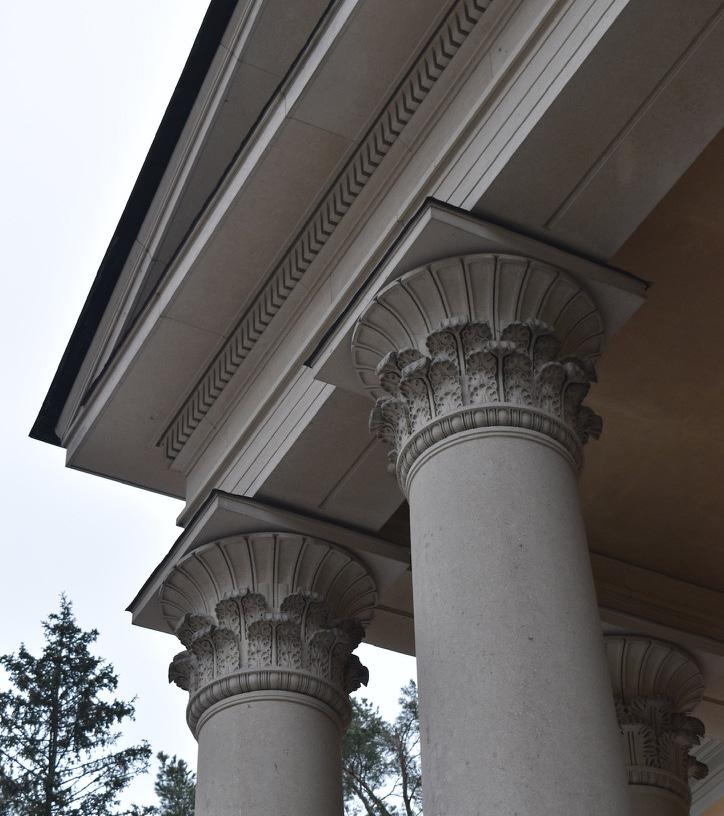
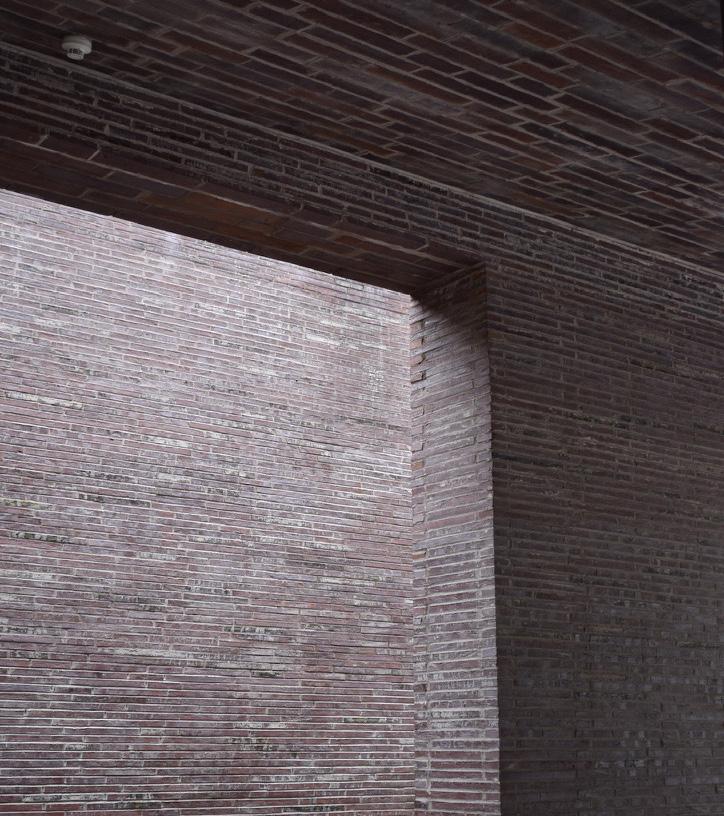
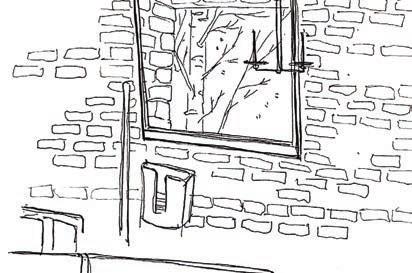
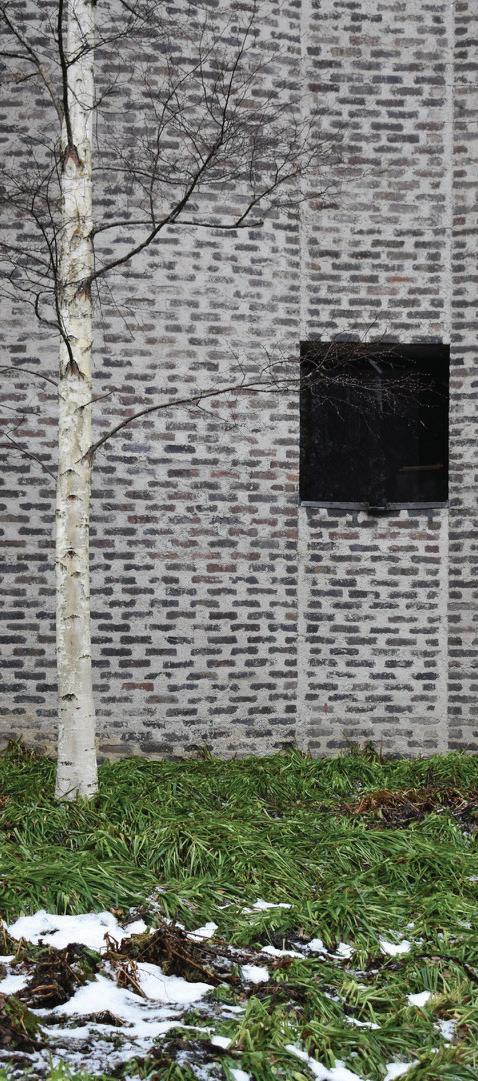
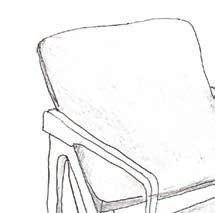
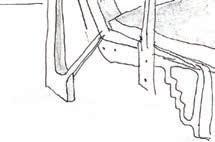
Stockholm provided explorations in a range of scales: the old portion called Gamla Stan, significant city landmarks including Östberg’s City Hall, and a postmodern look into the edification of design at Johan Celsing’s New Crematorium. To consider these distinct aspects of the city instilled a search for a common theme. A particular intrigue at the Årsta Church led to a study of materials and comparison of space. Creating a space to inhabit not only required programmatic function and a response to necessary light, but it also led to a focus on the people designed for, people seeking emotional responses to the architecture and the creation of habits within, regardless of their age group. This idea of transcendence in spaces became applicable to all religious buildings during our studies; arguably, this idea extends even to the public spaces of historic value and normative transitory spaces used every day. By responding to the needs of the community, the formation of habits continually support the use and upkeep of the designed structure.
34Stockholm, Sweden
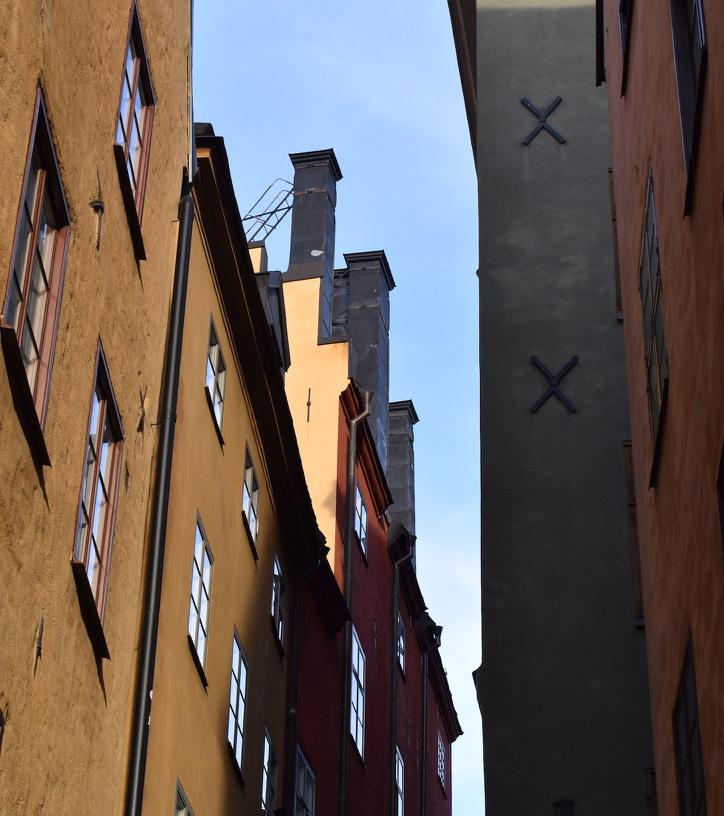
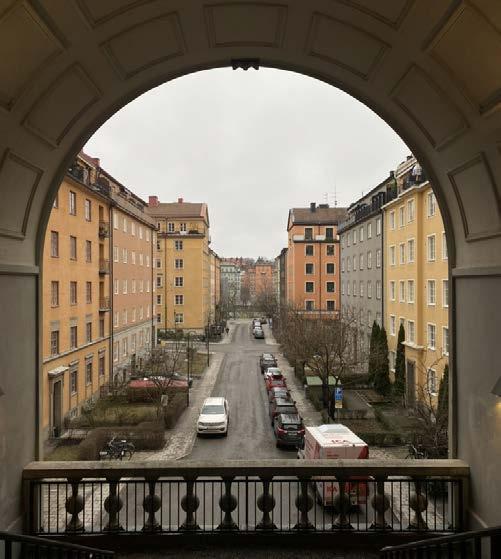
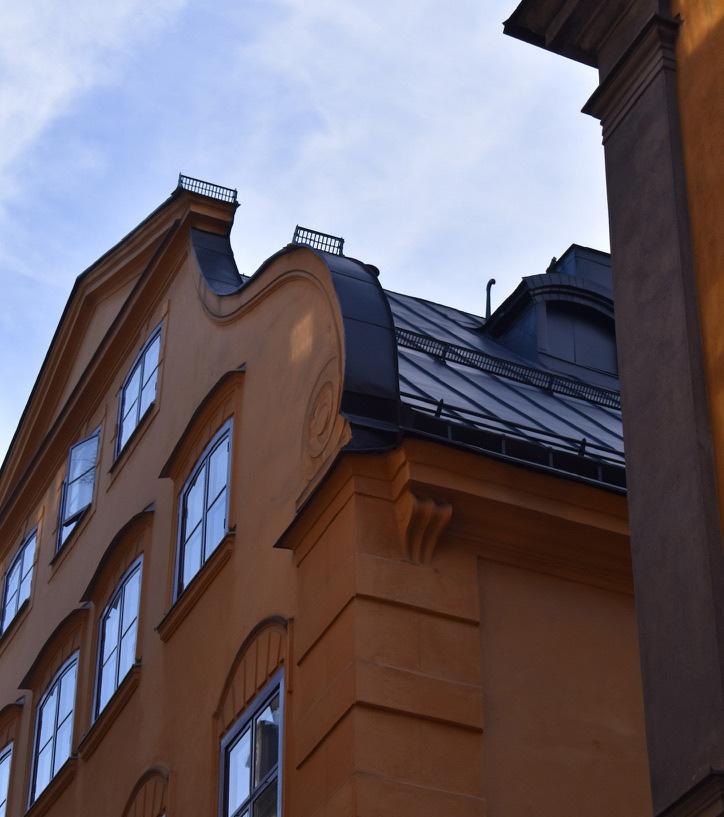
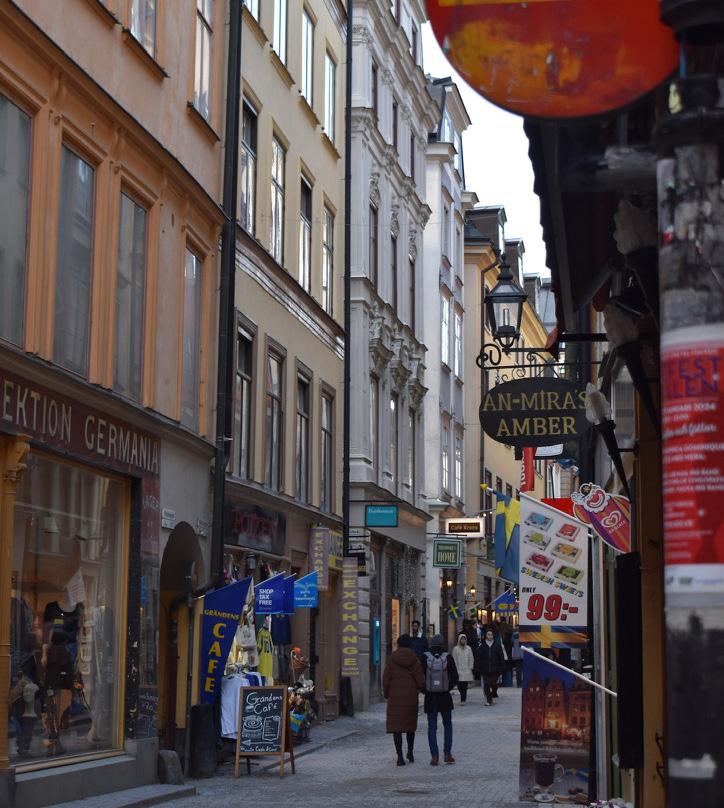

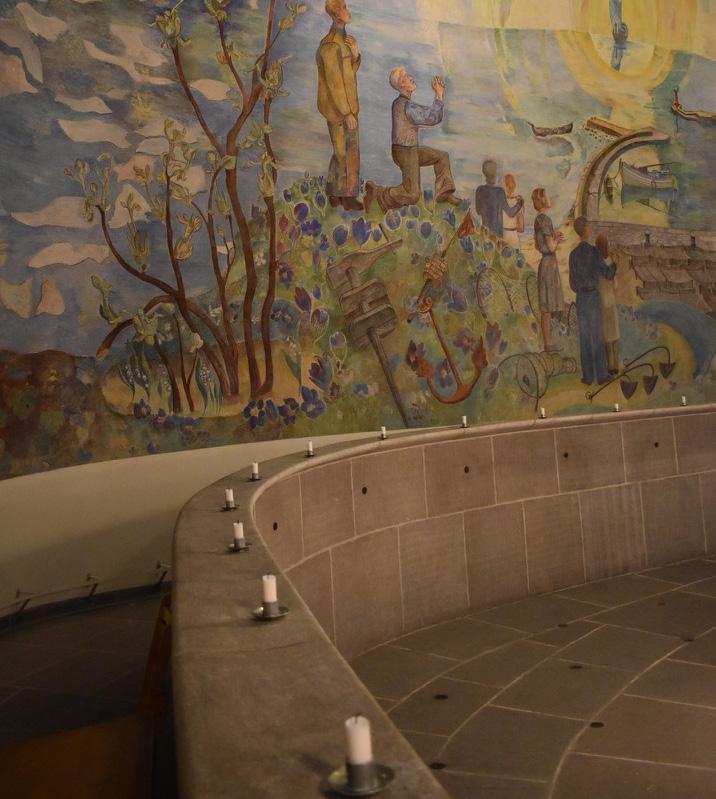
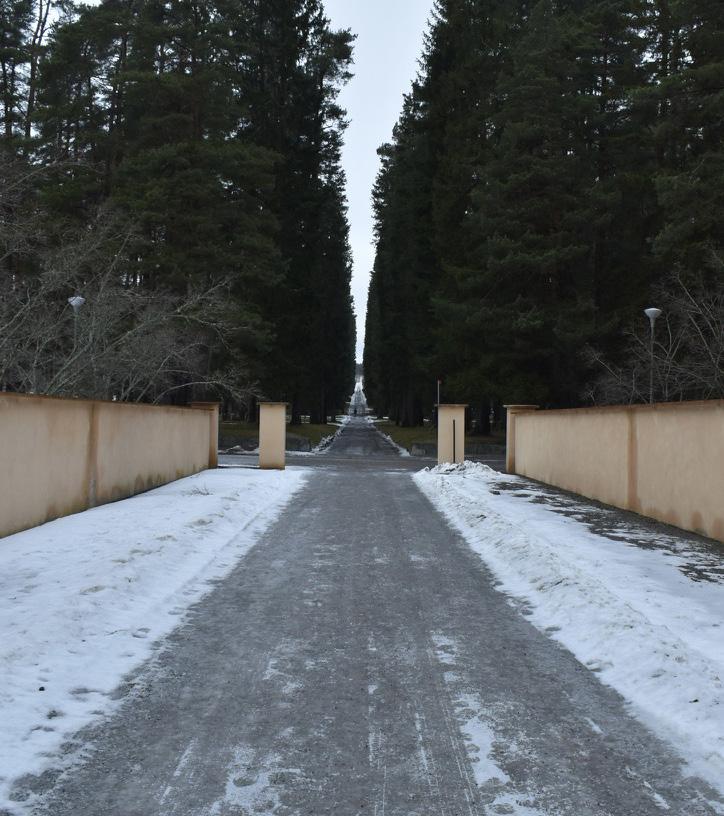
40Stockholm, Sweden
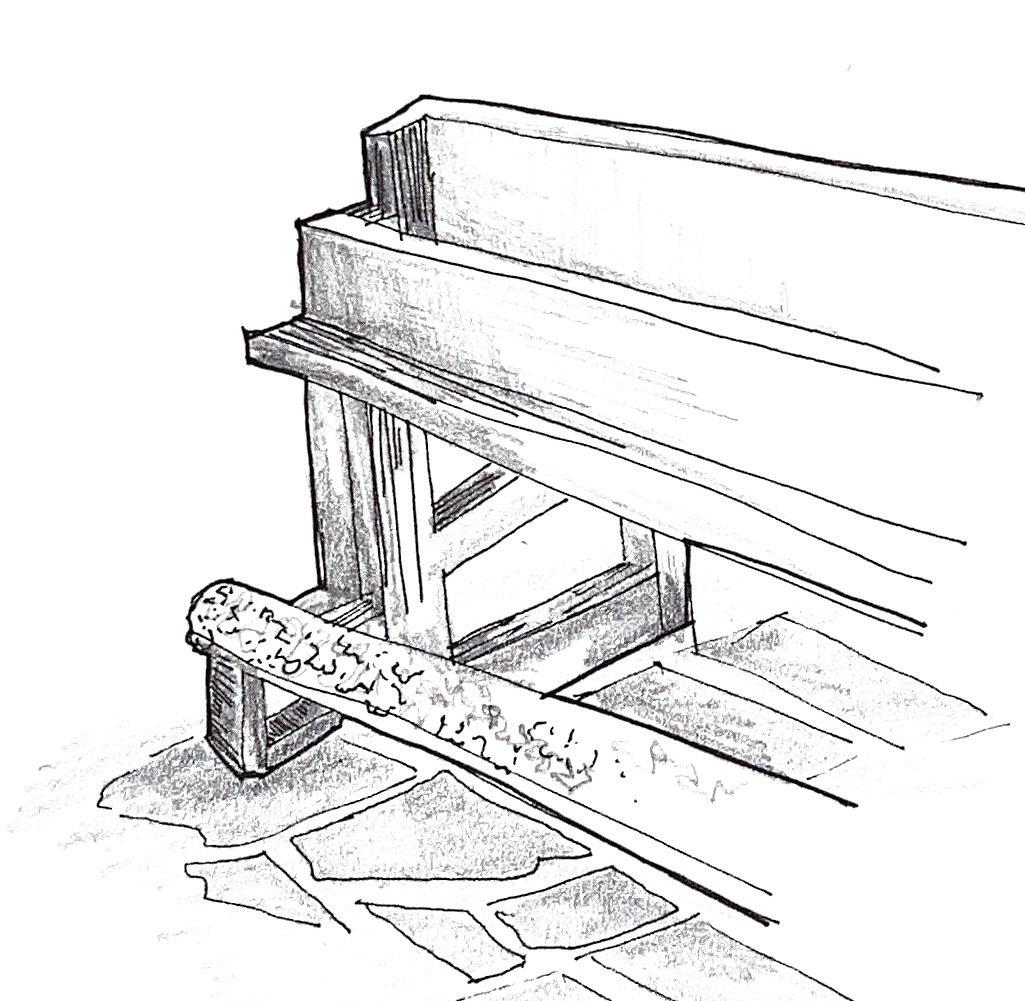

Conditions at interior and exterior windows
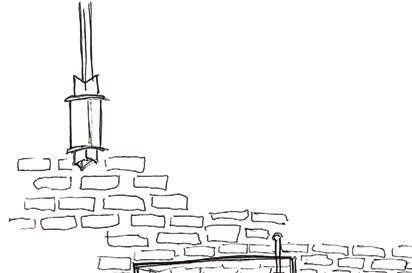


February 22, 26
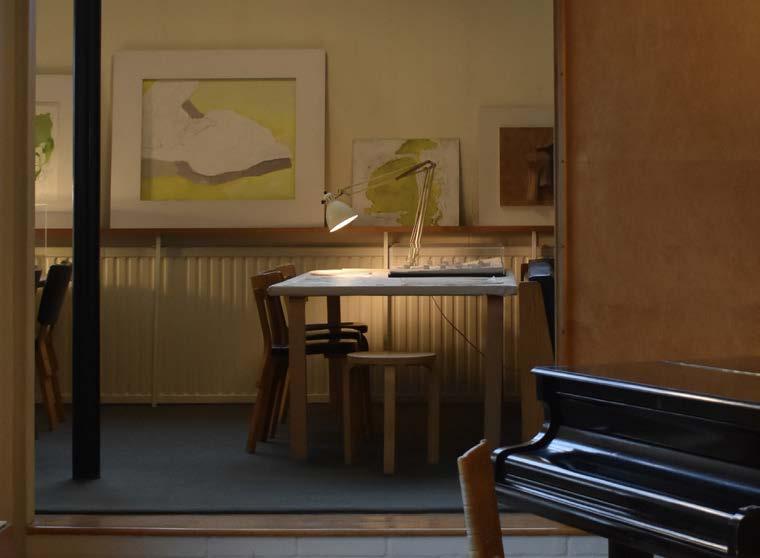
The ferry to Finland distinguished this country from other Nordic areas both by distance and the change in customs. Cultural differences and a new linguistic pattern immediately became apparent. Design criteria in Finland, an area much farther north, responded to the importance of light with an intense focus on natural sunlight. Indoor lighting often seemed to invoke social queues for gathering spaces. Cool light, most often used in modern buildings, delineated open gathering space. This occurred in buildings such as the Museum of Contemporary Art Kiasma and Helsinki Central Library Oodi. Such buildings welcomed visitors and provided leisurely space for the masses. The scale of the rooms accommodated large groups of people. Contrastingly, warm lighting, studied in Alvar Aalto’s homes and studios, represented intimate spaces with intricate detail. These distinctions allocated a focus on designing a meaningful public space understood by any visitor and the qualities of a personal space defined by ownership and character.
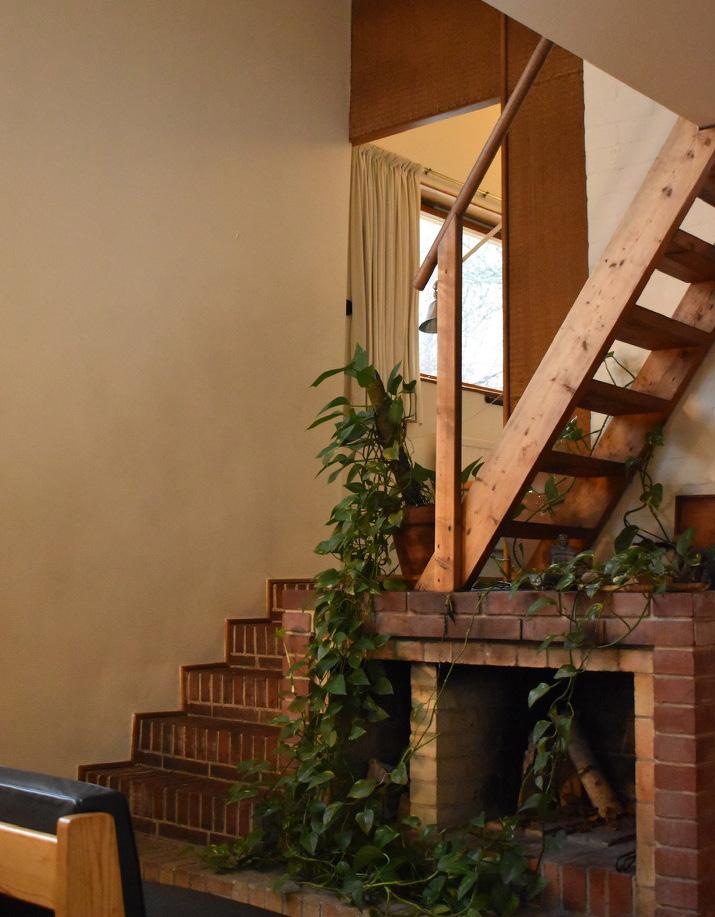
Home studio and living room conditions
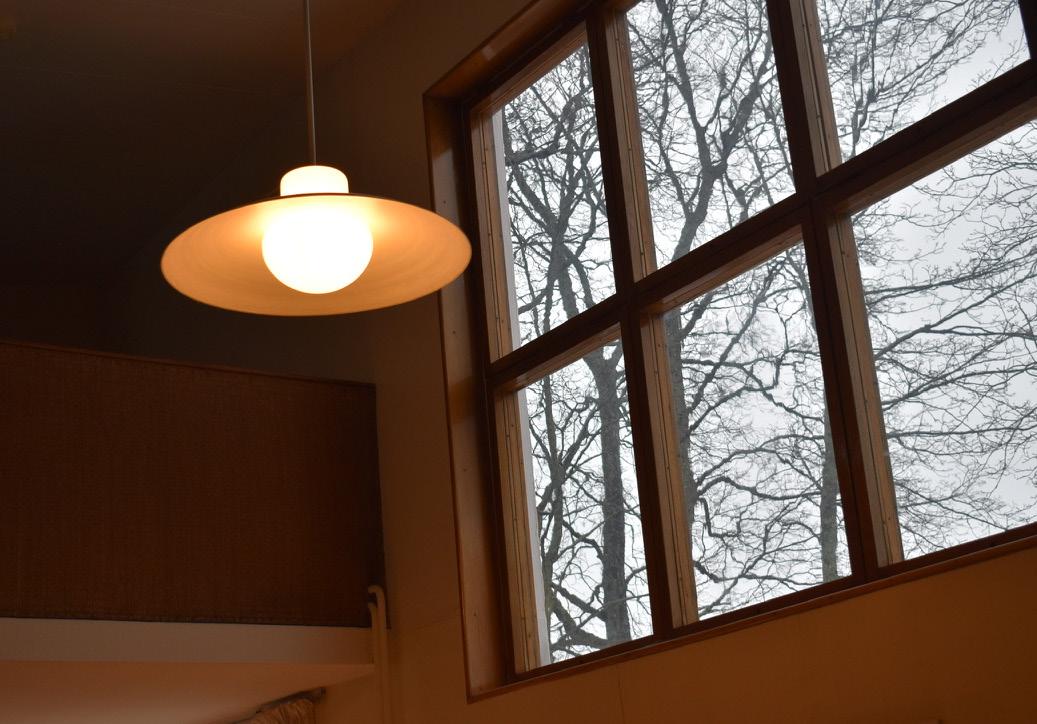
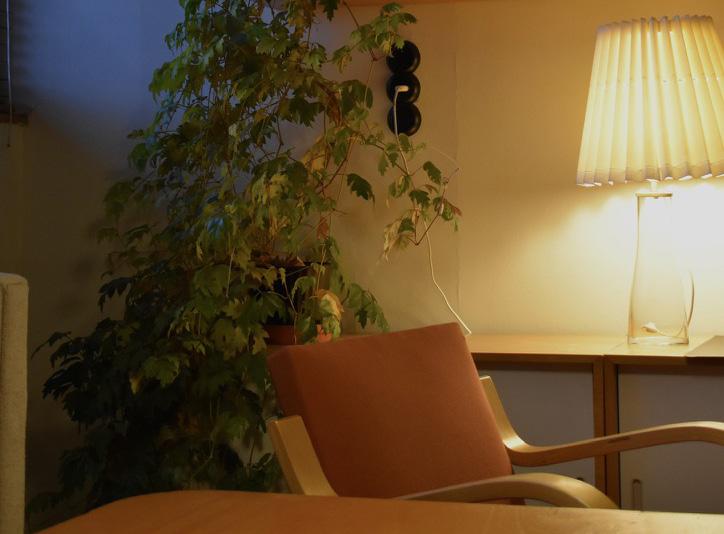
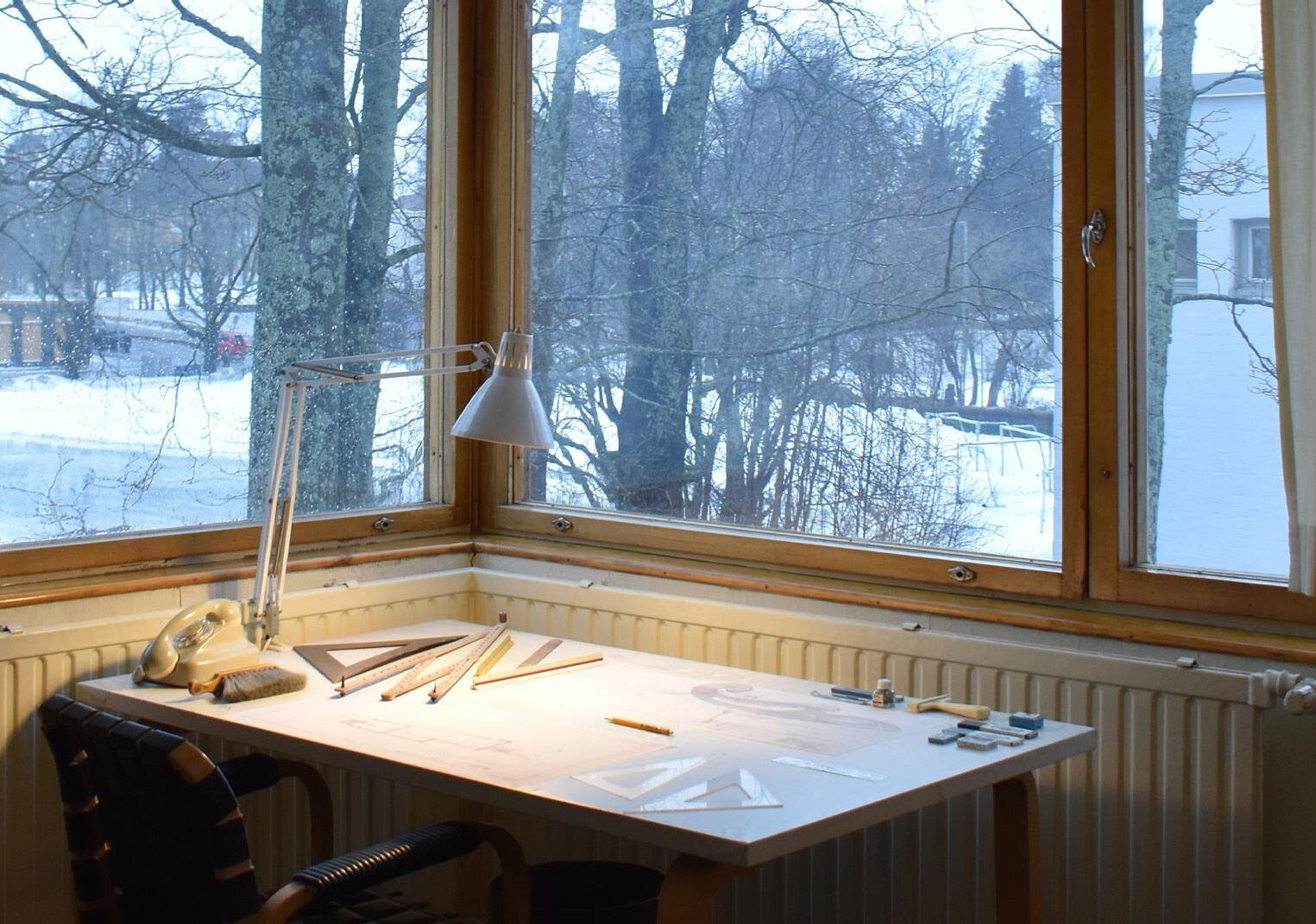
46Helsinki, Finland
Movement cultivated by ramped circulation within the Helsinki Central Library Oodi, designed by ALA Architects, 2018
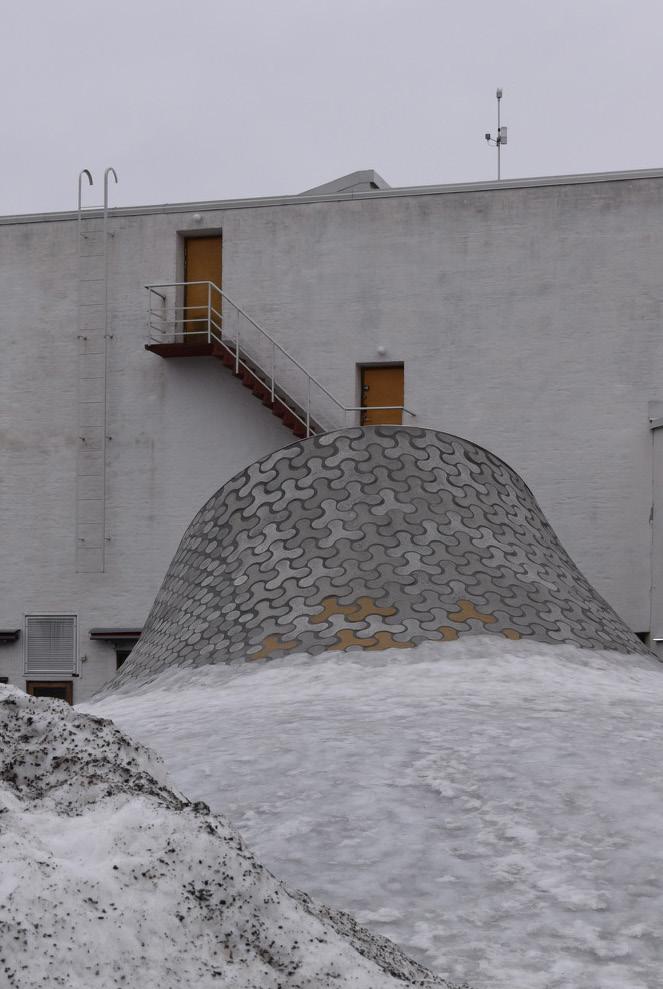
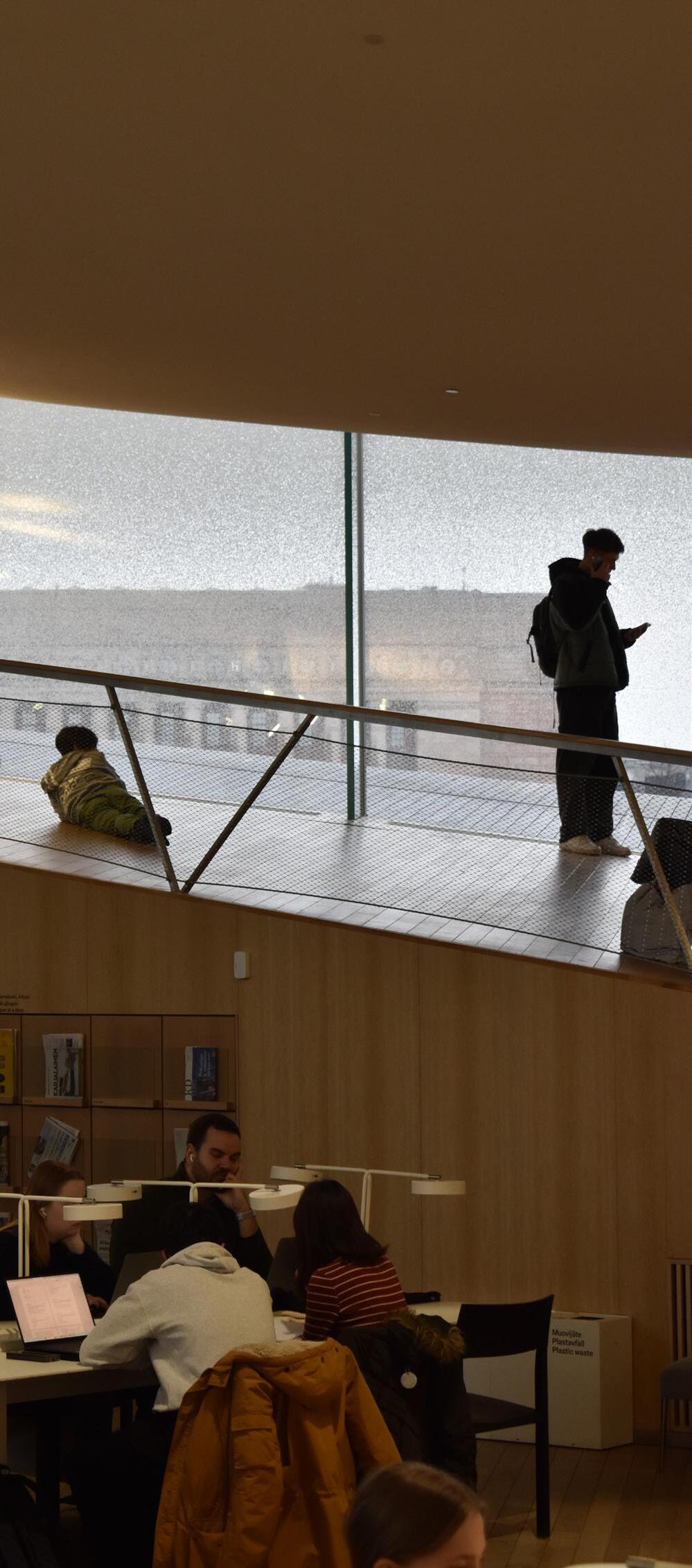
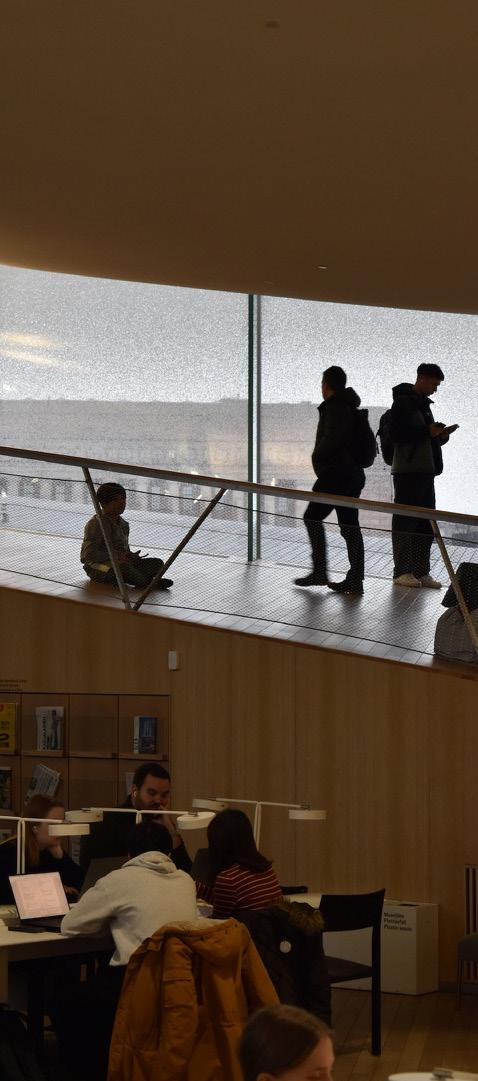
Depictions of clerestory and boardform concrete circulation ramps
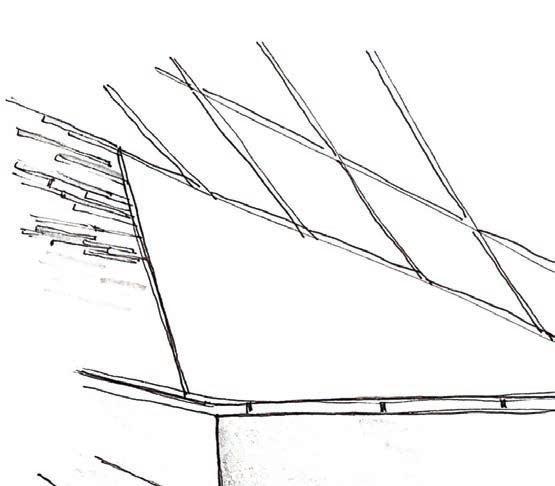

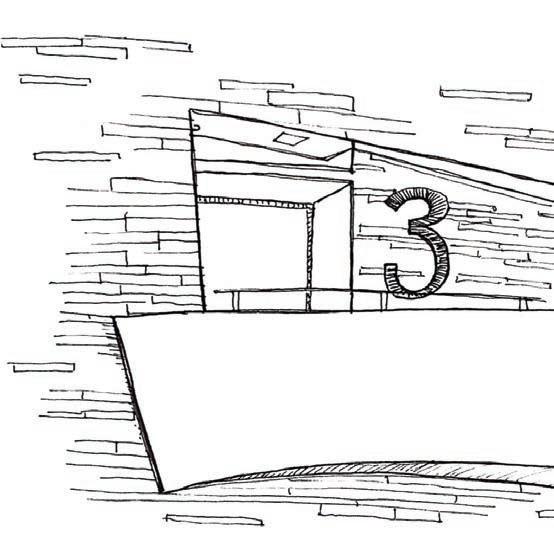


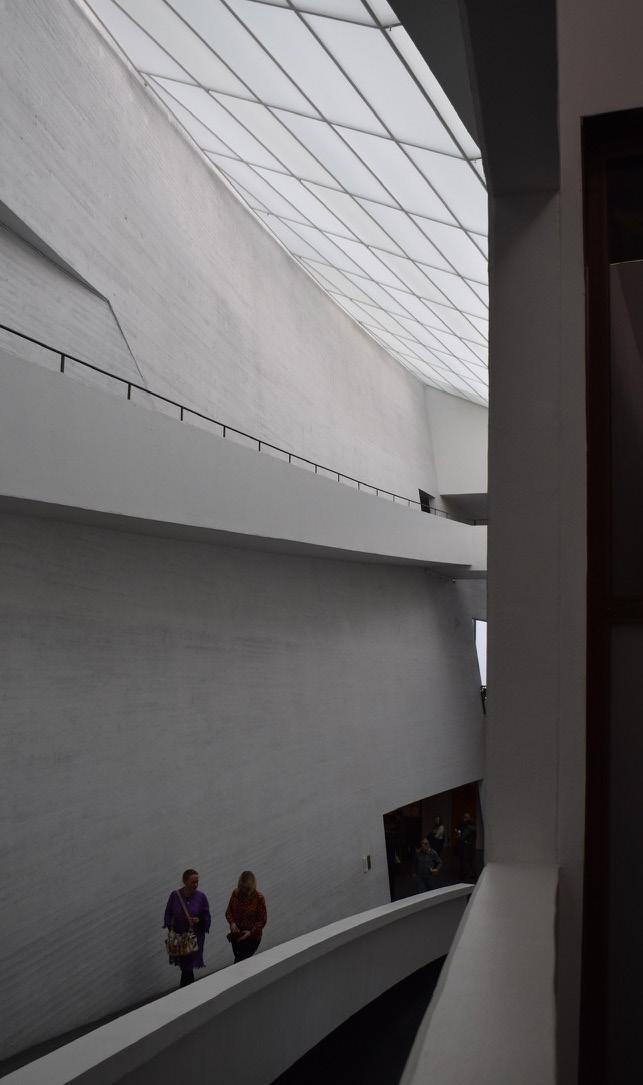
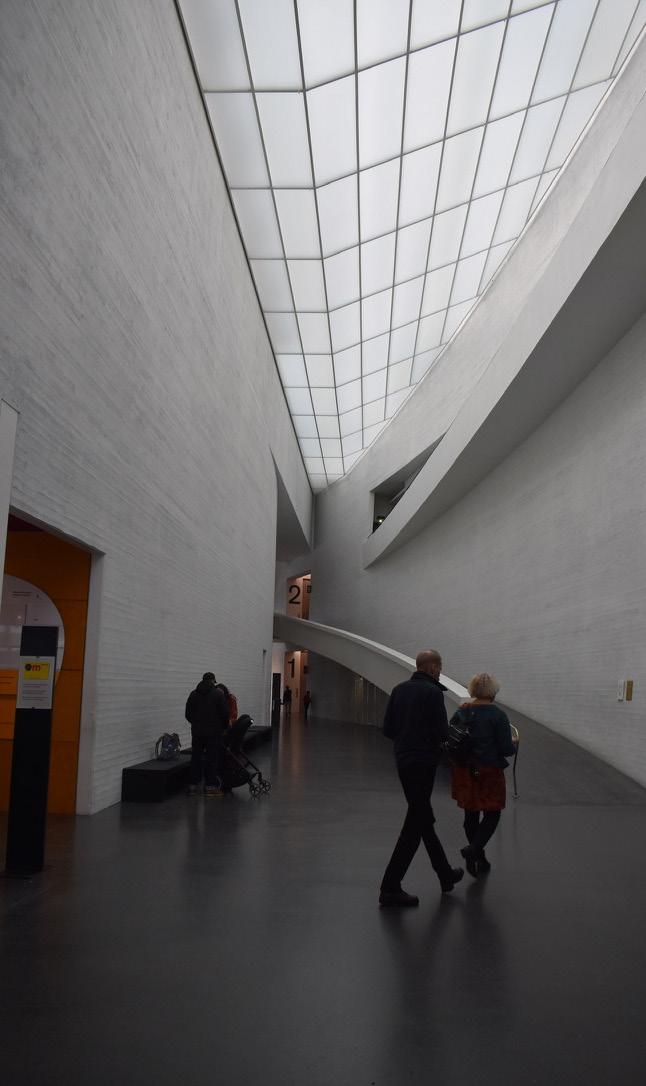
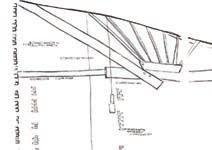
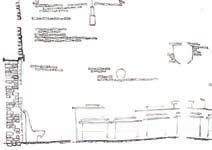
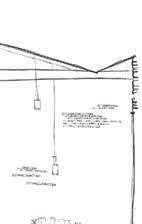
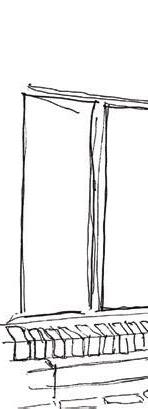
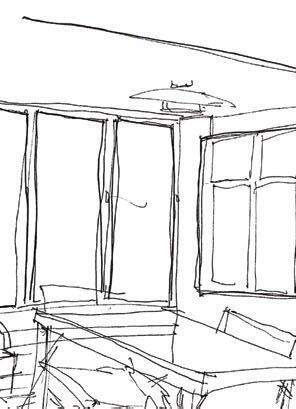
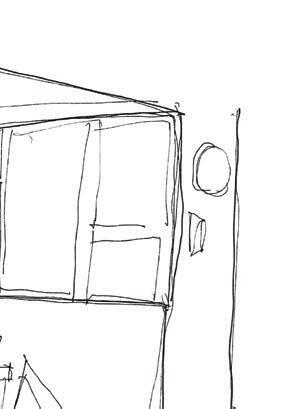
Staying overnight in the Säynätsalo Town Hall, the concept of habitation within a building became the means of exploring its design. The extensive brick and wood use, in relationship to the heavy massing and simple parti of rooms along a corridor, delineated a sequence of entry events: from the grand exterior stairway to the snowy courtyard, waiting in the vestibule, and ascending into the courtroom. The significance of material required a critical look into the function of space. Sketching as a means to understand the building became vital in exploring the relationships between every piece of the intentionally designed details. One such detail included a heating system hidden underneath the bench wrapping the hallway, a detail only discovered by accident while resting in the hallway looking toward the courtyard. In truly experiencing a cohesive design, an interest in the full craftsmanship of design inspired a specific look at how habitation within one of Aalto’s most famous works still necessitates common requirements for all visitors and inhabitants of the space. 1.8
February 23–24
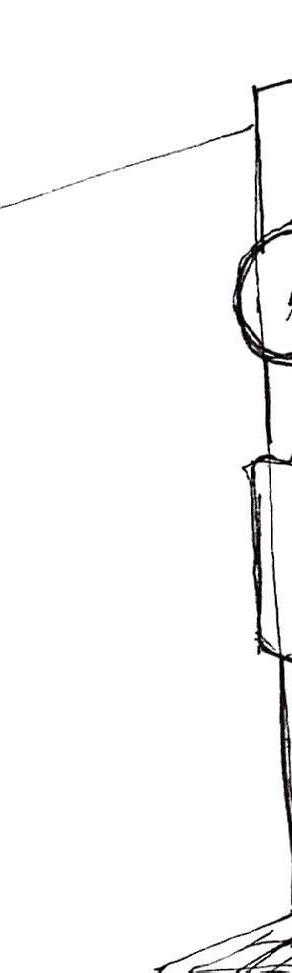
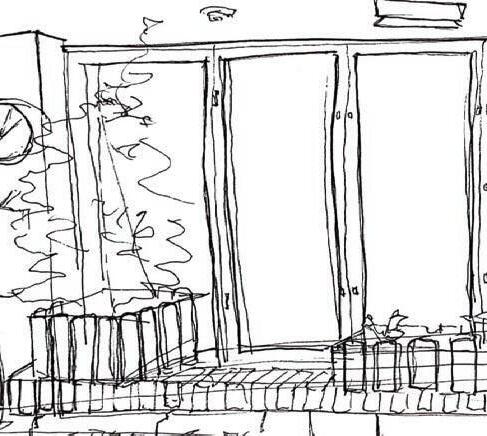
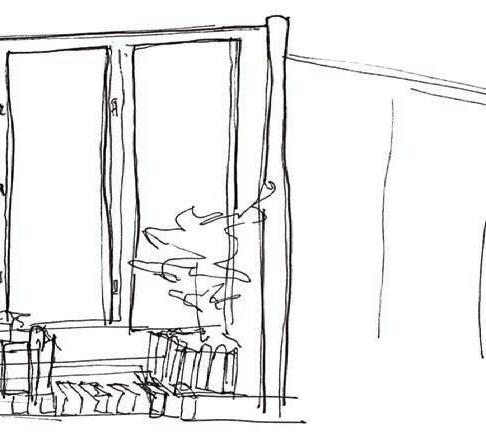
Transitory hallways provided rest and light from the snowy courtyard
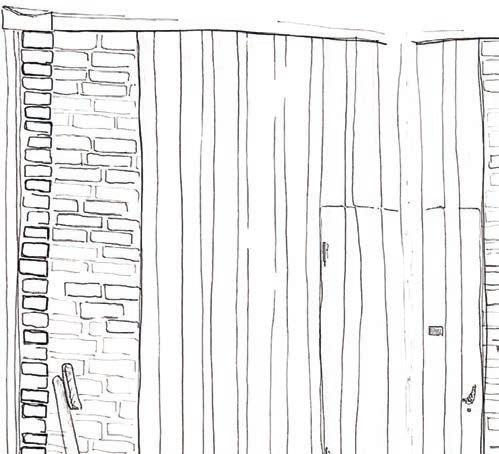
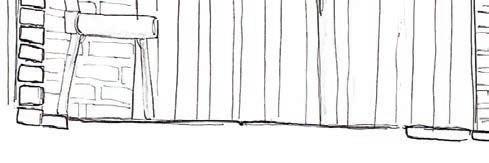
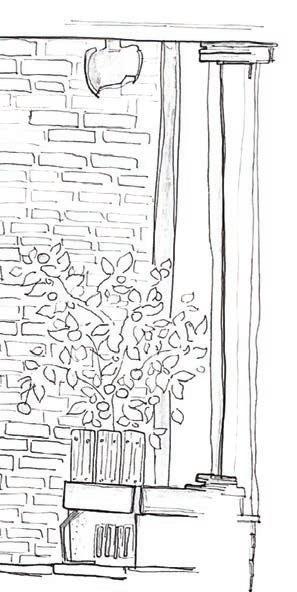
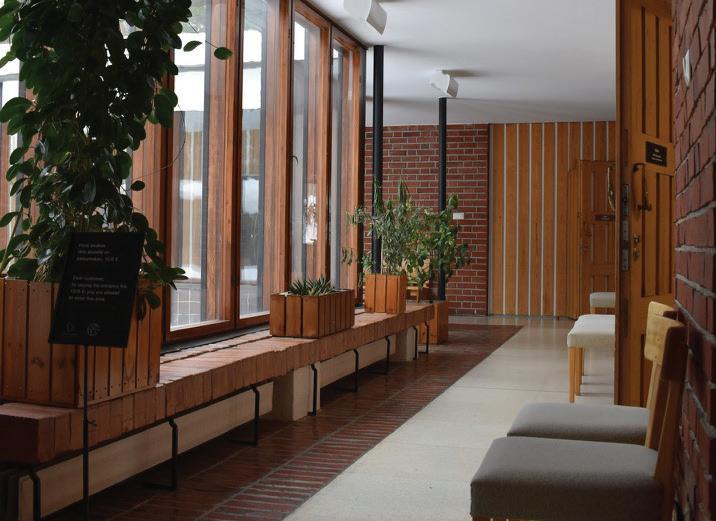
Sketch of intimate conditions created through materiality
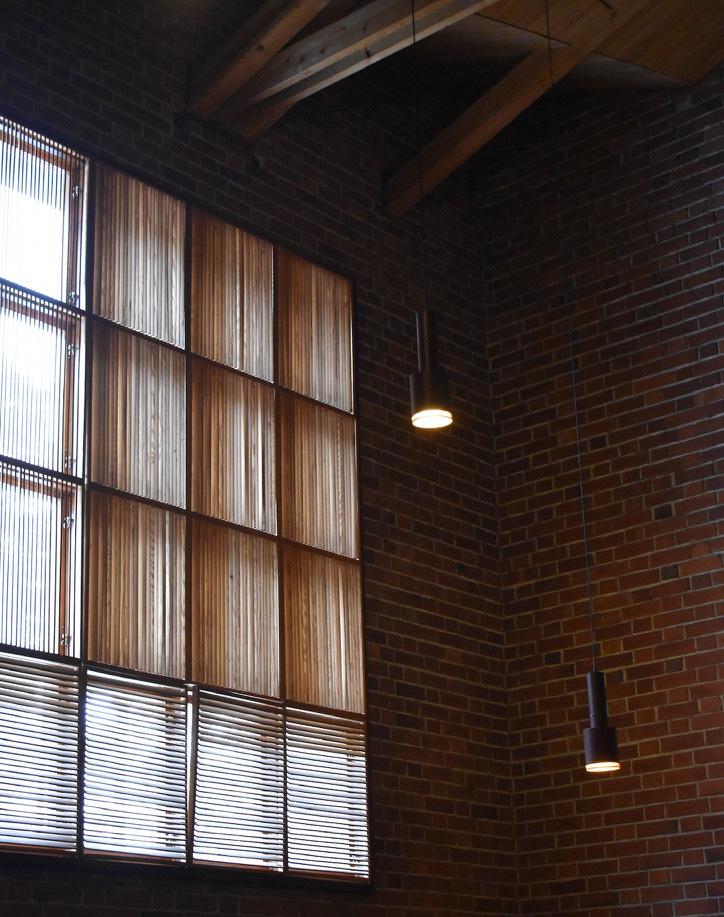
Alvar Aalto’s architectural language throughout the campus of the University of Jyväskylä, 1951

February 25
Continuing to study Aalto’s work at the University of Jyväskylä, similar aspects in his work prompted further intrigue into the craftsmanship. A consistent design language developed within the campus projects, but the expression and change in scale also allowed further opportunities for experimentation. Pronounced wood mullions, hung lights against windows, and blurred barriers between the natural and manmade all culminated against the brick backdrops. These instances of fully designed work crafted my appreciation for total architecture. To begin to define this idea, understanding buildings began to evolve from objects of built form into containers for life to unfold. Buildings designed to provide necessary functions, or allow habits, while also providing the qualities of beauty and goodness, or the habitation within, allowed an adaptable space for every occupant. Architecture no longer rested on a dimensional design for efficiency; rather, it cultivated a unique relationship to its surroundings and its individual inhabitants.
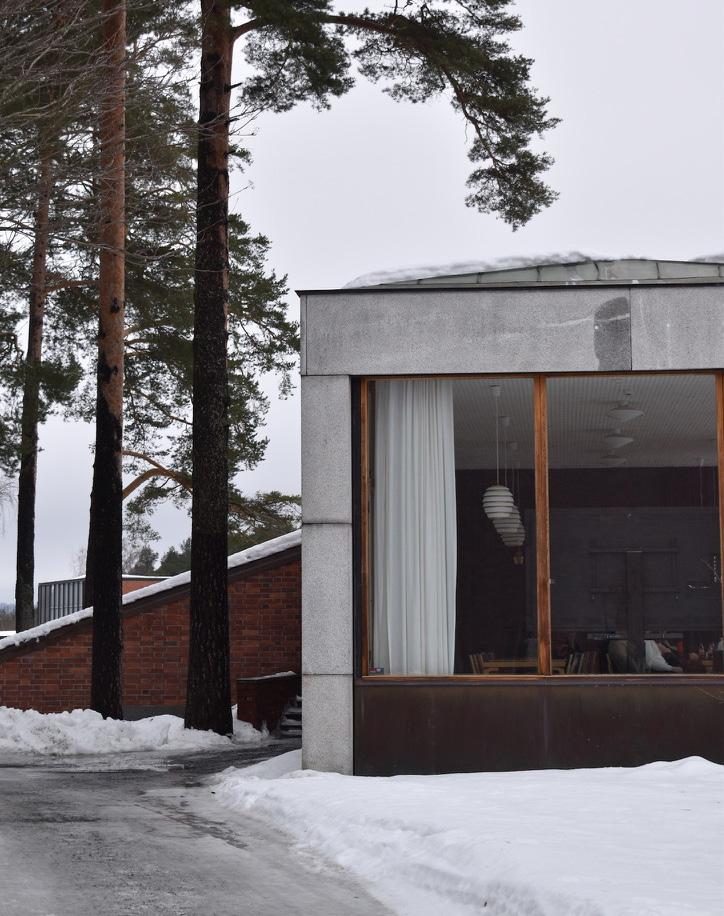
56Jyväskylä, Finland
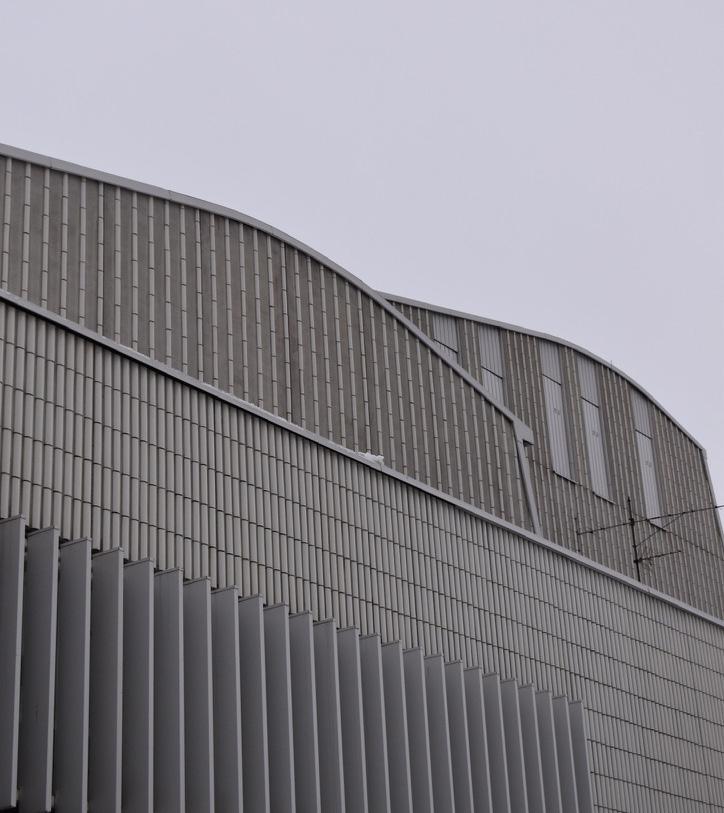
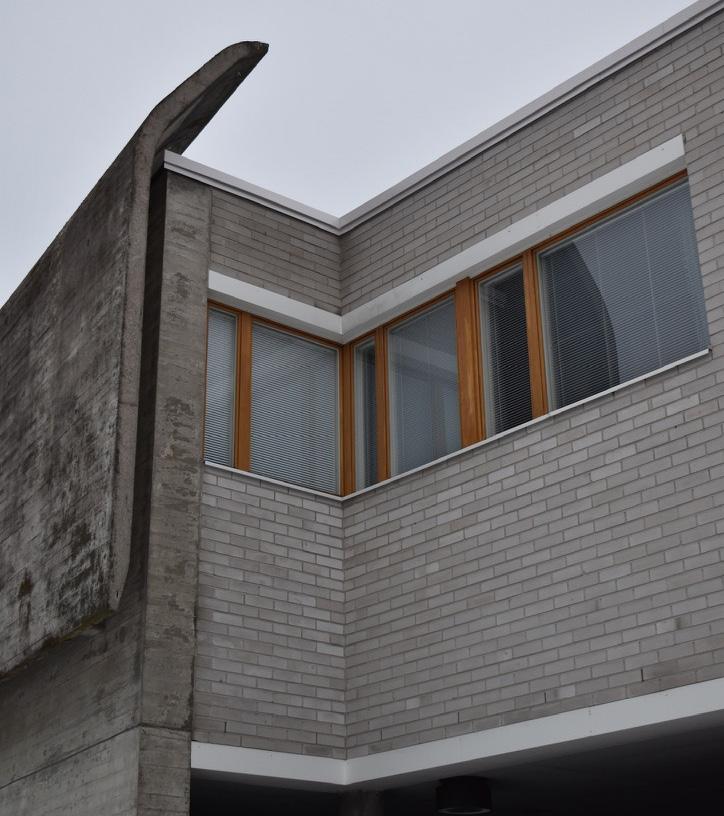
Continued exploration of campus in a specific study of corner-to-sky conditions
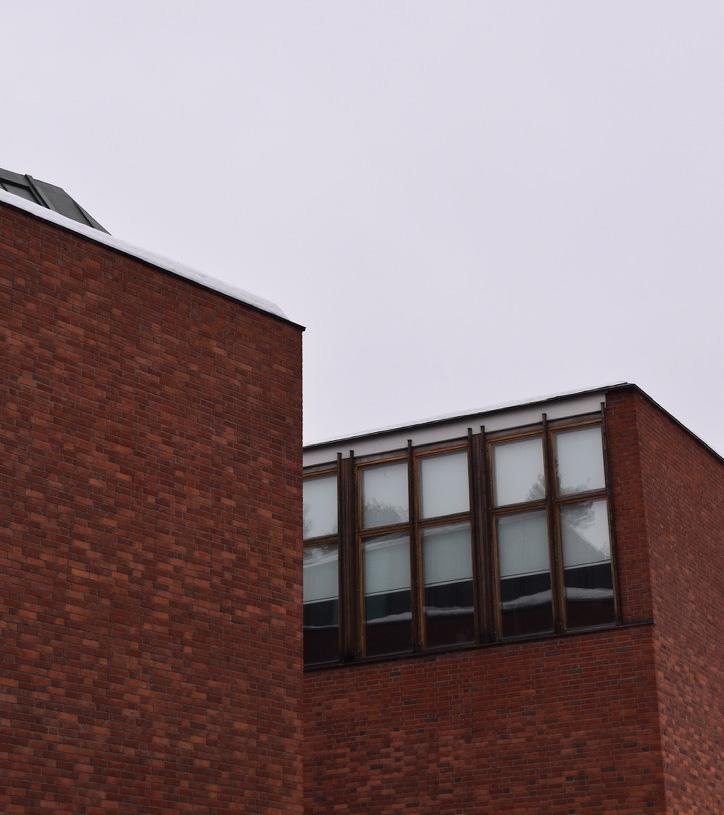
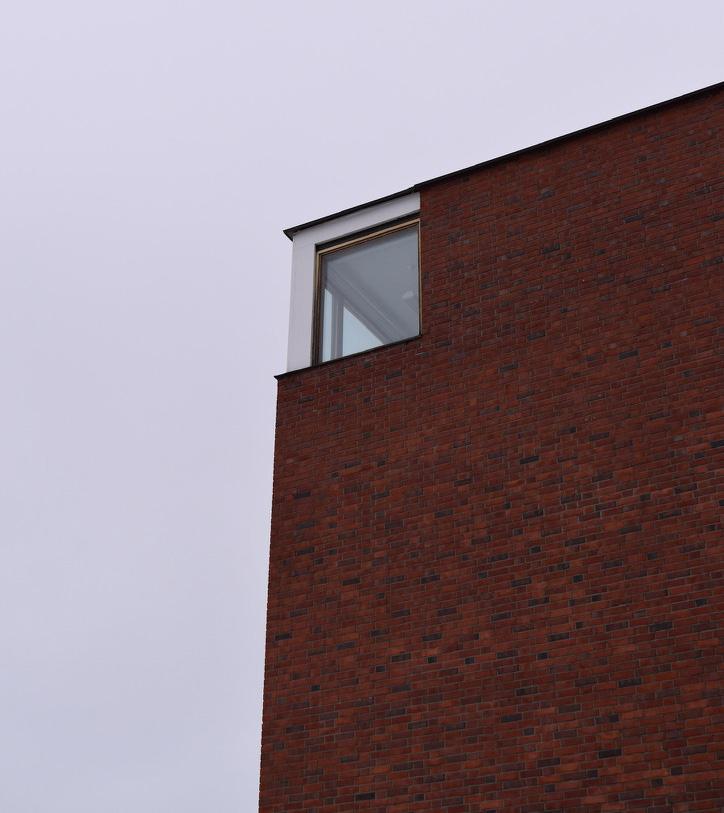
1.10
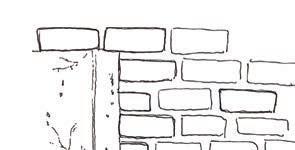
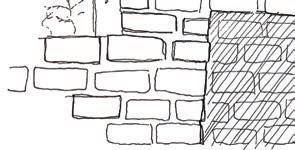
of local brick detailing condition
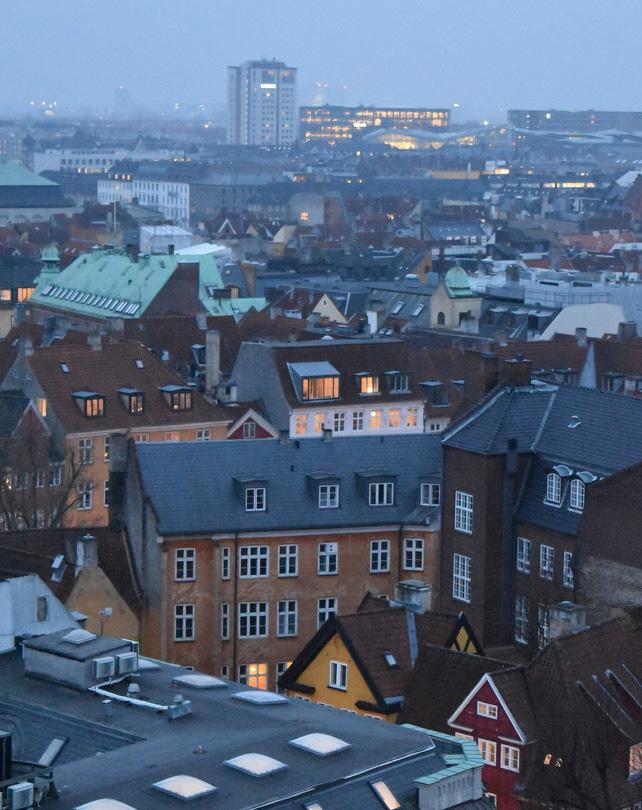
City overview revealed the modern integration into the architectural history

February 27–28
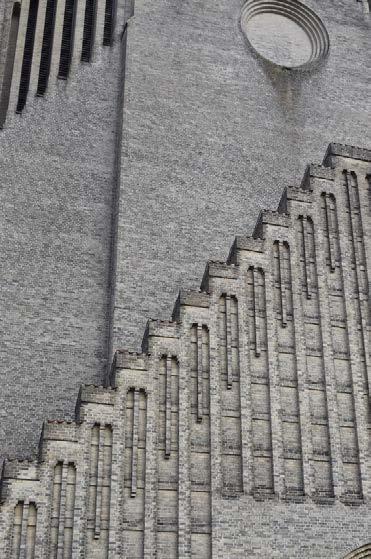
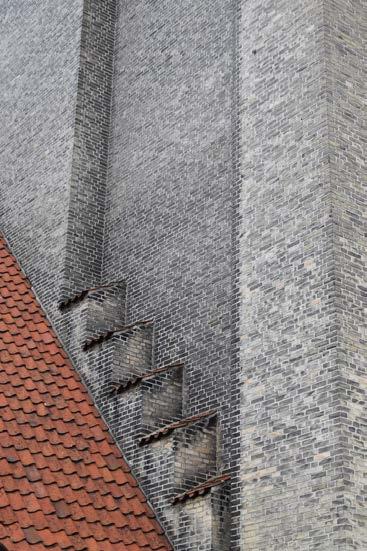
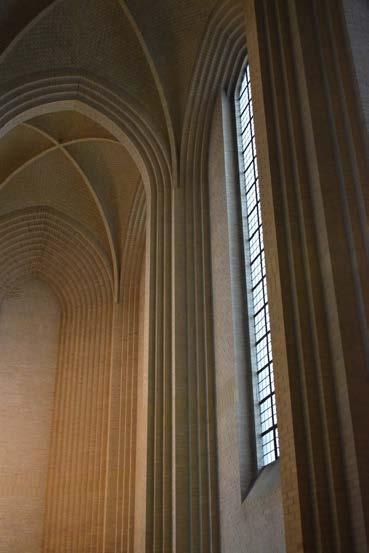
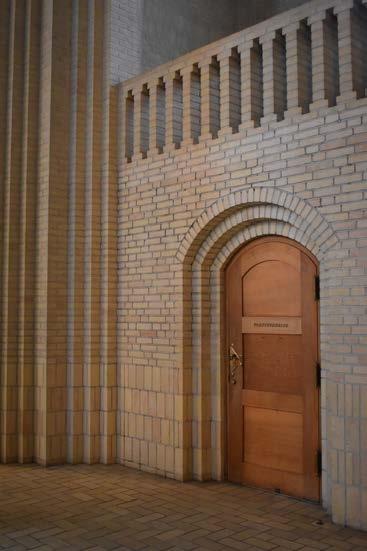
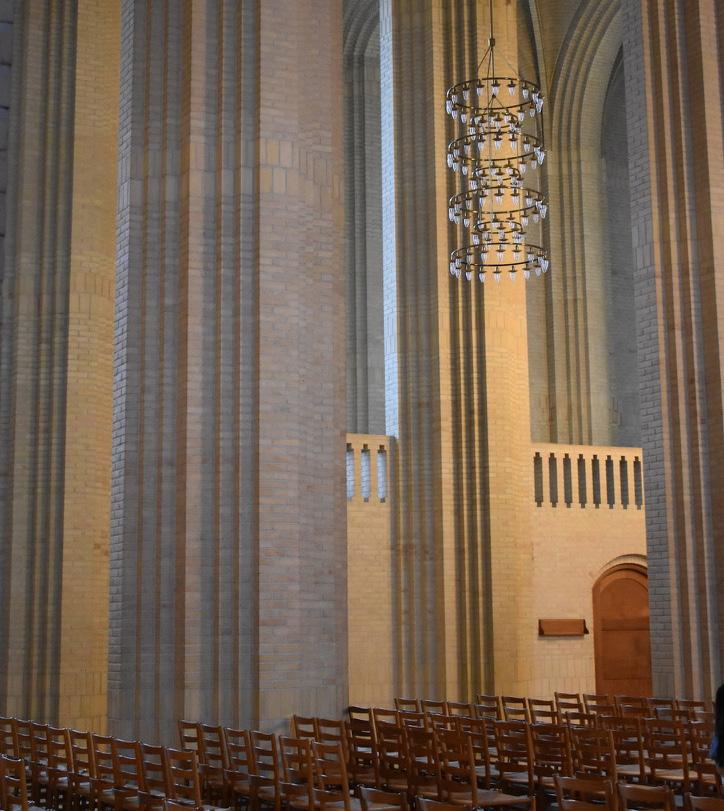
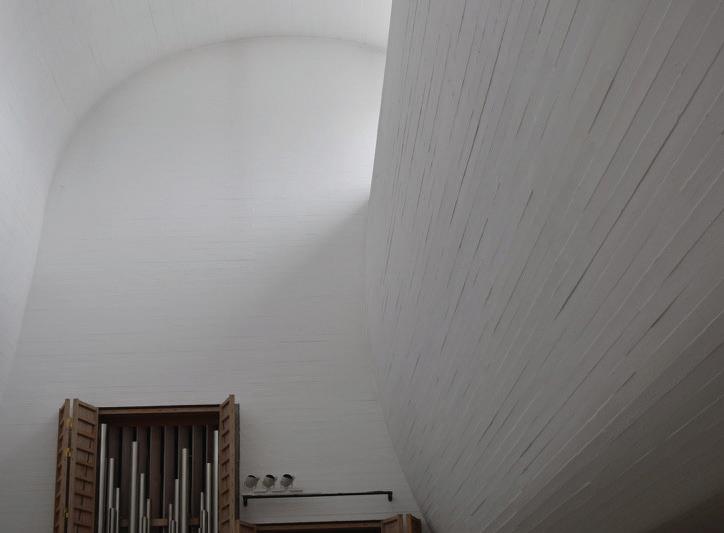
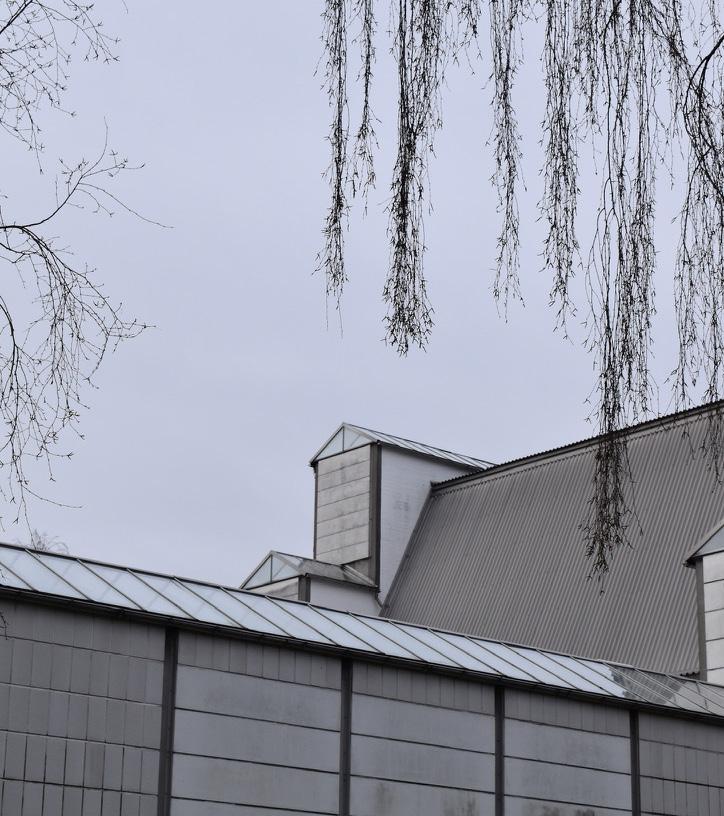
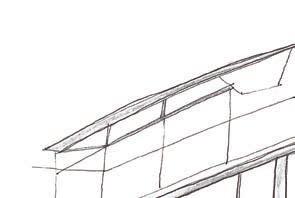
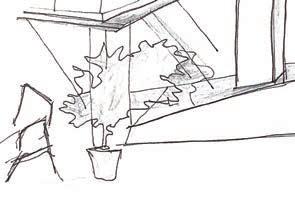
We explored centuries of architecture in the historically rich Copenhagen at our return to Denmark. This historic district revealed layers of buildings circulated by winding cobblestone pathways and opened by large plazas. Studying the built forms for historical and modern context, the study of three particular churches caught my attention. The Grundtvig’s Church overwhelmed my perception of grandeur in a focused look of brick vaults. In response to the emotions of awe by my colleagues, I discovered that the space incited wonder by its high-reaching atmosphere regardless of religious preferences. The Bagsværd Church provoked a similar response, a humbled structure relying on natural light to emphasize architectural integrity. The Islev Church displayed this quality as light poured from the ceiling in a display of uplifting structure. Each church held a moment a stillness within its design, a moment of respite discovered individually for each occupant through different stimulants of form, material, and light in the restful spaces.
height and brick expression
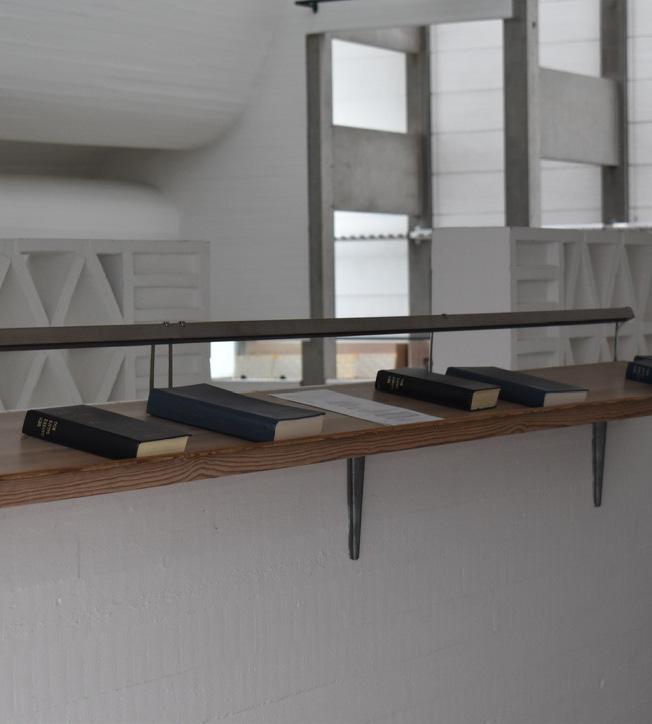
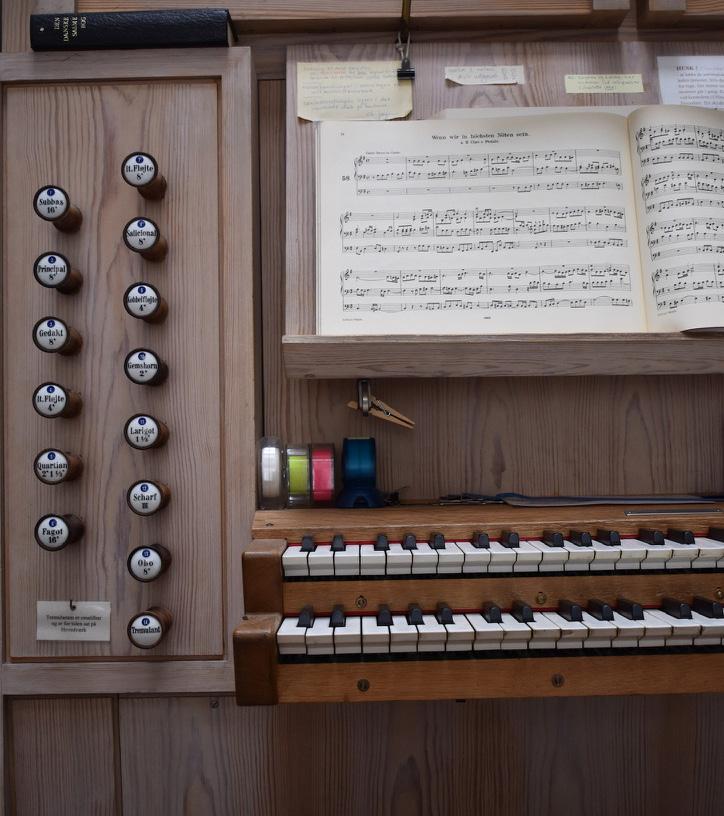
Diffused lighting condition and expressive undulating form prompted reflection at Jørn Utzon’s Bagsværd Church, 1976
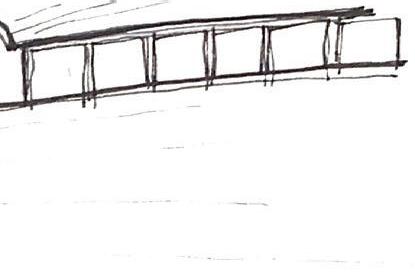

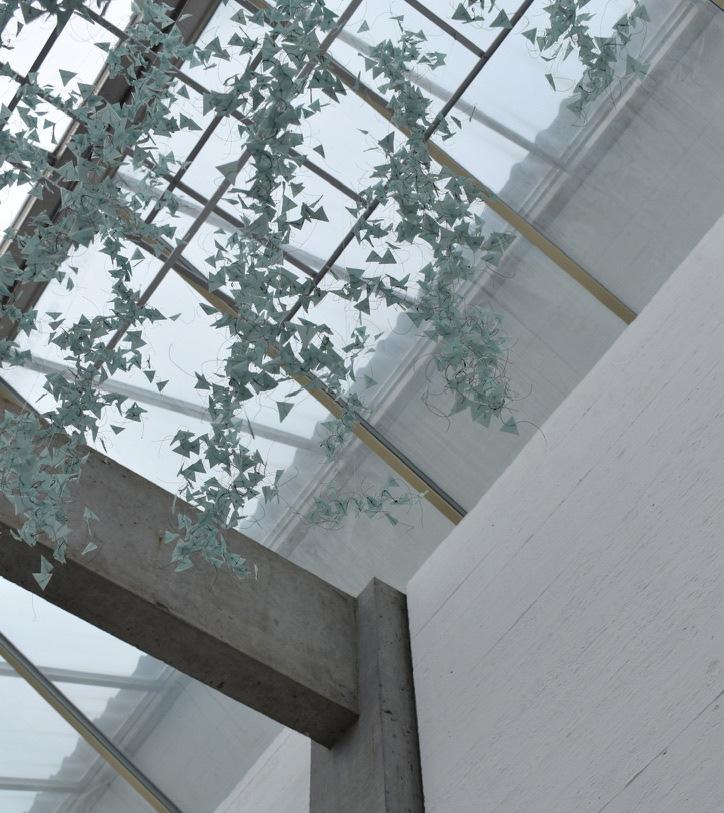
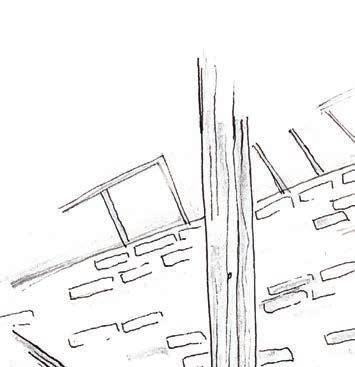
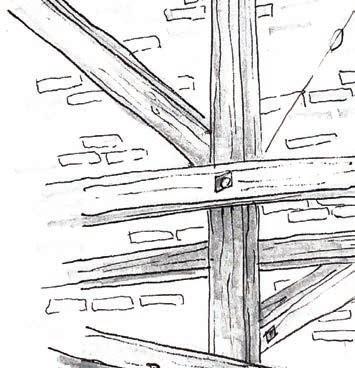
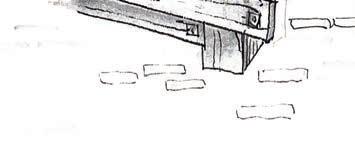

Depiction of intricate structural system
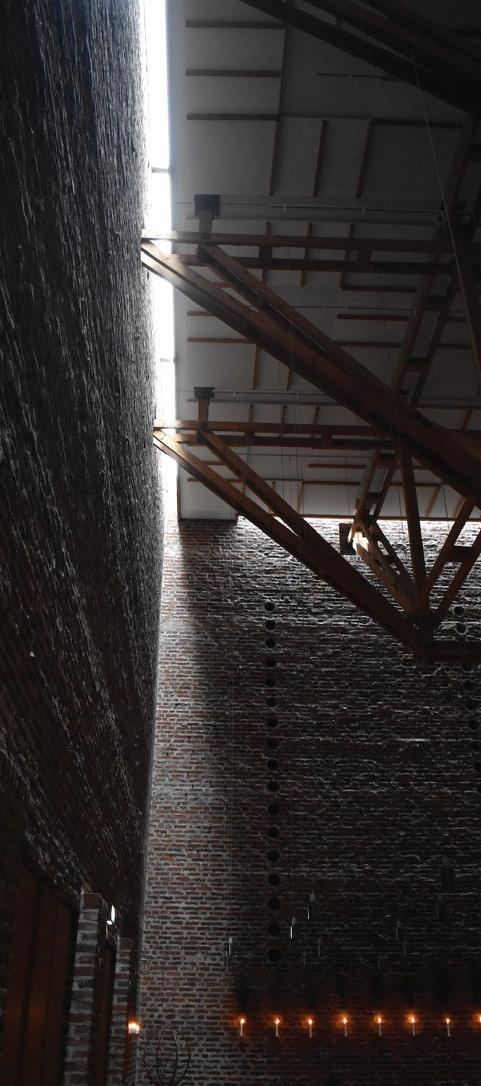
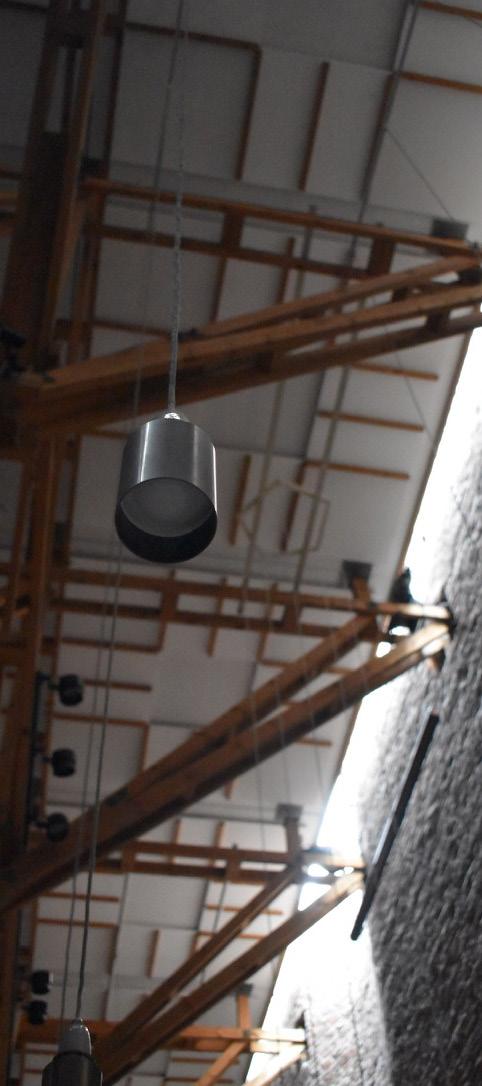
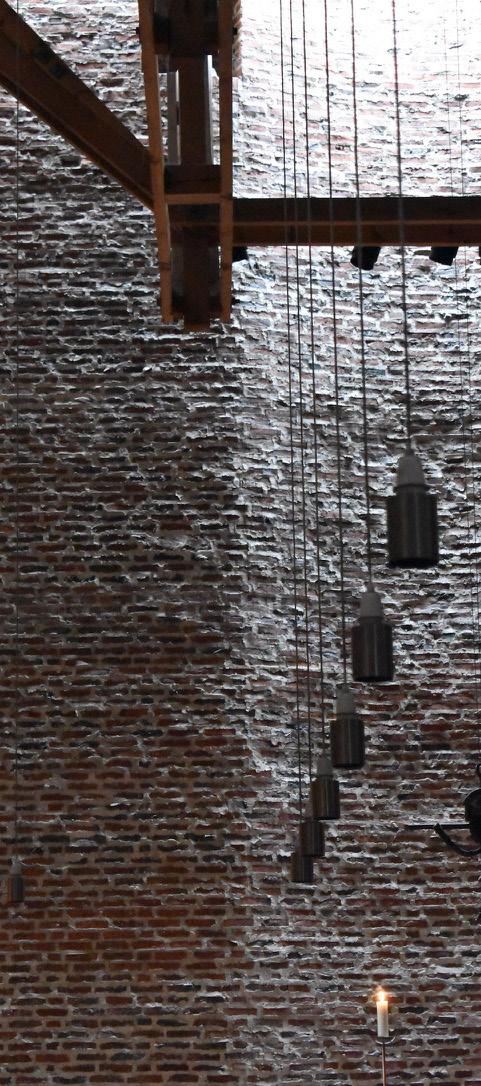

February 29
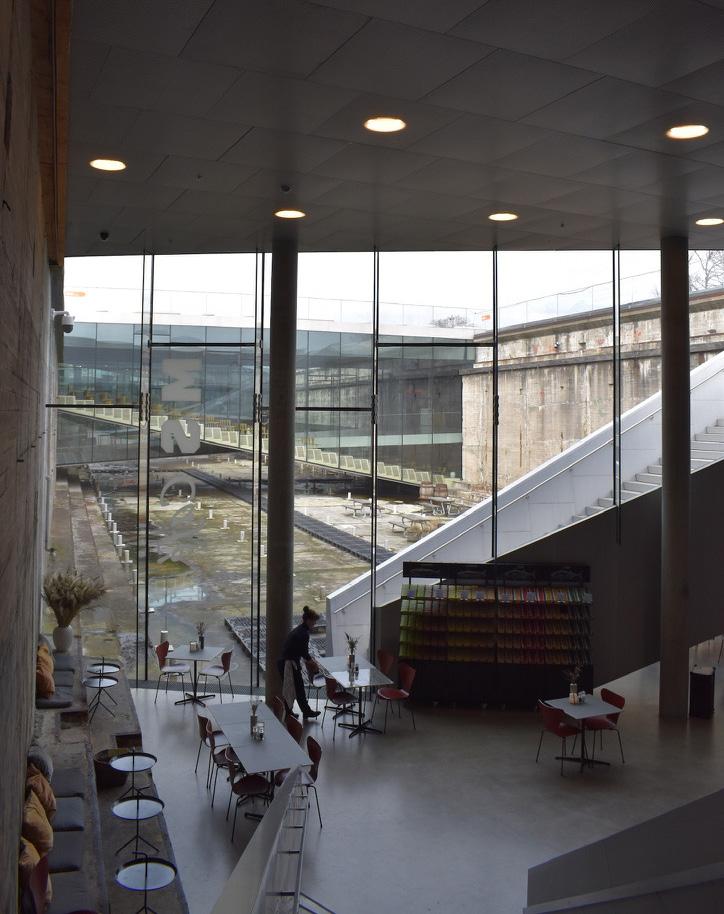
Discussed throughout our travels and in inspiration from Johan Celsing’s work in Stockholm, I began to intentionally notice the interaction between the worker and building. By visiting the M/S Maritime Museum, this relationship extended from an observation of the public interaction to systems. The building transformed an old dry dock into a nautical museum. The changing levels constantly shifted space and created transitional areas. Pauses in the architecture allowed areas of rest for the workers and moments of view for the visitor; however, the places where visitors rested were the busy areas for workers, such as the restaurant depicted here. This relationship questioned how spaces can be designed to edify the workers, those who occupy it each day, versus the brief interaction with the visitor. During the whole travel period, we criticized all of the monumental buildings based on a singular interaction with the main public spaces. How would this outlook change if we looked at the spaces from the viewpoint of those actually occupying it?
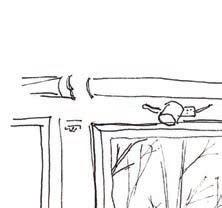
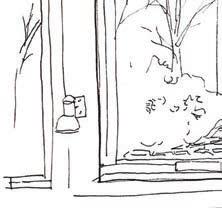
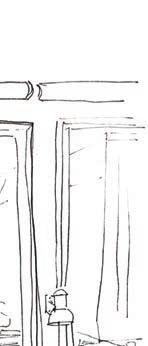
Window condition drawing looking towards accessible exterior patio
Jørgen Bo and Wilhelm Wohlert’s wayfinding experience at the Louisiana Art Museum, 1958
February 29
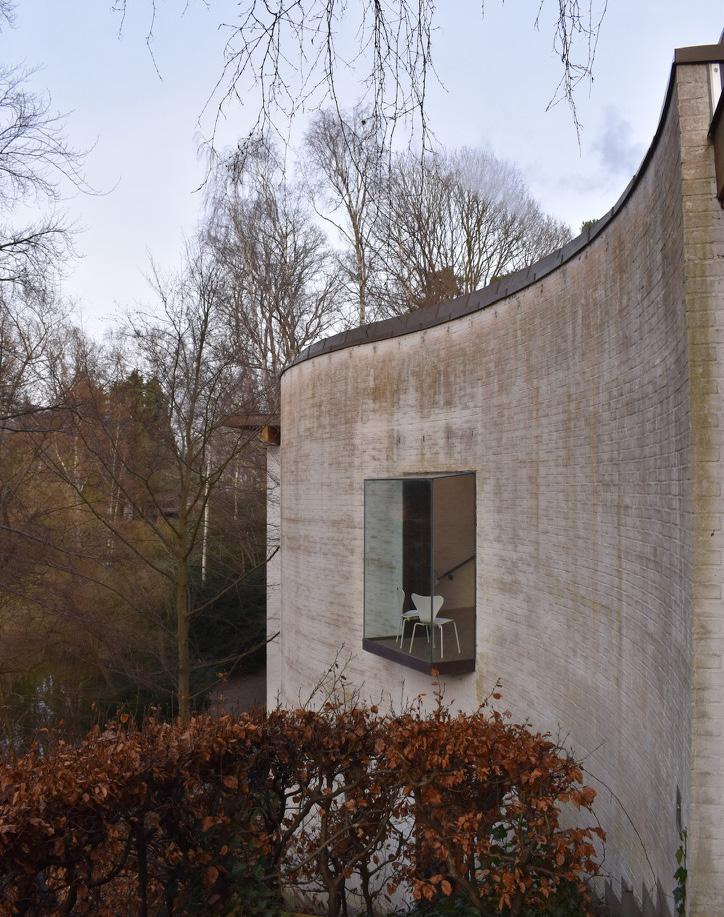
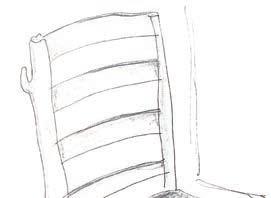
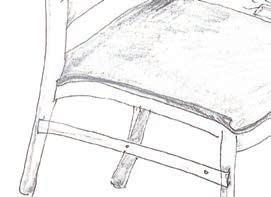
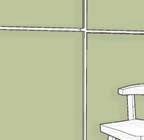
The Louisiana Art Museum in Humlebæk inspired the concept of moving within and between spaces, changing elevation to establish differing levels of contact with light. The level changes offered interactive experiences for every visitor. The moment to the right showcased this interaction through a protruding window with chairs belonging to the children’s room. Perhaps anticipating the occupation of the unique space, architects Jørgen Bo and Wilhelm Wohlert situated this glass volume to overlook the curving landscape and lake. This window remained one of the few openings on this side of the museum, allocating an experience special to the children visiting the museum. In the midst of the surrounding winding staircases and untraditional wayfinding, accessibility in the design of door openings and elevation positioning allowed a similar experience for all users. Integrating specific moments to inspire movement created instances of hide-and-reveal for every circulation path, whether stair or elevator, gravel or paved path, step or ramp. 1.12
March 9

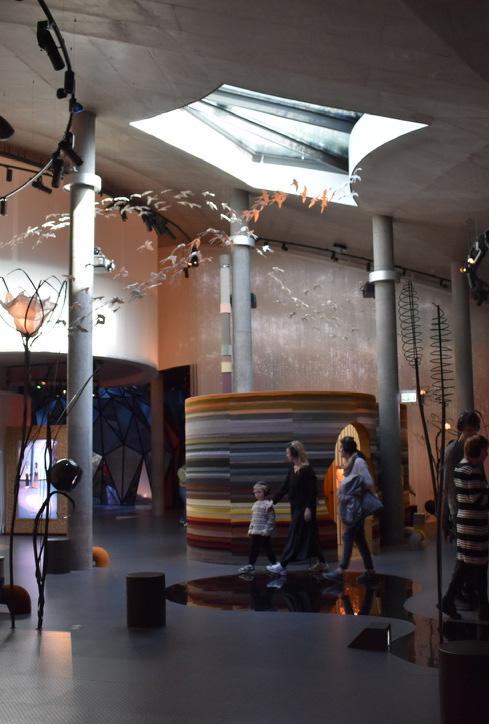
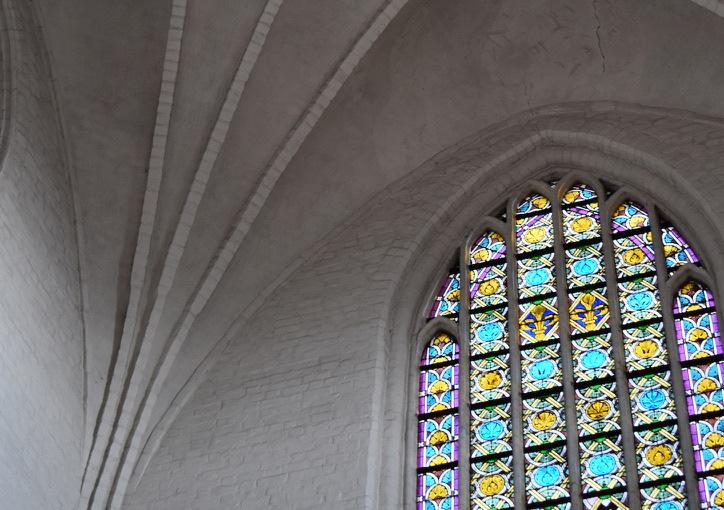
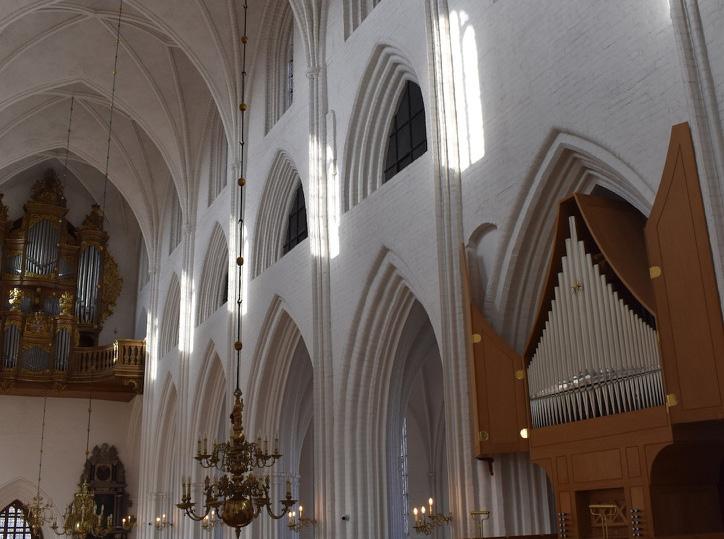
To truly experience people interacting within a space, a small group traveled to the nearby city of Odense to visit the Hans Christian Andersen Museum, designed by Kengo Kuma. The mass timber building enveloped the story of the museum, the displays constantly engaging all senses and inciting wonder along the pathways. Moments of architectural display through hidden windows and curving solids seem to suspend time in light. The architecture encouraged this exploration of the senses, guiding visitors to explore brief pathways before reconnecting to another display. Observing the people, the differences in exploration proved not to matter as each path was fruitful, inviting levels of interaction with each other and within spaces. In exploring the town, similar responses to light were discovered within St. Canute Cathedral, with an arching painted brick interior and stained-glass adornments. Though buildings of differing use, both precedents offered a sense of wonder and interaction with the design, designs intent on engaging the occupant.
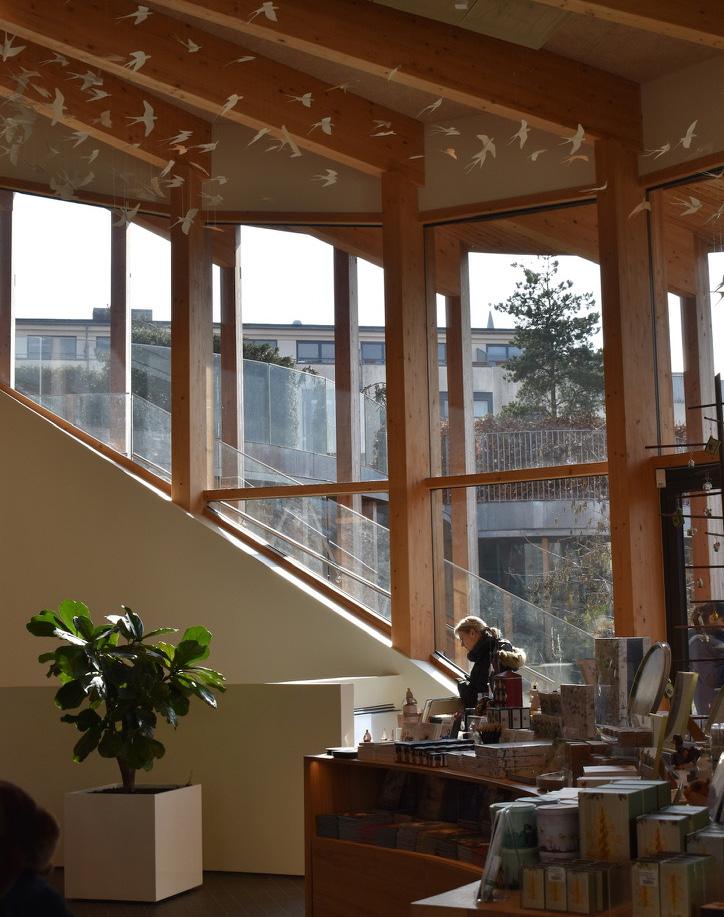
Playroom at the museum insighted wonder with unique lighting condition
Brick detailing at Gisico’s St. Canute Cathedral, 1300
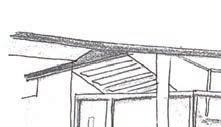
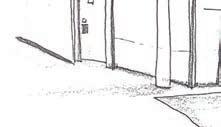
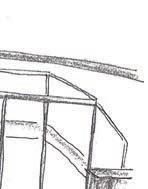
Sketch of my initial impression of Bornholm at materialistically expressive bus station
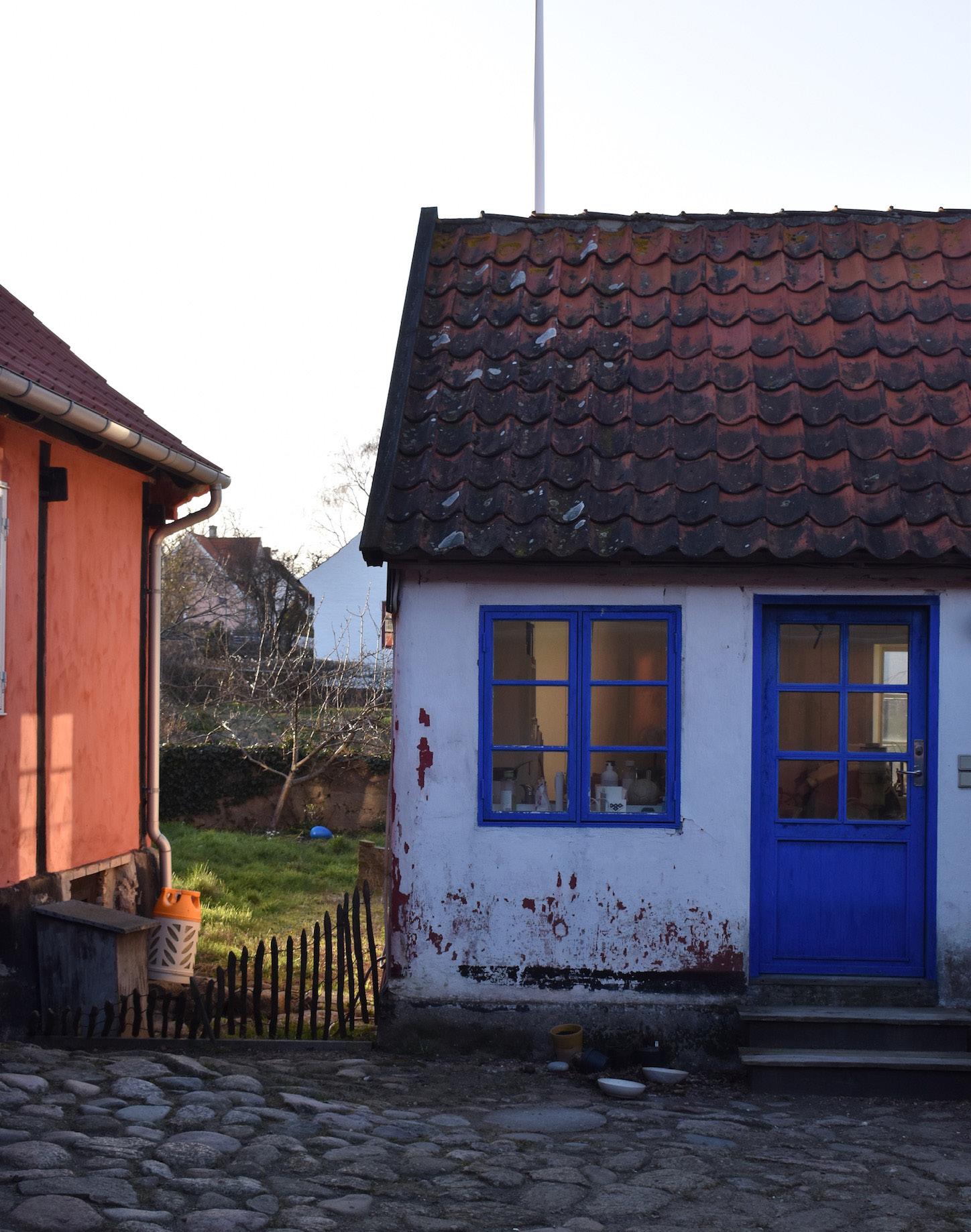
Colorful expression of the Lov i Listed pottery studio

March 15–17
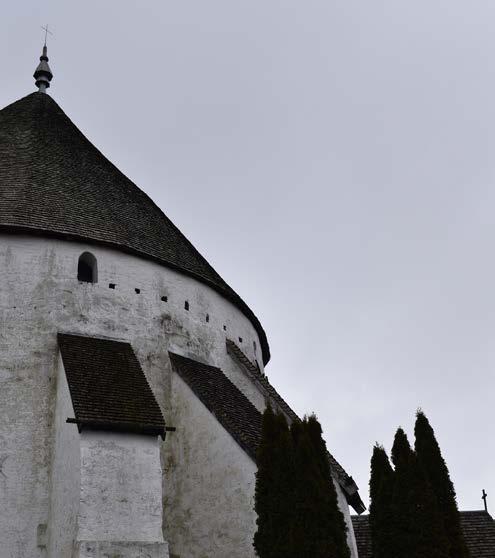
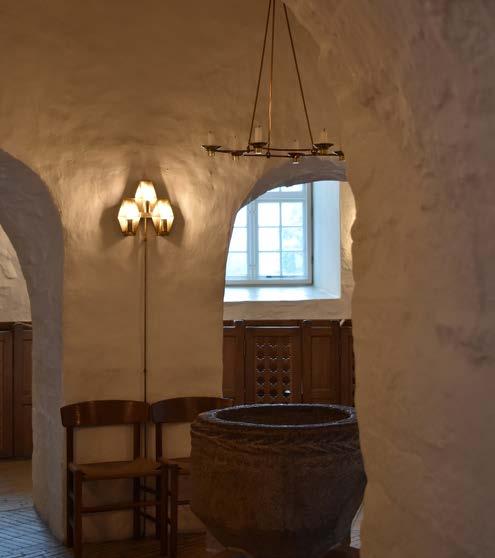
Our ferry trip to the island of Bornholm allowed stunning sightseeing and a visit to a local pottery studio. After living and studying in the city of Aarhus for several weeks, quiet Bornholm reminded me of the differences in habit and habitation between a bustling city and quaint town. Apart from the wider spread between buildings, seeing more houses on the streets than apartments acknowledged the different lifestyles. Rasmus Hansen, head of education at the Aarhus School of Architecture, extended hospitality in showing us his summer house and by introducing us to his brother, the potter. The expression of art discovered across the island, from the historic Østerlars Church and Hammershus Castle ruins to the bright contemporary houses, communicated a thread of artistic expression carried throughout centuries. This trip ultimately influenced my studio project through a consideration of how people live differently among the same culture based on lifestyle, surrounding factors, and vocation.
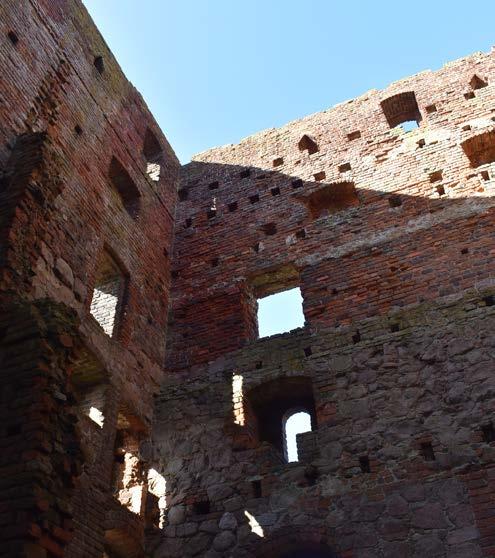
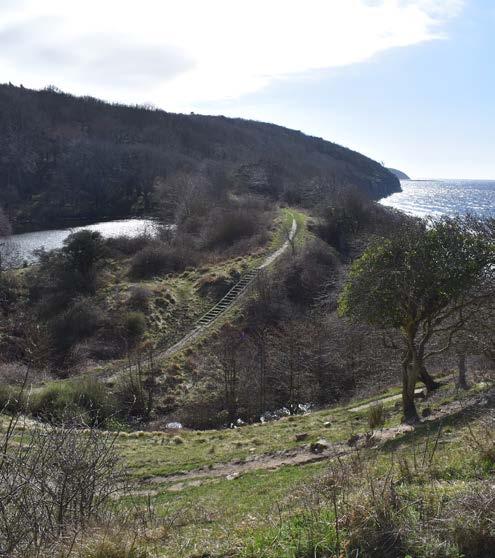
Precedent for rounded gathering
1.15
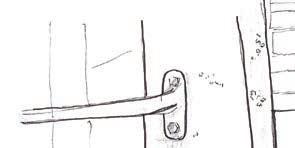
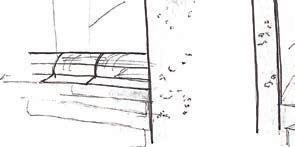
Interior column detail
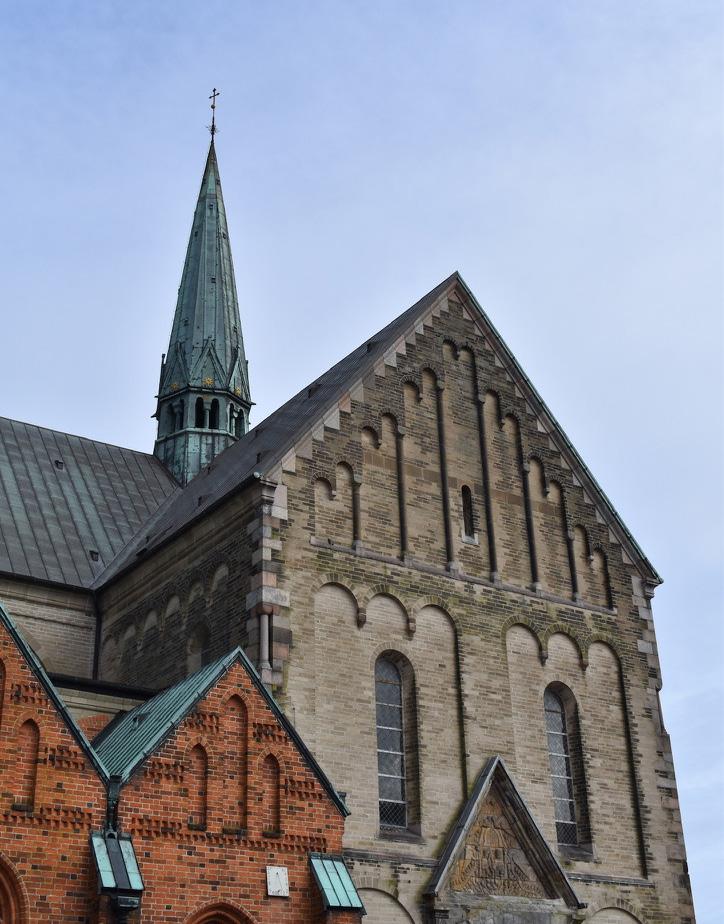
Ionized copper, brick, and stone façade preservation at Hans Christian Ambery’s Ribe Cathedral, 1150
March 23
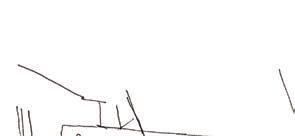
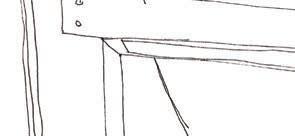
During our last day trip, we visited Ribe, the oldest township in southern Jutland. Experiencing the beauty of a viking town, preserved through the care and critical contextualization of modern architecture, incited a distinct appreciation for the rich history. The Ribe Cathedral maintained its beauty in spite of being the oldest church in Denmark—the first church in the country, established in 1150 AD. The beauty of people still attending this church only furthered my exploration in distinguishing elements so ingrained in our habit that the same space can be utilized for centuries. This concept became a key discussion in studio as we considered how to approach an unprogrammed building after visiting entirely programmed spaces for specific uses, particularly monumental churches. The distinction between the monumental and the ordinary buildings became blurred after this visit as I looked at how the importance of a building for an individual can make it into a monument based on frequency of use and memories associated with that use.
1.16

March 23

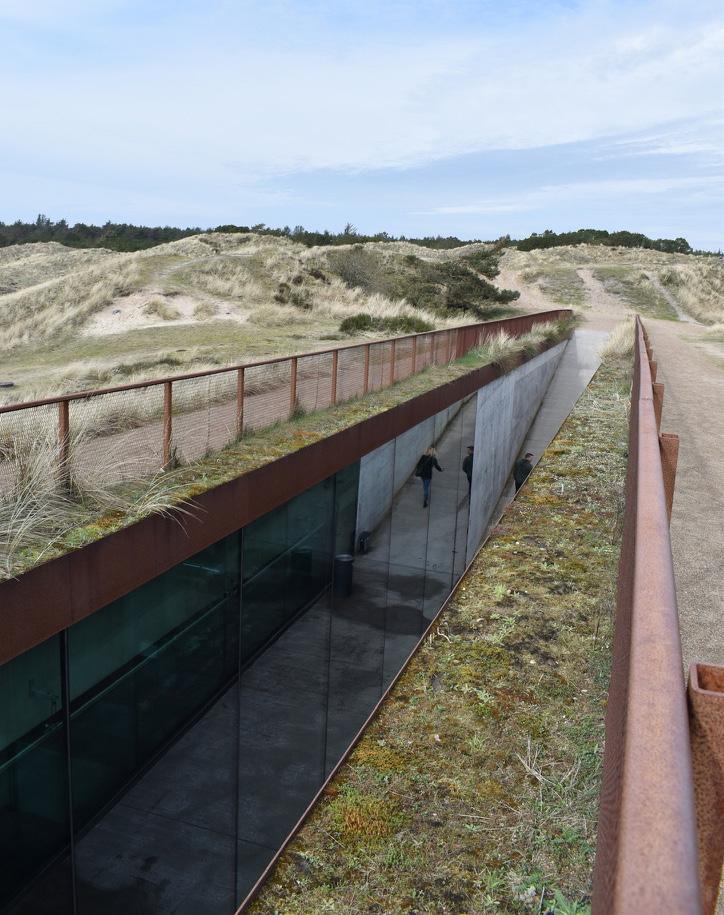
Visiting Blävand on the same day as Ribe, the history of this site further instigated responding to both the apparent and historical context. Situated on rolling hills, the Tirpitz Museum acknowledged the changing topography by sinking the building into the landscape; however, it also acknowledged the site history in World War II, a bunker site repeatedly bombed and thus a wavy product. The aesthetic beauty of the museum offers moments of reflection for the museum visitors: the older visitors reflected on the history reverently, while the children stared at the glass just to be amazed at their reflections. Further juxtaposing relationships, such as the enclosed and dark bunker space versus the tectonic and light glass hallways, also provided context to this conversation. The design offered contemplation of the role of responsible architecture: how to critically examine a site, respond to its conditions, and provide a respectful narrative for all types and ages of visitors to a program infiltrating the historic conditions.
7-week study period in Denmark at Arkitekskolen Aarhus
Aarhus, Denmark
51,800 sq ft
Third-year, Spring




An adaptable container for city culture
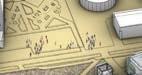
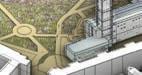
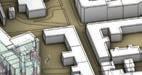
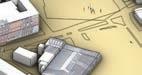
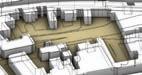
Traveling across Scandinavia, ideas of what constitutes a building to become a monument infiltrated every discussion. Understanding cities by their landmarks required considering landmarks as those conventionally important to the city and individually important for wayfinding. The collage to the right categorizes Aarhus into the experiential levels of the known, familiar, and unfamiliar. Inhabiting a city based around specific sites resulted in a crucial portion of study abroad. The task of designing unknown program within an unfamiliar city thus began a study and exploration to identify habits to transcend culture. In a site specific exploration of this concept, the effort of designing a humble building with layers of interaction became the primary focus.
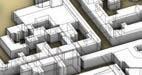
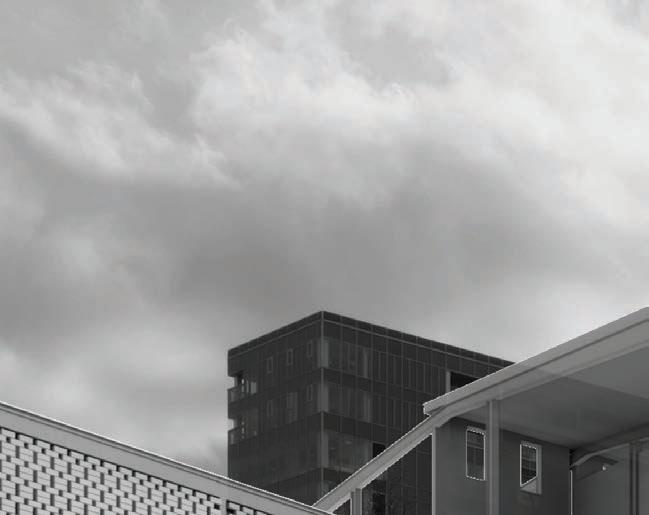
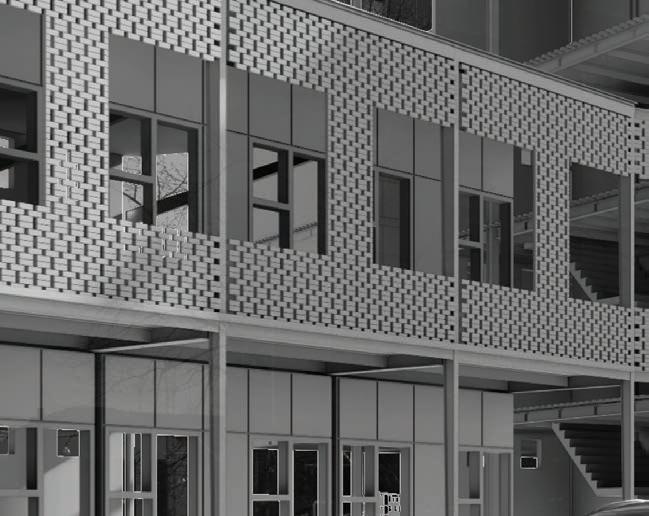
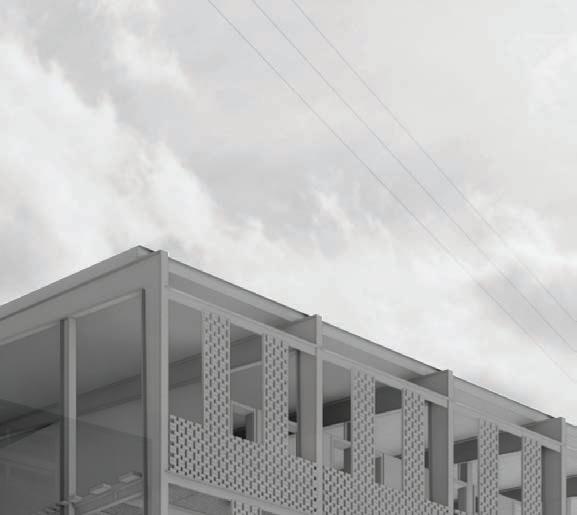
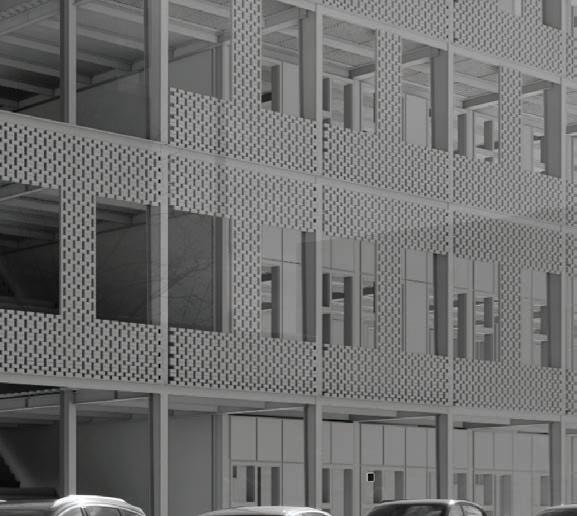
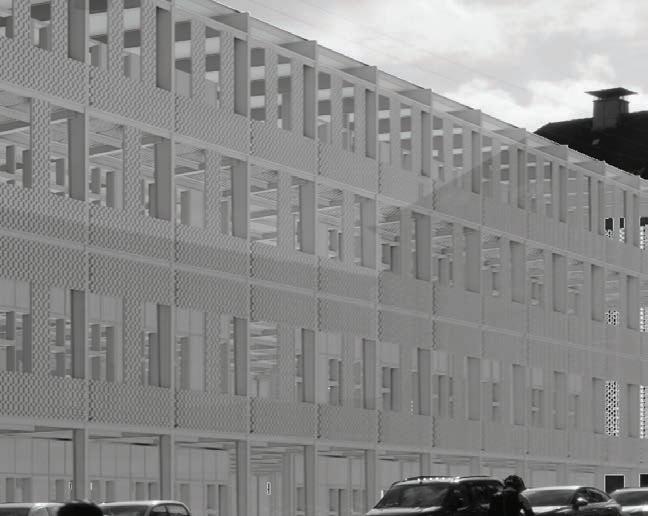
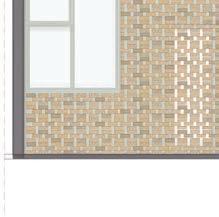
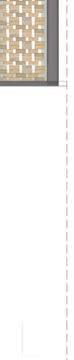
elements become infilled with brick to create a shell around the building that perforates at the streetfront into a screen. The urban fabric is thus held at the street, but it invites participants into a layered community. The screen also hints at the inner façade, pulling away at the window openings at the threshold. Residential and retail bars act as two inner objects, both layered with metal façades. These layers of construction create layers of interaction established as the public sphere becomes more private moving into the site.
City collage exemplifies normative and necessary monuments for a traveler
Double-layered façade responds to urban condition (following page)
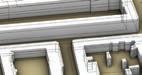
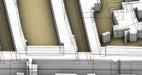
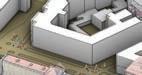
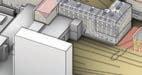
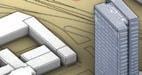
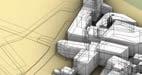
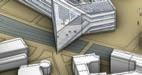
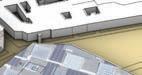
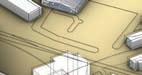
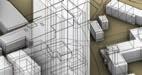
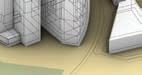
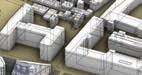
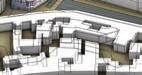
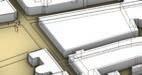
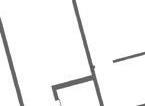
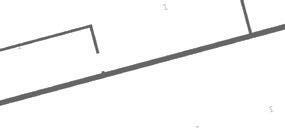
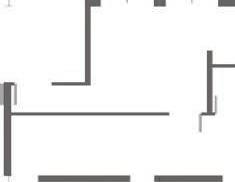
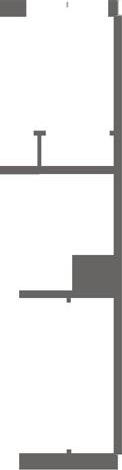
The building form relies on a system of layered construction, justifying the use of pre-engineered metal frames for bays of repetitive space. These frames span the width of the site, supported by secondary metal structural elements. The exposed
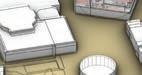
The residential bar houses several kinds of inhabitants. Apartment layouts range from single to double occupancy and family accommodations. By lifting this bar above the site, the service corridor allows a contextual response to the railway and surrounding buildings. The design intent thus transcends program to rather focus on a durable container holding layers of habitation, thus designing a site specific project with elements that apply across the world.


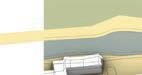
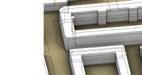
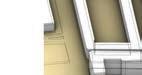
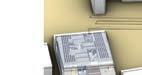
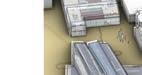
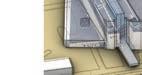
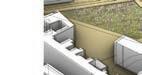
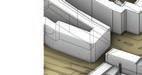
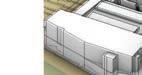












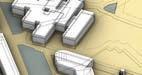
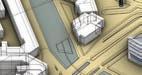
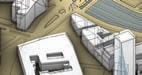
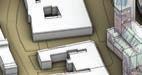
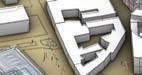
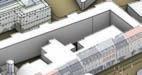
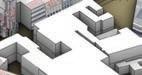
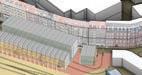



















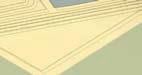



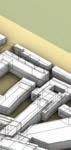
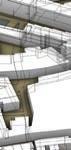
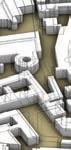


























































































































































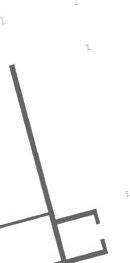
















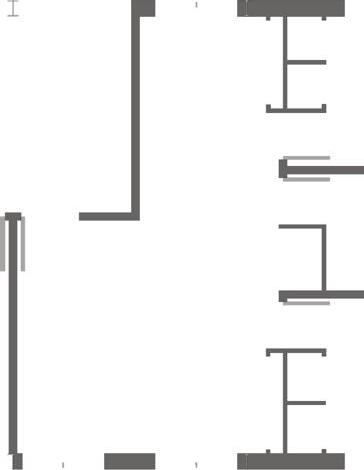







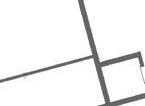




























































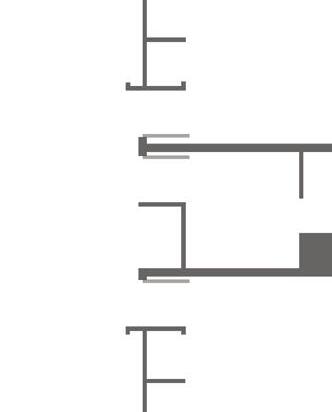















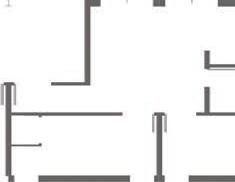







Metal frame spans the width of the site
Structural Bay Division between retail and residential bars
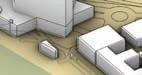
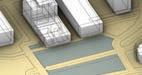
Exterior retail circulation on pavers atop grate structure
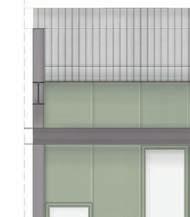
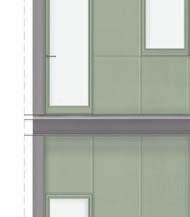
Façade construction and modular details
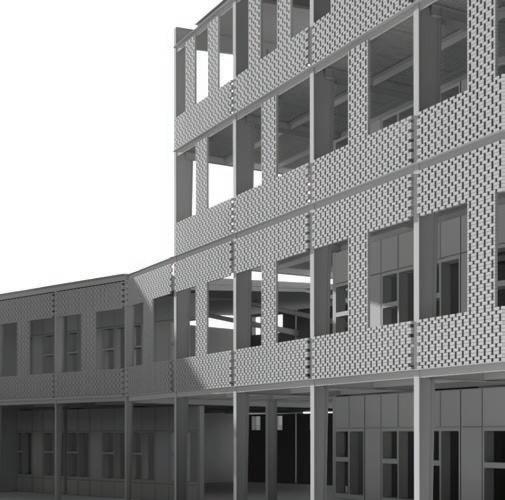

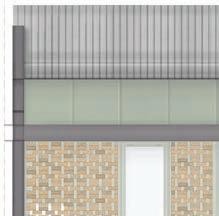
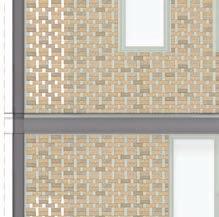
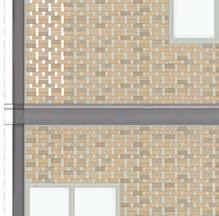

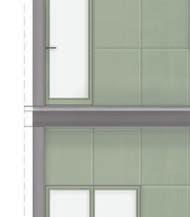
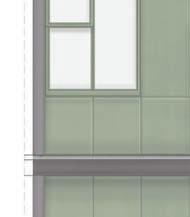
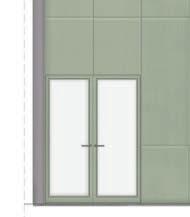
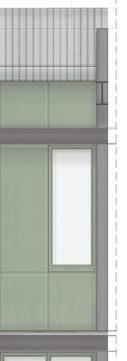
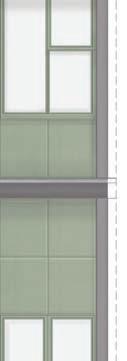
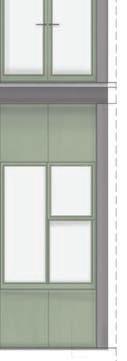
































































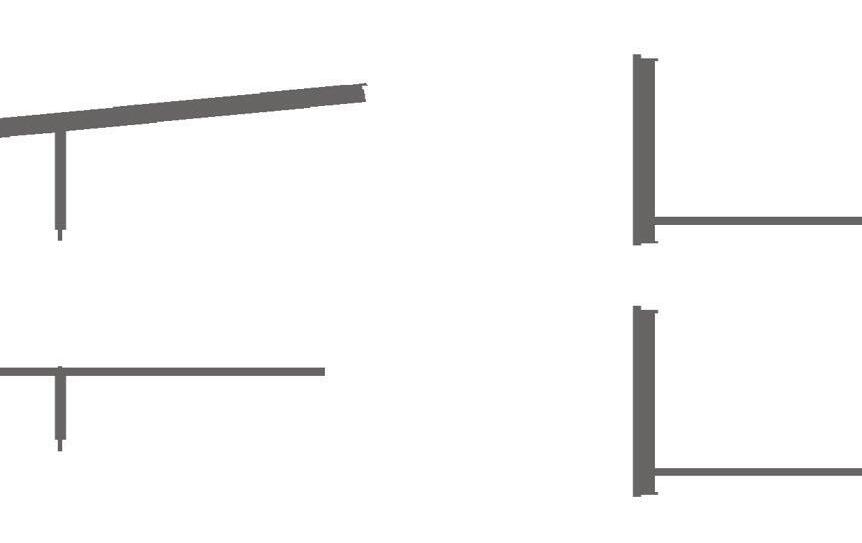
























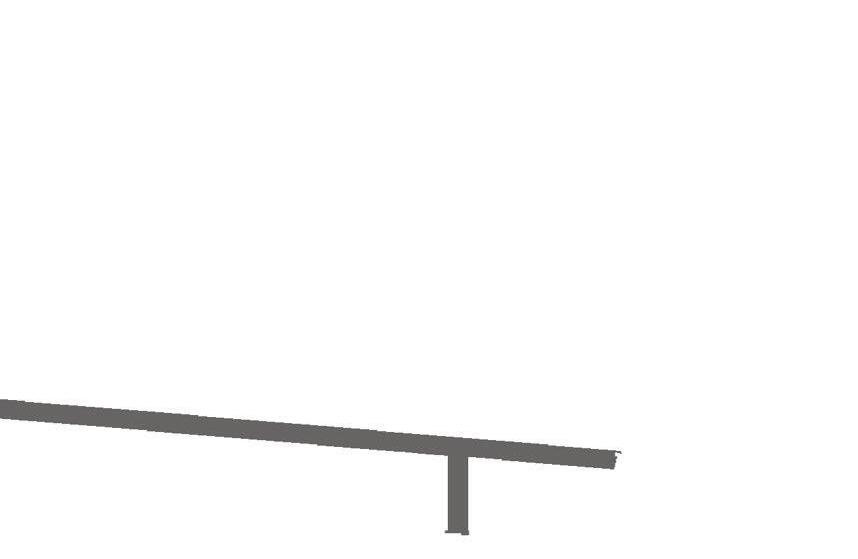















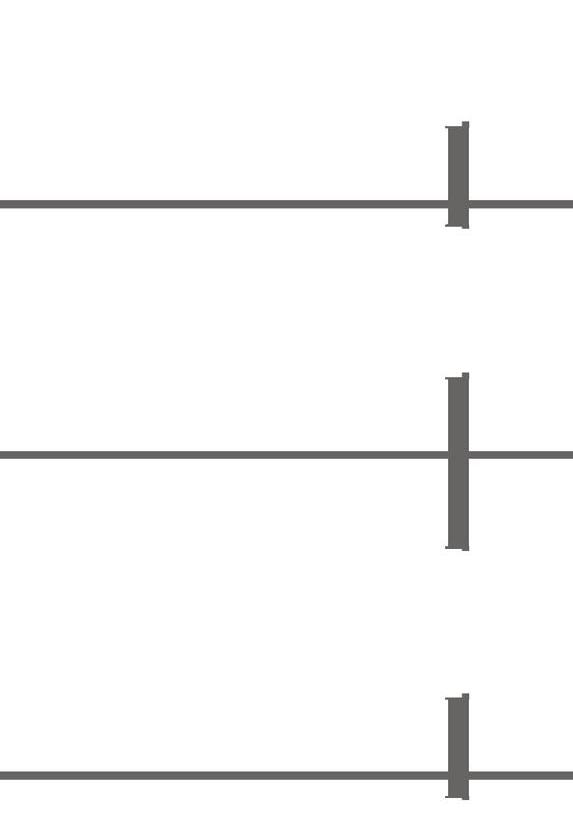















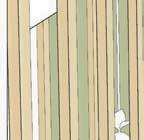
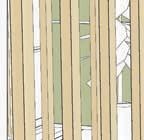


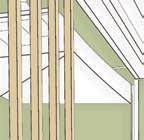
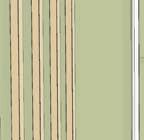
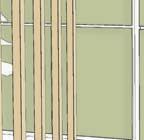




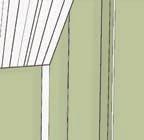
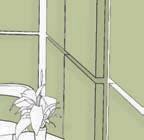



Iterative sketches inform interplay of modules
Playful perspectives denote the relationships of activation within the form
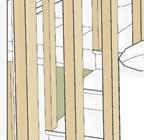
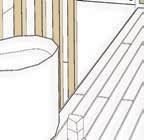
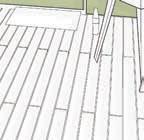



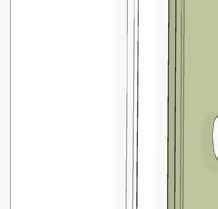
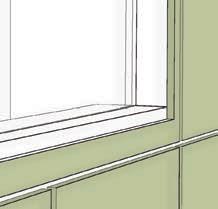
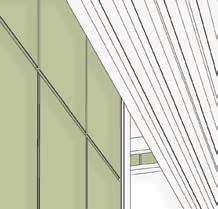
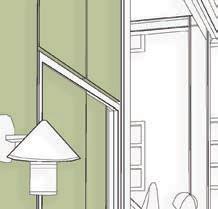
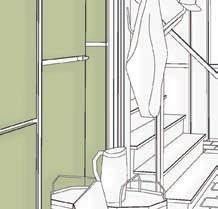
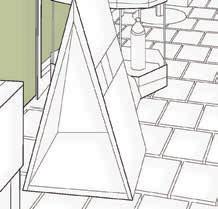

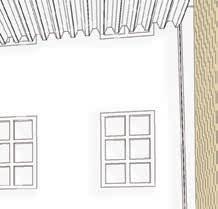
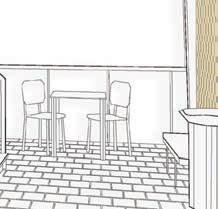
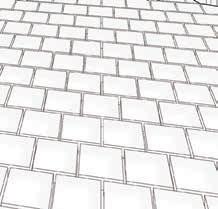
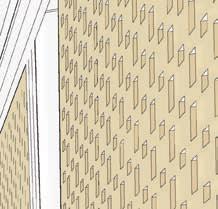
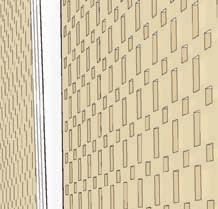
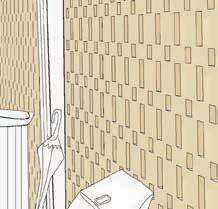
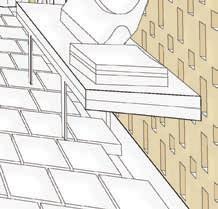

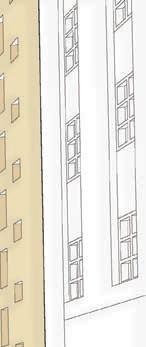
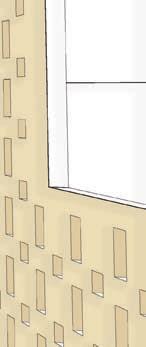
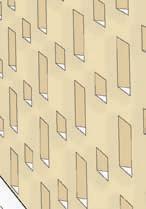
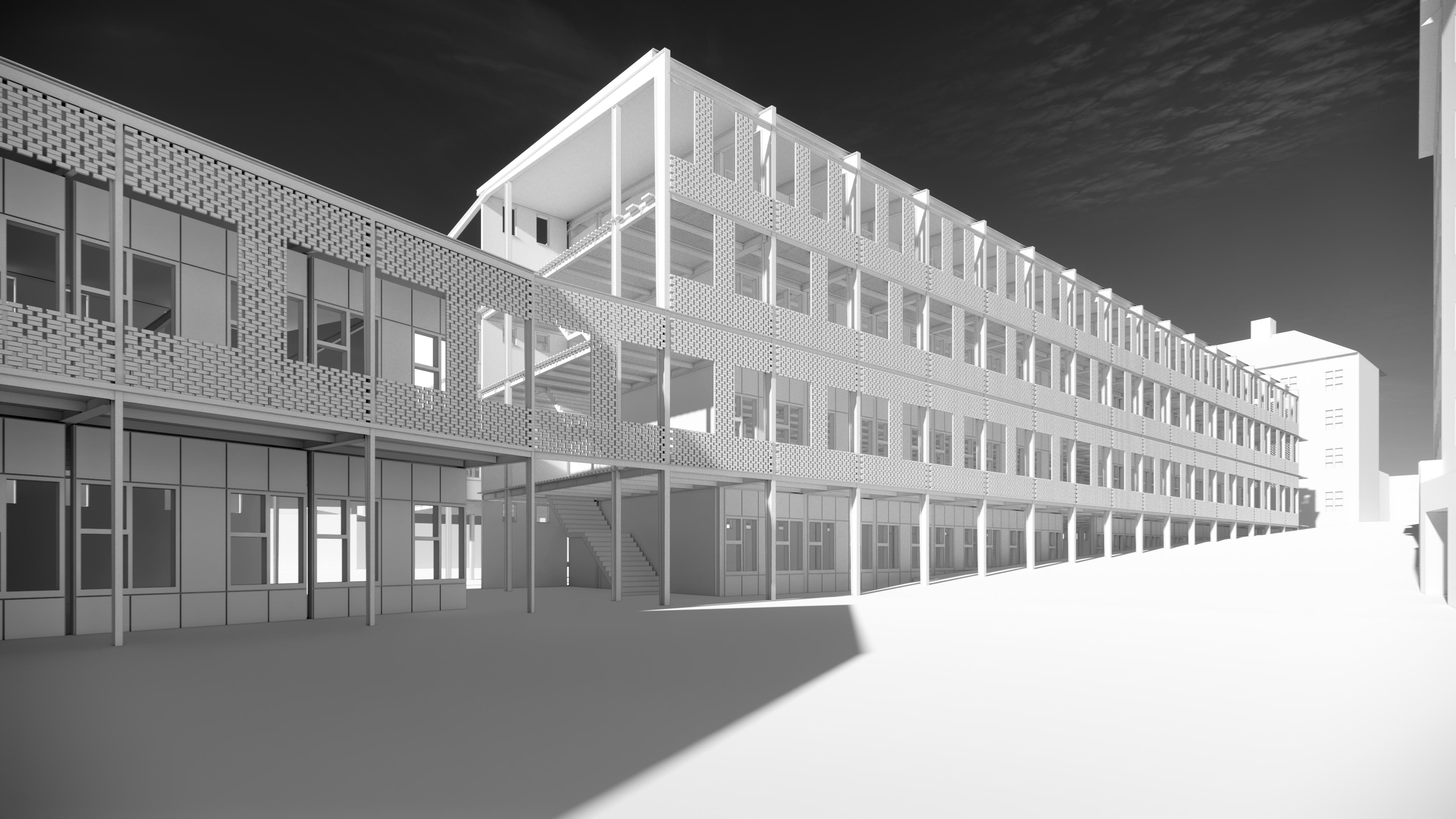
Urban fabric façade perforates to welcome community into the site
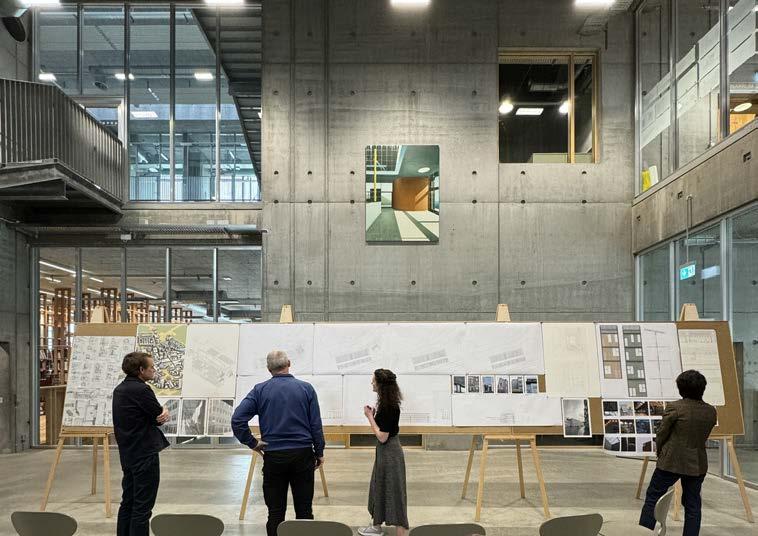
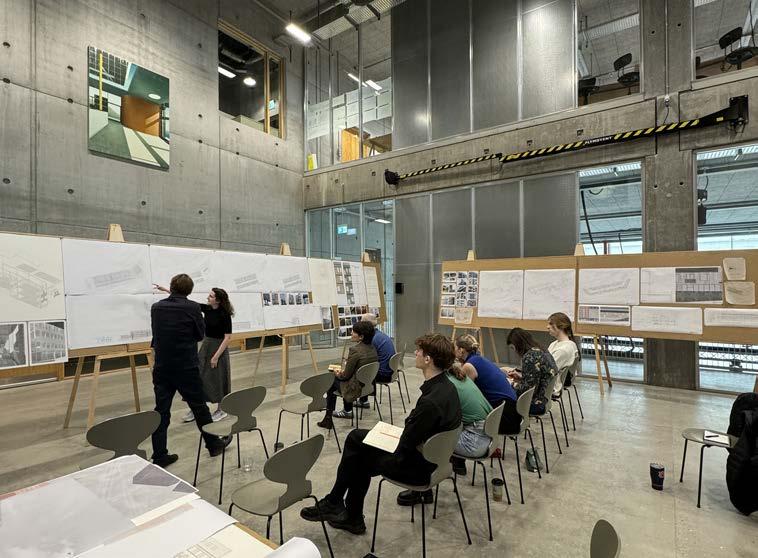
Chronology of sites visited per city
Aarhus, Denmark
Peder Vognsen, Aarhus Chapel, 1190.
Lund, Sweden
Helgo Zettervall, Lund Cathedral, 1145.
Höör, Sweden
Bernt Nyberg, Funeral Chapel, 1972.
Oslo, Norway
Snøhetta, National Opera and Ballet, 2007.
Atelier Oslo and Lund Hagem, Deichman Library, 2009.
Jensen and Skodvin, Mortensrud Church, 2002.
Hamar, Norway
Sverre Fehn, Storhamar Barn, 1971.
Stockholm, Sweden
Sigurd Lewerentz, Church of St. Mark, 1960.
Östberg, City Hall, 1923.
Johan Celsing, Årsta Church, 2011.
Sigurd Lewerentz, Resurrection Chapel, 1925.
Johan Celsing, New Crematorium, 2014.
Erik Asplund, Chapel of Hope, 1940.
Sigurd Lewerentz, Woodland Cemetery, 1925.
Helsinki, Finland
Alvar Aalto, Aalto House, 1936.
ALA Architects, Helsinki Central Library Oodi, 2018.
JKMM Architects, Amos Rex Museum, 2018.
Steven Holl, Museum of Contemporary Art Kiasma, 1998.
Säynätsalo, Finland
Alvar Aalto, Säynätsalo Town Hall, 1952.
Jyväskylä, Finland
Alvar Aalto, University of Jyväskylä, 1951.
Copenhagen, Denmark
Peder Vilhelm Jensen-Klint, Grundtvig’s Church, 1940.
Jørn Utzon, Bagsværd Church, 1976.
Inger and Johannes Exner, Islev Church, 1970.
Helsingør, Denmark
Bjarke Ingels, M/S Maritime Museum, 2013.
Humlebæk, Denmark
Jørgen Bo and Wilhelm Wohlert, Louisiana Art Museum, 1958.
Odense, Denmark
Kengo Kuma, H. C. Andersen Museum, 2021.
Bornholm, Denmark
Hammershus Castle, 1300.
Knights Templar, Østerlars Church, 1160.
Ribe, Denmark
Hans Christian Ambery, Ribe Cathedral, 1150.
Blävand, Denmark
Bjarke Ingels, Tirpitz Bunker Museum, 2017.
8 inches by 10 inches