Habit and Habitation
Competition and Studio Portfolio
Claire Hardin
Bachelor of Architecture
Auburn University 2022–2026
Habit and Habitation
Competition and Studio Portfolio
mch0122@auburn.edu 334.520.0705 linkedin.com/claire-hardin
Education
Auburn University, 2026
Bachelor of Architecture
Minor of Dance
GPA: 4.0 / 4.0
Work Experience
College of Architecture, Design, and Construction CADC: Teaching Assistant
Fall 2025–Spring 2026 | Teaching design basics to first-year architecture students through demonstration and mentorship
HMK Architects: Full-time Intern
Summer 2025 | Collaborated with teams of interdisiplinary professionals to design new and renovated healthcare facilities
Seay, Seay & Litchfield: Full-time Intern
Summer 2024 | Fostered relationships with clients throughout recreational, religious, and governmental design projects
Seay, Seay & Litchfield: Part-time Intern
Winter 2023 | Assisted design processes through research and program integration
Library of Architecture, Design, and Construction LADC: Student Supervisor
Summer 2021–Fall 2023 | Facilitated patron and staff communication by organizing data systems for daily and monthly review, advancing from help desk to supervisor
Competitions and Charrettes
ICU and PCU Infill Design Proposal
Summer 2025 | HMK Sponsored
Kinderspace Competition
Fall 2024 | Team, Extracurricular
Brise-Vent Havre Competition
Summer 2024 | Team, SS&L Sponsored
House of the Future Competition
Fall 2023 | Team, Extracurricular
Skill Application
Revit with BIM family components
AutoCAD and Rhino3D workflow Enscape and TwinMotion rendering Adobe Creative Suite productivity
Honors
Graduation Marshall for CADC Commencement Ceremony
Spring 2026 | Dean selected
J. Barnett Woodruff, Sr. Scholarship
Fall 2025 | Academic achievement
Helen Sellers Davis Scholarship
Fall 2025 | Nomination-based
Academy for Architectural Culture
Spring 2025 | Workshop finalist
Spirit of Auburn Founders Scholarship
Fall 2021–Spring 2025 | Academic merit
Frank Graham Neely Scholarship
Fall 2024 | Funding for employed students
Scandinavia Study Abroad
Spring 2024 | Selective 10-week program
CADC Studio Book Award
Spring 2024 | Scandinavia Study Abroad
CADC Excellence in Writing Award
Spring 2023 | History of World Architecture
Volunteer Camellia Place Assisted Living
Summer 2013–Spring 2026 | Weekly art and music therapy sessions with residents
All Christ Church
Fall 2025–Spring 2026 | Serving on the children’s team during weekly gatherings
Summer Design Studio
Summer 2023, 2024 | Provided late-night mentorship and meals to CADC students
Bachelor of Architecture
Auburn University
2022–2026
Habit and Habitation
Competition and Studio Portfolio
People interact with the built environment in sporadic and varying ways, a symptom of their individualistic human nature. The commonality of these interactions rests in the community discovered within the buildings. Spanning across programmatic typologies, unique cultural relationships, and international sites, this collection of work seeks to support the wellness of such communities in an intense focus of the meaning of architecture—a place to inhabit and build habits within.
The selected works include a variety of competitions completed with teams extracurricularly and projects completed in studios at Auburn University. These projects identify key aspects of habit and habitation towards improving the spaces people daily occupy in support of their health. Applications, such as light studies, sustainability practices, or careful material selection, ensures thoughtfulness in every detail, no matter the technical program used for design. This compels a response towards a design intended for wellbeing.
1.0
Studies
Summer 2022–Spring 2026
Competitions
In Proximity
Wayfinding Wind Shield
Mechanisms for Mannerisms
2.0
Design Studios
Axis Amplified Systematic Rotations
Humbled Container Colloquialisms of Movement Exposed and Enclosed
3.0
Collected Studies
Competitions
Studies completed for concept and program exploration
In Proximity
Wayfinding Wind Shield Mechanisms for Mannerisms
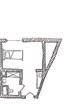
Gallatin, TN
12,320 sq ft
Fifth-year, Summer
In Proximity
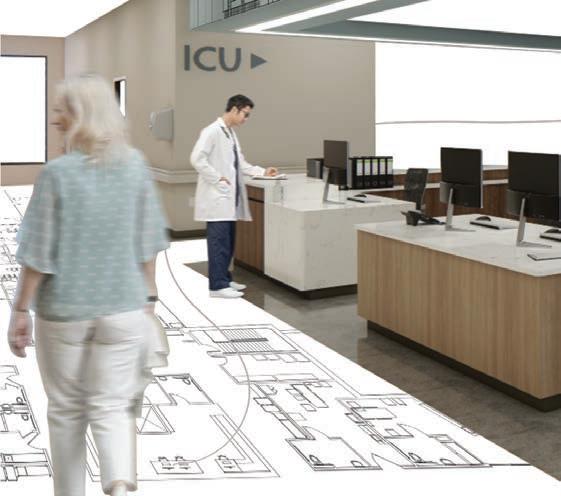
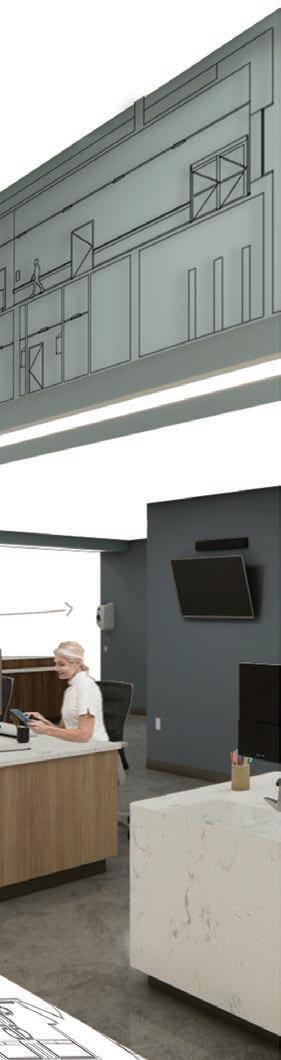
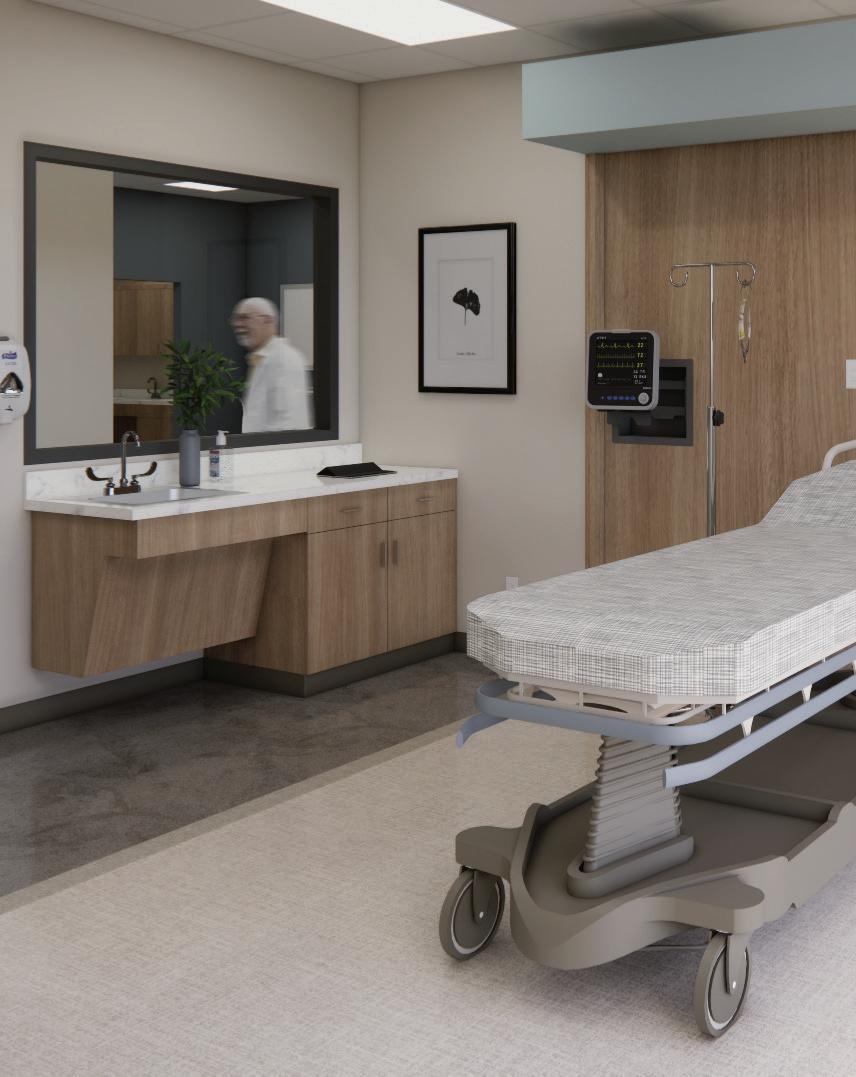
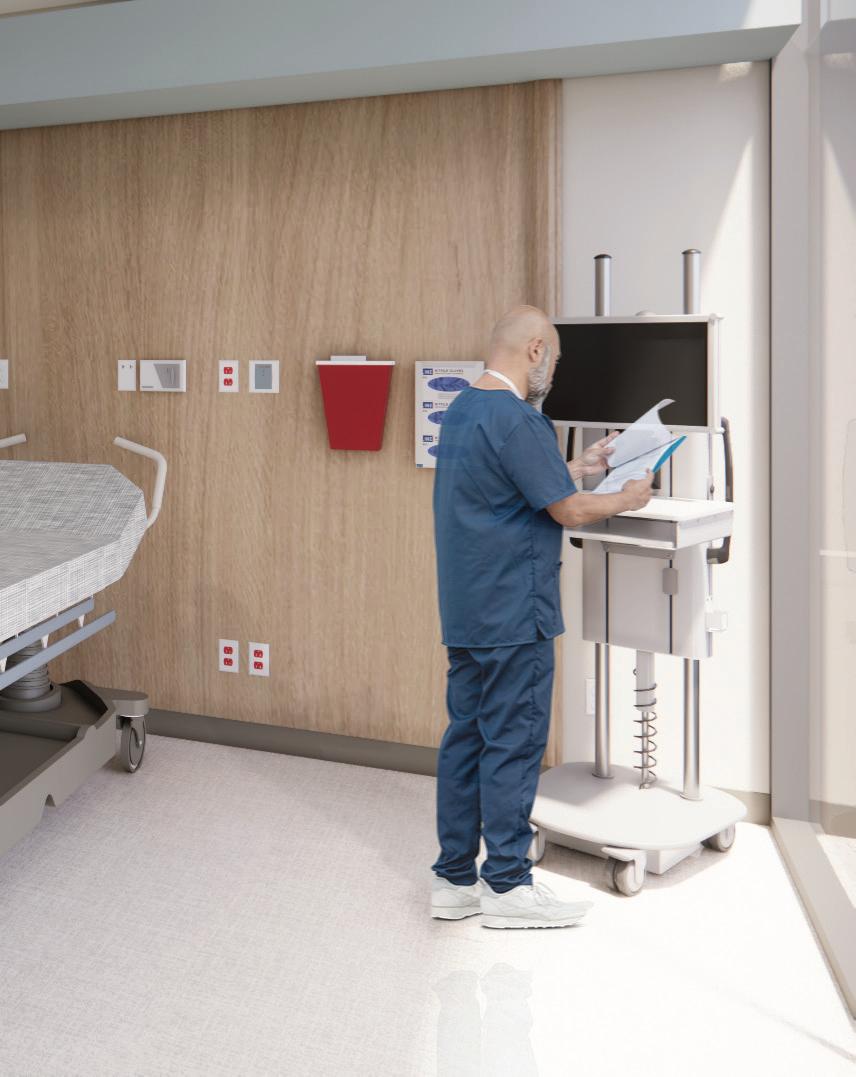
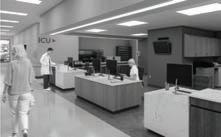
Infilled ICU provides families with an efficient and careful response
Renovating a disused community center into a microhospital, the intensive care unit seeks to support patients and families throughout the treatment process. The existing recreational facility was recently retrofitted to a freestanding emergency department with outpatient operating rooms, an endoscopy suite with both pre and post-operation facilities, radiation therapy, cath lab, CT and MRI equipment, and a dedicated PACU. In infilling this ICU, the overall treatment capacities of the microhospital increases, necessitating an efficient layout and a relating appropriate response towards families in crisis.
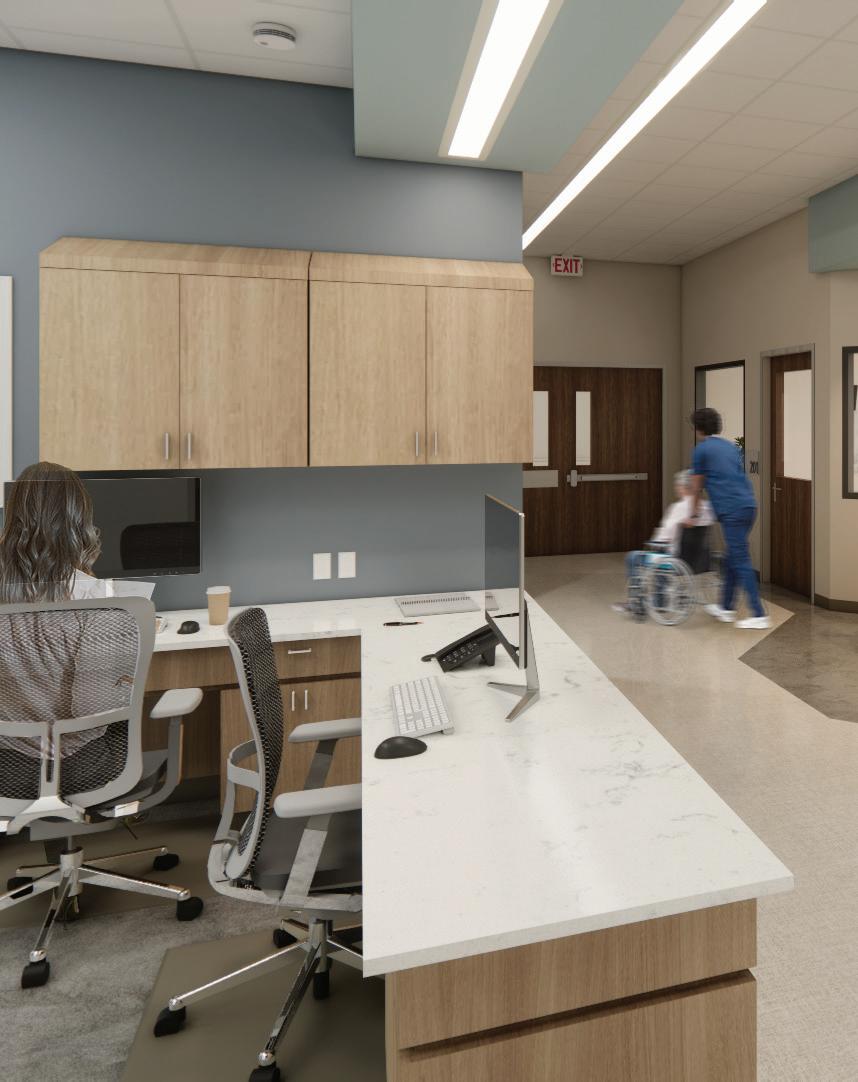
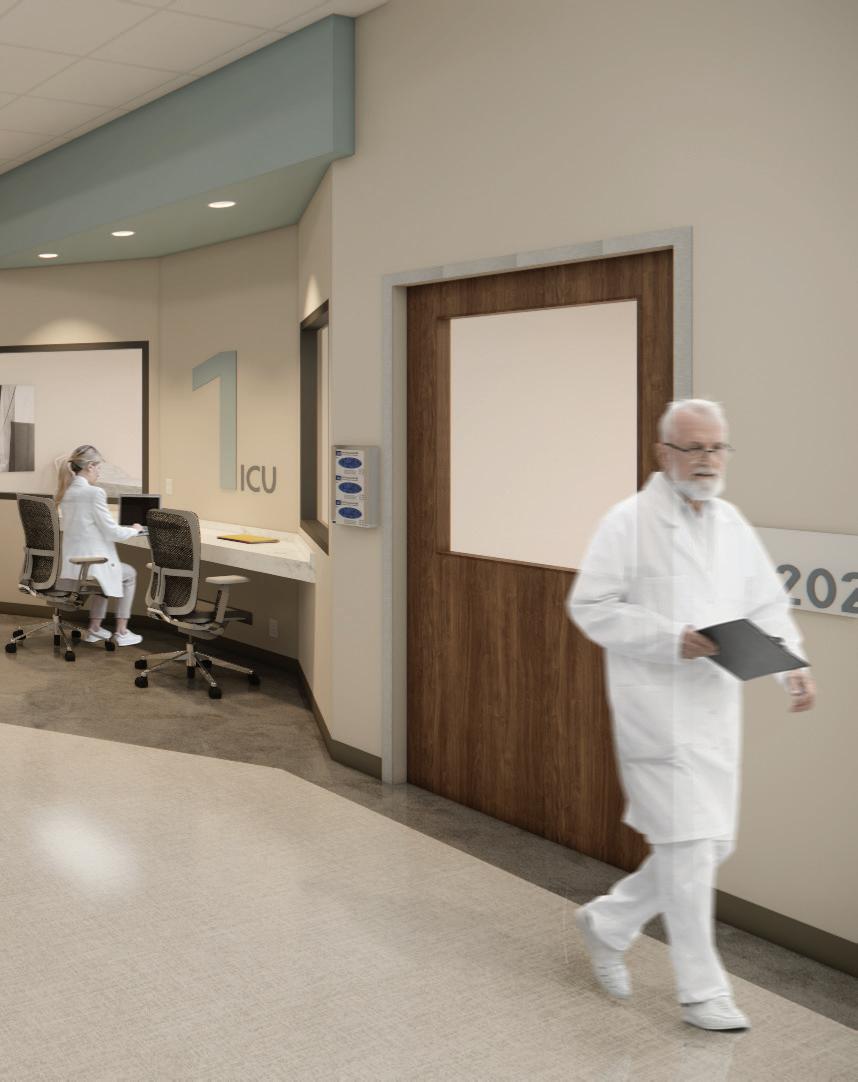
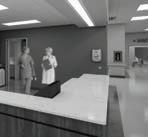
The ICU unit maintains four registered critical beds, a complete nurses’ station with connected nutrition and supplies, and staff support with lounge and on-call rooms. The programmatic arrangement situates these patient rooms along the existing curtain walls, creating a singular double-loaded corridor with viewpoints from the nurses’ station into every room for safety and assurance.
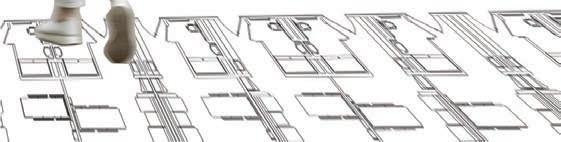
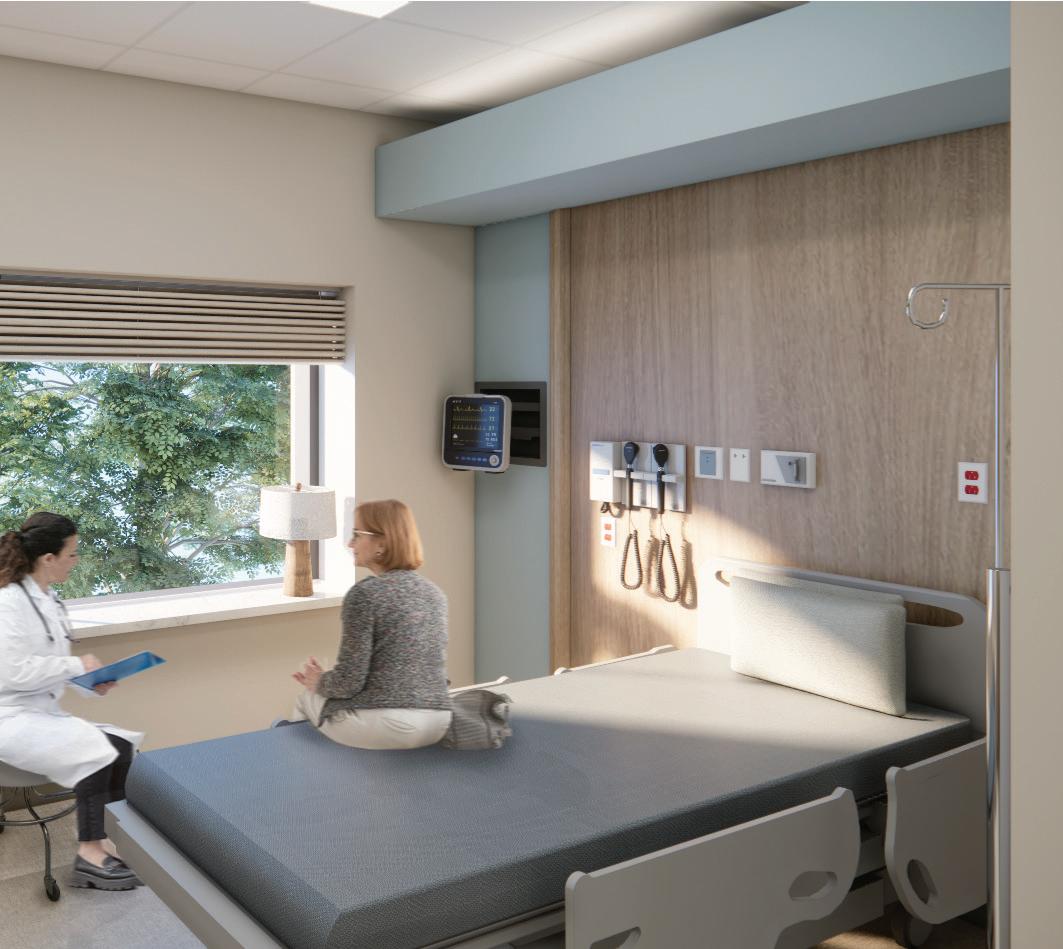
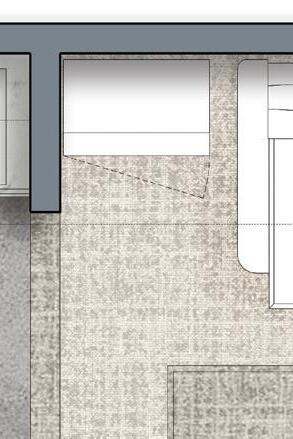
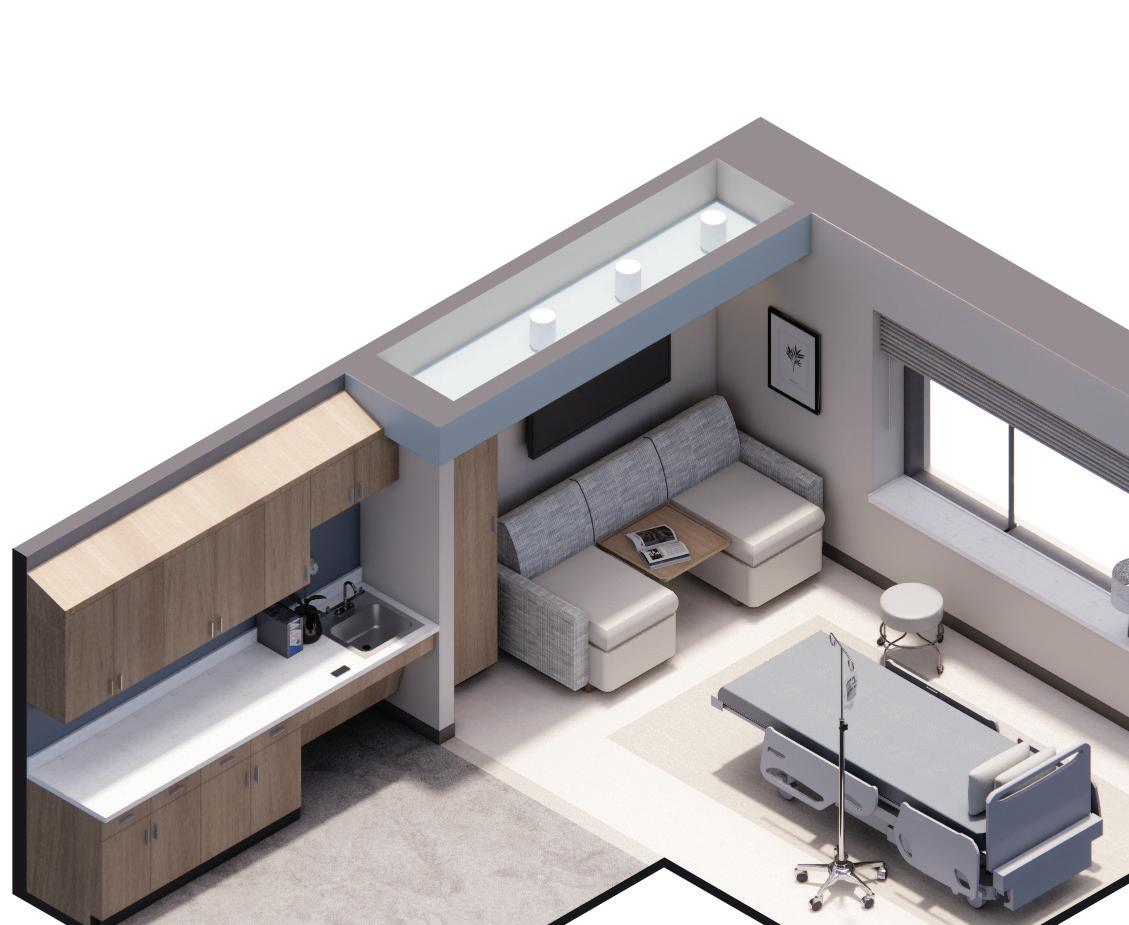
Treatment continues into the progressive care unit, or non-critcal area. These twelve rooms reside along the exterior face of the building for natural light responses into the recovery spaces. The layout allows quick access from the expansive nurses’ station into every room. Ample storage pairs with the connected bathroom to maximize space within the confines of the existing shell. Adjacent to the headwall, the family nook provides a lowered soffit with soft lighting, personal storage, and a specifically designed sleep couch with a direct view to the window. This proximity to the patient encourages interaction and care while accommodating family needs.
In both departments, the finishes seek to instill a calming environment. Sheet vinyl flooring remains continuous but changes colors for wayfinding, while identical solid surfaces, casework, and lighting choices minimize distractions. Paired to a gentle toned color palette, the ICU continues to express a clean environment intent on caring for both patients and their families.
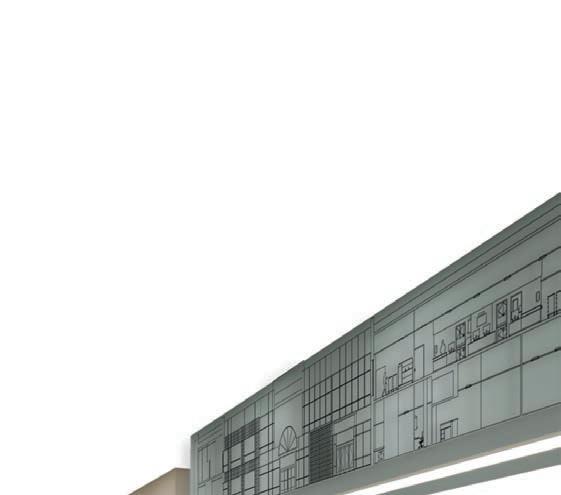


Non-critical care Restroom Bariatric care Isolated care Nurses’ station Nutrition Medicine Mechanical Conference Supply Waiting Critical care Staff on-call Staff lounge
Existing Level 2 shell space
Infilled ICU and patient care, organized for window access and layout efficiency












Focus on the headwall emphasizes wellbeing through soft lighting integration and materials
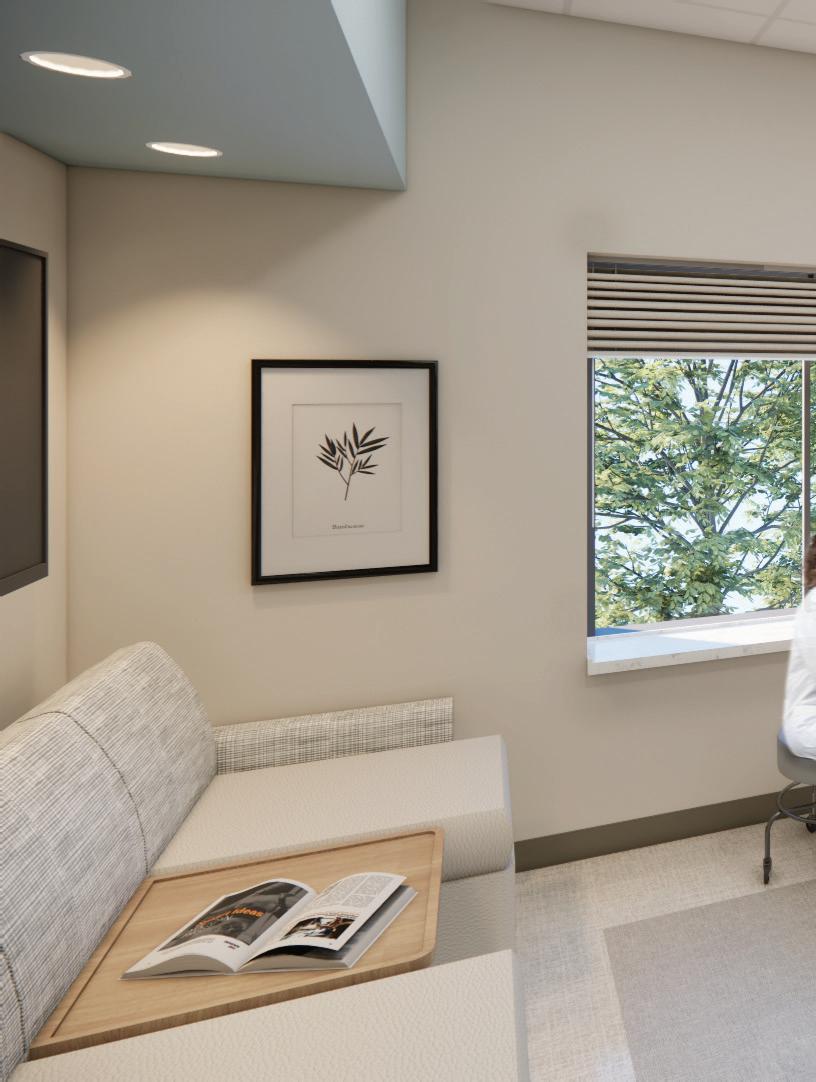

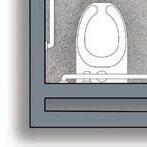
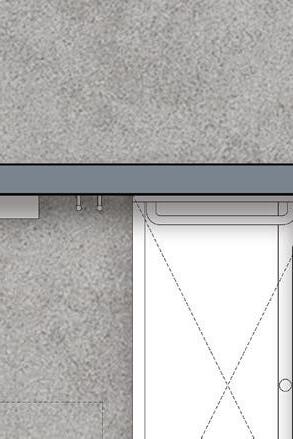
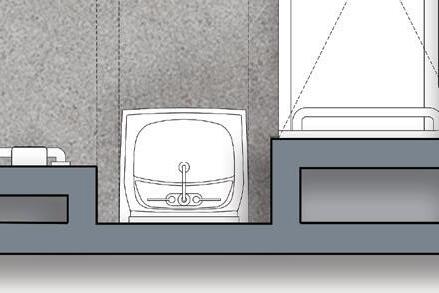
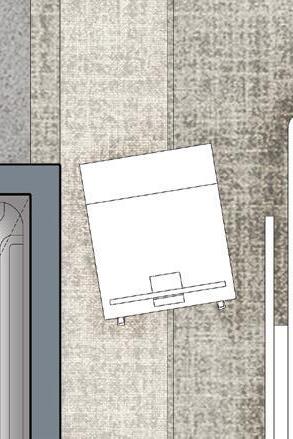
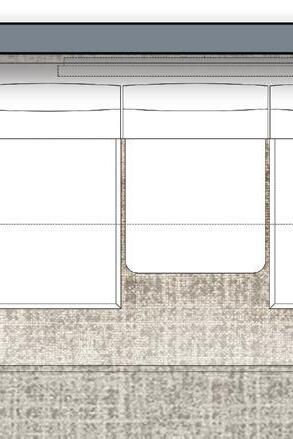
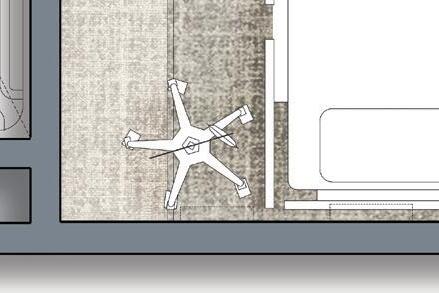
Sleep couch design for family nook
Interior elevation of staff supply and family nook designate space for care
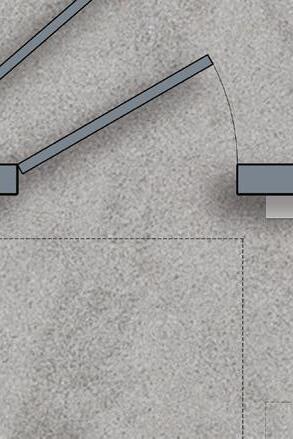
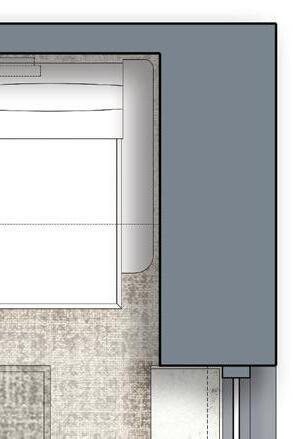
Plan delineates staff, family, and patient areas in noncritical rooms
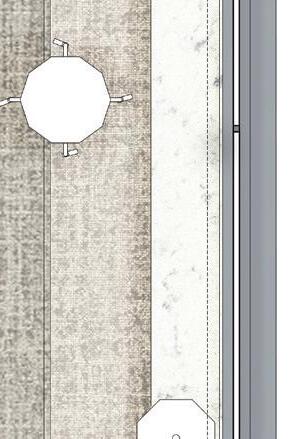
Finishes match scheme of room palette, seeking to minimize distraction
Seat cushion extends as back bar reclines for a two-person sleep arrangement
Center table folds for flexibility of use per family member
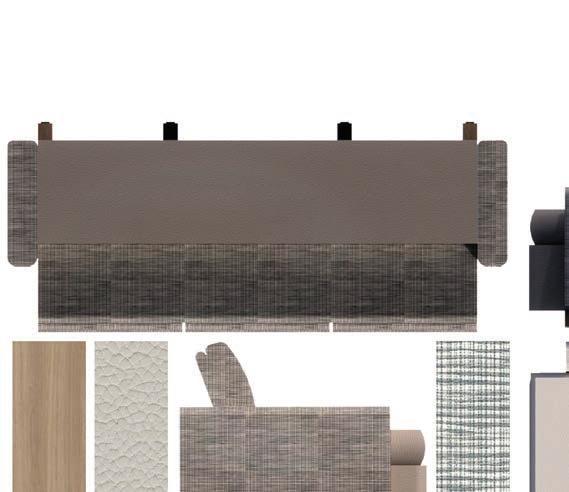
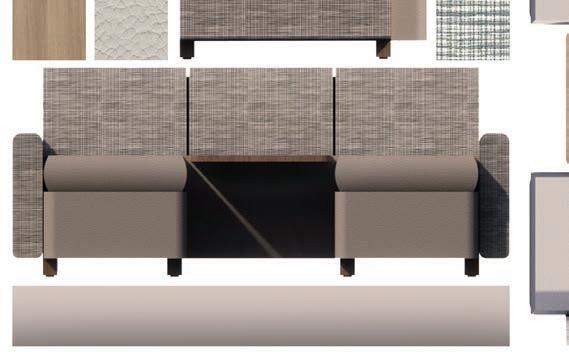
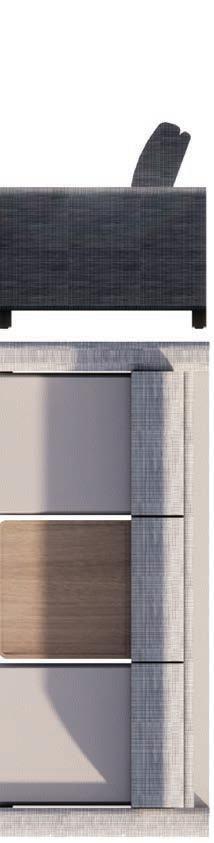













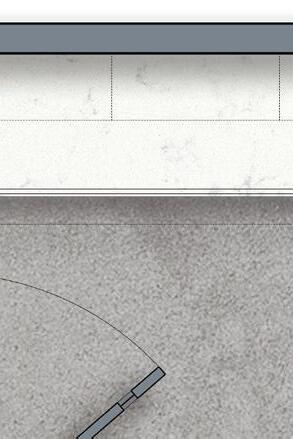









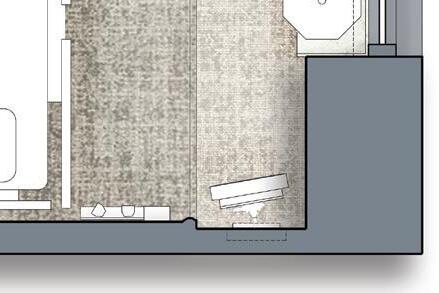
Non-critical patient room creates space for family to gather and care
Critical patient room focuses on efficiency with abundant space for equipment
Observation window—Looks directly to primary and secondary nurse station
Bed arrangement—Allows surrounding space for access and moveable equipment
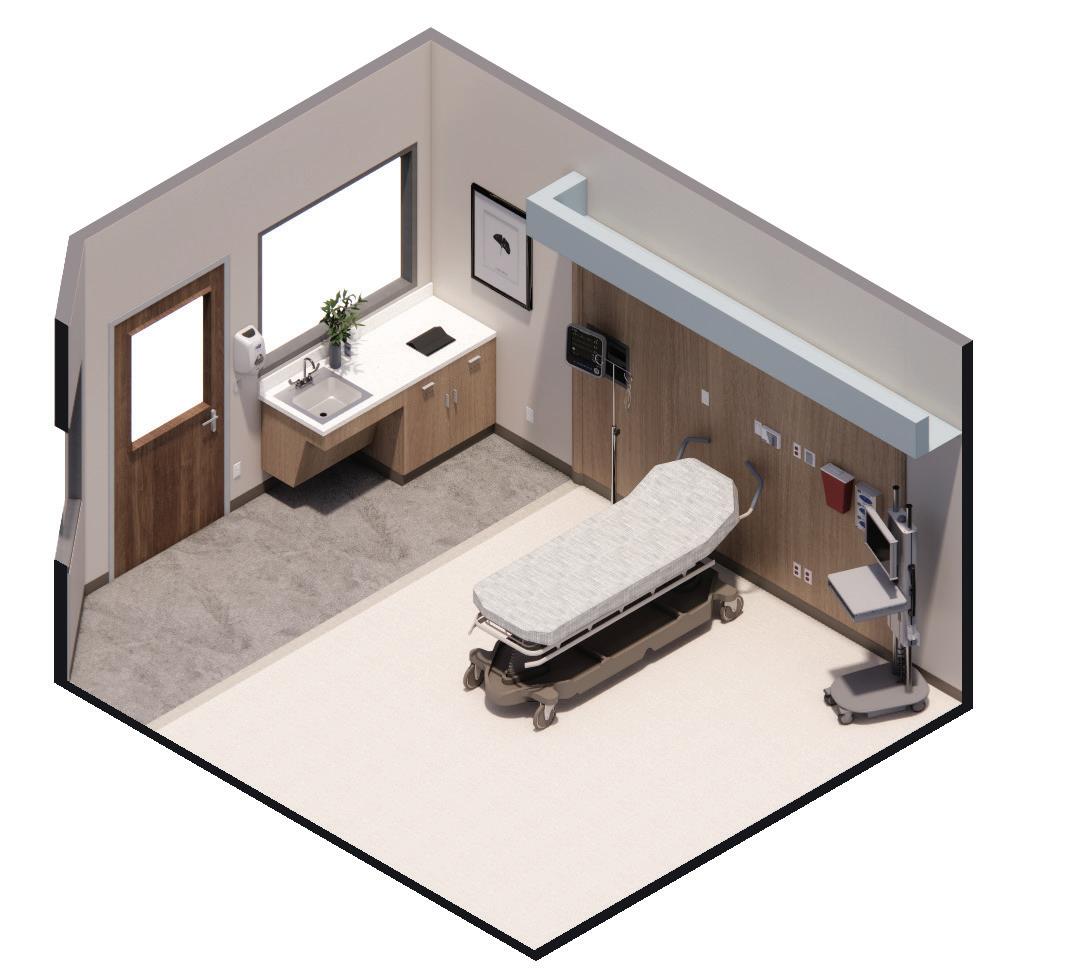
ICU patient room with view to the nurses’ station (following page)
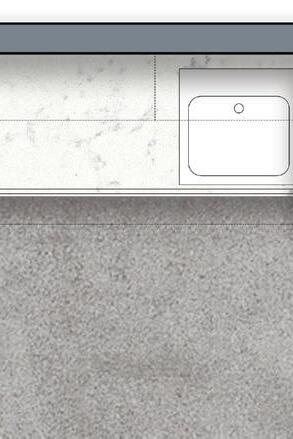
Staff area—Prioritizes storage, counter space, and quick access from nurse station
Family nook—Focuses directly on headwall, allowing gathering and direct care
Bed arrangement—Allows window views, edifying privacy, and a quiet space for rest

Le Havre, France
178,100 sq ft
Third-year, Summer
With Taylor Anderson, Lanier Bankson, Reyna Foslien, Amy Kwon, and Max Liles
Contribution to conceptual massing, diagrams, and render production





Wayfinding Wind Shield
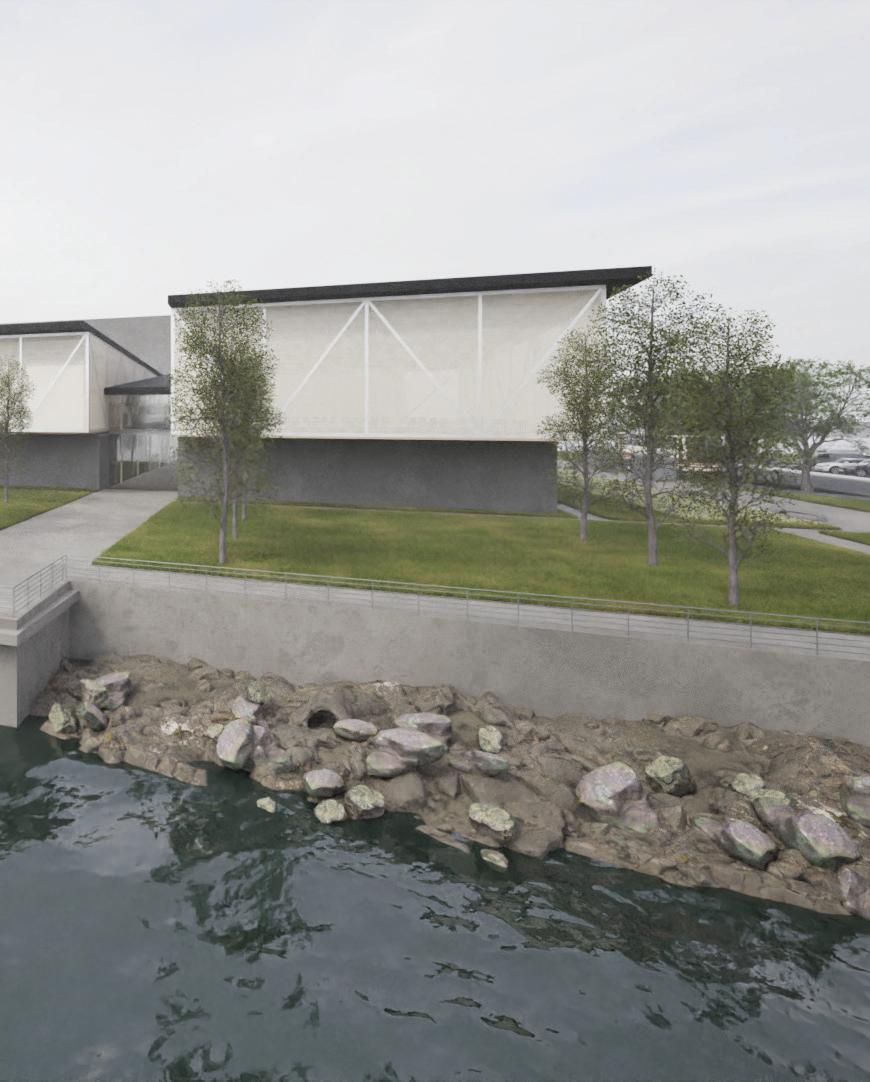
Modular forms infill an architectural relic to rehabilitate the port
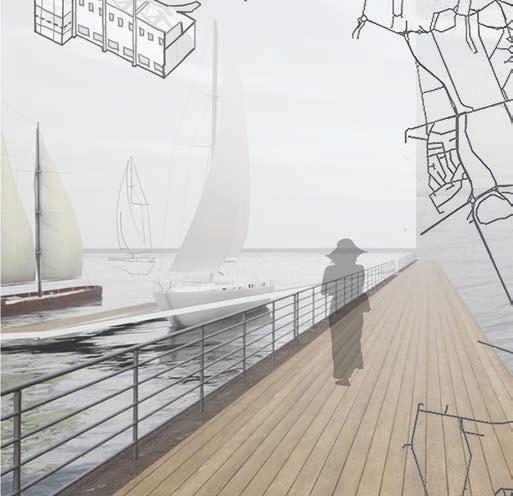
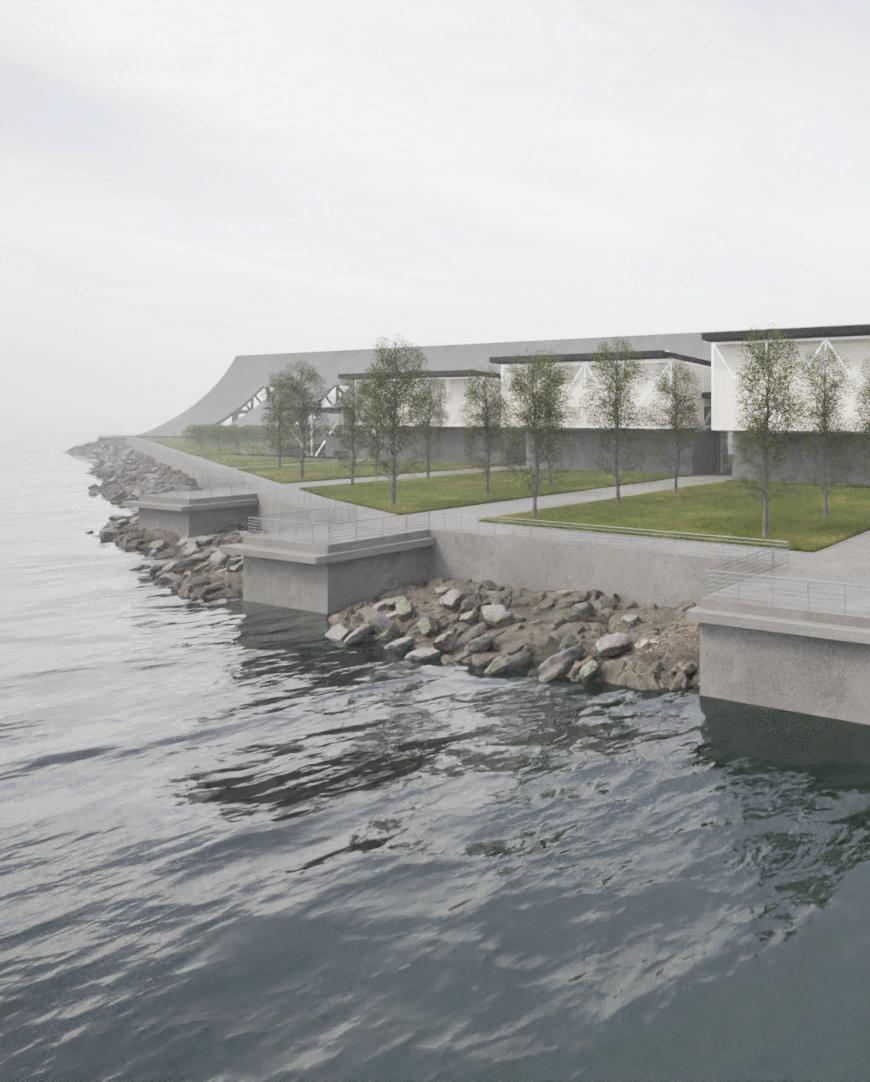
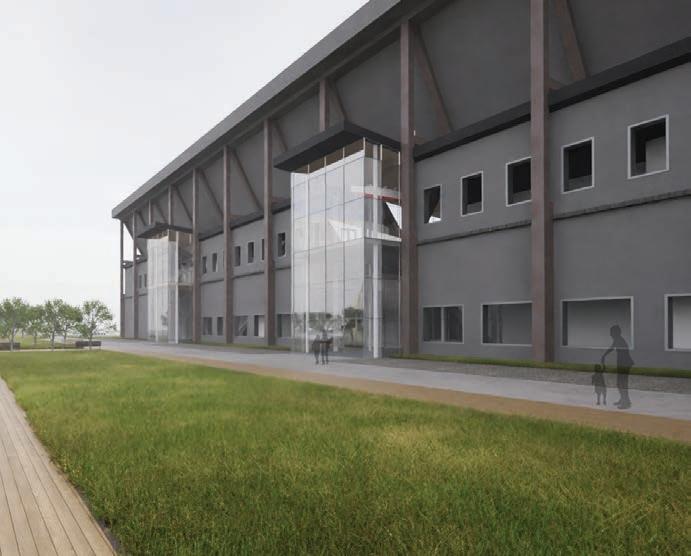
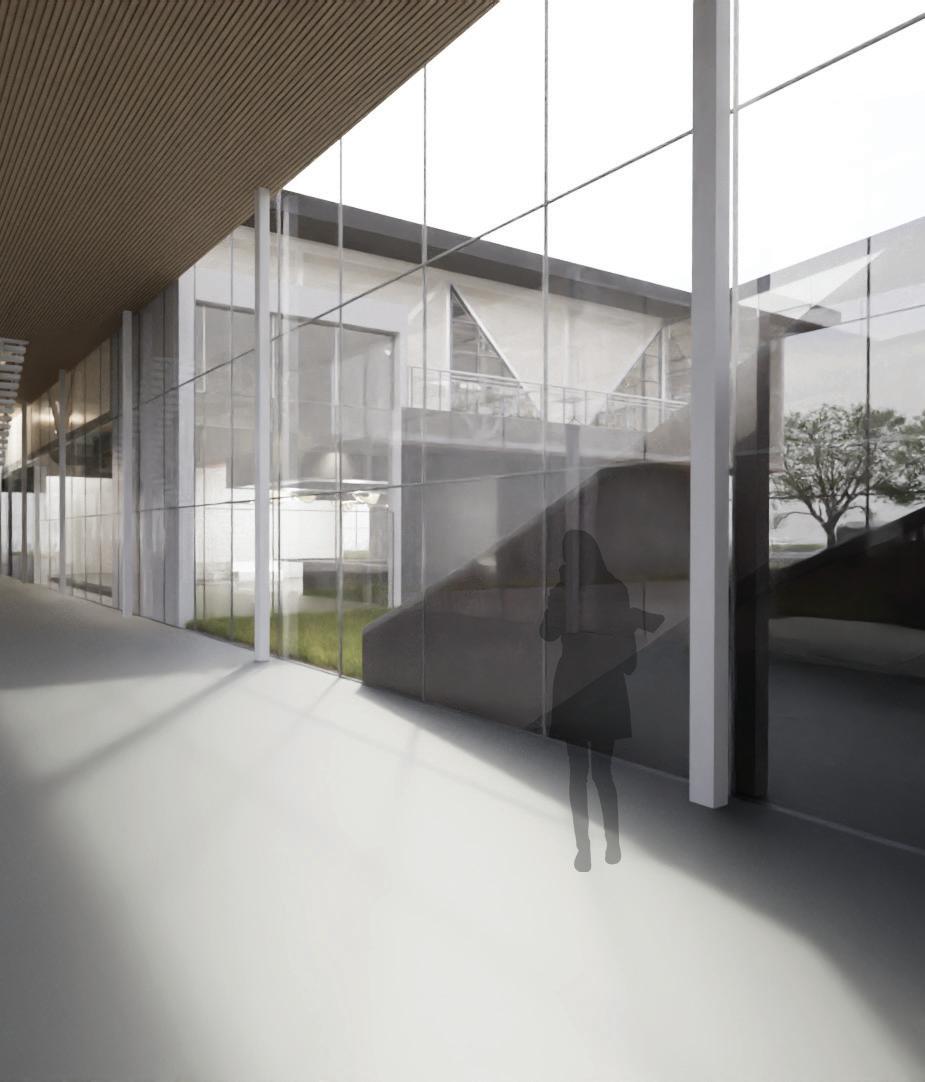
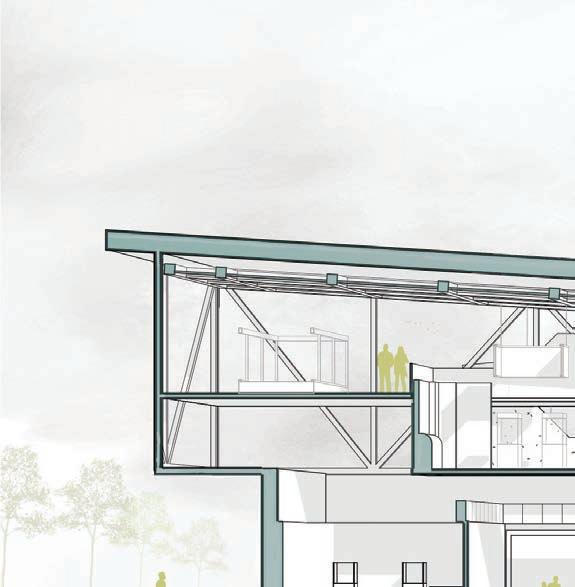
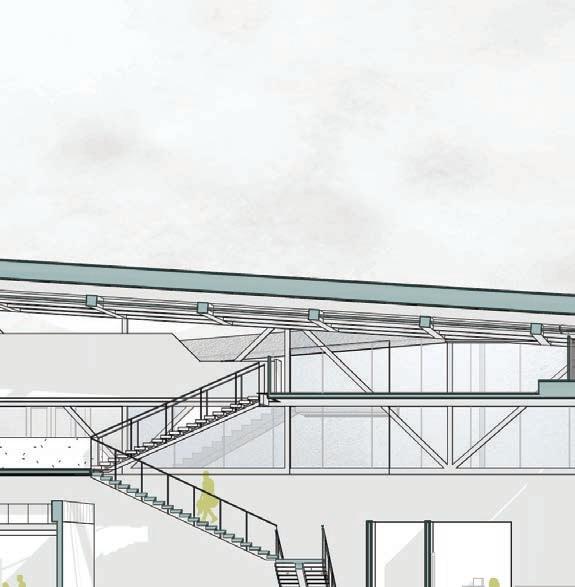
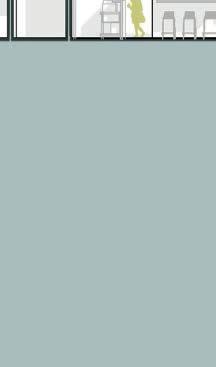
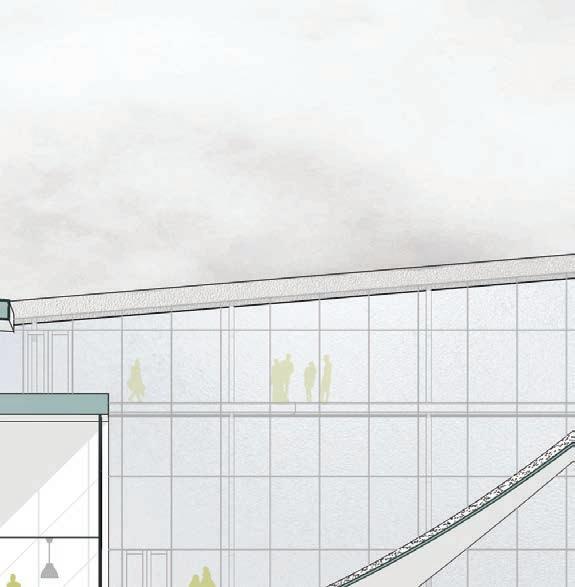
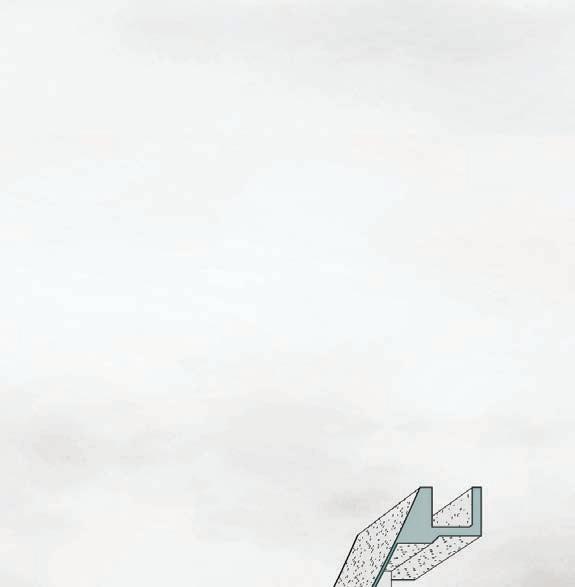
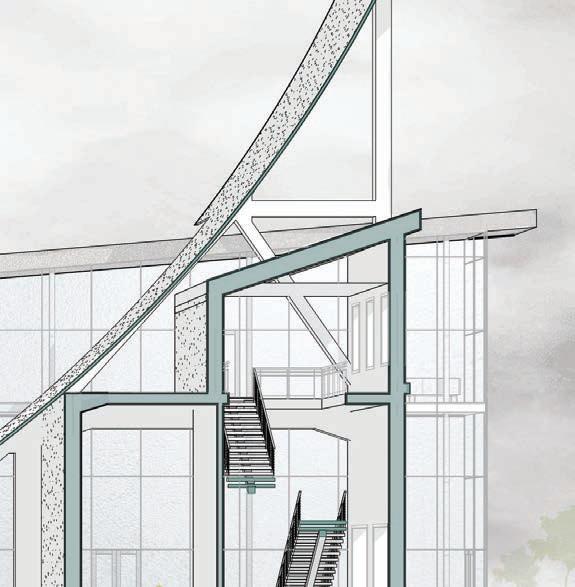
The Brise-Vent in Le Havre, France, stands as an architectural relic, attending to its historic utilization as a wind shield and expectant of a reimagined occupation by the proposed community center. Through the coalescence of the original curve with a dynamic and contemporary form, the designed form immerses visitors into a personal experience of the structure by traveling to, walking against, transitioning under, circulating through, exploring up, and wayfinding around the landscape to revitalize the significance of the port.
The existing curve allows a punctured form response
Descending modules extend from existing wind shield (following page)
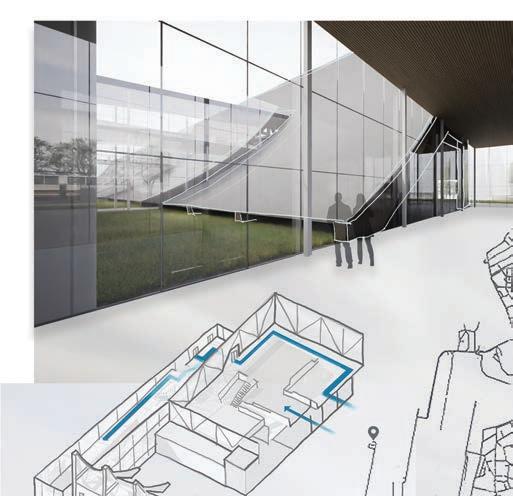
The entry sequence guides visitors through the expansive glass entryway puncturing the eastern opening of the curve. Infilled components, comprised of boardform concrete and deeply inset windows, flank either side of the entrance to showcase the weight of the existing structure against the new delicate form. Continuing underneath the curve reveals modules of concrete bases and levels of light PTFE forms, a gas-filled membrane system. The first module utilizes the solid
base for wrapped auditorium seating, and the thermal envelope allows diffused lighting against wood panels. Circulation flexibility along the glass hallways allows continual interaction with the vast curve. Angled roofs and the descending module heights help to perceive responses to this form. This continues on into the fourth module, wherein the high-end restaurant and entertainment spaces consider the entire panoramic view from port to curve. The nearby exterior pavilion and gift shop allocates an integrated response with the landscape conditions through its sunken form and alignment. In these conditions, the building never seeks to cover the ruin; rather, it offers an opportunity to explore the structural monumentality and the technological advancements in the new design. To merge the timelines of the structures requires visitors to immerse themselves in the form, truly occupying each space to understand the site. This approach considers the entirety of the site and the importance of rehabilitating such a historic and significant landmark.
Project Name
Parking Docks
Existing structure
Circulation hallway Restrooms Lockers
Circulation core Auditorium Exhibition desk Children’s exhibition Restaurant Gift shop
Level 1 connection to site through circulation
Level 2 elevation changes connect to existing curve
Level 3 exhibition extension for further viewpoints
Gift shop pavilion—Responds in its structural system, allowing open viewsheds to the harbor
Exhibition—Houses temporary nautical displays along a winding exploration path
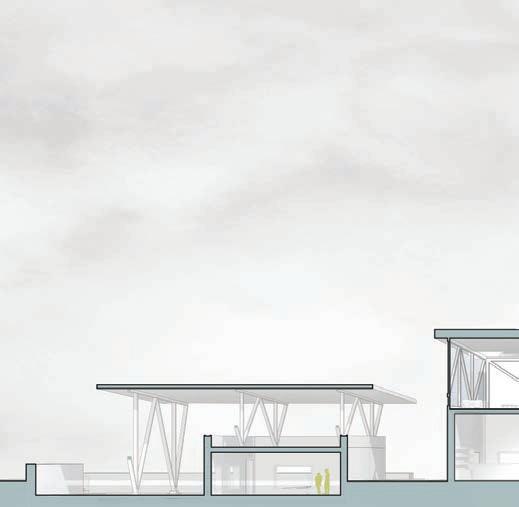
Children’s module—Maintains a double-height space for special programs
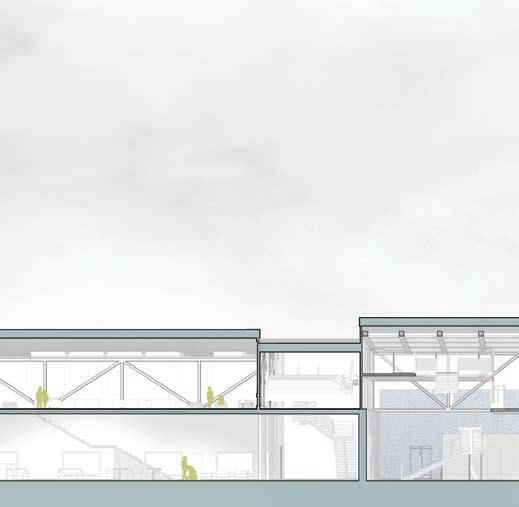


Modules contain specific program for wayfinding
Reception—Contains the permanent exhibition and begins the wayfinding system
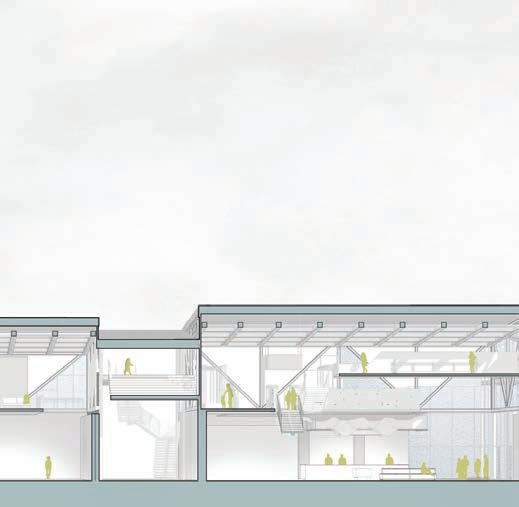
Auditorium—Utilizes a triple-height space for seating and PTFE diffused lighting
Parking— Accessibility to the buildings and docks allow a variety of transportation options
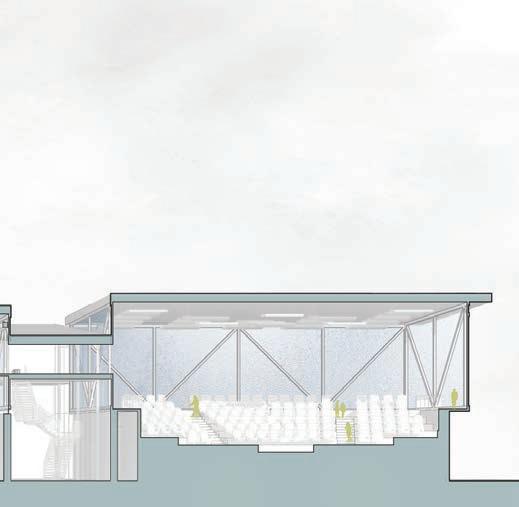


Axon depicts modular infill and program expansion
PTFE membranes provide a modern adaptation to the existing site conditions

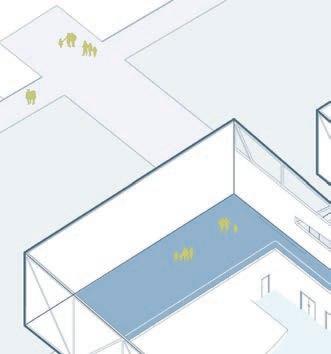
Boardform concrete defines each module base
Glass circulation hallways puncture the wind shield
Existing concrete wind shield reutilized by design
Infilled structure houses cores and administration
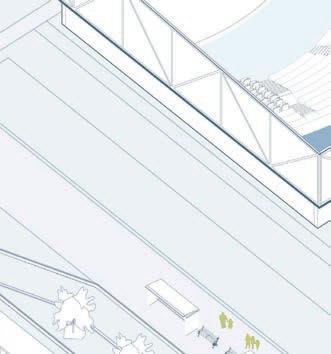
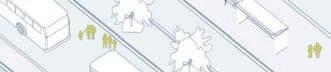

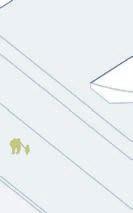
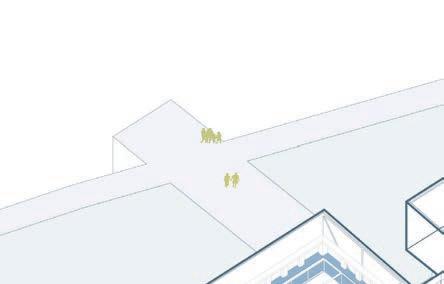
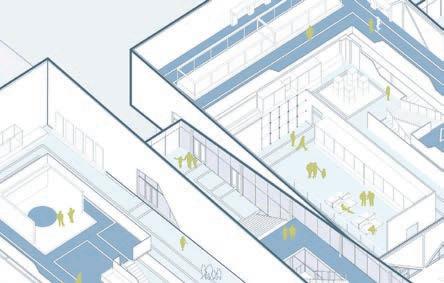
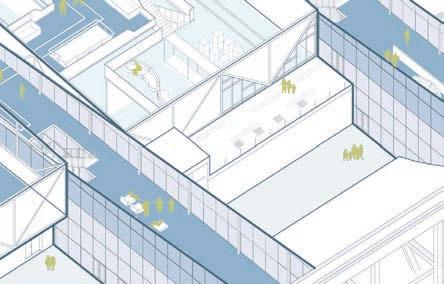
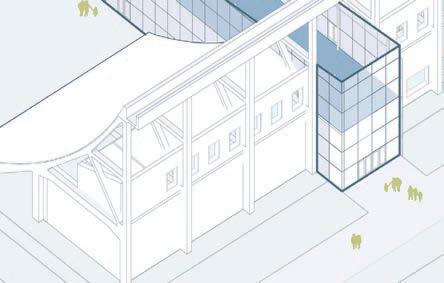
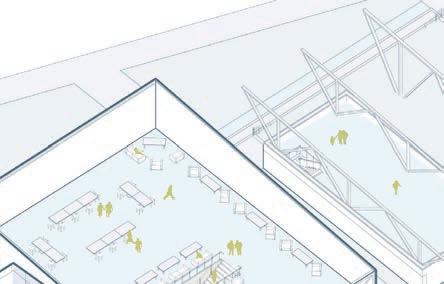
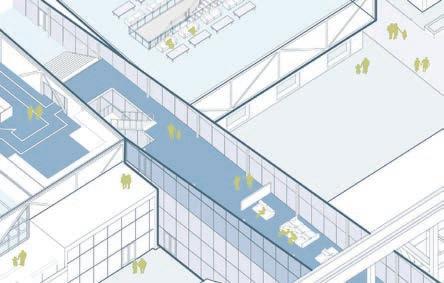
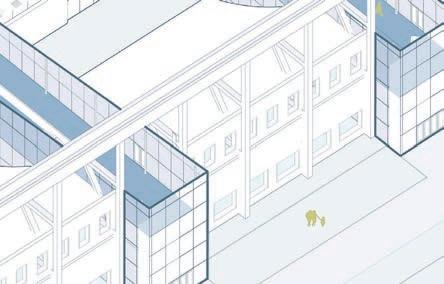
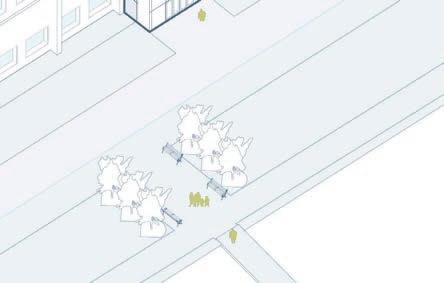
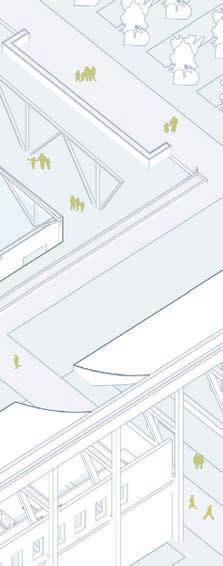
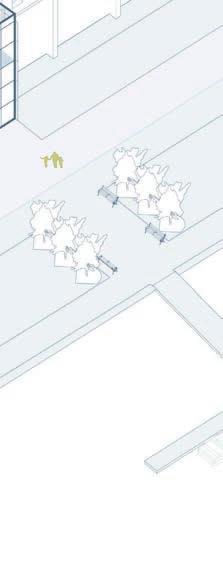


Circulation hallway penetrates the existing curve in full site integration




Dubai 4,790 sq ft
Third-year, Fall
With Rebecca Assen, Zack Clemons, and Ethan Edwards
Contribution to cultural and code research, conceptual layout, and module detailing
Mechanisms for Mannerisms
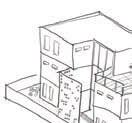
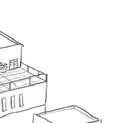
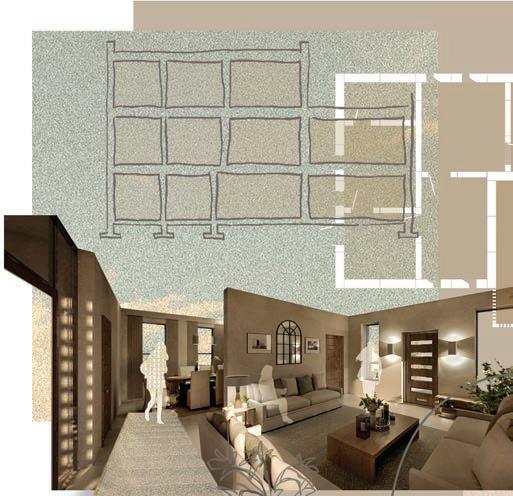
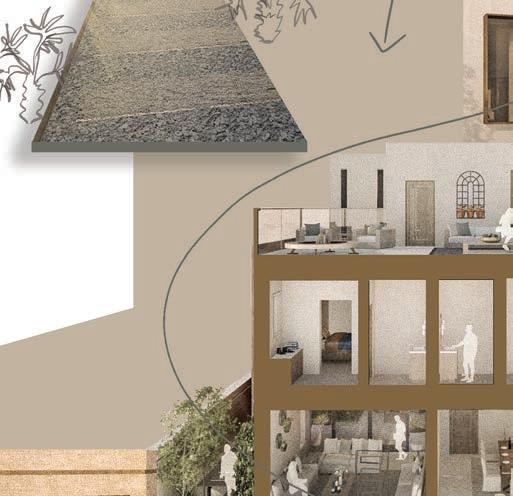
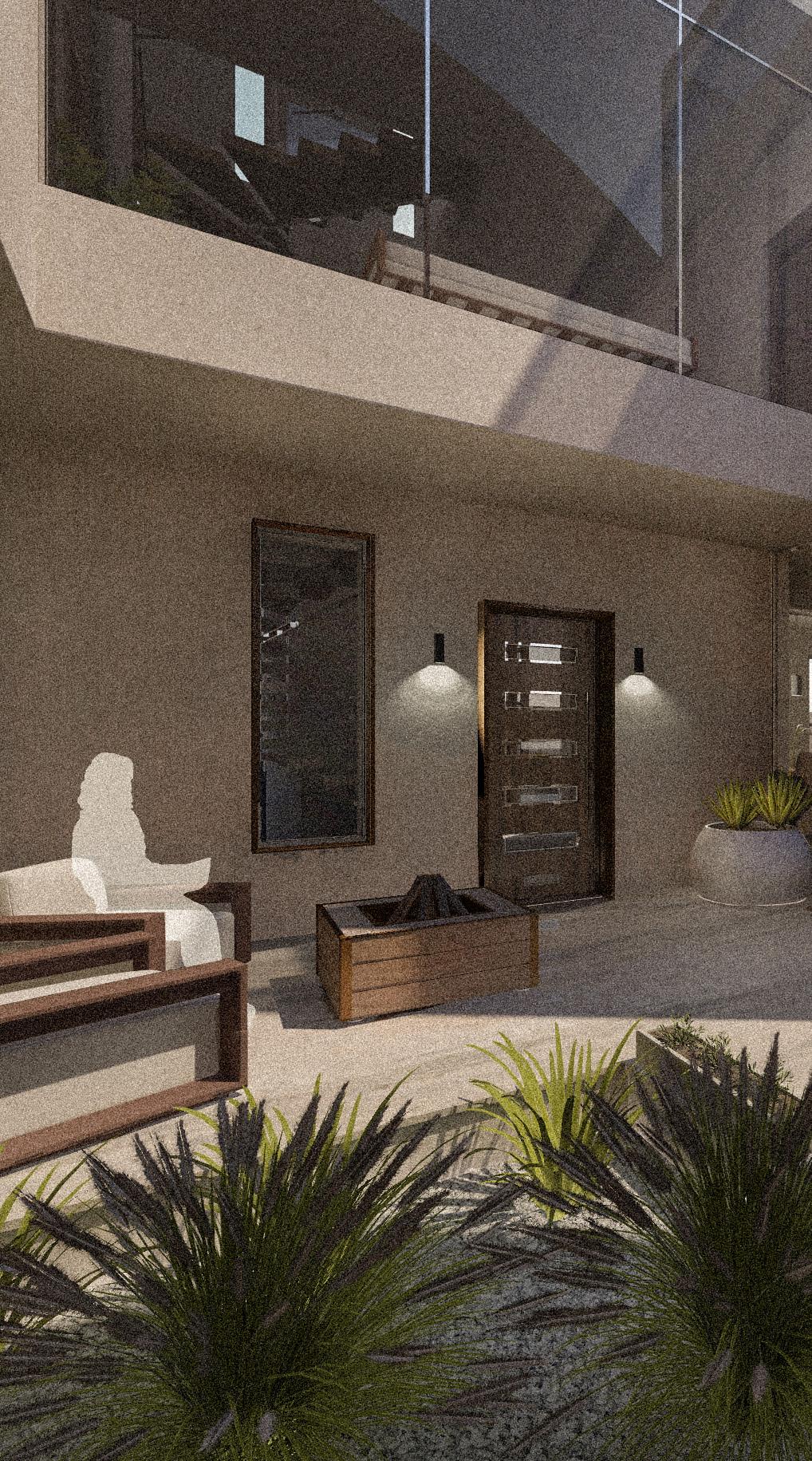
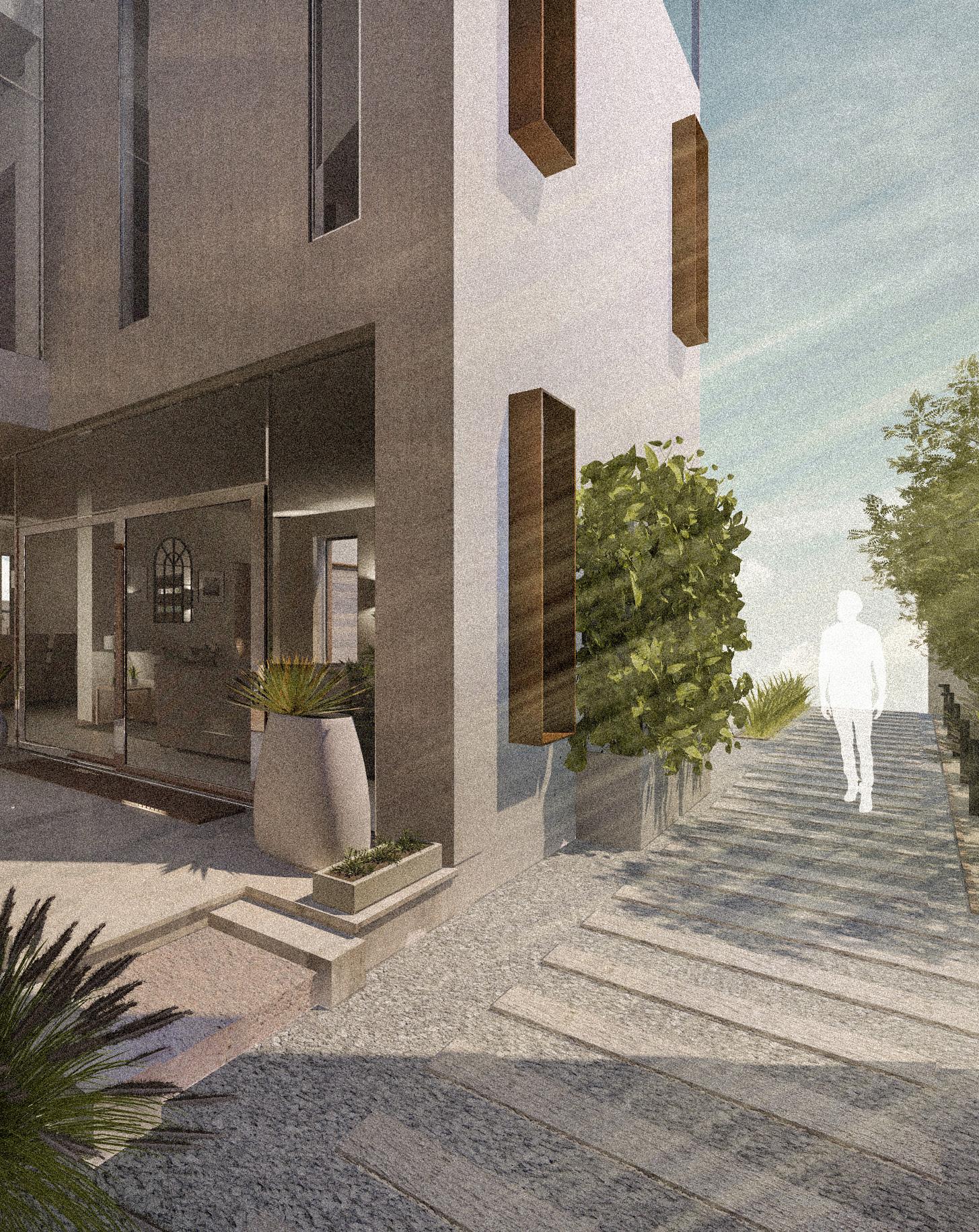
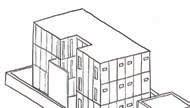
Modifiable housing units define a flexible and private courtyard plan
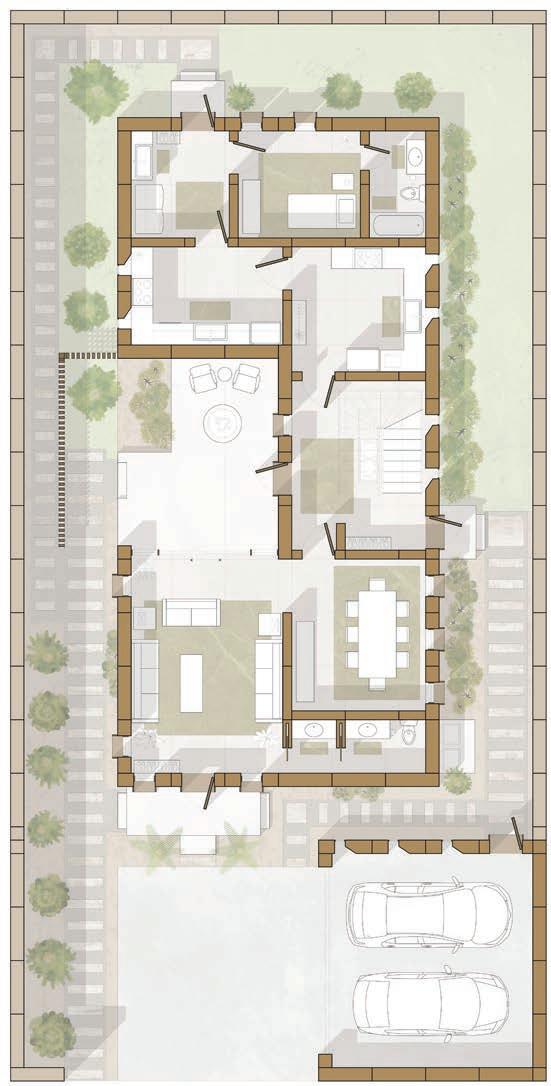
A competition for an unspecified site in Dubai, the team project delineates layers of privacy through modular systems of adaptable function. The design provides a flexible and affordable housing option intent on maintaining local customs. It works in conjunction to a governmental program offering housing to residents. Per the needs of the resident in living spaces and interests, portions of the house can be interchanged to customize a response before construction. This level of flexibility necessitates a modular building system, allocating a concrete panel system as a strategy for adaptability in design.
The restraints of the design become the guiding principles of its conception. The layout provides the public with simple access to the living space. However, the cultural aspect of privacy determines a separate entrance for family members. This entrance occurs through a courtyard in the middle of the site. The courtyard connects to the vertical circulation core, a consistent element in each arrangement.
The different schemes offer additional bedrooms, a women’s majlis, a study, and a terrace. Combinations of arrangements allow the resident to fit their needs in a modular approach, with combinations decided through the government project.
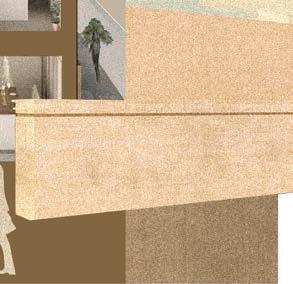
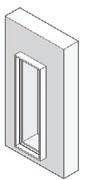
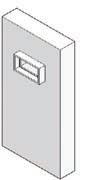
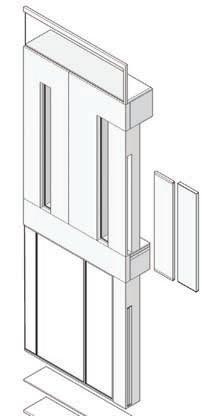
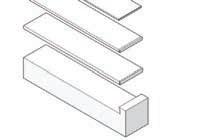
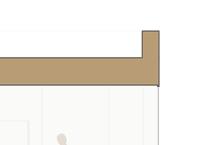
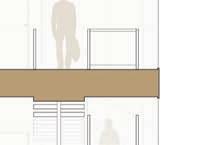
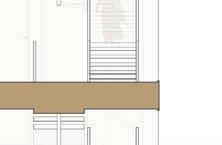
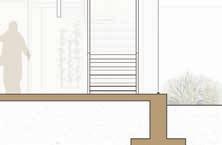
The building utilizes a simple concrete panel approach for rapid construction. Specific window panels respond to the transition of semi-public to private spaces, a cultural custom. Differing door panels additionally simulate open and closed conditions to the viewer and user. These versatile functions construct thresholds of privacy for each space. The prefabricated system considers the climate by use of the concrete composite to maximize heat gain and minimize glare. This allows the honest material to be expressed as the final product, while the thermal massing contributes to the success of the scheme. These relations of function and aesthetics in the consideration of privacy establish an adaptable, sustainable, and compatible design for Dubai citizens.
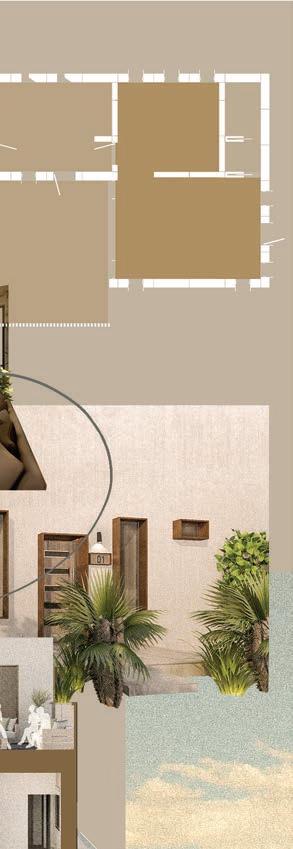
Garage Majlis Half-bath Dining room Circulation core Courtyard Kitchen Service kitchen Laundry Service quarters Study Bedroom Terrace
Level one: main living entry, courtyard, and services
Variation A: women’s majlis, study, and two bedrooms
Variation B: four bedrooms
Variation C: two bedrooms and exterior terrace
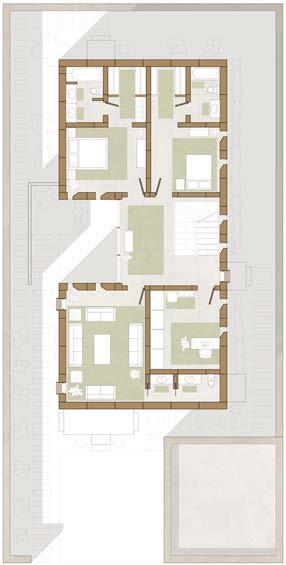
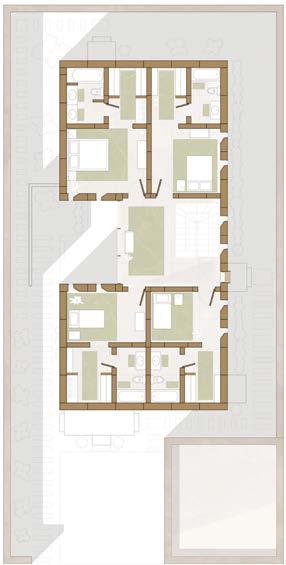
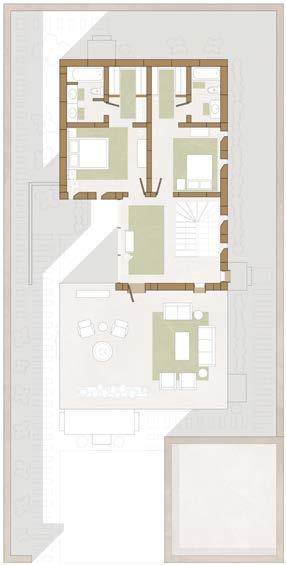
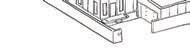
Modular concrete panel and housing arrangements
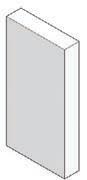
Solid—Repetitive element for wall structure and divisions
Window—Public spaces allow views and excess light
Window—Semi-private rooms limit views and access
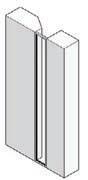
Window—Private upper levels block views
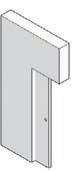
Door—Public entry door welcomes light
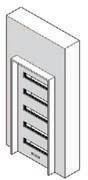
Door—Interior pocket door provides privacy
Scheme A—Four bedrooms
Scheme AA—Eight bedrooms
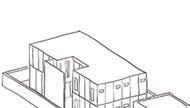
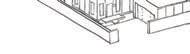

Scheme BA—Six bedrooms, majlis, and study
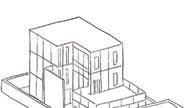
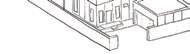

Scheme AC—Six bedrooms and terrace
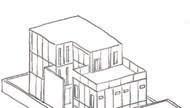

Scheme CB—Four bedrooms, majlis, study, and terrace
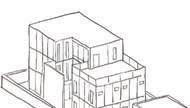

Scheme CC—Four bedrooms and terrace
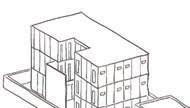
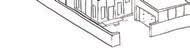

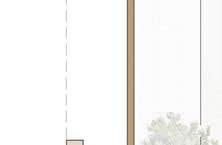
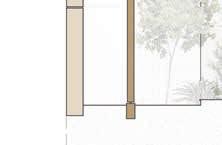
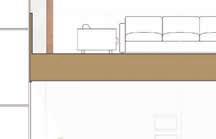
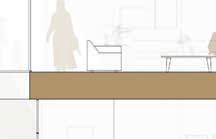
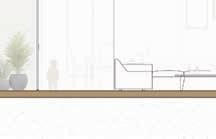
Courtyard section progresses public to private
Interaction between the courtyard and circulation



2.1
2.2
2.3
2.4
Design Studios
Studio projects at Auburn University
Systematic Rotations
Colloquialisms of Movement Exposed and Enclosed Axis Amplified
2.5 Humbled Container
Columbus, Georgia
51,960 sq ft
Fifth-year, Fall
Systematic Rotations
Engaging community in an interactive exploration of the systematic sciences
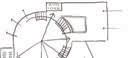
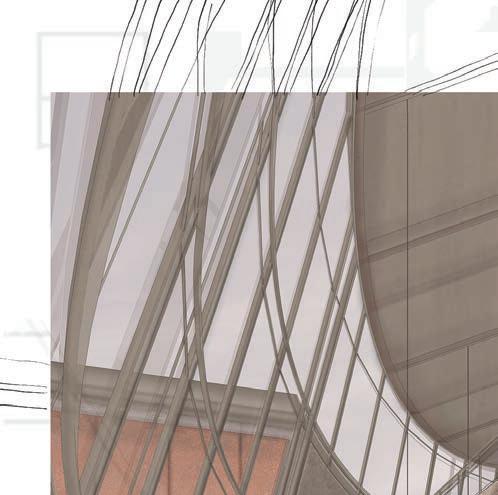
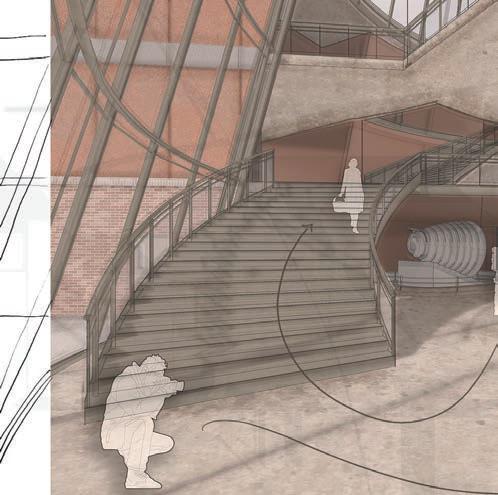
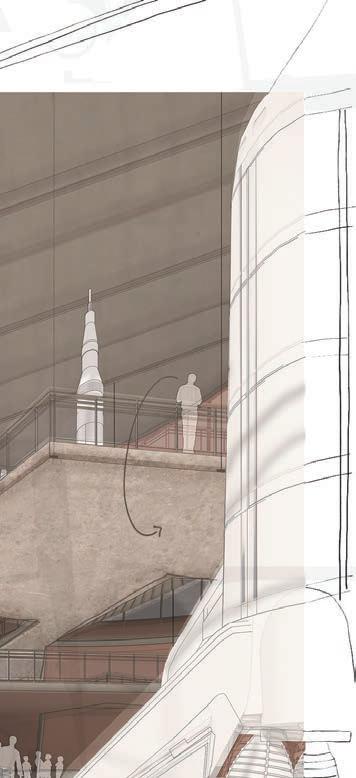
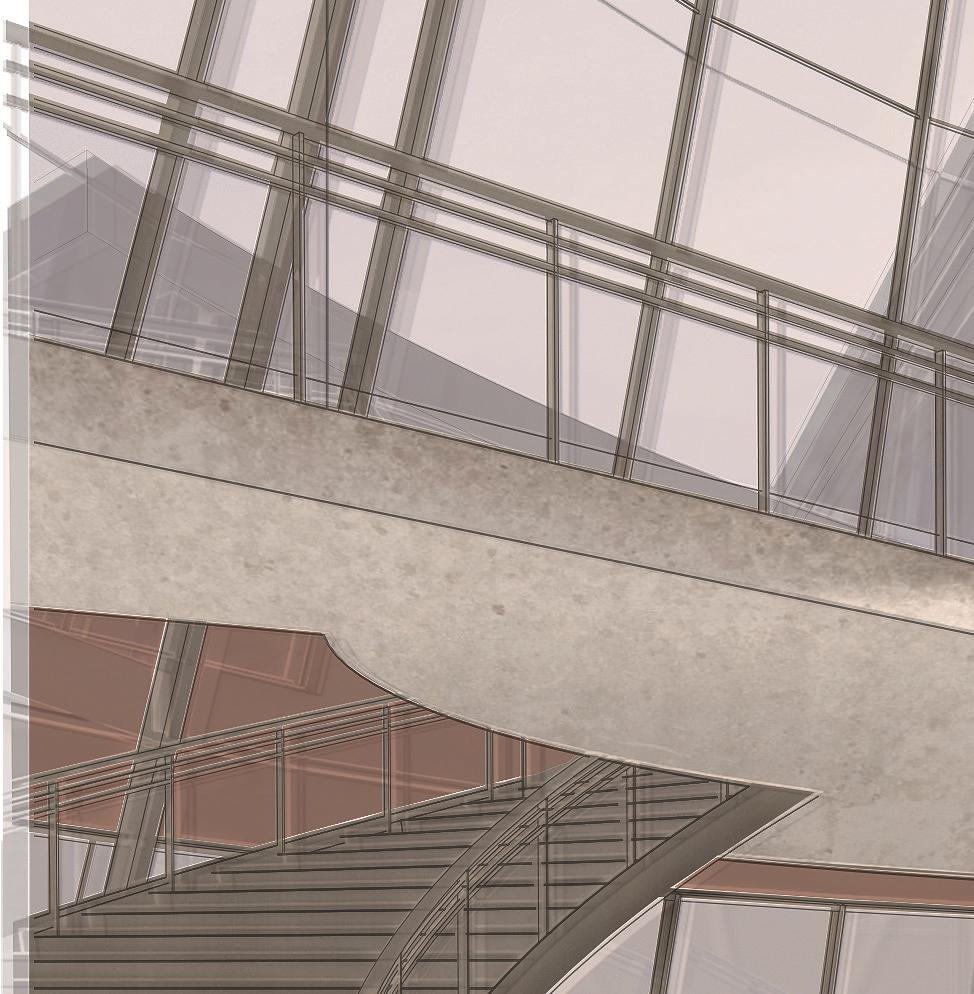
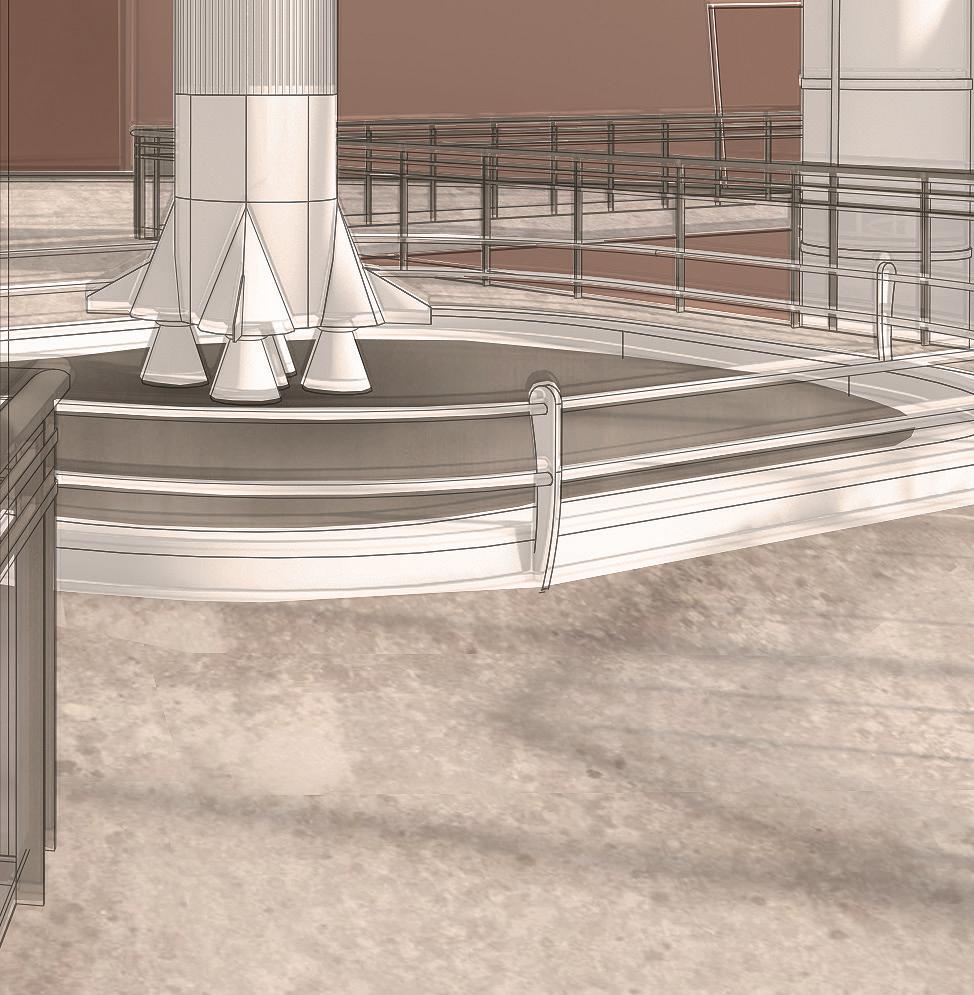
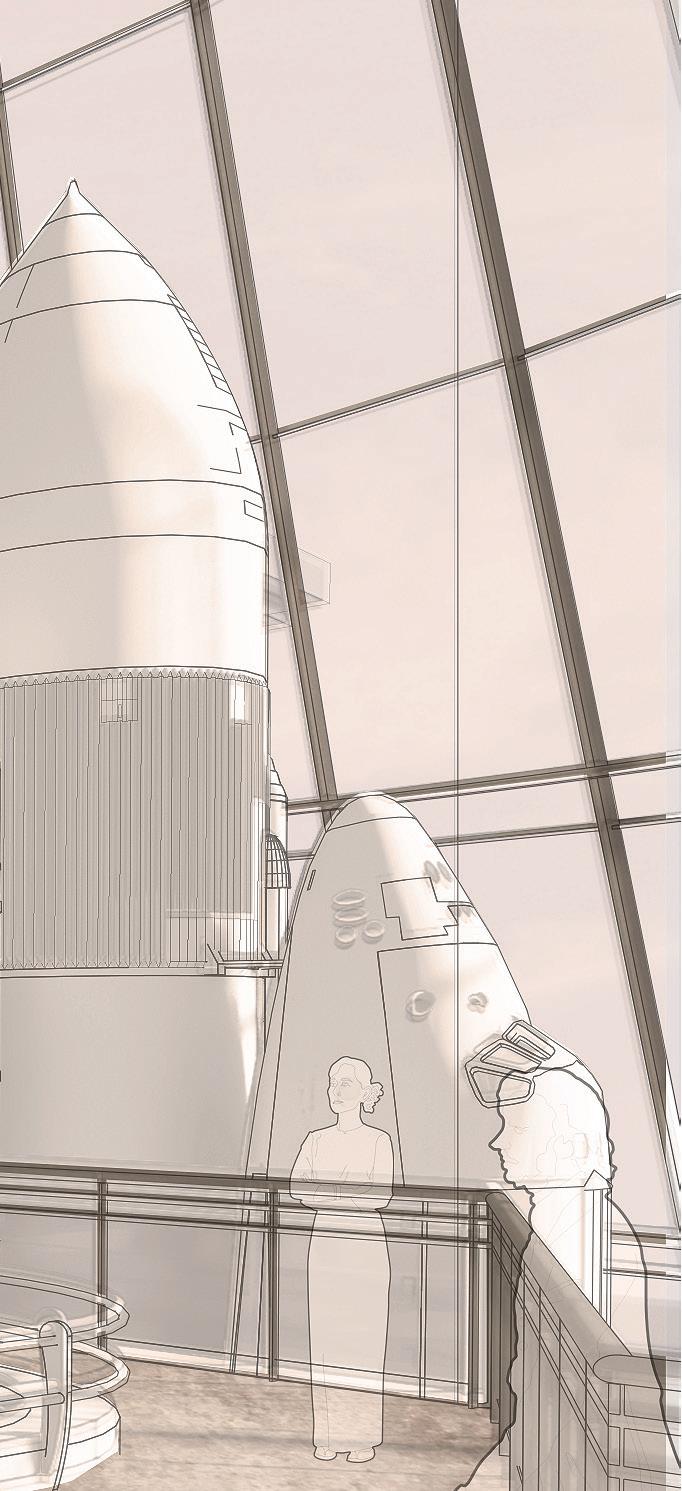
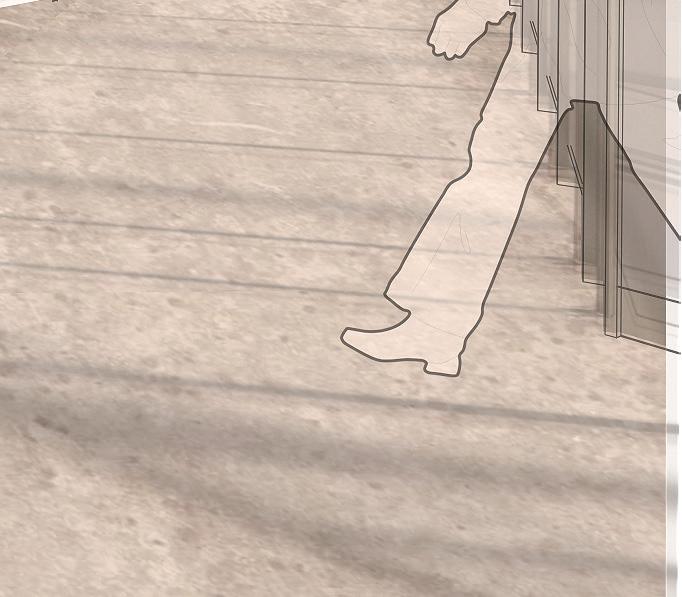
In seeking to involve community within an academic building, the Columbus State University Space and Robotics Center actively displays the varying sciences to all inhabitants. The main form acts as the center for exploration, both as the exhibit and as the circulation between floors. This truncated-cone space intends to remain conceptual as it explores its technical limits and the revolutionary designs for space exploration. Visitors filter from these displays into the linear bars holding the competition center, labs, lecture hall, and classrooms. These programs interlock to put science on display, allowing views into all spaces. The resulting overlapped form achieves a rotating expression from the exterior to interior exploration.
radii to create a slightly curved stair. The connecting floorplates hang in tension from the structural ceiling system. Moving upward, the robotics labs intersect and overlook general labs. This produces a double-height competition space for a variety of activities. Moving downwards, the lowest level connects to the Columbus Riverwalk, a 22 mile paved exercise trail. This connection allows public interest, generated from seeing the building form, to be activated in the exhibit.
Connection to city Riverwalk encourages exploration
Exhibit holds the circulation to encourage a communal interaction (following page)
Entering the university building, the lobby welcomes visitors, students, and faculty into a double-height space hiding the main circulation. By rotating around the room, the glass form appears and guides circulation up or down into the distinct bars. These guiding stairs spiral in large
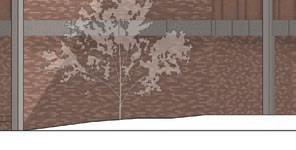
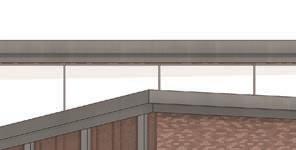
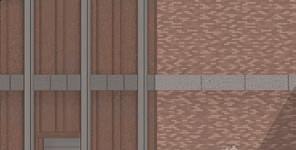
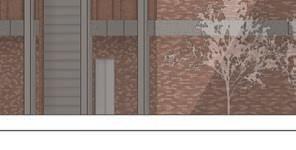
The exterior responds to the rotating form expression through a series of modulated systems. Contextual brick, reminescent of the mill brick vernacular, wraps the lower two stories in a stoic expression of punched windows. The upper two stories use a corten panel system with infilled shadow-box windows. As the roofs slope and gradually increase height, the central form clearly expresses a central gathering space for community. This engagement ultimately allows involvement in exploring the sciences on display.
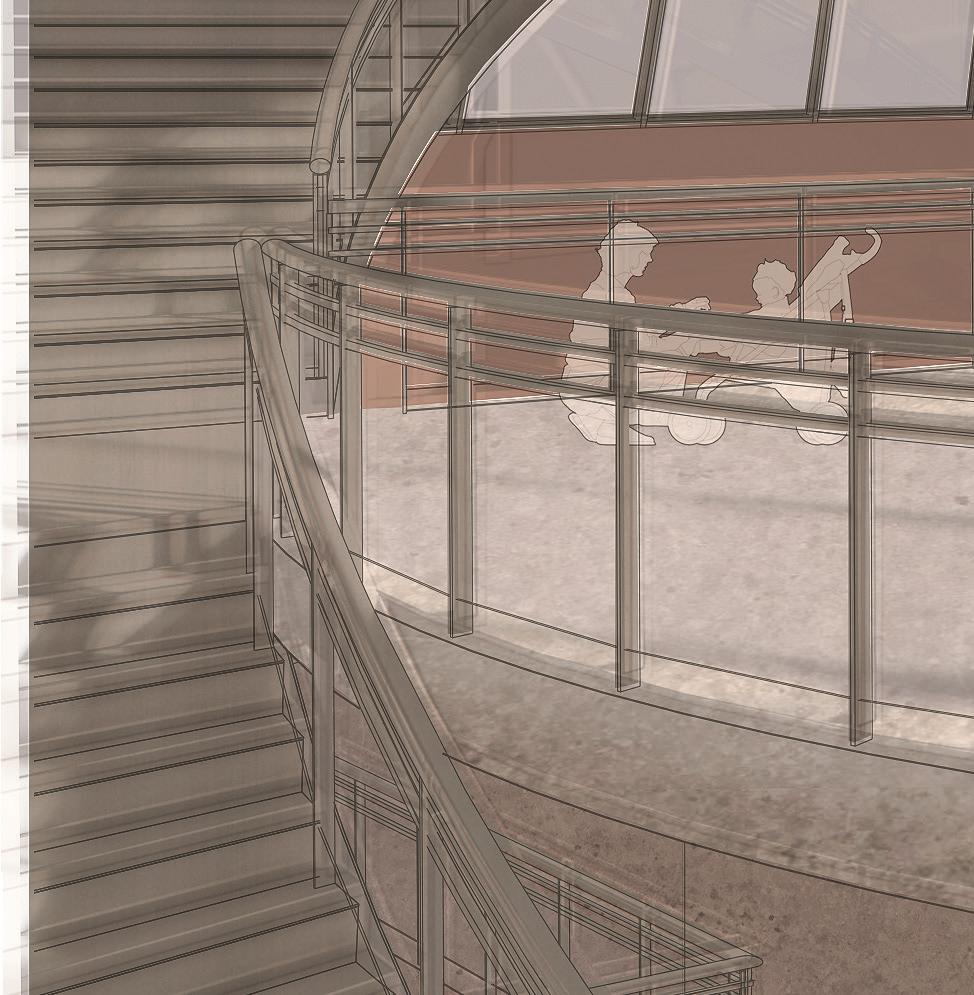
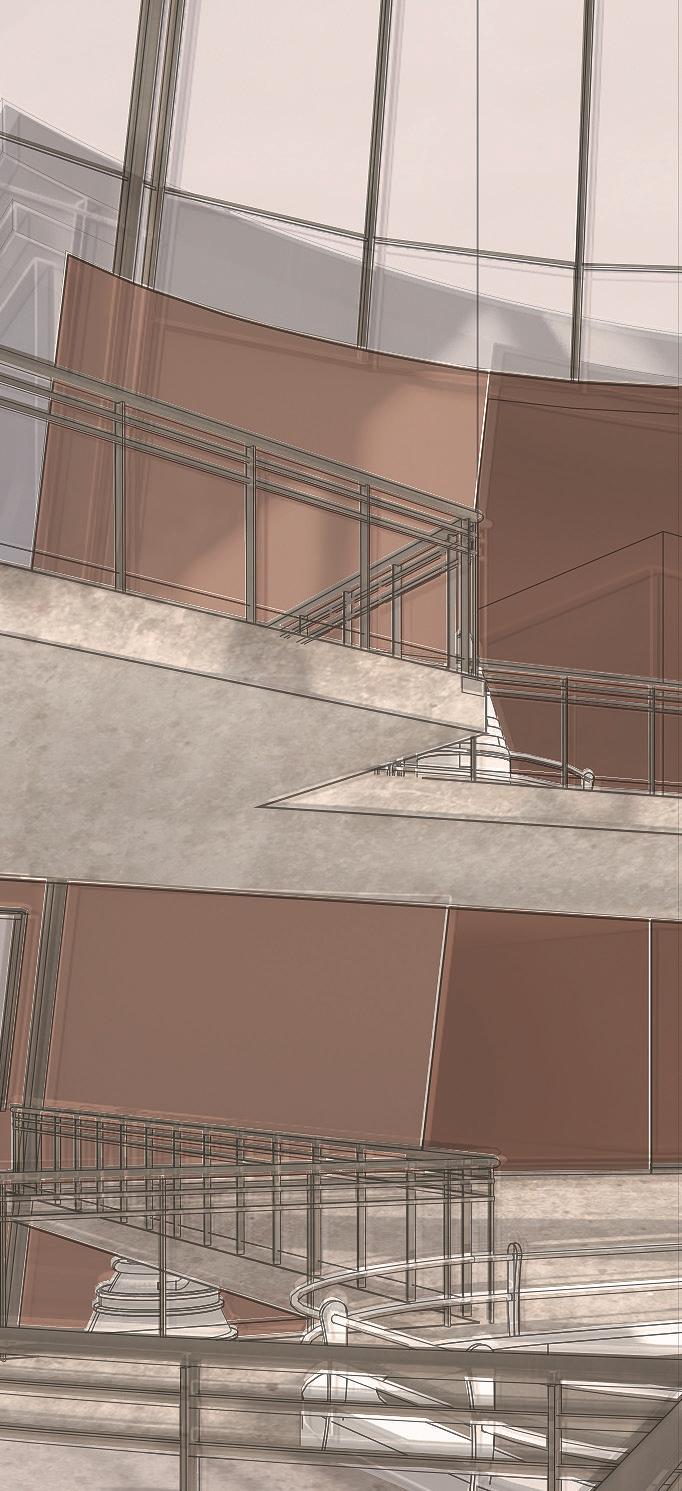
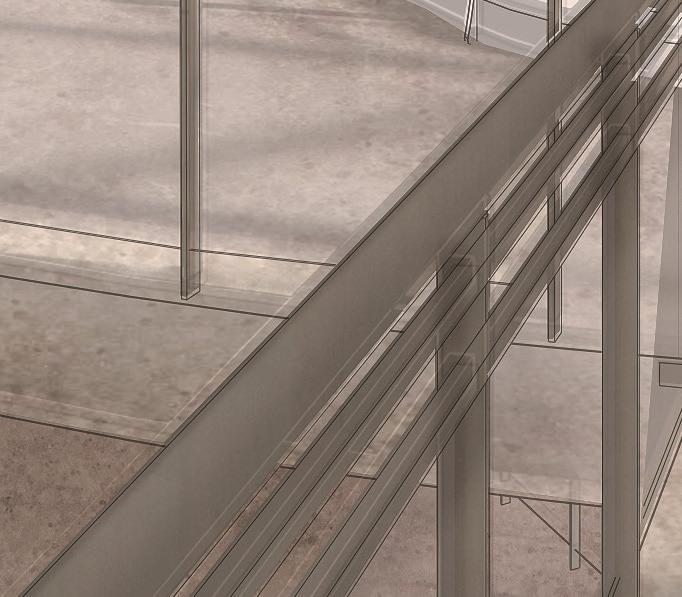
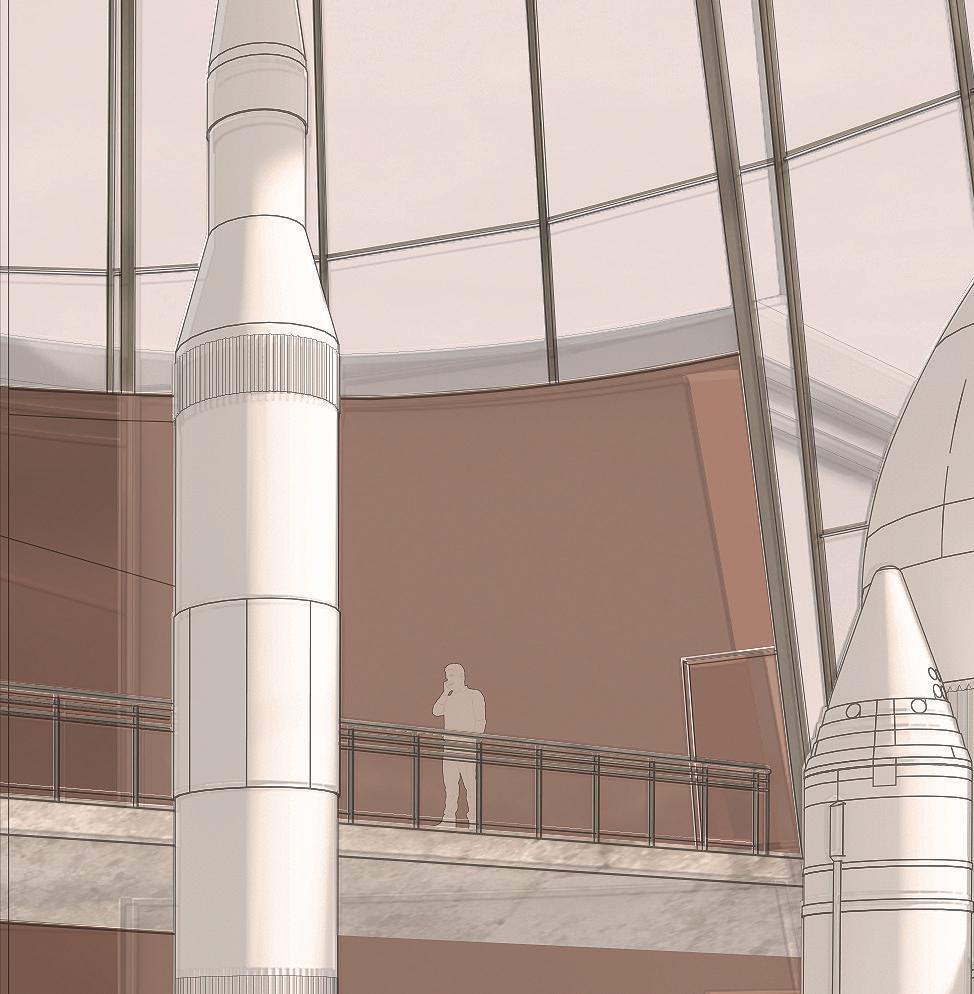
Lobby Exhibition Lecture hall Robotics labs Competition Offices General labs Classrooms Seminar Gift shop
Level 1 provides general labs that overlook robotics labs
Level 2 maintains the highest view of the exhibit
Level -1 directly connects to the Columbus Riverwalk
Level 0 looks down into the competition space










































































































































































































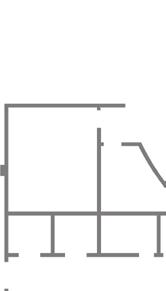
















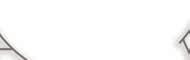


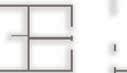
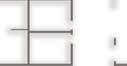











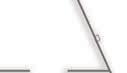
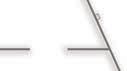





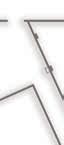




























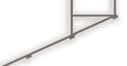


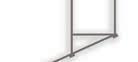










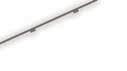
































































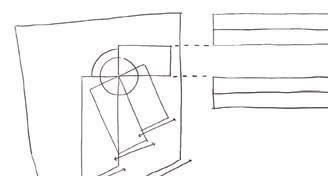

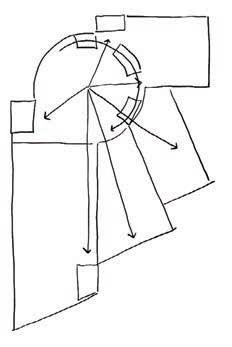
Contextual datum lines pulled to the site inform rotation parallel to site boundaries



Resulting view from linear bar of systematic sciences to truncated-cone intersection







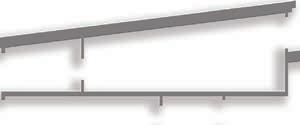
















Sections reveal the interlock affecting rotational masses



























Linear bars extend from the rotating circulation to connect to stair cores


Intersection provides views into lab spaces and to curved exhibit circulation















































Competition Center—Double height ground floor reduces to single height for classroom and office occupation

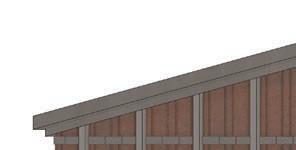
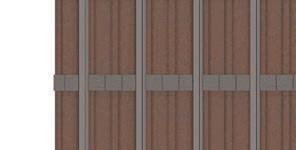
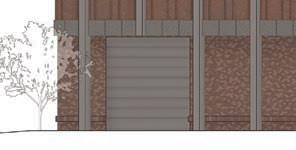
Street elevation showcases rotating form expression
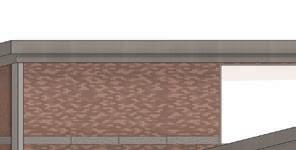
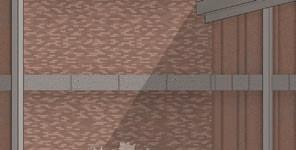
Labs—Robotics labs have exterior access to allow for large equipment transfer, while general labs above overlook the spaces

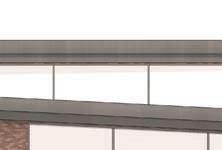
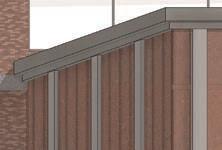
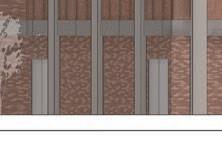
Lecture Hall—Tiered seating allows optimal views while also intersecting main exhibition
Exhibition—Cone form allows for a rotating movement and focus on exploration
Entry—Façade alters to a glass curtain wall to allow visibility and welcome visitors
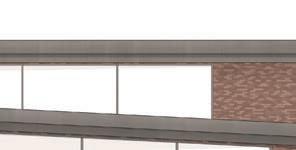
Huntsville, Alabama
36,800 sq ft
Fourth-year, Spring
Exposed and Enclosed
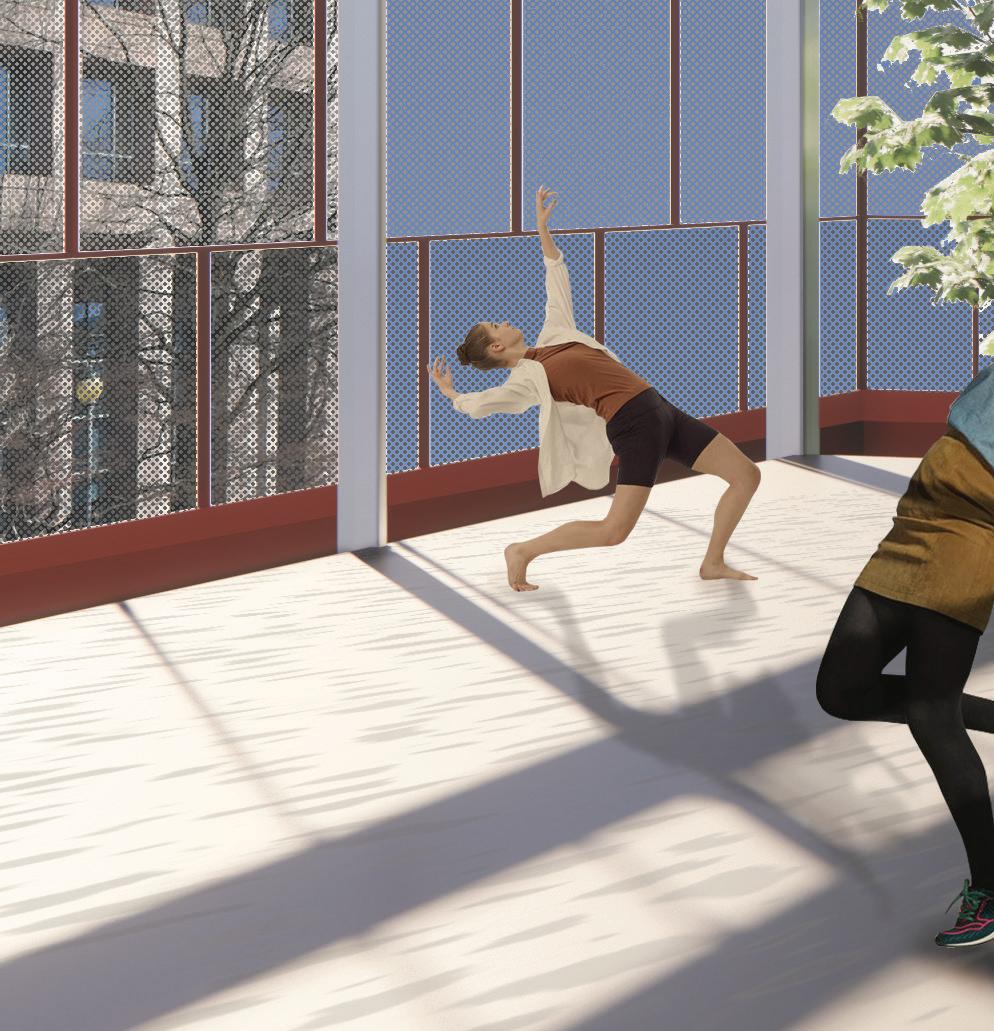
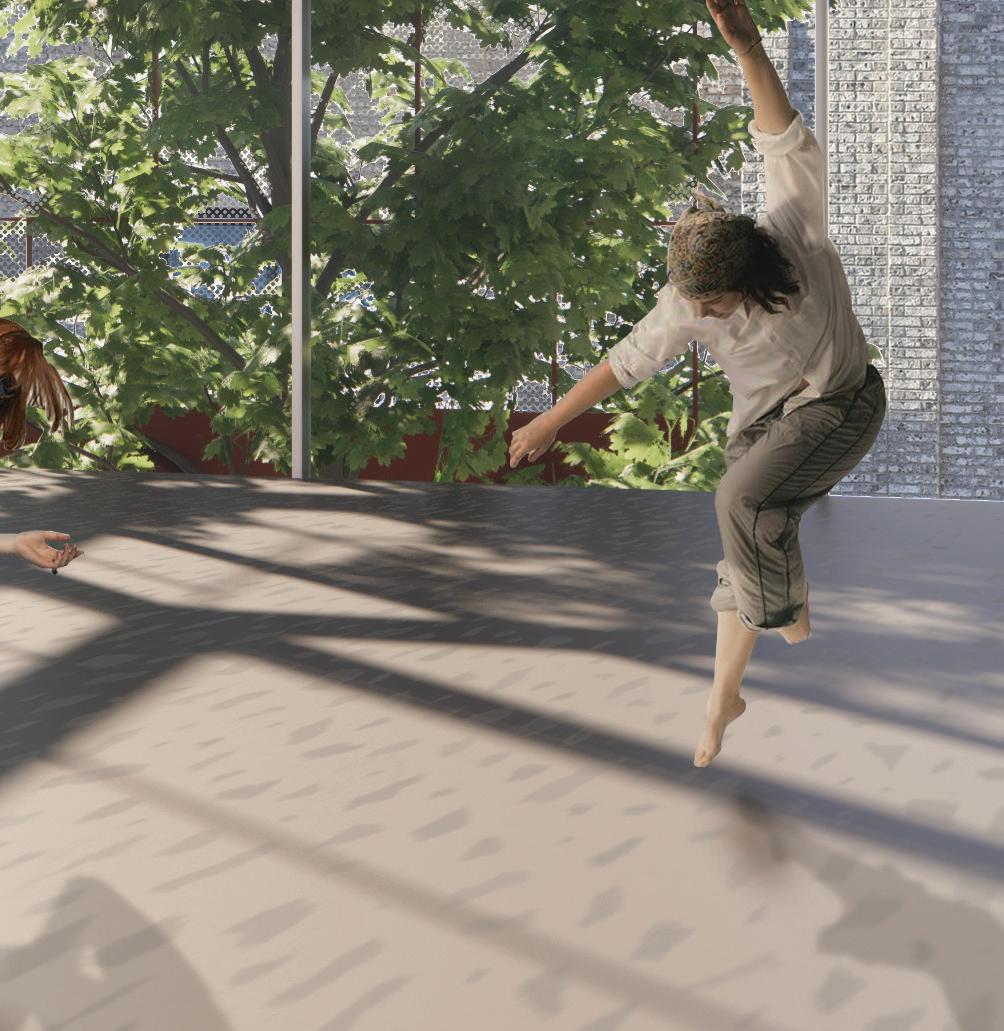
Dance atelier design to promote community health
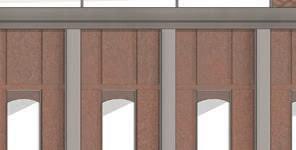
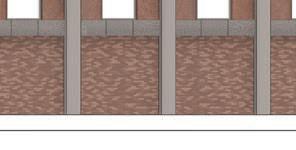
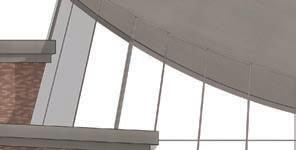
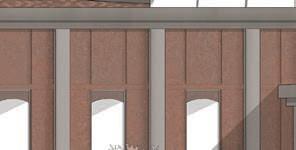
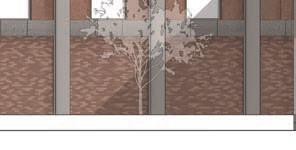
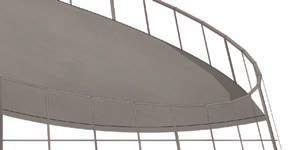
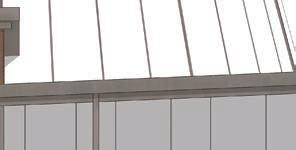
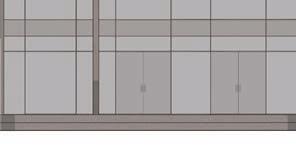
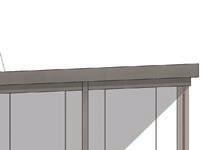
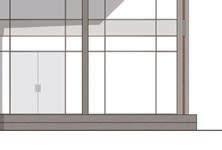
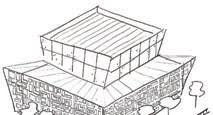
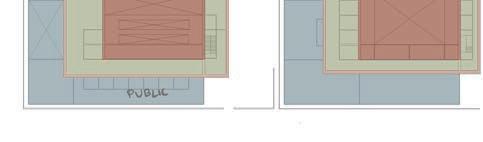
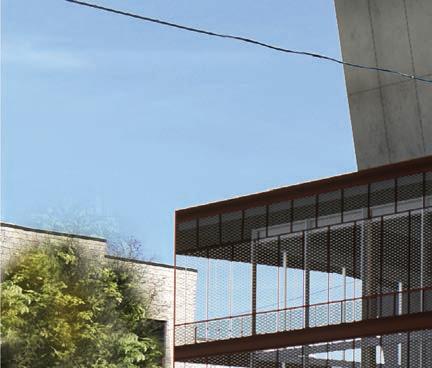
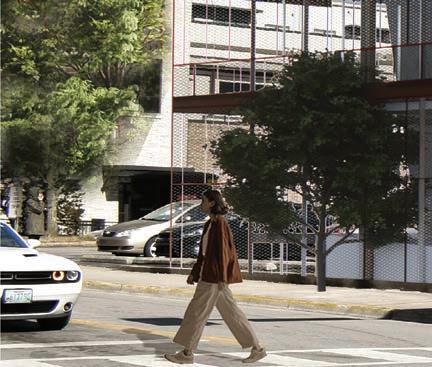
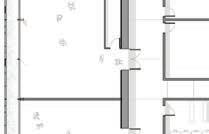
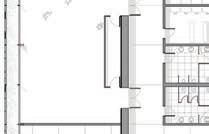
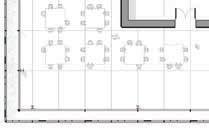
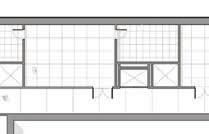
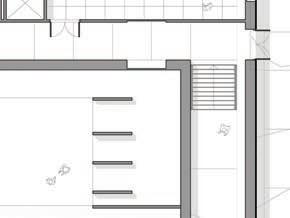
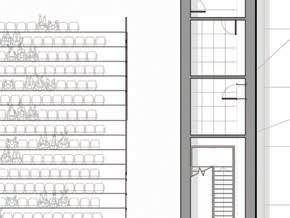
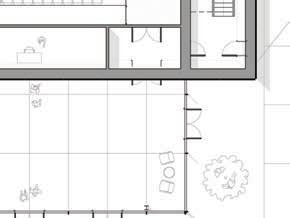
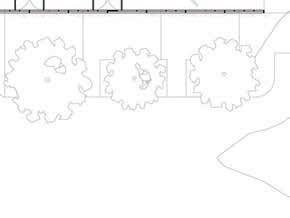
Infilling a theater volume into vibrant downtown Huntsville, the design seeks to distinguish public program from the reserved theater program to support community engagement. The resulting massing forms consists of two parts: the exposed public program and enclosed private program. This organization works in tandem to the materialistic choices to promote a healthy and environmentally conscious design intent on assisting the wellbeing of the community.
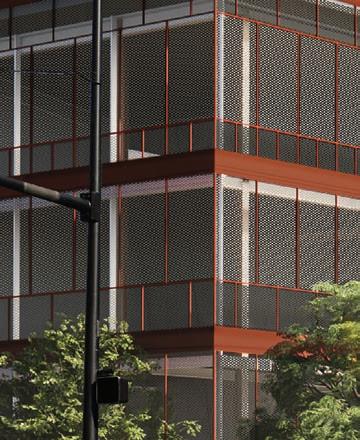
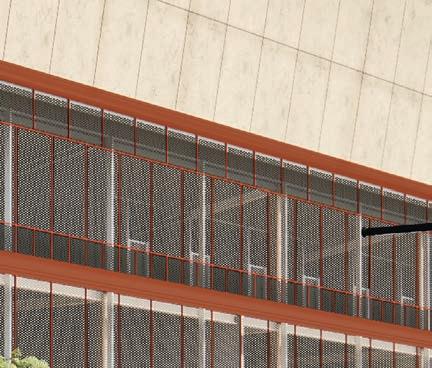
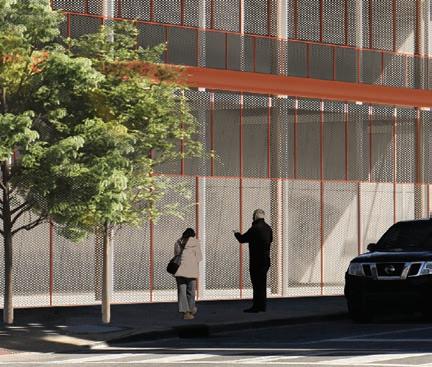
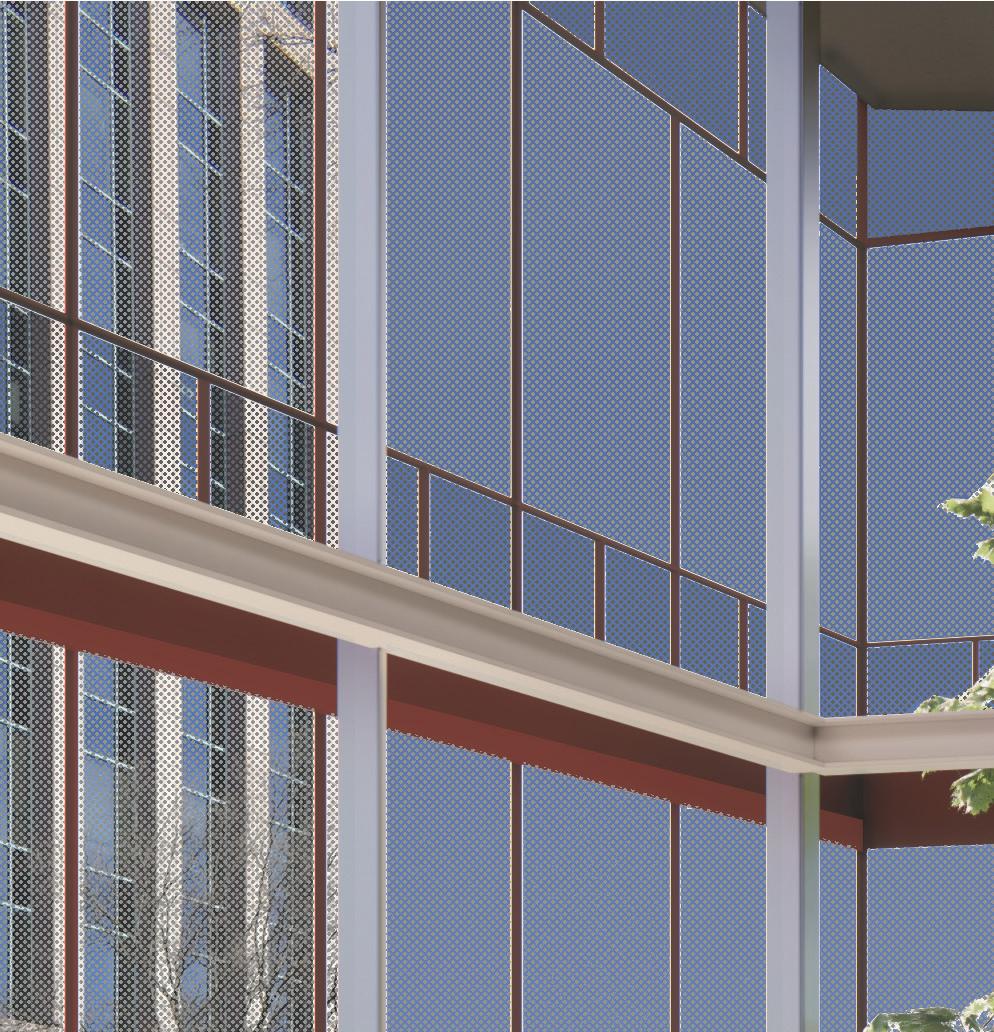
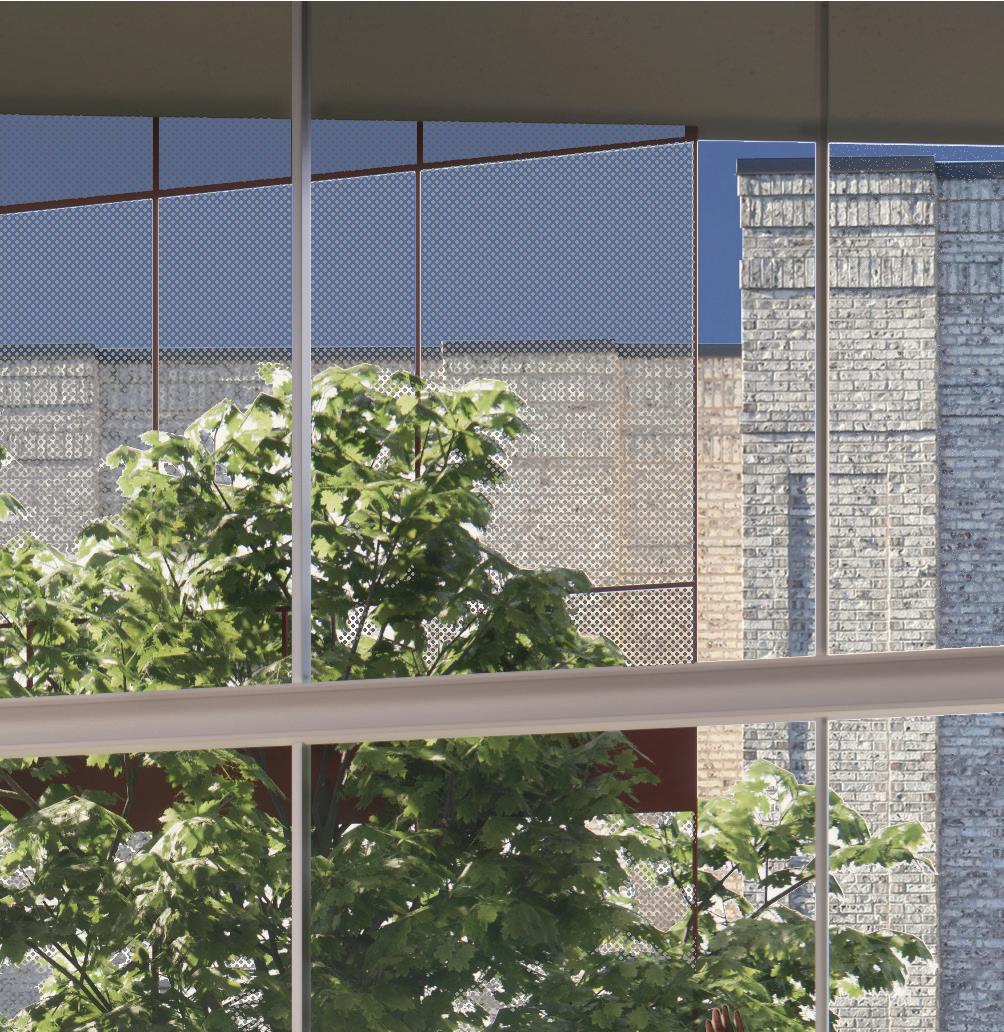
The exposed program wraps two sides of the site in a three-level glass volume. This area includes the lobby, community space and cafe, administration, and rehearsal studios. Each area connects directly to the glass curtain wall. A continuous screen protects the curtain wall, allowing shifting and appropriate lighting conditions for climate control. The screen functions as a contextual addition through a traditional brick color and a continuation of datums from surrounding window grids. Fritted glass infills this grid, with 50% opacity at
occupiable heights and 70% opacity at unoccupiable heights. This system allows public access physically and visually in response to the environmental conditions of the site orientation.
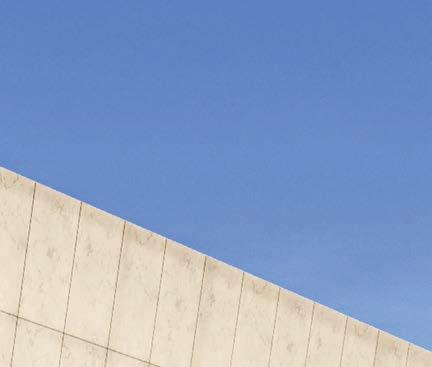
The enclosed program contains back-ofhouse support and the theater massing. The volume maintains slanted walls that penetrate the site, creating a continuous facade on the interior. Clad in historical Huntsville limestone, these panels recall the monolithic massing throughout the building, visible in every public space.
Mechanical, structural, life-safety, and building performance system integrations elevate the design to a practical solution for the atelier. The distinct volumes assist every system by appropriately zoning the massings as separate entities. The overall design thus supports the health of the community in considering the affect on the environment from the materials and massings, while it also regulates healthy environments for its inhabitants.
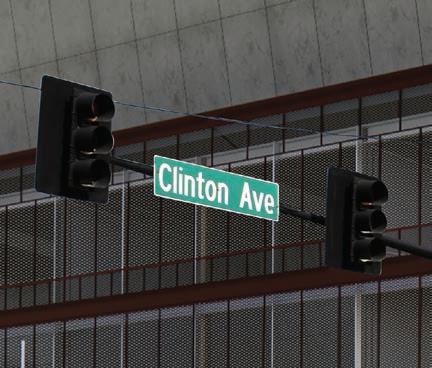
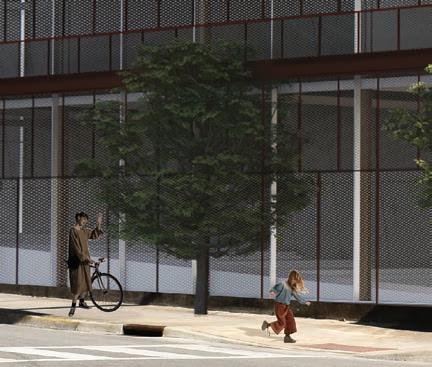
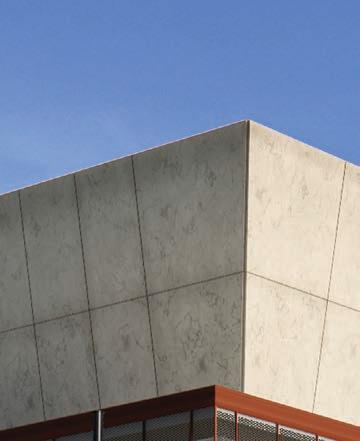
Exposed and Enclosed
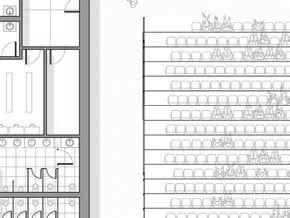
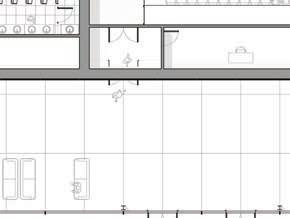
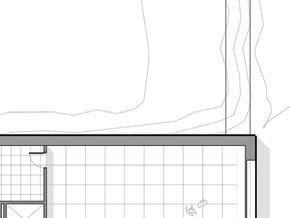
Conceptual design diagrams showcase massing strategies and resulting axonometric
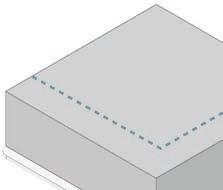
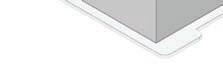
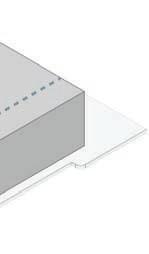
Site filled with a three-level programmatic block.
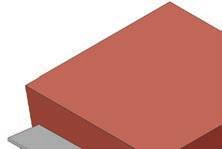
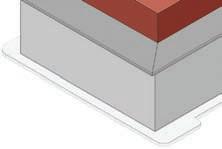
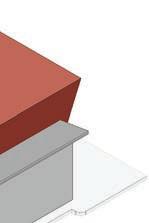

Exposed program block pushes back from property lines. Roof slopes inward for further mass distinction.
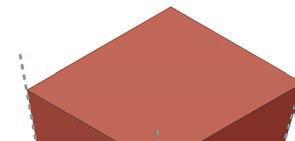
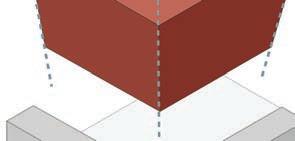
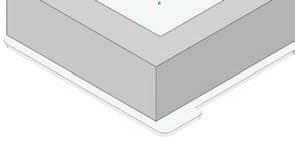

Theater massing pierces block to visually distinguish public and private program.
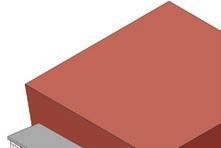
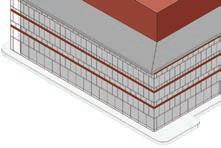
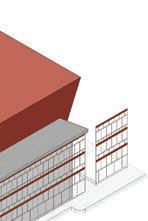
Screen wraps outer public facade for climate control within exposed program.
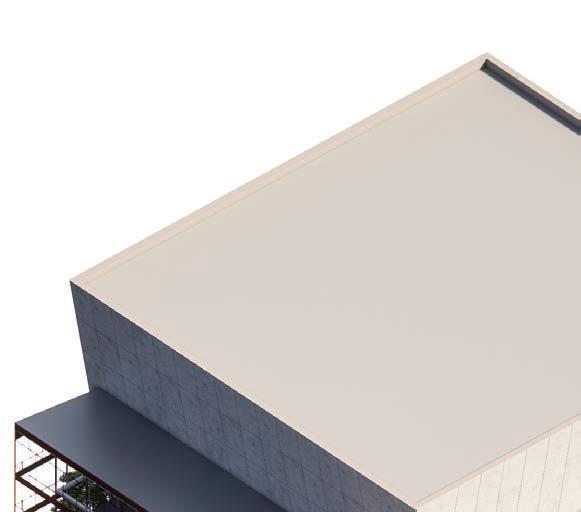
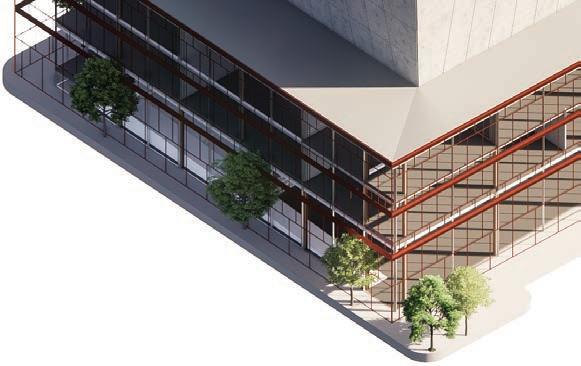
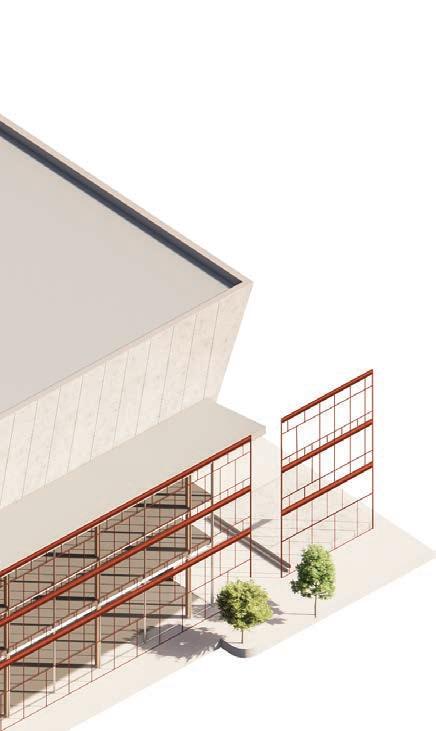

Form results in a dynamic interplay between contextual screen and monolithic mass.
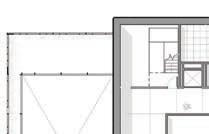
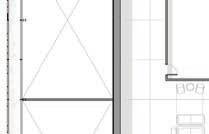
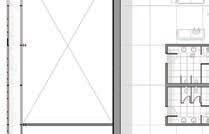
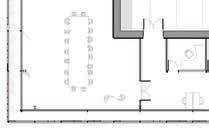
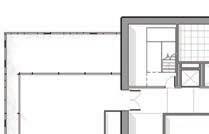
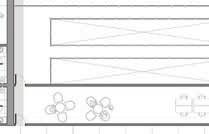
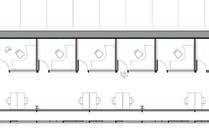
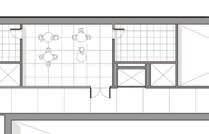
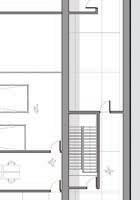
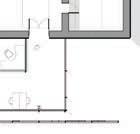
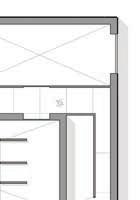
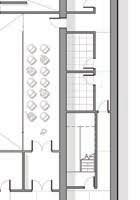
Lobby Theater Restrooms Dressing rooms Cafe and community Theater shop Costume shop Rehearsal studios Conference rooms Administration
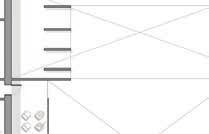
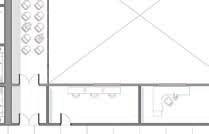
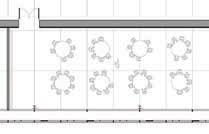
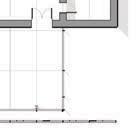
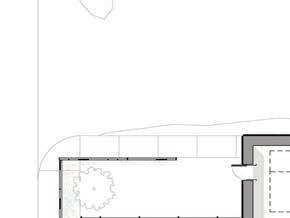
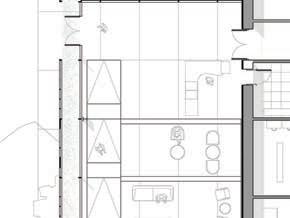
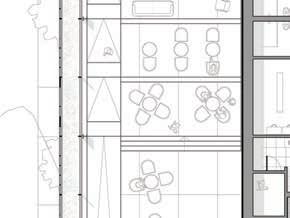
Level 1 provides lobby and theater entry, as well as a separate rehearsal entry
Level 3 allows double height spaces and contains administration areas
Level 2 contains rehearsal studios, conference rooms, and balcony seating
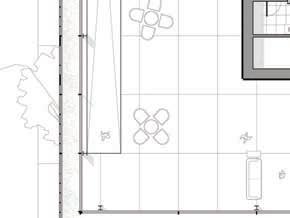
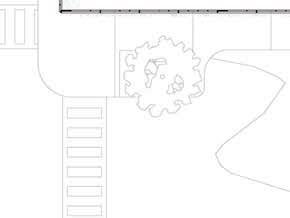
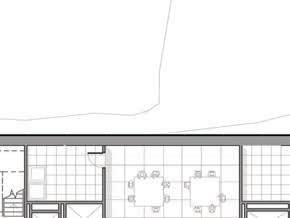
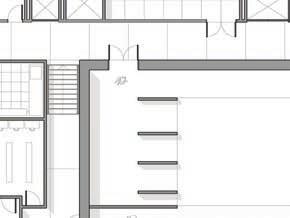
68Exposed and Enclosed
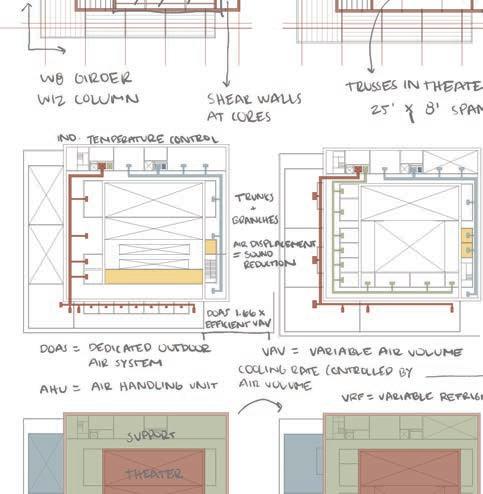
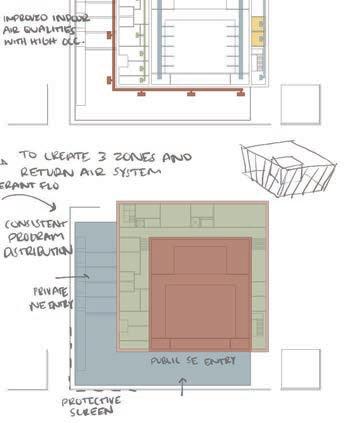
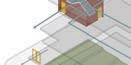
HVAC Diagram
Supply Air Zone 1
Exposed program: Dedicated Outdoor Air System (DOAS)
Supply Air Zone 2
Enclosed program: Dedicated Outdoor Air System (DOAS)
Supply Air Zone 3
Theater: Air Handling Unit (AHU) with Variable Air Volume (VAV)
Return Air Zone 1
Theater


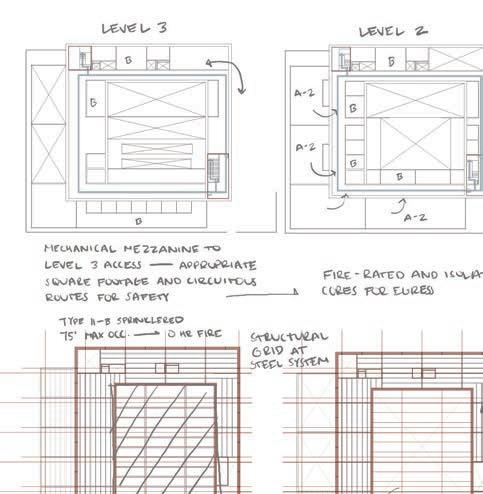
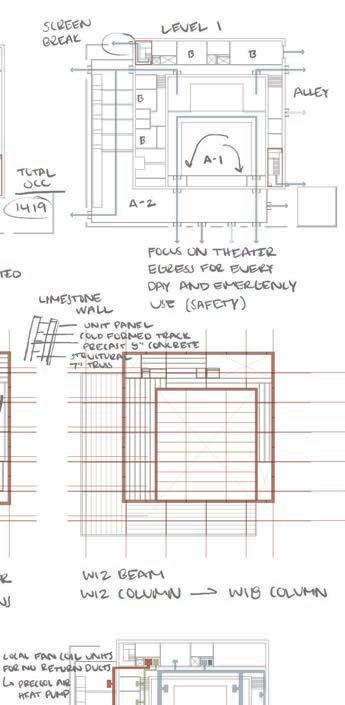
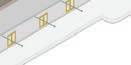
Egress Diagram
Mechanical Mezzanine
Covered exterior mechanical on dropped roof with egress
Stairwells
Fire-rated isolated cores allow circular egress along top floors
Level 1
Lobby exits pair with dedicated exits from stairwells
Grade Change
Ramp and occupiable stair support egress for 6’ grade change across site


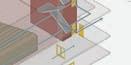



Structural Diagram
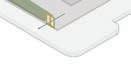
System 4
CMU shear walls at cores
System 3
Theater box utilizes two steel trusses with 25’ span and cross-lateral girders every 8’
System 2
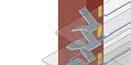
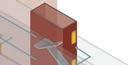
W12 beams connect with W12 columns to create an internal wall vertical truss system in the slanted walls
System 1
W8 girders connect with W12 columns and integrate into storefront glazing system to form wrapping glass box


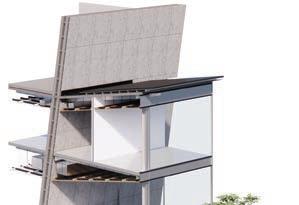
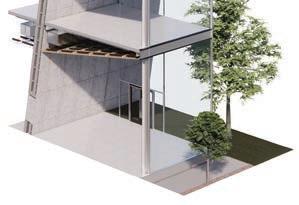
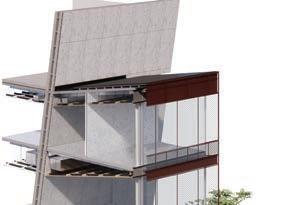
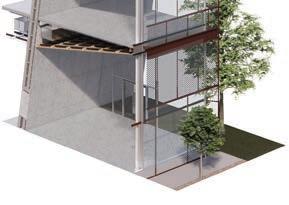
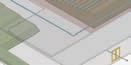
Initial—Storefront System Solution—Screened System





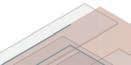
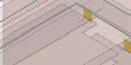
Clear glazing system paired only with spandrel panels at ceiling datums results in glare and inadequate shading
Solution allows the aluminum screen in modular components, relating to contextual window sizes and placement
Ceramic frit for 50% coverage at occupiable heights
Cermaic frit at 70% coverage for unoccupiable heights
Local Material
Limestone facade rain screen reduces embodied carbon by local sourcing
Stormwater Management
Sloped roof at 1.5/12 allows water collection drainage by use of an internal pipe
Permeable Surfaces
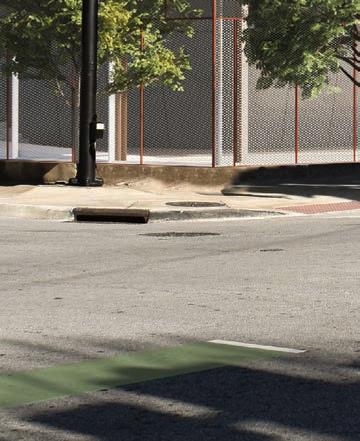
Trees extend city greenways and designed surfaces reduce heat island effect
Reduced Solar Energy
50% ceramic frit at occupiable heights and 70% cermaic frit at unoccupiable heights blocks southwestern light
Exposed and Enclosed
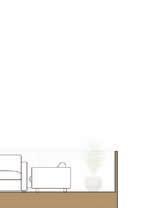
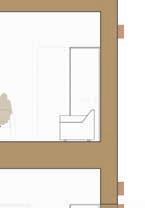
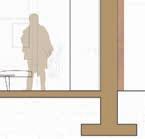
Detail section correlates exposed and enclosed
Claire Hardin
03 30 00
03 22 13
05 30 00
Cast-in-place concrete slab 6’
Galvanized welded wire mesh
Metal decking 1”
Roof rigid board insulation 07 22 16
07 71 23
07 26 13
Manufactured aluminum gutter
Standing seam roofing 3/16”
Internal roof drain 22 14 26
05 12 23
07 26 13
05 30 00
Steel purlin 6”
Vapor barrier 1/32”
Metal decking 1”
Roof rigid board insulation 6” 07 22 16
05 12 00 Structural steel angle
04 42 16 Steel-stud-supported unit
limestone cladding panel
05 40 00 Cold form metal track 3 5/8”
05 12 00 Structural steel truss 7”
03 41 16 Precast concrete panel 8”
03 21 00 Reinforcement bars #5
09 66 13 Portland cement terrazzo 3/4”
03 30 00 Cast-in-place concrete slab 6”
03 22 13 Galvanized welded wire mesh
05 30 00 Metal decking 1”
05 12 16 Steel beam W16
05 12 16 Steel beam W8
09 54 26 Suspended wood ceilings
08 79 00 Aluminum spandrel panel 1”
05 14 00 Structural aluminum outrigger
08 44 13 Glazed aluminum curtain wall
08 81 00 Double-pane glazing
08 81 13 Decorative fritted single-pane
08 44 00 Glazed assembly aluminum screen 3”
09 66 13
03 30 00
07 21 13
07 26 16
31 23 23
33 46 19
05 12 16
05 12 00
03 11 13
Portland cement terrazzo 3/4”
Concrete slab on grade 6”
Rigid board insulation 2 1/2”
Below-grade vapor barrier 1/32”
Earthwork gravel 8” depth
Underslab drainage 4’ 6” O.C.
Steel column W12
Steel base plate
Cast-in-place foundation
Screened rehearsal studio provides helpful conditions in exposed program


Austin, Texas Masterplan Fourth-year, Fall
Contribution to city analysis, conceptual plans, sections, and site model
Defining zones and movement within the capitol district
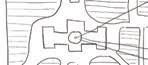
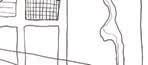
Masterplanning for Austin, the inserted buildings require specific consideration of existing conditions and future activity. The city deliberately integrates a rational gridlock framework with its heritage trees and existing waterways. These systems define the axes that dictate movement and delineate community involvement. These axes, although divisive for the city functionally, separate communities. The Red River Cultural District houses such separation in eastern downtown. I-35 and Waller Creek cut through this area, each providing a distinct boundary. These axes lack movement between the capitol and downtown district due to the absence of substantial communities in the area. Lack of accessible public spaces exacerbate this deficiency of permanency. To challenge the existing community environment design means amplifying the character of the districts. This masterplan proposal thus seeks to revitalize the existing axis and densify existing building typologies to facilitate intentional and community movement across districts.
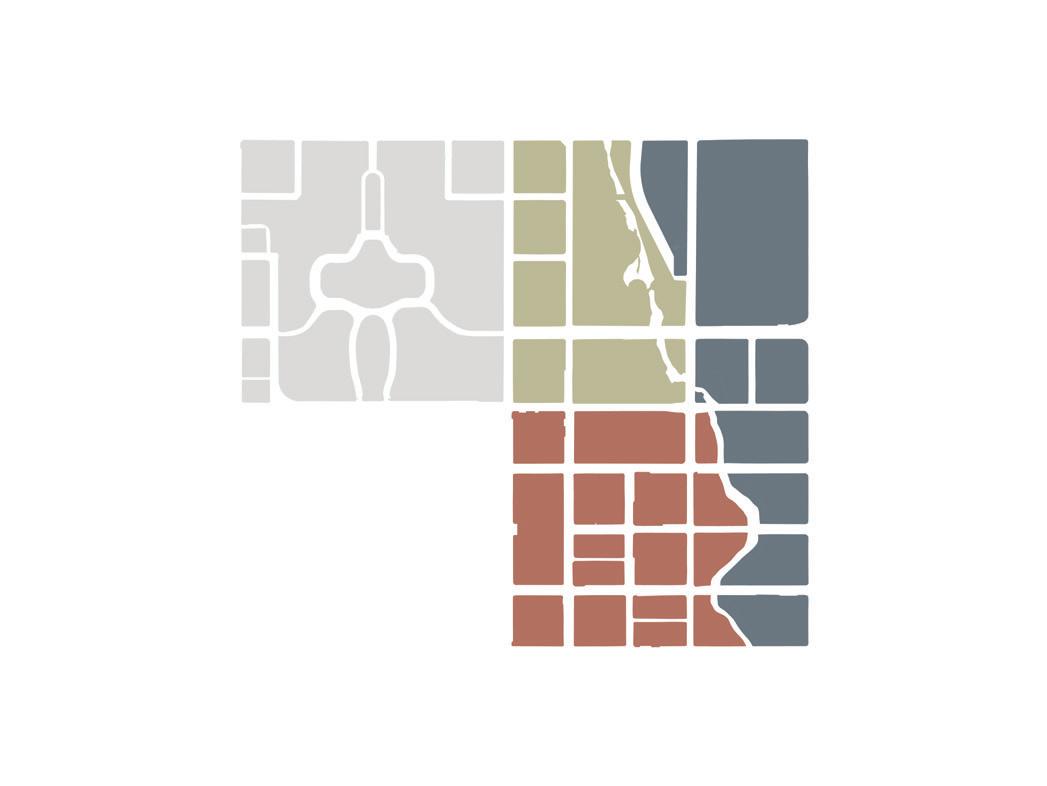
To saturate public space, four “zones” in the Cultural District intend to amplify the pedestrian experience. The cultural zone reduces vehicular traffic by doubling the walkway width. It articulates massings for a performance center, artists’ collective, museum, and recreation center. These forms adhere to local building code: new construction within Austin must never interrupt the viewpoint to the capitol building. Mixed-used and offices spread throughout the other new districts. The high density zone responds to the already exisiting increase in height of that area. These larger massings provide mixed-use spaces to introduce residential, office, and retail spaces. The medium density zone similarly adds program. It focuses on a public atmosphere of basketball courts, walking trails, amphitheaters, gardens, and a skate park. These infills seek to support the habits of the occupants. By introducing tactful public spaces, the masterplan facilitates a permanency of community by densifying connecting axes through movement.
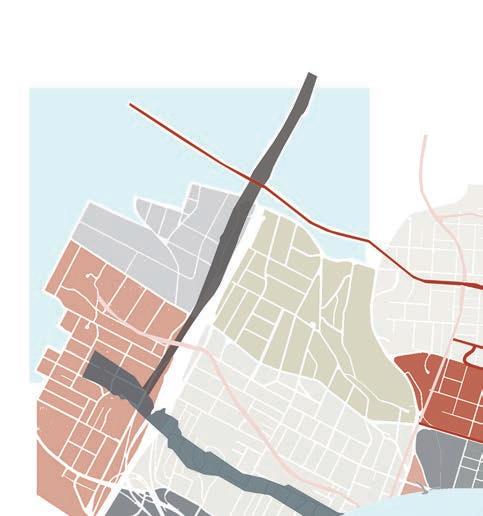

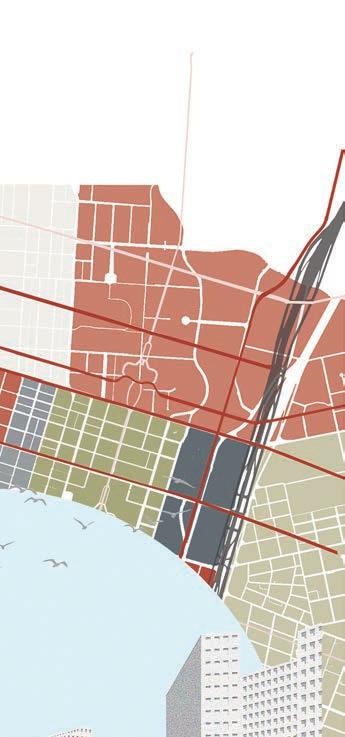
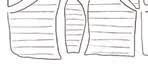
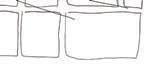
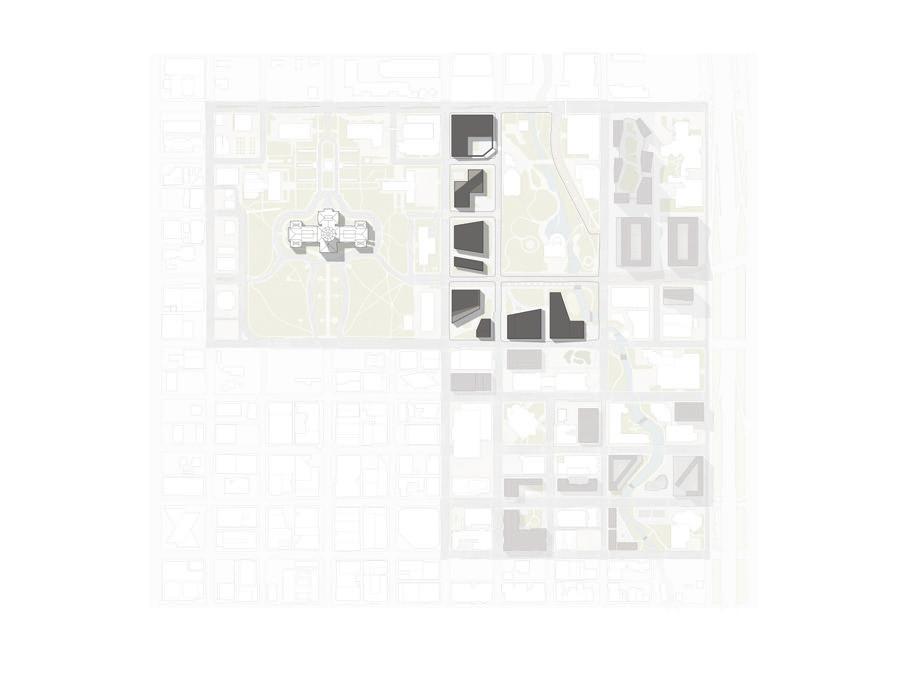
Diagrammatic procession of masterplan concept
Axonometric of proposed districts within city plan
Masterplan constraints in surrounding district context
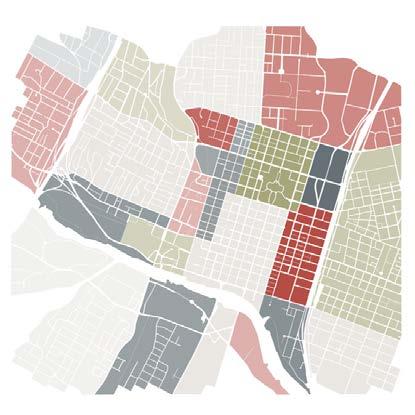
Capitol District
Medium Density District
Cultural District
High Density District
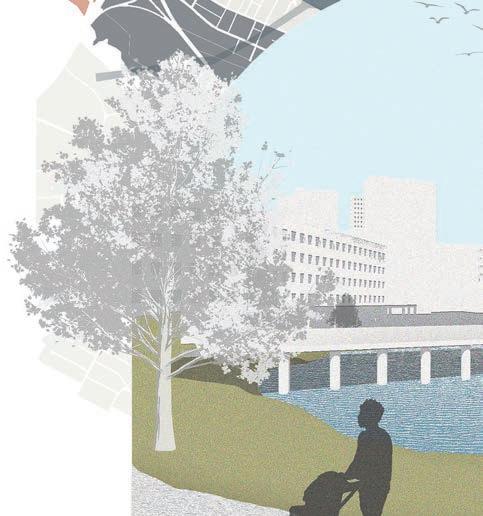
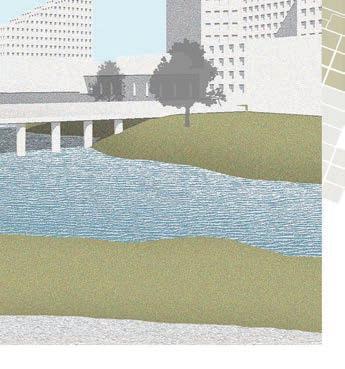
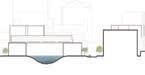
Waller Creek acts as an additional axis for connection of movement between districts
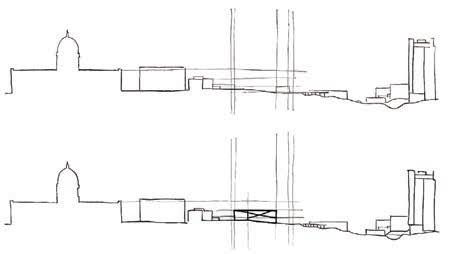
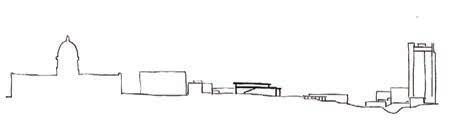
Building code preserves views of the capitol building for all new construction projects
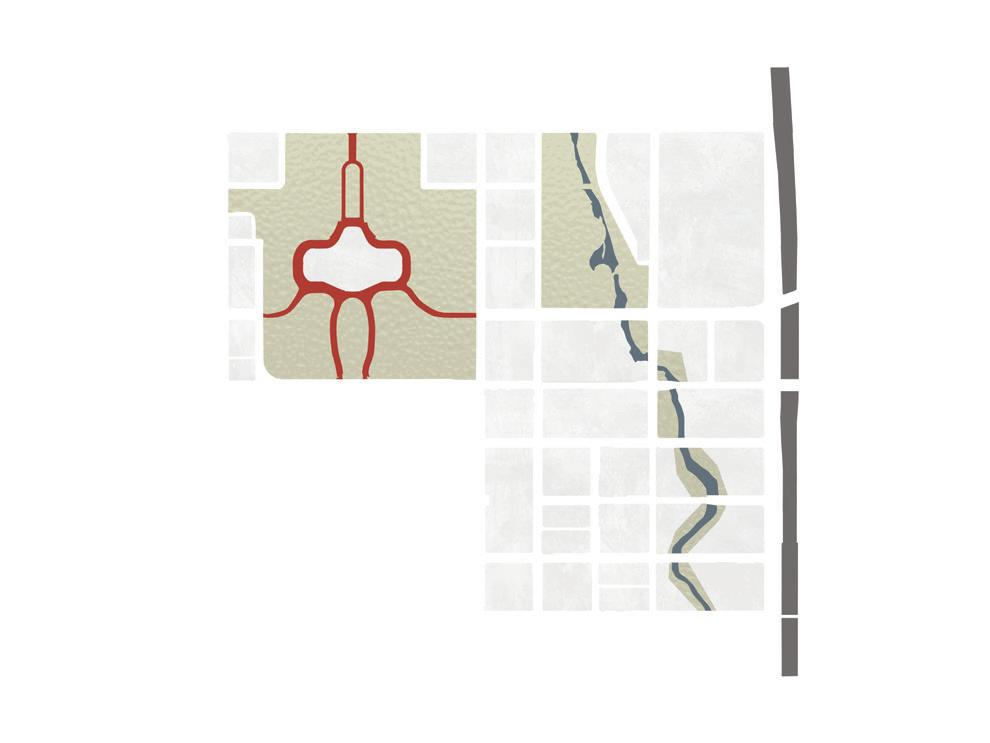



Amplifying natural creek condition to cultivate movement


pathway


Massings conform to contextual height


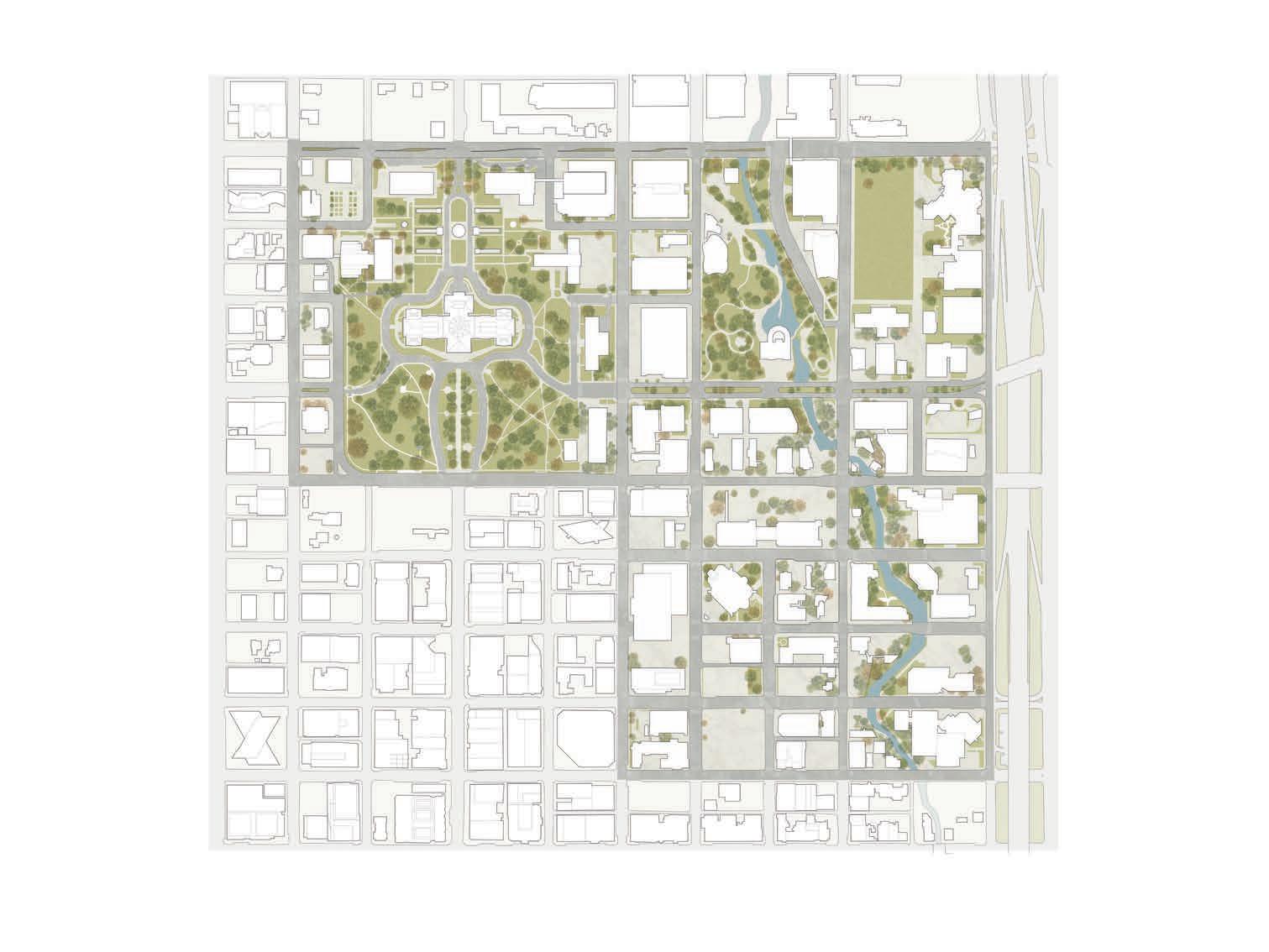

Existing conditions of underutilized sites
Proposed masterplan for density within districts
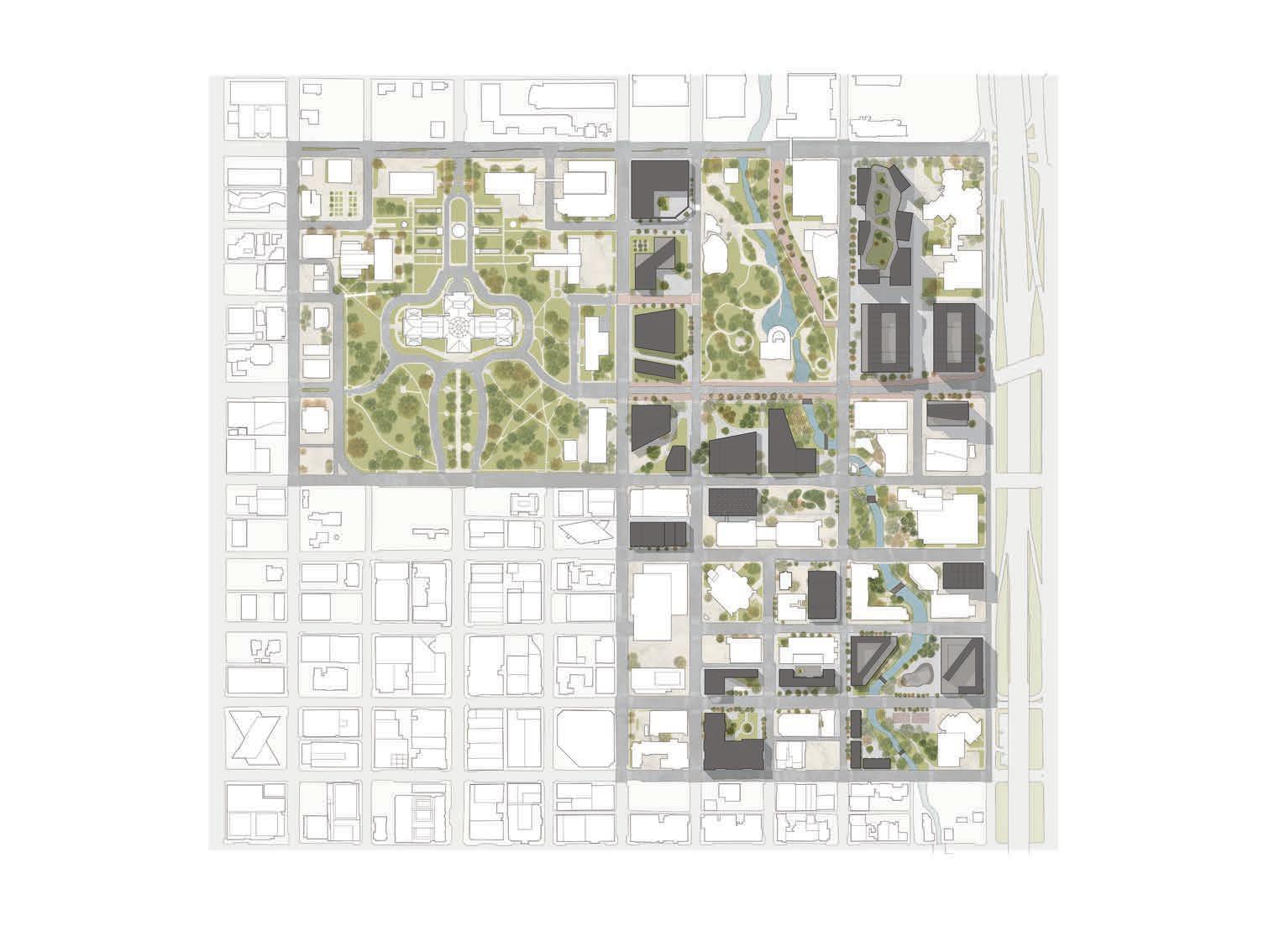

High density areas increase away from the capitol Axis Amplified




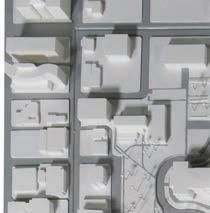
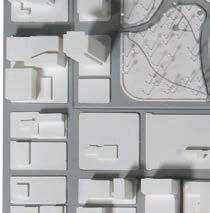
Modeled existing and proposed conditions
Existing conditions utilize sightlines to capitol to inform heights




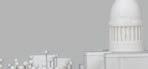
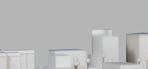

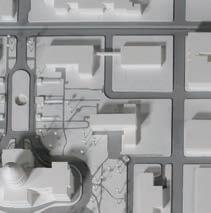
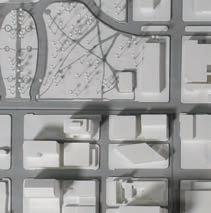
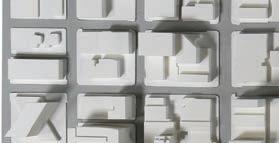
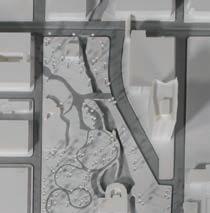
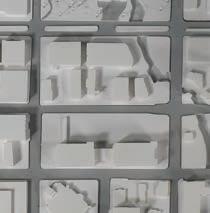
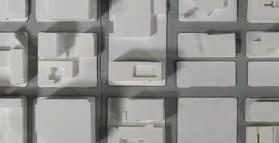

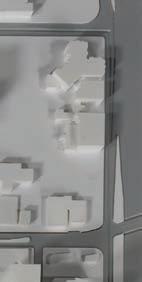
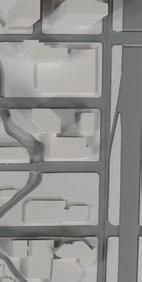
Proposal amplifies the high density district
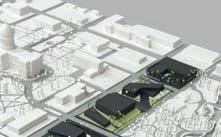
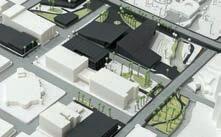
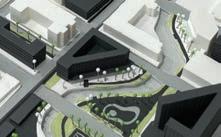
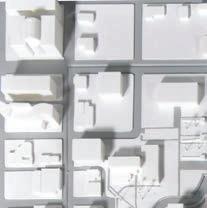
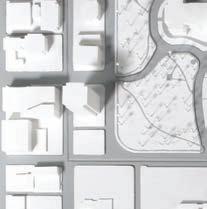
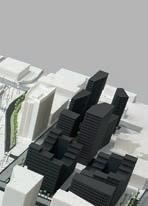
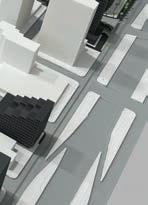
Massings utilize sightlines to inform geometry





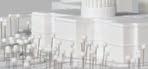
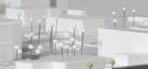
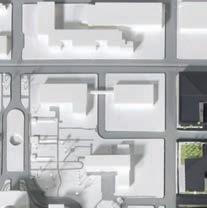
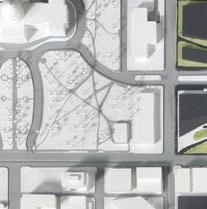
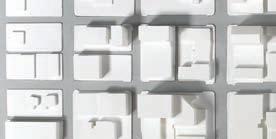
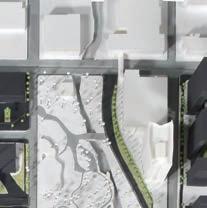
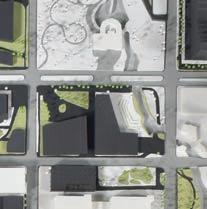
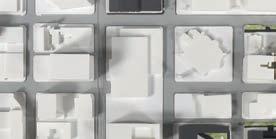
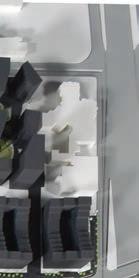
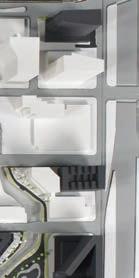





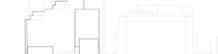
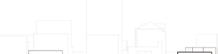
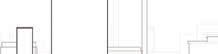
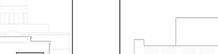
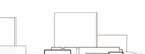
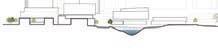
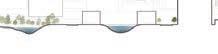
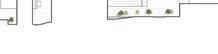
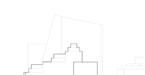

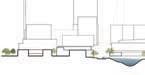
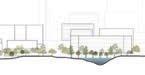
Existing and proposed density through Waller Creek


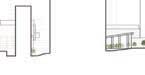
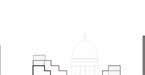
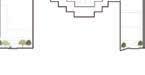
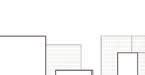
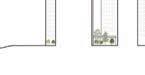

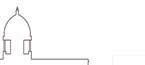


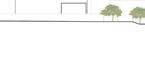
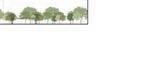
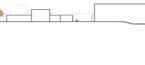
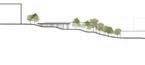
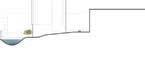
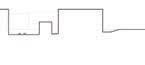
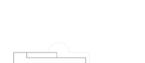


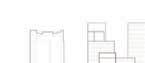
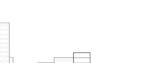
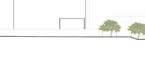
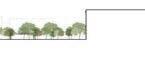
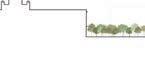
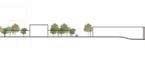
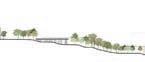
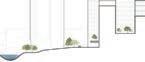
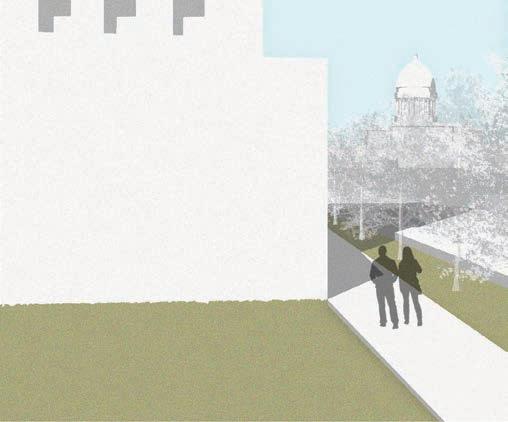
Existing and proposed density near capitol building
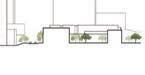
High density zone provides walkable pathways between designed districts

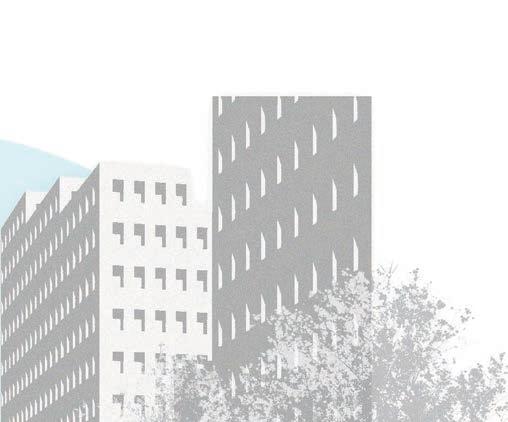
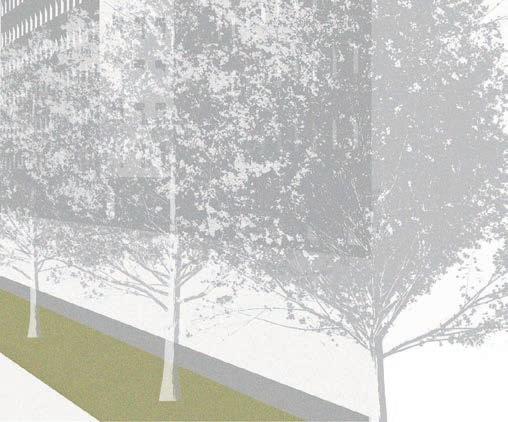
Austin, Texas
84,500 sq ft
Fourth-year, Fall
Colloquialisms of Movement
Rehabilitating the public community in Austin through movement
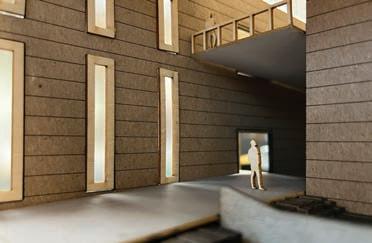
In visiting the city of Austin, a study of movement in public space necessitates reconnecting the districts to cultivate a public community. The previous “Axis Amplified” masterplan project seeks to magnify the existing districts, populating the shared and private spaces. A desire for a unifying public area between the passive capitol building and active Waterloo Park results in the design of this museum for the community to occupy.
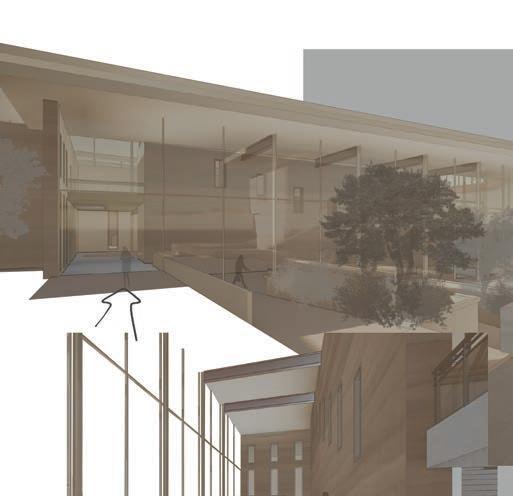
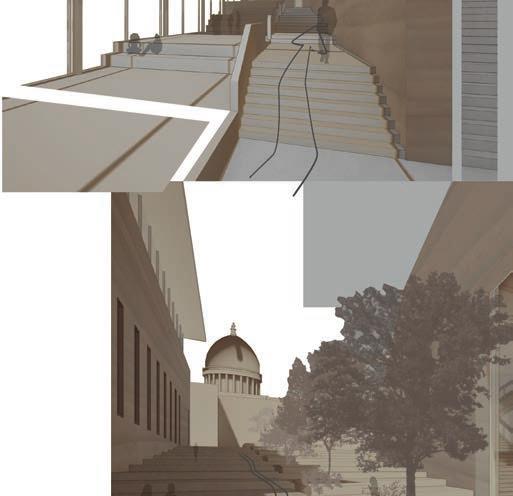
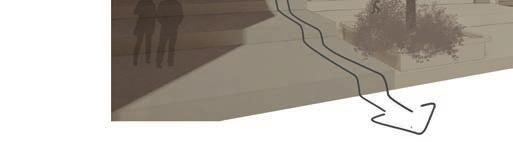
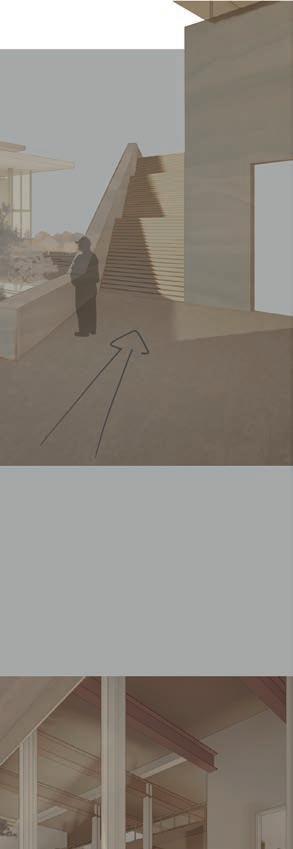
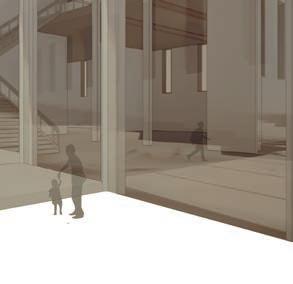
The southwest site entry welcomes the public from downtown Austin into the landscape. A ramped entry sequence guides visitors to the series of buildings: an auditorium, recreational facility, and an exhibition space. Every building utilizes locally-sourced rammed earth modules. The auditorium maintains these thick walls along the exterior stairway to the lookout. This element seeks to connect the existing landscape with the movement of the museum buildings. The exhibition similarly recognizes movement as the exterior ramp transitions into an interior
terraced seating and circulation stair. The procession guides visitors from the heavy base modules to the lifted clerestories. The recreational building also occupies this clerestory at its lookout point, connecting the public Waterloo Park to the reclaimed museum site.
In designing for the spontaneity of public use, a study of common needs for those inhabiting the building ensues: the space to move, areas to rest, opportunities to explore, possibilities to interact with each other. These informal spaces invite both visitors and locals into this interaction. Separation of program allows activation of the site at any time, constantly cultivating movement and occupation through the ramps, stairways, and level changes. This variety of modes ensures easy access and habitual activation. Significantly, the building allows activation even after the museum closes due to its exterior design. The resulting forms showcase the informal display of community work and an infill for a reinhabited district. 2.4















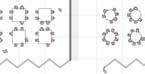
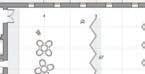
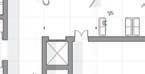
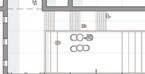
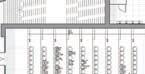
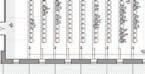
Auditorium Lobby Restrooms Exterior roof access Exhibition spaces Classrooms
Level 1 provides site access from Waterloo Park
Level 3 allows movement through recreation classrooms and exhibition
Level 2 acts as the main floor plan to guide visitors from downtown through the site


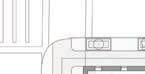
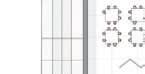
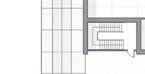
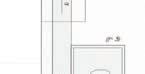
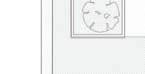
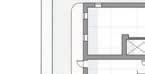
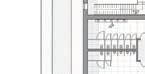
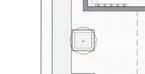
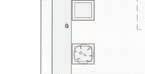
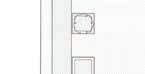
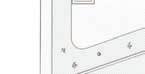
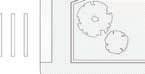
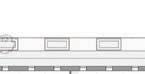
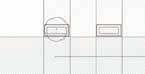
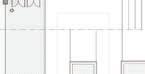
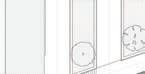
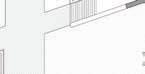
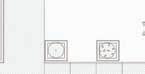
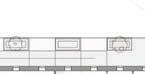
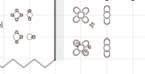
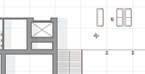
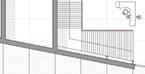
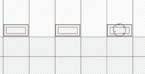
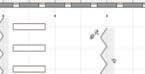
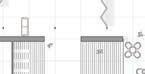
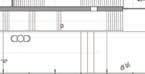
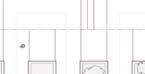
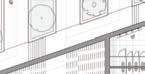


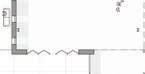
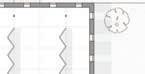
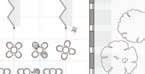

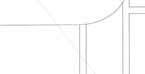
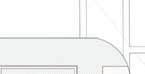
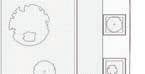
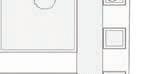
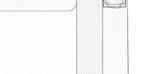
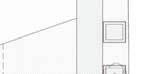
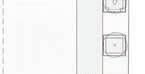
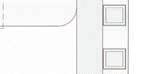
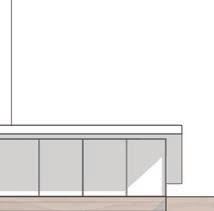
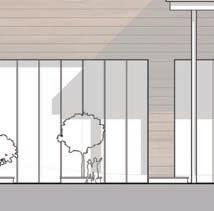
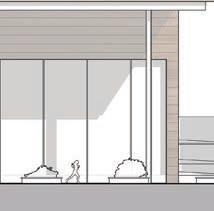
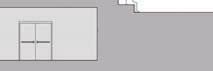
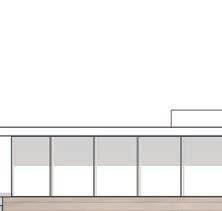
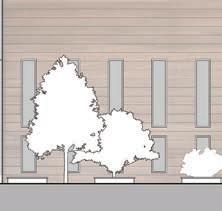
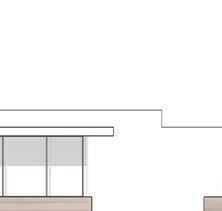
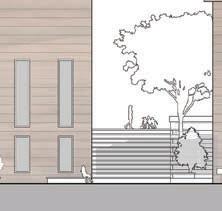
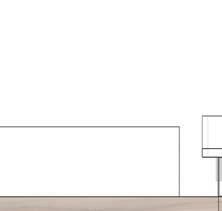
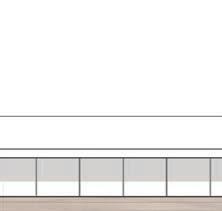
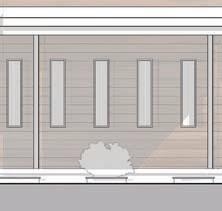
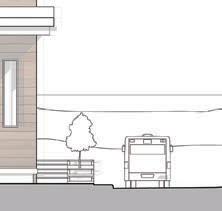
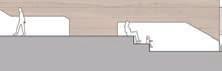
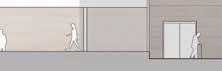
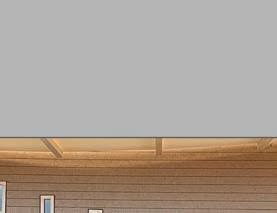
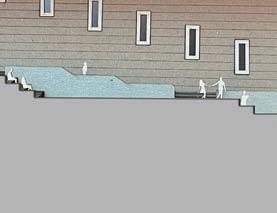
Elevation showcases façades utilizing rammed earth
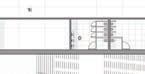
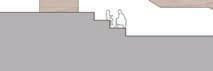
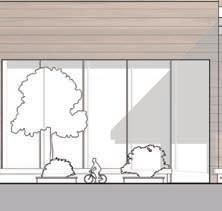
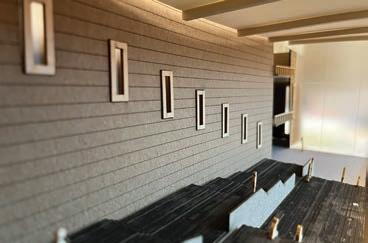
Exhibition section portrays translated movement from ramp to terraced seating
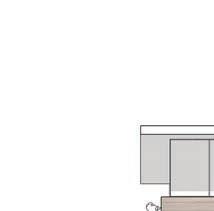
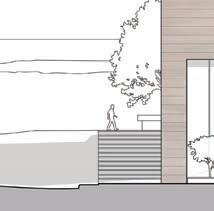
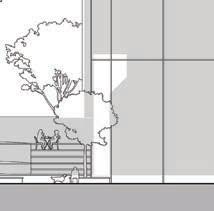



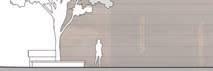



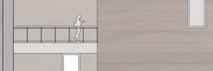
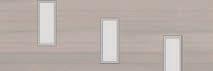
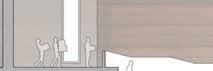
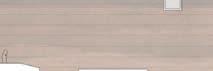





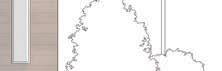
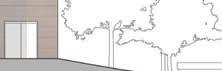


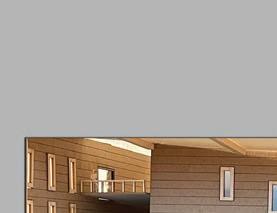
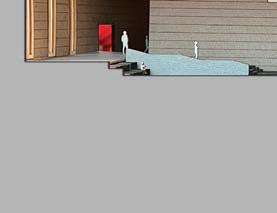
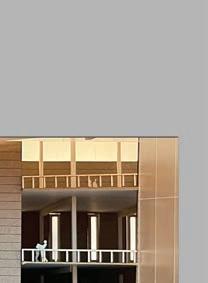
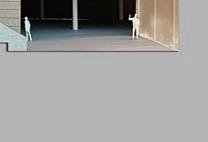
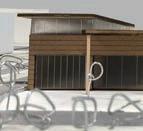
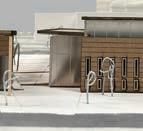
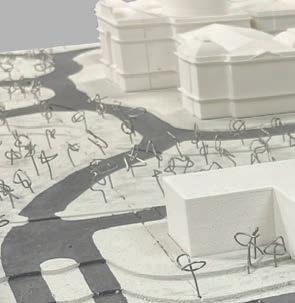
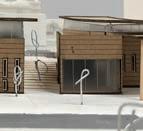
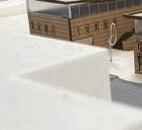
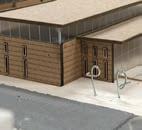
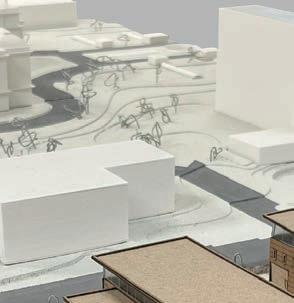
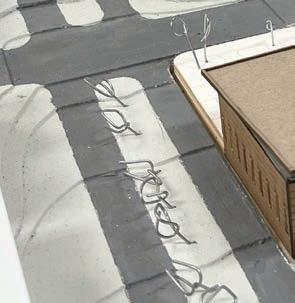
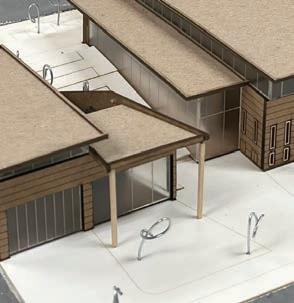
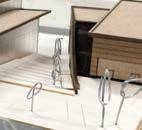
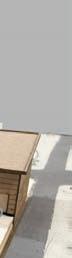
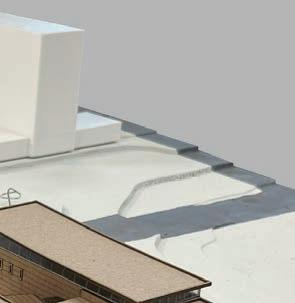
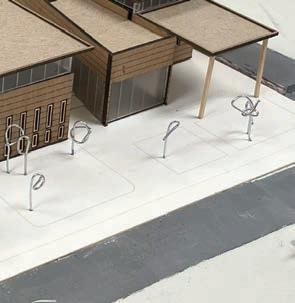
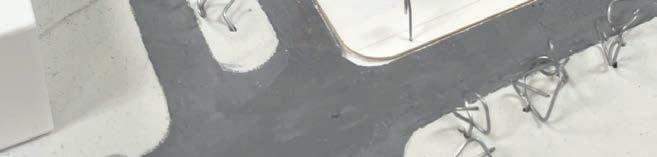
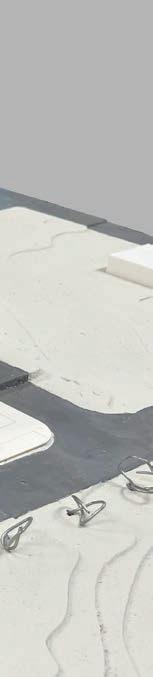
Physical section model of exhibit and site model of massings showcase form



Aarhus, Denmark
51,800 sq ft
Third-year, Spring

Humbled Container
An adaptable container for city culture
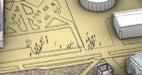
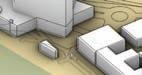
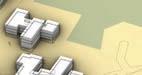
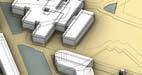
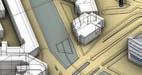
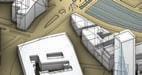
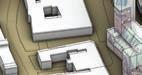
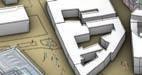
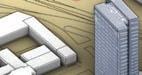
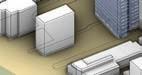
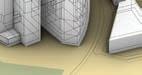
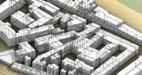
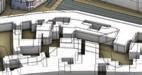
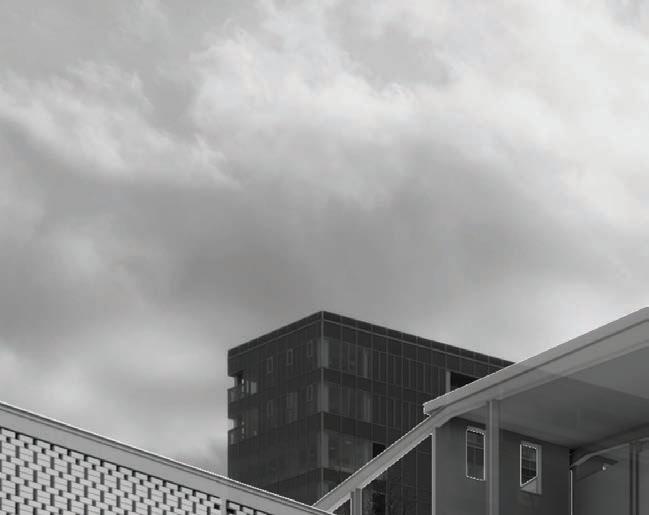
Traveling across Scandinavia, ideas of what constitutes a building to become a monument infiltrated every discussion. Understanding cities by their landmarks required considering landmarks as those conventionally important to the city and individually important for wayfinding. The collage to the right categorizes Aarhus into the experiential levels of the known, familiar, and unfamiliar. Inhabiting a city based around specific sites resulted in a crucial portion of study abroad. The task of designing unknown program within an unfamiliar city thus began a study and exploration to identify habits to transcend culture. In a site specific exploration of this concept, the effort of designing a humble building with layers of interaction became the primary focus.
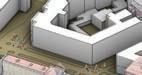
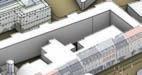
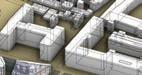
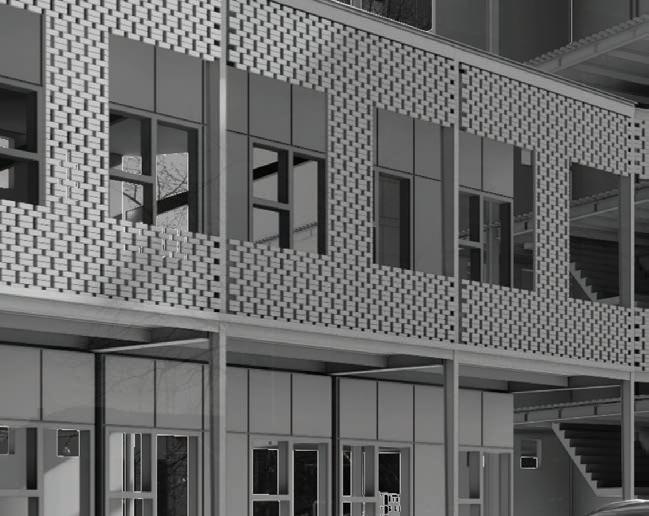
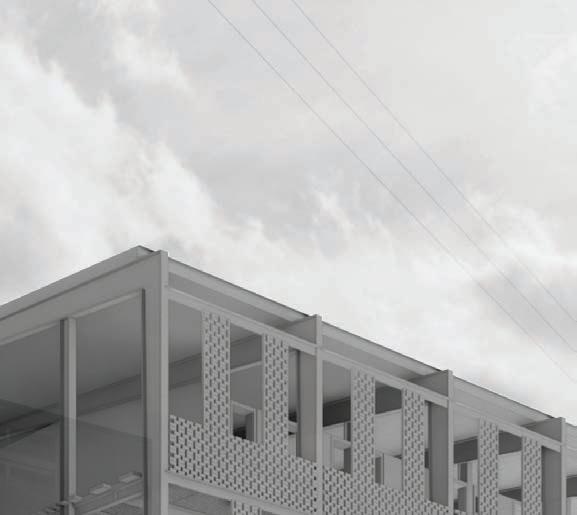
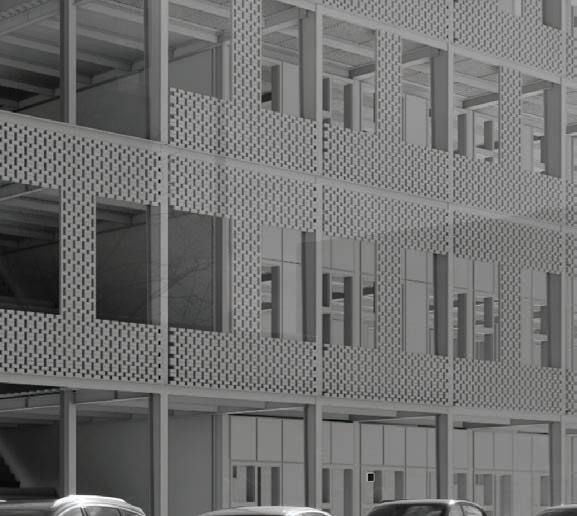
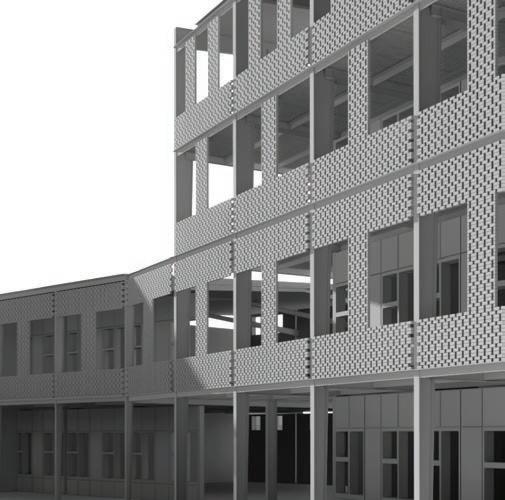
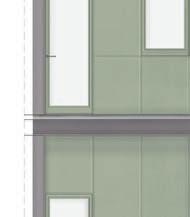
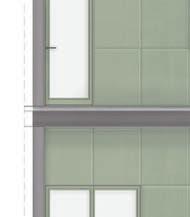
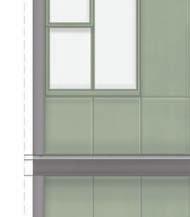
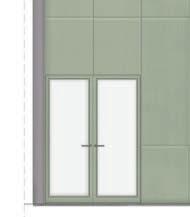
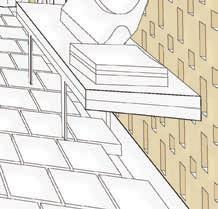
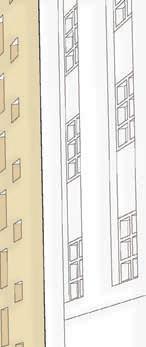
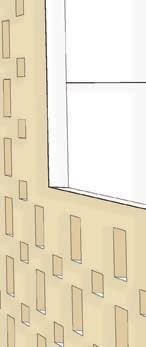
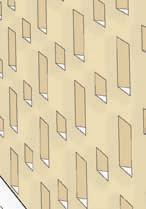
elements become infilled with brick to create a shell around the building that perforates at the streetfront into a screen. The urban fabric is thus held at the street, but it invites participants into a layered community. The screen also hints at the inner façade, pulling away at the window openings at the threshold. Residential and retail bars act as two inner objects, both layered with metal façades. These layers of construction create layers of interaction established as the public sphere becomes more private moving into the site.
City collage exemplifies normative and necessary monuments for a traveler
Double-layered façade responds to urban condition (following page)
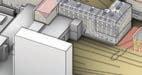
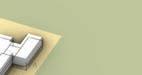
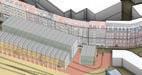
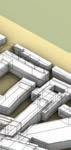
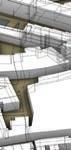
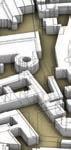
The building form relies on a system of layered construction, justifying the use of pre-engineered metal frames for bays of repetitive space. These frames span the width of the site, supported by secondary metal structural elements. The exposed
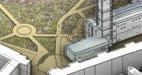
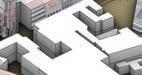
The residential bar houses several kinds of inhabitants. Apartment layouts range from single to double occupancy and family accommodations. By lifting this bar above the site, the service corridor allows a contextual response to the railway and surrounding buildings. The design intent thus transcends program to rather focus on a durable container holding layers of habitation, thus designing a site specific project with elements that apply across the world.


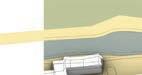
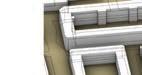
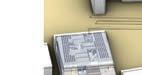
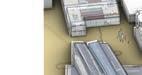
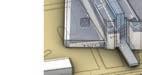
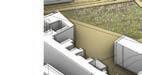
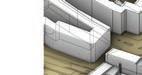
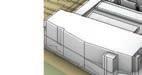



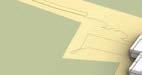
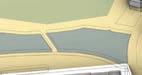
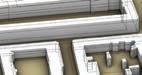
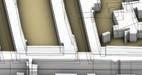
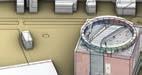
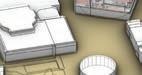








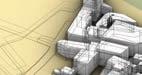

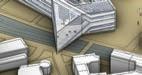
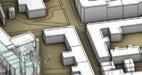
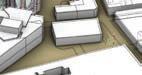
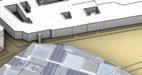

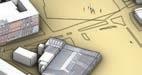
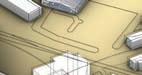
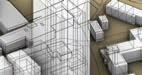





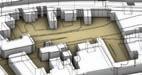
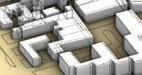
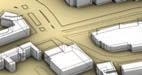
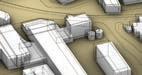
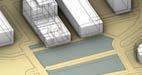













Level 1 retail at lowest elevation and service corridor access


























Level 2 retail access at street and apartments
Residential apartment variations for different levels












































































































































Metal frame spans the width of the site
Structural Bay Division between retail and residential bars
Exterior retail circulation on pavers atop grate structure
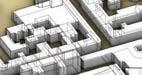
Façade construction and modular details

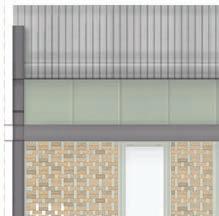
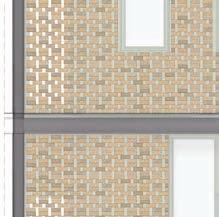
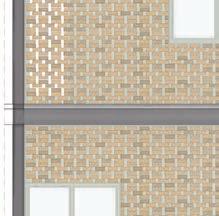
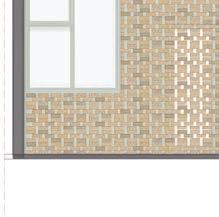

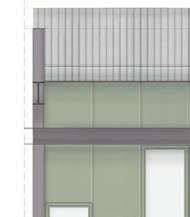
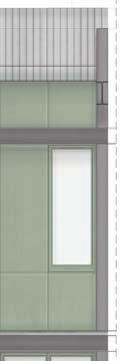
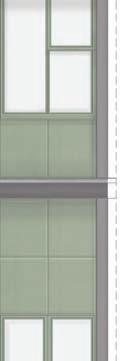
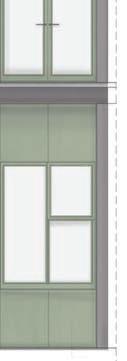

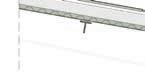
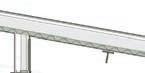
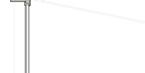

















































































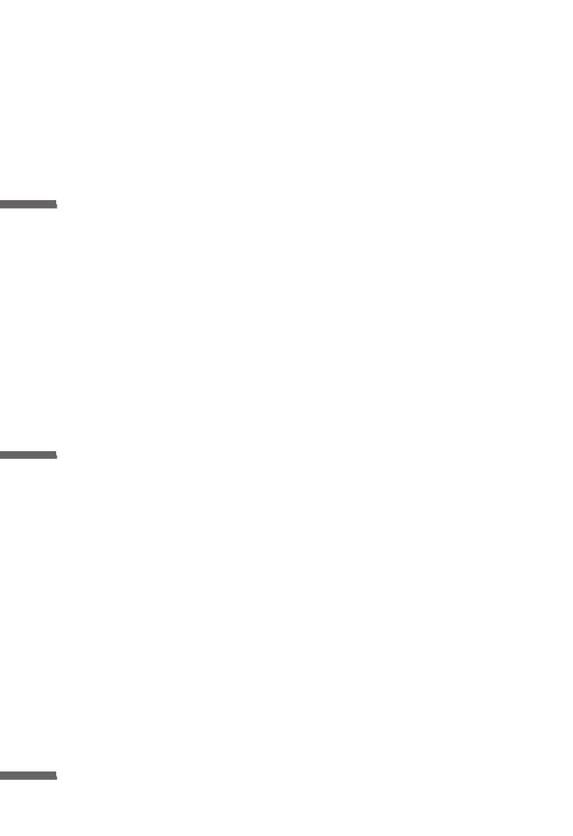











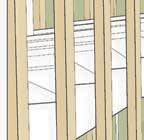
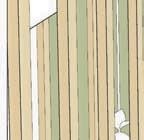
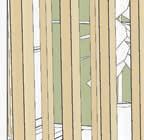


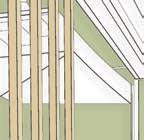
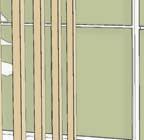




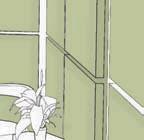
Iterative sketches inform interplay of modules
Urban fabric façade perforates to welcome community into the site



Project Name
Collected Studies
A complete chronology of projects
Summer 2022
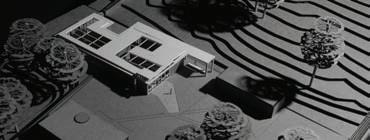
Differential Spaces
Working within the context of Philip Johnson’s Glass House, this museum typology provides privacy for the site through advantageous use of sightlines against Maya Lin’s landscape.
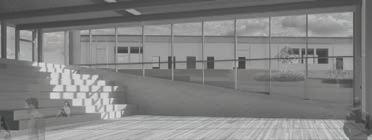
Fall 2022
Relational Topography
Utilizing the existing topography, the exterior terraced seating evolves into interior seating for the gymnasium.
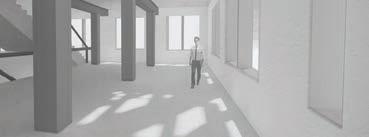
Conceptual Context
Contextual façades fold backwards to express depth in allowance of daylighting into this mass timber space.
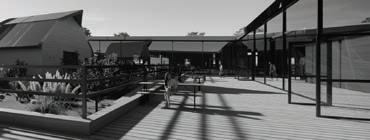
Spring 2023
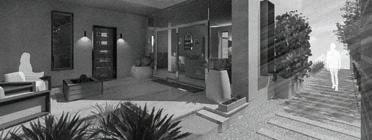
Microclimate Reversal
Historical prejudices become redefined in an exploration of community spaces.
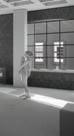
Communal Ownership
Layers of public and private interrelationships allocate interior porches per unit, encouraging ownership within a communal housing setting.
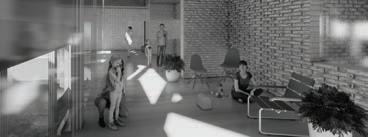
Fall 2023
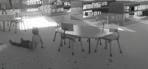
Intergenerational Interaction
A central courtyard defines a shared focal point for each age level.
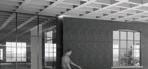
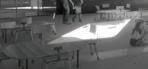
Mechanisms for Mannerisms
Modular housing units, formed by concrete panels, define a flexible layout and private courtyard plan.
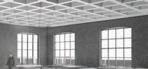
Spring 2024
Humbled Container
A brick shell enfolds the two hidden objects within, providing a continuation of urban fabric.


Summer 2024
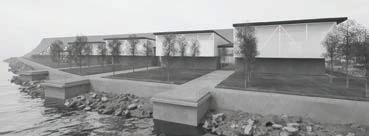
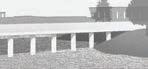
Wayfinding Wind Shield
Retrofitting an existing wind shield structure, the inserted community center program seeks to reactivate the site through exploration.
Fall 2024
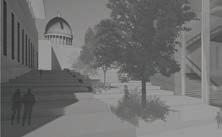
Axis Amplified
The masterplan enhances existing districts by incorporating dense typologies, pedestrian walkways, and public program.

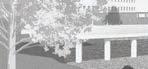
Colloquialisms of Movement
The public museum facilitates community in its contextual response and the cultivation of movement throughout the site.
Spring 2025
Exposed and Enclosed
The dance atelier connects the community to the exposed program and allow access into the enclosed program as a healthy response to downtown Huntsville.


Summer 2025
In Proximity
The ICU renovation creates space for families in the midst of crisis to care for their family from the critical to progressive unit.


Fall 2025
Systematic Rotations
The Space and Science Center seeks to engage the community in an interactive exploration of the systematic sciences.
8 inches by 10 inches