

CONTENTS

CONTENTS
It is a pleasure to welcome you to the second edition of The Blueprint.

Following the success of our inaugural issue, this year’s magazine builds on that foundation with a fresh collection of insight, expertise and perspective from across the diverse sectors in which we operate.
At Galbraith, our work is shaped by constant change - in markets, in policy, in technology, and in how land and property are understood and valued. What remains consistent is the breadth of our experience and the strength of the relationships we build with our clients. Tis publication is an opportunity to share both: ofering a window into the trends we are seeing on the ground, alongside the knowledge and judgement our teams bring to every instruction.
In this edition, we highlight some of the most sought-after properties currently attracting attention, refecting both enduring demand and evolving buyer priorities. We also consider the implications of ongoing land reform, an area of increasing importance for landowners, investors and communities alike. Alongside this, you will fnd thoughtful commentary on topics ranging from the integration of farming and forestry to developments in the commercial, building and energy markets - each illustrating the interconnected nature of today’s commercial and rural property landscape.
Te Blueprint is intended to be both informative and enjoyable: a publication to return to, whether for insight, inspiration, or simply a moment of pause. I hope you fnd it engaging, and that it continues to earn its place as a valued addition to your home or ofce.
On behalf of everyone at Galbraith, thank you for reading.
Martin Cassels, Chief Executive Ofcer, Galbraith
4
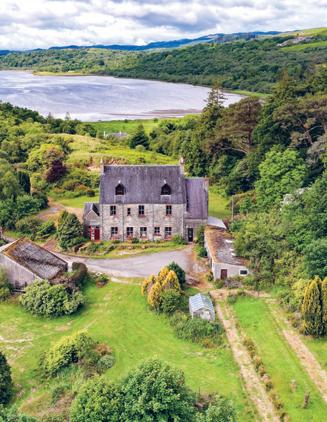
Scotland’s most sought-after homes revealed A year defned by lifestyle-led living.
8 Future farming policy
Preparing for one of the most signifcant transitions since the move away from the CAP.
12 The evolution of Princes Street
Transitioning into a vibrant mixed-use thoroughfare.
14 The Scottish Estate Market
Te changing identity and desires of those interested in acquiring an Estate.
18 Renewable energy investment
Sustained demand and strategic opportunities.
20 Scottish farm land market
Te demand for Scottish farms and land remains strong.
22 The timeless authenticity of Lake District villages
One of Britain’s most distinctive environments.
24
Harvesting technology for surveying & modern estate management.
26 The angler’s enviable enthusiasm & encouraging the next generation.
28
Property showcase
Some of our fnest sold properties.
48 The value of certainty
What works well in practice, may not sit well on paper.
50 Striking the balance
Farming, forestry and the future at Legerwood.
56 Chain of command
How to navigate a complex market and secure your dream home.
58
Managing Highland estates in a changing landscape
Aspirational assets, from which owners can enjoy a luxurious lifestyle.
62
Bridging the gap
Te unsung guardians of the rural estate.
64 The enduring relevance of ESG & sustainability in commercial property.
68
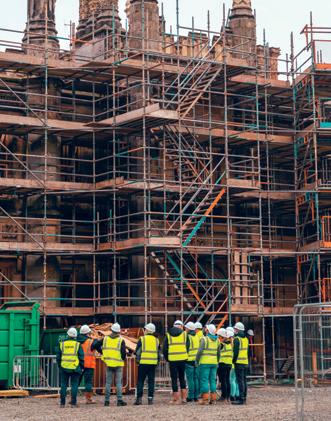
A quiet revolution
Te gradual arrival of buyers from the South of England into the North East and the wider northern countryside.
70
Infrastructure needed to meet Net Zero targets
Committing Scotland to achieving Net Zero greenhouse gas emissions by 2045.
72
Straloch Schoolhouse
A fne example of rural diversifcation.
74
The human edge
Why experience and advice are vitally important in the age of AI
76
Woodland carbon
Why landowners are engaging with the woodland carbon code.
78
A day in the life
Get to know James Towers.
A year defned by lifestyle-led living
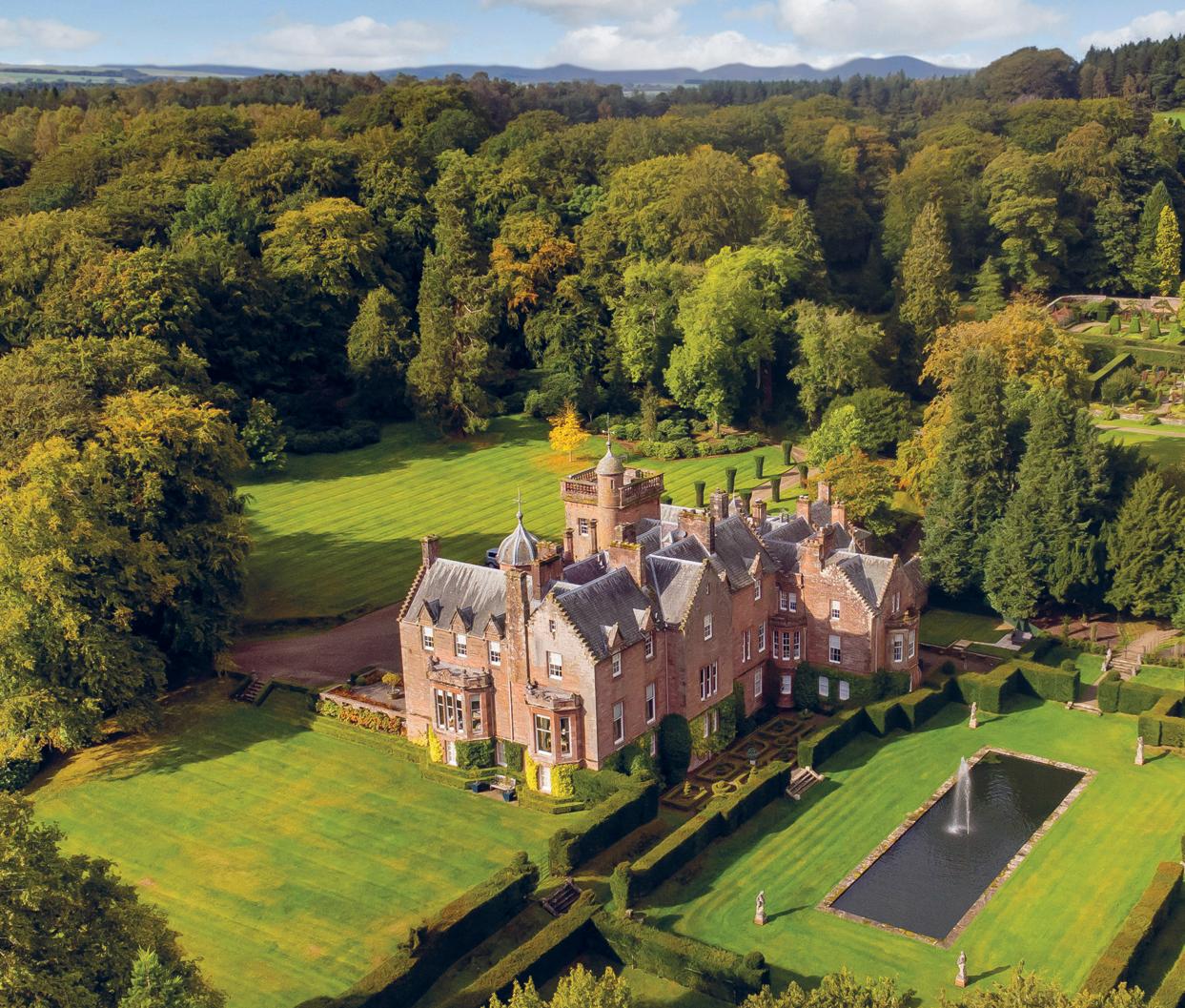
Amongst the most viewed Scottish properties of 2025, a clear appetite for lifestyle properties ofering character, privacy and spectacular natural settings emerged, as buyers’ demand for rural retreats and coastal living continued unabated.
Story: David Corrie
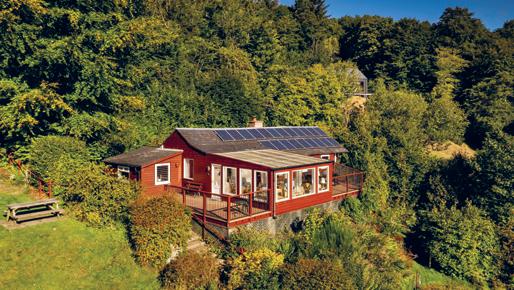
From private islands, lighthouses and waterside properties to baronial mansions and traditional country homes, Galbraith’s most sought-after properties in 2025 showcase Scotland’s fantastic scenery and all it has to ofer.
Buyers were particularly drawn to waterside properties with heritage, and a standout example was Holborn Head Lighthouse in Scrabster, Turso which sold in September 2025 after just a few months on the market. Tis beautifully renovated, B Listed lighthouse and tower overlooking the Pentland Firth ofers a truly unique living experience combined with uninterrupted sea views and the level of interest from prospective buyers underlines the enduring allure of Scotland’s rugged coastline.
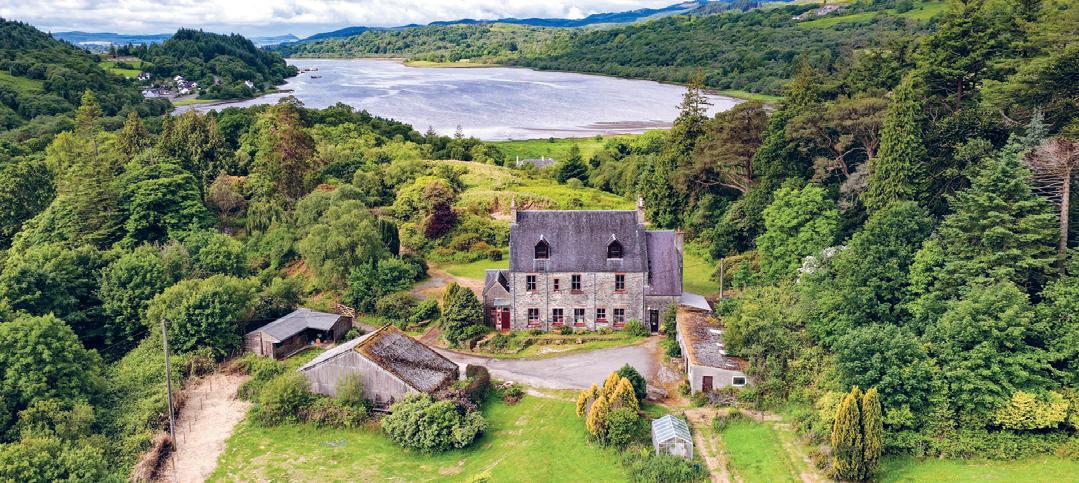
Similarly, Waterfall Cottage in Aberfeldy, Perth and Kinross ofering a tranquil retreat immersed in nature and sitting in an elevated position with spectacular views overlooking Loch Tay, also sold within a few months of launch. Another spectacularly located property was Stonefeld House in Tarbert, Argyll and Bute, which came to the market in the autumn of 2025, set in a private position overlooking West Loch Tarbert and the surrounding countryside. Both demonstrate the enduring appeal of peaceful waterside living.
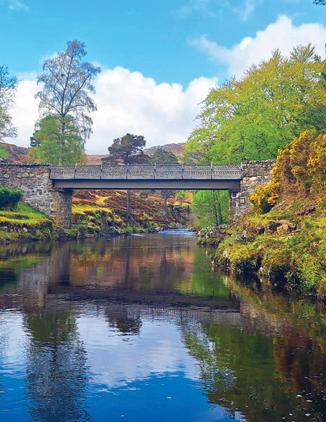
Dating back to the 17th century, Longford Cottage in Kilwinning located in the most picturesque setting on the banks of the River Garnock close to North Ayrshire’s road networks proved that waterside living with excellent connectivity is hugely sought after. Attracting over 60 viewings in a short space of time, the property completed in the spring of 2026.
Gasker Island on the Isle of Harris presented a rare opportunity to own a private island in the Outer Hebrides. Its popularity highlights growing demand for complete privacy and a once-in-alifetime lifestyle opportunity. Buyers are increasingly prioritising space, remoteness and natural beauty, with island living ofering the ultimate escape. Te marketing of islands has become something of a speciality at Galbraith, with typically one island featuring in our listings every year, generating high demand. u

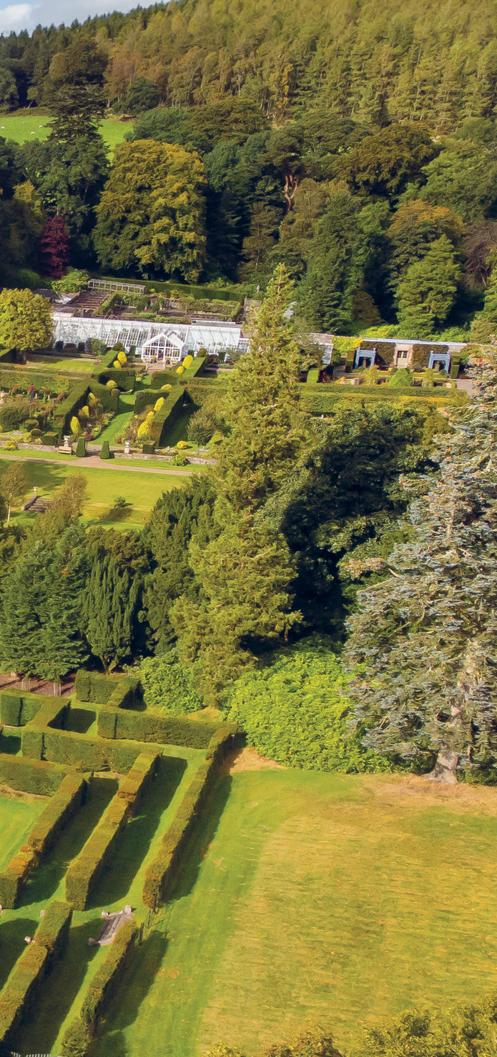
It was no surprise that Portmore Estate, a magnifcent baronial mansion house near Peebles in the Scottish Borders, attracted interest from discerning buyers from both the UK and internationally. Te Portmore Estate has it all, a Category A Listed baronial mansion, beautiful gardens and grounds, seven estate houses, farmland, hill ground and woodland, all within easy commuting distance of Edinburgh International Airport just 20 miles away.
Culdrain Lodge in Huntly, Aberdeenshire is a striking rural retreat that dates to around 1900 and perfectly captures the enduring appeal of countryside living. Its blend of privacy, scale and scenic surroundings set the tone for a year where buyers increasingly sought rural living. After a period of marketing in 2025, the contract for this beautiful home was completed in the spring of 2026.
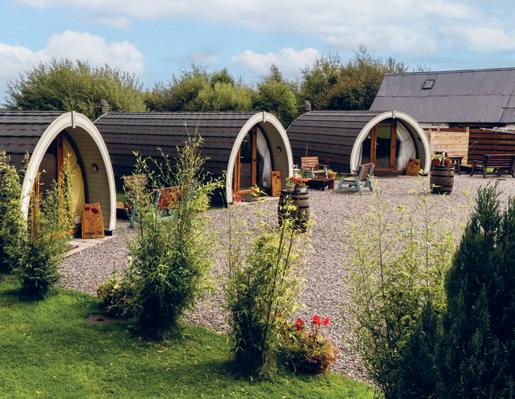
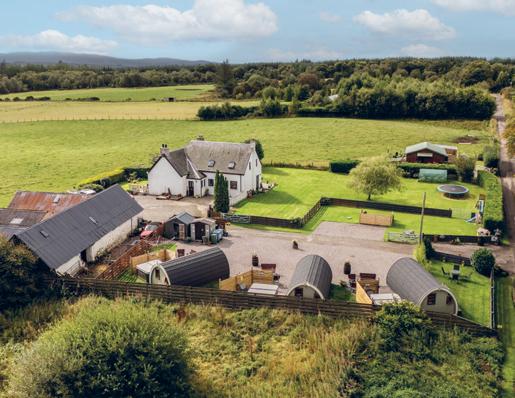
Located in an idyllic Highland setting close to Munlochy in Ross-shire, is Knockbain Mains and Black Isle Pods which supports the growing demand for lifestyle living, with the added appeal of generating an additional income stream from the luxury glamping pod business. Tis listing has proved popular because of its location and business potential.
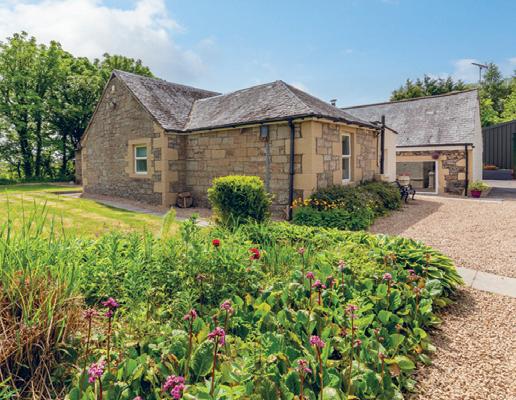
A prime example of the continued demand for agricultural and lifestyle properties that ofer both business opportunity and a rural way of life in a beautiful countryside setting.
Traditional country homes and farms ofering rural charm also featured strongly. Redwood House in Cumnock, East Ayrshire, which came to the market before Christmas and completed early in the New Year and Overton of Auchnagatt in Ellon both drew attention for their scale, versatility and classic rural appeal, with Overton particularly attracting equestrian lovers given the facilities on ofer with stables, a fenced paddock and large outdoor training arena.
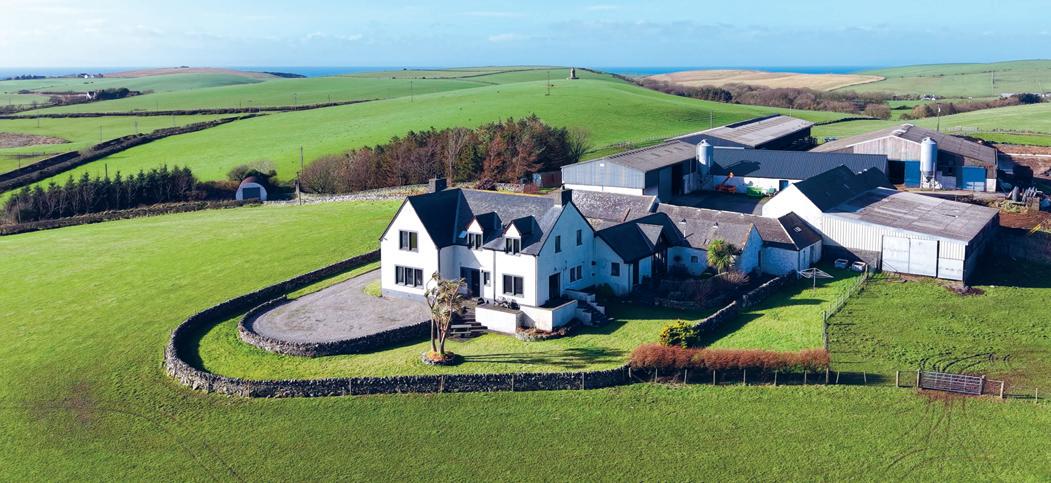
Drumdow Farm, was also among the most viewed properties on the Galbraith website last year. A well renowned beef rearing farm in Dumfries and Galloway positioned near the northwest coast of the Rhins of Galloway peninsula, it is a prime example of the continued demand for agricultural and lifestyle properties that ofer both business opportunity and a rural way of life in a beautiful countryside setting.
Te 2025 rankings underline buyers’ demand for lifestyle and landscape. Whether it’s a lighthouse on the edge of the North Sea, a working farm in Dumfries and Galloway, an idyllic Highland location with a glamping holiday business or a private island in the Hebrides, Scotland’s most-viewed properties refect a desire not just for a home but for a way of life.

Corrie Head of Residential Agency
01556 505 346 castledouglas@galbraithgroup.com
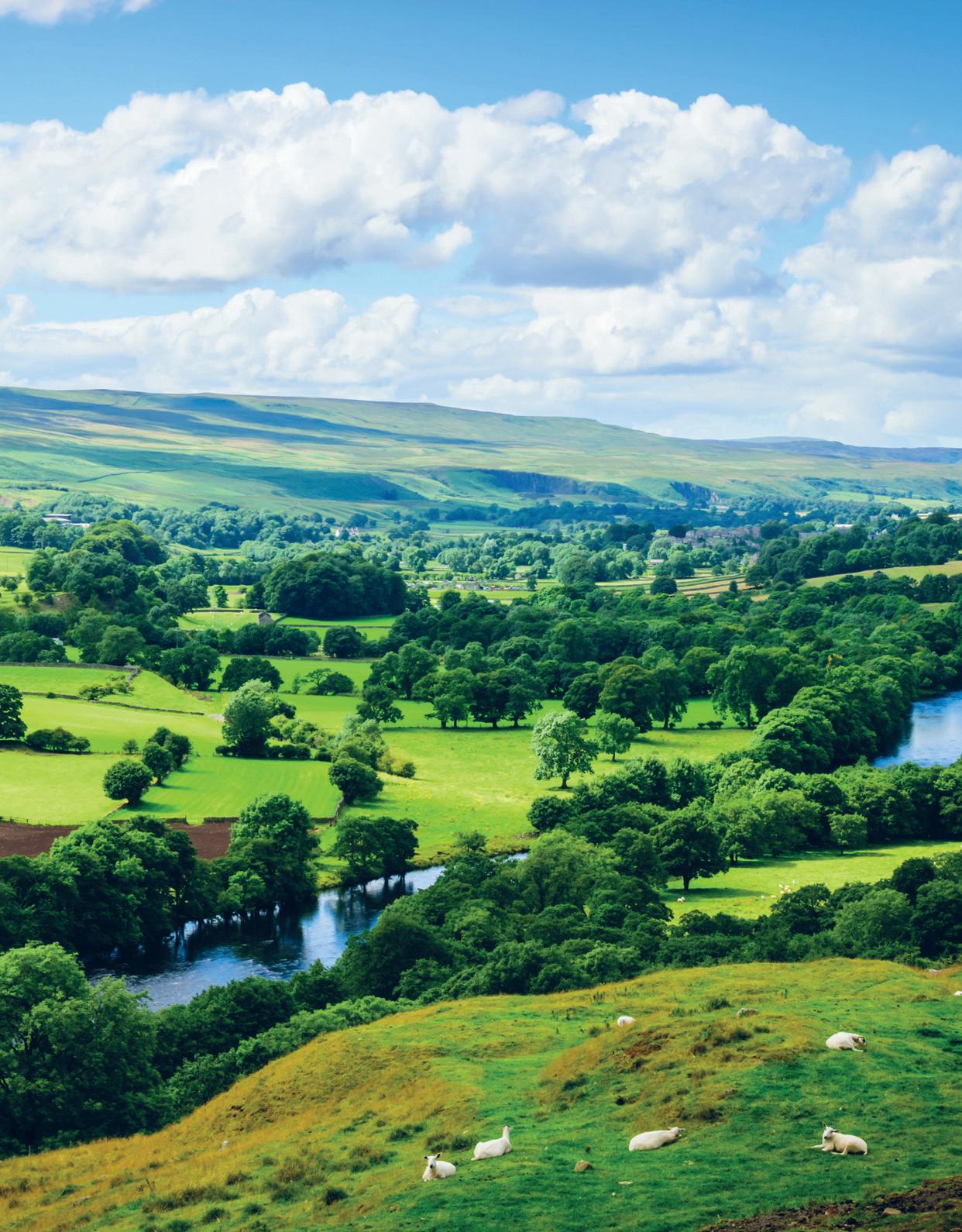
u Hill and upland sheep systems operate on tight margins and rely heavily on support payments.

As Scotland moves towards the next phase of agricultural support reform, farming businesses are preparing for one of the most significant transitions since the move away from the CAP.
While the Scottish Government’s new support framework broadly mirrors the direction taken in England by placing greater emphasis on environmental sustainability, climate change mitigation, and food production, the new framework is built around a four-tier system designed to encourage progressive change while maintaining income stability for active farmers.
Tier 1 - provides a base level support to underpin food production while delivering baseline environmental and animal welfare standards. Farmers must complete a Whole Farm Plan, including carbon audits, soil analysis, and integrated pest management. In 2024, it was reported that only 29% of Scottish farms were proftable without BPS (Basic Payment Scheme), rising to 73% once support was included, highlighting the importance of baseline payments. As a result, Tier 1 is expected to attract strong uptake, embedding environmental and welfare requirements as a condition of accessing core support. u
Tier 2 - builds on this by rewarding enhanced environmental delivery through additional “Enhanced Greening” measures, largely focussed on Ecological Focus Areas (EFAs). Participation is expected to increase the value of support payments for businesses able to integrate these measures efectively without undermining productivity.
Tier 3 - provides competitive, contract-based funding for farms to deliver targeted environmental, climate, or efciency projects beyond the baseline requirements of Tiers 1 and 2. Te Future Farming Investment Scheme (FFIS) provides grants for farms to invest in equipment and infrastructure that supports environmental outcomes. In 2025, over 7,500 applications were received, with around 1,700 successful ofers made and subsequently receiving a share of £21.4 million, illustrating interest and willingness in environmentally benefcial practices.
Tier 4 - focusses on ongoing training and professional support through the Farming Advice Service (FAS), covering areas like biodiversity, carbon management, business planning, and succession. To qualify, farmers must meet cross compliance standards and new conditional requirements including Whole Farm Plan Compliance and Soil Management and Nutrient Planning.
As the transition progresses, farmers are encouraged to prepare early by completing carbon audits, soil testing, animal health and welfare plans, and by using FAS support to integrate environmental management into long-term business planning.
• BPS transitions into Tier 1 Base Support with enhanced sustainability conditions
• Greening requirements evolve into Tier 2 Enhanced Support
• From 2028, stricter enforcement and potential penalties are expected
Te implications of these policy changes will vary across sectors, with diferent challenges and opportunities emerging for each.
Beef production in Scotland spans lowland to upland systems. Te new calving interval rules under the Suckler Beef Support Scheme increases focus on fertility, management, and record-keeping, which may challenge some herds with limited labour. While beef prices remain fairly strong, they are vulnerable to rising costs and demand changes, and premium markets like Scotch Beef PGI require consistent quality and supply.
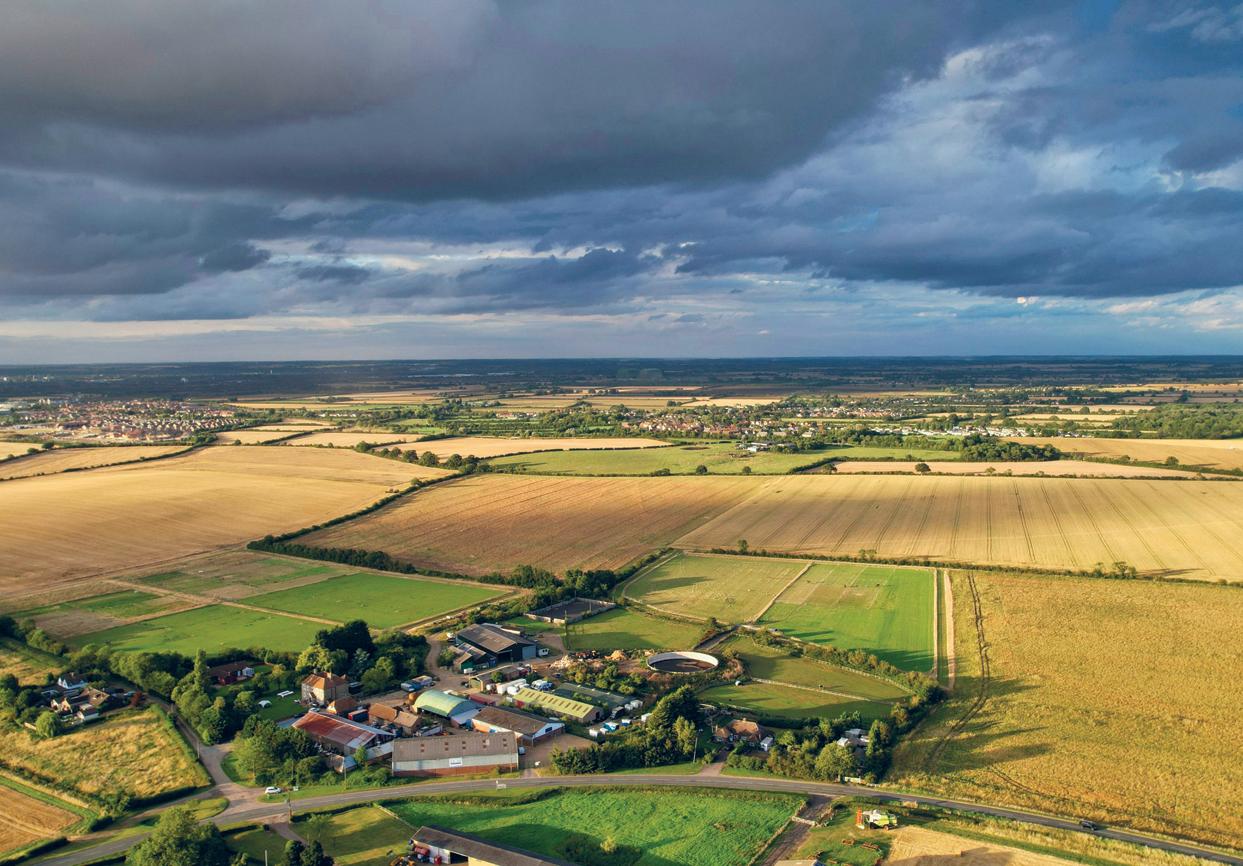
The Future Farming Investment Scheme (FFIS) provides grants for farms to invest in equipment and infrastructure that supports environmental outcomes...
Hill and upland sheep systems operate on tight margins and rely heavily on support payments. Environmental schemes like the AgriEnvironment Climate Scheme (AECS) can beneft extensive focks, but cuts to core area-based support would hit smaller or remote farms hardest. Volatile lamb prices and rising transport, labour, and input costs (up 12% in 2022-23) continue to tighten already narrow margins.
Dairy farms will face increasing pressure to reduce greenhouse gas emissions and improve slurry and nutrient management. Farms that improve productivity while lowering emissions and managing nutrients efectively may be well positioned to beneft. While environmental requirements may increase costs, continued support payments should help many Scottish dairy farms adapt. However, with recent volatility in milk prices, combined with elevated input costs, investment into environmental measures may be limited despite the support.
While reform initiatives promote improved soil management, crop rotation, and reduced chemical inputs, continued area-based support remains a key component of income stability. Enhanced greening requirements are expected to increase the proportion of land removed from full production through measures such as bufer strips, winter ground cover, and habitat provision, potentially limiting output and rotational fexibility. Although these measures may attract additional support payments, their capacity to ofset lost production is likely to vary widely depending on soil type, scale, and enterprise structure.
Poultry production is largely unafected by land-based support, but policy changes around animal welfare, biosecurity, and manure management may increase operating costs. Despite this, strong market demand and low emissions are likely to help this sector remain economically resilient. Poultry numbers have risen to over 12 million, contrasting with declines in other sectors and refecting changing production dynamics.
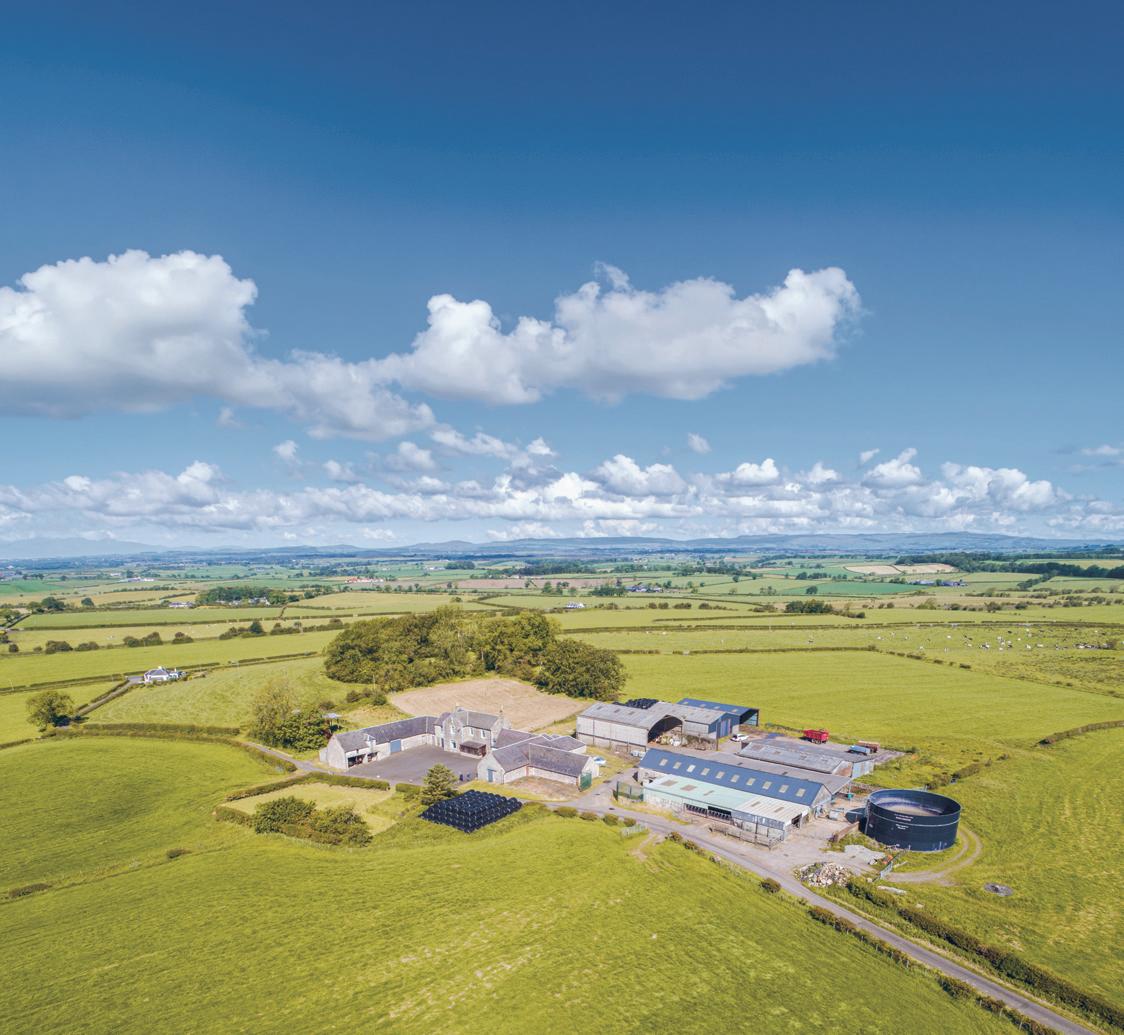
u Dairy farms will face increasing pressure to reduce greenhouse gas emissions and improve slurry and nutrient management...
Te impacts of the new four tier support scheme will difer across sectors. Overall, long-term proftability and sustainability will depend on early preparation, efective use of available support, and the integration of environmental management into routine business planning.
To help farmers navigate this transition, Galbraith’s Agricultural Consultancy team can provide a range of services to maximise both compliance and opportunity under the new framework. Tis includes assisting with carbon audits, soil analysis, biodiversity audits, integrated pest management plans to comply with Whole Farm Plan requirements and helping businesses meet Tier 1 and Tier 2 requirements while maintaining productivity.
Additionally, Galbraith can advise on Tier 3 opportunities, assisting with grant applications for schemes such as the FFIS, AECS and Agritourism Investment Scheme (AIS).


Princes Street was originally designed in 1767 as a residential terrace. From the 19th century onwards, it gradually evolved into Edinburgh’s premier retail destination. The street is now once again returning to its roots and rapidly transitioning into a vibrant mixed-use thoroughfare.
Story: Jamie Addison-Scott
The street attracts approximately 16 million visitors annually, making it Edinburgh’s busiest retail corridor. Its distinctive single-sided retail confguration provides uninterrupted views of Edinburgh Castle across Princes Street Gardens and whilst this unique setting is one of the street’s defning characteristics, it also limits the fexibility of future redevelopment. Te street sees strong tourist footfall, peaking during Edinburgh’s summer festivals, which draw around 4 million visitors and boost retail and hospitality trade.
Despite structural changes to the retail landscape, demand for space remains strong. Te vacancy rate on Princes Street has now fallen to below 5%, refecting a rapid improvement in occupancy levels since the pandemic. Tis decline in the vacancy rate has been supported by the redevelopment of several large retail units that no longer suit the majority of modern retailer requirements. In recent years, a number of these buildings have been successfully repositioned for hotel, residential and leisure uses, helping to diversify the street’s ofer.
Princes Street is increasingly emerging as a mixed-use destination, anchored by two of the city’s landmark fve-star hotels: Waldorf Astoria Edinburgh –Te Caledonian at the west end and Te Balmoral Hotel at the east end. Alongside these, several historic buildings have been repurposed into boutique and experiential destinations. Notable examples include the transformation of the former House of Fraser into the Johnnie Walker Experience, and the ongoing redevelopment of the Jenners Edinburgh building, which will combine luxury retail with a boutique hotel.
145 PRINCES STREET
Newly developed Johnnie Walker Experience.

u Despite structural changes to the retail landscape, demand for space remains strong.

1.
PLANNED HOTELS ON PRINCES STREET
Te planned Ruby Hotel at 104-108 Princes Street represents a signifcant milestone in the ongoing transformation of Edinburgh’s premier retail thoroughfare. Tis £100 million+ development is set to open in 2027. It will replace the former Next, Zara and Russell & Bromley stores with a 346-room upscale hotel.
2.
Te iconic former Debenhams department store is being transformed into Scotland’s frst Zedwell hotel. It is scheduled to open in 2027. Tis redevelopment will convert the nine-storey building into a high-end hotel.
3.
As part of the Jenners redevelopment, a 96room boutique hotel is being created within the upper foors of the iconic building. Tis hotel will be complemented by a rooftop bar and restaurant. Te hotel is set to open in 2027, following the completion of the building’s restoration.
Redevelopment of upper foors to incorporate 14 serviced apartments.

109
Former Debenhams department store with planning consent for a 207 bed hotel.
Te Ruby Hotel is under construction to be a 346 bed hotel.
47-48
Former Jenners department store which is currently being redeveloped into luxury hotel and retail accommodation.
Red Carnation Hotels has recently opened a 30 bed hotel following a full refurbishment of the former Royal Overseas League.
Te planned hotels and the Jenners redevelopment are part of a broader strategy to rejuvenate Princes Street, which is supported by the City of Edinburgh Council’s Waverley Valley initiative. Tis strategy aims to enhance public spaces, improve connectivity and restore the street’s historic character. Tese developments are not only modernising the street but are also preserving its unique heritage.
Galbraith has been highly active on the street, with its Investment Team involved at both ends of Princes Street. Te frm recently acquired 135–136 Princes Street, part of Charlotte House, as well as 24–25 Princes Street at the eastern end of the street, on behalf of family ofce clients.

Jamie Addison-Scott Director
78-79 Princes Street: A prominent corner block which is let to a range of retail occupiers as well as serviced apartments in the upper foors. It was acquired by an overseas family ofce at a price of £17.90m / 6.92% NIY in February 2026.
99-99a Princes Street: A full corner block which is let to Chisholm Hunter and Swatch. It was acquired by a Scottish prop-co at a price of £4.80m / 6.35% NIY in December 2025.
Charlotte House (incl. 135-136 Princes Street): A mixed-use prominent corner block which comprises ofces in the upper foors and retail across the ground foor. It was acquired by a Scottish family ofce for a price of £11.40m / 7.00% NIY in November 2025.
24-25 Princes Street: A highly prominent retail unit which is situated to the east end of the street. It is let to Black Sheep Cofee on a long lease. It was acquired by an overseas family ofce at a price of £2.30m / 6.14% NIY in December 2024.
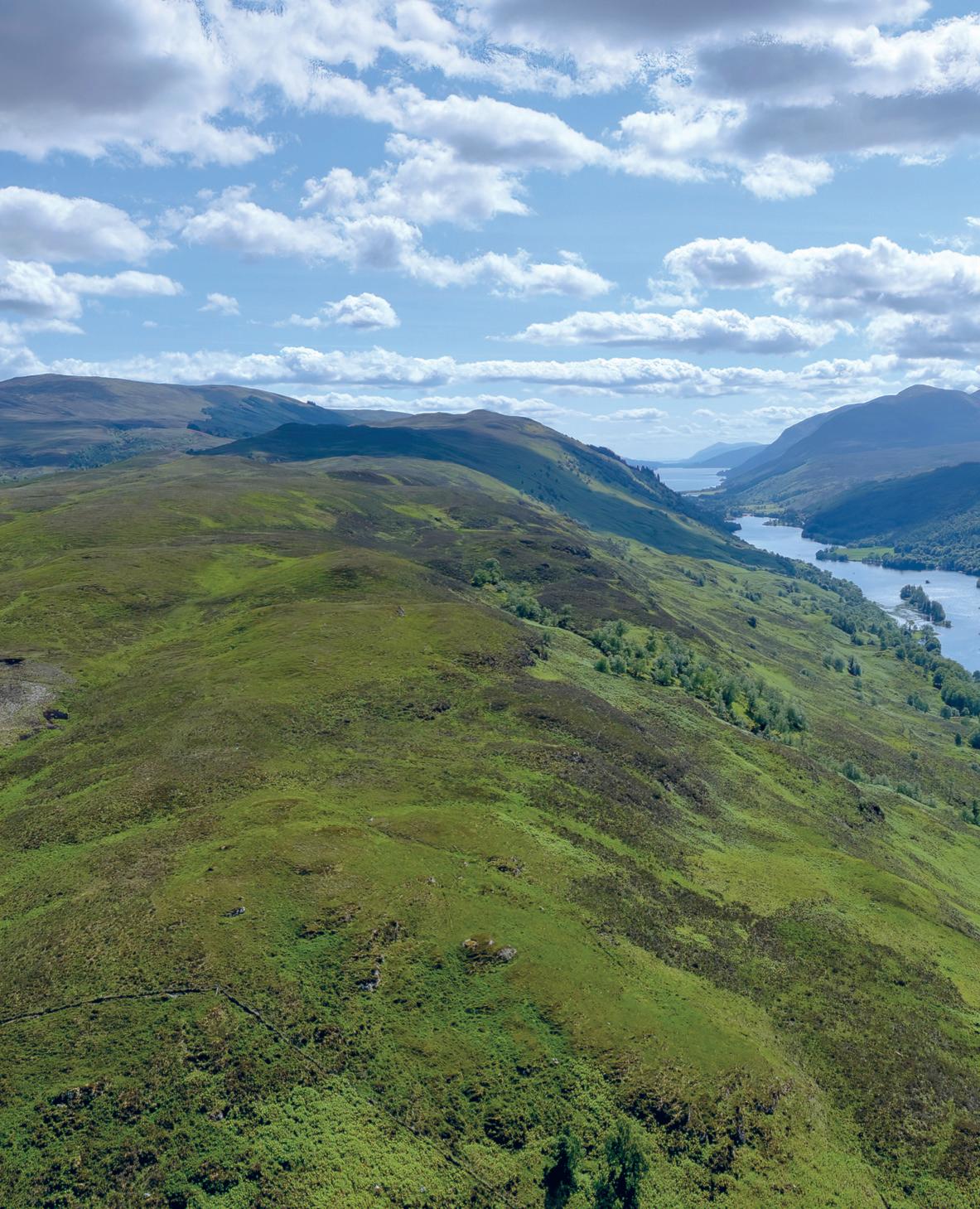
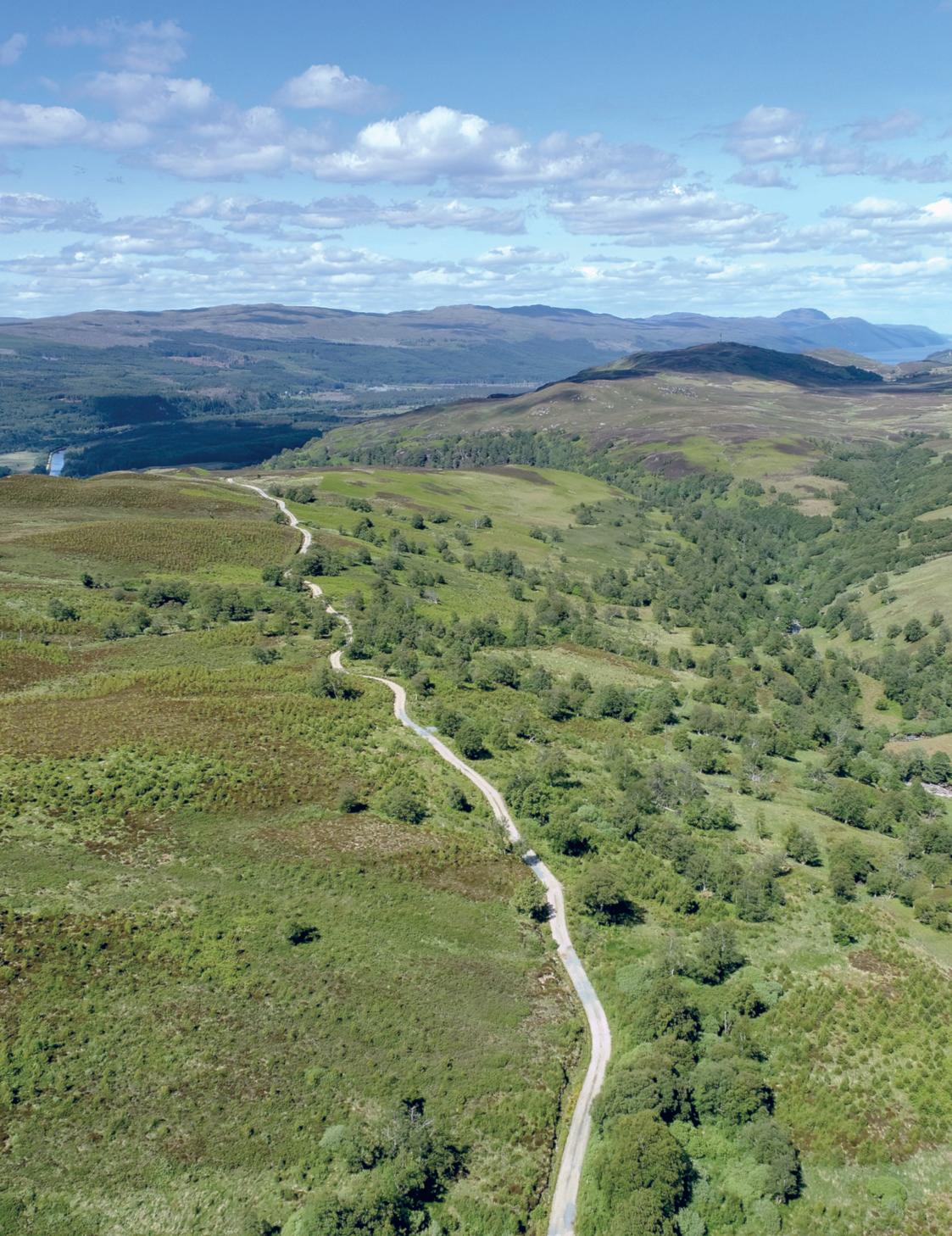
Over the years, given our position as one of the country’s leading agents of Scottish estates and farms, we have witnessed at first hand the changing identity and desires of those interested in acquiring such a prestigious and desirable property.
Story: Emma Chalmers & Rod Christie
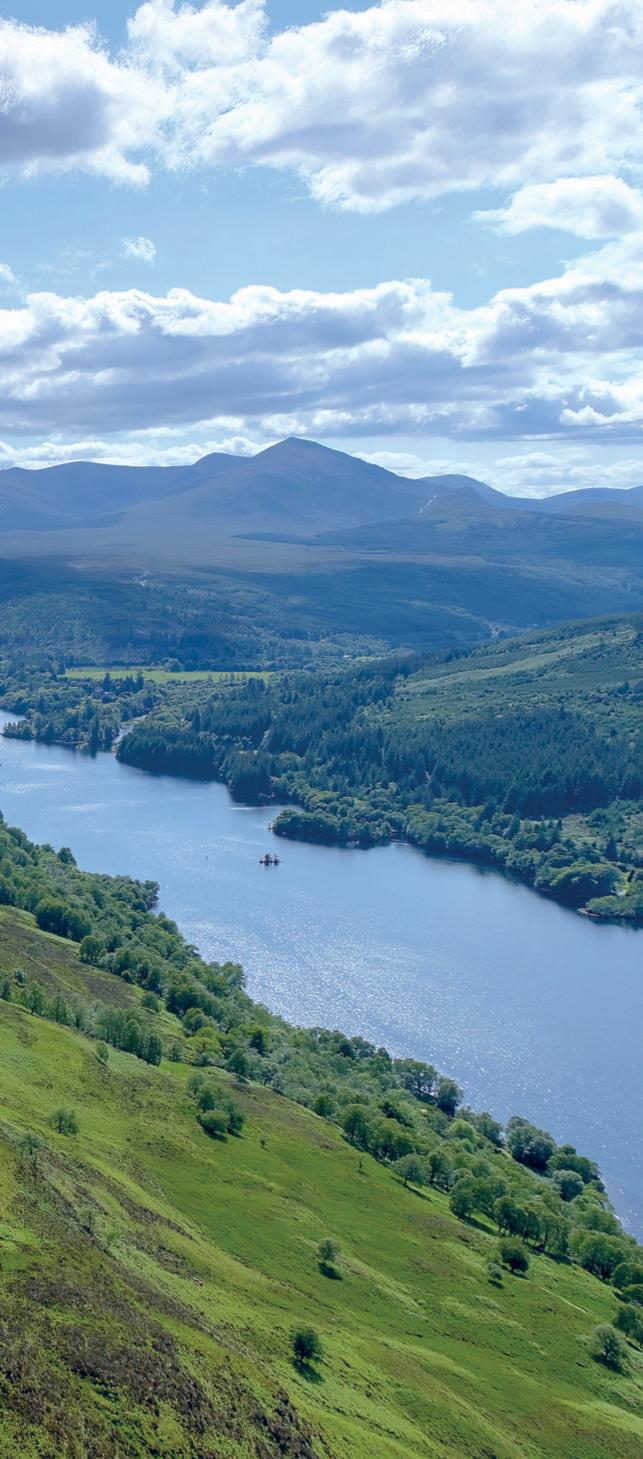
When we both started out in the industry as fresh-faced young surveyors, the Scottish estates market was dominated by those with a sporting bent. Whether it be based around stalking, driven grouse, low ground pheasants or fshing, it was the estate’s potential or likely proven sporting credentials that appeared to be the principal driver in the majority of transactions. For many years, this largely remained to be the case, of course, with exceptions along the way. Tose with agricultural, residential and conservation interests have always been there but the buying power of those interested in the sportings, from right across the globe, would often prove most signifcant.
As has been now very well documented, this market pivoted signifcantly in and around the early 2020’s. In the run up to the pandemic and in the immediate following couple of years or so, the market experienced a signifcant upturn, dominated by investors in what in hindsight appeared to be a very signifcant but fairly short lived ‘natural capital gold rush’. With basic hill ground in many areas quadrupling in value, it would be over simplistic to dismiss this new wave of buyer as purely focused on carbon (sequestered through woodland creation and / or peatland restoration) and seeking to secure what they might consider as a valuable ‘natural resource’ to be traded and banked like any other commodity. Tis new cohort also included buyers from across the world who appreciate our iconic natural environment for what it is, a stunning and rare wilderness in what is becoming an overly developed and manufactured wider landscape. Tere was and continues to be strong UK and international interest with the United States proving to be a base for quite a bit of this interest. Taking active steps to positively infuence the alarming rate of climate change is a key driver for many more philanthropic buyers, as is a strong desire to conserve and enhance our diminishing natural environment. Many and in particular US-based buyers see Scotland as a destination of choice, perhaps looking to beneft from both our physical and political cooler climate where over the Atlantic it has been ‘hotting up’ on many fronts. Land holdings in Scotland and northern England attract a hefty price tag, largely a consequence of their scale and ofering and whilst the extraordinary highs of the natural capital investor infux have fallen back over the past two to three years, land and property values have held up remarkably well despite this. u
In short, the land and estates market has re-pivoted from the traditional sporting, to the natural capital, to what is a now a more diverse base.
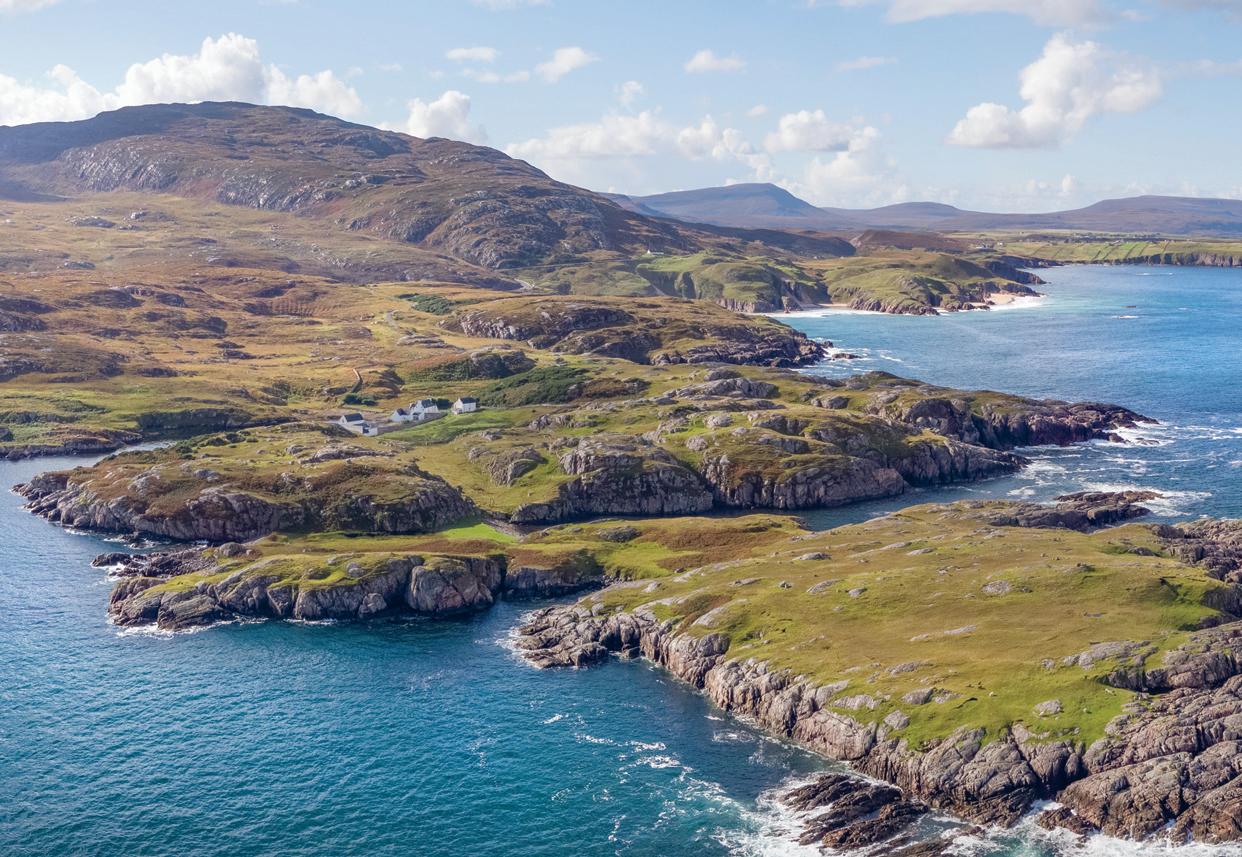
Over the past months, we have seen the market settle to what we consider to be a relatively steady state. Te natural capital investor is still around, less than say fve years ago, but still there and undoubtedly more considered and circumspect than before. Agricultural and forestry-learning buyers are so used to taking a longer-term view on the benefts of securing land that the increasingly fuctuating nature of their own commodity markets are often overlooked in favour of the ‘bigger and long-term picture’.
Similarly, those with sporting interests remain as do those looking for a prestigious or historic ‘lifestyle’ property not often found in other countries. In short, the land and estates market has re-pivoted from the traditional sporting, to the natural capital, to what is a now a more diverse base.
Readers will note that we have not addressed the impacts of a potential elephant in the room, Land Reform. Tere is no doubt signifcant changes are coming down the line in terms of the management and sale of larger land holdings in Scotland, focusing initially on those over 1,000ha (2,471 acres). Land Reform and the impending changes the relatively recently passed legislation will bring could occupy several pages of this Blueprint publication, but given there is still so much detail missing from the Scottish Government’s bill, anything we say now is only just one step better than speculation. What we can say is that despite the changes coming (timeframes unknown, details unknown), interest and desire in our property and land across our magnifcent country will remain. Te traditional method of ofering of land, larger farms and estates to the wider market is likely to change but the appetite to secure, for whatever reason, a slice of our magnifcent country will not.


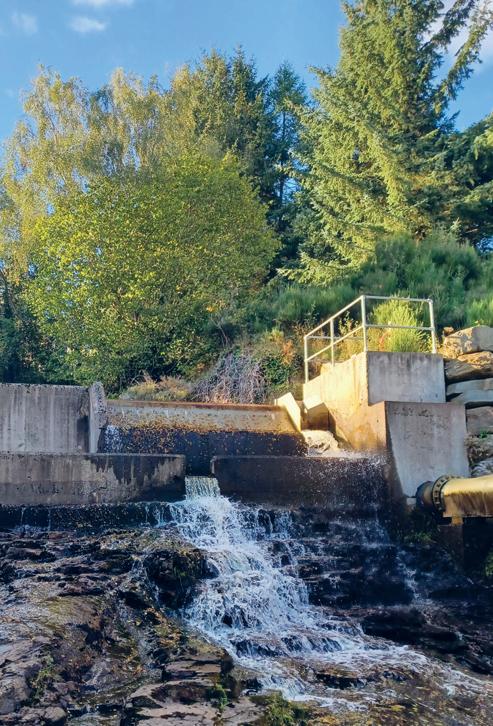
While challenges remain around grid, planning and delivery timelines for new developments, market activity demonstrates that wellstructured assets with a proven track record remain highly investable across a range of technologies including onshore wind, solar and hydropower.
Our recent transactional experience is that the growing renewable energy investment market is creating opportunities for landowners or leaseholders of renewable energy assets, who may be considering a sale of their interests in the developments.
Galbraith has been involved in the sale of renewable energy assets across the UK.
Operational assets continue to appeal to a broad range of buyers, including institutional investors and owner operators, seeking predictable income and long-term resilience in an evolving power market.
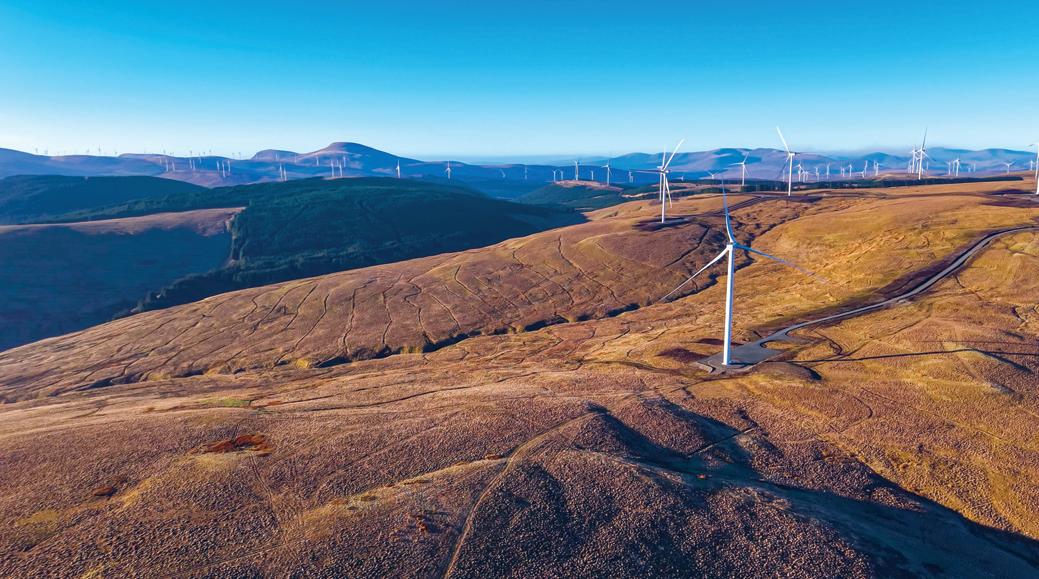
Galbraith acted in the sale of Bank and Afton wind farm in East Ayrshire. Te opportunity extended to 174.46 hectares (431.10 acres) of land subject to a 32-year lease in favour of RWE Renewables UK
Renewable energy assets continue to attract strong investor interest across the UK, from corporate, institutional and private investors seeking stable inflation linked returns, which align with their ESG objectives.
Story: Crawford Mackay
Onshore Wind Limited for the construction of four 4.8 MW wind turbines forming part of the Enoch Hill Wind Farm. Te lease generated a sustainable long-term income from a base rent of £160,297.83 per annum, with the potential for an increased rent from a variable rental mechanism of 6%, 8% or 12% of turnover dependent on electricity export price. After signifcant interest, the property went under ofer at a closing date and is due to settle shortly.
We have also marketed hydropower opportunities, such as the leasehold interest in a 300KW run-of-river hydro scheme.
Te scheme had a proven track record and operated at a high level of efciency, with generation of 1,100 MWh and gross revenues of £492,053 in the year prior to marketing.
In addition to standalone investment opportunities, we have also provided specialist advice on the sale of renewable energy assets as part of larger farm and estate transactions.
On the purchase side, examples of our advisory services include the acquisition of the South Stafordshire Energy Park on behalf of an institutional investor. Tis was an example of a strategically located, mixed use energy project with further development potential where we provided agency and advisory services. Multi technology energy parks, capable of accommodating storage, fexible generation and future technologies, are increasingly viewed as core investment opportunities.
Across all renewable energy technologies, capital remains available with competitive bidding for established assets with a proven track record, particularly where there is the residual term of government subsidies such as the Feed-in Tarif (FIT) or Renewables Obligation Certifcate (ROCs).
With increasing grid constraints associated with new developments, investors are focused on three main investment fundamentals: deliverability, longevity and risk. Where these can be demonstrated, interest and pricing remain robust, despite wider economic and policy uncertainty.
For landowners, this presents a range of opportunities. Perhaps there is a particular requirement for capital, or it is benefcial from a tax perspective to secure a capital sum rather than continue to derive income from a renewable energy asset.
Could the sale or the leasehold of a wind turbine, solar farm or hydropower scheme be the solution? We’re keen to hear from landowners or leaseholders considering a sale, or investors with purchase requirements.
Te reality is that some are choosing to sell their interests and recycle capital or rebalance their portfolios. Understanding the most appropriate route, whether sale, joint venture or retained ownership, is increasingly important to maximise value. We have other opportunities coming to market in 2026.

We work with landowners considering the sale of energy assets or land interests, and with investors seeking acquisition opportunities or strategic guidance. Our experience across several transactions demonstrates our experience to advise throughout the asset lifecycle, from early strategy through to execution.
Renewable energy investment fundamentals remain strong. While complexity in the market has increased, so too has the value of informed, independent advice. Whether you are a landowner assessing options for an existing asset, or an investor seeking to deploy or realise capital, the market remains active and well positioned assets continue to trade.
Our recent transactional experience is that there is continued investor demand for established renewable energy assets, and for landowners or leaseholders of onshore wind, solar and hydropower installations to sell their interests on a heritable or leasehold basis.
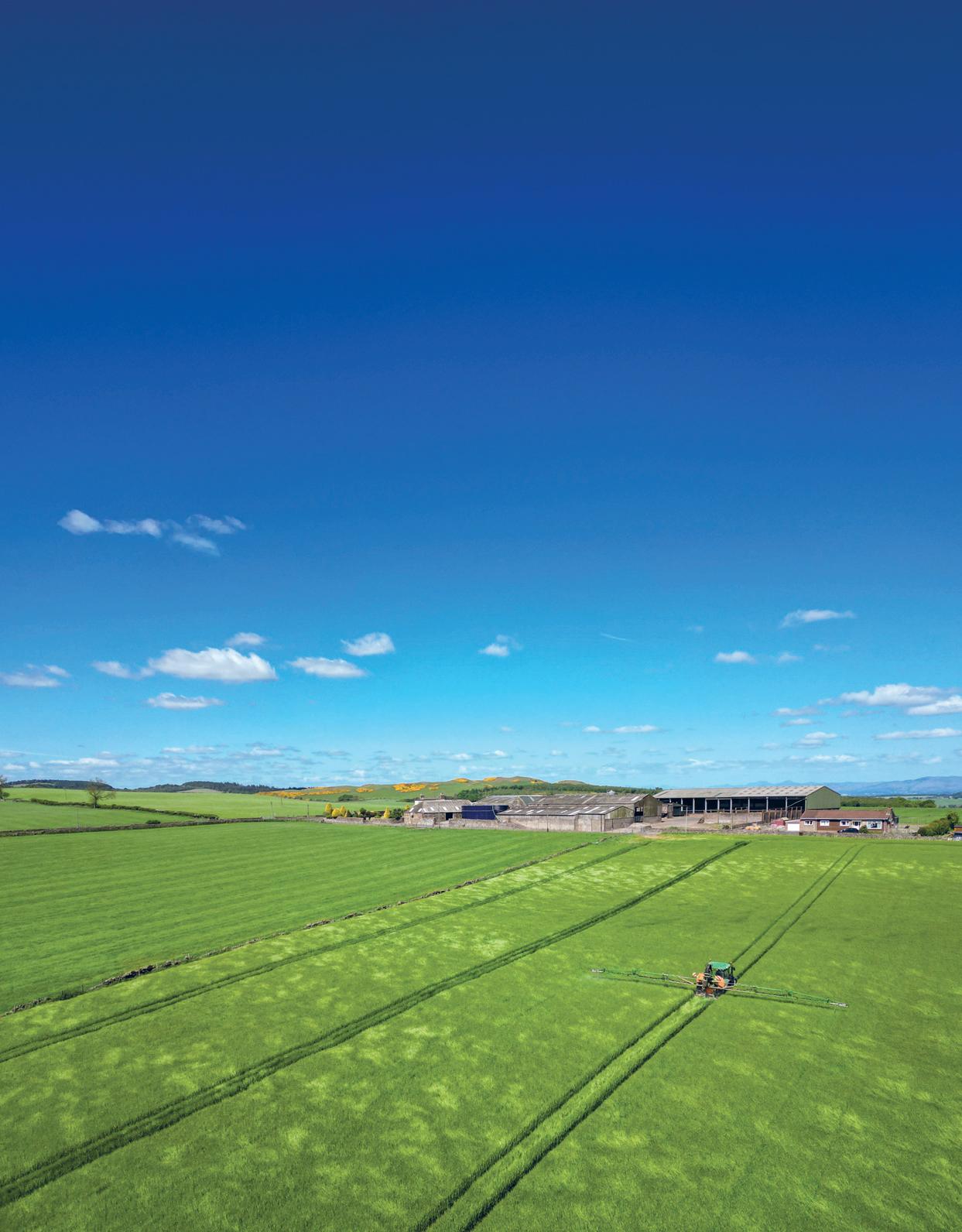
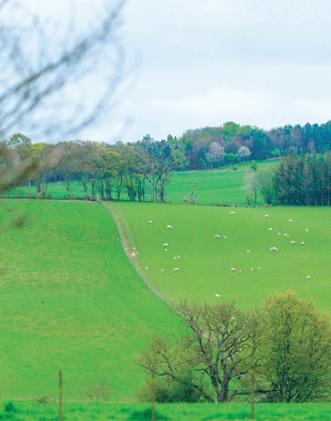
Demand for Scottish farms and land remains strong, with prices underpinned by limited supply, continued market stability and good access to finance at relatively favourable rates.
During 2025 the vast majority of sellers secured a positive outcome, notwithstanding a period of uncertainty triggered by the proposed changes to Inheritance Tax, initially announced in October 2024, with the threat of further changes in October 2025.
Tis prompted some transactions to be brought forward in order to conclude before the October 2025 budget. Whilst the October statement did not ultimately add any further substantial changes to the tax position at that time, an increased pressure on margins was notable, along with lower farmgate prices in some sectors such as arable and dairy during the second half of the year. Tese factors tempered enthusiasm within the land market.
However, the year ended on a much more positive note, with the IHT relief threshold being raised from the initially proposed £1 million to £2.5 million per estate. In addition, the transferable allowance between spouses and civil partners increased to £2.5 million, allowing a combined total of up to £5 million in qualifying assets to be passed on without paying the full IHT, in addition to existing exemptions. Te threshold applies to both Agricultural Property Relief (APR) and Business Property Relief (BPR), for Inheritance Tax due on qualifying assets.
As a consequence of this more favourable tax system, landowners and farmers are considering land purchases with an increased element of enthusiasm, both in terms of those expanding their landholdings and those seeking to acquire land for diversifcation projects. Tis has resulted in a marked uptake in interest in the landholdings on our books.
Land values held steady in 2025 with most land types achieving similar prices as in 2024, but the most productive arable land and mixed farming units on the east coast continue to perform well, driven by demand from both existing agricultural businesses and non-farming interests. Many of these properties attracted competing bids.
Te market for bare planting land and hill ground for forestry has now largely stabilised, with most land sales well below the peak prices of 24 months ago. Investment funds have returned to the market, but they remain selective.
Lifestyle buyers remain very active for small-scale landholdings and there are equally some well-funded amenity buyers willing to acquire larger units of up to 300 acres plus.
Land prices for hill ground and marginal pasture have varied over the past year, ranging from £1,000 to over £4,000 per acre, but buyers are carefully scrutinising the potential of the land, with conservation goals, wildlife designations, soil structure, and access for planting and harvesting being key factors.
Prices for productive secondary arable and good silage ground have reached over £7,000 per acre, with parts of the east coast, including Angus, East Lothian, and Fife, continuing to see sale prices well in excess of £12,000 per acre, while the most sought-after arable land may achieve in excess of £20,000. However, prices vary signifcantly even within the same immediate area, depending on specifc factors connected to each unit.
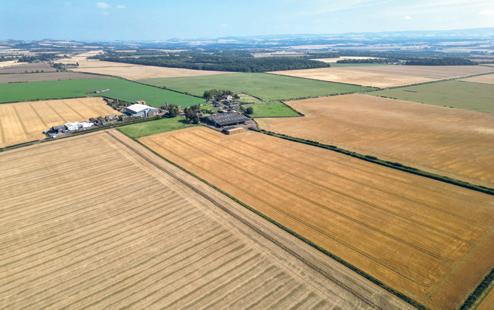
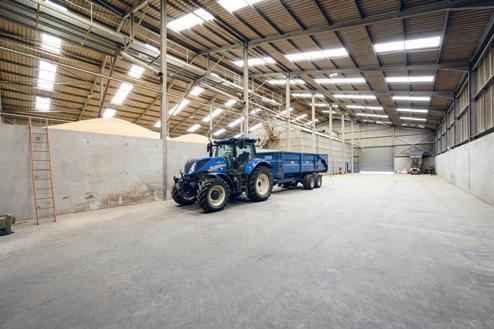
Among the farms that sold well in 2025 is Penston Farm in East Lothian, marketed for ofers over £8,175,000. Te property extends to 249 hectares (615 acres), with a large block of productive Grade 2 and 3.1 arable land, a C-listed traditional farmhouse, additional cottages, and an extensive range of farm buildings. An area of the land is zoned for employment use in the Local Development Plan, ofering the potential for future development, if desired, subject to planning permission. Te property sold as a whole to an existing farming enterprise, following a competitive closing date in spring 2025.
Looking ahead there are a number of agricultural properties coming to the market in the coming weeks. Although cash fows remain under signifcant pressure across many agricultural sectors, the appeal of farmland as a long-term investment, a hedge against infation, and the general willingness to expand existing enterprises, remains strong.

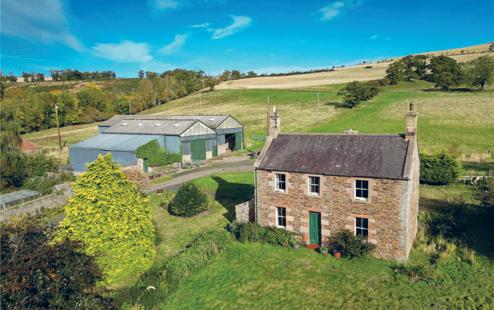
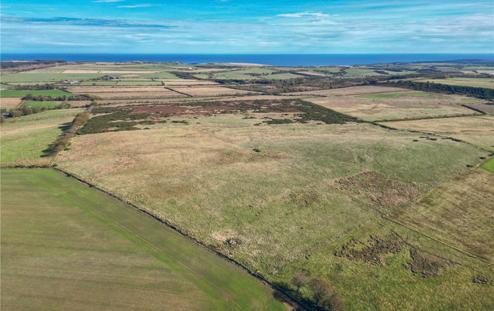
on the market is Westwood Farm in the Scottish Borders, a versatile and compact holding of about 85 hectares (210 acres) listed for ofers over £995,000. Te property includes a threebedroom farmhouse requiring modernisation, along with a useful range of modern and traditional farm buildings. Te land is a productive mix of arable, pasture and grazing, along with several areas of amenity woodland and rough grazing.
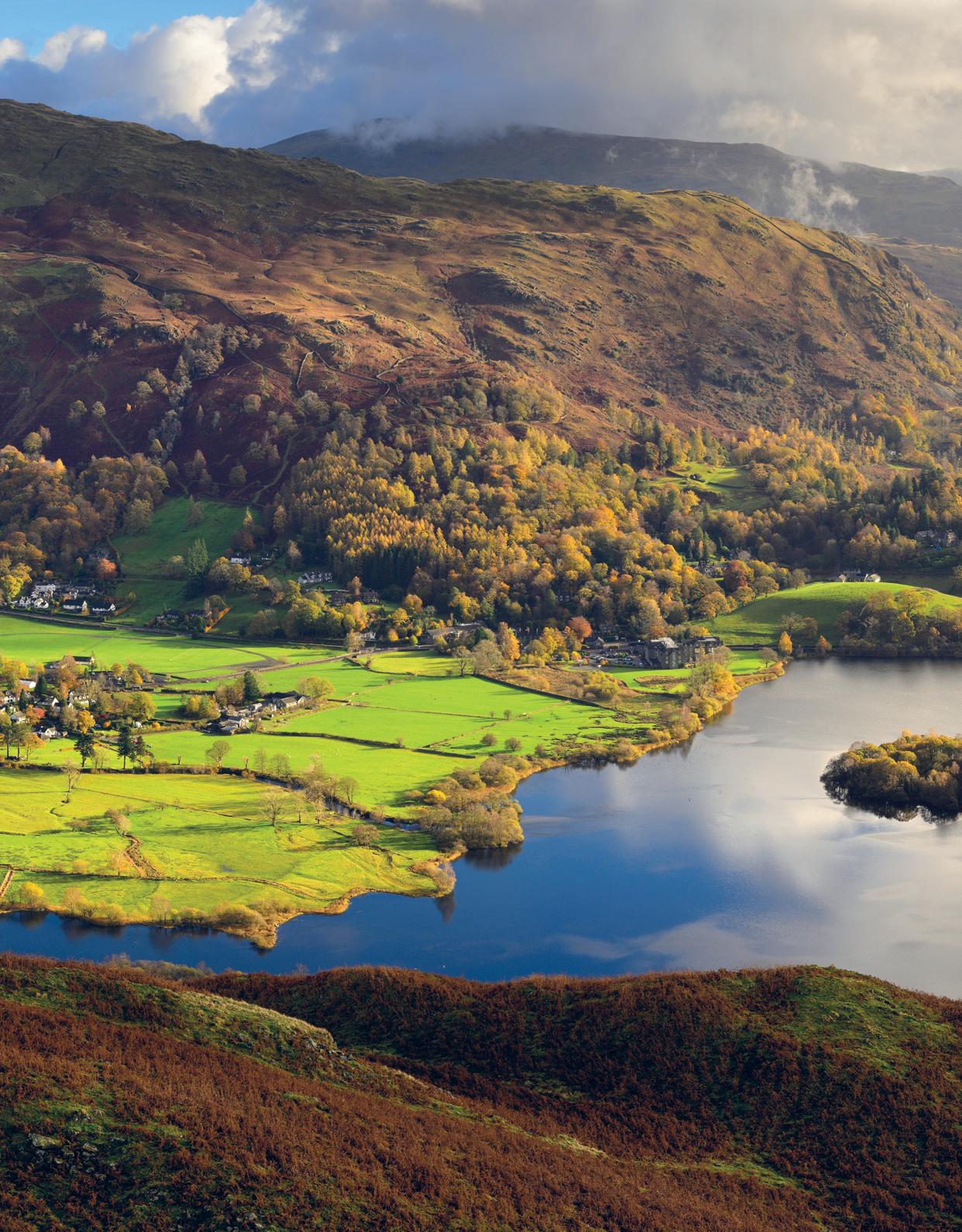
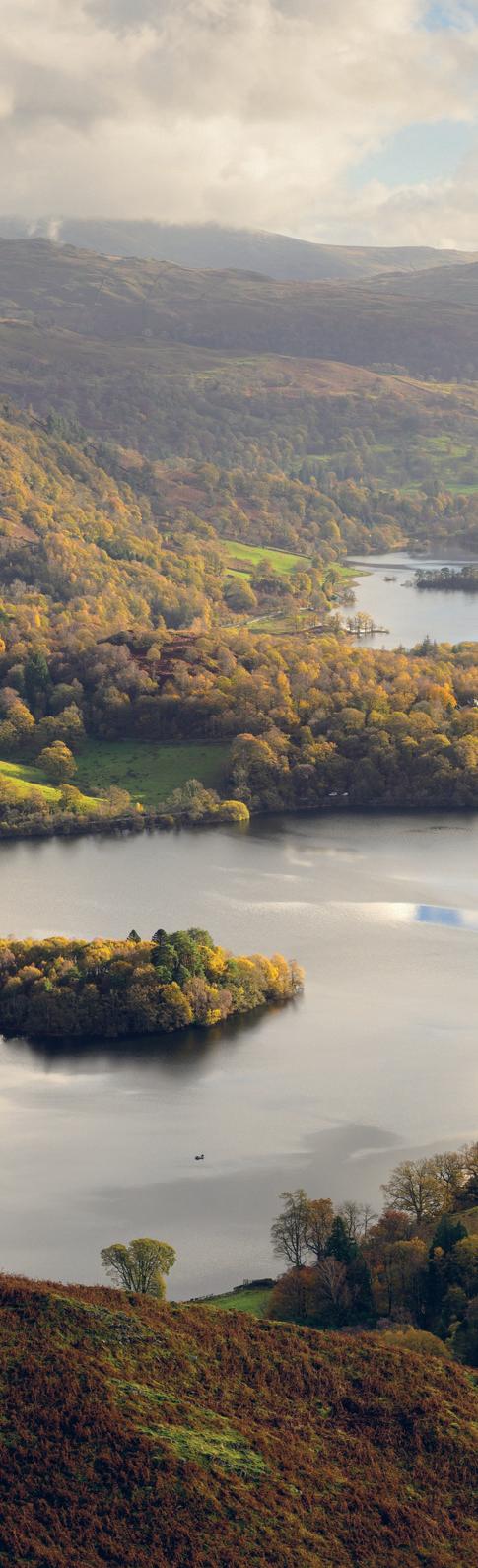
The Lake District is often described through its landscapes - the lakes, the fells, the dramatic shifts of weather that make the region one of Britain’s most distinctive environments.
Story: Sam Gibson
Yet for those who live here, the real character of the area is found less in the water or the mountains than in the villages that sit quietly among them.
Tese settlements have developed slowly, responding to agriculture, geography and trade routes rather than the demands of leisure. Teir appeal lies in proportion and continuity. Streets feel settled rather than curated. Buildings tend to sit comfortably beside one another, constructed from the same local stone and roofed in slate that has weathered generations of rain and frost. Villages such as Grasmere, Hawkshead and Cartmel illustrate this particularly well. Each has absorbed visitors for centuries without losing its sense of daily life. Te shops serve residents as much as visitors. Houses face onto greens or narrow lanes that still function in essentially the same way they did long before tourism became the dominant narrative of the region.
Further north, villages around Ullswater, including Pooley Bridge and Askham, reveal a slightly diferent mood. Te landscape opens out into the Eden Valley, and the architecture becomes calmer, less overtly picturesque. Farmhouses and village houses sit alongside one another with little ceremony, often accompanied by outbuildings that have been repurposed gradually rather than transformed overnight.
What draws many buyers to these villages is not simply their beauty but their coherence. Tey remain communities frst. Schools, parish halls, pubs and small shops still form part of everyday life, and houses that are occupied year-round tend to contribute to a sense of continuity that visitors immediately recognise as authentic and seldom found elsewhere.
For owners, this context infuences how property is approached. Renovations tend to respect existing proportions. Extensions are considered carefully, partly out of planning necessity but also because the architectural language of the villages is already well established. Interiors are often quietly modernised while the exterior fabric remains largely unchanged, allowing buildings to adapt without losing their identity.
Estate agency work in the Lake District therefore involves a diferent type of interpretation. Buyers are rarely searching for spectacle. Instead, they are drawn to houses that sit naturally within their village setting, places where the relationship between building, lane, garden and surrounding countryside feels settled rather than imposed.
Tis is perhaps why Lake District villages retain their authenticity even as the region’s popularity grows. Tey have never depended on novelty for their appeal. Teir character has been shaped over centuries by people living and working in them, and that accumulated sense of life continues to defne the most desirable homes within them.

Sam Gibson Partner
01434 693 693
hexham@galbraithgroup.com
Story:
James Towers
In an increasingly complex economy, property owners, landowners and estate managers are under growing pressure to maximise the value of their assets while balancing sustainability, compliance, and long-term resilience.
With this demand, access to accurate, high-quality data has never been more critical. Galbraith, as a leading property consultancy, is embracing advanced surveying technologies and strategic partnerships with specialists such as Norelo to provide clients with a more informed, agile, and commercially focused approach to asset management.
At the core of this evolution is a shift in how data is captured, processed, and utilised. Traditional survey methods are increasingly being complemented by new survey technologies that ofer greater speed, precision, and fexibility. Technologies such as drone surveys, photogrammetry, Light Detection and Ranging (LiDAR), and high accuracy measured surveys are enabling a step change in the quality and usability of spatial data for all types of land and property.
Drones are now a fundamental tool in modern surveying. By capturing high-resolution imagery and geospatial data from above, drones provide rapid coverage of large and often inaccessible areas. Tis is particularly valuable for properties and land, where terrain, vegetation, and scale can present logistical challenges.
Trough its collaboration with Norelo, Galbraith is deploying drone technology to deliver detailed imagery to perform condition assessments, 2D terrain mapping, and 3D photorealistic models. Tese outputs support a wide range of applications, from planning and development feasibility to topographical surveying and condition surveys of existing buildings.
For built assets, accurate internal and external measurement has always been essential for maintenance and development. However, advancements in laser scanning and digital modelling have signifcantly enhanced efciency. Te use of laser scanning and photogrammetry can now create highly accurate, survey-grade, and user-friendly digital outputs.
Tese digital outputs can be developed into 2D drawings or 3D Building Information Modelling (BIM) models, providing clients with a detailed understanding of their buildings. Using these accurate drawings and models reduces design risk, improves coordination between contractors, and supports efcient project delivery.
Having digital data of a building also provides long-term value. Tey can be used for asset management, maintenance planning, and future adaptations, ensuring that buildings remain ft for purpose as building and estate strategies evolve.
Understanding the land itself is equally important. Highresolution topographical surveys provide detailed information on terrain, boundaries, drainage, and existing infrastructure. By combining ground-based surveying techniques with drone-derived data, Galbraith, using Norelo technology, can deliver comprehensive site models that accurately refect real-world conditions. Tis information can then be used by estates and landowners for a variety of uses, from mapping felds to assessing development potential for buildings or renewable energy schemes.
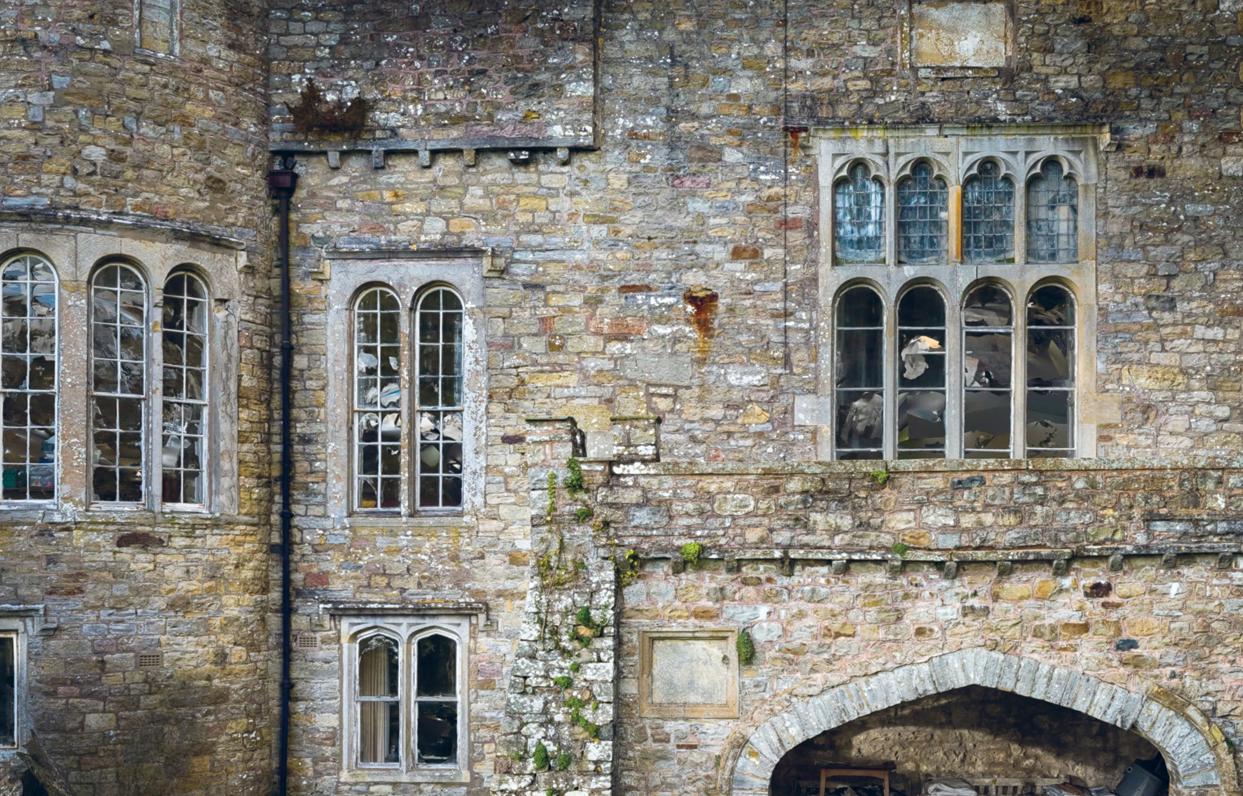
Photogrammetry is the process of generating accurate measurements and models from photographic data and has become a powerful tool. When deployed via drones, it allows for the rapid creation of detailed 3D environments.
For land, estate or building owners managing large or multiple sites, this scalability is a key advantage.
Photogrammetry provides a visual, intuitive 3D model, which can be particularly useful for identifying defects, taking measurements and calculating areas.
Galbraith have recently adopted this method of data capture on some large properties, to provide clients with access to a full 3D model of their building. Tis not only assists report writing and budget costing, but it also provides all parties with full access to view particular areas of a property in detail, to gain a full understanding of any works required. Tis is particularly useful for areas largely inaccessible, such as roof pitches and upper elevations.
Te real value of these technologies lies not just in data capture, but in how that data is integrated and applied. Galbraith is continuing to adopt modern methods of surveying to enhance the advice we provide clients.
Whether identifying development opportunities, optimising land use, or enhancing the performance of existing assets, data-driven insights enable more informed and confdent decision-making.

Galbraith is seeking to deliver a more comprehensive and forward-thinking service for all our clients in various sectors. Tis means access to cutting-edge technology, underpinned by practical experience and strategic guidance.
Through the adoption of advanced datacapture technologies and collaboration with Norelo, Galbraith is ensuring that its clients are equipped to navigate a change into a data-driven world with confdence, unlocking new opportunities and securing the future of their properties, land and estates.

James
Towers Director
0131 240 6960
edinburgh@galbraithgroup.com
The Atlantic salmon is considered an endangered species in the UK for reasons which are not completely understood. Of course, its fascinating reproductive cycle exposes it to multiple challenges within both fresh and saltwater, and huge eforts are being made to try and identify reasons for its decline.
Story: Calum Innes
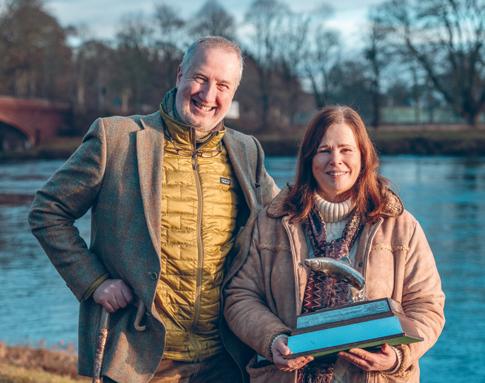

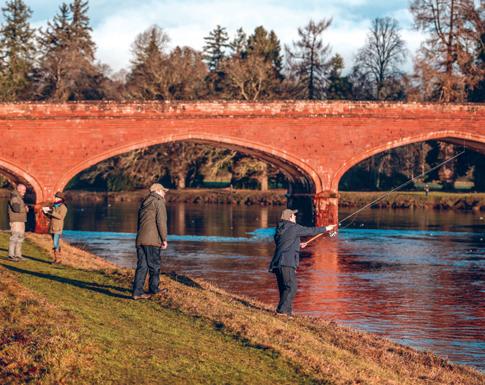
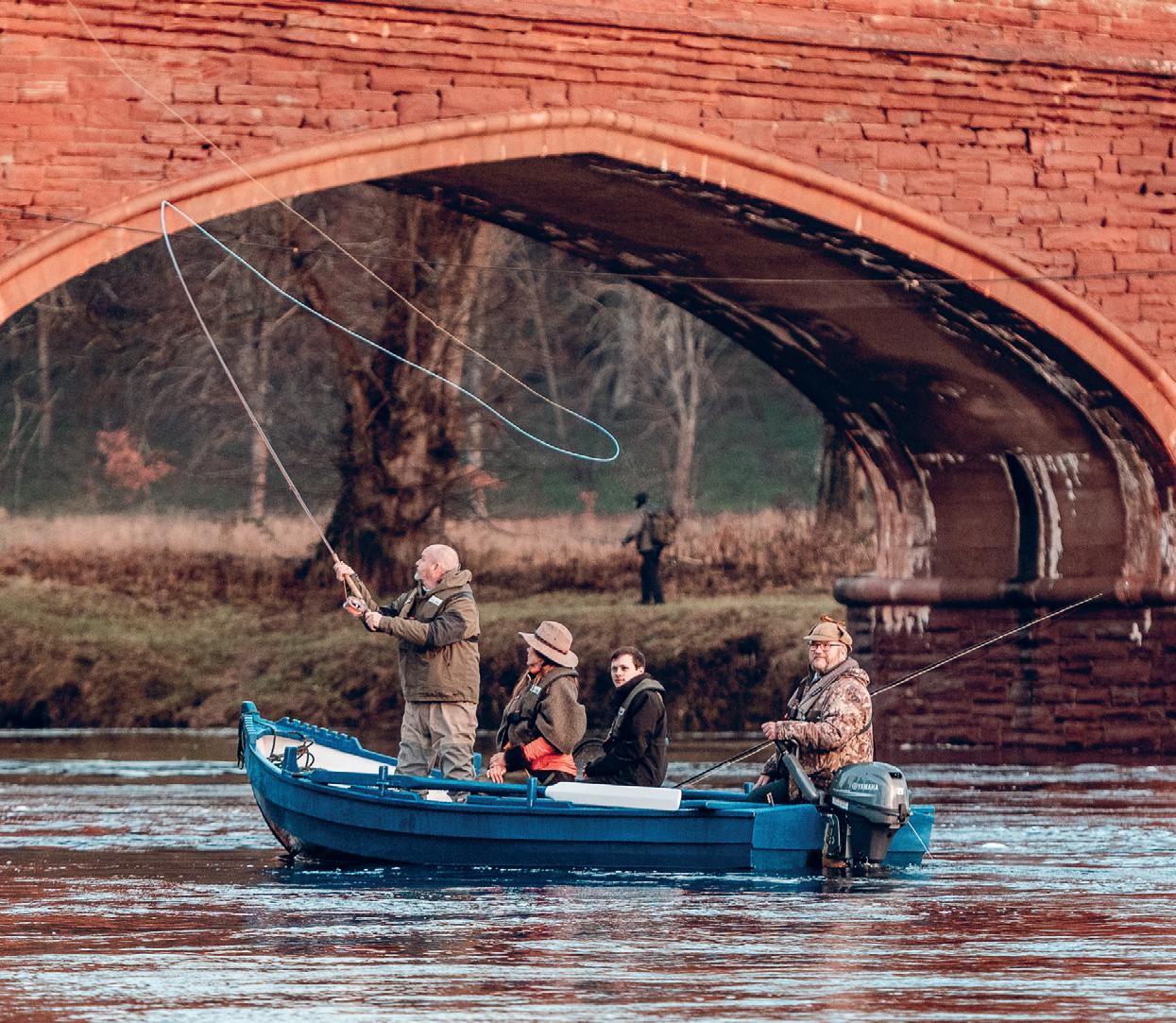
Scotland has long been associated with salmon fshing and, despite decreasing catches, salmon anglers tend to be individuals who always consider their glass to be at least half full. Tey are passionate about their sport, and each fshing season brings renewed hope and enthusiasm for days on the river in pursuit of the King of Fish.
Te River Tay has an enviable reputation as a salmon river, holding the record for the largest salmon ever caught, a monster of 64 pounds which was captured by Georgina Ballantyne in 1922. Te capture of such a leviathan seems unlikely to be repeated, but at the opening ceremony of the river on 15th January 2026, I was encouraged to see massed ranks of anglers, eager for a cast and delighted the doldrums of the closed season had passed. Te Tay is one of the earliest rivers to open, but similar scenes, to a greater or lesser degree, are repeated on most Scottish rivers regardless of snow, ice or food, a sign that hope springs eternal in the heart of a salmon angler.
In addition to my day job, I’m the current Chair of the Tay Rivers Trust - a charity whose vision is a resilient, biodiverse, and healthy Tay catchment. Te Trust is implementing numerous initiatives in pursuit of its aims including facilitating the largest riparian planting scheme undertaken in the UK aimed at providing shade in the headwaters to help combat the warming impacts of climate change.
Our presence at the opening day was an unashamed opportunity to cash in on anglers’ enthusiasm and raise funds for our education programme – Salmon in the Classroom. Tis initiative provides live salmon eggs to primary schools, allowing children to witness their fascinating development frst hand and then release the tiny fsh in a local stream. Te children return later in the year to electrofsh, to see how their fsh have developed and what other creatures are present in the aquatic environment. In an age of smartphones and virtual experiences, the delight and enthusiasm displayed by these young people gives hope for a new generation who will hopefully develop a lifelong connection to the river and its inhabitants regardless of whether they ever pick up a fshing rod.

Calum Innes Partner
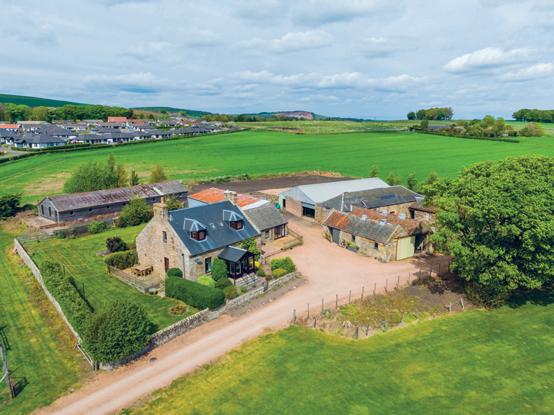
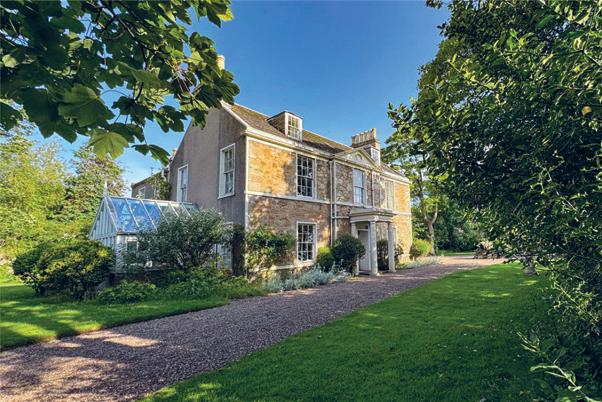
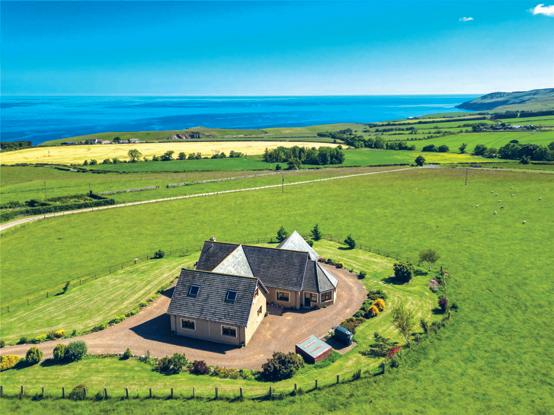
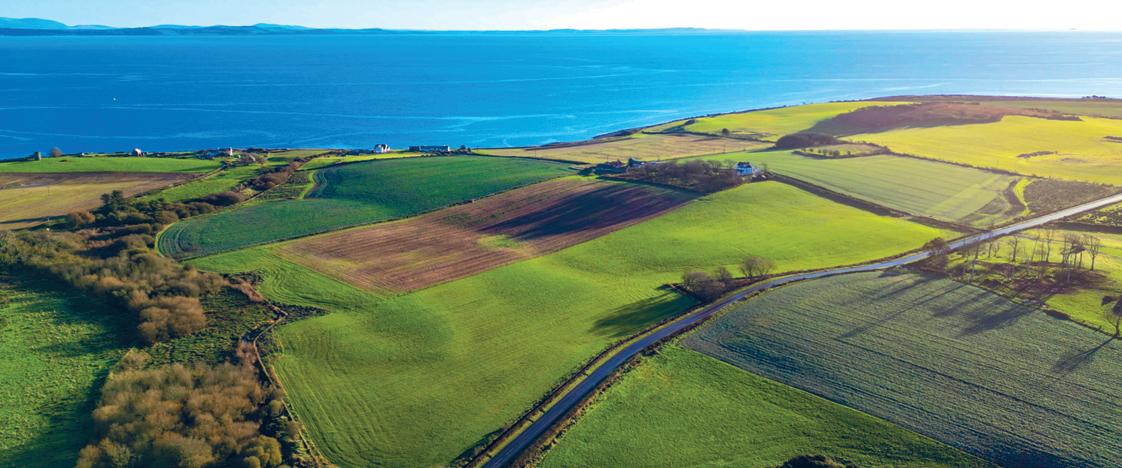
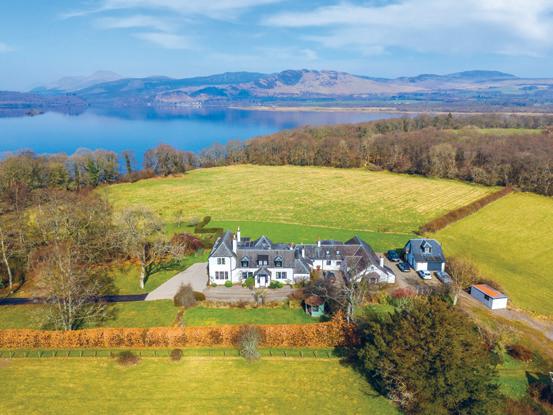
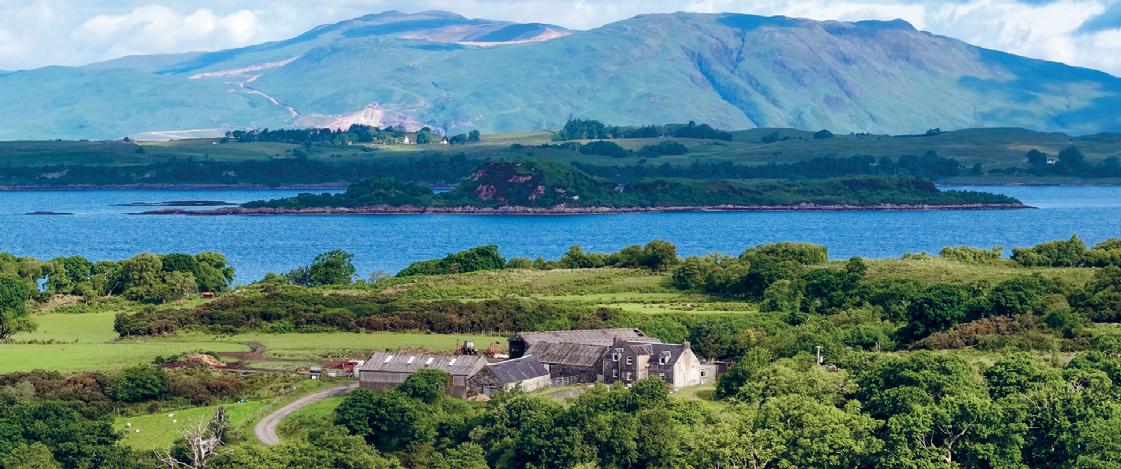
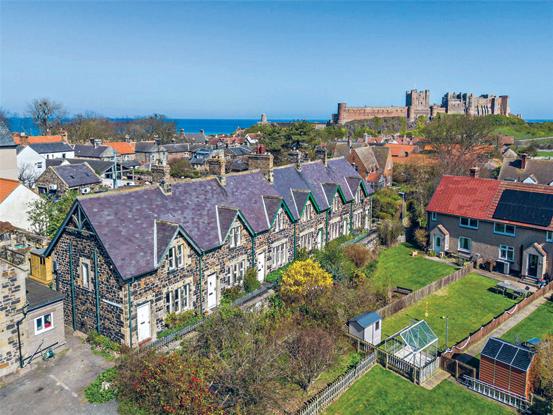
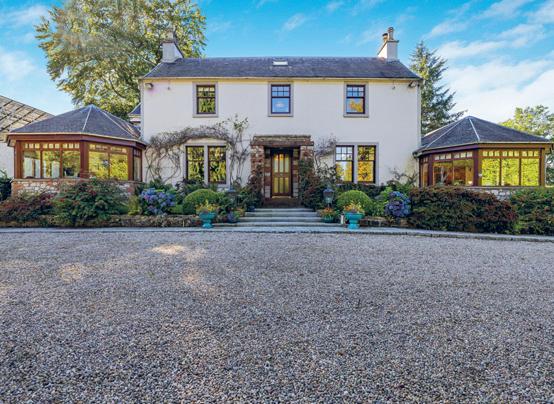
Our property showcase includes some of our most prestigious homes, farms and estates sold over the past 18 months.
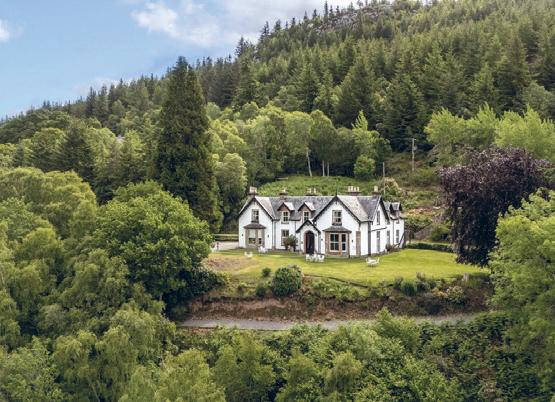
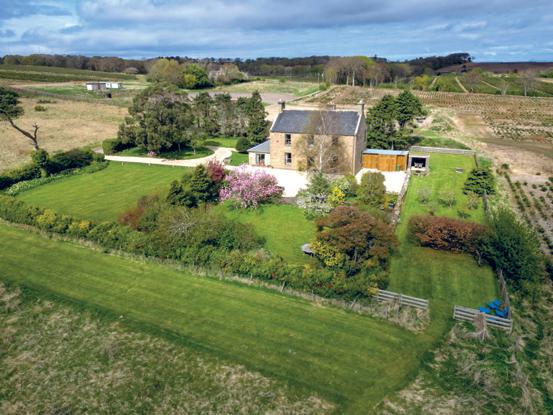
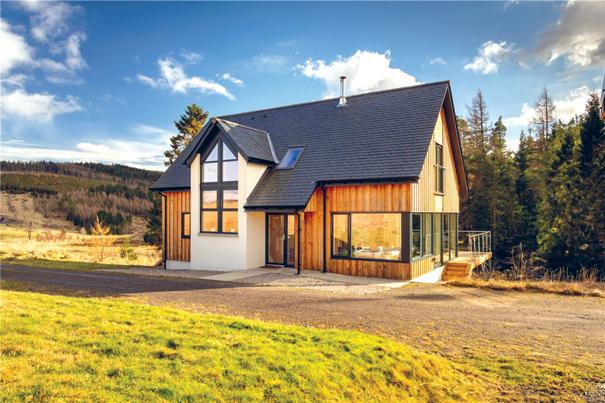
ABERDEENSHIRE
Ofers Over £450,000
Ofers Over £775,000
SOUTH AYRSHIRE
Ofers Over £575,000
SOLD SOLD SOLD SOLD
Ofers Over £535,000
STRANRAER
Ofers Over £1,775,000
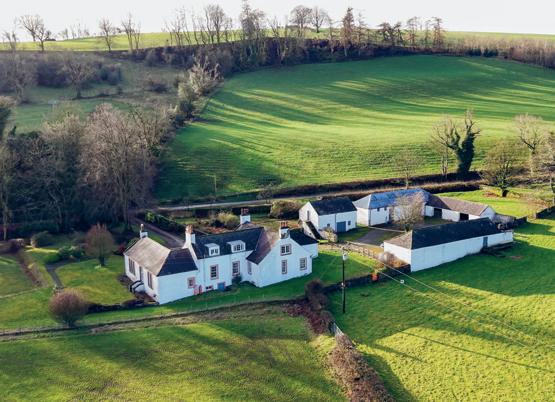
DUMFRIES
Ofers Over £575,000
Ofers Over £585,000 SOLD SOLD SOLD
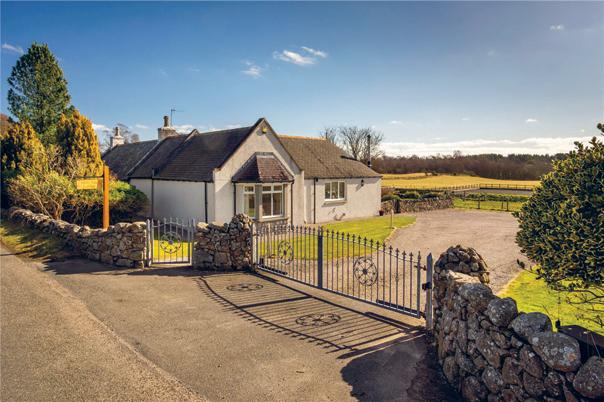
ABERDEENSHIRE
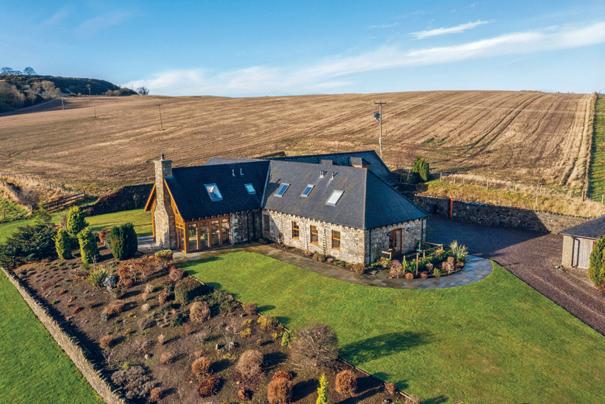
FIFE
Ofers Over £895,000
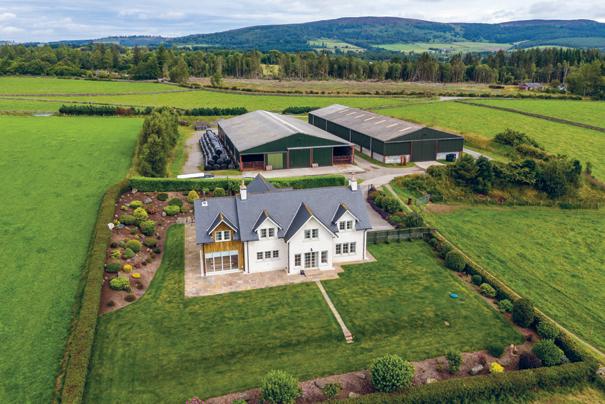
ABERDEENSHIRE
Ofers Over £2,000,000
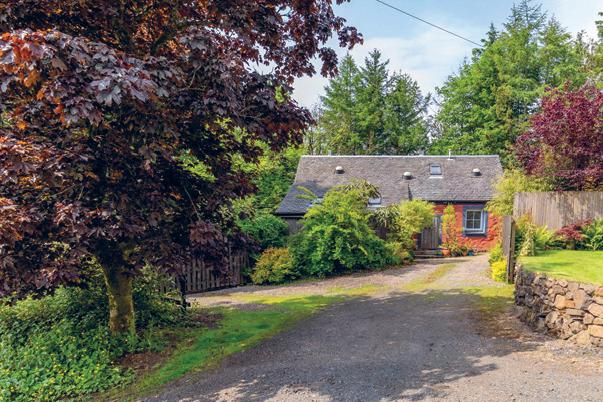
RENFREWSHIRE
Ofers Over £290,000
SOLD SOLD SOLD SOLD
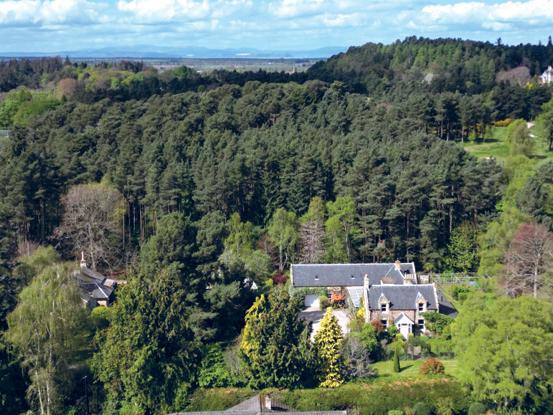
MORAY Ofers Over £750,000
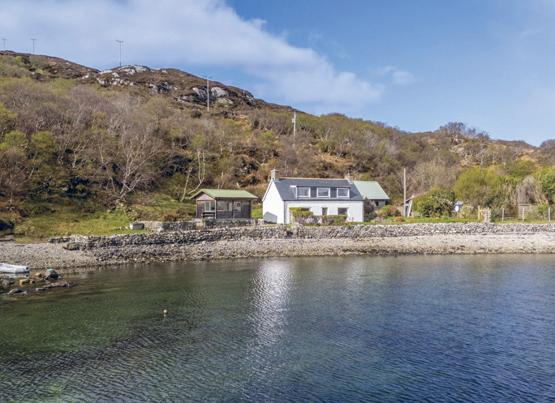
Ofers Over £400,000
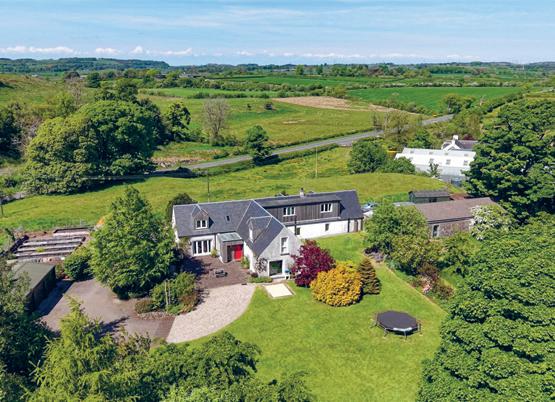
NORTH AYRSHIRE
Ofers Over £740,000
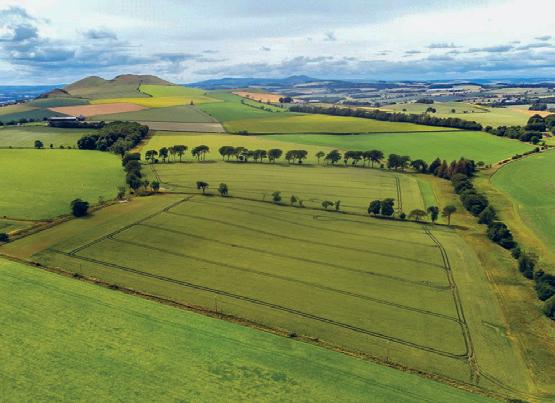
Ofers Over £1,100,000
Ofers Over £800,000 SOLD SOLD SOLD SOLD
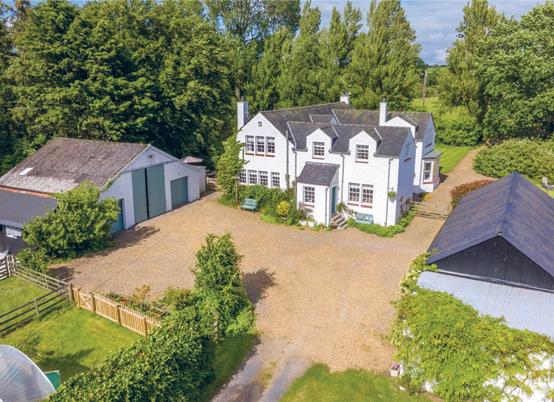
SOUTH AYRSHIRE
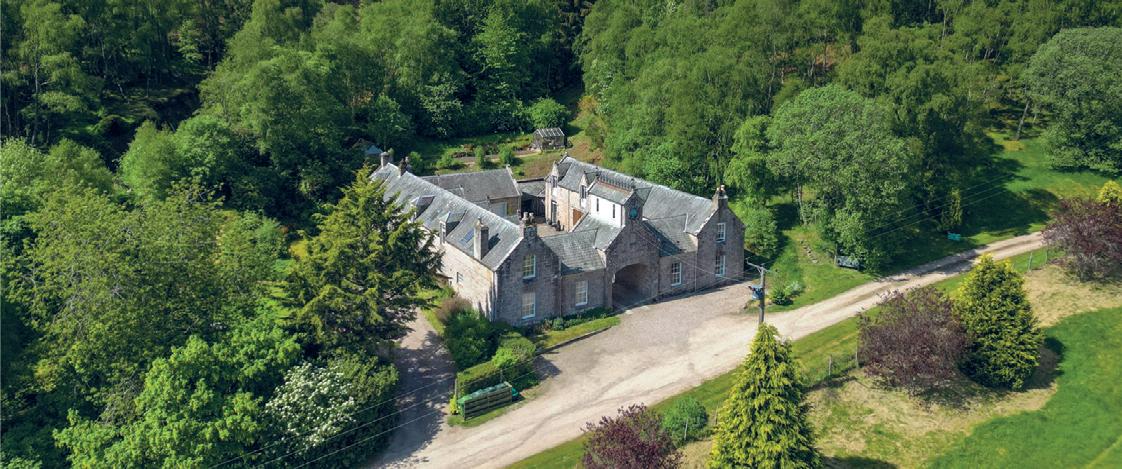
Ofers Over £570,000
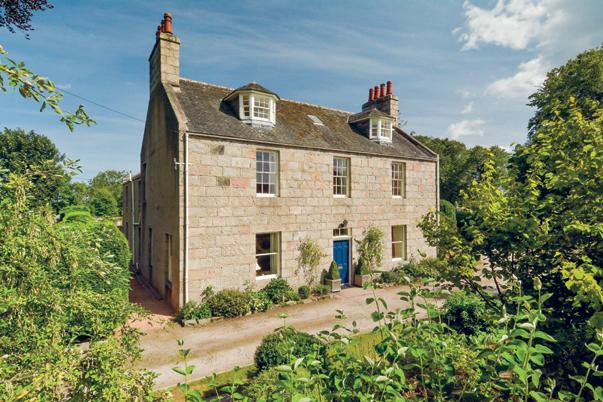
ABERDEENSHIRE
Ofers Over £750,000
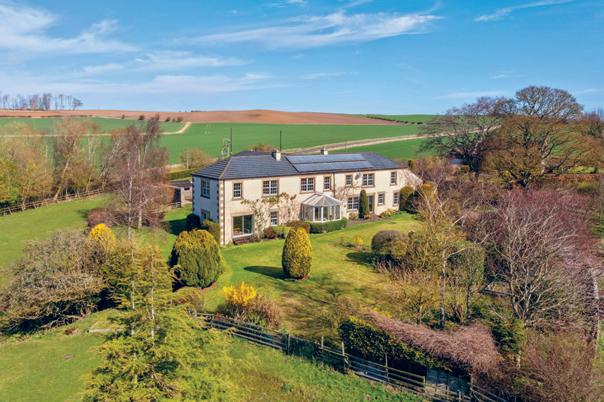
Ofers Over £795,000
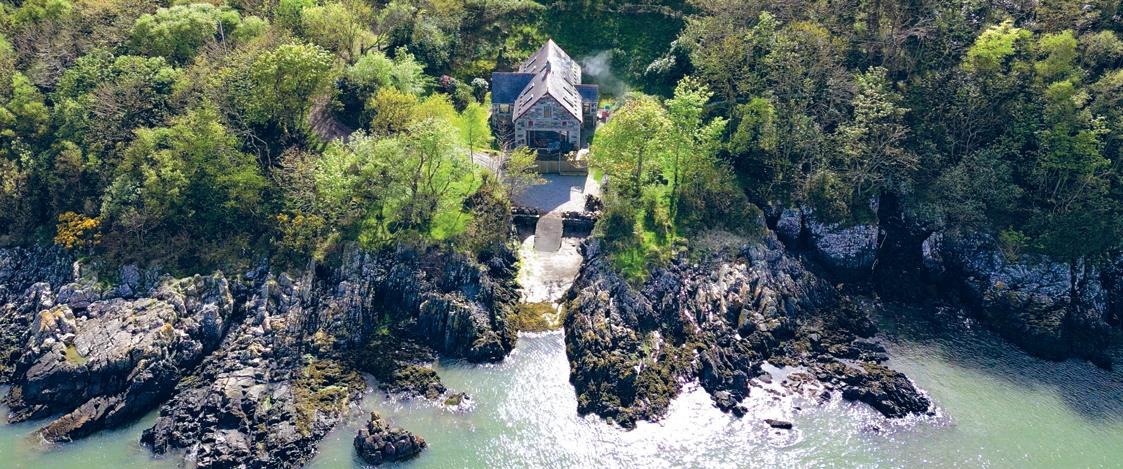
DUMFRIES & GALLOWAY
Ofers Over £650,000
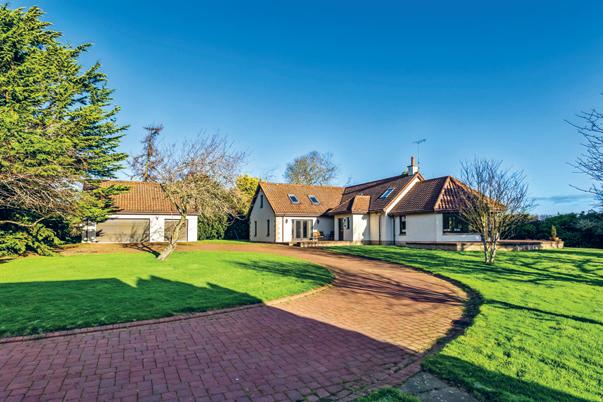
Ofers Over £695,000
Ofers Over £1,100,000 SOLD SOLD SOLD
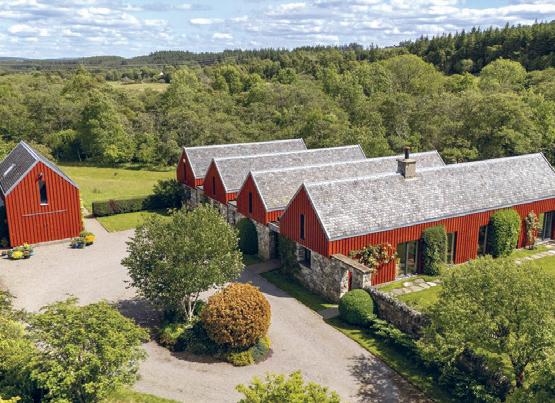
HIGHLAND
Ofers Over £950,000
SOUTH AYRSHIRE
Ofers Over £595,000
Ofers Over £1,650,000 SOLD SOLD SOLD
PERTHSHIRE
Ofers Over £625,000
Ofers Over £1,450,000 SOLD SOLD
PERTHSHIRE
Ofers Over £1,100,000
NORTHUMBERLAND
Ofers Over £2,300,000
Ofers Over £850,000
Ofers Over £380,000 SOLD SOLD SOLD SOLD
PERTHSHIRE
Ofers Over £795,000
SCOTTISH BORDERS
Ofers Over £365,000
Ofers Over £800,000 SOLD SOLD SOLD
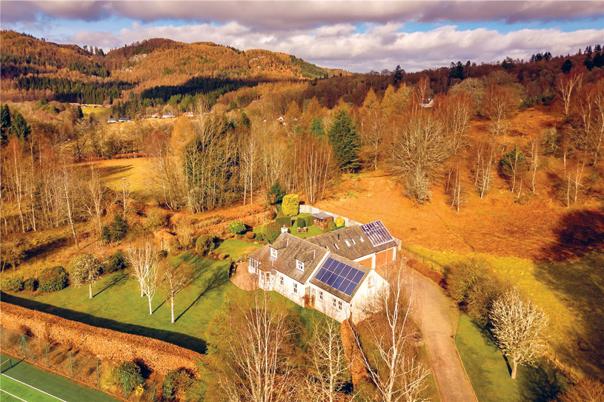
PERTHSHIRE
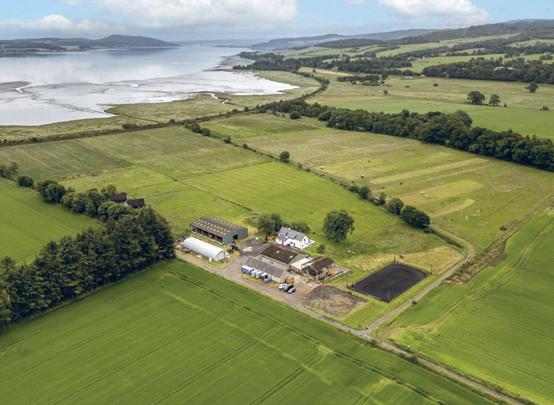
HIGHLAND
Ofers Over £795,000
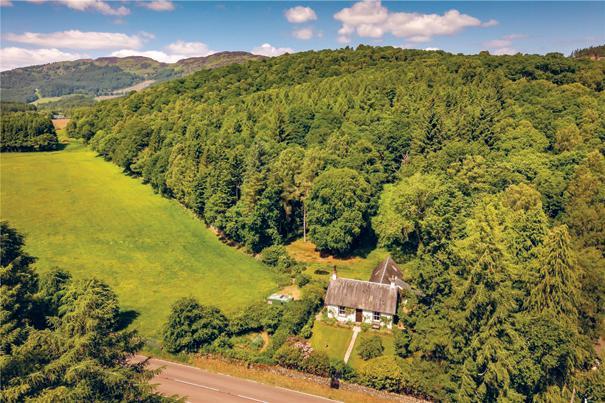
PERTHSHIRE
Ofers Over £450,000
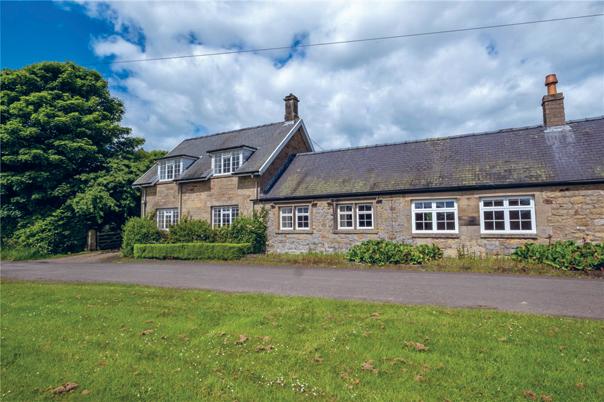
Guide Price £600,000
Ofers Over £420,000 SOLD SOLD SOLD SOLD
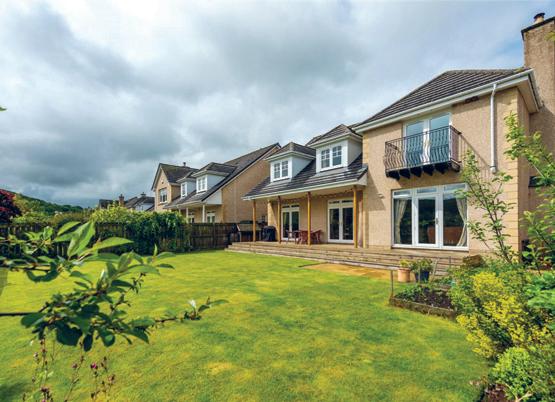
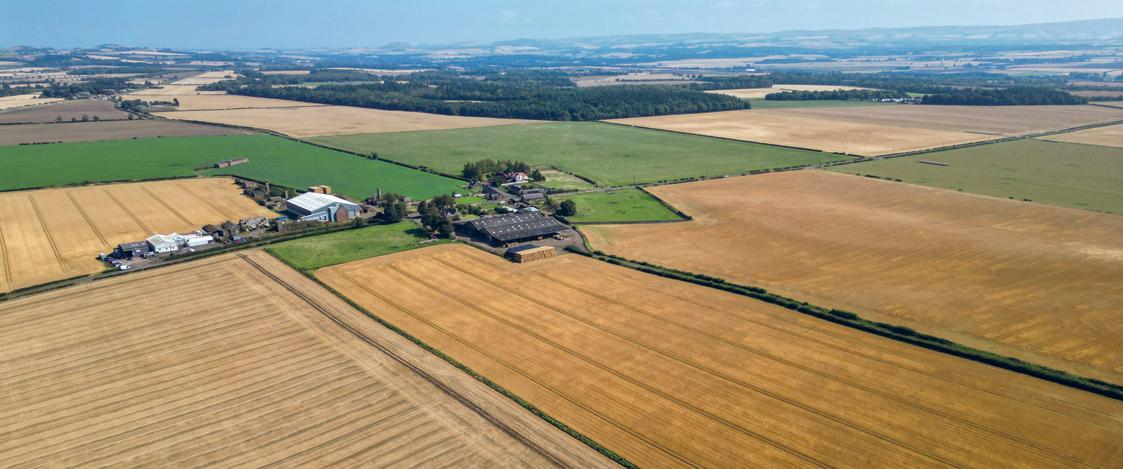
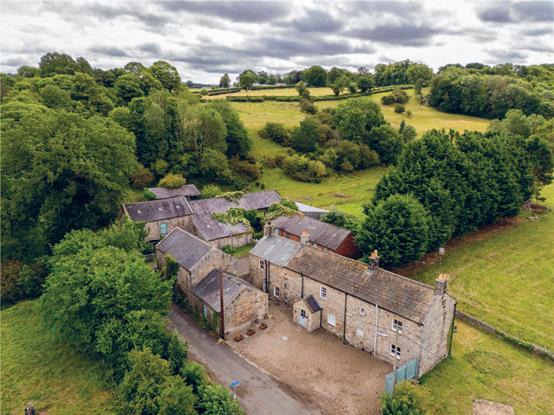
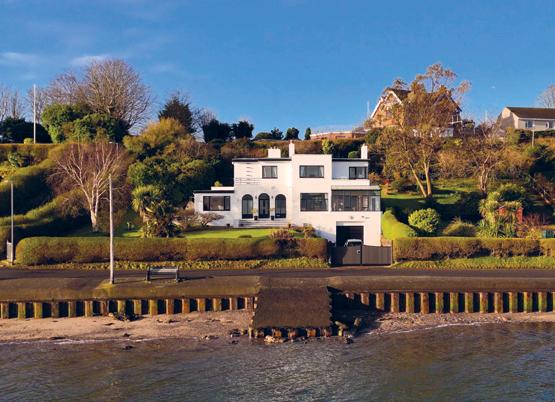
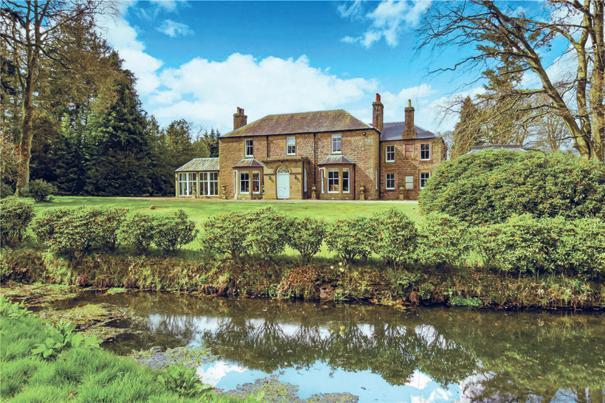
PERTHSHIRE
Ofers Over £750,000
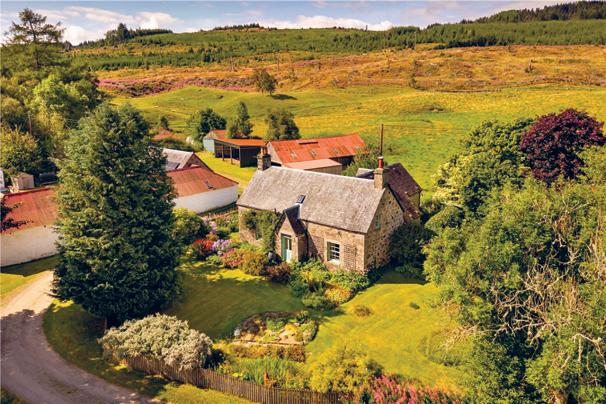
PERTHSHIRE
Ofers Over £500,000 SOLD SOLD
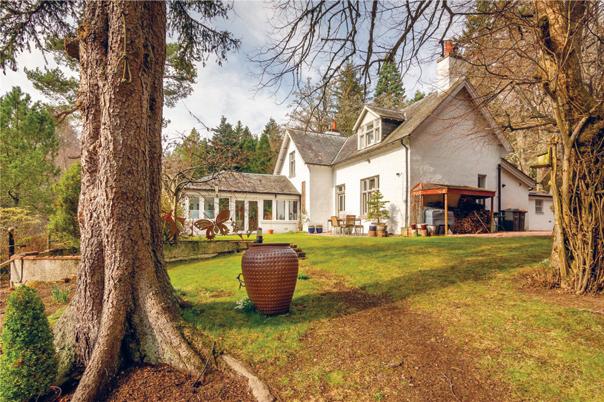
ABERDEENSHIRE
Ofers Over £580,000
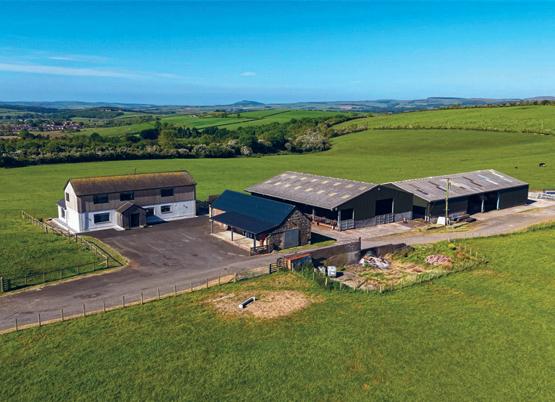
SOUTH AYRSHIRE
Ofers Over £2,110,000 SOLD SOLD
Our Commercial Property Showcase highlights our key commercial sales over the past 12 months.
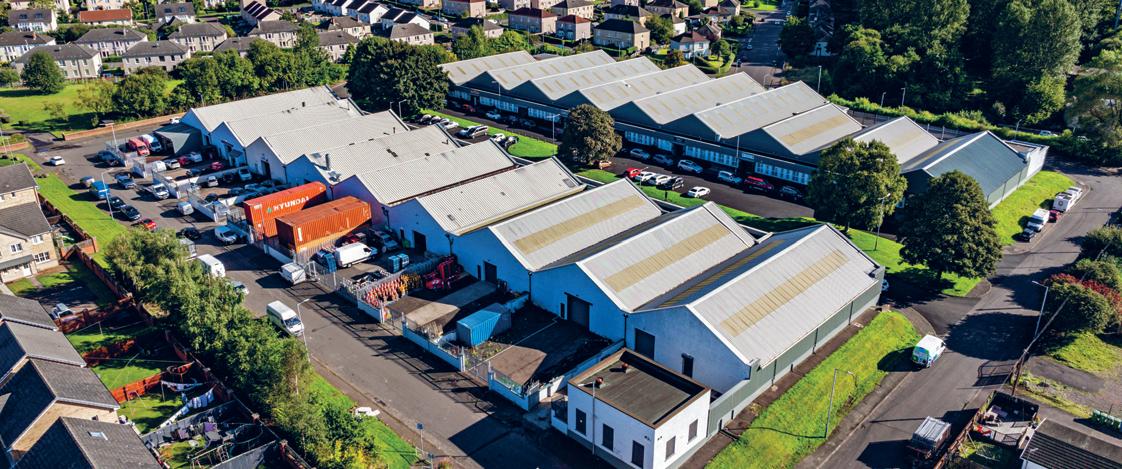
Carntyne Industrial Estate
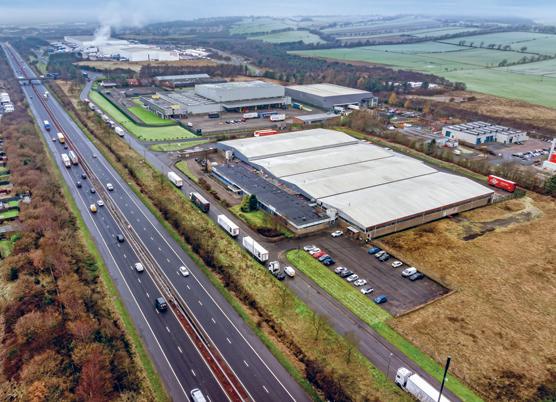
£6,820,000 / 10.03% NIY
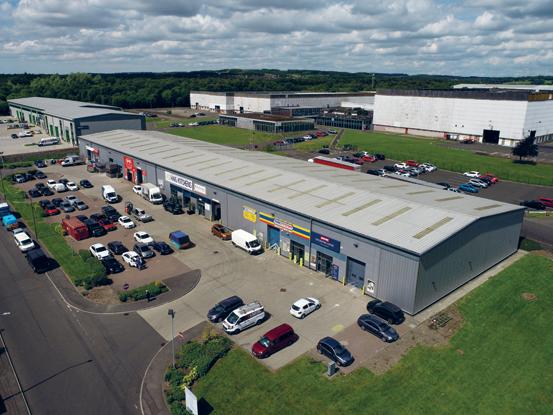
Malt Industrial Portfolio
Circa £26,000,000
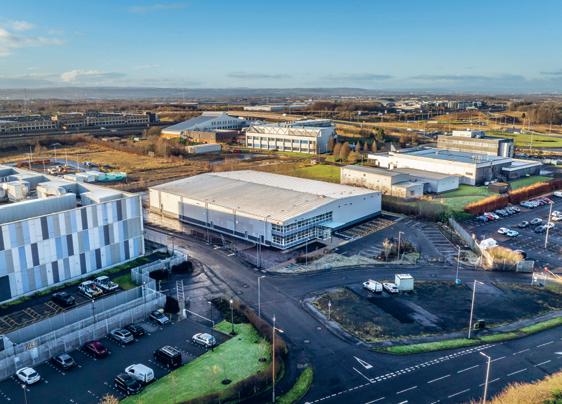
/ 6.70%
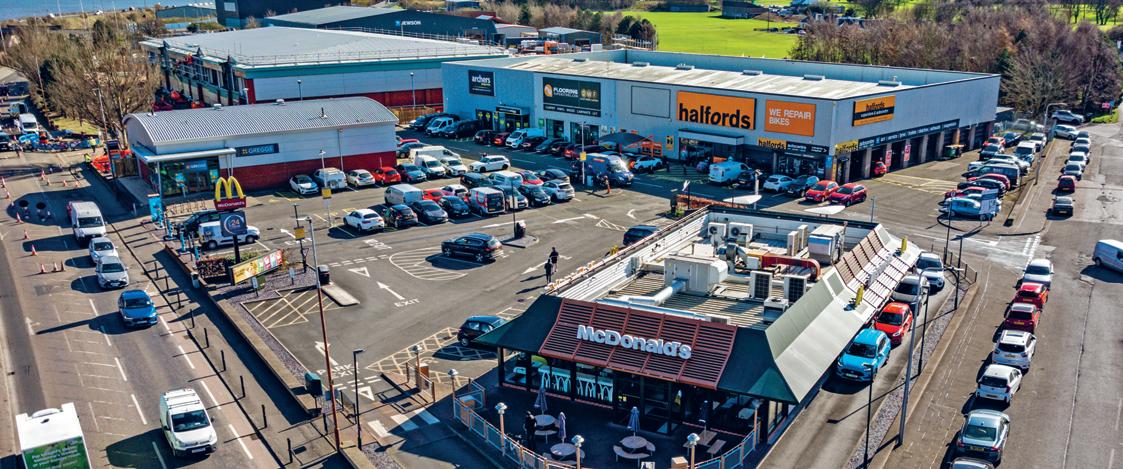
EDINBURGH
Seafeld Retail Park
£5,730,000 / 7.00% NIY

EDINBURGH
Charlotte House, South Charlotte Street
£11,400,000 / 7.00%
ACQUIRED
Royal Mail, Gateway House
£6,730,000 / 10.87%
What works well in practice, may not sit well on paper, Rachel Russell reports.
The belt-and-braces approach to recording land rights may sometimes feel like overkill, seem an unnecessary cost, but there are benefts to having formalised rights.
Informal arrangements are often practical, evolve over time and can be hassle-free, until the rights need to stand on their own merit, away from the nuances of the informal deal struck between two parties. With our service ofering, we often come across scenarios where informal arrangements have an unexpectedly adverse and unwelcome impact on value for our clients.
To provide context, we have highlighted recent scenarios which have come across our desk since the turn of the year, and themes that often arise, which could have been avoided through careful management at the outset or prior to the point of valuation, purchase or sale.
We recently valued a renewable energy asset portfolio for potential purchase purposes. Te assets had been operating for well over a decade and to date, the cabling arrangement from generation to export to the grid had served its purpose well.
Having made our due diligence enquiries, it transpired that some of the cable runs between the operating assets and the grid network crossed third-party land, but there were no formally documented rights for this apparatus.
Although it works well in practice, the circumstances present risk, as ‘ransom’ payments could be sought, or a request made to remove or re-route the cabling which would come at a cost and was unknown at the date of valuation. Although rights, if uncontested, can be formalised by prescription through the passing of time, there is a sustained risk until the 20-year milestone, when rights that can be obtained by virtue of prescription, is surpassed. Our assessment of market value, therefore, refected the risk associated with the uncertainty this presented.
Our assessment of market value, therefore, reflected the risk associated with the uncertainty this presented.
Ancillary rights required for development can carry signifcant value and, in some circumstances, can present a risk for the grantee but an opportunity for the grantor. Examples include subsequently negotiating and formalising additional rights of access to allow a developer to construct the boundary of a sub-station, a right which could have been tied into the initial land transaction had the developer acknowledged the need for this at the outset. We have also negotiated drainage servitudes for residential developments where the developer is presented with no or few alternative options and negotiated variations to existing rights to accommodate additional development where the variation is the last hurdle in the scheme planning process. Sums negotiated can be considerable, and indeed in some circumstances, into the millions.
A common area of our practice is to advise on formalising rights retrospectively, which often comes at greater expense to the benefting party than negotiating and formalising rights in advance or before a trigger point, for example coming to the market. Similarly, we have assisted with formalising rights on behalf of parties who have allowed a right to be exercised informally and free of charge where they have since realised there is value in the right and that it should be formalised.
Where rights are not formalised, this can often lead to additional cost and delay, or reduction in value to refect the associated risks, so there is merit in taking advice to mitigate against the impact of informal rights which can work well in practice, but do not sit well on paper.
Don’t hesitate to get in touch if you’re concerned you may need to secure your rights or any third party rights over your property.

Rachel Russell Partner

In this conversation for The Blueprint, Paul Schofield of Galbraith’s forestry team sits down with Partner and Head of Building Consultancy, Peter Scott Aiton to explore life and work at Legerwood — his family's long-established mixed farm in the Scottish Borders that has evolved over more than a century.
Combining arable and livestock farming with woodland management, diversifcation and a clear focus on sustainability, Legerwood ofers a compelling example of how modern rural businesses can balance productivity with environmental responsibility. Drawing on both professional expertise and personal experience, Peter refects on the realities of integrating farming and forestry, the role of diversifcation, and the importance of long-term thinking in an ever-changing landscape.
Paul: Tell us briefy about Legerwood – how do you farm and what makes the place tick?
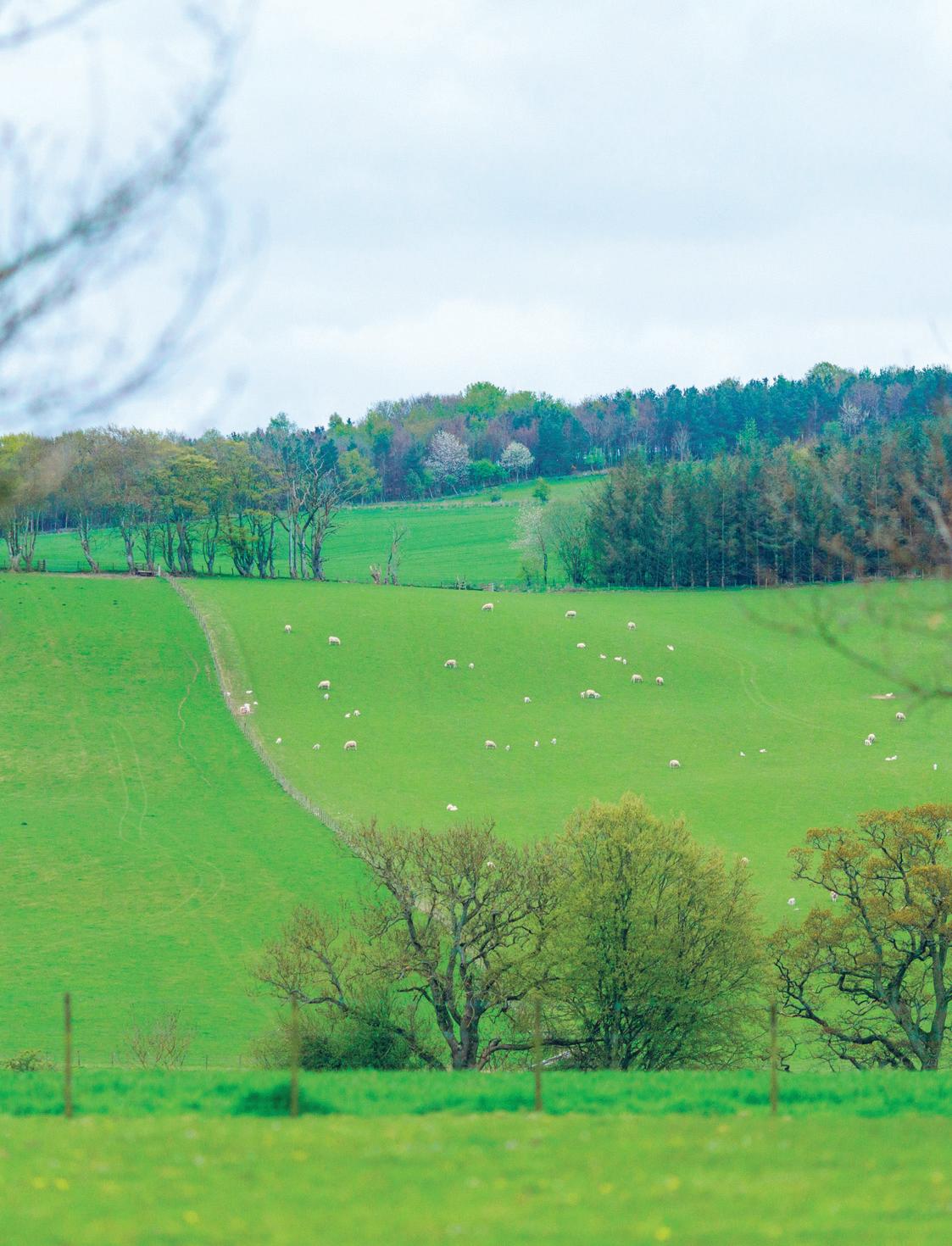
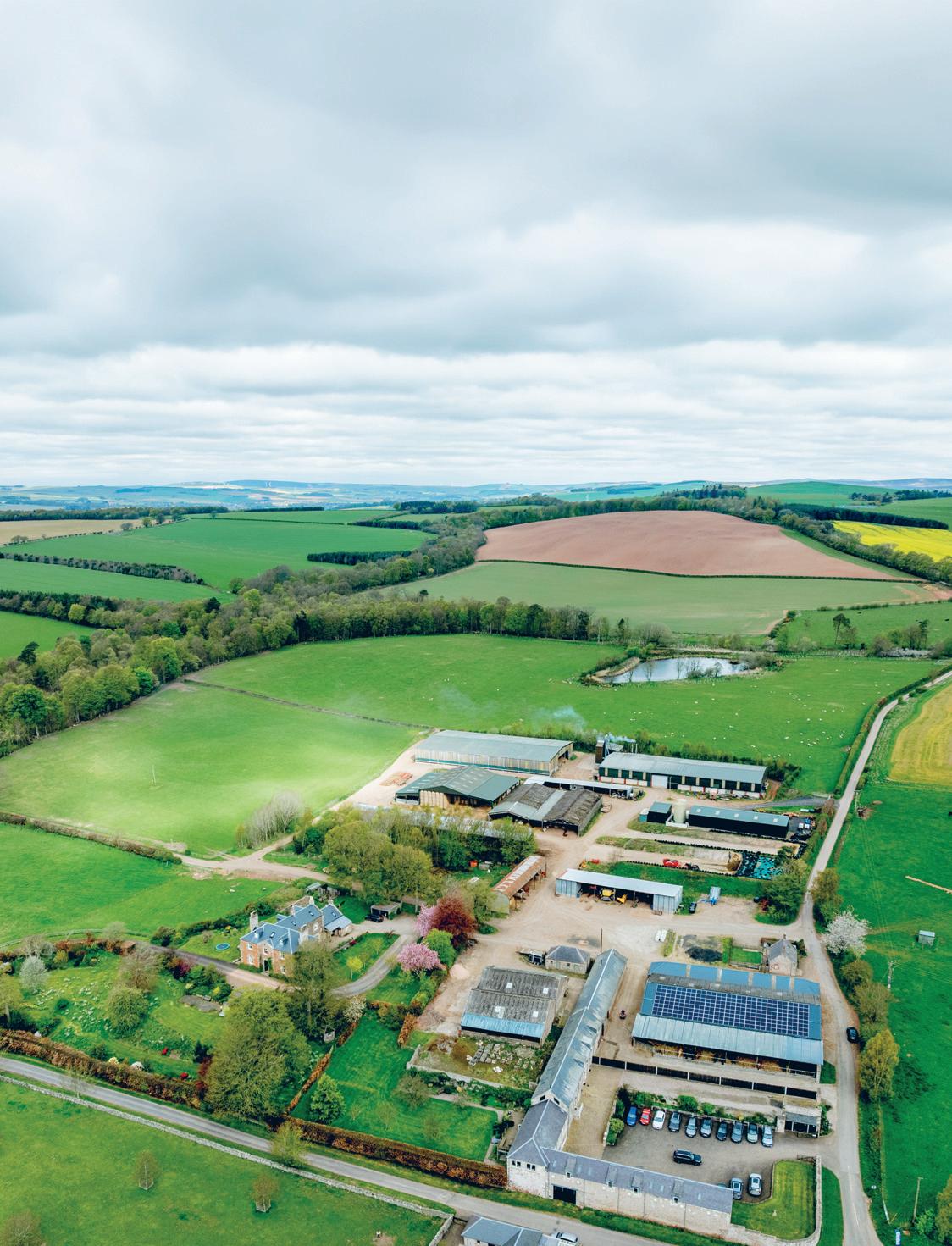
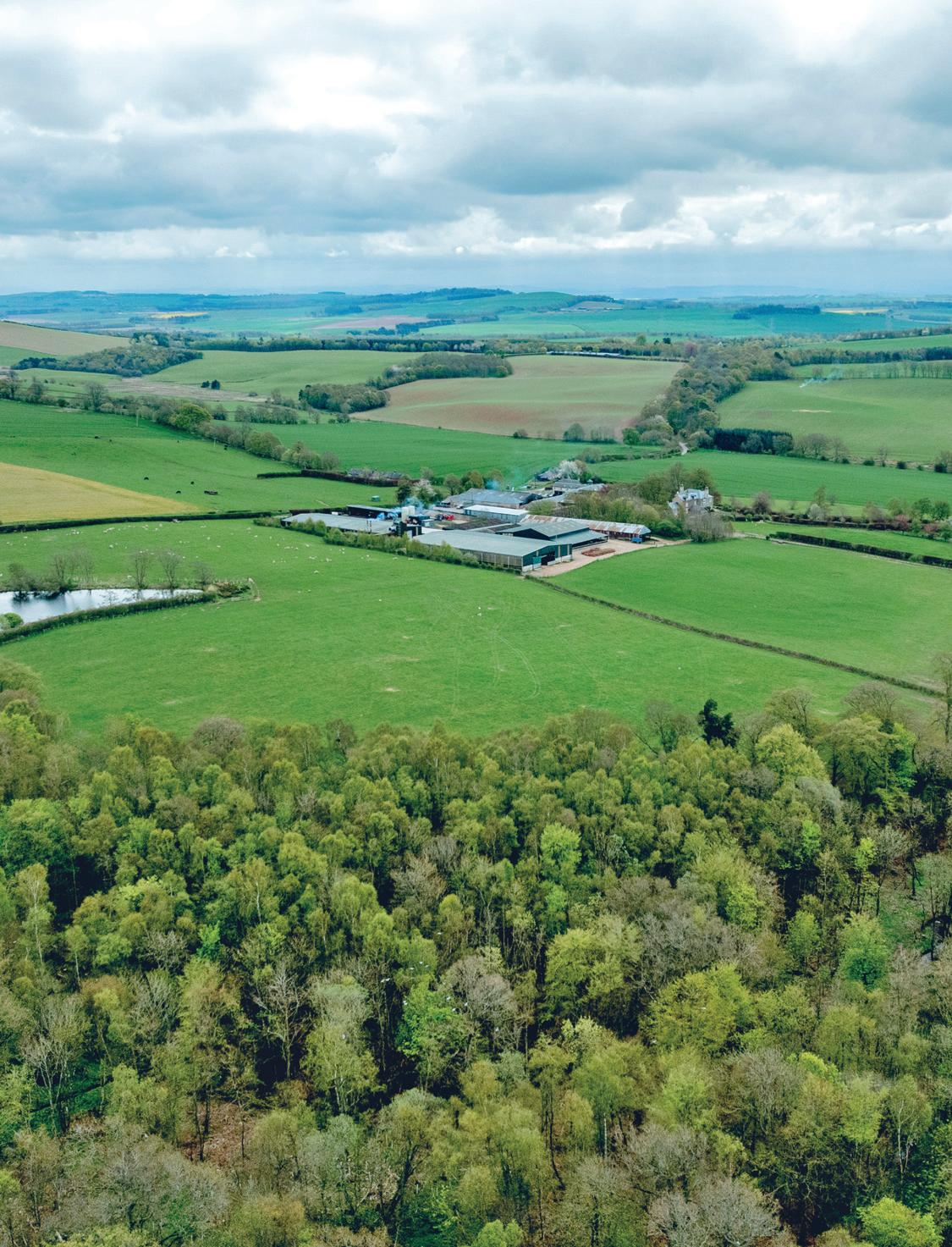
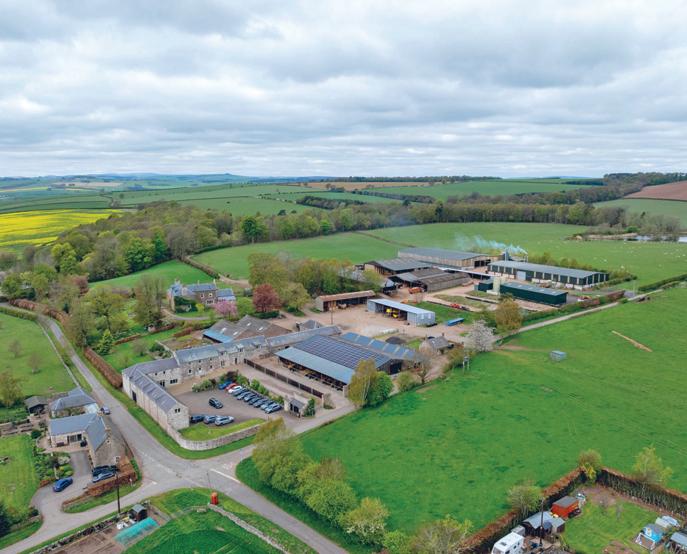
Peter: Legerwood is, in our opinion, a true mixed farm, and that is exactly what makes it tick! We have 360 hectares of the farm in our arable rotation. Te arable rotation runs over a 12-year period and includes three years’ ‘rest’ in a productive grass and clover lay. Cereal crops in the arable rotation include winter wheat, winter barley, winter oats, winter oilseed rape, spring barley and spring arable silage (peas, oats and vetch). We also have a productive grassland rotation over 230 hectares of the farm; this land runs as fve years of productive grass and clover lay and then a year of kale as a break crop before being reseeded back to grass and clover. We have 60 hectares of permanent grass, largely managed under AECS schemes.
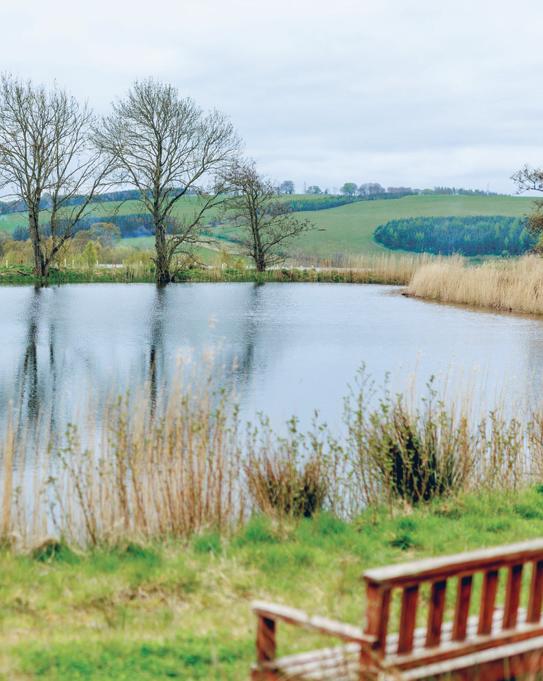
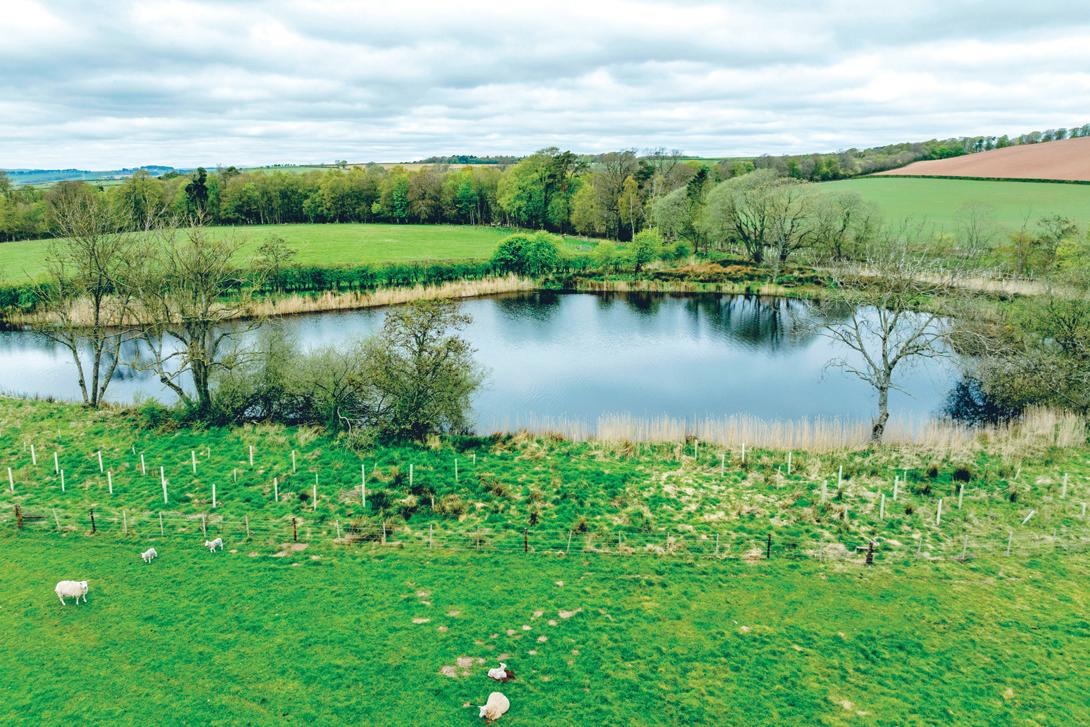
Te name Legerwood is believed to originate from ‘the wood in the hollow’ as we have a wooded ravine with a burn running through the centre of the farm, and the farm benefts from a total of 80 hectares of woodland; this is spread throughout the farm and has been enhanced by each generation. In addition to the woodland, we have 15 kilometres of hedges and rising!

Over the last 15 years we have diversifed the farm to now include 11 bedrooms for short term let accommodation focused on large family gatherings and shooting parties, 980 kilowatts of straw and wood burning biomass (drying grain and heating nine properties), and 60 kilowatts of solar electric. Perhaps the biggest driver of diversifcation has come from my role as a Building Surveyor at Galbraith; there is no doubt that this has assisted with what we have achieved at Legerwood.
Te live debate surrounding woodland creation and food security seems to centre around the challenge of balancing climate change mitigation through tree planting with the need to maintain productive farmland. While some argue that planting trees on farmland can enhance resilience by improving soil quality, reducing wind erosion, ofering shade for livestock, and creating alternative income streams, others worry that large-scale conversion will reduce output and increase our dependency on imports. Tis is often framed as a battle between farming and forestry in which the aims of both are diametrically opposed, but surely there is room for a balanced approach
u We have 360 hectares of the farm in our arable rotation.
that integrates both aspects when circumstances allow.
Paul: How do trees ft into the picture at Legerwood and what are the potential trade-ofs?
Peter: Legerwood is a business, a family home, a community, a visitor destination, and part of the Scottish Borders landscape. It's our duty to balance these demands and we are privileged to have this responsibility. I believe that the trade-ofs you refer to come down to balance rather than extremes.
Te land we farm demands a mixed farming approach to run a successful business, and as a family we have successfully run it for 105 years. Trees at Legerwood enhance the landscape, increase biodiversity, produce wood fuel and shelter and shade livestock and soil. As a family we value their wider contribution and understand that returns must be looked at with a holistic long-term view, and less on a year-to-year basis navel gazing the farms’ woodland proft and loss! Te woodland benefts from the success of the wider business, and the wider business benefts from good woodland and hedgerows.
Paul: Te area of woodland on the farm is substantial. How much timber harvesting takes place and how proftable is it in practice?
Peter: Over the last ten years we have harvested timber on a woodland management priority basis every three years, to produce a bufer of biomass timber for when we don’t have enough straw to fuel Legerwood’s heat demand. Tis has generally been clear felling or thinning conifer blocks to suit woodland management. Te best quality timber is sold to assist with paying for harvesting operations and restocking, whilst the poorest quality timber is retained. Recently we have been taking out ash die back in our mature mixed hardwoods. Tis has been sold for frewood, as we took the view that we needed to deal with the ash whilst it was safe to do so. Due to scale, the harvesting operations are not proftable in isolation; there does not ever seem to be enough proceeds to cover the fence repairs and restocking! Tat said, there are diferent ways of valuing the retained timber, and I personally don’t think you can put a price on our self-sufciency for heat. Tere are nine properties and a grain drier at Legerwood u
This requires a real mix and the inclusion of species such as hemlock for shelter and ground cover, snowberry for flushing points etc.
that no longer need oil deliveries. Sheltering the business and Legerwood residents from the volatility of energy markets has proven invaluable over recent years. Not to mention the fact that the warm houses we now live in are a far cry from the freezing farmhouse I grew up in!
Paul: Tere have been various initiatives over the years to create wildlife habitats and improve biodiversity across the farm. How do you see nature friendly farming developing at Legerwood in the future?
Peter: We have been fortunate to have benefted from historic woodland as well as Mum and Dad’s early adoption of environmental schemes and woodland creation. A true mixed farming system will always be more nature friendly, and I would say Legerwood has been a ‘regenerative’ farm for at least the last 105 years! Tat said, there is always more we can do and new thoughts and initiatives that drive what is next. It's my job to balance the demands of the business and nature going forward. I fnd the biggest challenge in this regard is being able to make the longer-term decisions without penalising our business and farming operations when it comes to government regulation and support. Whilst
u I believe that the farm must focus on what the UK consumer wants and strive to be as self-sufcient as possible.
we are starting to see some clarity for the next fve years, I am sure you will agree that trees and biodiversity need to be viewed over a much longer time horizon. I am acutely aware of the fact that if my generation is going to make its mark on the woodland and habitats at Legerwood, then I can’t keep waiting for government-backed schemes that suit what we know would beneft Legerwood. For the last three years we have set an annual budget for tree and hedge planting and committed to planting each February. We have also benefted from the Tweed Forum Borders Tree Grant Scheme, which is ideal for planting up small areas and feature trees. It’s become a real focus, especially for Mum and Dad, to fll the void of the shooting season ending and spring arriving!
I believe that the farm must focus on what the UK consumer wants and strive to be as self-sufcient as possible. Tis will undoubtedly mean that we continue down the nature friendly farming route, but some longer-term clarity from government would certainly enhance what we can achieve and when. I would like to see focus on educating the consumer, so that they appreciate that British farming is producing a nature
friendly premium product. It is not sustainable to expect us to compete against global agricultural produce prices when we are playing with a diferent set of rules. Educating the consumer is a ‘third aim’ of our accommodation ofering at Legerwood, we ofer free farm tours in an attempt to show our customers the exceptional standards we work to. If they don’t see what we do to balance nature and farming, then why would they pay a premium?
Paul: You have talked about how the pheasant shoot is an important tradition on the farm. In your experience, what makes a good shoot woodland?
Peter: Shooting is a big part of the winter and community at Legerwood. It is not a big or commercial shoot, it's simply a hobby and passion. Again, it's about balance in my mind, and it's managing this balance that stops us from becoming anything more than a family farm shoot. Tere is no doubt that it is a signifcant driver for the woodland management and creation of wildlife habitat around Legerwood. Mum and Dad have planted some fantastic mixed woodland that is now maturing into somewhere that benefts gamebirds, songbirds and all other wildlife. I feel the frst priority for good shooting u


u What emerges from this discussion is a clear and consistent philosophy.
woodland is diversity of species. For me, it’s key to have natural food sources, shelter, good roosting areas, and the correct cover at fushing points. Tis requires a real mix and the inclusion of species such as hemlock for shelter and ground cover, snowberry for fushing points, etc. Again, these mixed demands perhaps make our woodland less commercially viable, but that depends on your personal view as to what woodland should be returning!
Paul: What about the supposed benefts of trees in terms of resilience? Are these benefts overstated by people like me or do they ofer real value in the future for livestock farms?
Peter: Te extremes of weather we now see are really pressing home the benefts of our trees and hedges. Te livestock have really needed the shade during the hot dry summers we have recently experienced. We out-winter all our breeding sheep and suckler cows, and trees and hedges provide great natural shelter. We have also double fenced and planted hedges or woodland around our whole farm boundary, which benefts our closed fock and herd, and prevents nose-to-nose biosecurity risks associated with any neighbouring livestock that we don’t control.
One slight issue we have is the diversity of our rotation, meaning that felds have to be well suited for both livestock and crops. We have to manage woodland edges so that the felds can be worked by large machinery, and we need to fnd the compromise between shelter for livestock and not overly shading arable crops. One management tool I have
used is the introduction of diverse grass and herb strips alongside woodland and hedgerows. Tis means we are not trying to grow arable crops in shaded feld edges, and it also signifcantly enhances the felds’ ofering to nature. We have seen grey partridge numbers build for the last fve years at Legerwood, and I would largely put this down to margins and winter cover crops in felds that would have traditionally been winter ploughed.
Paul: What motivates you to keep farming and what are your aspirations for the future? For example, can you see a place for silvopastoral agroforestry systems?
Peter: I was lucky enough to grow up farming at Legerwood, and it's very much in the blood and the foundation of our family life. It’s a passion, our home, and a business, and those three things fuel me on a daily basis. Te last ffteen years has been about diversifying the business and refning farming practices to suit generational change. Mixed farming is always busy and it’s certainly not for those that want an easy life! I believe that UK mixed farms have a great future to deliver quality food and nature resilience. I aspire to strike the balance between output and nature at Legerwood. Tis balance will look very diferent for each unique area of land and farming system. Tat is why I believe that government must provide fexible tools that allow those who understand the land around them to manage it as they know best.
Perhaps there is a place for silvopasture in our permanent grassland going forward. At
this stage I feel there is so much more we can still achieve by adding additional hedgerows, planting up awkward bits of feld and creating additional water features. Without clarity of how the business will be rewarded for more extreme biodiversity improvement, we must be careful to work within our means. As I have alluded to a couple of times, balance is key for me, not extreme and sudden changes. Tis mantra has served four generations of mixed farming at Legerwood well to date, and hopefully we can instil it in the ffth generation!
What emerges from this discussion is a clear and consistent philosophy: that successful land management is not about choosing between competing priorities, but about fnding the right balance between them. At Legerwood, that balance has been shaped over generations through careful stewardship, openness to change, and a deep understanding of the land itself. As the pressures on rural businesses continue to evolve, this measured, integrated approach ofers a thoughtful model for the future of farming and forestry alike.

Peter Scott Aiton Head of Building Consultancy
0131 240 6960 edinburgh@galbraithgroup.com

Paul
Schofield Senior Associate
01738 451 111 perth@galbraithgroup.com


Up until recently our English cousins would look at the Scottish house buying system with great envy, based on the view that ‘Scottish ofers’ were binding from the point of ofer. The perception was also that in Scotland no ofers ever fell through due to property chains, a problem that has such a hold over the system of buying and selling.

Dominic Wedderburn Senior Associate
Today, when an ofer for a property is accepted ‘subject to sale’, it is often only the start of the purchasing process. Typically, a chain of perhaps four sales is required to settle to allow the requisite funds to be released to fnance the purchase of a client’s house. Whilst bridging fnance may be used by one or more buyers in a chain to expedite the process, it is very expensive to fund and often is rejected as an option by buyers.
A further consideration for purchasers is that Additional Dwelling Supplement (8% of the purchase price) is required to be factored into the purchasers’ costs, in addition to the ‘Stamp Duty’ (known as Land and Business Transaction Tax, or LBTT, in Scotland).
Below is an illustration of the costs a purchaser might face to buy a typical country farmhouse in Scotland for £700,000, as an additional residence. In this example the purchaser intended to secure a home in their preferred area in advance of relocating once their children reached school age. Te fgures are based on a bridging loan of £525,000.
Te primary driver for this being that a buyer is often reluctant to list their property for sale until they have found a property to buy or, similarly, they are on the market themselves, but have not yet identifed a buyer (or if they have, that buyer is on hold waiting for the seller to identify a property).
It’s the classic ‘chicken and egg’ scenario. At Galbraith we work with our clients and buyers to try and strategise and plan each scenario, which inevitably difers property to property.
Tis does add complexity for clients and buyers at all stages of the property lifecycle, from downsizers to family movers. Whilst often seasonal, this potential inertia has a major economic and social impact on the Scottish property market and the wider economy, as sellers and buyers delay any decision until they are in a position to move.
First-time buyers introduce liquidity and often act as the ‘white knight’ at the bottom of a chain who can help expedite the process for all parties. Te ripple efect of improving access to home ownership benefts people across all price bands and at every stage of their lives. A properly functioning housing market is notably good for society and the economy.
A signifcant contributory factor is the tax structure implemented in recent years by the Scottish Government. It is noteworthy that in the example opposite in Scotland, the tax payable is £99,350 while in England the tax payable on the same transaction would be £60,000.
Tis illustration shows that the amount of tax required to be paid is £99,350, in addition to a 25% deposit, which in the above case would be £182,000. Tis means, along with the ADS, LBTT, bridging fnance deposit and fee they would have to produce £281,350 to be able to make the purchase. If bridging fnance was utilised, the purchaser would then need to make the monthly bridging fnance payments of £2,750 to £5,250.
Te family would have 36 months to sell their current home and reclaim the ADS of £56,000.
Te result of the combination of tax, ADS and purchasing costs is that most ofers are now made ‘subject to sale’.
One of our clients, Sarah Bond, sold their home in Fife recently, but getting to the fnal hurdle of ‘completed missives’ was no easy task.
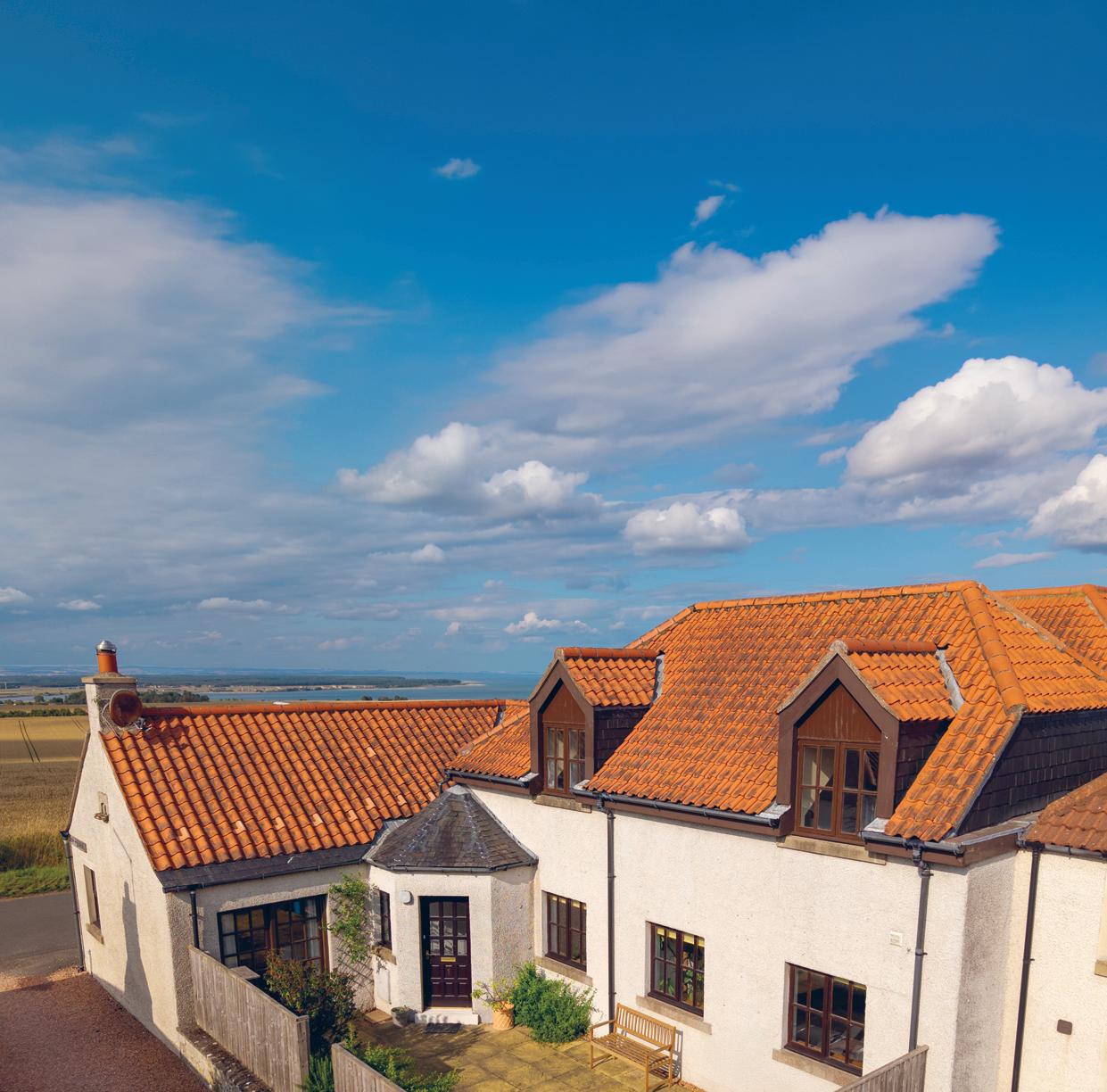
Te property, 1 Anderson Place, is in a superb edge-of-village setting just three miles from St Andrews and ofers lovely views over the Eden estuary and St Andrews Bay to the Grampian mountains beyond.
Despite signifcant interest and no shortage of prospective purchasers, the sale fell through twice, due to chains collapsing. Te house successfully sold third time round, to a frst-time buyer.
Chains are now an increasing feature in the Scottish property market. Tis makes it even more vital that when selling property the client uses a proactive estate agent who understands the process. An experienced estate agent will dig into the detail of the chain and speak to other agents involved, to gain a better understanding of prospective purchasers and their circumstances. Tis allows management of risk, in terms of calculating the likelihood of the deal being successful. Unfortunately, it is not a precise science and there are a multitude of practical, fnancial, and personal factors at play.
It is no longer enough to just accept the often-used phrase that ‘houses in my area sell very quickly’ – the market today is far too complex to rely on the optimism of previous years. Keeping the lines of communication open between other solicitors and agents in the chain, plus providing sellers with reliable and up-to-date information on the likelihood of an ofer being converted to a completion, is key.
Sarah Bond, previous owner of the property, said: “We were delighted to accept an ofer on our home in a short space of time, only for the buyer to pull out, as their properly had not sold.
“We went back on the market and again accepted an ofer within weeks. But once again, the buyer found they could not proceed, because their buyer was pulling out.
“It is heartbreaking to have one’s hopes raised and then dashed, twice! We were guided and well advised by the team at Galbraith but it is enormously stressful and you simply cannot think about anything else. I would welcome any new policy that can be brought in to make the whole process easier, for buyers and sellers alike.”
We were delighted to accept an ofer on our home in a short space of time, only for the
buyer to pull out, as their properly had not sold.
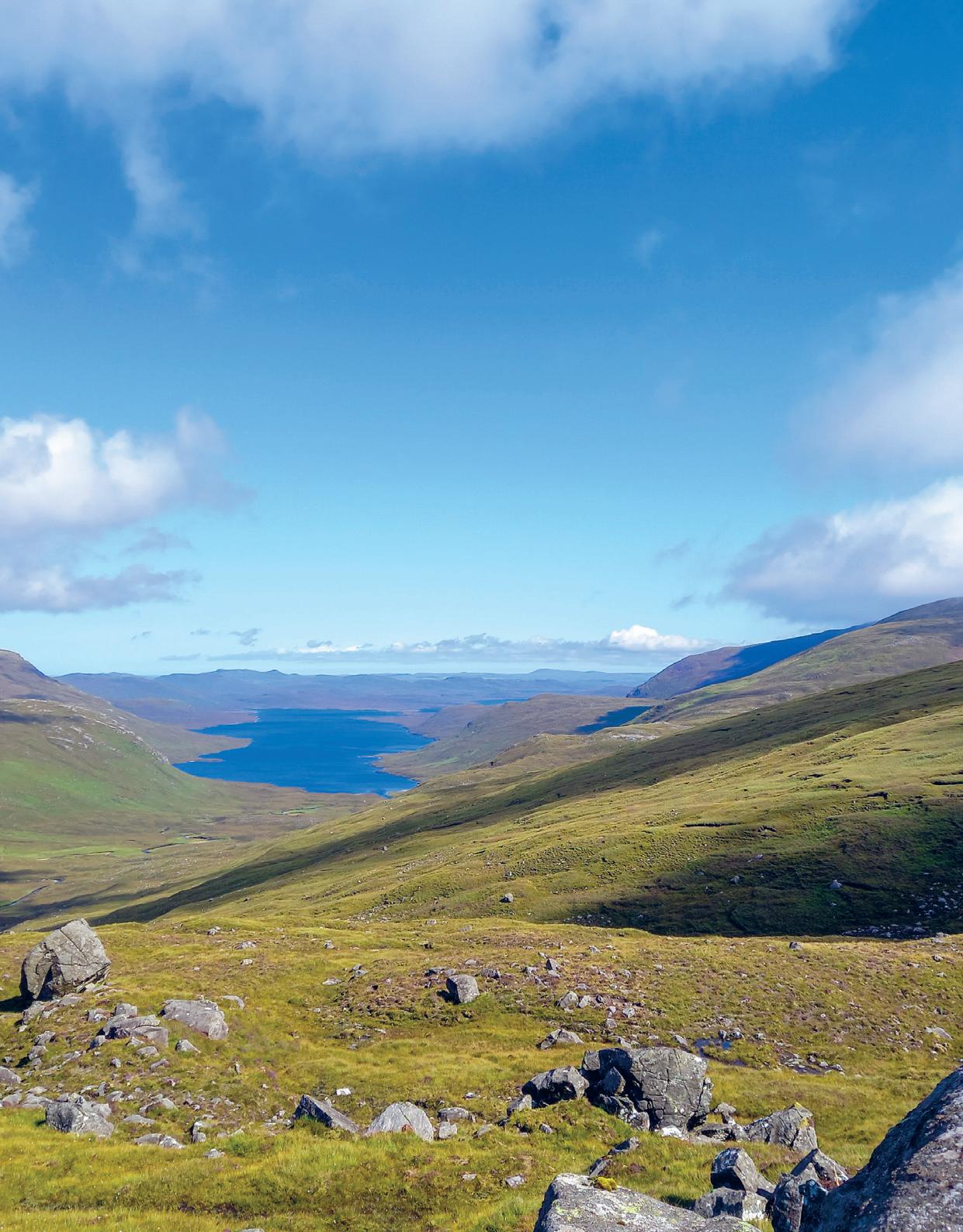
Highland estates are often seen as aspirational assets, from which owners can enjoy a luxurious lifestyle and indulge in outdoor pursuits.
Story: Dougal Lindsay & Claire Acheson
But the day-to-day running of estates comes with many challenges and everincreasing administration and bureaucracy. In this article we discuss just some of the matters we are seeing estate clients faced with on a daily basis and where opportunities can be found.
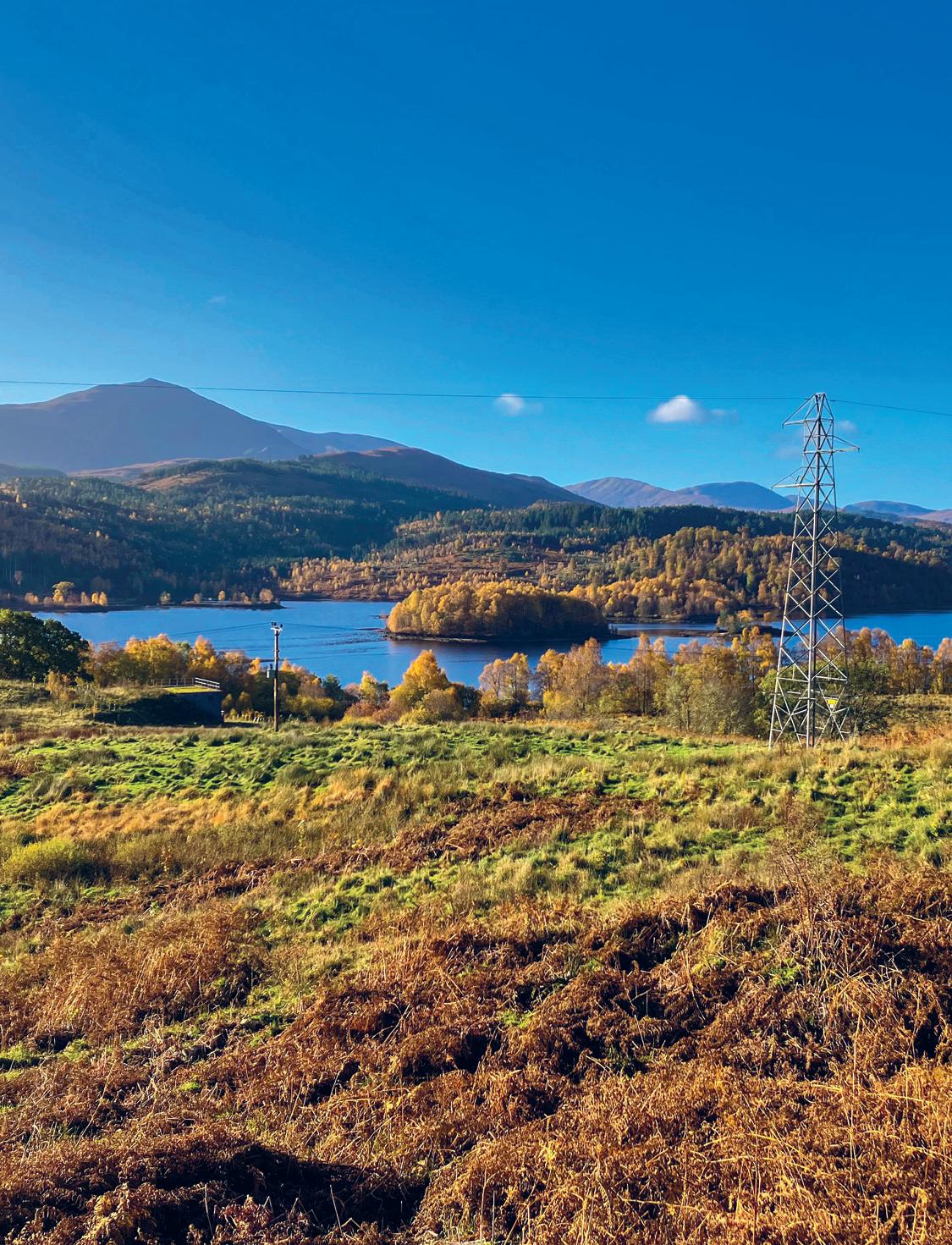
Tere is currently signifcant activity in this area across the Highlands. Major projects include the Skye Reinforcement (between Skye and Fort Augustus), Spittal-Loch Buidhe-Beauly 400kV line coming down the east coast, and Beauly –Blackhillock 400kV line. In addition, there are numerous smaller projects required for connecting renewables developments. Te volume of activity means that very few landowners are unafected by such works.
For those afected by major projects in particular, the disturbance can be signifcant and long-lasting, and the installation of large pylons can have a detrimental impact on the amenity and enjoyment of an estate as well as the potential for loss of capital value. Seeking professional advice at an early stage is vital to navigate the process of claiming compensation and minimising disturbance.
Opportunities can arise from these works. Contractors may require land for compound sites or laydown areas so in the right location landowners may be able to beneft from renting areas of redundant land for this purpose. Tere is also signifcant demand for housing for workers so estates could take advantage of renting vacant properties, or flling holiday cottages during of peak periods.
Developers will increasingly have obligations to provide compensatory planting or habitat management and
often have to enter into separate agreements with landowners not afected by the scheme in order to fulfl these requirements. In some cases, this can create possibilities to deliver woodland creation, peatland restoration or other biodiversity enhancement schemes under a commercial contract with a developer, where terms can be more favourable and potentially less onerous than delivering a project via a relevant grant scheme.
Compensatory planting or peatland restoration are not eligible under the Woodland and Peatland carbon codes, and accordingly developers may be willing to compensate for loss of potential future carbon income so it’s important that managers are familiar with the market and the opportunities and pitfalls.
Tere have been some signifcant changes to non-domestic rates in 2026 which afect estates and the wider rural economy. Te revaluation has brought about some substantial increases for certain property classes, most notably self-catering properties. Some properties have seen their rateable value increased by 200300%. Tese increases have pushed many estate owners above the qualifying thresholds for Small Business Bonus Scheme relief, meaning that many clients are incurring rates bills for the frst time.
Following signifcant pressure, the Scottish Government has brought in various reliefs in order to help businesses manage the impact of the revaluations. Tese include Transitional Relief, Retail, Hospitality and Leisure Relief, and Islands and Remote Areas Relief. It is important that businesses review their position and ensure they reapply for the Small Business Bonus Scheme where eligible to do so (even
if they have previously been registered for it), and claim any additional reliefs they may qualify for.
Te other major change afects sporting rates, for which the Scottish Government at its budget in January proposed to remove eligibility for rates relief entirely. Again, following signifcant pressure, it has rolled back on this slightly and there are now a number of circumstances under which businesses may still qualify for relief through the Small Business Bonus Scheme. For deer forests, relief may be granted where the shooting is carried out solely for environmental management, or to prevent damage to woodlands or agricultural land, provided that any deer taken are made available for human consumption as venison. For shootings, businesses can apply for relief where the shootings are on crofts, agricultural land or small land holdings, or where they are carried out only for environmental purposes amongst other criteria.
Tis is not necessarily a new issue. Securing good staf has long been a challenge for estates, particularly in more remote areas. But there have been a number of recent changes which have added to the challenges and potential risks for employers. Tese include increasing minimum wage thresholds and National Insurance contributions and the introduction of the Employment Rights Act 2025 which will introduce a range of changes to employment legislation, including ‘day one’ protections for employees and changes to SSP and redundancy procedures. Employers will need to ensure new contracts comply with the changes. u
On occasions it will be beneficial to use diferent providers for diferent insurances, so it is worth shopping around in order to try to secure the best value policies.
Housing also continues to be a challenge in relation to employment. Many areas in the Highlands have very little afordable housing available locally to attract employees to live ‘of estate’, and therefore tied housing is essential to be able to attract employees. But for estates which require higher numbers of staf to operate training enterprises or suchlike it is not always feasible to provide housing for all employees. Furthermore, we are seeing greater HMRC scrutiny of tied housing in terms of assessing employee benefts, and as such careful consideration should be given to how the provision of housing is set out in an employee’s contract to ensure it does not become a taxable beneft.
Insurance premiums have increased exponentially in recent years, adding considerable pressure to estate budgets. Unfortunately, this is a challenge that comes with little opportunity. Te only solution is to try to mitigate risk as much as possible. It is vital to ensure that sums insured are up to date through Reinstatement Cost Assessments, so that buildings are neither over nor under insured. Many owners have had to review cover for woodlands and forestry in particular and potentially restrict the cover held in order to keep premiums manageable. It is vital that any schemes under grant contract are prioritised as there would be a legal obligation to refence and restock these schemes in the event of fre or storm damage. Cover for large mansion houses or stately homes is becoming ever more onerous, and it is important to understand the conditions attached or restrictions applied to any cover and the potential cost of adhering to the conditions. On occasions it will be benefcial to use diferent providers for
diferent insurances, so it is worth shopping around in order to try to secure the best value policies.
Te various forms of rural occupancy agreements are a rural chartered surveyor’s specialist subject and form the bread and butter of a land agent’s day. Tere are multifarious types of property agreements covering residential, agricultural, commercial, leisure, utility and renewable energy spheres and the Government has a habit of tinkering with almost all forms of tenure, so it’s a fundamental requirement that estate managers are familiar with both current and evolving legislation. Having a strategic eye to managing a property portfolio or the component parts of an estate lettings business is important to help best position and protect an estate’s assets whilst helping the estate owners to contribute to community and national objectives of housing supply, agricultural and business opportunities and energy security.
Landownership and the politics surrounding it is an unending story, so being familiar with political thinking and direction of travel is important for estate managers, particularly for those that advise clients who may not be ordinarily resident in Scotland. Over the past fve or six years, we have witnessed a gradual transition in the profle and motivations of estate purchasers, with growing interest from buyers focused on rewilding, biodiversity and net zero objectives. Although transactional interest from investors in in this area has cooled from the highs of three years ago, many existing owners are expressing interest in reviewing their long-
term objectives and reasons for ownership refecting the public’s wider interest in ecological and environmental matters. Te Galbraith team has many years of experience in managing Highland estates and can assist clients with navigating changes, dealing with administration and seeking out the opportunities that arise from the ever-evolving political, economic and ecological landscape.
Te management of Highland estates has become increasingly complex, with owners and managers needing to navigate changing legislation, rising costs, infrastructure developments and evolving political expectations, all while protecting the long-term value and character of their estates. While these pressures can be signifcant, they also create opportunities for estates that are proactive, well-advised and adaptable. From identifying new income streams to managing property portfolios strategically and engaging positively with environmental and community objectives, successful estate management today requires both specialist knowledge and a forward-looking approach. With extensive experience across the Highlands, Galbraith can help clients respond confdently to change while making the most of the opportunities emerging across Scotland’s rural sector.

Claire Acheson Partner
07824 413 559 inverness@galbraithgroup.com

Dougal Lindsay Partner
07899 997 915 inverness@galbraithgroup.com
Story: David Shine
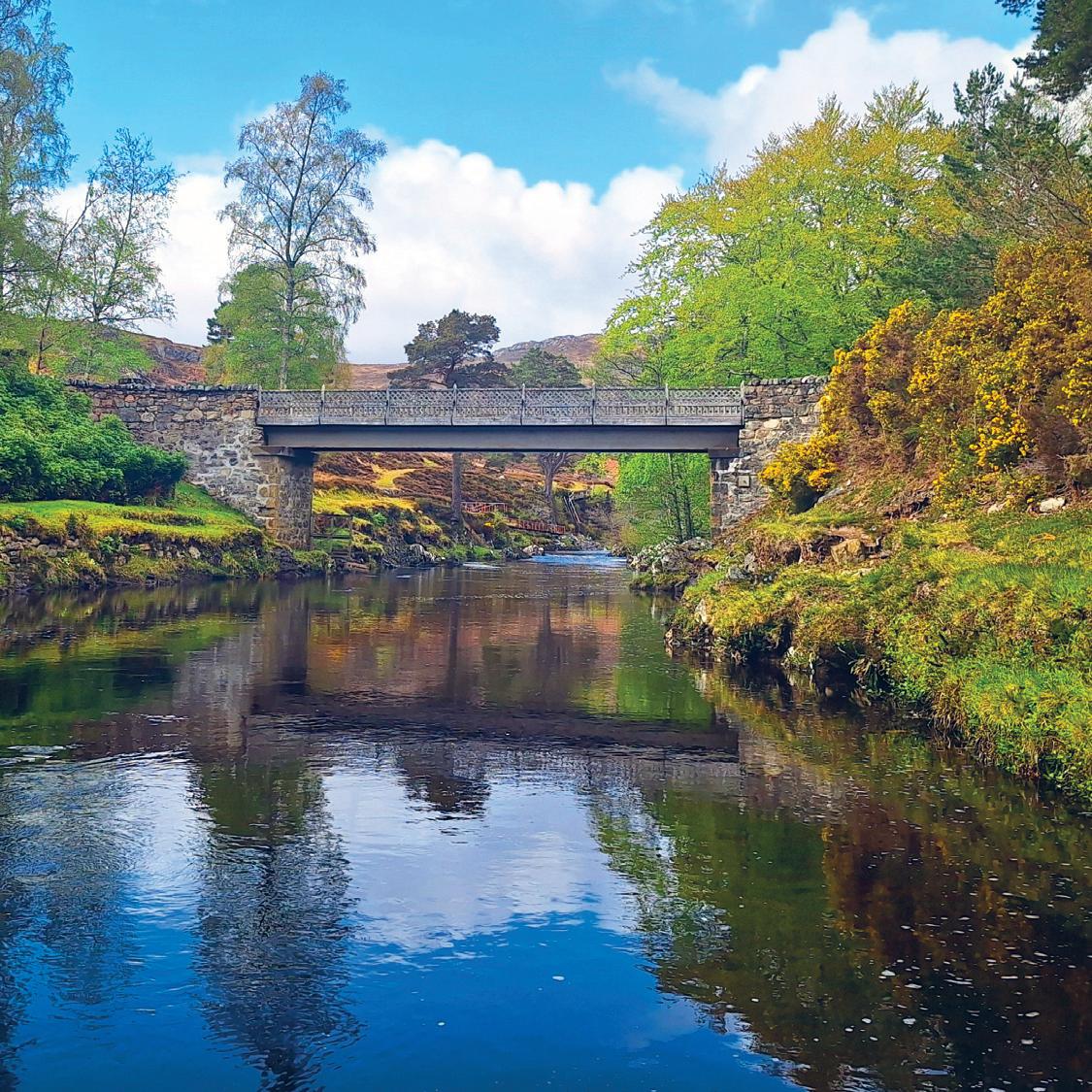

In the rugged landscapes of the rural estate, etched by deep glens and fast-flowing burns, a bridge is rarely just a river crossing.
To a visitor, a stone-arched bridge may be a picturesque relic of a bygone era, but to those of us who manage these remote regions, they are the vital arteries which are the linchpins of estate connectivity. Often, literally the only way in or out, they facilitate everything from large-scale, revenue critical activities – be it energy, sporting, tourism, timber, or agricultural – all the way down to the weekly Tesco delivery. Not to mention, they are often the only means of emergency access.
Yet, despite their critical role, bridges are some of the most overlooked assets on an estate – until they fail.
Te rural climate is a hostile testing ground for all building materials. Timber decks are succumbing to rot ever more quickly due to changes in treatment regulations and wood quality, compounded by persistent damp. Even something as simple as pebbles being driven into the grain by vehicle tyres will create entry points for moisture, leading to internal decay. Similarly, steel beams, without maintenance, will begin to delaminate or rust through after decades of exposure to the elements.
High rainfall and surging river levels subject foundations to immense hydraulic pressure. Te erosion of the riverbed around abutments and the freeze-thaw cycles that jack apart masonry joints remain silent threats to crossings. While most bridge failure happens over decades, increasingly ferocious weather events have left some landowners facing catastrophic failure overnight. High winds topple trees onto spans, extreme fooding causes critical damage and last years’ wildfres turned entire structures to ash.
Furthermore, estate bridges face the relentless evolution of the weight of modern machinery. Bridges that were perfectly adequate thirty or forty years ago are now subjected to the stresses of ever-increasing loads and high frequency 4x4 trafc. Te constant overloading of these aging structures is a recipe for structural fatigue. In some cases, the modern requirements are simply too demanding, and fully uprated replacement becomes the only viable path to future-proof estate access and operations.
While the challenges may seem daunting, proactively managing these assets ofers signifcant benefts – extending their working life, minimising reactive repair costs, and allowing for long-term capital planning. Trough our rural surveyors, estate managers and building consultants, we work closely with landowners to highlight issues early and facilitate specialist inspections. Tis protects landowner liability and allows maintenance to be prioritised and planned.
Equally, when a bridge reaches the end of its functional life, its replacement is a signifcant project. As a project management team, we have experience managing dozens of replacements, providing expert oversight from initial concept through to completion.

David Shine Project Manager
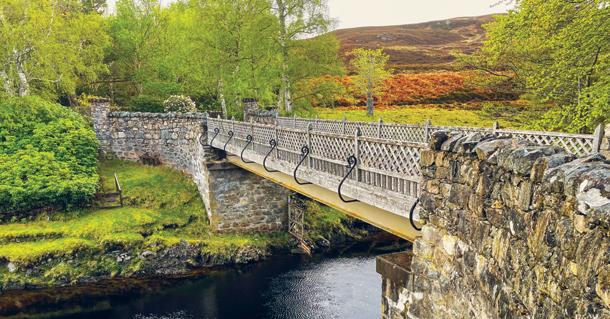
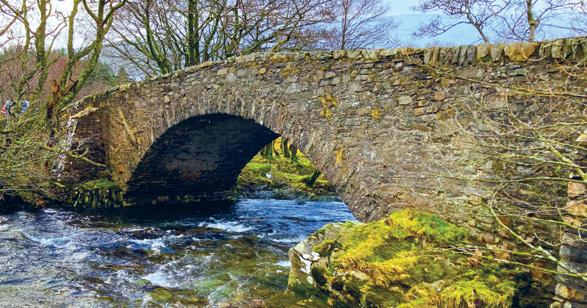
We are currently managing a multiyear bridge program for a large rural estate where much of the infrastructure was last refreshed in the 1980s. Having reached the end of their natural lifespan simultaneously, these crossings required a strategic, tiered approach.
Our estate manager, Alastair Harington, frst facilitated signifcant repairs and repainting to the main estate bridge in 2022 to extend its viability. A recent reinspection confrmed the structure remains in excellent condition, proving the value of that early intervention. Following this, our building consultancy team assisted by project managing the full replacement of a secondary bridge last year, with a further two bridges scheduled for replacement next year.
For the most recent project, our project managers, John Pullen and subsequently David Shine, along with Alastair, collaborated with structural engineers to develop the design. We presented the client with two options: a traditional timber deck or a pre-cast concrete deck. Based on our advice, the client opted
for the concrete transition. While the initial cost was slightly higher, the long-term beneft was clear: superior durability and signifcantly lower future maintenance requirements.
To avoid the high costs of a temporary crossing, we opted to build the new bridge adjacent to the existing one, ensuring uninterrupted access for the properties relying on the route. Despite challenging winter conditions, work was completed in May 2025, just ahead of the busy summer season. Te new bridge is fully certifed to 44 tonnes, providing robust, reliable access for the heavy lorries and estate vehicles that use it daily.
Ultimately, our role is to ensure that a replacement project results in a high-quality, reliable asset that serves as a sound investment. After all, a bridge is a legacy. With professional management, these structures will continue to serve the estate, and all who beneft from it, for generations to come.
While ESG (Environmental, Social and Governance) and sustainability may no longer dominate headlines as they did three or four years ago, their influence continues to shape decision-making across the market in more nuanced ways.
Story: Jamie Thain
The question is whether this is because of the infuence exerted by some in high powered positions continuing to decry climate change and promote fossil fuels, or it is simply that, for the majority, it is now so embedded in the way we think about the world that it has become second nature.
From a UK commercial real estate perspective, we would argue the latter, and that the reduction in talk over ESG and sustainability has now been replaced by actions, with property owners and business leaders taking positive steps to implement strategies which were previously only under discussion or being appraised.
We have talked previously about the 'green premium' - the ability of an asset to command a higher price due to its energy efciency and sustainability credentials. Sustainability has frmly embedded itself as a value driver and not just an ethical principle.


u Proactive investment in energy efciency is becoming one of the most efective ways to protect and enhance value.

Now that environmental performance is no longer thought of as a future consideration, we see it having a direct impact on tenant demand and achievable rents, both of which directly impact asset value and liquidity.
Property assets with strong ESG credentials, good EPC ratings, electrifcation or efcient heating systems and other sustainable credentials are proving easier to let, easier to fnance and more attractive to long-term investors. Conversely, buildings that require signifcant upgrades are increasingly priced to refect those future refurbishment costs, creating opportunities for current or future owners to carry out this work and reposition assets for the future.
Tere is a momentum building around the retroftting of existing assets across all sectors to improve energy efciency, thus meeting industry targets and satisfying tenant requirements in this area. Te level of work required, and cost involved, to efectively retroft any given asset can vary dramatically and in the case of large, complicated buildings with signifcant plant, such as ofces and hotels, is likely to carry a signifcant cost burden to achieve. It is therefore no surprise that it takes time and that factors such as location, age
and tenant demand all impact on viability, especially against a backdrop of sustained build cost infation in recent years.
Nevertheless, for the owners of these assets, proactive investment in energy efciency is becoming one of the most efective ways to protect and enhance value.
In Edinburgh and other centres, where ofce markets are characterised by low supply of modern Grade A space, the rental growth seen over recent years is helping to ofset build cost infation and starting to provide owners with the confdence to refurbish their buildings, or indeed investors and developers the confdence to buy into such properties to redevelop or reft.
A recent example of an existing owner refurbishing an existing ofce asset and achieving very high sustainability credentials is 30 Semple Street in Edinburgh’s Exchange District.
Te 56,000 sq ft building is owned by an institutional investor who took the decision to hold the property and take it through the refurbishment journey themselves. Te redevelopment was managed by a development manager on behalf of the owner and is now completed, achieving very high accreditations. u
By stripping back to the original frame, the redevelopment reportedly saved around 3,300 tons of CO2, more than 50% of the carbon that would have been used in reconstruction. It is the frst BREEAM Outstanding accredited ofce in Scotland, the frst AirScore Platinum accredited building in Scotland, the frst NABERS UK accredited building in Scotland, is designated to function in accordance with UK Green Building Council Net Zero Carbon Buildings Framework defnition and being fully electric, has an EPC rating of A.
All these factors are important to today’s tenants. Prime regional ofce rents are rising at the fastest pace this century in the Big Six UK cities. Availability of best-in-class modern Grade A ofce space is limited and is now characterised by high ESG credentials, and increasingly ofering more hospitality-like services such as concierge, wellness features and even events.
Many landlords, particularly institutional landlords and REITs, who own large prime buildings within their portfolios are increasingly moving to a more client focussed model and are now often referring to their tenants as customers or clients. Tis is a key shift in the modern landlord and tenant relationships with the relationships often much closer than before. Rather than a tenant signing a 25-year lease and then largely being left to their own devices, the market is now characterised by more fexible lease terms and more collaborative relationships.

A
good example of this collaboration is in green leases, commercial leases which include environmental and sustainability obligations for both landlord and tenant...

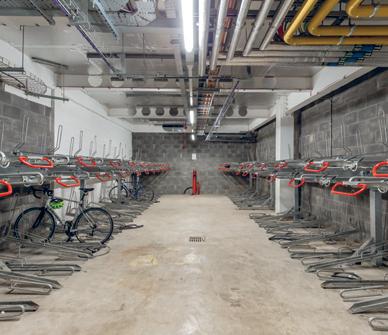


A good example of this collaboration is in green leases, commercial leases which include environmental and sustainability obligations for both landlord and tenant. Te clauses within green leases aim to reduce the environmental impact of a building and cover energy, water, waste, carbon emissions, and sustainable ft-out practices and both landlords and tenants are required to work together to achieve these goals.
Of course, not all buildings are capable of reaching the highest ESG standards and not all tenants have a budget to pay for the most prime space; however, whether you are a landlord or a tenant, you will almost certainly be more attuned to the subject and want to make some improvements.
In most cases, landlords and tenants are at least taking the steps that are currently possible, within the bounds of what is economically viable, to make improvements to their assets and in doing so reduce their carbon footprints and create better working environments.
Regulation in these areas is evolving all the time. For instance, in Scotland, we were expecting some changes this year to the Energy Performance Certifcate (EPC) system in line
with the Energy Performance of Buildings (Scotland) Regulations 2025; however, we have now learned that these changes are unlikely to come in until the second half of 2027.
Notwithstanding, the direction of travel here is well known, so the industry will now start making decisions with the knowledge of what is coming down the line.
Galbraith’s Commercial and Building Consultancy teams are regularly discussing and advising on these aspects of our client’s assets. We would be delighted to help with any questions you may have on this or another topic whether related to existing assets or potential purchases.

Jamie Thain Partner
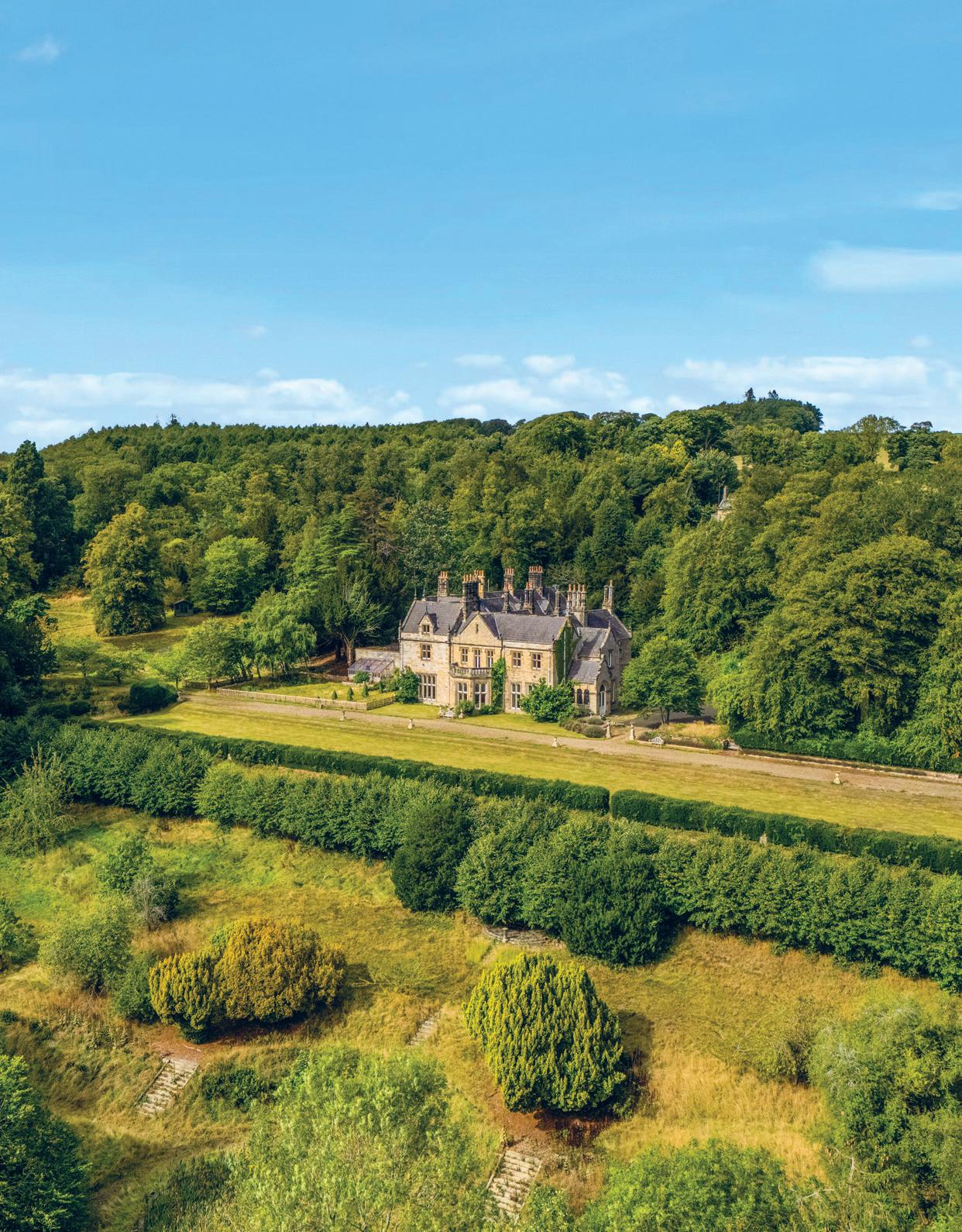

One of the least documented patterns in recent years has been the gradual arrival of buyers from the South of England into the North East, Cumbria and the wider northern countryside.
This movement is rarely dramatic or loudly declared. Instead, it unfolds through a series of individual decisions, often made over time rather than in a single leap.
Most of those who return to the northern counties start life here, but others frst encounter the region through holidays, work connections or university ties. A few weeks spent in the Lake District, a visit to friends in Northumberland, or time in the Tyne Valley is often enough to plant a quiet idea. What begins as familiarity gradually becomes curiosity, and eventually, for some, a serious consideration of living here more permanently.
Te aspect that tends to surprise southern buyers is not the landscape — which is already well known — but the atmosphere of everyday places. Villages such as Corbridge or towns like Penrith feel active without feeling hurried. High streets are actively used on a daily basis by locals, rather than being showcases primarily for tourists. Shops retain a practical focus, and conversations often revolve around work, weather and community or how we can help one another.
Property itself plays a subtle but important role in all of this. Houses often feel more generous in scale, both physically and psychologically. Rooms are proportioned for use rather than statement. Gardens are more often for amenity rather than entertaining. Older buildings retain signs of adaptation, suggesting that each generation has altered them slightly while respecting the original fabric.
For buyers accustomed to southern markets, where property can feel highly mediated and intensely competitive, the diference is noticeable. Transactions may take time, but they tend to revolve around alignment rather than urgency. Sellers often have long relationships with their houses, and buyers frequently arrive with a similar intention to settle and put down roots.
Tere is also a broader shift in perspective that many incomers describe. Living in places such as the Eden Valley or along the Northumberland coast subtly recalibrates the sense of distance and scale. Journeys are measured in landscape rather than by what
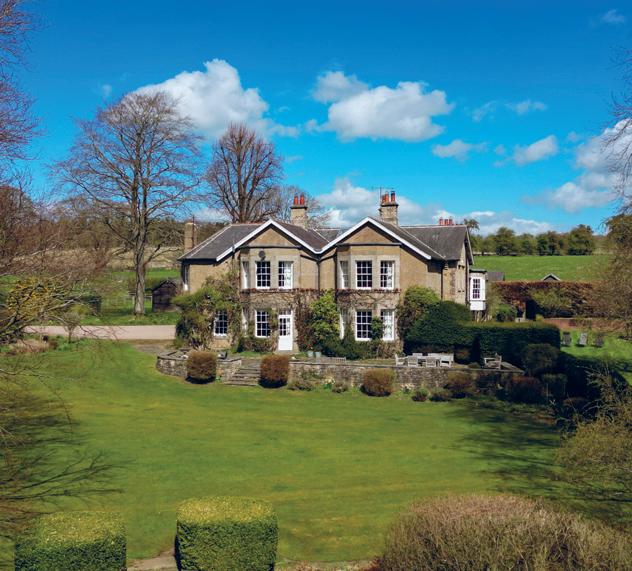
u These buyers are often among the most thoughtful. Their decision to relocate is rarely impulsive.

trafc was encountered. Seasons become more visible. Weather infuences the rhythm of the week in ways that urban life often obscures. None of this represents a rejection of southern life so much as a rebalancing. Many newcomers maintain professional ties to London or other southern cities, travelling when necessary while allowing daily life to take place in a quieter setting. Te ability to work from home has been a gamechanger for so many families.
From an estate agency perspective, these buyers are often among the most thoughtful. Teir decision to relocate is rarely impulsive. It refects a gradual recognition that the qualities they value — space, continuity, landscape and community — are easier to sustain here than in many of the locations they have previously known. It is about realising an ambition. What begins as an exploration of place often becomes something more enduring, as new residents discover that the North’s appeal lies not simply in its scenery but in the way everyday life unfolds within it.

Sam Gibson Partner
01434 693 693
hexham@galbraithgroup.com
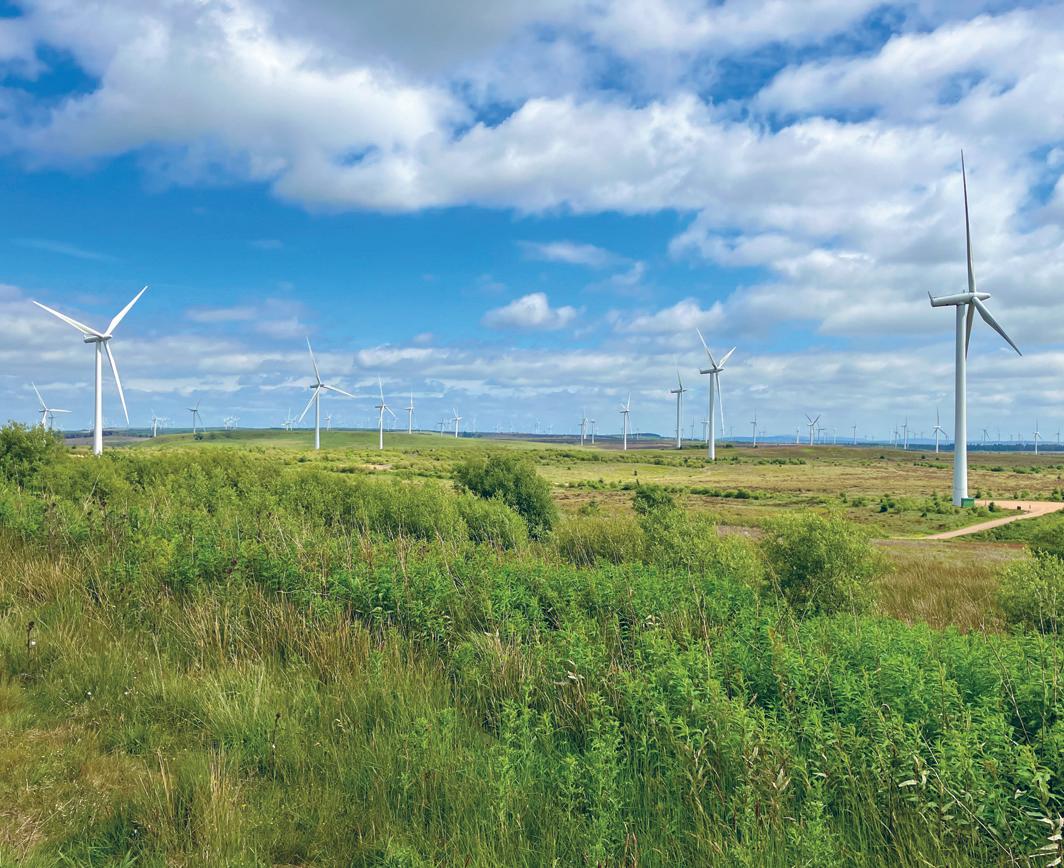
The Scottish Government has set one of the most ambitious climate targets in the world, committing Scotland to achieving Net Zero greenhouse gas emissions by 2045 - five years earlier than the wider UK target of 2050.
Story: Richard Higgins
This commitment is legally binding under the Climate Change (Emissions Reduction Targets) (Scotland) Act and requires major reductions across transport, energy, housing, agriculture, and industry.
Te government’s aspirations go beyond simply reducing emissions. Te aim is to create a 'just transition' in which economic growth, energy security, and environmental protection develop together. Tis means expanding renewable energy, improving public transport, encouraging electric vehicle adoption, increasing energy efciency in buildings, and developing low-carbon industries such as hydrogen and carbon capture.
Scotland has already reduced greenhouse gas emissions by more than 50% since 1990, largely through the closure of coal-fred power stations and rapid growth in renewable electricity generation. Ofshore
wind is already playing a major role in the next phase of decarbonisation, particularly through developments in the North Sea. However, achieving the remaining reductions will be more difcult because sectors such as transport, domestic heating, and agriculture are harder to decarbonise and energy-dense manufacturing has to a great extent already been lost.
One of the largest infrastructure transformations in modern history is underway across Scotland and the UK, where governments and energy companies are investing heavily in renewables, electricity transmission systems (the grid), low-carbon transport, and digital technologies. Scotland, with its vast wind energy resources, is at the centre of this transition. Te proposed Kintore to Tealing 400kV Overhead Line (OHL) project provides a useful case study for understanding both the opportunities and challenges involved in building the infrastructure.
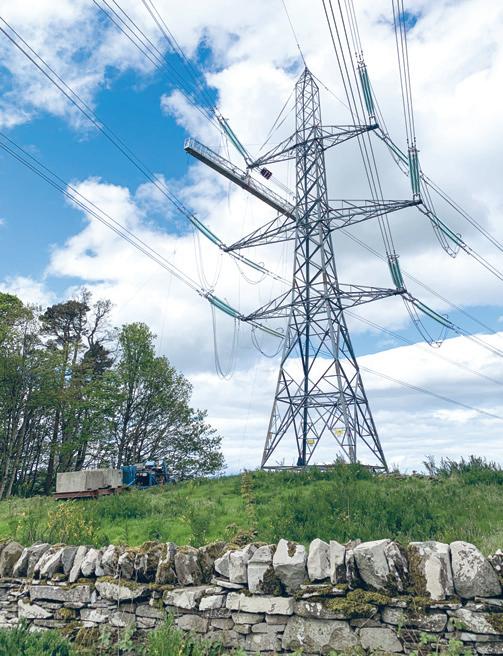
u Without these supporting systems, renewable energy cannot be distributed efciently or reliably.
Te project forms part of the East Coast Section upgrade and extends to a total length of 107km of new pylons, two new substations, and supporting ancillary development. Whilst the infrastructure may be of national importance, the impact on local communities, the rural sector, and farming cannot be underestimated. Te line runs through some of the best arable land in Scotland which is critical for food security.
Energy transition to meet Net Zero is not simply about building wind farms or solar panels; rather, a complete energy system transformation is required. Key infrastructure developments include:
• High-voltage transmission lines and substations
• Ofshore wind farms and grid connections
• Energy storage systems such as batteries and pumped hydro
• Electric vehicle charging networks
• Hydrogen production and transport facilities
• Smart grids and digital monitoring technologies
Without these supporting systems, renewable energy cannot be distributed efciently or reliably.
Te Kintore–Tealing project also highlights the growing importance of grid resilience and energy security. As fossil fuel power stations are phased out, electricity networks must handle fuctuating renewable generation. Upgraded transmission infrastructure allows electricity to move more fexibly across the country, reducing the risk of shortages and helping stabilise prices.
However, major infrastructure projects often create controversy. Local communities along the proposed route have expressed concerns about visual impacts, environmental damage, noise, and possible reductions in property values. Campaign groups argue that large steel pylons permanently alter rural landscapes, impact on farming activities, and afect tourism and quality of life.
Tis tension refects a wider national challenge: balancing climate goals with environmental protection and community interests. Public opposition to energy infrastructure can delay projects for years, increasing costs and slowing progress. Te planning process for the Kintore–Tealing OHL has involved extensive consultations, environmental assessments, and government review procedures under Section 37 of the Electricity Act 1989.
Looking ahead, infrastructure development is likely to evolve in several ways. First, more emphasis may be placed on underground or subsea cables in sensitive areas, although these are signifcantly more expensive than overhead lines. Research cited by SSEN suggests underground cables can cost around 4.5 times more than overhead alternatives, while subsea solutions may cost up to 11 times more.
Second, digital technologies and ‘smart grids’ will become increasingly important. Artifcial intelligence, real-time monitoring systems, and automated grid balancing will improve efciency and reduce energy waste. Smart infrastructure could also help integrate household solar panels, electric vehicles, and battery storage into the wider energy network.
Tird, future infrastructure may become more decentralised. Instead of relying entirely on large power stations and national transmission lines, communities could generate and store more of their own renewable energy locally through microgrids and community energy schemes.
For rural Scotland in particular, the transition presents both opportunities and challenges. Landowners, farmers, communities, developers, and government will all play a role in shaping how this infrastructure is delivered over the coming decades. Achieving Net Zero will depend not only on engineering and investment, but on fnding practical solutions that balance energy security, environmental responsibility, food production, and the long-term sustainability of rural businesses and communities.

Richard Higgins Partner



u Galbraith’s Building Consultancy Team was appointed to guide the family through the process of acquisition, planning and procurement.
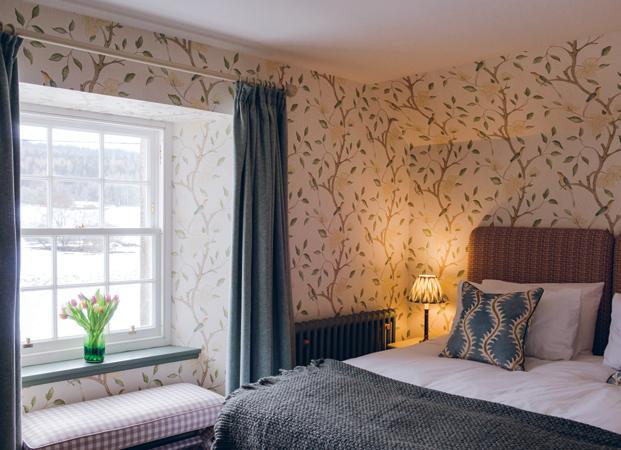

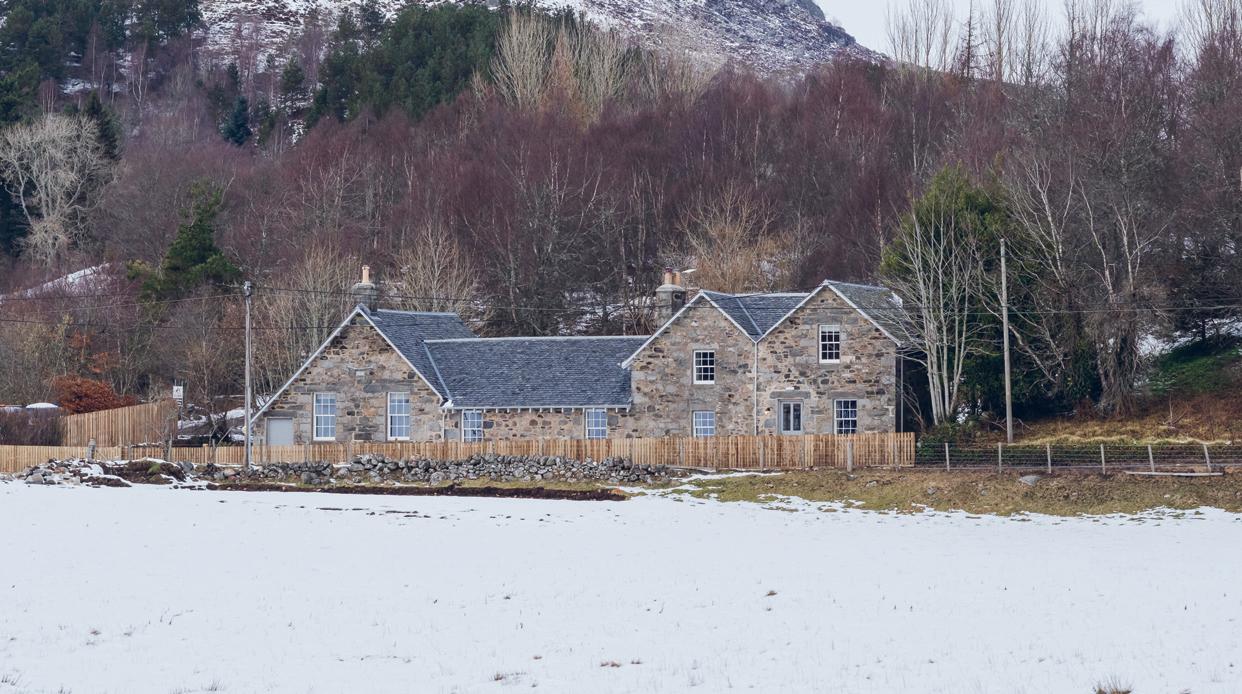
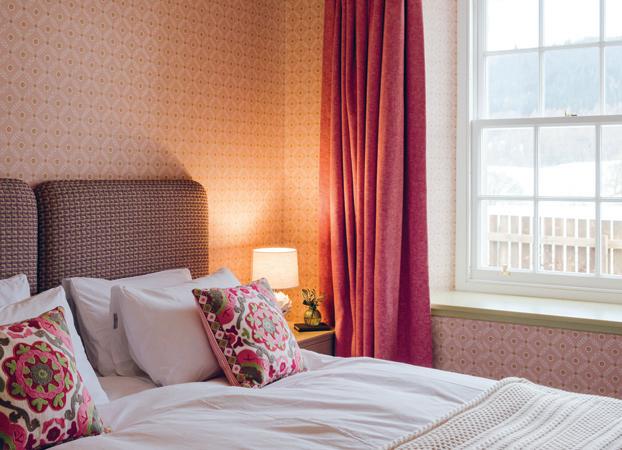
In this edition of The Blueprint, we showcase another fine example of rural diversification on the 3000-acre family run Straloch Estate in Perthshire.
Story: Juliette Dingwall
The family have embraced stewardship of the estate since acquisition in the 60s. Whilst moving with the times, protecting the estate’s spectacular landscape is at the forefront of commercial decision making. Te dual designations of Site of Special Scientifc Interest (SSSI) and National Scenic Area are the Estate’s fnest asset, which the family have a compelling desire to share with staying guests and day visitors alike. Opportunities to diversify are carefully considered and nurtured over time to grow sustainably. From organised wild picnics for private parties, location flm and photographic shoots, to deer management and biodiversity enhancement. Te tourism drive has evolved from 2015, growing incrementally in accommodation from 10 to 22 guests, with each property under the umbrella of Straloch Highland Retreats ofering a diferent experience - the most recent addition to the portfolio being Straloch Schoolhouse.
Te former primary school and schoolhouse located on the periphery of the estate became available to purchase in 2023. After 12 years of lying redundant, the buildings and grounds had fallen into a state of disrepair. It was a natural step to acquire the buildings and convert to residential use for holiday letting, as this would complement the Straloch Highland Retreats experience by ofering a larger property which would sleep 10 guests and have generous spaces for entertaining and celebrating special occasions.
Galbraith’s Building Consultancy Team was appointed to guide the family through the process of acquisition, planning and procurement. A sensitive and invested approach was needed to navigate the complexities of managing the project, for which a balance between commercial and personal drivers was to be sustained.
Straloch Schoolhouse is a Category B listed building and therefore any proposals to alter the historical fabric of the building were under scrutiny during the planning process. Fortunately, the existing large and lofty former school rooms were perfectly proportioned for the client’s vision to have a substantial kitchen dining room and separate drawing room, complete with the original chimney fue in place for a large woodburning stove. No structural alterations were required and only two new rooms created to enhance facilities.
Te Schoolhouse project was a conversion in Building Standards terms, therefore in order to obtain building warrant consent it was necessary to meet the thermal efciency of a new build standard. All perimeter walls had to be stripped back to allow for the specifed insulation required, roof spaces insulated, and windows sensitively replaced with traditionally manufactured sliding sash windows with slim profle double glazing.
Reclaimed cast iron radiators were installed to complement the interior design aesthetic which referenced the historical purpose of the former school. Tere was some doubt whether the air source heat pump specifed would provide sufcient output combined with the cast iron radiators. However, this was found to be a perfect marriage, the surface area of the radiators and conductivity provides for an ambient controllable warmth. Consideration was given to installing underfoor heating but controllability was key in this instance with radiators ofering the advantage. Heat Geek were engaged to design the entire heating and hot water system. Te reliability factor of ample hot water on demand was also a driver towards the investment of the Heat Geek technology of the super cylinder, sizing and balancing of all pipework.
Te Schoolhouse is now operational and receiving the frst guests this spring.

Juliette Dingwall Senior Surveyor
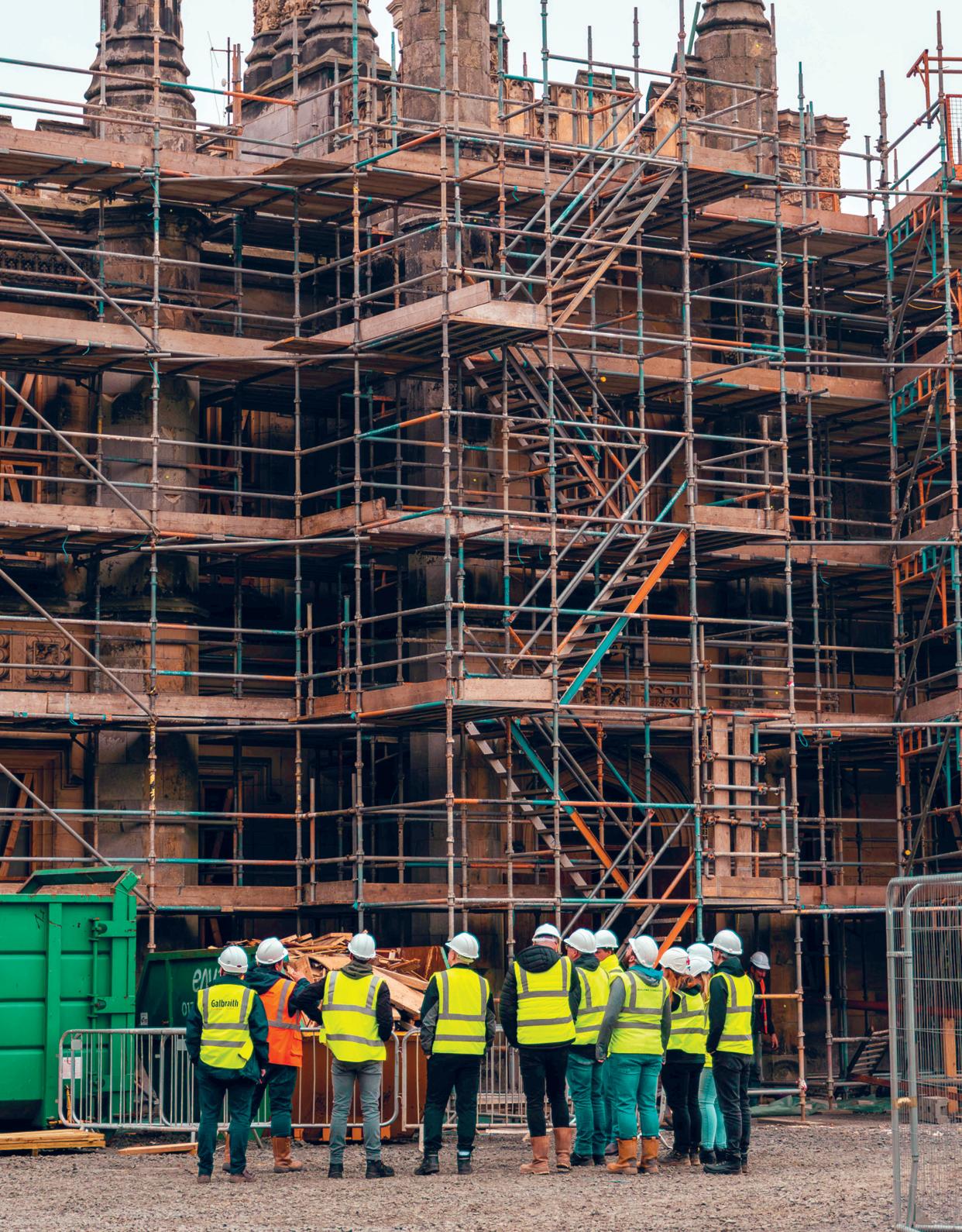
Artificial intelligence is no longer a distant prospect; it is already reshaping how people seek advice on some of the most significant property-related financial decisions of their lives. Type a question about property defects, dilapidations or costs into any number of AI platforms, and you will receive an answer within seconds.

Ross Blyth Building Consultancy Associate
01738 451 111 perth@galbraithgroup.com
The question, however, is not whether that answer is fast. Te question is whether it is right and whether anyone is accountable if it is not.
Tere is a meaningful diference between information and professional advice, and it is a distinction the digital age has done its best to obscure. AI powered property tools are beginning to emerge and will only become more prevalent over the coming months and years. Tese platforms can draw on enormous datasets, synthesise guidance notes and produce plausible-sounding outputs at negligible cost and speed. It is therefore easy to understand why clients may be drawn to them. However, as professionals we have an increasingly important role to play in helping clients recognise that while AI can inform and support decision making, it is not a substitute for wellconsidered professional advice.
Within our Building Consultancy team, we recognise that AI, when used appropriately, can add genuine value. Its limitations within our profession, however, are equally clear.
Buildings are not uniform assets. Tey are shaped by their age, construction methods, previous alterations, maintenance history, and environmental conditions, many of which are highly specifc to a particular building or locality. Tis understanding is built over time and often passed down through generations of surveyors and tradesmen. It is not something an algorithm can readily replicate. Walk down almost any street in the UK and you will encounter a wide variety of construction techniques and materials, sometimes even within the same terrace of buildings. What may be an appropriate solution for one building may be entirely unsuitable for another, depending on a range of subtle but important nuances.
AI systems are also inherently limited by their inability to physically inspect buildings. Diagnosis and decisions in our profession often rely on human senses (touch, smell and sound) as well as intrusive investigation and the use of specialist equipment. As Chartered Building Surveyors and Project Managers, our advice is grounded in buildings we have physically stood within. We observe how materials interact, how defects manifest, and how construction details perform over time. It is difcult to envisage how AI could develop that same depth of real world, situational awareness required to apply meaningful contextual judgement.
In that context, reasoned advice from a surveyor informed by direct experience must take precedence over outputs generated from generalised information that may bear little relation to the specifc scenario in question.
Tis is not to dismiss AI altogether. On the contrary, there are obvious benefts such as accelerating research, enhancing data analysis, improving reporting efciency and even supporting the development of internal tools that strengthen our service oferings to clients. Used correctly, it is a powerful enabler.
However, successful project delivery and good client care extend far beyond what can be written in guidance notes or generated through prompts. Te real world requires interpersonal skills and professional judgement.
• Can AI manage multiple stakeholders with conficting objectives?
• Handle a difcult contractor on site?
• Reassure a concerned client facing unexpected costs?
• Read between the lines to extract information that is never formally documented?
• Sense when a situation is beginning to escalate and act early to prevent it?
Tese are not technical functions. Tey are human ones.
We must also recognise that AI is fundamentally dependent on the quality, accuracy, and completeness of the information provided to it. Its outputs are only ever as reliable as the data and prompts that underpin them. If key details are omitted, misinterpreted or based on inaccurate documentation, the resulting advice is also likely to be fawedoften without any obvious warning.
Tis raises an important question: would an inexperienced client have the knowledge or confdence to challenge that output? Without a baseline level of understanding, there is a real risk that AI generated responses or outputs are accepted at face value regardless of whether they are appropriate to the specifc circumstances.
Ten there is perhaps the most important consideration: accountability. As it stands, AI has none. It is largely unregulated and is not underpinned by professional indemnity insurance in the same way that an RICSregulated frm is. If an AI based platform or output leads to a poor client decision there is no formal complaints handling procedure, no clear route for recourse and no obligation to operate within a recognised legal or ethical framework in the same way a chartered surveyor would.
“Technology may change how advice is delivered, but it does not replace the responsibility that comes with giving it.”

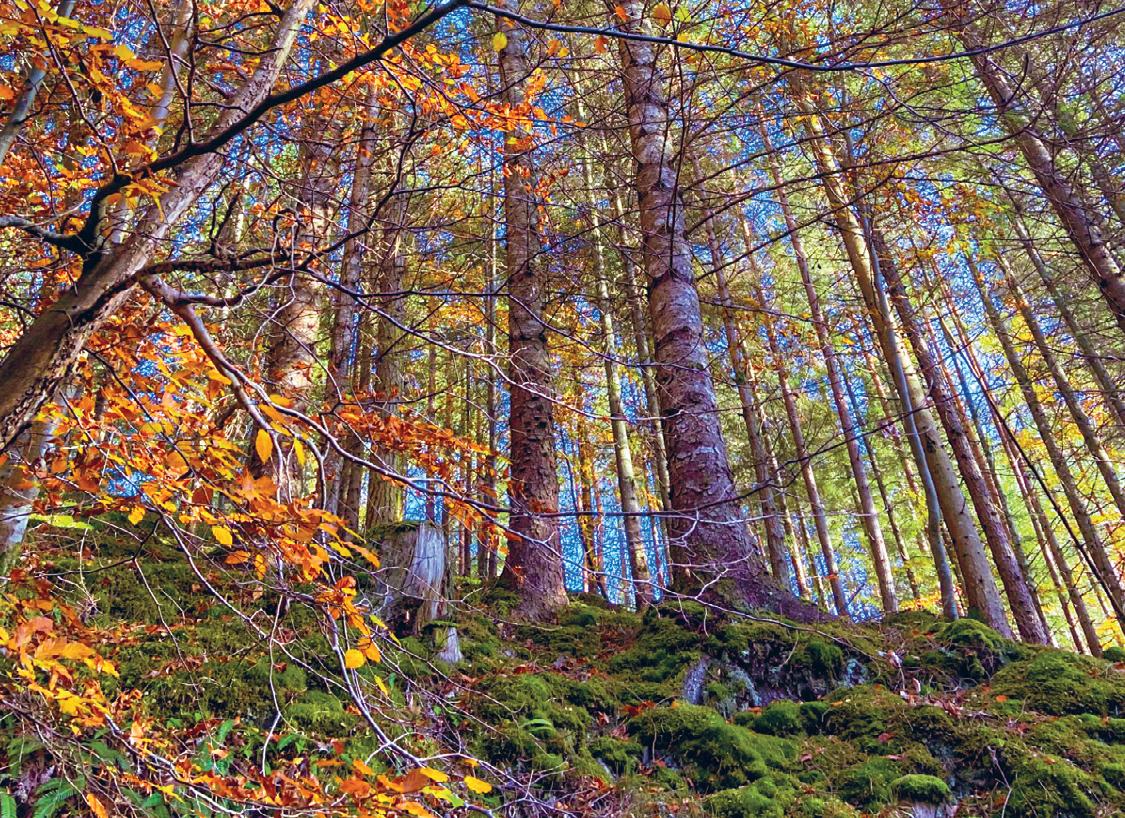

For many landowners, the decision to engage with the Woodland Carbon Code (WCC) is rarely about generating carbon credits alone. Instead, it is increasingly seen as an important part of a broader land-use strategy in which landowners are considering how best to secure value from land, reflecting changing patterns in landownership and land management across the UK.
Story: Edward Fletcher
Value itself means diferent things to diferent people. For some, the fnancial return which may potentially be derived from carbon credits makes it an attractive investment proposition on more marginal land which might otherwise yield a more modest return from extensive livestock grazing. For others, the WCC provides an additional funding source for woodland creation projects focussed on amenity or sporting objectives, where limited income would traditionally expect to be derived due to a lack of thinning or felling. In some cases, a desire to proactively tackle biodiversity loss and climate change at a local level are the key objectives behind landowners creating new woodland through the WCC. With these varied objectives in mind, carbon is increasingly viewed as a tool that can support existing
land management objectives, rather than a separate or speculative land use in its own right.
At a practical level, the Woodland Carbon Code ofers landowners a recognised framework through which new woodland creation can generate an income stream via carbon credits. For those accustomed to the long timescales of forestry, the concept of carbon sequestration aligns well with the mindset and approach needed to undertake highquality forest management and timber production. What the Code has done is introduce a degree of structure and market visibility to an ecosystem beneft that was previously intangible. Tis has proven particularly attractive at a time when farming support mechanisms and timber markets have shifted due to changing market and policy objectives connected to biodiversity loss and climate change.
One of the strongest fnancial motivations for landowners is income diversifcation. While few woodland creation schemes are progressed on the basis of carbon income alone, the ability to sell Pending Issuance Units (PIUs) has the potential to improve project cash fow in the early years. For more marginal land, particularly in upland farming or sporting situations, this can help tip the balance in favour of planting in some cases.
From a cash fow perspective, the option to sell a proportion of PIUs early in a project’s lifespan is important, allowing landowners to potentially ofset capital costs upfront. However, landowners typically adopt a more strategic approach, choosing to retain some or all of their PIUs or verifed Woodland Carbon Units (WCUs) in the expectation that future demand may strengthen. Tis fexibility has become one of the key attractions of the Code, allowing carbon to be brought to market when it best suits a landowner’s wider objectives for the holding.
Beyond income, woodland carbon is increasingly linked to longer-term land-use strategy. Woodland creation is, by its nature, a permanent land-use change. For estates and farms thinking in generational terms, carbon projects can provide a stable, managed asset that aligns with succession planning and long-term stewardship goals. Some landowners see carbon income as a modest but reliable return that complements existing forestry, sporting or conservation interests, rather than competing with them.
Environmental objectives are starting to play a more signifcant role in decision making. Many landowners are keen to demonstrate positive action on climate change, biodiversity and landscape enhancement, for a variety of reasons. Te Woodland Carbon Code provides reassurance that woodland creation is being undertaken to a recognised standard, with independent validation and periodic verifcation. For prospective purchasers of carbon credits, the high standards and credibility of the WCC have become increasingly important to end-users who need confdence that their ofsetting claims will stand up to scrutiny over time.
Changing landowner motivations help explain how the carbon market itself has developed. Pricing, while often discussed in the media, is rarely the primary driver for landowners entering the scheme. Average PIU values have risen steadily in recent

Edward Fletcher Associate
years, refecting a maturing market and continued demand for UK-based, nature-led projects. However, carbon pricing remains highly variable, and future returns remain very difcult to forecast due to the long timescales associated with projects and lack of historical precedent. Diferences in species mix, site productivity and project scale can all infuence achievable values.
Furthermore, like any other asset, factors such as supply, demand, and marketability often have the greatest impact on prices achieved in the marketplace. As a result, for the time being, carbon is best viewed as a supplementary source of funding for woodland creation in the present and potentially management intervention further down the line, rather than an investment with a guaranteed return over the longer term.
Tese realities reinforce the crucial importance of thoughtful woodland design. Projects that are well integrated within the wider holding, make use of suitable species and deliver wider benefts tend to be both more attractive to buyers and work best alongside existing land uses. Broadleaved and mixed woodlands that deliver enhanced biodiversity or landscape improvements are often favoured by prospective purchasers of carbon credits. Tis aligns well with many landowners’ own aspirations for their woodlands, making carbon a supportive rather than distorting infuence on management decisions.
Market supply has remained measured, not because of a lack of interest, but because woodland creation remains a signifcant commitment. Many landowners are understandably cautious about taking land out of production or locking in long-term obligations. Where projects do proceed, they are increasingly carefully considered, professionally advised and shaped around the practical realities of the farm or estate. Forestry consultants play a critical role here, helping clients understand not just the carbon opportunity, but the management responsibilities and constraints that come with it.
Looking ahead, the Woodland Carbon Code is likely to remain most relevant where it fts comfortably alongside other land uses and objectives. For landowners, the strongest projects tend to be those where carbon income supports planting that would be desirable regardless of whether carbon credits were available – on the right land, in the right place, for the right reasons. Te key challenge for forestry advisers is to guide landowners through a complex but maturing market, ensuring that expectations around income, timescale and management are realistic from the outset.
Ultimately, woodland carbon is best seen as part of a broader shift in how rural land delivers value. As natural capital and environmentally focussed land management gradually starts to play a greater role in the rural economy, the Woodland Carbon Code ofers landowners a practical and credible way to align long-term stewardship with modest but meaningful fnancial returns. Its continued success will depend on how well WCC projects complement the underlying opportunities ofered by the landholding, and how well these WCC projects meet the management objectives of their owners.

Can you describe your role within the Galbraith Building Consultancy team – what does a typical day involve for you?
u The variation in my role is what drives me and keeps me engaged.
As a Director of Building Consultancy within our Edinburgh ofce, there is never a typical day in my role! I could be roaming about a loft space on a building survey with a colleague, hosting a design team meeting on a project, at the ofce drafting fee proposals and reviewing reports, or anywhere in between!
What kinds of projects or moments in your work feel most rewarding?
As a more traditional Building Surveyor I do enjoy a day out of the ofce climbing in the nooks and crannies whilst surveying an old house or castle. At Galbraith we are very fortunate to be involved in a fantastic range of properties throughout the country, from traditional residential homes through to commercial industrial buildings / units. Having said that, I enjoy the balance between survey work and project management. Tere is no better feeling than completing a project to the satisfaction of the client.
What drives you in your work, day to day?
Te variation in my role is what drives me and keeps me engaged. As a Building Surveyor there is always something new to learn or discover. I would like to think that I am as enthusiastic now as I was when I stepped through the door as a graduate. Working in a positive environment is also a huge factor and we have a great team at Galbraith.
How did your career path lead you into building consultancy? Was this always the plan?
It’s a great question building surveyors are often asked as it isn’t a widely discussed profession outwith the industry. I had two great uncles who were building surveyors, and my grandmother used to be a secretary in a surveyor's ofce. So, my initial interest sparked through family discussions. Te main draw for me was the ability to travel the country and survey diferent buildings.
How does being outdoors or connected to the landscape infuence your perspective on your work?
I grew up in a rural location and have been into the outdoors all my life, so I very much enjoy a trip into remote parts of Scotland for work. Tat being said, I currently live in Edinburgh and also enjoy the commercial side of the business at Galbraith. So, I think my work and life perspectives balance perfectly.
What do you think sets Galbraith’s Building Consultancy services apart in the market?
In my opinion, there is no other Building Consultancy Firm in the UK that provides such a broad range of tailored advice. From rural agricultural buildings and historic homes to commercial ofce and industrial developments, we can provide expert advice on all types of property asset.
What’s the most valuable piece of advice you’ve received during your career?
A building surveyor doesn’t simply earn knowledge by sitting at a desk and reading books. You must see and experience things for yourself.
How do you like to spend your time when you’re not working?
I like mountain biking and hillwalking, so outside of work I fnd myself travelling around Scotland most weekends too. To add to that, I recently rekindled an interest in fy fshing, which I did a lot of when I was younger. Tey call the salmon a fsh of a thousand casts, but unfortunately my ratio is well above that - it certainly focuses the mind!
A leading independent property consultancy with expertise covering a broad spectrum of property related services.
Local Knowledge
National Expertise
International Reach

OUR OFFICES
Aberdeen 337 North Deeside Road, Cults, Aberdeen, AB15 9SP 01224 860 710 aberdeen@galbraithgroup.com
Ayr

7 Killoch Place, Ayr, KA7 2EA 01292 268 181 ayr@galbraithgroup.com
Castle Douglas 93 King Street, Castle Douglas, DG7 1AE 01556 505 346 castledouglas@galbraithgroup.com
Cupar
16 St Catherine Street, Cupar, KY15 4HH 01334 659 980 cupar@galbraithgroup.com
Edinburgh
18 George Street, Edinburgh, EH2 2PF 0131 240 6960 edinburgh@galbraithgroup.com
Hexham
Hexham Business Park, Burn Lane, Hexham, NE46 3RU 01434 693 693 hexham@galbraithgroup.com
Inverness
Clark Tomson House, Fairways Business Park, Inverness, IV2 6AA 01463 224 343 inverness@galbraithgroup.com
Kelso 21 Woodmarket, Kelso, Scottish Borders, TD5 7AT 01573 224 244 kelso@galbraithgroup.com
Morpeth
16 Telford Court, Morpeth, Northumberland, NE61 2DB 01670 331 500 morpeth@galbraithgroup.com
Penrith Unit K, Skirsgill Business Park, Penrith, CA11 0FA 01768 800 830 penrith@galbraithgroup.com
Perth Lynedoch House, Barossa Place, Perth, PH1 5EP 01738 451 111 perth@galbraithgroup.com
Stirling
Stirling Agricultural Centre, Stirling, FK9 4RN 01786 434 600 stirling@galbraithgroup.com
galbraithgroup.com