Equine Explorations
Walter Quirt in the Year of the Horse
Equine Explorations Walter Quirt in the Year of the Horse
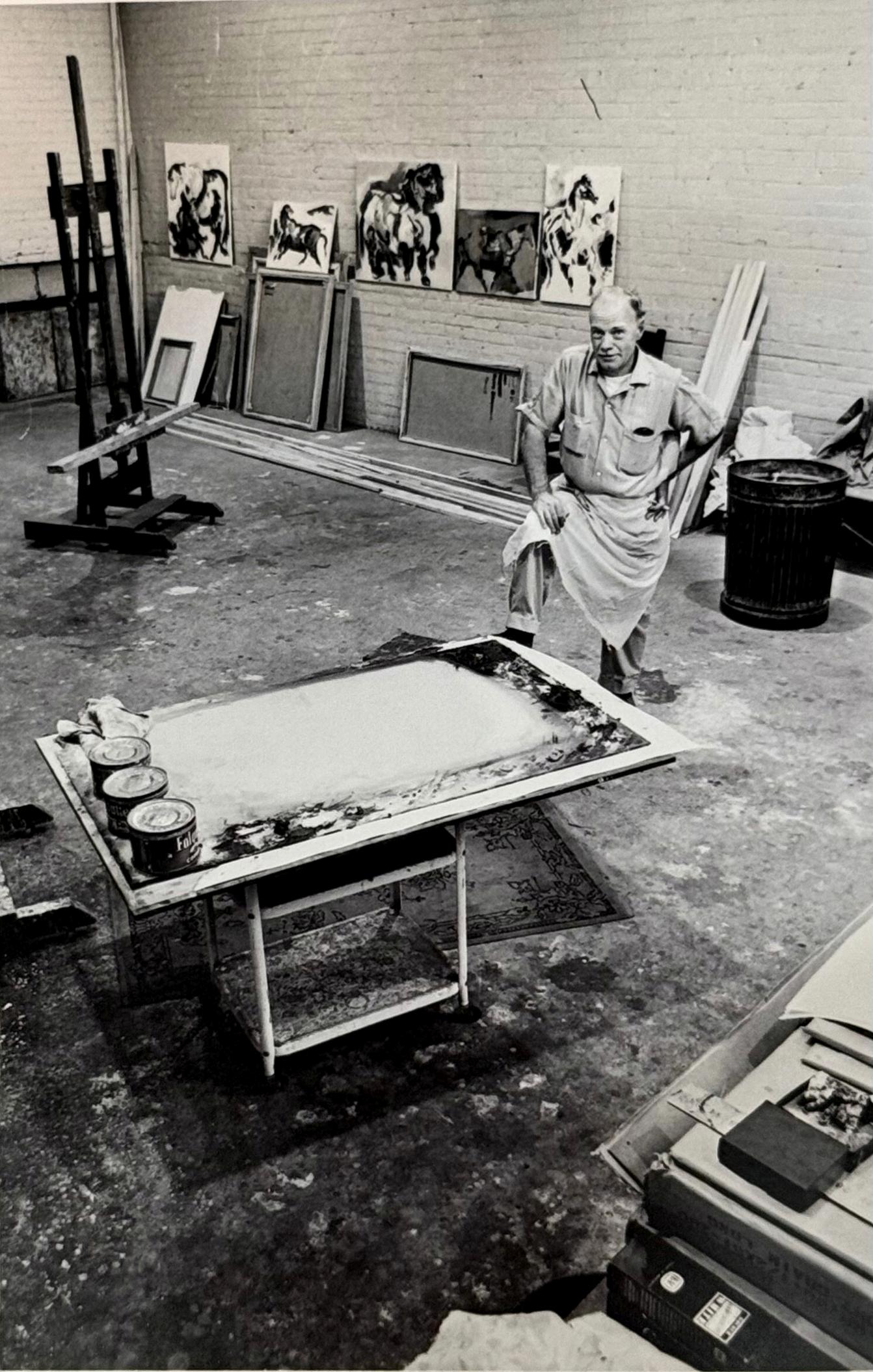
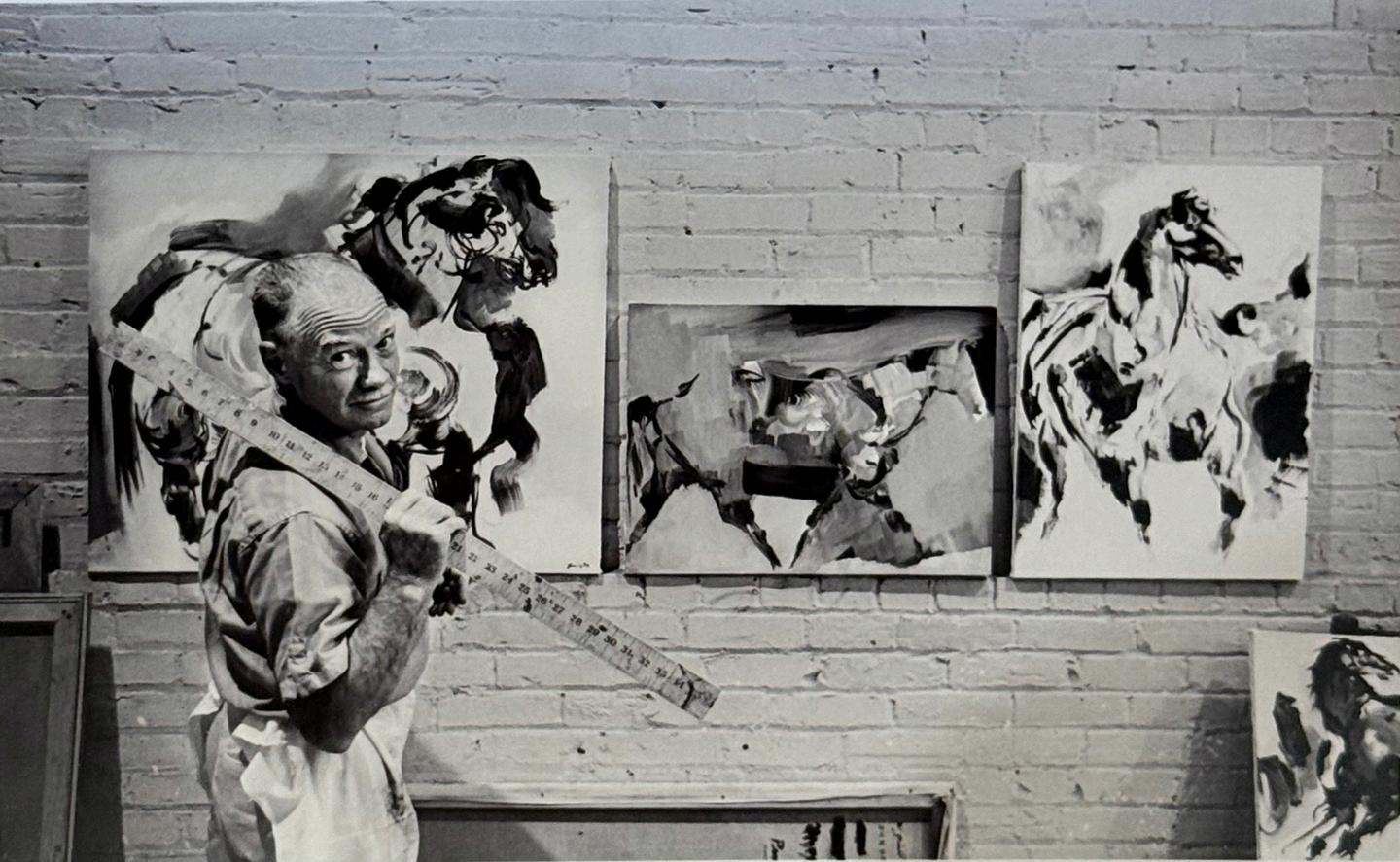
Spare, muscular, and vibrantly alive, Walter Quirt’s mid-century horse paintings distill a lifetime’s inquiry into line, movement, and pictorial economy. In celebration of Lunar New Year and the Year of the Horse, this exhibition brings together canvases from Quirt’s late period, spanning 1959-1964, in which the equine motif becomes more than subject it becomes the engine of his painterly imagination. Framing Quirt’s paintings within the Year of the Horse highlight associations of stamina, action, and a propulsive life force that are shared by Quirt’s work, his life, and the symbol of the Chinese zodiac.
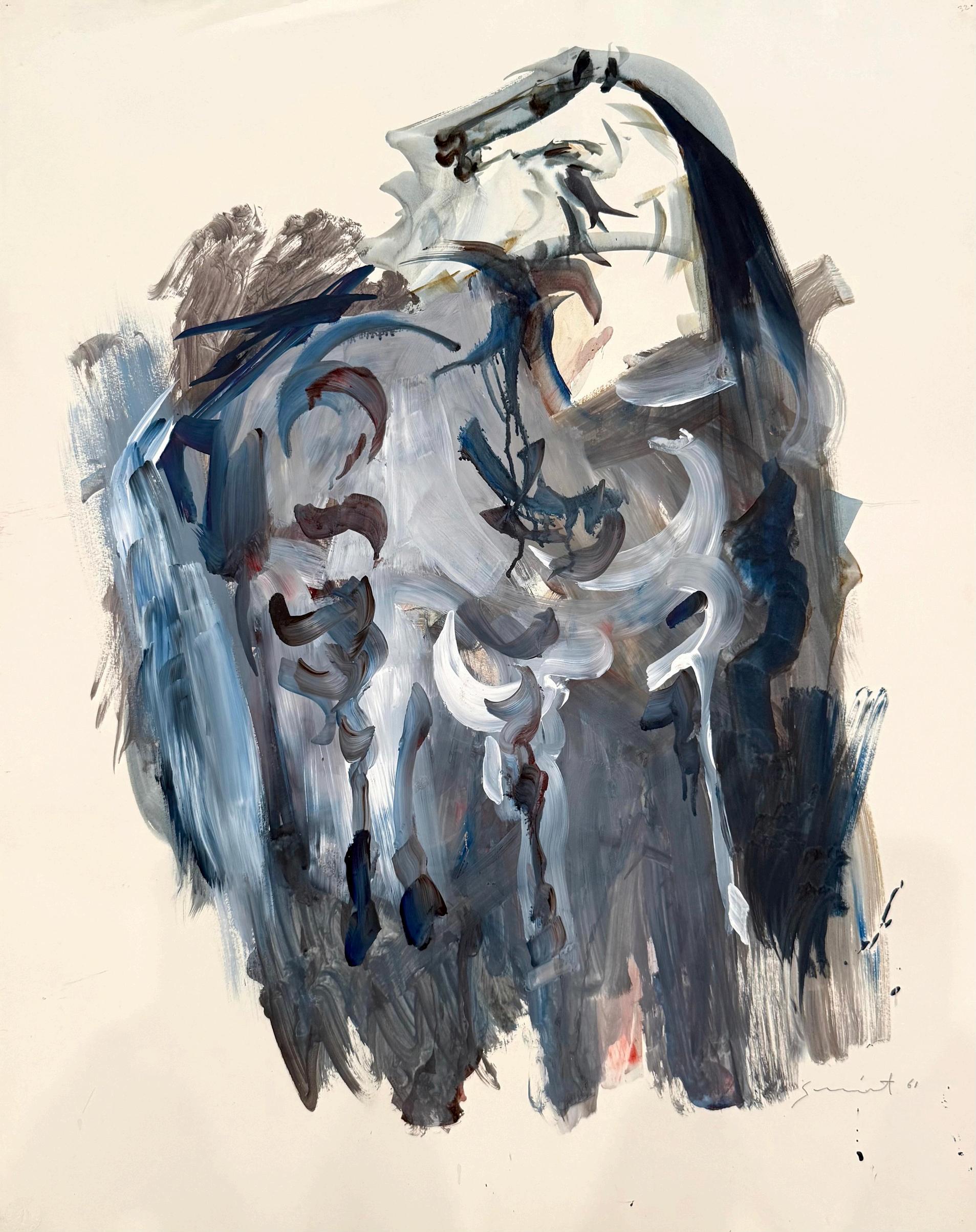
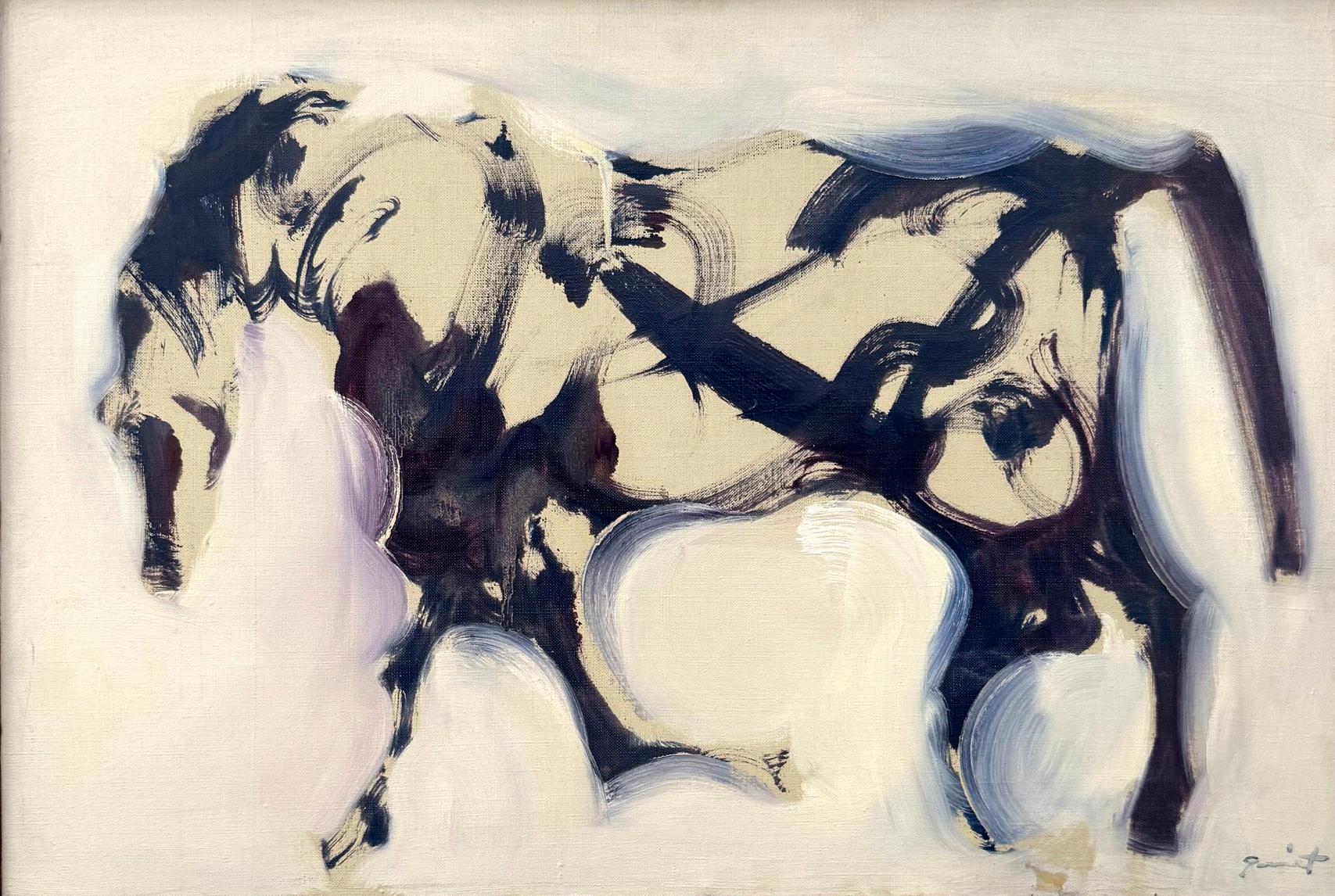
The horse recurs in Quirt’s work as both personal memory and formal curiosity. The Indian ponies he cited growing up with may explain the motif’s origin, but Quirt consistently treats the animal as an apparatus for further investigation. Calligraphic gestures, restricted palettes and bold contouring convey speed, volume, and psychological tension. These paintings transform the equine into a vehicle for exploring rhythm, negative space, and the compression of time into a single, decisive brushstroke.
Though born in 1902, in the Year of the Tiger, Walter Quirt’s temperament and practice frequently mirror the Chinese zodiac’s horse qualities. A pioneering figure of the 1930s–40s social‑surrealist practice, Quirt was active in the John Reed Club, worked as a WPA muralist, and used lectures, essays, and politically charged paintings to argue that artists must confront social injustice and the threats of authoritarianism. That combative public voice, paired with private formal experiment, placed him among the important (if underrecognized) voices who broadened mid‑century American painting beyond traditional narratives. Represented in major collections, including SFMOMA, the de Young, the Smithsonian, The Whitney and MoMA Quirt’s life and work read as the arc of an artist who married public engagement and private experiment, and whose contribution to twentieth‑century art history merits renewed attention.
His horse paintings pulse with vitality and dynamism, propelled by a restless drive toward formal renewal. Their economy of line and assertive gestures testify to an independence of vision and an uncompromising self‑reliance. Quirt’s steady pursuit of pictorial momentum, and his insistence on perseverance through experimentation mirror the very endurance and career momentum the horse auspiciously promises. In this light, the equine motif is at once subject and self‑portrait: an emblem that refracts Quirt’s singular combination of stamina, autonomy, and creative ambition, and a fitting symbol for an exhibition that celebrates the propulsive spirit his work so vividly embodies.
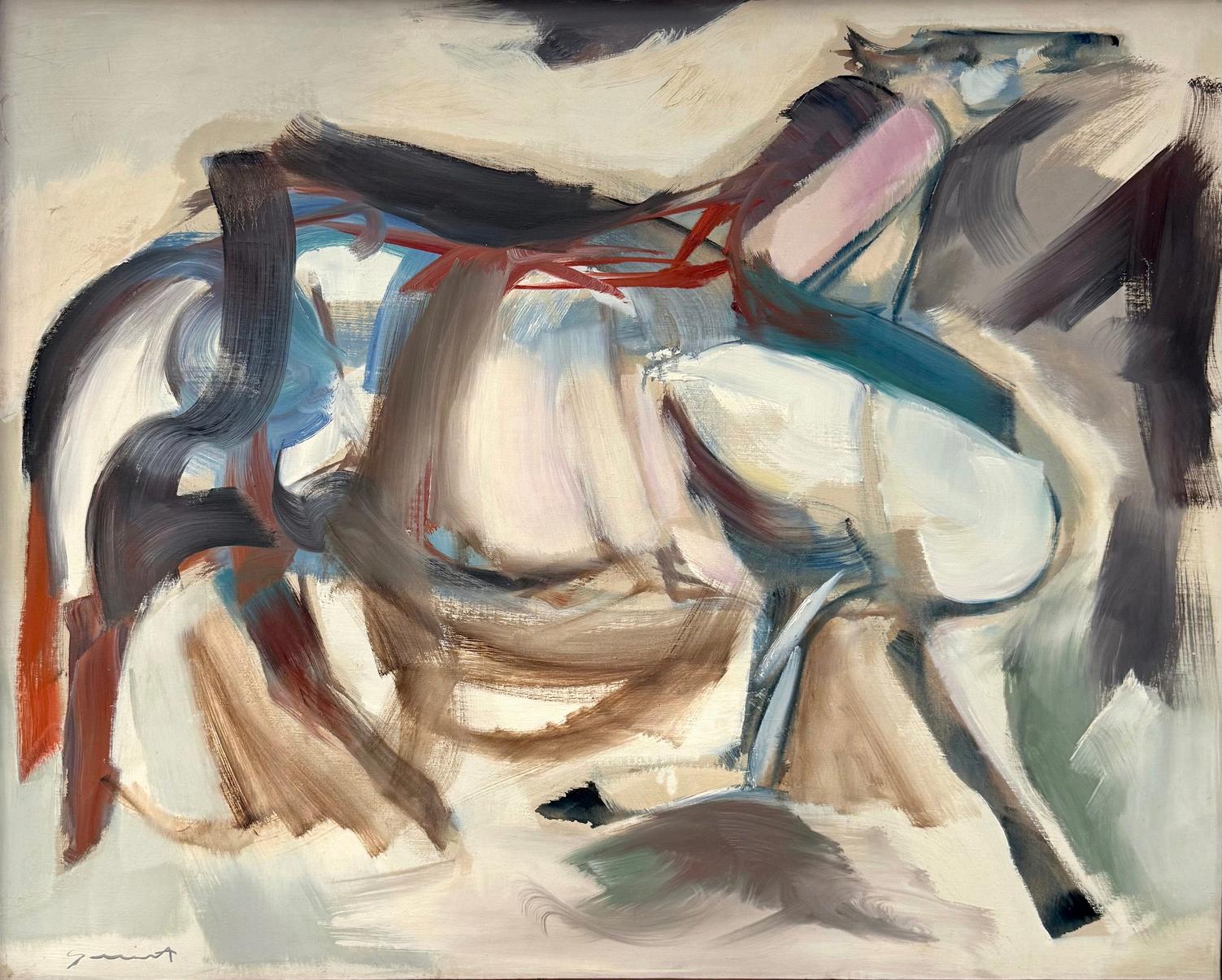
Horse No. 16 (241), 1959
Oil on canvas
32 x 40 in
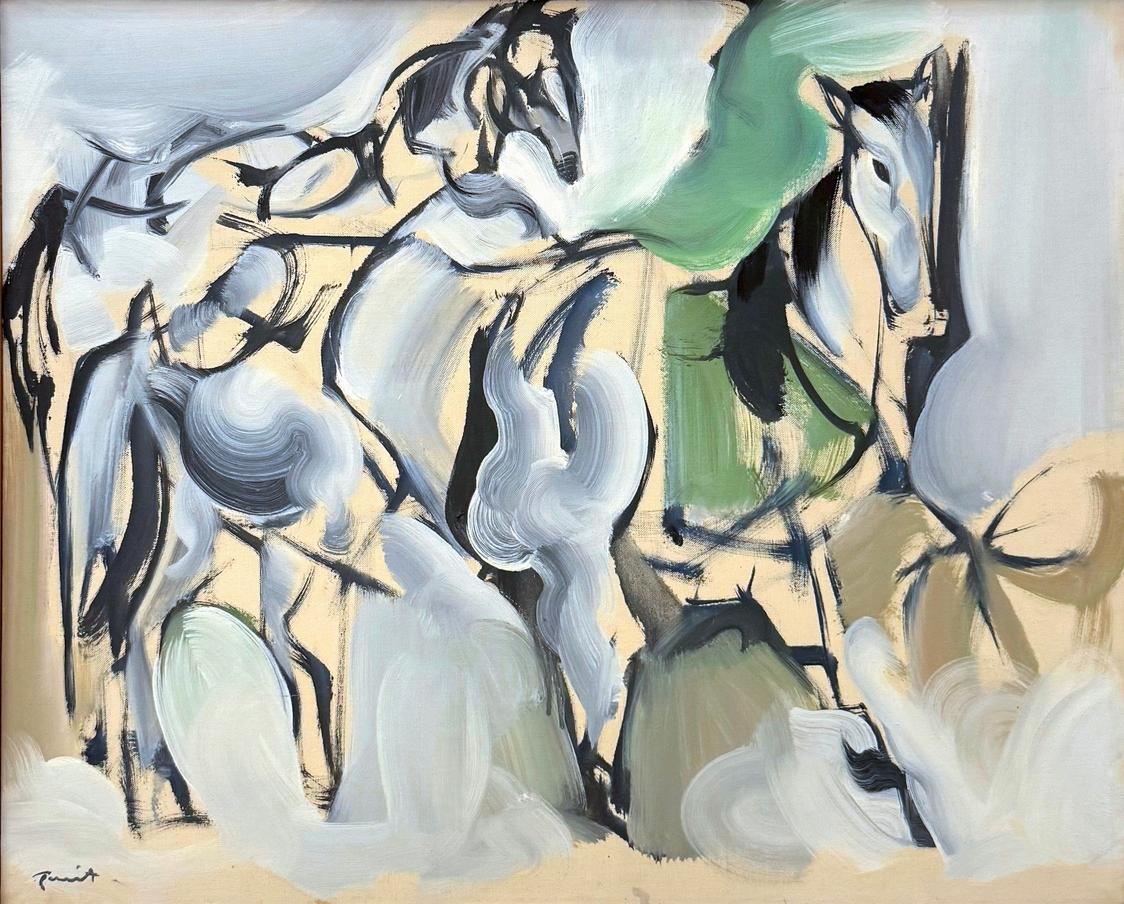
Horses No. 2 (304), 1964
Oil on linen
21 x 26 in
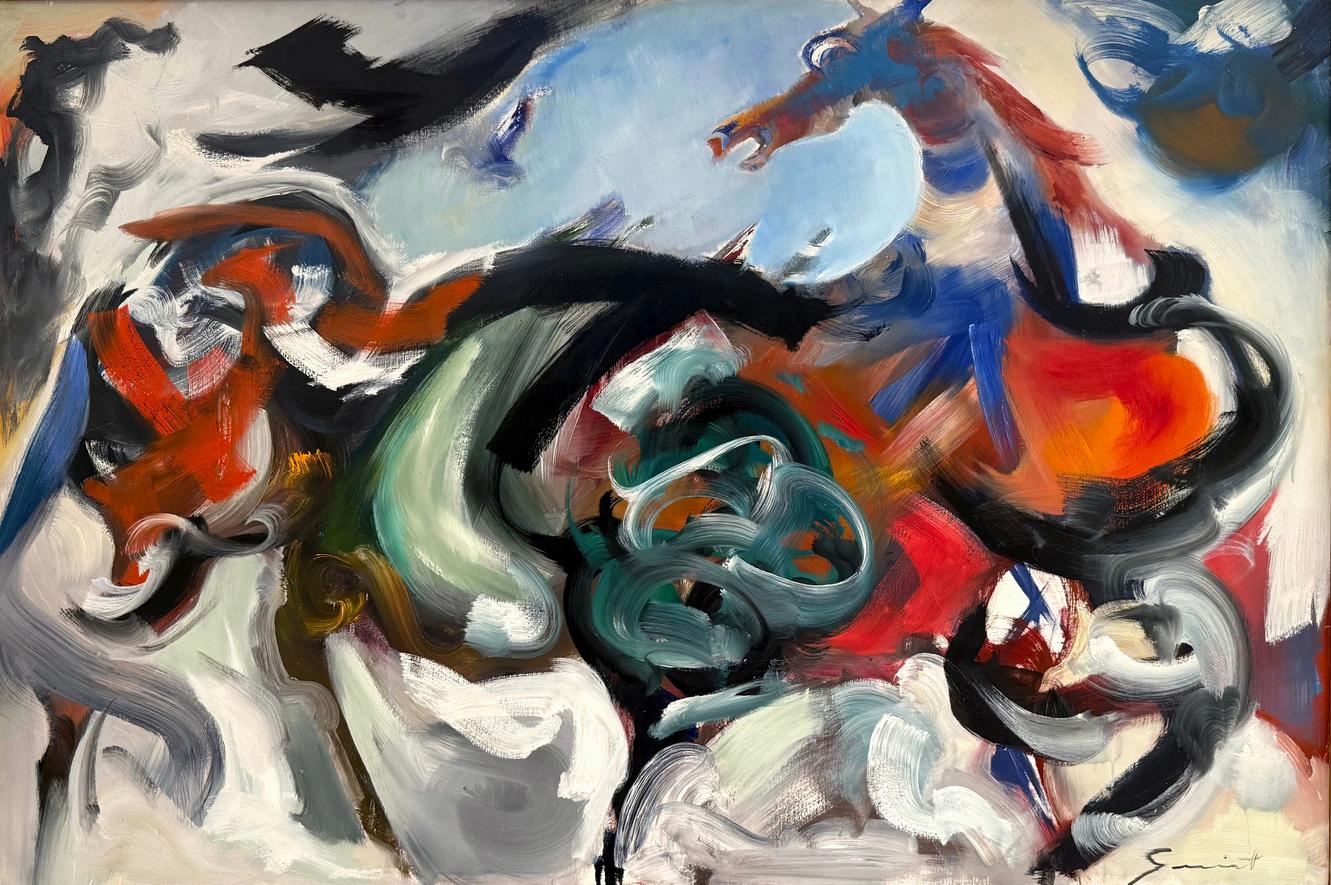
Horse No. 711, 1959
Oil on canvas
40 x 60 in
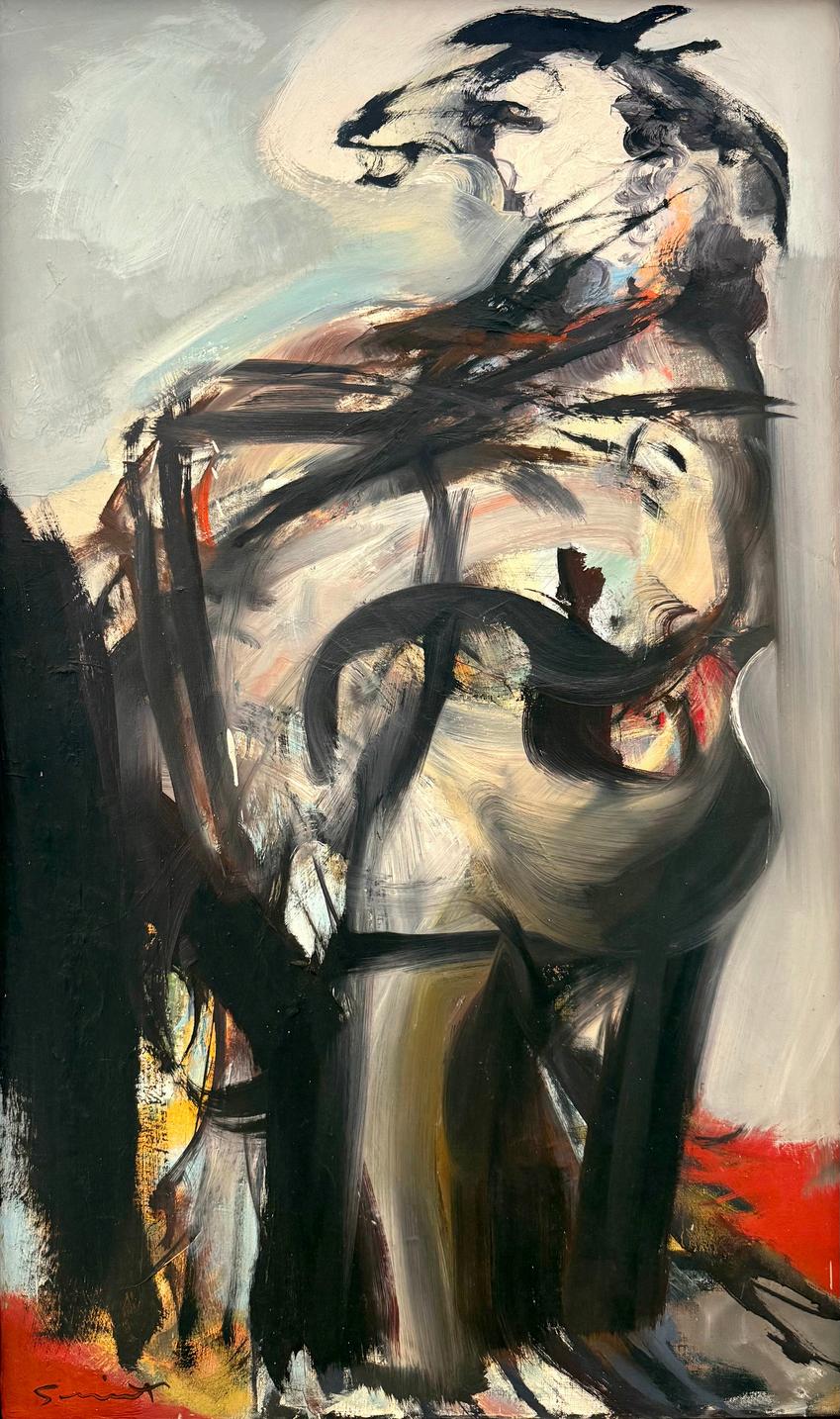
Head of a Horse #2, 1959
Oil on canvas
40.25 x 23.75 in
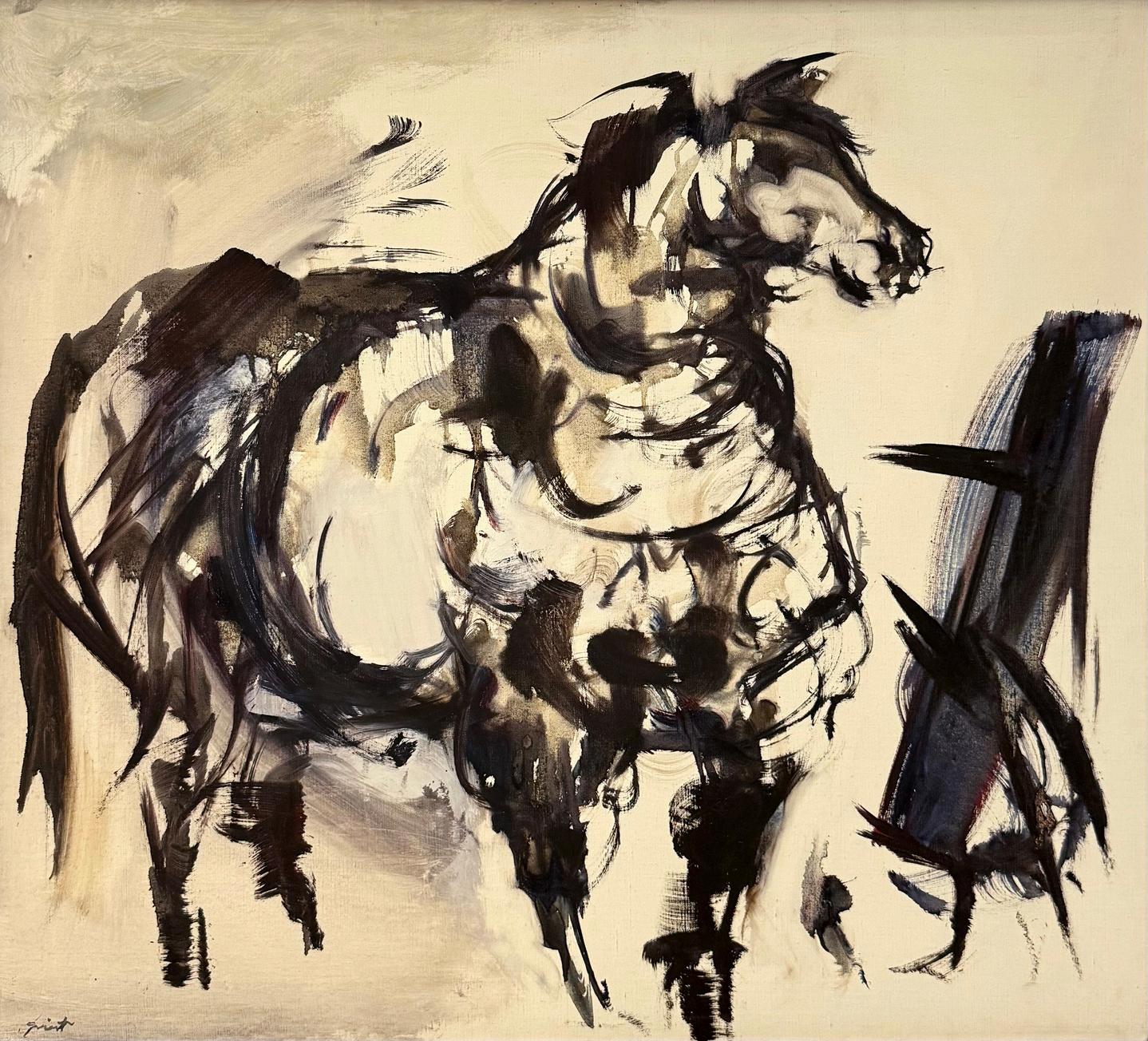
Horse (249), 1959
Oil on canvas
29.25 x 32.25 in
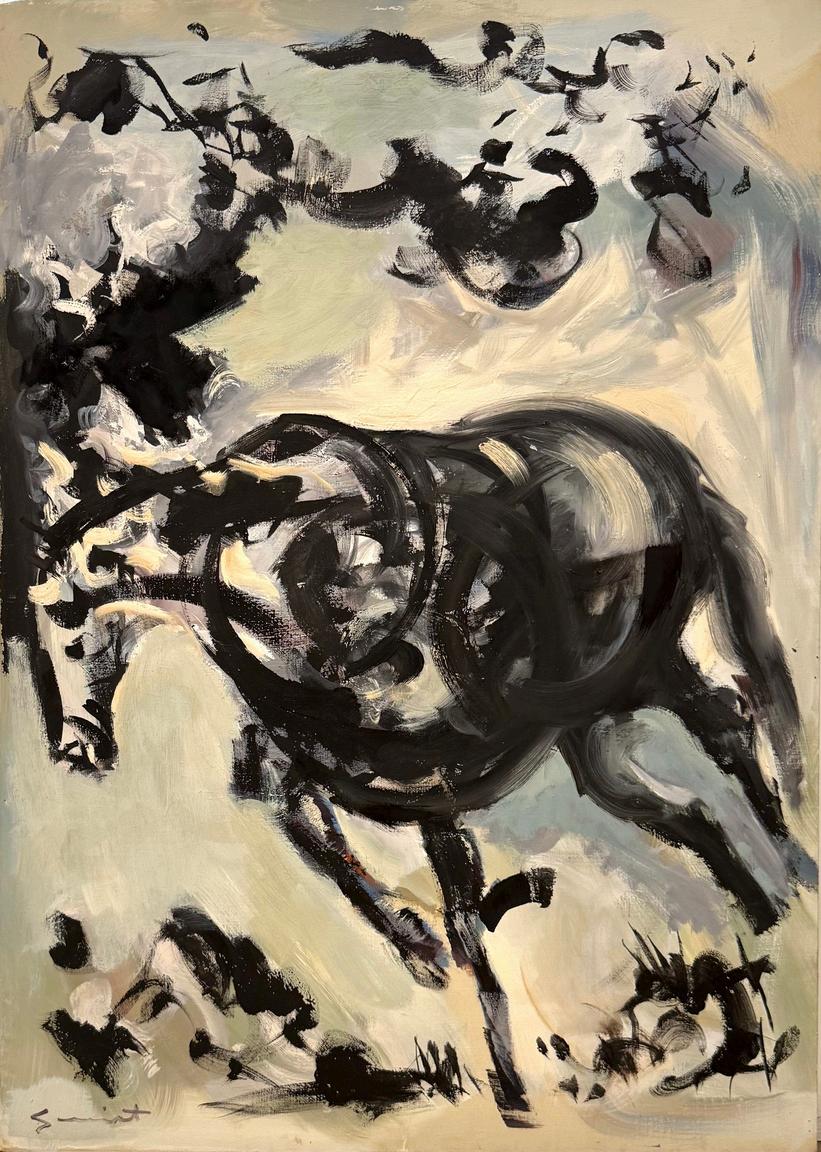
Motion (218), 1959
Oil on canvas
42 x 30 in
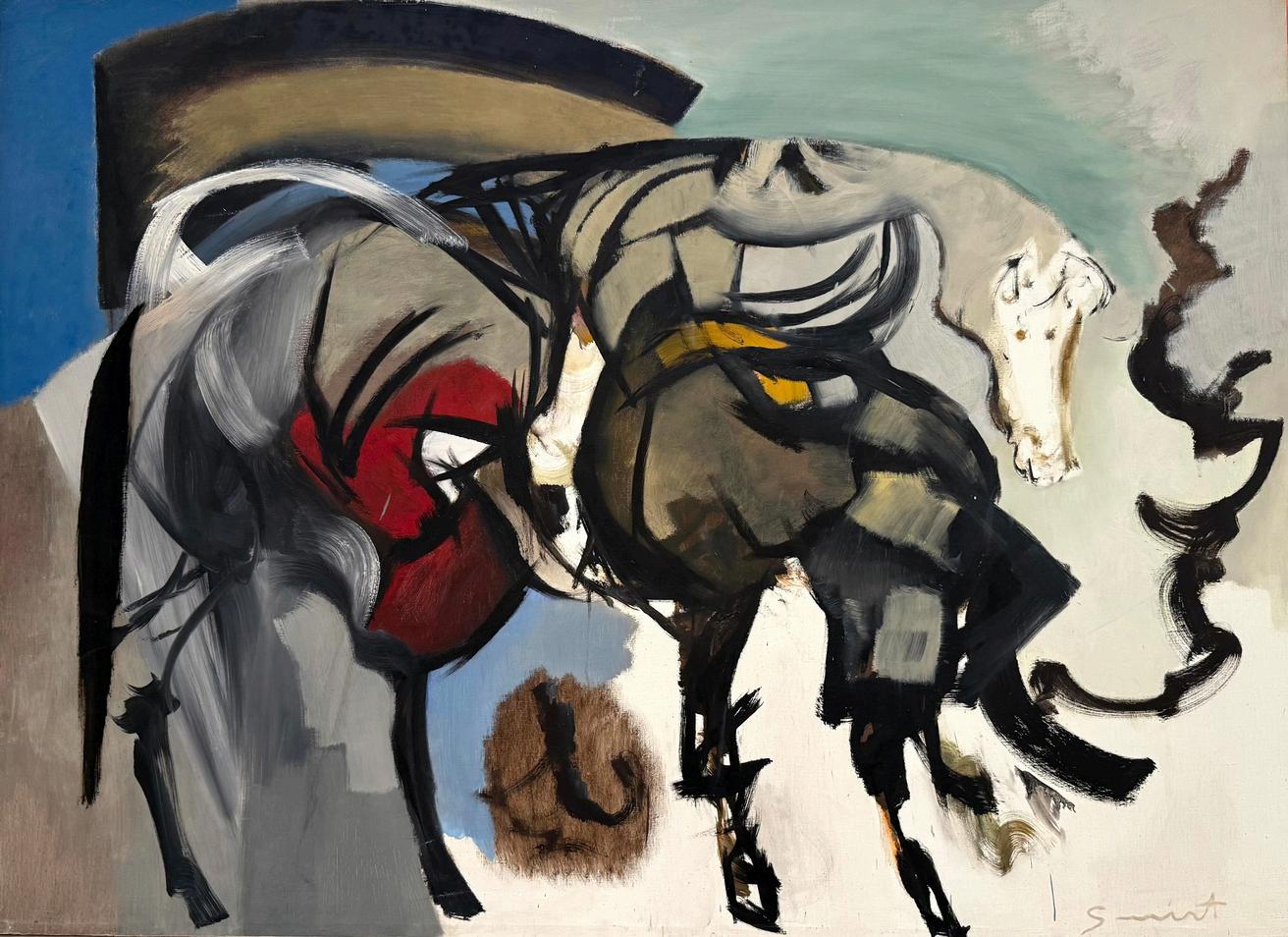
Strong Horse (12), 1959
Oil on canvas
48 x 66 in
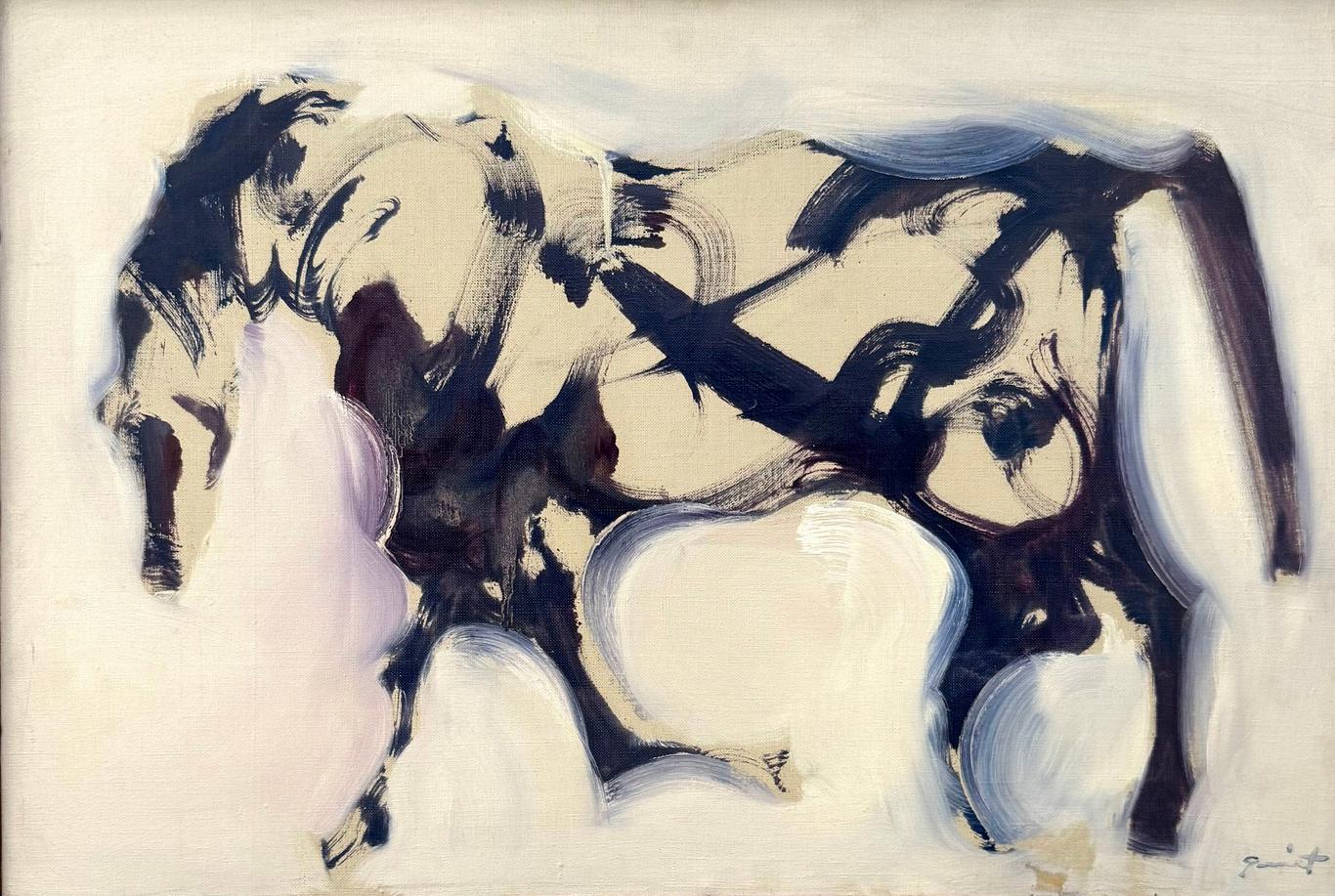
Horse No. 10 (327), 1959
Oil on canvas
17.25 x 25 in
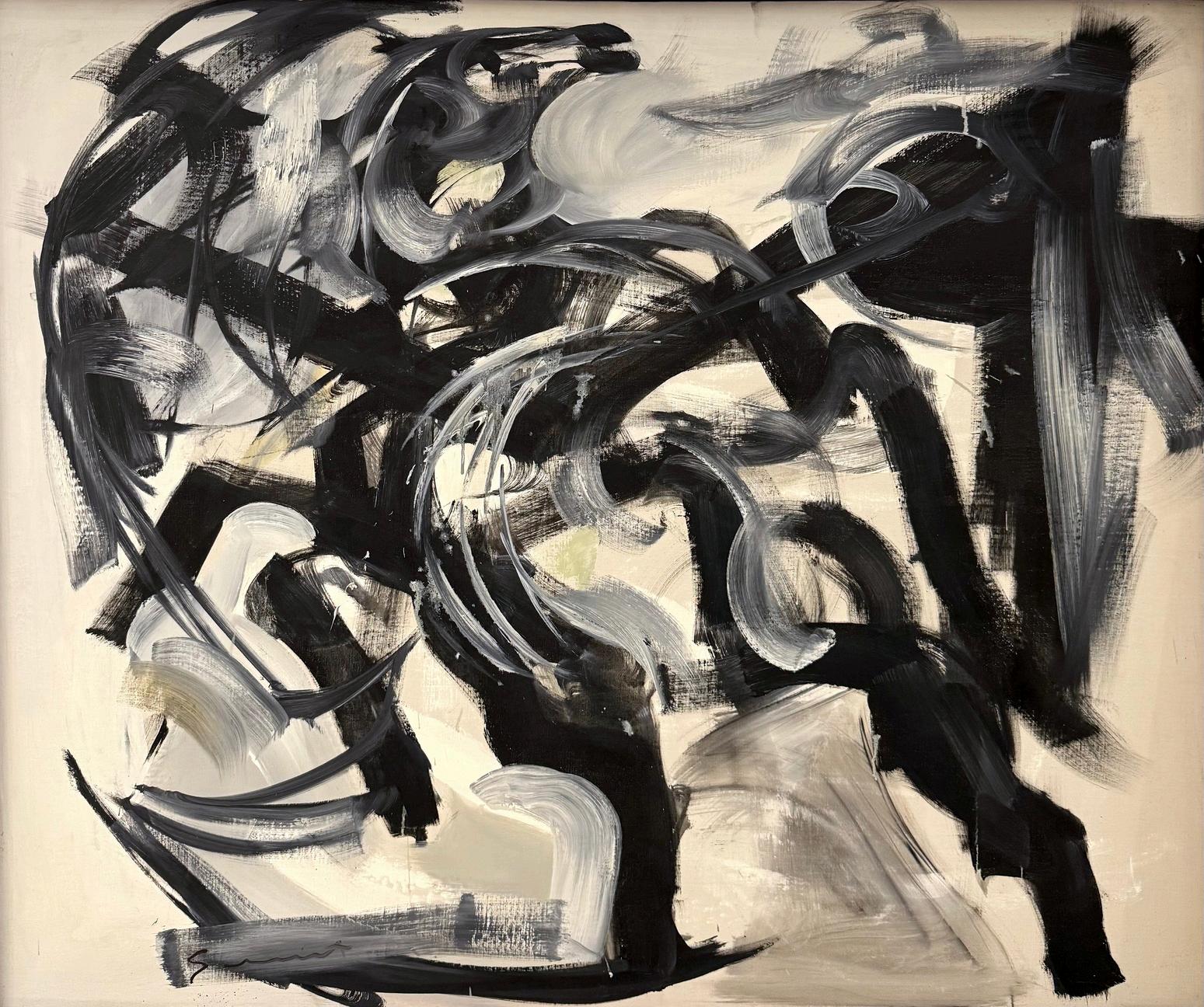
Mad Dash (167), 1959
Oil on canvas
42 x 50 in
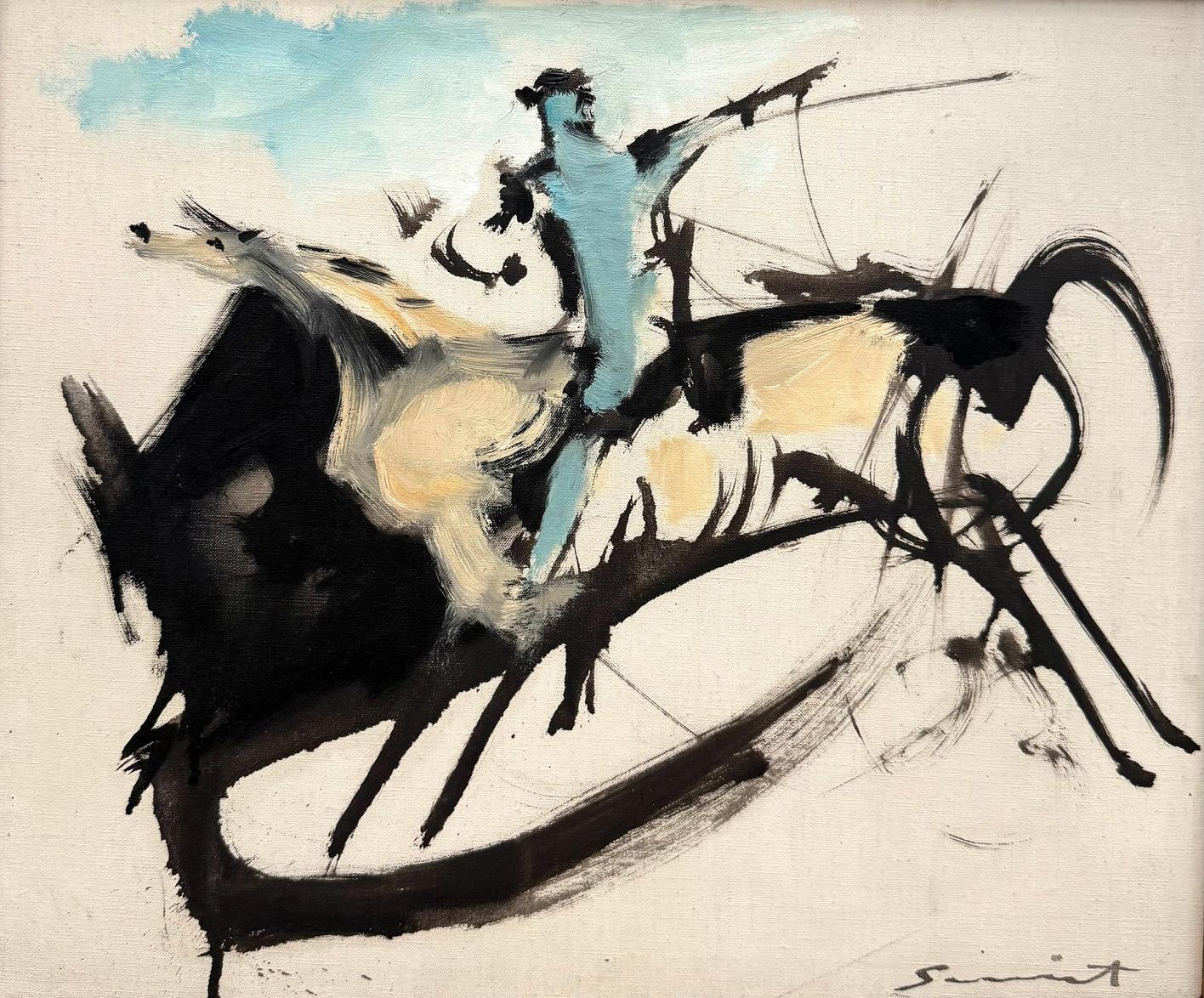
15 x 18 in
Horse No. 7 (401), 1961
Oil on canvas
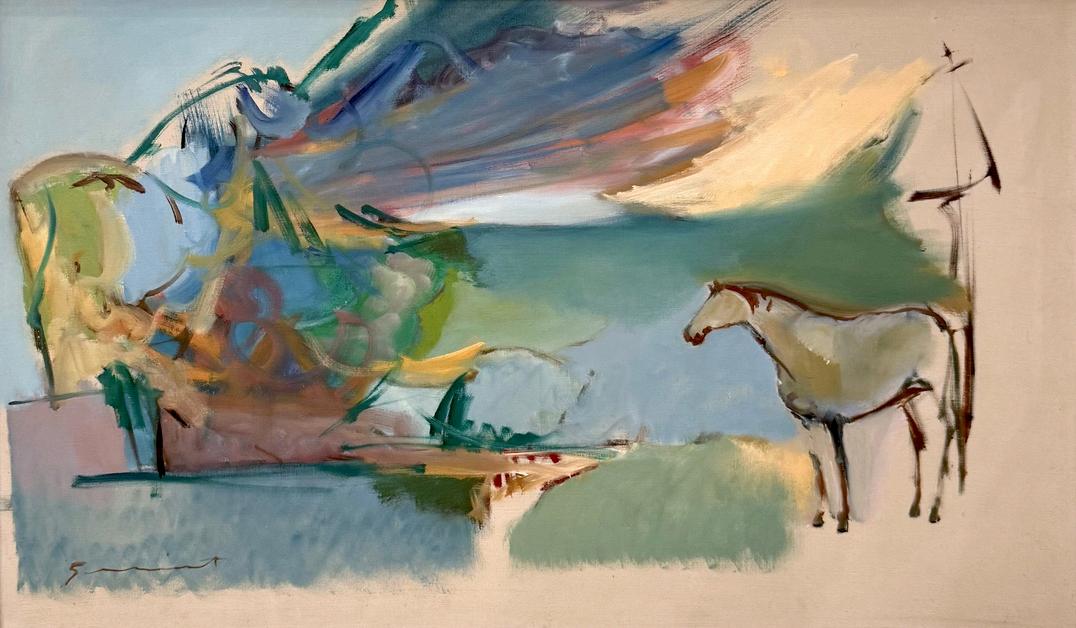
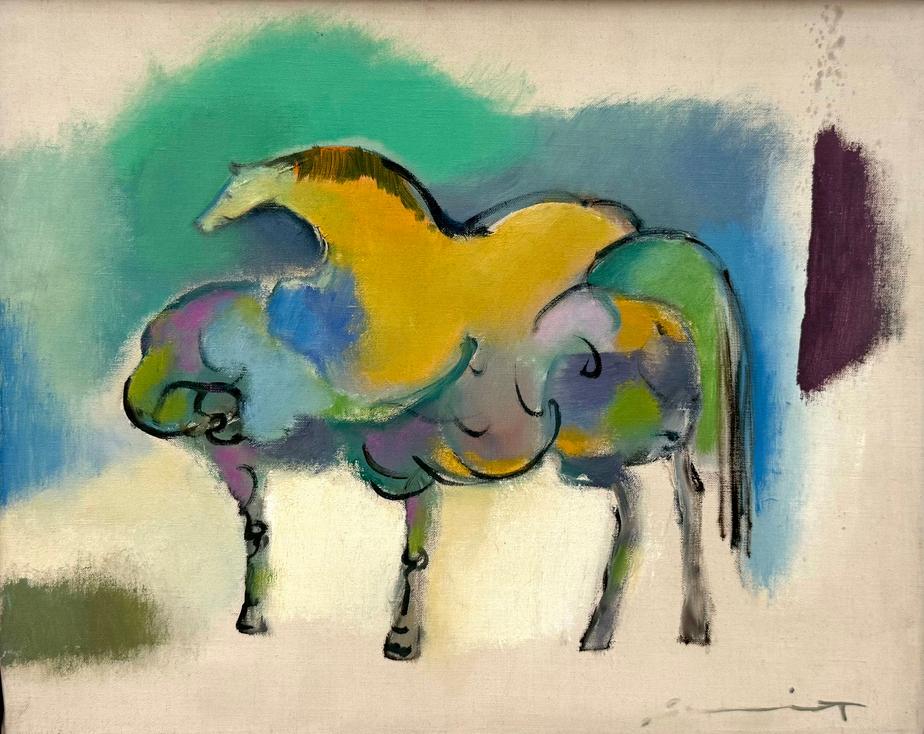
Mexico IV (277), 1964
Oil on canvas
23.5 x 39.5 in
Horse (400), 1962
Oil on canvas
15.5 x 19 in
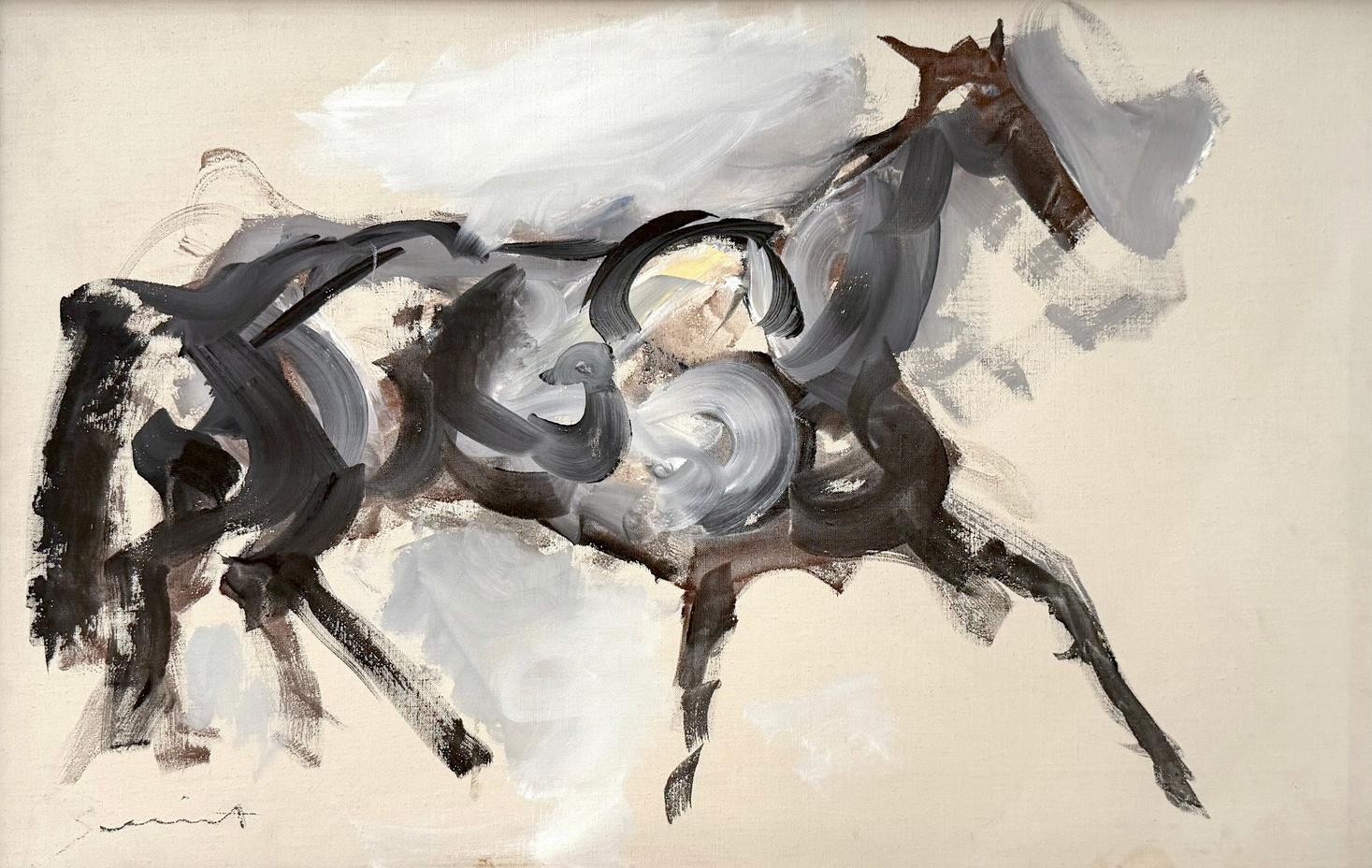
Horse (318), 1960
Oil on canvas
19 x 30 in
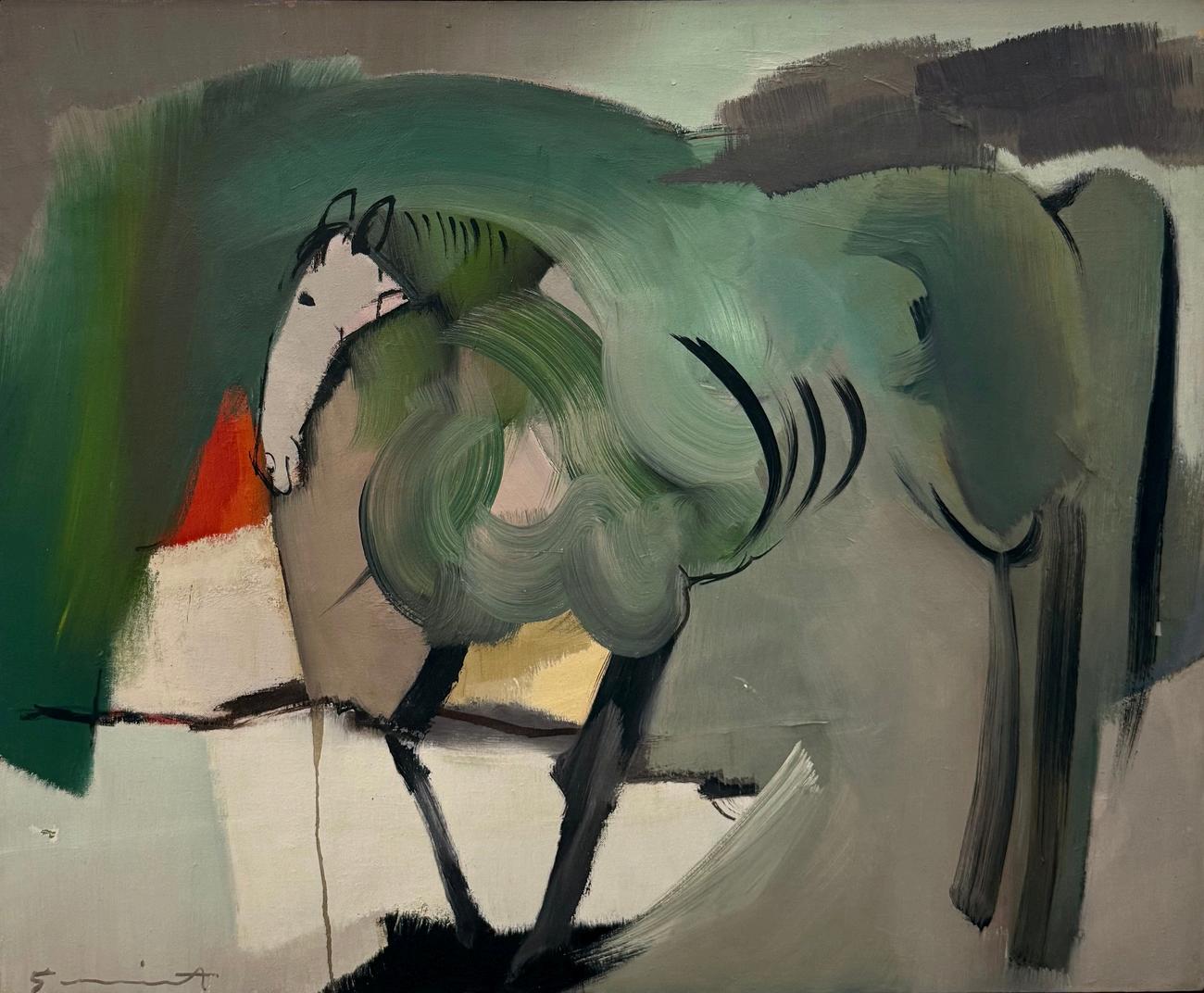
For Sale No. 2 (300), 1961
Oil on canvas
28 x 34 in
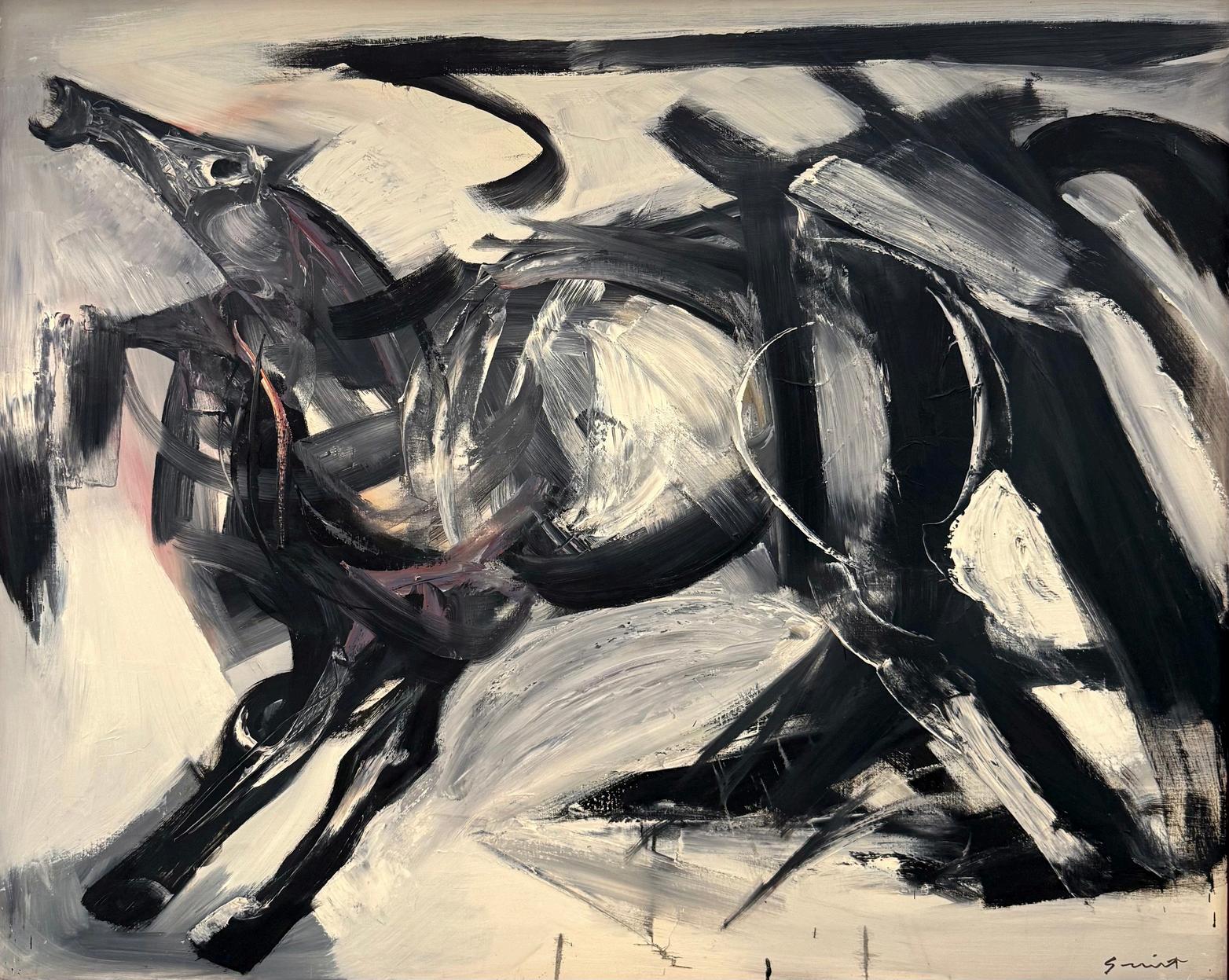
Winter (197), 1959
Oil on canvas
40 x 50 in
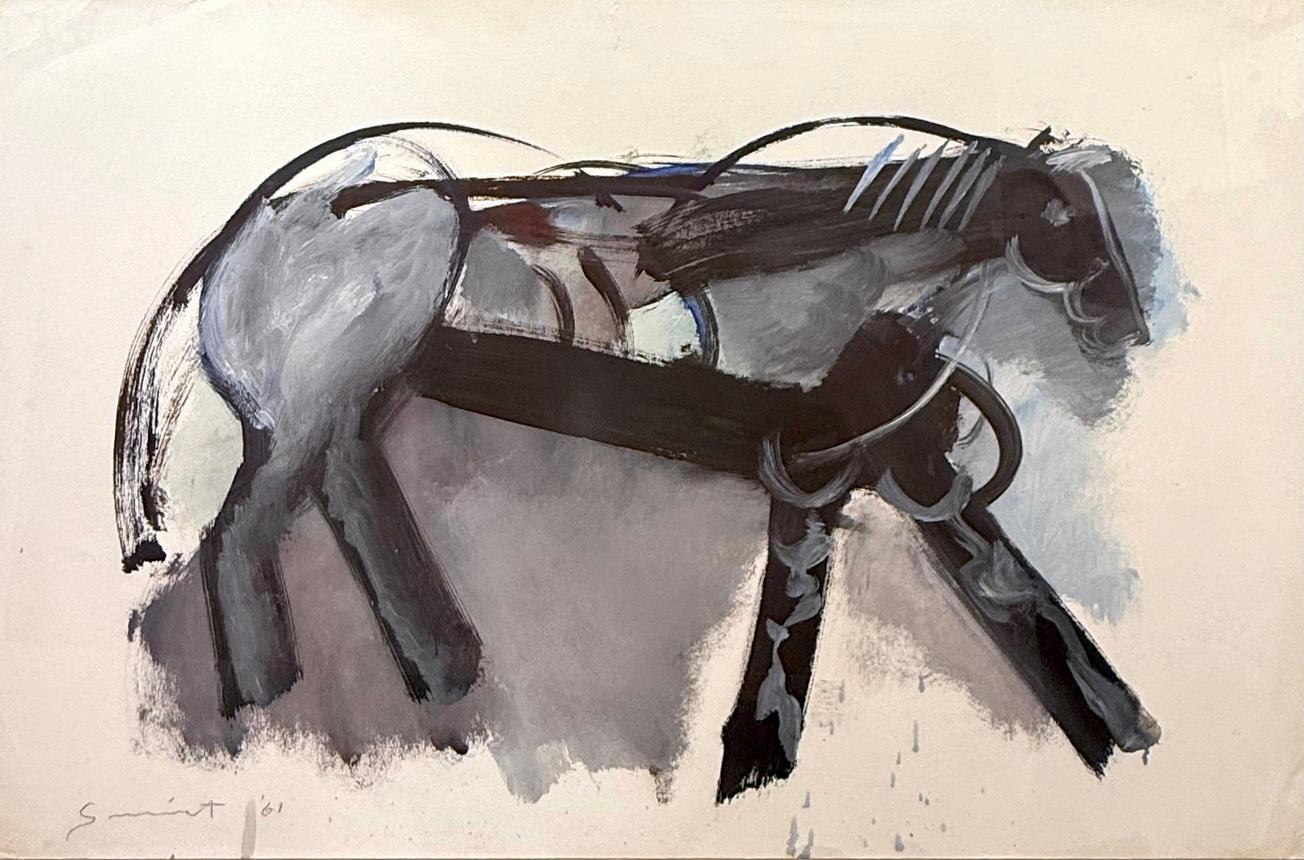
Untitled, 1961
Acrylic on paper
23 x 35 in
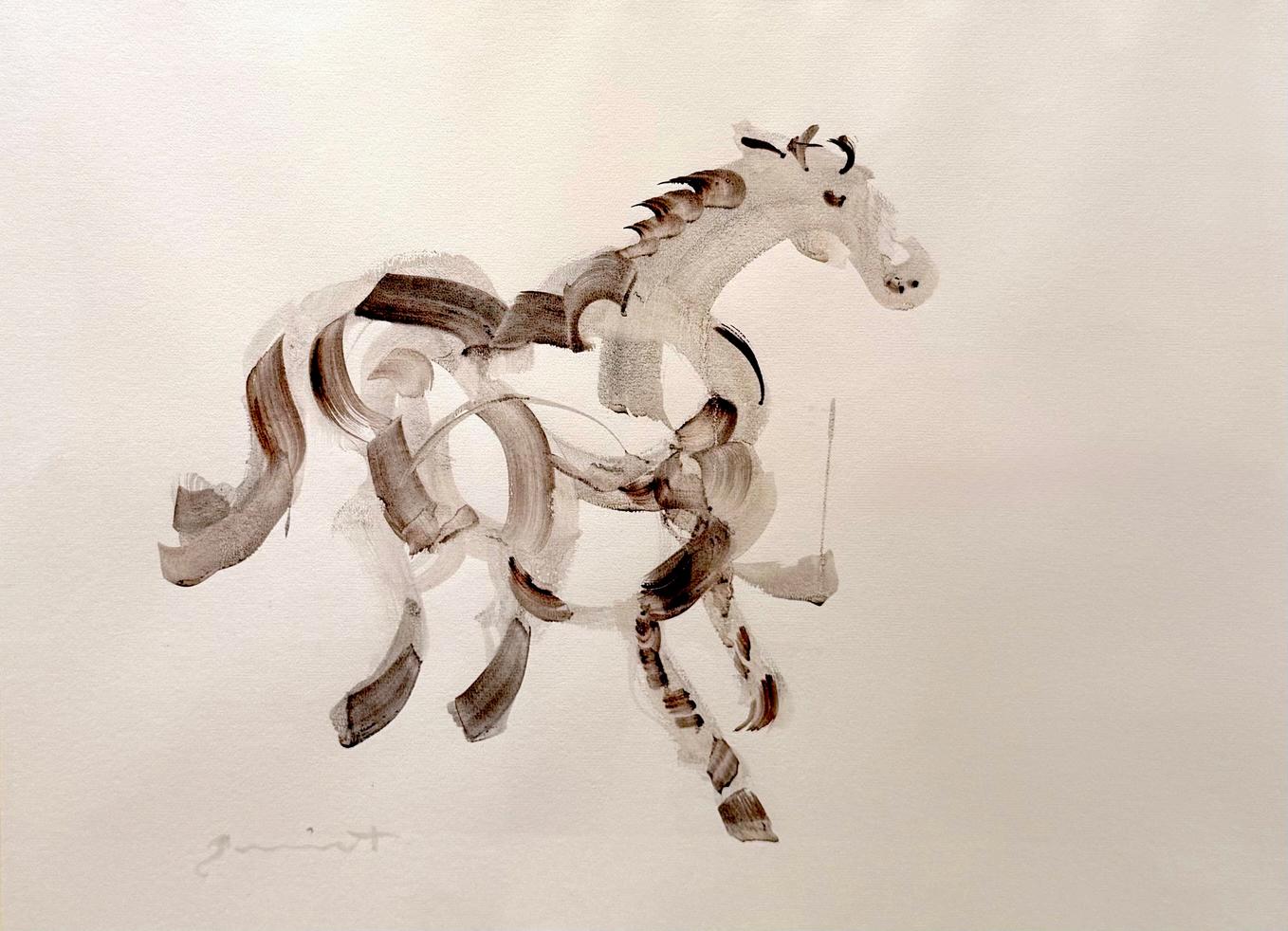
Untitled, c. 1959 - 1963
Acrylic on paper
21 x 38 in
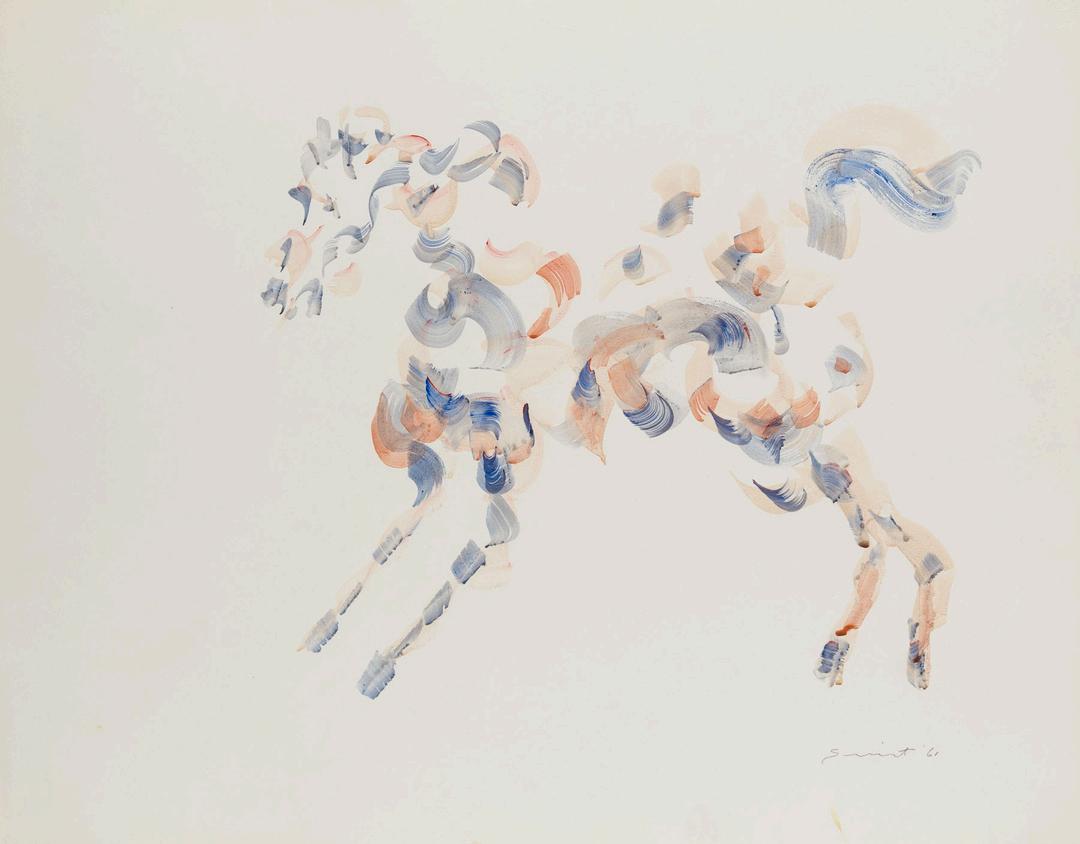
Pastel Horse, 1961
Acrylic on paper
23 x 29 in
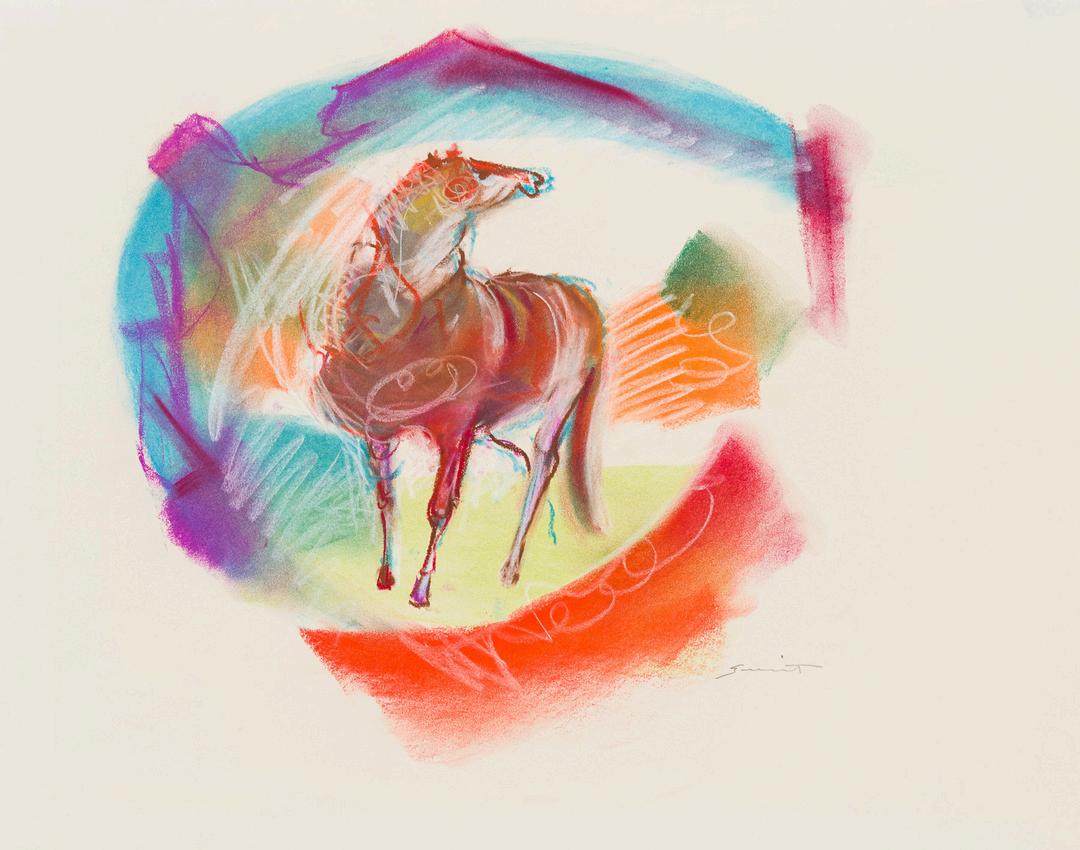
Untitled (Pastel Horse), 1964
Pastel on paper
15 x 22 in
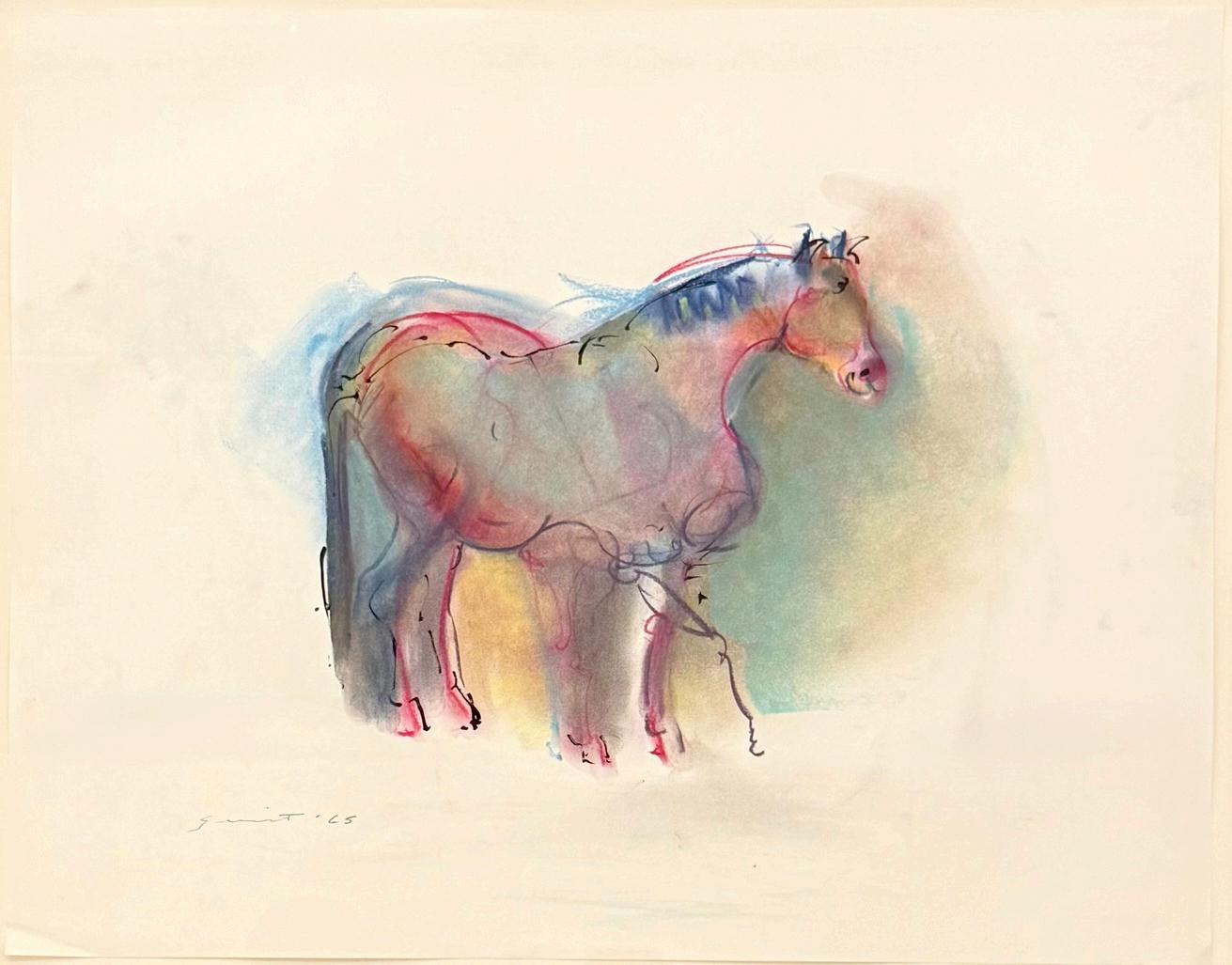
Untitled (Rainbow Horse), 1965 Pastel on paper
19 x 24 in
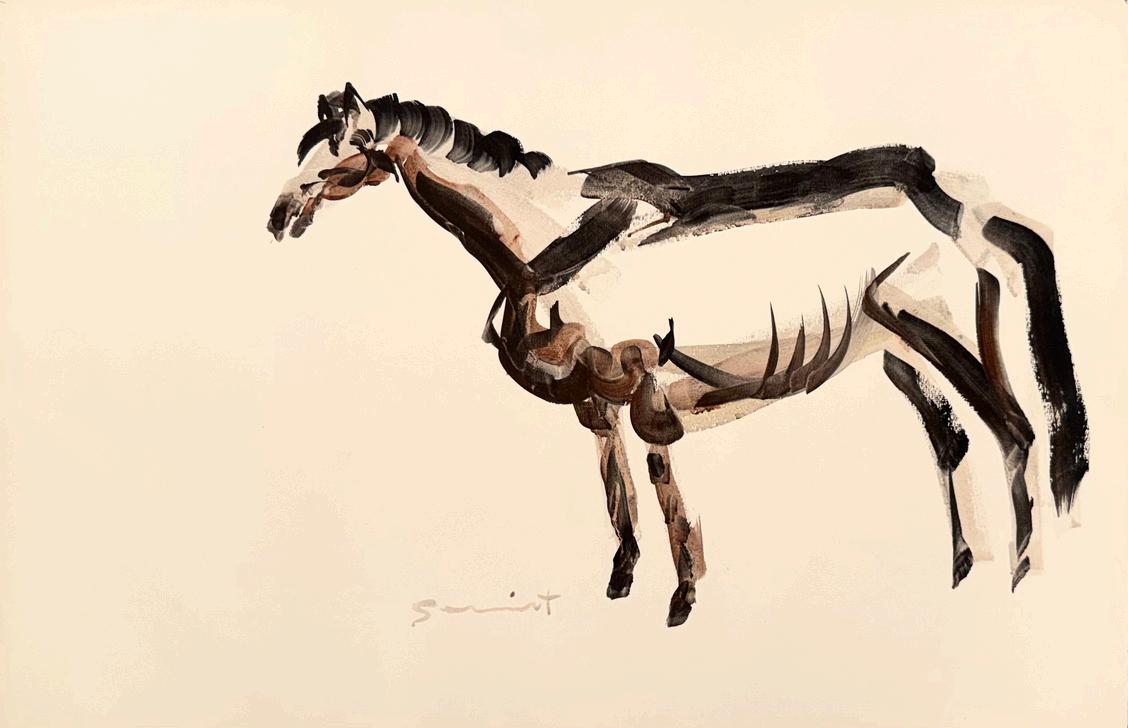
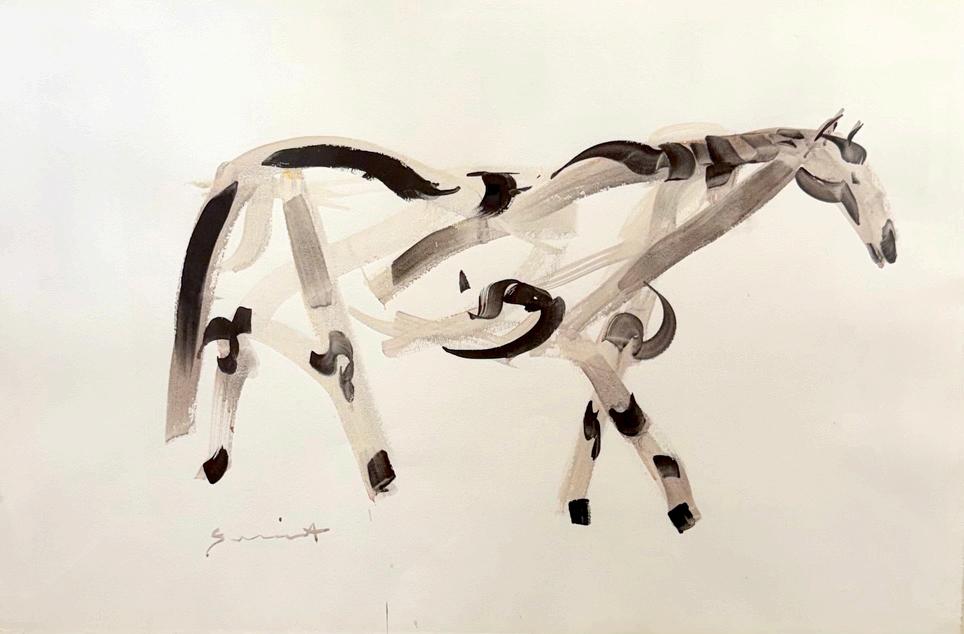
Untitled, c. 1959 - 1963
Acrylic on paper
23 x 35 in
Untitled (Brown Horse), c. 1959 - 1963
Acrylic on paper
23 x 35 in
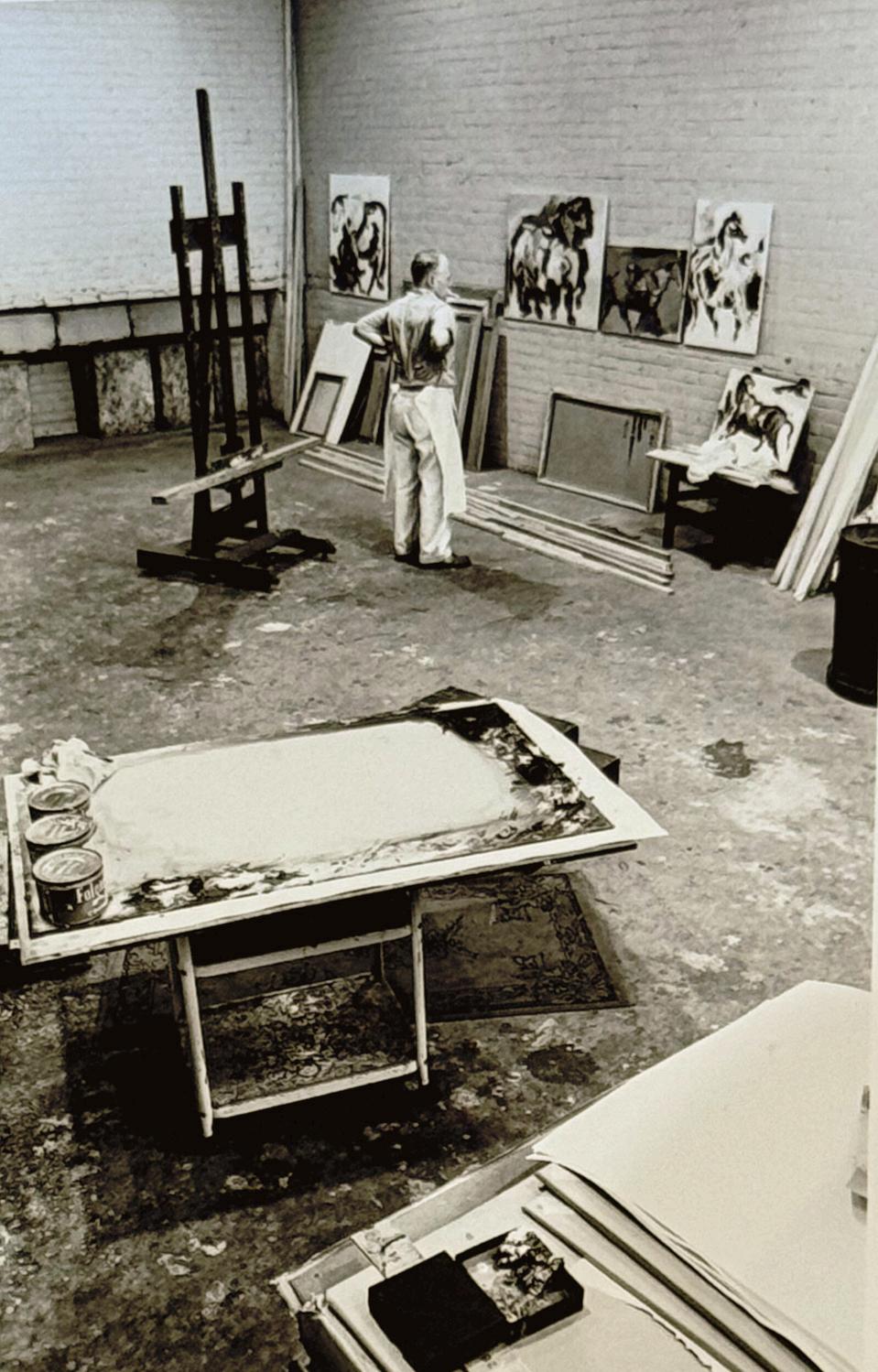
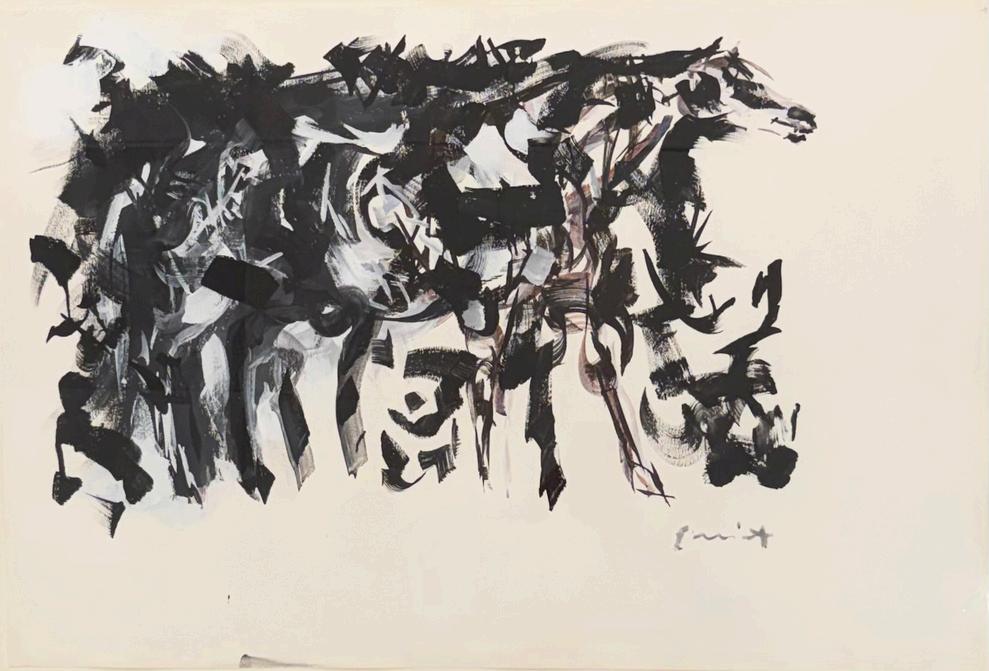
Untitled, c. 1959 - 1963
Acrylic on paper
23 x 35 in
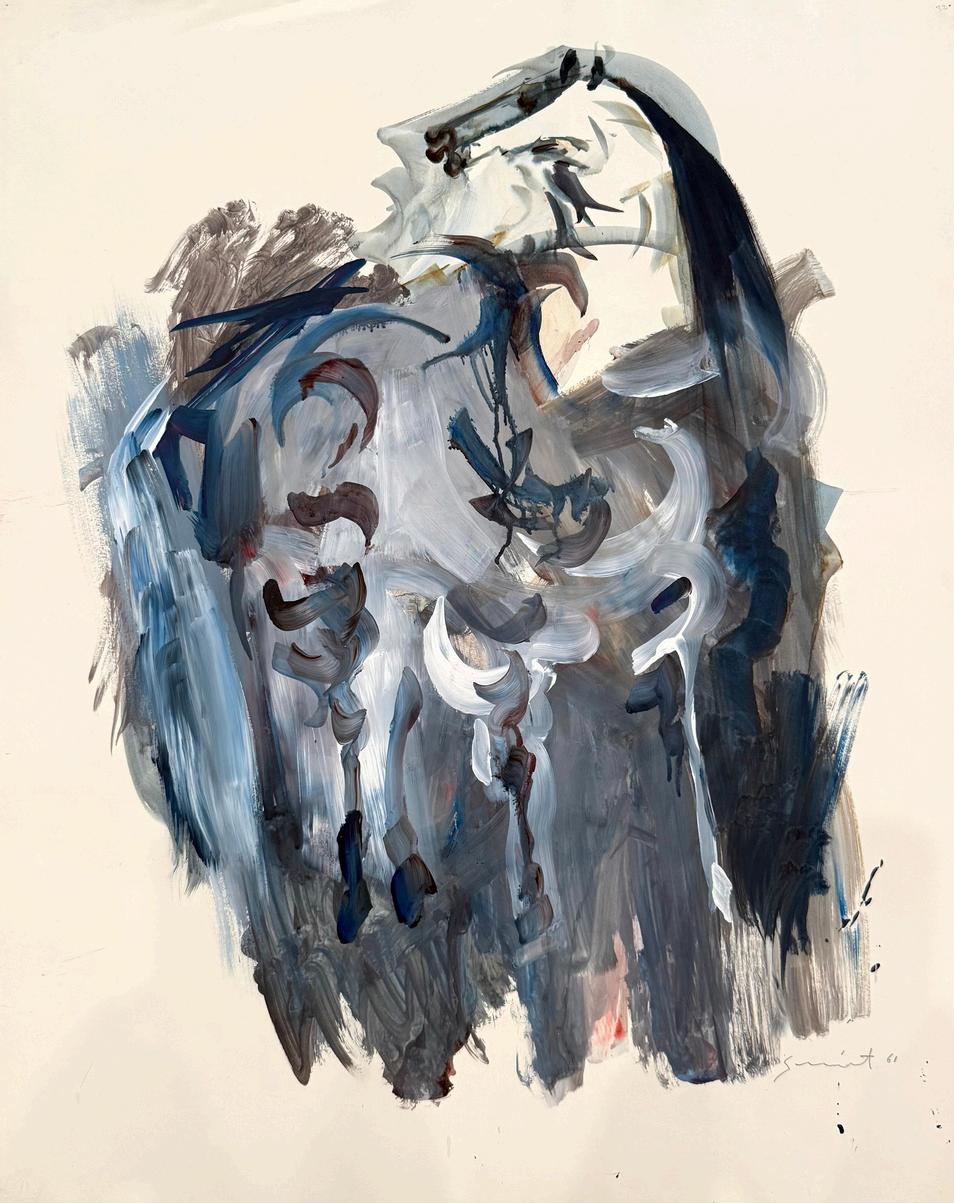
Untitled, 1961
Acrylic on paper
23 x 29 in
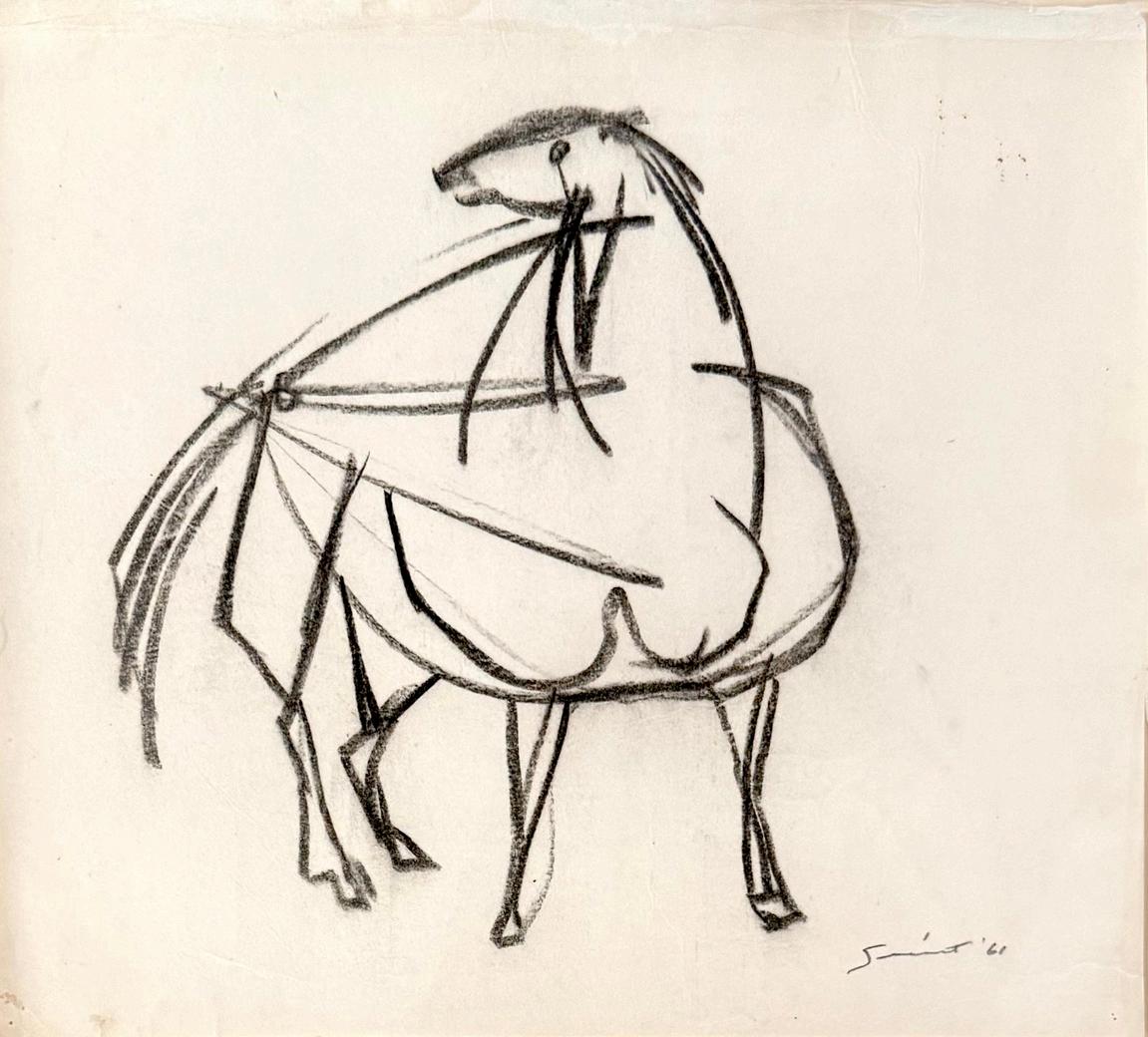
Untitled, 1961
Charcoal on paper
12 x 14 in
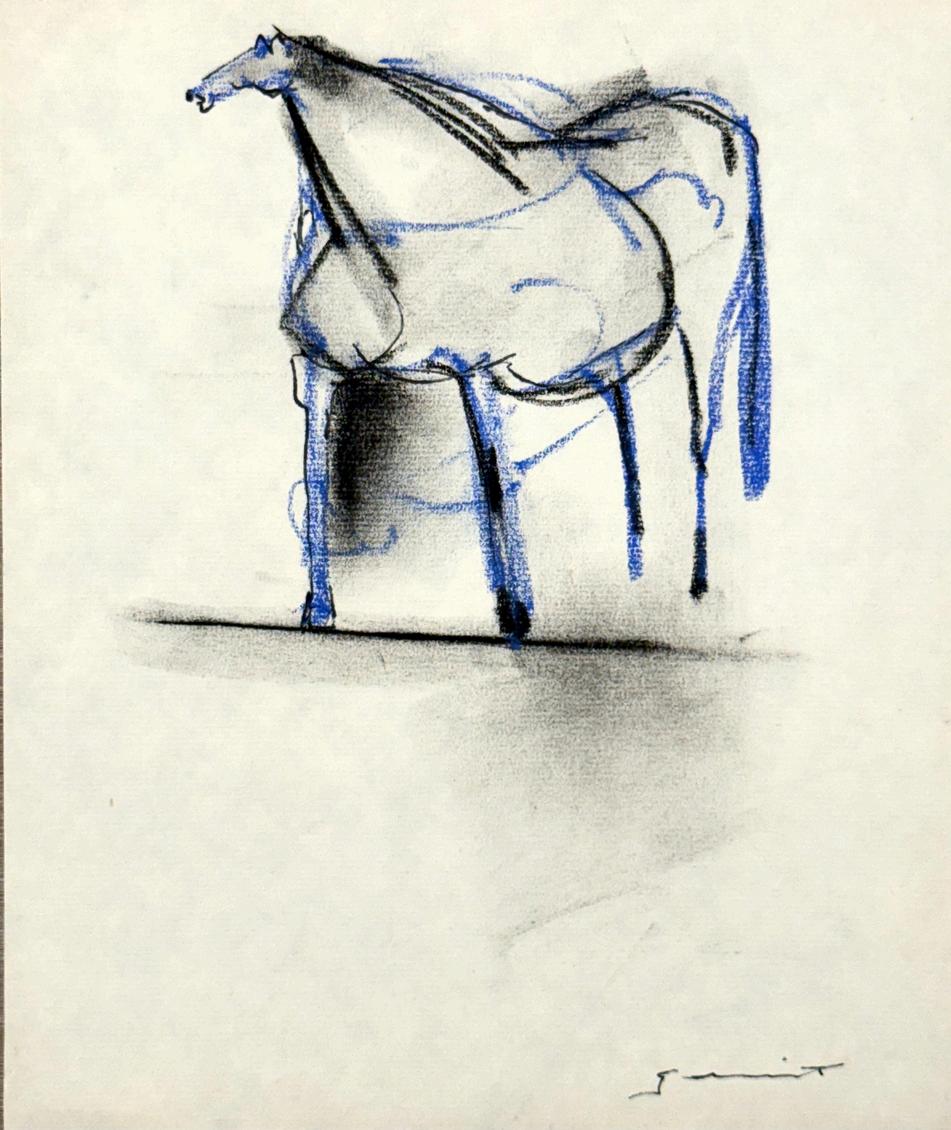
c. 1959 - 1963
Untitled,
Pastel on paper
12 x 9 in
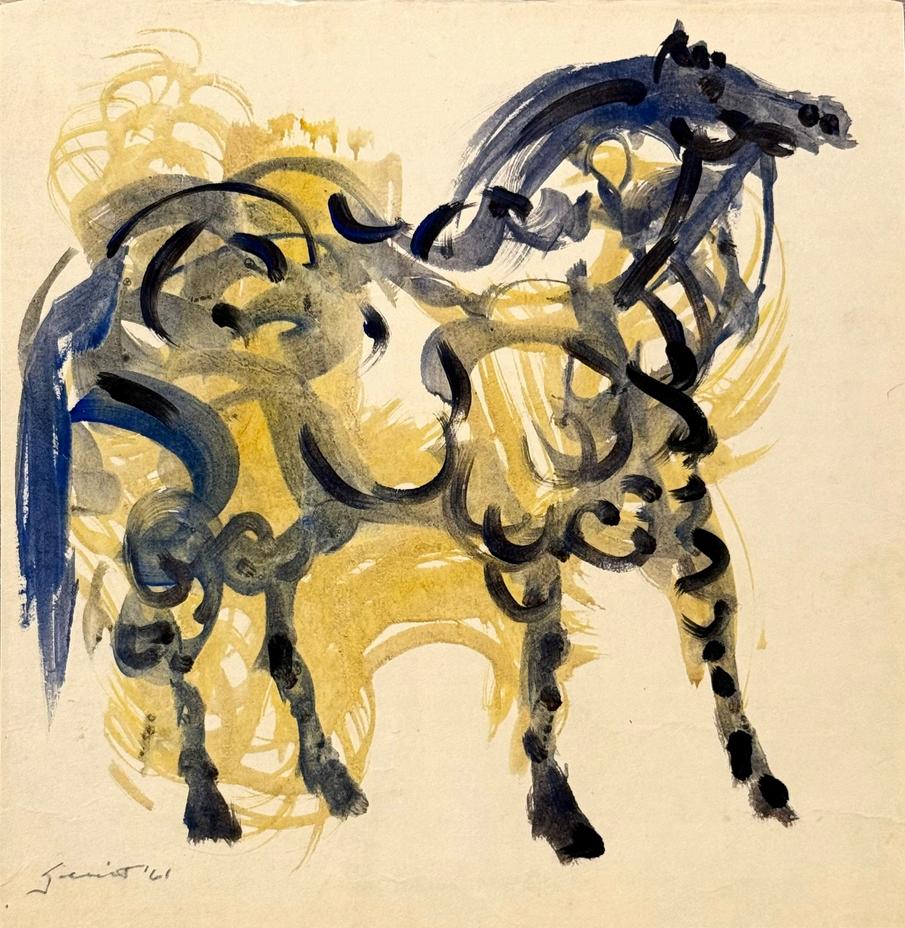
Untitled 1961
Acrylic on paper
14 x 14.75 in
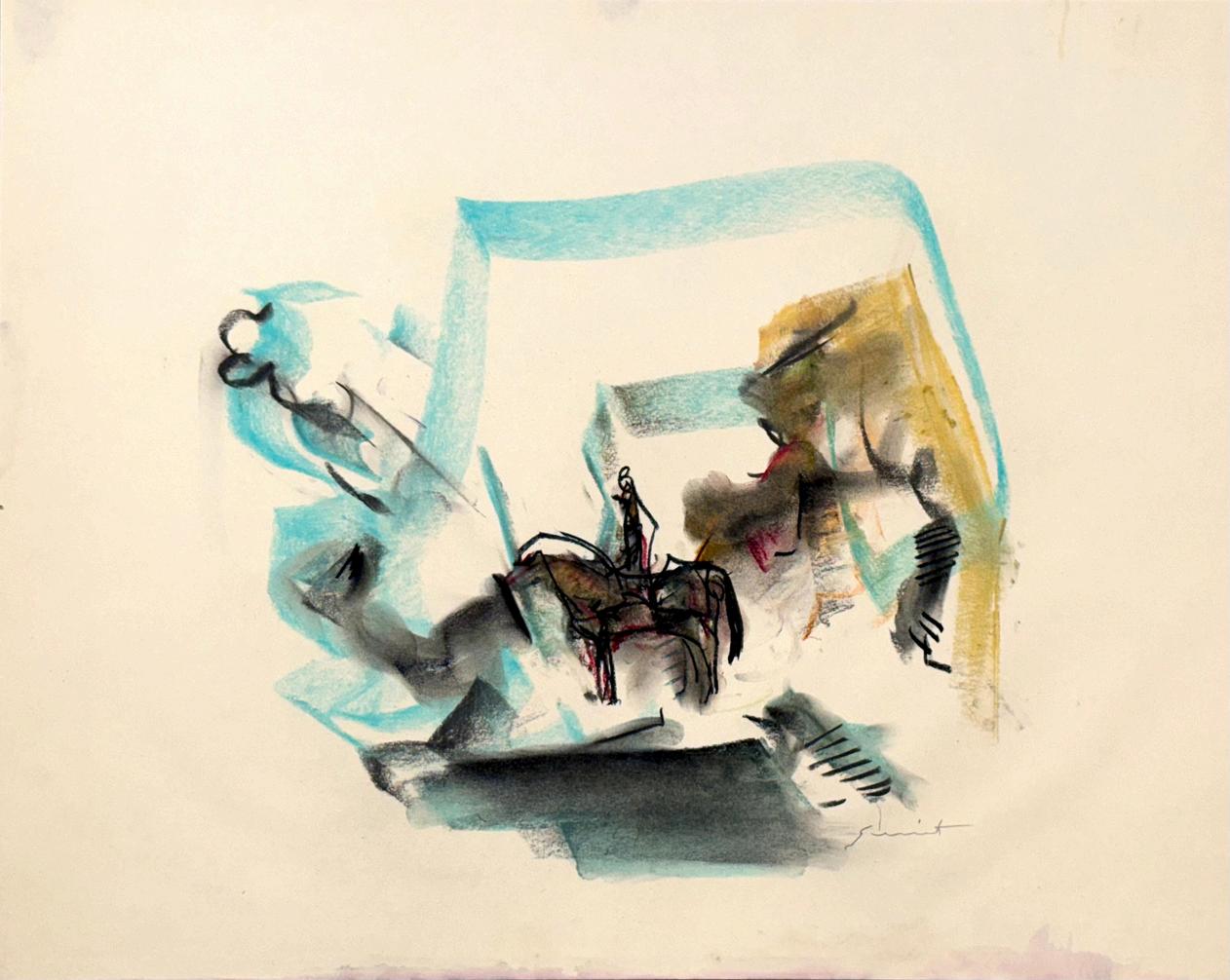
Untitled, c. 1959 - 1963
Pastel on paper
19 x 24 in
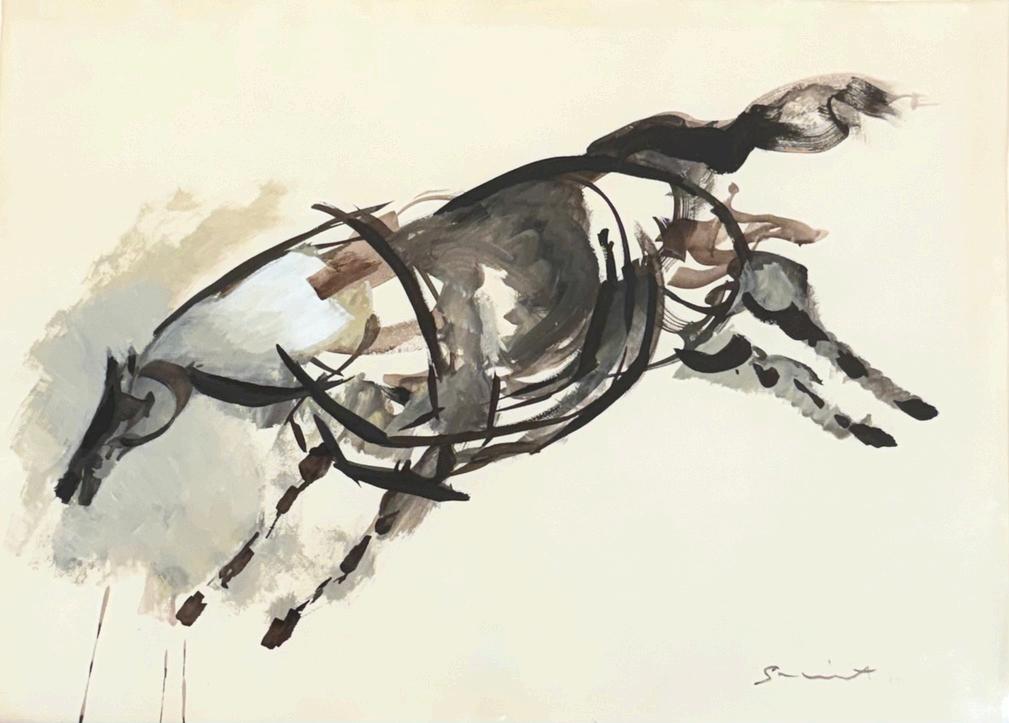
Untitled, 1960
Acrylic on paper
22 x 30 in
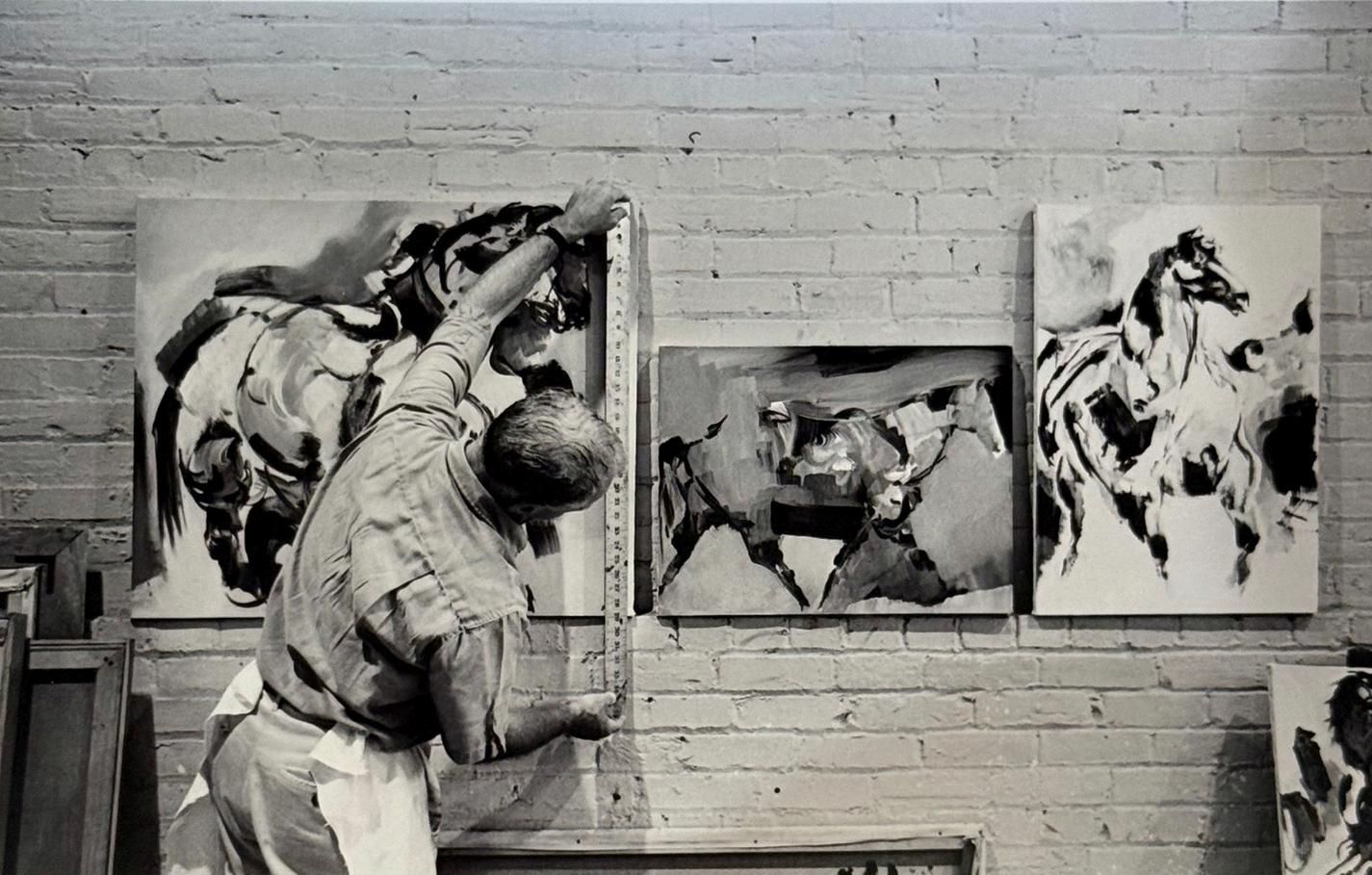
Walter Quirt (American, 1902 - 1968)
A prominent American Surrealist, Walter Quirt (1902-1968) established innovative methods of painting while remaining resolute in his ideals, asserting the importance of art within society. Born in 1902 in rural Michigan, Quirt moved to New York City in 1929 where he became an active member of numerous radical artists groups, such as the John Reed Club. He worked as a muralist in the WPA and as his style evolved, he became acquainted with many of the Surrealists who had fled Nazi-Occupied Paris. In 1936, Quirt became the first American to have a solo show at the Julien Levy Gallery, solidifying his position in the art world as a cutting-edge American Surrealist. While working in New York, Quirt made many connections to artists who were challenging the status quo. He became close friends with Staurt Davis, and collaborated with Romare Bearden and Jackson Pollock. In fact, in a 1999 MoMA publication about Jackson Pollock, Pepe Karmel wrote, “Quirt may be virtually forgotten today, but in 1944 he and Jackson Pollock seemed like promising young artists of comparable importance”. Currently, Walter Quirt’s artwork is in the permanent collection of many major museums, including
the The Museum of Modern Art NY, San Francisco Museum of Modern Art, Whitney Museum of Modern Art, Smithsonian American Art Museum, the de Young Museum and the Art Institute of Chicago.
Using a bold automatic painting style, Quirt’s artwork bridges the gap between socialist-realism, surrealism, and abstract expressionism. His style constantly evolved to capture what he called “the emotional and social tempo of society”. His Mid-Century artworks depict figures on the edge of abstraction, with striking colors and rhythmic brushstrokes that allow his compositions to each convey a unique emotional pitch. In 1947, Quirt moved to Minnesota to teach at the University of Minnesota in Minneapolis, a job he continued until the end of his life. After his death, his wife Eleanor kept the majority of his artwork in storage at the University of Minnesota, because she felt that showing it was “giving him away ” . Currently, Quirt’s work is in excellent condition due to its careful storage at the University. His link between Pre- and Post- War American Art remains significant today, and his expressive, dynamic artwork continues to capture the mercurial pulse of society.
Selected Public Collections
Addison Gallery of American Art, MA
Des Moines Art Center, IA
De Young Museum of Art, CA
Eli and Edyth Broad Museum, MI
Frederick R Wiseman Art Museum, MN
George Walter Vincent Smith Museum, MA
Georgia Museum of Art, GA
Henry Art Gallery, WA
Massillon Museum, OH
Mildred Lane Kemper Art Museum, MO
Minneapolis Institute of the Arts, MN
Minnesota Museum of Art, MN
Museum of Art at Brigham Young University, UT
Neuberger Museum of Art, NY
Renee and Chaim Gross Foundation, NY
San Francisco Museum of Modern Art, CA
Smith College Museum of Art, MA
Smithsonian American Art Museum, DC
The Columbus Museum - Georgia, GA
The Museum of Modern Art, NY
The Nelson-Atkins Museum, MO
The Newark Museum, NJ
The University of Michigan Museum of Art, MI
The University of Minnesota Gallery, MN
Wadsworth Atheneum Museum of Art, CT
Walker Arts Center, MN
Whitney Museum of American Art, NY