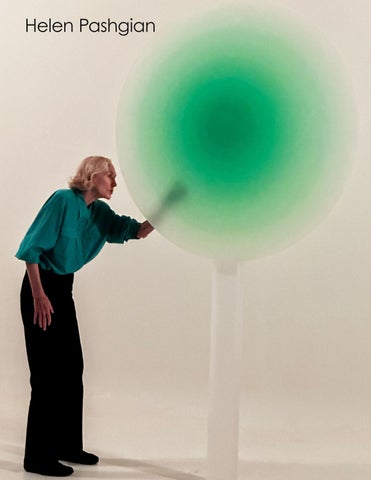

HELEN PAS HGIAN
SELECT MUSEUMS
SITE Santa Fe
1606 Paseo de Peralta
Santa Fe, NM 87501
505-989-1199
info@sitesantafe.org https://www.sitesantafe.org/en/exhibitions/helen-pashgianpresences/
Helen Pashgian: Presences 20 NOV 2021 / 28 MAR 2022
LACMA Collection
https://www.lacma.org/art/exhibition/light-space-surface-selectionslacmas-collection
Light, Space, Surface: Selections from LACMA’s Collection Apr 2–Oct 1, 2023
5905 Wilshire Blvd. Los Angeles, CA 90036
PUBLICINFO@LACMA.ORG
323 857-6000
https://www.lacma.org/
https://www.lacma.org/art/exhibition/helen-pashgian-light-invisible
Helen Pashgian: Light Invisible Mar 30–Jun 29, 2014
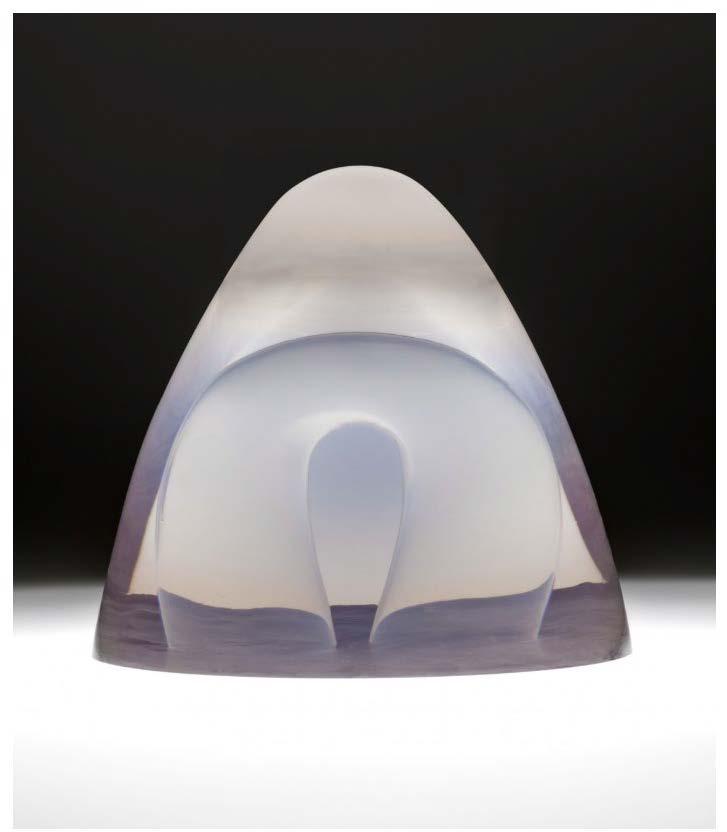
Copenhagen Contemporary
https://copenhagencontemporary.org/en/about/ Refshalevej 173A, 1432 København, DK
https://copenhagencontemporary.org/en/light-space/
LIGHT & SPACE
03.12.21 – 04.09.22
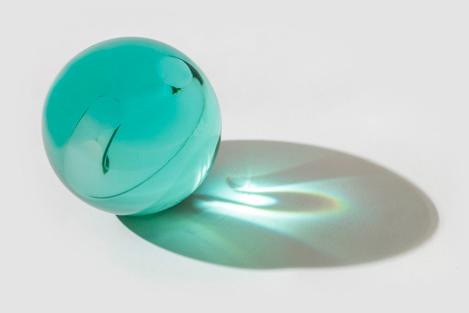
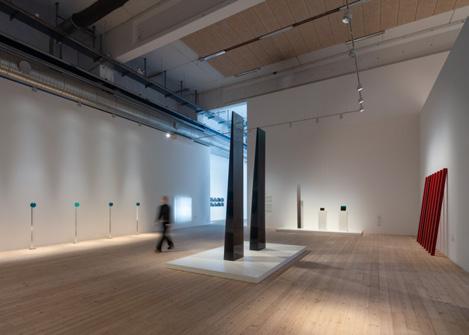
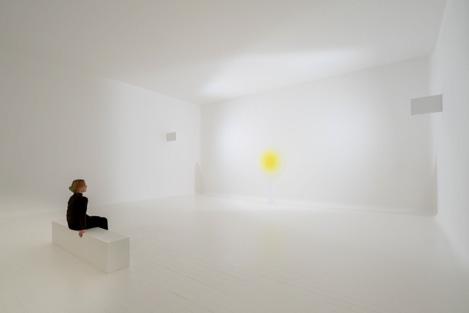
Museum North Pavillion, Plaza Level https://www.getty.edu/visit/center/?gad_source=1&gad_campaigni d=8885519987&gbraid=0AAAAADtWdBrM3qHGC7MAFAPoaBhgs64u&gclid=CjwKCAjw46HPBhAMEiwASZpLRPLLdSRt5 UBi1MWvMEiOuYnf9A34LSuOog22AAc_0QQ7dp0wVb0r8BoCxVgQAv
Lumen: Helen Pashgian Aug 6, 2024–Mar 30, 2025
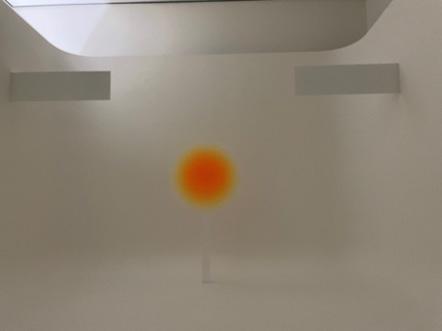
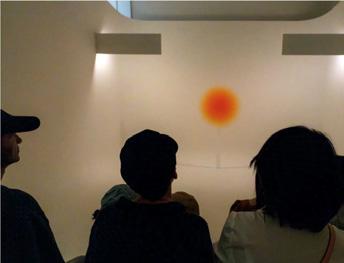
Albuquerque Museum
505-243-7255
abqmuseum@cabq.gov
https://www.cabq.gov/artsculture/albuquerque-museum/
2000 Mountain NW
Albuquerque NM 87104
https://www.cabq.gov/artsculture/albuquerquemuseum/exhibitions-1/past-exhibitions-1/light-space-and-the-shapeof-time
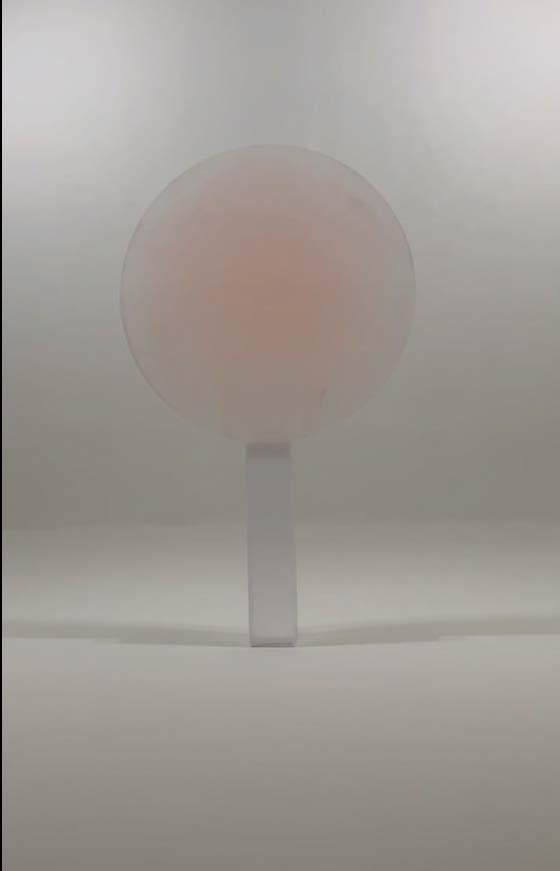
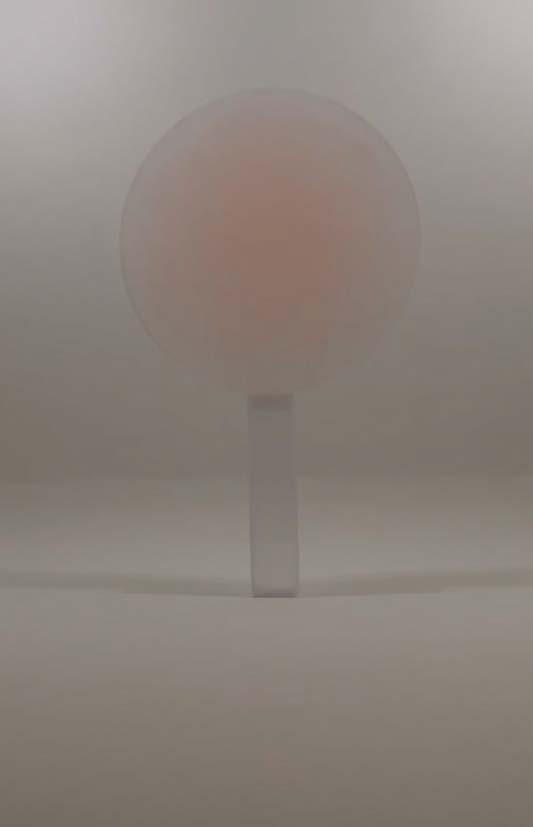
Light, Space, and the Shape of Time
April 5 - July 20, 2025
SELECT EXHIBITIONS
Kunsthalle Bielefeld
Artur-Ladebeck-Straße 5, D-33602 Bielefeld, Germany
T0521 32999500
F 0521 329995050
info@kunsthalle-bielefeld.de
https://kunsthalle-bielefeld.de/programm/ausstellungen/alles-licht/
All light
Light and Space Yesterday and Today 15.11.25 - 1.3.26
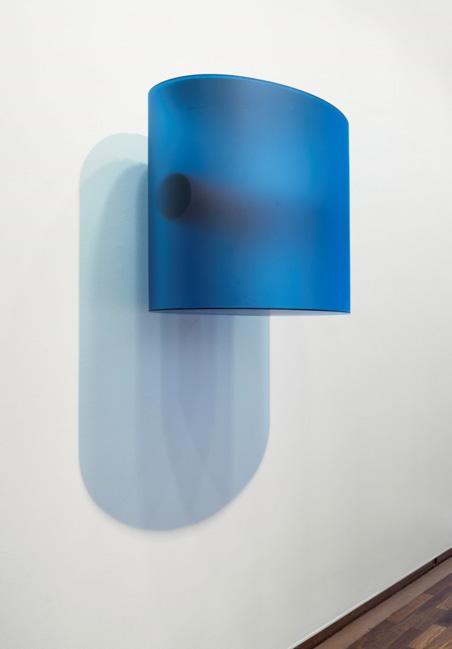
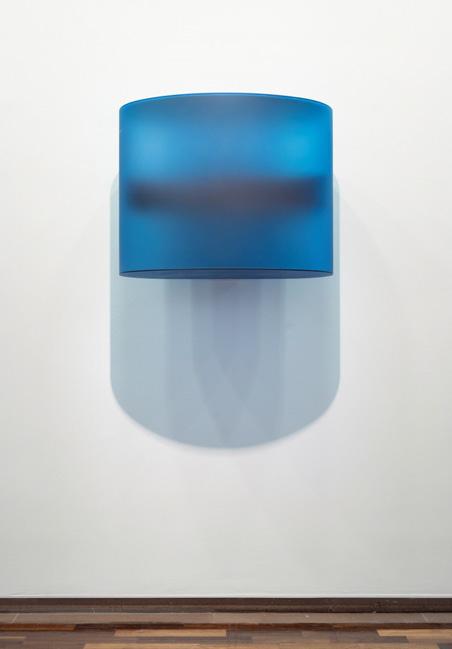
Espoo Museum of Modern Art
Exhibition Centre WeeGee Ahertajantie 5, Tapiola Espoo, Finland
https://emmamuseum.fi/en/visit-us/visit-us/ https://emmamuseum.fi/en/exhibitions/in-search-of-the-present-26/
In Search of the Present: On Rootlessness
14.03.2026 - 07.02.2027
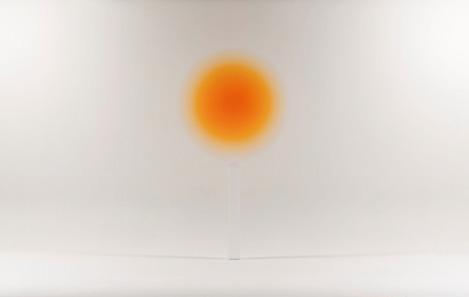
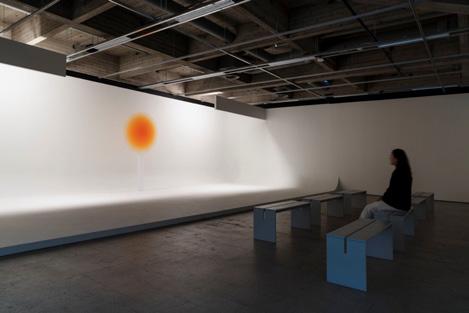
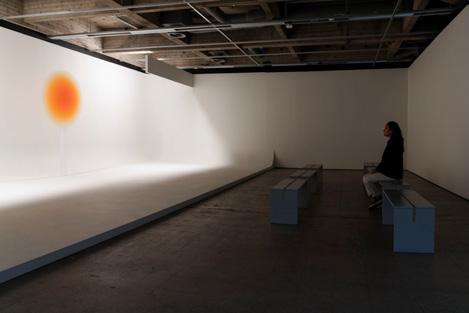
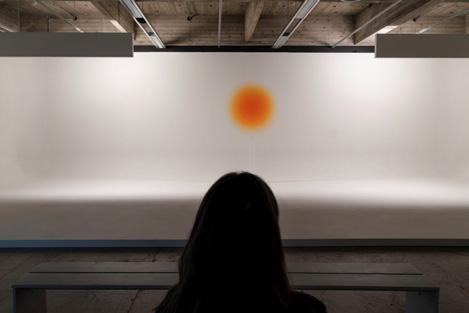
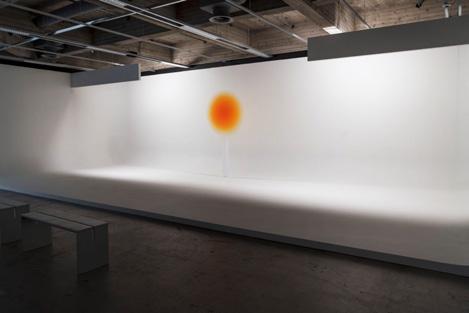
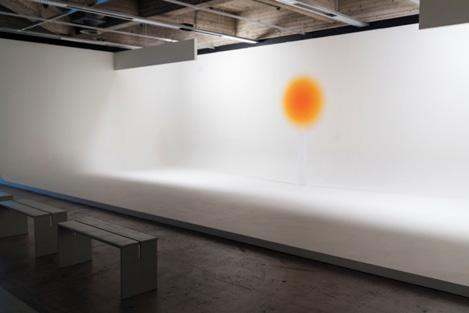
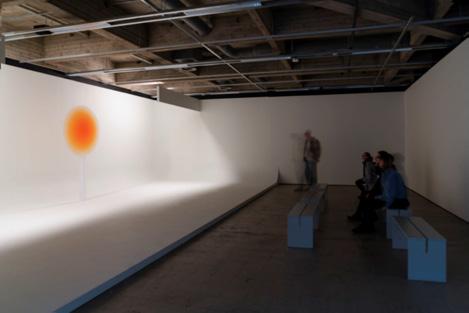
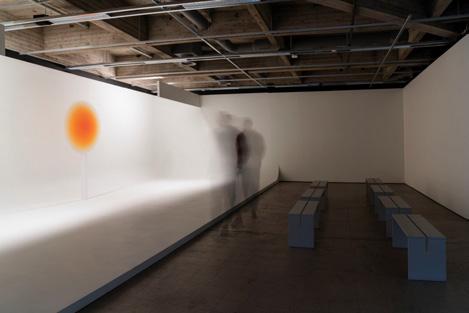
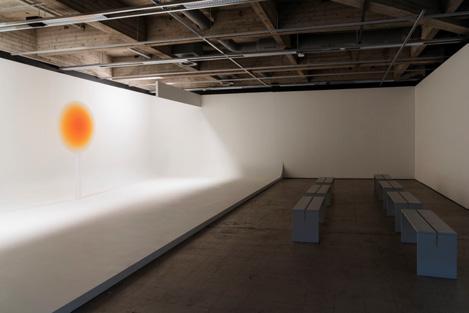
Benton Museum of Art Pomona College
https://www.pomona.edu/museum/visit
https://www.pomona.edu/museum/exhibitions/2021/helen-pashgian
Helen Pashgian – Primavera
On View April 15, 2021 – December 11, 2022
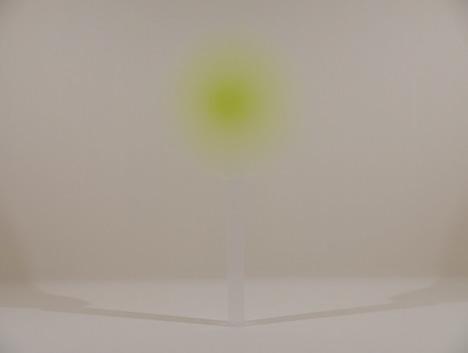
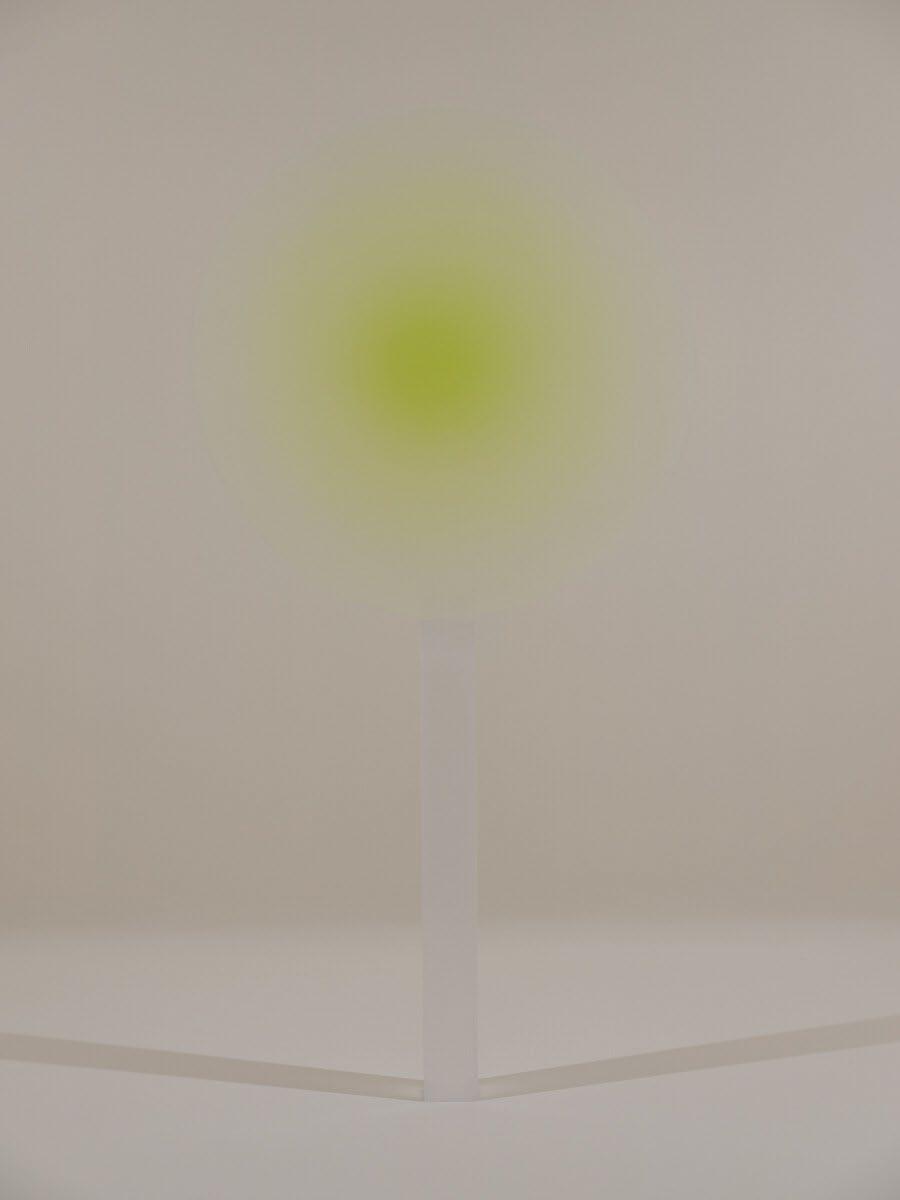
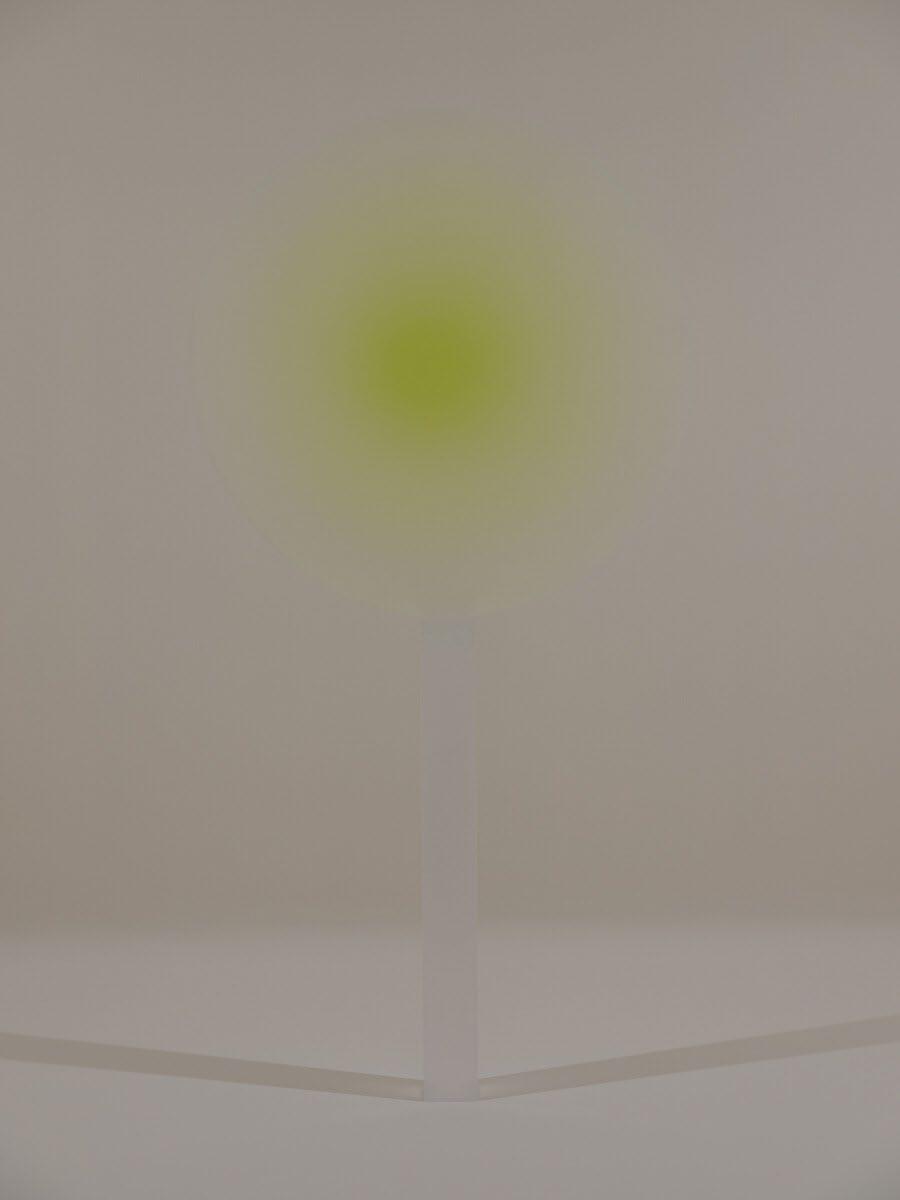
SELECT VIDEOS
VIDEOS
SITE SANTA FE
Artist Helen Pashgian in conversation with LACMA's Michael Govan https://www.youtube.com/watch?v=nwB83jbv1v0
LACMA
Helen Pashgian: Visible Invisible
https://www.youtube.com/watch?v=3oXSg4_K6iM
Director's Series: Helen Pashgian https://www.youtube.com/watch?v=lZMa8mcgeSs
THE GETTY
Helen Pashgian in Conversation
https://www.youtube.com/watch?v=Loppy74-Z0I&t=2s
Helen Pashgian: Transcending the Material
https://www.youtube.com/watch?v=SHj2vEPuelw
ALBUQUERQUE MUSEUM
https://www.youtube.com/watch?v=cqb6uFyKCmQ
An Artist’s Glimpse: Helen Pashgian
https://www.youtube.com/watch?v=vNvZsXEdH1I&t=112s
SELECT STUDIO IMAGES
Helen Pashgian STUDIO IMAGES
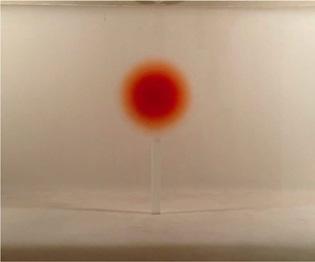
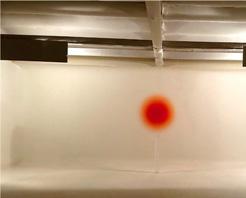


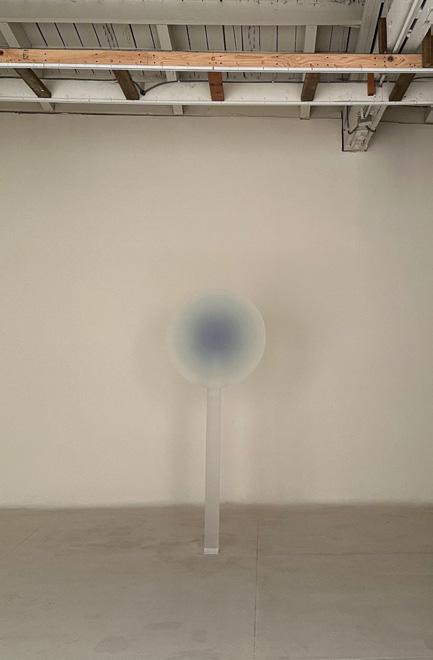
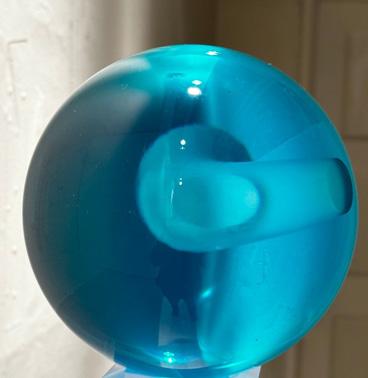
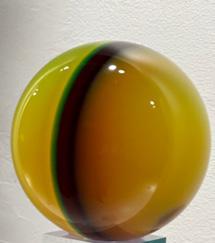
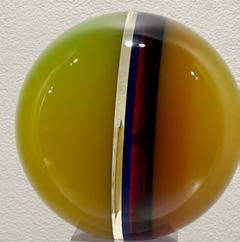
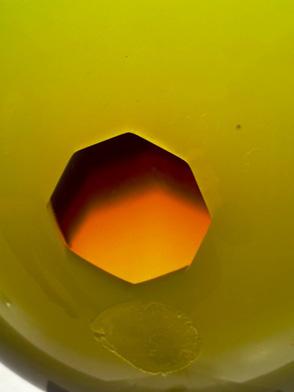
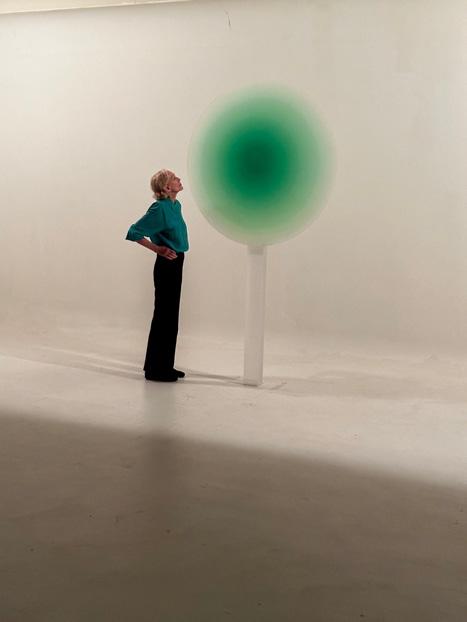
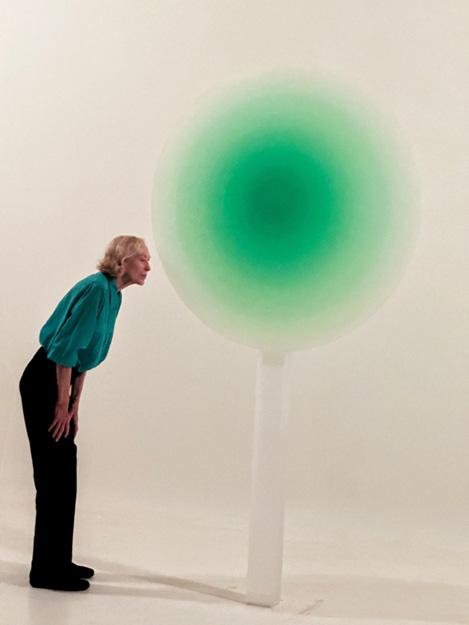
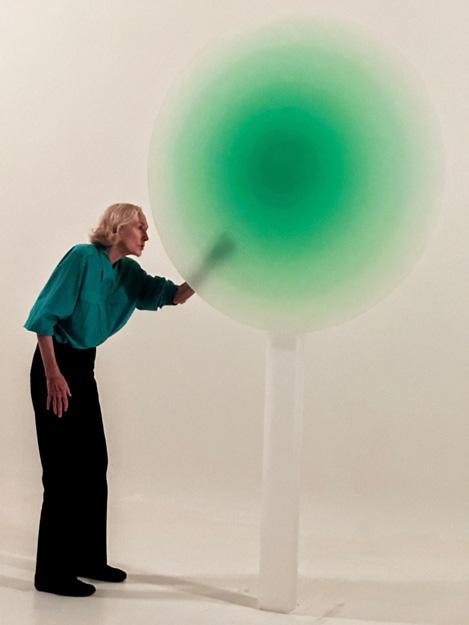
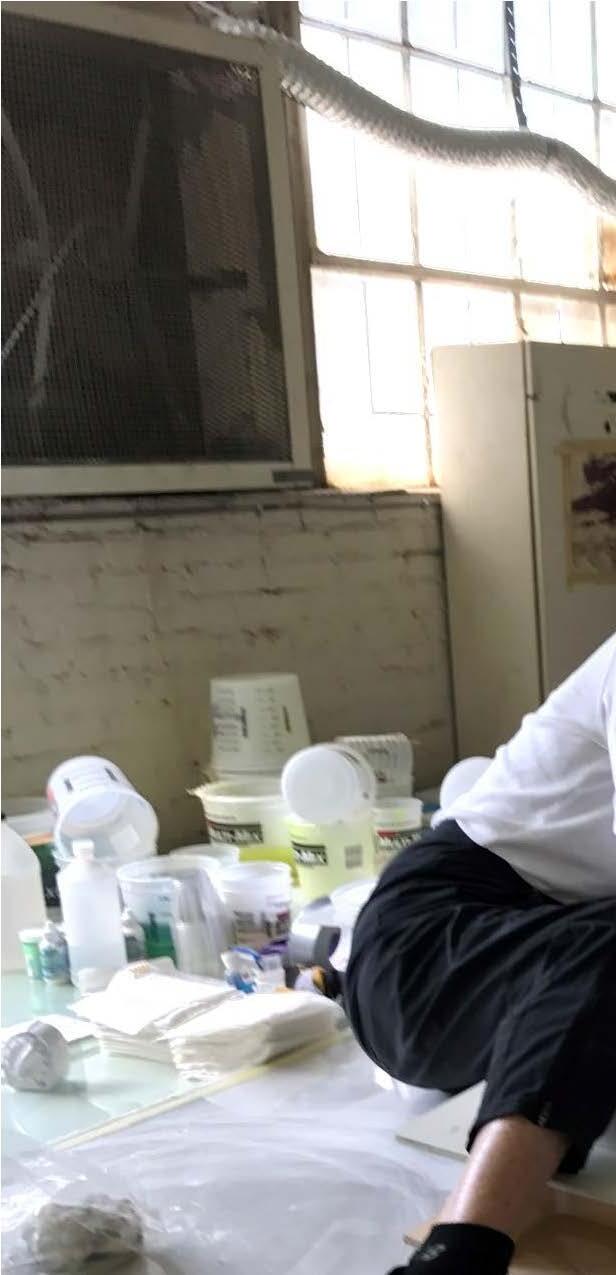
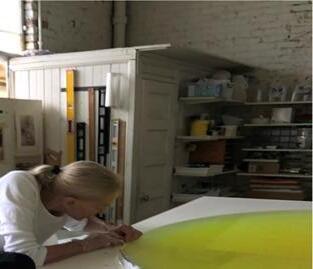
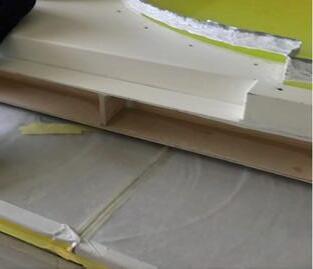
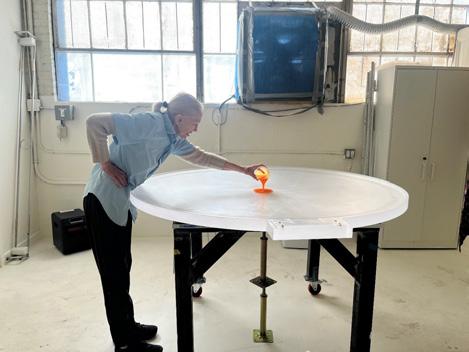
SELECT
GALLERY EXHIBITIONS
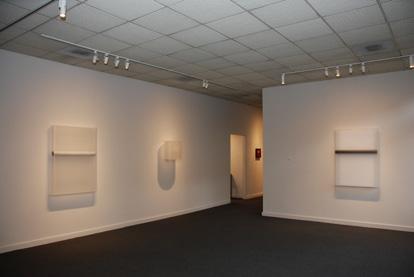
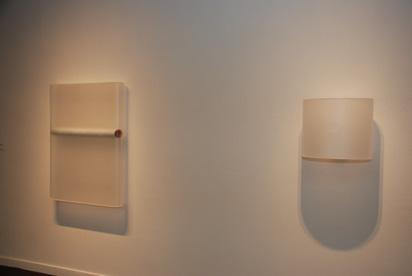
Charlotte Jackson Fine Art Helen Pashgian 2009
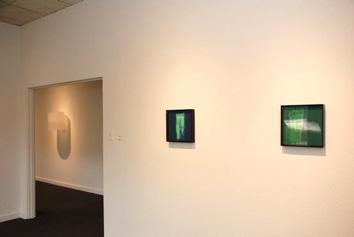
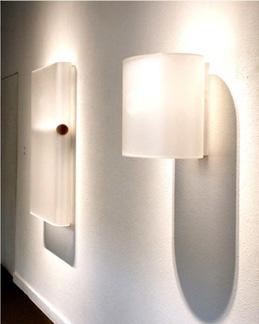

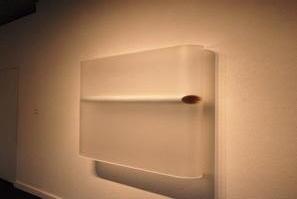
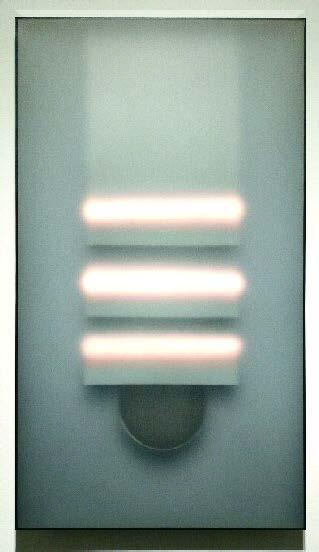
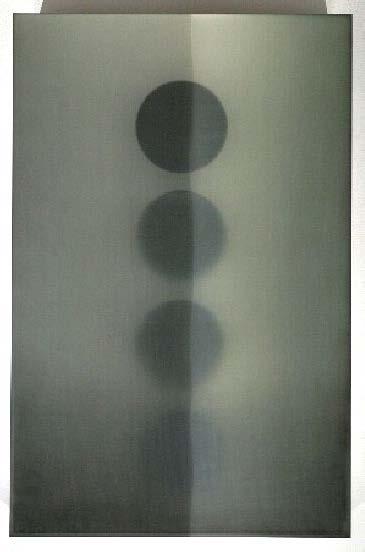
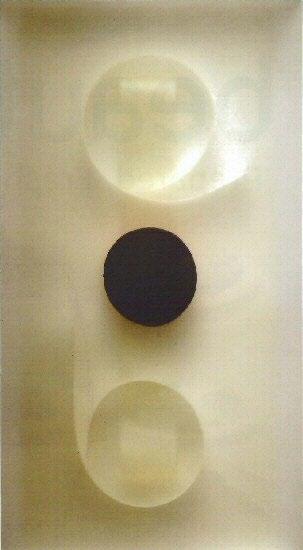
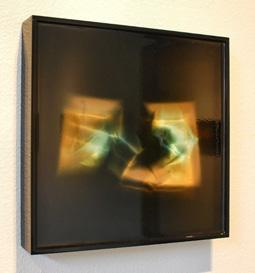
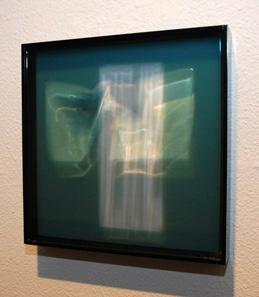
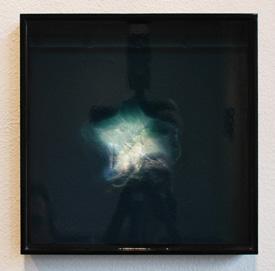
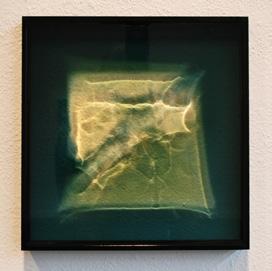
Helen Pashgian 2021-22
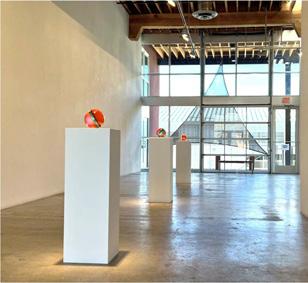
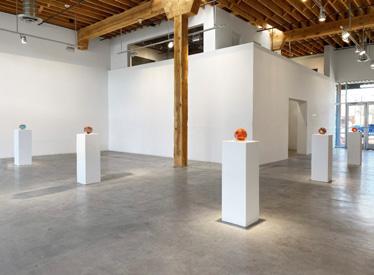
Charlotte Jackson Fine Art
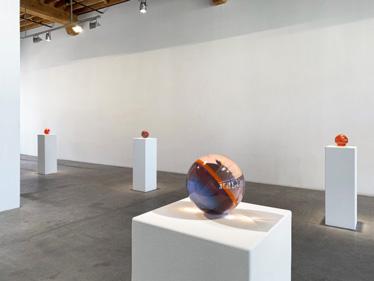
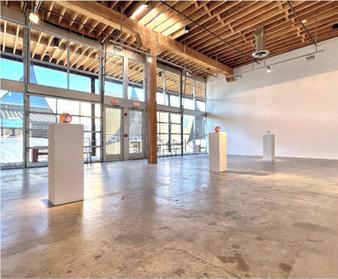
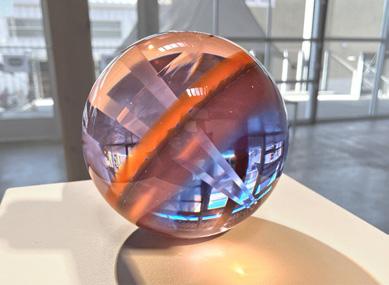
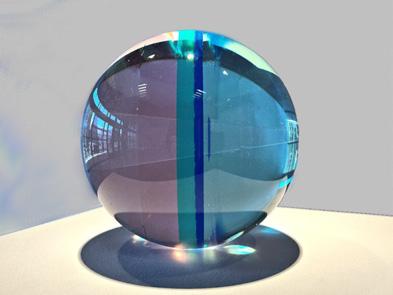
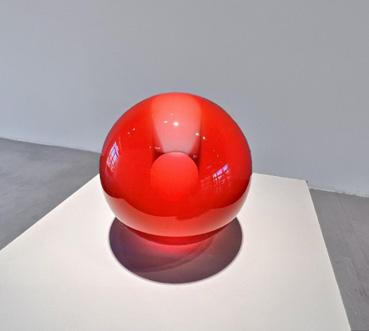
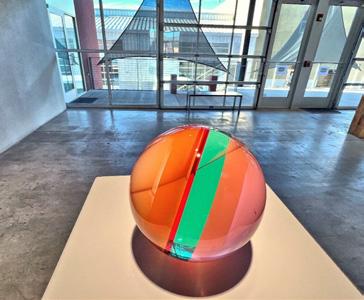
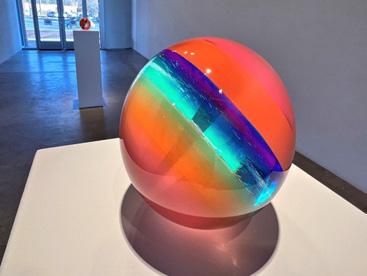
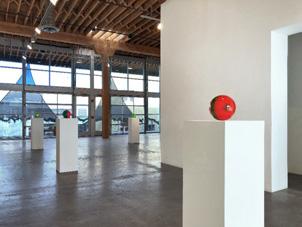
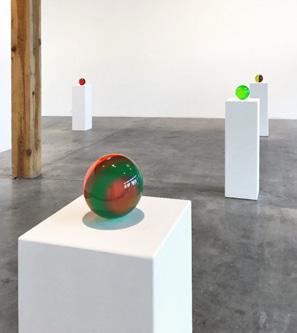
Charlotte Jackson Fine Art
Helen Pashgian 2019
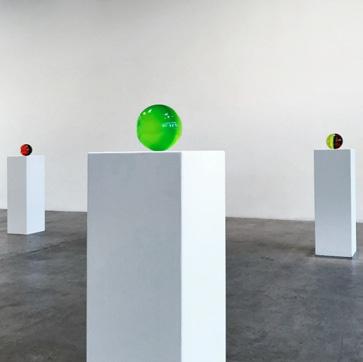
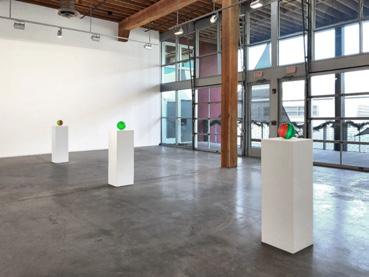
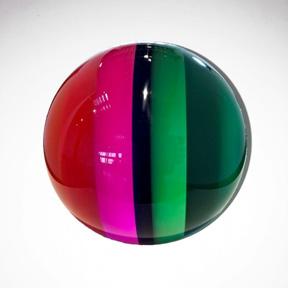
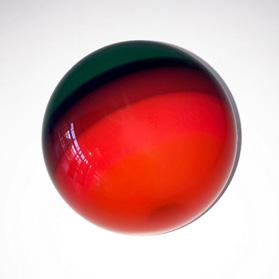
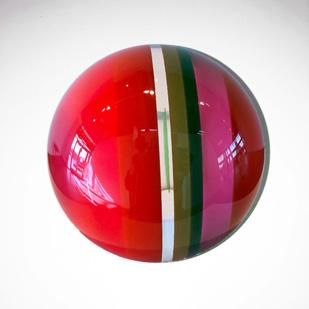
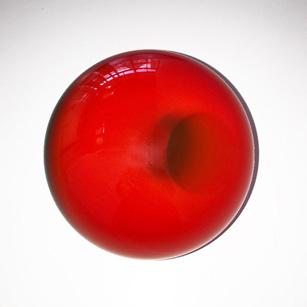
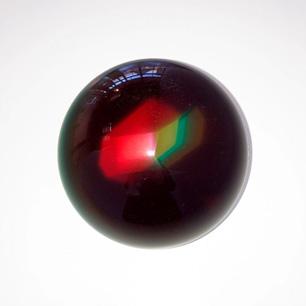
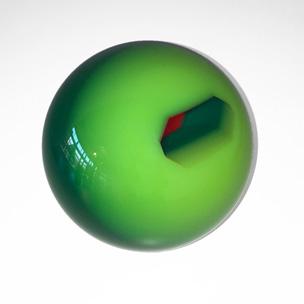
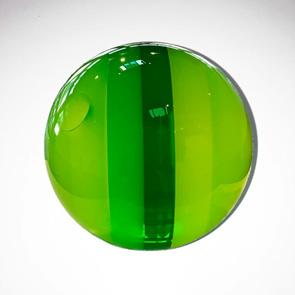
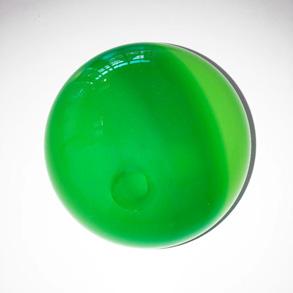
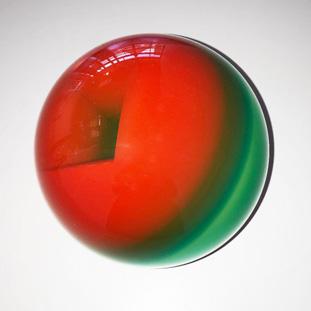
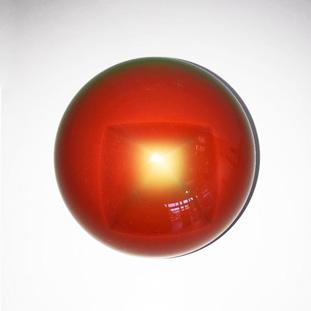
Helen Pashgian LENSES
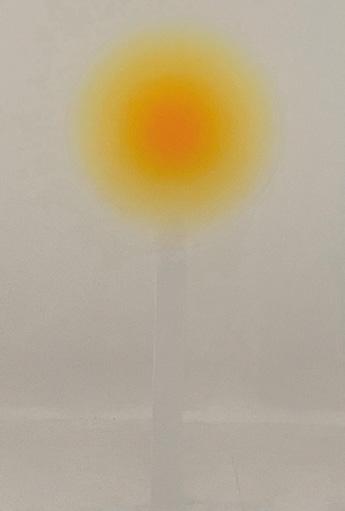
Charlotte Jackson Fine Art
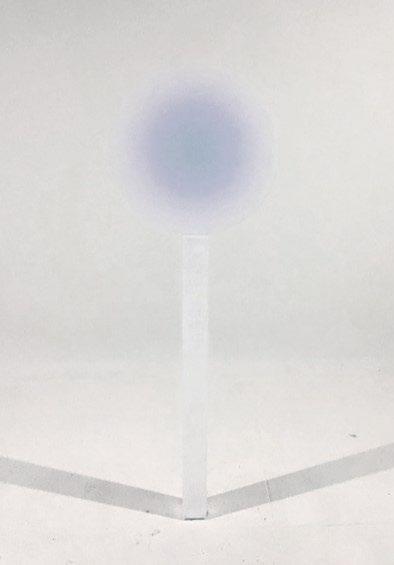
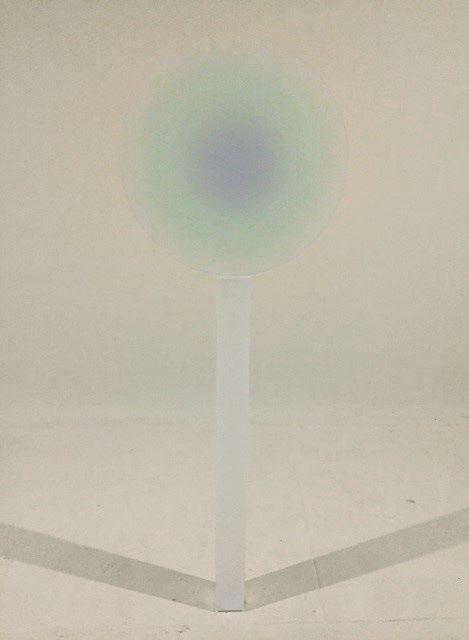
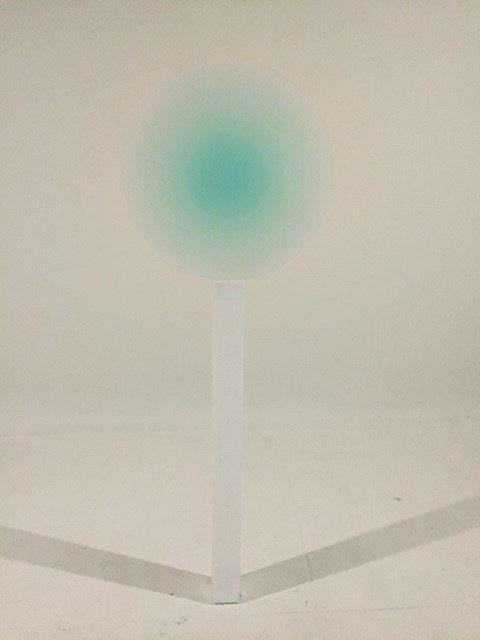
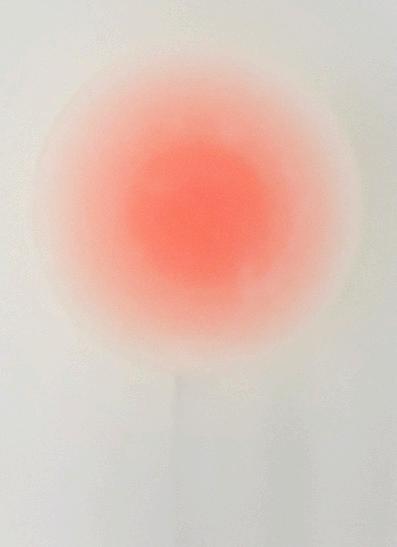
Lehmann Maupin
Seoul 2023
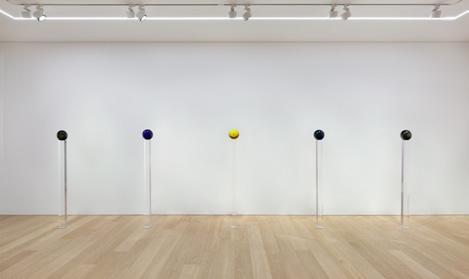
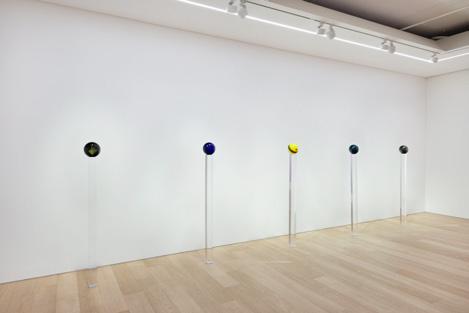
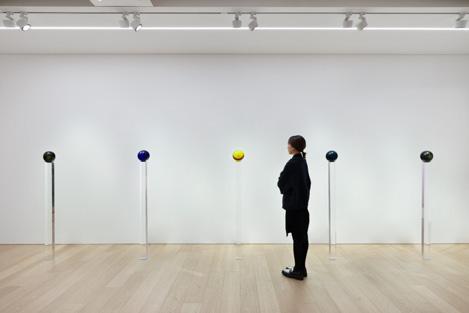
Lehmann Maupin
Seoul 2019
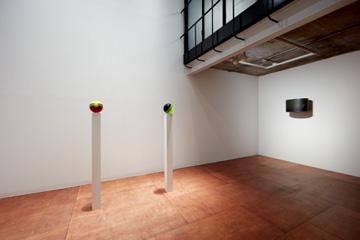
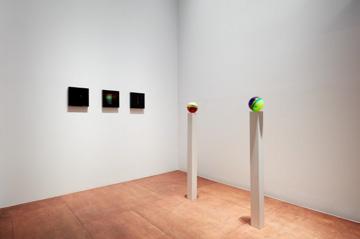
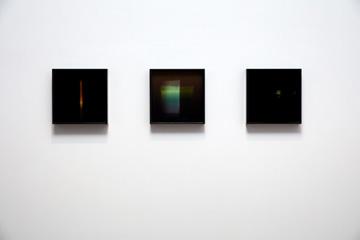
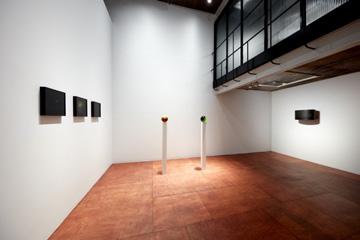
Lehmann Maupin
New York 2022
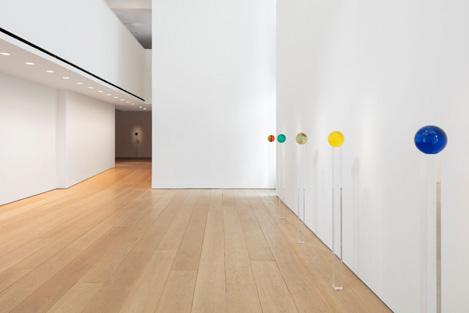
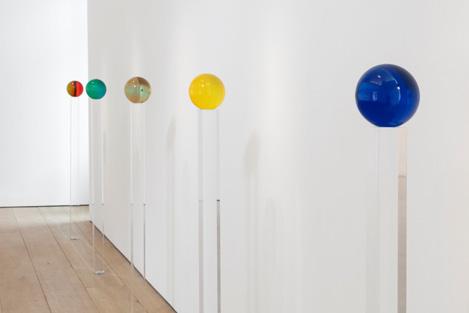
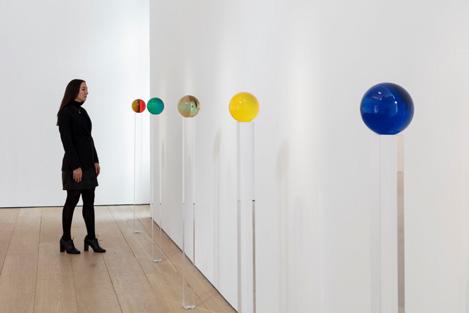
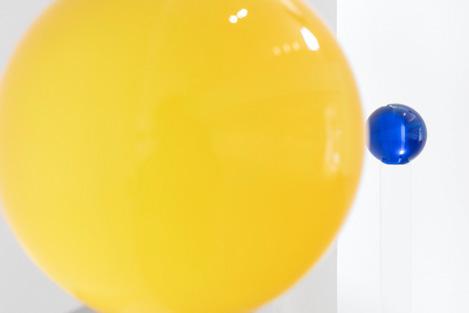
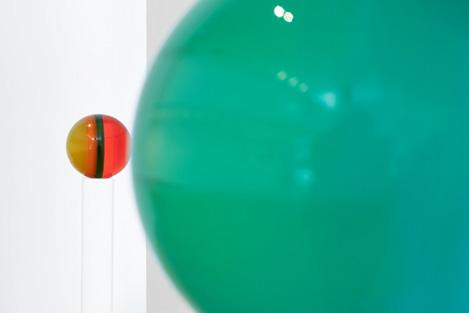
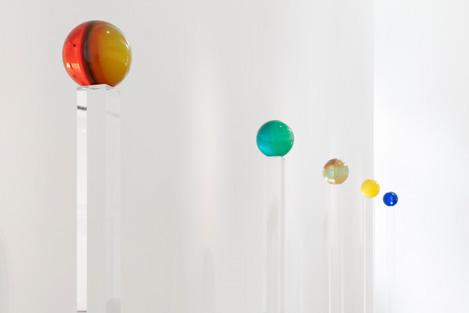
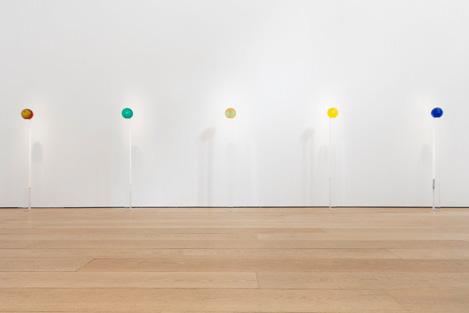
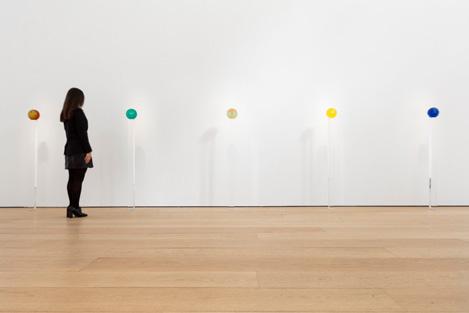
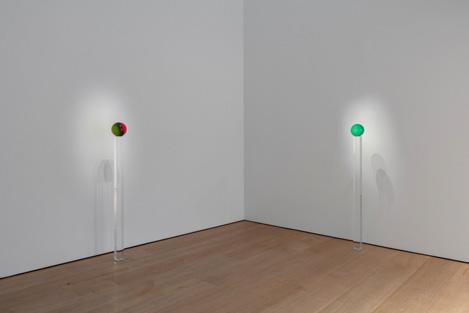
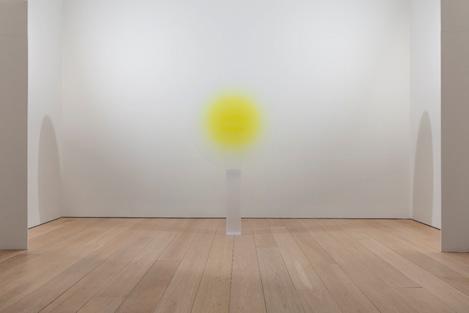
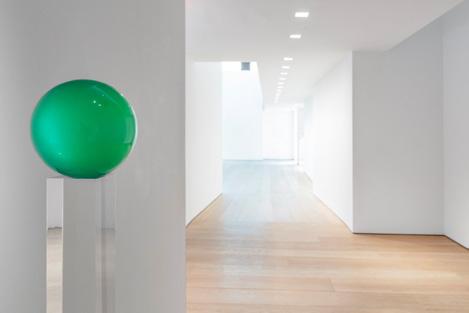
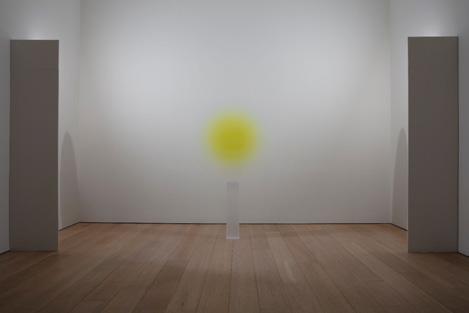
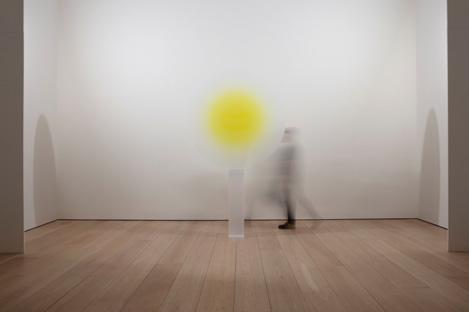
Lehmann Maupin
Hong Kong 2019
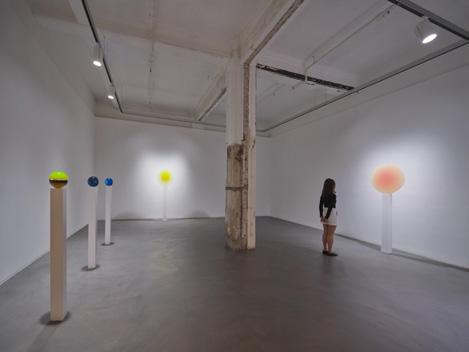
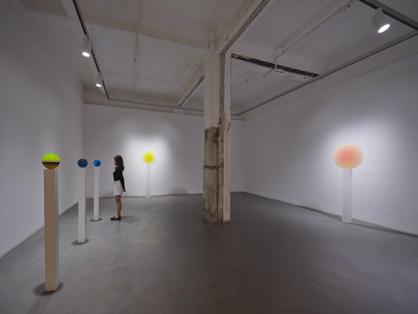
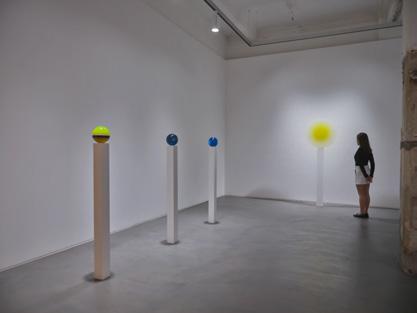
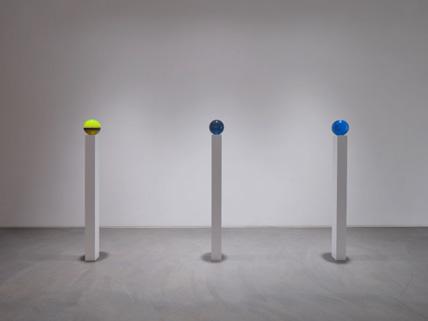
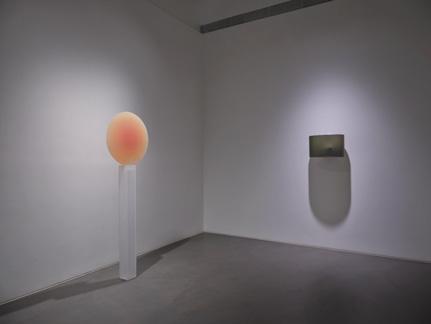
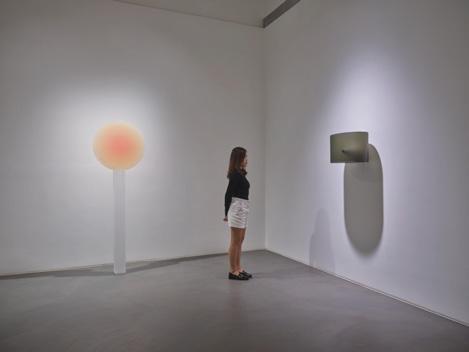
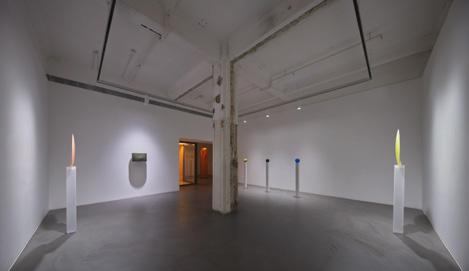
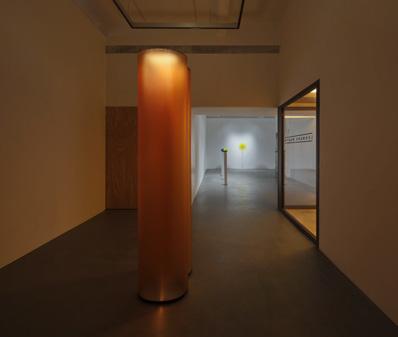
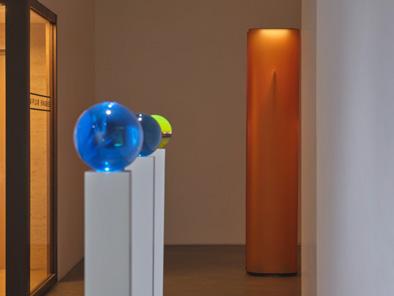
Lehmann Maupin Palm Beach 2022
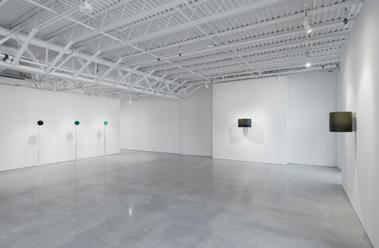
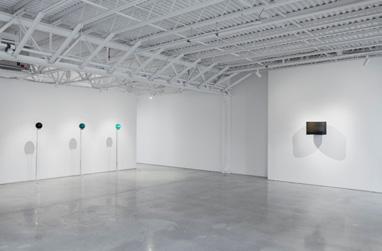
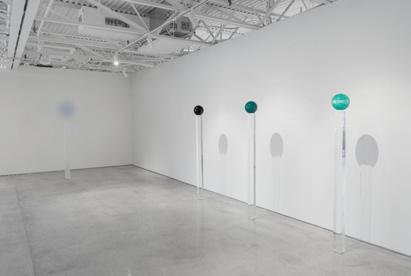
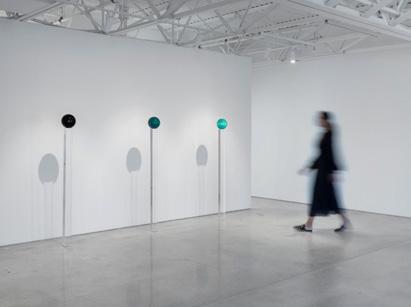
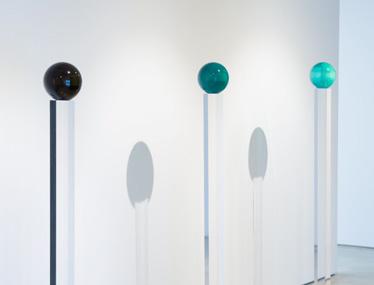
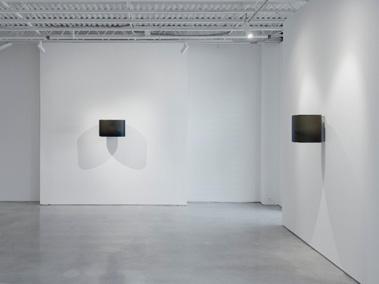
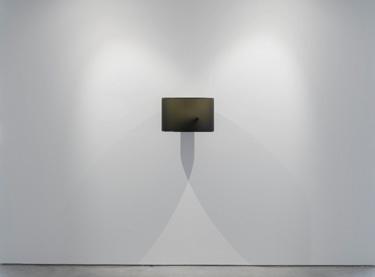
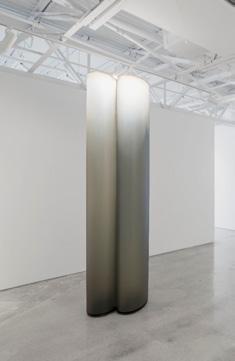
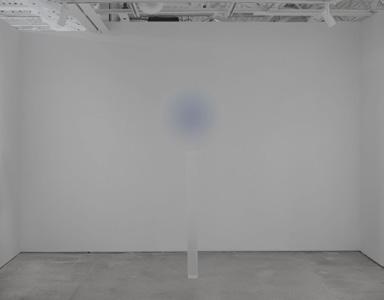
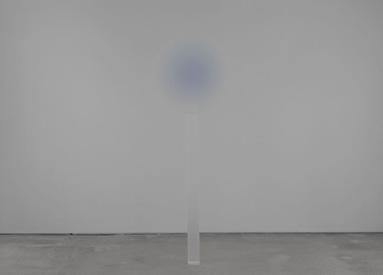
Lehmann Laupin
New York 2019 24th St
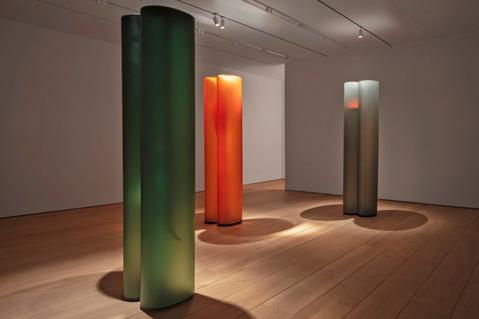
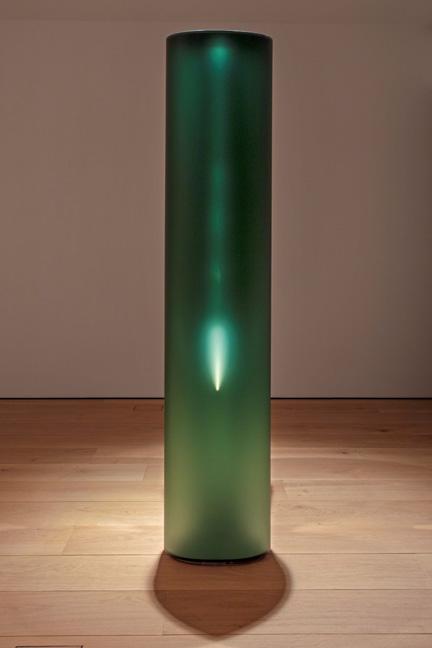
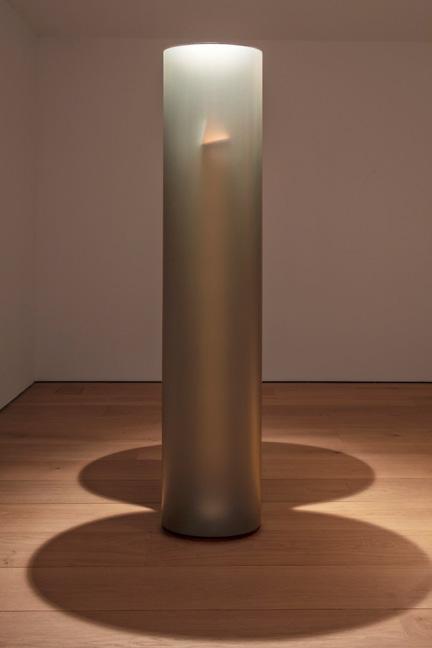
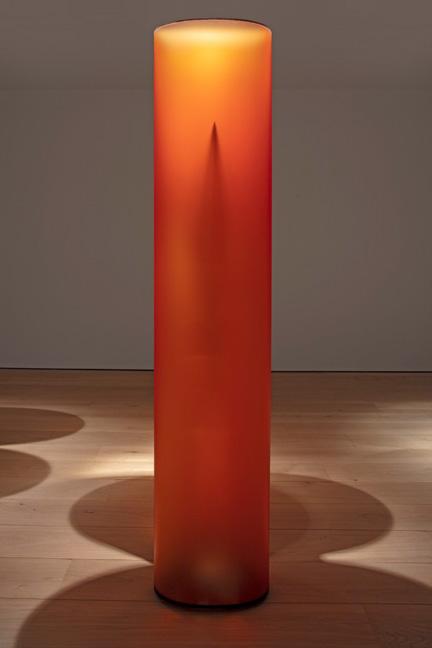
Lehmann
Maupin
New York 2019 Gallery 2
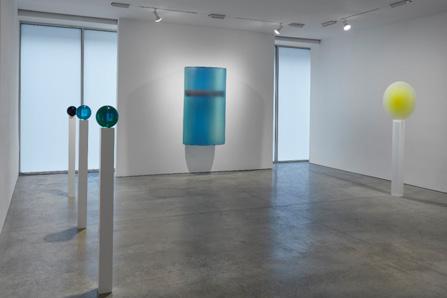
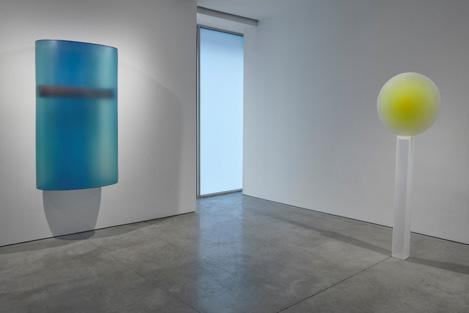
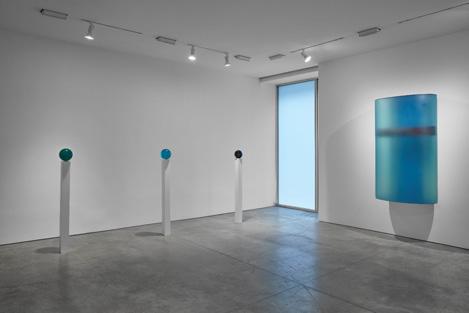
SELECT PUBLICATION
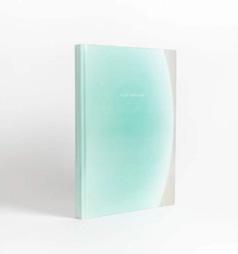
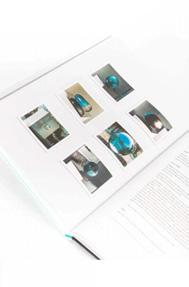
Helen Pashgian: Spheres and Lenses by Radius Books
The first survey of the California Light and Space artist’s luminous sculptures.
Over the course of her career, Helen Pashgian has produced a significant series of sculptures comprised of vibrantly colored columns, lenses, and spheres, which often feature an isolated element appearing suspended, embedded, or encased within them. Using an innovative application of industrial epoxies, plastics and resins, Pashgian’s works are characterized by their translucent surfaces that appear to filter and somehow contain illumination.
Spheres and Lenses documents Pashgian’s vast body of work dating from the 1960s to 2020 with historic and new photographs of the artist’s spheres and lenses. An essay by John Yau and a well-researched chronology are also included.
SELECT PRESS

The onfounding Light ness of Helen Pashgian
By Lawrence Weschler Nov. 30, 2021
Long underrecognized for her innovations, a trailblazer of the Light and Space Movement is suddenly juggling three tribute shows to her six-decade career.
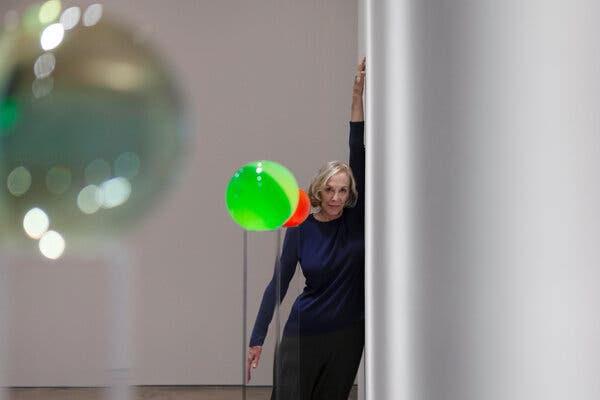
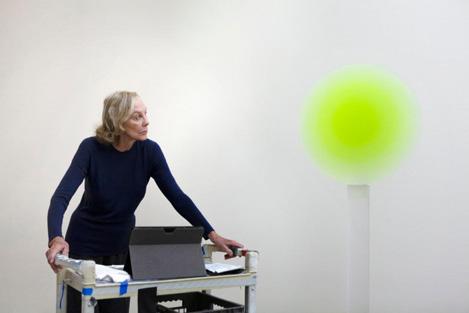
Helen Pashgian at SITE Santa Fe with spheres made variously of resin, epoxy and acrylic, in her exhibition “Presences,” a celebration of her contributions to the Light and Space movement and her innovations in industrial plastics. Pashgian creates sculpture and immersive installations that explore perception and light in material form. Credit...Angelo Silvio Vasta for The New York Times
SANTA FE, N.M. —Helen Pashgian, the pioneering but long underrecognized California Light and Space artist, recently took a break from installing her full-on retrospective here at SITE Santa Fe to recount one of the defining moments of her life, how around age s he had accompanied her family from their comfortable lodgings in Pasadena to their summer shack in a secluded cove north of Laguna Beach. She’d regularly caper down to the shallow tide pools below, when one day, she suddenly noticed the way that light shimmered off the windswept
surface of the water, and then, less than a foot beneath that, the way that same light shimmered in a completely different manner off the scalloped sand.
“Now granted,” she explained, “my little -year-old brain couldn’t really make out what was going on, but I was completely captivated by the play of that light.” She paused before sighing expansively: “And I remember it as if it were yesterday.”
It was not yesterday.
In fact, it was almost 85 years ago, and in the meantime that light-besotted toddler grew into a lanky light-besotted teenage tomboy swimming team, surfer, intrepid explorer of the mountain slopes just beyond the family’s Altadena manse) and then a light-besotted academic, specializing in art history specifically ermeer and Rembrandt and the light-besotted artists of the Dutch Golden Age). Moving through Pomona College to graduate work at Columbia and Boston College to the brink of a Ph.D. push at Harvard, she instead demurred. In another pivotal moment, she woke bolt upright one night to the twin realizations that she had to return “to the eucalyptus scent and, of course, the diaphanous light, of Southern California,” and to find some tangible way, she wasn’t yet sure how, though definitely not academically, of engaging with that actual light.
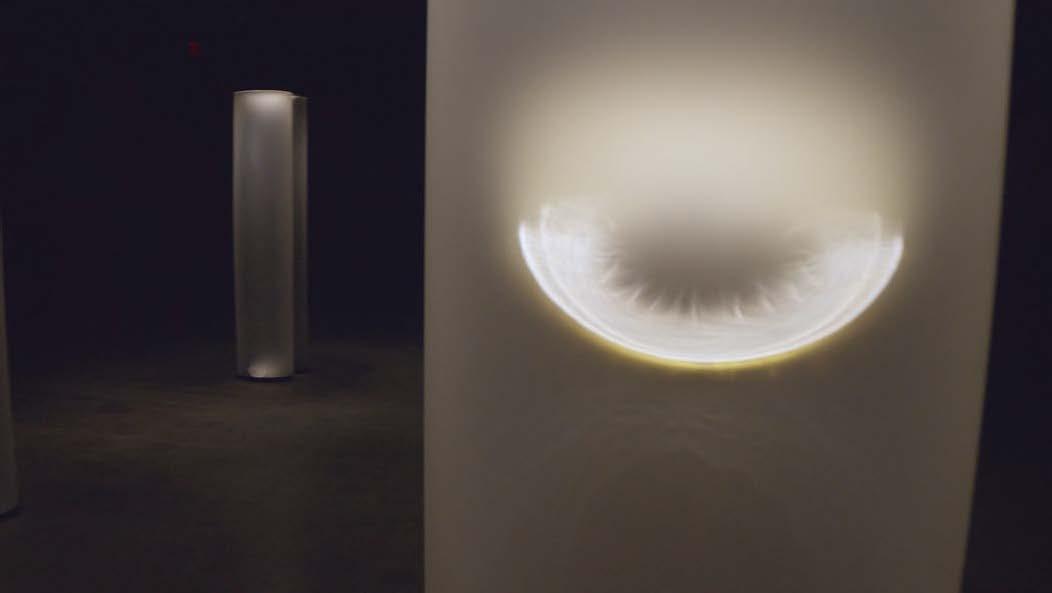
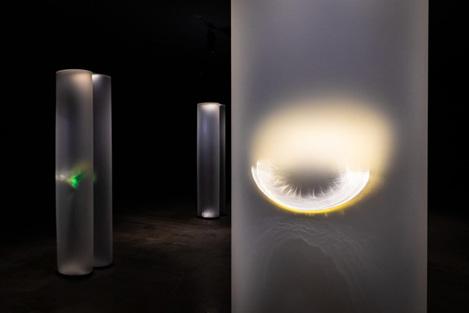
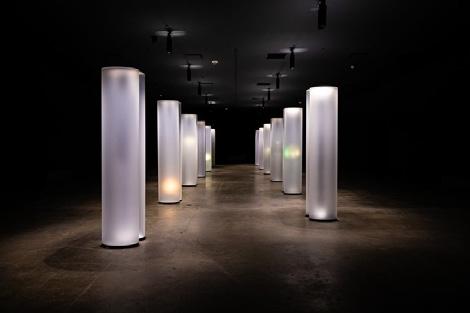
“Untitled” (2012-2013 ) by Helen Pashgian at SITE Santa Fe, formed acrylic columns custom lit on a dimming cycle from above. The artist says she loves getting the eye and the mind working against each other in a vertigo at the very cusp of knowing. Credit...Angelo Silvio Vasta for The New York Times
Which is how she became one of the founding members of the group of artists including Robert Irwin, James Turrell, Peter Alexander and others) who would forge the Light and Space movement that came to epitomize the Southern California art scene of the late ’60s and ’70s and
ever since. Albeit one of the least well known. That is, until relatively recently, when her signature forms — columns, lens-discs and spheres not just activated by light but somehow harboring and releasing it as well, bafflingly, from layers within layers — started being widely celebrated.
If things began to turn for Pashgian in 2011, with the Getty’s Pacific Standard Time reappraisal of local art history, 2021 has been proving the real annus mirabilis when it comes to things Pashgianian (she pronounces her name Pash-KIN), with the past month in particular seeing successive openings of her first New York gallery show since 1971 (at Lehmann Maupin’s West 24th street outpost in Chelsea, through Jan. 8); this one-artist retrospective at SITE Santa Fe (through March 27); and then a big Light and Space show at the Copenhagen Contemporary international art center (through April 9) in which for the first time her own contribution to the movement is being foregrounded. In addition, Radius Books is releasing a sumptuous full-color monograph devoted to her, “Spheres and Lenses.”
Pashgian, who still lives and works in Pasadena, regularly gets asked whether she thinks her art had so long been slighted mainly because she is a woman, and her answer is always the same. “No,” she pronounces simply, definitively.
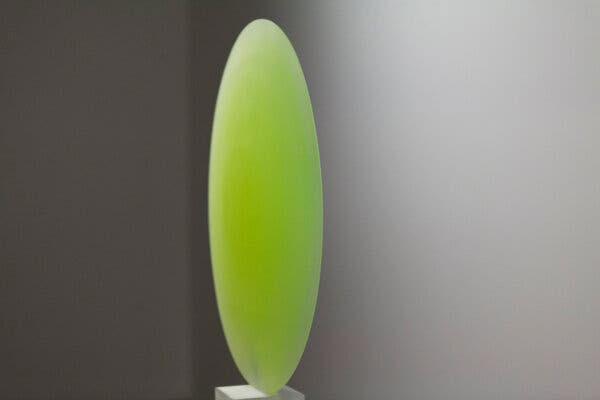
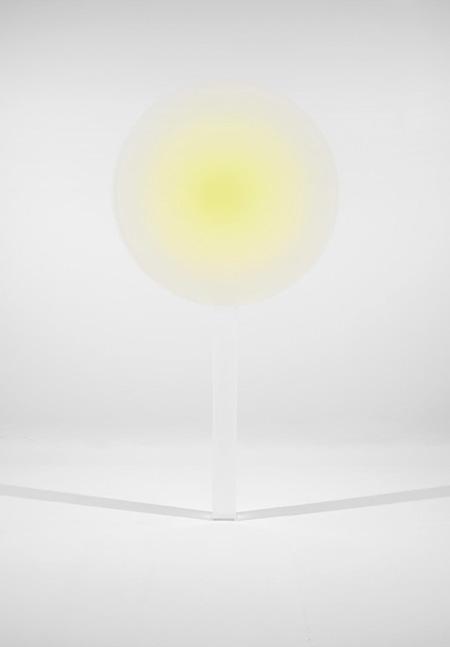
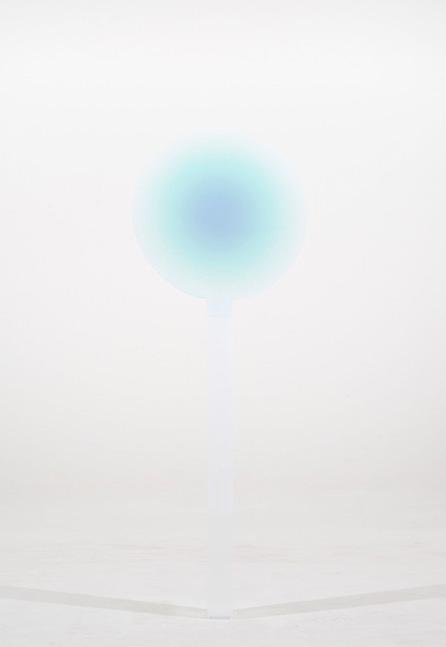
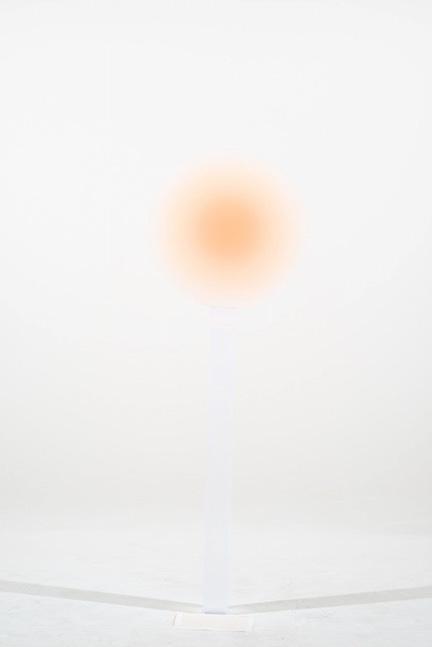
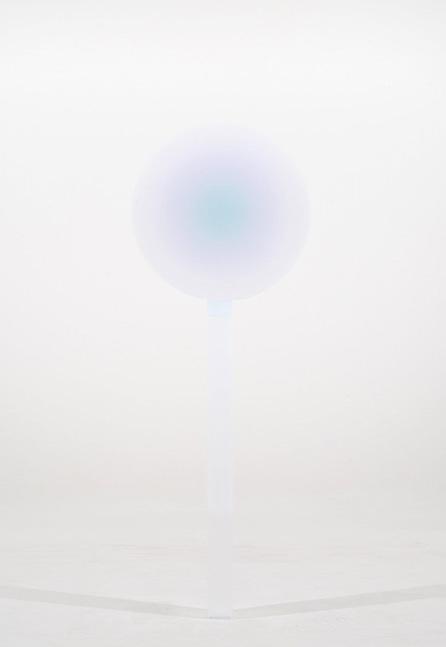
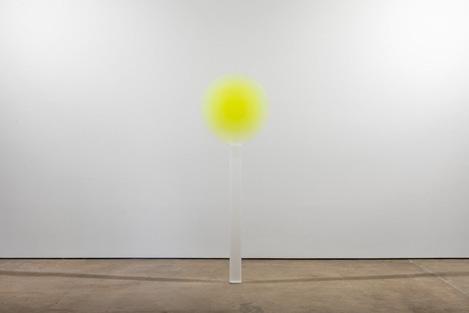
Two lens-discs from Pashgian’s exhibition at SITE Santa Fe. What seems to bulge out like a bluish globe of light when seen from the front, turns out to be thin as a blade, as seen in the yellow-green instance. Credit...Angelo Silvio Vasta for The New York Times
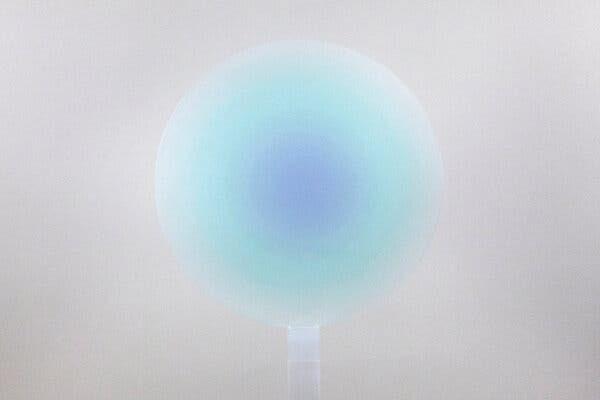
The disc, an amorphous polyurethane form, is custom lit on a dimming cycle. From head on, it bulges like a sphere. Credit...Angelo Silvio Vasta for The New York Times
Others disagree: for instance, James Turrell. As it happens, Turrell likewise grew up in Pasadena (his father was the principal of Pashgian’s high school, and their families were friends) and he also went to Pomona, though he is eight years younger and they had relatively little actual interaction until the past few decades. Reached by telephone, Turrell insisted, “Of course, she was handicapped on account of being a woman. In fact, she had three things going against her: she was a woman, she was beautiful, and she came from a family of some means. So there was no way she was going to be taken seriously in that macho competitive environment. But thankfully, at long last now she is being, it’s about time, and she deserves every bit of it.” Turrell paused. “I suspect that one reason she is so insistent that being a woman wasn’t held against her in the early days is she doesn’t want to see merely being a woman as weighing in her favor today.”
“I just kept doing my work, head down,” Pashgian told me, “and frankly I preferred to be doing it by myself. Indeed, I pretty much stayed in Pasadena the whole time, which as far as the guys on the west side were concerned was just about as far removed from all the action as Georgia O’Keeffe and Agnes Martin were out here in New Mexico, and I did so for the same reasons as they did, and to the same benefit. Anyway, I was hardly being entirely ignored. I had a steady, albeit smaller, gallery presence. And then, too, it took a long while for the materials I was exploring — the resins and the urethanes and the epoxies and so forth — to mature to the point where I could really begin doing what I wanted with them.”
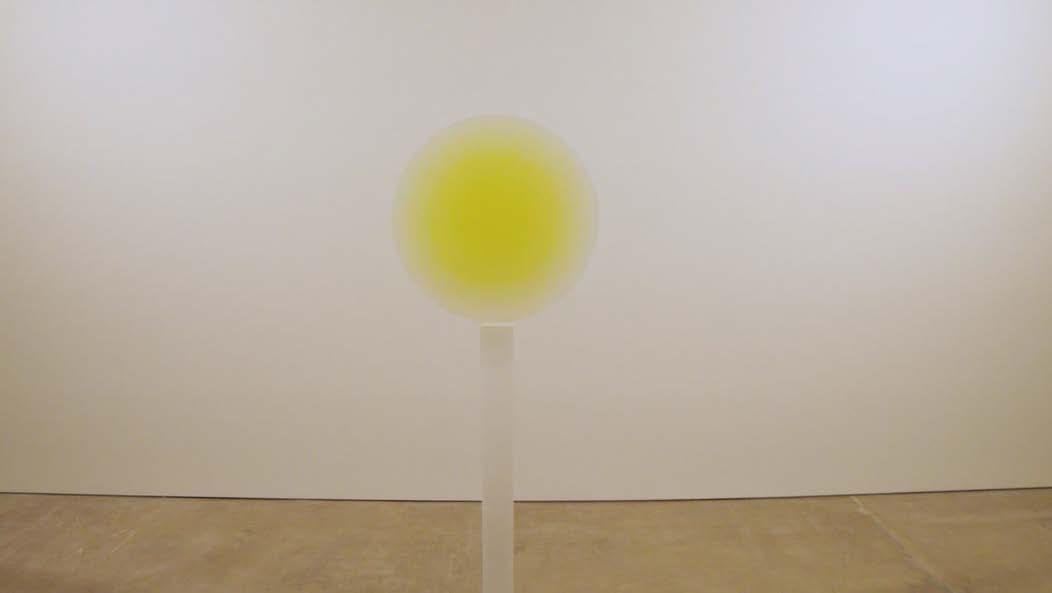
“Untitled” (2020) by Helen Pashgian, one of her cast lens forms fashioned out of more than a dozen thin epoxy pours, on a dimming light cycle at SITE Santa Fe. Credit...Angelo Silvio Vasta for The New York Times
Doing the work, hands-on and by herself, unlike many other artists Koons and the like), has always been at the center of her practice. She described how after her return to California in the mid-60s, she was invited to spend a year with a few other artists exploring the artistic potential of newfangled materials that were just then being declassified by the military. She brewed up a thick, 60-inch-diameter block of polyester resin, a material of almost ludicrous lethality, and then spent weeks striding atop it, sanding down its edges with power equipment, culminating (following a polishing regime), in the giant gleaming lens, mounted vertically atop a pedestal, that proved the unquestioned hit of the artists’ exhibition at the Caltech gallery. Indeed it wasso prized that within a few nights of the show’s opening, somehow it ended up getting stolen, never to be seen again.
Unfazed, Pashgian persisted. While most of the other Light and Space artists having arrived by way of painting) were busy dematerializing the object, Pashgian seemed to come from the other side, attempting to fashion objects that veritably materialized light. She went on to create a brace of gloriously colorful, bowling-ball-size spheres (clear, colored epoxy encasing cast acrylic forms), the interiors of which seemed to morph disconcertingly from moment to moment as the viewer toured around them. Likewise, a series of glowing flat pieces seemed to burrow deep into the wall, until the viewer moved, at which point the interior forms seemed to warp and then disappear entirely.
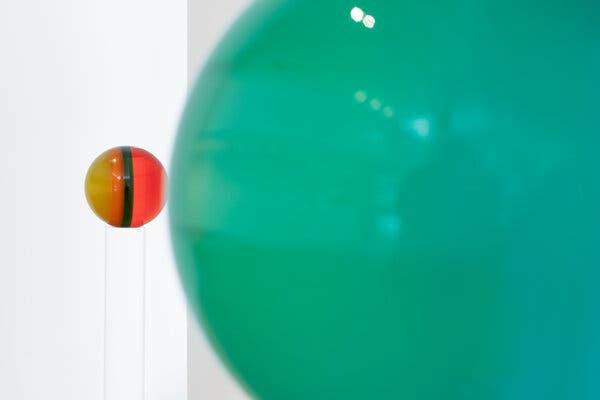
Twenty years on, she continued her aesthetic investigations while receding somewhat from the art world for a couple of decades to care for her aging parents and to support her alma mater, Pomona College, as a trustee. But around 2006, she plunged once more into full artistic commitment across a series of ever more sublimely confounding pieces.
For starters there was a new series of lens works — 30, 45 and presently 60-inch discs produced in exactly the opposite fashion from the stolen one at Caltech. “I began to experiment with a sequence of thin urethane pours into a shallow concave mold: 12, 15, 18 layers per piece, each evincing a slightly different pigmentation across slightly different sized spreads” she said (the trick being how to keep the colors pure, so that they didn’t turn all muddy when seen one behind the next after the lens was mounted on a translucent pedestal).
The urethane was not quite as dangerous to work with as the polyester resin, though it did contain cyanide, so Pashgian still had to be masked with respirators and goggles. By trial and error, she developed exacting protocols for the pours — 50 steps in painstaking order. “Half the work is technical and half aesthetic, and I have to divide my focus between the two modes, totally committed to one or the other from one moment or the next.” But the results (both Santa Fe and Lehmann Maupin feature several examples) are breathtaking.
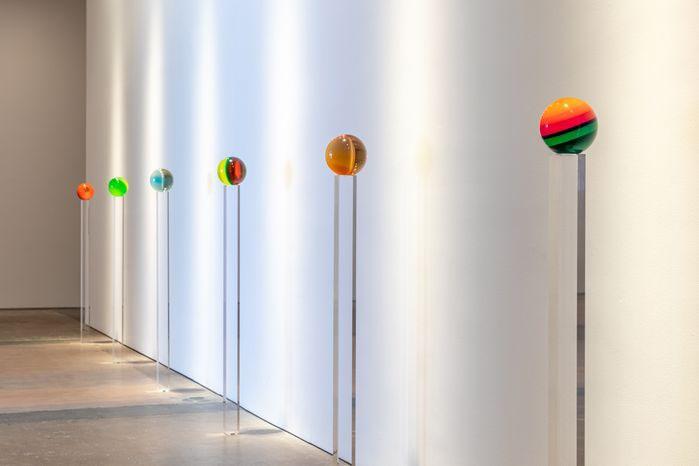
Spheres made of epoxy and acrylic in an installation view of “Helen Pashgian: Spheres and Lenses” at Lehmann Maupin in New York. Credit...Photo by Daniel Kukla
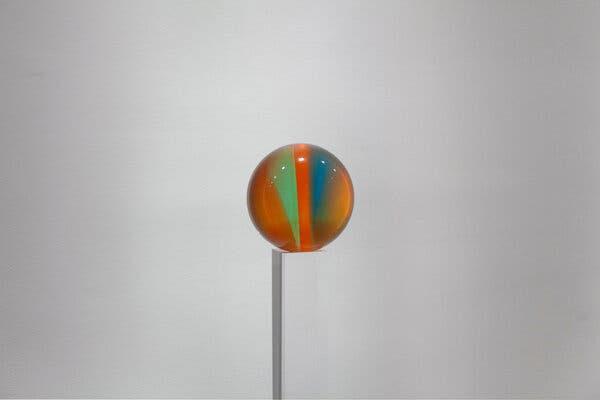
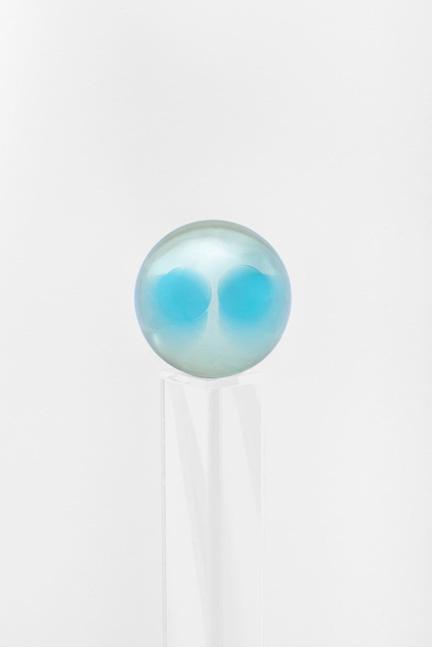
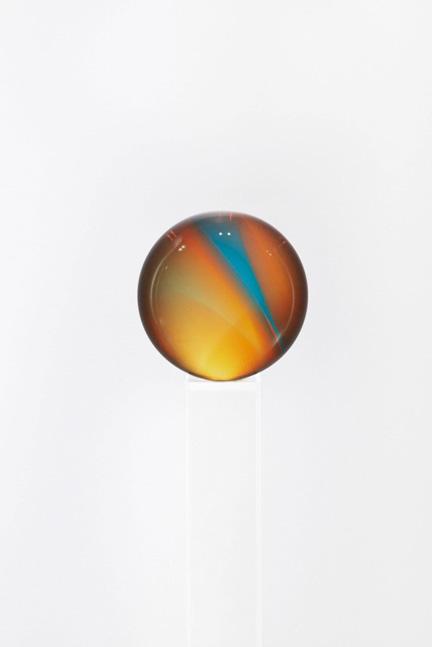
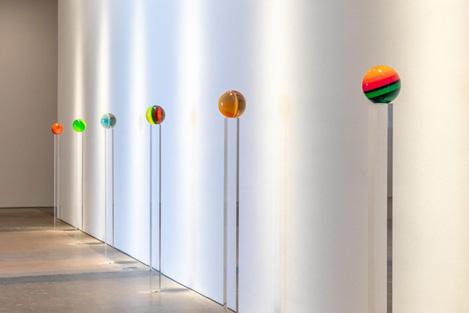
Spheres at SITE Santa Fe. Forms within the spheres seem to appear and disappear as one walks around them.
Credit...Angelo Silvio Vasta for The New York Times
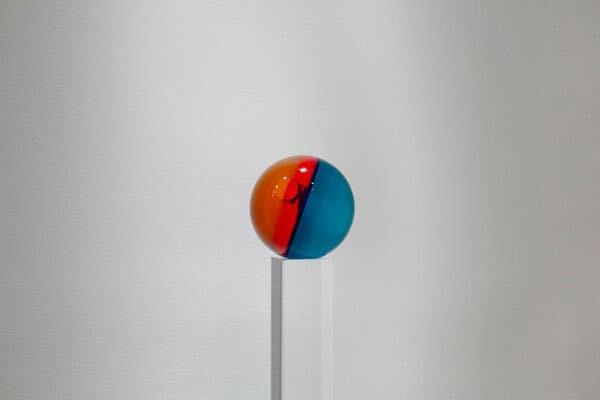
Credit...Angelo Silvio Vasta for The New York Times
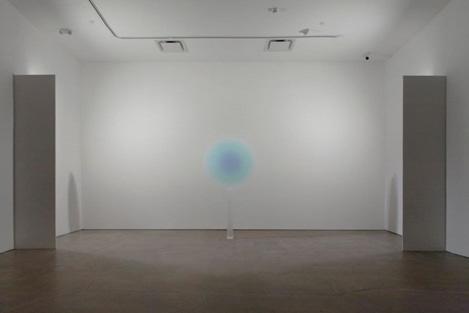
Faced head on from the far side of a room, illuminated by recessed raking lights on a five-minute dimming-dawning-and-brightening rotation) they appear to hover, a mistlike cloud of not-quitesure what pulsing through various configurations of expanse and tinge. Pashgian says she loves getting the eye and the mind working against each other in a vertigo at the very cusp of knowing. At times the apparition seems momentarily to congeal into an eye looking back at the viewer, and the effect can be almost existential.
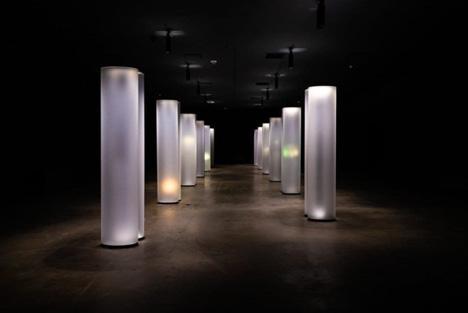
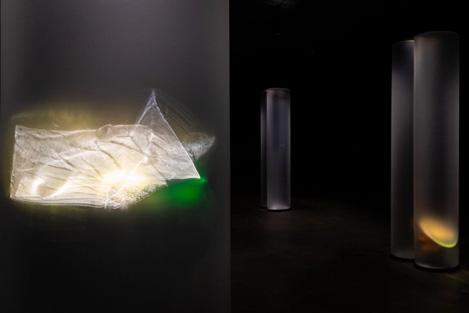
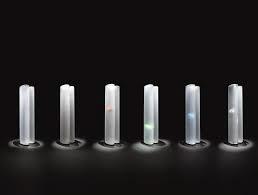
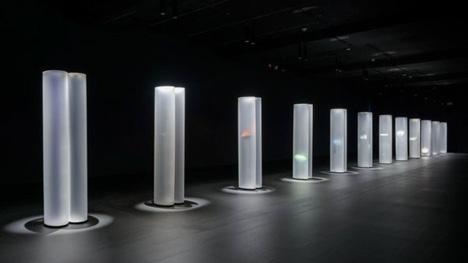
The pièce de résistance of the SITE Santa Fe show, however, is on loan from the Los Angeles County Museum of Art (whose director, Michael Govan, has become a huge Pashgian fan): across a darkened hangarlike expanse, a ghostly colonnade of 12 translucent double-columns fashioned out of molded acrylic sheets. Inside the hollow of each, Pashgian has secreted a different tangle of mysterious reflective forms that project a continuously evolving shadowplay of image and color onto the outer skin of the diaphanous tubes: Walking by you see things and then you don’t, an effect both futuristic and deeply primordial.
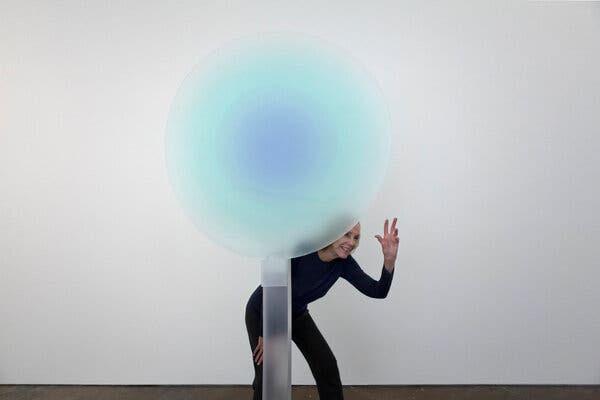
It is almost impossible to capture Pashgians with still photography, though the Radius book comes as close as I have seen; video tends to capture more, though still hardly all, of the experience of being in the presence of these works. The SITE show bears the name “Presences.” Paradoxically, though, the word “presence” implies the very opposite of present-tense immediacy; rather it summons forth the experience of being-across-time, of duration, which Pashgian has come to feel is central to the experience of light.
Helen Pashgian peers out from behind “Untitled (lens),” from 2021, a form fashioned out of heat-treated polyurethane, at SITE Santa Fe.Credit...Angelo Silvio Vasta for The New York Times
Speaking of time, asked how it felt at long last to be mounting this career-summing retrospective in Santa Fe, the 87-year-old Pashgian shot back: “What are you talking about? This is merely a midcareer survey. Wait till you see what’s coming!”

‘Helen Pashgian: Presences’ Review: Maker of Luminous Objects
California Light and Space artist Helen Pashgian finally gets her moment in the sun
By Ann Landi
Dec. 20, 2021
The movement known as Light and Space emerged in Southern California in the 1960s when a loosely affiliated group of artists began to investigate the potential of light as both medium and message, building installations, environments and sculptures that aimed at making an art experience out of this most ephemeral of phenomena. Some—like James Turrell, Robert Irwin and Larry Bell—have gone on to international reputations, especially because of large-scale projects like Mr. Turrell’s Roden Crater, carved out of an inactive volcano (and still off limits to the public).
Helen Pashgian, ‘Untitled, 2012-2013’ Photo: Shayla Blatchford
Few women in the movement gained comparable acclaim, but in recent years Helen Pashgian, who was born in 1934, has finally been getting her due, with a major installation at the Los Angeles County Museum of Art in 2014 and now a choice overview of her work—called “Helen Pashgian: Presences” at Site Santa Fe here, along with gallery exhibitions at Lehmann Maupin in New York (through Jan. 15, 2022) and Charlotte Jackson in Santa Fe (through Jan. 3, 2022).
Ms. Pashgian was on her way to the doctoral program in art history at Harvard when she turned her back on an academic career in the late 1950s. Nonetheless, she credits her early interest in translucence to her studies of Vermeer’s technique of layering oil paints. Later, as a young artist in Pasadena, Calif., she experimented with abstracted representations of tide pools before discovering the potential of polyester resin and making her first small spherical sculptures in 1966-67. A few years later, she attended a two-year residency at Caltech, where an association with the chemical engineering department allowed her to hone her skills in working with new materials like synthetic resins.
In common with Mr. Turrell and Mr. Irwin, Ms. Pashgian has long been interested in the spectral qualities of light, and particularly in the ways in which the physical dimensions of the object fall away to become something else entirely call it an experience, or as Kirk Varnedoe, the former chief curator of painting and sculpture at the Museum of Modern Art, once described it, “the disembodiment of experience.” If the East Coast Minimalists of the same period sought a kind of “just the facts, ma’am” acknowledgment of their materials, the West Coast artists reveled in dissolving boundaries.
Helen Pashgian, untitled works from 2008-2018 Photo: Shayla Blatchford
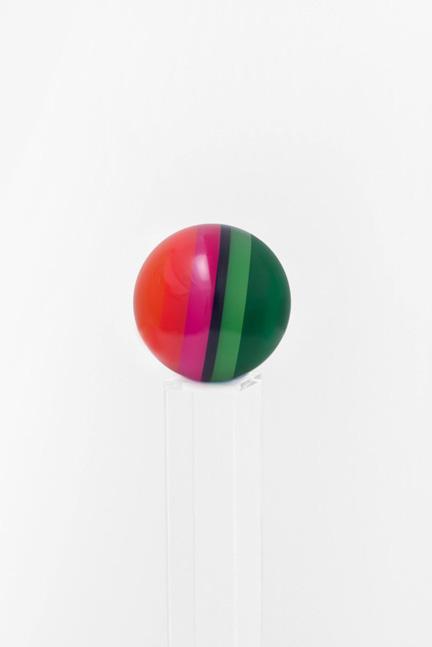
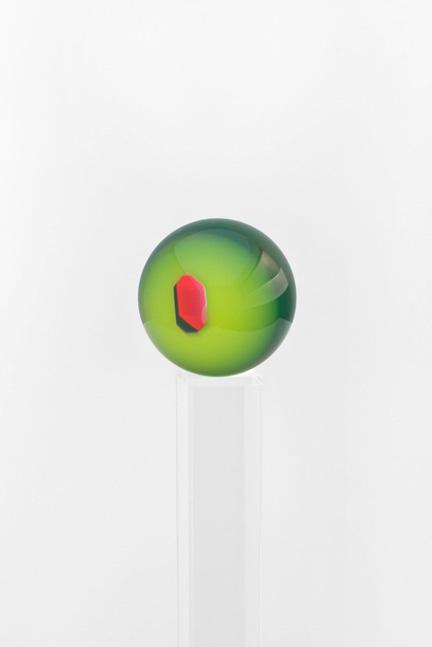
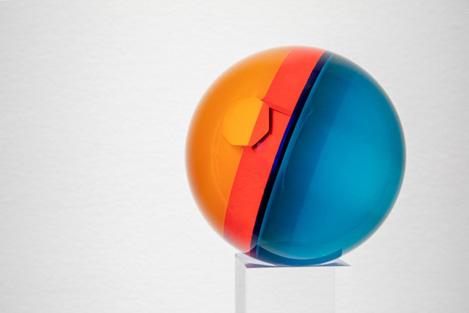
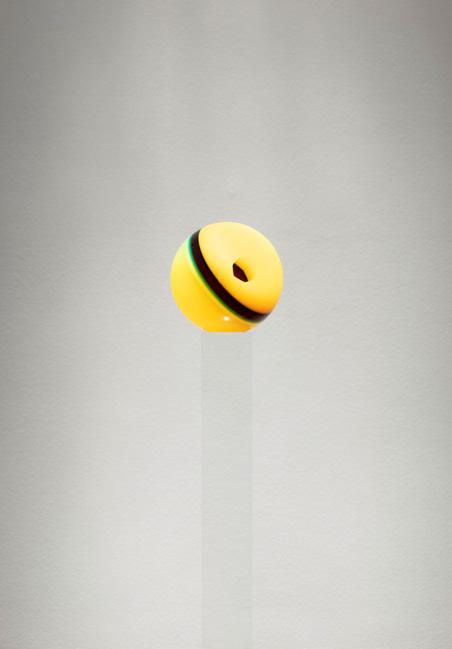
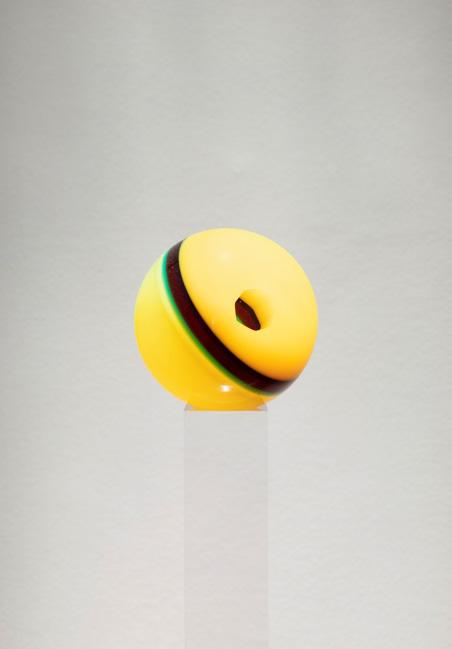
Site Santa Fe’s compact overview of Ms. Pashgian’s long career—the director, Louis Grachos, is careful not to describe it as a survey or a retrospective—begins with her magical spheres, which date from the late 1960s to the present and measure seven inches in diameter. Seven of these, aligned in a row, each positioned atop a clear acrylic pedestal, fill the first gallery and represent perhaps the most tangible things you will see in this show. Realized in many colors, they inevitably recall large cat’s-eye marbles, but look more closely and you’ll discover a disarming complexity: Some look carved so that you can see right through them; others contain swirls of sensuous, smoky color; still others reflect the viewer or her surroundings.
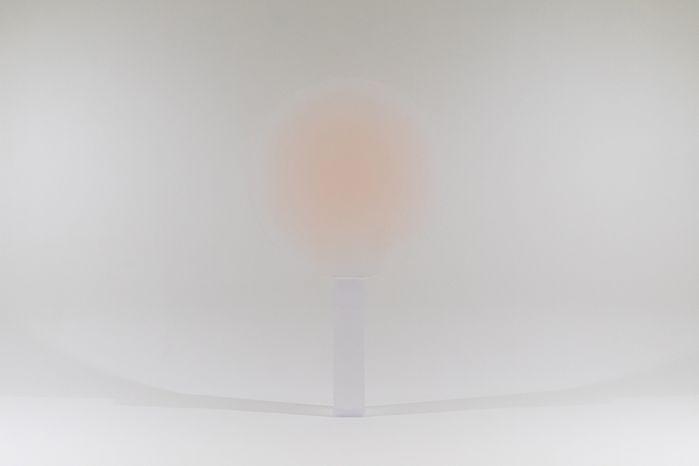
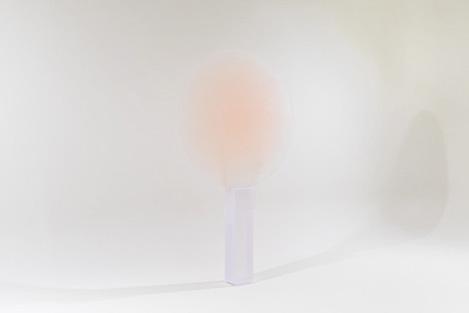
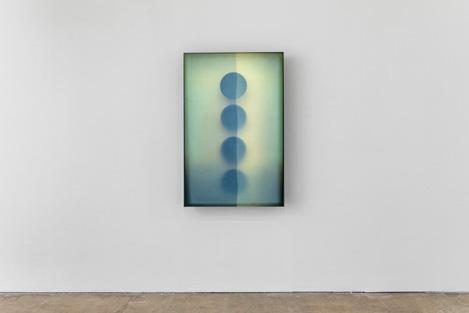
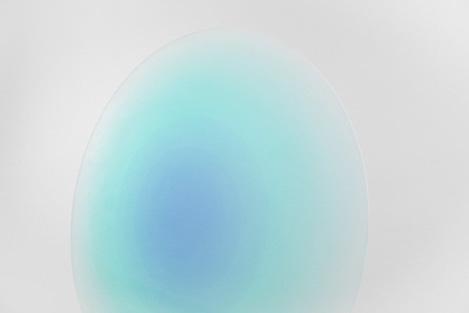
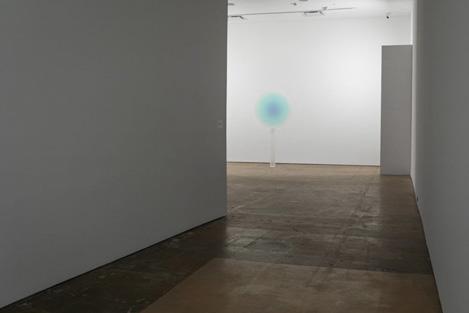
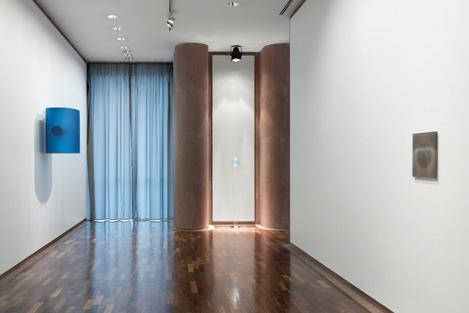
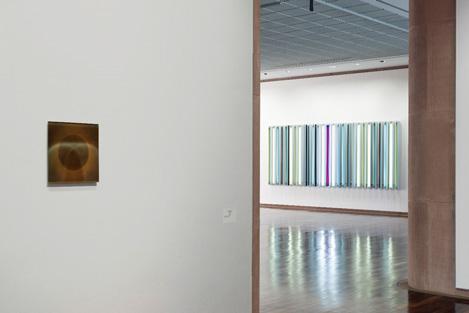
The adjacent gallery introduces another of Ms. Pashgian’s favorite motifs. What she calls lenses, these are slender convex disks, also perched atop nearly invisible pedestals. Because of a dimming cycle of 5 minutes and 31 seconds, the untitled work from 2021 gradually brightens till it appears to hover in the air. (All the works in the show are untitled, with only dates given as references in the wall labels.) The gallery also presents two of the most pictorial works of the artist’s career, rectangles made from layers of acrylic, 5 to 7.5 inches thick, in which deep space is suggested through light and softly modulated shapes, like objects seen through multiple veils of muted sheer color.
Two final galleries, also on dimming cycles, qualify as full-fledged installations, markedly different in tone and impression. The first requires viewers to don paper booties—presumably so as not to scuff the floors. On the far wall, another disk appears to grow in intensity, at the same time as the walls and the floor meld into one, leaving the visitor pleasantly disoriented. The
Helen Pashgian, Untitled (lens) 2021 Photo: Shayla Blatchford
image on the wall seems almost female, a large pink center winged by vaguely fallopian shapes. But this, of course, is all in the mind of the beholder.
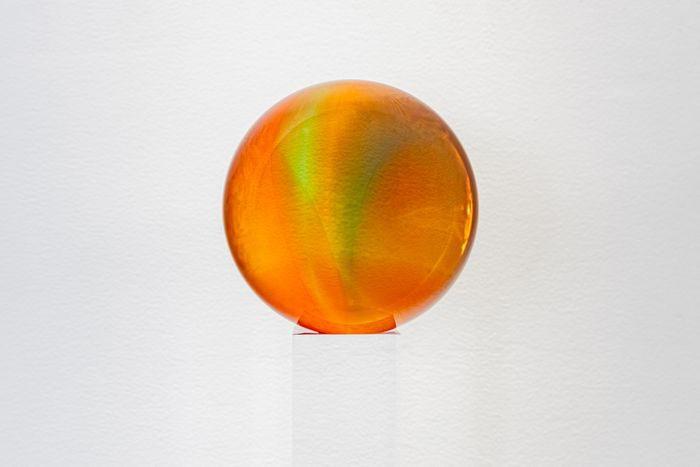
Inside the largest and last gallery is the installation from Ms. Pashgian’s show at LACMA in 2014. Twelve fused columnar shapes, each eight feet tall, contain mysterious objects (which the artist, when asked, refused to identify), ranging from saucer-like forms to a tiny pulsing blue light to spidery outlines resembling ferocious teeth. You can sit on benches or weave around the columns; again, it’s a slightly dizzy-making experience, as the art hints at comprehensible things in the world but remains stubbornly immune to easy interpretation.
By most museum standards this is a small show but clearly one requiring a great deal of care and expertise in its installation. That it came together in only three months is something of a miracle. And as a summation of this remarkable artist’s career, it is richly satisfying and filled with enchanting surprises.
—Ms. Landi writes on culture and the arts from Taos, N.M.
Helen Pashgian, 'Untitled, 2008-09' Photo: Shayla Blatchford

HELEN PASHGIAN with Michael Straus
“So the basic question is: Why am I interested in things that either have no edges, or have images that appear, distort, and disappear? It perhaps has to do with the ephemeral quality of life.”
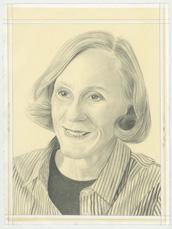
Portrait of Helen ashgi an, pencil on paper Phong H. ui.
Helen ashgi an is a pioneering m embe r of the Light Space group of artists, exploring s ince the earl 60s the ways in which lig ht is transmitted and transmuted through s uch materials as polyester resin, epoxy, acrylic, and other plastics that became av ailab le once declassified after World War II. Her work was featured in the Gett s comprehensive exploration of est Coast artists, entitled Pacific Standard Time, where it was shown in California as well as Germany alongs ide that of her contemporaries such as Larry Bell, James Turrell, Mar C orse, Ron Cooper, Laddie John ill, eter Alexander, DeWain alentine, and others.
Helen is represented Lehmann Maupin, which recentl s howed her work at their New York ga ller a nd currently has exhibi tions on vi ew in China and South Korea. Helen’ s work was also notably s hown at the Los Ange les Count M useum of Art, where 12 of her molded acrylic columns filled an entire gallery, and were then acq uired for LACMA s permanent collection.
I spoke with Helen at her studio in asadena, California, where we were seated in the midst of va rious examples of her most recent work, called lenses,” all in va rious stage s of abr ication and experimentation. Helen likes to think of her sculptures as presences and so they are, prov oking a nd indeed requi ring one’ s move ment around and interaction with them, changing a s the do unde r va ried light conditions and perspective s. e cov ered a rang e of topics, including her childhood in a now-lost rural Southern Calif ornia; her experimentation with non-traditional materials; differences be tween sight and imagi nation; and, more ge nerally, some of the ways in which her work convey s ephemeral as well as transcendent qualities of light.
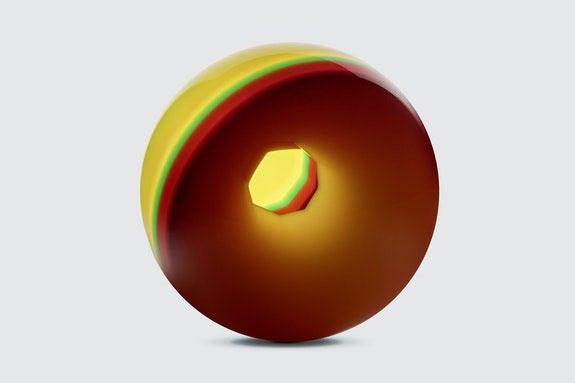
Helen Pashgian, Untitled, 2019. Cast epoxy with resin, 6 inches (diameter). Courtesy the artist and Lehmann Maupin, New York, Hong Kong, and Seoul. Photo: Joshua White.
Michael Straus (Rail): We’re visiting today with Helen Pashgian at her studio in Pasadena, California. So Helen, how long have you had this studio?
Helen Pashgian: This studio has gone through many iterations and I’ve had it about 25 years. It’s a 100 year old warehouse—it was used to house large instruments like organs, pianos, harpsichords, and then it became a car detailer’s. Then it was a storage warehouse and finally I got it. First I had just one small space, 20 feet by 20 feet, and now I have the whole 3,000 feet. So I’ve been here a long time.
Rail: Okay [Laughs]. There are a number of works I see in progress. The last time I was here some months ago I think there were maybe eight or ten of your lenses—you prefer to call them lenses not discs, right?
Pashgian: Yes, “small lenses,” which have now all gone out to shows.
Rail: We’ll talk about the lenses generally, but let’s start by focusing on one that you have installed now on an acrylic pedestal in the middle of the room. I’ve been here on and off over the past several years on various occasions, and each time it seems that you’ve tinkered again with the lighting, changed the form of the pedestals and so on. You’re constantly experimenting with how the light interplays with the work. Now, people are going to be reading about, but not actually seeing these light phenomena (although there will be some images). Even so, we should try to give them a sense of what a lens is in your work, what a pedestal is, how the two
interrelate—more generally, what is it about light and perception that you are trying to accomplish?
Pashgian: Well you’re absolutely correct that I keep messing with them, playing with them all the time to register subtle changes. But to start with, the earlier lenses were made of cast epoxy; the newest ones are again changed to a very clear urethane. And it’s very thin, shaped in many ways just like the round, thin lens in your eye. The smaller ones are 25 or 26 inches in diameter; the larger ones are around five feet in diameter. The small lenses have a width of about an inch and a half and the larger ones a bit more. But both taper to a very sharp edge at the perimeter. The lenses have one or two colors embedded, or cast, into the urethane; and the colors radiate out evenly from the center. The idea is that the color goes to nothing at the ultra-thin perimeter edge. And if the lens is formed correctly, you should see just the color in space, with the edge essentially disappearing so that you can’t determine where the work ends and where the space around it begins, as it were.
Rail: You don’t want to see any edge to the work at all.
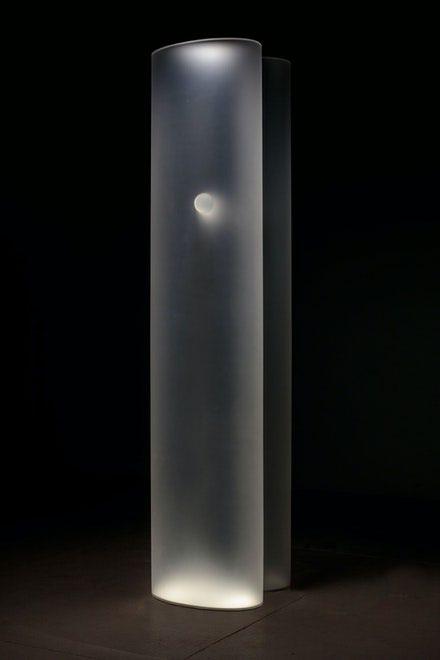
Helen Pashgian, Untitled (white), 2009. Formed white acrylic with acrylic elements, 87 x 17 1/2 x 20 inches. Courtesy the artist and Lehmann Maupin, New York, Hong Kong, and Seoul. Photo: Joshua White.
Pashgian: You don’t want to see any edge and you also don’t want to see any pedestal. However, in order to place it at a good viewing distance, it’s on a pedestal. I’ve tried other possibilities, but the pedestal seems to be the best. The reason I like the pedestal is because it does delineate the work in the sense that it’s holding up something that we are looking at. That “something” is an object, but the object becomes dematerialized. And that’s what I want: an object that becomes a non-object as we look at it. So as the ambient light increases or decreases on a dimmer, your perception of the object changes and becomes slightly different.
Rail: You mean your perception of what you see—
Pashgian: Of what you see. As the light diminishes on the piece, the color contracts and becomes sufficiently dim as to almost totally disappear.
Rail: And when you say the light diminishes, so people understand, you control it with a rheostat.
Pashgian: Yes, yes, so it’s on a dimmer and it decreases or increases in intensity—you can go in either direction—although I like starting with little or no light and gradually increasing the strength. So as I said, if the piece has been made correctly you’ll see no edge and your brain begins to have a little battle with the eye. It’s an exchange that’s uncomfortable, because the brain only feels comfortable if it knows where it is.
Rail: You were talking about perimeters.
Pashgian: Yes, your brain wants to find a perimeter, it wants to find an edge, so that it feels secure. And in this case, I would like to think the brain and the eye are not so much fighting, but that the eye is just able to see what it sees and not worry about what it sees. What’s interesting about this is that everyone brings something different to the experience. Some people see the color expand and fill the entire wall.
Rail: Really, they see it go beyond the edges of the lens?
Pashgian: Way beyond the edges.
Rail: But isn’t that just their imagination? Or what would you call that particular perception?
Pashgian: Well, that’s what they say they’re seeing.
Rail: But now you’re suggesting that the work raises the question of what’s sight and what’s imagination.
Pashgian: That’s exactly right. Some viewers see shoots of color going off in one area or another area.
Rail: Like sunrays or lightning?
Pashgian: Yes. Others see other colors coming into the work. Now, they know in their mind that those colors don’t physically exist in the work. Even so, they say they see other colors—either a complementary color or one adjacent on the color wheel. And some people have no feelings about the work. Other people project what their feelings are onto it.
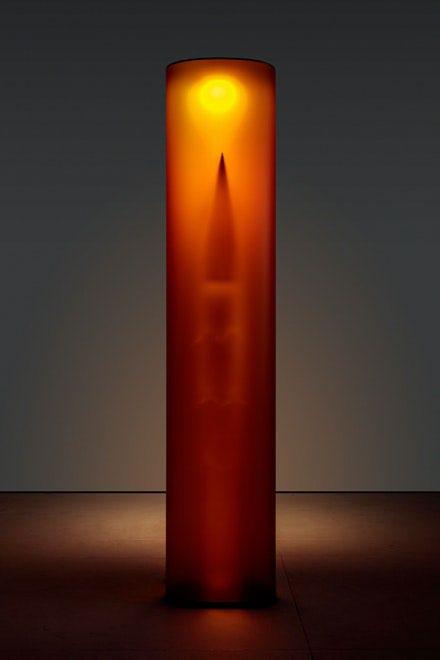
Helen Pashgian, Untitled (orange), 2009. Formed orange acrylic with acrylic elements, 91 x 17 1/2 x 20 inches. Courtesy the artist and Lehmann Maupin, New York, Hong Kong, and Seoul. Photo: Matthew Herrmann.
Rail: You mean “the work feels happy?” or “serene”?
Pashgian: Yes, two or three people have said nothing for a long time and then they begin to cry. It’s everyone has a different reaction.
Rail: So all of this is being elicited with an epoxy lens cast from a mold, with color embedded?
Pashgian: That’s right, the color is embedded in the casting, it’s not superimposed on the surface in any way whatsoever. I made a test with a painter. He took a clear lens and painted the surface in an attempt to emulate the cast pieces. It did not work.
Rail: Because it’s not translucent?
Pashgian: Because it’s not an integral part of the piece itself. It was on the surface and it looked like it was on the surface—there was no way to imagine that it inhabited the piece. The way the works are fabricated is that color is poured in a series of layers— and I don’t want to get into the technical parts of it—but the color is in every layer as the work is formed. So part of the complexity of the piece is to get the color right, to get the right amount of color per layer so that it radiates evenly out from the center and ultimately dissolves into nothing at the edge.
Rail: Well, given that complexity, how many of these end up in the dumpster that’s outside the door here?
Pashgian: 60 or 70 so far. That’s a lot of rejects; but there are fewer in the dumpster now because I’m getting better!
Rail: Well, Helen, it’s never too soon to start.
[Laughter]
Pashgian: That’s right. I made a lot of the little ones; and of the little ones, 60 or 70 have gone into the dumpster, usually because the color was too powerful and too strong, and there was no way it could diminish properly at the edge.
Rail: Well, we’re not going to tell people exactly where we are because then people would start to hang around the dumpster to try and get them.
Pashgian: They would! And some people have in fact tried to take them out of the dumpster, but usually they don’t know quite what to do with them.
Rail: Well people can see a number of these works currently at shows with Lehmann Maupin Gallery, but let’s just back up a bit. You talked about what some people see. Now, when I look, I see what I think of as a smudge of color, or the remains of an image that somehow glows as the light either brightens or dims. For me, in either case, the edge disappears. I don’t see anything beyond the edge.
Pashgian: Neither do I. I don’t see anything beyond the edge and maybe that’s because I’m too close to it. Most people don’t, but some people, when it’s on a very low light, a number of people think that there’s nothing there at all, that it’s just their memory speaking to them. And somehow they’re offended if there’s actually nothing there.
Rail: So the sizes that you’re fabricating range from around 2 feet in diameter to—
Pashgian: 5 feet. The hope is to go larger eventually, but technically they’re quite demanding, so we’re not there yet.
Rail: And what drove the determination of those two initial diameters?
Pashgian: In 1970, when I was a resident artist at Caltech, I did a 5 foot diameter piece, just for no particular reason. I liked the size of the circle. And in those days, I didn’t know how to make a mold. I just taped something on the floor as a kind of base and made a pancake that was around 5 feet in diameter.
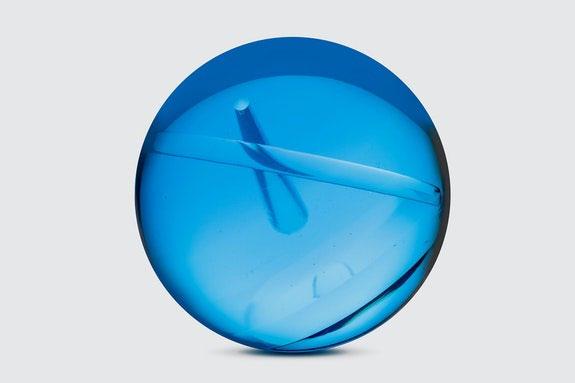
Helen Pashgian, Untitled, 2019. Cast epoxy with resin, 6 inches (diameter). Courtesy the artist and Lehmann Maupin, New York, Hong Kong, and Seoul. Photo: Joshua White.
Rail: So it didn’t have the lens-like curvature that these do?
Pashgian: Not initially. And that was using polyester resin, which was extremely dangerous and which many Light & Space artists used in the ’60s and ’70s. Very few, if anyone, uses it today. But then I got a heavy duty sander, with two handles, a very large heavy duty sander, and I stood on top of the piece on the floor and sanded the edges down to nothing. So I created a lens, just physically by going all the way around. It was very crude. Then I sanded it further. Then I had a fabricator, who’s become quite famous, Jack Brogan, do the final sanding and polishing and get it to the show in time. And then that piece existed in the show for a week, until it was stolen.
Rail: And has never been recovered?
Pashgian: Never. Caltech mounted a search, but it was never recovered.
Rail: Wow, someday, someplace…
Pashgian: Somebody is using it as a coffee table or something.
Rail: Well I hope it’s not a coffee table. [Laughter]
Pashgian: Anyway, maybe that’s where the original idea came from of a 5 foot diameter.
Rail: You said earlier that the object becomes not an object. That’s an interesting phrase.
Pashgian: That’s the way I think of it.
Rail: But something non-objective remains.
Pashgian: Something remains, yes. That’s also why I would like to get the pedestal as invisible as possible so that the more and more you look at it, the lens does begin to be floating as it becomes very non-objective. And then what remains is just color, color floating in space. Our mutual friend Michael Govan has said, “You know, artists have been struggling for hundreds of years, if not more, to make color float in space.”
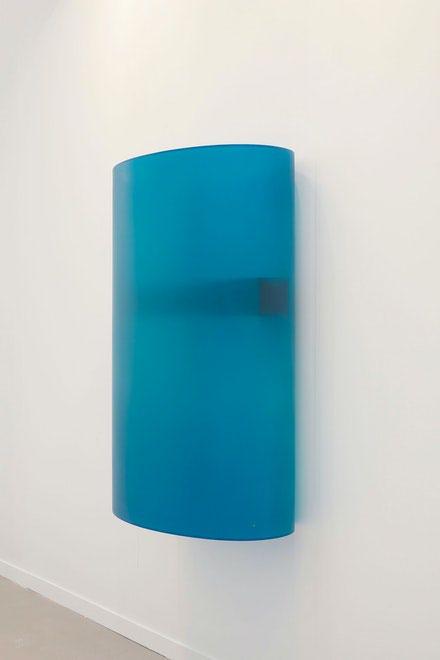
Rail: And with painting, light is projected on to an object and you get whatever the effects are from that, which of course can include the appearance, as with the Hudson River Luminists perhaps, that light is emerging from the painting. But here the light doesn’t just seem to emerge but genuinely emerges from the object, even though that perception arises from projected light as well.
Pashgian: That’s what that’s part of it, yes. And it’s very important to have about 4 feet behind the lens of very pure wall, preferably an off-white, so that no shadows will be created by the light source. It needs to be completely shadow-free in order to make the edge disappear as it does.
Rail: And is it that some things end up in the dumpster because there’s a scratch or a flaw in the process, not just a problem with the strength of the color?
Helen Pashgian, Untitled, c. 2000. Formed acrylic, 56 x 36 x 19 inches. Courtesy the artist and Lehmann Maupin, New York, Hong Kong, and Seoul. Photo: Matthew Herrmann.
Pashgian: Yes, and the colors that work best for this art are very subtle colors.
Rail: You use yellow I know that.
Pashgian: I actually use two yellows.
Rail: And green.
Pashgian: And also a very slight greenish yellow.
Rail: And indigo.
Pashgian: And I’ve done a blueorange. I’ve tried many, many colors—including red—but the best ones are the palest colors, those that become very subtle. But I’m skipping to another subject.
Rail: Don’t worry, there’s no order to this interview.
Pashgian: Right. What I was starting to talk about is the simplicity of this work. I’ve realized as I went along that part of what I’ve always been interested in is that this work has no discernable culture in which it arises, nor any discernible time.
Rail: Elaborate on that.
Pashgian: If the particular material had been available 5,000 years ago, who knows whether someone in another part of the world would have experimented with it in this way and made something similar. But the particular transparent materials I’ve been using were never available for any kind of artistic use, sculptural or otherwise, until after World War II, when the materials themselves became declassified. And I’m sure DeWain Valentine has talked about
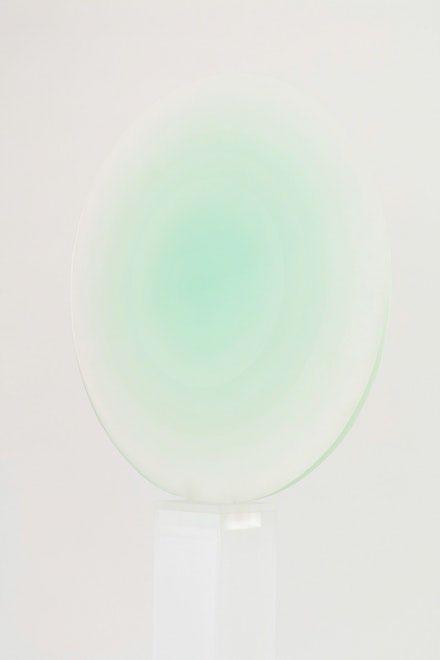
Helen Pashgian, Untitled, 2019. Cast epoxy with artist made pedestal, 26 inches (diameter, 51 1/2 x 5 1/8 inches, (pedestal). Courtesy the artist and Lehmann Maupin, New York, Hong Kong, and Seoul. Photo: Joshua White.
this. What I realize is that what I am very much interested in is taking away any cultural aspect or time.
Rail: and yet—
Pashgian: And yet it exists now, in these pieces, and not before, because a lot of things have come together: my own sensibility; the materials; the colors that interest me; decades of work in the past—different experiments. Somehow it’s all coalesced in this body of work. But I like the fact that people come in from other parts of the world to see these in my studio and say, “Oh this could have been done—this could have been done anywhere, could it not?”
Rail: Why do you think that is? Is it because the forms are universal, almost like sun discs?
Pashgian: Probably because the works are simple geometric forms.
Rail: Yet isn’t there still a reference to some archaic form?
Pashgian: There may be, or there may not be. But I think the obvious answer is that the Light and Space group started here in California in the middle ’60s and it had to do with the entire terrain, the light, the ocean, the sky, the desert—all of that is a part of it.
Rail: Are you saying that the materials as well as the atmosphere just don’t exist elsewhere?
Pashgian: Well I don’t think that they do, or at least the combination doesn’t. It’s also relevant that the whole aerospace industry was here at that time, with all the materials that were just becoming declassified. I have always said that in my view the light in Southern California is a very cold, bluish light. Part of it looks that way because there are so many buildings that are white and then there’s so much metal, hundreds of thousands of cars on the freeways—metal glinting. It’s a cultural thing. And it’s the case that many of us grew up by the ocean. That was also part of it.
Now when I say cold light, I’m contrasting that with what I think of as warm light. It’s true that California is always called the Golden State and people talk about the golden light of the Golden State, but actually this golden light is found in places like the south of France and on the Côte D’Azur. The earth is a different color and almost all the buildings are earth colored, so the light seems very warm. Yes, that part of France is also on the ocean as is Southern California, but there even the ocean seems to be different from here. More than that, the light in California as it curves from western exposure to southern exposure changes—the south facing beaches have a different quality of light than the western facing beaches.
Rail: Classically painters look for northern light for their studios, right?
Pashgian: Yes, to achieve an even light.
Rail: But that’s not what you’re describing, you’re talking about an intangible quality—
Pashgian: I’m talking about what it is like if you’re standing on a jetty with the ocean around you and the beach in the background—or you’re standing in the desert at sunrise and you’re looking at the light. California light, just as Californians like to think of themselves, is cool.
Rail: [Laughs] And you are saying that the light’s different in different parts even within Los Angeles?
Pashgian: Yes, and particularly at the coast. For example, the western facing beaches like Malibu and up north towards Oxnard, they’re very windy beaches. And the wind has something to do with that light, particularly in late afternoon. The atmosphere is different. Many of the south facing beaches have less wind, because the prevailing wind is slightly different. That doesn’t mean that when we have Santa Ana winds like we’re having right now, that those places aren’t windy. They are. But I’m talking about most of the time. So everything from sunrise to midday to sunset at the south facing beaches where I spent great chunks of my life is different.
Rail: Which south facing beaches?
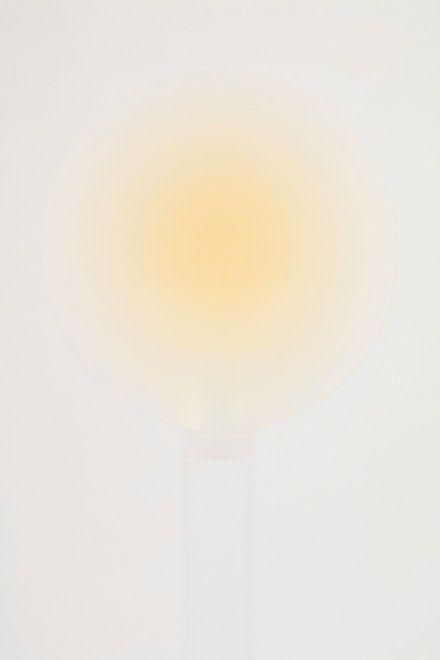
Helen Pashgian, Untitled, 2019. Cast epoxy with artist made pedestal, 26 inches (diameter, 51 1/2 x 5 1/8 inches, (pedestal). Courtesy the artist and Lehmann Maupin, New York, Hong Kong, and Seoul. Photo: Joshua White.
Pashgian: Well around the ones in Orange County like Newport and Laguna Beach and some of those coves, which are very much south facing as opposed to west facing, although they do angle and undulate in and out. The differences are very, very subtle. And I’m sure that many people who spend lots of time there would totally disagree with me.
Rail: But did you grow up near the coast?
Pashgian: Partly.
Rail: Probably quicker to drive there when you were younger?
Pashgian: No, much slower! Three hours, no freeways. Little two lane roads, shortcuts. Driving through the orange groves to the dairy country, to the beanfields. I’ve spoken in the past about taking an imaginary trip from here in Pasadena to the beach, about going through the orange groves. You would make this imaginary trip along little two lane roads lined on both sides with enormous eucalyptus trees, behind which would be lemon groves or orange groves as far as the eye could see. And then you’d come to the flat country, which was where the dairy farms were, and then you’d come to lima bean fields. And then you would come to a slightly hilly area where there’d be more farms, and then you’d come to the coast, where there would be more farms. So that would be the trip. But the Southern California of today stretches now from the mountains to the sea; and from Santa Barbara to Mexico is one enormous city. It’s very exciting because demographically it’s forever changing all the time; a place in flux that is culturally very rich. And yet, I mourn the lost California of my youth.
I’m mentioning this because I’ve become aware that even though this artwork springs from Southern California it is so minimal that it can exist within any culture at any time. I like that because it speaks to everyone, no one feels excluded from it. It’s not political and it’s not temporary.
Rail: Well that also relates to what we were saying about the forms being essential forms—
Pashgian: Geometrical forms. They’re very pure—
Rail: —circles, ovals, ellipses. You might even describe or define an ellipse as a circle moving through time.
Pashgian: I hadn’t thought of it like that.
Rail: Let’s go back to talking about ovals, or ovoid forms, and ellipses, because you have another whole series of works in the form of columns, which showed at LACMA and elsewhere and then were acquired by LACMA.
Pashgian: These are ovals but with a double ellipse.
Rail: Plus you have a large body of works in purely spherical form, but with other shapes cast or embedded within them that alter how light is transmitted through the spheres.
Pashgian: I also cast a number of spheres like this way back in the early or mid ’60s.
Rail: And you made a few ovoid pieces in the mid ’60s.
Pashgian: Very few, but yes.
Rail: So this is not you just stumbling upon a new form. These are your essential forms, the circles, ellipses, spheres, ovals?
Pashgian: When I thought of these forms—the ovals and the spheres—I thought of them initially as containers. And in the columns, the double ellipse, there are images inside. As you look at the column you feel you want to walk around it. It compels you to walk around the edge thinking you will see something more. But in fact you see less because of the distortion.
Rail: Well, in one of the double ellipse columns of yours that I happen to have there are colors embedded inside. But as you move around the column one color at first disappears and then continuing on around a different color emerges.
Pashgian: The column continually distorts both the color and the light because of its elliptical shape and also because of the way that the color, or image, is placed within it. It’s placed that way precisely in order to dissolve. Without going into the technical details, it has a lot to do with how close the colors come to the edge or how far they are from the edge.
Rail: So much of you work is about appearance and disappearance.
Pashgian: That’s right, because my work is all about this ephemeral thing—light, and its ephemeral qualities. And the fact is, the geometric forms I use have been around since the pyramids and before; they transcend time. That’s what I meant when I said they could have existed thousands of years ago, because humankind has been playing with these forms and been fascinated with them for a long time, as have scientists. Just look at Leonardo’s Vitruvian Man (c. 1490). All artists are continually fascinated by these basic forms.
Rail: Perhaps it’s too obvious to say they’re physiologically driven, but there is a relationship in your work to the way the body is constructed. I’m thinking of the 5 feet diameter reach.
Pashgian: You’ve probably seen the picture of me in Flaunt Magazine, standing behind a large yellow disc—your piece actually—and I’m dressed in black standing in such a way that only my hands and feet extend past the edge of the work. The center of the work appears to be opaque, so you really just see the limbs. It’s very funny.
Anyway, as I was saying, I think of the columns as containers. The double elliptical shape is continually mysterious because as you move around it whatever you see inside distorts, dissolves, and reappears. So the basic question is: Why am I interested in things that either have no edges, or have images that appear, distort, and disappear? It perhaps has to do with the ephemeral quality of life.
Rail: Well you talked about the loss of the California you had known in your early years. You’re evoking not just perceptual appearance and disappearance, but memory itself.
Pashgian: Memory, perhaps; and as time passes we change. I had a wonderful professor at Pomona College who had us read Henry James’s The Ambassadors (1903), which he considered at the time to be the greatest piece of writing of the 20th century. He said at the very end of the class, “You can leave this great novel cut and bleeding on the floor at the age of 20, which you are now. But if in fact it is a great novel, you can pick it up at 40, 60, or even 80 years old, and reread it. It will be a different novel because you’re a different person and because it is a great,
organic whole. It will come together as an organic whole, but you yourself will have changed.” These are literary ideas that Virginia Woolf also talked about, in a different way. She spoke about the passage of time and the writing of a novel. I do think that as time passes we change and the landscapes within which we live our lives change, all the while remembering who we were before. Georgia O'Keeffe said, many times, when she was 90, about a year or two before she died, “I think that artists are fully formed by the time they’re five years old. After that, it’s a matter of refinement.” And I too think that an artist’s sensibility, though they're not practicing it yet, is fully formed then. There are certain images that are so indubitably powerful to a child who will later become a visual artist that they never forget them.
Rail: You’ve spoken about this being true for you, when as a child you were absorbed with seeing light passing through and glinting off pools of water by the sea.
Pashgian: I’ve always been interested in light as it passes through an object. I’m always interested in looking at a tree that is backlit, with the leaves, with the sun behind it, because it comes alive in a way that is unavailable to the human eye at any other moment. Georgia O’Keeffe again used to say she thought that’s why artists in a way never grow up: “I think they are always in touch with that 5 year old.”
Contributor: Michael Straus
MICHAEL STRAUS is a Contributing Writer for The Brooklyn Rail as well as one of its Board members. He is also Chairman of the Robert Rauschenberg Foundation, past Chairman of the Andy Warhol Foundation for the Visual Arts, and a member of the Drawings and Prints Committee of the Whitney Museum of American Art.

Helen Pashgian on pushing the limits of perception: ‘making art is like a divine itch’
International Women’s Day 2022: in this digital-first exclusive, we preview our April issue profile of art icon Helen Pashgian, whose optically majestic sculptures are a lesson in perception
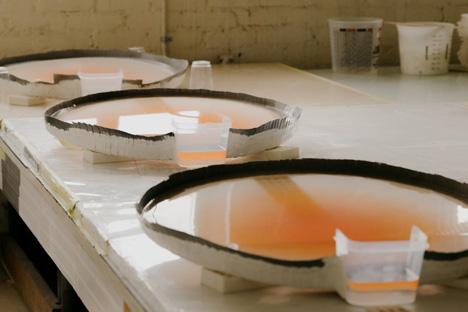
No GPS can directyou to the Pasadena studio of Helen Pashgian. ‘You won’t find it,’ insists the artist, renowned for the technologically advanced sculptures she produced in the 1960s. On the phone (she doesn’t use a computer or email), she provides detailed instructions involving left turns and a once famed club called The Ice House.
Pashgian opens the faded blue door and ushers me into a generous workspace that she has used since the mid-1970s, with high ceilings and blocked windows to control the lighting on her translucent sculptures. Focused and fresh, with the athletic frame of an ocean swimmer, Pashgian doesn’t look or act 87. She leads the way into a room where polished spheres of marigold and emerald epoxy rest atop clear pedestals so that their colours pour downwards to rest in a band at
A series of Helen Pashgian’s ‘Lenses’ in progress in her Pasadena studio. The moulds have been filled with urethane and left to dry
each base. A small square at the centre of each globe appears to tunnel into a single point of light. With close attention, that point appears infinite. Each is perfect.
Perfection, as time-consuming and frustrating as it can be for the artist, is essential. Any irregularity mars the purity of experience, which is Pashgian’s ultimate aim. When her work was first shown in the late 1960s, alongside other, similarly inclined LA artists, a critic dismissed it as ‘finish fetish’. Pashgian shrugs and says, ‘The subtlety of these pieces necessitated their being beautifully crafted and beautifully finished. But it would have been better to be known as light artists.’
Pashgian was among the first artists to grasp that post-war innovations in plastics enabled an art that could challenge perception in unprecedented ways. Yet her work is not as well known as that of her male counterparts. One of the exhibitions she was preparing for when I met her was for Lehmann Maupin – her first solo show in New York in nearly 50 years. Dealer David Maupin, a California native, understood her history and recognised her relevance. ‘It’s mind-boggling. Someone of her talent being one of the only women in the Light and Space movement and not being shown in New York.’ Titled ‘Spheres and Lenses’, the show highlighted her series of glowing globes and large mounted discs.
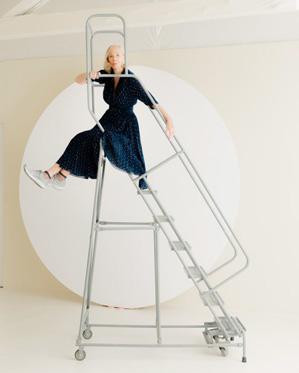
Artist Helen Pashgian in her studio, a converted piano warehouse in Pasadena, California, photographed for the April 2022 issue of Wallpaper*, on sale 10 March
The second exhibition she had been preparing for would take over 15,000 sq ft of Site Santa Fe in New Mexico. Organised by founding director Louis Grachos, ‘Presences’ is anchored by Light Invisible, 2014, a dozen 8ft-tall double elliptical columns of acrylic that radiate soft light in a darkened gallery and which have been loaned by the Los Angeles County Museum of Art (LACMA). Grachos was impressed by the artist’s unprecedented leap in scale from tangible if transparent objects to expansive installations. ‘The amazing thing was seeing an artist continually innovating and pushing the boundaries of her work and her material.’
This apotheosis of recognition is overdue for Pashgian. Sophisticated and worldly, she lives near her studio in Pasadena and not that far from her childhood home. She has never married nor had children, and one senses her interior determination to prioritise life as an artist. ‘Making art is like a divine itch. At first, I was very insecure and self-critical. I’ve become more confident.’
Forcefully, she dismisses people who say such recognition should have happened sooner. ‘People have actually said to me, and rudely, “Don’t you wish you could have done this when you were 35?” This is the truth: I couldn’t have done it when I was 35. I didn’t know enough. I hadn’t experienced enough. Every artist has their own personal evolution. I’m a very slow bloomer. These pieces are a culmination of that first lens, made 50 years ago. They’ve become more sophisticated and I’ve gotten better at doing them because they’re technically very difficult.’
That is an understatement in describing the production of her newest pieces, which she categorises as ‘Lenses’. Banning the use of a camera or notebook, she offered me a chair in a darkened portion of the studio. Her controlled lighting gradually revealed a hint of spherical hue like the edge of a sunrise and, as it intensified, the piece disappeared into a cloud of pale colour. It was difficult to discern that the sculpture itself was a 5ft disc of multicoloured urethane that appeared to float above its acrylic base. ‘What happens, and this is really important, is that as the light recedes, the outer colour begins to fade and you’re left with the centre colour, which gets brighter; then it too begins to contract and disappear,’ says Pashgian. ‘People say it pulls them into their own thoughts.’
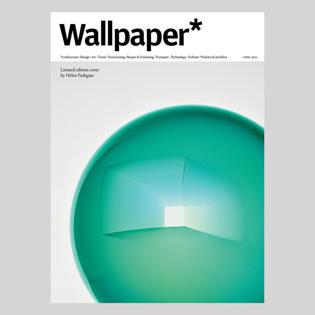
This month’s limited-edition cover features an untitled 2020 work from Helen Pashgian’s ‘Spheres’ series, which appeared in her solo show at Lehmann Maupin New York
This was Pashgian’s first attempt to make a 5ft lens since 1971, when she showed a disc-shaped polyester resin sculpture at the California Institute of Technology (Caltech). It had launched a programme to encourage scientists to work with artists like Pashgian, who were using complex combinations of plastics. She had managed to cast the large piece, but was frustrated with the finishing. Fellow artist Peter Alexander was in the same programme and recommended Jack Brogan, a fabricator who had been
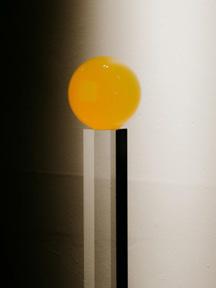
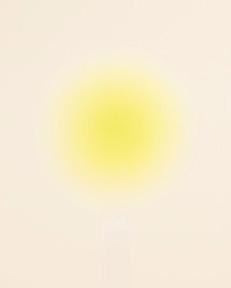
discovered by Robert Irwin. Brogan picked up the piece with the help of five men, completed the polishing and returned it in time for an opening at the Caltech gallery. That sculpture was such a success, it was promptly stolen. To this day, there is only a photograph of Pashgian with a big transparent grey disc weighing 200lb.
She can laugh at that story today, but the creation of her new 5ft lens provided closure, as well as opening her path to future endeavours. Today, Pashgian still executes every detail of her sculptures in her studio, with trial-and-error use of colour, although specific finishing details sometimes require outside processes. ‘I think artists have a vision of something; they have no clue how to do it, but they find a way,’ she explains. From the beginning, she has also kept detailed records of all her completed works.
Difficult to reproduce (colour photography was rare) and often misunderstood, the Light and Space movement has waxed and waned in popularity since the late-1960s. The first comprehensive European exhibition on the movement, featuring many women historically excluded, opened at Copenhagen Contemporary last December. In the past decade, art historians have come to see it as a form of West Coast Minimalism dedicated to exploring the act of perception. Pashgian cites the late art historian Kirk Varnedoe: ‘When he wrote about Californian Light and Space, he said that, as opposed to New York Minimalism, “It’s all about ambiguity”.’
Left: Untitled, 2021, cast epoxy with formed acrylic elements, sphere diameter 6 inches.
Right: Untitled, 2021, cast urethane with artist-made acrylic pedestal, lens diameter 45 inches
Pashgian, herself an art historian, with degrees from Pomona College and Boston University, recalls magical afternoons as a young girl watching light filter through the leaves of fruit trees in the family’s Altadena orchard near the San Gabriel Mountains. In summer, to avoid the inland heat, they rented cottages on the beach at Crystal Cove, near Laguna, a place she still goes to swim. ‘Georgia O’Keeffe said it was her belief that artists are fully formed by the time they are five. After that, it’s just a matter of refinement. I feel the same way because I remember visually how beautiful it was and how it was all about what the light did. I knew that the light changed because the water moved. I think that was one of my earliest and most profound memories. Whether that led me to do what I do, I have no idea, but I think it did.’
That youthful fascination with light, and the support of a talented art history professor, Seymour Slive, led her to study 17th-century Dutch painters, especially Vermeer. But in 1958, instead of completing a PhD at Harvard, she chose to become an artist. (‘James Turrell, who is a close friend of mine, said he thought the most interesting part of his art history class was the effect of light coming from the projector.’) She returned to Southern California – in part because of the crystalline quality of light that originally had given birth to the Hollywood film industry – and began developing her own artistic language.
Pashgian’s first abstract paintings used 17th-century glaze techniques in oil. Once she discovered polyester resin, however, it became an all-consuming quest. Declassified after the Second World War, when it had been used by
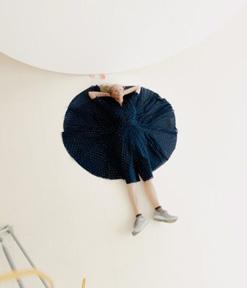
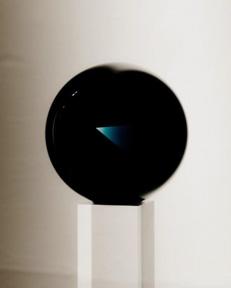
Top: Portrait of Helen Pashgian in her Pasadena studio. Above: Untitled, 2021, cast epoxy with resin, sphere diameter 6 inches
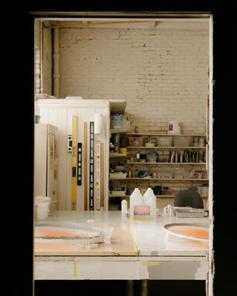
aerospace engineers, the liquid plastic became widely available in the 1960s. Pashgian, like others, saw that it could emulate the clarity of atmosphere or waves. She worked with engineers to find stable epoxies and often uses urethane, despite the fact that it contains cyanide. She continues working with scientists and fabricators to improve her own formulas.
It was a 2012 studio visit from LACMA director Michael Govan that gave impetus to her shift to ambitious scale and experiments with light. After looking at the 120ft-long installation for her LACMA show, he said: ‘It seemed a totally new direction. It was like nothing anyone had seen before in terms of her work.’ That show of support drove her to create the most ambitious yet least tangible art of her life. ‘Helen spent all this time on materials,’ observed Govan, ‘and the net result is that the material disappears, and you are left with the phenomena of light and the emotion it has conjured.’
For many years, Pashgian created modest globes that contained mysterious small shapes within; they required concentration and intimacy. Her latest works are the opposite. Though substantial in scale, they almost completely disappear in the cycle of her timed lighting. In a way, she is moving into the realm of pure atmosphere. As poet and critic John Yau wrote in her 2021 monograph: ‘It speaks to that deepest and oldest human experience –astonishment.’
Pashgian takes me into another room of her studio to experience her most recently completed lens, leaving me alone with my thoughts. The sculpture is there, somewhere. As the lights go down, the art defines the limits of visual knowledge, a
‘Lenses’ in progress in the artist’s studio
Detail of an untitled 2021 work by Helen Pashgian
disorientation at odds with the gentle pulsing of pastel colour. It was a feeling so foreign to contemporary existence that, despite its stateof-the-art technology, the piece embodies nothing so much as the absence of time. It is, indeed, a space that no GPS could map.
To celebrate International Women’s Day, we have released this exclusive profile as a digital first, ahead of the April 2022 issue of Wallpaper* hitting newsstands on 10 March. Pashgian also created the issue’s limitededition cover, which is available to Wallpaper* subscribers. To get full details of our issues delivered directly to your inbox, subscribe to our newsletter, and ensure you never miss out on the latest news, features, and reviews from Wallpaper* magazine.
https://www.wallpaper.com/art/helenpashgian-artist-profile#0_pic_0
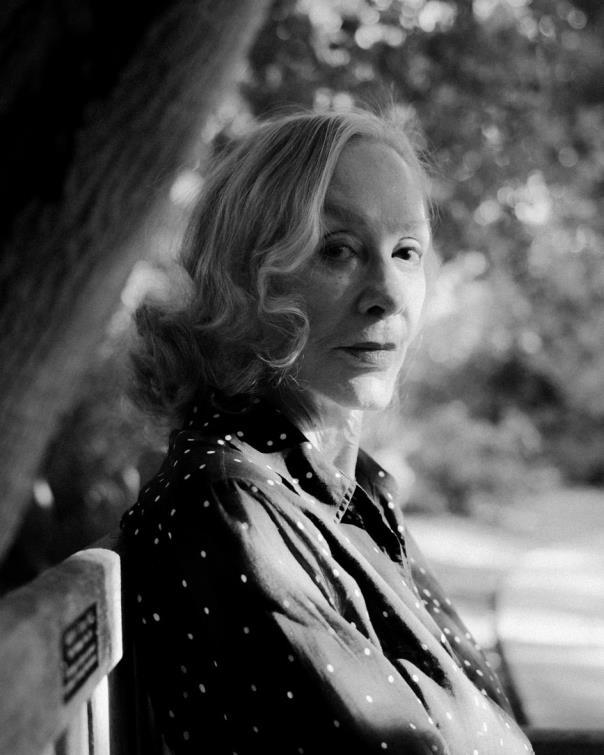
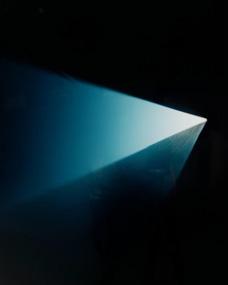
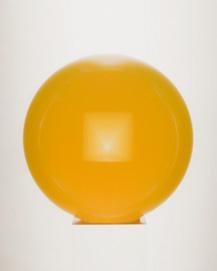
Detail of an untitled 2021 work
Portrait of artist and Light and Space movement pioneer, Helen Pashgian
Detail of an untitled 2021 work

Helen Pashgian
Helen Pashgian on her visionary life in color
November 15, 2021
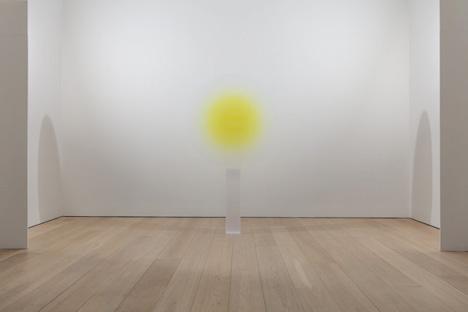
Helen Pashgian, Untitled, 2020, cast epoxy on custom artist pedestal, 60" diameter. Installation view, Lehmann Maupin, New York, 2021. Photo: Daniel Kukla.
At New York’s Lehmann Maupin, Helen Pashgian showed me around “Spheres and Lenses” her first exhibition in the city since 1971—while mesmerizing me with her eyes, as glowing and multihued as the prismatic orbs on display. Though Pashgian has been making art since the late ’50s, her moment is now: On November 19, SITE Santa Fe will open the fifty-year retrospective “Helen Pashgian: Presences”; six days later, her work will be featured in Copenhagen Contemporary’s “Light and Space,” a survey of the titular California-based movement Pashgian was instrumental in defining.
I GOT INTO ART KIND OF SIDEWAYS. Somebody in college told me during my sophomore year to take an art history class. I had zero interest, but they said to take the course
for the professor, it doesn’t matter whether they teach astrophysics or whatever. I studied with the legendary Seymour Slive, who in a profound sense changed my life. I minored in art history in college and then stayed in New England for six years until it got so cold that I came back to California, where I started painting with washes and oil paint. I was never interested in opacity; I was never interested in the figure. My paintings weren’t very good, but they started me on this path of depth and transparency.
In the mid-’60s, a few artists in Southern California started discovering polyester resins, which had been declassified after World War Two. Chemicals that had been used in bomb fabrications ended up in craft stores. The materials were poisonous and terrible, but very seductive. I quickly found out that if you do not control them, they will control you.
My first New York exhibition was in 1969 at Kornblee Gallery. I was working with clear polyester resins. Cornell University bought the only sphere on view; the rest were bizarre shapes. At the same time, Robert Irwin had a show at MoMA in a tiny room, like a closet, and Larry Bell had an exhibition at Sonnabend Gallery. All three exhibitions opened in the worst blizzard in fifty years. New York was shut down. Nobody came. About two weeks later, when the city started moving again, the reviews came out. I remember one where they said, This is nothing, it’s atmosphere. They called it “California Art.” It was very sarcastic, like, I think they’ve been out in the sun too long. Too much surfing. Their brains are fried. Too many drugs. That was the attitude. However, someone who showed Rauschenberg and Johns told me that all the New York boys were fascinated with our work. The critics just didn’t see it.
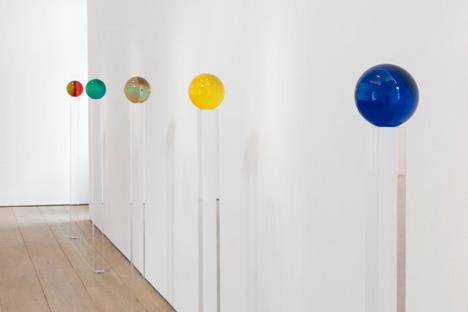
View of “Spheres and Lenses,” 2021, Lehmann Maupin, New York. Photo: Daniel Kukla.
In the case of the small spheres, I pour the resins myself, and then they go to a fabricator, someone who rounds them, and then somebody else who does the polishing. It’s very important to me to try to keep these colors very clean and pure. If the pigment is too strong, it’ll get muddy. When you look at color like this, you’re looking at a hue that doesn’t really exist because the other colors are reflecting in it.
Some people find my lens works very mesmerizing. They tell me that when the light goes up really high and then comes down again we know it’s going to be the same color, but they feel they’ve changed themselves, so they’re looking in a different way. Some people see color moving all over the wall because it does expand your perception. The timing of the light cycle gives your brain and eyes time to catch up and then readjust.
The other thing about the lenses that everyone comments on is that they are so calming. In the frenetic, broken world we live in, when everything is fast and digital, this is the opposite. It’s quiet, it’s timeless, and it does things to people. It’s about what Light and Space is all about, which is perception and the phenomenon of really having an experience, not just an observation. Once you stop trying to find an edge—we always want to know where we are to feel safe—and relax, then you’re looking at pure color. It’s okay to say what you feel. No two people will feel the same.
— As told to Canada Choate https://www.artforum.com/interviews/helen-pashgian-87180
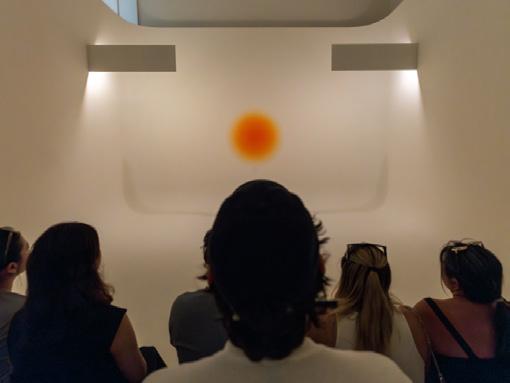
It wasn’t until I walked through the faded-blue door to Helen Pashgian (https://www.artnews.com/t/helen-pashgian/) ’s Pasadena studio and she told me to put away my recorder and notebook that I understood this would not be a conventional interview.
“People keep rewriting my words more elegantly but not addressing the work itself or their own experience of it,” the California native told me as I followed her into the spacious 100-year-old warehouse she’s occupied since the ‘70s. “I’d like for us to do things a little differently, but first, I need to finish leveling.”
Elegantly dressed in a cashmere sweater and pleated trousers, the 90-year-old artist, who neither looked nor acted her age, quickly leveled a concave frame poised atop an immense workbench. To this day, she continues to execute every detail of her sculptures with minimal outside assistance. The mold was not, as I’d presumed, for her upcoming installation “ Lumen: The Art and Science of Light (https://pst.art/en/exhibitions/lumen-the-art-science-of-light) ,” at the Getty Center (https://www.artnews.com/t/gettycenter/) —opening September 10, part of its PST Art (https://pst.art/) programming—nor was it for her contribution to the concurrent exhibition (https://d.docs.live.net/71a751854cd04b51/%5e.Documents/PST%20ART/%20PASGIAN%20CALTECH:%20https:/pst.art/en/exhib
Visitors at the "Lumen: Helen Pashgian" installation at the Getty Center.
CASSIA DAVIS/ © 2024 J. PAUL GETTYTRUST
over)“CrossingOver”(https://pst.art/en/exhibitions/crossing-over)—alsopartofPSTArt(https://www.artnews.com/t/pstart/)—atCaltech,whereinthe‘70sshe’dbeenthefirstfemaleartist-in-residence.No,thoseurethaneandresincastshadlongsincebeen polishedtoperfectionandphotographed;thiswasforyetanotherimpendingproject,thedetailsofwhichwerestilltooearlytopublish.
“I’vedefinitelybeenbusy,”shesaid,whichseemedlikeanunderstatementconsideringthestateofherstudioandcurrentexhibitionschedule.
ThoughPashgianwasoneofthepreeminentmembersoftheLightandSpacemovementthatcametoepitomizetheSouthernCaliforniaart scenebeginninginthe‘60s(alongwithRobertIrwin,JamesTurell,andLarryBell),herluminouscolumns,spheres,andlenseshaveonly recentlyreceivedwidespreadrecognition.AftertheGettyCenterincludedherina2011presentationreappraisinglocalarthistory,Pashgianhas beenthesubjectofsoloexhibitionsinLosAngeles,NewYork,SantaFe,St.Moritz,HongKong,andSeoul.NottomentionthemanyLightand Spacesurveysnowforegroundinghercontributionstothemovement.
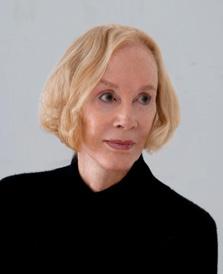
HelenPashgian COURTESYOFTHEARTIST.PHOTO:WAYNESHIMABUKURU
Yet,despitetheinfluxofattention,Pashgiansaidfewwritershadcapturedtheinexplicableexperienceofviewingherwork.Intheirattemptto addressthesix-decadearcoftheartist’scareer,fromherstartinthe‘60stotheomissionofherworkfrominstitutionalsurveysand,finally,to thelate-in-liferecognitionofherastonishingmaterialinnovations(withpolyesterresin,epoxy,andurethane),aparsingoftheirencounterwith theartitselfisoftencutshort.So,insteadofanotherinterview,theartistaskedmetojoinherinthechairsarrangedbefore Untitled(Lens) 2024—similarsaveforthecolortotheoneonviewattheGetty—andjust‘feelwhatIfeel’and‘seewhatIsee.’
Comprisedofnearlytwentyurethaneresinpours,the50-inchultra-thindisc—mountedverticallyatopanalmostimperceptibletranslucent pedestal—appearedtobefloating.Atthecenterofthemilkygreenlens,wheretheradiatingemeraldcolorwasmostconcentrated,anillusory pupilgazedoutfromaninfinitedepth.Pashgianofferedasingleinstructionbeforedimmingthelights:“Inthebeginning,keepyourgaze trainedasbestyoucanatthetopofthecircleuntilItellyoutolookaway.”
Astheroomdarkened,thelensshimmeredgreenerthangreeninanaffirmationofpresenceandpowerthatfelt,ifnothuman,undoubtedly animate.Whentheoverheadlightsbegantorhythmicallyriseandsubside,theobjectdematerializedbeforemyeyes.UponPashgian’ssignal,I refocusedmygaze,causingafluorescentpinkcoronatosurgearoundwhatwasleftofthedisc,emulatingatotalsolareclipse.Arosynimbus whirledaroundtheperipheryofthespace.NotuntilIheardmyselfaudiblygaspdidIrealizeI’dstoppedbreathing.
BeforeIcantellyouhowitwas,Ihavetotellyouhowitwasn’t.Itwasn’tfuturistic,overtlytechnological,orlikeasequenceofspecialeffects.It waslessominousandlessspeculativethanmyresearchhadledmetoexpect.Itwasastonishing,remedial,and—asdubiousasthissounds— transformative.WhenIleftPashgian’sstudiosomehourslater,IwasnotthesamepersonIwasbeforeIwalkedthroughthatfadedbluedoor.
ThespectralshadowplayofcolorandformrecallednaturalphenomenacommontoSouthernCalifornia,wheretheartistspentherchildhood driftingbetweenAltadena’ssun-stainedpeaksandthesecludedcovesofLagunaBeach.Acrosstheevershiftingsphere:theeffectsoffogslowly subsumingahillside,thesunstirringbetweentheseaandsky,andribbonsoflightrefractingthroughshallowpoolsatlowtide.Here,light,like water,appearstobeinanear-constantstateoftransfigurationbetweenliquid,matter,gas,andair.
Untitled(Lens),2023.HelenPashgian.Casturethane.Diameter:50in.(127cm). COURTESYOFTHEARTIST©HELENPASHGIAN.IMAGECOURTESYOFGRAYSON MARSHALLANDTHELAPISPRESS
Meanwhile,theoscillatinglevelsofincandescencebroughttomindhistoricalartworksnotunliketheonesPashgianencounteredwhilestudying arthistoryatColumbia,BostonCollege,andHarvardbeforereturninghomeinthemid-‘60stofocusonmakingworkofherown.Similartothe chimericalhoneycombedmuqarnasadorningtheceilingsofancientIslamicmosques,thelustrousgoldandlapislazulipagesof6th-century manuscripts,theempyrealglowoftheleadlightwindowinTheGlassofWinebyJohannesVermeer,ortheobliqueeffulgenceofRothko’slate colorfields,theurethaneresinlensappearslitfromwithin,emittinganineluctableglowofitsownformationwhilestillgalvanizingthe surroundinglight.
MysenseofdepthanddistanceonlybecamefurtherdisorientedthelongerIwatched.Theairthickened,slowed,andfilledwithwhatcouldbe describedas‘theplasticfullnessofnothing’tostealaphrasefromRobertRauschenberg.LosingtrackofwhereIwasinrelationtothepedestal andPashgian,Isensedtheroomwasnotsomuchfadingasmergingwiththeluminance.Theapparitionexpandedandcontracted,anoutward ebullienceandrecedinggravitationalpullsimulatingthefeelingofabenevolentembrace.
Afterusingmyshirtsleevetowipemyeyes,Pasghianreassuredmethatcryingwasnotanuncommonresponse.Sherecountedastudiovisit withacuratorwhostreamedsilenttears,amanshockedlessbytheworkthanhisownemotionaloutburst,andawomanwho,foralongtime, didn’tsayaword,thensuddenlybegantosobhysterically.Morethanayearlater,me,thatsamewomansentPashgianamessagedescribing howtheglowinggreendischadsincebecomeafamiliarpresenceinherlife,frequentlymaterializinginhallucinatoryclarityinoddplaces rangingfromthecenterofabusyintersectiontohoveringabovearemotemountainlake.
“Children,ontheotherhand,don’tcryoryellormisbehaveatall,”Pashgianexplained.“Sometimes,it’sevendifficultfortheirparentstoget themtowalkaway.”
Whilewatchingthedisc’scircumferencedisintegrate,thediaphanousspheredefyingtheboundsofmaterialdimensionality,it’seasytoseethe appealforthosestillreceptivetowonder.AsthepoetJohnLauwroteinhisessayforPashgian’srecentlypublishedmonograph,when “experiencingherwork,whetherlens,sphere,orcolumn,weenterastateofwonderment.”Indeed,bewilderedbythelimitlessorb,thebrain andtheeyestraintoreconcilethenewperspective.Howeverbriefly,therealbecomesunfetteredfromtheconcrete,thedefinitivemargins betweentheselfandthesurroundingworldblur,andthepresenceofanotherrealmofexistencejustbeneaththevisiblesurfaceisrevealed.
WhenPashgiancalledmebacktomyself,Ihadnosenseofhowmuchtimehadpassed.Ratherthananunrelentingsuccessionofdiscrete moments,theworkfacilitatesanexperienceoftimesimilartotheongoingflowofinteriorsubjectivity,wherethepastenvelopsthepresentina continuous,seamlessstreamofperception.Inthisway,it’spossibletowatchyourselfwatchingandtoobserveyourhabitualapproachtoseeing fromaslightremove.Theoccasionofintrospectioninvitesinteriortransformation,orthatwasthecaseforme.
“Ifwehavetime,youcancomebackherelater,”shesaid.Iforcedmygazeawayfromtheorbandontoherlitheformthatwasthenenwreathed byapenumbraofwhitelightandtriedagaintoeliciteventhevaguestsketchofherrelationshiptohercreations.“Idon’twantyoutoprojectmy experienceormyideasontothem,”Pashgiansaid.It’struethatshedoesn’teventitleherworkforfearofinterferingwiththeviewer’sprivate perception.“Besides,therearestillmanyaspectsthatremainamysteryeventome,”shesaid,smilingasthelightclingingtohersilhouette brightenedyet.
Atthatmoment,Pashgianseemedtodisappearintotheambientglow,perhapspreciselyassheintendedittoseem.
ARTnewsisapartofPenskeMediaCorporation.©2025ArtMedia,LLC.AllRightsReserved. PoweredbyWordPress.comVIP
Look at It and Remember: Helen Pashgian
Interviewed by Ash De Avila
Working with light and perception to create a timeless experience.
Feb 11, 2022
Helen Pashgian, Untitled, 2020, cast urethane with artist-made acrylic pedestal, 60 inches (lens diameter). Courtesy the artist and Lehmann Maupin, New York, Hong Kong, Seoul, and London.
The Light and Space movement was born in Southern California in the 1960s and places the ephemeral at the forefront, utilizing light as a medium. Helen Pashgian is one of the movement’s most ardent pioneers. A Harvard-trained art historian-turned-artist, Pashgian is working toward the height of her career, pushing the boundaries of engineering through larger installations.
Pashgian’s work is often challenging to capture in its complexity. In her own words, she often advises viewers: “It’s better to just look at it and remember it.” This gets at what makes Pashgian’s work so groundbreaking: it demands contemplation as light ebbs and flows. The bright lights and shadows draw viewers into Pashgian’s contained universe in an almost holophrastic way. It would not be an overestimation to say that Pashgian has earned her place in the pantheon of California artists.
Ash De Avila
Helen Pashgian
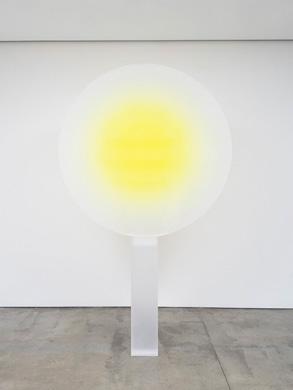
Did you see Untitled (2020) at Lehmann Maupin in New York City?
Ash De Avila
Yes, I did. I also know the one at Pomona College. The attendants there say to me, “You spend so much time in there.”
HP
At the museum? Oh, tell me.
ADA
They also told me that when the students are there, they are mesmerized and ask each other, “Is it moving? Did everyone see what I saw?”
HP
That’s really wonderful. I recently went to a lunch at Pomona and asked, “Are the students finding it? I think they should keep it up for five years.” And someone said, “Oh, yes, they’ll disappear in there and won’t come out for an hour and a half; they get totally into it.” And it even happened yesterday with a curator I was talking to from the Museum of Modern Art. She said that “people get very emotional about it, all different kinds of people.” When the work’s light goes down, you know it’s going to come up the same color, but you’ve changed a little as you watched it, and so what you’re seeing is something new in a way.
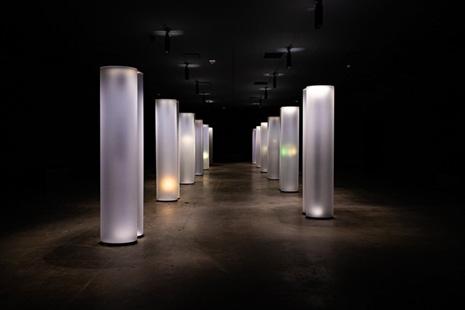
Helen Pashgian, Untitled, 2012–13, formed acrylic, custom light fixtures on 5 minutes, 31 seconds dimming cycle. Los Angeles County Museum of Art, purchased with funds provided by Carole Bayer Sager on the occasion of the 2014 Collectors Committee.
ADA
I think that’s what your work does so well. Even just looking at the college students when I was sitting next to them at Pomona, they weren’t on their phones.
HP
The digital age. The world we live in now is so fast; it’s always everyone pushing through to be a little better, a little faster or smarter. And it does not add peace to anyone’s life. Particularly college students. They’re all terrified of what lies ahead. When I was talking to people at Pomona, I said that once you scratch the surface and really talk with the students, you find out how scared to death some of them are. Most of them don’t have a clue about their future. I say it’s okay to make mistakes; I suggest you look for a big city since you’ve been in a small community. Travel and have life experiences. But you will make mistakes. Let’s say you take a job, and two years down the road you say it’s a big mistake. Now you’re stuck. You can’t look at it this way. Because in two years you have changed, and broadened, and experienced a lot; but what you realized is that it’s the wrong path, and now you take another day job, and maybe there are many reasons, and eventually you will find the right place. I said it took me almost ten years after college before I finally realized what I wanted to do. So I think they need to be less terrified; but now there is so much competition for graduate schools and jobs, they are even more scared.
ADA
How do you prepare for different lights? I know California light is somewhat cool, compared to preparing for shows in Copenhagen or Santa Fe?
HP
I don’t know. It is going to be a very interesting learning situation. All the dimensions are exactly the same, the lights are the same, but they don’t look the same. I think that is partly because of the cold. Light is tricky that way. I have always thought and written about that. Even though we always talk about the “Golden State,” the light in California is cold—a more blueish light. Partly because we have so many cars that the light glints off the cars, but even when you go to the coast it’s a cooler light.
ADA
What do you think now that you’re having a retrospective, and as you told me recently, you’re not yet at the height of your career? What do you hope to be? Especially since you’re trained as an art historian. How do you think critics have viewed you and your art, and is there anything that you wish would be added to that view as people understand you? Not only as an artist but as someone trained to understand criticism?
HP
Well, that is a very good question, a complicated one. The Light and Space movement has really gone worldwide, and after the big show in Copenhagen, I think that most of the six or seven original Light and Space artists will go on to be bigger stars. Maybe not, but I think they will—if not individually, then collectively. So that’s where we are historically, and my whole thing is that I really want to do something that is the opposite of that, that really is timeless. It doesn’t have to be part of any particular time, but it does speak to people no matter who they are, where they are in their journey of life, and where they are in their emotional lives or psychological lives—how they philosophically view themselves in relationship with the world. I would hope that they could look at this work, and if they
gave it enough time they could really see something in it that becomes their own. I guess that’s the best way to put it.
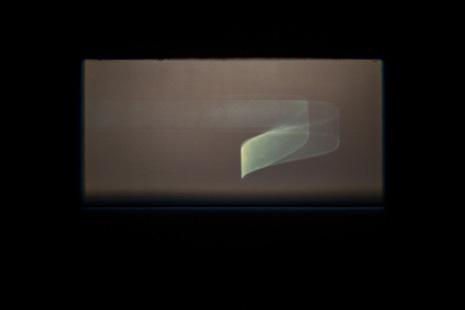
ADA
What do you hope to do next?
HP
Bigger. I want to do a larger exhibit. I’m going to need much more help from structural engineers, but I kind of like that part of it too. But it will be very, very delicate; and that will be very difficult to do because all the weight is going straight down. So it will need to be engineered extremely carefully. I am trying to do something that the material doesn’t want to do, which is stand up in space.
HP
Do you think that would be interesting?
ADA
I do. I think more people, especially my age, would like something that is reflective. HP Where they could be alone.
Helen Pashgian, Untitled, 1974, cast polyester resin and acrylic lacquer, 36 × 72 × 1 inches. Courtesy of the artist.
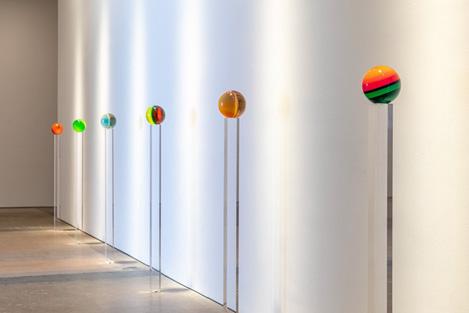
ADA
Yes. I always joke that because it’s so fragmented how we live that you have to learn to be alone without being lonely. Maybe that is what California teaches you.
HP
Absolutely, because you’re not always alone. When I was at graduate school, I used to go to the Harvard Chapel all the time. Once, we had the great theologian Paul Tillich come talk, and he gave two sermons, both of which I went to. One was about loneliness and solitude. And he talked about the difference between the two of them. He of course compared solitude to a conversation with God and the connection with God. But he said it doesn’t have to be. It can be a deep connection to nature, but it has to be something outside the human. Because if you’re only dealing with the human and yourself with your own ego and sense of yourself, you will be lonely your entire life. Whether you have a family, have children, have grandchildren, travel the world, none of that matters—you will still be lonely your whole life. I thought that was so brilliant because solitude comes from a deep connection with the world that is outside of yourself but becomes part of you. And you know, I look back and say how lucky I was to hear one of the greats in person. I think everyone is struggling through solitude.
Helen Pashgian: Presences is on view at SITE Santa Fe in Santa Fe until March 27; Pashgian’s work can also be seen in the group exhibition Light & Space at Copenhagen Contemporary in Copenhagen until April 9.
Ash De Avila is a writer, a Los Angeles native, and Cornell alum. https://bombmagazine.org/articles/look-at-it-and-remember-helen-pashgian-interviewed/
Installation view of Helen Pashgian: Presences. SITE Santa Fe, Santa Fe, New Mexico.
https://library.caltech.edu/crossing-over/helen-pashgian
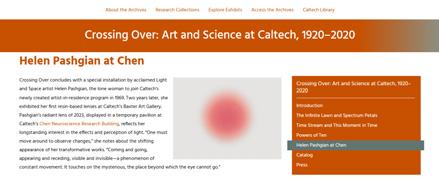

Light and Space Pioneer Helen Pashgian Takes
Center Stage in a New Group Show at London’s Hayward Gallery
Sara Roffino
https://www.culturedmag.com/helen-pashgian/
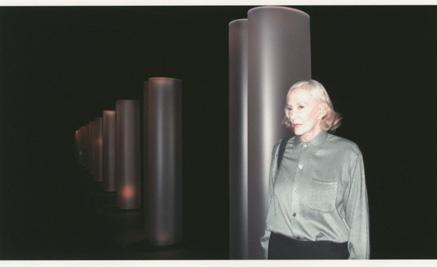
Light and Space pioneer Helen Pashgian at her 2014 LACMA exhibition. The artist has been an integral part of the Los Angeles art world for decades—beloved by curators, critics and fellow artists.
I am three minutes late when I arrive at Helen Pashgian’s studio, tucked in a parking lot off an unremarkable Pasadena alleyway. Before I can knock, she opens the door—tall, lithe and emanating an elegance that is at once immediate and understated and ushers me in to her dimly-lit studio. She has just returned from the Sun Valley Writers’ Conference, at which she is a regular attendee, and is telling me about a previous year’s talk given by late American diplomat Richard Holbrooke on the political and economic complexities of Russia’s 2008 invasion of Georgia and its relationship to the Saudi Arabian oil pipeline and the Strait of Hormuz, in the Persian Gulf. I quickly realize this is a studio visit unlike others.
We enter her workspace and I find our seats are arranged, waiting for us: two directors chairs opposite a single disc of quietly luminescent pure green color. Throughout our hour-long conversation, which I am not allowed to record, I alternate between trying to write down
everything Pashgian says and giving my full attention to her words. Phrases from my notes include: “out of time and space,” “reaction to the world in which we live,” “California as melting pot,” “a space where words are no longer sufficient,” “dissolution,” “memory,” “DeWain,”
“Wheeler,” “Bell,” “Mary,” “Peter,” “Turrell,” “internal journey,” “how light travels through color,” “the light is the object.” Such fragments reveal enough of Pashgian to situate her clearly within California’s Light and Space movement. Yet any words, I think, are insufficient to capture the sentient experience of her work or the significance of her discoveries within the history of art, color and light.
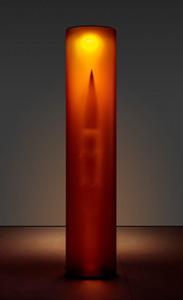
Pashgian’s Untitled (orange), 2009. Photo by Josh White. Image courtesy of TOTAH.
Trained as an art historian with a focus on the Dutch Golden Age, Pashgian’s reverence for Vermeer, aka the painter of light, has been fundamental to her thinking for more than 60 years. She made paintings for a while after returning home to California from her studies in Boston, but eventually gravitated toward more experimental materials, such as a polyester resin so toxic it has since been banned. While her media have changed throughout the course of her career, her insistence on light as the object of her work has not wavered. For Pashgian, light is not a metaphor or a symbol or an allegory; light itself is both medium and message.
Pashgian is rare among artists for many reasons—one of which is her willingness to talk about nostalgia without irony, distance or dismissiveness. She has spoken about a particular nostalgia in her life, one that she relates to early childhood memories of playing in the tidepools along the California coast and watching the way light moved through the water and animated the creatures below the surface. Something about her description of this reminds me of the Portuguese word
saudades, which I mention to her, explaining that it has no direct English translation but is more or less a sense of longing for something indescribable. She tells me to write that down.
When I think our visit is coming to a close, Pashgian instead leads me by the arm to a different darkened room in the building, imploring me to keep my eyes averted from everything around me except the Eames roller in which I am to sit. I find my way to the chair looking down, cover my eyes with my hands and unlike every other instance in life when I’ve been told not to look, I actually don’t. I’m aware that I’m smiling, though I don’t yet know what is going to happen.
It feels like a long time before Pashgian says I can open my eyes. When I do, it takes a few minutes to process what I am seeing: a glowing circle of yellow, undefined by the space around it, seems to float before me. The lights in the room are low but not completely off, and it’s almost as if the color is gently pulsating or breathing. My eyes and brain are unable to reconcile what is before me and I am completely transfixed.
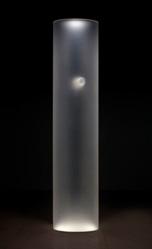
At some point, Pashgian seats herself next to me and I can feel her anticipation. She is waiting for my response, but I can’t summon any words. After a few minutes, she hits my arm with a lack of restraint that is both surprising and charming. “Do you see it?” she asks. Eventually I tell her that it feels like what I imagine it would be like if we were able to look directly at the sun— something we are aware of everyday, but can never truly see. It’s not so much a visual correlation with the sun that I am experiencing, although that is present, but more a sense of seeing something beyond the limits of physical capacity. Pashgian tells me to get closer, so I stand up and walk around the epoxy disc in disbelief at the fact that this seemingly ethereal orb of color is actually the result of immense human labor and precision.
Pashgian’s Untitled (white), 2009. Photo by Josh White. Image courtesy of TOTAH.
Pashgian resists a spiritual reading of her work, an understandable position for someone whose practice requires scientific acuity, high-tech material and skilled fabricators. Yet being in her studio was, for me, undeniably transcendent—the sort of experience that simultaneously heightens one’s awareness of physical existence and blasts one beyond of the limits of that physicality. “It’s what you feel when you have that internal flux that comes from a moment of awe,” says her New York gallerist David Totah, whose eponymous Lower East Side gallery included Pashgian in “Transient,” a two-person show last year.
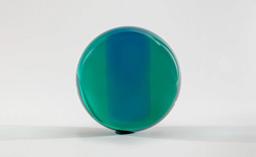
Pashgian’s Untitled, 2012. Image courtesy of TOTAH.
Outside of a survey of Southern California art at the Parrish in 2012, a group show at David Zwirner in 2010 and one at Metro Pictures in 2012, Pashgian’s work hadn’t been on view in New York since the early ’70s. She did, however, have a significant solo exhibition at LACMA in 2014—during which the museum’s director Michael Govan referred to her as not just a great pioneer of the Light and Space movement, but “one of the great pioneers of art generally.”
This season, a series of Pashgian’s columns and spheres feature prominently in London at the Hayward Gallery’s “Space Shifters” exhibition on view from September 26 through January 9, 2019. TOTAH is also including Pashgian’s first-ever black sphere in “Polarities,” a group show through October 14 that proposes to showcase the way in which color can destabilize contrasts. It’s a fitting context for the artist: our conversation made me think of Isaiah Berlin’s “Roots of Romanticism,” in which the philosopher traces the transition from the Enlightenment belief that all knowledge is attainable if one asks the right questions to the Romantic notion that the universe is inexhaustible and infinite. While it is tempting to think of Pashgian’s work as a sort of Romantic ideal—with its saudades and its ethereality—to do so would be a denial of the fundamental rigor of her practice. In Berlin’s text, he summarizes the Romantic position: “If the universe is a form of activity and not a lump of stuff, if it is infinite and not finite… how can we possibly try to describe it?” He continues, “When we try to describe the light we can describe it accurately only by putting it out. Therefore do not let us describe it.” Pashgian’s discs and spheres and columns composed of light itself put forth the possibility that we are not limited to description in art, or in life.
“Space Shifters” is on view at the Hayward Gallery through January 6, 2019.
BIOGRAPHY
HELEN PASHGIAN
Born Pasadena, CA
Education:
1958 M.A. Boston University
1956-57 Columbia University
1956 B.A. Pomona College
Awards:
2022 Honoree, Los Angeles County Museum of Art (LACMA) Art+Film Gala
2013 Distinguished Women in the Arts Award, Museum of Contemporary Art (MOCA), Los Angeles, CA
1995 Hall of Fame, John Muir High School, Pasadena, CA
1986 National Endowment of the Arts, Individual Artists Grant 1970-71 Artist-In-Residence, California Institute of Technology
Selected Solo Exhibitions:
2026 ESPOO Museum of Modern Art (EMMA), In Search of the Present, Espoo, Finland
2025 Kunsthalle Bielefeld, Light and Space, Bielefeld, Germany
Charlotte Jackson Fine Art, Santa Fe, NM
2024 Lumen: Helen Pashgian, The Getty, Los Angeles, CA
2021 Helen Pashgian: Presences, SITE Santa Fe, Santa Fe, NM
Helen Pashgian: Spheres, Charlotte Jackson Fine Art, Santa Fe, NM
Helen Pashgian: Spheres and Lenses, Lehmann Maupin, New York, NY
Helen Pashgian: Primavera, Pomona College Museum of Art, Claremont, CA
2019 New Lenses and Spheres, Vito Schnabel Gallery, St. Moritz, Switzerland
Lehmann Maupin, Hong Kong, China
Lehmann Maupin, NY, New York
Charlotte Jackson Fine Art, Santa Fe, NM
Lehmann Maupin, Seoul, South Korea
2016 Golden Ratio, Peter Blake Gallery, Laguna Beach CA
2014 Helen Pashgian: Light Invisible, Los Angeles County Museum of Art, Los Angeles, CA
2011 Columns and Wall Sculptures, ACE Gallery, Beverly Hills, CA
2010 Working In Light, Pomona College Museum of Art, Claremont, CA
2009 New Works, Charlotte Jackson Fine Art, Santa Fe, NM
2007 Palm Springs Art Museum, Palm Springs, CA
2006 Patricia Faure Gallery, Santa Monica, CA
1997 Estelle Malka Gallery, Los Angeles, CA
1992 Works Gallery, Long Beach, CA
1991 Works Gallery, Long Beach, CA
1990 Works Gallery, Long Beach, CA
1989 Works Gallery, Long Beach, CA
1988 Works Gallery, Long Beach, CA
1987 Works Gallery, Long Beach, CA
1986 Works Gallery, Long Beach, CA
1983 Modernism Gallery, San Francisco, CA
1981 Stell Polaris Gallery, Los Angeles, CA
1976 University of California, Santa Barbara, CA
1975 University of California, Irvine, CA
1972 Kornblee Gallery, New York, NY
1971 Kornblee Gallery, New York, NY
1970 Kornblee Gallery, New York, NY
1969 Kornblee Gallery, New York, NY
1967 Occidental College, Los Angeles, CA
1967 Rex Evans Gallery, Los Angeles, CA
1966 Rex Evans Gallery, Los Angeles, CA
1965 Rex Evans Gallery, Los Angeles, CA
Selected Group Exhibitions:
2025 Light, Space, and the Shape of Time, Albuquerque Museum, Albuquerque, NM
2024 Crossing Over: Art and Science at Caltech 1920–2020, Pasadena, CA
2023 Making Their Mark, Shah Garg Foundation, New York, NY Shadow and Light, Vladem Contemporary, Santa Fe, NM
2022 Light, Space, Surface: Works from the Los Angeles County Museum of Art, Addison Gallery of American Art, Phillips Academy, Andover, MA Quicksilver, Charlotte Jackson Fine Art, Santa Fe, NM
9th Street and Beyond: 70 Years of Women in Abstraction. Pt 2: The Geometric, Hunter Dunbar Projects, New York, NY
Bending Light II, Pace, Seoul, South Korea
2021 Beyond the Light of East and West, Korean Cultural Center, Los Angeles, CA Light and Space, Copenhagen Contemporary, Copenhagen, Denmark Light, Space, Surface: Works from the Los Angeles County Museum of Art, Addison Gallery of American Art, Andover, MA
2019 Crystals in Art: Ancient to Today, Crystal Bridges Museum of American Art, Bentonville, AK
The Buck Collection, UCI Institute and Museum for California Art, Irvine, CA
Radiant Light and Expanded Space, Pearl Lam, Hong Kong, China
2018 Water and Light, Ochi Gallery and Emily Friedman Fine Art, Ketchum, ID
Space Shifters, Hayward Gallery, Southbank Centre, London, England
Star Gazing, Charlotte Jackson Fine Art, Santa Fe, NM
2017 Transient, TOTAH, New York, NY
2016 Peter Blake Gallery, EXPO Chicago, IL
A Selection of Artworks, Ace Gallery, Los Angeles, CA
2015 Made in California, Mana Wynwood, Miami, FL
2014 California Dreamin’: Thirty Years of Collecting, Palm Springs Art Museums, Palm Springs, CA
2013 Beyond Brancusi: The Space of Sculpture, Norton Simon Museum, Pasadena, CA
2012 Pacific Standard Time: Crosscurrents in L.A. Painting and Sculpture, 1950-1970, Martin-Gropius-Bau, Berlin, Germany
2011 Pacific Standard Time: Crosscurrents in L.A. Painting and Sculpture, 1950-1970, J.Paul Getty Museum, Los Angeles, CA
Pacific Standard Time: Phenomenal / California Light, Space, Surface, Museum of Contemporary Art San Diego, CA
2010 Primary Atmospheres: Works from California 1960-1970, David Zwirner, New York, NY
Swell: Art 1950-2010, Metro Pictures, New York, NY
2009 Norton Simon Museum, Pasadena, CA
Le Petit Objet, Royale Projects, Indian Wells, CA
2007 Off the Wall, Charlotte Jackson Fine Art, Santa Fe, NM
Municipal Art Gallery, Los Angeles, CA
2006 Translucence: Southern California Art from the 1960s and 1970s, Norton Simon Museum, Pasadena, CA
The Senses: Selections from the Permanent Collection, Pomona College Museum of Art, Claremont, CA
2002 Inaugural Exhibition, Pasadena Museum of California Art, Pasadena, CA
2000 12 Divas, Molly Barnes Gallery, Los Angeles, CA
1995 Shape, California State University, Fullerton, CA
1994 Conceptual Landscape: 20 California Artists, Madison Art Center, Madison, WI
1993 Boritzer/Gray Gallery, Los Angeles, CA
1987 Works Gallery, Long Beach, CA
1986 Selections from Security Pacific Bank Collection, Laguna Art Museum, Laguna Beach, CA
1984 A Broad Spectrum: Contemporary Los Angeles Painters and Sculptors, Design Center of Los Angeles, Los Angeles, CA
1983 An Artistic Conversation: 1931-1982, Poland/USA Ulster Museum, Belfast, Ireland
1982 Los Angeles Artists in Seoul, Donsangbang Gallery, Seoul, South Korea California/International Arts Foundation, Museum of Modern Art (ARC), Paris, France
1981 California Innovations, California State University, Fullerton, CA
Public Collections:
Agnew Miller & Carlson, Los Angeles, CA
Andrew Dickson White Museum, Cornell University, Ithica, NY
Atlantic Richfield Company, Dallas, TX
Bank of America, Los Angeles, CA
Bank of America, Singapore
Fredrick Weisman Collection, Los Angeles, CA
Koll Corporation, Newport, CA
Laguna Beach Museum of Art, Laguna Beach, CA
Los Angeles County Museum of Art, Los Angeles, CA
Museum of Contemporary Art San Diego, San Diego, CA
NESTLE Corporation, Glendale, CA
Norton Simon Museum, Pasadena, CA
Orange County Museum of Art, Newport Beach, CA
Palm Springs Art Museum, Palm Springs, CA
Pomona College Museum of Art, Claremont, CA
Portland Art Museum, Portland, OR
Progressive Savings, Los Angeles, CA
River Forest State Bank, IL
San Francisco Museum of Modern Art, San Francisco, CA
Santa Barbara Museum of Art, Santa Barbara, CA
Seattle First National Bank, Seattle, WA
UCI Institute and Museum for California Art, Irvine, CA
Walker Associates Inc. Los Angeles, CA
Selected Press:
Vankin, Deborah. “At Art + Film gala, LACMA celebrates coming ‘unstuck,’ with new building 50% done.” Los Angeles Times, 6 November 2022.
Drohojowska-Philp, Hunter. “Helen Pashgian on Pushing the Limits of Perception: ‘Making Art is Like a Divine Itch’” Wallpaper, 21 March 2022.
Avgikos, Jan. “Helen Pashgian at Lehmann Maupin New York.” Artforum, March 2022.
Duron, Maximiliano. “The 10 Best Booths at Frieze Los Angeles 2022, from Stunning Stone Piles to Menacing Thank You’s.” ARTnews, 17 February 2022.
De Avila, Ash. ”Look at it and Remember: Helen Pashgian Interviewed by Ash De Avila” Bomb Magazine, 11 February 2022.
Finkel, Jori. “The women artists altering our perception of the Light and Space movement.” The Art Newspaper, 17 February 2022.
Straus, Michael. “Helen Pashgian with Michael Straus” The Brooklyn Rail, February 2022. Landi, Ann. “Helen Pashgian: Presences’ Review: Maker of Luminous Objects” The Wall Street Journal, 20 December 2021.
Cascone, Sarah. “Editors’ Picks: 11 Events for Your Art Calendar, from an auction to Abortion Rights to a Tribute to Dealer Martha Jackson.” Artnet News, 14 December 2021.
Weschler, Lawrence. “The Confounding Lightness of Helen Pashgian” The New York Times, 30 November 2021.
Scott, Andrea. “Helen Pashgian. “The New Yorker, 20 November 2021.
Choate, Canada. “Helen Pashgian” Artforum, 15 November 2021.
Kupper, Oliver Maxwell. “Cerulean City Larry Bell in Conversation With Helen Pashgian.” Autre Magazine ,1 September 2019.
Gleeson, Bridget. “Helen Pashgian, California’s ‘Grand Dame of Light’ Unveils a New Series of Ethereal Sculptures.” Artsy, 17 December 2019.
Casey, Liam. “Helen Pashgian: Epoxy Resin Ages, and then It Doesn’t.” Flaunt Magazine, April 2019.
Armstrong, Annie. “Lehmann Maupin Now Represents L.A.-Based ‘Light and Space’ Artist Helen Pashgian.’ Artnews, 14 February 2019.
Roffino, Sara. “Light and Space Pioneer Helen Pashgian Takes Center Stage in a New Group Show at London’s Hayward Gallery” Cultured, 25 September 2018.
Barry, Lita. “Studio Visit with Helen Pashgian: The Leading Lady of Light” Huffington Post, Los Angeles, 9 April 2015.
Comte, Michel, and Maria Grazia Meda. “Women of Today.” Vogue Italia, July.
Zabrodski, Sarah. “Sculpting the Thingness of Light” Hyperallergic, 18 June 2014.
Pagel, David. “Review: At LACMA’s ‘Helen Pashgian’ Step Back and Watch Magic Happen” Los Angeles Times, 17 April 2014.
Kitnick, Alex. “Helen Pashgian: Light Invisible.” Artforum, January 2014.
Vankin, Deborah. “Artist Helen Pashgian Brings Her Love of Light to LACMA’s Space”, Los Angeles Times, 29 March 2014.
Zimskind, Lyle. “Framed: Not Seeing the Light at LACMA” Los Angeles Magazine, 3 April 2014.
Croci, Roberto. “Helen Pashgian Enlightenments” Casa Vogue, April 2014.
Korek, Bettina. “Materials Magician” Huffington Post, Los Angeles, 21 May 2011. “Helen Pashgian: Columns & Wall Sculptures” Culture Monster, 10 February 2011. Pagel, David. “A Warm Play of Color and Light” Los Angeles Times, 11 February 2011.
Duncan, Michael. “Helen Pashgian” Art in America, 11 September 2010.
Smith, Rachel. “Helen Pashgian Exhibit Lights Up Pomona Gallery” Campus Times, 26 February 2010.
Schjeldahl, Peter. “Way Out West” The New Yorker, 25 January 2010.
Hickey, David. “Primary Atmospheres: Works from California 1960-1970”, New York: Steidl/David Zwirner, 2010.