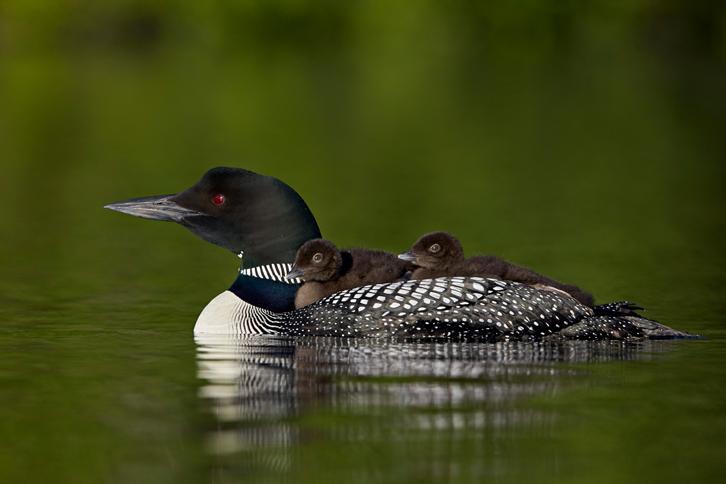
The loon became Minnesota’s state bird in 1961.
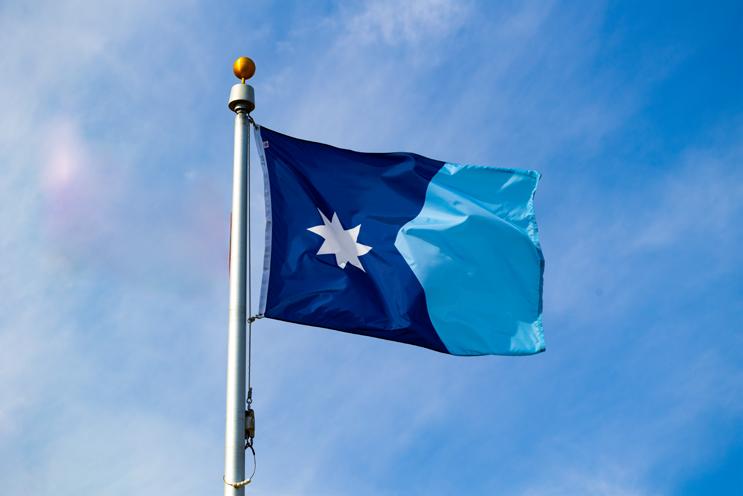
state flag was adopted on May 11, 2024.

morel was adopted as the state mushroom in 1984.


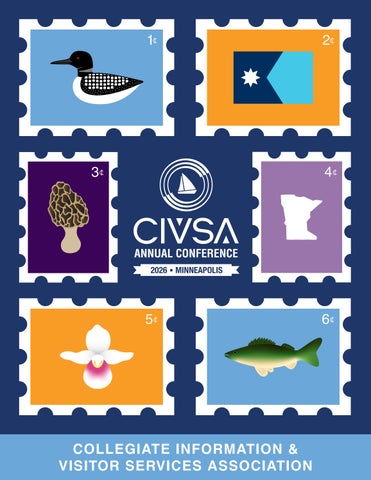
The loon became Minnesota’s state bird in 1961.
state flag was adopted on May 11, 2024.
morel was adopted as the state mushroom in 1984.
On behalf of the Annual Conference Planning Committee, welcome to Minneapolis for the 32nd CIVSA Annual Conference. We are so glad you made your way here!
This conference is a full-circle moment for me. Ten years ago, I attended my first Annual Conference in San Diego. I was so impressed with the spirit of CIVSA, and I remember thinking how cool it would be to serve as the Annual Conference Chair someday. Working with like-minded individuals to plan a conference that means so much to me sounded like a dream… and now, here we are! It’s incredibly meaningful to be the one welcoming you, whether this is your first conference, your fifteenth, or you’re just passing through on your professional journey. The committee has been hard at work to provide something for everyone.
This year, we’re leaning into themes of connection, navigation, and a little celestial inspiration, because if there’s one thing CIVSA does well, it’s bringing together a group of people who somehow always help each other find their way. Think of this conference as your chance to reorient, affirm your path, or discover something new.
We’ve built a schedule designed to help you grow, connect, and enjoy yourself along the way. Whether you’re diving into sessions, having one of those “this is why I love this field” conversations in the hallway, or just figuring out where the stars will guide you next, we hope you leave feeling energized and supported.
I’m especially proud that we get to gather in Minneapolis. This is a city that shows up for its people, for its community, and for the future it continues to build. It is creative, resilient, and deeply connected, and I hope you feel that while you’re here. I also hope you take time to explore, meet new people, and experience a city that, much like this association, is stronger because of the people in it.
You’ll notice some purple accents and elements woven throughout the week (we couldn’t resist). Consider it both a nod to our theme and a reminder that a little boldness, creativity, and maybe even a touch of artistic energy belongs in all of this work, too.
Planning this conference has been a true team effort, and I’m so grateful to the incredible group of people who brought it to life. Their thoughtfulness, intentionality, and commitment are behind every detail you’ll experience this week. I’m so proud of the work this committee has done, and I’m honored to call them colleagues and friends.
However you found your way to Minneapolis, we are truly happy you’re here. My hope is that this conference meets you where you are, helps you find what you need, and sends you home with new ideas, strong connections, and maybe some celestial direction from the CIVSA stars.
If you need anything while you’re here, stop by the registration desk or flag down one of our volunteers. We promise we’re friendly!
With CIVSA spirit,
Emily Collinsworth Stanley 2026 Annual Conference Chair Lasell University
2026 Annual Conference Chair
Emily Collinsworth Stanley | Lasell University
Local Arrangements & Transportation:
Chair: Kyle Thomas | University of St. Thomas
Carter Curti | University of Minnesota-Twin Cities
Sophie Deutsch | Texas Christian University
Melissa Hom | Towson University
Programming & Education:
Chair: Kate Bracciano | Marquette University
Megan Foster | University of Tennessee, Knoxville
Kegan Gingerich | West Virginia University
Lauren Mann | Moravian University
Kyle McGary | Butler University
Arin Morse | University of Missouri-Kansas City
Publicity & Promotion:
Chair: Ben Tran | Flagler College
Morgan Clonts | University of Central Missouri
JoElle Hall | The Ohio State University
Annie Lowe | University of New Hampshire
Spirit & Traditions:
Chair: Amy Anderson | Merrimack College
Ja’Kira Jackson | Georgia Institute of Technology
Quinn Munk | Wichita State University
Cassidy Murray | Bard College
Kristin Thomas | Messiah University
Welcome & Volunteers:
Chair: Whitney Rollerson | University of Southern California
Brandon Cheatham | University of South Florida
Madeline Cromer | Indiana University Indianapolis
Enrique Granados | University of North Texas at Dallas
Denessa McPherson | Berea College
Danielle Schlough | Lehigh University
La Dawn Duvall Conference & Events Manager
Jen McGowan Association Manager
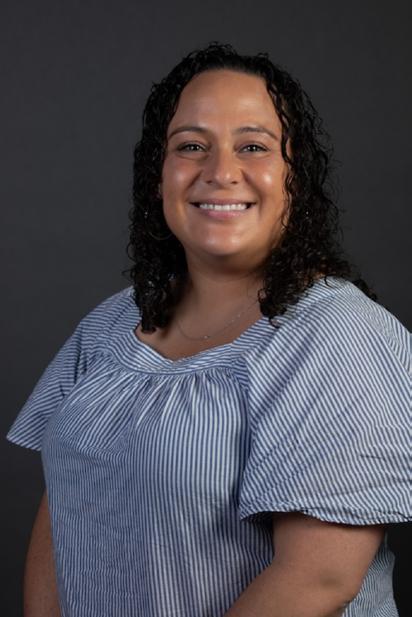
On behalf of the Executive Board and the Conference Planning Committee, I am thrilled to welcome you to Minneapolis, Minnesota, for our 32nd Annual Conference. Known as the City of Lakes, Minneapolis offers a vibrant mix of culture, innovation, and community, making it a wonderful place for us to gather, share ideas, and strengthen our professional connections.
This conference provides an invaluable opportunity to connect with colleagues, exchange best practices, and engage in meaningful conversations that help shape the future of visitor services and campus engagement. Whether you are attending for the first time or returning as a longtime member, I encourage you to take full advantage of the educational sessions, workshops, networking opportunities, and inspiring keynote presentations planned throughout the week.
Our Conference Planning Committee brought incredible creativity, energy, and dedication to this process. I would like to extend my sincere appreciation to conference chair Emily Stanley (Lasell University), programming and education chair Kate Bracciano (Marquette University), publicity and promotions chair Ben Tran (Flagler College), local arrangements and transportation chair Kyle Thomas (University of St. Thomas), spirit and traditions chair Amy Anderson (Merrimack College), and welcome and volunteers chair Whitney Rollerson (University of Southern California). The entire committee devoted countless hours to bringing this experience to life. Their commitment, along with the continued support of our Conference and Events Manager La Dawn Duvall and Association Manager Jen McGowan, made this conference possible.
This week will be an incredible opportunity for us to reflect on the past year, discuss the challenges our institutions face, and celebrate the successes of our programs and teams. I hope you leave Minneapolis feeling energized, inspired, and ready to continue making a meaningful impact on your campuses and within your visitor services programs.
We are also grateful to our host institutions, Macalester College, the University of St. Thomas, and the University of Minnesota Twin Cities, for welcoming us to their campuses and helping us showcase the spirit of the Twin Cities. The speakers, sessions and workshops offered throughout the week will provide practical ideas, new strategies, and meaningful connections with colleagues who understand the unique and impactful work we do.
As we gather here, we recognize that Minneapolis stands on the traditional homelands of the Dakota and Ojibwe (Chippewa) peoples, who have cared for this land for generations. We acknowledge their enduring presence and the rich cultural history that continues to shape this region today.
Attending my first CIVSA conference and becoming involved in the association has forever impacted my professional career. If you are attending as a nonmember, I would love the opportunity to connect and share more about the benefits of joining CIVSA. If you are already a member, thank you. Your investment strengthens our association and makes this community so special.
It is truly an honor to welcome you to Minneapolis for the 32nd Annual Conference, and I look forward to an inspiring week together.
Best wishes,
Ilana Ciccone CIVSA President St. John’s University







A long-standing CIVSA tradition is to give back to the Annual Conference host city by encouraging attendees to donate to an organization selected by the conference committee. This year, we have selected two organizations to donate to. The link to donate is available on the CIVSA App!
Cookie Cart’s mission is to teach life, leadership, and career skills to young individuals while they are working within our social enterprise bakery.
Scan the QR Code or visit cookiecart.org for more information.

Neighborhood House has been and continues to be a welcoming presence for thousands of refugees, immigrants and others in transition or crisis. Our organization has become a full-service hub for those seeking assistance with basic needs, from food to housing, as well as helping create future opportunities through family coaching and education programming. From our headquarters on the West Side of St. Paul, Neighborhood House has supported people from over 50 different cultural backgrounds and nationalities over the decades, nimbly adapting to the rapidly changing needs of the individuals, families, and communities we serve. Our integrated approach to programming recognizes the wholeness of every person’s life and considers aspects of each individual’s needs and well-being so that we can serve every member of a family as they build strength and stability for the future.
Scan the QR Code or visit neighborhoodhousemn.org for more information.
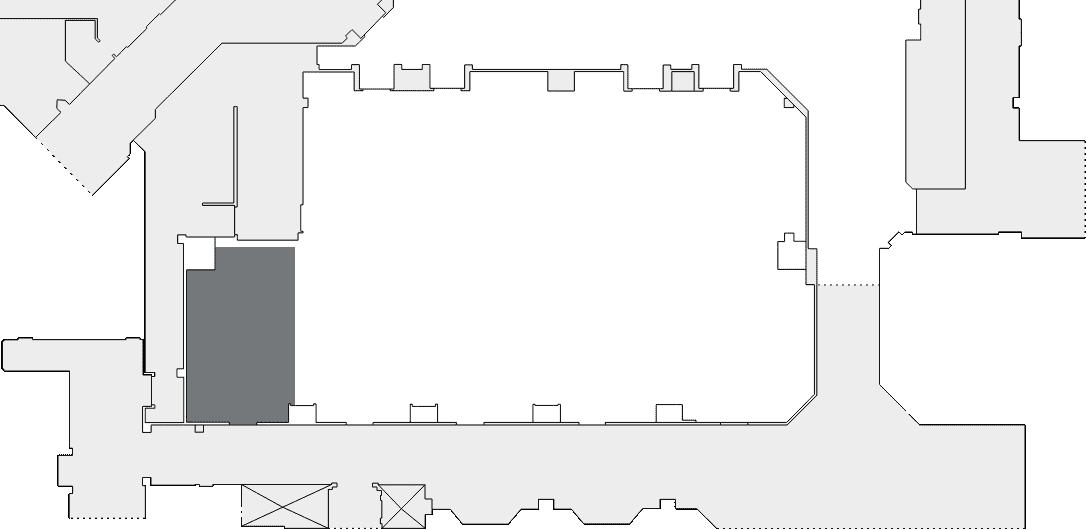
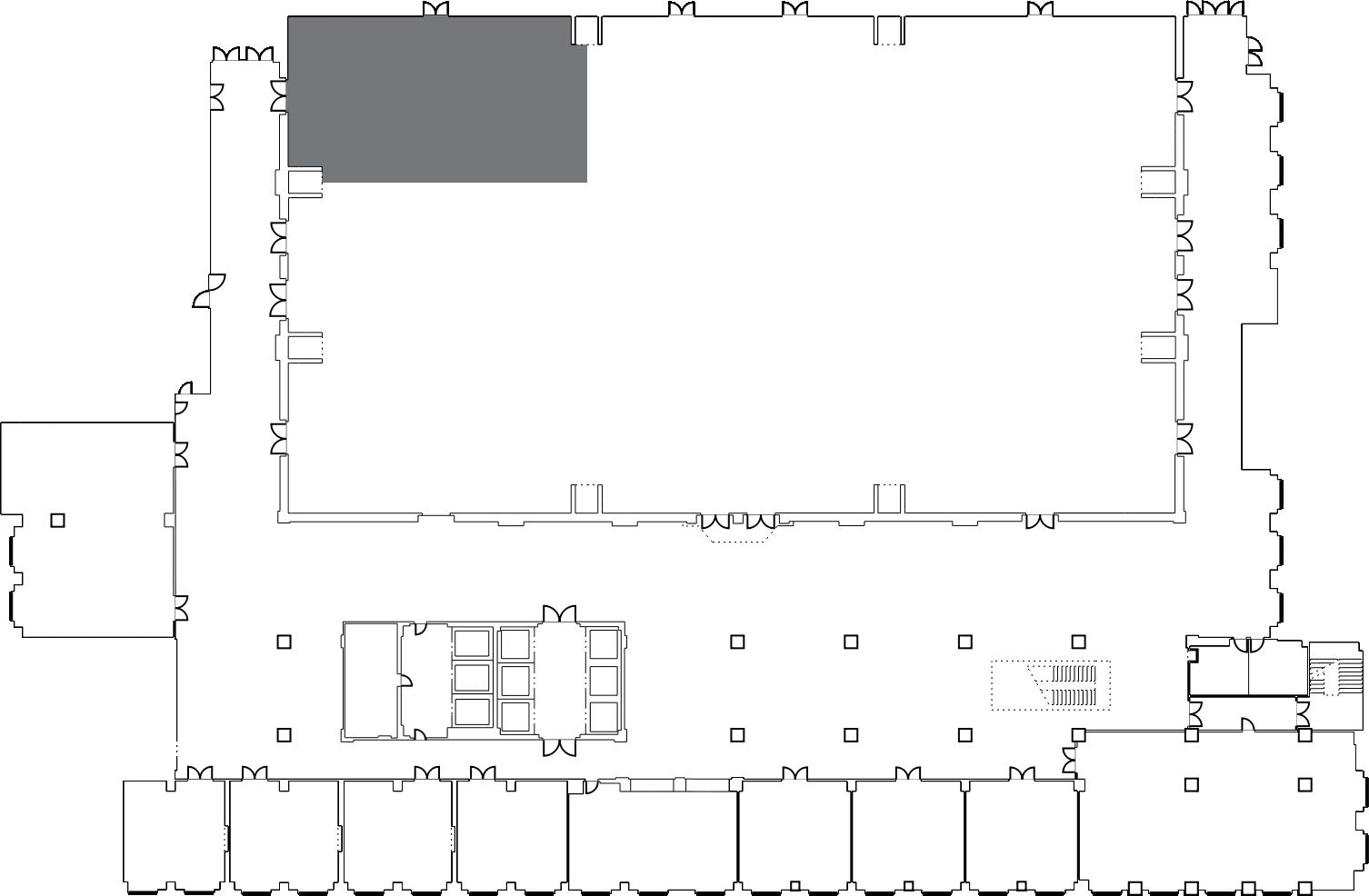

Duluth Room
Wednesday, May 27 | 10:30 a.m. - 5 p.m.
Thursday, May 28 | 8:30 a.m. - 5 p.m.
Friday, May 29 | 8:30 a.m. - 2:30 p.m.
The CIVSA lounge is a place to connect with others, visit with new friends, share thoughts and ideas, and leave energized! It’s also a great place to relax, charge your phone, play some games, listen to some music, and chill after a long day of conferencing. The Lactation Room is available in Board Room 2, the same hours as the lounge, with the addition of Tuesday, May 26, from 7 a.m. - 7 p.m. Please see the registration desk for the key to the Lactation Room.
Tuesday - CIVSA Colors (Navy Blue and Yellow)
Wednesday - Conference T-Shirt
Thursday - School Spirit Day
Tuesday, May 26
10 a.m. - 7 p.m. | Conference Check-In (Information Desk Open)
9 a.m. - 12 p.m. | CIVSA Board Meeting
12 p.m. - 3 p.m. | Pre-Conference Tour: Macalester College
*Pre-registration with $25 fee required. Limited capacity.
12 p.m. - 3 p.m. | Pre-Conference Tour: University of St. Thomas
*Pre-registration with $25 fee required. Limited capacity.
1 p.m. - 3 p.m. | Pre-Conference Professional Workshops
*Pre-registration with $25 fee required. Limited capacity.
3 p.m. - 4 p.m. | Presenters Connect
4 p.m. - 5 p.m. | First-Timers Connect
4 p.m. - 5 p.m. | Returners Reconnect
5 p.m. - 6:30 p.m. | Welcome Reception
Wednesday, May 27
7:30 a.m. - 5 p.m. | Conference Check-In (Information Desk Open)
9 a.m. - 10:30 a.m. | Conference Welcome & Keynote Speaker
10:30 a.m. - 5 p.m. | Sponsor Exhibits Open
10:30 a.m. - 5 p.m. | CIVSA Lounge Open
10:45 a.m. - 11:30 a.m. | Regional Meetings
11:30 a.m. - 1 p.m. | Lunch (provided by CIVSA)
1 p.m. - 1:45 p.m. | Educational Session (Block 1)
2 p.m. - 2:45 p.m. | Educational Session (Block 2)
3 p.m. - 4 p.m. | CIVSA Connections
4:15 p.m. - 5 p.m. | Educational Session (Block 3)
Thursday, May 28
6:45 a.m. - 8 a.m. | Morning Yoga or Skyway Walk with Spirit & Traditions
8 a.m. - 5 p.m. | Information Desk Open
8:30 a.m. - 5 p.m. | CIVSA Lounge Open
8:30 a.m. - 10:30 a.m. | Workshops
Thursday, May 28
10 a.m. - 5 p.m. | Sponsor Exhibits Open
10:30 a.m. - 11:30 a.m. | Sponsor & Involvement Fair
11:45 a.m. - 12:30 p.m. | Educational Session (Block 4)
12:30 p.m. - 2 p.m. | Lunch (on your own)
2 p.m. - 2:45 p.m. | Educational Session (Block 5)
3 p.m. - 4 p.m. | Hot Topics
4:15 p.m. - 5 p.m. | Educational Session (Block 6)
Friday, May 29
6:45 a.m. - 8 a.m. | Walk to Stone Arch Bridge with Spirit & Traditions
8 a.m. - 5 p.m. | Information Desk Open
8:30 a.m. - 2:30 p.m. | Sponsor Exhibits Open
8:30 a.m. - 2:30 p.m. | CIVSA Lounge Open
8:30 a.m. - 9:30 a.m. | CIVSA Connections
9:45 a.m. - 10:30 a.m. | Educational Sessions (Block 7)
10:45 a.m. - 11:30 a.m. | Hot Topic Conversations
11:30 a.m. - 1:15 p.m. | Lunch and Business Meeting
1:30 p.m. - 2:15 p.m. | Educational Sessions (Block 8)
2:30 p.m. - 4 p.m. | Conference Wrap-Up/Closing Plenary Session and the 2027 Annual Conference Reveal
7 p.m. - 10 p.m. | Closing Reception and Awards
Saturday, May 30
9 a.m. - 12 p.m. | CIVSA Board Meeting
9 a.m. - 12 p.m. | Post-Conference Tour: University of Minnesota Twin Cities
*Pre-registration with $25 fee required. Limited capacity.
*Note: Conference attendees must have a name badge and lanyard to attend conference activities.
Keynote Session
Ken Anselment
Thriving in Higher Ed: Motivating and Sustaining the People Who Make It Work (Including Ourselves)
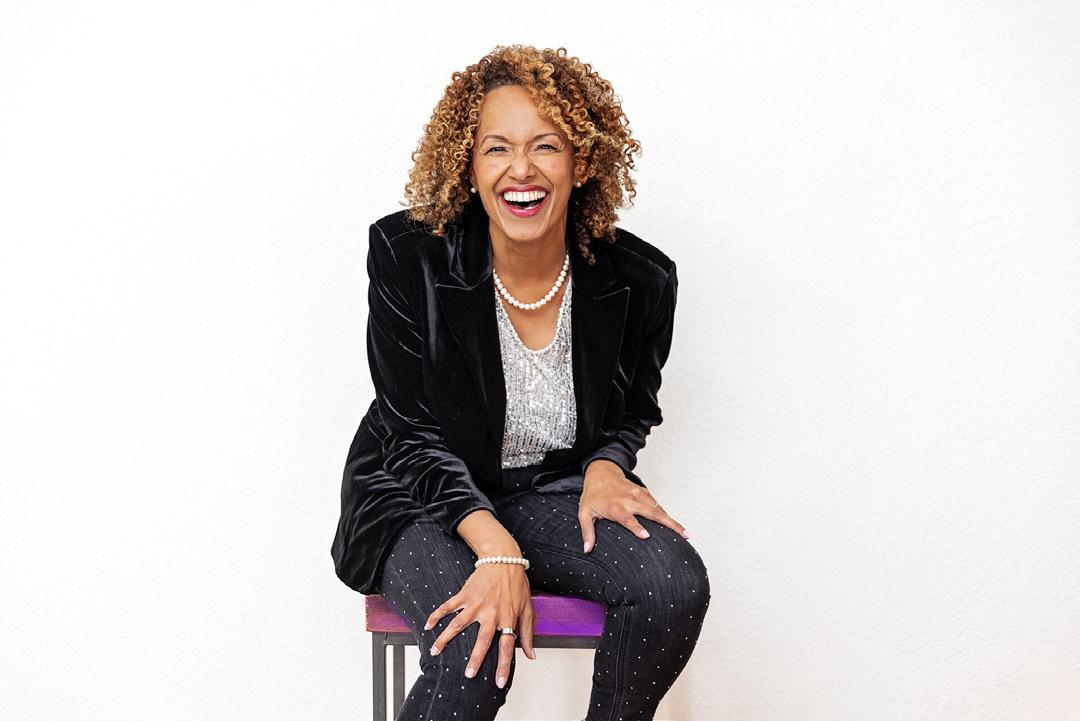
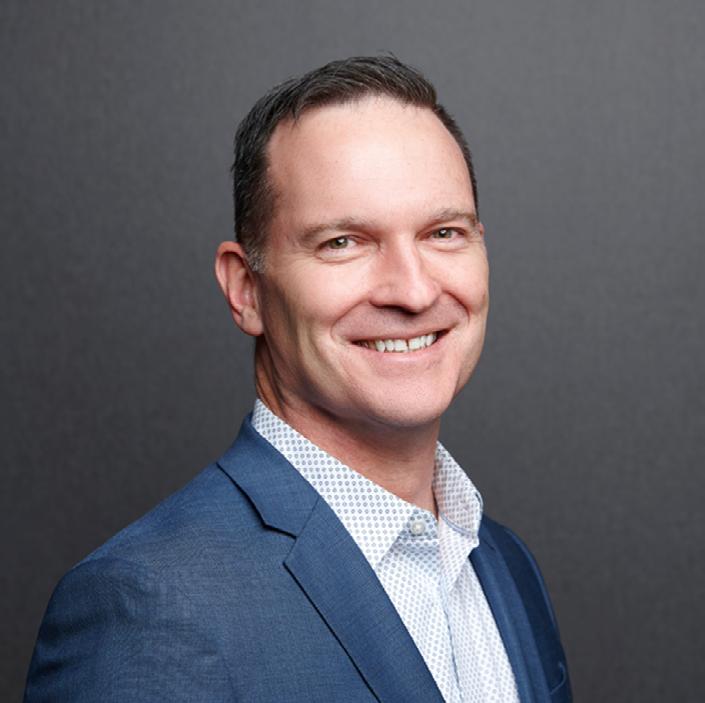
What does it take to thrive in higher education today—amid rising expectations, constant change, and the emotional labor of serving students and their supporters? In this keynote, Ken Anselment draws on decades of leadership experience, insights from his podcast and book, and stories from the field to explore how all of us—whether we’re early in career or seasoned leaders—can stay motivated, supported and connected.
Through interactive audience engagement, Ken will surface shared experiences, wisdom and challenges in the room, creating a collective understanding of how we can all thrive in a rapidly changing landscape.
You’ll leave affirmed, inspired, and equipped with practical strategies to sustain your impact—and your own well-being.
Heather R Younger, J.D.
The Self Leadership Imperative: Turning Personal Growth Into Collective Impact

The leaders people remember most aren’t just smart — they care. They create cultures where people feel seen, heard, and valued. And when leaders lead with care, it doesn’t just feel good — it delivers results.
In this powerful keynote backed by her book, Heather R Younger reveals how compassion, accountability, and a deep commitment to belonging fuel innovation, boost retention, and unlock peak performance. It’s a blueprint for building energized, high-performing teams — even in times of uncertainty and change.
Because here’s what the data shows — companies with high engagement and a culture of care outperform competitors by 23% in profitability and 18% in productivity (Gallup).
Attendees will leave with a clear roadmap to build an engaged, results-driven workforce. They’ll gain proven strategies to boost retention and productivity, practical actions to inspire motivation and peak performance, and techniques to strengthen leadership presence through authentic, empathetic communication. Heather also reveals how small, intentional acts of recognition and coaching can spark lasting commitment and success.
Wednesday, May 27 | 3 p.m. - 4 p.m. Friday, May 29 | 8:30 a.m. - 9:30 a.m.
Attendee name badges will display your connection group. Connections is about expanding your network and connecting with other attendees based on shared experiences and interests. Use this time to build your professional sphere and collaborate to push our profession forward.
Your Connections Group can be found on your conference name badge. We encourage you to use this time to engage with other attendees in a meaningful way and build relationships that you can carry with you beyond conference. These sessions will be facilitated by an assigned Connections group leader. Please refer to the CIVSA app for additional details.
Thursday, May 28 | 3 p.m. - 4 p.m. Friday, May 29 | 10:45 a.m. - 11:30 a.m.
A variety of topics will be available during the scheduled hot topics meeting times. Attendees can choose the topic that is most relevant to them. These meetings will provide a chance to connect with other professionals in the field, share best practices, and learn from each other while discussing a specific topic. Please refer to the CIVSA app for additional details as well as room locations.
Thursday
Operations & Event Strategy
• Event Planning Best Practices
• Group Visits
• Orientation Professionals Connect
Leadership Development
• Welcome to the Crew: A Space for New Professionals
• Leading Both Ways: A Space for Middle Managers
• Leadership Unites: A Space for Senior Leadership
Marketing & Systems
• Marketing, Communications & Social Media
• Slate – All Things Visits and Events
• Other CRMs – All Things Visits and Events
Identity & Affinity Spaces
• Neurodiverse Individuals Connection & Community
• HBCU Representatives Connection & Community
• Diversity, Equity & Accessibility - LGBTQ+
Professional Connections & Industry Topics
• College/Academic Professionals Connections
• Let’s Talk CIVSA
Crisis & Specialized Topics
• Under the Spotlight: Managing Media Crises in Visitor Services
Friday
Operations & Event Strategy
• Event Planning Best Practices
• Group Visits
• Orientation Nation: Connecting Orientation Professionals
• Transfer Student Programming & Events
Leadership Development
• Leading Both Ways: A Space for Middle Managers
• Leadership Unites: A Space for Senior Leadership
Marketing & Systems
• Marketing, Communications & Social Media
• Data Analysis & Reporting
Identity & Affinity Spaces
• Parenting Professionals Connection & Community
• Diversity, Equity & Accessibility - BIPOC
Professional Connections & Industry Topics
• College/Academic Professionals Connect
• Let’s Talk CIVSA
Crisis & Specialized Topics
• On Campus Emergency Response
• Running a Visit Program in the Current Climate
Karen Moser | The University of Texas at Arlington
Ebony Smith | The Ohio State University
Young Professionals Workshop (0-3 years professional experience)
Directors Row 4
Designed for professionals navigating their first few years in collegiate visitor services and events, this session will blend practical training with candid conversation. Participants will explore core workplace skills such as communicating with confidence, managing workload and boundaries, and building professional credibility. Facilitators will guide attendees through real-world scenarios and invite open peer discussion to compare strategies and experiences. Whether you’re looking to better understand institutional culture or simply find your voice in the room, this workshop will equip you with tools and a support network to thrive early in your career.
Teron Buford | Founder, GRACE through SOUL
Middle Managers Workshop (3-7 years professional experience)
Directors Row 2
Mid-level leaders often carry pressure from every direction. They motivate students and staff, collaborate with peers, and advocate upward to senior leadership, often in the same week and sometimes in the same day. This workshop explores practical communication tools and frameworks to navigate conflict, align expectations, and lead with clarity and courage. Participants will leave with language and strategies they can implement immediately.
Ken Anselment | Senior Director for Enrollment Strategy at Human Capital Education
Directors and Executives Workshop (7+ years professional experience)
Board Room 3
Seasoned leaders are often tasked with being both visionary and operational, and rarely have dedicated space to step back and think with their peers. This workshop serves as a collaborative space for directors and executive-level professionals to begin building their own higher education field guide—one grounded in practical strategies for motivation, sustainability, and long-term leadership success. Through candid, solution-driven conversation, participants will share challenges, compare organizational models, and explore approaches to team sustainability, innovation, and leadership longevity. Come ready to contribute, reflect, and recharge alongside fellow leaders who understand the weight and privilege of your role.
Thursday, May 28 | 8:30 a.m. - 10:30 a.m.
If you registered to attend a workshop in your pre-conference survey, it will be listed on the materials you receive at conference check-in. You will also receive a ticket that you’ll need to get into the workshop.
Didn’t sign up for a workshop in advance? Visit the Info Desk to see which workshops have available space.
Erin Gore, John Michael Cuccia, and Alex Williams | Huron Consulting Group
Salon E
This is a practical, back-to-basics workshop for Slate users who manage visit, travel, and yield events. Erin Gore, John Michael Cuccia, and Alex Williams will walk through core event architecture—event types, capacity management, surveys, communications, and reporting— while sharing common pitfalls and scalable best practices.
Brian Sostek | Adjunct Faculty, University of Minnesota Marquette I
What is it that causes fear when speaking with strangers, be it in front of 500 people in a conference room, with ten people on a Zoom call, or next to an individual on the street? Why do we avoid possible failure in front of others to the point that it often leads to actual failure? How can we survive the communication catastrophes that seem to await us all the time, especially in high pressure situations? Based on over thirty years of work in the performing arts and communication coaching, this introductory workshop (which has grown into a full semester course at the University of Minnesota), uses honest discussion and impactful exercises to change the way you interact with others in almost any situation.
Teron
Buford | Founder, GRACE through SOUL Marquette V
In a profession built on service and experience, it’s easy to pour out more than you replenish. This session explores how to show up fully and authentically without tying personal worth to professional outcomes. Participants will examine fear, identity, and purpose through a practical lens and leave with strategies to remain grounded and energized in demanding environments. The goal is not to do less, but to lead from a fuller place.
Thursday, May 28 | 8:30 a.m. - 10:30 a.m.
Manuela Hill-Muñoz | Director of Student Development Strategy and Co-Director of the First-Year Experience, University of St. Thomas in Minnesota
Salon G
Professionals across higher education often find themselves supervising college students without formal preparation in student development theory. At the same time, those students are navigating one of the most formative stages of their lives. Supervising college students is not simply a matter of task management. Students are emerging adults who are actively forming their identities, developing confidence in their voice, and learning how to navigate responsibility, feedback, and professional expectations.
This interactive workshop introduces a practical student development lens for supervision, where participants will explore how developmental stages shape student behavior, decisionmaking, and responses to feedback. Participants will also consider how students’ cultural assets and lived experiences influence how they engage in the workplace.
Nan Gesche | Adjunct Faculty, University of Minnesota
Marquette III

Wednesday, May 27 | 10:45 a.m. - 11:30 a.m.
Attendee name badges will display your region.
Region I – Marquette V
Region II – Marquette III
Region III – Grand Ballroom
Region IV – Ballroom Salon G
Region V – Ballroom Salon E
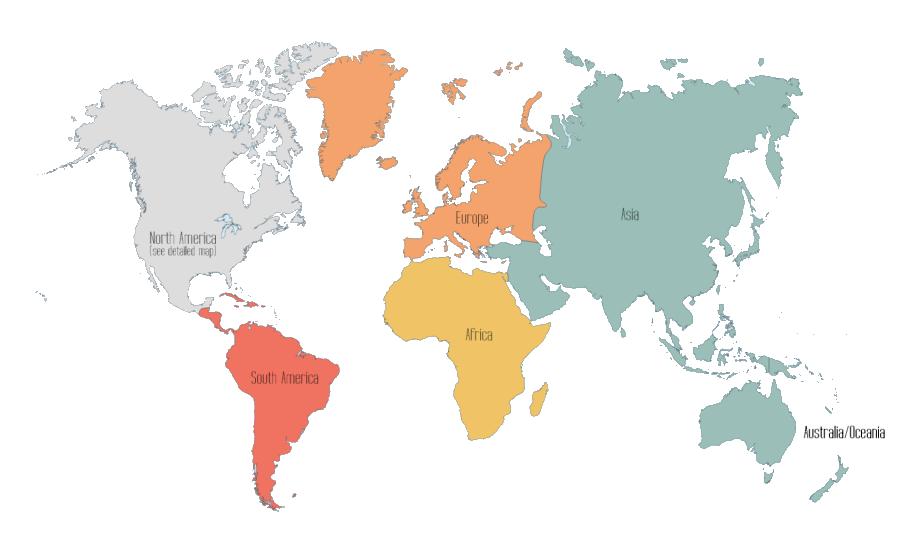
Region I
Region II
Region III
Region IV
Region V
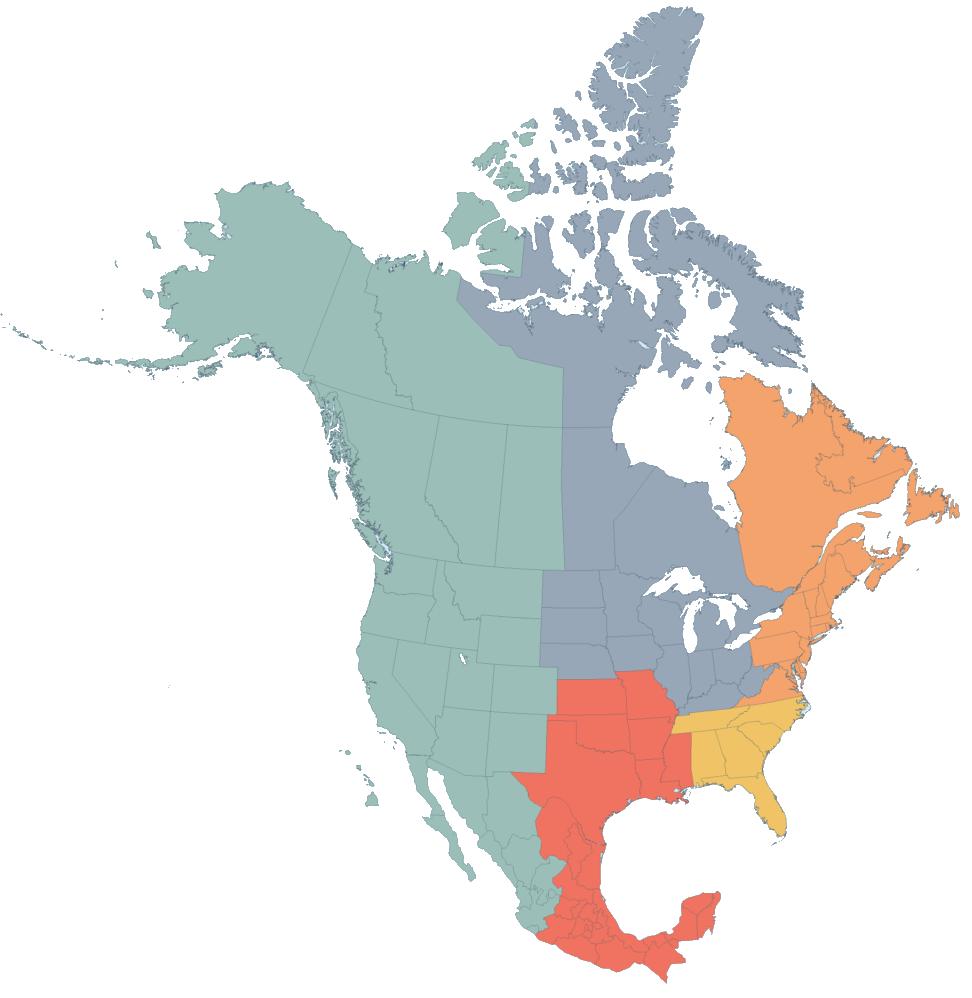
Region I
Region
Region
Region
Region
Hiring, onboarding, retention, supervision, and training and development for student and professional staff
The people that make up our teams, both student staff and professional staff, are invaluable to the work that we do. We encourage you to share innovative ideas and strategies that have helped shape your team dynamics and equip all levels of staff with the tools they need to succeed. Session topics in this track may include hiring and retention strategies, training and development, supervision practices and ways that you support and strengthen your team.
Campus tours and visits, programming changes, visitor/welcome centers, and customer service
The campus visit offers students the opportunity to explore campus and envision themselves as part of the student body. This experience has tremendous influence on their decision to apply or attend. For many of us, the demand from visitors for campus visits has increased while our resources have not. Whether you oversee a Welcome Center or work alongside Admissions, we want to hear how your institution is providing visitors with a positive campus experience both in-person and virtually that goes beyond the one-size-fits-all approach, including how you came to these solutions and how you measure success.
Accessibility, access, belonging and community
Develop and practice inclusive leadership skills that support a welcoming environment for new students. Sessions in this track will share and expand on access, belonging, and community topics and how these impact their work as leaders. Participants could discuss topics including articulating the importance of their own and others’ intersecting backgrounds, recognizing the impact of varying perspectives and experiences within our work, or developing an action plan to design and implement activities.
Open house events, special programming by student type (admitted, transfer, middle school, etc.)
Between open houses, admitted student days, group visits, class visits, orientation and more, planning events for students and their support networks is no easy task. Share your tips and best practices for organizing and hosting both in-person and virtual events, including planning and assessment, collaborations, safety procedures, and day-of operations.
Building team culture and morale, personal and professional growth, work/life balance
Many of us are looking for ways to grow professionally and advance in our ever-changing field. We also struggle with the daily grind and making sure that we are taking care of ourselves. Session topics in this track focus on the areas of professional development, establishing positive team culture and morale, and self-care, as we support each other in striving for both personal growth and fulfillment in our careers. Sessions can include best practices for creating boundaries, recharging and refocusing during and after the busy moments, identifying and utilizing your personal and professional strengths to elevate your team, as well as what professional growth opportunities have been meaningful for you and/or others while helping advance careers and stay actively engaged in this work.
Engaging campus partners, establishing and maintaining internal and/or external partnerships, collaboration and communication best practices
Building strong relationships with on- and off-campus partners is a critical aspect of our work in improving guest experience as well as access to higher education. Share what unique, powerful, and creative collaborations have been implemented that have made a lasting impact. Whether it is with academic departments, community organizations, or alumni, collaboration can elevate the work of everyone.
Reporting and assessment, technology and digital tools, social media, marketing and communications,
With best practices and trends changing all the time, it’s critical to stay knowledgeable about the systems and processes that allow our teams to stay connected and informed. We encourage you to share how your institution collects and analyzes visitor data and how it shapes your operations, including collection strategies, metrics, analytic assessments, and reporting practices. Session topics can also include social media strategies and campaigns, and using and implementing digital tools into your operations.
1 | Wednesday, May 27 | 1 p.m. - 1:45 p.m.
Budget-Friendly, Guest-Ready: Crafting Personalized Visits with Limited Resources
Paige Peterson | Boise State University
SALON E
Creating a memorable campus visit doesn’t require a large budget, a huge staff, or elaborate research, but it does require hospitality, personalization, and resourcefulness. In this session, attendees will learn how a small but mighty Campus Visit Team at our university delivers high-impact guest experiences with limited resources by focusing on what truly matters: authentic connection and intentional service. This presentation will break down practical, low-cost strategies for elevating the visit experience through thoughtful touchpoints, creative use of existing assets, and personalized interactions that make each guest feel welcomed and valued. Participants will explore simple hospitality techniques drawn from the service industry, discover ways to empower student staff to personalize their tours, and learn how to maximize impact without increasing budget.
Daria Bloomfield Eble | Albion College
Jordan Marmul | Albion College
SALON G
Remember the feeling of packing your bag for camp, meeting new people, learning something about yourself, and leaving with a sense of belonging? At Albion College, the annual Tour Guide Retreat taps into that same spirit. It goes beyond standard training where sixty Student Workers build real connections, grow their confidence, and discover a shared sense of purpose. “Camp Tour Guide” turns onboarding into a threeday retreat where new and returning tour guides participate in sessions that mix professional preparation with hands-on learning: campus updates, contract and manual review, practice their campfire stories, active listening games, group tour training, panel practice, and earn points for their cabins through TikTok, Kahoot, and Minute-To-Win-It competitions. Consistent themes of belonging, accountability, and pride anchor the experience and set the tone for the year. This session will share the planning tools, schedules, and facilitation approaches that shape the retreat, along with strategies that help other institutions design training experiences that feel intentional and energizing. Attendees will leave with ideas they can adapt to their own student teams, so training becomes something students look forward to rather than a requirement they simply complete.
Valentina Morello | Lynn University BOARD ROOM 3
For many international prospective students, physically visiting a U.S. campus is increasingly difficult due to visa delays, geopolitical concerns, financial limitations, and shifting global policies. At the same time, international students remain a vital and growing population in higher education; making it essential for institutions to design campus visit experiences that are accessible, welcoming, and culturally responsive. In this session, we will explore how the Campus Visit Experience team at Lynn University partnered with the International Admission team to build a series of virtual programs intentionally designed for international students and their families. These virtual sessions provide opportunities for students to ask questions, connect with staff and student ambassadors, and gain a sense of campus culture even when travel is not possible. Participants will learn about key barriers international students encounter, strategies for creating personalized and high-impact virtual visit experiences, and best practices for fostering belonging across distance. The session will also highlight collaborative communication approaches, content planning, and event design considerations that any institution can adapt. Attendees will leave with actionable ideas to strengthen their support for international audiences within their own campus visit ecosystems.
1 | Wednesday, May 27 | 1 p.m. - 1:45 p.m.
Hiring for Heart: Recruiting Student Leaders with Personality, Passion, and Presence
Lauren Hansen | Cal Poly San Luis Obispo
Mandy Blackburn | Cal Poly San Luis Obispo
MARQUETTE V
Hiring exceptional student ambassadors isn’t just about who knows the most facts - it’s about who can connect, adapt, and shine. This session explores a unique, conversation-based, peer-to-peer recruitment model designed to identify tour guides and student leaders who bring energy, empathy, and creativity to their roles. Instead of relying on traditional interview questions that often lead to polished, rehearsed answers, we use creative prompts and hands-on activities to reveal personality, authenticity, and quick thinking. Attendees will walk away with practical ideas for reimagining their own processes, including how to craft fun “curveball” questions and build a rubric that keeps things fair while still feeling lively. We’ll share how our current tour guides help lead recruitment and interviews, building their leadership skills while keeping staff support and accountability in the mix. We’ll also touch on onboarding and timelines shaped directly by student insight. After getting an inside look at Cal Poly’s model, participants will try out the process themselves through group activities, question sharing, and a live word cloud that collects everyone’s ideas. All questions will be shared afterward, and we’ll wrap up with a QR code linking to our latest Poly Rep question bank for inspiration.
Jordan Glover | Penn State University MARQUETTE III
The session will cover the various ways that Penn State uses signage, students, volunteers, and staff to manage campus way finding and people moving throughout the variety of our events. From summer open houses to winter Admitted Student Events, getting large groups of guests dispersed onto campus is a constant struggle! Learn about the planning that goes into creating campus-wide signage maps, how technology can help you with your placement of signage, and how to divide and conquer people moving when guests are going all over campus.
Bea Barrett | New York University MARQUETTE IX
Campus events involve a lot of moving parts. When we’re juggling ambassador call-outs, complex tour routes, and surprising scheduling conflicts, creating a more accessible campus experience can sound intimidating. The goal of this session is to breakdown what accessibility can actually look like. We’ll go beyond ADA requirements to discuss general event management practices–including universal design– that can make disabled attendees feel more welcome, included, and informed. If you’re a professional in charge of assessing, developing, and implementing changes to the campus tour experience, this session will help you improve campus visits for disabled attendees (regardless of the size or budget of your institution). To quote the artist Carolyn Lazard, “Accessibility is a promise, not a guarantee. It’s a speculative practice.” Let’s speculate together! If you intend to join this session and have an access need you’d like us to meet, please email Bea [bib238@nyu.edu]. Ideally 48 hours in advance, but we’ll try our best regardless.
1 | Wednesday, May 27 | 1 p.m. - 1:45 p.m.
Abigail Hayden | Towson University
MARQUETTE I
Admissions offices across the nation are facing hiring freezes, budget constraints, increased enrollment goals, and nearly impossible workloads. As visit and event professionals, we’re often tasked with making magic happen at seemingly just a flick of a wand. What happens when you run out of pixie dust? When the work outweighs the reward? When you stop prioritizing yourself for your students, your professional team, and your enrollment goals? Annual Conference 2025 was an eye-opening experience for me. Within minutes of the opening keynote, I realized how bad I had let things get during Spring 2025 yield – my mental health, physical health, and professional identity were at risk. Throughout Conference, I faced an identity crisis that served as a wake-up-call to get back on track as a visit manager, student supervisor, and human being. Let’s talk about where things went wrong for me, and how I’ve recovered from burnout over the past year utilizing support from my professional team and CIVSA, along with intentional lifestyle changes. This presentation will be ideal for visit managers who feel like they’ve lost their spark, new professionals wanting to build their toolkit for handling stress, and anyone needing a frank conversation about self-care/work-life balance.
Summer King | University of Colorado Boulder
Noah Starbuck | University of Colorado Boulder DIRECTORS ROW 2
Hosting high school groups is a mission-critical part of college visit offerings, increasing accessibility to audiences who aren’t always able to visit individually. Yet, these visits can be challenging due to competition for space and staffing from daily admissions visits and the difficulty of engaging large groups meaningfully. This session presents a scalable model for dramatically increasing volume by hosting large, focused “megaweek” group events. In October 2025, our institution canceled daily visits for one week and welcomed 41 schools and 1,588 students in a single week, equaling 56% of our entire previous year’s group visits. By utilizing the larger spaces that are normally filled by daily visits, proactively scheduling schools in advance, and permitting groups larger than our usual 55-student limit, we created an efficient, high-impact visit structure that could double annual high-school group visitors. This session is designed for admissions teams seeking scalable, repeatable strategies to overcome space, staffing, or scheduling constraints when prioritizing group visits.
| Wednesday, May 27 | 2 p.m. - 2:45 p.m.
Grace McAveney | Lynn University
MARQUETTE I
Student ambassadors are frequently asked to engage guests by sharing their personal university experiences while still adhering to a structured tour narrative. While many new hires understand the information presented in training, they can be hesitant to progress confidently into live tour environments. The transition between being hired and becoming tour-ready can become informal when students are unsure when, and how, to take the next steps. This session explores a structured mentorship model embedded within the training process to support student ambassadors through this transition. Mentorship is used to guide new hires through training expectations, reinforce how content shows up on tour, and build confidence through intentional reflection and support. Interns help standardize readiness indicators, while mentors and mentees engage in guided learning that encourages progression without overwhelming students. Participants will leave with a scalable framework for using mentorship as a training tool, along with practical strategies that can be adapted to support student engagement, readiness, and consistency across a variety of program sizes and staffing models.
Ann Kjorstad | Academy of Holy Angels
Norma Gutierrez | Minnetonka High School
Sarah Hogan | Providence Academy
Moderator: Shari Foglesong | Truman State University
MARQUETTE V
This session brings together a panel of seasoned local school counselors to share what they find most valuable and meaningful when attending school counselor events. Moderated by Shari Foglesong, a CIVSA member, this session will primarily follow a Q&A format, offering attendees the opportunity to hear directly from counselors about their experiences, preferences, and ideas for creating more effective, engaging, and mutually beneficial programs.
Stuart Chmielewski | Macalester College
MARQUETTE VII
Faculty interactions are one of the best ways to show visitors your campus community, but how do you convince the faculty to show up? How do you make involvement easy for professors who haven’t been involved in the past? How do you nurture existing relationships with reliable superstars? And how do you tactfully manage a professor who might have too much to say? In this session you will learn how faculty support visits and events at Macalester College, a small, selective, private liberal arts college in St. Paul, Minnesota. The session will include stories about what has worked well, and what hasn’t. We will help you determine new ways you might involve faculty as well as ways to increase involvement with existing programs, so you can help your visiting students imagine themselves joining your campus community.
Block 2 | Wednesday, May 27 | 2 p.m. - 2:45 p.m.
Grace Johnson | Advent
Michael Luna | University of Oregon SALON E
For higher education, the campus visit is often the most pivotal moment in a student’s decision journey. In a place where emotion meets impression, how can we ensure those moments resonate? Before designing a welcome center or a welcome center experience, you have to understand who your audience is and what moves them. Advent and the University of Oregon applied a proven methodology to understand what their audiences needed to “Think,” “Feel,” “Remember,” and “Do”. Grace Johnson of Advent and Michael Luna of the University of Oregon will share how a story-driven approach reshaped Oregon’s campus tour and Welcome Center experience. By uncovering authentic narrative themes to integrate those insights into physical and digital touchpoints, attendees will learn a simple framework for reshaping visitor experiences that are impactful. With a portfolio of more than 200 academic partnerships, Advent works with institutions to turn data, research, and storytelling into powerful engagement strategies. The University of Oregon case study will reveal how this approach can connect prospective students and families to a university’s purpose that elevates every step of the visit from functional to unforgettable.
Katie Holdgreve-Resendez | University of Colorado Boulder DIRECTORS ROW 2
Leadership is most effective when grounded in values. This session will help leaders identify and solidify their personal values, recognize and respect the values of others, and build open communication channels that foster collaboration toward shared goals. Through reflection, dialogue, and interactive exercises, participants will explore how values shape leadership decisions, how to navigate conflicts when values differ, and how to align diverse perspectives toward common objectives. Key takeaways include: understanding that values are the compass guiding leadership, building empathy and collaboration by appreciating others’ values, and using open communication to bridge differences and achieve shared success. Attendees will leave with practical tools to strengthen their leadership practice and lean into their values as they lead.
Jordan Weber | University of Northern Iowa MARQUETTE III
As our resident experts, current students play a crucial role in the recruitment process. From leading tours to serving on panels and everything in between, ambassadors are the “student face” of our institutions. Their stories are one of the easiest ways a prospective student can visualize themselves on campus. However, for student life and academic partners, figuring out how to bring students into the process can seem daunting. What are the logistics of running an ambassador program? How do we facilitate effective communication within a team? What type of training will these students need? How do we identify students who will effectively represent our programs? Where do I even start for this to be effective? On many campuses, these questions have been asked and answered, and we don’t need to reinvent the wheel. Join us to explore how we reimagined our academic college’s existing student ambassador program to enhance the visit experience and support the efforts of campus partners.
2 | Wednesday, May 27 | 2 p.m. - 2:45 p.m.
The Megaphone Effect: Using Digital Storytelling to Support Undergraduate Admissions
Marina DiMaio | University of Calgary
DIRECTORS ROW 4
Students live online—and they expect authentic, engaging content that helps them picture themselves at your institution. At UCalgary, our recruitment team manages a range of digital channels with one clear goal: supporting undergraduate admissions. Our channels aren’t just “marketing”—they’re a conversion support tool from inquiry to application. Paid ads help with reach, but organic content builds trust and retention. When students land on our channels, they see real voices and experiences—and that’s what keeps them engaged. We amplify campus tours, events and visitor services, while spotlighting programs, student life, residence, and other campus services through social media, podcasts, and blogs. This approach gives us creative freedom to lean into trends, showcase student voices, and create playful, brand-aligned content that resonates with Gen Z (our future students)! In this session, attendees will learn how organic digital engagement complements traditional recruitment strategies and strengthens the admissions journey—even if social media lives outside your department. We’ll explore practical tactics like student takeovers, multipurposing content across platforms, and collaborating with campus partners to amplify their message. You’ll also discover how to measure impact through engagement metrics and storytelling—even when direct conversions aren’t trackable. Participants will leave with a fresh perspective on organic digital storytelling.
The Power of Pause: Mindfulness Strategies for a Balanced Life
Genevieve Arnold | The Ohio State University
Jen Cheng | St. John’s University
MARQUETTE IX
What if the key to thriving in today’s unpredictable world isn’t doing more, but pausing to recharge? In a fast-paced environment where stress feels constant, creating intentional systems and practices to nurture your well-being is not just a luxury, it’s a necessity. This session will show you how to create a sanctuary and safe space within yourself and your workspace, helping you navigate challenges with clarity and resilience. Attendees will learn techniques to weave mindfulness into daily routines, set and maintain healthy boundaries, and implement self-care practices. We’ll explore how these habits not only strengthen individual wellness but also foster a culture of empathy and balance within teams. By the end of the session, we hope you’ll walk away with tools to reduce stress, promote peace of mind, and design a personal roadmap for growth.
Kasey Stamy | Iowa State University SALON G
Student tour guides play a critical role in recruitment and campus visit programming, yet the feedback provided to them is often subjective and difficult to translate into measurable goals and actionable growth. This session explores the shift from implementing subjective feedback models to objective feedback models and the positive impact it has had on student performance and tour outcomes. There will be opportunity to reflect on personal practices and acquire adaptable tools and practical strategies to begin transforming the approach to student feedback. Participants will leave ready to implement objective feedback models designed to support focused coaching discussions, enhance consistency, increase measurable goals and actionable growth, and empower student employees to take ownership of their professional development.
Block 3 | Wednesday, May 27 | 4:15 p.m. - 5 p.m.
Shari Foglesong | Truman State University
Michelle Howell | Truman State University DIRECTORS ROW 2
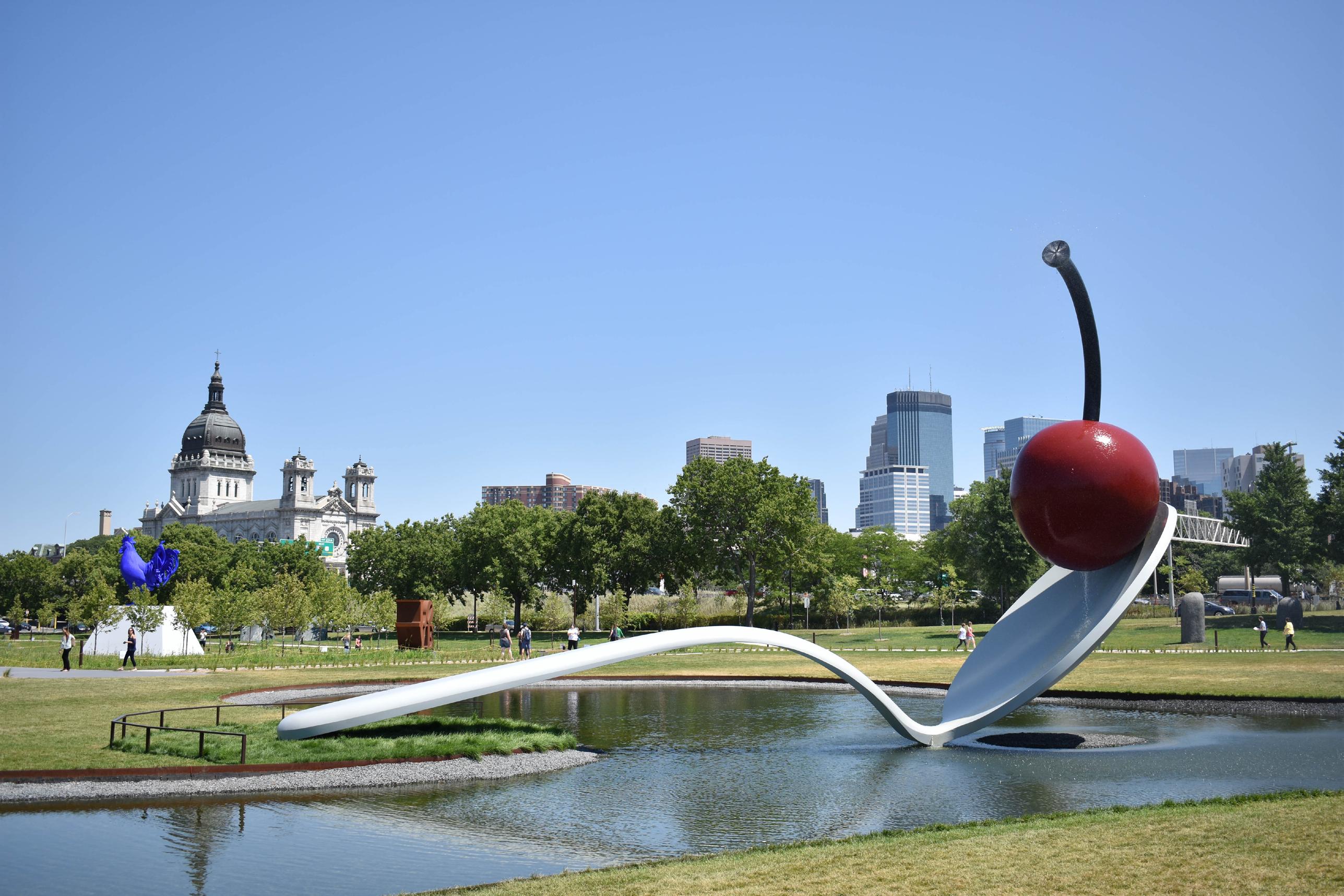
Much like Minneapolis’s Spoonbridge and Cherry sculpture, you want your top scholarship events to be memorable as they are often the deciding factor for high-achieving students. This session takes participants through Truman State University’s approach to planning its top scholarship interviews, where we provide a personalized interview experience for over 100 students in 4 days, on a relatively small budget too! Attendees will explore how Truman layers intentional planning, cross-campus collaboration, and studentcentered design to create an event that feels polished, welcoming, and impactful and blends in strategic yield goals. We’ll share planning timelines, faculty engagement processes, and program logistics that turn a complex event into a cohesive experience. This “recipe for success” puts the “cherry on top” for students, yielding over half of the students who do not receive the full-ride scholarship proving that the experience is more influential in their decision than the money offered.
Anna Larson | Iowa State University MARQUETTE III
This session focuses on equipping professional staff with the skills and confidence needed to deliver engaging, accurate, and consistent admissions presentations. Participants will explore best practices for reaching diverse audiences while maintaining clear institutional messaging and presentation standards. The training recognizes the varied skill levels of staff—from new presenters to seasoned professionals—and highlights flexible teaching approaches that address different learning styles and levels of experience. The session places particular emphasis on those responsible for training and supporting presenters. Participants will discuss scalable training models, effective coaching techniques, and practical tools that promote ongoing development. Attention will be given to creating flexible training schedules, ensuring consistency across presenters, and adapting content and methods to meet both individual needs and institutional goals. Attendees will leave with strategies they can implement to build sustainable, adaptable, and consistent admissions presentation training programs.
Akilah King | Georgia Southern University
Kennedy Johnson | Georgia Southern University
SALON E
What if one event could turn admitted students into your university’s biggest fans before they even arrive on campus? A well-designed accepted students event does exactly that—transforming excitement into commitment and connection. In this session, we’ll explore how our university developed Destination Eagle Nation, a signature experience that welcomes thousands of future Eagles each spring and celebrates what it means to officially join the family. From concept to execution, participants will learn how to design an event that feels uniquely “you”—showcasing institutional pride, collaboration across campus, and authentic student stories. We’ll discuss strategies for engaging academic departments, leveraging campus partners, and incorporating memorable touches that inspire both students and families. Attendees will leave this session with practical tools and inspiration to build or enhance their own accepted students event, regardless of size. You’ll discover how intentional planning, creative theming, and team buy-in can transform a simple welcome day into a tradition that drives enrollment and strengthens community. Get ready to turn your accepted students day from ordinary to unforgettable—and help every future student say, “I can see myself here.”

p.m. - 5 p.m.
Julee Mitsler | Lindenwood University
MARQUETTE IX
Change in higher education is inevitable, whether driven by technology, trends, institutional priorities, or all the above. And, it can be exhausting when you’re the one constantly managing the change for your team. Campus leaders have the tough task of uniting talents and perspectives to overcome challenges and seize opportunities. This session will explore practical strategies for managing organizational change, including stakeholder engagement, communication planning, and fostering a culture of adaptability. Plus, share some practical advice with fellow attendees for how to take care of yourself through it all. Participants will leave with actionable tools to lead their institutions through transformation with confidence and collaboration.
Casey Hamlin | University of South Carolina
MARQUETTE V
Personalizing campus visits at a large university is a real challenge, especially as families increasingly expect experiences that feel tailored to them. At the University of South Carolina, we’ve balanced the volume of more than 39,000 annual weekday visitors with an approach that still feels personal by relying on in-house systems built around Slate and AI. These include intentional pre-tour matching of guides and prospective students, targeted communication through Slate, and dynamic digital signage that creates a more welcoming arrival experience. Visitors notice the difference, and those small but intentional touches add up. This session is designed for visitor services professionals at large institutions who want practical, staff-friendly ways to personalize visits without sacrificing efficiency or adding to already-packed workloads. While the examples shared come from a high-volume campus, the strategies discussed can be scaled and adapted for smaller institutions, particularly those using Slate, to differentiate their own visit experience. Attendees will learn how to identify scalable, in-house strategies, understand how AI and CRM tools support personalization at scale, and assess which approaches best fit their campus. Participants will also leave with a clear roadmap and actionable next steps they can pilot quickly on their campuses.

Block 3 | Wednesday, May 27 | 4:15 p.m. - 5 p.m.
K-8 Community Connection
Sarah Mundi | Cal Poly Humboldt
DIRECTORS ROW 4
Do you plan K-8 events or facilitate K-8 programming? Do you host Middle school or Elementary school students? Join this interactive, round-table discussion covering hot topics within the early outreach community! Topics include: best practices for student safety and engagement, games, adaptive campus tours, ideas for swag/incentive items, and future programming ideas for the next generation. This session will also be a networking opportunity for CIVSA professionals who plan events and programming for K-8 students.
Recruitment Rut? Effective Strategies for Recruiting and Retaining Student Workers
Annette Senesi | Swarthmore College
Leslie Hennessey | University of Massachusetts Amherst
Jess Burkley | Allegheny College
Aiyana Dancy-Roberts | North Carolina Agricultural and Technical State University
Genevieve Arnold | The Ohio State University
MARQUETTE VII
Supervising student workers comes with a multitude of challenges. Related to recruitment and retention of student worker positions, do you struggle with: Low application numbers for these positions? Recruiting students who are strong, capable candidates for the role(s) you’re hiring for? Hiring students who represent the diverse community you have on your campus? Keeping students around in these positions for more than one semester or year? If you answered yes to any (or all) of these questions, fear not – we’ve all been in a similar situation. Join us for a panel discussion on how each of our institutions have made intentional changes to our paid student worker recruitment process. The panel will consist of peers coming together from two small private colleges, a midsize HBCU, and two large public research universities. During this session, we will highlight the specific challenges each of our institutions have faced, how we have adjusted our recruitment efforts to resolve these issues, and the success of these measures, based on student worker retention data and feedback from students. This session is best suited for professionals who supervise students in their Admissions office or Visitor Center, no matter the level of experience in the field. Come prepared to collaborate, ask questions, and exchange ideas with your colleagues!
Jules Pender | Texas Tech University
BOARD ROOM 3
Campus visits are one of your highest-yield touchpoints — and the data to optimize them is already in your CRM. This session covers how to leverage Salesforce TargetX reports and dashboards to identify the right prospects, prioritize outreach, and track visit engagement in ways that meaningfully move students through the funnel. Whether you’re building visit pipelines from scratch or refining an existing workflow, you’ll leave with concrete strategies to make your data work harder before, during, and after every campus visit.
Block 4 | Thursday, May 28 | 11:45 a.m. - 12:30 p.m.
Megan Foster | University of Tennessee, Haslam College of Business MARQUETTE IX
We all want to provide effective, engaging training for our teams. But it can be tough to deliver content to a group of highly-involved, often overachieving, BUSY student staff. Especially as a team grows, scheduling trainings around multiple students’ schedules becomes nearly impossible. That’s where a Learning Management System (LMS) comes in. A Learning Management System (LMS) is an educational tool that can help in the delivery of training content. Learn more about how we have used our institution’s LMS, Canvas, to create an online training experience. Our Canvas training allows ambassadors to complete their initial onboarding training at their own pace, from anywhere. It also facilitates knowledge checks, group communication, and virtual team building. In this session, attendees will learn the benefits of using an LMS, steps to creating an asynchronous training, and how to incorporate an LMS into an existing student training structure. We’ll discuss strategies to keep students engaged while ensuring that they master content. Attendees will leave the session with a framework for starting their own training programs assisted by an LMS. Though this session uses Canvas as an example, the content can be adapted to any LMS such as Google Classroom, Blackboard, Continu, etc. Prior knowledge of Canvas or any LMS is not required.
Allison Menchaca | Texas State University
DIRECTORS ROW 2
Much of what shapes access and belonging on our campuses happens behind the scenes. While prospective students and families experience the “front stage” of tours, events, and daily interactions, their experience is often shaped by systems they never see—hiring practices, training structures, communication norms, and internal workflows. When these processes rely on unspoken expectations or institutional knowledge, they can unintentionally create barriers. This session is designed for admissions professionals, welcome center staff, and supervisors of student employees who want to take a closer look at how operational design impacts equity and belonging. Using a behind-the-scenes framework, participants will explore how processes act as the set design and stage directions for student-facing work, influencing who feels prepared, confident, and supported in their roles. Particular attention will be given to how unclear or inconsistent operations can disproportionately affect first-generation students, new staff, and those unfamiliar with higher education culture. Key discussion points include examining workflows through an equity lens, aligning operational clarity with team culture, and designing training structures that reduce emotional labor while improving consistency. The session will include an interactive reflection activity where participants assess one of their own processes and identify small, meaningful changes they can implement at their institution.
Megan Vargas | Vanderbilt University
John Palmer Rea | Vanderbilt University BOARD ROOM 3
This session will explore Dore for a Day, Vanderbilt University’s peer-to-peer admitted and prospective student hosting program, and how mission-driven, personalized outreach can support increased enrollment yield. The program connects admitted students with trained hosts for immersive, individualized campus experiences. How do you showcase a true day in the life of your students? For a three-hour block, the prospective student and their current student ‘host’ spend the afternoon as a Commodore, engaging in academic, social, and campus life activities. Dore for a Day is offered for prospective senior students in the fall semester, and for admitted seniors in the spring semester. This program is managed by a student-run campus organization of the same name, supported by the Office of Undergraduate Admissions. Participants will learn how Dore for a Day was developed, structured, and sustained, and how intentional peer engagement fosters a sense of belonging prior to enrollment. Key takeaways include building a scalable peer-to-peer model, aligning programming with institutional values, and assessing the impact of high-touch experiences on enrollment outcomes.
Block 4 | Thursday, May 28 | 11:45 a.m. - 12:30 p.m.
From Newcomer to Self Advocate: Building Confidence and Community in Your First Professional Roles
Austin Rogers | Southeastern Louisiana University
Stephanie Funderburg | San Jacinto College
Enrique Granados | University of North Texas at Dallas DIRECTORS ROW 4
Stepping into a new professional role—or attending your first conference—can feel both exciting and overwhelming. You may feel like you’re the only one experiencing imposter syndrome, a lack of confidence, and unsure of what the path ahead looks like. We’re here to tell you - YOU’RE NOT ALONE! Join three higher-ed professionals with a variety of years of experience to learn tips on becoming a self-advocate. We will explain how to identify and overcome imposter syndrome, give advice on navigating professional development opportunities, and help you cultivate a community. Attendees will walk away with actionable techniques to become a confident self-advocate, no matter where their next role takes them.
Six Weeks to Launch, One Year to Transform: How KU Admissions Built Their Event App From Scratch
Amy Nelson | The University of Kansas
Jerilynn Hoover | The University of Kansas
Danielle Tutich | Guidebook MARQUETTE III
When the University of Kansas launched its first mobile-first event in October, Crimson & Blue Day, with nearly 3,000 attendees, they had just six weeks to build the entire event guide.
They hit their download goal, eliminated printed programs entirely, and proved what’s possible when a small team moves fast. By the time their eight Junior Days rolled around in spring, those same events looked completely different: rotating student tracks, embedded Slate surveys, real-time event info at attendees’ fingertips, and a team that had stopped reinventing the wheel for every visit. This session is the honest, year-long story of what changed between October and April. Amy Nelson (Assistant Director of Campus Visits and Events, KU) and Jerilynn Hoover (Admissions Event Coordinator, KU) walk through the goals they set, the problems they didn’t see coming (hello, Android users), their approach to Guidebook, and the small refinements that made each event meaningfully easier than the last.
They’ll also share where they’re heading next, including deeper attendee interaction and expanding the platform to KU department partners across campus.
Breezy Landman | Rice University School of Social Sciences
MARQUETTE I
Student ambassadors are the primary storytellers of the campus visit experience, but their own story within the program shouldn’t end after their first year. High turnover is often a symptom of a “transactional” culture; to keep your best students, you must shift toward a transformational one. This session explores how to move beyond basic onboarding to create a program where students feel so deeply valued and professionally challenged that they remain committed until graduation. During this presentation, we will dive into strategies for continuous training that prevents ambassador burnout, and discuss how to integrate professional development that makes students realize this isn’t just a campus job, it’s a career launchpad. Participants will learn actionable, cost-effective methods for boosting morale, fostering a sense of belonging, and transitioning returning students into leadership roles. Whether you are building from scratch or revitalizing a program, you will leave with a plan for cultivating a long-lasting team that prioritizes growth and retention.
Block 4 | Thursday, May 28 | 11:45 a.m. - 12:30 p.m.
As admitted student events continue to evolve in growth and complexity, we are challenged to balance large-scale attendance with a personalized, high-impact visitor experience. This session explores the fiveyear evolution of Iowa State University’s Admitted Student Day, a comprehensive visit program that now serves more than 2,000 guests and involves over 300 sessions, 50+ campus departments, and more than 650 faculty, staff, and student volunteers. Participants will gain an inside look at how the program’s structure, schedule, and guest experience have evolved in response to institutional priorities, stakeholder expectations, and student needs. The session highlights strategies for developing an effective planning and registration timeline and coordinating high-volume logistics. Through practical examples and lessons learned, attendees will explore what has worked (and what has not), including approaches to welcome programming, session scheduling, lunch logistics, space management, and guest communication. Participants will leave with actionable takeaways to refine or scale their admitted student programming while maintaining a studentcentered experience that feels intentional, welcoming, and impactful. This session is designed for visit professionals who support events for special populations, including admitted student programs. The session will include interactive discussion, allowing participants to reflect on their own programs, share challenges, and exchange ideas for scaling admitted student events while preserving personalization.
Genevieve Arnold | The Ohio State University MARQUETTE VII
In today’s enrollment landscape, going solo is so yesterday. Like Glinda and Elphaba, discovering that two heads (and two fabulous shoes) are better than one, The Ohio State University’s Campus Update Day proves that collaboration is the magic behind successful recruitment. This full day conference brings together colleagues from every corner of the university to align on recruitment goals, share insights, and spark new ideas. Featuring a keynote speaker, dynamic sessions, and time for networking, attendees leave ready to make an impact. I’ll share my Grimmerie of knowledge, guiding you through building a diverse planning committee, securing buy-in from key stakeholders, and designing an event that inspires action. Learn how a structured agenda, thoughtful sessions, and unique touches elevate your event and create lasting impact, for good. Participants will leave with actionable ideas to host collaborative events that foster transparency, streamline efforts, and elevate the prospective student experience. So, grab your wand (or your pointy hat) and join me for a session that will have you defying gravity in your own enrollment world! Because when collaboration takes center stage, the possibilities are truly unlimited!
Priscilla Buelna | Arizona State University
Charlotte Bentz | Arizona State University
SALON G
Why does free swag capture attention so effectively, and does it actually change behavior? From limitededition Starbucks cups to exclusive campus giveaways, “free” items tap into psychological reward systems that drive anticipation, engagement, and perceived value. This session explores the science behind free swag, drawing parallels to dopamine-driven reward mechanisms similar to slot machines and gamified digital engagement. Participants will examine how incentives, scarcity, and exclusivity influence student decisionmaking and engagement, particularly when swag is earned rather than freely distributed. The session will discuss ways to measure the effectiveness of swag beyond surface-level interest, including tracking signups, event participation, follow-through actions, and return on investment. The discussion will also highlight the role of branded materials in reinforcing institutional identity and long-term affinity, emphasizing quality, usefulness, and strategic design over novelty. Attendees will leave with practical insights and best practices for using swag intentionally as a tool for engagement, behavior change, and brand recognition, rather than as a default giveaway.
Block 5 | Thursday, May 28 | 2 p.m. - 2:45 p.m.
Stephanie Chi | Willamette University
MARQUETTE III
Small and mid-sized colleges often face challenges when competing with larger institutions, which may have bigger spaces, more resources, and broader name recognition. When in fact, data shows that small schools have a unique advantage: the ability to create more personal, authentic experiences that leave a lasting impression on students and families. Admitted Student Days, when thoughtfully designed, can turn this advantage into a game-changing tool for recruitment and yield.
Stephanie Funderburg | San Jacinto College
SALON G
As the saying goes, “there’s no business like show business” and in visitor services we certainly put on a show for our guests. So, what can theater and other types of performance teach us about hospitality? In this session, I will discuss hospitality lessons learned from my years as a performer kid. We’ll talk about why context is your secret script to building a successful story, explore building your own “cast and crew”, and leaning into the magic of improv. Come ready to rethink your campus experiences with a performer’s mindset and leave with fresh ideas to make every visit memorable, meaningful, and maybe even a little more fun.
Claire Howland | Macalester College
Marissa Hetterscheidt | University of Cincinnati
Quinn Connor | University of Cincinnati
MARQUETTE V
This session explores the critical role student staff play in shaping the admissions and campus visit experience. Drawing on perspectives from both small and large institutions, we will highlight strategies for developing and retaining student ambassadors while fostering their professional growth and sense of belonging. Participants will learn how intentional investment in student staff through mentorship, skill development, and meaningful engagement can enhance both student employee outcomes and visitor experiences. Attendees will leave with practical ideas for building a more connected, empowered, and impactful student team within their own offices.
Block 5 | Thursday, May 28 | 2 p.m. - 2:45 p.m.
Becky Doran | University of Missouri
MARQUETTE I
Let Them Cook: A Recipe for Empowering Employees is designed to help supervisors shift from micromanaging habits to a more energizing, people-centered leadership style. Whether you’re guiding student employees, Gen Z team members, or other supervised staff who thrive on purpose and autonomy, this workshop will show you how to create an environment where people can truly shine. Many leaders slip into micromanagement without realizing it—it often feels safer to keep a tight grip. But today’s learners and emerging professionals do their best work when they’re trusted, challenged, and given room to take ownership. This session helps leaders loosen the reins with intention and confidence. Through interactive scenarios, honest self-reflection, and practical, easy-to-use tools, participants will learn how to set clear expectations, coach instead of control, and delegate responsibility in ways that build confidence rather than anxiety. Attendees will explore simple strategies for empowering students and staff to bring their creativity, initiative, and problem-solving skills to the table—while freeing leaders from being constant checkers, fixers, or “hover managers.” By the end of the session, participants will leave with a refreshed mindset, a practical toolkit for empowering others, and a reminder that leadership works best when you trust people enough to let them cook.
Nathan Cheesman | New Mexico State University BOARD ROOM 3
You have heard of the CAS Standards (we hope), but how do you put a list of “shoulds” and “musts” into action? Come hear from a panel of your peers how they have operationalized and put into action the CIVS CAS Standards.
Laura Stansell | Emeritus MARQUETTE IX
Higher education careers rarely follow a straight line...especially for those of us who grew up in the world of campus visits, welcome centers, and student ambassadors. After more than 20 years in the campus visit space and as a long-standing CIVSA member, I found myself stepping into a very different role: leading frontline student services in a One Stop environment. Suddenly, I wasn’t planning events or shaping visit experiences. I was navigating financial aid policies, registration problems, enrollment systems, and the parts of the student journey that happen after the excitement of the campus tour.
This session explores what it means to reinvent yourself mid-career in enrollment management. Through real examples, reflections, and a bit of humor, we’ll look at how to transfer your visit-world strengths into new contexts, how to lead through constant change, and how to grow your career without losing your core identity. Whether you’re considering a new role, adjusting to change, or simply looking to stay energized after years in the field, this session offers honest insights and practical strategies for charting what’s next.
5 | Thursday, May 28 | 2 p.m. - 2:45 p.m.
Selling the City: The Convention and Visitors Bureau’s Essential Role in the Campus Visit
Terry Jackson | West Virginia University
DIRECTORS ROW 2
What if I told you it wasn’t solely on your shoulders to accommodate each and every need of your visitors when they are on your campus? What if there was an organization anxiously waiting in the wings to develop ways to keep your guests occupied, happy, and accommodated? Convention and visitor bureaus are arguably one of the most underutilized, yet eager, partnerships at the disposal of a college visit program. For most areas, CVB’s serve as engagement experts for visitors to local accommodations, economy, and entertainment opportunities. Join this session as we are provided examples of ways our university collaborates with our Convention and Visitors Bureau for daily visits and events. We will share best practices for visit professionals to get the most out of these key community partners.
Mark Reeder | The University of Texas at Arlington
Karen Moser | The University of Texas at Arlington
DIRECTORS ROW 4
Do you find yourself using multiple apps and platforms just to communicate with your student staff? That’s where the University of Texas at Arlington campus visit program found itself a few years ago, switching back and forth between multiple apps just to send out reminders, assign weekly shifts, or manage its student leads. But when Microsoft Teams became implemented on our campus, our program was able to unify much of our work under a single platform—not to mention save some storage on our phones. In this session, we will discuss how our team uses Microsoft Teams to streamline communication using different Channels, as well as how we use the Shifts app to schedule our various staffing needs. We will also discuss the ways we use tags and upload files, as well as integrate the Planner app with our student leads. If your institution uses Microsoft Teams, come learn how it can benefit your program and help refine your processes.
Joy Baillie | Dalhousie University MARQUETTE VII
This session will explore how to take your event personalization to the next level using related events in Slate. Many institutions want to offer students more flexibility and a more customized visit experience, but managing that level of personalization can feel overwhelming. This session will break down how related events can simplify complex programming while giving students a tailored schedule that fits their interests. We will walk through how to build and organize related events effectively, from small-scale tours to large open houses with more than 100 breakout sessions. You will learn how to structure your event hierarchy, manage capacity, and create clear pathways for students to design their own day. We will also cover strategies for tracking participation in optional offerings, such as lecture sit-ins, student life sessions, and more. Participants will leave with practical examples, templates, and best practices they can apply immediately, whether they are looking to expand personalization, improve operational efficiency, or simply make their events feel more student focused. If you’ve ever wished you could offer more choice without creating more chaos, this session will show you how related events can solve problems you didn’t even know you had.
Block 6 | Thursday, May 28 | 4:15 p.m. - 5 p.m.
Kaitlyn
Eakins | Middle Tennessee State University MARQUETTE IX
As institutions continue to innovate their communication strategies, email deliverability remains a critical—yet often overlooked—component of effective event outreach. This session provides a practical introduction to deliverability concepts and how they directly influence event registration outcomes. Using Slate as a starting point, this session focuses on strategies that are adaptable across CRM platforms. Attendees will learn how to improve inbox placement, reduce spam and promotions filtering, and strengthen audience engagement through intentional timing, frequency, and list management. The presentation will also explore how to interpret deliverability and engagement data to refine recipient lists and improve future campaigns. Looking ahead, attendees will be introduced to emerging approaches to event communications—such as segmented invitations and more targeted outreach models. Whether you are new to email strategy or seeking innovative ways to enhance existing processes, this session will offer adaptable, forward-thinking guidance to elevate event communication outcomes.
Jenna Haddock | University of Missouri-St. Louis MARQUETTE VII
This session will explore strategies for delegating key responsibilities to senior tour guides to reduce dayto-day workload and enhance team leadership and cooperation. Using the case study of three designated senior tour guides (Leads), we will outline their roles and impact: Training Lead – Organizes annual training sessions, manages tour shadow and approval processes, and supports weekly schedule adjustments to ensure guide readiness. Group Tour Lead – Coordinates welcome bags, sends weekly reminder emails, writes thank-you postcards, and trains guides on group tour logistics. Welcome Center Lead – Oversees welcome center operations, monitors supplies, and trains guides on opening and closing procedures for smooth guest experience. We will also discuss shared responsibilities among Leads, including facilitating shadowing, leading weekly meetings, filling in for shifts, supporting Saturday tours, and presenting professional development topics each semester. The session will cover: train and prepare student Leads using scalable, repeatable methods, improve operational efficiency through intentional delegation, build student leadership tied to NACE Career Competencies and graduation outcomes. Participants will leave with practical strategies to empower student leaders, streamline campus visit operations, and create a more sustainable workload for professional staff.
Ryan Casto | West Virginia University BOARD ROOM 3
When working in a front-facing role, admissions and visitor services professionals are often a first point of contact for prospective students and their families. Many of these professionals didn’t graduate from the institutions they are working at. When having these conversations, guests will often ask about personal experiences. This can lead to feelings of uncertainty and helplessness. Additionally, these staff members may have credibility concerns or imposter syndrome when speaking with families that are looking for “insider perspectives”. This session will address these barriers and show how staff members can confidently connect with visitors while providing information. We will explore strengthening their knowledge of their own campus, how to use student or alumni experiences and developing their own personal “why I’m here”. By the end, attendees will be able to confidently return to their campuses and share their unique knowledge of their institution.
Block 6 | Thursday, May 28 | 4:15 p.m. - 5 p.m.
Lexi Petrak | East Tennessee State University
Rob Meier | East Tennessee State University MARQUETTE I
Recruiting top students isn’t easy as it takes more than brochures and campus tours. Our “Top Scholar” event started as a simple dinner and, after plenty of trial and error, grew into an immersive “day in the life” experience that really connects with high-achieving students. In this session, we’ll share how we made that transformation, what worked, and what didn’t. You’ll hear how we partnered with our campus partners to create mock classes, lab/academic tours, and authentic student interactions that showcase what makes our campus special. We’ll talk through the challenges, the wins, and the lessons learned so you can walk away with ideas to make your own recruitment events more engaging and impactful.
Rachel Sloan | Allegheny College DIRECTORS ROW 2
There’s no handbook for becoming a great team leader—especially in higher education. Many of us step into management the same way I did: suddenly, unexpectedly, and with a strong case of imposter syndrome. When I was thrust into a director role overnight, I had more “I wish I’d known that sooner” moments than I can count. I’ve learned that successful leadership isn’t about having all the answers—it’s about embracing intentional, people-centered principles that build trust, accountability, and results. In this interactive session, I’ll share the practical leadership lessons I’ve learned on my journey to becoming an admissions director— the wins, the missteps, and the pivotal moments that shaped my approach to managing teams. Participants will explore strategies for building genuine relationships, leading by example, and creating a culture where staff feel valued and supported. We’ll also discuss how to develop and invest in employees in meaningful ways, why vulnerability strengthens leadership, and how to let go of the pressure to be the all-knowing expert. Finally, we’ll examine one of the most overlooked leadership skills: sustaining your own emotional, mental, and physical well-being while still delivering results. Through small-group discussion and shared reflection, attendees will exchange insights, crowdsource solutions, and leave with practical, actionable tools to strengthen their leadership journey.
Samantha
SALON E
When we meet with prospective students and visitors, how can we best keep them engaged and improve their memory retention in a shrinking attention economy? The answer is gamification. This presentation will help visitor experience and recruitment professionals transform their presentations to interactive ones that capture the attention of the current generation of prospective students. Participants will leave understanding the differences between communication models and how they can take that knowledge to creatively curate their information dissemination methods to stick in the minds of their visitors. During the presentation, I will provide several examples of interactive presentations for different age-ranges including one modeled off of a video game that allows students to step in the role of player one as they explore a vast array of academic fields and connect them to potential career paths. By the conclusion of the session, attendees will have the tools they need to craft memorable presentations that promote connection, engagement, and information retention within their audience. Takeaways: Learn to strategically use gamification to develop presentations that improve attendee engagement/attention, memory retention, and connection, understand the communication models and academic research that inform the strategy of gamification, and adopt concepts to create specialized, engaging content for group visits, camps and/or special events.
Block 6 | Thursday, May 28 | 4:15 p.m. - 5 p.m.
Sustainable Savings: Smart Event Planning on a Dime
Lauren Mann | Moravian University
Khloud Assran | Moravian University
DIRECTORS ROW 4
Facing budgetary constraints while being tasked to “do more with less?” Imagine walking into a campus event where every resource your guests need is at their fingertips: instant, accessible, and intuitive. By adopting a digital first strategy for agendas, maps, and feedback forms, we’ve created a guest journey with no piles of paper, no lost handouts, and no unnecessary waste. This session is for campus visit coordinators, event planners, student engagement teams, and anyone managing programs who wants to save time, reduce costs, and make a real impact. We will demonstrate how transitioning to digital processes does not mean sacrificing the guest experience; it elevates it!
Tackling Tough Topics: Risk Assessment & Crisis Management on Visit & Event Days
Kristin Thomas | Messiah University
Leslie Bencivenga | Messiah University
MARQUETTE V
No one wants to imagine a crisis happening on your campus, especially during a busy visit/event day. From fire drills to real fires, medical emergencies and loss of life, to potential shelter in place situations, our campuses are facing huge issues more often than anyone would ever want. During this session we will tackle how do conduct risk assessments as it pertains to campus visits; minimizing potential risk is the first step to keeping our visitors safe. But no matter how much we try to stop bad things from happening, we also need plans in place for if/when they do. Knowing what to do, who to contact, where to go and what to say during every second matters. In addition to carefully crafted plans to keep admissions guests safe, we also must empower our student ambassadors to know what do to during crisis; staying calm and confident with the ability to lead visitors. This session will bring up tough topics, but hopefully enable you to instill confidence in your team and admissions guests.
“Take Chances, Make Mistakes, Get Messy!”-- The Case for Miss Frizzle-ing Ambassador
Training
Christina Quimby | Mount Holyoke College
Kate Soper | Mount Holyoke College
MARQUETTE III
Our annual week of paid ambassador training at Mount Holyoke College felt stagnant, boring, and ineffective, so like mad scientists, we decided to blow it up! By implementing instructional pedagogy like Campus Partner jigsaws, workshop merry-go rounds, and rubrics for guided tours and information sessions, we transformed training and, in turn, increased buy-in, professionalism, content mastery, and team cohesion. In this interactive session, we’ll challenge student supervisors to buckle their seatbelts in order to rethink past practices. We’ll make the case for allowing seasoned ambassadors to partner with professional staff in order to create a conference style series of sessions that are educational, experimental, and fun! Come ride the Magic School Bus and walk away with tangible steps and resources to revolutionize the training experience, whether your ambassadors are paid or volunteers. Classroom chameleon not included.
Block 7 | Friday, May 29 | 9:45 a.m. - 10:30 a.m.
Asynchronous Training: Free Up Your Busy Schedule While Still Maintaining A Strong Training Program
Brandon McDonald | Penn State University
MARQUETTE I
Learn more about how Penn State developed a unique training model to quickly and efficiently train new cohorts of student workers multiple times a year. We are all very busy in our roles and setting aside time for in-depth training sessions can put us behind or expand on our already demanding hours. We have developed online training modules that convey important information and allow students to complete training on their own schedules. Using systems the students already know and teaching methods we have learned as an after-effect of the pandemic we were able to drop required staffing hours from over 30 hours to 4 - 6 contact hours. While not losing any quality in student performance! This freed up more opportunities for student leadership opportunities in the training process, more time for professional staff to complete their work, and happier (and larger, 80+) incoming cohorts.
By the Grace of Slate: Group Tour Lessons from Two Tiny Schools
Elizabeth Franks | California Institute of the Arts
Emily Pedreira | Canadian Mennonite University
DIRECTORS ROW 4
Do you feel like you’ve hit a wall with your group tours? Do you want to expand your group visit offerings, but don’t know where to start? Curious how two scrappy little teams overhauled their group visit processes to make life easier for visitors and staff alike? If so, this is the session for you. We explore case studies from California Institute of the Arts and Canadian Mennonite University and learn how these uniquely small schools went from barely treading water to thriving sustainable group processes. You will learn how they reimagined everything from inquiry and registration, through communication and day-of logistics. This session will be particularly impactful for small teams and schools that are just getting started implementing group tours. Larger or more established teams will also benefit from stepping back to evaluate their own group tour offerings and ask: is it time to rethink the process or make some changes?
Stephanie Chi | Willamette University
Amaya Latuszek | Willamette University
MARQUETTE VII
Frequent staff turnover can leave student ambassador programs feeling like an unsettled Emerald City without consistency, culture, or clear expectations. At small to mid-sized schools, where ambassadors serve as the university’s frontline, this can leave both students and staff unsure of their roles. Meanwhile, many students are more comfortable behind a screen than in face-to-face interactions, making purposeful skill development more critical than ever. This session takes participants behind the curtain at our university, where an inherited ambassador program was transformed into a cohesive, confident ensemble. Through strategic hiring, a structured four-week onboarding and training module, and ongoing student leadership development, we built buy-in, strengthened communication skills, and cultivated a culture that lasts. Participants will learn how to select students with strong interpersonal potential, leverage a student leadership team to reinforce culture and accountability, and implement continuous education practices that keep ambassadors engaged and growing throughout the year without expecting staff to perform magic to make it work. By the end, you will leave ready to make your ambassador program shine and, yes, be popular.
Block 7 | Friday, May 29 | 9:45 a.m. - 10:30 a.m.
Slapshot Insights: Scoring Big with Visitor Feedback
Holly Olsen | Carleton College
BOARD ROOM 3
At Carleton College, we completely revamped our visitor feedback. The big development? We asked more questions, instead of less. Come learn from this year-long case study on altering visitor feedback to get more purposeful results. This session follows visitor feedback from initial visit through yield to garner more intentional results. If you work with assessment, visitors, or events on your campus this is a session for you.
Story First. Data Second. Students Always. How Modern Visitors Choose, and What Your Campus Can Do About It
Amber Fitzgerald | Suffolk University
Jennifer Maloy | StudentBridge
MARQUETTE V
The campus visit is no longer a single moment, it’s a story students begin writing long before they arrive. Short-form videos, authentic peer stories, and mobile experiences now shape how prepared, excited, and emotionally connected visitors feel. Yet many campuses treat digital and in-person engagement as separate worlds, relying on metrics over meaning. This interactive session challenges that mindset. Amber Fitzgerald of Suffolk University and Jennifer Maloy of StudentBridge share how Suffolk’s “story-first” approach transformed its visit experience and improved engagement metrics. Participants will explore how story and data work together, where emotion sparks action and analytics validate success. Through guided activities, attendees will map their own visit journeys, pinpoint friction points, and discover where authentic storytelling and behavioral data can lift conversion and belonging. Everyone will leave with a practical framework to make every visit, virtual or physical, feel like part of one coherent narrative.
Quinn Munk | Wichita State University
Morgan Clonts | University of Central Missouri
SALON G
Generation Alpha is on the horizon—and they’re already reshaping how students discover, engage with, and choose colleges. Raised on touchscreens, short-form video, and constant personalization, Gen Alpha brings new expectations to the admissions process that challenge traditional recruitment models. This session explores what admissions offices can do now to prepare for the next wave of prospective students. From rethinking campus visits and communication strategies to designing experiences and recruitment efforts that prioritize authenticity, interactivity, and flexibility, we’ll unpack how Gen Alpha evaluates institutions differently than previous generations. Attendees will leave with practical, immediately applicable ideas to futureproof recruitment strategies, create more engaging visit moments, and position their institution to connect meaningfully with the students and their families.
Block 7 | Friday, May 29 | 9:45 a.m. - 10:30 a.m.
The Partnership Pipeline: Automating Event Communications Across Campus
Kaitlyn Eakins | Middle Tennessee State University MARQUETTE l II
Strengthening partnerships between enrollment offices and academic units requires thoughtful, coordinated communication. When multiple departments want to connect with students who register for or attend events, institutions must balance message volume, accuracy, and timing to ensure a consistent student experience. Using Slate as a starting point, this session focuses on scalable communication workflows that are adaptable across CRM platforms. Attendees will explore a centralized model that allows colleges and departments to communicate automatically with students based on indicated academic interests, using data already collected during event registration to deliver timely, tailored messages on behalf of campus partners. The session will outline three adaptable implementation approaches: (1) manual mailing builds as an accessible entry point with strong reporting; (2) liquid markup to consolidate multiple mailings into a single dynamic message; and (3) content-block workflows that streamline updates through reusable components. Each approach will be illustrated with examples and testing considerations.
The Traveling Supervisor: Mastering Supervision on the Go
Jess Burkley | Allegheny College
Megan Steely | Goucher College DIRECTORS ROW 2
While working at smaller institutions, we often wear multiple hats: recruiter, supervisor, application reader, and manager, all at the same time. “The Traveling Supervisor: Mastering Supervision on the Go” explores practical strategies for effectively leading student ambassadors while frequently being away from the office for travel, recruitment, or other off-campus responsibilities. In this session, we highlight communication techniques, digital supervision tools, and workflow structures that keep ambassadors supported, engaged, and accountable even when their supervisor is off campus. Attendees learn how to build a culture of trust, develop student leadership capacity, and establish systems that minimize disruption during travelheavy seasons. Through real examples, lessons learned, and interactive discussion, participants leave with adaptable practices that strengthen student ambassador management. While ambassadors at both presenter institutions are paid, these tools can be applied to paid or volunteer teams. Whether you are new

Block 8 | Friday, May 29 | 1:30 p.m. - 2:15 p.m.
Beyond the Paycheck: Reframing Student Employment as a High-Impact Practice
Sarah
Splinter | University of Wisconsin-Madison MARQUETTE I
Student employment is far more than a paycheck - it is one of the most powerful opportunities campuses have to build community, cultivate belonging, and support student success. Inspired by the framework presented in A Good Job: Campus Employment as a High-Impact Practice, this session reimagines campus jobs as intentionally designed learning experiences that center connection, equity, and personal growth. Participants will explore how supportive supervision, meaningful reflection, skill articulation, and alignment with curricular and co-curricular learning can transform student employment into a high-impact environment where students feel seen, valued, and supported. I will share practical, scalable models for creating student employment programs that deepen students’ sense of community while strengthening employment outcomes. Through interactive discussions and case studies, attendees will assess their own campus employment ecosystems and identify opportunities to better integrate high-impact practice principles. Whether you supervise student employees, coordinate a campus-wide program, or simply want to enhance student learning, this session will offer concrete strategies to elevate student work experiences. Join me to discover how campus employment can become a powerful pathway to belonging and a meaningful part of every student’s educational journey.
Emily Coffee | Northwestern University MARQUETTE III
At the CIVSA Annual Conference in 2024, Northwestern University presented on our redesign to a “Customizable Visit Experience,” with which we provide nearly 60,000 annual guests with the ability to personalize their campus experience to fit their interests. We shared new programs, the campus partnerships and Slate automations that made the redesign possible, and our hopes to scale up the customization we offer for on-campus visitors. This session will focus on that scale-up! Join us to learn about how Northwestern’s Visitor Engagement Team expanded our custom visit offerings by developing three topic-specific campus tours: Engineering & Design, Journalism, Arts, & Media, and Labs, Libraries, & Learning Beyond the Classroom. We’ll share the strategy behind the tour design process, the crossfunctional and campus partner collaboration required for success, and the training and implementation plan for the student tour guides. We will end with a brief recap of the outcomes and takeaways from the first year of implementation, and time for Q&A. This session aims to highlight a potential strategy and provide tangible recommendations for developing topic-specific programs and will be particularly relevant for conference attendees who are responsible for daily visits and student ambassadors.
Nick Eiginger | West Virginia University
DIRECTORS ROW 4
I have probably heard the word “networking” close to 10,000 times in my lifetime. While I’ve always understood the general concept, nobody had actually defined it for me or had taught me how to do it effectively. My role at WVU truly embodied the concept of “Network or Die” as I have to wrangle people across campus to create personalized visit itineraries for students. Through trial, error, and half a dozen sociology books, I finally have a good grasp of what networking means as well was a strong campus network of people eager and excited to help. In this presentation, I will reframe the idea of professional networking through the lens of social capital and reciprocity. I will then discuss how building up my campus network has created value for our visit team, reinforced the big school with a small school feel for prospective students, and has helped with my own professional development. Finally, the audience will map out their own campus network as we discuss strategies on where to expand their network to next.
Block 8 | Friday, May 29 | 1:30 p.m. - 2:15 p.m.
From Hosts to Heroes: Transforming Student Teams Through Innovation
Leadership Casey Rinella | The Ohio State University BOARD ROOM 3
The Recruitment Host Program at The Ohio State University plays a pivotal role in shaping the visitor experience for prospective undergraduate students and their families during campus visits and special events. In partnership with OSU Football, Recruitment Hosts serve as ambassadors who create a welcoming, informative, and memorable environment that reflects the university’s values and culture. Over the past three years, the program has undergone a significant transformation, moving from traditional training models to innovative approaches that prioritize intentional selection, onboarding, and retention strategies. This session will focus on how we redesigned our training process to prepare student hosts for high-profile admissions events and game-day experiences, while implementing mentorship and engagement initiatives that foster leadership development and improve retention. Attendees will gain practical insights into strategies that can be adapted for institutions of all sizes, including lessons learned from leveraging campus partnerships and integrating skill-building opportunities that enhance both the student experience and program outcomes.
Kendra Schneider | University of Northern Colorado MARQUETTE V
Event and visit show rates remain one of the most persistent challenges in campus visits and admissions work, but with the right CRM strategy, they don’t have to be. This session explores practical, replicable ways to leverage Slate to maximize attendance outcomes while strengthening how campus partners engage with and support visit and event experiences. Participants will learn how intentional registration form design, strategic email and SMS communication plans, and thoughtful use of Slate portals can significantly increase event engagement and show rates. Drawing from real-world examples, this session will demonstrate how small, data-informed adjustments can produce measurable gains in attendance and student follow-through. Beyond student communication, this session will focus on using Slate to intentionally inform and equip campus partners. Attendees will explore how partner-facing portals and dashboards can provide real-time visit rosters, student interest data, and event details. This ensures stakeholders understand who is coming, where they are in the admissions process, and how they can meaningfully contribute to the experience. By streamlining how visit and event information is shared, institutions can strengthen collaboration, reduce lastminute confusion, and create more cohesive campus visit experiences. Attendees will leave with actionable strategies they can immediately apply within their own Slate instances, regardless of institution size or visit volume.
Brandon Gross | Johns Hopkins University
Jen Cheng | St. John’s University SALON E
Campus events that appear seamless are built on intentional systems, clear communication structures, and thoughtful staffing models. As visits and yield events continue to scale in visibility, complexity, and strategic impact, event professionals must shift from the “pulling it off” planning style to planning with operational excellence that protects staff bandwidth, empowers student leaders, and creates warm, hightouch experiences for guests. A more mindful approach for our million mile a minute environment. This session reveals the backstage frameworks that enable polished, guest-centered events. This includes runof-show strategy, staffing maps, vendor timelines, communication protocols, troubleshooting playbooks, and student leadership structures. Participants will conduct a mock systems audit and leave with templates and planning tools to strengthen clarity, reduce stress, and produce consistent event execution across teams and campuses.
8 | Friday, May 29 | 1:30 p.m. - 2:15 p.m.
Hannah Leopold | Old Dominion University
Emma Edwards | Old Dominion University
MARQUETTE VII
Over the past several years, the Old Dominion University Welcome Center has experienced near-constant change, including internal leadership transitions, staff turnover, divisional realignment, brand updates, and an unexpected office fire that required an immediate and complete shift in daily operations. Through it all, our team remained focused on building and sustaining a positive, people-centered working culture for both professional and student staff members. This session will share practical lessons learned from navigating disruption while keeping a frontline team motivated, informed, and connected. Our team will present strategies for transparent communication, maintaining morale during times of uncertainty, and intentionally reshaping team culture amid evolving expectations and physical workspaces. Participants will leave with actionable ideas for fostering resilience, strengthening professional and student team dynamics, and leading with transparency during periods of operational and organizational change, particularly within high-visibility campus environments like welcome centers and student-facing offices.
Kathleen Wolf | Vanderbilt University
Athena Merida | Vanderbilt University
DIRECTORS ROW 2
Teachers are an influential force within the college admissions process. Although counselor fly-in programs exist across the country, admissions offices typically do not engage with teachers in the same manner. We noticed this gap in outreach to this important population and built a multi-day, overnight program where we brought teachers to campus. Through this program, we have hosted over 100 high school teachers. Programming includes learning about Vanderbilt, shadowing a class, engaging with faculty, and learning about their role within the admissions process. During this session, we will discuss data collection, invite strategy, schedule development, program assessment, and using a team to bring this program to life! This session will help you think about how to engage with educators and what innovative approaches you can bring back to your institution!
Kate Kishbaugh | Penn State University
MARQUETTE IX
In today’s highly collaborative environments, success often depends on working closely with partners across teams—sometimes so closely that roles, responsibilities, and decision-making authority can become blurred. This session explores how to work effectively with colleagues who may unintentionally (or intentionally, as it can so often feel) step into how you do your job, while maintaining trust, professionalism, and momentum. Participants will learn practical strategies for clarifying ownership, communicating expertise with confidence, and responding constructively when cross-team collaboration starts to feel like micromanagement or overreach. Through real-world scenarios and guided reflection, the session will help attendees distinguish between helpful input and misaligned direction—and respond in ways that strengthen relationships rather than strain them.
Thursday, May 28 | 6:45 a.m. - 8 a.m. | Skyway Walk
Thursday, May 28 | 7 a.m. - 8 a.m. | Morning Yoga
Friday, May 29 | 6:45 a.m. - 8 a.m. | Walk to Stone Arch Bridge
Mealtime Meetups provide a relaxed opportunity for attendees to connect, network, and build relationships outside of educational sessions.
Tuesday, May 26 | 6:30 p.m. | Dinner at Hell’s Kitchen or The Loon Cafe
Wednesday, May 27 | 6 p.m. | Dinner at The Local or Pizza Luce
Thursday, May 28 | 12:30 p.m. - 2 p.m. | Lunch at AT&T Tower/Deluxe Building or US Bank Plaza
Thursday, May 28 | 6 p.m. | Dinner at Tom’s Watch Bar or Barrio
*All Mealtime Meetups will gather and depart from the hotel lobby.
Wednesday, May 27 | 7:30 p.m. - 10 p.m. | Minnesota Lynx Game
*Tickets for the CIVSA section may be sold out. Check out https://tickets.lynxbasketball.com/ offers/5527 and use the code “CIVSA26” to check the availability of tickets.
Wednesday, May 27 | 8 p.m. - 10 p.m. | Paint Night
Thursday, May 28 | 8 p.m. - 9 p.m. | Bingo Night
So many mascots - one representing every institution in attendance - here at the Annual Conference! They are hidden around the hotel in the spaces being utilized for the conference.
Make sure you’re keeping tabs of which mascots you’re finding (and the name of their mascot)!

General Association Business Meeting Agenda
Friday, May 29, 2026 at 12 p.m. CDT
l. Order of Business
A. Approval of May 2025 business meeting minutes
B. Executive Board reports
President - Ilana Ciccone | St. John’s University
President-Elect - BJ Heidlebaugh | Ohio University
Immediate Past President - Andrew Cohen | Georgia Institute of Technology
Secretary - Shari Foglesong | Truman State University
Treasurer - Paul Hovey | Fairfield University
Director of Communications - Owen Posey | Western Kentucky University
Council of Past Presidents - Julee Mitsler | Lindenwood University & Rob Patterson |
Middle Tennessee State University
C. Regional Director Reports
Region I - Katie Holdgreve-Resendez | University of Colorado, Boulder
Region II - Austin Rogers | Southeastern Louisiana University
Region III - Angie Rankin | University of Wisconsin-Eau Claire
Region IV (Interim) - Jess Burkley | Allegheny College
Region V - Akilah King | Georgia Southern University
D. Committee reports
Reports will be heard from Committee Chairs requesting the floor. All other committee reports are on file with the CIVSA Secretary and uploaded to the Board Reports section of the CIVSA website.
E. Election results: Presentation of the tellers report by Andrew Cohen, Nominating Committee Chair
Introductions from elected Executive Board members and Regional Directors
President-Elect - Owen Posey | Western Kentucky University
Secretary - Emily Collinsworth Stanley | Lasell University
Director of Communications - Keisha Jordan | Valencia College
Region II Director - Austin Rogers | Southeastern Louisiana University
Region III Director - Mike Targonski | Valparaiso University
Region IV Director - Jess Burkley | Allegheny College
Region V Director - Ben Tran | Flagler College
ll. Good of the Order Recognitions
lll. Adjournment
Orchestra Hall
Tuesday, May 26 5 p.m. - 6:30 p.m. 1111 Nicollet Mall, Minneapolis, MN 55403
Starting the conference on a high note, we’re pleased to officially begin our time together on Tuesday at Orchestra Hall. One of Minneapolis’s most celebrated cultural landmarks and the longtime home of the Minnesota Orchestra, Orchestra Hall is located just steps from the conference hotel on Nicollet Mall.
Orchestra Hall is known for its striking modernist style and world-class acoustics. From the moment you step inside, you’ll be surrounded by thoughtful design elements, including the Hall’s signature “falling rock” ceiling.
Join us as we come together for the conference’s opening movement—an opportunity to connect with colleagues, meet new faces, and find your rhythm before the days ahead. Whether you’re mingling, networking, or simply taking in the setting, the Welcome Reception will strike just the right chord.
*Note: Conference attendees must have a name badge and lanyard to attend the Welcome Reception. Please also note that Orchestra Hall is cashless.
Friday, May 29 7 p.m. - 10 p.m. 525 N 5th St, Minneapolis, MN 55401
Transportation to the Fillmore will be provided. Please meet at the 11th Street exit for pickup.
We are excited to host the 2026 Annual Conference Closing Reception at the iconic Fillmore Minneapolis! Set in one of the city’s premier live music venues, the evening will bring great food, conversation, and connection together in a space known for its energy and character. It’s the perfect way to reflect on the week, celebrate shared ideas, and end the conference with a celebration fit for the stars. Guests are encouraged to wear attire themed around the colors of the Northern Lights.
*Note: Conference attendees and registered conference guests must have a guest name badge and lanyard to attend the closing dinner. Attendees will have to go through venue security, and a coat check will not be available. Please also note that the Fillmore is cashless.
January 7-9, 2027 in Philadelphia!
We invite you and your student staff to join us for this unique student-driven experience, including educational sessions, networking opportunities, campus visits, a keynote speaker, and so much more!
The conference will take place at the Philadelphia Marriott Downtown and registration will open in early August.
SDI Chair: Sarah Splinter | University of Wisconsin – Madison
Programming & Education Committee:
Chair: Camille Erskine | University of Oregon
Daria Eble | Albion College
Liz Jeffries | Southeast Missouri State University
Hannah Kirby | Washburn University
Mark Reeder | The University of Texas at Arlington
Local Arrangements:
Chair: Jen Foliaco | Portland State University
Michael Luna | University of Oregon
Publicity & Promotion Committee:
Chair: Sam Hannah | Virginia Tech
Abbi Hayden | Towson University
Spirit & Traditions:
Chair: Noah Starbuck | University of Colorado Boulder
Emma Reynolds | Teachers College, Columbia University
Antonette Steinmann | Colorado School of Mines
Welcome & Volunteers:
Chair: Lupe Perez | University of Nebraska – Lincoln
Our Vision
The CIVSA vision is to partner with higher education professionals to set standards of excellence in the field of information and visitor services.
Our Mission
Our mission is to provide knowledge exchange, research and connections in an inviting arena that builds professional and personal relationships.
Our Core Values
• Education: “The act or process of imparting or acquiring particular knowledge or skills, as for a profession.”
• Connection: “Developing sound working relationships in an organization.”
• Involvement: “A personal investment in the success of an organization.”
CIVSA is committed to providing an inclusive environment for all members, member institutions, and students. Our Association is proud of its diverse membership from institutions throughout the United States and multiple countries from around the world. We commit to

Although campus information and visitor services programs at institutions of higher education stretch back to the establishment of the Campus Information Office at Boston University in 1925, the beginnings of a professional identity did not begin to develop until the mid 1980s. The first known meeting of professionals in the field was held at Purdue University in 1986, and the group grew to include 15 members by 1990. They were informally named U-VIPs but voted in that year to be named the National Collegiate Visitor Services Association (NCVSA) and began to establish a loosely-organized structure, coordinated through the newly-established visitor center at the University of Maryland-College Park.
After a few years of slow but steady growth, the first national conference of NCVSA was held at the University of Alabama – Birmingham in 1994 with 25 members in attendance. By the second conference in June 1995, it was clear that the association needed to broaden its scope and was renamed the Collegiate Information and Visitor Services Association (CIVSA). This name better recognized the broad membership of individuals and programs that provide gateway services to their campus communities.
During the late 1990s and into the early twenty-first century CIVSA officers and members dedicated themselves to increasing the legitimacy of the campus information and visitor services field. CIVSA’s first national headquarters was established at Rutgers University in 1997, the annual conference continued with steady growth in participant numbers, and great effort went into the solidification and organization of this new professional association.
An important development for CIVSA was being offered membership in the Council for the Advancement of Standards in Higher Education (CAS) in 1998, followed by the significant milestone of having CAS approve Campus Information and Visitor Services Standards and Guidelines in 2000.
As CIVSA’s membership began to grow exponentially, the Association continued to expand the benefits provided to its members. The Annual Conference now rotates through a different region each year to maximize the ability for members to attend and is held at a hotel/ conference center rather than on a campus to accommodate the large number of participants. Members can connect and share resources with one another through social media and monthly virtual events in addition to the Discourse webforum and the Welcomer newsletter. Smaller regional events are organized in addition to the Annual Conference, and the first CIVSA conference aimed at student employees was held at Furman University in January 2014.
As the organization increased its visibility in the world of higher education, much thoughtful planning went into behind-the-scenes development as well. CIVSA officially incorporated as a non-profit association in 2010 and has established a headquarters independent of a college campus. An Operations Manual was developed to streamline processes and guide newlyelected officials, a formal annual budget was created, and work continues on a Strategic Plan to lead the Association into the future.
• 1994 – University of Alabama, Birmingham | Birmingham, Alabama
• 1995 – Baylor University | Waco, Texas
• 1996 – Colorado State University | Fort Collins, Colorado
• 1997 – Cornell University | Ithaca, New York
• 1998 – University of South Carolina | Columbia, South Carolina
• 1999 – University of Wisconsin-Madison | Madison, Wisconsin
• 2000 – Rutgers University | New Brunswick, New Jersey
• 2001 – Texas A&M University | College Station, Texas
• 2002 – Indiana University | Bloomington, Indiana
• 2003 – University of Nebraska, Lincoln | Lincoln, Nebraska
• 2004 – Yale University/University of Connecticut | New Haven and Storrs, Connecticut
• 2005 – Brigham Young University | Provo, Utah
• 2006 – American University | Washington, D.C.
• 2007 – University of Notre Dame | South Bend, Indiana
• 2008 – Cal Poly Pomona | Pomona, Calafornia
• 2009 – Boston University | Boston, Massachusetts
• 2010 – University of Kentucky | Lexington, Kentucky
• 2011 – San Antonio, Texas
• 2012 – Denver, Colorado
• 2013 – Alexandria, Virginia
• 2014 – Chicago, Illinois
• 2015 – Nashville, Tennessee
• 2016 – San Diego, California
• 2017 – Philadelphia, Pennsylvania
• 2018 – Milwaukee, Wisconsin
• 2019 – Portland, Oregon
• 2021 – Virtual!
• 2022 – Orlando, Florida
• 2023 – St. Louis, Missouri
• 2024 – Seattle, Washington
• 2025 – Charlotte, North Carolina
Executive Board
President – Ilana Ciccone | St. John’s University
President-Elect - BJ Heidlebaugh | Ohio University
Immediate Past President – Andrew Cohen | Georgia Institute of Technology
Secretary – Shari Foglesong | Truman State University
Treasurer – Paul Hovey | Fairfield University
Director of Communications – Owen Posey | Western Kentucky University
Council of Past Presidents Co-Chair – Julee Mitsler | Lindenwood University
Council of Past Presidents Co-Chair – Rob Patterson | Middle Tennessee State University
Past Presidents
1995 – 1997 Matt Weismantel | Rutgers University
1997 – 1998 Denise Wellman | University of South Carolina
1998 – 1999 Linda Hardwick | Baylor University
1999 – 2000 Fran Lane | University of Georgia
2000 – Dec. 2001 Sandy Roberts | University of North Carolina – Chapel Hill
Dec. 2001-2003 Leslie Baumert | University of Oklahoma
2003 – 2004 Barb Dallinger | Illinois State University
2004 – 2005 LeAnn Stroupe | University of Missouri
2005 – 2006 Nancy Franco | Yale University
2006 – 2007 Troy Selk | Brigham Young University
2007 – 2008 Tami Tassler | Florida Gulf Coast University
2008 – 2009 Janey Wheeler | Oklahoma City University
2009 – 2010 Betty Spengler | University of Maryland
2010 – 2011 Julian Olivas | Texas Tech University
July 2011 Jennifer McGowan | University of Michigan
Aug 2011 – 2013 Stephen Barnett | University of Kentucky
2013 – 2014 Jenn McKenzie | Hendrix College
2014 – 2015 Cindy Singley | Auburn University
2015 – 2016 Jaime Rensel | Arizona State University
2016 – 2017 Karlene Kunigiel | Skidmore College
2017 – 2018 Tim Lipman | Illinois Institute of Technology
2018 – 2019 Laura Stansell | University of Tennessee
2019 – 2020 Rob Patterson | Middle Tennessee State University
2020 – 2021 Wes Sullivan | California Lutheran University
2021 – 2022 Taylor Blair | University of Kentucky
2022 – 2023 Mel Baxter | New York University
2023 – 2024 Julee Mitsler | Lindenwood University
2024 – 2025 Andrew Cohen | Georgia Institute of Technology
Region I Leadership Team
Regional Director: Katie Holdgreve-Resendez | University of Colorado Boulder
Kevin Arifin | Harvey Mudd College
Kathryn Minich | Colorado State University Pueblo
Kendra Schneider | University of Northern Colorado
Region II Leadership Team
Regional Director: Austin Rogers | Southeastern Louisiana University
Taylor Cole | The University of Texas at San Antonio
David Dominguez | The University of Texas at San Antonio
Breezy Landman | Rice University
Catherine McGowin | University of Tulsa
Jennifer Schreiber | Midwestern State University
Region III Leadership Team
Regional Director: Angie Rankin | University of Wisconsin – Eau Claire
Brianne Budzinski-Eck | University of Wisconsin – Platteville
Jo Junkans | Columbus College of Art and Design
Emily Pedreira | Canadian Mennonite University
Jordan Weber | Iowa State University
Lexi Welch | University of Michigan-Flint
Region IV Leadership Team
Regional Director: Paul Campbell (July - April) | James Madison University
Regional Director: Jess Burkley, Interim (May - June) | Allegheny College
Lindsay LaValley | Mount Holyoke College
Lindsey Owens | The George Washington University
Carly Signor | Syracuse University
Marrissa Williams | University of New Hampshire
Region V Leadership Team
Regional Director: Akilah King | Georgia Southern University
Donna Cowley | Jacksonville University
Brandalyn Shropshire | University of Tennessee at Chattanooga
Courtney Youngblood | High Point University
Belonging and Retention
Chair: Keisha Jordan | Valencia College
Liz Alliss | Appalachian State University
Kyle Andolina | Springfield College
Samantha Davis-Woods | Spelman College
Amanda McHendry | Creighton University
Ruben Nuñez | University of Southern California
Communications
Chair: Owen Posey | Western Kentucky University
Becky Doran | University of Missouri
Brittany Dudley-Ray | Berea College
Paige Peterson | Boise State University
Kaci Telford | University of Delaware
Co-Chair: Julee Mitsler | Lindenwood University
Co-Chair: Rob Patterson | Middle Tennessee State University
Stephen Barnett | Emeritus
Mel Baxter | Emeritus
Taylor Blair | Emeritus
Barb Dallinger | Emeritus
Nancy Franco | Yale University
Karlene Kunigiel | Emeritus
Tim Lipman | Emeritus
Jenn McKenzie | Emeritus
Betty Spengler | Emeritus
Laura Stansell | Emeritus
Le Ann Stroupe | Emeritus
Wes Sullivan | Emeritus
Tami Tassler | Florida Gulf Coast University
Matt Weismantel | Emeritus
Denise Wellman | Emeritus
Janey Wheeler | in memoriam
Educational Resources
Co-Chair: Brylee Groskreutz | Iowa State University
Co-Chair: Terry Jackson | West Virginia University
Melanie Csellak | Moorpark College
Stephanie Funderburg | San Jacinto College
Steph Gavin | Syracuse University
Chris Leary | Georgia Tech
Gillian Stine | University of Florida
Governance and Contracts
Co-Chair: Kelvin Lee | Stanford University
Co-Chair: Jayne Reimel | University of California Office of the President
Involvement
Chair: Tera McDonald | Georgia Institute of Technology
Emme Mount | Kansas State University
Jarrett Strickland | Virginia Commonwealth University
Member Relations
Co-Chair: Emma Alvarado | Daemen University
Co-Chair: Philadelphia Zimmermann | Flagler College
Joy Baillie | Dalhousie University
Andrea Breen | Emmanuel College
Nick Eiginger | West Virginia University
Torii Masinsin | Elon University
Sarah Mundi | Cal Poly Humboldt
Nominating
Chair: Andrew Cohen | Georgia Institute of Technology
Monica Cordova, Region I | University of California, Santa Barbara
Summer King, Region I | University of Colorado Boulder
Lori Eisenhour, Region II | Drury University
Enrique Granados, Region II | University of North Texas at Dallas
Genevieve Arnold, Region III | The Ohio State University
Mollie Baker, Region III | Depauw University
Macey Lynch, Region IV | Virginia Tech
Elizabeth Ward, Region IV | Providence College
Casey Hamlin, Region V | University of South Carolina
Michelene Seabrook, Region V | The University of South Carolina Beaufort
Julee Mitsler, Co-Chair of Council of Past Presidents (ex-officio) | Lindenwood University
Rob Patterson, Co-Chair of Council of Past Presidents (ex-officio) | Middle Tennessee State University
Research and Assessment
Chair: Brandon Gross | Johns Hopkins University
Aidan Johnston | University of California, Santa Barbara
Alicia Taylor | Southern Illinois University Edwardsville
Marianne Virnelson | University of Maryland
Scholarships
Chair: Ashley Mitchell | University of Missouri
Adeline Dauphiné | Louisiana State University
Hannah Ford | Rider University
Bethany Lestochi | University of Miami
Gracyn Malcolm | St. Ambrose University
Natalie Mann | University of Georgia
Sponsorships
Chair: Jen Cheng | St. John’s University
Patrick Frazier | Western Carolina University
Katy Mitton | Lehigh University
Standards
Chair: Nathan Cheesman | New Mexico State University
Rebecca Anzalone | University of Washington
Lisa McGrady | Florida State University
Strategic Planning
Chair: Andrew Cohen | Georgia Institute of Technology
Khloud Assran | Moravian University
Theresa Frost | University of South Florida
Alexis Kessler | Hofstra University
Lexi Petrak | East Tennessee State University
Brian Rafferty | University of New Hampshire
Technology
Co-Chair: Rebecca Harrington Johnson | University of South Carolina
Co-Chair: Heath Riddle-Sims | Missouri State University
Kaitlyn Eakins | Middle Tennessee State University
Wes Sullivan | Emeritus
What is a CIVSA Mentor? A mentor is a seasoned and reliable counselor who offers guidance and support to others.
In the 2025-26 year, 50 CIVSA mentors volunteered their time to assist over 80 mentees through the CIVSA Mentorship Program. The Member Relations Committee is incredibly appreciative of our mentors’ time and the commitment they have given, not only to their mentees but to the CIVSA Association as a whole. Over the past year, mentors have empowered their mentees to develop, learn, and confidently accomplish goals they set forth at the beginning of the program. Thank you to each CIVSA mentor for serving as a sounding board and being available to offer guidance, encouragement, and wisdom. You have made a lasting impact on so many CIVSA members’ journeys!
Kevin Arifin | Harvey Mudd College
Genevieve Arnold |The Ohio State University
Matthew Arrington | Simmons University
Khloud Assran | Moravian University
Joy Baillie | Dalhousie University
Jamie Bowers | Villanova University
Jess Burkley | Allegheny College
Paul Campbell | James Madison University
Samantha Carroll | University of Cincinnati
Brandon Cheatham | University of South Florida
Jen Cheng | St. John’s University
Aly Cotte | Seattle University
Donna Cowley | Jacksonville University
Andrea Crilly | Indiana Tech
Madeline Cromer | Indiana University Indianapolis
Aiyana Dancy-Roberts | North Carolina A&T State University
Brittany Dudley-Ray | Berea College
Lori Eisenhour | Drury University
Amber Fitzgerald | Suffolk Uniersity
Megan Foster | University of Tennessee, Knoxville
Elizabeth Franks | California Institute of the Arts
Stephanie Funderburg | San Jacinto College
Jessica Gallant | Southern New Hampshire University
Enrique Granados | University of North Texas at Dallas
Brandon Gross | Johns Hopkins University
JoElle Hall | The Ohio State University
Sam Hannah | Virginia Tech, College of Science
Micah Howe | University of Oregon
Drew Huff | Oakland University
Jennie Jean-Jacques | Washington University in St. Louis
Lindsay LaValley | Mount Holyoke College
Kelvin Lee | Stanford University
Stephanie Lukezic | Carnegie Mellon University
Macey Lynch | Virginia Tech
Gracyn Malcolm | St. Ambrose University
Jim Marquit | Oregon State University
Katy Mitton | Lehigh University
Trey Morningstar | Jacksonville University
Tyler Pennington | Young Harris College
Paige Peterson | Boise State University
Lexi Petrak | East Tennessee State University
Owen Posey | Western Kentucky University
Alexandra Rocca | University of Alberta
Whitney Rollerson | University of Southern California
Andrea Sadler | Ball State University
Jackie Savoie | Roger Williams University
Danielle Schlough | Lehigh University
Annette Senesi | Swarthmore College
Carly Signor | Syracuse University
Rachel Sloan | Allegheny College
Laura Stansell | Emeritus
Gillian Stine | University of Florida
Mike Targonski | Valparaiso University
Rachel Tatge | University of Wisconsin-Madison
Kristin Thomas | Messiah University
Kyle Thomas | University of St. Thomas
Renee Tutchton | Stetson University
Marianne Virnelson | University of Maryland
Elizabeth Ward | Providence College
Julie Ann Williams | University of Montana
Lyle Wind | Stony Brook University
The Nick Kovalakides Outstanding Member Award is named in honor of the dedication and service of Nick Kovalakides, the first national director of CIVSA’s predecessor group, the National Collegiate Visitor Service Association. The award is presented annually to an active member who has shown outstanding devotion and support to the success of CIVSA and does not currently serve on the Executive Board. The recipient is selected by the Executive Board from those nominated by the membership and is presented each year at the Annual Conference closing dinner. The Nick Kovalakides Outstanding Member Award is the most prestigious award bestowed by the Association.
1995 – Linda Hardwick | Baylor University
1996 – Joel Seligman | Cornell University
1997 – Denise Wellman | University of South Carolina
1998 – Steven Saffian | University of Wisconsin-Madison
1999 – Matthew Weismantel | Rutgers, The State of New Jersey
2000 – David Watters | Community College of Philadelphia
2001 – Ryan Leigh Runyon | University of South Carolina
2002 – Barb Dallinger | Illinois State University
2003 – Kate Steinbach | University of Wisconsin-Milwaukee
2004 – Betty Spengler | University of Maryland
2005 – Denise Mercier | Florida State University
2006 – Stephen Barnett | University of Kentucky
2007 – Sherry Case | Colorado State University
2008 – Kim Burdett | University of California, Irvine
2009 – Nancy Franco | Yale University
2010 – Donna Bostwick | Florida State University
2011 – Lea Hanson | Colorado State University
2012 – Janey Wheeler | Emeritus
2013 – Troy Selk | Emeritus
2014 – Le Ann Stroupe | University of Missouri
2015 – Megan Nassau | American University
2016 – Jennifer McKenzie | Hendrix College
2017 – Wes Sullivan | California Lutheran University
2018 – Lindsey Darling | Saint Mary’s University of Minnesota
2019 – Karlene Kunigiel | Skidmore College
2020 – Natalie Mann | University of Georgia
2021 – Ebony Smith | The Ohio State University
2022 – Tim Lipman | Emeritus
2023 – La Dawn Duvall | University of California, Berkeley
2024 – Laura Stansell | Emeritus
2025 – Rob Patterson | Middle Tennessee State University
The Individual Achievement Award recognizes a collegiate information and visitor services professional for significant achievement at their institution. It may be based on a single program, event, or a more long term development/process that represents a milestone in information or visitor services management. This award was presented for the first time in 2017.
2017 – Olivia McGuckin | Randolph-Macon College
2018 – Barbara Loftus | Rutgers University
2019 – Gavin Waits | Illinois Institute of Technology
2020 – Jayne Reimel | University of California, Santa Barbara
2021 – Heather McFarland | Anne Arundel Community College
2022 – Chris Benavides | South Texas College
2023 – Ashley Mitchell | University of Missouri
2024 – La’Tasha Graham | Valencia College
2025 – Rob Meier | East Tennessee State University
The Betty Spengler CIVSA Service Award recognizes a CIVSA member who has dedicated significant time in service and volunteerism to CIVSA. The member’s service should come in the form of profound support of the association. The CIVSA Service Award was presented for the first time in 2020. The award was renamed in 2024 upon the retirement of Betty Spengler, in recognition of more than 20 years of service to the association.
2020 – Eric Brodsky | Adelphi University
2021 – Nicole Levy | Adelphi University
2022 – Megan Adams | University of Louisville
2023 – BJ Heidlebaugh | Ohio University
2024 – Paul Hovey | Fairfield University
2025 – Karen Moser | The University of Texas at Arlington
The Rising Star Award was presented for the first time in 2013, in honor of CIVSA’s 20th Annual Conference. The award is presented to a person who has been a CIVSA member for at least one year, but less than five years, and who has made an outstanding contribution to the profession of information and visitor services as well as our association.
2013 – Rex Oliver | Texas Tech University
2014 – Nick Gonzales | University of Wisconsin-Madison
2015 – Trent Sandles | Texas Wesleyan University
2016 – Taylor Blair | University of Kentucky
2017 – Annalise Miyashiro | Vanderbilt University
2018 – Julee Mitsler | High Point University
2019 – Mel Baxter | New York University
2020 – Nick Reffuge | University of Pittsburgh
2021 – Kelvin Lee | Stanford University
2022 – Grace Johnson | University of Kentucky
2023 – Ali Anderson | West Virginia University
2024 – Whitney Rollerson | University of Southern California
2025 – Keisha Jordan | Valencia College
Foot Awards are a fun way to recognize conference participants for making an impression during our time together. This impression can be one of fun, leadership, caring, or anything that helped make the conference special. You are encouraged to recommend someone for this award by submitting the nomination form. The deadline to submit a nomination is Friday, May 29 at noon. The executive board will consider all recommendations and present the Foot Awards at the CIVSA closing dinner celebration.
Check the CIVSA app to find the Foot Award Nomination Form!
Morgan Alford | University of Alabama at Birmingham
Tonya Baker | SUNY at Plattsburgh
Wendy Barnett | New York University
Caysee Bellman | University of Nebraska - Omaha
Kate Bolton | University of Iowa
Christine Bowman | Southwestern University
Garrett Campbell | Kennesaw State University
Jen Canham | Wayne State College
Ashley Carnuccio | Commonwealth University of Pennsylvania
Emily Casey | Wentworth Institute of Technology
Jenny Castro | Kutztown University
Chelsea Cicero-Franco | Columbia University
Laura Cleland | University of Toronto
Mica DeMarco | Washington State University
Kirstin DeMartino | University of Wisconsin-Madison
Carlo Fierimonte | Wentworth Institute of Technology
Stephanie Gavin | Syracuse University
Holly Gerke | Kansas State University
Christine Gibble | Ursinus College
Rachel Gionta | Temple University
Grant Greenwood | McMurry University
Nickala Hagarty | Susquehanna University
Kristen Harrison | Central Michigan University
Nicholas Hernandez | University of St. ThomasHouston
Hannah Hoelscher | Angelo State University
Sara Hollar | Lenoir-Rhyne University
Angela Huizar | Arizona State University
John Juby | New York University
Melissa Lawson | University at Binghamton (SUNY)
Stephanie Lukezic | Carnegie Mellon University
Gracyn Malcolm | St. Ambrose University
Casey Malone | Mississippi State University
Leigh McAlpin | College of Charleston
Andrew McGill | Auburn University College of Engineering
Krista Medionte-Phillips | University at Binghamton (SUNY)
Rob Meier | East Tennessee State University
Yolanda Morris | Daemen University
EmmaLee Morrow | University of the Ozarks
Heather Pennington | Eastern Kentucky University
Paige Peterson | Boise State University
Belinda Sandoval-Zazueta | University of Redlands
Kendra Schneider | University of Northern Colorado
Caitlyn Schulz | University of St. Thomas
Rachel Sloan | Allegheny College
Jill Steele | Macalester College
Avent VanHorn | Mississippi State University
Miya Walker | Agnes Scott College
Zeb Watkins | North Dakota State University
Lyle Wind | University at Stony Brook (SUNY)
Elizabeth Ysasi | Midwestern State University
Kaci Abolt | University of Illinois Urbana-Champaign, Gies College of Business
Dana Anderson | Lipscomb University
Julia Bales | Baylor University
Katherine Buck Chastain | Auburn University College of Architecture, Design and Construction
Paul Campbell | James Madison University
Jill Cardinal | Lawrence University
Kalee Castanon | Texas A&M University
Nate Corbitt | University of North Carolina at Asheville
MaryJo Cronk | Houghton University
Erica Fischer | Iowa State University
Melissa Furlong | Cal Poly San Luis Obispo
Ashley Bair | University of Maryland: College Park
Tim Lipman | Emeritus
Karen Moser | The University of Texas at Arlington
Shanna Pomager | University of Denver
La’Tasha Graham | Valencia College
Ania Greiner | Columbia College Chicago
Larry Hall | Central Connecticut State University
Paul Hovey | Fairfield University
Lynise Massella | Grove City College
Erica Matt | West Chester University
Yvonne Pepping | Red Rocks Community College
Abbi Pfister-Soria | Southern Methodist University
Mark Reeder | The University of Texas at Arlington
Betsy Rutledge-Aikens | Houghton University
Becki Taylor | Butler University
Ronald Whitenhill | University of California, Riverside
Hannah Whyms | Florida Gulf Coast University
Kristin Chapman | Iowa State University
Born and raised in Bowling Green, Kentucky, Owen Posey serves as the Assistant Director for Undergraduate Admissions, Orientation, and Events at Western Kentucky University (WKU). His passion for higher education and visitor services began during his undergraduate experience as an Orientation Leader and Tour Guide, where he developed a strong commitment to creating welcoming and meaningful campus experiences. Owen is a proud two-time graduate of WKU, earning a Bachelor of Science in Strategic Marketing and a Master of Arts in Organizational Leadership. He is currently pursuing a doctorate in Educational Leadership to continue growing as a practitioner-scholar in enrollment and student engagement. In total, Owen has spent six years working within Enrollment at WKU, with professional experience centered on event planning, coordination, and execution. Throughout his career, Owen has planned and hosted recruitment events of varying scale, from large venues such as NFL stadiums to smaller hotel and campus settings. These experiences have strengthened his confidence in event logistics, contract management, and cross-functional collaboration with campus partners and external stakeholders. Owen has been actively involved in CIVSA for the past six years, serving in roles that have allowed him to learn the Association from the ground up. His service includes the Publicity and Promotions Subcommittee for the 2022 Annual Conference in Orlando, Subcommittee Chair for the 2023 Conference in St. Louis, helping establish the New Member Orientation initiative as Retention Committee Chair in 2024, and most recently serving as Director of Communications on the Executive Board for 2024–26. Through these experiences, Owen feels prepared to step into the role of PresidentElect. He brings a creative, adaptable, and collaborative leadership style, with a commitment to ensuring CIVSA’s work reflects and supports the full breadth of its membership. Outside of work, Owen enjoys freelance marketing, teaching yoga and Pilates, and spending time outdoors running and hiking.
Keisha Jordan serves as the Assistant Director of Outreach and Recruitment at Valencia College, where she leads strategic initiatives focused on access, enrollment growth, and student engagement. With a background in Business and Organizational Leadership and a Master of Science in Higher Education Administration, Keisha combines strategic thinking with relationship-centered leadership to create meaningful impact in higher education. Within CIVSA, Keisha currently serves as Chair of the Belonging and Retention Committee. She has also served as a committee member and consistently steps in to supporting the association’s mission. Most recently, she led the transition of the Diversity and Inclusion Committee into the Belonging and Retention Committee, ensuring the work remained integrated, forward-focused, and aligned with the evolving needs of the membership. In recognition of her service and leadership, she was honored as the 2025 CIVSA Rising Star recipient. Keisha is passionate about building professional communities where communication fosters connection and members feel both informed and empowered. She believes strong associations are built through collaboration, transparency, and intentional engagement that extends beyond annual events.Through her continued involvement with CIVSA, Keisha is committed to strengthening member experience, amplifying diverse voices, and advancing initiatives that position the association as both a professional resource and a true community for its members.
Emily Collinsworth Stanley is the Executive Director of Admission at Lasell University in Newton, Massachusetts, where she oversees undergraduate recruitment strategy, enrollment operations, admission communications, and visit programs. She leads a department of 11 professional staff, 45 student workers, and also manages a seven-figure budget. A systems-oriented leader, she implemented her institution’s CRM and continues to manage operational workflows and data integrity while leading cross-functional initiatives to build a seamless enrollment experience for students. Emily began her higher education career at the University of Alabama at Birmingham (UAB) like many others in the field do–as an enthusiastic tour guide. She obtained a bachelor’s degree in World Languages and Literatures and a Master’s in Applied Sociology, studying the campus visit experience from a generational lens for her thesis. In addition to working as an Admission Counselor, she managed the campus tour guide program and helped plan the institution’s first accepted students day and counselor fly-in program. A dedicated member of the CIVSA since 2016, Emily considers the Association her professional home. She has attended a combined 10 CIVSA conferences, led three conference presentations, and volunteered in myriad ways including leading conference morning wellness activities. She has served on Annual Conference sub-committees (Local Arrangements & Transportation; Publicity & Promotions), chaired the Spirit & Traditions sub-committee, served as Involvement Committee Co-Chair, and currently serves as 2026 Annual Conference Chair. In these roles, she has led engagement opportunities for conference attendees, enhanced volunteer appreciation, and expanded professional development programming. She loves giving back to the Association that has profoundly shaped her career and given her lifelong friendships. Originally from Texas, Emily values friendliness and hospitality. In her free time, she enjoys cooking, gardening, dancing, walking, and consuming all kinds of media. She loves spending time with her husband, Taylor, and their dog, Finn, and cat, Eve.

Austin Rogers has a combined 10 years of experience in Admissions as a full time professional and student worker. He currently serves as the Assistant Director of Recruitment at Southeastern Louisiana University, where he leads the Recruitment team across the state and assists with on campus recruitment events. He currently serves as the Region II Director and has previously served on the Region II Leadership Team for CIVSA, the Spirit and Traditions Committee, where he helped lead the Amazing Race event in Seattle, as well as serving on the Nominating Committee and Member Relations Committee. Over the last three years, he has also mentored new professionals, helping them navigate challenges and build their networks within the organization. In addition to his involvement with CIVSA, he recently completed his Ph.D. in Higher Education Administration, with a focus on researching strategies to better recruit adult learners in Louisiana. He currently serves on the Board of Directors for the Southeastern Alumni Association where he has helped to implement new programming to engage young alumni in the area. He enjoys working with teams and is always looking for new opportunities to challenge himself and others around him.

My name is Mike Targonski and I am the Director of Enrollment Events and Operations at Valparaiso University in Valparaiso, IN. In my role, I oversee our campus visits for undergraduate admissions, our undergraduate admissions operations team, our alumni volunteers program, and four professional and 40-50 student ambassador staff in those areas. I graduated from Valparaiso University in 2012 and started my career as the first Chicagoland regional representative for Columbia College of Missouri. After a short time there, I returned to Valparaiso University as an admission counselor. Within 15 months of starting back at Valpo, I took over our overnight visit program and visits and events have been part of my professional experience since then. I moved up both the admissions and visit and event ranks concurrently for several years, taking on responsibilities in both areas. After a while, I decided to stick with visits and events because of how much joy it brought me and how the work fit my strengths and interests. I took over supervising our tour guides in 2019 and our daily visit experience in 2021 before being promote to Director of Admission Visits and Events in October 2022. I moved into my current role in August 2024. As a CIVSA member, I have attended 8 annual conferences, 1 student development institute, have volunteered at conference as a presenter, Connections leader, and many other roles, have served on the Nominating Committee, and currently serve as a mentor in the Mentorship Program. I have also had the honor of receiving the Foot Award in 2022. In my spare time, I serve as the public address announcer for Valpo volleyball and women’s basketball home games, enjoy attending baseball games and traveling to see all of the ballparks, and playing volleyball, basketball, softball, and vintage baseball.
Jess Burkley is an Assistant Director of Admissions & Coordinator of Student Ambassadors at Allegheny College, where she leads recruitment, training, and development student ambassadors who help shape Allegheny’s campus visit experience. As a member of the Visit Experience team, Jess collaborates across campus to design programs that reflect Allegheny’s commitment to academic rigor, access, and belonging. She also evaluates applications, partners with financial aid, and supports access-focused initiatives including the Bonner Service Leadership Program and the RISE cohort. Jess is deeply committed to professional engagement within the higher education community. She is serving a second year on the CIVSA Region IV Leadership Team and is a CIVSA mentor to two Region IV members. A frequent conference presenter, Jess has facilitated sessions at Annual Conferences and Student Development Institutes on topics including professional development, counselor programming, and intentional mentorship. Beyond CIVSA, she contributes to the field through service with OACAC committees, college access mentorship programs, and alumni board leadership. At the center of Jess’s work is a passion for community-building and helping emerging professionals find confidence in their roles. She believes the campus visit is one of the most powerful tools institutions have to tell their story and is energized by collaborating with colleagues to continually raise the bar for the visitor experience.
Hello! My name is Ben Tran, and I am the Interim Senior Assistant Director of Admissions Visitor Services at Flagler College in Saint Augustine, Florida. I was a Student Ambassador at Flagler, and I once jokingly told my boss that if a role in Visitor Services at Flagler ever opened, to let me know. Little did I know that after I graduated, a new role would be created. Working in visitor services has been challenging and rewarding. I am constantly thinking about how I can improve the visitor experience. This is why I love CIVSA. We are all open and honest about what we do and support each other to push visitor services forward. Additionally, working as a Student Ambassador and now getting to manage and grow the program means a lot to me. I want to help students grow and understand that being a student leader can provide many great skills for their careers. One of Flagler’s Core Values is “Transformative Learning,” and as a student supervisor, I am challenging myself to help these students learn life lessons they might not learn from the classroom. In just a little over two years, I have been fortunate to serve on the Communications Committee and as the 2026 Annual Conference Publicity and Promotions Chair. I also recently received a promotion at Flagler College. I believe this showcases my work ethic and ability to make an impact when in leadership positions.
The CIVSA Involvement Committee focuses on increasing member engagement and connection across the association. The committee works to create meaningful opportunities for involvement throughout the year, including committee participation, volunteer roles, and regional engagement for new and returning members. By strengthening pathways for participation and promoting inclusive, accessible involvement, the committee helps foster a strong, connected CIVSA community where members feel welcomed, supported, and empowered to contribute.
Involvement Form Timeline:
• May 11 - July 1 - Involvement Form Open
• July 1 - July 31 - The Involvement Committee will begin placing volunteers with committees.
• Week of August 3rd - Everyone who filled out the interest form by July 1st will be notified of final committee placement.
Scan this QR code or visit CIVSA.org to fill out the involvement form. The Link is also available on the CIVSA App.