Recognized Among Top 10% of Health Centers Nationwide for Quality, Access, and Innovation
A recognition of our steadfast mission to deliver high-quality care to all. This honor reflects our commitment to accessible, compassionate care, innovation in treatment, and ensuring that every patient receives nothing less than excellence. Thank you for trusting us as we continue to raise the bar for community health
EXCLUSIVELY AT
“Technology will never replace great teachers, but technology in the hands of great teachers can be transformational.”
- George Couros
We are fortunate to live in an era defined by constant innovation, where technological advancements continue to make our daily lives more efficient. Nowhere is this more evident than in healthcare. While our local providers deliver compassionate, high-quality care on their own, the integration of advanced technology allows them to elevate that care to an even higher standard, enhancing precision, improving outcomes, and expanding possibilities.
In this Spring Issue of HealthScope® magazine, you will find a special section dedicated to the technologies local providers are using to deliver exceptional care along with a wide range of content, including leading health topics, skin and beauty advice, mental health insights, healthy recipes, and more.
To begin, “Understanding GLP-1 Medications” features two local physicians who break down the facts and misconceptions surrounding these increasingly popular medications. Next, “Feeling Your Best After Baby” highlights the importance of postpartum mental health, while “Listen to Your Gut” explores the critical role of gastrointestinal health in overall well-being.
Not to be missed, several special sections are back by popular demand. In “Tech for Your Health,” discover 10 innovative technologies
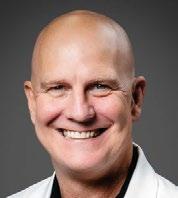
Cailey Mullinix Easterly CO-PUBLISHER
being used by local practices to provide cutting-edge care. Meanwhile, “Beautifully You!” introduces two cosmetic professionals dedicated to helping clients look and feel their best. Finally, the timely “Must-Have Mother’s Day Gift Guide” offers curated gift ideas for celebrating the special mothers in your life.
Rounding out the issue are articles covering a variety of lifestyle topics, including home organization, wedding dress codes for women, four different learning styles for children, healthy smoothie recipes, a guided workout, and more!
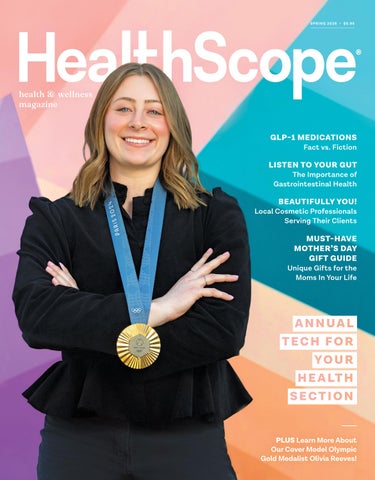
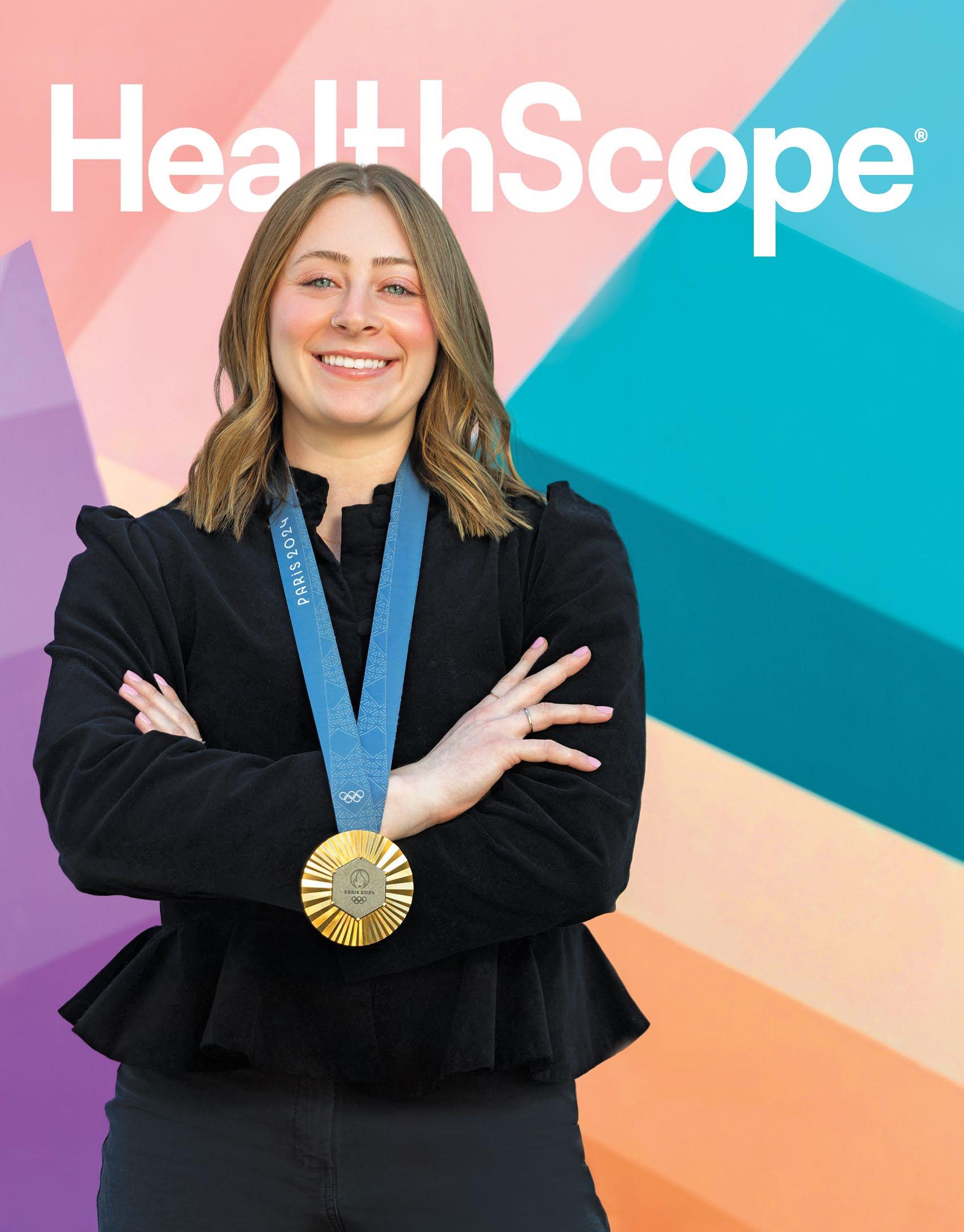
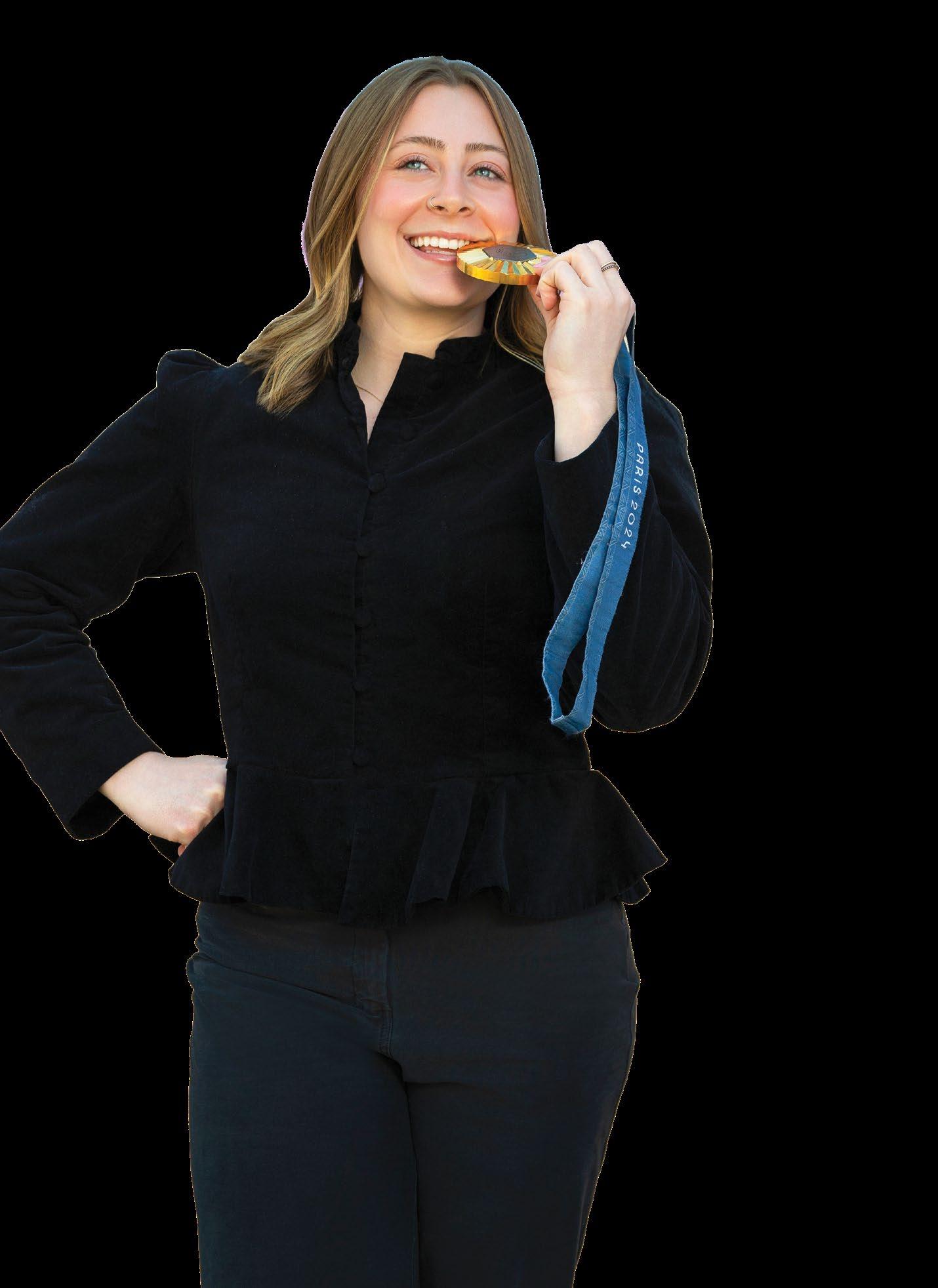
Additionally, don’t miss our interview with cover model and Olympic gold medalist Olivia Reeves. As she balances education, future competitions, and social life, Reeves shares how she prioritizes maintaining a healthy balance for both her physical and mental well-being.
Happy reading,
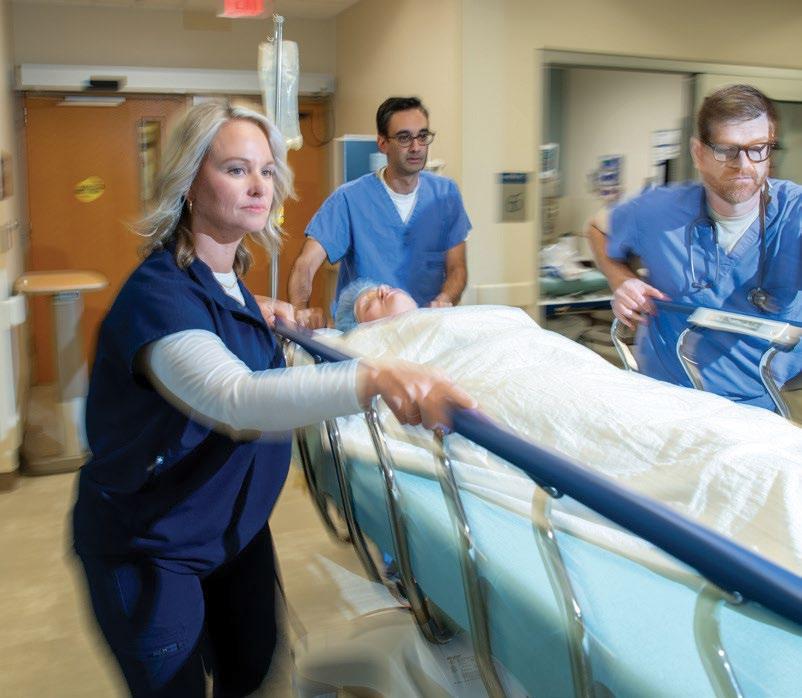
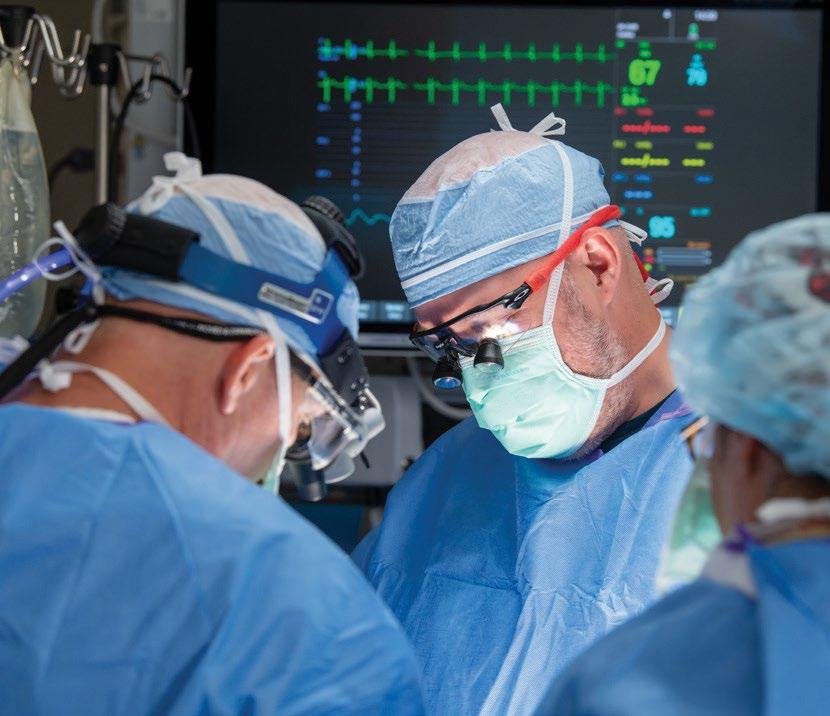
Award-Winning Heart Care
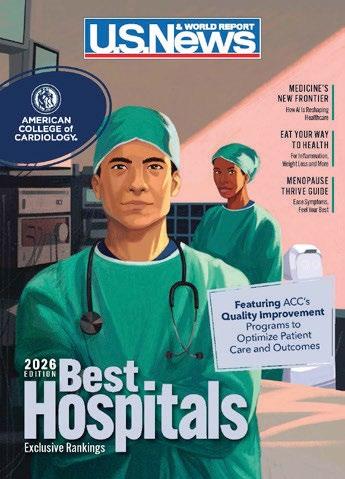
Featured in the 2026 U.S. News & World Report “Best Hospitals Guide,” both Hamilton Medical Center and Bradley Medical Center continue to raise the standard for heart care in our region.
Recognized by the American College of Cardiology through participation in NCDR and ACC Accreditation Services, our heart program reflects a deep commitment to quality, outcomes, and continuous improvement.
This recognition honors the dedication of our physicians, nurses, and cardiovascular teams — and reinforces our promise to deliver advanced, lifesaving heart care.
When it comes to heart care, expertise matters.
Hamilton Medical Center is ranked Georgia’s #1 Heart Hospital and Bradley Medical Center earns a place among Tennessee’s top-performing hospitals for cardiac care.
Scan to view Georgia and Tennessee’s top ranked hospitals for cardiac care.
VitruvianHealth.com/heart
Combined awards for Hamilton Medical Center and Bradley Medical Center.
Photo by Hacker Medias
HealthScopeMag.com
Spring 2026 • Vol. 37 Issue 3
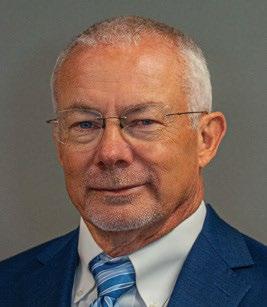
Publisher George Mullinix
Co-Publisher Cailey Mullinix Easterly
Sales & Business Development Amanda Worley
Sales & New Business Development Meredith McNeeley
Design Lead, Sr. Graphic Designer Lauren Robinson
Sr. Graphic Designer Tamara Slocum
Managing Editor Rachel Studebaker
Editors/Digital Content Specialists Abby Callahan Lindsey Clute Ali Lemmons
Contributing Writer/Editor Kristen Dee
Digital Marketing Manager Houston McLain
Marketing, Events, & Operations Laci Lanier Jackson
Marketing, Events, & Operations Intern Lauren Perry
Photographers Creative Revolver Hacker Medias Rich Smith
Subscribe to CityScope® or HealthScope® magazines: Call 423.266.3440 or visit cityscopemag.com or health scopemag. com and click “Subscribe.” A one-year subscription for CityScope® or HealthScope® magazine costs $18.
To receive advertising information, change your mailing address, or share your views on editorial: Call 423.266.3440 or visit cityscopemag.com or healthscopemag.com and click “Contact.”
CityScope® and HealthScope® magazines, Choose Chattanooga® – Chattanooga Resource & Relocation Guide®, and Choose Huntsville™ – Huntsville Resource & Relocation Guide™ (the magazines) are published by CMC Media & Marketing Group, LLC, a Chattanooga, Tennessee company. Reproduction in whole or in part without written permission is strictly prohibited. Views expressed herein are those of the authors or those interviewed and not necessarily those of the publisher, editors, or advertisers. The publisher, editors, and advertisers disclaim any responsibility or liability for such material. All content associated with and included in advertisements (ads, advertorial, and special promotional sections) placed in the magazines (including photos and other visuals) are the responsibility of the respective advertiser. CMC Media & Marketing Group, LLC, cannot and does not assume responsibility for any material contained within or associated with any advertisement.
CityScope® magazine
Copyright, CMC Media & Marketing Group, LLC, 1993 CityScope® magazine is a registered trademark owned by CMC Media & Marketing Group, LLC
CityScope® magazine Southern Gentleman® is a registered trademark owned by CMC Media & Marketing Group, LLC
HealthScope® magazine
Copyright, CMC Media & Marketing Group, LLC, 1989
HealthScope® magazine is a registered trademark owned by CMC Media & Marketing Group, LLC
Bradley Orthopedics is now open — bringing together an elite team of orthopedic surgeons and cutting-edge treatments, right here in Cleveland. For the first time, our community has direct access to fellowship-trained providers in general orthopedics and most orthopedic subspecialties — all under one roof in Cleveland and dedicated to the Bradley Medical Center standard of care.
Meet Your Bradley Orthopedics Team
Rickey Hutcheson, DO
Spine Care (Operative & Non-Operative), Total Joint Replacement Surgery, Shoulder Replacements, Workplace Injuries/ Workman’s Comp, Extremity Fracture Care
Michael Calfee, MD
Fellowship-Trained Sports Medicine, Shoulder Arthroscopy/Instability, Shoulder Instability, Total Joint Replacement, Workplace Injuries/Workman’s Comp, Extremity Fracture Care
Lee Radford, MD
Fellowship-Trained Total Joint Reconstruction, Revision Total Hip/Knee, Hip Arthroscopy, Sports Medicine, Extremity Fracture Care Arm/Leg
Abby Halpern, MD
Fellowship-Trained in Hand and Upper Extremity Surgery, Upper Extremity Fracture Care, Hand and Wrist Arthritis Specialist, Pediatric/Congenital Hand Surgery, Peripheral Nerve, and Tendon Reconstruction
health in a minute Q
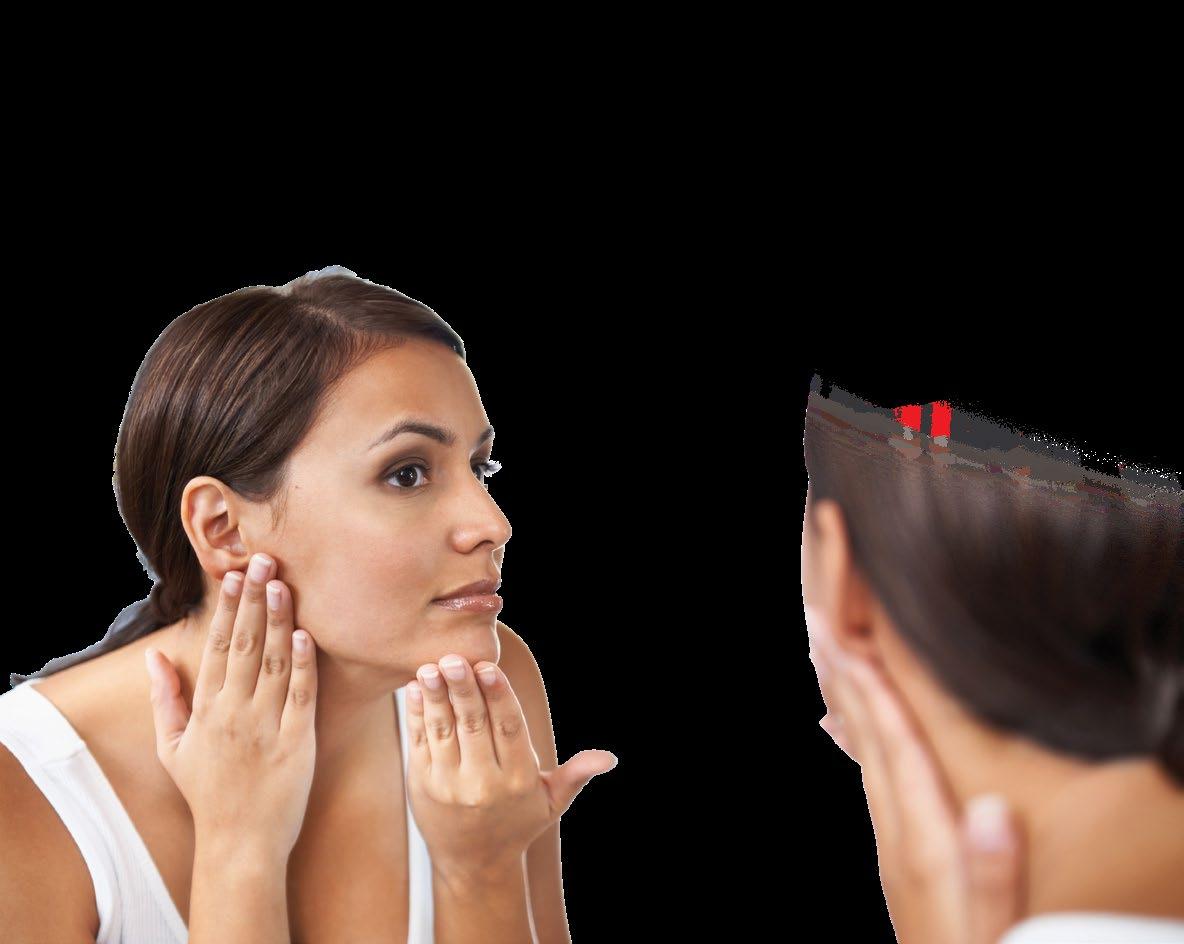
As a woman in her 30s who wants to age well, what treatments should I look into for skin longevity?
Q. My mom has had two minor falls in the past year and recently forgot to pay a few bills, which is unlike her. She insists on staying in her home, and my siblings and I want to respect her independence, but we’re worried about her safety. How should we realistically evaluate whether aging in place is still the best option?
A. When families begin noticing changes like falls, missed bills, or increasing forgetfulness, it can be a gentle signal to pause and consider whether the current living situation is still the safest and most supportive option. Aging in place can work well for some older adults, but it’s important to thoughtfully evaluate the home environment, evolving health needs, and the level of daily support available.
These changes often affect the whole family, as loved ones naturally step in to help with care and daily responsibilities. For many seniors, a community like Morning Pointe Senior Living offers the right balance of independence –providing care when needed, meaningful connection, and relief from daily tasks so residents can focus on living well and enjoying each day.
Kristen Weitz, BSW, MHA, CDP
Q. I’m scheduled for minimally invasive lung surgery later this year, and I’ve read about enhanced recovery programs to shorten hospital stays and improve recovery. What are the most important things I should be doing before and after surgery to optimize recovery?
A. Enhanced Recovery After Surgery (ERAS) programs are designed to help patients recover faster and reduce complications after lung surgery. Key steps begin before surgery: staying physically active improves lung capacity and conditioning, quitting smoking has a major impact, and good nutrition with adequate protein supports healing. After surgery, the focus shifts to early mobility, breathing exercises, and pain control. Patients are typically encouraged to get out of bed and start walking as soon as possible. Using the incentive spirometer and doing deep-breathing exercises helps prevent pneumonia and keeps the lungs expanded. Pain control is also essential because it allows you to breathe deeply and move comfortably. Patients who actively engage in these steps often experience shorter hospital stays and a smoother overall recovery. J. Robert Headrick Jr., MD
Q. My primary care doctor says I have a hernia. How do I know if it needs surgery now, or if I can safely wait?
A. A hernia occurs when tissue pushes through a weak spot in the muscles, often causing a bulge or discomfort. Not all hernias need immediate surgery. If your hernia is small, painless, and easily pushed back in, your doctor may recommend “watchful waiting.” However, surgery is usually advised if you have increasing pain, a growing bulge, or symptoms that limit daily activity. Seek urgent care if the hernia becomes firm, very painful, or cannot be pushed back in – these may be signs of a complication that needs prompt treatment. Ultimately, the decision depends on your symptoms, overall health, and risk factors. A consultation with a surgeon can help you weigh the timing and choose the safest, most appropriate plan for you. Chris Bell, MD, FACS
Q. Lately, my body feels constantly tense. I wake up exhausted and feel like I’m always on the edge of having a breakdown. What can I do to regulate my nervous system?
A. Simply sharing space with someone with a regulated nervous system can bring calm and balance. Our nervous systems are designed for interpersonal connection, so it is possible to “borrow” or benefit from having proximity to and interaction with a regulated person. Look for a therapist who has experience in nervous system regulation techniques, such as Polyvagal Theory, somatic therapies, and mindfulness. Also, there are simple practices you can employ at home or work. My favorite is humming. Another is taking full, deep breaths, making your exhales longer than your inhales. Both stimulate the vagus nerve and signal your body to calm. Using at-home tools is helpful, and adding sessions with a regulated therapist takes it to another level.
Dr. Steven Delaney, a board-certified gastroenterologist, has joined the Galen Digestive Health team. Dr. Delaney received his education at Michigan State University and completed his internal medicine residency and gastroenterology fellowship at Wake Forest University in North Carolina. He performs a variety of diagnostic and therapeutic procedures and has experience treating liver, pancreatic, and biliary conditions.
CEMPA COMMUNITY CARE
Amy Eldridge, BBA-HCM
Cempa Community Care’s director of clinic services, Amy Eldridge, has been appointed to the Regional Health Council by the Hamilton County Commission. The Regional Health Council acts as a community-based advisory board to the Hamilton County Health Department, making recommendations impacting the health of Hamilton County residents. Eldridge will join 26 other voting members, each serving a four-year term.
COMMONSPIRIT MEDICAL GROUP
Cynthia
Hopper, FNP
CommonSpirit Medical Group welcomes Cynthia Hopper to CommonSpirit – Convenient Care – Cleveland. Hopper earned a bachelor’s degree in nursing from the University of Florida in Gainesville and a master’s degree in nursing from the University of South Alabama in Mobile. She previously spent 17 years working as a nurse in the hospital, and she has been caring for patients as a nurse practitioner for almost 13 years.
SISKIN CHILDREN’S INSTITUTE
Sami Lord
Siskin Children’s Institute has announced the addition of Sami Lord as the organization’s new development officer for annual giving. In this role, Lord will lead annual fundraising initiatives, donor engagement, and community partnerships that advance the institute’s mission of improving the quality of life for children with special needs and their families. Lord earned a bachelor’s degree in business marketing and a master’s degree in business administration from the University of Tennessee at Chattanooga.
GALEN MEDICAL GROUP
Susan Bhushan, MD
Dr. Susan Bhushan, a specialist in internal medicine, has relocated to the Galen Primary Care Southside practice. Previously at Galen North Internal Medicine, she welcomes both existing and new patients at the Southside office. Dr. Bhushan graduated from The University of Texas Medical Branch at Galveston and completed her internship and residency program at the University of Tennessee College of Medicine – Chattanooga.
HAMILTON PHYSICIAN GROUP
Zade Shaw, MD
Dr. Zade Shaw, a board-certified neurologist, has joined the Hamilton Physician Group – Neurology team. Dr. Shaw earned his medical degree at the Indiana University School of Medicine in Indianapolis, where he also completed a neurology residency and served as co-chief resident. He is a member of the American Academy of Neurology and the American Medical Association.
COMMONSPIRIT
MEDICAL GROUP
Nicole
Caton, DO, MPH
Dr. Nicole Caton has joined the CommonSpirit Medical Group –Family Medicine – Ooltewah team. Dr. Caton earned a Doctor of Osteopathic Medicine and a master’s degree in public health from the University of North Texas Health Science Center in Fort Worth and completed the University of Tennessee’s family medicine residency at Jackson-Madison County General Hospital in Jackson, Tennessee. She is boardcertified by the American Board of Family Medicine.
SISKIN CHILDREN’S INSTITUTE
Lydia Kindiger
Siskin Children’s Institute has welcomed Lydia Kindiger as its new human resources manager. Kindiger oversees all aspects of human resources and plays a key role in fostering a positive and supportive work environment where employees feel valued, heard, and empowered to succeed. She also supports leadership in aligning HR strategies with the institute’s mission to serve children with special needs and their families. Kindiger holds a bachelor’s degree in human resources from the University of Tennessee at Chattanooga.
health & wellness calendar
April
24 Chattanooga Go Red for Women
Celebrating 21 years, the Go Red for Women event continues to be the heartbeat of the American Heart Association’s Go Red for Women movement in the Chattanooga community. Hosted at the Chattanooga Convention Center, exhibit hall
A, the empowering event will be from 10:30 a.m. to 1:30 p.m. and focus on raising awareness about cardiovascular disease and critical funds for the AHA. heart.org/chattgored
25-26
Chattanooga Market
Opening Weekend
The Chattanooga Market is back and opening the market season with a special Saturday and Sunday celebration! Head to First Horizon Pavilion on Saturday from 10 a.m. to 5 p.m. or Sunday from 11 a.m. to 5 p.m. to peruse farm-fresh produce, arts and crafts, and so much more.
As always, admission to the market is free. chattanooga market.com
29 For the Good Volunteers in Medicine
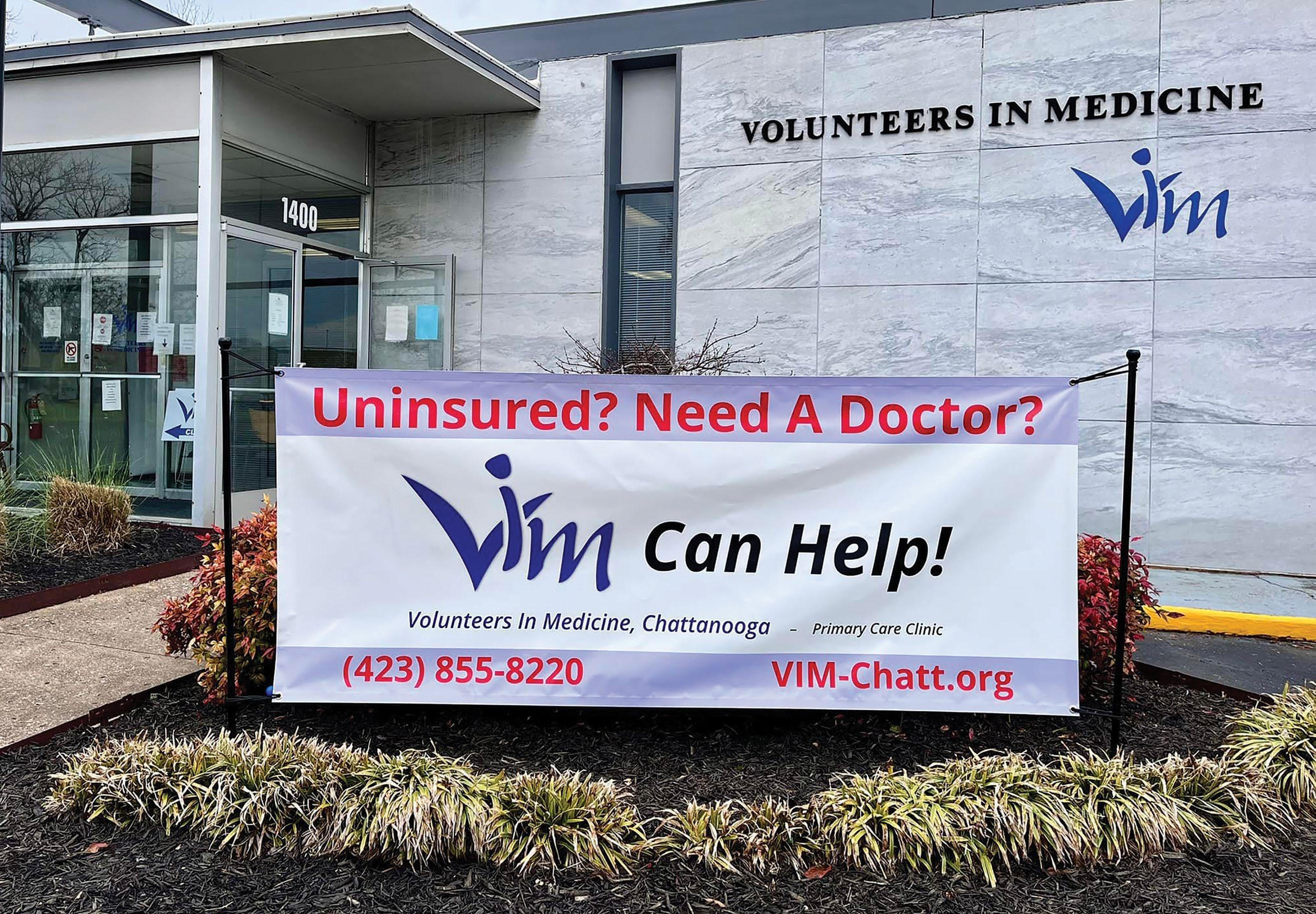
Chattanooga’s For the Good benefit aims to uplift those in need with generosity and compassion. Hosted at the Chattanooga Marriott Downtown, the luncheon and FRIENDraising festivities will begin at 11:30 a.m. All proceeds will support VIM’s mission to provide primary medical care to the uninsured, at no cost ever to the patient. vim-chatt.org/for-the-good
30 A Haven of Hope
Join Hope’s Haven for an evening of community and generosity at their special charity dinner, A Haven of Hope. Friends, supporters, and community partners are invited to the Chattanooga Whiskey Event Hall for a curated dining experience and silent auction that will feature unique items and experiences. All proceeds will help Hope’s Haven
continue their mission to create transformative and meaningful experiences for children with special needs and their families. Tickets are available online. hopeshaventn.com/events
May
2
Chattanooga ALS Awareness Walk
Returning May 2, the Chattanooga ALS Awareness Walk invites participants and teams to support individuals and families affected by ALS. Hosted by Rise for ALS Chattanooga, Inc., the free, family-friendly event welcomes walkers of all ages. Participants and teams will fundraise toward a $75,000 goal to support local ALS families with equipment assistance, caregiver relief, accessibility needs, education, and research support. Participants who raise $90 or more will receive an official event T-shirt. Register or learn more online. riseforals.org
Sapphire Sneaker Gala
16
65th Anniversary
Sapphire Sneaker Gala
Attend Girls Inc.’s largest fundraiser of the year – the 2026 Sapphire Sneaker Gala! Celebrating 65 years of empowering more than 40,000 girls across Hamilton and Marion counties to be strong, smart, and bold, the event will honor female community leaders and businesses who have helped sustain the Girls Inc. legacy – healthy, educated, and independent. The celebration begins at 7 p.m. with an elevated cocktail experience, live music, dancing, and more at The Signal. All proceeds will support the heart of the organization: its programs! girlsincofchatt. org/2026sneakergala
16 Race to Save the Laurel Dace
Join the Tennessee Aquarium and its partners in the second Annual Race to Save the Laurel Dace (a critically endangered fish located in nearby Walden Ridge) – presented by Nokian Tyres! Walk or run the 5K, 10K (new this year), or half-mile fun run in historic downtown Spring City. The 5K and 10K begin at 8 a.m., with the fun run following at 8:30 a.m. After the races, Laurel Dace Day continues with a farmer’s market, artisan vendors, music, and activities with conservation scientists and educators. Register online. raceroster.com/ events/2026/111006/raceto-save-the-laurel-dace
17 IRONMAN 70.3
Chattanooga
For those looking to build up to the full-distance IRONMAN Chattanooga, the 2026 IRONMAN
70.3 Chattanooga is the perfect training opportunity! As one of the triathlon’s most welcoming race communities on the IRONMAN circuit, the race begins with a 1.4-mile swim, transitions into a 56-mile bike course, and then ends with a 13.1-mile run. ironman.com/im703chattanooga
18 The Hatcher Classic – Spring Golf Tournament
Experience a day of premier golf, friendly competition, and meaningful impact at the Austin Hatcher Foundation’s
Spring Golf Tournament at The Farm Golf Club in Dalton, GA. Register your foursome today and enjoy a catered lunch, winning prizes, and a post-tournament reception. Proceeds support the Foundation’s mission to provide free mental and behavioral health services for families impacted by childhood cancer. hatcherfoundation.org/golf
25 Chattanooga Chase
Start a new Memorial Day tradition at Chattanooga’s oldest active competitive road race, the 58th Annual Chattanooga Chase. Experience the scenic 8K and 1-mile races through the historic Riverview neighborhood, followed by the Hanover Street Block Party. All proceeds benefit the Chattanooga Track Club and Siskin Children’s Institute, supporting fitness and children with special needs. Don’t miss the 59th running of the Chattanooga Chase! chattanooga chase.org
numbers to know
On the Count of Five
Man’s Best Friend
According to the American Heart Association, owning a pet can help reduce stress, boost mood, and lower blood pressure and cholesterol, as pet ownership may change habits that lead to weight loss and increase likelihood of physical activity. In fact, the association’s research has shown that dog parents are 34% more likely to fit in 150 minutes of walking each week than non-dog owners. When anxiety strikes, grounding exercises can help. According to the University of Rochester Medical Center, this five-step exercise can ground you into the present and distract from anxious, racing thoughts. Start by taking slow, deep breaths and look around for:
FIVE things you can see
FOUR things you can touch
THREE things you can hear
TWO things you can smell
ONE thing you can taste
Make a Run for It
According to the Cleveland Clinic, some research shows a strong link between worn-out running shoes and injuries. To best protect your physical health, it’s important to replace your running shoes every 400 to 600 miles, or about every six months, especially if the midsole begins to crack or wrinkle.
According to Harvard Health, gardening can do more than beautify your yard – it can help you meet your physical activity goals. Exercise researchers use metabolic equivalents (METs) to measure how much oxygen per minute the average person uses during a particular activity, with activities between 3 to 5.9 METs considered moderate-intensity exercise. Many common yard and garden chores fall into this range:
Harvesting Health
Understanding GLP-1 Medications
FACT VS. FICTION
By Ali Lemmons
GLP-1 agonists are a class of medication, often administered as an injectable, that help manage blood sugar levels. GLP-1 is a naturally occurring hormone that helps regulate blood sugar and appetite by stimulating insulin release when glucose is elevated, slowing stomach emptying, and increasing fullness after eating. It also helps by lowering another hormone (called glucagon) that raises blood sugar. GLP-1 agonist medications are manufactured to mimic this hormone.
While originally developed to help manage Type 2 diabetes, GLP-1 medications have become frequently used for weight loss, marketed under names such as Ozempic and Wegovy. Though a popular option, there are many misconceptions surrounding these medications. Here, we’ll separate fact from fiction with insight from experts in the community.
Jaime Ponce, MD, FACS, FASMBS, FIFSO President and Medical Director, Weight Loss Center of Chattanooga
Rishabh Shah, MD, MBA, FACS, FASMBS Bariatric Surgeon, CommonSpirit Medical Group - Medical Weight Loss & Bariatric Surgery
FICTION
GLP-1 medications are only for people with diabetes.
Because these medications can promote weight loss, the FDA currently approves liraglutide (Saxenda), semaglutide (Ozempic/ Wegovy), and tirzepatide (Zepbound) for chronic weight management in appropriate patients. Typically, a healthcare provider may prescribe a GLP-1 medication if a patient is overweight and has other health conditions that could be improved by losing weight. Overweight is considered a BMI of 25 to 29.9.
“Generally, good candidates include patients with a BMI ≥ 30, or ≥ 27 with obesityrelated conditions such as Type 2 diabetes, hypertension, or sleep apnea. In clinical studies, patients typically lose about 10-20% of their body weight. In real terms, this may translate to 20-50 pounds, depending on a person’s starting weight and the specific medication,” says Dr. Jaime Ponce, president and medical director of the Weight Loss Center of Chattanooga. “These medications are particularly helpful for individuals who struggle with hunger control, insulin resistance, or weight regain. Careful medical evaluation is essential to ensure safety and appropriateness.”
In addition to weight loss, research has shown that GLP-1 agonists may lower the risk of certain serious health conditions, such as kidney disease, heart disease, heart failure, and stroke, according to the Mayo Clinic. Patients have also seen blood pressure improve, though researchers have still not determined if these benefits are from the medicine itself or as a result of weight loss.
FACT
Lifestyle changes are still necessary when taking a GLP-1 medication.
While patients may still lose weight on GLP-1 medications without dietary changes or increased physical activity, this can lead to unhealthy weight loss, increased side effects, and a higher likelihood of gaining the weight back.
“The medications are a very effective tool to use when learning new, healthier dietary habits,” says Dr. Rishabh Shah, bariatric surgeon with CommonSpirit Medical Group - Medical Weight Loss & Bariatric Surgery. “When you pair positive lifestyle changes with the medications, you maximize the health benefits and potential weight loss.”
While GLP-1 medications may reduce hunger, they do not ensure adequate protein intake, strength preservation, hydration, sleep quality, or muscle maintenance – each of which plays a critical role in long-term health. Alongside these medications, experts recommend eating a balanced diet, staying hydrated, getting enough sleep, and managing stress to influence long-term outcomes.
“Eating adequate amounts of protein is essential for muscle preservation, along with physical activity. Equally important is adequate fiber and water intake to improve gut health and try to offset gastrointestinal side effects,” advises Dr. Shah. “Pairing a proper diet with adequate exercise will maintain or increase muscle mass, which also helps fat loss.”
FICTION
GLP-1 medications are a “quick fix.”
According to Dr. Ponce, patients often assume that these medications alone will solve weight problems, or that once the weight is gone, they can stop the medicine without consequences.
“In reality, obesity is a chronic, relapsing disease with complex hormonal regulation. GLP-1 medications help correct some of the biological drivers of hunger and insulin resistance, but they are tools, not cures,” says Dr. Ponce. “Long-term success requires medical supervision, behavioral changes, nutrition support, and ongoing follow-up. When patients understand this, outcomes are significantly better.”
A realistic weight-loss goal and timeline is in the range of 10–20% of total body weight over 6–18 months, depending on the specific medication and dosage. Weight loss occurs gradually, and plateaus are both normal and expected.
“Structured follow-up allows us to adjust nutrition, activity, dosing, or combination therapy when needed,” adds Dr. Ponce. “The focus is not just on scale weight but also on improvements in metabolic health, blood pressure, lipids, and quality of life.”
FACT
GLP-1 medications are not the only option.
“Obesity is a chronic disease, and just like any other chronic disease, it needs multiple treatment options,” says Dr. Shah. “Bariatric surgery is the best option for dramatic and long-lasting weight loss, but the GLP-1 medications are a great option for people with less weight to lose or for whom surgery is not a good option.”
According to Dr. Shah, bariatric surgery helps patients lose around 25-30% of their total weight, with GLP-1 medications helping patients lose 15-20%.
“We have data from surgery, which has been around longer, showing 80% of patients maintain weight loss long term,” continues Dr. Shah. “Longterm data for GLP-1 medications is not yet available, but recent data shows that 65% of people stop the medication after 1 year and 80% after two years. Short-term data does show that the vast majority of people regain weight after stopping GLP-1 medications.”
Ultimately, experts emphasize that successful treatment goes beyond any single solution.
“Obesity treatment should always be individualized, medically supervised, and free of stigma. For some patients, medication alone may be appropriate; for others, combination therapy, including surgical options, may offer more durable and meaningful results,” adds Dr. Ponce. “The key message is that obesity is treatable, and patients deserve comprehensive, science-based care rather than fragmented or cosmetic approaches that offer only a single solution. When we treat obesity as the chronic disease that it is with structure, expertise, and compassion, we see transformative improvements not only in weight, but in overall health, confidence, and quality of life.”
APRIL 23, 2026
FOR CHATTANOOGA’S ULTIMATE GIRLS’ NIGHT OUT
AN
EVENT FOR WOMEN, ABOUT WOMEN, TO BENEFIT WOMEN
Dust off that old wedding dress, prom dress, bridesmaid dress, or any dress that’s been taking up residence in your closet and join us in making a positive impact on the lives of women in our community.
GOODWILL INDUSTRIES OF THE GREATER CHATTANOOGA AREA NORTHPOINT DENTAL CO.
BRODY JEWELERS • SAINT SALON • THE EDWIN HOTEL • MEDICAREMISTY
SOUTHERN INSURANCE ASSOCIATES • SOUTHERN SURGICAL ARTS BEAUTY BAR
CHATTANOOGA AREA NURSES IN ADVANCED PRACTICE (CANAP)
THE PELVIC METHOD • RADONNA GADDIS - ENGLAND INJURY LAW WILL & ROSE EVENTS • CLEAN YOUR DIRTY FACE
OFFICIAL WINE SPONSOR: ATHENS DISTRIBUTING
Feeling Your Best After Baby
By Kristen Dee
The period right after childbirth is referred to as the postpartum period. A postpartum body goes through many physical changes as it recovers and adjusts, along with significant mental changes as well. Here, we explore mental health in the postpartum period, ways to practice self-care, when to seek additional support, and advice from local experts.
Postpartum Mental Health: What to Expect
While pregnancy and postpartum experiences are different for everyone, many women experience similar emotional symptoms during the transition to motherhood. Often referred to as “baby blues,” women may feel sad and teary right after giving birth as their estrogen and progesterone levels drop.
According to Dr. Michael Smith, OBGYN physician at Diana Health, this common symptom typically goes away quickly. “The baby blues generally affect approximately 50-75% of women and are characterized by sadness, anxiety, and irritability. Fortunately, the baby blues usually resolve within two weeks of delivery,” he says. “Although hormonal fluctuations are an underlying cause of postpartum mental health, the exact changes are not well understood. There are additional factors that play an important role, including fatigue, sleep deprivation, physical discomfort, and the newness of lifestyle changes with a baby.”
How Postpartum Physical Health Impacts Mental Health
As the body adjusts and recovers during the postpartum period, these physical changes can affect mental health. Some women report experiencing body image challenges, severe fatigue, and various pelvic floor dysfunction symptoms such as urinary incontinence and painful sex. Healthcare providers can assist with mitigating these symptoms, including those involving the pelvic floor.
The pelvic floor includes the muscles that support the uterus, bladder, large intestine, and rectum. Physical and hormonal changes due to pregnancy, such as the additional
weight of the baby, can put strain on the pelvic floor, which can cause pelvic floor disorders after childbirth, even with uncomplicated births.
Dr. Erin Westner, founder of The Pelvic Method, says, “When we carry a child in pregnancy, our body shifts and adjusts to support carrying the child. Our body is naturally different from head to toe. It’s beneficial to have someone who is versed in how the foot spreading and widening might affect the hips, which have also spread to accommodate the baby, and what that might do to their pelvic girdle, running form, or even lifting form. The pelvic floor is also impacted when we try to carry the diaper bag, carrier with the baby in it, and a bag of groceries all at once to make less trips.” Birthing classes, prenatal yoga, and perineal massage can help prevent pelvic floor disruption, and an OB-GYN or pelvic floor therapist can assist with symptoms after childbirth.
While pelvic floor issues are often physical, Dr. Westner emphasizes that supporting pelvic function can benefit mental health amid the many changes of the postpartum period. “A lot of things shift in someone’s life, and the baby becomes the priority over yourself and others,” she explains. “However, it is proven that when something can be done to support a mother, such as improving her pelvic health by helping her reconnect to her body and movement, she has more capacity to take on challenges that arise. Pelvic health is overall health – taking the strain and stress off the pelvic floor. When a mother is cared for, seen, heard, taken care of, and given some control back, it makes a huge difference in her mental health.”
Erin Westner, PT, PRPC Owner & Founder, The Pelvic Method
Michael Smith, MD OBGYN Physician, Diana Health
How to Support Mental Health Postpartum
While navigating the postpartum period, it is important to find ways to care for and boost mental health. “When I start working with a postpartum mom I always ask about the basics: sleep, gentle movement when possible, breath work, fueling the body with restorative foods, and staying hydrated,” says Laura Salazar, owner and therapist at Relationship Enhancement Counseling & Consulting. “I encourage moms to focus on rest even if sleep is broken.”
Salazar also emphasizes the benefits of leaning on your network, saying, “Accepting help is crucial to successfully navigating the postpartum period. This can look like sharing the mental and physical load with a partner or others in the support system like friends, family, support groups, a doula, or a therapist. Accept meals, let people walk the dog, and allow the random stranger at the grocery store to help load your bags. Let your partner make mistakes while learning to take care of the baby. Acknowledge your limits and have compassion for yourself as you learn to take care of yourself and a whole new human.”
“Accepting help is crucial to successfully navigating the postpartum period. This can look like sharing the mental and physical load with a partner or others in the support system like friends, family, support groups, a doula, or a therapist.”
Laura Salazar, LMFT
When to Seek More Help
While most women experience the initial baby blues, some women experience more serious conditions such as postpartum depression or postpartum anxiety. Research estimates roughly 15% of new mothers experience postpartum depression, and postpartum anxiety affects roughly 1 in 5 women. If you or a loved one are experiencing symptoms of these or other postpartum conditions, it is important to seek professional help from a healthcare provider.
“You are not alone; 21% of pregnant moms develop a mood disorder during or after pregnancy. It can feel overwhelming to research mental health
support, so asking a friend or partner to narrow down the options can be a good first step,” shares Salazar. “Postpartum Support International has many free support groups that meet online for various unique demographics and circumstances. There are also several resources in Chattanooga, such as monthly postpartum groups, virtual therapy, and support groups for those who have experienced miscarriage or infant loss.”
While the postpartum period can be vulnerable and challenging, it also is a special, memorable time for a growing family. During this time, it is beneficial to find ways to support mental health and practice self-care, lean on your support group, and seek additional help if needed.
Baby Blues or Something More?
BLUES
• Appears 3-4 days after birth
• You feel more emotional than usual
• Delayed bonding with baby
• Mental fog
• Worry about minor things
• Cry tears of sadness
• Trouble sleeping
• Goes away on its own within 2 weeks
• Can develop anytime within the first year of having a baby
• You feel overwhelm, irritability, anger, frustration, and/or rage
• Obsessive bonding with baby or difficulty bonding at all
• Frequent intense worry and intrusive thoughts
• Feeling inadequate or hopeless
• Excessive crying and severe mood swings
• Exhaustion and poor mental health that doesn’t resolve
Listen to Your Gut
The Importance of Gastrointestinal Health
Gastrointestinal (GI) health impacts more than just the digestive tract. In fact, gut health and wellness affect many aspects of an individual’s overall physical health, with emerging research revealing its significant role in preventing chronic diseases, as well as improving immunity and mental health.
By Abby Callahan
Defining Gastrointestinal
The GI tract is the largest part of the digestive system –running from the mouth to the anus – and is comprised of a series of hollow organs, including the esophagus, stomach, and small and large intestines. These organs work together to help digestion, making everything from swallowing to releasing enzymes to break down food, controlling blood flow to help with nutrient absorption, and elimination possible.
“Your gut or the GI tract is the first entry point of nutrition,” explains Dr. Arslan Kahloon, chief of gastroenterology at Erlanger Gastroenterology. “In this role, a healthy gut helps absorb required nutrition, including essential minerals and vitamins for the body. A healthy gut can also fight certain infections and reduce inflammation in the body.”
Evan Amonett, DO Family Medicine, Bradley Primary Care - South
Steven Delaney, MD Specialist in Gastroenterology, Galen Digestive Health
Shauna Lorenzo-Rivero, MD, FACS, FASCRS, CPE Colorectal Surgeon and Founder, Greater Chattanooga Colon Cancer Foundation
Digestive Health Tips
According to family medicine physician at Bradley Primary Care - South, Dr. Evan Amonett, a balanced diet and supporting digestive health starts with fiber.
“Dietary fiber is lacking in nearly everyone's diet,” he explains. “Unfortunately, the average U.S. adult will only have about 15 grams a day. Adequate fiber intake is closer to 25 grams for women and 38 grams for men and should just be a starting goal.”
“Start simple for long-lasting improvement. Incremental diet and lifestyle adjustments over the course of weeks, if not months, are always preferable to fad dieting or cleanses,” Dr. Amonett advises.
What Impacts Gut Health?
Lifestyle factors play a major role in organically maintaining and improving gut health. Dr. Steven Delaney, board-certified gastroenterologist at Galen Digestive Health, says there are four key factors influencing the digestive tract’s complex microbiome – ensuring trillions of microbes and good bacteria remain balanced:
• Diet. “A balanced diet with sufficient fiber intake is essential to a well-functioning GI system, impacting sleep and stress levels as well.”
• Exercise. “Physical activity is crucial for gut motility and maintaining a healthy microbiome. Regular/moderate exercise improves blood flow, which assists with nutrient absorption and maintaining a healthy immune and nervous system within the GI tract. Exercise also reduces stress and improves sleep.”
• Sleep. “Adequate sleep is crucial for gut motility, maintaining a healthy microbiome, and absorption. Lack of sleep can also activate and worsen the stress response within the GI tract.”
• Stress Management. “Stress can disrupt the gut microbiome, gastrointestinal motility, the immune system of the GI tract, and can also disrupt the absorption of nutrients.”
To begin improving gut health, try incorporating one to two healthy habits at a time. For example, aim for 30 minutes of moderate physical activity every day and/or at least seven hours of sleep every night.
Some of the best dietary sources for fiber include:
Whole grains (oats or quinoa)
(beans or chickpeas)
Legumes
Vegetables (especially broccoli or carrots)
Fruits (especially berries or whole apples)
Nuts, chia seeds, and flaxseeds
•
•
•
100 Million Nerve Cells
According to Dr. Kahloon, the gut “carries a large nervous system outside of the brain, meaning disorders of the gut can lead to poor overall well-being and stress.”
Often called the second brain, the enteric nervous system (ENS) is a thin, two-layer lining within the GI tract that includes 100 million nerve cells. The ENS sends neural messages throughout the GI tract and even to the brain’s central nervous system (CNS). This gut-brain connection is revolutionizing gastrointestinal medicine, with evidence suggesting that irritation in the gastrointestinal system can trigger mood changes.
For this reason, antidepressants have been found to provide relief for some chronic stomach diseases like irritable bowel syndrome (IBS), and cognitive behavioral therapy (CBT) can help to improve brain-gut communications and reduce gut hypersensitivity and inflammation.
Screenings and Medical Resources
Regular checkups and annual screenings are vital for maintaining a properly functioning digestive tract. Irritable bowel syndrome, gastroesophageal reflux disease, and colorectal cancer cases are rising –especially in younger adults – but they are also highly preventable and treatable. Experts estimate that over half of colon cancer cases relate to controllable lifestyle factors, and early detection through screening makes treatment extremely effective.
Dr. Shauna Lorenzo-Rivero, founder of the Greater Chattanooga Colon Cancer Foundation (GCCCF), emphasizes that a primary care provider is “the most valuable resource” for anyone experiencing gastrointestinal symptoms. “They can help you with preventative care and lifestyle advice (more fruits/vegetables/ exercise and less alcohol/smoking and processed meat/fat/etc.). If diagnosed, your oncologist and/ or surgeon is there for you to guide you through the process,” she says.
Experts recommend seeing a specialist if you notice symptoms such as persistent diarrhea or constipation, blood in stool, abdominal pain or cramping, unexplained weight loss, or fatigue.
“Most importantly, if you are 45 or over, get screened,” Dr. Lorenzo-Rivero finishes. “For those without insurance, the GCCCF is an additional resource for colon cancer screenings, care, and treatment through Volunteers in Medicine and Project Access.”
Though GI conditions may feel overwhelming, many can be prevented – and successfully treated – by focusing on overall gut health through healthy habits, timely care, and the right medical support.
ANNUAL
SPE C IAL SECTION
Tech for Your Health
Medical technology is constantly evolving to better treat today’s health and wellness concerns. From state-of-the-art diagnostic imaging to minimally invasive robotic surgery, read on to learn more about the latest technological advancements in healthcare.
By Rachel Studebaker
An Expert Weighs In
“I recently had a partial knee replacement using the quad-sparing technique. After my surgery, I was playing golf in two and a half weeks and returned to operating in four weeks. I decided to bring this technique to Chattanooga to give my patients a similar experience and recovery. The goal of quad-sparing total knee replacement is to preserve and protect the quadriceps tendon, gently elevating the extensor mechanism up and out of the way. This decreases soft tissue trauma associated with knee replacement and can potentially lead to decreased healing time, less pain, and a faster return to normal activities.”
Jason Rogers, MD
Fellowship Trained Total Joint Replacement Surgeon, Center for Sports Medicine & Orthopaedics
Quad-Sparing Total Knee Replacement
Patients needing a knee replacement can benefit from this muscle-sparing technique.
Total knee replacement is one of the most common surgeries in the U.S., performed nearly 800,000 times each year. The procedure is used to treat severe knee pain that interferes with daily activities, often caused by arthritis.
Traditional total knee replacement involves making a large incision down the center of the knee and cutting through the quadriceps, or quads – the muscle group responsible for extending the knee – to access the joint. However, thanks to surgical advancements, it is now possible to preserve the quads during knee replacement.
Known as quad-sparing total knee replacement, this minimally invasive surgical approach uses a smaller incision and avoids damaging the quads. Instead, the surgeon works around or under the muscles.
How Does It Work?
During quad-sparing total knee replacement, patients will first receive general anesthesia. The surgeon will then make a small incision over the affected knee and carefully work around the quads to access the knee joint and remove the damaged bone. Artificial parts are then inserted to restore smooth movement and provide support to the joint. The surgeon will then close the incision, concluding surgery. Physical therapy is often recommended during the recovery period to help strengthen the knee and restore movement.
The Benefits of Quad-Sparing Total Knee Replacement
In addition to relieving pain and restoring function to the knee, the quad-sparing technique lets patients enjoy:
• Preserved muscle function
• Reduced post-operative pain
• A faster restoration of strength and mobility
• A quicker return to normal activities
An Expert Weighs In
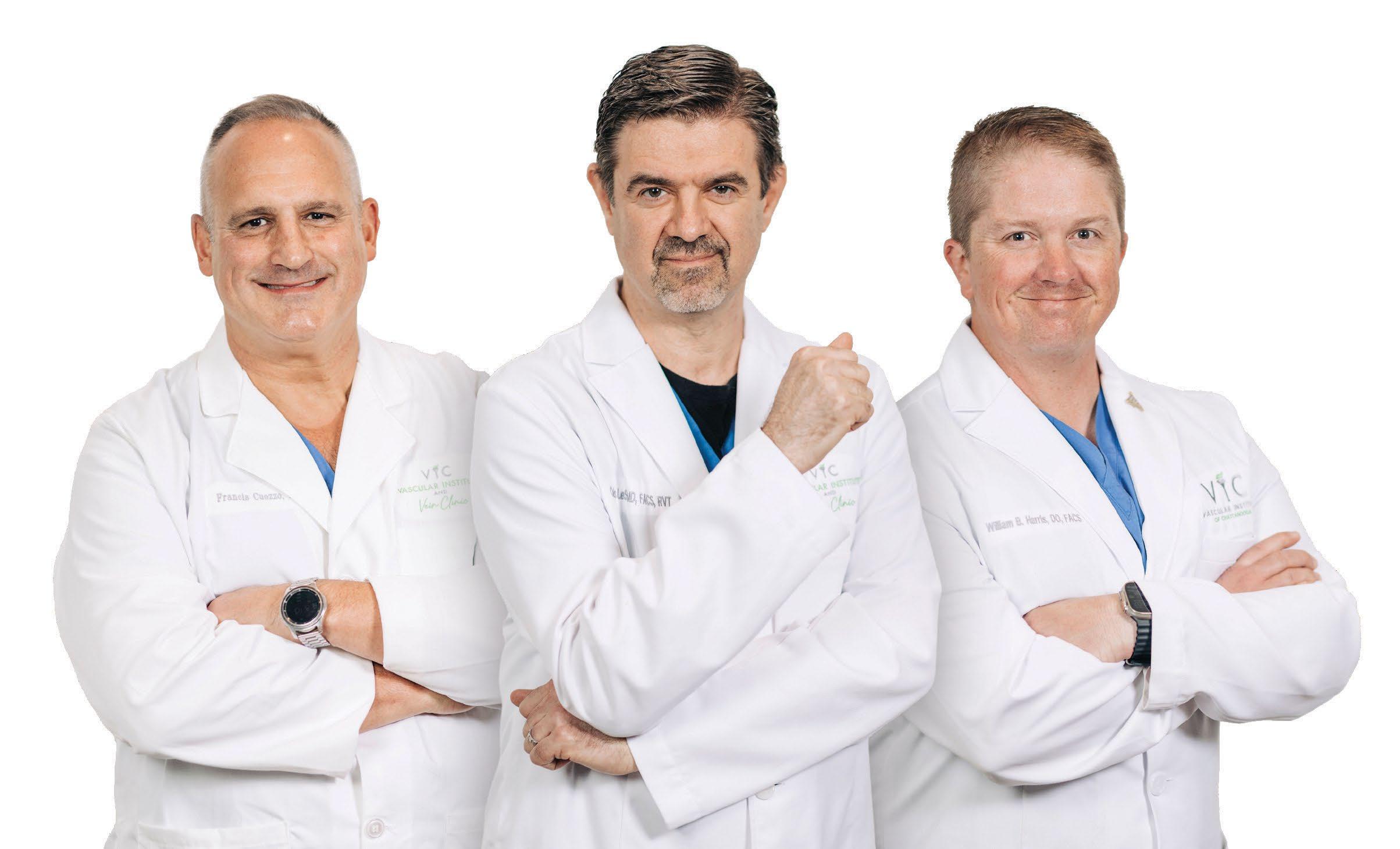
“Deep vein thrombosis (DVT) management has undergone remarkable evolution in recent years, driven by innovation and a growing emphasis on minimally invasive care. What was once a condition managed primarily with anticoagulation alone is now approached with precision-based interventions that restore flow more rapidly and effectively. The introduction of technologies like the Penumbra Lightning Flash 3.0 system has accelerated this transformation, offering powerful, intelligent aspiration capabilities with improved safety and efficiency. As a result, clinicians can achieve faster clot removal, reduce complications, and enhance patient outcomes. This progress reflects a broader shift toward proactive, device-driven therapies that redefine standards of vascular care.”
William B. Harris, DO, FACS, RPVI
Vascular Surgeon, Vascular Institute of Chattanooga
Penumbra Lightning Flash 3.0
This advanced thrombectomy system is optimizing the treatment of blood clots.
Deep vein thrombosis (DVT) occurs when a blood clot, also known as a thrombus, forms in one of the deep veins in the body, most commonly in the leg. This clot interrupts blood flow to the extremities and organs, and, if left untreated, can lead to limb loss and even become life-threatening if the clot dislodges and travels to the lungs, known as a pulmonary embolism. Thankfully, DVT is treatable through medications and procedures such a thrombectomy, which removes the blood clot to restore vital blood flow.
Pioneering computer-assisted thrombectomies in the U.S. is Penumbra and its Lightning Flash system, which uses an algorithm with enhanced clot detection capabilities. The Lightning Flash 3.0 is the latest and most advanced iteration of this innovative system, engineered for rapid clot removal.
How Does It Work?
A minimally invasive thrombectomy using the Lightning Flash 3.0 is an outpatient procedure, allowing patients to return home the same day. First, the patient receives sedation anesthesia. The vascular surgeon then makes a small incision and inserts a catheter into the vein or artery. The Lightning Flash 3.0 is then used to break down and vacuum out the clot. The entire process typically takes around one hour.
The Benefits of the Lightning Flash 3.0
The Lightning Flash 3.0 is making thrombectomies more efficient and improving both the physician and patient experience. The system’s advancements include:
• 1.3x faster clot removal compared to the Lightning Flash 2.0
• Minimized blood loss during the procedure
• Enlarged tubing capable of removing large clots
• Upgraded user interface with audio-visual feedback and vacuum and flow indicators
Many vascular conditions impacting women are often overlooked or misdiagnosed
Vascular Institute of Chattanooga is the region’s only dedicated women-focused vascular practice, offering evaluation and treatment by board-certified, fellowship-trained specialists experienced in advanced deep venous and vein care.
Read the Women’s Health editorial in this issue to learn more about advances in treatment.
Women’s Vascular Health
Fellowship-trained vascular specialists
Advanced minimally invasive treatments
Comprehensive circulatory evaluation
Self-referrals accepted
Appointments available within a week
4 2 3 . 6 0 2 . 2 7 5 0
Robotic Surgery
This advanced surgical option can aid a wide variety of procedures.
Robotic surgery is a type of minimally invasive surgery where the surgeon sits at a nearby console and controls tiny instruments that can often move more precisely than the human hand. Robotic-assisted procedures have been used safely for years across many types of surgeries and surgical specialties. The technology is designed to:
• Enhance precision
• Provide a magnified, 3D view
• Support steady, controlled movements
Next-generation robotic systems, like the da Vinci 5 from Intuitive, are designed to support greater precision and control, helping surgeons work carefully around healthy tissue.
How Does It Work?
During robotic surgery, the surgeon sits at a console near the operating table and remotely controls the robotic arms while referencing a high-definition, 3D view of the surgical site.
Because robotic surgery requires specialized training and skill, teams that perform these procedures regularly are more familiar with the technology, the techniques, and how to support patients throughout recovery.
The Benefits of Robotic Surgery
Robotic surgery allows many procedures to be done through smaller incisions, which may lead to less pain, shorter hospital stays, and a faster return to normal activities. More robotic systems also mean greater access to care. Having multiple robots allows patients to schedule surgery sooner, reduces delays, and ensures care teams who use robotic technology every day are available when they are needed. While all surgery carries risk, robotic surgery may reduce certain risks for eligible patients by allowing for smaller incisions and more precise movements. Your surgeon can discuss what’s right for you.
An Expert Weighs In
“The true promise of robotic surgery lies in its ability to improve patient care. By enhancing surgical precision and providing advanced three-dimensional visualization, it empowers surgeons to treat a full spectrum of conditions from the simplest to the most complex with confidence, control, and trust in superior outcomes. The result is safer procedures, fewer complications, and better outcomes for achieving the ultimate goal of helping patients return sooner to the lives they love.”
Singh, MD
Urologic Oncology, Robotic & Minimally Invasive Surgery Specialist, Erlanger Urology
Amar
EXPERT PRECISION.
One of the Nation’s Top Robotic Surgery Teams.
Experience shorter recovery, less pain, and minimal scarring with the region’s most experienced team of robotic surgeons. Robotic-assisted surgeons at Erlanger perform more than 2,500 robotic procedures each year, putting them in the top 5% of robotic surgeons in the nation, so you can be confident you’re in highly skilled hands. Talk with an Erlanger robotic-assisted surgeon to see if this approach is right for you. Visit erlangerroboticsurgery.org to learn more.
An Expert Weighs In
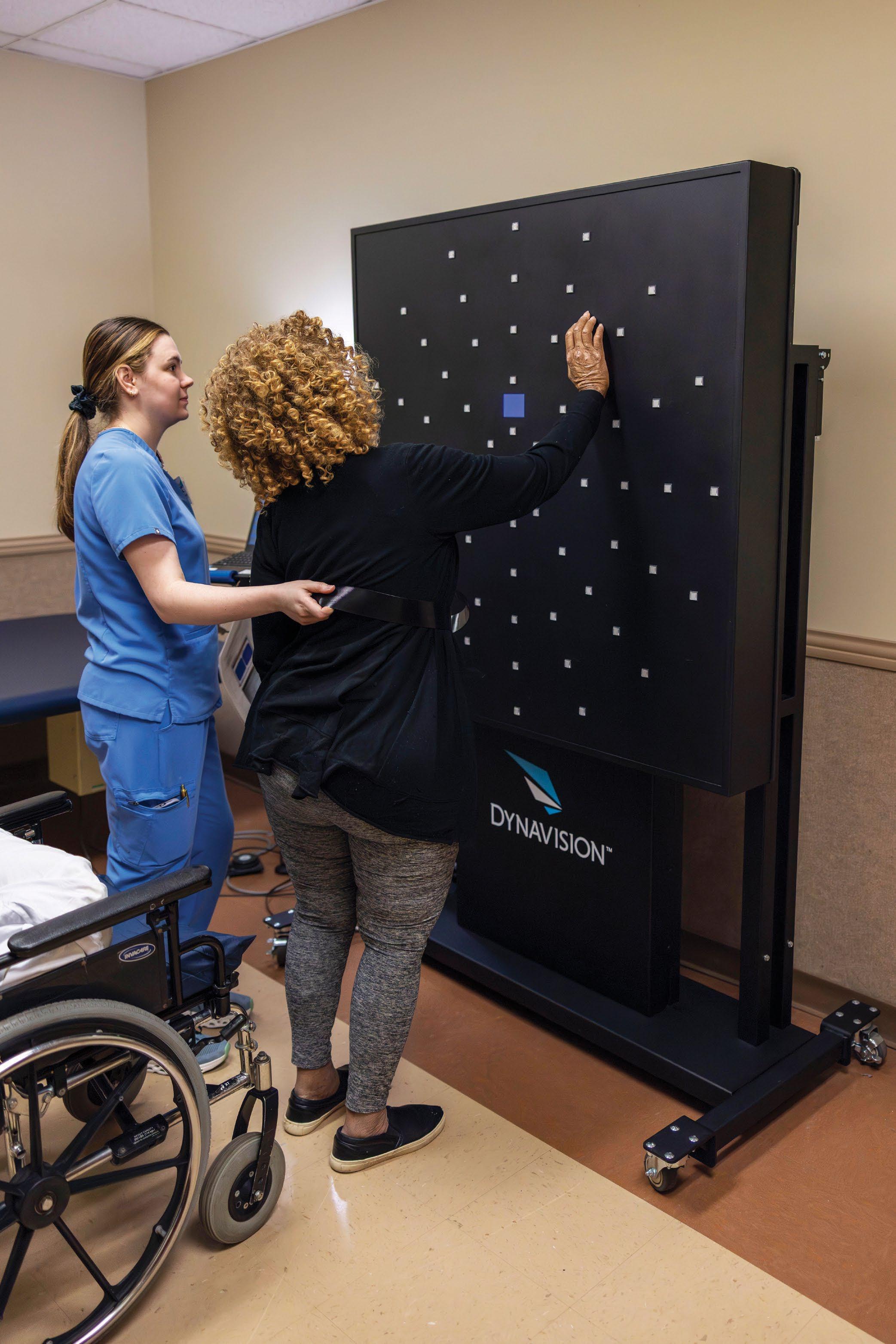
“At Siskin Hospital, the Dynavision D2 is integrated into therapy sessions to target realworld recovery goals. Clinicians use the interactive light board to retrain visual scanning, reaction speed, and cognitive processing in patients recovering from a stroke, brain injury, and other neurologic conditions. By tailoring its modes to each individual patient, therapists deliver engaging, measurable interventions that support functional independence and a safe transition back to daily life.”
Samantha Jakubiszak, OTR/L, CPAM
Inpatient
Occupational Therapist, Siskin Hospital for Physical Rehabilitation
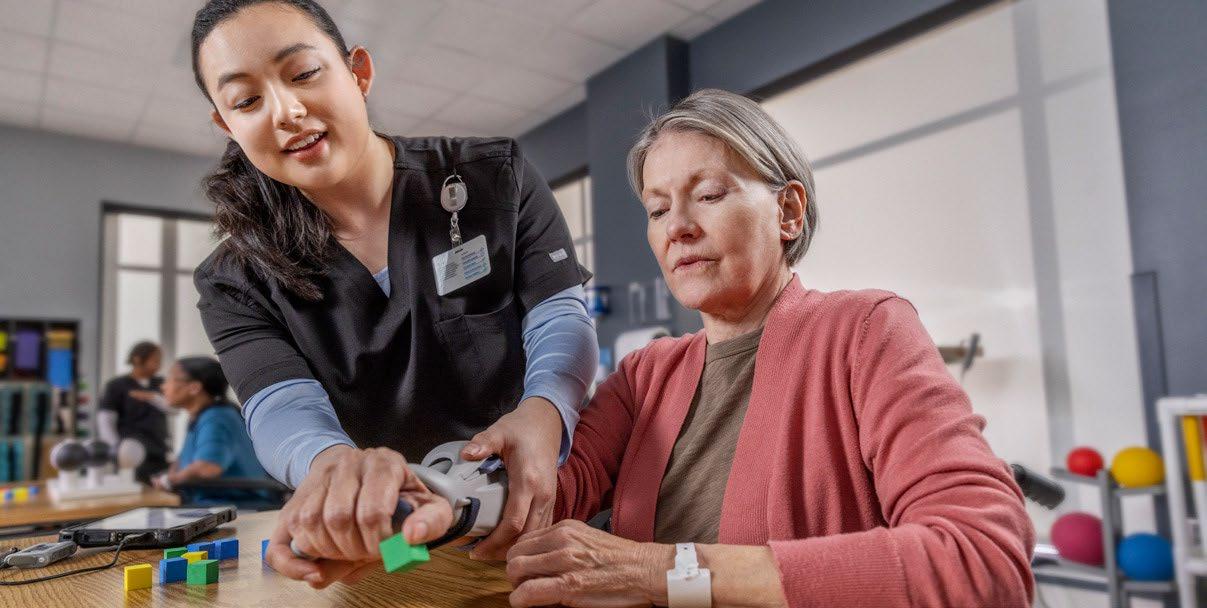
Dynavision D2
This multisensory light board is a versatile tool for rehabilitation.
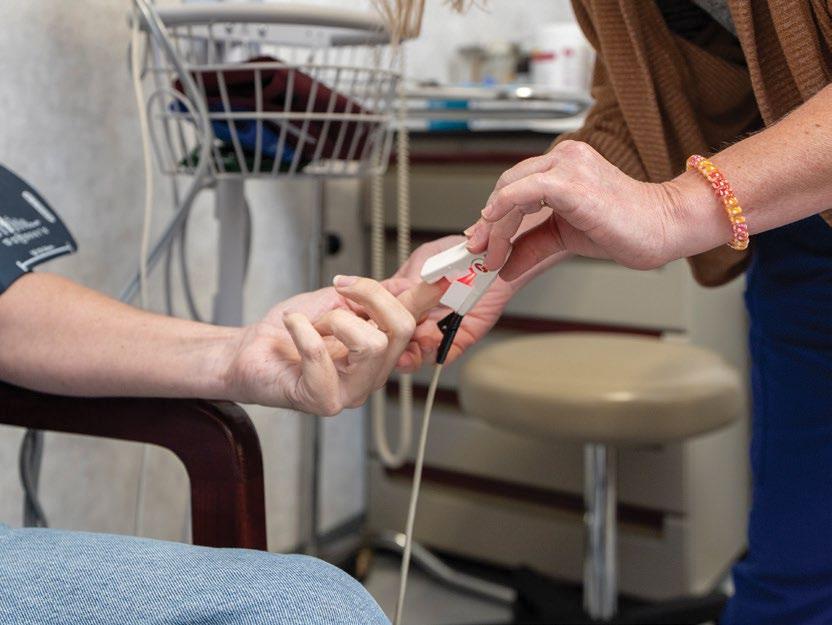
New and innovative systems are accelerating outcomes for physical rehabilitation patients, including Dynavision D2, a multisensory, interactive light board. By recording and evaluating the user’s reaction to light, this advanced FDA-approved device can help train visual, motor, and cognitive skills – providing practitioners with a comprehensive rehabilitative approach.
Dynavision D2 can address a range of impairments caused by neurological injuries such as stroke and traumatic brain injury (TBI). It can accommodate different ages and abilities, and its versatile programming makes it suitable for a wide variety of uses, from occupational and physical therapy to neurology and athletics. Its adjustable settings include board height and the speed, frequency, and location of light activations.
How Does It Work?
Patients sit or stand in front of the large computerized light board, which features 64 raised LED buttons that cover their field of view. They then press these buttons as they light up as quickly as they can, hearing a beep each time one is pressed. This combination of visual, auditory, and tactile feedback trains key sensory-motor skills as the patient engages with the device. A practitioner will observe and customize the exercises in real-time as needed to target specific training areas.
The Benefits of Dynavision D2
Dynavision D2 can help improve:
• Hand-eye coordination
• Peripheral awareness
• Depth perception
• Reaction times
• Cognitive processing
• Spatial awareness
• Fine motor skills
• Concentration and focus
• Balance
Mohs Surgery
This surgical technique is a highly effective treatment option for skin cancer.
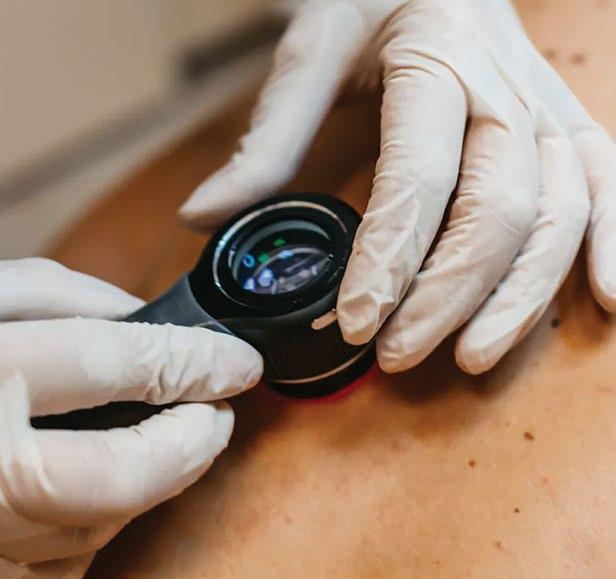
Skin cancer is the most common type of cancer in the United States, caused primarily by overexposure to ultraviolet (UV) radiation from the sun or tanning beds. Basal cell carcinoma (BCC), squamous cell carcinoma (SCC), and melanoma are the three most common types of skin cancer and are highly treatable when caught early.
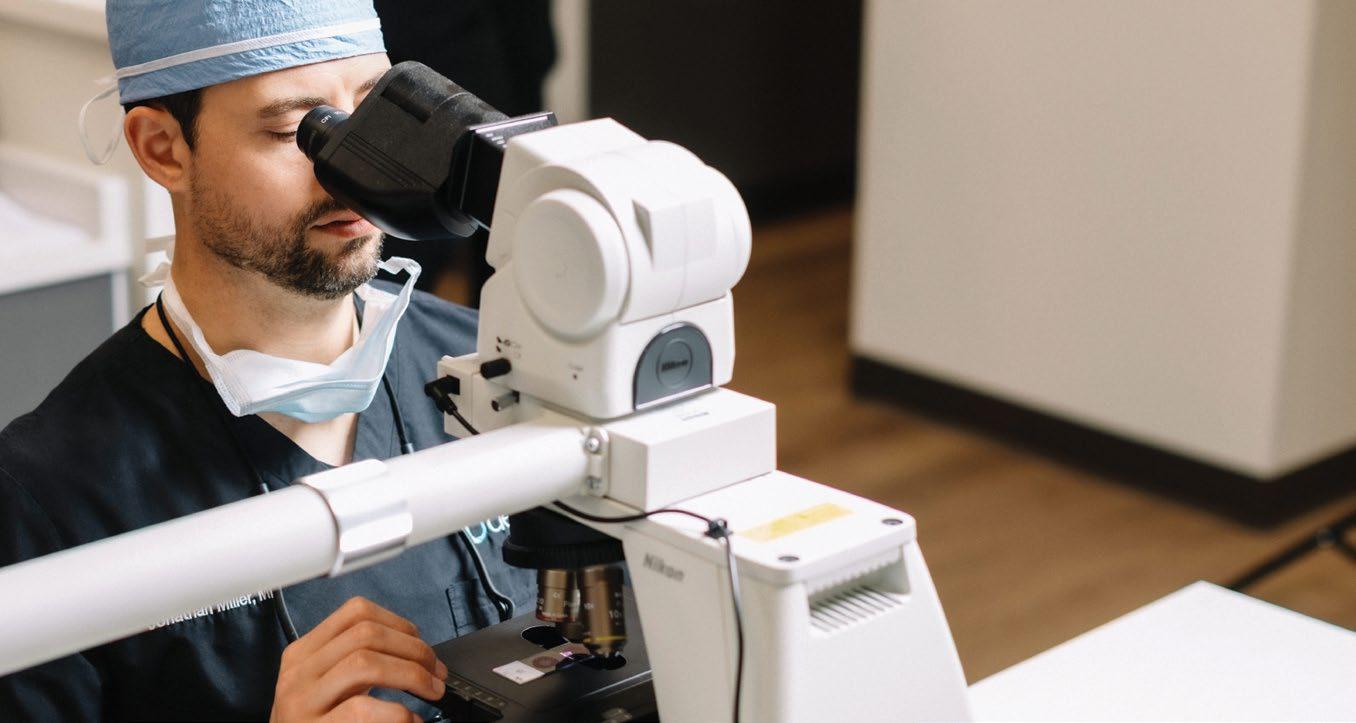
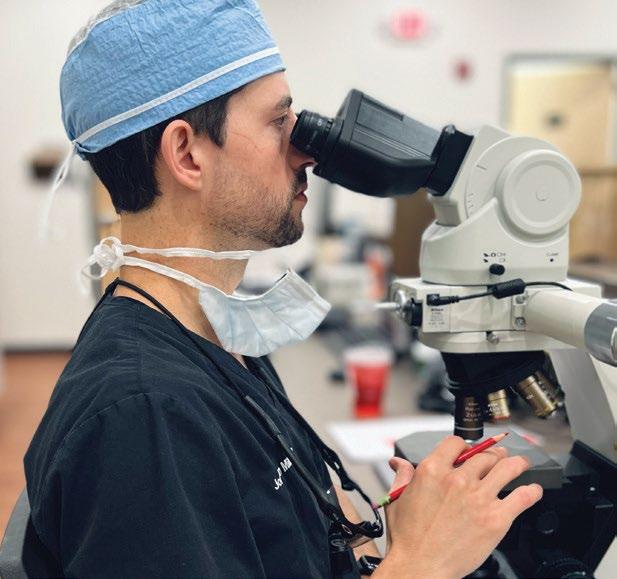
Mohs micrographic surgery is a specialized surgical technique for the treatment of skin cancer that involves removing and examining layers of skin until only cancer-free tissue remains. It is the only specialty in medicine where the surgeon is also the pathologist, and it is considered the most effective treatment for BCC and SCC. An advanced technique called immunostaining has made it possible to also treat melanomas using Mohs surgery.
How Does It Work?
During Mohs surgery, patients remain awake and receive local anesthesia to numb the operative
site. The surgeon will then remove a thin layer of the skin and thoroughly examine it under a microscope, repeating this step until the cancer is completely removed. Afterward, the removal site will be reconstructed during the same appointment. Surgery typically takes two to three hours, with the patient spending the majority of this time waiting comfortably in a room while the tissue is prepared for analysis.
The Benefits of Mohs Surgery
Mohs surgery offers the highest cure rates among skin cancer treatments and minimizes the risk of recurrence. According to the Skin Cancer Foundation, it can effectively cure up to 99% of skin cancers that haven’t been treated before and 94% that have returned after initial treatment. It also spares healthy tissue and leaves the smallest possible scar. Both surgery and reconstruction take place in a single, outpatient visit, and most patients can return to work the next day.
An Expert Weighs In
“Although a sophisticated skin cancer treatment, the goals of Mohs surgery are simple: keep you comfortable, get the cancer out, and leave you with the least amount of scarring. After performing thousands of Mohs surgeries and complex reconstructions, our team at Uderm is setting the bar for the highest quality skin cancer therapies.”
Jonathan Miller, MD, FACMS, FAAD Dermatologist and Mohs Surgeon, Uderm
An Expert Weighs In
“I turned to red light therapy after an injury, expecting it to reduce inflammation and speed healing. What I didn’t expect was how profoundly it would impact my overall wellness. Beyond the surface-level benefits, I experienced deeper recovery, improved energy, and a noticeable shift in how my body functioned as a whole. It changed my view of red light therapy from a cosmetic treatment to a powerful tool for systemic, cellular health.”
Amanda Bush Guest Experience Coordinator, Designer Drugs Labs
Prism Light Pod
This full-body red light technology is touted for its wide range of benefits.
Red light therapy is an emerging treatment being used to promote physical healing and regeneration. It works by delivering low levels of red or near-infrared light that penetrate the skin and stimulate the cells to produce more energy. This improved cellular function is associated with faster recovery, reduced inflammation, and improved skin health, among other benefits. Unlike ultraviolet (UV) light from the sun, red light does not damage the skin barrier. Recent advancements have made red light therapy more effective and accessible than before. These include the Prism Light Pod, an advanced solution that provides wholebody therapy and a deeper light delivery than other options in the industry.
How Does It Work?
When receiving red light therapy with the Prism Light Pod, patients simply lay comfortably inside the pod while over 17,000 LED lights deliver therapy to their entire body. Treatment is noninvasive and painless, and each session typically lasts 15 minutes. For the best results, consistent sessions are recommended.
The Benefits of the Prism Light Pod
The benefits of red light therapy with the Prism Light Pod may include:
• Sports recovery. Red light may help reduce soreness after exertion and promote muscle recovery.
• Pain management. By improving blood circulation and reducing inflammation, it can help alleviate pain, including chronic pain caused by conditions such as arthritis.
• Wound healing. Red light helps accelerate the body’s natural healing process, promoting tissue repair.
• Rejuvenated skin. By promoting collagen production, it can help reduce wrinkles, fine lines, pigmentation, and scars.
• Improved sleep. Red light may help regulate melatonin production, enhancing sleep quality and benefiting mental well-being.
• Hair growth. It is also used to combat hair loss and promote thicker, healthier hair by stimulating the hair follicles.
VenaSeal
This minimally invasive procedure can treat diseased veins.
Chronic venous insufficiency (CVI) is a form of venous disease that occurs when the valves in the leg veins stop working properly, allowing blood to pool in the lower legs rather than flowing to the heart. This can cause symptoms such as aching or pain, swelling, heaviness, restlessness, and varicose veins. According to the Cleveland Clinic, CVI affects 1 in 20 adults, primarily those over 50. Traditionally, diseased veins are sealed off with heat through a process called thermal ablation, however advances in technology have provided a new, nonthermal alternative. VenaSeal by Medtronic is an innovative, FDA-approved closure system that uses a specially formulated medical adhesive to close the affected vein, redirecting blood flow to healthy veins and relieving symptoms.
How Does It Work?
VenaSeal is a minimally invasive, outpatient procedure that involves
little to no discomfort. First, the site where the vein will be accessed is numbed using local anesthetic. A catheter is then inserted into the leg through a small access site, guided by ultrasound imaging, where it will deliver medical adhesive to the diseased vein. Light external pressure is then applied to adhere the vein walls together, effectively sealing off the vein. The catheter is then removed, and the procedure is complete. Patients are able to return to normal activities the same or next day.
The Benefits of VenaSeal
VenaSeal offers lasting results, with one study reporting a 94.6% closure rate at five years following the procedure. Compared to thermal ablation, it offers a faster recovery time, reduced need for anesthesia, less discomfort, only one needle stick, and no requirement for compression socks following treatment.
An Expert Weighs In
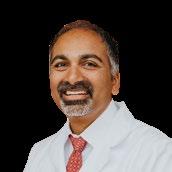
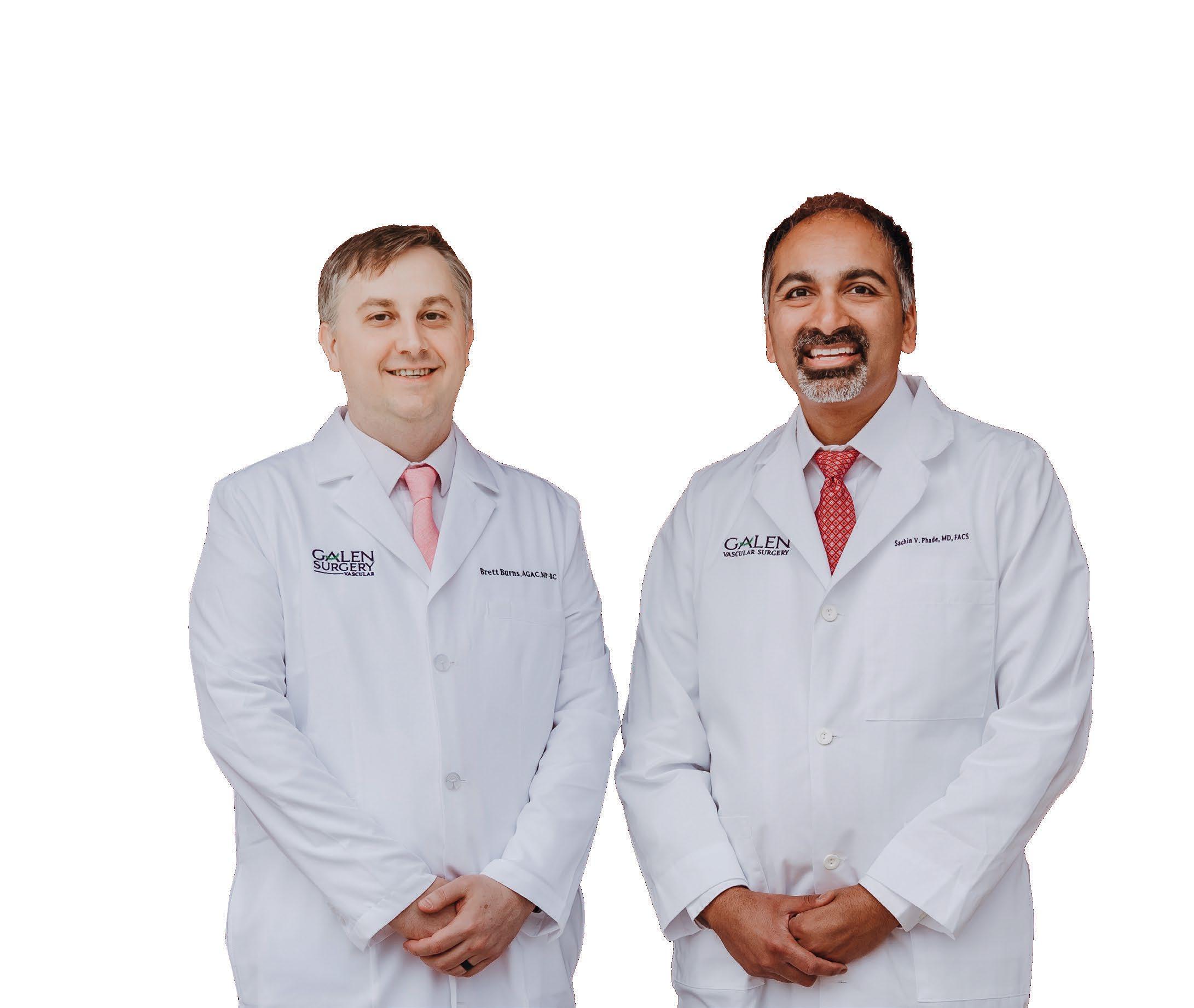
“Galen Vascular has redefined vein treatment with VenaSeal by eliminating heat-based methods like laser or radiofrequency ablation. There’s no risk of burn injury, the procedure is more comfortable, and there’s no need for compression stockings afterwards! While some methods require multiple sessions, VenaSeal often treats the full leg at once. Patients walk out of an office-based procedure and can return to normalcy the same day. It’s a modern, efficient path to healthy legs.”
Sachin Phade, MD, FACS, RPVI
Vascular Surgeon, Galen Vascular Surgery
Care you can trust
Galen offers vascular care that’s precise, personal and purposeful.
Aching, heaviness, swelling, or visible veins in your legs aren’t just something to brush aside. They can be signs of underlying vascular conditions like chronic venous insufficiency or deep vein thrombosis. With onsite vascular sonography, we’re able to evaluate circulation with precision and create personalized treatment plans tailored to your needs.
“In the clinical setting, fNIRS provides an objective window into brain function, helping guide treatment decisions beyond trial-anderror. In research, it offers a scalable, realworld tool to study how patients respond to interventions like TMS and ketamine. fNIRS represents a shift from descriptive psychiatry to functional psychiatry, allowing us to measure how the brain engages, regulates, and recovers – bringing precision and personalization into mental health care.”
This brain imaging technology is an alternative to fMRIs.
Functional near-infrared spectroscopy (fNIRS) is a noninvasive brain imaging technology that uses near-infrared light to measure brain activity in the prefrontal cortex. This increasingly popular method offers a portable alternative to functional magnetic resonance imaging (fMRI) alongside other benefits.
Innovative fNIRS systems such as the OBELAB NIRSIT are being utilized in psychiatric and neurological care to track and assess changes in brain activity during cognitive tasks and treatment. This portable, high-resolution device features 48 channels and can check for signs of cognitive impairment or improvement related to a neurological disorder or injury, certain psychological conditions such as depression or PTSD, and general well-being. fNIRS is often used in combination with other assessment tools.
How Does It Work?
NIRSIT is a safe and easy-to-use system. Patients simply wear the imaging device around their head, which monitors their brain activity as they sit comfortably or perform certain activities. Auditory or visual stimuli may be introduced to see how the brain responds. A provider will be present and receive this real-time information, helping inform a personalized treatment plan.
The Benefits of fNIRS
By monitoring brain activity in real time, fNIRS can provide valuable insight on a patient’s cognitive activity, and it offers several advantages compared to an fMRI. While an fMRI is loud and requires patients to remain completely still, an fNIRS operates silently, and patients can talk and move naturally during the imaging process. It is also less expensive, making it cost-effective to conduct repeated measurements.
Functional Brain Imaging
Non-Invasive Brain Mapping
The Nashville Brain Institute leads the way in the U.S. with its use of Functional Near-Infrared Spectroscopy (fNIRS), a non-invasive, cuttingedge technology that provides insights into brain function during executive tasks and how it responds to treatment. Ideal for a variety of applications such as concussions, depression and PTSD, neuro-rehabilitation and education.
• EASY TO USE
• ACCURATE
• PORTABLE
• HIGH DENSITY IMAGING
An Expert Weighs In
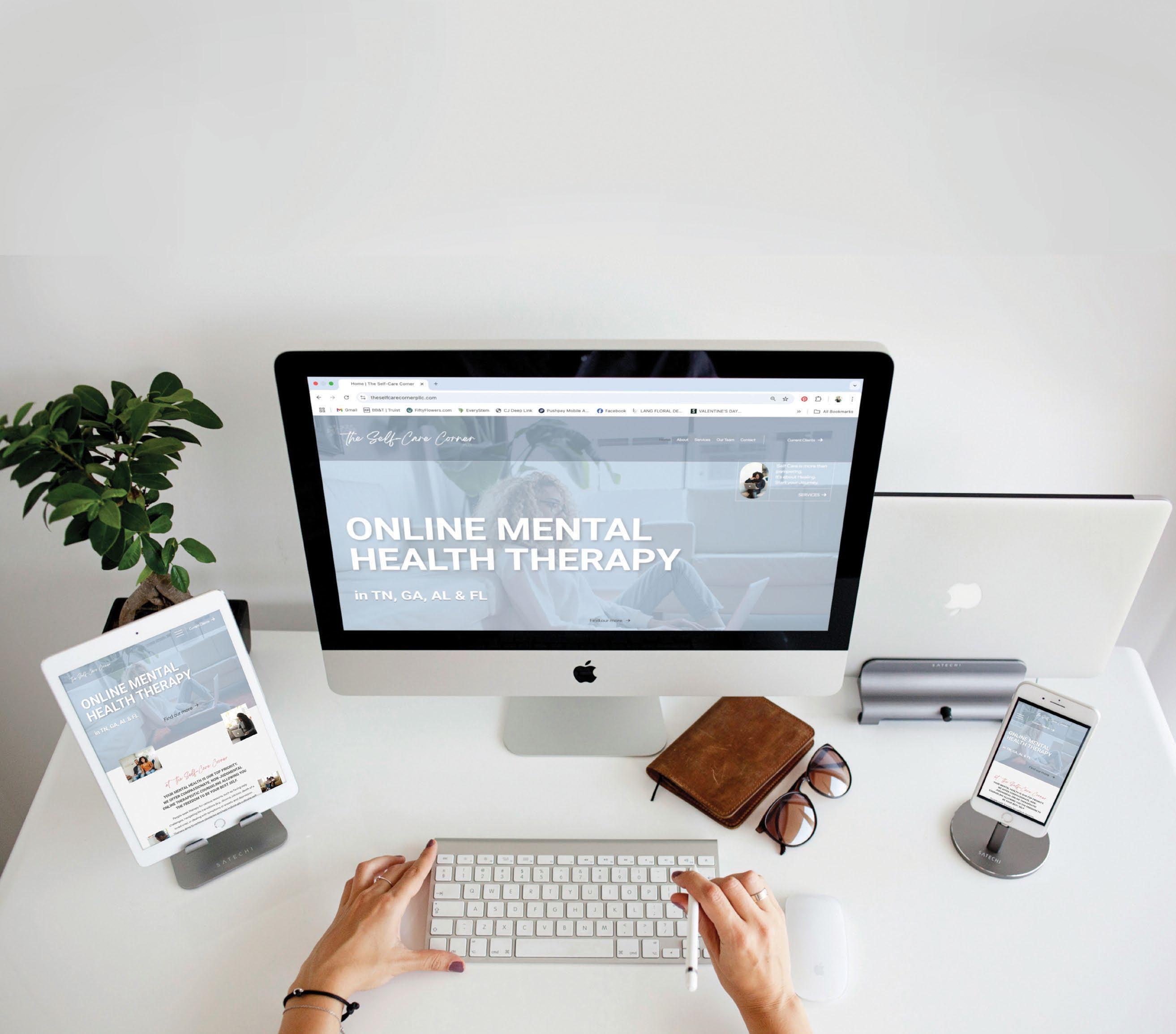
“Virtual therapy has fundamentally changed who we can reach. Many of our clients –especially teens and couples – would not have sought care in a traditional office setting. By meeting them in a space they already inhabit and trust, we’re able to build genuine, therapeutic relationships and achieve real, lasting outcomes. The technology is simply the door; what happens inside is still deeply human work.”
Latoya McLeod-Carpenter, CTRS, LCSW
Licensed Clinical Social Worker and Founder, The Self-Care Corner, PLLC
Virtual Therapy
Telehealth is expanding access to mental health care.
Virtual therapy, also known as teletherapy, has emerged as a new option for mental health care. By allowing patients to access sessions online, virtual therapy removes barriers that have traditionally prevented access to care – such as location, scheduling conflicts, transportation limitations, and social stigma – and makes it easier to implement therapy into a busy lifestyle. It can treat a range of conditions, including anxiety, depression, and stress-related disorders, and benefit adolescents navigating academic and social pressures; adults managing life transitions; couples working through relationship challenges; and families seeking support.
How Does It Work?
Virtual therapy takes place online via a device such as a computer, laptop, or smartphone. Sessions are secure and private and conducted on encrypted, HIPAAcompliant video platforms. A licensed therapist will work collaboratively with you to establish treatment goals, build coping strategies, and support long-term emotional health.
The Benefits of Virtual Therapy
• Effective. Research shows that the virtual format is comparable to traditional, in-person therapy at providing effective care for many mental health conditions.
• Convenient. Virtual therapy eliminates time spent traveling and in a waiting room, making it easier to fit therapy into a busy schedule.
• Accessible. Mental health care is made possible for individuals with physical limitations or those living in remote or rural areas where in-person options are limited or require long travel times.
• Comfortable. Patients can receive care from the comfort of their own homes, making therapy less intimidating for those concerned about stigma.
• Flexible. Virtual therapy offers quicker, easier scheduling and greater flexibility, allowing patients to attend sessions while traveling or away from home.
• Consistent. These benefits encourage regular, consistent care, supporting positive mental health outcomes.
An Expert Weighs In
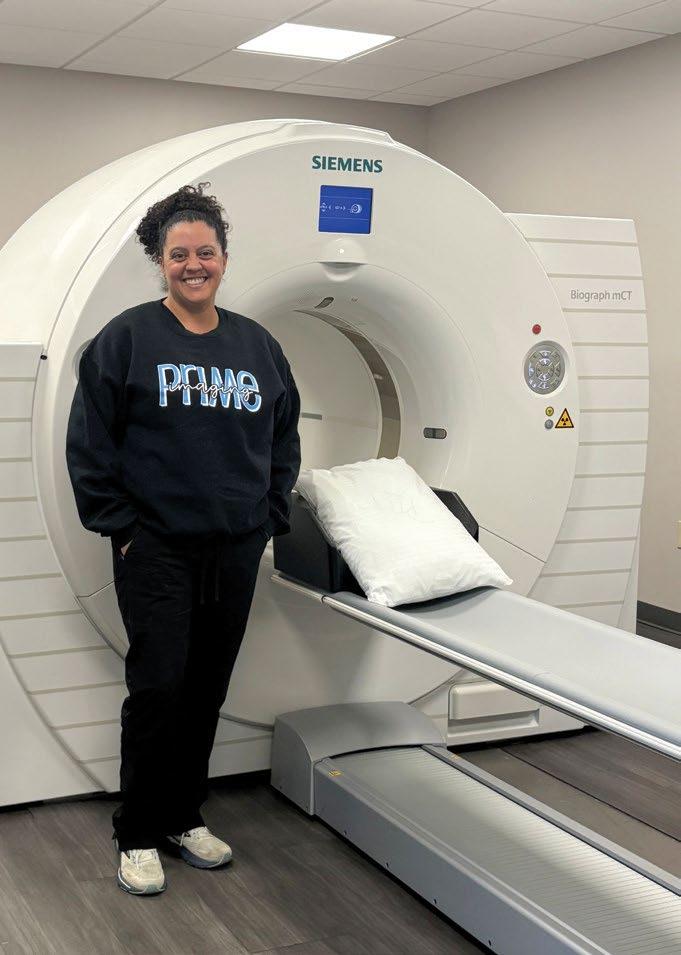
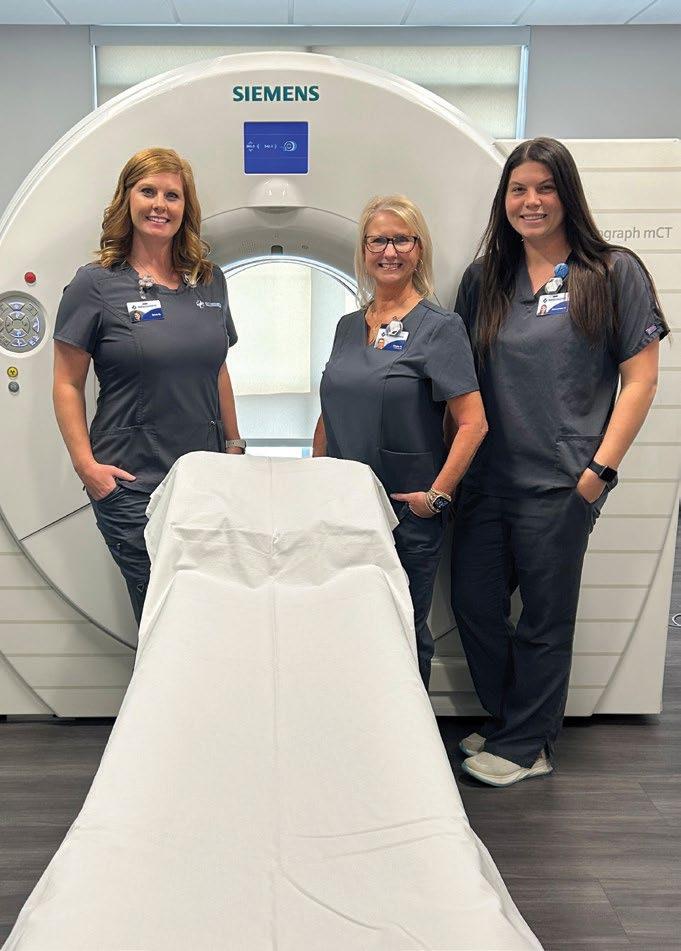
“PET scans play a vital role in modern medical imaging by enabling early and precise detection of diseases such as cancer, heart conditions, and neurological disorders. By highlighting abnormal cellular activity, they provide insights that other imaging methods may miss. This leads to more accurate diagnoses, personalized treatment planning, and effective monitoring of therapy, ultimately improving patient outcomes and supporting more proactive, targeted healthcare.”
Garth McPherson, MD Radiologist and Medical Director, Prime Imaging
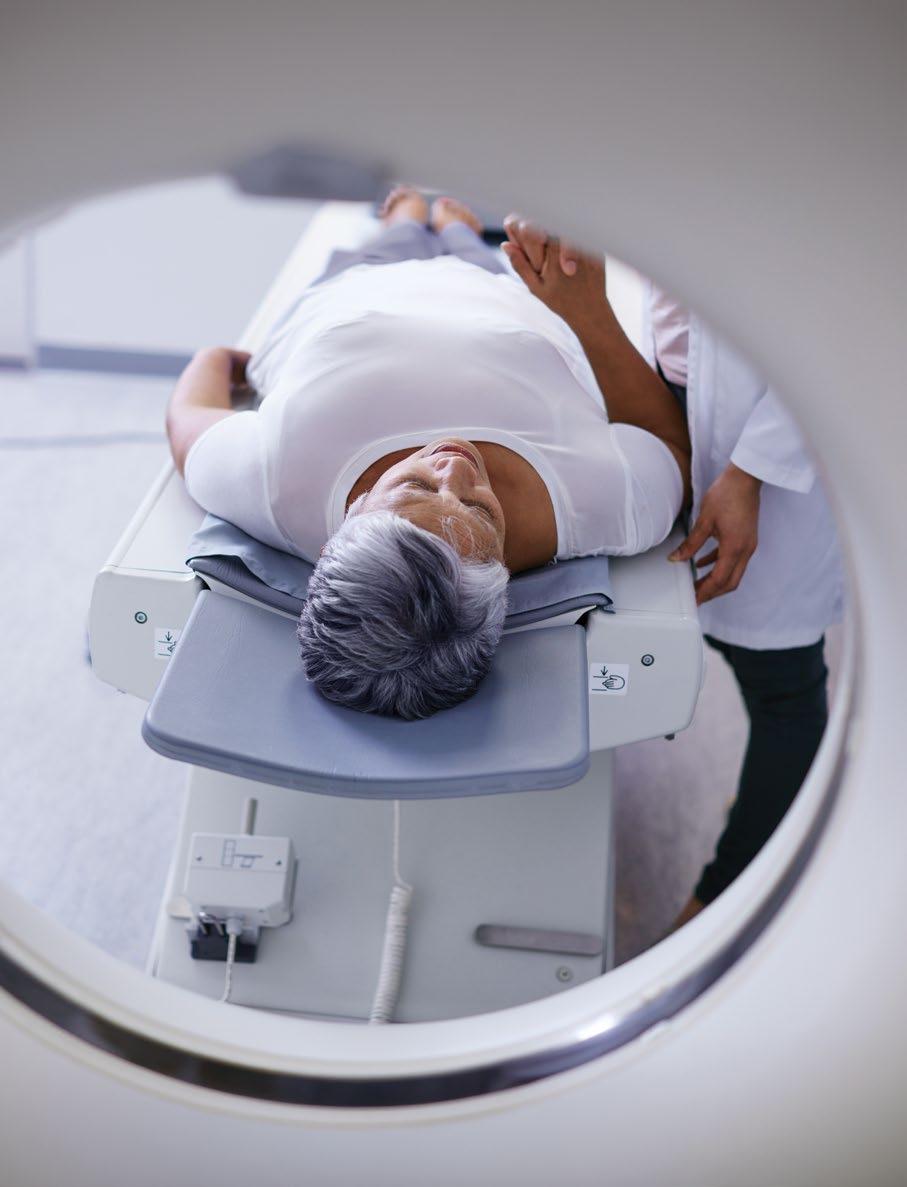
PET Scans
This advanced imaging test can help detect disease in its earliest stages.
A positron emission tomography (PET) scan is an imaging test used to detect and monitor signs of cancer, heart disease, and brain disorders such as Alzheimer’s disease. It utilizes a small and safe amount of a radioactive chemical called a radiotracer, which is administered through an IV. Because diseased cells absorb more of the radiotracer than healthy ones, the radiotracer becomes concentrated in the areas of the body where disease is present. A scanner then detects this radiation and produces images of the affected organs and tissue – pinpointing the presence and location of disease. PET scans are sometimes used in combination with computed tomography (CT) scans, referred to as a PET-CT.
How Does It Work?
First, you will receive an IV injection of the radiotracer and rest for 30 minutes to an hour while it is absorbed. You will then lie down on a padded table, which will slide through the PET scanner – a large, round machine – as it takes images. This process takes around 30 minutes and is painless. Afterward, a radiologist will review the scans and report their findings to your healthcare team. PET scans are typically an outpatient procedure, allowing you to return home the same day.
The Benefits of PET Scans
PET scans are a highly effective method of detecting cancer and other diseases in their earliest stages and can catch disease before it shows up on other imaging tests, such as a CT or MRI scan. The results of a PET scan help inform providers in developing an accurate, detailed diagnosis and personalized plan and assess the effectiveness of treatment.
Olivia Reeves
Photo by Hacker Medias
Chattanooga local Olivia Reeves has continually made history as a competitive weightlifter, from breaking world records to winning a gold medal at the 2024 Summer Olympics in Paris. Here, Reeves shares the practices and perspectives that drive her as she pursues a master’s degree and trains for future competitions.
Can you tell us a little about yourself?
My parents owned a CrossFit gym from 2012-2019, where I was exposed to everything fitness and health related. My original goal at 12 years old was to make it to the CrossFit Games, but that changed in 2015 when I found Olympic Weightlifting, which I became even more drawn to after I competed at Youth Nationals in 2016. I have been coached by Steve Fauer at Tennessee Speed and Strength since the beginning and now going on 11 years. I am forever grateful to have found someone with so much experience and knowledge about the sport of Olympic Weightlifting in the Chattanooga area. I am currently training for the start of the qualification process to the LA 2028 Olympic Games, which will start in November of this year in Ningbo, China, at the 2026 IWF Senior World Championships.
What is your approach to wellness? How has that changed over time?
My approach to wellness has shifted as the intensity and trajectory of my athletic career has changed. I view wellness and selfcare as necessities in the upkeep of my physical, emotional, and mental well-being. This includes making time to hang out with friends, read, or be outside with my dog. I feel more strongly about maintaining my balance between training, school, and
a social life, as it can be very isolating if I lean too much on weightlifting.
What are the traits you most value in yourself?
I value my consistency, discipline, and confidence on and off the competition platform. I have been in the gym a minimum of 3x a week for the first six years of my career and 4x a week since then. Having this consistent routine has allowed me to pursue schooling and have a more balanced approach to developing life skills necessary for after the heights of my athletic career. After so long, this sport has undoubtedly allowed me to become more secure and confident in myself and my approach towards being healthy. I think it is important to acknowledge that there should be more emphasis on what your body can achieve and its capabilities than what it looks like. There is no one body type that fits the need for every sport; therefore, there should be more representation of strength-based sports and the variation that comes with that.
What are some of your current goals?
The largest current goal is to qualify for the LA 2028 Olympic games in the next 16 months. In this time, I have some personal bests to try and outdo – for example, I am chasing the heaviest snatch by any American woman
at 129kg, a 160kg clean and jerk, and a few world records in the 69kg and 77kg weight classes. In looking to tackle these goals, I plan on keeping my approach the same as I have for the past 10 years. In terms of academics, I want to complete my Master of Public Health (MPH) just before LA 2028 in hopes of finding a career in addressing the social determinants of health in sports.
What do you find the most rewarding?
I find the ability to push myself to see just how far I can move the needle of weightlifting very rewarding. Setting goals that have never been done before by an American woman in this sport feels surreal. The longer I am in the sport, the more I hope to see how this impacts the limits and expectations placed on women’s weightlifting. I just hope I can set the bar high enough for someone else to move it even higher and encourage them to do so.
Is there anything you’d like to add?
I am always appreciative of my coach, Steve Fauer, and all the sacrifices made on his end to continue to encourage not just myself but others into the sport. I am thankful for my family, especially my parents; without their start in the CrossFit world, it is unlikely I would have found this sport at a young age.
What’s the best advice you’ve ever received?
Enjoy what you do and you’ll never work a day in your life. Even though this is technically my job and source of income now, it still never feels like work. I genuinely enjoy the process and believe I would still be lifting in some capacity regardless of if I made it to this level of sport.
Examples of Generational Wealth:
Financial wealth (money, savings, investments)
Building Generational Wealth 101
By Abby Callahan
Most people want to gift their loved ones with financial security and stability, but the idea of building generational wealth may be intimidating at first. According to the Department of Financial Protection & Innovation, there are five key strategies to begin establishing a healthy wealth portfolio:
1. Pay off debts. Map out current finances and create a budget/payment plan to pay off credit cards and personal, car, or student loans to avoid additional interest costs.
2. Buy a house. An inherited home prevents the need for loved ones to rent, lease, or secure a full-price mortgage. Also, the value of a home often increases over time and builds equity.
3. Begin long-term investing. Long-term investments generate interest over several years – even decades – and compound growth. They are also often taxed at lower rates than short-term investments.
4. Pass on financial wisdom. Teaching your children how to responsibly handle finances is just as important as creating generational wealth. Share your knowledge about budgeting, investing, etc. early on for their future success.
5. Create a wealth transfer plan. Having a clear succession plan in place prevents expensive probate cases for your loved ones and ensures your hard-earned investments go directly to them.
With a developed wealth portfolio in place, the wealth transfer plan is crucial for protecting the generational wealth you have created. For wealth transferring, experts recommend first cataloging your assets and liabilities and considering which beneficiaries will receive what, then creating wills or trust funds for each, completing all legal documentation for each, and updating your plan every three to five years or as circumstances change.
Assets (house, real estate, collectables, precious metals/gems)
JOIN the AUSTIN HATCHER FOUNDATION for its 5th ANNUAL GOLF TOURNAMENT
18, 2026
Presented by Material Handling Inc. THE FARM GOLF CLUB
LIMITED FOURSOMES & SPONSORSHIPS AVAILABLE hatcherfoundation.org/golf
Stacking Skincare
By Kristen Dee
As multi-step skincare routines have gained popularity, it’s important to know what order to put on your skincare products and how to avoid damaging your skin barrier with too many active ingredients. Read on for tips and tricks for skincare stacking.
Back to the Basics
Healthy skin doesn’t have to be complicated. Most dermatologists recommend starting with a simple, three-step skincare routine to support and protect facial skin and its barrier. First, start with a gentle cleanser meant for your skin type. After cleansing, apply a moisturizer or serum, followed by sunscreen in the morning. When possible, allow sunscreen to dry and absorb for several minutes before putting makeup on top.
Order of Importance
If you have the basics down and are looking to add additional products into your routine, such as a retinoid to fight signs of aging, an eye cream to reduce puffiness, or a toner to control breakouts, it’s important to stack skincare in the right order to maximize its effectiveness.
If you’re unsure about your current skincare routine, overwhelmed by options, or just looking for additional advice, a licensed aesthetician can help you reach your skincare goals and a dermatologist can address any major skin concerns.
A general rule of thumb is to apply products thinnest to thickest. Skincare experts generally recommend this order:
1. Cleanser
2. Toner
3. Serum
4. Eye cream
5. Moisturizer
6. Sunscreen with SPF 50 or higher
1. Cleanser
2. Retinoid
3. Eye cream
4. Moisturizer or night cream
Pro Tip: When trying new products, incorporate one at a time. Many skincare experts recommend doing a skin test first, where you put a small amount of product on one area to see how your skin reacts before applying it elsewhere. If your skin is irritated from a product, stop using it and stick to a simple routine until your skin recovers.
S ECTION
Highly skilled and compassionate, there is a lot to know about the surgeons, nurse practitioners, nurse injectors, licensed aestheticians, and other professionals who have dedicated much of their lives to serving their clients.
What follows are a selection of our area’s most accomplished cosmetic professionals who are serving their clients with exceptional quality services.
SPECIAL
Beautifully You!
A Purposeful Practice
Jimmy Waldrop, MD, FACS
ERLANGER PLASTIC AND RECONSTRUCTIVE SURGERY
Equipped with a medical degree and 17 years of experience, board-certified plastic and reconstructive surgeon Dr. Jimmy Waldrop provides compassionate and personalized care to patients at Erlanger Plastic and Reconstructive Surgery. His expertise includes cosmetic surgery, such as facial aesthetic surgery and breast augmentation, as well as complex reconstructive surgery, and he is actively involved in the education and training of plastic surgery residents. Passionate about his career path, Dr. Waldrop says the most rewarding part of his work is helping patients feel comfortable and confident in their results.
Dr. Waldrop is truly amazing – he completely transformed not just my appearance, but my confidence too. After surgery, my self-esteem has never been higher, and I finally feel like the best version of myself.”
1
2
What would you consider to be your main strengths?
My ability to combine compassion with technical precision. My training in both general and plastic surgery – along with fellowship experience in critical care and trauma – has given me a deep understanding of both the functional and aesthetic aspects of surgery.
What is your philosophy when it comes to the care of your clients?
My philosophy is centered on delivering individualized, ethical, and highly attentive care. I treat every patient as if they were a member of my own family – ensuring they feel heard, respected, and fully informed.
3
How do you choose the right procedure for your clients?
Selecting the right procedure begins with a thorough and thoughtful consultation. I take time to understand the patient’s concerns, desired outcome, lifestyle, and long-term goals. My goal is always to recommend the least invasive approach that will still achieve the best, most natural-looking results. No procedure is one size fits all; each plan is truly tailored to the individual.
4
5
What’s the key to making a great first impression?
Kindness paired with genuine presence. Patients should feel welcomed, valued, and understood from the moment they walk into the office. In aesthetic medicine, trust is essential –patients are placing both their safety and their appearance in your hands.
What is your best advice for clients?
Ask as many questions as you need – this is your body, your face, and your outcome. A clear understanding of what to expect before, during, and after surgery is essential for achieving results that align with your vision. Open communication leads to better planning, smoother recovery, and ultimately the best long-term results.
Experience Meets Passion
Daisy Tucker, LA
CENTER MEDSPA
1
With 17 years of experience in medical aesthetics, Daisy Tucker brings both expertise and passion to her role as clinical director and lead aesthetician at Center Medspa. Tucker ensures her clients’ wants and needs are met, approaching skin like fitness.
“I always say, ‘indulge in results.’ We offer so many options that deliver both great results and healthy skin. I compare my skincare plans to an exercise plan where we are regularly working on skin fitness,” she shares. For all her clients, Tucker emphasizes “happy and positive experiences in which I meet them wherever they are most comfortable.”
2
What would you consider to be your main strengths?
My experience, as I have been in this industry for 17 years. I also meet my clients where they are and curate my services to best fit their needs. It’s about developing trust.
How do you develop a plan for each client?
I like to develop a long-term plan as part of a healthy skin lifestyle. I customize treatments over a year, starting with what directly addresses the primary concerns and then curating a maintenance plan that keeps momentum in collagen building, skin health, and, of course, results.
3
4
In the past few years, Daisy has helped tremendously to improve the appearance and texture of my sensitive and aging skin. She starts with a mild approach for new procedures, checks on me afterwards, and always asks for feedback on how my skin reacted. Thanks to Daisy, I have healthier skin.” - Teresa R.
5
What’s the key to making a great first impression?
To be genuine and have my clients’ best interests at heart, and always make them feel welcome.
What is one of your happiest professional moments?
I have many happy moments from seeing clients grow from high school to college to their careers, having industry professionals on my table because they trust in my services, and meeting new faces and starting new skincare journeys. These relationships are the heart of what makes me so happy in this profession.
What’s the most rewarding part of your profession?
Happy, healthy faces! Hearing that my clients love their results and can’t wait to come back and ask “what’s next?”
Best-Dressed Guest
SPRING EDITION
A Guide to Wedding Dress Codes for Women
Wondering what to wear to a spring wedding? Here, we decode the most common dress codes and share seasonal tips for staying comfortable and stylish while celebrating during springtime.
By Rachel Studebaker
BLACK TIE AND FORMAL
While the former requires a tuxedo for men, both black tie and formal –also known as black-tie optional – weddings involve elevated evening attire for women.
What to wear?
A floor-length gown in a sophisticated, solidcolored fabric such as silk, satin, chiffon, or velvet with heels.
Tips for Springtime Styling
COCKTAIL
The cocktail dress code strikes a balance between formal and casual, providing more freedom for festive styling while still keeping things sophisticated.
What to wear?
A knee-length, tea, or midi dress in a seasonal color or print with heels or formal flats.
SEMI-FORMAL
Sometimes referred to as “dressy casual,” this dress code is a popular pick for daytime weddings and involves attire that is simple and refined, but not nearly as fancy as a formal dress code.
What to wear?
A midi dress or sophisticated top and skirt in a seasonal color or print with heels or flats.
CASUAL
Typically reserved for outdoor and destination weddings, a casual dress code still involves dressing up, but is the most relaxed option.
What to wear?
A sundress or midi dress suited to the destination. If you’re at the beach, be sure to wear sandals or wedges for walking in the sand.
• Opt for lightweight, breathable fabrics such as silk, satin, cotton, or linen, especially if attending an outdoor wedding.
• Spring weather can be unpredictable, so be sure to check the forecast and come prepared with a cardigan or umbrella if cooler temperatures or rain are predicted.
• To stay in style for the season, choose springtime colors and prints such as pastels and florals. Following classic wedding etiquette, avoid wearing white or anything similar.
• Pay attention to when the wedding takes place. Daytime events tend to be more relaxed with lighter color palettes, while those in the evening are more refined and glamorous.
Nerves of Steel How to Stimulate the Vagus Nerve
By Ali Lemmons
When it comes to managing stress and anxiety, the body has a built-in tool designed to help you reset. The vagus nerve plays a key role in calming the nervous system, making it an important focus for those seeking natural ways to address anxiety and promote overall well-being.
What Is the Vagus Nerve?
The longest cranial nerve in the body, the vagus nerve, is also one of the most important. In fact, there are two vagal nerves – one on each side of the body – running all the way from the brain to the large intestine. Together, they carry signals between your brain, heart, and digestive system, and they also play a key role in your parasympathetic nervous system, supporting the body’s “rest-and-digest” response and counteracting the “fight-orflight” state associated with stress.
How Stimulation Helps
While vagus nerve stimulation (VNS) is a clinical treatment, similar results can be achieved through simple, everyday practices at home. While not recommended for people with serious health conditions, these do-it-yourself approaches may help lower blood pressure, reduce anxiety, and improve digestion.
Simple Ways to Stimulate the Vagus Nerve
There are several at-home methods to stimulate the vagus nerve and encourage a sense of calm:
• Take deep breaths. Slow, controlled breaths – especially with longer exhales – can activate the parasympathetic response.
• Try a cold plunge. Sudden exposure to cold water can slow your heart rate and even release endorphins, the body’s “feel-good” hormones.
• Hum your favorite song. Vibration in your vocal chords can help stimulate the nerve and promote relaxation.
• Meditate and practice mindfulness. Meditation, especially when paired with deep breathing, can help lower your heart rate.
• Gently exercise. Yoga, stretching, and other relaxed movements can help reduce anxiety and stress.
Make It Part of Your Routine
Incorporating these practices into your day-to-day life doesn’t have to be complicated. Try pairing deep breathing with your morning coffee or adding a few minutes of stretching before bed. Consistency is key when it comes to long-term stress relief. By making small, intentional efforts to support your nervous system, you can tap into the body’s natural ability to restore balance and reduce anxiety.
VAGUS NERVE
women of impact
The American Heart Association’s Woman and Teen of Impact campaigns shine a spotlight on women’s health and the impact of cardiovascular disease. Nominees are raising critical funds to support research, education, and advocacy so more women recognize the warning signs, receive timely care, and live longer, healthier lives.
WOMAN OF IMPACT
Shannan Billings
“As part of 2026’s nationwide class of changemakers, I’ve connected a team that’s working toward the greatest impact possible for women’s heart health. We’ll be raising much-needed funds for the AHA and working to improve the well-being of our communities.”
WOMAN OF IMPACT
Monica Mastin
“Heart disease is deeply personal to me, affecting my life, my son’s, and now my grandchildren. My mother and grandmother both passed due to heart failure, leaving a legacy of love and calling that I carry forward. Supporting the AHA is my way of offering hope and healing.”
WOMAN OF IMPACT
Whitney Snardon
“I’m participating in the AHA’s Women of Impact campaign in honor of my mother, who passed unexpectedly from heart failure. Losing her showed how often heart disease in women goes undetected and why no family should be caught off guard.”
TEEN OF IMPACT
Pearl Williams
“Heart disease can affect anyone, including my grandpa. Before I was born, he underwent complex heart surgery. Thanks to the AHA, he’s alive today, giving me years with him – made possible by research and lifesaving treatments they support.”
WOMAN OF IMPACT
Traci Jennings
“At 43, I was healthy and active. One night I brushed off severe heartburn as indigestion and went back to sleep. Within a month, I’d experienced two unnoticed heart attacks. Nearly 10 years later, I feel great and will never ignore symptoms.”
WOMAN OF IMPACT
Annie Miller
“As a nurse for nearly two decades, I’ve seen how devastating heart disease is for women. It remains their top killer, yet they’re still underrepresented in research and care. AHA’s Go Red for Women drives better research, equitable care, and lifelong support for women.”
WOMAN OF IMPACT
Misty Young
“Family history is a powerful heart-disease risk. My sweet father, Donald Simmons, passed at 58 because of it, so I stay vigilant with checkups. Heart disease appears differently in women than men – please listen to your body and never ignore symptoms.”
TEEN OF IMPACT
Madison Kelly
“Alongside passionate teens across the country, I’m taking action to improve the health of our community – and I’d love your support! I believe in creating a brighter and healthier future, not just for myself, but for everyone.”
The American Heart Association is dedicated to building healthy lives, free of cardiovascular disease and stroke, through education, caregiver support, research, and development of healthcare professionals. Go Red for Women is a social initiative designed to empower women to take charge of their heart health by equipping them with the knowledge necessary to lead healthy lives with healthy hearts.
Containers for Every Corner
A Guide to Home Organization
It’s officially spring, which means closet cleanouts, house scrub-downs, and vigorous reorganization in preparation for the new season! When decluttering living spaces, it can be difficult to figure out how best to store and organize items. Here, Morgan Holmes, local professional organizer and co-owner of Styled & Organized Systems, shares her favorite storage containers for various rooms and how they can help maximize and simplify home organization.
“We believe personal organization is critical for creating a home that supports a stress-free lifestyle. Your home is where you start and end your day, so your surroundings should reflect calm, order, and function to ensure your mind is equally as calm and stress-free.”
Morgan Holmes, Co-Owner, Styled & Organized Systems
Entryway/Mudroom
Available in a variety of shapes and sizes, hyacinth baskets are a perfect way to accent and organize a well-traveled space. The solid material allows items like shoes, seasonal accessories, and school or work items to be hidden beautifully.
Kitchen Pantry
Acrylic bins in a variety of sizes are great for organizing and containing snacks and ingredients, plus they allow you to clearly see your pantry stock to avoid over-buying and ensure you’re using your ingredients before the best-by date!
Living Room
Ensure quick access to comfort with oversized baskets – a must for housing sometimes-used items like blankets and extra throw pillows. This allows for a quick tidy-up and helps efficiently reset the room.
Laundry Room
Solid plastic baskets are ideal for any accidental spills or cleaning product leaks, and they keep items contained, but not visible for a clutter-free, aesthetically pleasing look. Bonus points for labeling the baskets!
Bedroom Closet
Maximize space in your bedroom closet with clear, lidded shoe boxes, which protect shoes from dust and allow you to stack multiple pairs to maximize height in shelving, on the floor, or at the top of a closet.
Bathroom
Drawer organizers, like our favorite BINO brand, are essential for creating a clutter-free bathroom routine. These multi-sized bins allow you to customize each drawer and create dedicated space for all bathroom essentials.
Kids Playroom
The 13x13 or 10x10 canvas bins are best for sorting toys and placing them in cube systems or on shelving. The bins come in a variety of colors to match your playroom aesthetic and allow children to learn to clean up easily by placing matching toys into the labeled bins without it having to be perfectly placed.
Long-Term Storage
For long-term storage, 66-qt. lidded, flip-handle totes are an ideal solution. Choose clear to remind yourself visually how much space you have or solid colors to create a visually appealing, clutter-free look.
Must-Have Mother’s Day Gift Guide
Whether you’re aiming to send a helpful hint to your husband, buying for your own mother, or just recognizing a special mother in your life, here is our collection of unique gifts from local stores that are sure to make any mother feel cherished and celebrated.
Custom Charm Necklace
Brody Jewelers | Pricing available upon request
“Give Mom accessories she will cherish for a lifetime! This 14k yellow gold custom charm necklace features five unique placements for charms. Each charm can be custom tailored, making this necklace the perfect gift to accessorize the already beautifully unique mom in your life.”
About Brody Jewelers: Brody Jewelers is a family-owned and operated fourth-generation jeweler established in 1937. Celebrating 89 years of service to the community, they offer personalized attention to every client.
Louis Brody
706.866.3033 | brodyjewelry.com @brodyjewelers
Wendy Clark Mug
Plum Nelly Shop | $45 each
“Mom is sure to love these hand-painted ceramic mugs featuring a beautiful floral design. Handmade by local artist Wendy Clark of Wendy Clark Ceramics, the mugs will bring a smile to her face - and yours - as she enjoys her morning cup of coffee or tea. Each piece is unique and a work of art all its own.”
About Plum Nelly Shop: Celebrating over 50 years of business, we carry a unique array of locally and regionally made pottery, glass, jewelry, art, and giftware as well as stationery, invitations, and so much more.
Catharine Daniels
423.266.0585 | plumnellyshop.com @plumnellyshop
Sapphire & Diamond Rings
Fink’s Jewelers | Sabel Collection Sapphire and Diamond Ring starting at $1,550
“Our Sabel Collections offers a wide variety of gemstone and diamond jewelry perfect for any special mom in your life. This ring stack features white gold with natural sapphire and diamonds in a variety of designs perfect for a unique gift.”
About Fink’s Jewelers: Family-owned and operated since 1930, Fink’s takes pride in offering the same quality, service, and selection as the day they opened the first store. With over 90 years of experience, Fink’s offers a vast selection of fine jewelry, Swiss timepieces, and an expansive collection of fine diamonds.
Michael Vanikiotis
423.894.1188 | finks.com @finksjewelers
Handcrafted Glass Vase
Southern Traditions Gift Shop | Pricing available upon request
“Vietri Hibiscus Glass Vases are the perfect way to celebrate Mom with something both beautiful and timeless. Available in a variety of colors and sizes, these vases are as versatile as they are eyecatching. Skilled Tuscan artisans reimagine the delicate beauty of the hibiscus flower in each mouth-blown piece. A stunning and meaningful gift for Mother’s Day.”
About Southern Traditions Gift Shop: For over 25 years, Southern Traditions Gift Shop has been a cherished part of the Cleveland, TN, community. Rooted in warmth, hospitality, and the art of thoughtful giving, our boutique offers a carefully curated selection of home décor, gifts, and celebration essentials.
Tara W. Brown
423.559.0140 | southerntraditionsgiftshop.com
Southern Traditions Gift Shop
@southerntraditions_giftshop
Gift Certificate
Zen Nail Spa | Prices vary
“Give Mom the gift of relaxation. Manicures, pedicures, and waxing services are available to help Mom feel like the VIP she truly is!”
About Zen Nail Spa: Since its inception in 2018, Zen Nail Spa has provided outstanding services and a relaxing, tranquil environment for the Chattanooga region. Our team of professional experts is dedicated to excellence and takes pride in offering industry-leading products and VIP services.
Tracy Duong
423.498.4777 | zennailspa.com
@ZenNailSpa Chattanooga @zennailspachatt
Jewelry Selections
Charlotte’s Web | Prices vary
“Celebrate Mom with a thoughtfully layered look. Susan Shaw necklaces, CC & Co Pebble Pearl Earrings, and a beautiful stack of enewton gold and pearl bracelets. These versatile, elegant pieces will make an unforgettable Mother’s Day.”
About Charlotte’s Web: A Riverview staple for 24 years and counting, Charlotte’s Web is a curated gift and lifestyle boutique featuring clothing, jewelry, and gifts for every occasion. We believe in timeless style and thoughtful gift giving with a personalized touch. All complimentary wrapped and tied with our beautiful signature ribbon. Charlotte’s Little Web, our sweet store for babies and children is located across the street.
Heather Corley
423.266.4022 | shopcharlottesweb.com
@Charlottes Web Monogramming
Culinary Collection
The Kitchen Collection | Prices vary
“Elevate Mother’s Day with a unique culinary collection. This beautiful Moroccan tagine paired with a stack of vibrant handmade plates and handcrafted wooden utensils and spoon rest is the perfect gift for the mom who loves to host.”
About The Kitchen Collection: The Kitchen Collection is thrilled to share all things cooking, catering, hosting, and food. With 25 years of catering experience, we strive to offer everything you might need to host an “event with taste” in your home. Now offering wedding registries! Come register for your special day with us!
Michelle Wells
423.803.5922 | kitchen-collection.com
@thekitchencollectionbyewt
Learning Styles for Little Minds
Children are forever learning – analyzing and processing information at hyper speed to understand themselves and the world around them. Sometimes, they encounter a mental block that hinders their learning capabilities. Experts say that this is not due to lack of effort, but often to the different types of learning styles and how they process information. To ensure your child is thriving, it’s helpful to know how to identify their learning style and incorporate personalized methods when raising, playing with, and teaching them.
By Abby Callahan
The VARK Learning Styles
A learning style is defined as an individual’s preferred method for receiving, processing, and retaining information. Studies have found that there are four different learning styles: visual, auditory, reading/writing, and kinesthetic (VARK). Based on the VARK method, there are indicators and behaviors that make it easier to identify your child’s learning style:
Visual Learners
Typically drawn to visual information, like picture books, maps, diagrams, charts, etc. Photos and videos are not always helpful, as they process information through visual aids such as colors, shapes, and patterns.
Auditory Learners
Best understand information when it’s spoken aloud. They often repeat what they have been told (rules, names, stories, or songs), talk to themselves, or process their ideas, decisions, and needs verbally.
Learning preferences can be impacted by environment, personality traits, prior learning experiences, and cognitive abilities. Just as children physically grow and develop, learning styles can also evolve as they are exposed to diverse learning experiences.
Teaching Different Learning Styles
Understanding your child’s learning preferences can help to keep them engaged in many areas of their life. By incorporating their preferred learning styles, you can increase motivation in school, boost confidence, and get them excited to try new things, as well as encourage growth that will turn their frustrations into progress.
Reading/Writing Learners
Process information through text, either by reading about a topic or writing processes down. They often learn to read and write early on and enjoy books and taking detailed notes.
Kinesthetic Learners
Learn best by doing. They understand concepts through real-world application and enjoy hands-on activities, like blocks or clay, as well as environments that encourage movement and physical engagement.
Because everyone learns differently and a parent’s learning style may not match their child’s, it’s important to know what tools are beneficial for each. Try incorporating these tactics in everyday activities:
Visual: Set up bright study areas with colorful charts, diagrams, and flash cards.
Auditory: Read aloud, sing memorization songs, and utilize headphones and audiobooks.
Reading/Writing: Assign research and writing projects. Invest in books, notebooks, highlighters, sticky notes, and journals for studying and copying/rewriting notes.
Kinesthetic: Utilize hands-on games, building sets/kits, and acting out lessons. If memorizing, allow children to clap or pace the room.
DIET & NUTRITION
Going Pro
What to Know About Probiotics & Prebiotics
Probiotics and prebiotics are both essential to supporting health. However, while they may sound similar, each has a distinct function. Read on to learn the difference between these prefixes and how the two work in tandem to cultivate a healthy gut microbiome.
By Rachel Studebaker
The gastrointestinal (GI) tract of the human body, particularly the large intestine, is home to trillions of microorganisms, or microbes, referred to as the gut microbiome. The majority of these microbes are beneficial and play an important role in supporting digestive, immune, and metabolic functions as well as overall health.
Probiotics
Probiotics are live, beneficial microbes that are naturally found in the GI tract. Consuming probiotics helps boost the existing population of beneficial microbes in your body and counteract the harmful kinds. In addition to helping maintain a balanced gut microbiome, probiotics can also strengthen your immune system when traveling and help replenish microbe levels after taking a course of antibiotics.
According to the International Scientific Association for Probiotics and Prebiotics, the benefits of probiotics include:
• Helping the immune system function properly
• Aiding digestion by breaking down food that can’t be digested
• Keeping harmful microorganisms in check
• Producing vitamins and aiding in nutrient absorption
Probiotics can be taken as an oral supplement or implemented into your diet by consuming fermented food and drinks such as:
• Yogurt and kefir
• Kimchi
• Sauerkraut
• Miso
• Kombucha
• Pickles prepared in brine
Prebiotics
Described as a “microbiome fertilizer,” prebiotics are not living microorganisms but rather the fibers that feed them. Because the body can’t fully digest these fibers, they become a source of food for beneficial microbes, promoting their growth and function and helping the gut microbiome thrive. Prebiotics are found in high-fiber foods such as:
• Asparagus
• Onions
• Garlic
• Oats
• Bananas
• Apples
• Whole grains
• Beans
• Flaxseed and chia seeds
Swap Your Soda
Looking to up your prebiotic intake? Consider swapping your regular soda with an option containing prebiotics, such as Olipop, Poppi, or Bloom Pop, to help fuel a healthy gut microbiome.
BERRY NUTRITIOUS
Smoothies
Get your blenders ready – smoothie season is here! And this spring, we’re all about berries. While there are technically over 400 types of berries worldwide, the classics we all know and love – strawberries, raspberries, blackberries, and blueberries – are full of vitamins, minerals, and immunity-boosting goodness. As the weather heats up and the temptation to grab a cold treat increases, reach for one of these “berry” nutritious (and delicious) smoothies to cool off while fueling your mind and body.
“Buried in Milk & Honey boosts your immune function, enhances heart health, promotes healthy digestion, and supports brain health due to high antioxidant levels. This is one of my favorite smoothies – I love the depth of flavors. It is the perfect blend of fruity and creamy to satisfy any palate. It’s nutrient-dense and packed with fiber and vitamin C, and the almonds are a great source of protein.”
– Owner Silas Luster
The Bohemian Village’s Buried in Milk & Honey Smoothie
SERVES 1-2
For the almond milk:
• ½ cup organic raw almonds
• 1½ cups cold spring water
For the smoothie:
• ½ banana
For the almond milk: Soak raw almonds in spring water for 8-12 hours. Take almonds out of water and rinse. Blend the soaked almonds with cold spring water until smooth. Strain the mixture through a nut milk bag or cheesecloth, squeezing firmly to extract all liquid.
For the smoothie: Place half a banana, along with the blueberries, strawberries, and blackberries, in a freezer-safe bag and
Bailey Walton’s Purple Power Smoothie
SERVES 1-2
• ½ cup red cabbage, chopped
• 1 cup mixed berries (fresh or frozen)
• 1 banana
• 1 kiwi
• ½ cup kale, chopped
• 1 Tbsp. ground flax seeds
• 1 Tbsp. hemp seeds
• ½ cup soy milk (or preferred milk)
• 1 tsp. vanilla bean paste or vanilla extract
Add all ingredients to a blender and blend on high for one minute. Add more milk or water if the mixture is too thick and not blending well. Pour into a glass and enjoy! Best enjoyed straight away.
“This vibrant smoothie is one of my favorite ways to start the day, with up to 12 unique plants in a single glass. Berries are the star of the show. They are nutritional powerhouses, rich in anthocyanins – the com pounds that give them their deep purple and blue hues – which have been linked to heart health and reduced inflammation. Blended with other colorful plants, this smoothie delivers fiber and phytonutrients that nour ish the gut microbiome in one delicious glass.”
– Bailey Walton
Green Tea Berry
Banana Smoothie
SERVES 4
Berries, green tea, and Greek yogurt combine to create this creamy, refreshing treat that fuels your heart, mind, and body! Whether its an onthe-go breakfast, a mid-day snack, or a cold treat you’re needing, this smoothie is sure to satisfy.
• 3 cups water
• 8 single serving bags green tea
• 16 oz. (~3 cups) frozen mixed berries
• 2 medium bananas, peeled, halved, and frozen
• 1 cup fat-free, plain Greek yogurt
• 2 tsp. fresh ginger root, peeled and grated (optional)
• 2 tsp. vanilla extract (optional)
• 2 tsp. chia seeds or flax seeds (optional)
Add the water to a small saucepan and bring to a boil over high heat. Remove the pan from the heat. Add the tea bags (be sure the tea bags are submerged). Let steep for four minutes. Discard the tea bags. Let the tea mixture cool for 30 minutes. Pour into a water pitcher. Refrigerate for two hours, or until chilled. In a food processor or blender, process the tea, berries, bananas, yogurt, ginger root, and vanilla until smooth. Pour into four glasses. Sprinkle with the chia or flax seeds.
Nutritional Information
Calories 136 | Total Fat 1g | Sodium 23mg Total Carbohydrate 29g | Dietary Fiber 5g Sugars 18g | Protein 8g
Source: American Heart Association
FITNESS
Liz Sheets’ Full-Body Movement
“These five movements are our favorites for building strength, stability, and balance. Each one emphasizes core control, proper posture, and functional, fullbody movement. Together, they form a well-rounded routine that targets multiple muscle groups while improving overall body mechanics.”
Liz Sheets, Fitness Trainer, Be Strong Health & Fitness
Photography by Rich Smith
Reverse Lunge
The reverse lunge builds single-leg strength, balance, and coordination. Stand with feet shoulder-width apart and step one foot straight back, lowering until both knees reach roughly a 90-degree angle while keeping your chest tall and shoulders set back and down. Maintain three points of contact on the front foot – the big toe, little toe, and heel – to properly load the quadriceps and glutes. Press through your front foot to return to standing and complete 10-14 repetitions per leg for three to four sets.
Goblet Squats
The goblet squat strengthens the hips and legs while reinforcing proper squat mechanics. Stand with feet shoulder-width apart holding a kettlebell or dumbbell at your chest. Inhale, brace your core, and sit your hips back and down while keeping your chest tall and spine neutral. Squat to parallel, or as low as mobility allows, then push the ground away through your heels to stand, exhaling as you drive up. Perform 10-12 repetitions for three to four sets.
Farmer’s Carry
The farmer’s carry builds posture, grip strength, and core stability. Hold a weight in each hand at your sides, stand tall with shoulders set back and down, and brace your core. Walk forward with controlled steps, keeping your chest proud and the weights steady. Continue for 30-60 seconds or 25-50 feet per set.
Side Plank
The side plank strengthens the obliques and deep core stabilizers. Lie on your side with your elbow under your shoulder and legs stacked, then lift your hips to form a straight line from head to heels. Keep your hips stacked and breathe steadily while maintaining alignment. Hold for 15-60 seconds per side. Modify by bending the bottom knee to a 90-degree angle, if needed.
Bent-Over Row
The single-arm, bent-over row strengthens the upper back and lats, supporting posture and core stability. With one hand supported on a bench or sturdy surface, hinge at the hips with a neutral spine and pull the dumbbell in an arc motion toward your hip, keeping your elbow close and avoiding torso rotation. Squeeze your shoulder blades at the top, then lower with control. Perform eight to 12 repetitions per side for three to four sets.