
The Newest Addition, 5090 Outdoor
Immerse yourself in the truly unique experience that is 5090 Outdoor, where the beauty of nature harmoniously blends with premium outdoor furnishings. Our outdoor deck, overlooking the serene Spring Creek, offers a tranquil setting that will inspire your outdoor living dreams. Admire our lush landscape in full bloom while enjoying a round of golf on our custom putting green. As the sun sets, our collection of fire pits will blaze, keeping you warm as you build the patio of your dreams.

FRIDAY, SATURDAY, & MONDAY 10 AM – 8PM
SUNDAY 12PM – 6PM
THURSDAY 10AM - 5PM
TUESDAY – WEDNESDAY BY APPOINTMENT
At 5090 South, we’re more than just a furniture store – we’re a destination of style, sophistication, and inspiration. Stop by our showroom and step foot into a world where design meets desire, and where your dream home comes to life.
DESIGN YOUR DREAMS WITH THE 5090 DESIGN CENTER
The 5090 Design Center is your gateway to a world of endless possibilities. Our team of talented designers is here to turn your vision into a reality. With expertise and an exquisite array of highquality product lines, you can create a living space that reflects your unique style. Customize every piece by choosing from an extensive collection of fabrics, textures, and finishes to craft a look that’s exclusively yours.

423-468-5090 | 5090SOUTH.COM
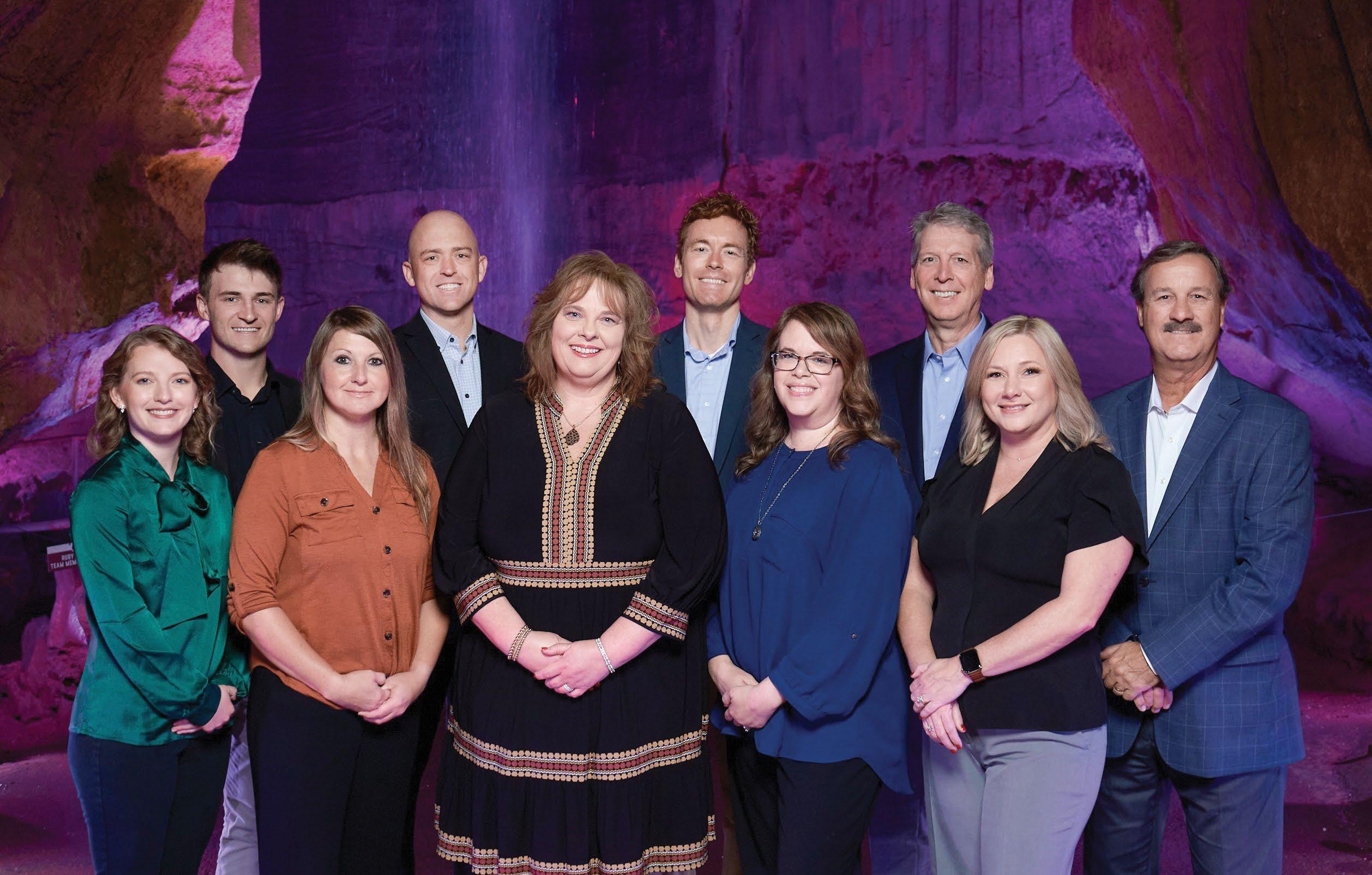
We’ve assembled a team of well-established and highly experienced financial professionals. It has given us the ability to address every aspect of our clients’ financial needs. And by limiting the number of clients we serve, it allows us to offer an uncommon level of service and maintain our unwavering focus on helping to create quality financial solutions.
This is what we bring to the table – and what will ultimately bring you to us. If you are an individual seeking seasoned financial guidance and the comfort of working with an experienced group of advisors who call Chattanooga home, we welcome the opportunity to sit down together. Main Office: 1200 Premier Drive, Suite 100 • Chattanooga, TN 37421 Downtown Office, by appointment only: Warehouse Row • 1110 Market Street, Suite 210 • Chattanooga, TN 37402 www.RoundTableAdvisors.com • 877-770-0009 • 423-510-8889













The Better Way To Get There.




Co-Publisher
"SUCCESS
IS NOT FINAL, FAILURE IS NOT FATAL: IT IS THE COURAGE TO CONTINUE THAT COUNTS." — WINSTON CHURCHILL
For years, Chattanooga has cultivated a dynamic and resilient business community. A mix of locally owned small businesses and major corporations, supported by the most resilient smart grid in the nation, world-class high-speed internet, and strategic access to transportation, has positioned the city as a hub for innovation, manufacturing, and entrepreneurship.
In the 2026 CityScope® magazine Annual Business Issue, more than 150 executives representing over 130 companies share insights across 20 business topics shaping our region. To begin, the feature “From Pastime to Profession” spotlights five local ventures that began as hobbies and evolved into thriving businesses. In “Milestones,” we recognize companies marking significant anniversaries – some celebrating as many as 150 years.
Additional highlights include “Industry Powerhouses,” featuring several of the area’s largest employers; “At Work in the A.M.,” which profiles professionals who keep the city running overnight; and four 2025 Idea Leap Grant winners driving fresh ideas forward.
This issue also delivers practical insight from area leaders, with perspectives on employee engagement, multigenerational team building, sales strategy, and more. Executives discuss leading with empathy, while others reflect on the life lessons that have shaped their leadership journeys.
Not to be missed are insights on emerging industries and evolving trends. “Bridging Beauty and Medicine” examines the booming multibillion-dollar medical aesthetics industry, while “Straight From the Fields” explores how local farms are adapting to shifting community expectations while strengthening the regional economy.
As always, we hope this annual issue informs and inspires as we celebrate the people and companies that power the Chattanooga area’s continued growth and innovation.
Happy reading,
P.S. Follow CityScope® and HealthScope® magazines and Choose Chattanooga® –Chattanooga Resource & Relocation Guide® on social media!

At CommonSpirit – Memorial Hospital, we’re at the forefront of heart care – combining humankindness with clinical excellence. It’s why we’ve been recognized as a top performing hospital in the 2026 Modern Healthcare’s 50 Top Cardiovascular Hospitals® and earned Platinum-level recognition from the American College of Cardiology for rapid heart attack diagnosis and treatment. Find a doctor or explore services today. ChattanoogaHeart.com





Helping the working world thrive throughout life’s moments®
We could be your neighbor. Or maybe we volunteer together. Perhaps we’re your employer helping you grow your career. Or even your benefits provider. In every case, your well-being is part of our purpose. At Unum Group, we’re here for you every step of the way.
UnumGroup.com



195
Artificial Intelligence Three Relevant Debates
198
The Great Wealth Transfer How Baby Boomers Can Prepare for the Largest Financial Shift in History
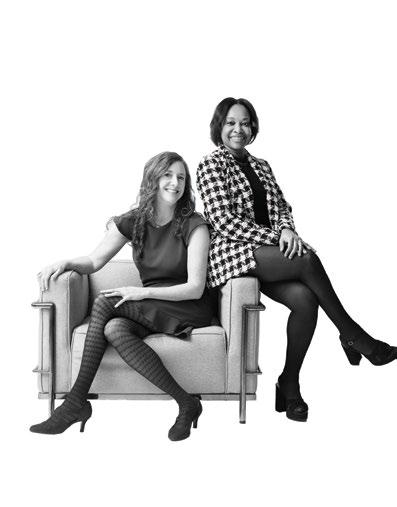
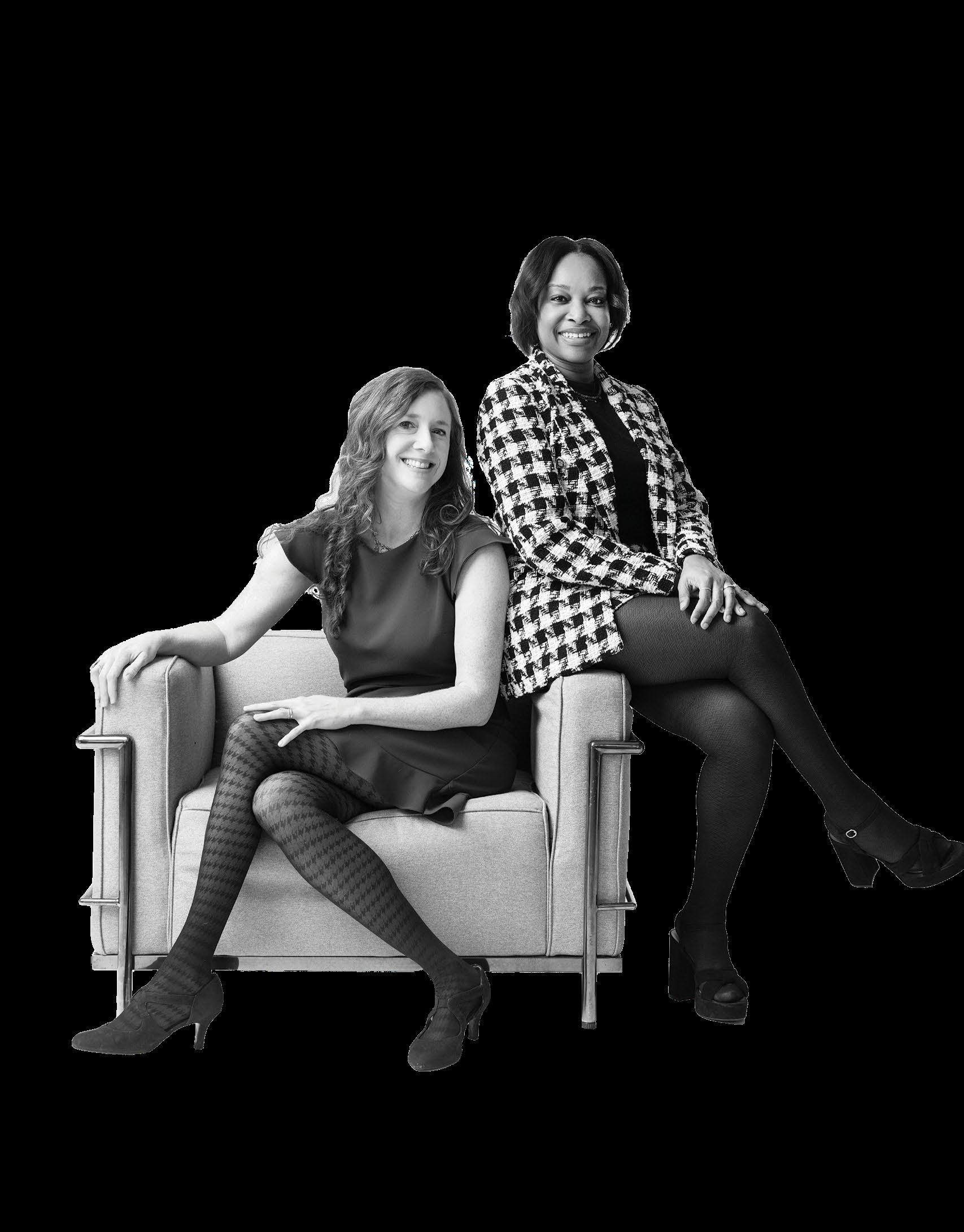
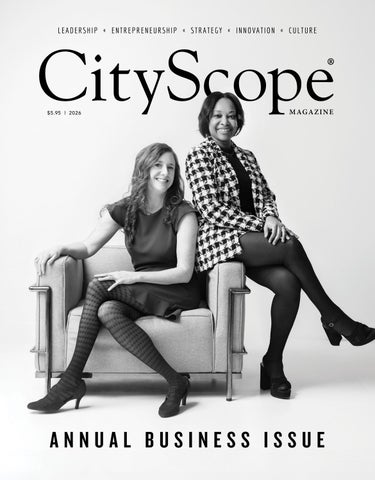
Jennifer Holder and Shawanda Mason, cofounders of The Chattery, are among the many accomplished professionals featured in this year's Annual Business Issue.
Photo by Hacker Medias
Publisher George Mullinix
Co-Publisher Cailey Mullinix Easterly
Sales & Business Development Amanda Worley
Sales & New Business Development Meredith McNeeley
Design Lead, Sr. Graphic Designer Lauren Robinson
Sr. Graphic Designer Tamara Slocum
Graphic Design Intern Priya Patel
Managing Editor Rachel Studebaker
Editors/Digital Content Specialists Abby Callahan Lindsey Clute Ali Lemmons
Contributing Writer/Editor Kristen Dee
Digital Marketing Manager Houston McLain
Marketing, Events, & Operations Laci Lanier Jackson
Photographers
Final Flash Productions Hacker Medias Kristina Armstrong Rich Smith
Subscribe to CityScope® or HealthScope® magazines: Call 423.266.3440 or visit cityscopemag.com or health scopemag. com and click “Subscribe.” A one-year subscription for CityScope® or HealthScope® magazine costs $18.
To receive advertising information, change your mailing address, or share your views on editorial: Call 423.266.3440 or visit cityscopemag.com or healthscopemag.com and click “Contact.”
CityScope® and HealthScope® magazines, Choose Chattanooga® –Chattanooga Resource & Relocation Guide®, and Choose Huntsville™ – Huntsville Resource & Relocation Guide™ (the magazines) are published by CMC Media & Marketing Group, LLC, a Chattanooga, Tennessee company. Reproduction in whole or in part without written permission is strictly prohibited. Views expressed herein are those of the authors or those interviewed and not necessarily those of the publisher, editors, or advertisers. The publisher, editors, and advertisers disclaim any responsibility or liability for such material. All content associated with and included in advertisements (ads, advertorial, and special promotional sections) placed in the magazines are the responsibility of the respective advertiser. CMC Media & Marketing Group, LLC, cannot and does not assume responsibility for any material contained within or associated with any advertisement.
CityScope® magazine
Copyright, CMC Media & Marketing Group, LLC, 1993
CityScope® magazine is a registered trademark owned by CMC Media & Marketing Group, LLC
CityScope® magazine Southern Gentleman® is a registered trademark owned by CMC Media & Marketing Group, LLC
HealthScope® magazine
Copyright, CMC Media & Marketing Group, LLC, 1989
HealthScope® magazine is a registered trademark owned by CMC Media & Marketing Group, LLC
Choose Chattanooga® – Chattanooga Resource & Relocation Guide®
Copyright, CMC Media & Marketing Group, LLC, 2011
Choose Chatt®
Copyright, CMC Media & Marketing Group, LLC, 2026
Choose Chattanooga®, Chattanooga Resource & Relocation Guide®, and Choose Chatt® are registered trademarks owned by CMC Media & Marketing Group, LLC. Chatt Choices™ is a trademark claimed by CMC Media & Marketing Group, LLC
Choose Huntsville™ – Huntsville Resource & Relocation Guide™
Choose Huntsville™ – Huntsville Resource & Relocation Guide™ are trademarks claimed by CMC Media & Marketing Group, LLC.
•
Our brokerage opened with seven real estate professionals—plus an entrepreneurial drive and a passion for guiding our neighbors through Chattanooga’s fast-growing market.
2026
• Today, 175+ agents serve Chattanooga from three offices, advocate for homeowners’ rights, and support the causes that matter most to our community. Thank you for trusting your locally owned, independent real estate company—19 years and counting.
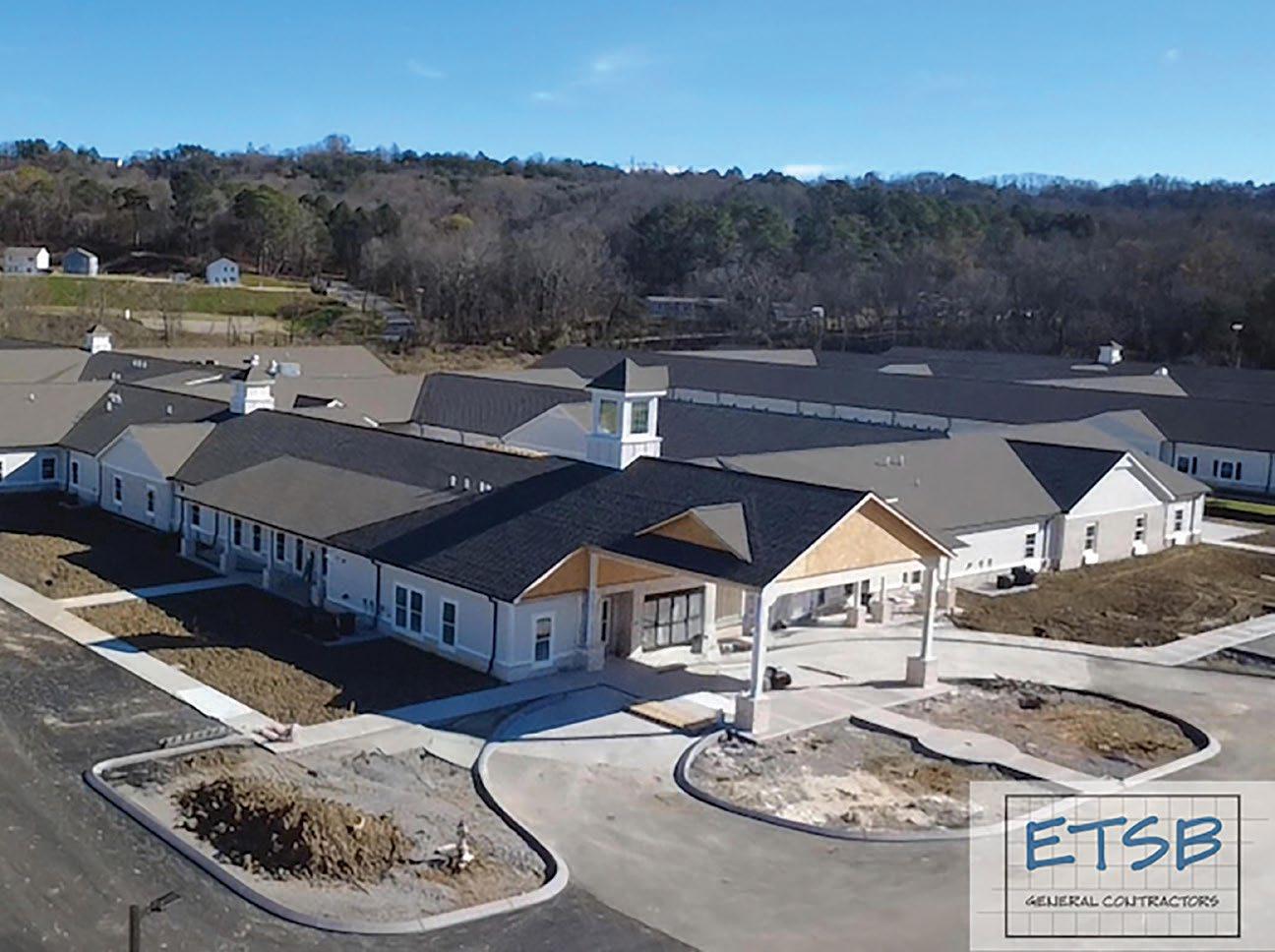
*Under construction
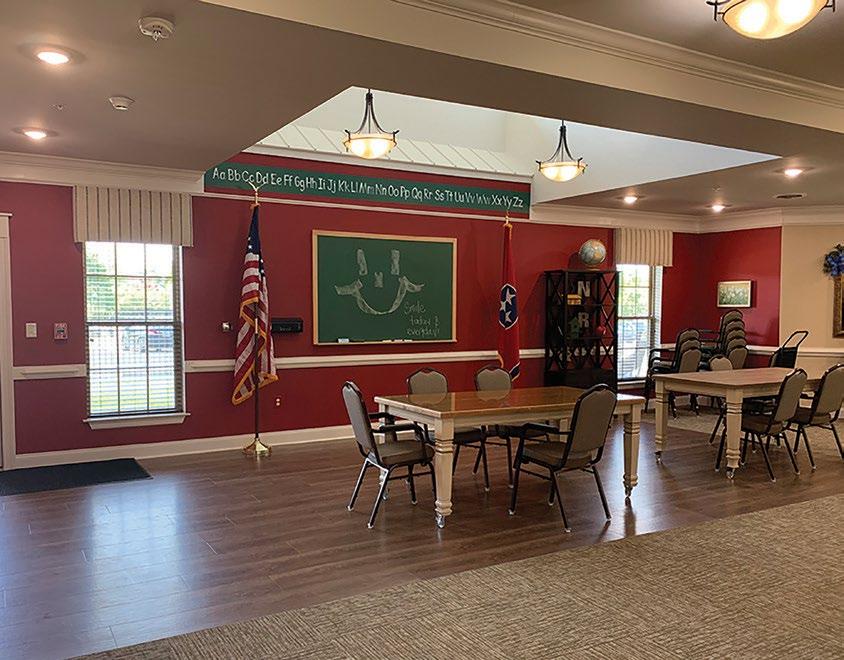
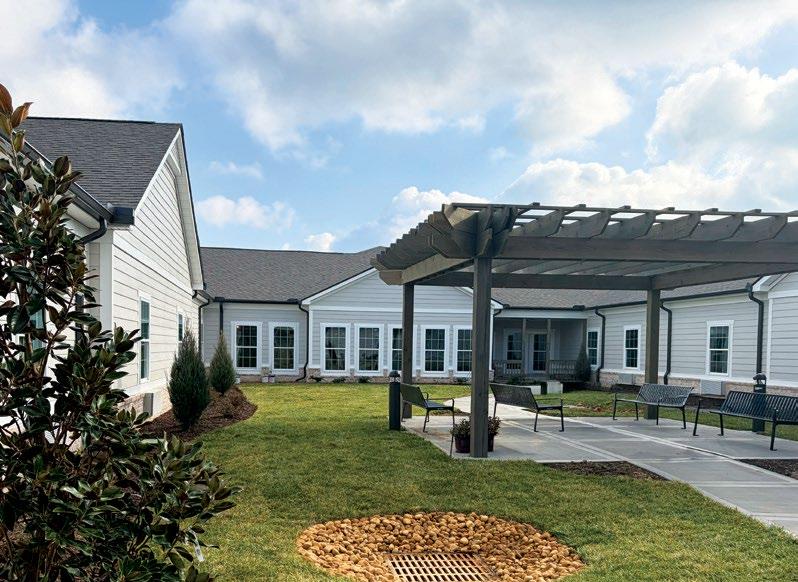
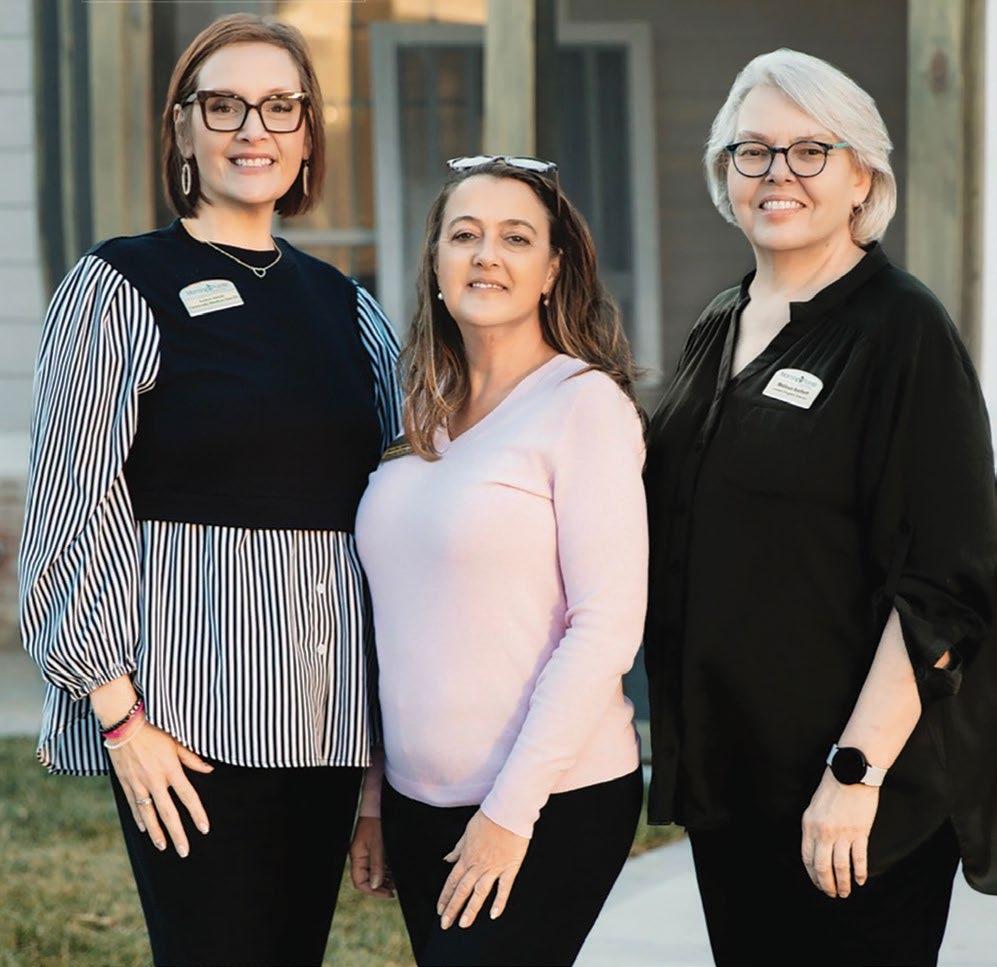
Morning Pointe Senior Living is expanding its Happy Valley campus to help more families needing compassionate memory care for loved ones in Walker County, Georgia. The Lantern at Morning Pointe Happy Valley will be opening early 2026 at 2937 Happy Valley Road, conveniently located near Chickamauga, Fort Oglethorpe, and St. Elmo. Here, residents can receive the right amount of care in the city they have grown to love.
Whether your mother has received a recent diagnosis and begun struggling with everyday tasks or your spouse has recently transitioned to more advanced dementia and needs a comprehensive care plan, The Lantern at Morning Pointe Happy Valley can provide a safe environment tailored to their needs, as well as support the whole family throughout the process. Its program reflects a deep understanding of the challenges that families face and focuses on creating a caring, nurturing environment where residents feel secure and engaged.
As an Alzheimer’s Center of Excellence, The Lantern at Morning Pointe Happy Valley is designed specifically to meet the needs of residents living with Alzheimer’s disease and other forms of dementia. The single-level premier memory care community will feature state-of-the-art amenities and a dedicated staff of skilled caregivers and medical professionals who will ensure that residents and families benefit from personalized and purposeful support. These associates are specially trained
to support residents living with memory loss while also offering guidance and reassurance to family members. The Lantern also works closely with medical partners and uses an interdisciplinary approach to address changing behaviors and evolving care needs.
Morning Pointe memory care communities emphasize respect, connection, and relationships and adhere to a strong focus on clinical care with physical and occupational therapies and wellness offerings. Residents participate in purposeful, engaging daily activities designed to provide structure and meaningful interaction. Programming is familiar, achievable, and tailored so that every resident can participate at their own level.
“The Lantern reflects our commitment to providing thoughtful, compassionate memory care,” says Greg A. Vital, co-founder of Morning Pointe Senior Living. “Families deserve options that recognize where their loved one is today while preparing for the journey ahead.”
Founded in 1997 by healthcare entrepreneurs Greg A. Vital and J. Franklin Farrow, Morning Pointe Senior Living operates 43 assisted living and Alzheimer’s memory care communities across five southeastern states. Its locations in the greater Chattanooga area include Chattanooga, Collegedale, East Hamilton, Hixson, Athens, Happy Valley, and Calhoun.
The Lantern at Morning Pointe Happy Valley will feature two distinct programs designed to provide stage-appropriate support, allowing residents to receive care that aligns with their current needs while remaining within one specialized memory care community.
Designed for residents in the early to moderate stages of Alzheimer’s disease and dementia
Features a large, secure, and safe environment
Offers a more active setting for residents who enjoy engaging in lively activities
Tailored for residents in the more advanced stages of Alzheimer’s and dementia
Focuses on individual interests, life experiences, and personal strengths
Provides a smaller, more intimate environment designed to be calming for residents who may be easily overstimulated



"Remember
to celebrate milestones as you prepare for the road ahead."
— Nelson Mandela


Hobbies can provide individuals with a sense of balance, joy, and even self-expression in the busy world around them; but for some people, their hobbies become much more – a livelihood. Read on to discover five local businesses that were born from hobbies and how the owners knew that their passion was much more than just an enjoyable way to pass the time.
PHOTOGRAPHY BY RICH SMITH




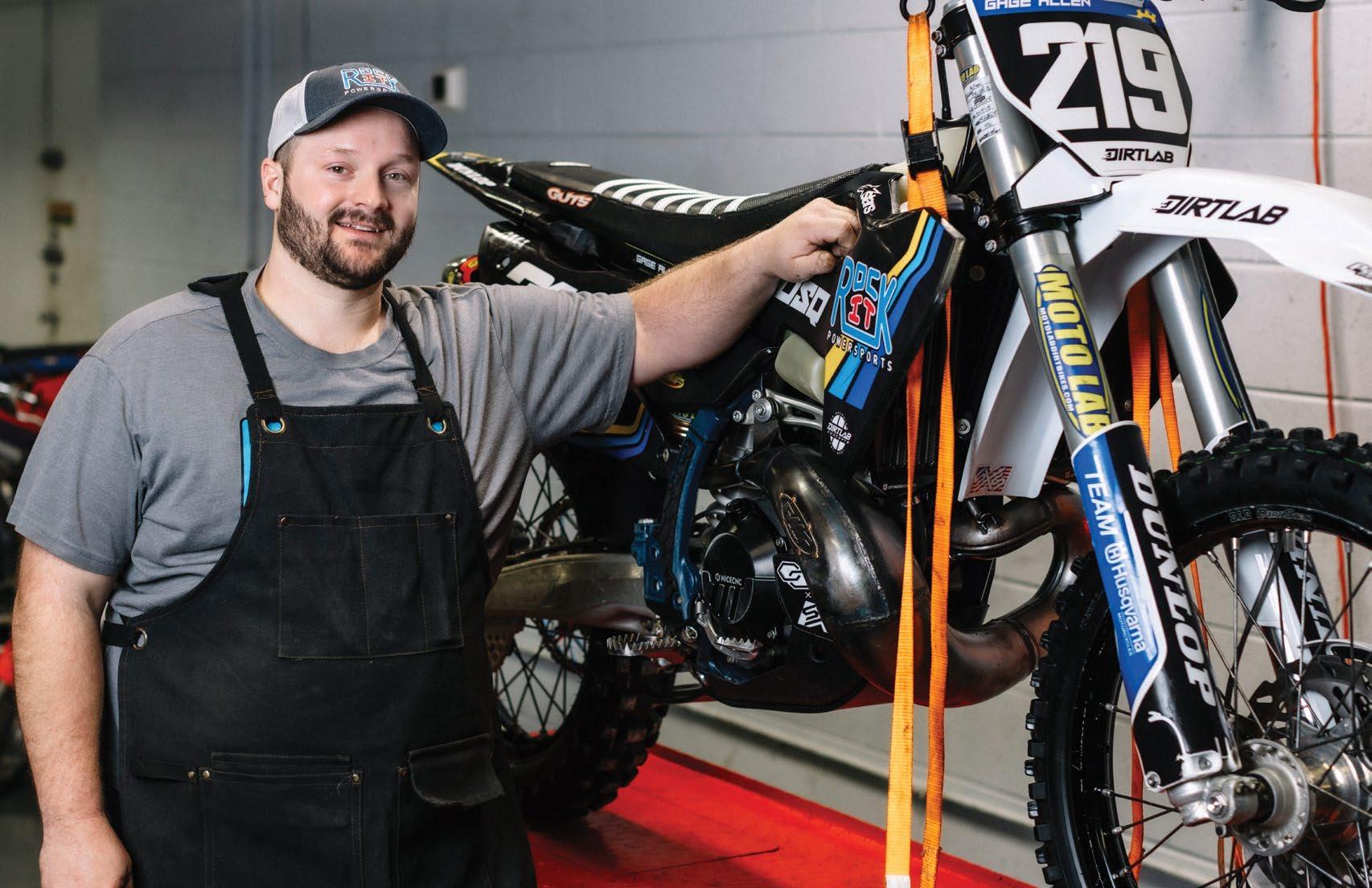
With a mission to make powersports more accessible for everyone, Rock It Powersports was founded in 2020. The shop specializes in dirt bike modifications for amputees and offers standard repair and maintenance for dirt bikes and other offroad vehicles.
When did you begin your hobby, and what initially drew you to it? Off-road machines have always been a part of my life. Most of my family has been into off-road, and I followed. I remember being a kid and watching my dad ride his dirt bike down our street, dreaming of when I could do the same. Fast-forward to now, I still enjoy riding and love watching my family enjoy
it as well. The joy and freedom when riding a dirt bike though places most people will never see is something else. Everyone should experience the smells, views, and feeling of being one with the machine in their life.
Can you describe the moment you realized that your hobby could become a business? I can recall numerous times, years ago, when friends had things break and it would be me figuring out a fix for it. When the breaks became more prevalent, people started telling their friends about me. The realization hit me that I could make money with this and ultimately help people in need. Thus, Rock It was born.
What has been the most rewarding part of having a business born from a hobby? Seeing people enjoying the same hobby I do because I could help them. Eventually I will offer coaching/ training for riding as well as wrenching.
What advice would you give to someone who’s thinking about turning their own hobby into a business? Take it slow. Take it easy. Don’t burn yourself out. Especially with your hobby. Luckily, I still love my hobby and what I do for a living. As well as helping those in need of some wrenching.
Anything else you’d like to add?
Here’s to 2026 and the adventure it will bring. I’m ready!
What was the biggest challenge you faced when deciding to monetize something you love? Definitely trying to figure out how to charge customers. I liked doing it for free and seeing people happy when they didn’t have to spend thousands to be back to enjoying their hobby. But it does take money to run a business, and you have to charge accordingly.

BrinGinG cuttinG edGe MarketinG & cLaSSic, HandS on Service to every reaL eState inveStMent
Buying or Selling Locally or Globally Relocation Specialists Top Residential Agents in Chattanooga since 1999
Recognized as the U.S. Southern Region Top Selling Individual Agent
Over $1.5 Billion Closed in Residential Investments
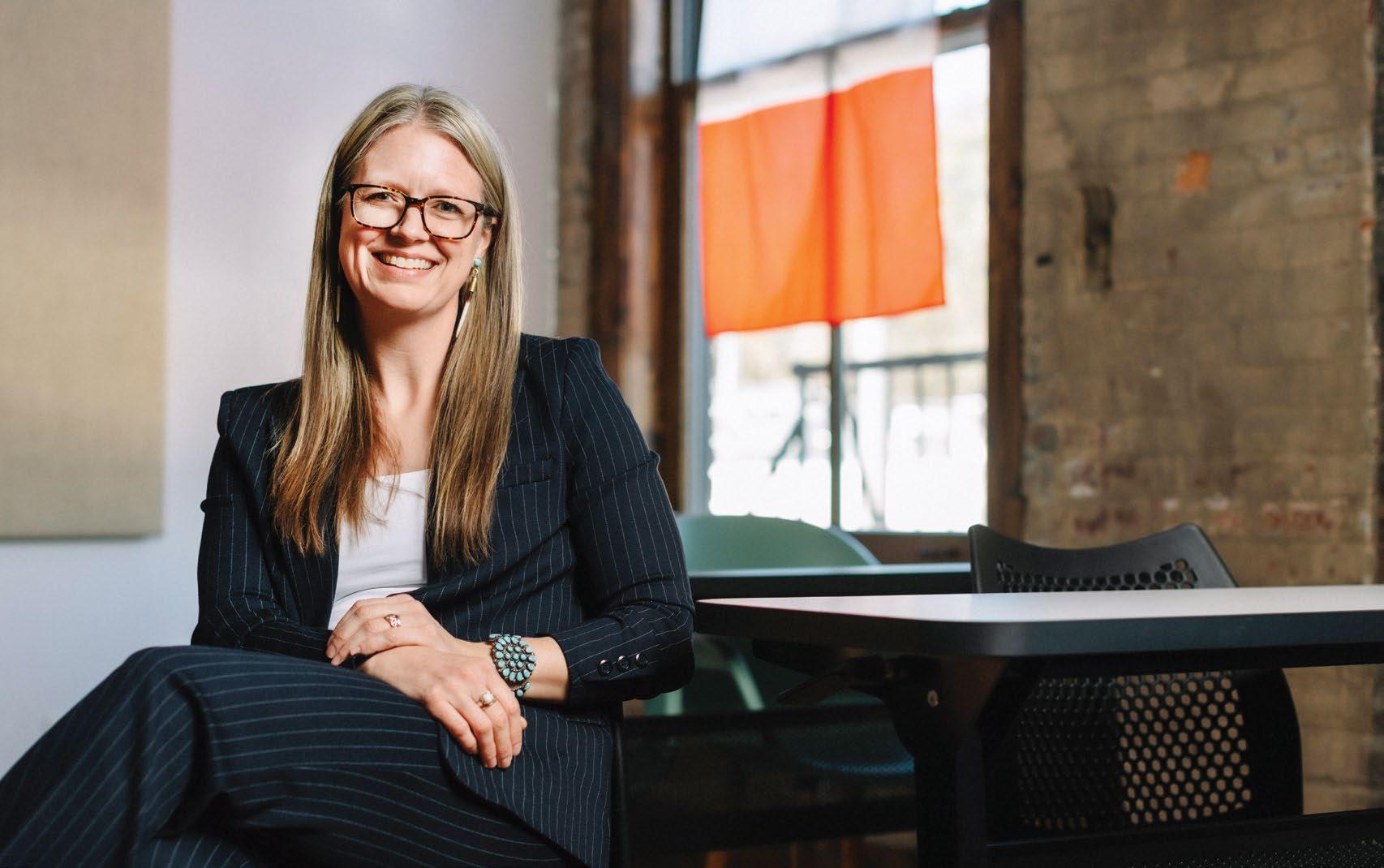
Founded in 2011, the Chattanooga School of Language is a private, Tennessee-based language school that provides in-person and virtual instruction for more than 10 languages. With customized support, no-pressure tests, and relationalfocused classes, CSL provides a unique approach to learning a new language.
When did you begin your hobby, and what initially drew you to it? I first fell in love with the Spanish language and culture when I had the opportunity to study in Spain for a summer during college. While there, I experienced what is common for many people who study and then try to practice a language in the real world.
While important, context, grammar, syntax, verb conjugation, etc. did very little for me when trying to actually engage with native speakers in everyday life. I was completely outside my wheelhouse, but I was smitten. It was as if I tapped into a newly awakened part of myself when I spoke Spanish and stepped into the Latino culture. And that was worth exploring.
Can you describe the moment you realized that your hobby could become a business? After studying and living with a local family in Costa Rica for a few months, I came back home to figure out next steps. Whether in coffee shops, restaurants, or various nonprofit organizations, I found ways to continue teaching people Spanish
and English. And that number kept growing. Doing some initial market research, I then discovered there was a rapidly growing demand for classes where anyone could easily register and learn another language.
What was the biggest challenge you faced when deciding to monetize something you love? The fear of making a mistake, letting people down, or being seen as an “imposter” was something I had to fight for years. For the first five years of CSL, it was also extremely challenging to bootstrap the business while working another full-time job. However, that incubation period was exactly what I needed to see that there really was a demand for the style of learning that CSL offered.
What has been the most rewarding part of having a business born from a hobby? While we may not have had the fanciest space or most expensive furniture in the early years of CSL, I see us as an example of what happens when you keep fighting for something you believe in and surround yourself with others who are just as committed to the mission.











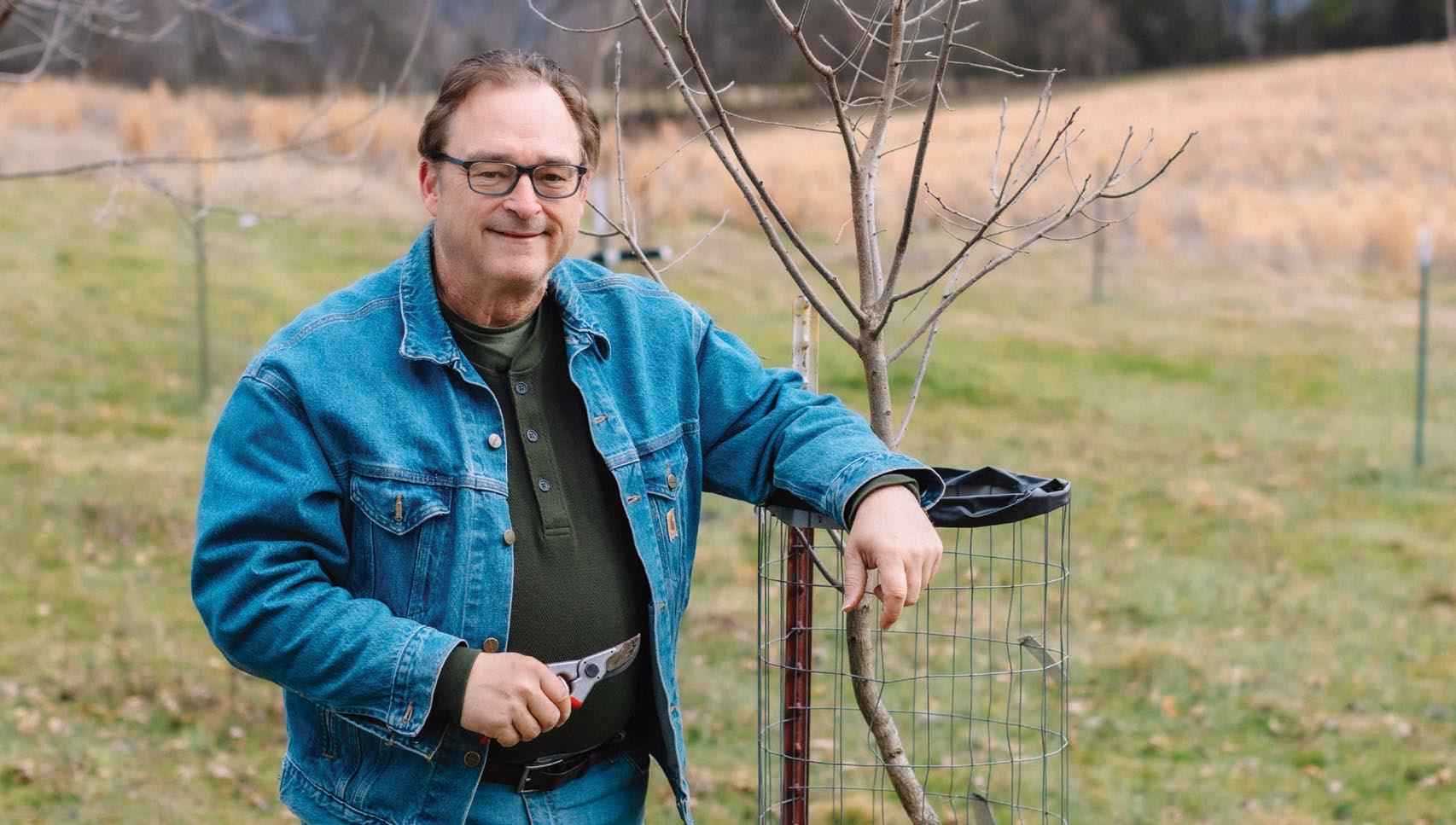
AFFN, a 501(c)(3) orchard and arboretum founded in 2021, preserves the region's horticultural variety of native fruit and nut trees with one of the nation's largest collections of pawpaw and persimmon varieties, as well as pecans, hickories, hicans (hickory-pecan hybrid), and other species such as elderberries, currants, figs, and maypops. The organization is entirely volunteer-run, and 100% of donations and sales directly support maintaining and expanding the orchard.
When did begin your hobby, and what initially drew you to it? Twelve years ago, I moved to Cleveland, just north of Chattanooga. Always having had a garden, including fruits, I wondered, “What grows around here? For example, what is a maypop?” I learned
that the Cherokees used this fruit and the plant itself for food and medicine, so I surmised that it must grow locally. In fact, the Cherokee named it “ocoee.” If you’ve ever been to Cleveland, you know that everything here is named Ocoee – our river, the lake, the main street, our medical clinic, even one of the local coffee shops! But it is not widely known that “ocoee” translates to this local plant with delicious fruit: the maypop. Learning this made me realize – our modern way of life separates us from the nature right at our doorstep. Wanting to close this gap, I began researching other native edible plants that grow locally, and the idea of the Appalachian Foothills orchard was born.
How has your business grown since it began? An orchard is a very slow thing to develop. After planting, one might wait anywhere from 3-5 years to
see first fruits and 10-20 years to see the first nuts from a tree. Many of our trees are just now reaching fruiting potential and will increase exponentially. For now, AFFN currently focuses on education – teaching grafting and holding public addresses and fruit socialization events – and on sales of plants and cuttings.
What advice would you give to someone who’s thinking about turning a hobby into a business?
Focus on the hobby activity itself. Most people’s hobbies are connected to a deep inner drive that compels them to create. This drive will fuel your pursuit of uniqueness, quality, and excellence. The artisan nature of a small business, fueled by the creative energy of its owner, is the key competitive advantage that keeps a small business vibrant and keeps customers coming back.

What did the transition from hobby to business look like? Early on, AFFN focused its resources and bandwidth on building out the collection of trees. Driven by the energy around topics like homesteading, farm-to-table, and reconnecting to heritage and history, people have naturally sought out the orchard. So, one could say that the orchard has taken on a life of its own and markets itself!






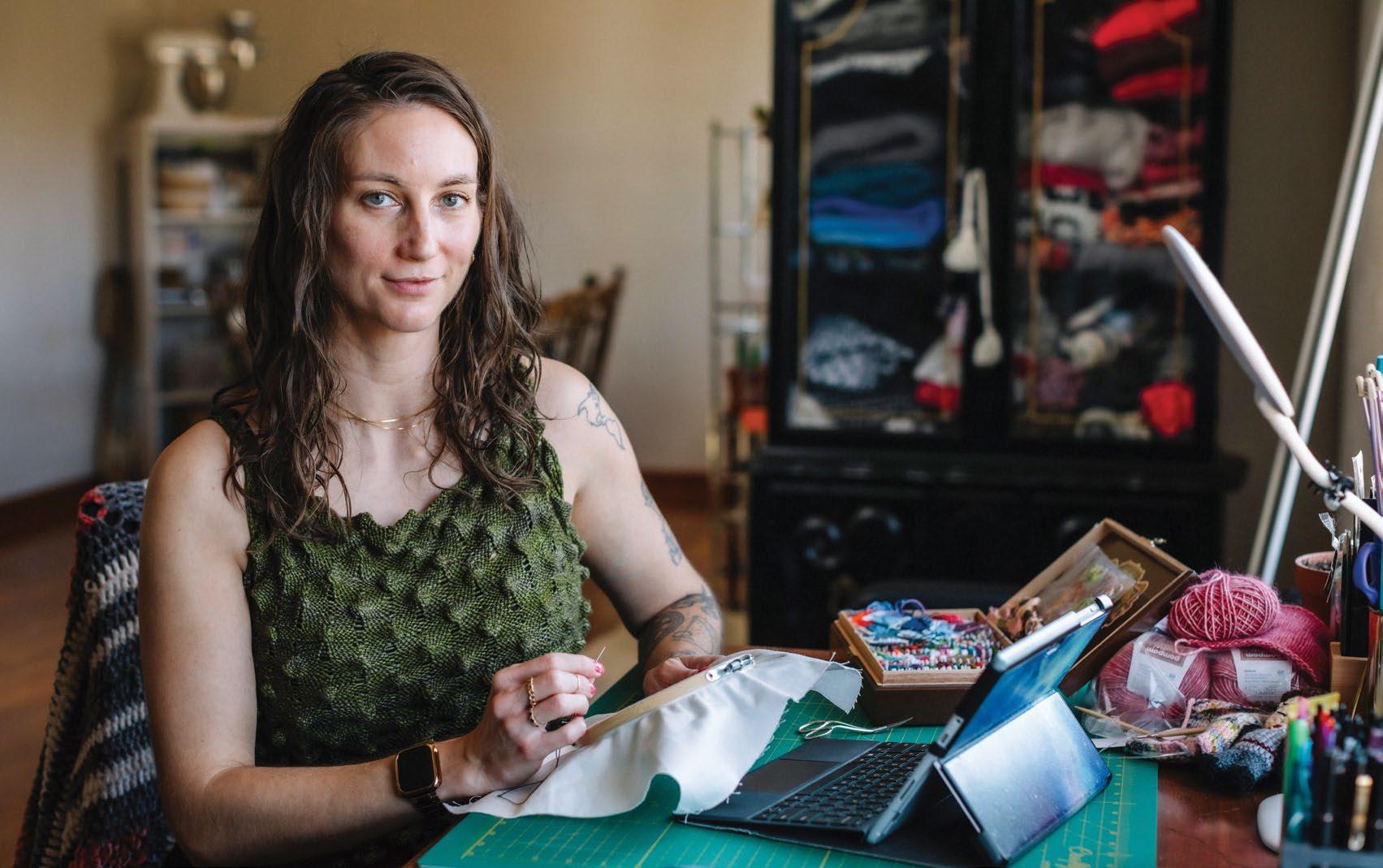
Hosting major fiber arts festivals –including the annual Scenic Stitches Fiber Festival and the interactive Scenic Stitches Spectacle – Scenic Stitches is an organization that spun to life in 2024 to promote the power and creativity of fiber arts through workshops, large-scale installations, and vendor markets.
When did you begin your hobby, and what initially drew you to it? After a big move in 2018, I stumbled across a “Teach Yourself to Knit” booklet on clearance and decided it was the time. Learning the basics, I practiced and started following knitters on social media. I then learned about hand-dyed yarns during the pandemic. Treating
myself to a special skein prompted me to learn to knit in a round (joining the stitches so that the knitting is in a continuous circle) to make a hat. That technique unlocked something that made me feel like I could do anything with two sticks and some string! I’ve been chasing that high ever since.
What did the transition from hobby to business look like? Working fulfillment for luxury and couture fashion brands for a few months, I decided to branch out into my own designs. Big yarn companies are always looking for designers to write patterns for their specific yarn lines, and winning several contracts made me think I should be more intentional about building a business – prompting me
to apply for the Periscope program through ArtsBuild. Periscope works with artists to help them develop business models and ends with a pitch competition. My pitch won first place, and I immediately started looking at venues to make it a reality!
How has your business grown since it began? Year one was bigger than anticipated right from the start. In October, the plan was for 5,000 square feet, 20 vendors, and 200 people. By the festival start date in February, we were in a 35,000-square-foot space with 70 vendors and had nearly 2,500 attendees. People from California to Connecticut came out for the event. For year two, we’re expecting even more!
What advice would you give to someone who’s thinking about turning their own hobby into a business? If you’re looking for a side hustle, there are probably known opportunities within your hobby that you can take advantage of. If you’re looking for a full-time income, first look at successful business models that work for you and then look at how to apply your hobby to that structure.
Is your accounting work handled locally or by someone overseas?

Ensuring quality and personal service by local professionals because Trust Matters.

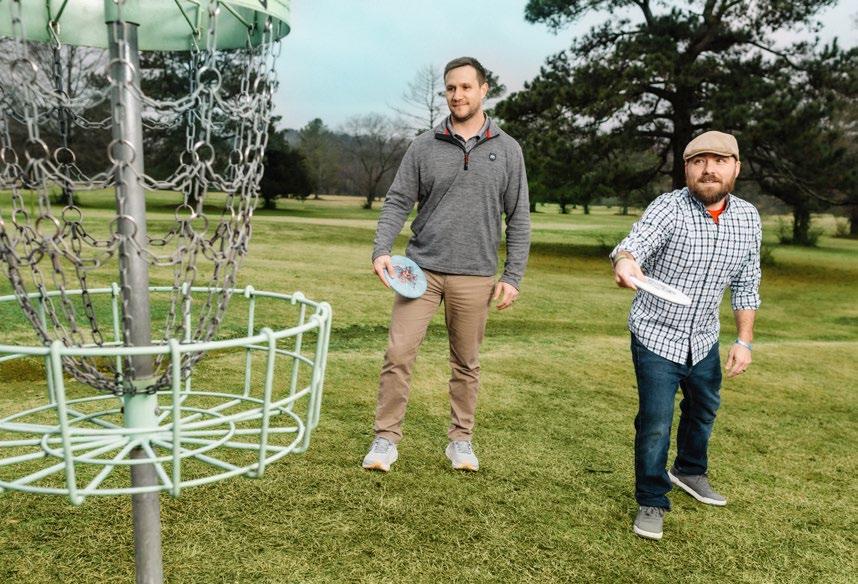
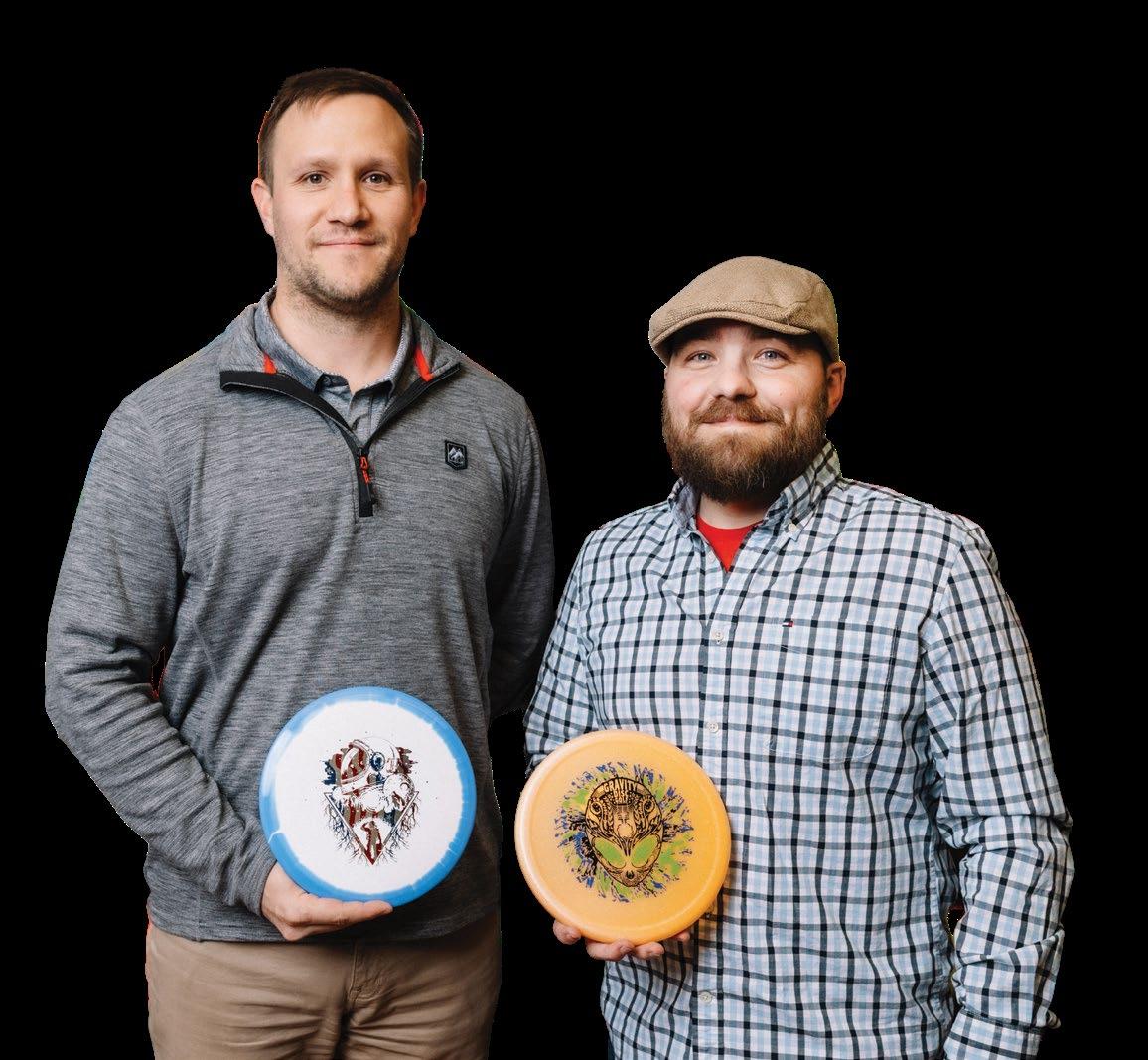
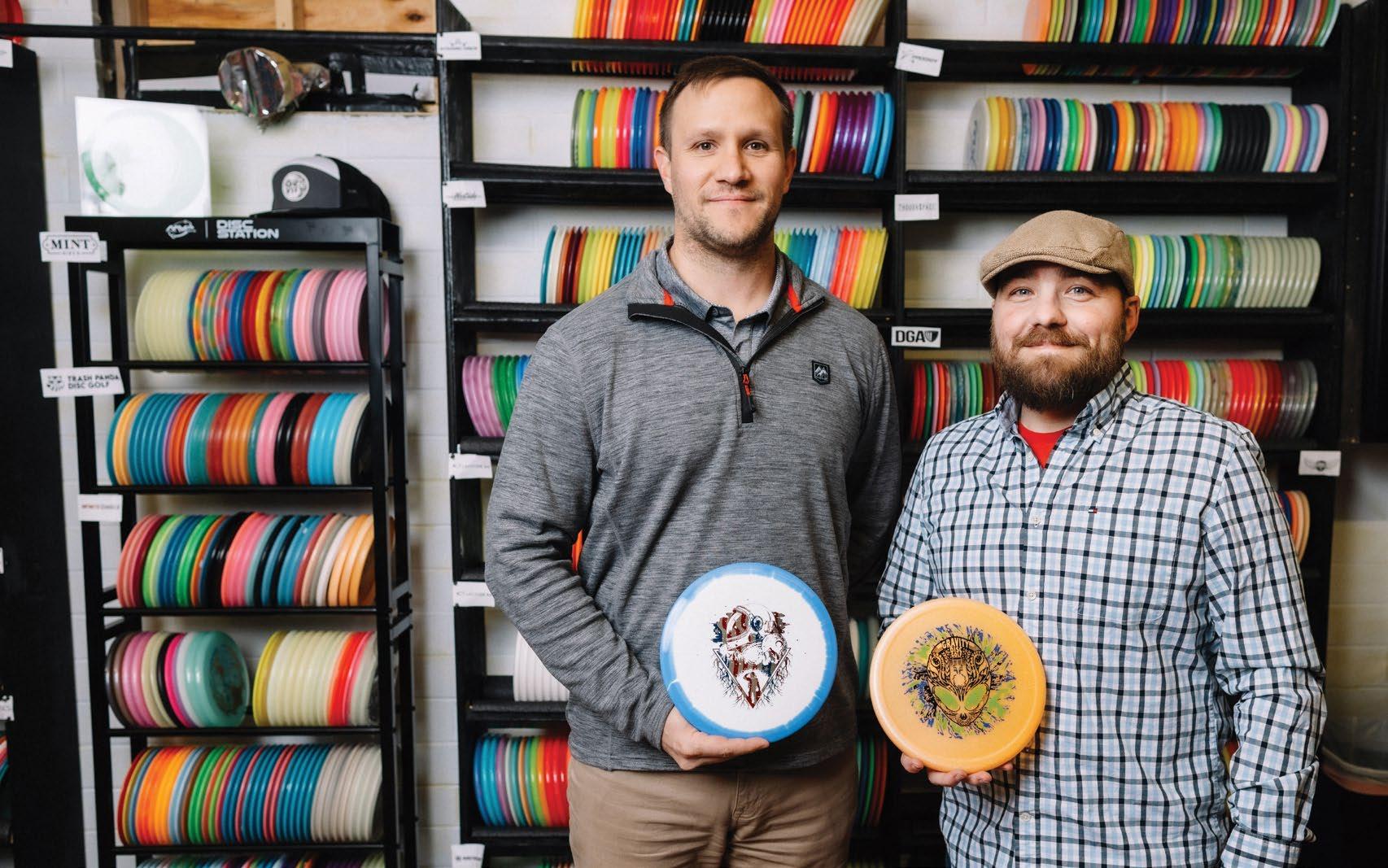
Gravity Disc Golf is a local disc golf retailer, offering high-quality, uniquely designed discs and supplies. Founded in 2019, the company sought to provide an easier shopping experience for locals, allowing them to enjoy the sport and personalize their game.
Can you describe the moment you realized that your hobby could become a business? Just before COVID, disc golf was exploding; it was the fastest growing sport in the country. New discs were coming out constantly, but buying them felt outdated. Together, Rich Michael, Kenny Michael, and I noticed a gap in disc golf. Great discs existed, but custom artwork, curated selections, and easy-to-use online stores
were hard to find. At the same time, the Chattanooga and Dalton disc golf scenes were growing fast with no true local retailer. Most players were stuck buying generic stock stamps at big-box stores. That’s when we realized we could build something different, streamlined, design-driven, and made specifically for disc golfers.
What was the biggest challenge you faced when deciding to monetize something you love? Our biggest fear was that the business would steal some of the love for the sport away once we saw it as a business and had to deal with it nonstop. But it has kept us close to the sport we love because we get to run events and meet new players all the time! Although we probably play less now.
What has been the most rewarding part of having a business born from a hobby? The most rewarding part of Gravity has been donating discs to kids; meeting all the new players; getting to have a hand in almost every local event; and helping grow the sport here locally and worldwide. Disc golf continues to evolve, but getting to have a business that brings us closer to the sport is amazing!
What advice would you give to someone who’s thinking about turning their own hobby into a business? Be a benefit to those around you, always staying people-focused – whether that’s inside your hobby or not. The greatest benefit to yourself will always be finding a way to help others.
How has your business grown since it began?
When Gravity was launched, it began with online custom runs of disc golf discs that sold out immediately due to scarcity in the market/ COVID. We have grown our stock from nothing to over 4,000 discs in stock today, along with a retail brick and mortar shop in Tunnel Hill!
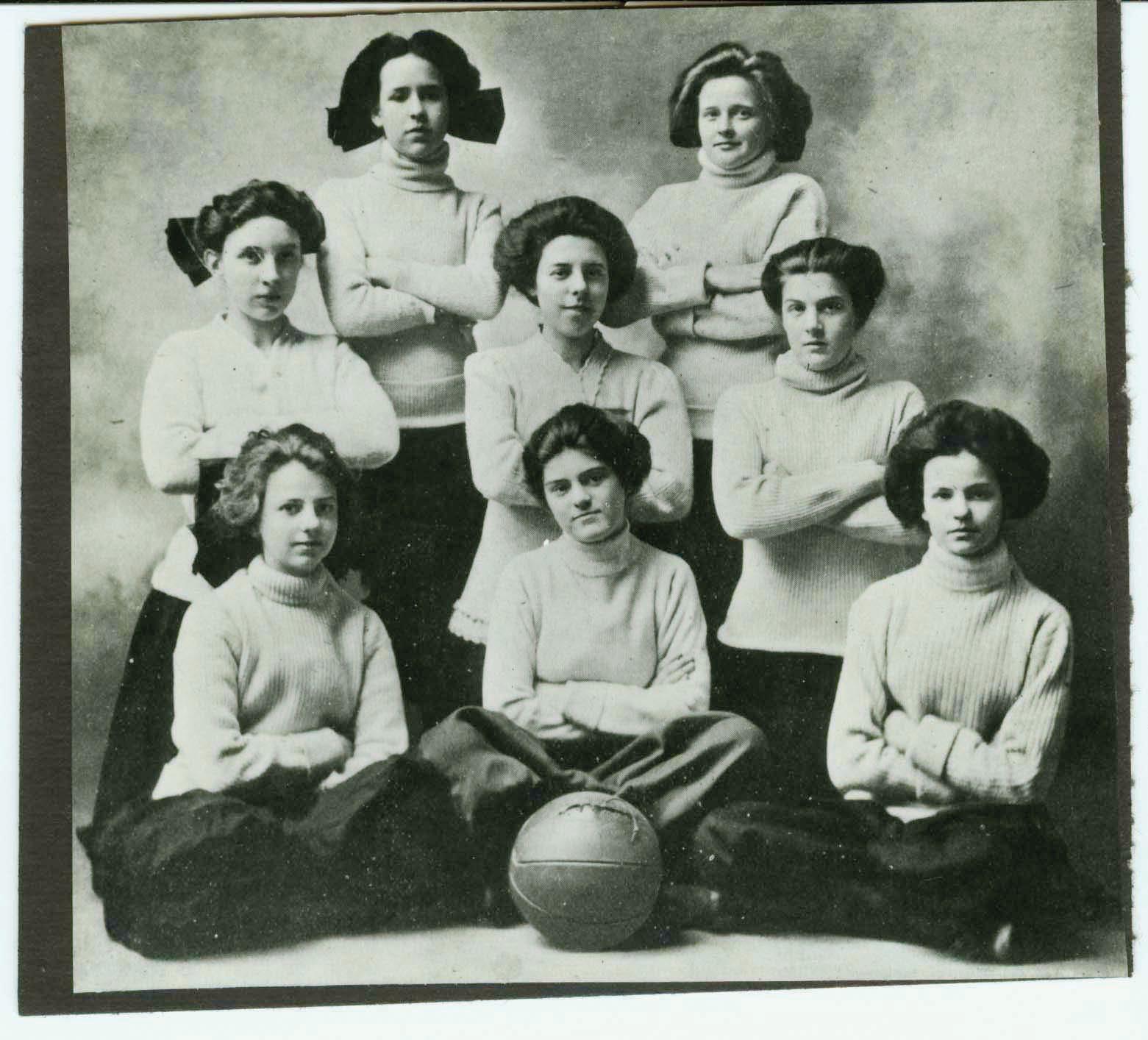

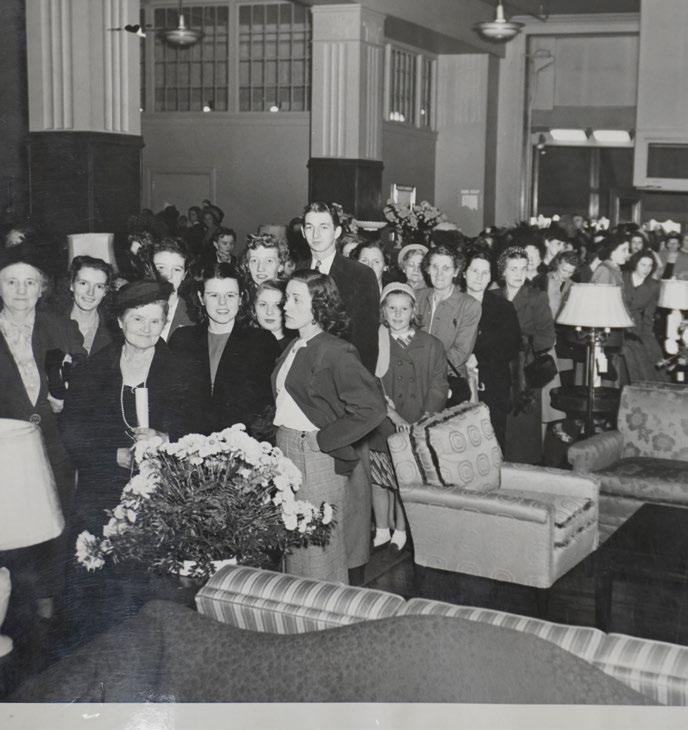
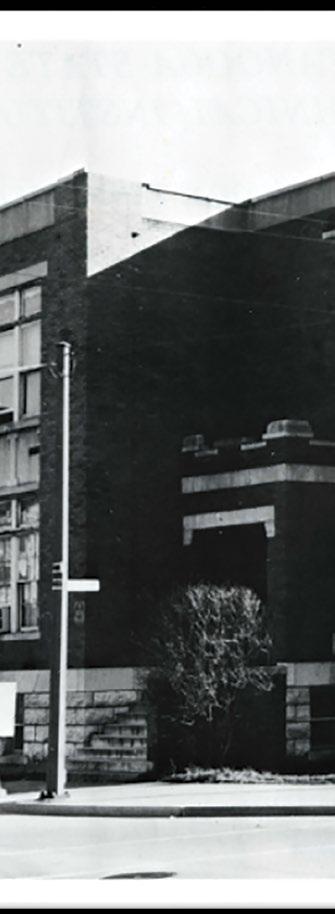
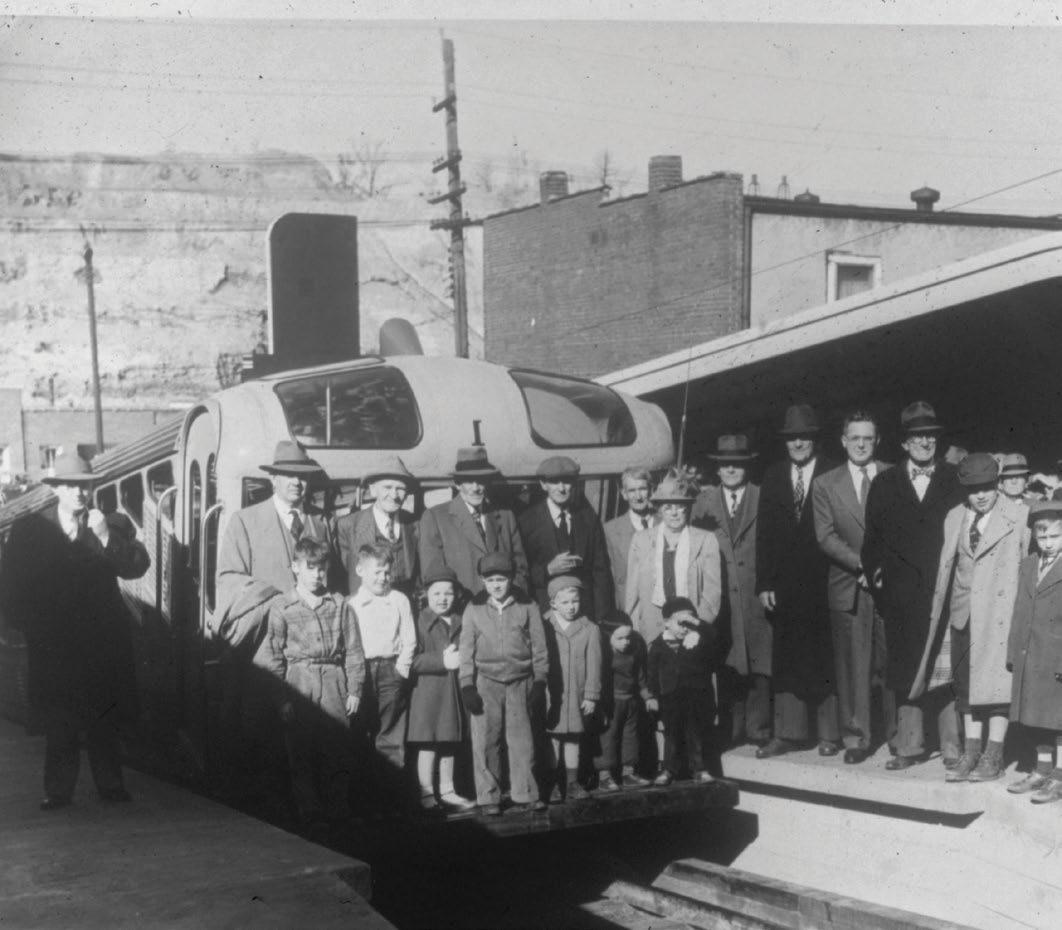

Celebrating Companies’ Decade Anniversaries From 50 to 150


Each year, a new lineup of businesses in the Chattanooga area achieves landmark anniversaries that are a testament to the success of their leadership, goods, and services. Here, we highlight seven local companies whose anniversaries are ushering them into a new decade, from 50 years to 150. Read on to learn the origins of these local success stories, what has fueled their growth, and how they are celebrating this milestone.
BY RACHEL STUDEBAKER
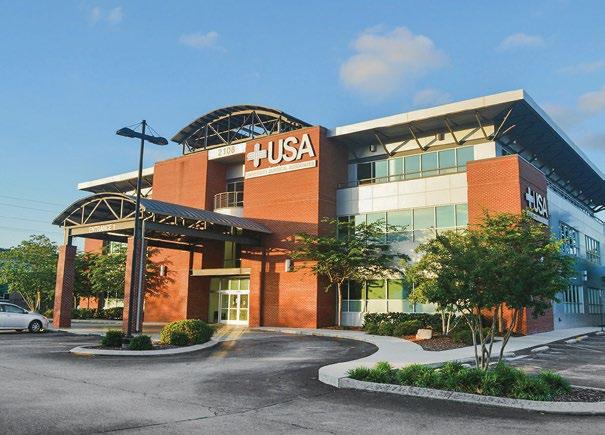
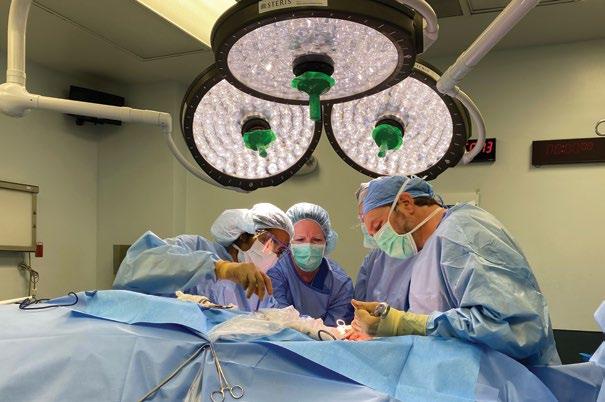
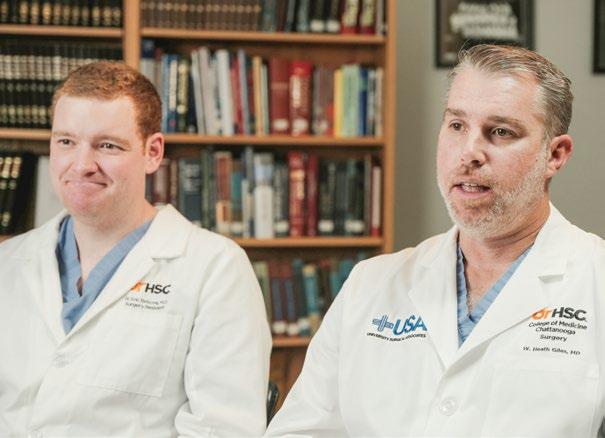
University Surgical Associates (USA) was established for two reasons: “to deliver excellent surgical care to this community and to train the next generation of surgeons,” says CEO Dr. Katie Duffy.
Founded in 1976 by Dr. Phillip Burns and Dr. Joel Clements, the surgical practice quickly began recruiting colleagues to Chattanooga and expanded its services to include pediatric surgery, surgical oncology, and more, allowing patients to receive high-quality surgical care close to home.
Today, what began as a two-surgeon practice has evolved into one of the largest multi-specialty surgical groups in the Southeast, with convenient locations across the Chattanooga area and partnerships with local hospital systems. USA’s team now consists of more than 30 surgeons and other healthcare professionals and 200 employees providing services across 16 surgical specialties.
While USA has grown and evolved over the years, Dr. Duffy says, “We’ve never lost sight of what matters: putting patients first. USA remains committed to treating every life we touch like family, while creating an environment that ensures our physicians, staff, and surgical trainees feel encouraged and supported.”
Dedicated to remaining at the forefront of quality surgical care, USA has been instrumental in bringing several surgical firsts to Chattanooga, including the city’s first pediatric, trauma, colorectal, and pancreatic surgeons. The practice also helped perform one of the first kidney transplants, stereotactic breast biopsies, and endovascular surgeries in the region and has adopted innovative technologies over the years.
And, according to Dr. Duffy, the practice has no plans to stop there. “We’re constantly exploring opportunities to better serve patients through new systems, services, and strategic partnerships. In every new endeavor, we will continue to put patients first as we have for the past 50 years,” she shares.
To celebrate its anniversary, USA hosted a company-wide employee appreciation event in February and is inviting patients to share their stories throughout the year. “We couldn’t have accomplished 50 years of service without support from our team, the community, and our referral partners, so we’re celebrating those who have helped us get here,” says Dr. Duffy.
“Our vision is to continue providing quality care throughout the region for another 50 years and beyond, allowing patients to access exceptional, compassionate surgical care without having to leave their community,” she finishes.

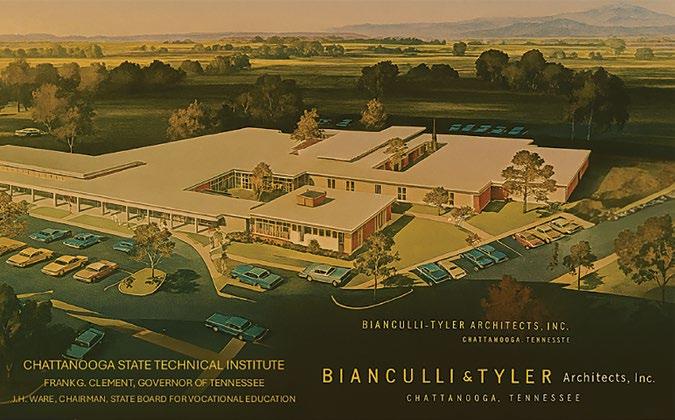


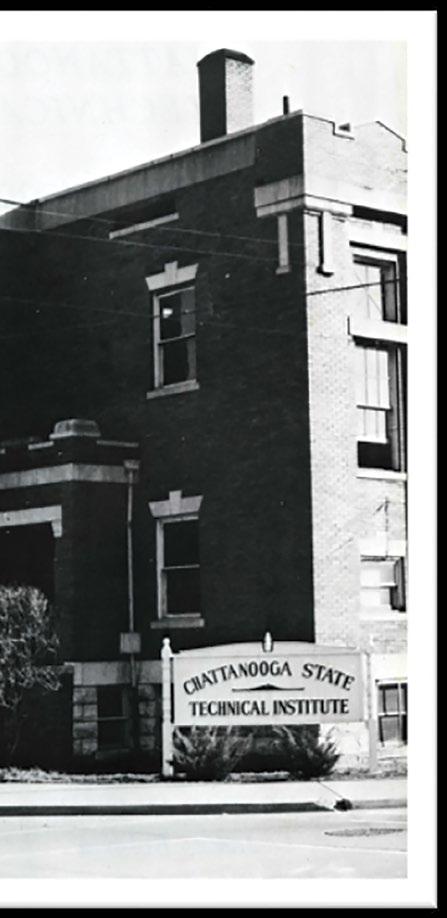
When Chattanooga State Community College was founded in 1965, it made history as the very first two-year degree-granting, technical post-secondary institute in the state of Tennessee. Originally called Chattanooga State Technical Institute, the college’s purpose, as stated in its catalog, was “to educate persons whose interest and activities are directed primarily toward the engineering or other scientific technologies.”
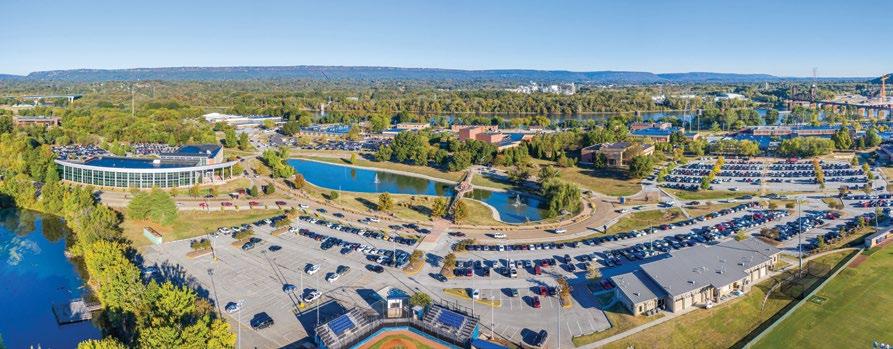
A year after its founding, the college received 75 acres of land on what is now Amnicola Highway, located along the Tennessee River. Today, the location remains the site of its main campus, which has grown to encompass 150 acres.
While its early programs focused on engineering, Chattanooga State has continually adapted to meet the evolving needs of the local workforce. Since its start, the college has grown from approximately seven degrees to 132 degrees and certificates, plus 21 TCAT diploma and certificate programs.
These programs are built in direct partnership with local employers, spanning nursing, logistics, CDL training, and nuclear technologies in addition to flagship programs in healthcare, business, skilled trades, and its founding focus of engineering. Today, 35% of awarded degrees are in nursing and allied health, with growing apprenticeship programs providing on-site experience.
Chattanooga State also strives to build pathways for local high school students as well as transfers to area institutions for continued education.
“Chattanooga State has endured because we stay focused on innovation, we listen to our community, and we respond to the workforce needs of our region while supporting our students,” says President Dr. Rebecca Ashford.
Driven by its purpose to “support and empower everyone in our community to learn without limits” and create pathways to family-sustaining wages, Chattanooga State has continuously seen measurable improvements in student outcomes. Recent successes have included a 7% increase in the number of first-time, full-time freshmen who graduate in three years, and increased overall success rates for students after introducing seven-week classes in 2021.
To date, Chattanooga State has awarded 60,000 credentials, a fitting number, as the college celebrated its 60th anniversary in 2025. The year was packed with celebratory events, including a birthday party for the campus, as well as a special anniversary logo.
Moving forward, Dr. Ashford says, “We are doubling down on career outcomes to improve the lives of our students, their families, the companies they work for, and our community.”
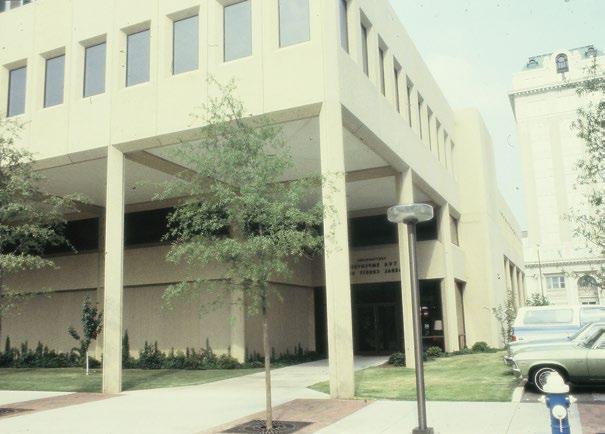
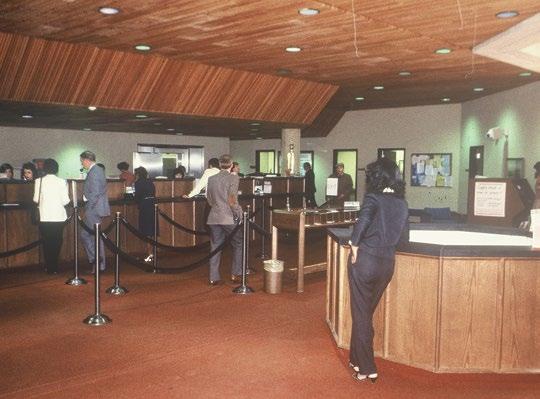
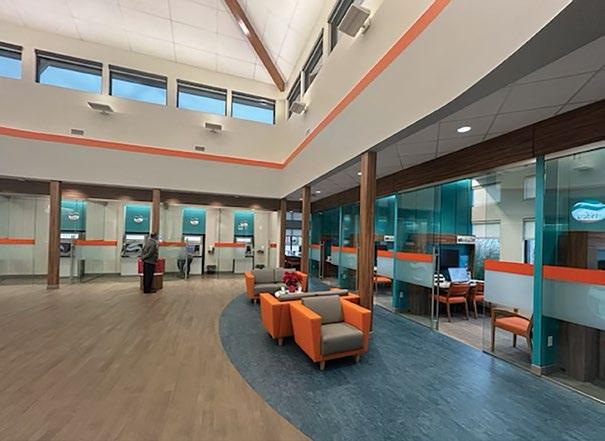
While Tennessee Valley Federal Credit Union (TVFCU) has changed in many ways over the past 90 years, its guiding principle of “people helping people” remains the same. The credit union was built upon this philosophy when it was chartered in 1936 as the Chattanooga TVA Employees Federal Credit Union by 57 Tennessee Valley Authority (TVA) employees and their combined resources of $500.
While TVFCU’s membership was originally limited to salaried TVA employees and their families, it would later expand eligibility to include trade and hourly labor employees, and in 1983, began accepting Select Employee Groups (SEGs) beyond TVA. To reflect this growth, the company changed its name in 1994 to Tennessee Valley Federal Credit Union.
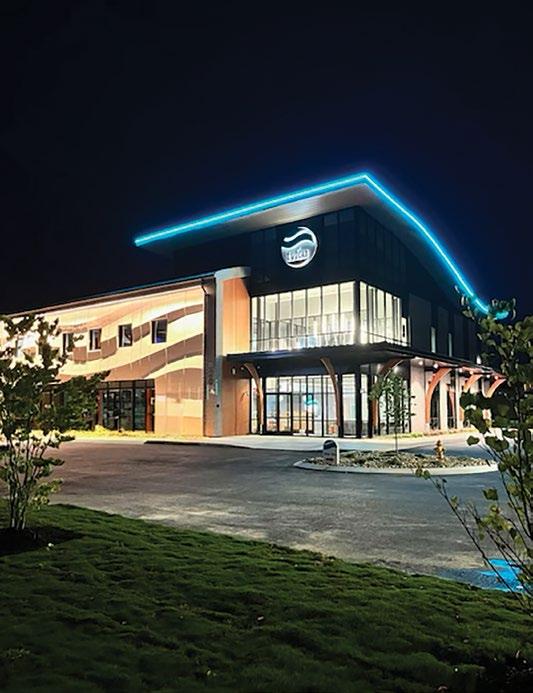
Today, what began as a small, volunteer-run credit union has grown to serve 174,000 members, with assets totaling more than $3 billion. TVFCU remains headquartered in Chattanooga, now at 535 Chestnut Street, and operates 29 branch locations across 17 counties in Tennessee and North Georgia.
“That growth didn’t happen overnight, and it didn’t happen by accident. It came from intentionally expanding our field of membership while staying committed to understanding the unique needs of each community we serve,” says CEO Todd Fortner.
Over the years, TVFCU has embraced new technology to make banking more accessible for members, from being among the first credit unions to offer online banking with a floppy disk in the ‘80s to introducing Interactive Teller Machines (ITMs) in 2015, enabling members to conduct transactions and receive live assistance outside of traditional banking hours.
“Beyond technology and growth, TVFCU’s most meaningful success lies in the lives it has impacted,” adds Fortner. “For generations of members, the credit union has been there for countless ‘firsts’: a first savings account, a first car loan, a first home, and a first business loan.”
TVFCU has many plans in store for its anniversary year, including a “Summer of Magic,” where each week one member could be surprised with $1,936 – a nod to TVFCU’s founding year. On its official birthday of June 5, 2026, TVFCU looks forward to marking the occasion at its branches, with a special 90th-anniversary TVFCU Riverfront Nights community celebration held the next day.
“This is a year of reflection, gratitude, and excitement for what’s ahead. We can’t wait to celebrate 90 years of service, community, and connection – together,” finishes Fortner.

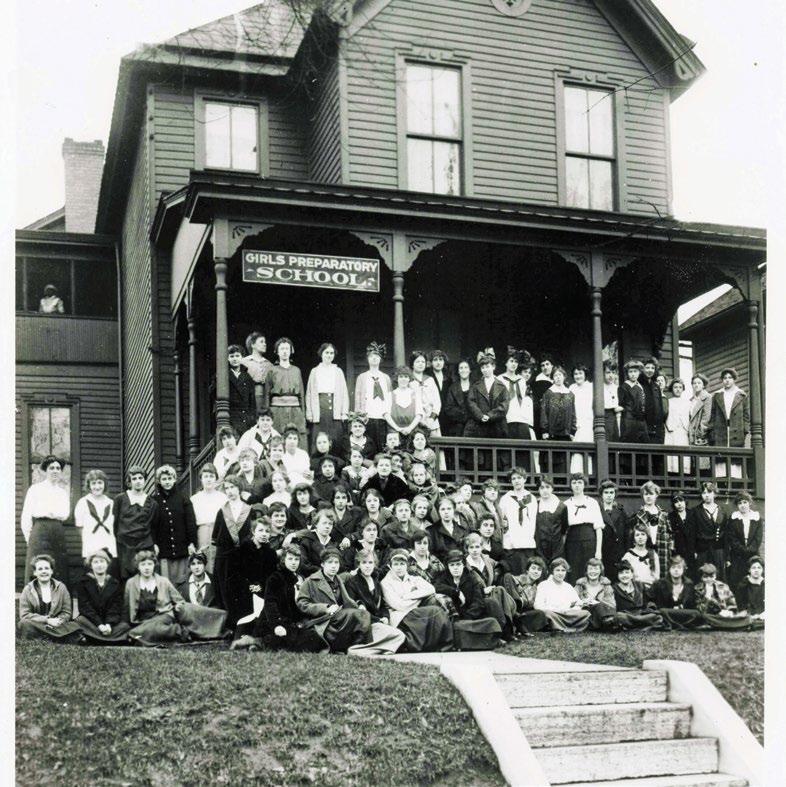
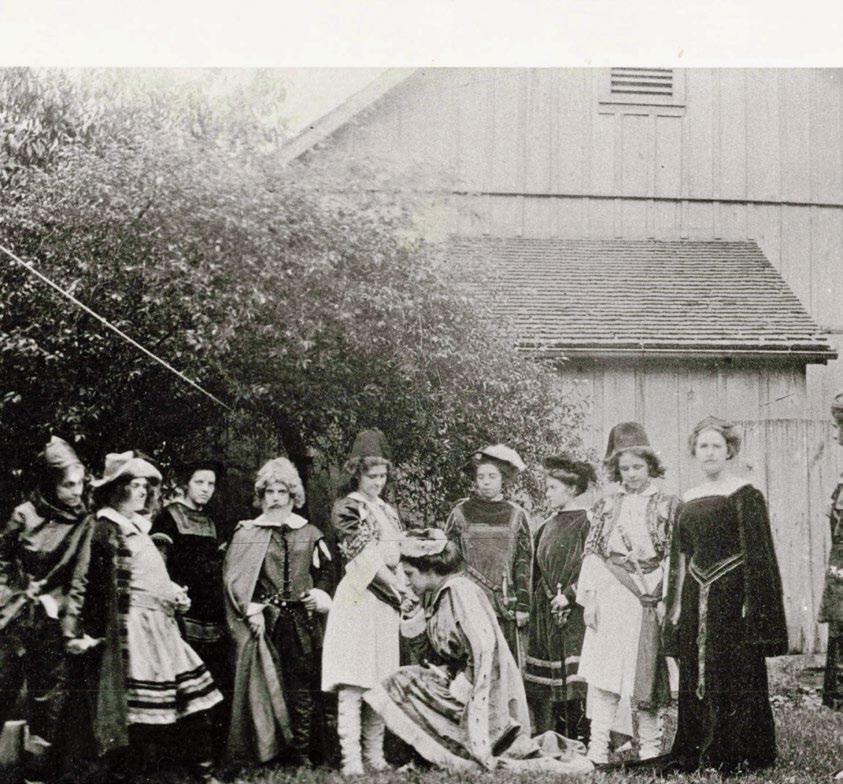
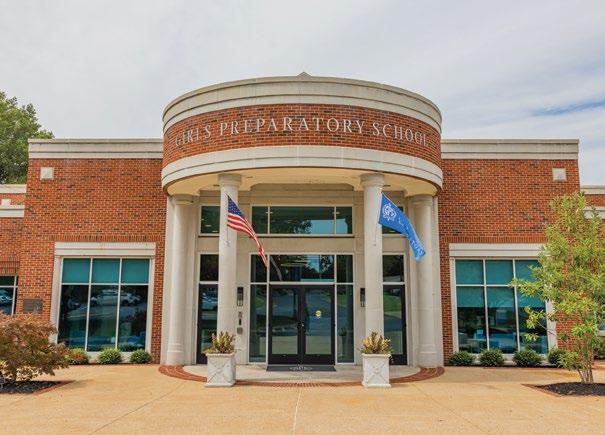
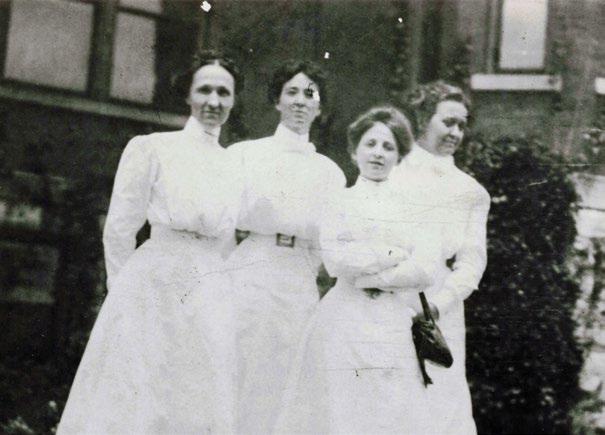
In 1906, three visionary educators would revolutionize educational options for girls in Chattanooga. It all began when Tommie Payne Duffy and Eula Lea Jarnagin, two Chattanooga High School teachers, petitioned the school board to allow girls to attend the high school for a fourth year to prepare for college. When the board denied their request, they decided to take matters into their own hands, and they recruited fellow teacher Grace McCallie to join them in creating a school for girls. The women hired a fourth teacher, Chloe Thompson, and spent the summer remodeling McCallie’s home on Oak Street. On September 12, 1906, Girls Preparatory School (GPS) officially opened for the school year.
The school quickly grew and continued to pioneer opportunities for girls in Chattanooga, including establishing the city’s first girls’ basketball league in 1909. Rising enrollment numbers required larger buildings, and in 1947, the cornerstone of the current GPS campus was laid at 205 Island Avenue. Today, GPS remains committed to girls’ education as the only independent school for girls in the region, with a mission of “inspiring each girl to lead a life of integrity and purpose by engaging her mind, cultivating her strengths, and nurturing her self-confidence and respect for others.”
“The vision of the founders was to provide girls the same educational opportunities available to their male peers so they could be successful in college and their careers. GPS was founded on the belief that girls deserve every opportunity to learn, lead, and thrive. That belief remains just as vital today,” says Megan D. Cover, head of school.
Over a century since its founding, GPS has educated generations of girls, all while balancing innovation with tradition. Students wear the same dress uniform established in 1924 and participate in time-honored school traditions such as May Day, Winterim, Ring Day, and Cat-Rat, where seniors welcome new sixth graders. At the same time, GPS continually adapts its educational approaches and extracurricular offerings in response to student interest and the latest research on how girls learn best, which Cover notes has been key to the school’s success.
Cover says that some exciting campus enhancements are in store for GPS’s 120th anniversary year, and that the school will continue its commitment to “honoring the past and focusing on the future.”






The transformation of Lookout Mountain into a tourist destination in the late 19th century paved the way for one of Chattanooga’s most iconic attractions: the Incline Railway. While the first rail car made its way up the mountain in 1887, taking around an hour to reach the top, a second incline cut this travel time in half a decade later.
This new incline was thanks to John T. Crass, a railroad worker with a vision for a faster rail climbing straight up the mountain. Designed by Jo Conn Guild, Sr. and Lynn White, the Incline Railway opened in 1895, initially running on coal before transitioning to electric power in 1911.

In 1973, the Chattanooga Area Regional Transportation Authority (CARTA) took over operation of the Incline and oversaw improvements in the following years. The current St. Elmo station was built in 1985 and new rail cars were introduced in 1987 and again in 2020, adding modern amenities to the Incline while maintaining its historic charm.
Today, the Incline Railway remains a popular attraction, welcoming more than 200,000 riders each year on what is now a seven-minute trip up the mountain. With its steepest grade reaching 72.7 degrees and a 4,750-foot railway, the Incline takes the title of the steepest and longest funicular in North America.
“What makes the Incline truly special is that the experience itself has never changed. While Chattanooga’s skyline and the rail cars have evolved over time, the ride up Lookout Mountain still feels just as it did in 1895,” says CARTA CEO, Charles D. Frazier.
As an outdoor attraction, the Incline has also endured natural disasters. In December 2024, a wildfire swept across the mountain and damaged sections of the Incline’s historic track and specialized cable system. However, after seven months of careful restoration, the Incline is back to running up the mountain once more.
On November 16, 2025, the Incline Railway marked its 130th anniversary with $1.30 tickets and a lively celebration at the St. Elmo station. Now, looking to the future, Frazier says the Incline is aiming to be “more than just a ride,” with plans to reimagine it into a full destination experience.
“The Incline’s future is all about making each journey up the mountain truly memorable while continuing the legacy of ‘America’s Most Amazing Mile,’” he finishes.

Bradley Orthopedics is now open — bringing together an elite team of orthopedic surgeons and cutting-edge treatments, right here in Cleveland.
For the first time, our community has direct access to fellowship-trained providers in general orthopedics and most orthopedic subspecialties — all under one roof in Cleveland and dedicated to the Bradley Medical Center standard of care.
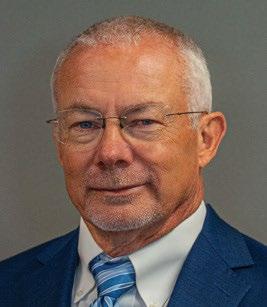
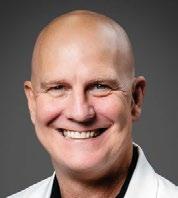
Rickey Hutcheson, DO
Spine Care (Operative & Non-Operative), Total Joint Replacement Surgery, Shoulder Replacements, Workplace Injuries/ Workman’s Comp, Extremity Fracture Care
Michael Calfee, MD
Fellowship-Trained Sports Medicine, Shoulder Arthroscopy/Instability, Shoulder Instability, Total Joint Replacement, Workplace Injuries/Workman’s Comp, Extremity Fracture Care
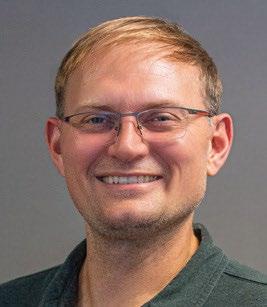
Fellowship-Trained in Hand and Upper Extremity Surgery, Upper Extremity Fracture Care, Hand and Wrist Arthritis Specialist, Pediatric/Congenital Hand Surgery, Peripheral Nerve, and Tendon Reconstruction With you every step of the way
Lee Radford, MD
Fellowship-Trained Total Joint Reconstruction, Revision Total Hip/Knee, Hip Arthroscopy, Sports Medicine, Extremity Fracture Care Arm/Leg
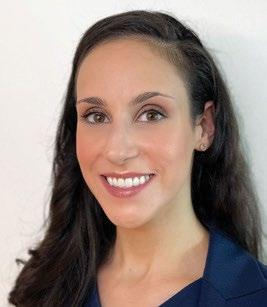
Abby Halpern, MD
E A R S
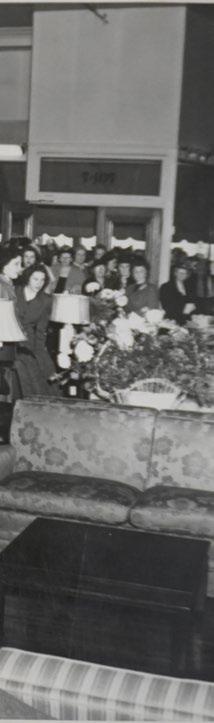
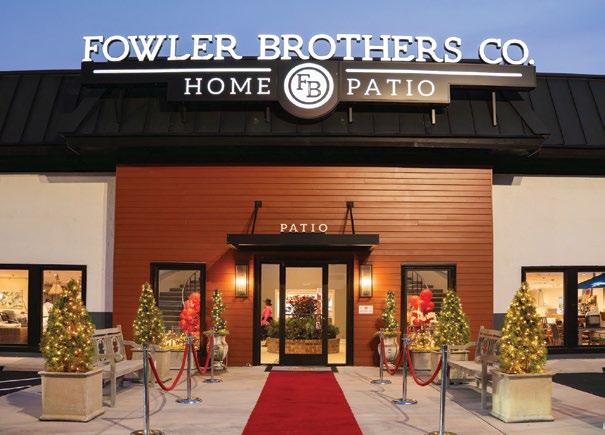
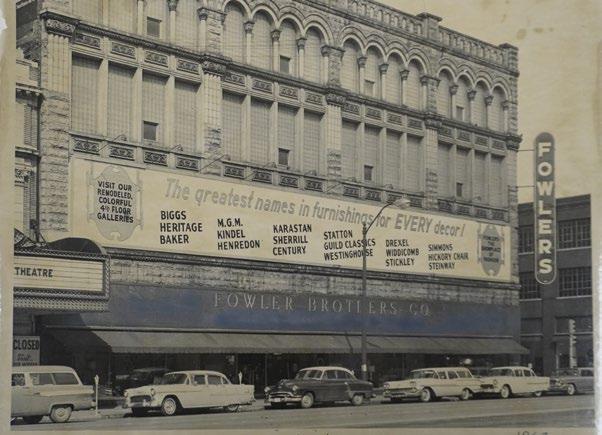
Fowler Brothers Co. Home & Patio’s story begins in 1885 with door-to-door salesman James G. Sterchi. After a year of selling goods from a horse-drawn buggy, Sterchi and his brother opened a furniture store in Knoxville, marking the start of the family’s foray into the furniture business. In 1911, the company moved into Chattanooga when John O. Fowler, who had married into the Sterchi family, opened a store near the Tivoli Theatre. Fowler Brothers Company was incorporated in 1923 and quickly became a local household name.
“From there, the family just kept evolving,” says Carter Fowler, president and CEO. “Eventually, my father, Richard Fowler, Sr., took the reins and really changed the furniture game at the time. He saw how much people loved their outdoor spaces and launched The Patio Shop in the ‘80s. It then became a huge part of our identity; as a lot of people probably remember us as ‘The Furniture Shoppe and The Patio Shop.’ Today, as the fifth generation to lead this company, I’m proud to continue carrying that same legacy forward.”
Key to Fowler Brothers’ success has been its willingness to adapt. When the retail world shifted to suburban malls in the ‘60s, Fowler Brothers relocated to its current campus off I-24 and created a gallery-style showroom where customers could browse styled rooms instead of rows of furniture.
Now in the era of big-box furniture stores and online shopping, Fowler Brothers continues to evolve. In 2020, the company rebranded as Fowler Brothers Co. Home & Patio and has since renovated its showroom and launched a new website.
Last year, Fowler Brothers celebrated its 140th anniversary with family, friends, and lifelong Fowler Brothers shoppers, and that same year, it won the Apollo Award from the International Casual Furnishings Association, which Fowler describes as the “Oscar of the outdoor furniture world.” He adds, “To win that while celebrating our 140th anniversary felt like the perfect bridge between our history and our future.”
“At the end of the day, though, our biggest success is the fact that we’ve kept the business in the family for five generations. Seeing the children of customers we served 40 years ago walk through our doors to buy furniture for their first homes – that’s the win that keeps us going,” finishes Fowler.

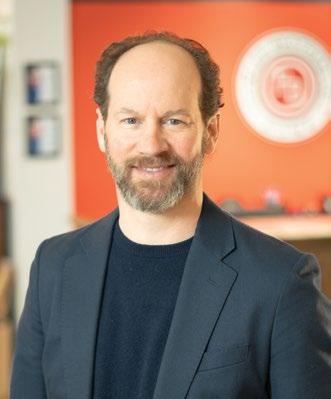





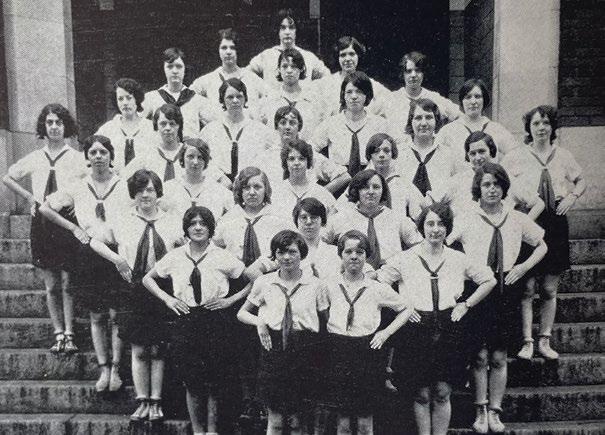
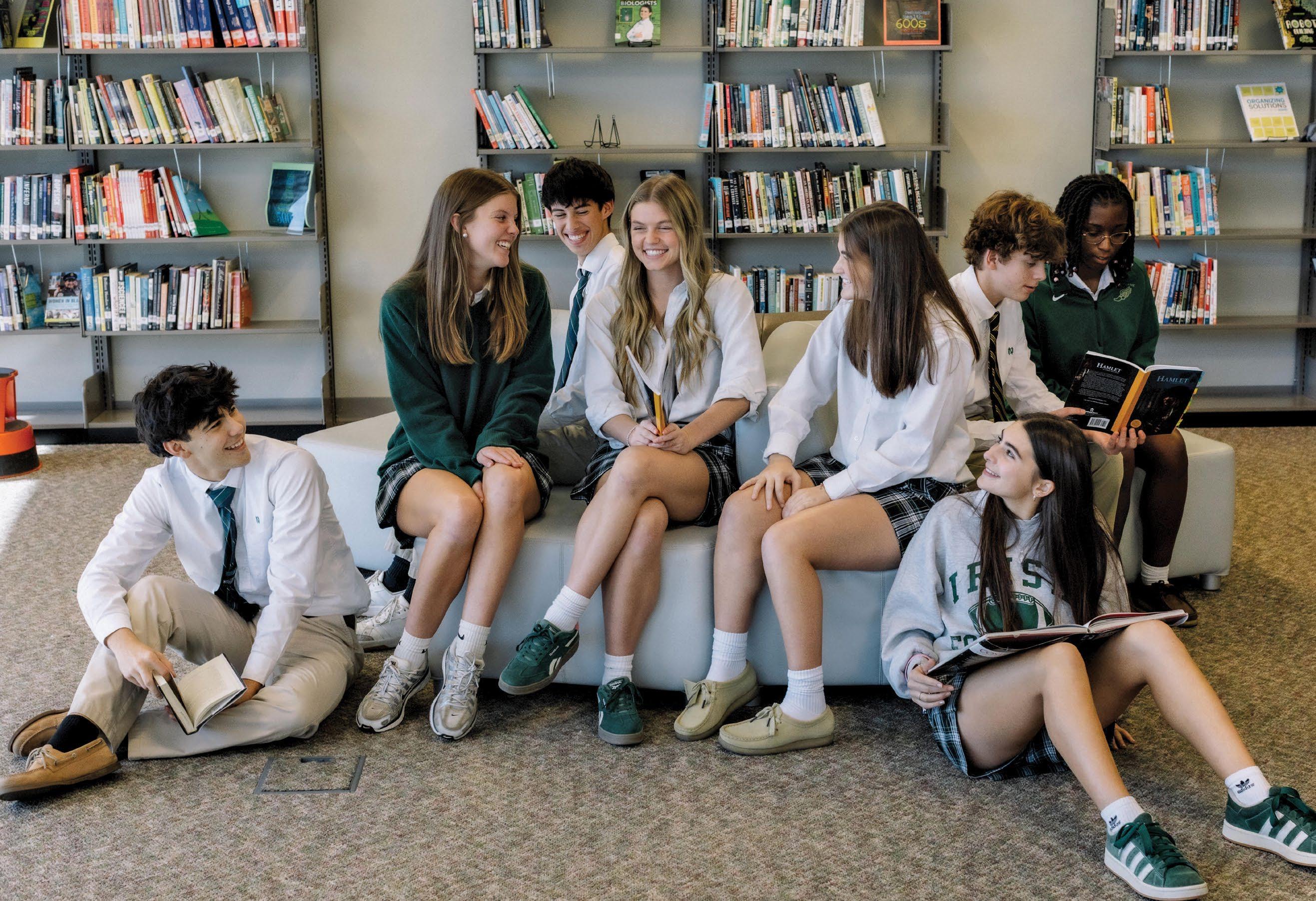
While Notre Dame High School currently serves as a coeducational high school, it didn’t begin that way. The institution originally opened in 1876 as an all-girls finishing school called Notre Dame de Lourdes, established by the Dominican Sisters of St. Cecilia in Nashville. In the 150 years since, Notre Dame has evolved to meet the needs of each era, serving as an orphanage, a K-12 school, and today, a Catholic high school.
Notre Dame’s history has been one of continual growth. After its founding, enrollment began to soar, and in 1898, the school began educating both girls and boys. In 1954, the school grew yet again when it became inter-parochial, serving multiple parishes in the area.
After relocating several times due to these rising enrollment numbers, Notre Dame moved to its current location at 2701 Vermont Avenue in 1965. In the years since, the school has invested in its campus, including a major campus renovation in 2001 that added a new wing with a library and multimedia center, and the construction of the John Varallo Athletic Center and Classroom Annex in 2009.
“While the structure and programs have changed, the heart of the mission has remained constant. In every era, Notre Dame has existed to educate the whole person – intellectually, spiritually, and morally. Our purpose has always been to prepare young people not only for academic success, but for lives of faith, service, and integrity. In short, while the form of Notre Dame has adapted across generations, its mission has always been the same: to prepare scholars and saints,” says Head of School Eric Schexnaildre, class of ‘96.
At 150 years, Notre Dame is the oldest private high school in the Chattanooga area, with a longstanding legacy that Schexnaildre says has “endured because it was founded on faith and sustained by community.”
With the theme “Onward to Victory,” Notre Dame plans to celebrate its 150th jubilee all year long. The festivities began with a kick-off Mass featuring a blessing from Pope Leo XIV to commemorate the day the Sisters of St. Cecilia arrived in Chattanooga. “We will host events throughout the year, including a luncheon for all former teachers and staff in April, a special alumni weekend in July, and a family event in September,” adds Schexnaildre. “We are looking forward to sustaining our mission for the next 150 years!”



CONCRETE & LAMBCON READY-MIX
The last name Lambert has become synonymous with Ready-Mix concrete across East Tennessee. "From the time I began, I always had the vision of hauling concrete from Chattanooga to Knoxville,” recalls Steve Lambert.
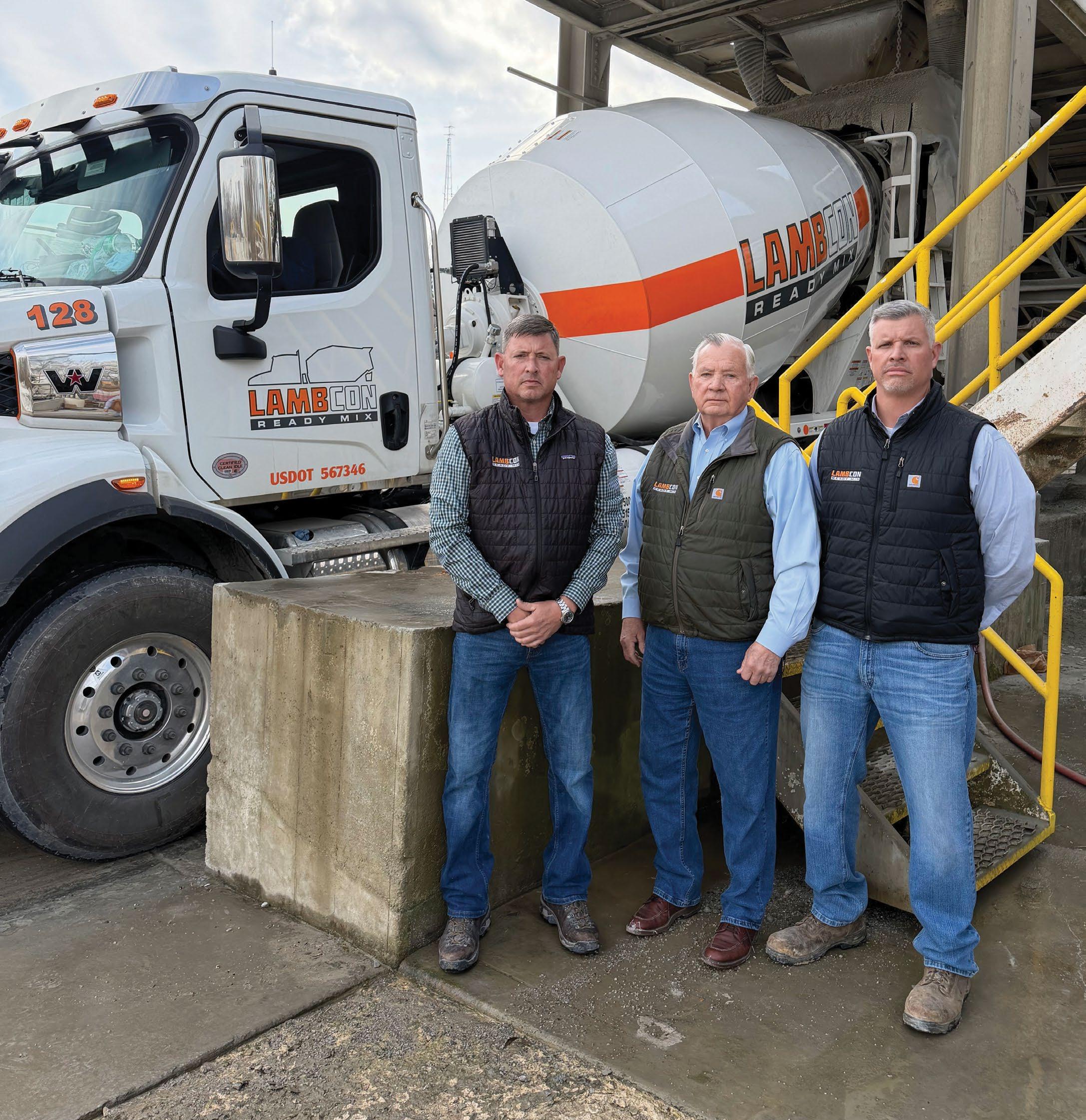



In the summer of 1978, Steve opened Bradley Concrete in Cleveland, Tennessee, the first of five locations for the Lamberts. As the business grew locally, so did the interest of his two sons, Kirk and Adam. As both graduated from college and began their careers, it was always with the family's best interest in mind. The three together quickly grew the business from Bradley Concrete to include Lambcon Ready-Mix, fulfilling the dream of “hauling concrete from Chattanooga to Knoxville” with locations serving Chattanooga, Cleveland, Athens, Lenoir City, and Knoxville. Over 50 years of continuous service have seen the business grow from a 5-truck local operation to an over 100 truck regional operation. The Lamberts still have the same goal and mentality: “High quality service, high quality concrete.”
When taking on projects, the Lamberts and their team abide by the saying, “No job too big, no job too small.”
"As a business we look to service all customers,” they explain. “We want to provide the homeowner or residential contractor with the same highquality product and service we would a commercial contractor developing a 500,000-square-foot distribution center for Amazon.”
In addition to serving customers big and small, Bradley Concrete and Lambcon Ready-Mix prioritize providing the best product, service, and
value. They use industry-leading materials and a computerized dry batch method to ensure their ready-mix concrete is of the highest quality possible. “From our materials to the trucks we send down the road, we want to achieve excellence with our concrete,” they share.
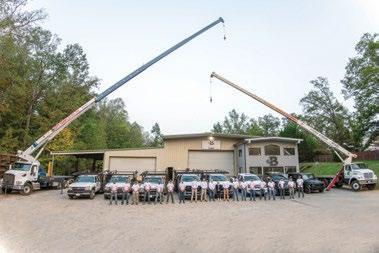
Bradley Concrete and Lambcon-Ready Mix have been trusted with projects for many major companies, including Amazon, FedEx, CocaCola, Costco Wholesale, Kroger, Publix, Oak Ridge National Laboratory, Target, the Tennessee Department of Transportation (TDOT), and Walmart. Recent projects have included adding a 1.5 million-square-foot Amazon distribution center and assisting with expansion at the University of Tennessee at Knoxville. In addition to commercial work, Bradley Concrete and Lambcon Ready-Mix also take on residential projects across their service region.
Being a locally owned and operated, family-run enterprise gives Bradley Concrete and Lambcon Ready-Mix a personal touch that resonates with both customers and the Lamberts alike as new generations join the legacy. "We are proud to serve a community that we are so deeply connected to. All of us have grown up in East Tennessee, and it is an awesome feeling to help build and maintain a part of the state we love,” finishes Jax Lambert, Kirk’s son.

Meet Four of Chattanooga’s
Since the late 1800s, Chattanooga has been a hot spot for job growth, driven by its innovative industrial and manufacturing base. Fast-forward to today, and the area’s rapid growth continues to attract employers of all sizes, creating a thriving and diverse economic center for not only the manufacturing industry, but also education, healthcare, insurance, and more. Read on to learn about four of Chattanooga’s major employers, including their history, community impact, and vision for future innovation.
BY ABBY CALLAHAN

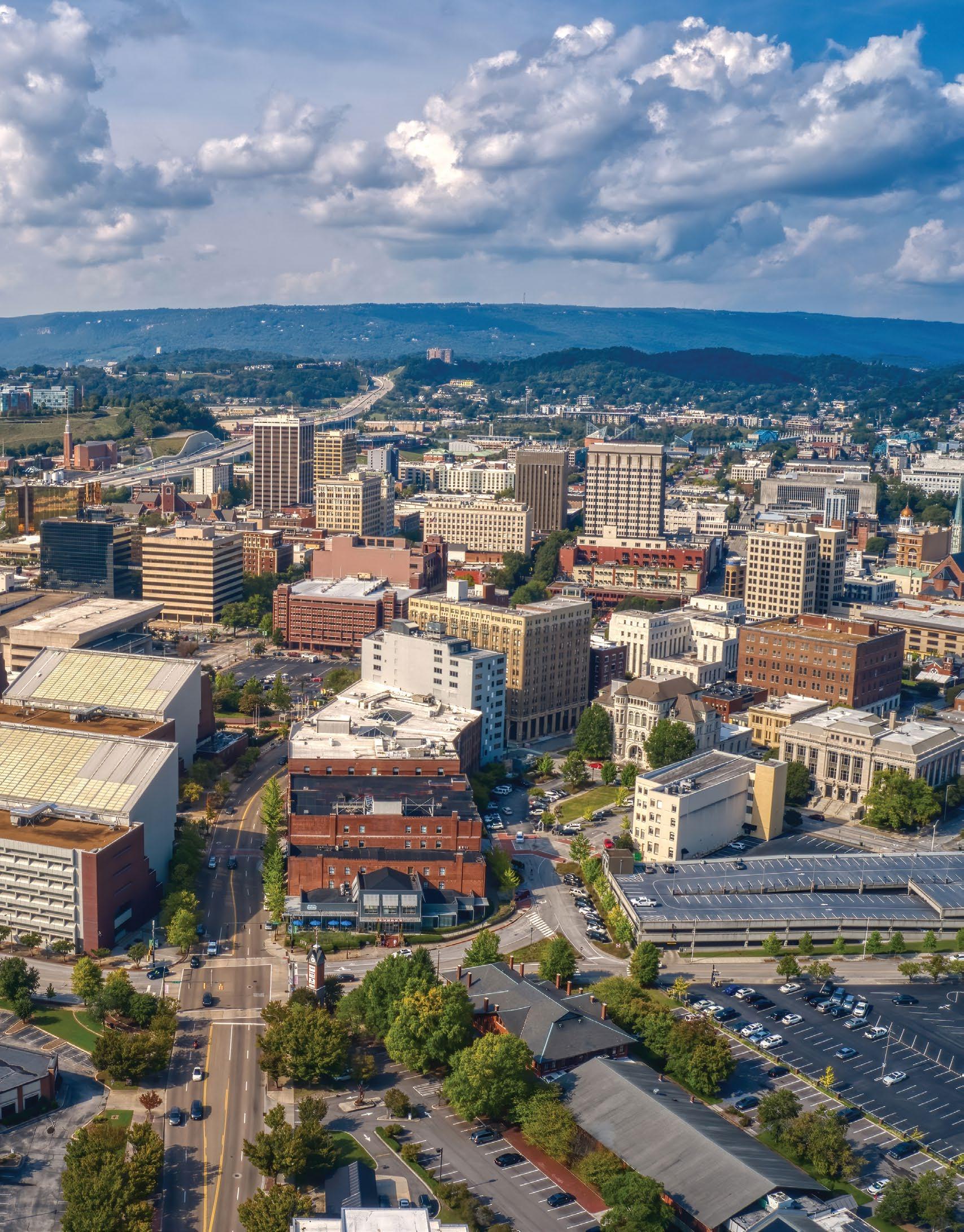
Established in 1891, Erlanger served as the first hospital in the greater Chattanooga region. For the past 135 years, it has expanded into a seven-hospital system, creating the largest network of physicians in the region and establishing a strong academic affiliation that has earned them the distinction as a teaching hospital for 50+ years.
Erlanger now employs more than 7,500 individuals across their campuses.
According to CEO Jim Coleman Jr., Erlanger plays a central role in attracting healthcare professionals, students, and emerging talent to the region by maintaining a comprehensive, multi-state recruiting strategy that “extends far beyond their local footprint.”
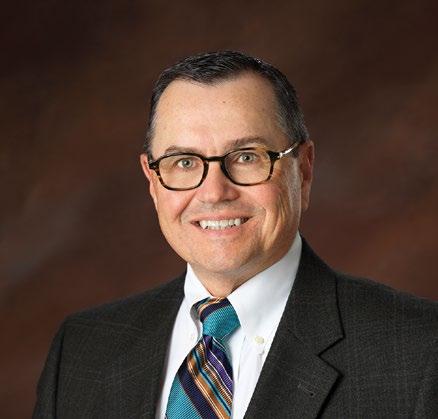
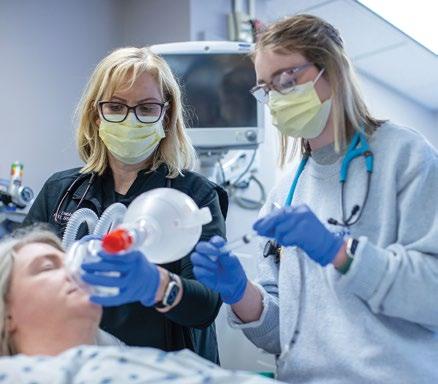

“As the region’s only Level I Trauma Center and an academic health system, we serve as a major draw for clinical professionals seeking advanced training opportunities, diverse patient populations, and career growth,” he explains.
With a mission to serve and prioritize Chattanooga’s rural communities, employees throughout the health system help to drive growth and health in their neighborhoods and families. Seeking to comprehensively improve the community, Erlanger also partners with local businesses that represent the very best of Chattanooga for economic impact.
“Erlanger has bright plans for the future,” Coleman says. “We are planning to undergo some significant changes that will build upon the rock-solid foundation to stay on the front lines of innovation and true health of the mind, body, and spirit. We are continuously finding opportunities to reach our communities and deliver better health across the region.”
As a hospital that prioritizes overall wellness, Erlanger aims to serve its employees with the same compassionate care that they deliver to patients. In doing so, Coleman believes that their mission comes full circle and integrates into their culture as a “a lived, daily practice.”
“Erlanger is fortunate to have some fantastic leaders who ensure that we’re doing our best for our employees – because at the end of the day, our employees are also our patients,” he says. As local businesses prepare to expand and serve the greater Chattanooga area, Coleman recommends they also focus on mission and culture.
“As my favorite saying goes, ‘Culture eats strategy for breakfast,’” he concludes. “The key to a good company is a good culture, and you can’t fake it. To maintain a culture as you grow, you have to make sure that the authenticity of the vision and the ‘why’ behind the culture is passed down to each level of the team. If you prioritize culture and core values, the rest takes care of itself.”





United by their mission to equip each student with the knowledge, skills, and support that they need to thrive in life, Hamilton County Schools (HCS) merged with Chattanooga City Schools in 1997 in response to the county’s evolving educational needs and expanding population. Today, HCS employs more than 6,000 individuals –including educators, administrators, support staff, and operations personnel – and serves more than 44,000 students across 78 schools. With their large team spread out across the district, Dr. Justin Robertson, HCS superintendent, says that each individual plays a part in effectively serving as a unit.
“This requires a thoughtful structure that balances scale with personalization,” he explains. “Organizing into learning communities, which are regional clusters of schools, allows us to operate small communities within the larger district, which then enables our leadership to give more individualized attention to each school, respond to unique community needs, and maintain close, supportive relationships among staff.”
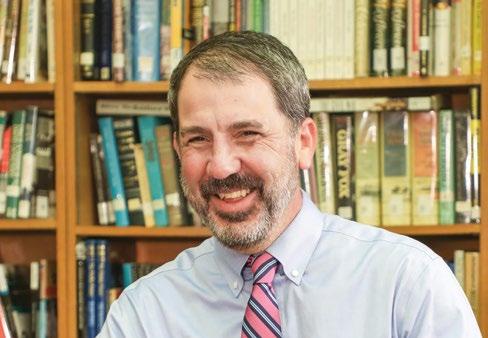

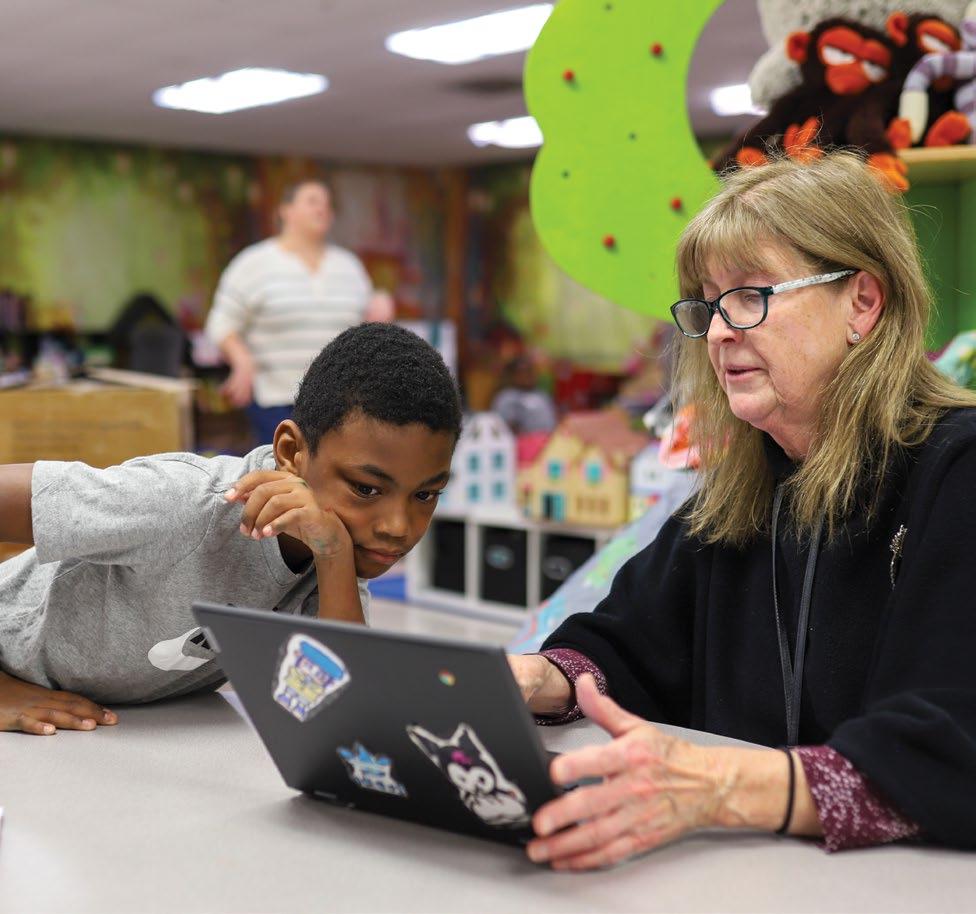
When it comes to talent acquisition, HCS’s part is twofold – providing both a wide range of professional opportunities and career pathways for educators, as well as quality school choices for families looking to move to the area. “When people see that their children will have access to great schools and that they, too, can thrive professionally, it strengthens their decision to call Hamilton County home,” Dr. Robertson says. But retaining and attracting talent is only the first step for investing in the regional workforce – the next is community connections.
Through its Opportunity 2030 strategic plan, HCS’s Future Ready Students department has positioned the district as a state leader in career and technical education by partnering with local employers to offer hands-on learning and career exploration for students from kindergarten through high school. “This vision unites our employees around common goals while still honoring the diversity of our staff, schools, and neighborhoods, building strong talent pipelines for our region,” explains Dr. Robertson. “North River and Harrison Bay Future Ready Centers’ enrollments have increased by 45% since the 2023-2024 school year and are projected to grow another 20% in 2026-2027. We’re excited to build on that momentum with the expected opening of the Franklin-Roberts Future Ready Center in 2028.”
Additionally, HCS earned the 2025 Tennessee Advancing District accountability designation with graduation rates reaching a historic high of 94.2% for the Class of 2025. As they look to the future, Dr. Robertson says that HCS’s vision is not “simply about expansion,” but “deepening opportunities and strengthening community support systems” to ensure student success across Hamilton County.
“Hamilton County Schools remains focused on our just cause: ensuring that all children thrive and experience a future without limits,” he finishes. “We’re incredibly fortunate to have some of the most dedicated, talented educators and employees in the profession. Our team members show up every day with a commitment to excellence, a belief in the potential of every student, and a passion for serving their communities.”

The Tennessee Hospital Service Association was formed in Chattanooga in 1945, and four years later, the BlueCross BlueShield of Tennessee (BCBST) program was founded with a mission to help individuals pay for hospital care – and affordable access has driven their purpose ever since.
First introducing a community enrollment plan in 1950 – making healthcare available to the public – and later introducing major medical coverage and Medicare plans in 1956 and 1965, respectively, BCBST continued to rapidly expand well into the ‘90s. Today, BCBST leads as the state’s largest health insurer with more than 6,000 employees – 1,300 currently living in the Chattanooga metro area –and serves more than 3.3 million members in Tennessee and across the country.
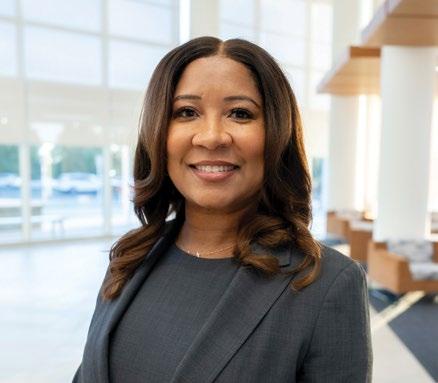


To manage their large employee and client base, BCBST’s SVP and chief human resources officer, Marie Webb, says that it’s critical to prioritize clarity, consistency, and trust.
“Clarity starts with making sure everyone understands the company’s strategy and how they contribute,” she explains. “We have strong leadership at every level across our organization, and we regularly communicate about priorities and changes. These channels of communication are critical to not only managing our employee base, but also to maintaining a strong connection between our people and our mission to serve our members.”
As an employer of choice, BCBST aims to “create a work environment that employees want to be a part of.” With programs like BlueSky Tennessee Institute – offering high school graduates a fast track 27-month computing degree with real-world internships and a job offer – and BlueHorizon, which enables participants to earn a health sciences associate degree while completing a paid customer service apprenticeship, BCBST continues to draw and retain top talent within the region’s workforce.
“Chattanooga is our hometown, and as one of its largest employers, we’re invested in creating talent pipeline programs that support the next generation of Chattanoogans entering the workforce,” says Webb. “And these initiatives allow us to support the workforce in our own backyard while meeting our hiring needs as our business grows.”
In the spirit of BCBST’s culture, Webb says their “employees have huge hearts and are very generous with their time” – meaning “TeamBlue volunteers” give thousands of hours to local organizations each year. Additionally, the BlueCross Healthy Place program builds and revitalizes public spaces to help neighbors connect and strengthen community ties. Chattanooga locations include Highland Park and St. Elmo, and teams recently broke ground on a new BlueCross Healthy Place at the Chattanooga Airport, featuring a flight observation area and an aviation themed play space.
Looking forward, Webb concludes that BCBST’s “North Star, so to speak, will remain the same. That’s providing members with access to quality, affordable care. Beyond that, it’s about investing in our people and helping them develop the skills they’ll need to thrive in the workplace as it evolves around us.”
Founded by the Sisters of Charity of Nazareth, Memorial Hospital – now CommonSpirit - Memorial Hospital – has served Chattanooga since 1952 as the city’s only faith-based health system. The acquisition of North Park Hospital in 1998 (now Memorial Hospital - Hixson) and Memorial Hospital - North Georgia in 2017 fueled significant expansion. CommonSpirit Medical Group was founded in the mid-1990s. Today, CommonSpirit Medical Group and The Chattanooga Heart Institute include 400+ providers operating 65+ clinics across a 90-mile radius in Southeast Tennessee, Northwest Georgia, and Northeast Alabama.
Market President, CommonSpirit, Tennessee and Georgia, Janelle Reilly says that their culture and mission are “deeply rooted in the legacy of the Sisters of Charity of Nazareth,” uniting employees across campuses. “Their footsteps and presence are etched into our facilities and operations,” she explains.
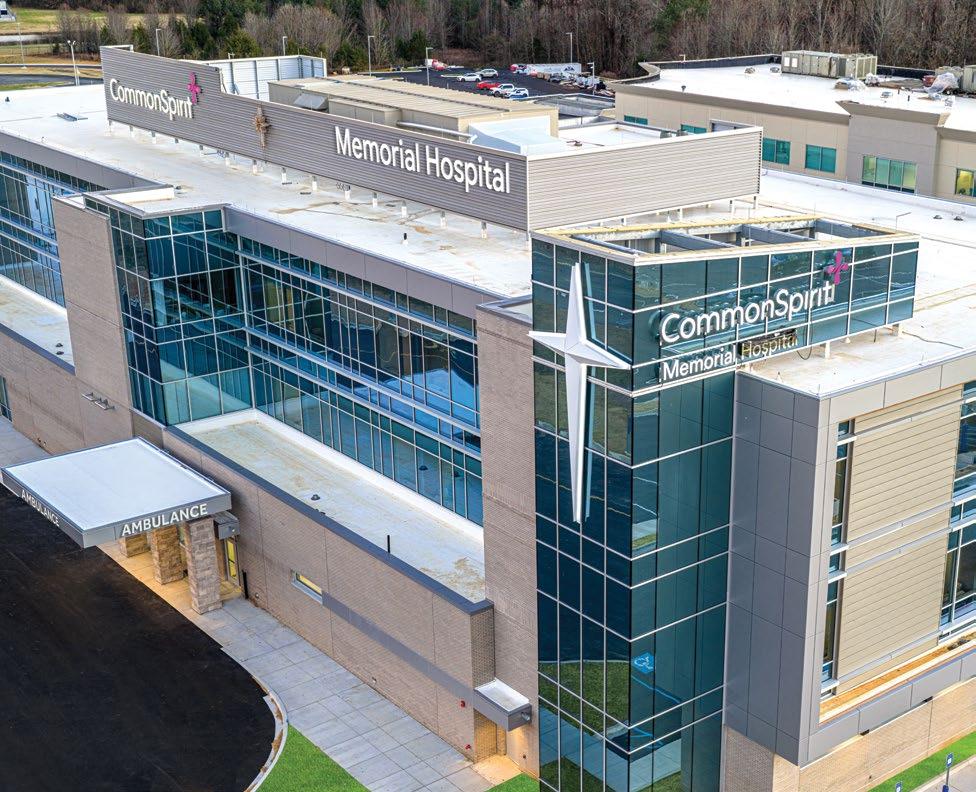
“This historical foundation, combined with strong leadership modeling and a shared commitment to service, intrinsically shapes and reinforces our organizational culture. Our leaders consistently exhibit our core values and ‘walk the walk.’ Our employees will also tell you that their work is a ministry, not simply a job.”
Striving to positively impact the community by actively improving public health, CommonSpirit - Memorial Hospital and CommonSpirit Medical Group offer competitive career paths and attracts a wide range of employees from diverse economic backgrounds. By expanding access to quality care and medical services in this way, the health system’s presence encourages additional economic development in the area.
“We are committed to providing high-quality, patient-centered care that allows local residents to receive the healthcare they need in their own community,” Reilly says. As they look to the future, CommonSpirit - Memorial Hospital and CommonSpirit Medical Group continue to consider the community’s evolving healthcare needs. “We’re particularly looking at expanding ambulatory services to satisfy convenience and lower health costs for consumers,” she says. “Another key focus is to expand our primary care group to serve more patients across the region effectively. This strategic growth aims to improve access to essential healthcare services, bringing care closer to where our community lives and works, while ensuring we remain responsive to the needs and demands of the populations we serve.”
To ensure their 4,700-strong employee base and medical group feel supported, Reilly says that transparency is their main guide – focusing on providing resources, clear communication, and a safe work environment. For emerging employers who wish to unite their employees and expand community impact, she advises consistent employee care and communication.
“Consistency in communication, delivered from the top down, is absolutely critical to reinforce your company’s values across the organization,” she finishes. “This process must be intentional. Leaders must consistently articulate and demonstrate what the company stands for. By clearly defining and continuously communicating your core values, you create a strong cultural foundation that can withstand the challenges of rapid growth and ensure your team remains aligned with your mission.”


You’ve
At Decosimo, we lead owners through the process of selling their business. The results? More than 90 businesses sold, totaling $3 billion in value. When it matters most, we’ll guide you to an outcome that reflects the value you’ve created and the legacy you’ve built.




Don’t miss out! Stay up to date on exciting local events happening in Chattanooga! Scan to sign up for our monthly newsletter.
"Incredible things in the business world are never made by a single person, but by a team." — Steve Jobs
While most of Chattanooga lies peacefully asleep in their beds, other workers across the city are waking up bright and early – or working through the night – to keep the city running. From a baker to a morning reporter and more, meet five locals who help take care of the city and its residents when the rest of us are off the clock.
BY ALI LEMMONS / PHOTOGRAPHY BY KRISTINA ARMSTRONG
Production Manager, Niedlov’s Bakery & Café
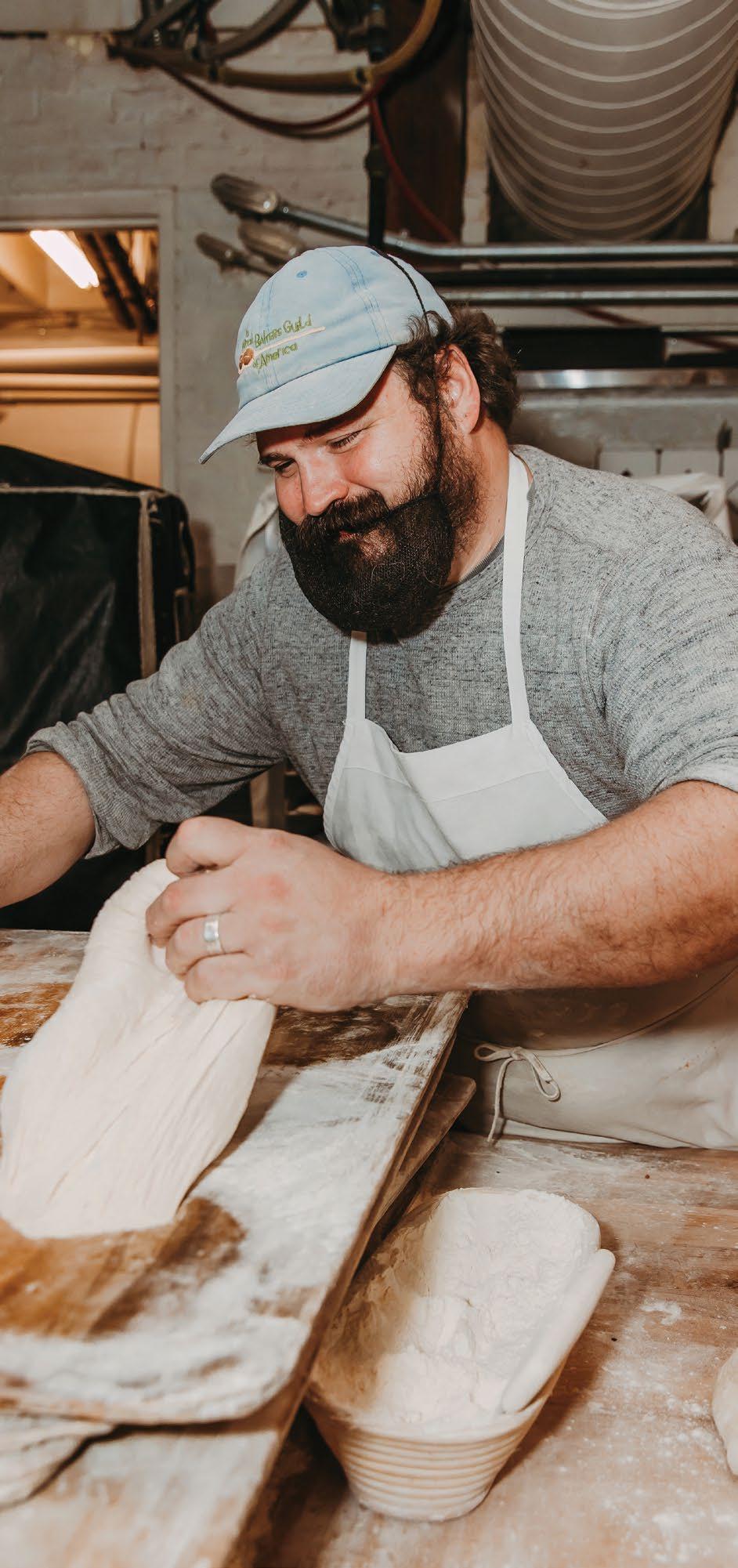
No traffic, never having to search for a parking spot, and having afternoons to himself while everyone else is at work – these are just a few of the perks that production manager Matthew Martin enjoys about his early mornings at Niedlov’s Bakery & Café.
Arriving to work anywhere from 3 to 4:30 a.m., Martin starts his shift by readying the kitchen and setting up the production department for a long day of baking ahead.
“Every morning when I show up, I check our longfermented doughs and adjust temperatures of ovens and retarders to make sure doughs are ready for my bakers when they arrive shortly after me,” he says. “Then, I jump on the bench and begin production –cutting, shaping, and dividing doughs mixed by the baker that arrives before me and the mixer from the afternoon before.”
After handing off to the bakers, Martin spends time creating schedules for the team, inventorying ingredients, and talking to vendors, ensuring the café has everything it needs to produce products for the steady stream of customers who walk through the doors.
“If you want fresh bread at lunchtime, we need to start baking before the sun comes up!” he adds.
While many would balk at the idea of such early mornings, Martin finds that the schedule works in his favor. Starting early means he can focus on production without distractions and finish his workday with time left to enjoy the afternoon.
“The thought of waking up at 3 a.m. sounds rough, but when you start and finish your day earlier, you have much more time for yourself,” he shares. “And nothing beats quiet, meditative mornings with people you consider family.”
As for the rest of the day, Martin relies on two essentials: naps and coffee. With his wife working a conventional 9-to-5, these indulgences allow him to maintain balance between his early schedule and home life. After a solid nap, lunch with his wife, and a nice walk with their dogs, Martin feels ready for whatever the rest of the day may bring.
Martin finishes: “Bread is pretty important to society. Being able to practice a craft that I’m passionate about while providing a nearly indispensable food product to a community that I love makes the hard work easy!”
While other local professionals start each day by enjoying a cup of coffee and turning on Good Morning Chattanooga, most don’t realize that news anchor Hannah Ferrera has been up since 3 a.m. to deliver their morning news.
“I am in ‘go mode’ the minute my alarm goes off –checking overnight breaking news, making my coffee, styling my hair, and starting my full face of makeup,” says Ferrera. “I join a meeting with my team at 4 a.m. to review the day’s shows, and I’m live on air at 4:30 a.m. on the dot.”
Once the show starts, Ferrera sits at the anchor desk for four and a half hours. When she’s not actively on air, she keeps busy by proofreading, correcting, and personalizing the tone of each story, all while keeping an eye on current traffic and any breaking news that may come her way.
“I take a breather after our morning show ends at 9 a.m., and I spend the rest of my day setting up stories, doing interviews, and anchoring our noon newscast,” adds Ferrera.
When explaining her career to those with a traditional 9-to-5, Ferrera uses the analogy of “airport time.”
“You know when you have a fun vacation planned, but the entire family has to wake up in the pitch black at 3 a.m. to get to the airport in time? It’s like that … but you’re about to go on live television – and you do it every day,” she jokes.
Luckily, a steady routine, discipline, and knowing when to let loose and have fun help Ferrera manage her work-life relationship despite her unusual hours.
“When I started this job more than a year and a half ago, I feared for the future of my personal life, but it’s been beyond manageable,” she says. “During the week, I am regimented about getting to bed early, but on Friday and Saturday nights, I don’t have a bedtime. Those two nights give me ‘normalcy,’ and I cut myself some slack before I regroup on Sunday. Life is all about balance.”
Despite the early hours, Ferrera’s passion for keeping the city and its residents informed make it all worth it.
“Local news is more important now than ever. We’re living in a rapidly evolving media landscape with a million places to get our information,” shares Ferrera. “What I believe always rises above the ‘doom and gloom’ we often see in the news is the power of community. I love that my job allows me to tell the stories of our neighbors on a hyper-local level.”



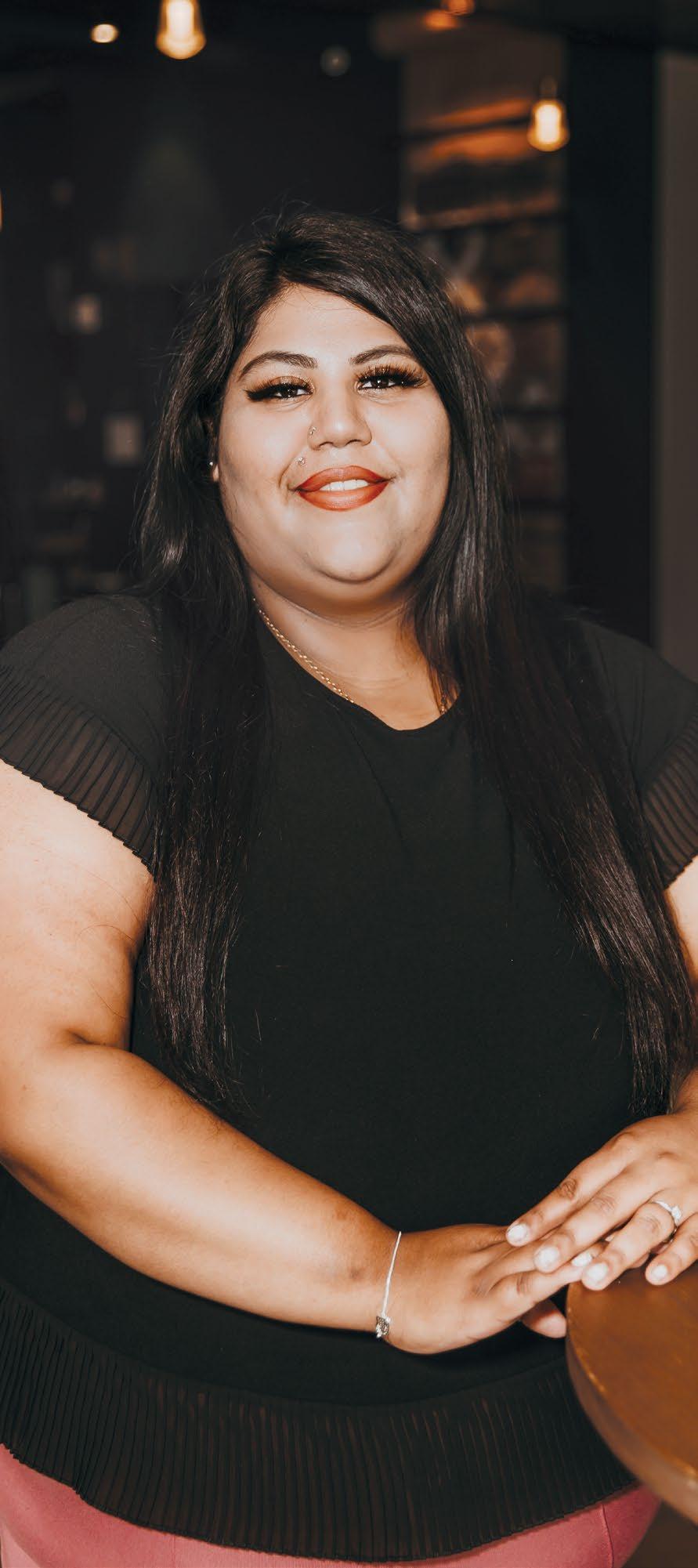
“If we can change someone’s day with a small gesture or smile, we are winning in life,” says Jessica Castaneda, night auditor at The Kinley Hotel.
And from 11 p.m. to 7 a.m. each day, Castaneda does just that as she checks in guests, answers calls, runs audits, and keeps the hotel running smoothly during the twilight hours. After six years on the night shift, Castaneda has grown used to – and even appreciates – her unusual hours.
“Not many people do the night shift because they think it’s hard, but I think it’s better. I’m happy that I have the opportunity to make someone’s morning better by doing the smallest things to brighten their day,” says Castaneda. “I aim to give great hospitality and be respectful to each and every guest that I encounter.”
While some mornings at the hotel are slow and quiet, others bring a 5 a.m. rush that keeps Castaneda on her toes as she answers guest questions, valets cars for those in a hurry, and brews coffee for the early risers.
“But with just a smile, it all runs smoothly!” she adds.
Throughout her time at The Kinley, Castaneda’s favorite part of the job has been the people she meets along the way.
“Seeing some of our wedding couples, especially the brides in their unique dresses, or sharing a moment and hearing about life stories from couples that have been married for 50 years reminds me why I love what I do,” she shares. “I’m just happy letting guests vent to me. If they just want someone to talk to, I don’t mind – I’m all ears and willing to listen.”
When she’s not on the clock, Castaneda shifts her focus to family.
“After work, I go home to shower and switch to ‘Mommy mode,’” she says. “When I get the chance, I squeeze in a little getaway with my son. Not everything is work – we have to take care of our mental health as well.”
Castaneda finishes: “I am so grateful to work for Vision Hospitality and for my general manager who has been amazing in every area.”

Director of Guest Services and Parking, Erlanger
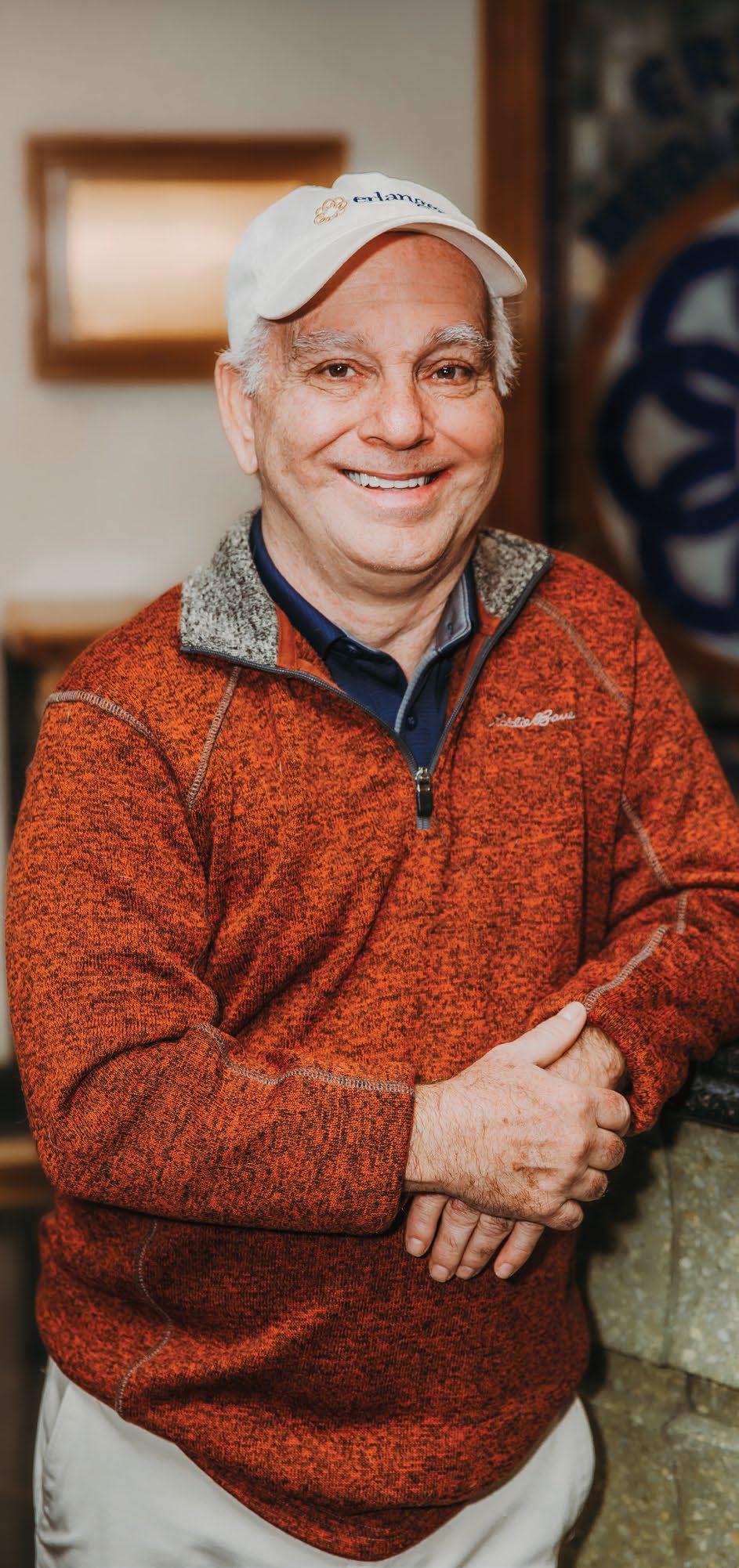
As the sun comes up over Erlanger Baroness Hospital each morning, Mickey Milita is already hard at work, starting his days at 4:45 a.m. to make sure the campus is safe, accessible, and ready for the day ahead.
“Folks want to arrive at work with everything ready to go,” says Milita, director of guest services and parking for Erlanger. “In the parking and transportation areas, that means making sure my staff have shuttles gassed and ready to go is key. It’s also important to ensure the customers’ first impression of the hospital is a clean and welcoming one.”
While Milita attends necessary meetings and works with a multitude of vendors, working outdoors and preparing for staff and visitors to arrive at the hospital is his main priority – and no two days are ever the same.
“During the day, it’s really whatever comes my way. Working at a hospital with so many visitors and thousands of staff members, there is never a dull moment,” says Milita. “But I have a great crew that works with me.”
When snow and ice are in the forecast, Milita and his crew arrive even earlier – even working overnight shifts – to pretreat the parking garage and hospital entrances and shovel snow when needed, ensuring the safety and smooth arrival of everyone at the hospital. While the hours could be difficult, a steady routine makes sure Milita is prepared for each day.
“I have always been an early-morning person, so I’m just used to it.” says Milita. “I’m usually in bed by 9 p.m. each night with everything ready to go for the next morning.”
Over the years, that steady routine has become a way of life, ensuring that his workdays flow smoothly and that he has the time he cherishes at home.
“It’s just what I know – traffic is mild, you get to see the world come alive, and my energy level is high,” finishes Milita. “I just always make sure I have enough time for the grandkids, and my wife is usually the one that makes it happen for me. I enjoy the work that I do – Erlanger has been so very good to me and my family.”


Firefighter, Chattanooga Fire Department
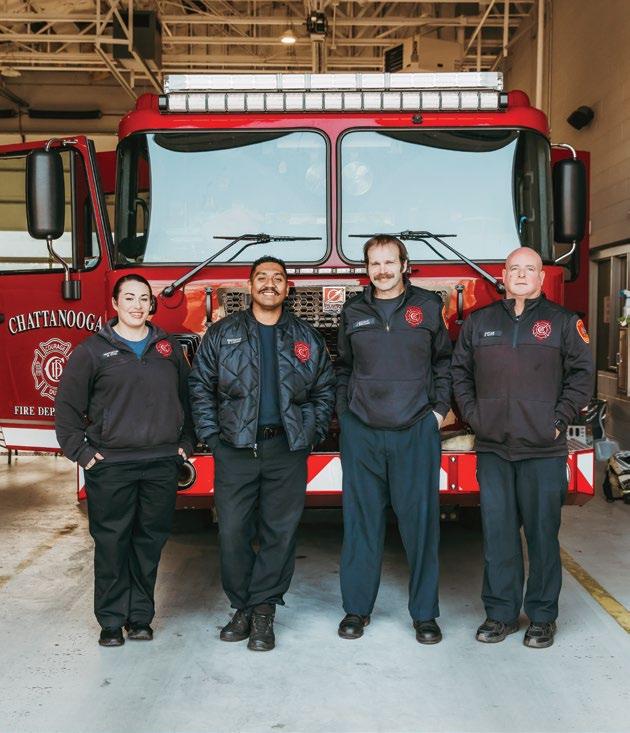
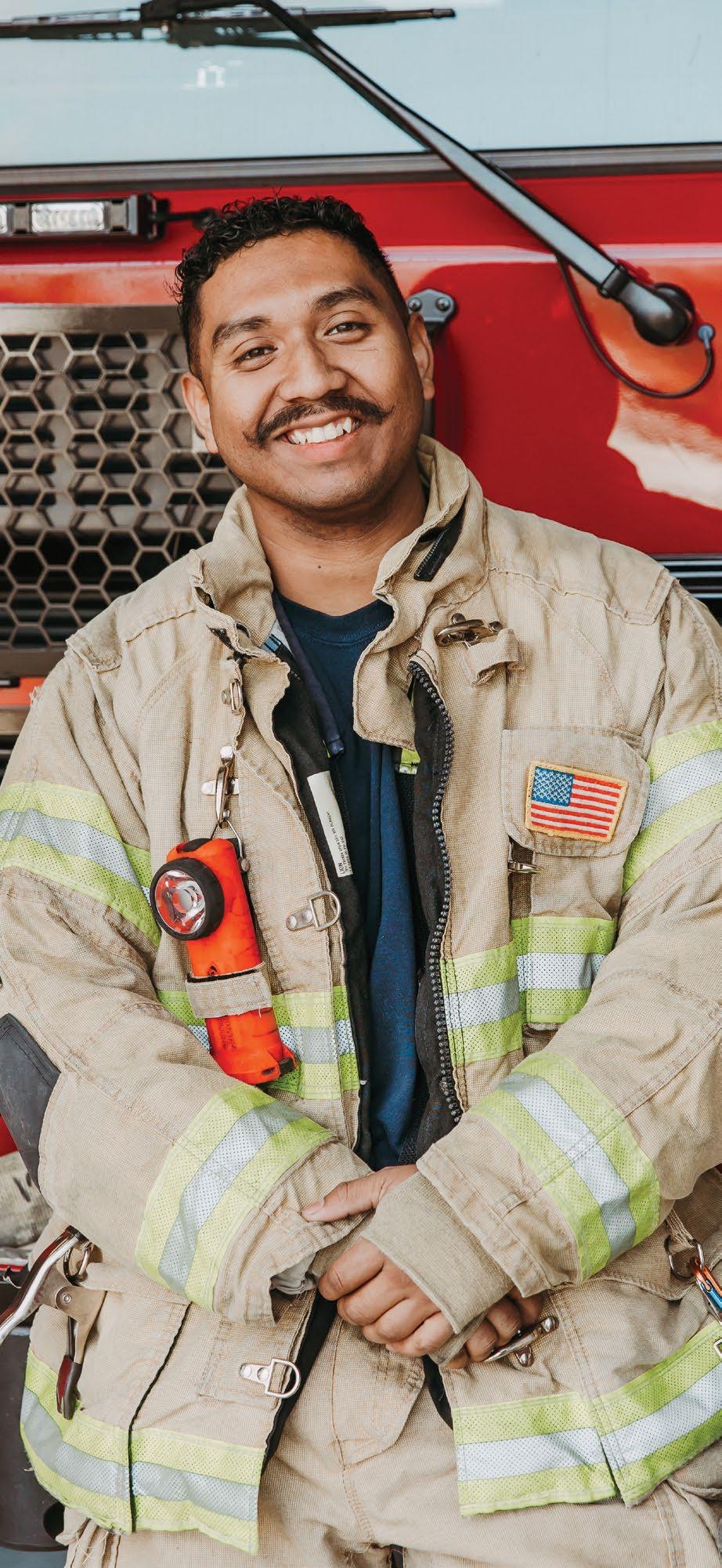
With 24-hour shifts, an emergency can happen at any hour of the day or night, and Brandon Lozano and his team at the Chattanooga Fire Department spend their mornings preparing for the unexpected.
“Being able to respond quickly could help keep someone alive,” says Lozano.
For the first 30 minutes of each shift, Lozano takes time to gather his gear and thoroughly inspect the fire truck and equipment to ensure it’s ready to respond to calls at a moment’s notice. But from there, he has no idea where each shift might take him.
“There’s no typical day for a firefighter – every day we have something different. That is what I love so much about this career,” shares Lozano. “We respond to all sorts of different kinds of emergencies. The only things that stay the same are our daily station duties, such as taking out the trash, cleaning our station, and most importantly, making sure our fire truck is clean and ready to go.”
Besides protecting the Scenic City and its residents, Lozano also serves the community through public education of fire safety, often visiting elementary schools to give presentations on the station’s truck and gear. Being fluent in both English and Spanish, Lozano helps bridge language barriers and reach every resident of the city.
“At one school, there was a little boy named Nicolas who only spoke Spanish and didn’t want to participate in the presentation as he wouldn’t understand what was being said. I asked him in Spanish, ‘Are you sure you don’t want to join? It’s a pretty cool fire truck.’ His eyes opened wide and I told him I would say everything in Spanish so he could understand. He followed me around the whole time we were there. I made his day just by being there for him. Little things like that are why I love my job,” shares Lozano.
While fighting fires and protecting the city is no easy feat, knowing that he is able to serve people on their worst days makes it all worth it for Lozano.
“Even though these aren’t normal hours, and we see all sorts of traumatic calls, this job is incredibly rewarding,” finishes Lozano. “I am able to help people and make a difference in some of their lives. My crew is a big part of what makes this job easy and a fun experience.”

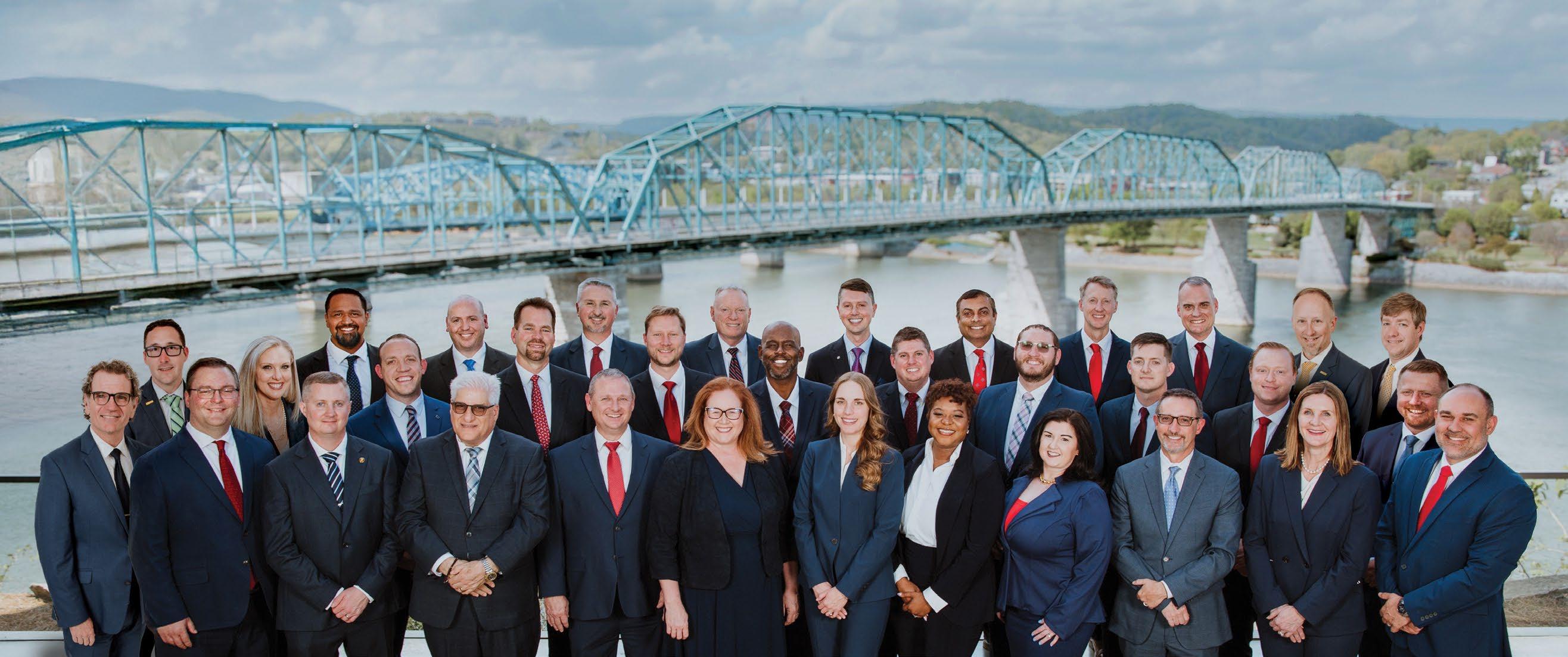
The financial planning services include greater personalization in both advice and deliverables, additional analysis on topical area such as estates and tax strategies and a commitment to a fiduciary, comprehensive level of service, beginning with an initial plan and regular review/update of the aspects within your plan.
Becki T Anderson, CFP®, CEPA®, CRPS™
423-541-0303
David J Oesch, CFP® 423-267-8433
Hixson
Derrick C Anderson, CFP®, AAMS™ 423-843-4994
Heather W Edmondson, CFP®, AAMS™ 423-843-5034
Ian M Early, CFP®, AAMS™ 423-875-0508
Marty Cabe, CFP®, AAMS™ 423-842-3071
Lee H Prichard, CFP®, AAMS™ 423-332-3006
Gretchen Wynn 423-954-7751
Joshua D Schweiger, ABFP™, AAMS™, CRPC™ 423-954-7751
Jonathan G VanderHart 706-858-9676
Paras Sharma, CEPA®, AAMS™ 706-229-8791
Rob Looney, CFP®, AAMS™ 706-375-4727
Ty M Willeford, AAMS™ 706-638-6673
Keith Ware 706-657-2477
Joseph Ladner, CFP®, ChFC®, CEPA®, SE-AWMA™ 423-746-5975
Beth Lofgren, CFP®, CEPA®, RICP® 423-499-4144
Stan Russell, CFP®, AAMS™ 423-894-0058
Adam Cline, AAMS™ 423-541-0012
John Attardo 423-899-0792
Geo Mejia, AAMS™ 423-305-0268
David Keith, AAMS™ 423-892-1449
Corey Madding, CFP®, AAMS™ 423-238-0184
John Nething II, CEPA®, AAMS™ 423-910-1982
Jay Sparks, AAMS™ 423-910-4009
Ron Markel
423-473-2215
Bradley A Hudson, CFP®, AAMS™ 423-476-3320
Ben Payne 423-339-2885
Kelly L Browand, CFP®, AAMS™ 423-476-3320
Bobby Ludwig, AAMS™ 423-473-2215
David B Browand 423-641-4755
Shannon B Ritzhaupt 423-476-0162
Chris Robinson 423-476-4325
Tolita Freeman, AAMS™ 423-376-1778
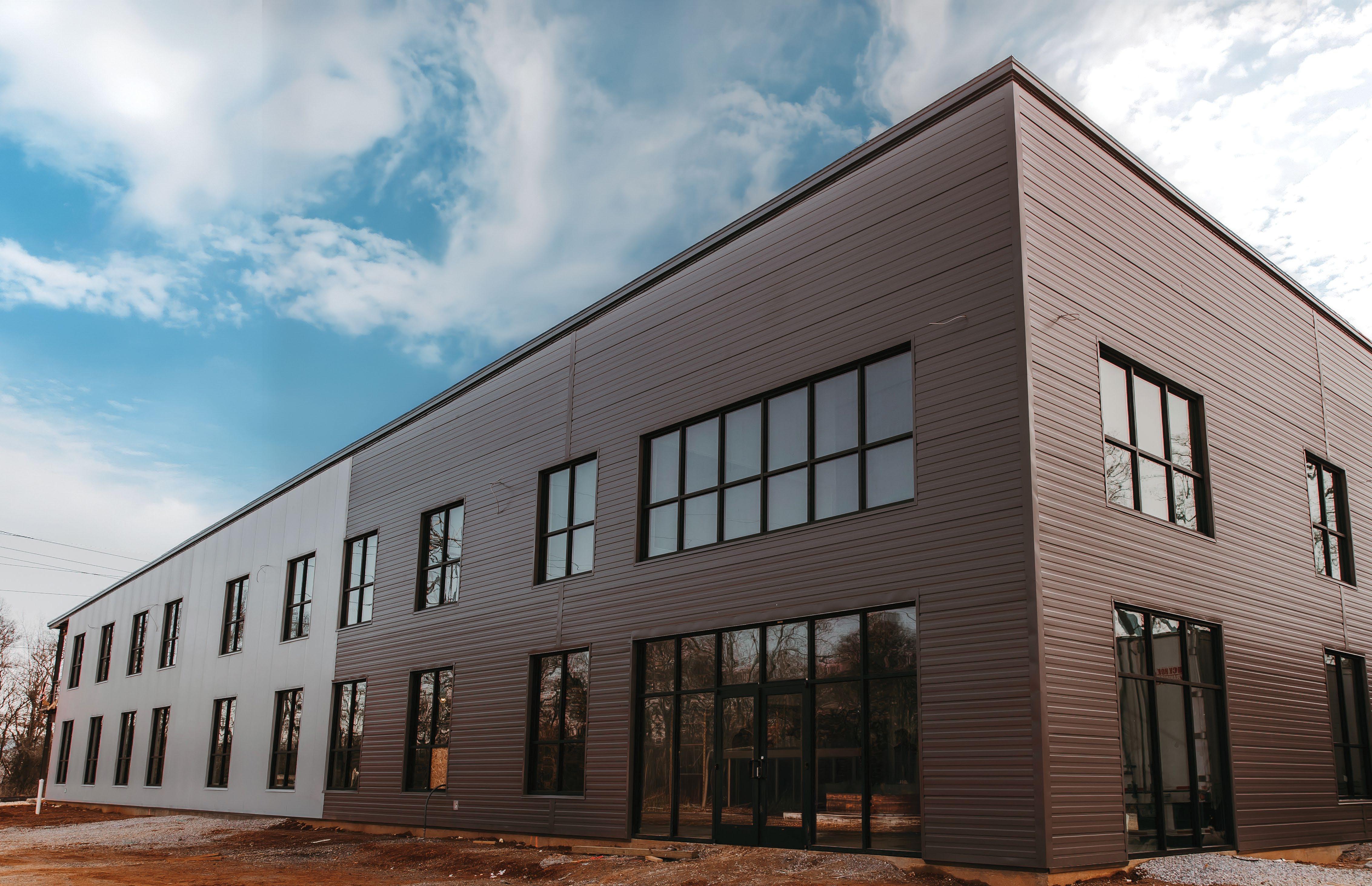
For more than six decades, Southern Fluidpower (SFP) has been proud to call Chattanooga home. The company has built a strong local legacy through its commitment to delivering quality products and exceptional service across the industrial automation, fluid connector, fluid power, and IIoT industries.
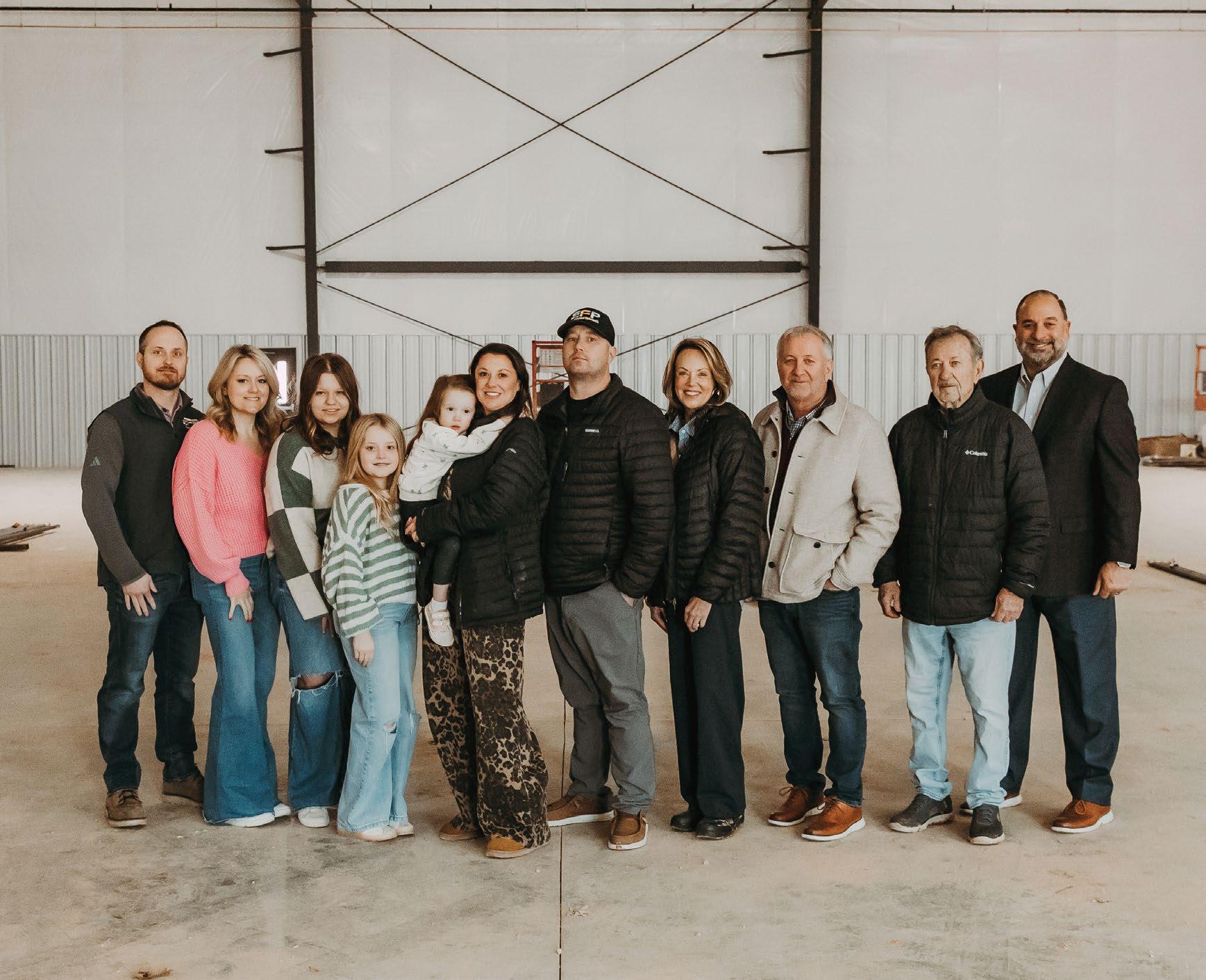

Founded in 1961, SFP is a trusted source for sales, design, and service, supporting customers whether they need a single component or a turnkey solution. Its team provides in-house assembly, component kitting, custom hydraulic systems, and training, and leverages the latest technologies and techniques to deliver optimal automation solutions. Through these services, SFP has helped machine builders, manufacturers, and original equipment manufacturers (OEMs) improve productivity and increase profitability.
SFP serves key markets including automotive, food and beverage, general manufacturing, and off-road mobile equipment. It supplies equipment to customers in these industries throughout Chattanooga as well as companies across the country.
Recognizing the importance of staying on top of innovations in the industry, SFP has recently expanded its services to include automation and cloud-based predictive maintenance solutions. The company also provides access to an extensive portfolio of technology-driven products from world-class manufacturing partners, including Banner, Parker, and Turck, among many others.
Guided by the motto “A World of Uptime,” SFP remains dedicated to helping companies turn downtime into productivity by engineering systems that deliver on the demand for speed, quality, and repeatability.
Beyond its Chattanooga headquarters, SFP has grown to include locations in Clarksville, Morristown, Murfreesboro, and Nashville, Tennessee, as well as Dalton, Georgia. In 2026,

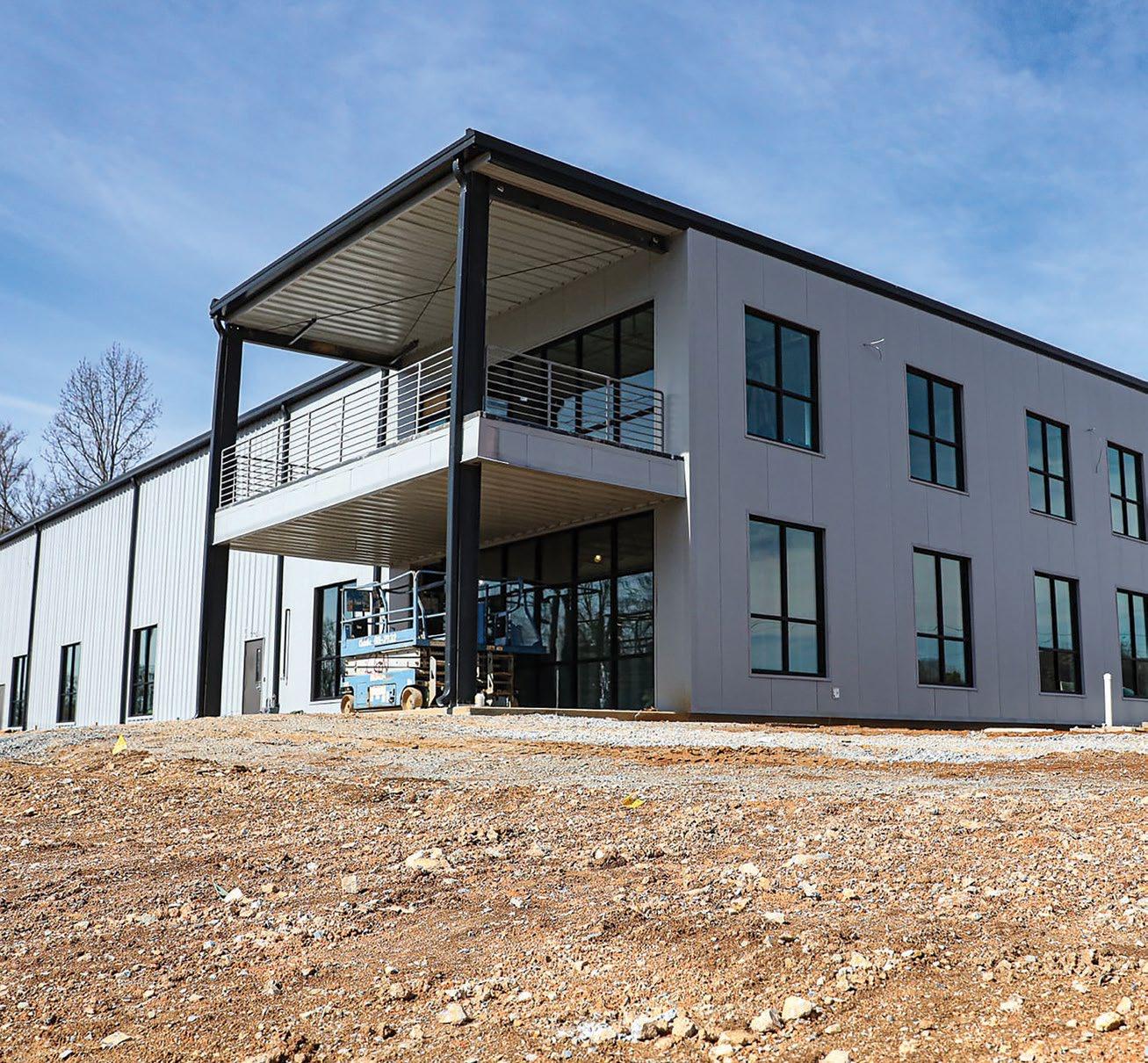
this lineup is expanding with the addition of SFP’s eighth location – its third in Chattanooga – located off Access Road along the Tennessee River.
The new facility will serve as SFP’s corporate headquarters and main distribution center while supporting future growth. It will also house operations for the company’s condition monitoring IIoT group, including a lab designed to monitor customer assets nationwide. Designed with employee well-being in mind, the facility will additionally feature a 40+-seat training room, a fitness center, showers, and a walking trail along the Tennessee River.
“Our greatest asset is truly our people,” says Donny Davidson, CEO of SFP. “We continue to invest into our employees and their future. We want SFP to be a company they are proud to work for.”
SFP’s Bonny Oaks Drive location will continue to build custom fluid power systems and OEM hose kits for clients in Chattanooga and beyond, and customers can visit its walk-in retail hose store on Rossville Boulevard. With a new, state-of-the-art facility joining these locations, SFP continues to lay the groundwork for long-term growth while keeping its local roots strong.
“We are blessed to have enjoyed the continued growth for the last 65 years. We have had wonderful partnerships and relationships with our customers, employees, and vendors, and look forward to continuing those relationships for many years to come. This new location is an investment here in our hometown,” finishes Davidson.
From professional development opportunities to purpose-driven culture, these local organizations continue to find ways to put team members first. Read on to learn about how they keep employees engaged and connected to their mission.
At Southern Adventist University, employee engagement begins with clarity of purpose, helping people understand why their work matters, and how it supports the university’s mission. In a Christian, community-oriented environment, sustained engagement is built on consistency and trust. When employees feel heard, valued, and treated fairly, engagement becomes rooted in purpose rather than dependent on incentives. We invest in training and leadership development to encourage meaningful feedback, promote accountability, and demonstrate care. We intentionally create opportunities for collaboration and connection so employees feel a sense of belonging and respect and recognize the value of their contributions. Human resources plays a dual role, stewarding both people and process. By helping employees clearly understand expectations while also ensuring they feel heard, we aim to equip them to take ownership and pride in their work – strengthening a culture of shared purpose, service to others, and continued growth.
Marissa Camp Director, Human Resources, Novonix Group
In a startup environment, I focus on strengthening engagement by ensuring every team member understands the unique value they bring to our fast-growing organization. I reinforce this through frequent, real-time recognition and by giving individuals opportunities to influence decisions, contribute ideas, and take ownership of meaningful work. We also prioritize connection through intentional engagement and culture-building events that help employees build relationships beyond their day-to-day responsibilities. Transparency is equally important, so we host monthly all-hands meetings where the CEO shares company updates openly and employees can ask any questions directly in person. This level of visibility helps everyone feel aligned, informed, and confident in our direction. Finally, I strive to build authentic relationships grounded in trust and respect. When people know they are appreciated, supported, and integral to the organization’s success, they are naturally more motivated to stay engaged and contribute meaningfully to our culture.
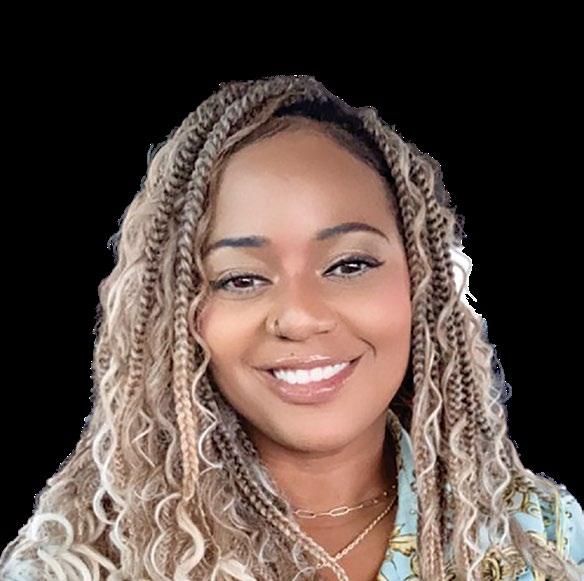
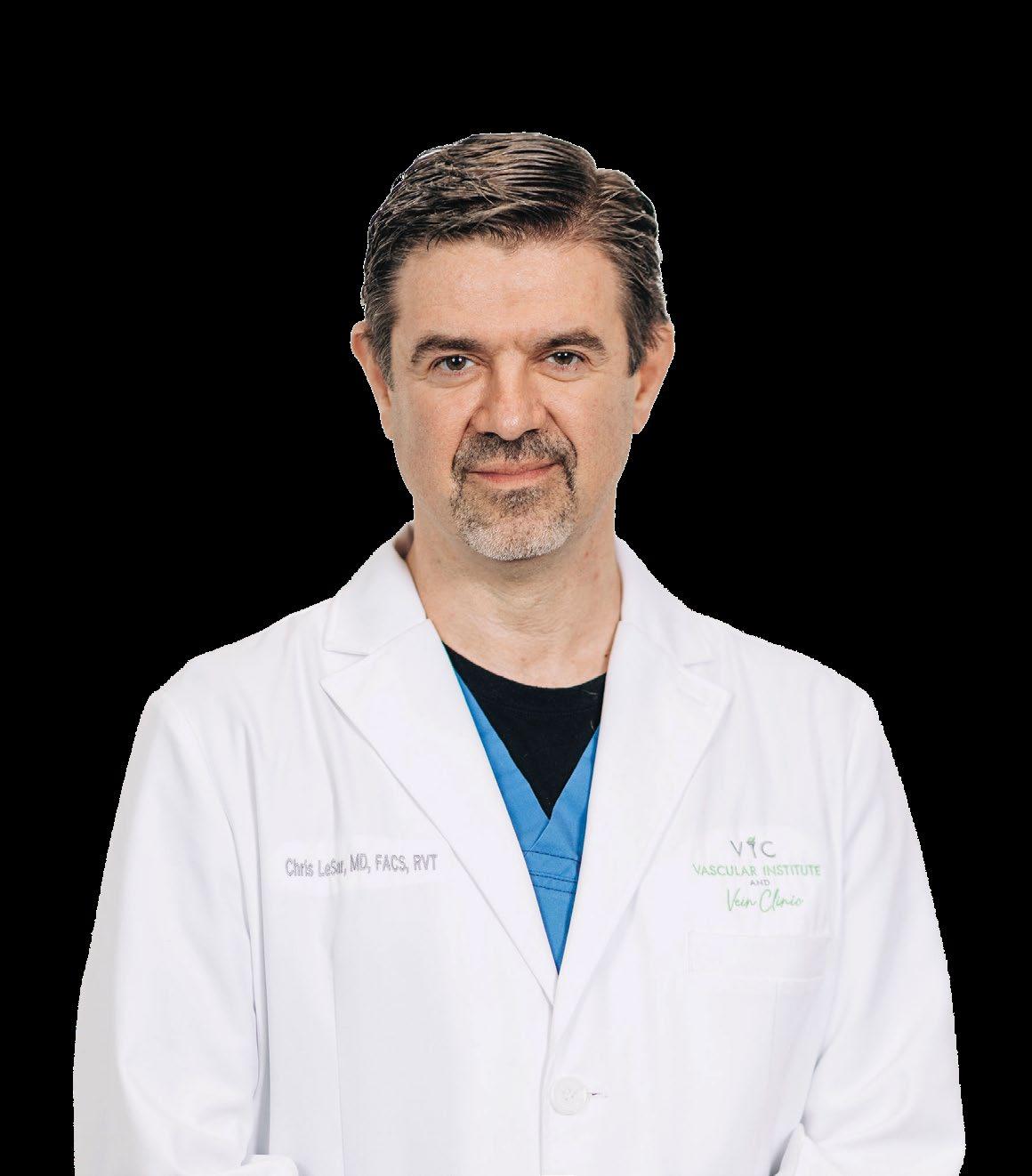
Vascular Institute of Chattanooga
At the Vascular Institute of Chattanooga, engagement starts with purpose. Every team member – from front desk to surgeon – understands that our mission is to save limbs and restore lives, and that creates a powerful sense of meaning in their work. We invest heavily in education, career growth, and leadership development so people can see a future for themselves here, not just a job. We also foster a culture of transparency, collaboration, and recognition – celebrating wins, learning from challenges, and supporting one another through both. When people feel heard, valued, and connected to something bigger than themselves, they naturally become more engaged. Our goal is to build a place where people are proud to work and inspired to give their best every day.
Sandy Johnson Director of Culture Enablement, Shaw Industries
We encourage team members to become and stay engaged by fostering a culture where everyone feels valued and connected to our purpose. Engagement begins with belonging, so we create environments where associates feel included, supported, empowered, authentic, and accountable. We reinforce our culture by integrating inclusion into our systems and behaviors, ensuring it shows up in everyday experiences — not just initiatives. We champion associate-led resource groups that build community and offer opportunities for learning and development. These groups help associates build relationships, grow their skills, and contribute to something meaningful. Our leaders also model engagement by actively participating in and advocating for the efforts that shape our culture. Ultimately, we believe culture drives associate experience and, in turn, business outcomes. By intentionally nurturing transparency and connection, we help team members stay engaged and aligned with our
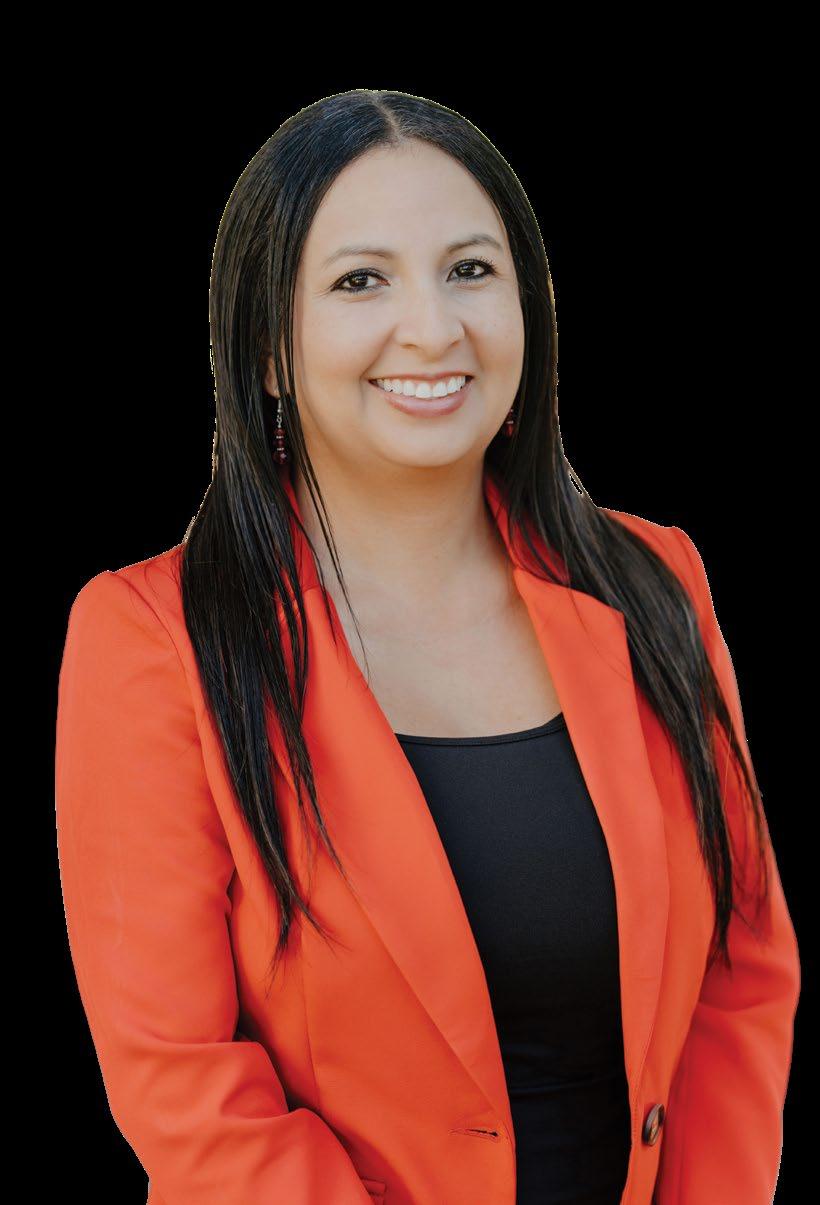
Tonya McAllister Director, Human Resources, West Star Aviation
At West Star Aviation, we work hard to create a place where people are respected, trusted, and supported. When the environment is positive and communication is open, engagement follows naturally. We believe engagement starts with clear expectations and leaders who are transparent about where we are going and why. When people understand how their work connects to the bigger picture, it reinforces just how important their role is to our success. We focus on honest, two-way communication and regular feedback because recognition and acknowledgement matter. We also invest in professional development and mentoring so our team members can grow their careers here, not just do a job. Taking the time to recognize individual contributions and celebrate wins, big and small, helps reinforce accountability, pride, and commitment. At the end of the day, our people are what make West Star strong, and staying focused on their growth and success is essential to who we are.
Kimberly Bowen SVP, Global Talent and Inclusion, Unum Group
We encourage engagement by grounding our culture in how we show up for one another and for the people we serve. At Unum Group, our values provide the bridge between what we do and why we do it, helping employees understand what matters most and how their work makes a difference every day. Teams are encouraged to explore possibilities, stay curious, and continuously improve, while owning outcomes and taking accountability for meaningful progress. Just as important, we lead with a caring spirit by recognizing the human in every interaction and supporting one another with empathy and integrity. When people feel trusted, supported, and connected to purpose, engagement follows naturally over time.
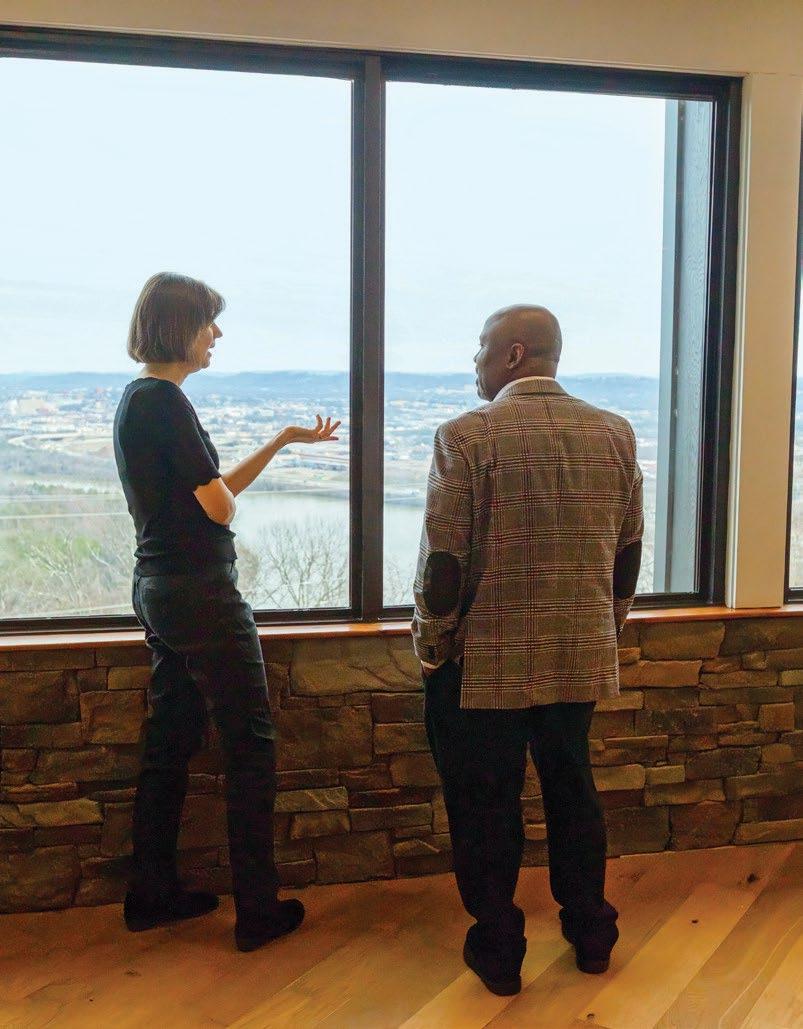


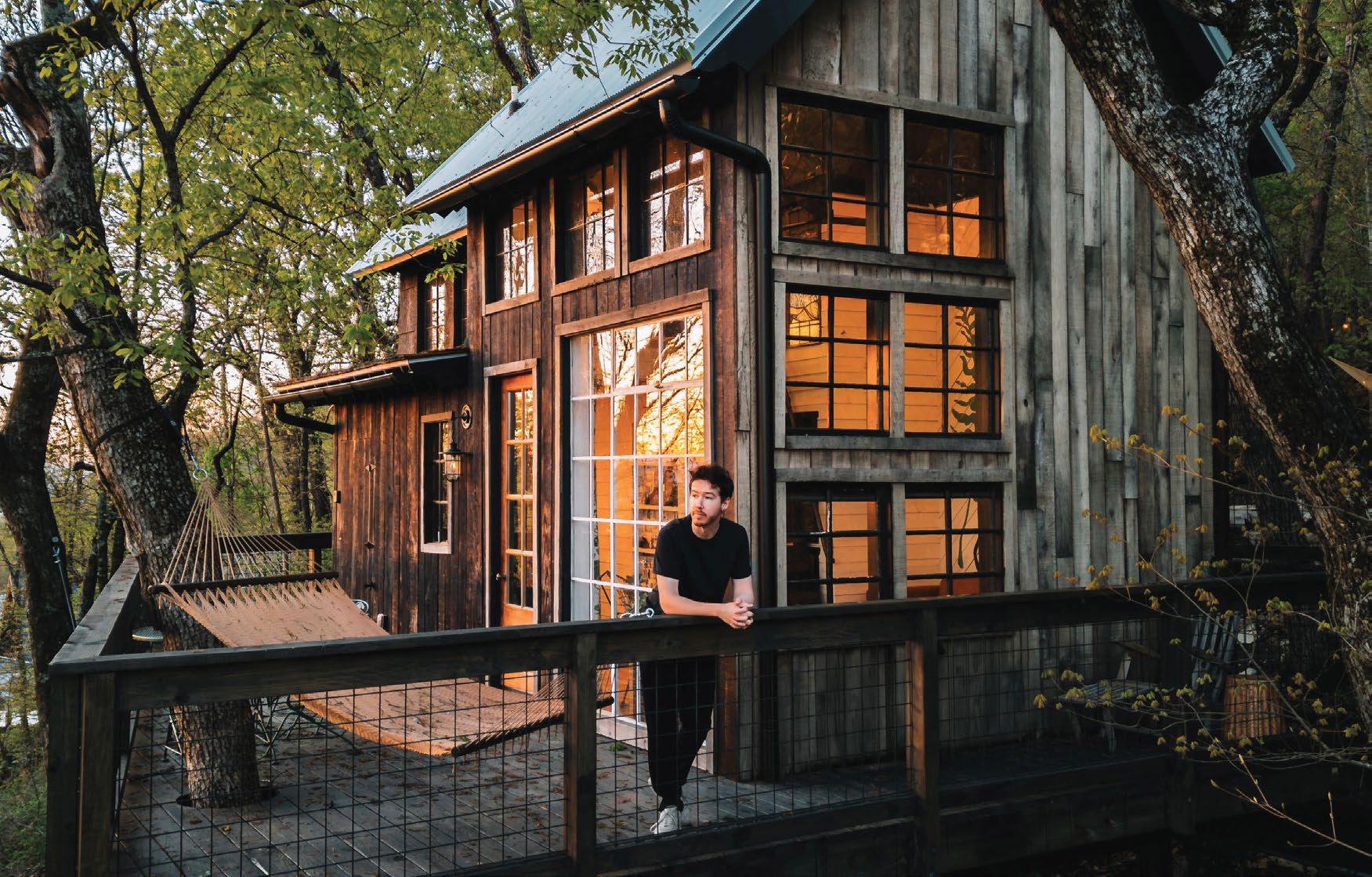


I have monthly meetings with our entire organization that include everyone from teachers and maintenance personnel to medical staff, support staff, and administration and head of school office staff. All are equally important to me and to our organization and I believe they feel that. We all receive the same bonus each year. I recently asked them all to submit to me their answer to this question: If SBA loses , we lose everything. I am analyzing their answers because their engagement in this question tells me and tells “us” all we need to know about the temperature of the culture of SBA. I believe culture at Silverdale must be the place one calls their own and can find a peace that comes only from God. The place where one finds their rest and where they are nourished and refreshed so that they can then pour back into our students from a place of their own peace.
Engagement begins with a strong connection to our mission. We are intentional about attracting individuals who are motivated by helping others, which aligns with the credit union philosophy of “people helping people.” When employees understand how their work contributes to that purpose early on, engagement develops more naturally. We reinforce this connection by ensuring our culture is consistently demonstrated across the organization. This includes recognizing employees who go above and beyond, celebrating meaningful moments for our members, gathering feedback through our annual engagement survey, and encouraging community involvement through volunteer opportunities. Sustained engagement also requires opportunity and support. We focus on developing talent from within through leadership development programs and a formal mentorship program, while supporting continued education through tuition reimbursement and student loan repayment assistance. Along with competitive benefits, these efforts help foster an environment where employees feel supported in their growth, connected to the mission, and proud of the work they do every day.

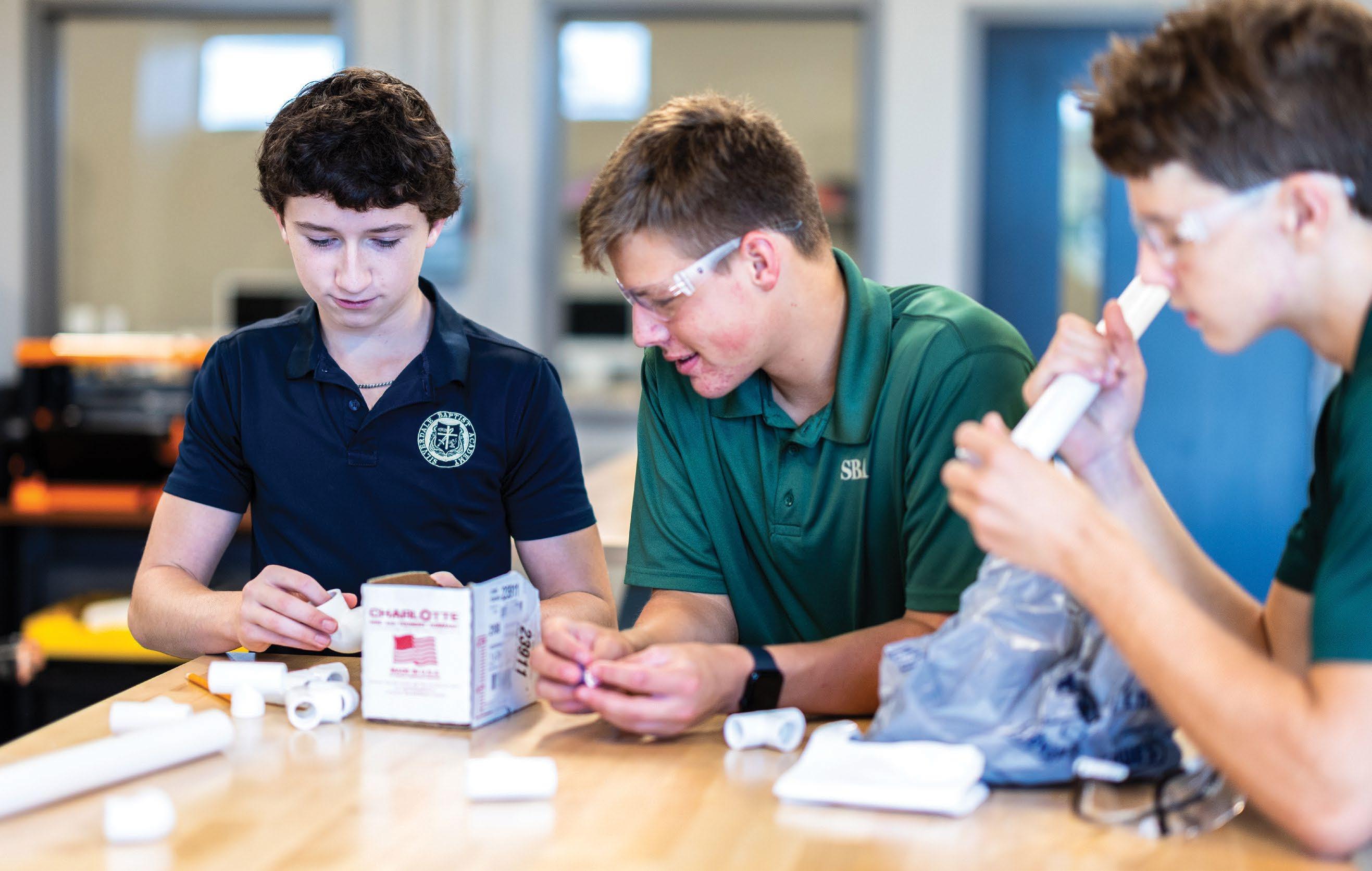
Silverdale Baptist Academy delivers a strong college-preparatory foundation while offering more. Our STEAM labs, Culinary Arts program, and Media Arts studio cultivate creativity, critical thinking, and practical skills that position students for success beyond graduation. We are committed to empowering their potential in every arena.
David Anderson Jr. President, Colonial Chemical, Inc.
Company culture, if left to chance, becomes a function of the strongest personalities within an organization. While this situation may not always be negative, culture does not permeate the organization in a uniform and sustainable manner. Therefore, culture must be cultivated, communicated, and emphasized clearly across the organization. At Colonial Chemical, we drill on the eight fundamentals of CHEMICAL culture:
1) Customer Focus
2) Health & Safety
3) Employee Development
4) Morality
5) Innovation
6) Community
7) Accountability
8) Long-Term Partnership
We begin each month with a fundamental, clearly broadcast it to the organization, and add weekly testimonials from our team members, ultimately reflecting on how the fundamental applies to their role, their team, or their department. We also seek nominations from the company on which team members are displaying the fundamental most enthusiastically in their daily duties and interactions.
American Water
At Tennessee American Water, engagement starts with showing employees that their work – and their growth – truly matters. Our team members deliver clean, safe, and reliable water to the communities they call home, and we want each person to feel proud of the role they play in that mission. American Water’s culture is grounded in safety and care for one another, built on trust, dignity, and respect. That sense of support helps employees feel valued and connected. Grant Evitts, president of Tennessee American Water, often shares that his own career began more than 35 years ago in an entry level production role. Through hard work and the support of American Water, he advanced into leadership positions across multiple states before becoming president in Chattanooga. His journey reflects what we strive to offer every employee: opportunity, encouragement, and a workplace where people can grow, belong, and build a lasting career.
Ralph Romero Chief People Officer, Southern Champion Tray
Culture and engagement are shaped by daily choices – how people show up, the effort they bring, and the connection they feel to the mission and vision. For leaders, culture must be more than words on a website or a banner on a wall; it has to be lived and modeled over time. A long-term view matters. This is not about hitting a 90-day target, but about sustaining performance across the horizon. We reinforce culture by clearly defining and rewarding behaviors that reflect our values and by creating intentional moments where those values come to life: onsite service projects, retirement celebrations, and yearsof-service milestones. When you have the privilege of celebrating 30 to 45 years of service, it signals a culture that balances stability with ambition. When leaders truly believe in the inherent value of every person, engagement becomes enduring, driven by purpose, belonging, and trust rather than compensation alone.







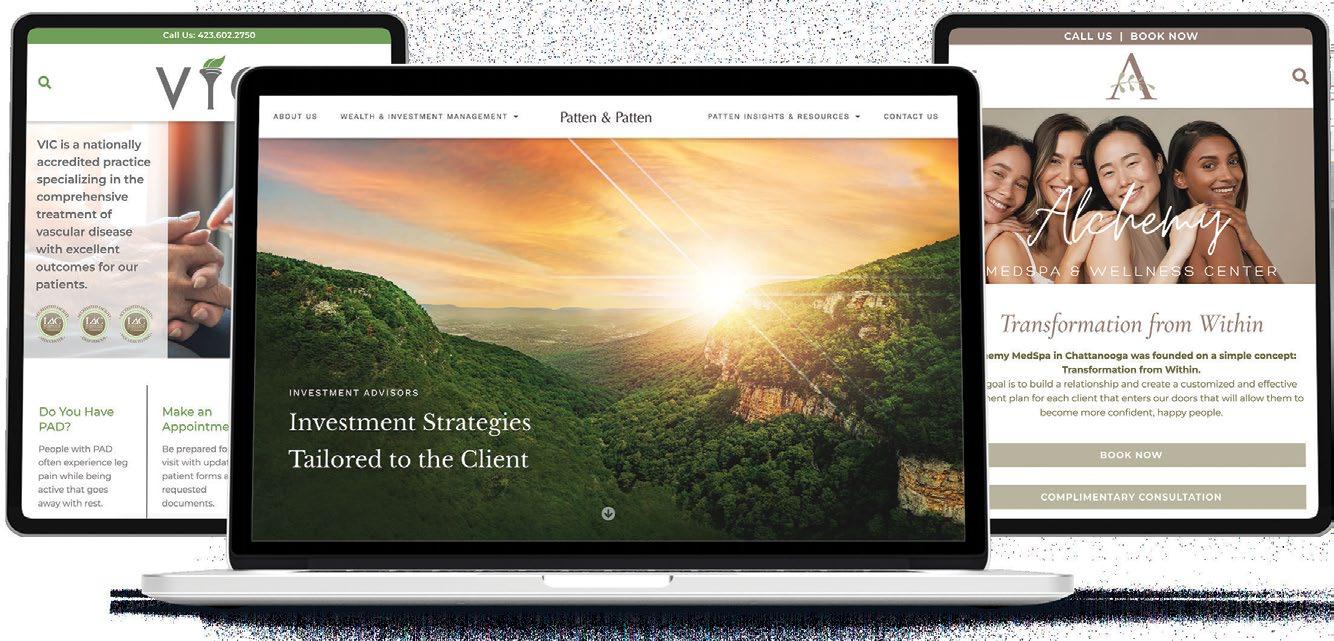
From attending events to connecting online, networking helps professionals build meaningful relationships in their industry that can open the door to opportunity. Here, six local leaders who work closely with the community offer insight on the importance of networking, as well as actionable advice.
Marcherie Savage Director of Entrepreneurial Development, INCubator
Why is networking important? Relationships create context, trust, and visibility, and those things often open doors before opportunity is ever formally announced. Networking is not about collecting contacts; it is about building relationships that support long-term growth in any industry.
How can professionals strengthen and maintain the connections they make while networking? Be intentional with follow-up and thoughtful engagement. A simple message after meeting someone, acknowledging the conversation and expressing openness to future collaboration, helps establish continuity without overpromising. Following connections on professional social platforms allows you to stay aware of their progress and creates natural opportunities for meaningful conversation when you reconnect. For relationships with strong alignment, scheduling one-on-one time allows for deeper, more focused dialogue than a crowded networking event.
What are some ways a professional can start building a network early in their career? Early in a career, building a network starts with curiosity and showing up. Job shadowing, professional groups, and community events create entry points into industries you may still be exploring, allowing you to listen, ask questions, and begin forming relationships long before you feel fully established.
Is there anything you’d like to add? Networking is not about being perfect or polished, it’s about being present and consistent. When you allow yourself time to grow, show up prepared, and stay intentional, meaningful connections tend to form naturally.
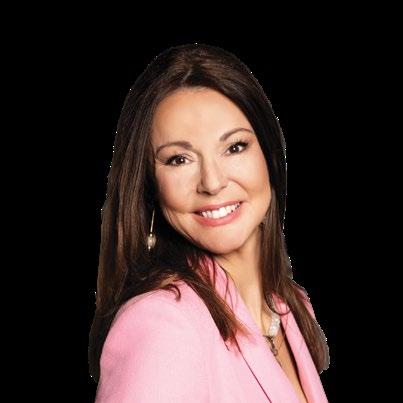
Tasia Malakasis CEO, Co.Lab
Why is networking important? Networking is important because opportunities rarely happen in isolation; they come through people. Strong relationships expand your perspective, open doors you didn’t know existed, and often accelerate growth faster than going it alone.
How can one be proactive about identifying networking opportunities? You can be proactive by showing up consistently – attending industry events, joining professional communities, volunteering for committees, and saying yes to conversations that spark curiosity. Networking isn’t about waiting for an invitation; it’s about engaging where meaningful work and people already gather.
What is the key to making a strong first impression? Authenticity paired with attentiveness. People remember how you made them feel, so listening well, being genuinely interested, and being curious.
How can professionals strengthen and maintain the connections they make while networking? Relationships are strengthened through follow-up and reciprocity. Staying in touch, sharing relevant opportunities, and offering help turns a one-time interaction into a lasting professional connection.
How has networking made an impact in your career? Networking has been foundational to my career, from opening leadership opportunities to enabling partnerships that simply wouldn’t have happened otherwise. Nearly every meaningful milestone I’ve reached can be traced back to a trusted relationship.
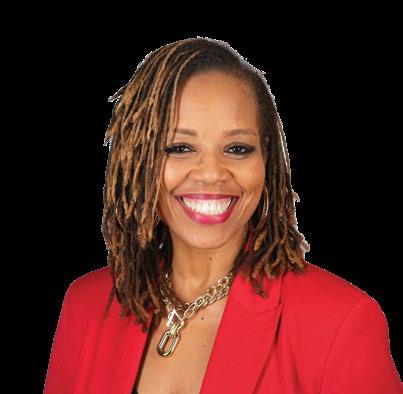
Donna “Elle” Harrison
Vice President of Engagement and Impact, Chattanooga Tourism Co.
Why is networking important? Networking is about letting people understand how you can help others, serve the community, and add value. Through those connections, you can build meaningful relationships with like-minded individuals who share your goals and interests, while also finding people you can lean on – both personally and professionally.
How can professionals strengthen and maintain the connections they make while networking? Understand that relationships must be reciprocated. Whether it’s a mentor, mentee, or peer, both people have a responsibility to reach out and add value. Connection shouldn’t be one-sided. Maintaining relationships can be simple – a quick email, a text checking in, or asking how someone or their family is doing. Those small, intentional touches matter. Ongoing relationships of any kind aren’t just about work; they’re about genuine care, consistency, and showing up for people beyond the professional moment.
What are some ways a professional can start building a network early in their career? The best way to start building a network early in your career is to get out there and keep showing up. Find new places, attend events even when it feels uncomfortable, and don’t be afraid to go by yourself – that often forces you to engage and start conversations. Seek out locations and events that are diverse and outside of your usual groups. Those spaces help you grow, see new perspectives, and build broader connections.
Ben Cairns
Vice President of Membership & Investor Relations, Chattanooga Area Chamber of Commerce
Why is networking important? Networking matters because nearly everything we do involves other people, and networking is a great way to create opportunities, establish and maintain important relationships, advance your career, grow personally, make better friendships, and impact your community. You tap into more resources and opportunities when you connect with others.
How can one be proactive about identifying networking opportunities? Be visible, prepared, and intentional. I’m still old school when it comes to always having business cards in my pocket and giving them to the people I meet. Make a point of getting their information and following up. Keeping track of who you’ve met and what you’ve learned is essential. Using contact management software empowers you to build and manage a larger, more active network. Staying in touch on a periodic basis is important, as is offering introductions, links, sharing, and liking, without asking them for anything. Pay it forward often so when you need an appointment or a connection, you’re solid for asking. What goes around comes around.
What is the key to making a strong first impression? Be fully present. Introduce yourself confidently with eye contact and a firm handshake, be relaxed, and have a friendly facial expression. Ask thoughtful questions and listen to understand and remember.
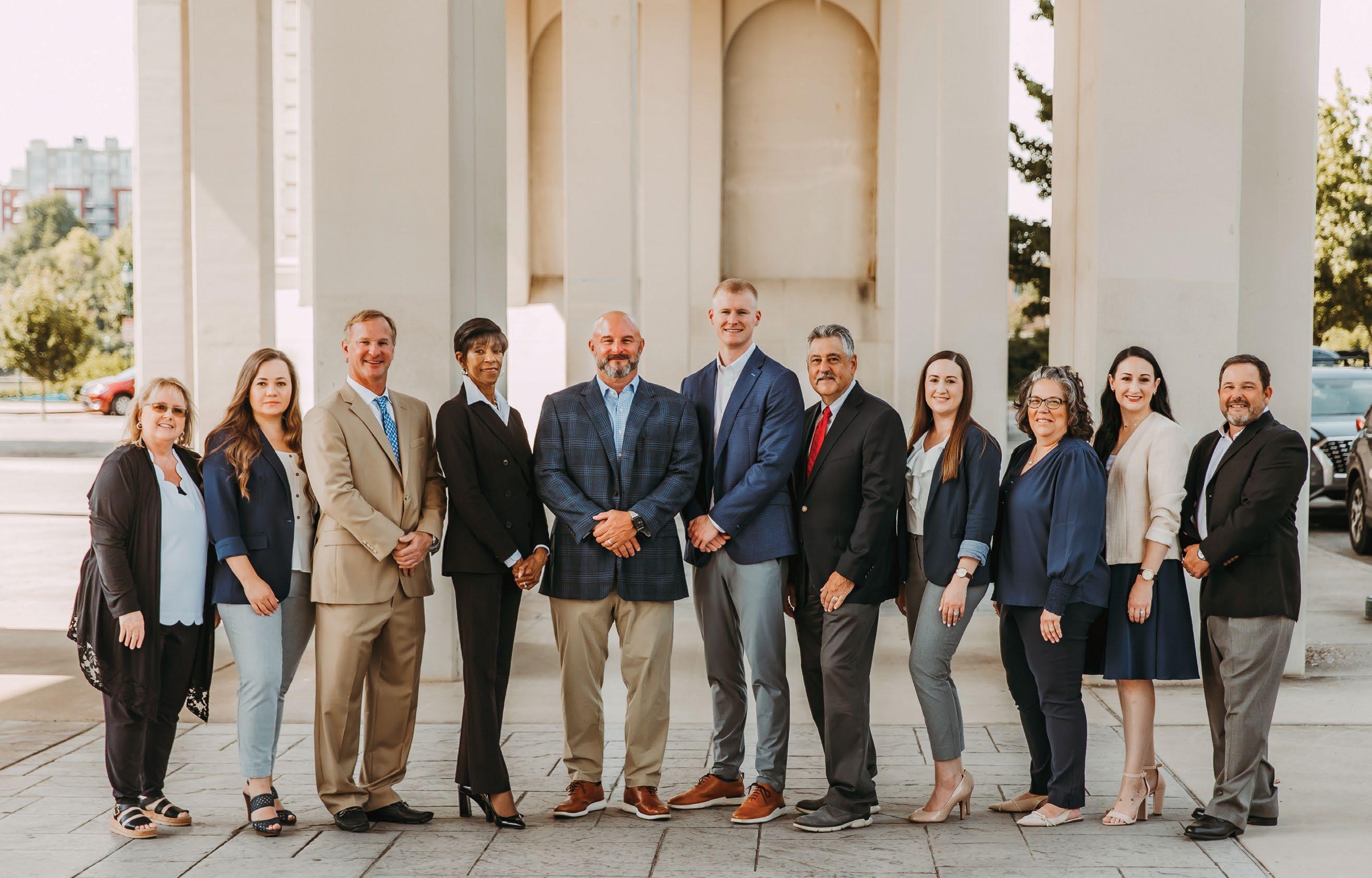

DeJuan S. Jordan Co-CEO, LAUNCH
Why is networking important? Networking is important because meaningful work is done through meaningful relationships. It opens doors to resources, knowledge, partnerships, and opportunities that you typically can’t access in isolation.
How can professionals strengthen and maintain the connections they make while networking? When a relationship is worth investing in, it grows through intentional actions such as checking in, celebrating others’ wins, offering support, and making thoughtful introductions. Simply put, be a friend before you need a friend.
What are some ways a professional can start building a network early in their career? Early in a career, networking should focus on learning, listening, and building character. Seeking mentors, asking thoughtful questions, volunteering, and being dependable all help establish trust. A strong network is built by showing up consistently and leading with integrity, even before a title is attached to your name. It’s also important to look for people you can serve, not just people who can help you.
Is there anything you’d like to add? Remember that networking is ultimately about people, not transactions. The most successful networkers I know are those who genuinely care about others and look for ways to add value to every relationship. When you approach networking with generosity and authenticity, you’ll build a community that supports not just your career goals but your whole life.
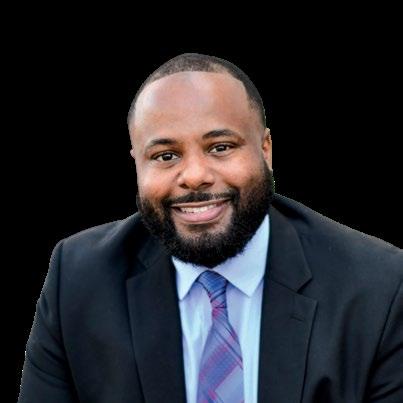
Evann Freeman Vice President, Government & Community Relations, EPB
Why is networking important? Networking is about relationship building. You’re stepping outside of your comfort zone to meet new people. Ultimately, networking builds a bridge to get things done with people you know and trust.
What is the key to making a strong first impression? People form an impression before you ever speak, so how you carry yourself matters. Be confident in your presence and your body language. Make eye contact, be clear about who you are, and keep it simple. Having a short intro you’ve practiced helps, but the real key is being genuinely interested in the other person. Listening goes a long way!
How can professionals strengthen and maintain the connections they make while networking? The secret sauce is to follow up. You can email or write a handwritten note referencing something personal from the conversation. It shows you’re interested in continuing the relationship and making a lasting connection.
What are some ways a professional can start building a network early in their career? Show up to everything! Identify careers or sectors you want to be part of and find ways to get involved. There are a lot of resources available online, from trade associations to chambers of commerce and young professional organizations. The key is to be present and engaged. Be willing to learn and listen.
"Don't
be afraid to give up the good to go for the great."
— John D. Rockefeller

In recent years, medical aesthetics has emerged as a dynamic and rapidly growing market. Here, we examine key components of the industry, factors driving its growth, and trends to keep an eye on this year.
BY RACHEL STUDEBAKER

Over the past decade, the medical aesthetics industry has been expanding globally at a rapid pace, with significant growth concentrated in the U.S. market. This multibillion-dollar industry intersects the realms of medicine, beauty, and wellness, centered on enhancing patients’ appearances using minimally invasive, elective treatments performed by certified medical professionals.
Medical aesthetics encompasses a wide variety of treatments that require little to no downtime. Designed to result in a rejuvenated or more youthful appearance, the majority of services focus on improving complexion, with additional options targeting fat loss or hair removal.
The most common options include:
• Neurotoxin injections, such as Botox, are injected into select muscles to smooth lines across the face
• Dermal fillers are injections that can reduce wrinkles; plump lips; and restore volume in the cheeks and jawline
• Skin tightening treatments often utilize energy from ultrasound or radiofrequency to heat skin tissue and stimulate collagen production to lift and tighten skin
• Laser treatments include laser skin resurfacing, used to improve complexion, and laser hair removal, which heats the pigment at the base of the hair follicle to prevent its growth
• Microneedling uses fine needles to puncture the skin and stimulate collagen production, treating scars and wrinkles
• Body sculpting, also called body contouring, uses technology to reshape specific areas of the body through methods such as freezing
• Chemical peels are applied as a solution to remove damaged skin cells and are used to treat discoloration, uneven texture
• Microdermabrasion gently exfoliates the uppermost layer of the skin to improve texture, tone, and appearance
According to the American Society of Plastic Surgeons, more than 28.5 million minimally invasive procedures were performed in 2024. Approximately 34% of these were neurotoxin injections such as Botox, which continue to rank as the top minimally invasive treatment, and demand for dermal fillers also remains high. Additionally, the industry is seeing increased interest in treatments that stimulate the body’s natural regenerative processes, particularly collagen production.




“The greatness of a community is most accurately measured by the compassionate actions of its members.” –Coretta Scott King
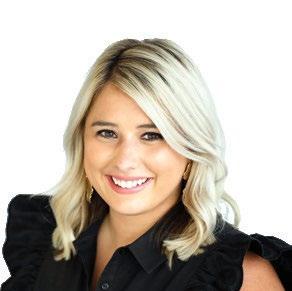



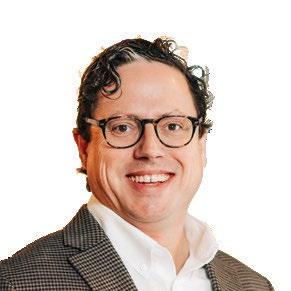
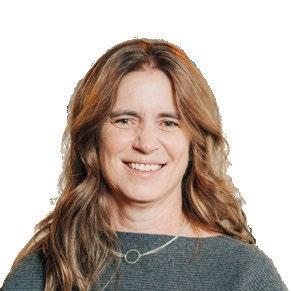


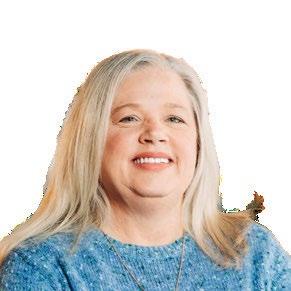
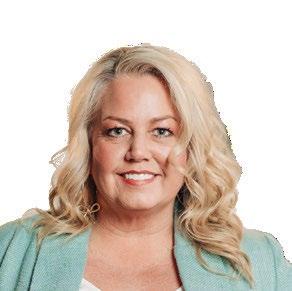

The medical aesthetics industry comprises various professions in the medical field, including physicians, nurse practitioners, physician assistants, registered nurses, medical estheticians, and technicians.
Already addressing cosmetic concerns, dermatology and plastic surgery practices were pivotal to the industry’s beginnings and continue to capitalize on the demand for minimally invasive options as they incorporate medical aesthetics into their services.
A new business model has also emerged as a direct result of the medical aesthetics industry: the medical spa, or med spa. Defined as a “hybrid between an aesthetic medical center and a day spa” by the American
Med Spa Association (AmSpa), med spas combine the atmosphere of a spa with medical aesthetic services. At med spas, practitioners provide minimally invasive aesthetic medical services under the supervision of a licensed healthcare professional, with a medical director providing clinical oversight. Injectable treatments are performed by licensed injectors, while non-invasive treatments can be conducted by medical estheticians.
According to AmSpa’s 2024 Medical Spa State of the Industry Report, med spas are a $17 billion-dollar industry and have grown from 1,600 locations in the U.S. in 2010 to a projected 13,000 in 2026, reflecting the rising demand for aesthetic services. The industry employs approximately 100,000 people across the nation and is poised to provide additional employment opportunity as it continues to grow.
The minimally invasive and non-invasive treatments offered by medical aesthetics are at the forefront of the industry’s growth and represent the largest and fastestgrowing segment within the broader market of aesthetic medicine. These treatments provide quick results with minimal discomfort and downtime and offer less risk than traditional surgical techniques, making them an attractive option for busy professionals, who can immediately return to their normal activities afterward.
Thanks to advancements in technology, the types of treatments in medical aesthetics and the technologies available to administer them are continually evolving. These technologies are enhancing treatment in the industry and driving its growth by making procedures safer, more efficient and effective, and customizable to patients. New devices are delivering cutting-edge care using advanced laser, light, radiofrequency, and ultrasound technologies, with innovative options combining treatment modalities. Practices are also leveraging AIpowered treatment planning tools to improve precision and patient care. Providing long-lasting results through less invasive practices, these advancements are driving an increased interest in aesthetic services.
The demographic for medical aesthetics is also growing, due in large part to an aging population and changing preferences among younger generations. Women ages 50 and up are opting for injectables like Botox and fillers, while younger adults, particularly Gen Z, are entering the market earlier and prioritizing preventative treatments that support long-term skin health.
The demand for routine treatments to maintain results rather than a single, highcost corrective procedure, is also leading to growth, driven by a cultural shift that views medical aesthetics as self-care. This rising popularity has led to increased awareness of medical aesthetics and its availability, producing first-time patients.



The aesthetics industry is entering 2026 with continued momentum and shows no signs of slowing down as demand remains high and spending remains strong. Locally, Chattanooga reflects this trend, with more than two dozen med spas now operating in the area and many minimally invasive aesthetic services available at its dermatology and plastic surgery practices.
On both a national and local level, the continued growth of the medical aesthetics industry presents both opportunity and increased competition as new med spas enter the market and existing medical practices adopt minimally invasive treatments. Industry trends present opportunities for practices to stand out and sustain long-term growth by:
Investing in innovation. In a constantly evolving field, it’s important that practices stay on top of adopting the latest treatment options and technologies to enhance the patient experience and outcomes.
Creating returning clients. According to AmSpa, 73% of daily med spa visitors are repeat patients. Practices can capitalize on this high rate of returning clients by offering ongoing treat




APRIL 23, 2026
CHATTANOOGA’S ULTIMATE GIRLS’ NIGHT OUT
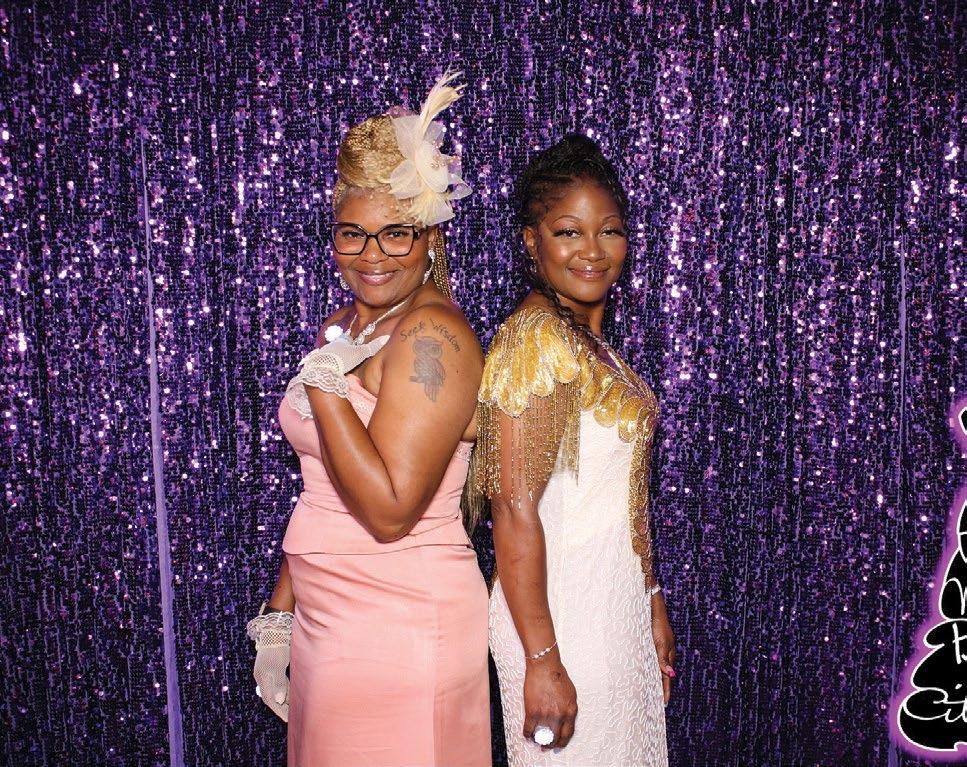

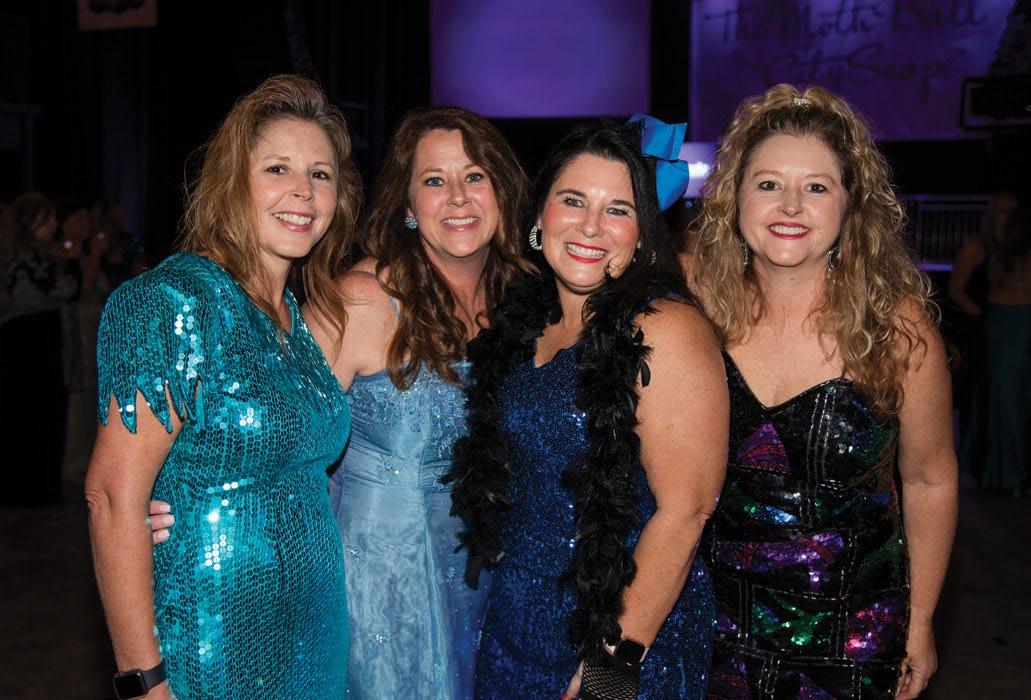
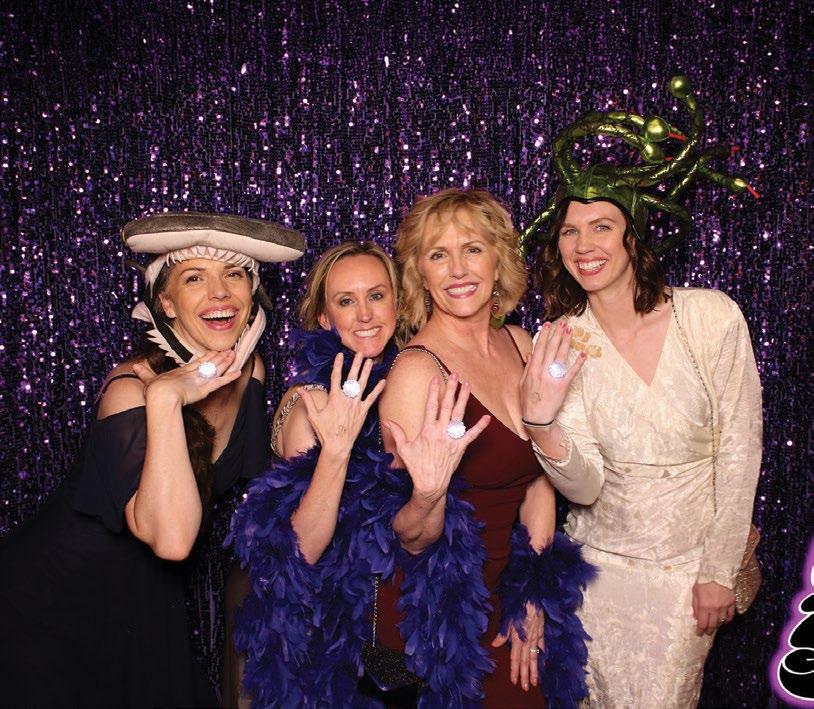
AN
Dust off that old wedding dress, prom dress, bridesmaid dress, or any dress that’s been taking up residence in your closet and join us in making a positive impact on the lives of women in our community.



GOODWILL INDUSTRIES OF THE GREATER CHATTANOOGA AREA NORTHPOINT DENTAL CO.
BRODY JEWELERS • SAINT SALON • THE EDWIN HOTEL • MEDICAREMISTY
PINNACLE FINANCIAL PARTNERS • ELEVATE BEHAVIOR SERVICES
SOUTHERN INSURANCE ASSOCIATES • SOUTHERN SURGICAL ARTS BEAUTY BAR
CHATTANOOGA AREA NURSES IN ADVANCED PRACTICE (CANAP)
THE PELVIC METHOD • RADONNA GADDIS - ENGLAND INJURY LAW WILL & ROSE EVENTS • CLEAN YOUR DIRTY FACE
OFFICIAL WINE SPONSOR: ATHENS DISTRIBUTING


Over the past decade, local farmers have seen a growing desire from consumers to understand where their food comes from and how it is produced. In response, many farms are prioritizing nutritional quality, food safety, and responsible land stewardship, shaping their practices around shared values of health, ethics, and taste. Through regenerative and sustainable methods, local agriculture not only meets the community’s evolving expectations, but also strengthens the Chattanooga area and economy by providing clean, nutrient-dense food. Here, six Chattanooga-area farmers share what they are seeing and hearing through direct-to-consumer sales and community partnerships.
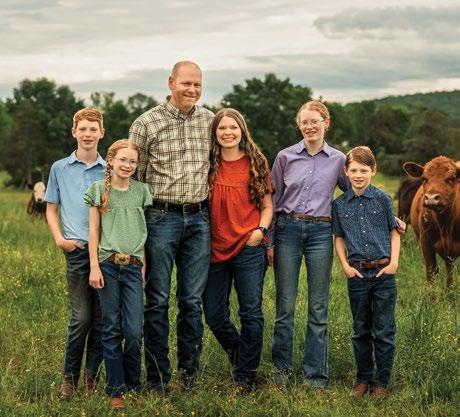


Wesley and Denise Skelton
Designated a Tennessee Century Farm in 2024, Thousand Hills Family Farm has been continuously operated by six generations of the Skelton family for more than a century. Founded as a dairy farm in 1904, the farm now specializes in pasture-raised beef, eggs, and farm-roasted coffee. Products are available for farm pickup and at the Ooltewah Farmers Market.
“The word ‘sustainable’ has been trending. While trendy, farmers have always needed to be sustainable in order to survive. The farm we’re operating alongside Wesley’s parents was once operated by three generations before us. Wesley’s grandfather had his own milk route until pasteurization forced many dairies to adapt or close, so he switched to beef production. While this change was necessary, his community lost the ability to have a local product delivered to their door.
We’re passionate about encouraging the community’s desire to connect with farmers – sharing our story, including daily chores, big decisions, and everything in between on our social media and with our clients. When consumers see the work that is put into raising the food on their table, they have a deeper appreciation for it.
These partnerships are vital for keeping local family farms in business during a time when soaring land prices and other inputs have made it difficult for agriculture to be profitable. For farmers to be successful in the future, we need to encourage our communities to connect with and support local farms. By selling our beef directly to consumers, we’re able to focus on providing a superior product, where we control all aspects of how the animals are raised. We’re excited that the current trend seems to have come full circle so that, like Wesley’s grandfather delivering milk to homes, we have the privilege of connecting with the community consuming the products that we produce.”
Dennis and Jenny Rowe
Rowe Family Farms is a family-operated farm, specializing in antibiotic- and hormone-free Black Angus beef, pasture-raised pork, and chicken. Their USDA-approved meats are raised in a low-stress environment and available through home delivery or at Nutrition World in Chattanooga, Abundant Living Health Foods in Cleveland, and Native Kitchen in Dalton.
“In 2015, Rowe Family Farms was founded on a simple desire: to provide other families with direct access to the clean, naturally raised meats and skin products we produced. My wife and I quickly recognized the growing need for farm-direct-toconsumer meat options. We began by personally delivering these quality products right to our customers’ doors.
Being a direct source for clean meat provides the community with a sense of peace of mind. Our customers value knowing that their food is produced according to high standards of animal welfare and the shared values they expect. Furthermore, we take great pride in educating the community on sustainable agriculture and the benefits of purchasing directly from a farmer. To streamline the ordering process, my talented wife developed our website. Today, we continue to personally deliver across the Chattanooga, North Georgia, and Cleveland areas.
Looking ahead, I believe the most important thing a farmer can do to adapt and thrive is to embrace proven marketing strategies and treat their farm as a profitable business. Sustainability requires financial viability; if a farm is not managed for profit, it cannot remain operational in the long term.”



Joe and Rachel Riley
As a veteran-owned, family-operated regenerative farm, Quail Run uses its 120 acres to work alongside the land’s natural limits and produce ethically grown products. They specialize in raising beef, pork, chicken, and turkey, along with produce and local honey. Guests are invited to visit and tour the farm, interact with farm life, and shop their market.
“One current trend in the agricultural industry is a return to regenerative farming practices. Regenerative agriculture focuses on working with natural systems to restore soil health and long-term productivity. Our farm is built around these practices, aiming to heal the land after years of artificial inputs. By integrating pasture-raised animals with land management, we create a symbiotic system where healthy soil supports healthy animals and livestock and, in turn, improves the land.
Local partnerships play a vital role in strengthening agriculture by building resilience and sustainability in these practices. Collaborating with other farmers, local processors, and community organizations improves access to shared knowledge, resources, and markets, while also giving farmers a stronger collective voice.
Looking ahead, adaptability and local support will be most important for farms to thrive. Farmers must remain versatile in the face of changing climate conditions and economic uncertainty. At the same time, informed consumers who value local food and understand the effort behind it, as well as maintaining the land, will be essential. Their support provides stability and helps ensure the long-term success of local farms.”
Kiri Hughes
Specializing in fresh, locally grown produce, Hughes Farm is a family-operated farm and farmers market. Each year, the family cultivates approximately 1.5 million tomato plants for their market and nursery, though strawberries remain a fan-favorite crop. Visitors can shop the market and enjoy home-style meals made with locally sourced ingredients at their family-run deli.
“We’ve seen a rise in demand for more local produce and, with this, the interest in the process of farming. Agritourism – where people visit working farms or agricultural areas for education, recreation, or entertainment – has become popular across the country and throughout Tennessee.
Since the 1980s, our farm has grown and specialized in tomatoes, peppers, and strawberries, but to meet the growing desire to connect with local farmers and farming processes, we plan to open our farm to the public in the spring of 2027 where families can come pick their own strawberries and partake in other farm activities. We will have fun things to do that allow visitors to learn about farming in Tennessee. With a bakery and restaurant featuring fresh produce, guests can also enjoy family favorites in meals and treats that are sourced from and benefit the community where they live, work, and play.
Partnerships with local communities and other farms allow local farmers like us to succeed, both in selling locally grown and produced products and teaching the future generations about the importance of agriculture in our area.”




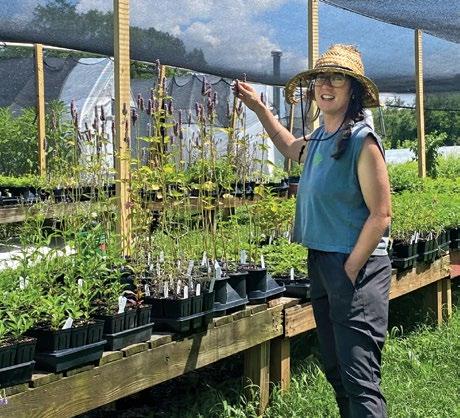

Annemarie Gero
Crabtree Farms is a 501(c)(3) nonprofit organization founded in 1998 that promotes sustainable agriculture through a variety of programs in the heart of the city. As an urban farm, it specializes in vegetables, fruits, and herbs, supplying sustainably grown produce to local food banks and markets. As a nonprofit farm that serves the community, their aim is to connect the community with sustainable agriculture through food and land sharing programs, education, volunteer opportunities, and events.
“In an increasingly technology-driven world, the simple, essential connection between people and the land matters now more than ever. The fertile ground we steward in the heart of the Clifton Hills neighborhood in Chattanooga is a living gift – nourishing bodies, strengthening communities, and reminding us of our shared responsibility to care for one another. At Crabtree Farms of Chattanooga, we believe this land is meant to be shared, and our mission as a nonprofit farm is to ensure everyone has access to the food, knowledge, and community it can provide.
Through our community gardens, Emerging Farmers program, permaculture food forest, and a wide range of volunteer opportunities, workshops, and public events, we aim to be a place where people can come together to learn, grow, and belong. The produce cultivated by our staff and volunteers is distributed in partnership with local food banks, with grant support from United Way, helping bring fresh, healthy food to neighbors across our community.
At the heart of this work is partnership. By collaborating with food banks, schools, community centers, and fellow nonprofit organizations, we are building a resilient network rooted in mutual care and shared purpose. Local agriculture needs supportive policies, dedicated investment in small and nonprofit farms, and continued community engagement to remain vibrant, equitable, and responsive to the challenges ahead. Together, we can cultivate a future where the land feeds not only our bodies, but our collective hope.”
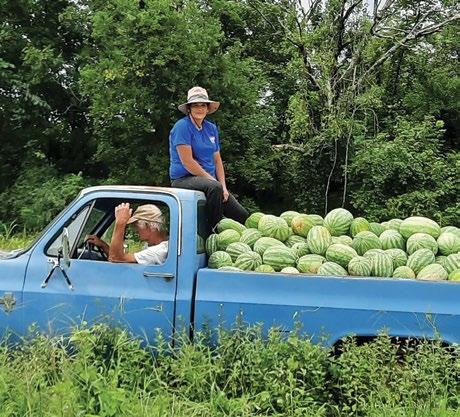

Sandy Brown
Brown’s Produce is a family-operated farm and roadside produce market, specializing in locally grown fruit and vegetables. For more than 35 years, they have farmed the fields behind their roadside market. Visitors are invited to shop fresh, in-season produce throughout the summer and fall months – including additional produce and items sourced from surrounding farms and suppliers.
“Agriculture has changed a lot over the years. Technology plays a bigger role now, from irrigation systems to crop planning, and there’s more focus on efficiency than ever before. We’ve also seen a shift in how people think about food. Customers want to know where their food comes from and who’s growing it, and we appreciate that connection.
At Brown’s Produce, those trends have encouraged us to be more intentional about how we farm. We focus on soil health, sustainability, and making practical improvements that help us stay efficient while caring for the land. Since this is our family farm, we are always thinking long term.
To help local farms adapt and thrive, community support is essential. Choosing to buy local truly makes a difference. At the same time, farmers have to stay flexible –weather, costs, and consumer expectations are always changing. Balancing tradition with a willingness to learn and adjust is what keeps farms like us going.
We are proud to grow food for our community and grateful for the support that allows us to keep doing what we love.”
& Marketing
“In order to succeed, we must first believe that we can.” — Nikos Kazantzakis
LOCAL BUSINESSES THAT HAVE SUCCESSFULLY REBRANDED
In a constantly evolving marketplace, standing still isn’t an option. For many local businesses, rebranding is more than a new logo or updated color palette – it’s a strategic step toward growth, relevance, and reconnecting with customers. Here, we spotlight local companies that have successfully reinvented themselves, sharing the inspiration behind their transformation and the impact it’s had on their future.
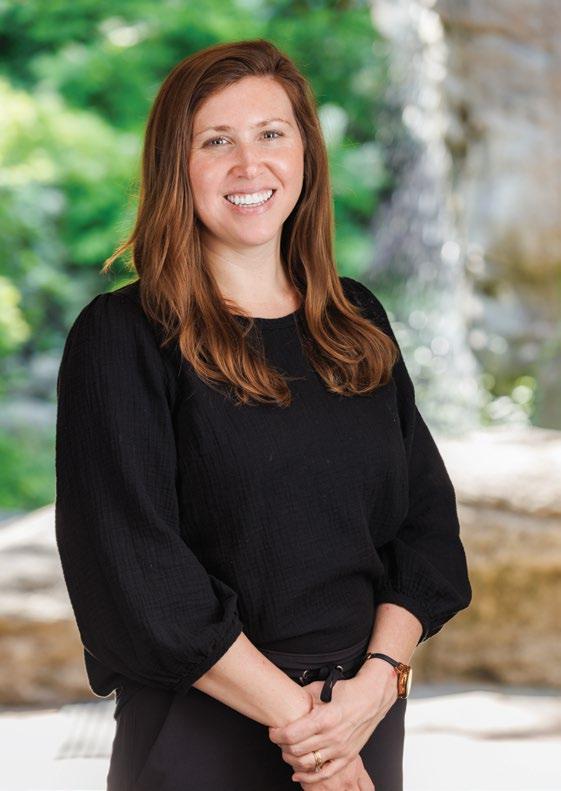


ANN RENNICK, MARKETING DIRECTOR
What initially prompted the decision to rebrand, and how did you know it was the right time for your business? Rock City has been welcoming guests for more than 90 years, and while our brand is well loved, it had become clear that our visual identity no longer fully reflected the experience we were delivering to our guests – and honestly didn’t serve us well from a design standpoint. We also had a corporate brand (previously See Rock City, Inc.) that shared the same logo, creating confusion amongst guests and partners (employees). The decision to rebrand came from a desire to thoughtfully steward our iconic attraction into its next chapter – honoring its legacy while ensuring it remained relevant and compelling for future generations. The timing felt right because we were already in a new era of ownership and planning, which allowed us to approach the rebrand with intention rather than urgency.
What, if any, elements of your original brand did you feel strongly about preserving? Preserving Rock City’s enchantment, deep connection to nature, and sense of wonder were a key part of the rebrand. We were intentional about creating something that reflected what is experienced on a visit, drawing visual elements from the gardens themselves. The rebrand
wasn’t about starting over; it was about refining and elevating what already made Rock City special.
How did you ensure your rebrand stayed authentic to your mission, values, and customers rather than simply following trends? We grounded every decision in Rock City’s mission and history. Working with PGAV, we invested significant time in discovery with lots of discussion and rounds of changes. Trends were considered, but they never led the process. If something didn’t feel timeless or authentic to the Rock City experience, it didn’t move forward. We had several partners internal to Rock City also involved in the process, including our creative director, Will Jackson, to make sure that the logo reflected the experience of our guests while visiting Rock City.
In your experience, what separates a successful rebrand from one that misses the mark? A successful visual rebrand is rooted in purpose, not aesthetics alone. It should solve real problems, support long-term goals, and resonate with both internal teams and customers. Rebrands miss the mark when they prioritize trends over substance or move too far away from what audiences already trust and love. The most effective rebrands feel natural and connecting, and are of course, authentic.
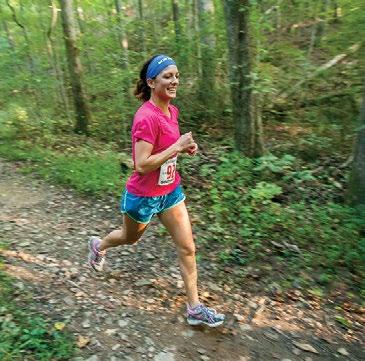




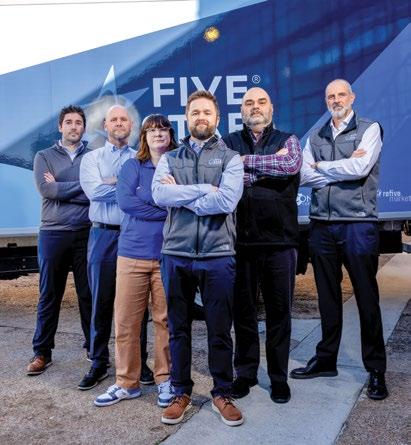

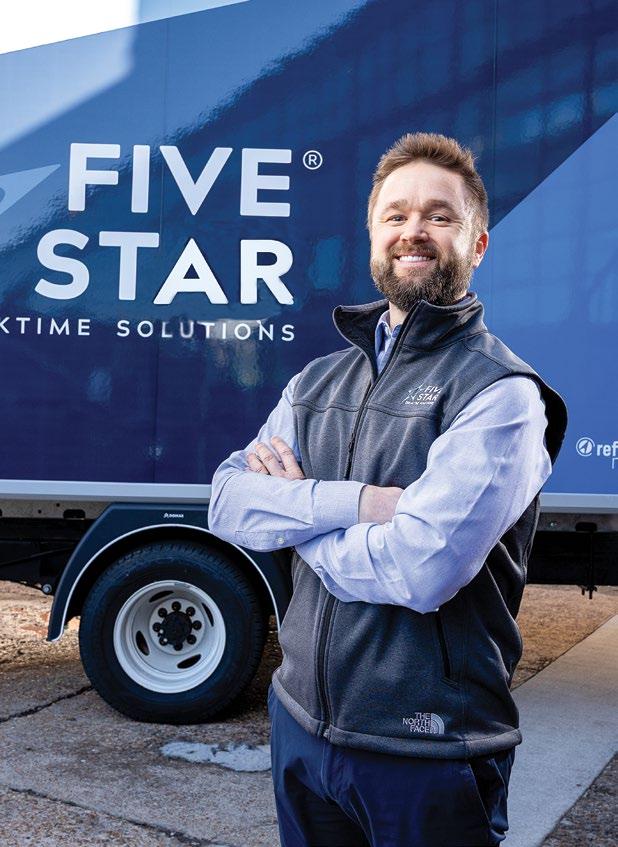
C.J. RECHER, VICE PRESIDENT OF MARKETING
What initially prompted the decision to rebrand, and how did you know it was the right time for your business? Like many other companies, during the pandemic, Five Star evaluated the entire business. We made some major changes operationally and experienced high levels of growth during that time. We had recently refreshed our vision, mission, and values statements. Our visual identity (logo) and brand descriptor of "food service" no longer matched the company we had grown to be or envisioned for the future. It had been at least 15 years since the brand had been touched, and it was time for refinement and polish.
Before the rebrand began, what did you hope would change – both in how your brand was perceived and how it functioned internally? We believed the rebrand would help galvanize the organization after going through a great deal of change and growth. Rebranded trucks, new uniforms, and new building signage would instill a new sense of pride in our work and the company's vision forward. For existing customers, we wanted a visual identity that matched the quality and reliability we were delivering. Five Star was expanding rapidly
via acquisition into new cities, and it was important for us to bring a high level of brand perception when very few knew us. We believed our new brand descriptor would be a better portrayal of what we do.
How did you roll out the rebrand to your audience, and what kind of feedback or response did you receive? We first rolled out digital assets (website, social media, and marketing materials) and the physical assets (uniforms and branded merch, building signage, and trucks) followed. The response has been great. We are nearing the two-year mark post launch. We believe the rebrand to be a success in terms of elevating brand perception and visibility to customers and prospects. Greater levels of company pride are also apparent.
Looking back, what advice would you give to other business owners considering a rebrand of their own? Before taking on a project like this, be clear in your company's identity, its values, and the vision for its future. Be willing to ask and receive honest feedback, positive and negative, about your business and where it currently stands.
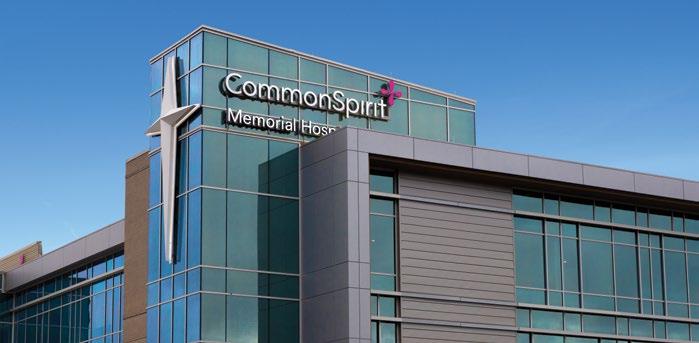
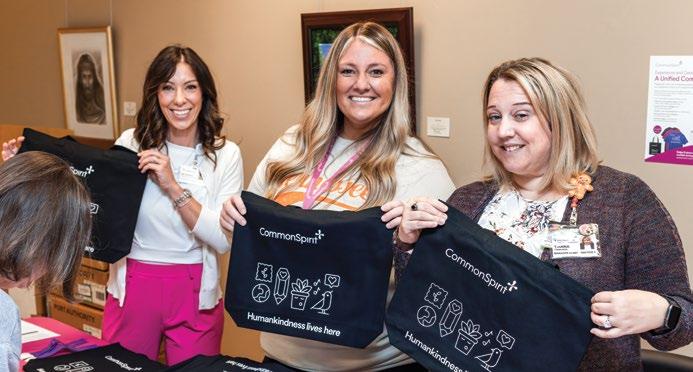
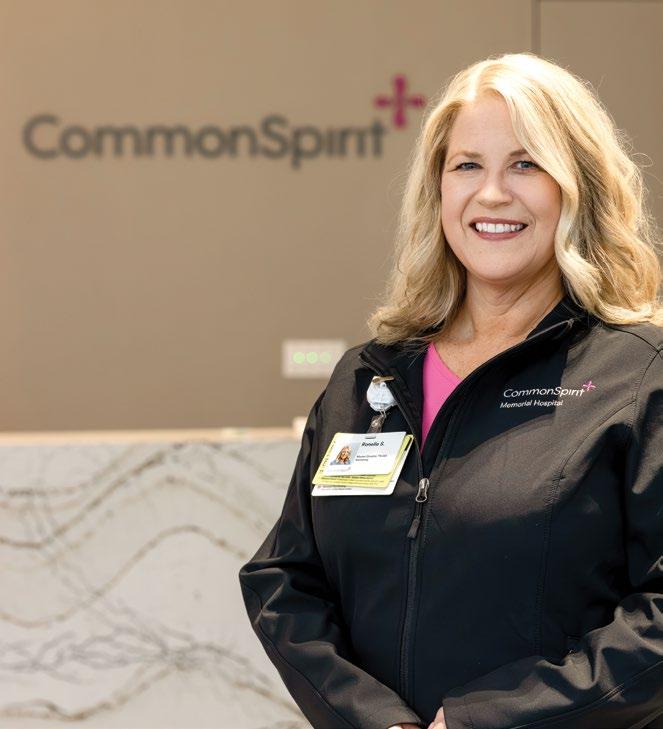
What initially prompted the decision to rebrand, and how did you know it was the right time for your business?
The decision to rebrand stemmed directly from the 2019 merger of Catholic Health Initiatives (CHI) and Dignity Health, which created CommonSpirit Health. From day one, establishing ourselves as a unified ministry has been paramount to CommonSpirit. This rebrand is far more than a name change; it's about better reflecting our shared mission, our rich cultural expertise, and our unwavering commitment to delivering humankindness to all we serve.
For us, the "right time" became clear with the upcoming opening of our new hospital in North Georgia. It presented a unique and fiscally responsible opportunity: by transitioning the name while simultaneously creating new signage for the facility, we could avoid the significant expense and disruption of replacing existing signage just a few years down the line.
What, if any, elements of your original brand did you feel strongly about preserving? Honoring our heritage was paramount. Through extensive focus groups across our market, our dedicated employees voiced a strong, unanimous desire to keep “Memorial” in our hospital names. This wasn't merely a preference; it's a profound recognition of the legacy and deep community trust built over decades. CommonSpirit leaders listened, and all three of our hospitals will proudly maintain “Memorial” in their updated identities.
What role did your team play in shaping the final result? Our local marketing team played a pivotal role in shaping the final result of our rebrand in our market. We represented the diverse voices of both our dedicated employees and the broader community to our national and regional leadership. This ensured that our local perspectives and unique community needs were not only heard but integrated into the brand unification process. Ultimately, beyond representing, our marketing team transitioned into passionate brand ambassadors, enthusiastically championing the benefits of this unification both internally among our staff and externally throughout the community.
How did you roll out the rebrand to your audience?
We began subtly, incorporating “A Member of CommonSpirit” into all communications, gently paving the way for the larger transition. It was critical to ensure internal clarity before any external launch. Significant effort went into clarifying our narrative and voice for our staff, understanding that genuine internal confidence radiates outward. We fostered this through engaging events – from “Experience Rooms” and signage unveilings to media launches – alongside empowering brand ambassadors. Free branded swag also proved immensely popular!
ALAN RAE, GENERAL MANAGER
What initially prompted the decision to rebrand, and how did you know it was the right time for your business?
The rebrand preceded my time as general manager at The Hotel Chalet, but it’s actually what drew me to the opportunity. The decision came from recognizing Chattanooga's evolution as a vibrant, drive-to leisure market rich in charm and history, combined with the property's unique architecture and distinctive place within the wider Choo Choo campus. It was time to evolve alongside the market and recognize the potential –introducing something fresh while honoring the site's storied heritage. With exciting new developments like The Signal music venue just outside our door and the growing appeal of drive-to destinations, Chattanooga was experiencing a renaissance. The rebrand positioned the hotel to meet that moment, celebrating both where we've been and where the city is headed.
How did you roll out the rebrand to your audience? The rollout followed a phased approach, prioritizing internal alignment, equipping the team with a fresh brand narrative, visual identity standards, and communication tools. Community engagement followed through strategic touchpoints: preview events for local hospitality and tourism partners, progressive updates to physical spaces, and storytelling through regional media and digital channels.
What was the most challenging part of the rebranding process, and how did you persevere? The most challenging aspect was ensuring organizational alignment throughout the transition and the years that follow. A rebrand can create uncertainty, particularly among team members who’ve built equity in the existing brand. It required clear internal communication – helping the entire organization understand that this wasn't about discarding heritage, but honoring it while sharpening the narrative for future growth.
The process included stakeholder listening sessions, crossdepartmental involvement in creative development, and transparent communication about what would evolve and what would remain constant. Patience and inclusivity were essential – the timeline allowed for testing, feedback integration, and refinement before public launch.
Looking back, what advice would you give to other business owners considering a rebrand of their own? Have the courage to be specific. Broad positioning that attempts universal appeal typically results in bland differentiation. Strong brands maintain clear points of view and aren't afraid to define who they're designed for – and who they're not. The rebrand clarified that the hotel's purpose extends beyond providing accommodations – it's about giving guests a compelling reason to choose Chattanooga and creating deeper connection to place.



Local Professionals Share Tips and Tricks to Successfully Close Sales
Working in sales – whether you’re a beginner or a seasoned professional – can be intimidating, and what works for one client may not work for another. While every situation is unique, there are proven tactics that can help drive success no matter the circumstances. Here, we asked six local sales professionals how they successfully close deals. Read on to discover their best practices, strategies for effective followups, and advice on avoiding unnecessary compromises while keeping the customer’s best interest at the forefront.
“Successful sales closings, especially in sensitive areas like aging and senior planning, begin long before any decision is made. The most important best practice is to lead with listening. Families often come to us overwhelmed, emotional, and unsure of their options. Taking the time to understand their goals, fears, and family dynamics builds trust and ensures that recommendations are truly aligned with their needs.
Clarity and education are equally critical. Rather than pushing a solution, we focus on explaining options, outlining realistic outcomes, and setting clear expectations. When people feel informed rather than pressured, decisions happen more naturally. Effective follow-up should feel supportive, not transactional. Timely check-ins, thoughtful resources, and simple ‘how are things going?’ conversations reinforce that the relationship doesn’t end once a decision is made. This approach keeps the family’s best interests at the forefront while also strengthening long-term relationships and referrals. Ultimately, the most sustainable way to close sales is to remove the idea of ‘closing’ altogether. When trust, transparency, and genuine care guide the process, the right decisions tend to follow for both the client and the business.”
“A best practice that ensures successful sales for us is when meeting with the customer, we put ourselves in their shoes. We listen to them describe what they want and then start sketching out the design on paper to ensure they are aware of exactly what we are proposing to do for them.
Transparency is key – no surprises! When we send a proposal to the client we will follow up in a couple days by email or text, asking if they have any questions regarding the proposal we sent. Our proposals are really thorough and detailed. If the customer wants to proceed, we will produce shop drawings on AutoCAD for them to approve before we start the job. We will then schedule the fabrication and installation of their job and let the customer know what day we plan on installing. Again, communication and transparency are key. We under promise and over deliver. When we do all the necessary homework on the front end, it ensures the customer is going to be ecstatic with the results we produce and deliver to them.”
““In my experience working in commercial real estate and M&A transactions, successful sales closings come from a balance of preparation, integrity, and long-term relationship building. The most effective approach always begins with listening closely to the client’s goals. When you truly understand what a buyer or seller needs, you can guide the conversation toward solutions rather than simply trying to ‘close a deal.’
One best practice is maintaining transparency throughout the process. Clear communication on pricing, timelines, and expectations builds trust and prevents last-minute surprises that can derail a transaction. I’ve also found that staying disciplined on valuation and ensuring pricing remains fair and consistent with the realities of the market helps protect both the strength of the deal and the client’s confidence in the outcome. Another critical part of the process is understanding the seller’s ‘why.’ I often ask sellers what they plan to do after the sale, and many haven’t fully thought through their next steps. Helping them clarify their exit strategy and plan accordingly is essential to achieving a smooth closing and a successful transition. Follow-up is equally important. Effective follow-up means staying engaged, providing useful updates, and remaining available as a trusted resource, not applying pressure. Ultimately, the strongest closings happen when clients feel supported, informed, and confident that their best interests – not just the transaction – remain the top priority.”
I believe listening to and understanding the customers’ needs and wants, while also being clear and upfront about your ability to provide for those needs, is the key factor for closing a sale. Ask questions that clarify the customers’ needs. You should know your products and how they can best be a fulfillment of the need.
I like to offer products that are high quality and of value. Maintain fair pricing and do not play games to trick customers into making rash decisions that they may regret. I do not like high-pressure sales tactics. While this may lead to a quick sale, this practice will ultimately create distrust between you and the customer. It is important to maintain trust and rapport with a customer. This builds long-term relations and will lead to future sales.”




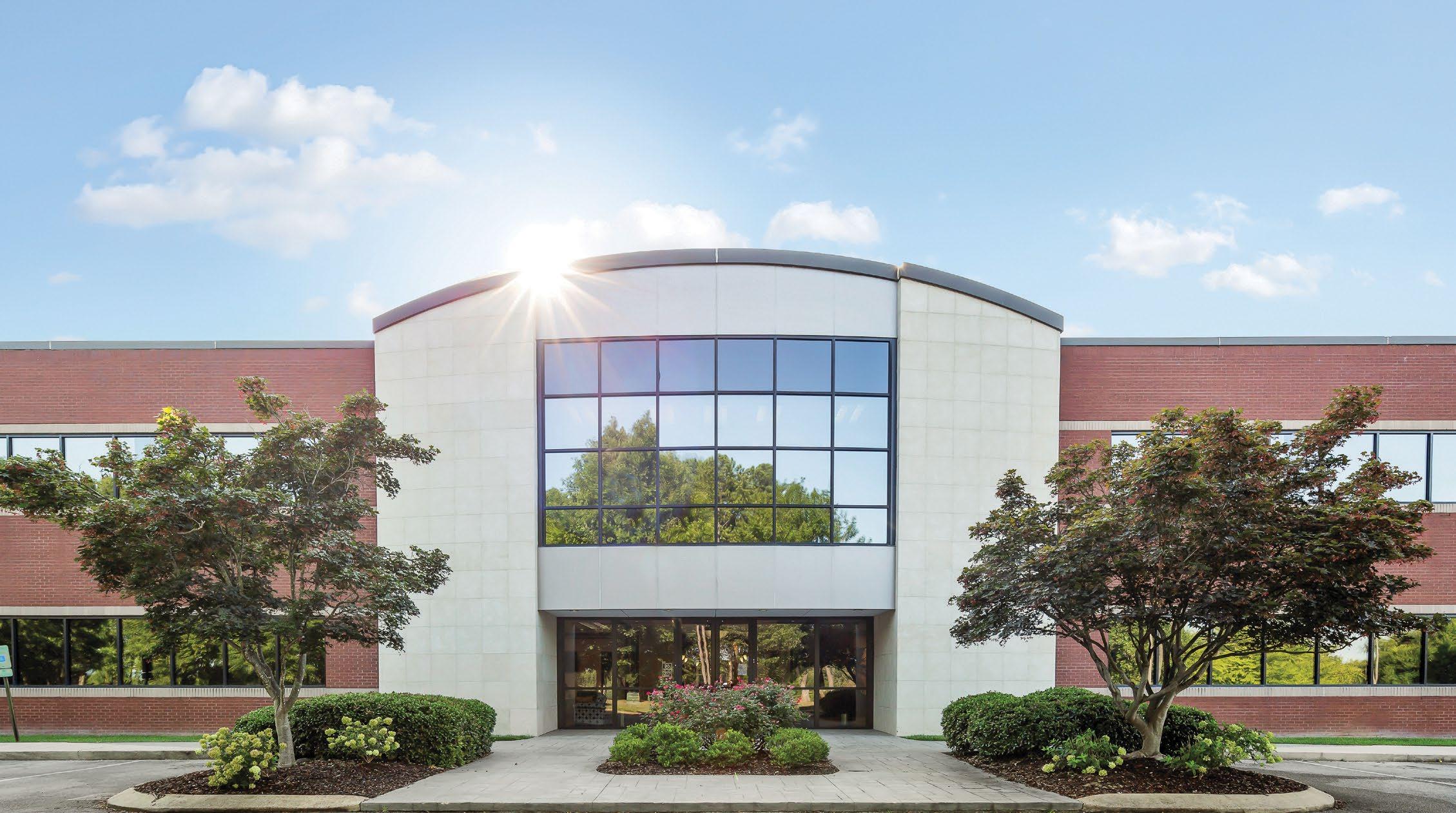
“For us, success in sales has never been about pressure; it’s about personal service and being transparent and honest with every customer. We make ourselves available day or night; it doesn’t matter if someone thinks of a question late in the evening or needs reassurance at the last minute. We’re always there. That level of accessibility builds trust, and trust is everything in this business.
Our goal is always to provide real, lasting value. That’s why we’ve chosen to stay away from lab-grown diamonds. Even when customers ask about them, we take the time to explain why they don’t hold long-term value. We want our clients to feel confident knowing that what they purchase today will still have worth tomorrow if they choose to trade it in, upgrade, or pass it down. Education is a huge part of what we do. We never rush the process, and we take the time to explain every detail to every person, no matter who they are or how familiar they are with jewelry. When a customer leaves, we want them to truly understand what they’re investing in and feel confident they made the right decision.”
“5090 South is built on a relationship-driven philosophy centered on longterm partnerships. We believe our customers are the foundation of our business, and consistently putting their needs first creates trust, loyalty, and meaningful connections. This mindset allows relationships to grow beyond a single transaction, often extending to friends and family through referrals and repeat business over time. Our goal is to be a trusted resource for our clients, providing guidance, transparency, and support throughout every stage of the furnishing process.
To support this commitment, we offer complimentary in-home design services tailored to each client’s space and lifestyle. Our team recreates the rooms being furnished into detailed 3D computer-generated images, places the selected furniture within the design, and renders the final result in 4K. This allows clients to clearly visualize their finished space before making a decision, creating confidence and excitement throughout the experience. These thoughtful, personalized services reflect our dedication to going above and beyond, ensuring every client feels valued while building relationships that last well beyond the initial project.”






Thank You to Our Sponsors!







Table Supporters C














Miller & Martin | Long of Chattanooga

Bohannon Law Firm | Centennial Heart at Parkridge
Chambliss Law | CommonSpirit
Complete Recycling & Demolition | DPC Center
Jon & Sharon Law | Dr. Alison Bailey | Dr. Harish Manyam
Dr. Matt Wiisanen | Encompass Health Rehabilitation Hospital
Ernst & Young | Hearth Hospice | Kenco Logistics | Parkridge
Pinnacle Financial Partners | Smith & Howard
Veritiv | Wesbanco
"Do not follow where the path may lead. Go instead where there is no path and leave a trail." — Ralph Waldo Emerson
There are many fast-moving variables that go into funding a startup, and in today’s market, it’s easy to get caught up in the noise without knowing what truly matters for your business. To help point founders in the right direction, we asked three local investors for their advice on some of today’s important funding topics. Read on for their insights on first steps in the funding process, how to stand out to the right investors, and what it takes to maximize growth and prepare for the next round.
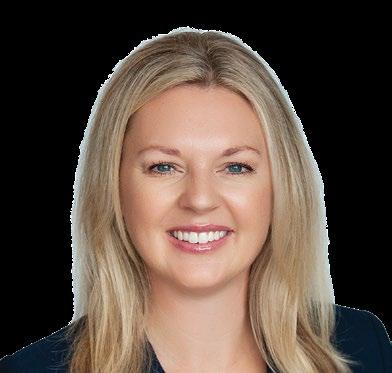
TIFFANIE ROBINSON Co-Founder, The JumpFund
When seeking funding, what should be the first step?
If you're thinking about fundraising for your company, the very first thing you should do is make sure you know how to articulate the problem your company is solving. You must be able to do this in a compelling and practical way that is going to intrigue an investor to be a part of solving the pain point your product was created to do. If you can't convincingly explain that, you'll have a hard time raising money.
Once funds are secured, how should they be allocated?
Ideally, a founder has mapped out how exactly they plan to spend the funds they are raising. They should try to stick to that plan as closely as they can to show smart fiduciary effort. However, we all know that things change and sometimes plans don't work. Staying in communication with your investors and being transparent with anything that's changed is best practice.
What advice can you give to founders for getting themselves in front of the right investors?
Don't be afraid to go to your family and friends for that first raise. If you do not have a friends-and-family network of investors (most people don't, so don't worry), be brave and reach out to people you may not know. You will need to network and ask for referrals – don't be afraid to do so!
General Partner, Brickyard
What is the biggest mistake you see founders make when seeking funding?
Many founders do not understand the outcome expectations of the investors they’re pitching. In venture capital, we invest when we believe a company is capable of returning our entire fund by itself. For example, Brickyard’s current fund is $20 million, and will make 40+ investments. If we write a $400,000 check into a company on an $8 million valuation, we must believe that its 5% stake will be worth $20 million if things go right (a $400 million sale). Angels and private equity have different fund mechanics, and you should understand what a “win” for them is before taking their check. Alignment matters a lot in marriage!
Once funds are secured, how should they be allocated?
Wait for your tires to catch before dumping more fuel (money) in the engine.
What should founders do to maximize growth and prepare for the next round of funding?
Know what your metrics need to be in 18-24 months to raise your next round. Know every day if you’re ahead or behind, and constantly ratchet your burn up or down in response. If you’re way ahead, consider burning hotter and raising earlier. If you’re behind, slow your burn. It’s pretty simple. You can’t fail if you don’t run out of cash.

JONATHAN BRAGDON
General Partner, Capacity Capital
When seeking funding, what should be the first step?
The first step is to treat it as a hiring decision: bringing in money to do a specific job in the business, at a specific cost to you and a benefit to the investor. The cost is driven by the investor’s risk: the higher their risk, the more expensive the capital. Equity/venture capital is usually the most expensive, customer revenue is the least expensive, and there are a lot of tools between those two.
Once funds are secured, how should they be allocated?
Once funding is in, focus it on whatever is most clearly blocking growth. If you’re still finding product/market fit, spend on customer experiments. If you have traction, invest in a repeatable sales motion and the onboarding process. If growth is exploding, invest in talent, operations, delivery, and customer delight to scale what’s working.
Growth tends to create cash gaps and a need to invest before the revenue arrives. The use of funds becomes clear when you frame every dollar around unlocking the next stage.
What should founders do to maximize growth and prepare for the next round of funding?
Founders should build as if this round might be their last: design a business that can be funded by customers, not capital markets. That means being obsessed with solving a real customer problem, letting revenue validate that you’re creating value, and then getting serious about both capital efficiency and top-line growth.

Since 2018, the Tennessee Valley Federal Credit Union (TVFCU) Idea Leap Grant has given small businesses across the Greater Chattanooga area the chance to turn bold ideas into tangible growth, awarding grant funding to entrepreneurs ready to take the next step. Here, we meet some of the 2025 Idea Leap winners to learn more about their businesses, how the competition shaped their journey, and what’s next as they continue building momentum in the region’s entrepreneurial landscape.
Photography by Hacker Medias
Northwest Georgia Region Grand Prize Winner

How did your experience in the Idea Leap competition impact your mindset and growth as a small business owner? It brought a great sense of joy. In going through the many steps of the grant, I was reminded of my passion for my journey as a small business owner. I had to represent not only what I do, but why I do it, and how I got started. Meeting other small business owners who share in that passion and drive was also a very fulfilling part of the grant process.
How did you use the funds from the grant, and how will this opportunity help shape the next phase of your business? I have used the funds to build out an entirely new lab space and an autoclave room for my mushroom farm. With the remaining funds, I am finishing phase 1 of bringing my second module online to use as a second grow room and incubation space. This will allow me to continue farm and institutional research with UTK at a larger capacity.
What is your long-term goal for your business? I would love to see my business double in total sales within two years, as well as have greater automation for all aspects of the production process. I am always seeking to grow our collaborations with universities on research as well as expand our co-packaged products and sales in local stores. I would love to continue to collaborate with other local businesses and have more time to go to schools and other educational events to spread the love and information of mycology!
What encouragement can you provide for any entrepreneurs struggling to figure out their next step? Start with where you are and where you would like to be in one, three, and five years. Troubleshoot where your largest pain points are, and determine which ones can be eliminated the quickest and would help the most in your growth and goals. Find great employees, and make time for yourself so you can be at 100% when you are focused on your business. If you are worn out or burnt out, you won’t be able to do or be your best for your business, so take care of yourself, your relationships, and your physical and mental health.

LOCALLY OWNED & OPERATED - ALWAYS THE RIGHT CHOICE
Offering outstanding customer service by way of unmatched quality, beautiful designs, and friendly professional service for over 54 years

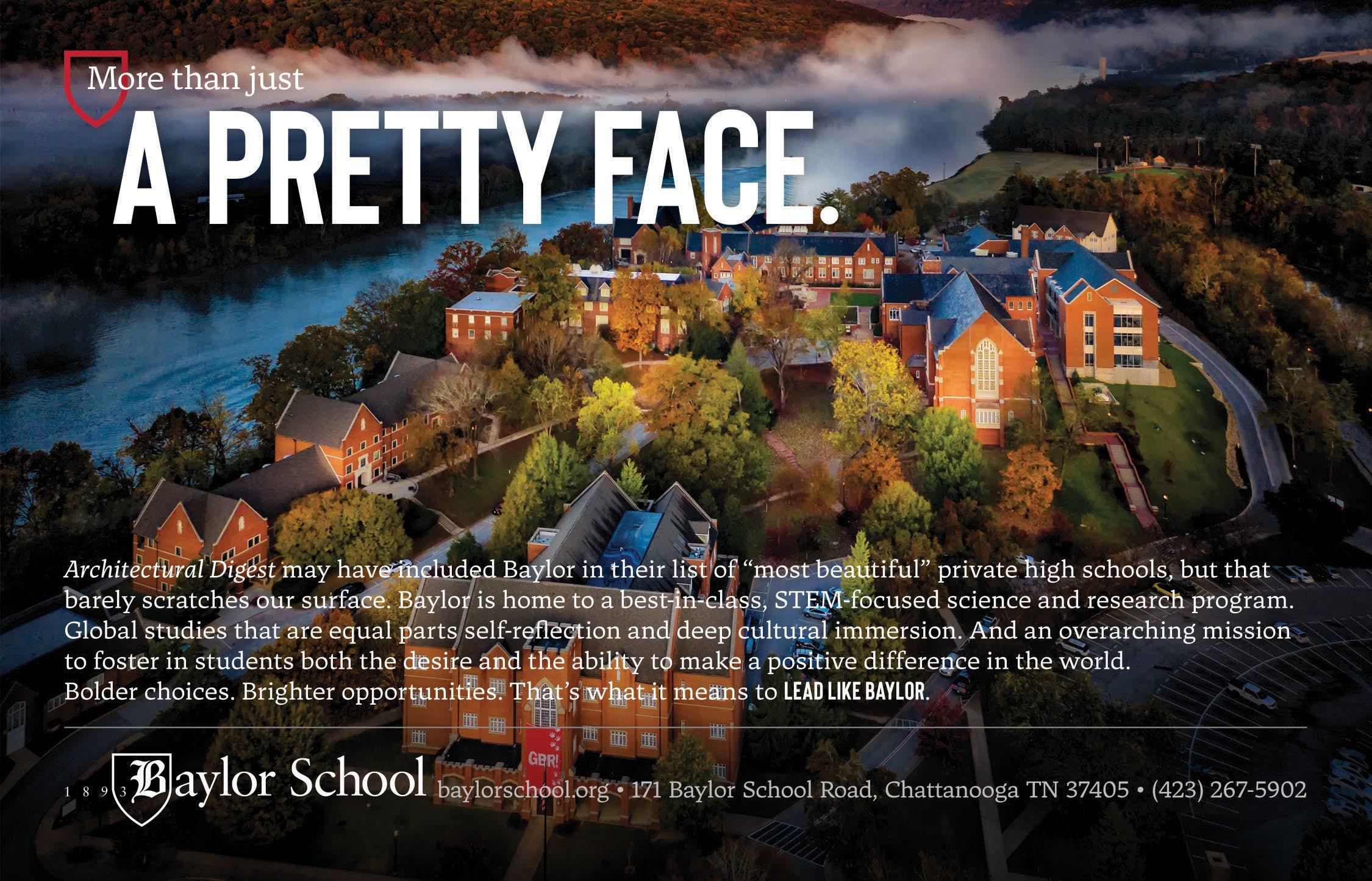
Tell us about your business. What brought you to this venture, and what need are you meeting in the Chattanooga area?
Learning Center was founded out of both personal calling and community need. Although I initially resisted en tering the childcare field, I ultimately recognized it as a calling to serve children and families. Since 2009, I have dedicated my work to early childhood education and have grown to deeply love caring for families and being an active part of both children’s development and parents’ personal and professional growth.
Through this work, Tiny Tigers Learning Center meets a critical need in the Chattanooga community by providing reliable, high-quality child care, flexible scheduling, and familycentered support that allows parents to work, pursue education, and build stability while their children thrive in a safe and nurturing environment.
TINY TIGERS LEARNING CENTER
Chattanooga Region Grand Prize Winner
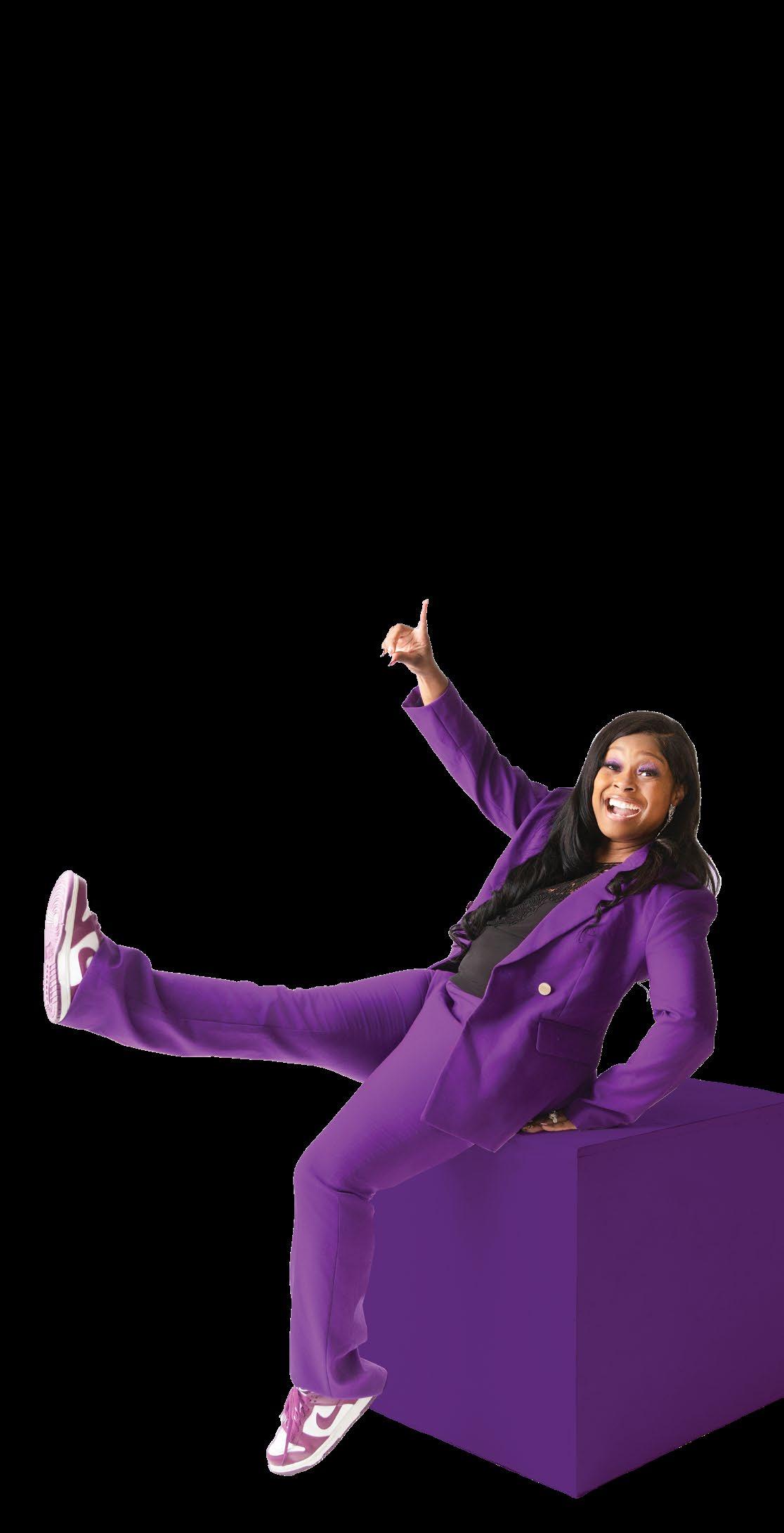

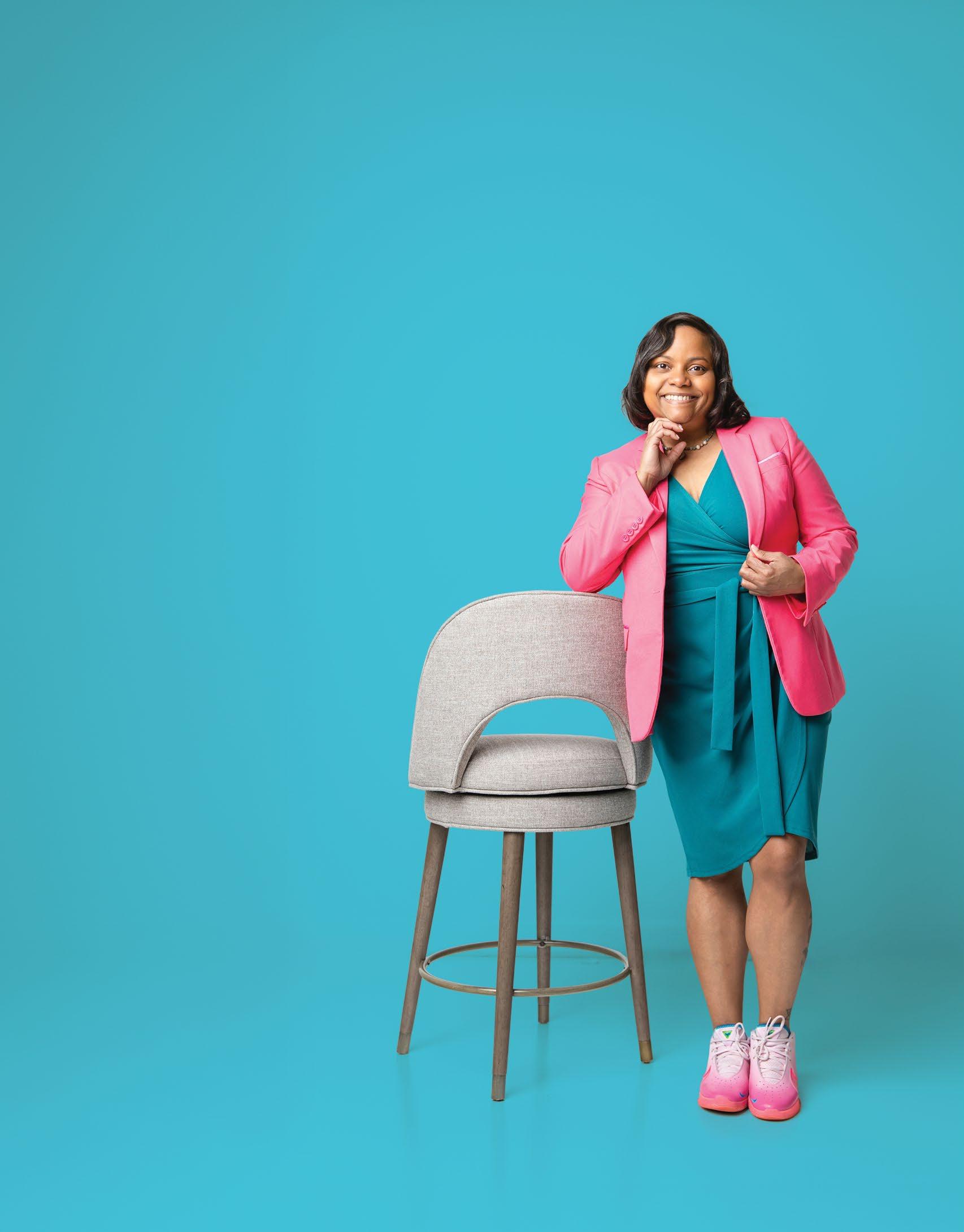
How did you find out about the TVFCU Idea Leap Grant and what made you decide to apply? I first learned about it through Chattanooga’s entrepreneurial ecosystem. After attending Chattanooga Entrepreneur Week in 2023 and watching the competition as an audience member, I remember thinking, “I could do that.” The following fall, I joined the Chamber’s first TVFCU application workshop to learn the process. I never expected to become a finalist on my first attempt. That journey led me to the stage in May 2025, where Scenic City Counseling was awarded $15,000 as the runner-up.
How did your experience in the Idea Leap competition impact your mindset and growth as a small business owner? The competition challenged me to think bigger about what innovation in mental health truly looks like. I’ve spent more than two decades serving military members, first responders, and families, but preparing for Idea Leap pushed me to articulate how our work blends clinical excellence with community outreach. It reminded me that growth isn’t just about expanding a business, it’s about expanding impact, representation, and accessibility in a field where many people still struggle to find culturally competent care.
How do you navigate ongoing innovation while ensuring a high level of service and value for your clients? Innovation at Scenic City Counseling means creating new pathways to healing without compromising clinical excellence. We combine advanced training, evidence-based practices, and strong healthcare partnerships with creative outreach strategies. Every innovation is guided by one question: “Does this increase access while maintaining quality care?”
What is your long-term goal for your business?
My long-term vision is to continue expanding access to mental health care across Chattanooga through innovative community outreach. Over the next two years, we aim to increase our service population, expand group sessions and corporate workshops, and generate sustainable revenue growth that allows us to reinvest in the people we serve. The goal is to build a lasting model of therapy that is visible, accessible, and deeply connected to the community.
What encouragement can you provide for any entrepreneurs struggling to figure out their next step?
Stay rooted in your mission, surround yourself with people who believe in your work, and remember that impact grows when you show up again and again for the community you serve.
Chattanooga Region Second Place
Ocoee Region Grand Prize Winner
How did you find out about the TVFCU Idea Leap Grant and what made you decide to apply? We learned about it through a friend, and it felt like perfect timing. We applied because we have a significant waiting list and needed to purchase equipment so we could expand our ability to serve our community. It would have taken 30,000 baby steps to get to our expansion goals, but the grant funds were one giant leap to get us there faster!
How did you use the funds from the grant, and how will this opportunity help shape the next phase of your business? With the grant funds, we purchased a parts washer, which improves efficiency and helps our team move jobs through the shop faster; an additional vehicle lift, which increases our capacity so we can take on more projects at once and reduce wait times; and an exhaust bender, which allows us to expand into custom exhaust fabrication, opening up a new service line and increasing what we can deliver for customers.
What is the biggest challenge you've faced as a small business and how did you overcome it?
The biggest challenge we face is that demand frequently outpaces our capacity, which has created a significant waiting list. The TVFCU Idea Leap Grant helped us increase capacity, allowing us to serve more customers while maintaining the personal touch and high standards of quality that are the signatures of Visionary Motorsports.
What is the most rewarding aspect of owning a small business? The most rewarding aspect is getting to be part of people’s stories. Cars are rarely “just cars” to our customers – they’re tied to memories, family members, and milestones. When we take something meaningful to them and bring it back to life, we’re not just fixing a vehicle; we’re helping preserve a piece of their history and creating something they can pass on.
What is your long-term goal for your business?
Our long-term goal is to grow Visionary Motorsports in a way that increases capacity and impact without losing the craftsmanship and personal relationships that define us. We want to reduce the waiting list, expand our in-house capabilities, and continue being the shop people trust with vehicles that truly matter to them.
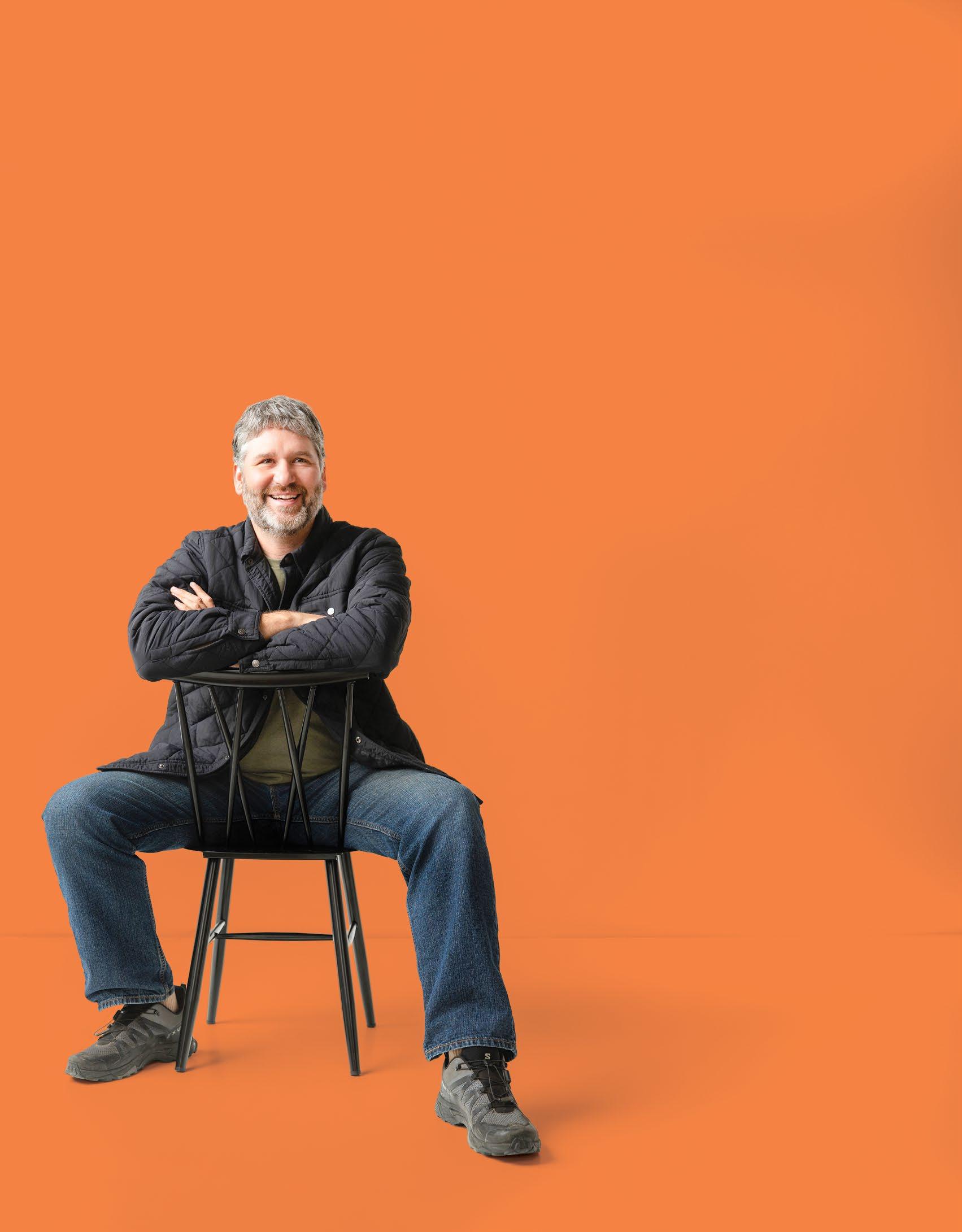
“The very essence of leadership is that you have to have vision. You can’t blow an uncertain trumpet.” —
Theodore M. Hesburgh
Empathetic leadership has proven to be highly effective at building a successful team dynamic and business. In fact, research shows that leading with empathy improves overall employee performance and decision making, reduces turnover and burnout, as well as enhances trust and communication. Read on to learn how leaders in and around Chattanooga are embracing an empathetic leadership style that focuses on their employees as whole people, not simply parts in the corporate machine.
“My strategy leads with empathy by treating employees as capable adults and whole people, not as resources to be tightly managed. Our organization operates on a ‘grown-up’ philosophy rooted in mutual respect, trust, and ownership. Rather than policing time off, lunch hours, or rigid KPIs, we focus on clear role ownership, work ethic, dedication, loyalty, culture fit, and results.
This approach allows empathy to be practical rather than performative. By removing unnecessary controls, I can respond to each employee’s individual needs, whether that means flexibility for working parents, adjusting schedules during challenging life moments, or trusting team members to manage their time responsibly. Employees are evaluated on outcomes and accountability, not hours logged or calls made.
Empathy influences leadership decisions by shifting the question from ‘Are they following rules?’ to ‘Are they set up to succeed?’ That shift has a direct impact on employee well-being and engagement. When people feel trusted and respected, they take greater ownership of their work and are more invested in the organization’s success.
Culturally, this creates a high-trust, low-friction environment where people show up motivated, aligned, and loyal because they are treated like adults who matter.”
John Sterner, CFP® | Private Wealth Advisor, BrightView
“As a business owner, I believe empathy isn’t a soft skill, it’s a strategic one. At BrightView Capital, we don’t view people simply as employees filling roles; we see them as whole people with families, responsibilities, ambitions, and seasons of life that matter. Everyone has a unique story, unique talents, and a voice that is worth listening to. When leaders genuinely live that out, everybody wins.
Empathy influences how we structure our workplace, how we communicate, and how we measure success. When our team members are able to prioritize care for themselves and those they love, they show up more present, engaged, and energized in their work.
Our team is built on trust, appreciation, and mutual respect. We work hard to remove unnecessary anxiety – from workloads to expectations – so our team can enjoy the meaningful work we do. That same philosophy drives how we serve clients: Simplifying complex financial decisions so they can live with confidence and focus on enjoying the life they have built with the ones they love.
A culture rooted in empathy creates loyalty, collaboration, and purpose. When people feel valued as humans first, they don’t just work harder, they thrive.”
“Every day, I approach my work with the goal of serving others well. That begins with Lee University employees. Our staff works to serve our students with care and excellence, so it is part of my mission to create a community where they feel valued and appreciated. At Lee, our Christian foundation informs a simple commitment: every person has God-given worth, and leadership should be expressed with dignity, fairness, and genuine care. That belief shapes how I think about people, policies, and priorities.
Empathy changes leadership by requiring us to ask, ‘How will this decision affect those who carry it out?’ Practically, that means communicating with both clarity and kindness. We create a community where leaders listen well, plan thoughtfully, and collaborate with employees. We also reduce unnecessary strain by setting realistic expectations, prioritizing what matters most, and giving teams clarity about what is urgent.
When employees feel energized in their work, engagement deepens and our campus thrives. Over time, empathy strengthens the workplace by encouraging collaboration and community. The best version of our work together reflects our mission, and it provides students with an education focused on Christ-centered excellence.”
“As Chattanooga Market President, I practice the adage of ‘listen, learn, and lead.’ It’s the best way to empathize with our team members as well as our customers – especially during challenging times. At First Horizon, we emphasize the importance of team work. We design expectations around real life and build flexibility where roles allow, protecting time off and cross-covering various events and activities to help support them. We believe that when our associates are well cared for, they in turn will provide excellent service to mirror those actions. First Horizon enjoys nothing more than a celebration of success, whether that means off-site team building, awards gatherings, or the frequent sharing of success stories. For us, one associate’s success belongs to all of us and is worth celebrating. We also take this to a personal level by supporting work-life balance with flexible arrangements wherever possible including paternity leave, adoption support, and short- and long-term disability. Empathy strengthens engagement and builds a culture of psychological safety and accountability.
We believe that our bank is only as strong as the communities we serve. Empathy fuels connection. It’s how we serve our associates, our clients and our city every single day.”



Brent Smith | President and Owner, Evans Lumber Company & Millwork
“When I took over Evans Lumber, it instantly brought back memories of the mergers and acquisitions I experienced in the past –part of a crew that got wiped out when new leadership rolled in. That wasn’t going to happen at Evans Lumber. Businesses aren’t just inventory and invoices, they’re people with mortgages, kids’ ballgames, and aging parents.
So, I focused on building up and strengthening our current team. I stay connected and engaged – walking the yard, listening first, observing before making changes. Now, when someone’s got something going on at home, we do our best to work with them. We support working parents with schedule flexibility, trade-offs on shifts, and clear communication, so nobody feels like they’re choosing between family and a paycheck. Overall, we encourage resourcefulness and involve our key people in decisions that affect our team’s work. Delegating real responsibilities in this way allows my team members to succeed. When we hit goals or someone steps up, we acknowledge it. And not just with numbers, but with appreciation. Empathy should shape every call that leaders make. It builds trust, strengthens engagement, and creates a culture where people look out for each other – the way a good team should. Businesses take care of their inventory and trucking equipment; at Evans our team is our greatest asset, and should be managed as such.”

Jody B Riggs, CFP®, CPA, RICP®, CKA®, APMA® | Private Wealth Advisor and CFP® Practitioner, Riggs & Associates
“Leading with empathy and achieving an excellent workplace culture is not a destination, but rather a continuous and intentional quest to get to know each other. Dare I say, love each other. By ‘love,’ I mean a genuine desire for the good of others. We seek an environment of true belonging where each team member is seen, heard, known, needed, and valued. We consistently celebrate birthdays and other major life events, but we also lean into the pain that teammates may be experiencing and share that load as best we can. We reserve the fifth Monday of a month for team celebration. This time is set aside for gratitude, for celebrating significant achievements of team members and the practice, and sometimes it’s just to have fun. Weekly team meetings allow everyone time to share anything they think important, be it a new business learning, or it could be a more personal perspective. We seek to understand the goals of each team member, both professionally and personally, and look for ways to help them achieve their dreams. We seek to live out our core values of excellence, relationships, and collaboration."







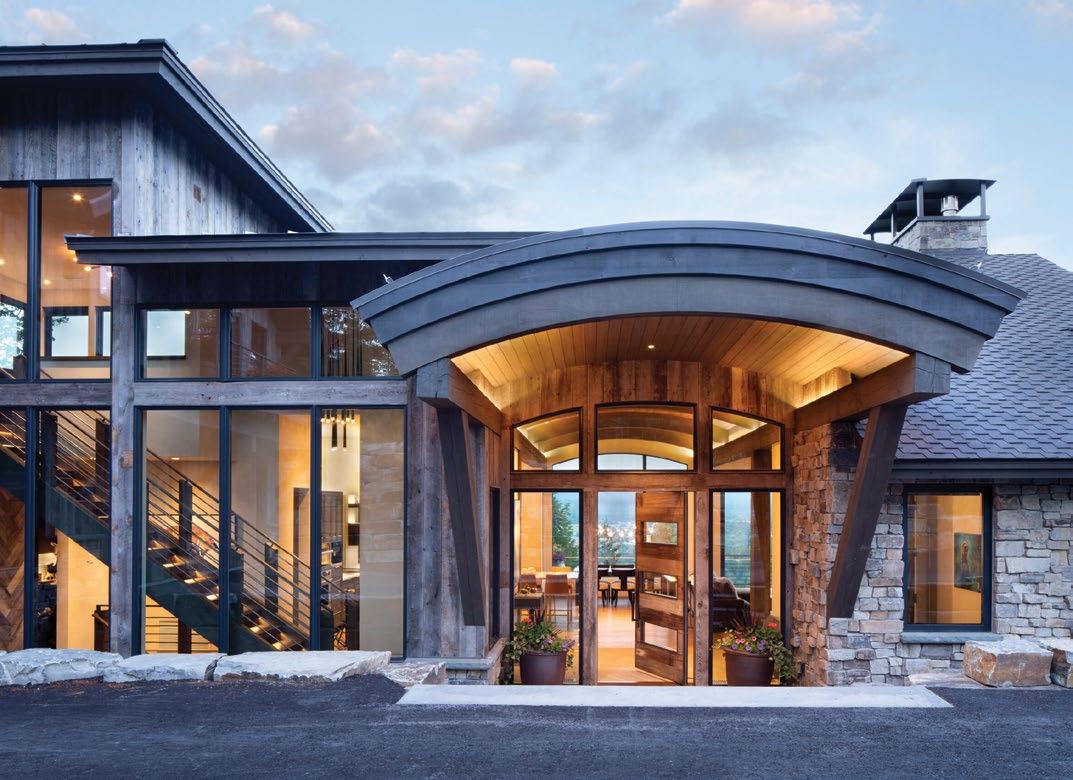


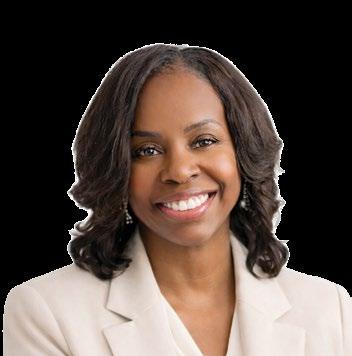
“I believe leadership starts with empathy, because people aren’t just employees, they’re parents, caregivers, students, and individuals carrying real responsibilities and real life outside of work. When we recognize the whole person, we build trust, loyalty, and a culture where people feel safe to show up fully.
Empathy influences my decisions every day, from how we set expectations to how we support our team through challenging seasons. We’ve learned that when leaders listen first and respond with care, employees feel valued, engagement rises, and burnout decreases. A healthy workplace culture isn’t built through policies alone; it’s built through consistency, compassion, and the willingness to lead with humanity.
At Journey Health Foundation, we prioritize flexibility whenever possible. We understand that working parents may need adjusted schedules, time for school events, or the ability to handle a sick child without fear of being penalized. We encourage work-life balance by respecting personal time, offering grace during stressful moments, and focusing on outcomes, not just hours.
Empathy doesn’t lower standards, it raises support. And when people feel supported, they thrive, serve better, and stay committed to the mission.”
Anna Baker | Showroom Creative Director, Stone Source Inc.
“Everyone has a voice here. A few years ago, we invested in a team building coach who did personality assessments. It was interesting to get to know each other on that level. We can see our own strengths and weaknesses as well as our coworkers’. She set us up on a software program that gives us daily coaching tips. We often read them aloud or reference them to each other when they are relevant. It has been a good way to build connection.
We include our people in almost all decisions regarding hiring, process, and procedures. We trust our people to do the best possible job by being free to decide how that looks and works. Our installers make their own schedules based on efficiency and focus on quality of the job.
In the showroom, we voted on operating 9-4 without a full lunch break so that moms can do school drop offs and pickups. We allow our people to care for their families by being flexible with schedules. We operate the showroom on an appointment-based system so that we can focus on the quality of services we provide to our customers and our team members can have more control over the time management of their day. Our business has grown year after year, so we can see the rewards far out way the costs.”

“I am a strong supporter of the Family Initiative, because leading with empathy isn’t just a philosophy; it’s a responsibility. At our agency, we recognize that our people are whole human beings with families, commitments, and lives that matter deeply. Giving time for sick children, creating space to be present with loved ones, and supporting mental growth are not perks; they are priorities.
We also encourage our team members to attend their children’s school events – whether it’s a championship game, a recital, or a school play – without guilt or hesitation. Those moments are irreplaceable. When employees know they can show up for their families, their stress levels decrease, their well-being improves, and they feel valued as people rather than just workers. That sense of respect and understanding fosters loyalty, trust, and engagement. In return, we cultivate a workplace culture where people genuinely want to belong.”
“Leading with empathy has always felt natural to us. We believe people do their best work when they feel valued, supported, and genuinely cared for. Our workplace culture is built on relationships, open conversation, and being present for one another. Daily shared lunch meals and regular informal time together allow us to listen, stay connected, and understand what our team members are navigating both personally and professionally.
Over the years, we have supported employees through life’s full range of experiences – celebrations, hardships, and transitions. We meet people where they are and invest in their growth, trusting that when individuals feel respected and supported, they bring greater commitment and care to their work.
That same mindset guides how we serve our clients at Choice Title Company and Jones Title Company. Real estate transactions are often unfamiliar and stressful. We approach each interaction with patience, clarity, and respect, understanding the trust our clients place in us. Empathy, for us, is about responsibility, integrity, and doing right by people.”



Launching and growing a business is no small feat, but having a partner in the process can amplify purpose, help fuel creativity, and make the wins more meaningful and the challenges more manageable. Meet five local co-founder duos who prove that shared vision and complementary strengths can turn big ideas into thriving ventures. From lifelong friends to family ties and chance professional connections, each pair brings a unique dynamic to Chattanooga’s entrepreneurial landscape.
BY LINDSEY CLUTE / PHOTOGRAPHY BY HACKER MEDIAS
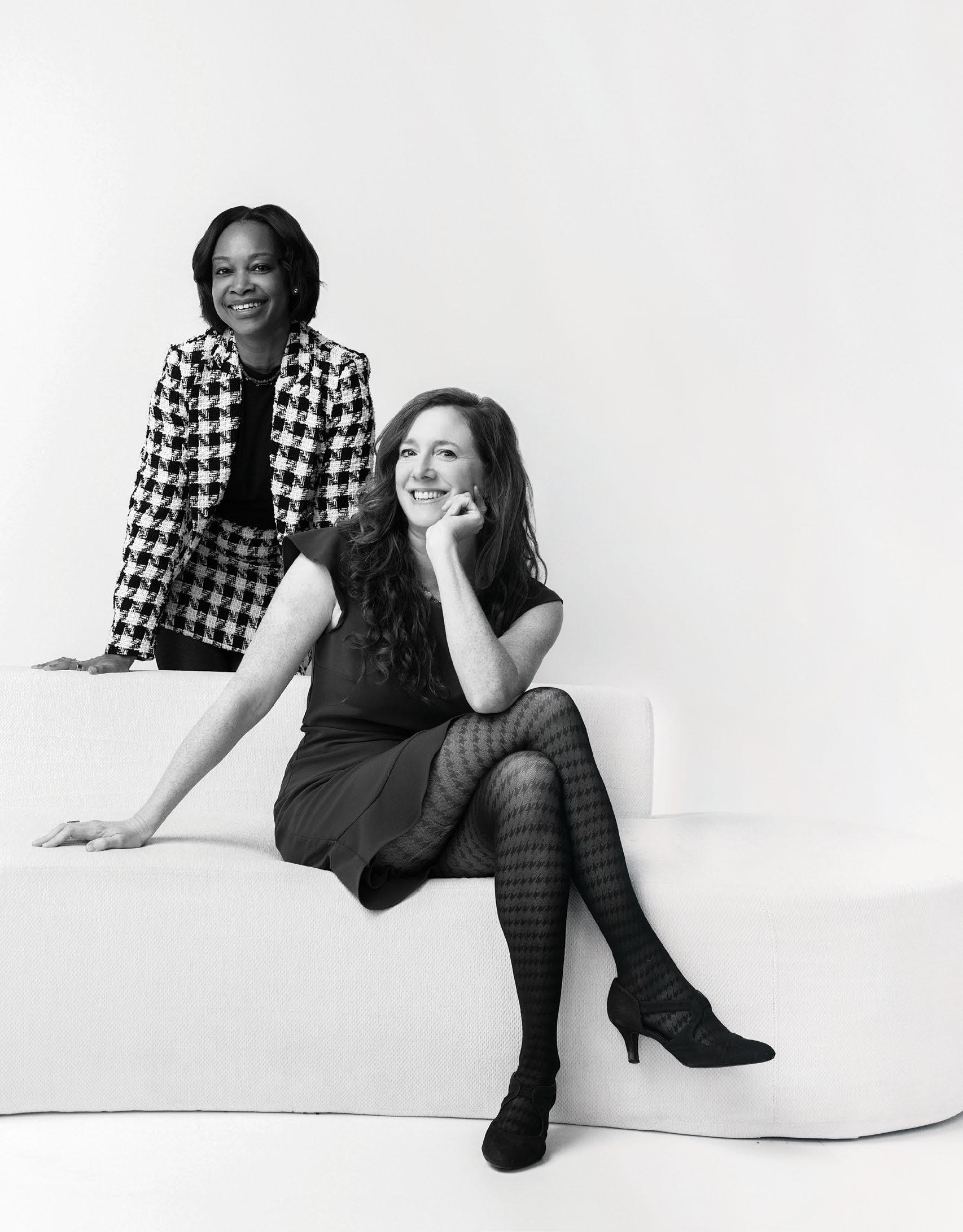
It’s been 12 years since The Chattery, a well-known and beloved Chattanooga nonprofit, opened its doors. With just $100 and a shared belief in accessible, joyful adult education, co-founders Shawanda Mason and Jennifer Holder set out to fill what they saw as a learning void in the community.
“One of the largest challenges was being taken seriously,” says Holder. “As two young women starting a nonprofit, the hurdles we faced were simply from people not believing in us. But anytime someone doesn’t believe in you, that’s motivation to do even better, and that’s what we did.”
Adversity only fueled Holder and Mason, and despite early obstacles, The Chattery grew from four classes a month to now more than 50, reaching over 25,000 learners while continually expanding its offerings. Growth, however, did not shield hardship. In 2024, after their building was set on fire, the founders faced a defining moment that put their resilience to the test.
“No one can prepare you for watching a team of volunteers throw 10 years of memories into a dumpster,” Holder adds. “But through it all, we proved we’re more than just ‘stuff’ and more than just a ‘space’ –we’re a community. A community of learners, teachers, and friends.”
Their relationship mirrors the organization’s learning ethos, proving that a successful partnership is achieved through mutual respect. “When we have differences of opinions we give each other permission to ask questions,” Mason explains. “Even though we're running a business, our friendship comes first.”
That dynamic also ensures accountability and growth, with both founders quick to express their gratitude for one another. “I always want to do my best so that my partner knows that we're on the same page,” Mason says. Holder agrees: “I owe so much to Shawanda. She’s taught me how to set boundaries … I value her opinion and trust her.”
From landlord and tenant to best friends and on to business partners, they’ve come a long way and achieved their founding goal together. However, their mission continues. “We set out to become the go-to place for enjoyable adult learning,” Mason reflects. “Community building is an ongoing job, so our work is far from over.”
Jim Markley and Thomas Lee first crossed paths in the sock industry more than a decade ago, and after realizing the space still held untapped potential, left their previous ventures to begin the next phase of their careers: Sockwell, a lifestyle sock brand now carried by 1,000 retailers across the globe.
With Markley leading the sales and marketing side and Lee overseeing operations, finance, and customer service, the sock-savvy duo built a company that plays to each of their strengths.
“Thomas and myself are different, but we complement each other very well,” Markley says. “Thomas has taught me how to be more analytical and work through certain problems in a very detailed process … With Thomas as a partner, I feel that I have become a better business person and more well-rounded in my approach, which makes our team and our company more successful!”
From securing early funding, navigating COVID-related disruption, and adapting to a rapidly shifting retail landscape, Markley and Lee have maintained a united front through transparency. “There is no substitute for good brisk discussions on key areas of difference,” Lee shares, “and a willingness to listen to all opinions and search for a compromise that keeps the company's and the customers’ interests in mind is at the top of the list of considerations.”
In addition to commitment to the partnership a shared dedication to their employees and customers continues to guide their growth and their path forward. “I think from the very beginning, we had a desire to build a successful brand and do business the right way,” Markley explains. “I believe that anyone who works with our company feels that we treat people with respect and integrity. That approach makes you not only a better business owner but a better person and leader.”
Both agree that their partnership has been foundational to the company’s trajectory and their own development. “There is no doubt that we challenge each other to be better leaders and owners,” Lee concludes. “We are always striving to raise the standard for products, customer experience, and the quality of every interaction we have with our customers.”
Thomas Lee
Markley




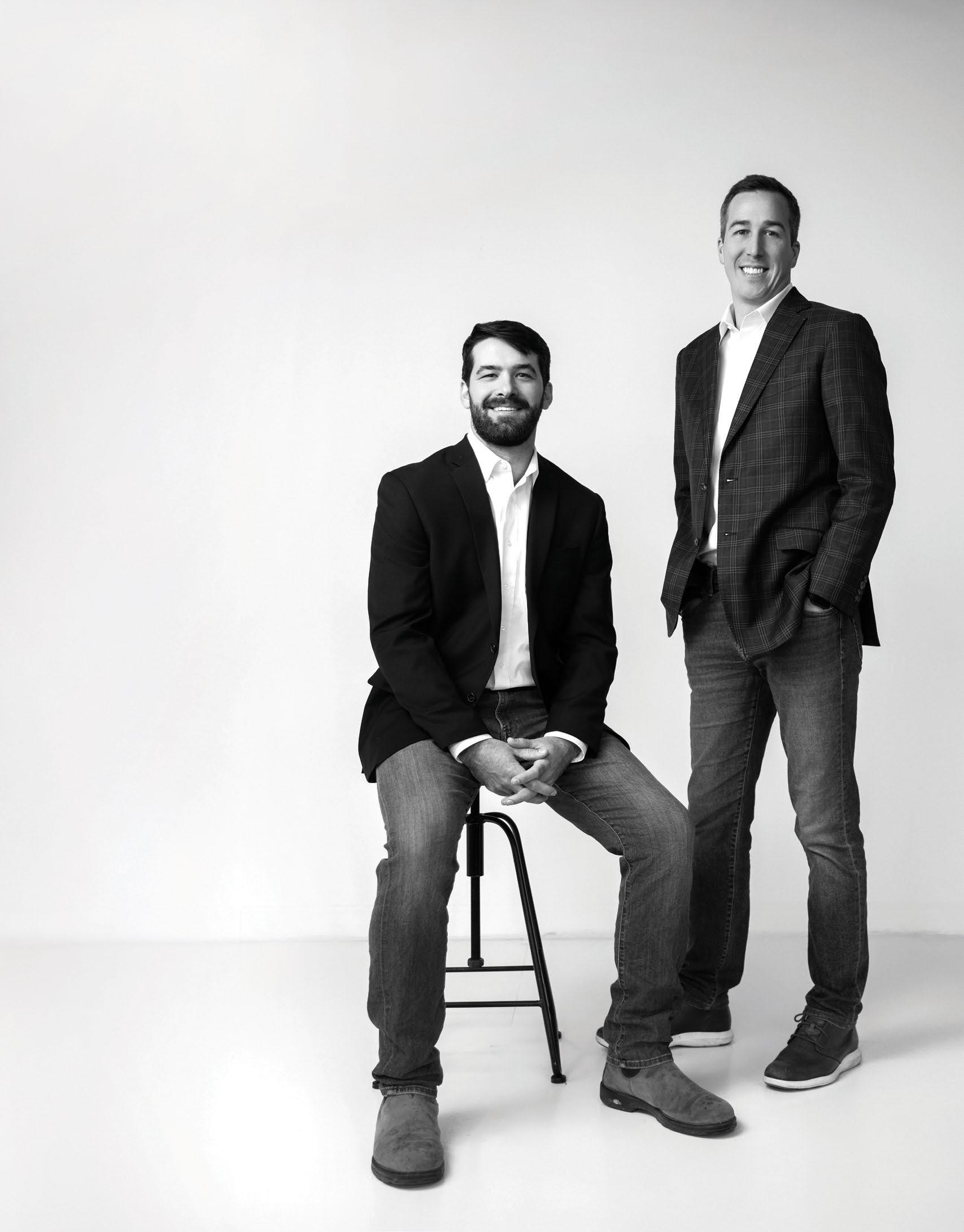
For Patrick Wells and John Bryant, their company, StoneLoads, has always been about more than just business. The brothers-in-law built their company on a shared vision for innovation in the stone industry, but what truly fuels their work is a commitment to one another’s success, families, and futures.
From the start, the pair recognized an opportunity to modernize an industry lagging behind in the digital age. “We saw a clear need for innovation in the business and in the greater stone industry – specifically, embracing eCommerce,” Bryant explains. With years of experience, yet enough distance to question the status quo, they set out to create a platform that would bring new efficiency and accessibility to stone purchasing.
While their business addresses a market gap, its foundation lies in the strength of the partnership. Wells and Bryant operate with an intentional level of alignment, prioritizing synchrony over speed. “We simply don't make a decision unless we're both on the same page,” Wells says. “Unity is more important than progress. Even if it takes more time, finding agreement on the right direction is always worth it.”
Prioritizing one another’s well-being ensures that they see each other not just as co-founders, but as family, and for Wells, that dynamic multiplies possibility. “I want the absolute best for John and his family,” Wells shares. “I hope this business is so successful they can do all of those things and more. I don't see that as pressure. It's just a part of what motivates me to get going every day – knowing you have other people counting on you … I will be able to do far more with John than I will ever do on my own.”
Bryant echoes that sentiment, describing how trust and shared vision shape his leadership. “Having a partner that I trust has elevated my work,” he says. “Management can be isolating, and having someone to high five after a great meeting or a closed deal – someone who truly shares the vision – matters a lot.”
Ultimately, the company they built to transform their industry has also become a reflection of what matters most to them: mutual trust and shared success.
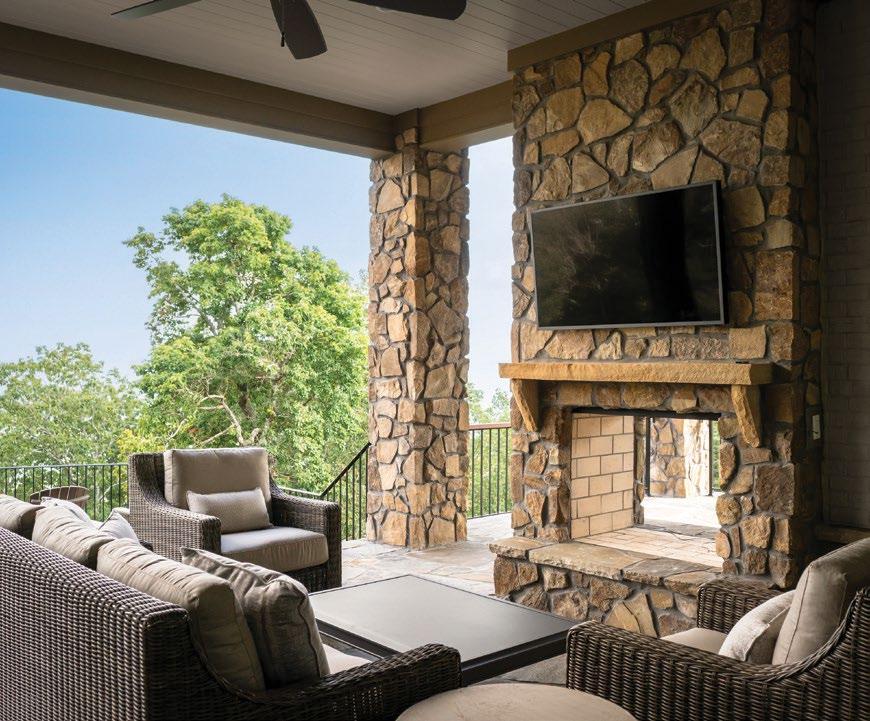
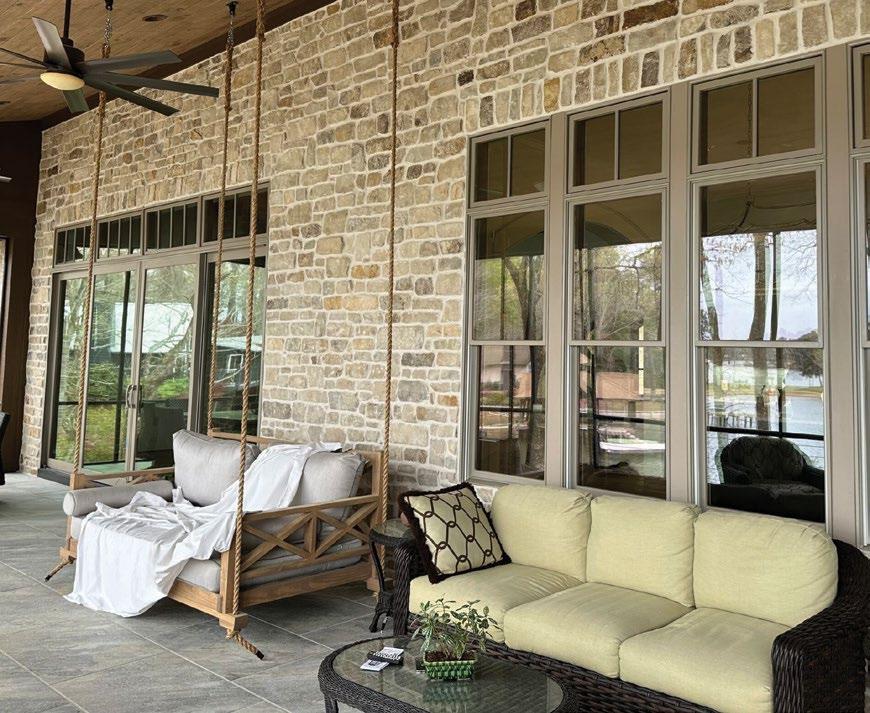







Long before local coffee chain Be Caffeinated became known for its drive-thru coffee, teas, and pastries, co-founders Douglas Lee and Christopher Wood were testing a very different business idea.
“Our first attempt was Bro Cones, a snow cone mobile trailer that we would take to events,” Wood recalls. Though it varies from their final concept, that idea eventually led them to the success of their current venture in the Scenic City. “Eventually, we all decided to move to Chattanooga, and once here, we decided to try out our own take on drive-thru coffee. Doug had been in restaurants for a while, and I had some academic backgrounds in business, so we made a good team.”
That complementary skillset remains a defining strength of their partnership today. Lee oversees warehouse and inventory operations, while Wood manages HR and administrative responsibilities. However, the division of labor has never meant division in direction. “We’re always honest with each other, and if there is something non-negotiable, we just communicate as long as it takes,” Wood says. “We tend to have similar opinions on a lot of things, so this is not an issue too often, but when it does happen, we make sure to respect each other and tackle the problem together.”
Lee agrees they’ve rarely found themselves at odds, noting, “If we did happen to have different ideas on a big project, we’re both level-headed guys, so we’d be able to present both sides and pick the best course of action.”
That shared mindset has been especially critical through Be Caffeinated’s hardships, including launching the company just before the pandemic. “We have not been strangers to adversity, and the year before the pandemic was a wild time to open a business,” Wood says. “But we have faced each problem head on, reminding each other that we are on the same team and that our solutions lie together, not apart.”
For Lee, the partnership’s meaning extends beyond operations or growth. “I’ve heard Chris say, ‘Go alone if you want to go fast; go together if you want to go far,’” he explains. “I don’t think either of us could’ve made it to where we are without each other, and the impact we have on each other and the community makes it all worth it.”


The Zerobody Dry Float Bed is an innovative patented system that allows flotation in zero gravity over 400 liters of warm water, but you don’t have to undress or get wet!
Your body and mind regain energy in an unforgettable experience of deep regeneration, embraced by colored lights. Zerobody relieves your central nervous system from stress, muscle/joint pain, and insomnia for maximum mind and body healing... without medication!

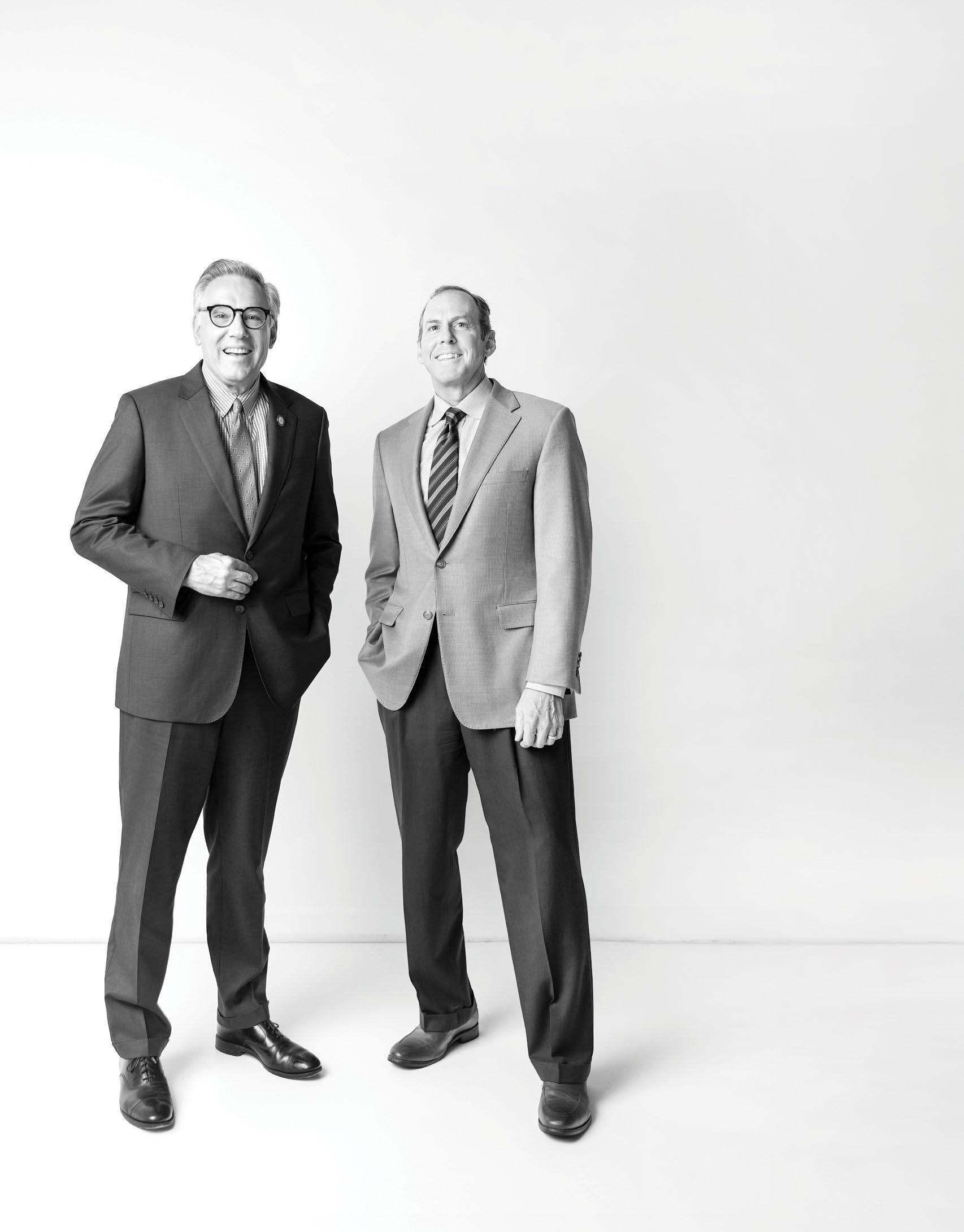
“At its core, partnership is about alignment,” says Greg Vital, co-founder of Morning Pointe Senior Living. “When values, vision, and respect are shared, growth follows naturally.” This was certainly the case for Morning Pointe, which has grown over the past three decades into something co-founder Franklin Farrow says is “far beyond our initial dreams.”
Their early business plans, which consisted of modest goals to justify leaving their current positions, quickly gained momentum. “Within a couple of years, we were blessed to achieve those initial goals and surpass our original expectations,” Farrow shares. Before long, the pair was scaling their business and bringing ambition to fruition. Today, Morning Pointe encompasses more than 40 assisted living and memory care facilities across the Southeast.
“The vision started small, but the mission was always big,” Vital adds. “Over time, that mission translated into steady growth – expanded services and teams who believe deeply in the work.” While many factors contributed to the company’s success, the duo points to a shared drive to exceed expectations. “We both like quality and standards,” Vital says. “We also like achieving goals and building relationships with people who we enjoy doing business with. Collectively, these things allow us to challenge each other and our associates to meet and exceed quality levels both for our company goals and our customers.”
Just as in the company’s early days, they continue to rely on one another to expand the company’s reach and evolve as leaders.
“We hold each other accountable, ask honest questions, and push for growth rather than comfort,” Vital explains. “That dynamic has shaped us into stronger leaders over time.”
Approaching three decades in partnership, Vital and Farrow see their collaboration as an accomplishment whose impact transcends their own careers. “Thirty years with a business partner is a milestone,” Farrow reflects. “It’s not always easy, but it is deeply rewarding and has allowed us to build something bigger than our individual selves.” Ultimately, Vital adds, “Leadership can be isolating without trust. Having a true business partner means decisions are more thoughtful, pressure is shared, and the mission always has two people protecting it. That makes the journey not only more effective, but more fulfilling.”
JEFF A. BRIDGMAN EXECUTIVE VICE PRESIDENT
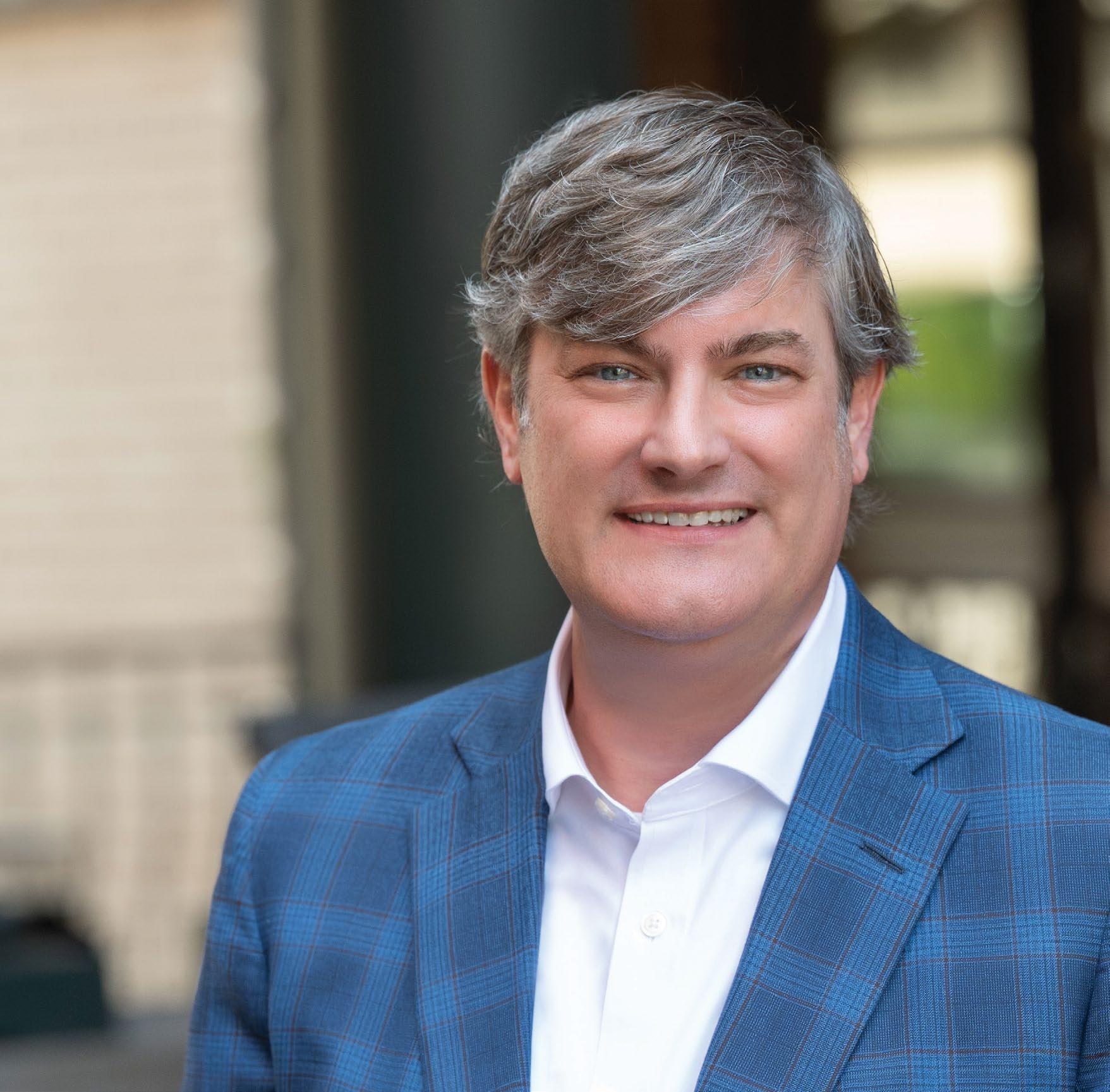
Life lessons often teach us how to embrace change, overcome challenges, and be a better leader. Here, local leaders across industries share the best life lessons they’ve learned and how they apply them to their careers.
The best life lesson I’ve learned throughout my career is to never forget your “why.” You enter your career eager to accomplish so many things, chasing goals and milestones. But at the end of the day, you have to pause and ask yourself, "Why am I doing this?" When I ask myself that question, my answer is – and always will be – incredibly easy. My "why" is my kids. MK, William, and Jamie are my greatest accomplishments in life and bring me more happiness and joy than anything else ever could. They are the reason I work hard. They are why I strive to be successful. They are why I want to show them that their dreams are never too big to accomplish. So, I’ll ask you – what is your "why" and how has it pushed you to become the best version of yourself?
Will Clegg, Partner, HHM CPAs
Everything happens for a reason, both personally and professionally. I have been fortunate enough to gain widely varied experience over the years working in hospitals and health systems. Initially, a new responsibility or project may not always seem relevant or meaningful in regards to my career objectives. However, all of these diverse undertakings have been formative and have equipped me for broader leadership responsibilities down the road. More than once, the purpose of a new role or responsibility became much more obvious to me years later. Doors will be closed in your career and others will be opened. Again, it will often be revealed to you later how it all works together in God’s plan for your life.
Matt Gibson, Ph.D., FACHE, President & CEO, Siskin Hospital for Physical Rehabilitation
Don’t be afraid of failure. Ironically, that mindset can help you be more successful. Determine your priorities and be curious about what is around you. The objectives that have led me are helping people with their financial needs, serving the Chattanooga community, and being in a position where I have a significant impact on strategy as opposed to solely executing it. A variety of roles within banking at different institutions helped me to develop personally and professionally. I learned (and failed!) in all of them, and they all contributed to me becoming a co-founder of RockPointBank. Hamp Johnston, President & CEO, RockPointBank

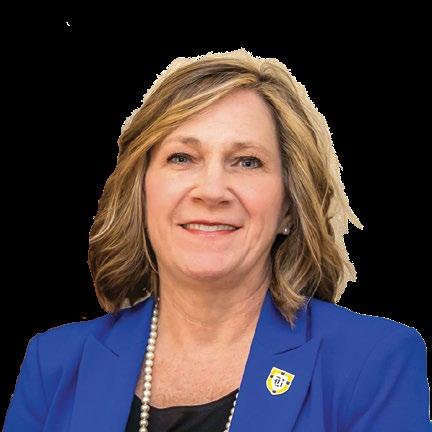
Life is full of conflict, whether in our personal lives or our professional ones. Over time, I’ve learned that how you respond in those moments matters just as much as the decision itself. Two lessons in particular have shaped the way I lead and approach problem solving. First, it’s important to slow down and really process all the information in front of you before making a decision. It’s easy to jump to conclusions or make assumptions when you don’t have the full picture. But when decisions are rushed, and key details are missed, mistakes are far more likely. Second, lead with a listening ear. In both organizations and relationships, people want to know they’ve been heard. Giving others the space to share their perspective often leads to better insight and stronger decisions. Taking time to ask questions, gather information, and seek understanding before acting allows leaders to move forward with clarity, wisdom, and fairness.
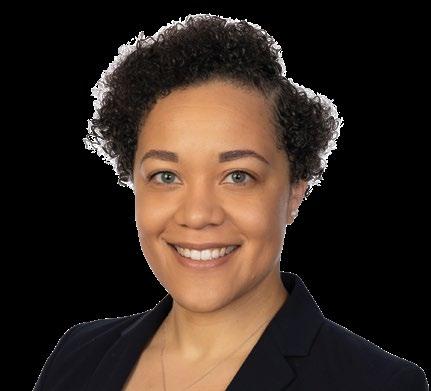
One of the most enduring lessons I’ve learned is that effective leadership requires both grit and rest. As a leader, grit provides the resolve to persist when challenges arise and adapt through changes. However, grit alone is not enough. Without rest, even the most driven leaders lose clarity, creativity, and endurance. A mentor once told me that leadership is much like physical training: you can and should push hard in moments that demand it, but progress and longevity come from recovery. The greatest leaders pursue a clear vision, inspire others, and model sustainable leadership. For me, that balance between grit and rest makes excellence at work and presence at home possible.
Whitney Evans Snardon, FACHE, COO, Parkridge Medical Center
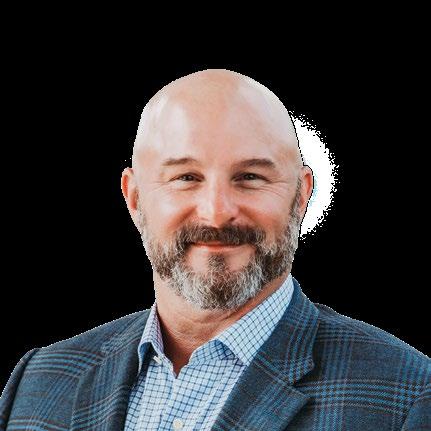
There are so many great sources of career advice and no shortage of people happy to share with you how to be successful. The best life lesson I have learned is there is no shortcut or substitute for hard work. For me, the key critical components of building a successful career are showing up every day, putting client needs first, and being honest and fair with everyone. Early on, I was fortunate to have good role models and aware enough to know I didn’t have all the answers. Being a good listener and willing to adapt to a rapidly changing business environment are keys to long-term success.
James Scotchie, CFP, Private Wealth Advisor, Oracle Wealth Management





The most important life lesson I’ve learned is that integrity must guide every decision, especially when the facts are uncomfortable. Beginning my career in public accounting taught me the discipline of relying on data, asking hard questions, and letting evidence – not emotion or pressure – drive conclusions. As my career progressed, my faith reinforced that truth and integrity are non-negotiable, even when shortcuts seem tempting or outcomes are uncertain. Today, I apply this lesson by grounding decisions in accurate information, maintaining transparency, and holding myself accountable to both professional standards and personal values. Trust is built when people know your work is honest and your word is reliable. In accounting and in life, doing the right thing consistently creates credibility, resilience, and long-term success.
Michael Sutton, President, Chattanooga Heart Institute
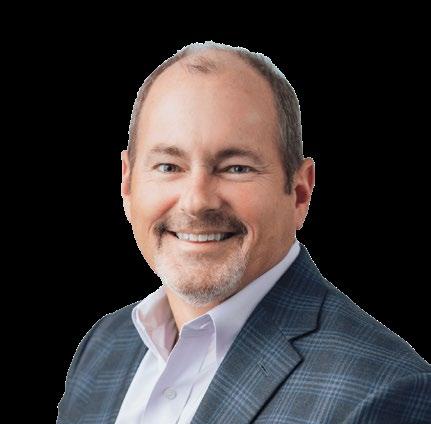
Business is all about relationships. In accounting, the numbers may be precise, but the work is profoundly relational. Early in my career, I believed technical accuracy was the ultimate measure of success. Experience has taught me otherwise. Culture – how people communicate, collaborate, and feel valued – often determines whether good work becomes great work. Trust is built not through spreadsheets, but through consistency, empathy, and listening when conversations are uncomfortable. Every client interaction and internal meeting is an opportunity to reinforce credibility and respect. The business leaders I respect the most understand that leadership is not positional; it’s relational. They set the tone by how they treat people under pressure, during deadlines, and in moments of disagreement. In a profession grounded in compliance and accountability, strong culture is the quiet differentiator. When people are seen, heard, and supported, accuracy follows – and so does long-term success.
Dean Krech, CPA, Managing Partner, JHM CPAs
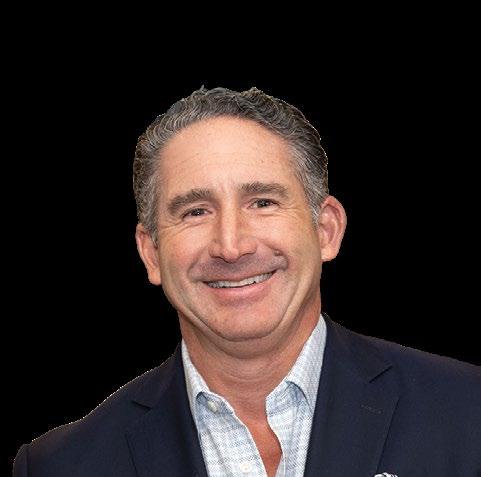
One of the most important life lessons I learned came early in my work life, long before medicine, while working as a waiter. That experience taught me the value of respect, listening, and treating every person with kindness, no matter how busy the day or how challenging the situation. In service work, you quickly learn that people want to feel heard and valued, and that the way you treat someone can make a lasting impression. I carry that lesson into my medical career every day. Whether I’m meeting a patient for the first time or caring for someone I’ve seen for years, I strive to listen carefully, show empathy, and approach each interaction with patience and respect. Those principles guide how I practice medicine and how I lead within our clinic.
Marc Cromie, MD, Board Certified Allergist, Chattanooga Allergy Clinic
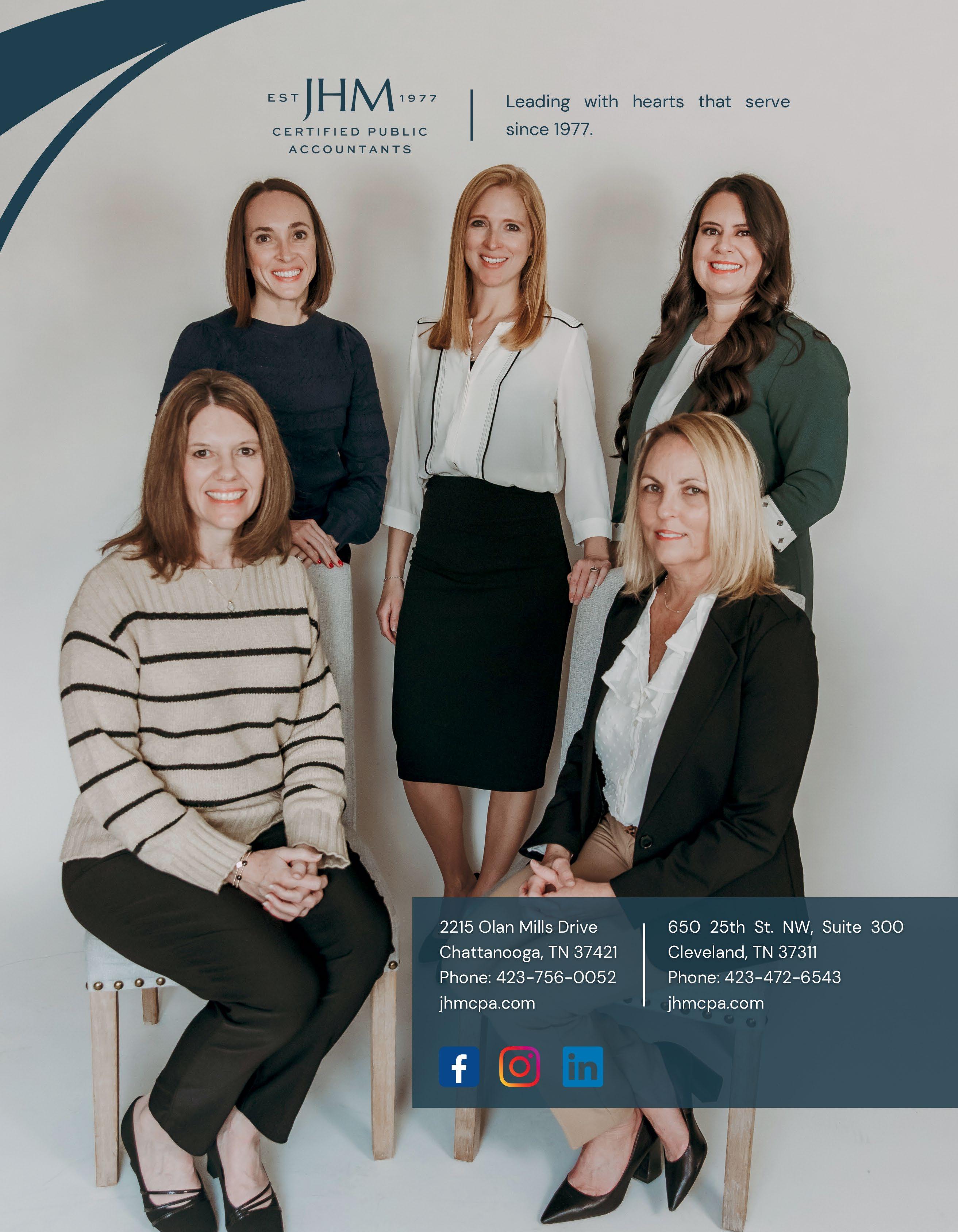
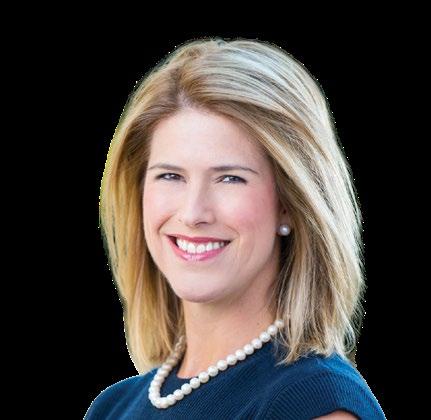
I’ve learned that people don’t care what you know or say until they know that you care. While this general concept is often attributed to Theodore Roosevelt, I learned it by watching my dad, a retired orthodontist and one of the kindest, most patient people I know. He treats everyone with dignity and respect and consistently shows up for family, friends, and colleagues in ways that leave no doubt he genuinely cares. In my career, I try to lead with that same mindset. With my team, it shows up in simple but meaningful ways – taking time to ask about their lives beyond work, offering prayer and encouragement when they’re struggling, and creating an environment where asking for help is encouraged. With clients, caring means listening carefully to understand who they are and what truly matters to them. Trust isn’t earned by sounding smart; it’s earned by caring enough to speak honestly, even when the conversations are hard.
Kristin Bell, CFA, CFP, Director, Southeast, Simon Quick Advisors
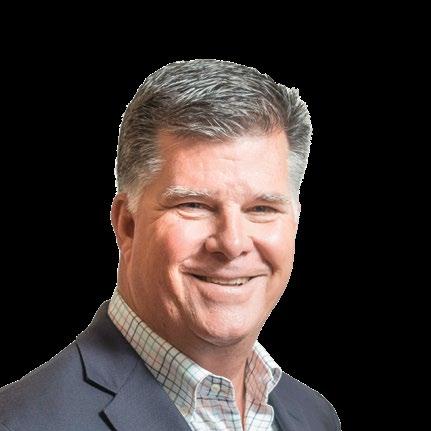
With over 40 years in commercial real estate, I can confidently say that market knowledge and relationships are the keys to long-term success. The Golden Rule always applies – treat everyone the way you want to be treated. Over the decades, I’ve navigated multiple market cycles, from periods of rapid expansion to challenging economic downturns. Adaptability and due diligence are non-negotiable – understanding zoning changes, tenant demands, and financing trends can make or break a deal. I’ve also seen the value of building strong partnerships with clients, brokers, and local community leaders, as trust often leads to repeat business and off-market opportunities. Always be respectful. Today, the industry is more data-driven than ever, but the fundamentals remain the same: know your market, mitigate risks, and focus on creating value for all parties involved. Experience has taught me that every transaction is unique, and success comes from balancing strategic vision with practical execution and treating others well.
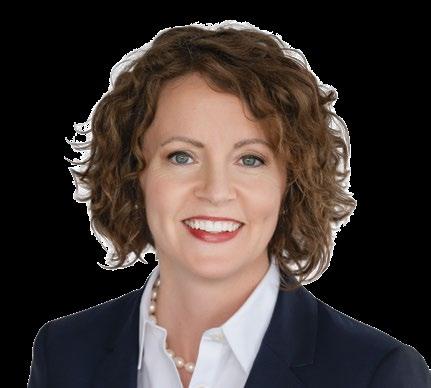
One of the best life lessons came from one of my favorite teachers – my Daddy. He understood tough love, and it shaped me for a lifetime. There was never any doubt about his love, but he wasn’t afraid to deliver discipline and the lessons that came with it. Those lessons have guided me personally and professionally, from leading teams to serving my clients today. Facing challenges head-on rather than avoiding them or hoping they resolve themselves; that is what truly moves the needle. While addressing problems is never easy, doing so with kindness and a genuine desire to create solutions makes all the difference. I hope to follow in my father’s footsteps and leave a lasting mark on my colleagues, clients, friends, family, and my little boy, showing them how deeply I care, even when working through the tough moments.
Adrianne Kinnard Carroll, Senior Vice President, SmartBank
Be different. To me, being different is not about being loud or standing above others. It is a personal challenge I carry with me in every field. Especially in the restaurant business, I constantly ask how we can offer something truly different to our community — different menus, different service, a different experience from others in the area. Refusing to settle for what is expected and continually pursuing something new is what “being different” means to me. From folding napkins and resetting tables to selecting ingredients and creating new dishes, I ask myself the same question: “How can we do this with greater care, greater intention, and better than we did before?” Those small improvements shape culture and create an experience guests can genuinely feel. Opening a new restaurant built on a fresh and distinctive concept is not merely a business decision, it is the motivation that strengthens me, even through long and demanding days.
Carlos Kal, Founder, Kals Restaurant Group
Merit does not always determine outcome, and because of this, the best life lessons come after disappointment. An individual can be the brightest, most capable, most committed person in the room and still watch someone else receive the job, the opportunity, or the recognition they believed they earned. During these times it’s easy to question yourself. Outcomes are not always a reflection of ability or intentions. That doesn’t mean we failed. It means we encountered reality as it is, not as we hoped it would be. The moments after the disappointment test resilience, self-trust, and emotional endurance. Choosing to keep going while staying true to who we are and not allowing outcomes to diminish our belief in ourselves is where true personal and professional growth happens. The most defining low can become the catalyst that sharpens clarity, deepens character, and ultimately leads us to people and places more aligned to what we want.
Tonya Hathorne, Senior Vice President, Business Insurance, Marsch McLennan
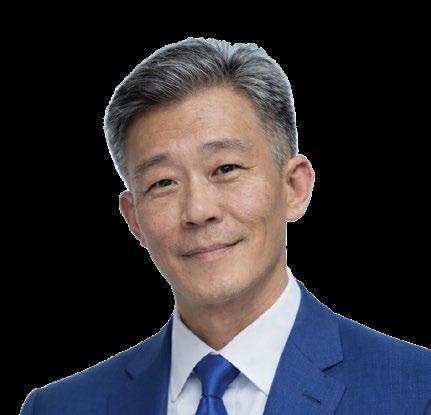
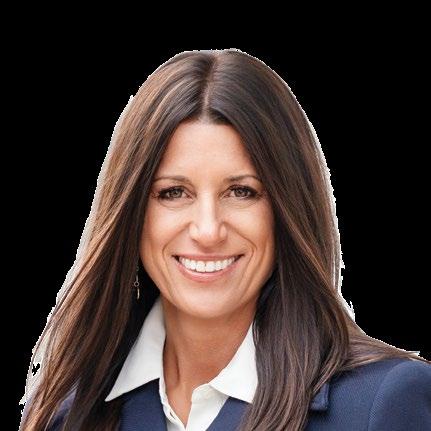
At 23 and just starting my career, the biggest life lesson I’ve learned so far is to listen and never stop learning. I’m early in my career, and instead of seeing that as a disadvantage, I see it as an opportunity. Being surrounded by successful ladies in the same industry is a wonderful opportunity that few get to experience. Working in a boutique and having the CEO see my potential and allowing me to launch a rental program has shown me how quickly retail, marketing, and trends can evolve. What works today may not work tomorrow, so staying curious and adaptable is essential. I apply this lesson by paying close attention to the staff, the customer feedback, and staying up to date on industry trends. Listening and being open to new ideas, I can grow personally and professionally.
Lainey Golden Roberts, CEO, The Blue Closet
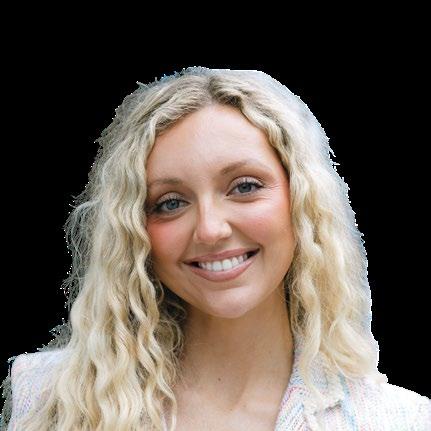
The most valuable lesson I’ve learned is that clients value how much you care as much as what you know. Success in this field requires more than just getting the math right; it’s about providing the peace of mind that allows a business owner to sleep at night. I apply this by moving beyond simple compliance to focus on proactive strategy. By listening to the stories behind the numbers, I help clients plan for the lives they actually want to lead. For my team, this means fostering a culture where relationship building is as vital as technical accuracy, ensuring we serve as true partners in our clients’ long-term success.
Matt Hisey, CPA, Partner, Chattanooga Practice Leader, Mauldin & Jenkins

Small, intentional actions, executed consistently, create an outsized impact over time. As a pediatric dentist, I apply this philosophy every day. I maximize appointment time so children never feel rushed. I welcome parents chairside, because trust is built through inclusion. I handwrite notes to every new patient. I designed my practice with soft colors, intentional lighting, and calming details so it feels more like a spa than a clinic. None of these decisions are substantial on their own, but together, they fundamentally change how care is experienced. Over time, those small choices compound into something extraordinary. This philosophy extends beyond my practice. In my personal life, I lead with patience, presence, and repeated acts of care. Because real trust isn’t built through grand gestures. It’s built in the quiet consistency of showing up with intention. Lasting impact is never accidental. It’s intentional, and it’s built one small action at a time.
Neha Shah, DMD, Board Certified Pediatric Dentist, Founder, Beam Pediatric Dental Studio
Always ask the question. Clarity is far more valuable than appearing knowledgeable. Too often, people avoid asking clarifying questions out of fear it will hurt their credibility. In reality, the opposite is true. Not having a clear understanding will always catch up with you, and pretending to be the smartest person in the room eventually gets exposed. Progress comes from curiosity. Asking the next question leads to better insight, stronger relationships, and better decisions. This lesson applies just as much in my personal life as it does in my professional one. Taking the time to listen and seek understanding builds trust and prevents small misunderstandings from becoming larger issues. As a banker, asking thoughtful questions is essential. Our clients face complex challenges, and the best solutions come from understanding what truly matters. Asking the right question isn’t a weakness – it’s a leadership skill that leads to better outcomes in every part of life.
Jason Allen, Market Executive, Regions Bank

Ascentium, one of the nation’s leading equipment finance companies, is now part of the Regions family. Together, we offer fast, flexible financing programs to help you acquire new or used equipment, technology, commercial vehicles and more.1


Competitive rates Terms up to 72 months Fast approvals Most credit decisions within 1-2 hours

Streamlined process No financials needed for up to $400K

1 Financing terms are subject to change and dependent on credit parameters, including collateral and documentation requirements and credit approval. Ascentium Capital is a division of Regions Bank. Loans and leases provided by Regions Bank, member FDIC, doing business as AscentiumCapital. ©2026 Regions, the Regions logo, Ascentium, Ascentium Capital and the Ascentium Capital Logo are registered trademarks and the Regions LifeGreen color is a trademark of Regions Bank.



One of the most important life lessons I’ve learned is that people may forget what you said, but they will never forget how you make them feel. I learned this lesson early through the close relationship I had with my great-grandmother. I adored her, and she showed me the lasting power of kindness, presence, and genuinely caring for others. That perspective has shaped my career as a financial advisor for more than 22 years. Financial decisions are rarely just about numbers – they’re deeply personal and often made during pivotal life moments. My role is to truly know my clients, listen carefully, and provide clarity, confidence, and calm, especially when things get tough. As a principal at Edward Jones, I lead with empathy and trust. When people feel cared for first, they rise to the occasion. When people feel understood and valued, better decisions and meaningful, long-term outcomes follow.
Derrick Anderson, CFP, Financial Advisor and Principal, Edward Jones
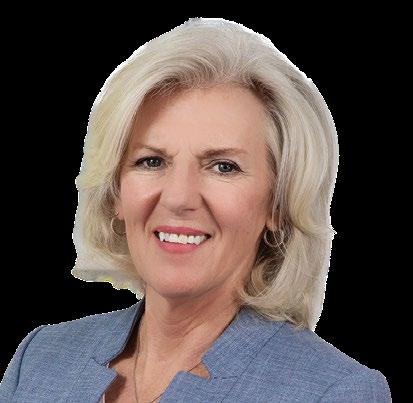
One of the biggest life lessons I have learned is to treat everyone with kindness and respect, regardless of who they are or their role. Everyone has something to contribute, and it takes a team of people for any person or organization to be successful. Recognizing this and giving credit to those who have helped you along the way is important for any leader. As I recognize these individuals, it is very important to me to do this face to face and call them by their name whenever I see them. This creates the connectivity leaders need to have with all their associates and colleagues.
Sandy McKenzie, CEO, Hamilton Medical Center
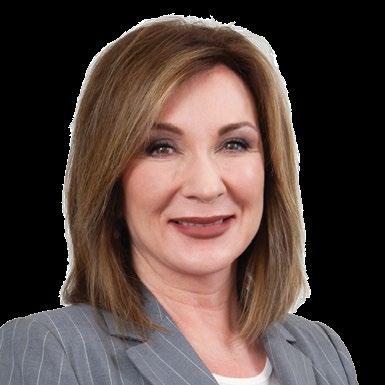
One of the most valuable lessons I’ve learned is that leadership starts with personal accountability. Situations change, challenges arise, and decisions don’t always unfold as planned, but how you respond sets the tone for everyone around you. In my career, I apply this by staying grounded, communicating clearly, and focusing on solutions rather than setbacks. Consistency, integrity, and respect build trust over time, especially during moments of uncertainty. By showing up prepared, adaptable, and willing to listen, I’ve learned that teams are more resilient and outcomes are stronger. Success isn’t just about results – it’s about the example you set while working toward them. You can’t control everything, but you can control how you show up.
Lisa Lovelace, CEO, Bradley Medical Center

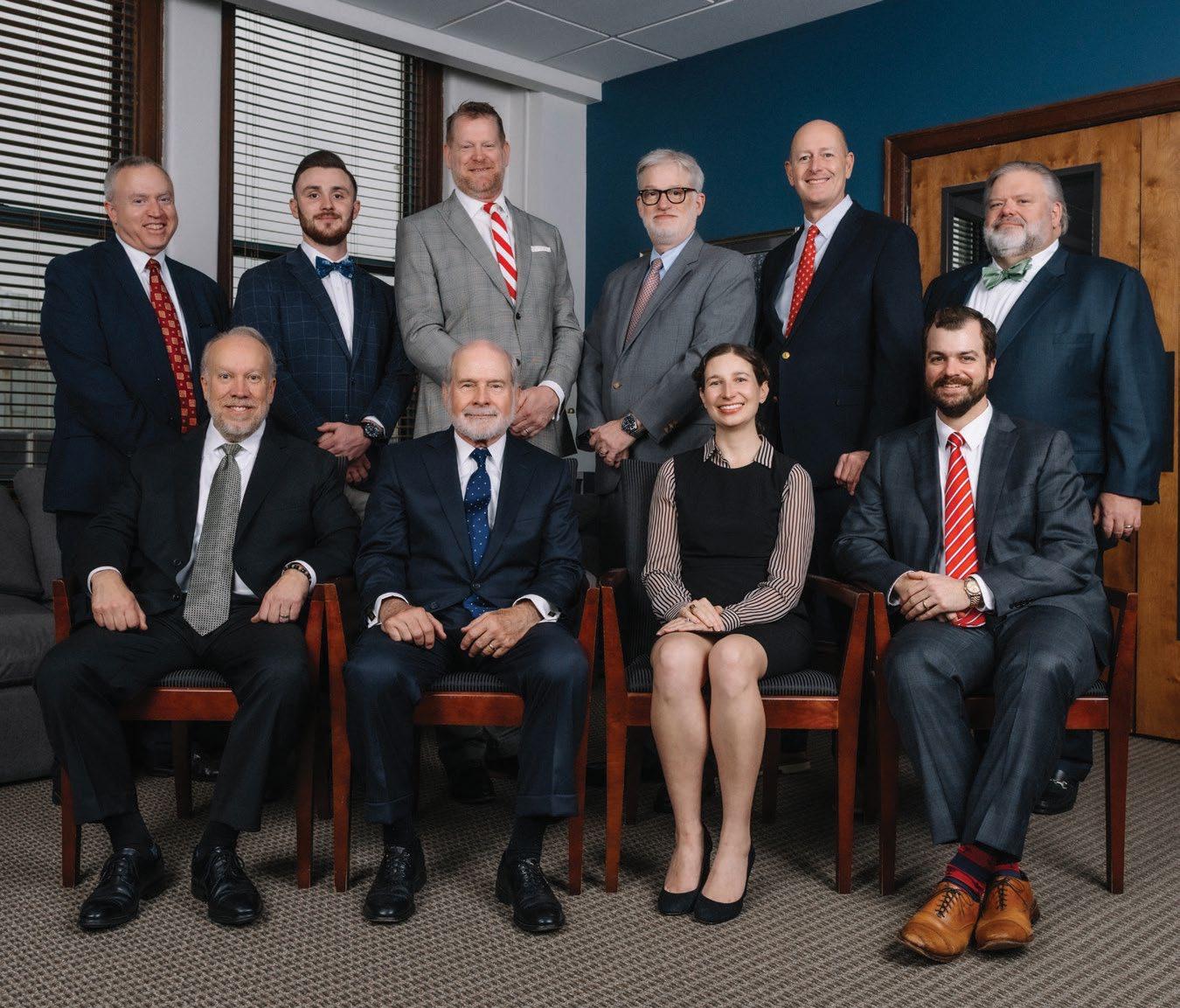
I’ve spent 40 years with Lawson Electric. The company culture is one that encourages a career path that provides great opportunity for advancement. Our founder Tobe Lawson started this company with this in mind, and it’s one that each of my predecessors has provided over the years. I’ve been given some great opportunities, but they’ve happened because I’ve been committed to the work I was given. My path to becoming CEO started as a wireman in 1986. My bosses knew they could count on me and that the job I was given would be done well. Do what you say you’ll do is simple, but it’s worked throughout my career and continues to be an encouragement I use with our team.
Bill Crawford, CEO, Lawson Electric
One of the best life lessons I have learned is to embrace change. In commercial banking, nothing stays the same. Markets move, priorities shift, and the rules are always evolving. After nearly 30 years in this business, I have learned that fighting change only slows you down. I have come to see change as an opportunity. Some of the most successful clients I have worked with are the ones who adapt quickly and look for ways to improve their position when things shift – they find a new way forward. Leading through change has also taught me that everyone handles it differently. As a leader, I have learned that the best way to support people is to lead by example, stay ready, and show that change can lead to growth. The lesson is simple – change is unavoidable. How you respond to it makes the difference in your career, your business, and your life.
Jeff Bridgman, Executive Vice President, Studio Bank
One of the most important lessons I’ve learned in my career is this: if I’m the smartest person in the room, I’m in the wrong room. Early on, I realized that growth – both personal and professional – only happens when you surround yourself with people who challenge your thinking and expand your perspective. I’ve done my best to apply this mindset by intentionally building a team that knows more than I do in their respective areas and empowering them to lead. Remaining humble enough to admit what I don’t know has allowed me to keep learning, adapt faster, and make better decisions for our clients and our company. Leadership isn’t about having all the answers; it’s about creating an environment where the best ideas rise, regardless of where they come from.
George Wilson, CEO, Southern Payroll & Bookkeeping

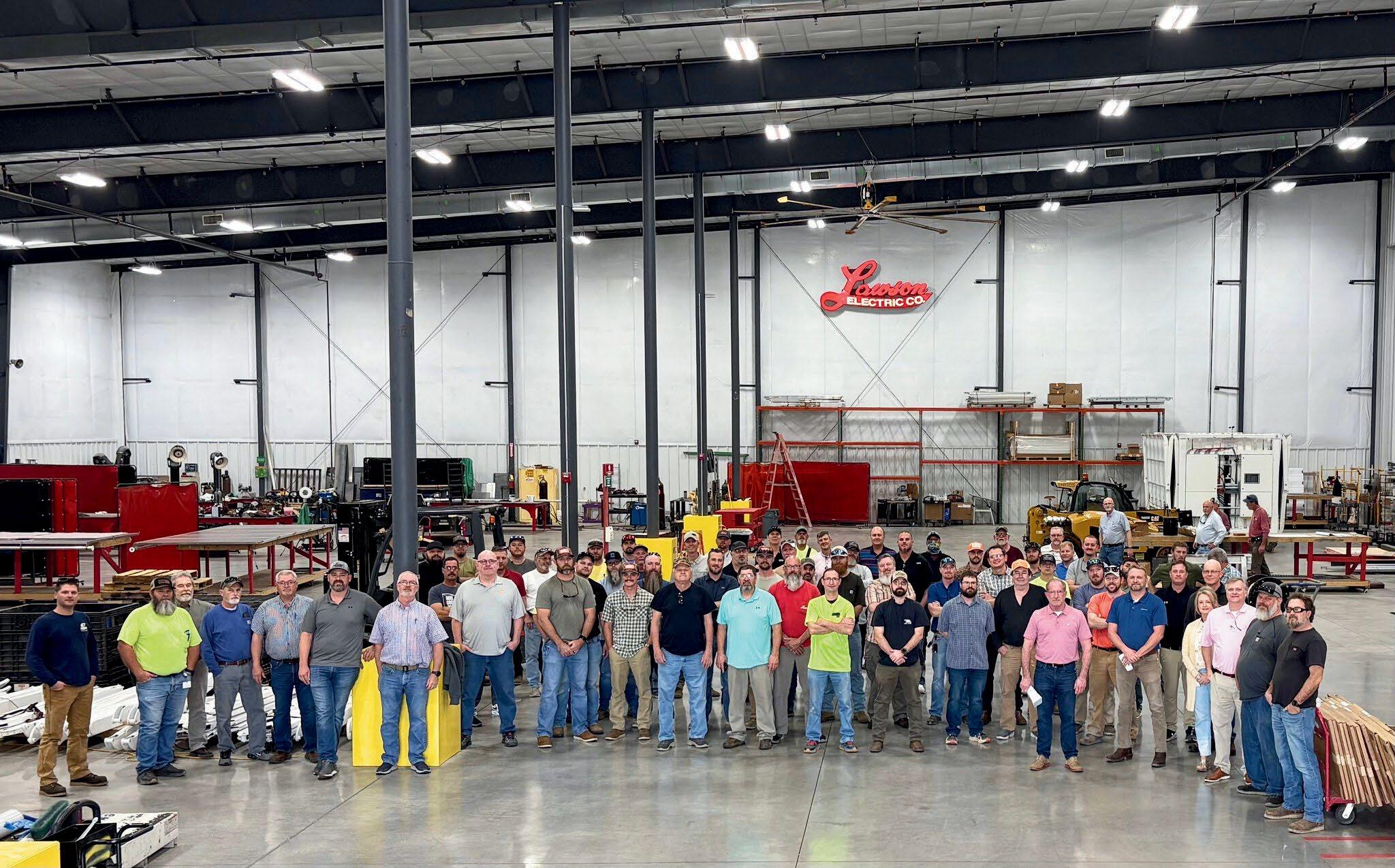




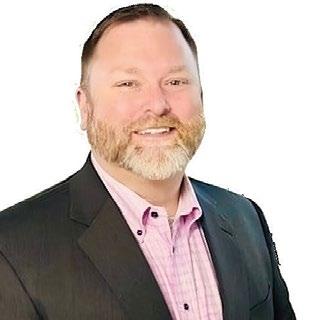



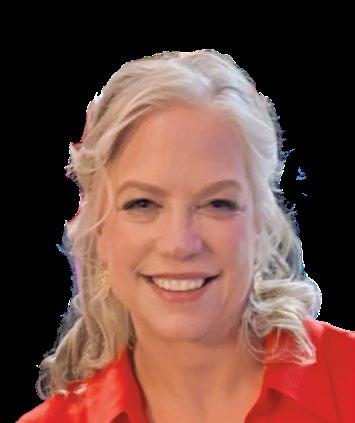
We all recognize that mistakes happen and difficult decisions are occasionally made. However, my goal is to ensure we always use those moments as valuable learning opportunities. Whether a challenge involves a specific team member or a personal setback, I view failure as an opening to grow and improve, provided it is approached with the right attitude and intention. I encourage my team to embrace this mindset as we work together, treating every hurdle as a chance to refine our processes and strengthen our skills.
Michelle Wells, Owner, Kitchen Collection

One of the best lessons I’ve learned is the importance of being selectively and constructively problematic. While working in Washington, D.C., I was assigned an issue that wasn't particularly exciting and was the focus of only a handful of people. I realized that what was expected to be an easy “yes” vote for my boss was more nuanced than it appeared. I quickly became a thorn in the side of the lobbyists who were not accustomed to receiving pushback on the topic and the leadership who expected an easy win. Although the legislation ultimately passed, I raised my profile as a low-level staffer by diving into a niche issue and respectfully challenging the consensus. This ultimately led to me being offered a position on the committee covering that topic. The lesson? When you’re willing to challenge consensus constructively and in good faith, you can differentiate yourself, raise your profile, and gain trust.
Garnett Decosimo, Managing Director, Decosimo Corporate Finance
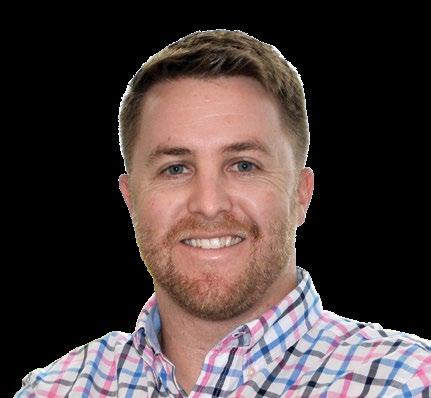
One of the most valuable life lessons I’ve learned is that hard work, strong relationships, and attention to detail are what truly separate you from the crowd and create opportunities for advancement. Talent and intelligence matter, but the individuals who consistently go further in their careers are the ones who are willing to put in the extra effort, take pride in the quality of their work, and invest time in building trust with others. I’ve also learned that doing what is right – not necessarily what is easy – is critical to long-term success. There are always moments when shortcuts or easier paths present themselves, but maintaining integrity and accountability builds credibility over time. I apply this by being dependable, following through on commitments, and focusing on the details that ultimately drive better outcomes for clients and teams.
Alex Miller, Executive Vice President, East, EMJ Construction


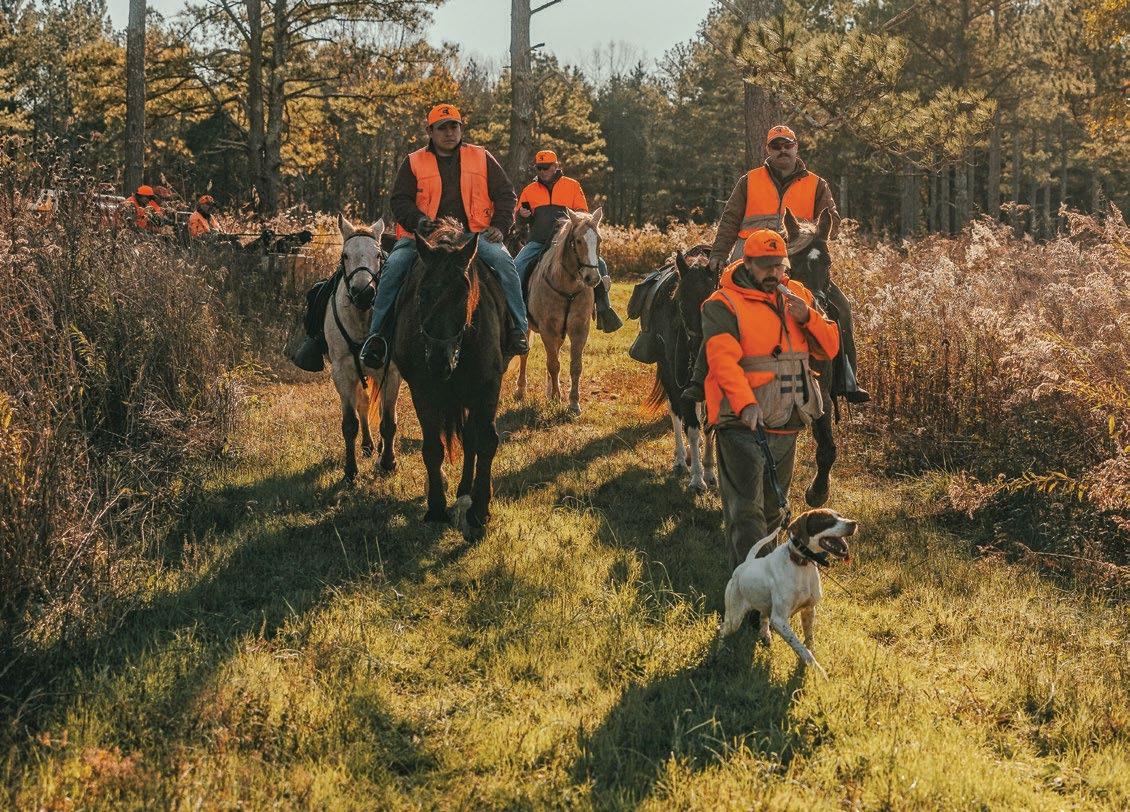

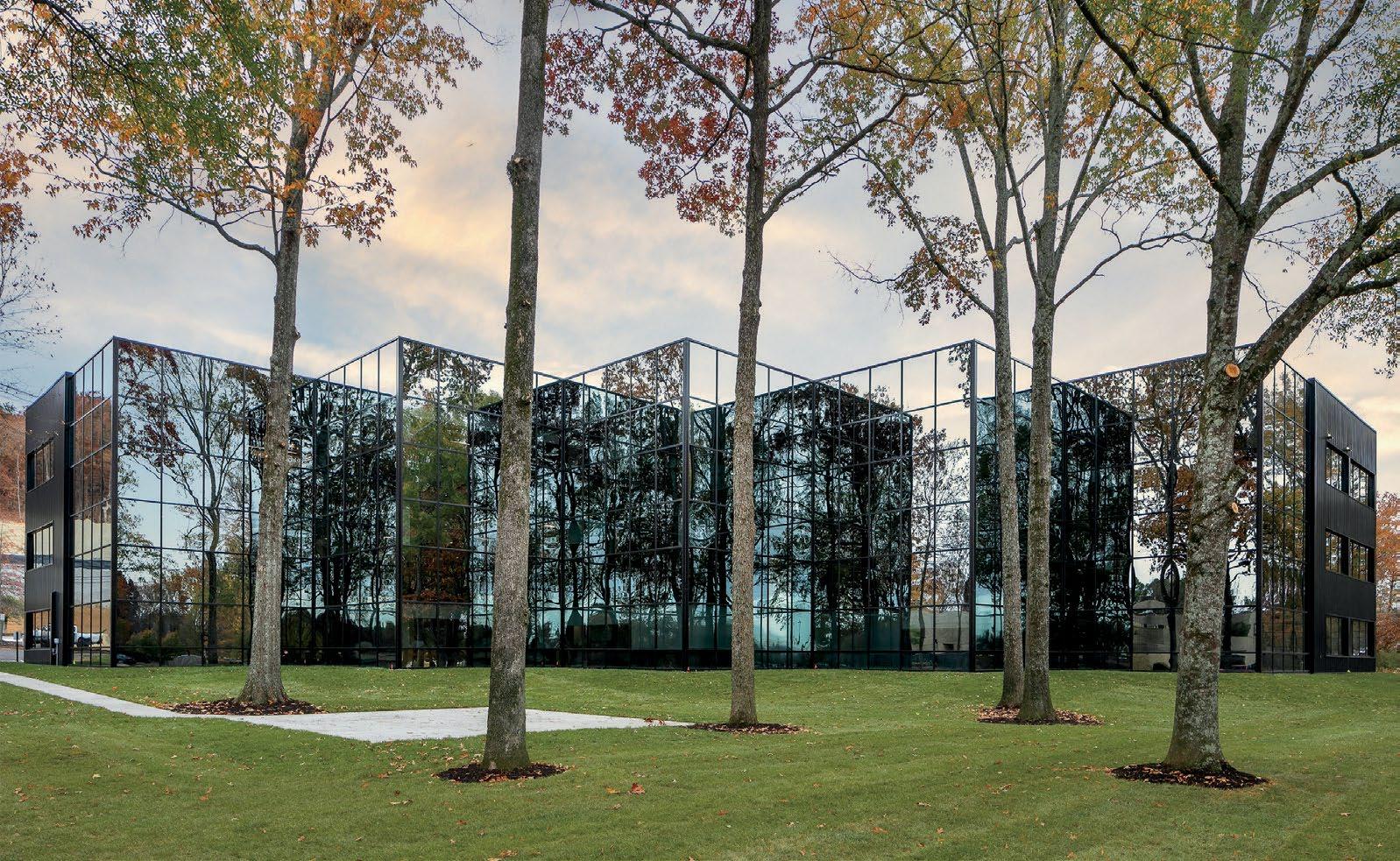
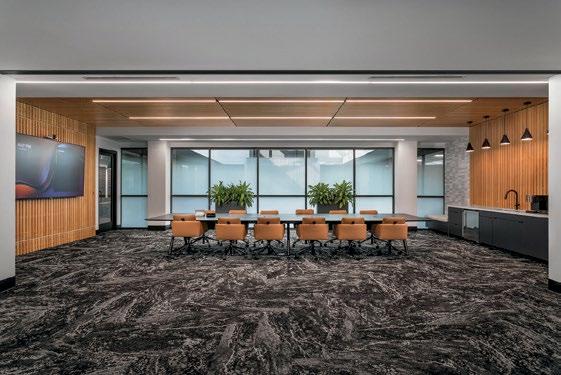




One of the most important lessons I have learned is that client trust is built through consistency and integrity, especially under pressure. In banking, where decisions directly impact people’s financial futures, trust is the foundation of every relationship. Early in my career, I learned that telling clients what they wanted to hear created temporary satisfaction, but it ultimately ruined credibility. Honest conversations can often be hard to have when striving to win business or maintain relationships, but transparency builds long-term trust. Now, instead of offering quick reassurance or overpromising outcomes, I lead with clarity and realistic expectations, even when the message is hard. Expertise may attract clients, but integrity keeps them.
Juli-Ann Morgan, Senior Vice President & Commercial Relationship Manager, SouthEast Bank
As a child, when I asked “why?” my mom often told me, “Because I said so!” In today’s world, I have learned the importance of the question, “why?” In my parent’s generation, autocratic leadership was prevalent and expected. The workforce did not expect to have buy in or to be asked for input. The difference was the expectations of the workforce, but also they lacked the abundance of information at their fingertips that today’s workforce has. When leading today, it is valuable to communicate the logic behind a strategy or decision. For people to buy in, they don’t necessarily have to agree, but it helps if they understand the “why.” Buying in is dependent on understanding the logic of a decision and how its success impacts them. Today’s workforce wants to know not only what we are trying to accomplish, who needs to do it, and how, but more importantly the strategy behind it.
Don Martin, Chief Administrative Officer, Galen Medical Group
The most important life lesson I’ve learned is that trust must be built quickly, intentionally, and consistently. High trust creates bridges of connection, understanding, and collaboration, while low trust isolates people into silos where care, clarity, and progress struggle to grow. You cannot build trust from a distance, and you cannot sustain it without action. I’ve learned, often through difficult experiences and personal mistakes, that when trust is low, progress is equally low. Low trust fuels speculation, negative assumptions, and anxiety, ultimately limiting the growth and potential of those you serve. For leaders, this is poor stewardship and can actually cause pain for those who need you the most. In my career, I apply this lesson by prioritizing behaviors that build trust early and often – clear communication, follow-through, and genuine care. Trust is the essential foundation of relationships that produce lasting, meaningful results.
Matt Covey, Head of School, Chattanooga Christian School
“Talent wins games, but teamwork and intelligence wins championships.” – Michael Jordan
With four generations comprising today’s workforce, it’s important to take team building approaches that resonate with and recognize the different skillsets, perspectives, and values that each group brings to the table. Read on to learn more about the different generations and gain insight from local leaders on building a strong multigenerational team.
Born 1997-2012 / Ages 14-29
Now entering and establishing themselves in the workforce, members of Gen Z are known for their digital fluency and familiarity with social media and instant messaging, having grown up around technology their entire lives. Ambitious and innovative, they value authenticity and transparency in a flexible work environment.
Born 1981-1996 / Ages 30-45
Millennials comprise the largest percentage of the current workforce in the U.S., accounting for approximately 36% of workers. The generation is known for its purpose-driven, collaborative approach and values workplaces that provide teamwork, work-life balance, and professional development through mentorship.
Born 1965-1980 / Ages 46-61
Having risen through the ranks over the years, Gen X now holds the majority of mid-to-senior level leadership and management positions in the workforce, with many entering mentorship roles. Members of this generation are often practical problem-solvers with a self-motivated, independent work style, and favor phone calls over messaging.
Born 1946-1964 / Ages 62-80
Reaching or nearing retirement age, Baby Boomers bring a wealth of experience in the workforce to their organizations. They are known for their strong work ethic and value stability, loyalty, and long-term career progress, with a preference for face-to-face communication. Equipped with years of expertise, many Baby Boomers serve as mentors for younger generations.
Ryan May Co-Owner & Senior Vice President, Real Estate Partners Chattanooga
At Real Estate Partners, we’re fortunate to have every generation represented, and that diversity is one of our biggest strengths. We focus on team building approaches that emphasize common ground rather than differences. Simple practices like icebreakers at meetings help open the door for conversation, encourage participation, and remind everyone that we’re working toward shared goals, regardless of age or background. Beyond icebreakers, we’ve found cross-generational collaboration to be especially effective. For example, we encourage our agents to form multigenerational mentorships and partnerships, creating space for shared learning, knowledge exchange, and mutual growth. More tenured agents bring institutional knowledge and perspective, while younger agents often introduce fresh ideas and new technologies. This mutual exchange builds respect and trust across generations. What makes these approaches effective is that they’re inclusive and purpose-driven. Rather than forcing interaction, they create natural opportunities for connection and collaboration. When people feel heard, valued, and part of something bigger than themselves, generational labels fade, and a stronger, more unified team takes their place.

Shannon Burger CEO, Cempa Community Care
Building a strong multigenerational workforce starts with shared belief in the mission. At Cempa, team members may differ in age, experience, or work style, but they are united by a commitment to improving community health. We focus on clear communication and mutual respect, recognizing that people engage and contribute in different ways. We intentionally pour into our culture by creating moments for connection outside of daily work, including monthly staff birthday lunches and staff appreciation events throughout the year. These shared experiences build relationships across roles and generations, reinforcing a sense of belonging, and reminding our team that they are valued as people, not just employees. We invest in professional development at every career stage and connect daily work back to our mission. When people understand how their role advances the mission, buy-in follows naturally, and teamwork becomes authentic rather than forced.
James Barber President, The Generosity Trust
When building a team, I look first to character and personality. I want people who work hard, who will “fit” with the rest of the team, and who take responsibility for their own actions. Blame-shifters and excuse-makers will prevent a strong team. I’d much rather have someone who says, “I blew it, and I’ll fix it,” than someone who says, “Well, Mark didn’t get me the reports on time so I couldn’t get my job done.” Don’t make excuses – just get it done. I want growth-mindset people, not fixed-mindset. “I don’t know how to do that, but I’m going to learn” trumps “I’m happy in my little box” every time. We have team-building meetings where we think together, strategize together, problem-solve together, and everyone has input. If the team is going to execute the plan, then every member of the team must have input and feel that their input is valuable. As the leader, I am often quiet at these meetings –taking notes, listening, and figuring out how to incorporate the wisdom of each member of the team into the action we need to take.
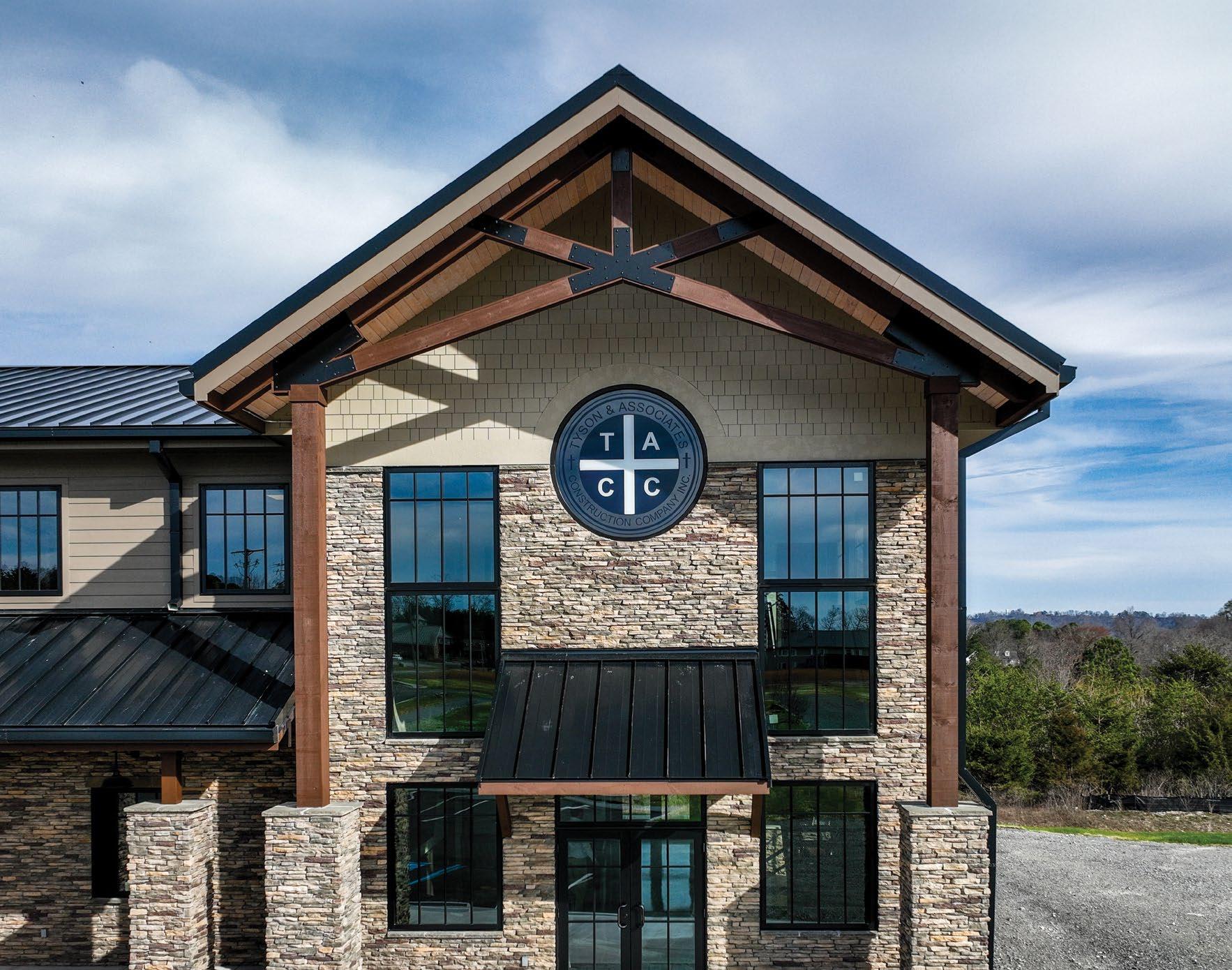

At Tyson & Associates Construction Company, Inc., we focus our work in Southeast Tennessee, Northeast Alabama, and North Georgia, and pride ourselves on providing the highest quality construction services to our clients. Our highly skilled professionals specialize in commercial, industrial, warehouse, retail, office, and ecclesiastical markets. We are experienced with, and offer design-build, design-assist, construction management, general contracting, and pre-construction services. Tyson & Associates has you covered for all of your industrial and commercial construction needs.
CEO, Encompass Health Rehabilitation Hospital of Chattanooga
Team building across the workforce really starts with leadership, and leaders that push teamwork almost always start with communication. Over communicating ensures that the entire team is focused on the organization’s priorities. Leaders can communicate using formal, informal, written, and oral methods – utilizing as many modes and venues as possible is required – and then repeat. Feedback is an additional layer to communication, but just as critical because it keeps the team aware of performance. Providing feedback, seeking feedback, and closing the feedback loop is crucial to all members of a multigenerational workforce, and most are eager to get it. Successful team building also comes when you combine expectation setting and personal development into relentless mentoring. The workforce is driven across the generations to see a strong future for themselves with an organization that executes structured and informal persistent mentoring. Together, over communicating, providing 360-feedback, and mentoring relentlessly are all paramount to long-term team building success.
Jimmy
President & Managing Partner, Urban Story Ventures
From day-to-day property management to working in the downtown office to serving our membership at Valleybrook Golf & Country Club, we have multiple generations working side by side across our portfolio. Building a strong, connected team starts from the beginning. When hiring, we look for candidates who focus on a shared vision and purpose, seem to have mutual respect, and value collaboration. From there, one of our best practices is to ensure every team member formally acknowledges our code of conduct during onboarding. This is a great guide for our daily actions and how we treat one another inside and outside of USV. We are also consistent in taking time throughout the year to get the team together and mingle with other departments. Everyone brings their own unique perspectives, experiences, and skills, and these in-person events create space for open communication, where we see knowledge, engagement, and trust grow.
Respect is the first thing that comes to mind when building a strong multigenerational team. Recognizing that times change and respecting what each team member brings to the table is essential in a successful business. We are fortunate to have employees in their 35th year of service mentoring recent college graduates on what may seem like a simple task, such as how to approach clients. At the same time, our younger Gen Z team members contribute openminded perspectives and show Gen X and Baby Boomer colleagues more efficient ways to use technology in our daily tasks. Today’s workforce has such a beautiful work/life balance that, without these multiple generations, we would never have experienced. Team building is at its strongest since I started my business 36 years ago, and it has been rewarding watching the story unfold.
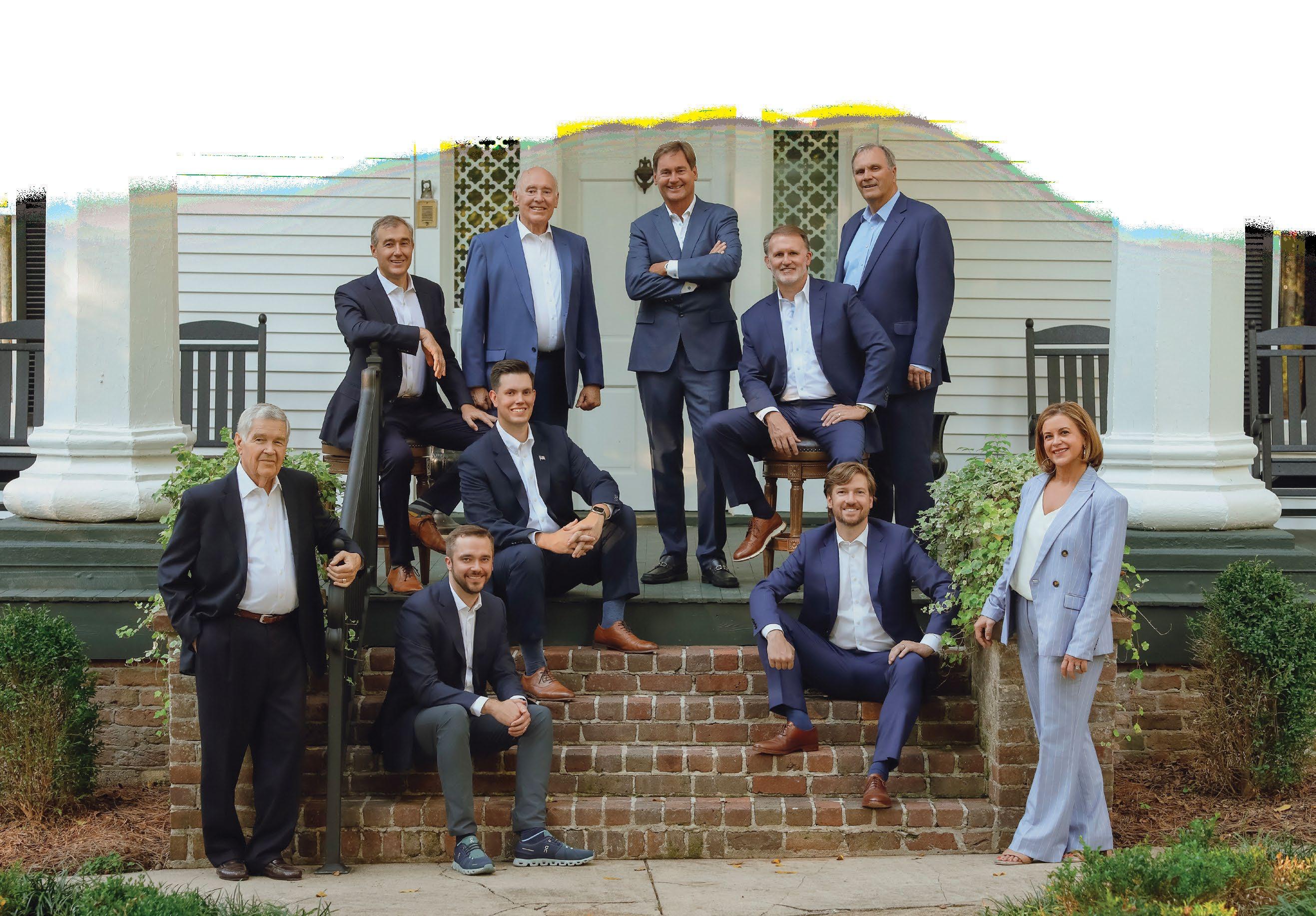
These major players in the local tourism industry share the trends they are seeing in the Scenic City, how technology is shaping the industry, and what we could see in the future.

President & CEO, Tennessee Aquarium
What are key trends shaping the tourism industry today? Chattanooga had record tourism visitation last year, driven largely by Chattanooga’s growth as a regional destination. A trend we see is the accessibility of nature so closely tied to the comforts of a city experience. That was amplified as Chattanooga was named North America’s first and only National Park City. Once seen as an adventure seeker’s experience, Chattanooga’s embrace of natural connections for all is driving visitation. The Tennessee Aquarium is proud to have served as a connection to nature for the last 34 years and continues to build upon that success with new exhibits and experiences.
How is technology shaping the industry?
Technology is fueling how people find their travel inspiration. Social media conversations about exploration and authentic experiences travel at the speed of light and can be exceptionally rich in details. From Reddit discussions about the most immersive IMAX Theater in the region to special Aquarium memories shared on TikTok and Instagram, everyone has become a part of the travel reviewer community. People are also using AI platforms not only to learn about America’s first National Park City and top-rated Aquarium, but they are also asking AI for travel itineraries with an emphasis on an individual’s interests.
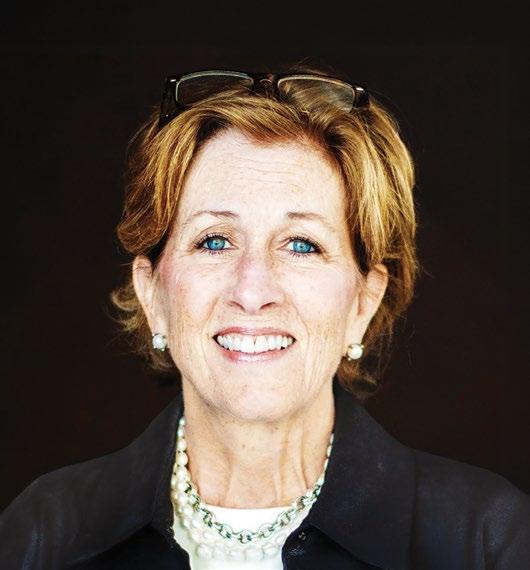
Executive Director, Hunter Museum of American Art
What are key trends shaping the tourism industry today? People are seeking connection – a personalized and welcoming experience goes a long way. The Hunter offers guests personalized touches throughout their visit to deepen the experience and bring more joy and discovery. For instance, our museum attendants, who are stationed in the galleries to safeguard the art, also participate in training sessions about the works themselves, so that they can engage with guests and offer a bit more context or history of the work or the artist. We also offer ways for our visitors to see themselves in the museum, whether it’s identifying with a work of art, participating in a yoga class in the museum, or being given an opportunity to write personal reflections.
Do you have any predictions for the future of tourism in Chattanooga? As Chattanooga continues to grow and evolve, I predict that the tourism landscape will be increasingly shaped by the city’s arts and cultural offerings. The city’s arts reputation has grown over the last decade or two, and the Hunter plays a key role, presenting stunning artwork and unique exhibitions most often found in much larger cities. That kind of “wow” factor really impresses guests and is what keeps them coming back and recommending Chattanooga to friends.
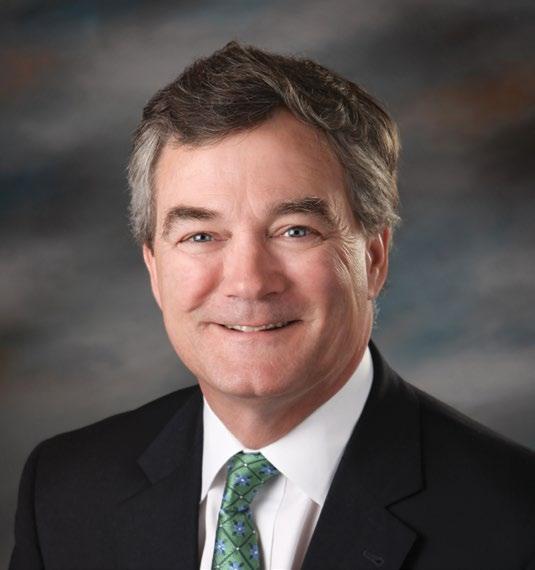
President & CEO, Ruby Falls
How is Chattanooga attracting tourists?
The greater Chattanooga area and Hamilton County continue to build on its rich heritage of tourism. The legacy attractions Ruby Falls, Rock City, and the Incline all support 90 plus years of history. The Tennessee Aquarium is a world class draw. Combine these assets with Chattanooga’s incredible scenic beauty and hospitality, and you have a winning tourism program.
How does tourism benefit Chattanooga?
Tennessee is a sales-tax-driven state. This means sales and commerce are critically important to build our city, county, and state tax base. 40%+ of the sales tax base goes directly to support our schools — over $45 million of tourism-based sales tax goes to Hamilton County Schools. Every time out of town visitors spend money at our local attractions, restaurants, shops, hotels, and venues, the sales tax they pay grows the tax base available for local education. This goes a long way in reducing the tax burden on locals. Significant visitor spending also helps support many local businesses. Without purchases from visitors, there would be fewer places for locals to socialize, dine, shop, and be entertained.
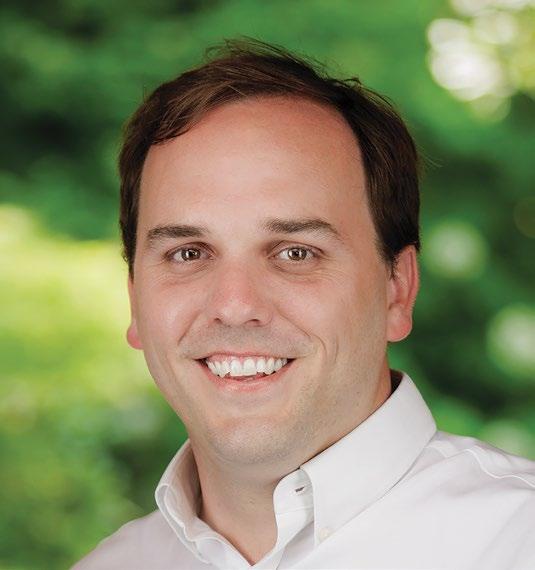
President & CEO, Rock City
How does Chattanooga tourism compare to other regions? I think Chattanooga tourism has some incredible assets that other regions just don’t have and naturally set us apart. The natural beauty of the mountains, the river, our incredible art and food scenes – all are distinctive when compared to other mid-sized travel markets. Our proximity to some major metros, as well as an incredibly easy-to-use airport make us more competitive and appealing than harder to reach locations. There is a lot of exciting stuff coming down the line for Chattanooga, and this is the moment to catch up on long-needed tourism development and turn that overdue work into real momentum.
How is your organization adapting to the current tourism landscape? We recently announced some of our long-term plans to continue to evolve at Rock City. We are hoping that our new gondola project helps to spur interest in Chattanooga and further investment in our tourism product offerings, as we compete with other destinations around the globe. We realize that we have to continue to invest for the long term to ensure we have a world class attraction, and city, to offer our visitors.
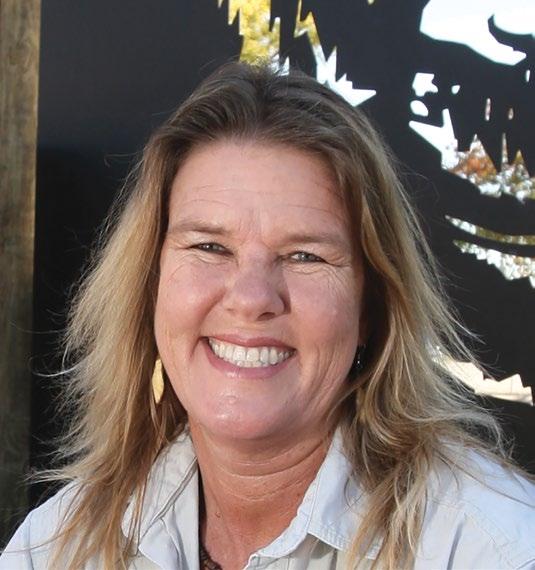
President & CEO, Chattanooga Zoo
How has the Chattanooga tourism industry evolved over the past several years? All facets of our economic expansion – business, leisure, etc. – support each other and contribute to the overall growth of the city and quality of life of our residents. In Chattanooga, we have a good balance of attracting major business investments, hosting events with national appeal, and building up our overall infrastructure while also being conscious of our duty to the environment, conserving green spaces, protecting wildlife, and upholding our natural resources.
Can you share any exciting upcoming plans for your organization this year? At Chattanooga Zoo, we recently completed a new master plan that will guide our development over the coming decade. In the near future, we plan to open a new state-of-the-art veterinary hospital to better accommodate our growing animal family. The hospital will include a surgical suite, a quarantine room, a holding area, recovery rooms, and public viewing windows so guests can get a behind-thescenes look at medical care at the Zoo. We are also bringing an entirely new species – the southern pudu – to our Corcovado Jungle section, and we’ll have other exciting additions to the Zoo family in the coming years.











Selected for both their exceptional industry skills and dedication to their workplace and community, the following business leaders make up CityScope® magazine’s prestigious Gold Club this year. Congratulations to these impactful men and women on this well-deserved honor!
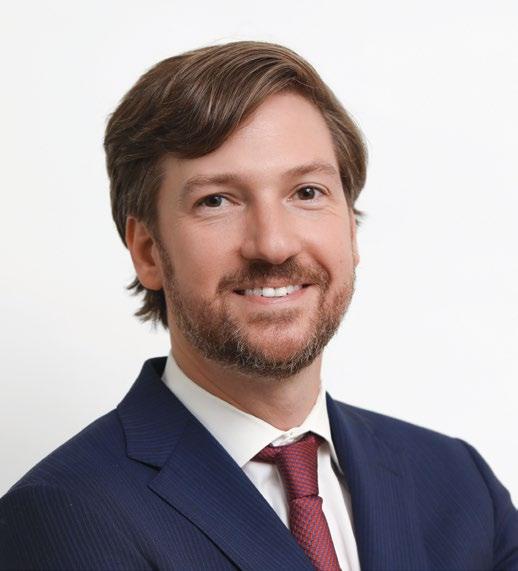
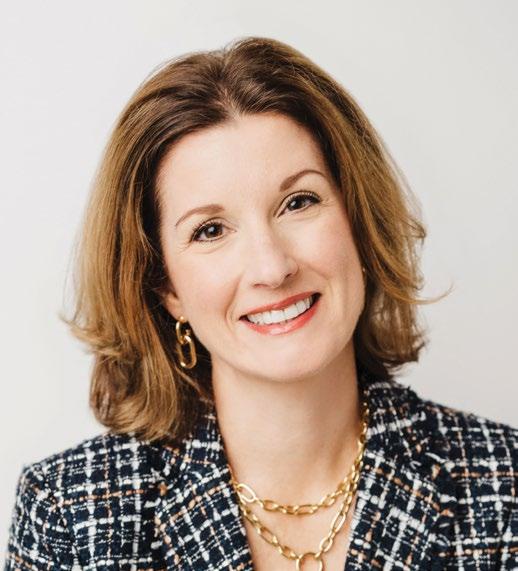
Shareholder, Logan-Thompson, P.C.
Years With the Company: 6
Tim Hewitt is a shareholder of Logan-Thompson, P.C., and his practice is focused on criminal defense. He obtained his J.D. and Criminal Law Certificate with Honors from the University of Mississippi School of Law. Hewitt has successfully defended thousands of criminal cases and has extensive trial experience serving East and Southeast Tennessee over the past 12 years. He is dedicated to aggressively protecting the rights of his clients and to providing a superior level of service to citizens accused of a crime. Hewitt has served as president of the Bradley County Bar Association and is a member of the Tennessee Bar Association Leadership Law Class of 2023. He is active in the National Association of Criminal Defense Lawyers (NACDL), the DUI Defense Lawyers Association, and the Tennessee Association of Criminal Defense Lawyers (TACDL). In 2023, Hewitt received TACDL’s Stars of Light Award in recognition of his exemplary leadership and zeal for TACDL’s mission.
President & CEO, River City Company
Years With the Company: 5
Emily Mack leads River City Company (RCC) as president and CEO, driving downtown redevelopment, transformative placemaking, and strategic partnerships that elevate economic opportunity and quality of life. With deep experience in executive leadership, urban redevelopment, and cross-sector collaboration, she oversees the RCC team to steer complex initiatives from concept to completion while strengthening public-private alignment. Current projects include assisting the City of Chattanooga and Hamilton County with the refresh of the Riverfront parks and the redevelopment of AT&T Field, which will focus on inclusive growth and long-term sustainability. She serves on the boards of the Chattanooga Area Chamber of Commerce, Chattanooga Tourism Company, Rotary Club of Chattanooga, the Enterprise Center, and the Girl Scouts of Southern Appalachians.
Founder & CEO, The Ionado Group
Years With the Company: 11
Lemon Williams is a transformational cybersecurity executive with over 25 years of experience in the technology industry. As founder of The Ionado Group, a cybersecurity consultancy, he is a recognized leader in building and leading high-performing cybersecurity teams, developing top-tier corporate security programs, and advising organizations on cybersecurity strategy. Prior to founding the firm, he held several leadership positions in the cybersecurity field, including serving as a trusted advisor to numerous organizations in the renewable energy and electric utility sectors responsible for protecting its critical infrastructure from cyber threats. In addition to his professional accomplishments, he serves on the Erlanger Health System Board of Directors and the Chattanooga Technology Council.
Aesthetician & Co-Founder, Alchemy MedSpa + Wellness Center
Years With the Company: 3
Cora LeSar approaches aesthetics with a simple goal: to care for people well. She entered the field after completing her bachelor’s in communication from the University of Tennessee at Chattanooga. Her personal journey with persistent acne sparked a passion for helping others navigate their own journeys with confidence and laid the foundation for Alchemy MedSpa. In the treatment room, her work focuses on corrective skincare, with an emphasis on acne management and laser rejuvenation. Beyond, she continues advanced training in laser physics and regenerative aesthetic medicine. Passionate about education, LeSar earned her Aesthetician Educator License and now offers private mentorship and training. A longtime Chattanooga resident, she remains committed to giving back to local nonprofits and serving her community.
President, Webb Financial Consultants
Years With the Company: 31
Mike Webb is a Chattanooga native and respected philanthropic leader who serves as president of Webb Financial Consultants, where he creates customized wealth management strategies aligned with each client’s unique goals and values. With more than 30 years of experience, Webb helps individuals, families, and businesses make confident, informed financial decisions. He attended Baylor School, earned a bachelor’s degree in business administration from the University of North Carolina at Chapel Hill, and completed his MBA at Emory University. Deeply committed to service, Webb serves as chairman of the Board of Community Advisors for CommonSpirit - Memorial Hospital, is a member of the Baylor School Alumni Council, and sits on the Board of the Better Business Bureau of Southeast Tennessee and Northwest Georgia. Known for being honest, diligent, and straightforward, he approaches every role with integrity and care.
Project Manager & Senior Electrical Engineer, AEED, Inc.
Years With the Company: 20
Harsh Desai serves as a project manager and senior electrical engineer at AEED, Inc., with over 20 years of experience in electrical engineering, project management, and design for a wide range of facilities, including retail, commercial, municipal, hospitality, educational, institutional, healthcare, and industrial projects. He leads electrical design efforts, focusing on power distribution, lighting, life safety systems, master planning, and energy analysis, and remains involved from initial design through construction. Desai moved to the United States from India in 1995 and settled with his family in Chattanooga, Tennessee, in 1998. He earned his electrical engineering degree from the University of Tennessee at Chattanooga and has contributed to the city’s growth through the design of several prominent buildings. A past Optimist Club president and current board member, he lives in Chattanooga with his wife, Lauren, and daughters, Priya (4) and Arya (2).
Vice President of Air Service Development and Public Relations, Chattanooga Metropolitan Airport Authority
Years With the Company: 3
Kristen Behm is the vice president of air service development and PR for the Chattanooga Metropolitan Airport Authority (CHA). Raised in an aviation family, she combines her lifelong love of aviation with her passion for connecting people and communities. In her current role at the airport, Behm and the team have created strong relationships with CHA’s current airline partners and are fostering connections with additional carriers to win new service. During her time at CHA, the airport has nearly doubled its destinations and has set yearly passenger records. CHA was named the fastest growing small hub airport in the nation in 2025. Prior to her position at the airport, Behm led marketing efforts for Rock City and Ruby Falls. Behm attended the University of Mississippi, where she graduated with honors, and has called Chattanooga home since 1998. She loves traveling, meeting new people, and photography.
Shareholder, LBMC
Years With the Company: 11
Mark Brumbelow, CPA, is a nationally recognized authority in complex business tax strategy. He has served as a trusted advisor to a wide range of businesses for 25 years, navigating regulatory complexity, transactions, and succession planning. Brumbelow advises companies on sophisticated tax planning, income tax accounting, and multi-jurisdictional compliance. He has returned to LBMC’s Chattanooga office to expand the firm’s leadership presence and provide technical guidance on complex matters faced by Chattanooga businesses. He advocates for the accounting profession volunteering with the AICPA and is frequently engaged as an author, speaker, and media resource on emerging tax policy and strategy. He is also active in the Chattanooga arts and service communities.
Managing Partner, River Associates
Years With the Company: 33
Mike Brookshire, managing partner, has helped shaped River Associates’ valuesdriven, private equity investment strategy since 1993. Prior to joining the firm, he served as an audit manager with Arthur Andersen & Co., advising publicly and privately held manufacturing and distribution companies. A Chattanooga native and graduate of Baylor School, Brookshire earned a Bachelor of Science in Accounting from the University of Tennessee at Chattanooga. Committed to community leadership, he serves on the boards of BlueCross BlueShield of Tennessee, the University of Chattanooga Foundation, the National Center for Youth Issues, and several privately owned companies. His career reflects a dedication to integrity, stewardship, and service. Brookshire and his wife, Temple, have two married children and six grandchildren and are members of Concord Baptist Church.
Vascular Surgeon, Vascular Institute of Chattanooga Years With the Company: 6
Dr. William B. Harris is a board-certified vascular surgeon, chief medical officer, and partner at the Vascular Institute of Chattanooga (VIC), where his leadership has played a pivotal role in advancing vascular care across the region. Over many years of service with VIC, Dr. Harris has remained deeply committed to improving the health of the Chattanooga community through compassionate, patient-focused care and clinical excellence. He specializes in the treatment of complex arterial and venous disease, with a strong emphasis on limb preservation, stroke prevention, and improving quality of life. As chief medical officer, Dr. Harris helps guide clinical strategy, mentor providers, and ensure the highest standards of care across VIC’s growing footprint. His impact is reflected in both improved patient outcomes and the lasting trust he has built with patients, families, and referring physicians throughout the community.
Partner, Smith + Howard Years With the Company: 9
As a Chattanooga native, Kevin Rose’s life and career have been shaped by the city. After earning a bachelor’s degree in business from the University of Georgia and a master’s degree in taxation from Georgia State University, he launched his career in Atlanta, quickly earning a reputation for strategic, client-focused tax advice. His pivotal life choice was returning to Chattanooga, where family, career, and community intersect for him. That decision led him to co-found Market Street Partners in 2016, bringing a proactive, relationship-driven approach to grow a respected firm in his hometown. Today, as a partner at Smith + Howard, Rose continues helping clients navigate complex tax law, optimize outcomes, and manage risk with clarity and care.
Attorney, Miller & Martin, PLLC Years With the Company: 13
April F. Holland is a corporate lawyer focusing on mergers and acquisitions, private fund formation, securities and investment advisory matters, complex joint ventures, corporate governance, and general corporate law. Recognized in The Best Lawyers in America® and as a Tennessee Rising Star in Mid-South Super Lawyers®, she advises clients across industries including chemicals, flooring, bottling, consumer products, automotive manufacturing, transportation, logistics, insurance, and private family offices. A dedicated leader and an alum of the Chamber’s Leadership Chattanooga and the Tennessee Bar Association’s Leadership Class programs, Holland has served as the law firm’s hiring chair and as a partner liaison with the World Law Group, connecting member firms and clients with legal solutions across 87 countries. She’s active in the Downtown Chattanooga Rotary Club and serves on boards including the Erlanger Foundation Advancement Council, the Chamber’s International Business Council, and Creative Discovery Museum.

Director of Operations and Topline Revenue, Dynamic Group Management Years With the Company: 2
Janel Sheppard, an experienced hospitality professional of over 25 years, exemplifies leadership. In her current role as director of operations and topline revenue at Dynamic Group Management, she has driven significant growth and new achievements for the organization. In addition to overseeing and managing operations of a seven-hotel portfolio across multiple states, she also employs analytical tools and resources to exceed revenue and profitability. She is a leading woman in the hospitality industry and her enthusiasm, sense of humor, and energetic attitude represent qualities that are highly valued in any successful business. Sheppard credits her success to the strength of the talented team members around her and their shared dedication and collective commitment to achieving and accomplishing great things.
Founder & Principal Advisor, Hughes Retirement Group
Years With the Company: 19
Rick Hughes is the founder and principal advisor of Hughes Retirement Group, where he has spent more than two decades helping individuals and families prepare for a secure, confident retirement. Known for his approachable style and commitment to education, Hughes brings leadership, strategy, and personal care to retirement and Medicare planning. Before entering financial services, Hughes spent 25 years in college basketball as a respected coach, including serving as an assistant coach at the University of Florida and coaching a developmental team affiliated with the NBA. In 2007, he founded Hughes Retirement Group to provide personalized, educationfocused guidance. After the Affordable Care Act in 2010, he integrated Medicare planning into comprehensive retirement strategies. Hughes’ philosophy, shaped by decades of coaching and business experience, centers on education, integrity, and personalized service. His goal is to empower retirees to make informed decisions so they can enter retirement with clarity, confidence, and peace of mind.
Attorney at Law, Evans Harrison Hackett PLLC
Years With the Company: 9
Bill Hannah is a partner at Evans Harrison Hackett PLLC, where he practices primarily as a litigator and serves as the firm’s general counsel. In addition to courtroom work, he advises and represents attorneys and law firms on legal ethics, licensure, compliance, and disciplinary issues. He is a Chattanooga native and has practiced law here for 32 consecutive years. He received his bachelor’s degree from Millsaps College in 1991 and his J.D. from the University of Tennessee in 1994. He is licensed to practice law in Tennessee, Georgia, Mississippi, and Kentucky, is listed in The Best Lawyers in America® in Insurance Litigation, and is listed in Mid-South Super Lawyers® in Civil Litigation: Defense. He resides on Lookout Mountain with his wife, Julie, who is a fifth-grade teacher and allaround superstar. He is the proud parent of three adult children and two adult stepchildren.
CEO & President, Tyson & Associates Construction Company, Inc.
Years With the Company: 8
James Tyson serves as CEO and president of Tyson & Associates Construction Company, Inc. (TACC), a commercial general contracting firm serving throughout Southeast Tennessee, Northwest Georgia, and Northeast Alabama. With over 25 years of experience in commercial construction, Tyson founded TACC in 2017 to deliver high-quality construction services grounded in strong leadership and integrity. Under his direction, TACC has grown from a startup into a trusted regional contractor with nearly 30 industry professionals and over 100 completed projects. Tyson holds a degree in construction management from Georgia Southern University and has led the company for eight years. Outside of work, he prioritizes time with his wife and two children as well as enjoys a variety of sportsman activities. TACC operates on three core pillars including Christ-centered leadership, quality execution, and a clientfocused approach, which ensures consistent results as well as long-term partnerships.
Volunteer Medical Director, Volunteers in Medicine Chattanooga
Years With the Company: 12
Dr. Mitchell L. Mutter is a respected physician, educator, and humanitarian with decades of clinical and leadership experience. A University of Tennessee graduate, he earned his medical degree from the UT Health Science Center and completed his internal medicine residency and cardiology fellowship at Walter Reed Army Medical Center, achieving board certification in both internal medicine and cardiology. He served as chief of cardiology at Eisenhower Army Medical Center and retired from the U.S. Army as a lieutenant colonel. Dr. Mutter later practiced cardiology in Knoxville and Chattanooga, serving as chief of staff at Erlanger Hospital. As volunteer medical director, he leads a team of volunteers providing more than $2 million annually in pro bono medical care and prescriptions, delivering compassionate, quality care with over 2,000 uninsured patient visits each year.
Director of Pharmacy, Cempa Community Care
Years With the Company: 5
Patrick Durham is a native of South Pittsburg, Tennessee, with more than 20 years of experience in community pharmacy. In 2021, he joined Cempa Community Care to open their first in-house pharmacy in the hopes of strengthening their already comprehensive support services. In 2023, he oversaw Cempa Community Pharmacy’s certification by the Accreditation Commission for Health Care (ACHC) in Specialty Pharmacy Services, the only retail pharmacy in Chattanooga to achieve this distinction. With a passion for specialized care in the treatment of HIV and Hepatitis C, Durham ensures that Cempa Community Pharmacy meets strict standards for quality, safety, and operational consistency in handling, storing, and dispensing complex, high-cost medications.
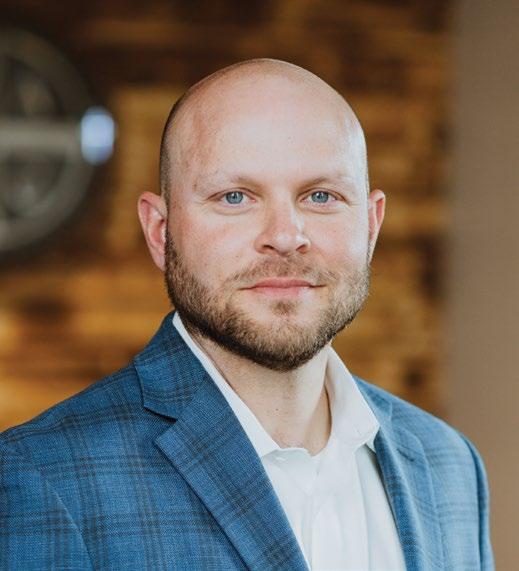
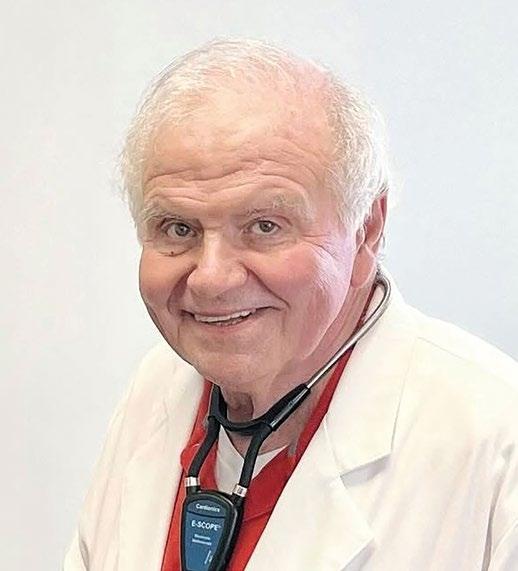
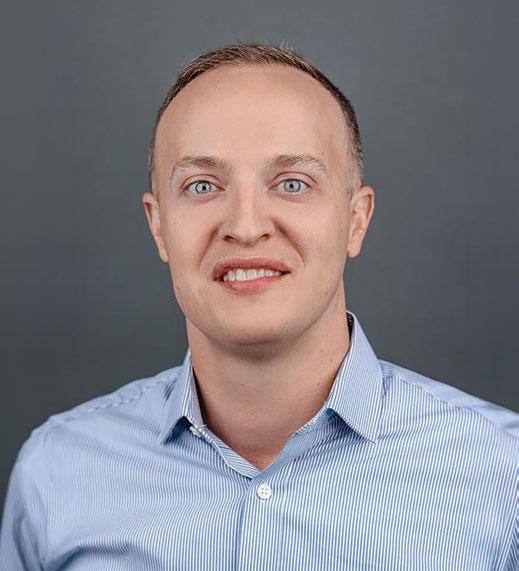
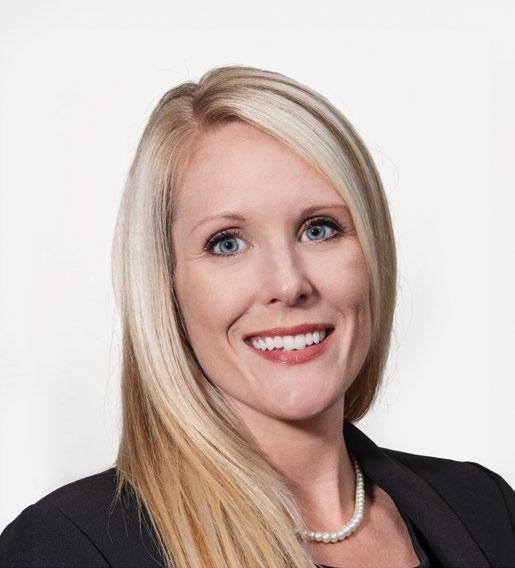
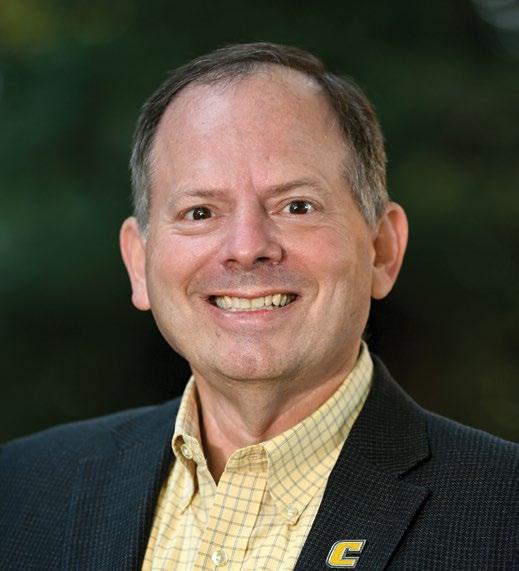
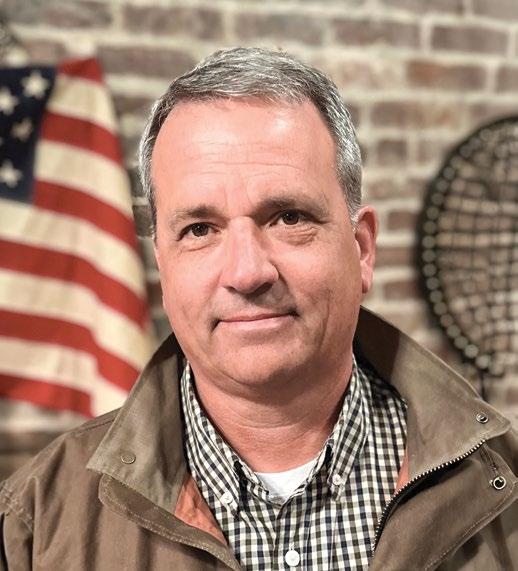
Senior Vice President and Relationship Manager, SmartBank Years With the Company: 7
Natalie Hunt-Levredge serves as senior vice president and relationship manager for SmartBank’s Chattanooga team. With over 25 years of experience in the financial industry, including leadership in commercial lending, productivity and performance management, and relationship development, Hunt-Levredge brings a strategic and client-centered approach to her work. Beyond her professional work, Hunt-Levredge is a dedicated community advocate. She serves on the boards of Top of Georgia Economic Development, the Catoosa County Chamber of Commerce Board of Directors, and Communities In Schools. She is also a member of the Catoosa County Chamber’s Legislative Committee, serves as development chair for the Momentum Network, and serves on the board for the North Georgia YMCA. Most recently, Hunt-Levredge and SmartBank Market President Craig Miller implemented and launched SmartBank Cares, a committee dedicated to serving and supporting the community, where she serves as co-chair.
Director of Communications, University of Tennessee at Chattanooga Years With the Company: 7
Chuck Wasserstrom, the director of communications at the University of Tennessee at Chattanooga, has been a member of the university’s writing staff since 2019. He received a Bachelor of Journalism degree from the University of Missouri before spending 25 years working for the Chicago Cubs – including 16 years in the Major League Baseball team’s media relations office and nine years in baseball operations. During his time with the Cubs, he met his wife, Michelle – a former Division I softball player at Indiana State University. Their twin daughters, Danielle and Nicole, are softball teammates at Southeastern University in Lakeland, Florida.
Chief Financial Officer, Lambcon Ready-Mix and Bradley Concrete Years With the Company: 12
Charlie Lay serves as chief financial officer for Lambcon Ready-Mix and Bradley Concrete, where he helps lead one of East Tennessee’s most established concrete providers. Prior to joining the Lambcon/Bradley team, Lay was president of Lay Construction, Inc. from 1994 to 2013, building a career rooted in concrete construction and operational leadership. A longtime advocate for the industry, Lay is a past president of the Tennessee Concrete Association and currently serves on its board of directors. Lambcon supplies concrete throughout much of East Tennessee, operating five locations stretching from Chattanooga to Knoxville. Lay is a 1992 graduate of the University of Tennessee. Outside of work, he enjoys spending time with his family, including his wife, Lisa, and their children, Caitlin, Lauren, and Ryan.
Executive Director, Morning Pointe Foundation Years With the Company: 3
Miranda Perez is the executive director of the Morning Pointe Foundation, the nonprofit arm of Morning Pointe Senior Living. She is passionate about leading solutions to the nursing shortage by funding scholarships that create real, lasting impact in local communities. Through innovative programs and meaningful partnerships, Perez is committed to providing hope, making dreams come true for students and seniors alike, and celebrating the lives, talents, and contributions of older adults. Her work bridges generations, strengthens the healthcare workforce, and ensures communities are supported today and for years to come.
Medical Director, Encompass Health Rehabilitation Hospital of Chattanooga Years With the Company: 28
Dr. Muhammad A. Munir is a board-certified physical medicine and rehabilitation physician with subspecialty training in pain medicine, brain injury medicine, and electrodiagnostic medicine. He has practiced in Chattanooga, Tennessee, for over 25 years. Dr. Munir earned his medical degree from Sind Medical College in Karachi, Pakistan, and also completed a Bachelor of Science in Physical Therapy. He completed an internal medicine internship and a physical medicine and rehabilitation residency at Mount Sinai School of Medicine in New York. Dr. Munir serves as medical director at Encompass Health Rehabilitation Hospital of Chattanooga, where he helps patients recover from serious illnesses, injuries, strokes, and brain injuries. He was nominated National Medical Director of the Year in 2014 and Regional Medical Director of the Year in 2022. He is licensed in Tennessee, Georgia, and Alabama and is a Fellow of the American Academy of Physical Medicine and Rehabilitation and the American Academy of Electrodiagnostic Medicine.
Wealth Management Advisor, Strategic Financial Partners Years With the Company: 2
After growing up in the Memphis area and playing five years of college golf at the University of Memphis, Cory Gaylord and his wife Rebecca moved to Chattanooga. Gaylord began his financial planning practice in Chattanooga in 2015. In 2020, he founded Gaylord Wealth Management and found a passion for business planning and wealth management, and in 2024 he joined Strategic Financial Partners to expand his scope of expertise. When not at work, Gaylord can be found coaching his two boys, Johnscott and Christopher, running marathons, playing golf, or traveling with his bride and business partner Rebecca.
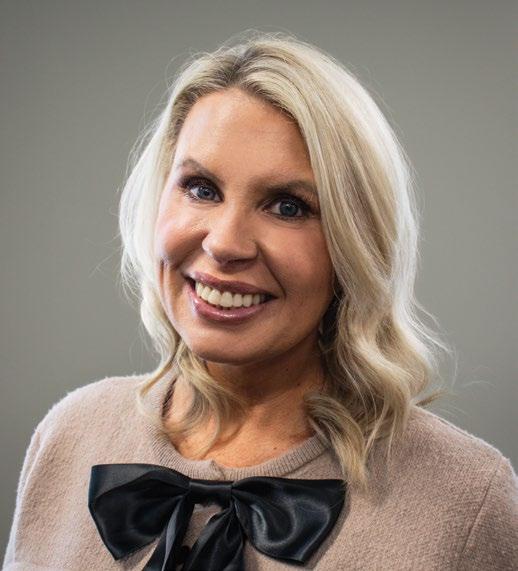
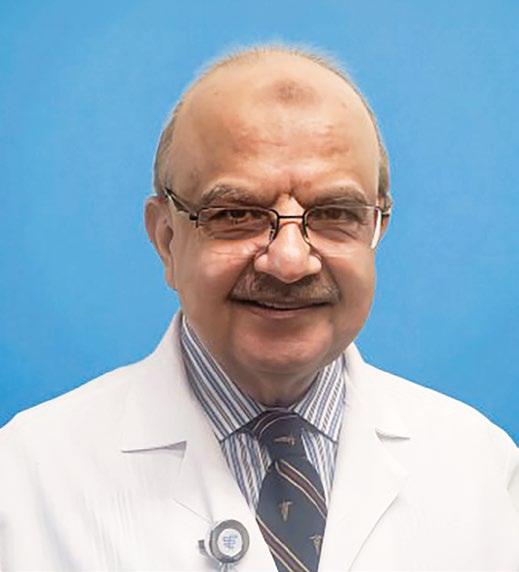
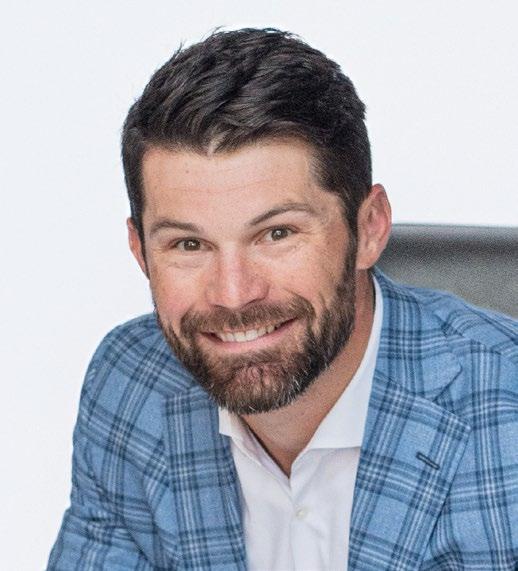

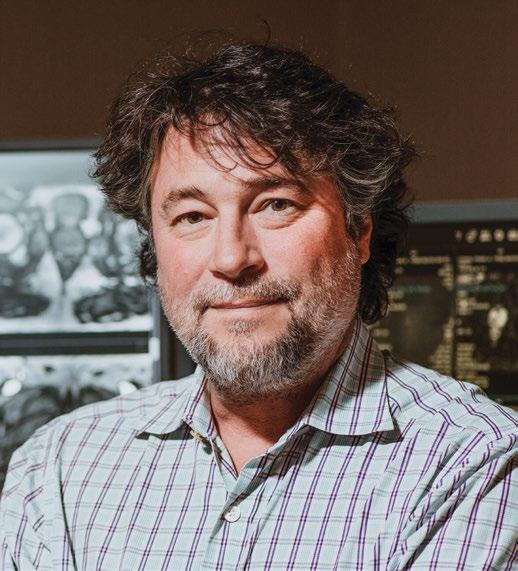
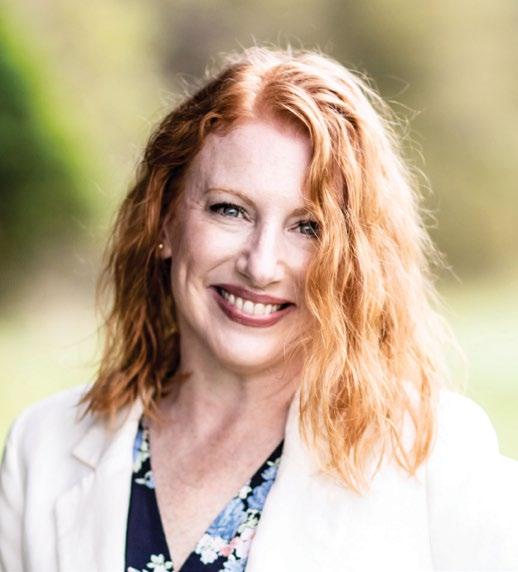
Co-Founder & Managing Partner, HK Architects
Years With the Company: 27
Heidi Hefferlin is the co-founder of HK Architects, where she serves as managing partner and principal architect on a range of projects shaping Chattanooga and the surrounding region. A Chattanooga native, she returned home to start the firm after beginning her career in Los Angeles with international design firms Skidmore, Owings & Merrill, and Richard Meier & Partners. Since founding HK in 1999, she has guided the firm’s expansion from a two-person studio to a 30-person practice. Her work includes adaptive reuse of historic industrial buildings, downtown revitalization efforts, and civic and educational projects that support the growth of the community. In addition to leading growth and design direction for the firm, she is active in professional and civic organizations such as Rotary and AIA. Outside the office, she enjoys traveling and hiking, including completing Spain’s Camino de Santiago, as well as kayaking the Tennessee River.
Owner, PrimeImaging
Years With the Company: 26
Dr. James Busch developed an early passion for medicine by following in his father’s footsteps. He earned his medical degree from the University of Tennessee Health Science Center and completed his radiology residency and fellowship training at Harvard Medical School. Over the past two decades, he has held multiple leadership roles at PrimeImaging, expanding its footprint and launching billing and technology companies. Dr. Busch is dedicated to advancing patient care through innovative imaging solutions. A leader in radiology informatics, he helped implement a comprehensive interpretation software suite with Siemens Healthineers, which is used nationwide. He has extensive expertise in prostate MRI and image-guided intervention. With specialized training in interventional radiology, he is a pioneer in cancer thermal ablation, expanding minimally invasive treatment options for patients.
Psychiatric Mental Health Nurse Practitioner, Nashville Brain Institute – Chattanooga
Years With the Company: 2
Rebecca Spivey is a board-certified psychiatric mental health nurse practitioner with a Master of Science in Nursing from Southern Adventist University. Spivey began her healthcare career in 2007 working as a certified nursing assistant in long-term care, later becoming a registered nurse. She enjoyed many years of patient care working with the Starr Regional Healthcare System in medical-surgical nursing, the ICU, and geriatric behavioral health. After switching to the multifaceted role of PMHNP-BC, Spivey joined Volunteer Behavioral Healthcare System, working as a psychiatric nurse practitioner for outpatient mental health and CSU. She then accepted the honor of providing psychiatric care for veterans with Valor Healthcare and the Veteran’s Administration. Spivey is a fierce patient advocate and treats all clients with radical acceptance and respect. Her combination of strong clinical skills, evidence-based practices, and holistic, compassionate care help improve outcomes.
CEO and Owner, Southern Fluidpower
Years With the Company: 42
Donny Davidson is the CEO and owner of Southern Fluidpower (SFP), an automation and fluid power integration company serving industrial customers across Tennessee and Georgia. With 42 years of professional experience, he has led SFP’s growth from a small operation into a nine-location organization known for technical expertise, customer service, and innovation. His sons, Josh and Taylor, are actively engaged in the company, helping continue a strong family-driven culture and long-term vision. Beyond business leadership, Davidson is committed to community involvement, supporting nonprofits such as the Chattanooga Room in the Inn and contributing to local schools in the Soddy-Daisy, Tennessee, area. Davidson and his wife Cindy live in the Canyons in Falling Water, Tennessee. Outside of work, he enjoys trail running and competing in triathlons, reflecting his passion for discipline and continuous improvement.
Financial Advisor, Riggs & Associates
Years With the Company: 3
Luane D. Culpepper is a Chattanooga native, long-time resident of Signal Mountain, and a financial advisor with the practice of Riggs & Associates, a private wealth advisory practice of Ameriprise Financial. She began her career in the family business working alongside her father David Davis, who founded Davis Financial Advisors. She took over that practice and was the primary advisor until 2022 when she merged with Riggs & Associates. She has 42 years of experience as an advisor with a focus on retirement income planning. She enjoys her role as trusted advisor to her clients and providing a wealth of experience to her Riggs & Associates team. She serves on the investment committee of the practice in addition to providing planning and investment advice. In her spare time, she and her husband John enjoy boating, hiking, and spending time with their adult children and grandchildren.
Partner, HHM Wealth Advisors
Years With the Company: 13
Jones Krogh is a partner at HHM Wealth Advisors. He has called Chattanooga home since 2011, after starting his professional career in Atlanta in 2008. As a partner of HHM Wealth, he helps lead their team with a mantra of ownership and accountability. He assists clients in building, managing, and protecting wealth by providing comprehensive wealth management services. He works closely with high-net-worth families, retired executives, and business owners and applies two foundational beliefs to his daily work with clients: “good service is good business” and “truth builds trust.” He actively contributes to the Chattanooga community by serving on local nonprofit boards in leadership positions, recently serving as the chairman of the Board of the Siskin Hospital for Physical Rehabilitation. He and his wife, Marissa, are graduates of the University of Georgia. They reside in Chattanooga with their kids, Jack and Sloane.
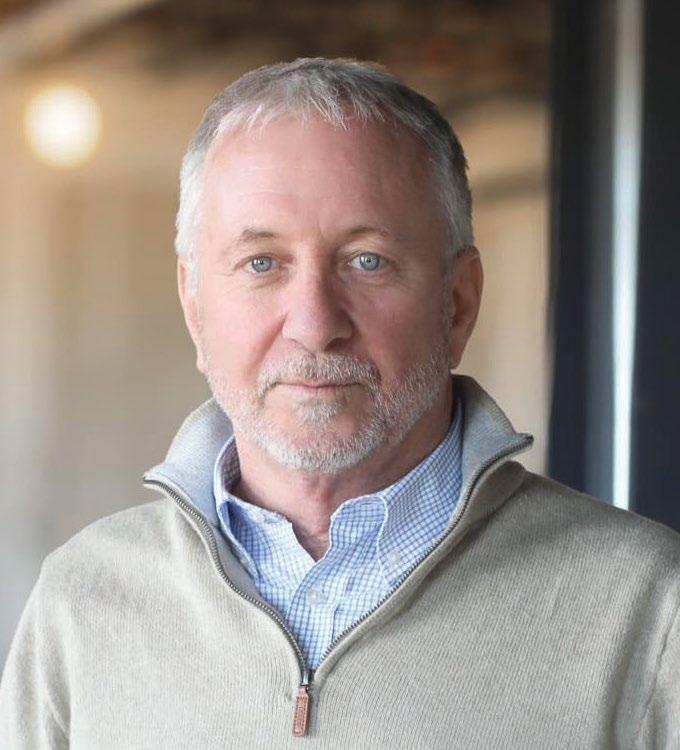
“Action is the foundational key to all success.” – Pablo Picasso

BY RAY RYAN, CFA
Technology innovations often result in “step function” increases in capacity. Thomas Kuhn, well-known historian, said technological innovation requires paradigm shifts. Paradigm shifts require revolution of thought.
This is the appropriate context for evaluating prognostications regarding artificial intelligence (AI) – i.e., framed as three debates, likely to be settled in the next decade.
Ray Ryan is the president of Patten and Patten, an investment management firm, and a registered investment adviser in Chattanooga. Ray is a CFA charter holder, a member of the advisory board for UTC’s College of Business, and an adjunct professor of finance at UTC. He is a graduate of Princeton University, where he had the privilege of taking a course taught by former Federal Reserve Chairman Ben Bernanke.
1 Revolutionary innovations disrupt platforms and systems. Evolutionary technologies merely extend capabilities. Which best describes AI?
2
There are two rival “camps” with different approaches to building Large Language Models (LLMs). One camp argues that AI improves only with more data. The rival camp argues that AI improves only through engineering model improvement. Which camp is likely to prevail?
3
The telecom/dot-com bubble reflected extreme investor mania. Herd mentality contributed to massive excess capacity which required 15 years to absorb. AI infrastructure costs to date dwarf the amounts spent to build out the internet. Is AI a bubble, and will AI experience a similar boom-bust cycle?

It is too early to tell.
New technologies generate both fears over disruption and excitement for future applications. Amara’s Law holds that society tends to overestimate their short-term impact and underestimate long-term impact. The ultimate impact of AI will reflect how it is used. For example, LLMs could become “the authority,” and humans could be relegated to a subordinate position as “interpretive authorities.” This outcome is assured if people merely accept ChatGPT responses without thinking critically.
History supports the evolutionary case. A rudimentary form of AI helped the allies win World War II. Its progression was gradual. Today, AI is everywhere but often invisible: search algorithms; chat bots; call centers; automated functions.
To qualify as revolutionary, AI must lead to regime shifts. Regime shifts involve transformative innovations. Transformative innovations require infrastructure on which to erect technology platforms. Platforms facilitate scale, and scale boosts adoption. Adoption, in turn, depends on applications for end users.
For most use cases, AI will complement human activity. AI could enhance human intelligence, improve efficiency, and reduce overall errors. In other cases, Agentic AI makes decisions without human input and could prove more efficient for mundane tasks.
In radiology scans, AI generates too many false positives. Humans generate too many false negatives. The best results involved well-trained humans complemented by AI.
Altman's Law states that the intelligence of a model roughly equals the log of the resources required to train and run it. Translation: model accuracy and performance improve through exposure to more data. Massive amounts of data can serve as a substitute for “intelligence.”
Humans are flawed and biased. Human intelligence is plagued by cognitive distortions. The “Scaling Camp,” led by OpenAI, advocates strict adherence to Altman’s Law to develop a form of “alternative intelligence.” Fundamentally, this approach constructs models adept at recognizing patterns.
To date, the Scaling Approach has constructed models that falter on toxicity, truthfulness, reasoning, and common sense. The models are unable to make sense of situations that deviate slightly from training data or assumptions of the creators.
The rival camp, led by Google (i.e., the “Structured Model Approach”), criticizes the Scaling Camp for creating models that “repeat everything but understand nothing.” Their approach rejects Altman’s Law and asserts that developing better AI is not a matter of data volume. The Structured Model camp believes engineers should teach machines to learn as humans do.
Asset bubbles form when investors chase performance, lose discipline, and abandon “rules-based” decision making.
Investors have recently become more selective. The Google camp has performed better than the OpenAI camp. The divergence represents an important change from the past three years when everything AI increased. It could reflect “proof of concept”: Google’s Gemini has performed better than ChatGPT in several technical areas.
Concerns regarding massive capital expenditures could also explain the divergence. To satisfy projected data and power demands, OpenAI would need an incremental 30 GigaWatt (GW) capacity by 2030. Each GW requires $50B in incremental spending. ChatGPT-5 consumes 2.5 times more power than ChatGPT-4. The AI build out will require $2T in annual industry revenues just to cover the cost of power.
These data points raise fundamental concerns regarding an AI bubble.
At initiation of a bubble, there is always a promising innovation or new paradigm. External capital fuels rapid growth in
the speculative phase. Gradually, “herd behavior becomes selfreinforcing.” Buyer enthusiasm propels valuations well beyond reasonable levels. Skeptics are ignored, ridiculed, and dismissed.
Late entrants jump on the bandwagon out of fear of missing the “next big thing.” The perceived risk of not investing overwhelms prudent considerations. Excessive investment leads to excess capacity. Valuations exceed reasonable or realistic parameters.
A bubble bursts because of either “endogenous” (i.e., internal) or “exogenous” (i.e., external) forces. The sector becomes vulnerable to a “phase shift” – i.e., a small incremental change that has a massive impact.
Upon bursting, the virtuous cycle turns vicious. Valuations collapse. Investors lose capital. Borrowers default on loans. Skeptics are vindicated. The media disavow their role hyping the bubble and hunt for people to blame. Eventually, in the final stage – i.e., applications – enduring, sustainable value is created.
The future of AI lacks visibility, and most predictions will prove invalid. When the dust settles in a few years, the impact of AI is likely to be somewhere between the most optimistic and most pessimistic forecasts.
BY EVAN RUSSELL, FINANCIAL ADVISOR, ROUND TABLE ADVISORS, RJFS
Evan Russell is a financial advisor with Round Table Advisors, where he works closely with individuals and families to develop long-term financial strategies tailored to their goals. He earned both his bachelor’s degree in business finance and master’s in communications from the University of Tennessee and is currently a Level III CFA candidate. In his role as financial advisor, Evan applies his investment knowledge and portfolio management expertise to help guide clients through complex financial decisions.
Over the next two decades, Baby Boomers – those born between 1946 and 1964 – will pass down an unprecedented amount of wealth. Estimates range from $30 trillion to more than $120 trillion shifting primarily into the hands of Gen X, Millennials, and Gen Z by the mid -2040s. Economists have dubbed this moment “the Great Wealth Transfer,” and its scale is poised to reshape financial markets, consumer behavior, and philanthropic landscapes for decades. Yet despite its magnitude, many Baby Boomers have not formalized a strategy for transferring their wealth efficiently. Some assume the process will be seamless; others expect their heirs to “figure it out later.” But failing to plan can introduce significant taxes, legal complications, family conflicts, and unintended outcomes.
do to help ensure a smooth transition?
We feel that Baby Boomers can help can ensure a smooth wealth transition by first organizing a complete inventory of their assets, including real estate, investment accounts, retirement plans, insurance policies, and liabilities, so heirs and advisors have a clear roadmap of what exists. They should create or update essential estate documents – wills, trusts, financial and medical powers of attorney, and all beneficiary designations – so assets transfer efficiently and according to their intentions. In almost all situations, the beneficiary listed will trump any names listed in the will, which is a reminder to always check the beneficiaries during reviews.
Just as critical is organizing and securely storing digital access information, such as passwords for financial accounts, email, online bill-pay, and cloud storage, in a protected document or password manager, with clear instructions on where it can be found. Boomers should also communicate openly with heirs about their plans to reduce confusion and conflict, especially when it comes to complex assets like family property or businesses. Finally, partnering with estate attorneys, financial advisors, and tax professionals helps ensure the plan is tax- efficient, legally sound, and regularly updated as life circumstances evolve.
To help minimize taxes when passing wealth to the next generation, we feel that Baby Boomers should incorporate several key strategies into their estate plan. First, they can reduce the size of their taxable estate through annual and lifetime gifting, gradually moving assets to heirs tax- free under current IRS limits. Second, establishing trusts – especially irrevocable or generation- skipping trusts – can help transfer assets outside the taxable estate while adding guardrails and allowing for long -term tax efficiency. Third, because beneficiary designations override the will, Boomers should regularly update beneficiaries on retirement plans, annuities, and life insurance to help ensure the most tax- efficient transfer of those assets.
A major tax-reduction strategy involves understanding the step -up in cost basis, which applies to many assets handed down at death. When an heir receives certain appreciated assets, the cost basis resets to the asset’s market value on the date of death, eliminating capital gains that accumulated during the original owner’s lifetime. Common assets that receive a step -up in basis include:
• Primary residences and vacation homes
• Taxable investment accounts, including stocks, bonds, and mutual funds
• Privately held real estate, such as rental properties
• Interests in privately held businesses
These step -ups can dramatically reduce future capital- gains tax liability for heirs. (Note: Retirement accounts such as IRAs and 401(k)s do not receive a step -up in cost basis.)
Retirement accounts instead fall under rules created by recent legislation, most notably the 10 -year rule. For most non- spouse beneficiaries, inherited IRAs and 401(k)s must now be fully distributed within 10 years of the original owner’s death. This can create significant tax exposure because each withdrawal is treated as ordinary income. Boomers can plan around this by using Roth conversions, strategic beneficiary designations, or trusts tailored for retirement accounts to help their heirs avoid large, forced taxable withdrawals later. Finally, Boomers may reduce their overall taxable estate through charitable giving, using tools such as donor- advised funds or charitable trusts, and by coordinating all these strategies with estate planning attorneys, financial advisors, and tax professionals who can ensure documents are aligned, updated, and optimized over time.
What should they be investing in now to grow and preserve their wealth in advance of passing it on to younger generations?
Baby Boomers preparing to transfer wealth to younger generations may benefit from focusing on diversified, tax- aware investment approaches that align with their financial goals, time horizon, and risk tolerance. This often includes using active and passive equity funds, high- quality fixed-income investments, and tax-managed accounts, which can support a disciplined and efficient long -term strategy. Real estate, whether a primary residence, rental property, or vacation home, can also play an important role in multigenerational planning, especially when ownership structures are arranged in ways that simplify eventual transfer. Boomers may also consider life insurance as a tool to provide liquidity or help balance inheritances when certain assets are difficult to divide. Additionally, preparing for future medical needs through long -term care insurance or hybrid coverage can help safeguard other assets intended for heirs. By working with financial, tax, and estate -planning professionals, Boomers can build an investment and protection strategy that fits their unique circumstances and supports their long -term legacy goals.
The information contained in this article does not purport to be a complete description of the securities, markets, or developments referred to in this material. The information has been obtained from sources considered to be reliable, but we do not guarantee that the foregoing material is accurate or complete. Any opinions are those of Evan Russell and not necessarily those of Raymond James. Expressions of opinion are as of this date and are subject to change without notice. There is no guarantee that these statements, opinions or forecasts provided herein will prove to be correct. Investing involves risk and you may incur a profit or loss regardless of strategy selected, including diversification and asset allocation. Past performance does not guarantee future results. Future investment performance cannot be guaranteed, investment yields will fluctuate with market conditions. Securities offered through Raymond James Financial Services, Inc. Member FINRA/SIPC. Round Table Advisors is not a registered broker/dealer and is independent of Raymond James Financial Services, Inc. Investment advisory services offered through Raymond James Financial Services Advisors, Inc.
RMDs are generally subject to federal income tax and may be subject to state taxes. Consult your tax advisor to assess your situation.
Donors are urged to consult their attorneys, accountants or tax advisors with respect to questions relating to the deductibility of various types of contributions to a Donor-Advised Fund for federal and state tax purposes.
To learn more about the potential risks and benefits of Donor Advised Funds, please contact us.
While we are familiar with the tax provisions of the issues presented herein, as Financial Advisors of RJFS, we are not qualified to render advice on tax or legal matters. You should discuss tax or legal matters with the appropriate professional.
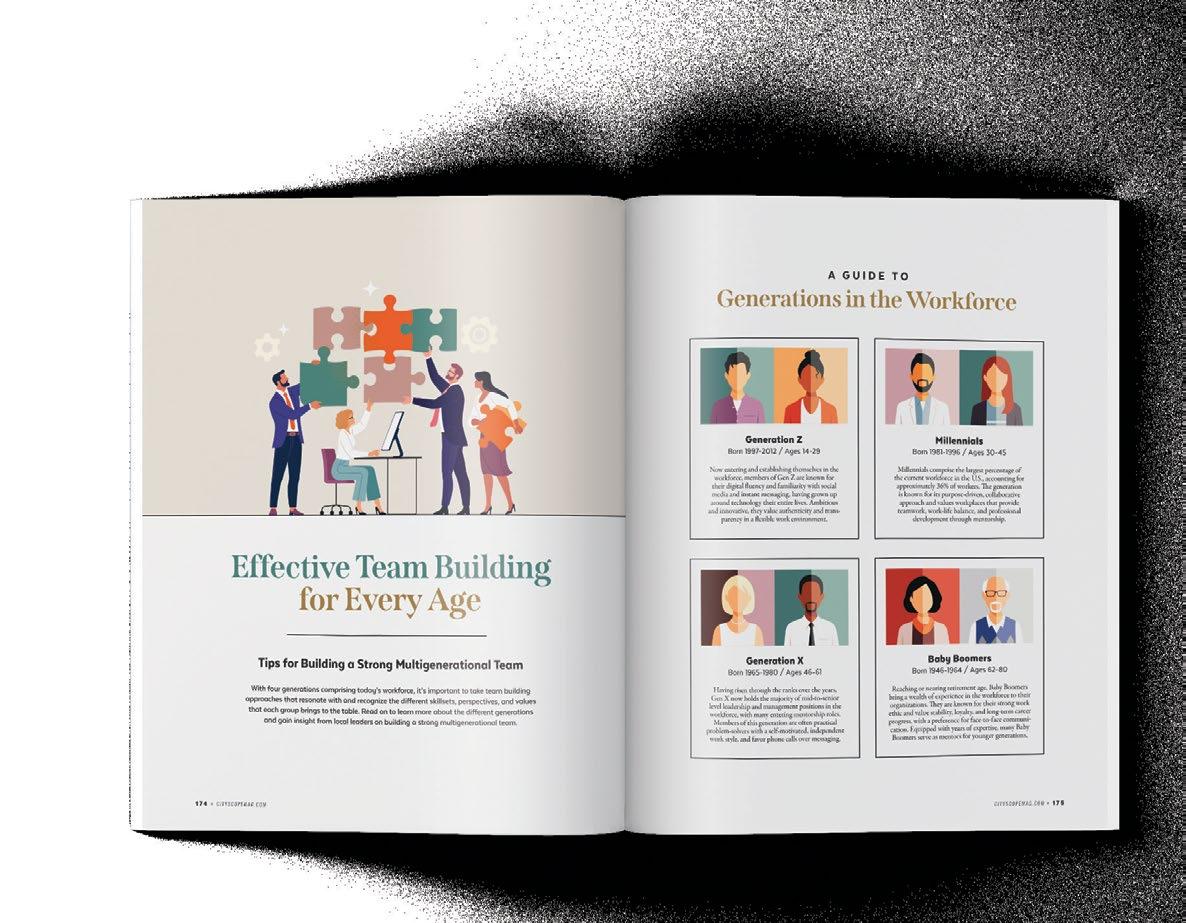


DR. FRANCIS CUOZZO
MD, FACS, RPVI
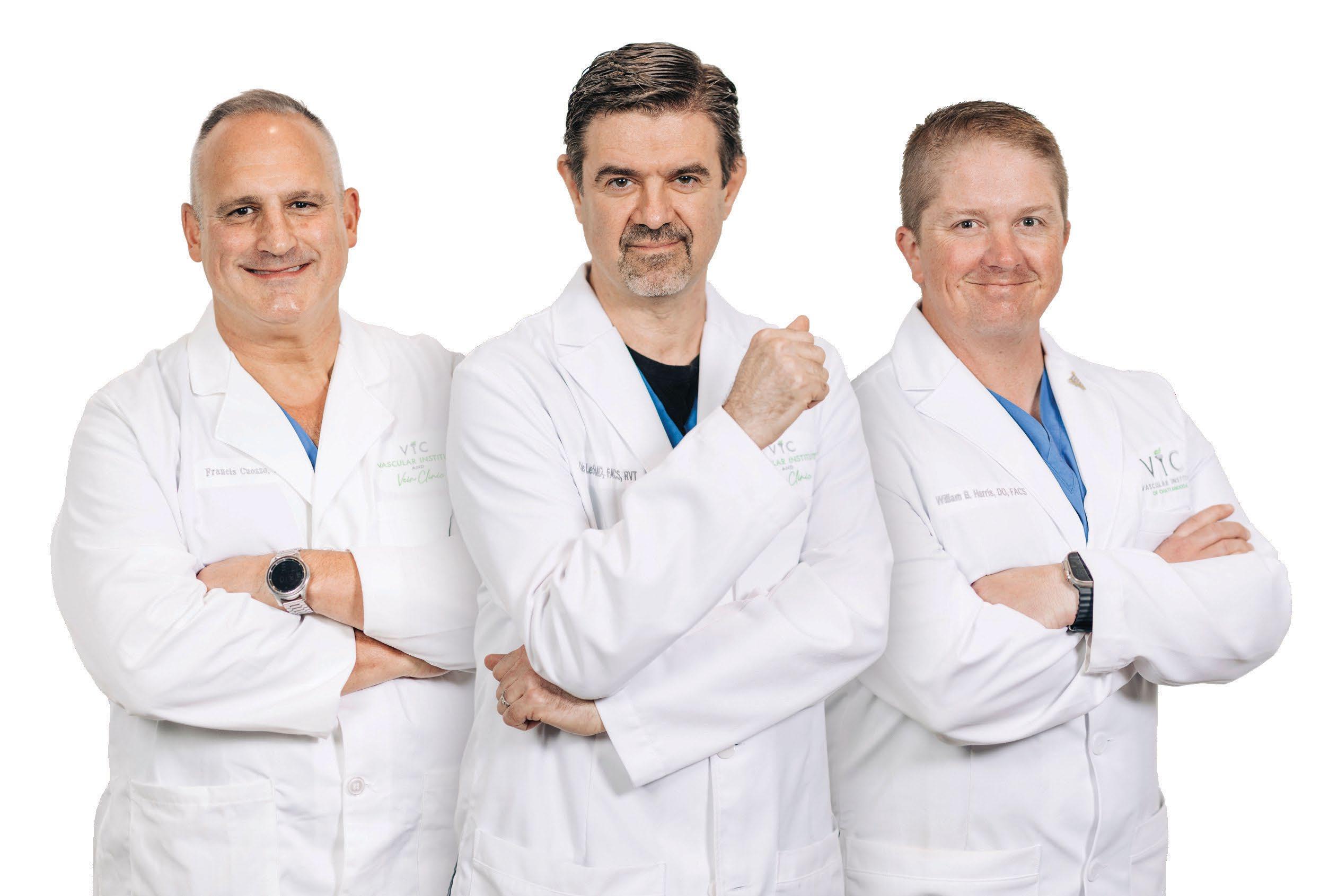
DR. CHRIS LESAR
MD, FACS, RVT
DO, FACS, RPVI
Board-Certified, Fellowship-Trained Vascular Surgeons, and Fellows of the American College of Surgeons (FACS), Leaders in Vascular Ultrasound (RPVI®, RVT ®) & Hosts of Nationally Recognized FACES of PAD Conference
The Region’s Only Fully Accredited Arterial and Venous Center by the Nationally Recognized Intersocietal Accreditation Commission (IAC)
Minimally Invasive Endovascular & Advanced Vascular Imaging and Diagnostics, Full Complement of Open Vascular Surgical Options
RESTORING HEALTH & LONGEVITY
Advanced Diagnostics
Early Intervention
Rapid Access
Collaborative Care
EXPERTLY
SAVING LIMBS
Critical Limb Center
Limb Salvage Expertise
Advanced Techniques
Multidisciplinary Care
PROVIDING PERSONALIZED CARE
Individualized Plans
Full-Spectrum Services
Compassionate Team
Regional Access