• Auckland Urban Development Office – development sites
• City Rail Link Limited – stage 2 urban realm works
• Downer – meet the team delivering stage 2
• Link Alliance – testing and commissioning update
• Auckland Transport – operational readiness for Day 1
• Questions & Answers
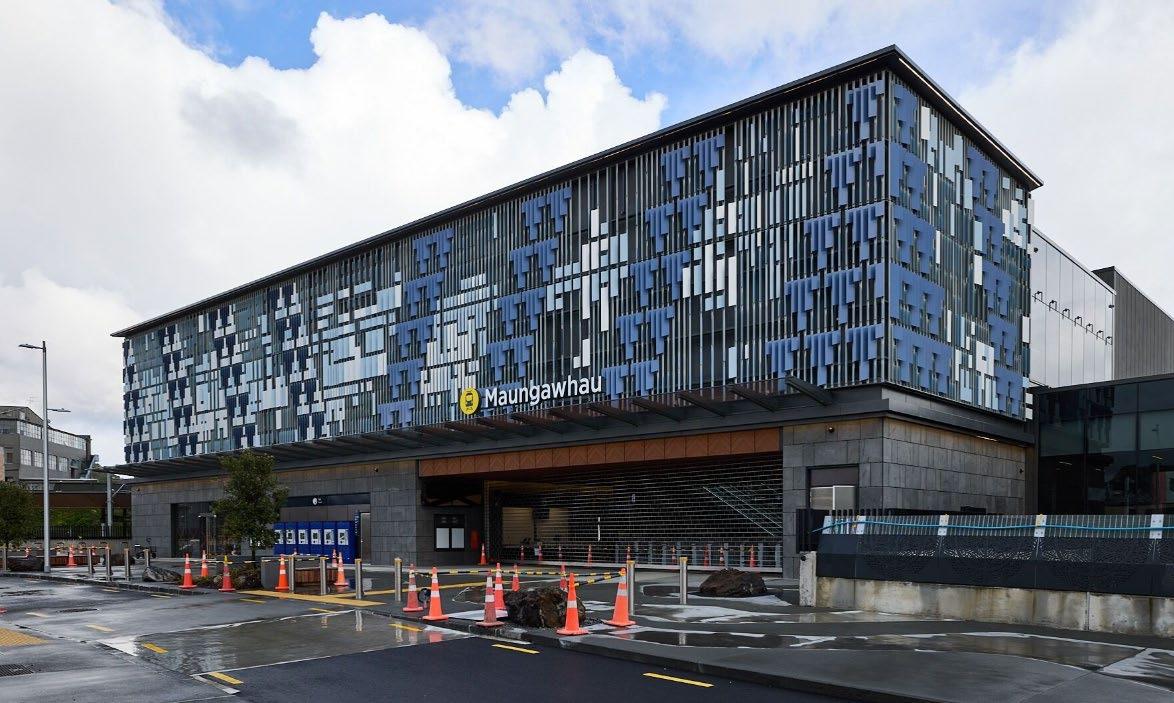
Maungawhau Station precinct update
Barry Potter, Director, Resilience and Infrastructure
Auckland Council
April 15, 2026
Recap
• Development plan reviewed at the request of the Mayor
• Need for future-proofing public transport connections
• Need to maximise return on investment from development of the precinct
Where we are now
Essentially, everything is as it should be:
• Public access to the station from side streets will be included in the transitional site use
• Future proofing to enable future bus routes to pass nearer to the station – buses to remain on New N Rd/Mt Eden Rd for now
• Vehicle access into the station will be possible from day one (e.g. private vehicles, emergency vehicles, ride share)
• There will be transitional site activation/interim use when the station opens, until development begins
Where to next
• Public realm work, led by CRLL, to begin this month
• CRL to operate from the second half of this year
• Open Day a few weeks prior to services beginning
• Interim site activation work to begin soon, with initial activation established in June/July
• AUDO to now take you through the precinct development details
Maungawhau Station precinct development
Maungawhau development plan
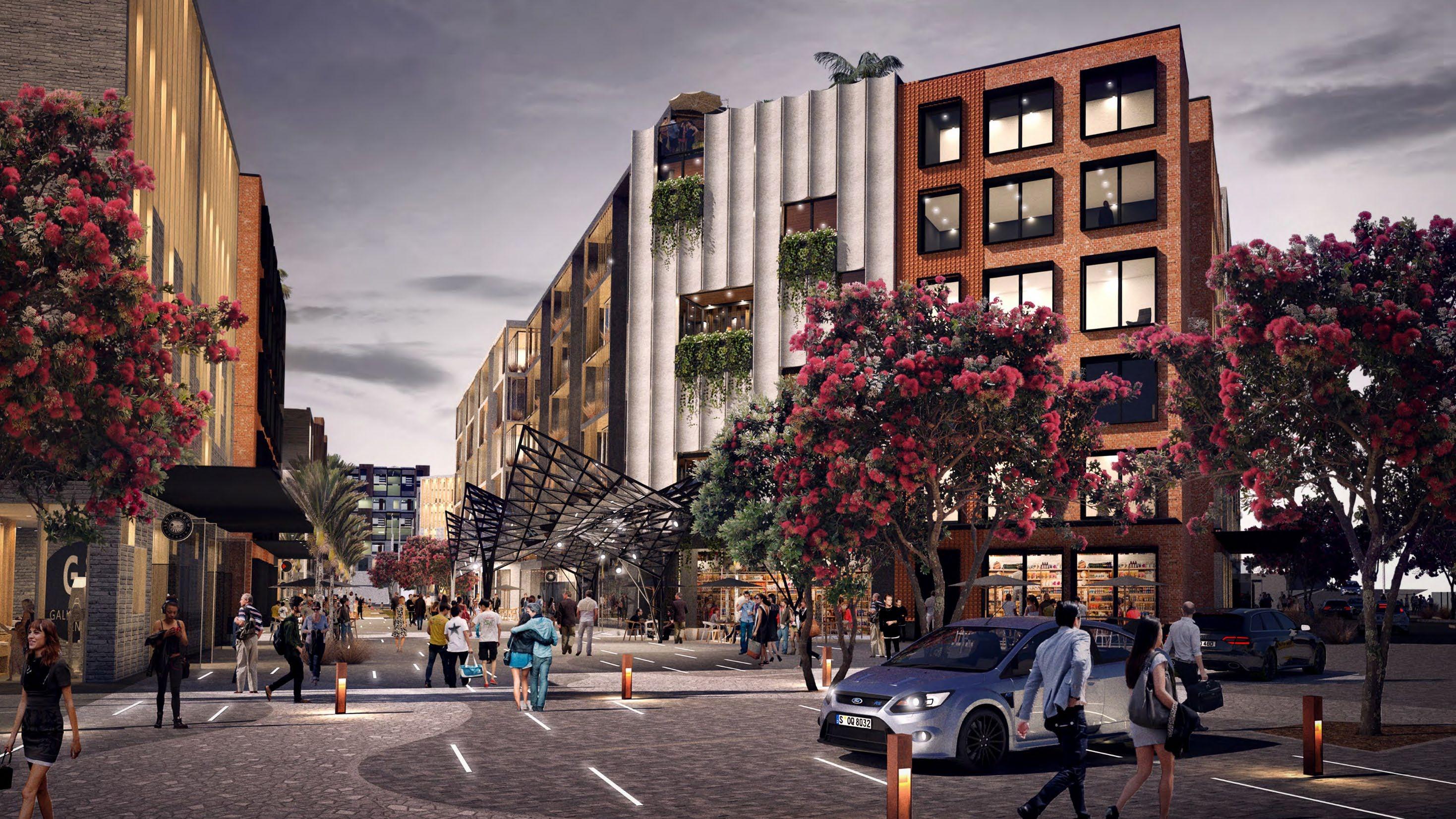
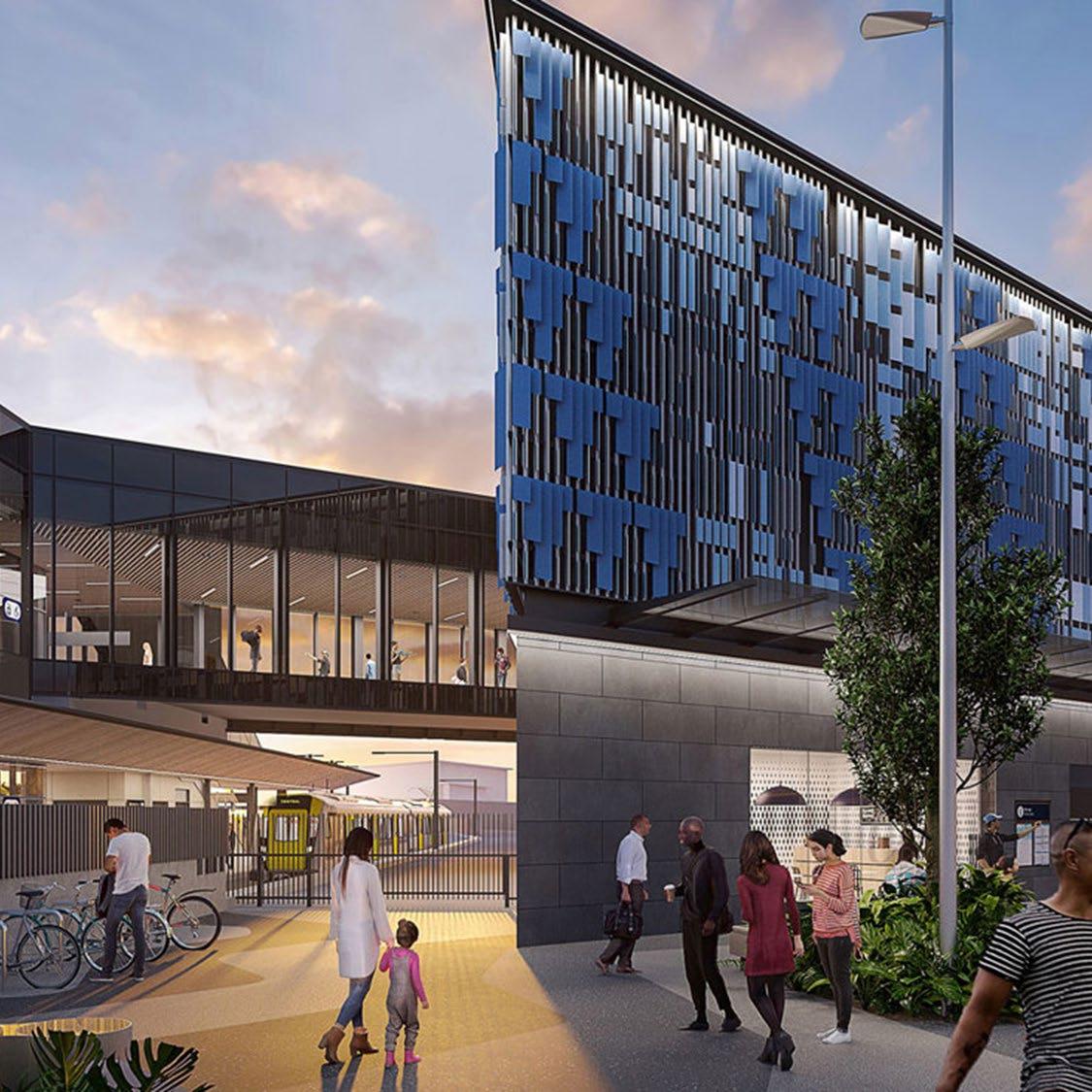
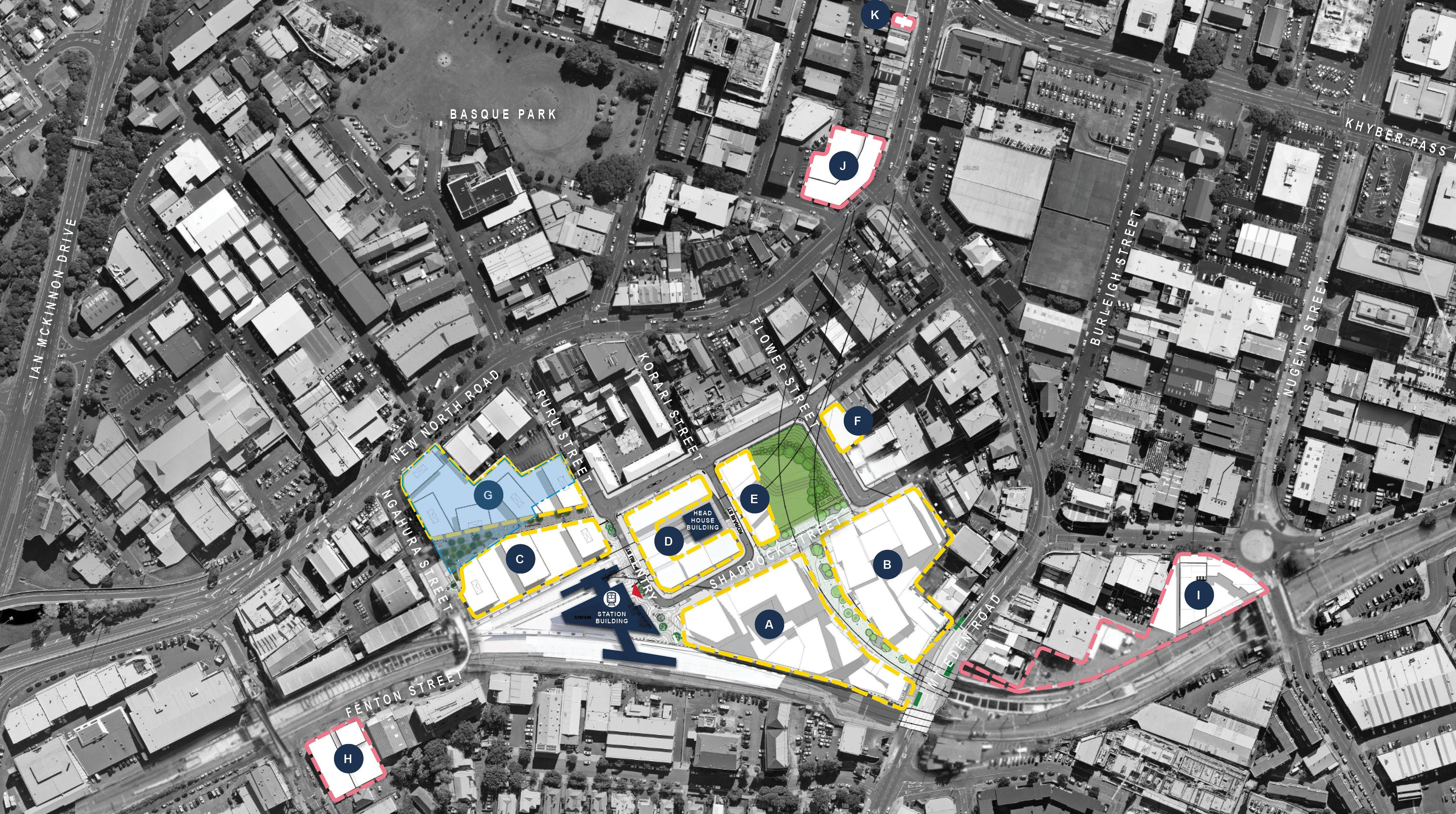
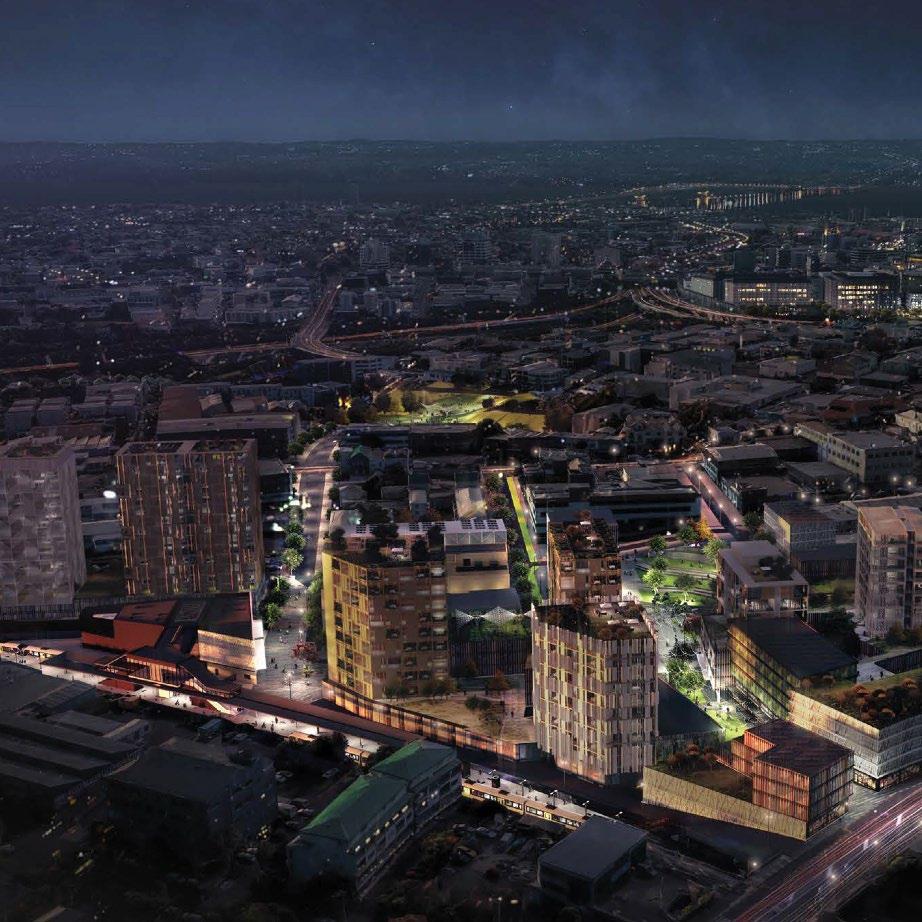
The land around the Maungawhau station is jointly owned by Auckland Council and Central Government. It will be developed to provide more homes, retail, entertainment, and commercial buildings.
In 2022, Eke Panuku (now AUDO) worked with mana whenua, the Local Boards, and stakeholders such as Uptown, to develop a vision and outcomes being sought for the development sites around the station.
• Environmental vitality and climate action
• Mana whenua partnership
• Homes
• Affordable Homes
• Accessibility
• Economic & social well-being (‘Community well-being’)
• Value realization
A Development Plan for the Maungawhau, with the above foundation outcomes, was then approved by the City Rail Link Sponsors in July 2023.
The City Rail Link Sponsors are Auckland Council’s Governing Body, the Minister of Finance and the Minister of Transport.
Park space
Development Timings
• CRLL has required statutory and compliance work to complete on each site.
• Final land transfer arrangements will occur, where the sites are transferred from CRLL to Auckland Council.
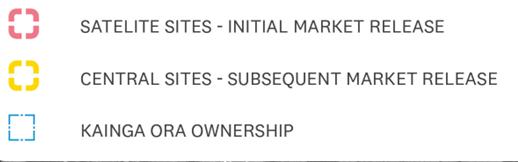
• The satellite sites outside of the main station area are expected to be taken to market in 2026. With the main sites going to market following that.
• Following this, it will take time to find suitable development partner(s), undertake development agreement negotiations and for the selected development partner(s) to finalise designs and obtain relevant consents.
• Construction of any development is likely to start at earliest from 2029, with delivery staged over at least 5 -10 years.
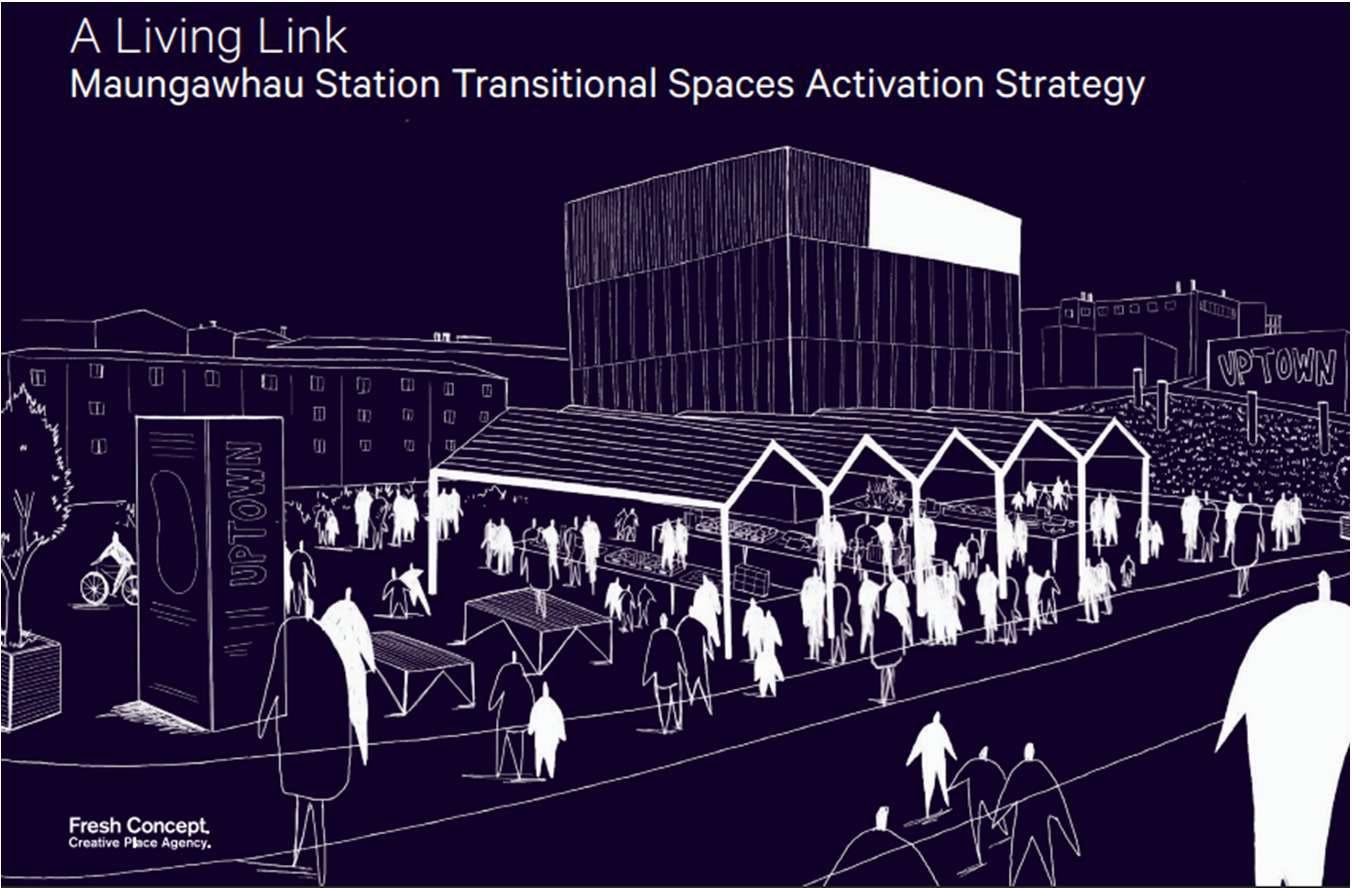
• In the interim, a transitional use plan has been progressed by AT and AUDO for the main sites surrounding the station. The transitional use looks at safety, maintenance and activations.
Transitional use planning
• The role of AUDO in the area is based around on the sale and development outcomes of the sites around the station.
• Unlike other regeneration projects (i.e., Waterfront), the scope of the work had previously meant that there was no mandate, role or resource allocated to support activation or interim use of the development sites.
• As part of preparing station ready plans, in late 2024, Eke Panuku (now AUDO) worked closely with wider council group (CRL, AC, AT) partners to explore options for the development sites surrounding Maungawhau Station for Day 1 and the interim period, prior to any private development occurring.
• This work identified key interventions and considerations to support user safety, security, accessibility, connectivity and quality of place for the station neighbourhoods to thrive post-station opening.
• Recent decisions within Council, following this work, have now allowed for role and resource to be allocated to support activation or interim use, with this work being initially led by AT and Fresh Concept.
• We will update the community on these activation plans in the coming months as part of the wider CRL opening plans.
Stage 2 Urban Realm Works
Stage 2 Urban Realm Works
Stage 2 Urban Realm works
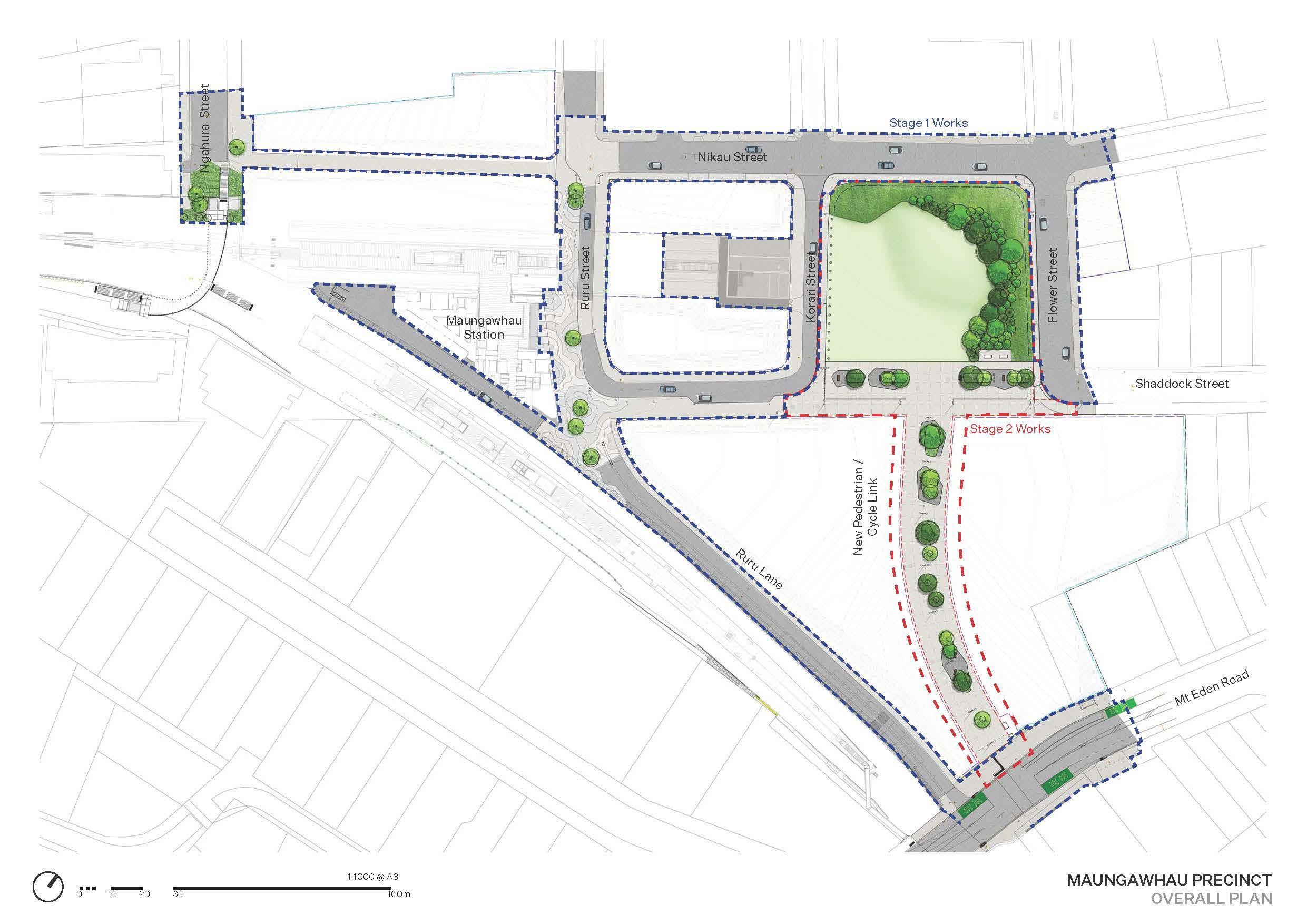
Three key elements:
• Trees and shrubs will be planted over the tunnel portal to create green space for the public, also referred to as the ‘pocket park’
• Construction of Tunnel Link - a wide path connecting Mt Eden Road and Shaddock Street
• Construction of a path connecting Shaddock Street to Maungawhau Station
• Downer has been awarded a contract and started site establishment this week
• Priority activities are planting the tunnel portal and creating the Shaddock St pathway connection to the train station
• Downer construction activities will be included in the weekly works notification sent on Fridays by Link Alliance – one stop-shop for all updates
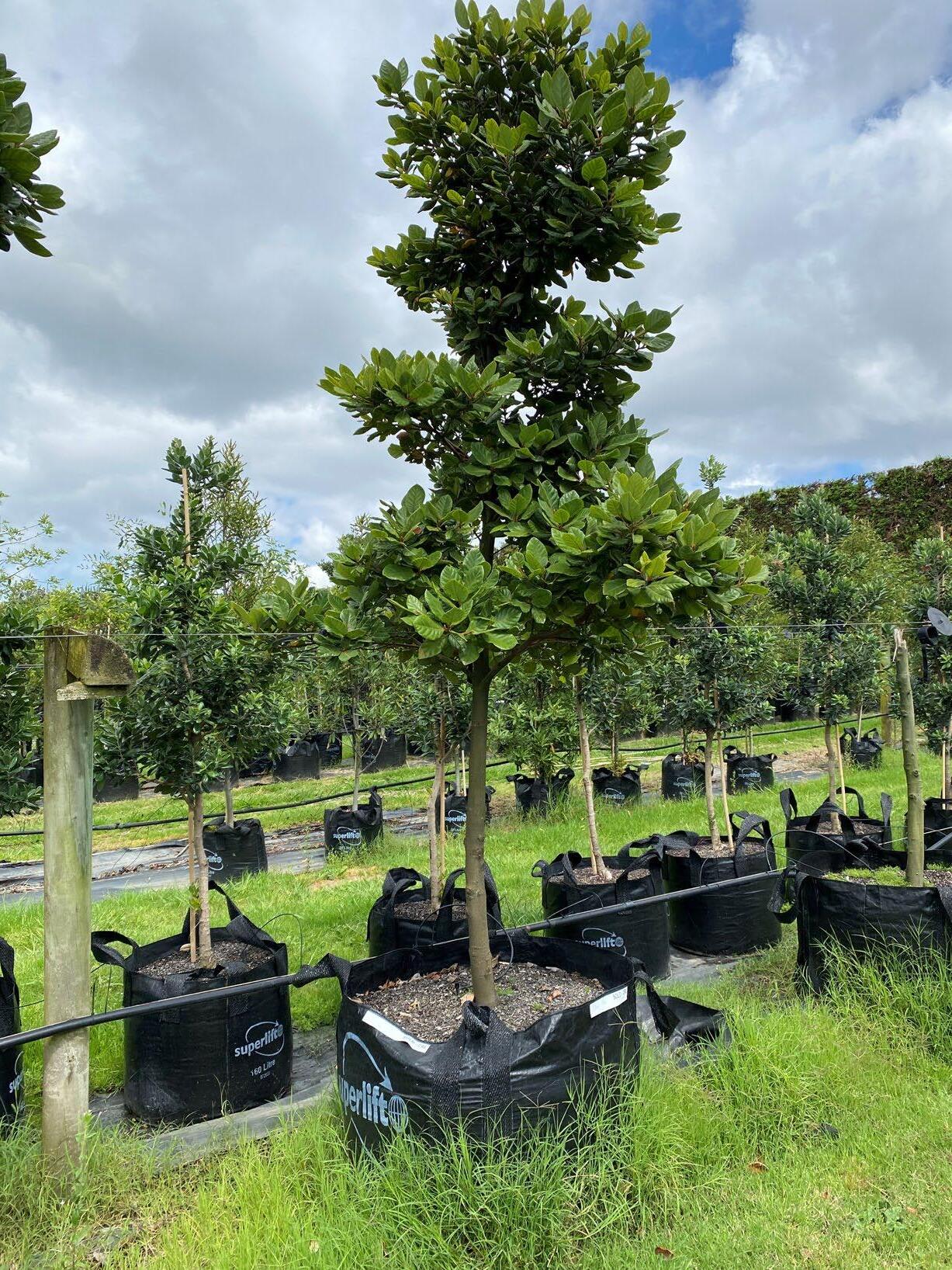
• Pictured opposite – some of the trees growing at BlackBridge nursery near Auckland Airport
Meet the Downer team delivering the works
• Project Manager – Richard Brooker
• Project Engineer – Harwinder Singh
• Stakeholder Manager – Annmarie Holst
Key Construction Information
Duration: April to December 2026
Working hours: 7am–7pm, Monday to Friday - occasional Saturday works may be required
Staging: Opening of any completed works will align with the opening of CRL
Some limited night works may be required for specific activities. Where this is necessary, affected stakeholders will be notified in advance.
Key construction activities:
• Drainage and underground utility works
• Landscaping preparation works, including excavations, subsoil works
• Concrete pours and tile installation
• Streetscape works, including signage, seating and street lighting
• Tree pits and final landscaping works, including topsoiling and planting
What this means for you
• Existing temporary fencing will remain and be modified as needed around the site to maintain a safe and secure work area.
• Safe access will be maintained for residents, pedestrians, cyclists, and vehicles.
• Noise, dust, and site appearance will be actively managed throughout construction
• Changes to access, traffic, or working hours will be clearly signposted and communicated
• Updates will be provided ahead of any disruptive works or night works
Indicative staging Stage one:
April to August 2026
Works Location
Site Laydown
Site Offices Works Location
Indicative staging Stage two: August to October 2026
Site Laydown
Office Works Location
Indicative staging
Stage three: October to December 2026
Site Laydown
Offices
Environmental Impact Management
Dust / Air Quality Management
• Water used to reduce dust during dry or windy conditions
• Exposed areas covered or stabilised
• Dust monitored and addressed quickly if issues arise
Noise Management
• Construction carried out within approved hours
• Equipment maintained to minimise noise
• Advance notice provided for any noisier works & night works
Site Appearance
• Worksite kept tidy and well organised
• Clear fencing, signage, and safe access around the site
• Rubbish and unused materials removed regularly
Testing & Commissioning Update
Kelvin Arteaga - TCSI Manager
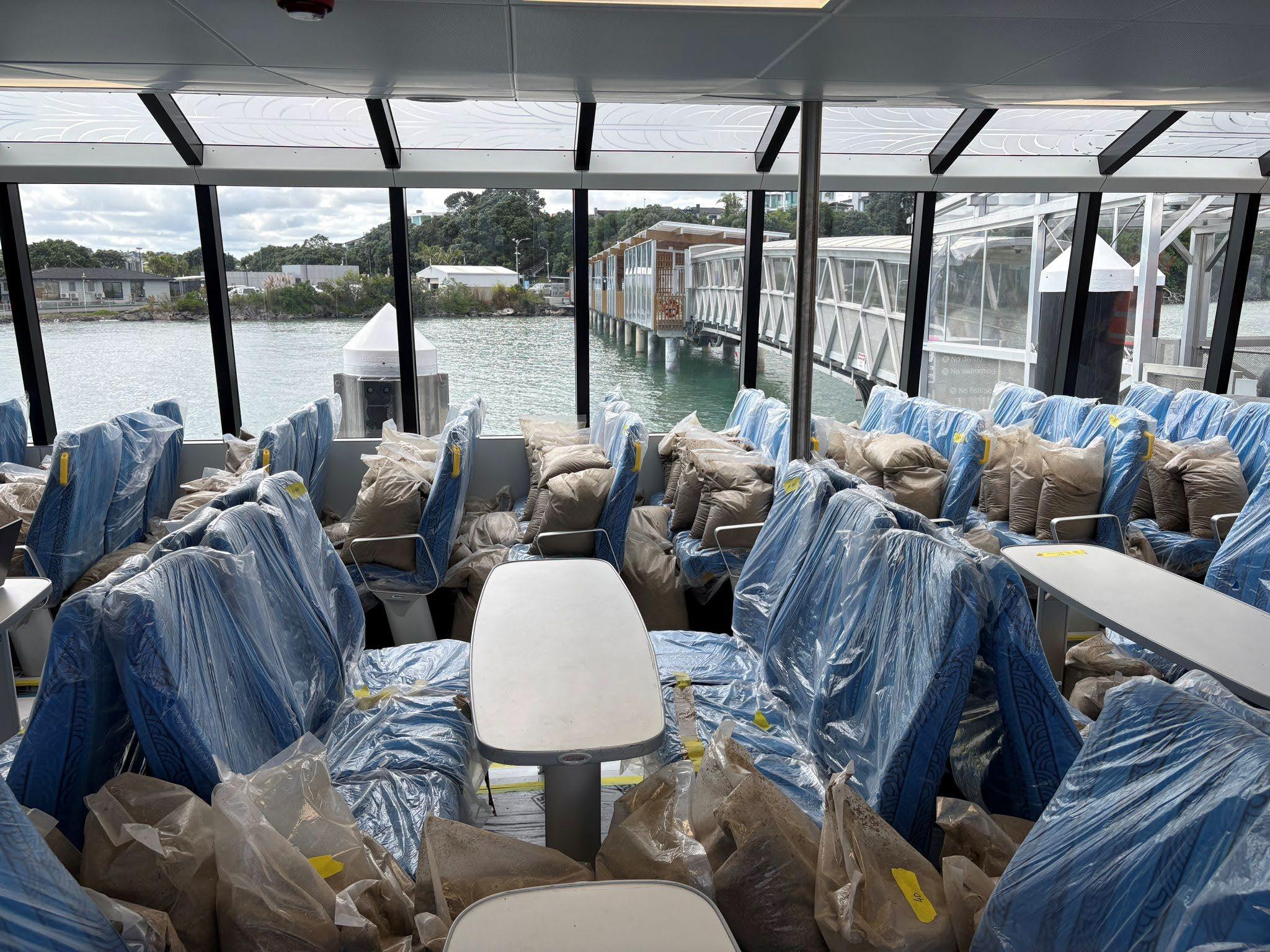
Sustainability spotlight: testing sandbags reused for electric ferries
Most of the sandbags from our initial braking tests were donated to EV Maritime to simulate the weights of passengers. After a brief time in storage, they recently made it onto the harbour for sea trials!
AT is introducing electric ferries to their Waitematā fleet as part of sustainability and decarbonisation efforts.
What is happening now?
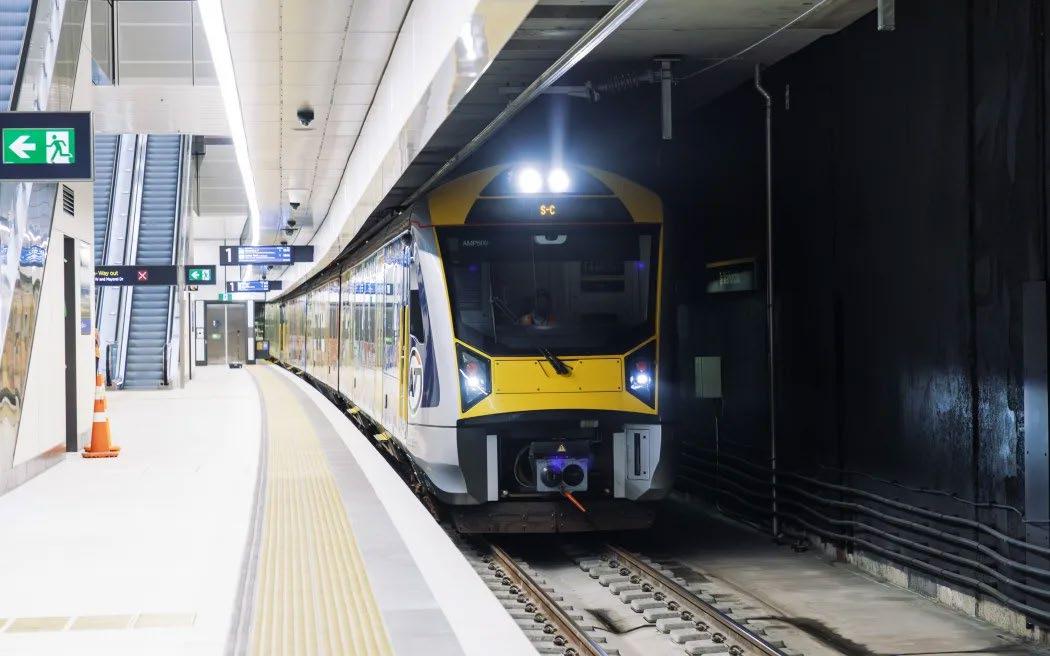
• We are in the final phase of the project
• This phase is called Testing & Commissioning
• We are making sure all systems work safely together
• Before opening to passengers
Construction
Testing (NOW)
Trial Operations
Opening
Why do we need to test?
• First: test individual systems
• Then: test how systems connect
• Finally: test real-life scenarios
“Like testing a car before driving it”
Real-life scenarios
Systems working together
Individual Systems
Why is it complex?
• Many systems working together:
Trains
Signals
10,000+ Tests
350+ Test Documents
30+ Subsystems
Ventilation
Alarms
Communications
• All systems must respond correctly at the same time
Spotlight: noise effects on neighbours
• Alarm and PA sounds are part of safety testing
• They simulate real emergency scenarios
• We have made improvements to reduce impact:
Lower volume where possible
Shorter duration
Better planning of testing times
What happens next?
• Moving into Trial Operations
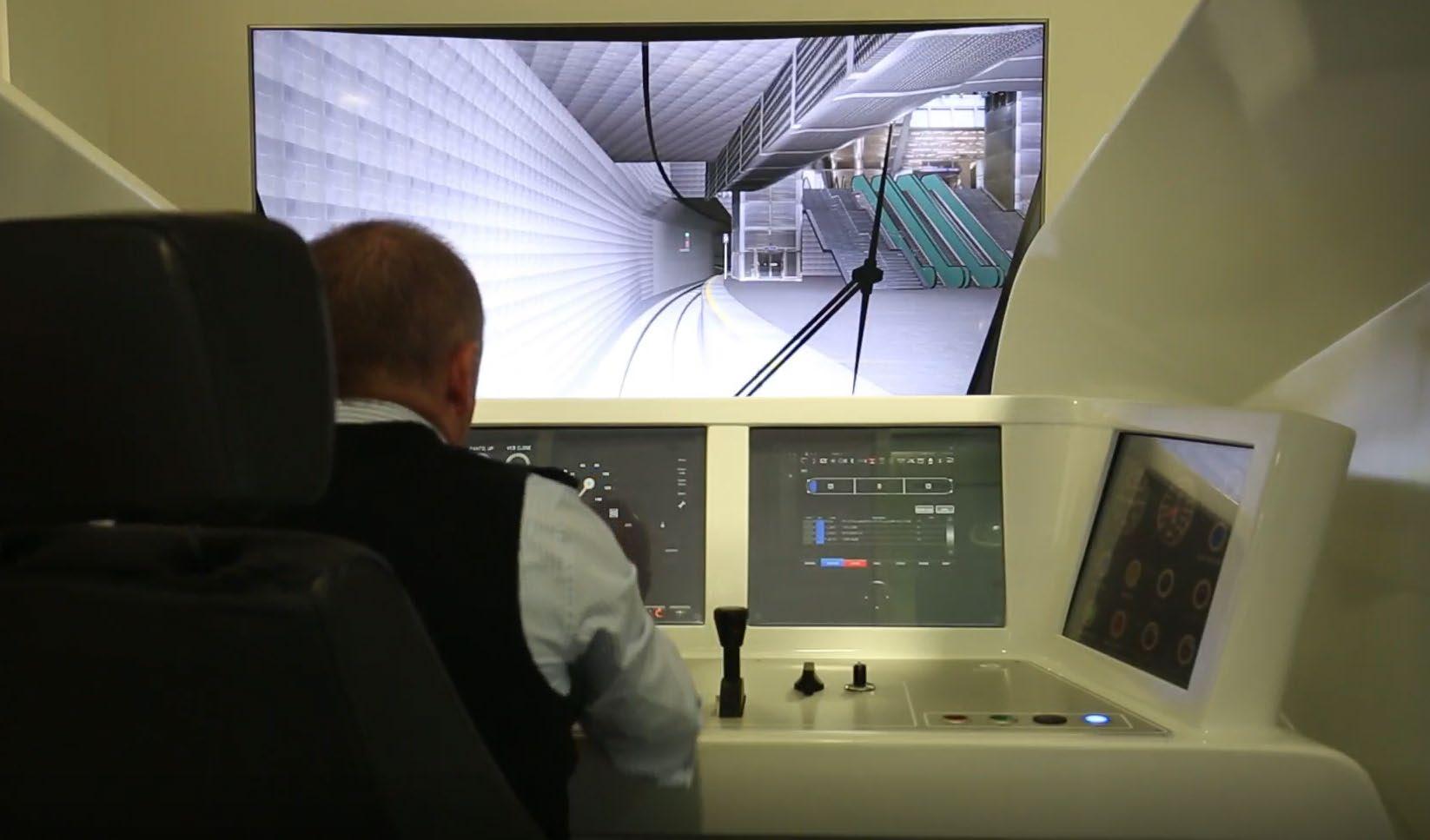
• Running trains through the network
• Testing:
• Normal operations
• Disruptions
• Emergency scenarios with emergency services
• Getting ready for opening
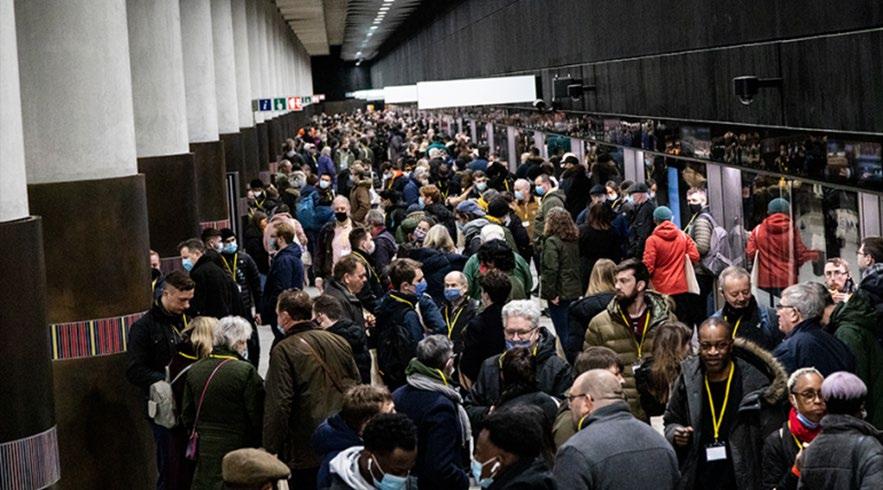
• Photo opposite shows an overseas example of emergency testing
• Safety is our top priority
• Testing is temporary
• We are getting close to completion
• Thank you for your patience
Auckland Transport Getting Ready for CRL
Maungawhau information session
15 April 2026
Improved journeys across Auckland
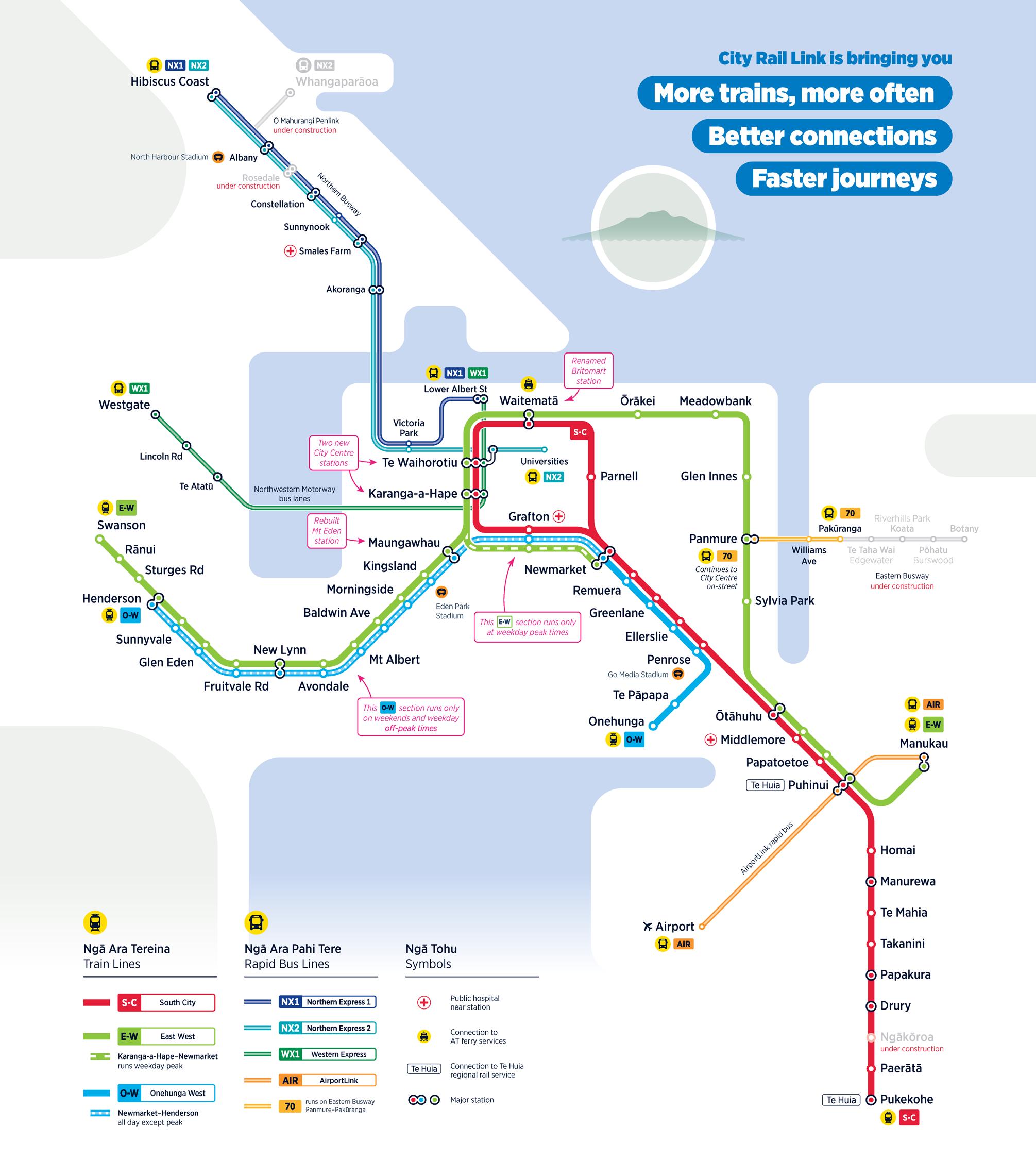
• CRL gives us new stations in the City Centre and a enables a rethink of the rail network.
• Eastern and Western Lines become connected via the CRL tunnels.
• Southern line forms a ‘loop’ through the central city (runs both directions)
• Services will run from Onehunga to the west. Initially full length of line is off-peak only.
Changes to some key journeys:
New Direct Train Connections across the city
• Manukau to Eden Park
• New Lynn to Sylvia Park Mall
• Panmure to Karangahape Road
• Pukekohe to Aotea Centre
Journey Time Reductions
• Henderson to the new Te Waihorotiu Station in the central city in just 35 minutes
• Mt Eden (Maungwhau) to downtown (Waitematā) in under 10 minutes
• Ellerslie to Karangahape Road in 20 minutes
Easy connections to frequent bus routes
Initially, a temporary timetable to be stepped up over time
Key travel benefits for western customers
New direct, frequent, quicker, single-seat rail access to Midtown and K’ Road precincts, doubling the number of people that can access the city centre by rail in 30 minutes or less.
Reduced travel times to Downtown, Midtown and K’ Road precincts on a direct single-seat route.
• A trip to Waitematā will be 10 minutes faster.
• Time savings are bigger getting to K' Road or Midtown, with the new stations eliminating the need to walk or transfer to a bus. A journey from Henderson to Midtown will take 35 minutes, about 24 minutes shorter than current public transport options.
Western and Eastern lines will be combined. It will be possible to travel from Mount Albert to Panmure, Sylvia Park or Manukau on a single train. Or to Puhinui where the AirportLink bus meets trains.
At peak times there will be a train on average every 7 – 8 minutes (improved from every 10 minutes today)
*After service increases following the temporary transitional period
At off-peak times there will be a train every 15 minutes (improved from every 20 minutes today).
Western services to Grafton & Newmarket
• When the CRL opens, trains on the East West Line will run through the new underground tunnels and city centre stations to deliver faster, more reliable journeys for most customers.
• To realise the benefit of CRL and to keep the network operating efficiently at high frequency, these services will no longer stop at Grafton and Newmarket during peak times.
• Customers from the west travelling to Grafton will still have easy public transport options, including a short, fully indoor transfer across one platform at Karanga-a-Hape Station to a South City Line train, or you can exit at Maungawhau and hop on a bus.
• Outside peak periods, Onehunga West Line trains from Henderson will stop at Grafton and Newmarket on their way to Onehunga.
• Transfers are a common feature of modern metro systems around the world - and are necessary to operate a frequent, reliable network within the physical constraints of Auckland’s rail system.
• In future, as demand grows and as infrastructure upgrades are completed (like removing or replacing level crossings, and improving signalling), AT will be able to operate the Onehunga West Line service throughout the whole day, not just at off-peak times.
Bus network changes
CRL means a whole-of-network change for public transport
• As well as more frequent trains, we are improving the bus network.
• The wider bus network will be aligned to the new train frequencies with improved services – south, west.
• Buses in the central city are changing to align to the new stations as streets are improved.
• Some reduction in bus capacity where improved rail to central city can replace
Mid 2025: New north-northwest link (frequent 12)
June 2026: Frequent routes integrate with Western rail corridor
November 2025: Remove peak only 309X bus (Mangere – City); better connections to Otahuhu station
Mid 2026: Removal of peak bus capacity along New North Rd and Sandringham Rd
November 2025: Manukau sees frequency boost into new high demand areas
April 2026: Frequent routes integrate with Southern rail corridor and new stations
Getting Ready for CRL
Opening CRL: transport system
• Delivers the CRL
• Tunnels & Tracks
• Stations
• Immediate urban realm
• Tests and commissionsensure assets are ready to hand over.
• Receive station assets at hand over
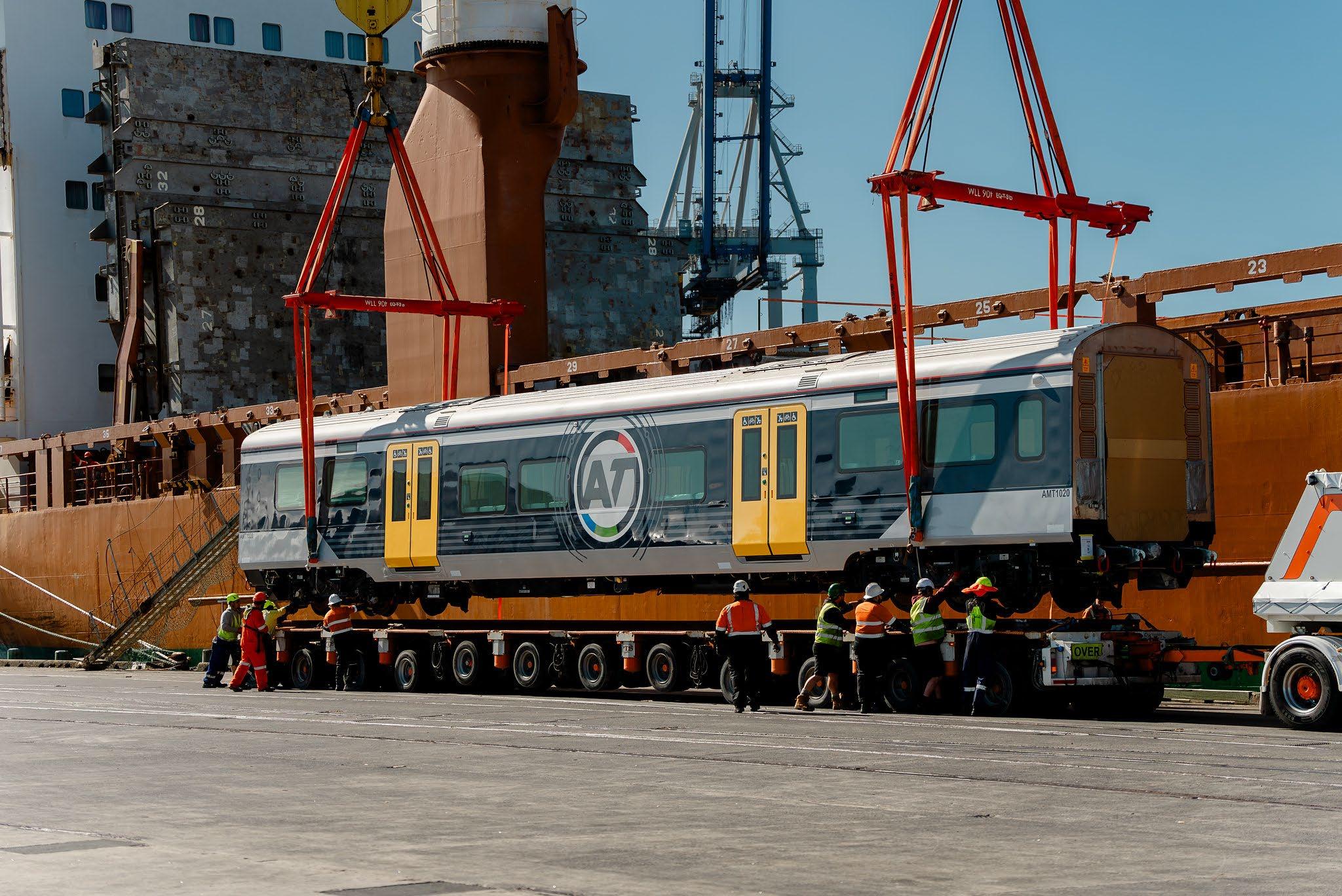
• Get ready to operate public transport services with rail franchise Operator and new maintainers
• Plan train services and integrated bus services
• Precinct streetscape, footpath and bus infrastructure projects and pre-CRL level crossing treatment projects
• Receive track and tunnel assets at hand over
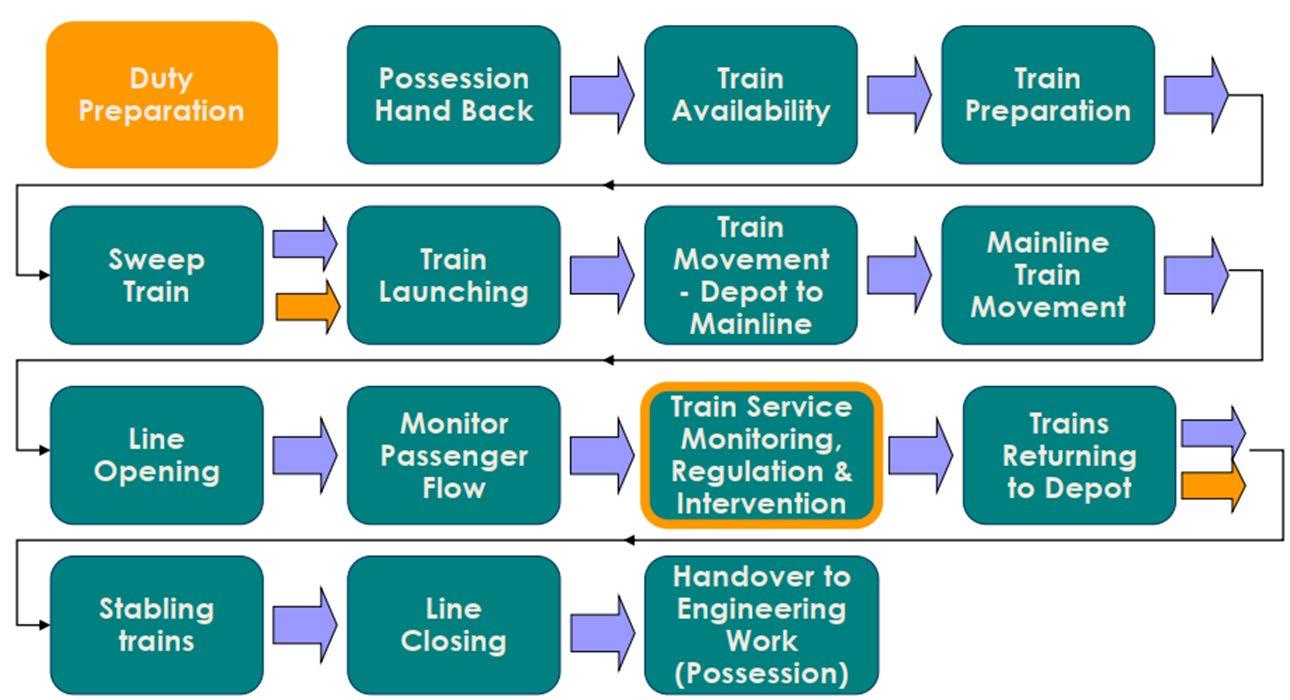
• Rail network readiness
• Rail Network Rebuild
• Rail network projects (e.g. Third Main)
• Get ready for new rail operating framework
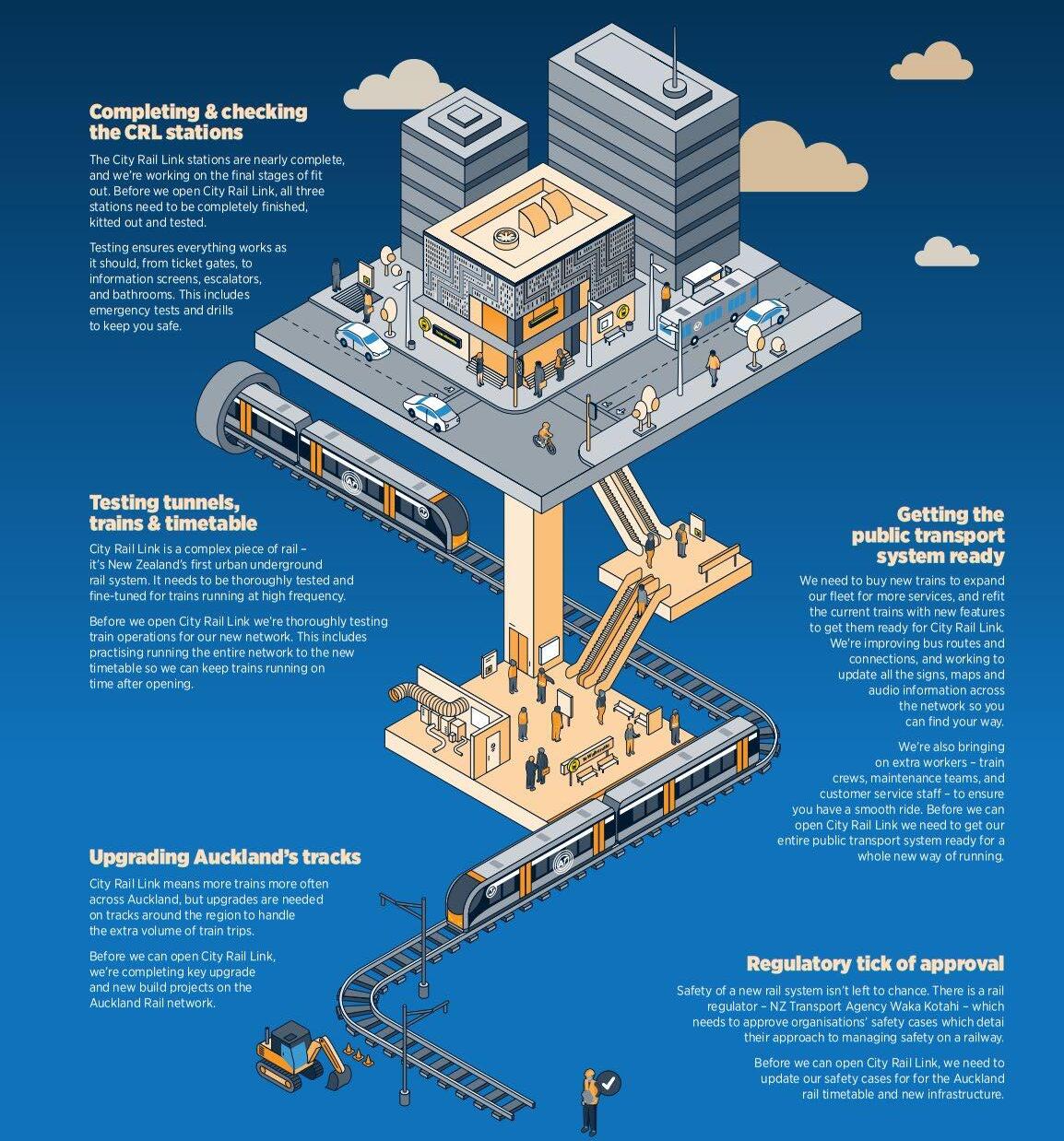
What does it take to open City Rail Link?
Getting ready to open CRL requires the whole system to be ready, and a lot of thorough testing.
• Stations are completed, and tested
• Train operations in the new tunnel, and across a whole new timetable have been tested
• The wider public transport system is ready
• The rail network is ready
• The rail safety regulatory approvals are in place