2025 – 2026

2025 – 2026
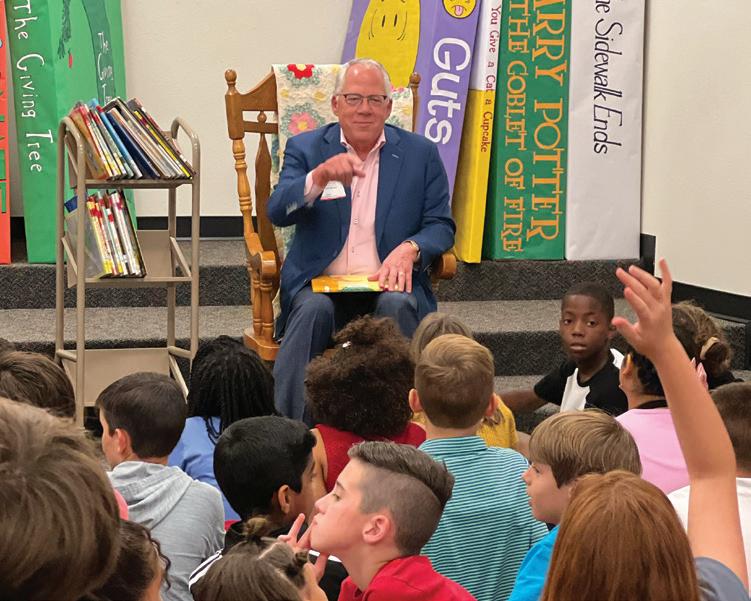
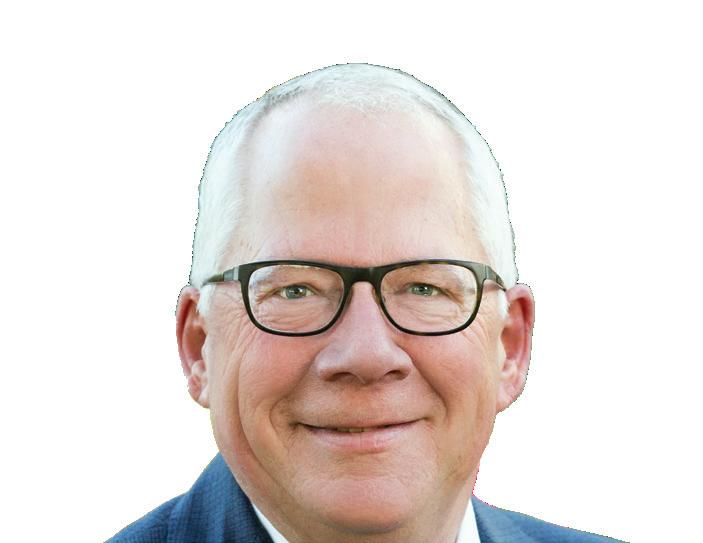
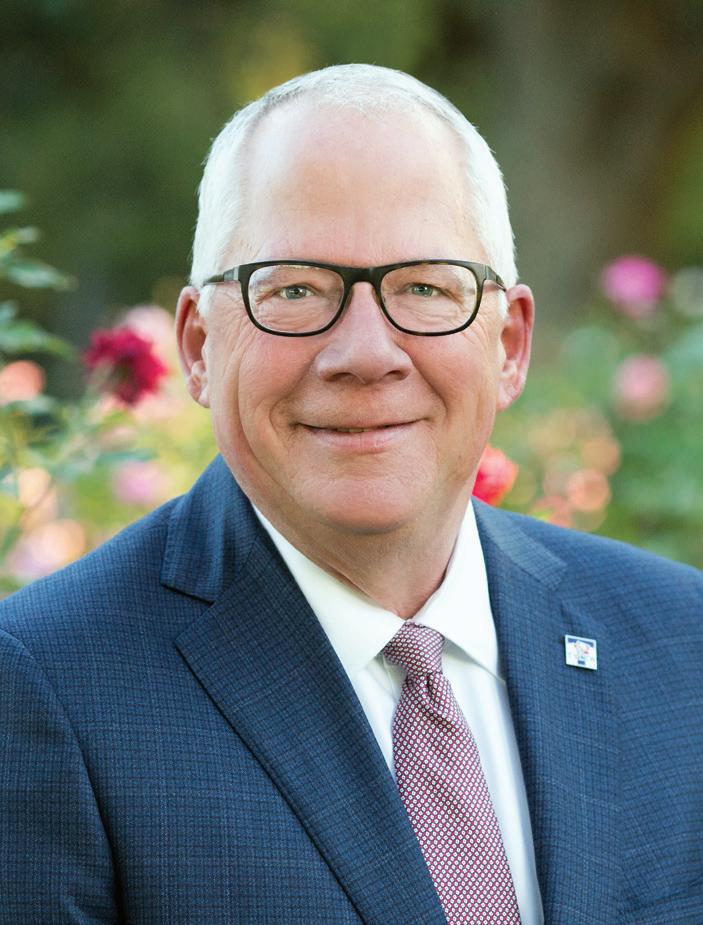
s my final term as Mayor comes to a close, I am grateful for the trust you placed in me and for the relationships that carried this work forward. I have always believed leadership is rooted in love for people, a belief reinforced by our City Council, City staff, and a community that consistently shows up for one another.
I may be a dreamer with big ideas, but none of what we’ve accomplished happened alone. Together, we turned shared hopes into real progress across the Rose City. Along the way, we delivered projects to support everyday life in Tyler, including improvements to our beautiful parks, upgrades to roadways and pedestrian access, modernized infrastructure, and more.
These achievements belong to all of us. They are the result of listening, collaboration, and a deep care for our neighbors. Compassionate leadership is not about any one role or title; it is about how we treat one another and how we choose to move forward together.
While my chapter as Mayor is ending, our story continues. I remain hopeful because this community is strong, connected, and grounded in care for one another. Thank you for leading with love alongside me and for reminding me, every day, what it truly means to be Called to Serve.
With gratitude,
Don Warren Mayor | City of Tyler, Texas
Our foundation is the people who care for one another and take pride in the place we call home. That shared responsibility shapes how we serve our community and guides our work this year with a simple focus: Core Services, Strong Foundations.
Every day, City employees deliver the essential services that make life in Tyler safe, reliable, and full of opportunity.
Public safety continued to anchor those efforts. Supporting the men and women who serve as first responders means more than readiness in moments of crisis. It means safer neighborhoods and businesses, greater peace of mind, and a community that feels supported and secure.
As always, we rolled up our sleeves to strengthen and maintain the infrastructure you rely on every day. Through thoughtful investment in streets, drainage, and traffic, we are strengthening connectivity, protecting homes, and preparing Tyler to function smoothly as it grows. Additionally, we are rehabilitating our entire water and wastewater systems to maintain the confidence that essential services will be there when needed.
Quality of life is built in the places people share, and the City is steadily improving parks, public spaces, and community amenities across Tyler. Each update is designed to ensure our shared spaces remain welcoming and accessible. Together, these improvements preserve the sense of place that makes Tyler feel like home.
Above all, this work reflects a shared commitment to the City we all call ours. The strength of Tyler lies not only in its services and systems, but in the people who take responsibility for where we live and the future we are shaping. That sense of ownership is what keeps our city strong and continues to move Tyler forward.
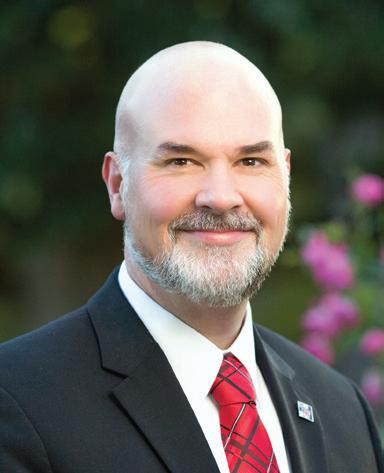
Edward Broussard City Manager | City of Tyler, Texas
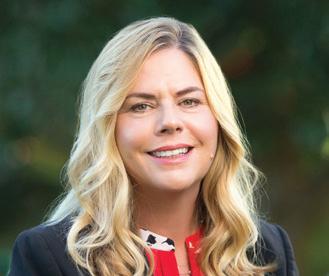
STEPHANIE FRANKLIN
DEPUTY CITY MANAGER
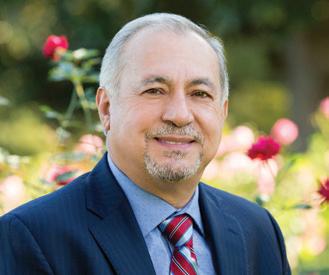
BENNY YAZDANPANAHI CHIEF INFORMATION OFFICER
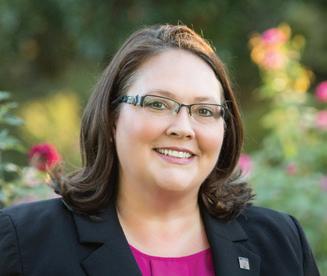
HEATHER NICK ASSISTANT CITY MANAGER
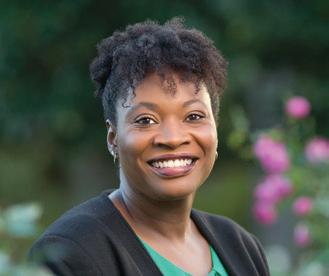
REGINA MOSS DIRECTOR OF ORGANIZATIONAL DEVELOPMENT
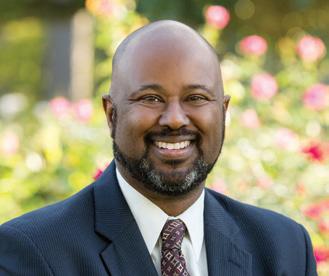
KEIDRIC TRIMBLE ASSISTANT CITY MANAGER
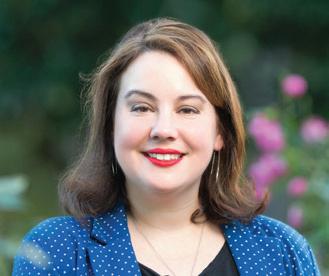
JULIE GOODGAME DIRECTOR OF MARKETING, COMMUNICATION AND LEGISLATIVE AFFAIRS
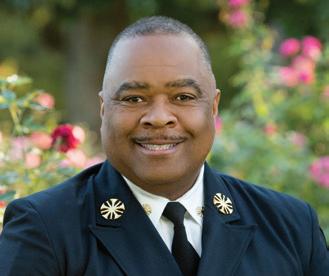
DAVID COBLE FIRE CHIEF
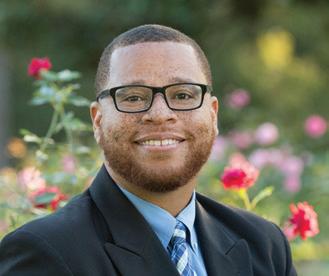
LEROY SPARROW DIRECTOR OF SOLID WASTE, TRANSIT AND VES
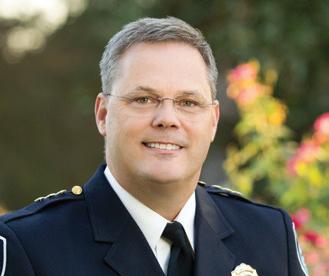
JIMMY TOLER POLICE CHIEF
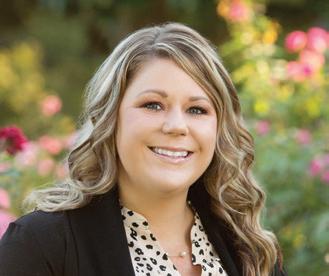
LEANNE ROBINETTE DIRECTOR OF PARKS AND RECREATION
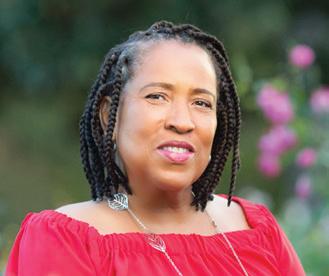
DEBORAH PULLUM CITY ATTORNEY
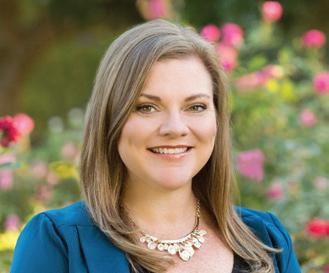
KATE DIETZ DIRECTOR OF UTILITIES
BUDGET 101:
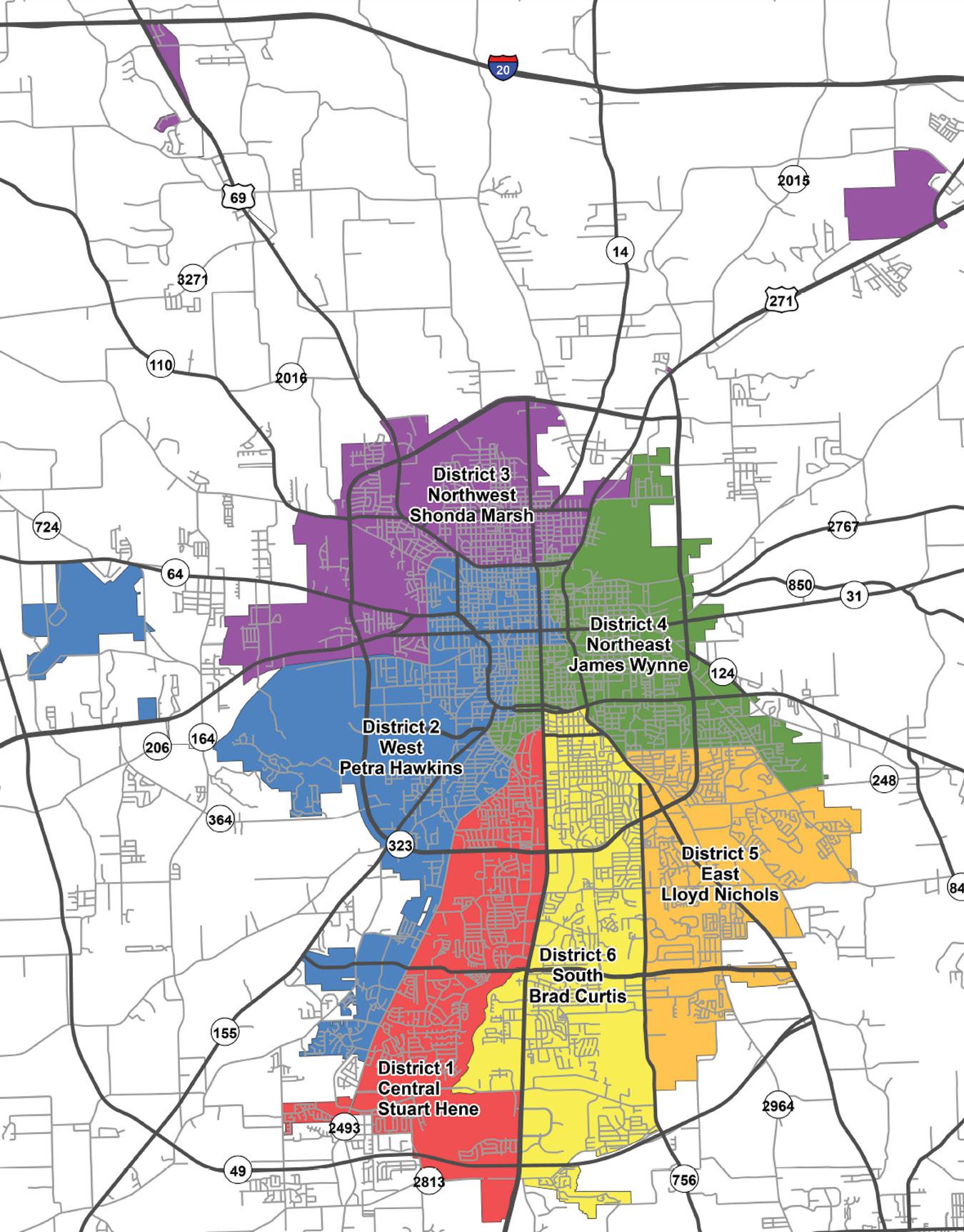
District 1 is located between Old Jacksonville Highway and South Broadway Avenue in the southern part of the city. It is home to several miles of hiking and biking trails, including those at Faulkner Park and the newly developed Legacy Trails trailhead.
District 2 is located on the west side of Old Jacksonville Highway, and includes the Tyler Pounds Regional Airport and the newest trailhead for Legacy Trails. It is home to Tyler’s vibrant downtown entertainment district
District 3 is located on the northwestern bounds of the city limits. Rich in history, it is home to the Texas College campus: the oldest institution of higher education in yler, the East Texas State Fair and the Caldwell Zoo, Tyler’s most visited tourist attraction.
District 4 is located on the northeastern side of Tyler between McDonald Road and East Gentry Parkway. It is home to Tyler’s historic Azalea District, Bergfeld Park and Amphitheater, Brick Street Village, and the Tyler Junior College.
District 5 is located south of McDonald Road and east of Paluxy Drive. It houses The University of Texas at Tyler, which brings more than 10,000 students to Tyler annually.
District 6 is located between Paluxy Drive and South Broadway Avenue. It is home to the Village at Cumberland Park, Tyler’s newest restaurant and retail destination. It houses the popular Southside Park and Rose Rudman Recreational Trail, one of the most utilized trails in Tyler.
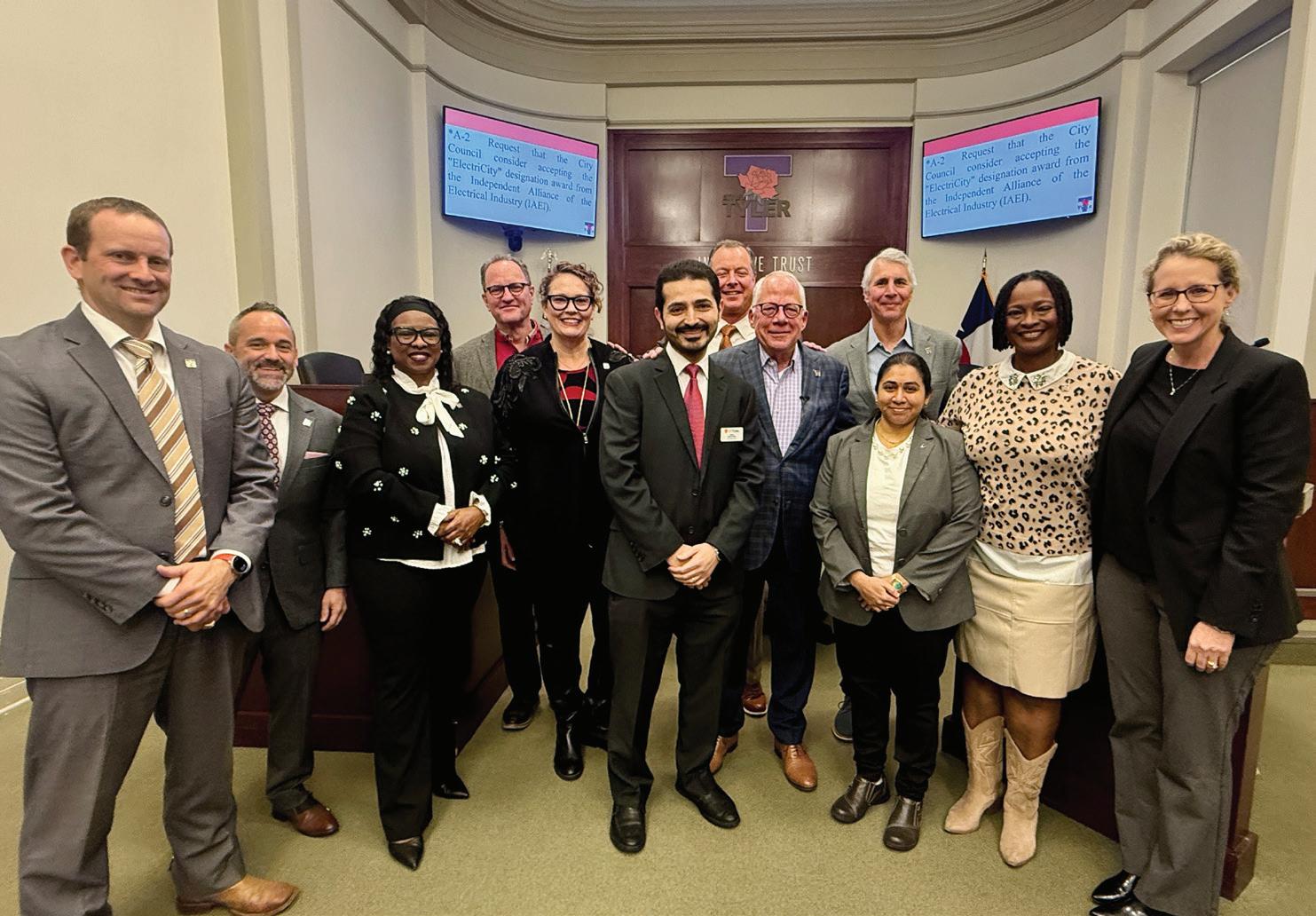
• 11th city in the nation to be designated as ElectriCity by the International Code Council and the Independent Alliance of the Electrical Industry.
• Named second best place to live in Texas by World Atlas
We are tapping into one of the community’s greatest assets, local talent. Through a new partnership with the University of Texas at Tyler, the City is connecting classroom learning with community needs to build safer and smarter transportation systems.
Key areas of collaboration include infrastructure assessments, traffic flow modeling and analysis, smart transportation and intelligent traffic systems, and sustainable approaches to pavement design and maintenance. The partnership also emphasizes student engagement, offering UT Tyler students hands-on opportunities to contribute to City projects while gaining real-world experience in civil engineering and transportation planning.
By working together, the City and UT Tyler aim to advance a transportation network that is safer, more efficient, and sustainable. The collaboration also supports workforce development by preparing the next generation of engineers to tackle real challenges in the community they live.
The partnership reflects a shared commitment to innovation, education, and community impact, positioning Tyler as a City that values collaboration and forward-thinking solutions to meet growing infrastructure needs.
• Named fourth best cookout city in America by Lawn Love
• Platinum Winner in Government Video for “2025 State of the City” by MarCom
• Platinum Winner in Publication for “All of Tyler: Annual Report 2024-2025” by MarCom
• 13th Consecutive National Accredited Main Street Designation
• 38th Consecutive Certificate of Achievement Award for Excellence by the Government Finance Officers Association
• 17th Consecutive Distinguished Budget Presentation Award by the Government Finance Officers Association
• 19th Consecutive Gold Star Affiliate Award from Keep Texas Beautiful
• 17th Consecutive year as Tree City USA
• 10th Consecutive Tree City USA Growth Award by the Arbor Day Foundation
• 11th Consecutive Certificate of Achievement for Planning Excellence by the American Planning Association
• 30th Consecutive year to receive CALEA Accreditation
• Texas PRIMA Risk Management Achievement Award for the National Safety Month Campaign
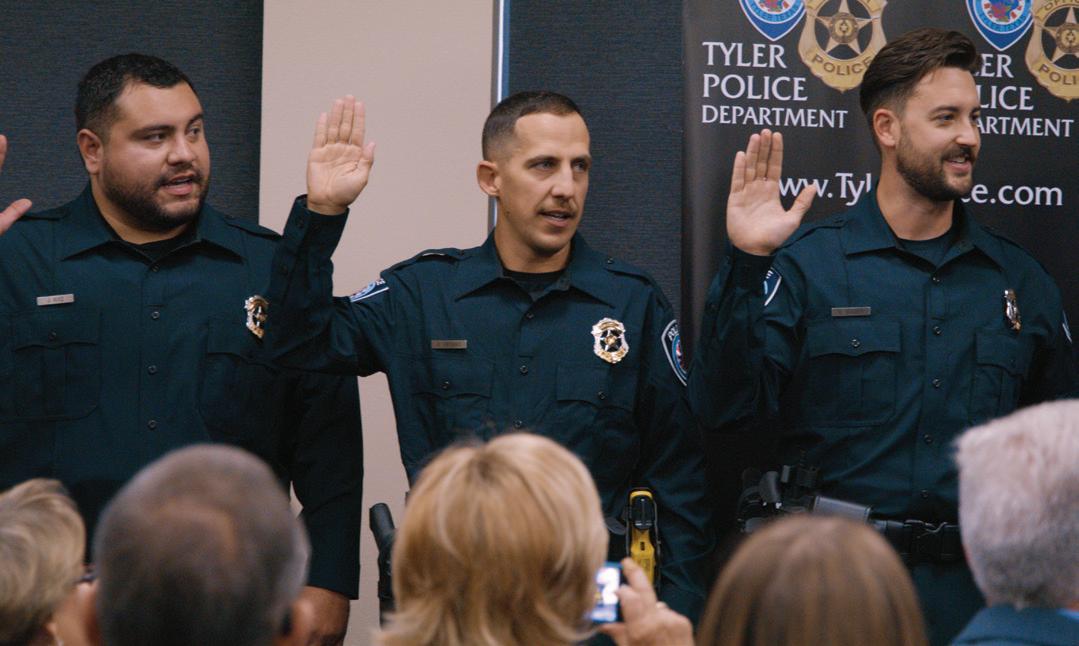
In Tyler, a badge is more than a symbol; it’s a promise to every neighbor, child, and family who calls the City home. Nearly one in four of our 204 sworn officers has dedicated more than twenty years to serving Tyler, and our 13-year average tenure speaks not just to loyalty, but to the bonds we form with the people we serve. Our story is one of shared trust, compassion, and a deep sense of responsibility to every community member.
Since 1995, at the Tyler Police Department, we have held ourselves to a standard that fewer than 3% of departments nationwide ever reach: reach: accreditation by the Commission on Accreditation for Law Enforcement Agencies. For 30 years, this commitment has been about more than recognition; it’s about assuring every resident that their safety and well-being come first. Earning and maintaining this status, is our promise to always place people at the heart of everything we do.
To our officers, this accreditation is more than a certificate. It’s a daily reminder that excellence comes from putting
people first. Whether an officer dreams of joining SWAT, negotiations, or the color guard, they know their growth is rooted in fairness and respect, ensuring that those who serve our community reflect its values and spirit.
We believe that to serve the community well, we must first care for our officers: honor their dedication and support their well-being. TPD is committed to transparent and merit-based processes that allow our officers to grow and contribute their best selves.
For our community, this means every officer you meet, whether at a neighborhood block party, in a moment of crisis, or during a quiet patrol, has earned their place through integrity and compassion.
This stability is a magnet for professionals who value the craft of policing. We see it in the experienced officers who move from across Texas and states like California, Oregon, or Washington to join our ranks. When paired with our longtenured veterans, this creates a premier environment for our newest recruits. This wealth of knowledge ensures that those just beginning their journey are mentored by the very best. By keeping seasoned professionals in Tyler, we are building a cycle of excellence.
Our city is known for more than blooming flowers and beautiful brick streets. Tyler’s true beauty lies in the people who live, work, and grow here, and in the unwavering commitment of those who protect them. The Tyler Police Department’s core services: public safety, community trust, and a promise to always listen, are the bedrock that supports families, businesses, and dreams. As we look to the future, we pledge to remain rooted in compassion and service, so that every person in Tyler feels safe, seen, and valued.
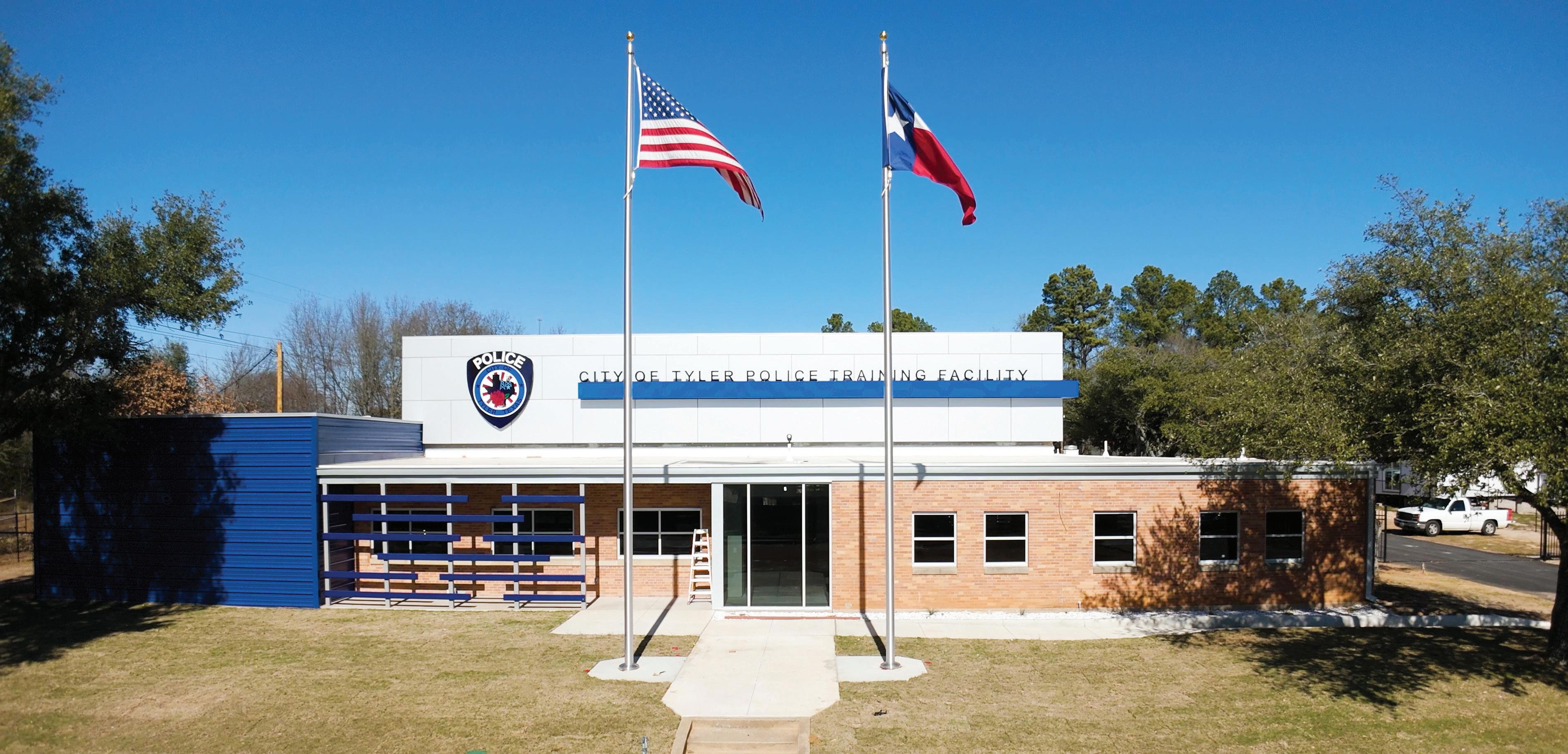
This spring, the Tyler Police Department expanded its regional footprint by opening a state-of-the-art training facility, creating a central education hub for cadets and current officers as well as allowing a space for smaller agencies to engage in activities to ensure consistency in response across the region.
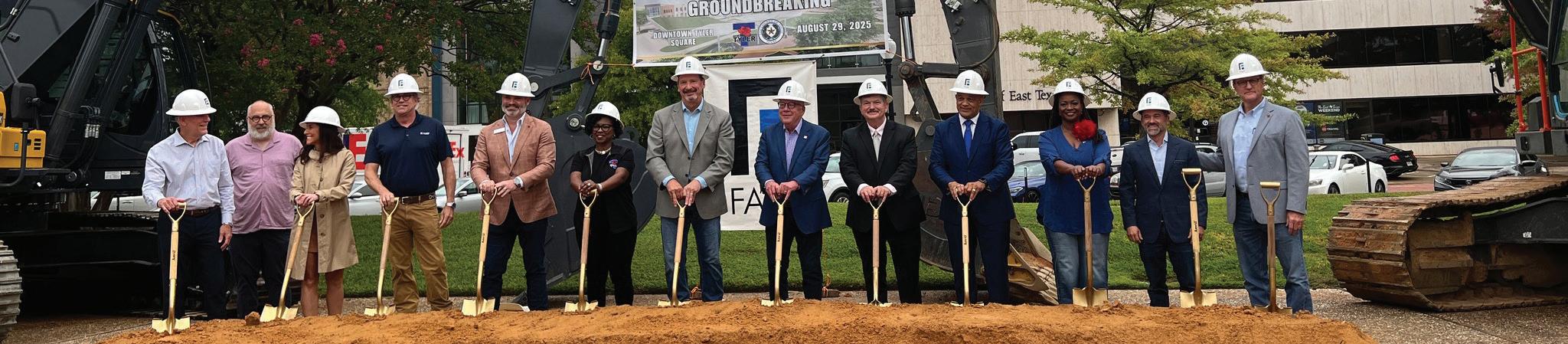
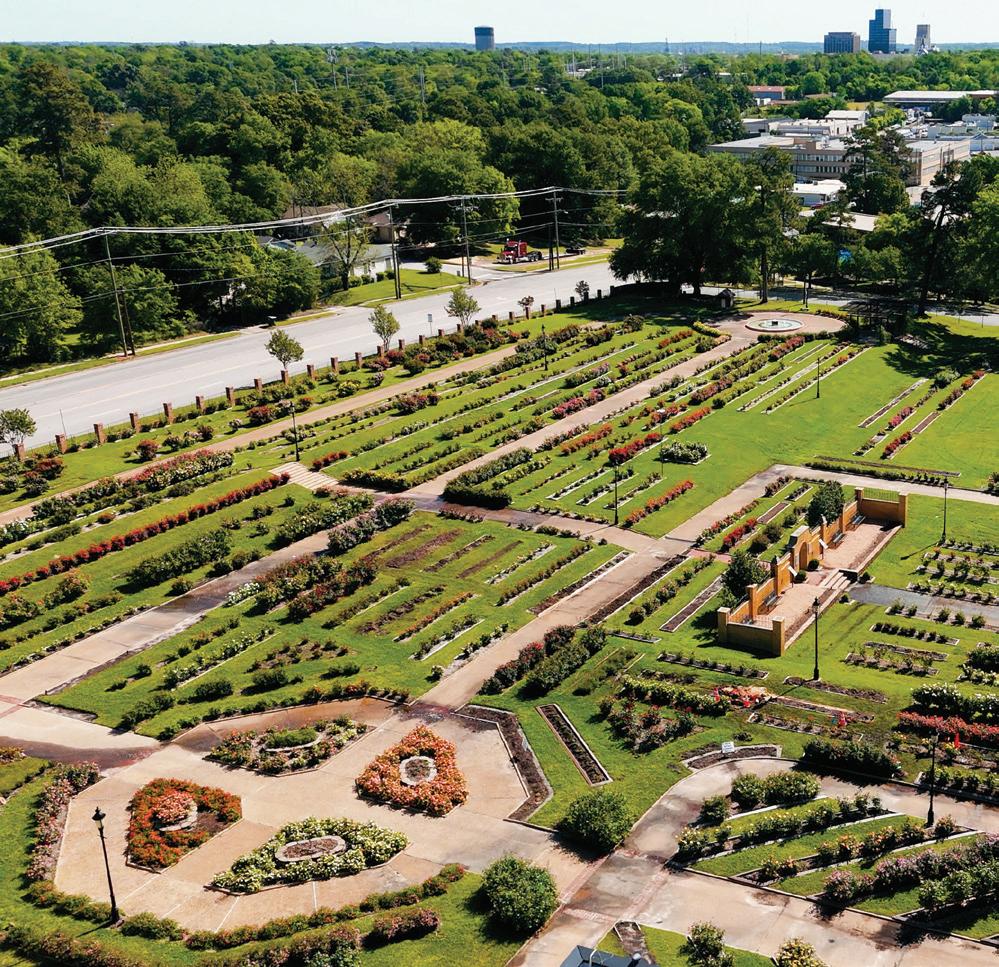
The next chapter for Downtown Tyler is underway, where a trail of painted roses guides visitors to businesses and restaurants. As the space becomes reimagined and evolves, the Main Street Department is working to keep the path to local storefronts clear. These pink and yellow blooms serve as a functional map through the grit, showing that while the pavement is being rebuilt, Downtown remains wide open.
Over the next three years, the heart of our city will be transformed into a more vibrant, walkable, and welcoming place for everyone to enjoy through the Downtown Improvement Project. We’re working to create a destination that connects people, supports businesses, and reflects the future of our growing community.
Our Main Street team isn’t letting the “sound of progress” slow Downtown’s day-to-day experience. When walking to a business gets tricky, they offer the open-air Shorty’s Shuttle for weekday trips and a valet shuttle connecting six key hubs on weekend nights. Whether catching a ride or following the roses, the goal is to ensure construction never gets in the way of enjoying Downtown.
Support is equally active behind the scenes. This is a deliberate, multi-layered defense of our local economy, Main Street serves as both a marketing agency and an advocate for Downtown businesses. When dust obscures sidewalks, they paint a path. For restaurants, they’ve created a dining guide and offer free weekday delivery to keep business moving. Each month, Cash Mob events flood selected businesses with community support.
The real story lies in the hearts of those navigating the streets right now. This is a labor of love that requires a shared vision of what we can become. It’s about the City working hand in hand with business owners to bridge the gap toward a vibrant future. Every painted rose is a symbol of that partnership. The look of our Downtown is changing, but the warmth and connection remain the same.
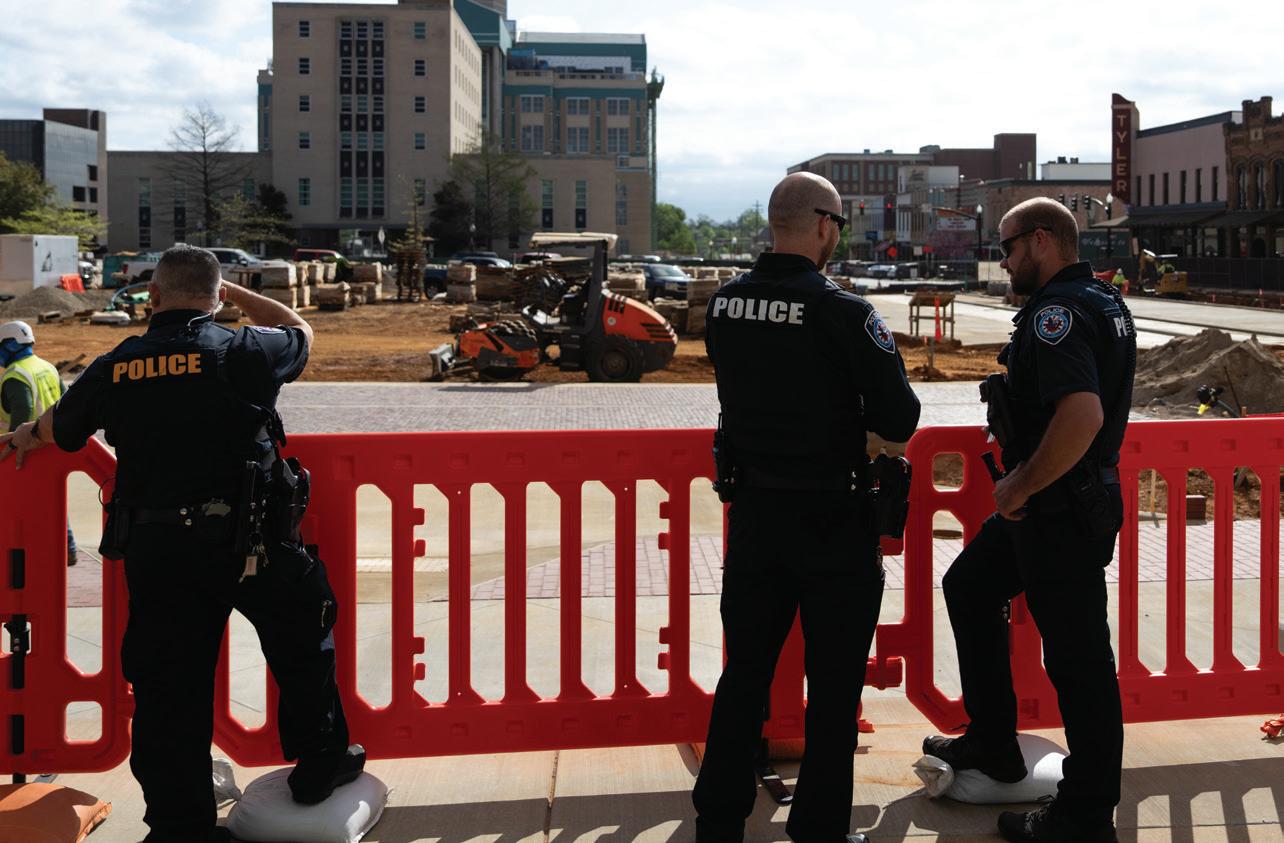
As Downtown Tyler evolves, the Tyler Police Department’s approach to public safety has also transformed through the creation of a dedicated Downtown Police Beat. While Downtown covers just one square mile, or about 2% of the City’s acreage, the new beat accounts for 12 to 14 percent of reported crime, much of which impacts our unhoused neighbors.
By proactively connecting individuals to resources and outreach agencies, these beat officers helped drive a 20.6% drop in Tyler’s unhoused population this past year. The Downtown beat is a reflection of our commitment to people-first policing and the belief that true public safety starts with connection, care, and collaboration.
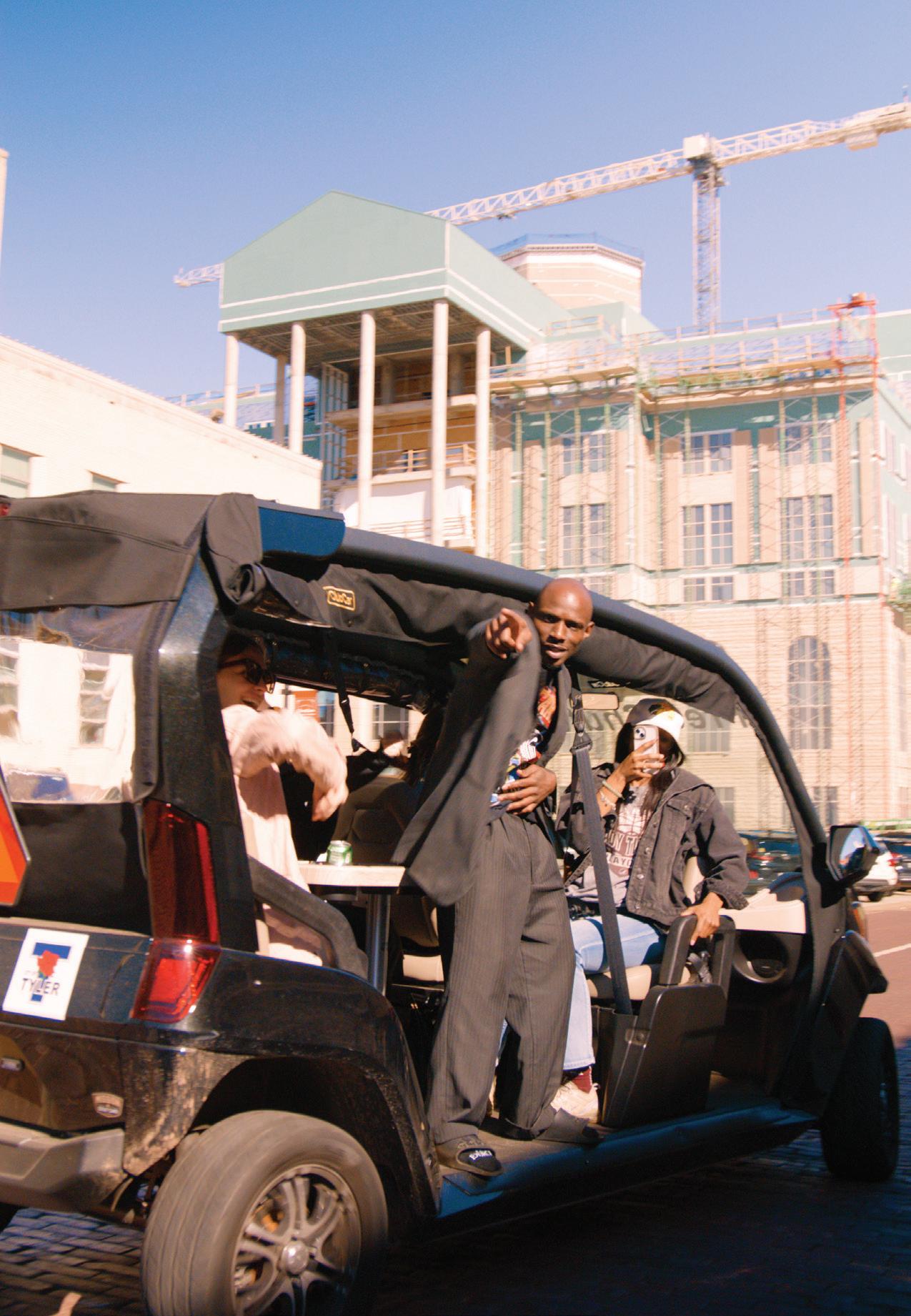
The “Rose Capital” nickname attracts plant enthusiasts from across the world year-round to explore Tyler, with the primary attraction being the Tyler Rose Garden.
When the Tyler Rose Garden first opened, local nurseries donated nearly 3,000 bushes to showcase roses grown in the area. Visitors did not just see flowers. They experienced the industry and pride that put Tyler on the national map.
Today, that legacy continues to bloom.
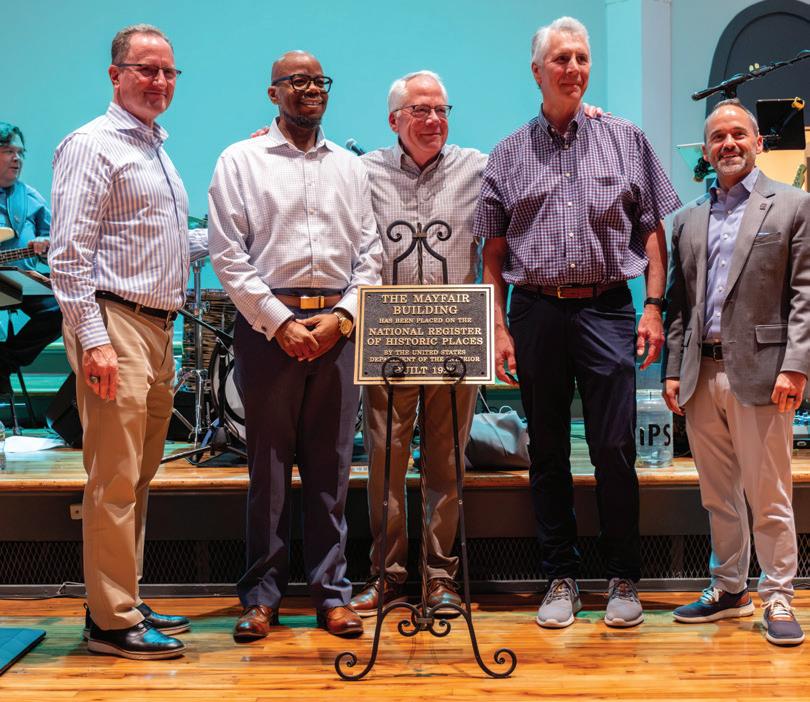
In 2018, the Texas Chapter of the American Planning Association recognized the garden as one of the Great Public Spaces in Texas for exemplifying exceptional character. In 2019, it was officially listed on the National Register of Historic Places as a national treasure. In 2023, it was designated a Lone Star Legacy Park, a distinction reserved for parks that hold special prominence in Texas communities.
Throughout the garden, we are strengthening its beauty and story. In 2024, the City made a renewed investment in the garden’s future by hiring a dedicated horticulturist to lay the groundwork for a new season of growth.
Rose collections are being reorganized, and we’re updating signage to help visitors better understand the hundreds of varieties lining the paths. More than 300 donated roses are joining the David Austin collection. We are refreshing flower beds throughout the garden and adding climbing roses along Front Street to greet guests before they enter.
New growth is blooming beyond the rose beds as well. A formerly open area is sprouting up as a vibrant Tropical Garden. We repurposed pavers from the historic Mayfair Building to border six broad beds featuring banana shrubs, vivid hibiscus, glossy camellias, juniper, and more. Donations of plumeria from Plumeria of Texas and pineapples from a community member echo the generosity that founded the garden decades ago. The tradition of neighbors investing in something beautiful together is still alive here.
That spirit now takes form in bronze. A $325,800 private gift from the Bronze Rose Council will provide a custom sculpture for the Rose Garden Center entrance. Crafted by Randolph Rose Collection, the sculpture will symbolize that in Tyler, the rose is more than a flower. It is part of who we are.
Because in Tyler, the rose is not simply remembered. It is grown, shared, and proudly displayed for the world to see.
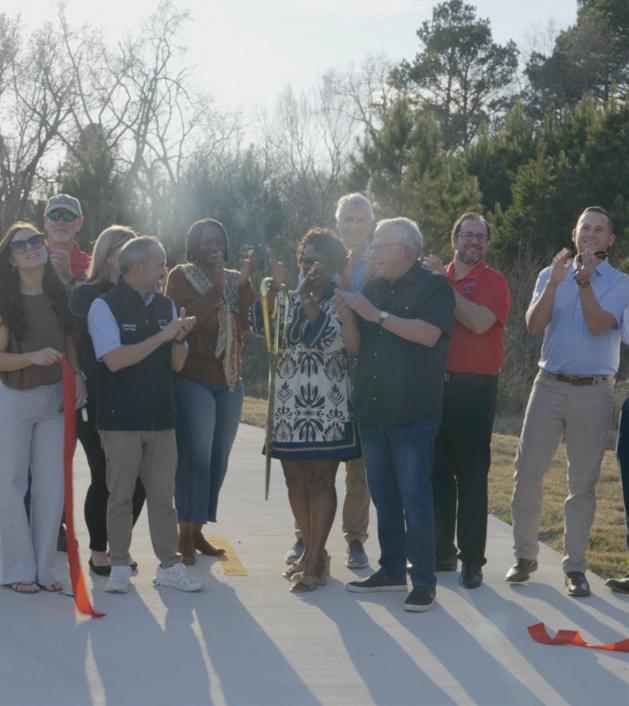
This year, we celebrated the completion of the second phase of the Legacy Trails project, adding 1.7 miles to our growing recreation system. Now there are 60 miles of trails across Tyler for walking, running, and biking.
The new path also connects Tyler residents to the history of the St. Louis community. The trail’s starting point rests at the future site of Stewart Park and ends near W.E. Winters Park close to Peete Elementary School, connecting neighborhoods, schools, and recreational spaces.
Future steps: We plan to eventually connect the two trails to each other as well as to others in the City. Legacy Trails South already easily connects into trails at Faulkner Park and into Rose Rudman Trail and the Southside trails.
Tyler is not the same city it was 20 years ago.
We have grown. Expanded. Invested. Strengthened neighborhoods. Upgraded infrastructure. Built places where families gather, and businesses thrive.
None of it happened by accident.
This purposeful progress began when the City adopted the Tyler 1st Comprehensive Plan in 2007, setting a clear direction. The results are visible across the community: every City park has received updates or complete renovations, playgrounds have been rebuilt, trails have been extended and gathering spaces have been refreshed.
These changes were all intentional.
That same plan guided key transportation improvements, including the extension of Cumberland Road to ease congestion in South Tyler and development standards along Old Jacksonville Highway that require shared driveways to keep traffic moving safely and efficiently. That framework continues to guide us today through the City’s Intelligent Transportation System, where real-time data is used to adjust signal timing and improve movement along major corridors.
Some residents may notice that Downtown and City parks are not central features of the Tyler Tomorrow plan. That is by design.
“Those priorities were clearly identified in the Tyler 1st Plan,” said Mayor Don Warren. “Because of that direction, our parks have been renovated, and Downtown improvements are underway. Tyler Tomorrow is about what comes next. It builds on that progress and prepares us for the growth ahead.”
Today, Tyler is adding nearly 1,000 residents each year. Over the next two decades, that pace means 20,000 new neighbors will build their lives among the pines. Growth of that scale will shape traffic patterns, housing demand, infrastructure capacity, and neighborhood history.
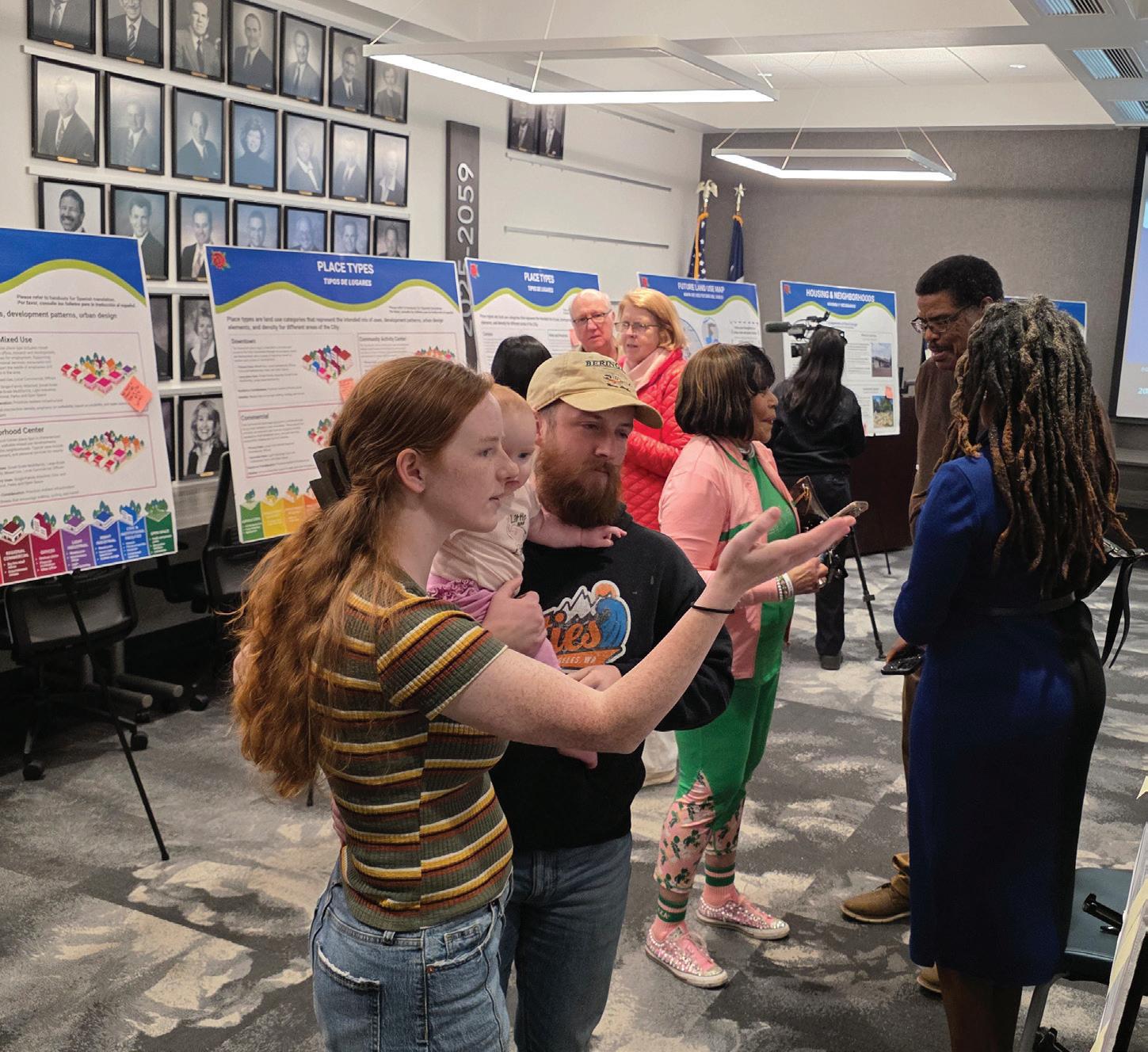
To shape that future, during community conversations throughout the past year, residents of all ages shared what they want Tyler to look like. Fifth-grader Archer Hart put it simply.
“I want people to be safe, happy, and have an amazing time.”
Tyler Tomorrow takes this shared vision and turns it into a roadmap for growth that protects what matters most to our community.
It clarifies where growth makes sense and how infrastructure keeps pace, responding to residents’ concerns about traffic, capacity, and neighborhood character. It shapes zoning and development standards so new projects strengthen neighborhoods rather than strain them. And it balances opportunity with responsibility as the City expands.
Transportation continues to evolve. The plan reinforces the Master Street Plan, strengthens sidewalks and trail connections, and aligns future mobility investments with anticipated development. It also builds on our prior planning efforts, including the South Tyler Mobility Study, to guide phased improvements that address congestion while supporting long-term growth.
Housing is another focus. Tyler Tomorrow addresses the “missing middle,” creating more options for young professionals, growing families, and residents who want to age in place. The plan supports a broader range of housing types, including townhomes, duplexes, and small-scale multifamily homes, so residents can find attainable choices that reflect how Tyler is evolving.
Infrastructure remains foundational. Water, sewer, and broadband systems must expand responsibly to support new development without sacrificing service quality. As Tyler grows, this means the pipes, lines, and treatment capacity that power daily life are ready to support it.
In key areas like Midtown, the North End, and the UT Tyler corridor, small-area plans provide tailored strategies so that growth reflects the character of each district and community priorities. Rather than applying a one-size-fits-
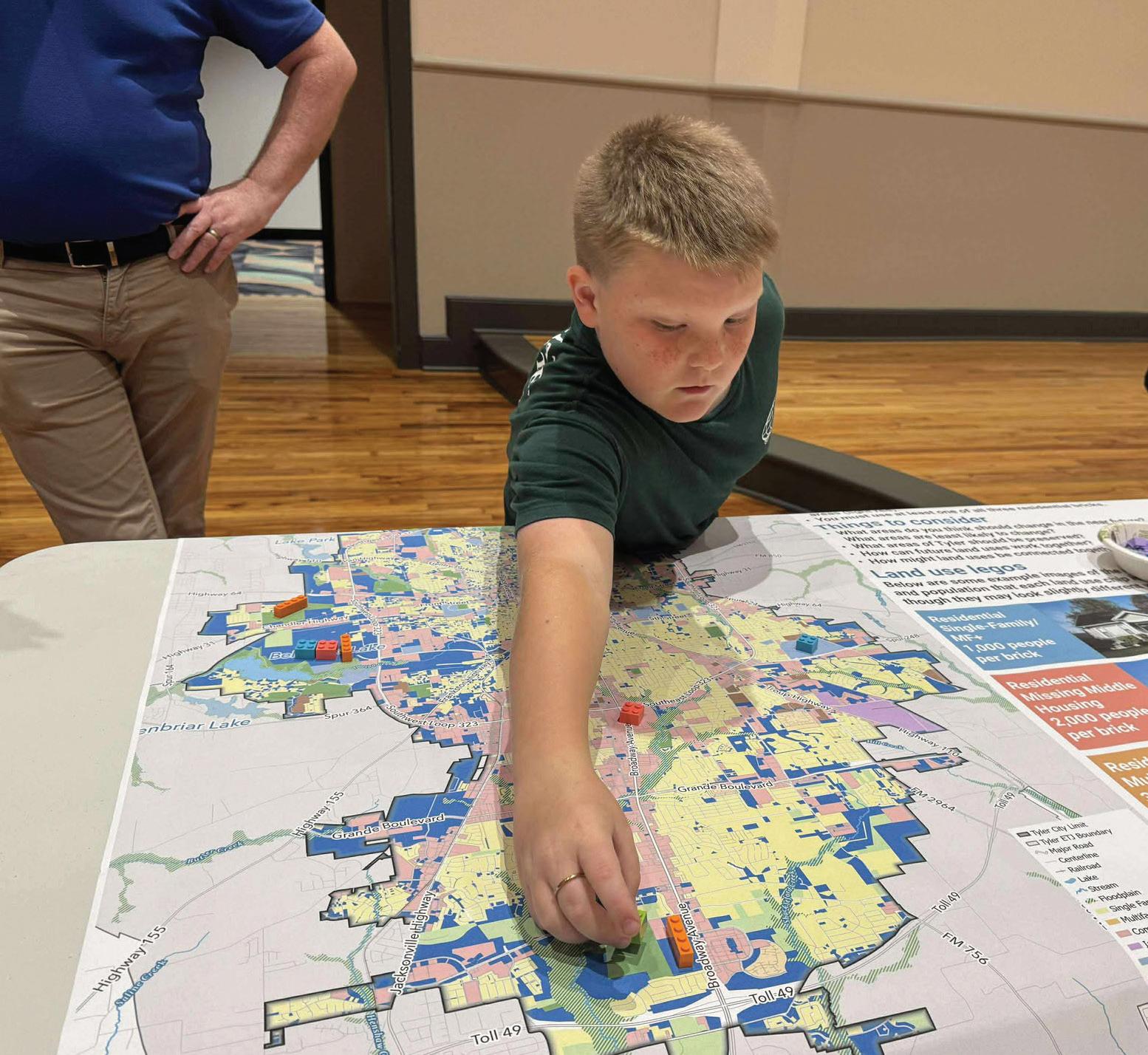
all approach, these plans recognize that each part of Tyler has its own history, assets, and future potential.
Looking toward 2045, Tyler Tomorrow is about making thoughtful decisions now so that growth strengthens neighborhoods, protects quality of life, and reflects our community’s shared values. It is the guide to ensure our future is both vibrant and rooted in what matters most to Tyler.
The Tyler of tomorrow will not appear overnight. It will be shaped, step by step, by the choices we make today.
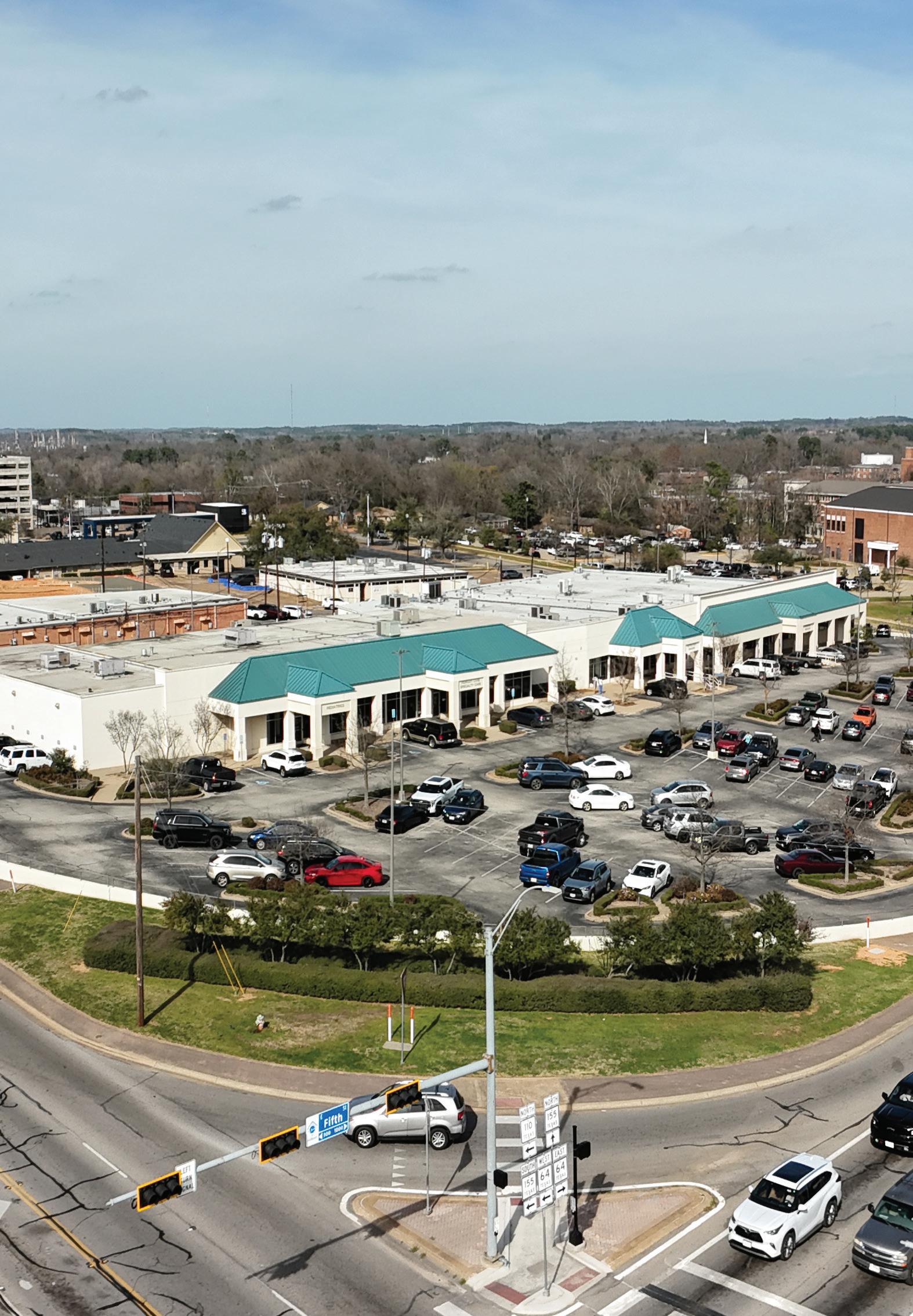
Streets and sidewalks are among the most visible services the City provides. Sometimes that means a safe walk to a bus stop. Other times, it’s a smooth commute or a dependable drive to school.
This year, we focused on strengthening those everyday connections.
Crews are working on 14 sidewalk projects across nine areas—the routes people use most. Based on transportation studies and community feedback, we identified key corridors that see steady foot traffic. Improvements include new sidewalks, ADA-compliant ramps, safer crossings, and upgraded signals that make it easier to reach parks, transit stops, and schools.
We’re prioritizing street improvements to keep up with increased demands on our roads. The Engineering team periodically does a pavement condition index survey, reviewing every City-maintained road and gathering detailed data. One was completed this winter, and the information from it will feed into a new pavement management system that helps us decide over the next 5 years which streets need attention and what type of repairs are needed to ensure longevity.
Preventive maintenance extends pavement life, protects taxpayer investment, and prevents minor issues from becoming costly repairs. With new equipment, the Streets Department can now complete pothole repairs in a single visit, reducing repeat trips to one area.
Traffic flow remains a priority as well. We are now in our sixth year of the Intelligent Transportation System Master Plan, which continues upgrading signals across Tyler. Retiming intersections has reduced congestion during busy hours and improved safety at key crossings. We’ve seen it work over the last five years as Broadway Avenue, once listed among the State’s top 50 most congested roads, has fallen off more than 73 spots to #120 and continues to drop. A new public traffic dashboard also gives residents a clearer view of how the system is performing as Tyler grows.
From sidewalks and pothole repairs to signal upgrades and roadway maintenance, these investments reflect a thoughtful approach to the basics. It’s steady, intentional work to keep Tyler moving forward.
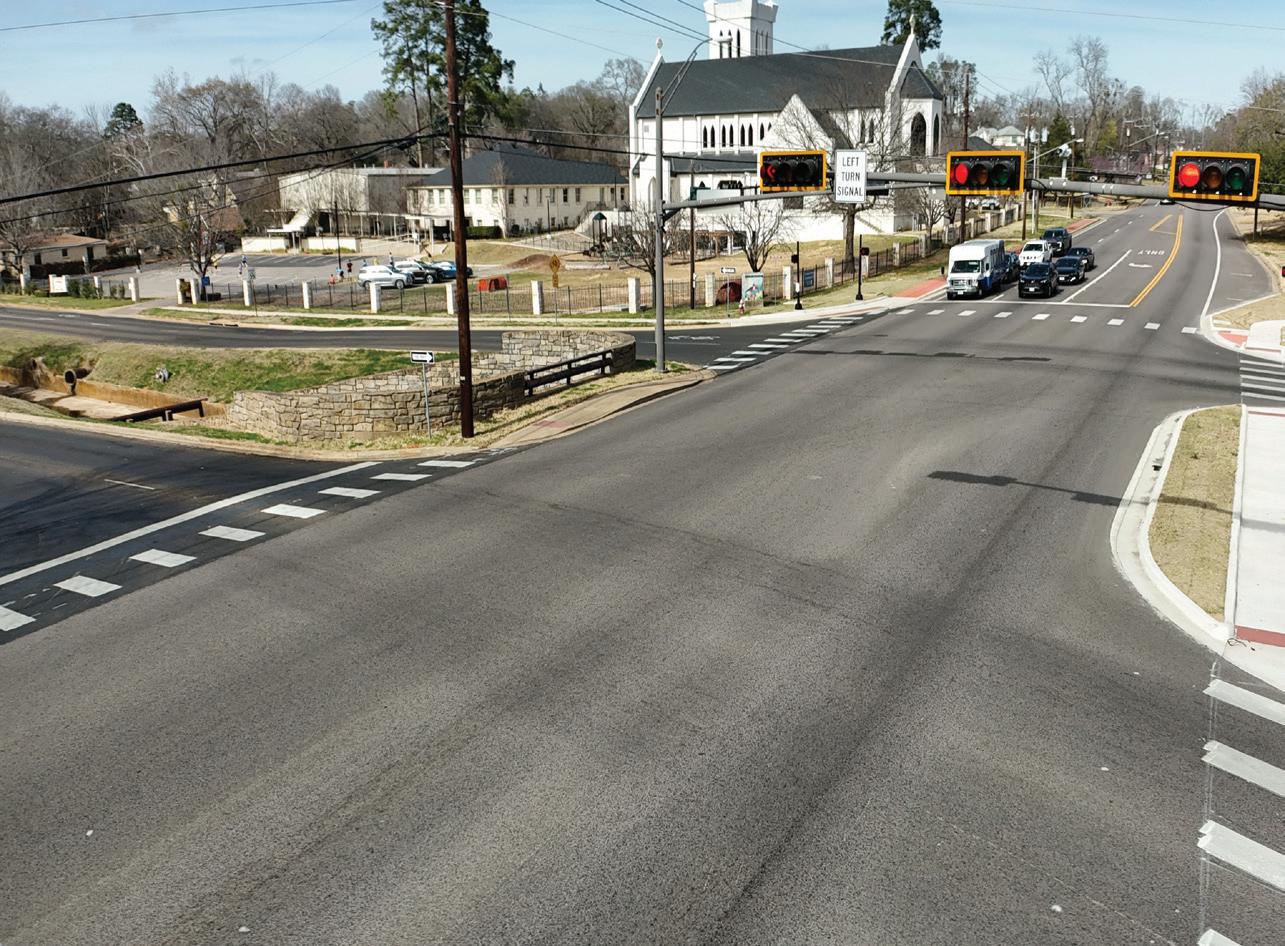
Since 2019, 101 of Tyler’s 151 signalized intersections have been retimed, covering ten major corridors and spanning more than 34 miles of roadway.
Together, these coordinated updates have saved drivers:
VEHICLE HOURS ANNUALLY SAVED $33 MILLION IN TOTAL ESTIMATED YEARLY DELAY COSTS SAVED MORE THAN
975,000
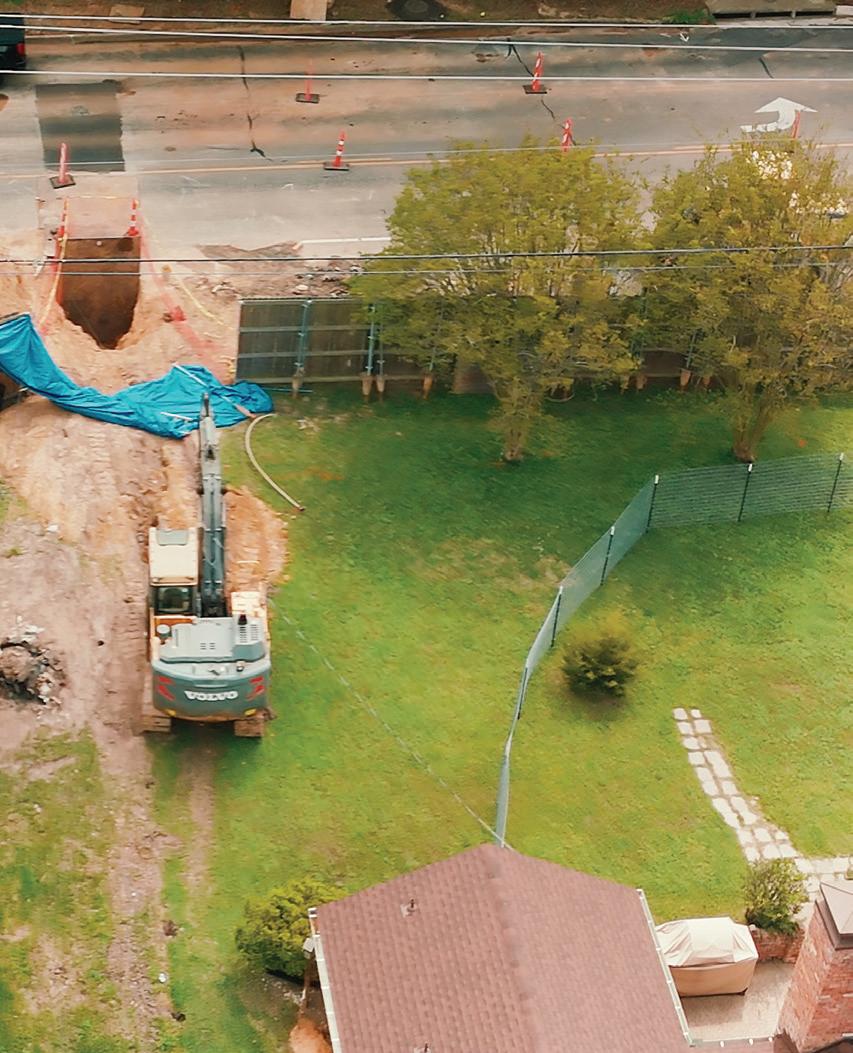
Year after year, the City of Tyler invests in the systems that keep neighborhoods strong, making quiet improvements that meaningfully shape everyday life across the community. The 2025–2026 Structure Flooding Project reflects that commitment, with stormwater infrastructure upgrades in seven neighborhoods designed to help protect homes from flooding.
Delivering these improvements required careful planning and coordination. Engineering staff evaluated drainage patterns, reviewed historical flooding data, and assessed existing infrastructure to identify where updates would have the greatest impact. Each area of the project was designed to meet established engineering and safety standards while accounting for the unique conditions of the neighborhoods.
Collaboration with the homeowners was equally important during this process. Staff worked closely with neighbors to understand how heavy rains impacted them and their homes, and to inform the community about planned improvements and when to expect them.
One of these projects is the upcoming drainage improvements on Kidd Drive and Downing Street, which will strengthen how water moves through the system. On Downing Street, we will
install two new curb inlets and enlarge an existing inlet to increase water flow capacity. On Kidd Drive, we are removing two aging brick curb inlets and replacing them with new, highercapacity inlets, adding two additional inlets. All four inlets will connect to a new junction box tied into existing stormwater infrastructure along Shiloh Road. New yard drains will also be installed in areas most susceptible to flooding to help redirect stormwater away from homes and property.
“We know flooding isn’t just about water in the street. It’s about the worry that comes with it,” said Mayor Don Warren. “These projects are about more than infrastructure. They’re about protecting homes when storms move through.”
By taking the time to plan carefully and listen closely, the Structure Flooding Project reflects a thoughtful approach to neighborhood infrastructure. Engineering expertise and resident input worked together to guide improvements that will continue strengthening Tyler’s neighborhoods in the years ahead.
The 2025 Structure Flooding Project, for $1.28 million, targets seven areas prone to structural flooding:
• Persimmon Drive
• Haverhill Drive and Old Henderson Highway
• Golden Road and Black Fork Creek
• Kensington Drive
• Ninth Street
• Princedale
• Kidd Drive and Downing Street
Long wait times. Outdated technology. A lack of communication. These weren’t simply internal hurdles; they were barriers between the City and the community we serve. With those challenges in mind, the Water Business Office (WBO) embarked on an 18-month listening tour. This past year, we committed to a fundamental shift, moving away from “business as usual” toward a model of transparency, accessibility, and modern service.
In 2025, the phone system at WBO was updated with a new call queuing system. A callback service was also introduced, allowing our residents to reclaim their time rather than waiting on hold. By providing estimated wait times and routing calls to available agents, we replaced the frustration of the unknown with real-time information about their place in line and clear expectations for when they’d receive assistance. We also automated online forms and introduced text features to keep customers updated on the status of their requests and work orders. These updates did more than help customers regain their time; they gave our agents time to focus on each caller’s needs, leading to more attentive, personalized customer support.
These updates not only improved the customer experience but also delivered measurable results: Average wait times dropped from 30 mins to 3 mins.
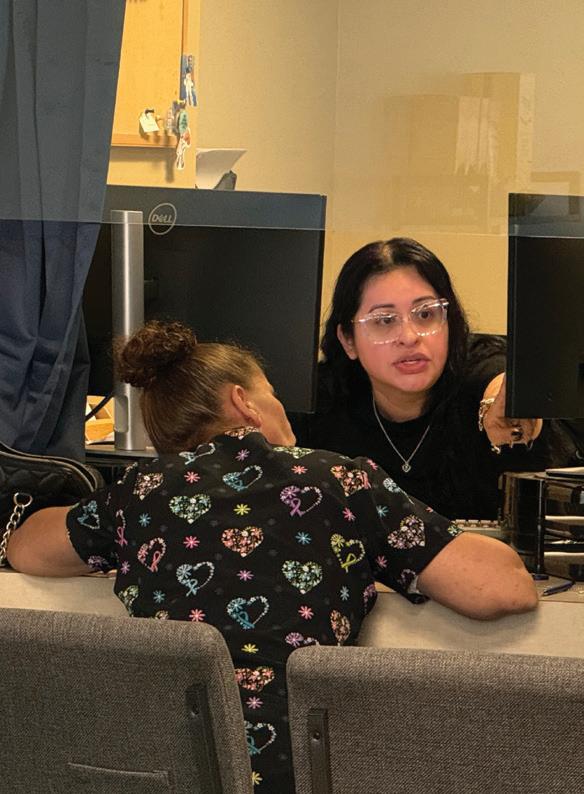
We also found ways to meet people where they are. Last summer, we expanded cash payment options to neighborhood retailers like Walmart and CVS. Because payments are processed as quickly as the next business day, customers can avoid the anxiety of late fees while enjoying the convenience of paying where they already shop and outside of regular business hours. We brought that same focus on comfort into our lobby this fall, adding clearer signage and improving two-way communication devices at service counters so every in-person visit feels smooth and welcoming.
CUSTOMERS HAVE NOTICED THE CHANGE:
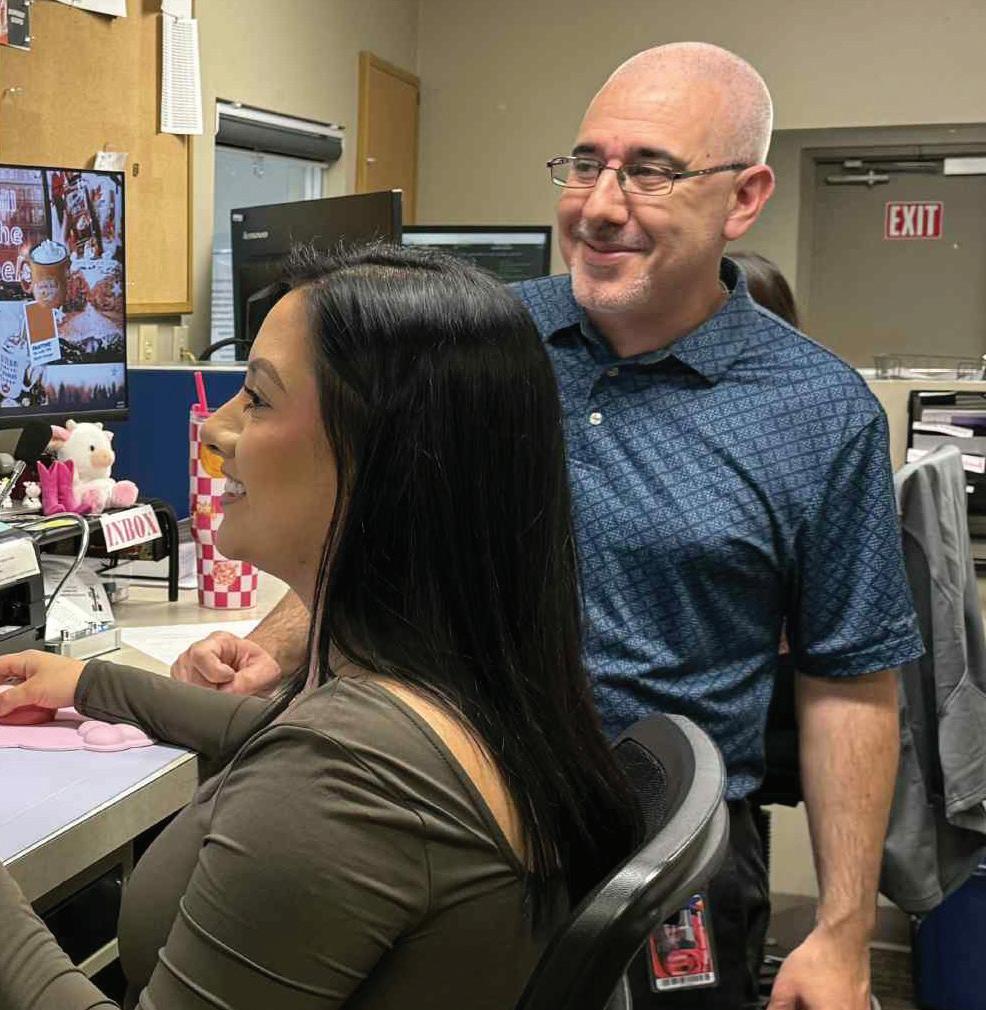
“FANNIE NEVER MADE ME FEEL LIKE A BURDEN. SHE GAVE ME HER FULL ATTENTION AND TREATED ME WITH GENUINE CARE AND RESPECT.” ANOTHER CUSTOMER NOTED, “SANDRIKA SHOWED THE KINDNESS THAT YOU DON’T FIND MUCH EVERY DAY.”
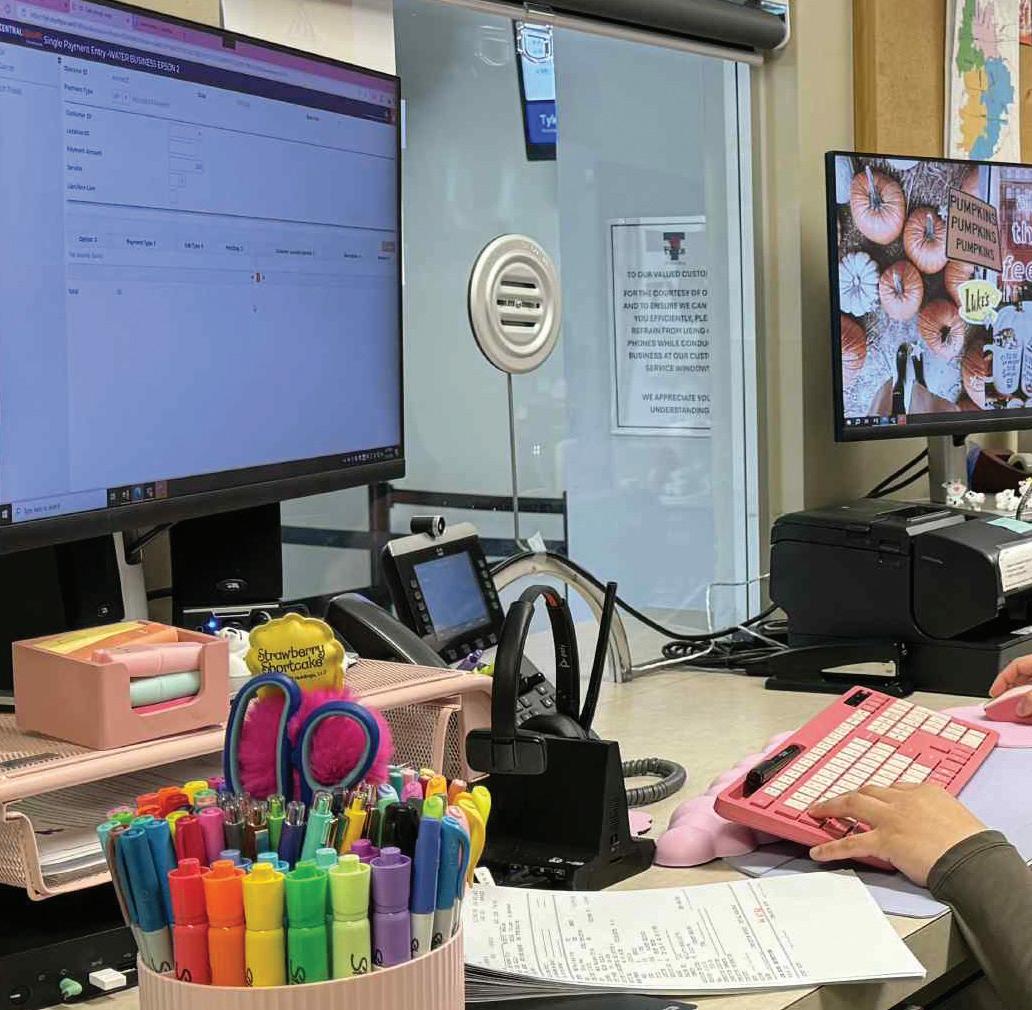
Clarity remained our priority into early 2026 with the launch of a redesigned utility bill. While commonly called the “water bill,” it covers four essential services: water, wastewater (sewer), trash, and stormwater. We eliminated the jargon and added a glossary on the back to help customers better understand what they are paying for. To provide customers with more payment methods, this spring we switched to a new payment provider that offers the ease of text-to-pay and digital wallets like Apple Pay.
Looking ahead, we are developing a customer portal to provide even more insight into our customers’ accounts.
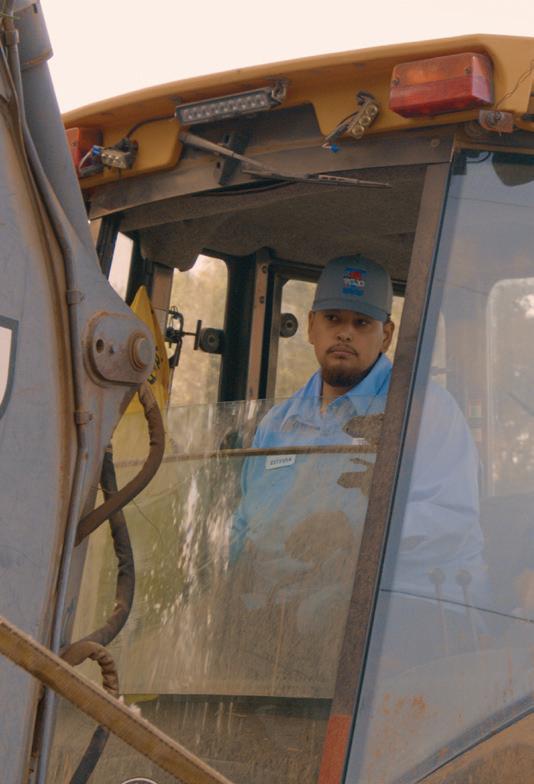
This tool will allow users to track their water usage in near real time, identify leaks early, and chat directly with us online. It will also allow us to immediately alert customers of any issues in their area through text.
We have modernized systems and reimagined customer care to create solutions that address real needs, deliver greater transparency, and build trust. By improving the systems customers rely on every day, the Water Business Office is strengthening a core City service and building a foundation that will serve the community well into the future.
Utility payments don’t go into the General Fund like property taxes. Money from the utility bill stays in a closed loop, going right back into the water, wastewater, trash, and stormwater systems. This revenue keeps the systems working today and funds the improvements needed for tomorrow.
$14.5 MILLION
INVESTED IN WATER AND WASTEWATER IMPROVEMENTS IN FISCAL YEAR 2025-2026
919,532,750
AVERAGE GALLONS OF DRINKING WATER TREATED IN 2025
53.5 MILES OF SEWER LINE REPLACED SINCE ENTERING THE FEDERALLY MANDATED CONSENT DECREE
2,123 TOTAL SEWER REPAIRS COMPLETED UNDER THE CONSENT DECREE
102 IN 2017 TO 50 IN 2025 SANITARY SEWER OVERFLOWS REDUCED FROM